Блок 72
Слова 1421–1440 · hurt, council, editor, normally, sight, generate
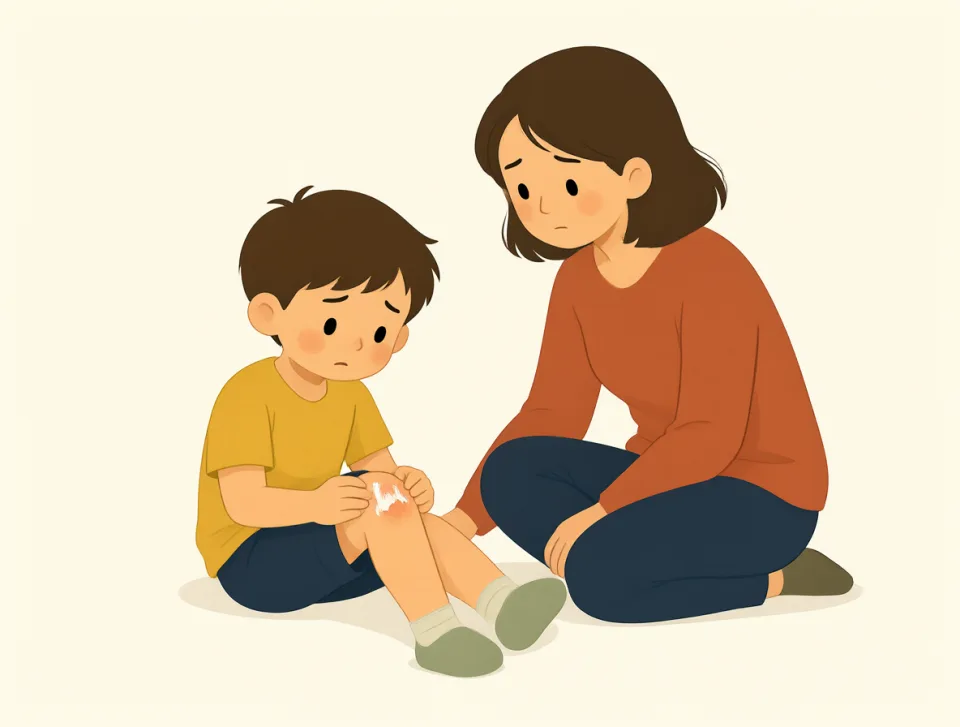
hurt
#1421verb, noun, adjective
болеть; причинять боль
to feel pain or cause someone to feel pain
Чувствовать боль или причинять кому-либо боль.
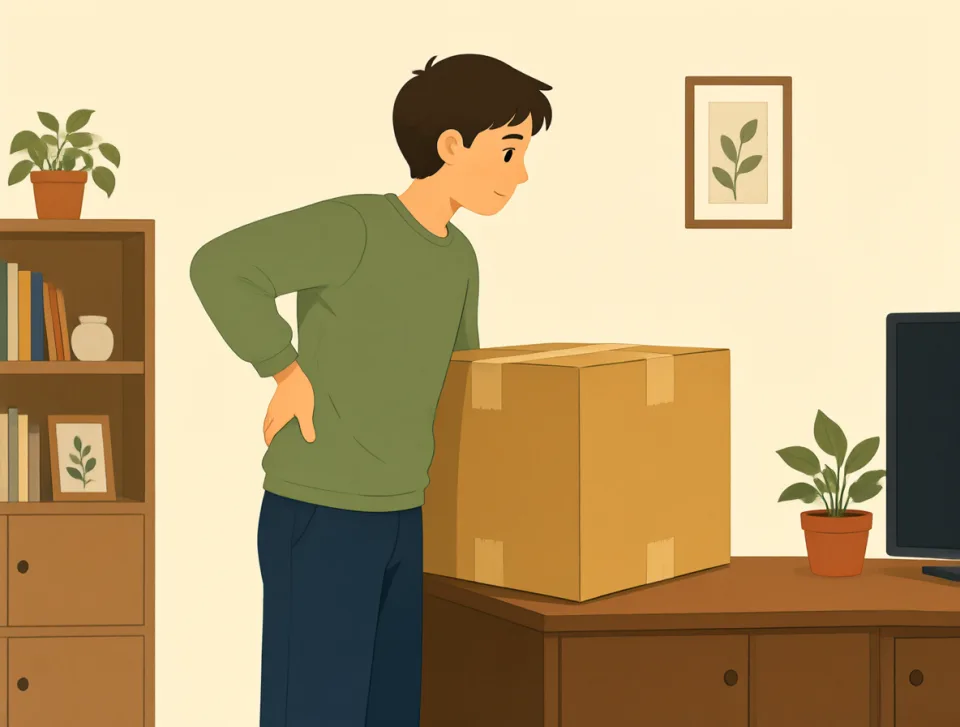
My back hurts after carrying that heavy box.
У меня болит спина после того, как я нёс эту тяжёлую коробку.
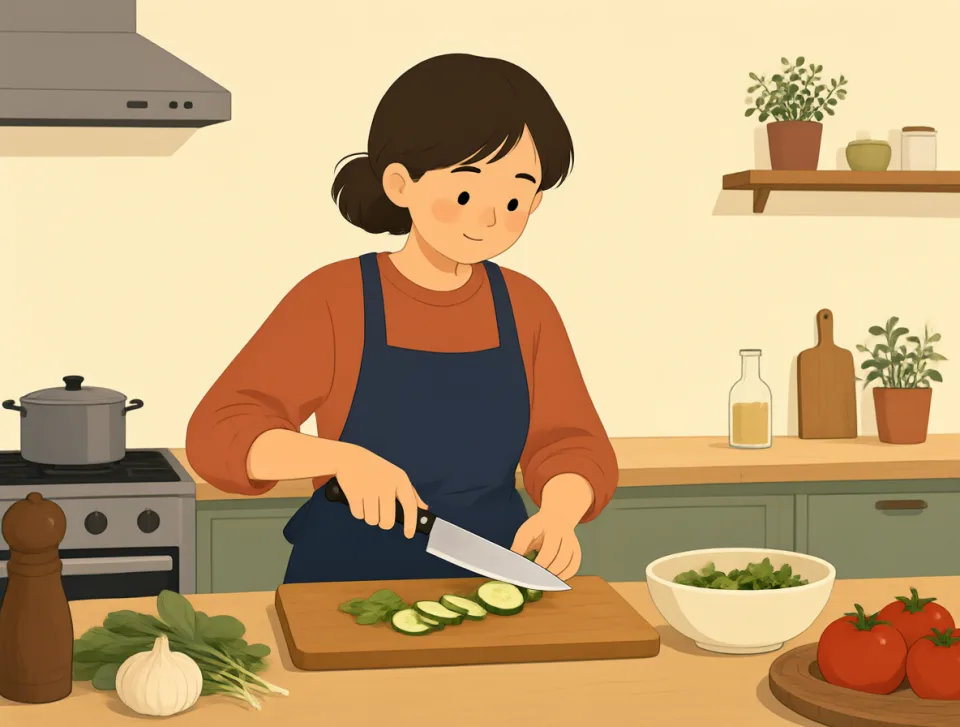
Be careful not to hurt yourself with that sharp knife.
Будь осторожен, не порежься этим острым ножом.
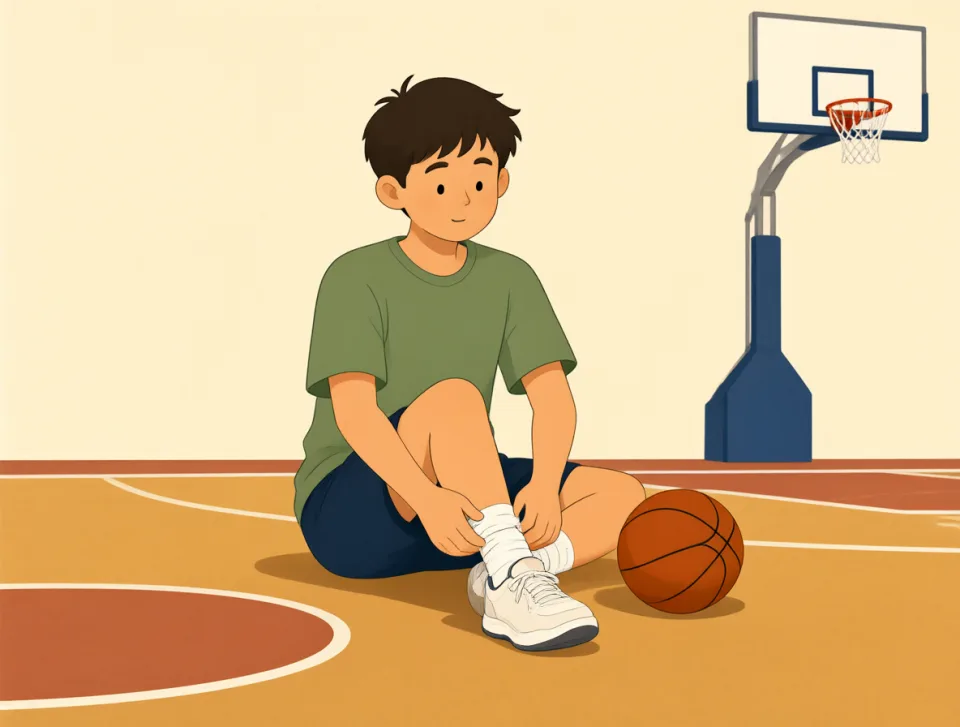
She hurt her ankle while playing basketball at school.
Она повредила лодыжку, играя в баскетбол в школе.

It hurt when my friend forgot my birthday.
Мне было обидно, что друг забыл о моём дне рождения.

The new shoes hurt my feet during the long walk.
Во время долгой прогулки новая обувь натёрла мне ноги.

council
#1422noun
совет
A group of people elected to manage a town, city, or local area.
Группа людей, избранных для управления городом, посёлком или местным районом.
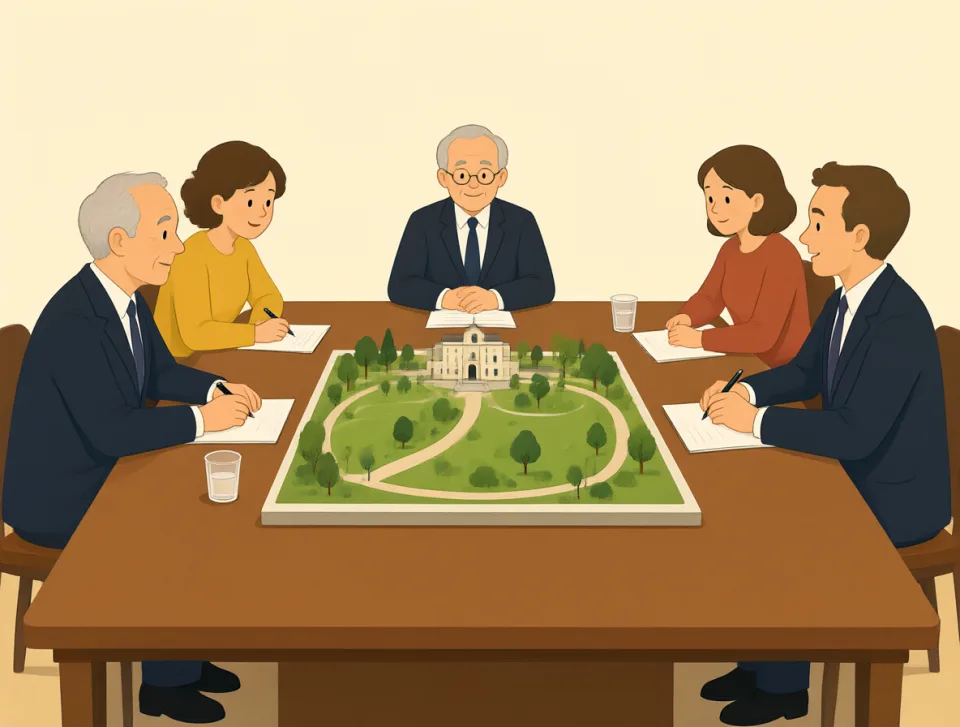
The city council approved plans for a new public park.
Городской совет одобрил планы строительства нового общественного парка.
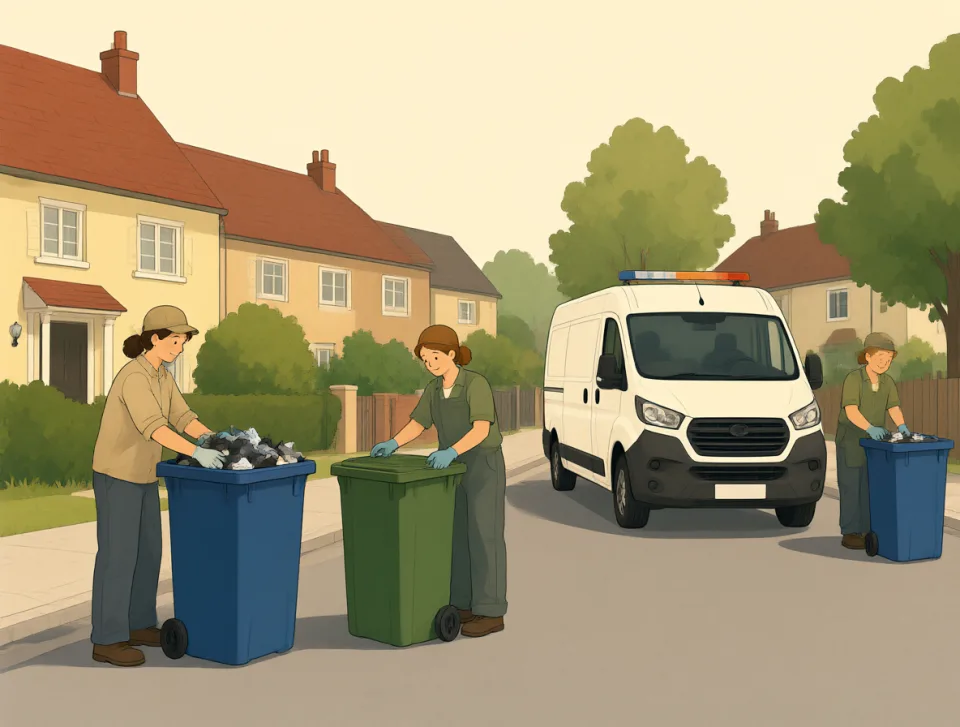
The council collects rubbish from our street every Tuesday.
Совет вывозит мусор с нашей улицы каждый вторник.
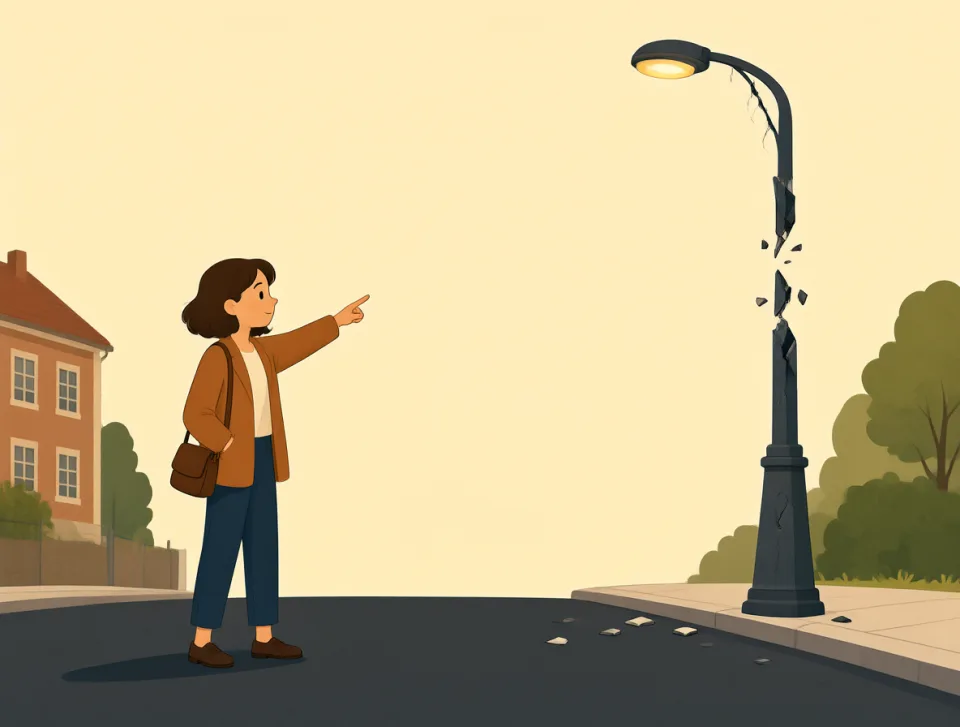
She wrote to the council about the broken streetlights.
Она написала в совет о сломанных уличных фонарях.
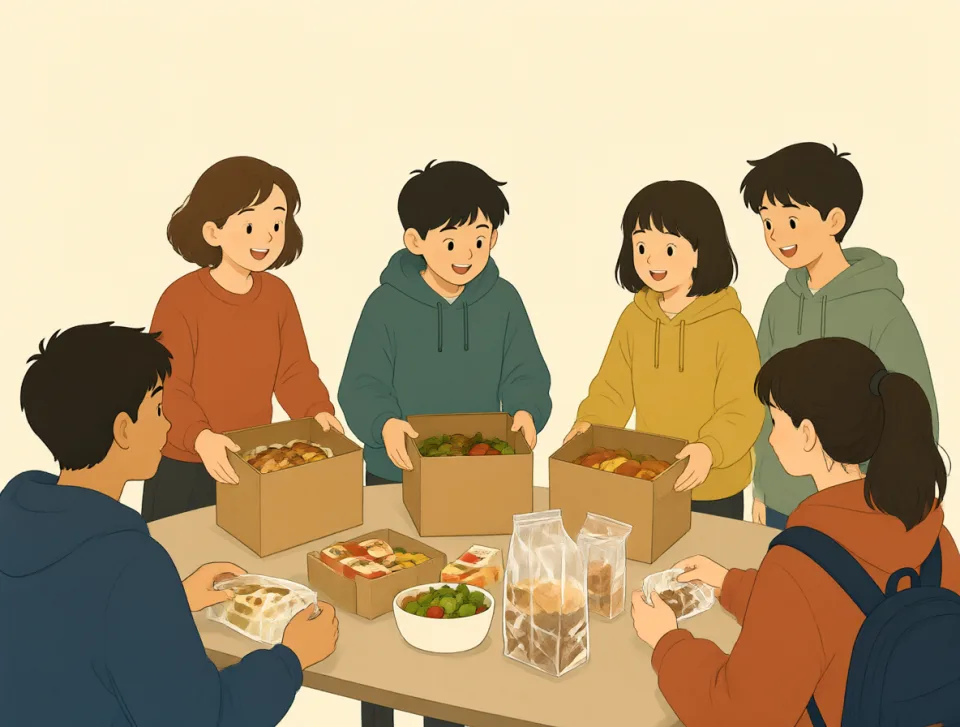
The school council planned a charity food sale.
Школьный совет организовал благотворительную распродажу еды.
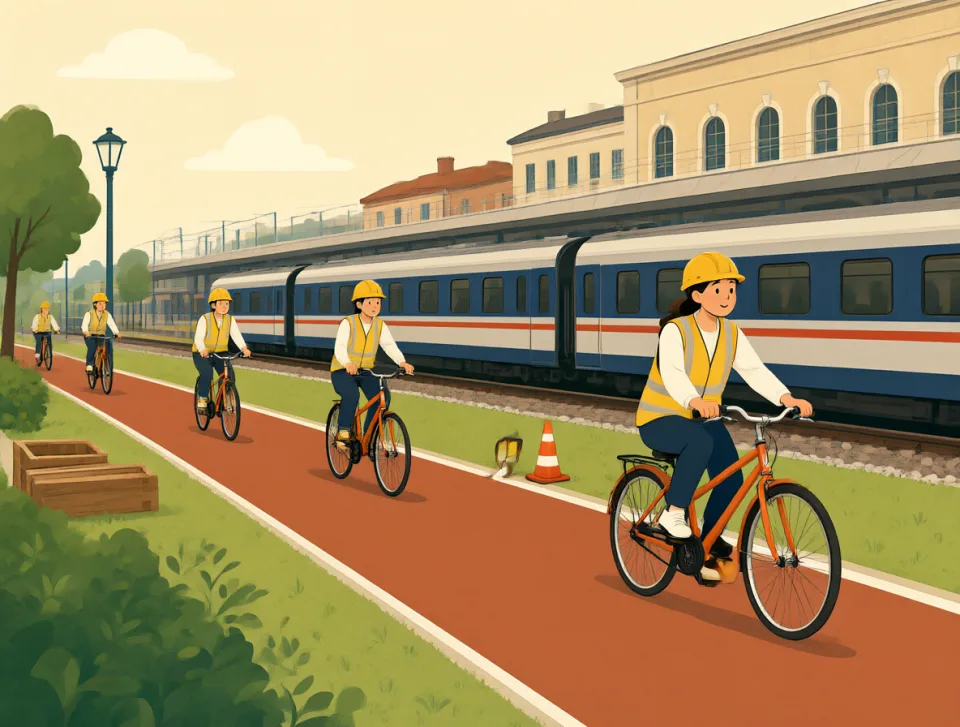
The council is building a safer cycle path near the station.
Совет строит более безопасную велодорожку рядом со станцией.

editor
#1423noun
редактор
A person who checks and prepares writing, films, or other content for publication.
Человек, который проверяет и подготавливает тексты, фильмы или другие материалы к публикации.

The editor checked my article before it appeared in the magazine.
Редактор проверил мою статью перед публикацией в журнале.

She works as an editor for a large publishing company.
Она работает редактором в крупном издательстве.
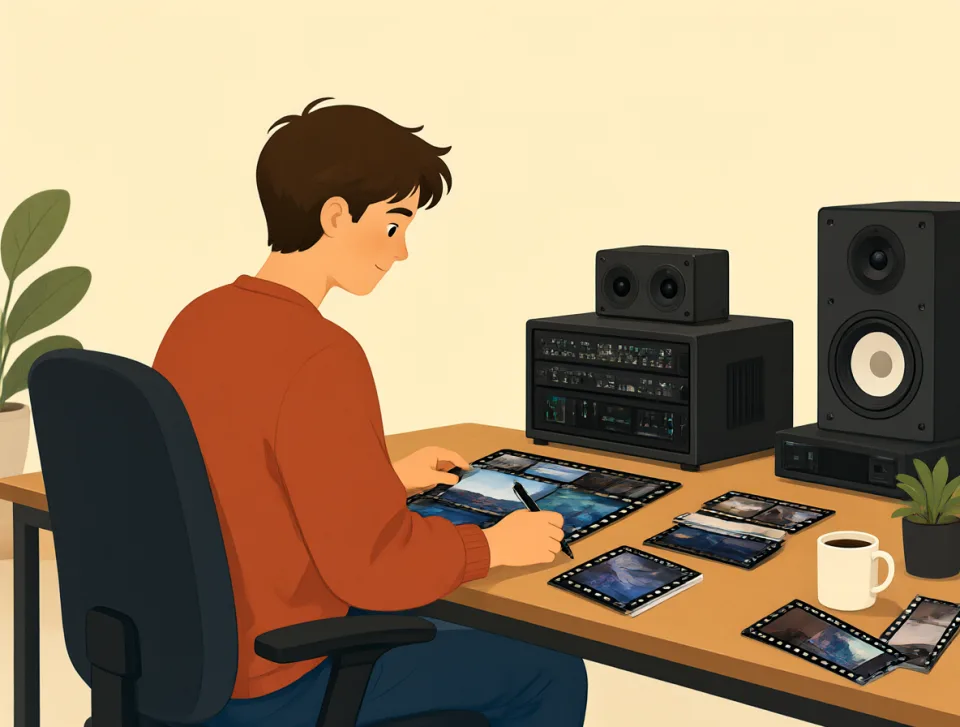
The film editor cut the long movie into a shorter version.
Монтажёр сократил длинный фильм.

Ask the editor to correct this mistake in the school newspaper.
Попроси редактора исправить эту ошибку в школьной газете.

The editor is looking for interesting stories about local food.
Редактор ищет интересные истории о местной кухне.

normally
#1424adverb
обычно
Usually or in the usual way.
Как правило или привычным образом.
I normally drink coffee before I leave for work.
Обычно я пью кофе перед тем, как уйти на работу.

The shop normally closes at six on weekdays.
В будни магазин обычно закрывается в шесть.

Normally, trains arrive every twenty minutes during the day.
Днём поезда обычно ходят каждые двадцать минут.

She is normally very calm during difficult meetings.
Обычно она сохраняет спокойствие во время сложных совещаний.

You can normally find fresh bread near the entrance.
Свежий хлеб обычно можно найти у входа.

sight
#1425noun
зрение; вид
The ability to see, or something you see.
Способность видеть или то, что вы видите.

The beautiful view came into sight as we reached the hill.
Когда мы поднялись на холм, перед нами открылся прекрасный вид.

The doctor tested my sight during my eye examination.
Во время осмотра глаз врач проверил моё зрение.

We lost sight of our friends in the crowded market.
Мы потеряли друзей из виду на переполненном рынке.
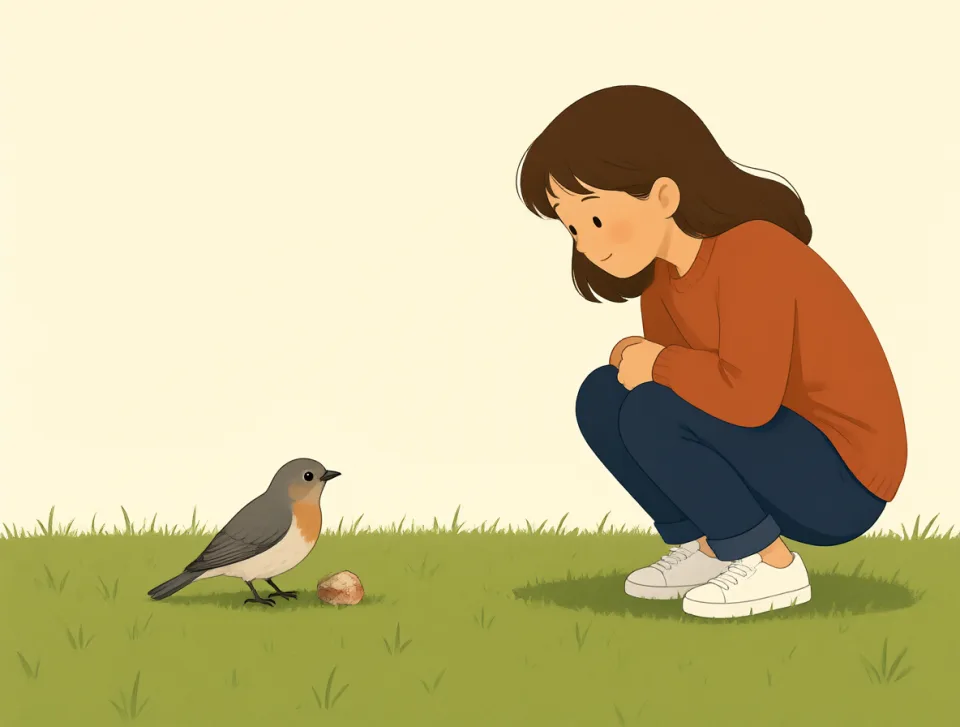
The injured bird was a sad sight in the garden.
Раненая птица в саду представляла собой печальное зрелище.

She felt sick at the sight of blood.
При виде крови ей стало плохо.

generate
#1426verb
производить
to produce or create something, especially energy, ideas, or a result
производить или создавать что-либо, особенно энергию, идеи или результат

Solar panels generate electricity for many homes.
Солнечные панели вырабатывают электричество для многих домов.

This exercise generates enough heat to warm your body.
Это упражнение вырабатывает достаточно тепла, чтобы согреть тело.

The new job generated a lot of interest.
Новая работа вызвала большой интерес.

The factory generates thousands of plastic bottles each day.
Фабрика производит тысячи пластиковых бутылок каждый день.

Walking after dinner generates good ideas for my projects.
Прогулки после ужина помогают мне находить хорошие идеи для моих проектов.

gift
#1427noun, verb
подарок; талант
A present given to someone, or a special natural ability.
Подарок, который дарят кому-либо, или особая природная способность.

She gave me a beautiful gift for my birthday.
На день рождения она подарила мне красивый подарок.

We bought a wedding gift for our neighbors.
Мы купили свадебный подарок для наших соседей.
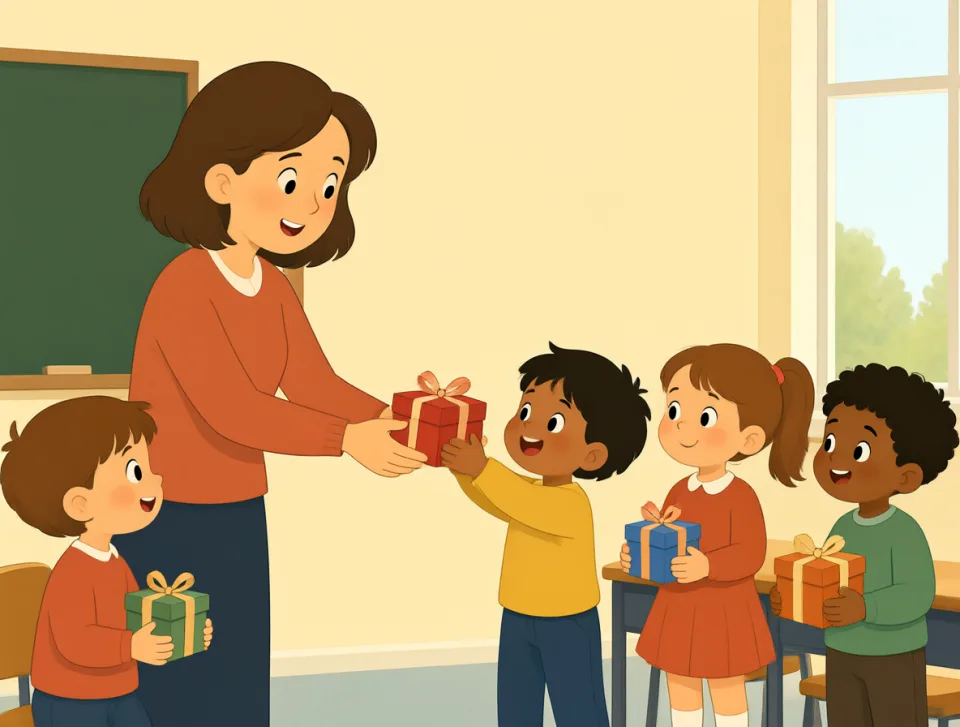
The teacher gave each student a gift after the school show.
После школьного концерта учитель подарил каждому ученику подарок.

He has a gift for making people laugh.
У него есть талант смешить людей.

Her gift for music helped her become a successful singer.
Её музыкальный талант помог ей стать успешной певицей.

delivery
#1428noun
доставка
The act of bringing something to a person or place.
Действие по доставке чего-либо человеку или в какое-либо место.

Your delivery should arrive before dinner tonight.
Ваша посылка должна прибыть сегодня вечером до ужина.

The restaurant offers free delivery on orders over twenty dollars.
Ресторан предлагает бесплатную доставку при заказе на сумму свыше двадцати долларов.
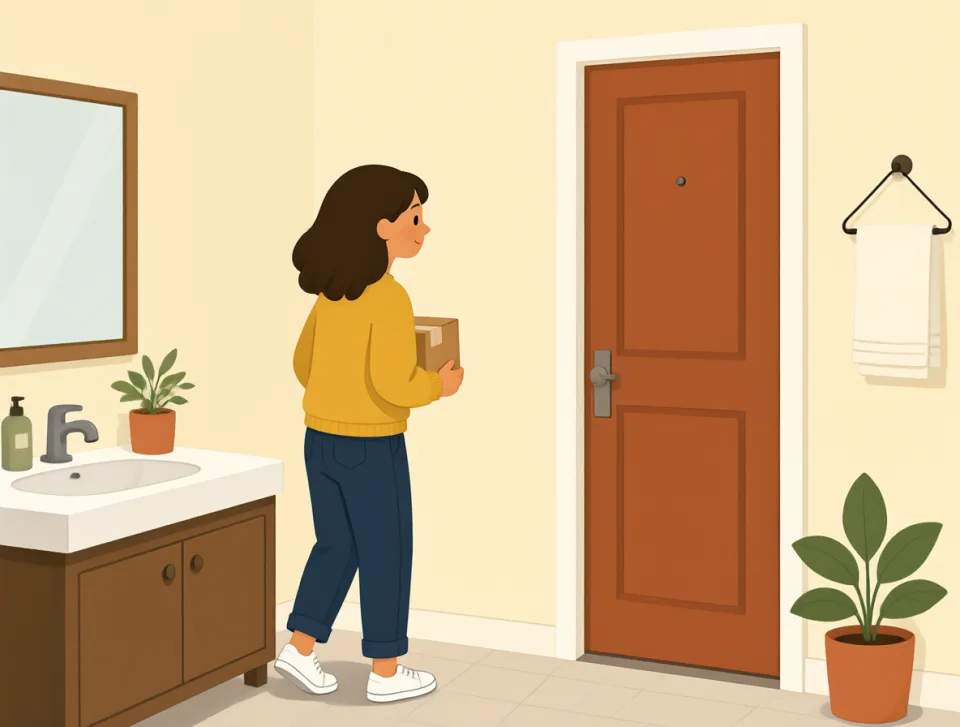
I missed the delivery because I was taking a shower.
Я пропустил доставку, потому что принимал душ.
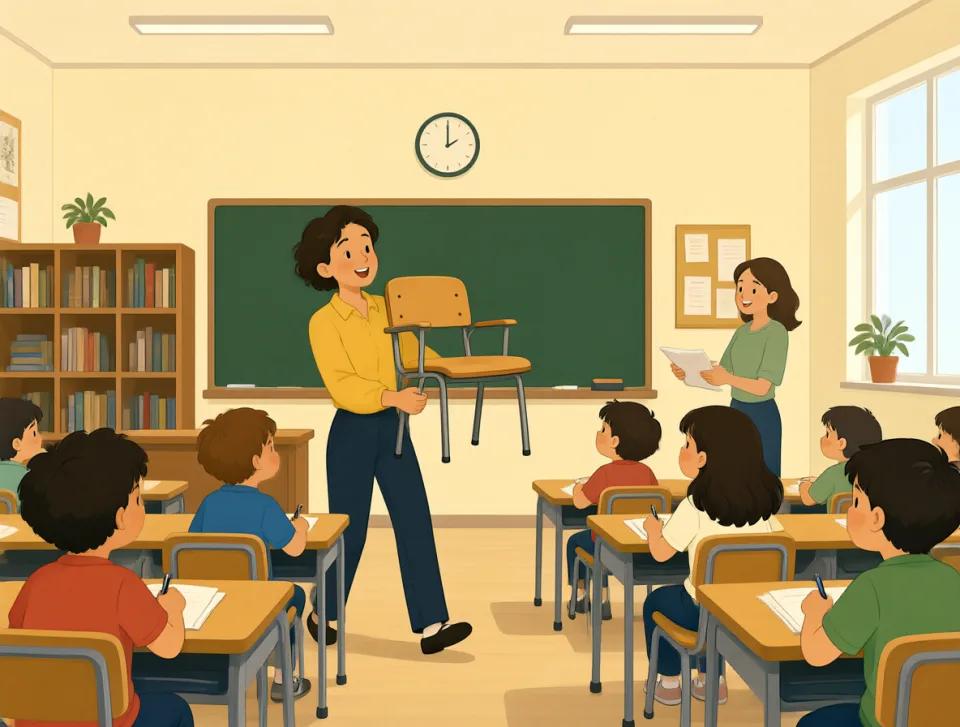
The delivery of new chairs made the classroom more comfortable.
Доставка новых стульев сделала класс более удобным.

The doctor was surprised by the quick delivery of the baby.
Врач был удивлён тем, как быстро прошли роды.
deny
#1429verb
отрицать
to say that something is not true or that you did not do it
говорить, что что-либо неправда или что вы этого не делали

He denied taking the money from my desk.
Он отрицал, что взял деньги с моего стола.
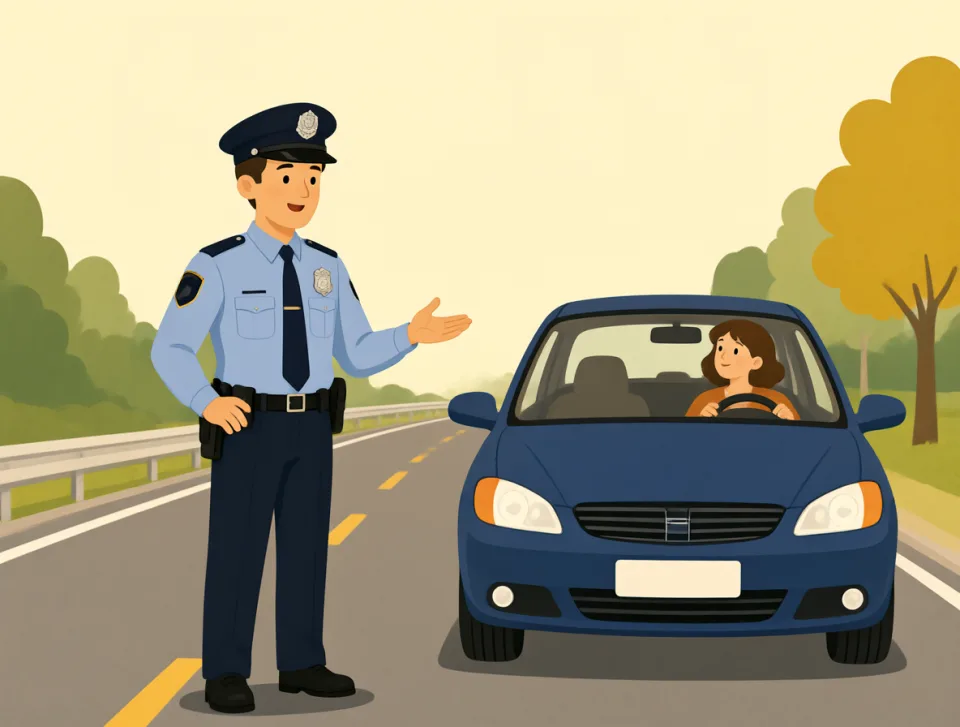
The driver denied speeding when the police stopped him.
Водитель отрицал, что превысил скорость, когда его остановила полиция.

She denied that she was feeling sick.
Она отрицала, что плохо себя чувствует.
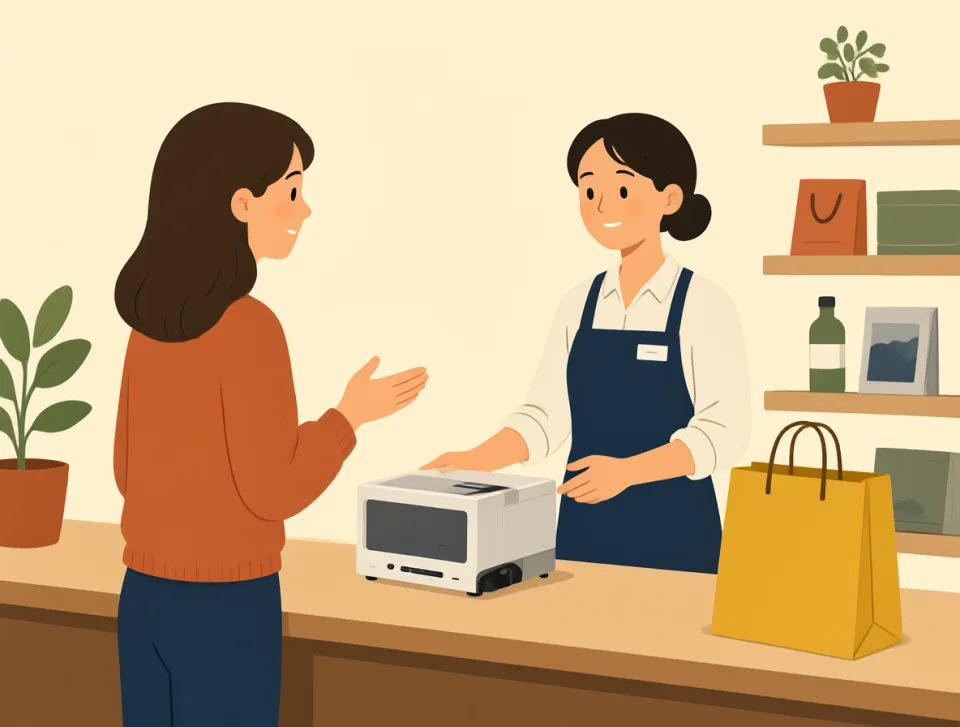
The shop denied my request for a refund.
Магазин отклонил мою просьбу о возврате денег.
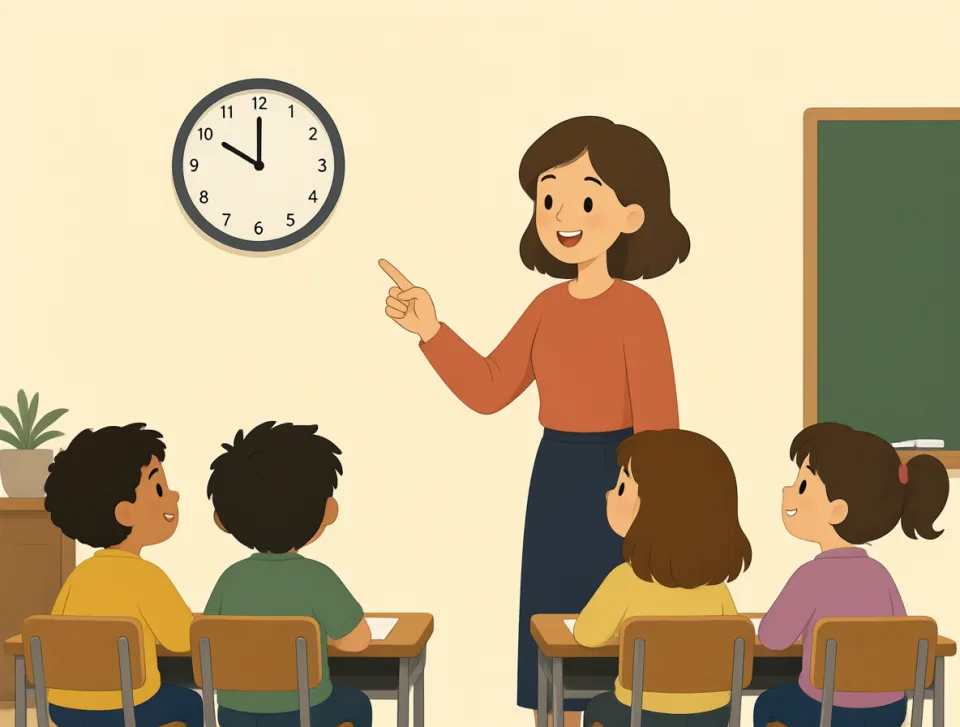
The teacher denied the students extra time for the test.
Учитель отказал ученикам в дополнительном времени на контрольную.
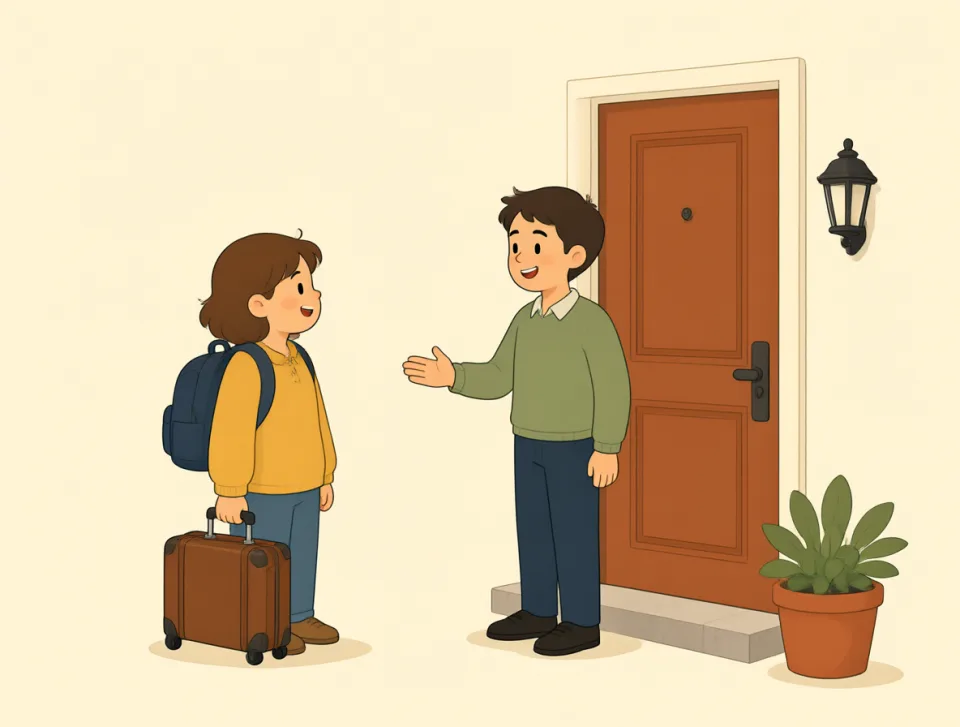
guest
#1430noun, verb
гость
A guest is someone invited to visit, stay, eat, or attend an event.
Гость — это человек, которого пригласили в гости, остаться, поесть или посетить мероприятие.

We have two guests staying with us this weekend.
В эти выходные у нас остановятся два гостя.

The hotel guest asked for a quieter room.
Гость отеля попросил номер потише.

Please make our guest comfortable while I prepare dinner.
Пожалуйста, позаботьтесь о комфорте нашего гостя, пока я готовлю ужин.

She was a guest on a popular radio show yesterday.
Вчера она была гостьей популярного радиошоу.
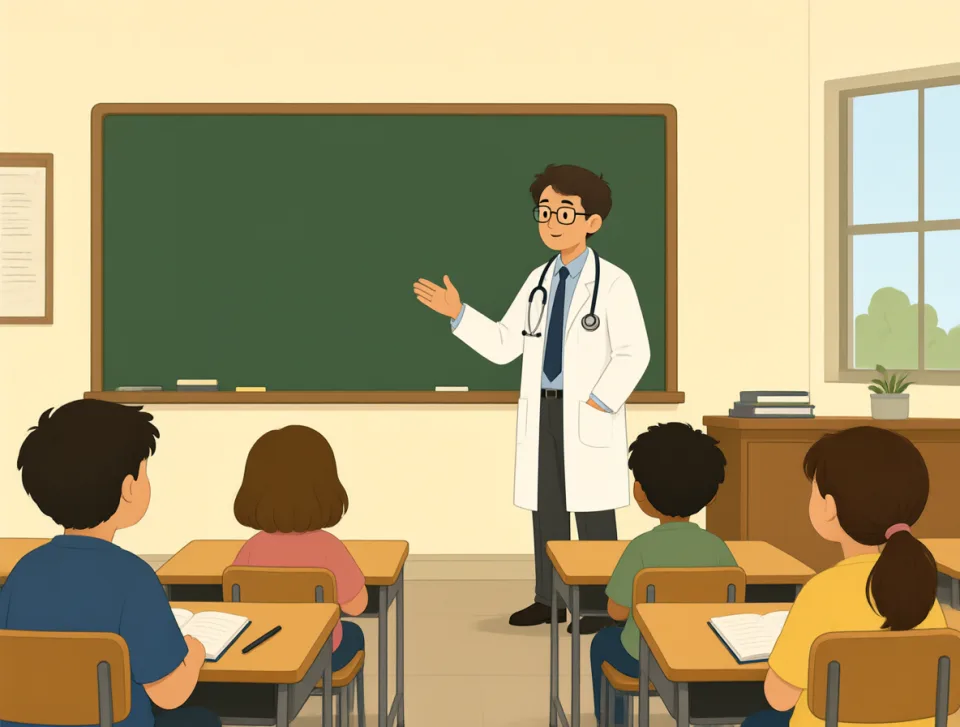
The doctor invited him to guest teach the medical class.
Врач пригласил его провести занятие для студентов-медиков в качестве приглашённого преподавателя.

anybody
#1431pronoun, determiner
кто-нибудь
any person at all, or any person in a particular group
Любой человек или любой человек из определённой группы.
Does anybody know where I left my keys?
Кто-нибудь знает, где я оставил ключи?

I do not think anybody is home right now.
Не думаю, что сейчас кто-нибудь дома.

If anybody calls, please tell them I am at work.
Если кто-нибудь позвонит, пожалуйста, скажите, что я на работе.
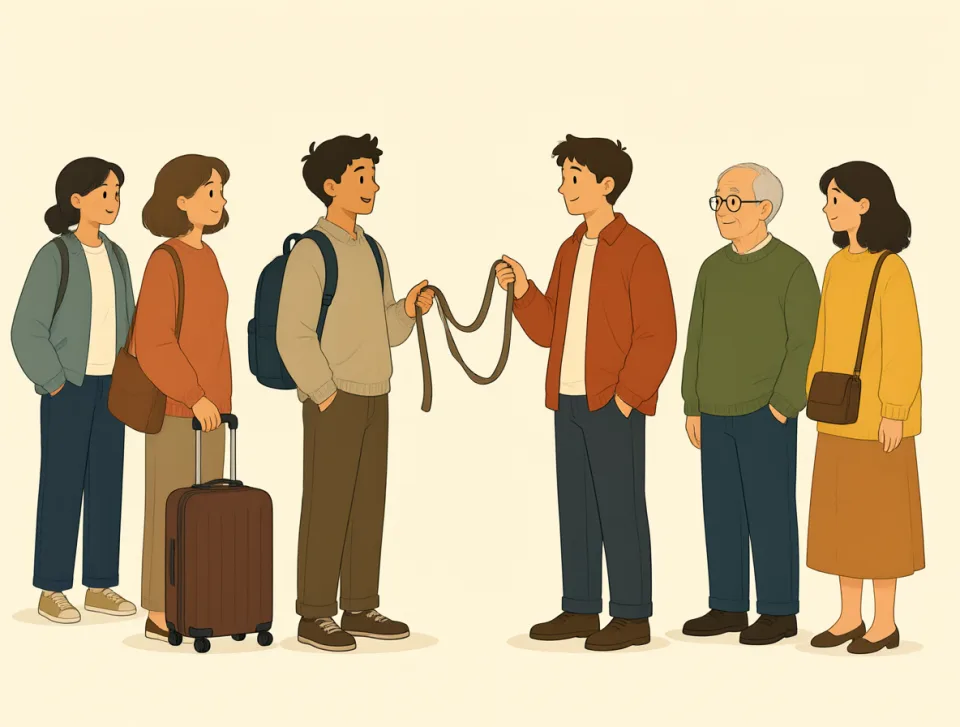
Has anybody seen my bag at the airport?
Кто-нибудь видел мою сумку в аэропорту?
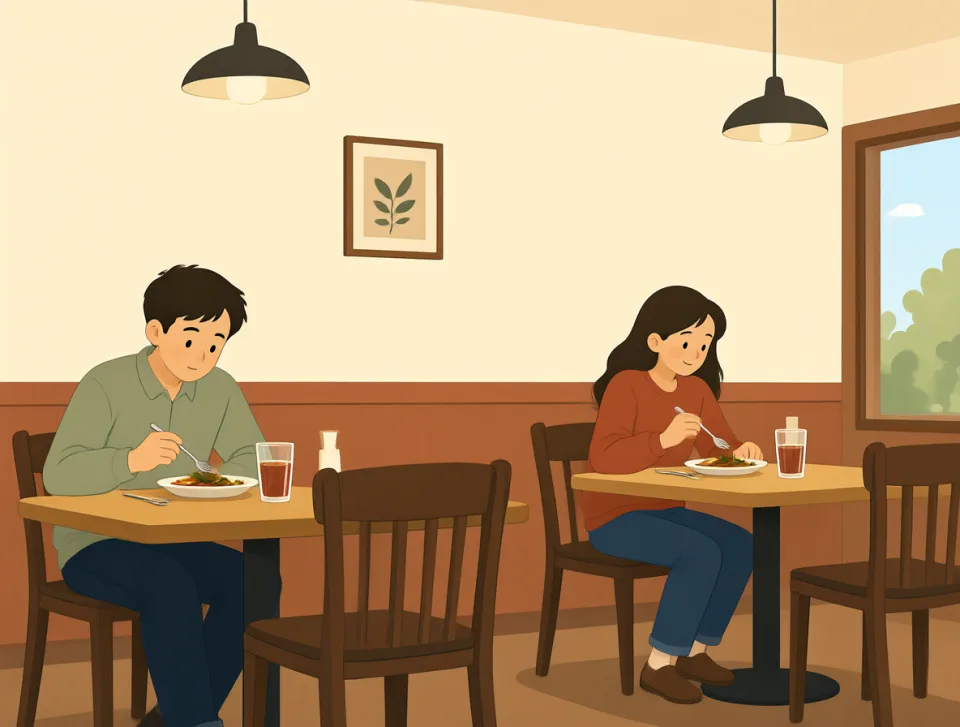
There was hardly anybody in the restaurant at lunchtime.
В обед в ресторане почти никого не было.

bedroom
#1432noun
спальня
A room in a home where people sleep.
Комната в доме, где спят.
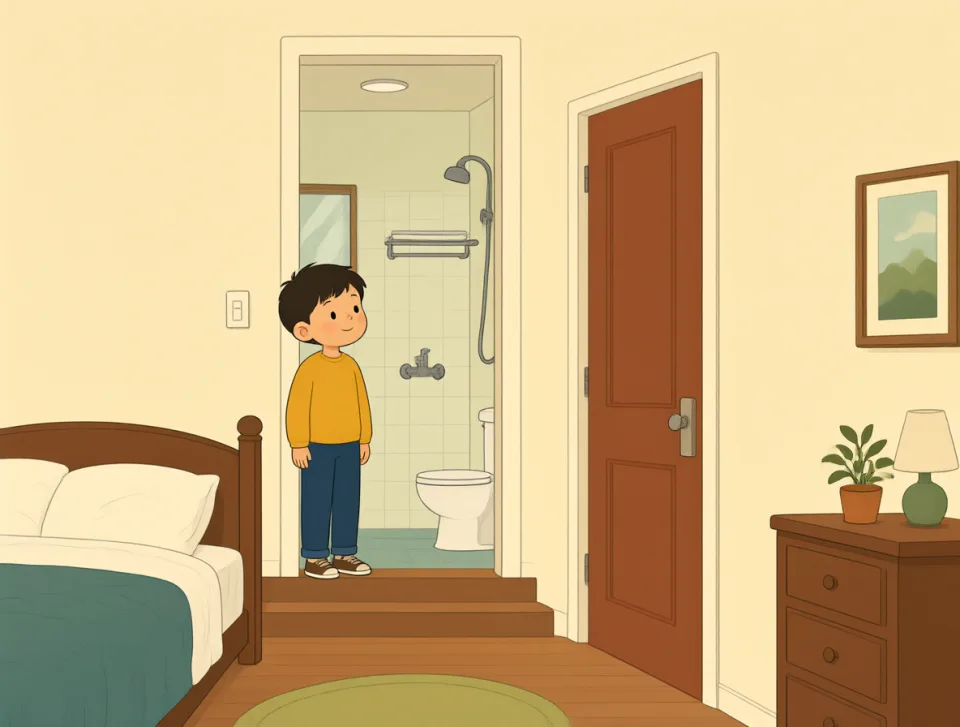
My bedroom is upstairs next to the bathroom.
Моя спальня наверху, рядом с ванной.
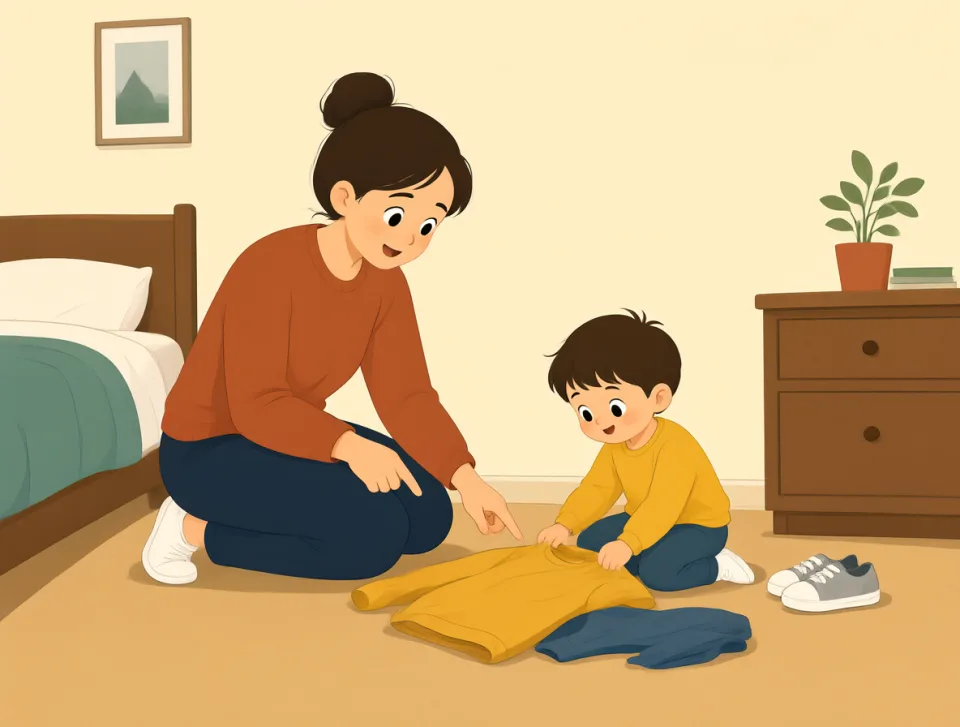
Please tidy your bedroom before our guests arrive.
Пожалуйста, убери свою спальню до прихода гостей.

The hotel gave us a bedroom with a beautiful view.
В отеле нам дали комнату с прекрасным видом.

She painted her bedroom walls light blue last weekend.
В прошлые выходные она покрасила стены в своей спальне в светло-голубой цвет.

He stayed in his bedroom because he felt sick.
Он оставался в своей спальне, потому что плохо себя чувствовал.
quote
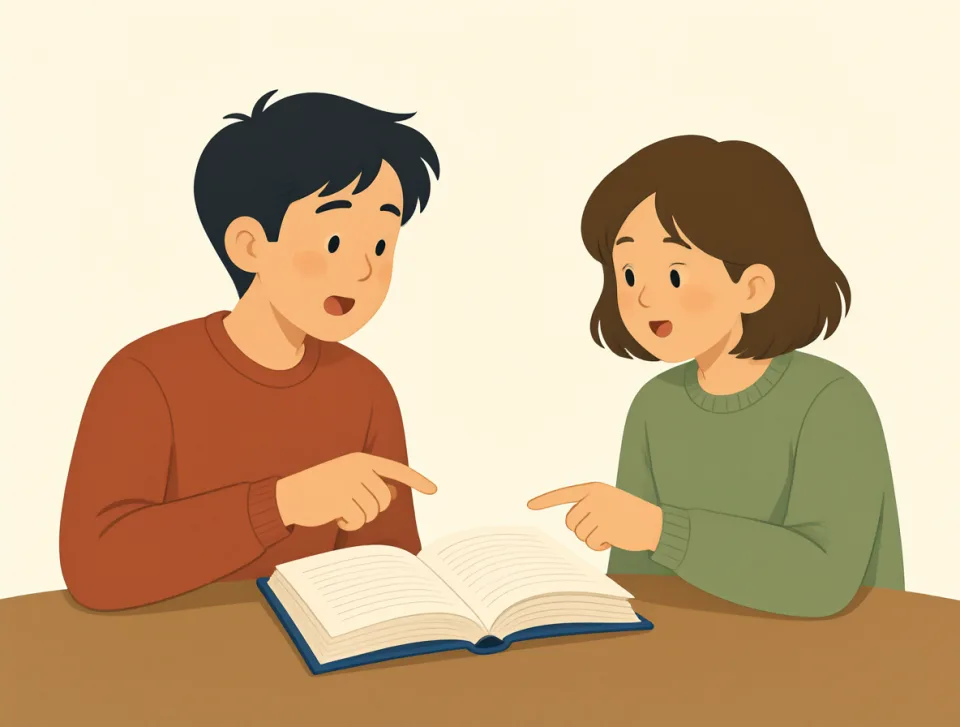
#1433noun, verb
цитата; цитировать
Words repeated from someone else, or the act of repeating those words.
Чьи-то слова, повторённые дословно, или действие, когда повторяют эти слова.

She used a famous quote in her school essay.
В школьном сочинении она использовала известную цитату.

Can you give me a quote for repairing my car?
Можете назвать цену за ремонт моей машины?

The newspaper quoted the doctor about the health problem.
Газета процитировала врача, рассказавшего о проблеме со здоровьем.

He quoted a lower price when I asked for a discount.
Когда я попросил скидку, он назвал цену пониже.

My friend keeps quoting funny lines from that movie.
Мой друг всё время цитирует смешные фразы из того фильма.
climb
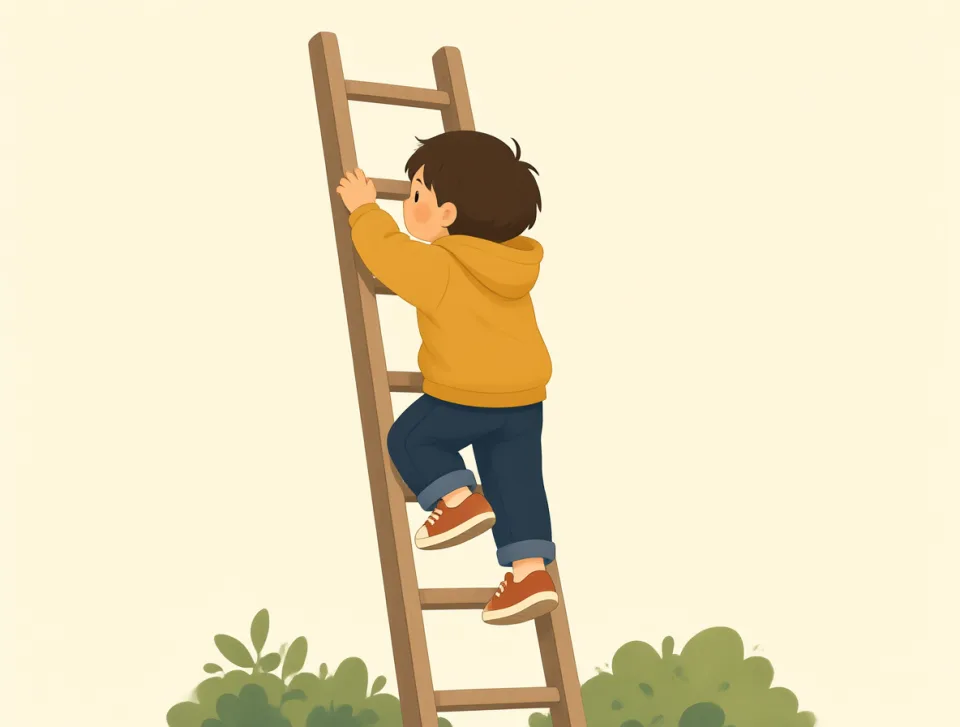
#1434verb, noun
взбираться; подниматься
To move up something, or to go higher from a lower place.
Перемещаться вверх по чему-либо или подниматься с более низкого места.
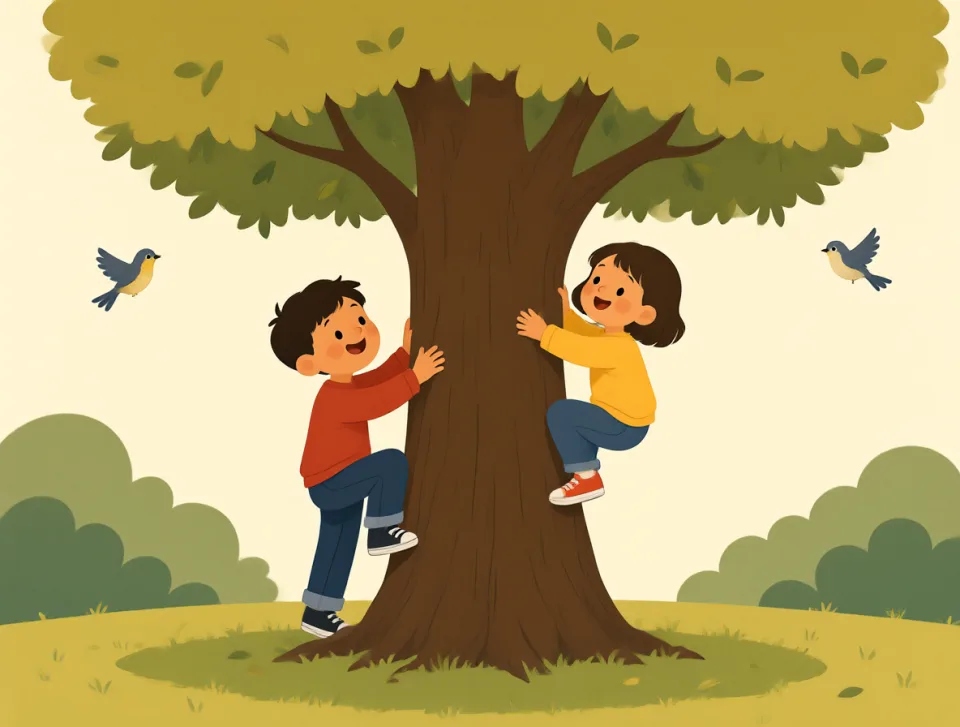
The children climbed the tree to look for birds.
Дети залезли на дерево поискать птиц.

We climbed the stairs to reach the apartment.
Мы поднялись по лестнице до квартиры.

The climber reached the top of the mountain before sunset.
Альпинист добрался до вершины горы до заката.

House prices have climbed quickly in our town this year.
В этом году цены на жильё в нашем городе быстро выросли.
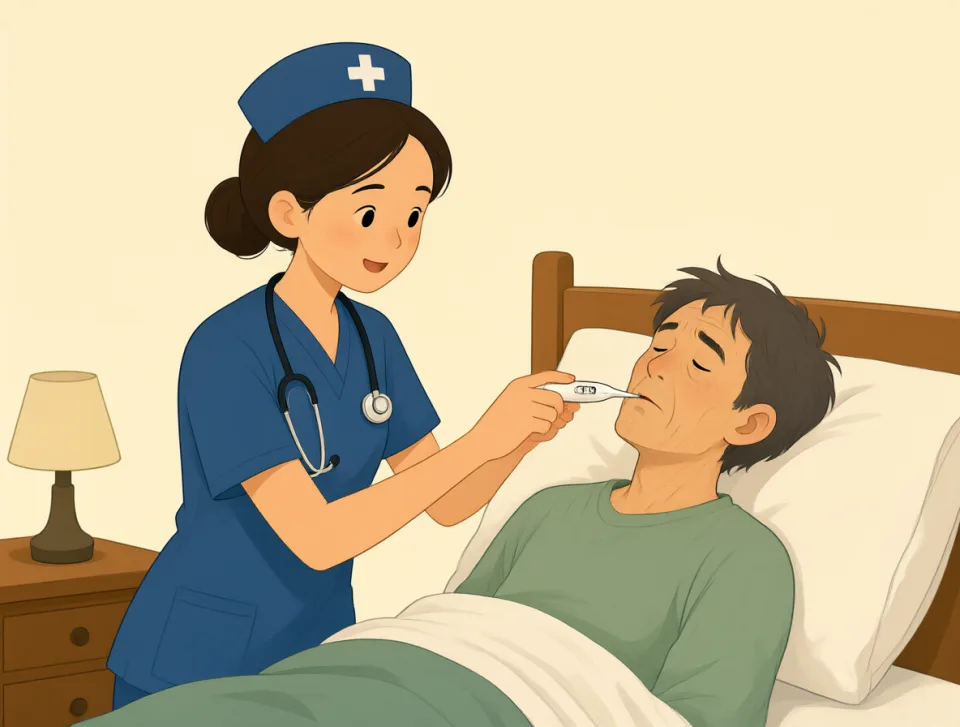
The nurse checked my temperature as my fever climbed.
Медсестра измерила мне температуру, пока жар у меня усиливался.

basically
#1435adverb
в основном; по сути
used to say what is most important or true in a simple way
Используется, чтобы просто и ясно сказать о самом важном или о том, что верно.
Basically, we need more time to finish the project.
В общем, нам нужно больше времени, чтобы закончить проект.

The job is basically answering emails and helping customers.
В основном работа заключается в том, чтобы отвечать на письма и помогать клиентам.

I basically stayed home and watched movies all weekend.
В общем, все выходные я просидел дома и смотрел фильмы.

Basically, the train leaves every hour from this station.
В общем, поезд отправляется с этой станции каждый час.

The recipe is basically vegetables, rice, and a little oil.
По сути, в рецепте нужны овощи, рис и немного масла.

violence
#1436noun
насилие
The use of physical force to hurt people or damage things.
Применение физической силы, чтобы причинить вред людям или повредить вещи.

The police are working to reduce violence in the city.
Полиция работает над тем, чтобы снизить уровень насилия в городе.
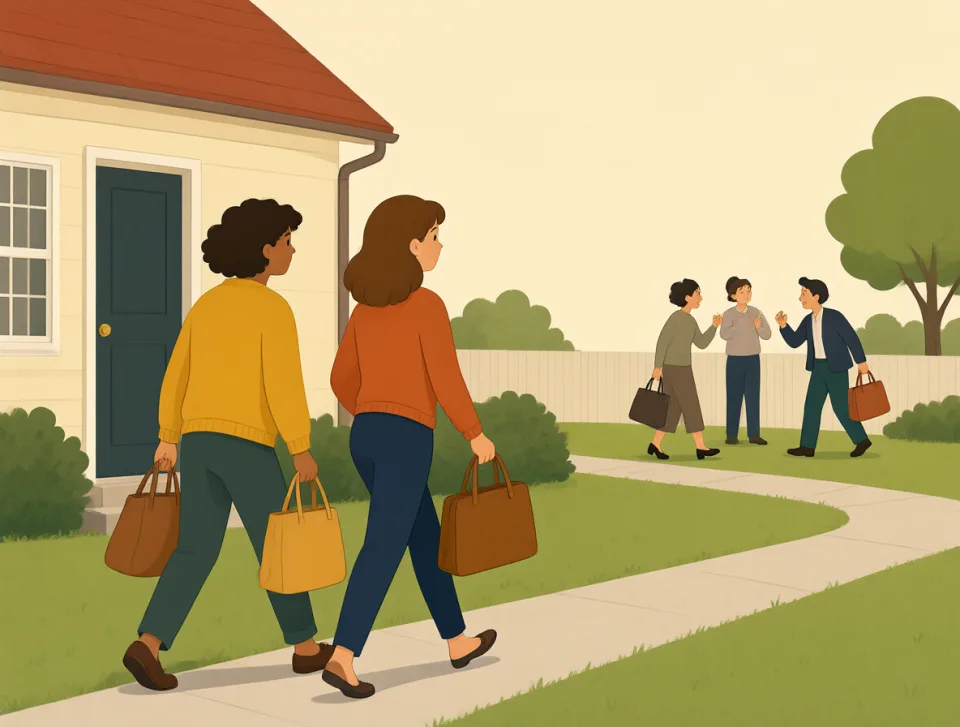
The family left their home because of violence nearby.
Семья покинула свой дом из-за насилия поблизости.
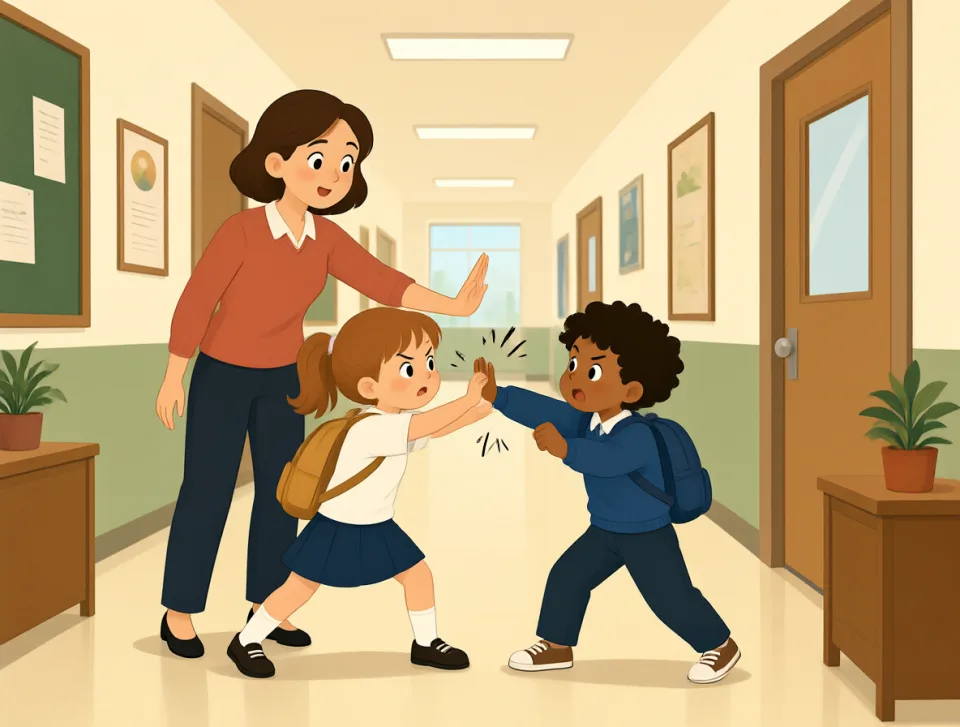
The school has strict rules against violence.
В школе действуют строгие правила, запрещающие насилие.

They watched a film about war and violence last night.
Вчера вечером они посмотрели фильм о войне и насилии.

The match ended early after violence broke out among fans.
Матч завершился досрочно после того, как среди болельщиков вспыхнуло насилие.
minister
#1437noun, verb
министр
A government official, or to give careful attention to someone’s needs.
Государственный чиновник или заботиться о чьих-либо нуждах.

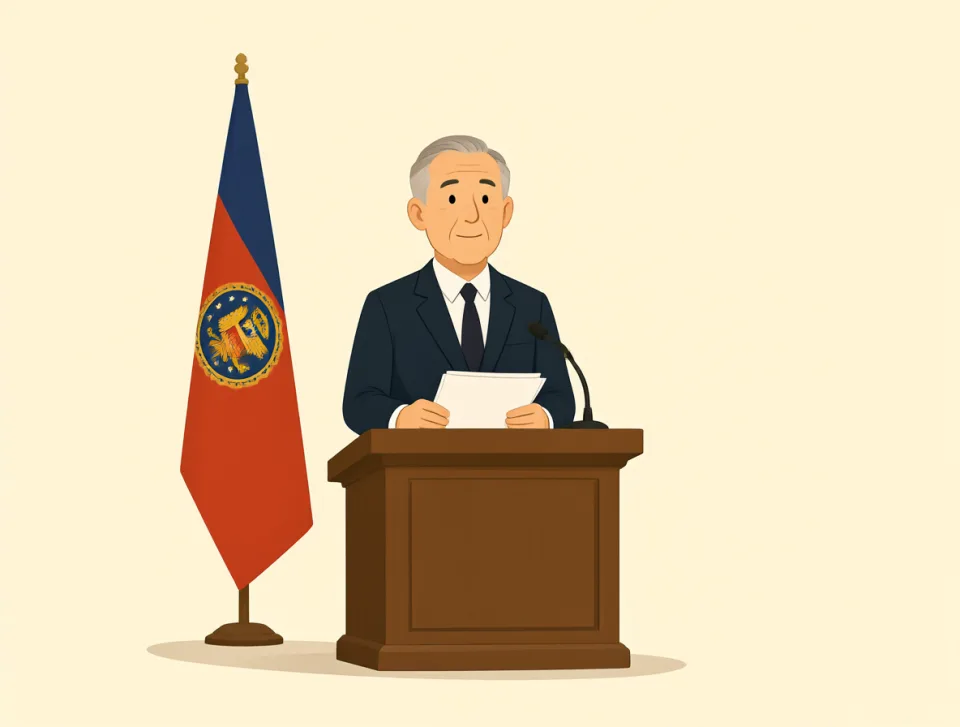
The minister announced new plans for local schools.
Министр объявил о новых планах для местных школ.
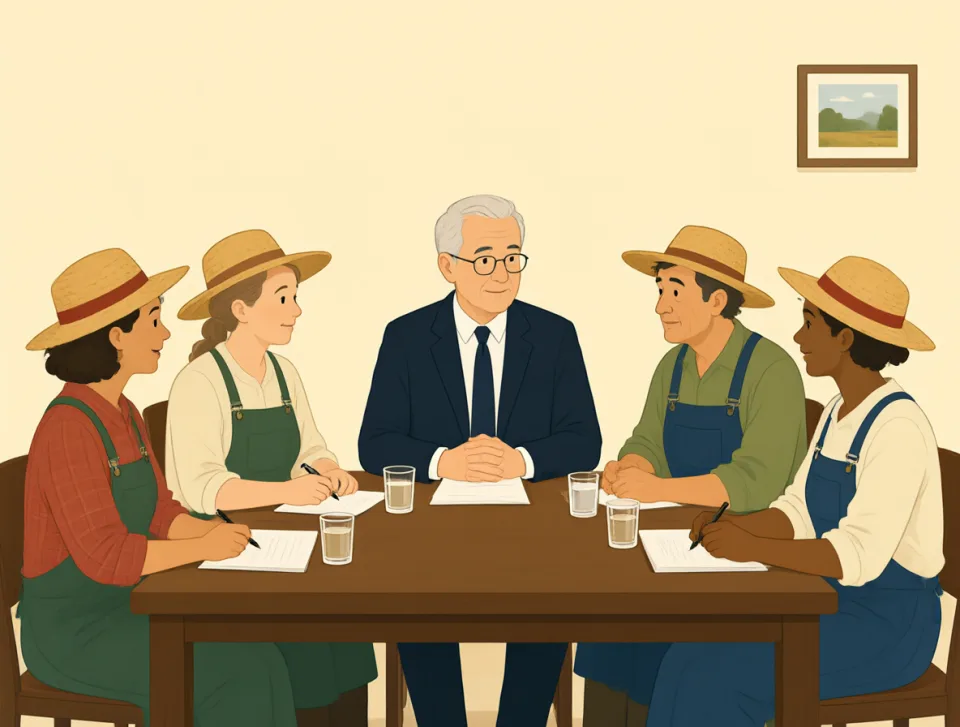
The minister met farmers to discuss rising food prices.
Министр встретился с фермерами, чтобы обсудить рост цен на продукты.
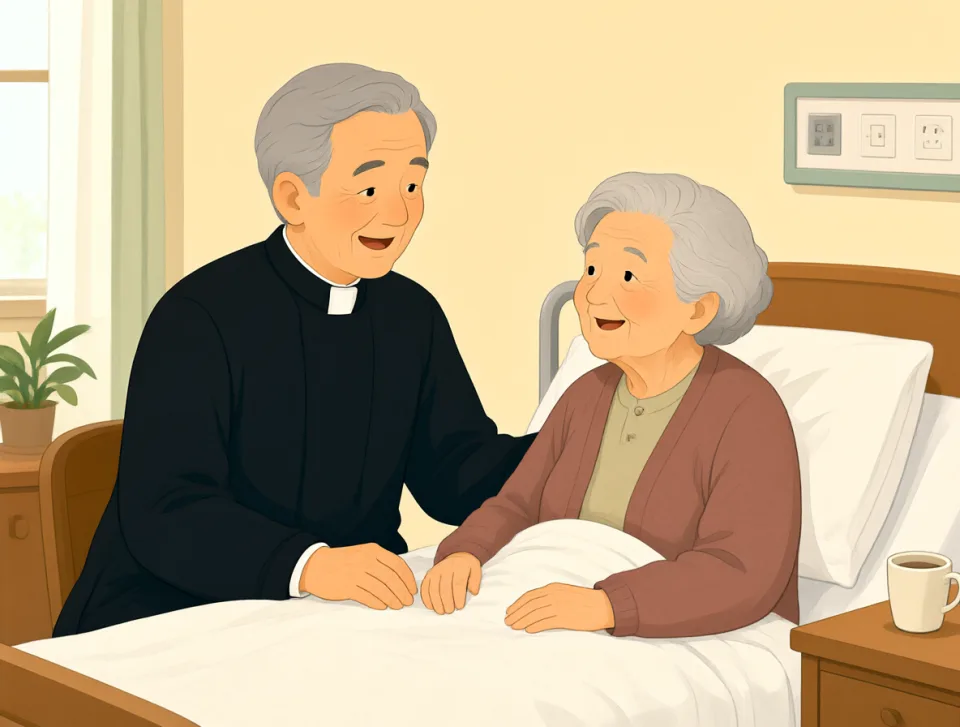
Our church minister visited my grandmother in hospital.
Священник нашей церкви навестил мою бабушку в больнице.
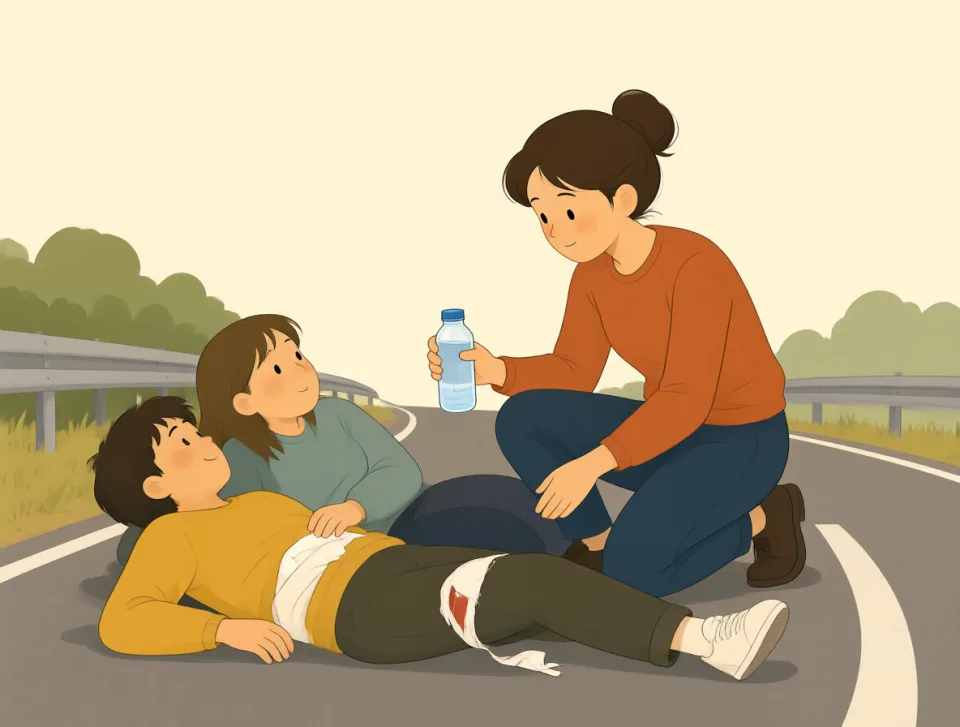
She ministered to the injured passengers after the accident.
После аварии она оказывала помощь пострадавшим пассажирам.
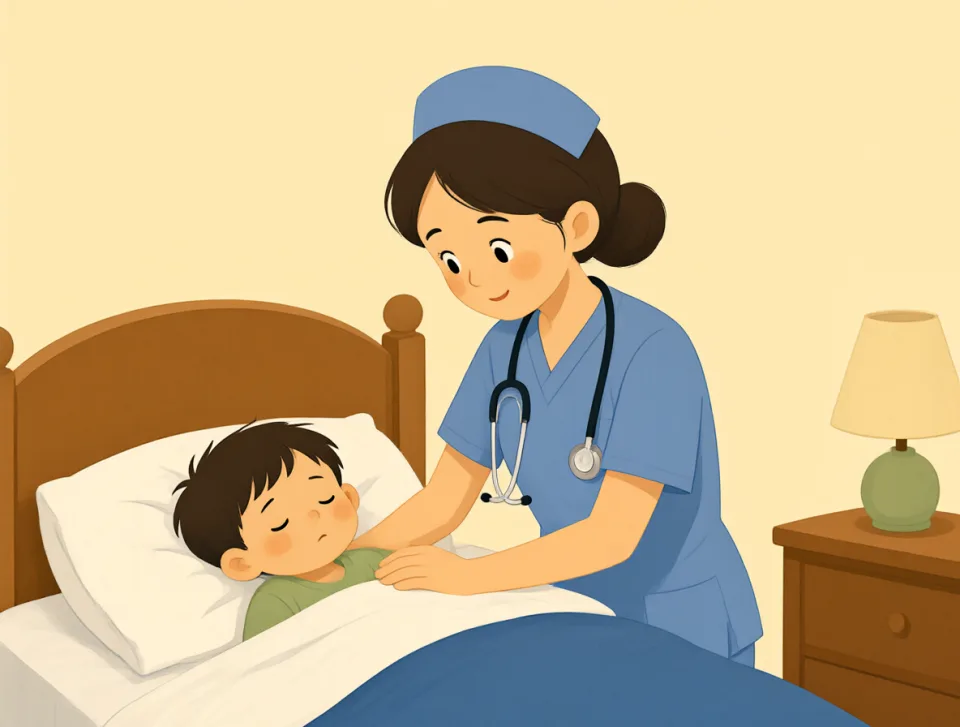
The nurse ministered to the sick child throughout the night.
Медсестра заботилась о больном ребёнке всю ночь.

mainly
#1438adverb
в основном
Mostly or usually, with only a small part coming from something else.
Преимущественно или обычно; лишь небольшая часть приходится на что-то другое.
The cafe is mainly busy in the mornings.
В кафе особенно оживлённо по утрам.

She mainly works from home during the week.
В течение недели она в основном работает из дома.
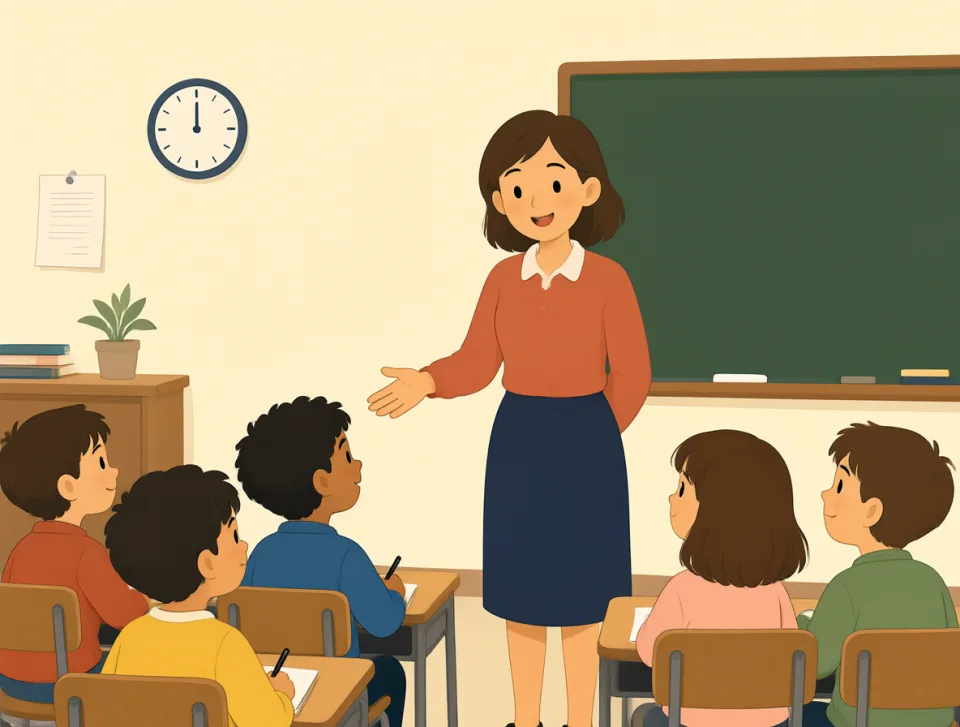
The class is made up mainly of new students.
Класс состоит главным образом из новых учеников.

We bought mainly fruit and vegetables at the market.
На рынке мы купили в основном фрукты и овощи.

The train is used mainly by people traveling to work.
Поездом пользуются главным образом люди, которые ездят на работу.

mouth
#1439noun, verb
рот
The opening in your face used for eating, speaking, and breathing.
Отверстие на лице, которое используется для еды, речи и дыхания.

Please open your mouth and say your name.
Пожалуйста, откройте рот и назовите своё имя.

She covered her mouth when she started laughing.
Когда она начала смеяться, то прикрыла рот.

The baby had food around his mouth.
У малыша вокруг рта была еда.

He mouthed the words during the school performance.
Во время школьного представления он беззвучно проговаривал слова.

The river mouth was near the small fishing village.
Устье реки находилось рядом с небольшой рыбацкой деревней.
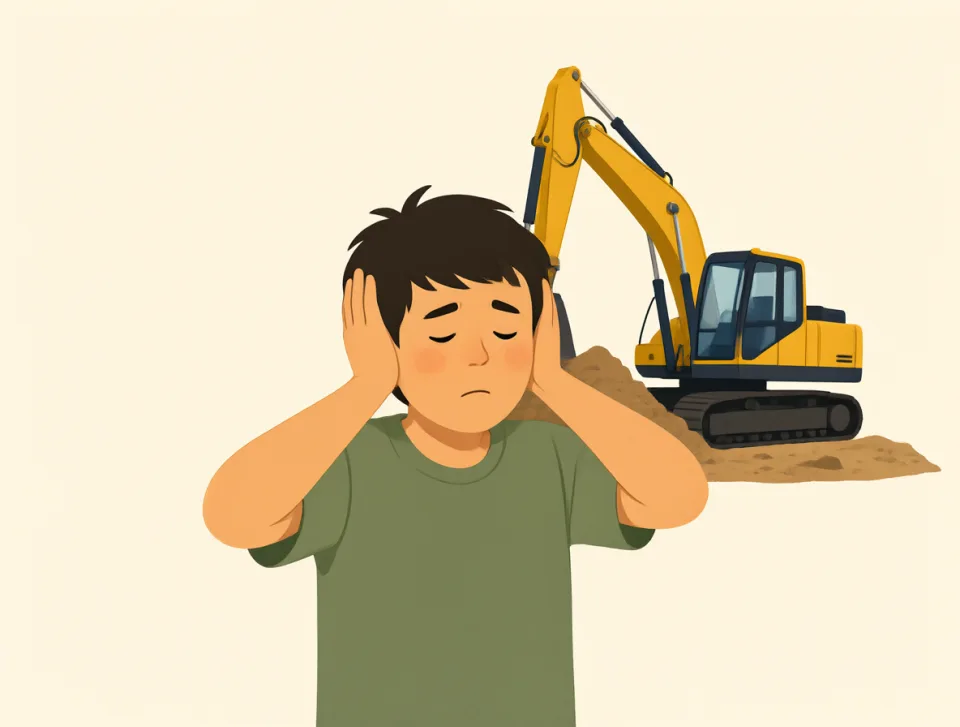
noise
#1440noun
шум
A loud or unpleasant sound that makes it difficult to hear, think, or sleep.
Громкий или неприятный звук, из-за которого трудно слышать, думать или спать.
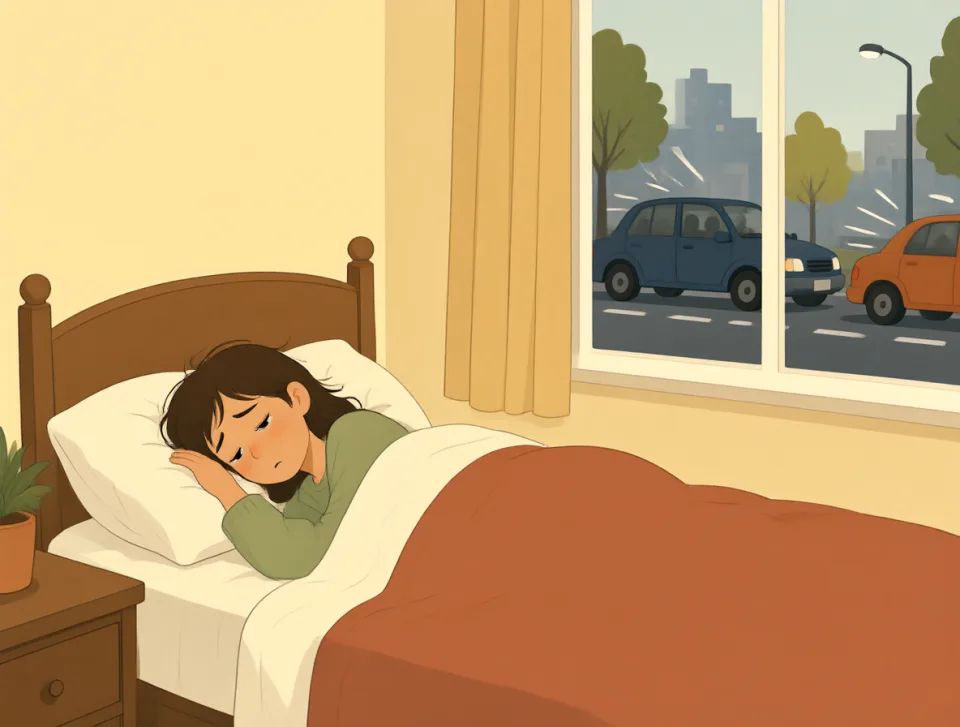
The traffic noise kept me awake last night.
Прошлой ночью шум машин не давал мне заснуть.
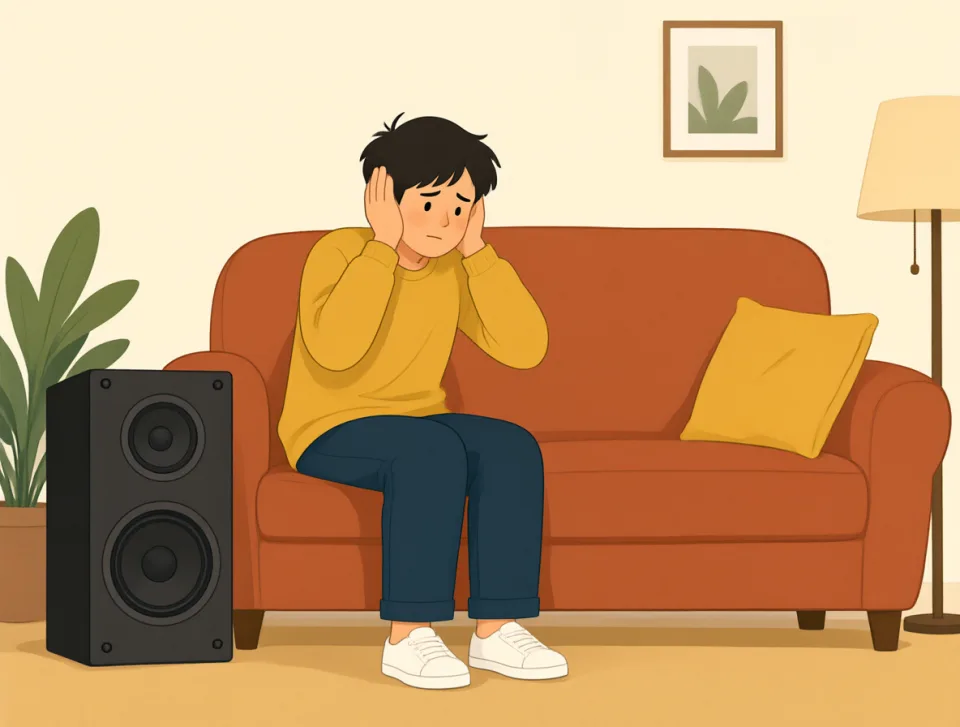
Please turn down the music; the noise is too loud.
Пожалуйста, сделай музыку потише — слишком шумно.
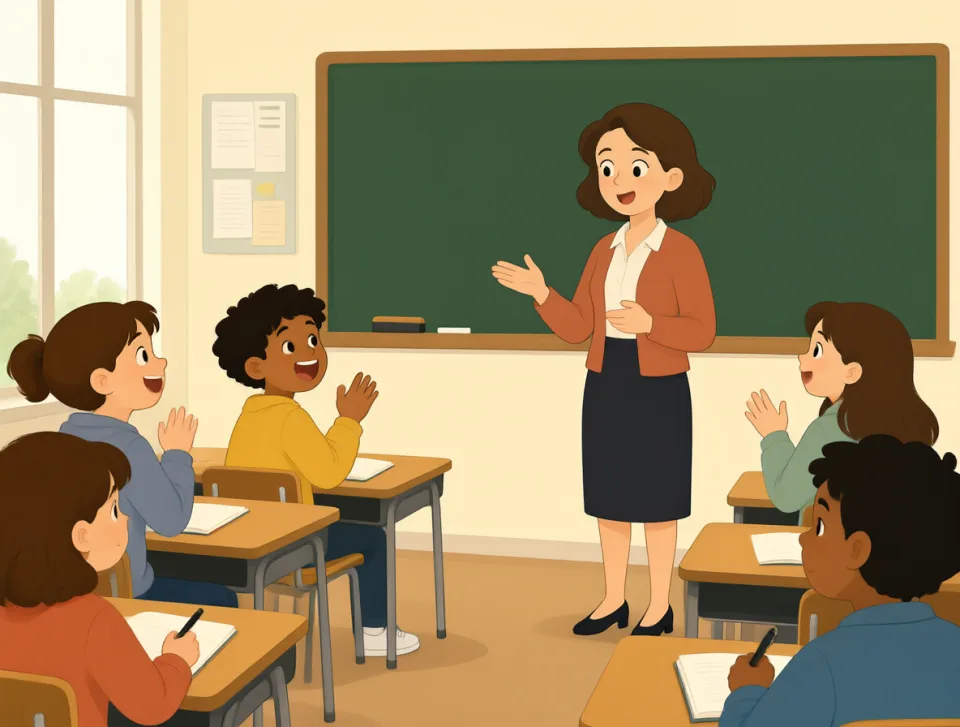
We could not hear the teacher because of the classroom noise.
Из-за шума в классе мы не могли расслышать учителя.
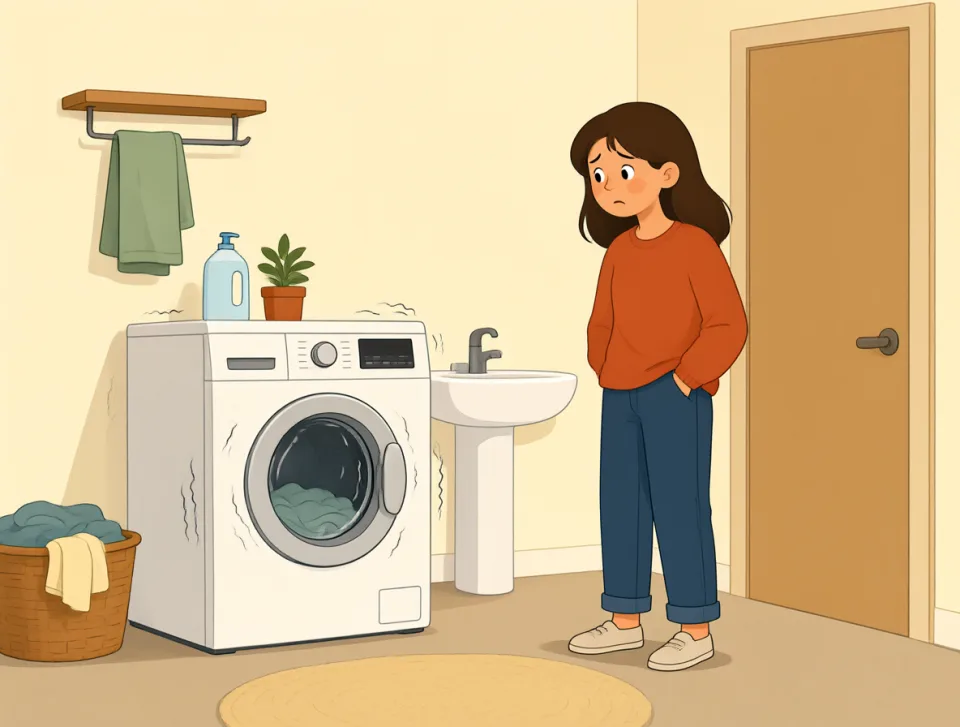
The washing machine is making a strange noise.
Стиральная машина издаёт странный звук.

The neighbors apologized for the noise during their party.
Соседи извинились за шум во время вечеринки.