單元 116
單字 2301–2320 · apologize, approval, grab, entitle, lend, involvement

apologize
#2301verb
道歉;表示歉意
to say that you are sorry for something you did wrong
為自己做錯的事情表示抱歉
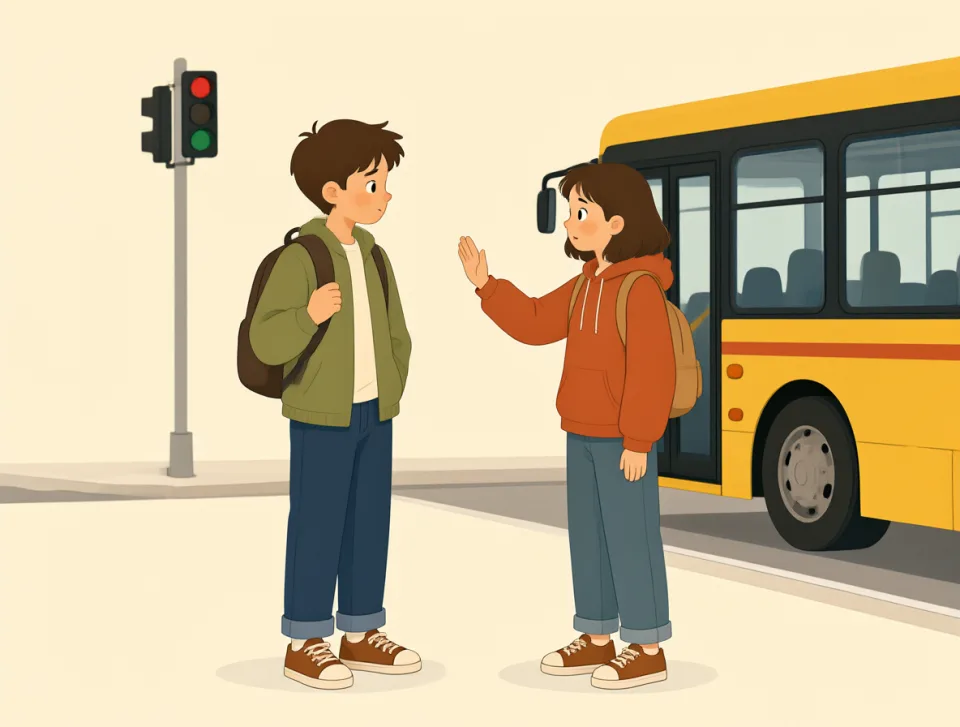
I apologize for being late; the bus broke down on the way.
很抱歉我遲到了,公交車半路拋錨了。

She apologized to her manager for missing the important meeting.
她因為錯過了重要會議而向經理道歉。

The waiter apologized for bringing the wrong meal to our table.
服務員因為給我們上錯了菜而道歉。
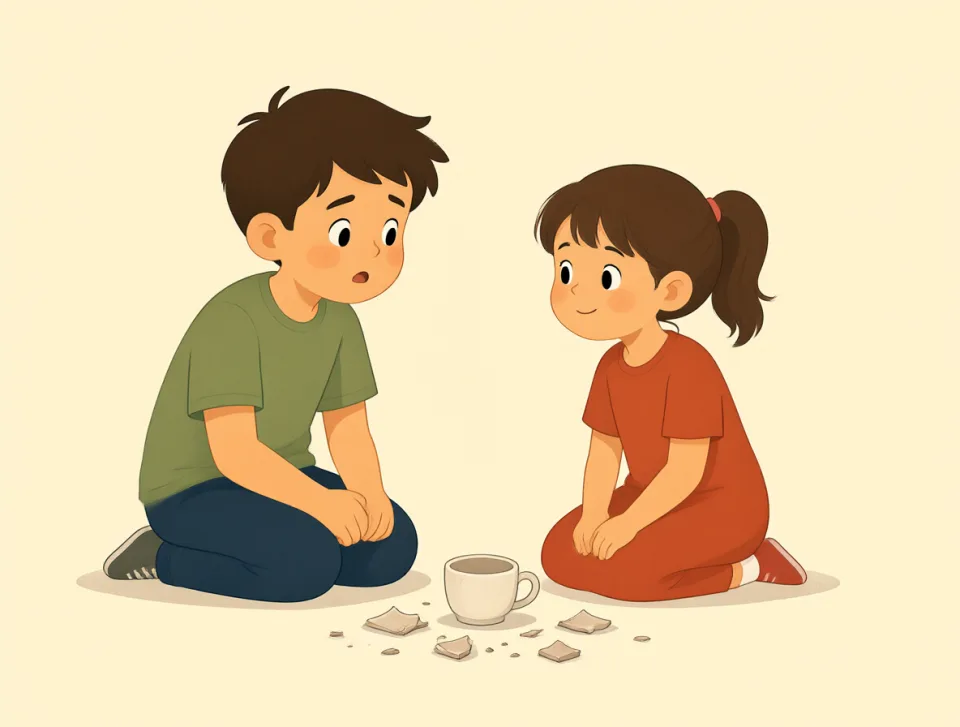
He apologized to his sister after breaking her favorite cup.
他打碎了妹妹最喜歡的杯子後,向她道了歉。

The airline apologized for the long delay and offered passengers water.
航空公司為長時間延誤表示歉意,並向乘客提供了飲用水。

approval
#2302noun
批准;認可;贊同;同意
Permission or agreement that something is good, acceptable, or ready to happen.
允許或同意某事,認為它是好的、可以接受的,或者已經具備實施條件。

The manager gave approval for our team to work from home tomorrow.
經理批准我們團隊明天在家辦公。

We need our parents' approval before booking the expensive family holiday.
預訂這次昂貴的家庭旅行之前,我們需要得到父母的同意。
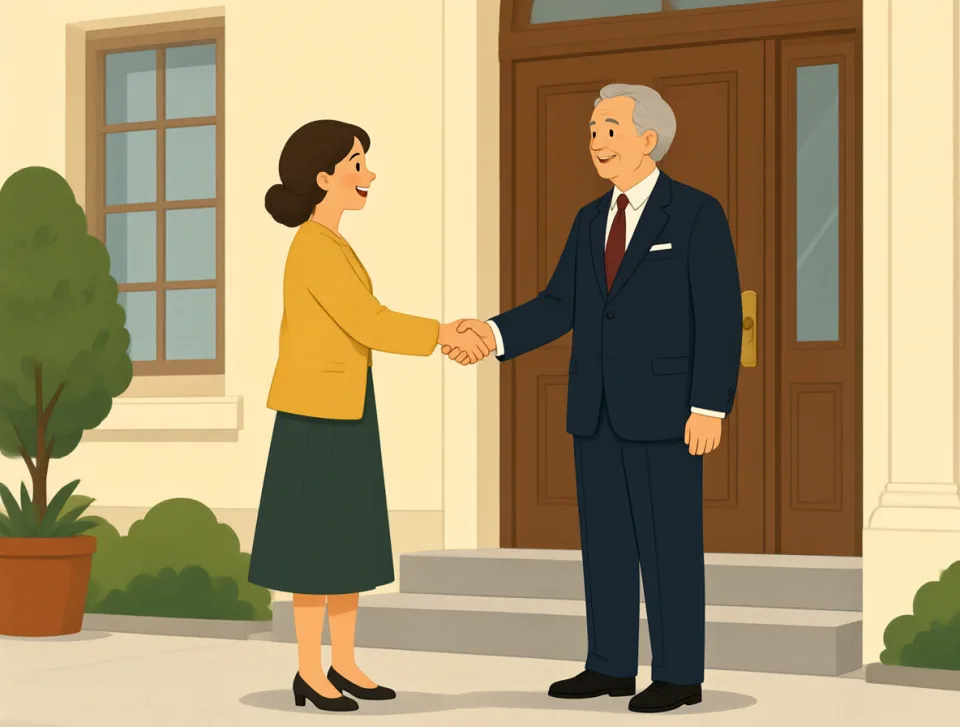
The building plans received approval from the city last week.
這棟建築的設計方案上週獲得了市政府的批准。
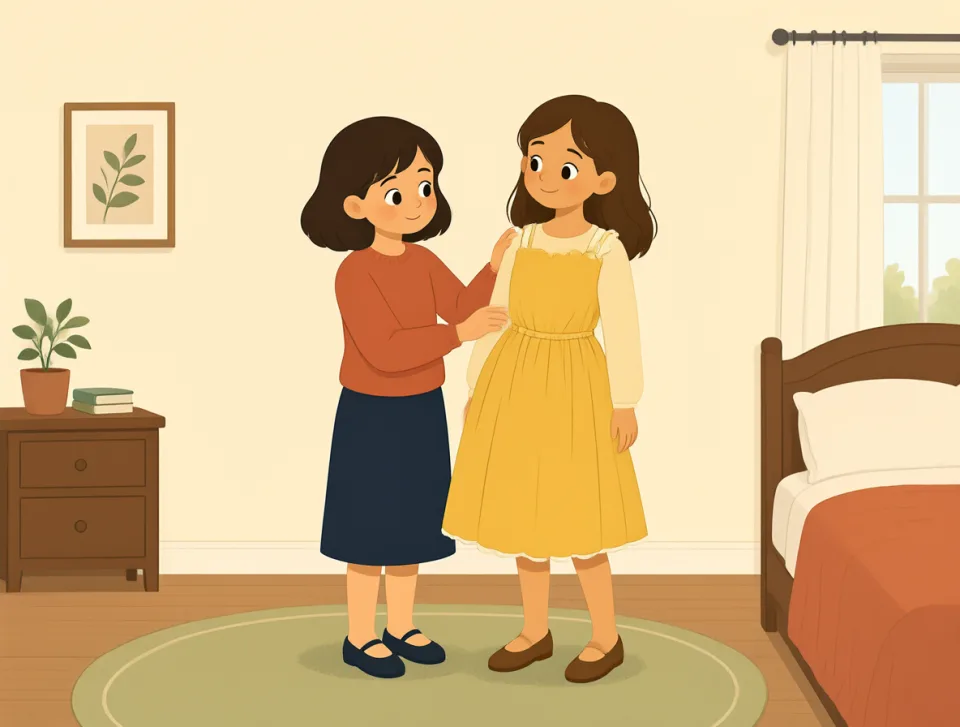
She wore the dress only after getting her sister's approval.
得到姐姐的認可後,她才穿上那條裙子。

The doctor asked for my approval before changing the treatment.
醫生在更改治療方案之前徵求了我的同意。
grab
#2303verb, noun
抓住;拿取;搶奪;伸手去抓
to take something quickly or suddenly; an attempt to take or catch something
迅速或突然拿起某物;試圖拿取或抓住某物

I need to grab my coat before we leave for the train station.
我們去火車站之前,我得先拿上外套。

She grabbed a coffee before her morning meeting at work.
她在早上的工作會議前買了杯咖啡。
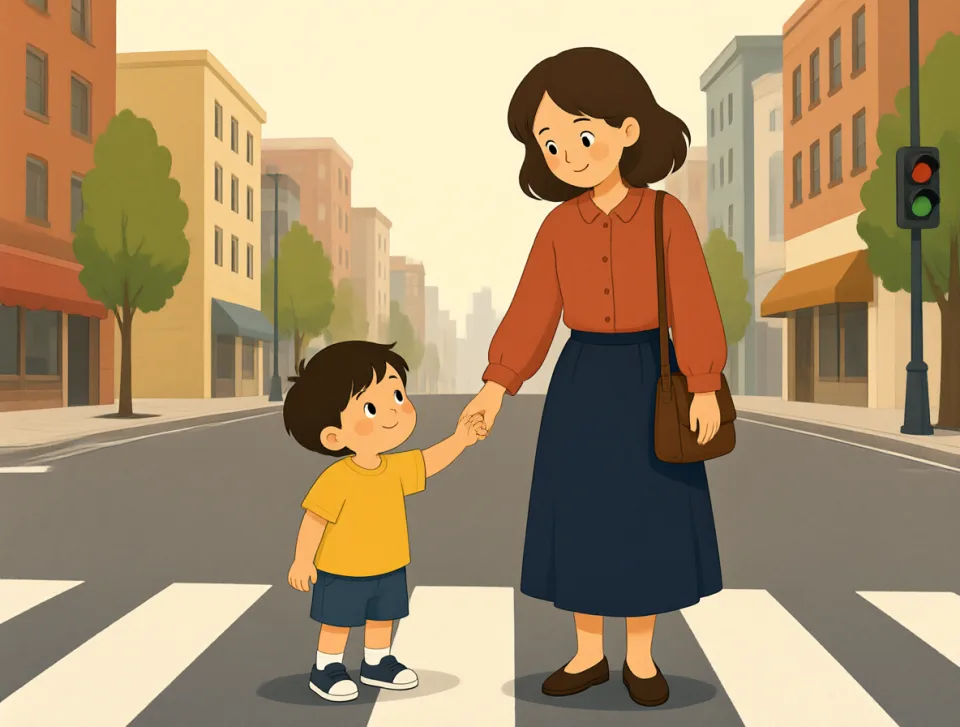
The child grabbed his mother’s hand while crossing the busy street.
過繁忙的馬路時,孩子緊緊抓住了媽媽的手。

Can you grab some milk when you go shopping this afternoon?
你今天下午去購物時能順便買些牛奶嗎?
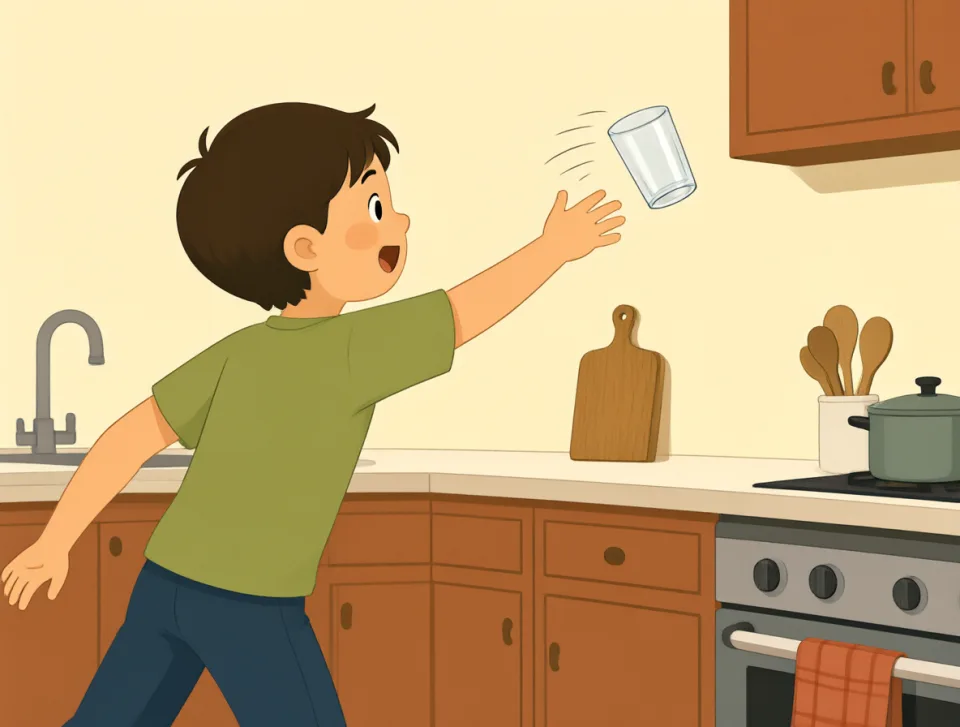
He made a grab for the falling glass, but it broke on the floor.
他伸手去抓那個掉下來的玻璃杯,但杯子還是摔在地上碎了。

entitle
#2304verb
使有權利;使符合資格
to give someone the right to have or do something
賦予某人享有或做某事的權利
This ticket entitles you to one free drink at the hotel bar.
這張票可以讓你在酒店酒吧免費領取一杯飲料。

All full-time employees are entitled to paid vacation each year.
所有全職員工每年都有權享受帶薪休假。

The winning team was entitled to a place in the national championship.
獲勝隊伍獲得了參加全國錦標賽的資格。

The course certificate entitles students to apply for the advanced program.
這門課程的結業證書使學生有資格申請高階課程。

Her achievements entitled her to receive special recognition from the hospital.
她的成就使她有資格獲得醫院的特別表彰。

lend
#2305verb
借給;借出;貸給
to give someone something for a time, expecting them to return it
暫時把某物給別人使用,並期望對方之後歸還。

Could you lend me your umbrella? It is raining outside.
外面在下雨,你能把雨傘借給我嗎?
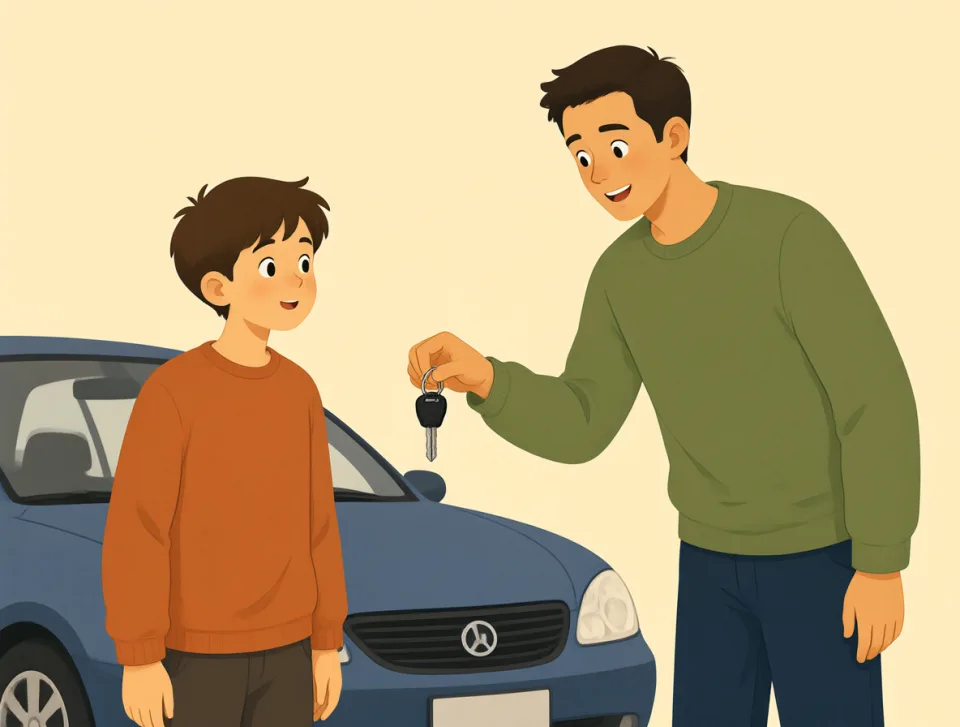
My brother lent me his car for the weekend.
我哥哥把他的車借給我開了一個週末。

The bank agreed to lend us money for a new home.
銀行同意貸款給我們買新房。

She lent her notes to a classmate before the exam.
考試前,她把自己的筆記借給了一位同學。

Can you lend me a hand with these heavy boxes?
你能幫我一把,把這些沉重的箱子搬一下嗎?
involvement
#2306noun
參與;介入;投入
the act of taking part in something or helping to make it happen
參與某事或幫助促成某事的行為
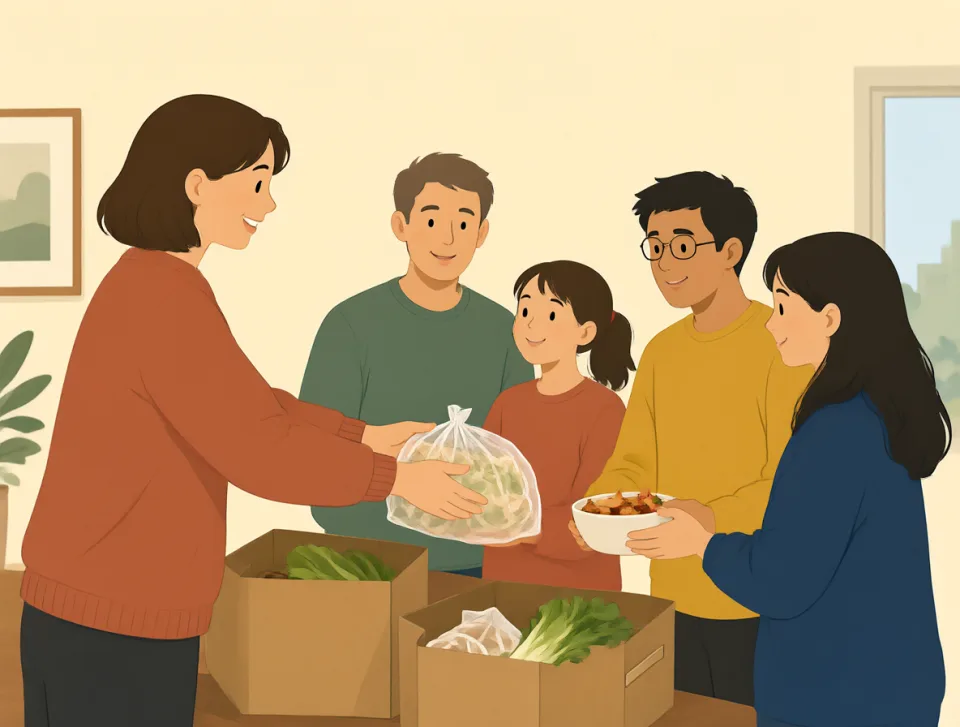
Her involvement in the community project helped many local families.
她參與社群專案,幫助了許多當地家庭。

Parents are encouraged to take an active involvement in their children's education.
鼓勵家長積極參與孩子的教育。

The police questioned him about his involvement in the airport theft.
警方詢問了他是否參與了機場盜竊案。

Customer involvement helped the restaurant improve its menu and service.
顧客的參與幫助這家餐廳改進了選單和服務。
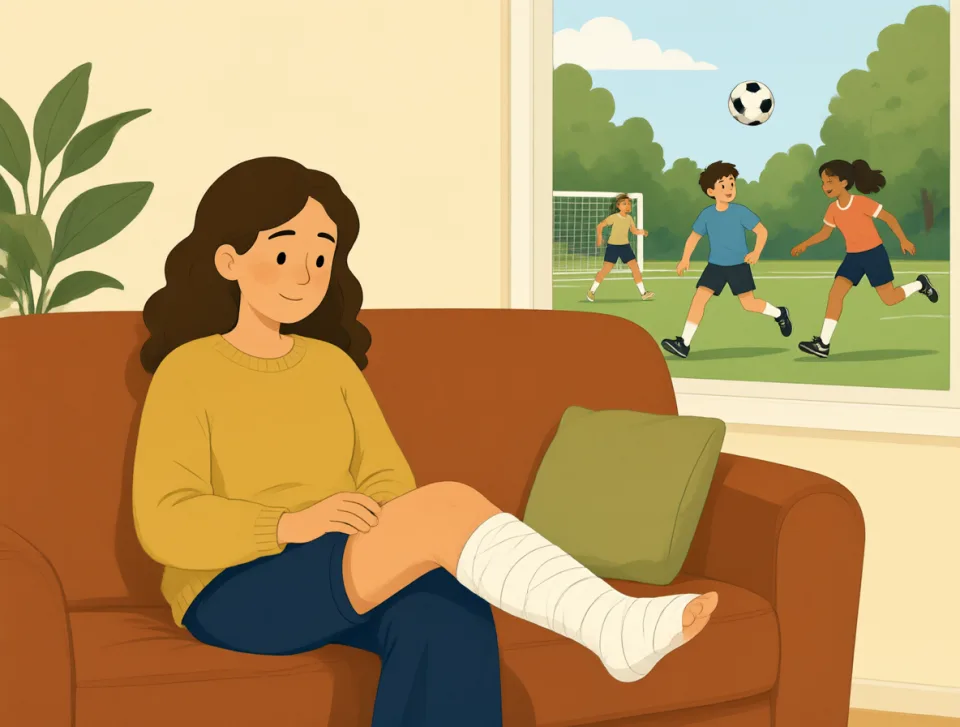
She avoided physical involvement in sports while recovering from her injury.
她在受傷恢復期間避免親自參加體育運動。

exposure
#2307noun
接觸;暴露;曝光
the experience of seeing or being affected by someone or something
看到某人或某物,或受到某人或某物影響的經歷

Long exposure to sunlight can damage your skin.
長時間暴露在陽光下會損傷皮膚。

The company gained more exposure after appearing on television.
這家公司在電視上亮相後獲得了更多曝光。

Children need exposure to different kinds of books.
孩子需要接觸不同種類的書籍。

The patient should avoid exposure to cold air after surgery.
手術後,患者應避免接觸冷空氣。

Travel gives you exposure to new foods and cultures.
旅行能讓你接觸新的食物和文化。

conventional
#2308adjective
傳統的;常規的
Usual and traditional, rather than new, unusual, or modern.
通常的、傳統的,而不是新穎、非同尋常或現代的。

They chose a conventional wedding with a church ceremony and a large reception.
他們選擇了傳統的婚禮,有教堂儀式和盛大的婚宴。

Her conventional approach to teaching helps students understand difficult ideas step by step.
她採用傳統的教學方法,幫助學生一步一步地理解難懂的概念。

The company rejected conventional methods and tried a faster way to solve the problem.
公司摒棄了常規方法,嘗試用更快的方式解決問題。

He wore a conventional black suit to the job interview.
他穿著一套傳統的黑色西裝去參加工作面試。

The restaurant serves conventional local dishes instead of experimental food.
這家餐廳供應傳統的當地菜餚,而不是實驗性料理。

digital
#2309adjective, noun
數字的; 數字技術
Using electronic technology to store, process, or share information.
使用電子技術來儲存、處理或分享資訊。

I keep all my photos in a digital album on my phone.
我把所有照片都存放在手機上的數字相簿裡。
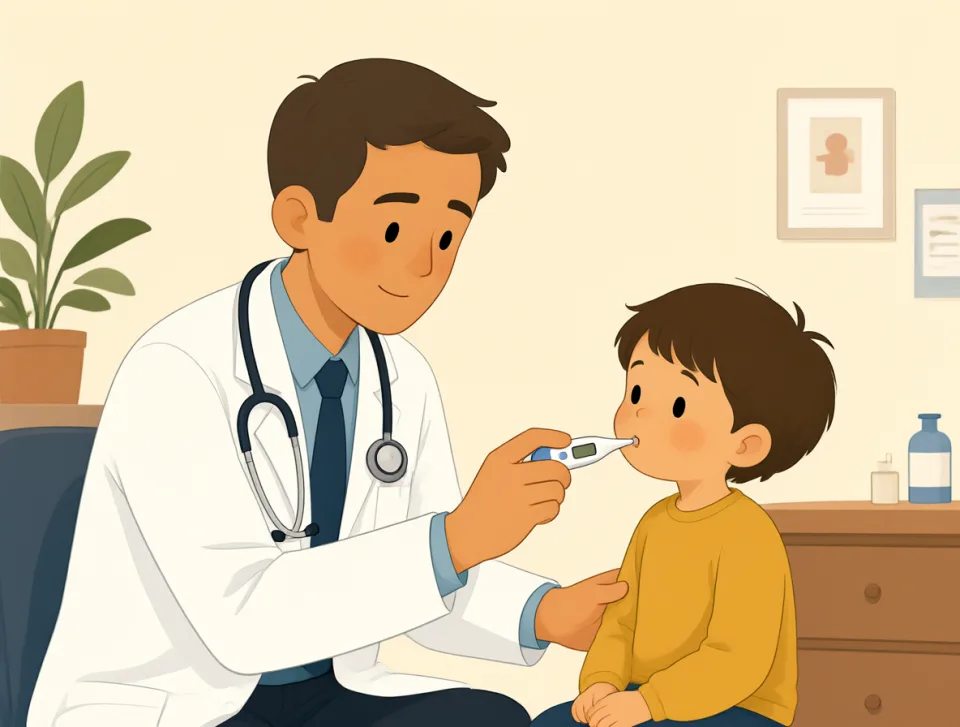
The doctor used a digital thermometer to check the child’s temperature.
醫生用數字體溫計給孩子測量體溫。
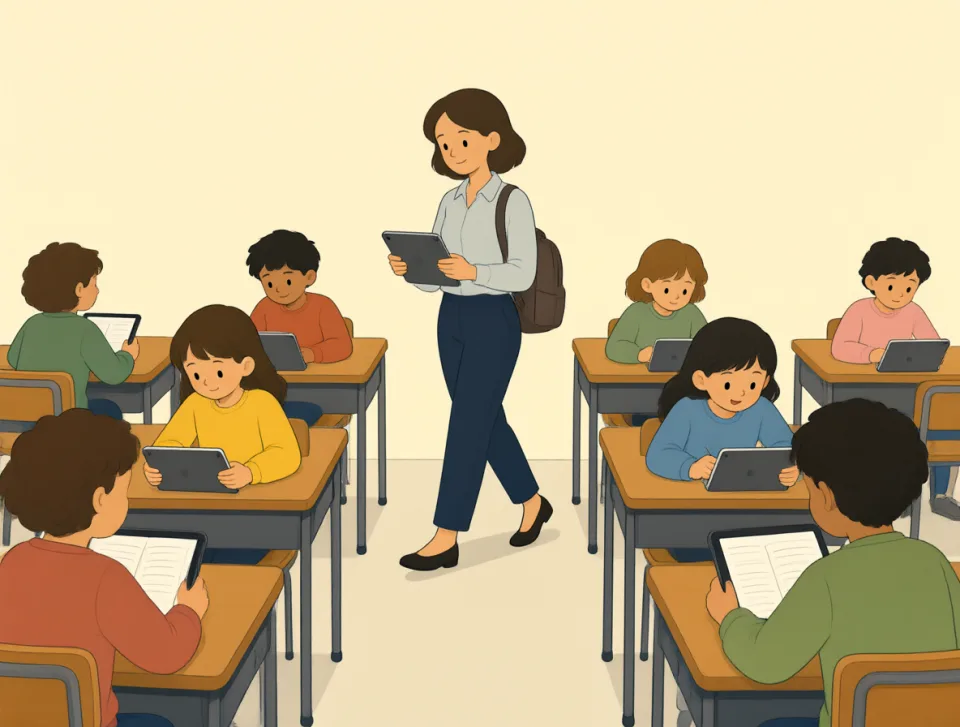
Our school provides digital textbooks for every student.
我們學校為每位學生提供數字教材。

You can pay with a digital wallet when you shop online.
你在網上購物時可以使用數字錢包付款。

The museum offers a digital tour for visitors who cannot travel.
博物館為無法出行的遊客提供數字導覽。

translate
#2310verb
翻譯
to change spoken or written words into another language
將口語或書面文字轉換成另一種語言

Can you translate this letter into English for me?
你能幫我把這封信翻譯成英語嗎?
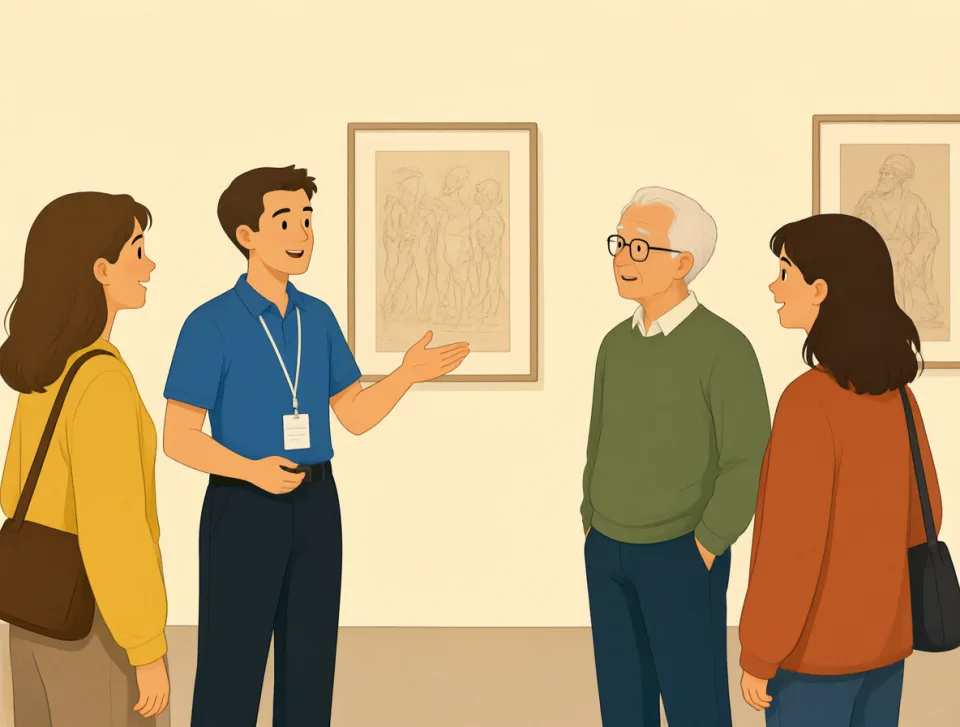
The guide translated the museum information for our group.
導遊為我們一行翻譯了博物館的介紹。

I used an app to translate the restaurant menu while traveling.
旅行時,我用一個應用翻譯餐廳選單。

She translates medical documents for patients at the hospital.
她在醫院為患者翻譯醫學檔案。

My friend translated the joke, but it was still difficult to understand.
我的朋友翻譯了這個笑話,但還是很難讓人理解。
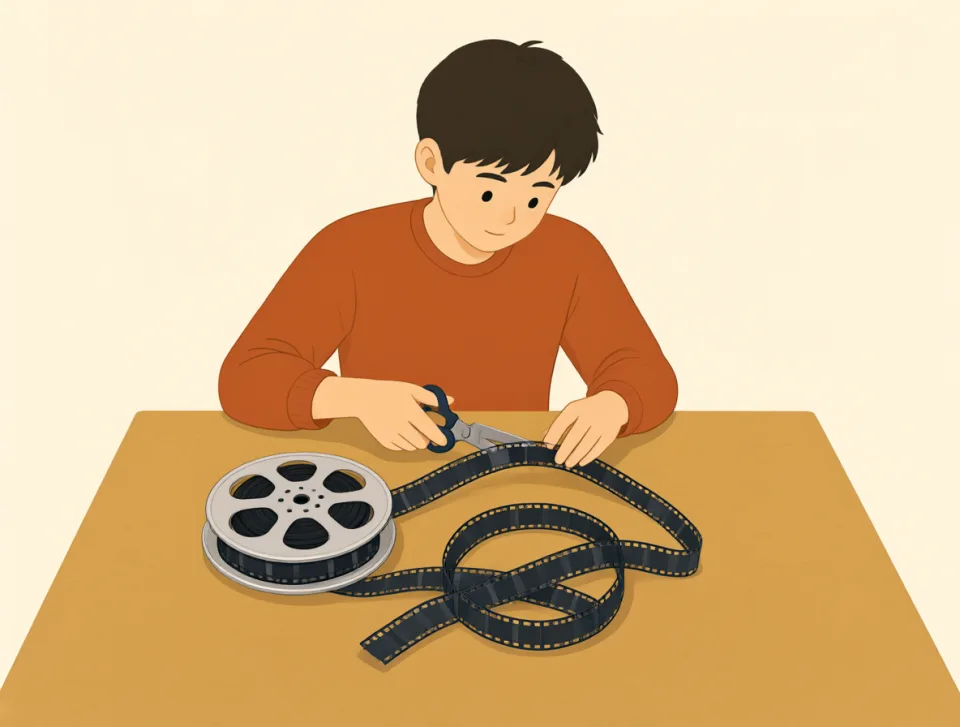
edit
#2311verb, noun
編輯;修改
To change writing, photos, or videos to improve them or correct mistakes.
對文字、照片或影片進行修改,以改進內容或糾正錯誤。

I need to edit this report before sending it to my manager.
我需要在把這份報告發給經理之前先修改一下。
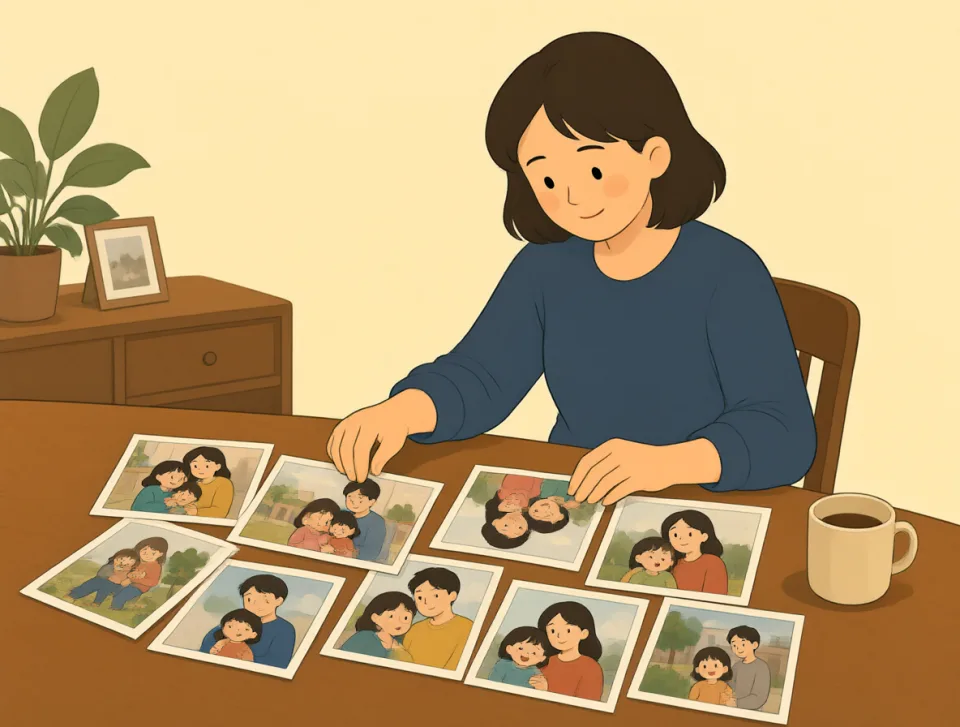
She edited the family photos before sharing them with her friends.
她把家庭照片編輯好後,才分享給朋友們。
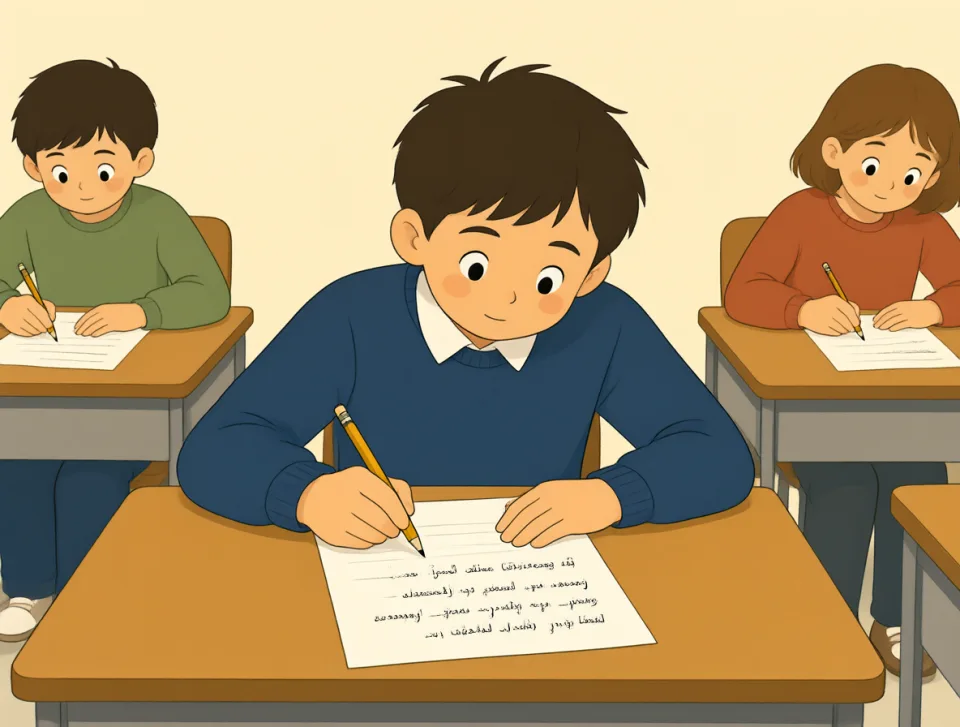
The teacher asked us to edit our essays for grammar mistakes.
老師讓我們修改作文中的語法錯誤。

The editor made a few changes to the article before publication.
編輯在文章發表前做了幾處修改。

He is learning to edit videos for his travel channel.
他正在學習為自己的旅行頻道剪輯影片。

formation
#2312noun
形成;編隊;陣型
The way something is created, arranged, or organized into a particular shape or pattern.
某物以特定形狀或模式被創造、排列或組織起來的方式。

The formation of ice on the lake made driving dangerous.
湖面結冰使開車變得很危險。
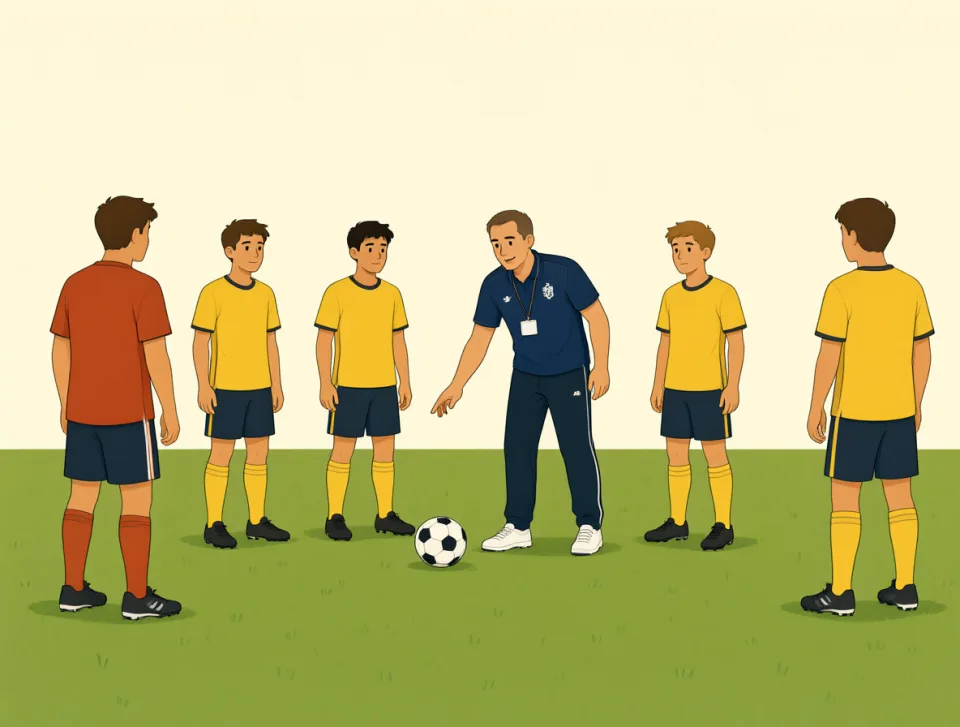
The coach practiced the team’s formation before the important match.
在重要比賽前,教練練習了球隊的陣型。
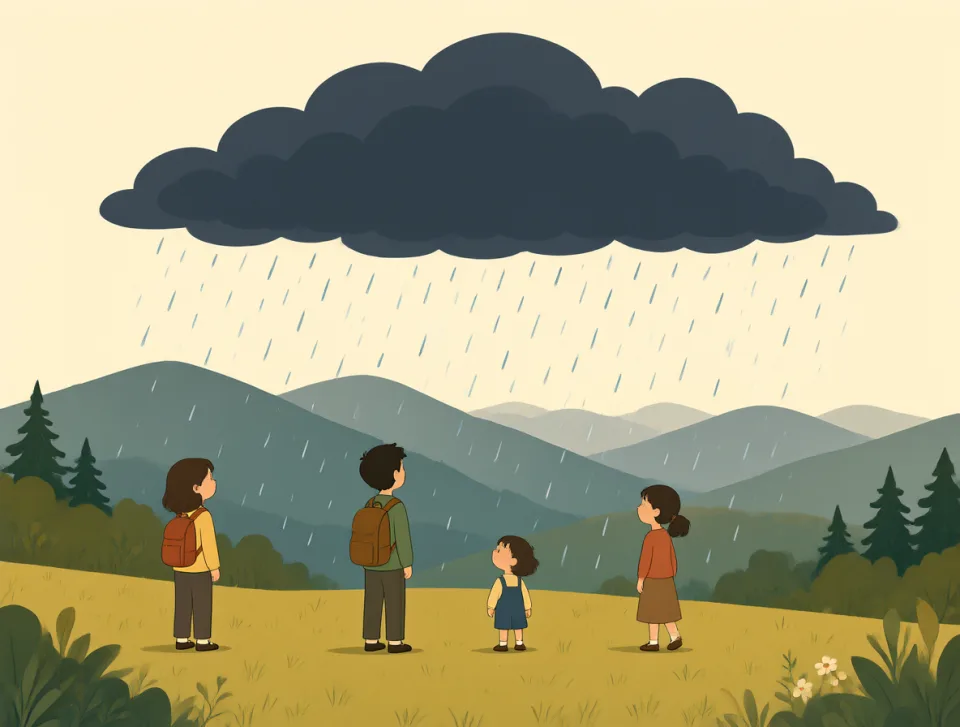
Cloud formation over the mountains brought heavy rain by evening.
山上空中的雲層形成,到了傍晚帶來了大雨。

The doctor explained that bone formation continues during childhood and teenage years.
醫生解釋說,骨骼的形成會持續到兒童期和青少年期。
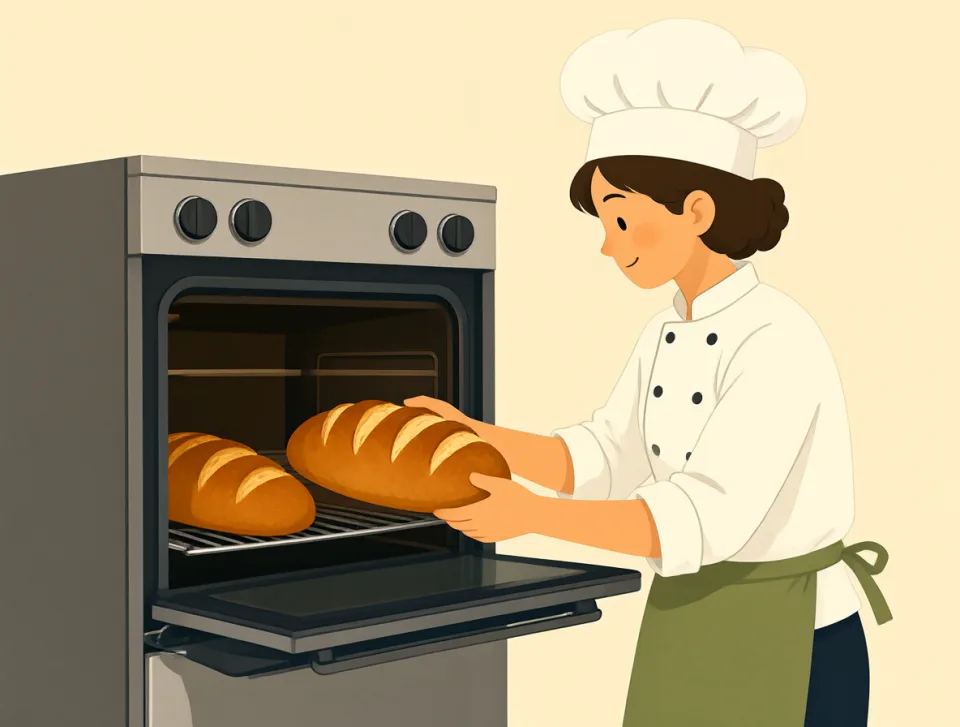
The chef showed us how heat helps the formation of a golden crust.
廚師向我們展示了高溫如何幫助形成金黃色的外殼。

deposit
#2313noun, verb
存款; 押金; 存入
Money kept in a bank or paid before receiving something, or to put money somewhere safely.
存放在銀行裡的錢,或在獲得某物之前支付的錢;也指把錢安全地存放到某處。

I made a deposit at the bank before paying my rent.
我在付房租之前去銀行存了錢。

The hotel requires a deposit when you book the room.
預訂房間時,酒店要求支付押金。
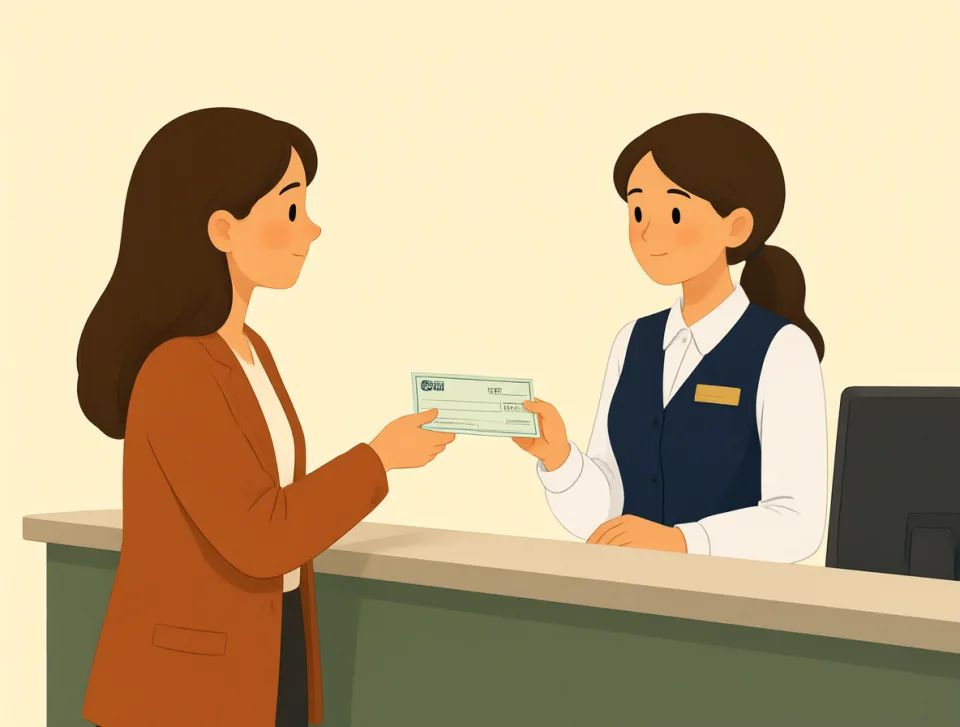
She deposited her paycheck into her savings account yesterday.
她昨天把工資存入了儲蓄賬戶。

We paid a small deposit to reserve the apartment.
我們支付了一小筆押金來預訂這套公寓。
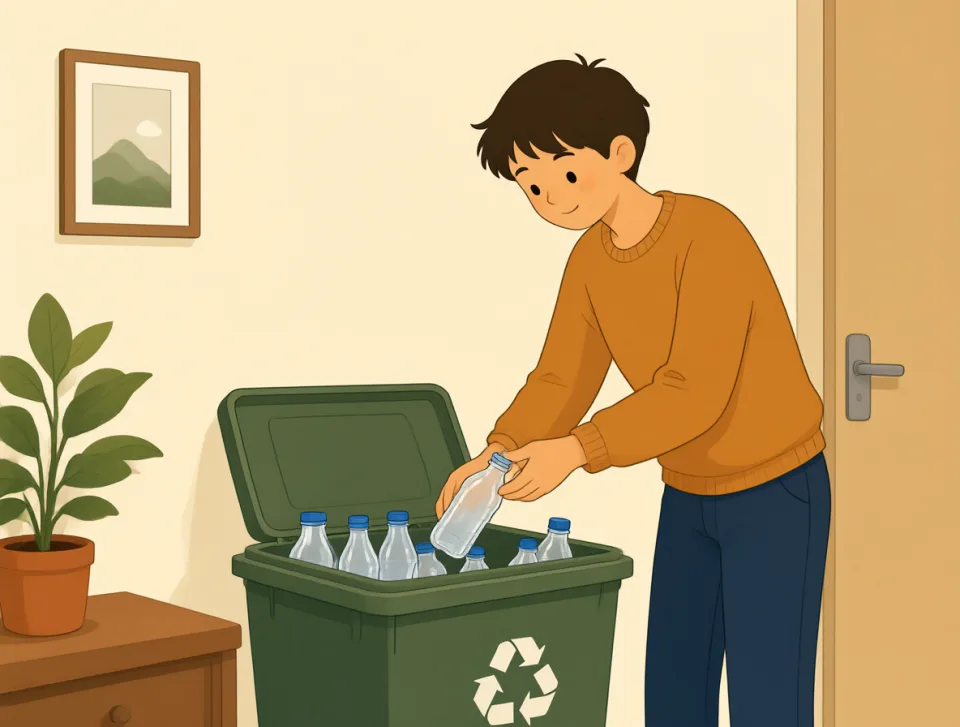
Please deposit the empty bottles in the recycling box.
請把空瓶放進回收箱。

pleasant
#2314adjective
愉快的; 令人愉悅的; 令人舒適的; 和藹的
enjoyable, comfortable, or friendly, making you feel happy and relaxed
讓人感到快樂和放鬆的,令人愉快、舒適或友好的

We had a pleasant evening at home, listening to music and talking.
我們在家聽著音樂、聊著天,度過了一個愉快的夜晚。

The hotel staff gave us a pleasant welcome after our long journey.
經過長途跋涉後,酒店員工熱情友好地迎接了我們。

She has a pleasant voice that makes the class enjoyable to listen to.
她的聲音很悅耳,讓人聽課時感到很愉快。
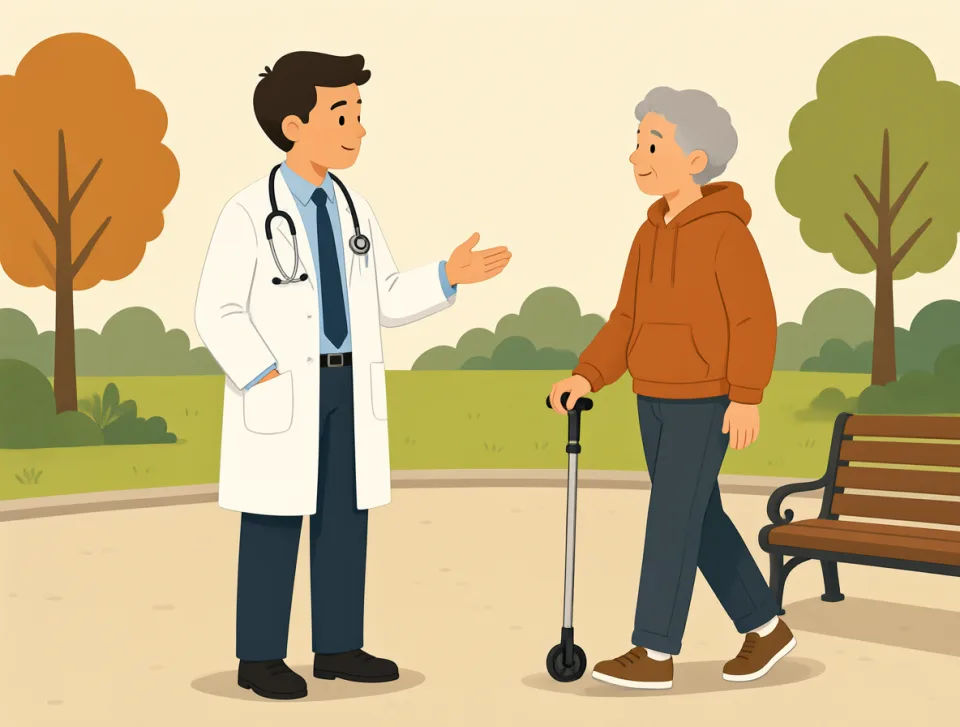
The doctor suggested a pleasant walk outside to improve my mood.
醫生建議我到戶外愉快地散散步,以改善心情。

The shop assistant was pleasant and helped me choose a comfortable jacket.
店員待人和氣,還幫我挑選了一件舒適的夾克。
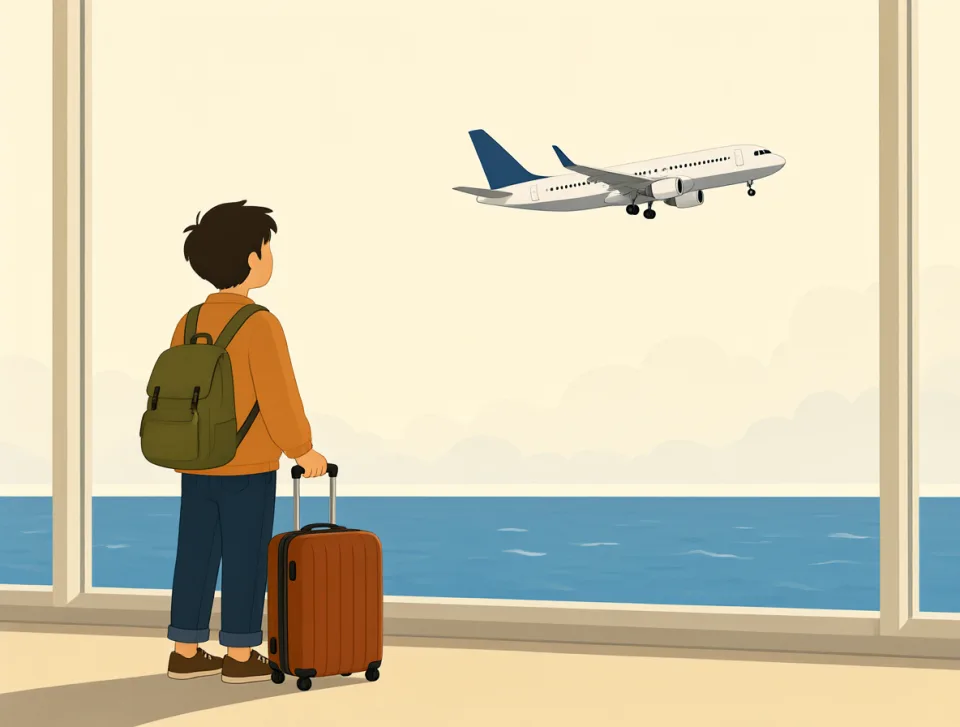
overseas
#2315adverb, adjective
海外;國外
in or to a foreign country, especially one across the sea
在外國或前往外國,尤其是跨海的國家

My sister works overseas and visits home twice a year.
我姐姐在海外工作,每年回家兩次。

The company plans to open several overseas offices next year.
公司計劃明年在海外開設幾家辦事處。
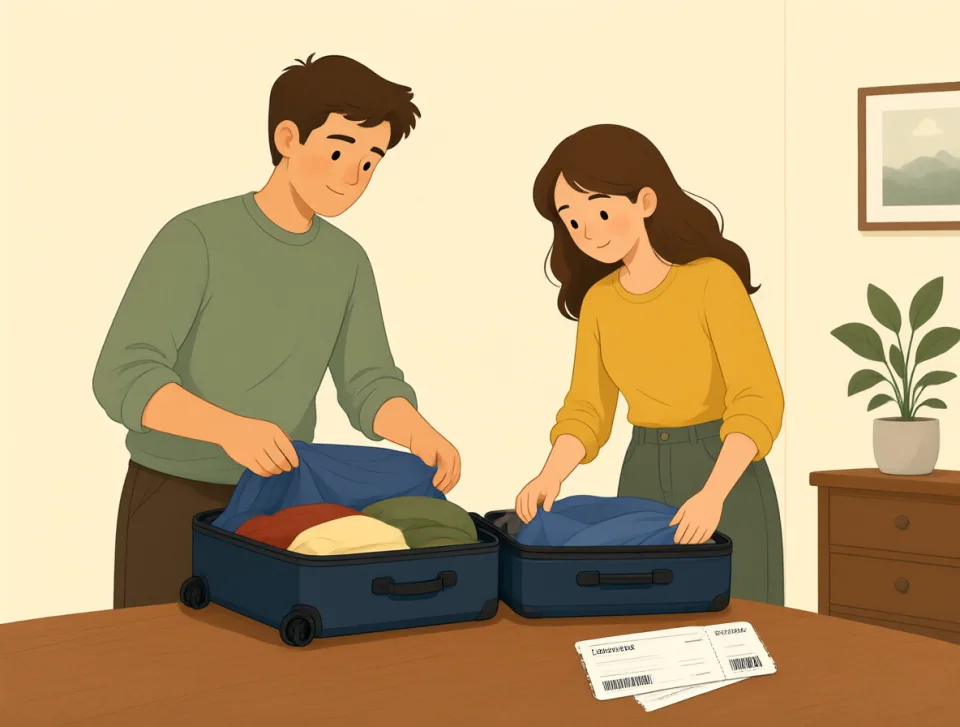
We bought an overseas flight online and packed our bags that evening.
我們在網上買了一張出國航班的機票,那天晚上就收拾好了行李。

Many students dream of studying overseas after finishing high school.
許多學生都夢想高中畢業後去海外留學。
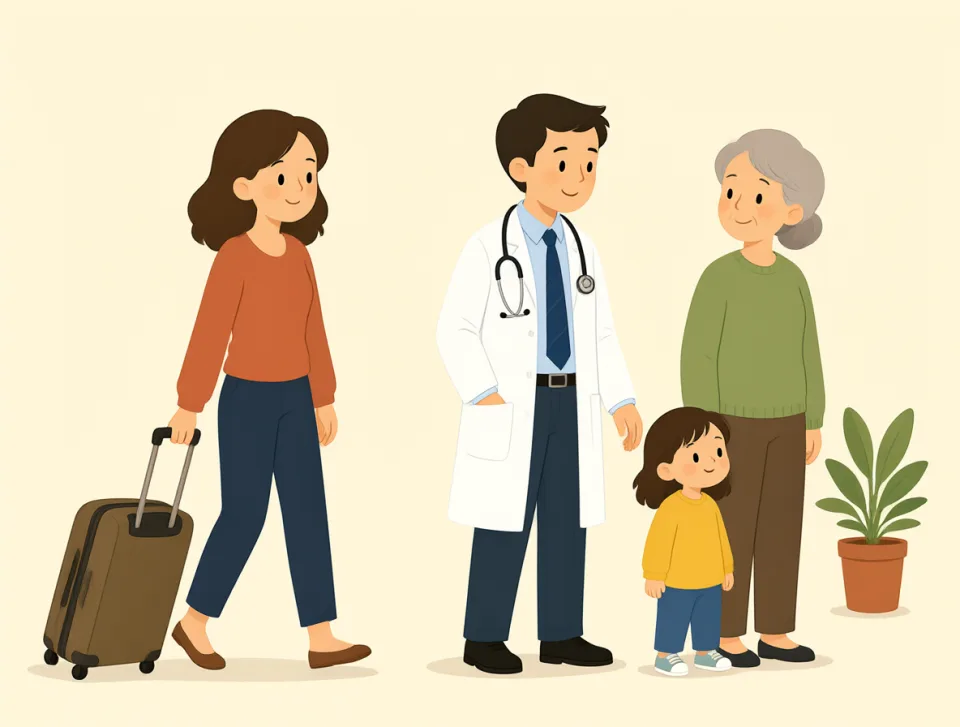
She moved overseas for better medical treatment and returned home months later.
她為了接受更好的醫療救治搬到了國外,幾個月後才回家。

advocate
#2316noun, verb
倡導者;支援;提倡
A person who publicly supports an idea, cause, or group; to support it publicly.
公開支援某種想法、事業或群體的人;公開表示支援某種想法、事業或群體。
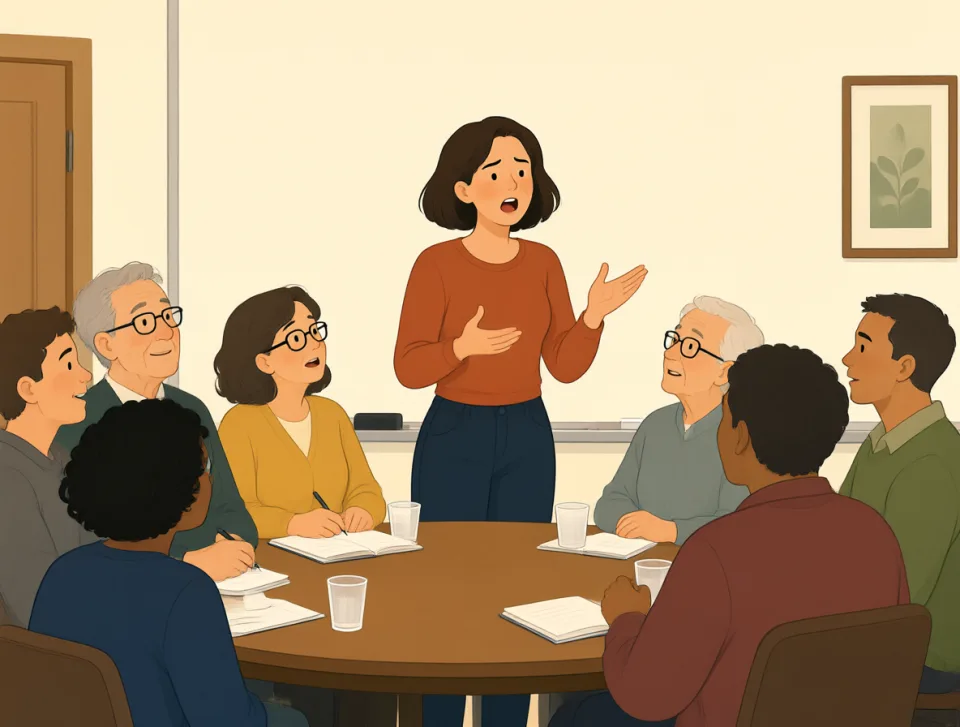
She is a strong advocate for better health care in our town.
她是我們鎮上改善醫療保健的堅定支持者。
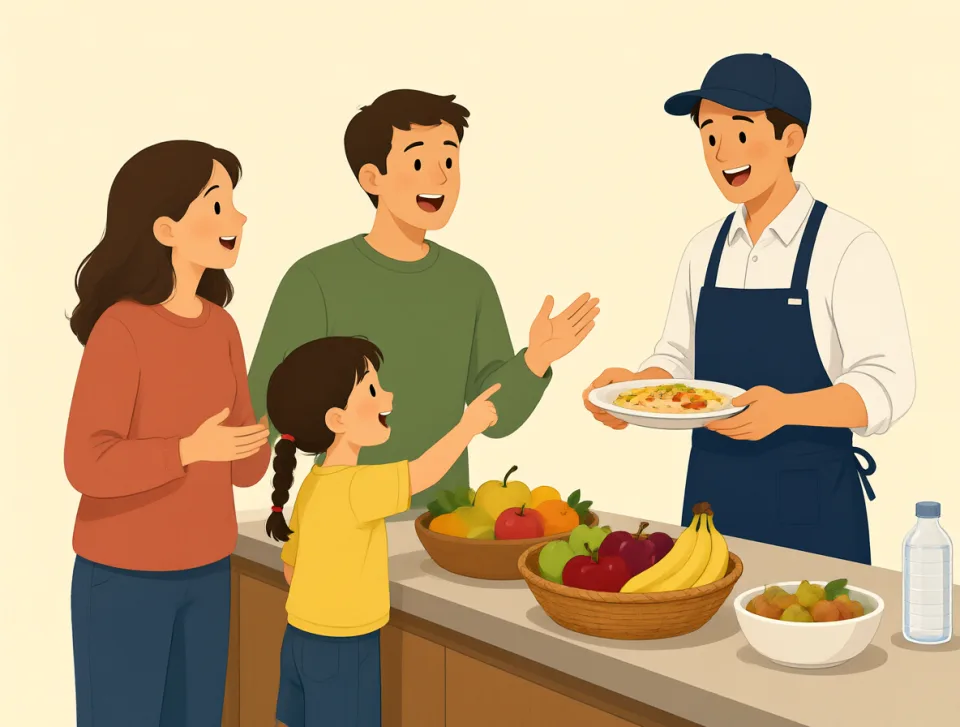
Many parents advocate healthier food choices for children at school.
許多家長提倡讓孩子在學校選擇更健康的食物。

His doctor advocates regular exercise to help control his blood pressure.
他的醫生建議他經常鍛鍊,以幫助控制血壓。

Our teacher advocated smaller classes during yesterday’s school meeting.
我們的老師在昨天的學校會議上主張縮小班級規模。
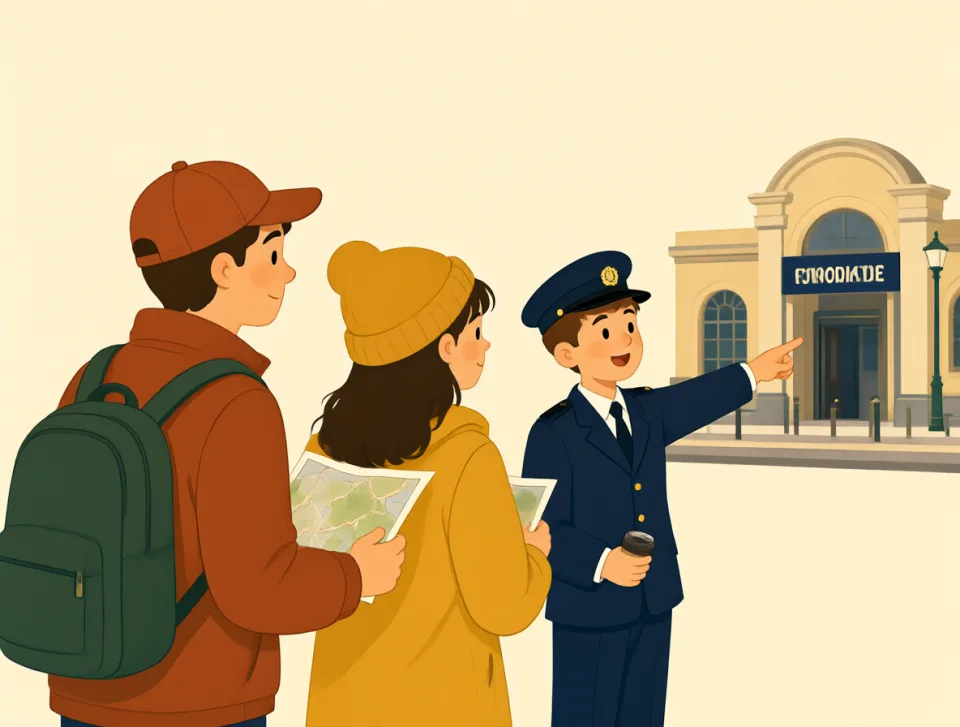
The travel guide advocates taking the train instead of renting a car.
這本旅行指南建議乘火車,而不是租車。

establishment
#2317noun
建立;機構;場所
the creation or starting of something, or a business, organization, or place that provides a service
建立或開始某事,或提供服務的企業、組織或場所
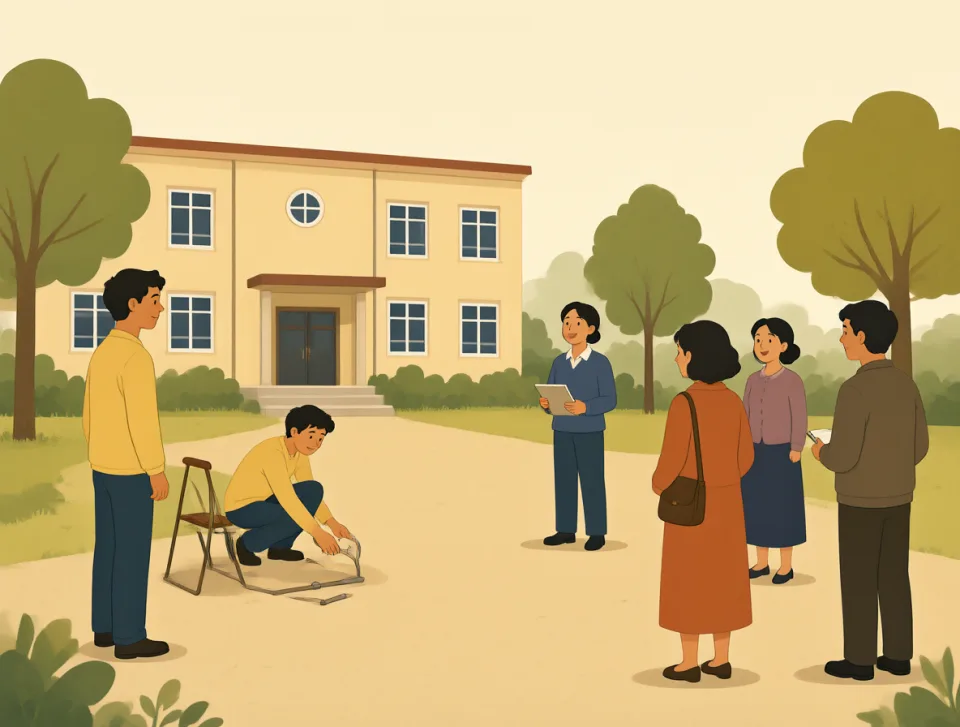
The establishment of the new school created many jobs for local people.
新學校的建立為當地人創造了許多就業機會。

This family-owned establishment serves fresh bread and coffee every morning.
這家家族經營的店每天早晨供應新鮮麵包和咖啡。

The hotel is a popular establishment for tourists visiting the city.
這家酒店是來這座城市旅遊的遊客常去的地方。
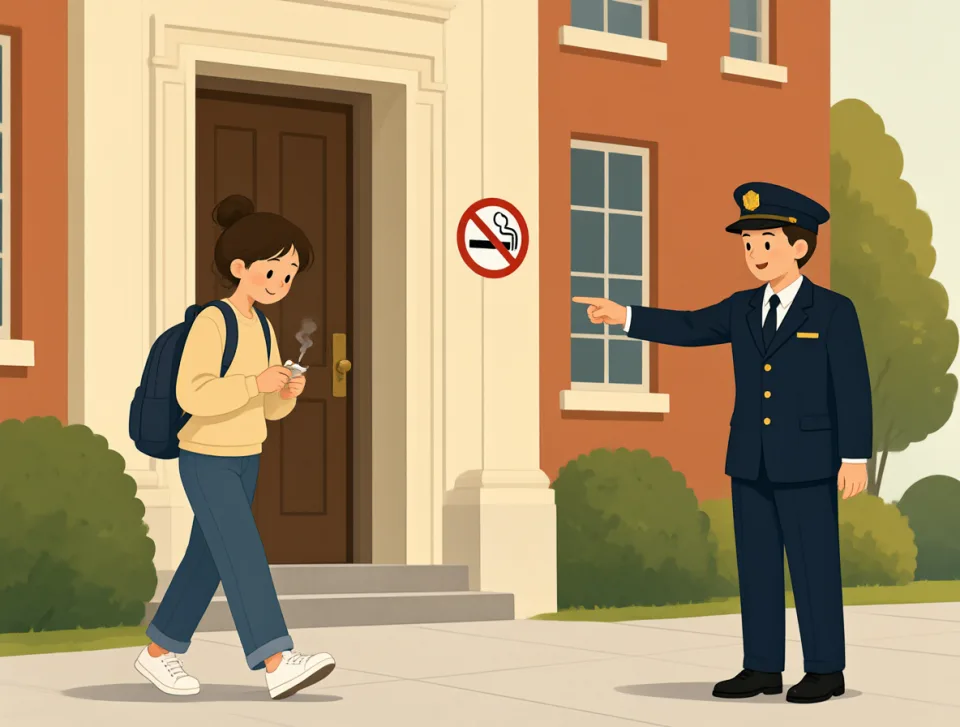
The university has strict rules against smoking in any establishment.
這所大學嚴格禁止在任何場所吸菸。
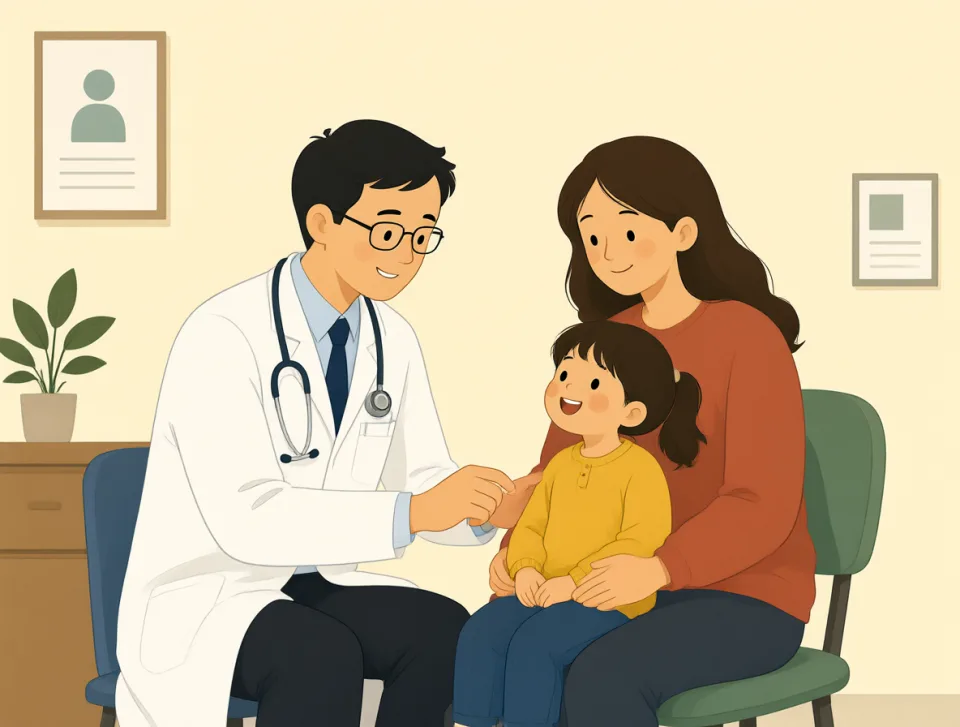
Her medical establishment provides affordable care for families without insurance.
她經營的醫療機構為沒有保險的家庭提供價格實惠的醫療服務。

summary
#2318noun
摘要; 總結
a short statement giving the main points of something
概括某件事情主要內容的簡短陳述

I read a summary of the news before leaving for work.
我上班前讀了一份新聞摘要。

Please send me a summary of the meeting this afternoon.
請在今天下午把會議總結髮給我。
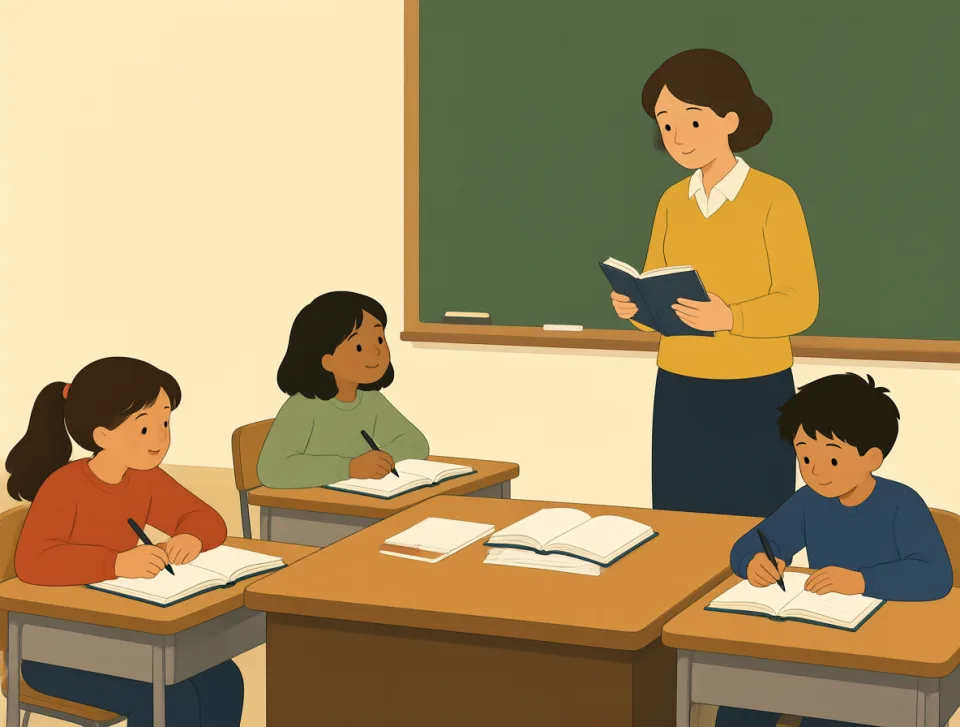
The teacher asked us to write a summary of the story.
老師要求我們寫一篇故事摘要。

This book includes summaries of healthy meals for busy families.
這本書介紹了適合忙碌家庭的健康膳食摘要。

After the trip, we shared funny summaries of our favorite moments.
旅行結束後,我們分享了各自最喜歡的有趣時刻的總結。
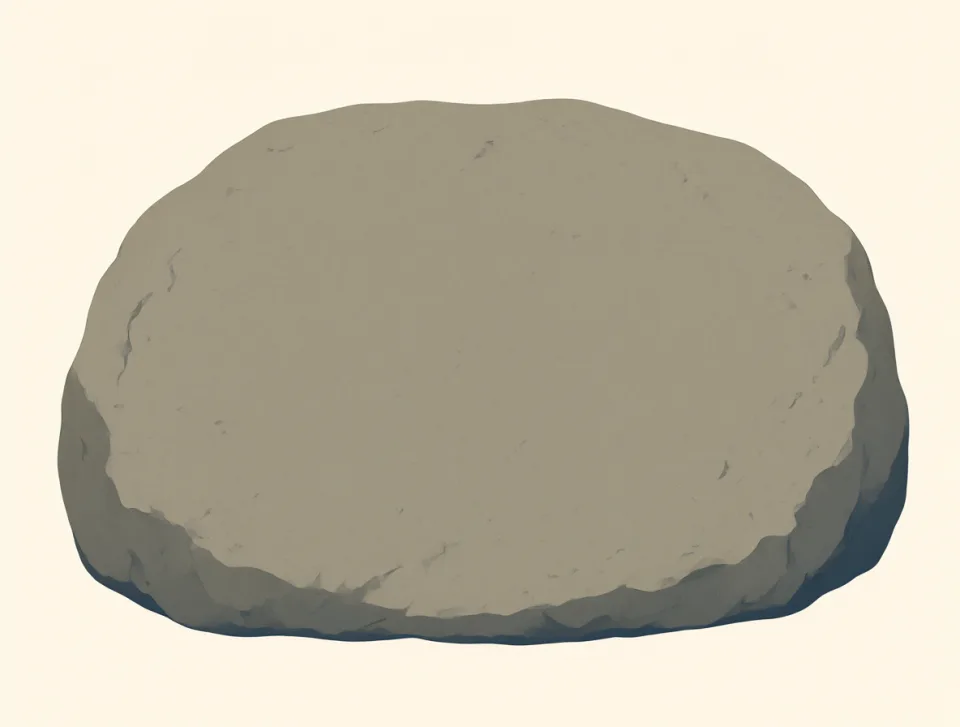
rough
#2319adjective, noun, verb
粗糙的;艱難的;粗略地
Not smooth, gentle, or easy; difficult or unpleasant.
不光滑、不溫和或不容易的;困難的或令人不愉快的。
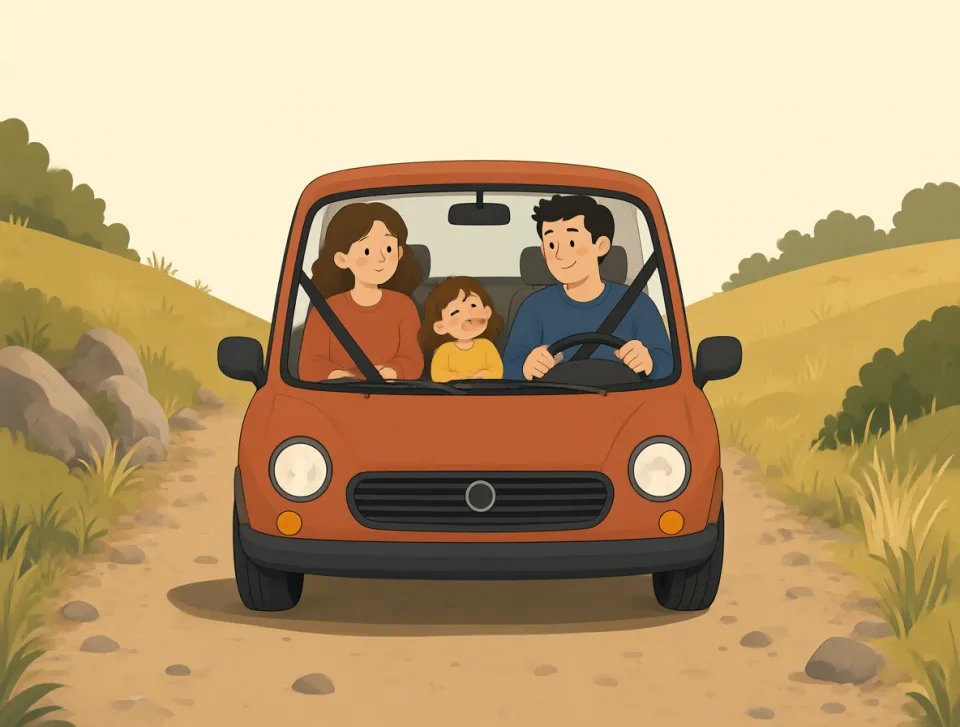
The rough road made everyone in the car uncomfortable during the long journey.
路面坑坑窪窪,長途旅行中車上的每個人都感到很不舒服。

This rough fabric feels uncomfortable against my skin, so I need a softer shirt.
這種粗糙的布料貼著皮膚很不舒服,所以我需要一件更柔軟的襯衫。

We had a rough day at work because the computer system kept stopping.
我們工作時度過了艱難的一天,因為電腦系統總是出故障。

The players had a rough game, but they still celebrated their final goal.
隊員們經歷了一場艱苦的比賽,但他們還是為最後的進球慶祝了。
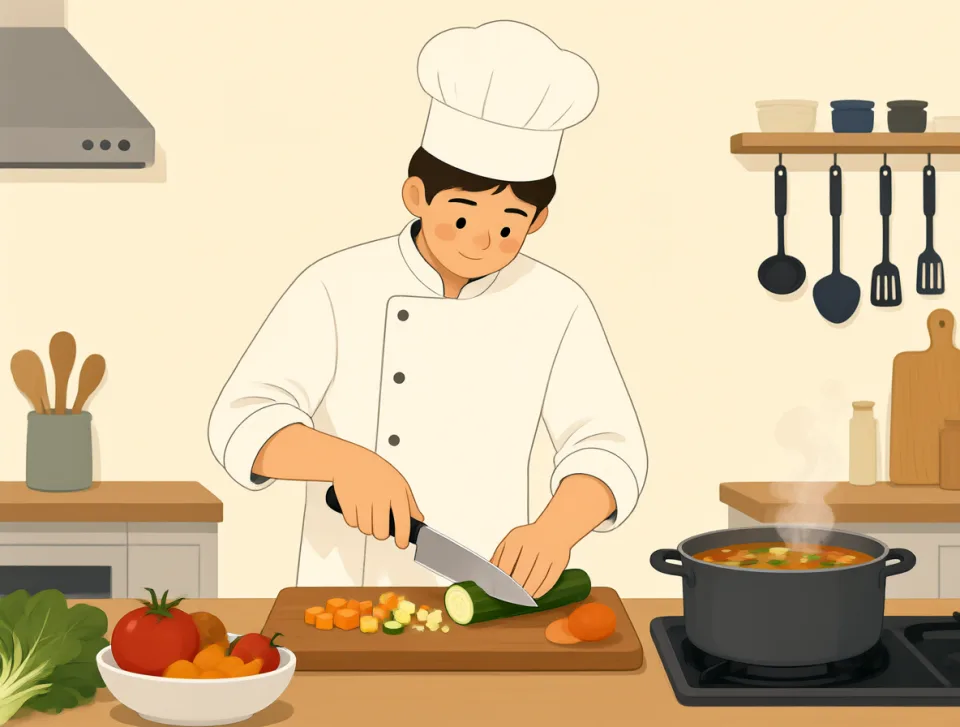
The chef roughly chopped the vegetables before adding them to the soup.
廚師把蔬菜粗略地切了幾下,然後放進湯裡。

pen
#2320noun, verb
鋼筆; 圈養
A tool for writing with ink; to keep animals in a small enclosed area.
一種用墨水書寫的工具;把動物關在一個小型圍欄裡。

Please write your name and address with a black pen.
請用黑色鋼筆寫下你的姓名和地址。

I bought two new pens at the school supply store.
我在學校用品店買了兩支新鋼筆。

The doctor put the pen in the animal enclosure after feeding it.
醫生喂完動物後,把鋼筆放進了動物圍欄裡。

She was penning a short note while waiting for her train.
她在等火車的時候寫著一張簡短的便條。

The farmer pens the sheep every evening to keep them safe.
農夫每天晚上都把羊圈起來,以確保它們的安全。