單元 140
單字 2781–2800 · aunt, tournament, registration, fragment, listener, immigration
aunt
#2781noun
姑媽;姨媽;伯母;嬸嬸;舅媽
The sister of your mother or father, or the wife of your uncle.
你母親或父親的姐妹,或者你叔叔、伯伯、舅舅的妻子。
My aunt lives nearby, so we visit her every Sunday.
我姑媽住在附近,所以我們每個星期天都會去看她。
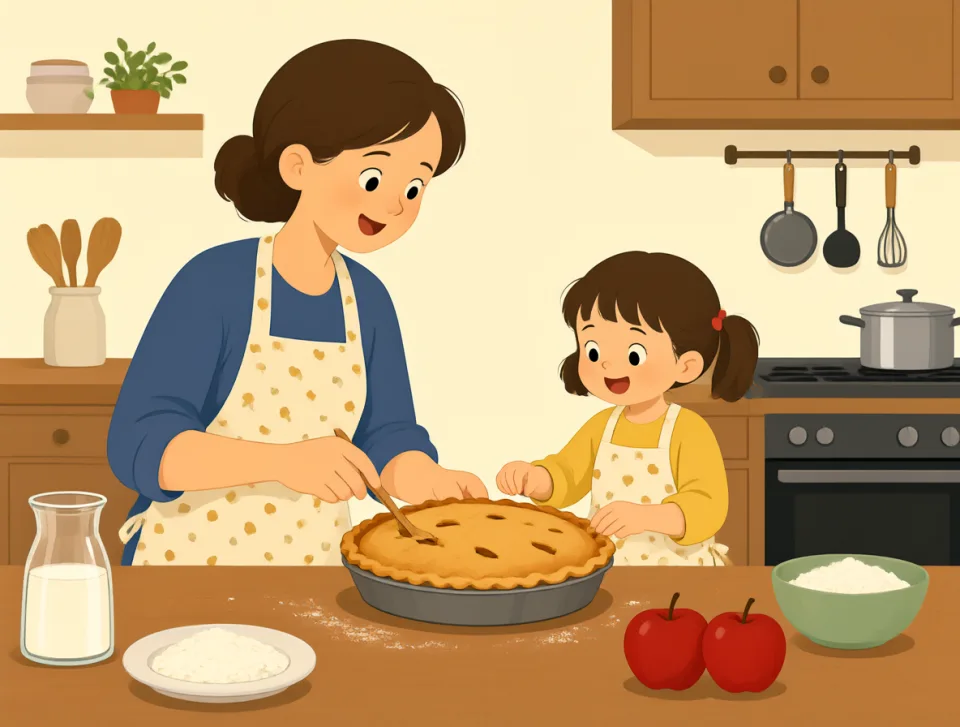
Aunt Maria taught me how to make her famous apple pie.
瑪麗亞姑媽教我做她拿手的蘋果派。

I called my aunt after my doctor said I needed more rest.
醫生告訴我需要多休息後,我給姑媽打了電話。
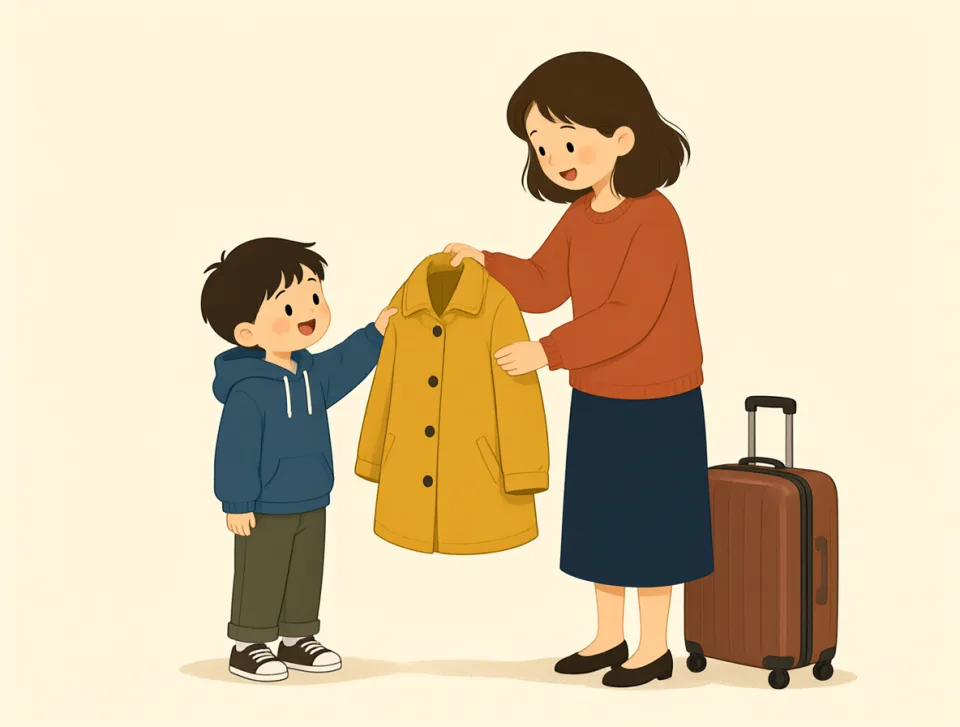
My aunt gave me a warm coat before our winter trip.
冬季旅行前,姑媽送給我一件保暖外套。
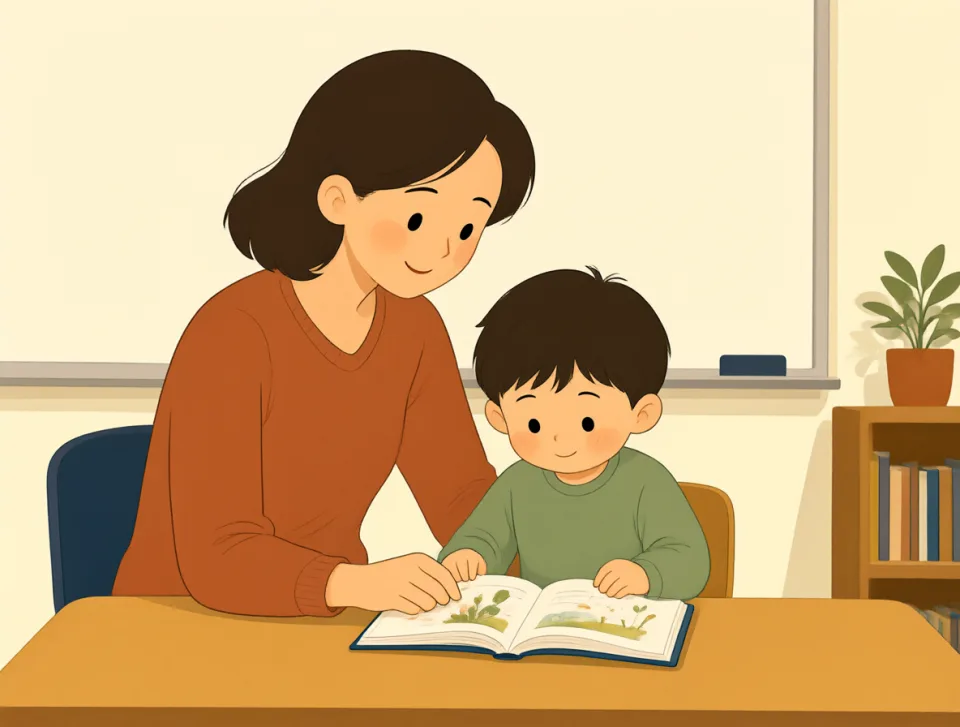
My aunt works at the school where my cousin studies.
我姑媽在我表親就讀的那所學校工作。
tournament
#2782noun
錦標賽;聯賽
A competition in which players or teams try to win by beating their opponents.
一種比賽,參賽者或參賽隊透過擊敗對手來爭取獲勝。
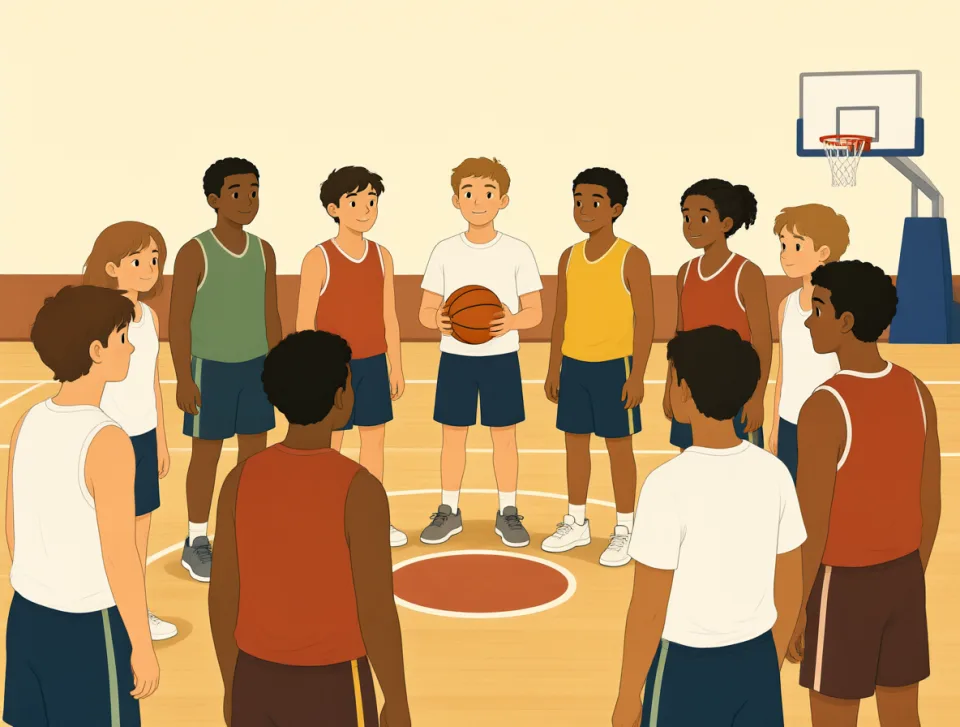
Our school basketball team reached the final of the city tournament last year.
去年,我們校籃球隊打進了城市錦標賽的決賽。
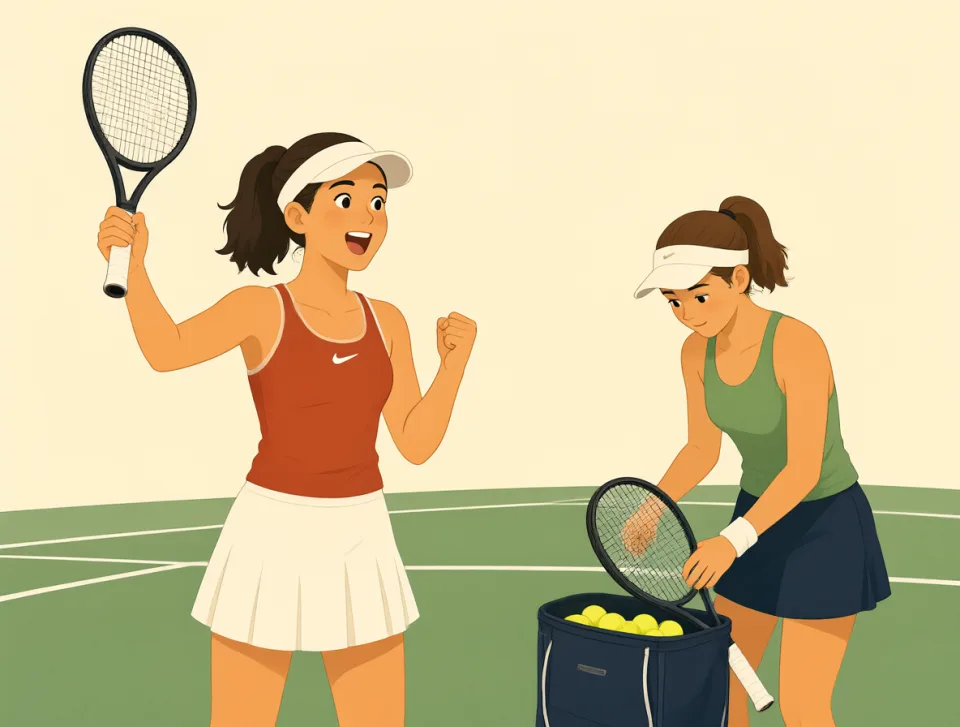
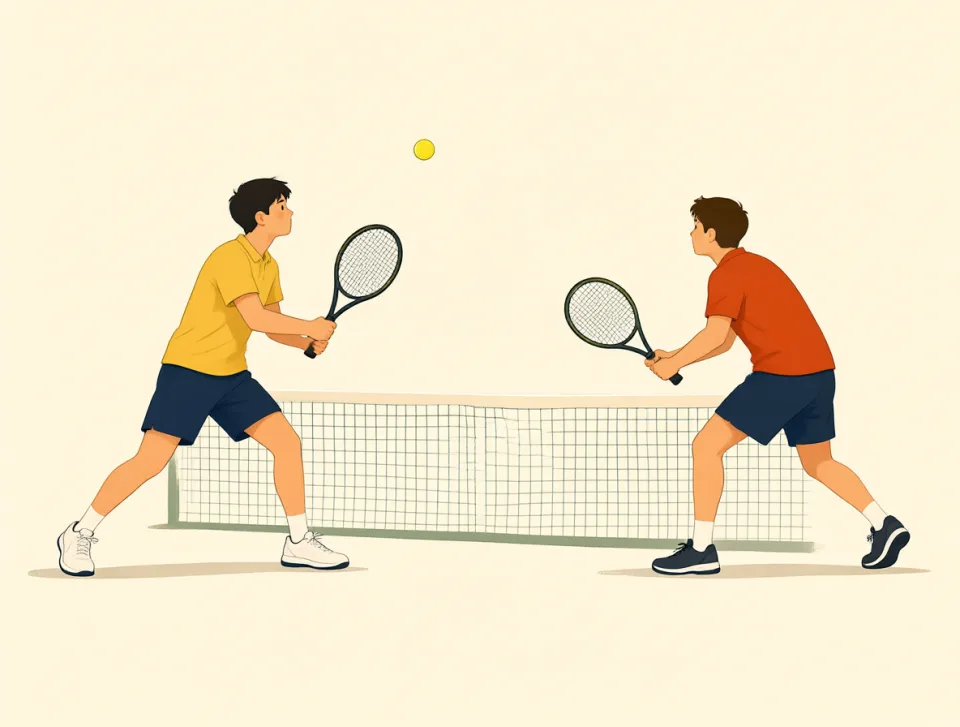
She won the tennis tournament after beating three strong players.
她擊敗了三名實力強勁的選手,贏得了網球錦標賽冠軍。
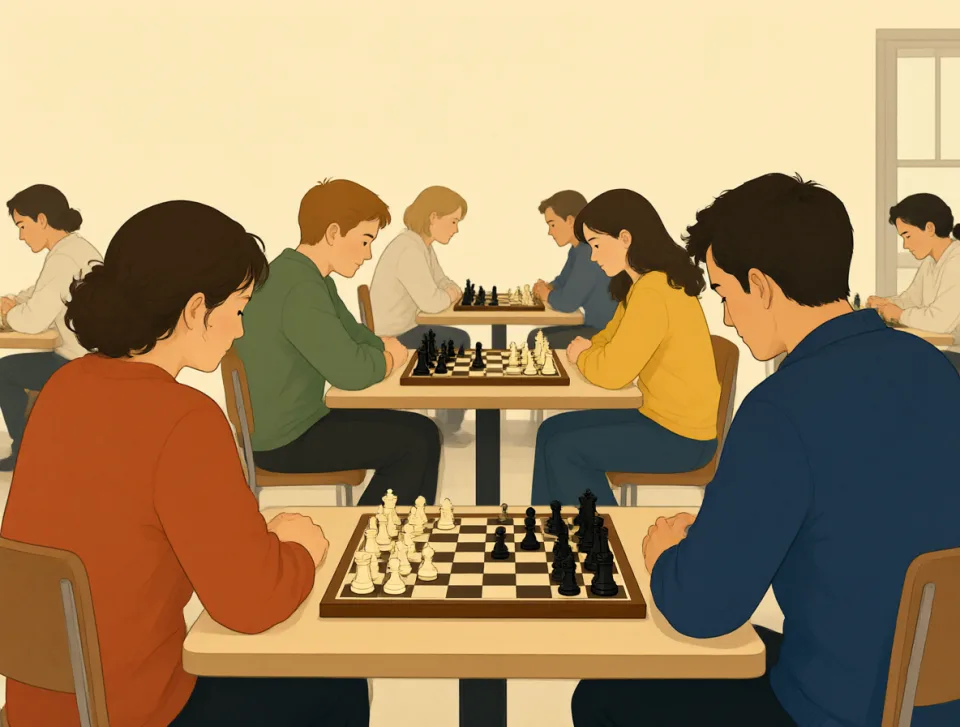
The chess tournament attracted players from several nearby towns.
這場國際象棋錦標賽吸引了附近幾個城鎮的選手。
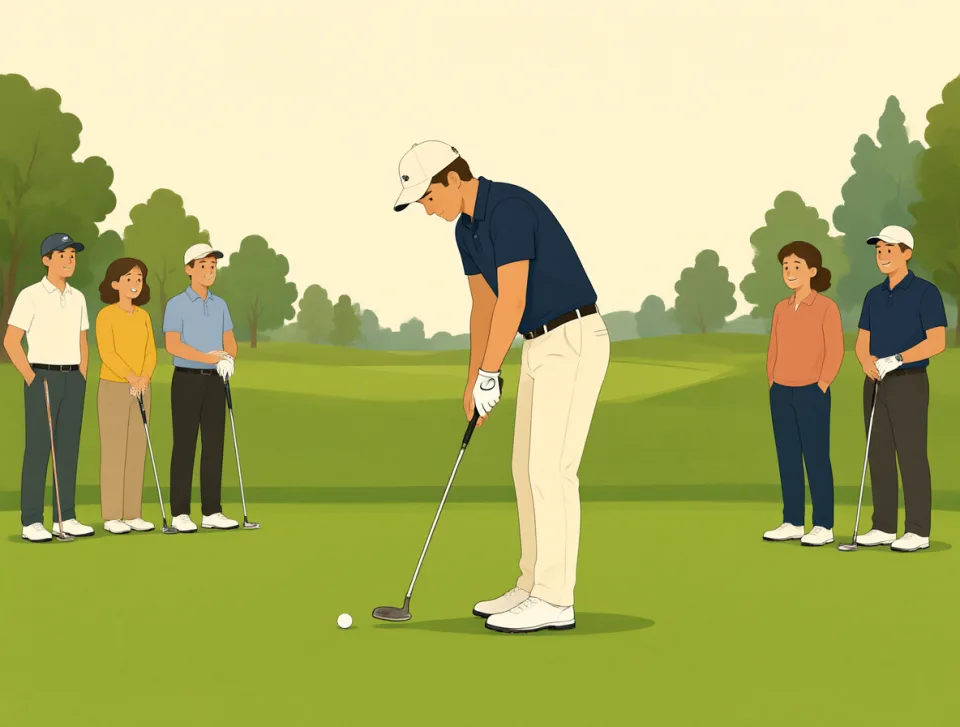
They are holding a golf tournament to raise money for the local hospital.
他們正在舉辦一場高爾夫球賽,為當地醫院籌款。

We watched the final tournament match together at my friend’s house.
我們一起在朋友家觀看了錦標賽的決賽。

registration
#2783noun
報名;註冊;登記
The act of putting your name on an official list to join or use something.
為了加入或使用某項事物而將姓名登記在官方名單上的行為。

Online registration for the language course closes at midnight on Friday.
這門語言課程的網上報名將於週五午夜截止。

We completed our hotel registration before carrying our bags upstairs.
我們辦好酒店入住登記後,才把行李拿上樓。
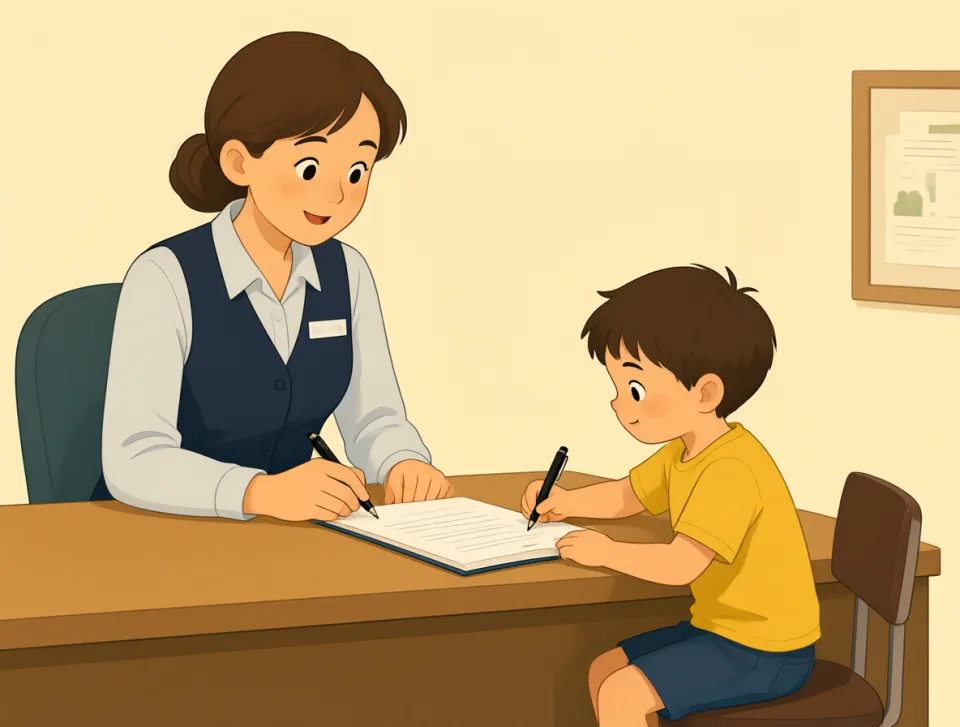
The school requires registration before children can attend the summer program.
學校要求先報名,孩子才能參加暑期專案。

Vehicle registration must be renewed every year in this state.
在這個州,車輛登記必須每年更新。
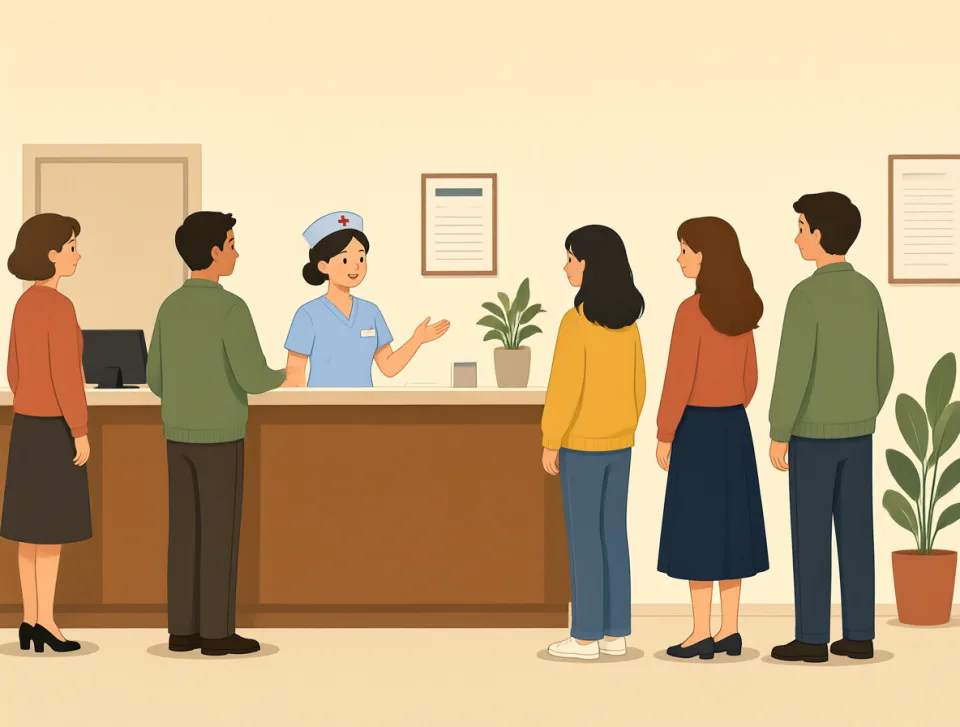
There was a long line for registration at the community health clinic.
社群健康診所的登記處排起了長隊。
fragment
#2784noun, verb
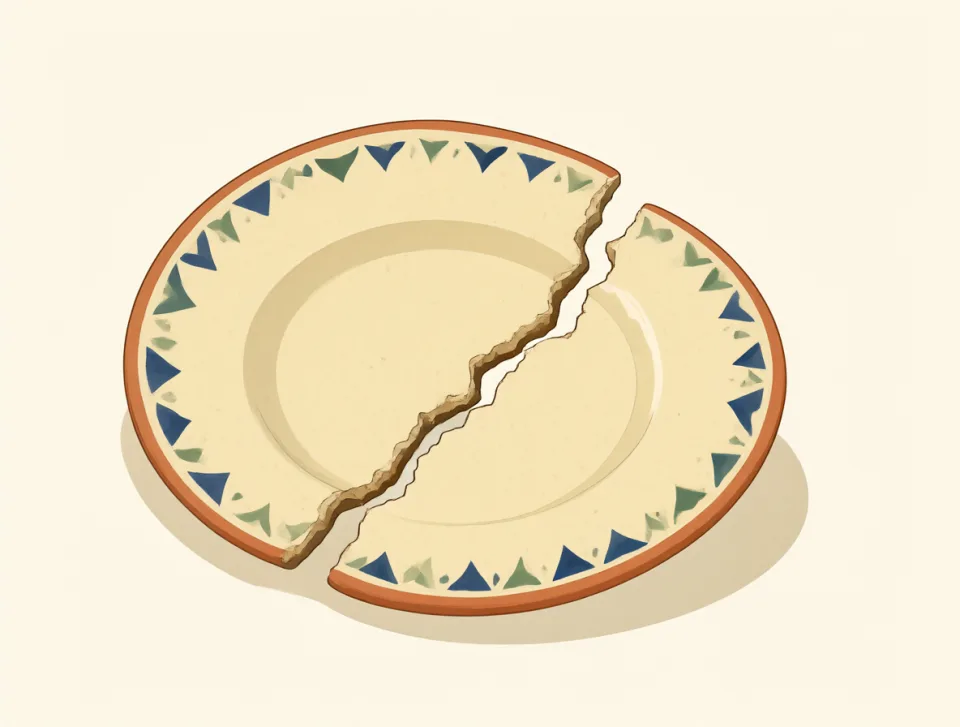
碎片;片段;破碎;分裂
A small broken or incomplete part of something; to break or separate into smaller pieces.
某物破碎或不完整的一小部分;使破裂或分成更小的碎片。
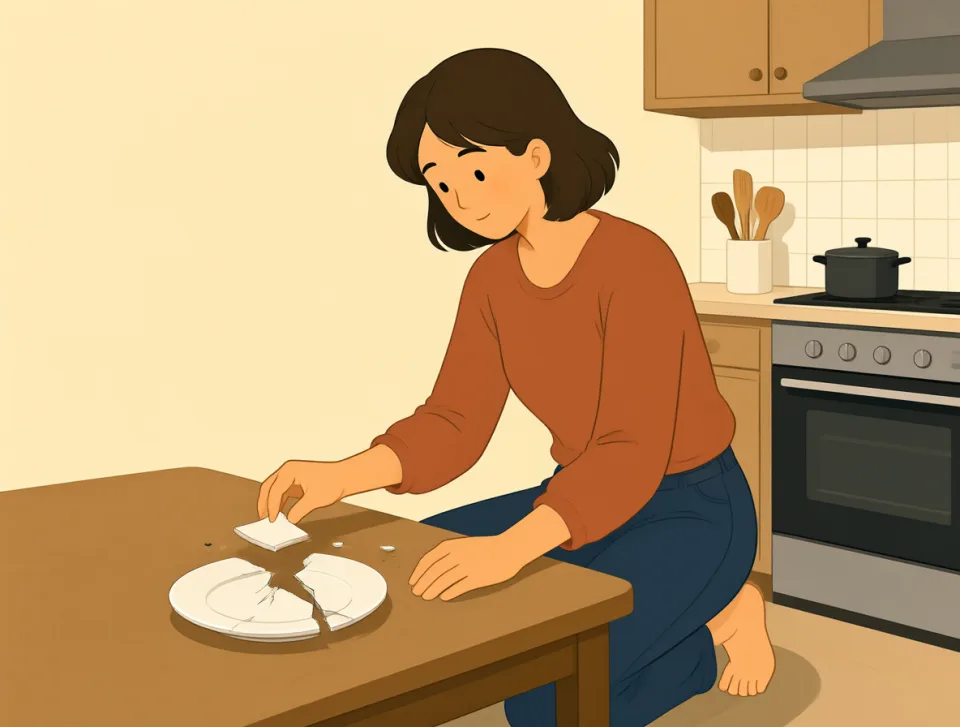
She found a fragment of the broken plate under the kitchen table.
她在廚房桌子底下發現了一塊碎盤子的碎片。
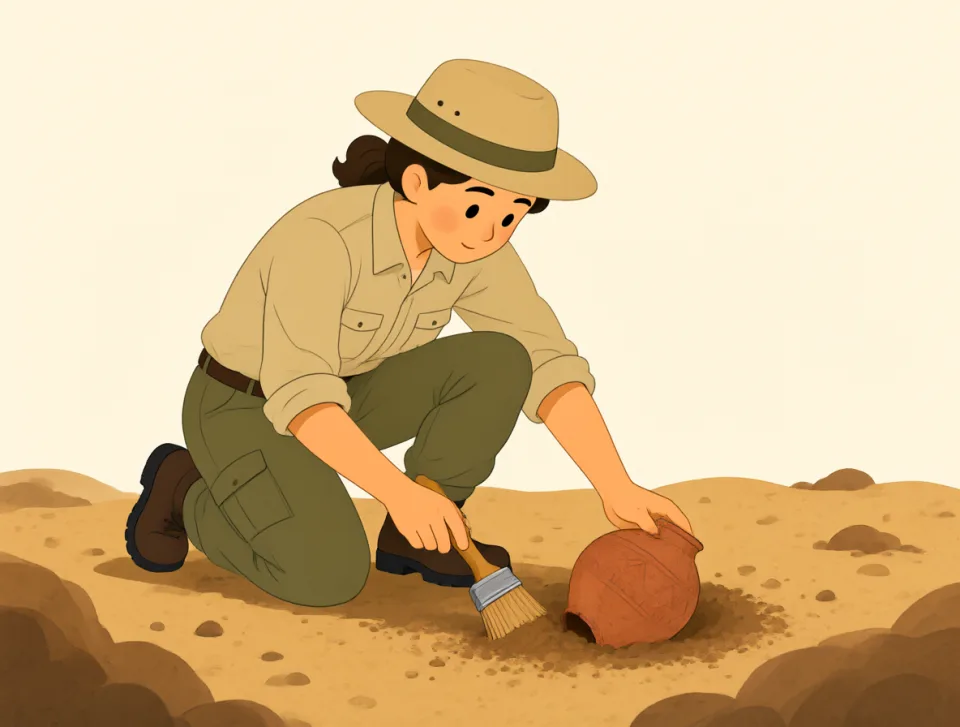
The archaeologist carefully brushed dirt from a fragment of an ancient bowl.
考古學家小心翼翼地刷去一隻古碗碎片上的泥土。

I remember only a fragment of what the doctor said after my appointment.
看完醫生後,我只記得醫生說過的一小段話。
He quoted a fragment from the book during our class discussion.
課堂討論時,他引用了書中的一小段內容。
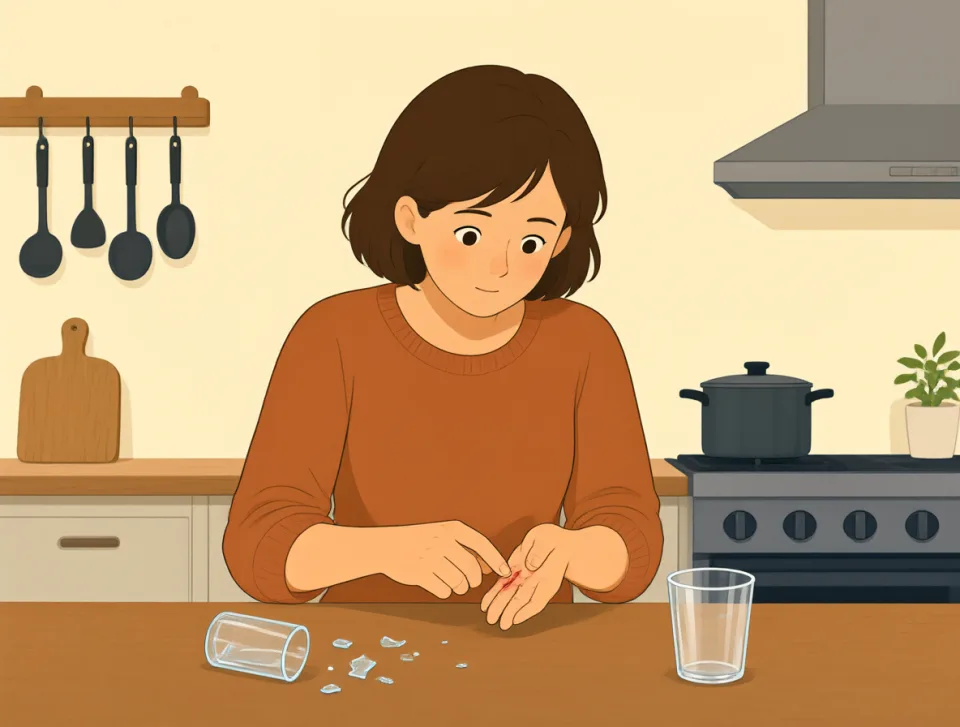
The glass fragment cut her finger while she was cleaning the kitchen.
她清理廚房時,一塊玻璃碎片割傷了手指。

listener
#2785noun
聽眾;傾聽者
A person who listens to someone or something.
聽別人說話或聽某種聲音的人。

The radio station received calls from listeners after the morning news.
早間新聞播出後,電臺收到了聽眾打來的電話。

She is a patient listener when her friends need to talk.
朋友需要傾訴時,她總是一個耐心的傾聽者。

The speaker asked each listener to raise a hand if they had questions.
演講者請每位聽眾在有問題時舉手示意。

Good listeners make fewer mistakes when they follow spoken instructions.
認真聽講的人在按照口頭指示操作時更不容易出錯。

The podcast has attracted many listeners during the long train journey.
這檔播客在漫長的火車旅途中吸引了許多聽眾。

immigration
#2786noun
移民;移居;移民入境
The process of entering and settling in another country.
進入另一個國家並在那裡定居的過程。
She applied for immigration to Canada after finding a job there.
她在加拿大找到工作後,申請了移民加拿大。

The immigration officer checked our passports before we entered the country.
我們入境前,移民官檢查了我們的護照。

My grandparents came here through immigration and built a new life.
我的祖父母透過移民來到這裡,並在這裡建立了新的生活。
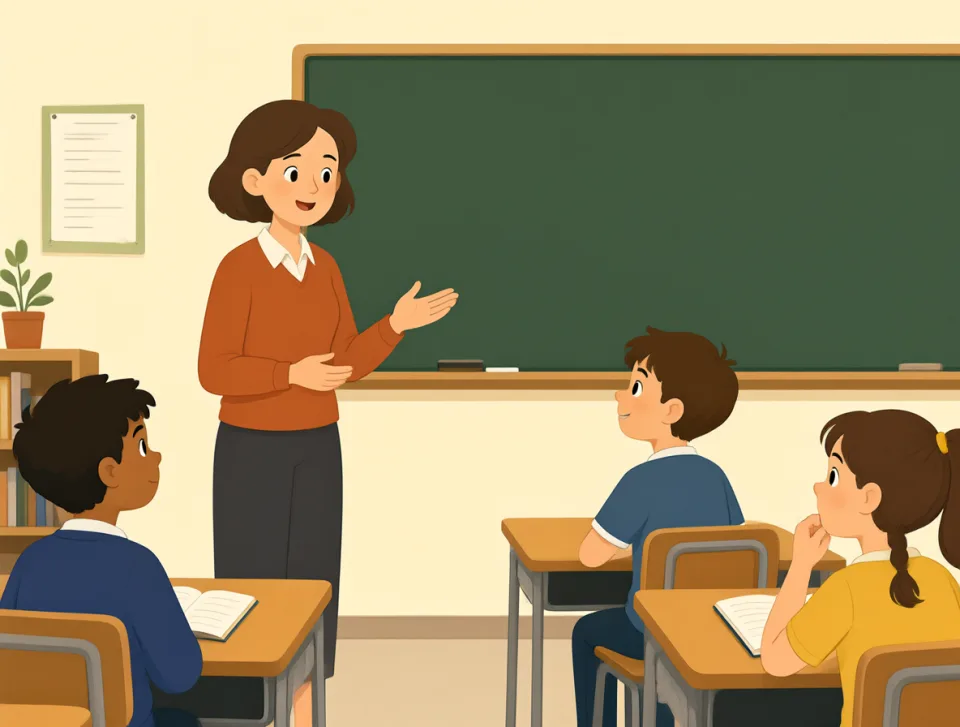
The school held a meeting about immigration and welcoming new students.
學校召開了一場關於移民以及如何歡迎新生的會議。

He works in immigration law and helps families understand their options.
他從事移民法律工作,幫助家庭瞭解他們可以選擇的方案。
tender
#2787adjective, noun, verb
溫柔的;柔嫩的;嫩的;投標
gentle and caring; soft and easily hurt; an offer to buy something; to make meat soft
溫柔體貼的;柔軟且容易受傷的;購買某物的投標或報價;使肉變得鬆軟
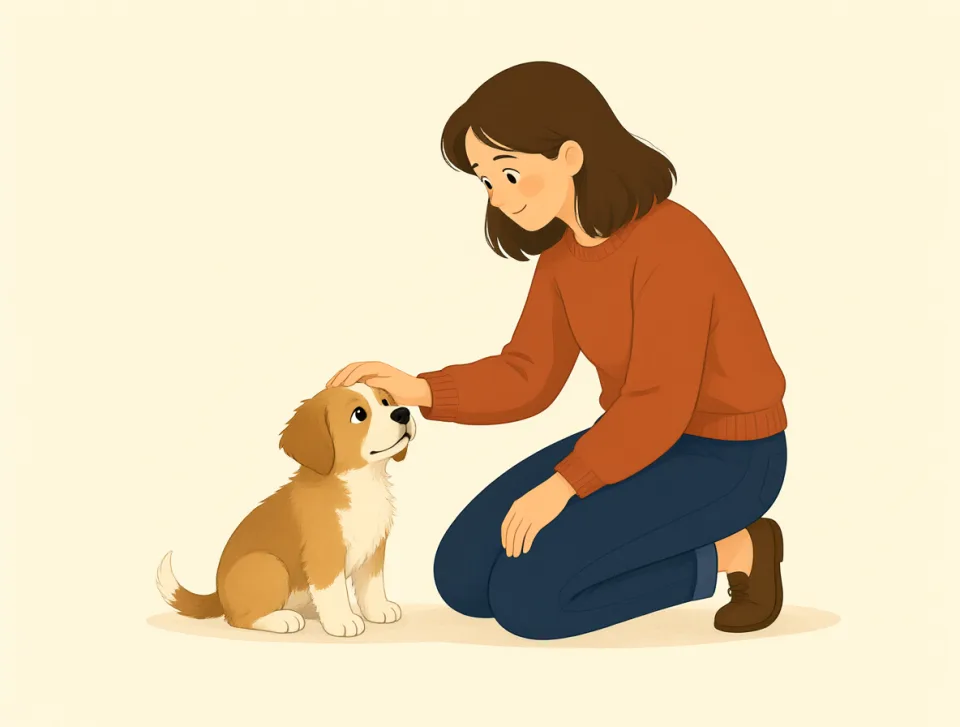
She was tender with the frightened puppy and spoke to it softly.
她溫柔地對待那隻受驚的小狗,輕聲細語地跟它說話。
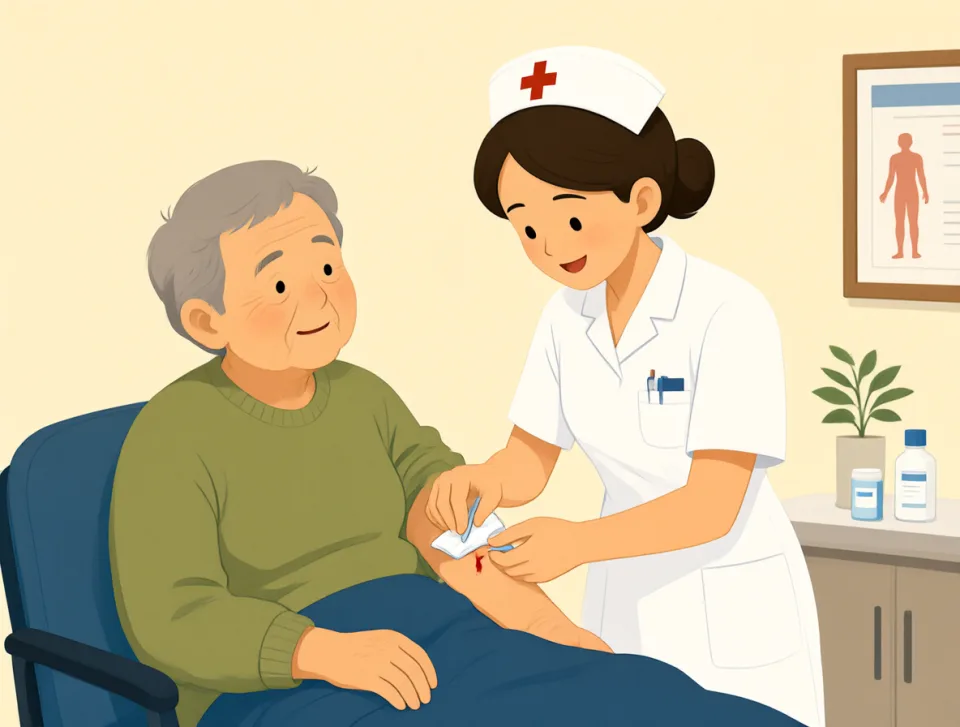
The nurse cleaned the tender skin around his cut with warm water.
護士用溫水清洗了他傷口周圍嬌嫩的皮膚。
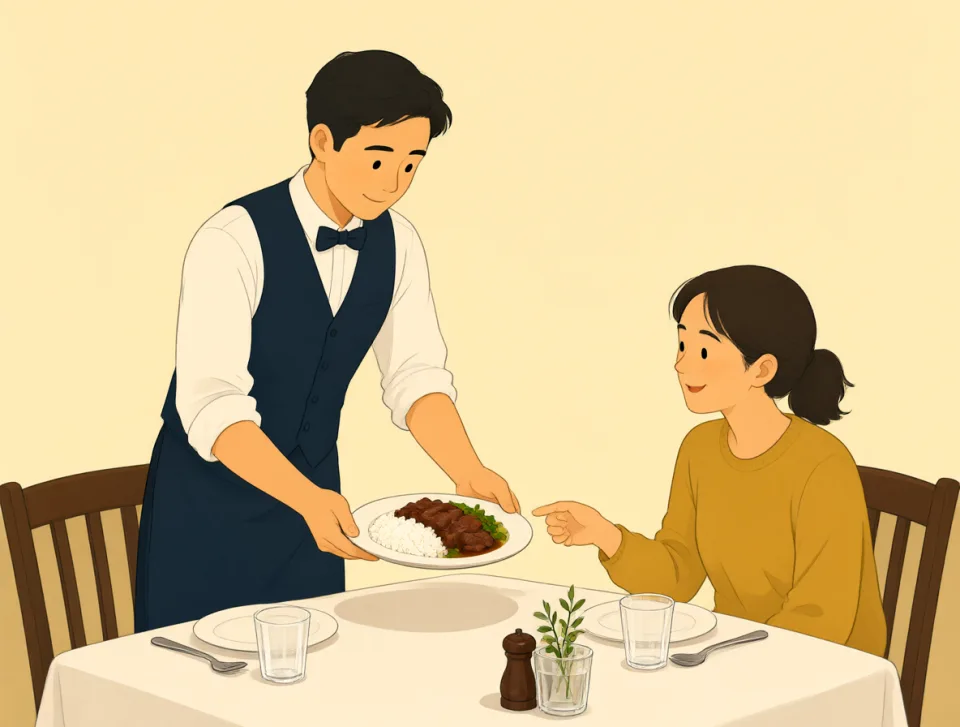
We ordered tender beef with rice at the little restaurant near work.
我們在公司附近的一家小餐館點了嫩牛肉配米飯。

The company made a tender for the new school building last month.
上個月,這家公司為新學校大樓的建設專案提交了投標書。

The farmer tendered his resignation after working there for twenty years.
在農場工作了二十年後,農場主遞交了辭職信。
density
#2788noun
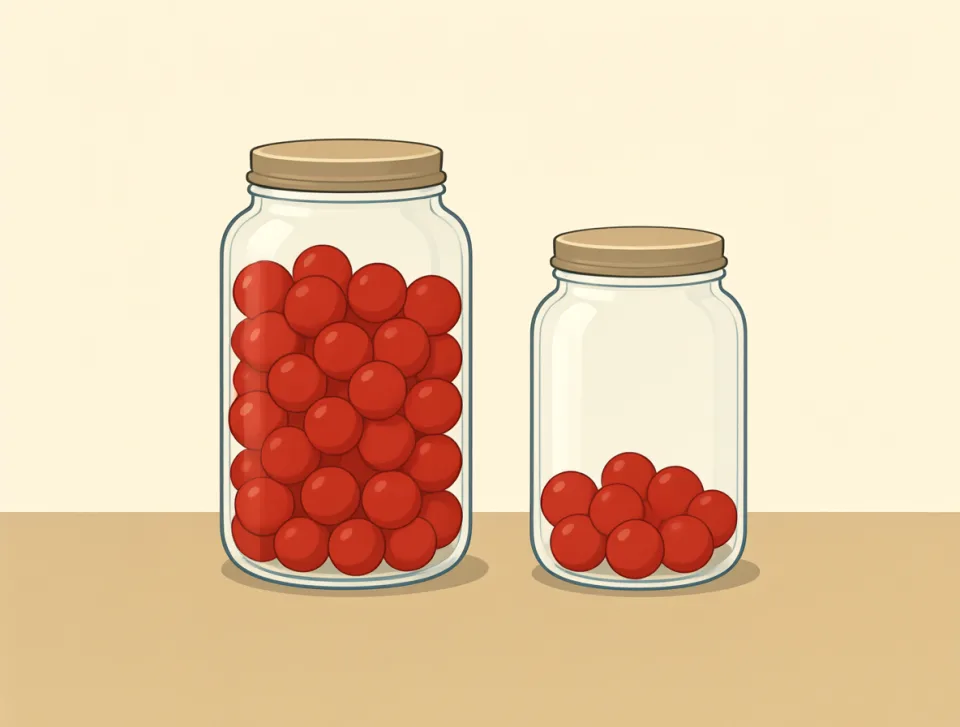
密度;濃度;稠密度
The amount of a substance or people in a particular space or area.
某種物質或一定區域內的人群在特定空間或面積中的數量。
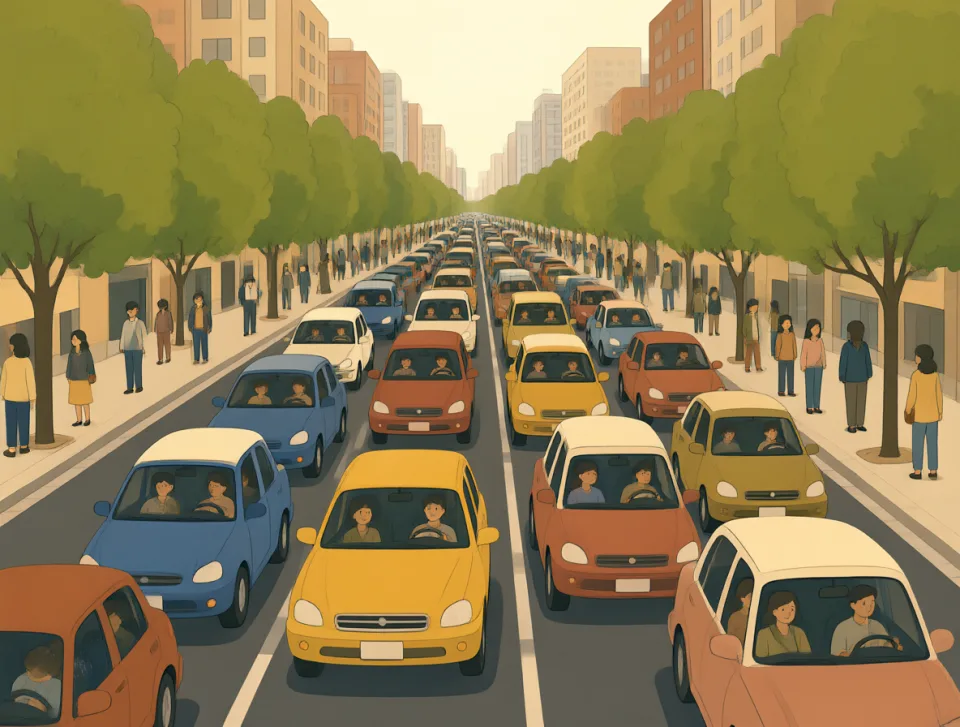
The high density of traffic made the journey across town much longer.
交通流量太大,導致穿過市區的行程時間大大延長。
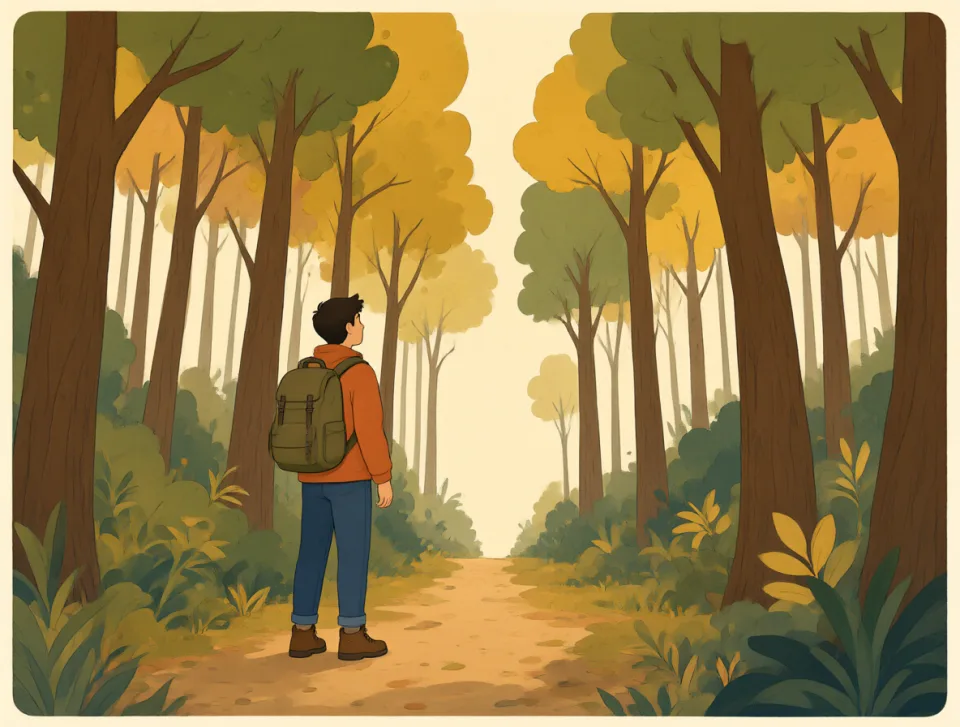
The density of the forest made it difficult to see the path ahead.
森林裡的樹木過於茂密,很難看清前方的小路。
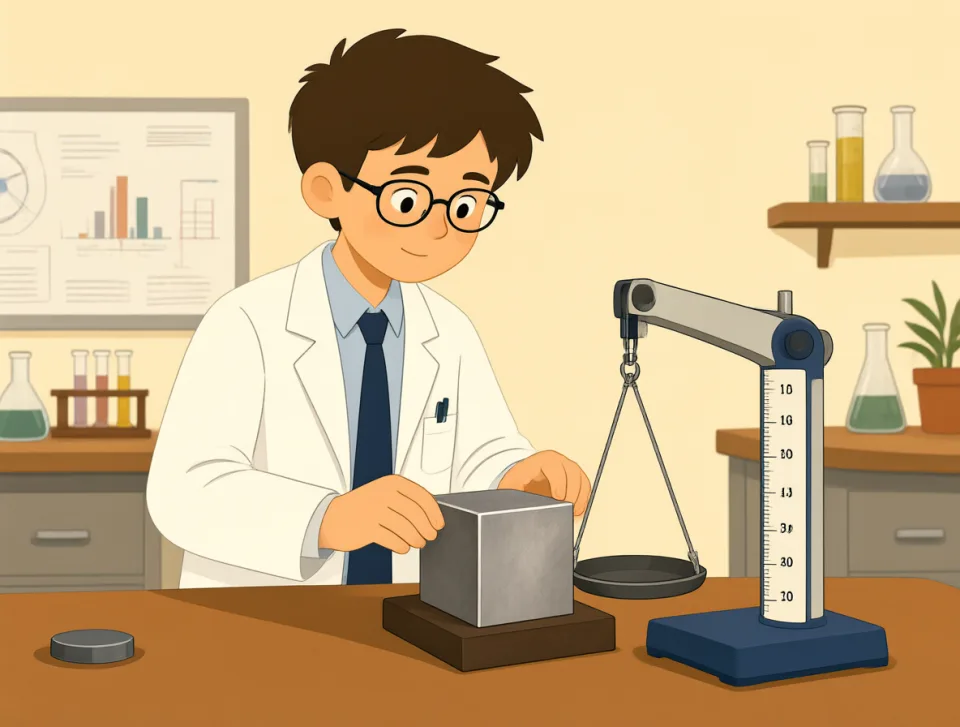
Scientists measured the density of the metal before using it in construction.
科學家在將這種金屬用於建築施工之前,測量了它的密度。
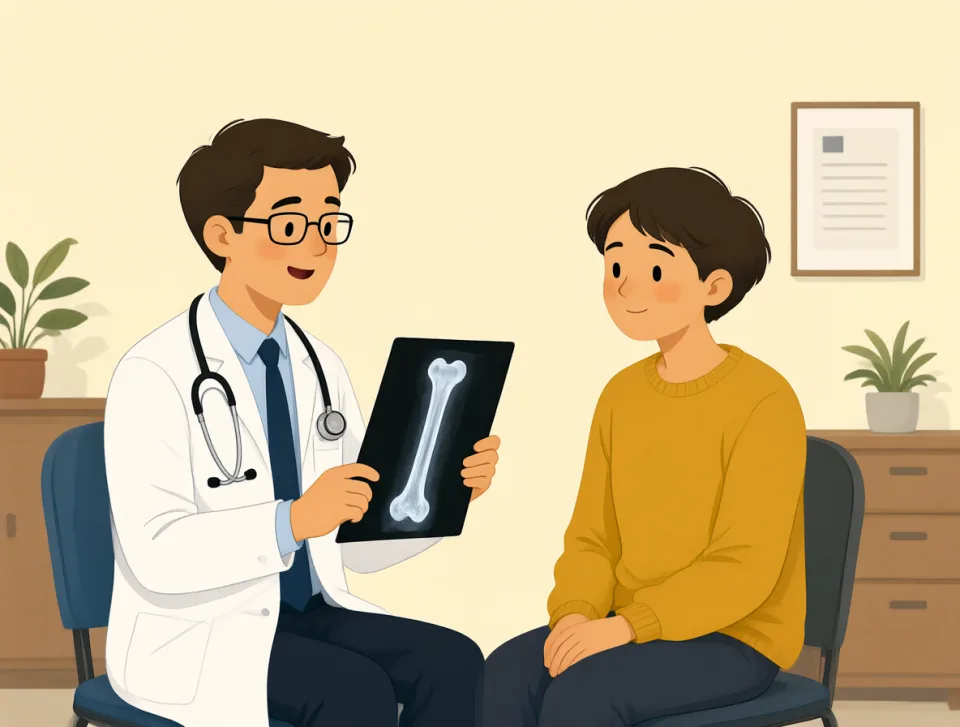
The doctor said the density of my bones was lower than expected.
醫生說,我的骨密度比預期的要低。
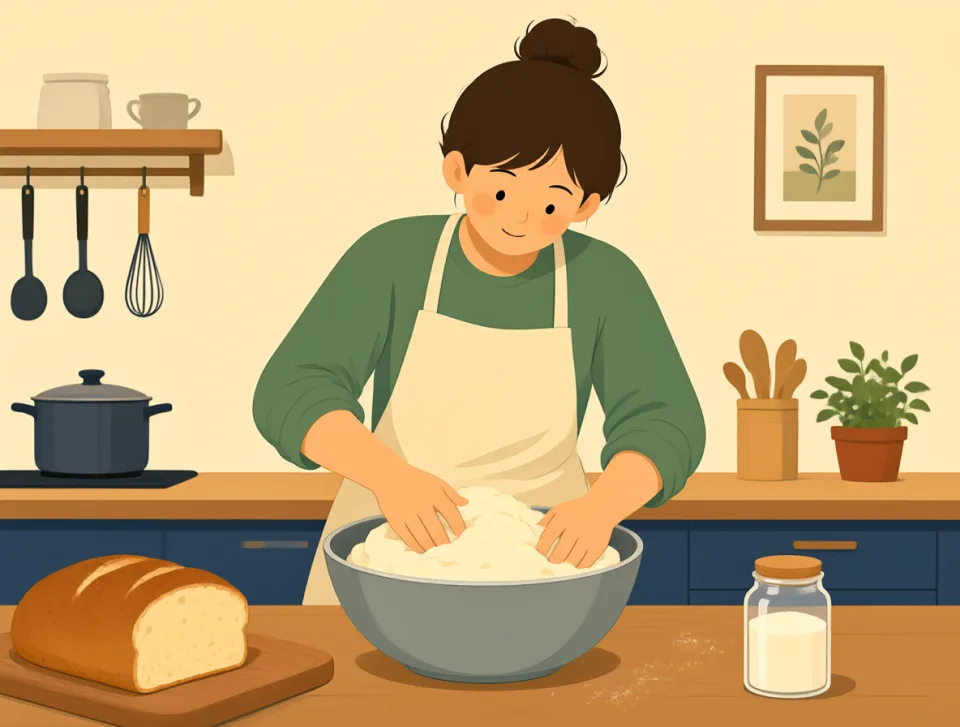
Adding more flour increased the density of the bread and made it heavier.
加入更多面粉後,麵包的密度增加了,重量也隨之變大。

ugly
#2789adjective
醜陋的; 難看的; 醜的; 惡劣的
Unpleasant to look at; not attractive or beautiful.
看起來令人不舒服;不 attractive,不美觀。
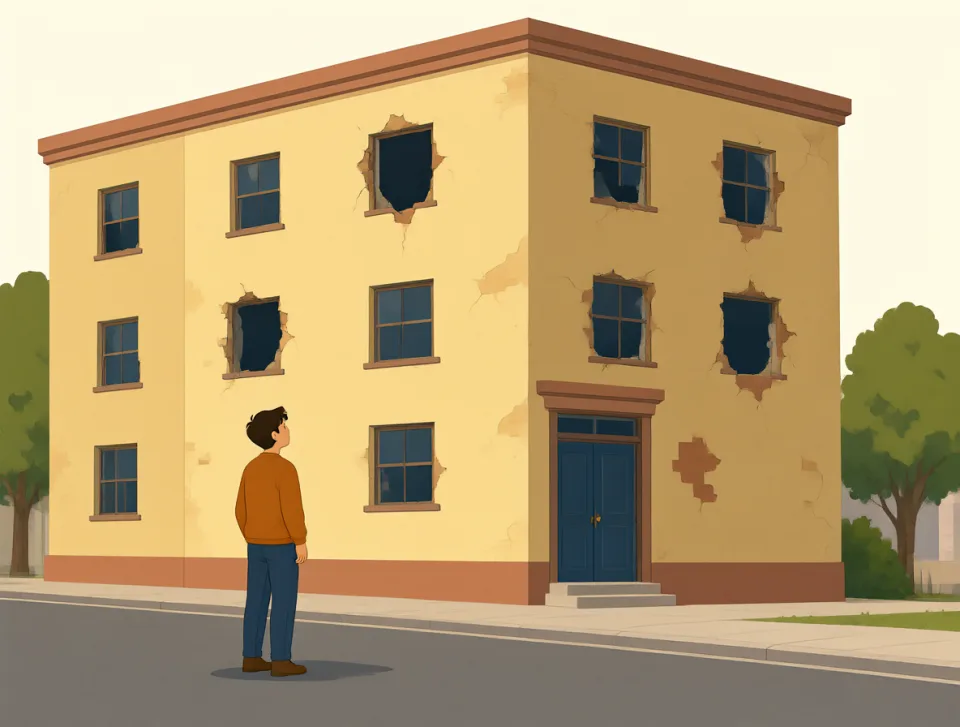
That ugly old building has been empty for years.
那棟又舊又難看的建築已經空置多年了。

He felt ugly after comparing himself with the models in the magazine.
和雜誌上的模特比較之後,他覺得自己很醜。

The ugly sweater was cheap, warm, and surprisingly comfortable.
那件難看的毛衣很便宜,保暖效果好,而且穿起來出奇地舒服。

An ugly argument started when two coworkers blamed each other for the mistake.
兩名同事互相指責對方犯了錯,結果爆發了一場激烈的爭吵。
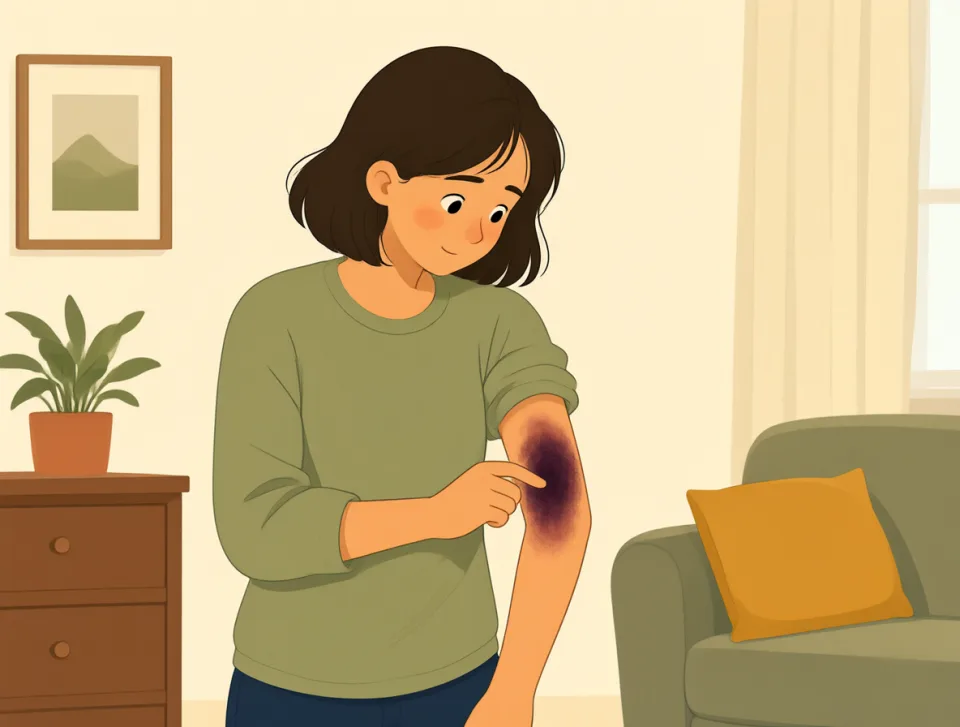
The ugly bruise on her arm became darker after the fall.
她摔倒後,手臂上那塊難看的淤青顏色變得更深了。

module
#2790noun
模組;元件;單元
one part of a larger system, course, or machine
一個較大系統、課程或機器中的組成部分。
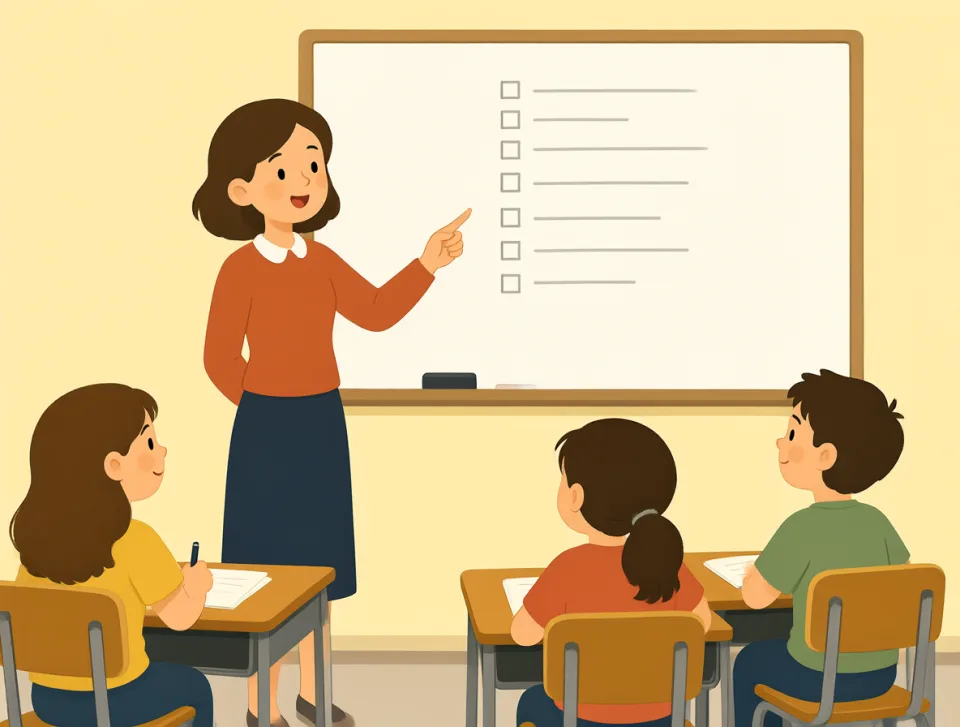
This course has a separate module about speaking clearly in everyday conversations.
這門課程設有一個獨立的模組,專門講解如何在日常對話中清晰地表達。
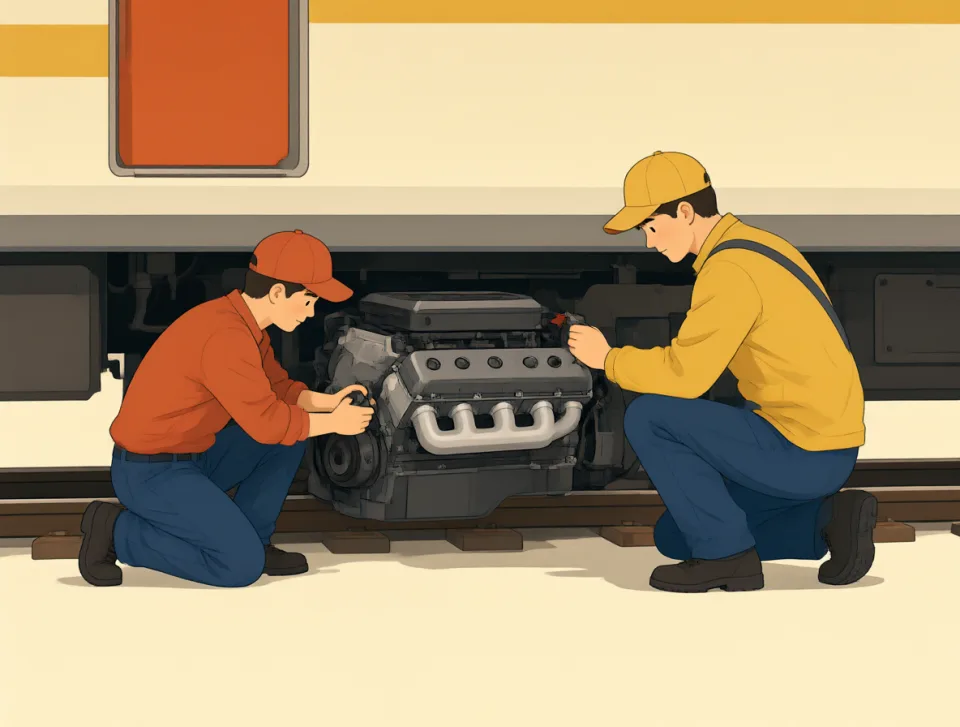
The technician replaced the damaged engine module before our train left.
火車出發前,技術人員更換了損壞的發動機模組。

I completed the first training module at work yesterday.
昨天我完成了工作中的第一個培訓模組。
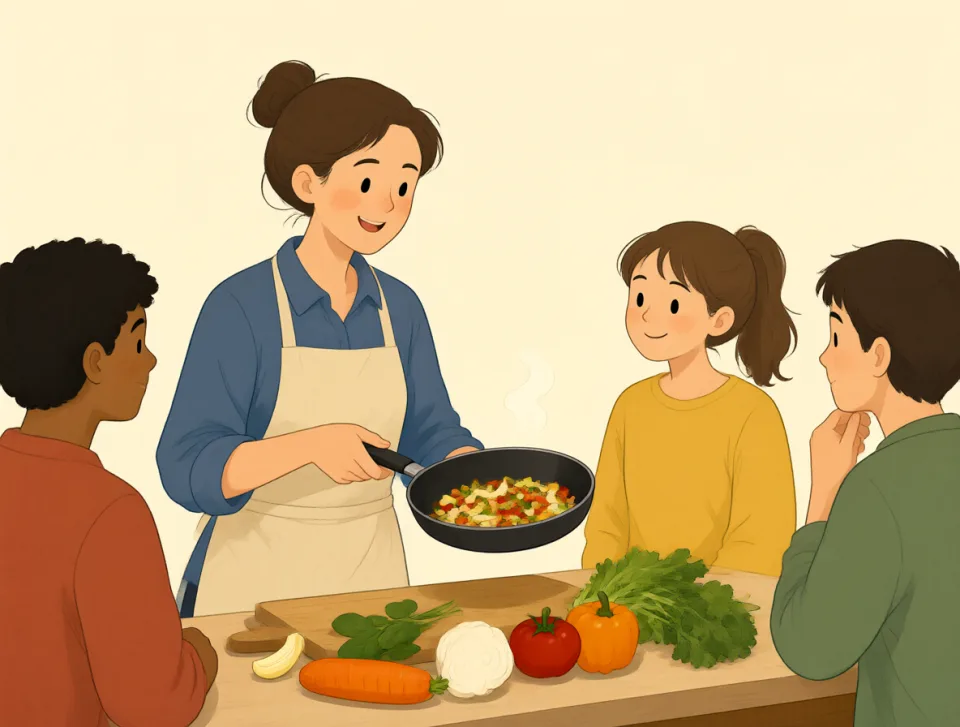
The cooking module taught us how to prepare healthy meals quickly.
烹飪模組教我們如何快速準備健康的飯菜。
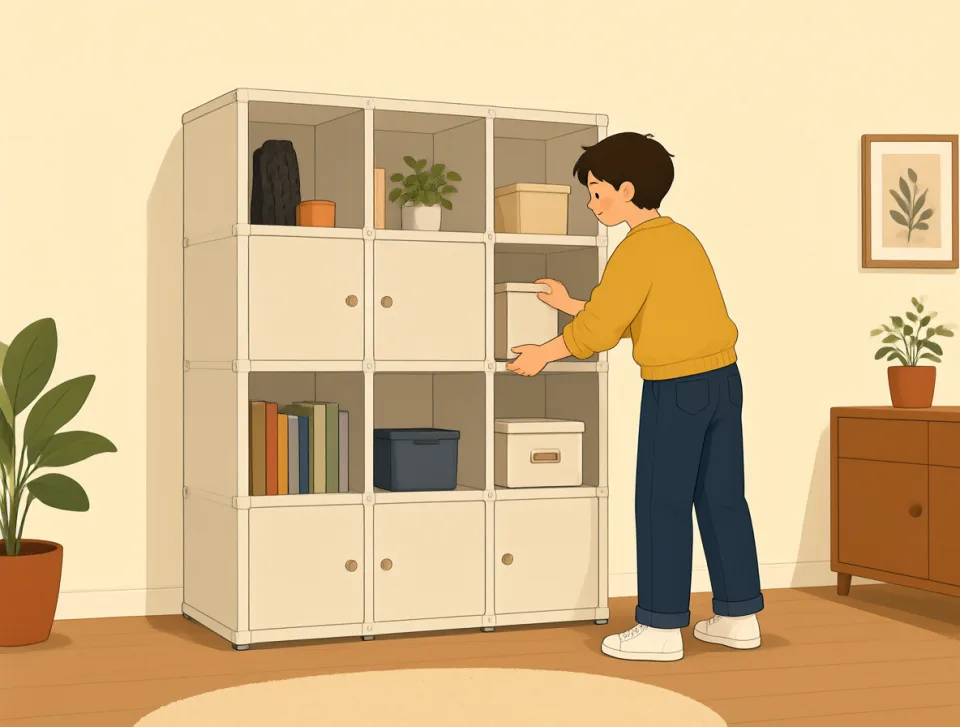
You can add another module to the furniture when your family needs more space.
當家裡需要更多空間時,你可以給這套傢俱再新增一個模組。
faithfully
#2791adverb
忠實地;一絲不苟地;準確地
In a loyal, careful, or exact way, without changing or forgetting anything.
以忠誠、認真或準確的方式做事,不擅自更改或遺漏任何內容。

She faithfully followed her doctor's advice and soon felt much better.
她嚴格遵照醫生的建議,很快就感覺好多了。

He faithfully attends every team meeting, even when he is traveling.
即使出差在外,他也會準時參加每一次團隊會議。
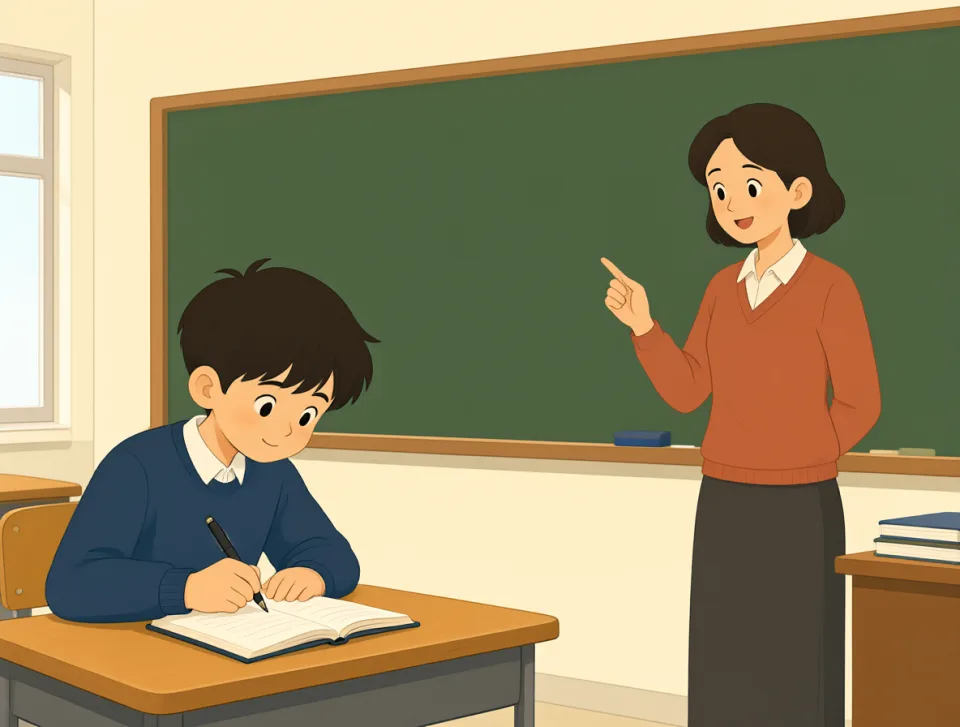
The student faithfully copied the teacher's instructions into her notebook.
這名學生認真地把老師的要求一字不漏地抄在筆記本上。
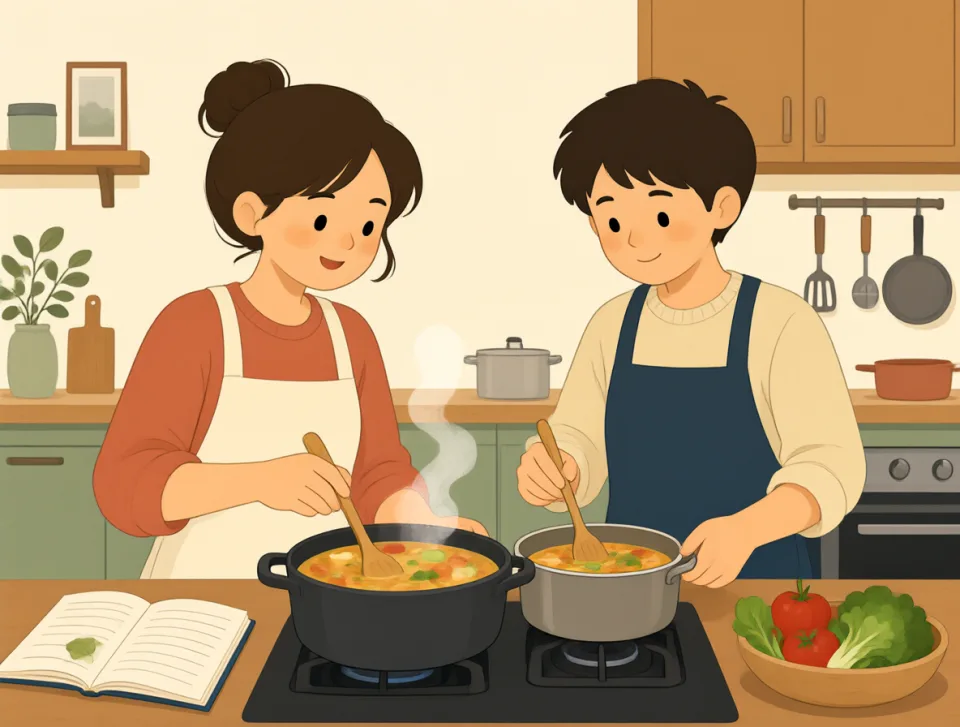
They faithfully recreated their grandmother's soup recipe for the family dinner.
他們按照祖母的原方,一絲不苟地復刻了那道湯,作為家庭晚餐的一道菜。

My old dog faithfully waits by the door until I come home.
我家那隻老狗總是忠心耿耿地守在門邊,直到我回家。
autumn
#2792noun
秋天;秋季
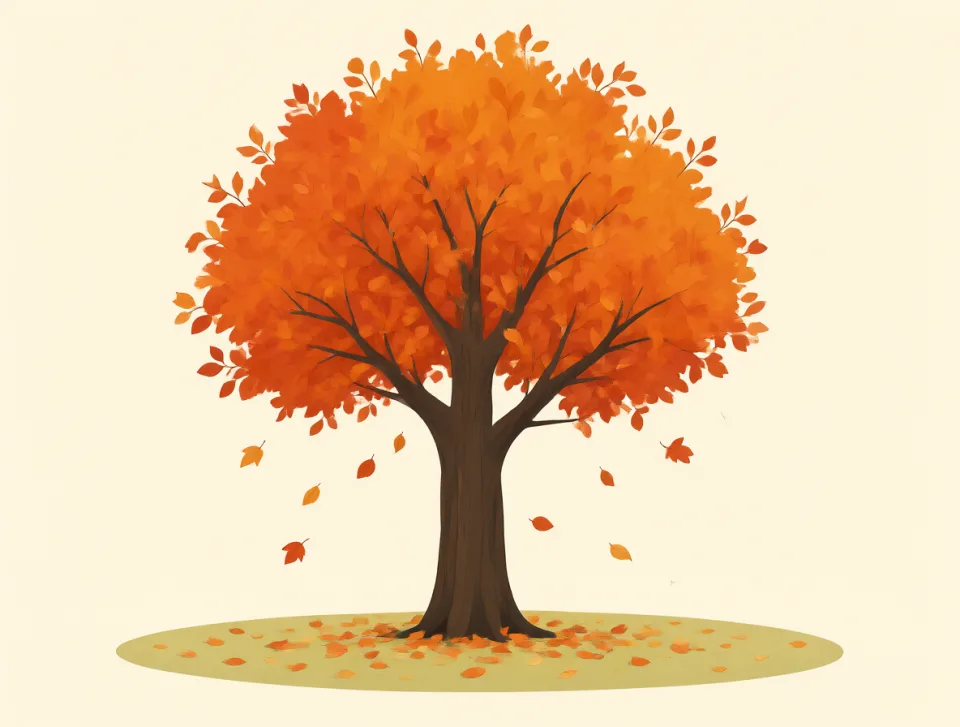
The season between summer and winter, when the weather becomes cooler and leaves often change color.
夏季和冬季之間的季節,天氣逐漸變涼,樹葉通常會改變顏色。

We usually take our vacation in autumn, when the weather is cooler.
我們通常在秋天天氣涼爽的時候去度假。
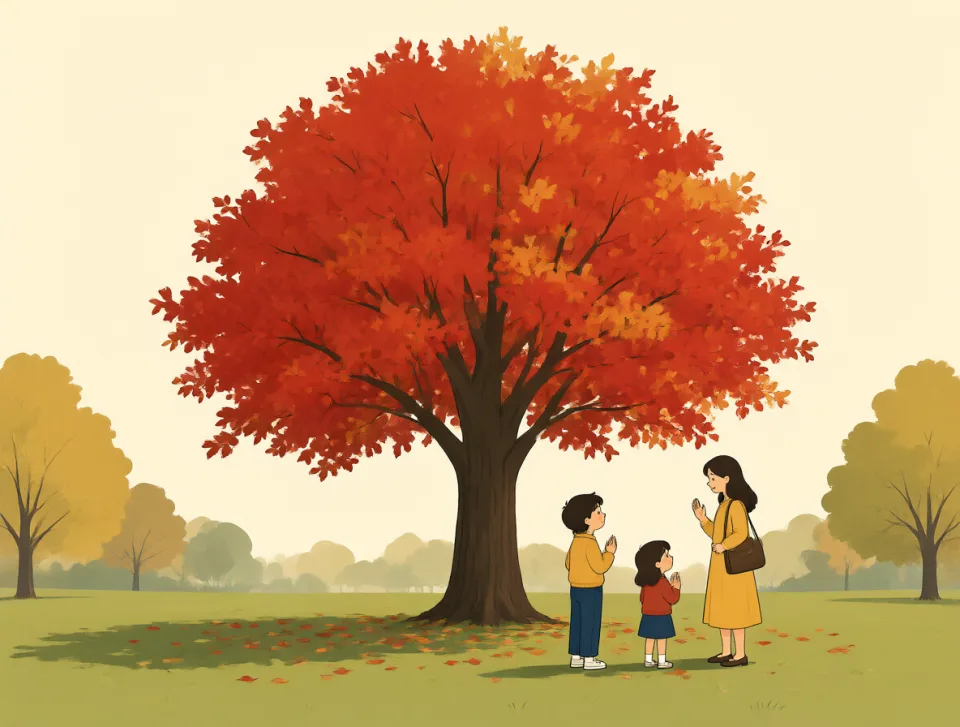
The leaves turn bright red and gold in autumn.
秋天,樹葉會變成鮮豔的紅色和金黃色。

She bought a warm coat before autumn arrived.
秋天到來之前,她買了一件保暖的大衣。
Our school starts a new term every autumn.
我們學校每年秋天都會開始新的學期。
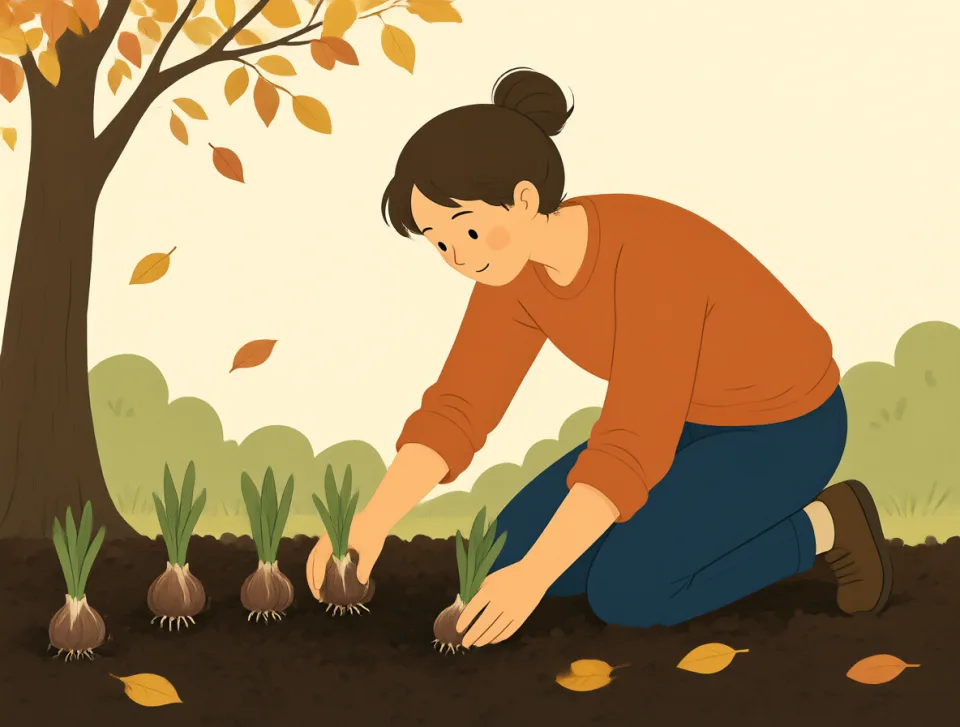
We planted tulip bulbs in the garden last autumn.
去年秋天,我們在花園裡種下了鬱金香球莖。

cheek
#2793noun
臉頰;面頰;厚臉皮
The soft, rounded part of your face below each eye and beside your nose.
臉上位於眼睛下方、鼻子兩側,柔軟而圓潤的部分。

She kissed her baby on the cheek before putting him down for a nap.
她在把寶寶放下讓他午睡之前,親了親他的臉頰。

His cheeks turned red when his friends sang happy birthday at dinner.
晚餐時,朋友們為他唱生日快樂歌,他的臉頰頓時紅了起來。

I rested my cheek against the cold train window during the long ride home.
漫長的回家路上,我把臉頰靠在冰涼的火車車窗上。
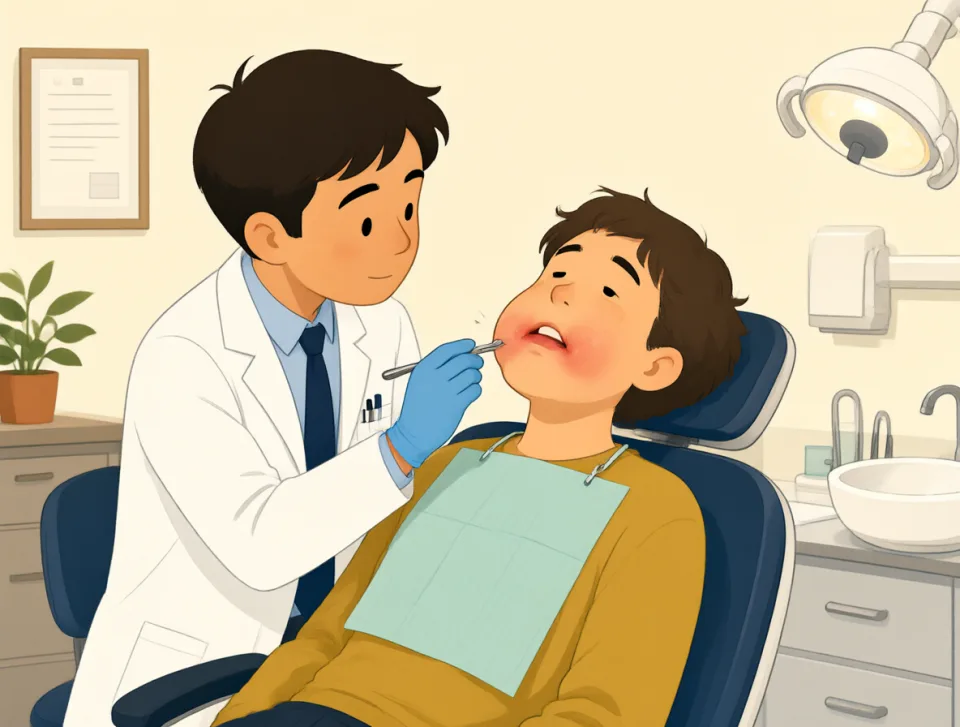
The dentist asked me to open wide because my cheek was swollen and painful.
牙醫讓我張大嘴,因為我的臉頰腫了,而且很疼。
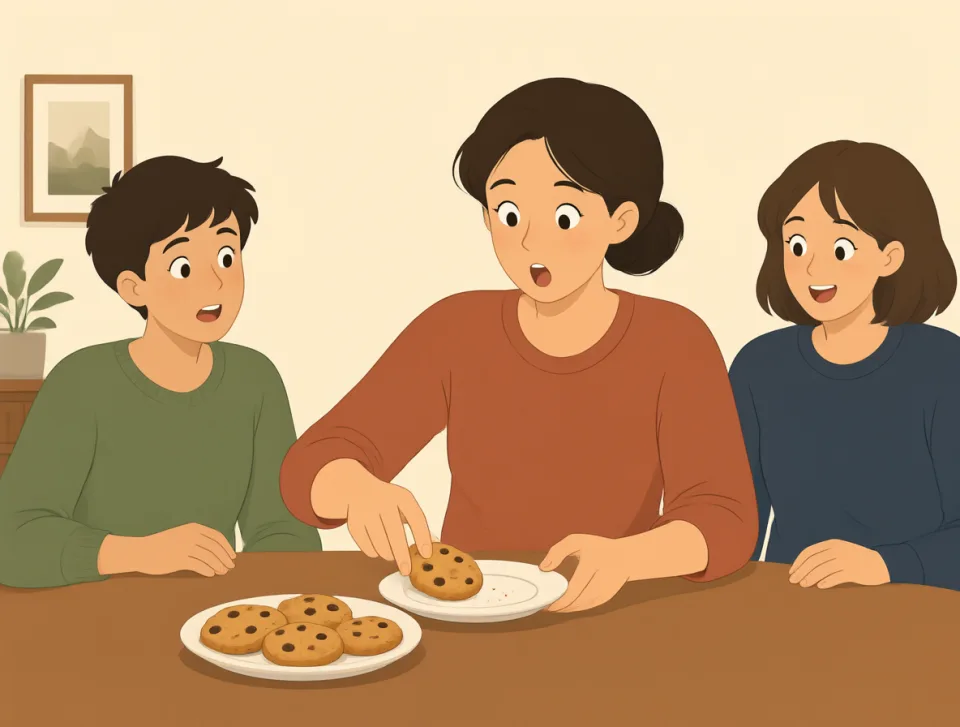
She had the cheek to take the last cookie without asking anyone else.
她竟然厚著臉皮,沒問任何人就拿走了最後一塊餅乾。

attachment
#2794noun
附件;依戀;連線件
A file sent with an email, or a close feeling of love or connection.
透過電子郵件傳送的檔案,或一種親近、喜愛或依戀的感情。

I sent the photos as an attachment to the email.
我把照片作為附件發到了郵件裡。
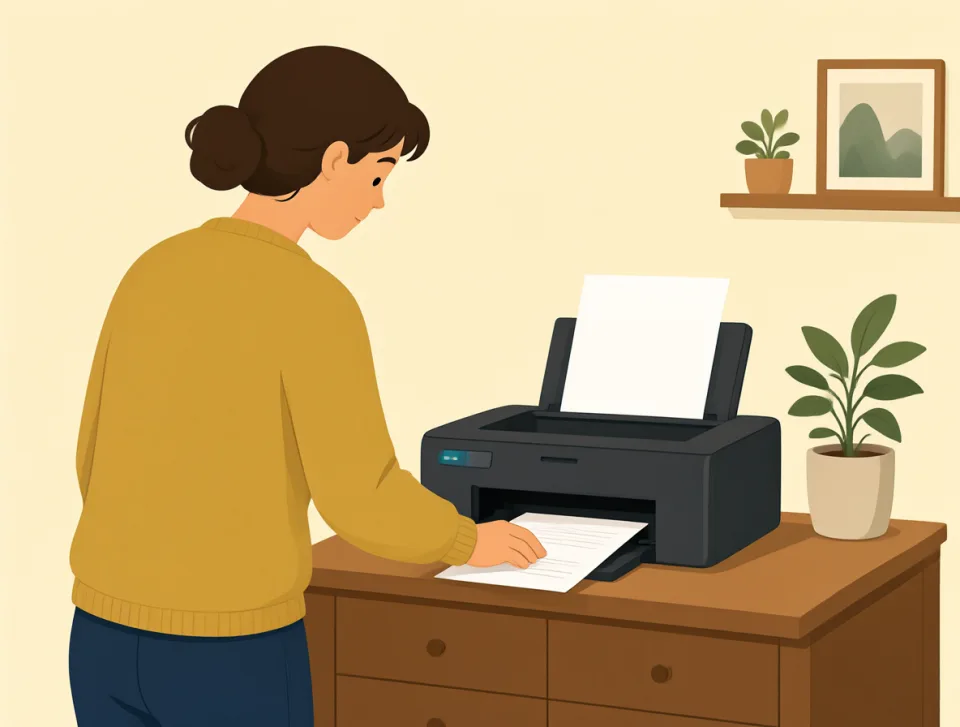
Please check the attachment before you print the recipe.
列印食譜之前,請先檢視附件。
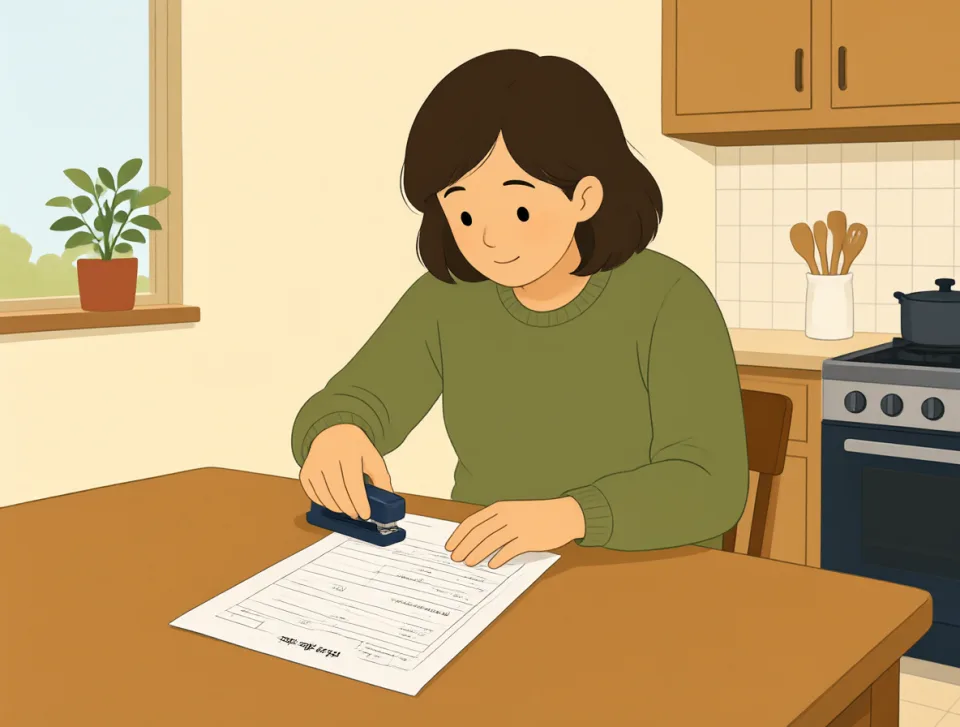
The school form has an attachment with emergency contact details.
學校表格附有一份附件,裡面包含緊急聯絡人的資訊。

She felt a strong attachment to the old house where she grew up.
她對自己成長過程中住過的那棟老房子有著深厚的感情。

The doctor used a special attachment to clean between my teeth.
醫生使用了一個特殊的牙科工具頭來清潔我的牙縫。

holder
#2795noun
架子;支架;持有者
A container or device that holds something, or a person who owns a ticket or title.
用於盛放或固定某物的容器或裝置,也指擁有票證或頭銜的人。
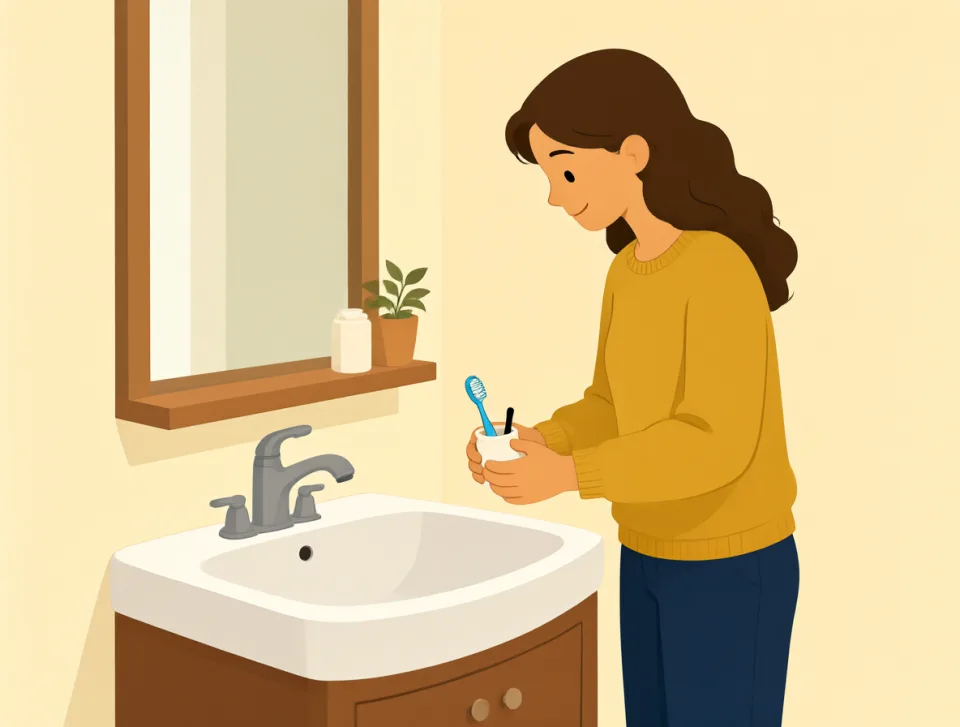
She put the toothbrush holder beside the sink in the bathroom.
她把牙刷架放在浴室的洗手池旁邊。
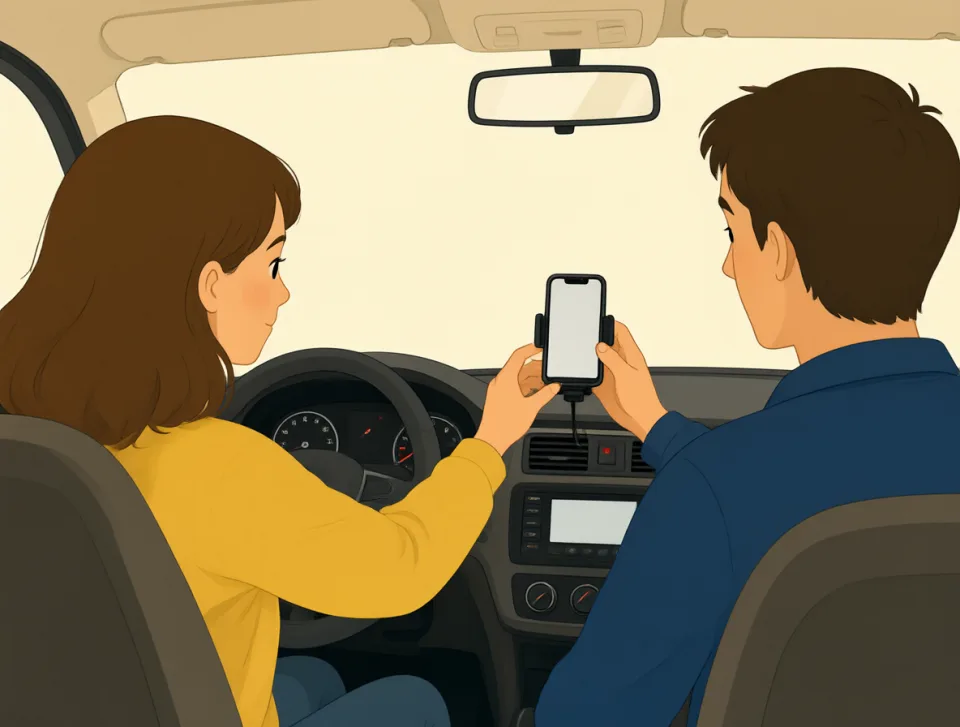
I bought a phone holder for the car so I can follow directions safely.
我買了一個車載手機支架,這樣就能安全地看導航了。
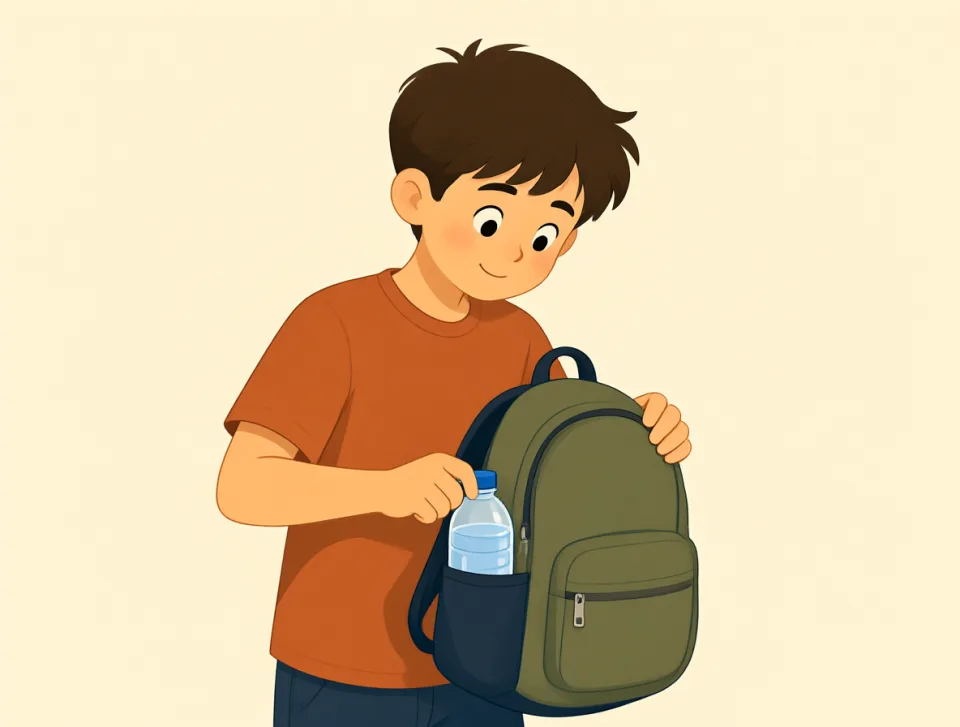
The cup holder in my backpack kept the water bottle upright.
我揹包上的杯架能讓水瓶保持直立。
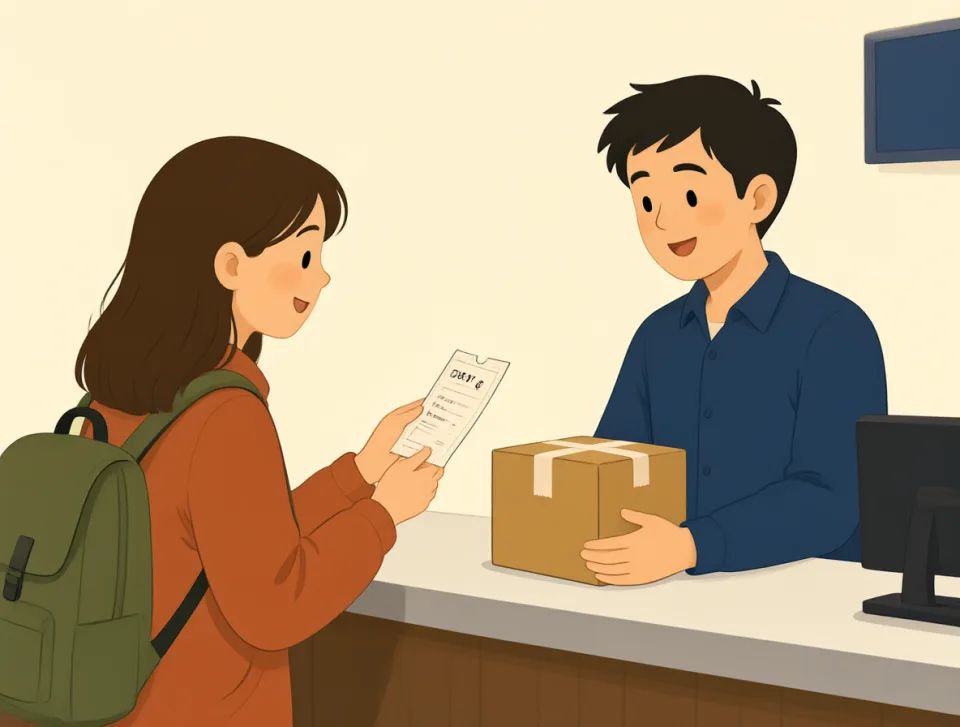
Only the ticket holder can collect the package from the station.
只有車票持有者才能到車站領取包裹。

He became the youngest record holder in the school after winning the race.
他贏得比賽後,成為學校裡最年輕的紀錄保持者。
solar
#2796adjective
太陽能的;太陽的
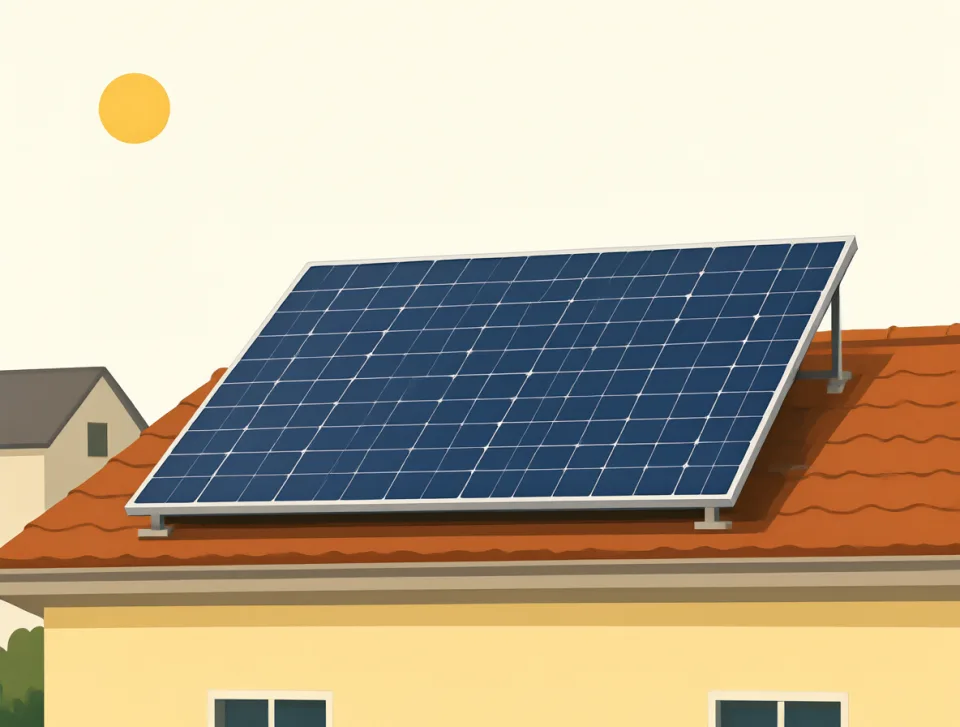
Using energy from the sun, or relating to the sun.
利用太陽能的,或與太陽有關的。
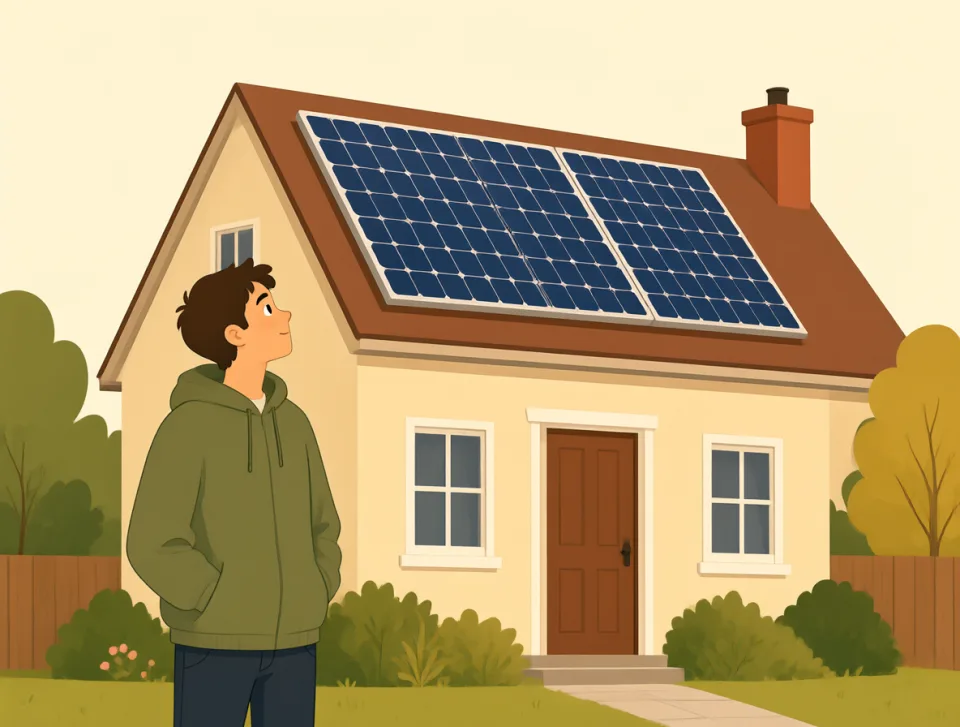
We installed solar panels on the roof to lower our electricity bill.
我們在屋頂安裝了太陽能板,以降低電費。
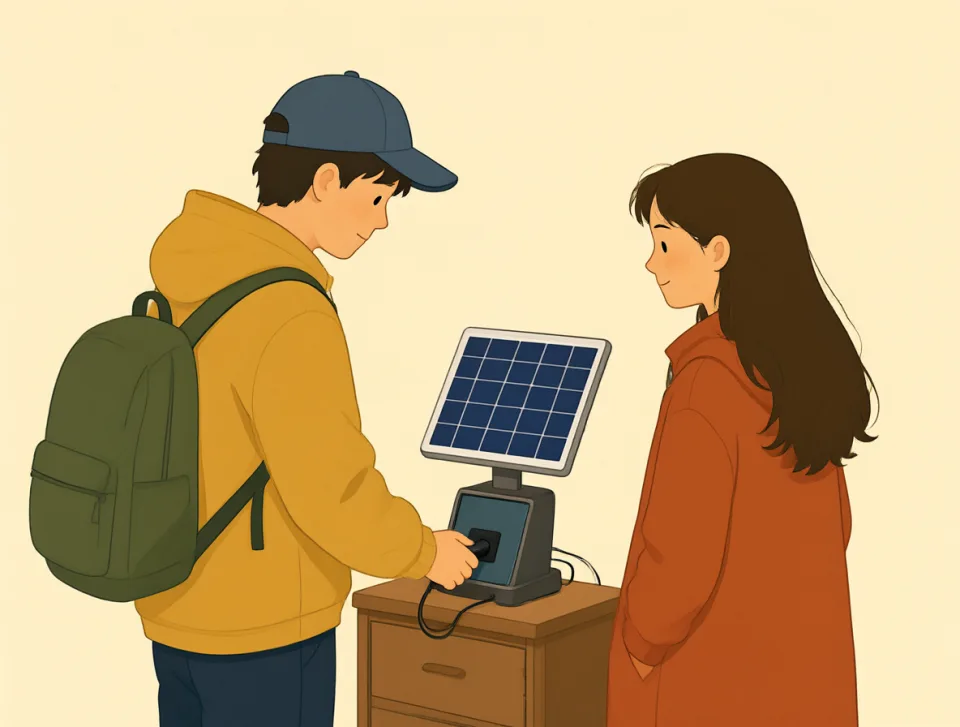
The cabin uses solar power, so we can charge our phones there.
這間小木屋使用太陽能供電,所以我們可以在那裡給手機充電。

Our school is planning a solar energy project for science class.
我們學校正計劃開展一個太陽能專案,作為科學課的學習內容。
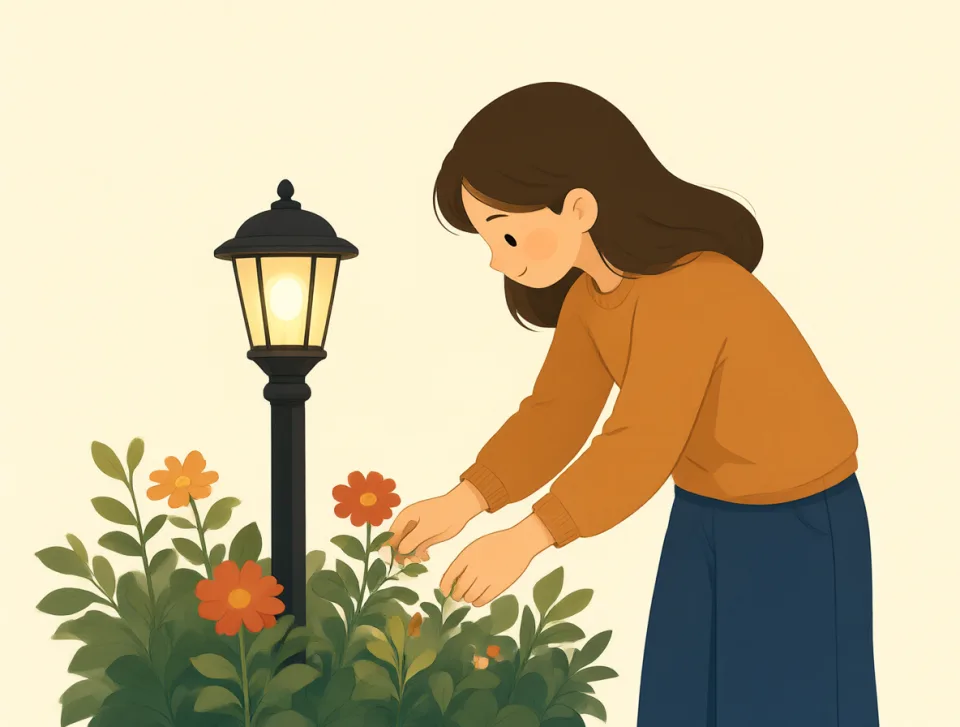
They bought a solar lamp for the garden because it saves energy.
他們買了一盞太陽能燈放在花園裡,因為這樣可以節約能源。
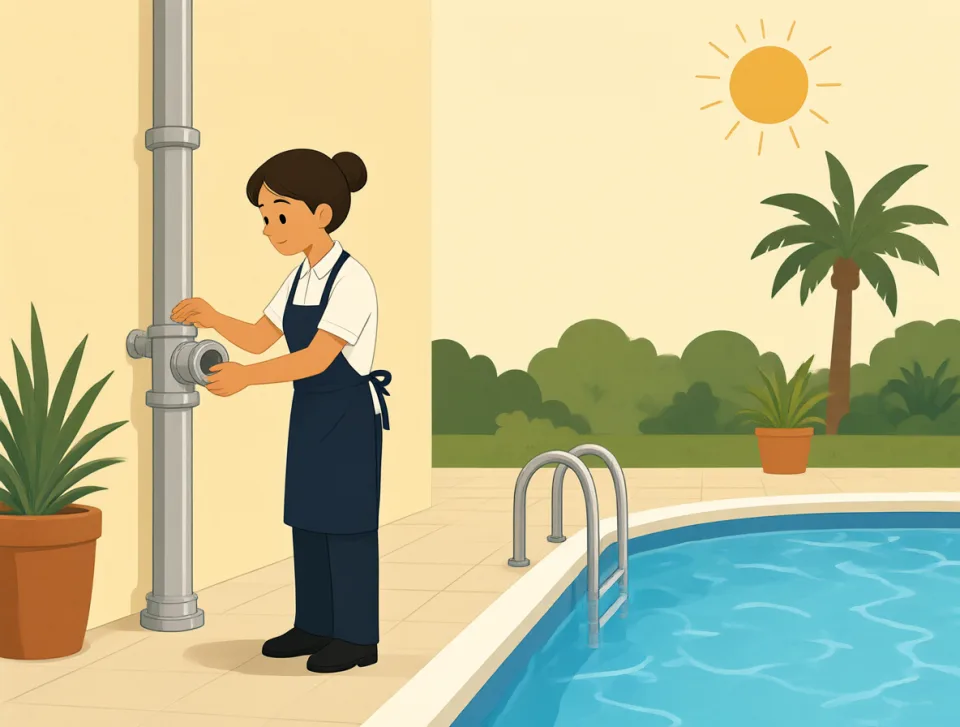
The hotel uses solar heating to keep the swimming pool warm.
這家酒店使用太陽能供暖,讓游泳池保持溫暖。

grin
#2797noun, verb
咧嘴笑;露齒笑
A wide smile that shows your teeth, or to smile widely.
露出牙齒的大幅度微笑,或咧開嘴笑。

She gave me a big grin when I walked through the front door.
我一走進前門,她就衝我露出了燦爛的笑容。

He grinned with delight after tasting the warm chocolate cake.
嚐了一口熱乎乎的巧克力蛋糕後,他高興得咧嘴笑了起來。
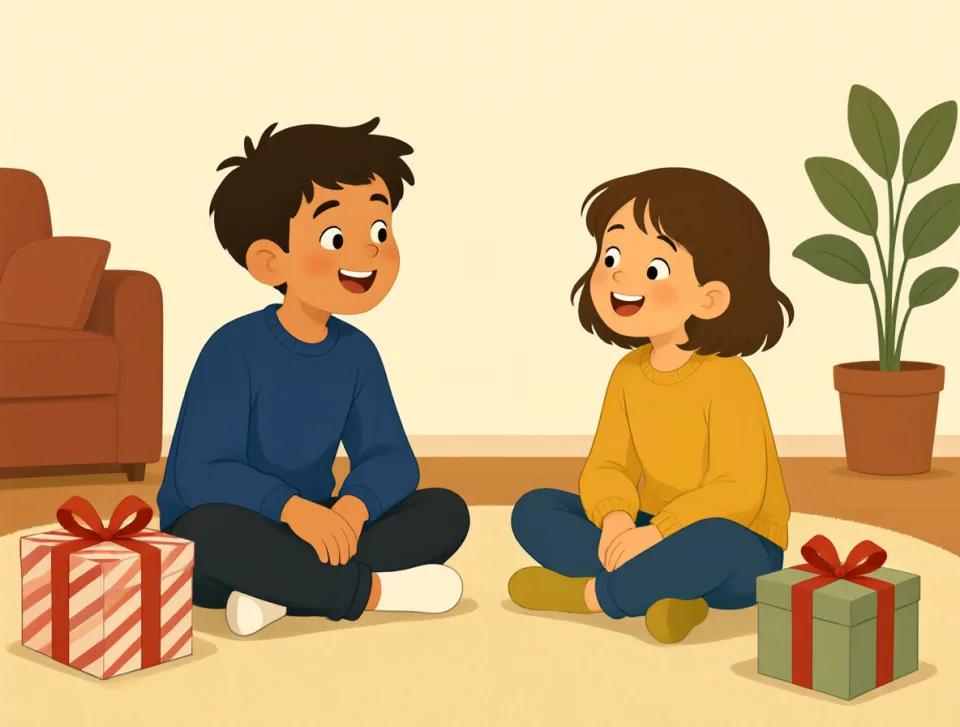
The children grinned at each other before opening their birthday presents.
孩子們在開啟生日禮物前,互相咧嘴笑了笑。
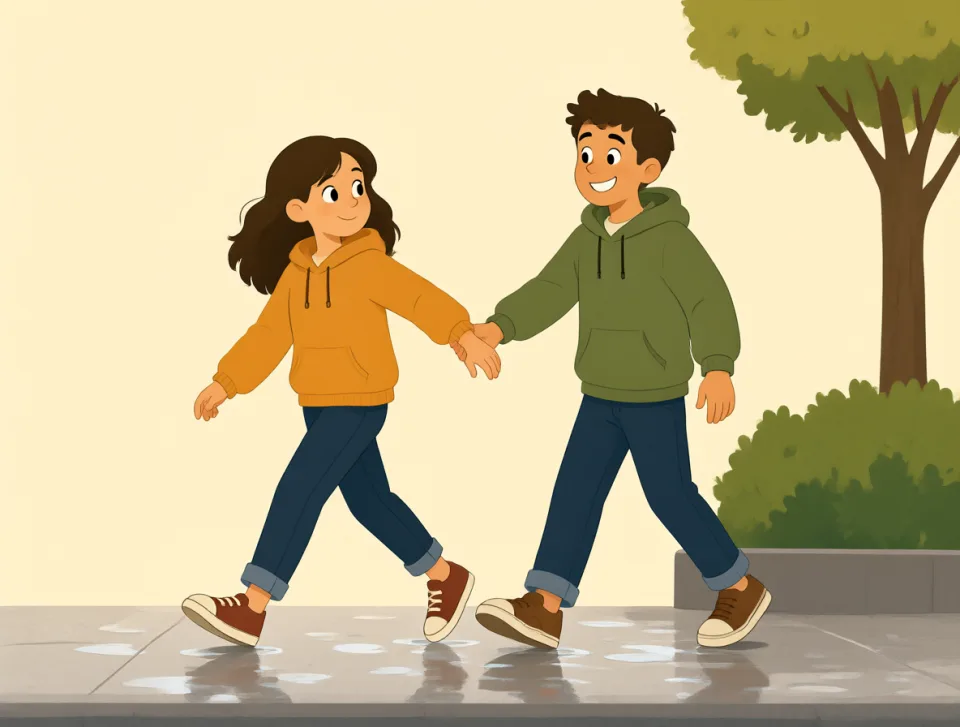
I tried to hide my grin when my friend slipped on the wet pavement.
朋友在人行道溼滑的地方滑倒時,我努力忍住沒笑出聲。
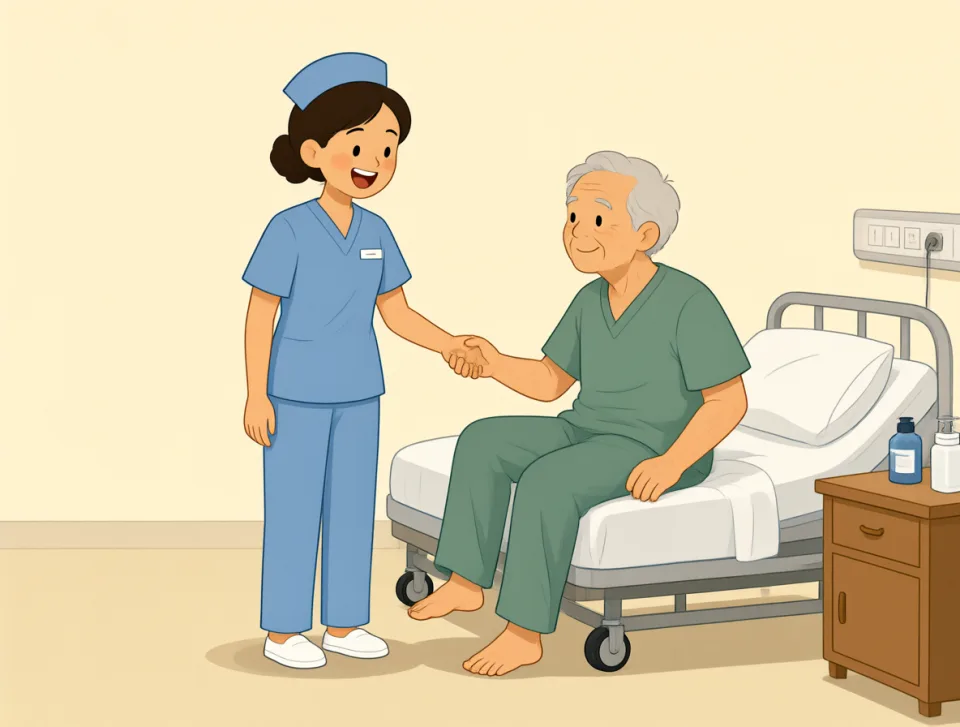
The nurse grinned as the patient stood up and took a few steps.
看到病人站起來並走了幾步,護士高興地笑了。

rose
#2798noun, verb
玫瑰;上升;升高;起身
A rose is a garden flower; rose is also the past tense of rise, meaning moved upward.
玫瑰是一種常見的園藝花卉;rose 也是動詞 rise 的過去式,意思是向上移動或升高。

She picked a red rose from the garden and put it in a vase.
她從花園裡摘了一朵紅玫瑰,插在花瓶裡。
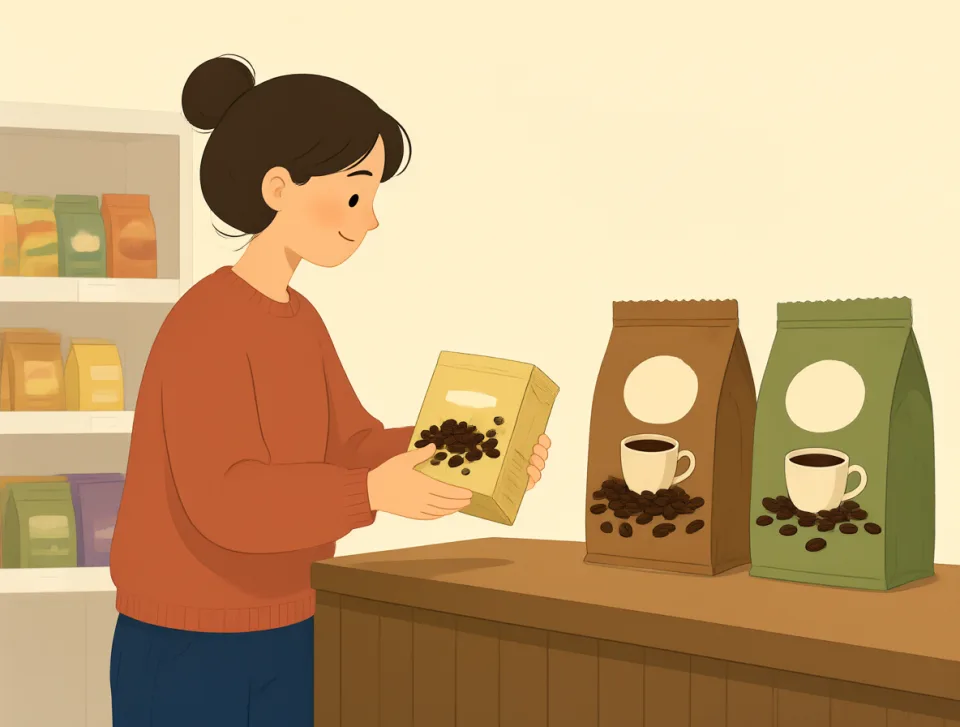
The price of coffee rose again, so we bought tea instead.
咖啡的價格又上漲了,所以我們改買茶了。

He rose early to catch the first train to the city.
他早早起床,趕去坐第一班開往市區的火車。
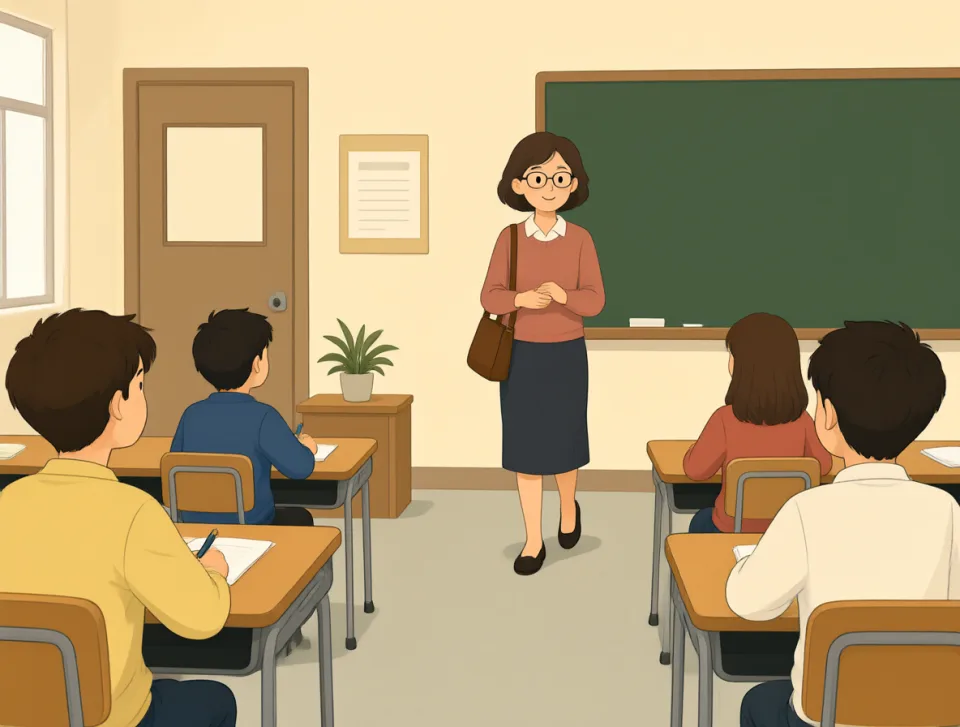
The students rose from their seats when the teacher entered the classroom.
老師走進教室時,學生們都從座位上站了起來。

After a few days of rest, her fever rose and she called the doctor.
休息了幾天後,她的體溫又升高了,於是她給醫生打了電話。

noun
#2799noun
名詞
A word that names a person, place, thing, or idea.
用來表示人、地點、事物或概念的詞。
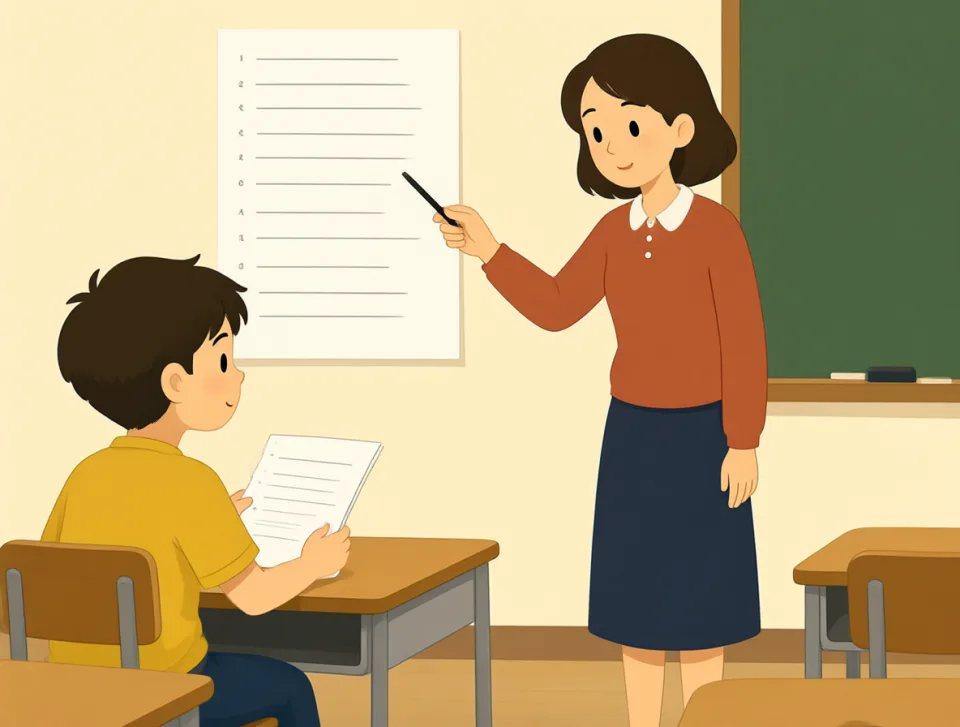
Our English teacher asked us to find the noun in each sentence.
我們的英語老師讓我們找出每個句子中的名詞。
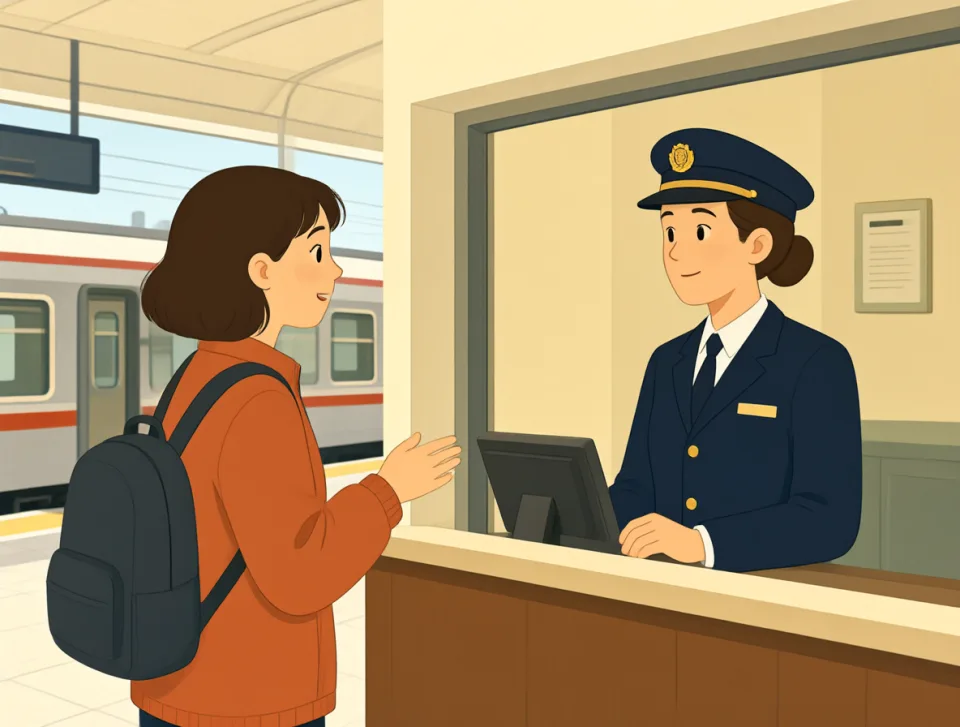
She used the noun “ticket” when she asked for one at the station.
她在車站索要車票時,用了“ticket”這個名詞。

The word “happiness” is a noun, even though you cannot see it.
“happiness”這個詞是名詞,儘管你看不見它。

Add a noun after the article “a” to complete the phrase.
在冠詞“a”後面加一個名詞,完成這個短語。
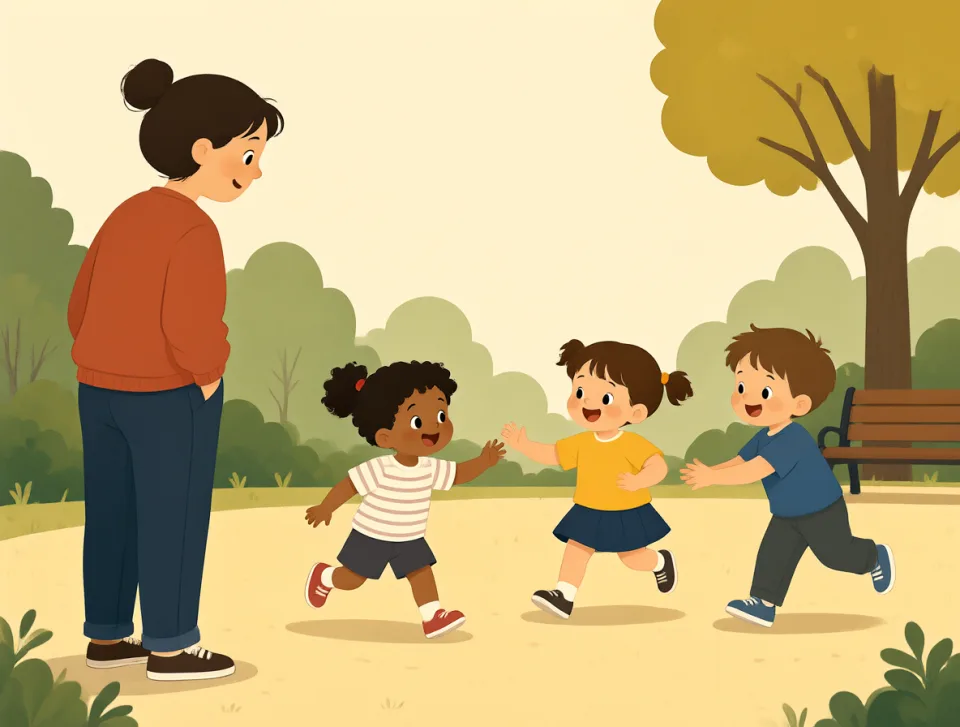
Some nouns have irregular plural forms, like “children” and “people.”
有些名詞的複數形式不規則,比如“children”和“people”。
fortunate
#2800adjective
幸運的;好運的;有福氣的
Having good luck or good things happen to you.
運氣好,或者有好事發生在自己身上。

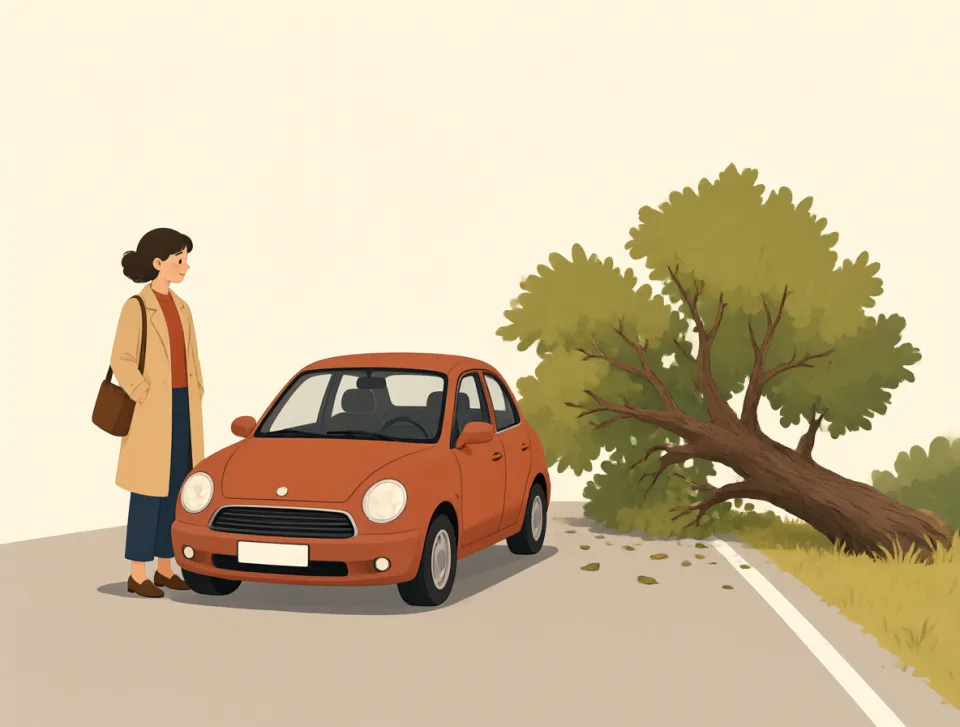
We were fortunate to find a taxi just before the rain started.
我們很幸運,在下雨前找到了計程車。

She was fortunate to get a place in the school she wanted.
她很幸運,成功進入了自己心儀的學校。
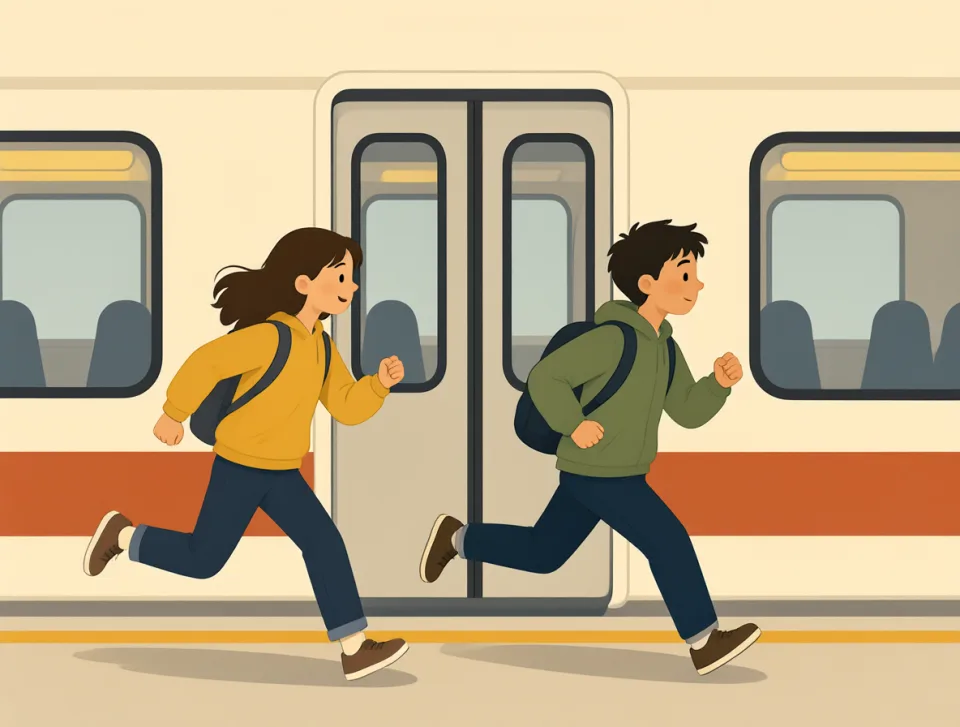
Luckily, we were fortunate enough to catch the last train home.
幸運的是,我們運氣夠好,趕上了回家的末班火車。

He was fortunate that the doctor found the problem early.
他很幸運,醫生及早發現了問題。

They were fortunate to buy the house before prices went up.
他們很幸運,在房價上漲之前買下了那棟房子。