Блок 99
Слова 1961–1980 · plain, volunteer, rural, calm, abandon, examination

plain
#1961adjective, noun
простой
Simple and ordinary, without decoration; a large, flat area of land.
Простой и обычный, без украшений; обширная ровная местность.

She wore a plain white shirt to work today.
Сегодня на работу она надела простую белую рубашку.
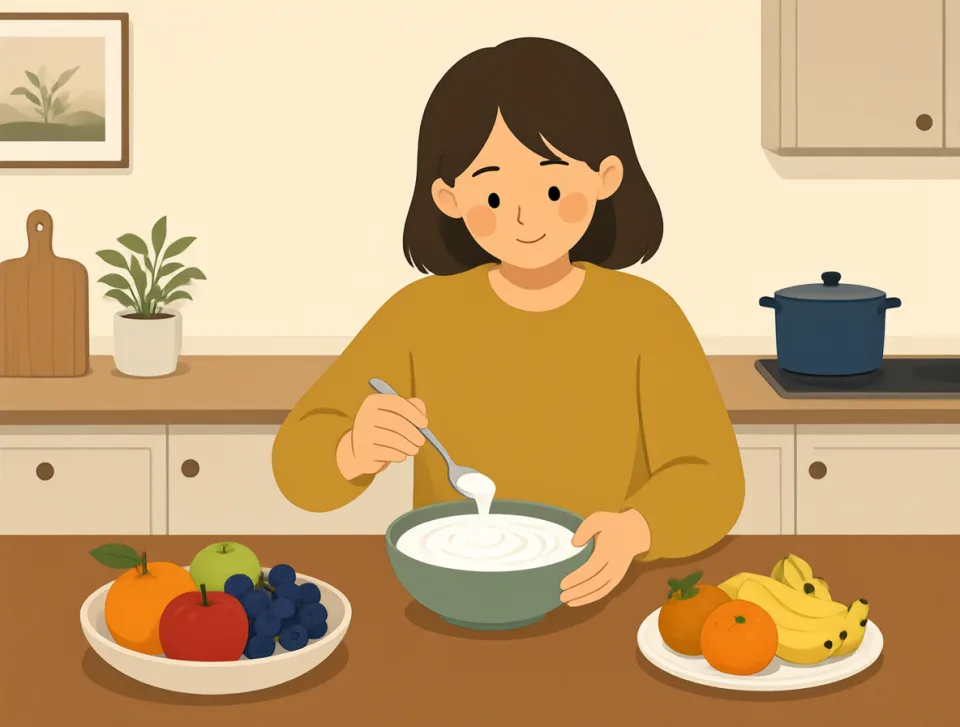
I prefer plain yogurt with fresh fruit for breakfast.
На завтрак я предпочитаю обычный йогурт со свежими фруктами.

Please use plain English in your presentation.
Пожалуйста, используйте в презентации простой английский язык.

The doctor asked whether the pain was plain or severe.
Врач спросил, была ли боль слабой или сильной.

The train crossed the wide plain before sunset.
До заката поезд пересёк широкую равнину.
volunteer
#1962noun, verb
доброволец
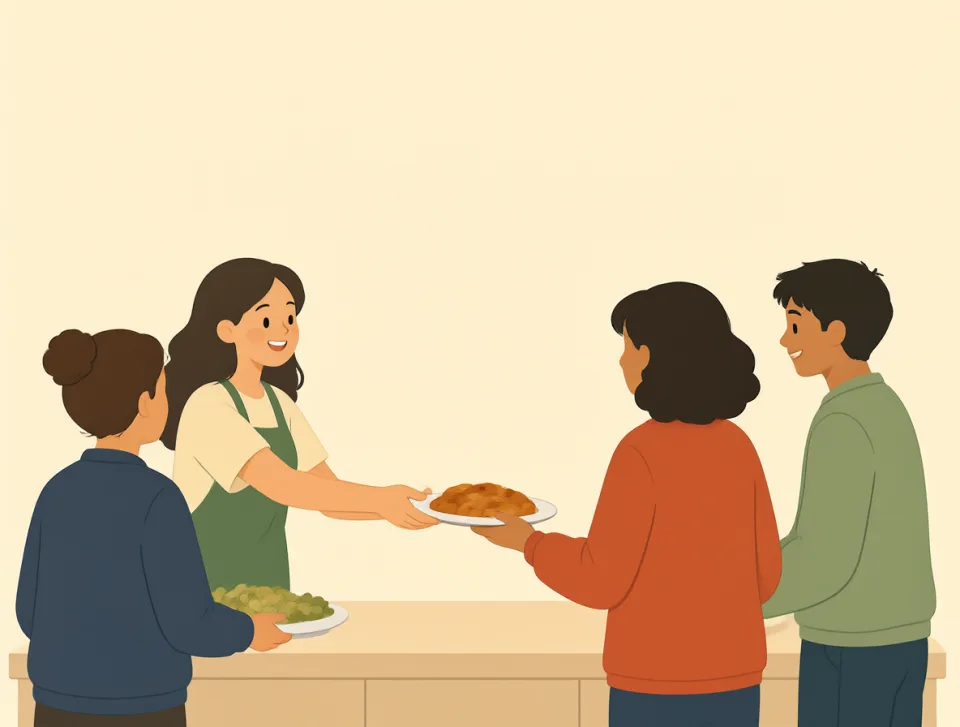
A person who freely offers to help, or to offer to help without being paid.
Человек, который добровольно предлагает помощь, или тот, кто вызывается помочь без оплаты.
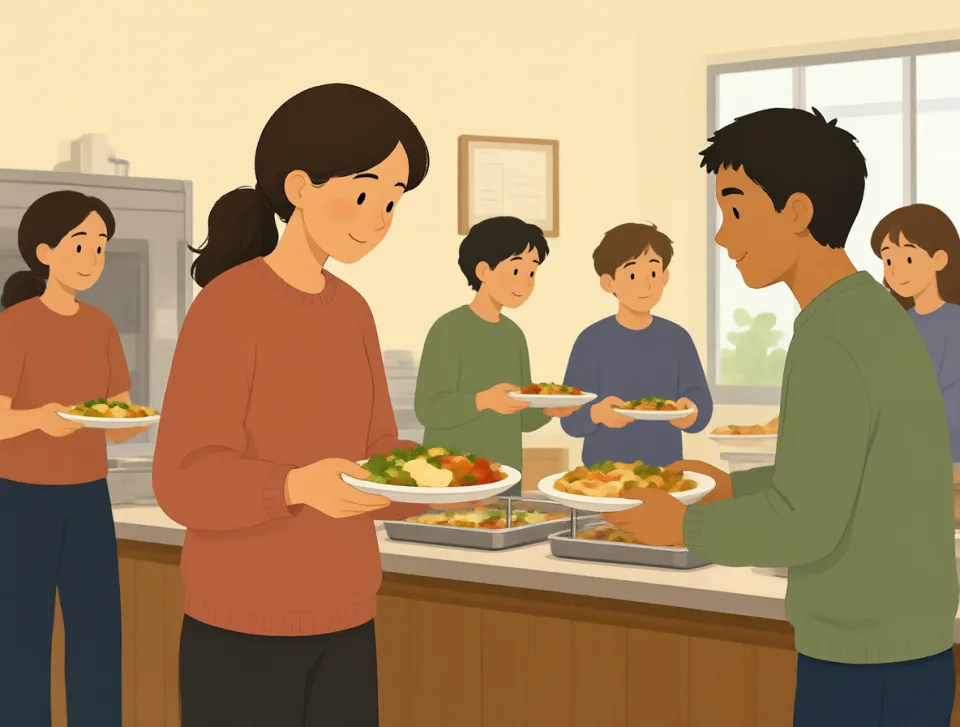
Many volunteers help serve food at the community center.
Многие волонтёры помогают раздавать еду в общественном центре.

She volunteered to clean the classroom after school.
Она вызвалась убрать класс после уроков.
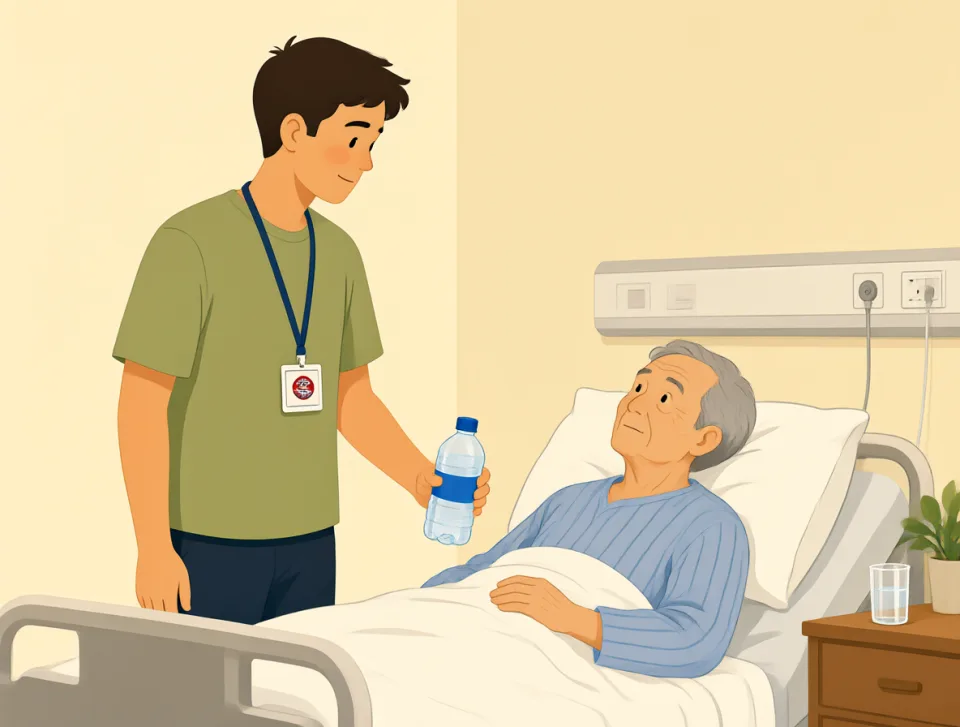
He works as a volunteer at the local hospital.
Он работает волонтёром в местной больнице.

We need a volunteer to carry these boxes upstairs.
Нам нужен доброволец, чтобы отнести эти коробки наверх.
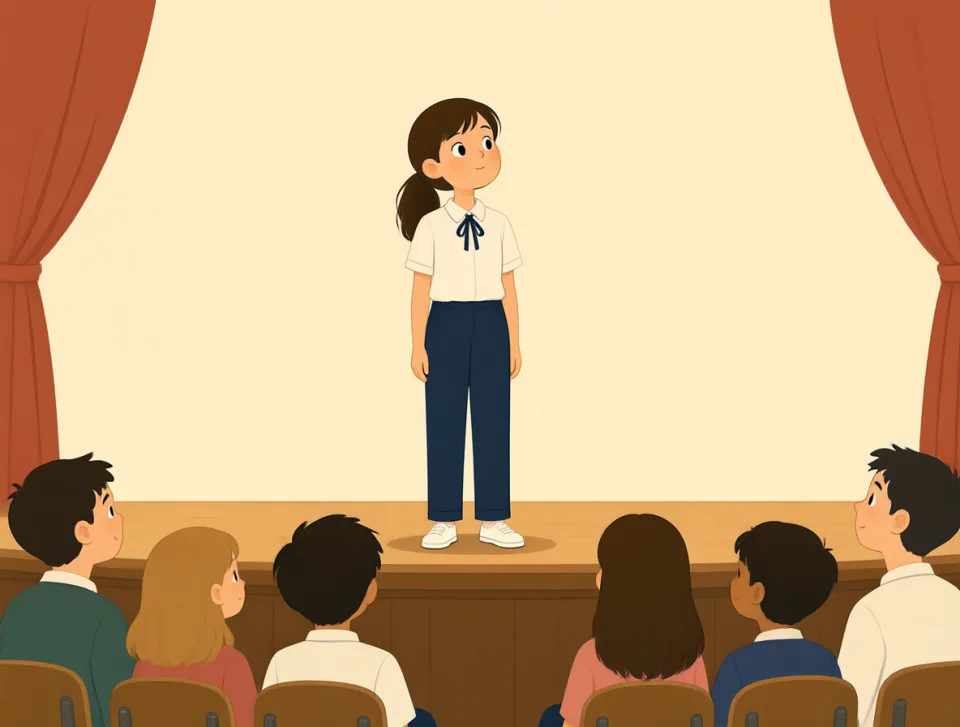
My friend volunteered for the school music show.
Мой друг вызвался участвовать в школьном музыкальном представлении.

rural
#1963adjective
сельский
Relating to the countryside, away from towns and cities.
Относящийся к сельской местности, удалённой от городов.

She grew up in a rural village surrounded by green fields.
Она выросла в сельской деревне, окружённой зелёными полями.
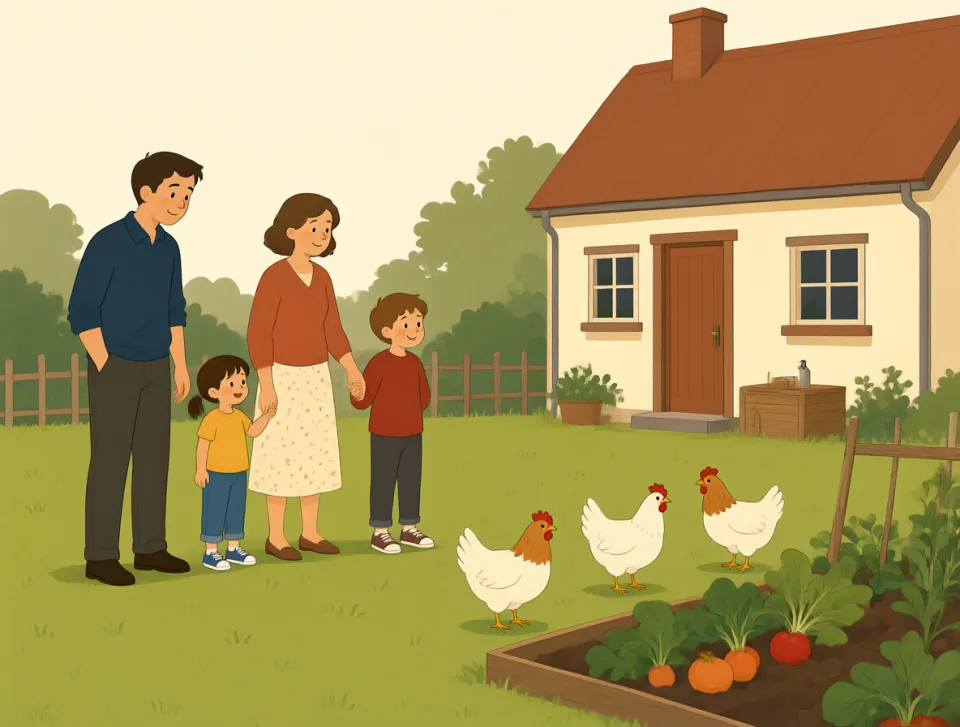
Many rural families keep chickens and grow vegetables at home.
Во многих сельских семьях держат кур и выращивают овощи дома.

The doctor visits rural communities once a week.
Врач раз в неделю посещает сельские населённые пункты.
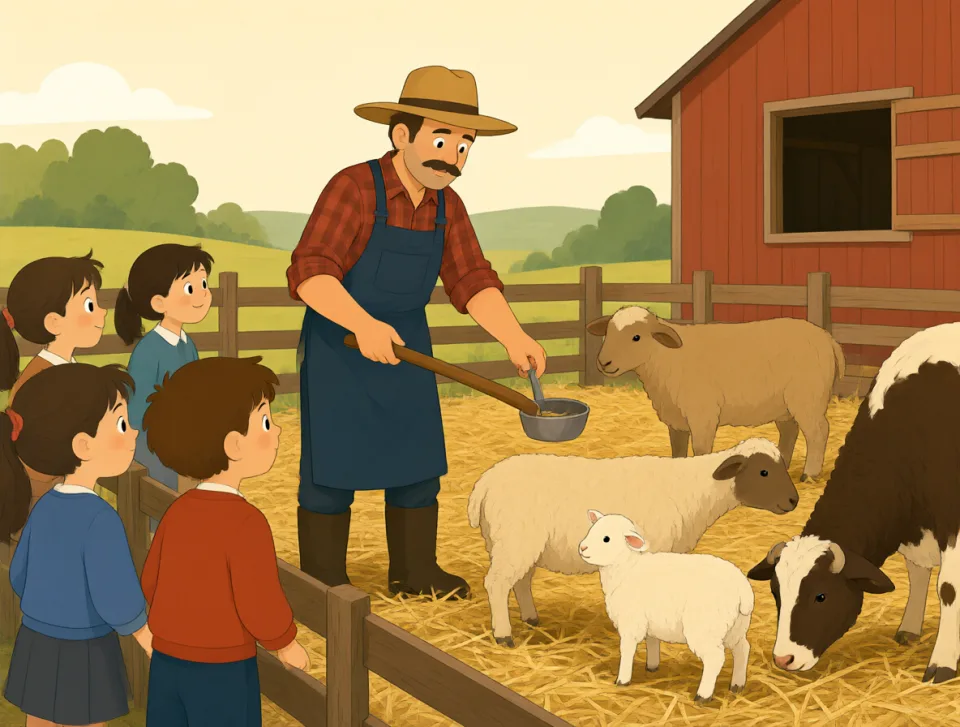
Our school trip took us to a rural farm.
Во время школьной поездки мы побывали на ферме в сельской местности.

They moved to a rural area for a quieter life.
Они переехали в сельскую местность, чтобы жить поспокойнее.
calm
#1964adjective, noun, verb
спокойный
Peaceful and relaxed, without worry, noise, or strong feelings.
Мирный и расслабленный, без тревоги, шума или сильных эмоций.
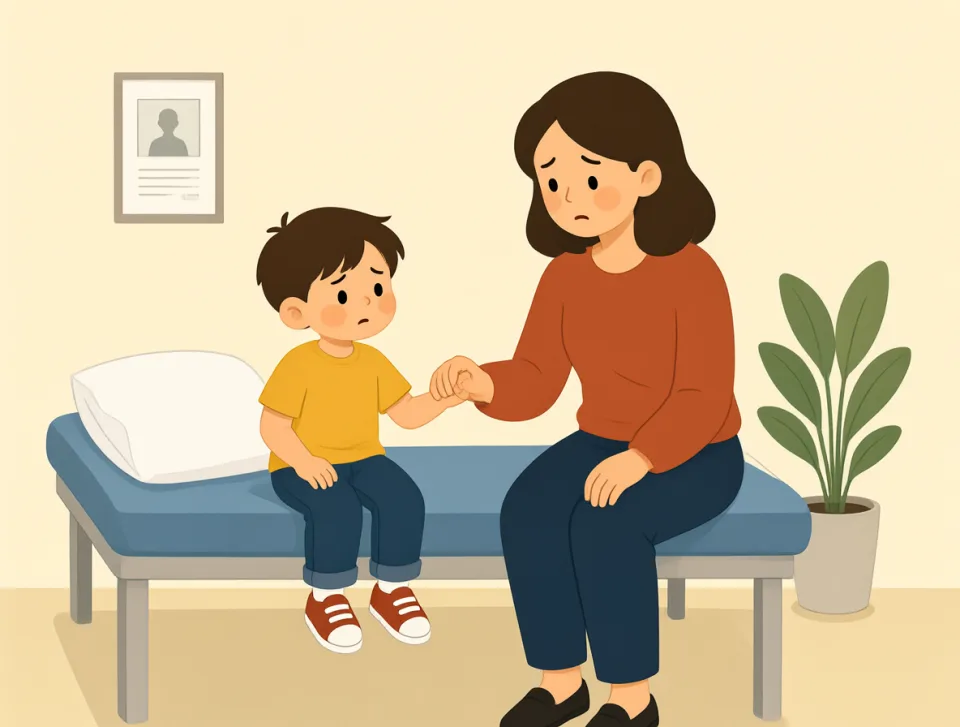
Please stay calm; the doctor will be here soon.
Пожалуйста, сохраняйте спокойствие: врач скоро будет здесь.

The sea was calm, so our boat trip was comfortable.
Море было спокойным, поэтому поездка на лодке прошла комфортно.

She spoke in a calm voice during the meeting.
Во время встречи она говорила спокойным голосом.

A warm cup of tea helped calm me after work.
Чашка горячего чая помогла мне успокоиться после работы.

The teacher calmed the students before the test began.
Учитель успокоил учеников перед началом контрольной.

abandon
#1965verb, noun
бросить
to leave someone or something behind, especially when you should stay and help
Оставить кого-то или что-то, особенно когда нужно остаться и помочь.
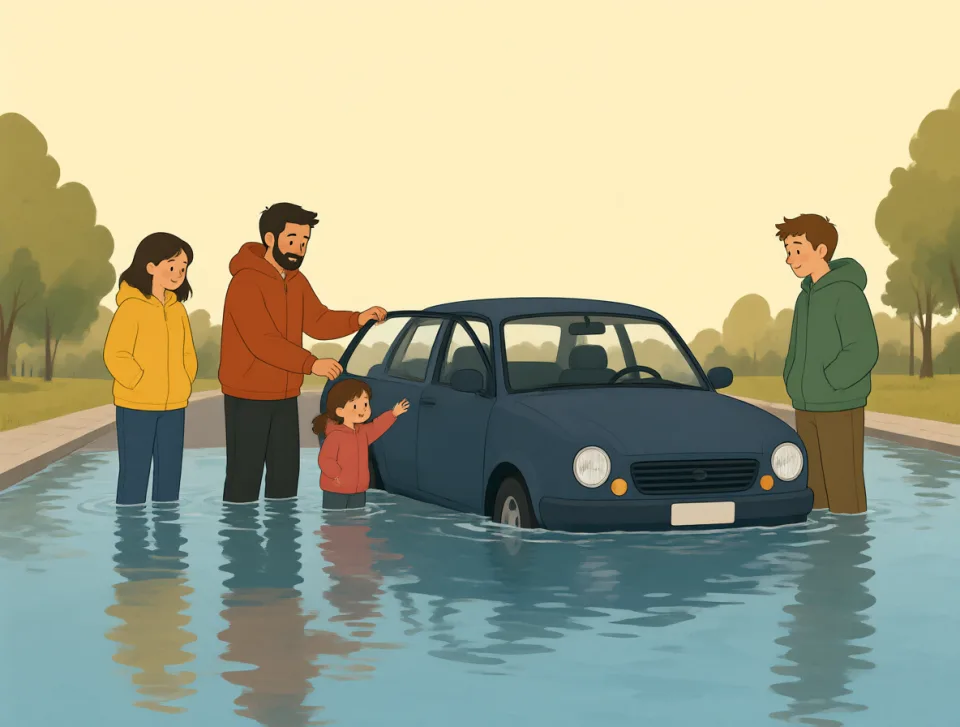
The family had to abandon their car during the flood.
Во время наводнения семье пришлось бросить машину.

Please do not abandon your shopping basket in the middle of the store.
Пожалуйста, не оставляйте корзину с покупками посреди магазина.

The student almost abandoned the project after several difficult mistakes.
После нескольких серьёзных ошибок ученик чуть не бросил проект.

The hikers abandoned their plan when the weather became dangerous.
Туристы отказались от своего плана, когда погода стала опасной.
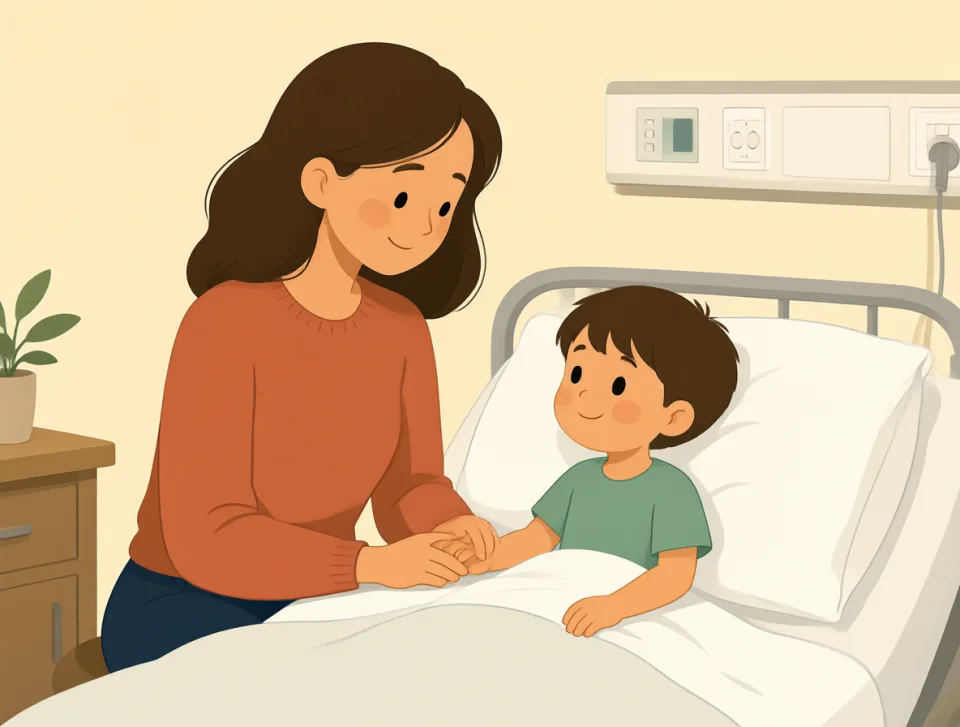
The mother refused to abandon her sick child at the hospital.
Мать отказалась бросить своего больного ребёнка в больнице.
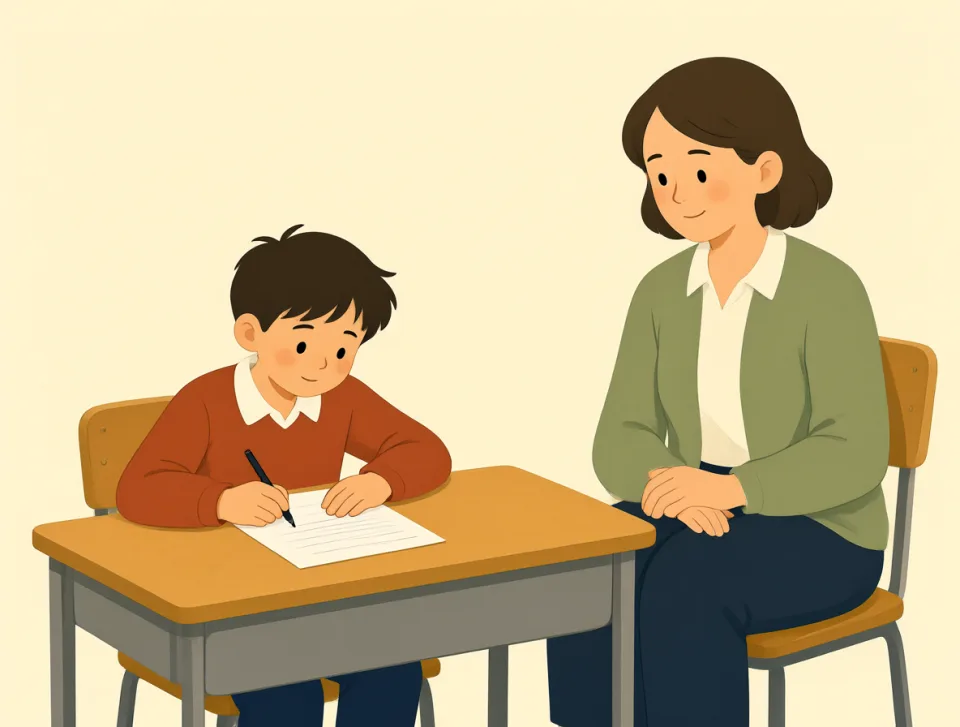
examination
#1966noun
экзамен
a careful test of someone’s knowledge, skills, or health
тщательная проверка знаний, навыков или состояния здоровья человека

I have an important examination at school tomorrow morning.
Завтра утром у меня в школе важный экзамен.
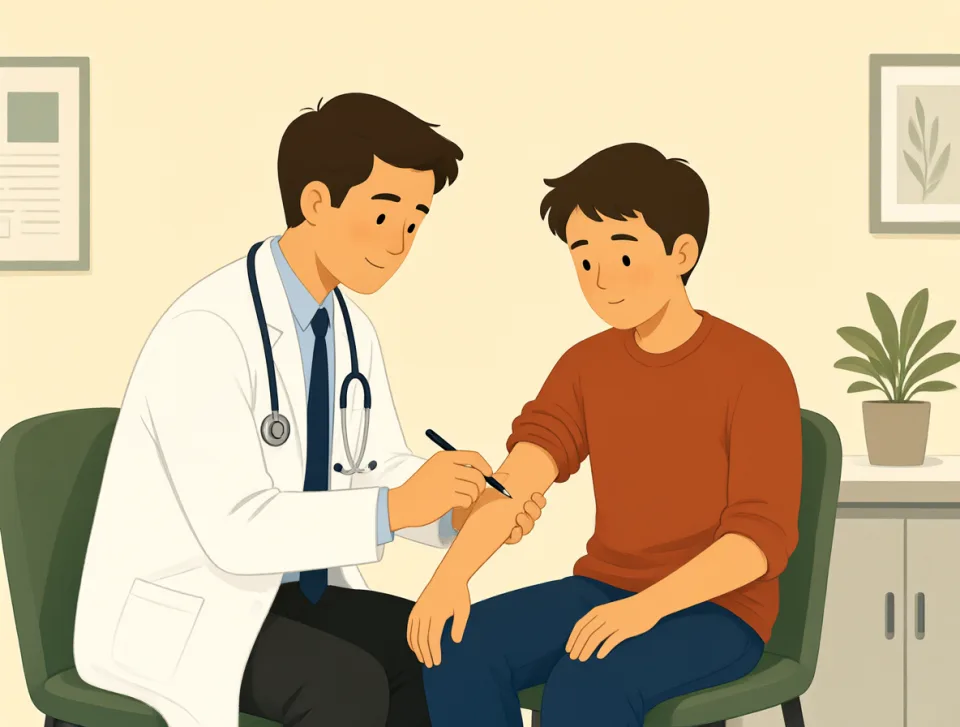
The doctor gave me a medical examination after the accident.
После аварии врач провёл мне медицинский осмотр.

Everyone must pass the final examination to complete the course.
Чтобы закончить курс, нужно сдать выпускной экзамен.

The examination of the machine found a small problem.
При осмотре машины обнаружилась небольшая неисправность.

She felt nervous before her driving examination at the test center.
Перед экзаменом по вождению в экзаменационном центре она нервничала.

silence
#1967noun, verb
тишина
A quiet state with no sound, or the act of making something quiet.
Состояние покоя, когда нет звуков, или действие, направленное на то, чтобы что-то стихло.
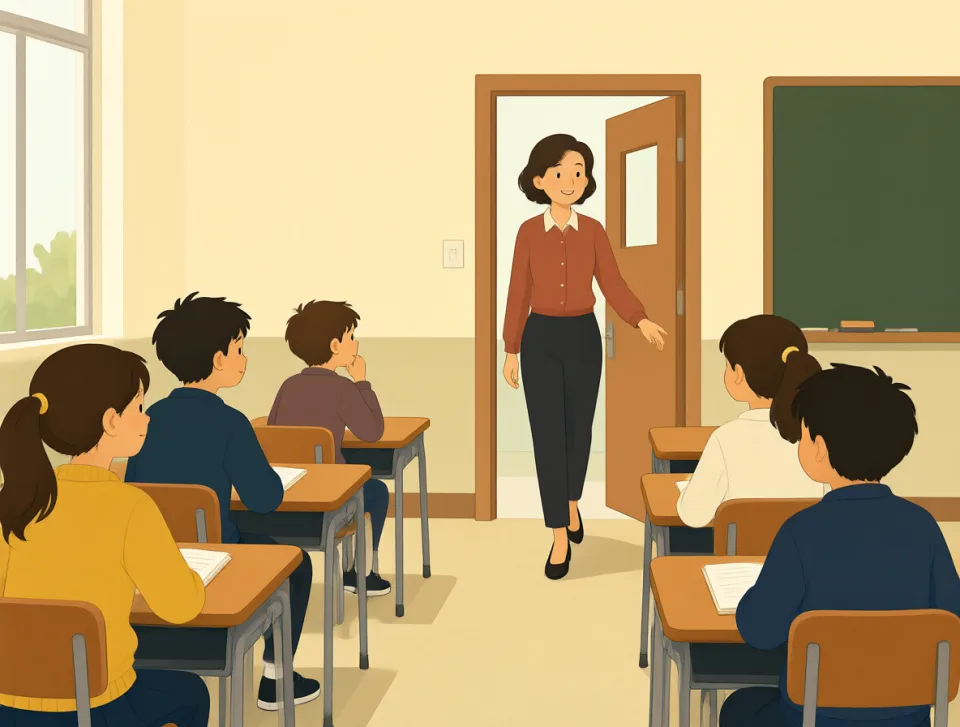
The room fell into silence after the teacher entered.
Когда вошёл учитель, в комнате воцарилась тишина.
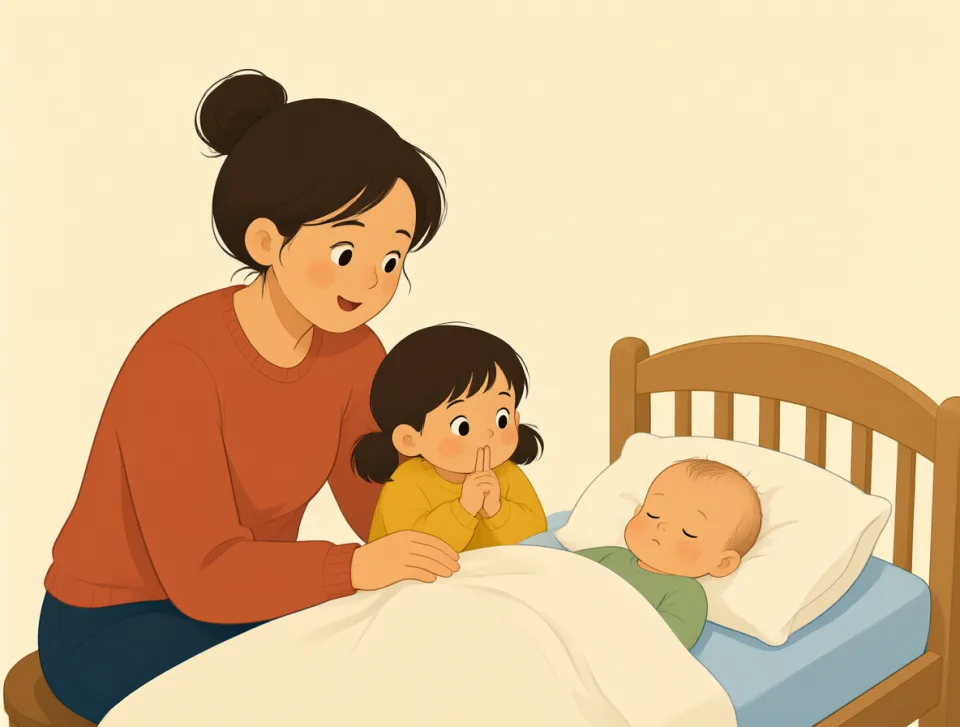
Please keep silence while the baby is sleeping.
Пожалуйста, соблюдайте тишину, пока спит ребёнок.

After the argument, Mark broke the silence with a joke.
После ссоры Марк нарушил молчание шуткой.

The doctor asked for silence during the hearing test.
Во время проверки слуха врач попросил соблюдать тишину.

The manager silenced his phone before the meeting started.
Перед началом встречи менеджер выключил звук на телефоне.
rapidly
#1968adverb
быстро
Very quickly, or in a short time
Очень быстро или за короткое время.
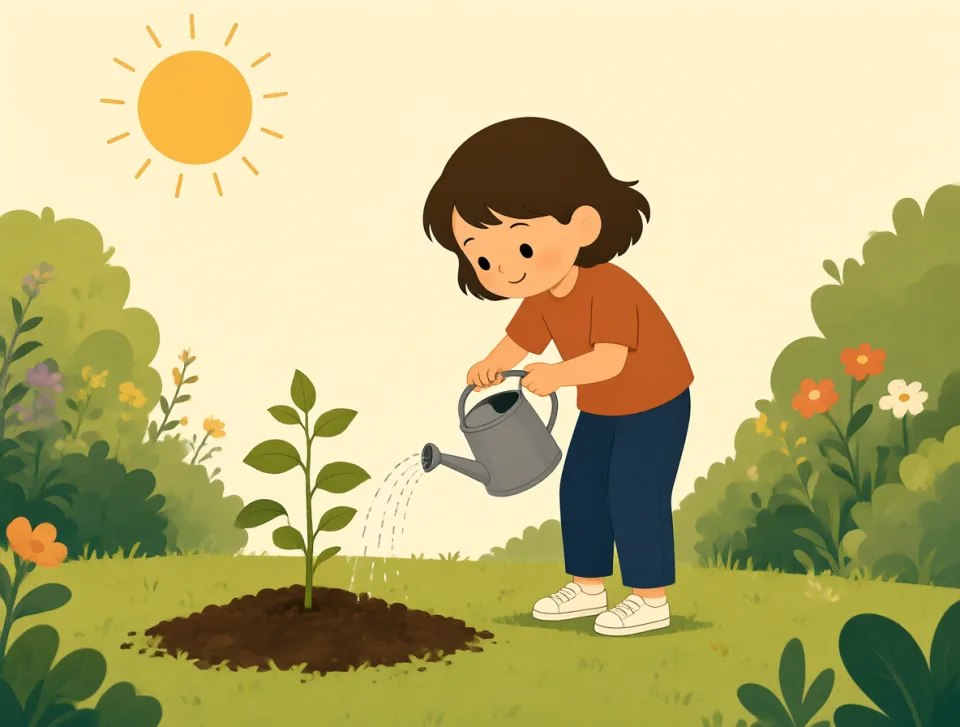
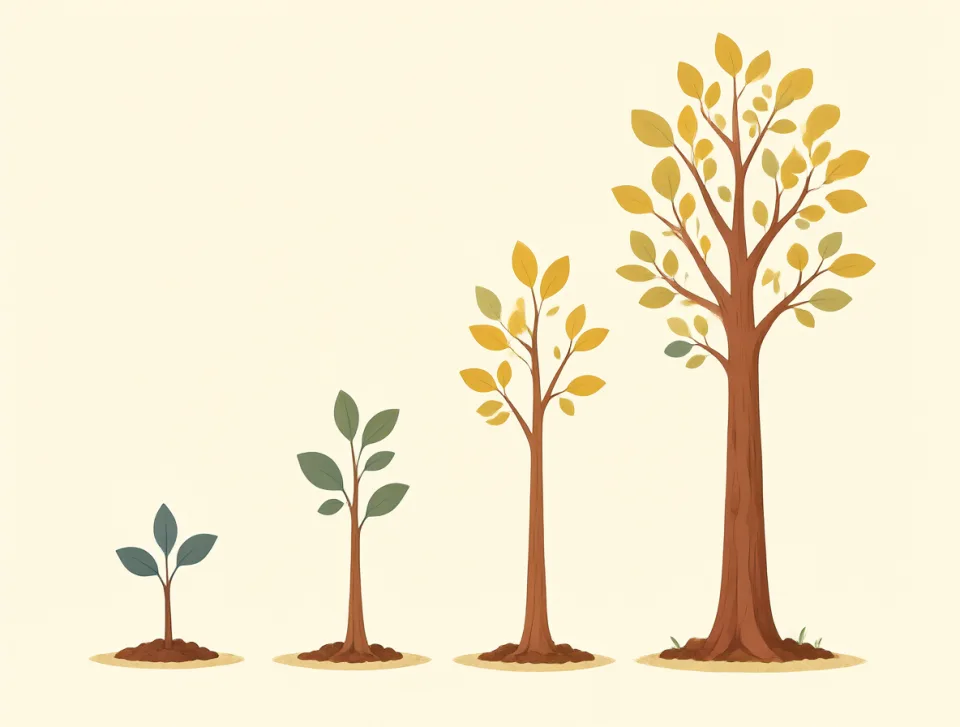
The little plant grew rapidly after we watered it.
Маленькое растение быстро пошло в рост, когда мы его полили.

The train rapidly gained speed after leaving the station.
После отъезда со станции поезд быстро набрал скорость.
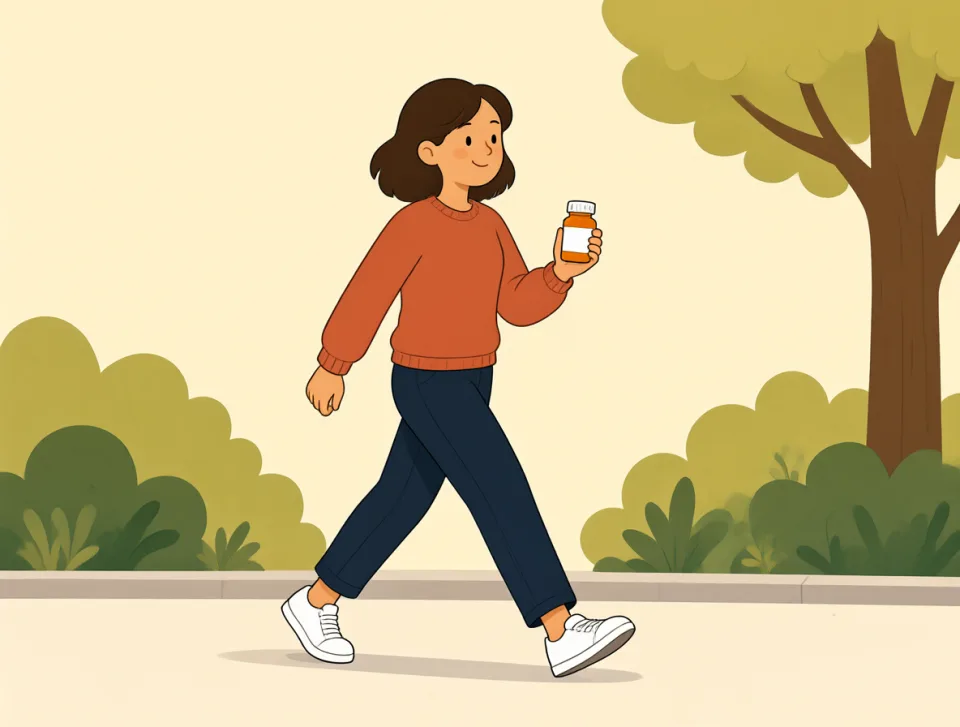
Her health improved rapidly after she started the new medicine.
После того как она начала принимать новое лекарство, её здоровье быстро улучшилось.

The company is rapidly expanding and hiring more workers.
Компания быстро расширяется и нанимает новых сотрудников.

Prices rose rapidly when the shop announced the shortage.
Когда магазин объявил о нехватке товара, цены быстро выросли.
efficient
#1969adjective
эффективный
Working well without wasting time, energy, or money.
Работающий хорошо и без лишних затрат времени, сил или денег.
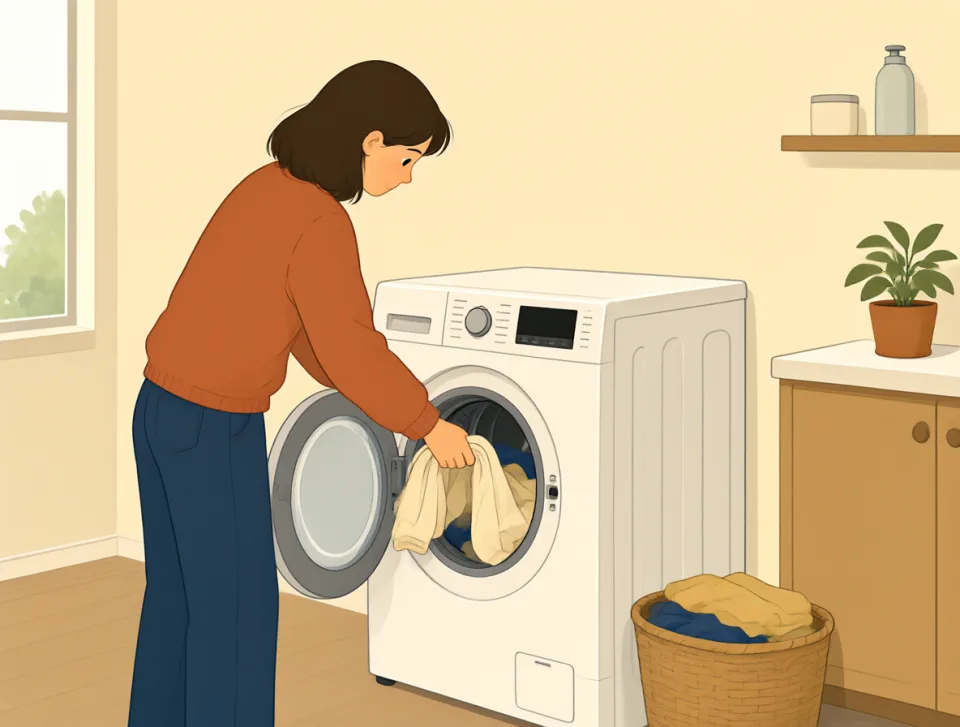
This washing machine is very efficient and saves a lot of water.
Эта стиральная машина очень экономична и расходует гораздо меньше воды.

She found an efficient way to finish her homework before dinner.
Она нашла эффективный способ закончить домашнее задание до ужина.

Our new manager is efficient at organizing meetings and tasks.
Наш новый менеджер хорошо организует встречи и рабочие задачи.

The train is an efficient way to travel across the city.
Поезд — удобный и эффективный способ передвигаться по городу.
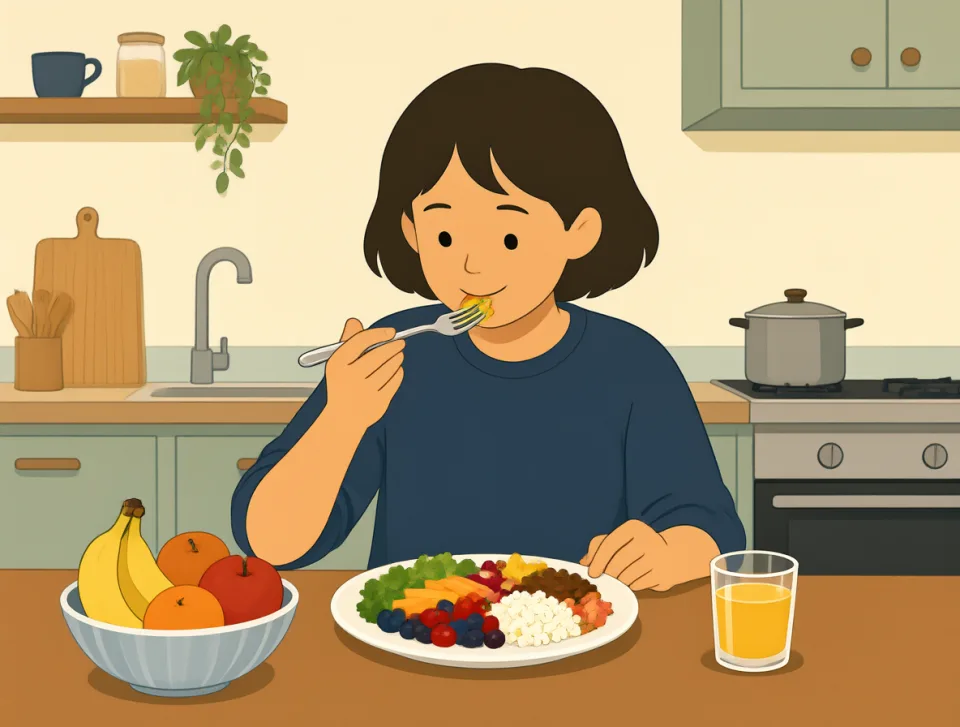
Eating healthy meals helps your body use energy efficiently.
Здоровая пища помогает организму эффективно расходовать энергию.

revolution
#1970noun
революция
A complete change in the way people live, work, or govern a country.
Полное изменение образа жизни людей, их работы или устройства управления страной.

The revolution changed the country’s government and daily life.
Революция изменила государственное устройство страны и повседневную жизнь.

The industrial revolution brought machines into factories and homes.
Промышленная революция принесла машины на фабрики и в дома.

The internet caused a revolution in the way we communicate.
Интернет произвёл революцию в способах общения.

The chef started a revolution in school lunches with fresh vegetables.
Шеф-повар произвёл революцию в школьных обедах, добавив свежие овощи.
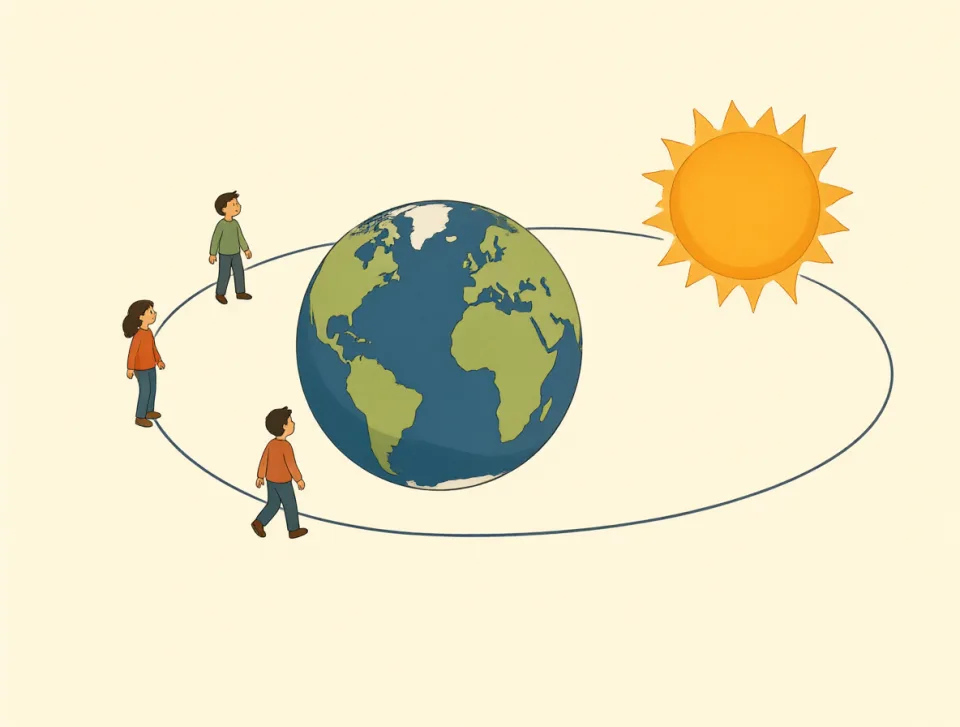
The Earth completes one revolution around the Sun each year.
Земля совершает один оборот вокруг Солнца в год.

delight
#1971noun, verb
восторг; радость
great happiness or pleasure; to make someone very happy
огромное счастье или удовольствие; сделать кого-то очень счастливым

The children shouted with delight when the puppy arrived.
Дети радостно закричали, когда пришёл щенок.

Her kind message was a delight to read after work.
После работы было так приятно прочитать её доброе сообщение.

The fresh fruit delighted everyone at the picnic.
Свежие фрукты привели всех в восторг на пикнике.

The hotel staff delighted us with a free breakfast.
Персонал отеля порадовал нас бесплатным завтраком.
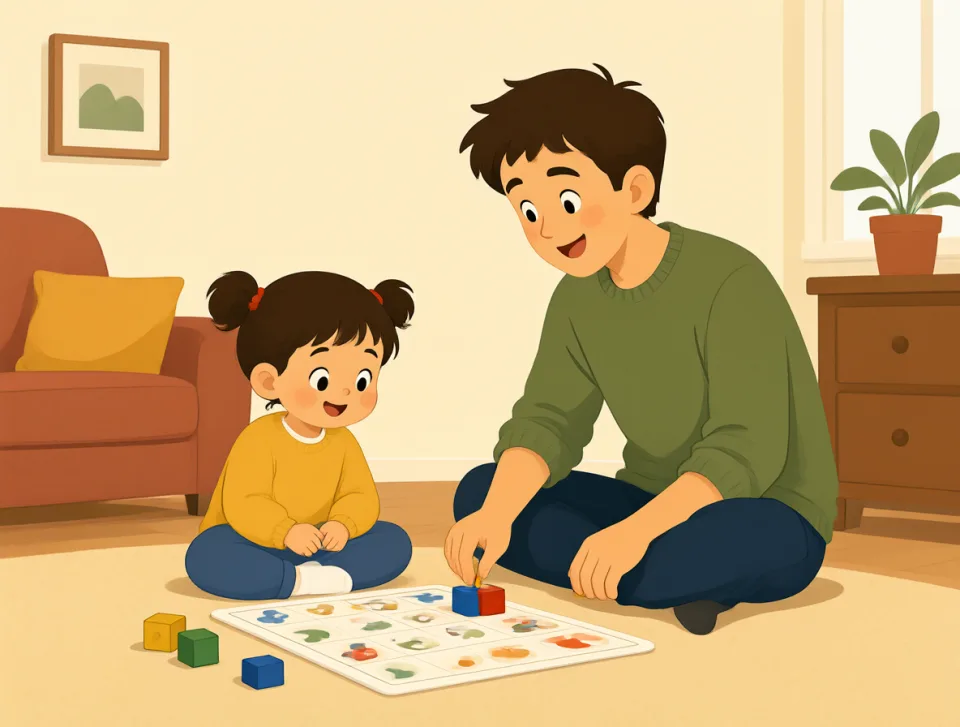
He delights in teaching his little sister new games.
Он с удовольствием учит младшую сестру новым играм.

spell
#1972verb, noun
писать или произносить по буквам; период
To write or say the letters of a word in the correct order; a short period of time.
Писать или произносить буквы слова в правильном порядке; короткий промежуток времени.
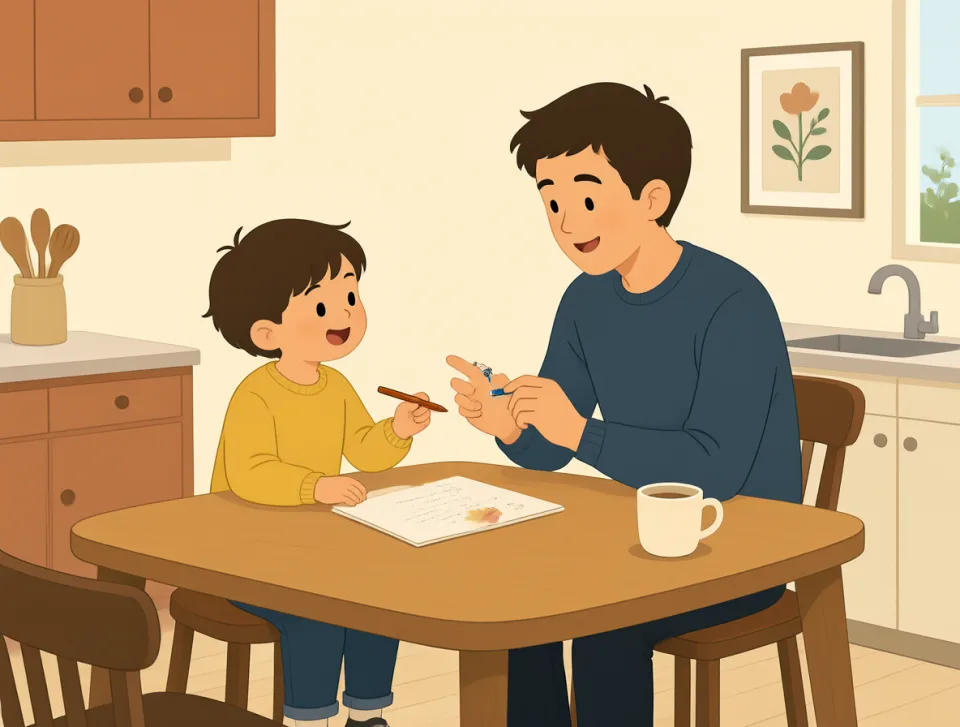
Can you spell your name for me, please?
Не могли бы вы, пожалуйста, продиктовать мне своё имя по буквам?

I always spell difficult words incorrectly.
Я всегда неправильно пишу сложные слова по буквам.

She spelled the word correctly in class.
На уроке она правильно написала слово по буквам.

We enjoyed a warm spell during our winter holiday.
Во время зимних каникул у нас выдался тёплый период.

He had a bad spell of stomach pain yesterday.
Вчера у него был сильный приступ боли в животе.

premise
#1973noun
предпосылка; основная идея
An idea or situation that forms the basis for a story, argument, or plan.
Идея или ситуация, которая служит основой для рассказа, аргумента или плана.

The movie has a simple premise about two friends opening a bakery.
Фильм основан на простой идее: двое друзей открывают пекарню.

Our plan is based on the premise that everyone will arrive early.
Наш план основан на предположении, что все придут пораньше.

The teacher asked us to explain the premise of the novel.
Учитель попросил нас объяснить основную идею романа.

The restaurant works on the premise that fresh food tastes better.
Ресторан исходит из того, что свежая еда вкуснее.

The whole premise of the trip was to relax by the sea.
Вся поездка была задумана для того, чтобы отдохнуть у моря.
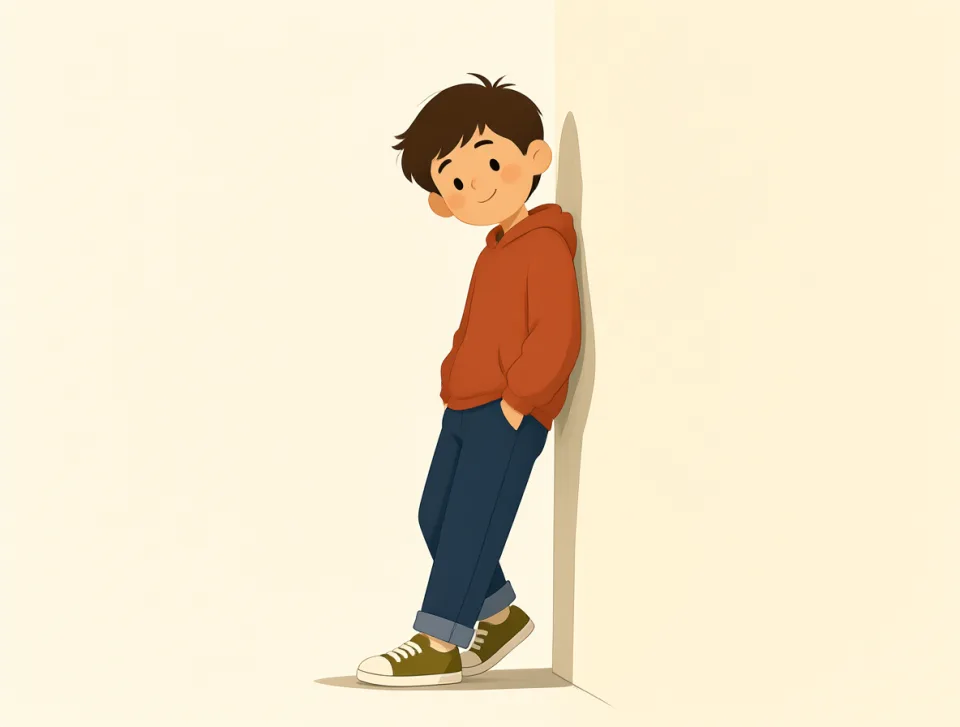
lean
#1974verb, adjective
наклоняться; постный
To bend or rest at an angle, or have little fat.
Наклоняться или опираться под углом; содержащий мало жира.

Please lean against the wall while I tie your shoe.
Пожалуйста, прислонись к стене, пока я завяжу тебе шнурок.

She leaned forward to hear the teacher more clearly.
Она наклонилась вперёд, чтобы лучше расслышать учителя.
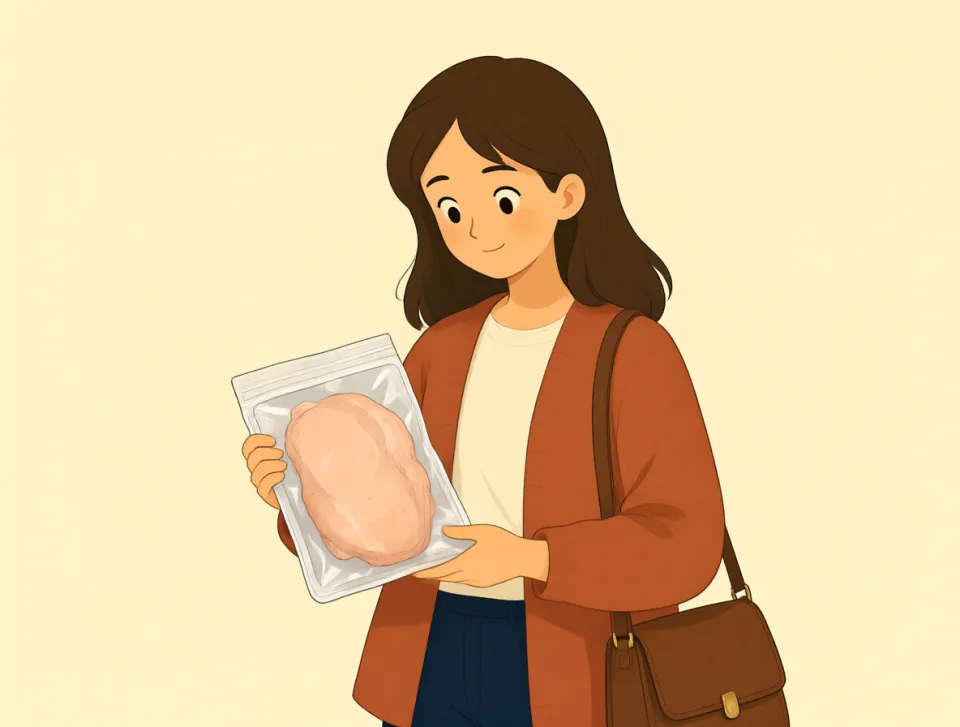
We bought lean chicken for dinner.
На ужин мы купили курятину без лишнего жира.

You can lean on me when life feels difficult.
Ты можешь опереться на меня, когда тебе тяжело.

The old tree leans toward the river.
Старое дерево наклоняется к реке.

dramatic
#1975adjective
драматичный; резкий
very exciting, surprising, or noticeable, often because something changes suddenly
Очень захватывающий, неожиданный или заметный, часто из-за внезапного изменения.

The movie had a dramatic ending that made everyone cry.
У фильма был драматичный финал, который заставил всех плакать.

There was a dramatic change in the weather this afternoon.
Сегодня днём погода резко изменилась.

She made a dramatic entrance at the party.
На вечеринке она эффектно появилась.
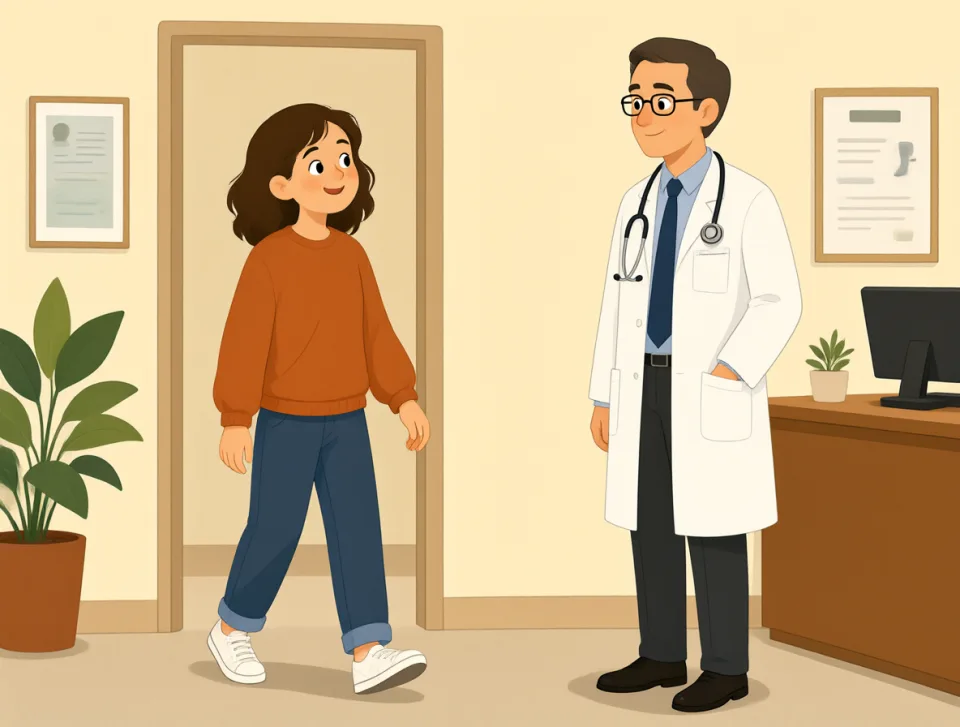
The doctor saw a dramatic improvement in his health.
Врач заметил значительное улучшение его здоровья.
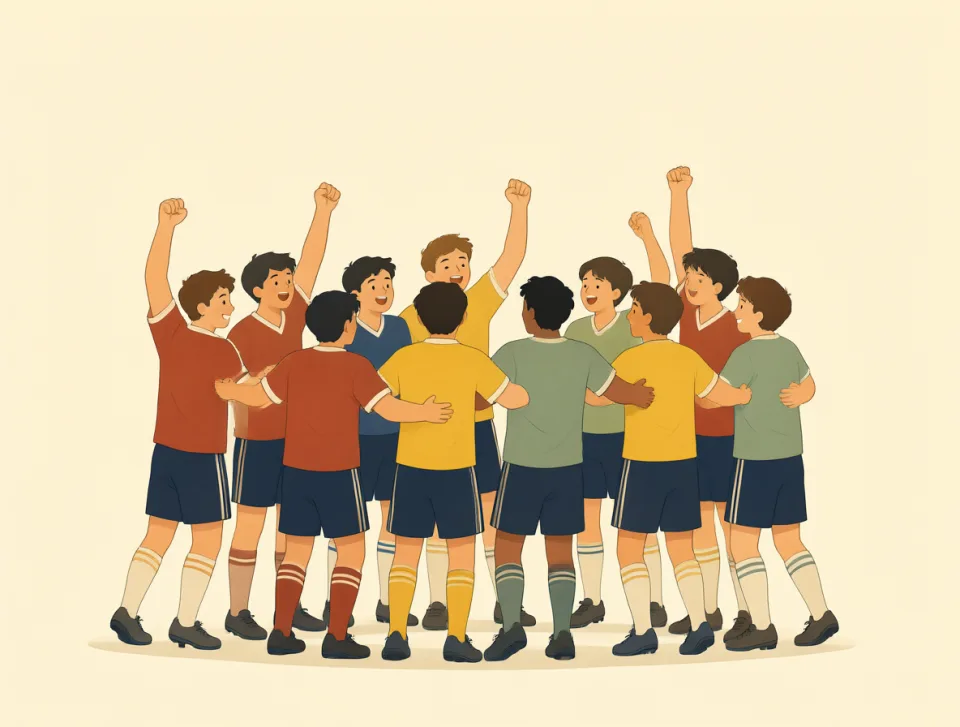
The team made a dramatic comeback and won the game.
Команда совершила впечатляющий камбэк и выиграла игру.

differ
#1976verb
отличаться
to be different from something or someone
Быть непохожим на что-то или кого-то.
People differ in their opinions about the best school uniform.
У людей разные мнения о том, какая школьная форма лучше.
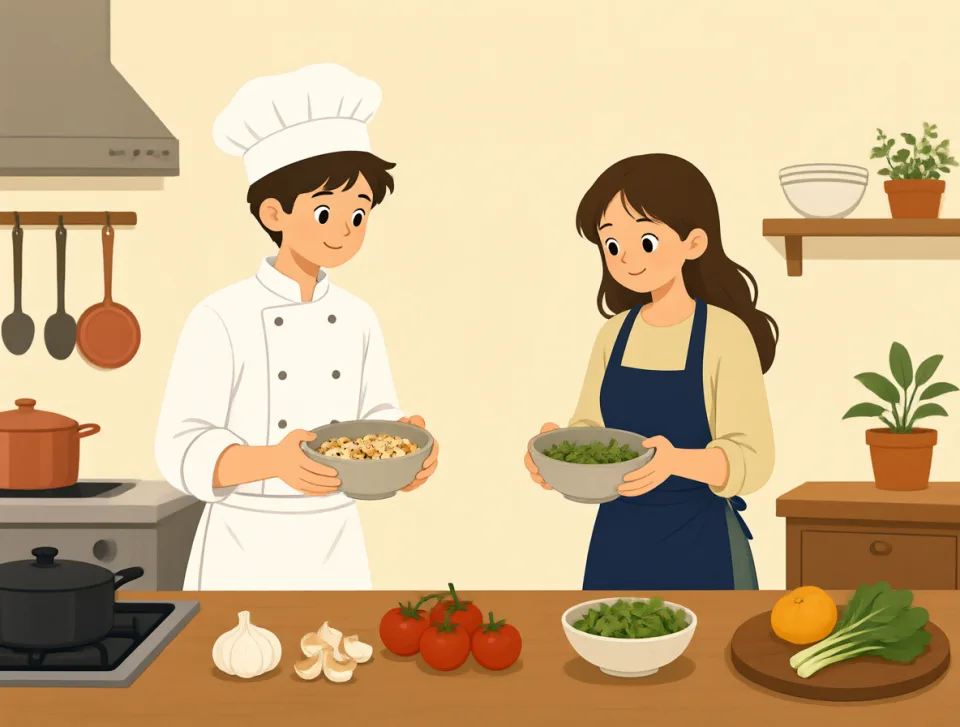
The two recipes differ slightly in the amount of sugar they use.
Эти два рецепта немного различаются количеством сахара.

My brother and I differ on which restaurant to choose.
Мы с братом не можем прийти к согласию насчёт того, какой ресторан выбрать.

Prices differ from one shop to another in this town.
В этом городе цены в разных магазинах отличаются.

Symptoms can differ between people with the same illness.
Симптомы могут различаться у людей с одним и тем же заболеванием.

grateful
#1977adjective
благодарный
Feeling thankful for something kind that someone has done.
Испытывающий благодарность за добрый поступок.

I am grateful for your help with my homework.
Я благодарен тебе за помощь с домашним заданием.

We were grateful to find a warm hotel after the long journey.
После долгого путешествия мы были рады найти тёплую гостиницу.

She felt grateful for the doctor’s quick advice.
Она была благодарна врачу за оперативный совет.

The grateful customer thanked the shop assistant for finding her size.
Благодарная покупательница поблагодарила продавца за то, что он нашёл для неё нужный размер.
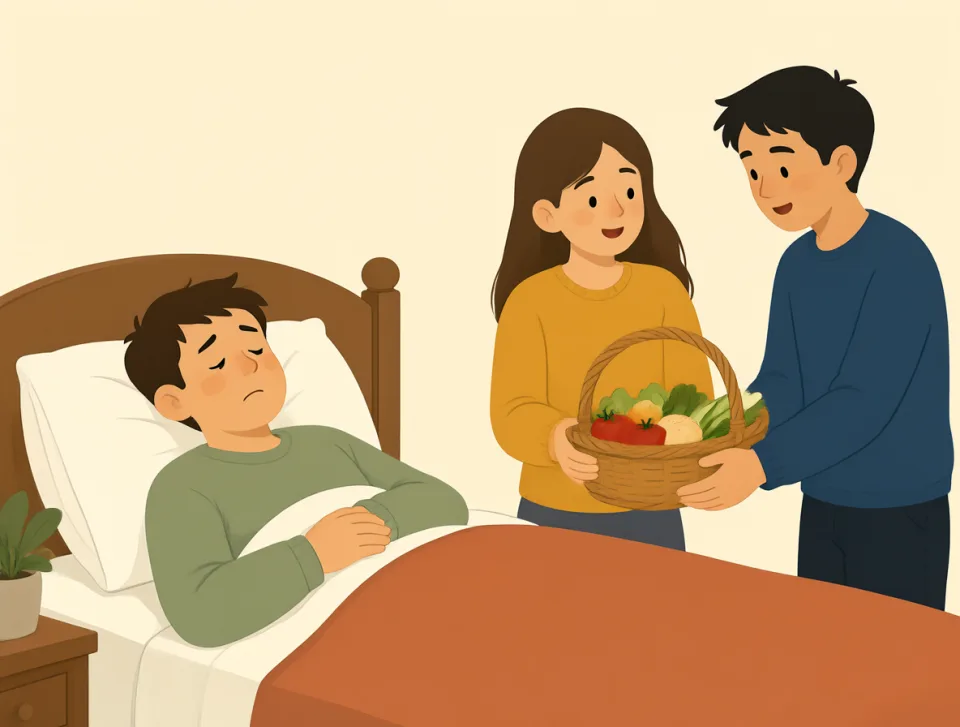
He is grateful that his friends brought food while he was sick.
Он благодарен друзьям за то, что они принесли ему еду, пока он болел.

protein
#1978noun
белок
A substance in food that helps your body grow and stay healthy.
Питательное вещество, содержащееся в пище и помогающее организму расти и оставаться здоровым.
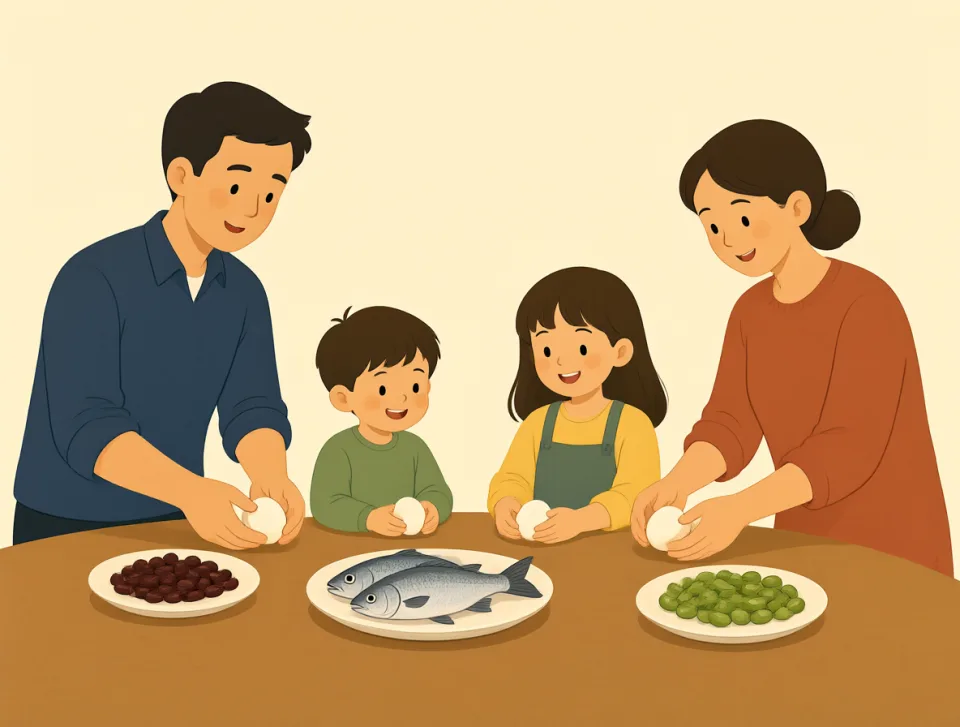
Eggs, fish, and beans are good sources of protein.
Яйца, рыба и бобы — хорошие источники белка.
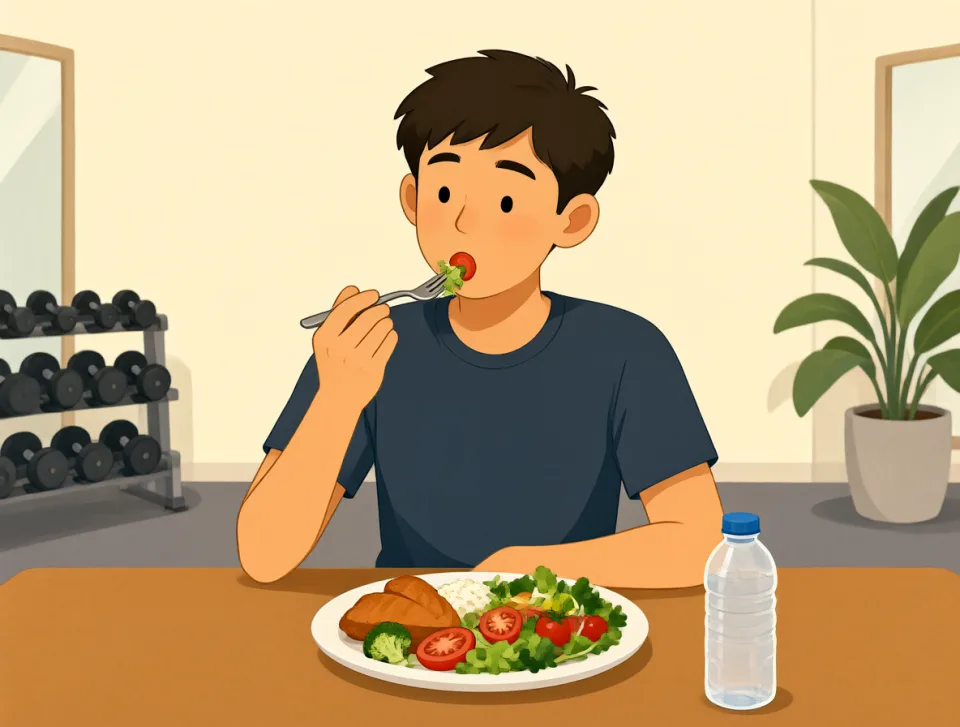
I eat more protein after exercising at the gym.
После занятий в спортзале я ем больше белковой пищи.

This yogurt has ten grams of protein per serving.
В одной порции этого йогурта содержится десять граммов белка.

The doctor said I need enough protein in my diet.
Врач сказал, что в моём рационе должно быть достаточно белка.

We bought a protein shake for the long train journey.
Мы купили протеиновый коктейль для долгой поездки на поезде.

bike
#1979noun, verb
велосипед; ездить на велосипеде
a bicycle, or to travel somewhere on a bicycle
Велосипед или поездка куда-либо на велосипеде.
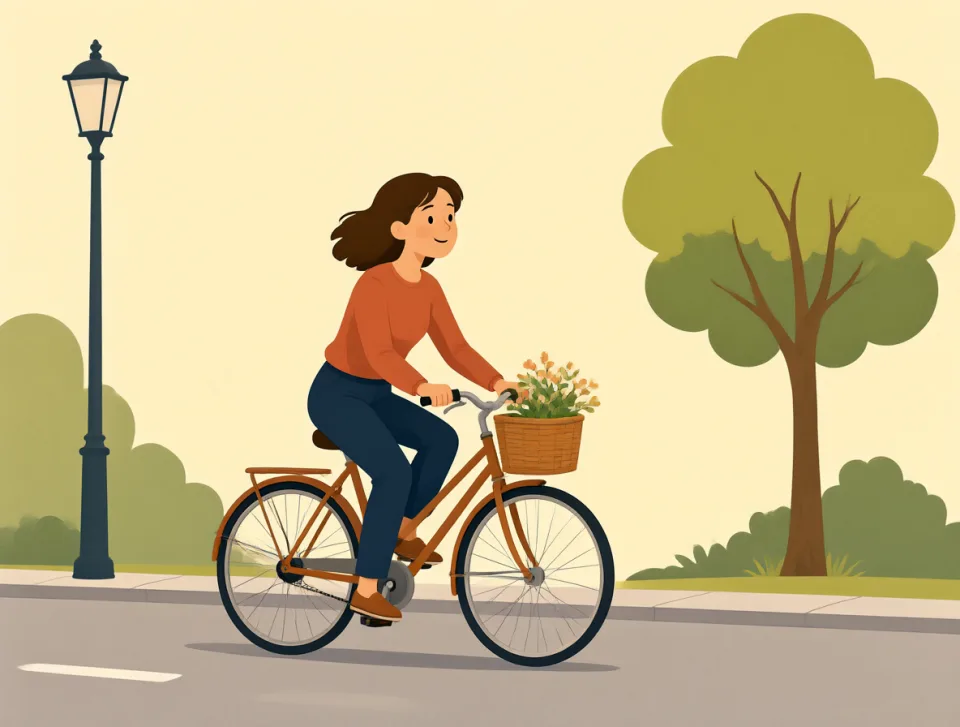
I ride my bike to work when the weather is nice.
В хорошую погоду я езжу на работу на велосипеде.
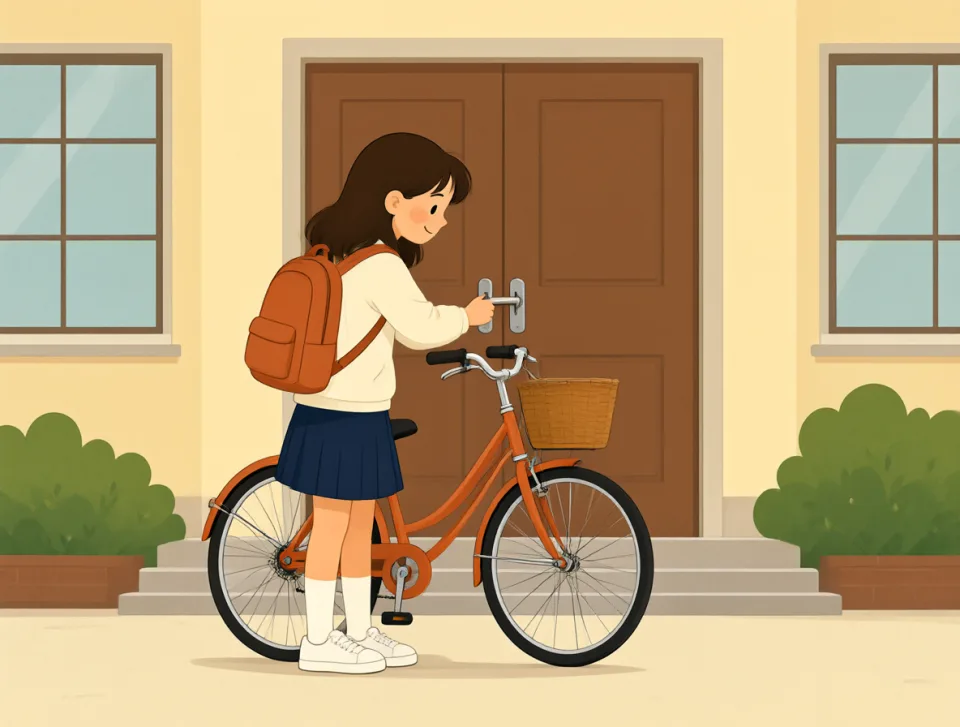
She left her bike outside the school and went inside.
Она оставила велосипед у школы и вошла внутрь.

We rented bikes near the beach for the afternoon.
Мы взяли напрокат велосипеды возле пляжа на вторую половину дня.

The bike shop repaired my flat tire in an hour.
В веломастерской за час починили моё проколотое колесо.
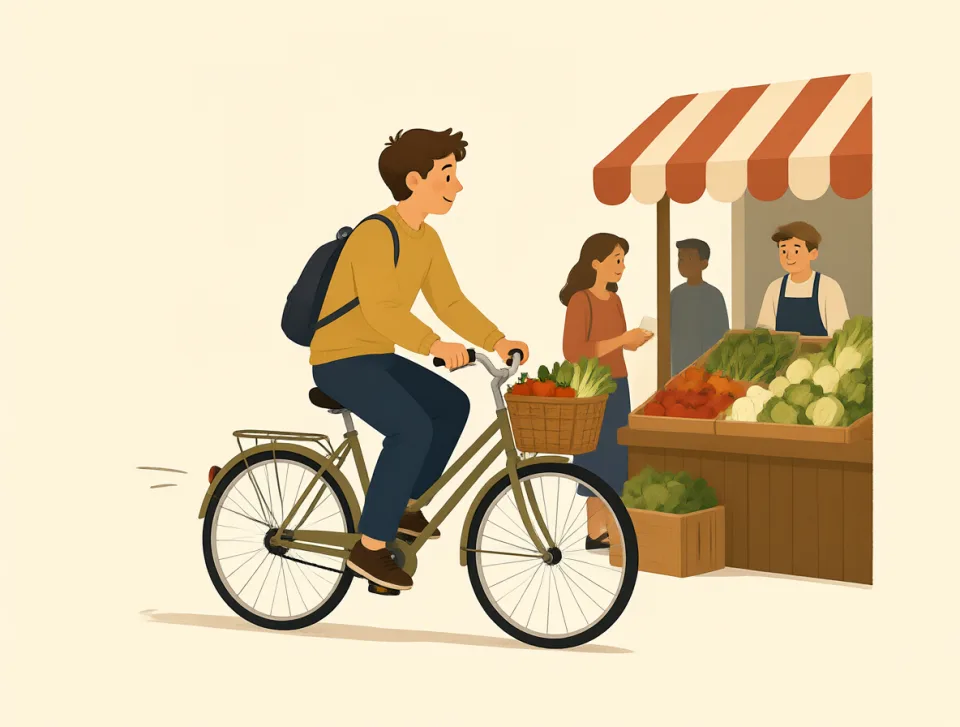
He bikes to the market every Saturday morning.
Каждое утро в субботу он ездит на велосипеде на рынок.
distribute
#1980verb
распределять
to give things to several people or places
Передавать что-либо нескольким людям или в несколько мест.
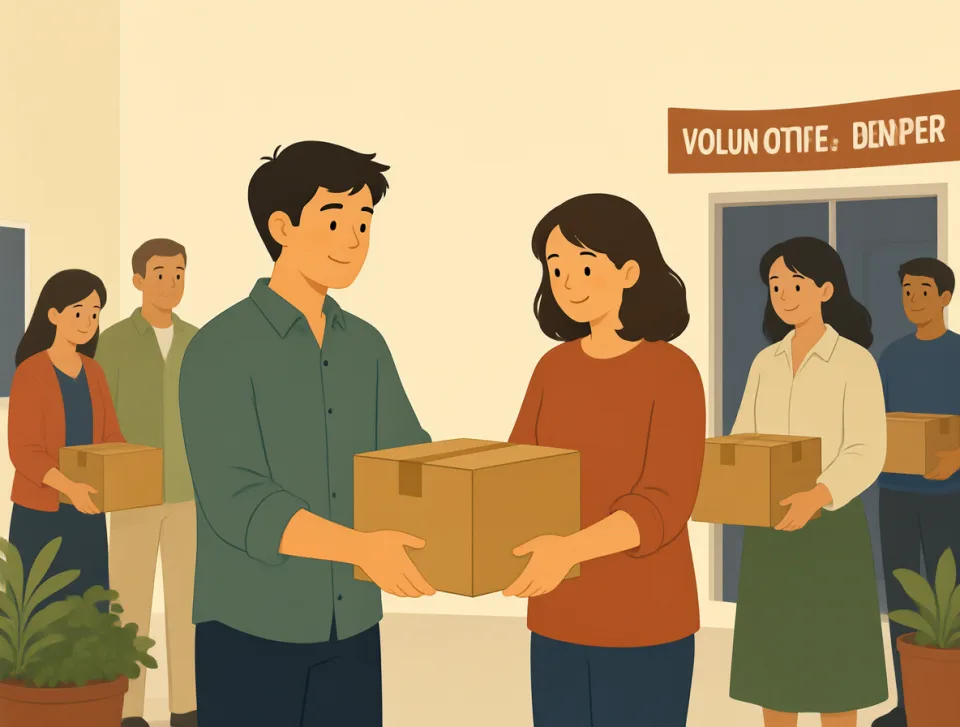
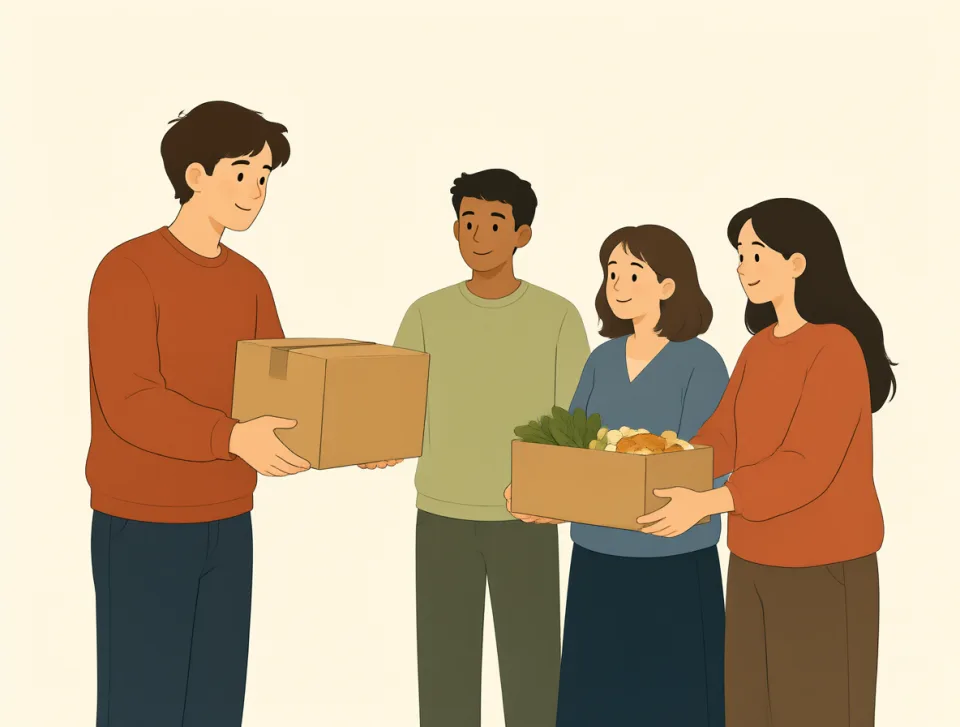
Volunteers distribute food to families after the storm.
После шторма волонтёры распределяют продукты между семьями.
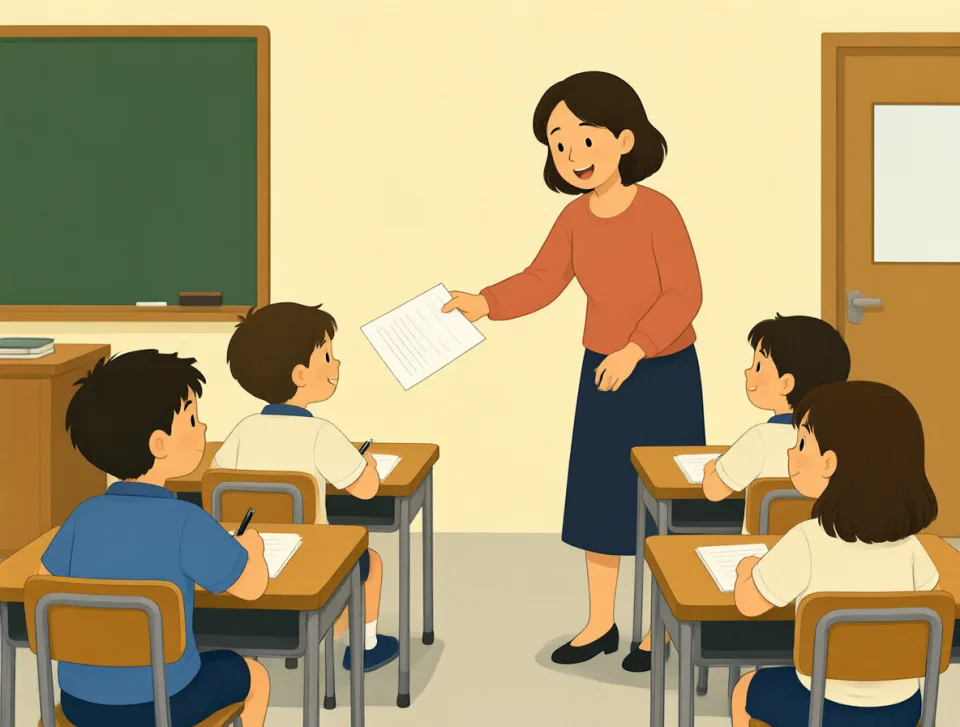
The teacher distributed worksheets to the students.
Учитель раздал ученикам рабочие листы.

We distributed the invitations among our friends.
Мы раздали приглашения друзьям.
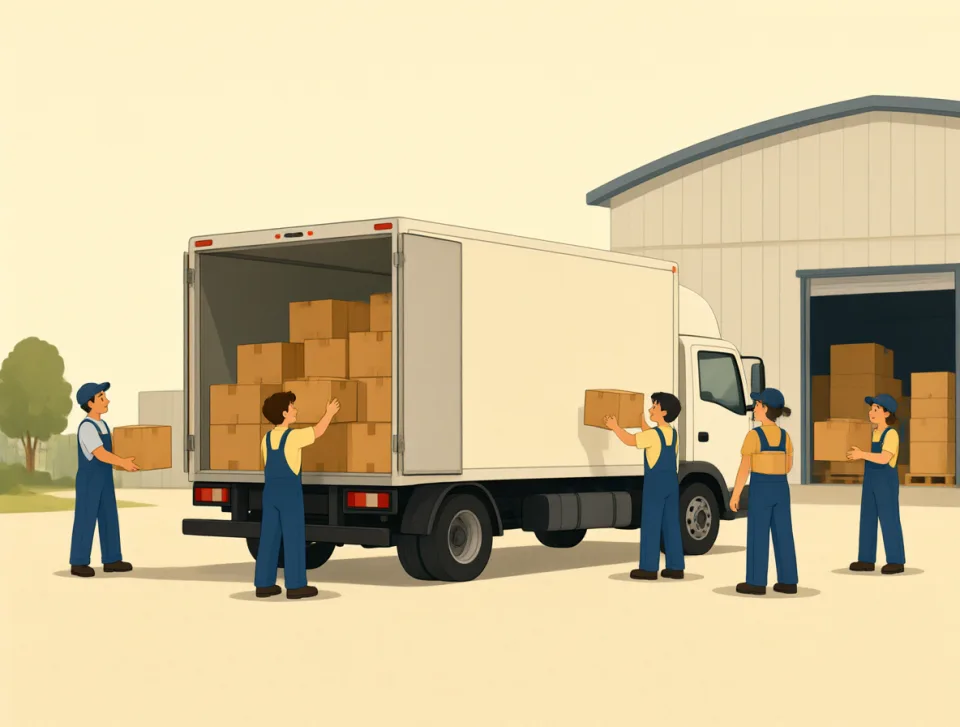
The company distributes its products to shops nationwide.
Компания поставляет свою продукцию в магазины по всей стране.
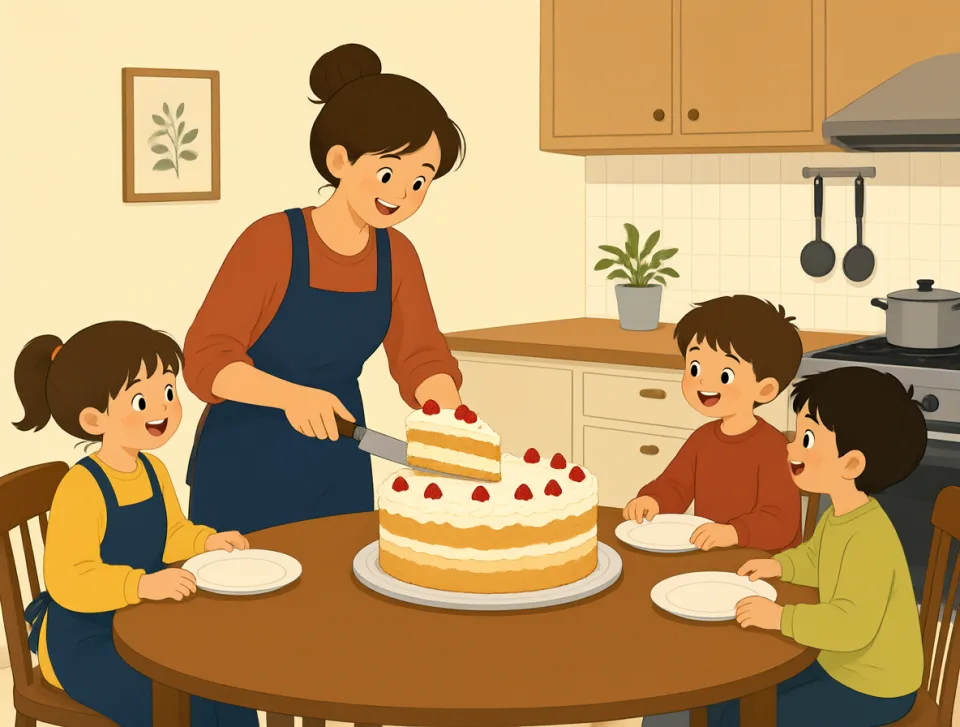
Please distribute the cake equally among the children.
Пожалуйста, разделите торт поровну между детьми.