इकाई 99
शब्द 1961–1980 · plain, volunteer, rural, calm, abandon, examination

plain
#1961adjective, noun
सादा; समतल मैदान
Simple and ordinary, without decoration; a large, flat area of land.
बिना सजावट के सरल और साधारण; ज़मीन का एक बड़ा, समतल क्षेत्र।

She wore a plain white shirt to work today.
उसने आज काम पर एक सादी सफेद कमीज़ पहनी।
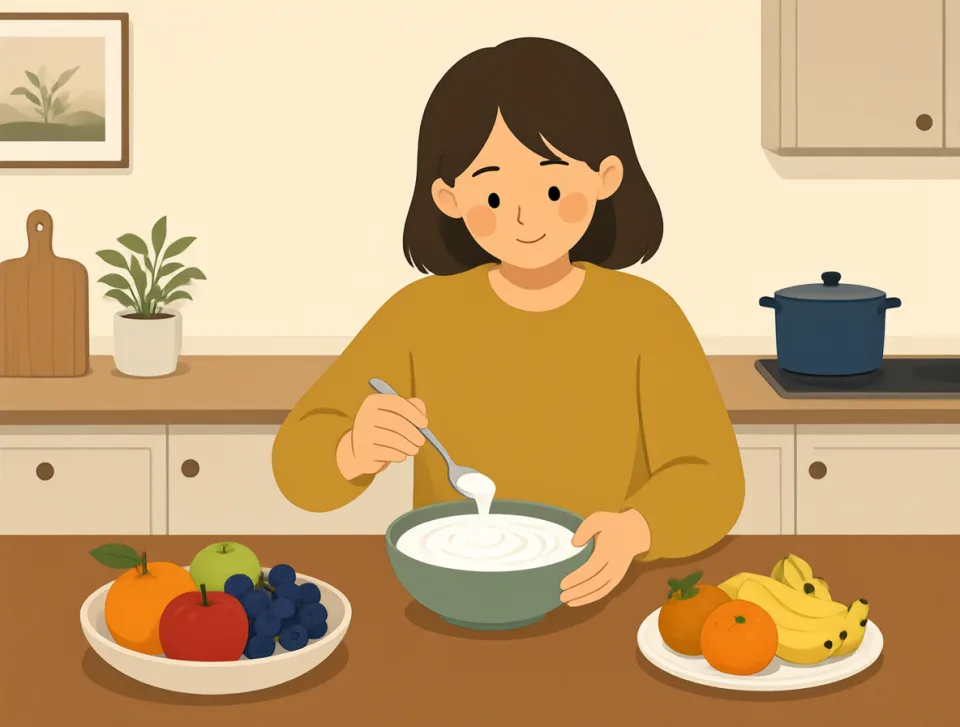
I prefer plain yogurt with fresh fruit for breakfast.
नाश्ते में मुझे ताज़े फलों के साथ सादा दही पसंद है।
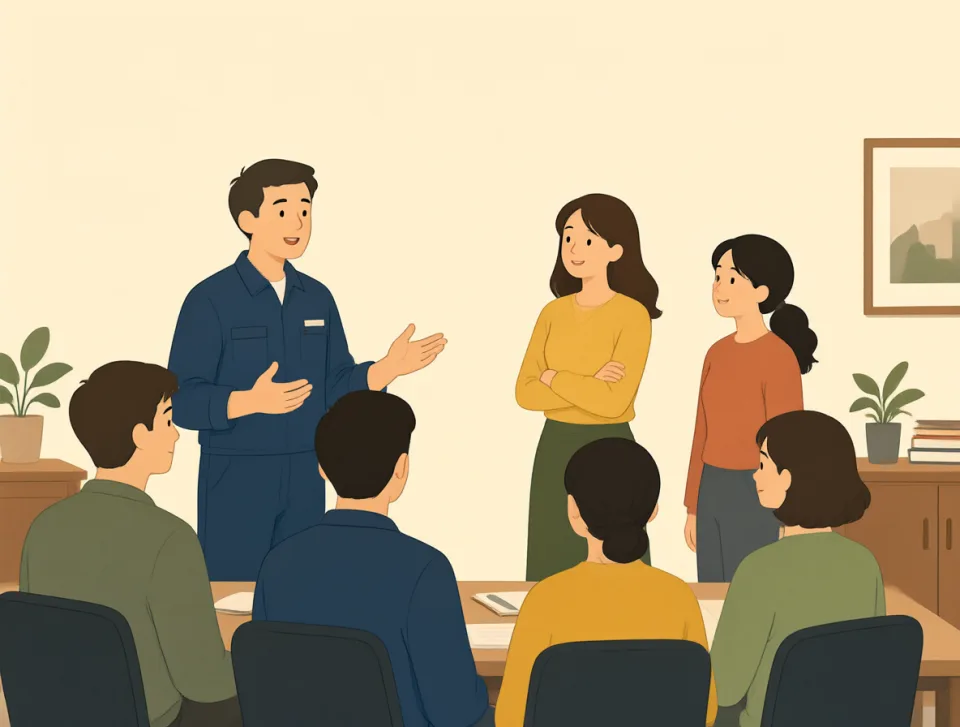
Please use plain English in your presentation.
कृपया अपनी प्रस्तुति में सरल अंग्रेज़ी का इस्तेमाल करें।

The doctor asked whether the pain was plain or severe.
डॉक्टर ने पूछा कि दर्द हल्का था या तेज़।

The train crossed the wide plain before sunset.
सूरज डूबने से पहले ट्रेन चौड़े मैदान को पार कर गई।
volunteer
#1962noun, verb
स्वयंसेवक; स्वयंसेवा करना
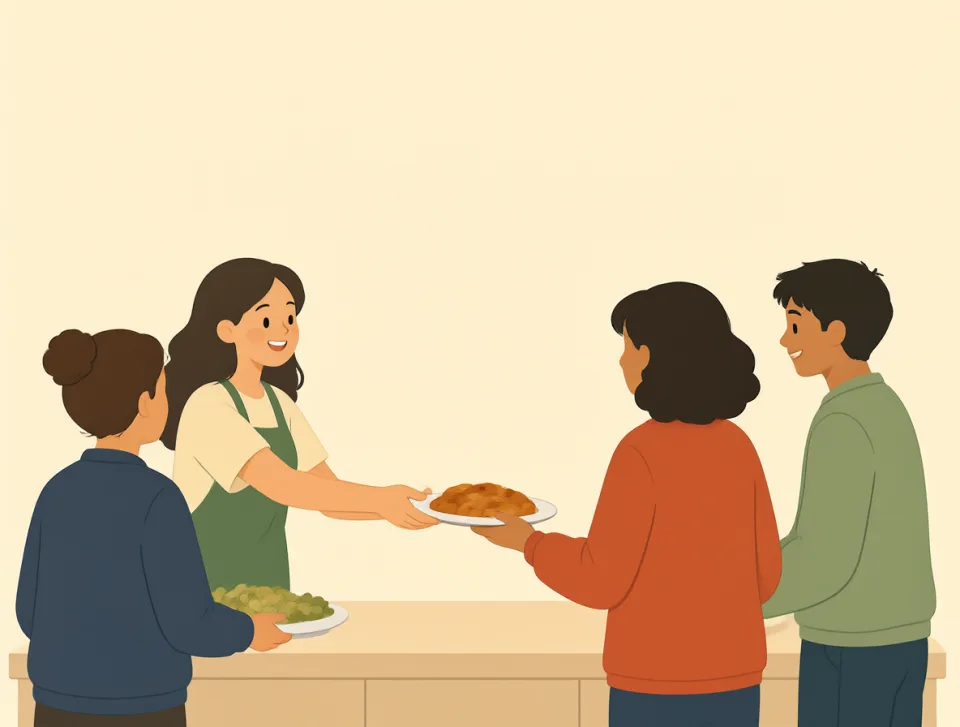
A person who freely offers to help, or to offer to help without being paid.
ऐसा व्यक्ति जो अपनी इच्छा से मदद करने की पेशकश करता है, या बिना पैसे लिए मदद करने की पेशकश करना।
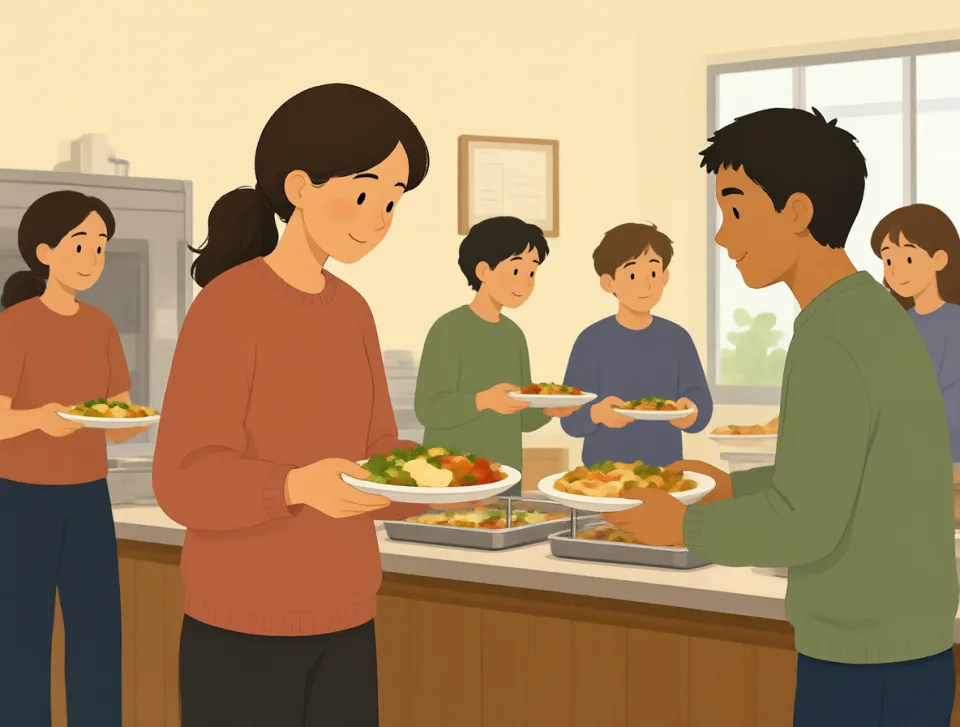
Many volunteers help serve food at the community center.
कई स्वयंसेवक सामुदायिक केंद्र में खाना परोसने में मदद करते हैं।
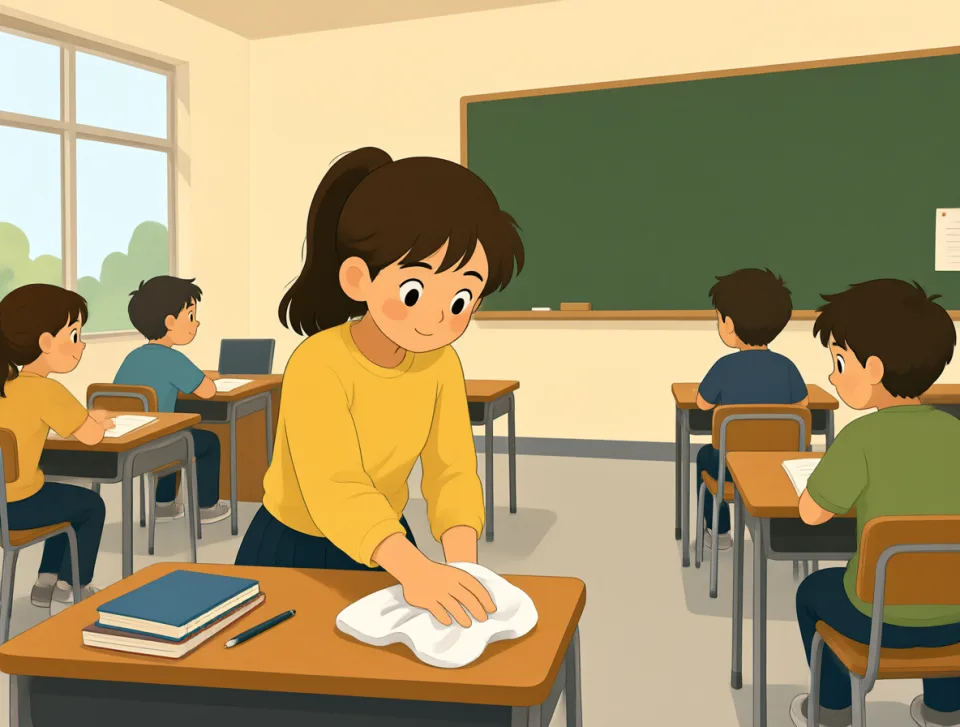
She volunteered to clean the classroom after school.
उसने स्कूल के बाद कक्षा साफ़ करने के लिए स्वयंसेवा की।
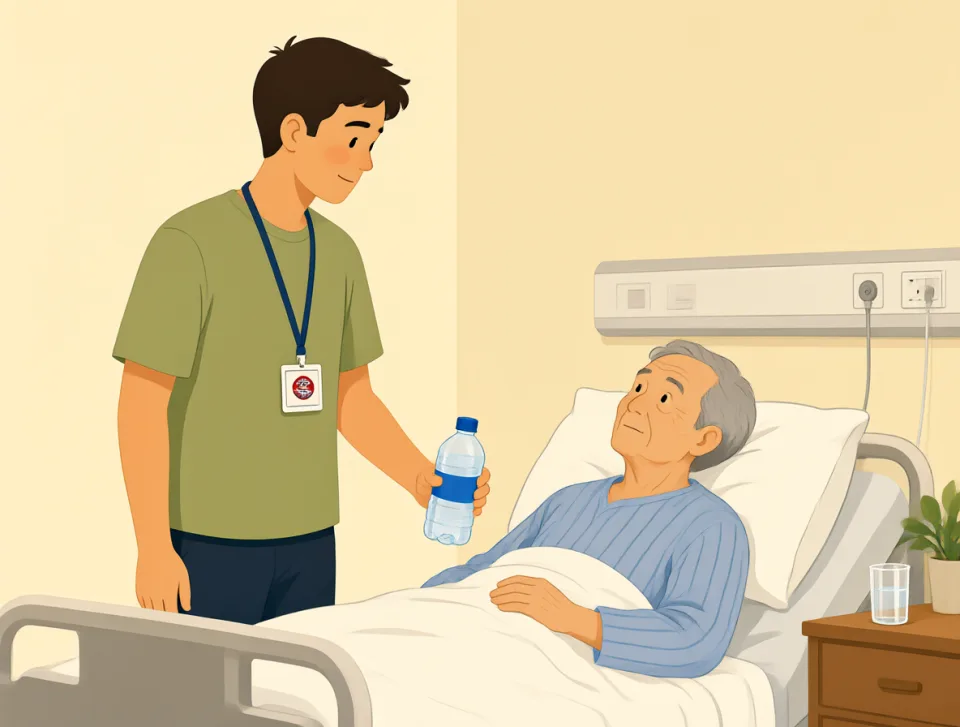
He works as a volunteer at the local hospital.
वह स्थानीय अस्पताल में स्वयंसेवक के रूप में काम करता है।

We need a volunteer to carry these boxes upstairs.
हमें इन डिब्बों को ऊपर ले जाने के लिए एक स्वयंसेवक चाहिए।
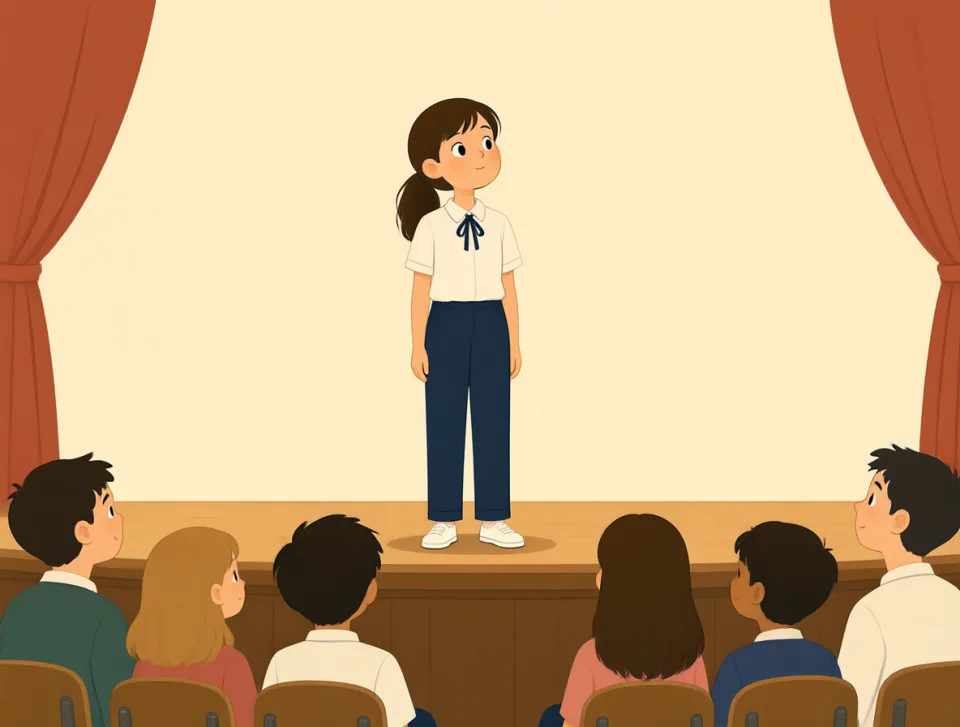
My friend volunteered for the school music show.
मेरे दोस्त ने स्कूल के संगीत कार्यक्रम में हिस्सा लेने के लिए स्वयंसेवा की।

rural
#1963adjective
ग्रामीण
Relating to the countryside, away from towns and cities.
गाँवों और शहरों से दूर ग्रामीण इलाकों से संबंधित।
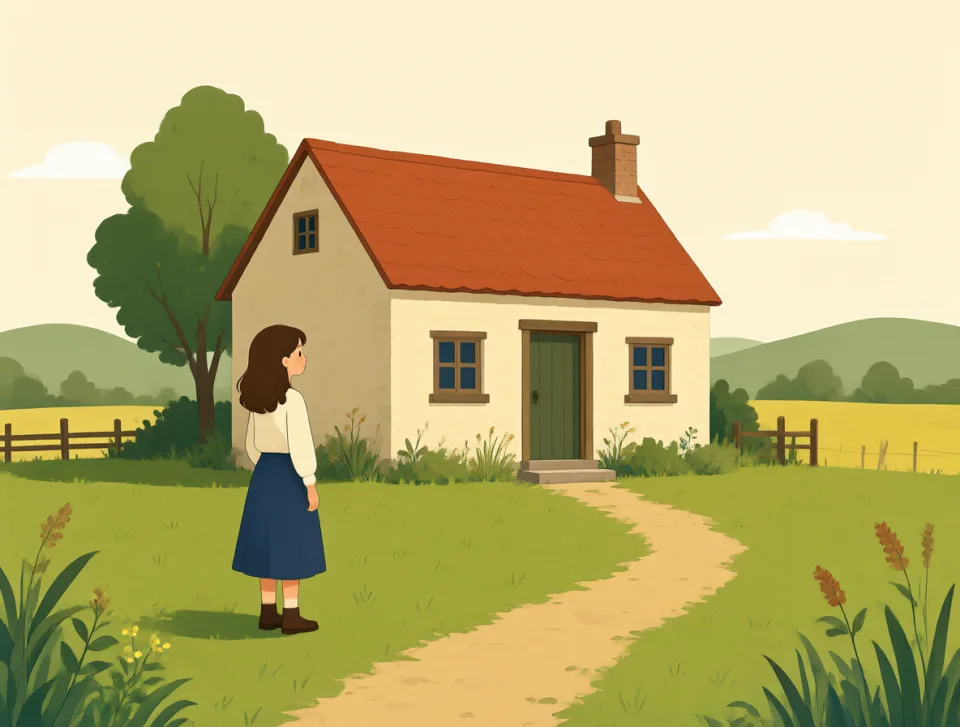
She grew up in a rural village surrounded by green fields.
वह हरे-भरे खेतों से घिरे एक ग्रामीण गाँव में बड़ी हुई।
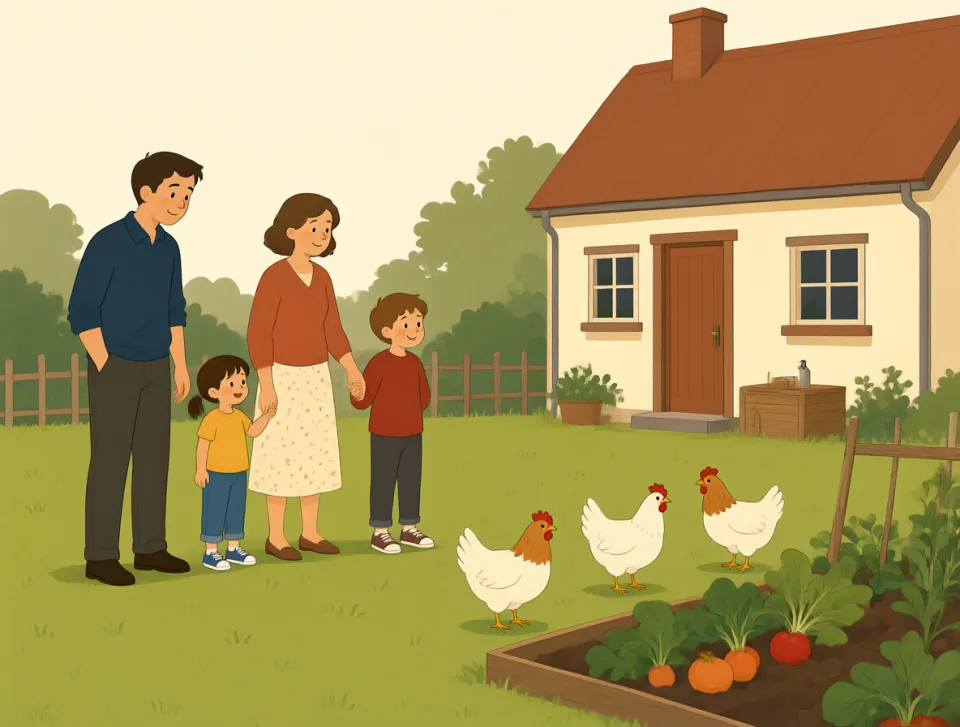
Many rural families keep chickens and grow vegetables at home.
कई ग्रामीण परिवार घर पर मुर्गियाँ पालते हैं और सब्ज़ियाँ उगाते हैं।
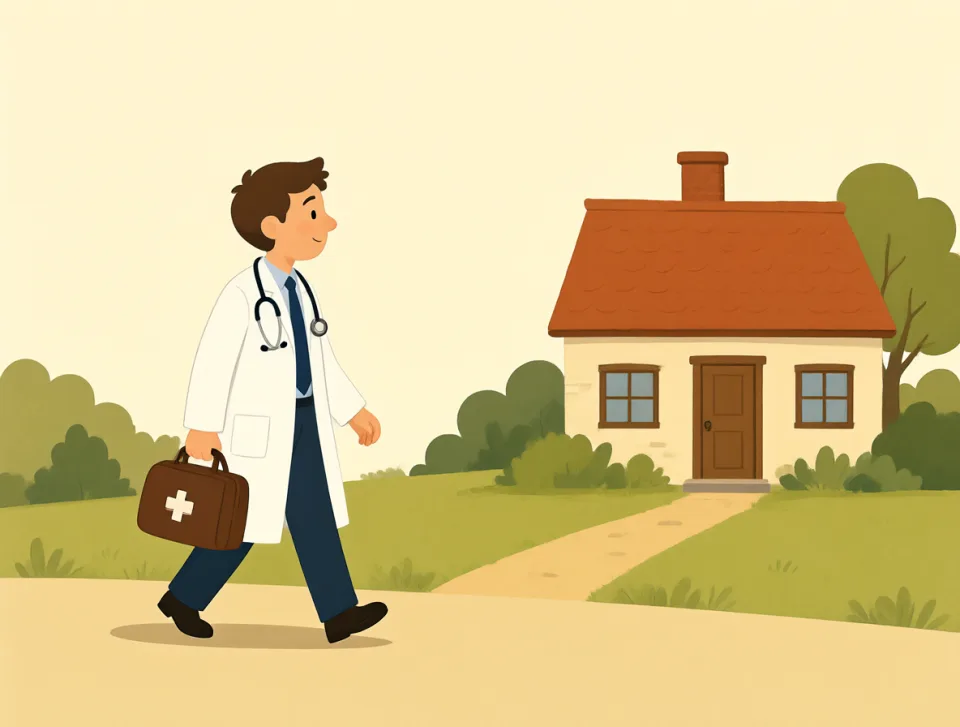
The doctor visits rural communities once a week.
डॉक्टर सप्ताह में एक बार ग्रामीण समुदायों में जाते हैं।
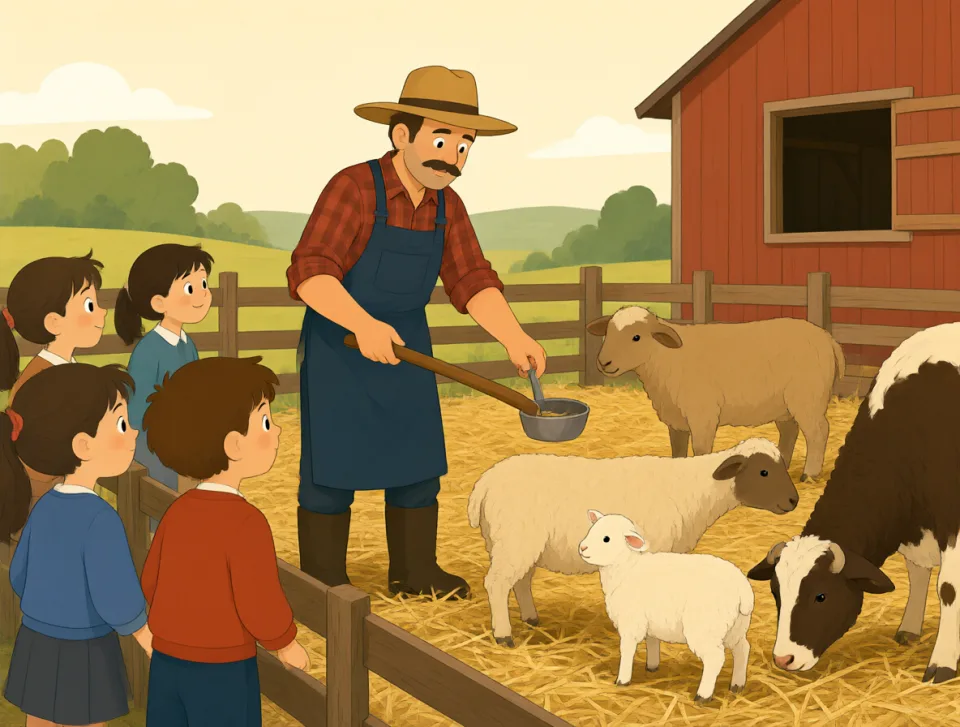
Our school trip took us to a rural farm.
हमारी स्कूल यात्रा हमें एक ग्रामीण खेत पर ले गई।

They moved to a rural area for a quieter life.
वे अधिक शांत जीवन के लिए एक ग्रामीण इलाके में चले गए।
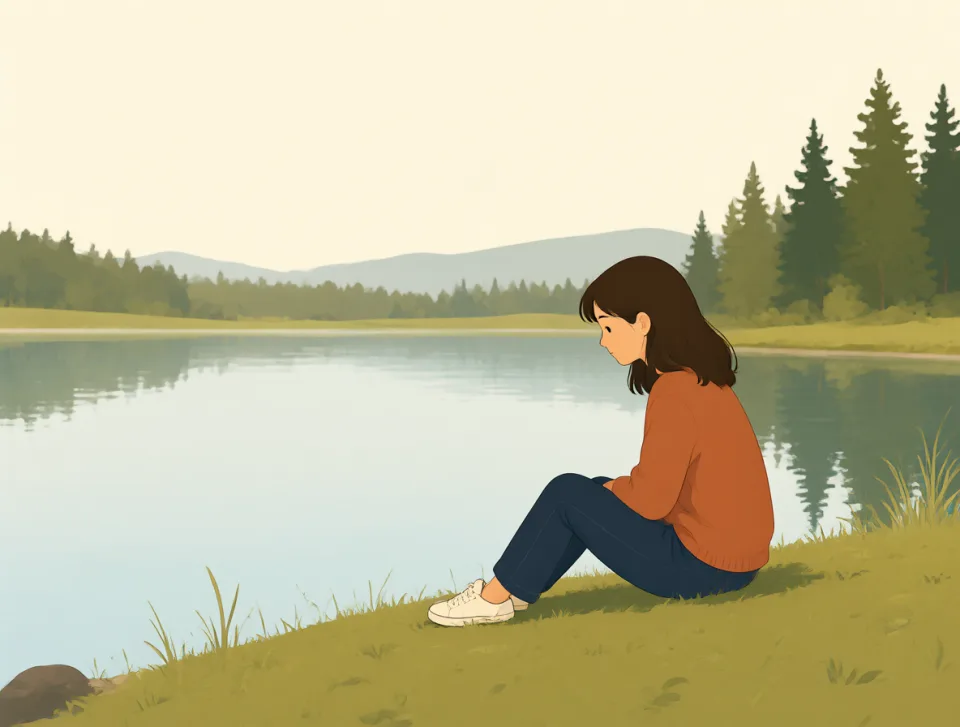
calm
#1964adjective, noun, verb
शांत; शांत करना
Peaceful and relaxed, without worry, noise, or strong feelings.
बिना चिंता, शोर या तीव्र भावनाओं के शांत और तनावमुक्त।
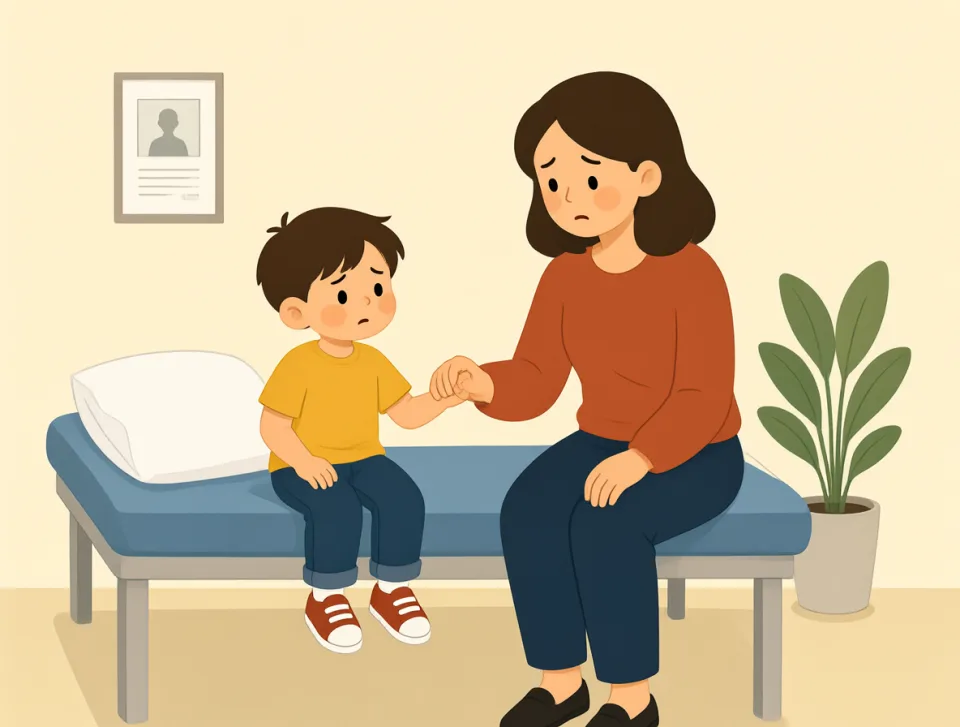
Please stay calm; the doctor will be here soon.
कृपया शांत रहें; डॉक्टर जल्द ही यहाँ आ जाएँगे।

The sea was calm, so our boat trip was comfortable.
समुद्र शांत था, इसलिए हमारी नाव की यात्रा आरामदायक रही।

She spoke in a calm voice during the meeting.
बैठक के दौरान उसने शांत आवाज़ में बात की।

A warm cup of tea helped calm me after work.
काम के बाद एक कप गर्म चाय ने मुझे शांत होने में मदद की।

The teacher calmed the students before the test began.
परीक्षा शुरू होने से पहले शिक्षक ने विद्यार्थियों को शांत किया।

abandon
#1965verb, noun
छोड़ देना; त्याग देना
to leave someone or something behind, especially when you should stay and help
किसी व्यक्ति या वस्तु को पीछे छोड़ देना, खासकर तब जब आपको रुककर मदद करनी चाहिए।
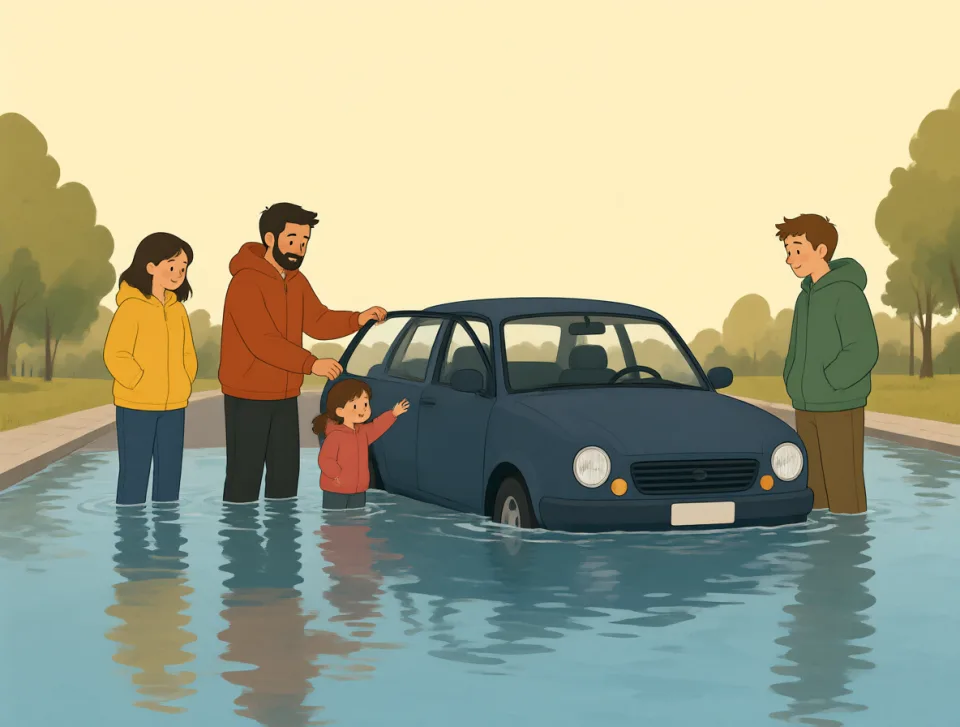
The family had to abandon their car during the flood.
बाढ़ के दौरान परिवार को अपनी कार छोड़नी पड़ी।

Please do not abandon your shopping basket in the middle of the store.
कृपया अपनी खरीदारी की टोकरी दुकान के बीच में छोड़कर न जाएँ।
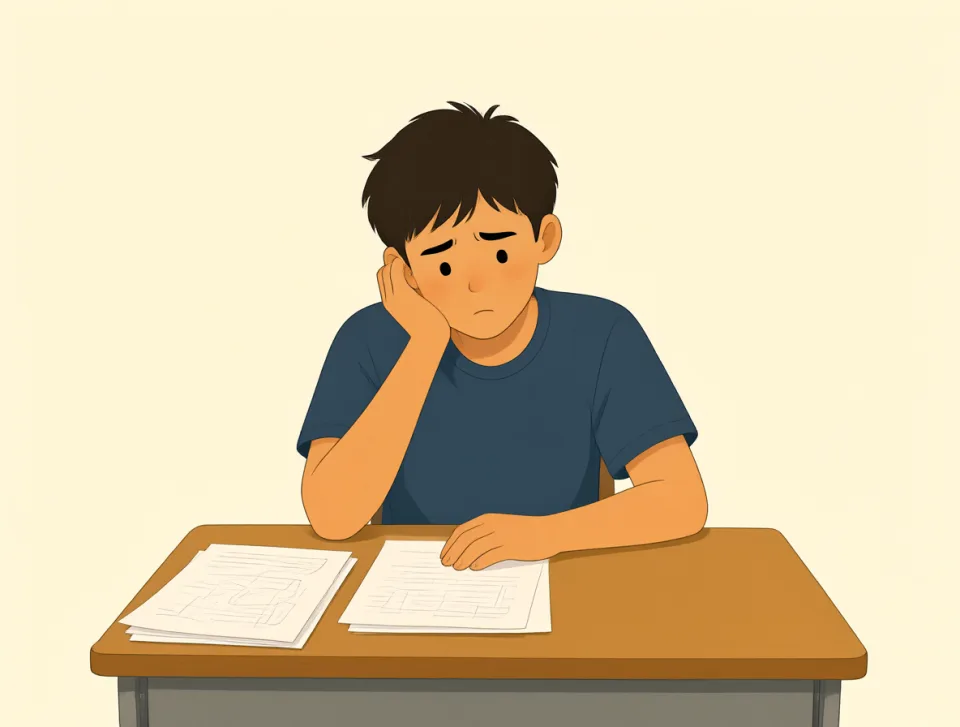
The student almost abandoned the project after several difficult mistakes.
कई मुश्किल गलतियों के बाद विद्यार्थी ने परियोजना लगभग छोड़ ही दी थी।
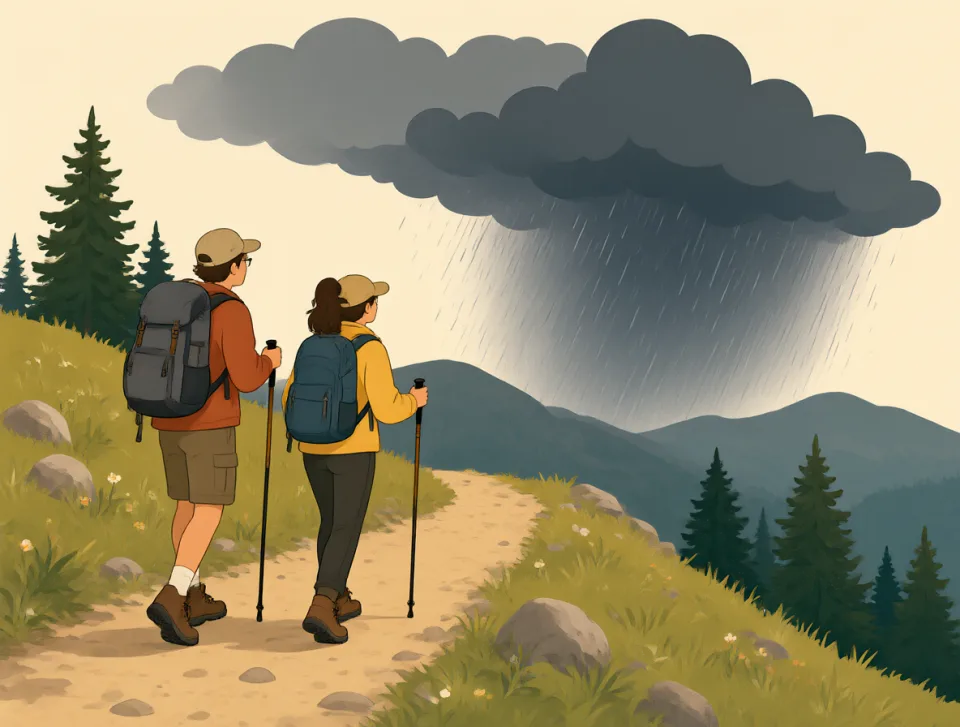
The hikers abandoned their plan when the weather became dangerous.
मौसम खतरनाक होने पर पैदल यात्रियों ने अपनी योजना छोड़ दी।
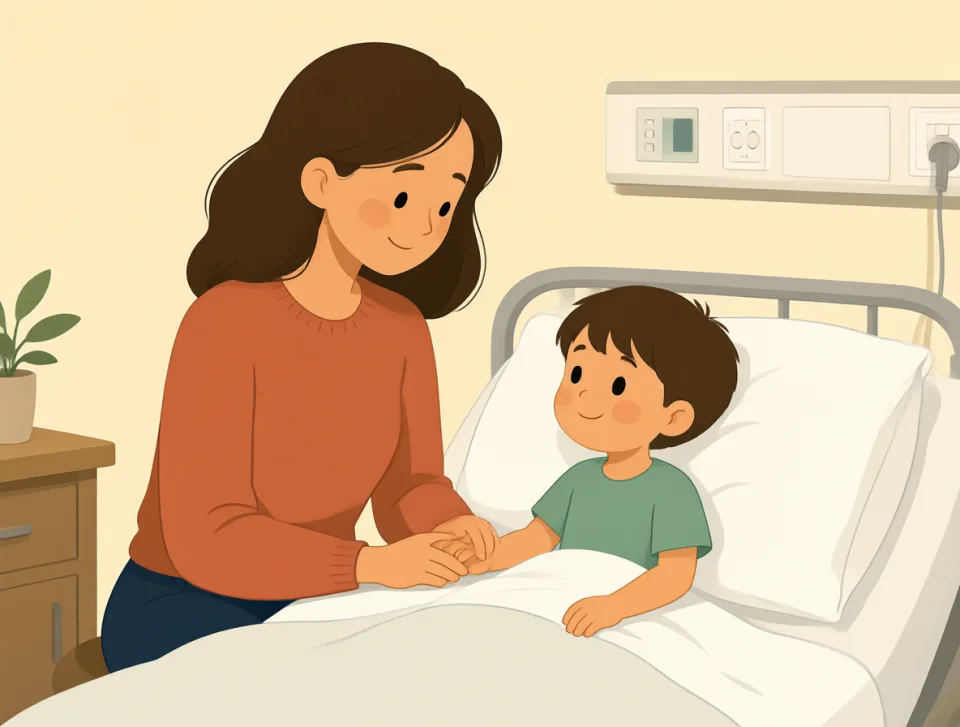
The mother refused to abandon her sick child at the hospital.
माँ ने अस्पताल में अपने बीमार बच्चे को छोड़ने से इनकार कर दिया।
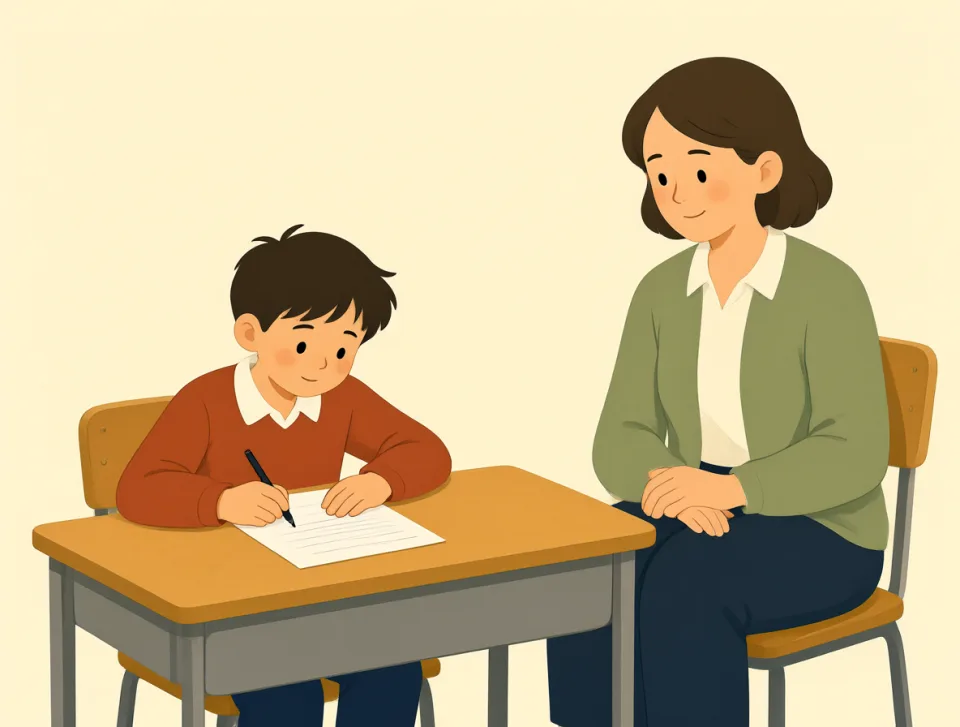
examination
#1966noun
परीक्षा
a careful test of someone’s knowledge, skills, or health
किसी व्यक्ति के ज्ञान, कौशल या स्वास्थ्य की सावधानीपूर्वक जाँच

I have an important examination at school tomorrow morning.
कल सुबह स्कूल में मेरी एक ज़रूरी परीक्षा है।
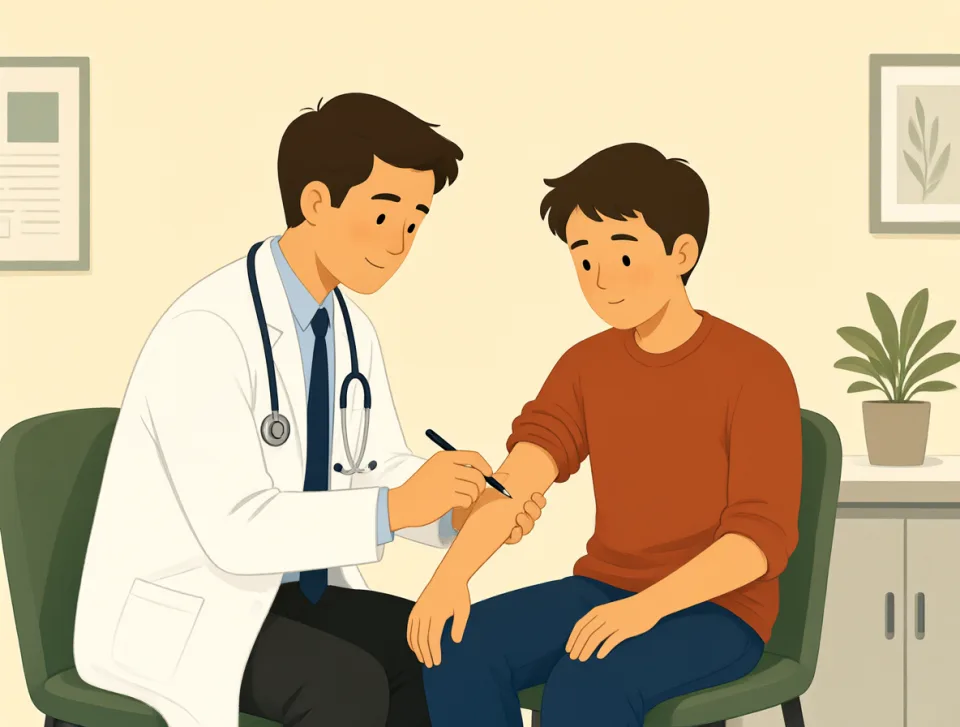
The doctor gave me a medical examination after the accident.
हादसे के बाद डॉक्टर ने मेरी मेडिकल जाँच की।
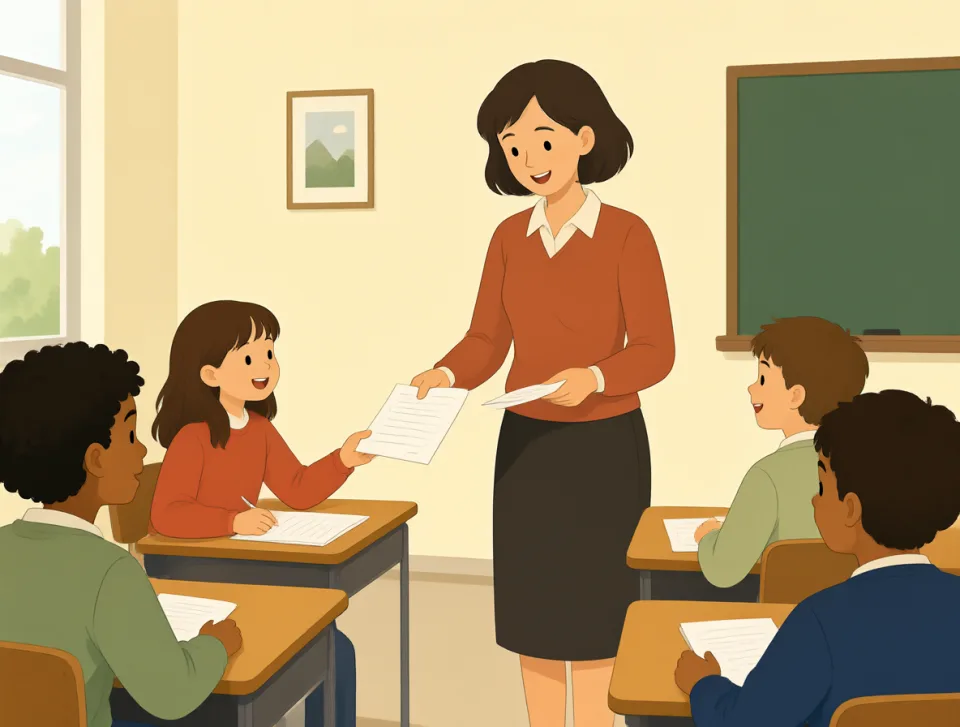
Everyone must pass the final examination to complete the course.
कोर्स पूरा करने के लिए सभी को अंतिम परीक्षा पास करनी होगी।

The examination of the machine found a small problem.
मशीन की जाँच में एक छोटी-सी समस्या मिली।

She felt nervous before her driving examination at the test center.
परीक्षा केंद्र पर ड्राइविंग टेस्ट से पहले वह घबराई हुई थी।

silence
#1967noun, verb
खामोशी
A quiet state with no sound, or the act of making something quiet.
ऐसी शांत अवस्था जिसमें कोई आवाज़ न हो, या किसी चीज़ को शांत करने की क्रिया।
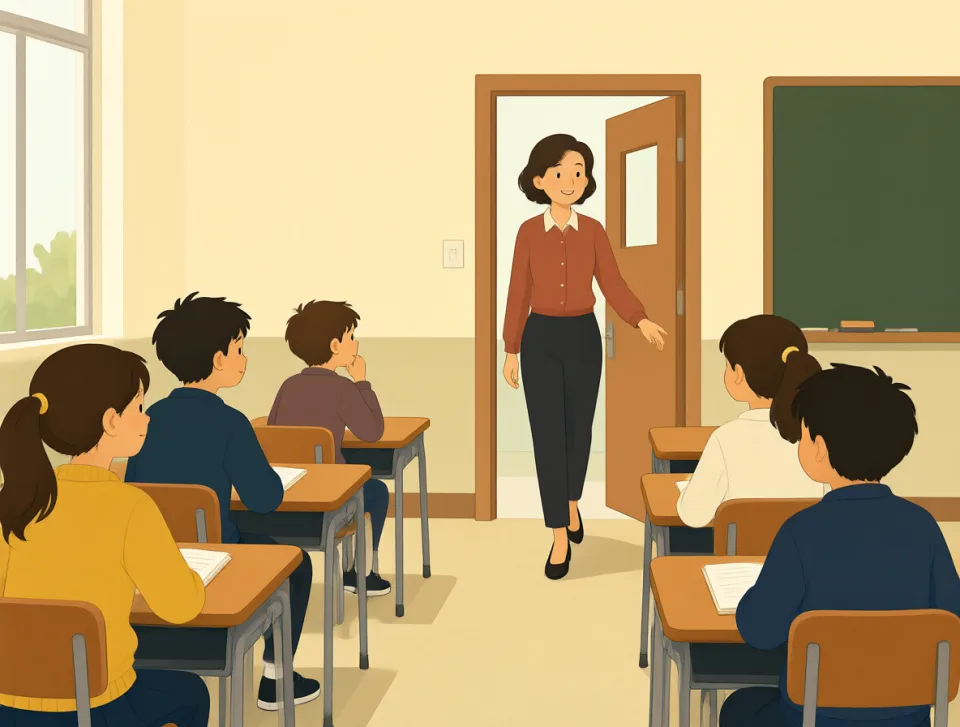
The room fell into silence after the teacher entered.
शिक्षक के अंदर आते ही कमरे में खामोशी छा गई।
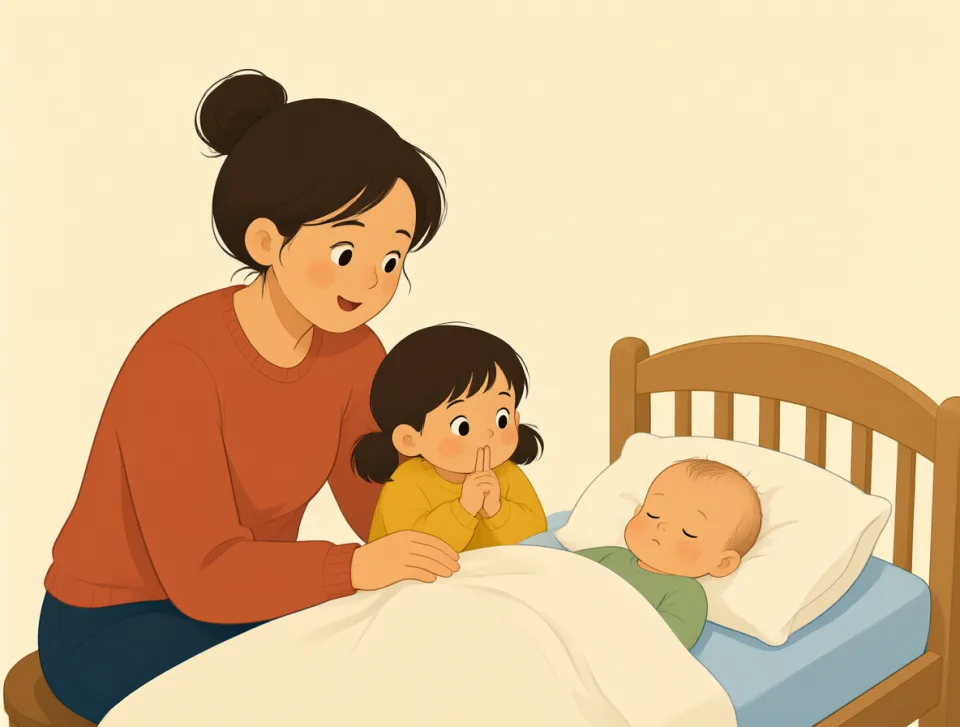
Please keep silence while the baby is sleeping.
बच्चा सो रहा है, इसलिए कृपया शांति बनाए रखें।

After the argument, Mark broke the silence with a joke.
बहस के बाद मार्क ने एक मज़ाक करके खामोशी तोड़ी।
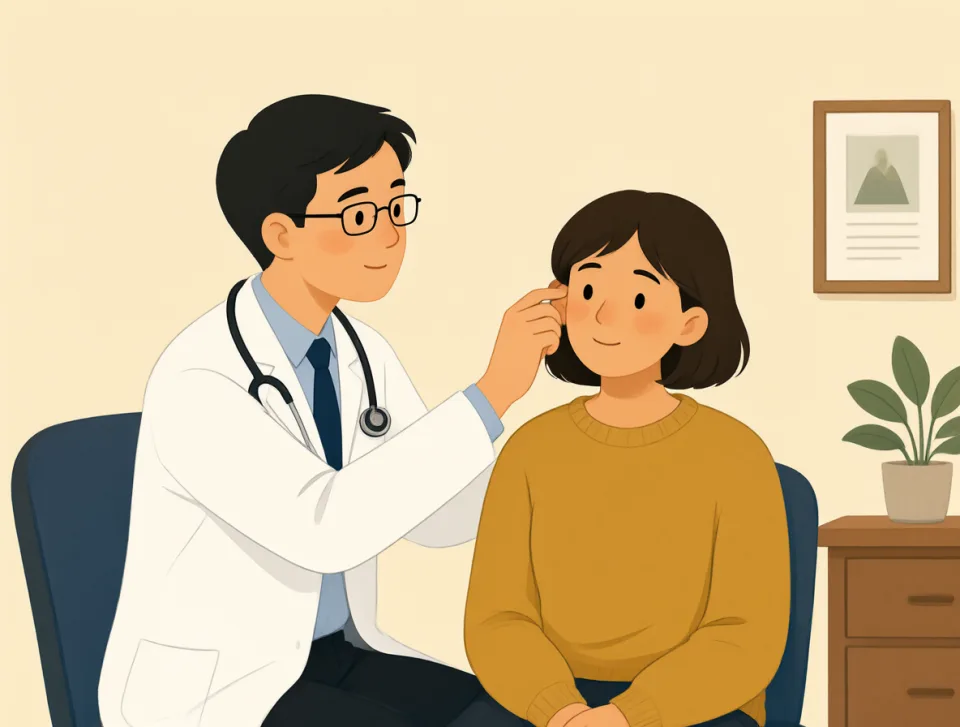
The doctor asked for silence during the hearing test.
श्रवण-परीक्षण के दौरान डॉक्टर ने शांति बनाए रखने को कहा।

The manager silenced his phone before the meeting started.
बैठक शुरू होने से पहले मैनेजर ने अपने फ़ोन की आवाज़ बंद कर दी।
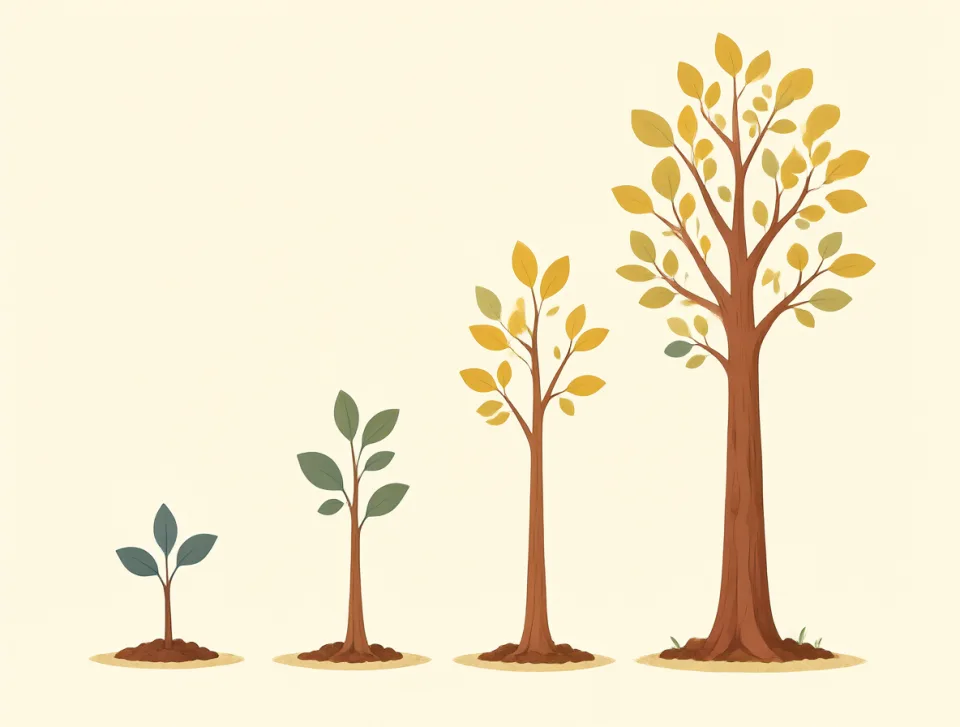
rapidly
#1968adverb
तेज़ी से
Very quickly, or in a short time
बहुत जल्दी या कम समय में
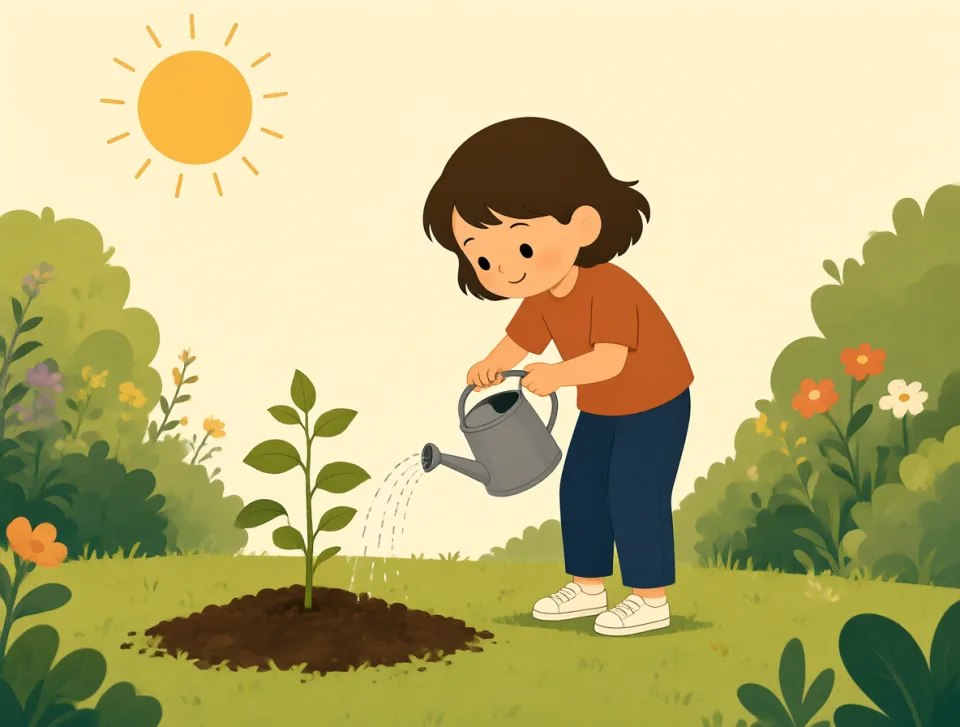
The little plant grew rapidly after we watered it.
पानी देने के बाद छोटा पौधा तेज़ी से बढ़ा।
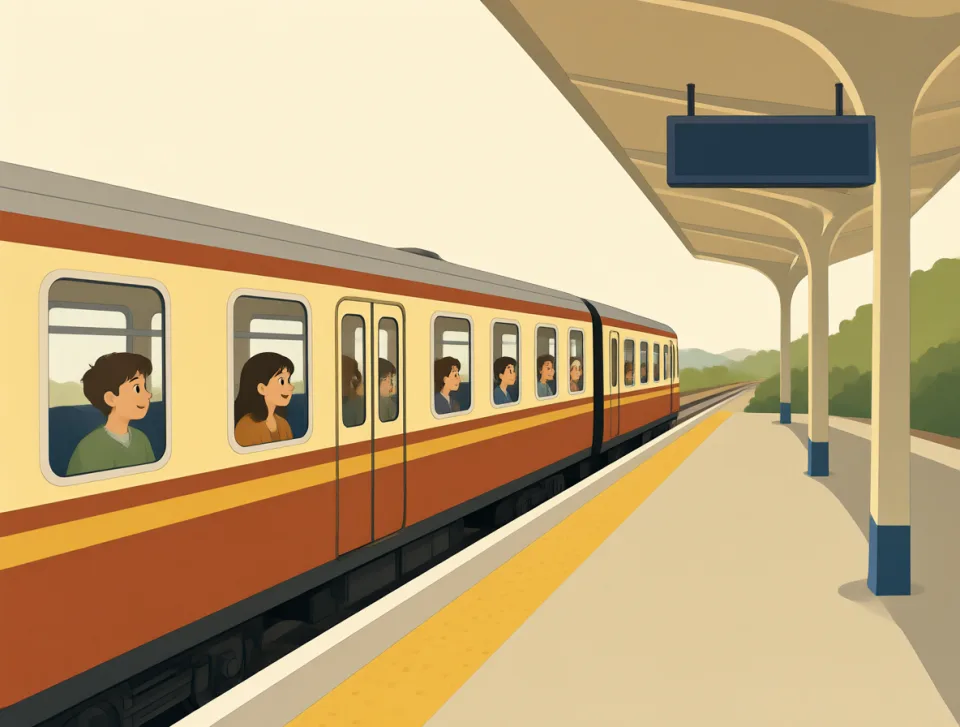
The train rapidly gained speed after leaving the station.
स्टेशन से निकलने के बाद ट्रेन ने तेज़ी से रफ़्तार पकड़ी।
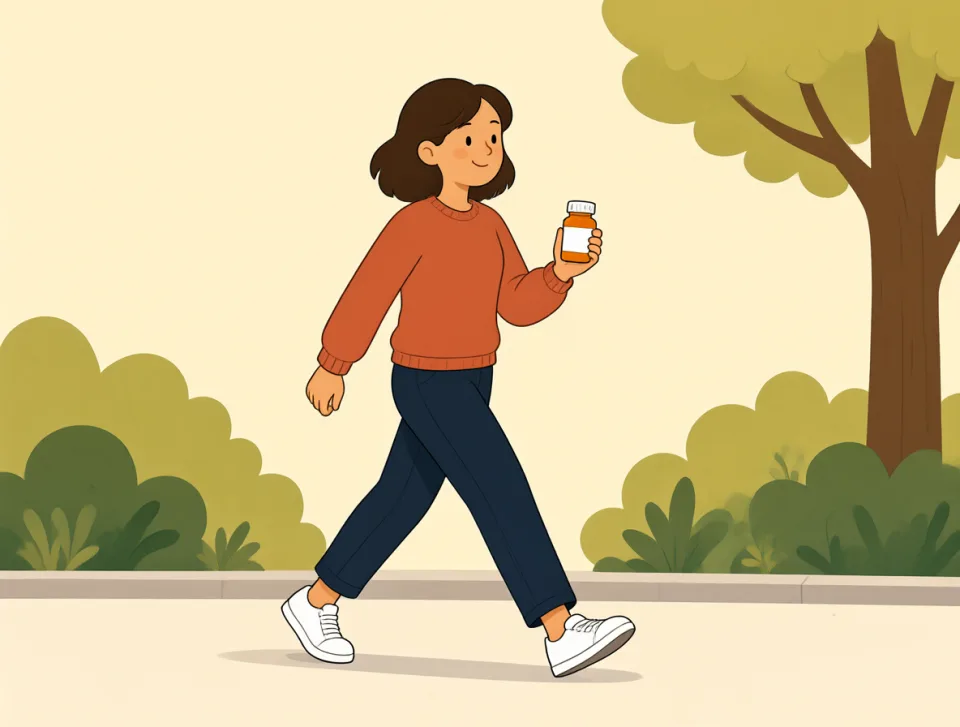
Her health improved rapidly after she started the new medicine.
नई दवा शुरू करने के बाद उसकी सेहत में तेज़ी से सुधार हुआ।

The company is rapidly expanding and hiring more workers.
कंपनी तेज़ी से बढ़ रही है और ज़्यादा कर्मचारियों को काम पर रख रही है।

Prices rose rapidly when the shop announced the shortage.
दुकान ने सामान की कमी की घोषणा की तो कीमतें तेज़ी से बढ़ गईं।
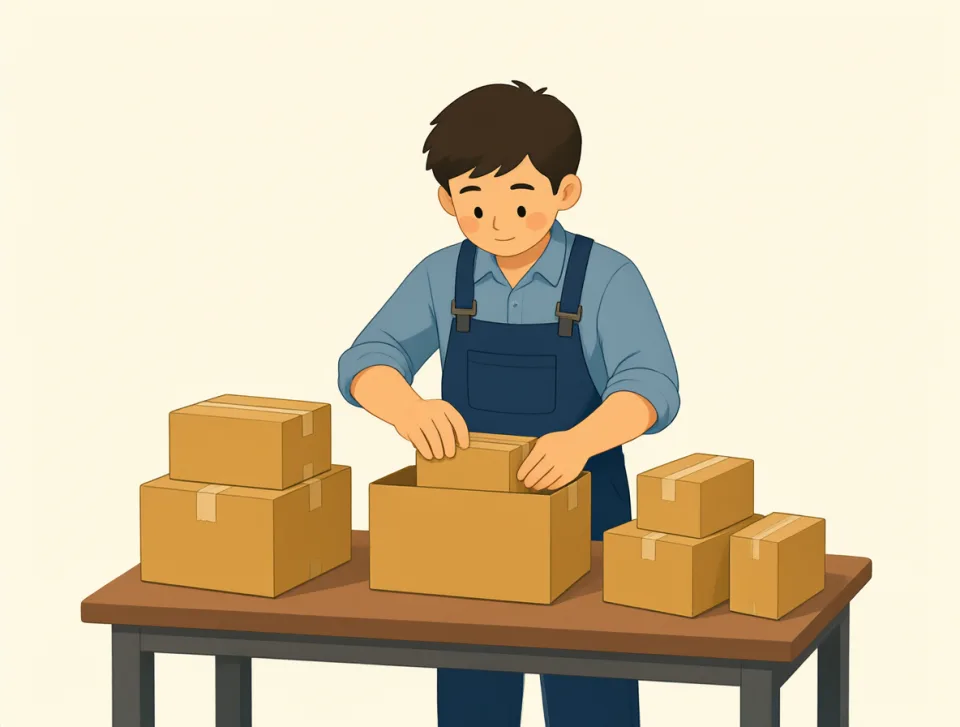
efficient
#1969adjective
कुशल
Working well without wasting time, energy, or money.
जो समय, ऊर्जा या पैसे की बर्बादी किए बिना अच्छी तरह काम करे।
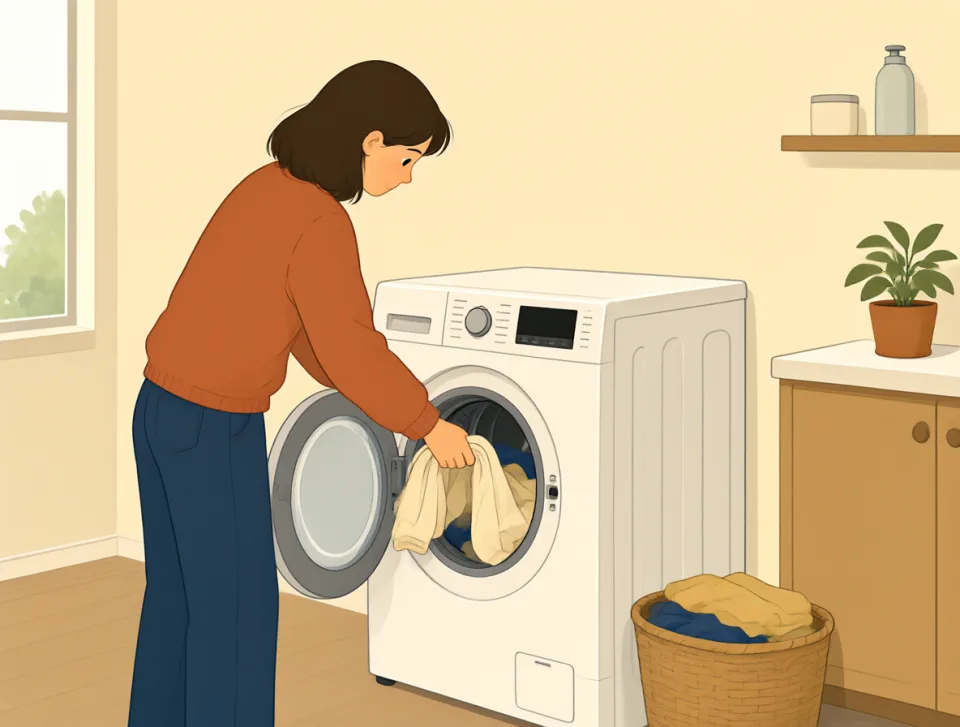
This washing machine is very efficient and saves a lot of water.
यह वॉशिंग मशीन बहुत कुशल है और काफ़ी पानी बचाती है।
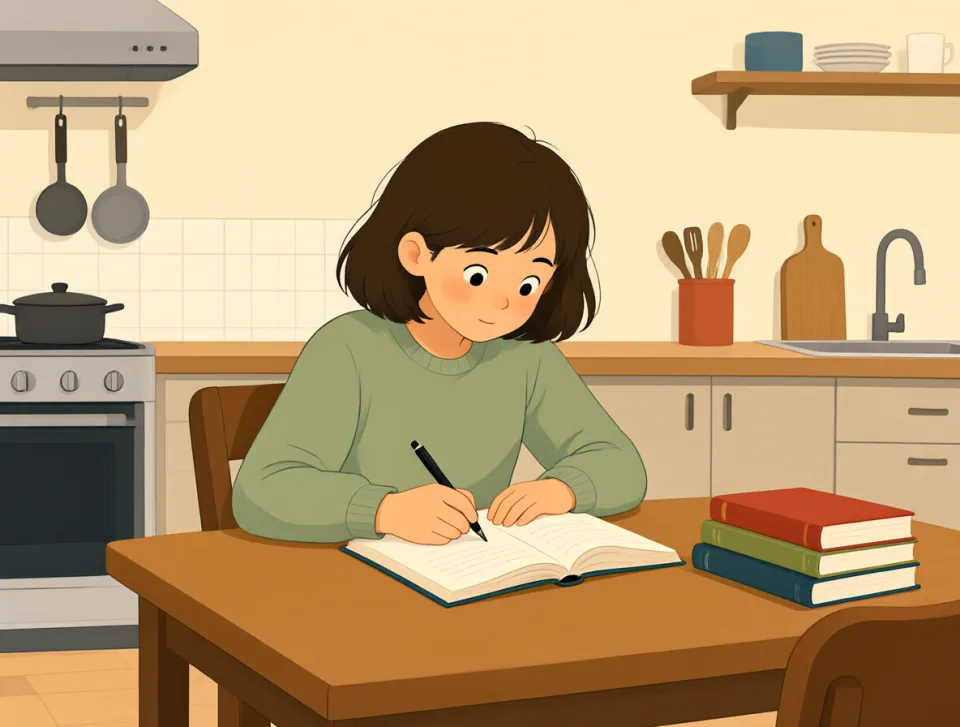
She found an efficient way to finish her homework before dinner.
उसे रात के खाने से पहले होमवर्क पूरा करने का एक अच्छा तरीका मिला।

Our new manager is efficient at organizing meetings and tasks.
हमारा नया मैनेजर बैठकों और कामों को व्यवस्थित करने में कुशल है।

The train is an efficient way to travel across the city.
शहर में एक जगह से दूसरी जगह जाने के लिए ट्रेन एक सुविधाजनक साधन है।
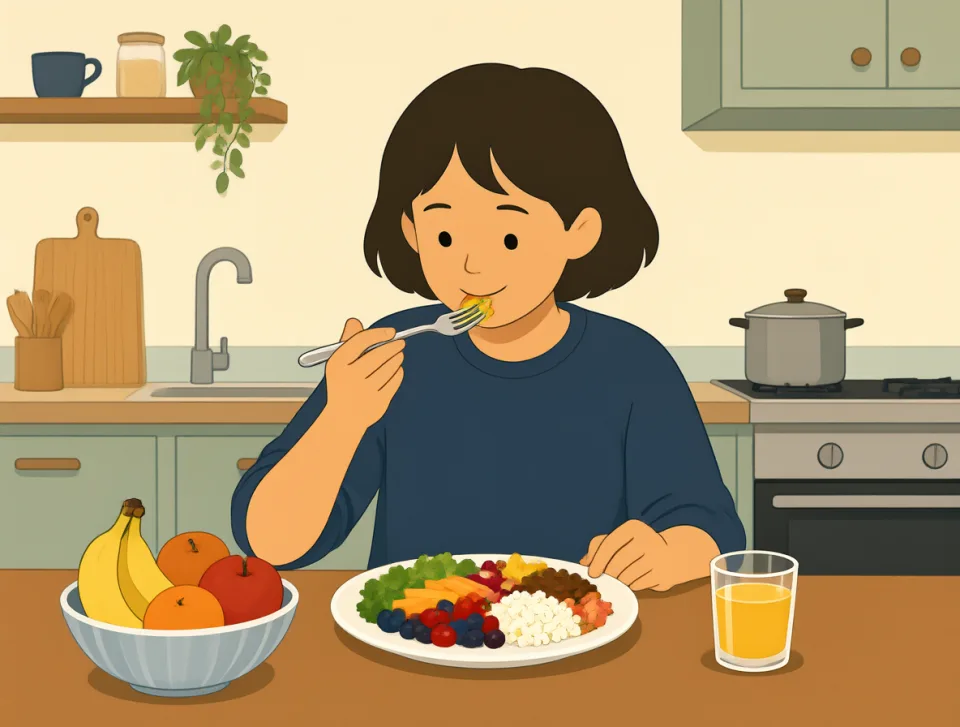
Eating healthy meals helps your body use energy efficiently.
सेहतमंद खाना खाने से आपका शरीर ऊर्जा का कुशलता से इस्तेमाल कर पाता है।

revolution
#1970noun
क्रांति
A complete change in the way people live, work, or govern a country.
लोगों के जीने, काम करने या देश चलाने के तरीके में पूरी तरह से बदलाव।

The revolution changed the country’s government and daily life.
क्रांति ने देश की सरकार और रोज़मर्रा की ज़िंदगी बदल दी।
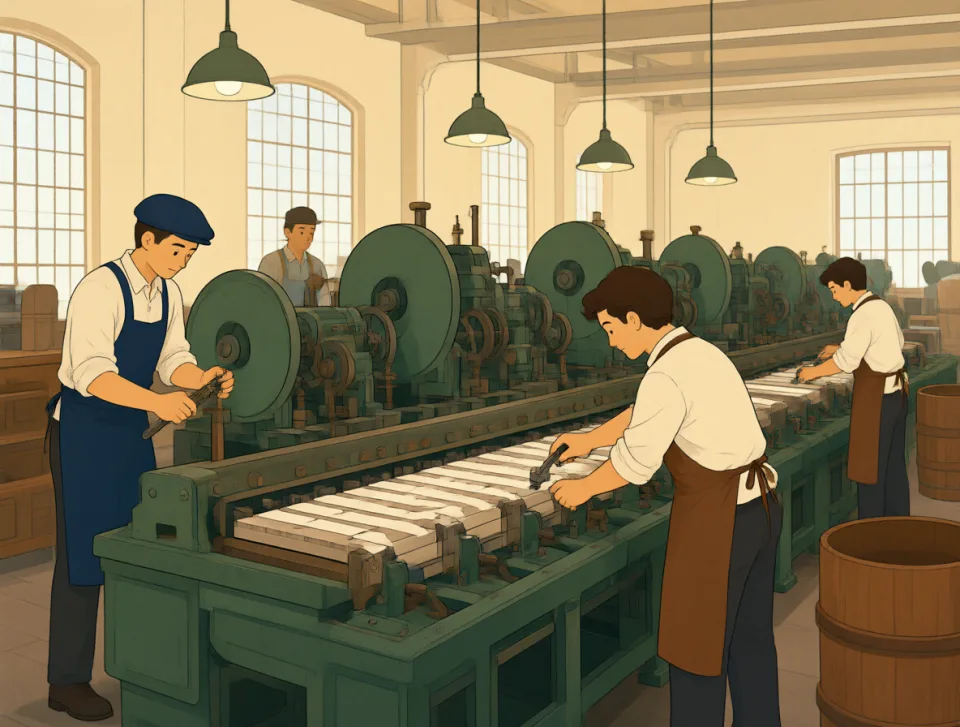
The industrial revolution brought machines into factories and homes.
औद्योगिक क्रांति से कारखानों और घरों में मशीनें आईं।

The internet caused a revolution in the way we communicate.
इंटरनेट ने हमारे बातचीत करने के तरीके में क्रांति ला दी।
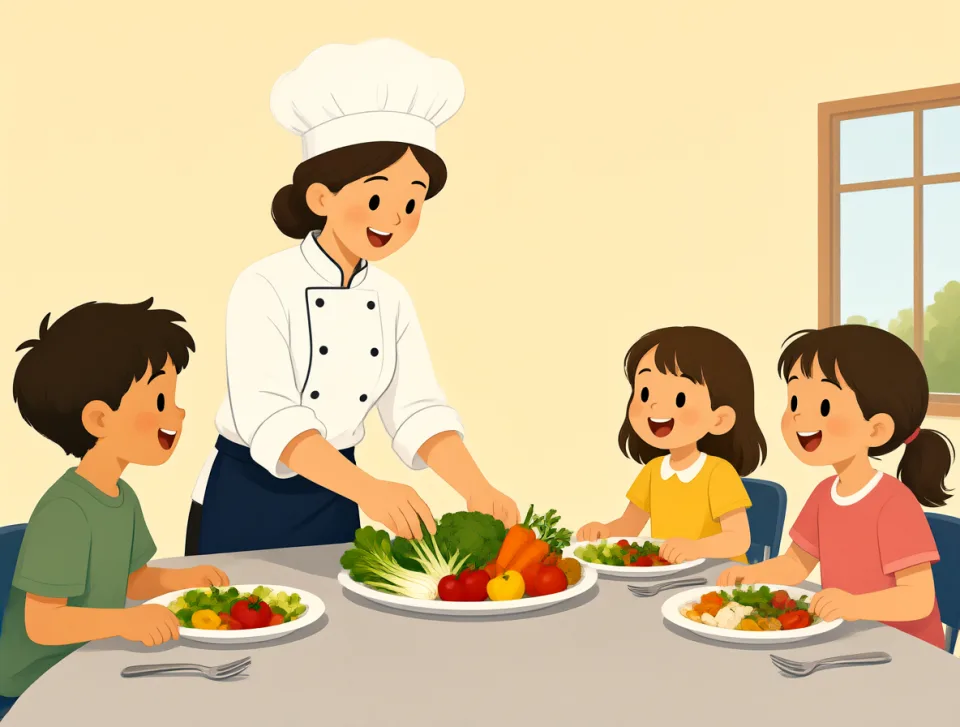
The chef started a revolution in school lunches with fresh vegetables.
ताज़ी सब्ज़ियों के साथ शेफ़ ने स्कूल के दोपहर के खाने में क्रांतिकारी बदलाव किया।
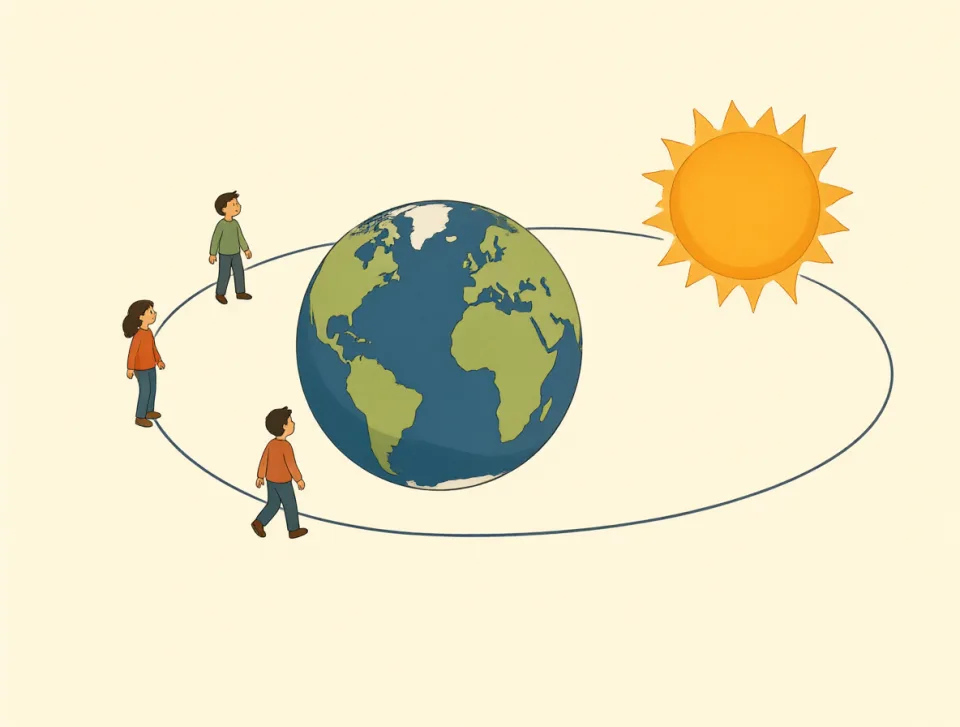
The Earth completes one revolution around the Sun each year.
पृथ्वी हर साल सूर्य के चारों ओर एक चक्कर पूरा करती है।

delight
#1971noun, verb
खुशी
great happiness or pleasure; to make someone very happy
बहुत अधिक खुशी या आनंद; किसी को बहुत खुश करना

The children shouted with delight when the puppy arrived.
पिल्ले के आते ही बच्चे खुशी से चिल्ला उठे।
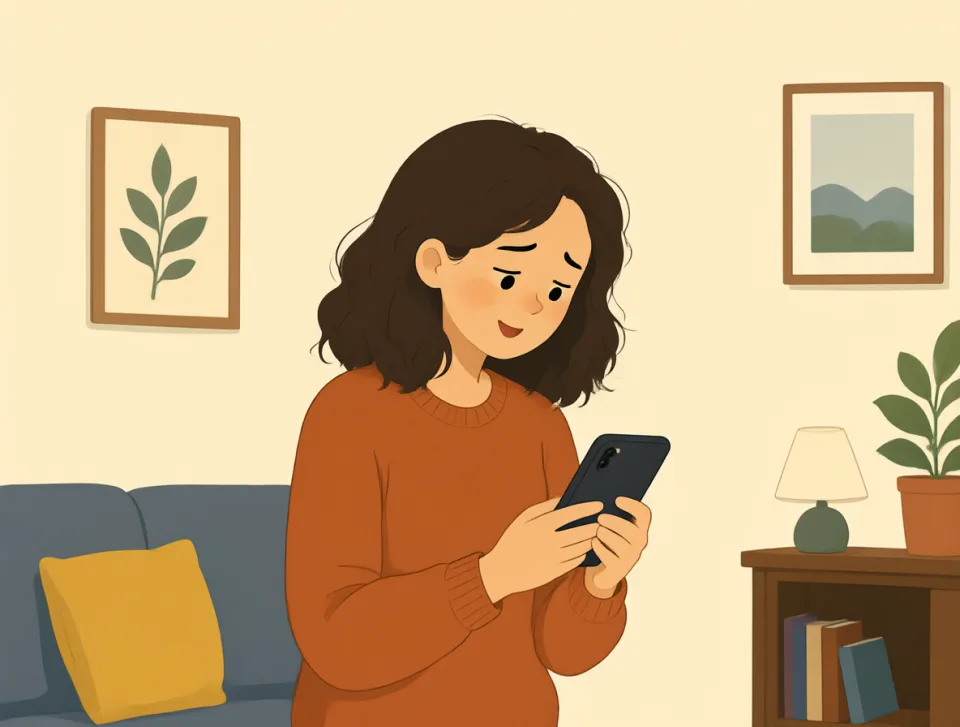
Her kind message was a delight to read after work.
काम के बाद उसका प्यारा-सा संदेश पढ़कर बहुत अच्छा लगा।

The fresh fruit delighted everyone at the picnic.
ताज़े फल ने पिकनिक में सबको खुश कर दिया।

The hotel staff delighted us with a free breakfast.
होटल के कर्मचारियों ने हमें मुफ़्त नाश्ता देकर खुश कर दिया।
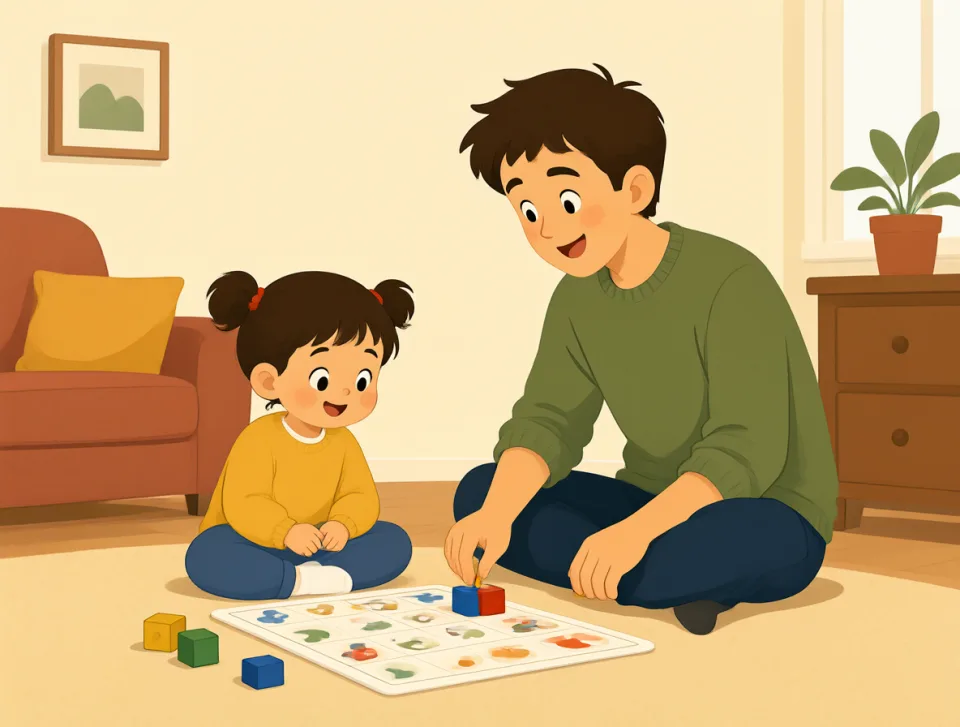
He delights in teaching his little sister new games.
उसे अपनी छोटी बहन को नए खेल सिखाने में बहुत आनंद आता है।

spell
#1972verb, noun
वर्तनी लिखना; दौर
To write or say the letters of a word in the correct order; a short period of time.
किसी शब्द के अक्षरों को सही क्रम में लिखना या बोलना; थोड़े समय की अवधि।
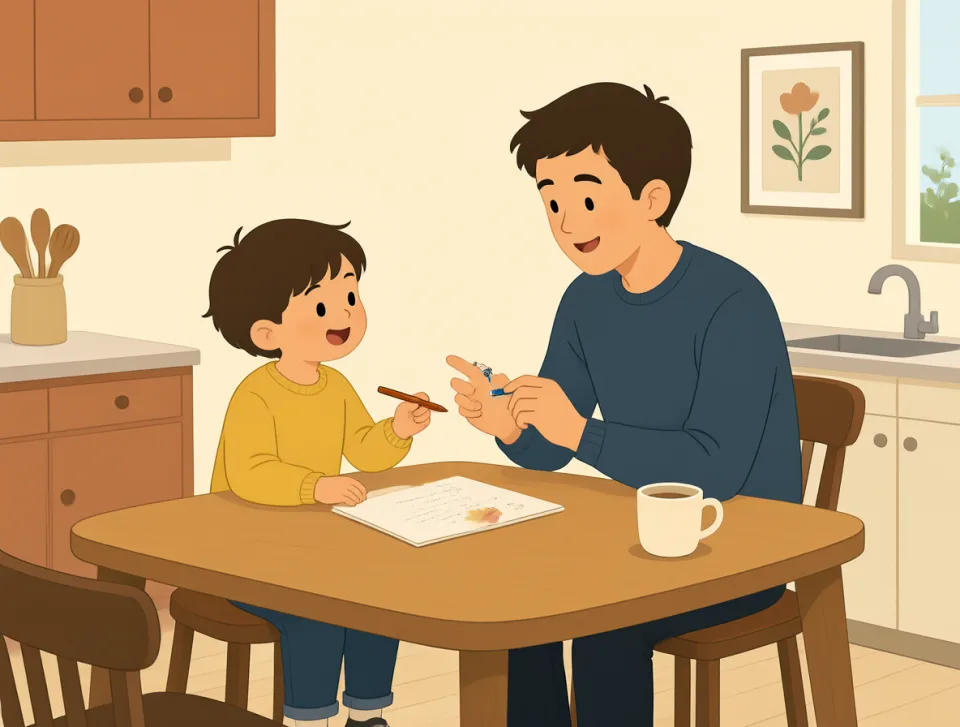
Can you spell your name for me, please?
क्या आप कृपया मेरे लिए अपना नाम अक्षर-अक्षर करके बता सकते हैं?
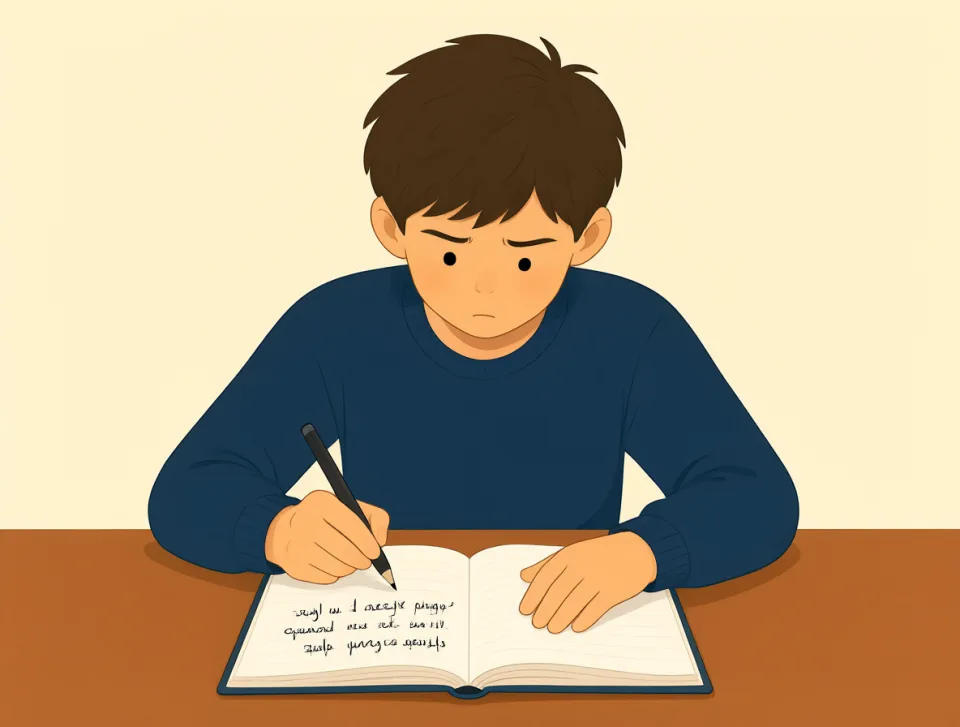
I always spell difficult words incorrectly.
मैं मुश्किल शब्दों की वर्तनी हमेशा गलत लिखता हूँ।

She spelled the word correctly in class.
उसने कक्षा में शब्द की वर्तनी सही लिखी।
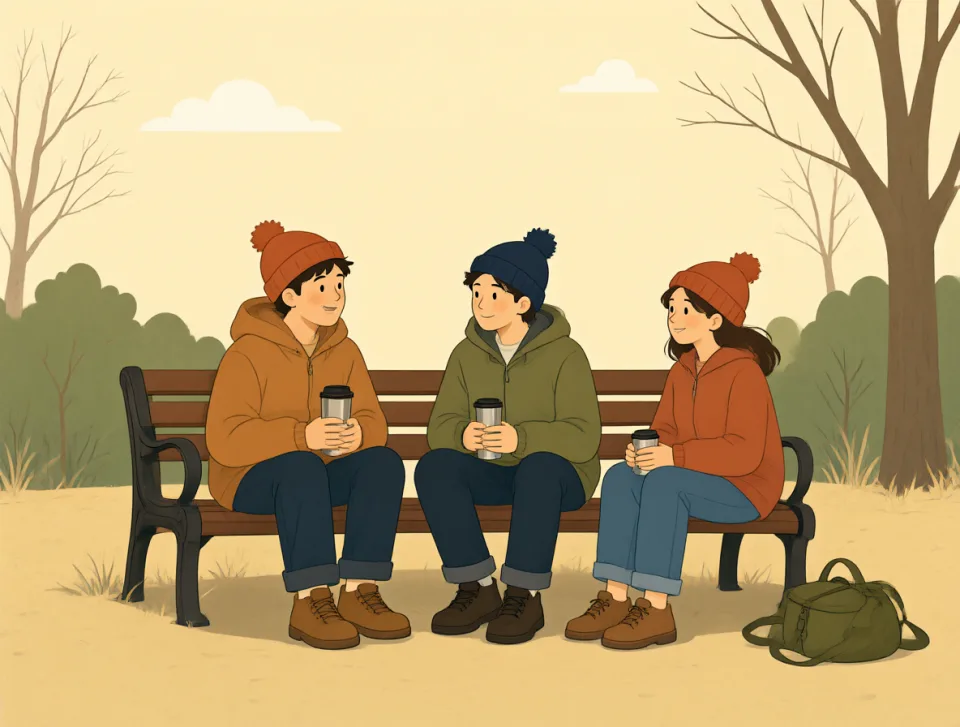
We enjoyed a warm spell during our winter holiday.
सर्दियों की छुट्टियों के दौरान हमने कुछ समय तक गर्म मौसम का आनंद लिया।
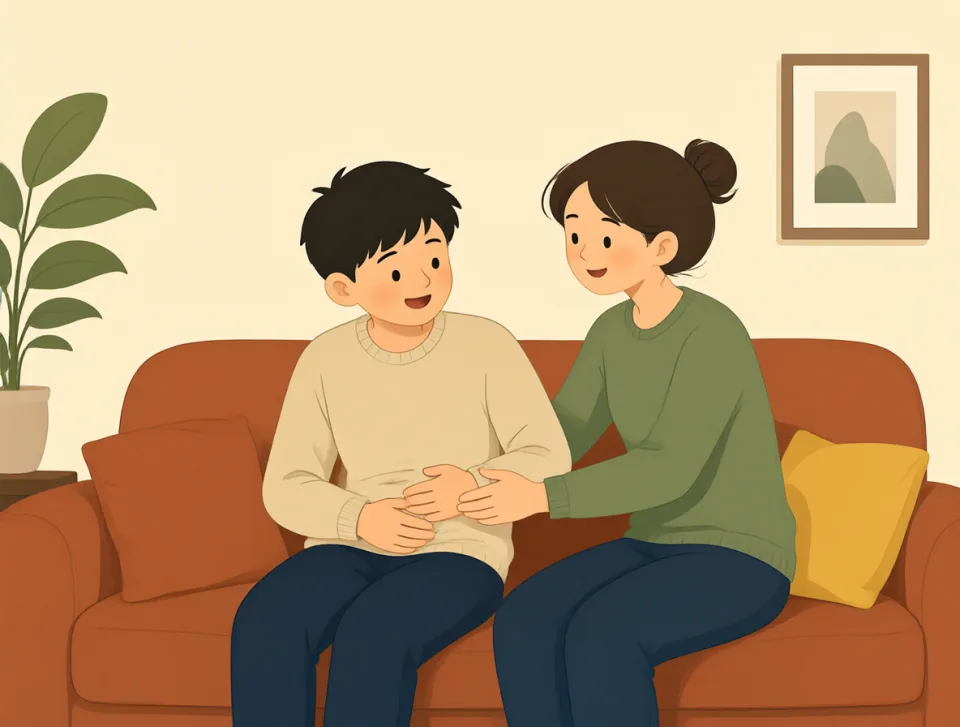
He had a bad spell of stomach pain yesterday.
कल उसे कुछ समय तक पेट में बहुत दर्द रहा।

premise
#1973noun
आधारभूत विचार
An idea or situation that forms the basis for a story, argument, or plan.
ऐसा विचार या परिस्थिति जो किसी कहानी, तर्क या योजना का आधार बनती है।

The movie has a simple premise about two friends opening a bakery.
फ़िल्म का सरल आधारभूत विचार है कि दो दोस्त मिलकर एक बेकरी खोलते हैं।

Our plan is based on the premise that everyone will arrive early.
हमारी योजना इस धारणा पर आधारित है कि सब लोग जल्दी पहुँचेंगे।
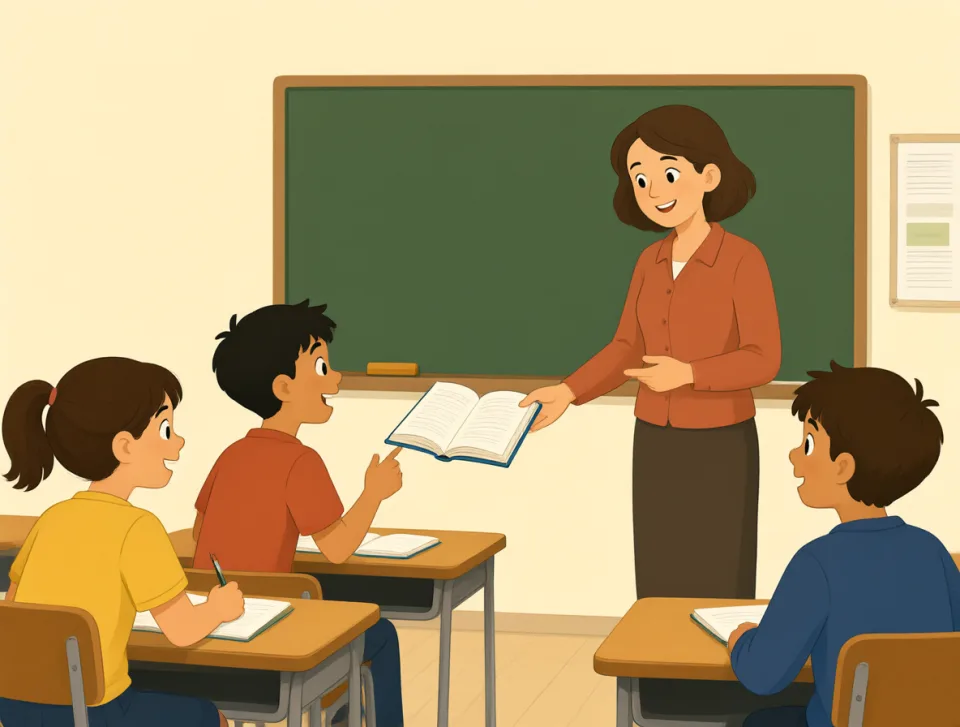
The teacher asked us to explain the premise of the novel.
शिक्षक ने हमसे उपन्यास का आधारभूत विचार समझाने को कहा।
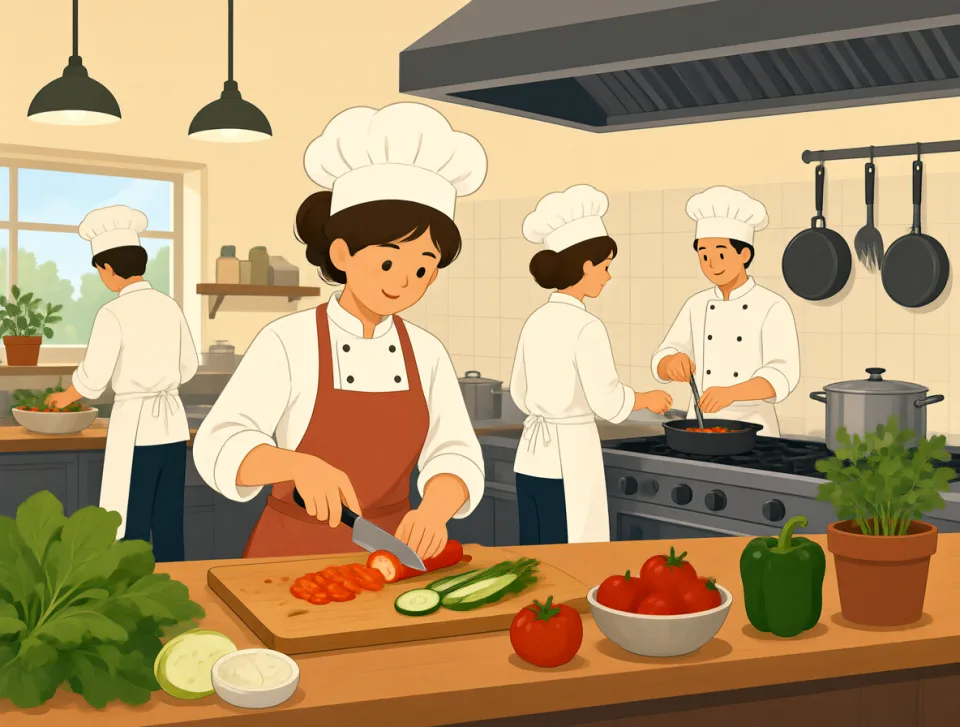
The restaurant works on the premise that fresh food tastes better.
रेस्तराँ इस धारणा पर काम करता है कि ताज़ा खाना ज़्यादा स्वादिष्ट होता है।

The whole premise of the trip was to relax by the sea.
इस यात्रा का पूरा मकसद समुद्र किनारे आराम करना था।
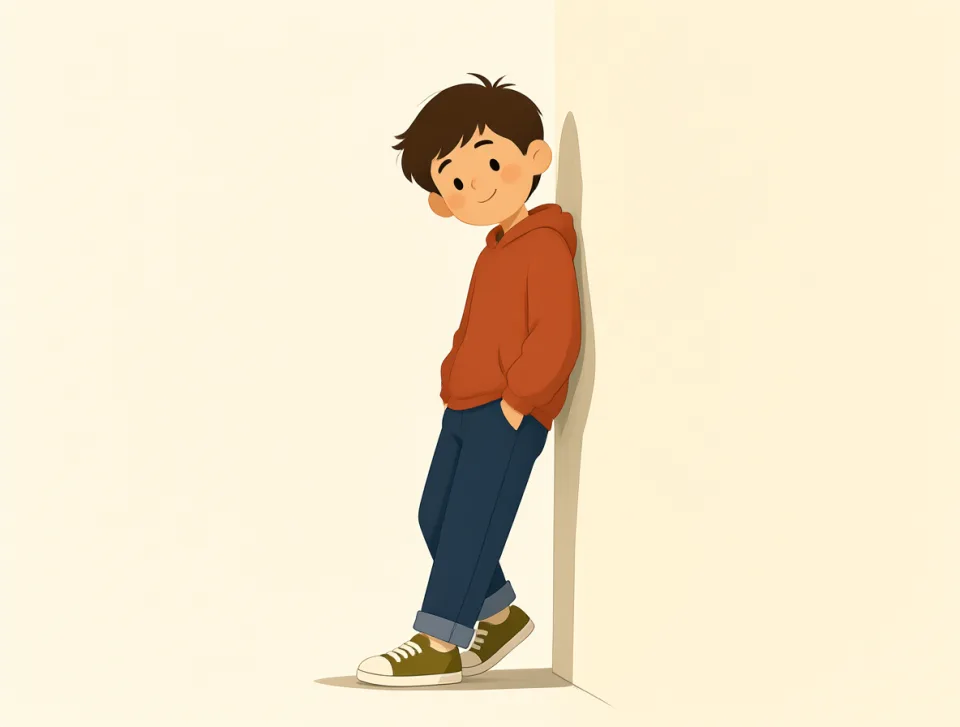
lean
#1974verb, adjective
झुकना; कम वसा वाला
To bend or rest at an angle, or have little fat.
किसी कोण पर झुकना या टिकना, अथवा जिसमें वसा कम हो।
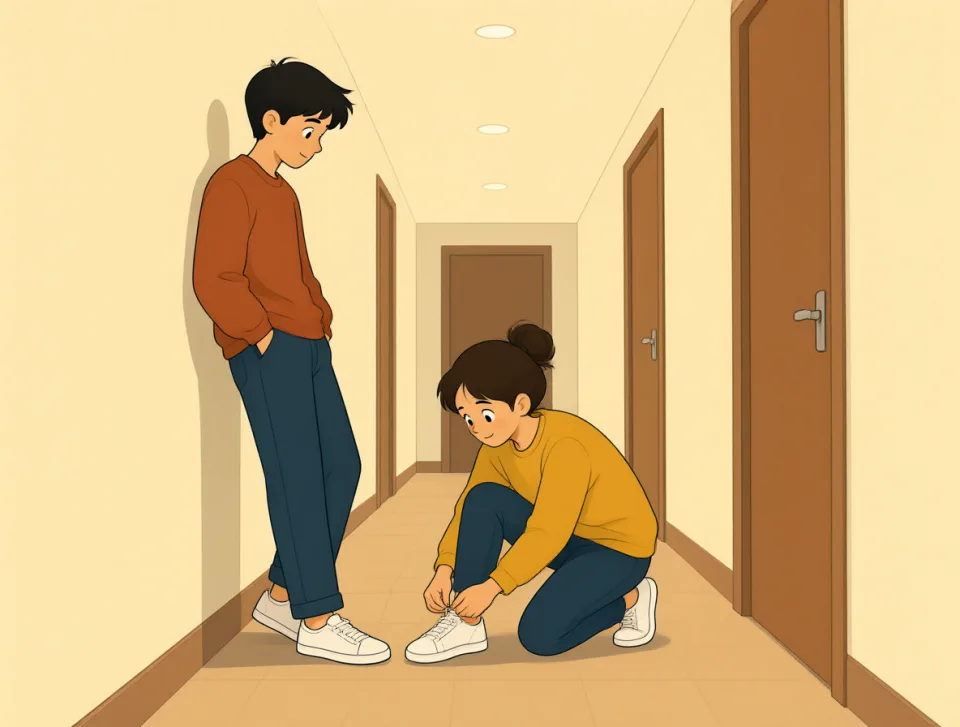
Please lean against the wall while I tie your shoe.
जब तक मैं तुम्हारे जूते का फीता बाँधता हूँ, कृपया दीवार से टिक जाओ।

She leaned forward to hear the teacher more clearly.
शिक्षक की बात ज़्यादा साफ़ सुनने के लिए वह आगे की ओर झुकी।
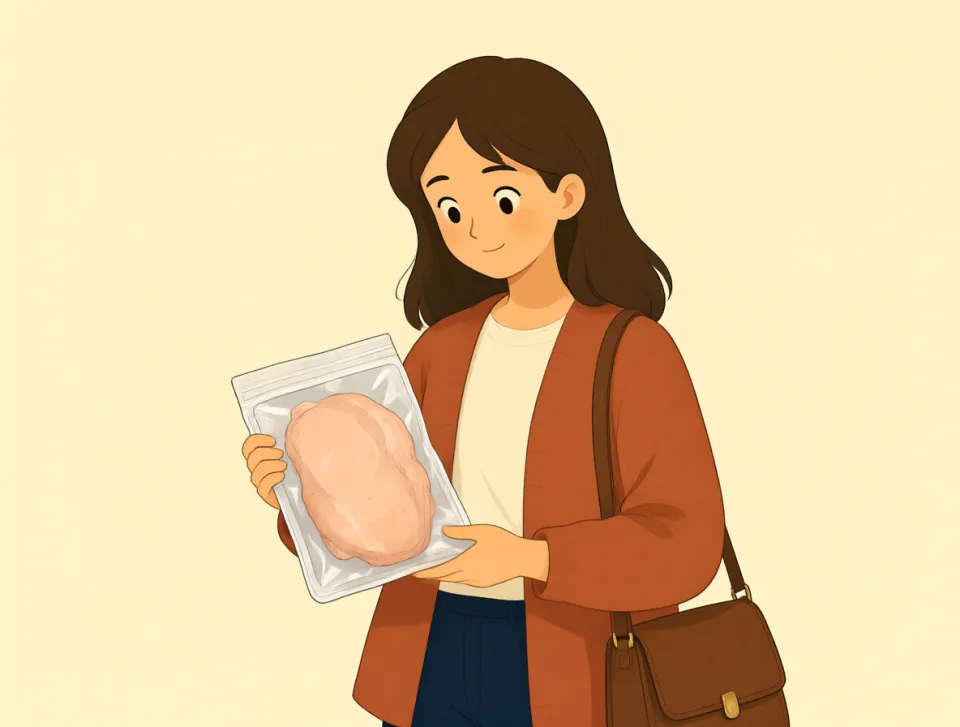
We bought lean chicken for dinner.
हमने रात के खाने के लिए कम वसा वाला चिकन खरीदा।

You can lean on me when life feels difficult.
जब ज़िंदगी मुश्किल लगे, तो तुम मेरा सहारा ले सकते हो।
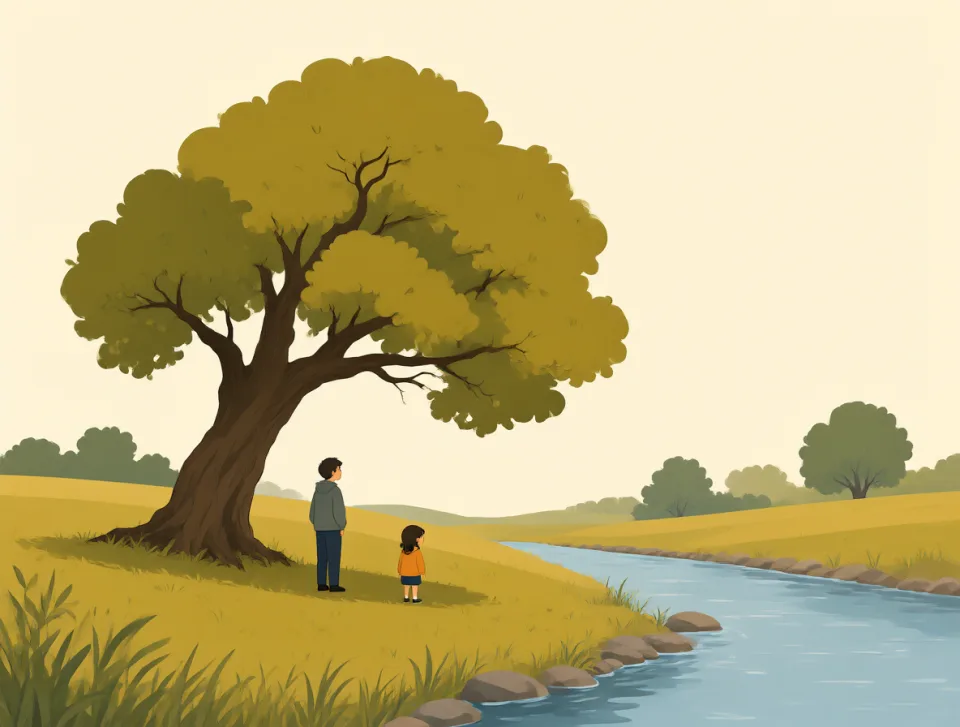
The old tree leans toward the river.
पुराना पेड़ नदी की ओर झुका हुआ है।

dramatic
#1975adjective
नाटकीय
very exciting, surprising, or noticeable, often because something changes suddenly
बहुत रोमांचक, हैरान करने वाला या ध्यान खींचने वाला, अक्सर किसी चीज़ में अचानक बदलाव के कारण
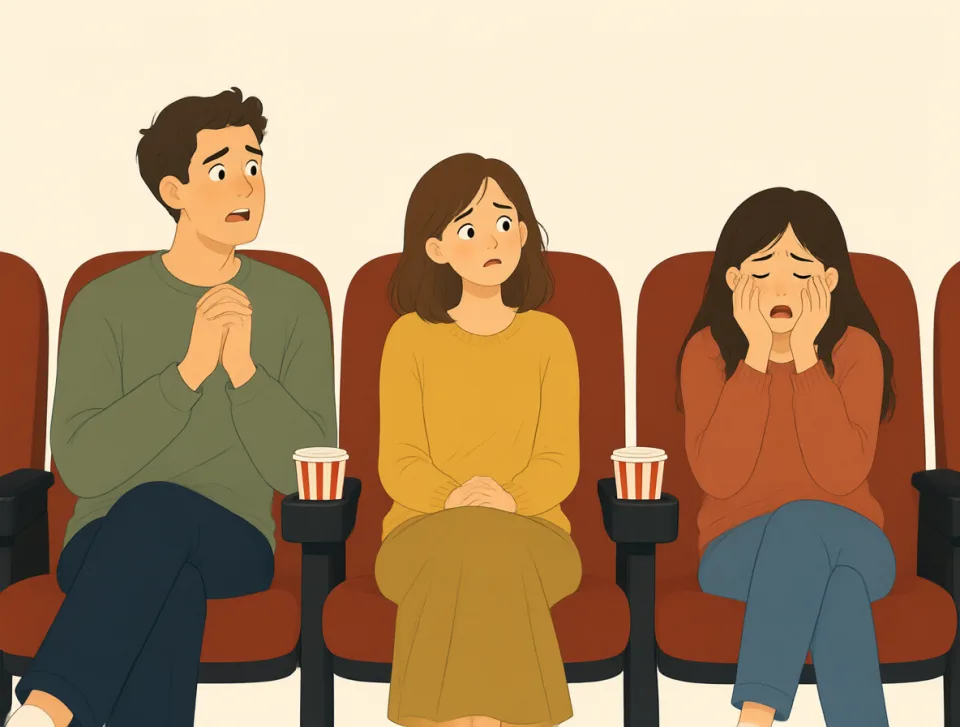
The movie had a dramatic ending that made everyone cry.
फ़िल्म का अंत इतना भावुक था कि सब रो पड़े।

There was a dramatic change in the weather this afternoon.
आज दोपहर मौसम में अचानक बड़ा बदलाव आया।

She made a dramatic entrance at the party.
पार्टी में उसने नाटकीय अंदाज़ में प्रवेश किया।
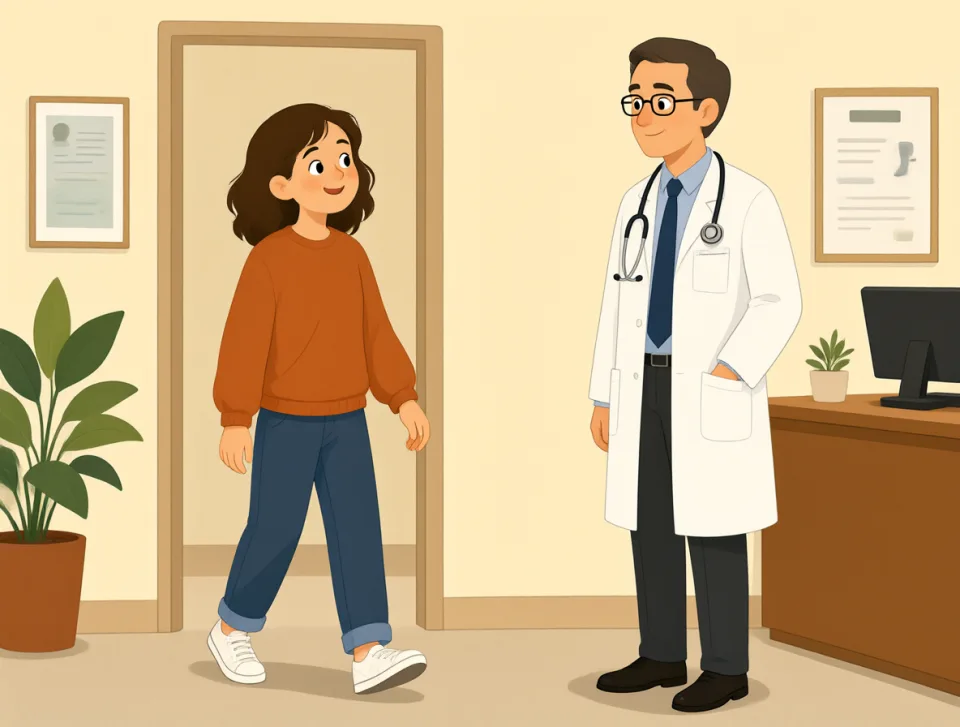
The doctor saw a dramatic improvement in his health.
डॉक्टर ने उसकी सेहत में बड़ा सुधार देखा।
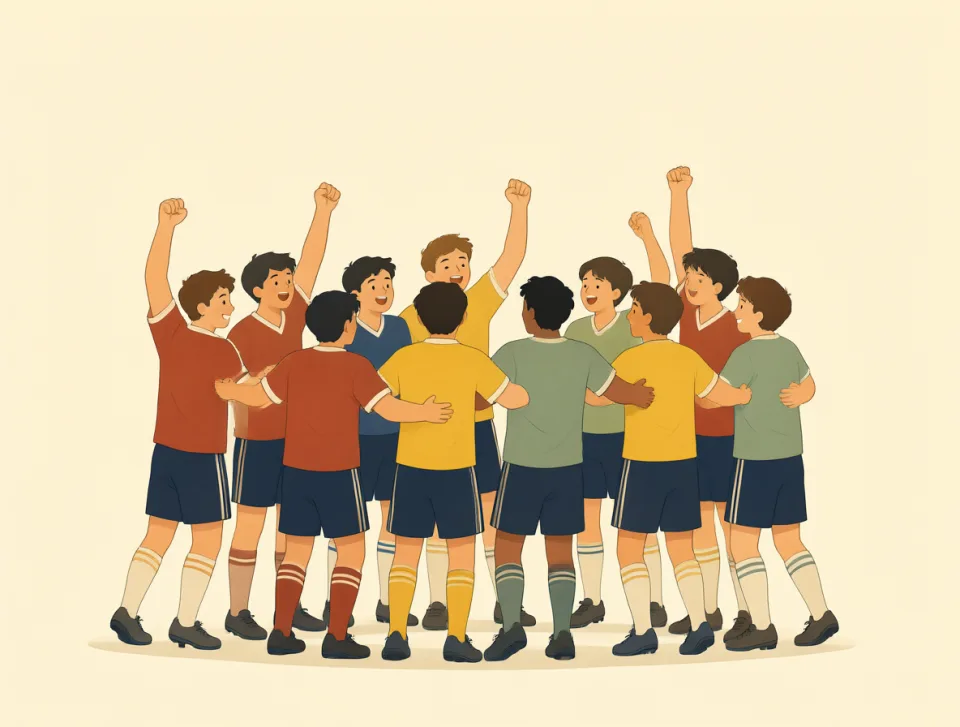
The team made a dramatic comeback and won the game.
टीम ने ज़ोरदार वापसी करके खेल जीत लिया।
differ
#1976verb
भिन्न होना
to be different from something or someone
किसी चीज़ या व्यक्ति से अलग होना
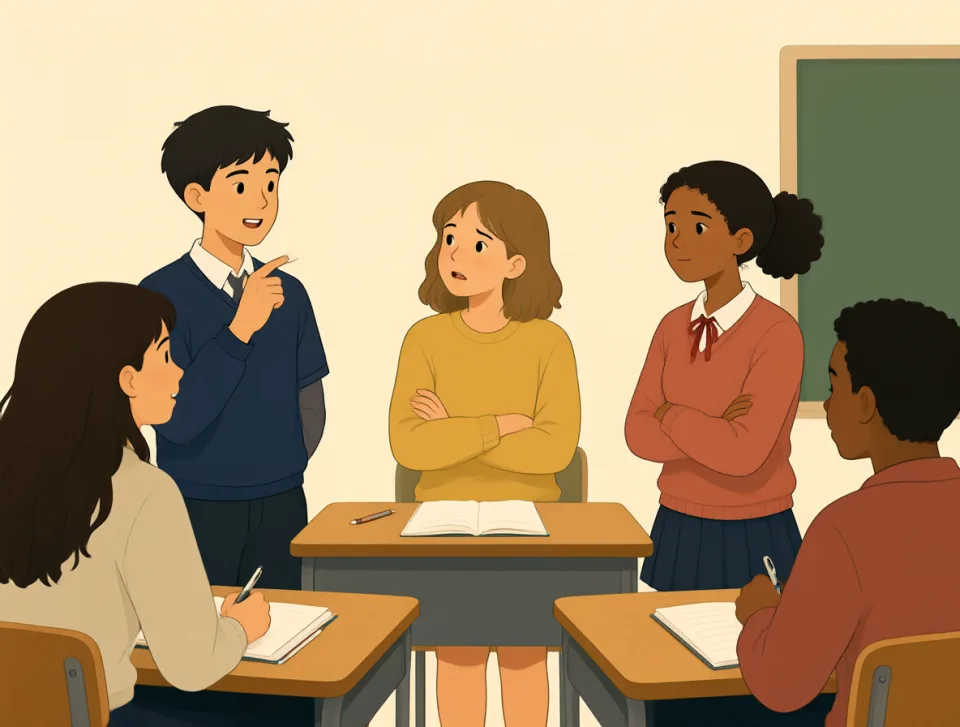
People differ in their opinions about the best school uniform.
स्कूल की सबसे अच्छी वर्दी कैसी होनी चाहिए, इस बारे में लोगों की राय अलग-अलग होती है।
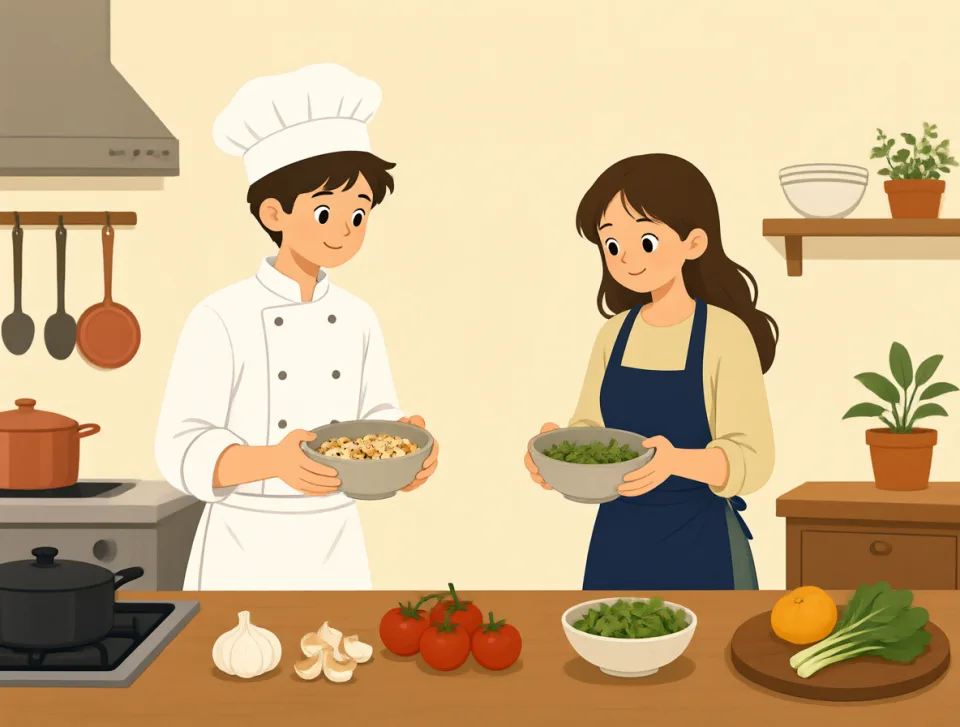
The two recipes differ slightly in the amount of sugar they use.
दोनों व्यंजनों में इस्तेमाल की गई चीनी की मात्रा में थोड़ा अंतर है।

My brother and I differ on which restaurant to choose.
कौन-सा रेस्तराँ चुनना चाहिए, इस बात पर मेरे भाई और मेरी राय अलग है।

Prices differ from one shop to another in this town.
इस शहर में एक दुकान से दूसरी दुकान तक कीमतें अलग-अलग होती हैं।
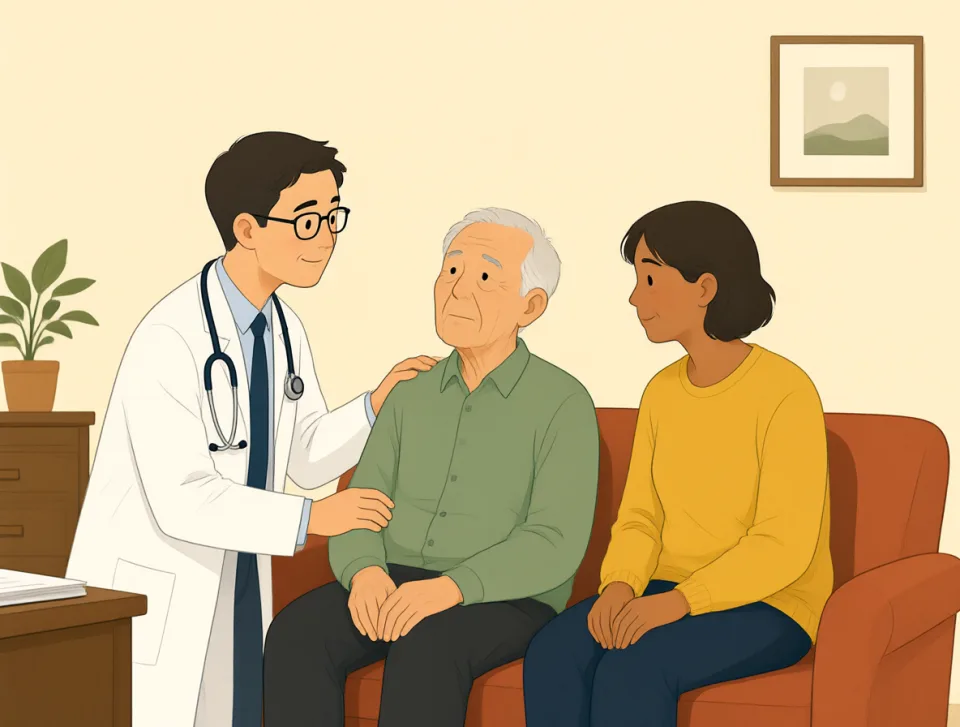
Symptoms can differ between people with the same illness.
एक ही बीमारी से पीड़ित लोगों में लक्षण अलग-अलग हो सकते हैं।

grateful
#1977adjective
आभारी
Feeling thankful for something kind that someone has done.
किसी के किए हुए अच्छे काम के लिए धन्यवाद महसूस करना।

I am grateful for your help with my homework.
मैं गृहकार्य में आपकी मदद के लिए आभारी हूँ।

We were grateful to find a warm hotel after the long journey.
लंबे सफ़र के बाद एक गर्माहट भरा होटल पाकर हमें राहत और आभार महसूस हुआ।

She felt grateful for the doctor’s quick advice.
डॉक्टर की तुरंत दी गई सलाह के लिए वह आभारी थी।

The grateful customer thanked the shop assistant for finding her size.
आभारी ग्राहक ने उसका सही नाप ढूँढ़ने के लिए दुकान के कर्मचारी को धन्यवाद दिया।
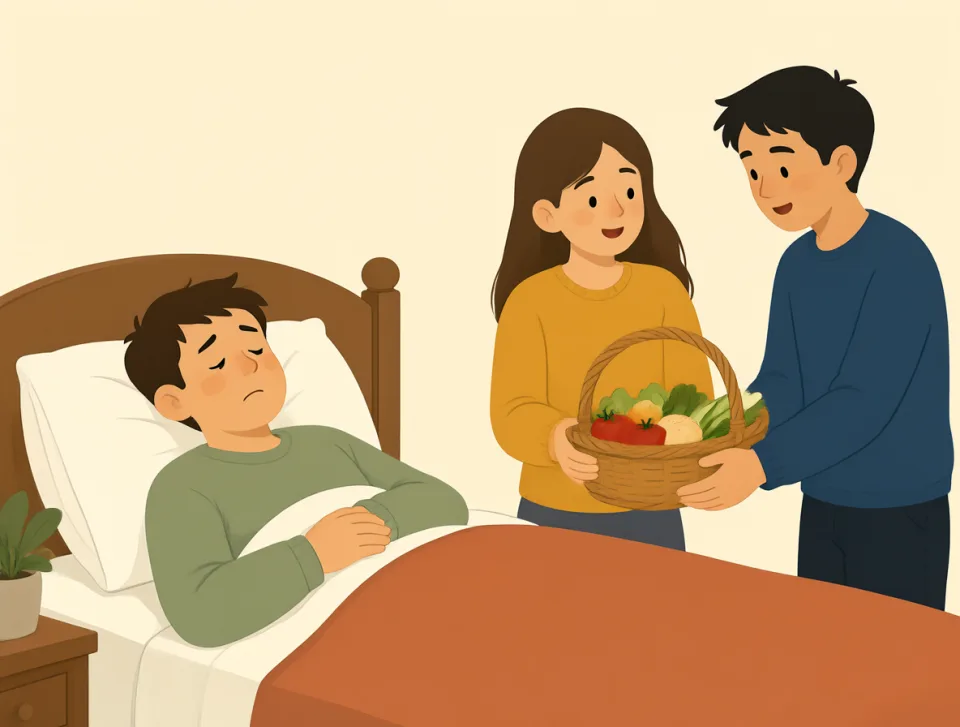
He is grateful that his friends brought food while he was sick.
वह आभारी है कि बीमार होने पर उसके दोस्त उसके लिए खाना लाए।
protein
#1978noun
प्रोटीन
A substance in food that helps your body grow and stay healthy.
खाने में पाया जाने वाला एक पदार्थ, जो आपके शरीर को बढ़ने और स्वस्थ रहने में मदद करता है।
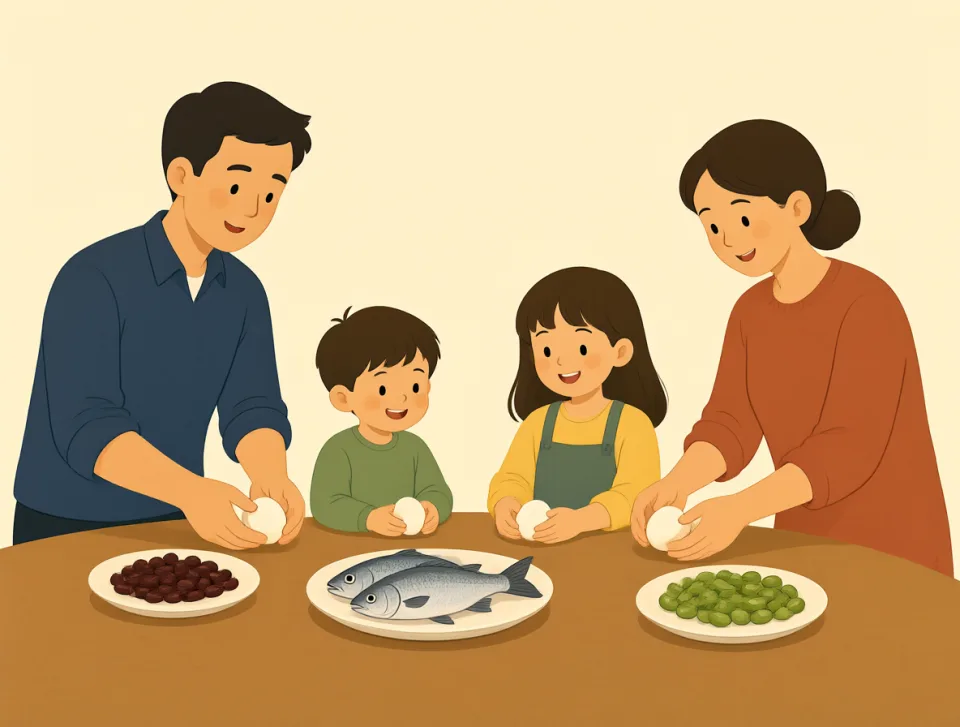
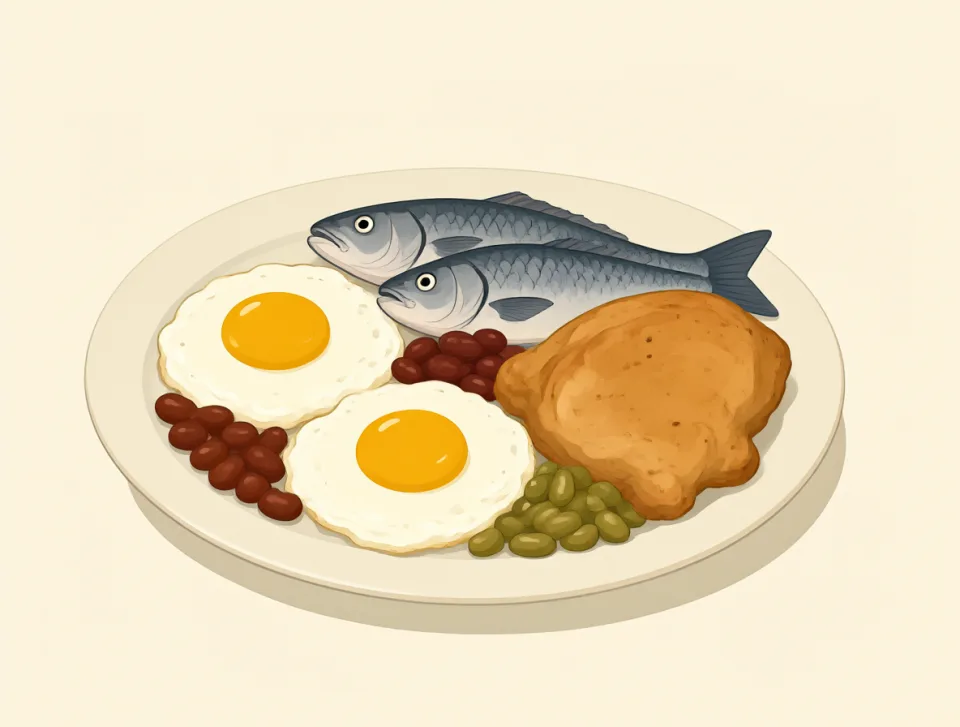
Eggs, fish, and beans are good sources of protein.
अंडे, मछली और फलियाँ प्रोटीन के अच्छे स्रोत हैं।
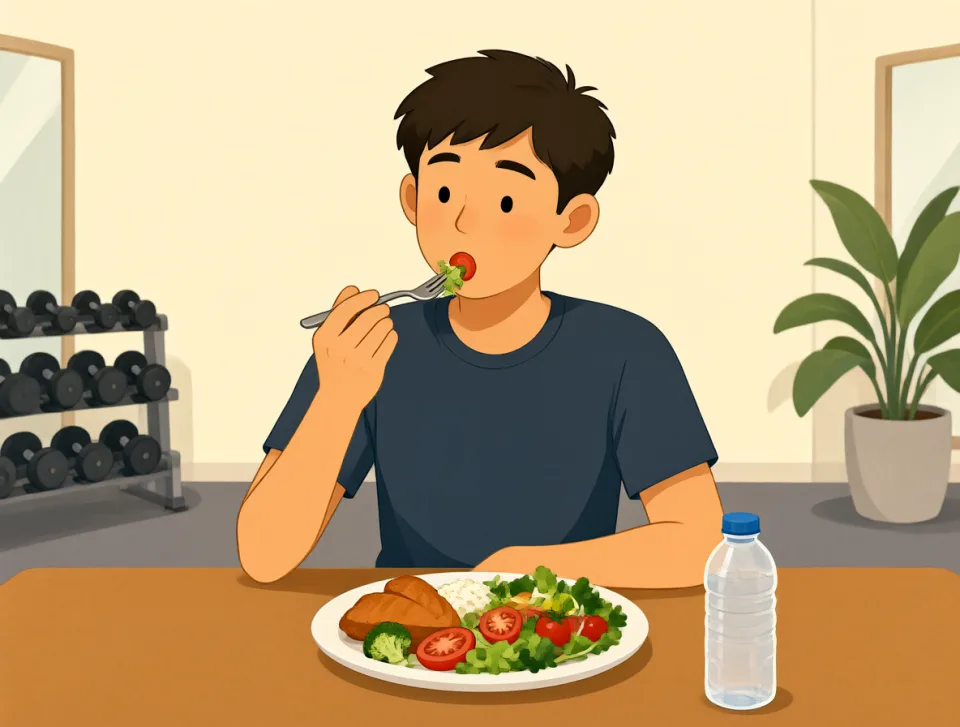
I eat more protein after exercising at the gym.
जिम में कसरत करने के बाद मैं ज़्यादा प्रोटीन खाता हूँ।

This yogurt has ten grams of protein per serving.
इस दही की हर सर्विंग में दस ग्राम प्रोटीन है।

The doctor said I need enough protein in my diet.
डॉक्टर ने कहा कि मुझे अपने आहार में पर्याप्त प्रोटीन लेना चाहिए।

We bought a protein shake for the long train journey.
लंबी रेल यात्रा के लिए हमने प्रोटीन शेक खरीदा।
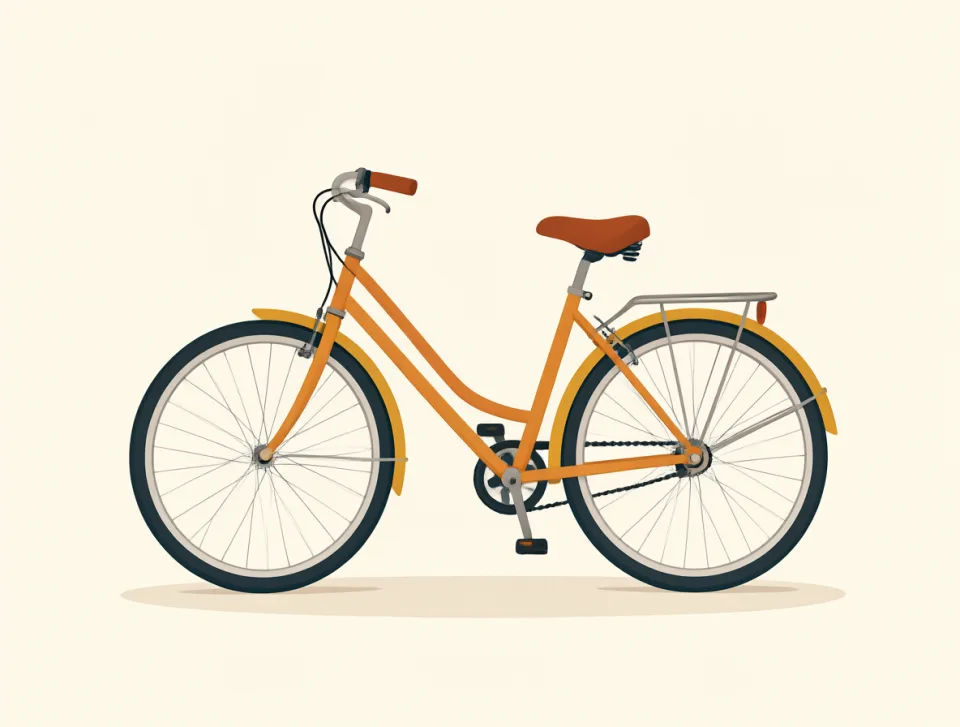
bike
#1979noun, verb
साइकिल
a bicycle, or to travel somewhere on a bicycle
साइकिल, या साइकिल से कहीं जाना
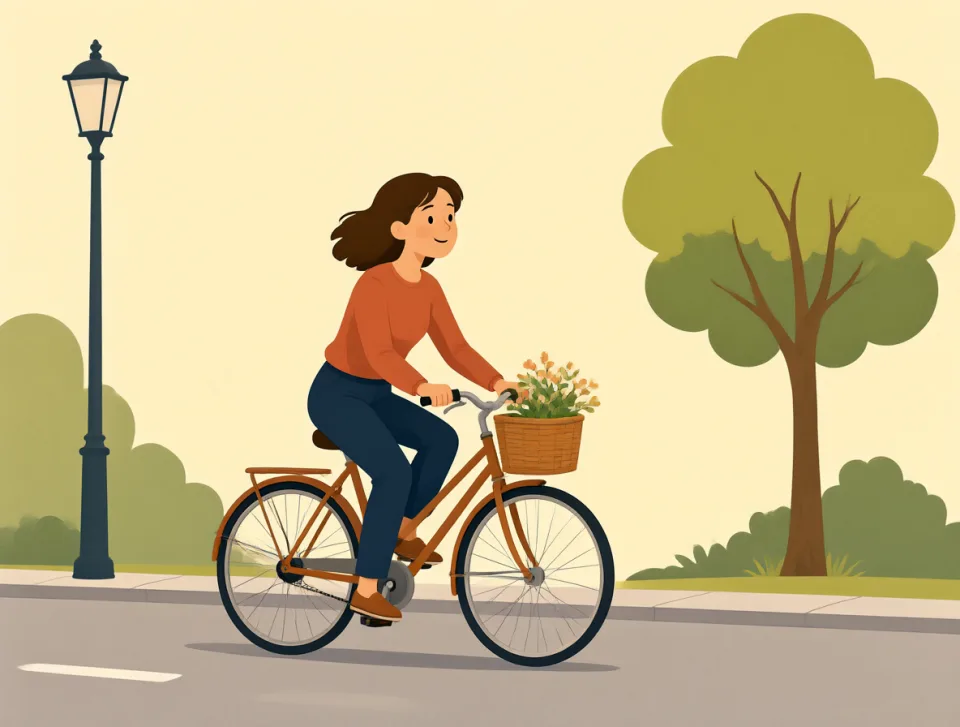
I ride my bike to work when the weather is nice.
मौसम अच्छा हो तो मैं साइकिल से काम पर जाता हूँ।
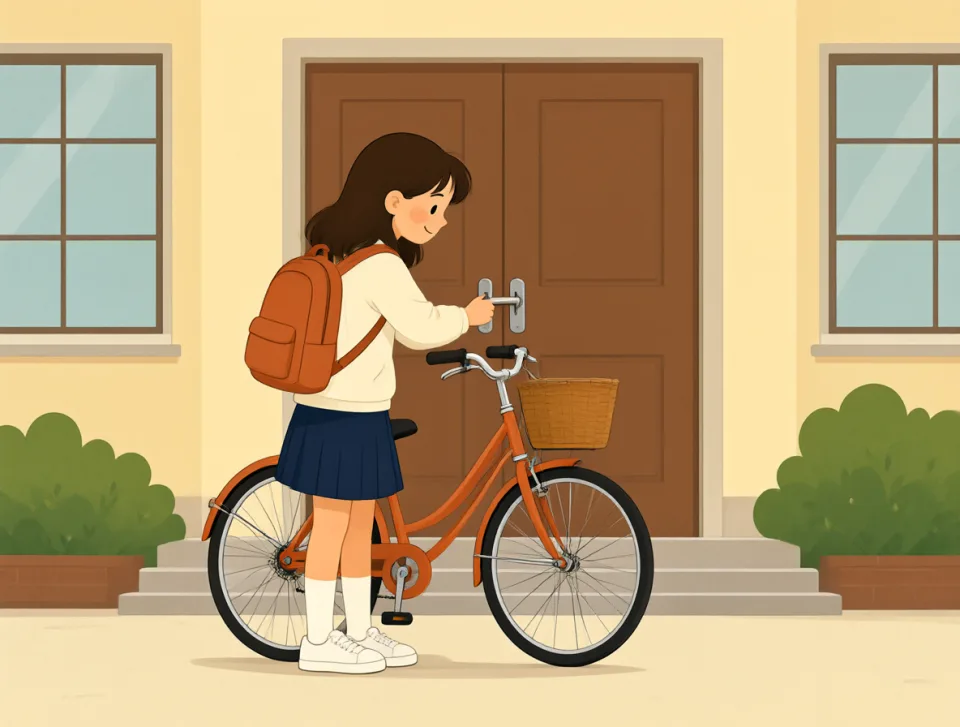
She left her bike outside the school and went inside.
वह अपनी साइकिल स्कूल के बाहर छोड़कर अंदर चली गई।

We rented bikes near the beach for the afternoon.
हमने दोपहर के लिए समुद्र तट के पास साइकिलें किराए पर लीं।
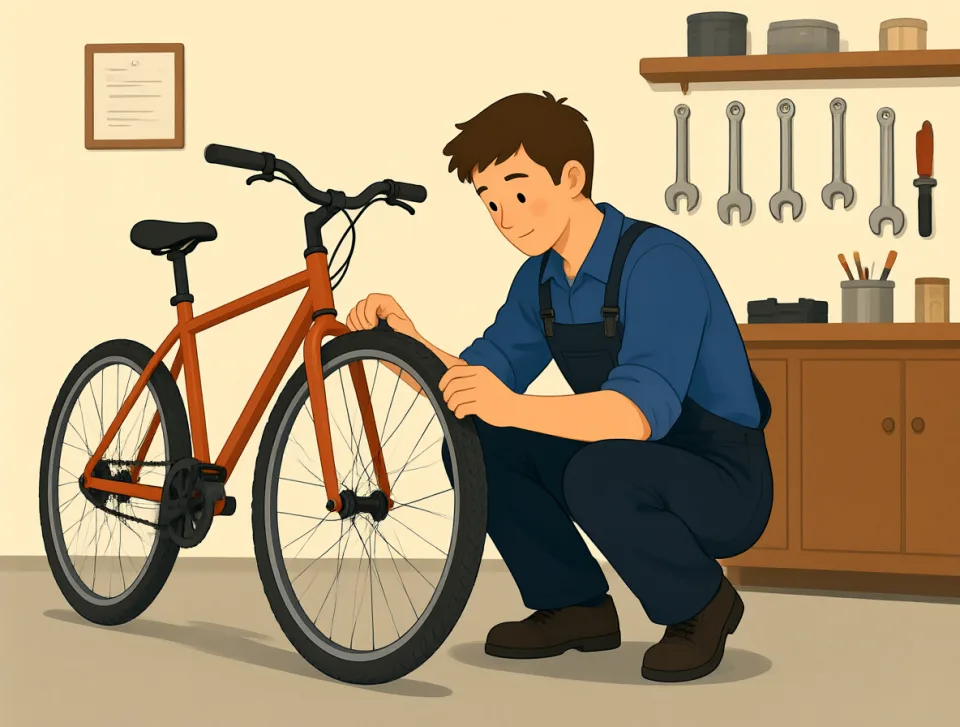
The bike shop repaired my flat tire in an hour.
साइकिल की दुकान ने मेरा पंक्चर हुआ टायर एक घंटे में ठीक कर दिया।
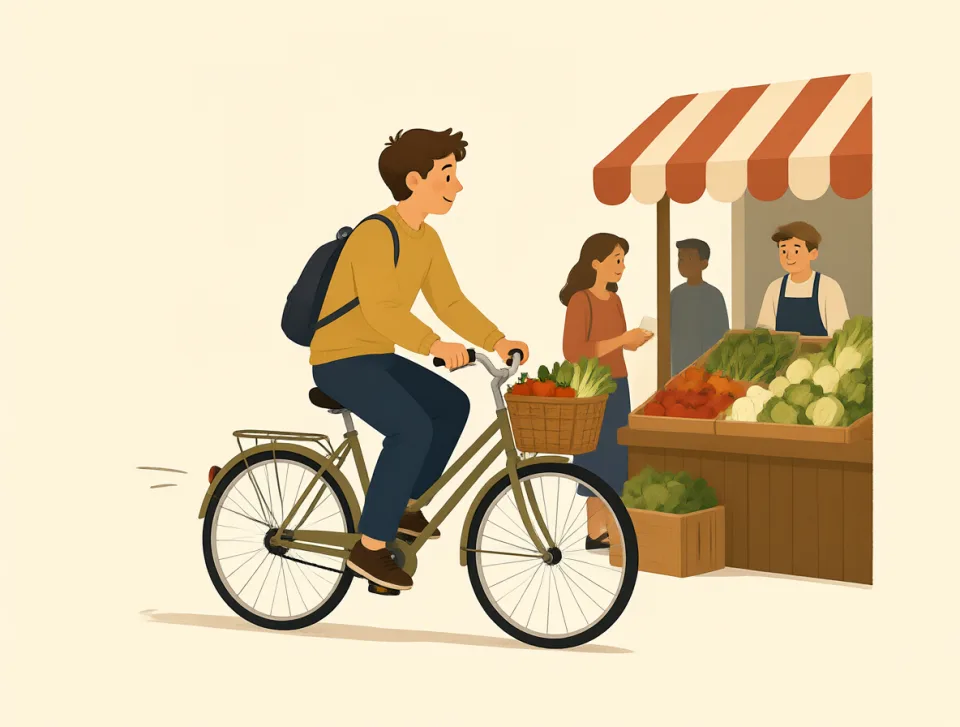
He bikes to the market every Saturday morning.
वह हर शनिवार सुबह साइकिल से बाज़ार जाता है।
distribute
#1980verb
वितरित करना
to give things to several people or places
चीज़ें कई लोगों या जगहों तक पहुँचाना
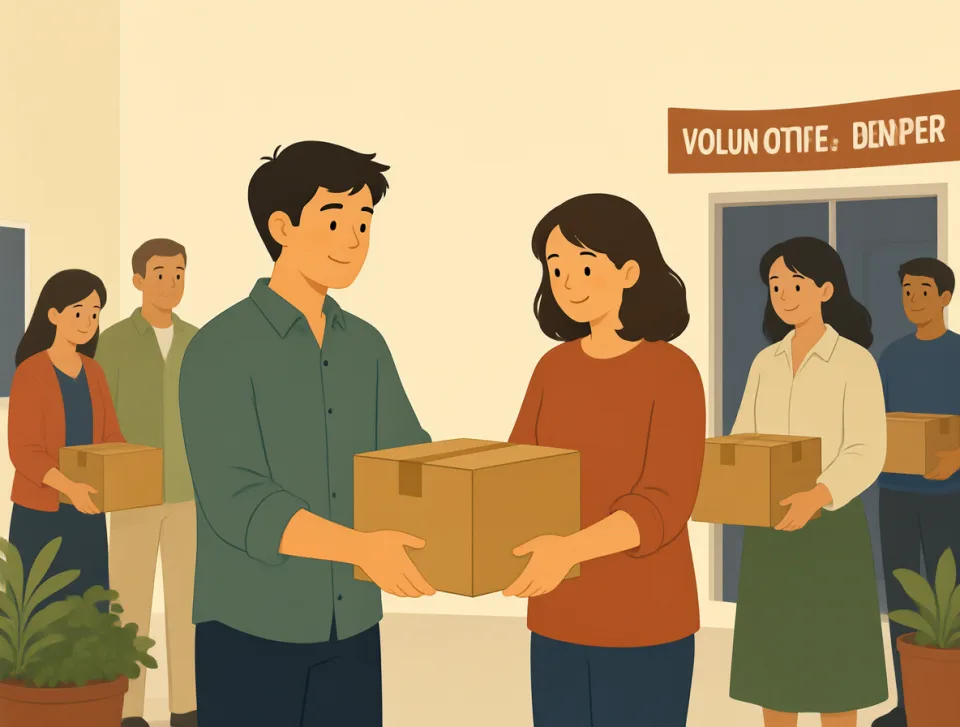
Volunteers distribute food to families after the storm.
तूफ़ान के बाद स्वयंसेवक परिवारों में खाना बाँटते हैं।
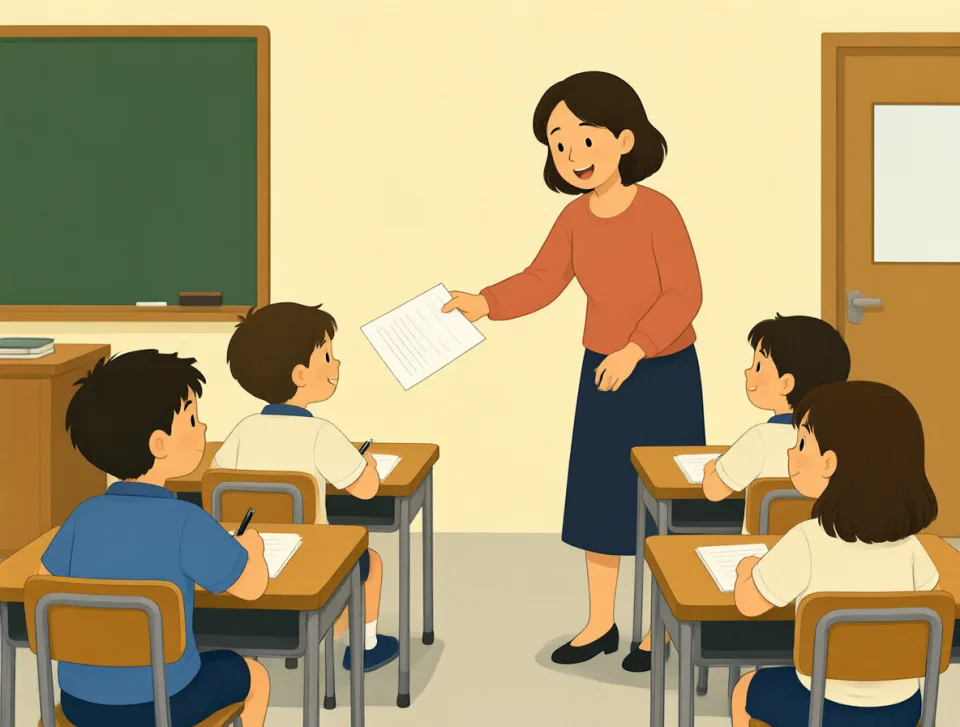
The teacher distributed worksheets to the students.
शिक्षक ने विद्यार्थियों में अभ्यास-पत्र बाँटे।
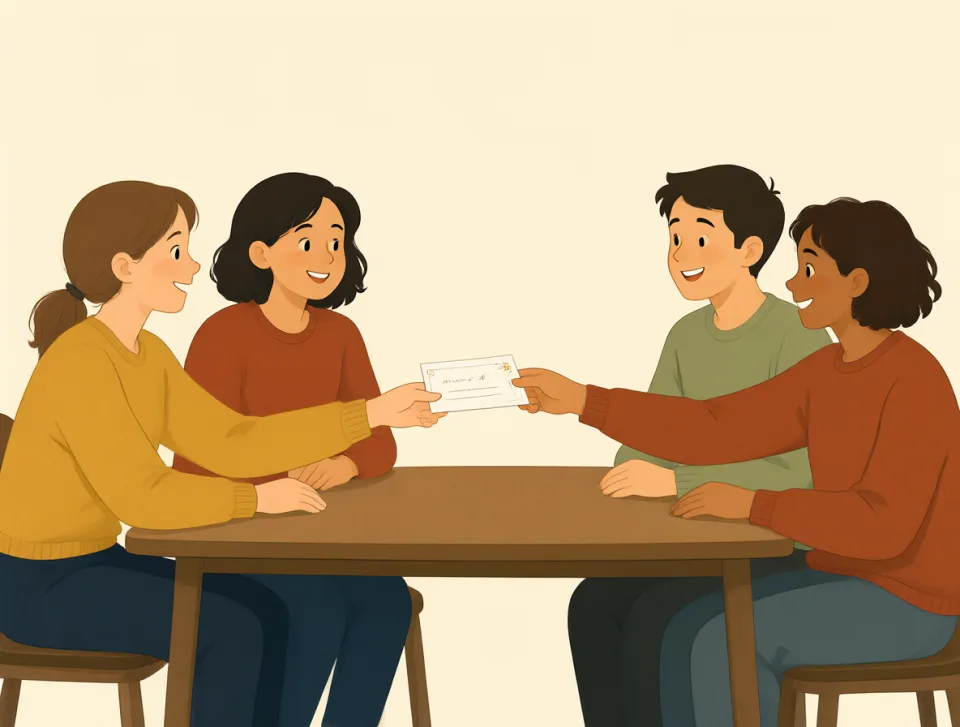
We distributed the invitations among our friends.
हमने अपने दोस्तों में निमंत्रण-पत्र बाँटे।
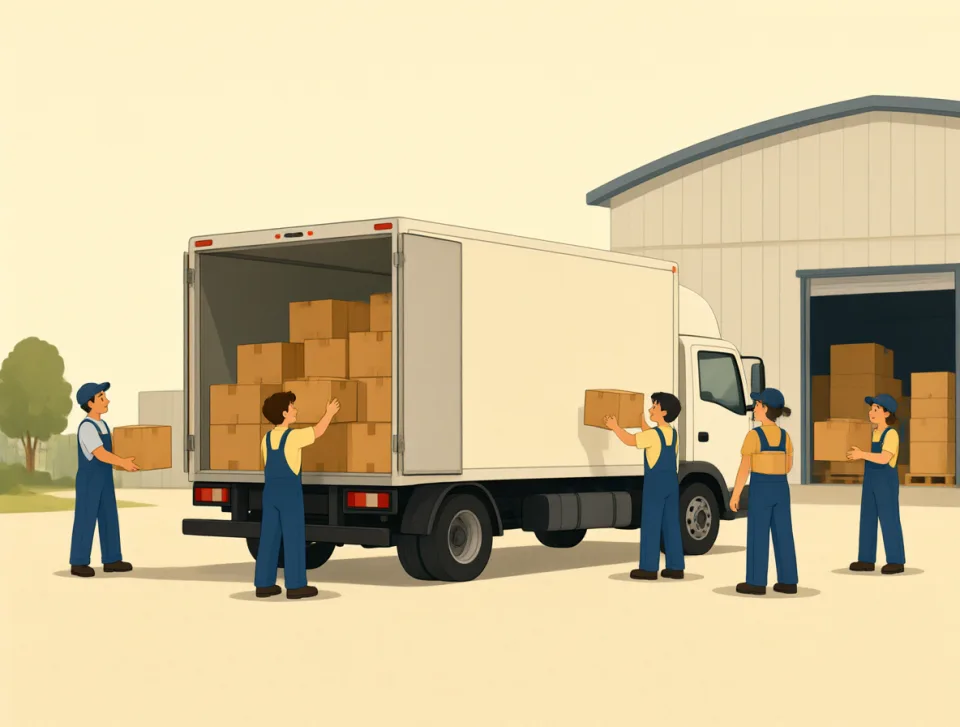
The company distributes its products to shops nationwide.
कंपनी अपने उत्पाद देश भर की दुकानों तक पहुँचाती है।
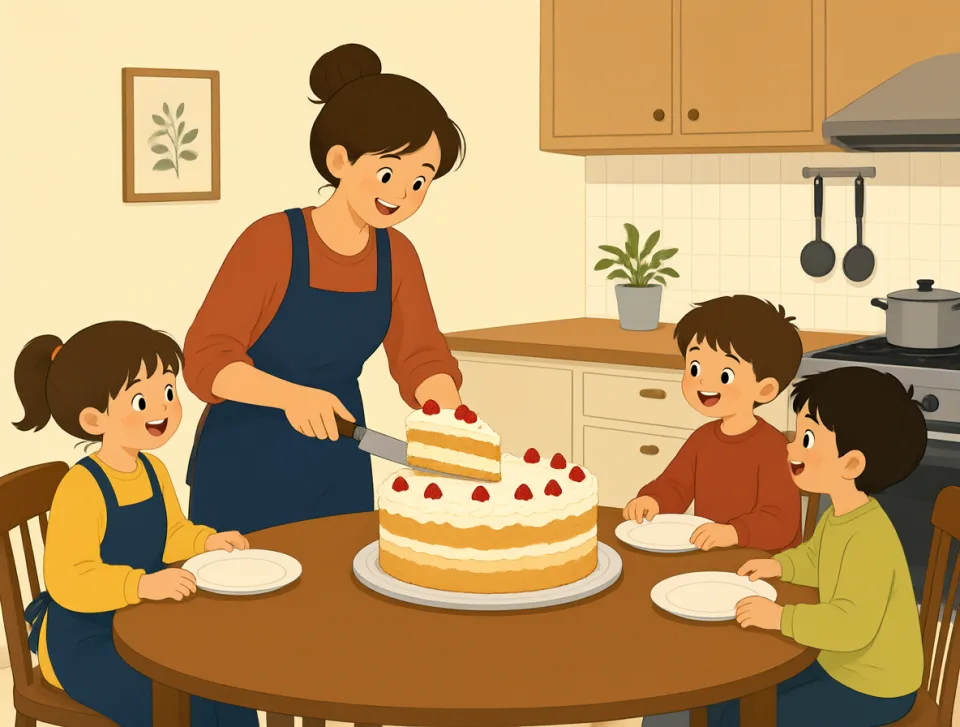
Please distribute the cake equally among the children.
कृपया बच्चों में केक बराबर-बराबर बाँट दीजिए।