Блок 87
Слова 1721–1740 · column, electronic, impose, criminal, besides, properly

column
#1721noun
колонна; столбец
A tall vertical support, or a regular section of words in a newspaper or table.
Высокая вертикальная опора или регулярно выделенная часть текста в газете либо таблице.

The ancient temple has twelve tall marble columns.
В древнем храме было двенадцать высоких мраморных колонн.

Please write your name in the first column.
Пожалуйста, напишите своё имя в первом столбце.

She reads the advice column in the newspaper every morning.
Каждое утро она читает в газете колонку советов.

The newspaper printed his story in the sports column.
Газета опубликовала его рассказ в спортивной колонке.

A concrete column supports the balcony above our front door.
Бетонная колонна поддерживает балкон над входной дверью нашего дома.

electronic
#1722adjective
электронный
Using or relating to devices that work with electricity and computer technology.
Работающий на электричестве и с использованием компьютерных технологий или связанный с такими устройствами.
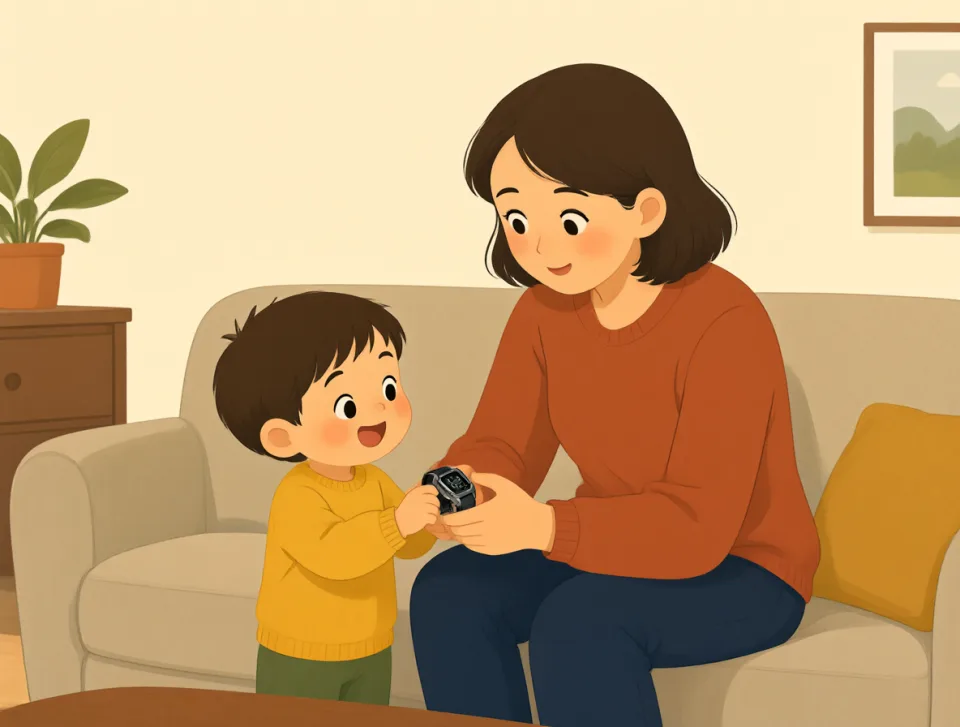
I bought an electronic watch for my daughter’s birthday.
Я купил дочери на день рождения электронные часы.

Please send the electronic document to my work email.
Пожалуйста, отправьте электронный документ на мою рабочую почту.

The electronic door lock stopped working this morning.
Сегодня утром электронный замок на двери перестал работать.

Electronic music played while we danced at the party.
На вечеринке, где мы танцевали, играла электронная музыка.

The doctor checked my electronic health record before our visit.
Перед приёмом врач проверил мою электронную медицинскую карту.
impose
#1723verb
навязывать; налагать
to force someone to accept a rule, cost, or unwanted situation
Заставлять кого-либо принять правило, расходы или нежелательную ситуацию.
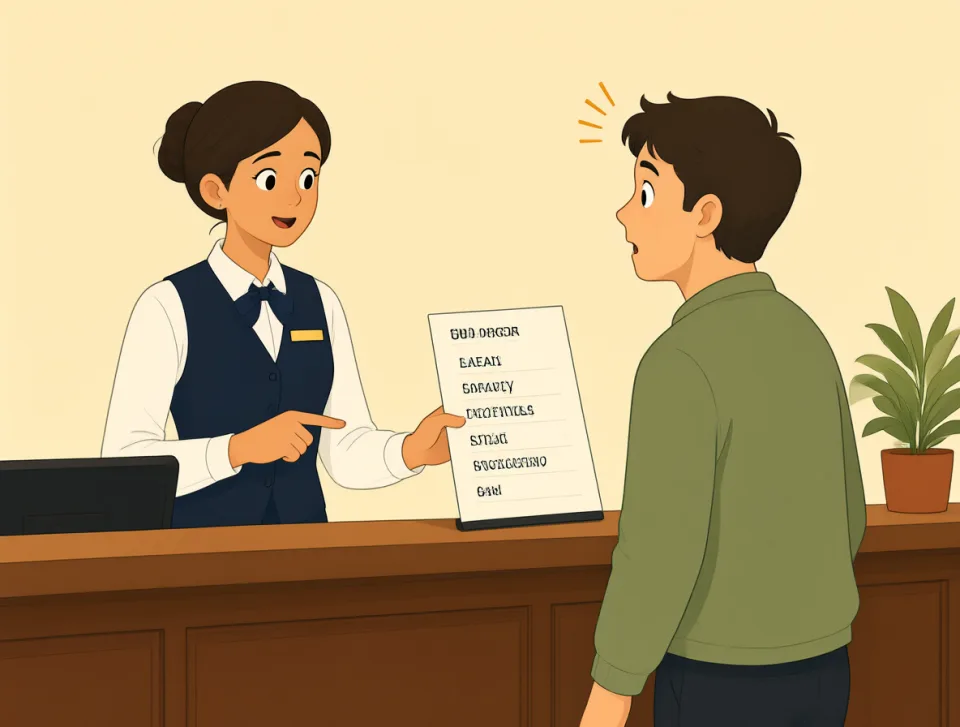
The hotel imposed an extra fee for room service.
Отель ввёл дополнительную плату за обслуживание номеров.

The teacher imposed a strict deadline for the project.
Учитель установил строгий срок сдачи проекта.
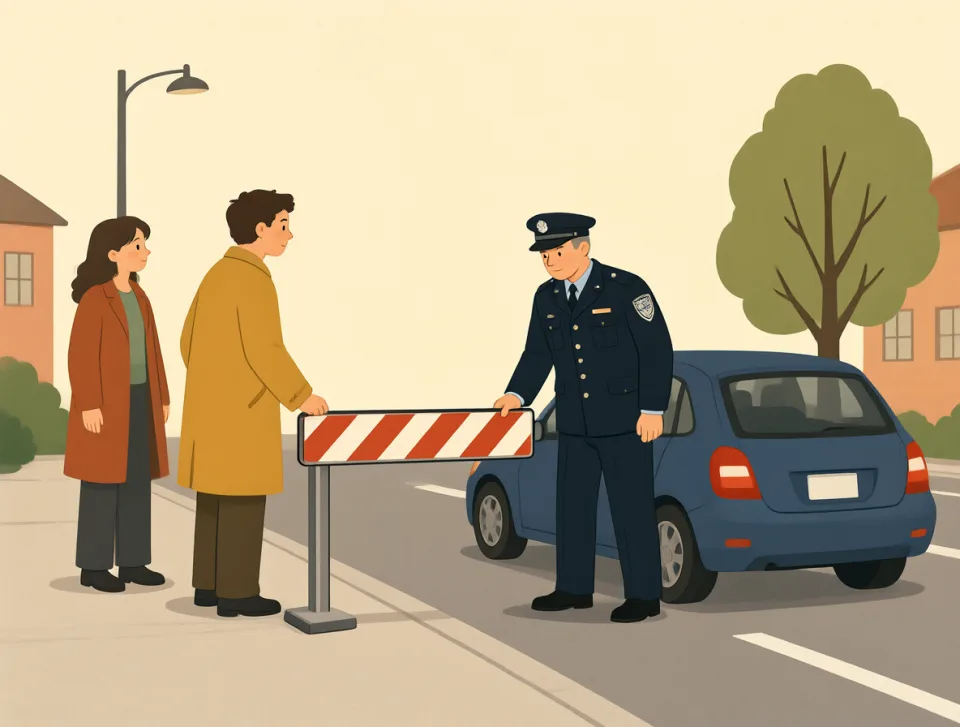
The city imposed a ban on parking here.
Городские власти ввели запрет на парковку здесь.

Please do not impose your opinions on your friends.
Пожалуйста, не навязывай друзьям своё мнение.

The long journey imposed great stress on her body.
Долгая поездка сильно нагрузила её организм.
criminal
#1724noun, adjective
преступник; преступный
A person who has broken the law, or relating to crime or the law.
Человек, нарушивший закон; связанный с преступлением или законом.

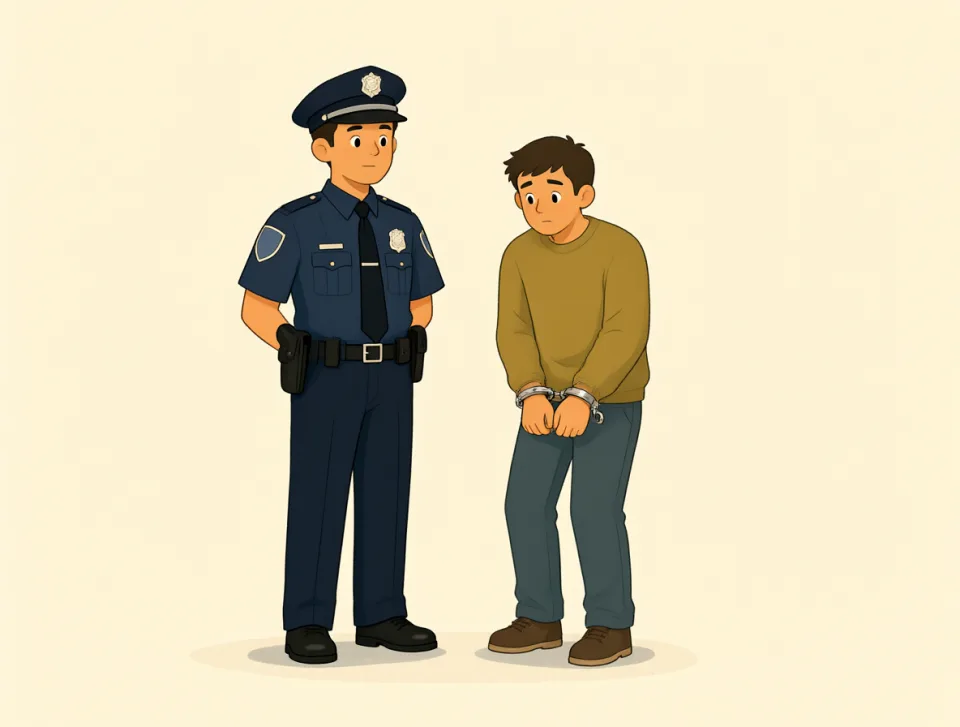
The police arrested the criminal outside his house.
Полиция арестовала преступника возле его дома.

The judge sent the criminal to prison for five years.
Судья приговорил преступника к пяти годам тюрьмы.

The detective is investigating a criminal gang in the city.
Детектив расследует деятельность преступной группировки в городе.

The store installed a camera to prevent criminal activity.
Магазин установил камеру, чтобы предотвратить преступную деятельность.

The newspaper reported a rise in criminal behavior last year.
В прошлом году газета сообщила о росте числа преступлений.

besides
#1725adverb, preposition
кроме того; помимо
In addition to someone or something; also, or apart from that.
В дополнение к кому-либо или чему-либо; также или кроме того.
Besides English, she speaks Spanish and a little French.
Помимо английского, она говорит по-испански и немного по-французски.

What did you do besides watching television last night?
Чем ты занимался вчера вечером, кроме просмотра телевизора?

Besides being cheap, this restaurant serves delicious food.
Помимо низких цен, в этом ресторане подают вкусную еду.

I do not want to go outside; besides, it is raining heavily.
Я не хочу выходить на улицу; к тому же, там сильный дождь.

Who besides Tom can help us carry these heavy boxes?
Кто, кроме Тома, может помочь нам перенести эти тяжёлые коробки?
properly
#1726adverb
правильно
In the correct or suitable way
Правильным или подходящим образом.

Please wash your hands properly before you prepare the food.
Пожалуйста, тщательно вымойте руки, прежде чем готовить еду.

Make sure the door is properly locked before you leave.
Перед уходом обязательно проверьте, что дверь надёжно заперта.

The printer is not working properly, so I cannot print my report.
Принтер работает неправильно, поэтому я не могу распечатать свой отчёт.

She explained the problem properly during the meeting.
На собрании она подробно объяснила проблему.

Take this medicine properly and drink plenty of water.
Принимайте это лекарство правильно и пейте много воды.

ancient
#1727adjective
древний
Very old, especially from a long time ago in history.
Очень старый, особенно существующий с давних исторических времён.

We visited an ancient temple during our holiday in Greece.
Во время каникул в Греции мы посетили древний храм.
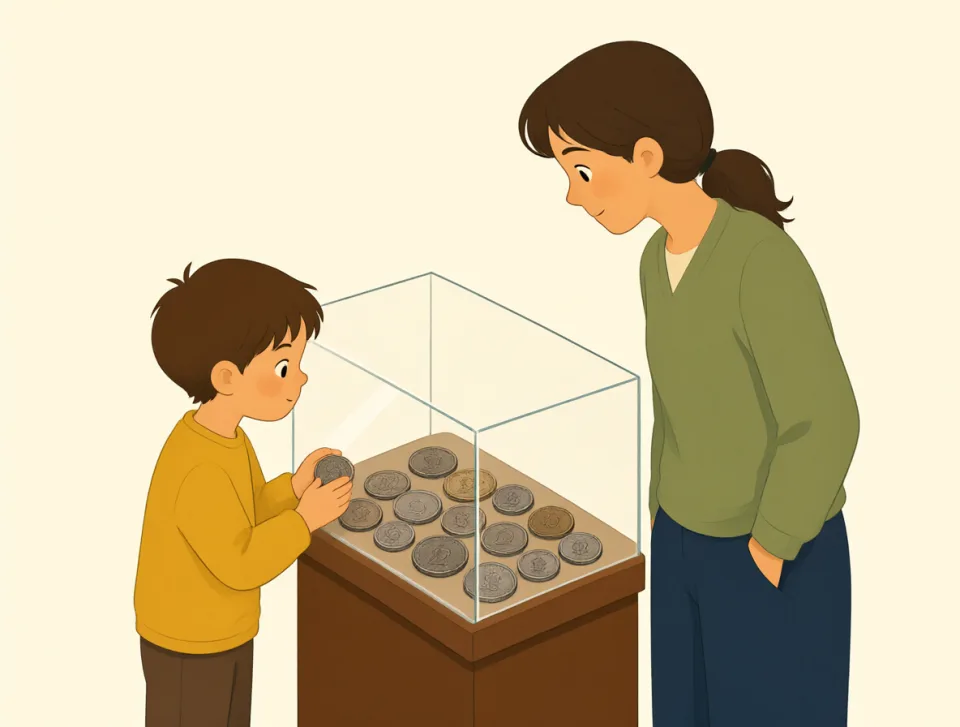
The museum has ancient coins from many different countries.
В музее хранятся древние монеты из разных стран.

They discovered an ancient village under the desert sand.
Они обнаружили древнюю деревню под песками пустыни.

My history class is learning about ancient Egypt this week.
На этой неделе на уроках истории мы изучаем Древний Египет.

An ancient tree grows beside the walking path in our park.
Рядом с пешеходной дорожкой в нашем парке растёт древнее дерево.

coast
#1728noun, verb
побережье; катиться по инерции
The land beside the sea; to move easily without using much effort.
Земля вдоль моря; двигаться легко, почти не прилагая усилий.
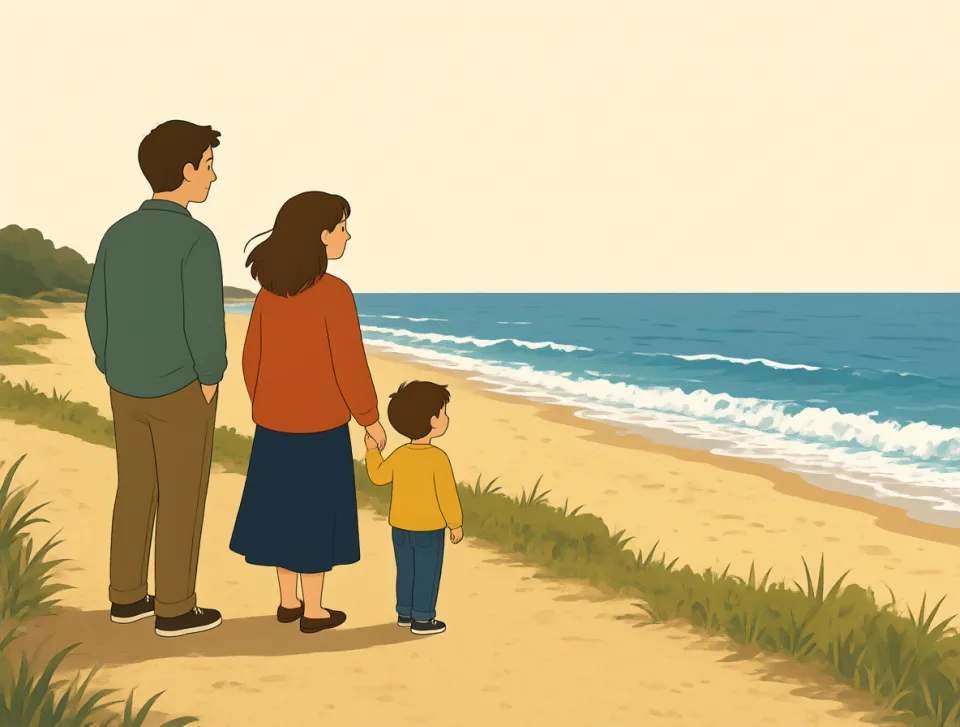
We walked along the coast and watched the waves.
Мы шли вдоль побережья и наблюдали за волнами.

The hotel has a beautiful view of the coast.
Из отеля открывается прекрасный вид на побережье.

Many small towns lie along the northern coast.
Вдоль северного побережья расположено много маленьких городков.

The road follows the coast for several miles.
Дорога тянется вдоль побережья несколько миль.

After finishing early, I coasted home on my bicycle.
Закончив пораньше, я катился домой на велосипеде по инерции.

ill
#1729adjective, adverb, noun
больной; плохо; вред
Sick or unhealthy; badly or wrongly; trouble or harm.
Больной или нездоровый; плохо или неправильно; неприятность или вред.

I felt ill all day and stayed home from work.
Я весь день плохо себя чувствовал и остался дома, не пойдя на работу.

She became seriously ill after eating spoiled food.
После испорченной еды ей стало серьёзно плохо.

Please stay home if you are ill.
Пожалуйста, оставайтесь дома, если вы больны.

The child was too ill to go to school.
Ребёнок был слишком болен, чтобы идти в школу.

He wished no ill on anyone, even his enemies.
Он никому не желал зла, даже своим врагам.

kick
#1730verb, noun
пнуть; начать; удовольствие
To hit something with your foot, or to start suddenly; a strong feeling of enjoyment
Ударить что-либо ногой или внезапно начать; сильное чувство удовольствия.
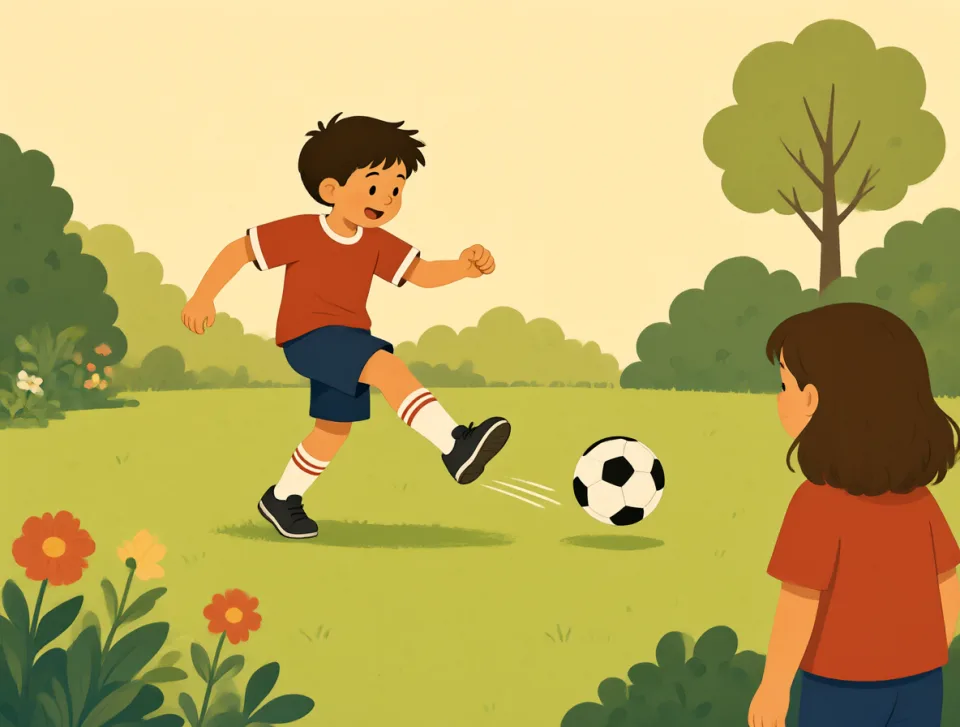
He kicked the ball across the garden.
Он перебросил мяч ударом ноги через весь сад.

She kicked the door open when her hands were full.
Она распахнула дверь ногой, потому что руки у неё были заняты.

The baby kicked his legs happily in the bath.
Малыш радостно барахтал ногами в ванне.

The new exercise class kicks off next Monday.
Новый курс упражнений начинается в следующий понедельник.

I get a real kick out of cooking for friends.
Я получаю огромное удовольствие, когда готовлю для друзей.

closely
#1731adverb
внимательно; близко
with careful attention or from a short distance
уделяя пристальное внимание или с небольшого расстояния

Please listen closely to the teacher's instructions.
Пожалуйста, внимательно послушайте указания учителя.

The doctor watched the patient's breathing closely.
Врач внимательно наблюдал за дыханием пациента.

We worked closely together to finish the project.
Мы тесно сотрудничали, чтобы завершить проект.

She looked closely at the dress before buying it.
Перед покупкой она внимательно осмотрела платье.

The children sat closely together on the bus.
Дети тесно прижались друг к другу в автобусе.

multiple
#1732adjective, noun
несколько; множественный
Many or more than one of something
Много чего-либо или больше одного предмета.

She received multiple birthday gifts from her family.
Она получила несколько подарков на день рождения от своей семьи.

The teacher asked multiple questions during the lesson.
Во время урока учитель задал несколько вопросов.

We visited multiple countries during our summer trip.
Во время летней поездки мы посетили несколько стран.

This medicine may cause multiple side effects.
Это лекарство может вызвать несколько побочных эффектов.

The store offers multiple sizes of the same jacket.
В магазине есть куртки одной модели нескольких размеров.

yield
#1733noun, verb
урожай; давать; уступать
The amount produced, or to give way or produce a result.
Количество произведённого; также «уступать» или «давать результат».

Drivers must yield to traffic already in the roundabout.
Водители должны уступать дорогу транспорту, уже находящемуся на круговом перекрёстке.

This small garden yields fresh tomatoes every summer.
Каждое лето этот небольшой огород даёт урожай свежих помидоров.

The recipe yields enough soup for six people.
По этому рецепту получится достаточно супа на шесть человек.

The teacher asked the class to yield better results this term.
Учитель попросил класс добиться лучших результатов в этом семестре.

After hours of discussion, both friends yielded and apologized.
После нескольких часов обсуждения оба друга уступили и извинились.

via
#1734preposition
через; посредством
using a particular person, method, route, or place to reach someone or something
Используя определённого человека, способ, маршрут или место, чтобы связаться с кем-либо или добраться до чего-либо.
We usually communicate via email at work.
На работе мы обычно общаемся по электронной почте.

The package arrived via express delivery this morning.
Сегодня утром посылку доставили экспресс-доставкой.

We traveled to the island via a small ferry.
Мы добрались до острова на небольшом пароме.

She booked the hotel via a travel website.
Она забронировала отель через сайт для путешественников.

The doctor spoke to us via video call.
Врач поговорил с нами по видеосвязи.

legislation
#1735noun
законодательство
laws made by a government
Законы, принятые правительством.
The government introduced new legislation to protect children online.
Правительство представило новое законодательство для защиты детей в интернете.

The new legislation bans smoking in all public buildings.
Новый закон запрещает курение во всех общественных зданиях.

Farmers are asking for legislation to support local food production.
Фермеры добиваются принятия закона в поддержку местного производства продуктов питания.

The company changed its policies after new legislation was passed.
Компания изменила свои правила после принятия нового закона.

Doctors welcomed legislation that gives patients more healthcare choices.
Врачи приветствовали закон, который предоставляет пациентам больше возможностей для получения медицинской помощи.

county
#1736noun
округ
an area of a country with its own local government
административная территория страны со своим местным самоуправлением

She moved to a quiet county in the north last year.
В прошлом году она переехала в тихий округ на севере.

The county runs several hospitals, schools, and public libraries.
В округе есть несколько больниц, школ и общественных библиотек.

Our county has a farmers' market every Saturday morning.
На фермерском рынке в нашем округе каждую субботу утром продают продукты.

The county road was closed because of heavy snow.
Дорогу в округе закрыли из-за сильного снегопада.

They visited three counties during their train journey.
Во время поездки на поезде они побывали в трёх округах.

unlike
#1737preposition, conjunction
в отличие от
Different from someone or something else in a clear way
Заметно отличающийся от кого-либо или чего-либо.
Unlike my brother, I enjoy getting up early.
В отличие от брата, я люблю рано вставать.

Unlike yesterday, the weather is warm and sunny today.
В отличие от вчерашнего дня, сегодня тепло и солнечно.

Unlike most students, Maria walks to school every morning.
В отличие от большинства учеников, Мария каждое утро ходит в школу пешком.

Unlike the old hotel, this one has clean, comfortable rooms.
В отличие от старого отеля, в этом чистые и удобные номера.

Unlike cheese, this soup tastes better when it is hot.
В отличие от сыра, этот суп вкуснее в горячем виде.

mobile
#1738noun, adjective
мобильный телефон
A mobile is a phone you can carry and use anywhere without wires.
Мобильный телефон — это телефон, который можно носить с собой и пользоваться им где угодно без проводов.

I left my mobile at home this morning.
Сегодня утром я забыл телефон дома.

Please call me on my mobile after work.
Пожалуйста, позвони мне на мобильный после работы.

She bought a new mobile phone last week.
На прошлой неделе она купила новый мобильный телефон.

Students must turn off their mobiles during the lesson.
Во время урока ученики должны выключать мобильные телефоны.

The doctor used a mobile clinic to help villagers.
Врач использовал передвижную клинику, чтобы помочь жителям деревни.

assistant
#1739noun
помощник
A person who helps someone with their work or daily tasks.
Человек, который помогает кому-либо в работе или повседневных делах.

My assistant helps me organize my meetings and answer emails.
Мой помощник помогает мне планировать встречи и отвечать на электронные письма.

The shop assistant helped me find the right size.
Продавец помог мне подобрать нужный размер.

The teacher asked her assistant to help the new students.
Учитель попросил свою помощницу помочь новым ученикам.

The doctor's assistant called my name in the waiting room.
Помощник врача назвал моё имя в зале ожидания.

Our kitchen assistant is preparing vegetables for dinner.
Наш помощник на кухне готовит овощи к ужину.

implement
#1740verb, noun
внедрять; инструмент
to put a plan, decision, or system into action; a tool used by hand
воплощать в жизнь план, решение или систему; ручной инструмент

The school will implement a new reading program next term.
В следующем семестре школа внедрит новую программу по чтению.

Our manager implemented the plan after the team agreed.
Наш менеджер реализовал план после того, как команда его одобрила.

The hospital is implementing stricter hygiene rules this month.
В этом месяце больница вводит более строгие правила гигиены.

He bought a garden implement to plant vegetables more easily.
Он купил садовый инструмент, чтобы легче сажать овощи.

The chef used a special implement to remove the fish bones.
Повар использовал специальный инструмент, чтобы удалить из рыбы кости.