單元 87
單字 1721–1740 · column, electronic, impose, criminal, besides, properly

column
#1721noun
柱子;欄;專欄
A tall vertical support, or a regular section of words in a newspaper or table.
高大的垂直支撐物,或報紙、表格中定期出現的文字欄目。

The ancient temple has twelve tall marble columns.
這座古老的寺廟有十二根高大的大理石柱子。

Please write your name in the first column.
請在第一欄寫下你的名字。

She reads the advice column in the newspaper every morning.
她每天早上都讀報紙上的建議專欄。

The newspaper printed his story in the sports column.
報紙把他的報道刊登在體育專欄中。
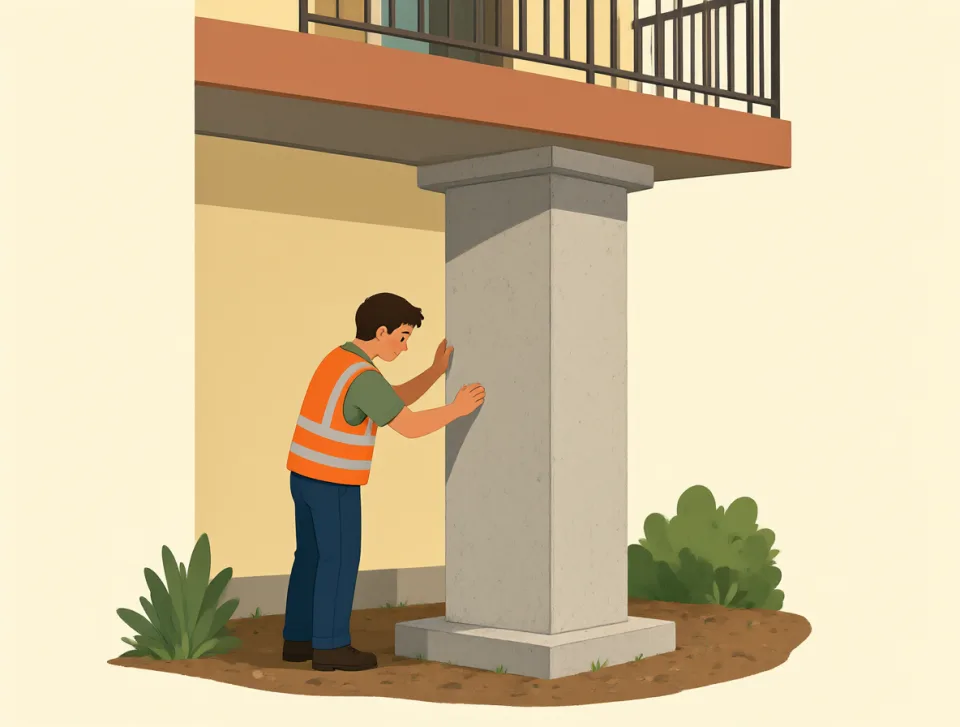
A concrete column supports the balcony above our front door.
一根混凝土柱子支撐著我們家前門上方的陽臺。

electronic
#1722adjective
電子的;電子裝置的
Using or relating to devices that work with electricity and computer technology.
使用電力和計算機技術執行的,或與這類裝置有關的。
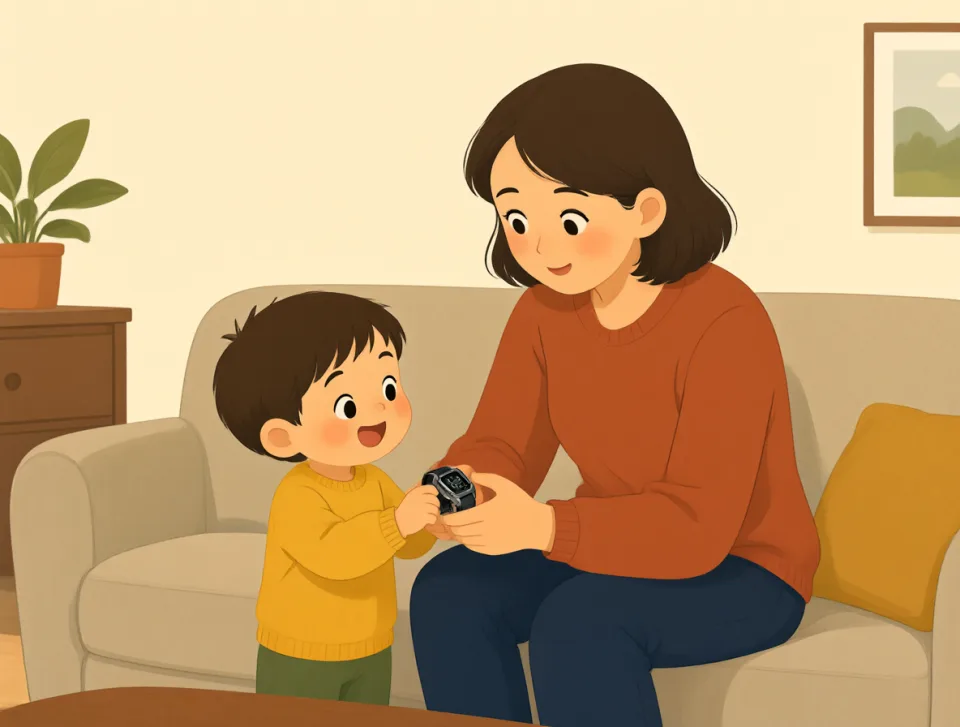
I bought an electronic watch for my daughter’s birthday.
我給女兒買了一塊電子錶作為生日禮物。

Please send the electronic document to my work email.
請把電子文件發到我的工作郵箱。

The electronic door lock stopped working this morning.
今天早上電子門鎖壞了。

Electronic music played while we danced at the party.
派對上我們跳舞時,電子音樂一直在播放。

The doctor checked my electronic health record before our visit.
就診前,醫生檢視了我的電子健康檔案。
impose
#1723verb
強加;徵收;施加
to force someone to accept a rule, cost, or unwanted situation
迫使某人接受某項規定、費用或不願面對的處境
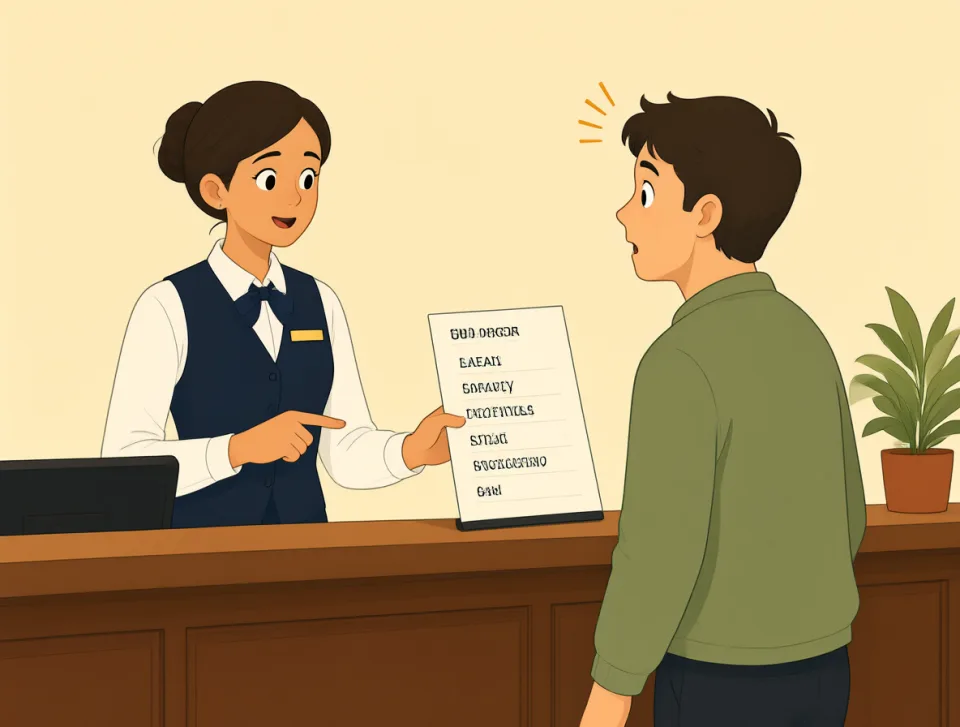
The hotel imposed an extra fee for room service.
酒店對客房服務額外收取了一筆費用。

The teacher imposed a strict deadline for the project.
老師為這個專案設定了嚴格的截止日期。
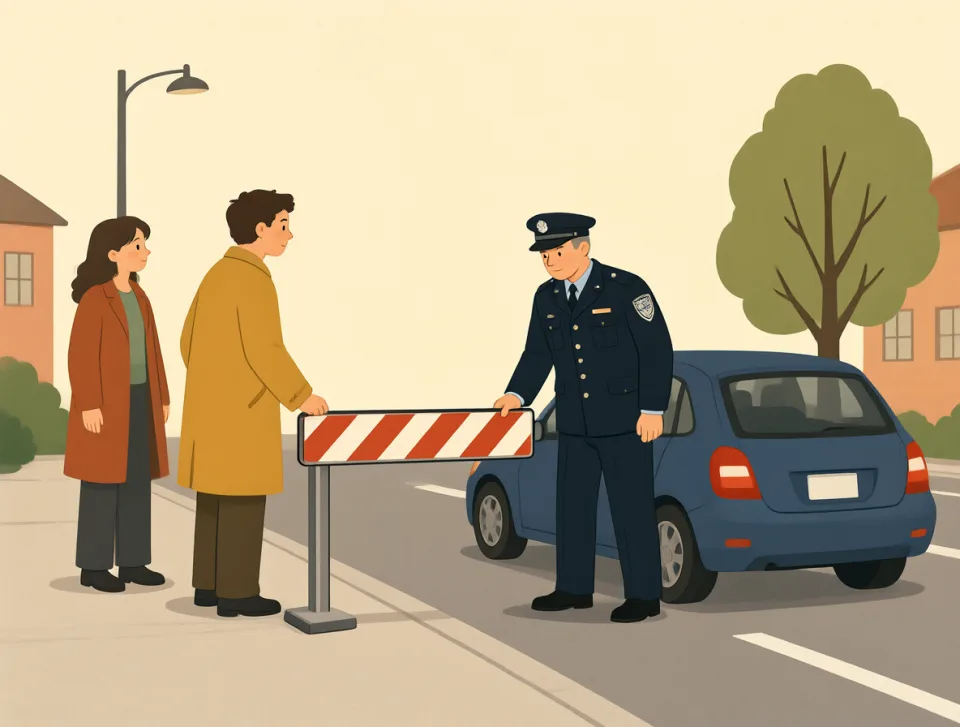
The city imposed a ban on parking here.
市政府在這裡實施了禁止停車的規定。

Please do not impose your opinions on your friends.
請不要把你的觀點強加給朋友。

The long journey imposed great stress on her body.
這段漫長的旅程讓她的身體承受了很大壓力。

criminal
#1724noun, adjective
罪犯;犯罪的
A person who has broken the law, or relating to crime or the law.
違法的人,或與犯罪或法律有關的

The police arrested the criminal outside his house.
警察在罪犯家門外逮捕了他。

The judge sent the criminal to prison for five years.
法官判處這名罪犯五年監禁。

The detective is investigating a criminal gang in the city.
偵探正在調查城裡一個犯罪團伙。
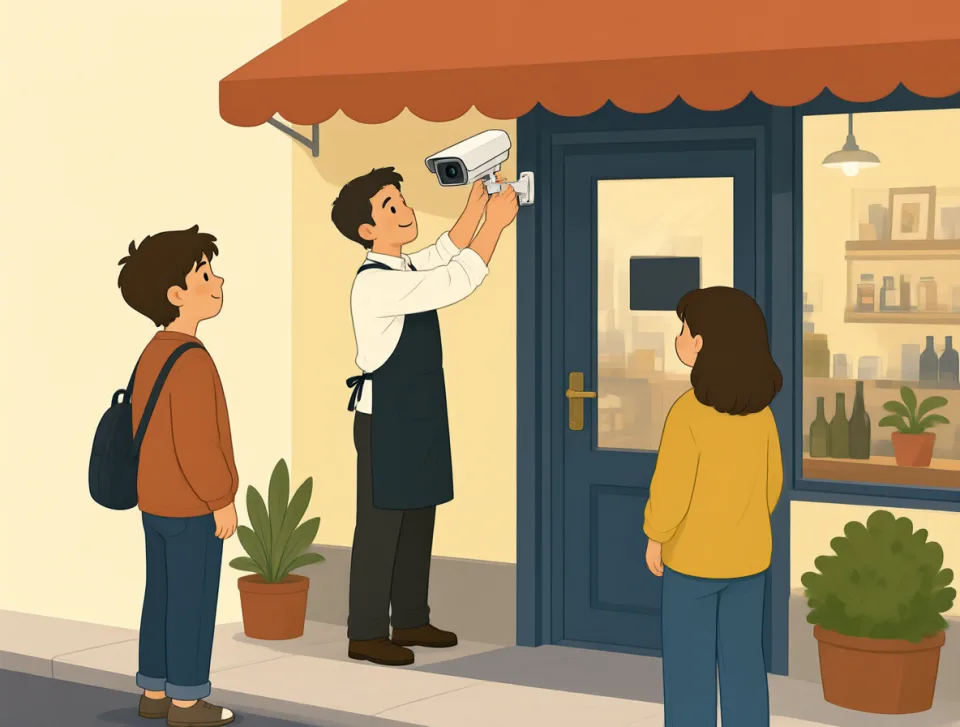
The store installed a camera to prevent criminal activity.
這家商店安裝了攝像頭,以防止犯罪活動。

The newspaper reported a rise in criminal behavior last year.
報紙報道說,去年的犯罪行為有所增加。

besides
#1725adverb, preposition
除了;此外;而且
In addition to someone or something; also, or apart from that.
除了某人或某事之外;也、還,或除此之外
Besides English, she speaks Spanish and a little French.
除了英語,她還會說西班牙語和一點法語。

What did you do besides watching television last night?
除了昨晚看電視,你還做了什麼?
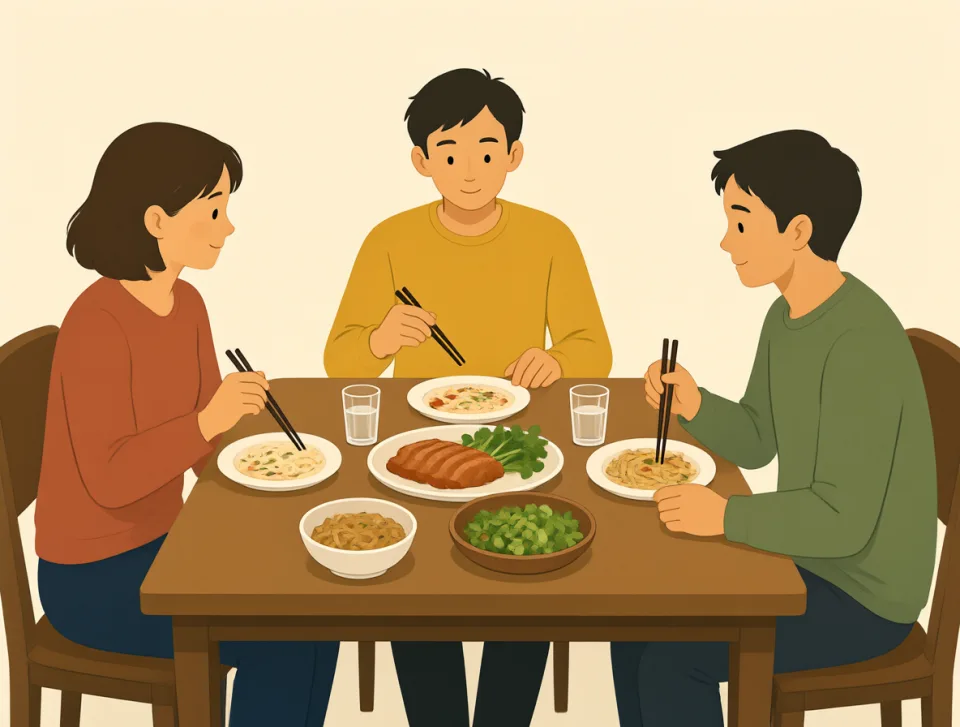
Besides being cheap, this restaurant serves delicious food.
這家餐館不僅價格便宜,而且飯菜很好吃。

I do not want to go outside; besides, it is raining heavily.
我不想出去;況且,外面雨下得很大。

Who besides Tom can help us carry these heavy boxes?
除了湯姆,還有誰能幫我們搬這些重箱子?
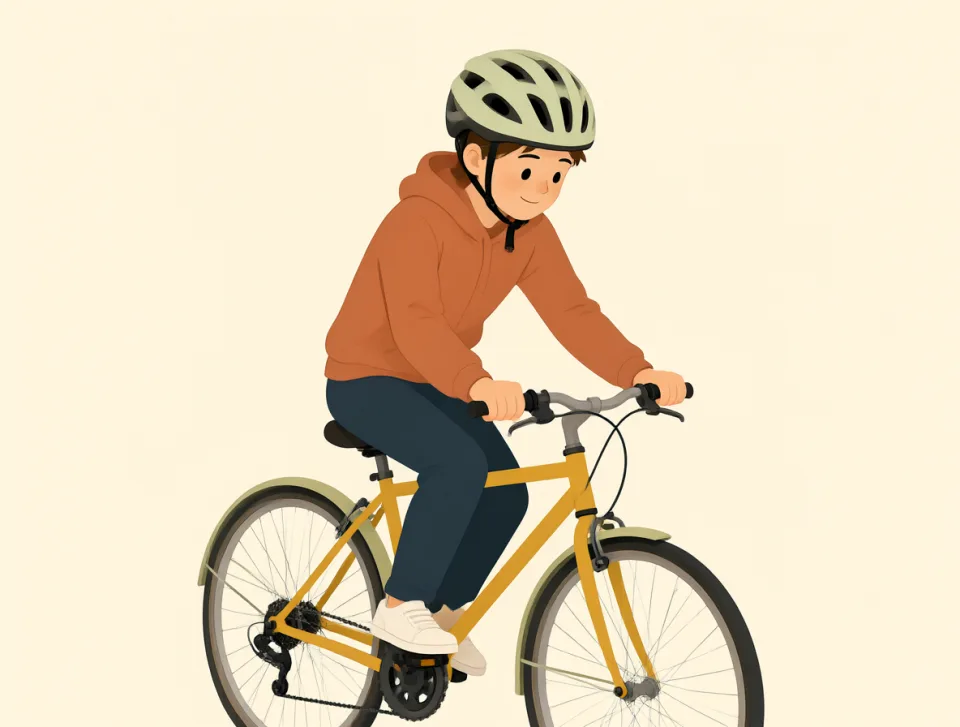
properly
#1726adverb
正確地;恰當地
In the correct or suitable way
以正確或合適的方式

Please wash your hands properly before you prepare the food.
準備食物前,請把手洗乾淨。

Make sure the door is properly locked before you leave.
離開前,確保門已經鎖好。

The printer is not working properly, so I cannot print my report.
印表機執行不正常,所以我沒法列印報告。

She explained the problem properly during the meeting.
她在會議上把問題解釋得很清楚。

Take this medicine properly and drink plenty of water.
請按正確的方法服用這種藥,並多喝水。

ancient
#1727adjective
古代的;古老的
Very old, especially from a long time ago in history.
年代久遠的,尤指歷史上很久以前的。

We visited an ancient temple during our holiday in Greece.
我們在希臘度假時參觀了一座古廟。
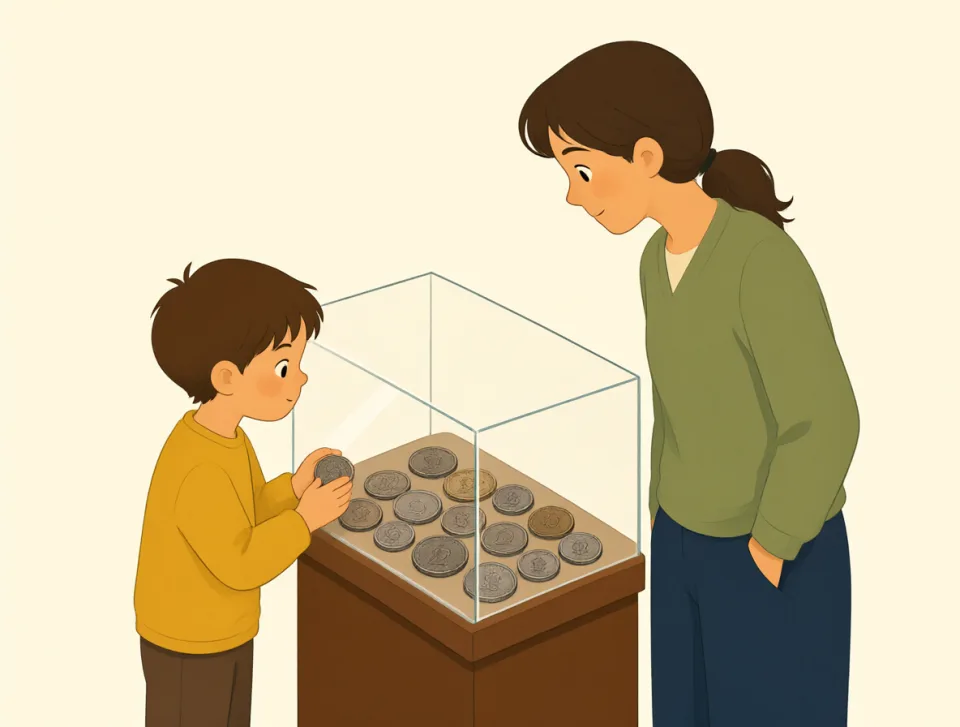
The museum has ancient coins from many different countries.
這家博物館收藏著來自許多不同國家的古錢幣。

They discovered an ancient village under the desert sand.
他們在沙漠的沙土下發現了一座古村落。
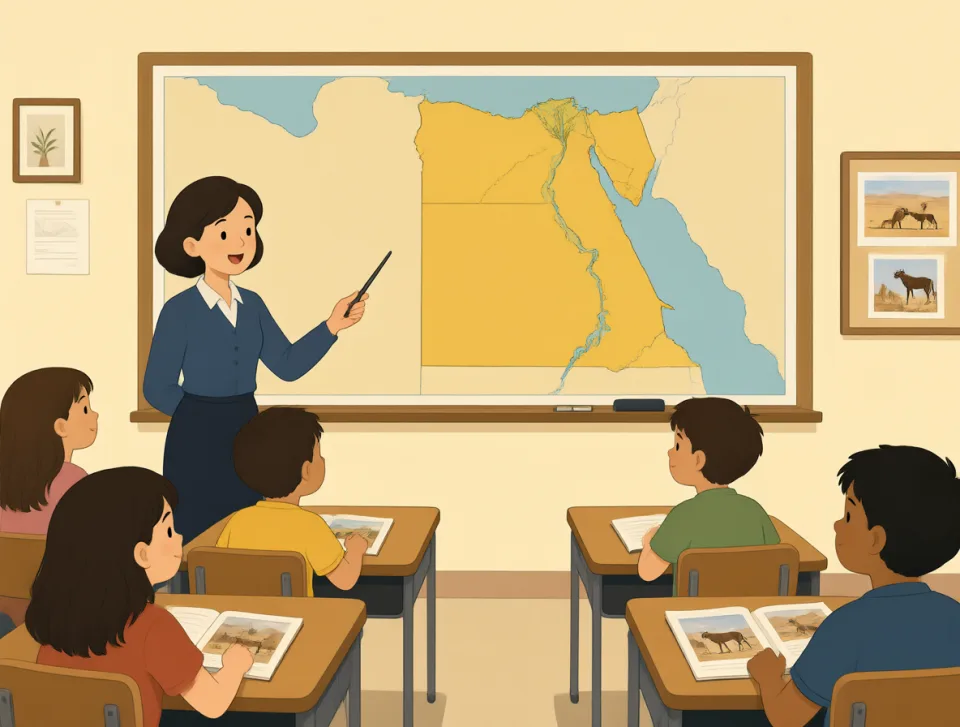
My history class is learning about ancient Egypt this week.
我們歷史課這周在學習古埃及。
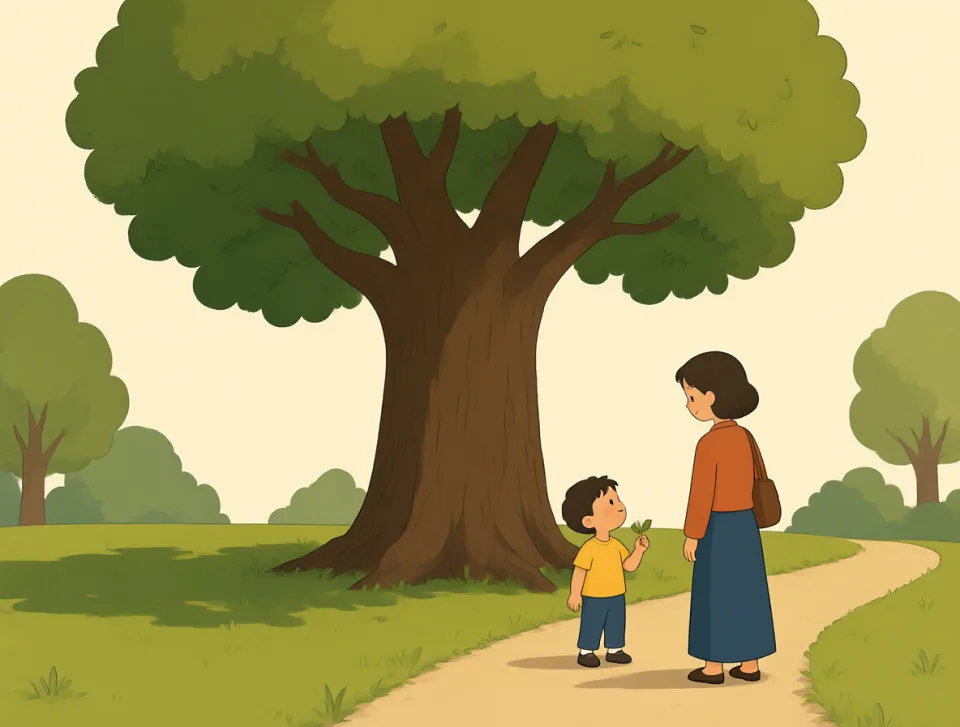
An ancient tree grows beside the walking path in our park.
我們公園裡的一棵古樹長在人行道旁邊。

coast
#1728noun, verb
海岸;沿海地區;滑行
The land beside the sea; to move easily without using much effort.
海邊的陸地;不費什麼力氣地移動。
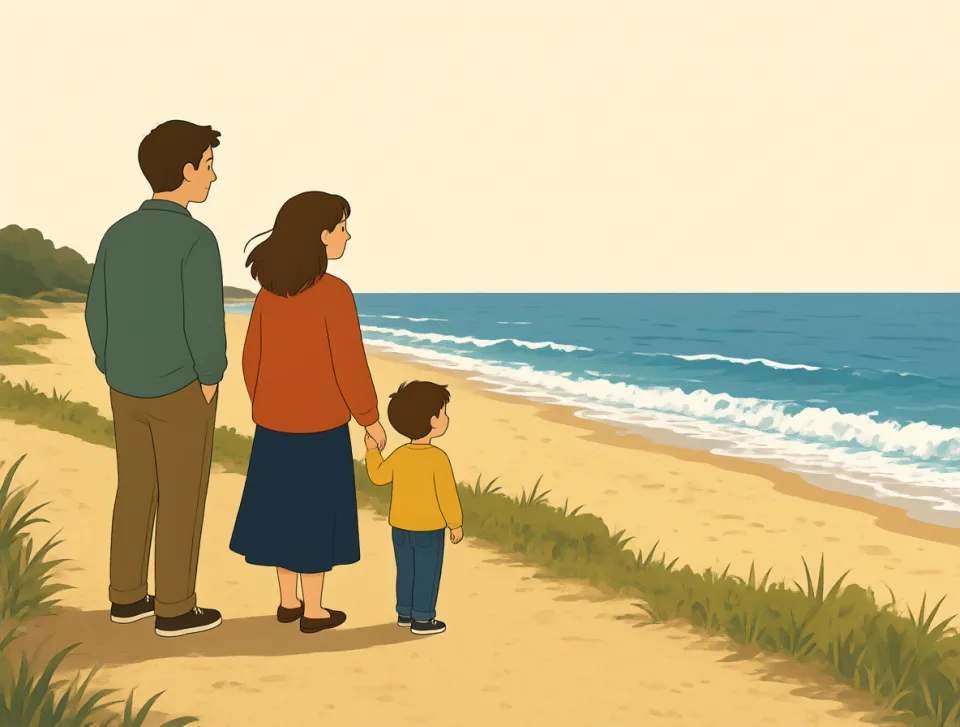
We walked along the coast and watched the waves.
我們沿著海岸散步,觀賞海浪。

The hotel has a beautiful view of the coast.
這家酒店可以欣賞到美麗的海岸景色。

Many small towns lie along the northern coast.
許多小鎮坐落在北海岸一帶。

The road follows the coast for several miles.
這條路沿著海岸延伸了好幾英里。

After finishing early, I coasted home on my bicycle.
提前忙完後,我騎著腳踏車輕鬆地滑回了家。

ill
#1729adjective, adverb, noun
生病的;有病的;不適的;傷害
Sick or unhealthy; badly or wrongly; trouble or harm.
生病或不健康;糟糕地或錯誤地;麻煩或傷害

I felt ill all day and stayed home from work.
我一整天都覺得不舒服,所以沒去上班。

She became seriously ill after eating spoiled food.
她吃了變質的食物後病得很重。

Please stay home if you are ill.
如果你生病了,請待在家裡。

The child was too ill to go to school.
這個孩子病得太重,沒法去上學。

He wished no ill on anyone, even his enemies.
他不希望任何人遭遇不幸,即使是他的敵人也一樣。

kick
#1730verb, noun
踢;開始;樂趣
To hit something with your foot, or to start suddenly; a strong feeling of enjoyment
用腳踢某物,或突然開始;強烈的愉悅感

He kicked the ball across the garden.
他把球踢過了花園。

She kicked the door open when her hands were full.
她雙手拿滿東西,只好一腳把門踢開。

The baby kicked his legs happily in the bath.
寶寶在浴缸裡開心地踢著腿。

The new exercise class kicks off next Monday.
新的健身課下週一開始。

I get a real kick out of cooking for friends.
我很享受為朋友做飯。

closely
#1731adverb
仔細地;密切地;緊密地
with careful attention or from a short distance
仔細留意,或從很近的距離觀察

Please listen closely to the teacher's instructions.
請仔細聽老師的指示。

The doctor watched the patient's breathing closely.
醫生密切觀察病人的呼吸。

We worked closely together to finish the project.
我們緊密合作,完成了這個專案。

She looked closely at the dress before buying it.
她仔細看了看那條裙子,然後才買。

The children sat closely together on the bus.
孩子們在公交車上緊挨著坐在一起。

multiple
#1732adjective, noun
多個的;多種的
Many or more than one of something
數量很多,或不止一個。

She received multiple birthday gifts from her family.
她收到了家人送的多份生日禮物。

The teacher asked multiple questions during the lesson.
老師在課上提了多個問題。

We visited multiple countries during our summer trip.
暑假旅行期間,我們去了好幾個國家。

This medicine may cause multiple side effects.
這種藥可能會引起多種副作用。

The store offers multiple sizes of the same jacket.
這家店有同款夾克的多種尺碼。
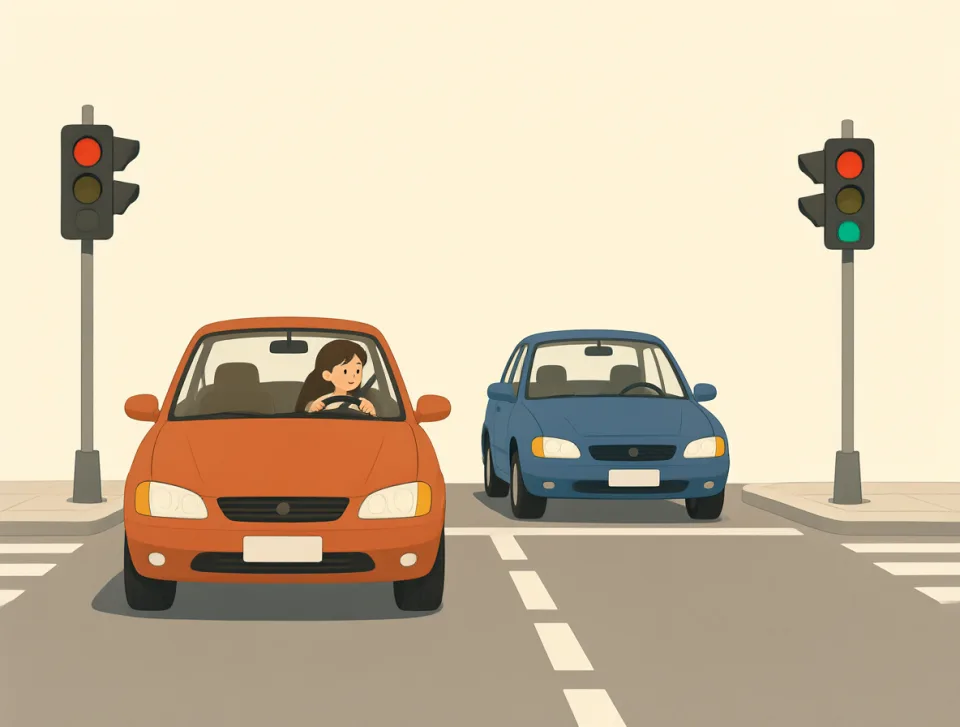
yield
#1733noun, verb
產量;讓行;產生;屈服
The amount produced, or to give way or produce a result.
產出的數量;或讓步、產生結果。
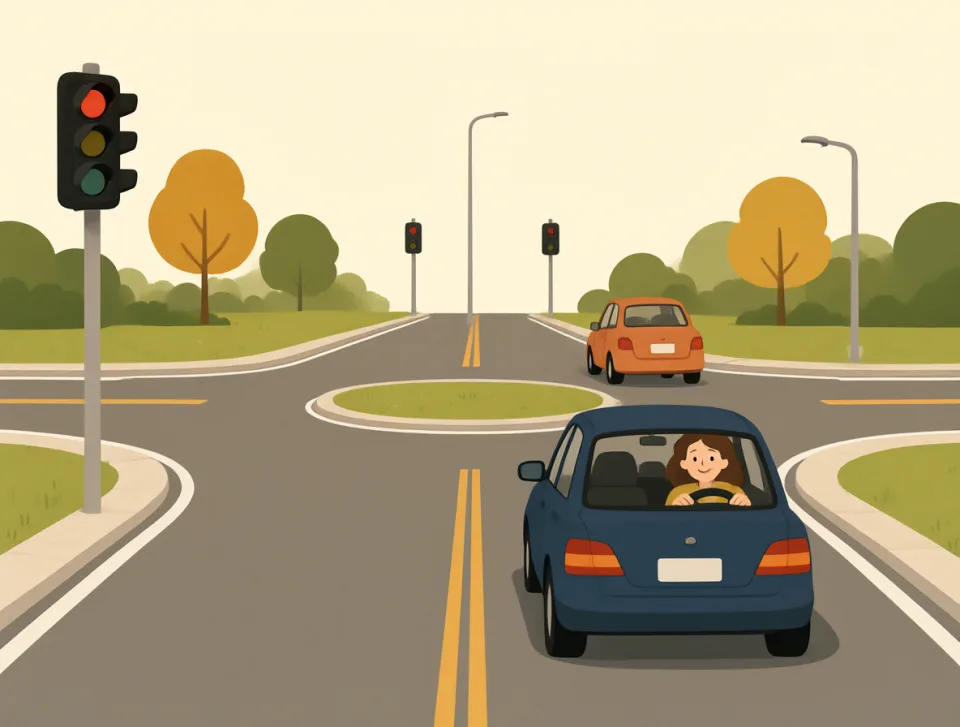
Drivers must yield to traffic already in the roundabout.
駕駛員必須讓已經進入環島的車輛先行。

This small garden yields fresh tomatoes every summer.
這個小花園每年夏天都會結出新鮮的西紅柿。

The recipe yields enough soup for six people.
按這個食譜做出來的湯夠六個人喝。

The teacher asked the class to yield better results this term.
老師要求全班這學期取得更好的成績。

After hours of discussion, both friends yielded and apologized.
討論了好幾個小時後,兩位朋友都作出了讓步並互相道歉。

via
#1734preposition
透過;經由
using a particular person, method, route, or place to reach someone or something
利用特定的人、方法、路線或地點來聯絡某人或到達某處
We usually communicate via email at work.
我們在工作中通常透過電子郵件溝通。

The package arrived via express delivery this morning.
包裹今天早上透過快遞送到了。

We traveled to the island via a small ferry.
我們乘坐一艘小渡船前往那座島。

She booked the hotel via a travel website.
她透過旅遊網站預訂了酒店。

The doctor spoke to us via video call.
醫生透過視訊通話和我們交談。

legislation
#1735noun
法律;立法
laws made by a government
政府制定的法律
The government introduced new legislation to protect children online.
政府出臺了新的法律,以保護兒童在網上的安全。

The new legislation bans smoking in all public buildings.
新法律禁止在所有公共建築內吸菸。

Farmers are asking for legislation to support local food production.
農民們要求出臺法律,支援當地食品生產。

The company changed its policies after new legislation was passed.
新法律透過後,這家公司修改了自己的政策。

Doctors welcomed legislation that gives patients more healthcare choices.
醫生們對一項讓患者擁有更多醫療選擇的法律表示歡迎。
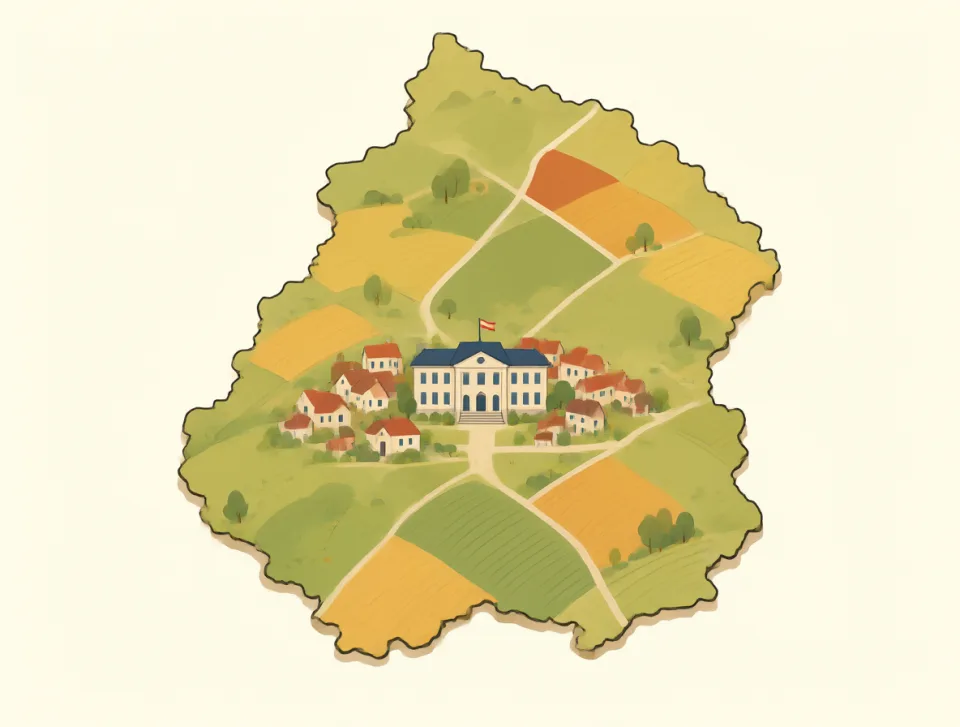
county
#1736noun
縣
an area of a country with its own local government
一個國家設有地方政府的行政區域

She moved to a quiet county in the north last year.
去年,她搬到了北部一個安靜的縣。

The county runs several hospitals, schools, and public libraries.
縣政府管理著幾家醫院、學校和公共圖書館。

Our county has a farmers' market every Saturday morning.
我們縣每週六早上都有農貿市場。

The county road was closed because of heavy snow.
由於大雪,縣道封閉了。

They visited three counties during their train journey.
他們乘火車旅行期間,遊覽了三個縣。

unlike
#1737preposition, conjunction
不像;與……不同
Different from someone or something else in a clear way
與某人或某物有明顯的不同
Unlike my brother, I enjoy getting up early.
不像我哥哥,我喜歡早起。

Unlike yesterday, the weather is warm and sunny today.
與昨天不同,今天的天氣溫暖又晴朗。

Unlike most students, Maria walks to school every morning.
不像大多數學生,Maria每天早上步行去學校。

Unlike the old hotel, this one has clean, comfortable rooms.
與那家老酒店不同,這家酒店的房間乾淨又舒適。
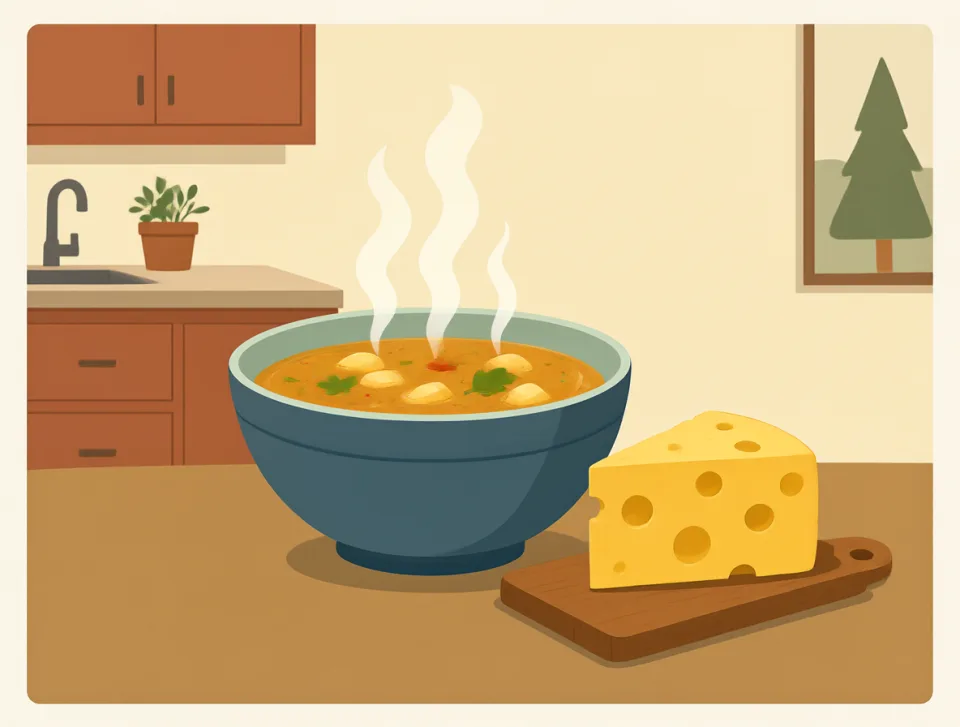
Unlike cheese, this soup tastes better when it is hot.
不像乳酪,這種湯趁熱喝味道更好。
mobile
#1738noun, adjective
手機;移動的
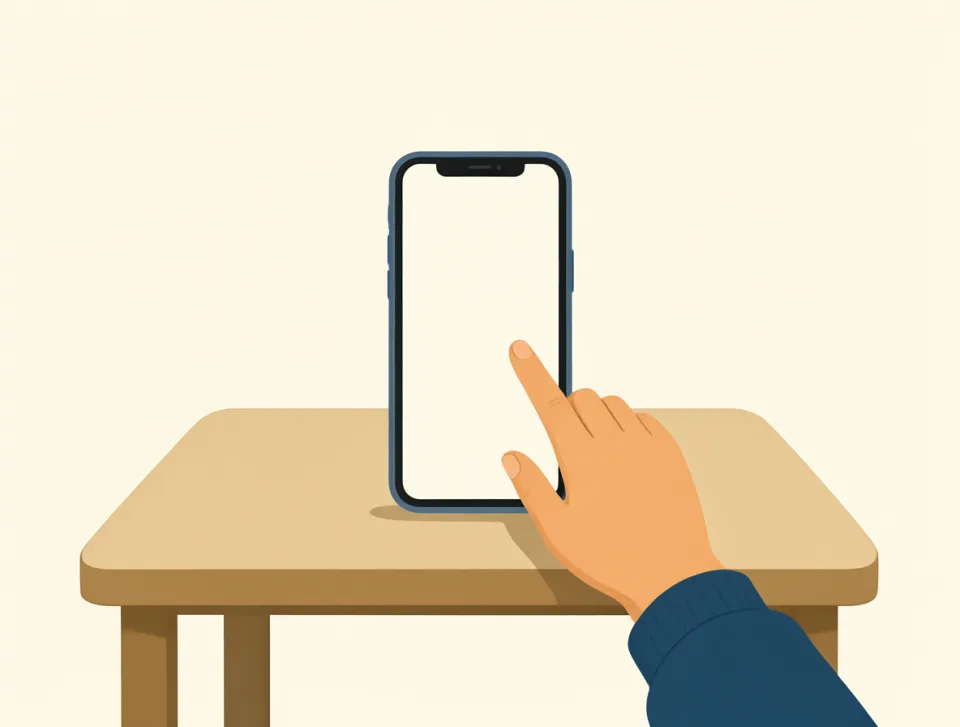
A mobile is a phone you can carry and use anywhere without wires.
手機是一種可以隨身攜帶、無需接線並能在任何地方使用的電話。

I left my mobile at home this morning.
我今天早上把手機落在家裡了。

Please call me on my mobile after work.
下班後請用我的手機給我打電話。

She bought a new mobile phone last week.
她上週買了一部新手機。

Students must turn off their mobiles during the lesson.
上課期間,學生必須關閉手機。
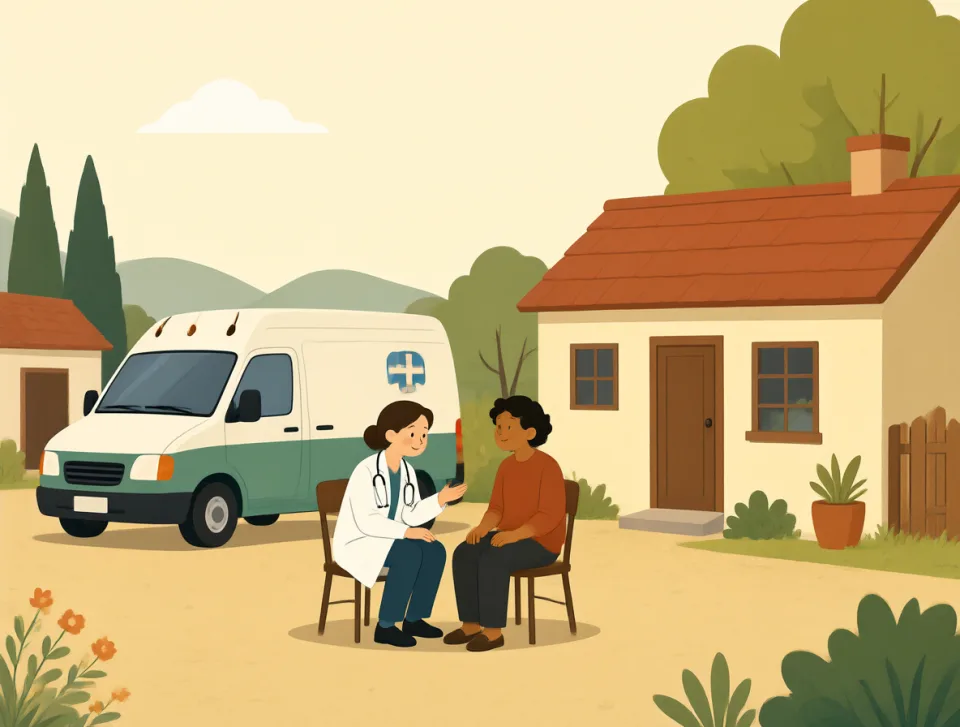
The doctor used a mobile clinic to help villagers.
醫生用一輛流動診所幫助村民。

assistant
#1739noun
助手;助理
A person who helps someone with their work or daily tasks.
幫助別人處理工作或日常事務的人。

My assistant helps me organize my meetings and answer emails.
我的助理幫我安排會議、回覆郵件。

The shop assistant helped me find the right size.
店員幫我找到了合適的尺碼。

The teacher asked her assistant to help the new students.
老師讓她的助教去幫助新生。
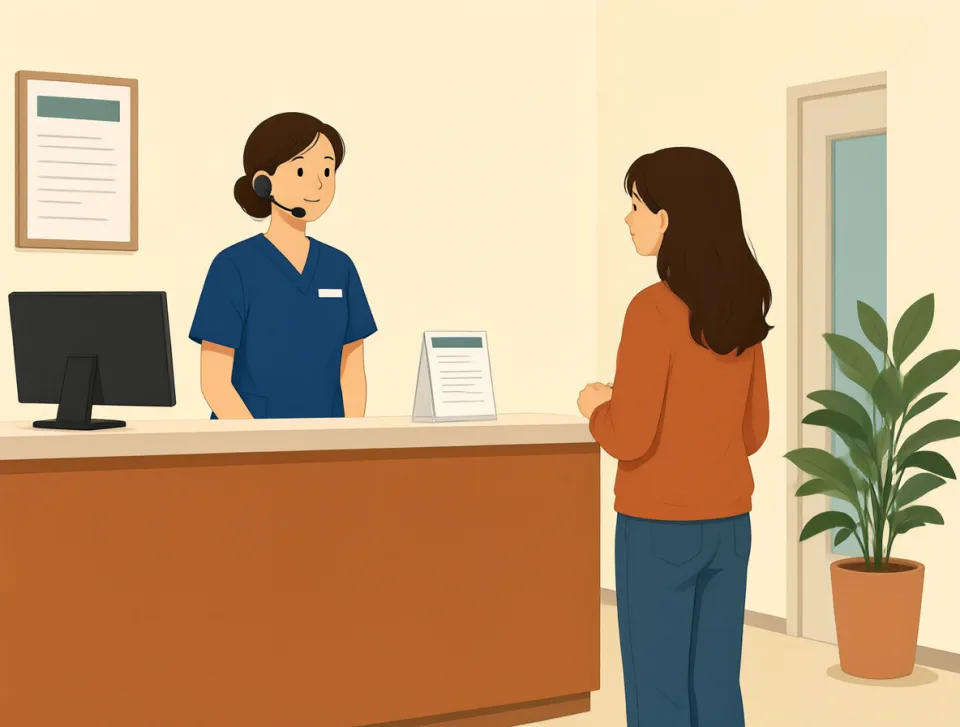
The doctor's assistant called my name in the waiting room.
醫生的助手在候診室裡叫了我的名字。

Our kitchen assistant is preparing vegetables for dinner.
我們的廚房幫工正在準備晚餐要用的蔬菜。

implement
#1740verb, noun
實施;執行;工具;器具
to put a plan, decision, or system into action; a tool used by hand
將計劃、決定或系統付諸實施;手工使用的工具

The school will implement a new reading program next term.
學校將在下學期開設一個新的閱讀專案。

Our manager implemented the plan after the team agreed.
團隊同意後,我們的經理實施了這項計劃。

The hospital is implementing stricter hygiene rules this month.
醫院本月正在實施更嚴格的衛生規定。

He bought a garden implement to plant vegetables more easily.
他買了一件園藝工具,以便更輕鬆地種植蔬菜。

The chef used a special implement to remove the fish bones.
廚師用一件特殊的工具去除魚刺。