Unidad 14
Palabras 261–280 · learn, level, person, experience, once, member
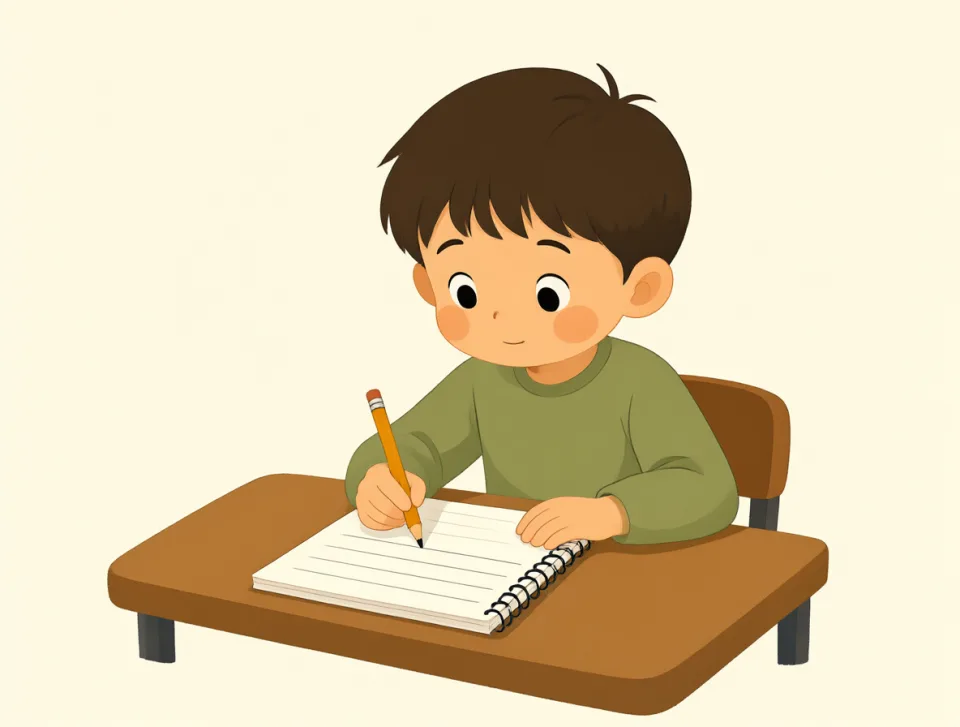
learn
#261verb
aprender; enterarse
to get knowledge or a skill by studying, practicing, or experiencing something
adquirir conocimientos o una habilidad estudiando, practicando o viviendo algo
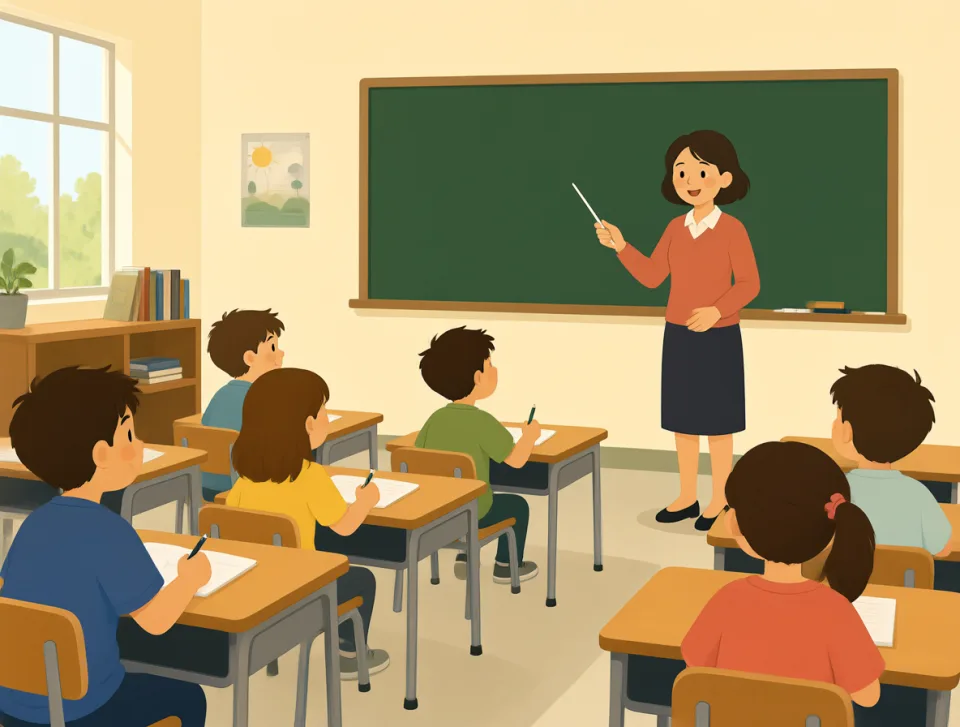
Children learn new things at school.
Los niños aprenden cosas nuevas en la escuela.
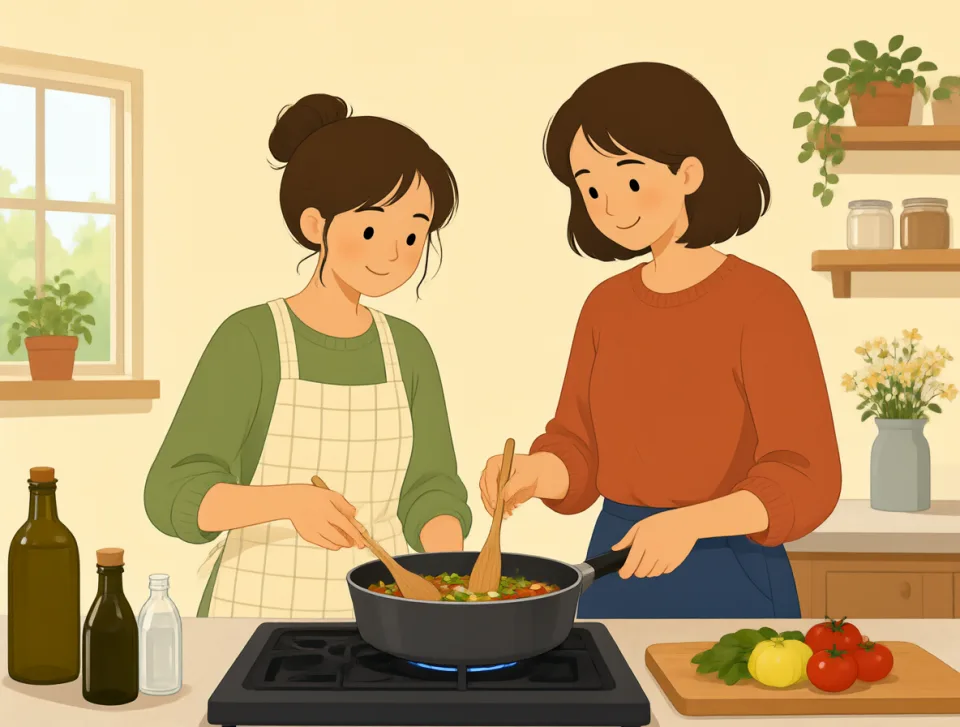
I learned to cook from my mother.
Aprendí a cocinar con mi madre.
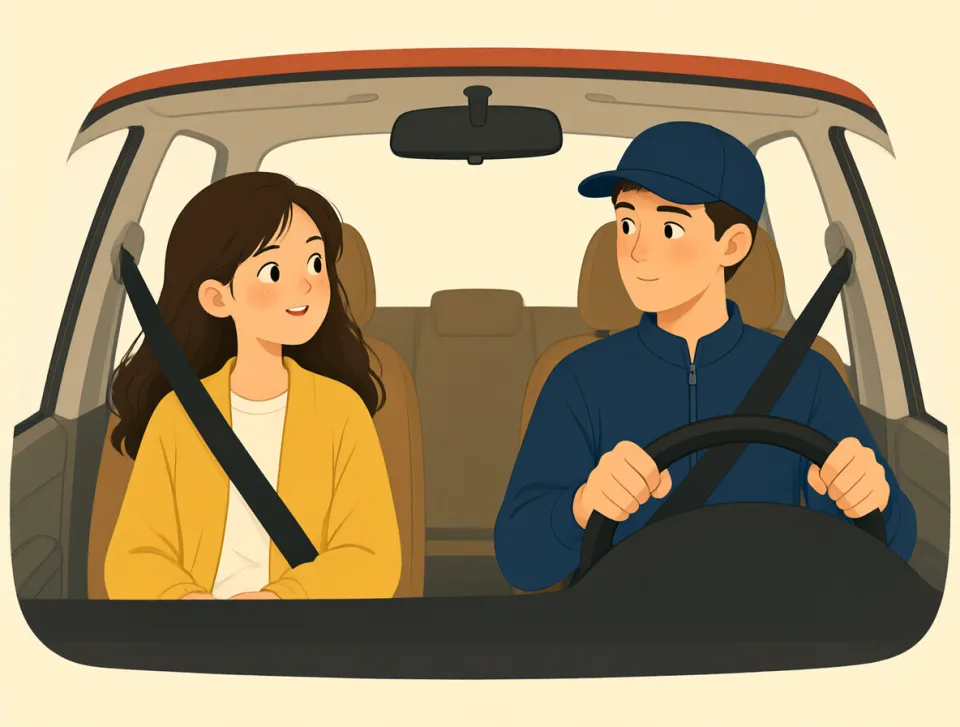
She is learning how to drive.
Ella está aprendiendo a conducir.
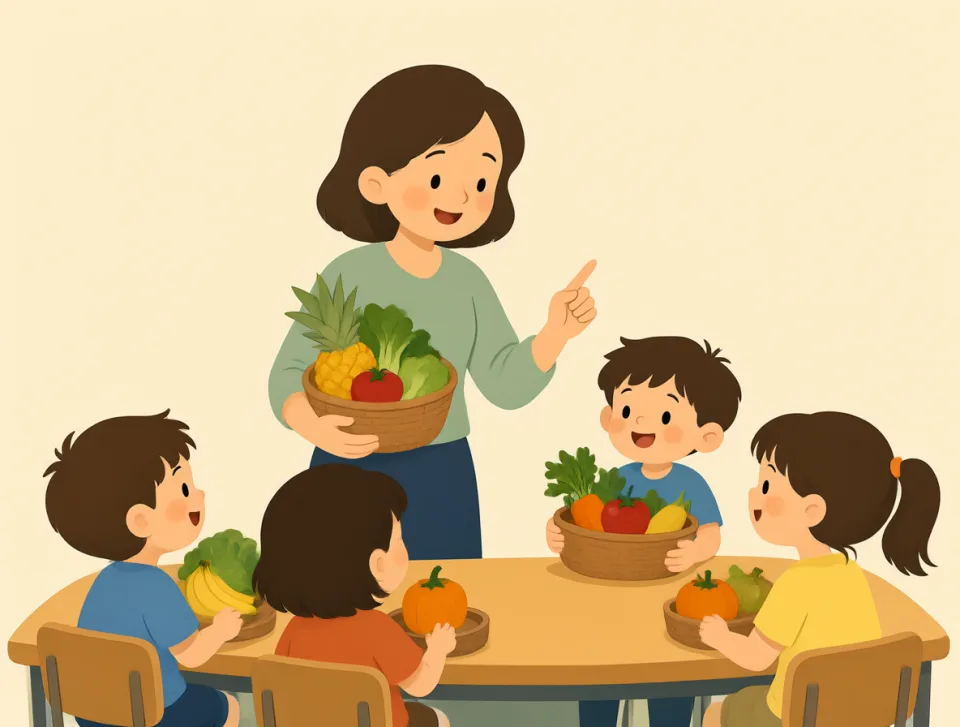
We learned about healthy food today.
Hoy aprendimos sobre la alimentación saludable.
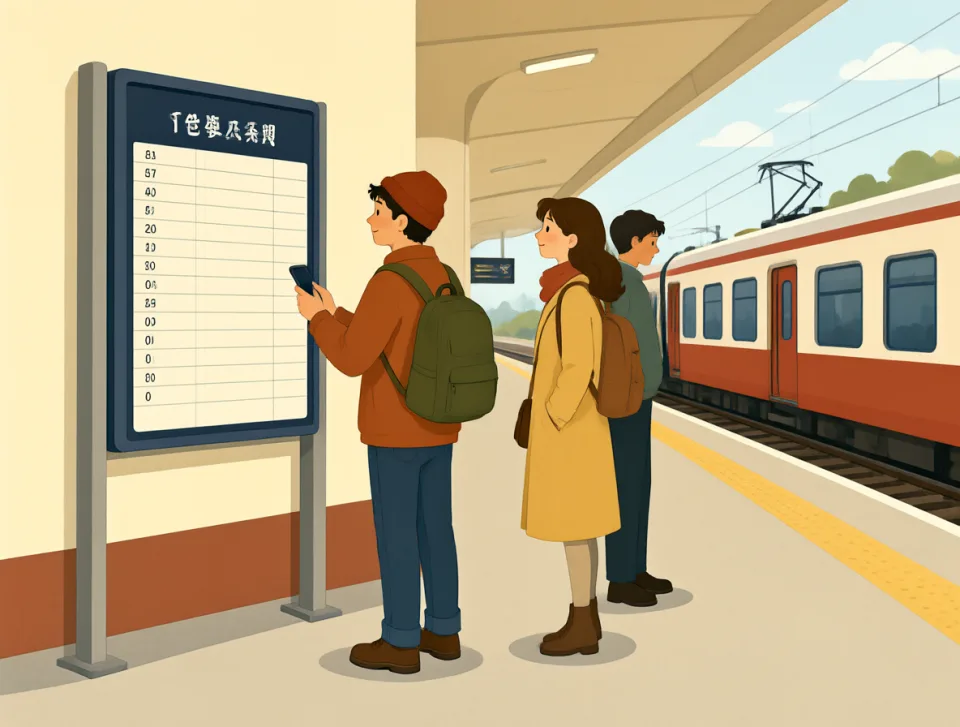
He learned the train was late.
Él se enteró de que el tren llegaba tarde.

level
#262noun, verb, adjective
nivel; nivelar; nivelado
A position or amount that is higher, lower, or equal to another.
Una posición o cantidad que es mayor, menor o igual que otra.
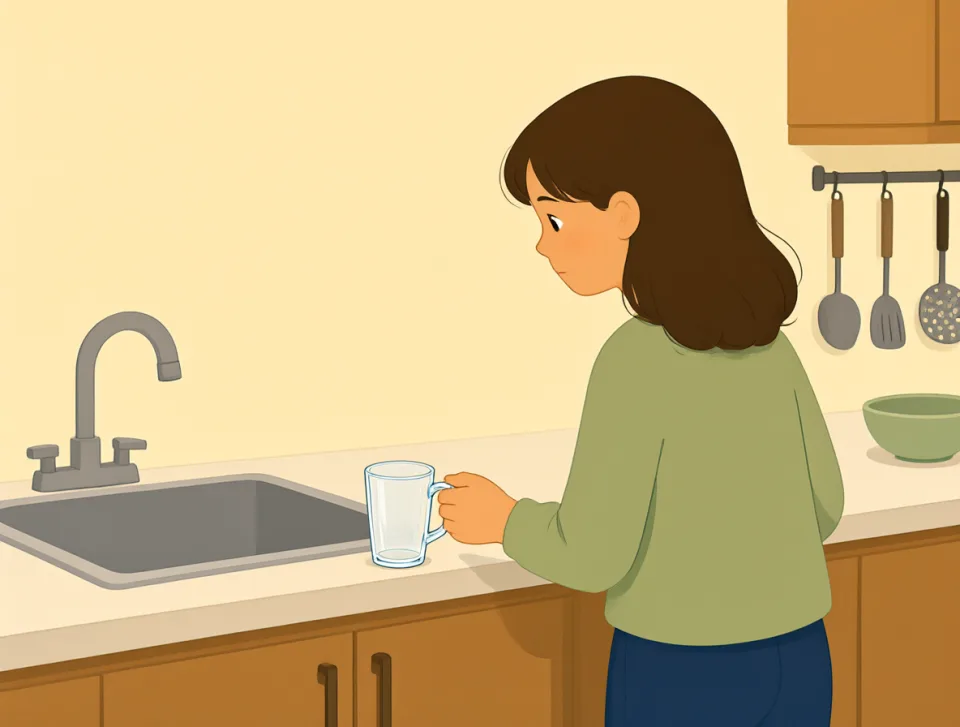
The water level is too low.
El nivel del agua es demasiado bajo.
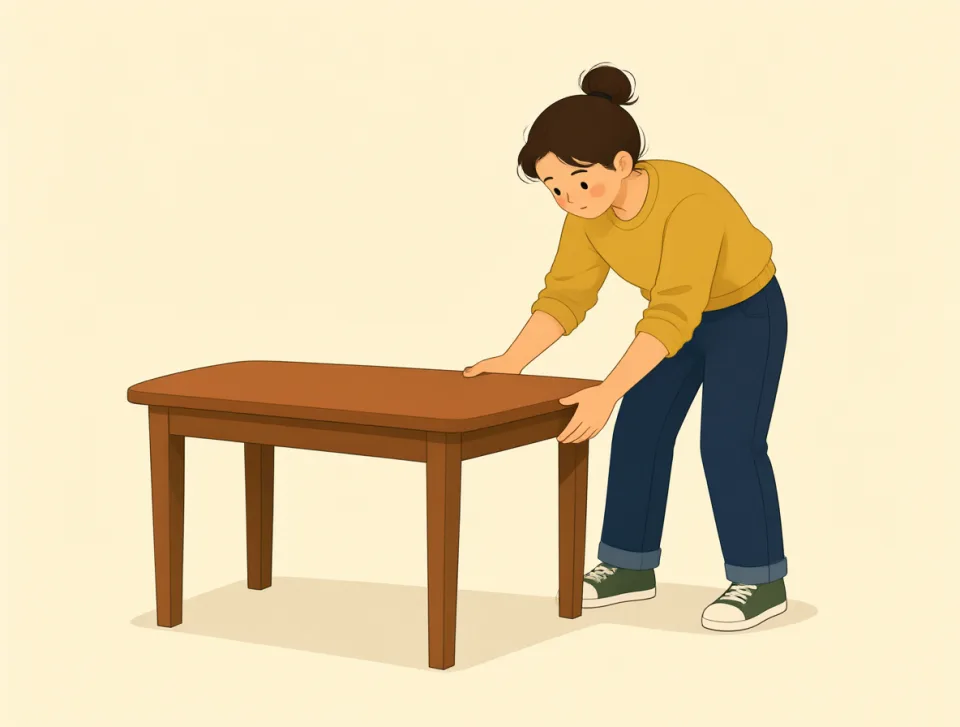
Please level the table before dinner.
Por favor, nivela la mesa antes de la cena.
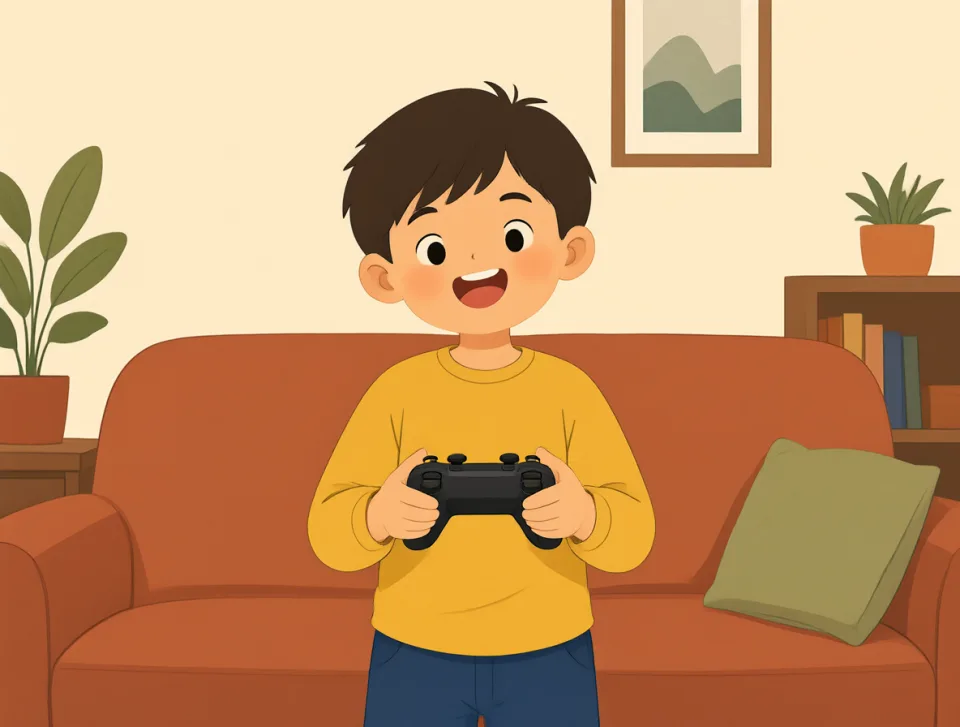
She reached the next level in the game.
Alcanzó el siguiente nivel del juego.

The noise level was high at work.
El nivel de ruido era alto en el trabajo.
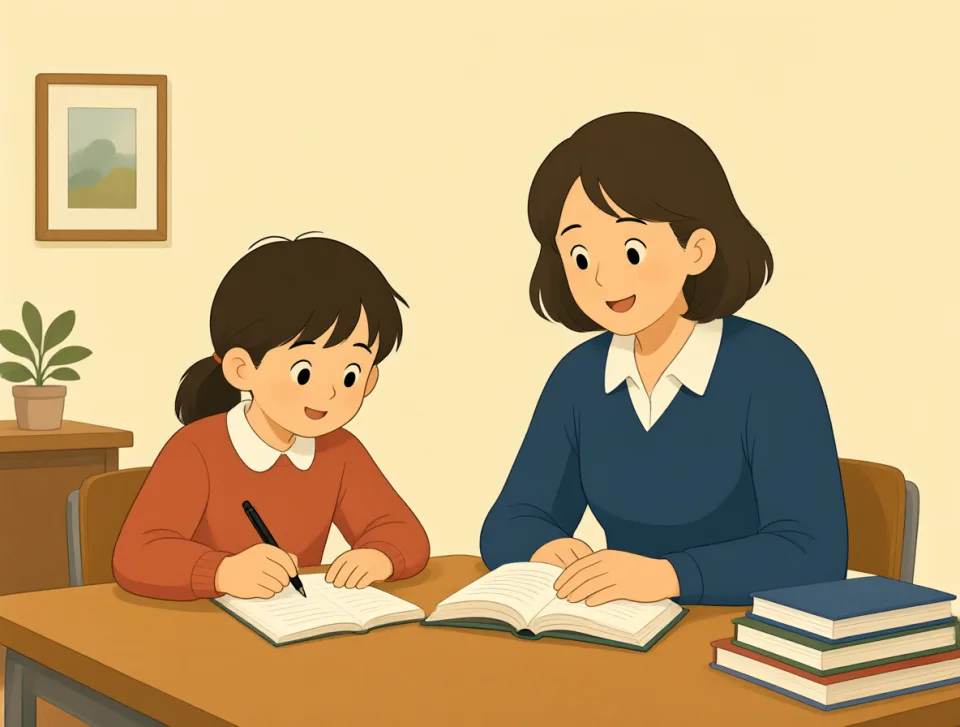
He is at an advanced level in English.
Tiene un nivel avanzado de inglés.
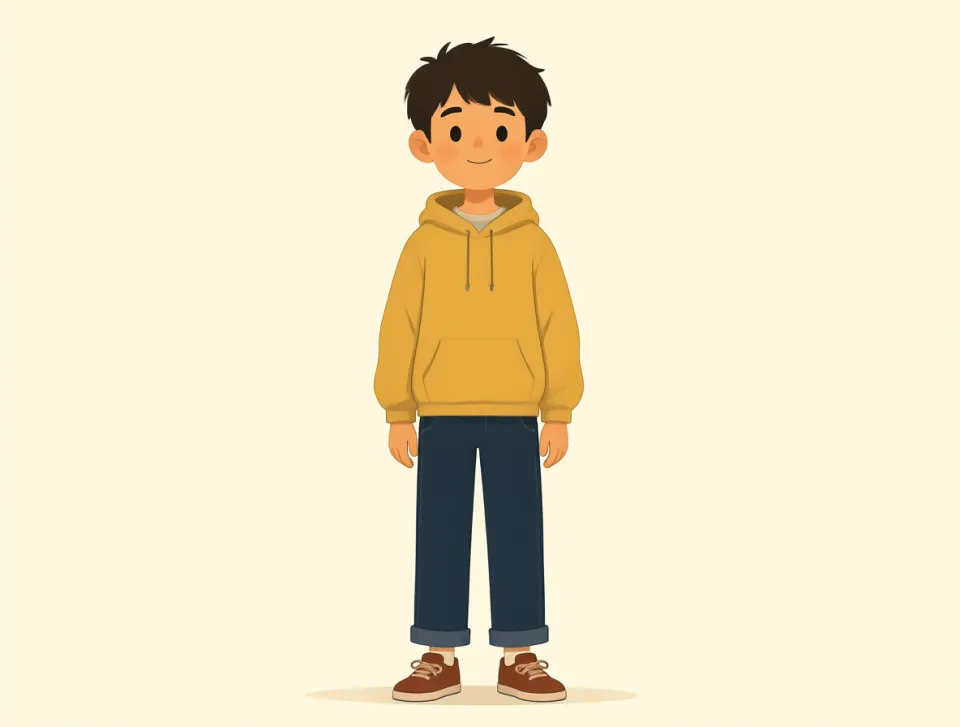
person
#263noun
persona
A human being, especially one considered as an individual.
Un ser humano, especialmente considerado como individuo.
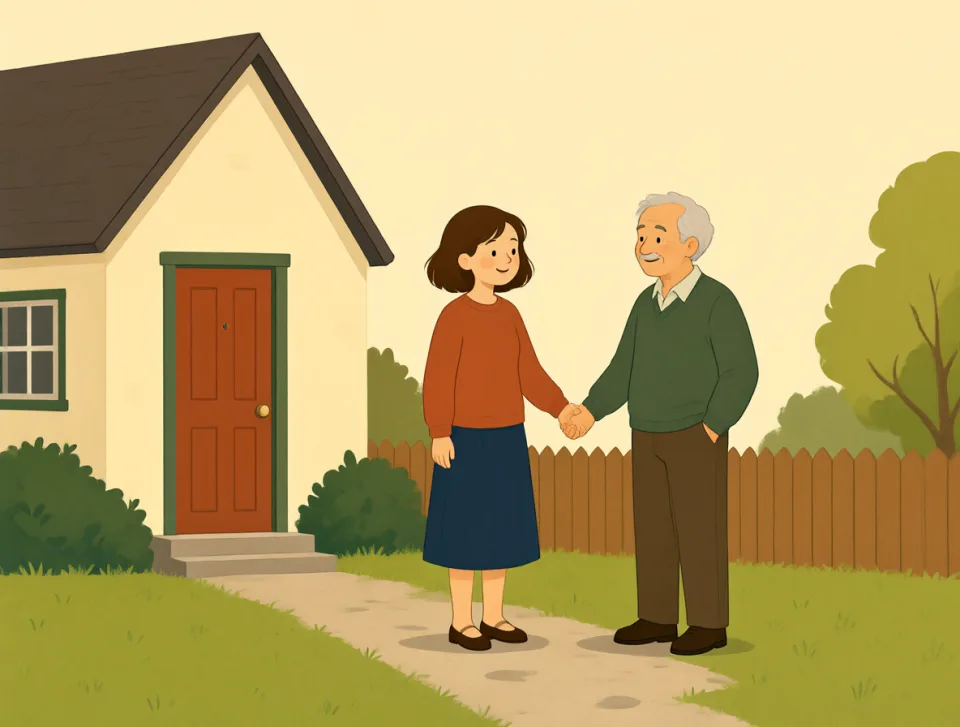
That person is my new neighbor.
Esa persona es mi nuevo vecino.
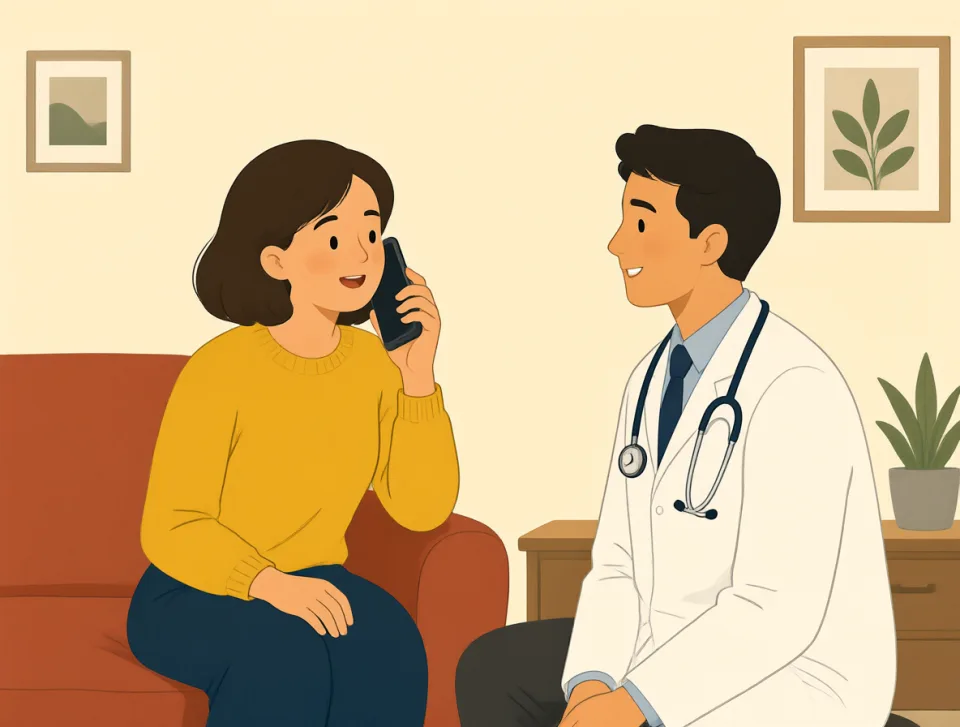
One person called the doctor for help.
Una persona llamó al médico para pedir ayuda.

She is the right person for this job.
Ella es la persona indicada para este trabajo.

A kind person helped me carry my bags.
Una persona amable me ayudó a llevar mis bolsas.
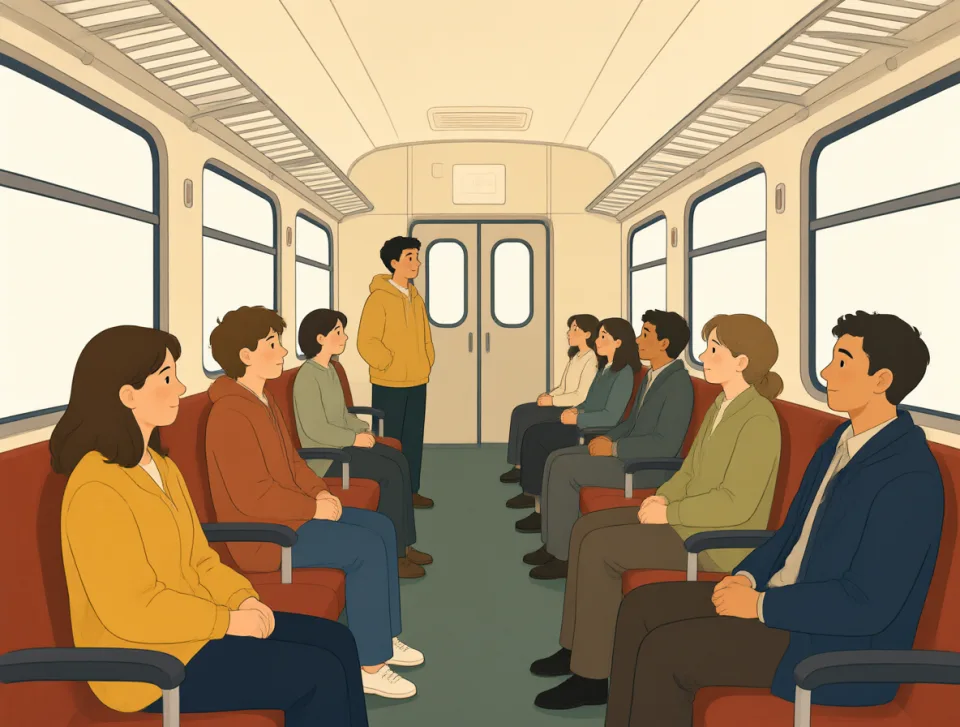
There were many people on the train.
Había muchas personas en el tren.

experience
#264noun, verb
experiencia; experimentar
Knowledge or skill gained by doing something; to have something happen to you.
Conocimientos o habilidades que se adquieren al hacer algo; vivir o pasar por algo.
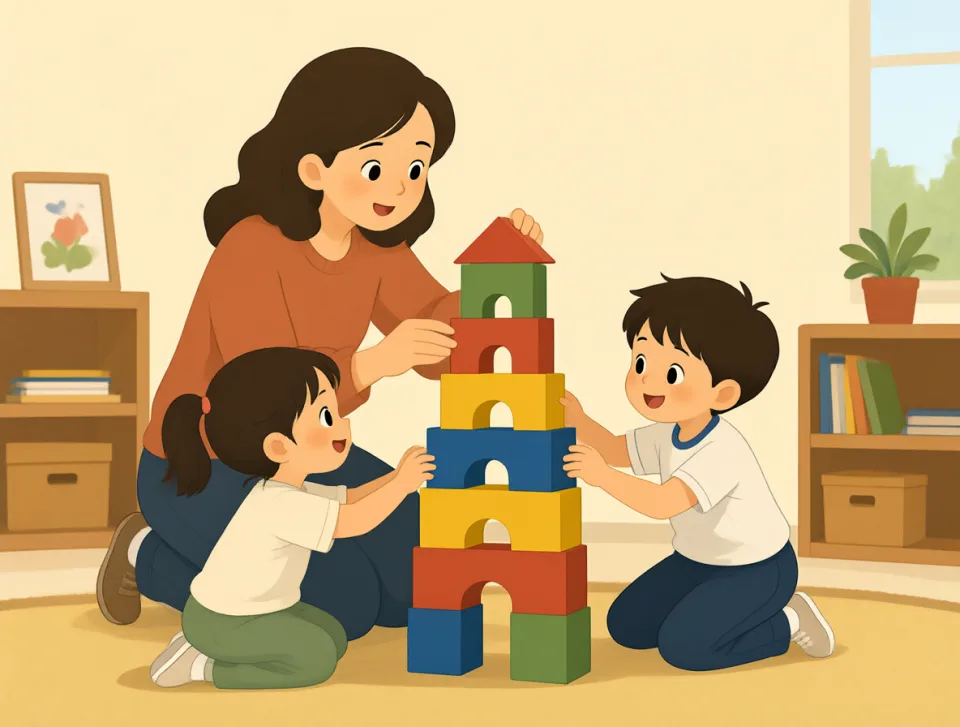
She has experience working with young children.
Ella tiene experiencia trabajando con niños pequeños.

This trip was a wonderful experience for us.
Este viaje fue una experiencia maravillosa para nosotros.
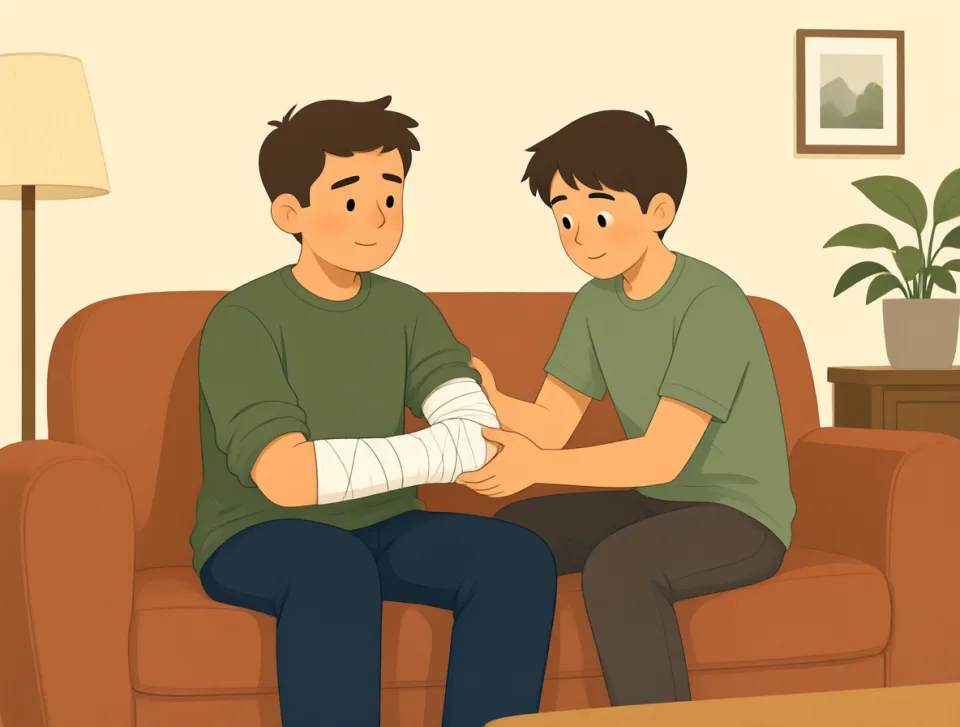
He experienced severe pain after the accident.
Experimentó un dolor intenso después del accidente.
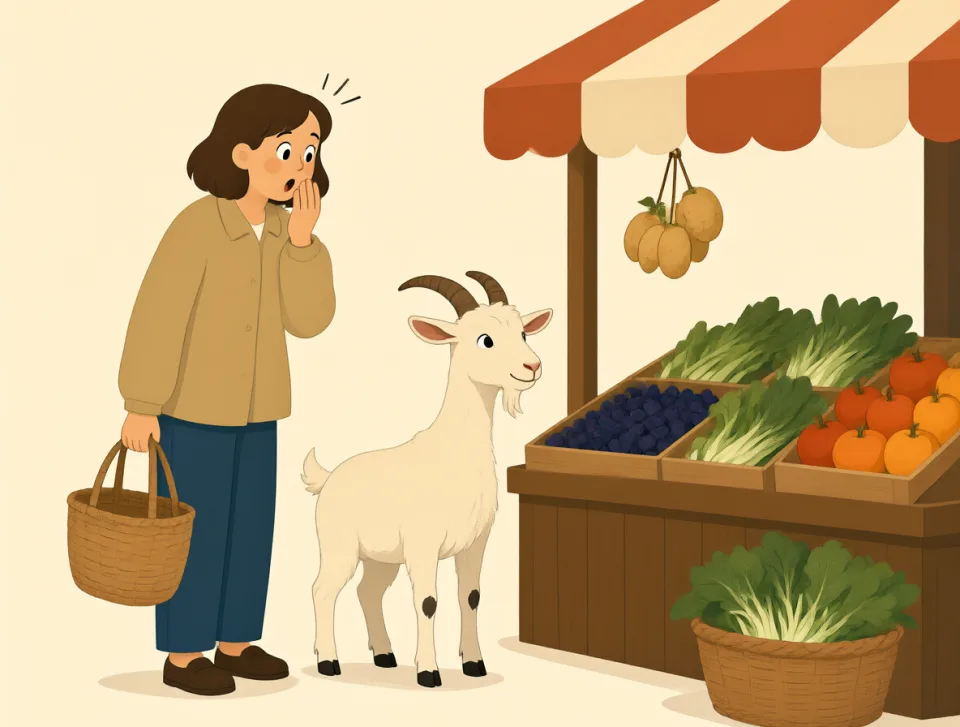
I had a strange experience at the market.
Tuve una experiencia extraña en el mercado.
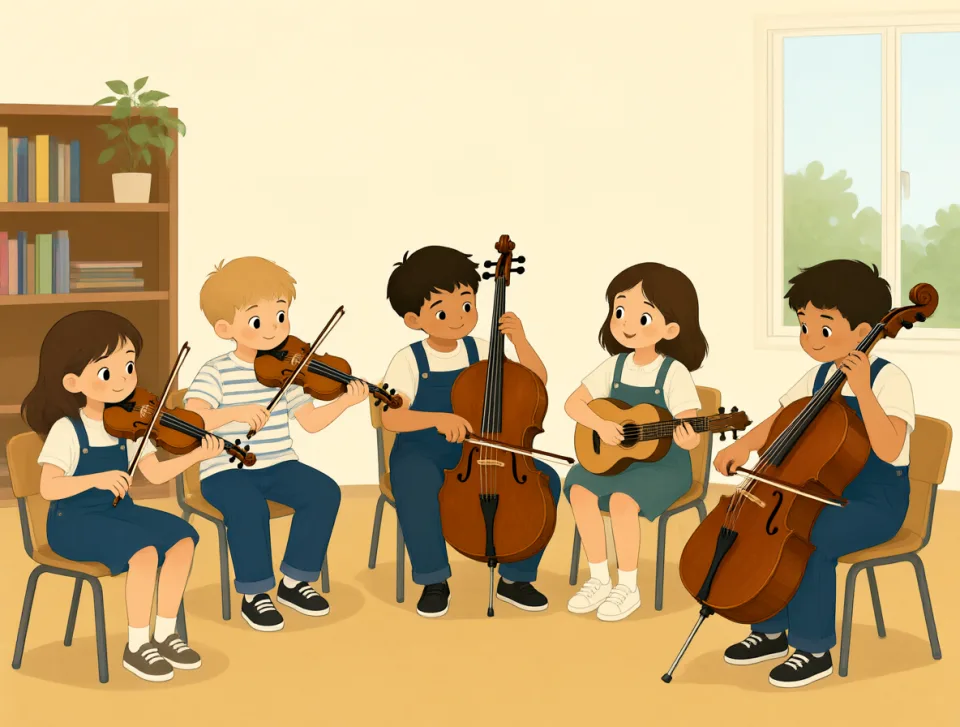
Students gain experience through practice.
Los estudiantes adquieren experiencia mediante la práctica.

once
#265adverb, conjunction, determiner, noun
una vez; antiguamente; cuando
At one time in the past, or one time only.
En un momento del pasado o una sola vez.
I once lived in a small town.
Una vez viví en un pueblo pequeño.
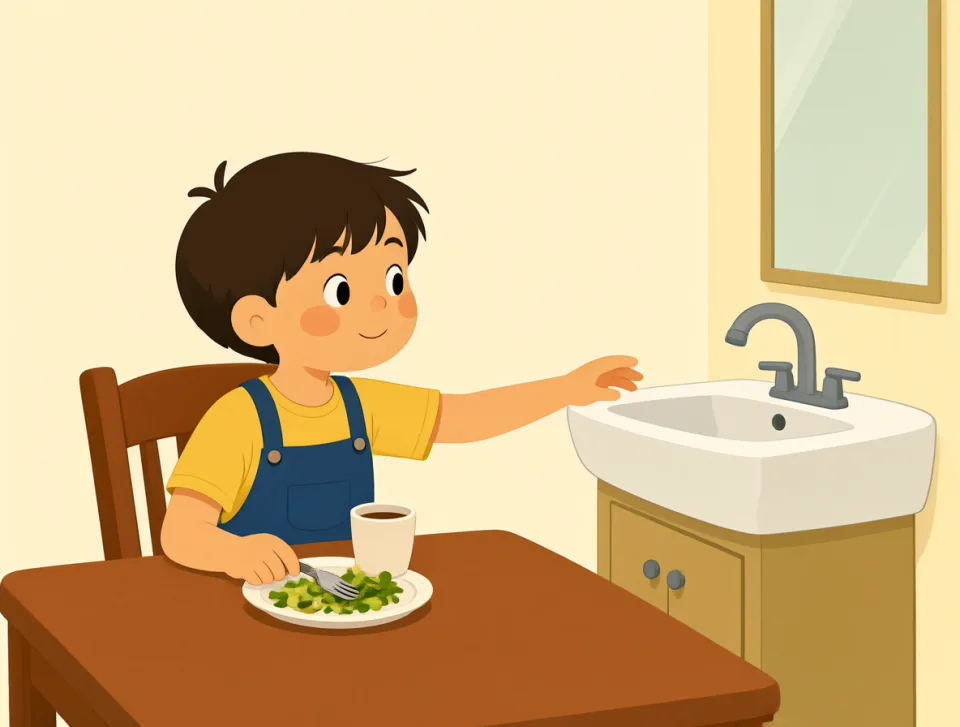
Once you finish, please wash your hands.
Cuando termines, lávate las manos, por favor.

I have visited Paris once.
He visitado París una vez.

Once a week, we buy fresh vegetables.
Una vez a la semana, compramos verduras frescas.
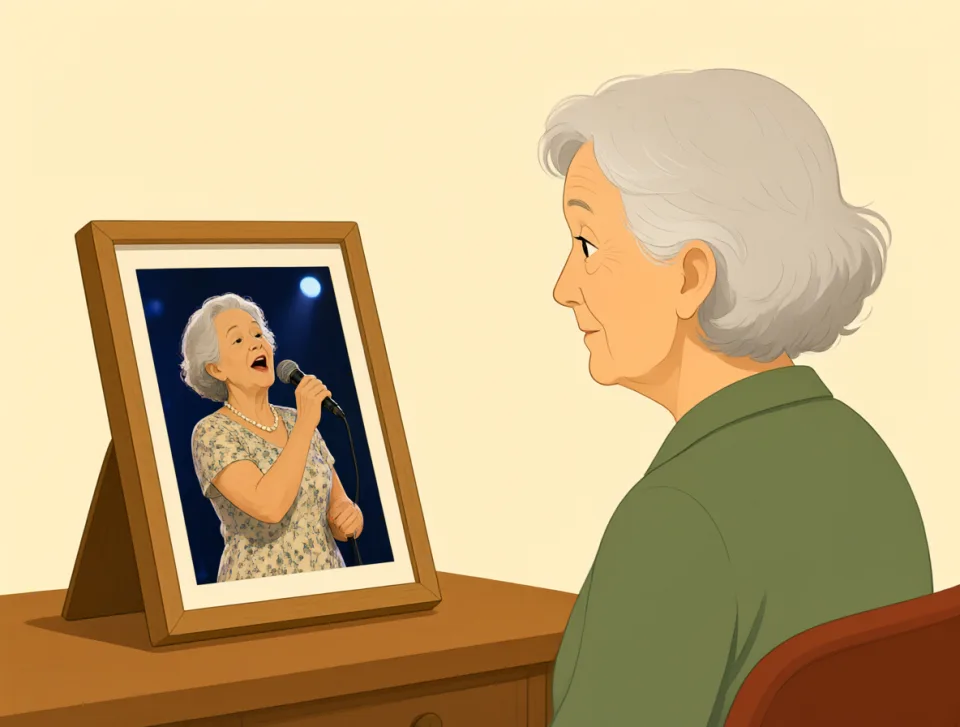
She was a famous singer once.
Ella fue una cantante famosa una vez.
member
#266noun
miembro; integrante
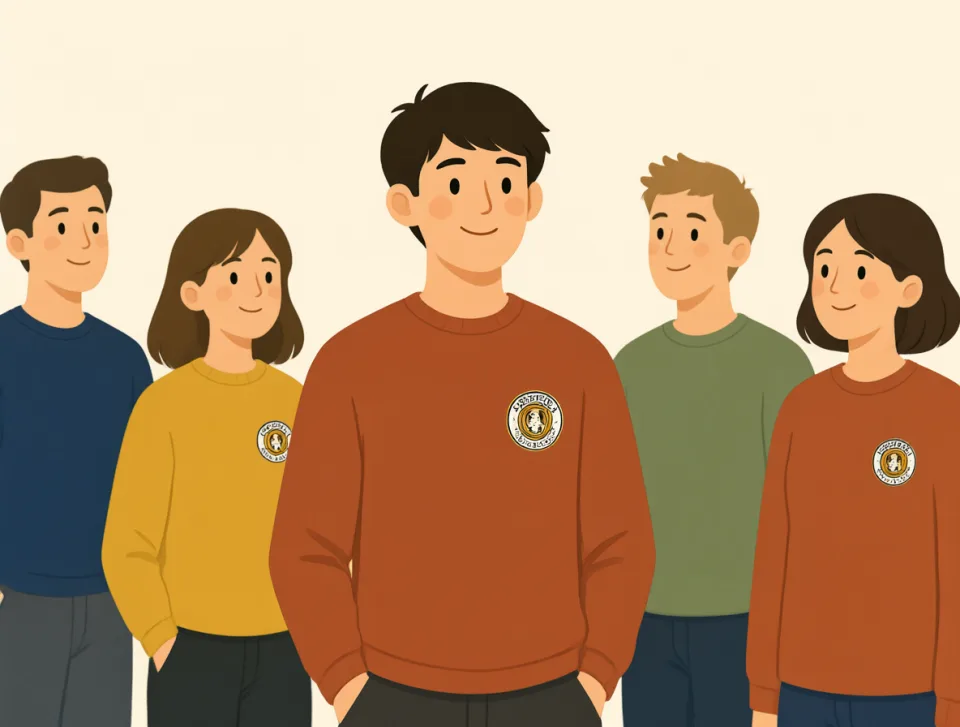
a person who belongs to a group, club, or organization
una persona que pertenece a un grupo, club u organización
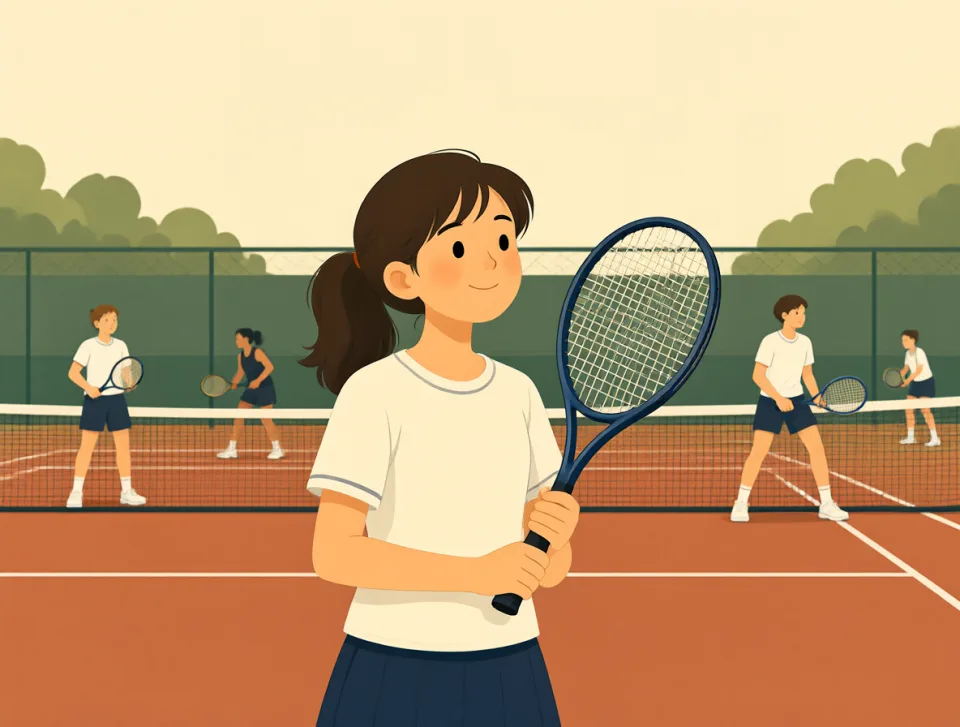
She is a member of our tennis club.
Ella es miembro de nuestro club de tenis.
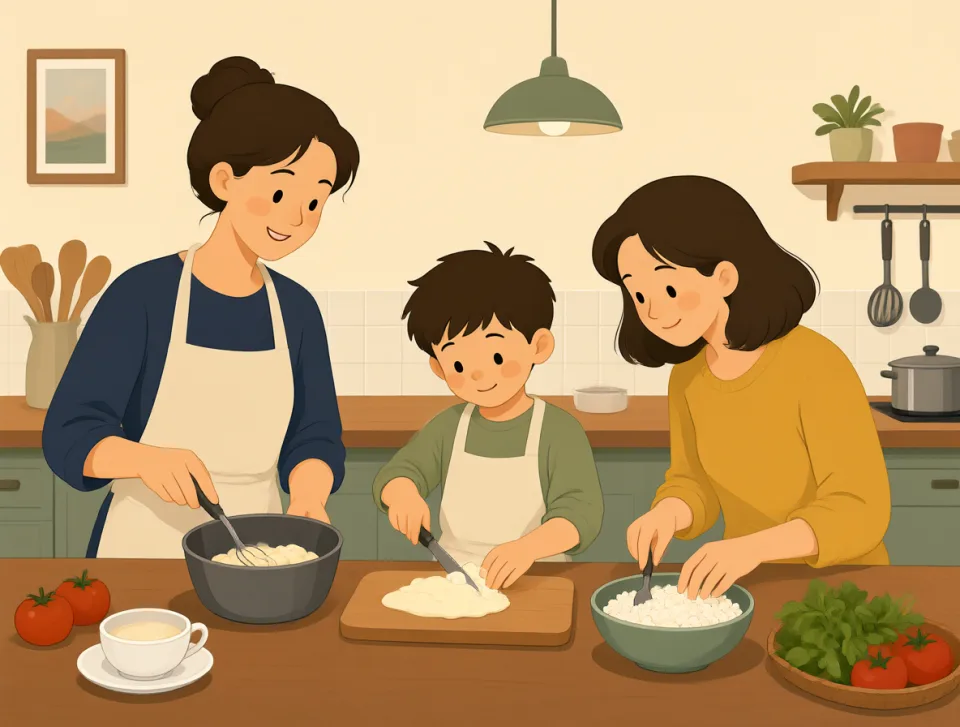
Every family member helped cook dinner.
Todos los miembros de la familia ayudaron a preparar la cena.

He became a member of the school team.
Se convirtió en miembro del equipo de la escuela.
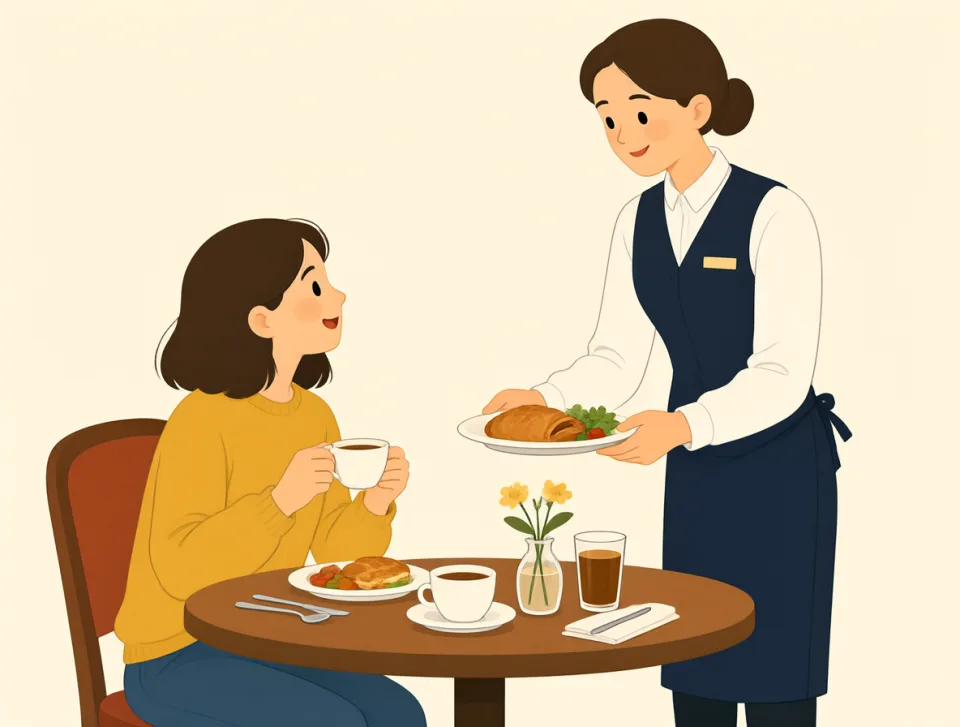
The hotel member received a free breakfast.
El miembro del hotel recibió un desayuno gratis.
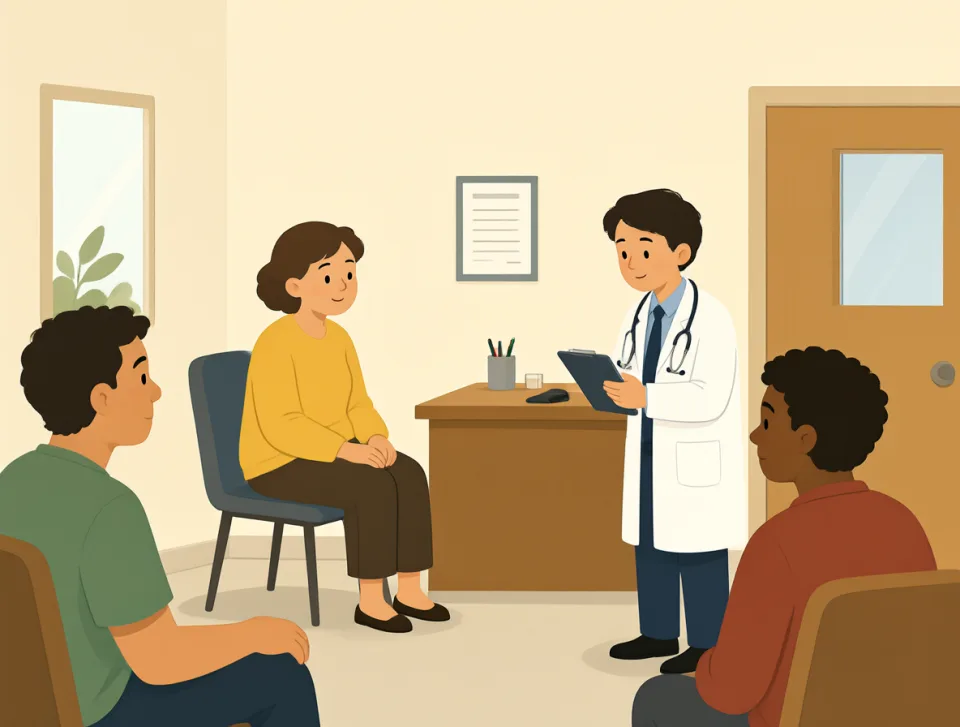
The doctor checked each member of the group.
El médico revisó a cada miembro del grupo.
enough
#267adjective, adverb, pronoun, determiner
suficiente; bastante; bastante(s)
As much or as many as needed.
La cantidad o el número que se necesita.
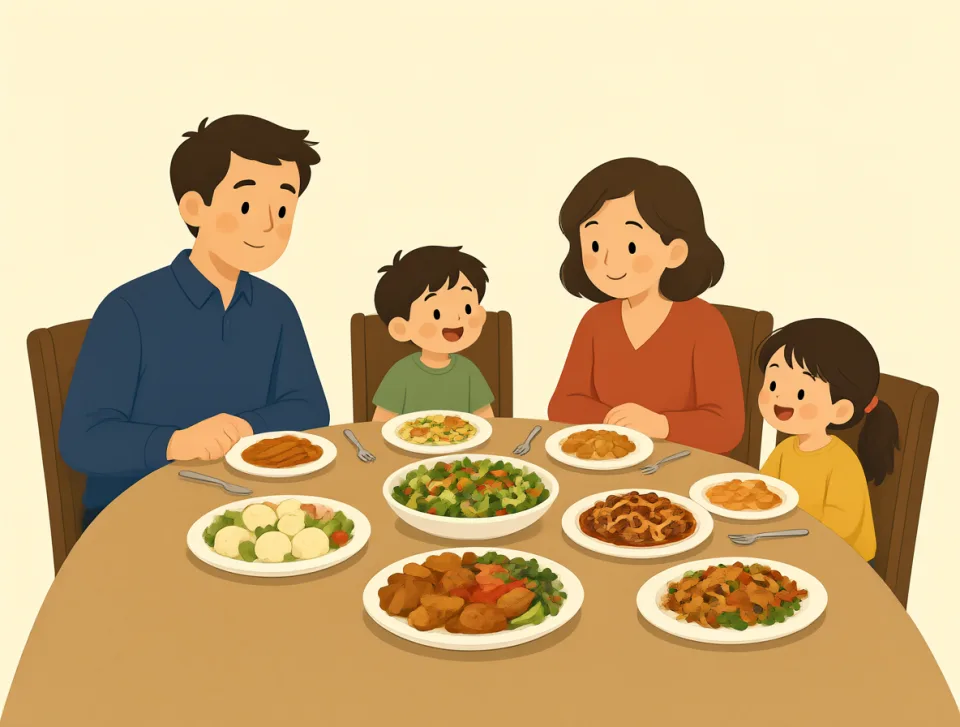
Do we have enough food for everyone?
¿Tenemos suficiente comida para todos?
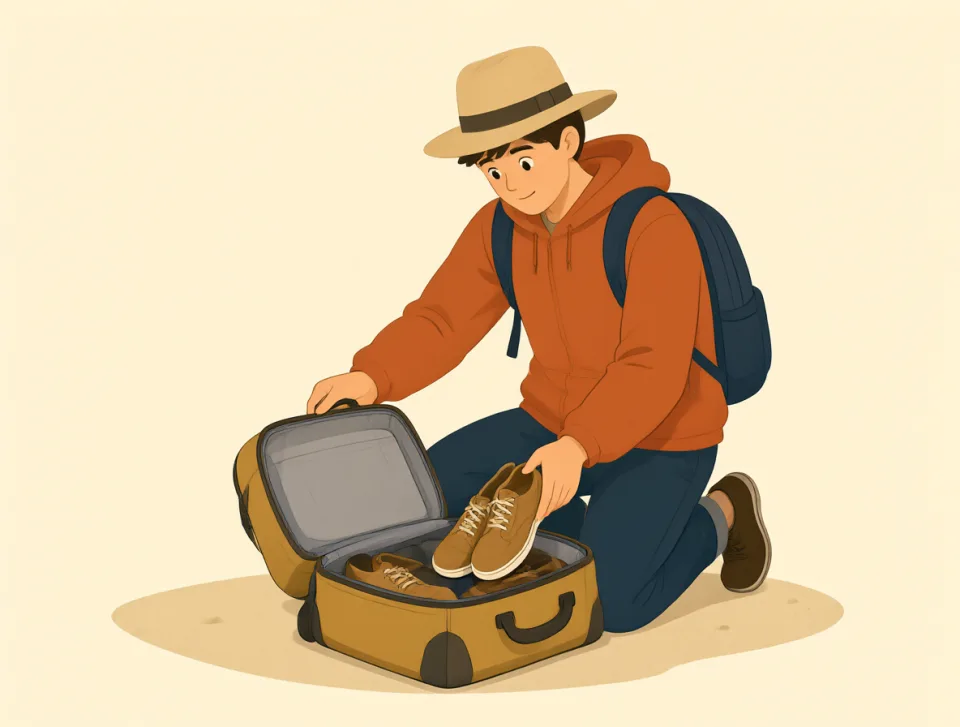
This bag is big enough for my shoes.
Esta bolsa es lo suficientemente grande para mis zapatos.
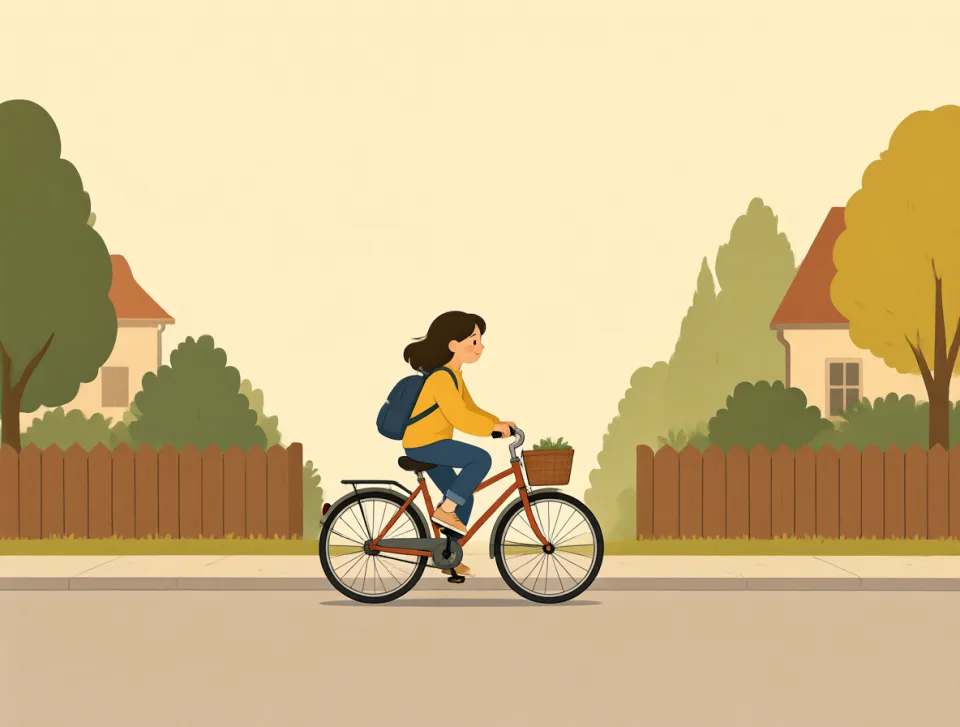
She is old enough to ride alone.
Ella tiene la edad suficiente para montar sola.
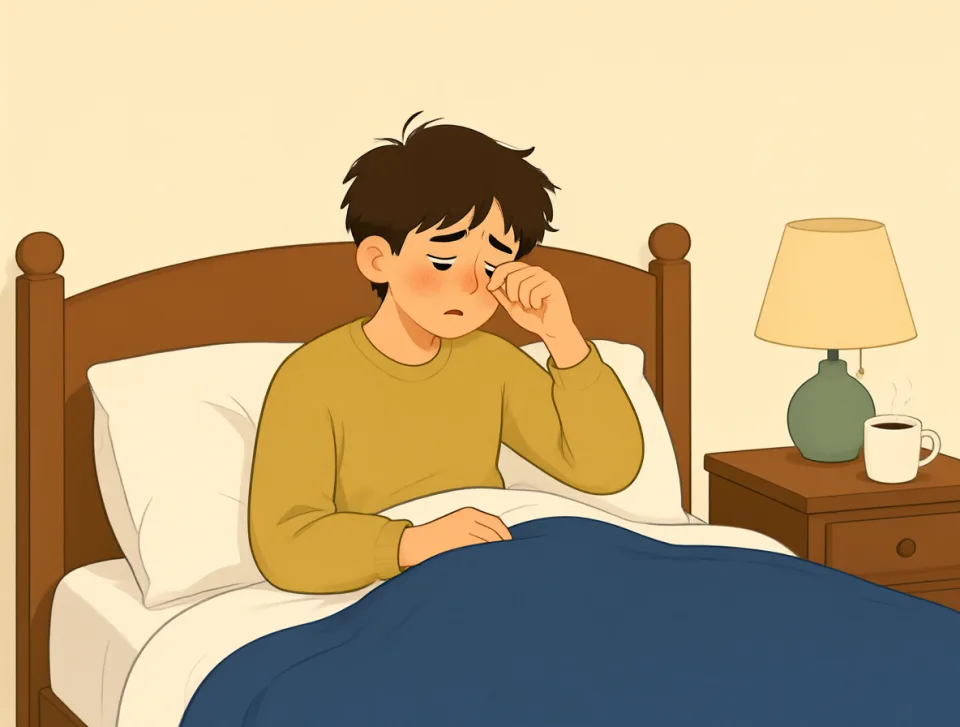
I did not sleep enough last night.
Anoche no dormí lo suficiente.
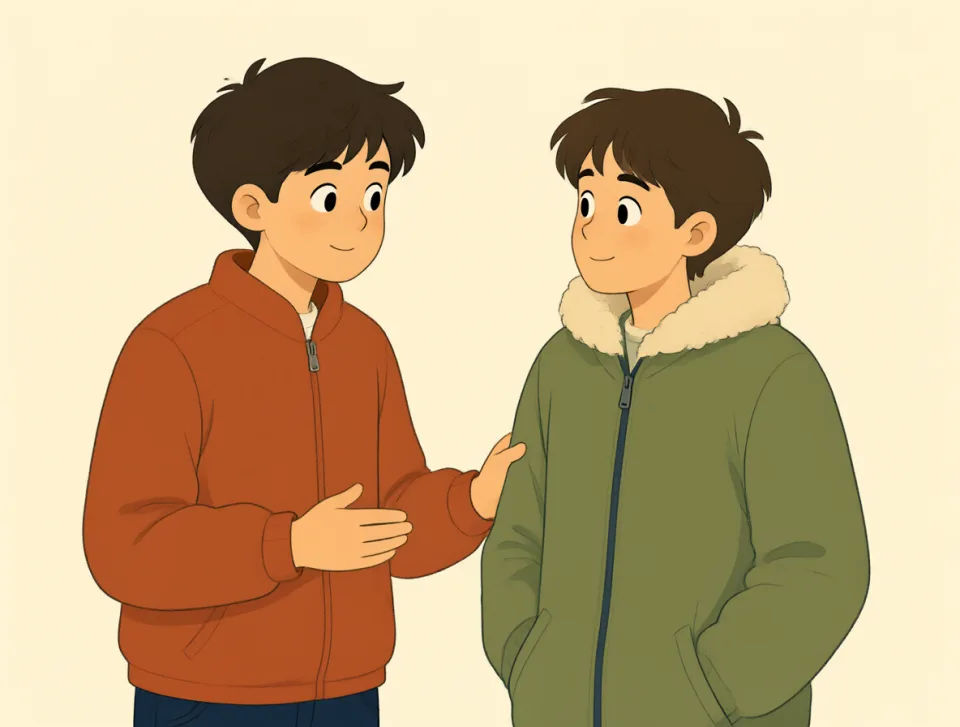
Are you warm enough in that jacket?
¿Tienes suficiente abrigo con esa chaqueta?
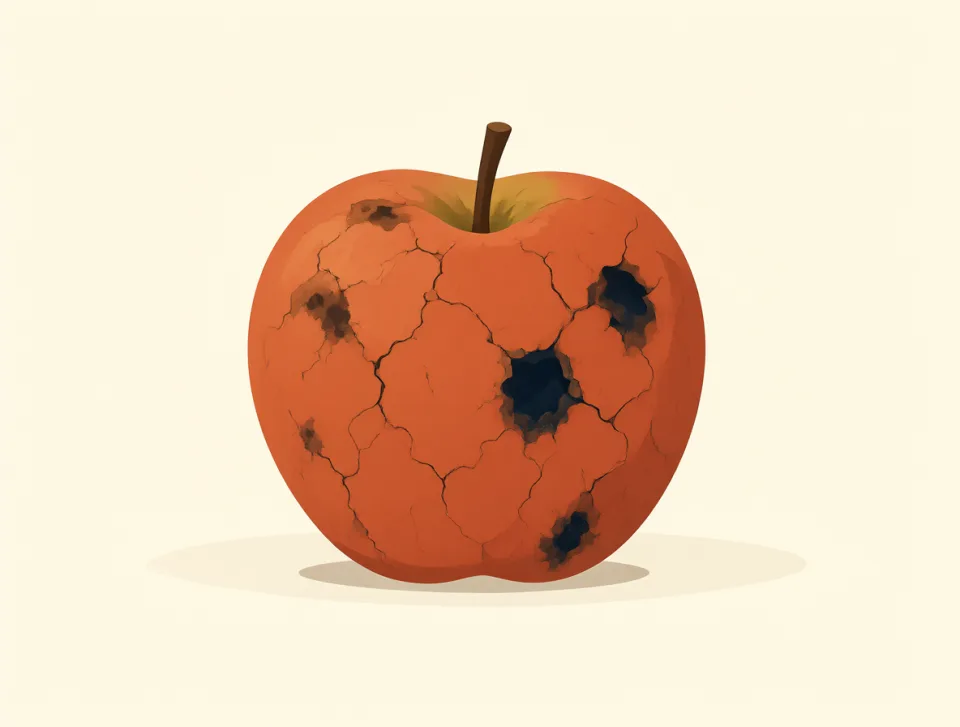
bad
#268adjective, noun
malo; mal; malestar
Not good, pleasant, safe, or morally right.
Que no es bueno, agradable, seguro o moralmente correcto.

I had a bad day at work.
Tuve un mal día en el trabajo.
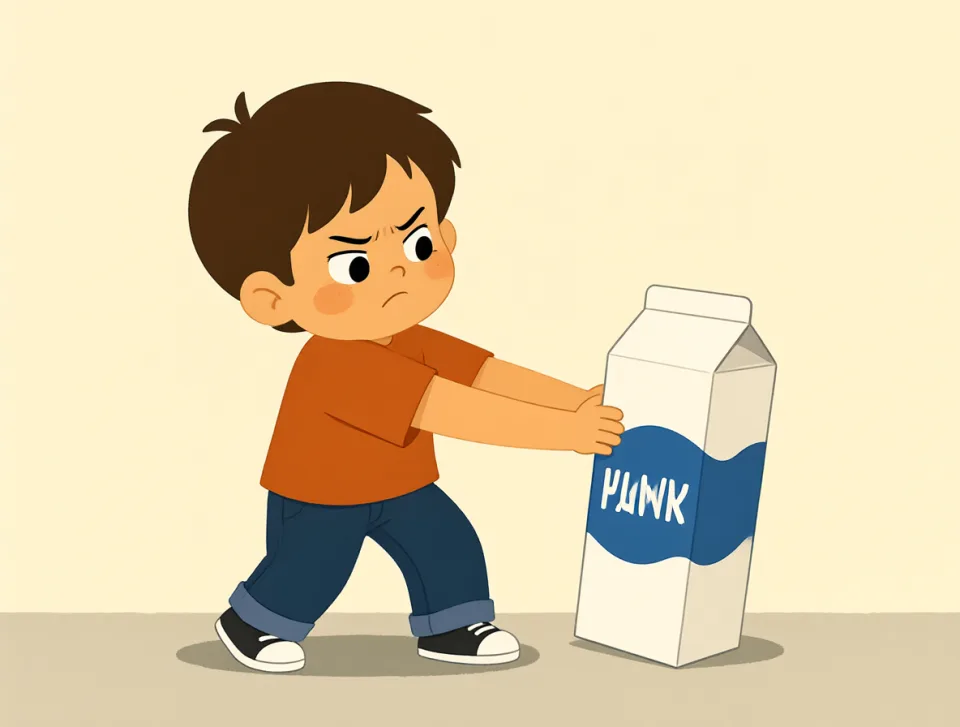
This milk smells bad.
Esta leche huele mal.
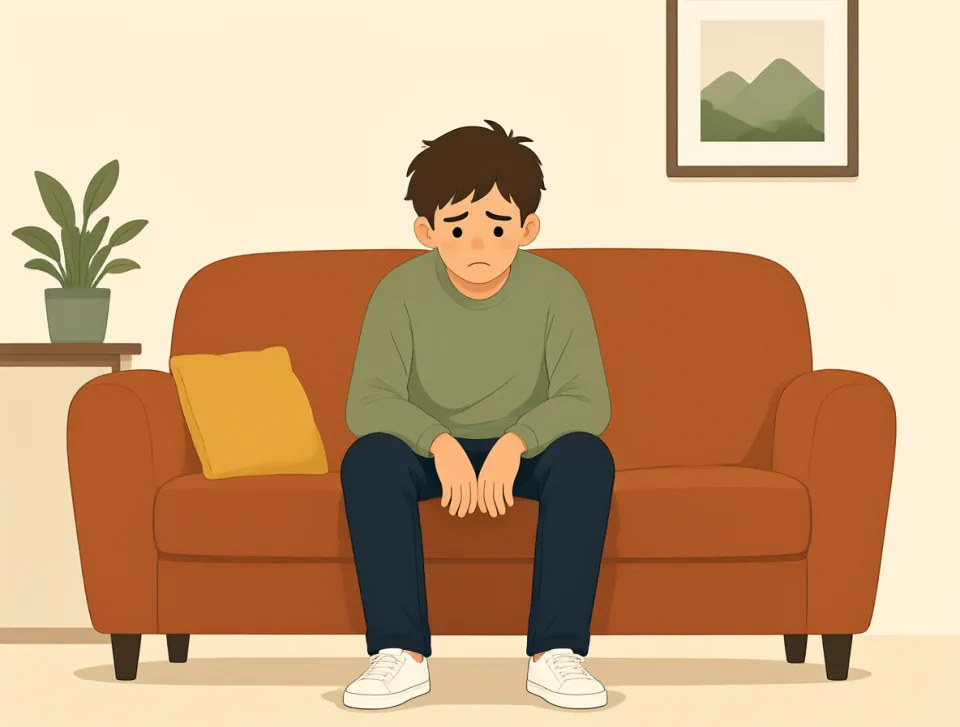
He felt bad after the argument.
Se sintió mal después de la discusión.

The weather was bad during our trip.
Hizo mal tiempo durante nuestro viaje.
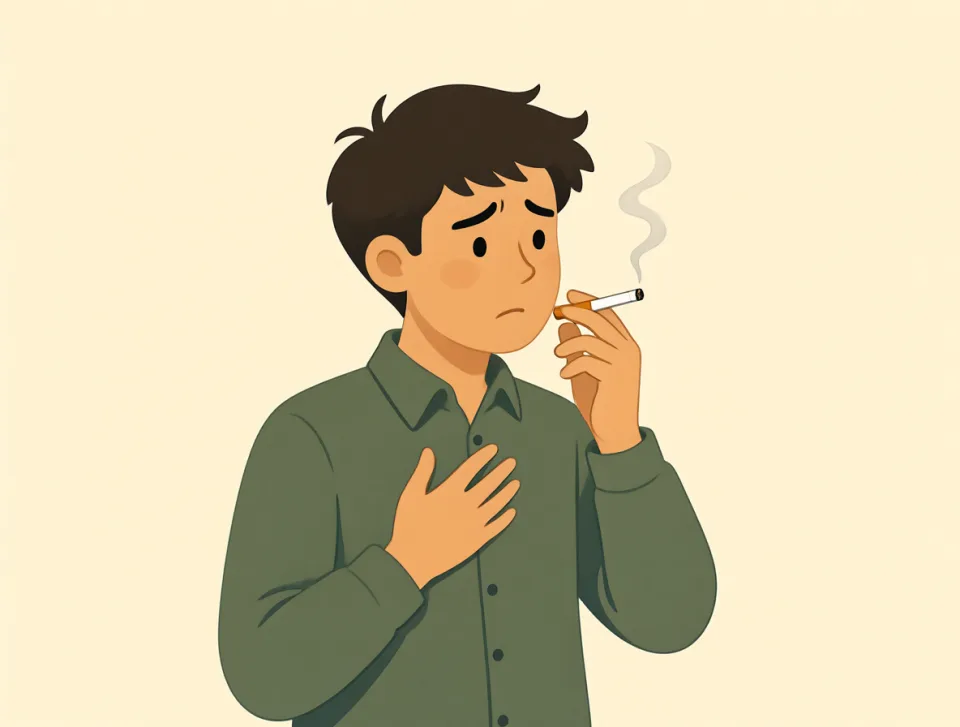
Smoking is bad for your health.
Fumar es malo para la salud.

city
#269noun
ciudad
A large place where many people live, work, and visit.
Un lugar grande donde viven, trabajan y van muchas personas.

She lives in a big city.
Ella vive en una ciudad grande.
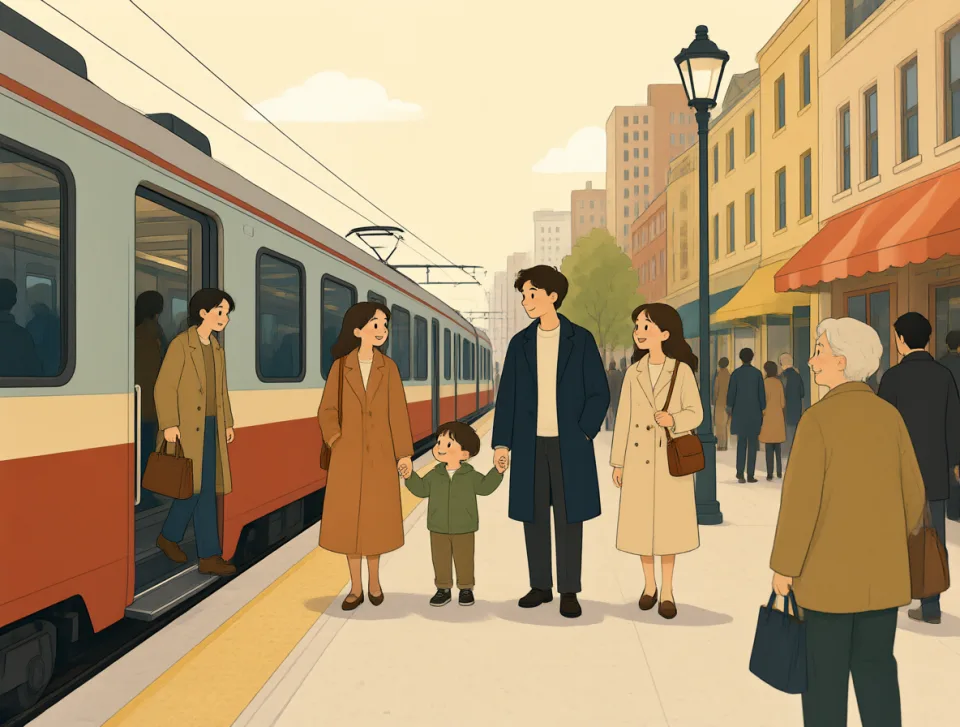
We took a train to the city.
Tomamos un tren a la ciudad.
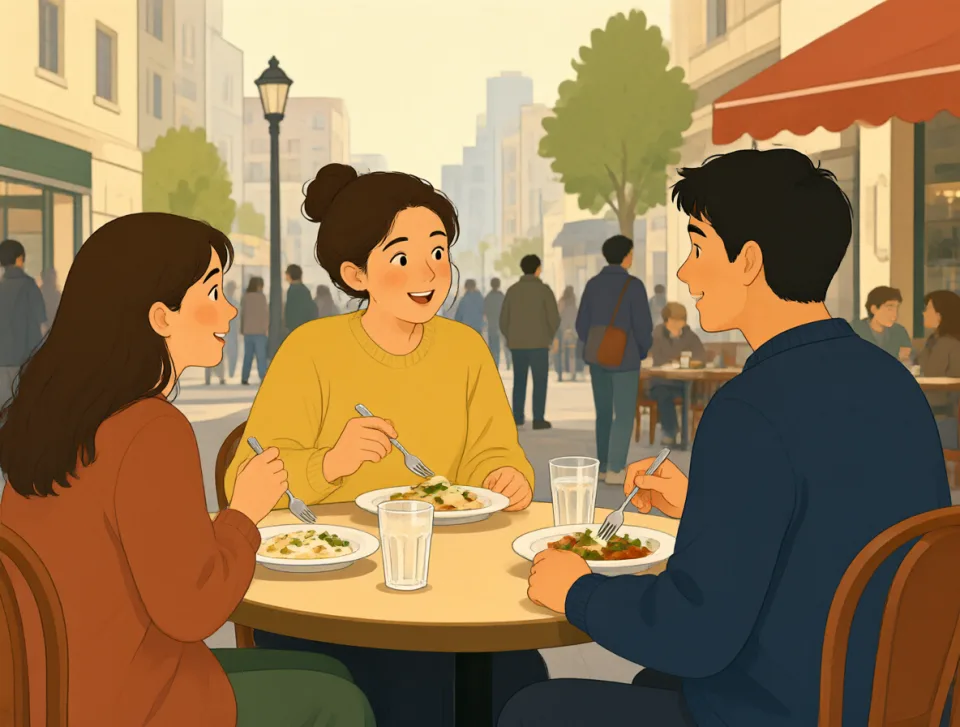
The city has many good restaurants.
La ciudad tiene muchos restaurantes buenos.

He works in the city center.
Él trabaja en el centro de la ciudad.
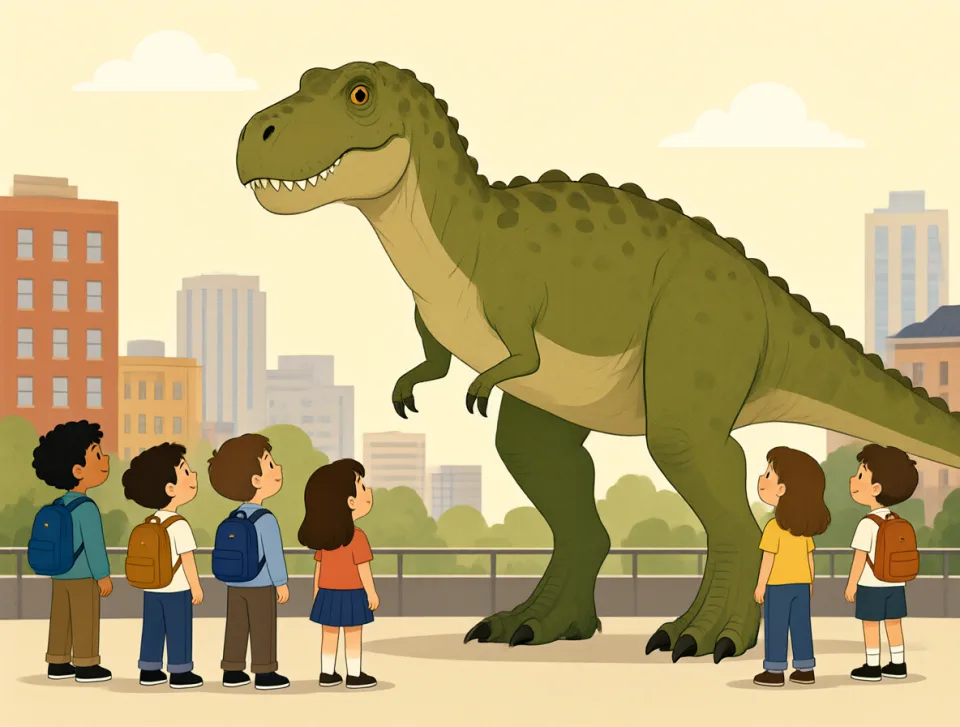
The children visited the city museum.
Los niños visitaron el museo de la ciudad.

night
#270noun
noche
The time when it is dark outside, from evening until morning.
El tiempo en que está oscuro afuera, desde la tarde hasta la mañana.
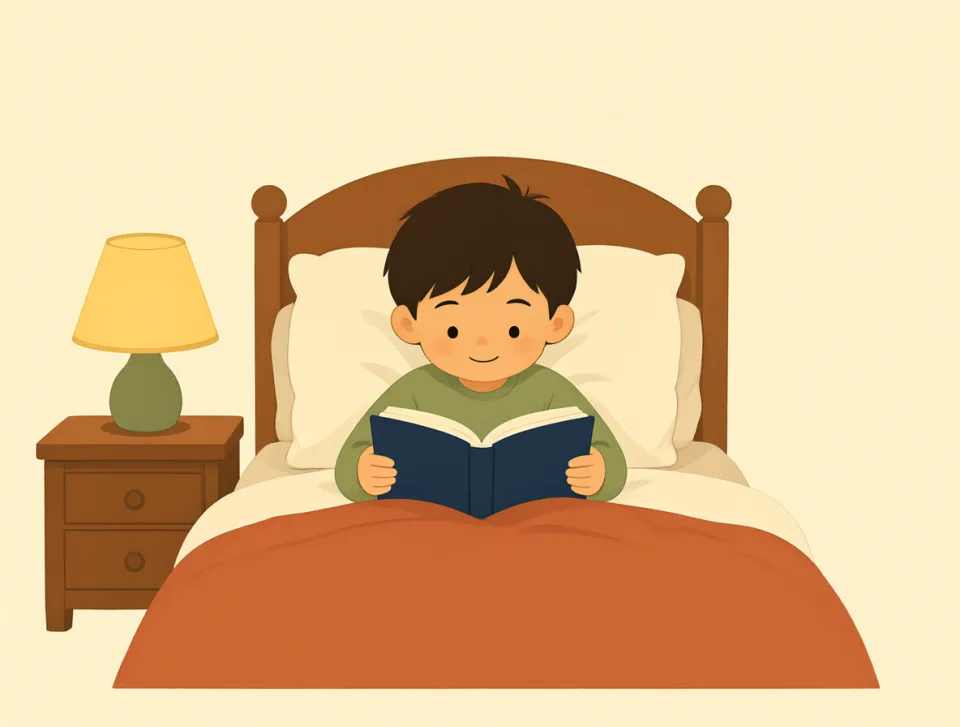
I read a book before bed at night.
Leo un libro por la noche antes de acostarme.
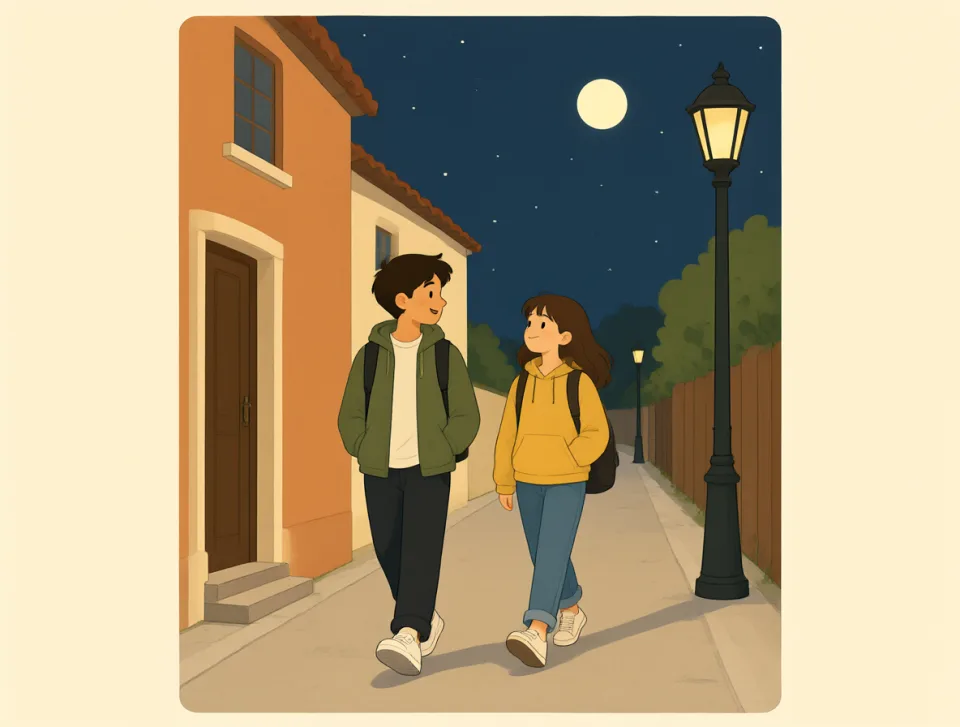
We walked home together late last night.
Anoche caminamos juntos hasta casa bastante tarde.
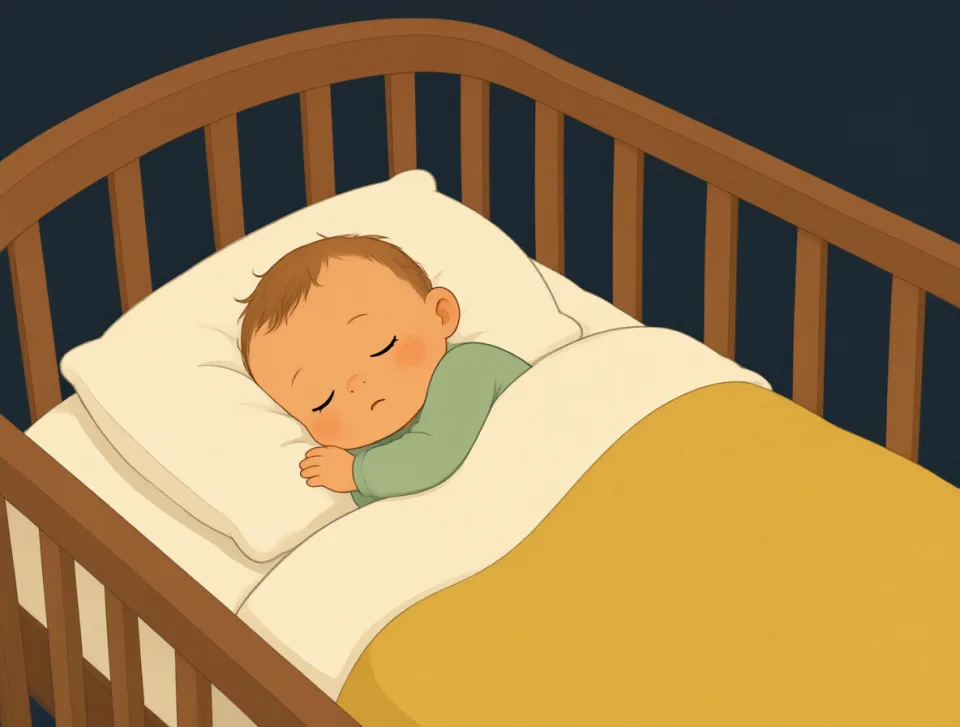
The baby slept well all night.
El bebé durmió bien toda la noche.
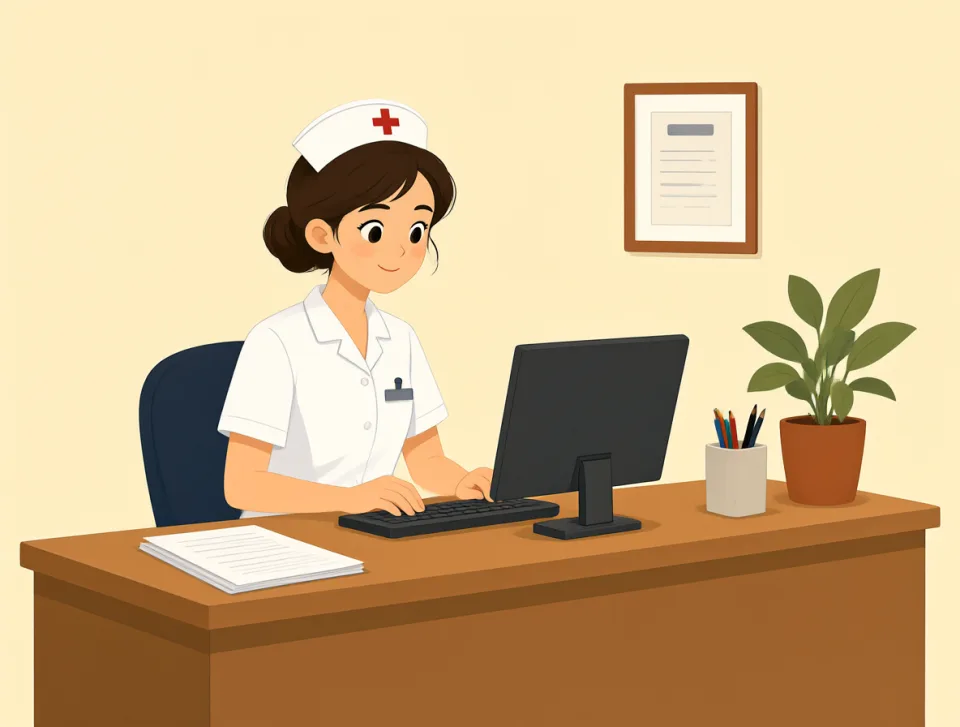
She works at the hospital night shift.
Ella trabaja en el turno de noche del hospital.
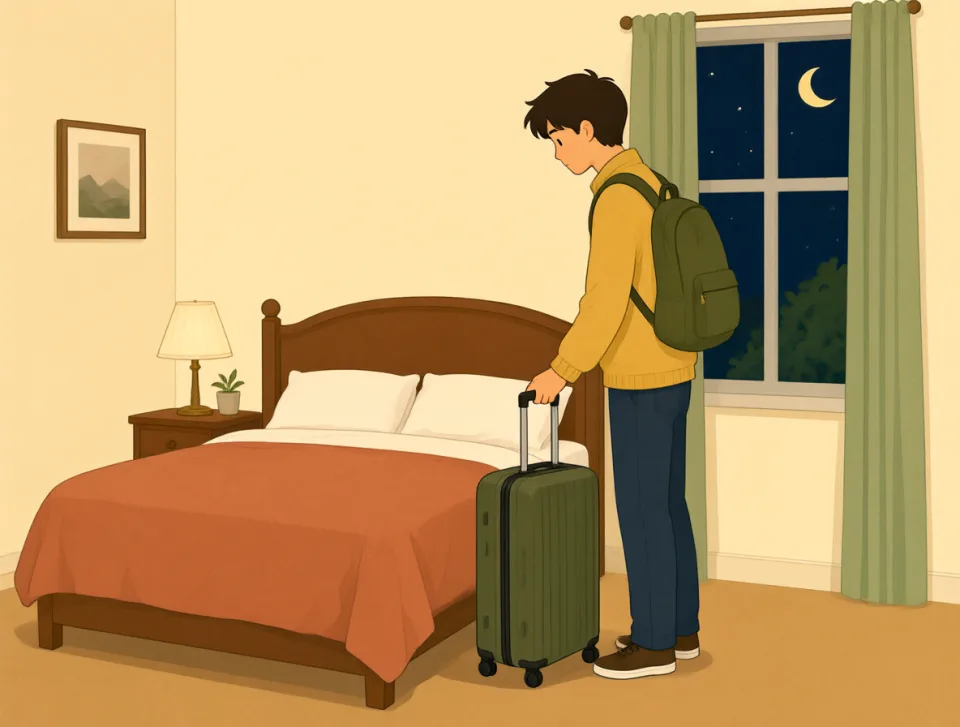
They stayed in a hotel for one night.
Se alojaron en un hotel por una noche.
able
#271adjective
capaz; poder
Having the skill, strength, time, or chance to do something.
Tener la habilidad, la fuerza, el tiempo o la oportunidad de hacer algo.

She is able to swim very well.
Ella sabe nadar muy bien.
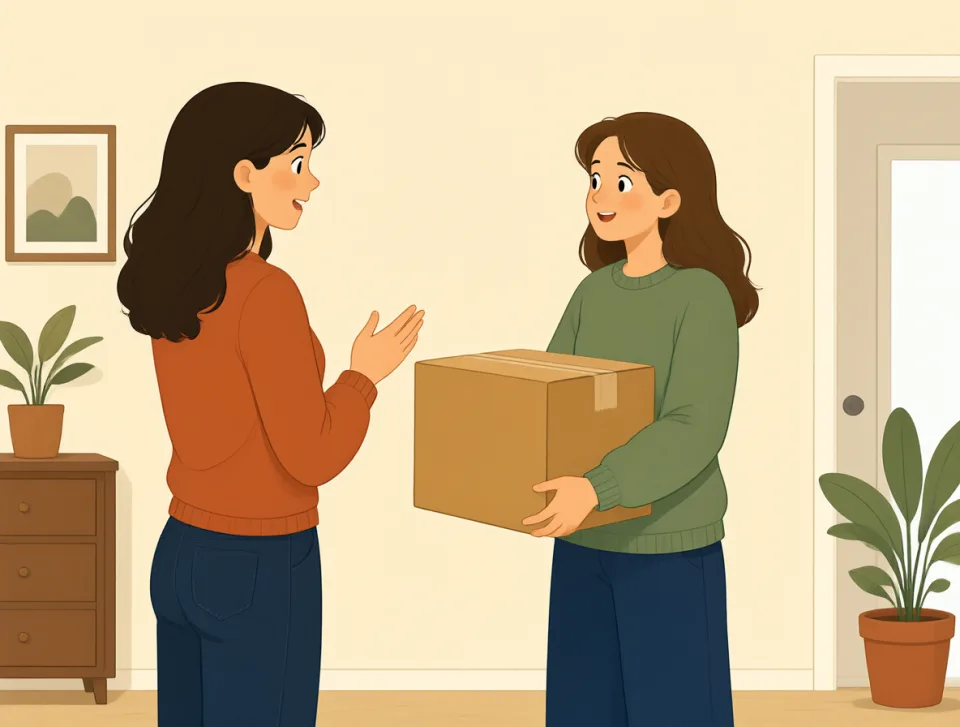
Are you able to help me today?
¿Puedes ayudarme hoy?
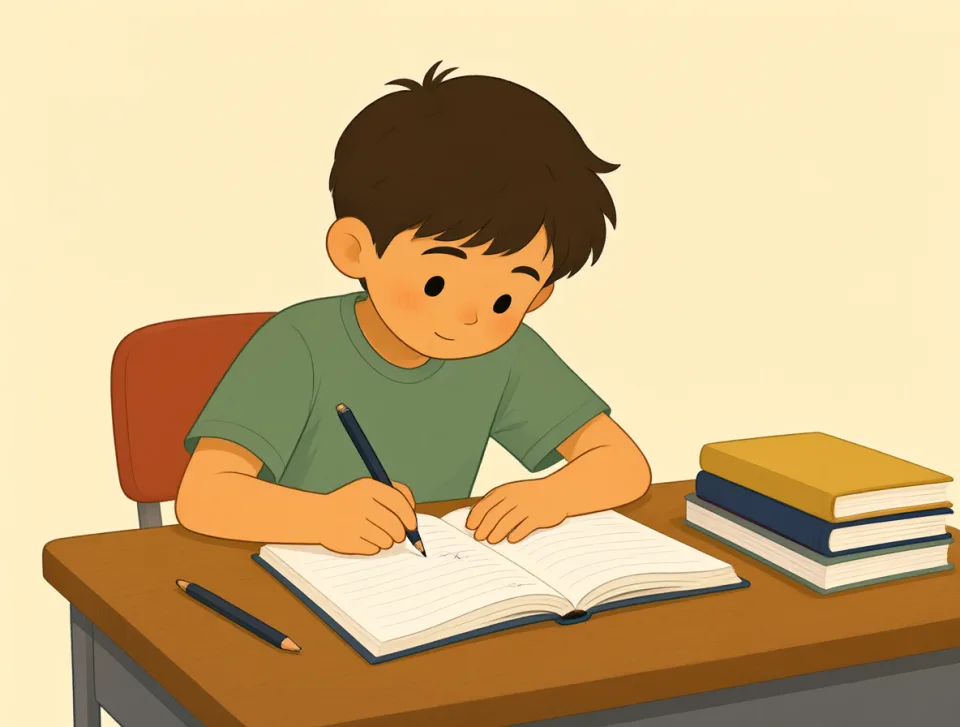
He was able to finish his homework.
Pudo terminar su tarea.
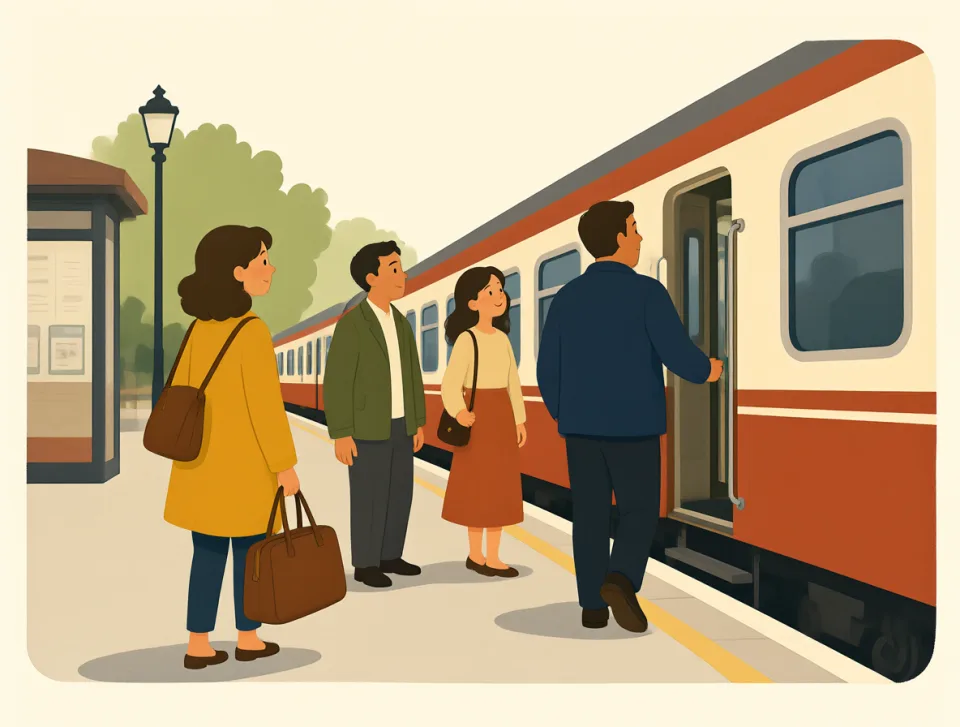
We were able to catch the early train.
Pudimos tomar el tren temprano.
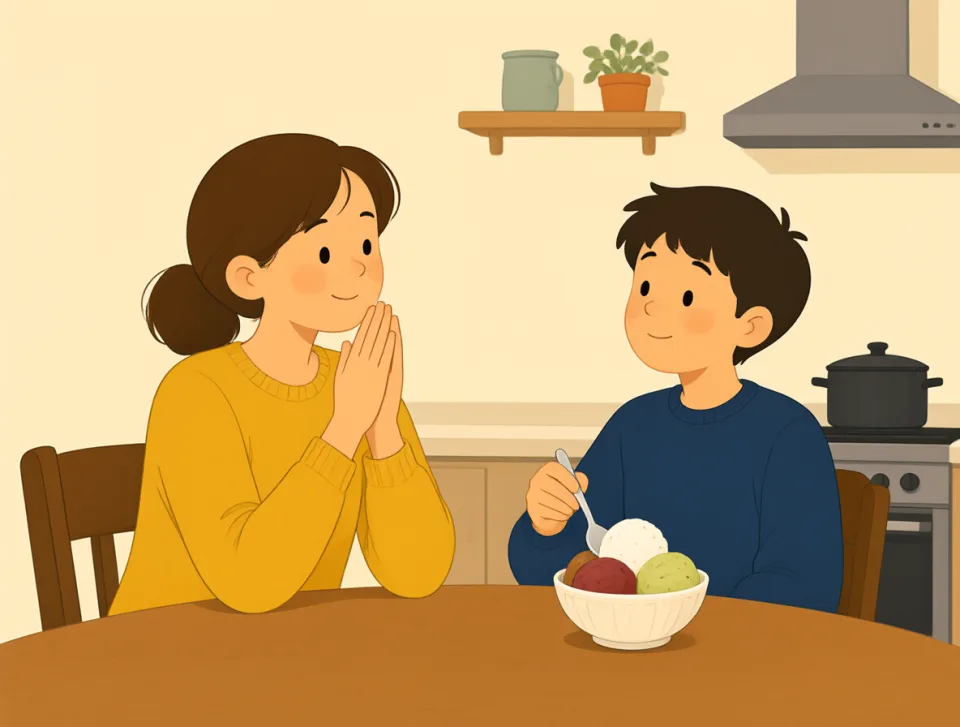
I am not able to eat dairy products.
No puedo comer productos lácteos.
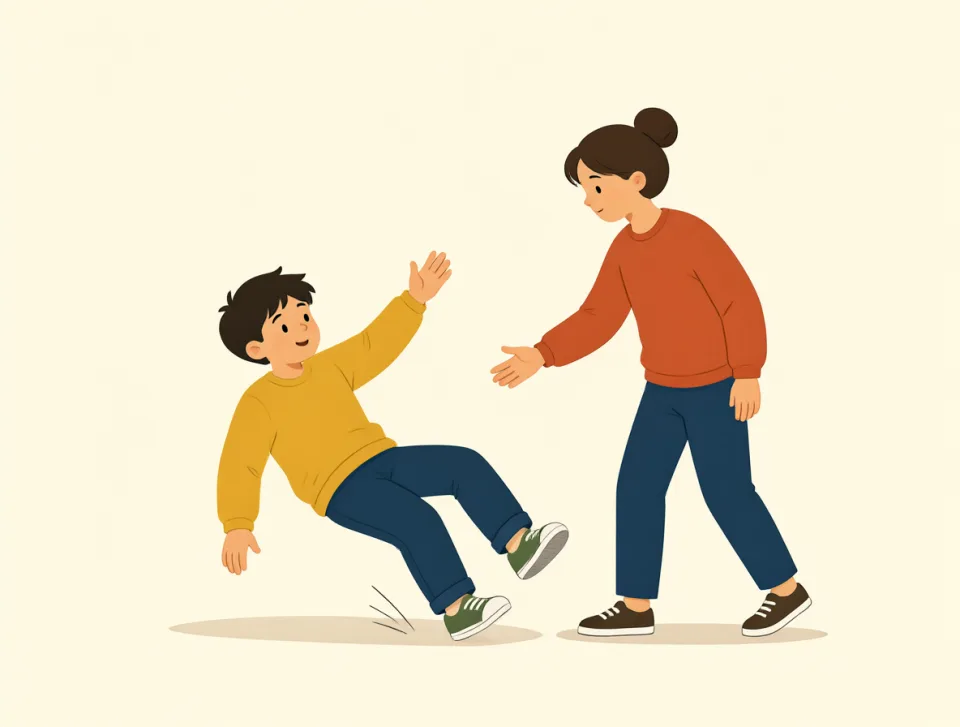
support
#272noun, verb
apoyo; apoyar
Help or encouragement given to someone or something; to help someone or something succeed.
Ayuda o ánimo que se da a alguien o algo; ayudar a alguien o algo a tener éxito.
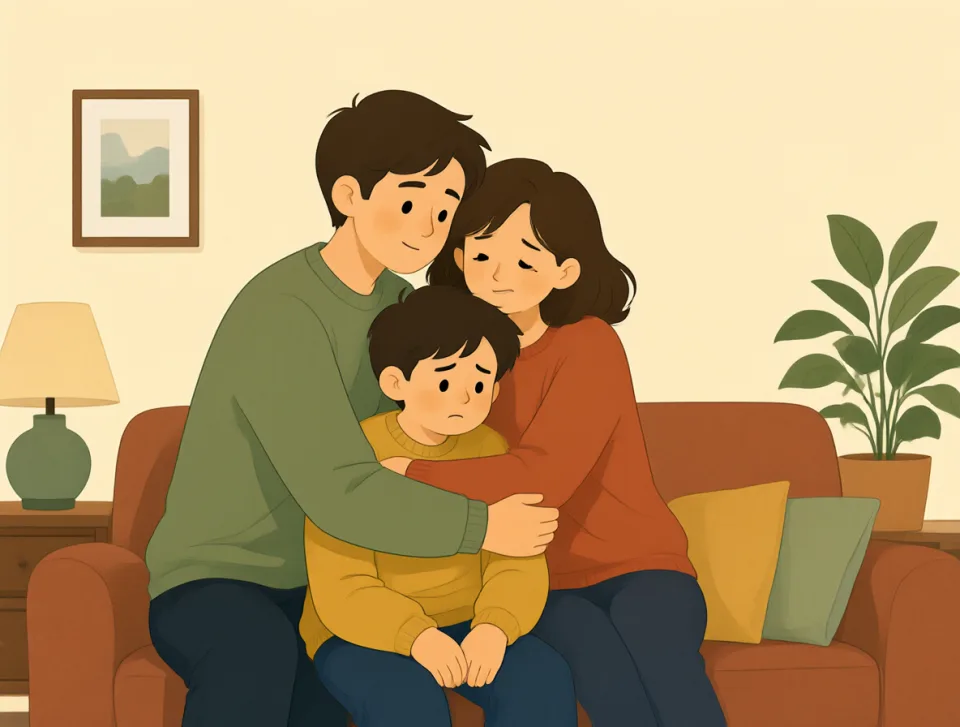
My family supports me when I feel sad.
Mi familia me apoya cuando me siento triste.
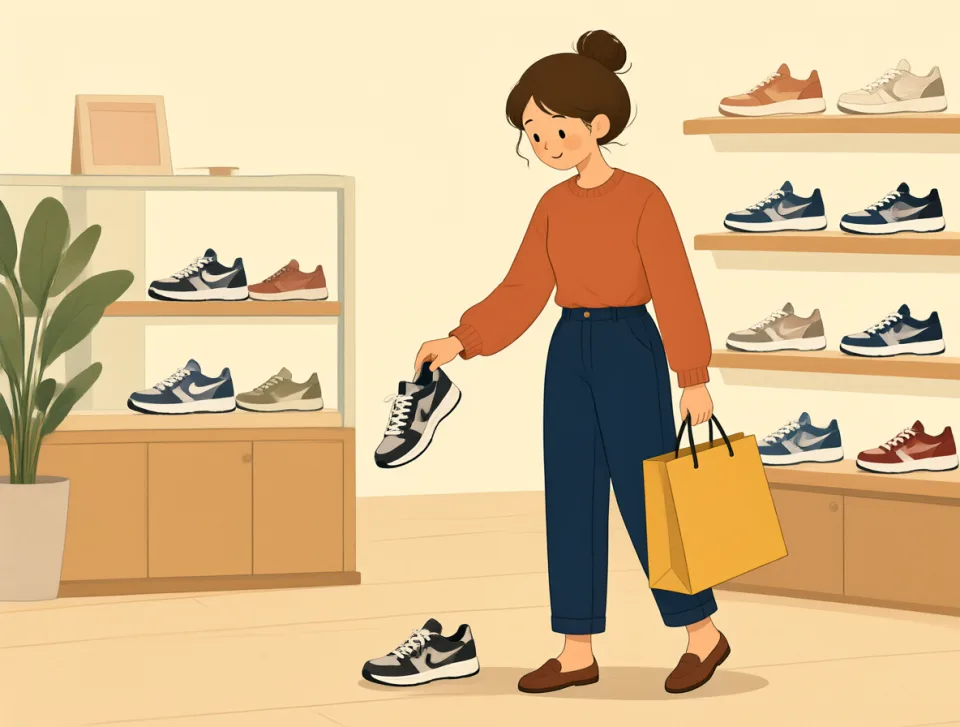
These shoes support your feet while walking.
Estos zapatos sostienen tus pies al caminar.
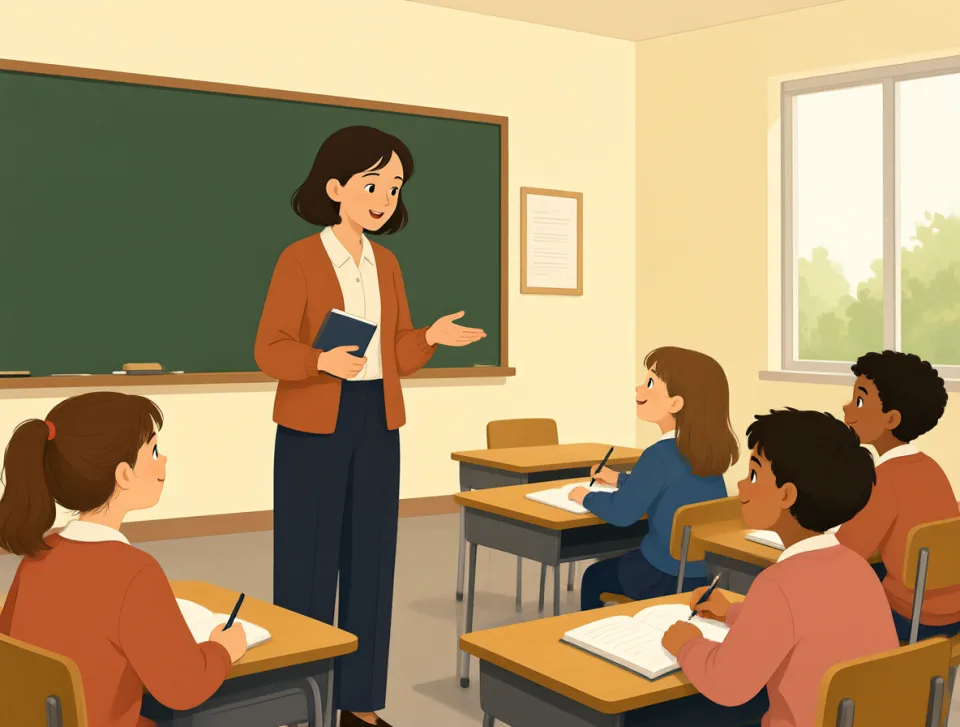
Our teacher supports us during the test.
Nuestro profesor nos apoya durante el examen.
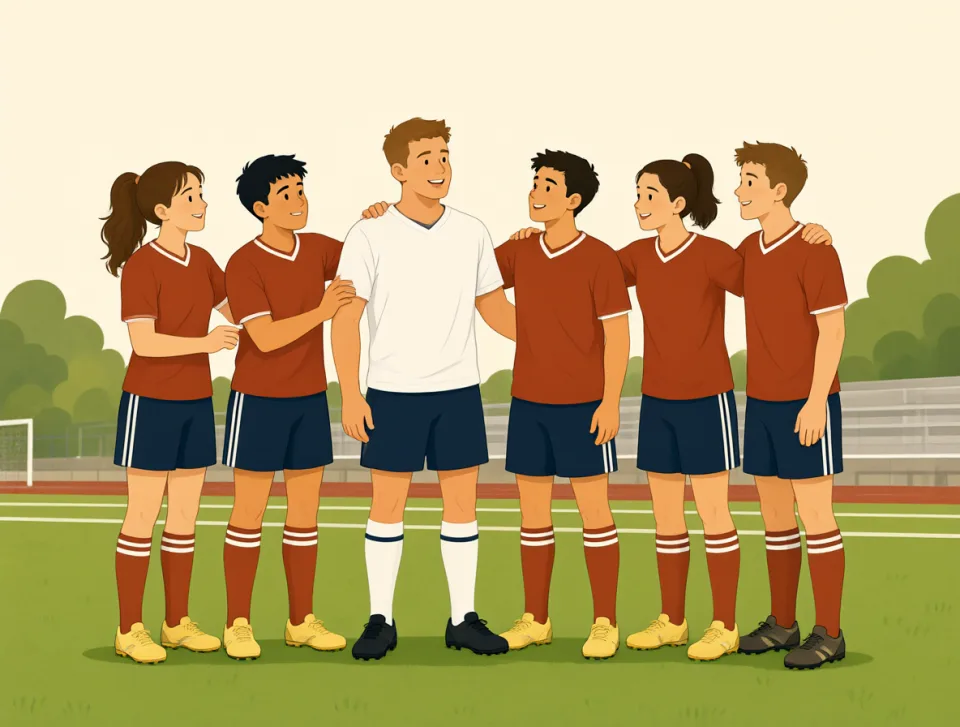
The team supported its captain after the loss.
El equipo apoyó a su capitán después de la derrota.

This pillow supports your neck at night.
Esta almohada sostiene tu cuello por la noche.
whether
#273conjunction
si; ya sea que
Used to talk about two possible choices or situations.
Se usa para hablar de dos posibles opciones o situaciones.
I don't know whether she is home.
No sé si ella está en casa.

Please tell me whether you need help.
Por favor, dime si necesitas ayuda.
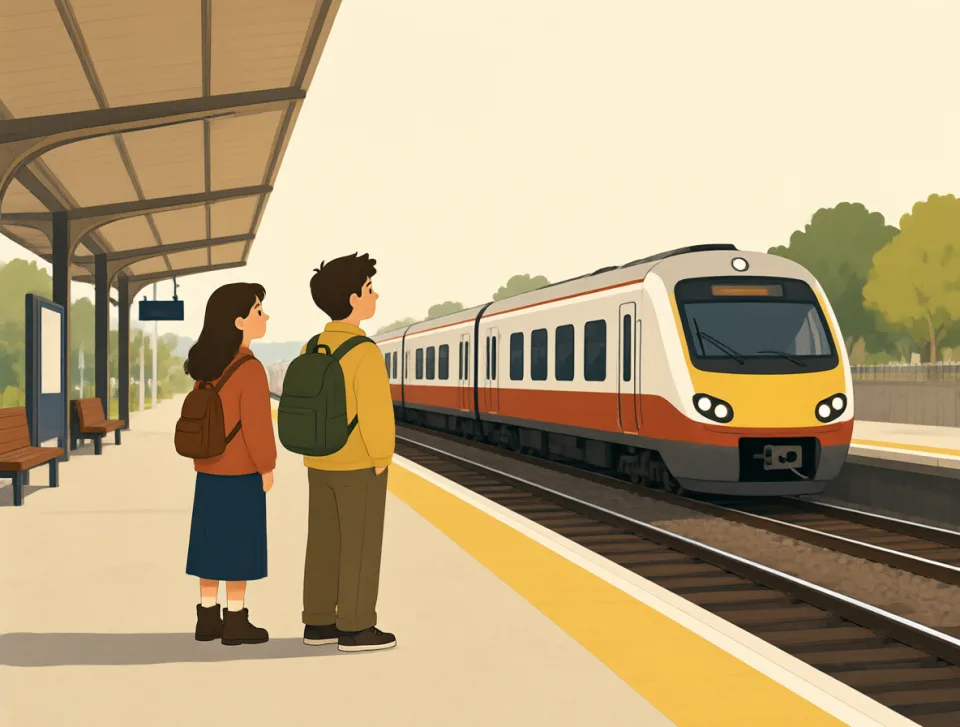
We must decide whether to take the train.
Debemos decidir si tomar el tren.

He asked whether I liked the food.
Preguntó si me gustaba la comida.
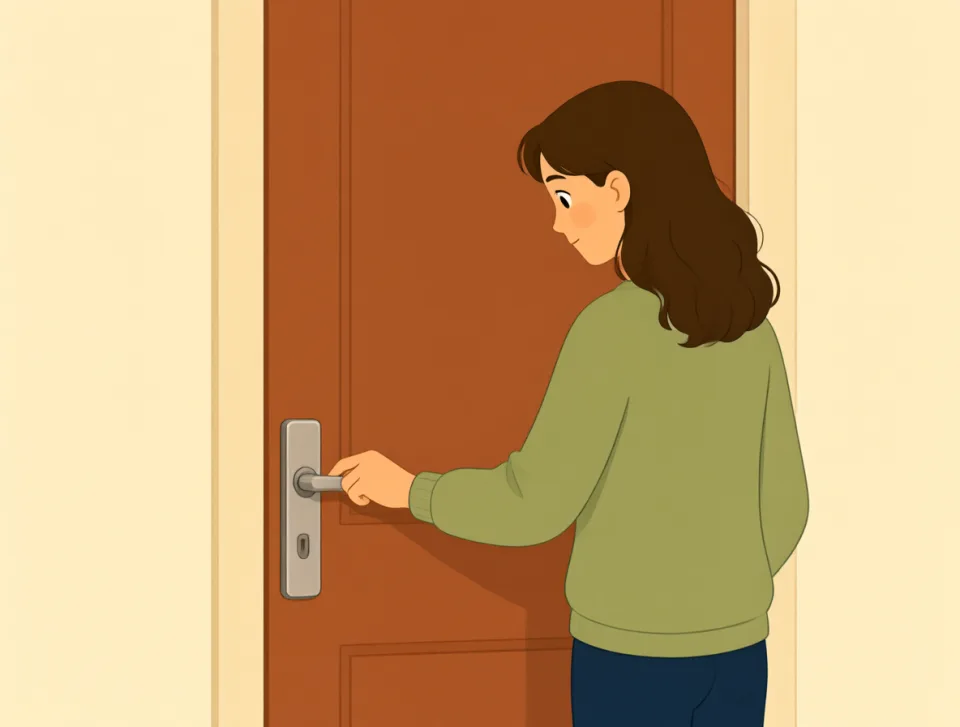
Check whether the door is locked.
Comprueba si la puerta está cerrada con llave.

line
#274noun, verb
línea; fila; hacer fila
A long, thin mark or a row of people or things; to stand in a row.
Una marca larga y delgada o una fila de personas o cosas; estar de pie formando una fila.
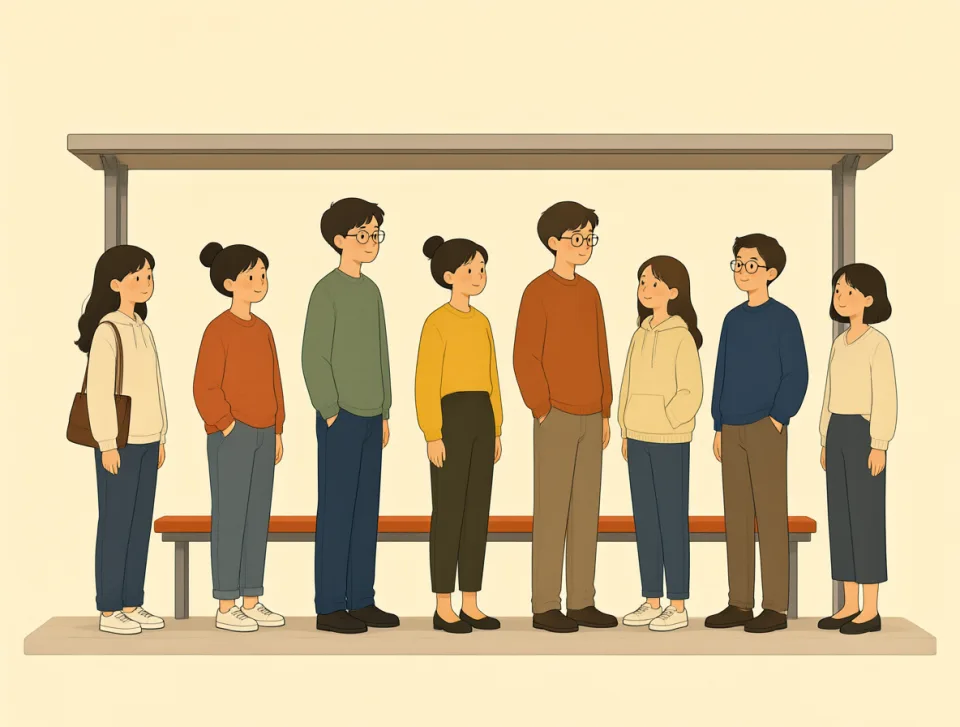
Please wait in line for the bus.
Por favor, espera en la fila para tomar el autobús.
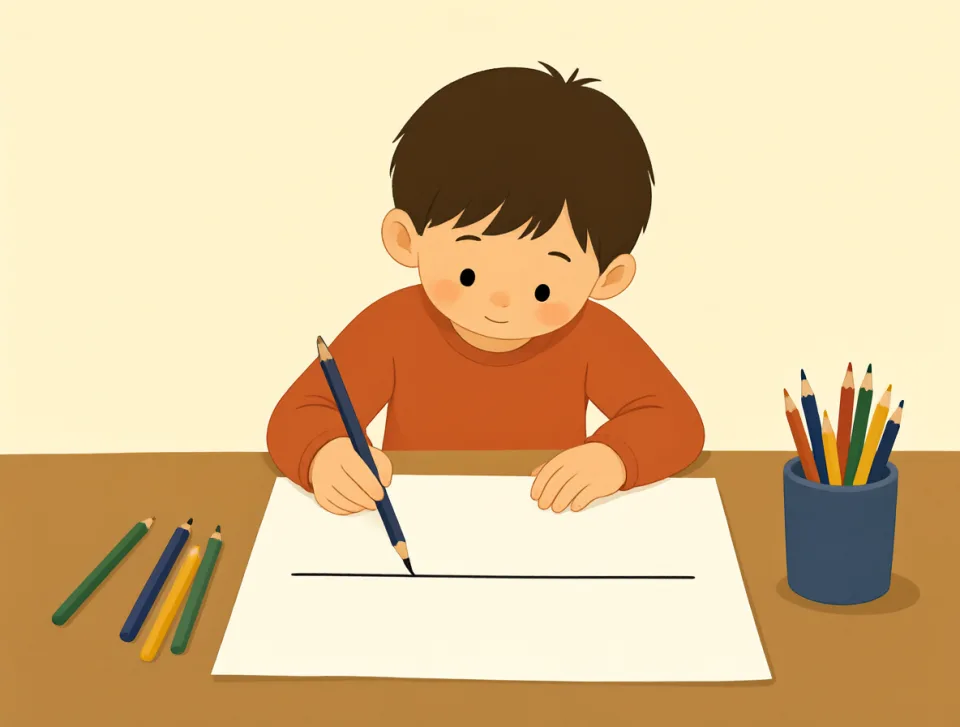
Draw a straight line under the answer.
Dibuja una línea recta debajo de la respuesta.

The phone line is busy right now.
La línea telefónica está ocupada ahora mismo.

We crossed the finish line together.
Cruzamos juntos la línea de meta.
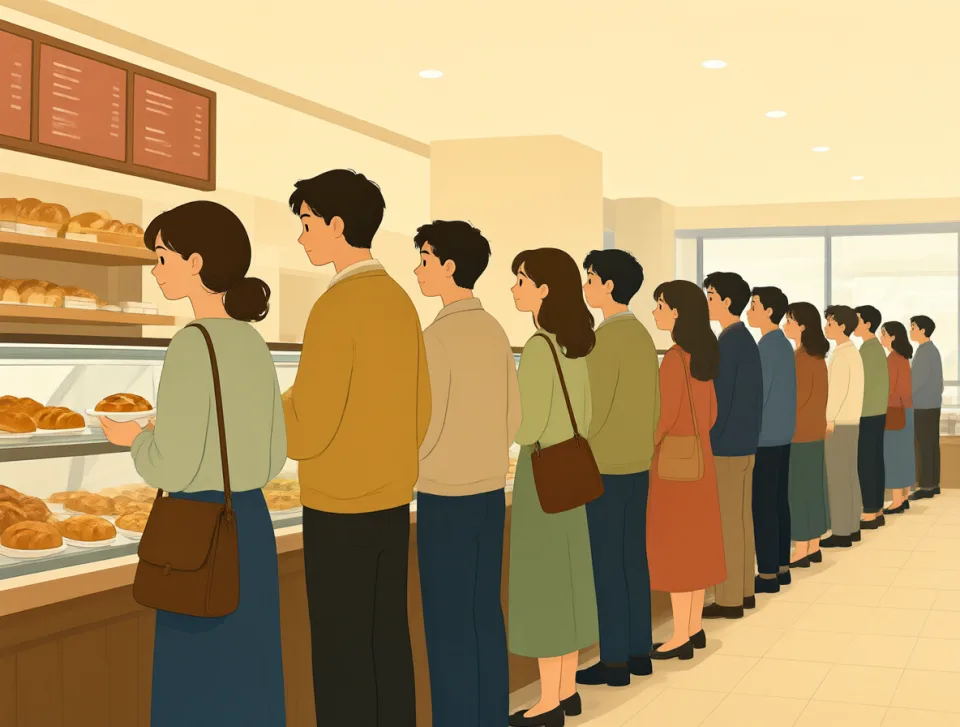
There was a long line at the bakery.
Había una fila larga en la panadería.
present
#275noun, verb, adjective
regalo; presentar; presente; actual
A gift; to give something; existing or happening now.
Un regalo; dar algo; existir o suceder ahora.
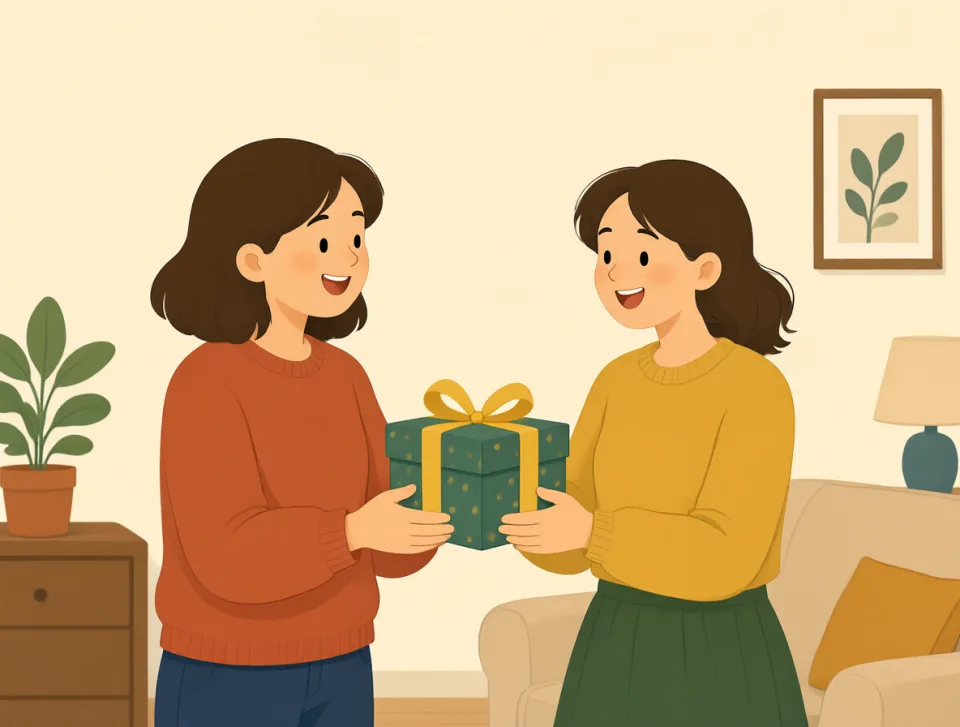
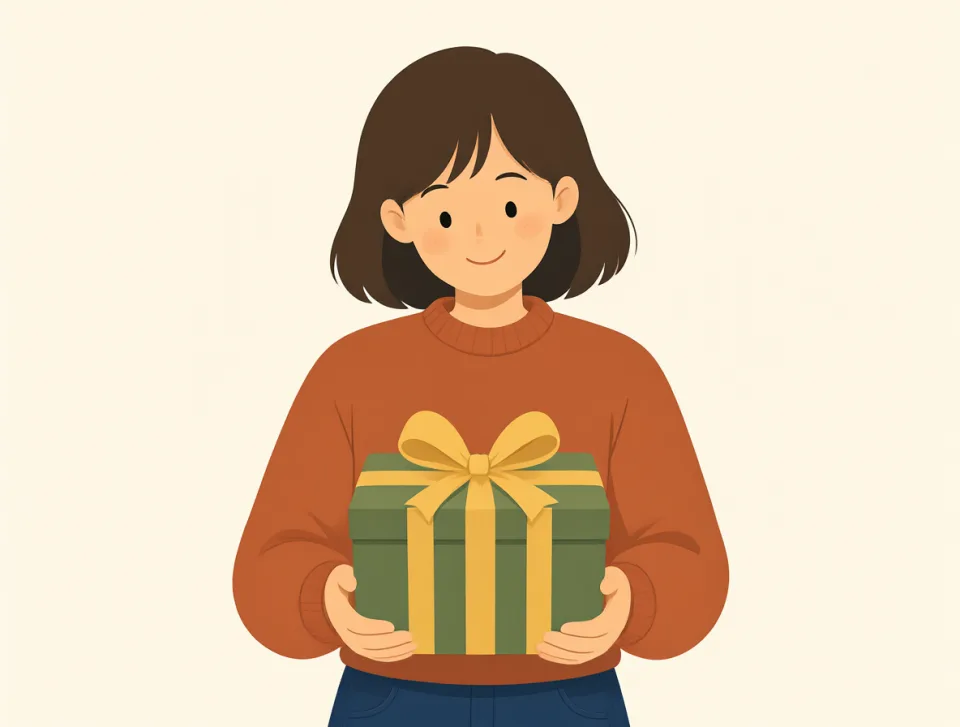
She gave me a birthday present.
Me regaló algo por mi cumpleaños.
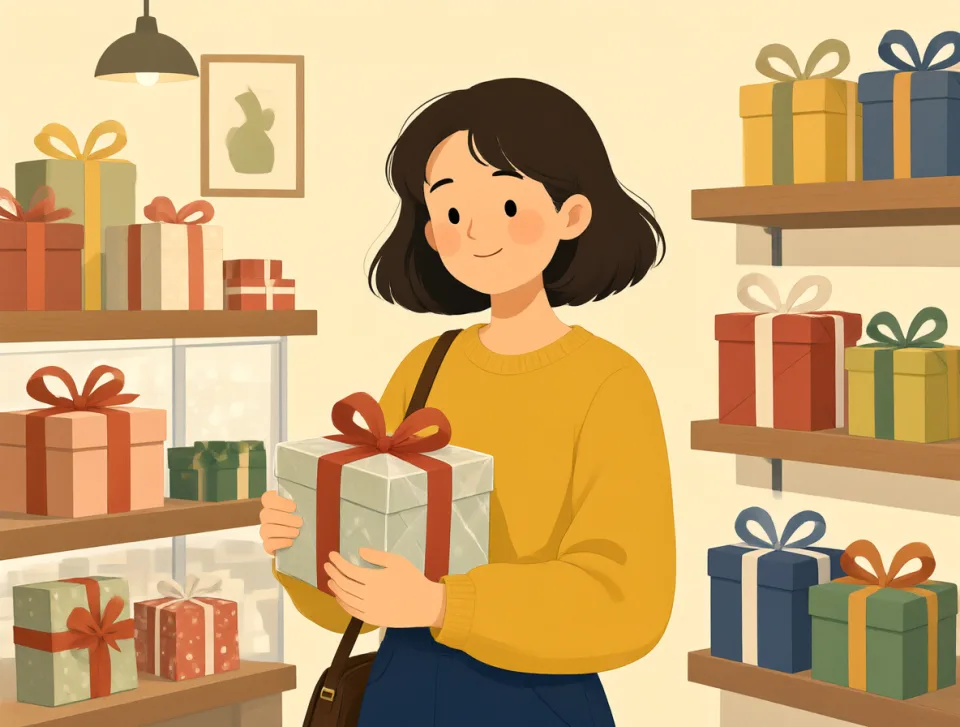
I bought a present for my mother.
Compré un regalo para mi madre.
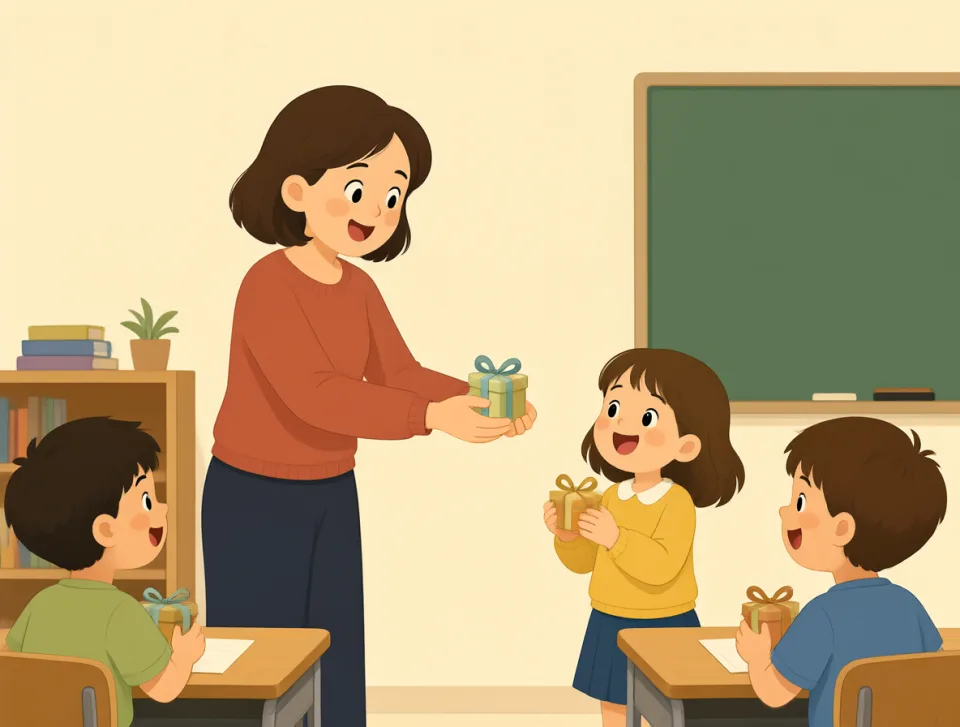
The teacher presented the prizes to students.
El profesor entregó los premios a los estudiantes.

Everyone was present at the meeting.
Todos estuvieron presentes en la reunión.

We need to discuss the present problem.
Tenemos que hablar del problema actual.
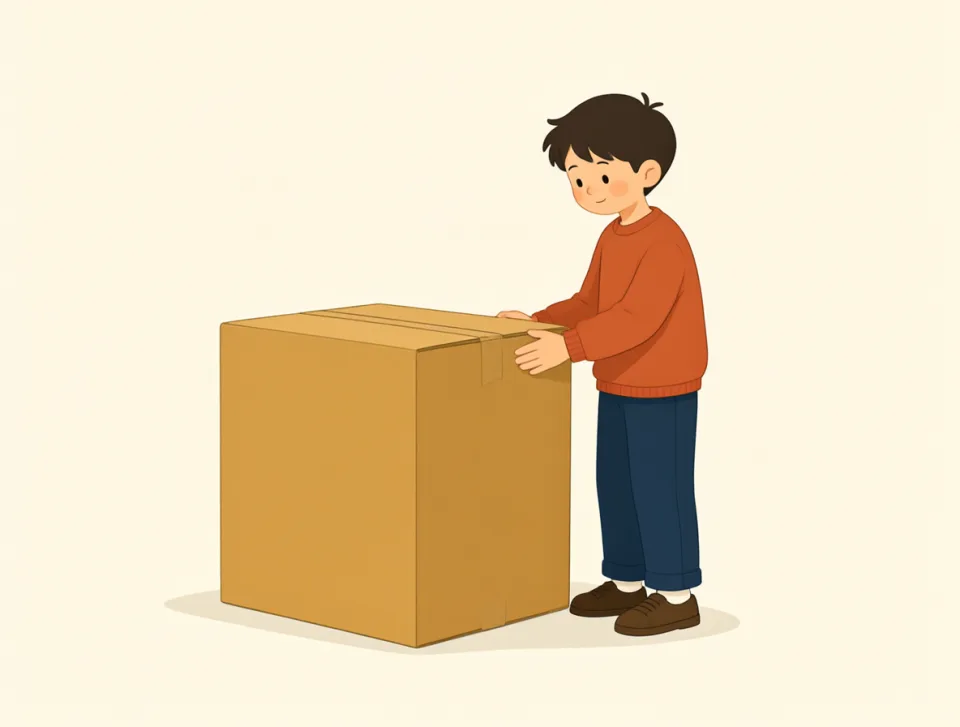
side
#276noun, verb, adjective, preposition
lado; costado; parte; bando
One of two parts, directions, or surfaces of something.
Una de las dos partes, direcciones o superficies de algo.
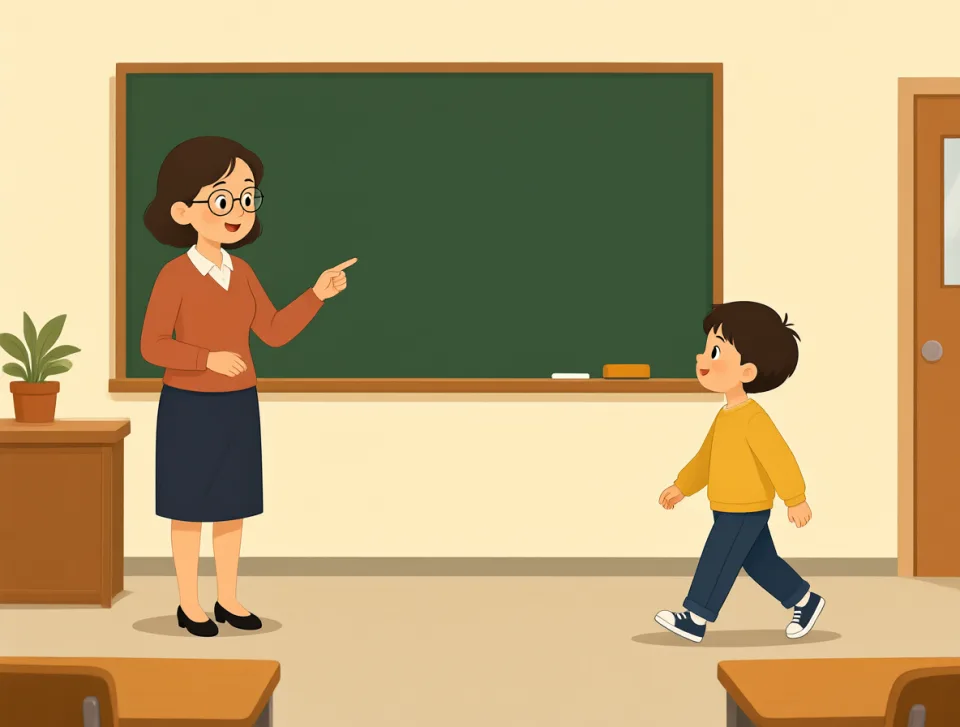
Please stand on this side of the room.
Por favor, ponte en este lado de la habitación.

We sat on the side of the road.
Nos sentamos al lado de la carretera.
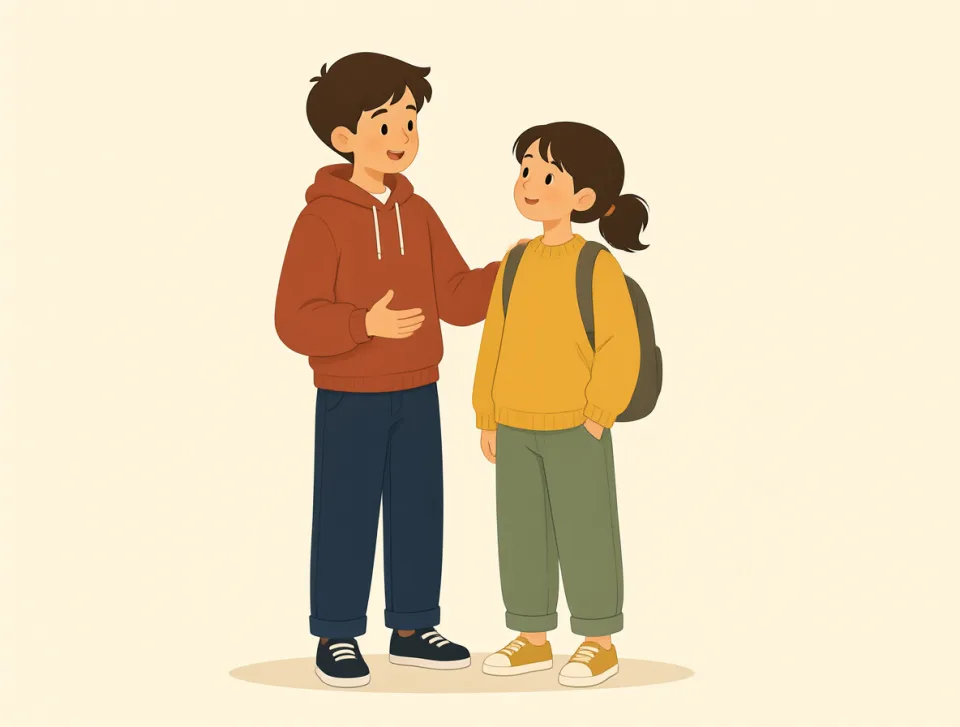
She took my side during the argument.
Ella se puso de mi parte durante la discusión.
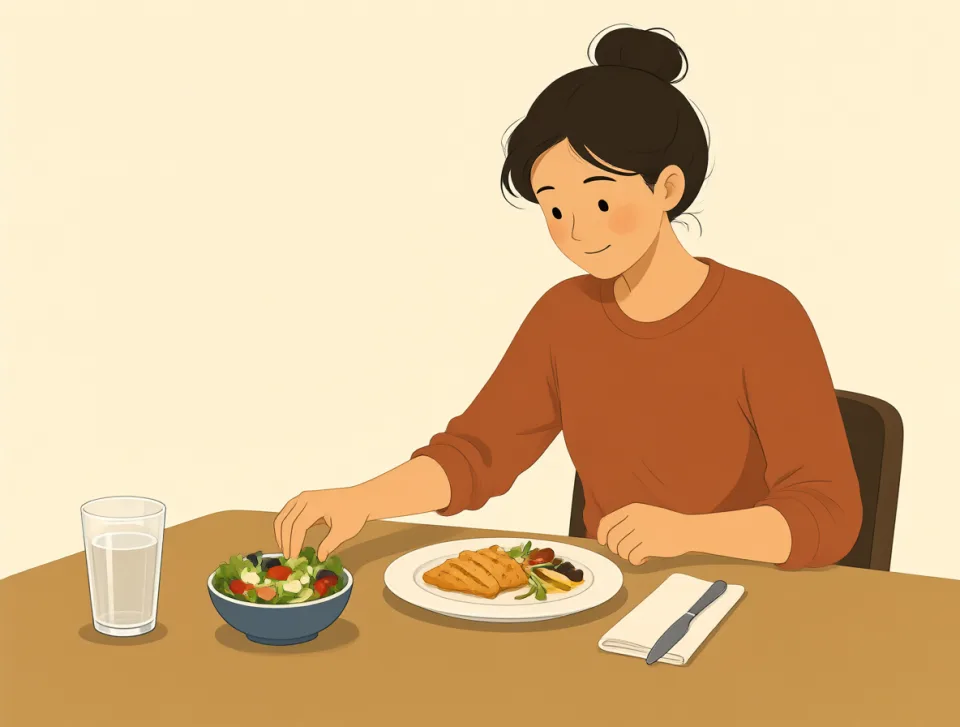
Put the salad on the side of my plate.
Pon la ensalada a un lado de mi plato.
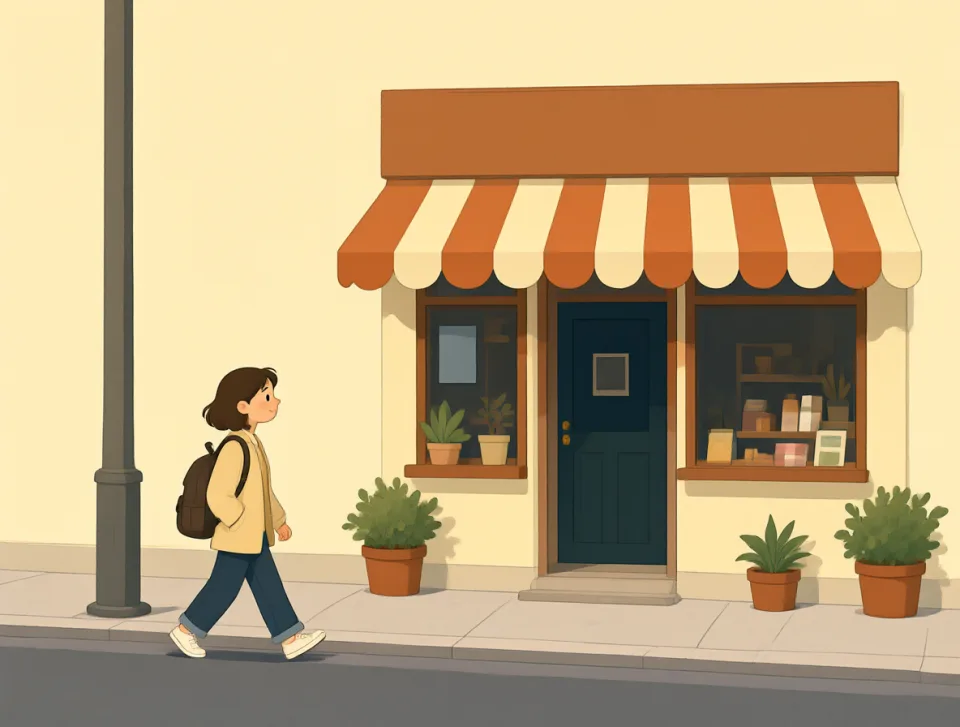
The shop is on the left side of the street.
La tienda está en el lado izquierdo de la calle.
quite
#277adverb
bastante; muy; completamente
To a fairly large degree; very or completely, depending on the context.
En un grado bastante alto; muy o completamente, según el contexto.
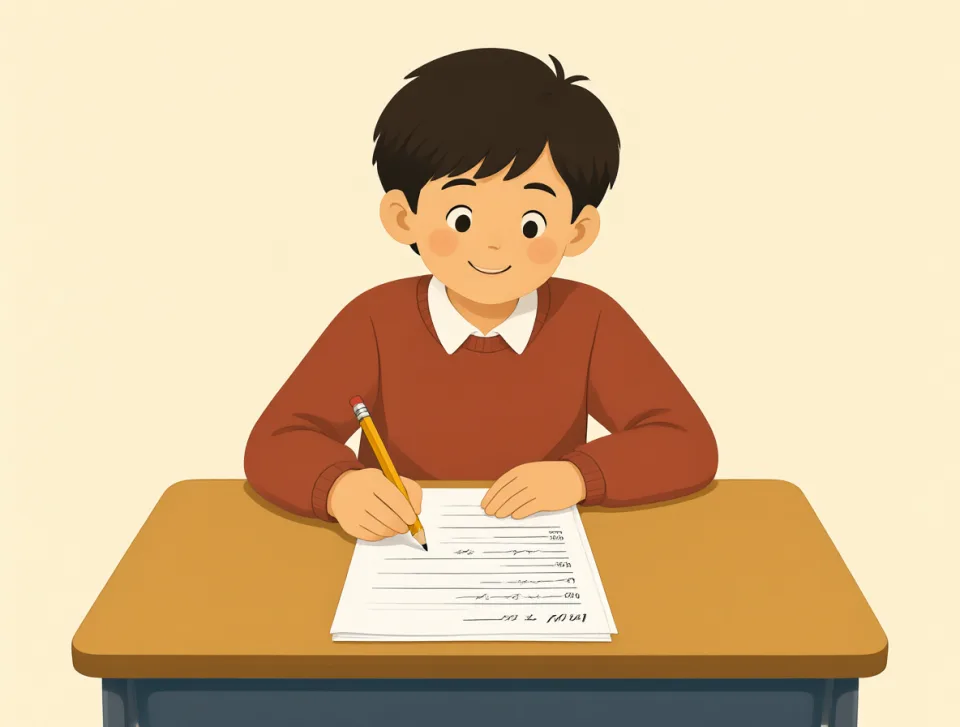
The test was quite easy.
El examen fue bastante fácil.
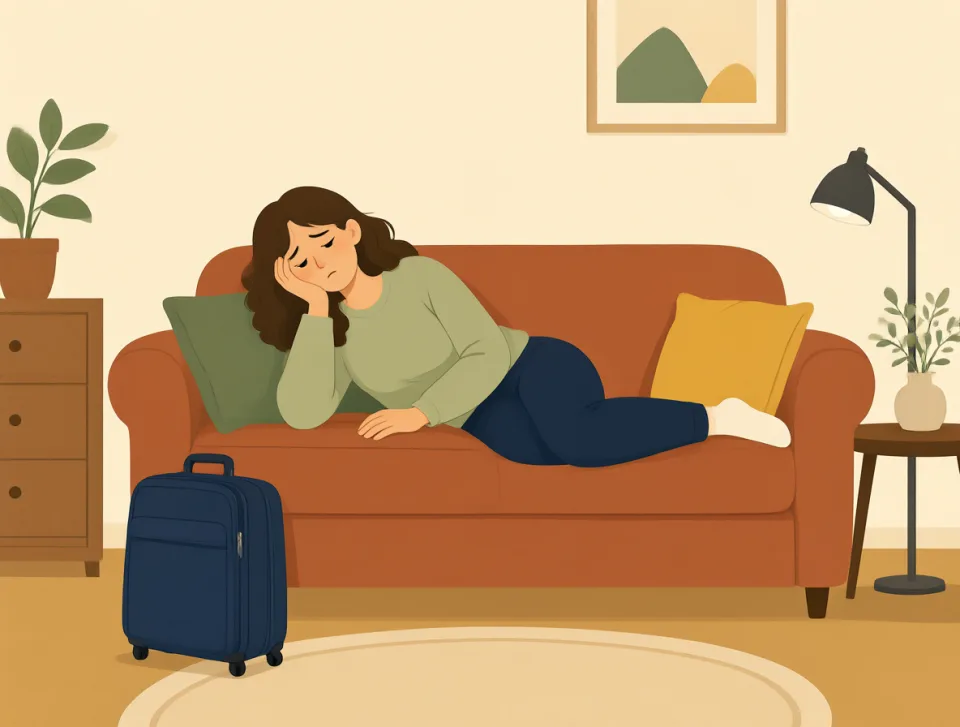
She is quite tired after work.
Está muy cansada después del trabajo.
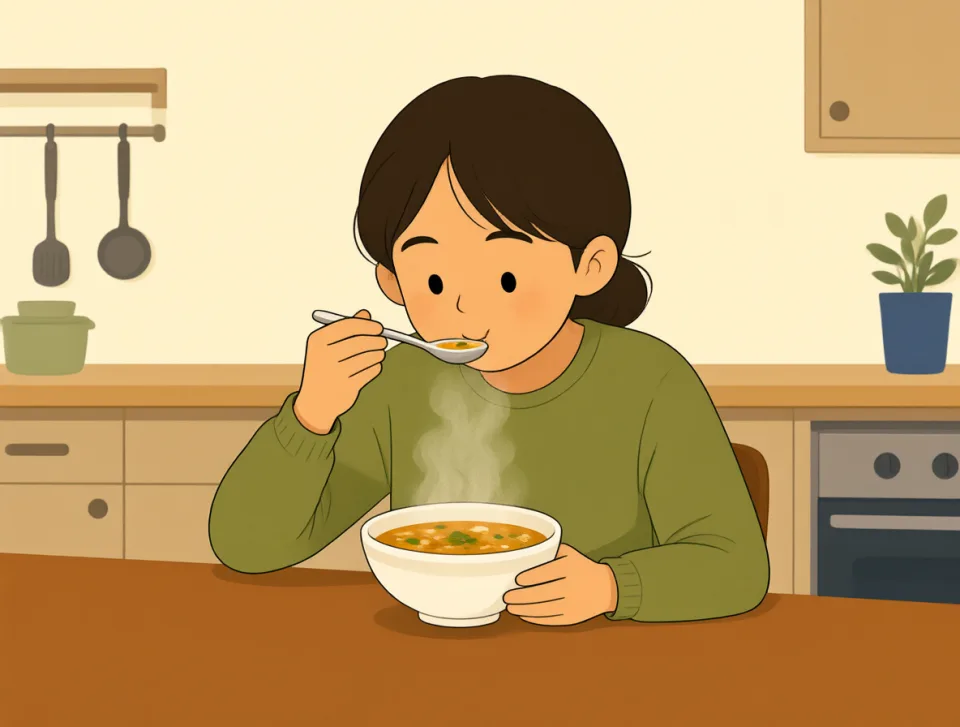
This soup is quite hot.
Esta sopa está muy caliente.
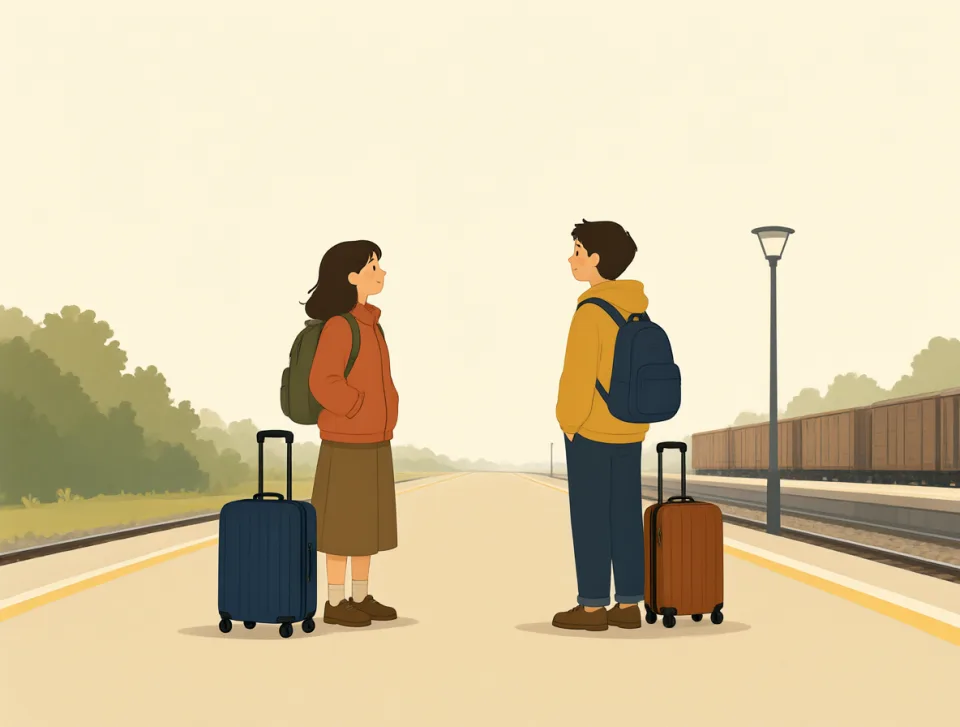
We arrived quite early for the train.
Llegamos bastante temprano para tomar el tren.

He quite likes his new teacher.
Le gusta bastante su nuevo profesor.
although
#278conjunction
aunque
used to introduce a contrast or surprising fact
se usa para introducir un contraste o un hecho sorprendente
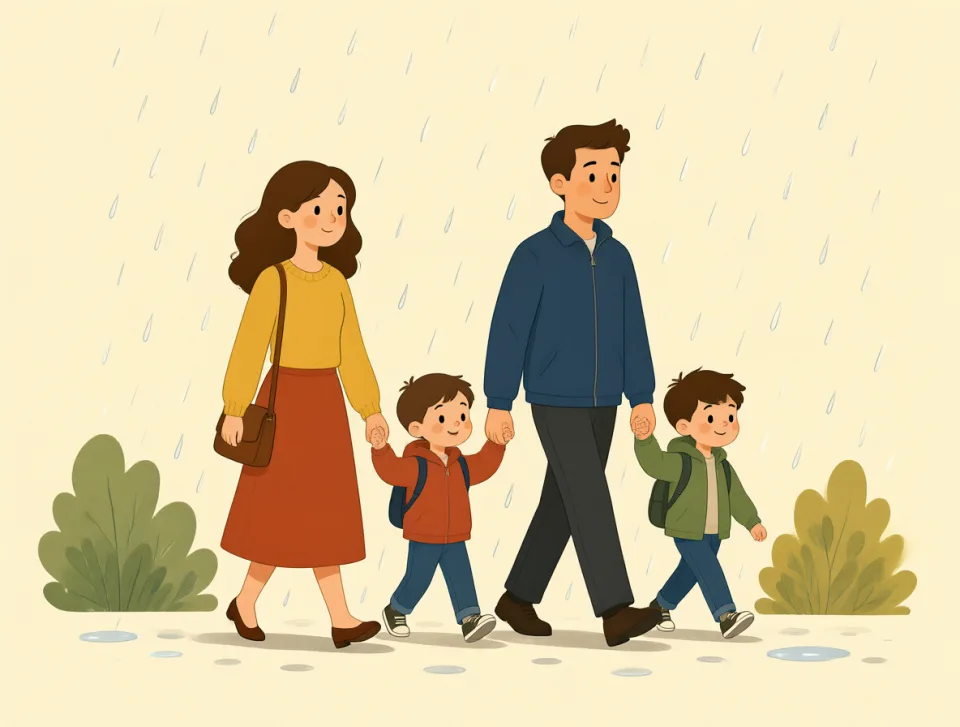
Although it was raining, we went for a walk.
Aunque estaba lloviendo, salimos a caminar.
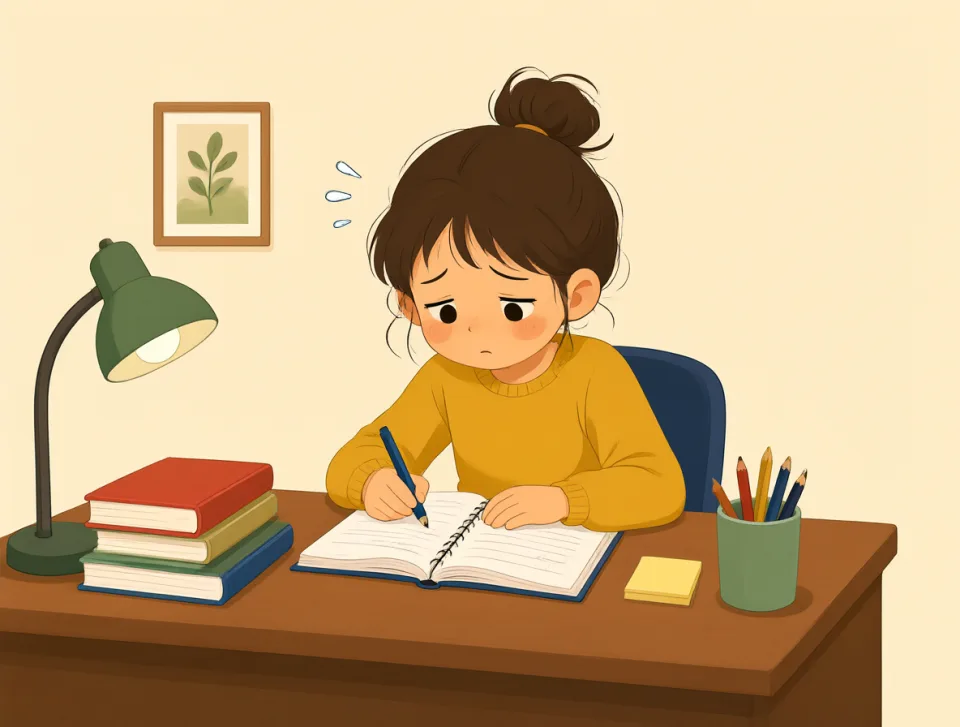
Although she was tired, she finished her homework.
Aunque estaba cansada, terminó la tarea.

Although the shirt was expensive, I bought it.
Aunque la camisa era cara, la compré.
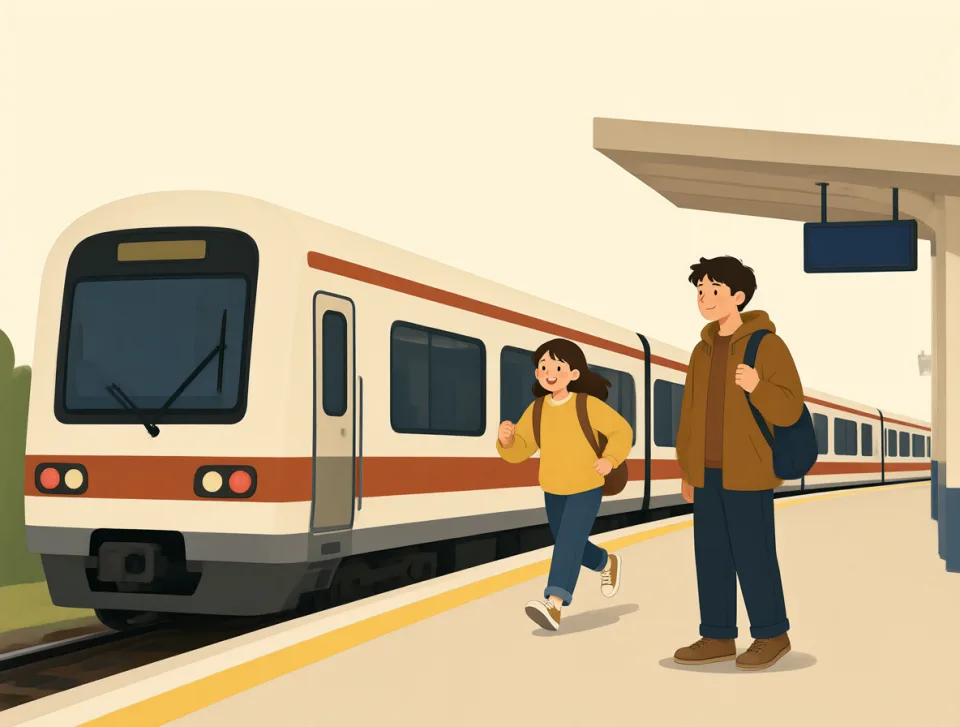
Although he missed the train, he arrived on time.
Aunque perdió el tren, llegó a tiempo.
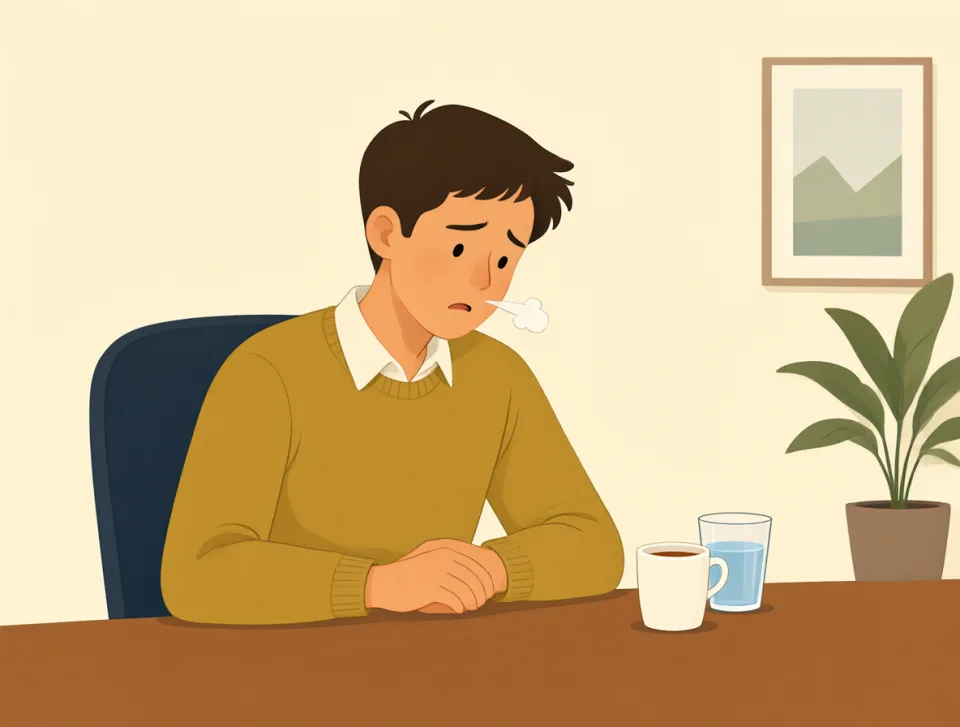
Although I was sick, I went to work.
Aunque estaba enfermo, fui a trabajar.
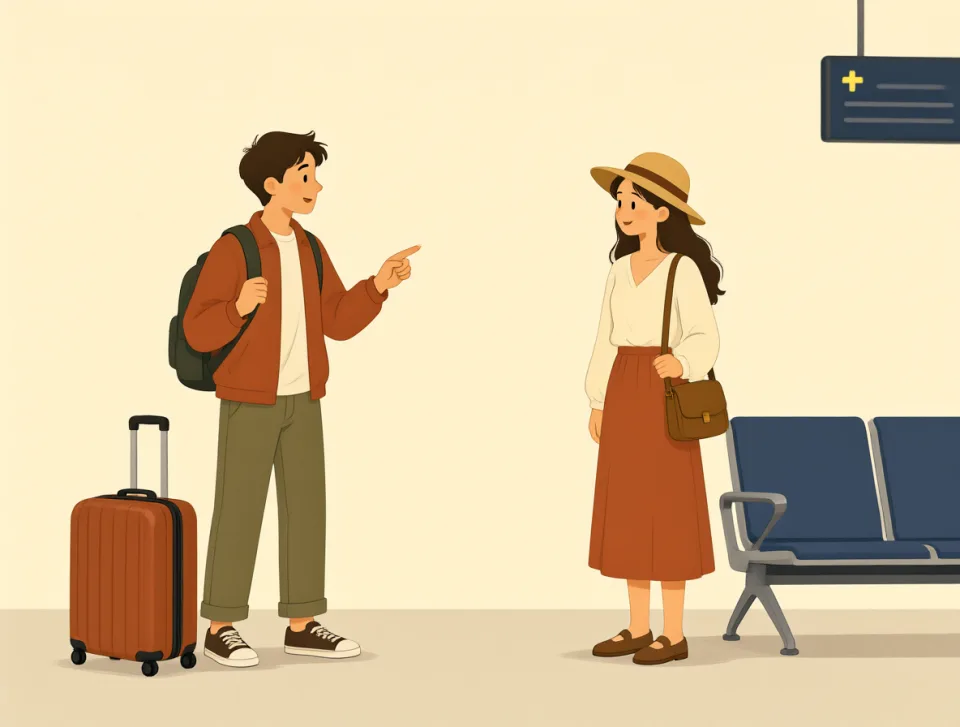
sure
#279adjective, adverb
seguro; cierto; claro
Certain to be true or likely to happen; used to agree or ask for agreement.
Que es cierto o probablemente sucederá; se usa para estar de acuerdo o pedir confirmación.
Are you sure this is your bag?
¿Estás seguro de que esta es tu bolsa?
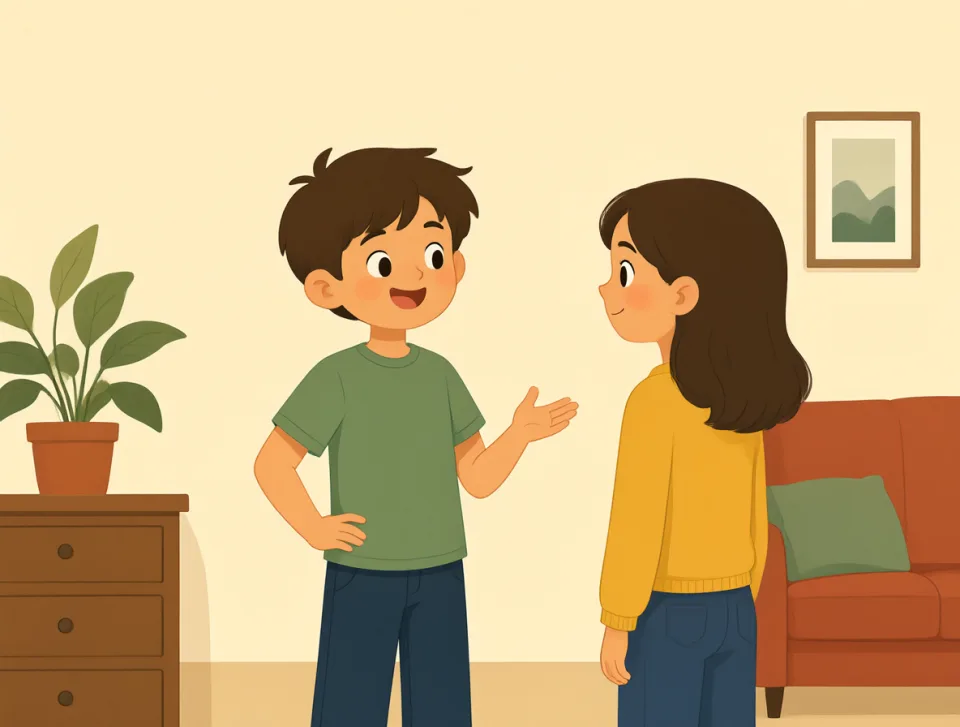
I am sure she will come.
Estoy seguro de que ella vendrá.

Sure, I can help you.
Claro, puedo ayudarte.
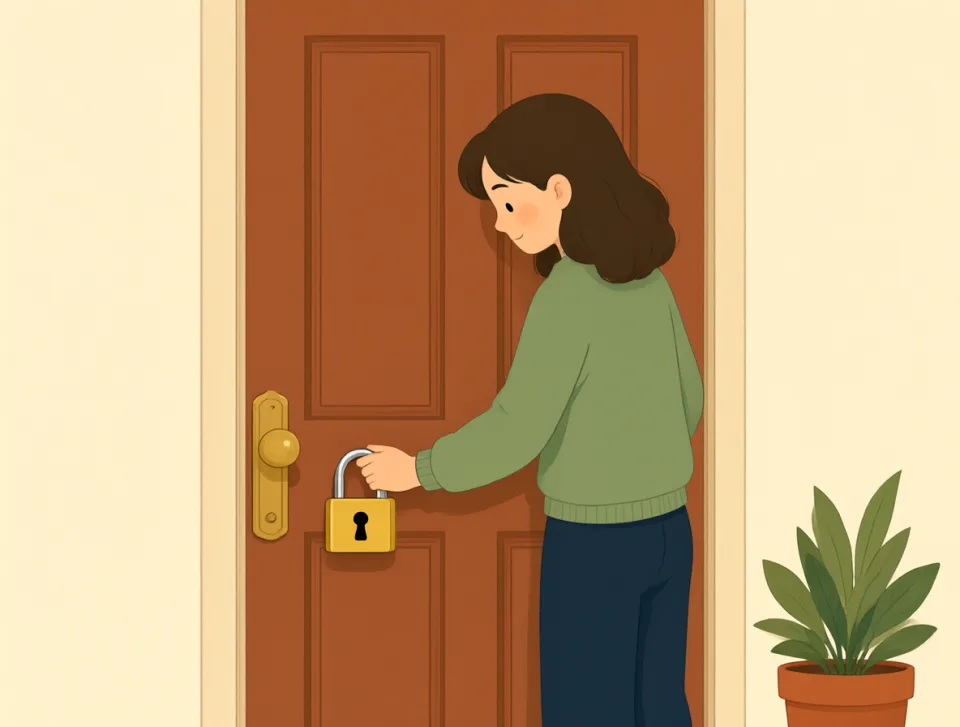
Make sure you lock the door.
Asegúrate de cerrar la puerta con llave.
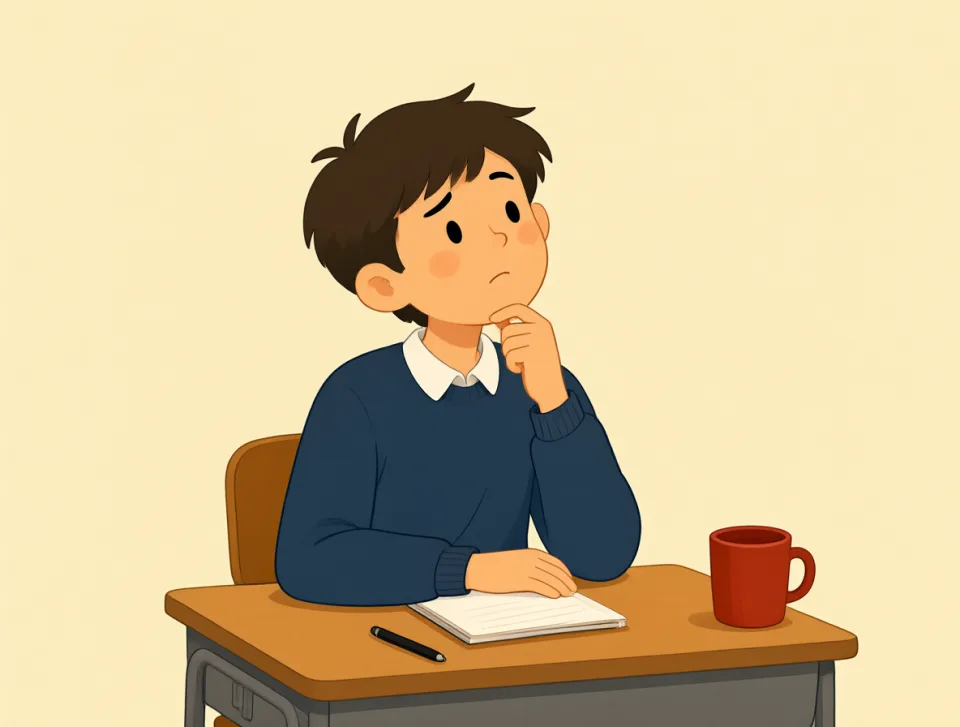
He is not sure about the answer.
Él no está seguro de la respuesta.
term
#280noun, verb
término; plazo; condición
A word or phrase, a fixed period, or a condition in an agreement.
Una palabra o frase, un período de tiempo determinado o una condición de un acuerdo.
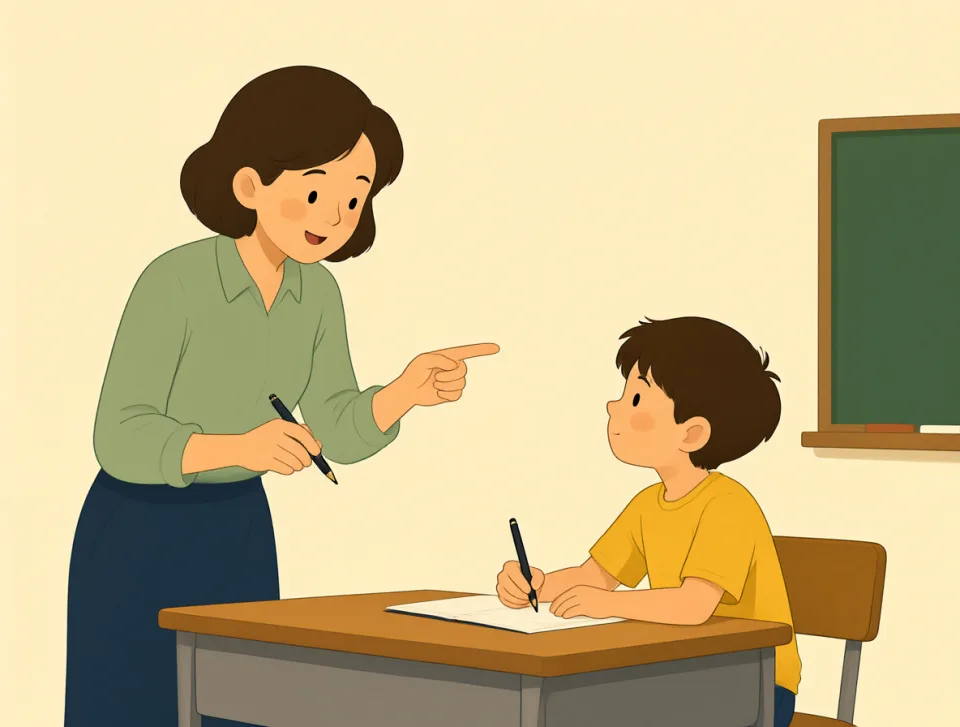
Please explain this term in simple English.
Por favor, explica este término en inglés sencillo.
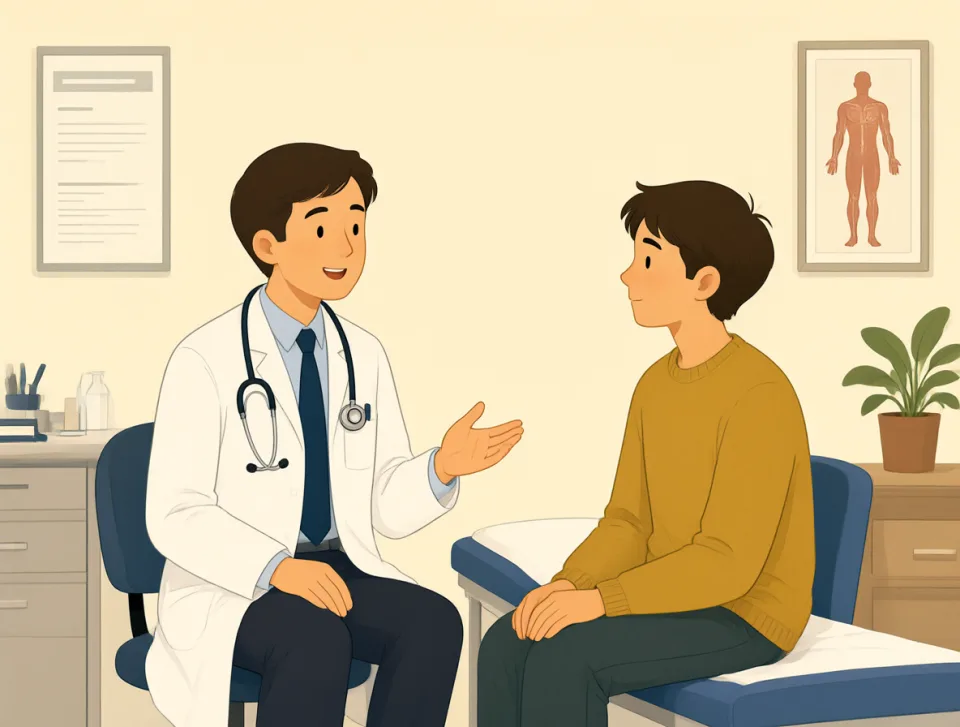
The doctor used a medical term I knew.
El médico utilizó un término médico que yo conocía.
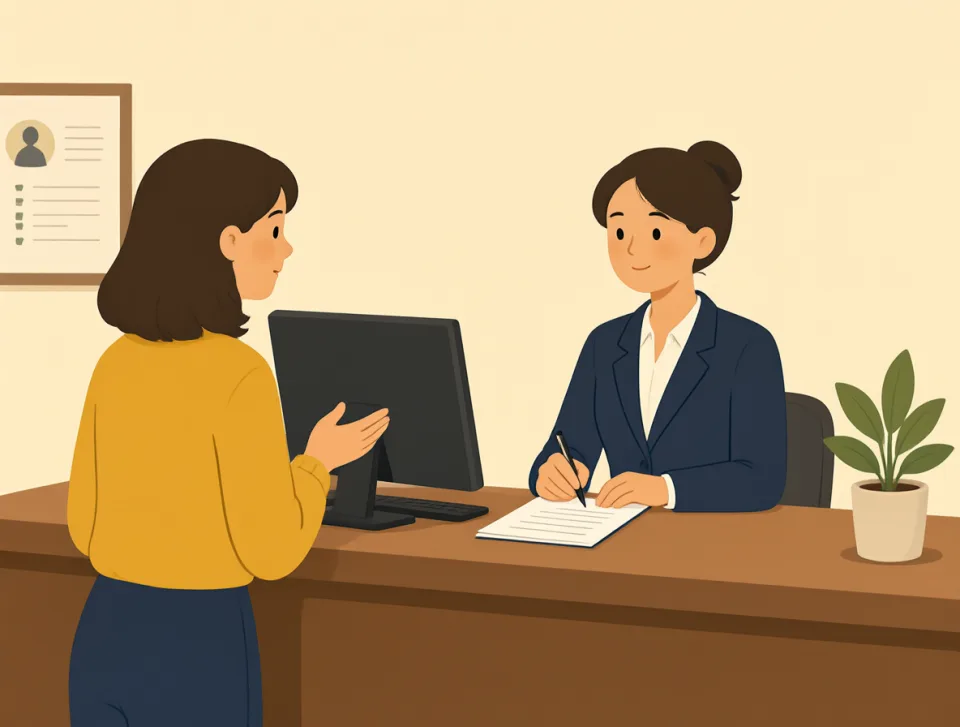
The loan must be paid in monthly terms.
El préstamo debe pagarse en cuotas mensuales.
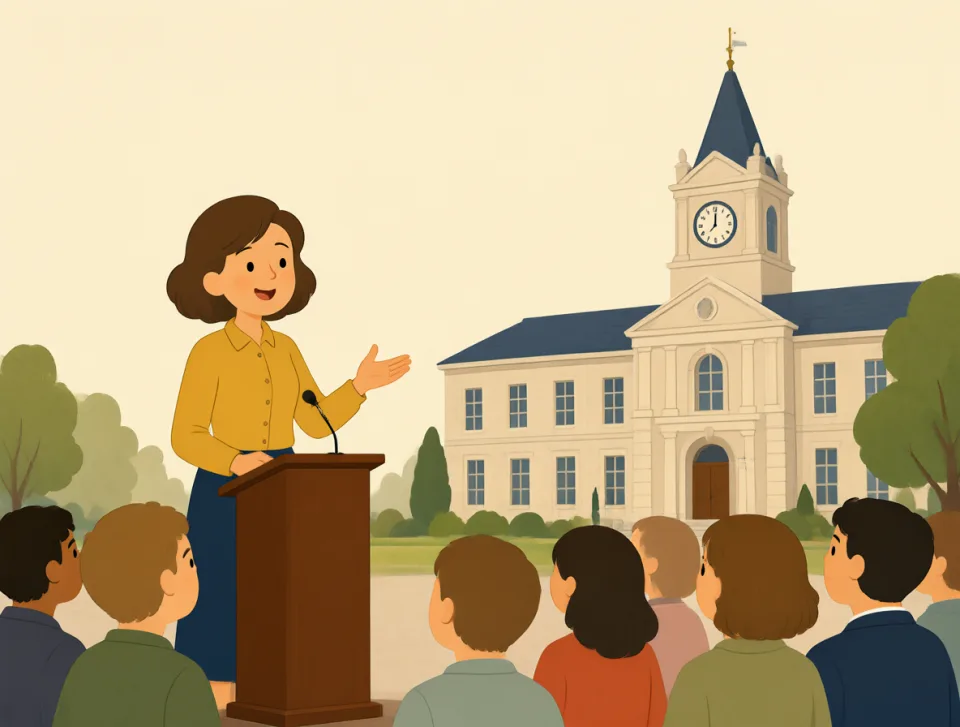
She served a two-year term as mayor.
Ocupó el cargo de alcalde durante un mandato de dos años.
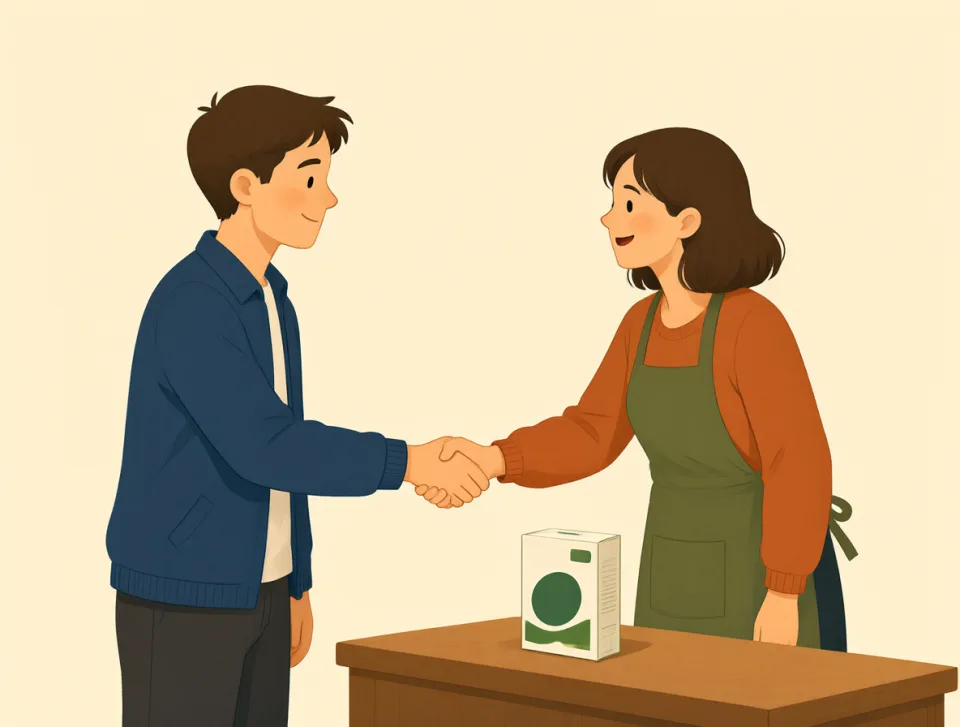
They agreed to the terms of the sale.
Aceptaron las condiciones de la venta.