第 14 单元
第 261–280 个单词 · learn, level, person, experience, once, member

learn
#261verb
学习;学会;了解到
to get knowledge or a skill by studying, practicing, or experiencing something
通过学习、练习或亲身经历来获得知识或技能

Children learn new things at school.
孩子们在学校学习新东西。
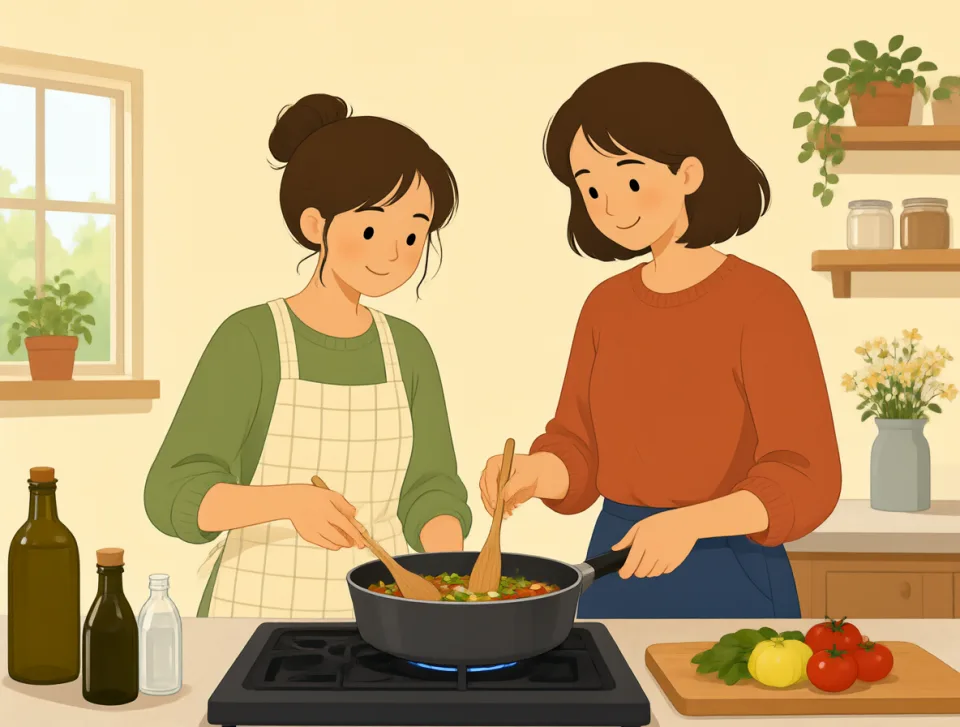
I learned to cook from my mother.
我跟妈妈学会了做饭。

She is learning how to drive.
她正在学开车。
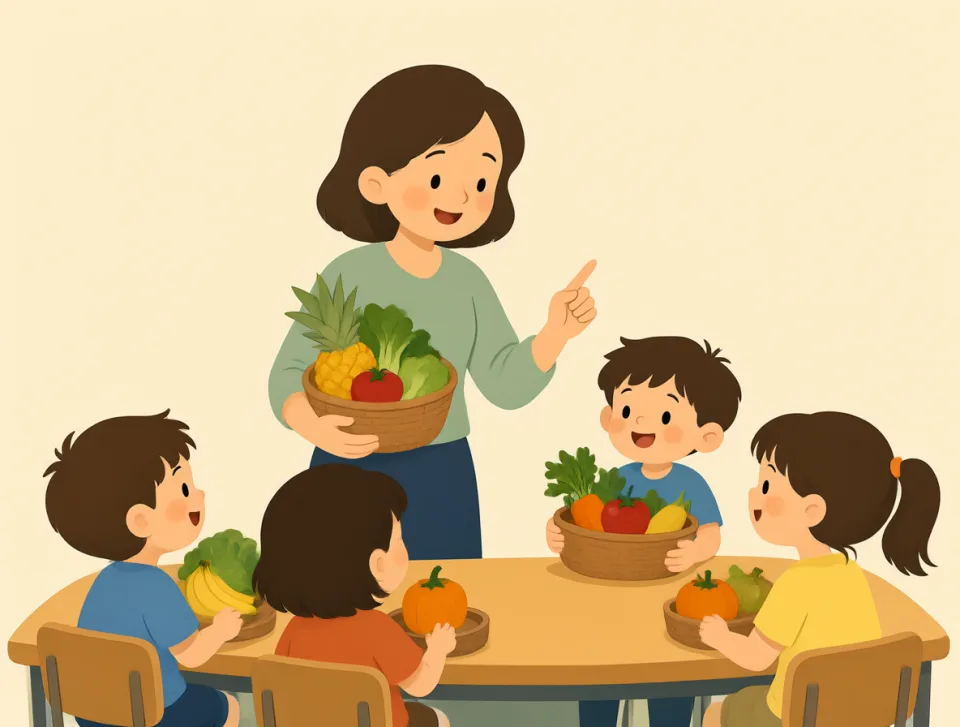
We learned about healthy food today.
我们今天了解了健康食品。
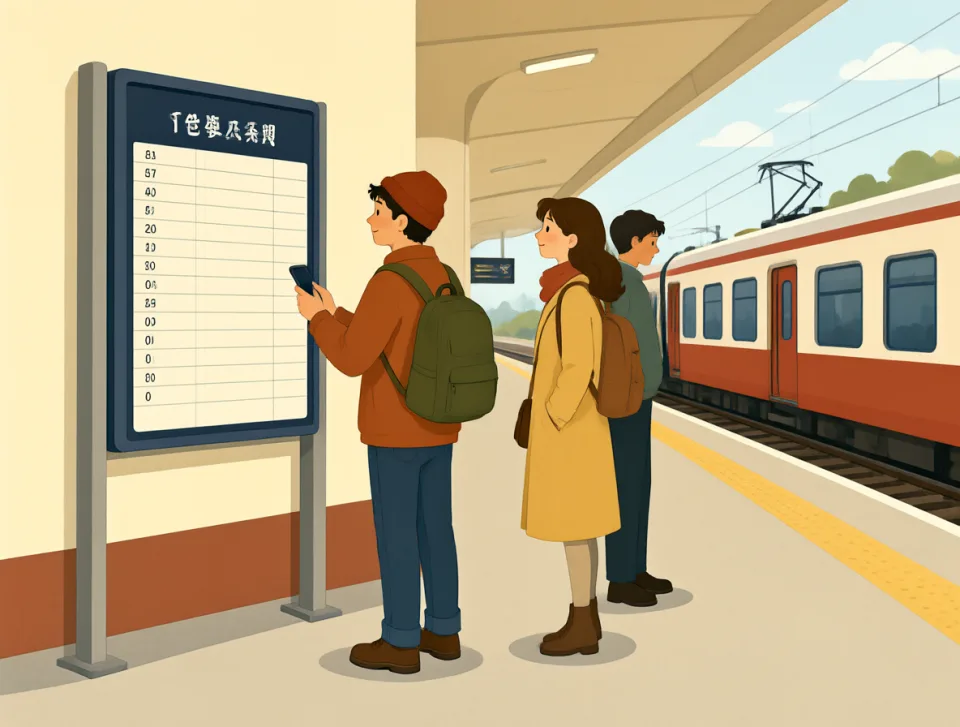
He learned the train was late.
他得知火车晚点了。

level
#262noun, verb, adjective
水平;等级;使平整;平的
A position or amount that is higher, lower, or equal to another.
相对于另一个事物更高、更低或相等的位置或数量。
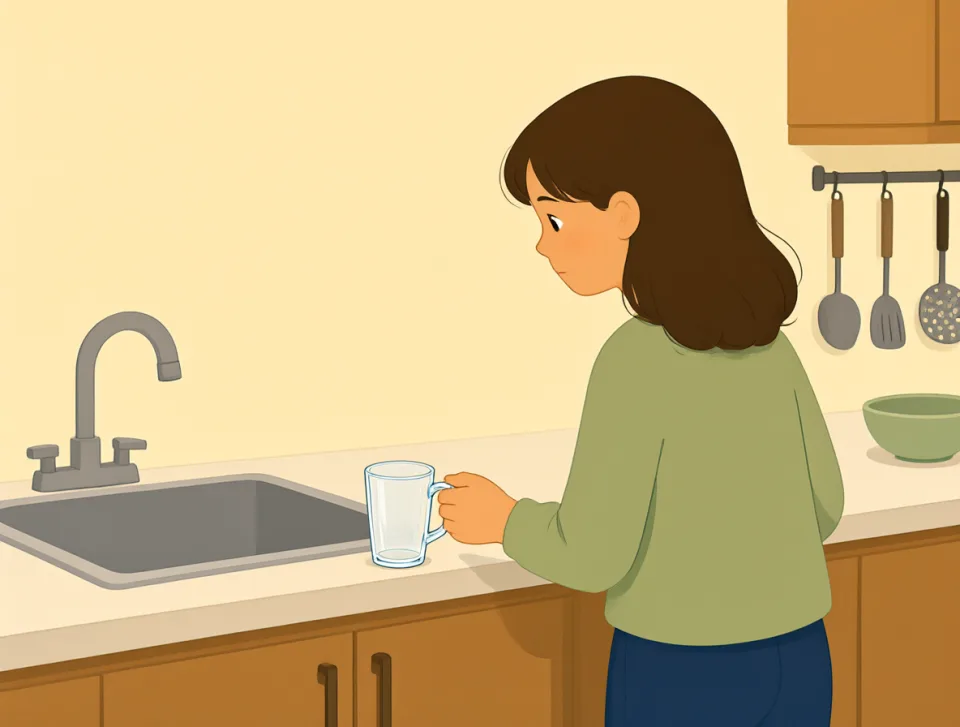
The water level is too low.
水位太低了。
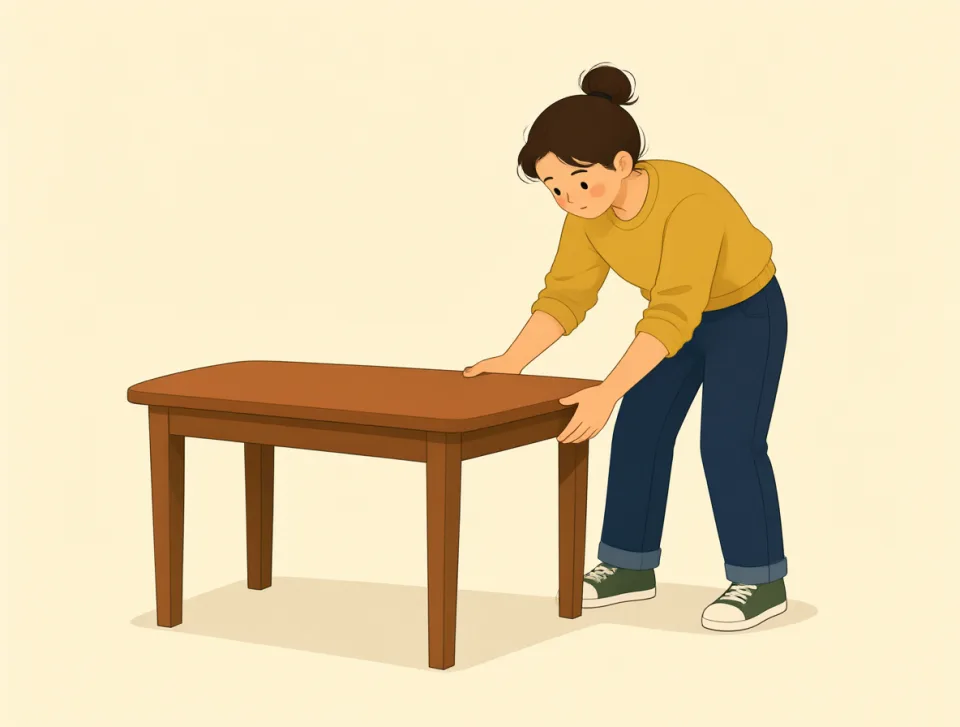
Please level the table before dinner.
晚餐前请把桌子调平。

She reached the next level in the game.
她在游戏中达到了下一个等级。

The noise level was high at work.
工作时噪音很大。
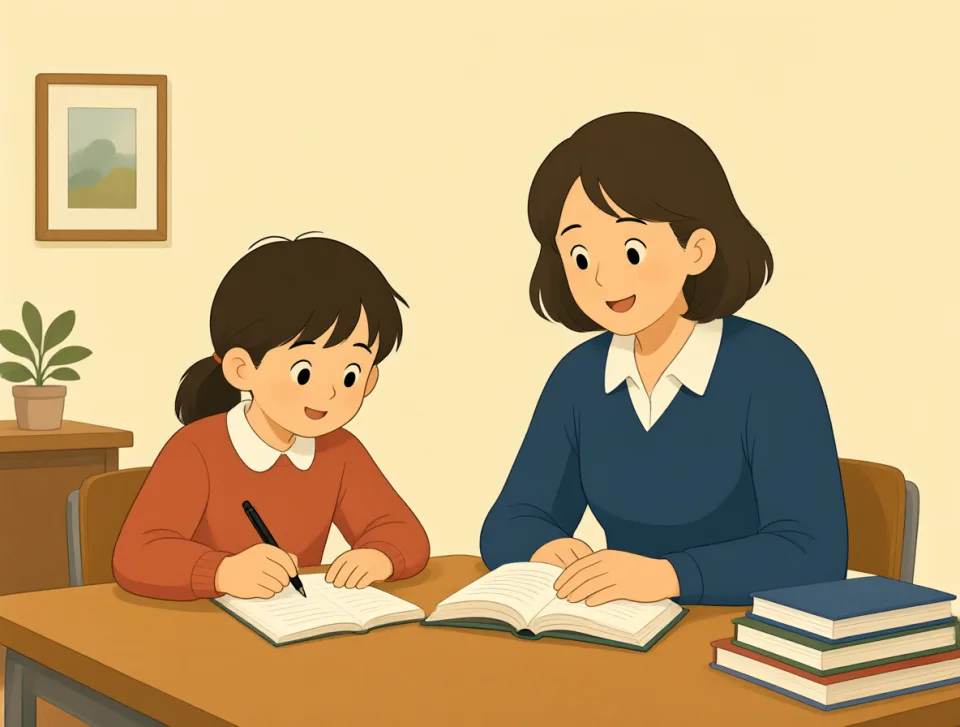
He is at an advanced level in English.
他的英语水平已经达到高级。
person
#263noun
人;个人
A human being, especially one considered as an individual.
人类,尤其是作为个体来看的一个人。
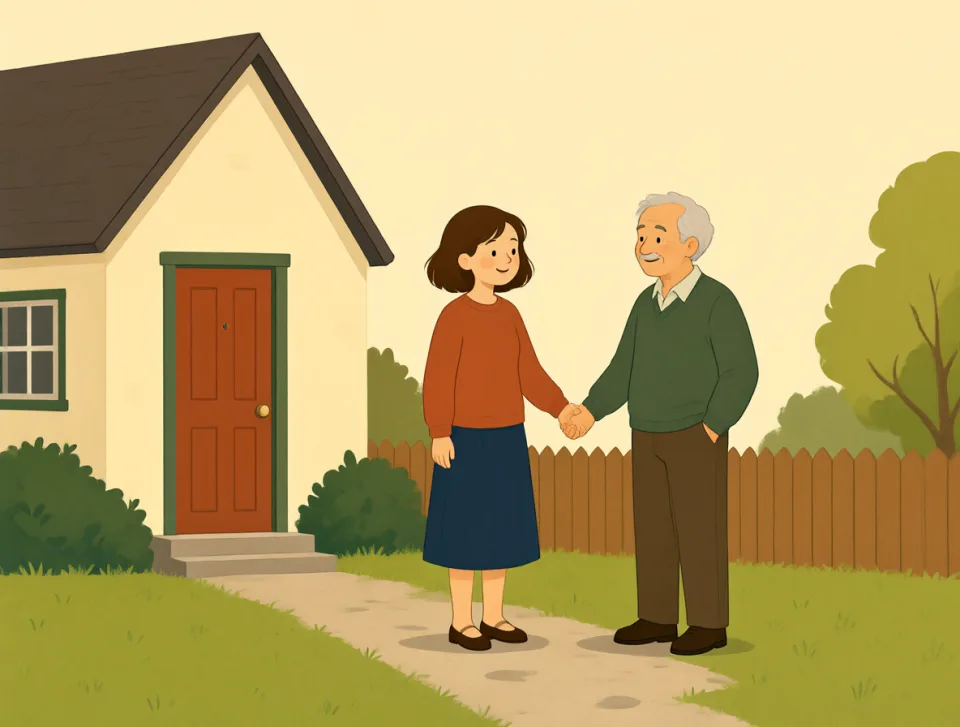
That person is my new neighbor.
那个人是我的新邻居。

One person called the doctor for help.
有个人打电话叫医生来帮忙。

She is the right person for this job.
她是这份工作的合适人选。

A kind person helped me carry my bags.
一个好心人帮我提行李。
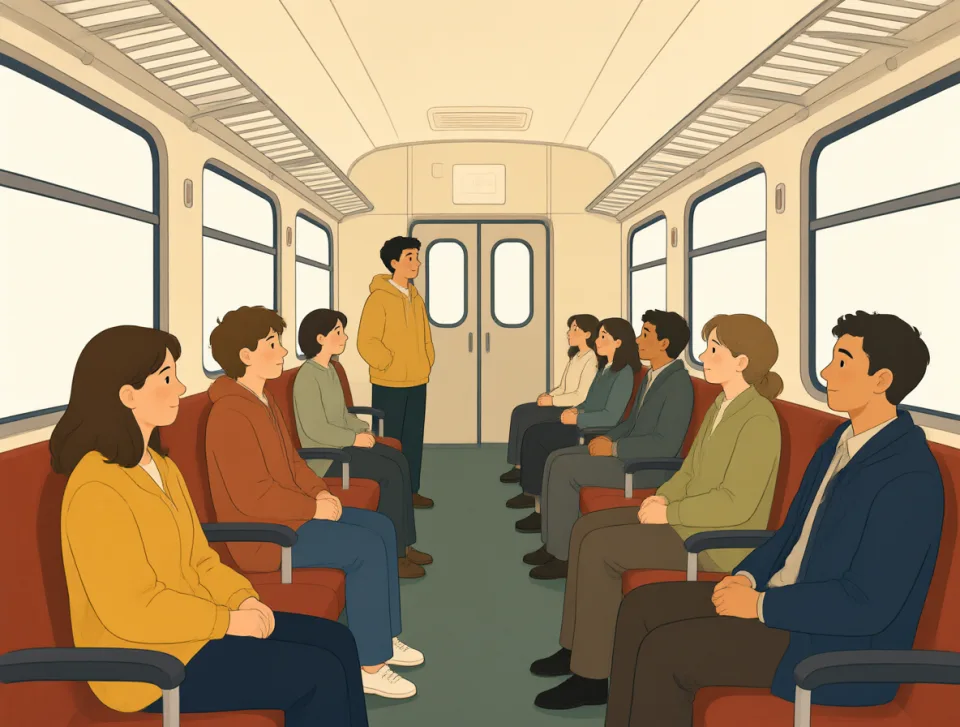
There were many people on the train.
火车上有很多人。

experience
#264noun, verb
经验;经历
Knowledge or skill gained by doing something; to have something happen to you.
通过做某事获得的知识或技能;经历某件事
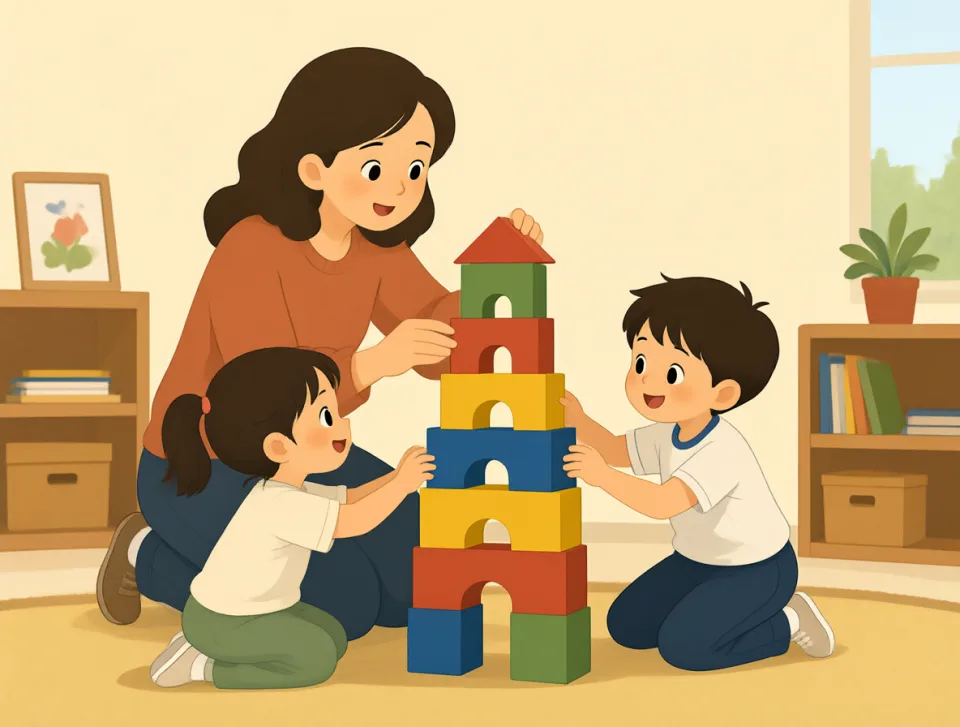
She has experience working with young children.
她有和小孩子一起工作的经验。

This trip was a wonderful experience for us.
这次旅行对我们来说是一次美好的经历。
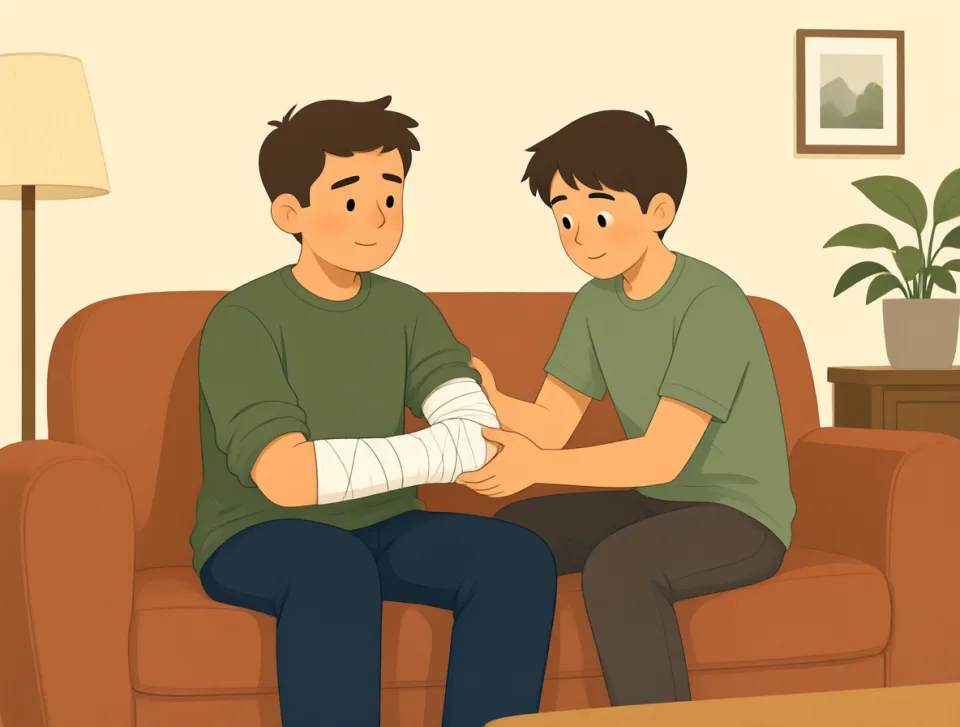
He experienced severe pain after the accident.
事故后,他感到剧烈的疼痛。
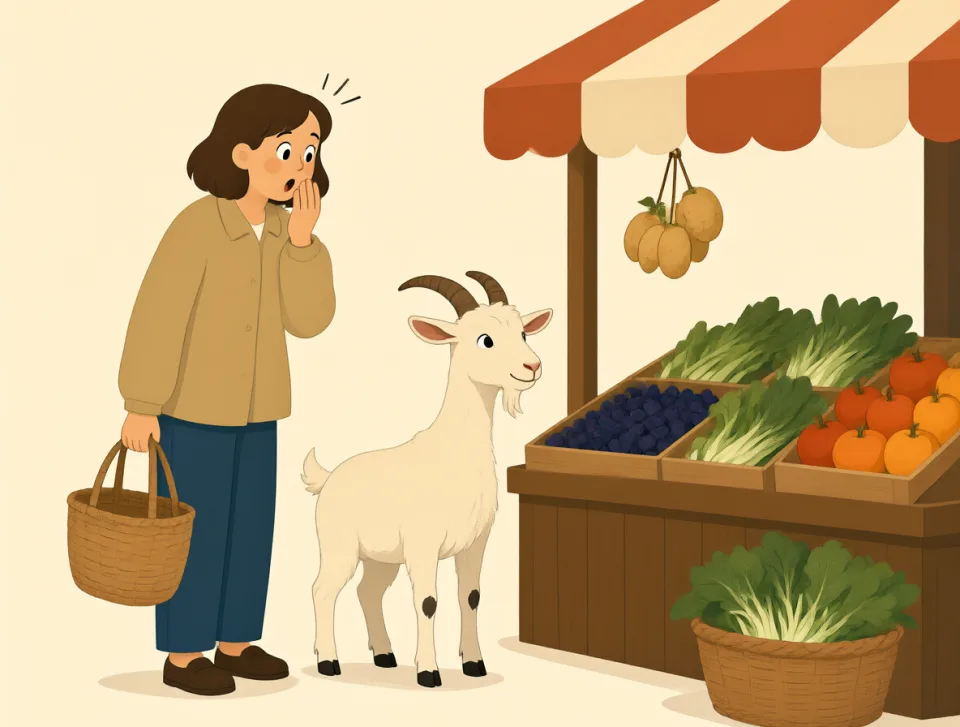
I had a strange experience at the market.
我在市场上有过一次奇怪的经历。
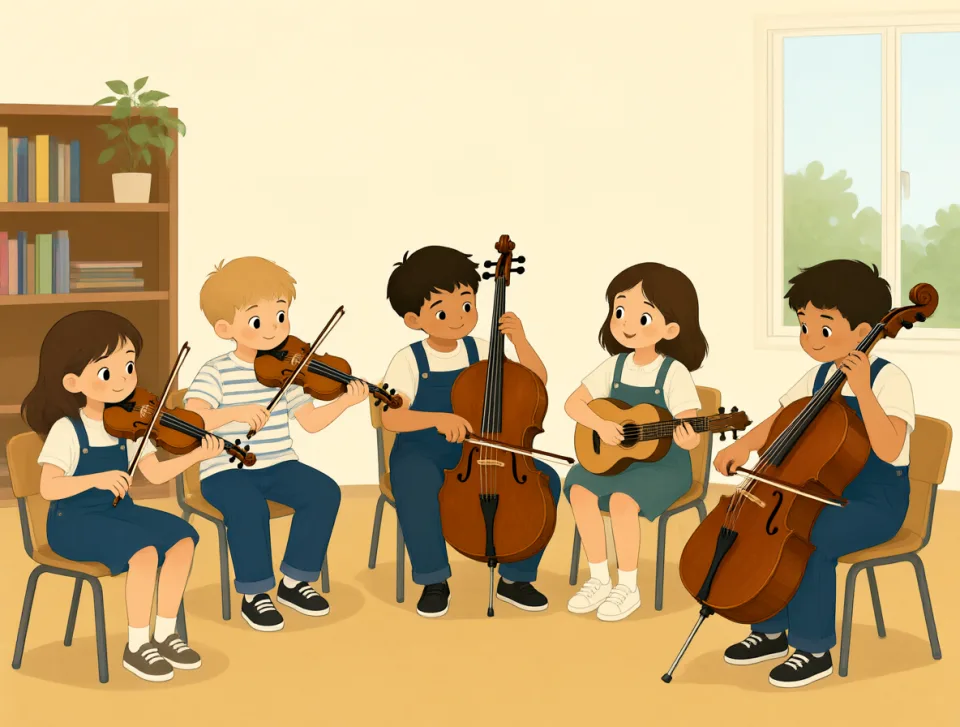
Students gain experience through practice.
学生通过练习积累经验。

once
#265adverb, conjunction, determiner, noun
曾经;一次;一旦;每逢
At one time in the past, or one time only.
过去某个时候,或仅仅一次。
I once lived in a small town.
我曾经住在一个小镇上。
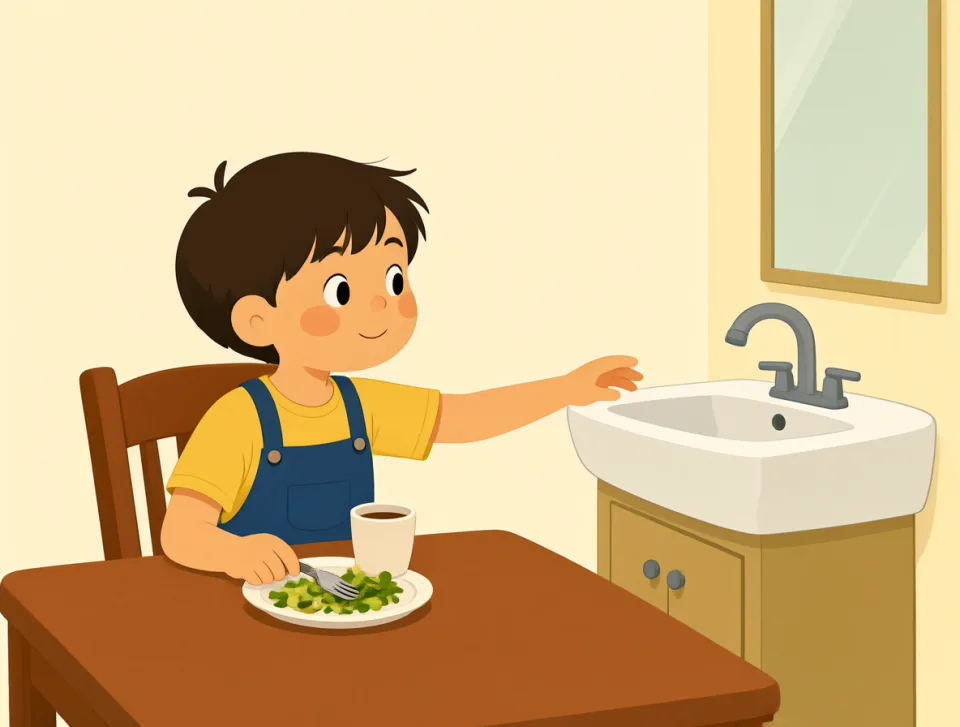
Once you finish, please wash your hands.
你做完后,请洗手。

I have visited Paris once.
我去过巴黎一次。

Once a week, we buy fresh vegetables.
我们每周买一次新鲜蔬菜。
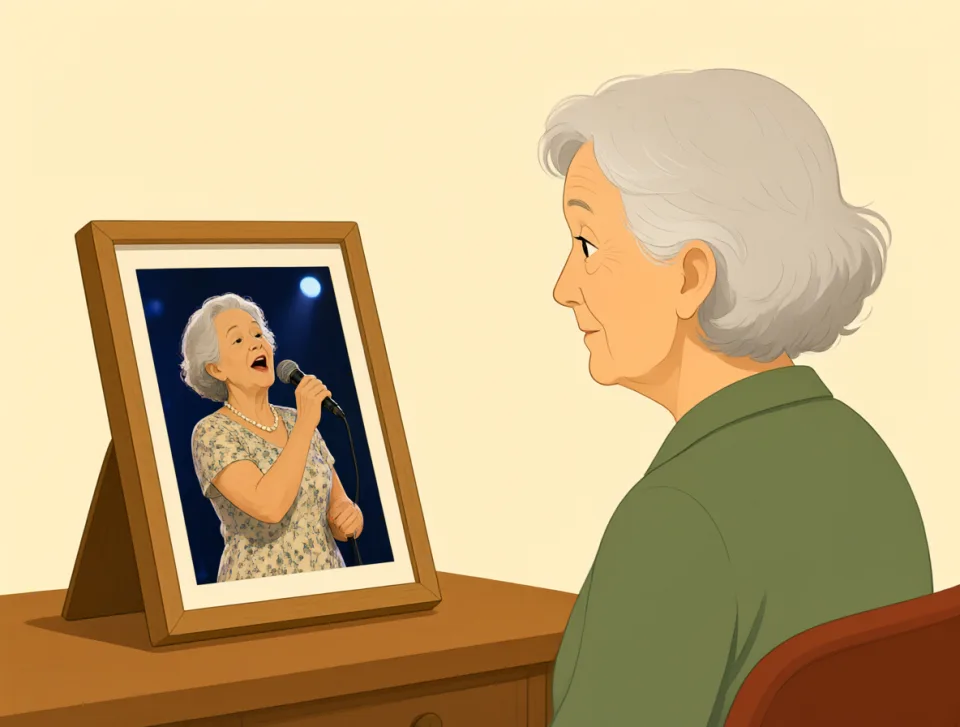
She was a famous singer once.
她曾经是一位著名歌手。
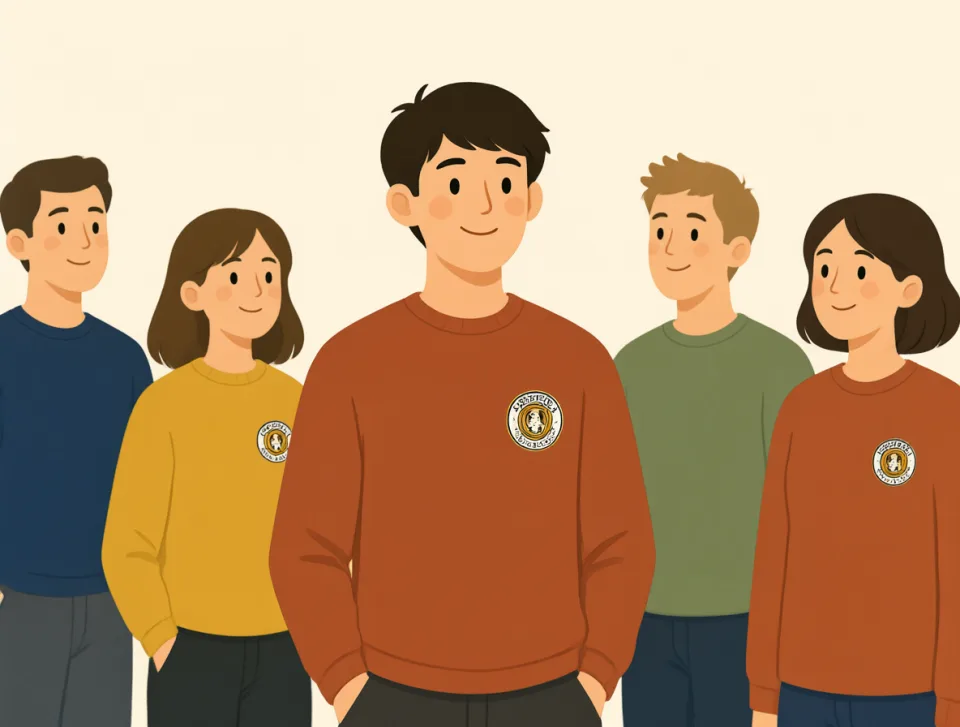
member
#266noun
成员;会员
a person who belongs to a group, club, or organization
属于某个团体、俱乐部或组织的人
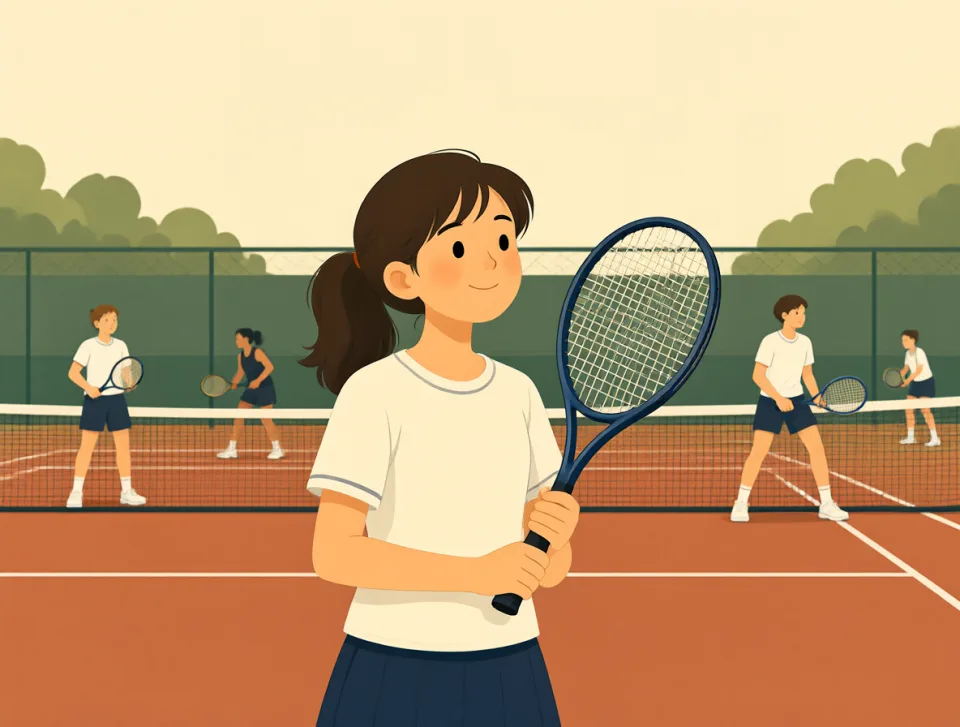
She is a member of our tennis club.
她是我们网球俱乐部的会员。
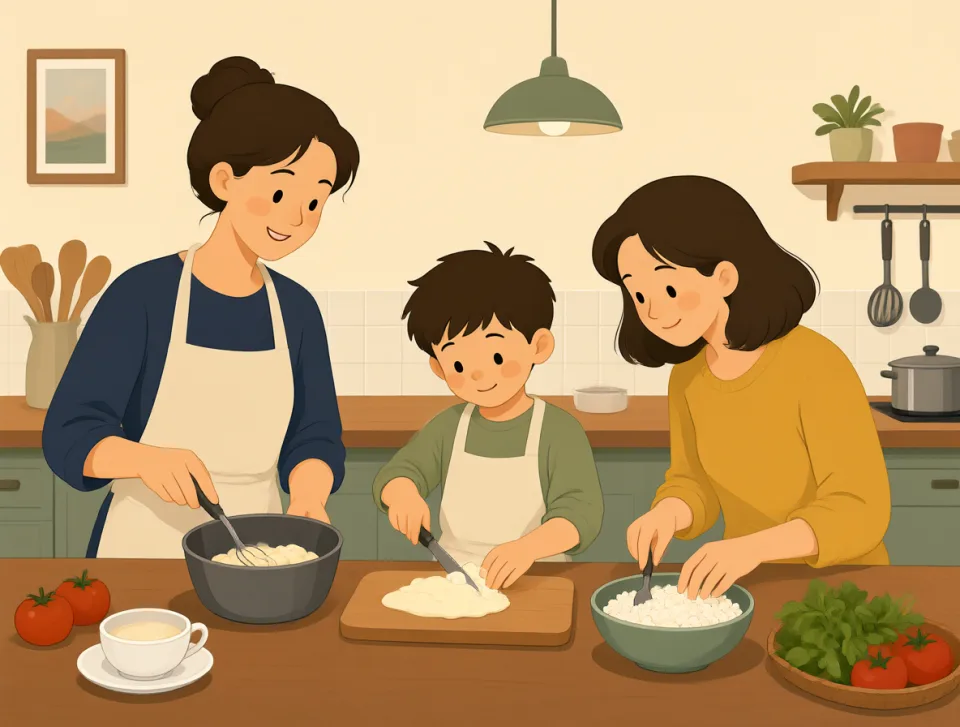
Every family member helped cook dinner.
每位家庭成员都帮忙做了晚饭。

He became a member of the school team.
他成为了校队的一员。

The hotel member received a free breakfast.
这位酒店会员享用了免费早餐。
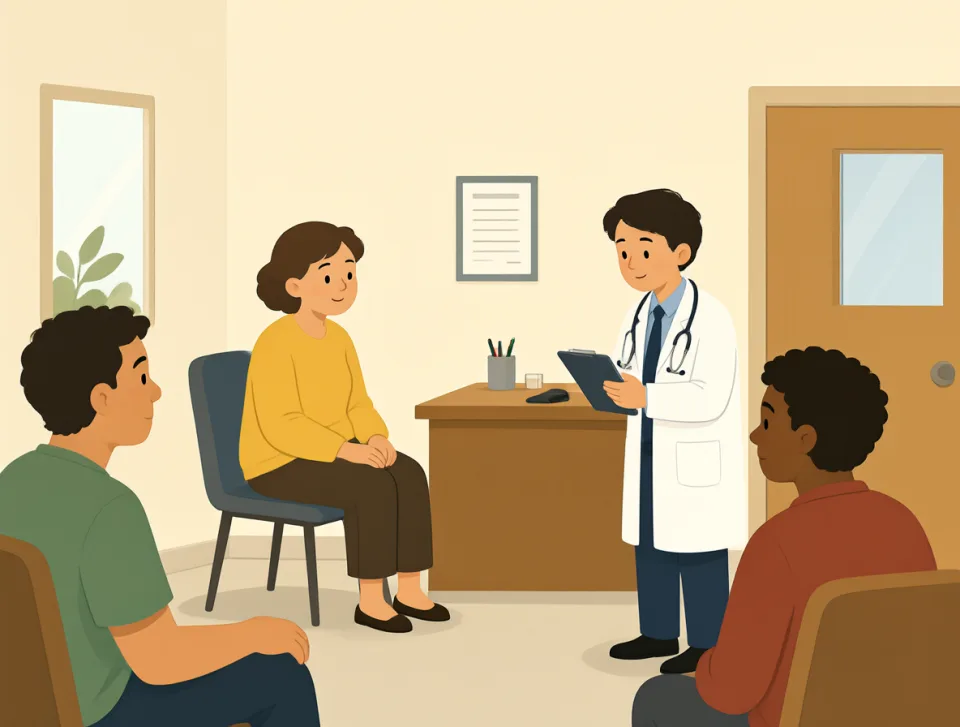
The doctor checked each member of the group.
医生检查了小组中的每一位成员。

enough
#267adjective, adverb, pronoun, determiner
足够;充分;足够的
As much or as many as needed.
达到所需的数量或程度。
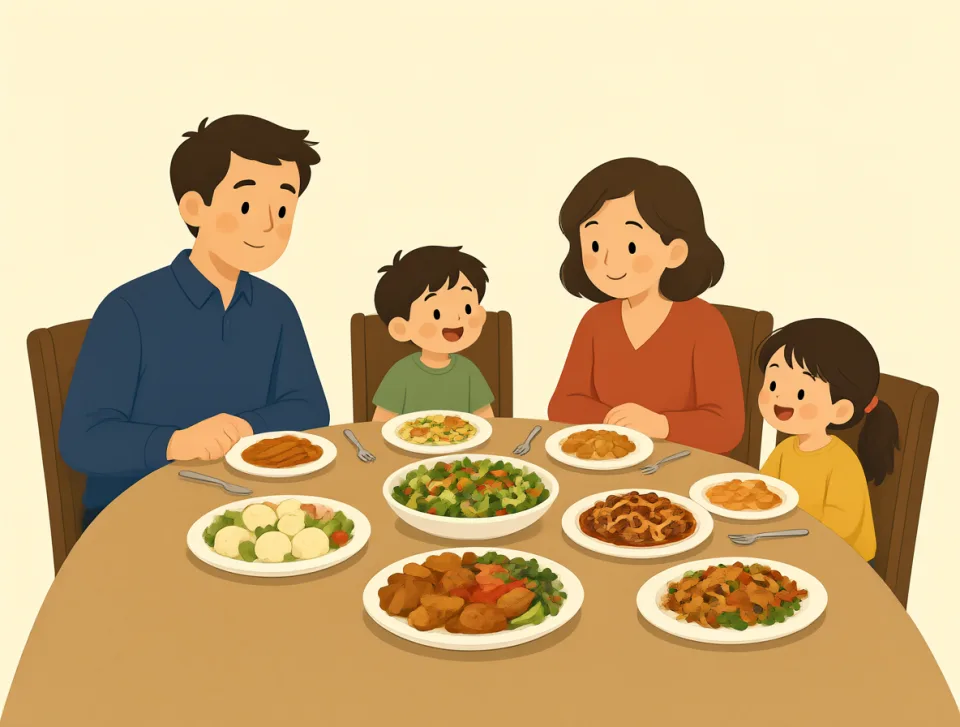
Do we have enough food for everyone?
我们的食物够大家吃吗?

This bag is big enough for my shoes.
这个包够大,能装下我的鞋。
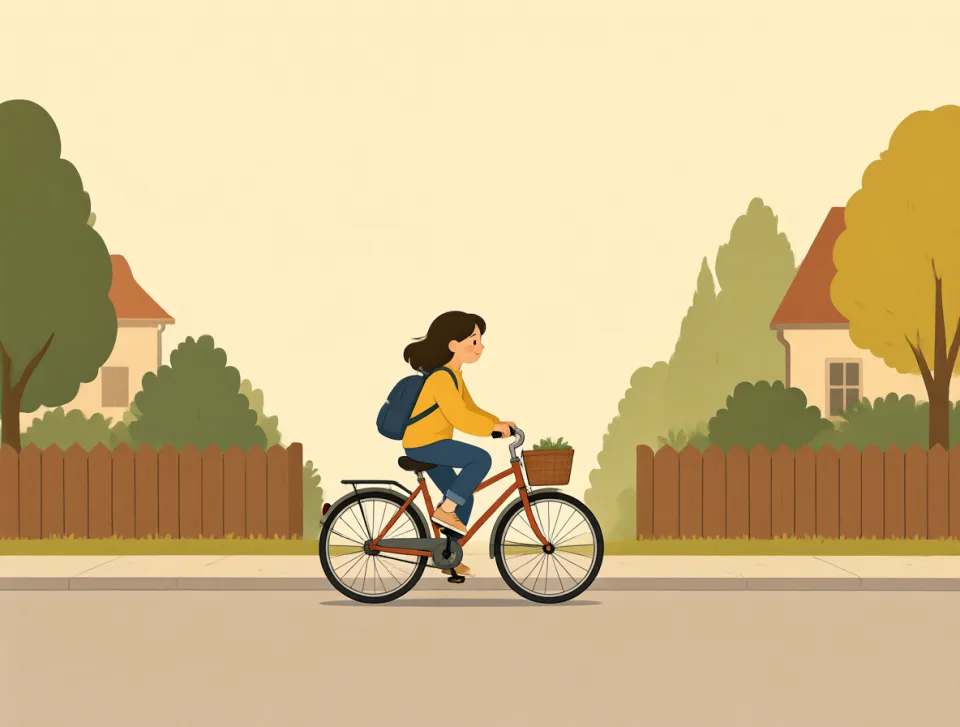
She is old enough to ride alone.
她已经到了可以独自骑车的年龄。

I did not sleep enough last night.
我昨晚睡得不够。

Are you warm enough in that jacket?
穿那件夹克,你觉得够暖和吗?
bad
#268adjective, noun
坏的;糟糕的;不好的
Not good, pleasant, safe, or morally right.
不好的、不愉快的、不安全的或不道德的。

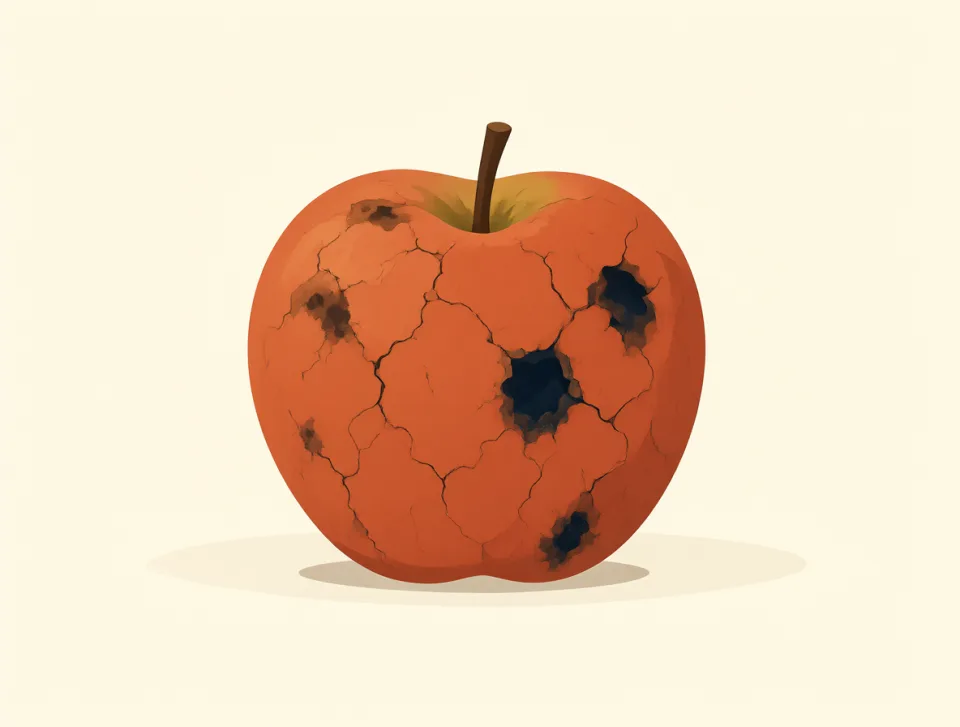
I had a bad day at work.
我那天上班过得很糟糕。
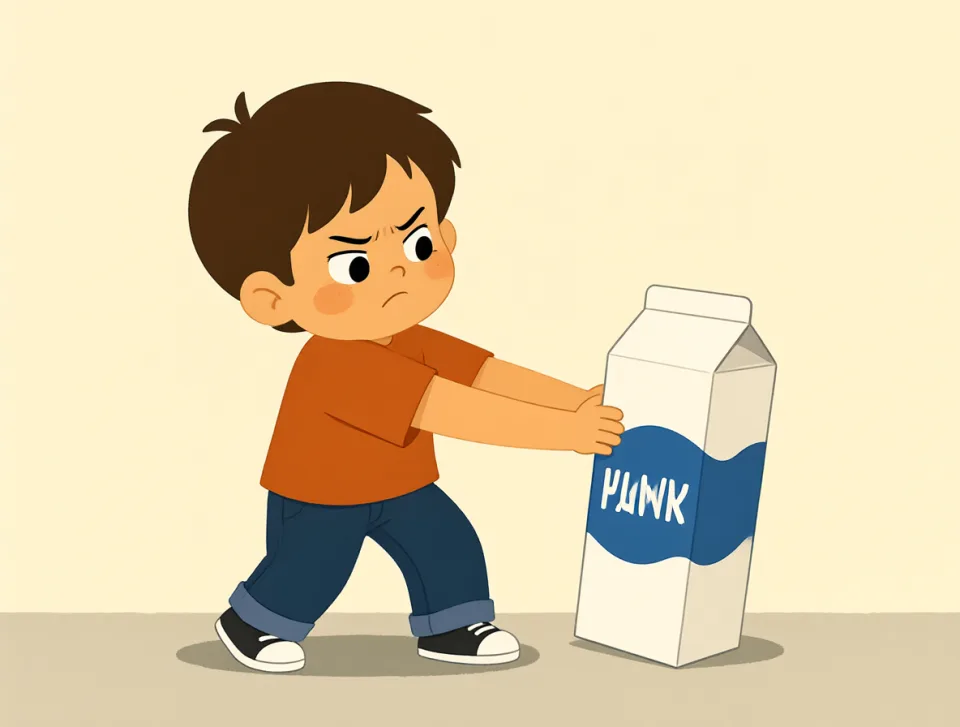
This milk smells bad.
这牛奶闻起来坏了。

He felt bad after the argument.
争吵过后,他感到很难过。

The weather was bad during our trip.
我们旅行期间天气很糟糕。
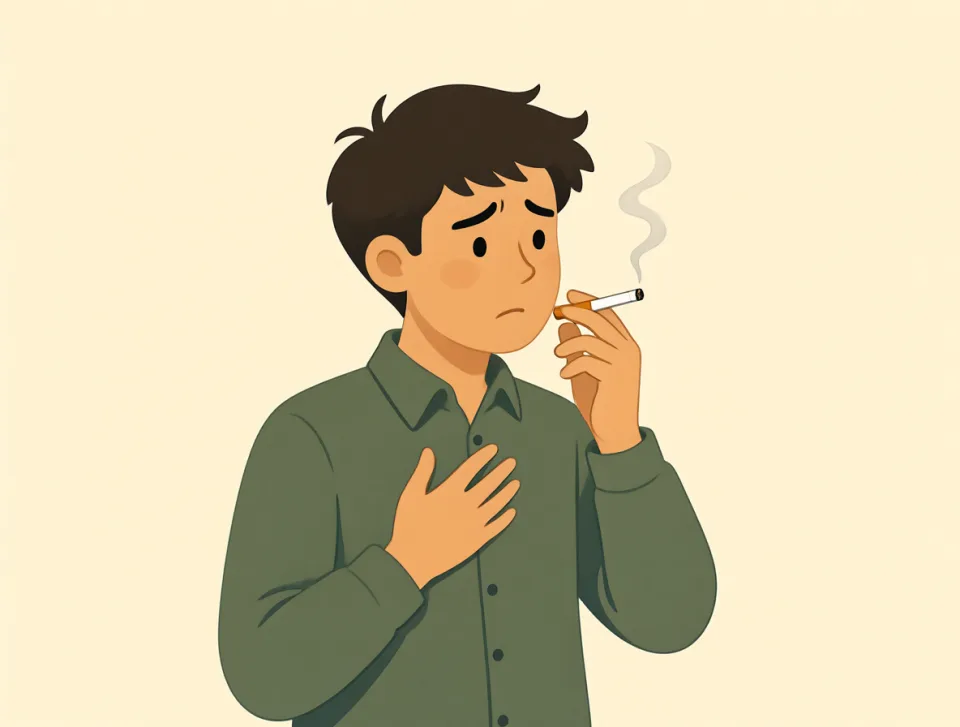
Smoking is bad for your health.
吸烟有害健康。

city
#269noun
城市;都市
A large place where many people live, work, and visit.
一个有许多人居住、工作和游览的大地方。

She lives in a big city.
她住在一座大城市里。
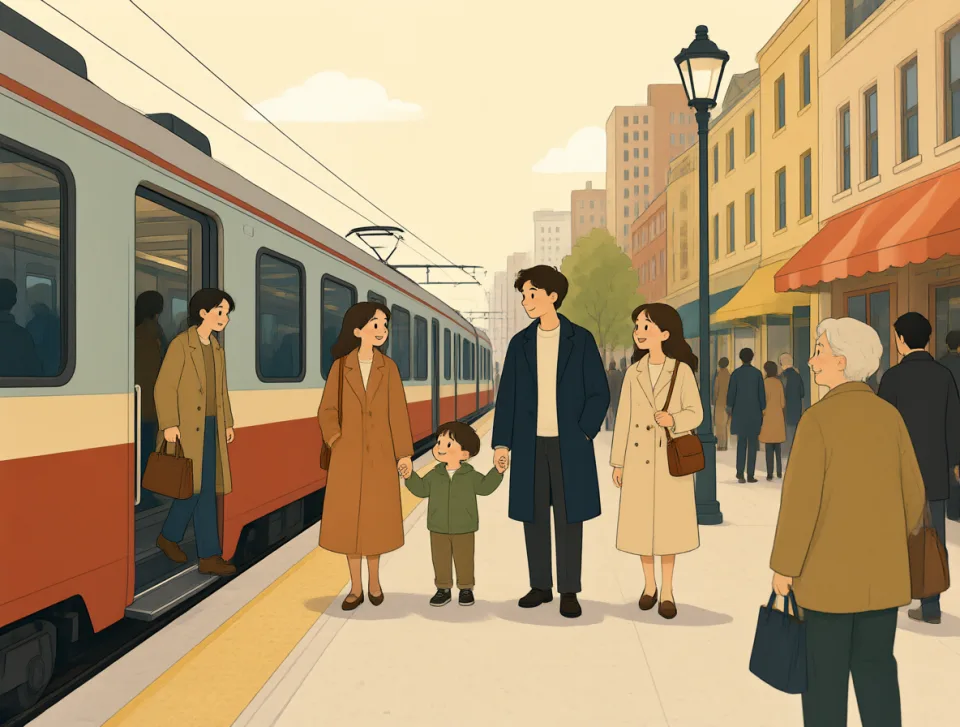
We took a train to the city.
我们乘火车去了市里。

The city has many good restaurants.
这座城市有许多不错的餐馆。

He works in the city center.
他在市中心工作。

The children visited the city museum.
孩子们参观了城市博物馆。

night
#270noun
夜晚;晚上
The time when it is dark outside, from evening until morning.
从傍晚到早晨,外面天黑的这段时间。

I read a book before bed at night.
我晚上睡觉前读了一本书。

We walked home together late last night.
昨晚很晚的时候,我们一起走回了家。

The baby slept well all night.
宝宝一整晚都睡得很好。

She works at the hospital night shift.
她在医院上夜班。

They stayed in a hotel for one night.
他们在一家酒店住了一晚。

able
#271adjective
能够;能;有能力
Having the skill, strength, time, or chance to do something.
有技能、力量、时间或机会做某事。

She is able to swim very well.
她游泳游得非常好。

Are you able to help me today?
你今天能帮我吗?

He was able to finish his homework.
他能够完成作业。
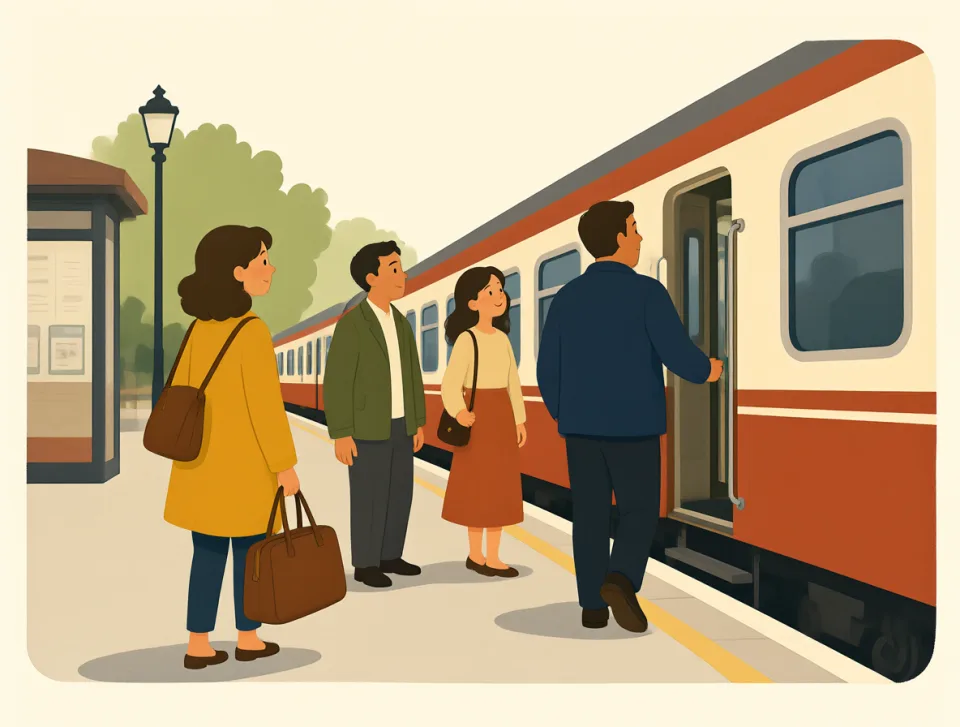
We were able to catch the early train.
我们赶上了早班火车。

I am not able to eat dairy products.
我不能吃乳制品。
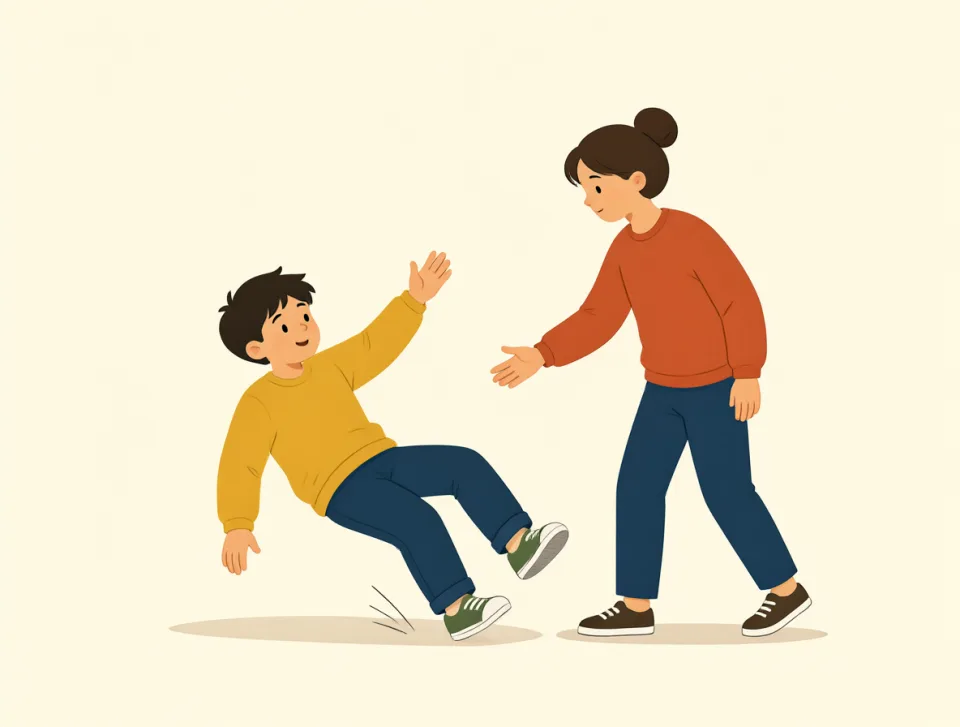
support
#272noun, verb
支持;支援
Help or encouragement given to someone or something; to help someone or something succeed.
给予某人或某物的帮助或鼓励;帮助某人或某物取得成功。

My family supports me when I feel sad.
我难过时,家人会支持我。

These shoes support your feet while walking.
走路时,这双鞋能支撑你的脚。

Our teacher supports us during the test.
考试时,我们的老师会支持我们。

The team supported its captain after the loss.
球队输掉比赛后,队员们支持队长。

This pillow supports your neck at night.
晚上,这个枕头能支撑你的脖子。

whether
#273conjunction
是否;是不是
Used to talk about two possible choices or situations.
用于谈论两种可能的选择或情况。
I don't know whether she is home.
我不知道她是否在家。

Please tell me whether you need help.
请告诉我你是否需要帮助。
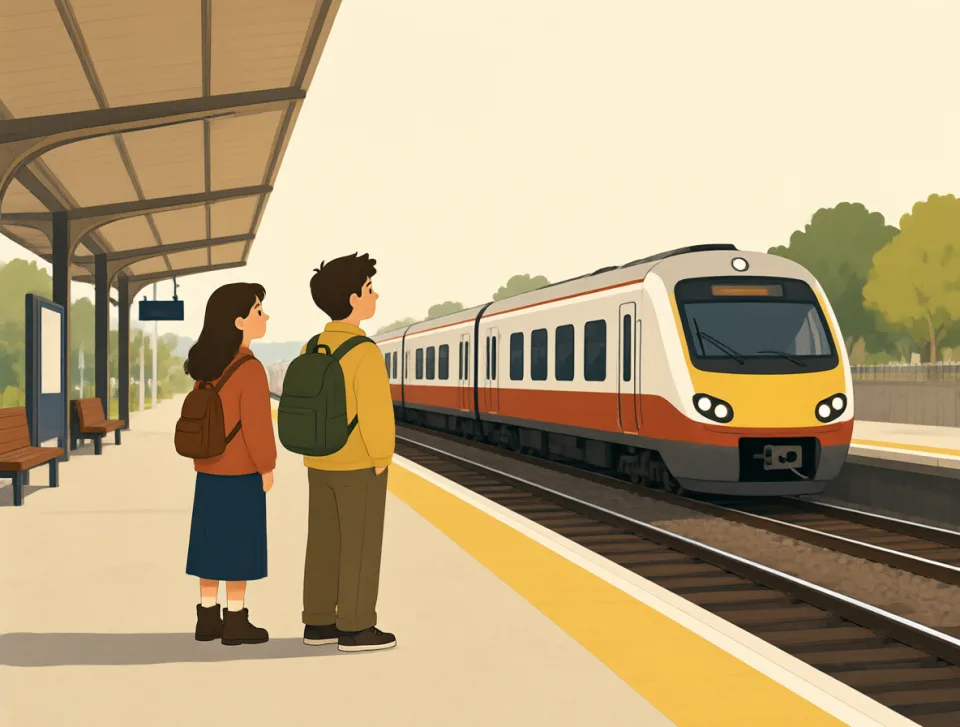
We must decide whether to take the train.
我们必须决定是否乘火车。

He asked whether I liked the food.
他问我是否喜欢那里的食物。

Check whether the door is locked.
检查一下门是否锁好了。

line
#274noun, verb
队伍;线;排队
A long, thin mark or a row of people or things; to stand in a row.
细长的标记或一排人或物;站成一排
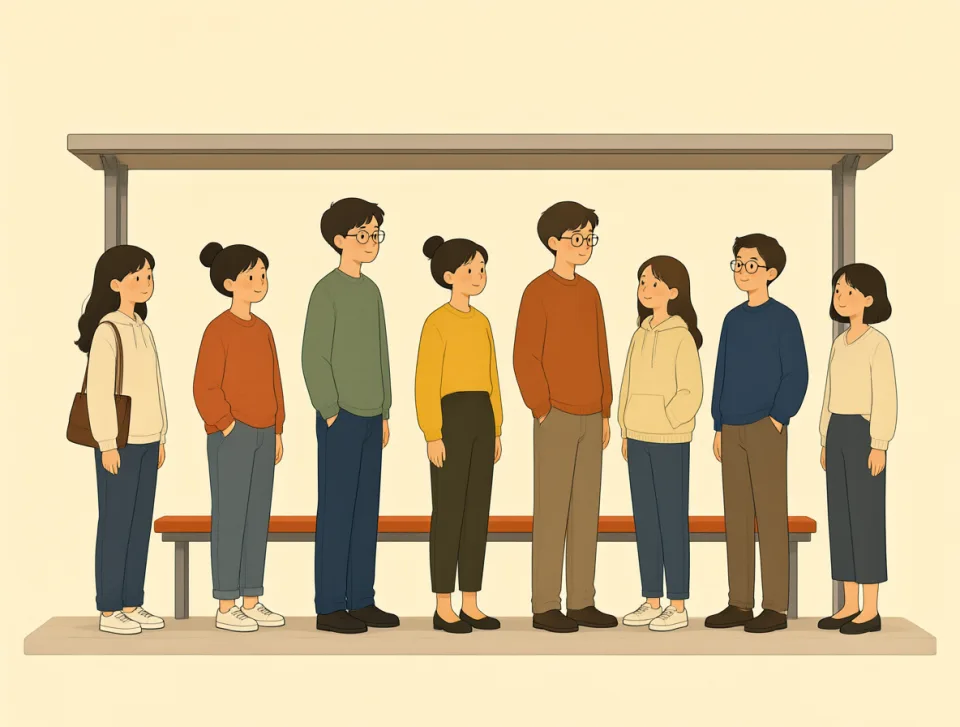
Please wait in line for the bus.
请排队等候公交车。
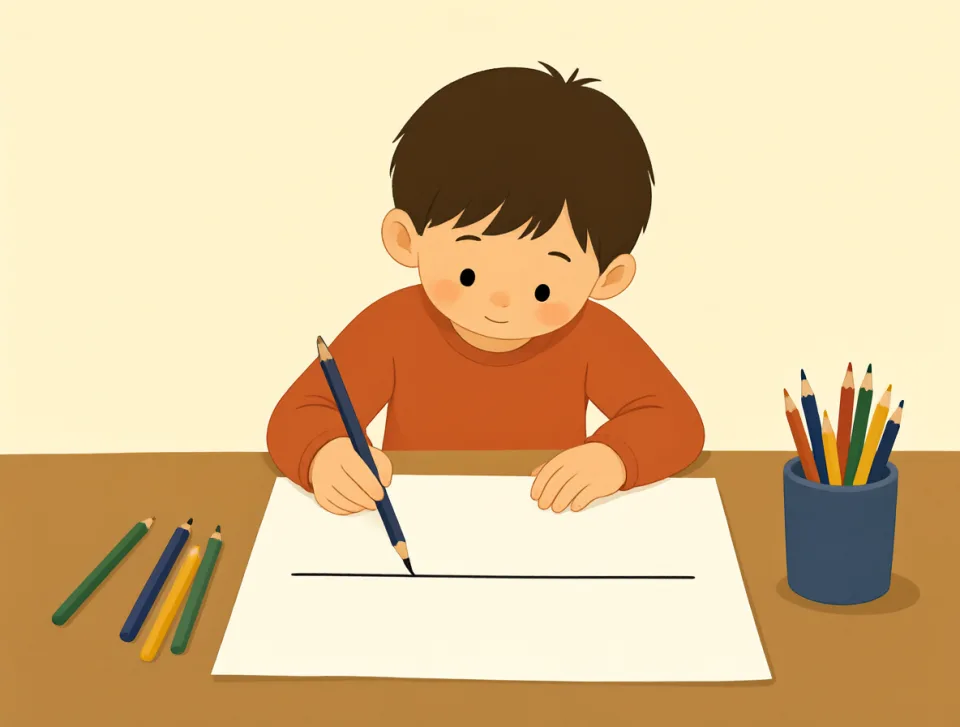
Draw a straight line under the answer.
在答案下面画一条直线。

The phone line is busy right now.
电话线路现在正忙。

We crossed the finish line together.
我们一起越过了终点线。

There was a long line at the bakery.
面包店门口排了很长的队。

present
#275noun, verb, adjective
礼物;赠送;现在的;出席的
A gift; to give something; existing or happening now.
礼物;给予某物;目前存在或正在发生的

She gave me a birthday present.
她送给我一件生日礼物。

I bought a present for my mother.
我给妈妈买了一件礼物。
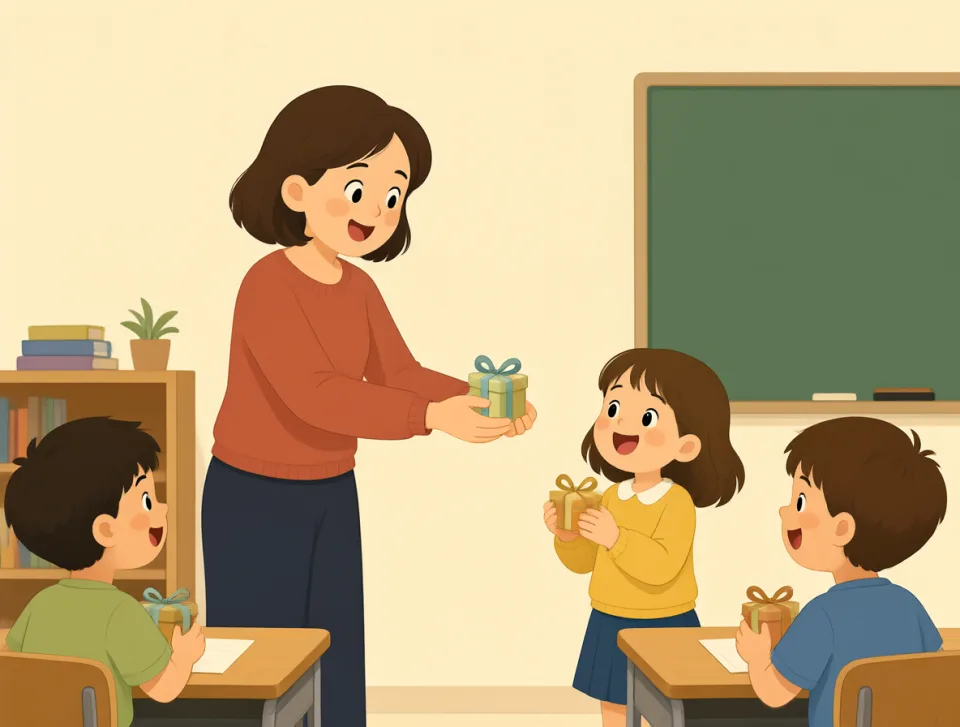
The teacher presented the prizes to students.
老师把奖品颁发给了学生们。

Everyone was present at the meeting.
每个人都出席了会议。

We need to discuss the present problem.
我们需要讨论当前的问题。
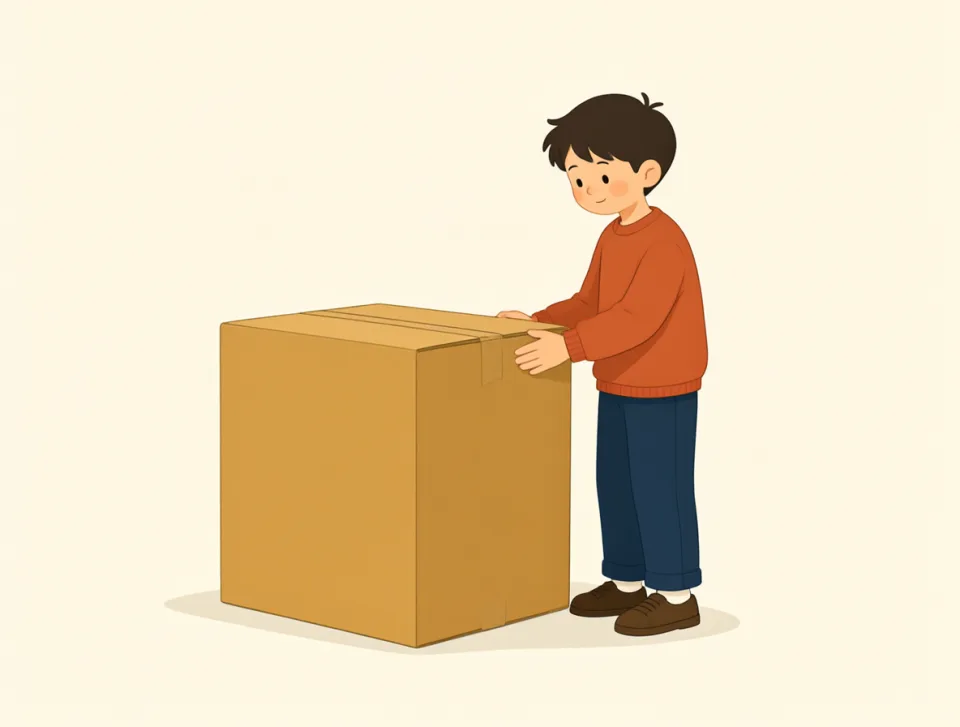
side
#276noun, verb, adjective, preposition
边;一侧;一边
One of two parts, directions, or surfaces of something.
某物的两个部分、方向或表面中的一个。
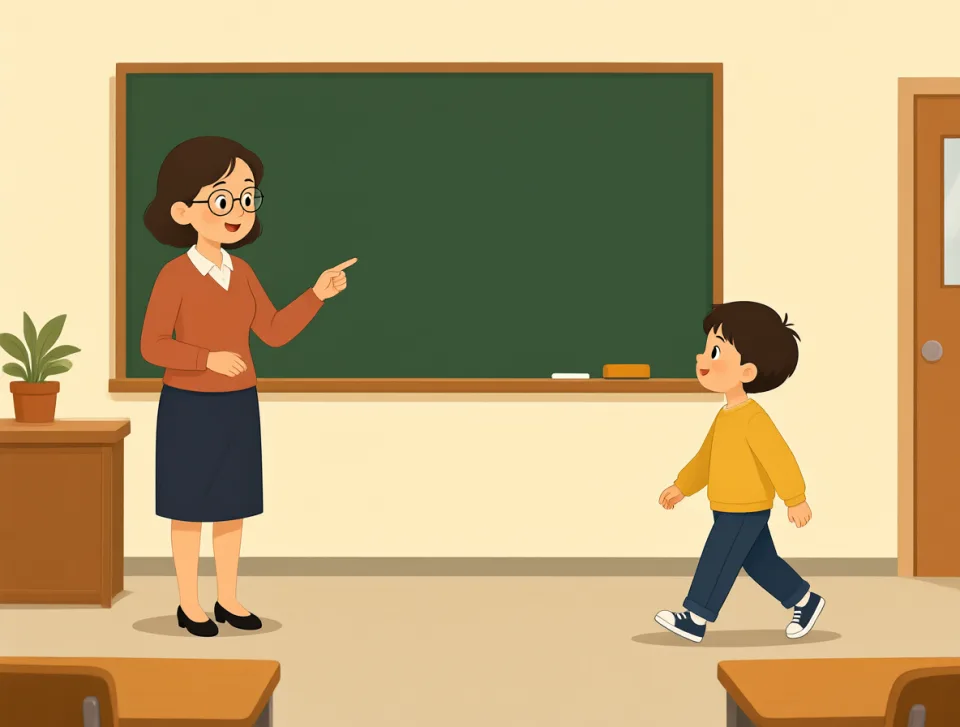
Please stand on this side of the room.
请站在房间的这一边。

We sat on the side of the road.
我们坐在路边。
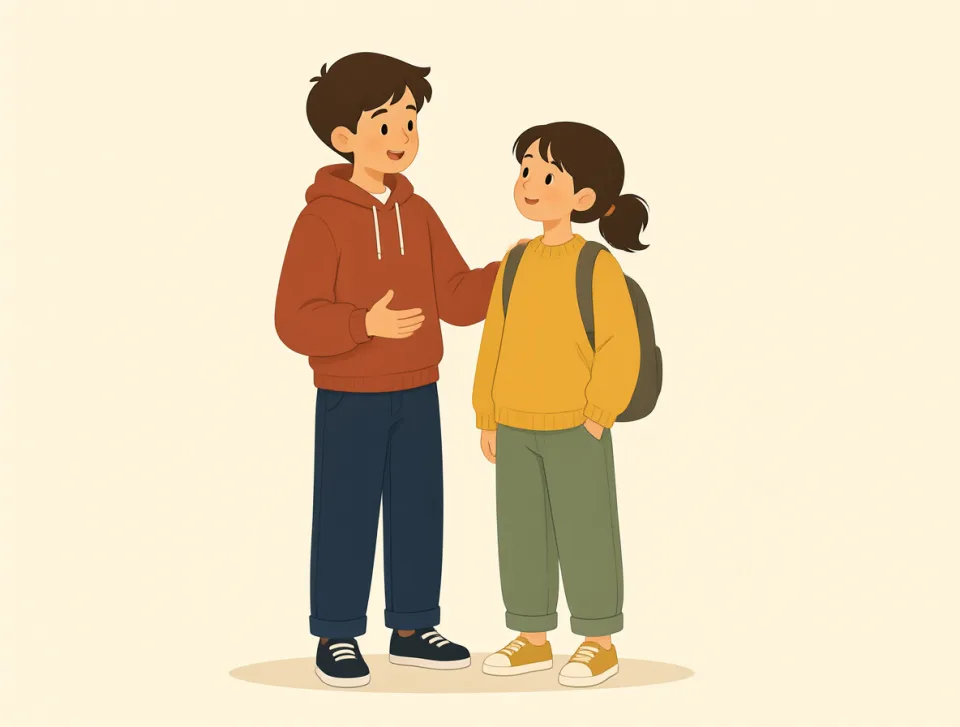
She took my side during the argument.
争论时,她站在我这边。
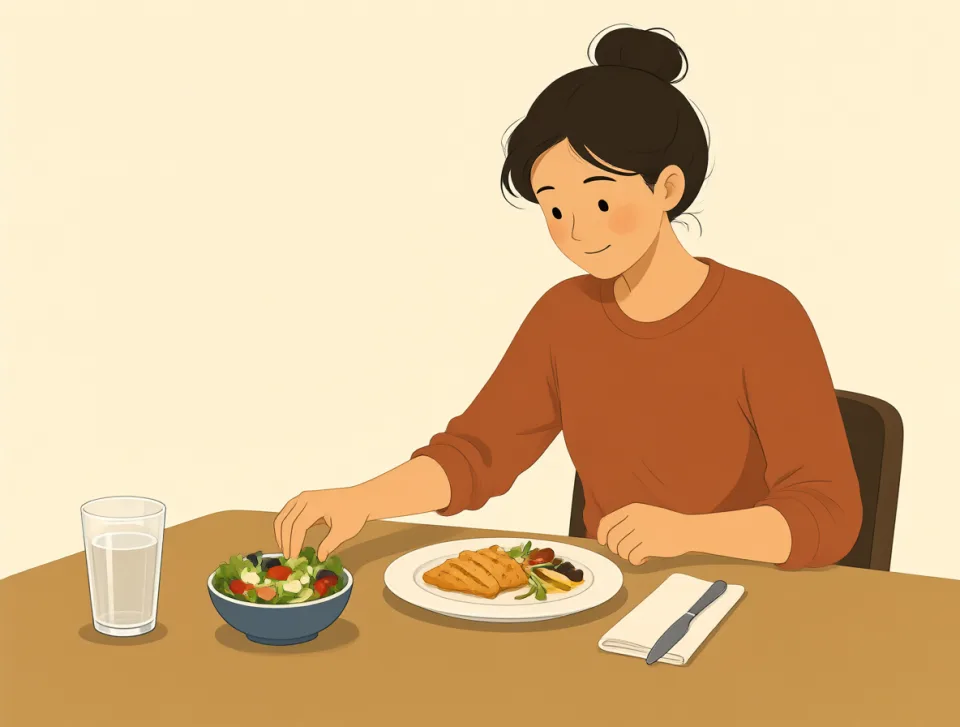
Put the salad on the side of my plate.
把沙拉放在我盘子的一边。

The shop is on the left side of the street.
那家店在街道的左侧。

quite
#277adverb
相当;很;完全
To a fairly large degree; very or completely, depending on the context.
达到相当大的程度;根据语境可表示“很”或“完全”
The test was quite easy.
这次考试相当简单。

She is quite tired after work.
她下班后非常累。
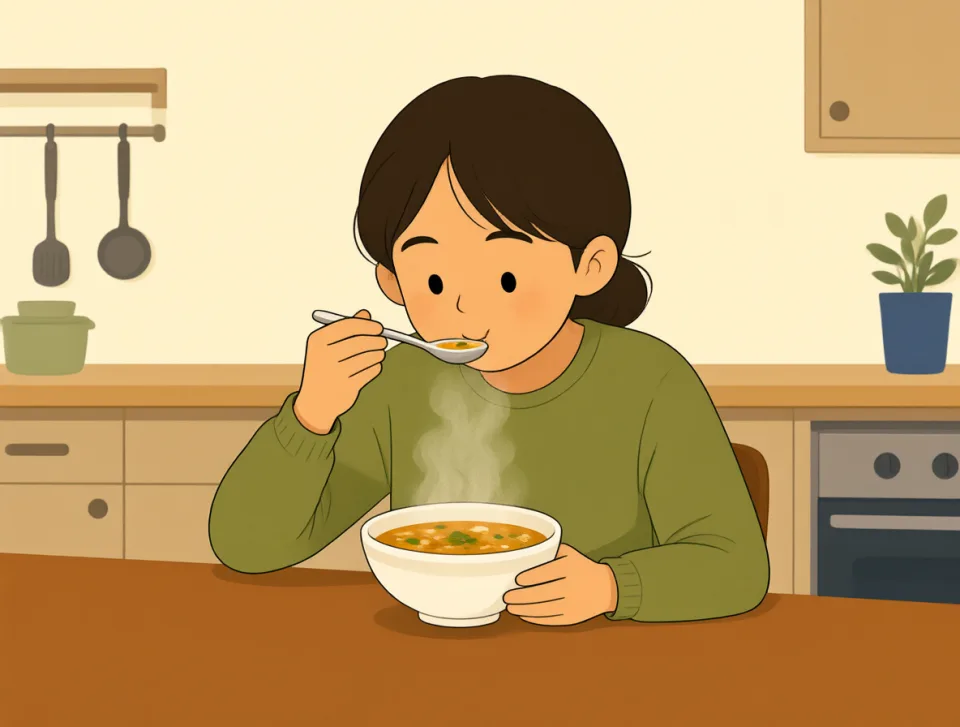
This soup is quite hot.
这汤很烫。

We arrived quite early for the train.
我们到火车站时还相当早。

He quite likes his new teacher.
他还挺喜欢他的新老师。
although
#278conjunction
虽然;尽管
used to introduce a contrast or surprising fact
用于引出对比或出人意料的事实
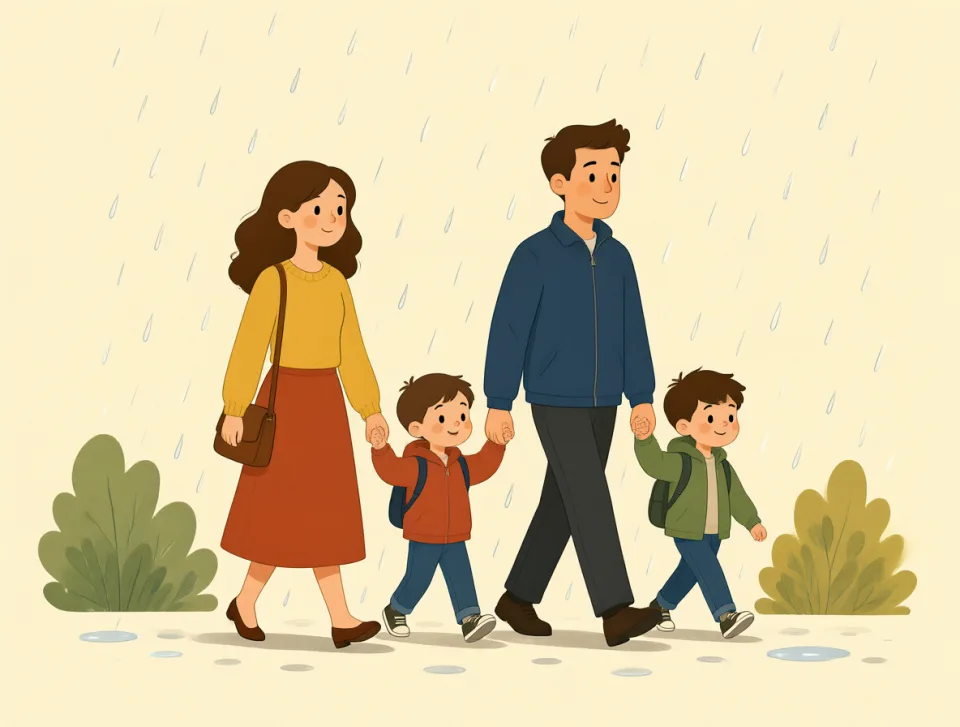
Although it was raining, we went for a walk.
虽然下着雨,我们还是出去散步了。

Although she was tired, she finished her homework.
虽然她很累,但还是做完了作业。

Although the shirt was expensive, I bought it.
虽然这件衬衫很贵,我还是买了。
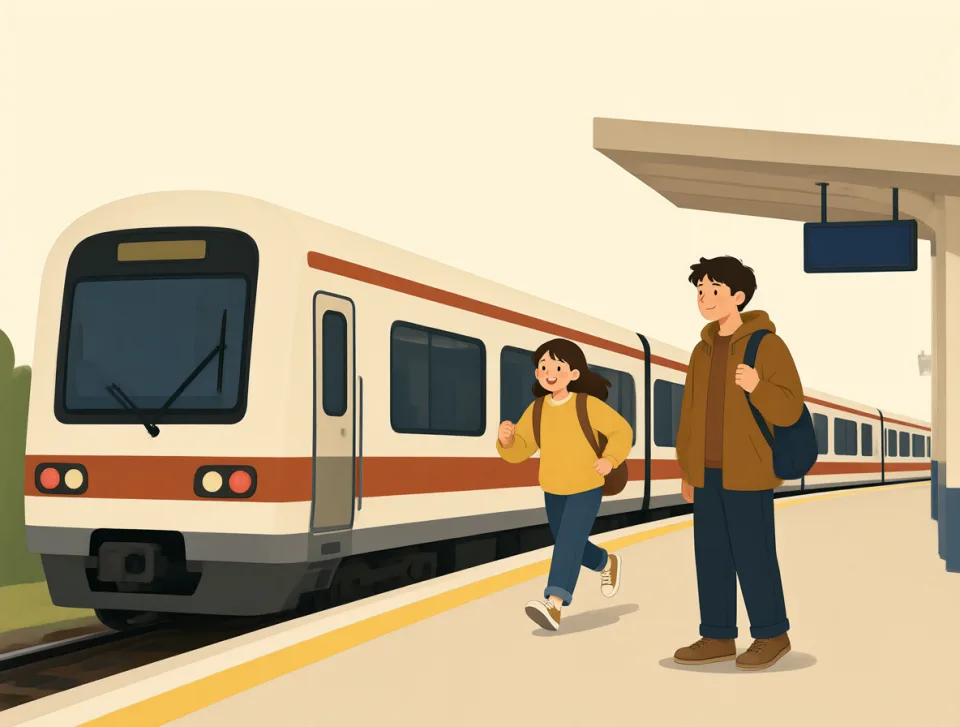
Although he missed the train, he arrived on time.
虽然他没赶上火车,但还是准时到了。
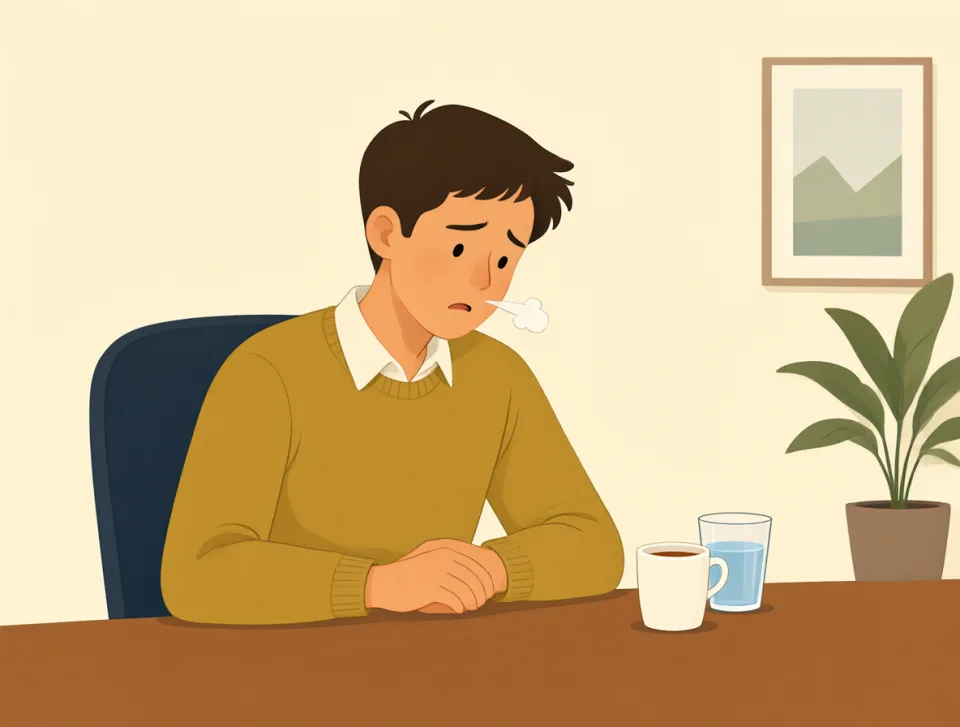
Although I was sick, I went to work.
虽然我病了,但还是去上班了。

sure
#279adjective, adverb
确定的;肯定的;当然
Certain to be true or likely to happen; used to agree or ask for agreement.
确定是真实的或很可能发生的;用于表示同意或征求同意。
Are you sure this is your bag?
你确定这是你的包吗?

I am sure she will come.
我确定她会来。

Sure, I can help you.
当然,我可以帮你。
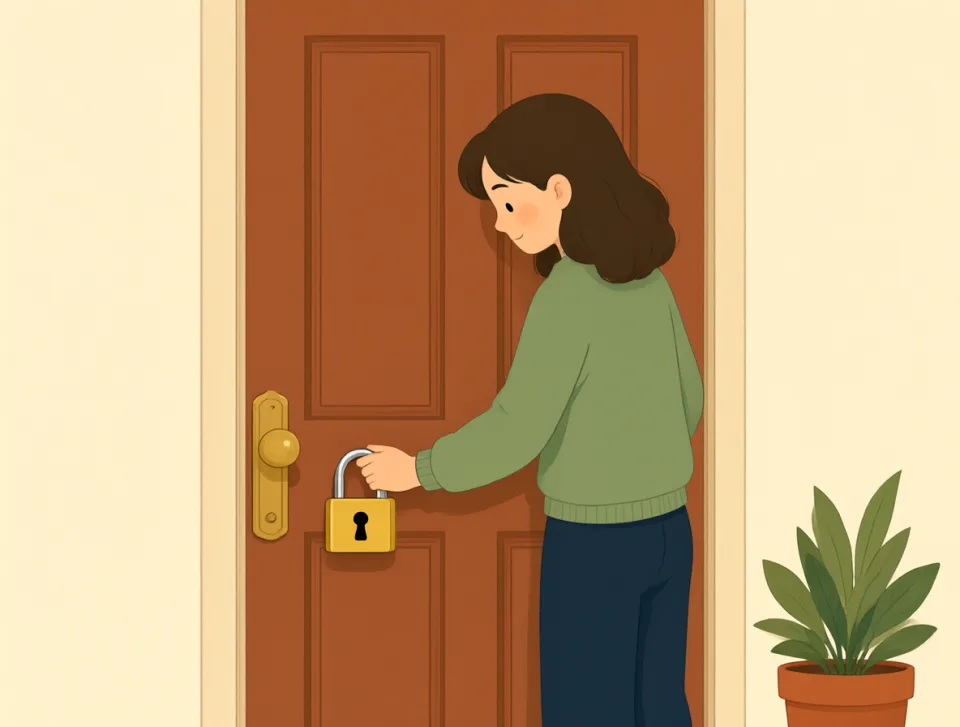
Make sure you lock the door.
一定要确认你锁好了门。

He is not sure about the answer.
他不确定答案。
term
#280noun, verb
术语;期限;条款
A word or phrase, a fixed period, or a condition in an agreement.
一个单词或短语、一段固定的时间,或协议中的一项条件。
Please explain this term in simple English.
请用简单的英语解释一下这个术语。

The doctor used a medical term I knew.
医生用了一个我知道的医学术语。

The loan must be paid in monthly terms.
这笔贷款必须按月分期偿还。

She served a two-year term as mayor.
她担任了两年的市长。

They agreed to the terms of the sale.
他们同意了这笔交易的条款。