Unit 14
Words 261–280 · learn, level, person, experience, once, member
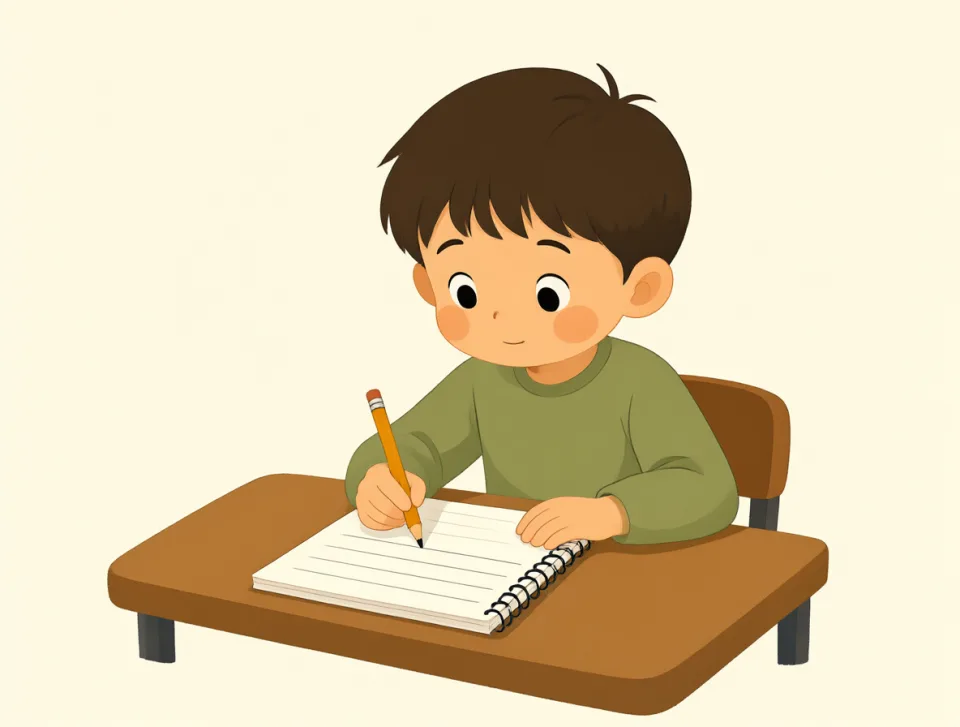
learn
#261verb
to get knowledge or a skill by studying, practicing, or experiencing something
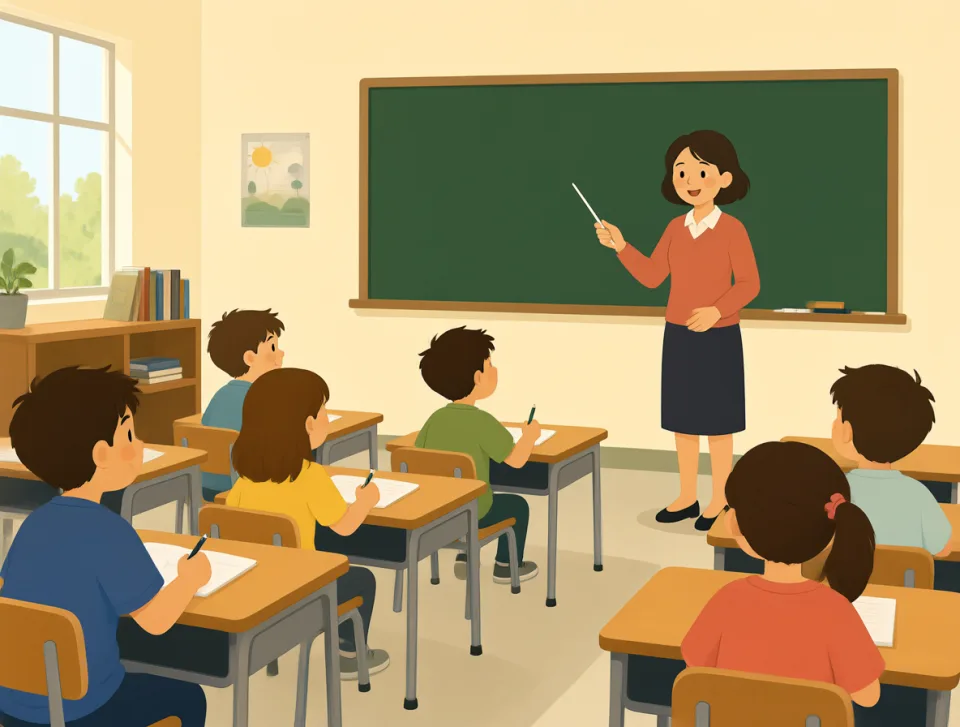
Children learn new things at school.
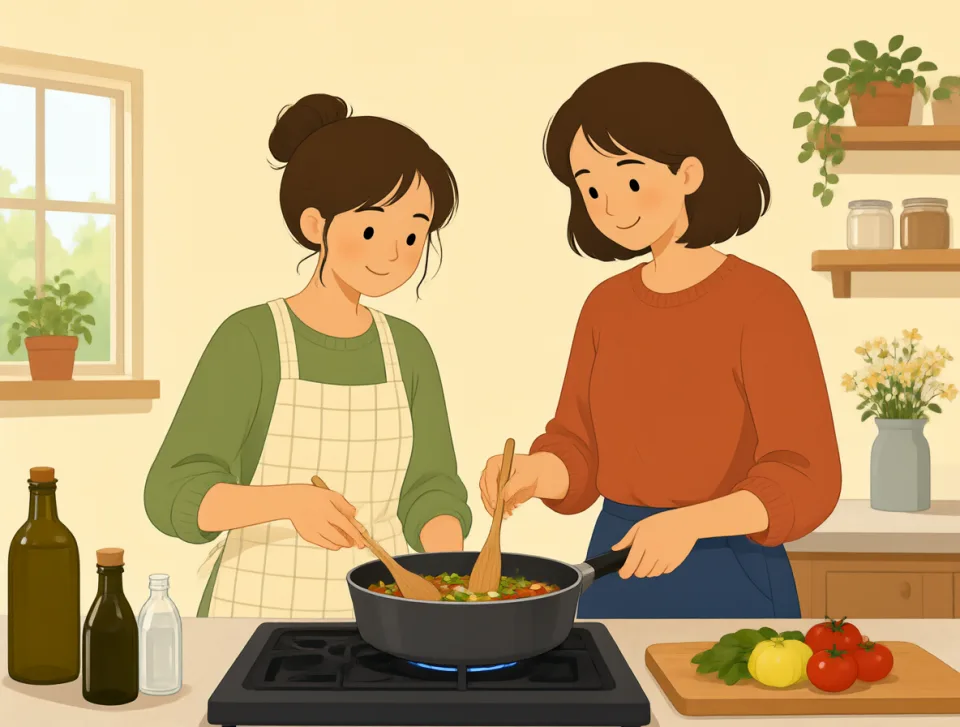
I learned to cook from my mother.
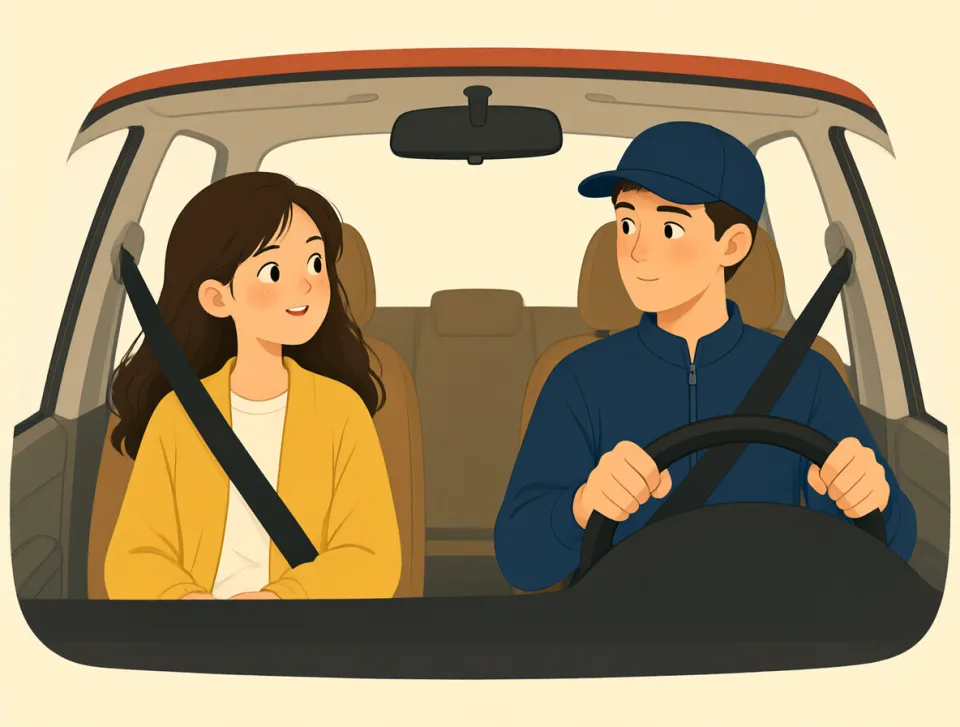
She is learning how to drive.
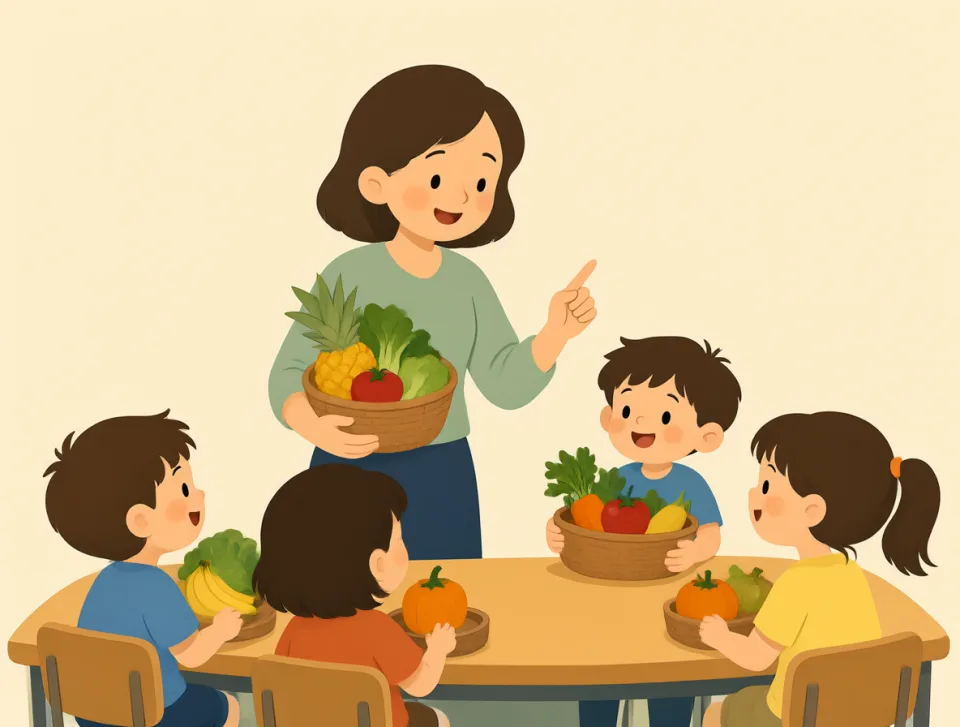
We learned about healthy food today.
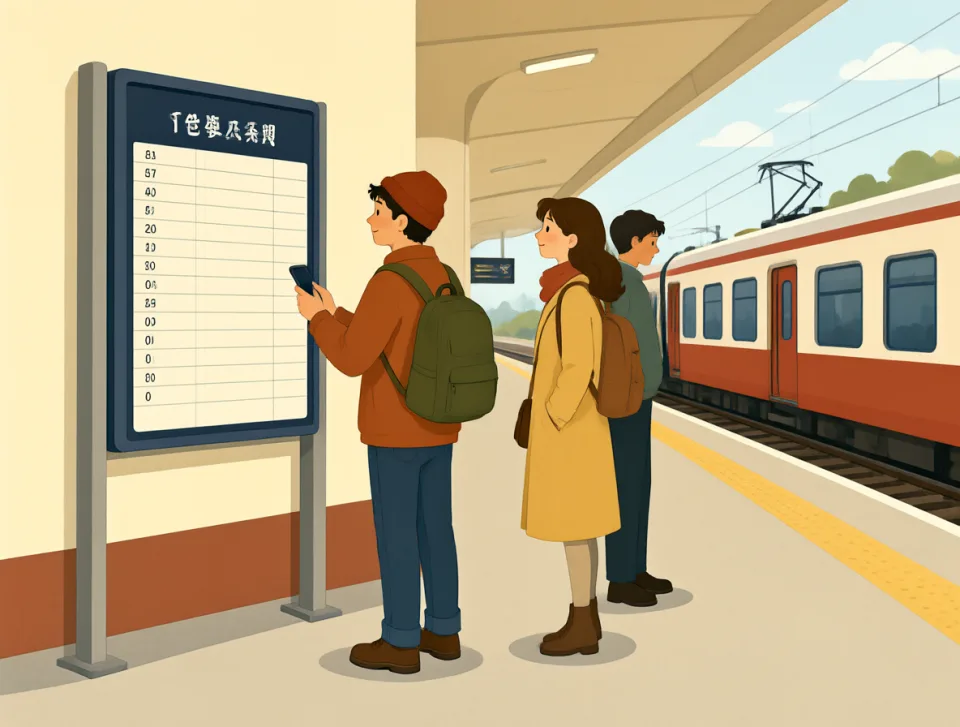
He learned the train was late.

level
#262noun, verb, adjective
A position or amount that is higher, lower, or equal to another.
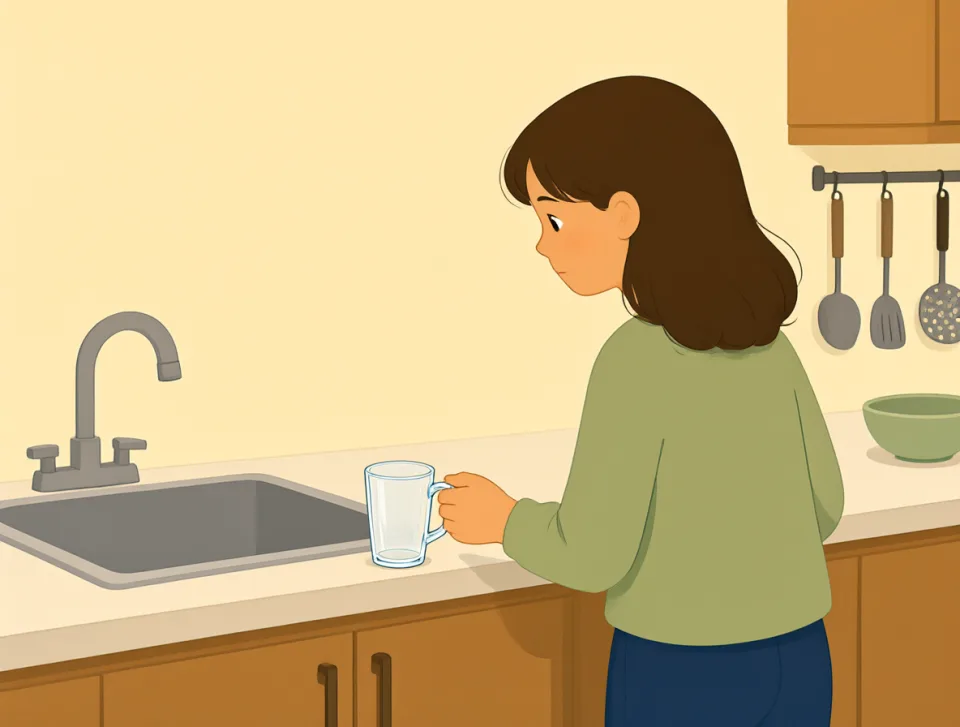
The water level is too low.
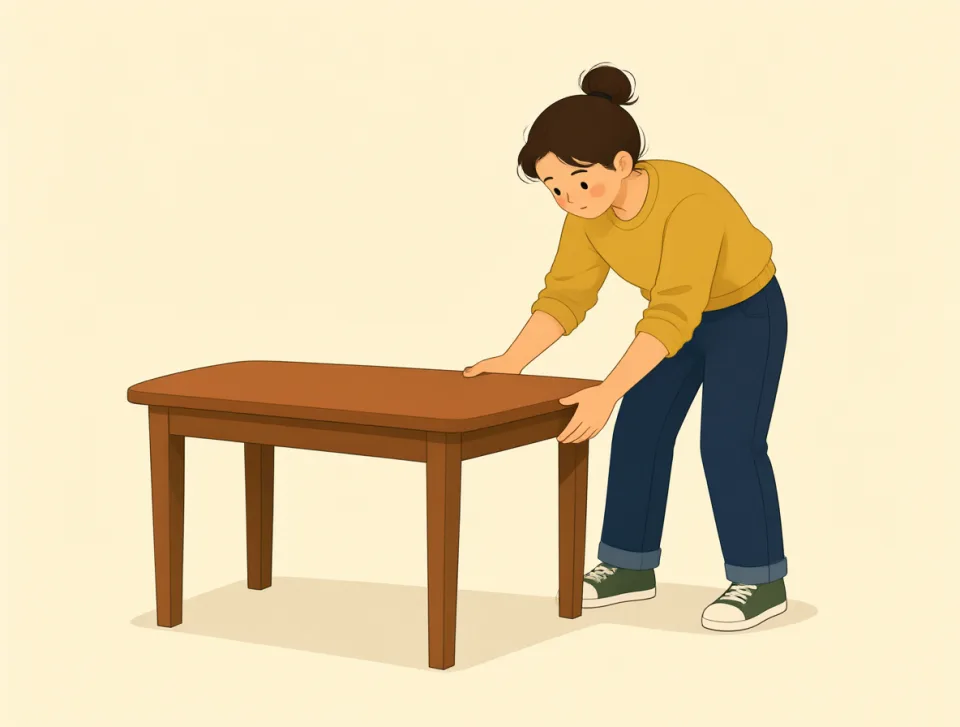
Please level the table before dinner.
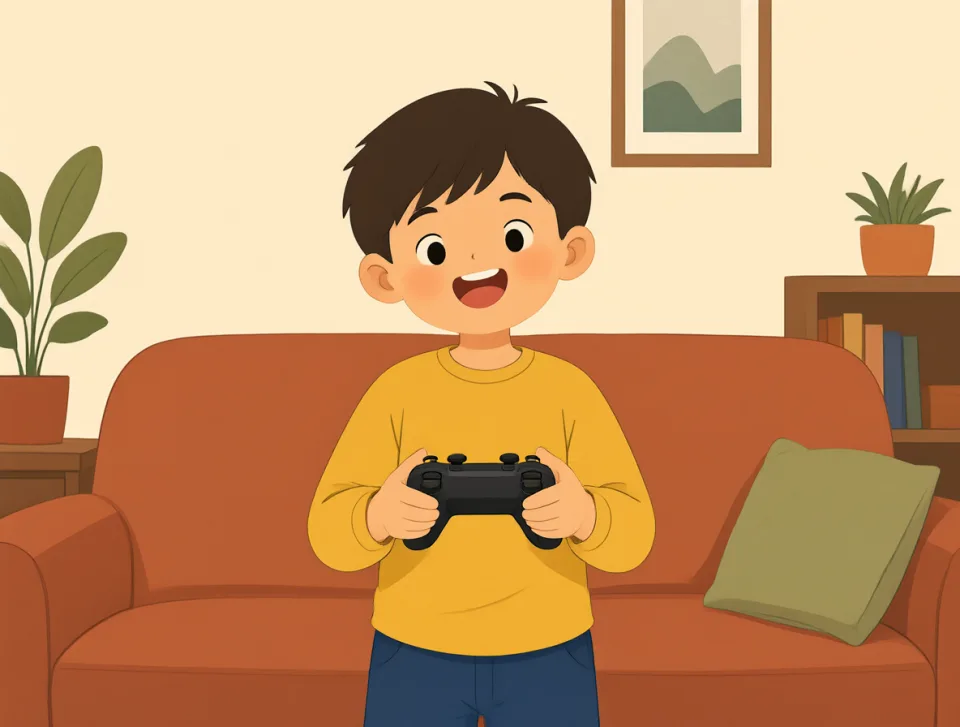
She reached the next level in the game.

The noise level was high at work.
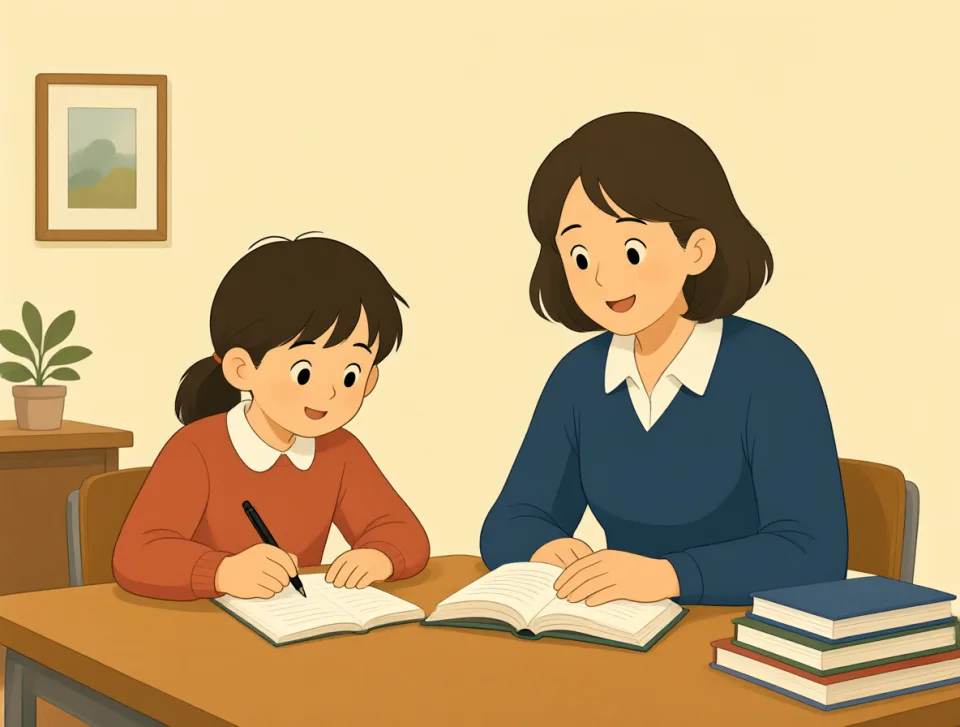
He is at an advanced level in English.
person
#263noun
A human being, especially one considered as an individual.
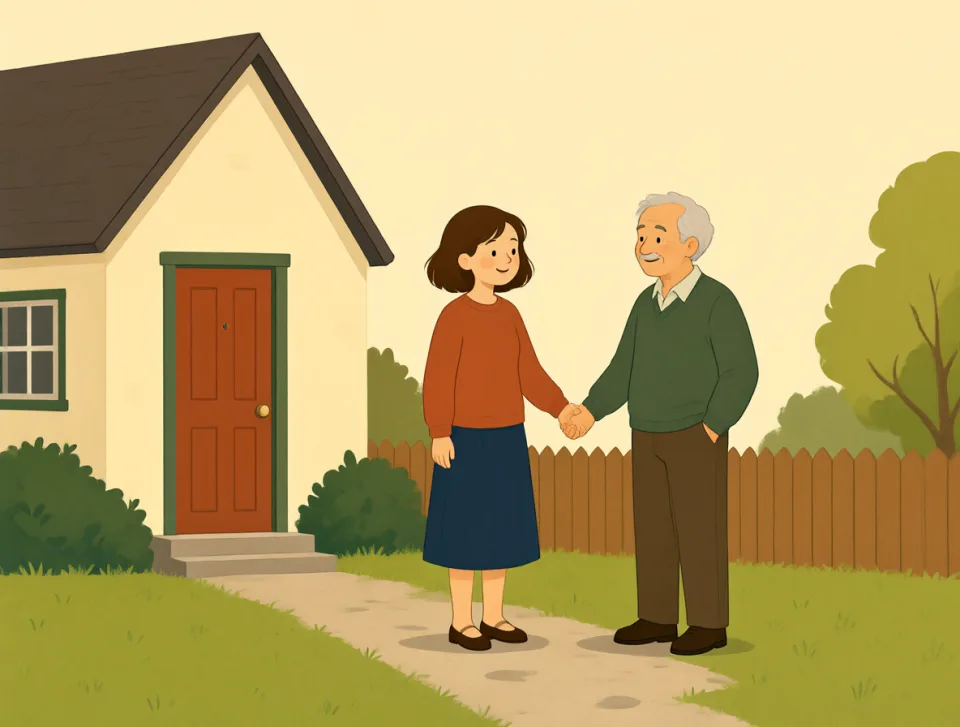
That person is my new neighbor.
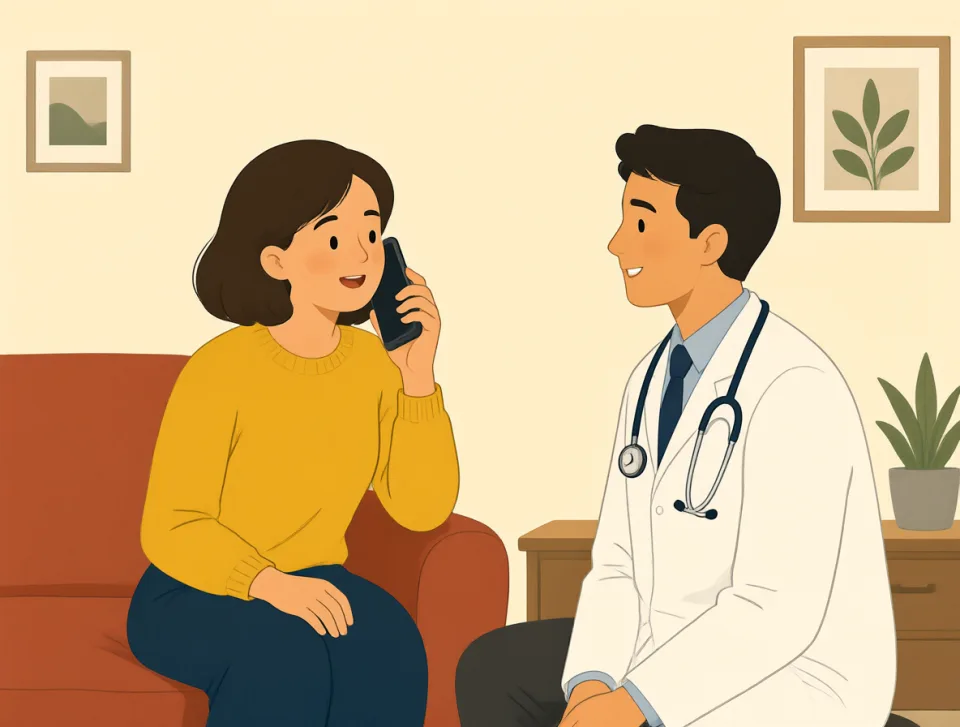
One person called the doctor for help.

She is the right person for this job.
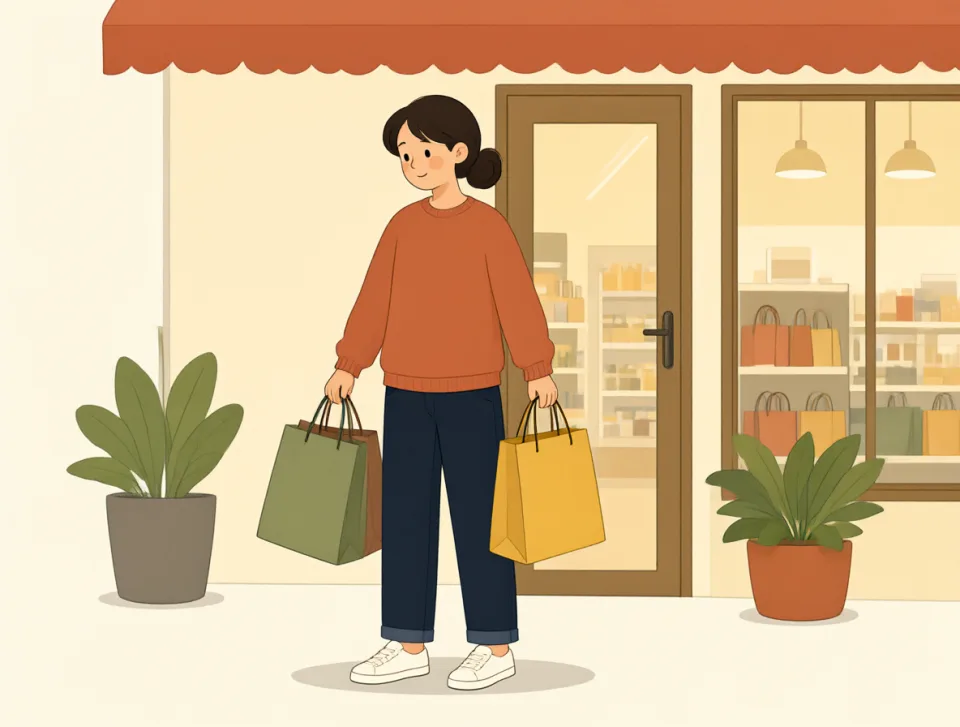
A kind person helped me carry my bags.
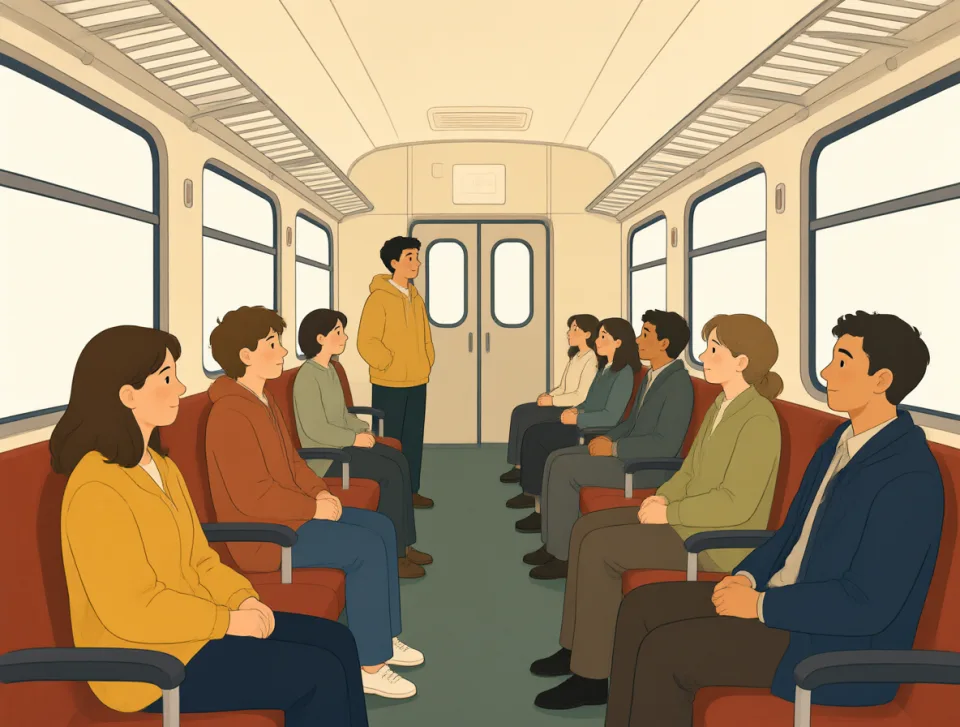
There were many people on the train.

experience
#264noun, verb
Knowledge or skill gained by doing something; to have something happen to you.
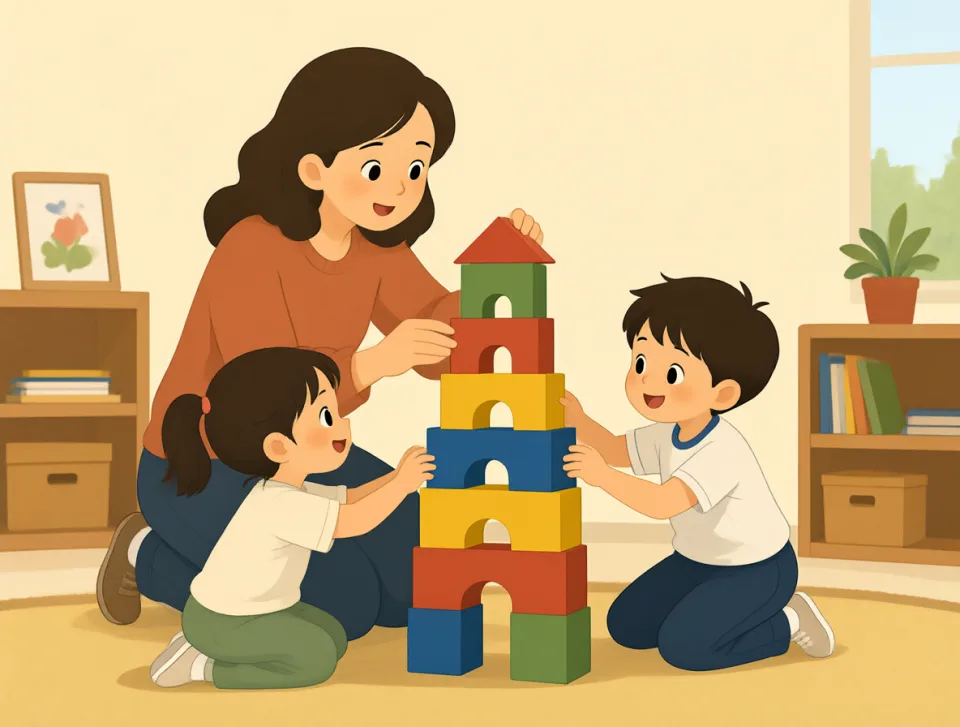
She has experience working with young children.

This trip was a wonderful experience for us.
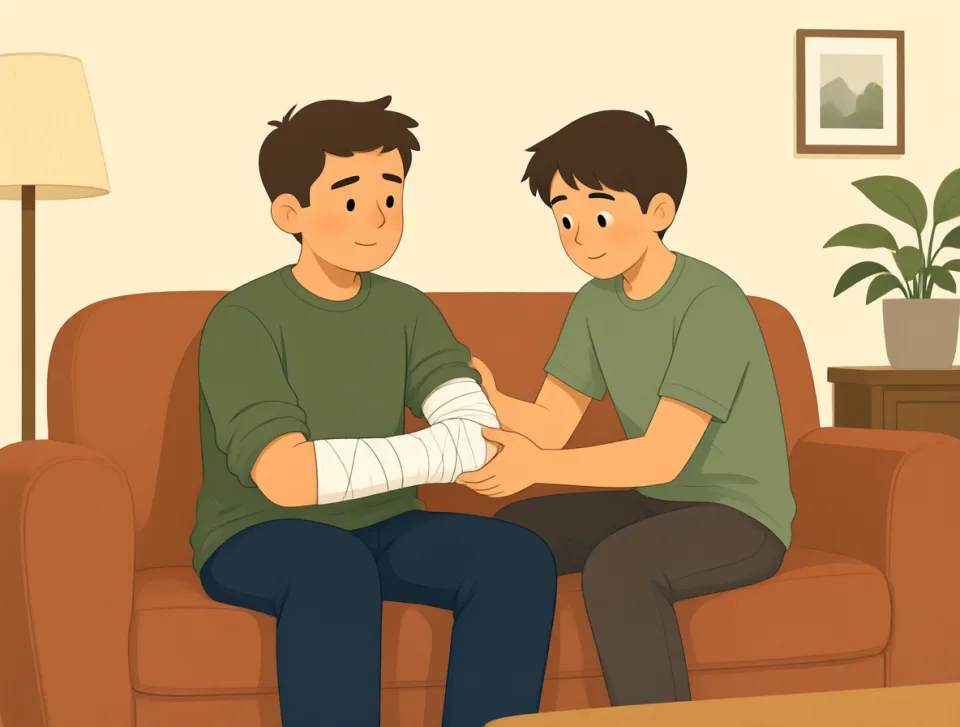
He experienced severe pain after the accident.
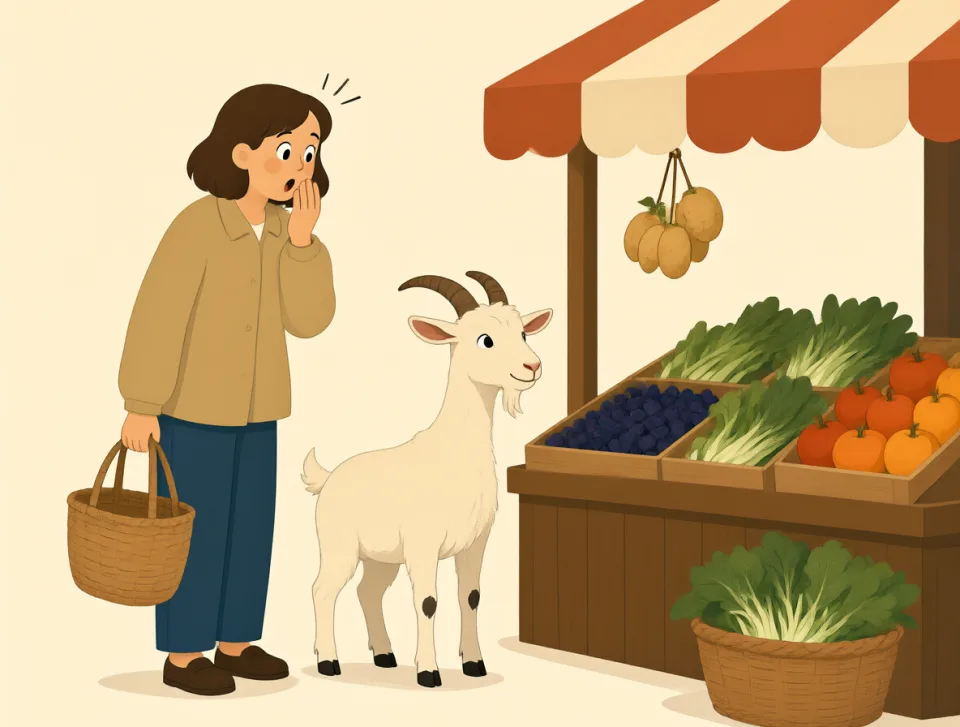
I had a strange experience at the market.
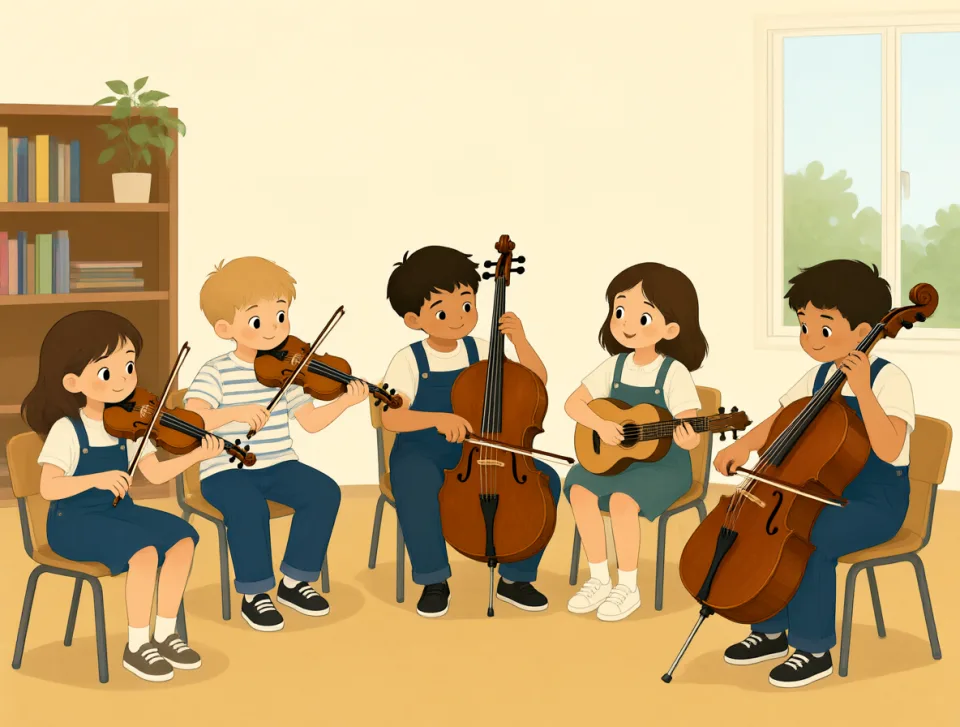
Students gain experience through practice.
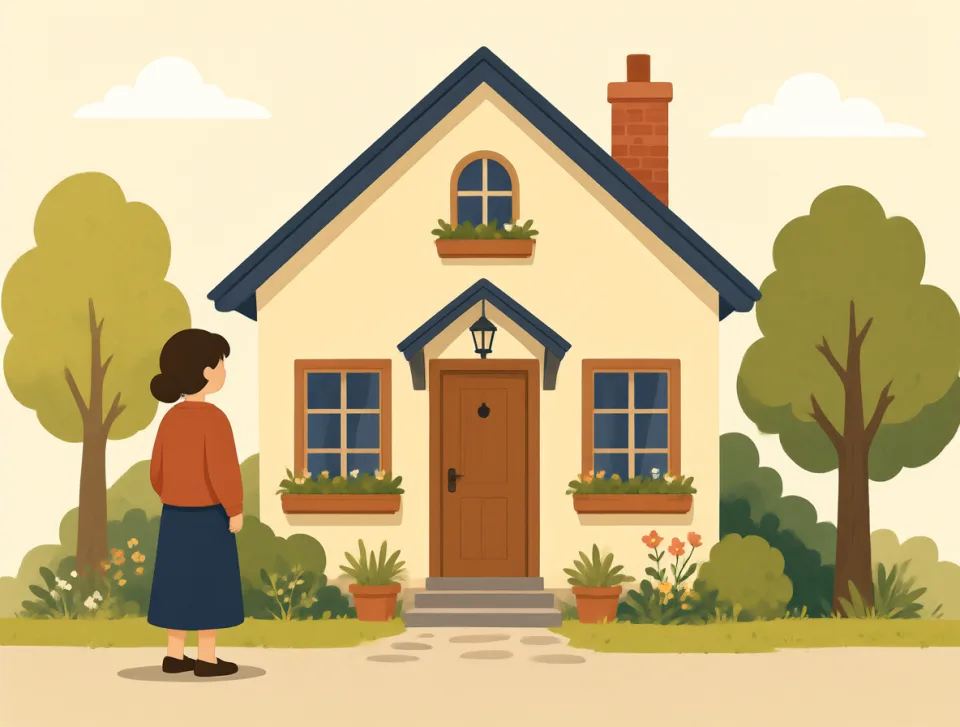
once
#265adverb, conjunction, determiner, noun
At one time in the past, or one time only.
I once lived in a small town.
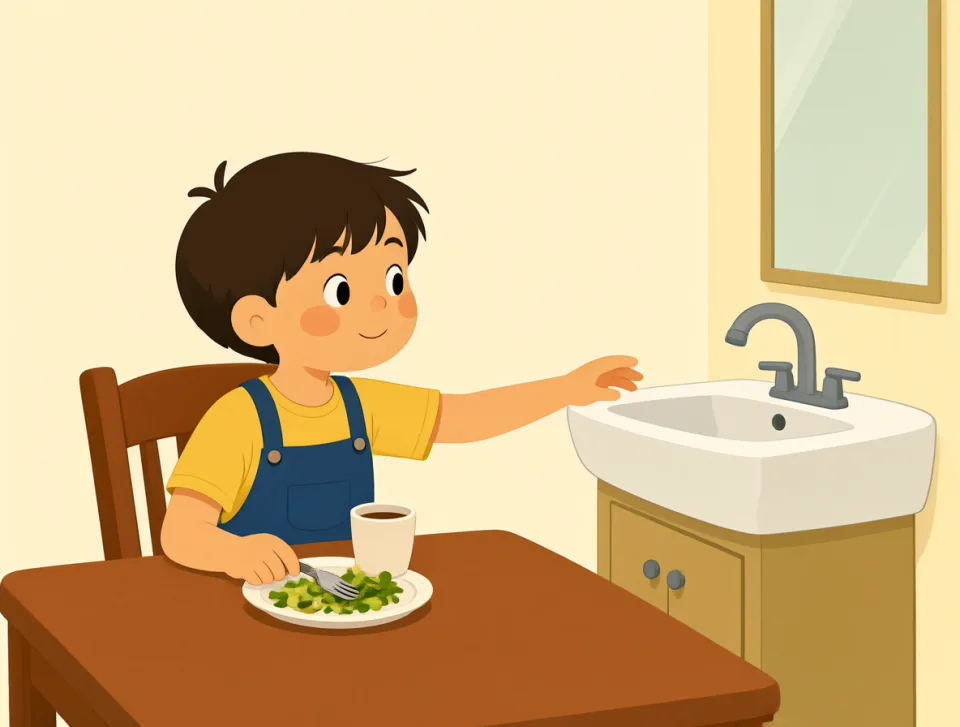
Once you finish, please wash your hands.

I have visited Paris once.
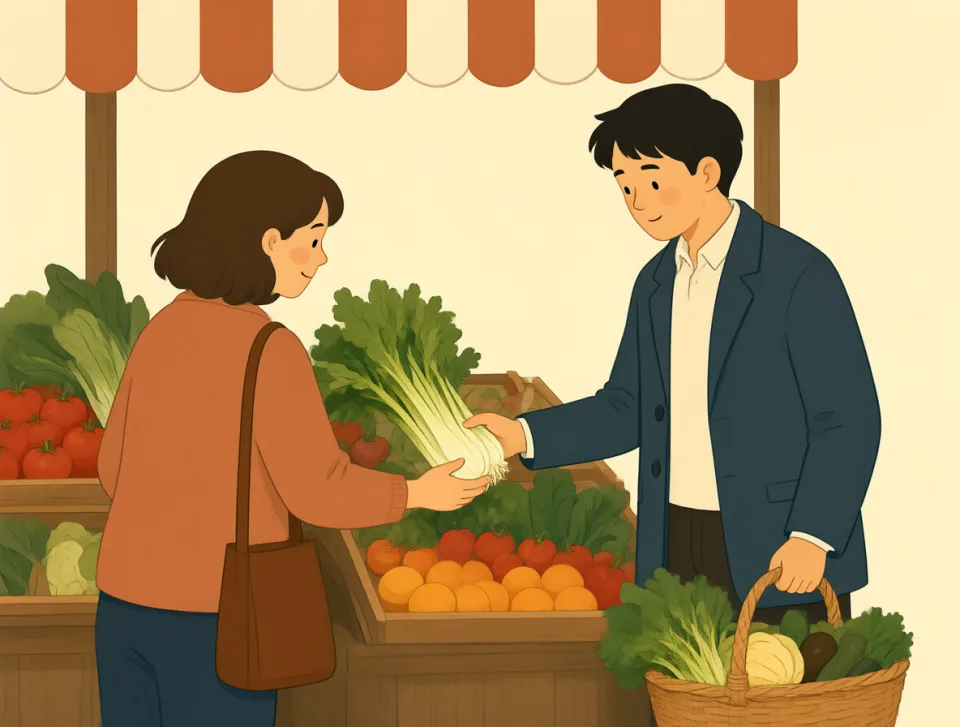
Once a week, we buy fresh vegetables.
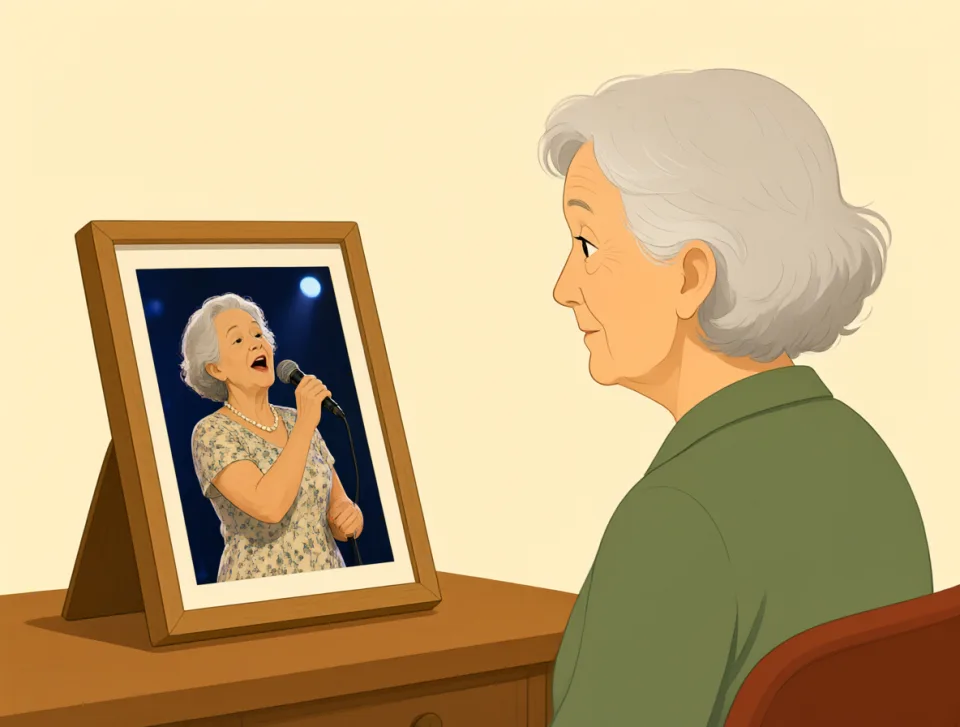
She was a famous singer once.
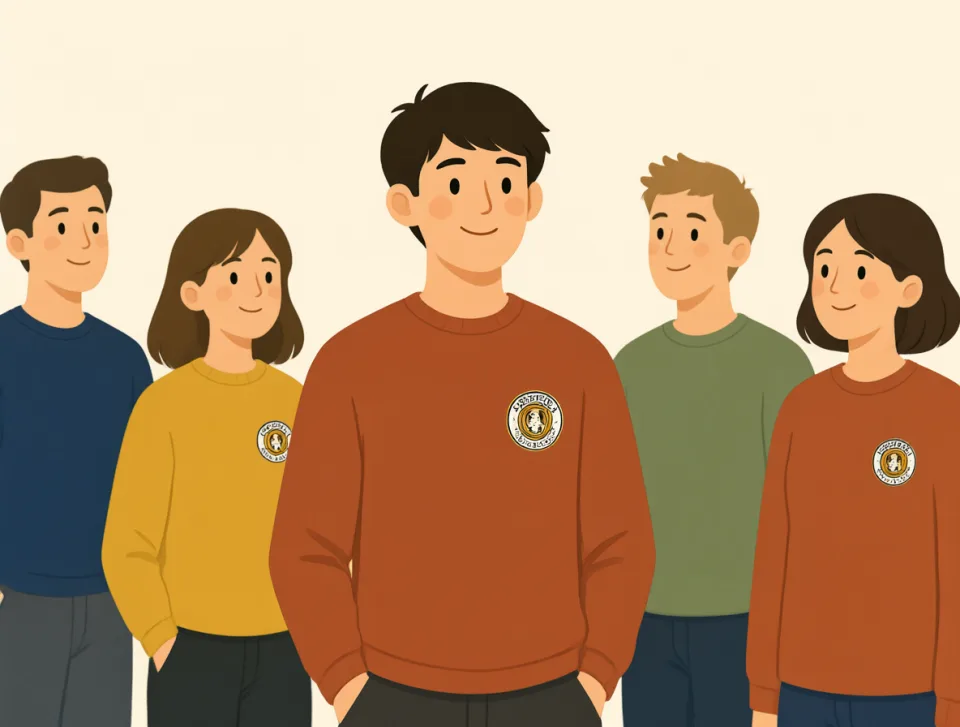
member
#266noun
a person who belongs to a group, club, or organization

She is a member of our tennis club.
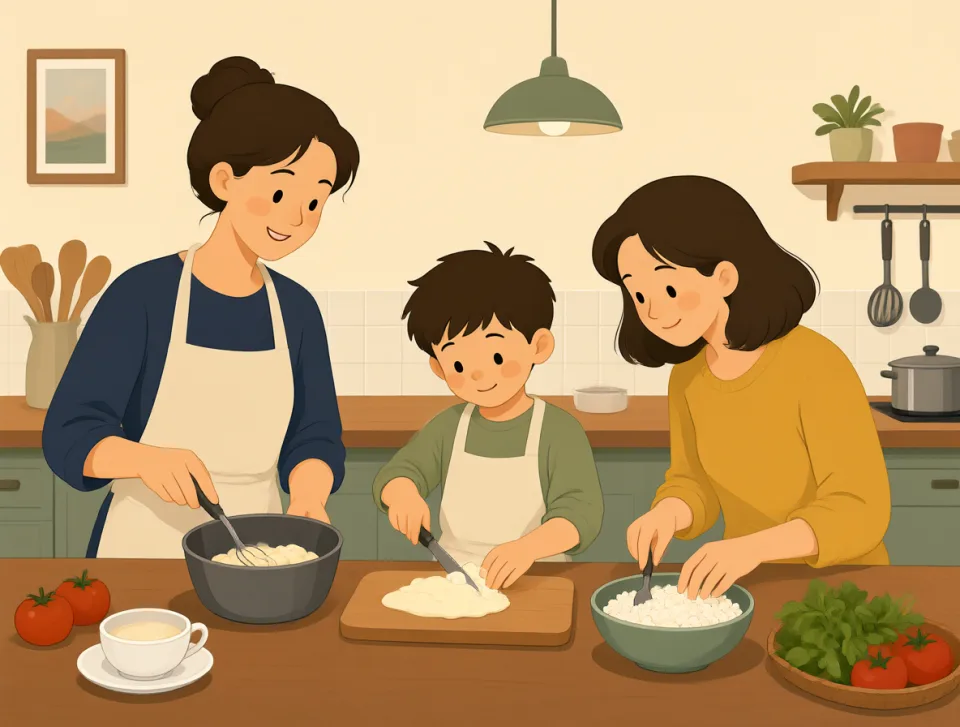
Every family member helped cook dinner.

He became a member of the school team.
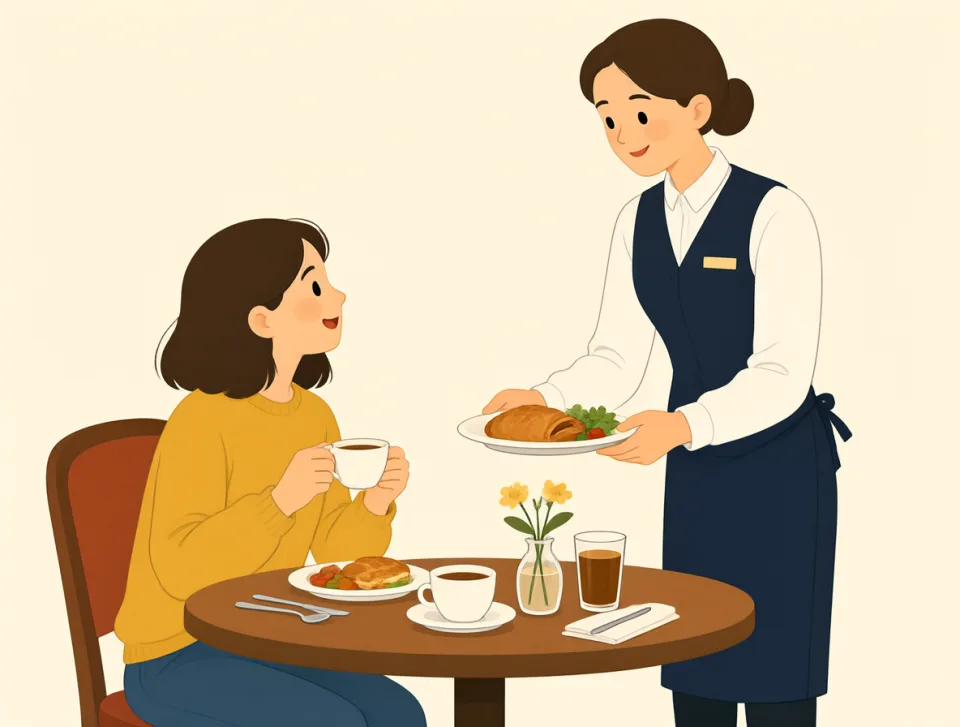
The hotel member received a free breakfast.
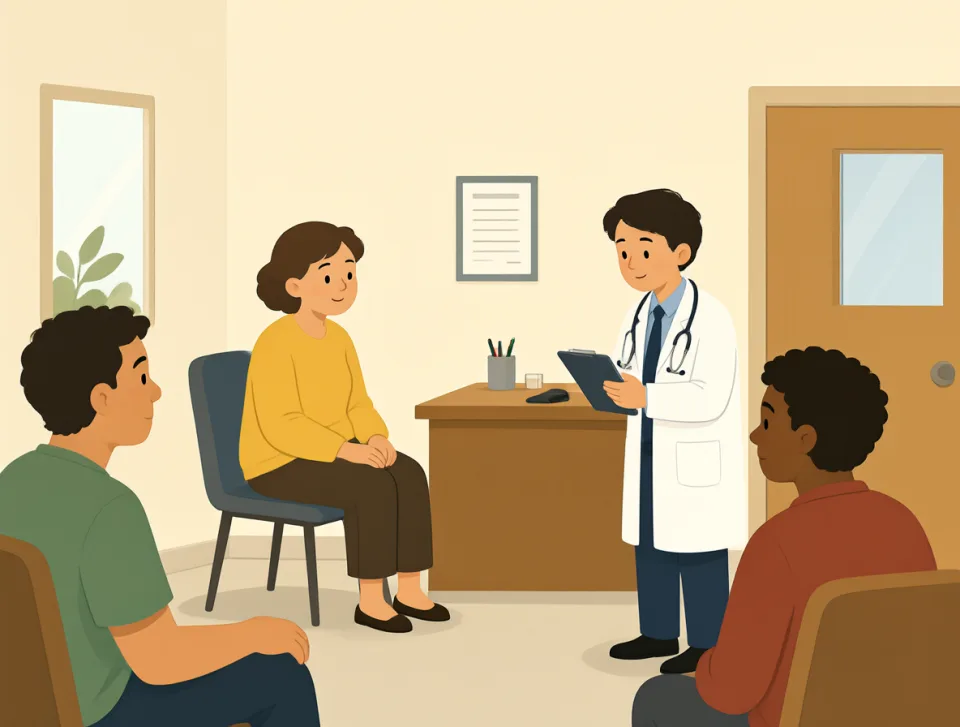
The doctor checked each member of the group.
enough
#267adjective, adverb, pronoun, determiner
As much or as many as needed.
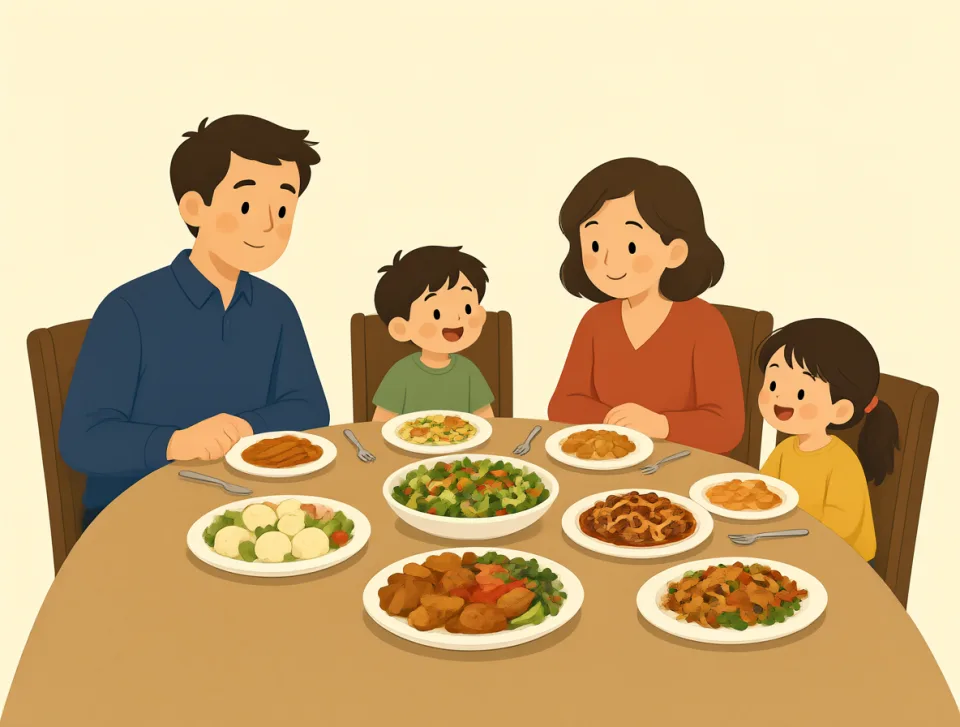
Do we have enough food for everyone?

This bag is big enough for my shoes.
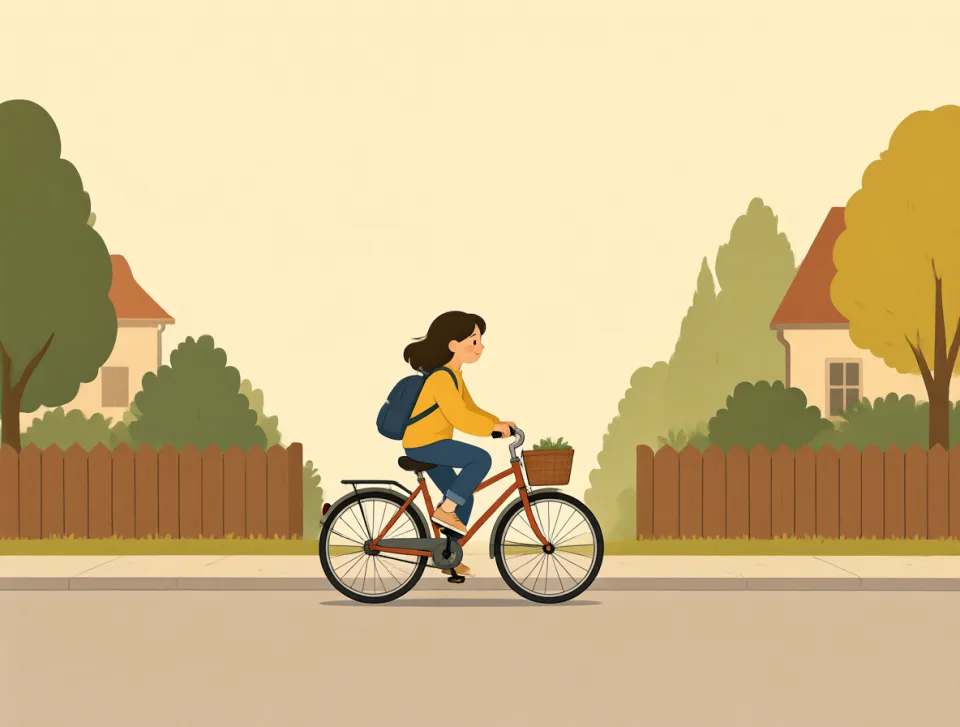
She is old enough to ride alone.
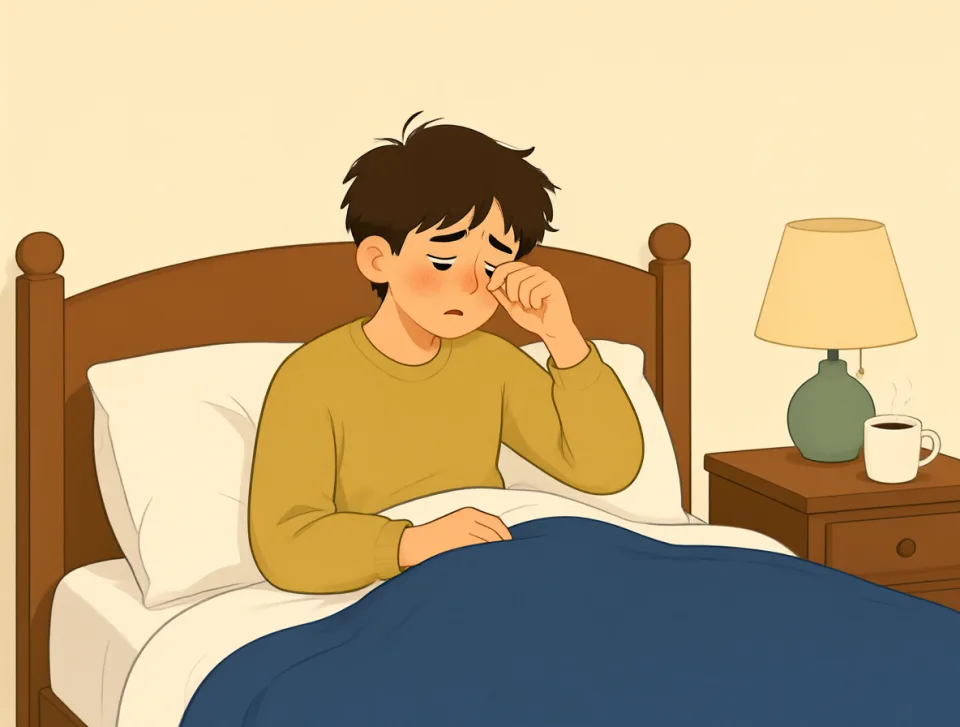
I did not sleep enough last night.
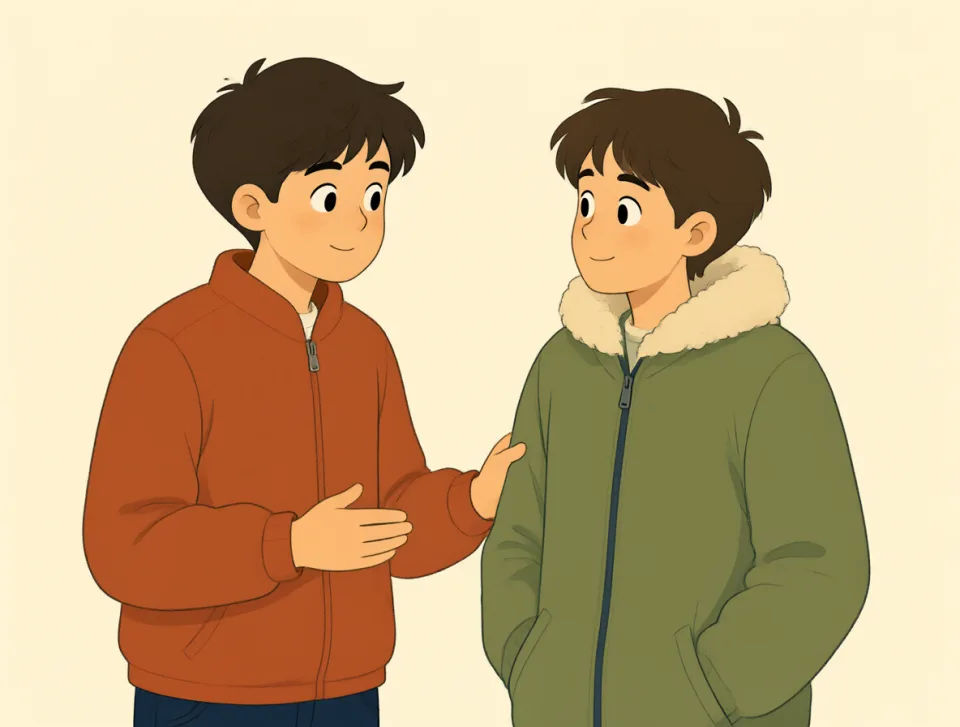
Are you warm enough in that jacket?
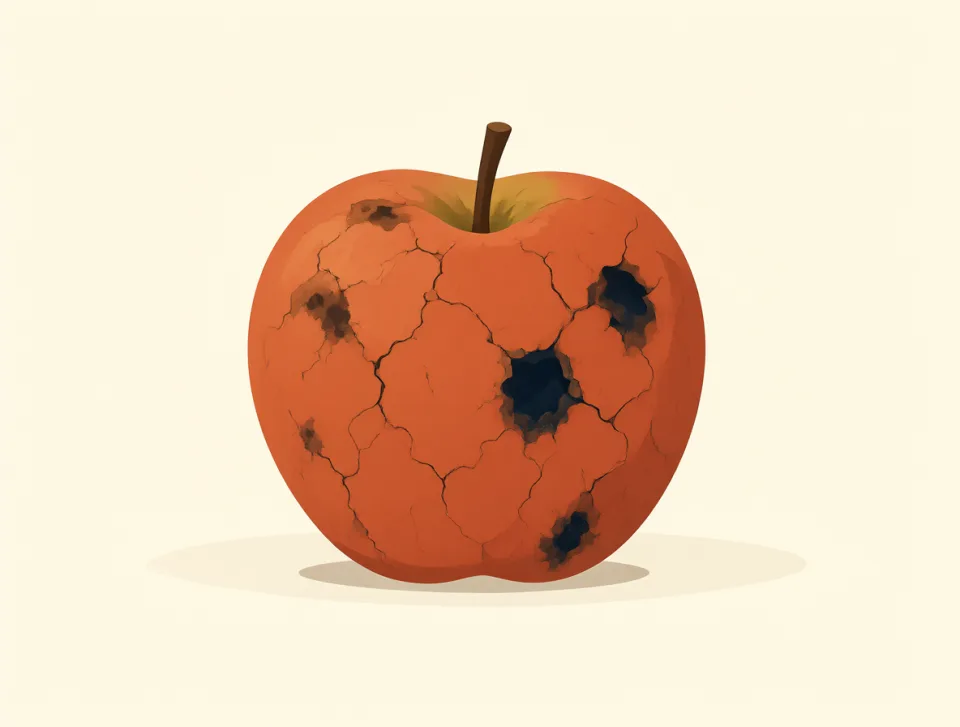
bad
#268adjective, noun
Not good, pleasant, safe, or morally right.

I had a bad day at work.
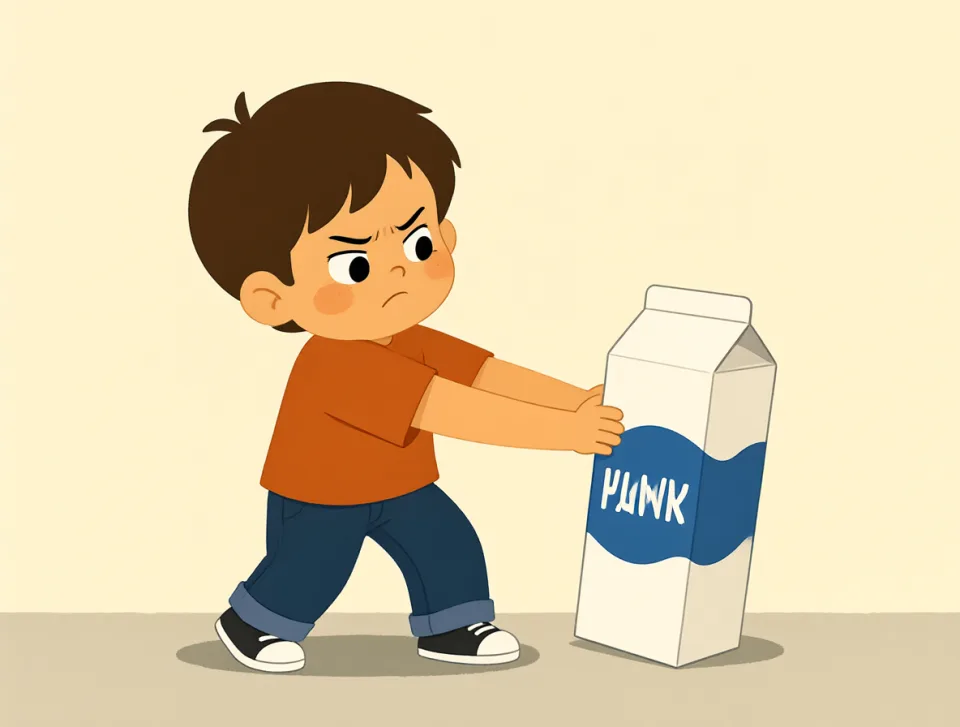
This milk smells bad.
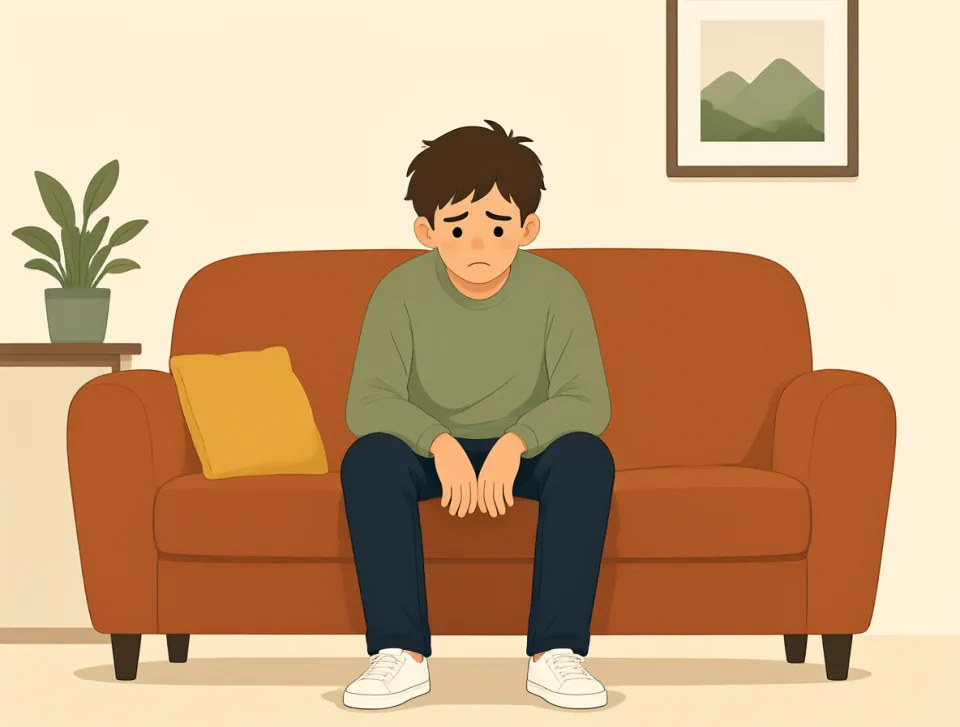
He felt bad after the argument.

The weather was bad during our trip.
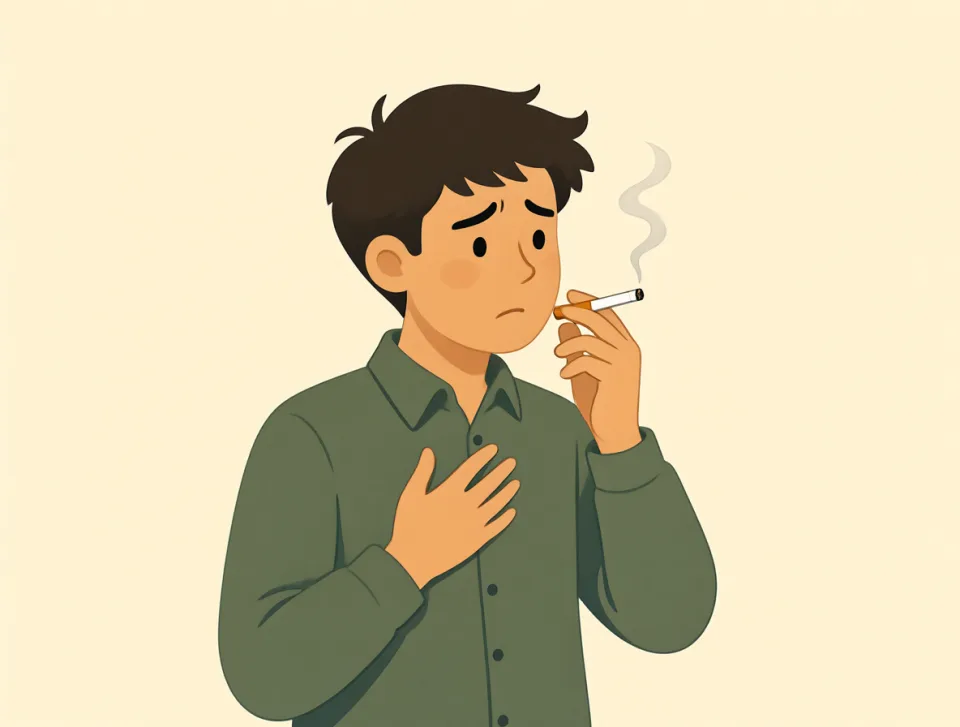
Smoking is bad for your health.

city
#269noun
A large place where many people live, work, and visit.

She lives in a big city.
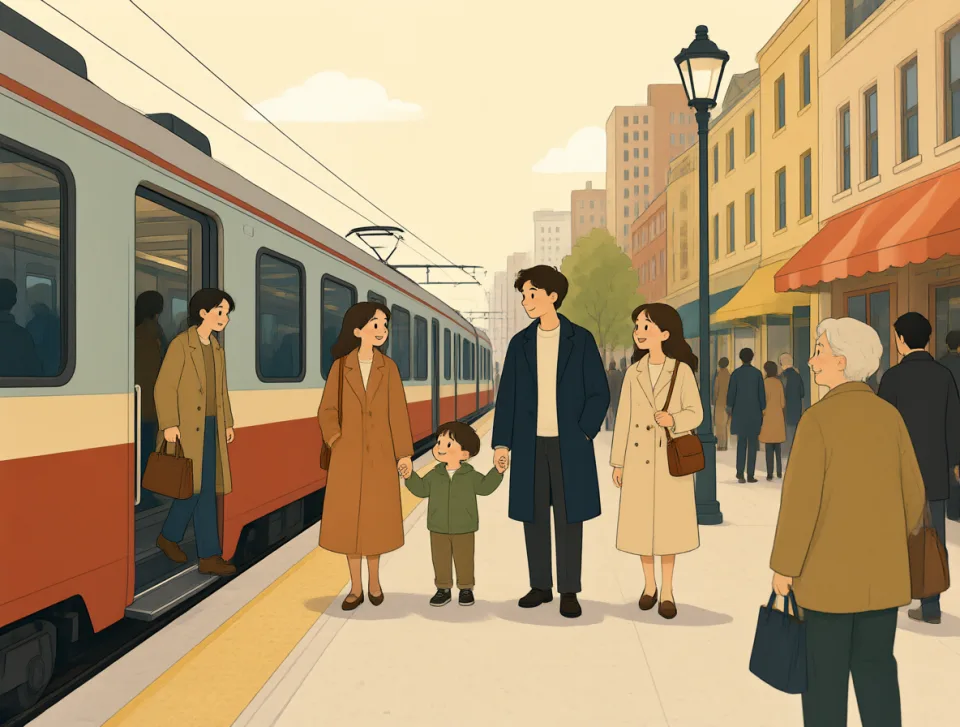
We took a train to the city.
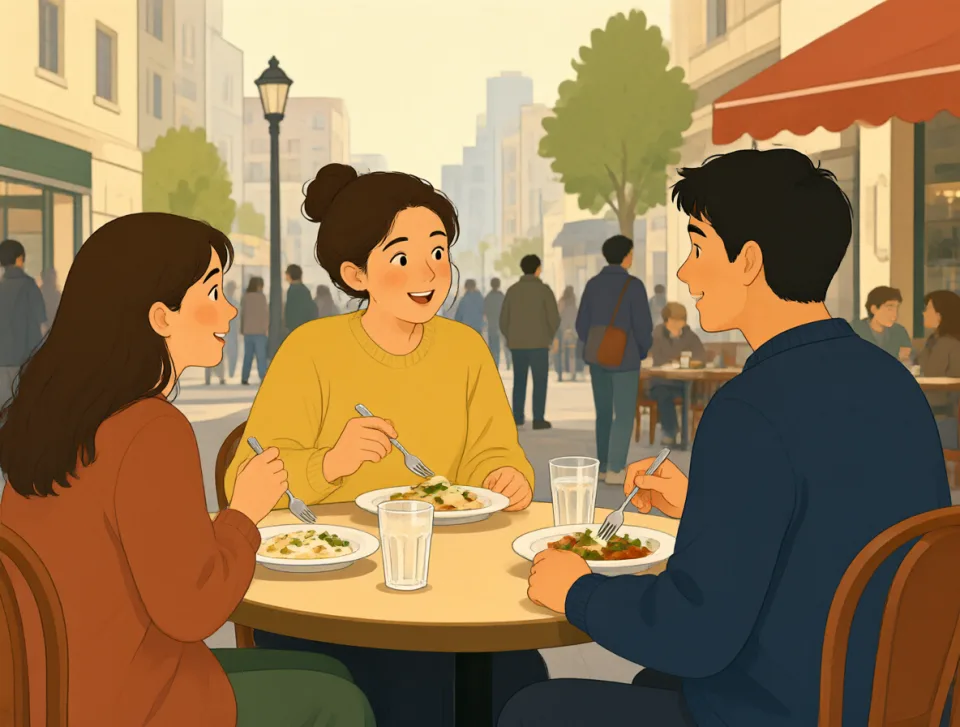
The city has many good restaurants.
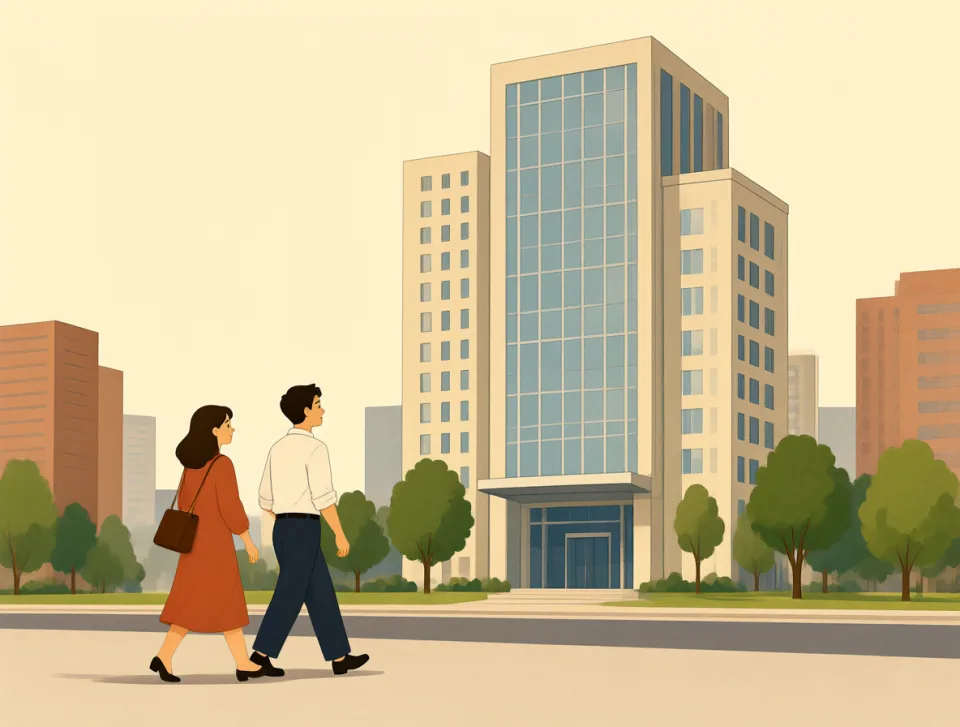
He works in the city center.
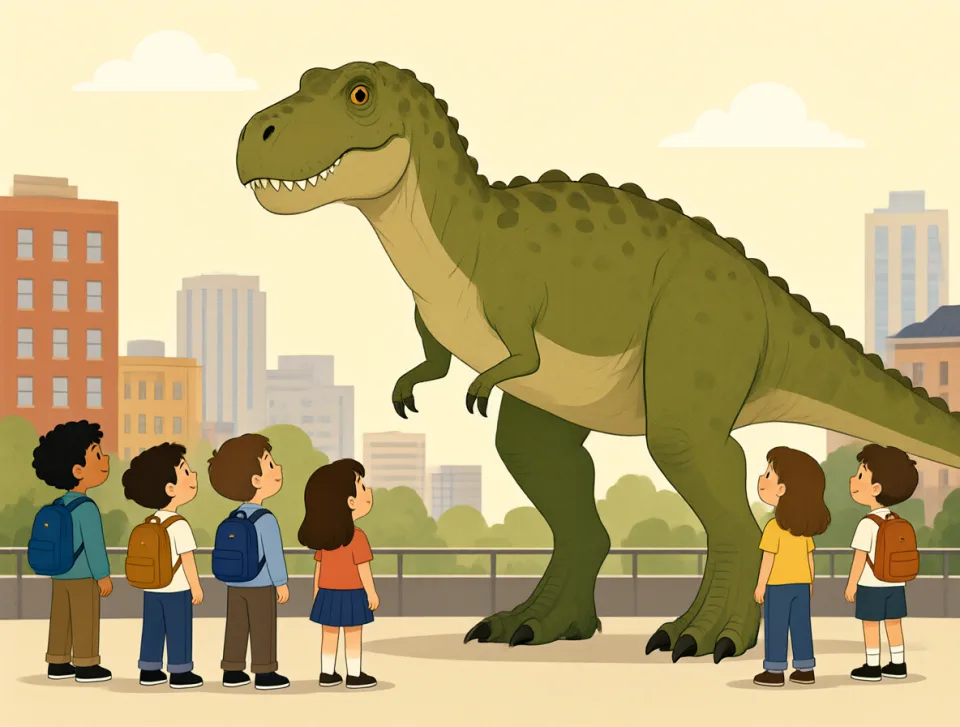
The children visited the city museum.
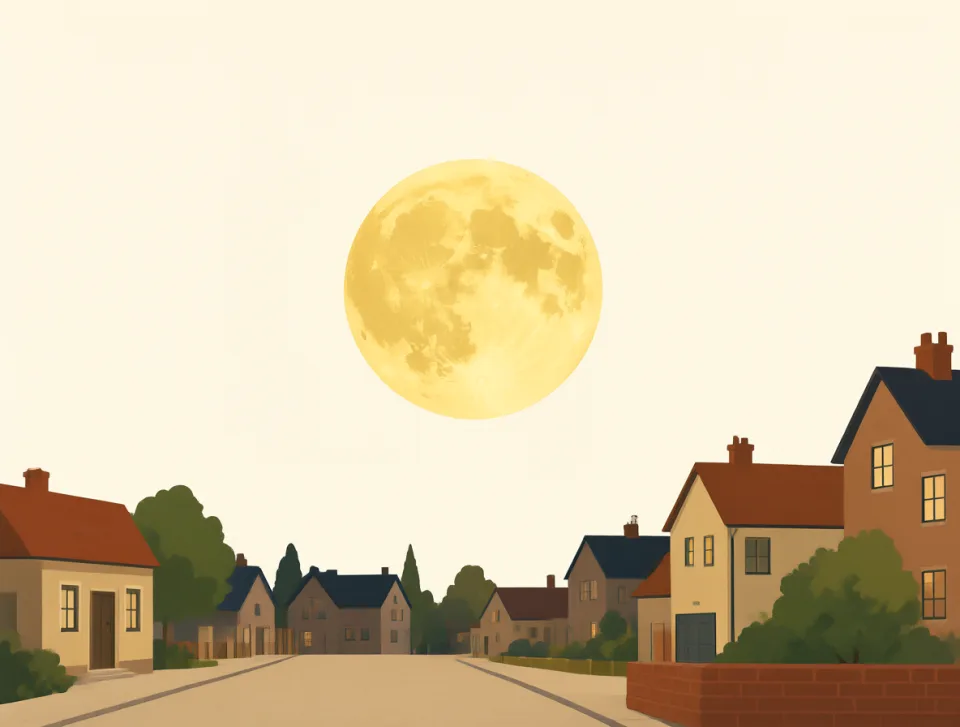
night
#270noun
The time when it is dark outside, from evening until morning.
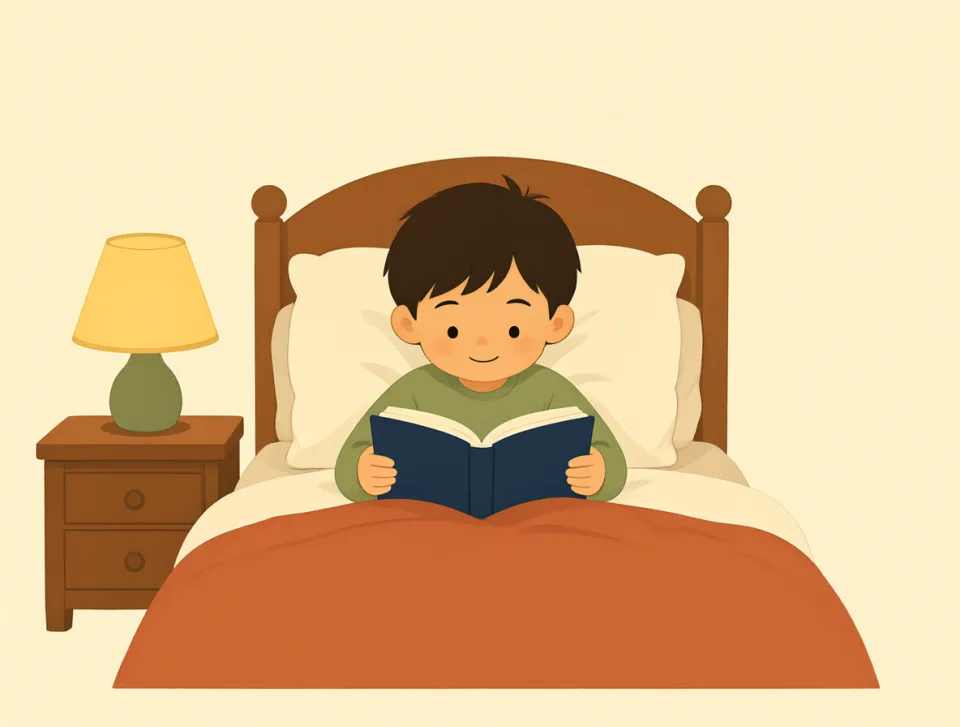
I read a book before bed at night.
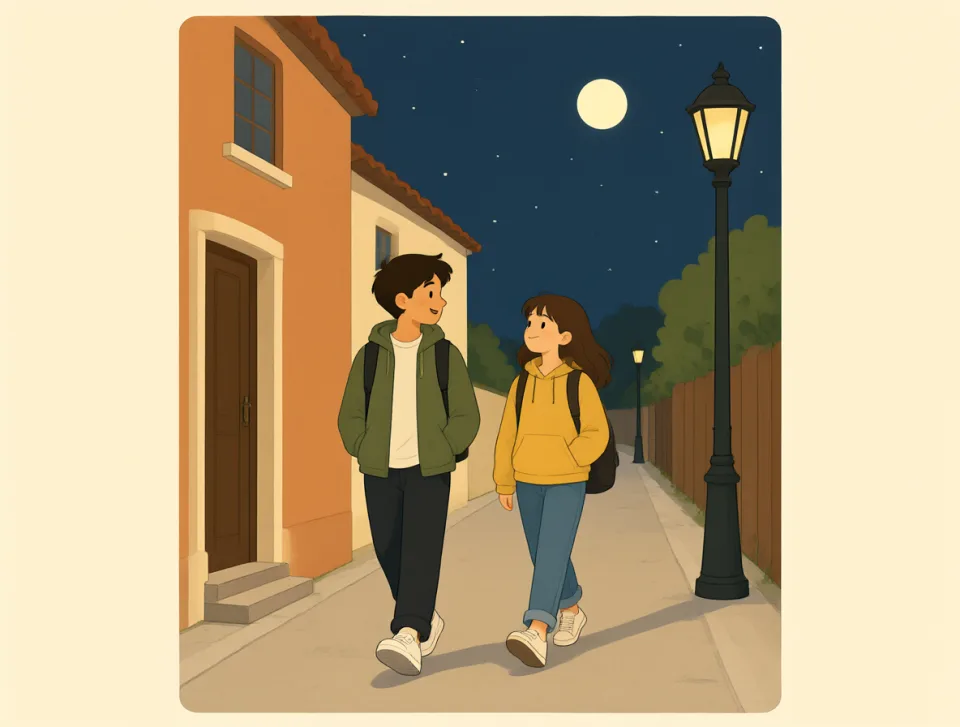
We walked home together late last night.
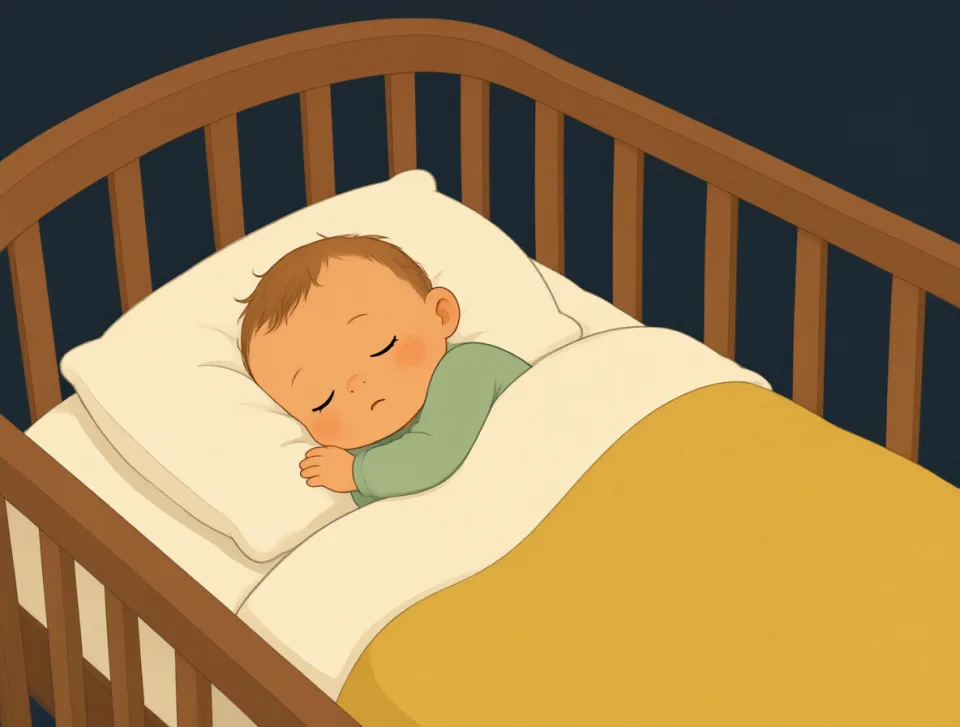
The baby slept well all night.
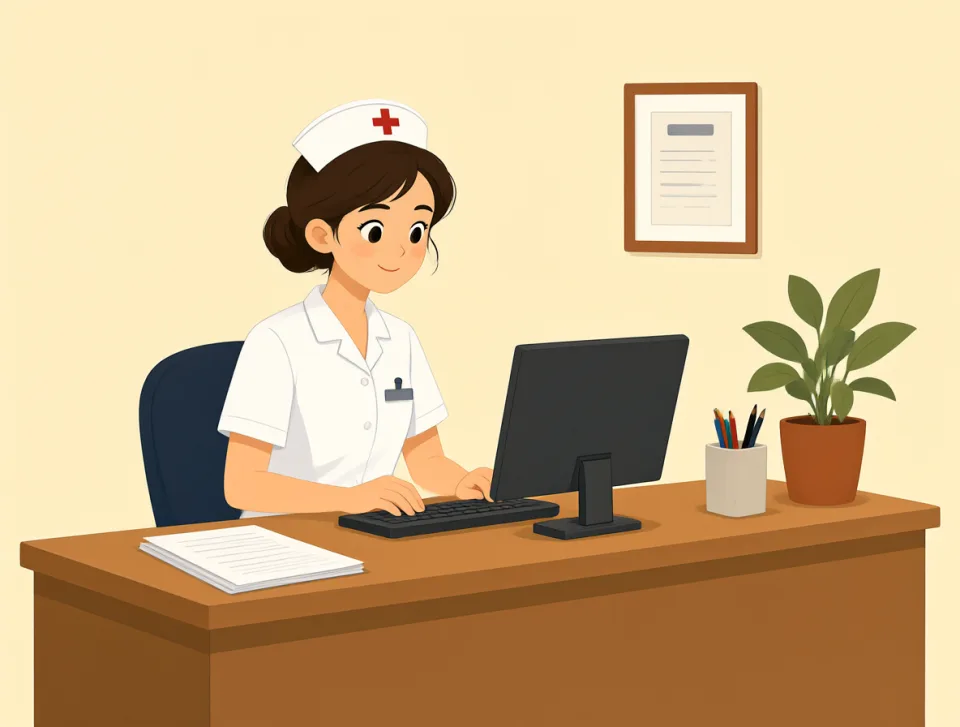
She works at the hospital night shift.
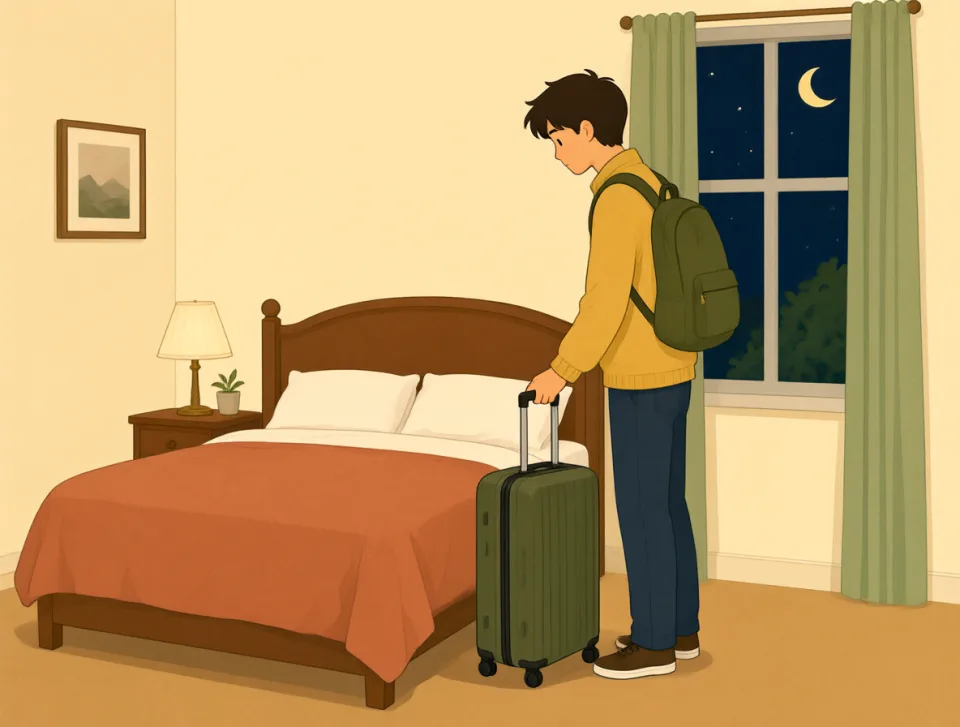
They stayed in a hotel for one night.
able
#271adjective
Having the skill, strength, time, or chance to do something.

She is able to swim very well.
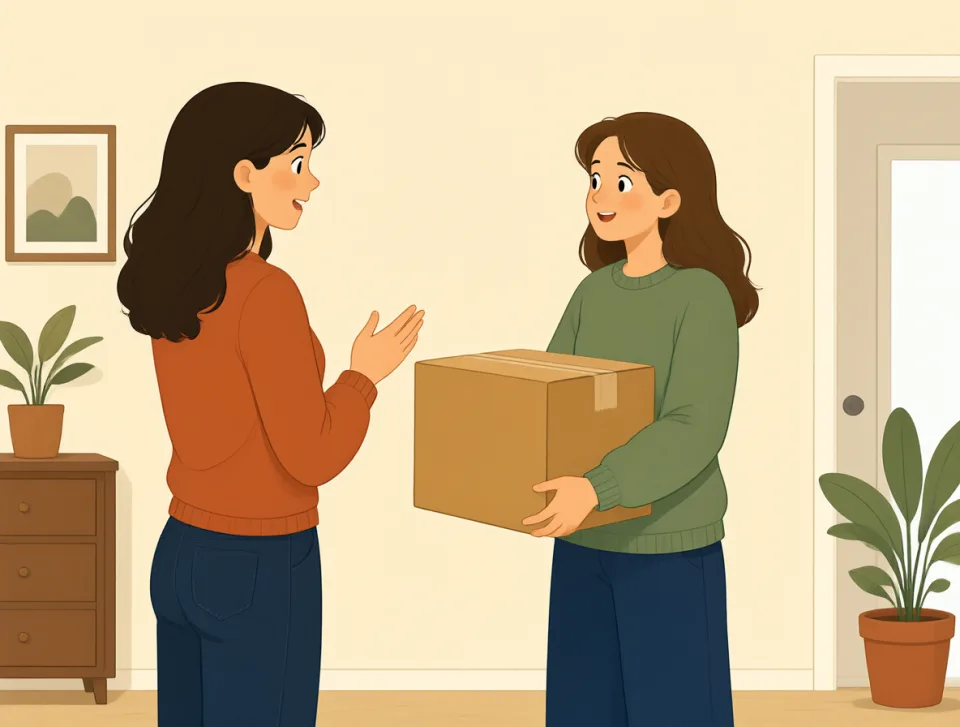
Are you able to help me today?

He was able to finish his homework.
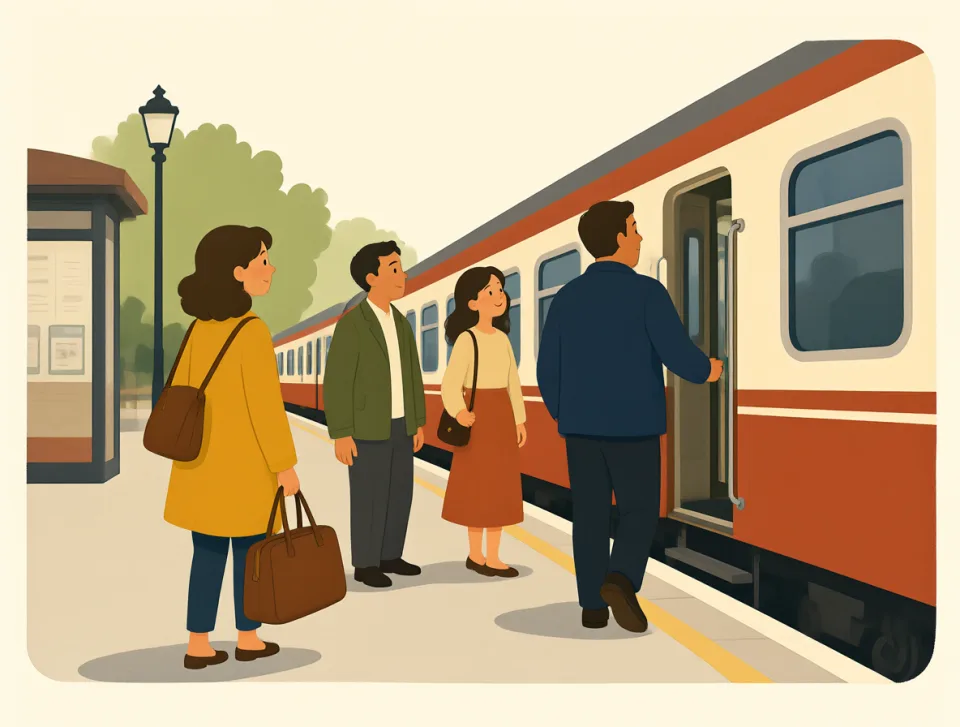
We were able to catch the early train.
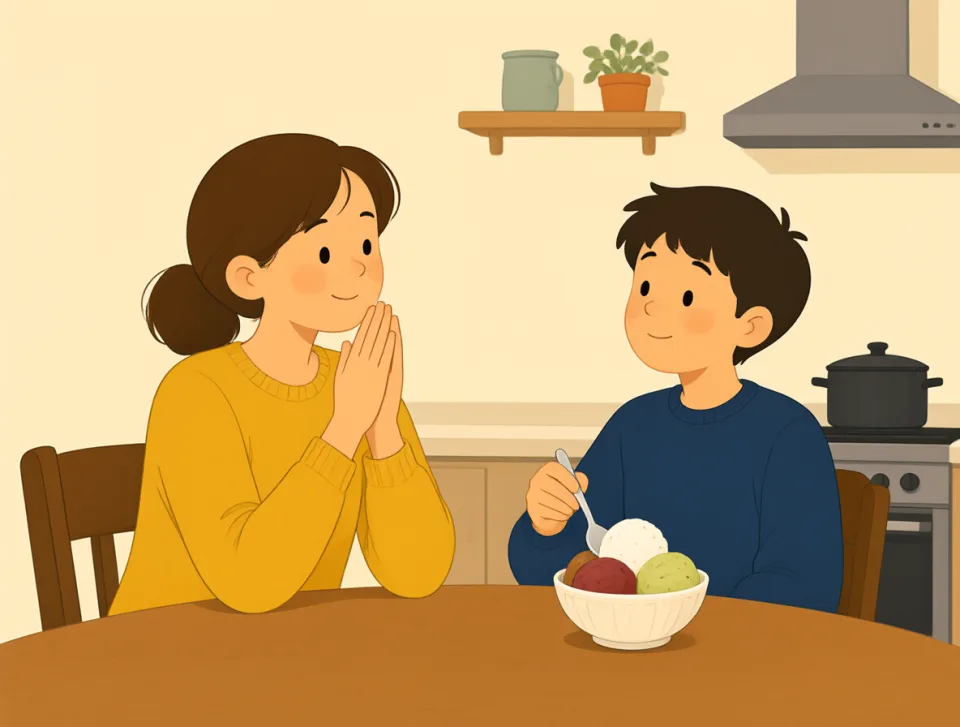
I am not able to eat dairy products.
support
#272noun, verb
Help or encouragement given to someone or something; to help someone or something succeed.
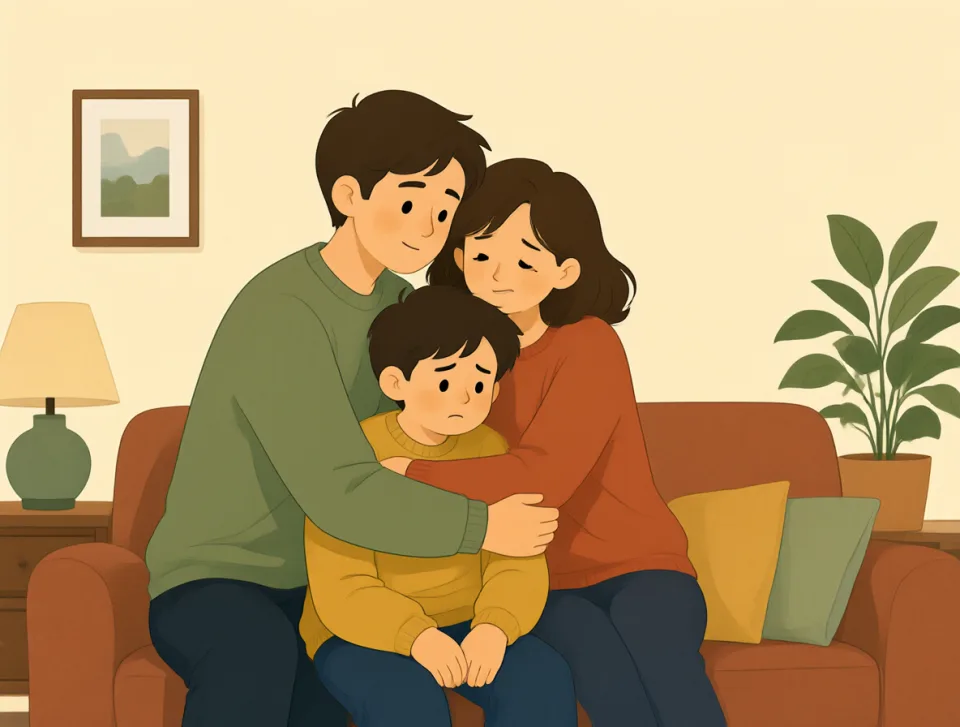
My family supports me when I feel sad.
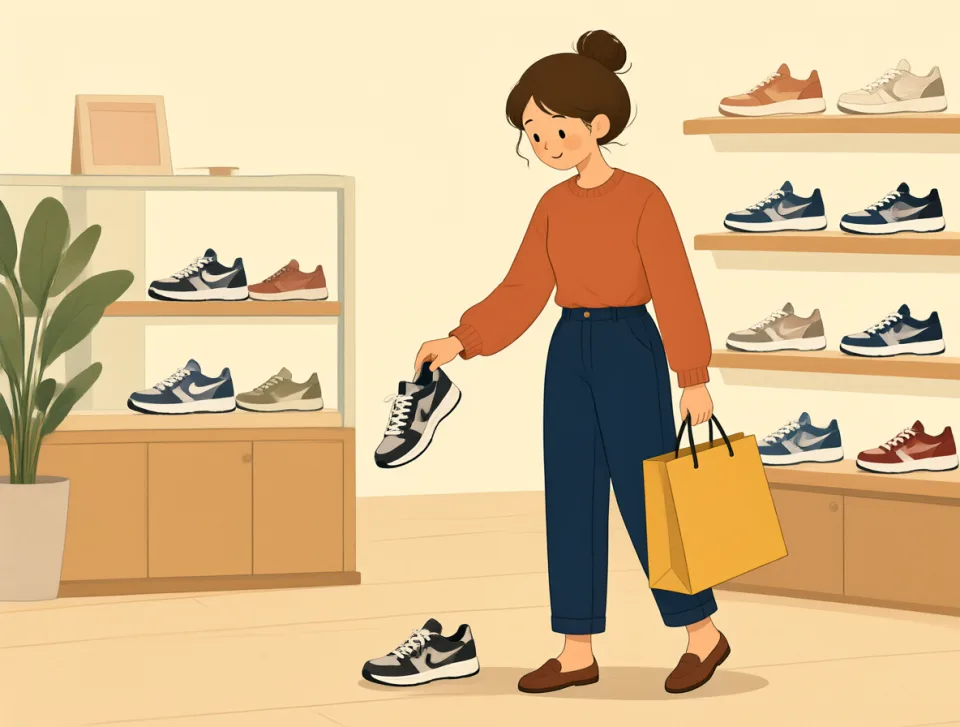
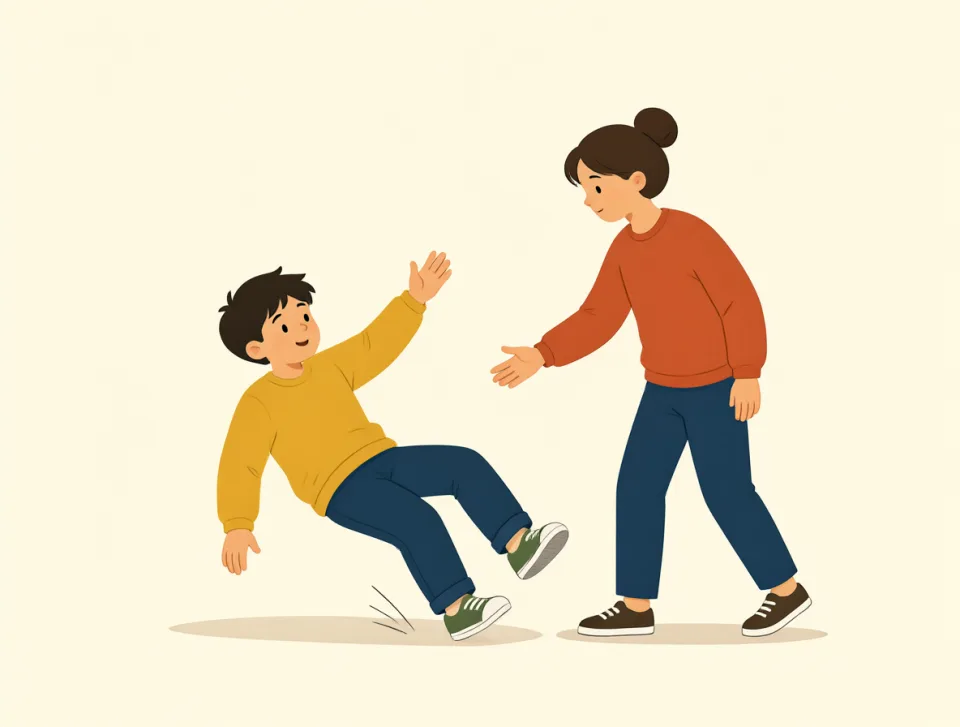
These shoes support your feet while walking.
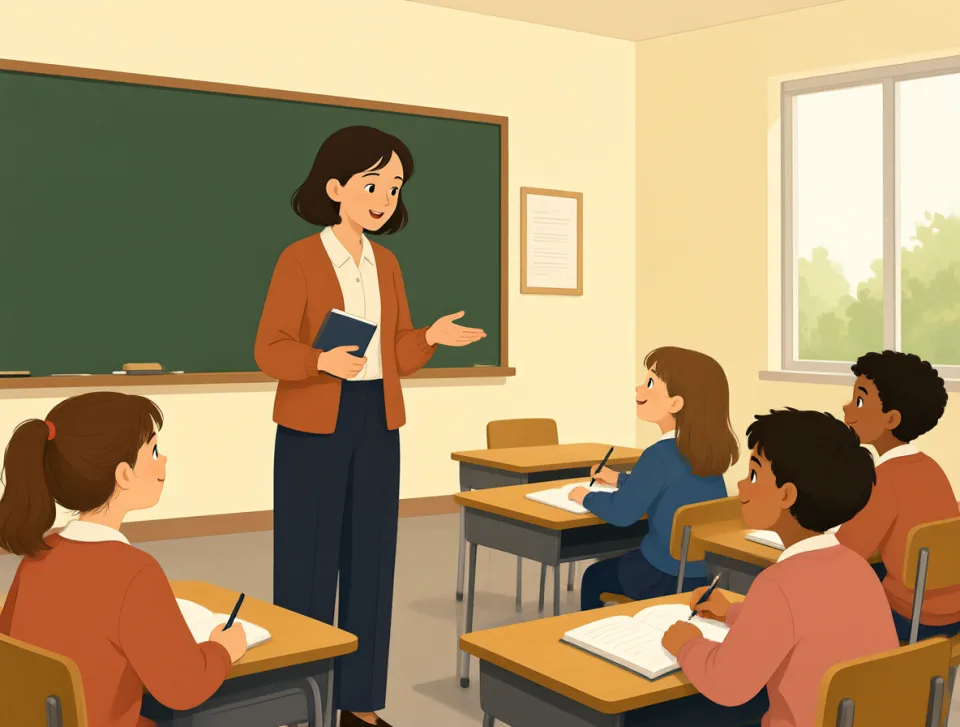
Our teacher supports us during the test.
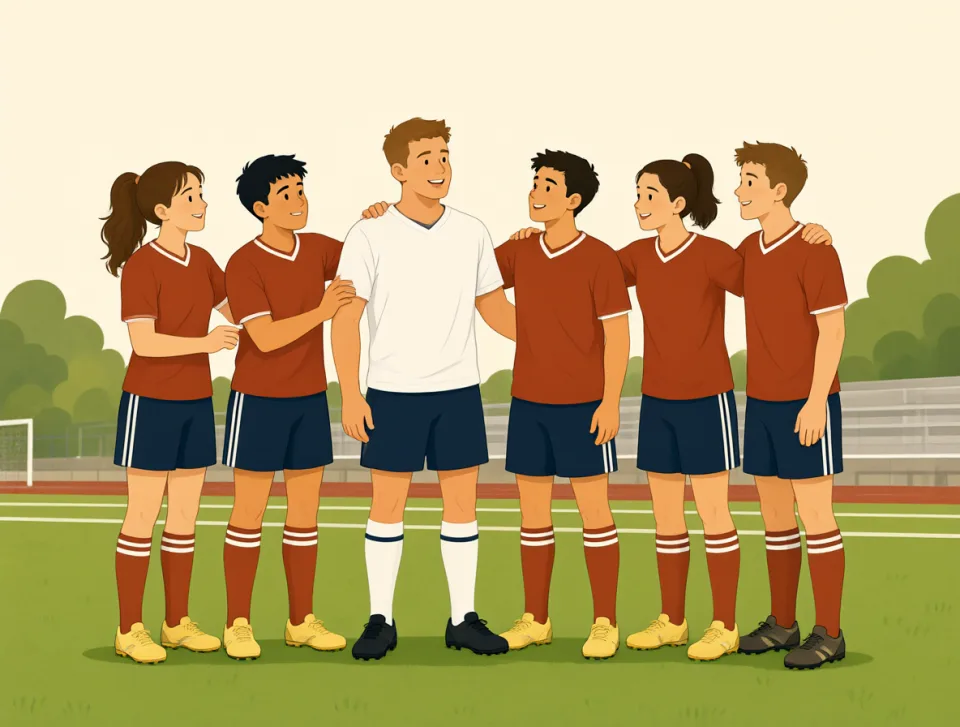
The team supported its captain after the loss.

This pillow supports your neck at night.
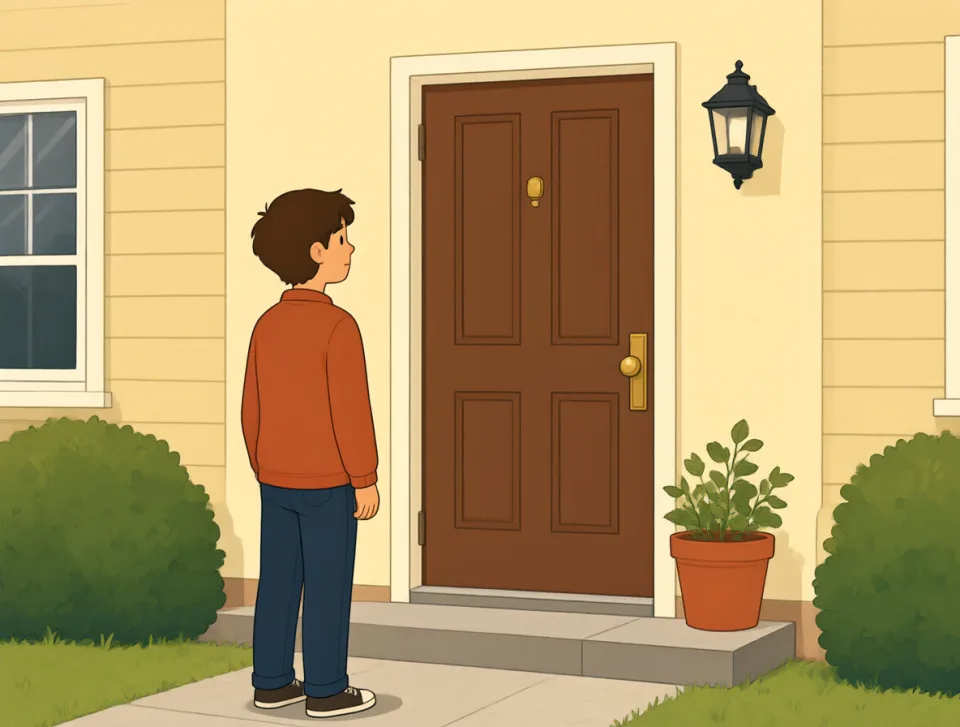
whether
#273conjunction
Used to talk about two possible choices or situations.
I don't know whether she is home.
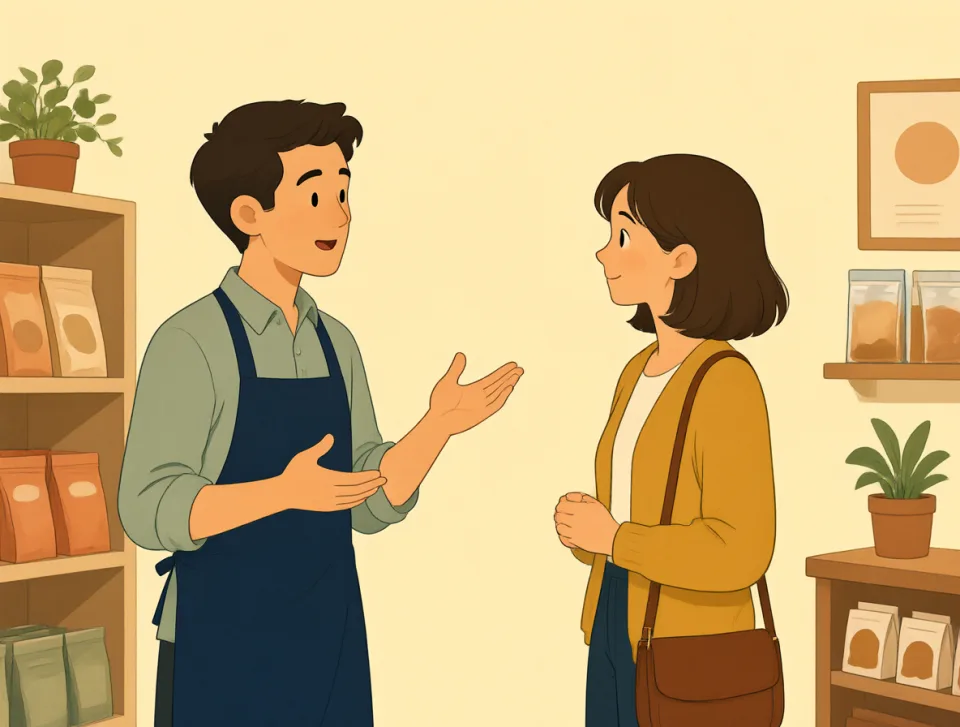
Please tell me whether you need help.
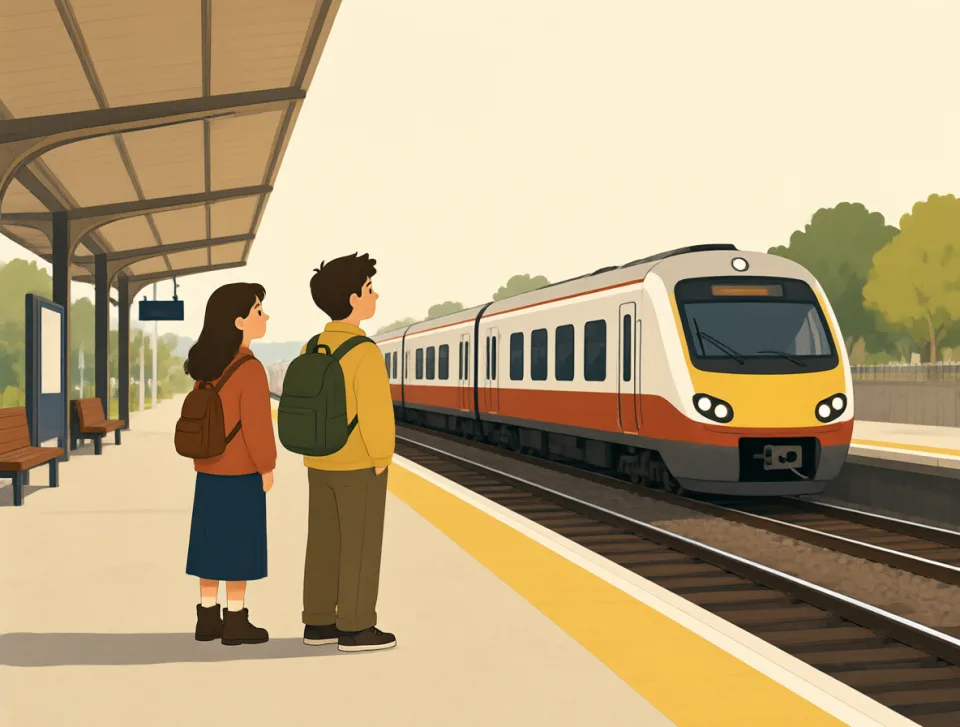
We must decide whether to take the train.
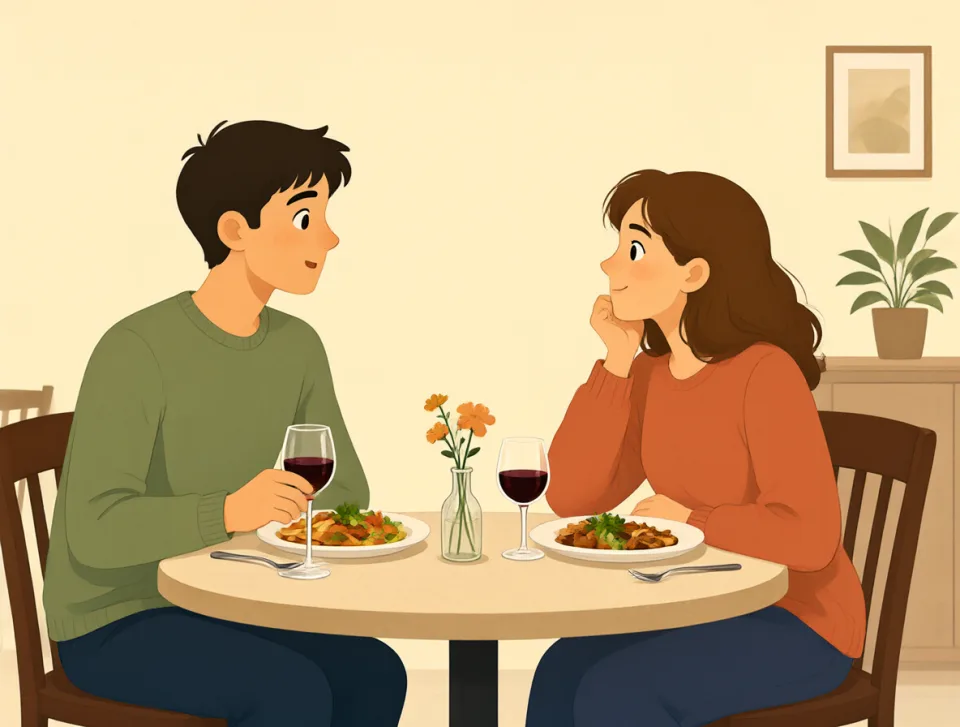
He asked whether I liked the food.
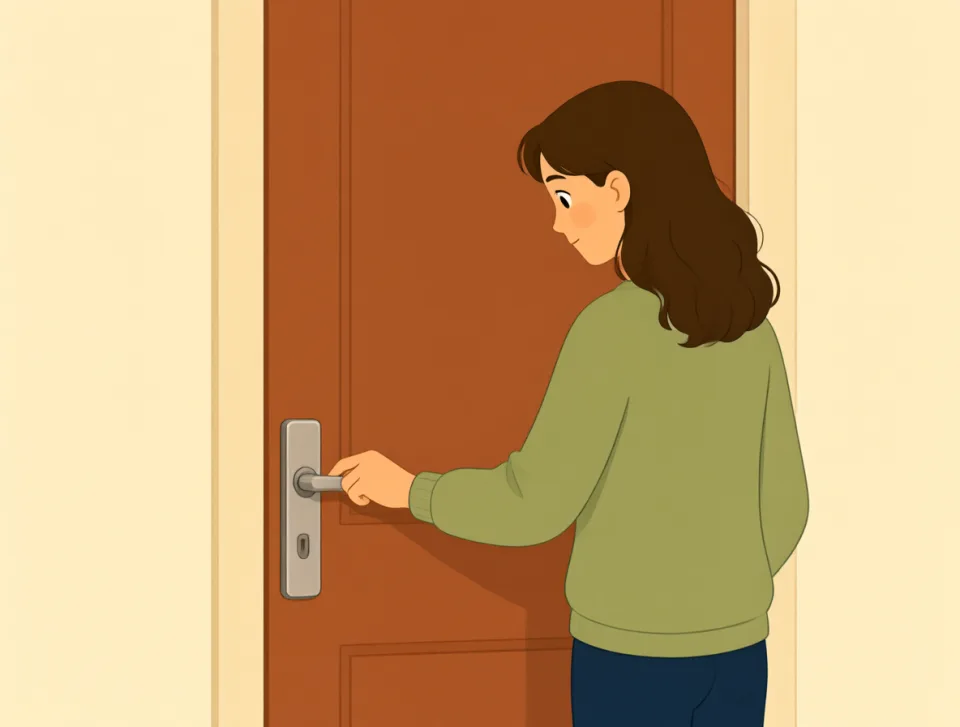
Check whether the door is locked.

line
#274noun, verb
A long, thin mark or a row of people or things; to stand in a row.
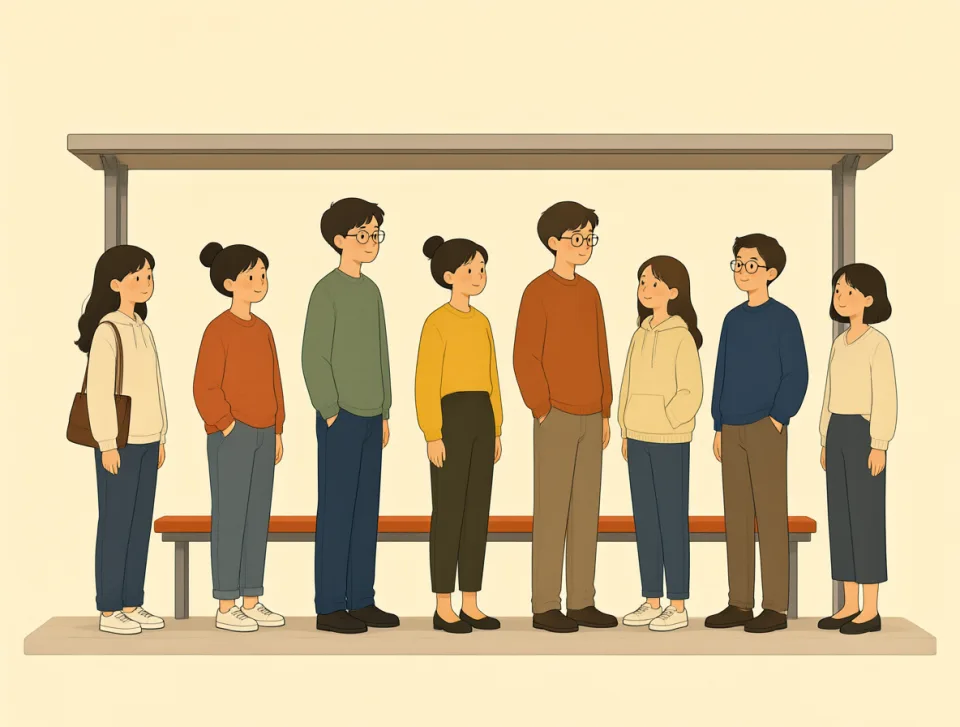
Please wait in line for the bus.
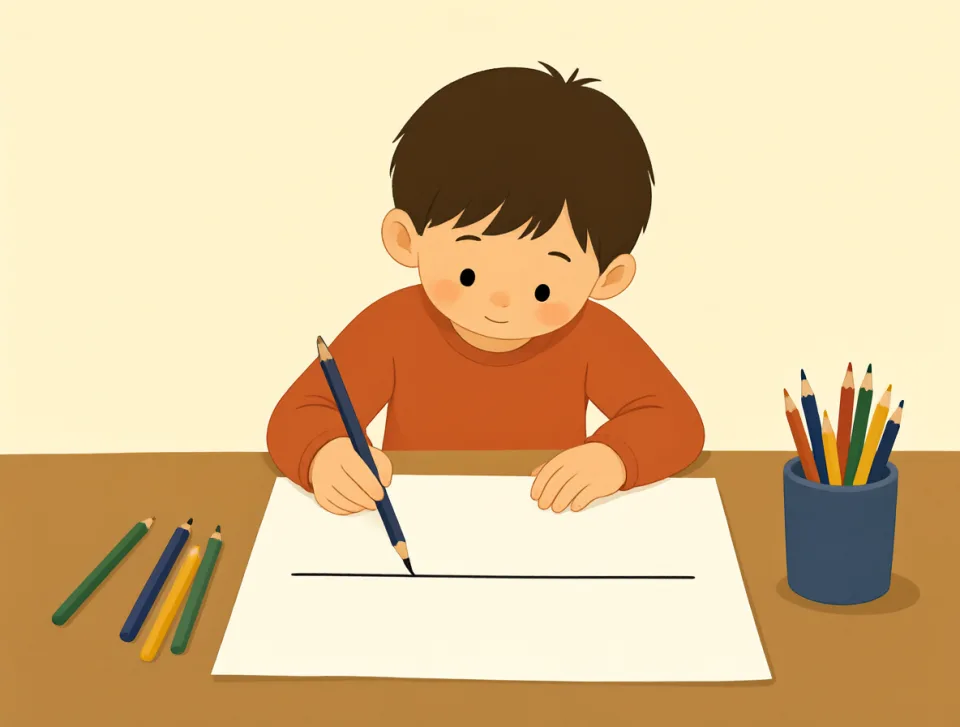
Draw a straight line under the answer.
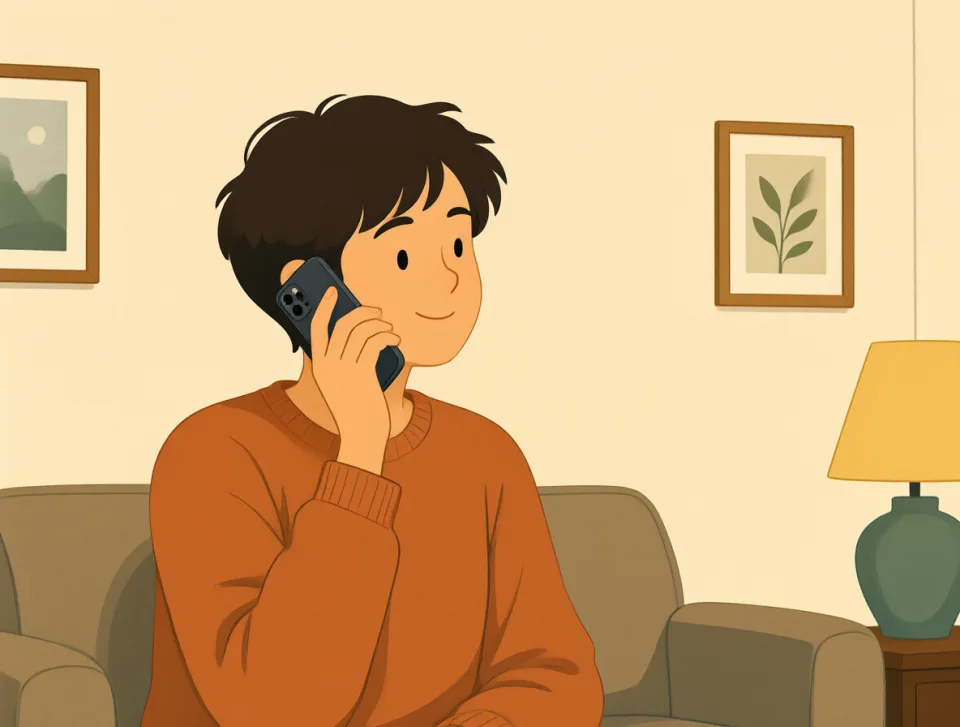
The phone line is busy right now.
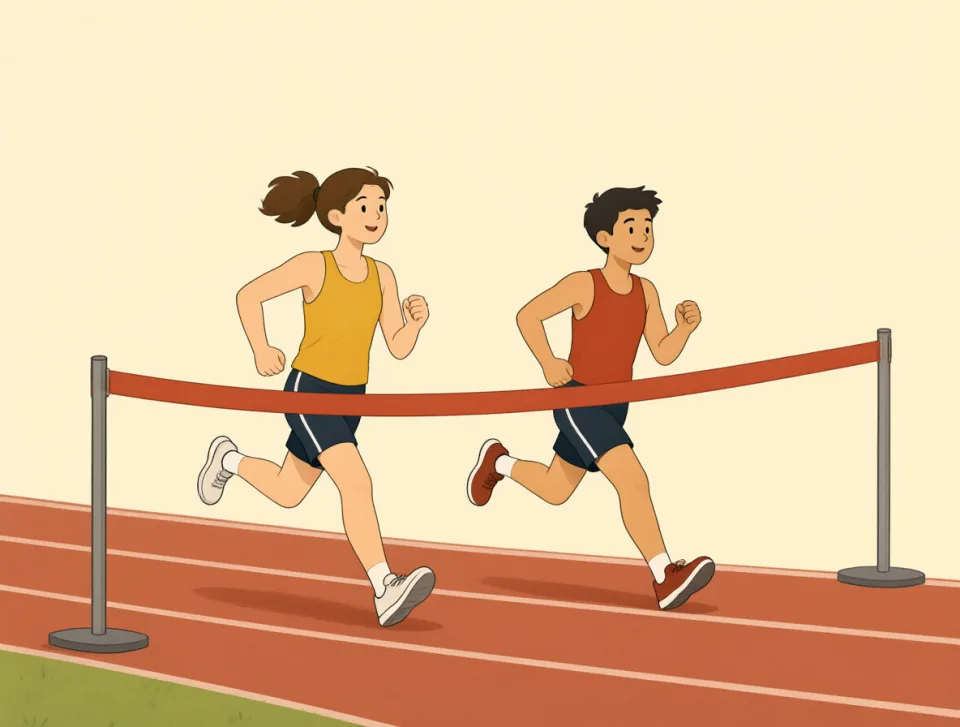
We crossed the finish line together.
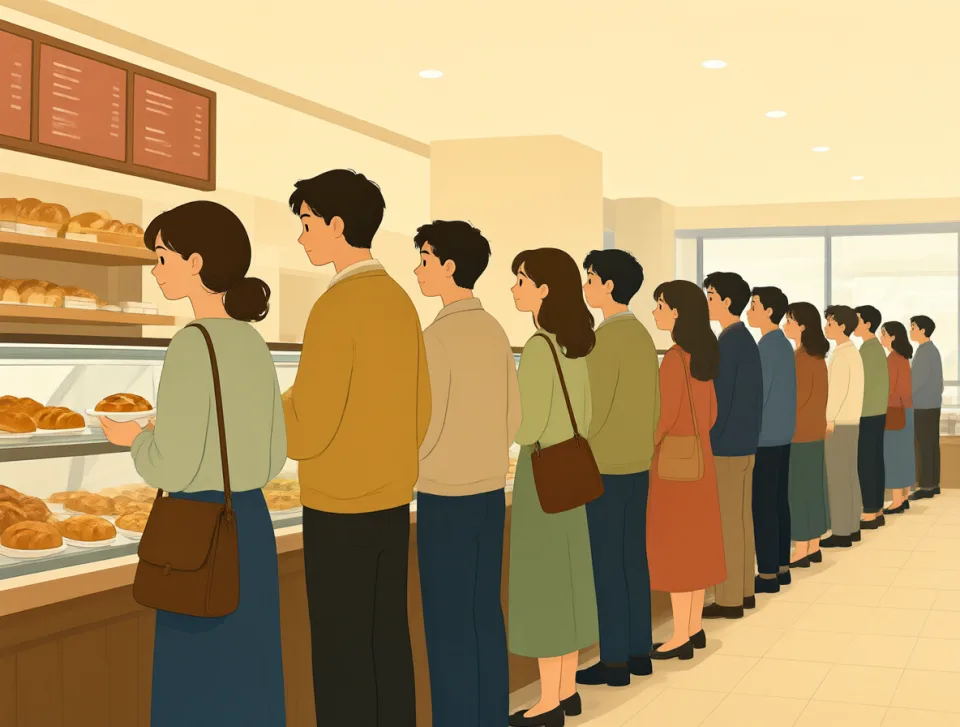
There was a long line at the bakery.
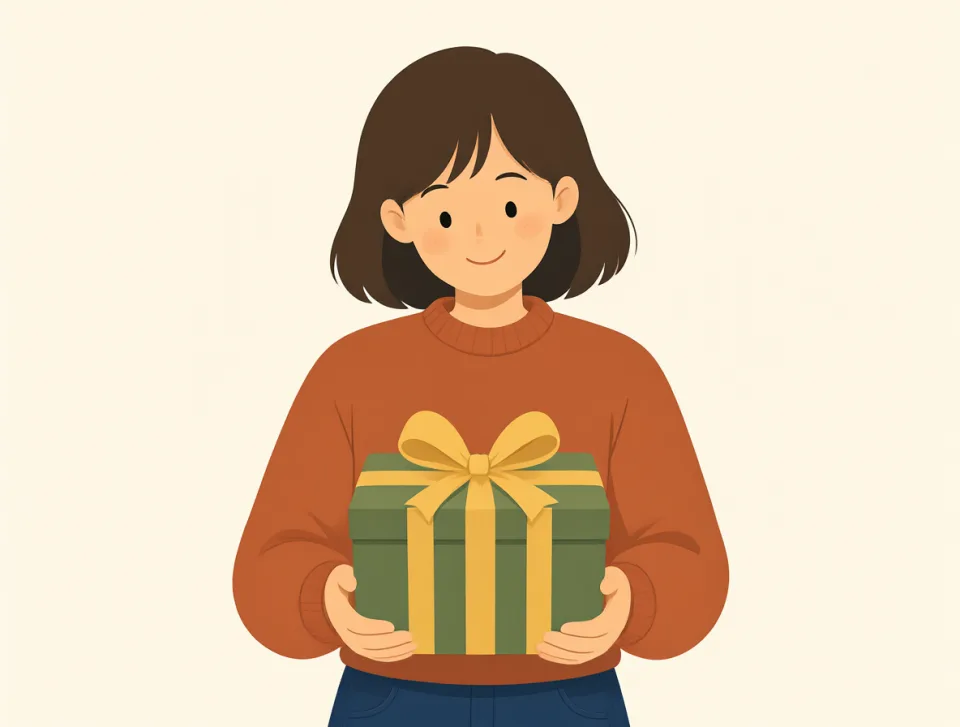
present
#275noun, verb, adjective
A gift; to give something; existing or happening now.
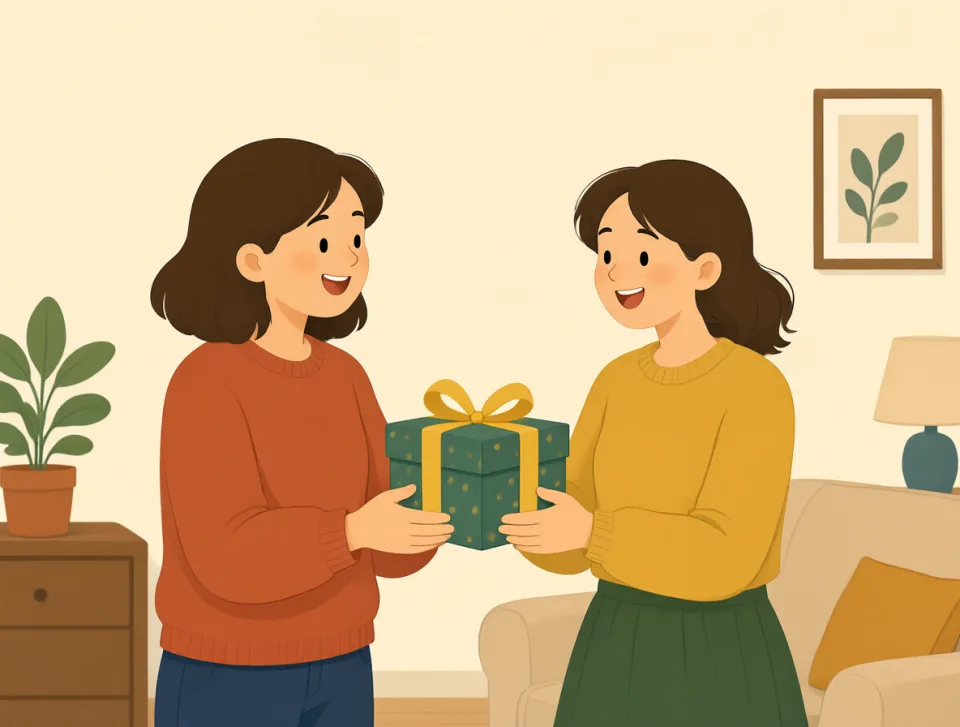
She gave me a birthday present.
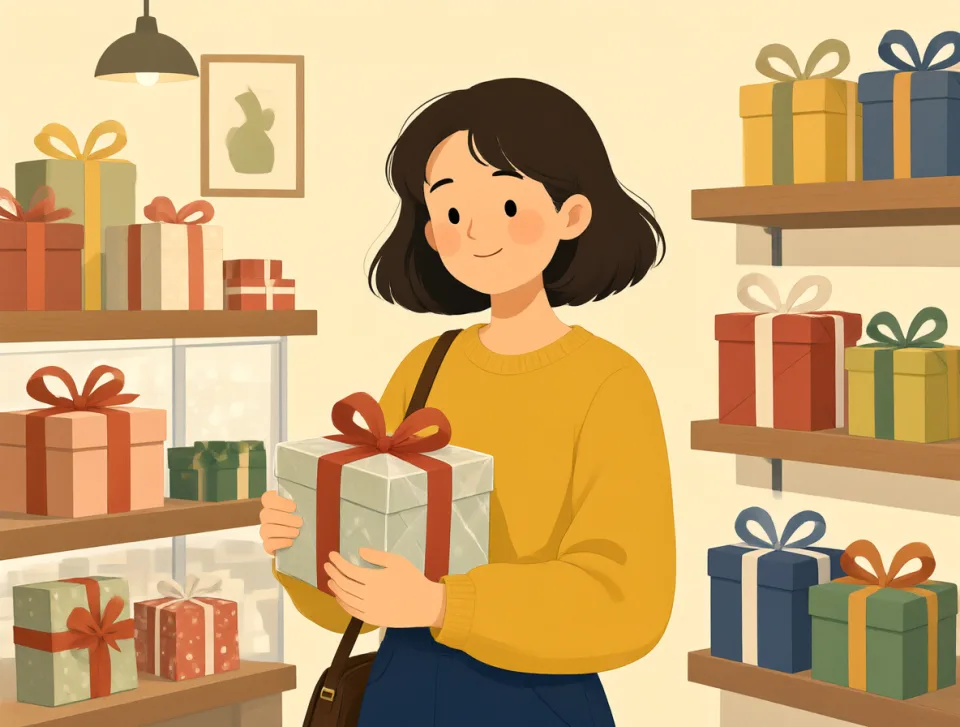
I bought a present for my mother.
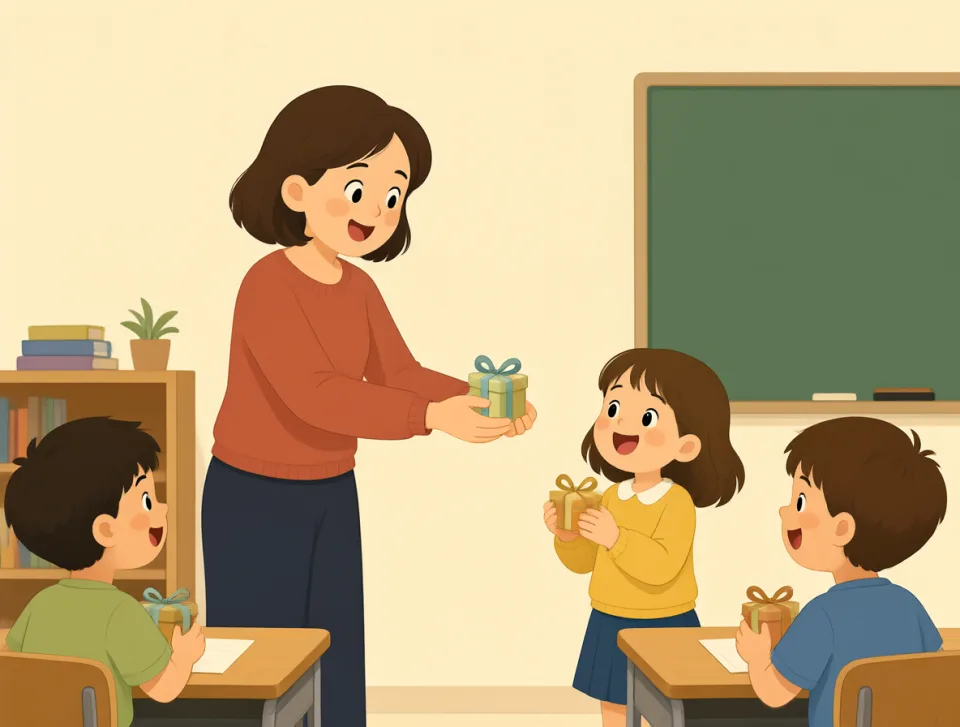
The teacher presented the prizes to students.
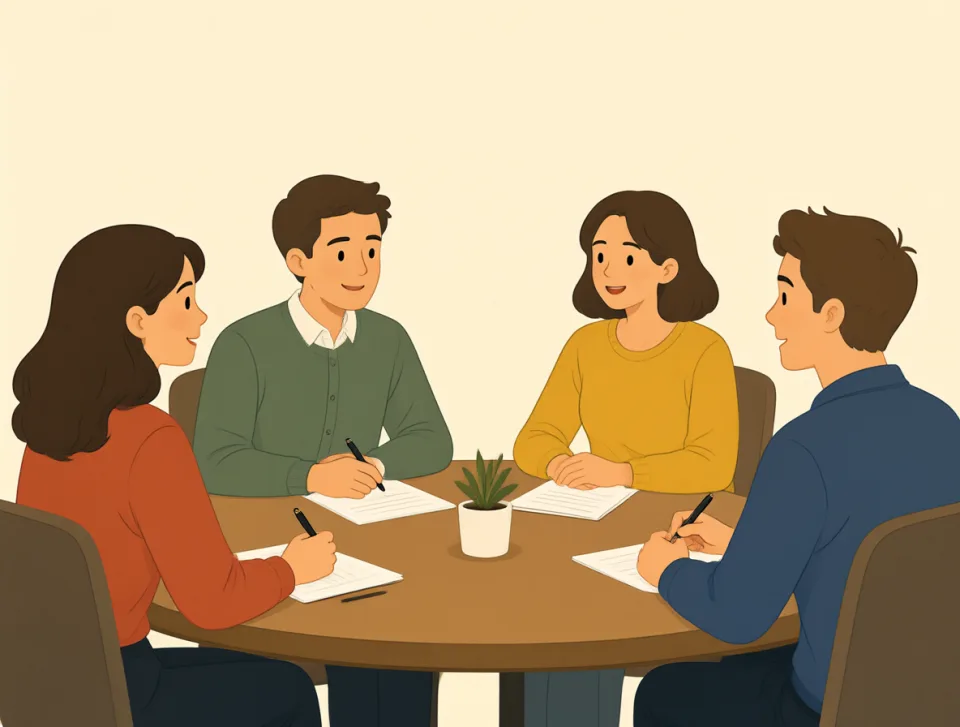
Everyone was present at the meeting.

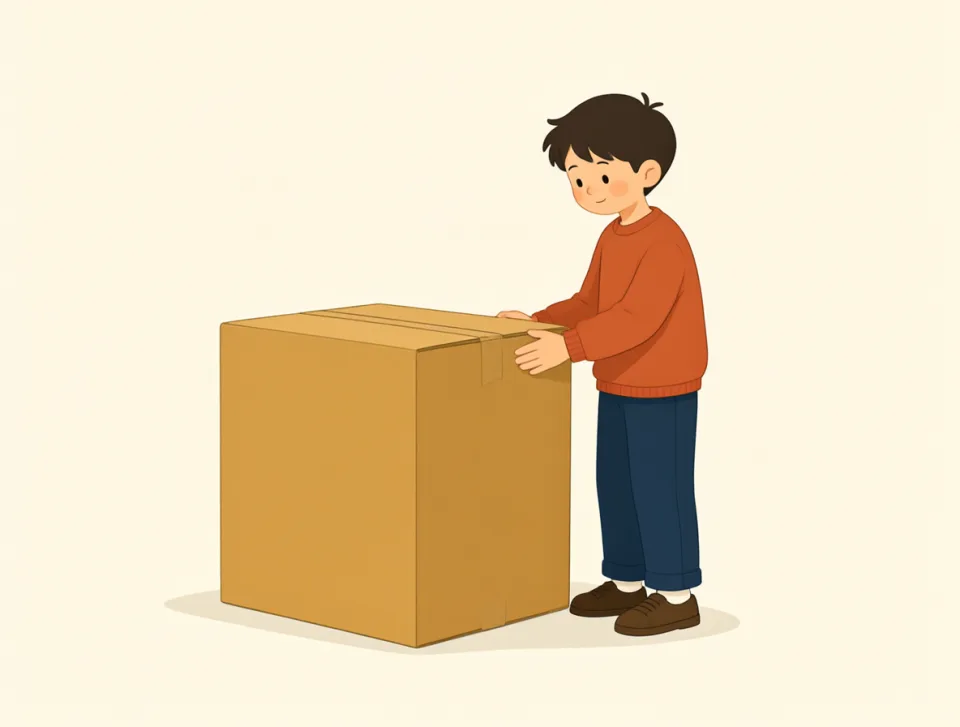
We need to discuss the present problem.
side
#276noun, verb, adjective, preposition
One of two parts, directions, or surfaces of something.
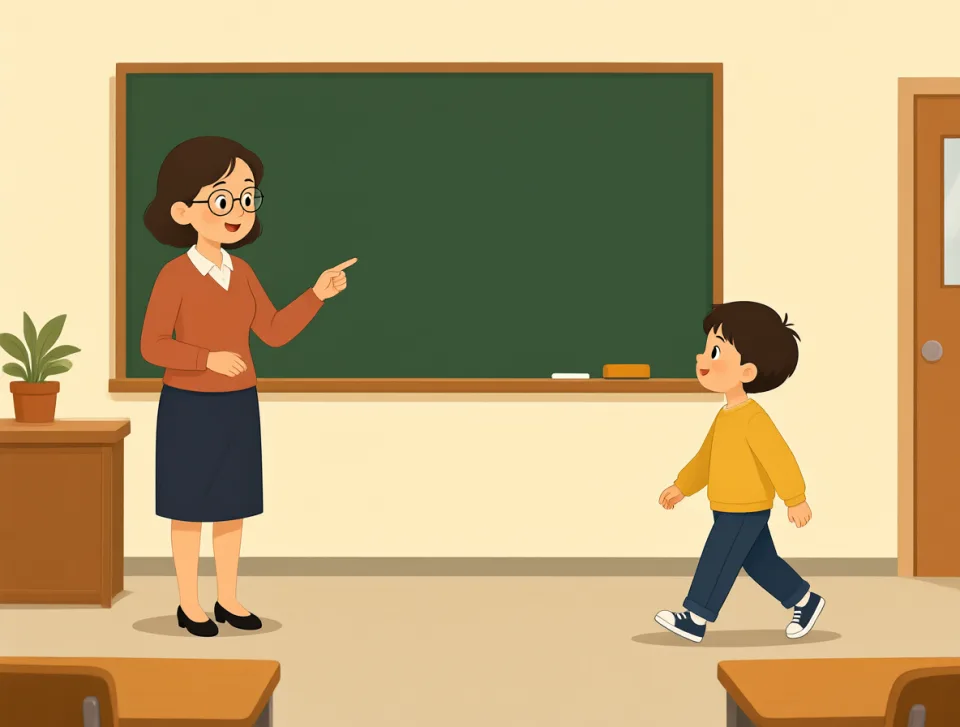
Please stand on this side of the room.

We sat on the side of the road.
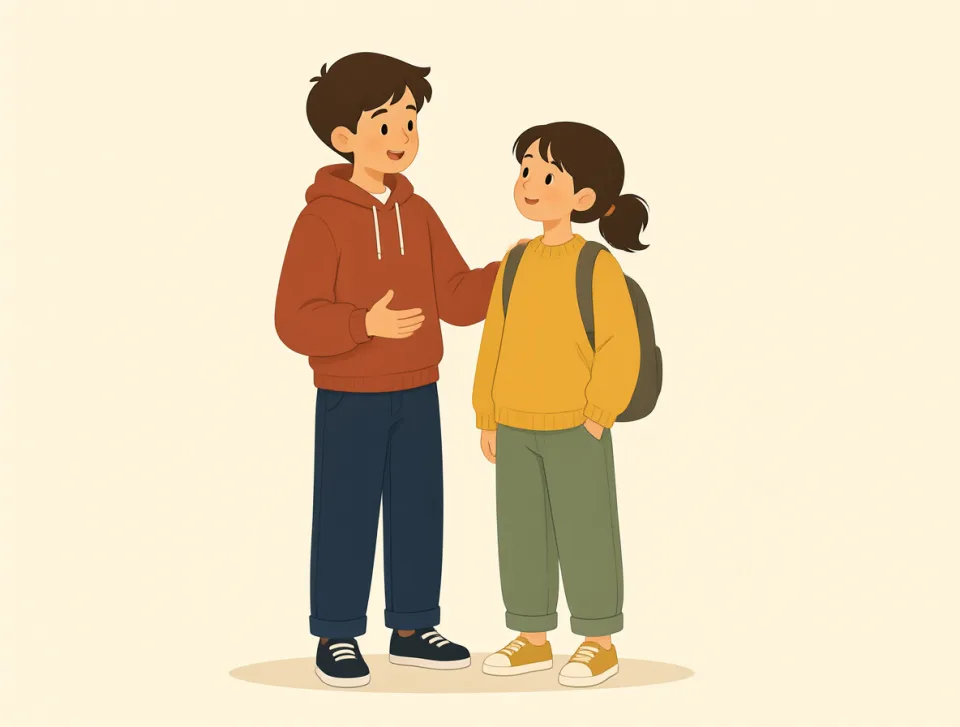
She took my side during the argument.
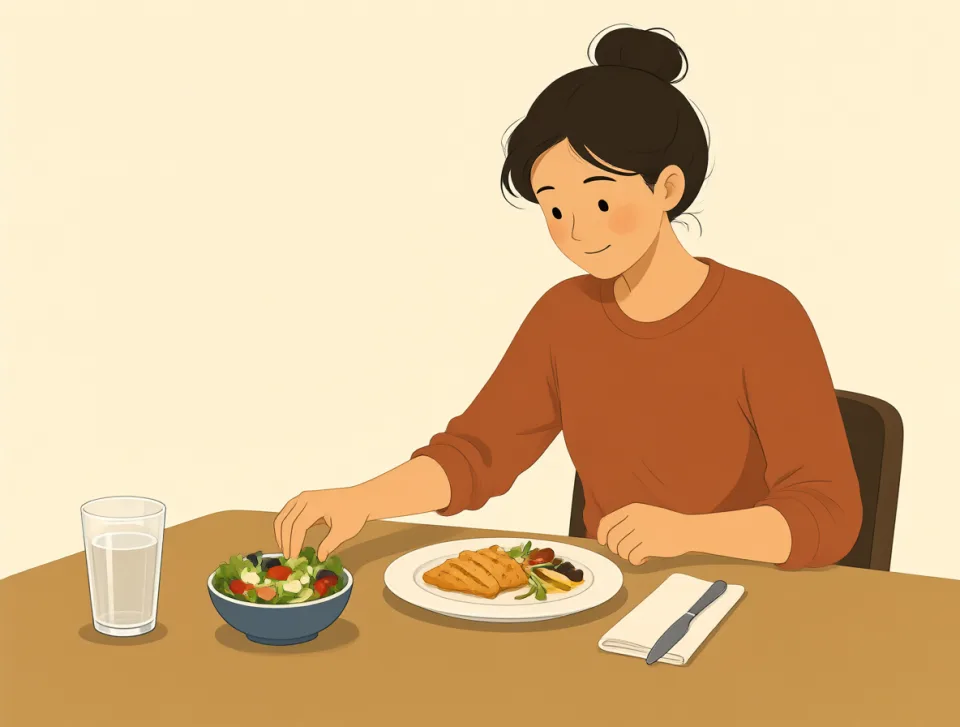
Put the salad on the side of my plate.
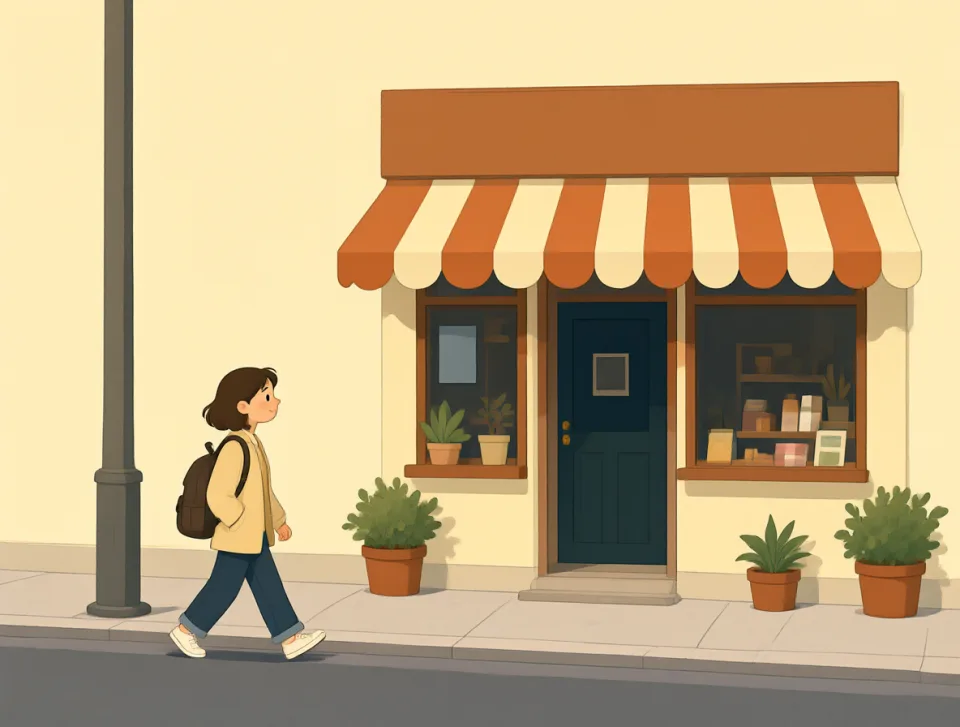
The shop is on the left side of the street.
quite
#277adverb
To a fairly large degree; very or completely, depending on the context.
The test was quite easy.
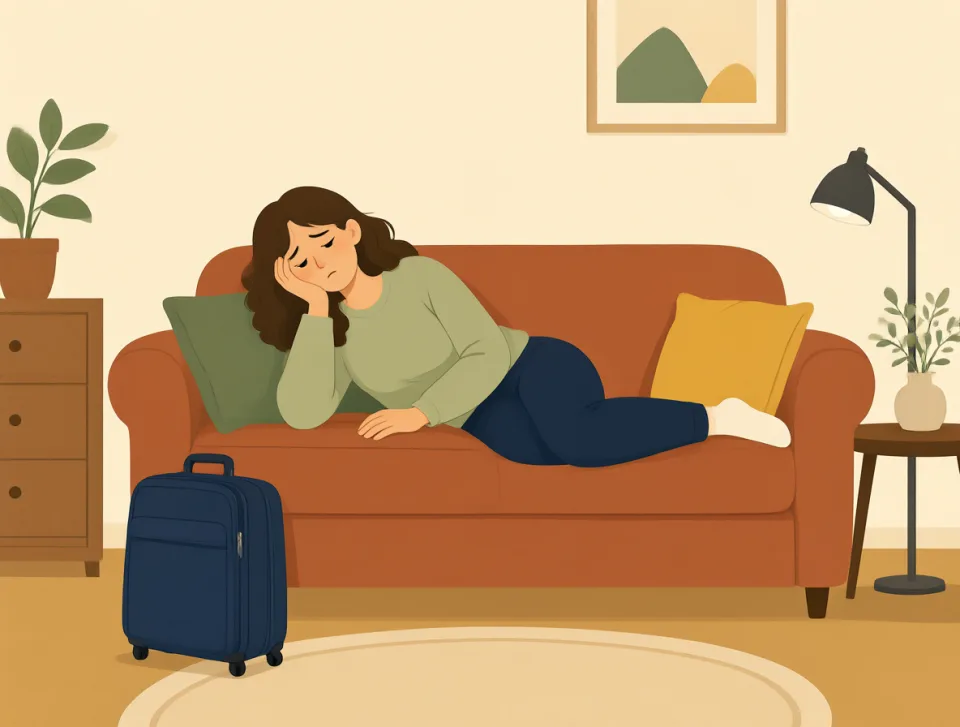
She is quite tired after work.
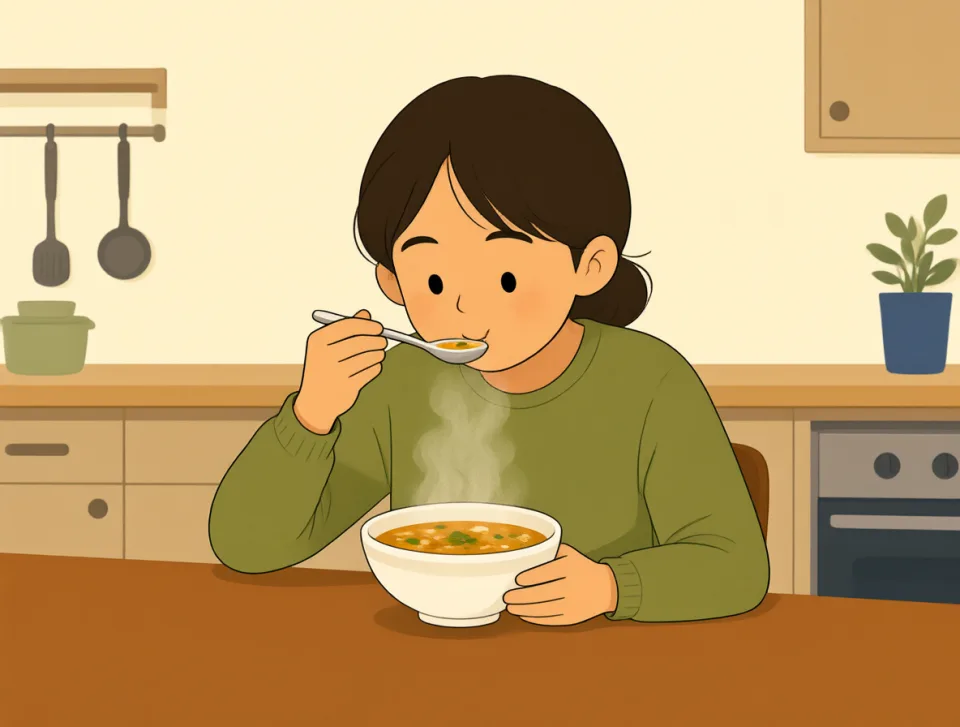
This soup is quite hot.
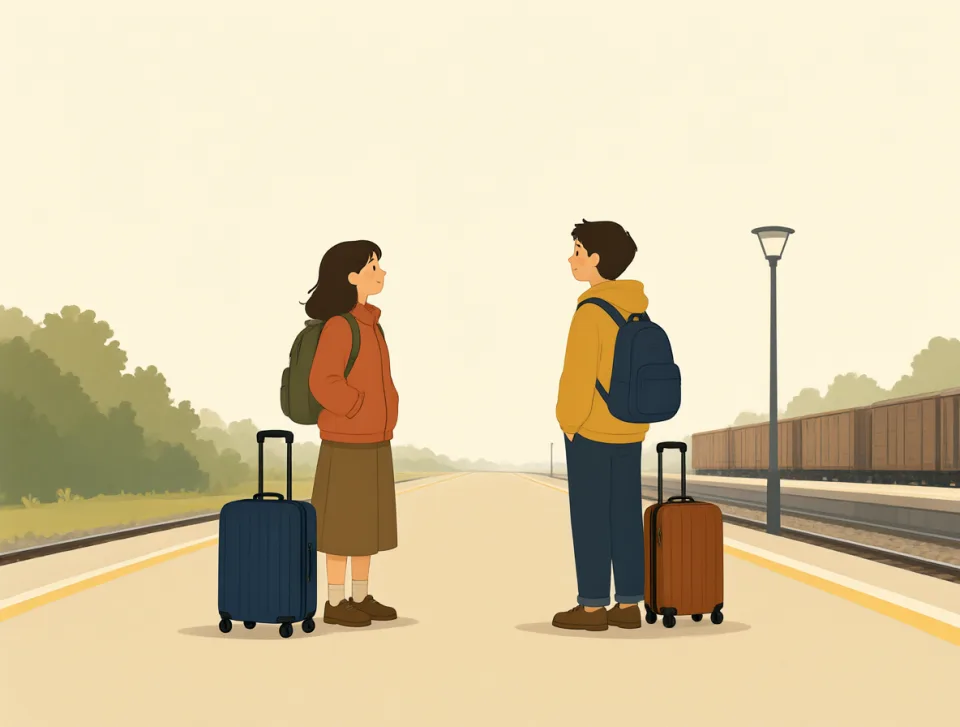
We arrived quite early for the train.

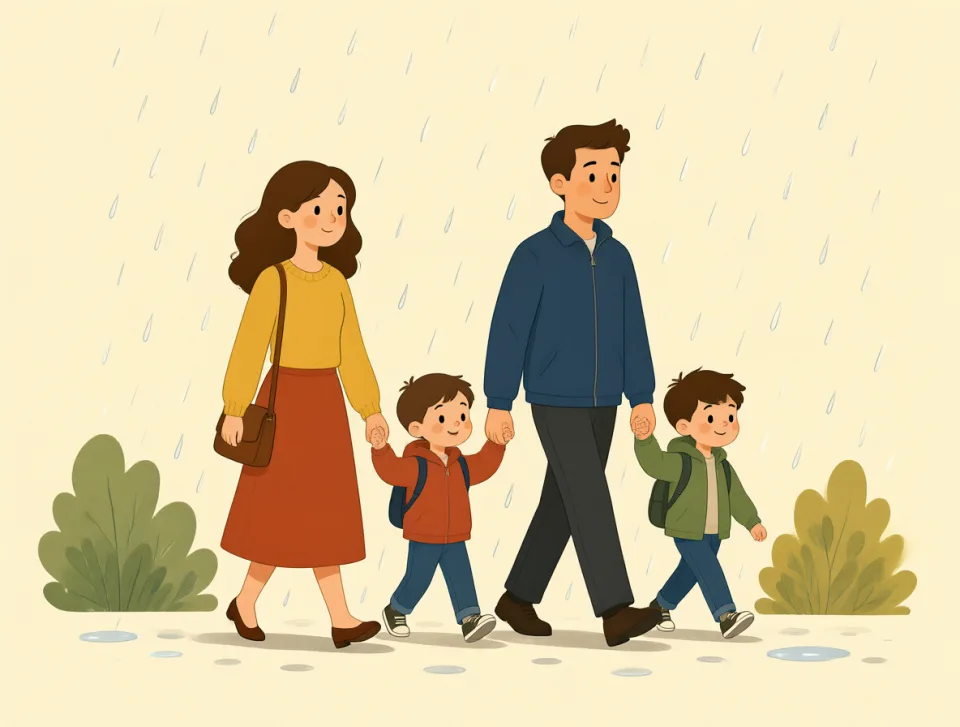
He quite likes his new teacher.
although
#278conjunction
used to introduce a contrast or surprising fact
Although it was raining, we went for a walk.
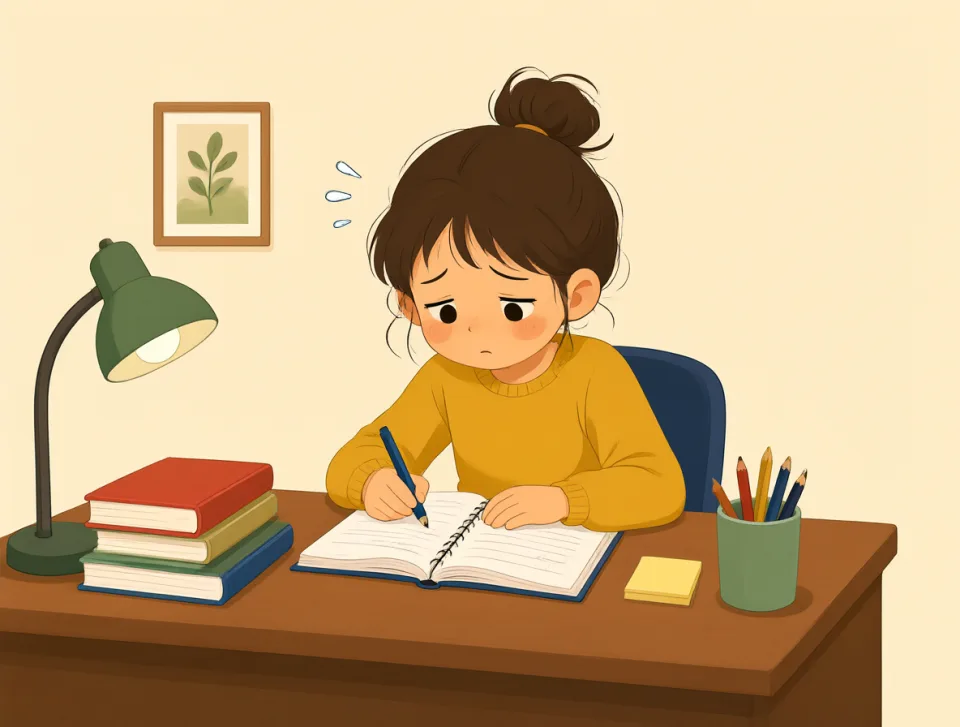
Although she was tired, she finished her homework.
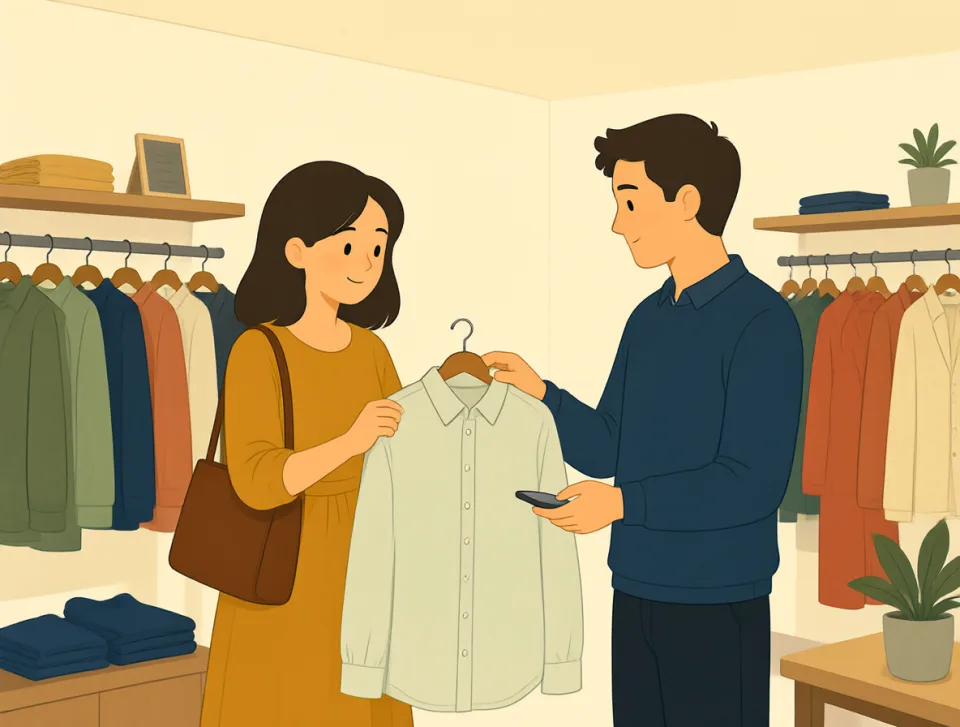
Although the shirt was expensive, I bought it.
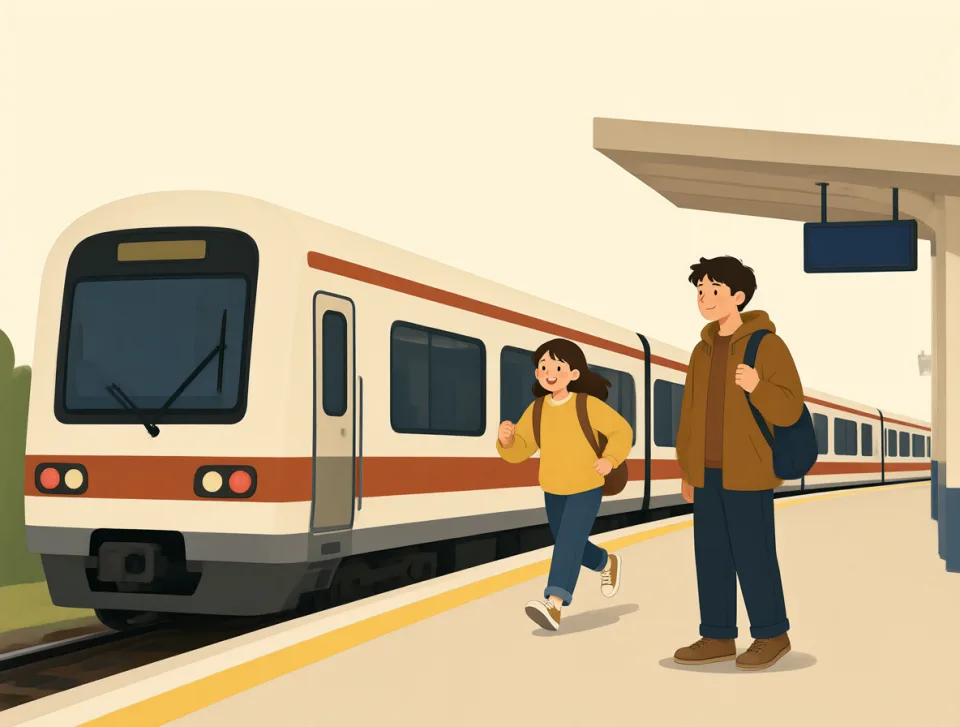
Although he missed the train, he arrived on time.
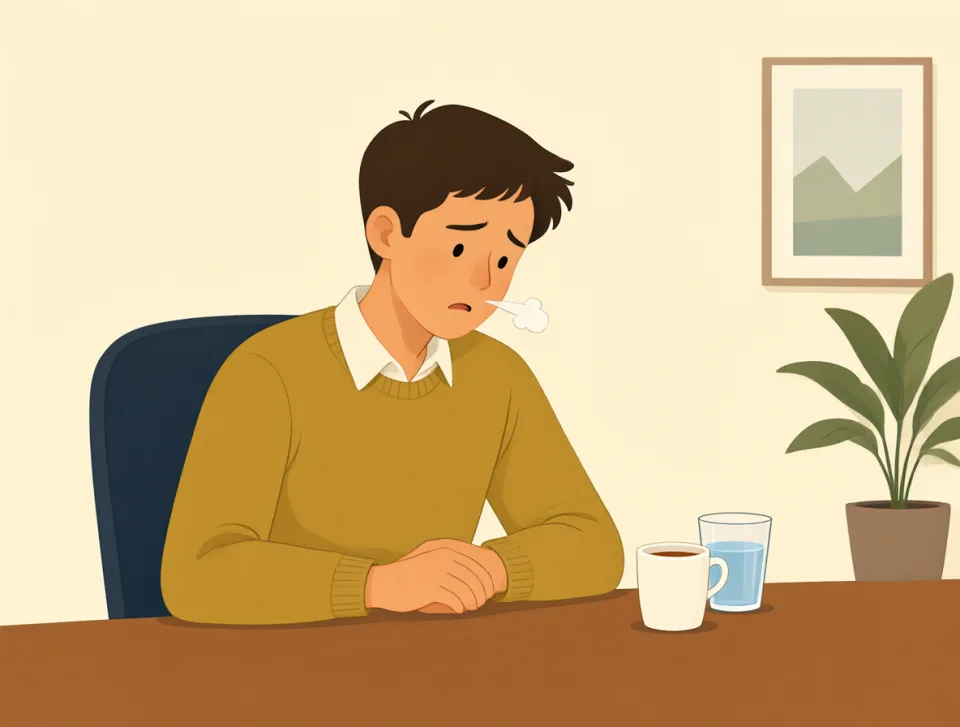
Although I was sick, I went to work.
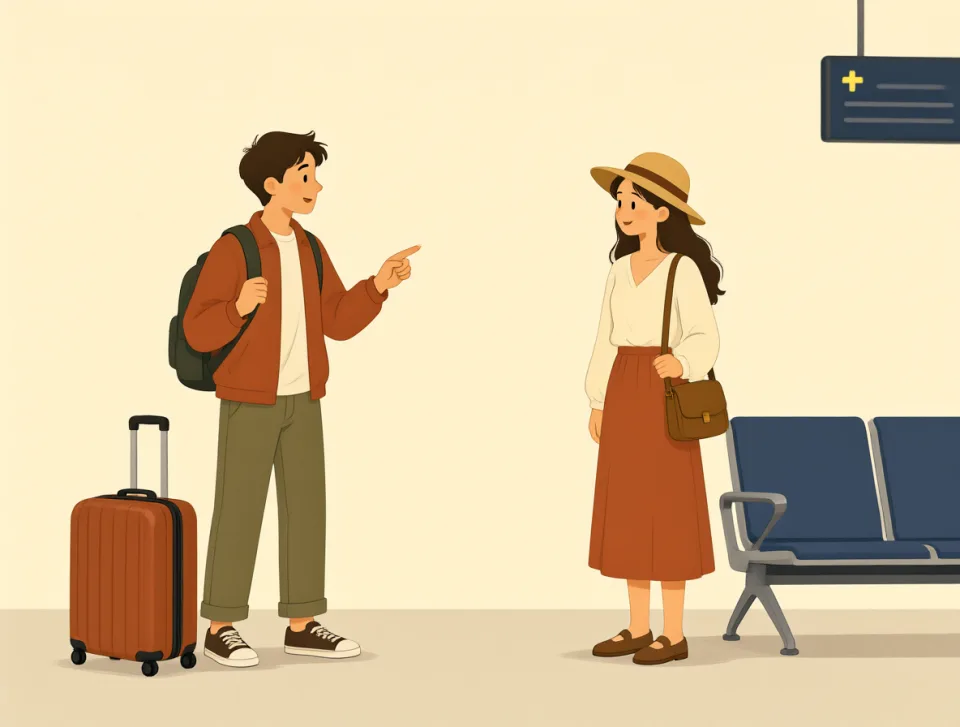
sure
#279adjective, adverb
Certain to be true or likely to happen; used to agree or ask for agreement.
Are you sure this is your bag?
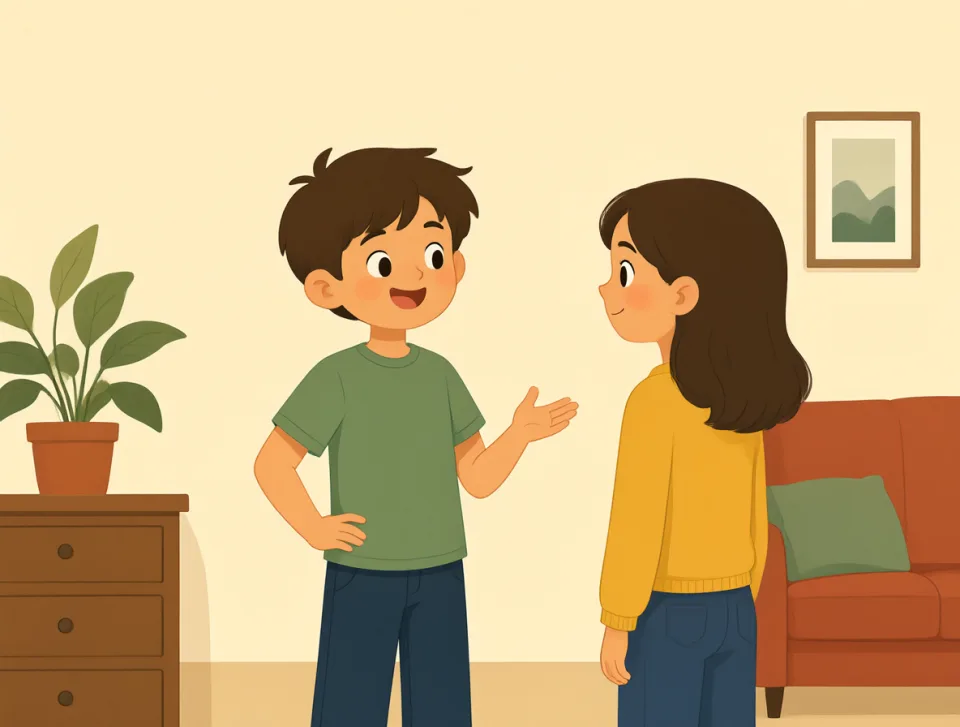
I am sure she will come.
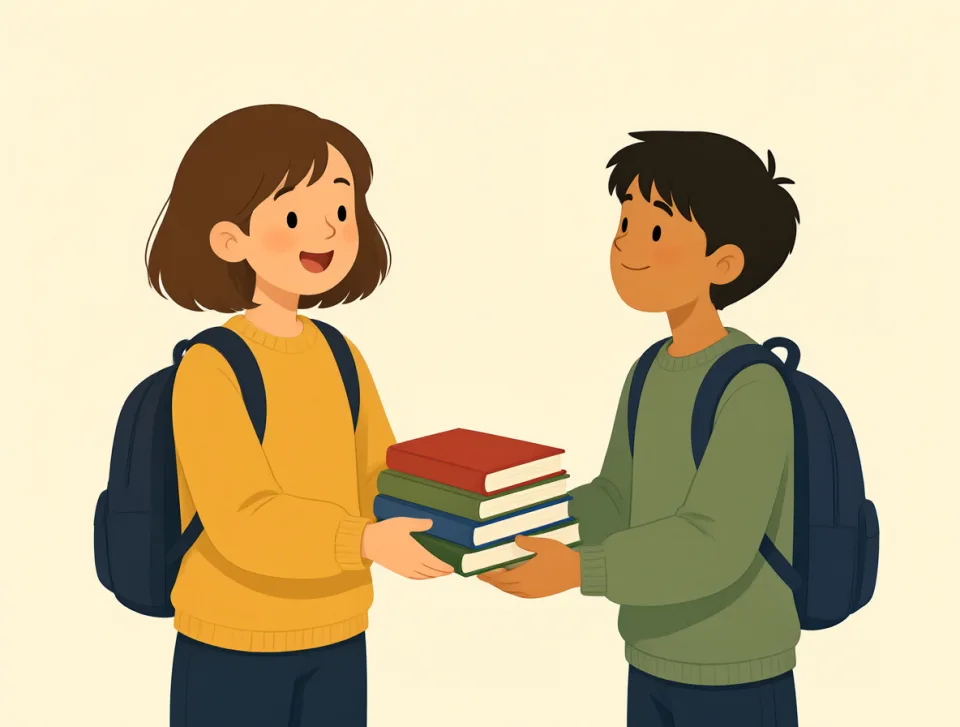
Sure, I can help you.
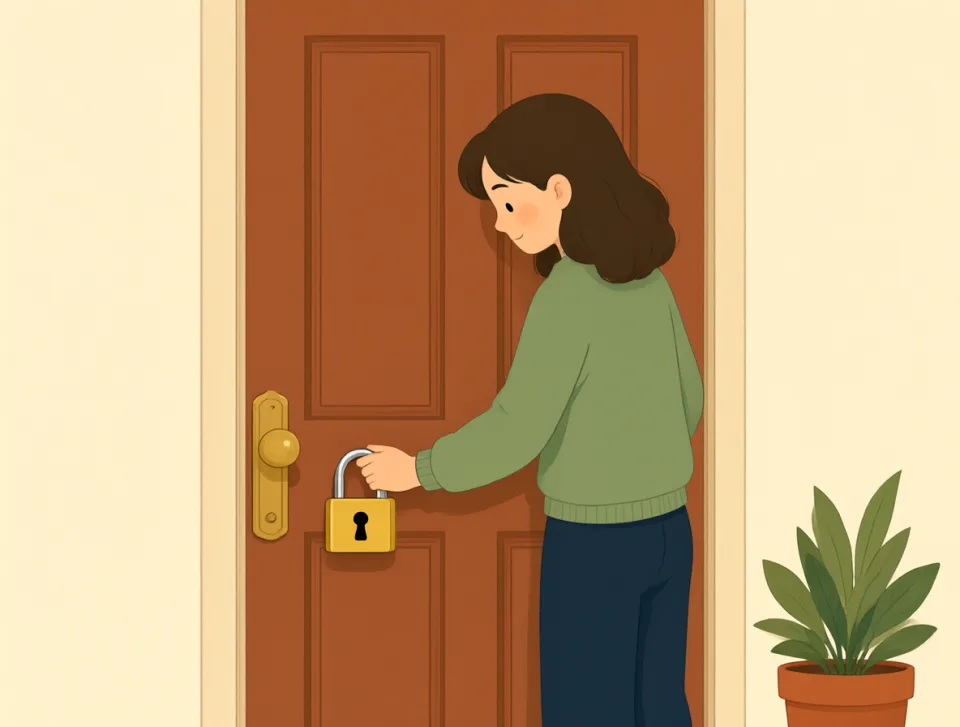
Make sure you lock the door.
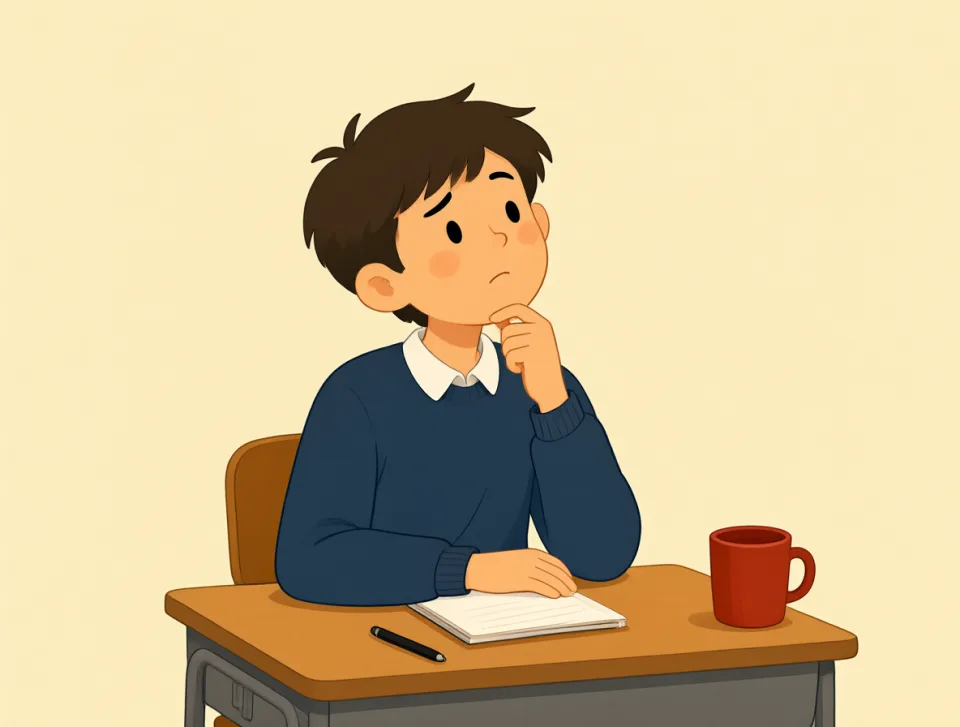
He is not sure about the answer.
term
#280noun, verb
A word or phrase, a fixed period, or a condition in an agreement.
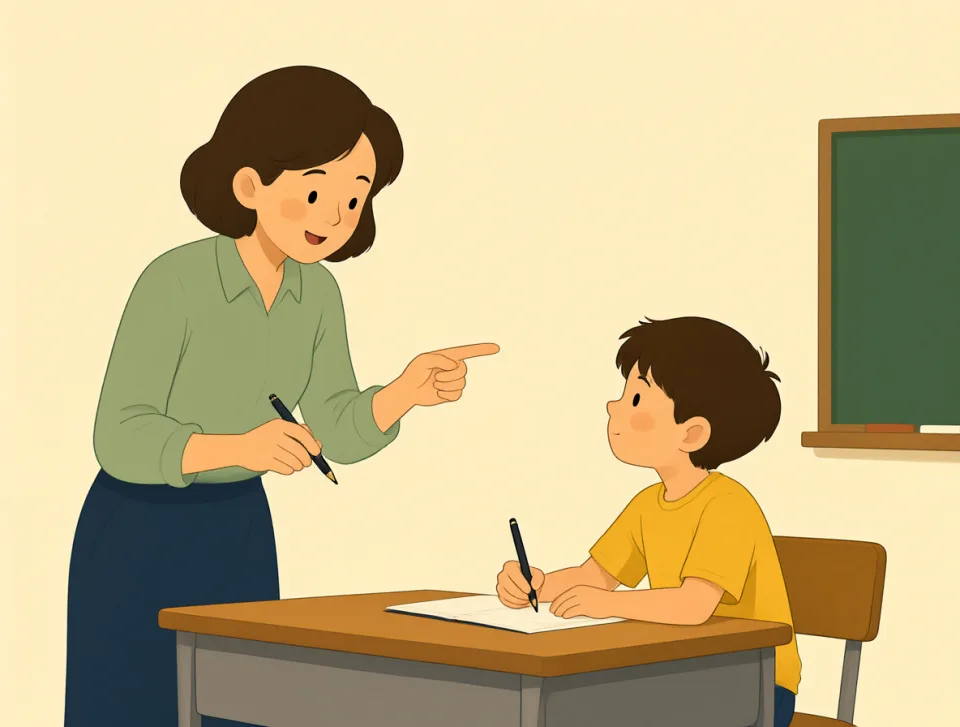
Please explain this term in simple English.
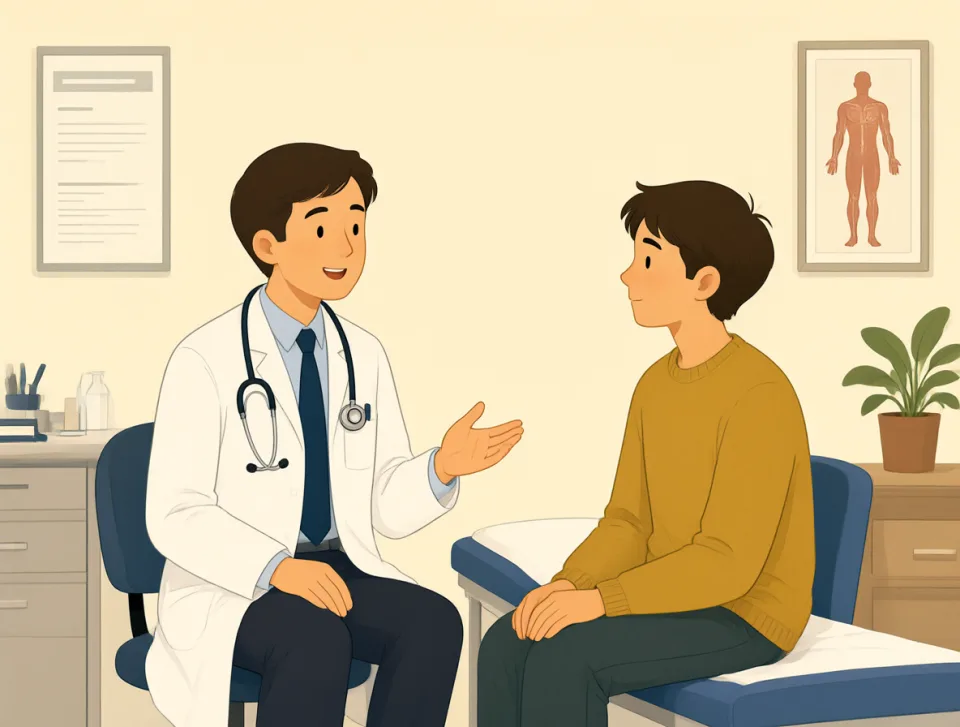
The doctor used a medical term I knew.
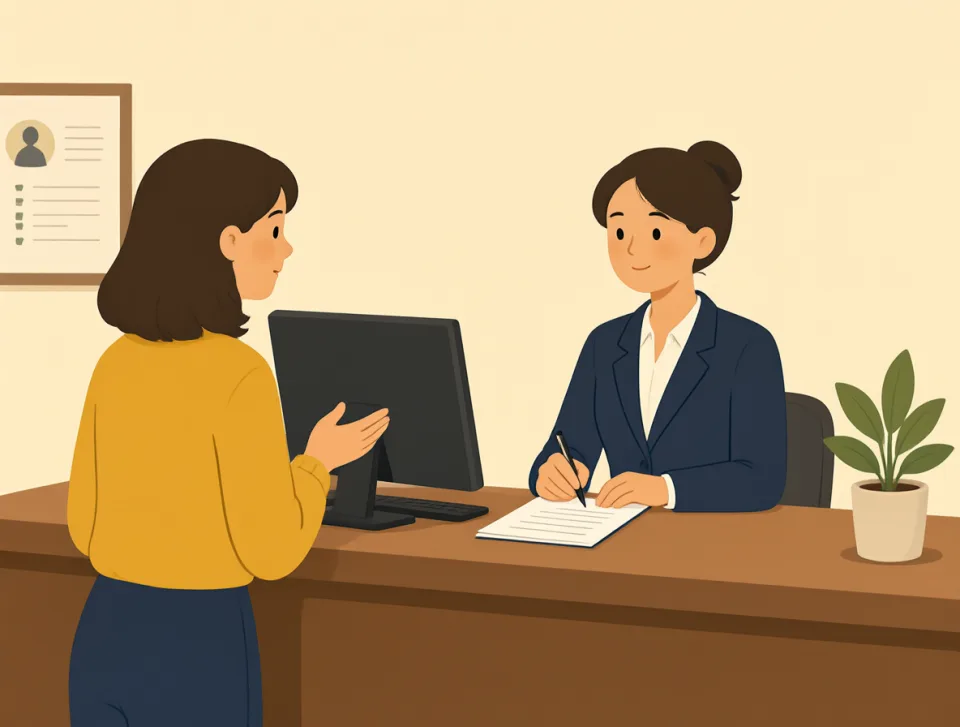
The loan must be paid in monthly terms.
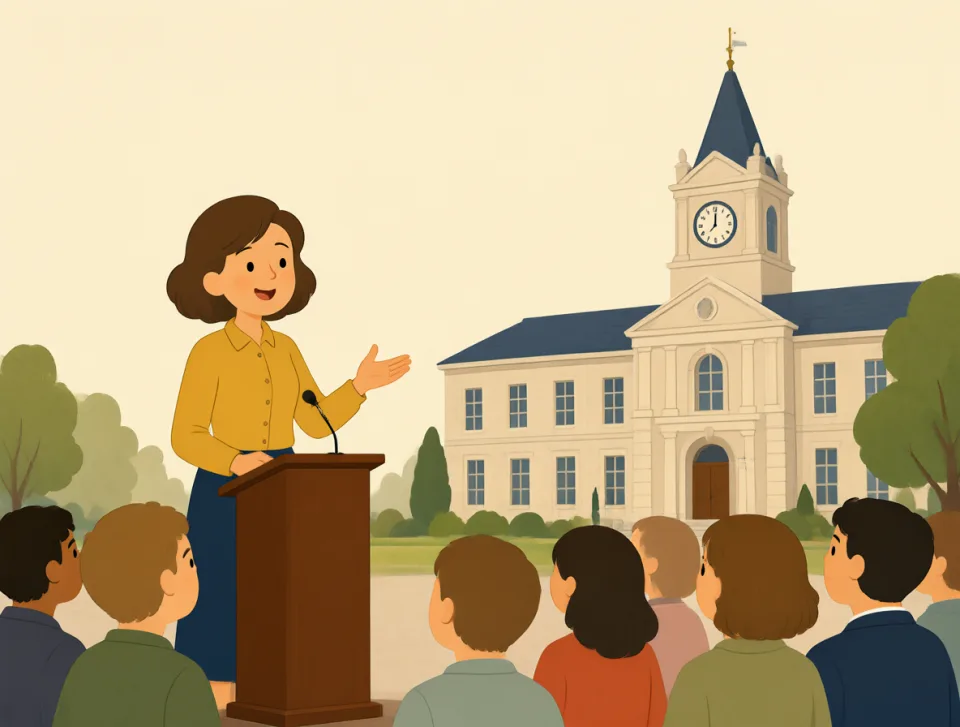
She served a two-year term as mayor.
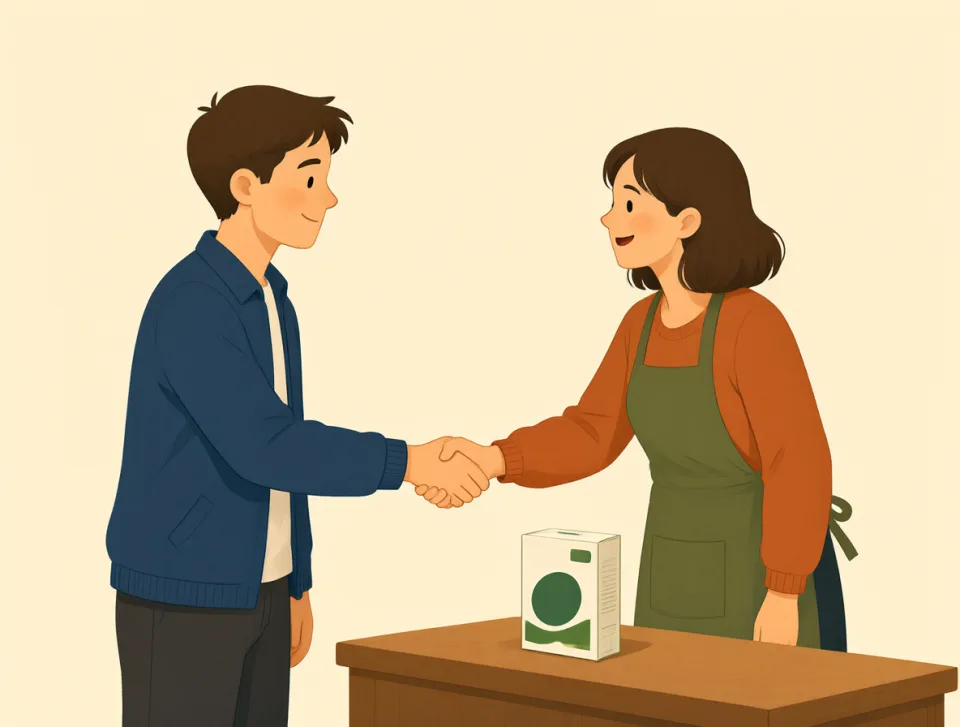
They agreed to the terms of the sale.