Блок 14
Слова 261–280 · learn, level, person, experience, once, member
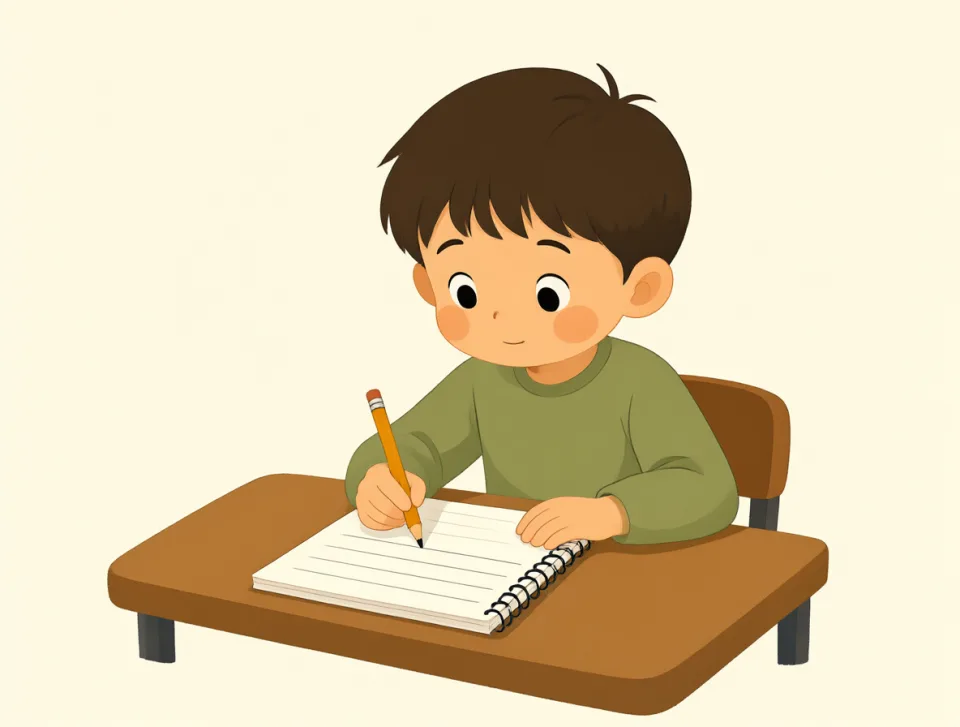
learn
#261verb
учиться
to get knowledge or a skill by studying, practicing, or experiencing something
получать знания или навыки, занимаясь, практикуясь или приобретая опыт
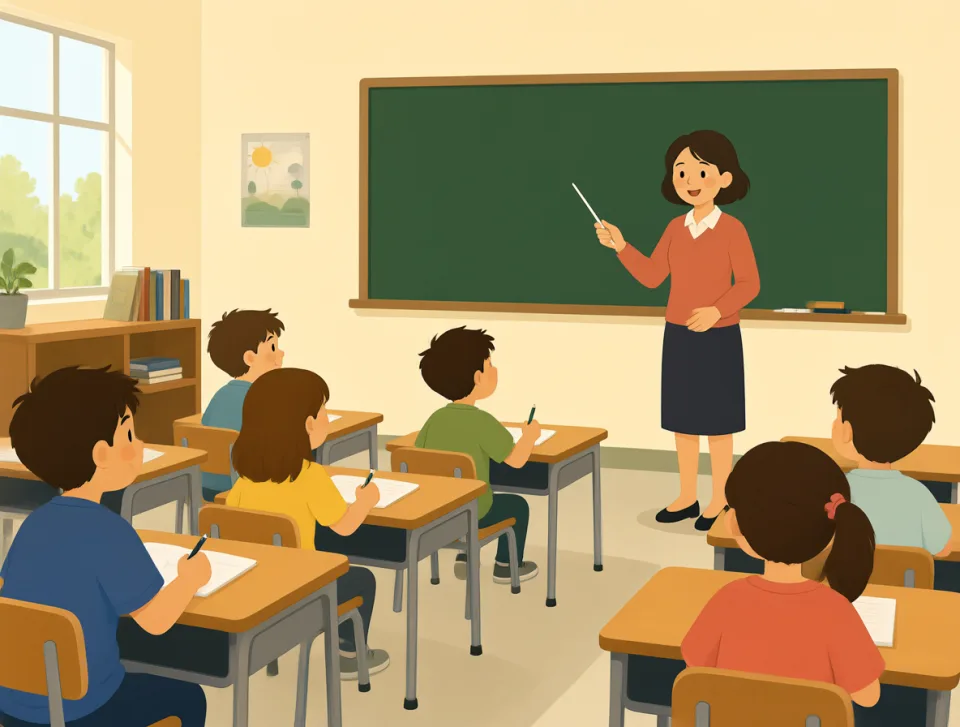
Children learn new things at school.
Дети учатся новому в школе.

I learned to cook from my mother.
Я научился готовить у мамы.
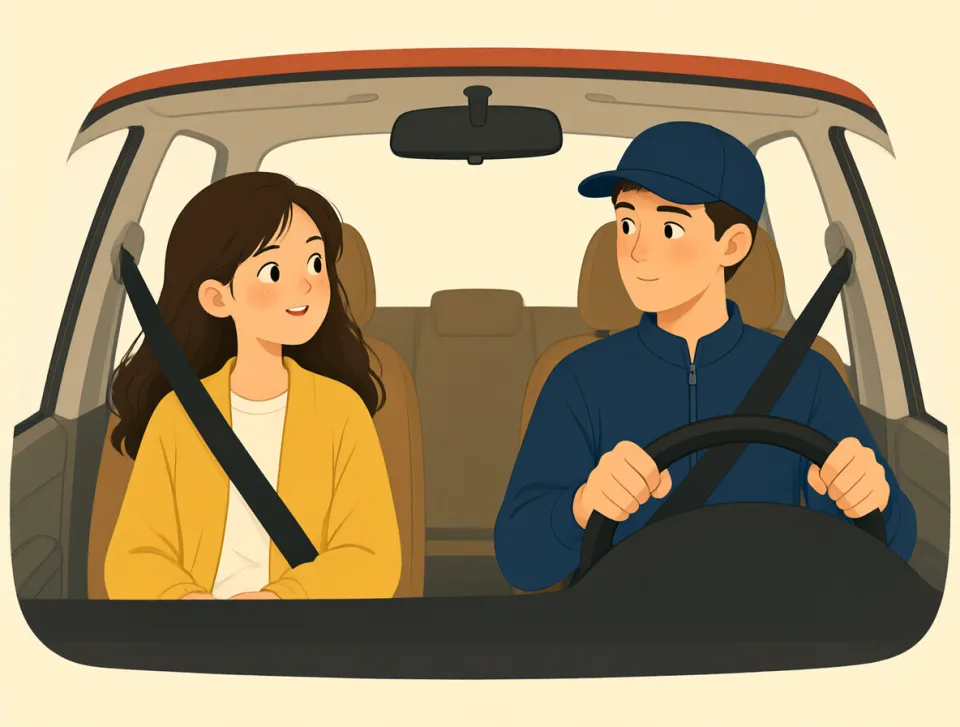
She is learning how to drive.
Она учится водить машину.
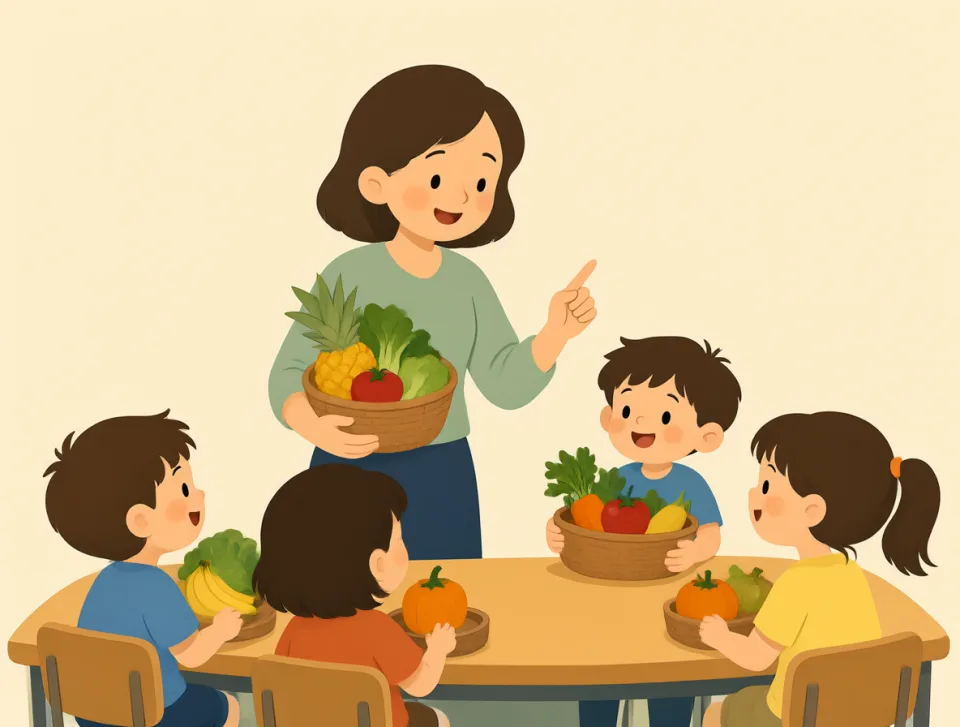
We learned about healthy food today.
Сегодня мы узнали о здоровом питании.
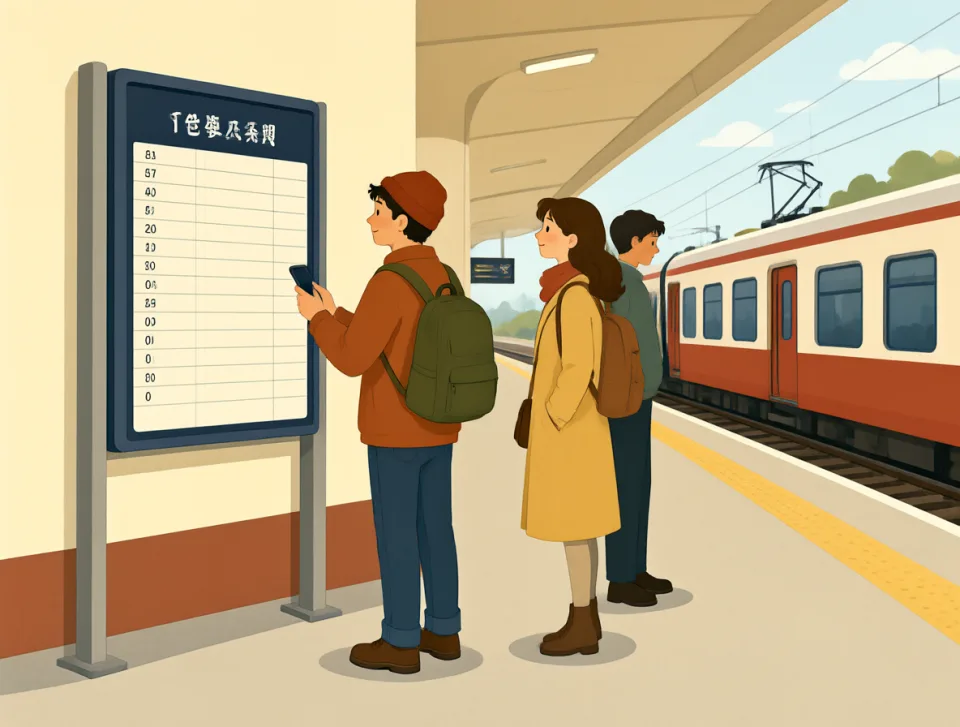
He learned the train was late.
Он узнал, что поезд опаздывает.

level
#262noun, verb, adjective
уровень
A position or amount that is higher, lower, or equal to another.
Положение или величина, которые выше, ниже или равны другим.
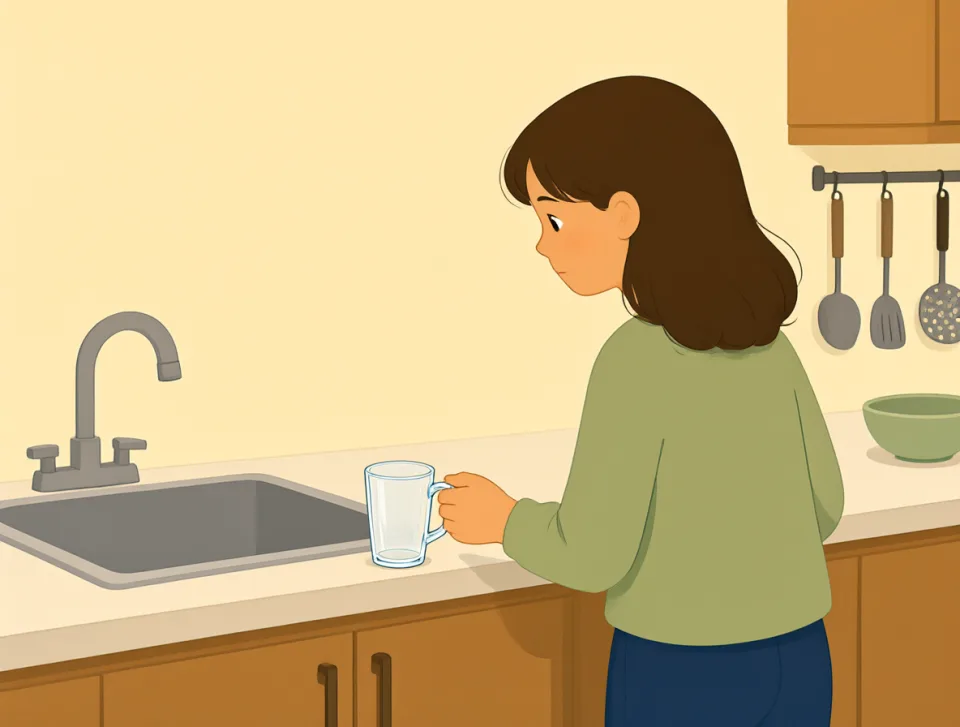
The water level is too low.
Уровень воды слишком низкий.
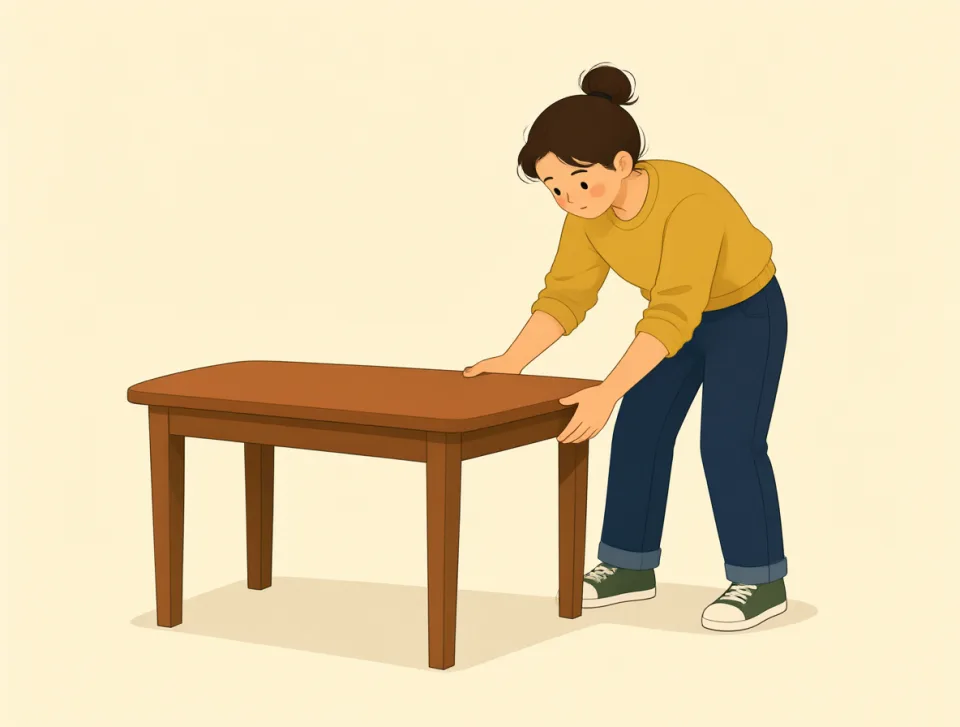
Please level the table before dinner.
Пожалуйста, выровняйте стол перед ужином.
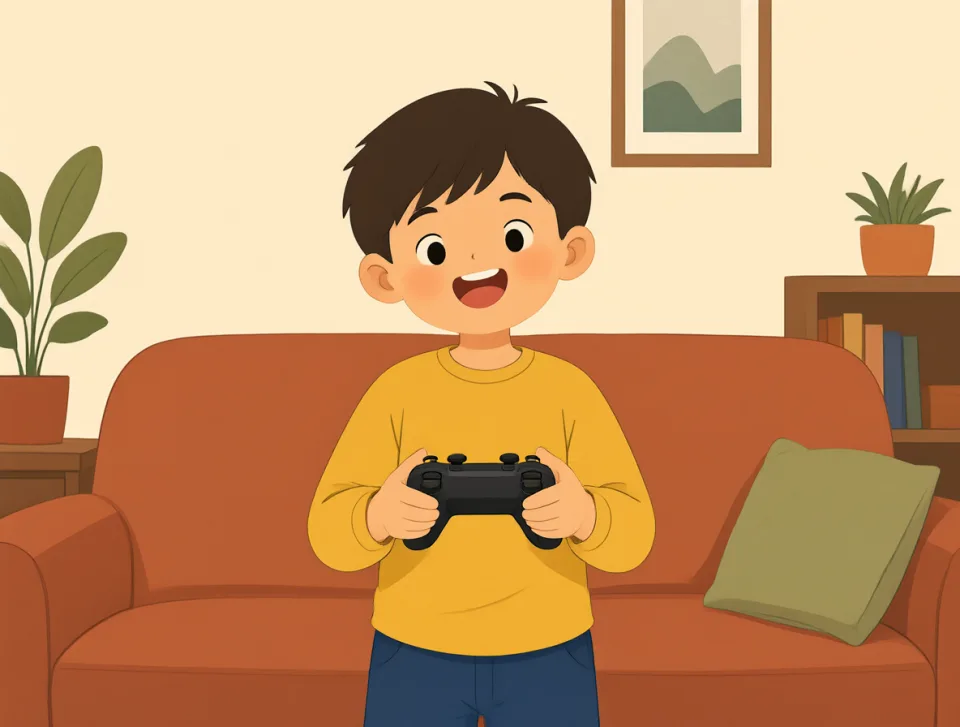
She reached the next level in the game.
Она перешла на следующий уровень в игре.

The noise level was high at work.
На работе был высокий уровень шума.

He is at an advanced level in English.
Он владеет английским на продвинутом уровне.
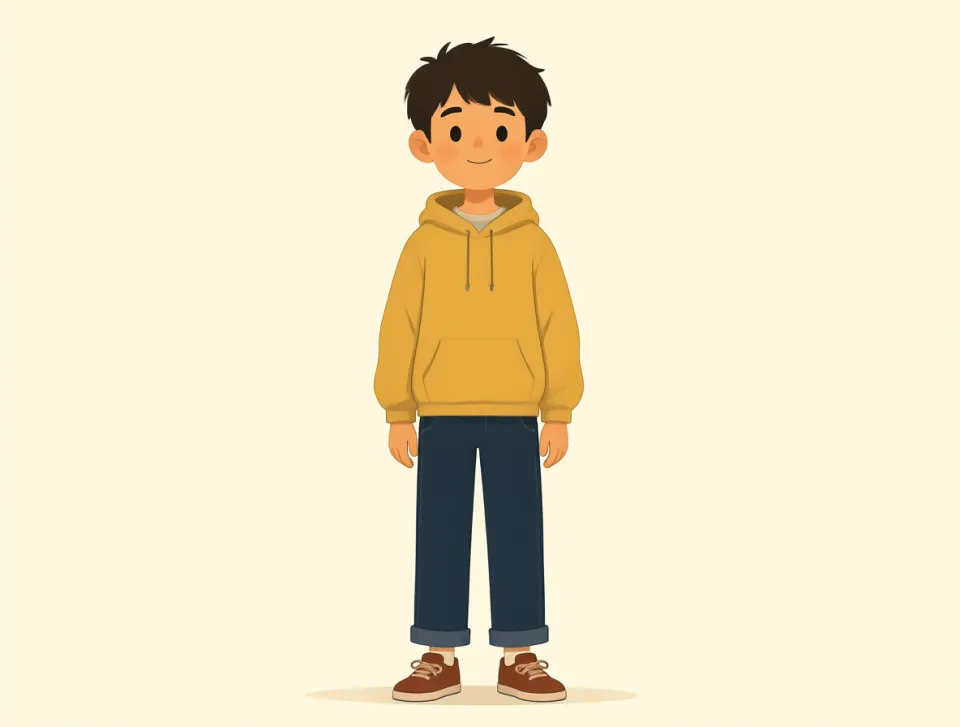
person
#263noun
человек
A human being, especially one considered as an individual.
Человеческое существо, особенно рассматриваемое как отдельная личность.
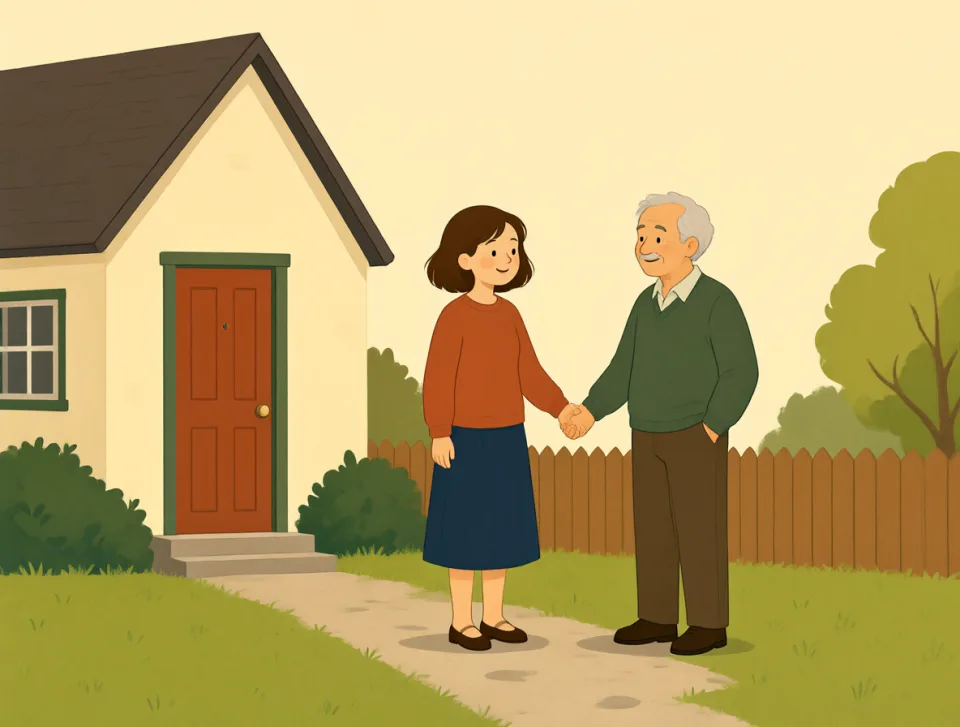
That person is my new neighbor.
Этот человек — мой новый сосед.

One person called the doctor for help.
Один человек вызвал врача на помощь.

She is the right person for this job.
Она — подходящий человек для этой работы.

A kind person helped me carry my bags.
Добрый человек помог мне донести сумки.
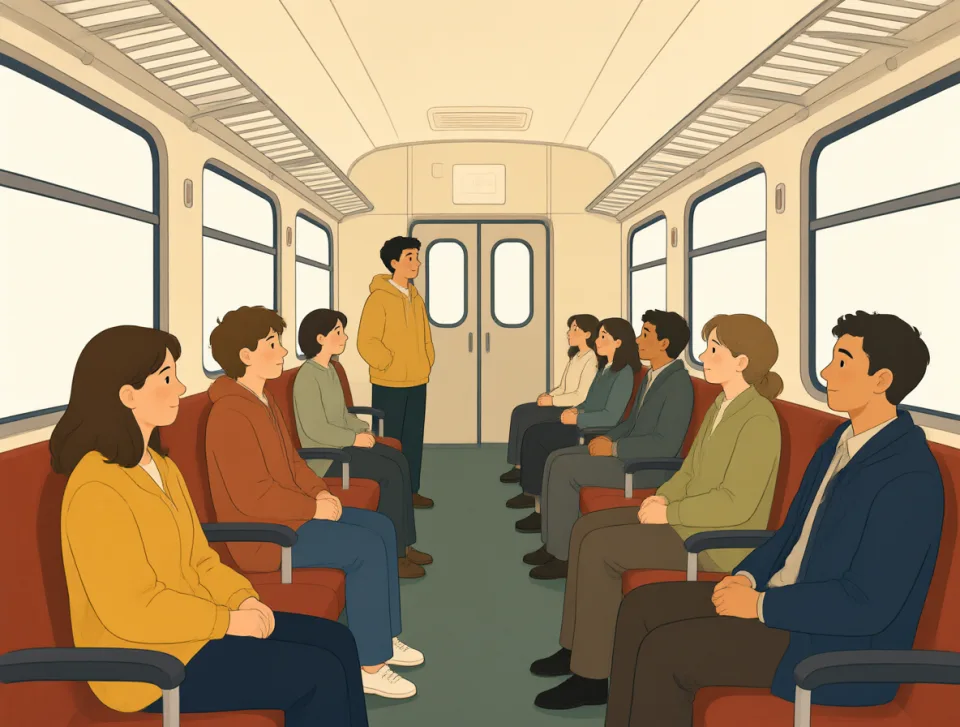
There were many people on the train.
В поезде было много людей.

experience
#264noun, verb
опыт
Knowledge or skill gained by doing something; to have something happen to you.
Знания или навыки, полученные благодаря занятиям; пережить или испытать что-либо.
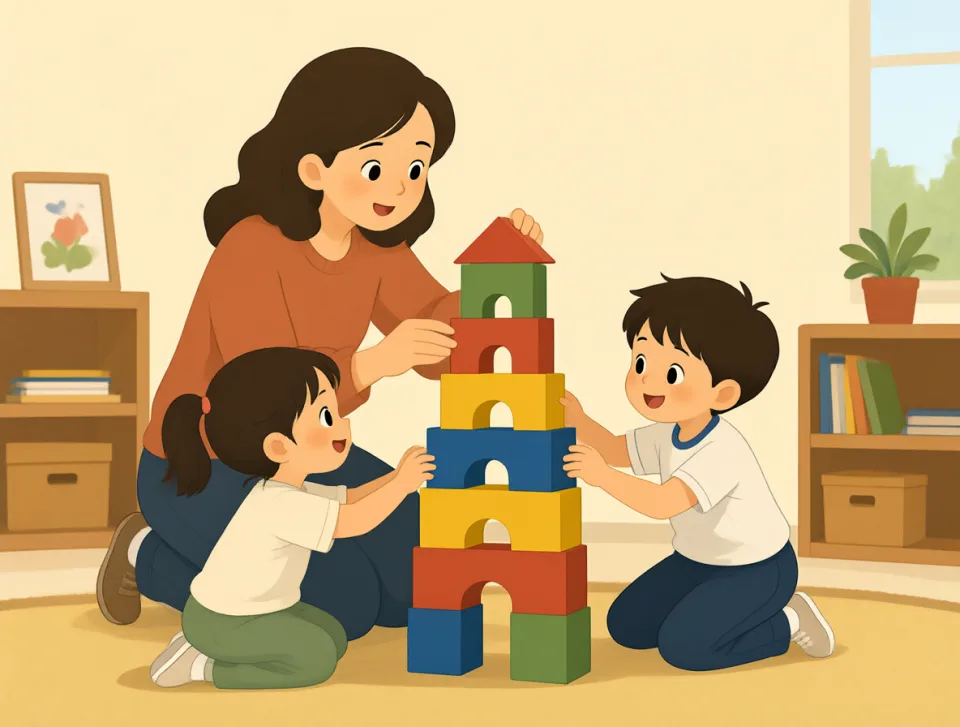
She has experience working with young children.
У неё есть опыт работы с маленькими детьми.

This trip was a wonderful experience for us.
Эта поездка стала для нас замечательным опытом.
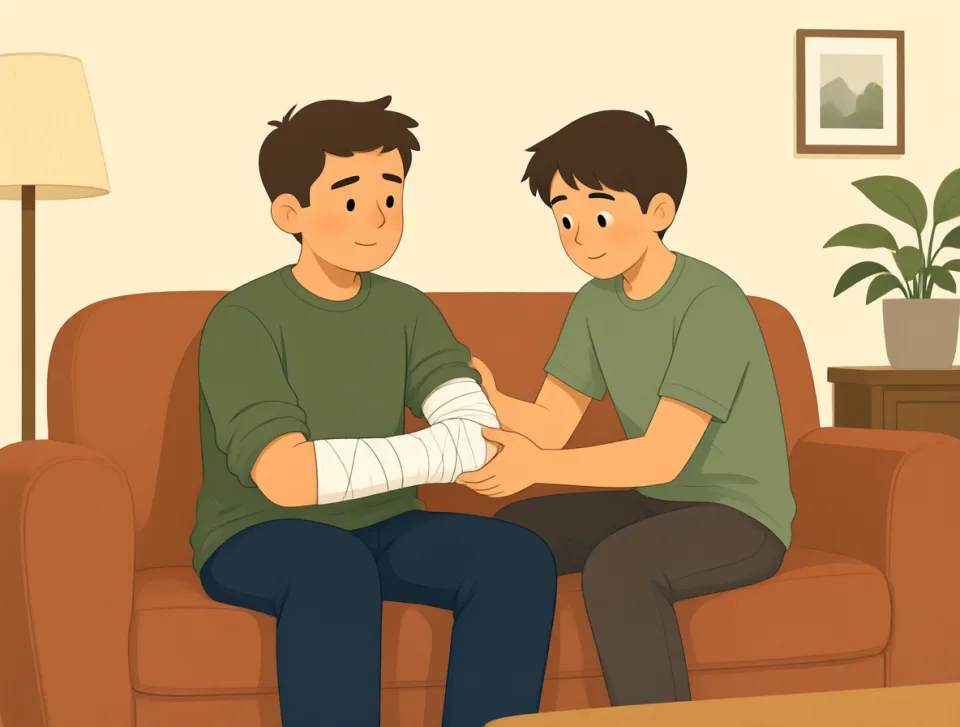
He experienced severe pain after the accident.
После аварии он испытал сильную боль.
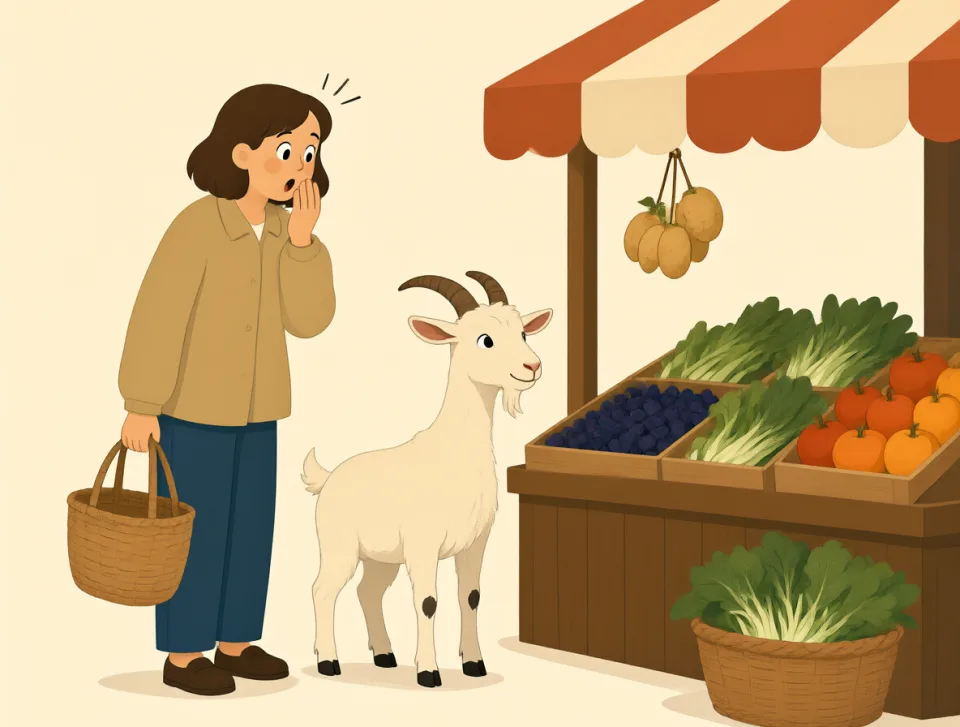
I had a strange experience at the market.
На рынке со мной случилось нечто странное.
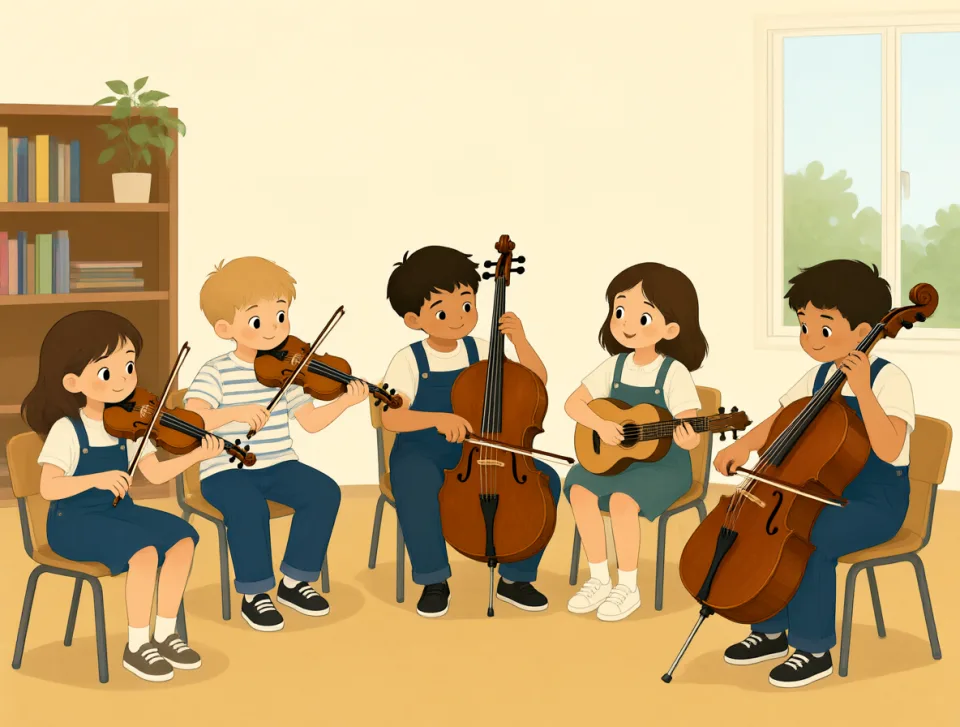
Students gain experience through practice.
Студенты приобретают опыт благодаря практике.

once
#265adverb, conjunction, determiner, noun
однажды
At one time in the past, or one time only.
Когда-то в прошлом или только один раз.
I once lived in a small town.
Когда-то я жил в маленьком городке.
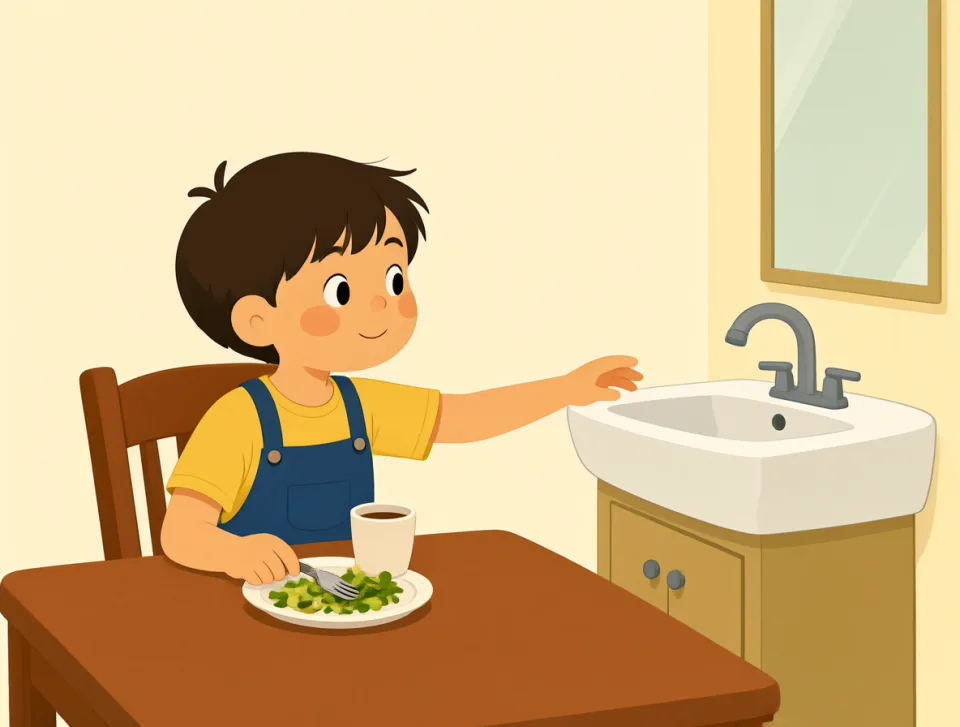
Once you finish, please wash your hands.
Когда закончите, пожалуйста, вымойте руки.

I have visited Paris once.
Я однажды побывал в Париже.

Once a week, we buy fresh vegetables.
Раз в неделю мы покупаем свежие овощи.
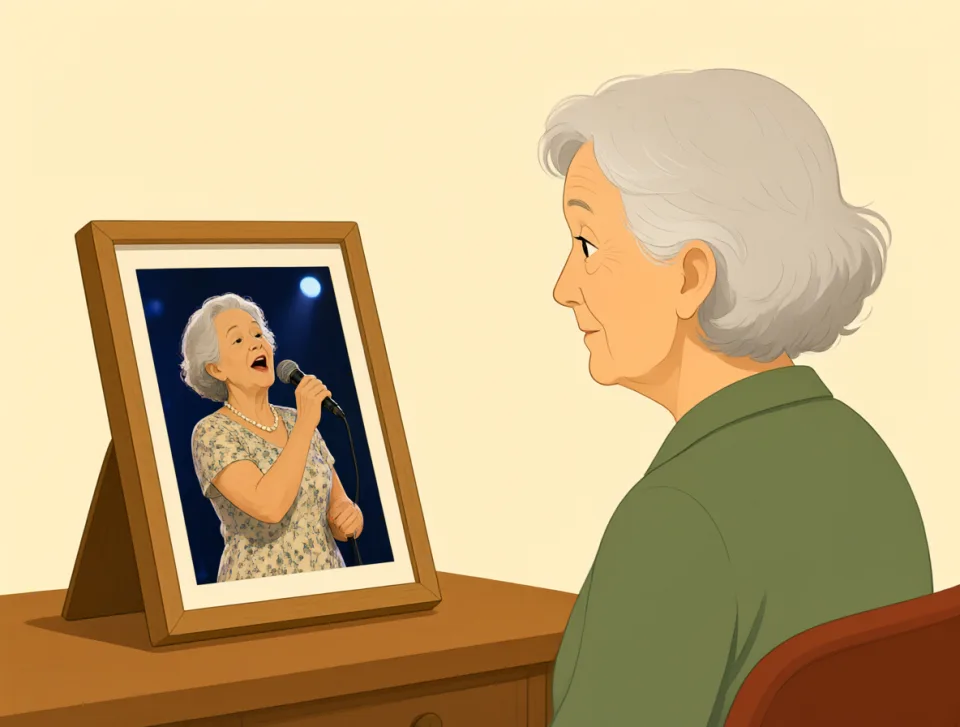
She was a famous singer once.
Когда-то она была известной певицей.
member
#266noun
участник
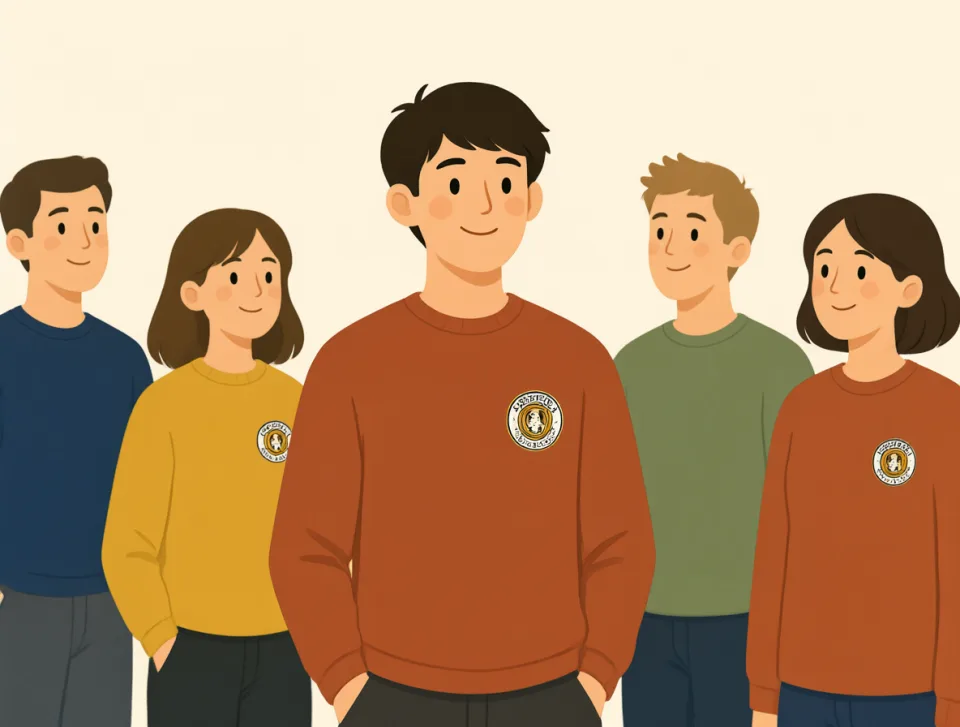
a person who belongs to a group, club, or organization
Человек, который входит в группу, клуб или организацию.
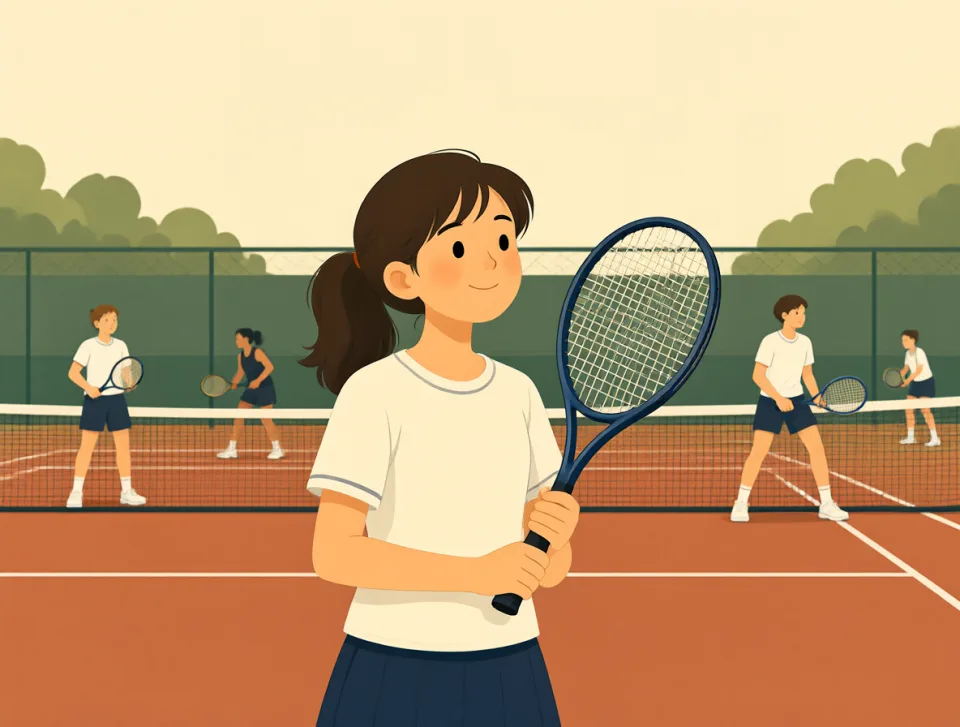
She is a member of our tennis club.
Она состоит в нашем теннисном клубе.
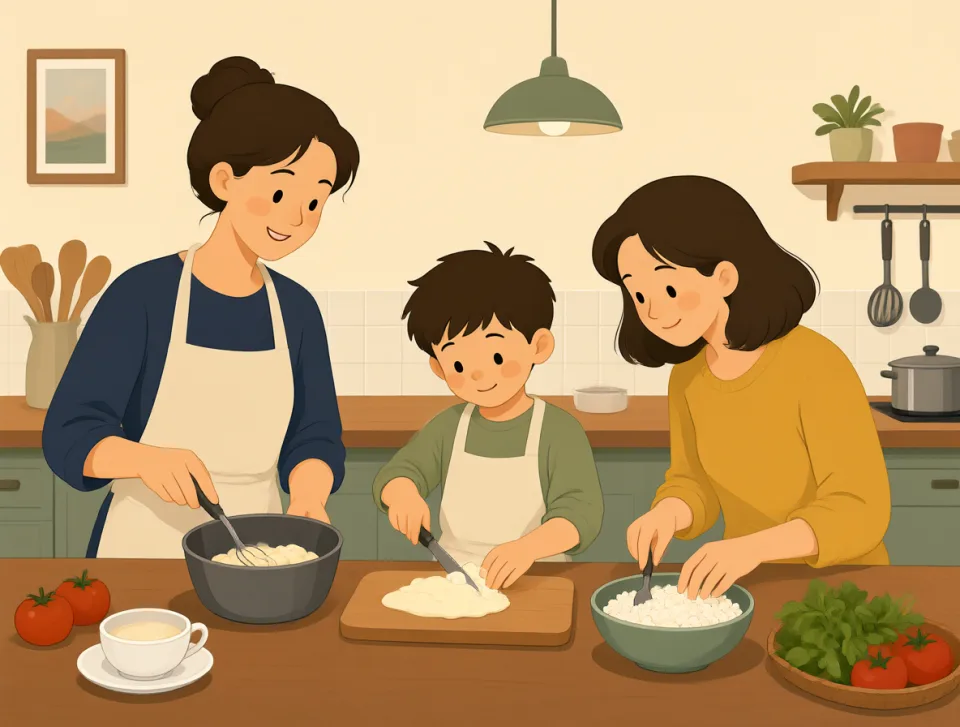
Every family member helped cook dinner.
Каждый член семьи помог приготовить ужин.

He became a member of the school team.
Он стал участником школьной команды.
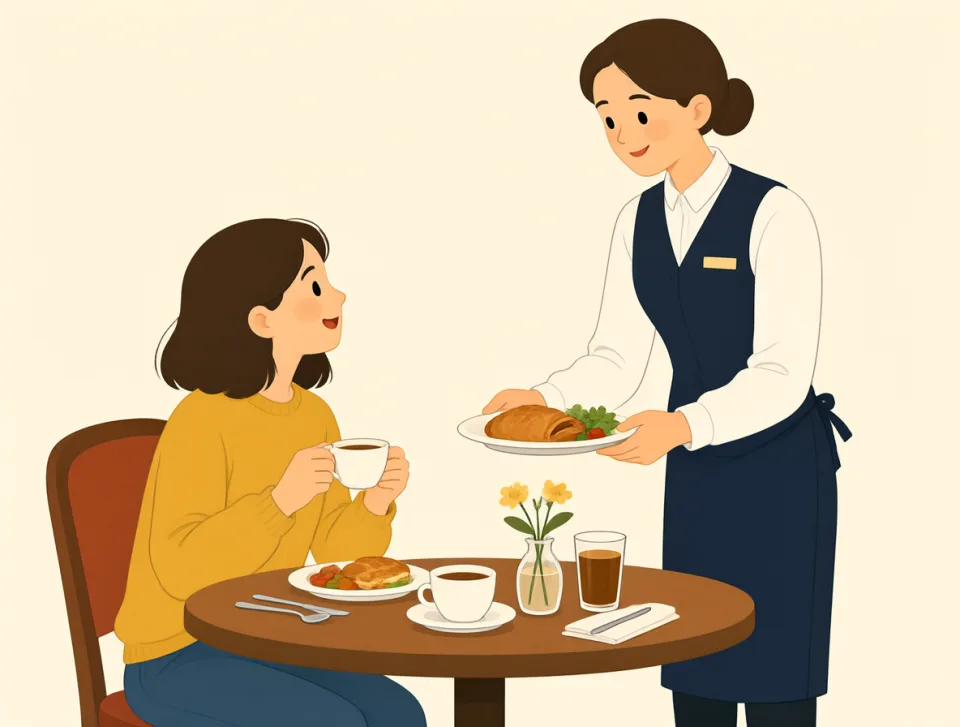
The hotel member received a free breakfast.
Участник программы лояльности отеля получил бесплатный завтрак.
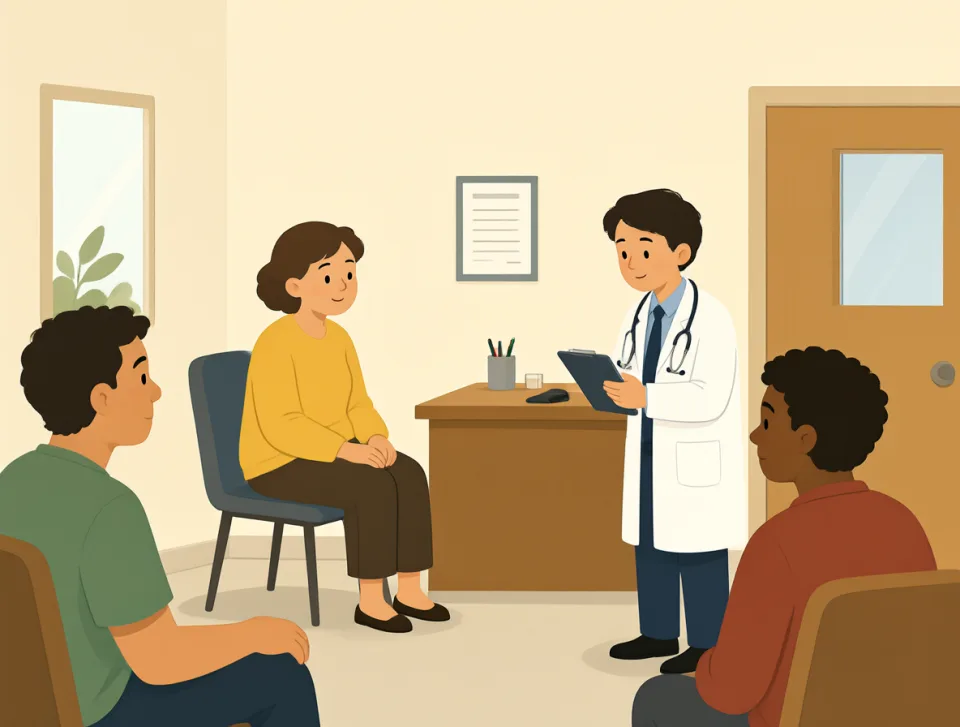
The doctor checked each member of the group.
Врач осмотрел каждого участника группы.

enough
#267adjective, adverb, pronoun, determiner
достаточно
As much or as many as needed.
Столько, сколько нужно.
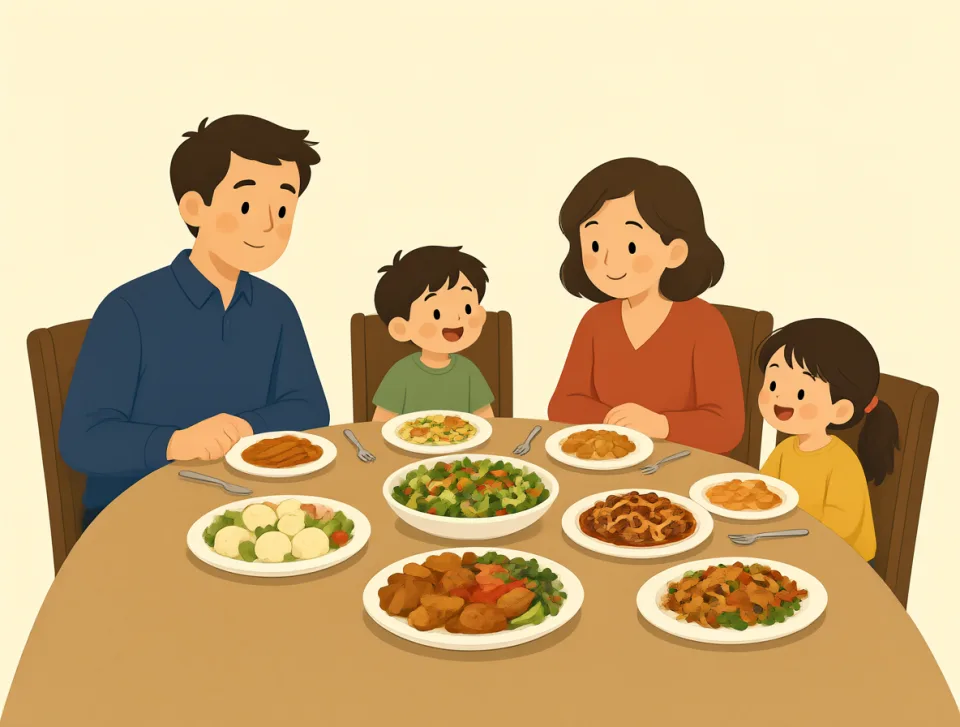
Do we have enough food for everyone?
У нас хватит еды на всех?
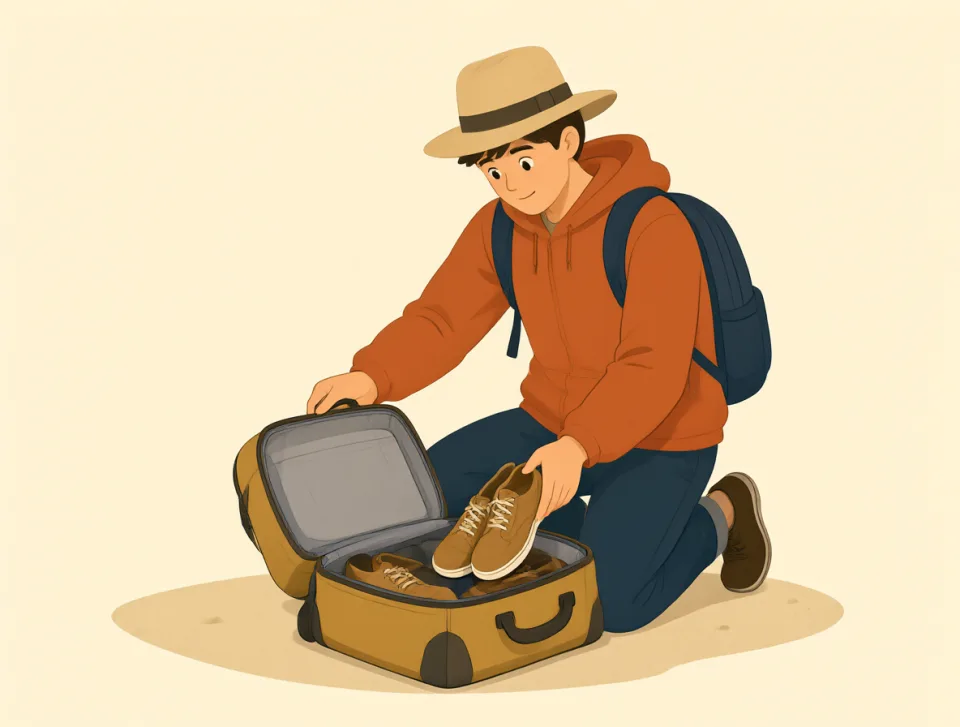
This bag is big enough for my shoes.
Эта сумка достаточно большая, чтобы вместить мою обувь.
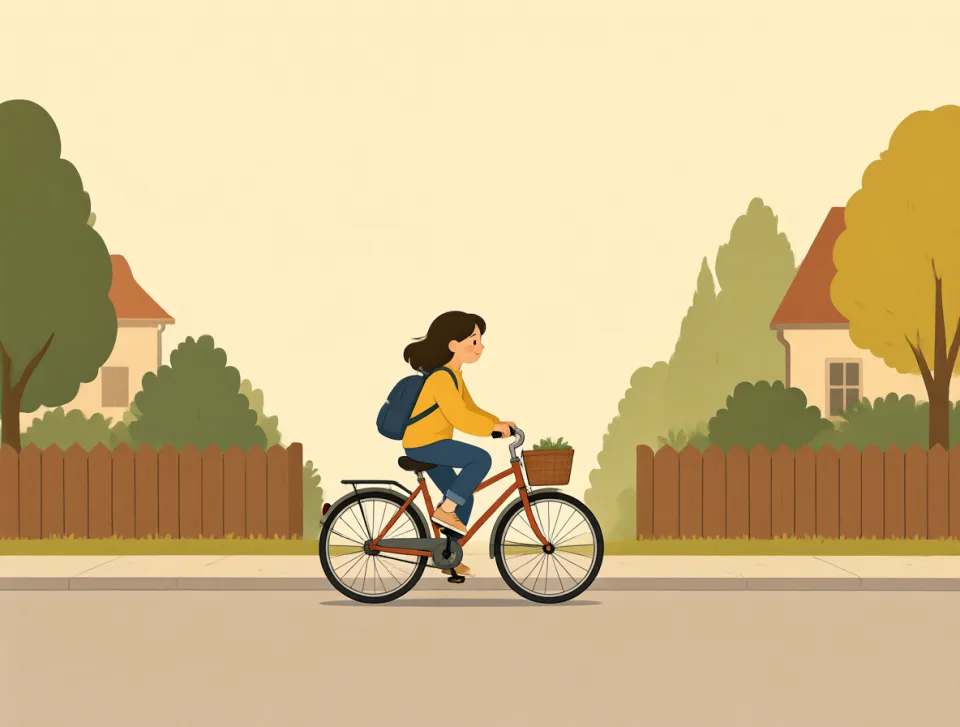
She is old enough to ride alone.
Она уже достаточно взрослая, чтобы ездить одна.

I did not sleep enough last night.
Прошлой ночью я мало спал.

Are you warm enough in that jacket?
В этой куртке тебе достаточно тепло?
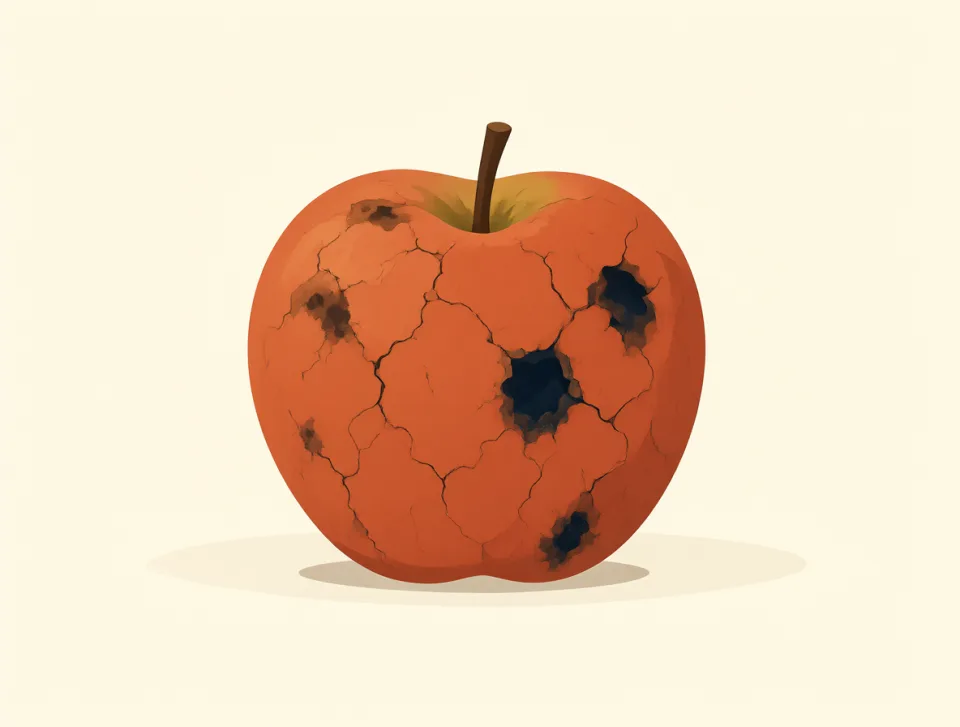
bad
#268adjective, noun
плохой
Not good, pleasant, safe, or morally right.
Такой, который не является хорошим, приятным, безопасным или нравственно правильным.

I had a bad day at work.
У меня был плохой день на работе.
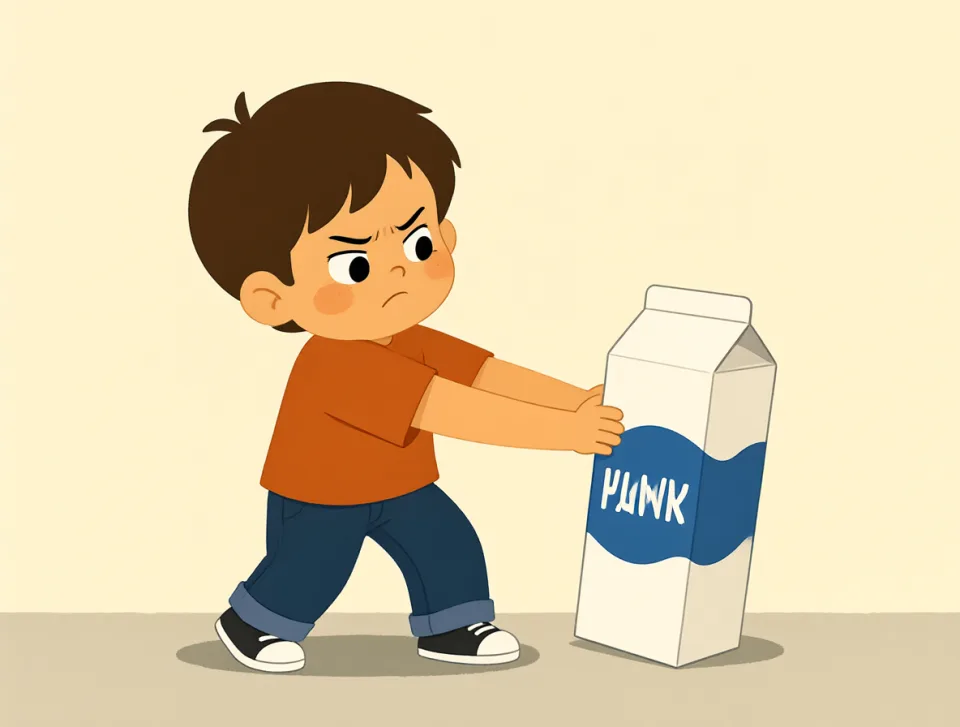
This milk smells bad.
От этого молока плохо пахнет.
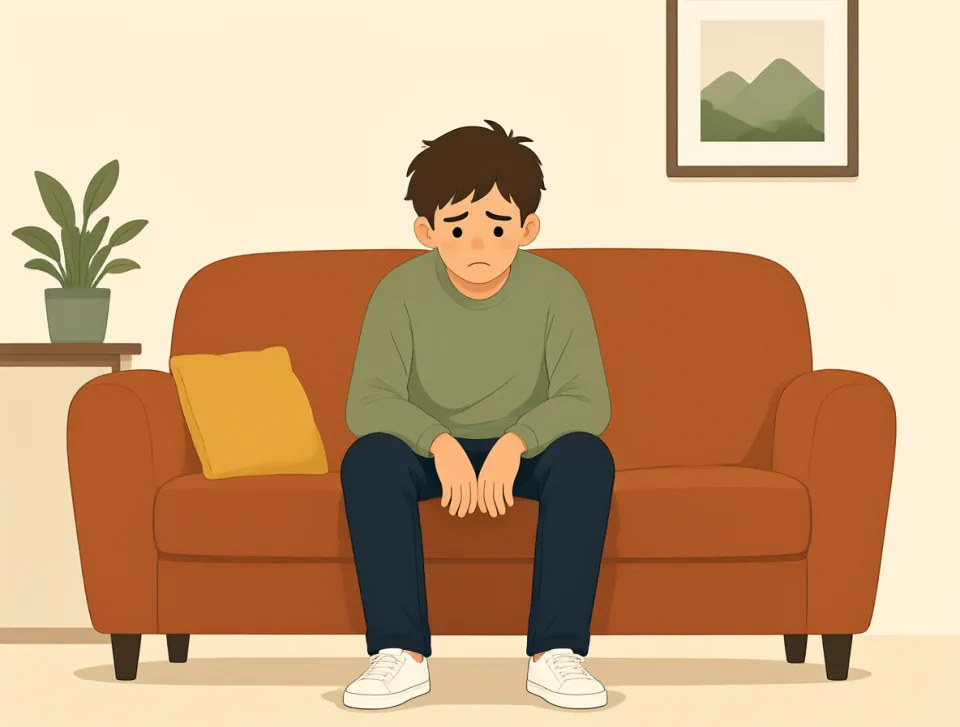
He felt bad after the argument.
После ссоры он чувствовал себя виноватым.

The weather was bad during our trip.
Во время нашей поездки стояла плохая погода.
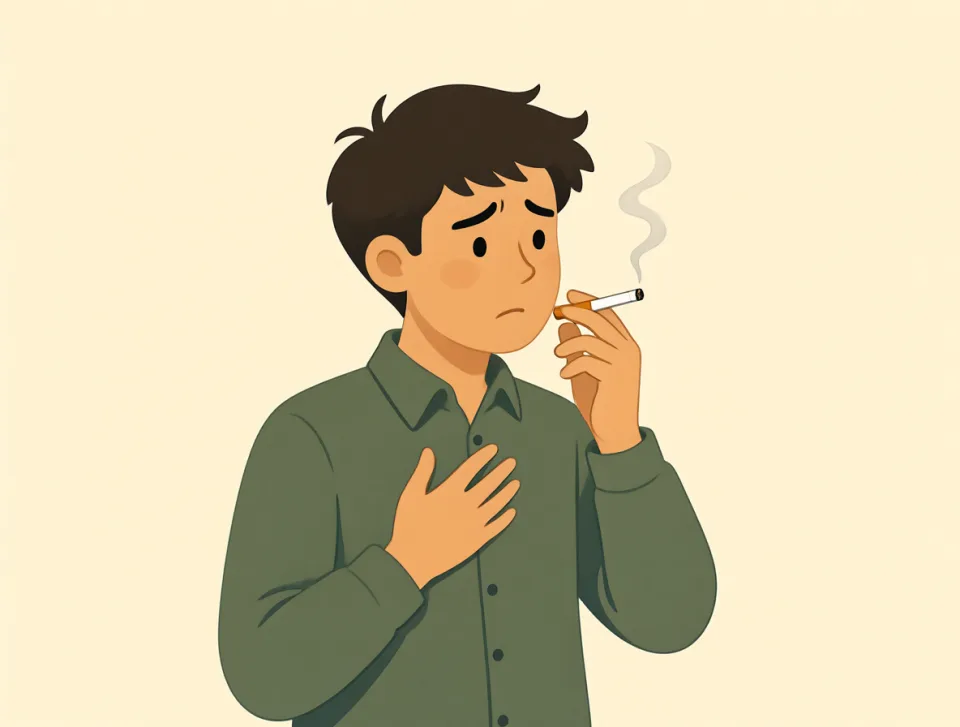
Smoking is bad for your health.
Курение вредно для здоровья.

city
#269noun
город
A large place where many people live, work, and visit.
Крупное место, где живёт и работает много людей и куда приезжают посетители.

She lives in a big city.
Она живёт в большом городе.
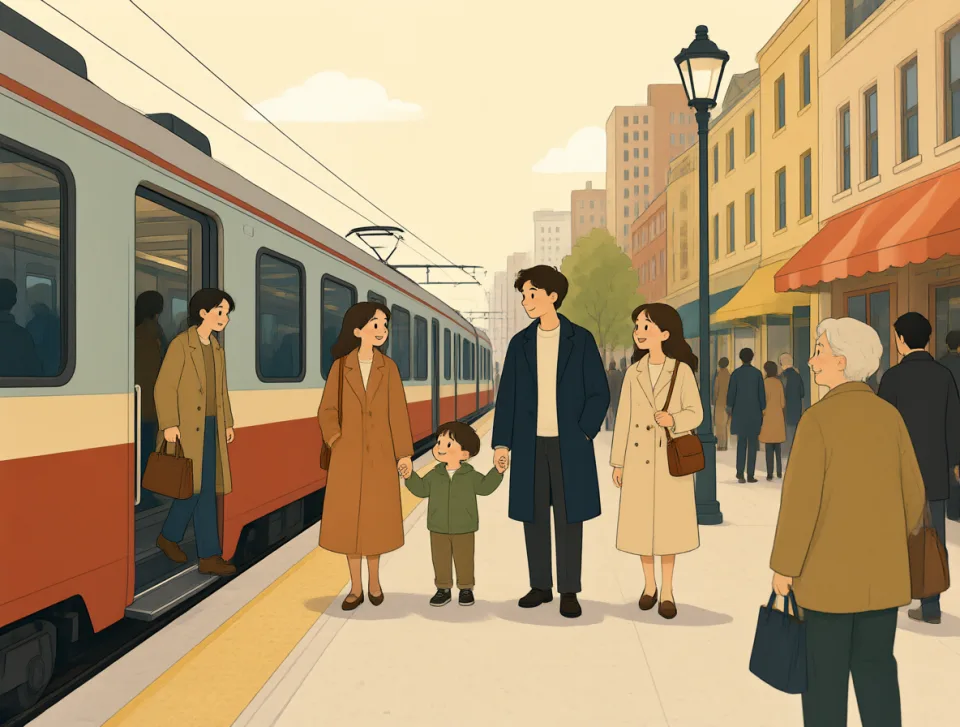
We took a train to the city.
Мы поехали в город на поезде.

The city has many good restaurants.
В городе много хороших ресторанов.

He works in the city center.
Он работает в центре города.

The children visited the city museum.
Дети посетили городской музей.

night
#270noun
ночь
The time when it is dark outside, from evening until morning.
Время, когда на улице темно: от вечера до утра.

I read a book before bed at night.
Перед сном я читаю книгу по вечерам.

We walked home together late last night.
Прошлой ночью мы поздно вместе шли домой.

The baby slept well all night.
Малыш проспал всю ночь.

She works at the hospital night shift.
Она работает в больнице в ночную смену.
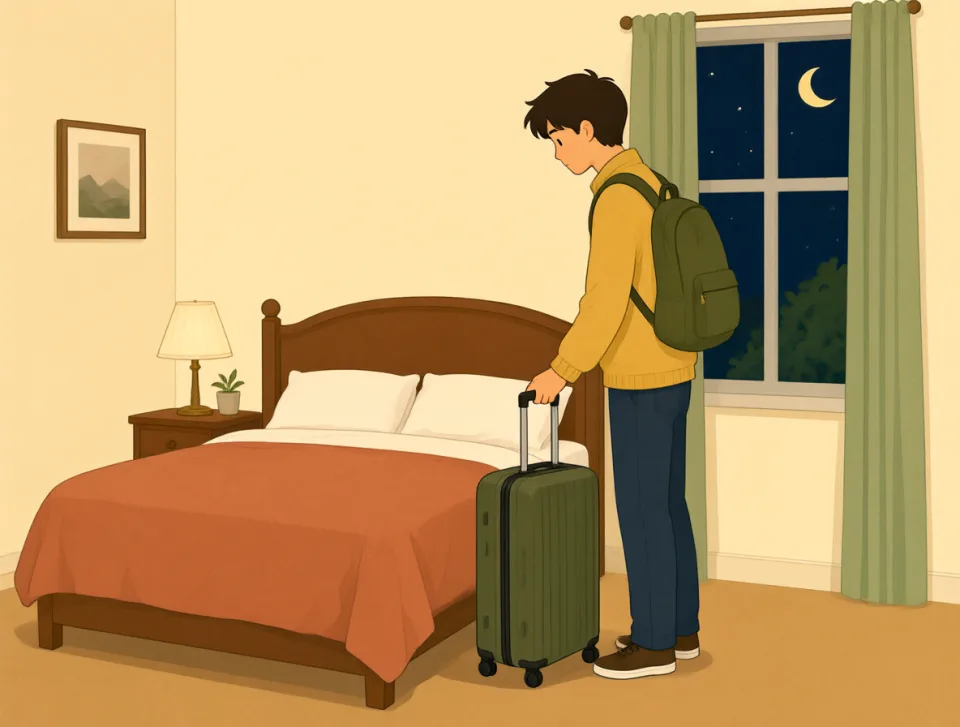
They stayed in a hotel for one night.
Они остановились в отеле на одну ночь.
able
#271adjective
способный
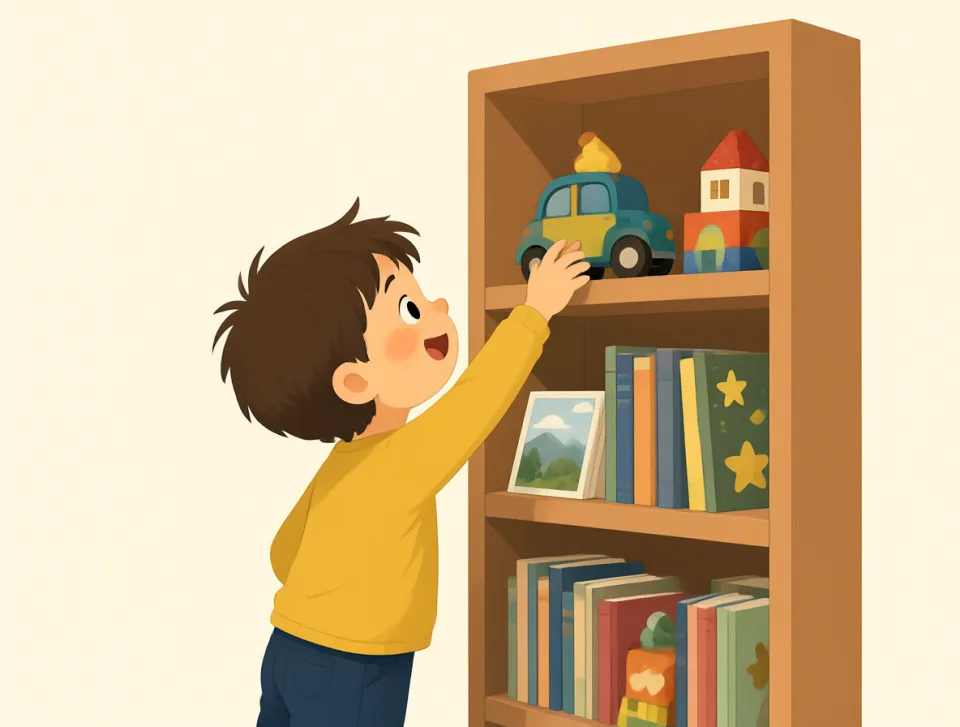
Having the skill, strength, time, or chance to do something.
Имеющий навыки, силы, время или возможность что-либо сделать.

She is able to swim very well.
Она очень хорошо умеет плавать.

Are you able to help me today?
Ты сегодня сможешь мне помочь?

He was able to finish his homework.
Ему удалось закончить домашнее задание.
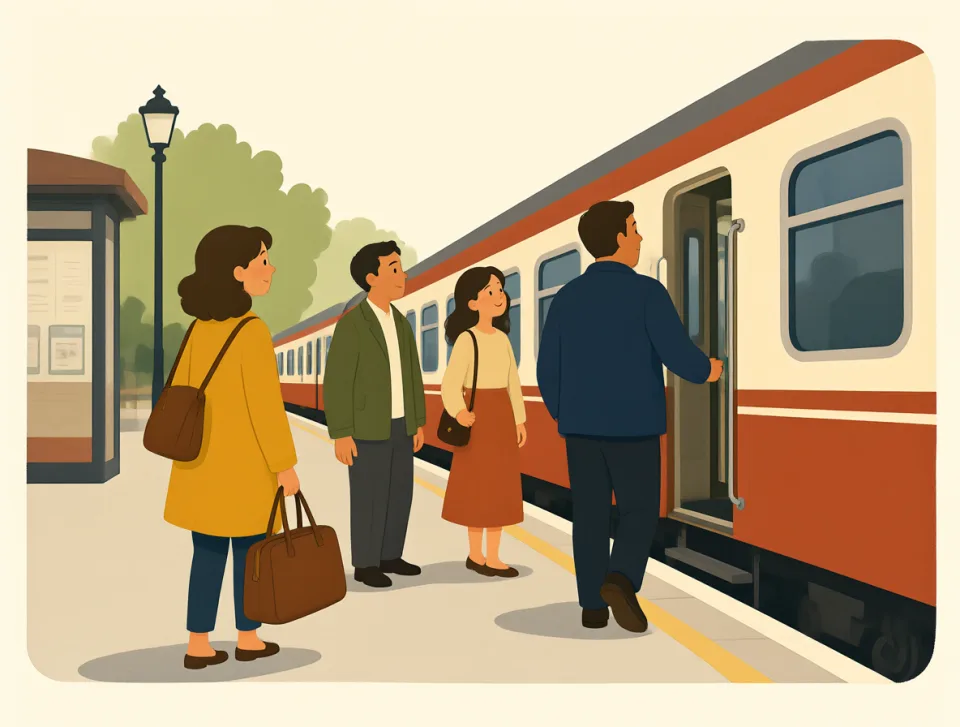
We were able to catch the early train.
Мы успели на ранний поезд.

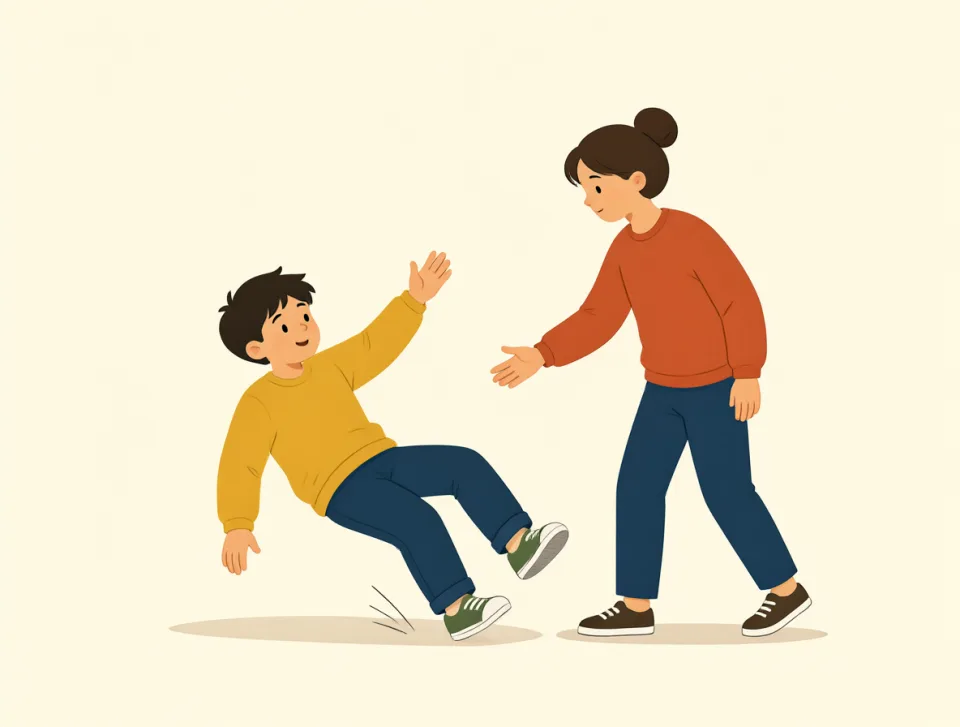
I am not able to eat dairy products.
Я не могу есть молочные продукты.
support
#272noun, verb
поддержка; поддерживать
Help or encouragement given to someone or something; to help someone or something succeed.
Помощь или ободрение, оказываемые кому-либо или чему-либо; помогать кому-либо или чему-либо добиться успеха.
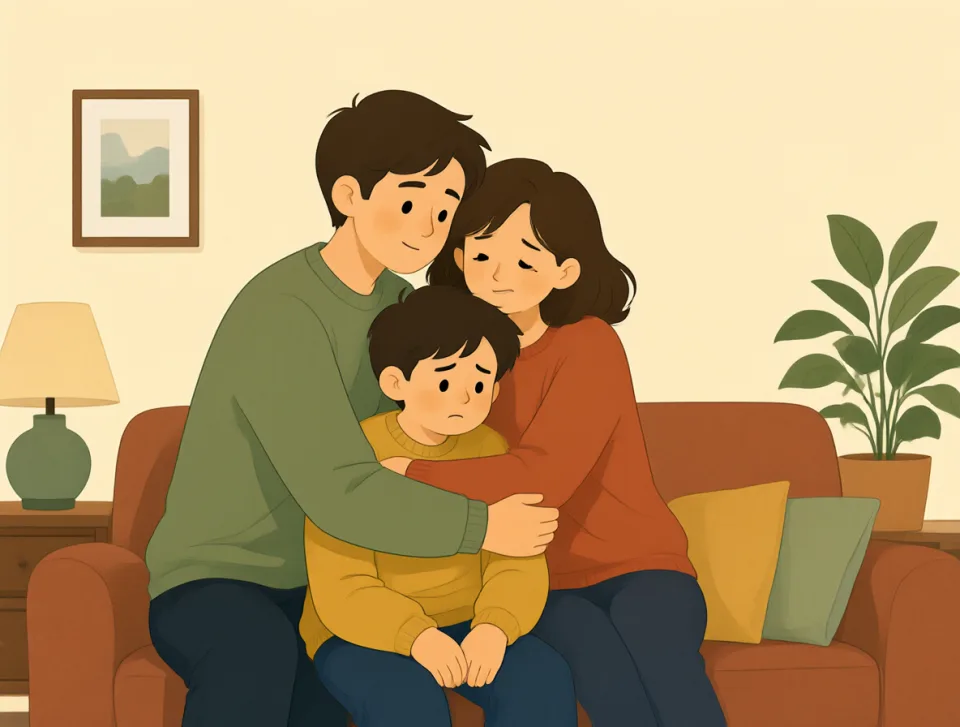
My family supports me when I feel sad.
Моя семья поддерживает меня, когда мне грустно.

These shoes support your feet while walking.
Эти туфли поддерживают стопы во время ходьбы.

Our teacher supports us during the test.
Наш учитель поддерживает нас во время контрольной.
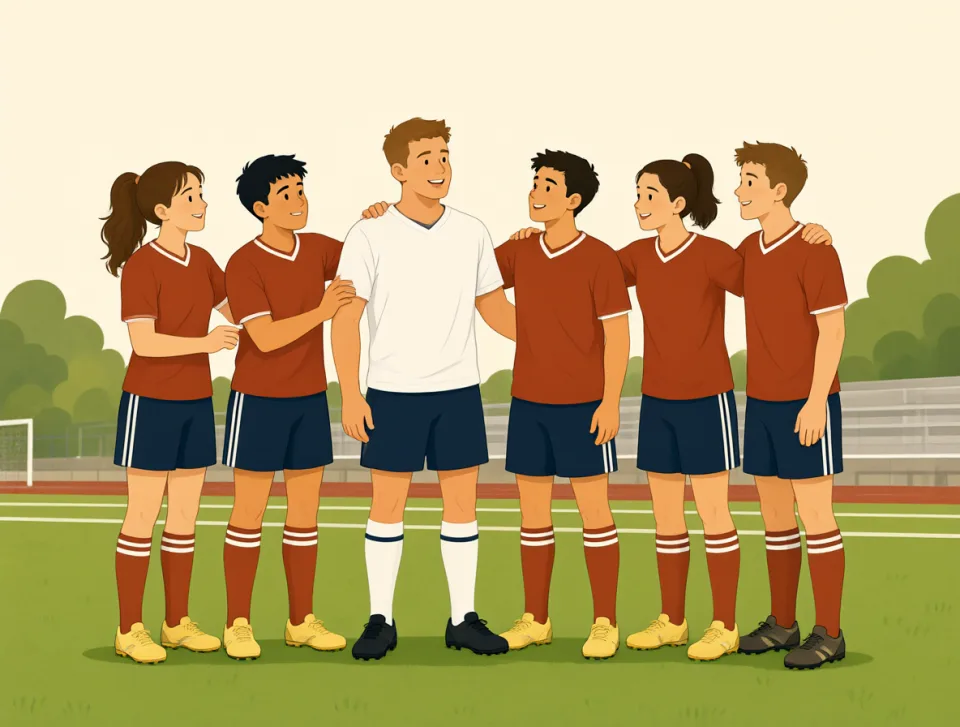
The team supported its captain after the loss.
Команда поддержала своего капитана после поражения.

This pillow supports your neck at night.
Эта подушка поддерживает шею ночью.
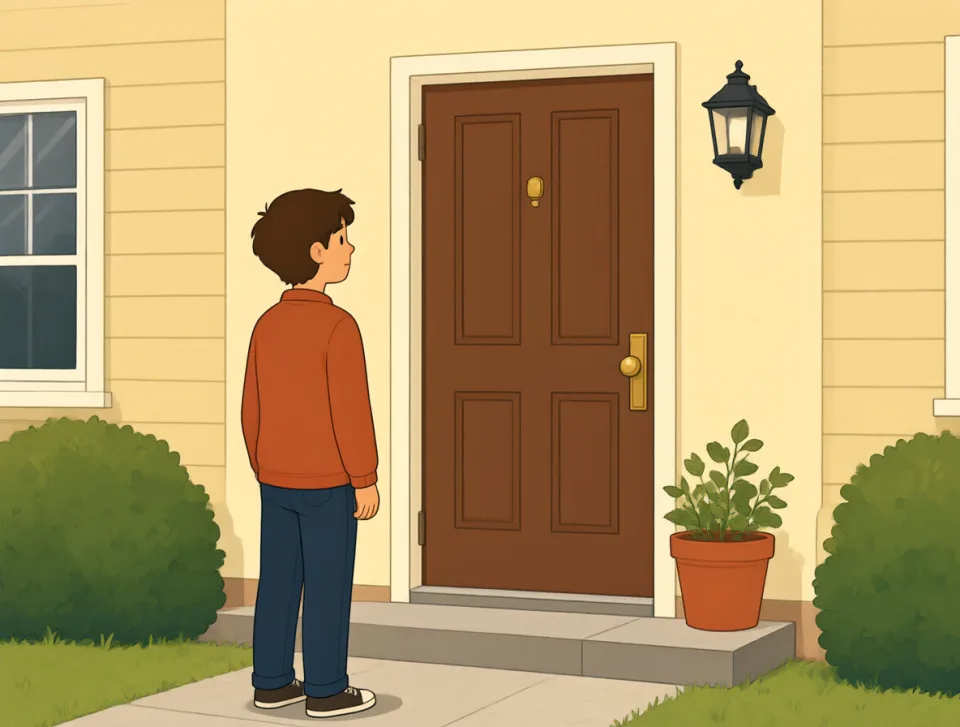
whether
#273conjunction
ли; whether — ли
Used to talk about two possible choices or situations.
Используется, чтобы говорить о двух возможных вариантах или ситуациях.
I don't know whether she is home.
Я не знаю, дома ли она.

Please tell me whether you need help.
Пожалуйста, скажите мне, нужна ли вам помощь.
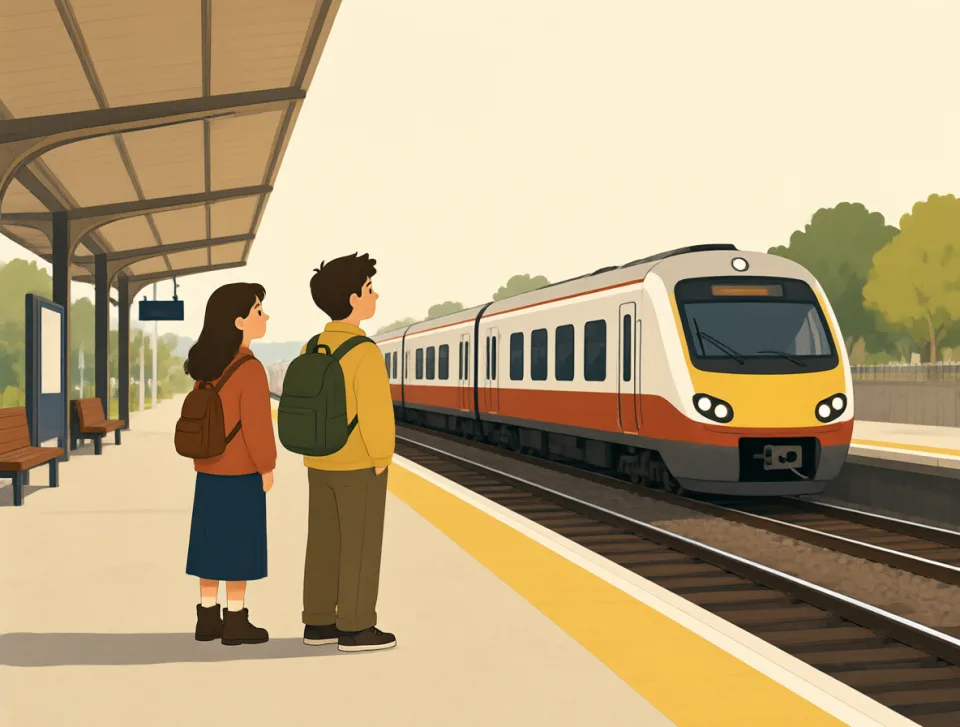
We must decide whether to take the train.
Нам нужно решить, поехать ли на поезде.

He asked whether I liked the food.
Он спросил, понравилась ли мне еда.

Check whether the door is locked.
Проверьте, заперта ли дверь.

line
#274noun, verb
линия; очередь
A long, thin mark or a row of people or things; to stand in a row.
Длинная тонкая черта или ряд людей либо предметов; стоять в ряд.
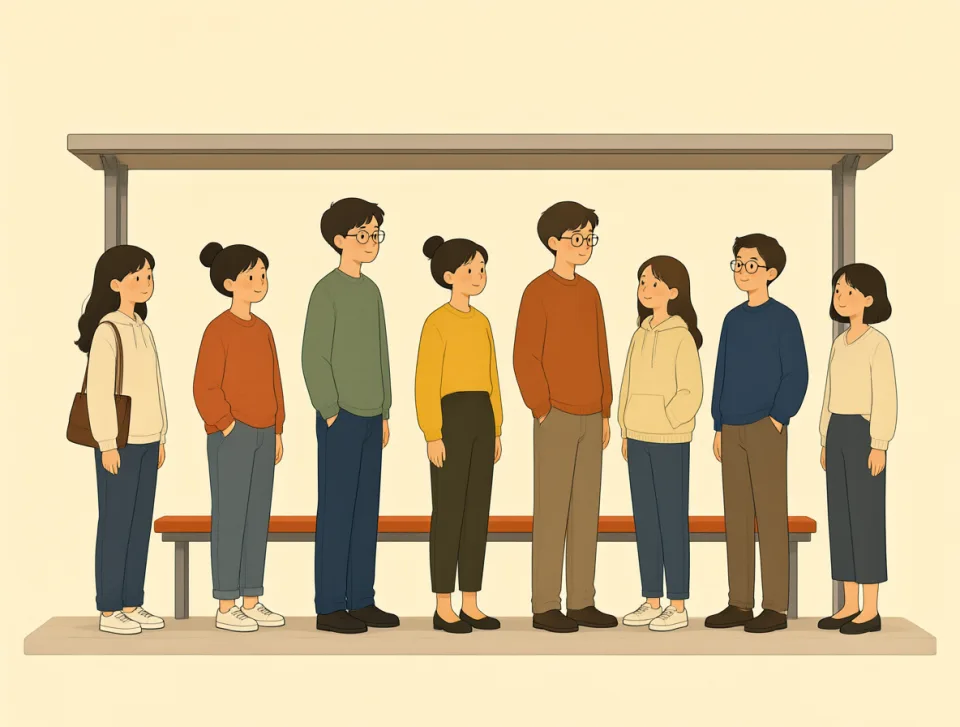
Please wait in line for the bus.
Пожалуйста, встаньте в очередь на автобус.
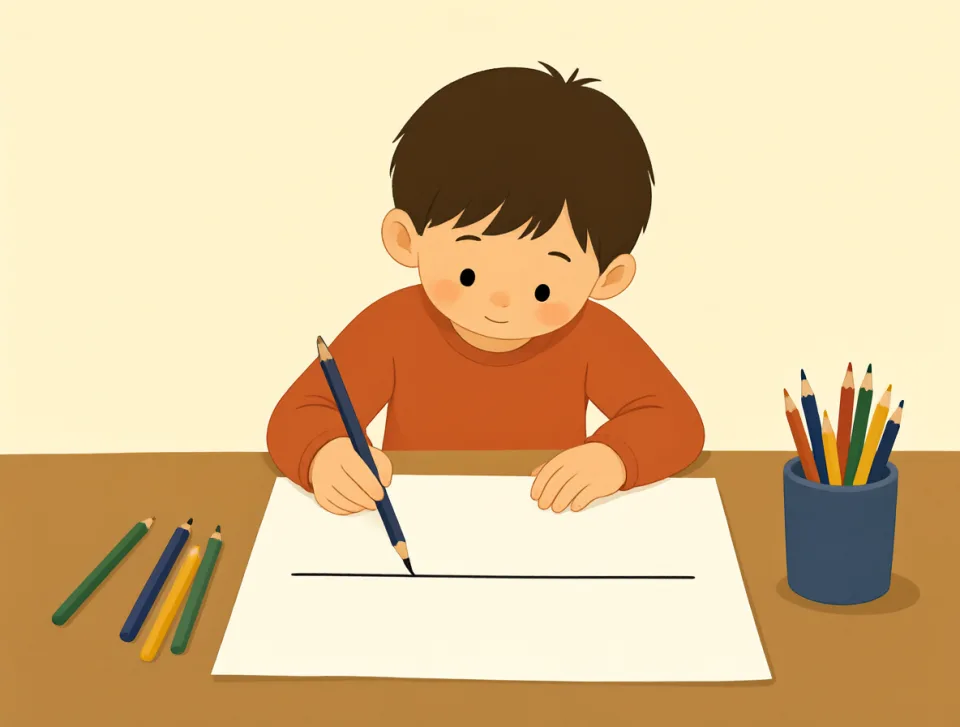
Draw a straight line under the answer.
Подчеркните ответ прямой линией.

The phone line is busy right now.
Телефонная линия сейчас занята.

We crossed the finish line together.
Мы вместе пересекли финишную черту.

There was a long line at the bakery.
В пекарне была длинная очередь.
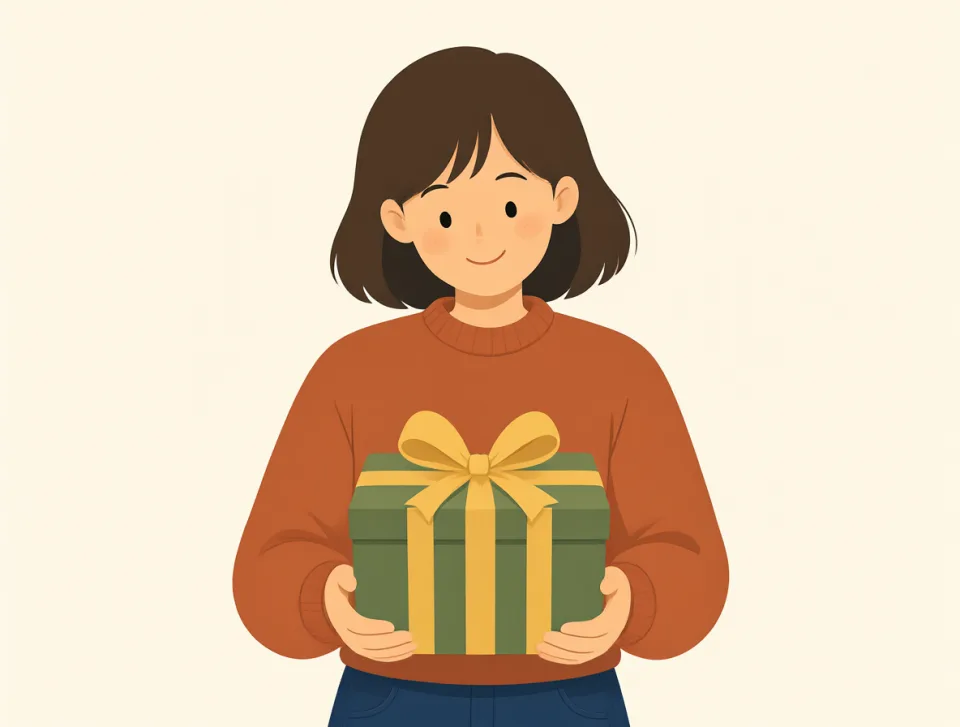
present
#275noun, verb, adjective
подарок; дарить; настоящий
A gift; to give something; existing or happening now.
Подарок; давать или преподносить что-либо; существующий или происходящий в настоящее время.

She gave me a birthday present.
Она подарила мне подарок на день рождения.

I bought a present for my mother.
Я купил(а) подарок для мамы.
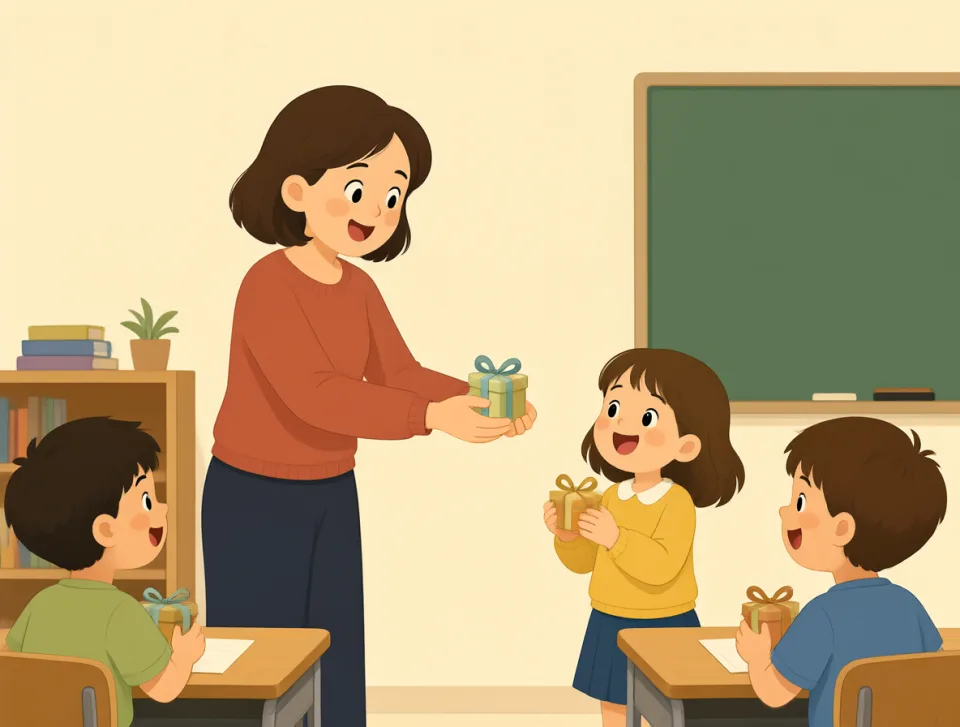
The teacher presented the prizes to students.
Учитель вручил ученикам призы.

Everyone was present at the meeting.
На собрании присутствовали все.

We need to discuss the present problem.
Нам нужно обсудить текущую проблему.
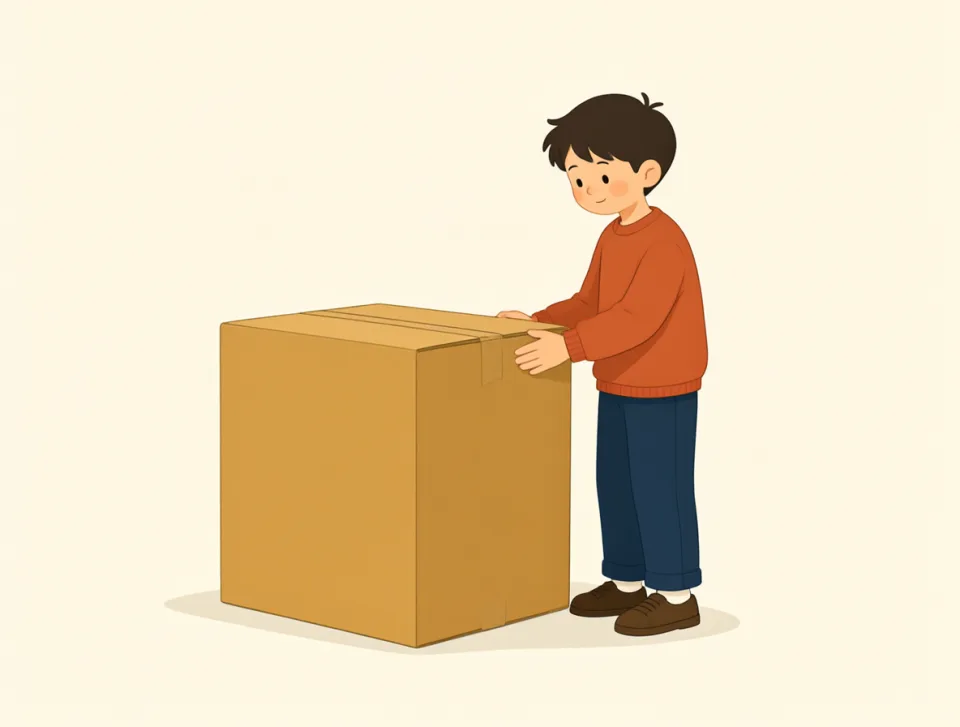
side
#276noun, verb, adjective, preposition
сторона
One of two parts, directions, or surfaces of something.
Одна из двух частей, направлений или поверхностей чего-либо.
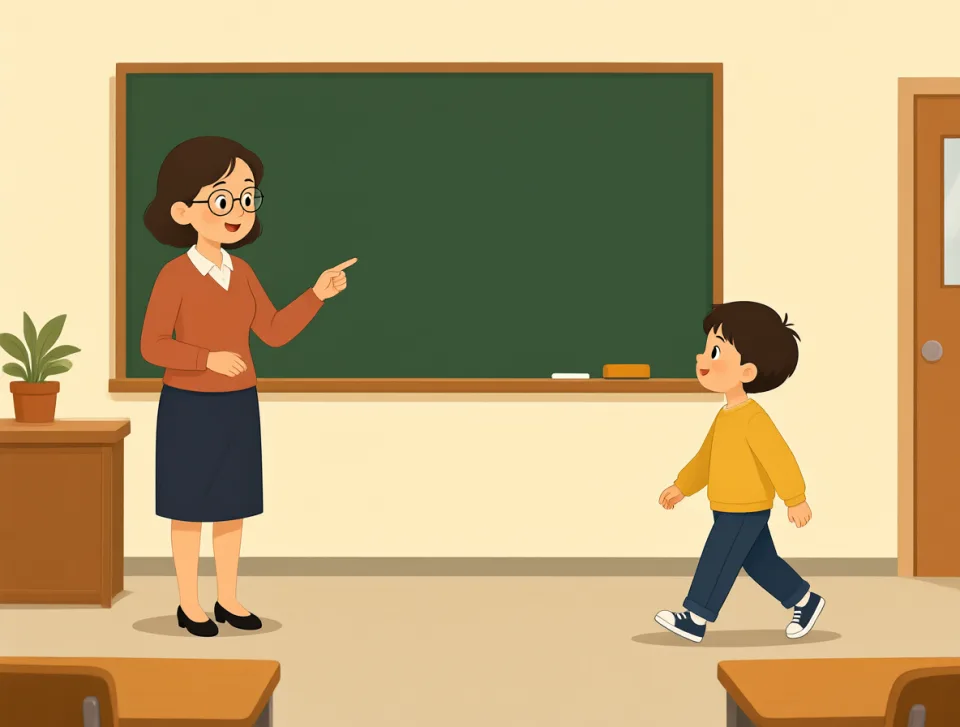
Please stand on this side of the room.
Пожалуйста, встаньте с этой стороны комнаты.

We sat on the side of the road.
Мы сидели на обочине.
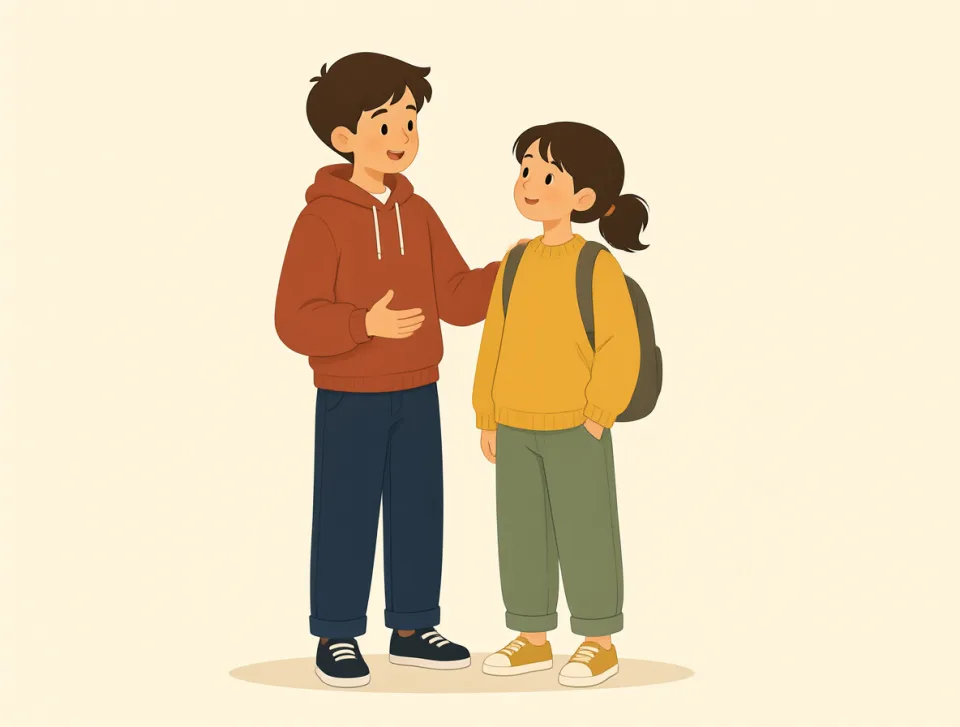
She took my side during the argument.
Во время спора она встала на мою сторону.

Put the salad on the side of my plate.
Положите салат сбоку на тарелку.

The shop is on the left side of the street.
Магазин находится с левой стороны улицы.

quite
#277adverb
довольно
To a fairly large degree; very or completely, depending on the context.
В значительной степени; может означать «довольно» или «совсем» — в зависимости от контекста.
The test was quite easy.
Тест был довольно лёгким.
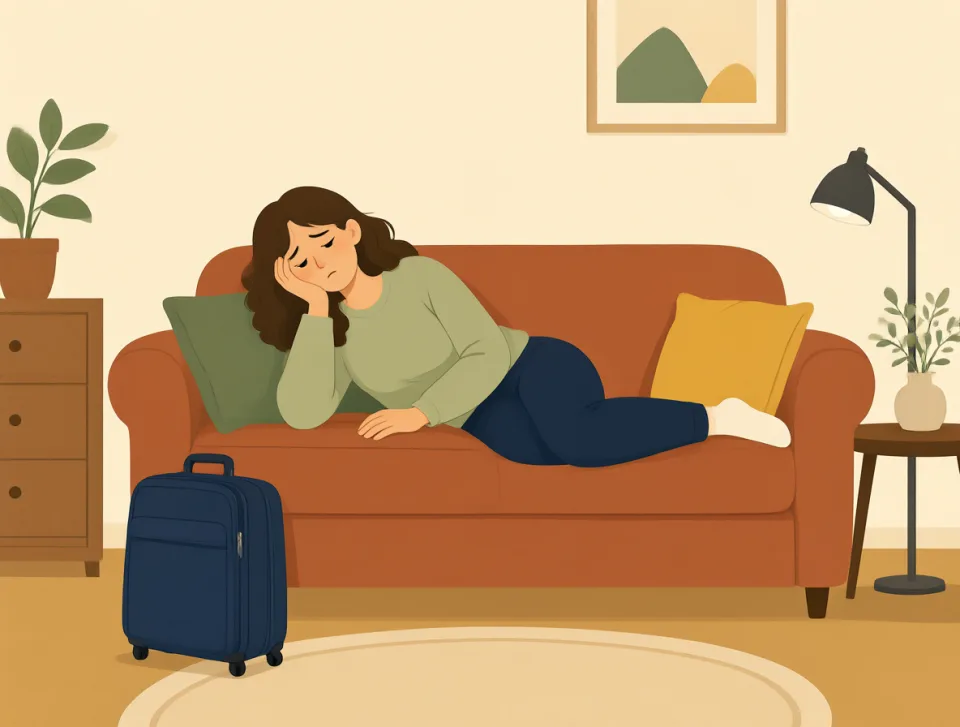
She is quite tired after work.
После работы она очень устала.
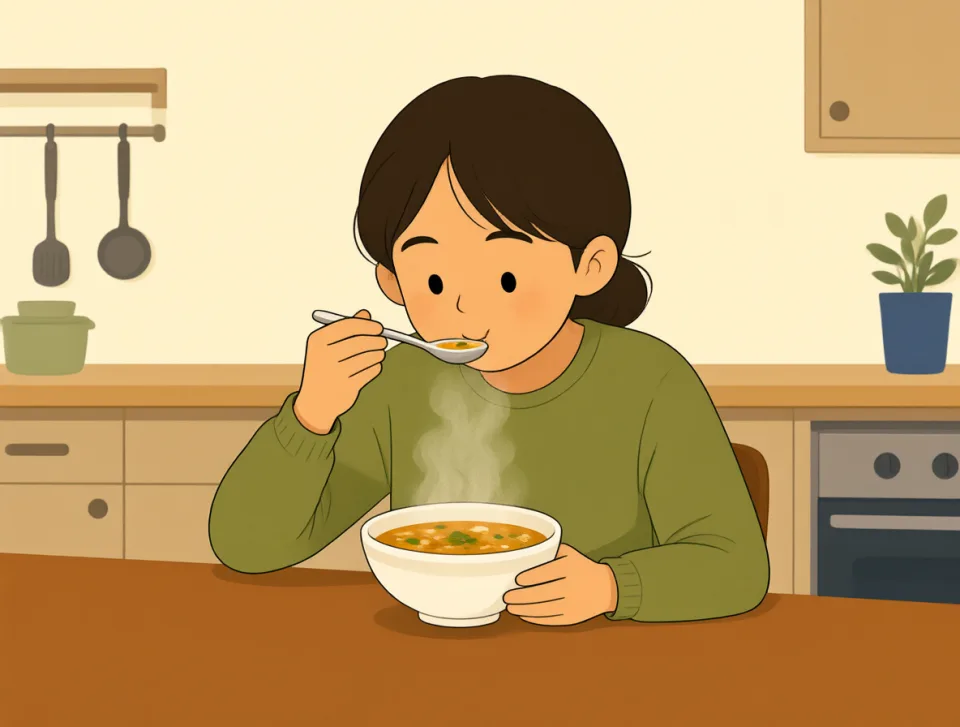
This soup is quite hot.
Этот суп довольно горячий.
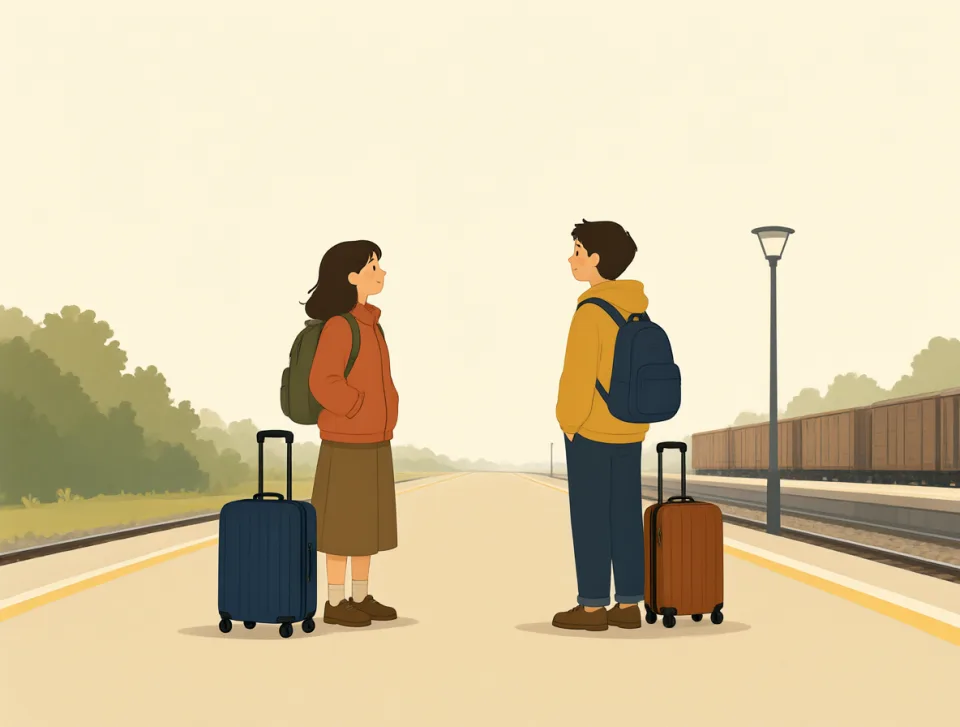
We arrived quite early for the train.
Мы приехали на вокзал довольно рано.

He quite likes his new teacher.
Ему вполне нравится его новый учитель.
although
#278conjunction
хотя
used to introduce a contrast or surprising fact
Используется, чтобы обозначить противопоставление или неожиданный факт.
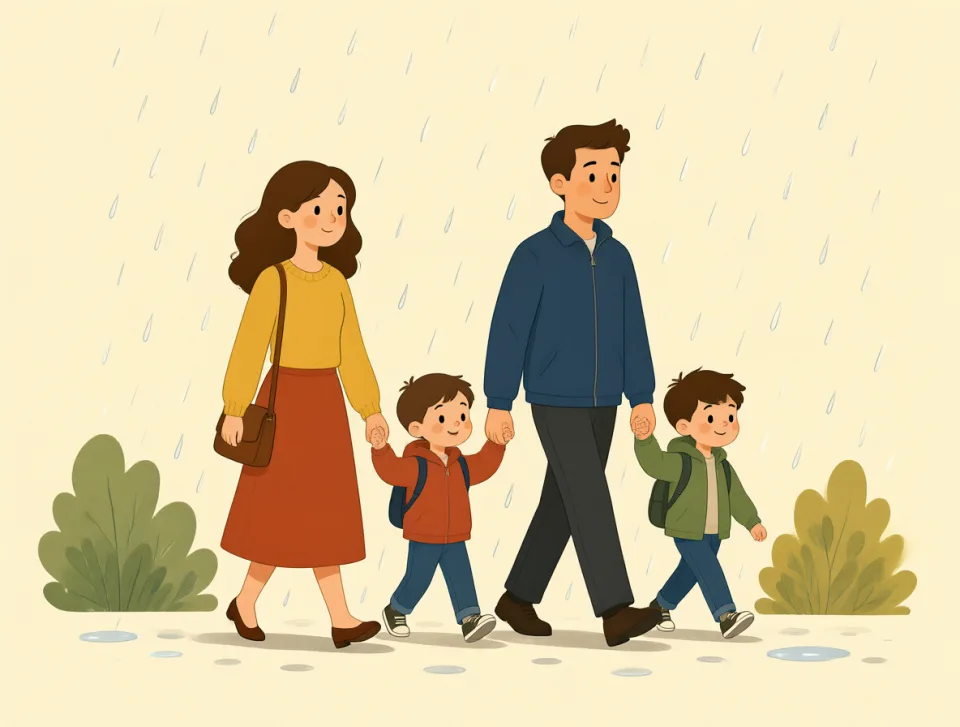
Although it was raining, we went for a walk.
Хотя шёл дождь, мы пошли гулять.

Although she was tired, she finished her homework.
Хотя она устала, она закончила делать домашнее задание.

Although the shirt was expensive, I bought it.
Хотя рубашка была дорогой, я её купил.
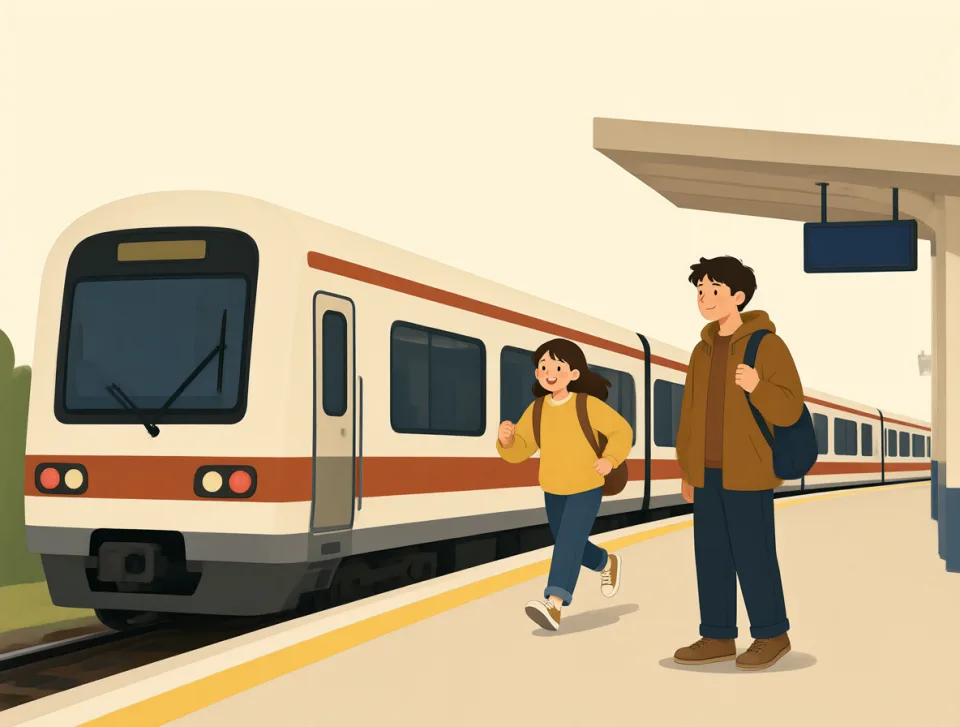
Although he missed the train, he arrived on time.
Хотя он опоздал на поезд, он приехал вовремя.

Although I was sick, I went to work.
Хотя я был болен, я пошёл на работу.
sure
#279adjective, adverb
уверенный; конечно
Certain to be true or likely to happen; used to agree or ask for agreement.
Уверенный в том, что что-либо верно или вероятно произойдёт; также используется, чтобы согласиться или спросить, согласен ли собеседник.
Are you sure this is your bag?
Вы уверены, что это ваша сумка?
I am sure she will come.
Я уверен, что она придёт.

Sure, I can help you.
Конечно, я могу вам помочь.
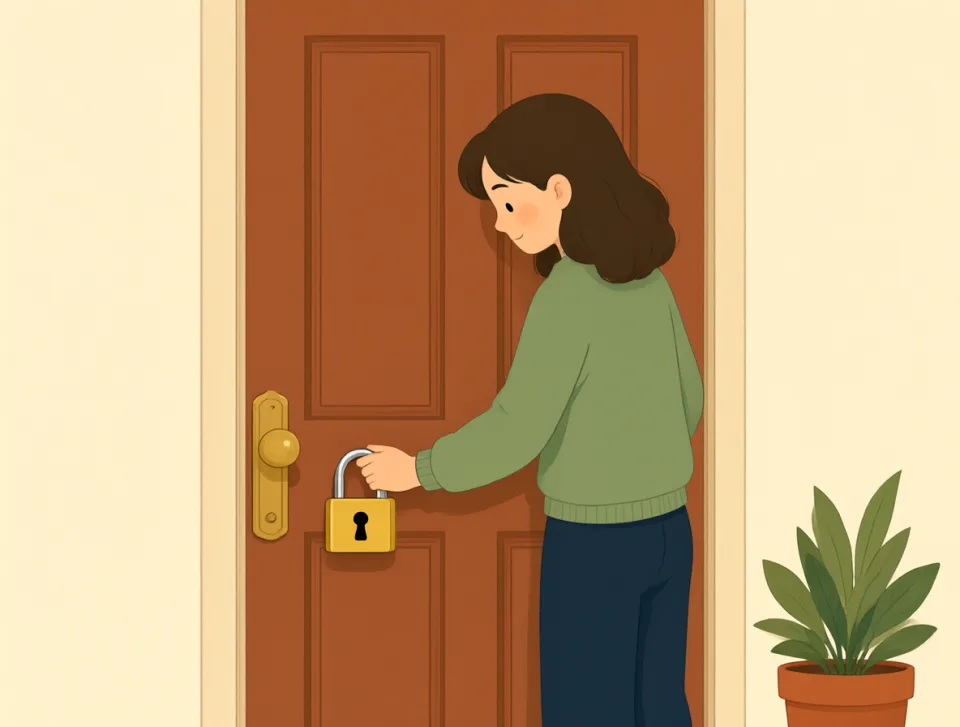
Make sure you lock the door.
Не забудьте запереть дверь.

He is not sure about the answer.
Он не уверен в ответе.
term
#280noun, verb
термин; срок; условие
A word or phrase, a fixed period, or a condition in an agreement.
Слово или выражение, установленный период времени либо условие соглашения.
Please explain this term in simple English.
Пожалуйста, объясните этот термин простым английским языком.

The doctor used a medical term I knew.
Врач использовал знакомый мне медицинский термин.

The loan must be paid in monthly terms.
Кредит нужно погашать ежемесячными платежами.

She served a two-year term as mayor.
Она занимала пост мэра в течение двух лет.

They agreed to the terms of the sale.
Они согласились с условиями сделки.