ইউনিট 14
শব্দ 261–280 · learn, level, person, experience, once, member

learn
#261verb
শেখা
to get knowledge or a skill by studying, practicing, or experiencing something
পড়াশোনা, অনুশীলন বা কোনো অভিজ্ঞতার মাধ্যমে জ্ঞান বা দক্ষতা অর্জন করা।

Children learn new things at school.
শিশুরা স্কুলে নতুন নতুন জিনিস শেখে।

I learned to cook from my mother.
আমি মায়ের কাছ থেকে রান্না শিখেছি।

She is learning how to drive.
সে গাড়ি চালানো শিখছে।

We learned about healthy food today.
আজ আমরা স্বাস্থ্যকর খাবার সম্পর্কে শিখেছি।
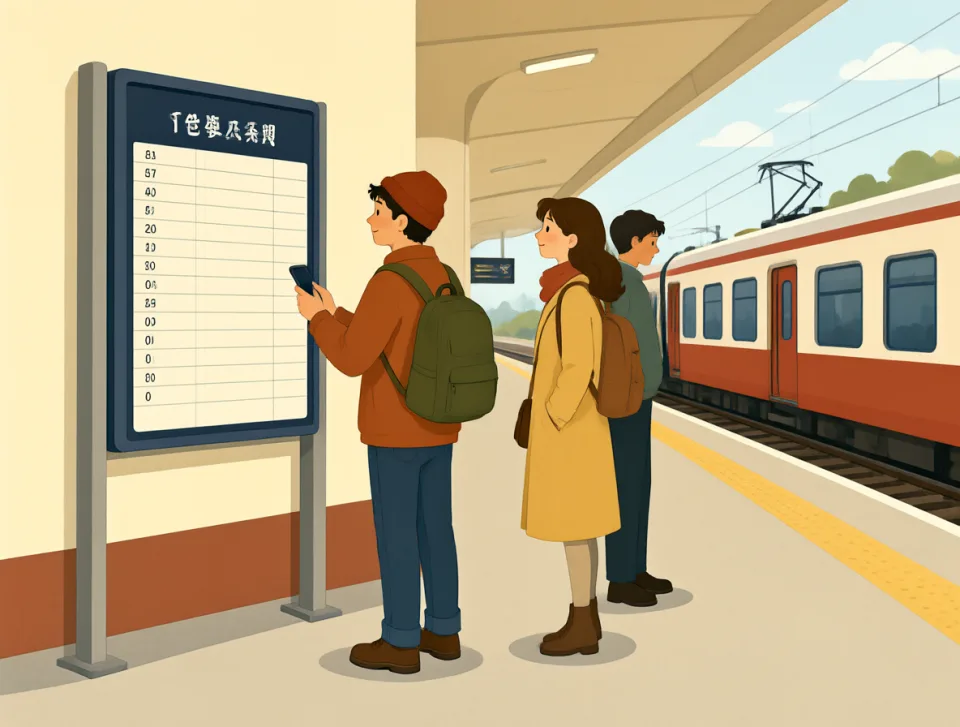
He learned the train was late.
সে জানতে পারল যে ট্রেনটি দেরি করেছে।

level
#262noun, verb, adjective
স্তর
A position or amount that is higher, lower, or equal to another.
অন্য কিছুর তুলনায় কোনো অবস্থান বা পরিমাণ, যা বেশি, কম বা সমান হতে পারে।
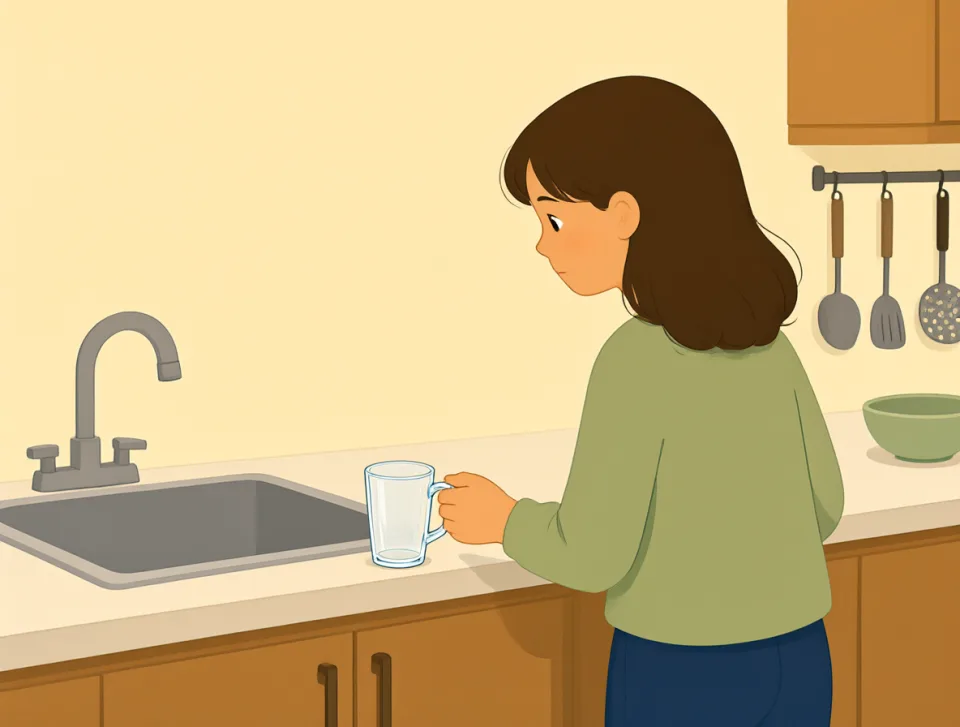
The water level is too low.
পানির স্তর খুব নিচু।
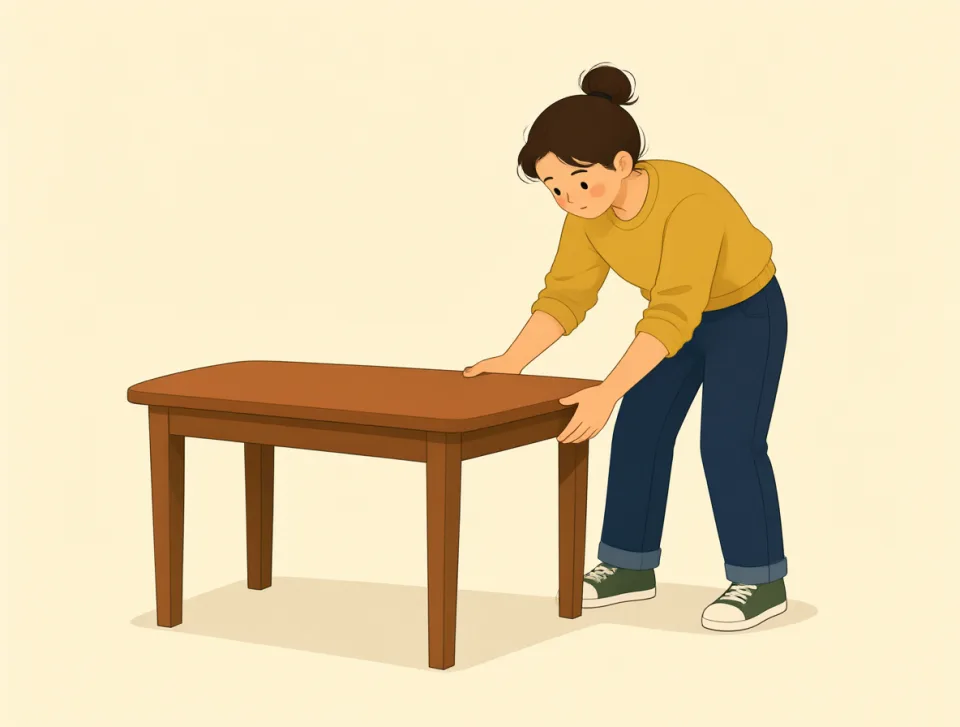
Please level the table before dinner.
দয়া করে রাতের খাবারের আগে টেবিলটি সমান করে নিন।

She reached the next level in the game.
সে খেলায় পরের স্তরে পৌঁছেছে।

The noise level was high at work.
কাজের জায়গায় শব্দের মাত্রা অনেক বেশি ছিল।

He is at an advanced level in English.
ইংরেজিতে তার দক্ষতার স্তর উন্নত।
person
#263noun
ব্যক্তি
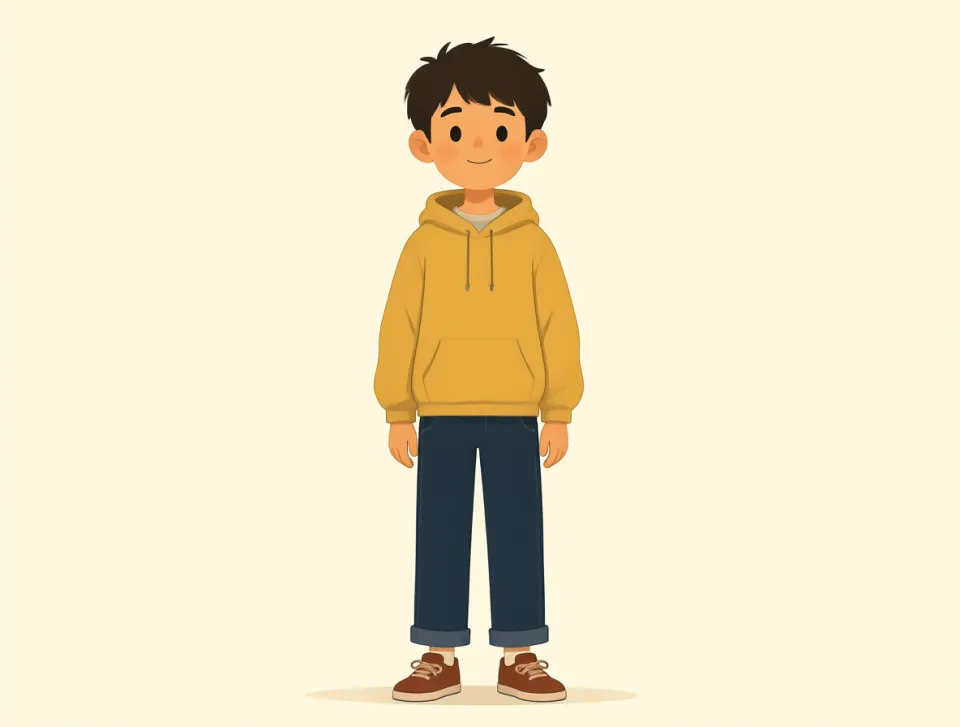
A human being, especially one considered as an individual.
একজন মানুষ, বিশেষ করে স্বতন্ত্র একজন মানুষ হিসেবে বিবেচিত।

That person is my new neighbor.
ওই ব্যক্তিটি আমার নতুন প্রতিবেশী।

One person called the doctor for help.
একজন ব্যক্তি সাহায্যের জন্য ডাক্তারকে ফোন করেছিলেন।

She is the right person for this job.
এই কাজের জন্য সে-ই সঠিক ব্যক্তি।

A kind person helped me carry my bags.
একজন দয়ালু ব্যক্তি আমার ব্যাগ বহন করতে সাহায্য করেছিলেন।
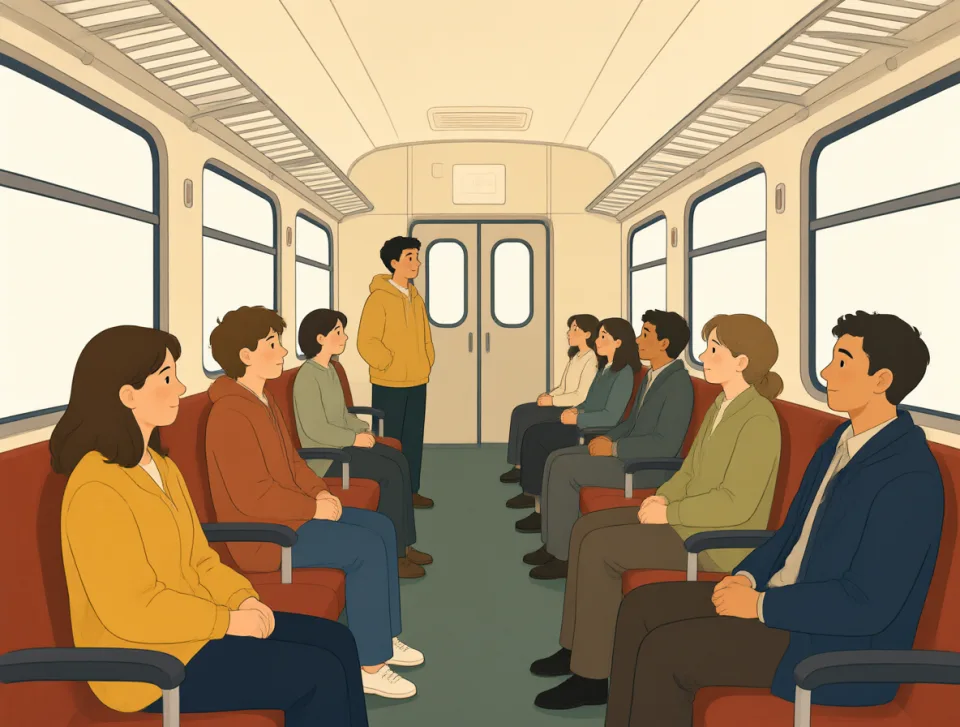
There were many people on the train.
ট্রেনে অনেক মানুষ ছিল।

experience
#264noun, verb
অভিজ্ঞতা
Knowledge or skill gained by doing something; to have something happen to you.
কোনো কাজ করার মাধ্যমে অর্জিত জ্ঞান বা দক্ষতা; কোনো ঘটনা নিজের সঙ্গে ঘটা।

She has experience working with young children.
ছোট শিশুদের সঙ্গে কাজ করার অভিজ্ঞতা তার আছে।

This trip was a wonderful experience for us.
এই ভ্রমণটি আমাদের জন্য একটি চমৎকার অভিজ্ঞতা ছিল।

He experienced severe pain after the accident.
দুর্ঘটনার পর সে তীব্র ব্যথা অনুভব করেছিল।
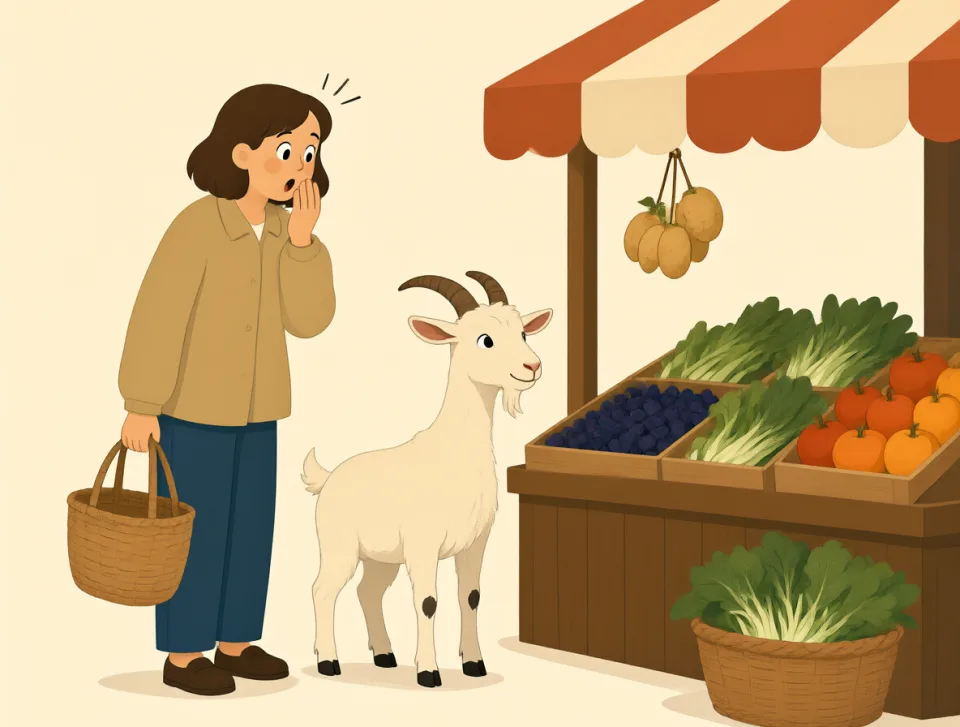
I had a strange experience at the market.
বাজারে আমার একটি অদ্ভুত অভিজ্ঞতা হয়েছিল।
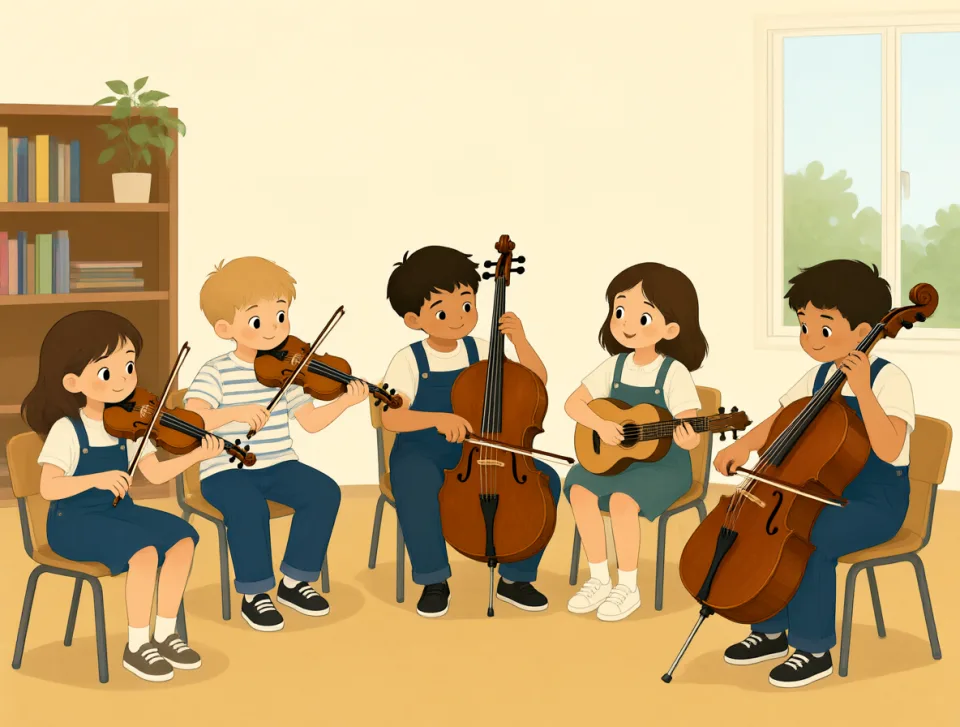
Students gain experience through practice.
অনুশীলনের মাধ্যমে শিক্ষার্থীরা অভিজ্ঞতা অর্জন করে।

once
#265adverb, conjunction, determiner, noun
একবার; একসময়
At one time in the past, or one time only.
অতীতে কোনো একসময়, অথবা মাত্র একবার।
I once lived in a small town.
আমি একসময় একটি ছোট শহরে থাকতাম।

Once you finish, please wash your hands.
তুমি কাজ শেষ করলে হাত ধুয়ে নাও।

I have visited Paris once.
আমি প্যারিসে একবার গিয়েছি।

Once a week, we buy fresh vegetables.
সপ্তাহে একবার আমরা তাজা সবজি কিনি।
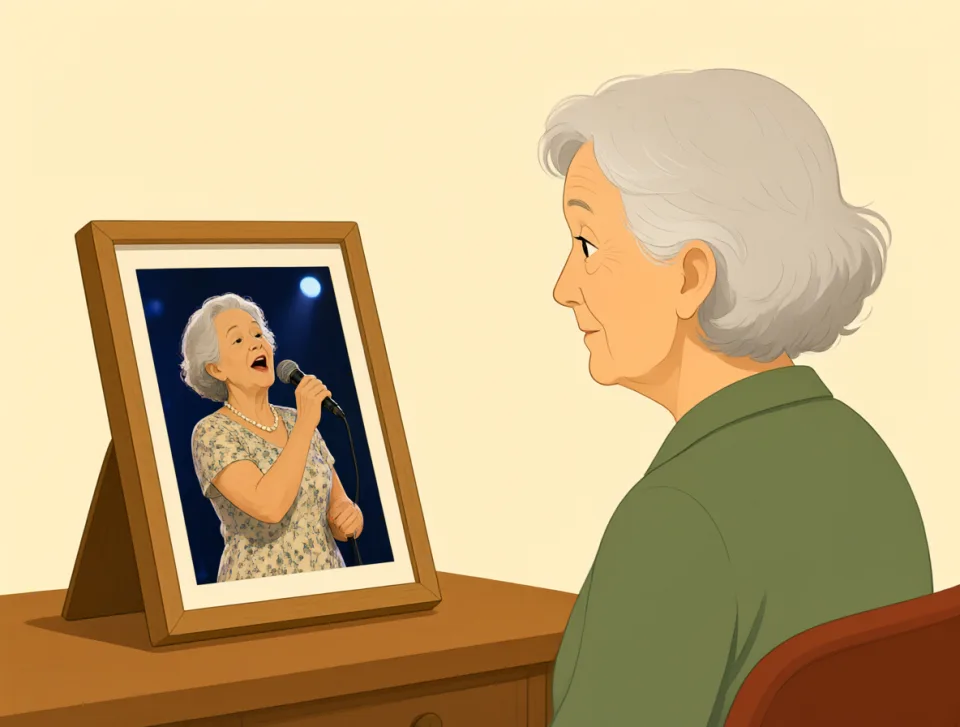
She was a famous singer once.
সে একসময় একজন বিখ্যাত গায়িকা ছিল।
member
#266noun
সদস্য
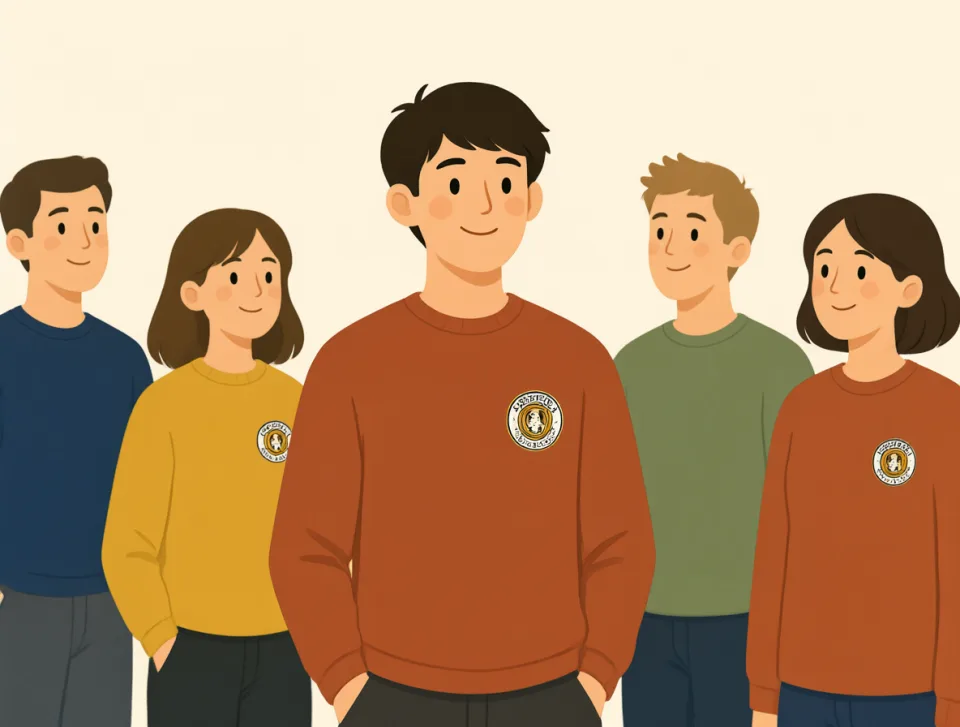
a person who belongs to a group, club, or organization
কোনো দল, ক্লাব বা প্রতিষ্ঠানের অন্তর্ভুক্ত একজন ব্যক্তি

She is a member of our tennis club.
সে আমাদের টেনিস ক্লাবের একজন সদস্য।
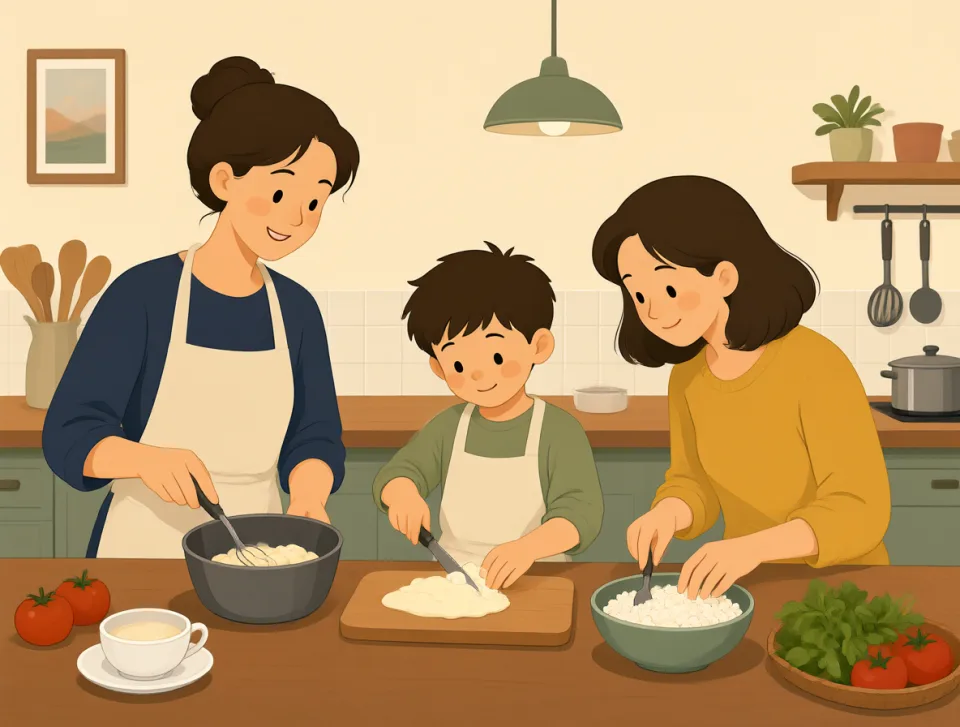
Every family member helped cook dinner.
পরিবারের প্রত্যেক সদস্য রাতের খাবার রান্না করতে সাহায্য করেছে।

He became a member of the school team.
সে স্কুলের দলের সদস্য হয়েছিল।

The hotel member received a free breakfast.
হোটেলের একজন সদস্য বিনা মূল্যে নাশতা পেয়েছিলেন।

The doctor checked each member of the group.
ডাক্তার দলের প্রত্যেক সদস্যকে পরীক্ষা করলেন।

enough
#267adjective, adverb, pronoun, determiner
যথেষ্ট
As much or as many as needed.
যতটা বা যতজন প্রয়োজন, ততটা বা ততজন।
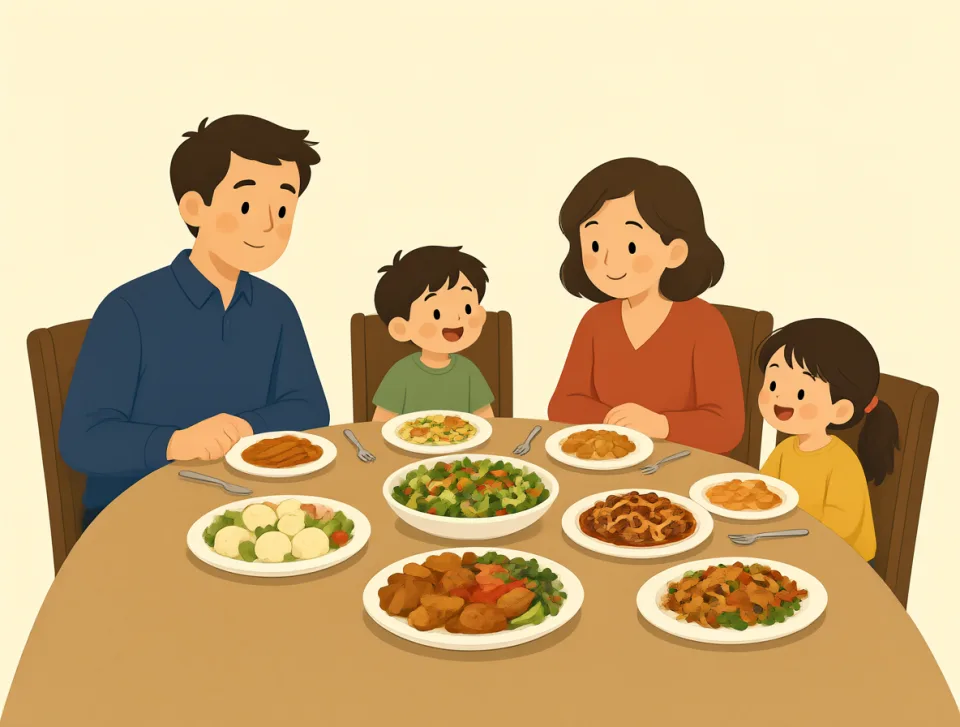
Do we have enough food for everyone?
সবার জন্য আমাদের কি যথেষ্ট খাবার আছে?

This bag is big enough for my shoes.
এই ব্যাগটা আমার জুতার জন্য যথেষ্ট বড়।
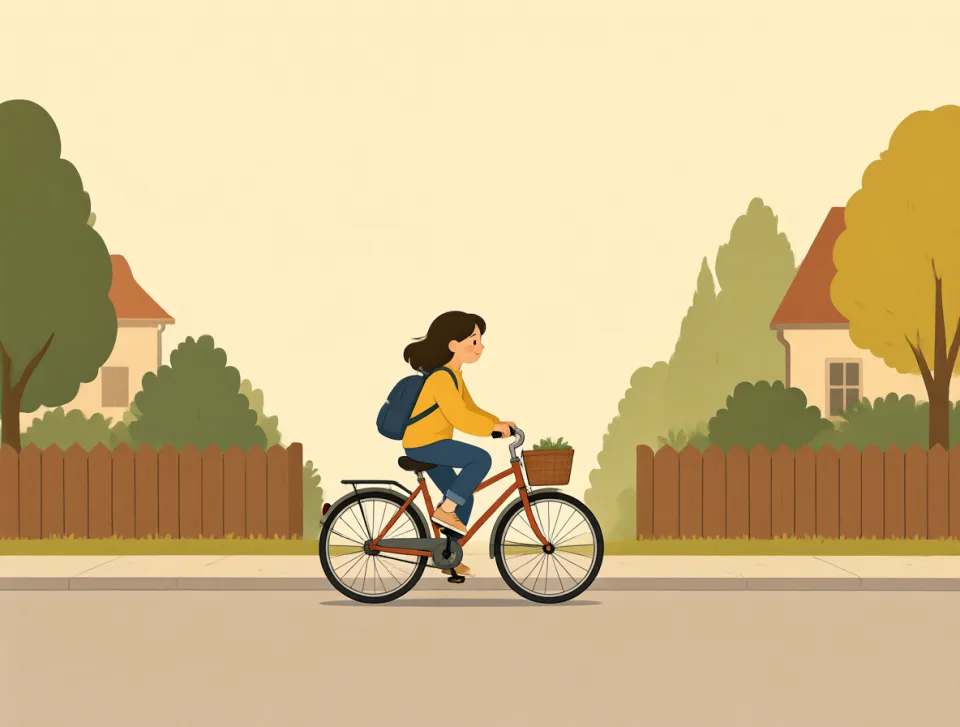
She is old enough to ride alone.
সে একা চড়ার মতো যথেষ্ট বড় হয়েছে।

I did not sleep enough last night.
গত রাতে আমার যথেষ্ট ঘুম হয়নি।

Are you warm enough in that jacket?
ওই জ্যাকেট পরে তোমার কি যথেষ্ট গরম লাগছে?
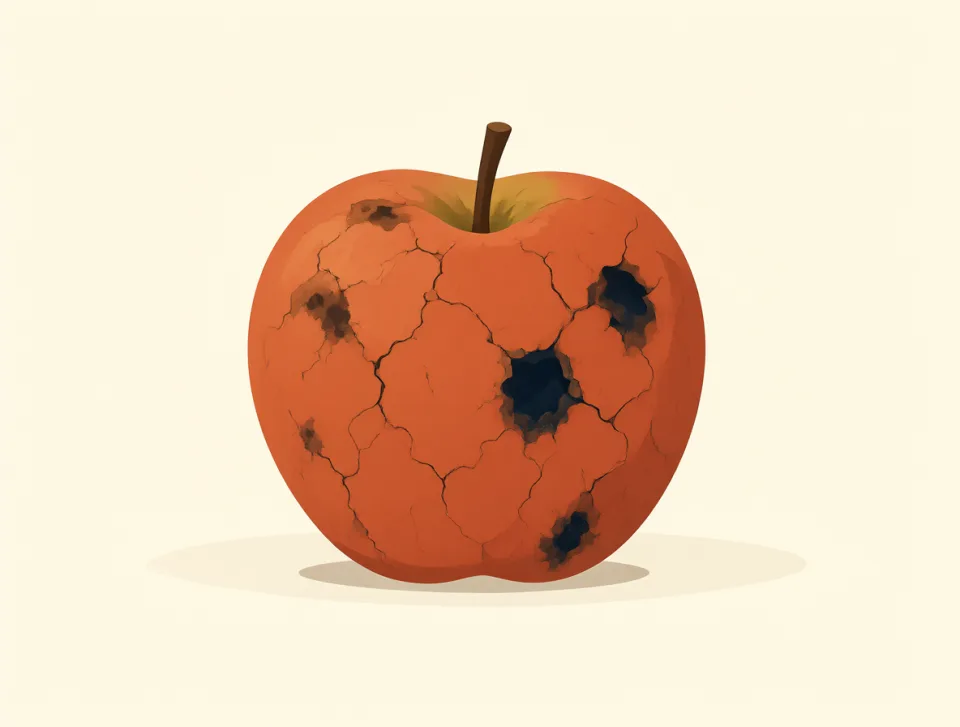
bad
#268adjective, noun
খারাপ
Not good, pleasant, safe, or morally right.
ভালো, আনন্দদায়ক, নিরাপদ বা নৈতিকভাবে সঠিক নয়।

I had a bad day at work.
কাজে আমার দিনটা খারাপ কেটেছে।
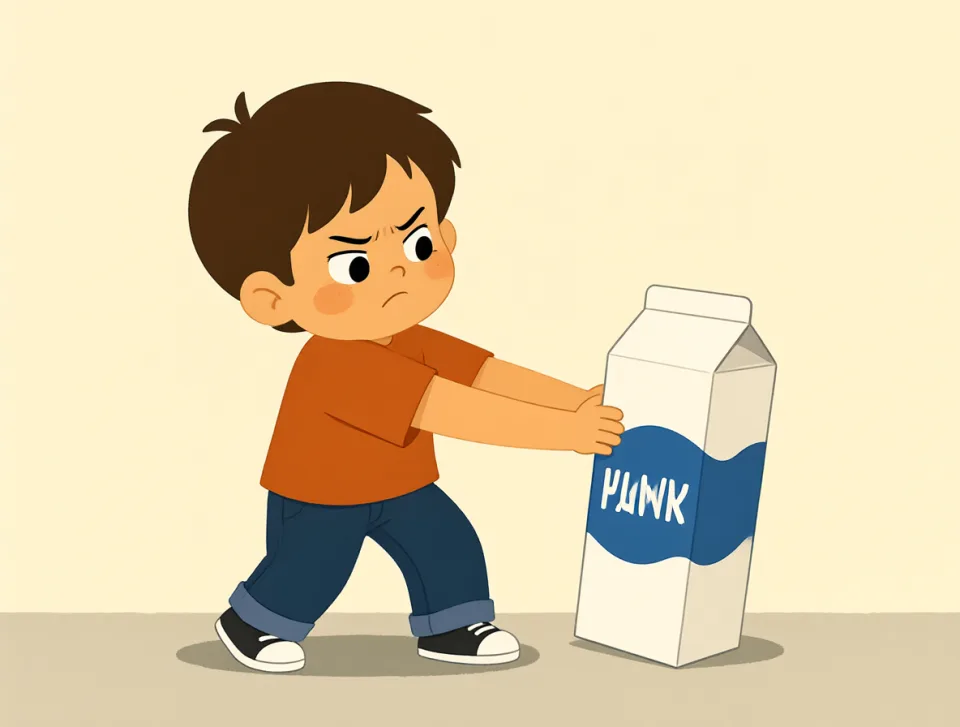
This milk smells bad.
এই দুধের গন্ধ খারাপ।

He felt bad after the argument.
তর্কের পর তার খারাপ লেগেছিল।

The weather was bad during our trip.
আমাদের ভ্রমণের সময় আবহাওয়া খারাপ ছিল।
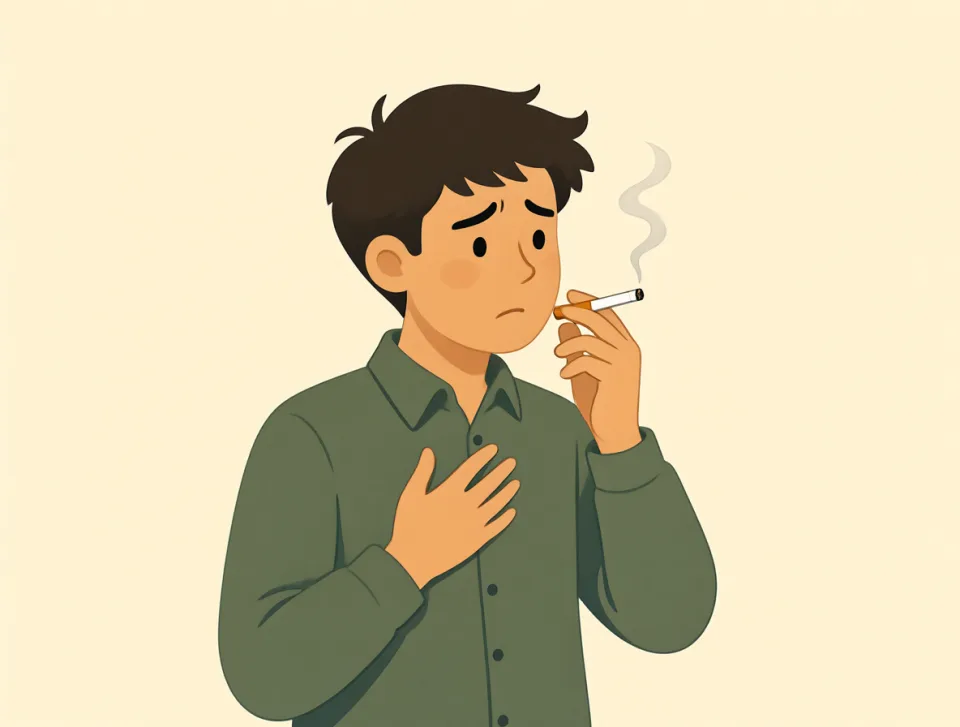
Smoking is bad for your health.
ধূমপান স্বাস্থ্যের জন্য খারাপ।

city
#269noun
শহর
A large place where many people live, work, and visit.
এমন একটি বড় জায়গা যেখানে অনেক মানুষ বাস করে, কাজ করে এবং বেড়াতে আসে।

She lives in a big city.
সে একটি বড় শহরে থাকে।

We took a train to the city.
আমরা শহরে যাওয়ার জন্য ট্রেনে চড়েছিলাম।

The city has many good restaurants.
শহরটিতে অনেক ভালো রেস্তোরাঁ আছে।

He works in the city center.
সে শহরের কেন্দ্রে কাজ করে।

The children visited the city museum.
শিশুরা শহরের জাদুঘরটি দেখতে গিয়েছিল।

night
#270noun
রাত
The time when it is dark outside, from evening until morning.
বাইরে অন্ধকার থাকার সময়, সন্ধ্যা থেকে সকাল পর্যন্ত।

I read a book before bed at night.
রাতে ঘুমাতে যাওয়ার আগে আমি একটি বই পড়ি।

We walked home together late last night.
গত রাতে আমরা অনেক দেরিতে একসঙ্গে হেঁটে বাড়ি ফিরেছিলাম।

The baby slept well all night.
শিশুটি সারা রাত ভালো ঘুমিয়েছিল।

She works at the hospital night shift.
সে হাসপাতালে রাতের শিফটে কাজ করে।

They stayed in a hotel for one night.
তারা এক রাতের জন্য একটি হোটেলে ছিল।

able
#271adjective
সক্ষম
Having the skill, strength, time, or chance to do something.
কোনো কাজ করার দক্ষতা, শক্তি, সময় বা সুযোগ থাকা।

She is able to swim very well.
সে খুব ভালো সাঁতার কাটতে পারে।

Are you able to help me today?
তুমি কি আজ আমাকে সাহায্য করতে পারবে?

He was able to finish his homework.
সে তার বাড়ির কাজ শেষ করতে পেরেছিল।
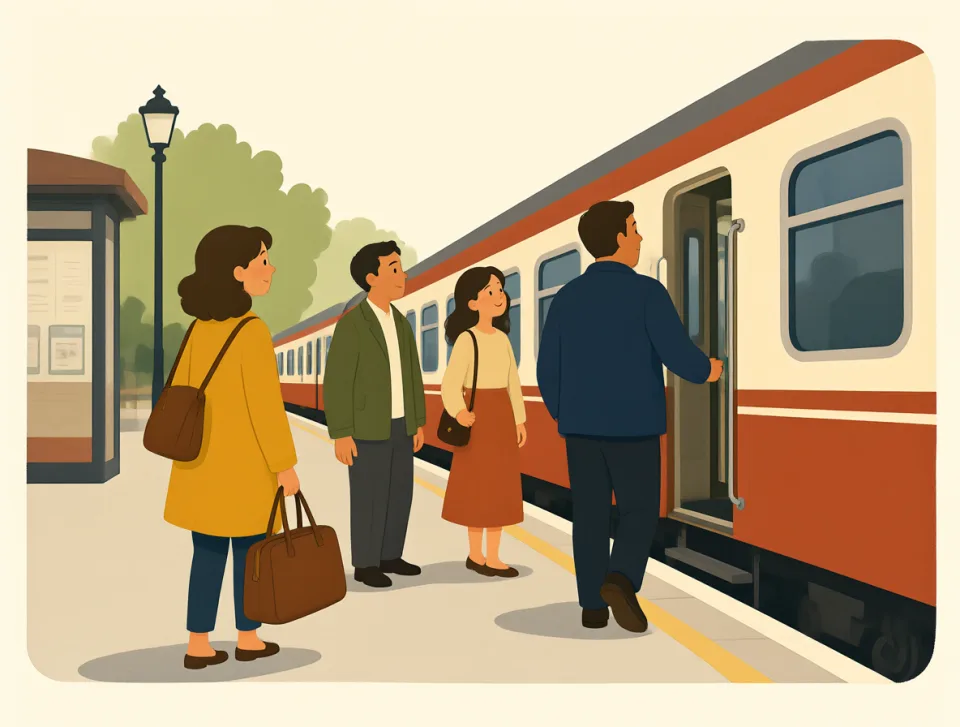
We were able to catch the early train.
আমরা সকালের আগের ট্রেনটি ধরতে পেরেছিলাম।

I am not able to eat dairy products.
আমি দুগ্ধজাত খাবার খেতে পারি না।
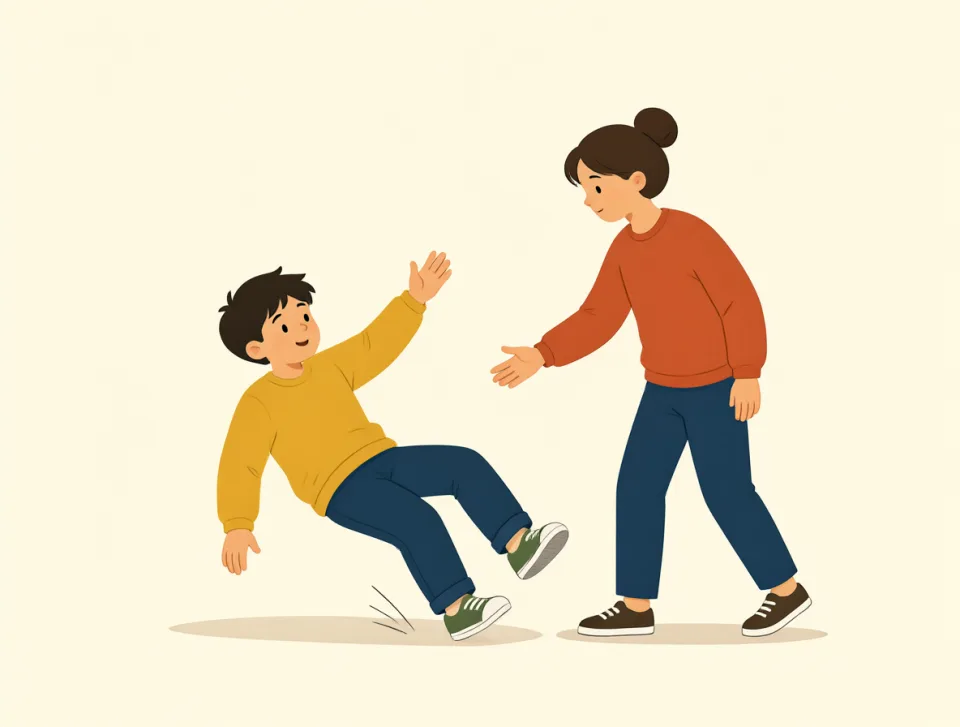
support
#272noun, verb
সহায়তা
Help or encouragement given to someone or something; to help someone or something succeed.
কাউকে বা কোনো কিছুকে দেওয়া সাহায্য বা উৎসাহ; কাউকে বা কোনো কিছুকে সফল হতে সাহায্য করা।

My family supports me when I feel sad.
মন খারাপ হলে আমার পরিবার আমাকে সমর্থন করে।

These shoes support your feet while walking.
হাঁটার সময় এই জুতাগুলো তোমার পায়ে ভর দেয়।

Our teacher supports us during the test.
পরীক্ষার সময় আমাদের শিক্ষক আমাদের সহায়তা করেন।

The team supported its captain after the loss.
হারের পর দলটি তাদের অধিনায়কের পাশে ছিল।

This pillow supports your neck at night.
রাতে এই বালিশটি তোমার ঘাড়ে ভর দেয়।

whether
#273conjunction
কিনা
Used to talk about two possible choices or situations.
দুটি সম্ভাব্য বিকল্প বা পরিস্থিতি নিয়ে কথা বলতে ব্যবহৃত হয়।
I don't know whether she is home.
সে বাড়িতে আছে কি না, আমি জানি না।

Please tell me whether you need help.
তোমার সাহায্য দরকার কি না, দয়া করে আমাকে জানাও।

We must decide whether to take the train.
আমাদের সিদ্ধান্ত নিতে হবে ট্রেনে যাব কি না।

He asked whether I liked the food.
সে জিজ্ঞেস করেছিল, খাবারটা আমার পছন্দ হয়েছিল কি না।

Check whether the door is locked.
দরজাটা তালাবদ্ধ কি না দেখে নাও।

line
#274noun, verb
সারি
A long, thin mark or a row of people or things; to stand in a row.
লম্বা, সরু দাগ বা মানুষ কিংবা জিনিসের সারি; সারিতে দাঁড়ানো।
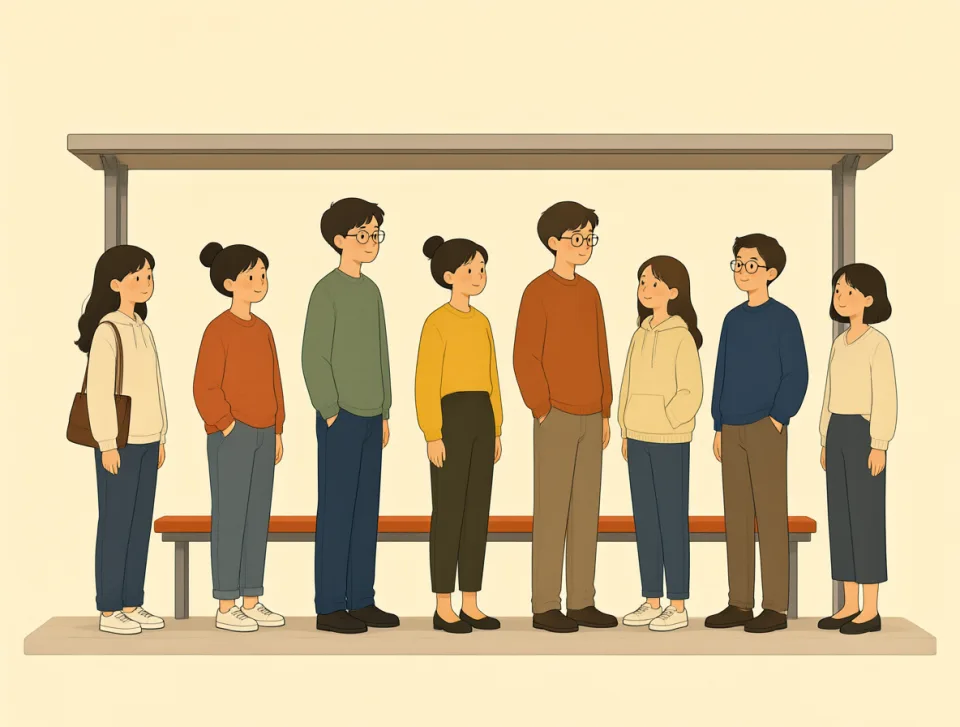
Please wait in line for the bus.
বাসের জন্য দয়া করে সারিতে অপেক্ষা করুন।
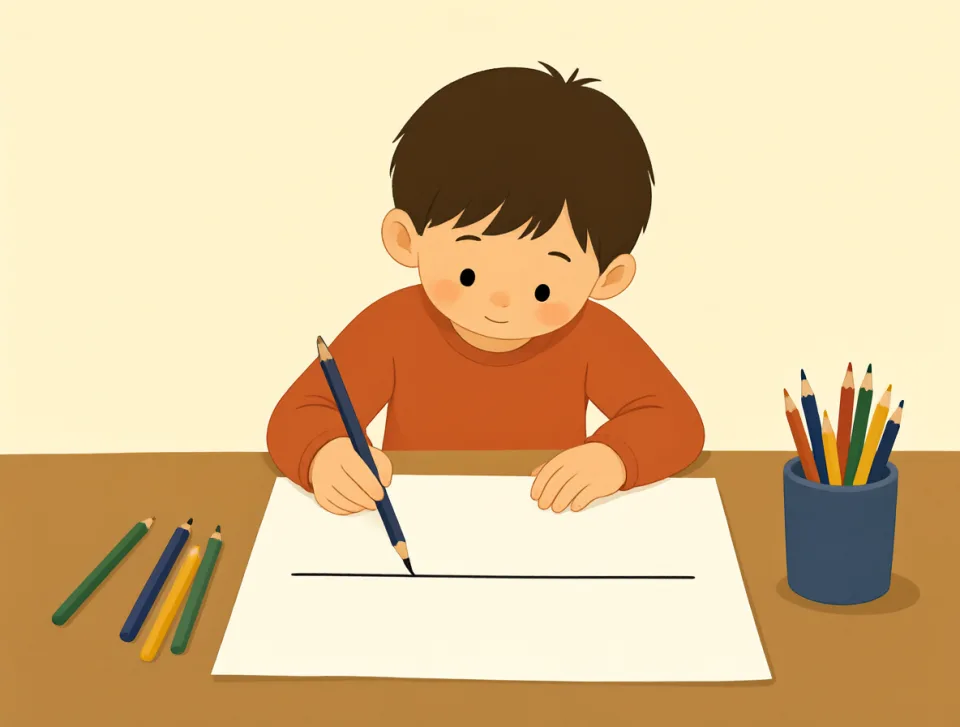
Draw a straight line under the answer.
উত্তরের নিচে একটি সোজা দাগ টানুন।

The phone line is busy right now.
ফোনের লাইনটি এখন ব্যস্ত।

We crossed the finish line together.
আমরা একসঙ্গে শেষরেখা পার হয়েছিলাম।

There was a long line at the bakery.
বেকারির সামনে লম্বা লাইন ছিল।

present
#275noun, verb, adjective
উপহার
A gift; to give something; existing or happening now.
উপহার; কাউকে কিছু দেওয়া; বর্তমানে বিদ্যমান বা ঘটছে এমন।

She gave me a birthday present.
সে আমাকে জন্মদিনের উপহার দিয়েছিল।

I bought a present for my mother.
আমি মায়ের জন্য একটি উপহার কিনেছিলাম।
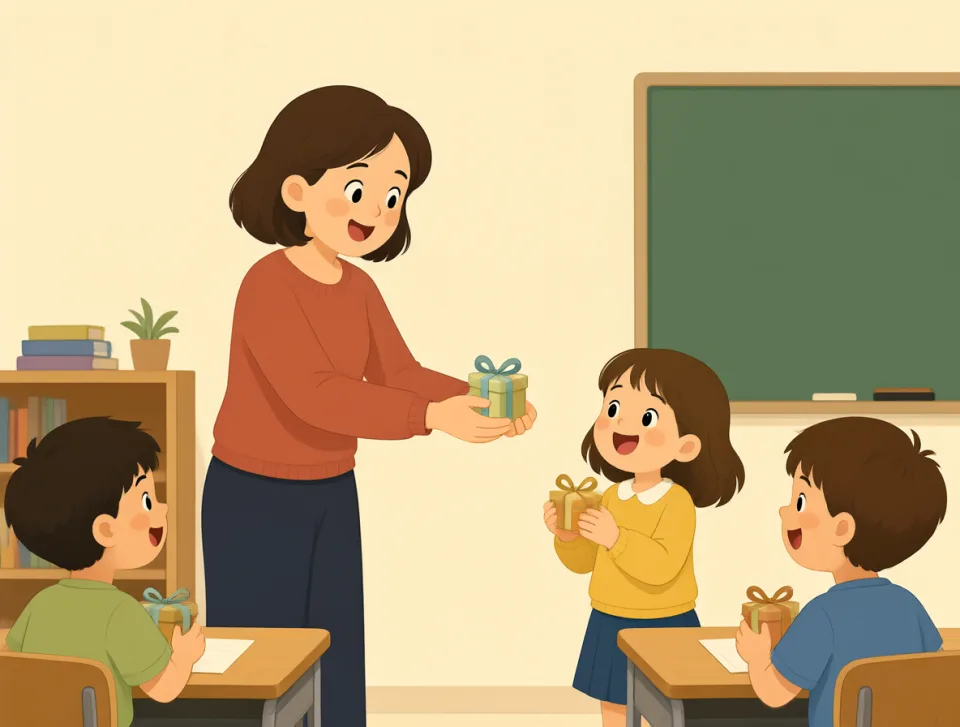
The teacher presented the prizes to students.
শিক্ষক শিক্ষার্থীদের পুরস্কারগুলো তুলে দিলেন।

Everyone was present at the meeting.
সভায় সবাই উপস্থিত ছিল।

We need to discuss the present problem.
আমাদের বর্তমান সমস্যাটি নিয়ে আলোচনা করতে হবে।
side
#276noun, verb, adjective, preposition
পাশ
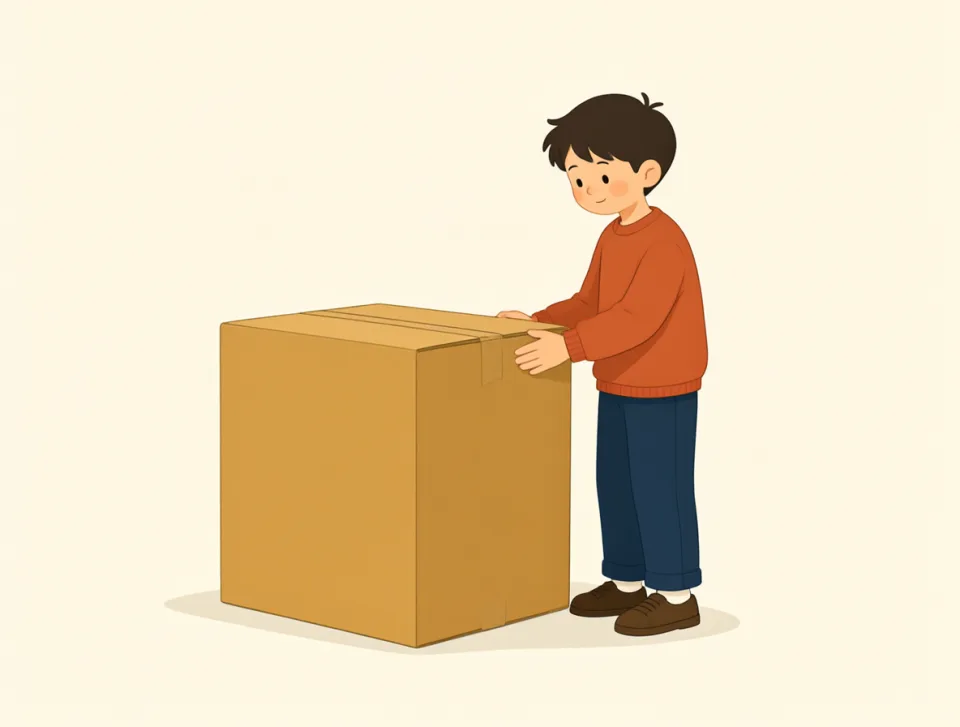
One of two parts, directions, or surfaces of something.
কোনো কিছুর দুটি অংশ, দিক বা পৃষ্ঠের একটিকে বোঝায়।
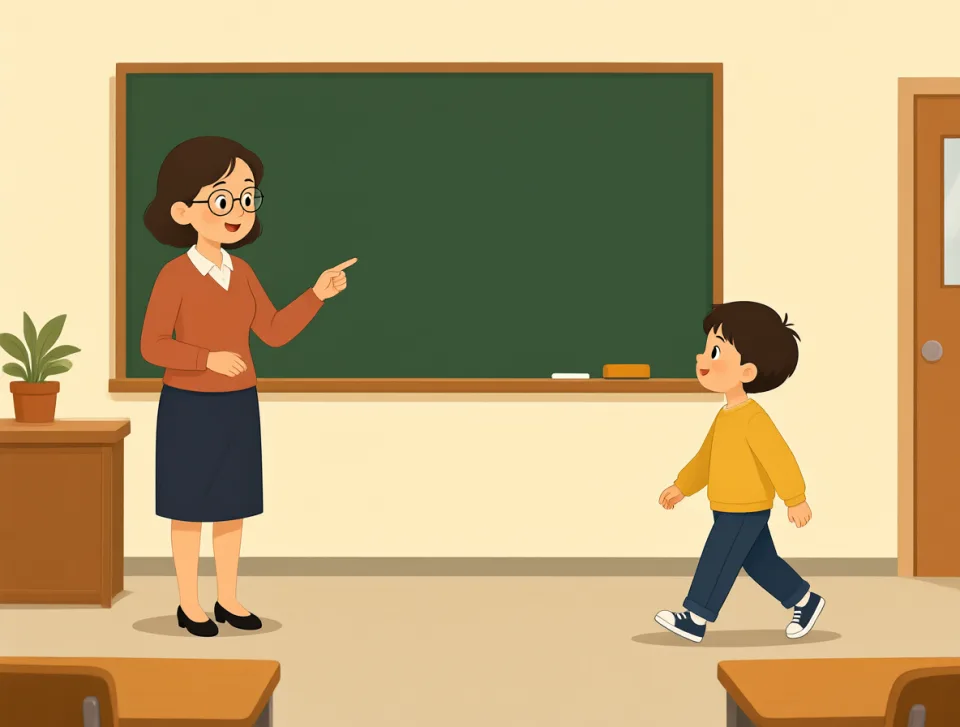
Please stand on this side of the room.
দয়া করে ঘরের এই পাশে দাঁড়ান।

We sat on the side of the road.
আমরা রাস্তার পাশে বসেছিলাম।

She took my side during the argument.
তর্কের সময় সে আমার পক্ষ নিয়েছিল।

Put the salad on the side of my plate.
আমার প্লেটের পাশে সালাদটা রাখুন।

The shop is on the left side of the street.
দোকানটি রাস্তার বাঁ পাশে।

quite
#277adverb
বেশ
To a fairly large degree; very or completely, depending on the context.
বেশ বড় মাত্রায়; প্রসঙ্গ অনুযায়ী ‘খুব’ বা ‘সম্পূর্ণভাবে’ অর্থে ব্যবহৃত হয়।
The test was quite easy.
পরীক্ষাটা বেশ সহজ ছিল।

She is quite tired after work.
কাজের পর সে বেশ ক্লান্ত।
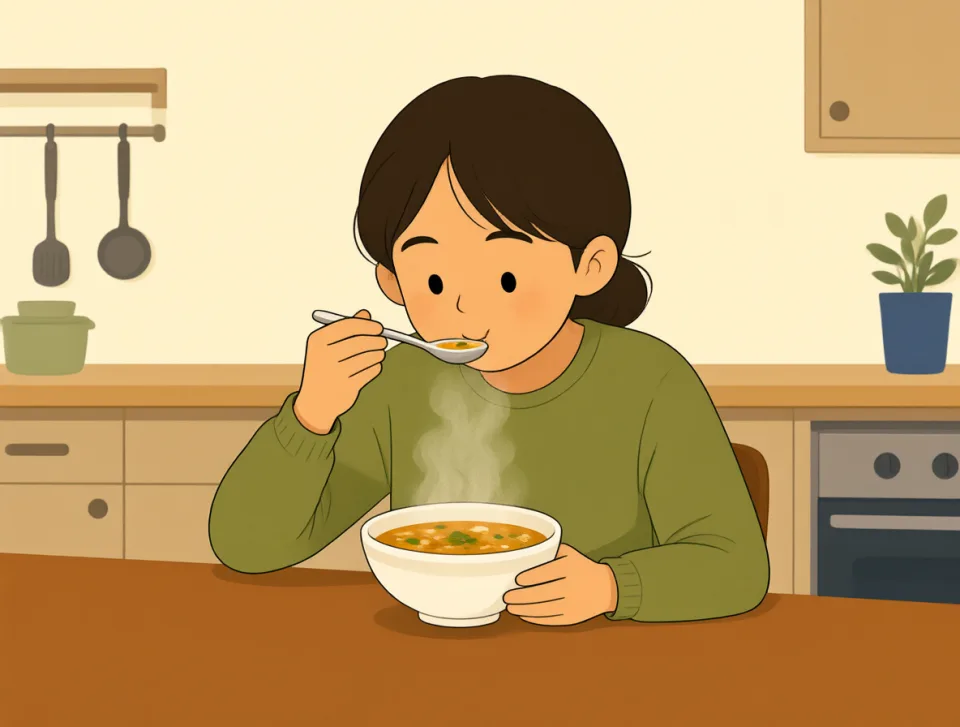
This soup is quite hot.
এই স্যুপটা বেশ গরম।

We arrived quite early for the train.
ট্রেনের জন্য আমরা বেশ তাড়াতাড়ি পৌঁছেছিলাম।

He quite likes his new teacher.
সে তার নতুন শিক্ষককে বেশ পছন্দ করে।

although
#278conjunction
যদিও
used to introduce a contrast or surprising fact
কোনো বৈপরীত্য বা অপ্রত্যাশিত তথ্য উপস্থাপন করতে ব্যবহৃত হয়।
Although it was raining, we went for a walk.
বৃষ্টি হলেও আমরা হাঁটতে বেরিয়েছিলাম।

Although she was tired, she finished her homework.
ক্লান্ত হলেও সে বাড়ির কাজ শেষ করেছিল।

Although the shirt was expensive, I bought it.
জামাটা দামী হলেও আমি সেটা কিনেছিলাম।
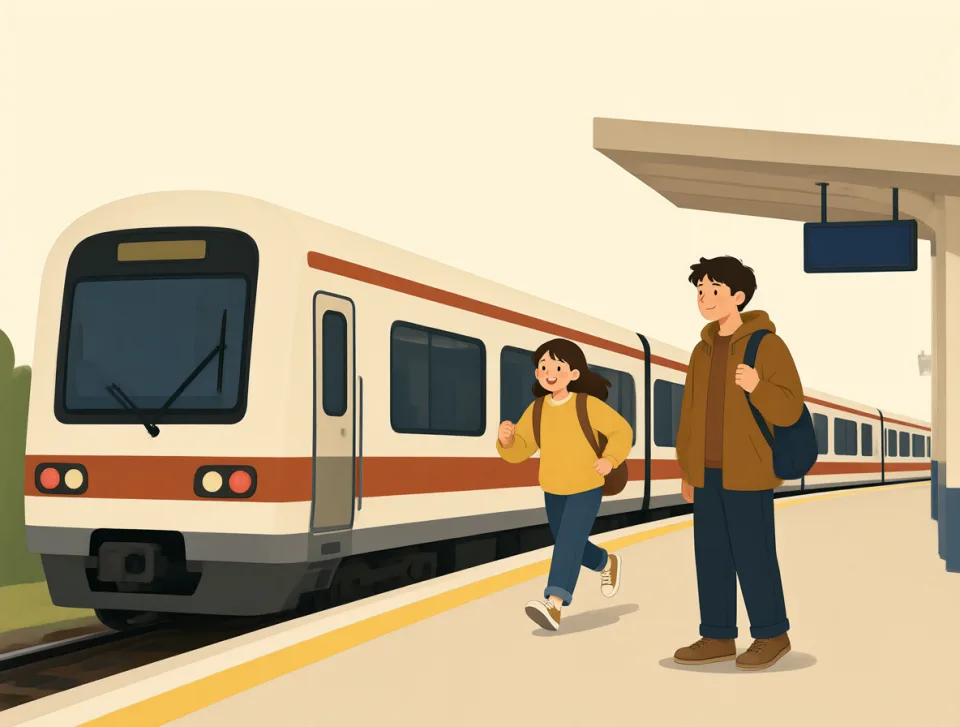
Although he missed the train, he arrived on time.
ট্রেন মিস করলেও সে সময়মতো পৌঁছেছিল।

Although I was sick, I went to work.
অসুস্থ হলেও আমি কাজে গিয়েছিলাম।

sure
#279adjective, adverb
নিশ্চিত
Certain to be true or likely to happen; used to agree or ask for agreement.
সত্য হওয়া বা ঘটার ব্যাপারে নিশ্চিত; সম্মতি জানাতে বা সম্মতি চাইতে ব্যবহৃত হয়।
Are you sure this is your bag?
এটা যে তোমার ব্যাগ, সে বিষয়ে তুমি কি নিশ্চিত?

I am sure she will come.
আমি নিশ্চিত যে সে আসবে।

Sure, I can help you.
অবশ্যই, আমি আপনাকে সাহায্য করতে পারি।
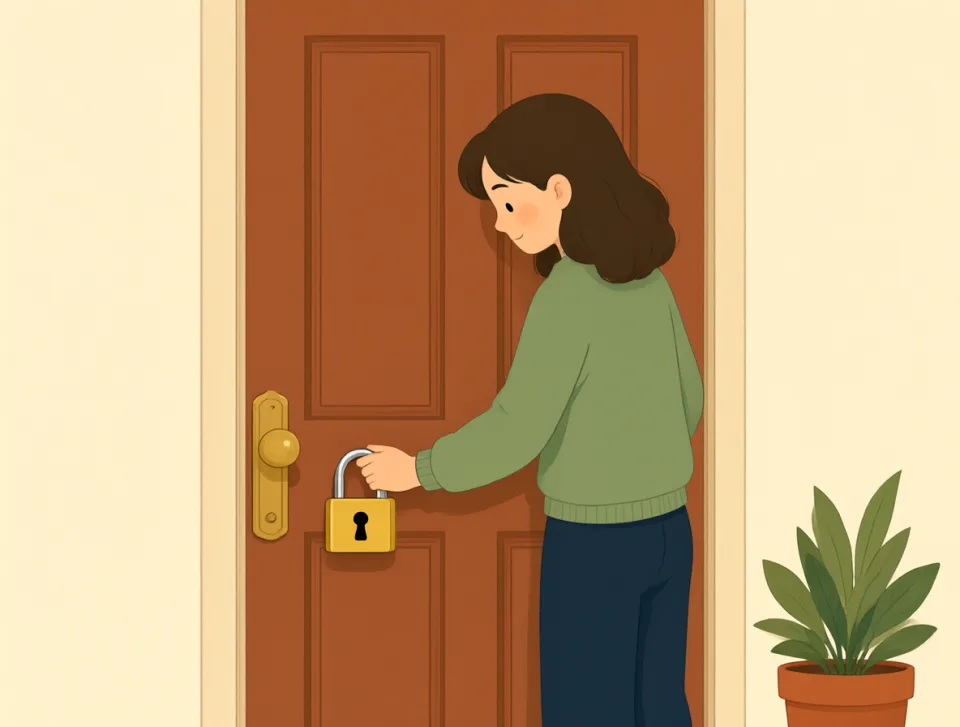
Make sure you lock the door.
দরজায় তালা দিয়েছেন কি না, তা নিশ্চিত করুন।

He is not sure about the answer.
উত্তরটি নিয়ে সে নিশ্চিত নয়।

term
#280noun, verb
শব্দ; মেয়াদ; শর্ত
A word or phrase, a fixed period, or a condition in an agreement.
কোনো শব্দ বা বাক্যাংশ, একটি নির্দিষ্ট সময়কাল, অথবা কোনো চুক্তির একটি শর্ত।
Please explain this term in simple English.
দয়া করে এই শব্দটির অর্থ সহজ ইংরেজিতে ব্যাখ্যা করুন।

The doctor used a medical term I knew.
ডাক্তার এমন একটি চিকিৎসাবিষয়ক শব্দ ব্যবহার করেছিলেন, যা আমি জানতাম।

The loan must be paid in monthly terms.
ঋণটি মাসিক কিস্তিতে পরিশোধ করতে হবে।

She served a two-year term as mayor.
সে মেয়র হিসেবে দুই বছরের মেয়াদ পালন করেছিল।

They agreed to the terms of the sale.
তারা বিক্রয়ের শর্তগুলোতে সম্মত হয়েছিল।