इकाई 14
शब्द 261–280 · learn, level, person, experience, once, member
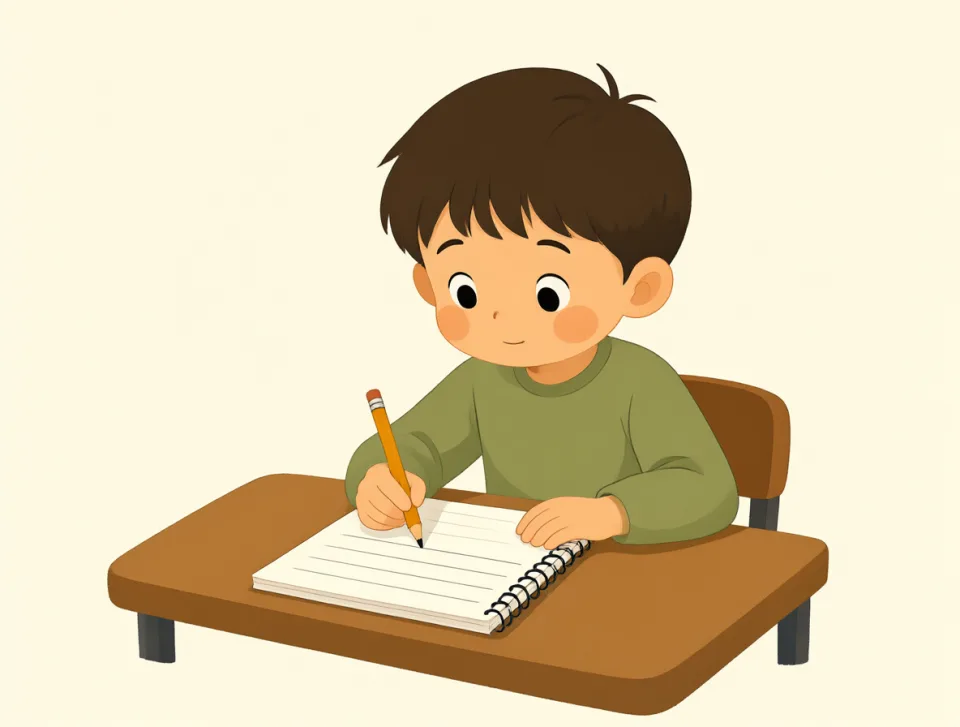
learn
#261verb
सीखना
to get knowledge or a skill by studying, practicing, or experiencing something
अध्ययन, अभ्यास या किसी चीज़ का अनुभव करके ज्ञान या कौशल प्राप्त करना
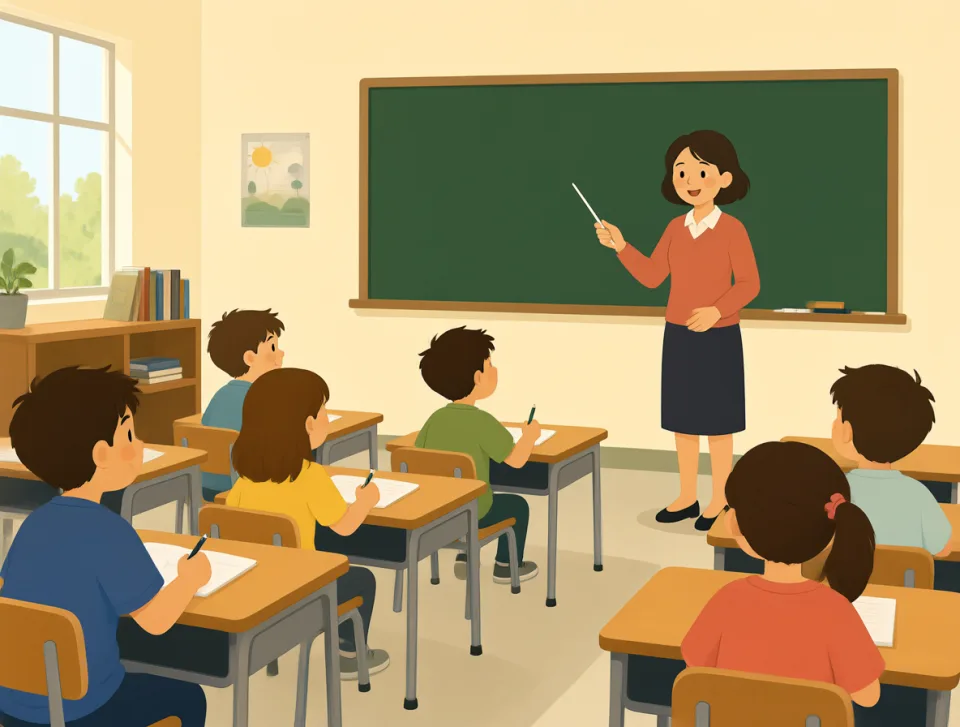
Children learn new things at school.
बच्चे स्कूल में नई चीज़ें सीखते हैं।
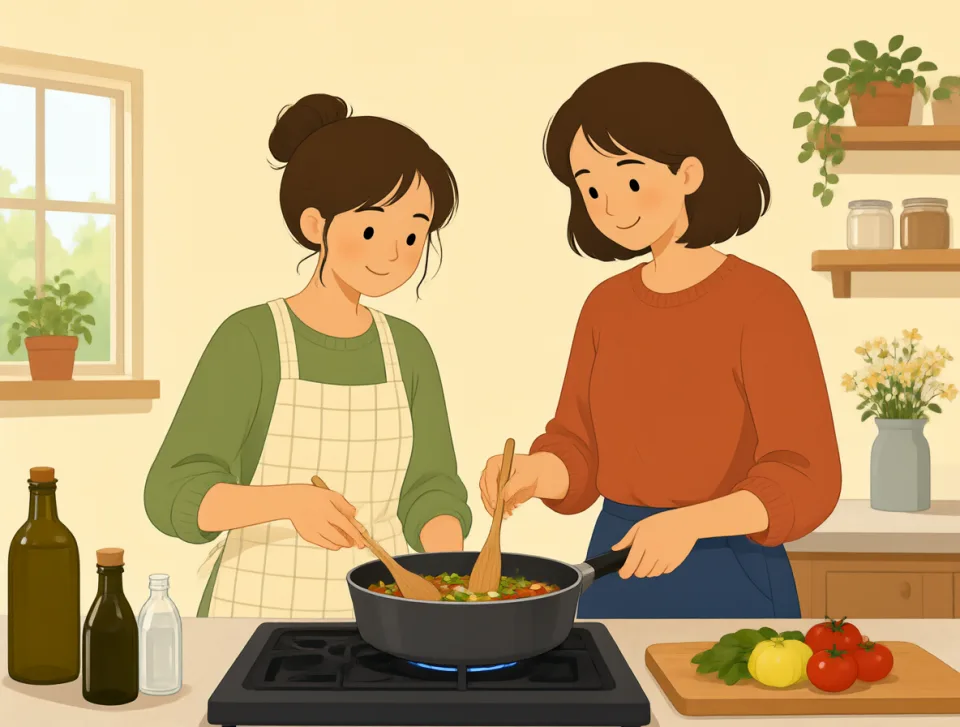
I learned to cook from my mother.
मैंने अपनी माँ से खाना बनाना सीखा।
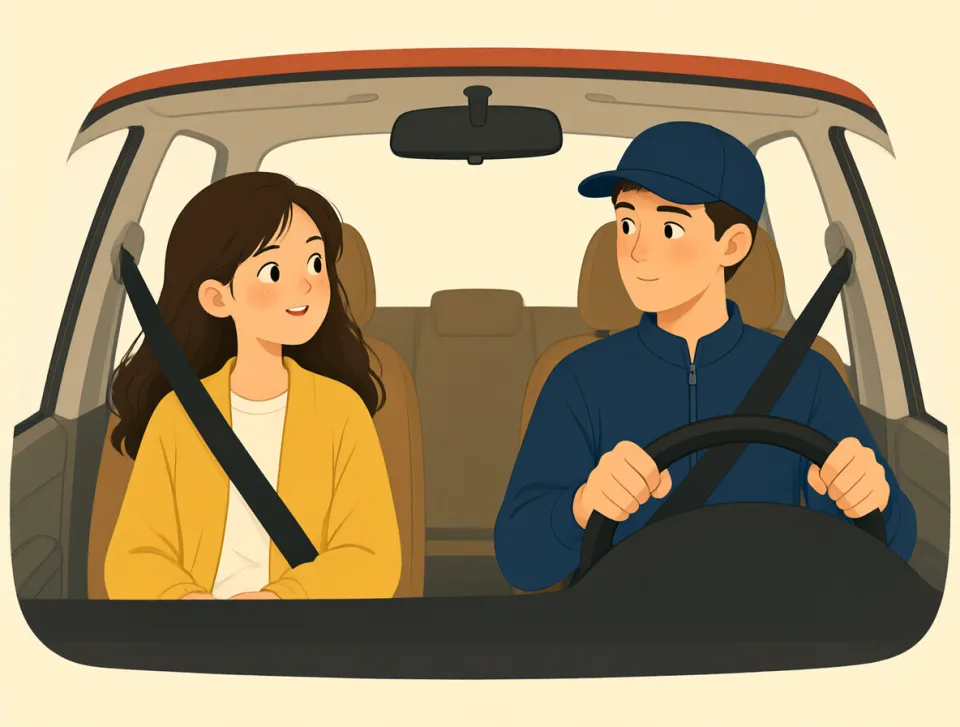
She is learning how to drive.
वह गाड़ी चलाना सीख रही है।
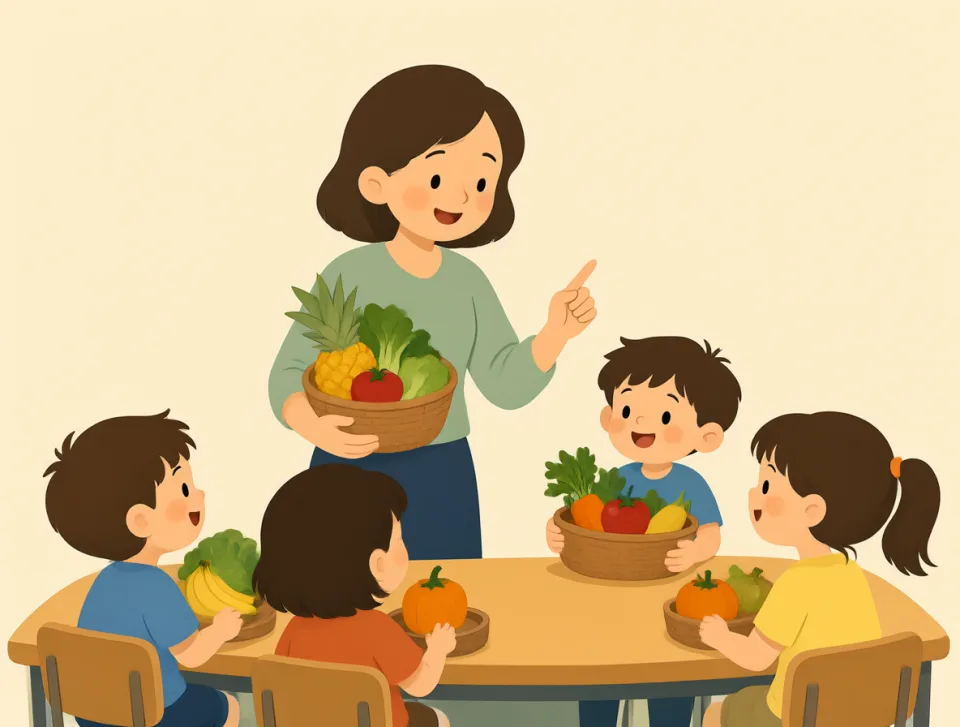
We learned about healthy food today.
आज हमने स्वस्थ भोजन के बारे में सीखा।
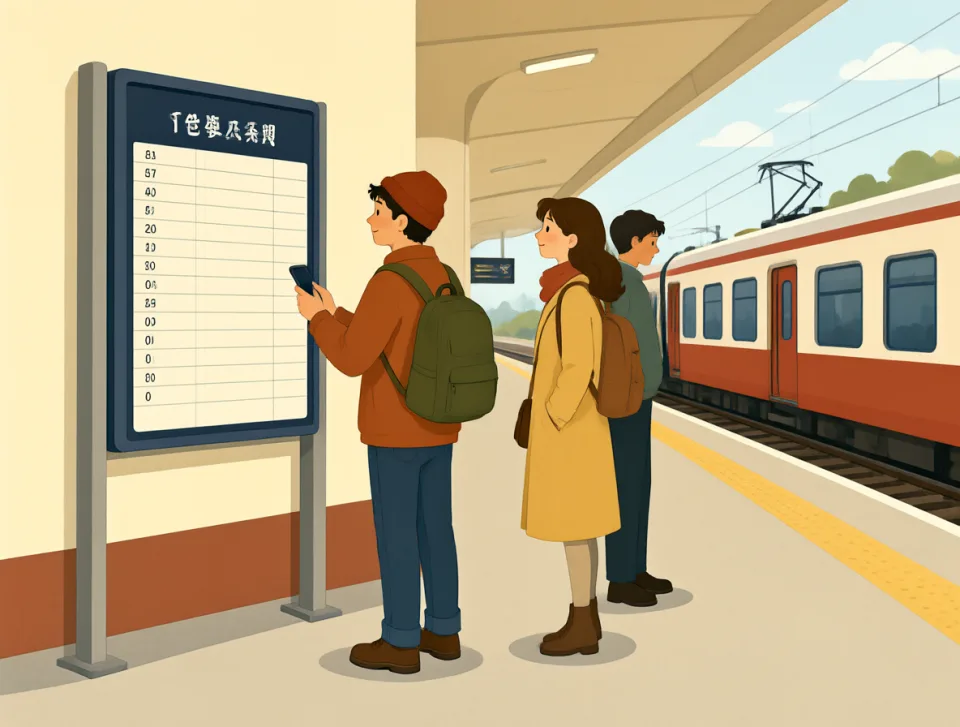
He learned the train was late.
उसे पता चला कि ट्रेन देर से चल रही थी।

level
#262noun, verb, adjective
स्तर
A position or amount that is higher, lower, or equal to another.
किसी अन्य चीज़ की तुलना में अधिक, कम या बराबर स्थिति या मात्रा।
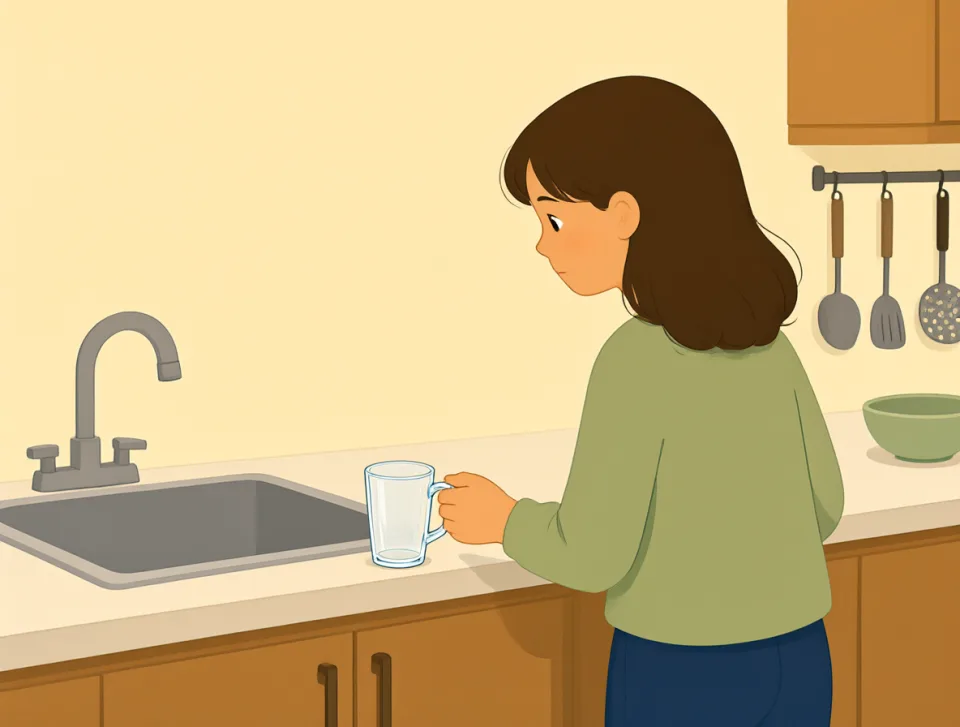
The water level is too low.
पानी का स्तर बहुत कम है।
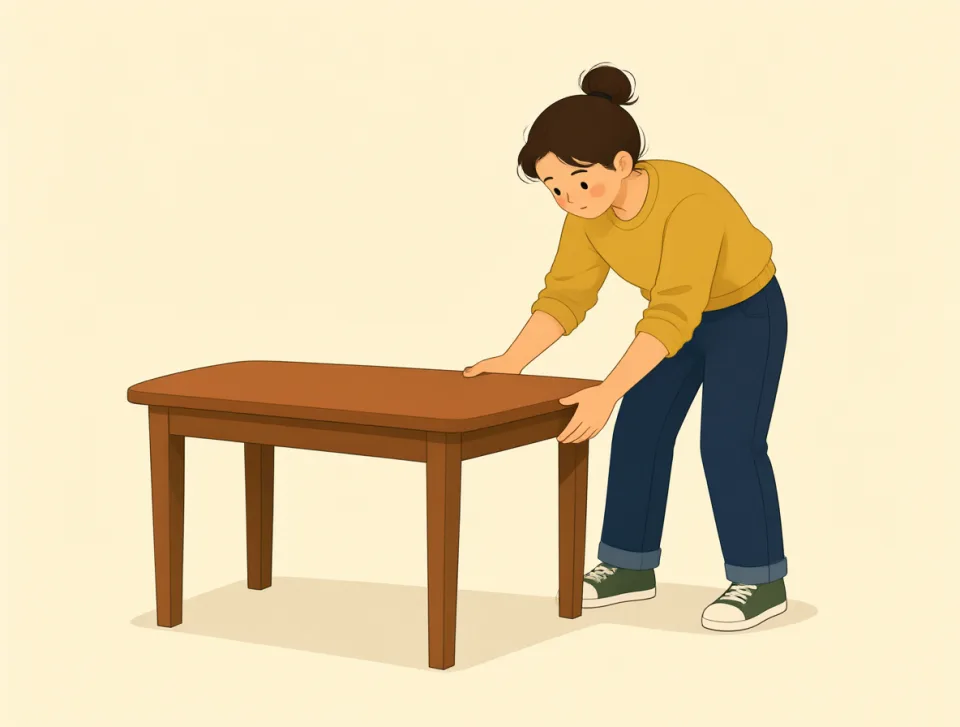
Please level the table before dinner.
कृपया खाने से पहले मेज़ को समतल कर दें।
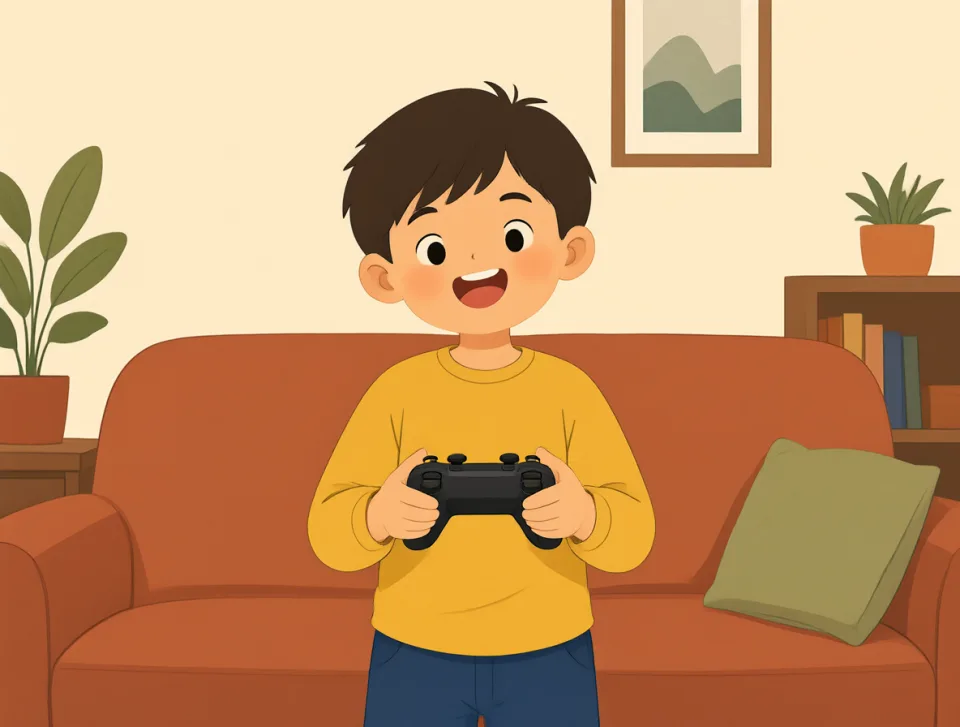
She reached the next level in the game.
वह खेल में अगले स्तर तक पहुँच गई।

The noise level was high at work.
काम की जगह पर शोर का स्तर बहुत अधिक था।
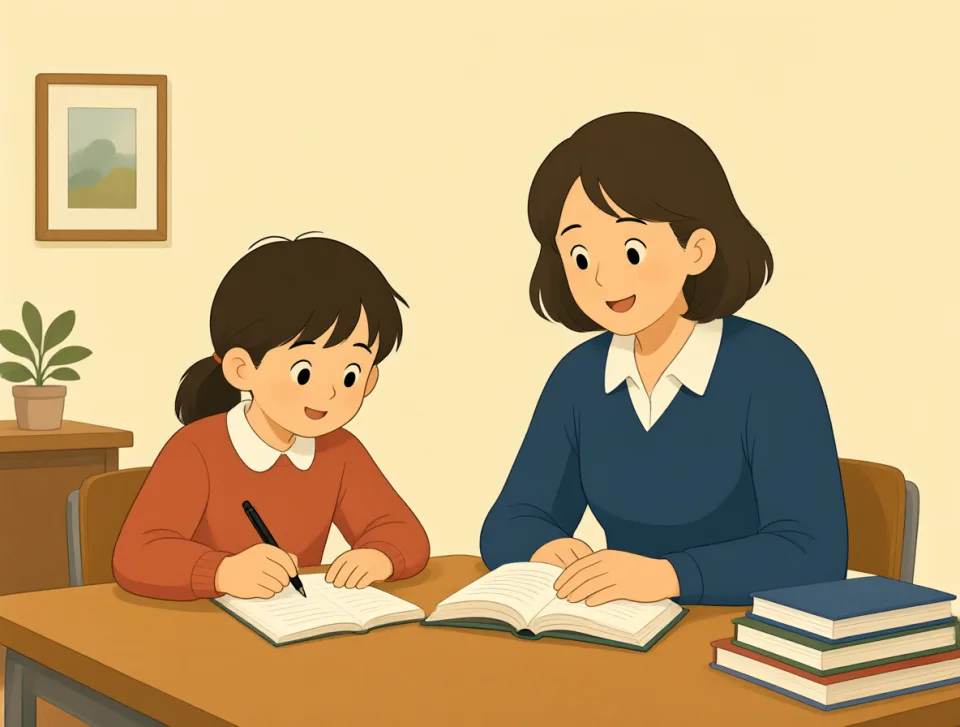
He is at an advanced level in English.
अंग्रेज़ी में उसका स्तर उन्नत है।
person
#263noun
व्यक्ति
A human being, especially one considered as an individual.
कोई इंसान, विशेष रूप से एक अलग व्यक्ति के रूप में देखा गया इंसान।
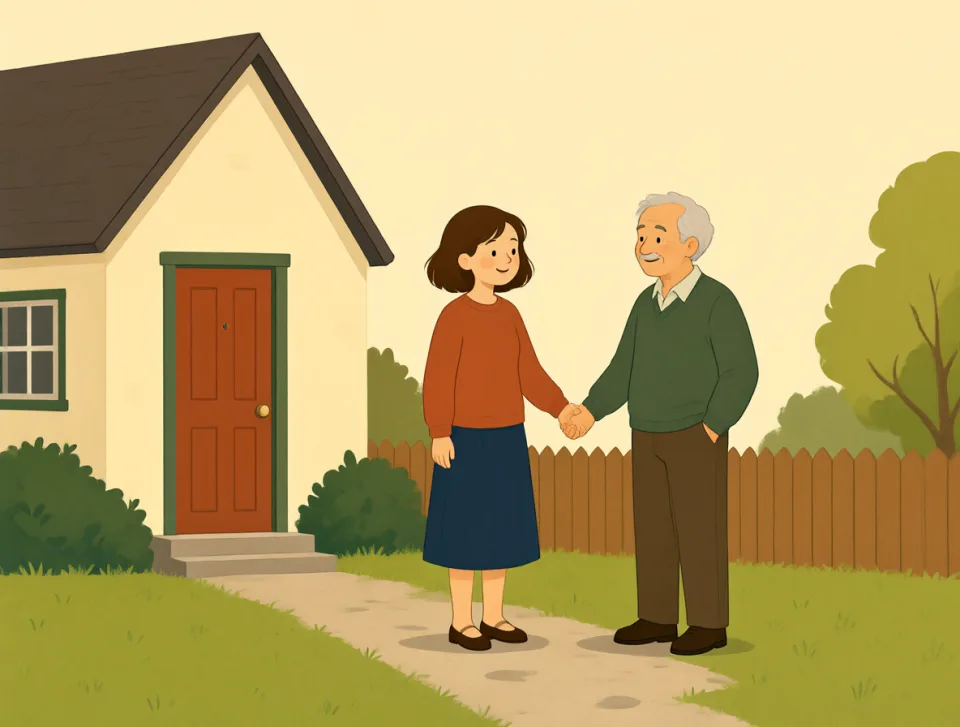
That person is my new neighbor.
वह व्यक्ति मेरा नया पड़ोसी है।

One person called the doctor for help.
एक व्यक्ति ने मदद के लिए डॉक्टर को फ़ोन किया।

She is the right person for this job.
वह इस नौकरी के लिए सही व्यक्ति है।

A kind person helped me carry my bags.
एक दयालु व्यक्ति ने मेरे बैग उठाने में मेरी मदद की।
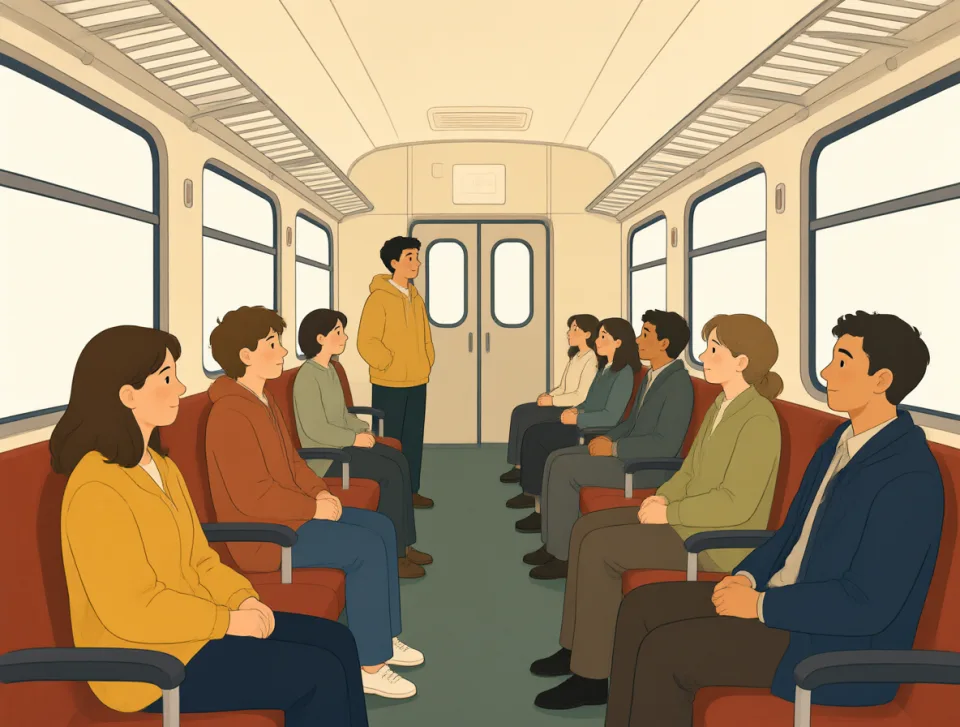
There were many people on the train.
ट्रेन में बहुत से लोग थे।

experience
#264noun, verb
अनुभव
Knowledge or skill gained by doing something; to have something happen to you.
कुछ करके प्राप्त ज्ञान या कौशल; आपके साथ किसी घटना का घटित होना।
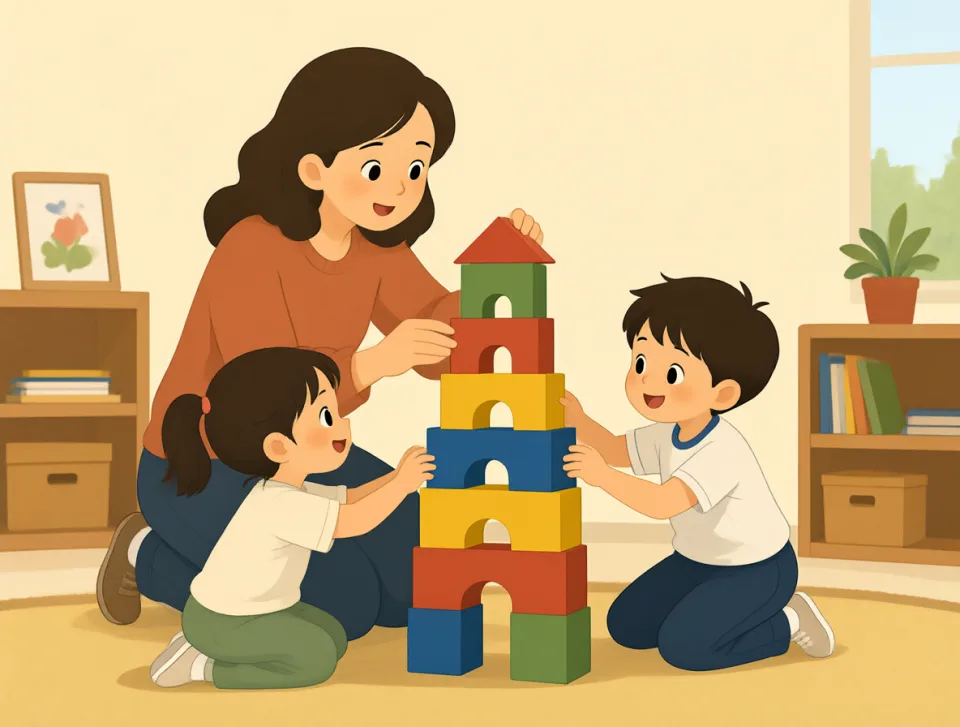
She has experience working with young children.
उसे छोटे बच्चों के साथ काम करने का अनुभव है।

This trip was a wonderful experience for us.
यह यात्रा हमारे लिए एक शानदार अनुभव थी।
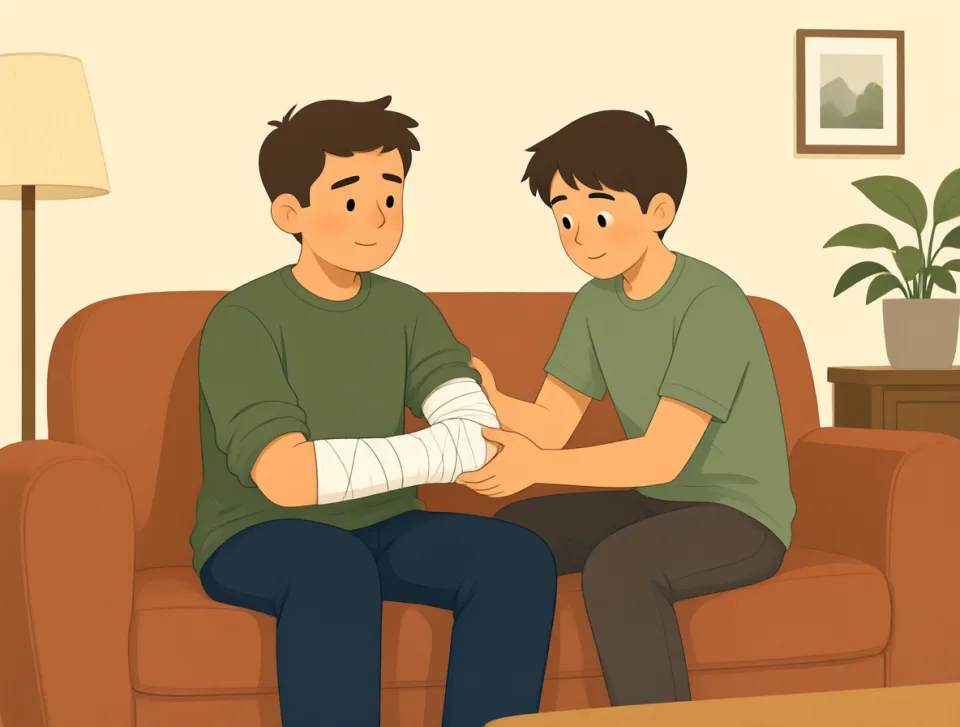
He experienced severe pain after the accident.
दुर्घटना के बाद उसे तेज़ दर्द का अनुभव हुआ।
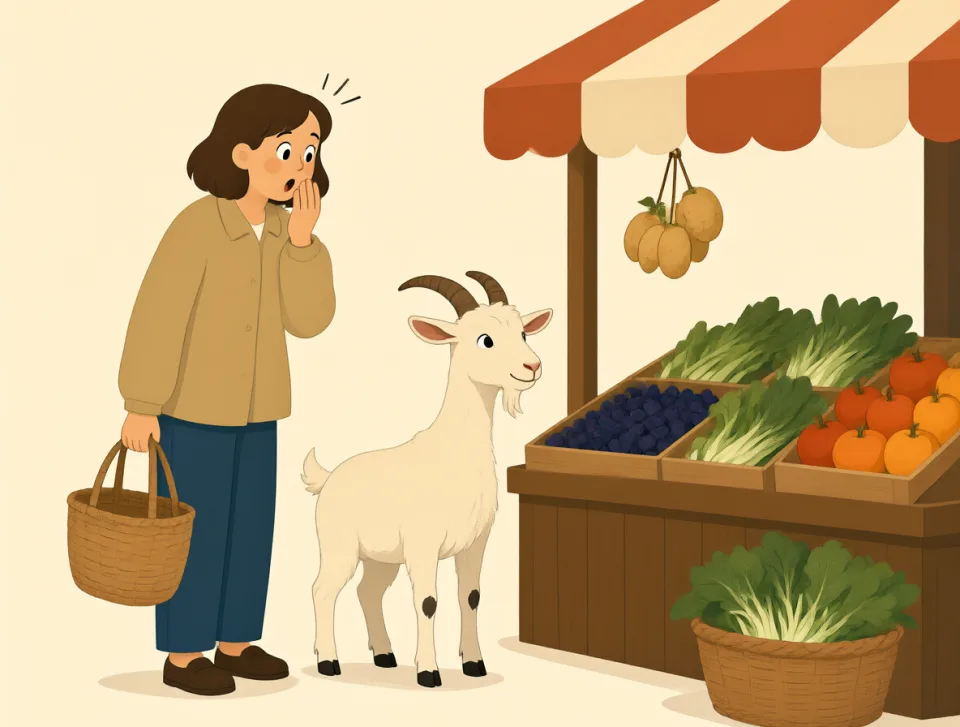
I had a strange experience at the market.
बाज़ार में मुझे एक अजीब अनुभव हुआ।
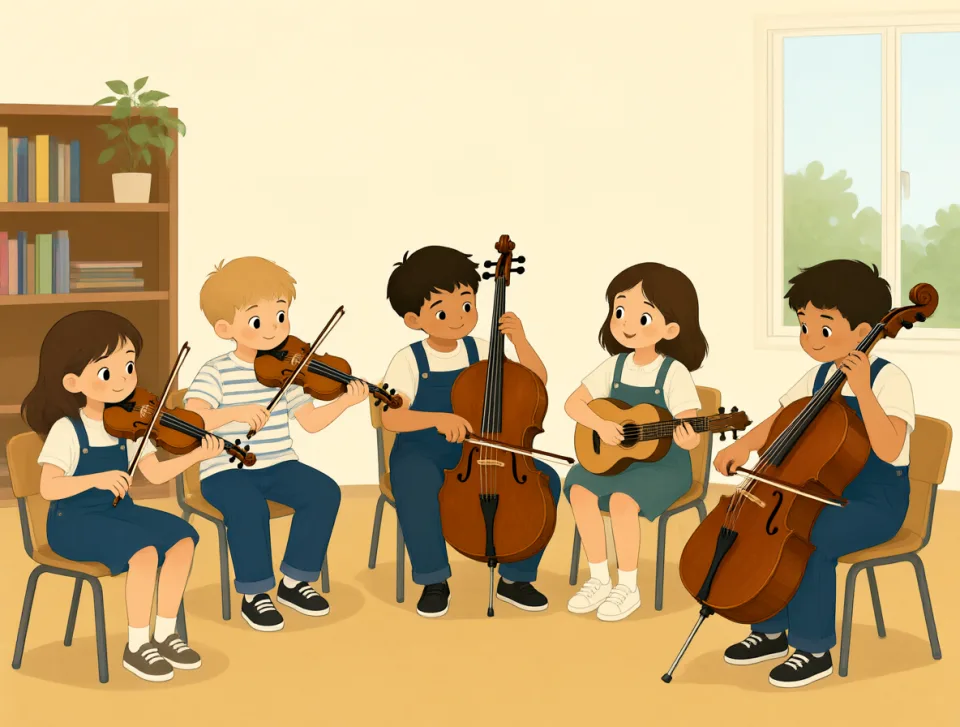
Students gain experience through practice.
छात्र अभ्यास के ज़रिए अनुभव प्राप्त करते हैं।

once
#265adverb, conjunction, determiner, noun
एक बार; कभी
At one time in the past, or one time only.
अतीत में किसी समय, या केवल एक बार।
I once lived in a small town.
मैं कभी एक छोटे शहर में रहता था।
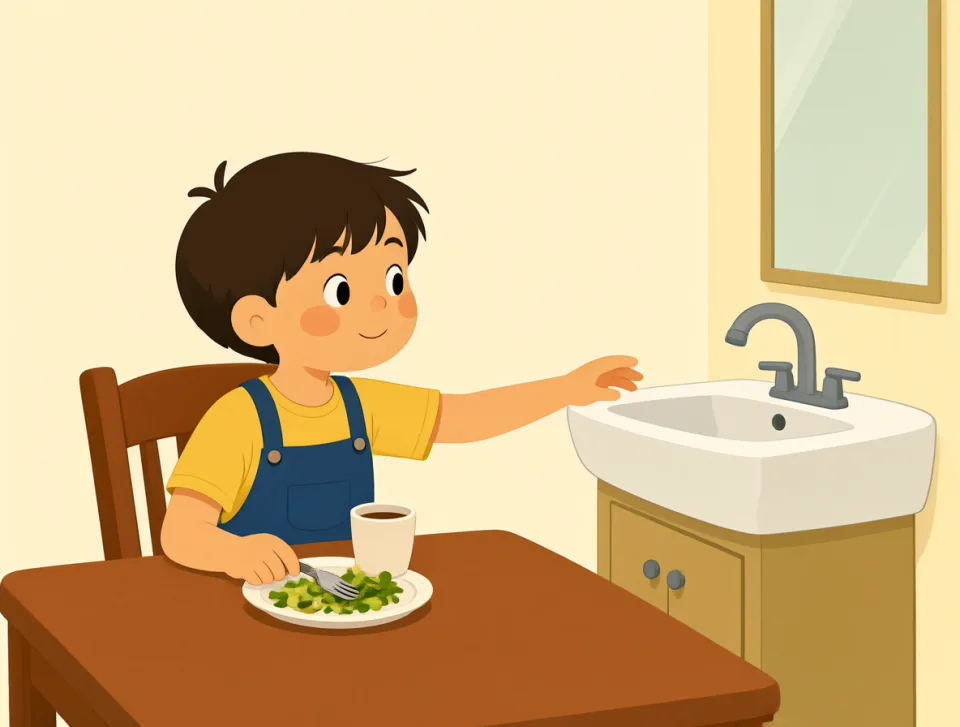
Once you finish, please wash your hands.
एक बार जब आप काम पूरा कर लें, तो कृपया अपने हाथ धो लें।

I have visited Paris once.
मैं पेरिस एक बार जा चुका हूँ।

Once a week, we buy fresh vegetables.
हम सप्ताह में एक बार ताज़ी सब्ज़ियाँ खरीदते हैं।
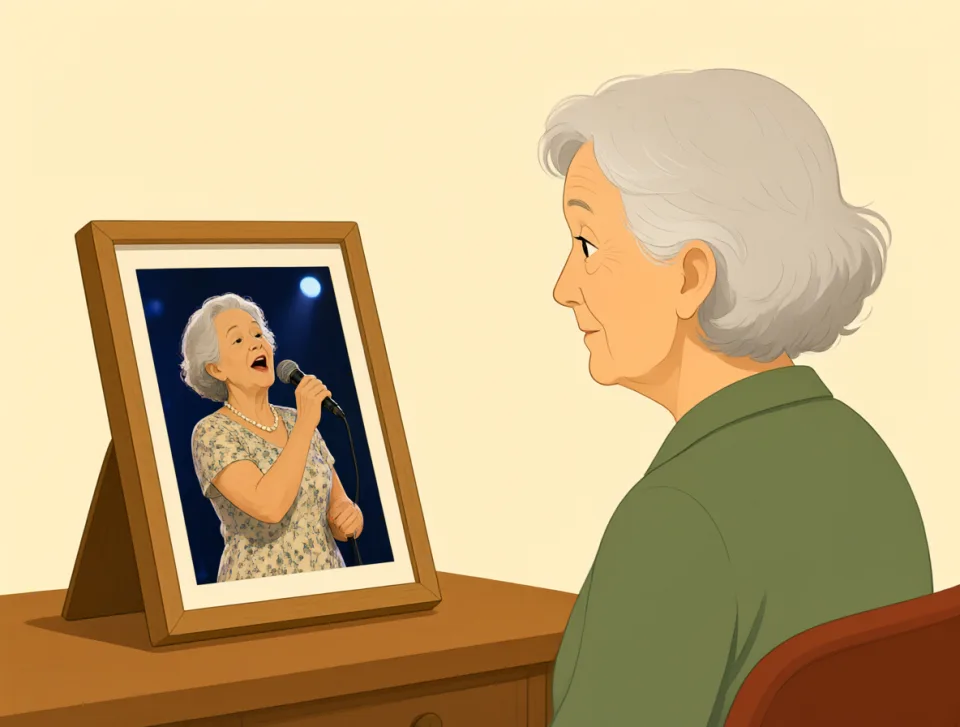
She was a famous singer once.
वह कभी एक मशहूर गायिका थी।
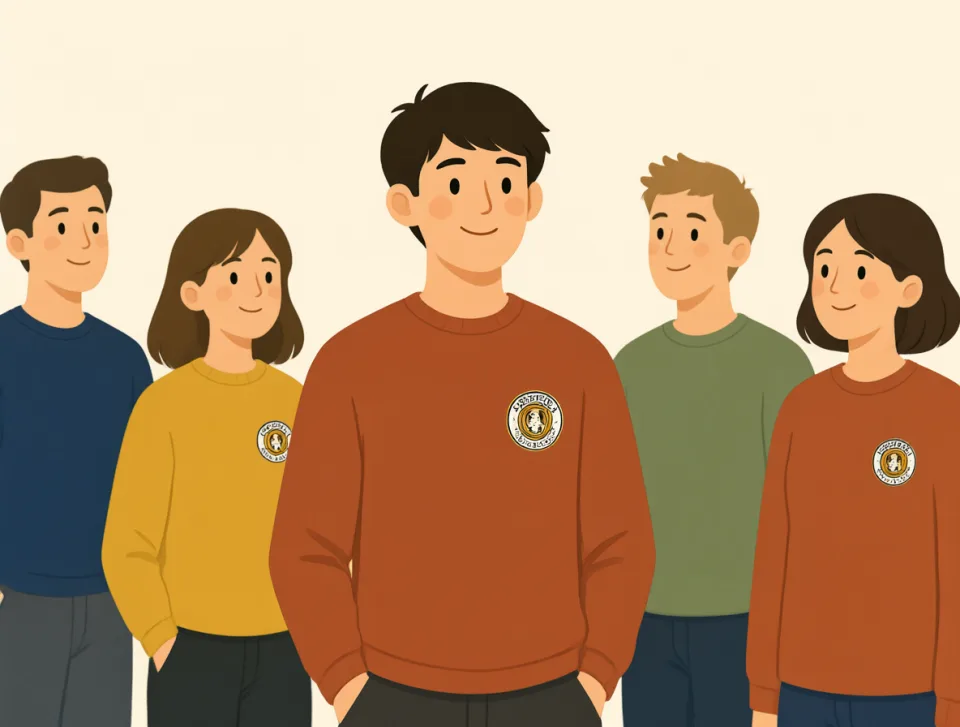
member
#266noun
सदस्य
a person who belongs to a group, club, or organization
किसी समूह, क्लब या संगठन से जुड़ा व्यक्ति।
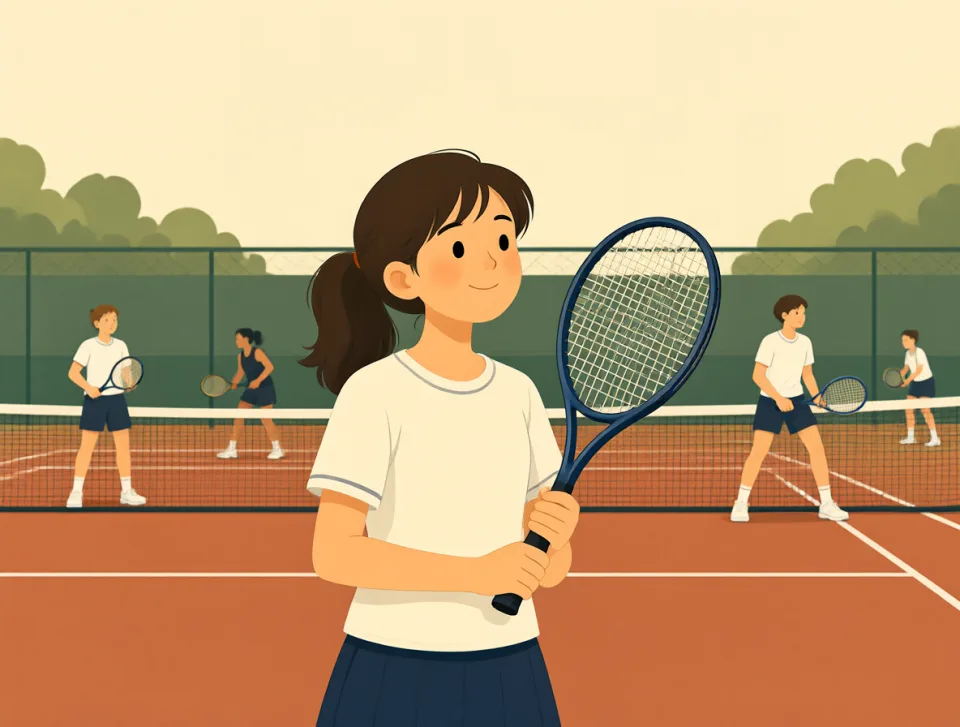
She is a member of our tennis club.
वह हमारे टेनिस क्लब की सदस्य है।
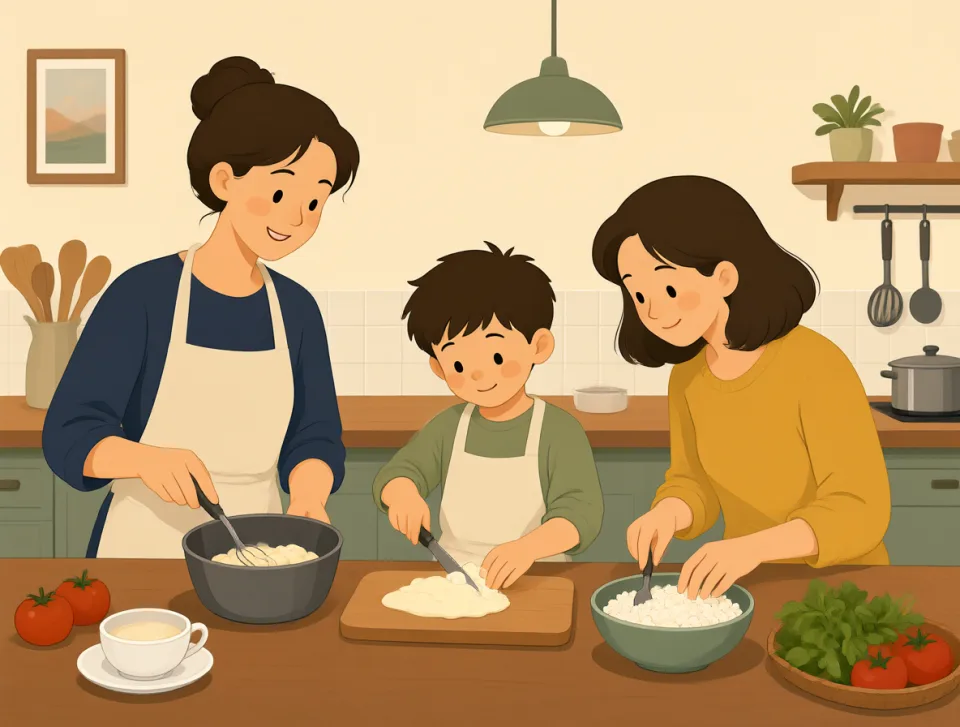
Every family member helped cook dinner.
परिवार के हर सदस्य ने रात का खाना बनाने में मदद की।
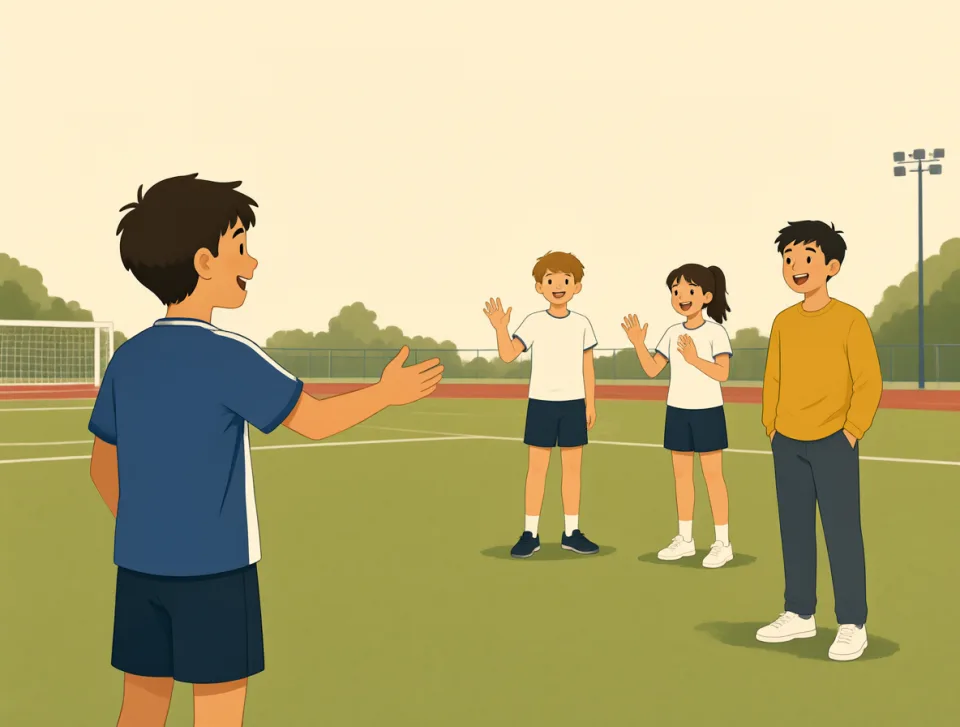
He became a member of the school team.
वह स्कूल की टीम का सदस्य बन गया।
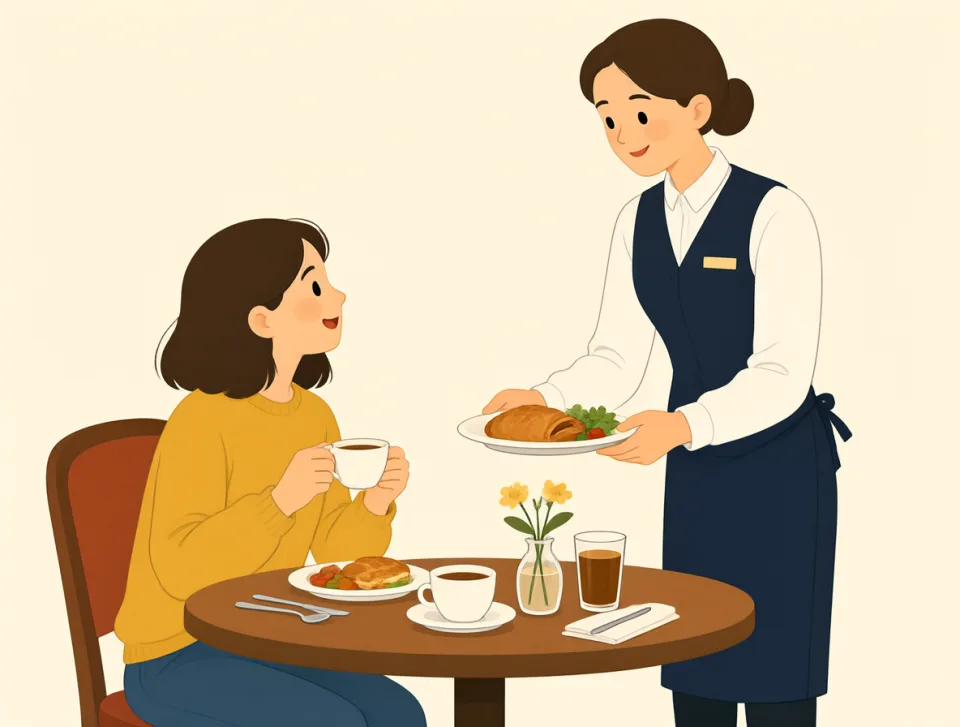
The hotel member received a free breakfast.
होटल के सदस्य को मुफ़्त नाश्ता मिला।
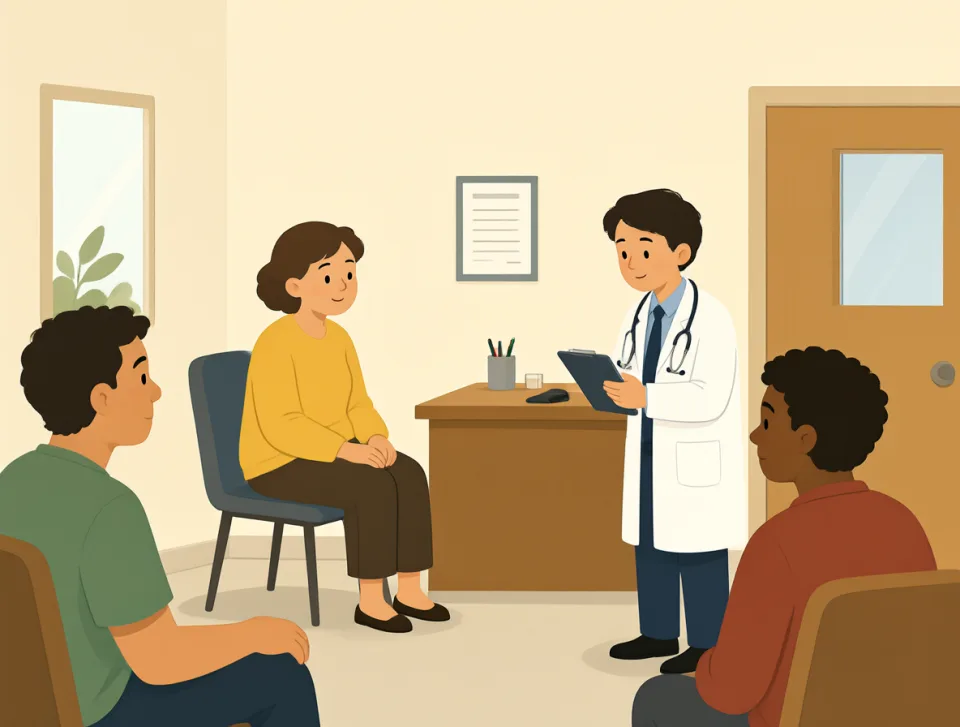
The doctor checked each member of the group.
डॉक्टर ने समूह के हर सदस्य की जाँच की।
enough
#267adjective, adverb, pronoun, determiner
पर्याप्त
As much or as many as needed.
जितनी मात्रा या संख्या की ज़रूरत हो।
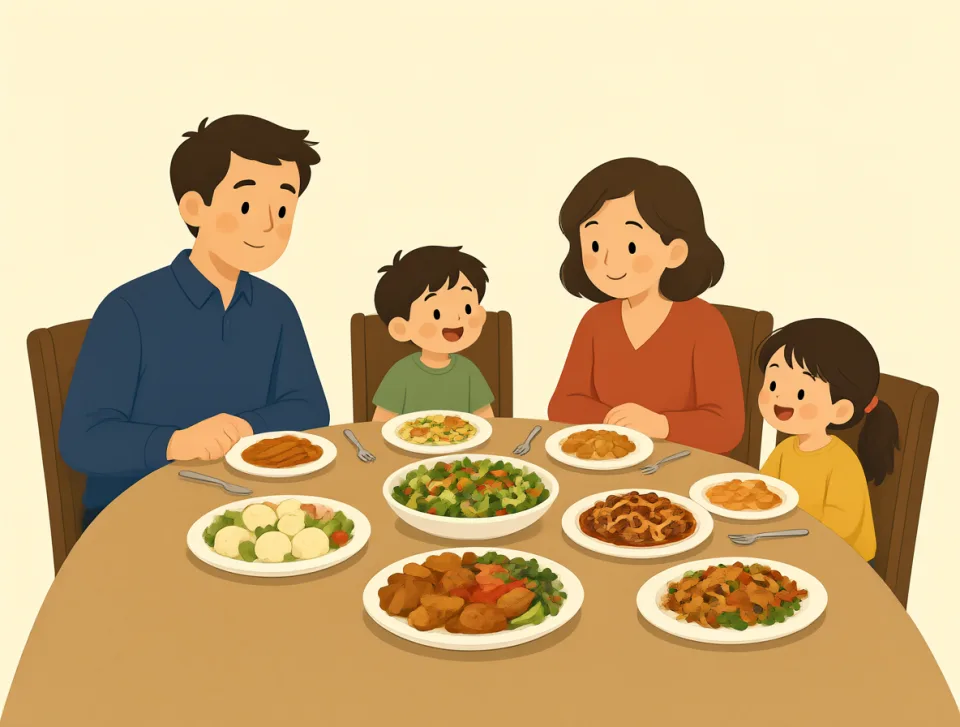
Do we have enough food for everyone?
क्या हमारे पास सबके लिए पर्याप्त खाना है?
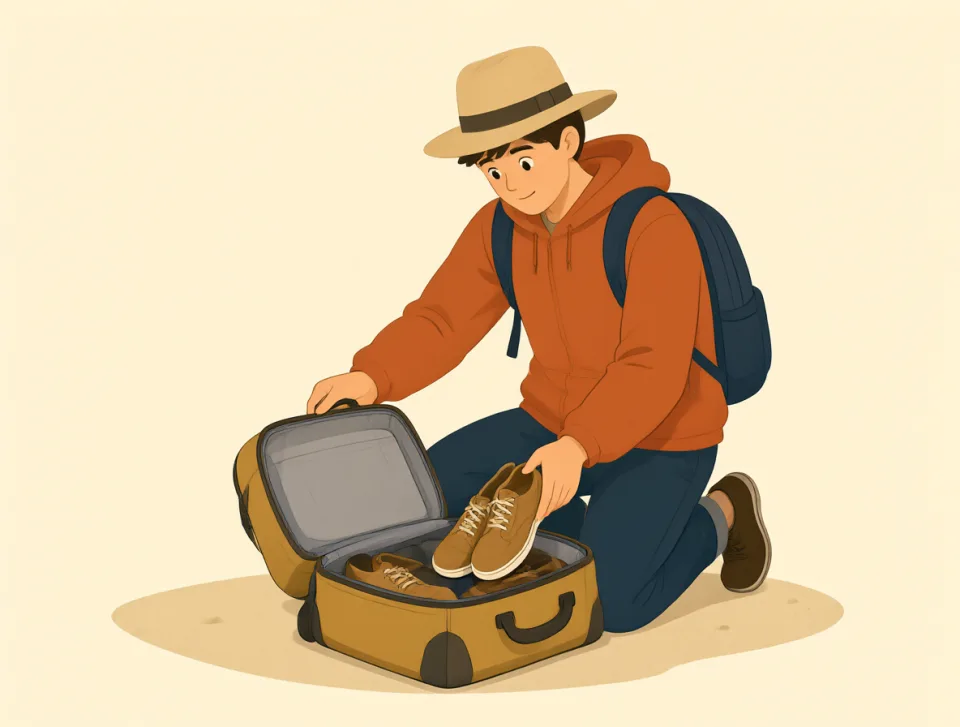
This bag is big enough for my shoes.
यह बैग मेरे जूतों के लिए काफी बड़ा है।
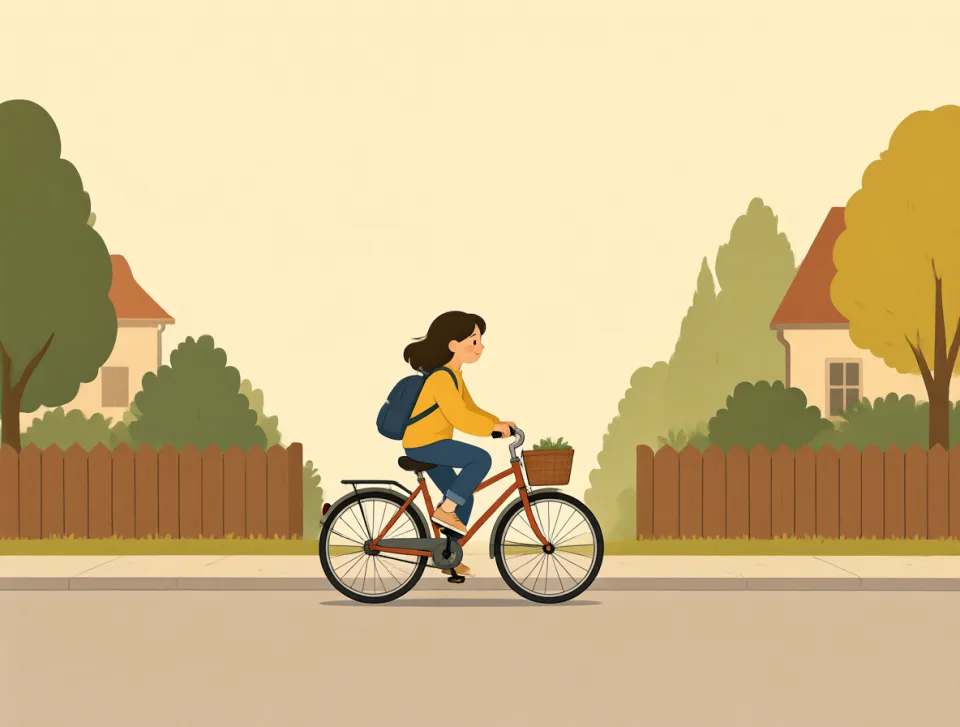
She is old enough to ride alone.
वह अकेले सवारी करने के लिए काफी बड़ी है।

I did not sleep enough last night.
मैं पिछली रात पर्याप्त नहीं सोया।

Are you warm enough in that jacket?
क्या उस जैकेट में तुम्हें पर्याप्त गर्मी मिल रही है?
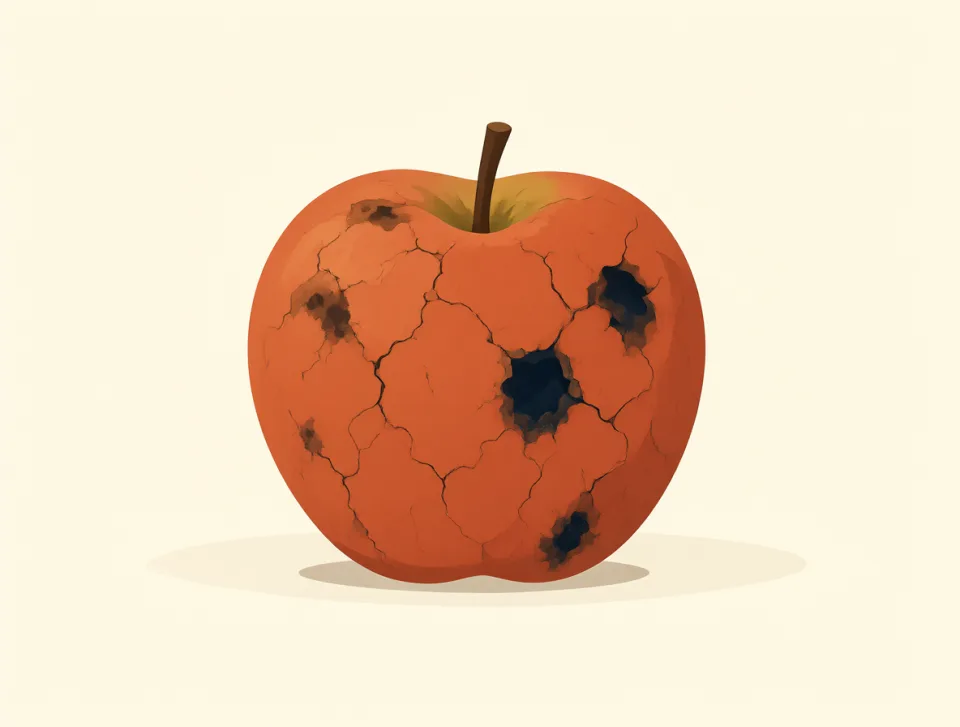
bad
#268adjective, noun
बुरा
Not good, pleasant, safe, or morally right.
जो अच्छा, सुखद, सुरक्षित या नैतिक रूप से सही न हो।

I had a bad day at work.
काम पर मेरा दिन बुरा रहा।
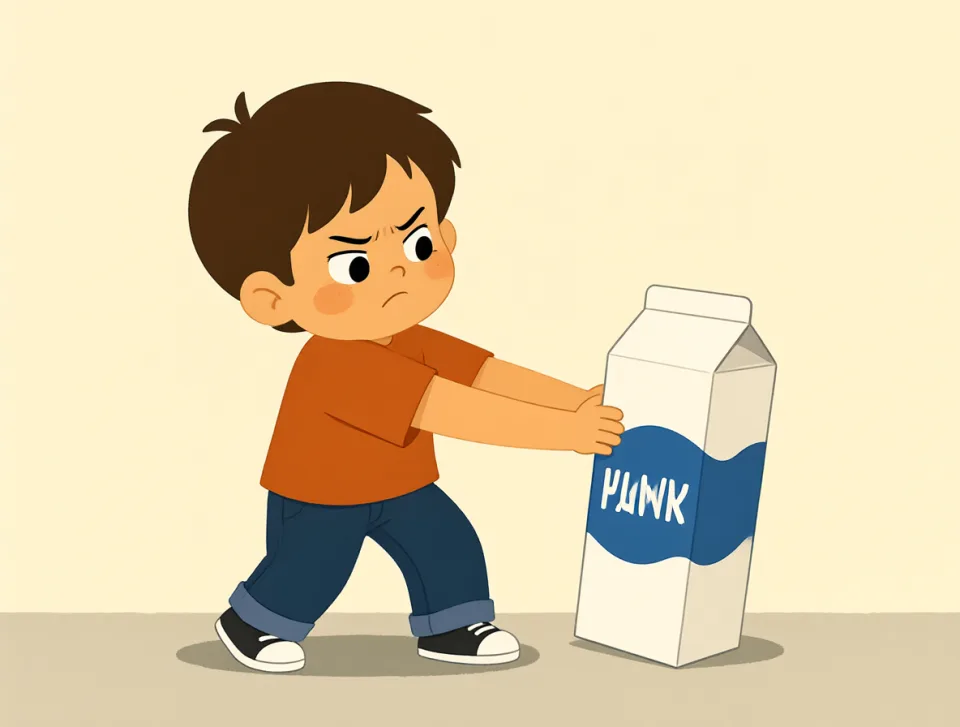
This milk smells bad.
इस दूध से बदबू आ रही है।
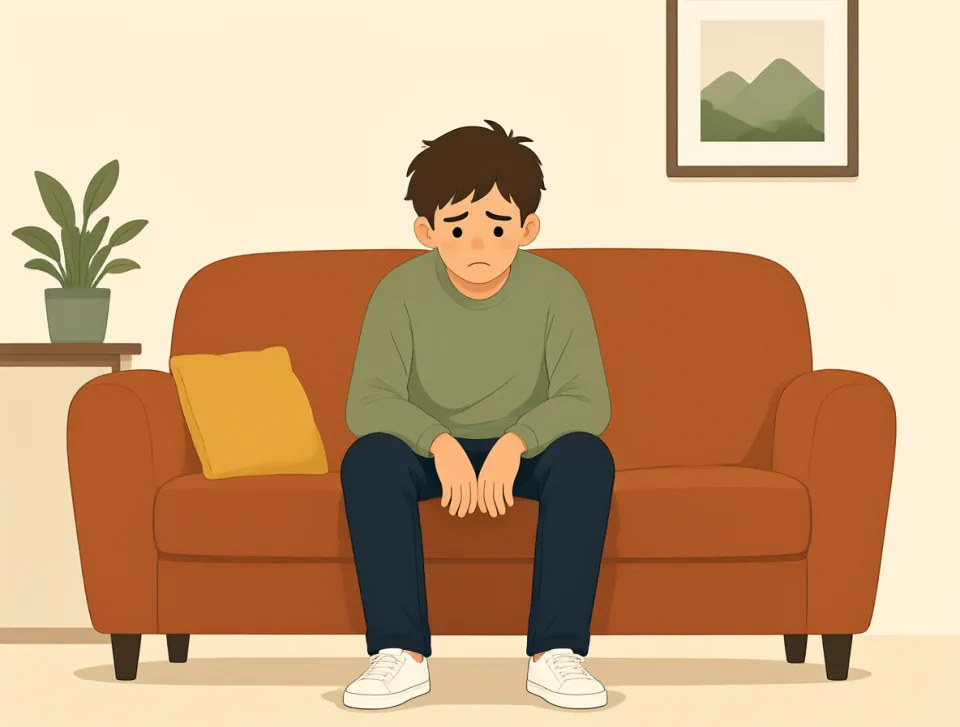
He felt bad after the argument.
बहस के बाद उसे बुरा लगा।

The weather was bad during our trip.
हमारी यात्रा के दौरान मौसम खराब था।
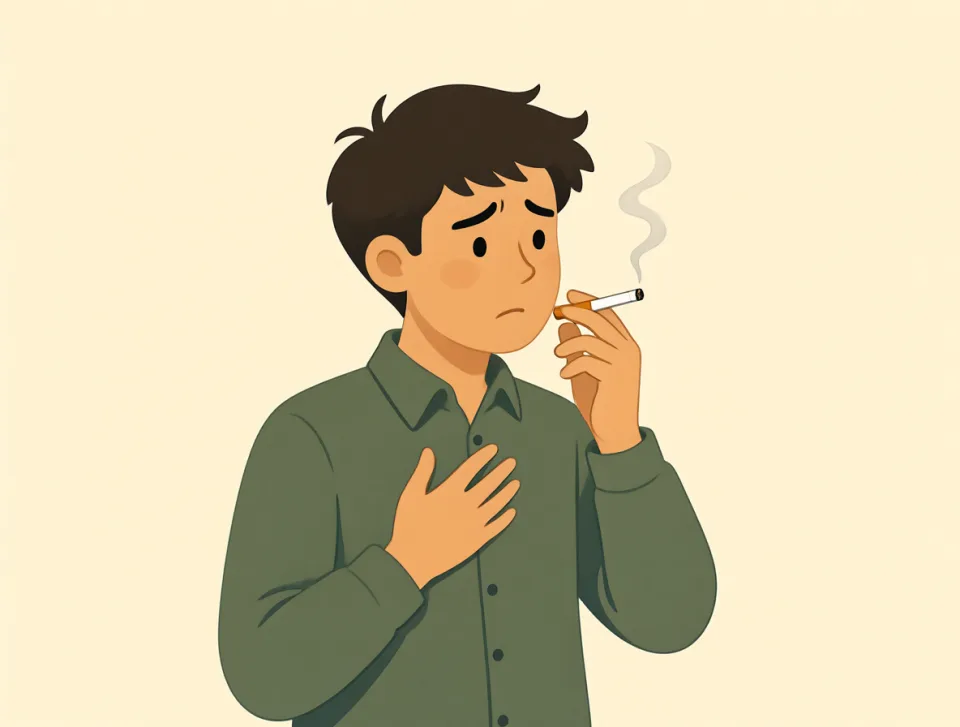
Smoking is bad for your health.
धूम्रपान सेहत के लिए बुरा है।

city
#269noun
शहर
A large place where many people live, work, and visit.
एक बड़ी जगह जहाँ बहुत से लोग रहते, काम करते और घूमने आते हैं।

She lives in a big city.
वह एक बड़े शहर में रहती है।
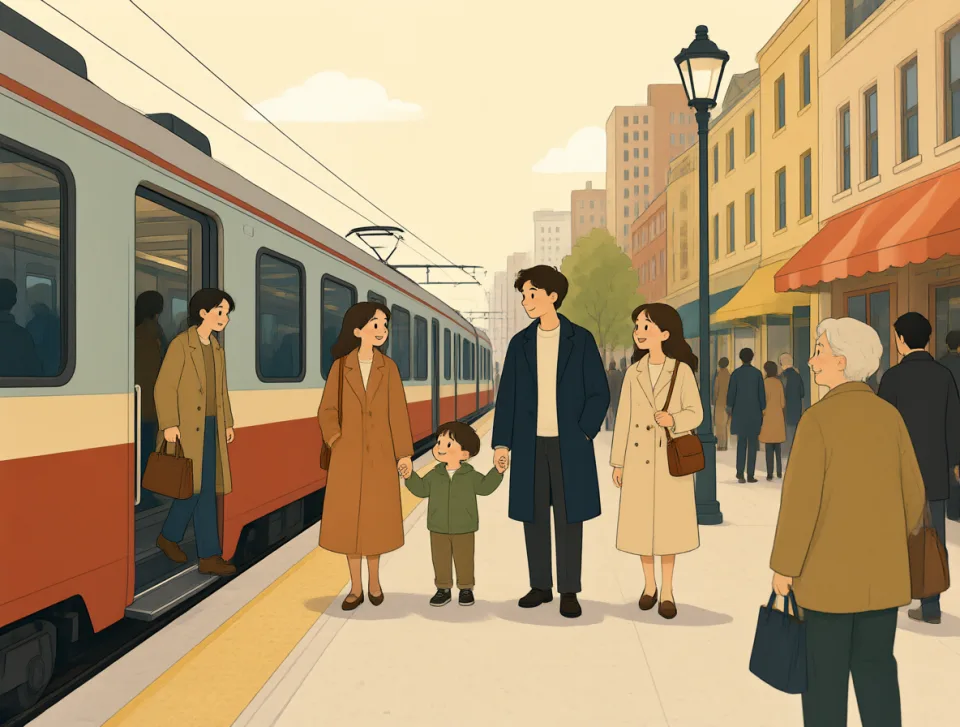
We took a train to the city.
हम ट्रेन से शहर गए।

The city has many good restaurants.
शहर में कई अच्छे रेस्तराँ हैं।

He works in the city center.
वह शहर के केंद्र में काम करता है।
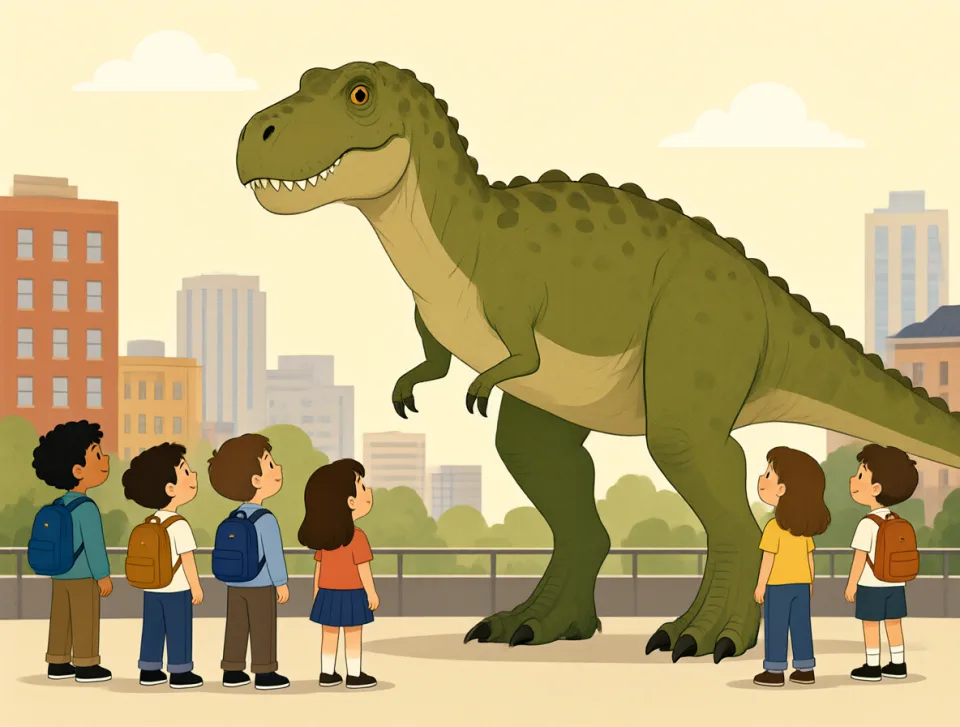
The children visited the city museum.
बच्चों ने शहर के संग्रहालय का दौरा किया।

night
#270noun
रात
The time when it is dark outside, from evening until morning.
शाम से सुबह तक का वह समय जब बाहर अँधेरा रहता है।
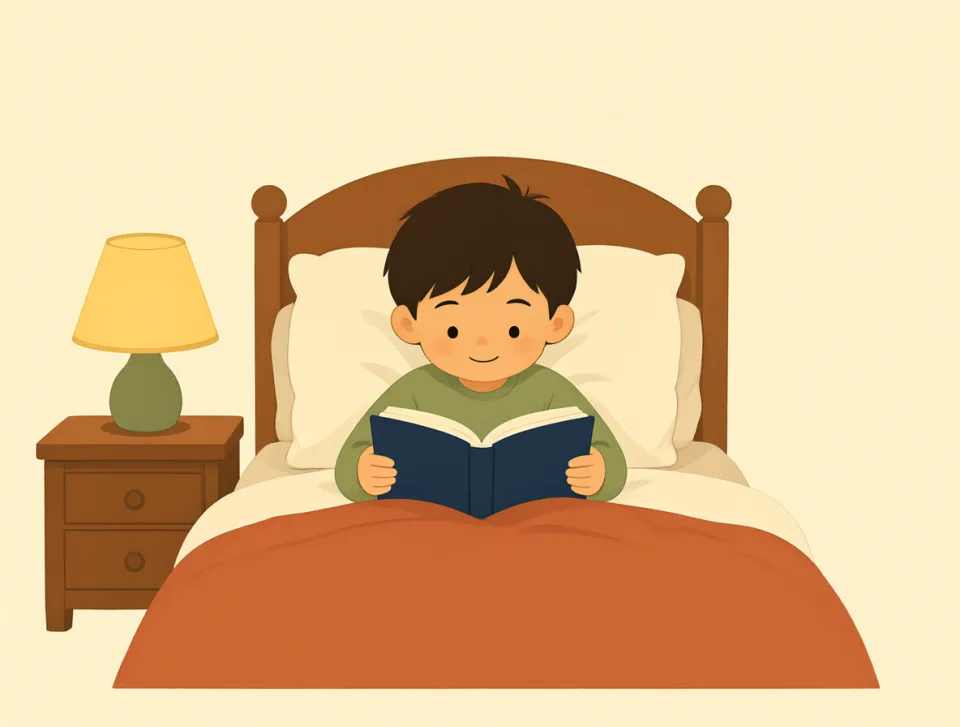
I read a book before bed at night.
मैं रात को सोने से पहले एक किताब पढ़ता हूँ।
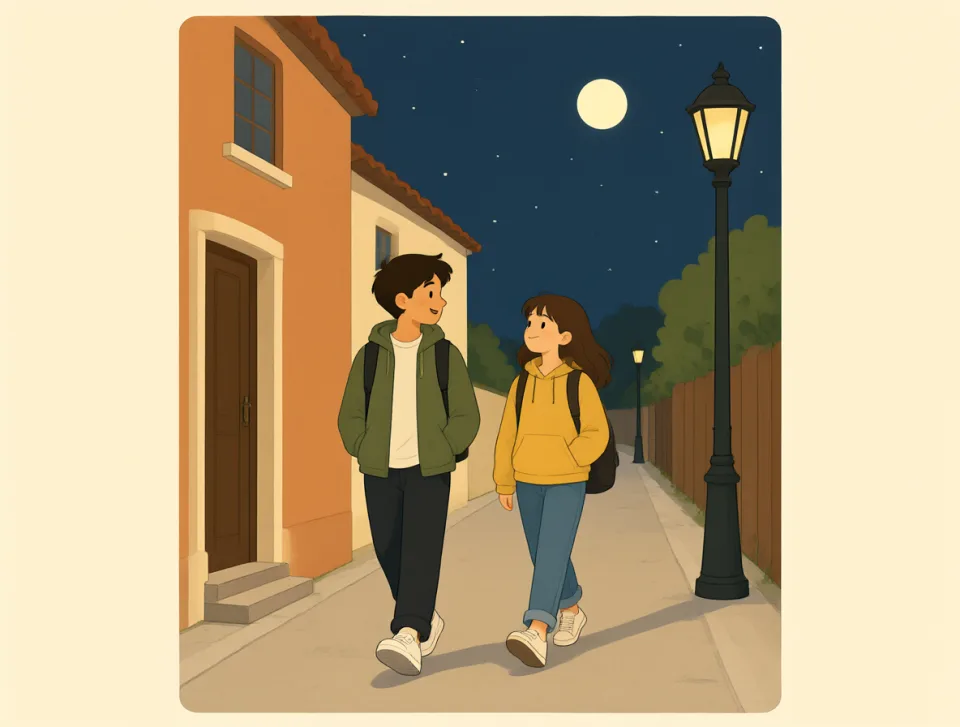
We walked home together late last night.
हम पिछली रात देर से साथ-साथ पैदल घर गए।
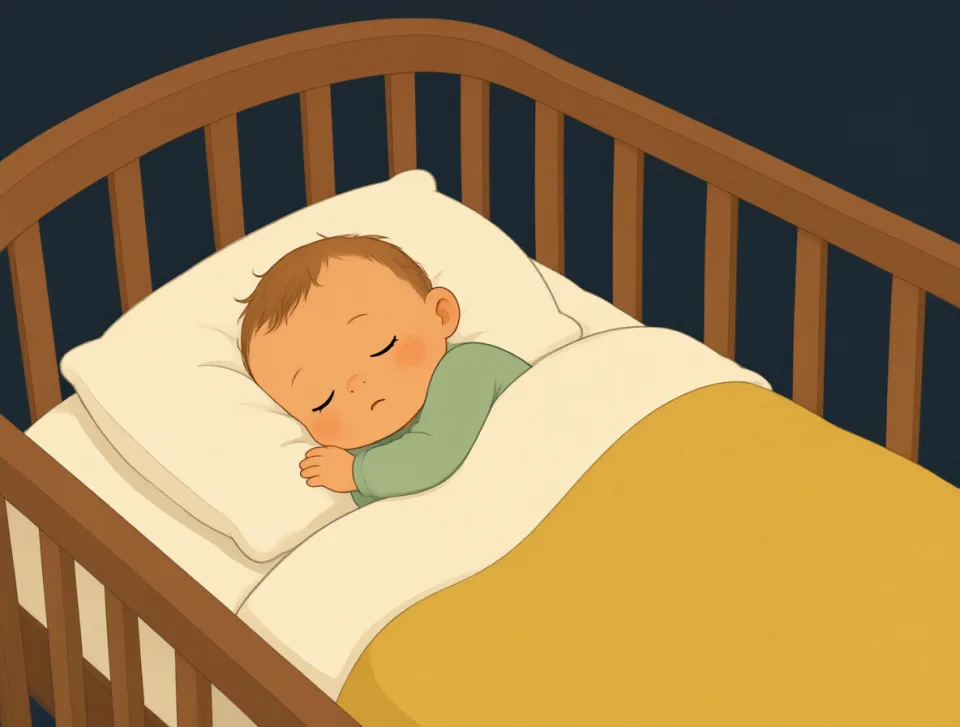
The baby slept well all night.
बच्चा पूरी रात अच्छी तरह सोया।
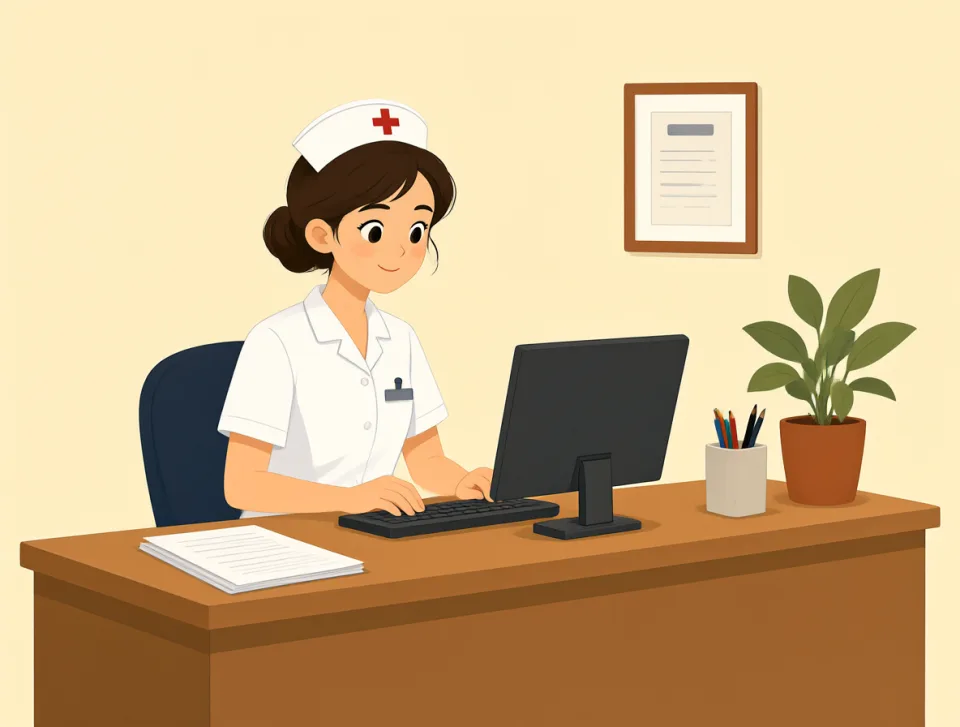
She works at the hospital night shift.
वह अस्पताल में रात की पाली में काम करती है।
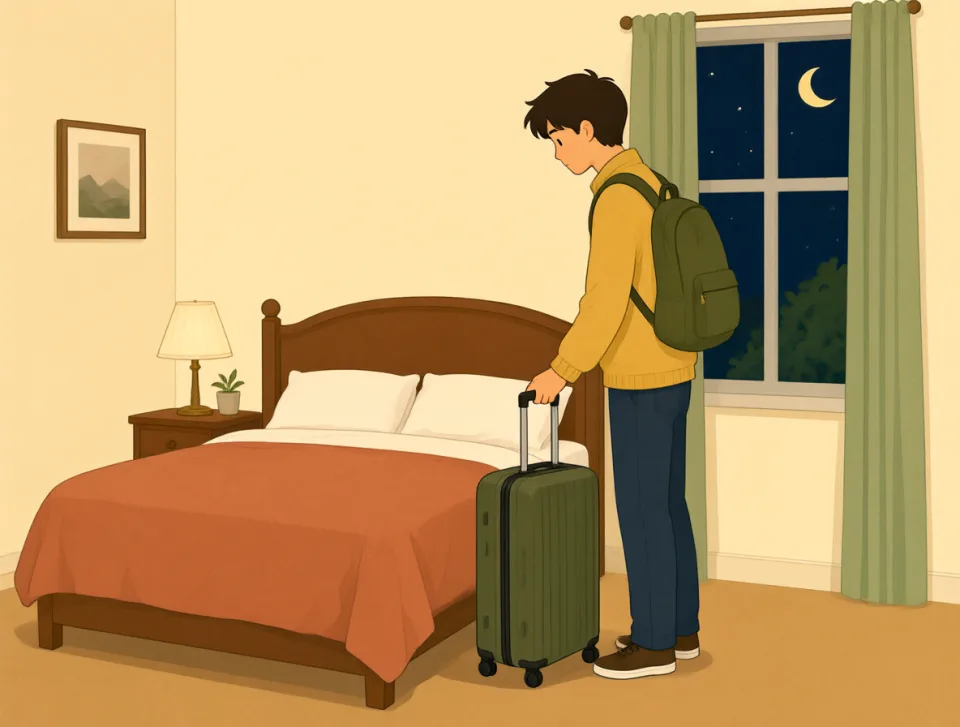
They stayed in a hotel for one night.
वे एक रात के लिए होटल में ठहरे।
able
#271adjective
सक्षम
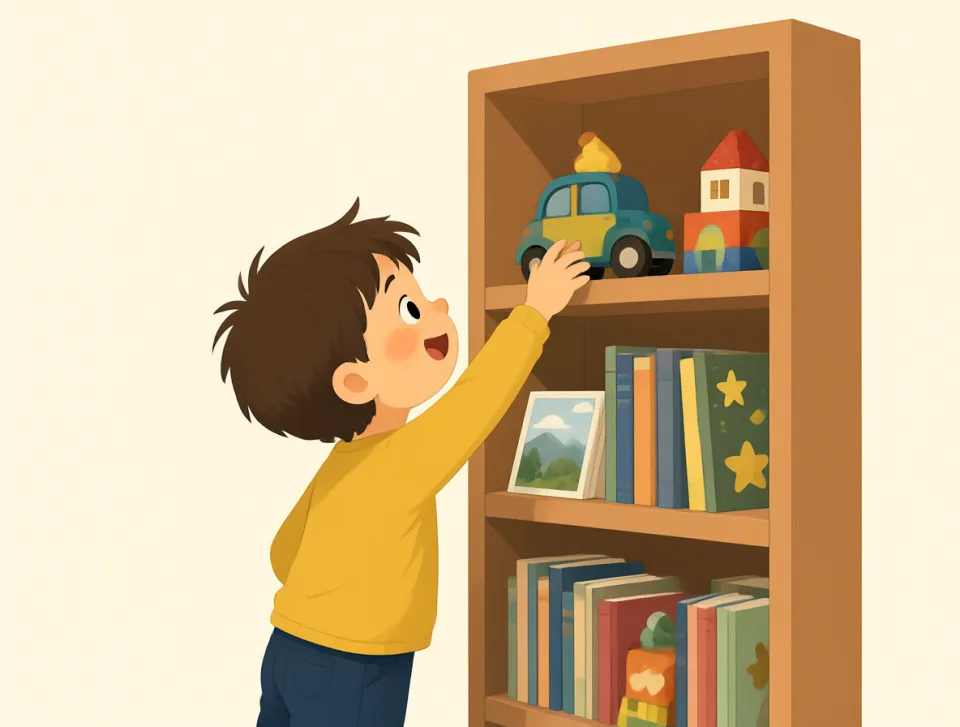
Having the skill, strength, time, or chance to do something.
किसी काम को करने का कौशल, ताकत, समय या अवसर होना।

She is able to swim very well.
वह बहुत अच्छी तरह तैर सकती है।
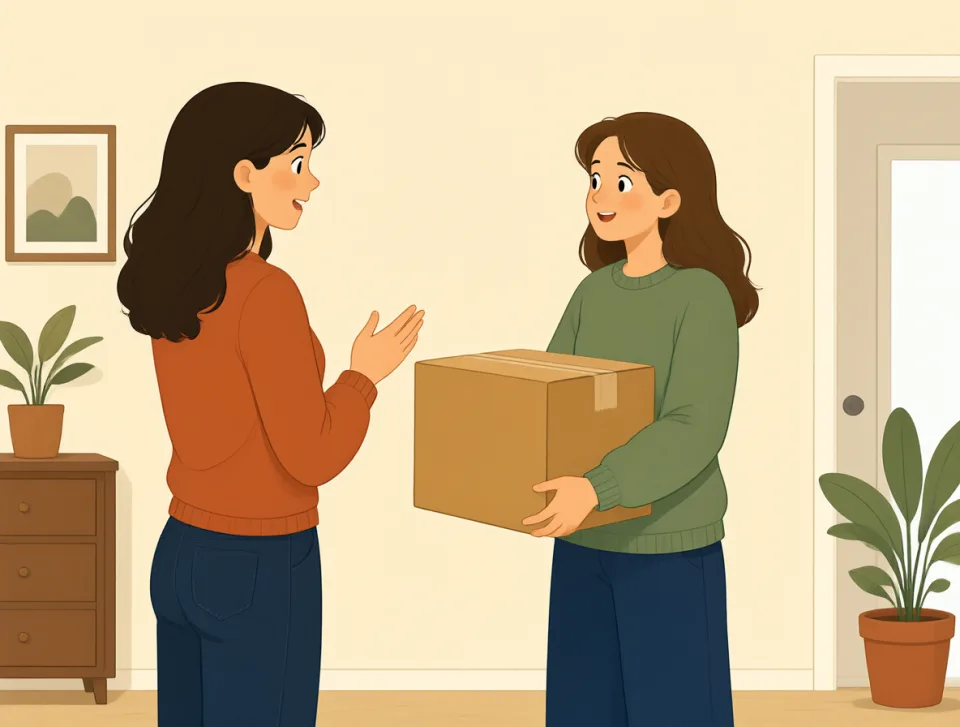
Are you able to help me today?
क्या आप आज मेरी मदद कर सकते हैं?

He was able to finish his homework.
वह अपना गृहकार्य पूरा कर पाया।
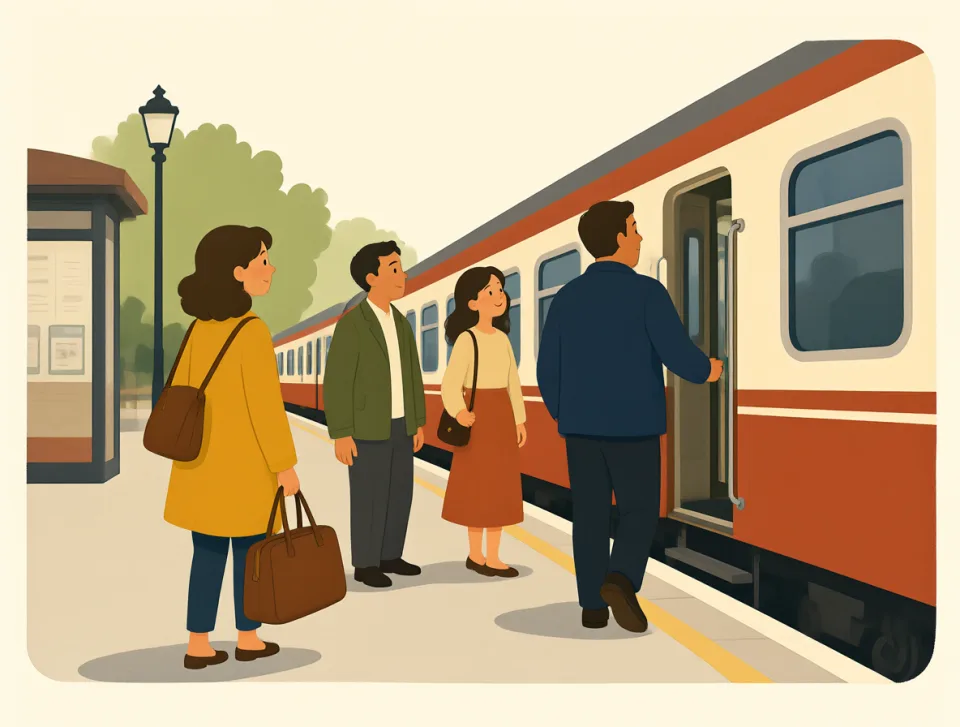
We were able to catch the early train.
हम सुबह की पहली ट्रेन पकड़ पाए।
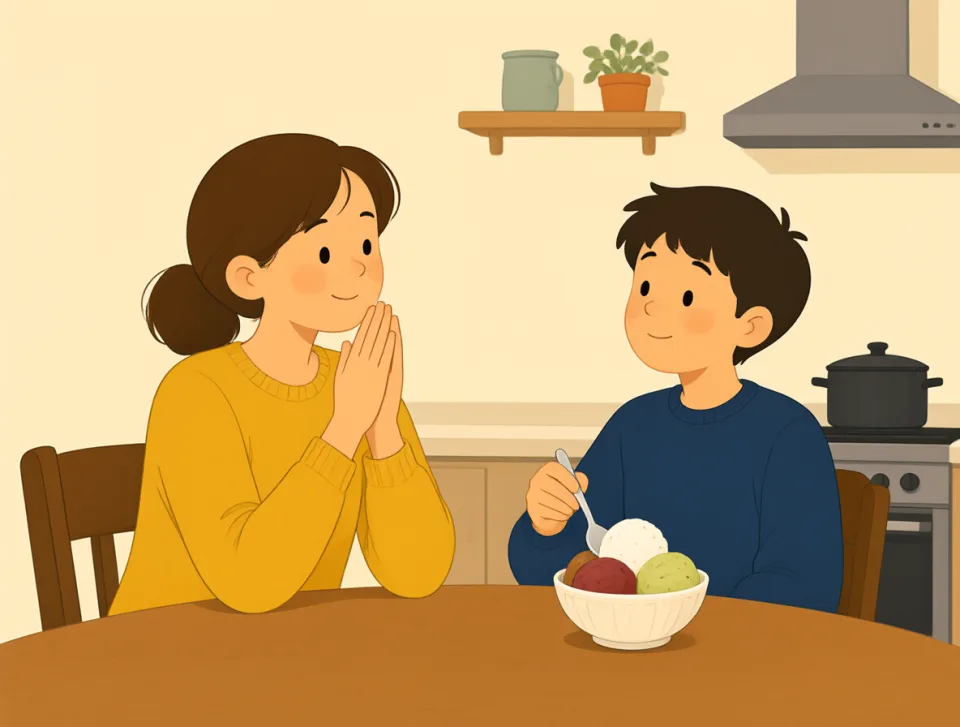
I am not able to eat dairy products.
मैं डेयरी उत्पाद नहीं खा सकता/सकती।
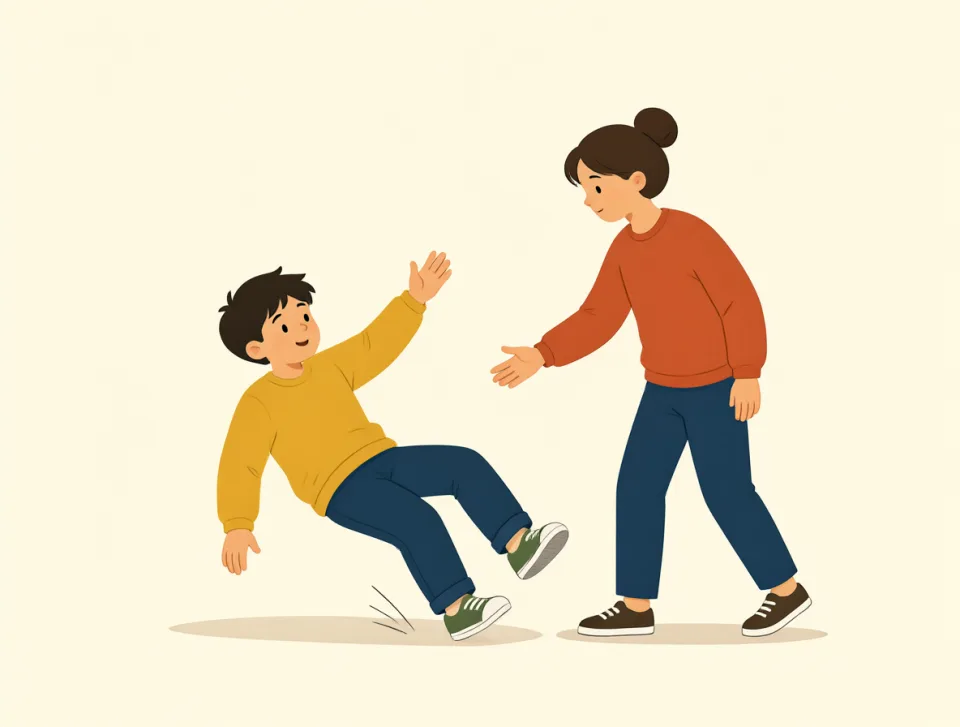
support
#272noun, verb
सहारा देना
Help or encouragement given to someone or something; to help someone or something succeed.
किसी व्यक्ति या चीज़ को दी जाने वाली मदद या हौसला; किसी को सफल होने में मदद करना।
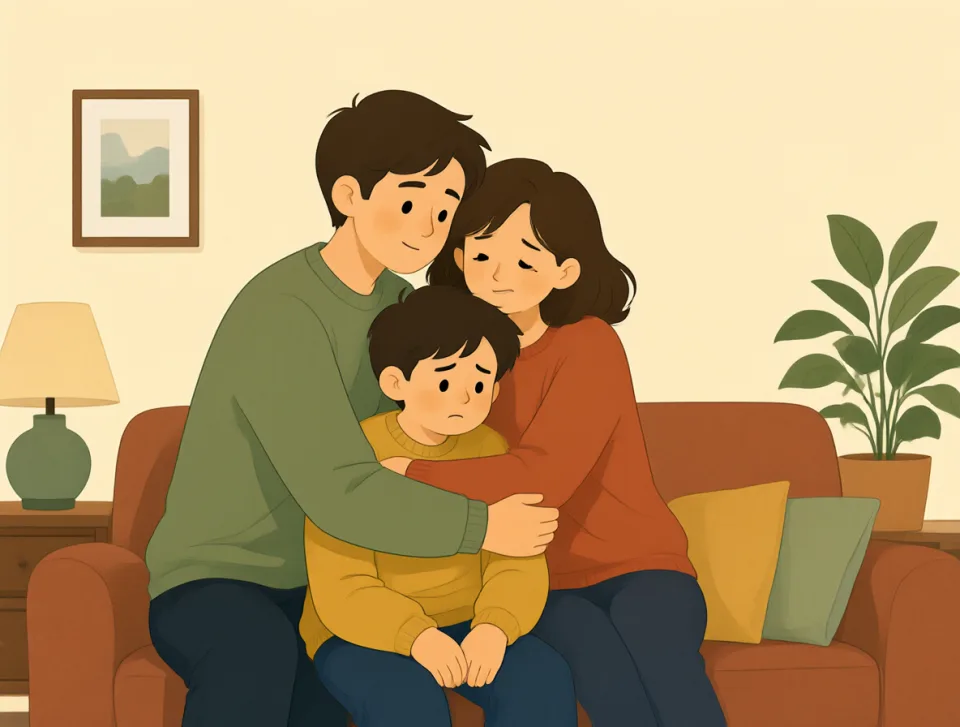
My family supports me when I feel sad.
जब मुझे दुख होता है, तो मेरा परिवार मेरा साथ देता है।

These shoes support your feet while walking.
चलते समय ये जूते आपके पैरों को सहारा देते हैं।
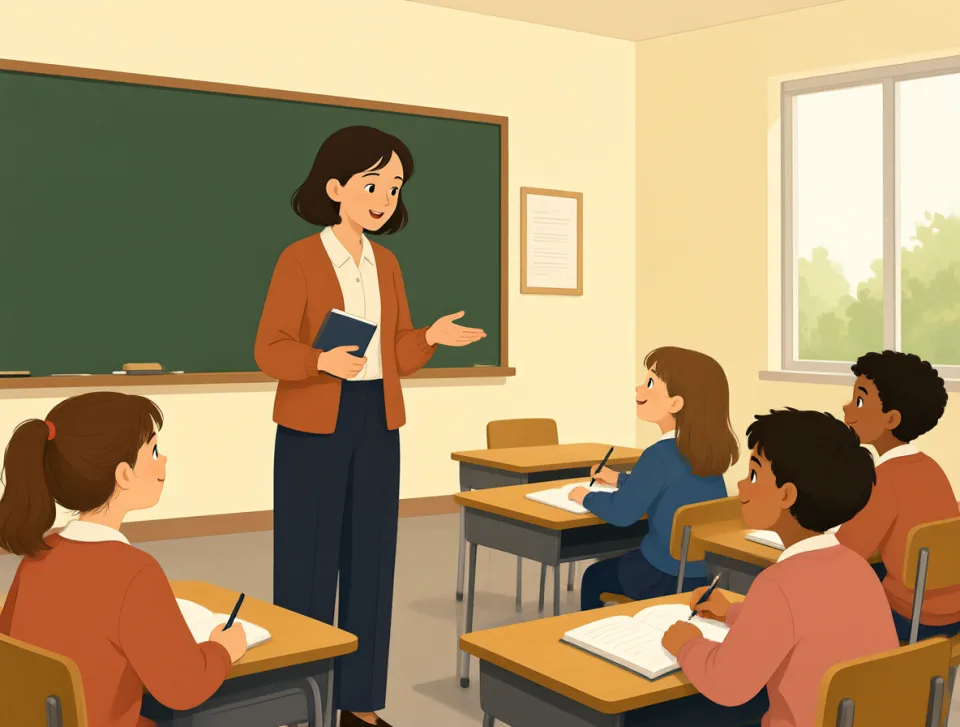
Our teacher supports us during the test.
परीक्षा के दौरान हमारे शिक्षक हमारा साथ देते हैं।
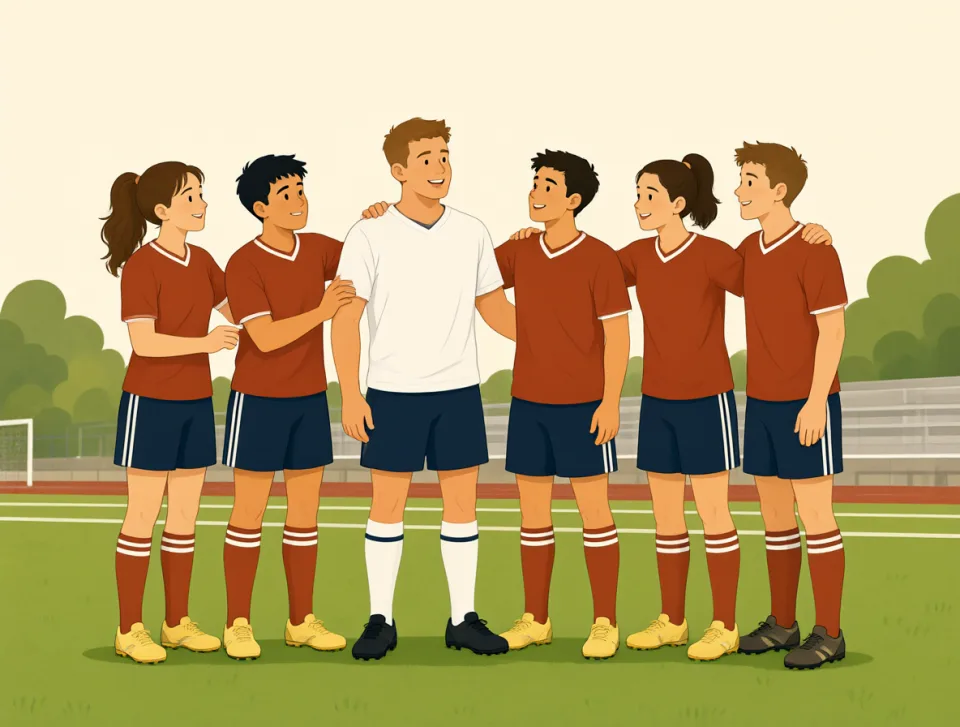
The team supported its captain after the loss.
हार के बाद टीम ने अपने कप्तान का साथ दिया।

This pillow supports your neck at night.
यह तकिया रात में आपकी गर्दन को सहारा देता है।
whether
#273conjunction
क्या
Used to talk about two possible choices or situations.
दो संभावित विकल्पों या स्थितियों के बारे में बात करने के लिए इस्तेमाल होता है।
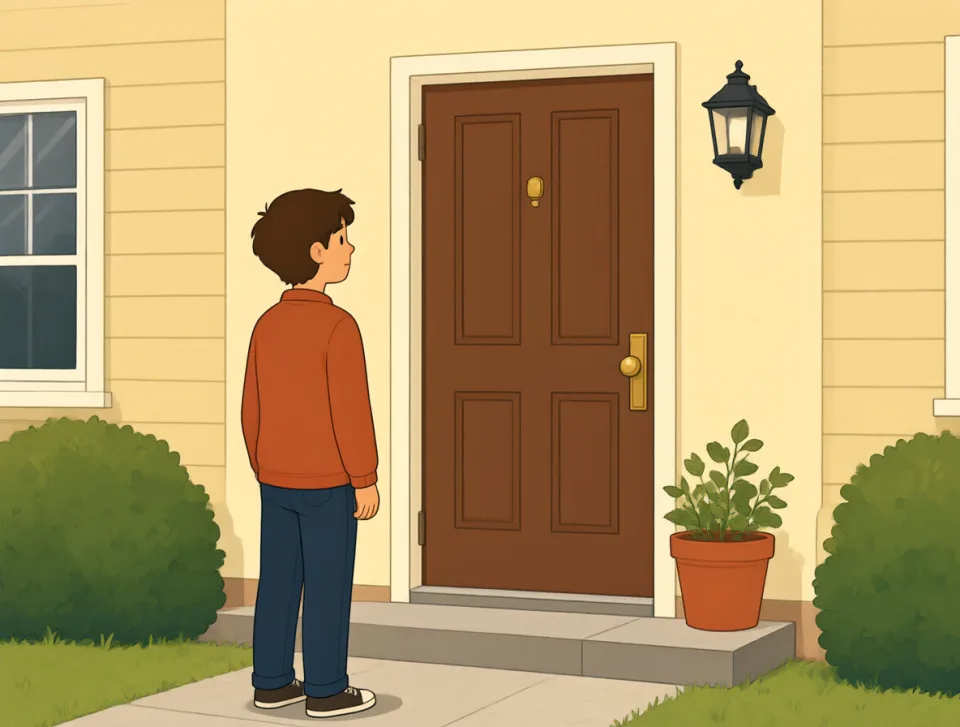
I don't know whether she is home.
मुझे नहीं पता कि वह घर पर है या नहीं।

Please tell me whether you need help.
अगर आपको मदद चाहिए, तो कृपया मुझे बताइए।
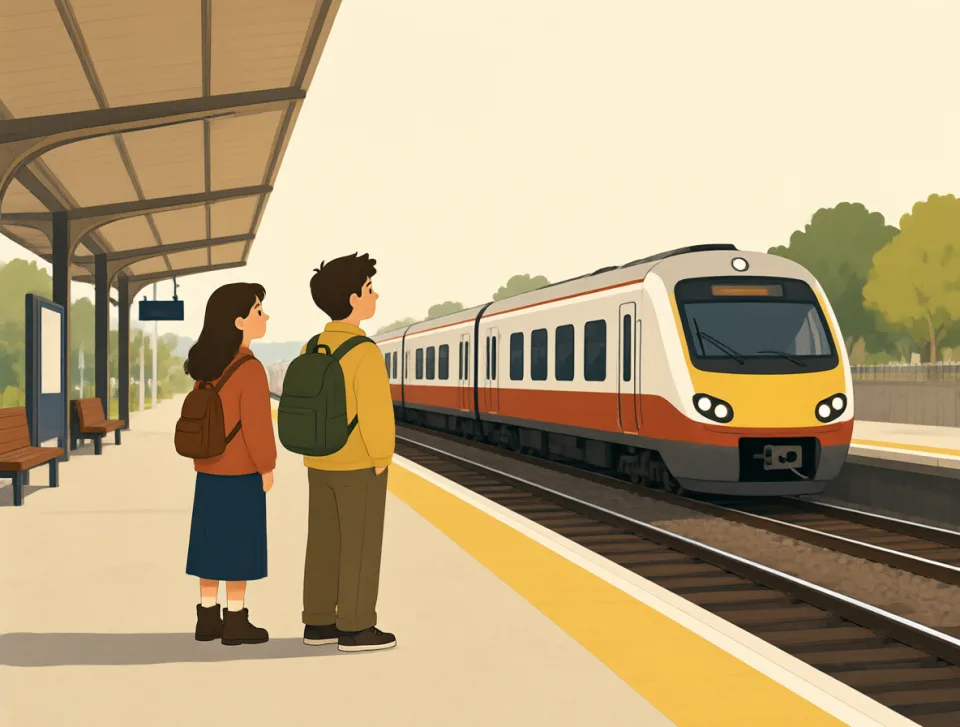
We must decide whether to take the train.
हमें तय करना होगा कि ट्रेन से जाना है या नहीं।

He asked whether I liked the food.
उसने पूछा कि क्या मुझे खाना पसंद आया।
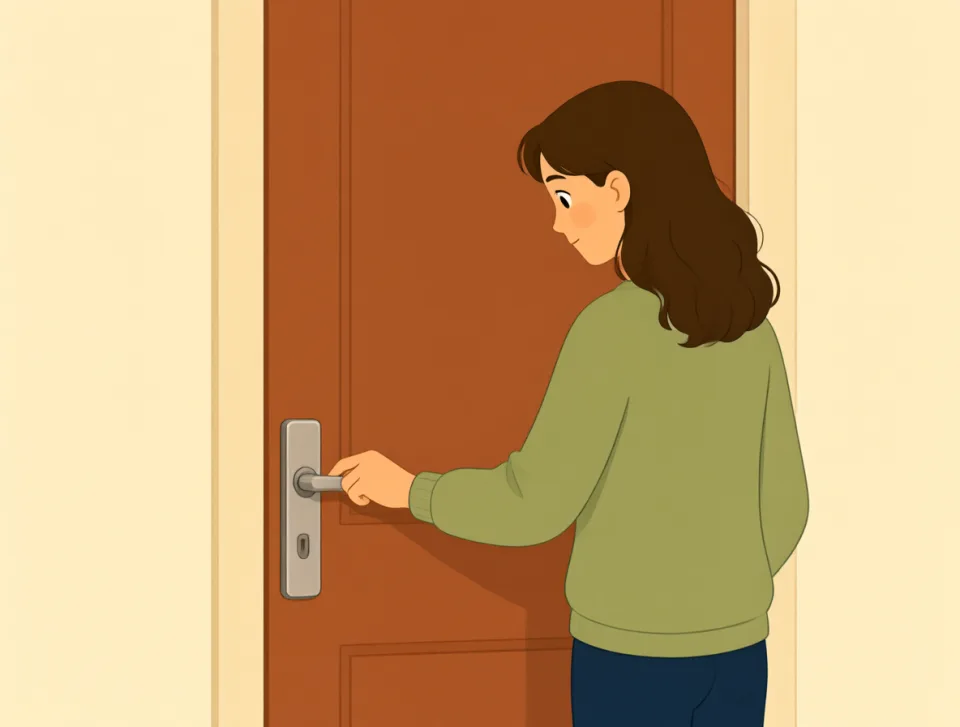
Check whether the door is locked.
देखिए कि दरवाज़ा बंद है या नहीं।

line
#274noun, verb
कतार
A long, thin mark or a row of people or things; to stand in a row.
एक लंबी, पतली लकीर या लोगों अथवा चीज़ों की पंक्ति; पंक्ति में खड़ा होना।
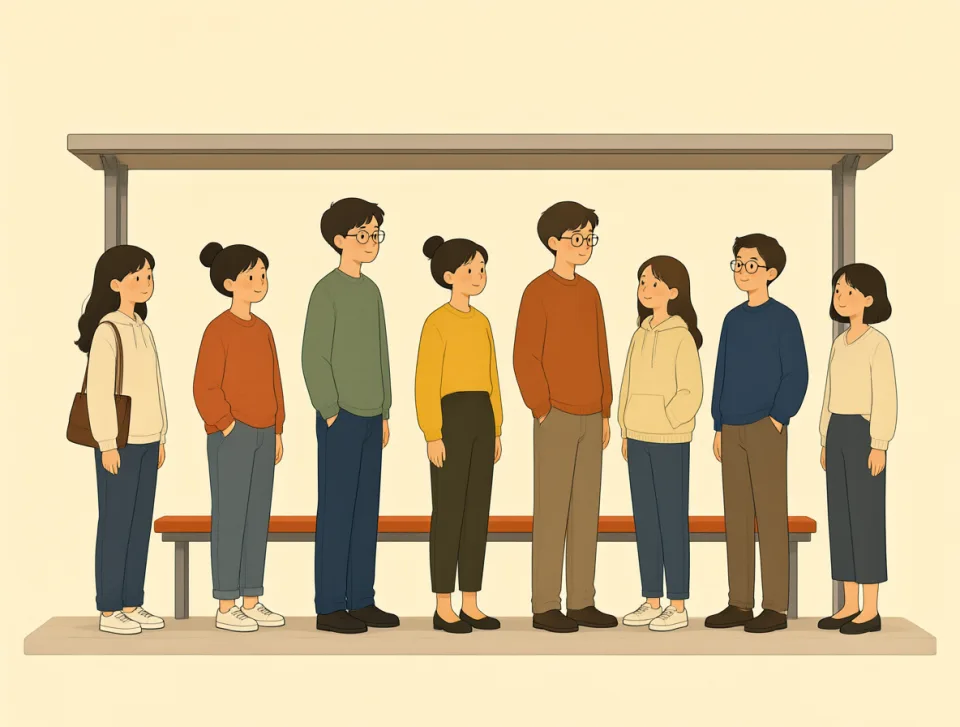
Please wait in line for the bus.
कृपया बस के लिए कतार में इंतज़ार कीजिए।
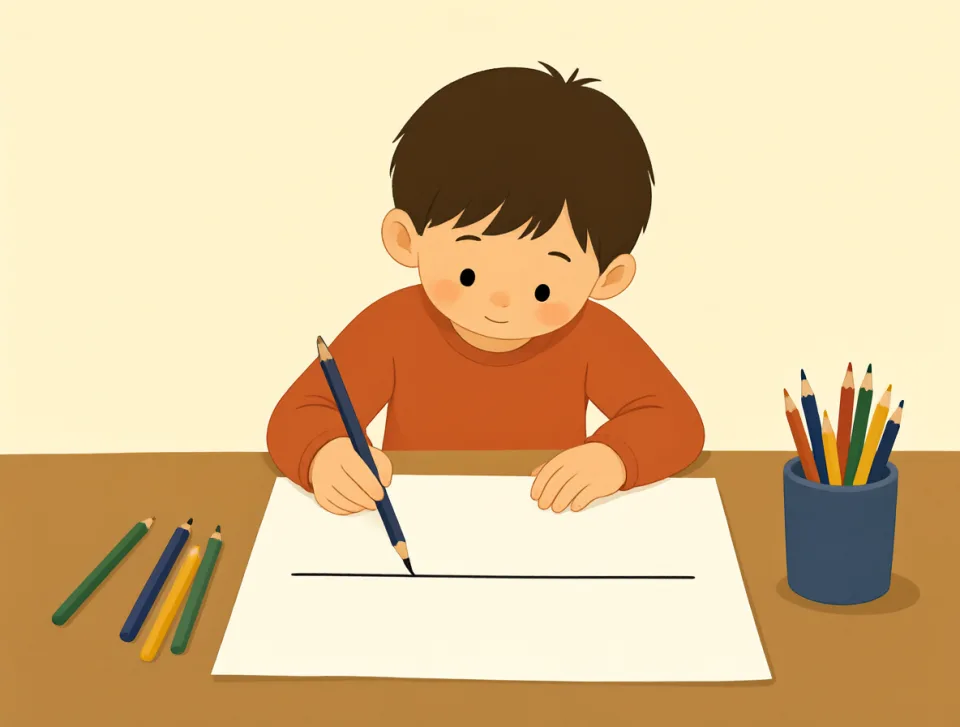
Draw a straight line under the answer.
उत्तर के नीचे एक सीधी रेखा खींचिए।
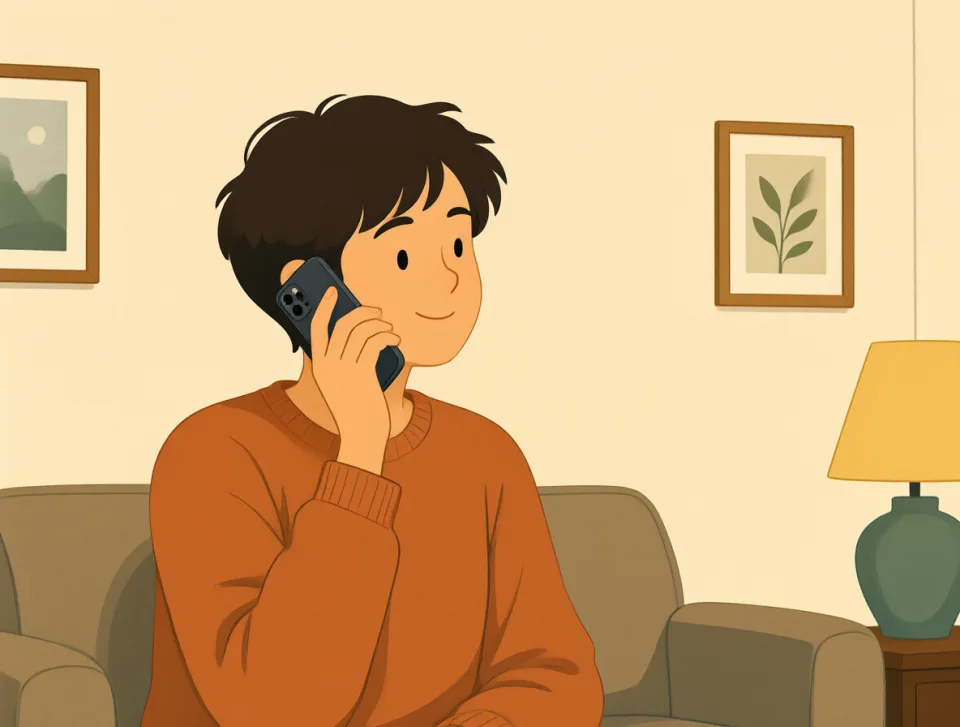
The phone line is busy right now.
फ़ोन की लाइन अभी व्यस्त है।

We crossed the finish line together.
हमने साथ मिलकर फ़िनिश लाइन पार की।
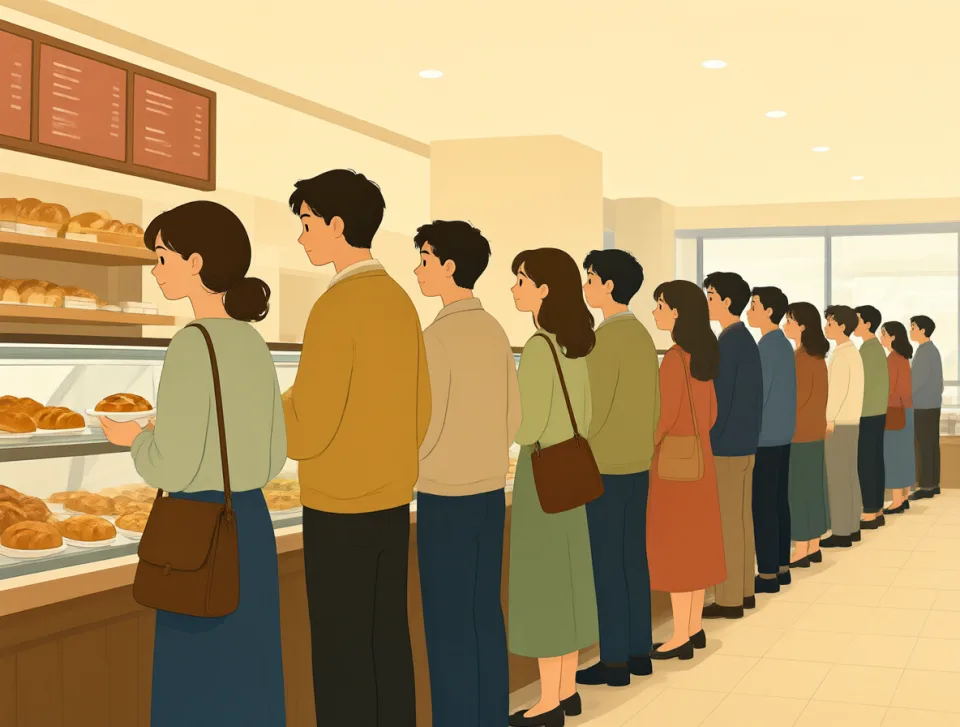
There was a long line at the bakery.
बेकरी के बाहर एक लंबी कतार लगी थी।
present
#275noun, verb, adjective
उपहार
A gift; to give something; existing or happening now.
उपहार; कुछ देना; वर्तमान में मौजूद या घटित होना।

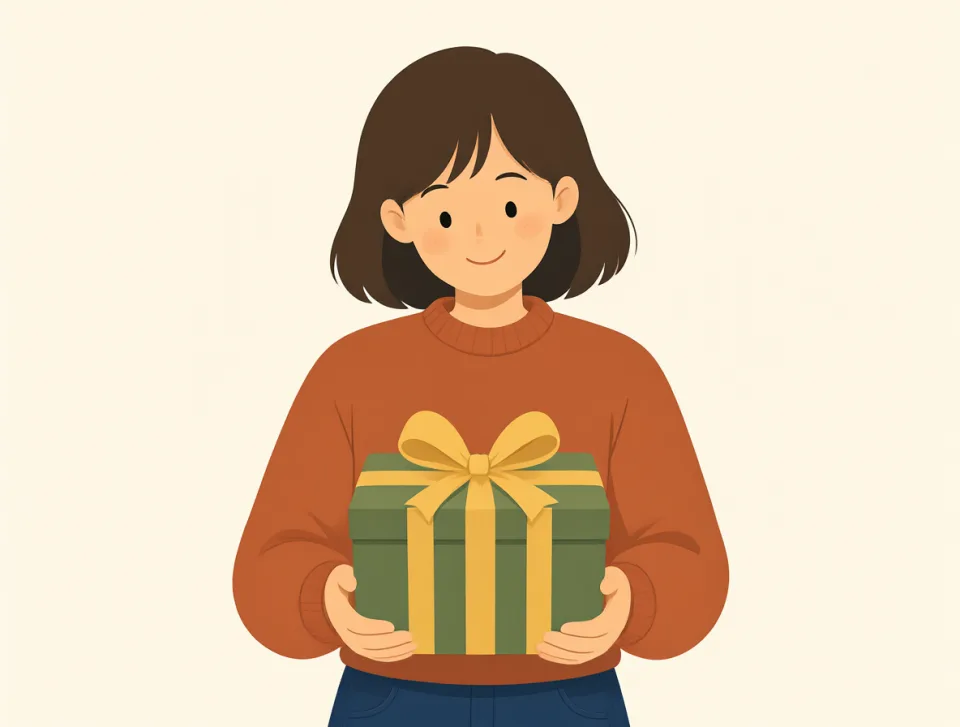
She gave me a birthday present.
उसने मुझे जन्मदिन का एक उपहार दिया।

I bought a present for my mother.
मैंने अपनी माँ के लिए एक उपहार खरीदा।
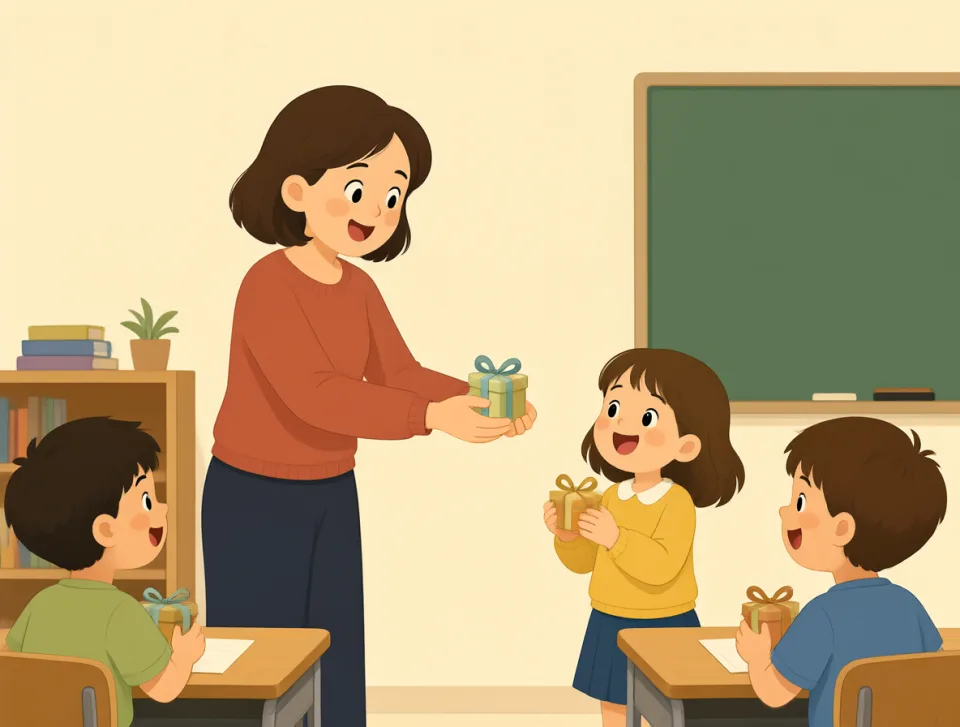
The teacher presented the prizes to students.
शिक्षक ने विद्यार्थियों को पुरस्कार दिए।

Everyone was present at the meeting.
बैठक में सभी लोग मौजूद थे।

We need to discuss the present problem.
हमें मौजूदा समस्या पर चर्चा करनी है।
side
#276noun, verb, adjective, preposition
पक्ष
One of two parts, directions, or surfaces of something.
किसी चीज़ के दो हिस्सों, दिशाओं या सतहों में से एक।
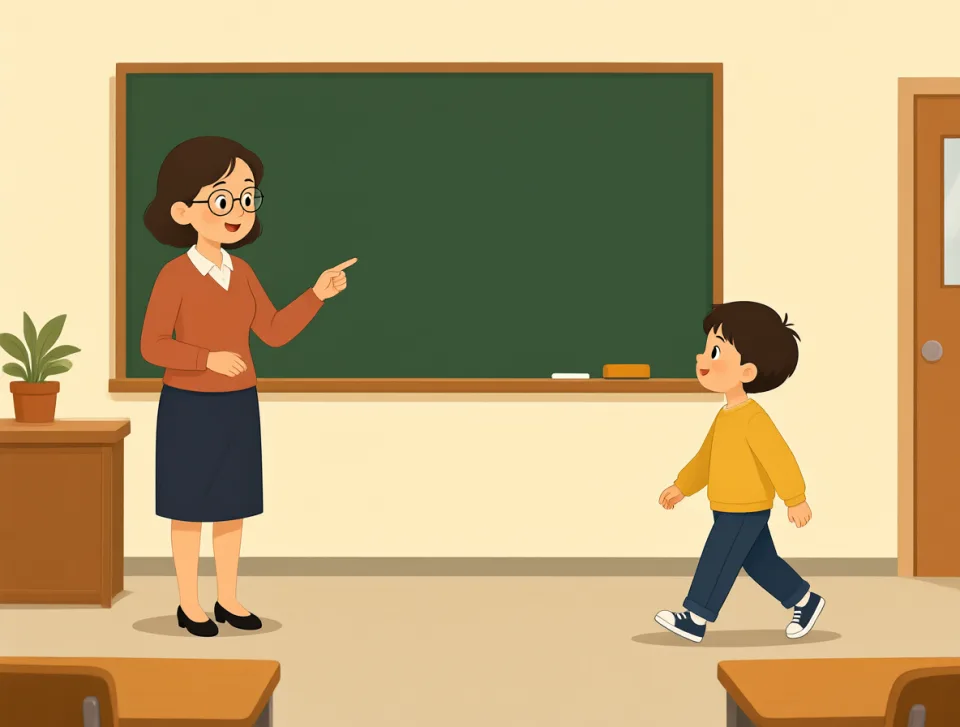
Please stand on this side of the room.
कृपया कमरे के इस तरफ़ खड़े हों।

We sat on the side of the road.
हम सड़क के किनारे बैठ गए।
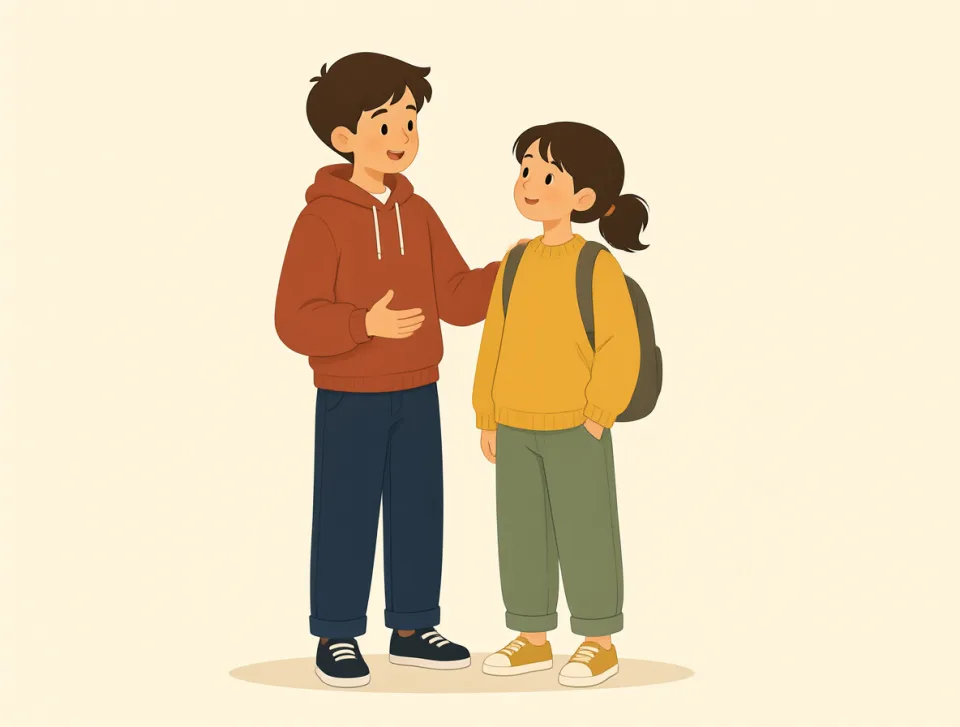
She took my side during the argument.
बहस के दौरान उसने मेरा पक्ष लिया।
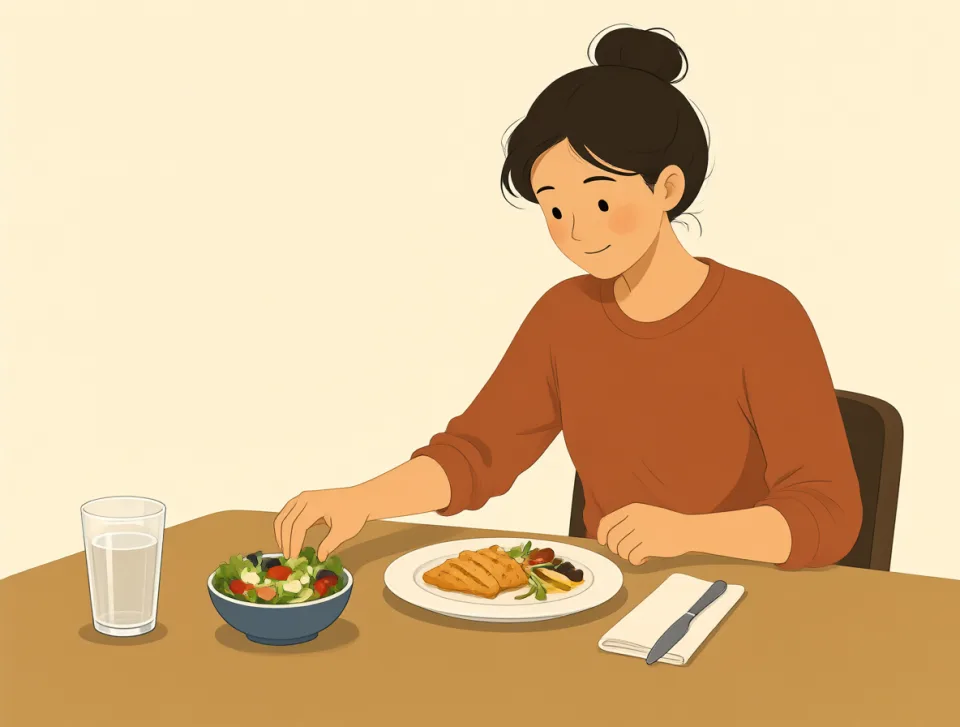
Put the salad on the side of my plate.
मेरी प्लेट के एक तरफ़ सलाद रख दीजिए।
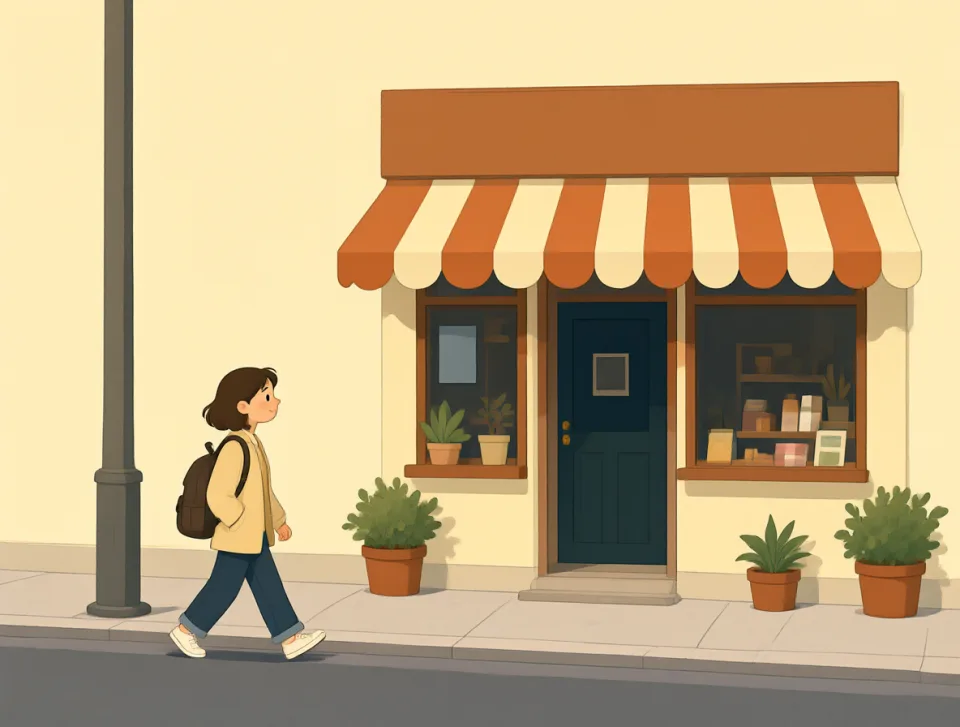
The shop is on the left side of the street.
दुकान सड़क के बाईं तरफ़ है।
quite
#277adverb
काफ़ी
To a fairly large degree; very or completely, depending on the context.
काफ़ी हद तक; संदर्भ के अनुसार बहुत या पूरी तरह।
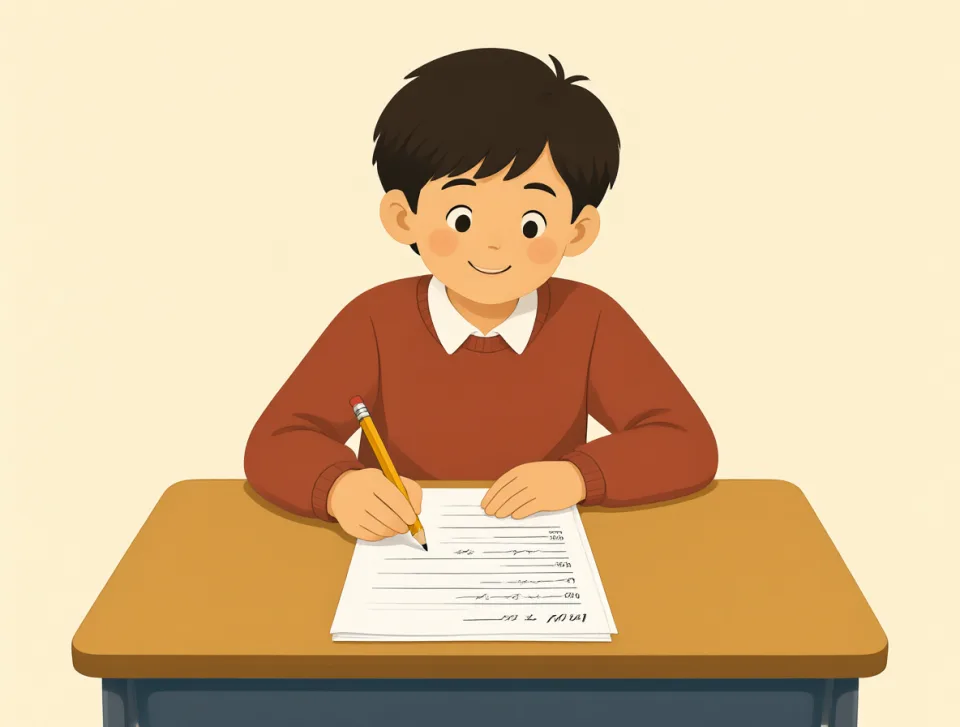
The test was quite easy.
परीक्षा काफ़ी आसान थी।
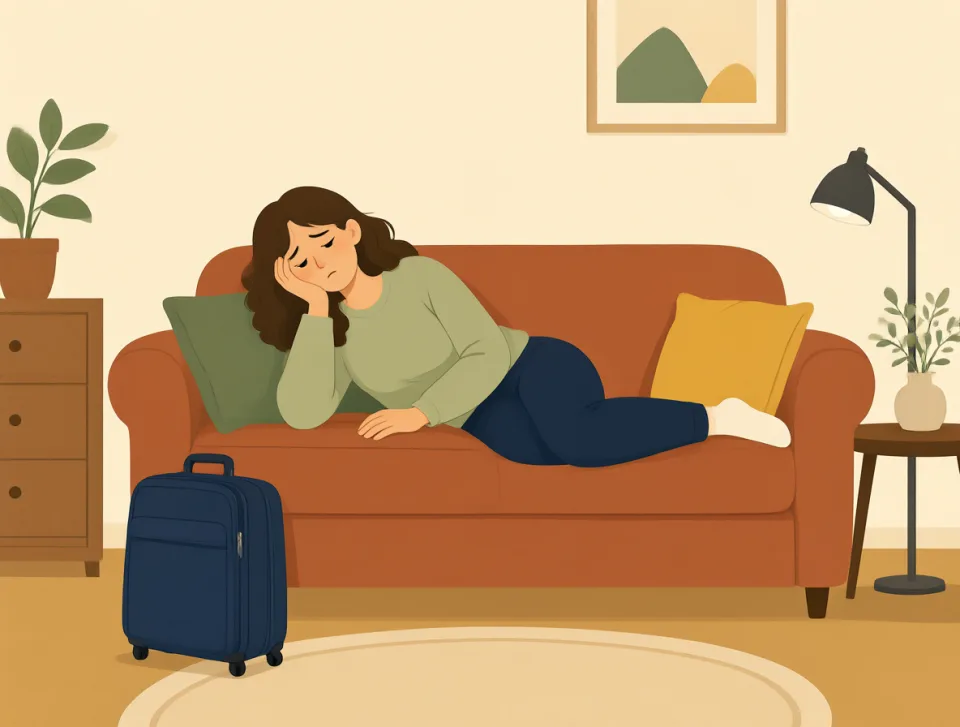
She is quite tired after work.
काम के बाद वह काफ़ी थकी हुई है।
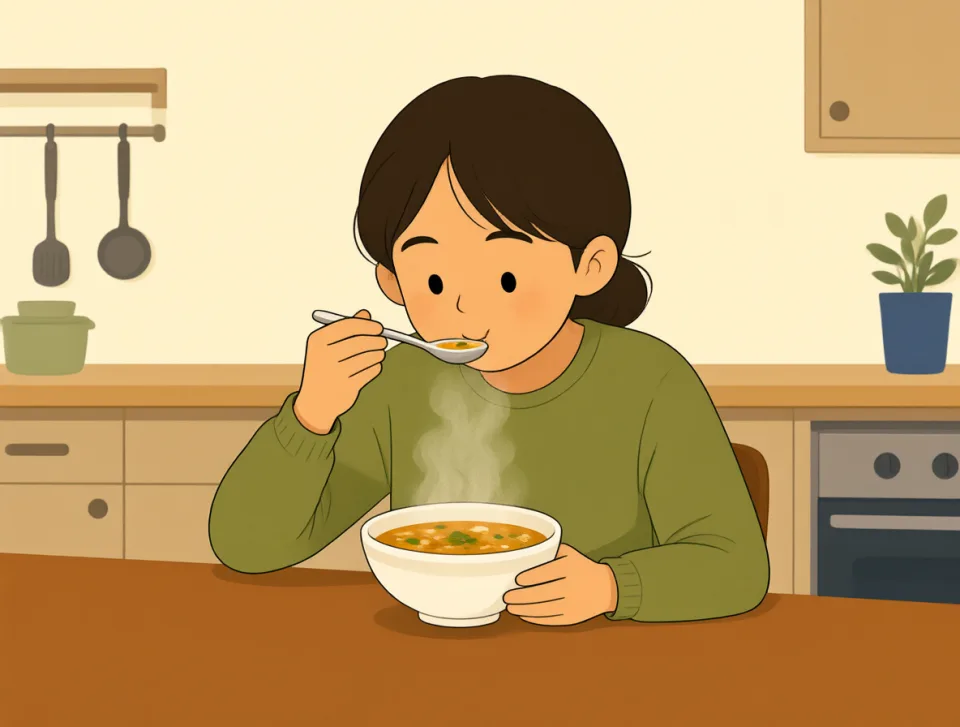
This soup is quite hot.
यह सूप काफ़ी गरम है।
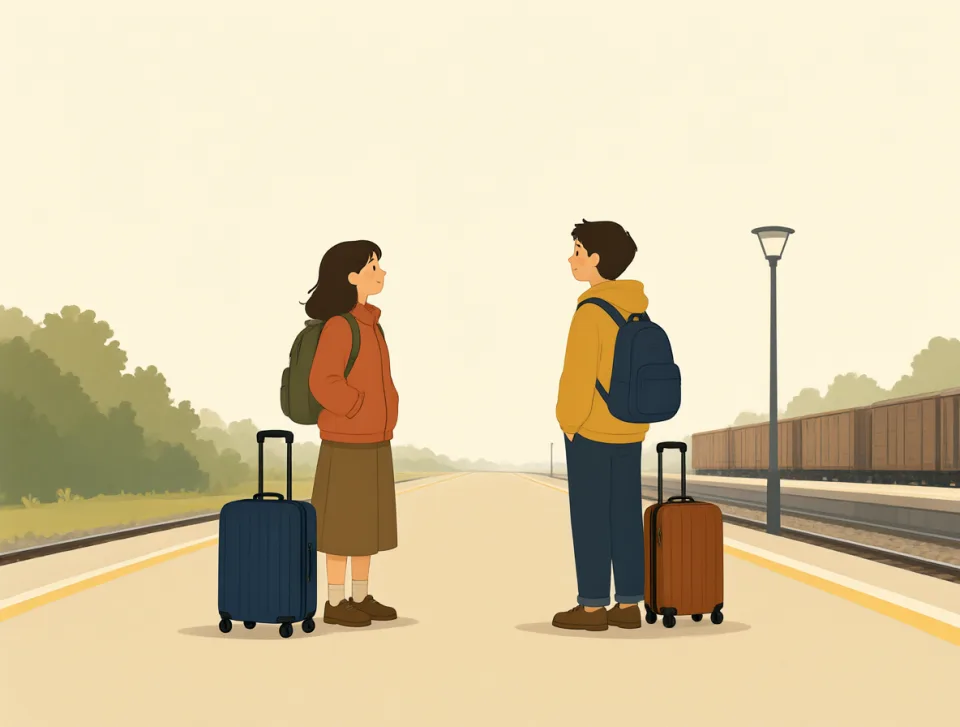
We arrived quite early for the train.
हम ट्रेन के लिए काफ़ी जल्दी पहुँच गए।

He quite likes his new teacher.
उसे अपने नए शिक्षक काफ़ी पसंद हैं।
although
#278conjunction
हालाँकि
used to introduce a contrast or surprising fact
किसी विरोधाभास या हैरानी की बात का परिचय देने के लिए इस्तेमाल होता है।
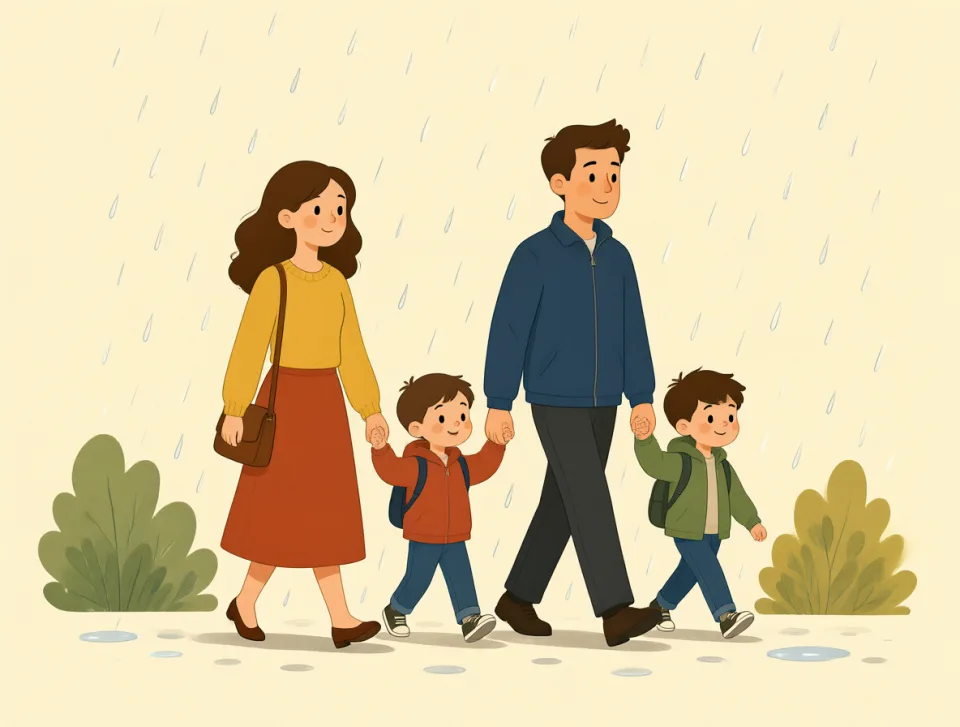
Although it was raining, we went for a walk.
हालाँकि बारिश हो रही थी, फिर भी हम टहलने गए।
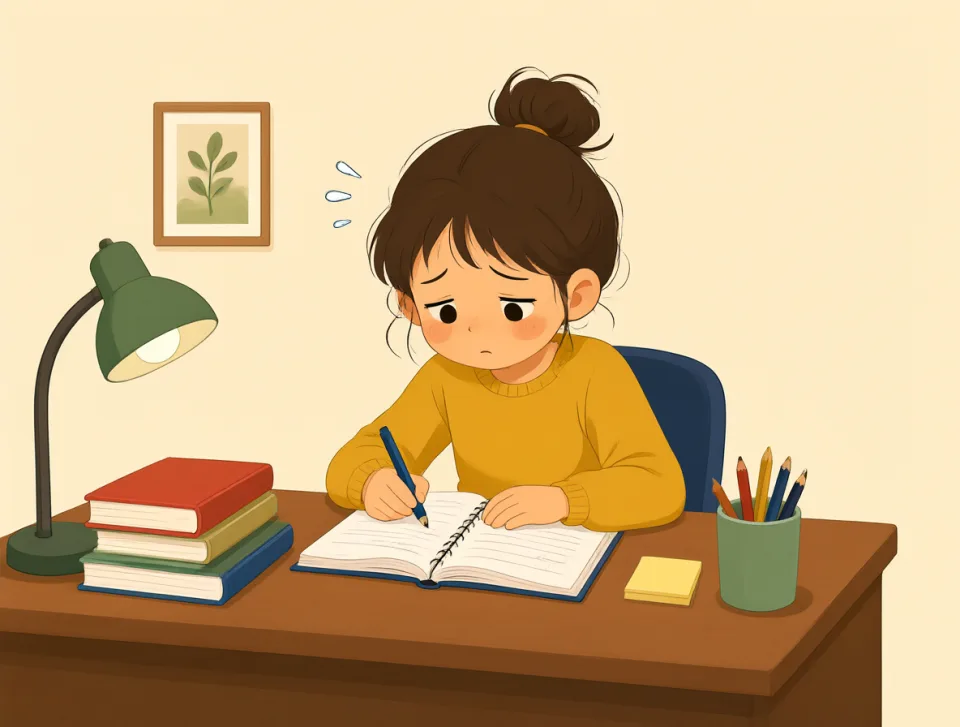
Although she was tired, she finished her homework.
हालाँकि वह थकी हुई थी, फिर भी उसने अपना गृहकार्य पूरा किया।

Although the shirt was expensive, I bought it.
हालाँकि कमीज़ महँगी थी, मैंने उसे खरीद लिया।
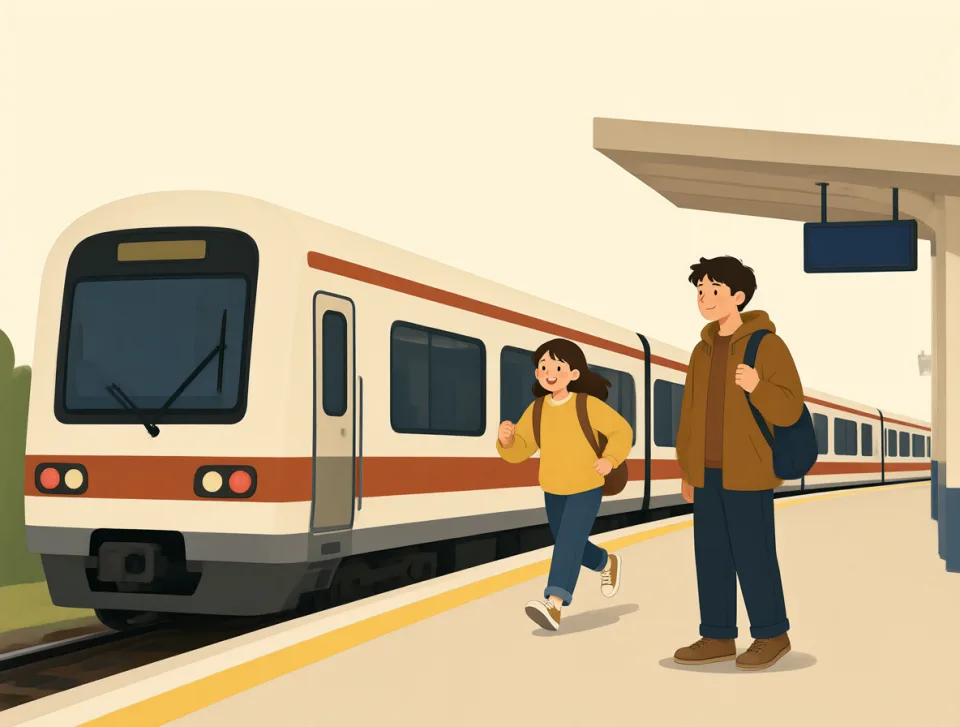
Although he missed the train, he arrived on time.
हालाँकि उसकी ट्रेन छूट गई, वह समय पर पहुँच गया।
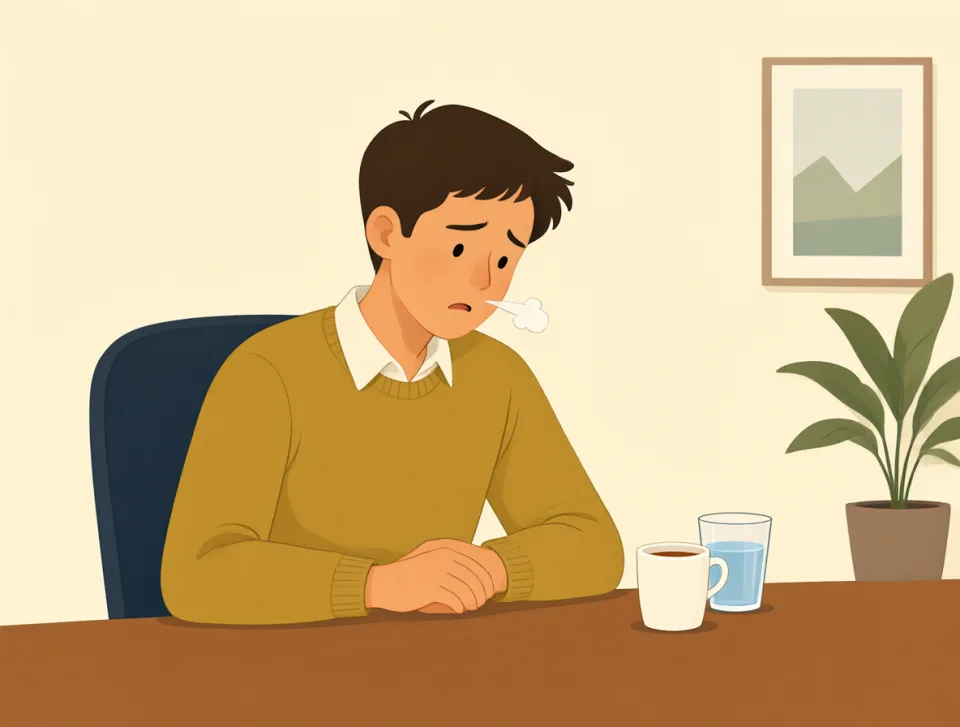
Although I was sick, I went to work.
हालाँकि मैं बीमार था, फिर भी काम पर गया।
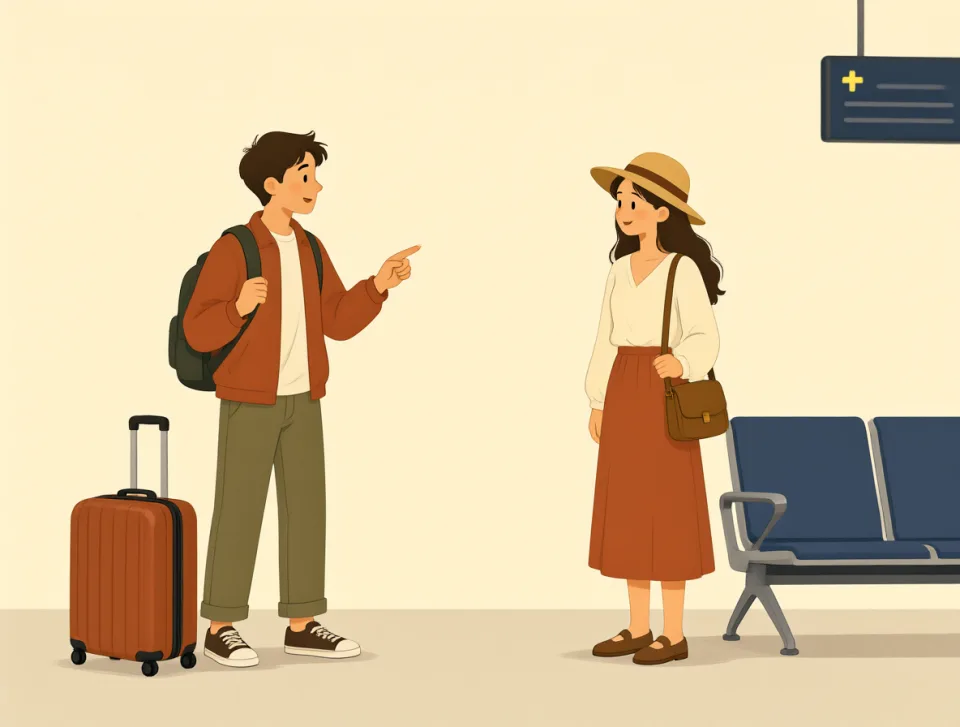
sure
#279adjective, adverb
पक्का
Certain to be true or likely to happen; used to agree or ask for agreement.
जिसके सच होने या घटित होने की संभावना पर पूरा भरोसा हो; सहमति जताने या सहमति माँगने के लिए भी इस्तेमाल होता है।
Are you sure this is your bag?
क्या आपको पक्का यक़ीन है कि यह आपका बैग है?
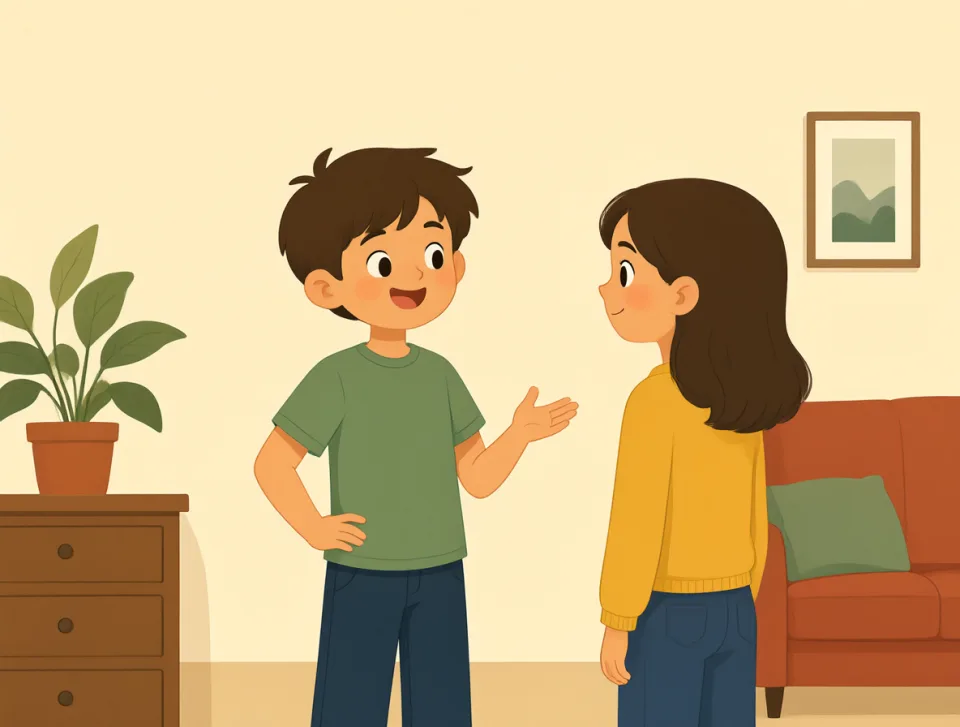
I am sure she will come.
मुझे यक़ीन है कि वह आएगी।

Sure, I can help you.
ज़रूर, मैं आपकी मदद कर सकता हूँ।
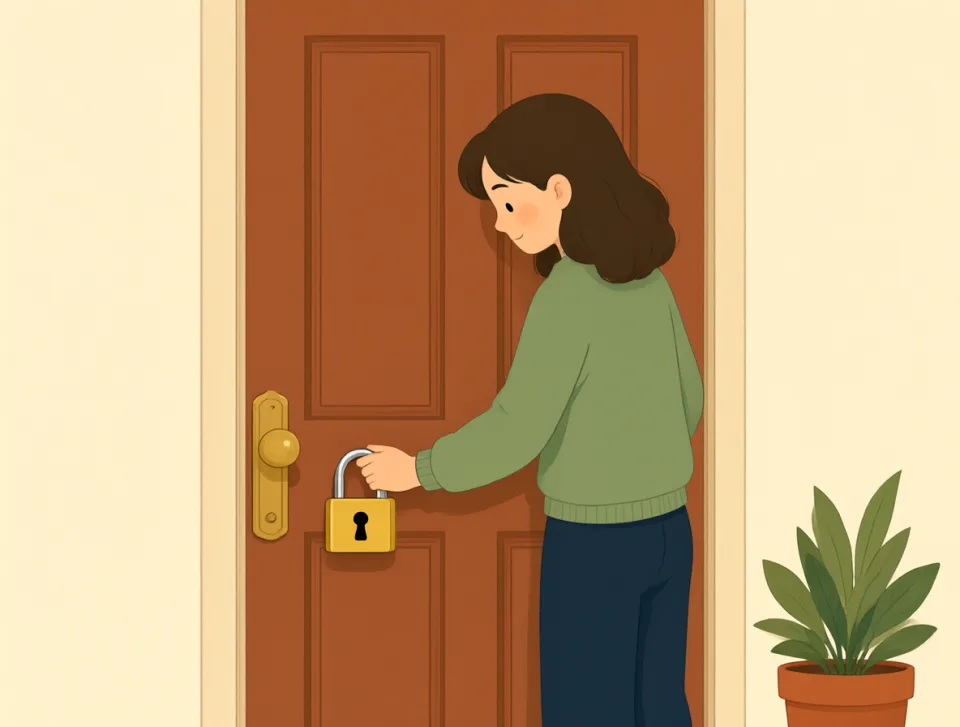
Make sure you lock the door.
दरवाज़ा बंद करना न भूलें।

He is not sure about the answer.
उसे जवाब के बारे में पक्का यक़ीन नहीं है।
term
#280noun, verb
शब्द; अवधि; शर्त
A word or phrase, a fixed period, or a condition in an agreement.
कोई शब्द या वाक्यांश, तय समयावधि, या किसी समझौते की शर्त।
Please explain this term in simple English.
कृपया इस शब्द का सरल अंग्रेज़ी में अर्थ समझाइए।
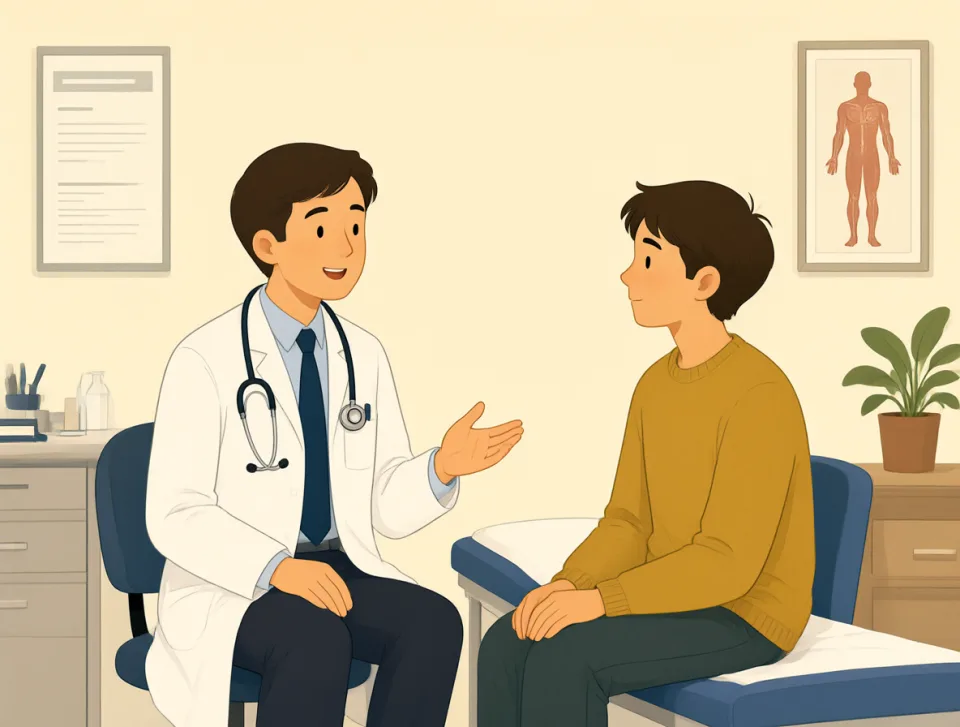
The doctor used a medical term I knew.
डॉक्टर ने एक ऐसा चिकित्सा-संबंधी शब्द इस्तेमाल किया जिसे मैं जानता था।
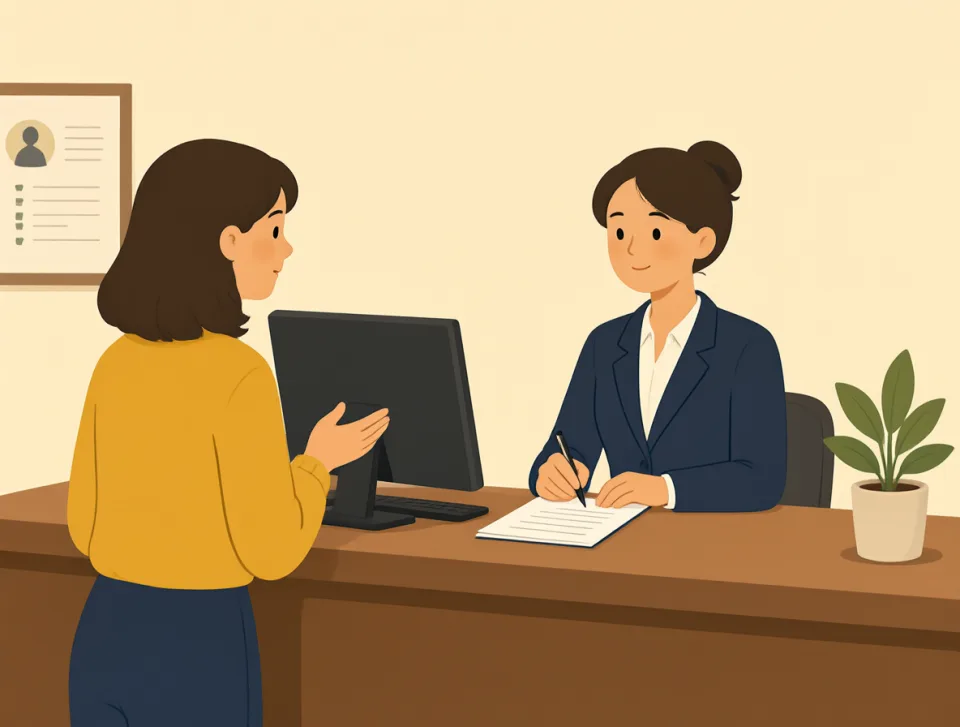
The loan must be paid in monthly terms.
ऋण का भुगतान मासिक किस्तों में करना होगा।
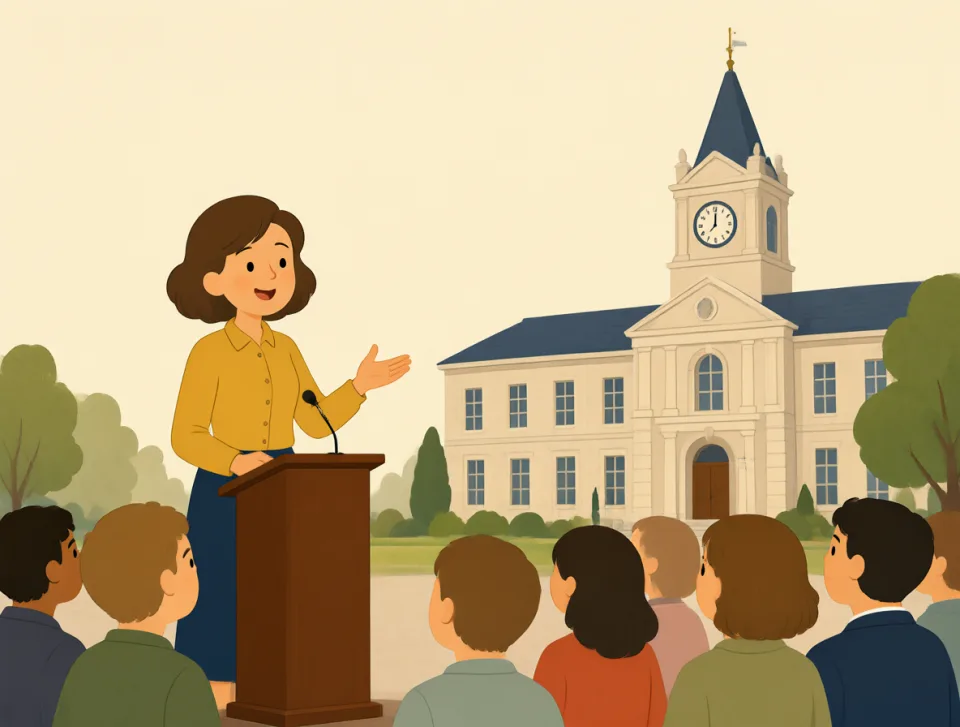
She served a two-year term as mayor.
उसने महापौर के रूप में दो साल का कार्यकाल पूरा किया।
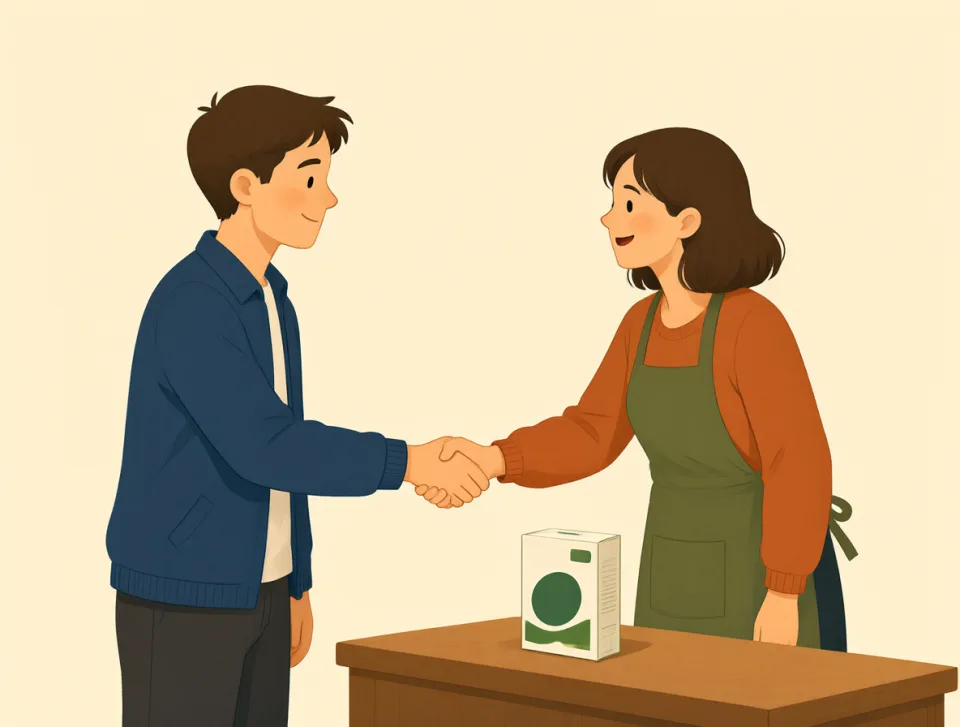
They agreed to the terms of the sale.
वे बिक्री की शर्तों पर सहमत हो गए।