Đơn vị 14
Từ 261–280 · learn, level, person, experience, once, member
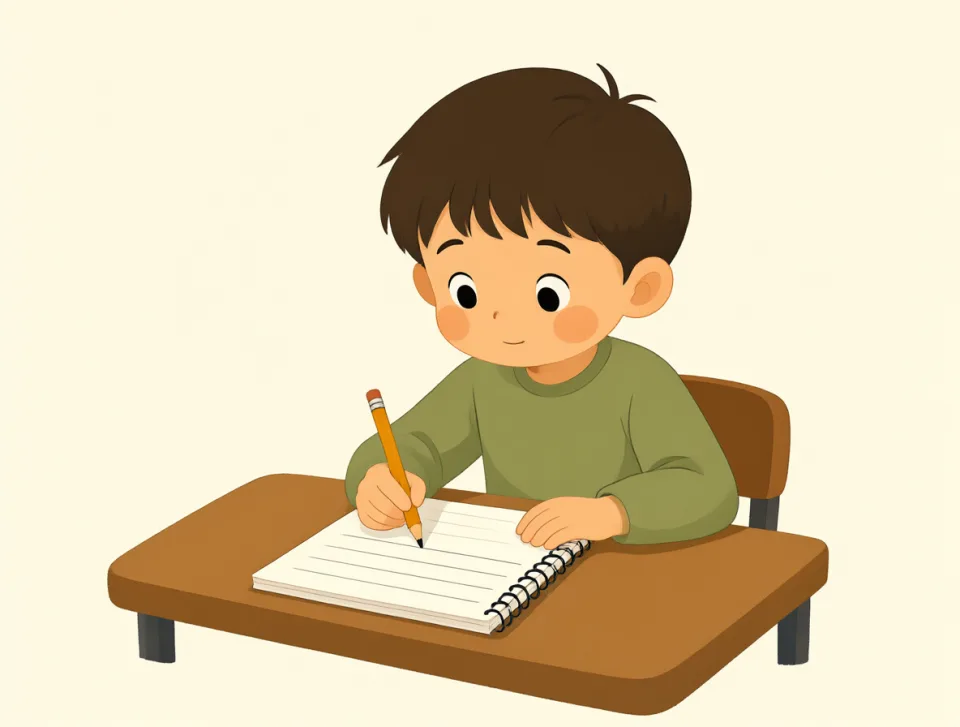
learn
#261verb
học
to get knowledge or a skill by studying, practicing, or experiencing something
tiếp thu kiến thức hoặc kỹ năng bằng cách học tập, luyện tập hoặc trải nghiệm điều gì đó

Children learn new things at school.
Trẻ em học những điều mới ở trường.
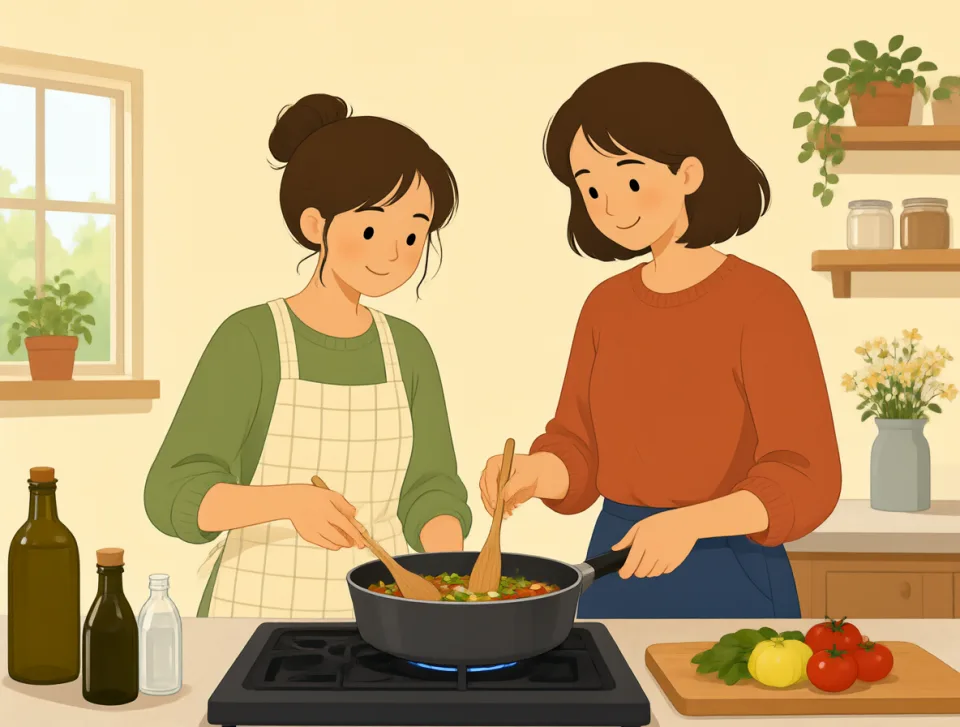
I learned to cook from my mother.
Tôi học nấu ăn từ mẹ.

She is learning how to drive.
Cô ấy đang học lái xe.
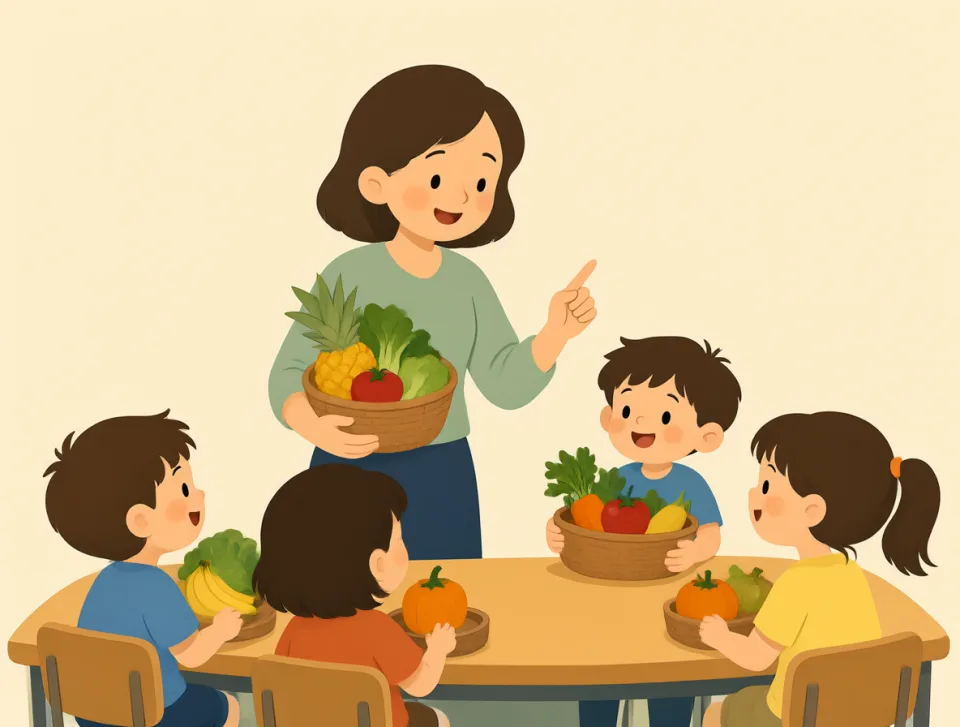
We learned about healthy food today.
Hôm nay chúng tôi đã học về thực phẩm lành mạnh.
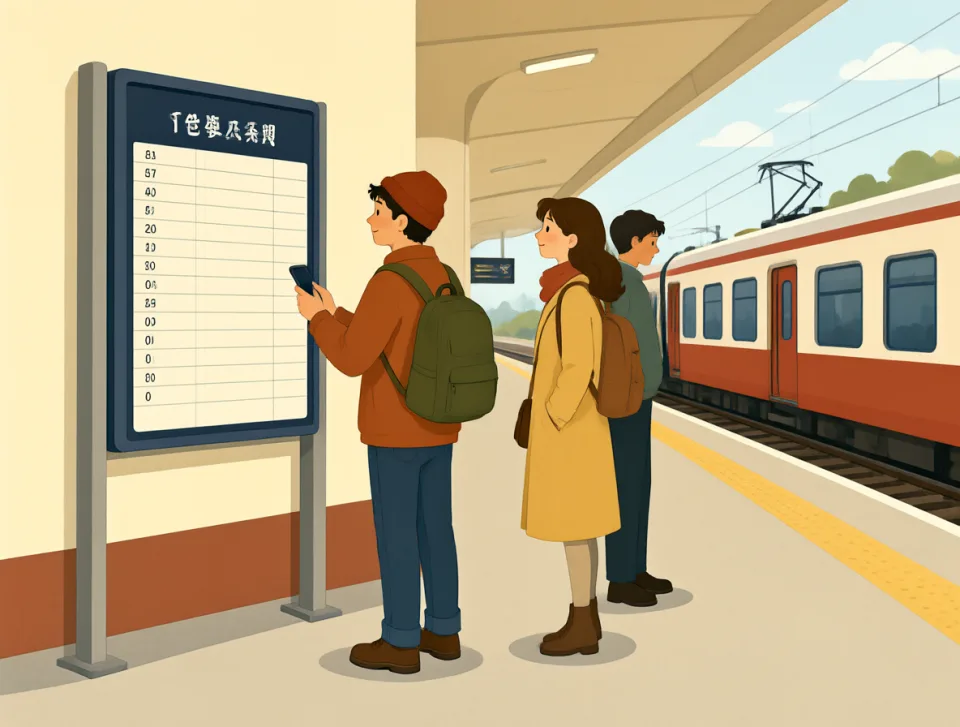
He learned the train was late.
Anh ấy biết được rằng tàu bị trễ.

level
#262noun, verb, adjective
mức
A position or amount that is higher, lower, or equal to another.
Vị trí hoặc mức độ cao hơn, thấp hơn hay ngang bằng với một vị trí hoặc mức độ khác.

The water level is too low.
Mực nước quá thấp.
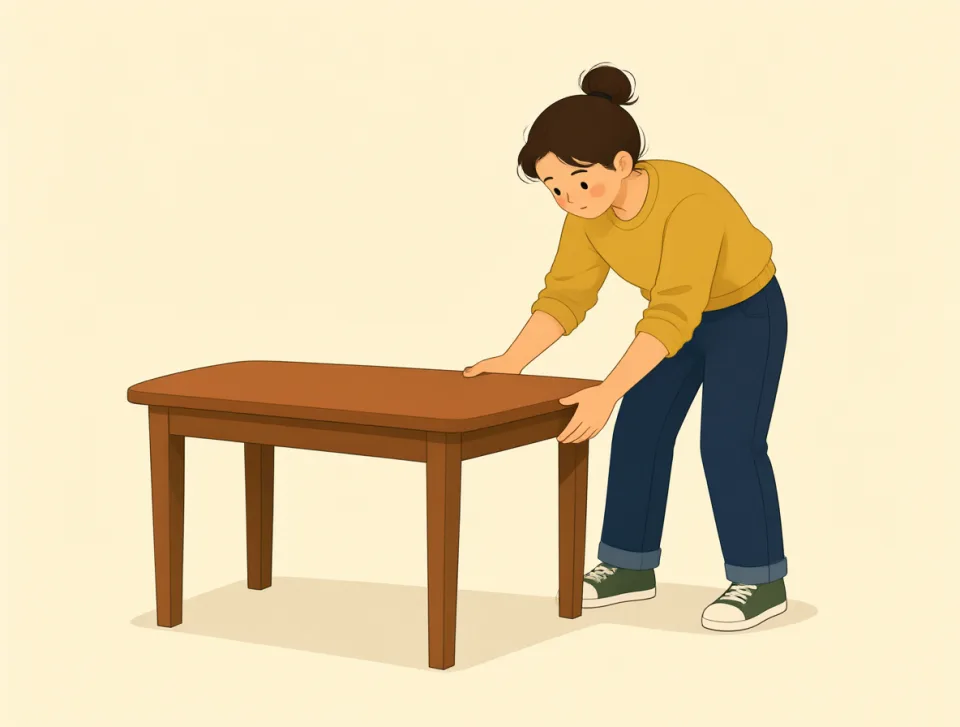
Please level the table before dinner.
Làm ơn kê cho cái bàn cân bằng trước bữa tối.
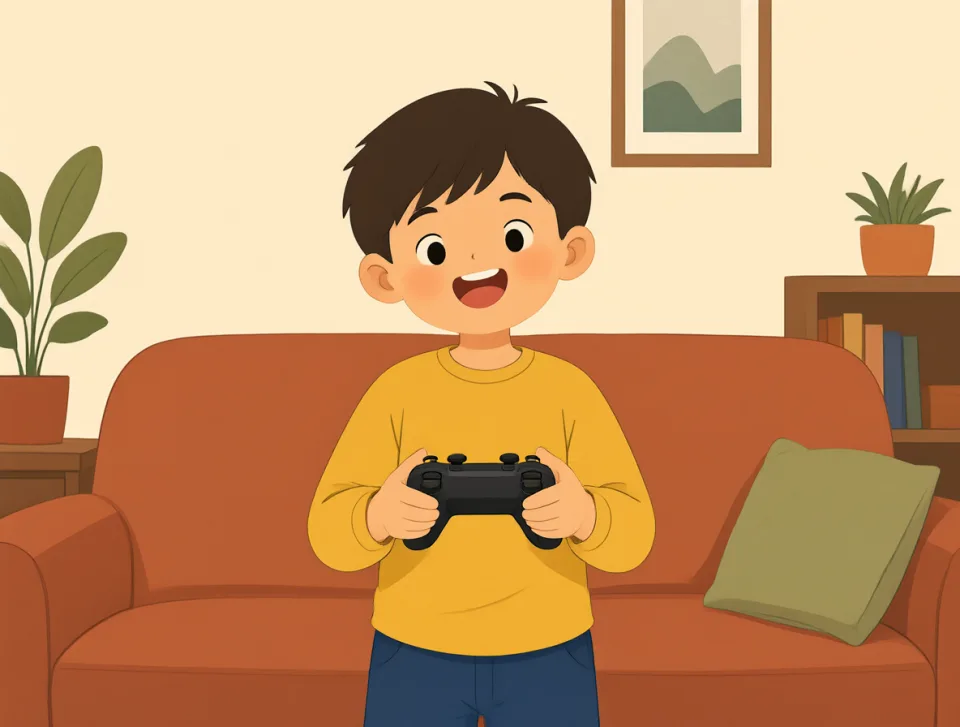
She reached the next level in the game.
Cô ấy đã lên cấp tiếp theo trong trò chơi.

The noise level was high at work.
Độ ồn ở chỗ làm rất cao.
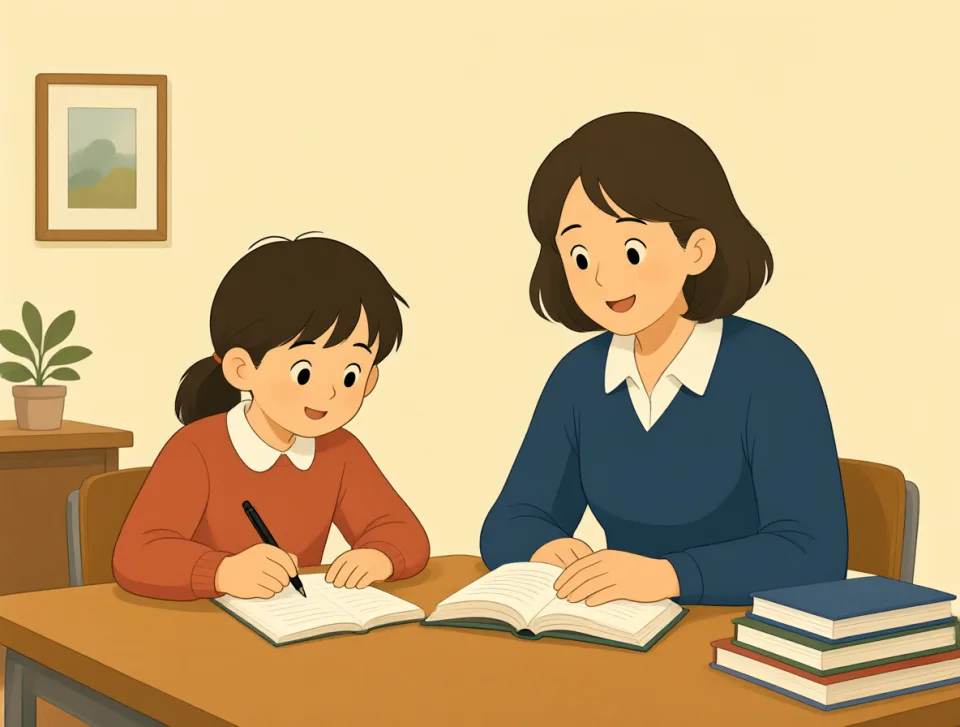
He is at an advanced level in English.
Trình độ tiếng Anh của anh ấy ở mức nâng cao.
person
#263noun
người
A human being, especially one considered as an individual.
Một con người, đặc biệt khi được xem như một cá nhân riêng biệt.
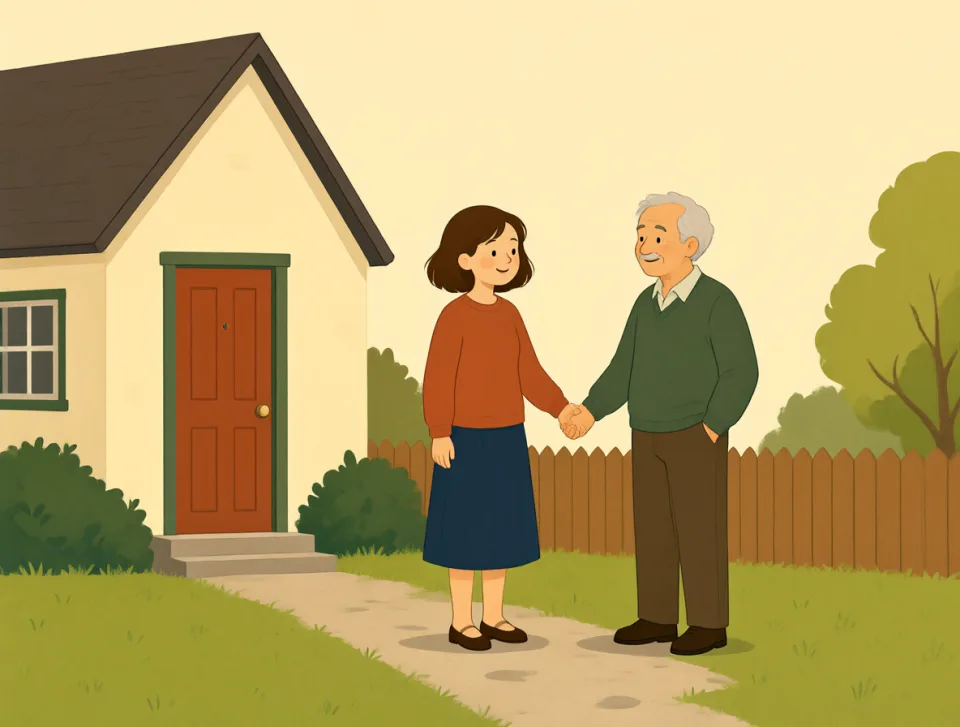
That person is my new neighbor.
Người đó là hàng xóm mới của tôi.

One person called the doctor for help.
Có một người gọi bác sĩ đến giúp.

She is the right person for this job.
Cô ấy là người phù hợp cho công việc này.

A kind person helped me carry my bags.
Một người tốt bụng đã giúp tôi xách túi.
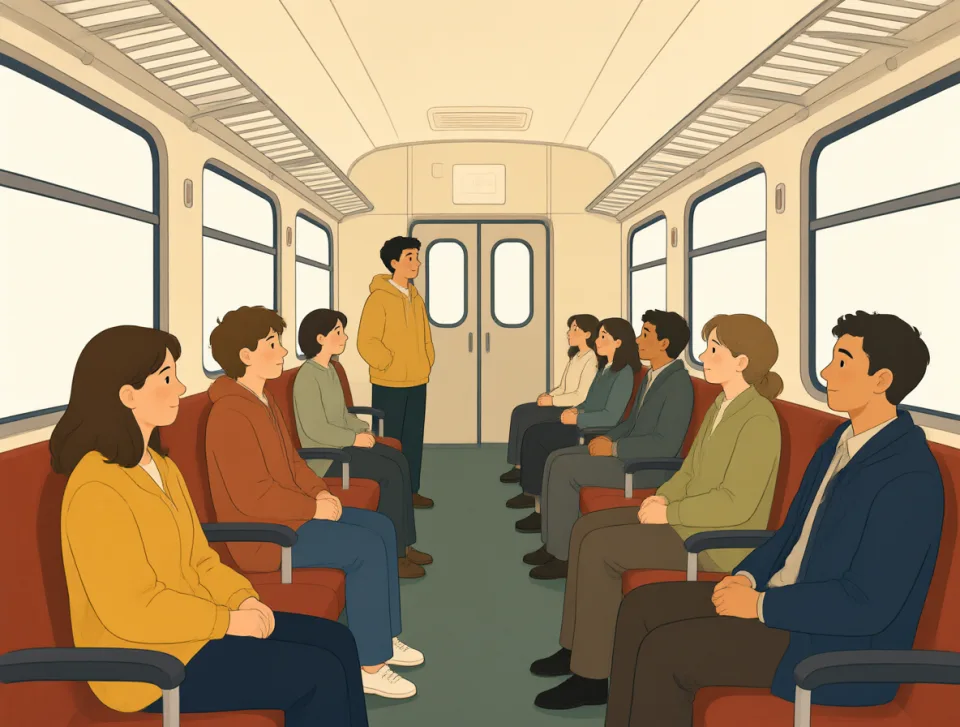
There were many people on the train.
Có rất nhiều người trên tàu.

experience
#264noun, verb
kinh nghiệm; trải qua
Knowledge or skill gained by doing something; to have something happen to you.
Kiến thức hoặc kỹ năng có được khi làm việc gì đó; trải qua một sự việc nào đó.
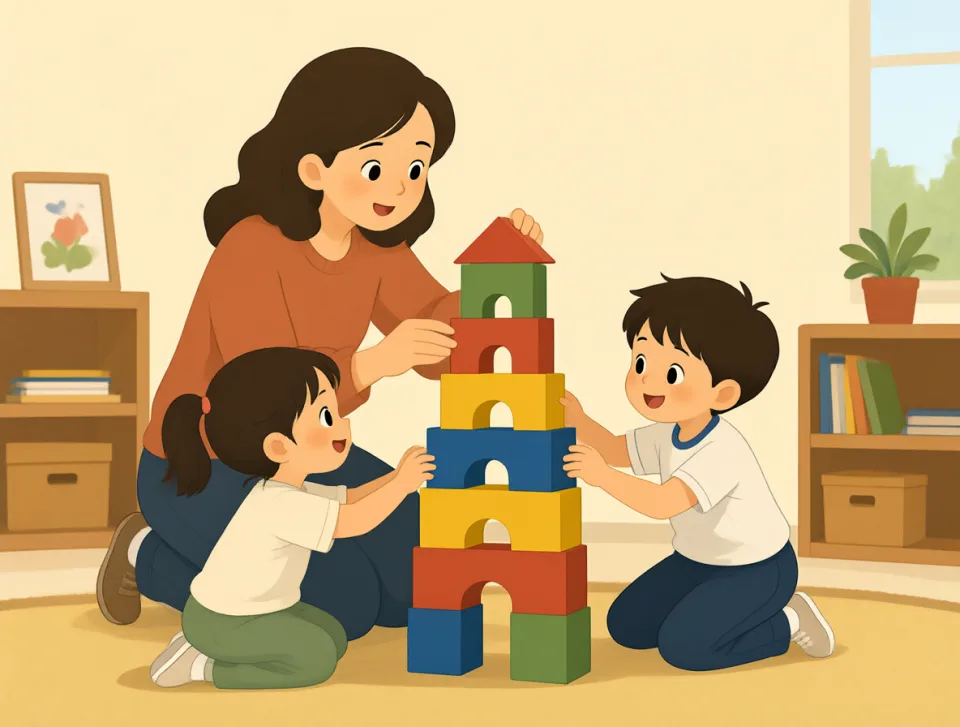
She has experience working with young children.
Cô ấy có kinh nghiệm làm việc với trẻ nhỏ.

This trip was a wonderful experience for us.
Chuyến đi này là một trải nghiệm tuyệt vời đối với chúng tôi.
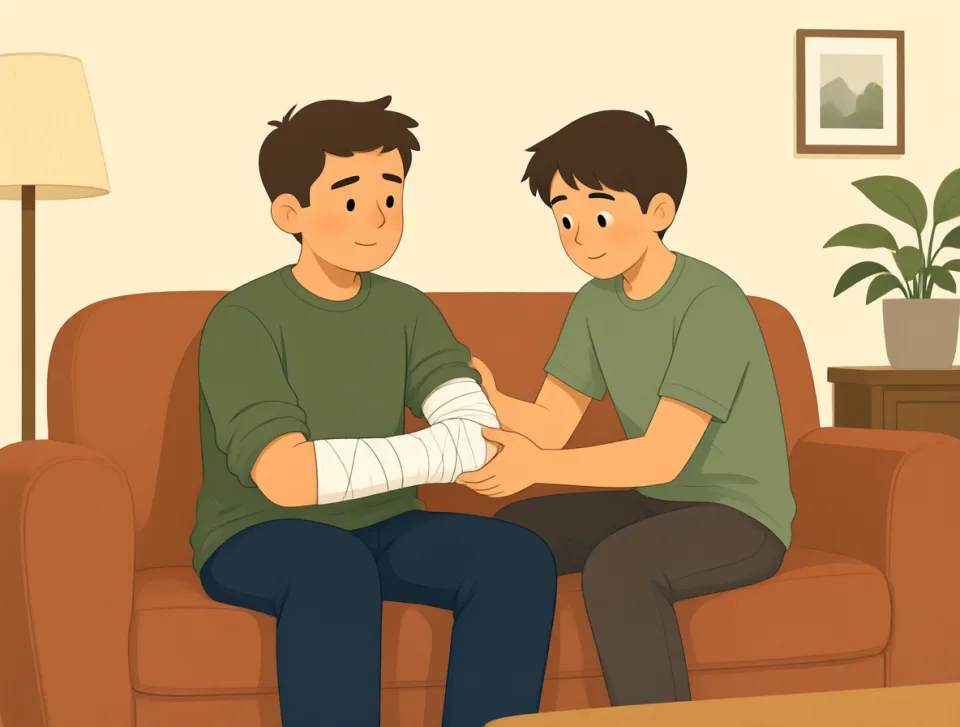
He experienced severe pain after the accident.
Anh ấy bị đau dữ dội sau tai nạn.
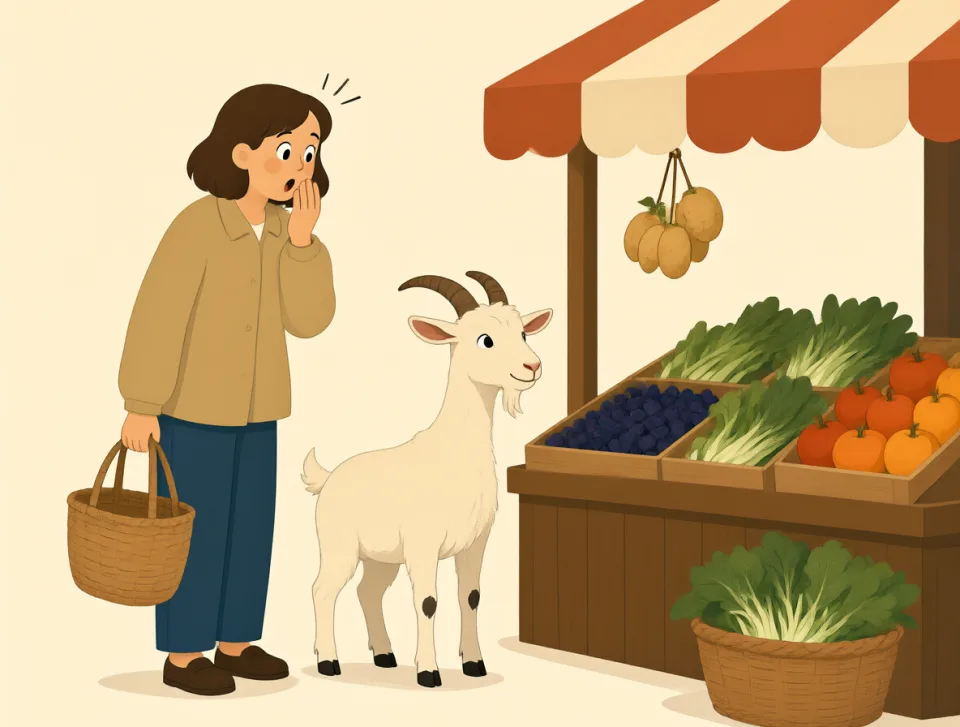
I had a strange experience at the market.
Tôi đã có một trải nghiệm kỳ lạ ở chợ.
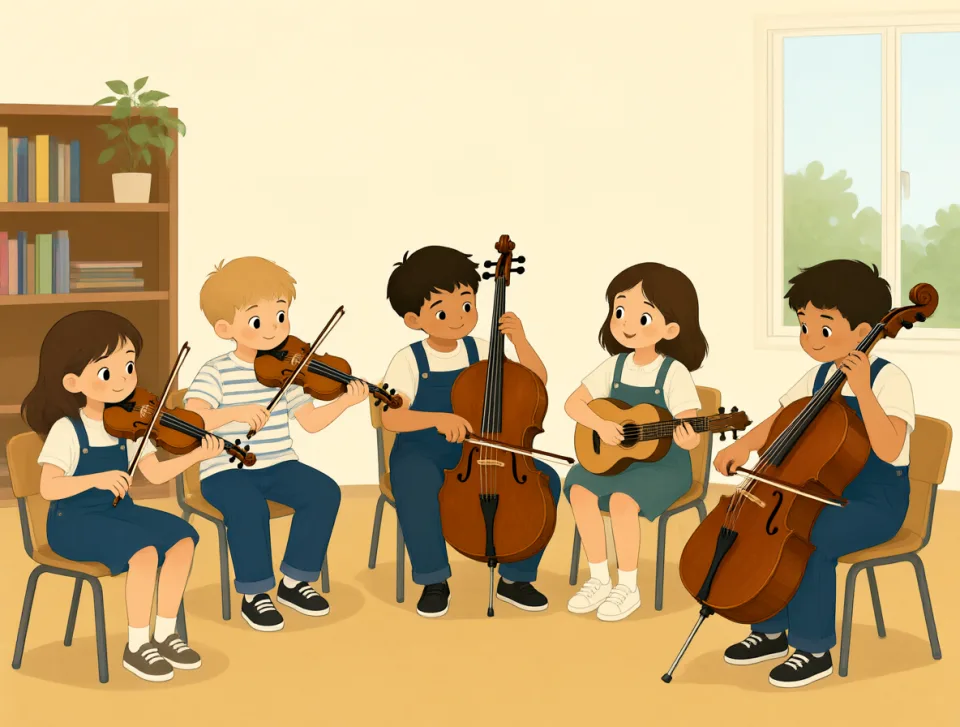
Students gain experience through practice.
Học sinh tích lũy kinh nghiệm qua việc luyện tập.

once
#265adverb, conjunction, determiner, noun
đã từng; một lần
At one time in the past, or one time only.
Vào một thời điểm trong quá khứ hoặc chỉ một lần.
I once lived in a small town.
Tôi đã từng sống ở một thị trấn nhỏ.
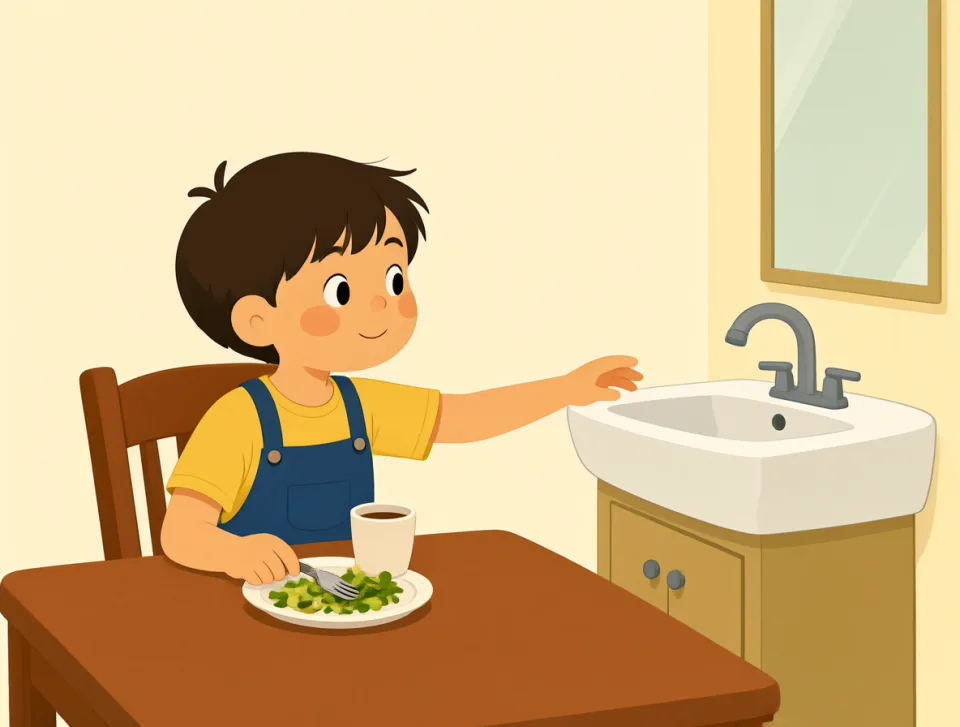
Once you finish, please wash your hands.
Sau khi làm xong, vui lòng rửa tay.

I have visited Paris once.
Tôi đã đến thăm Paris một lần.

Once a week, we buy fresh vegetables.
Mỗi tuần một lần, chúng tôi mua rau tươi.
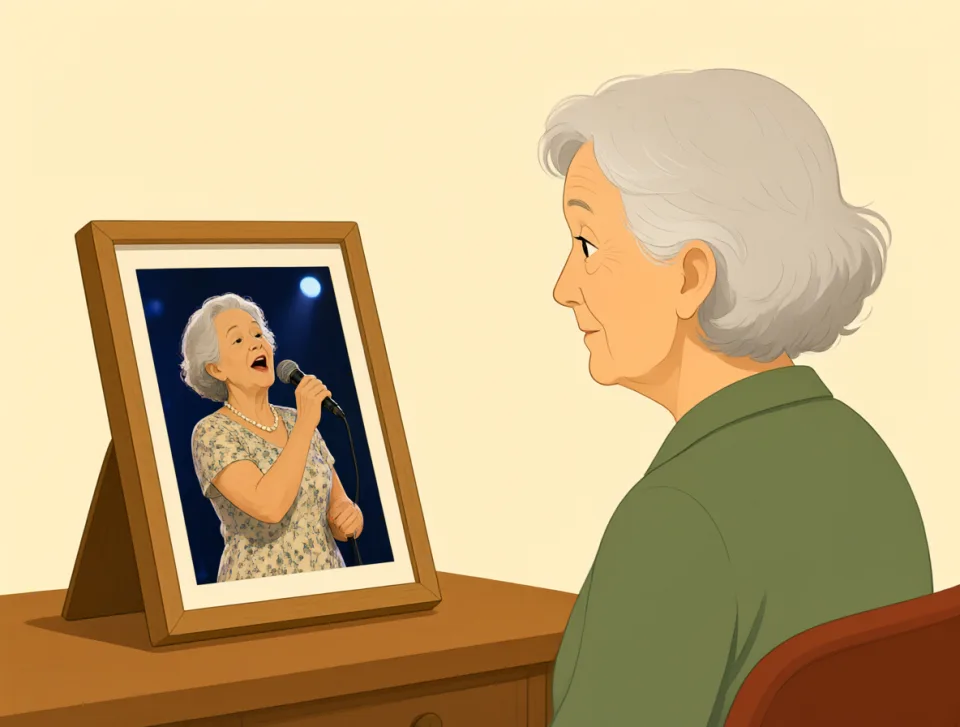
She was a famous singer once.
Cô ấy từng là một ca sĩ nổi tiếng.
member
#266noun
thành viên
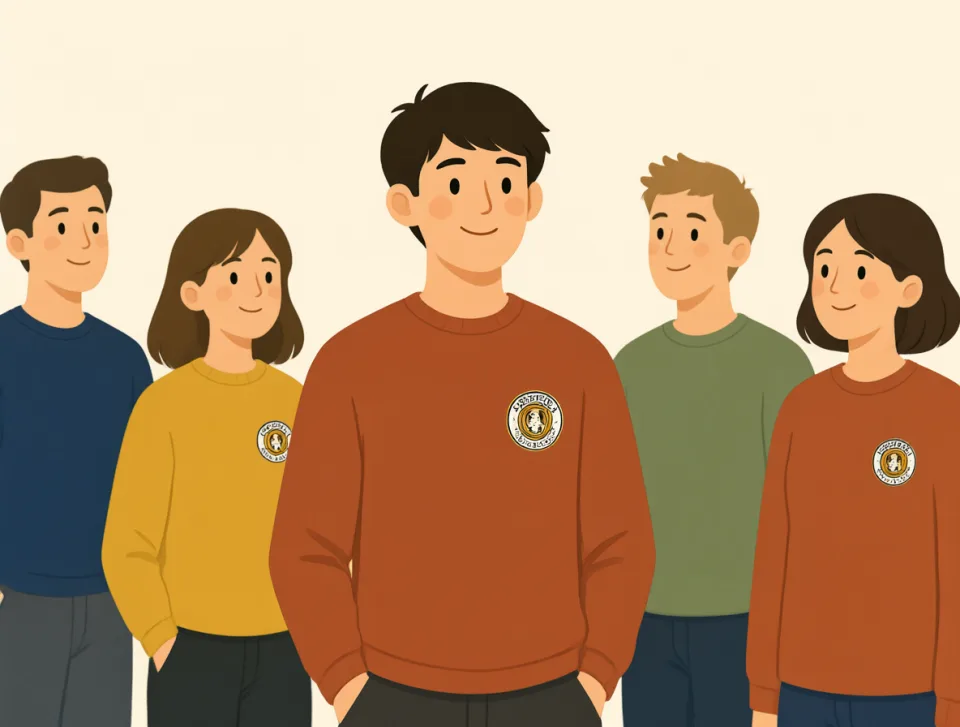
a person who belongs to a group, club, or organization
một người thuộc về một nhóm, câu lạc bộ hoặc tổ chức

She is a member of our tennis club.
Cô ấy là thành viên câu lạc bộ quần vợt của chúng tôi.
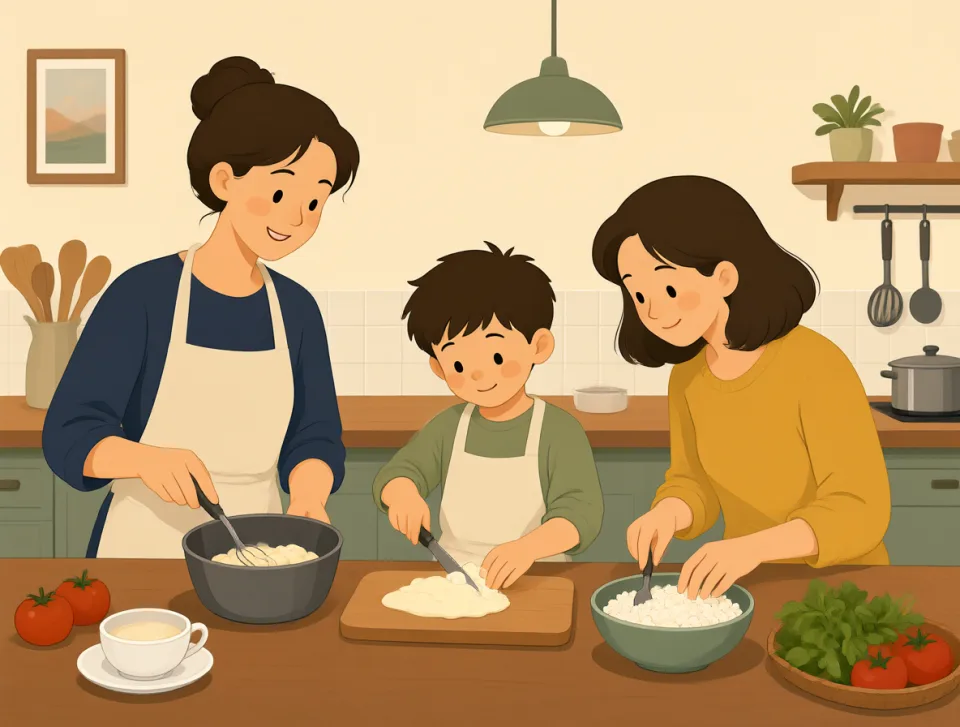
Every family member helped cook dinner.
Mọi thành viên trong gia đình đều phụ nấu bữa tối.

He became a member of the school team.
Anh ấy đã trở thành thành viên đội tuyển của trường.
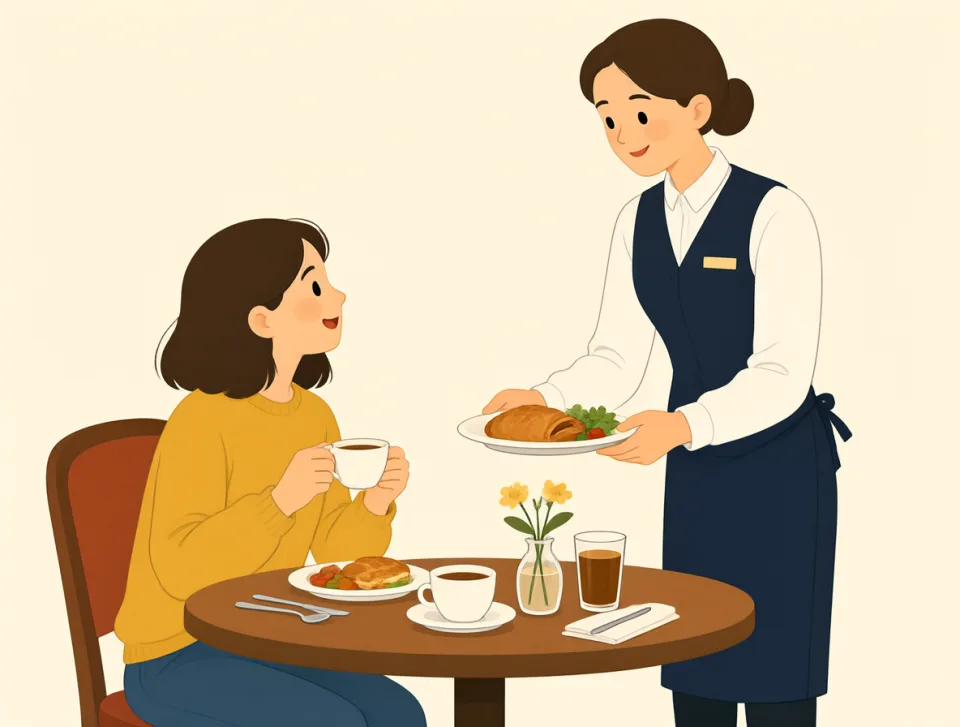
The hotel member received a free breakfast.
Thành viên của khách sạn được tặng bữa sáng miễn phí.

The doctor checked each member of the group.
Bác sĩ đã kiểm tra từng thành viên trong nhóm.

enough
#267adjective, adverb, pronoun, determiner
đủ
As much or as many as needed.
Có số lượng hoặc mức độ cần thiết.
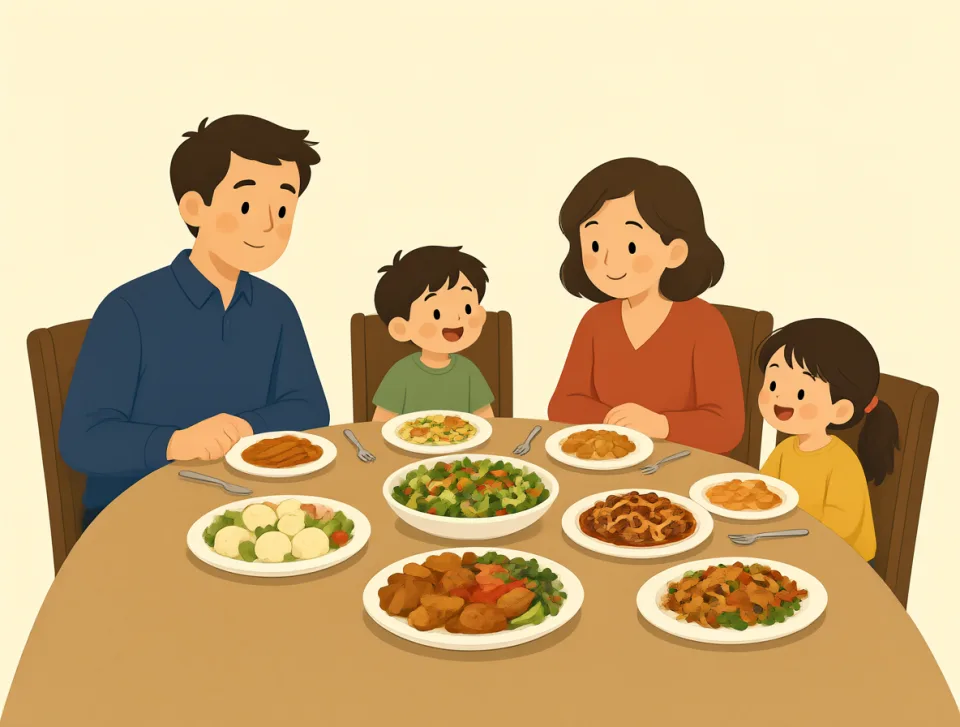
Do we have enough food for everyone?
Chúng ta có đủ thức ăn cho mọi người không?

This bag is big enough for my shoes.
Chiếc túi này đủ lớn để đựng giày của tôi.
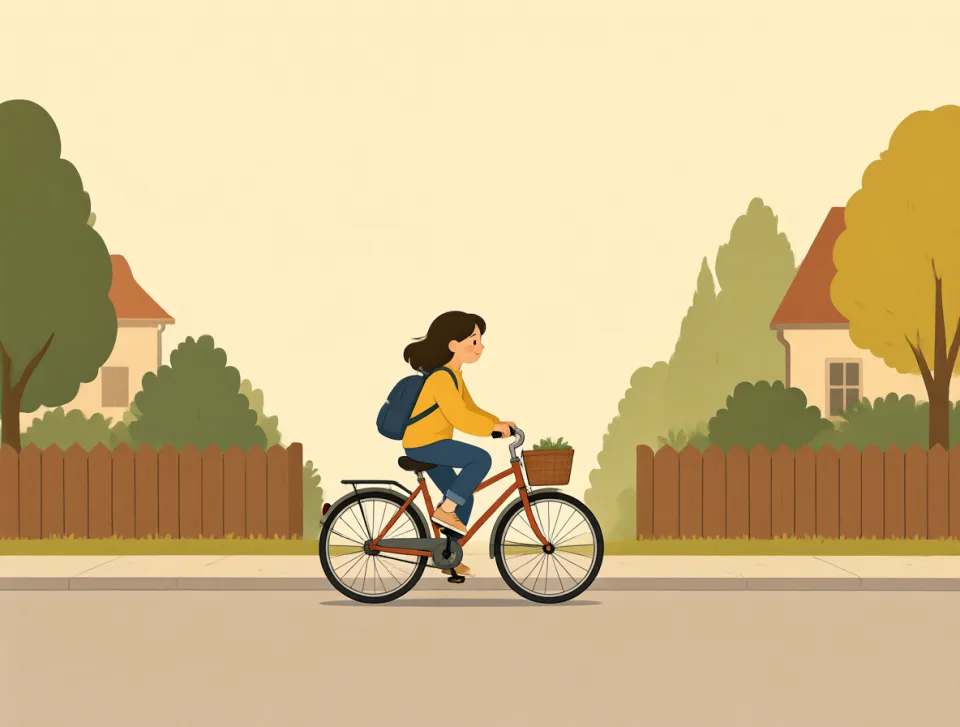
She is old enough to ride alone.
Cô ấy đủ tuổi để đi một mình.

I did not sleep enough last night.
Tối qua tôi đã ngủ không đủ giấc.

Are you warm enough in that jacket?
Mặc chiếc áo khoác đó bạn có đủ ấm không?
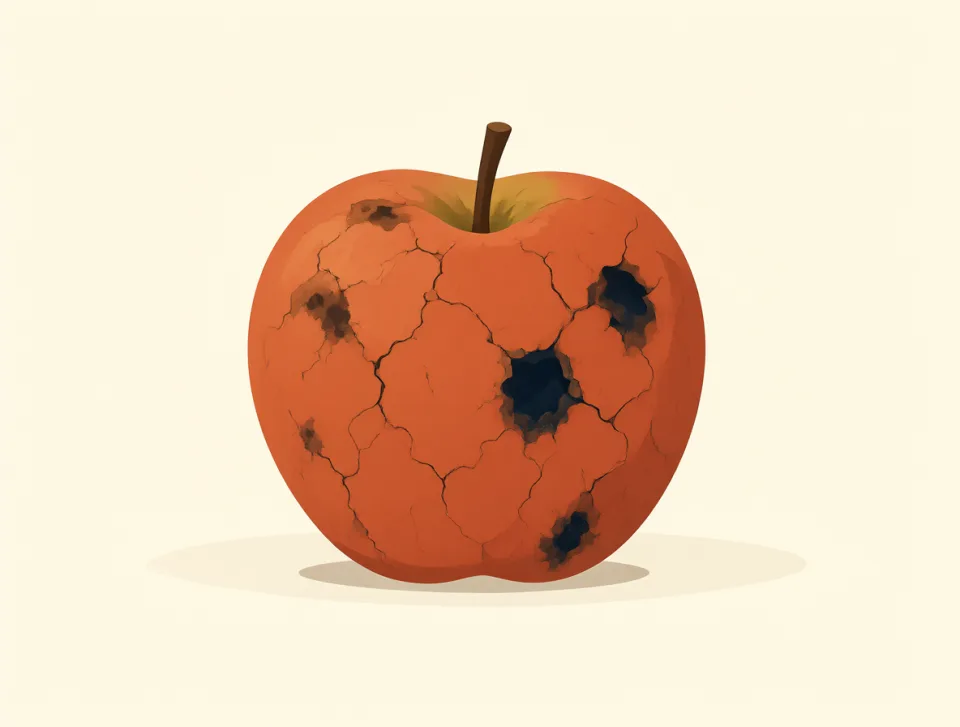
bad
#268adjective, noun
tệ
Not good, pleasant, safe, or morally right.
Không tốt, không dễ chịu, không an toàn hoặc không đúng về mặt đạo đức.

I had a bad day at work.
Tôi đã có một ngày tệ ở chỗ làm.
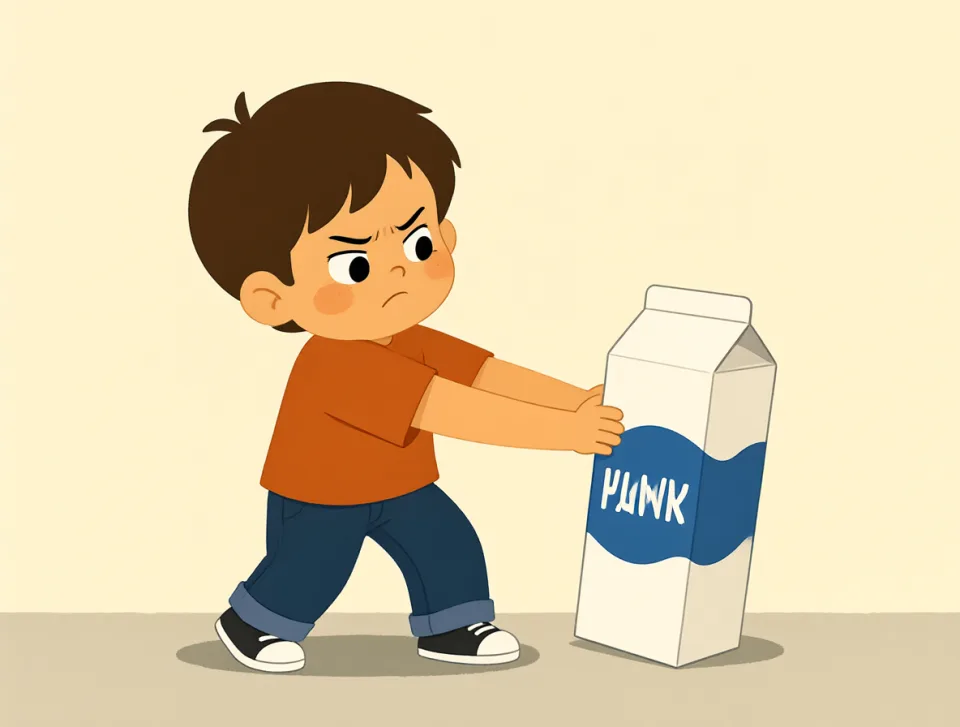
This milk smells bad.
Sữa này có mùi lạ.

He felt bad after the argument.
Anh ấy cảm thấy có lỗi sau cuộc cãi vã.

The weather was bad during our trip.
Thời tiết trong chuyến đi của chúng tôi rất xấu.
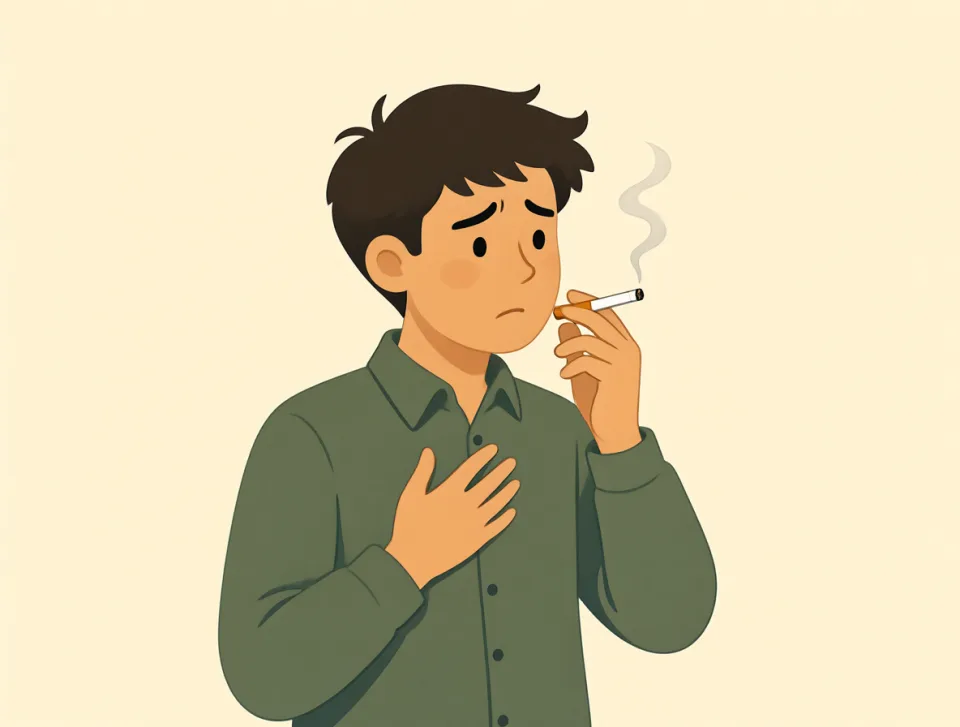
Smoking is bad for your health.
Hút thuốc có hại cho sức khỏe.

city
#269noun
thành phố
A large place where many people live, work, and visit.
Một nơi rộng lớn, nơi có nhiều người sinh sống, làm việc và ghé thăm.

She lives in a big city.
Cô ấy sống ở một thành phố lớn.
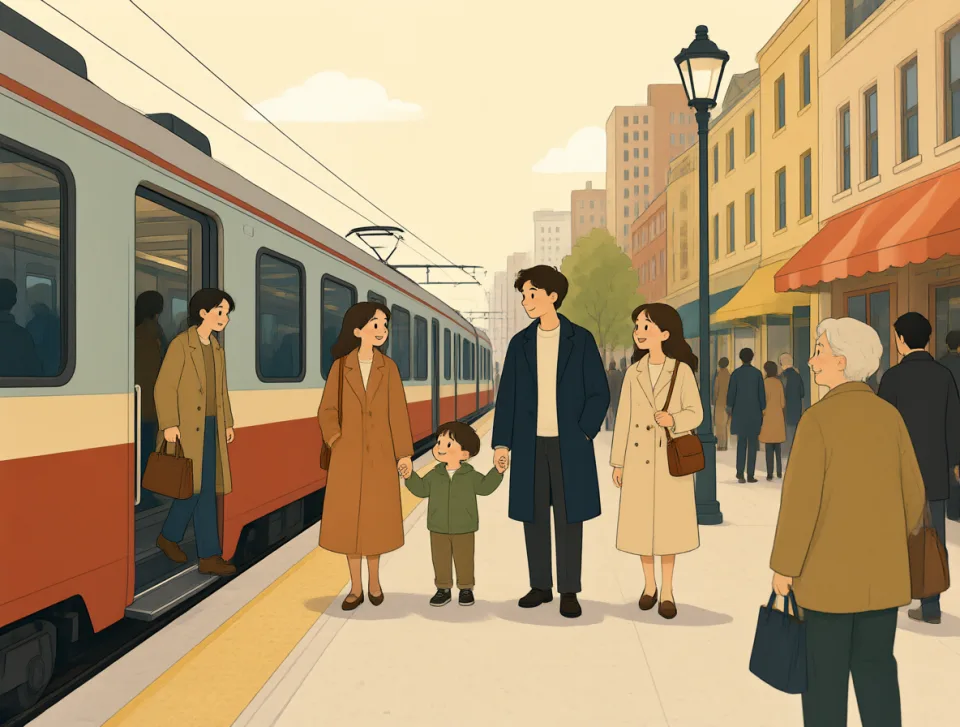
We took a train to the city.
Chúng tôi đi tàu đến thành phố.

The city has many good restaurants.
Thành phố có nhiều nhà hàng ngon.

He works in the city center.
Anh ấy làm việc ở trung tâm thành phố.

The children visited the city museum.
Bọn trẻ đã tham quan bảo tàng thành phố.

night
#270noun
ban đêm
The time when it is dark outside, from evening until morning.
Khoảng thời gian bên ngoài trời tối, từ buổi tối đến sáng.

I read a book before bed at night.
Tôi đọc sách trước khi đi ngủ vào ban đêm.

We walked home together late last night.
Tối muộn hôm qua, chúng tôi cùng nhau đi bộ về nhà.

The baby slept well all night.
Em bé đã ngủ ngon suốt đêm.

She works at the hospital night shift.
Cô ấy làm ca đêm ở bệnh viện.

They stayed in a hotel for one night.
Họ đã ở khách sạn một đêm.

able
#271adjective
có thể
Having the skill, strength, time, or chance to do something.
Có đủ kỹ năng, sức lực, thời gian hoặc cơ hội để làm việc gì đó.

She is able to swim very well.
Cô ấy bơi rất giỏi.

Are you able to help me today?
Hôm nay bạn giúp mình được không?

He was able to finish his homework.
Anh ấy đã làm xong bài tập về nhà.
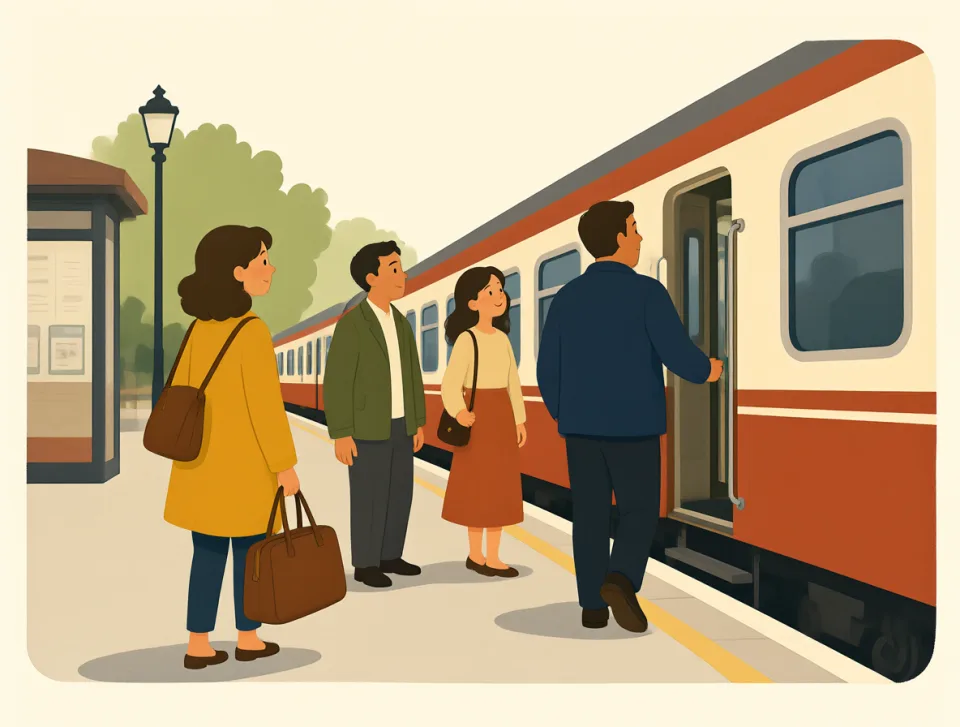
We were able to catch the early train.
Chúng tôi đã kịp bắt chuyến tàu sớm.

I am not able to eat dairy products.
Tôi không thể ăn các sản phẩm từ sữa.
support
#272noun, verb
hỗ trợ
Help or encouragement given to someone or something; to help someone or something succeed.
Sự giúp đỡ hoặc động viên dành cho ai đó hay điều gì đó; giúp ai đó hoặc điều gì đó thành công.

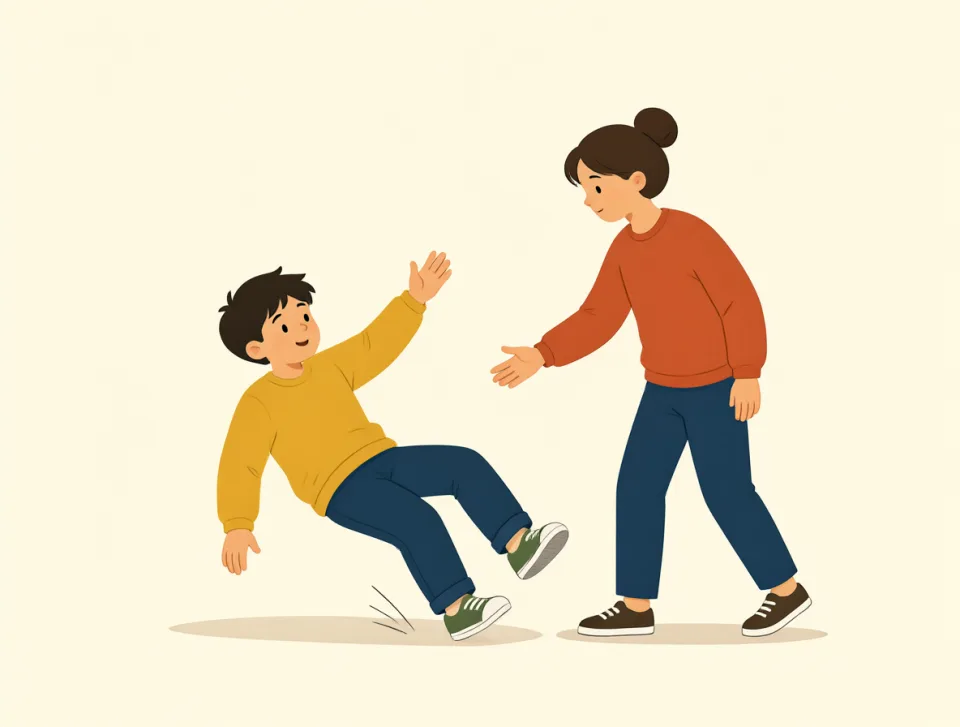
My family supports me when I feel sad.
Gia đình luôn ở bên động viên tôi mỗi khi tôi buồn.

These shoes support your feet while walking.
Đôi giày này nâng đỡ bàn chân khi bạn đi bộ.

Our teacher supports us during the test.
Thầy cô động viên chúng tôi trong suốt bài kiểm tra.

The team supported its captain after the loss.
Cả đội đã ủng hộ đội trưởng sau trận thua.

This pillow supports your neck at night.
Chiếc gối này nâng đỡ cổ bạn khi ngủ.

whether
#273conjunction
liệu
Used to talk about two possible choices or situations.
Dùng để nói về hai lựa chọn hoặc tình huống có thể xảy ra.
I don't know whether she is home.
Tôi không biết liệu cô ấy có ở nhà không.

Please tell me whether you need help.
Vui lòng cho tôi biết bạn có cần giúp đỡ không.
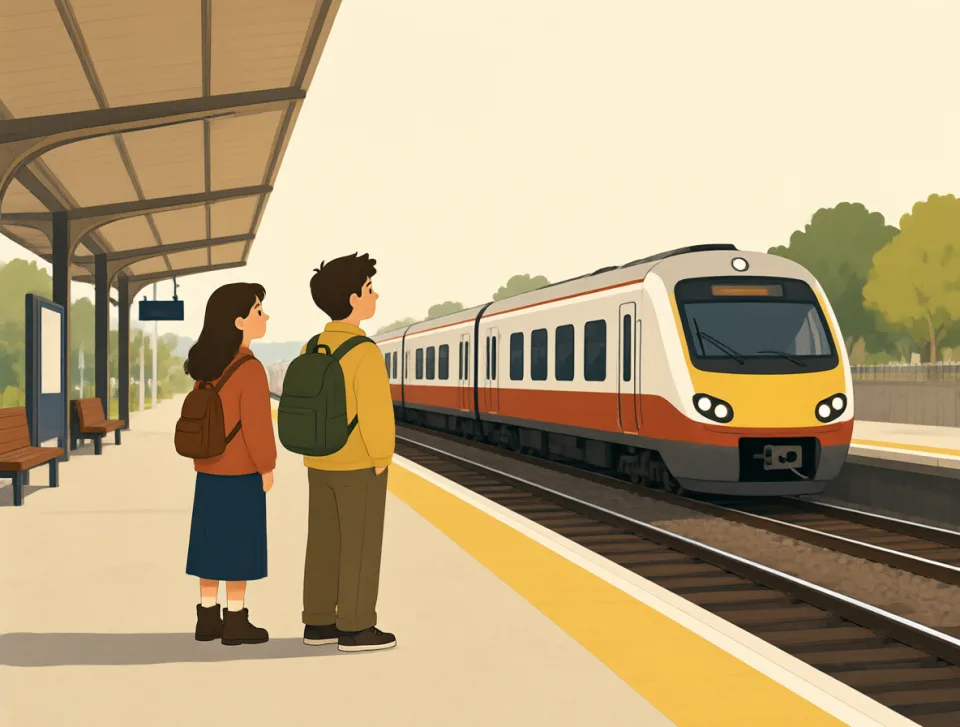
We must decide whether to take the train.
Chúng ta phải quyết định xem có nên đi tàu không.

He asked whether I liked the food.
Anh ấy hỏi tôi có thích đồ ăn đó không.

Check whether the door is locked.
Hãy kiểm tra xem cửa đã khóa chưa.

line
#274noun, verb
hàng; đường kẻ
A long, thin mark or a row of people or things; to stand in a row.
Một nét dài, mảnh hoặc một hàng người hay vật; đứng thành hàng.
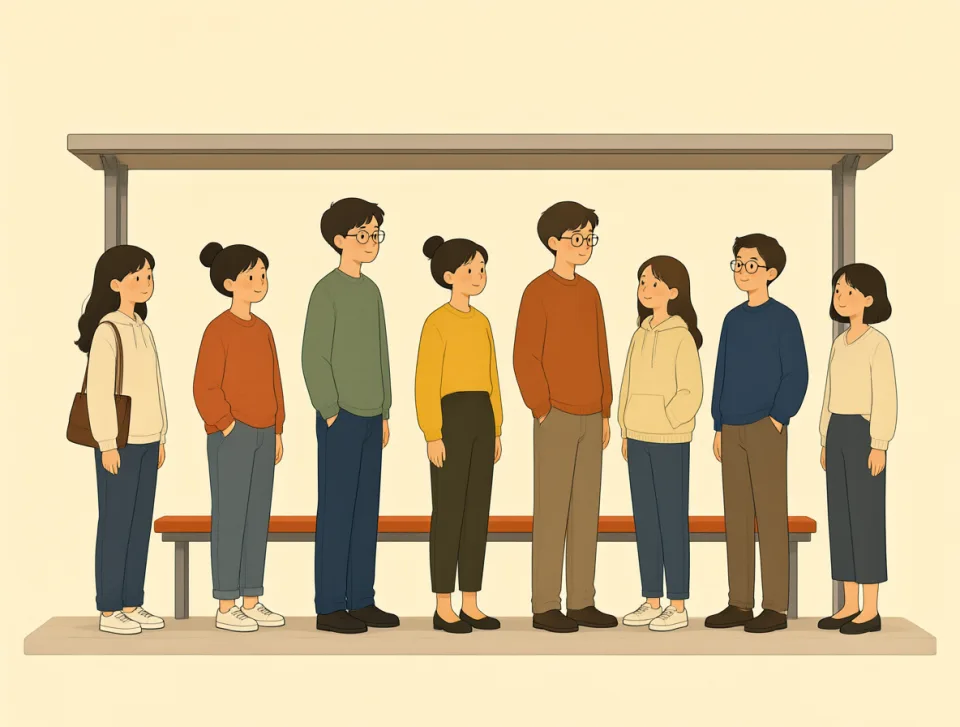
Please wait in line for the bus.
Vui lòng xếp hàng chờ xe buýt.
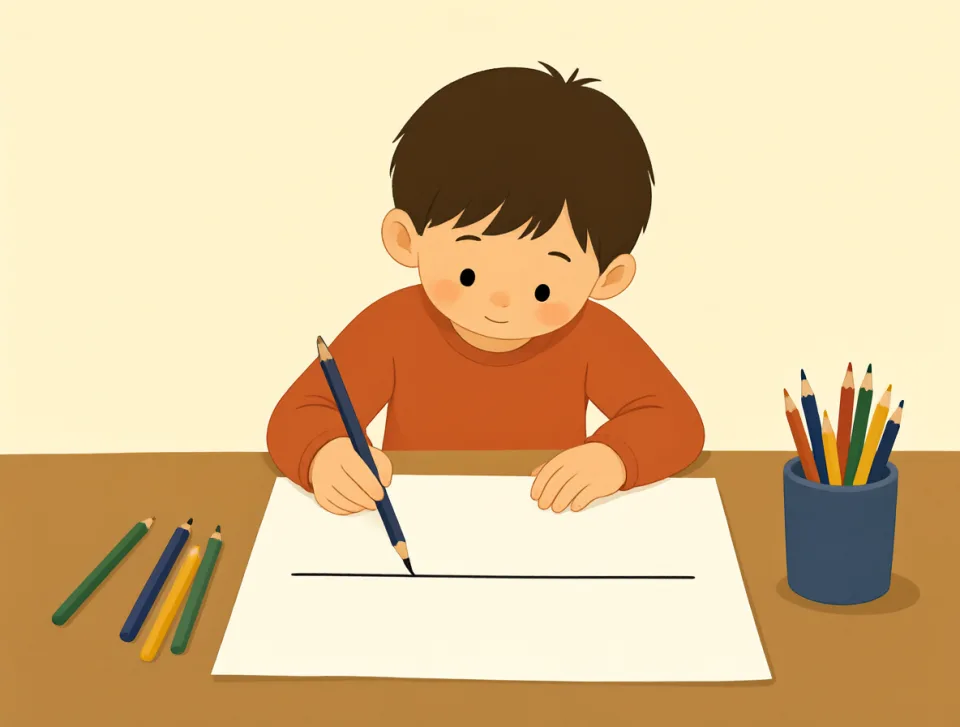
Draw a straight line under the answer.
Hãy kẻ một đường thẳng bên dưới đáp án.

The phone line is busy right now.
Đường dây điện thoại hiện đang bận.

We crossed the finish line together.
Chúng tôi cùng nhau vượt qua vạch đích.
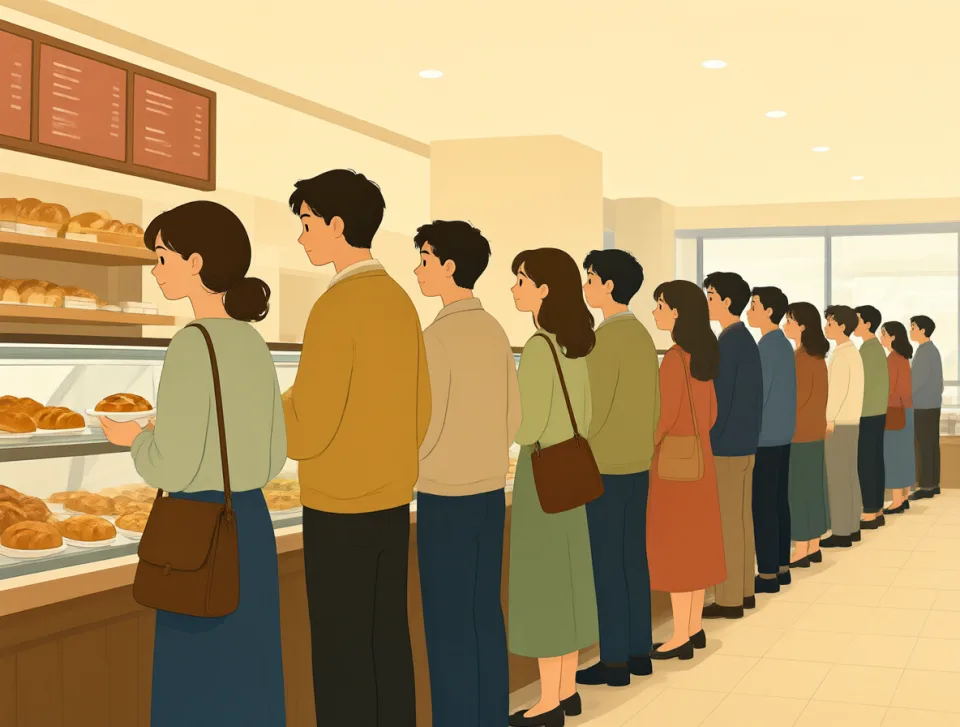
There was a long line at the bakery.
Có một hàng người dài ở tiệm bánh.

present
#275noun, verb, adjective
món quà; hiện tại
A gift; to give something; existing or happening now.
Một món quà; đưa hoặc trao thứ gì đó; đang tồn tại hoặc diễn ra ở thời điểm hiện tại.

She gave me a birthday present.
Cô ấy tặng tôi một món quà sinh nhật.

I bought a present for my mother.
Tôi đã mua một món quà cho mẹ.
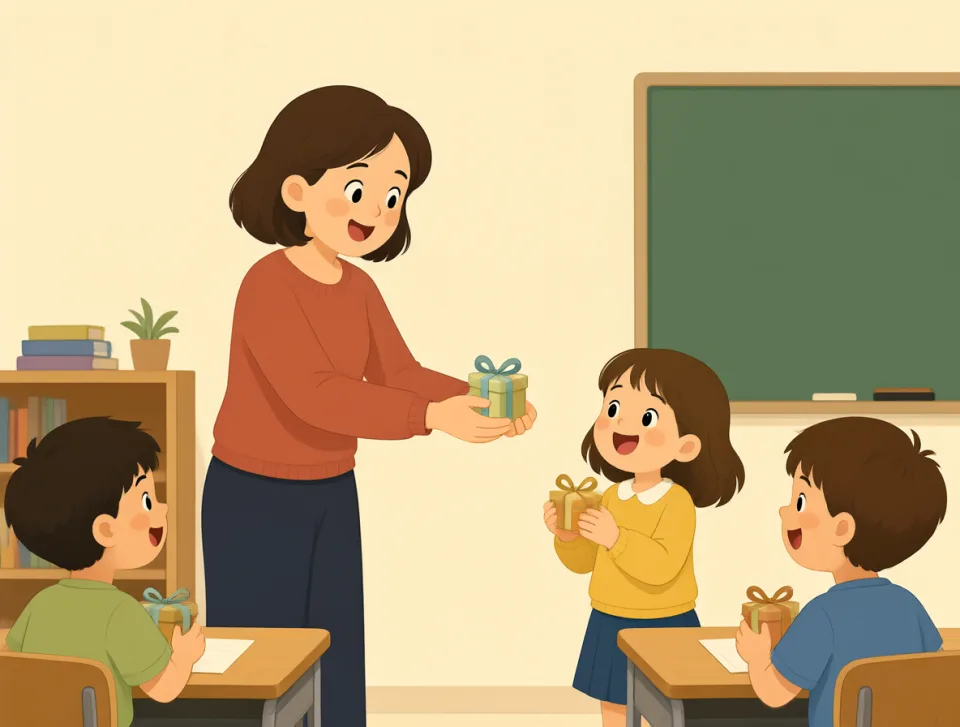
The teacher presented the prizes to students.
Giáo viên trao giải thưởng cho các học sinh.

Everyone was present at the meeting.
Mọi người đều có mặt tại cuộc họp.

We need to discuss the present problem.
Chúng ta cần thảo luận về vấn đề hiện tại.
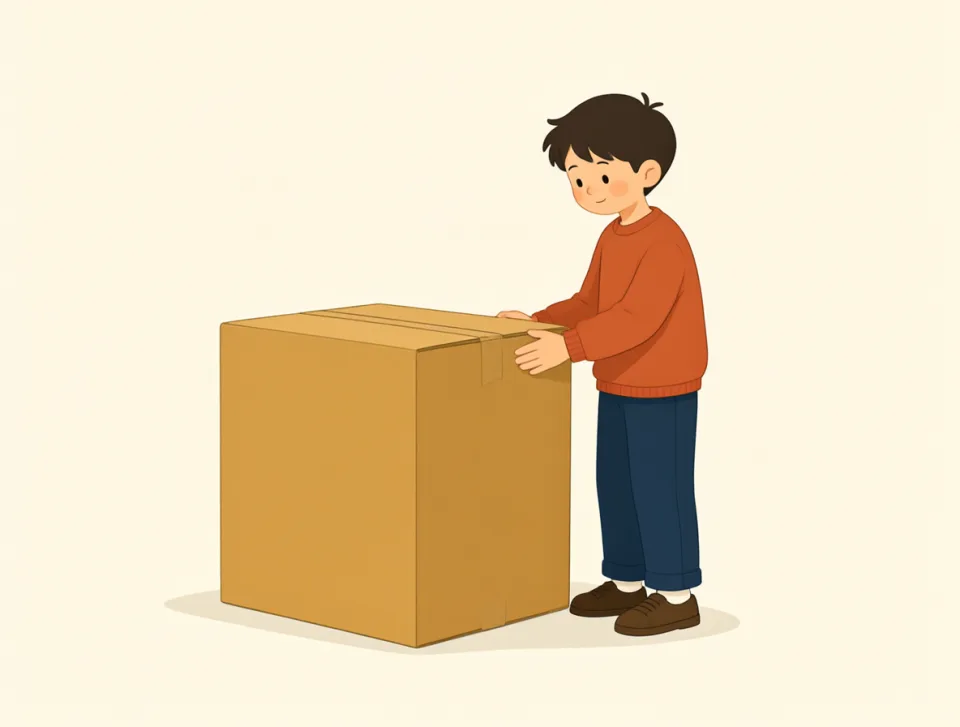
side
#276noun, verb, adjective, preposition
bên
One of two parts, directions, or surfaces of something.
Một trong hai phần, hướng hoặc bề mặt của một vật.
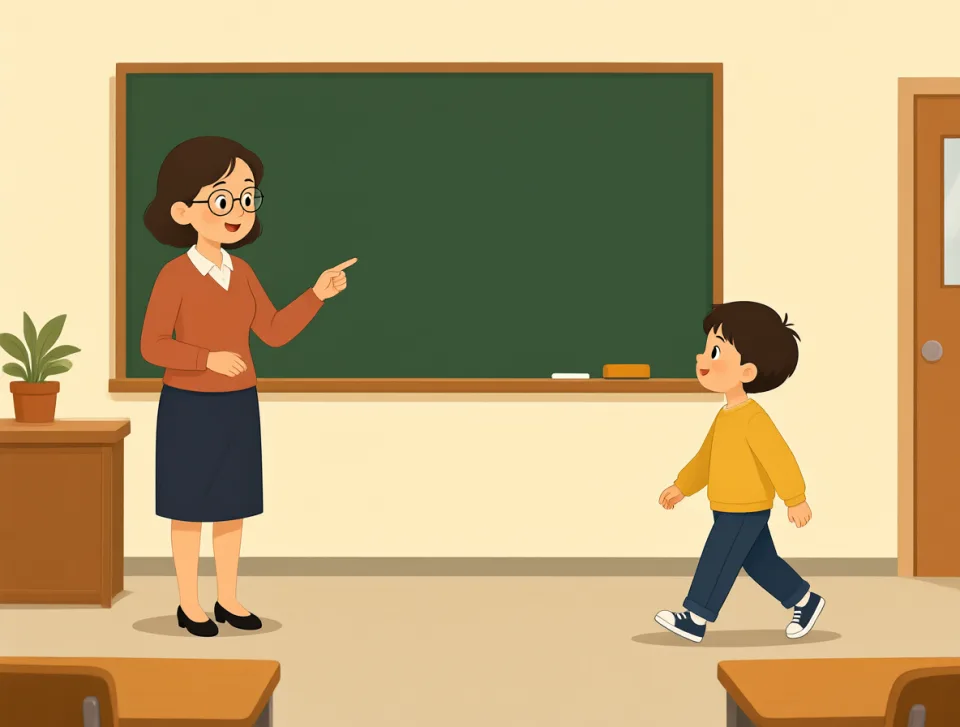
Please stand on this side of the room.
Vui lòng đứng ở bên này căn phòng.

We sat on the side of the road.
Chúng tôi ngồi bên lề đường.

She took my side during the argument.
Cô ấy đứng về phía tôi trong cuộc tranh cãi.
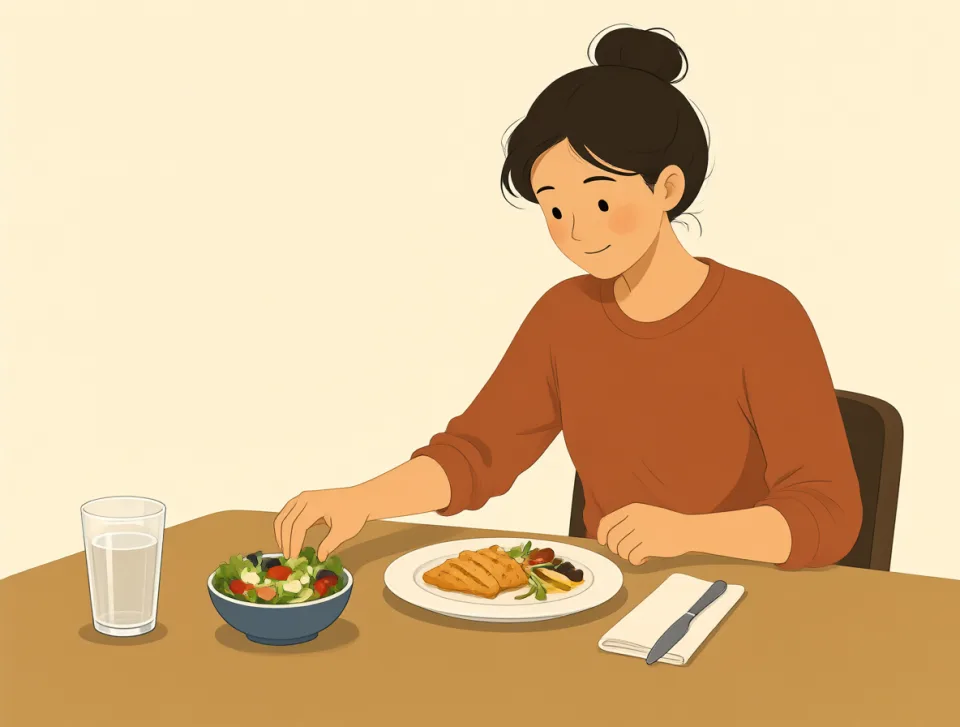
Put the salad on the side of my plate.
Cho salad vào một bên đĩa của tôi nhé.

The shop is on the left side of the street.
Cửa hàng nằm ở phía bên trái con phố.

quite
#277adverb
khá
To a fairly large degree; very or completely, depending on the context.
Ở mức độ tương đối lớn; tùy ngữ cảnh có thể mang nghĩa rất hoặc hoàn toàn.
The test was quite easy.
Bài kiểm tra khá dễ.

She is quite tired after work.
Cô ấy khá mệt sau giờ làm.
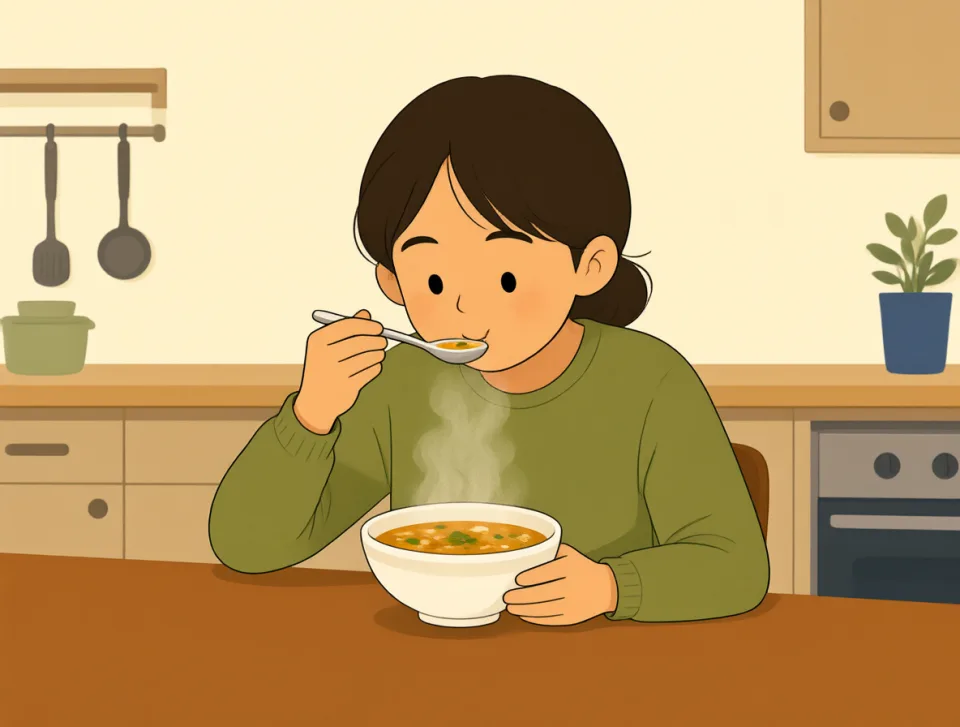
This soup is quite hot.
Món súp này khá nóng.

We arrived quite early for the train.
Chúng tôi đến khá sớm để đi tàu.

He quite likes his new teacher.
Anh ấy khá thích giáo viên mới của mình.
although
#278conjunction
mặc dù
used to introduce a contrast or surprising fact
Dùng để mở đầu một ý tương phản hoặc một sự thật gây ngạc nhiên.
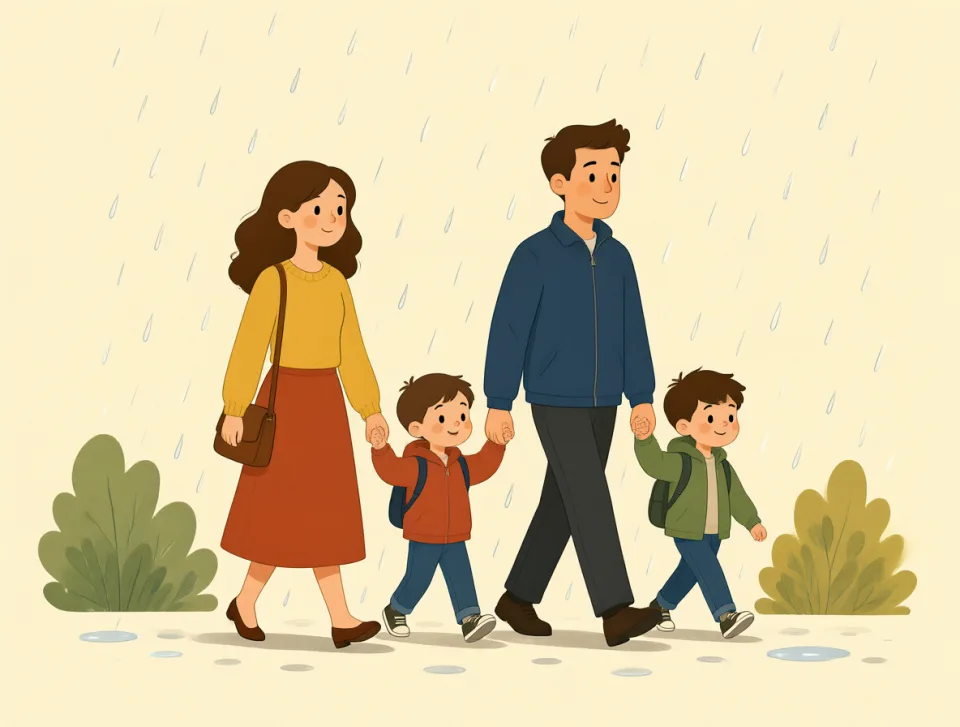
Although it was raining, we went for a walk.
Mặc dù trời đang mưa, chúng tôi vẫn đi dạo.

Although she was tired, she finished her homework.
Mặc dù mệt, cô ấy vẫn làm xong bài tập về nhà.

Although the shirt was expensive, I bought it.
Mặc dù chiếc áo sơ mi đắt tiền, tôi vẫn mua nó.
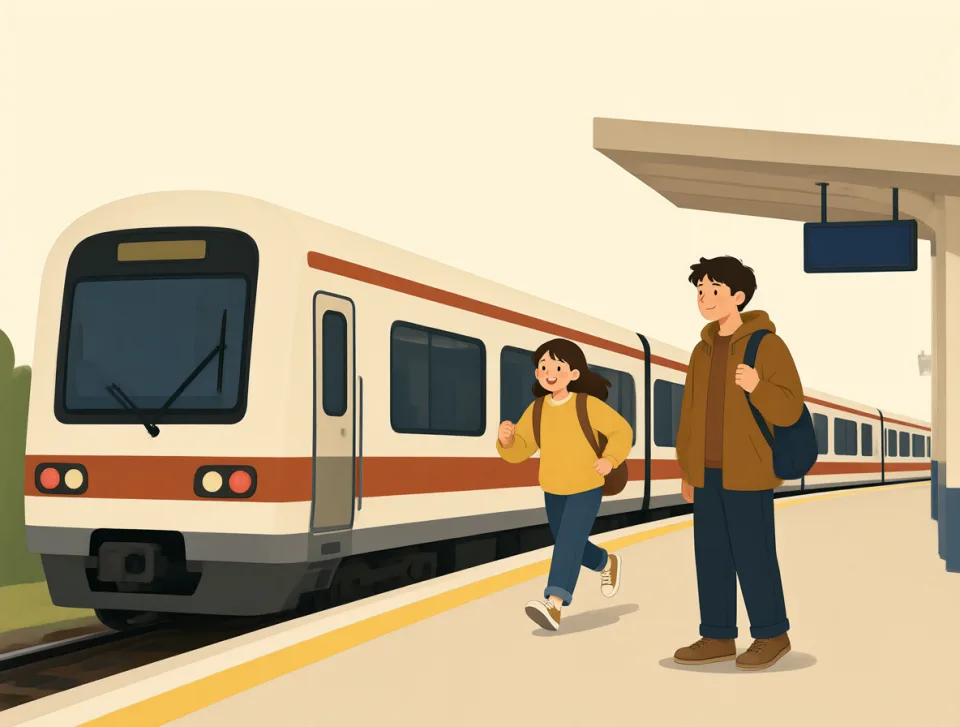
Although he missed the train, he arrived on time.
Mặc dù lỡ chuyến tàu, anh ấy vẫn đến đúng giờ.

Although I was sick, I went to work.
Mặc dù bị ốm, tôi vẫn đi làm.

sure
#279adjective, adverb
chắc chắn
Certain to be true or likely to happen; used to agree or ask for agreement.
Chắc là đúng hoặc có khả năng xảy ra; cũng dùng để đồng ý hoặc hỏi xem người khác có đồng ý không.
Are you sure this is your bag?
Bạn có chắc đây là túi của bạn không?

I am sure she will come.
Tôi chắc cô ấy sẽ đến.

Sure, I can help you.
Được chứ, tôi có thể giúp bạn.
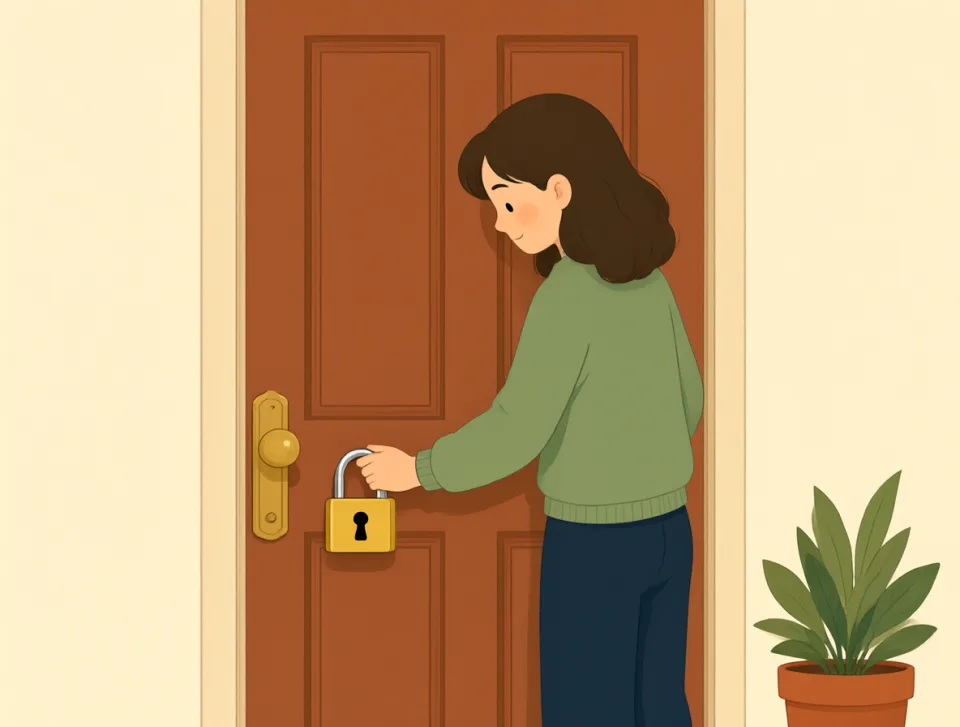
Make sure you lock the door.
Nhớ khóa cửa nhé.

He is not sure about the answer.
Anh ấy không chắc về câu trả lời.
term
#280noun, verb
thuật ngữ
A word or phrase, a fixed period, or a condition in an agreement.
Một từ hoặc cụm từ; một khoảng thời gian cố định; hoặc một điều kiện trong thỏa thuận.
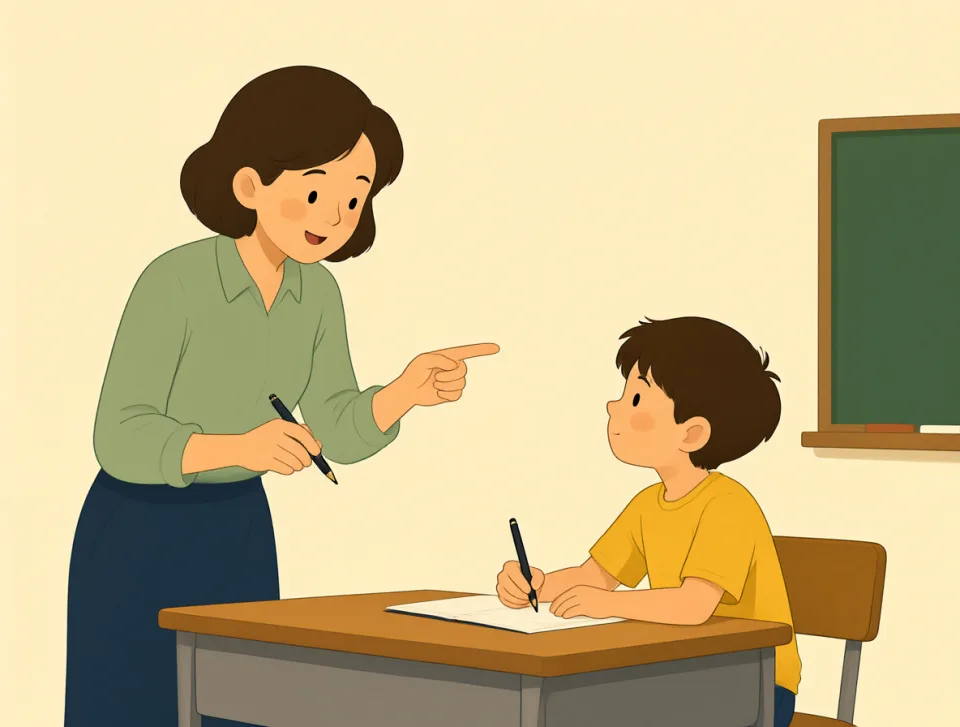
Please explain this term in simple English.
Vui lòng giải thích thuật ngữ này bằng tiếng Anh đơn giản.

The doctor used a medical term I knew.
Bác sĩ đã dùng một thuật ngữ y khoa mà tôi biết.

The loan must be paid in monthly terms.
Khoản vay phải được trả góp hằng tháng.

She served a two-year term as mayor.
Cô ấy giữ chức thị trưởng trong hai năm.

They agreed to the terms of the sale.
Họ đồng ý với các điều khoản mua bán.