इकाई 25
शब्द 481–500 · draw, white, date, practice, model, raise
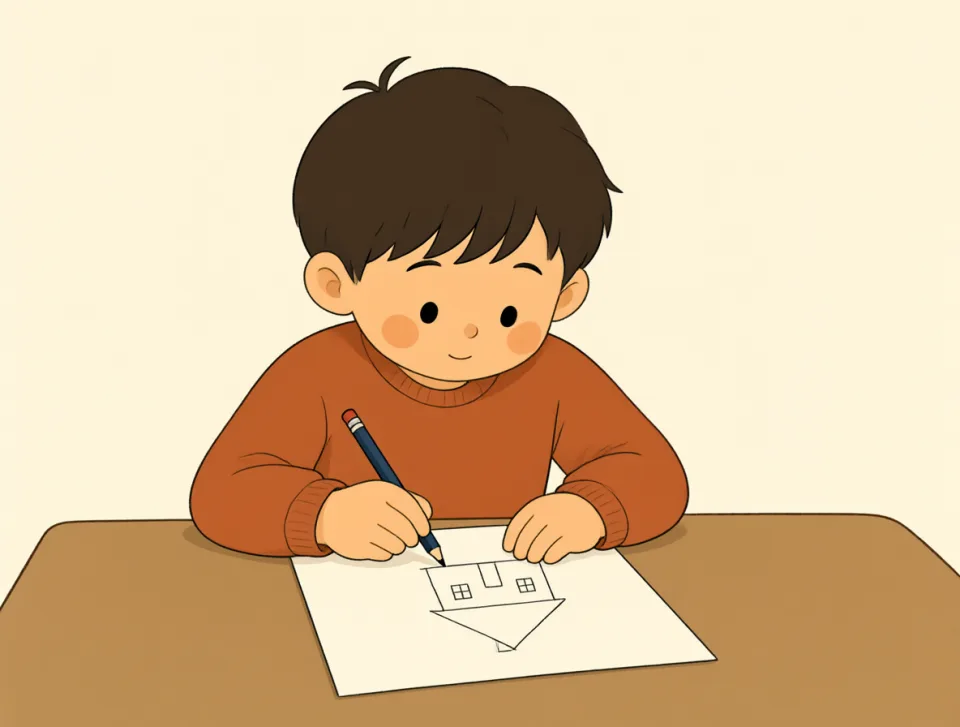
draw
#481verb, noun
चित्र बनाना; खींचना; संयोग से चुनना
to make a picture, pull something, or choose a name by chance
चित्र बनाना, किसी चीज़ को खींचना या संयोग से कोई नाम चुनना।
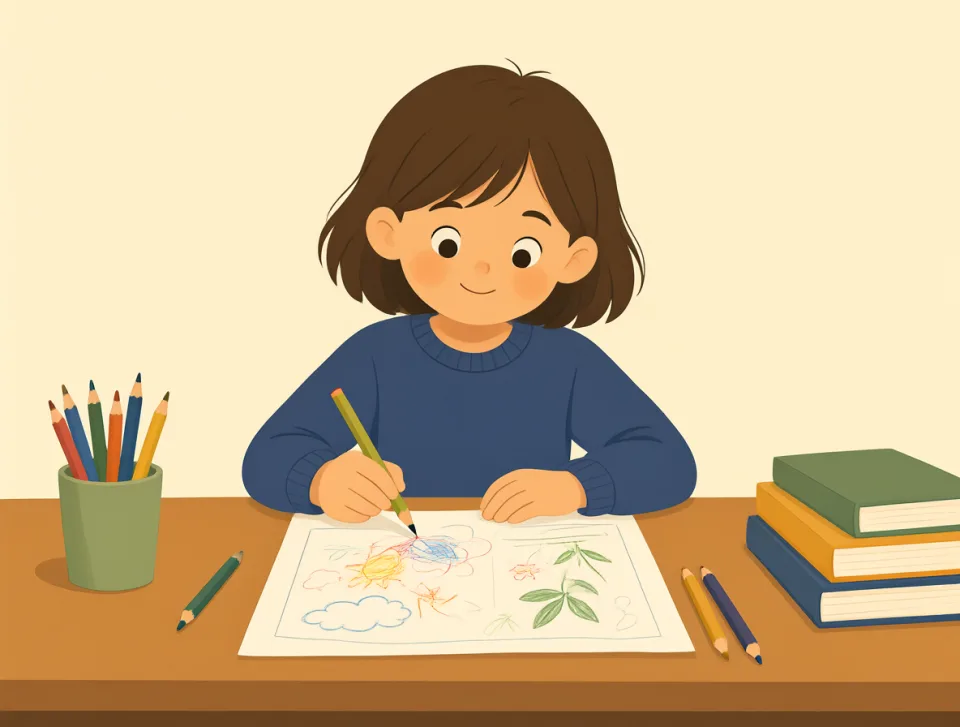
She likes to draw pictures after school.
उसे स्कूल के बाद चित्र बनाना पसंद है।

Please draw the curtains before you leave.
जाने से पहले कृपया पर्दे खींच दीजिए।
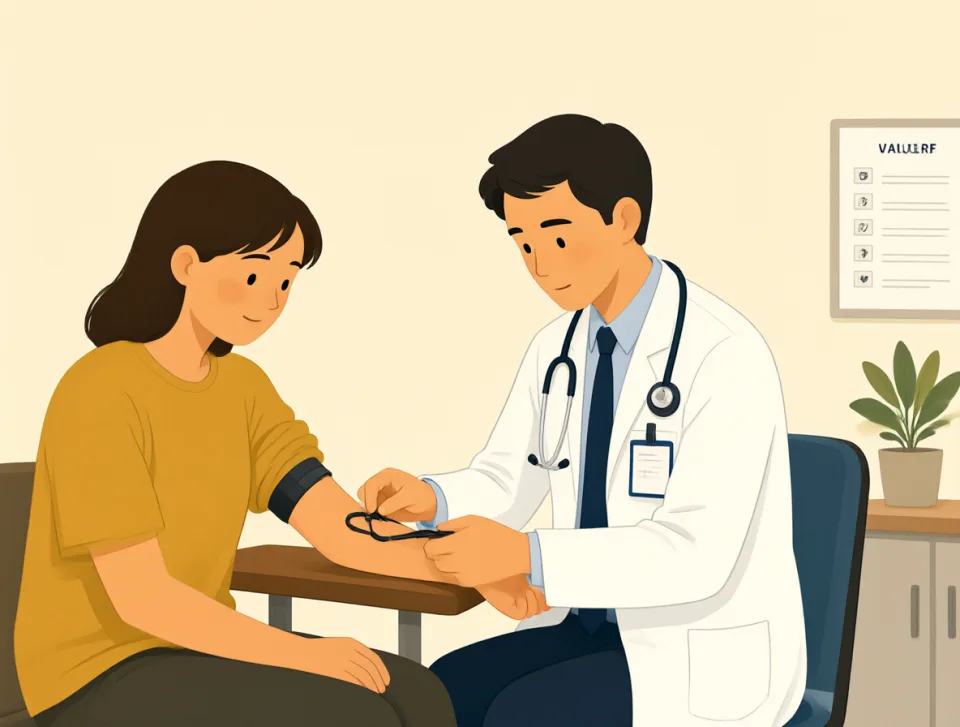
The doctor drew blood from my arm.
डॉक्टर ने मेरी बाँह से खून निकाला।
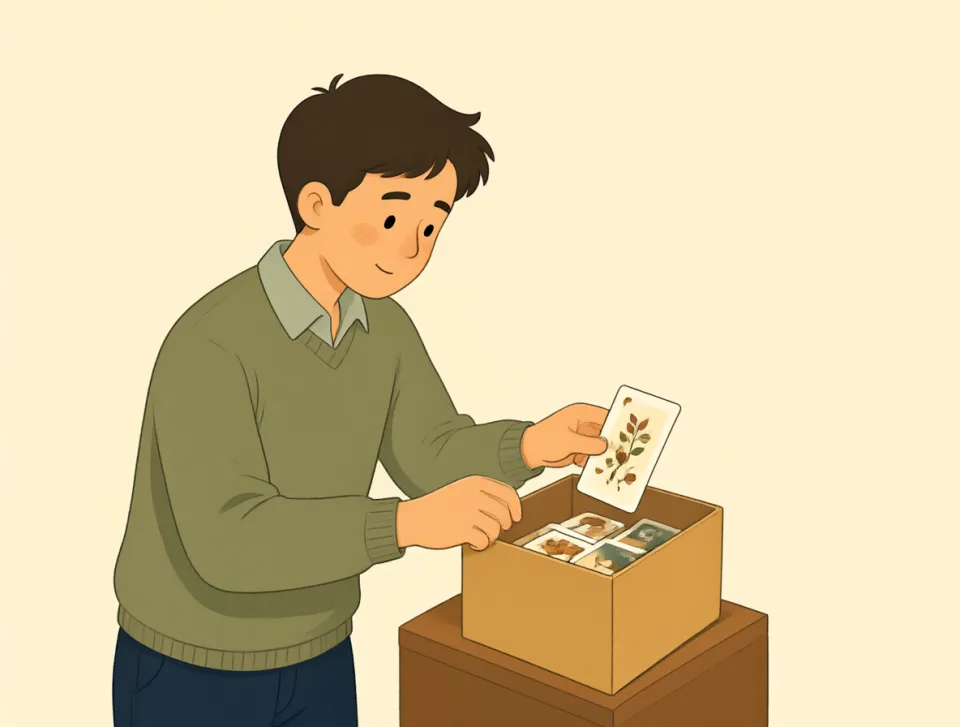
He drew a card from the box.
उसने डिब्बे से एक पत्ता निकाला।
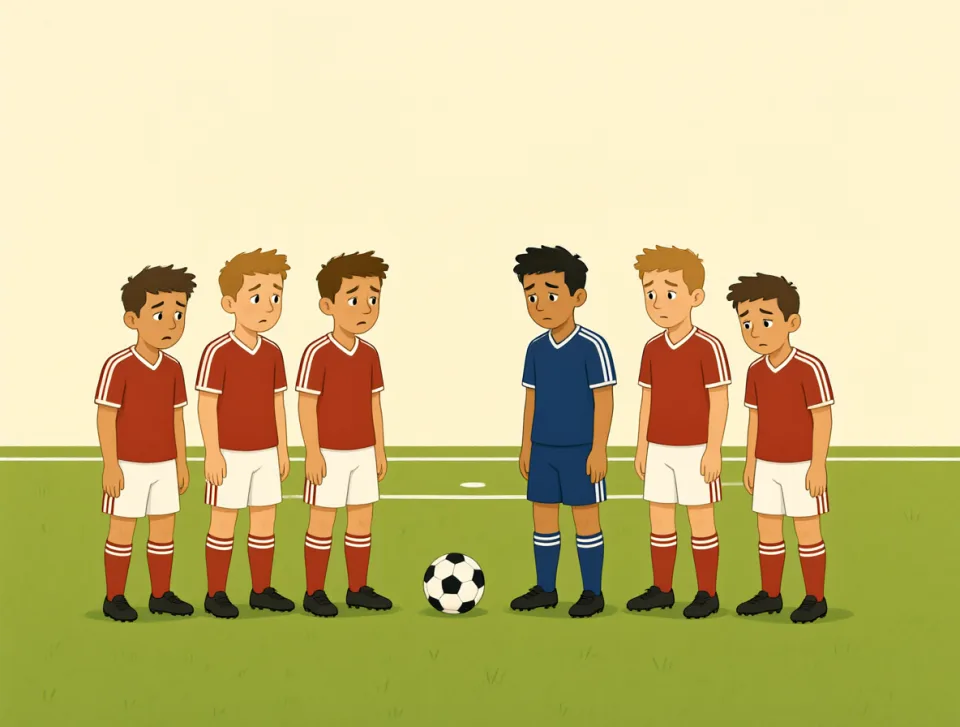
They drew the game yesterday.
कल उनका खेल बराबरी पर छूटा।

white
#482adjective, noun
सफेद
Having the color of fresh snow or milk; the lightest color.
ताज़ी बर्फ़ या दूध के रंग का; सबसे हल्का रंग।

She wore a white shirt to work.
उसने काम पर सफेद कमीज़ पहनी।

The white snow covered the garden.
सफेद बर्फ़ ने बगीचे को ढक लिया।
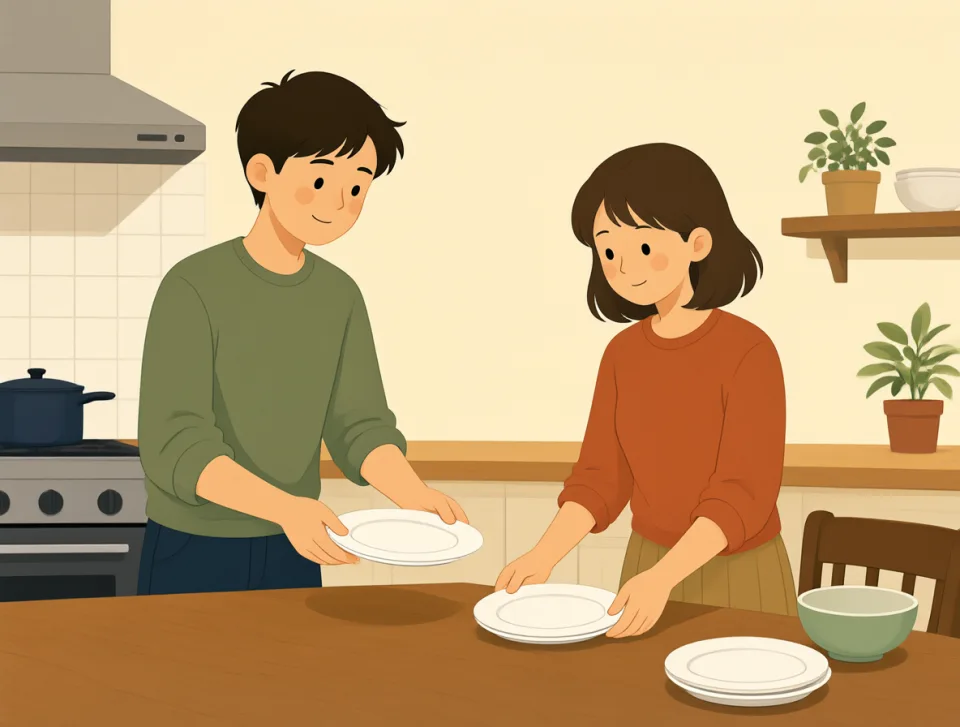
Please put the white plates here.
कृपया सफेद प्लेटें यहाँ रख दीजिए।
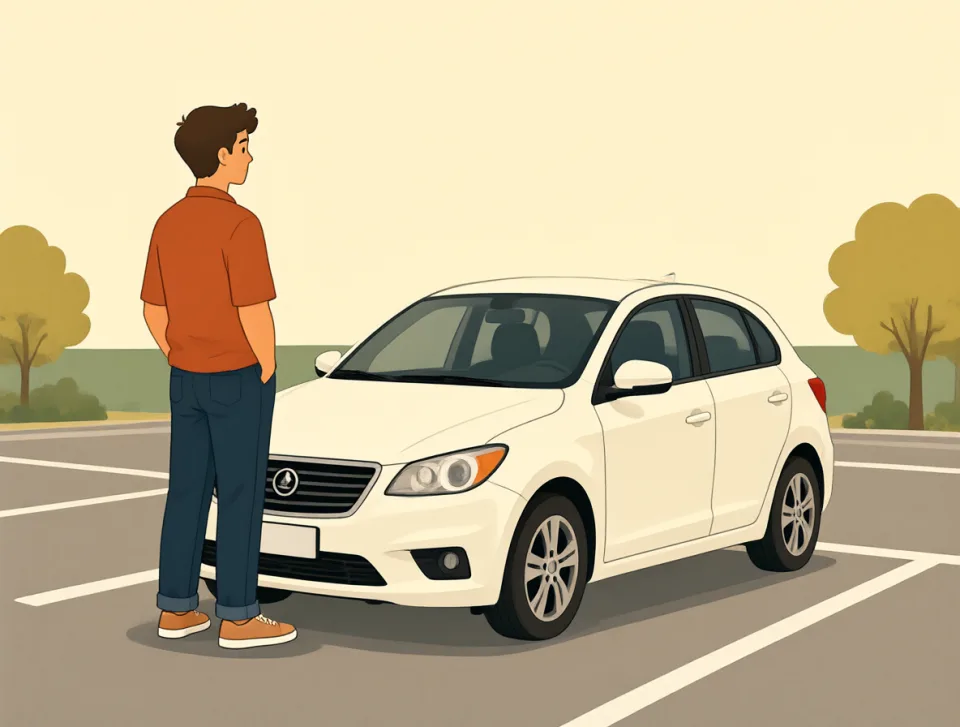
He bought a white car yesterday.
उसने कल एक सफेद कार खरीदी।
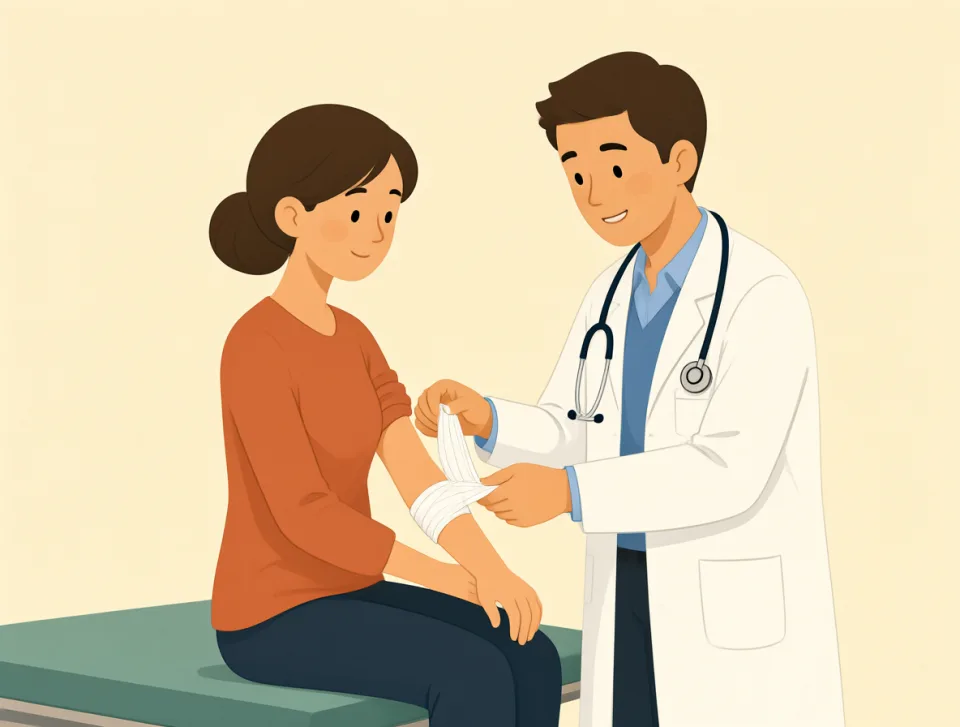
The doctor gave her a white bandage.
डॉक्टर ने उसे सफेद पट्टी दी।

date
#483noun, verb
तारीख़; डेट
A day shown on a calendar, or a meeting with someone you like romantically.
कैलेंडर में दिखाई गई तारीख़ या किसी ऐसे व्यक्ति के साथ मुलाक़ात जिसे आप रोमांटिक रूप से पसंद करते हैं।
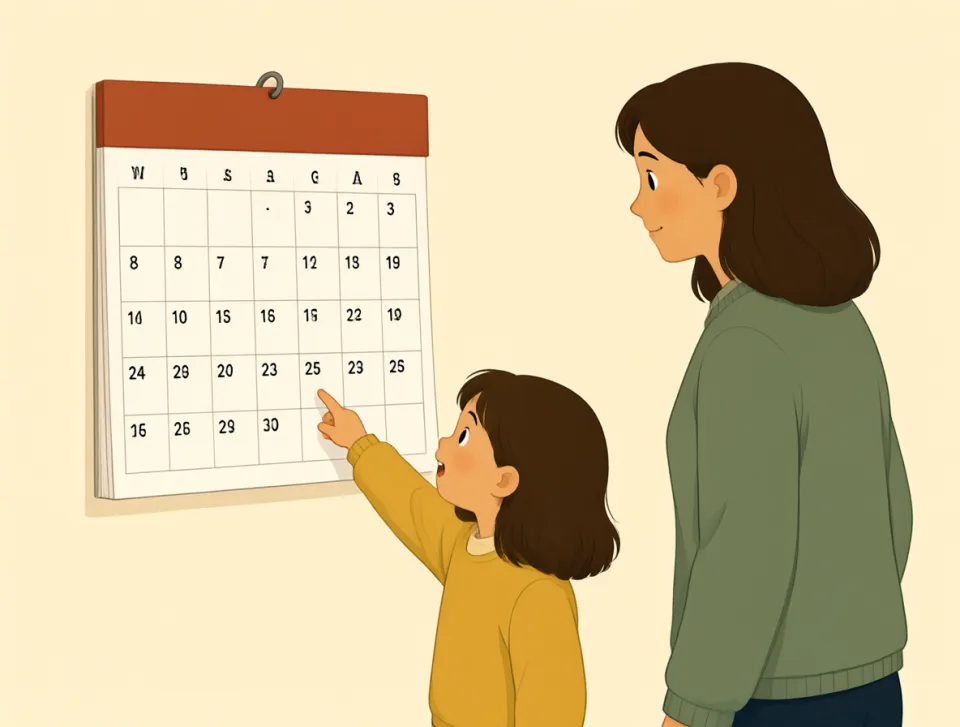
What is the date today?
आज तारीख़ क्या है?

Please write the date on this form.
कृपया इस फ़ॉर्म पर तारीख़ लिखिए।

Our wedding date is in June.
हमारी शादी की तारीख़ जून में है।

I have a date with Anna tonight.
आज रात मेरी अन्ना के साथ डेट है।

We are dating and feel very happy.
हम एक-दूसरे को डेट कर रहे हैं और बहुत खुश हैं।
practice
#484noun, verb
अभ्यास; प्रशिक्षण
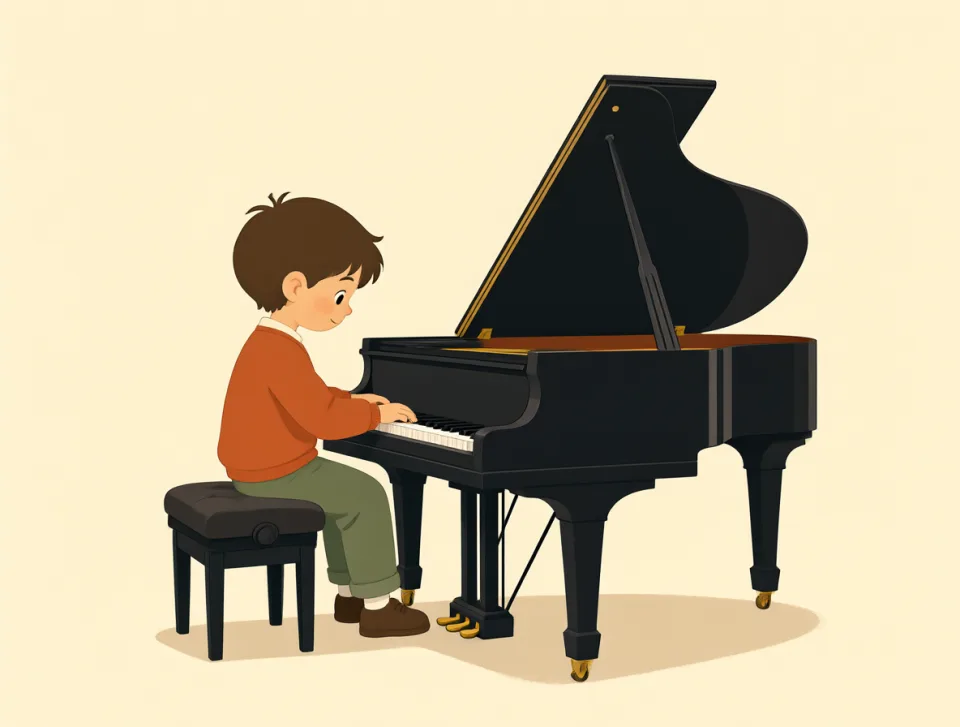
Training or repeated activity that helps you improve a skill or become better at something.
ऐसा प्रशिक्षण या बार-बार किया जाने वाला काम, जो किसी कौशल में सुधार करने या किसी चीज़ में बेहतर बनने में मदद करे।

I practice English every day.
मैं हर दिन अंग्रेज़ी का अभ्यास करता हूँ।
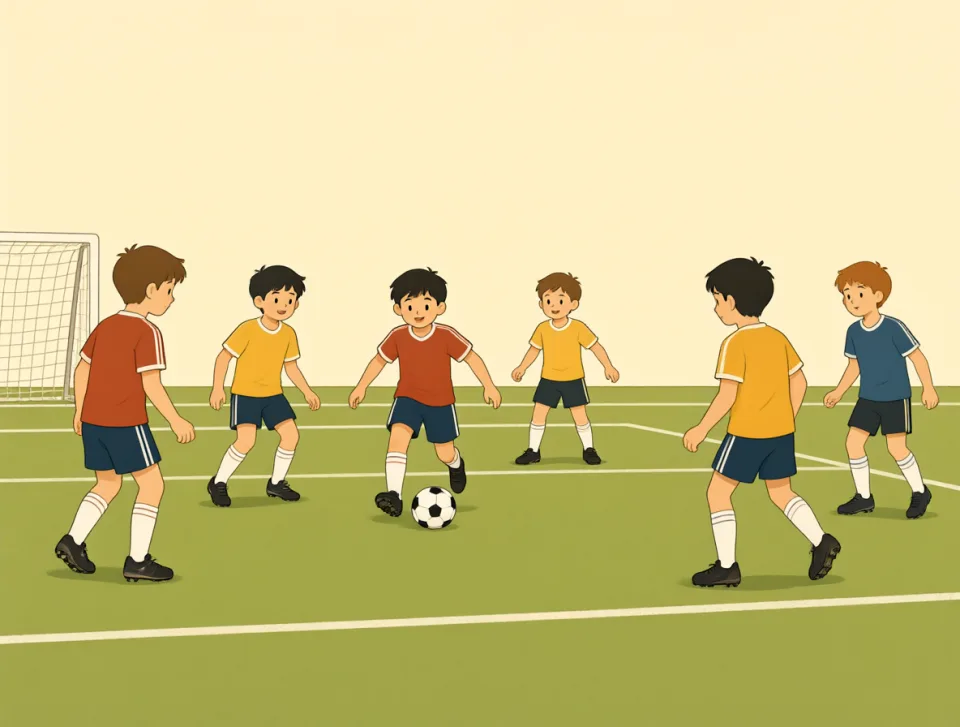
The team practiced before the game.
टीम ने खेल से पहले अभ्यास किया।
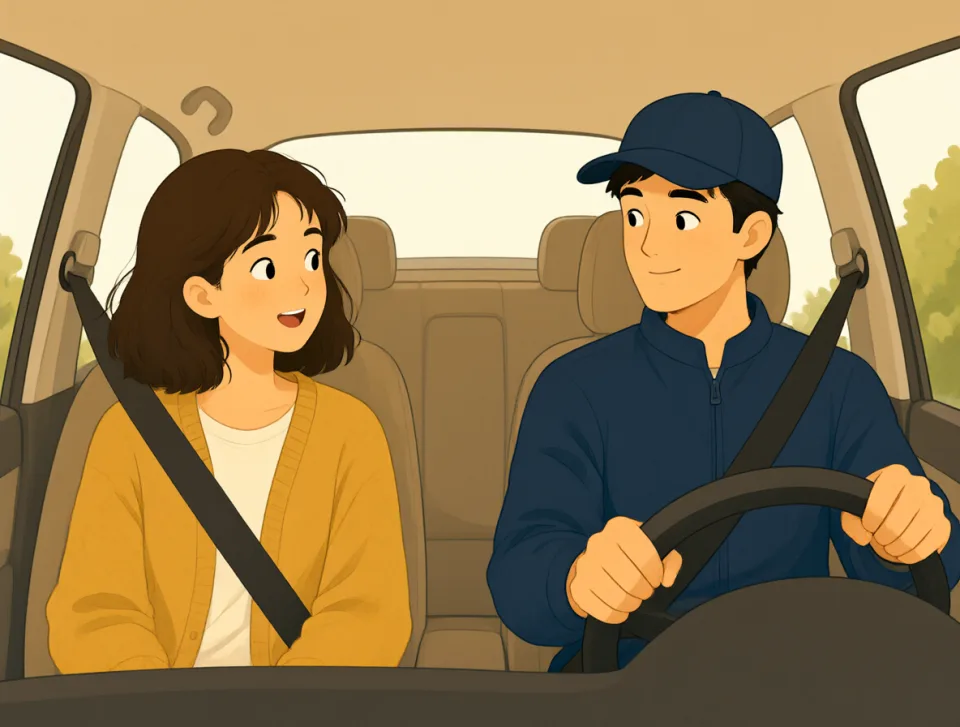
She needs more practice driving.
उसे गाड़ी चलाने का और अभ्यास करने की ज़रूरत है।
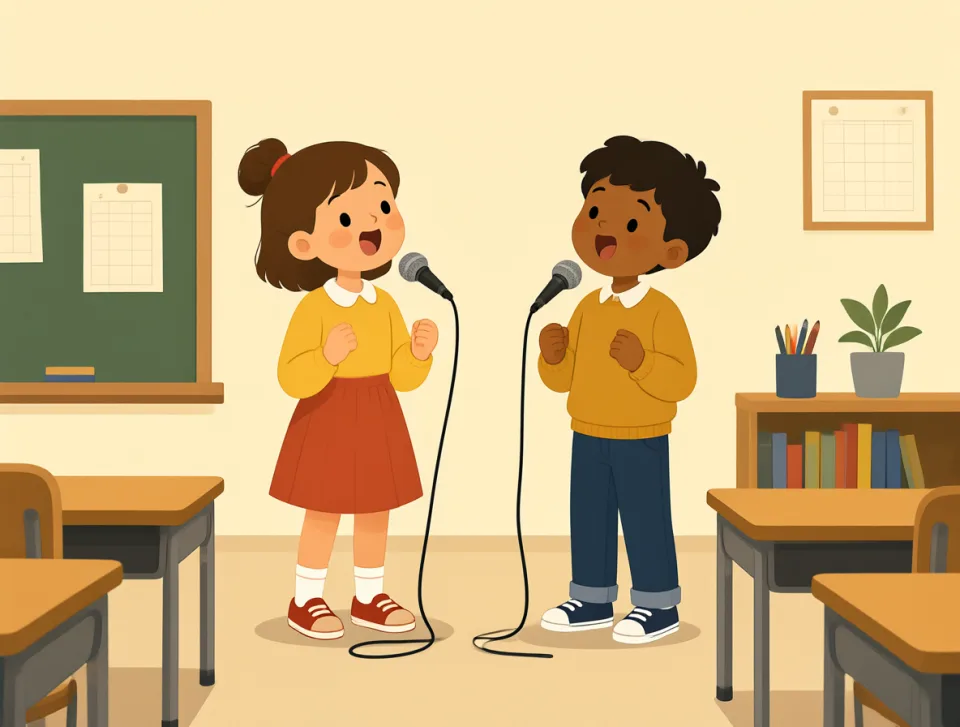
We practiced the song for school.
हमने स्कूल के कार्यक्रम के लिए गाने का अभ्यास किया।
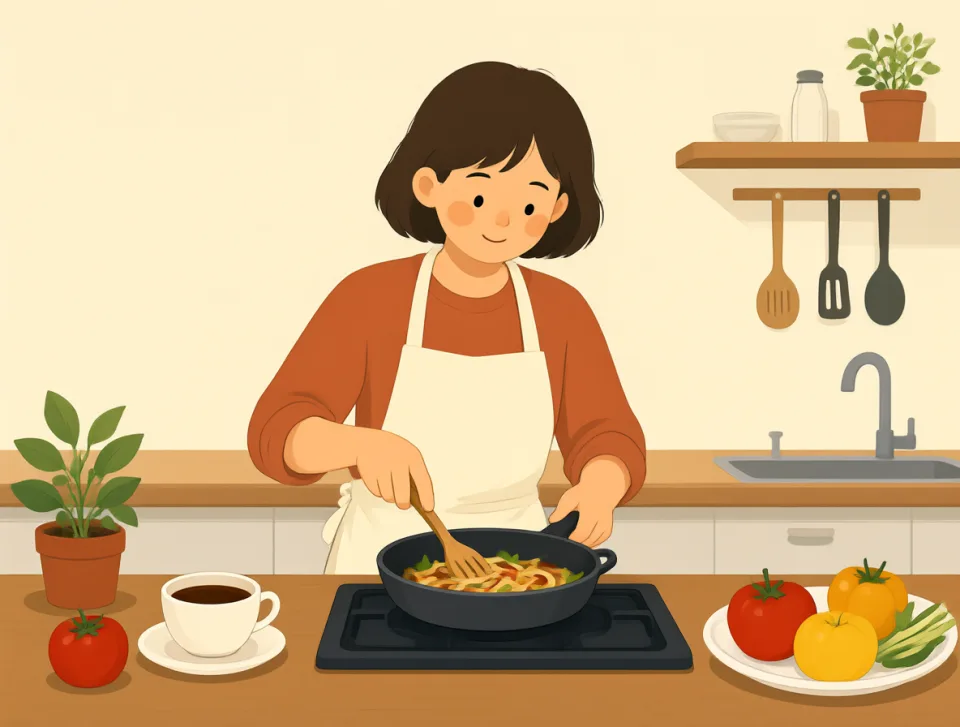
Practice makes you better at cooking.
अभ्यास से आप खाना पकाने में बेहतर होते हैं।

model
#485noun, verb
मॉडल; नमूना
a person or thing used as an example, or a smaller copy of something
उदाहरण के तौर पर इस्तेमाल किया गया व्यक्ति या चीज़, या किसी चीज़ की छोटी प्रतिकृति।
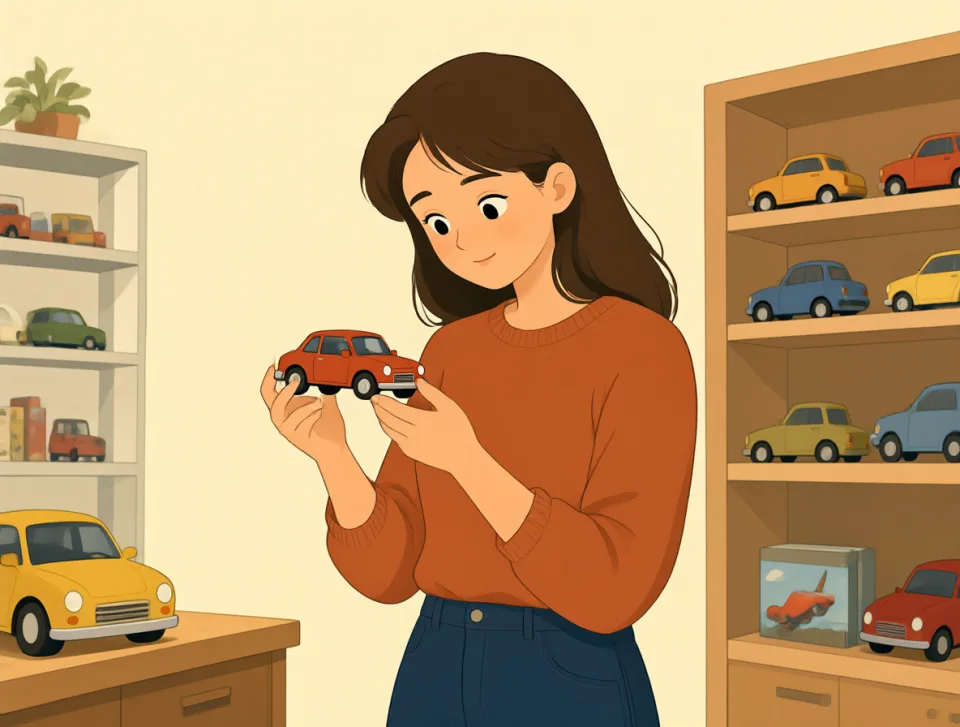
She bought a new car model yesterday.
उसने कल कार का एक नया मॉडल खरीदा।

This model of phone has a good camera.
इस मॉडल के फ़ोन का कैमरा अच्छा है।
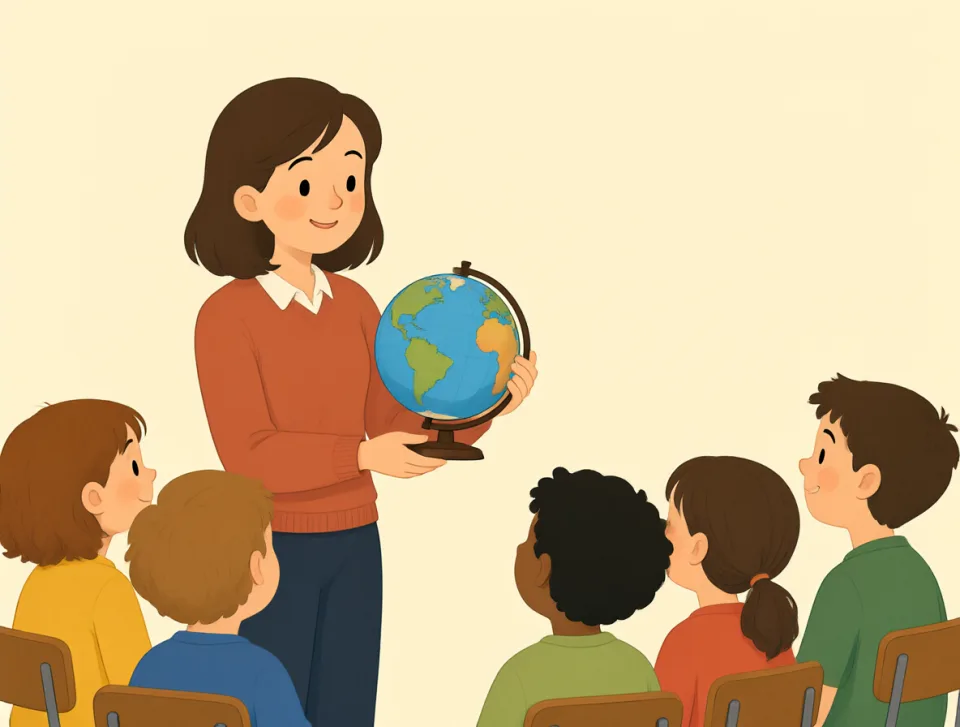
The teacher showed us a model of Earth.
शिक्षक ने हमें पृथ्वी का एक मॉडल दिखाया।
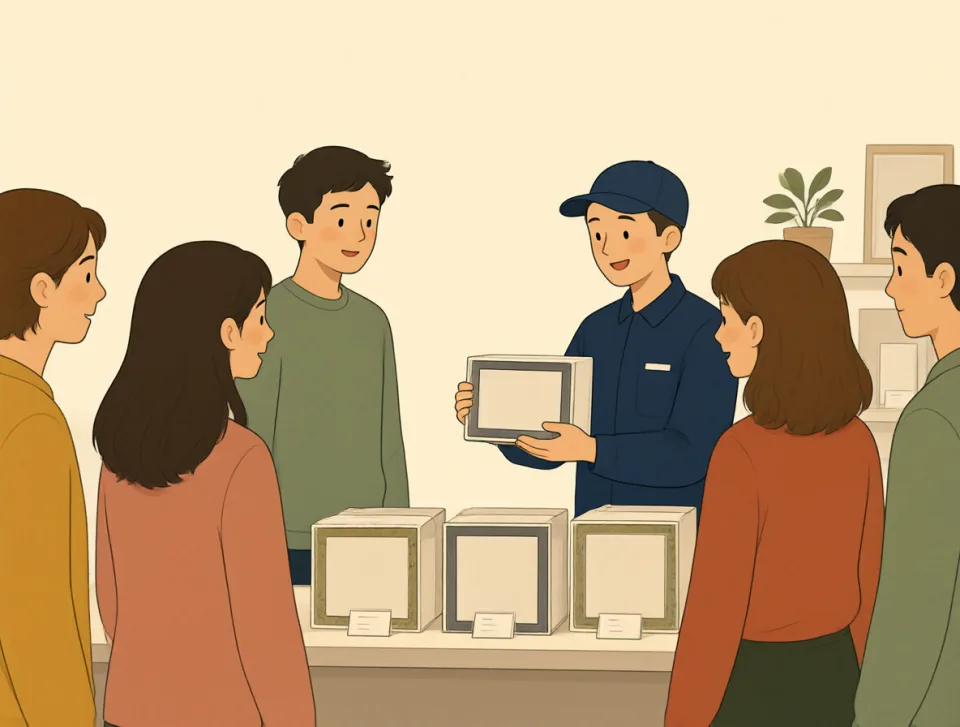
The company models its products for customers.
कंपनी ग्राहकों के सामने अपने उत्पादों का प्रदर्शन करती है।

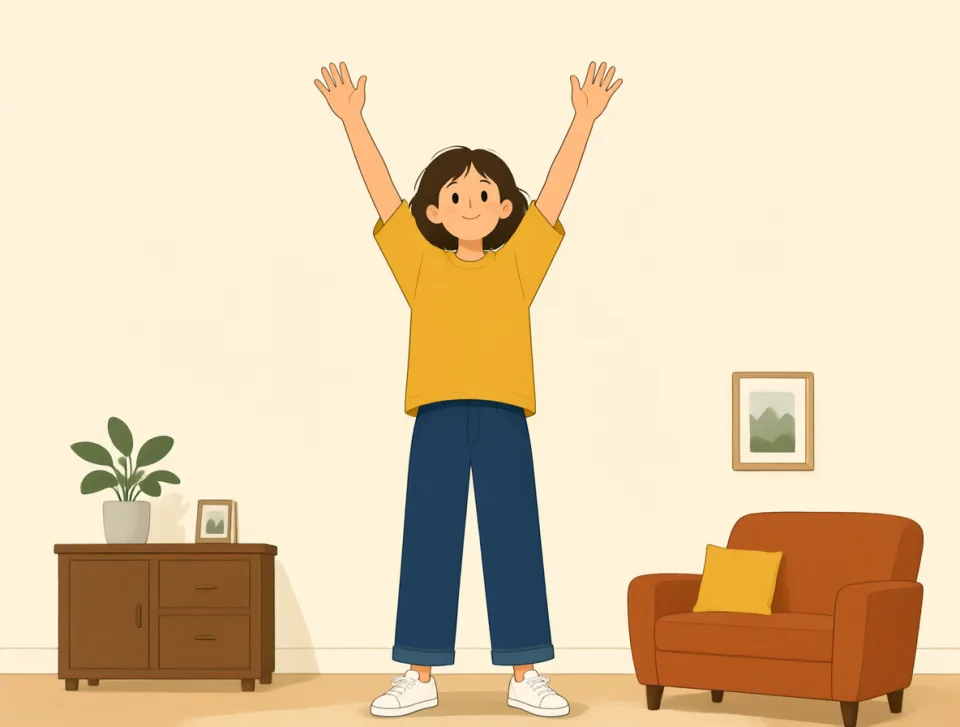
She is a model for a clothing company.
वह कपड़ों की एक कंपनी के लिए मॉडल है।
raise
#486verb, noun
उठाना
to lift something, increase something, or collect money for a purpose
किसी चीज़ को ऊपर उठाना, किसी चीज़ की मात्रा बढ़ाना या किसी उद्देश्य के लिए पैसे इकट्ठा करना
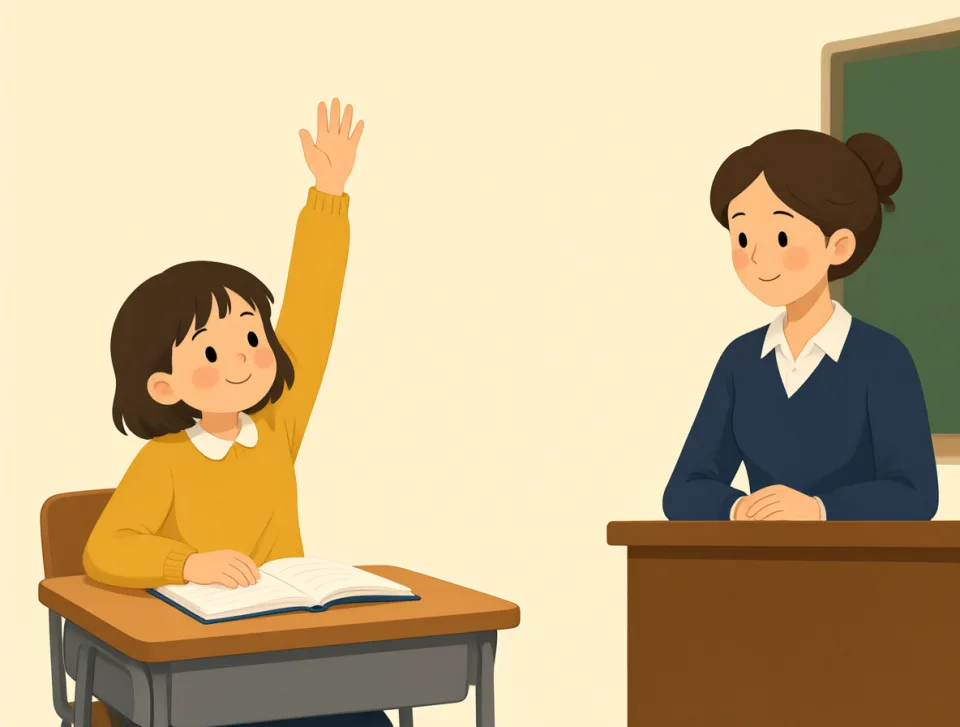
Please raise your hand before you speak.
बोलने से पहले कृपया अपना हाथ उठाएँ।
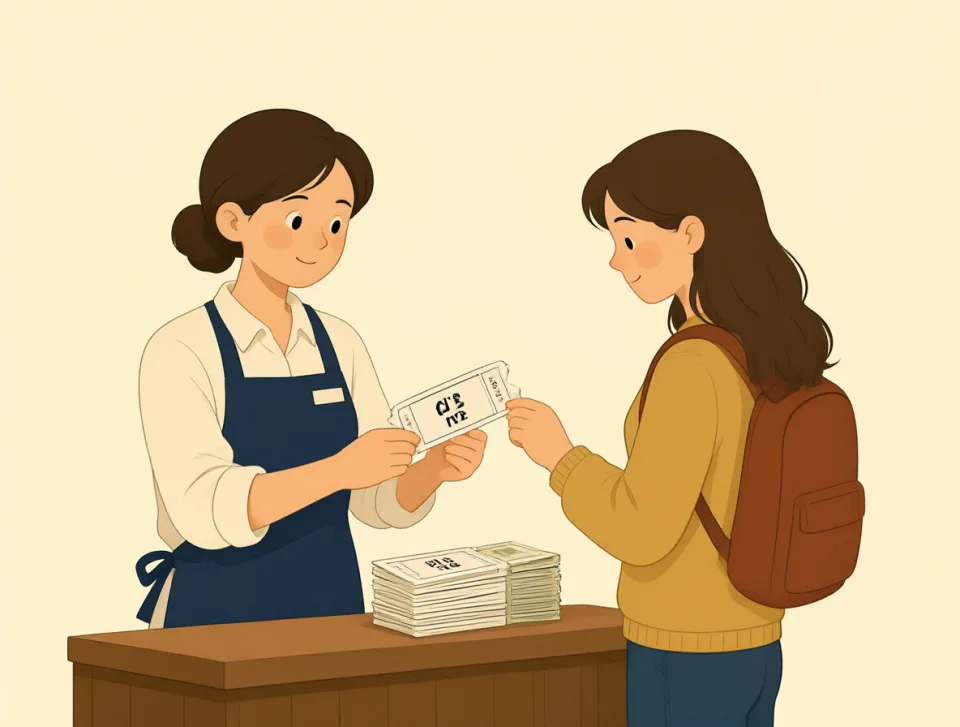
They raised the price of the tickets.
उन्होंने टिकटों की कीमत बढ़ा दी।
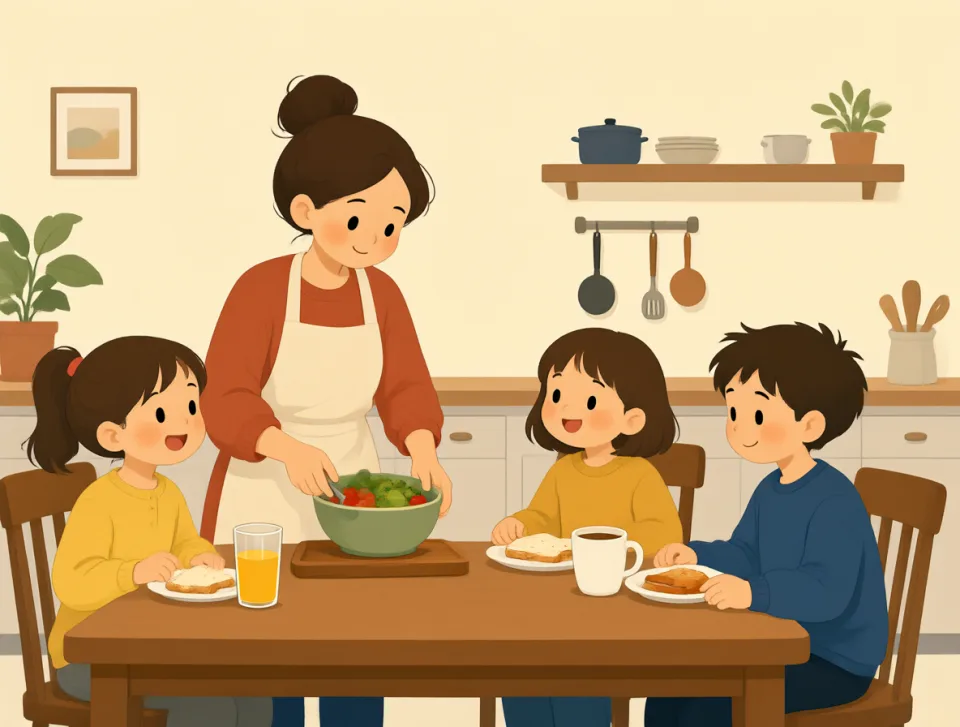
She raised three children alone.
उसने अकेले ही तीन बच्चों की परवरिश की।
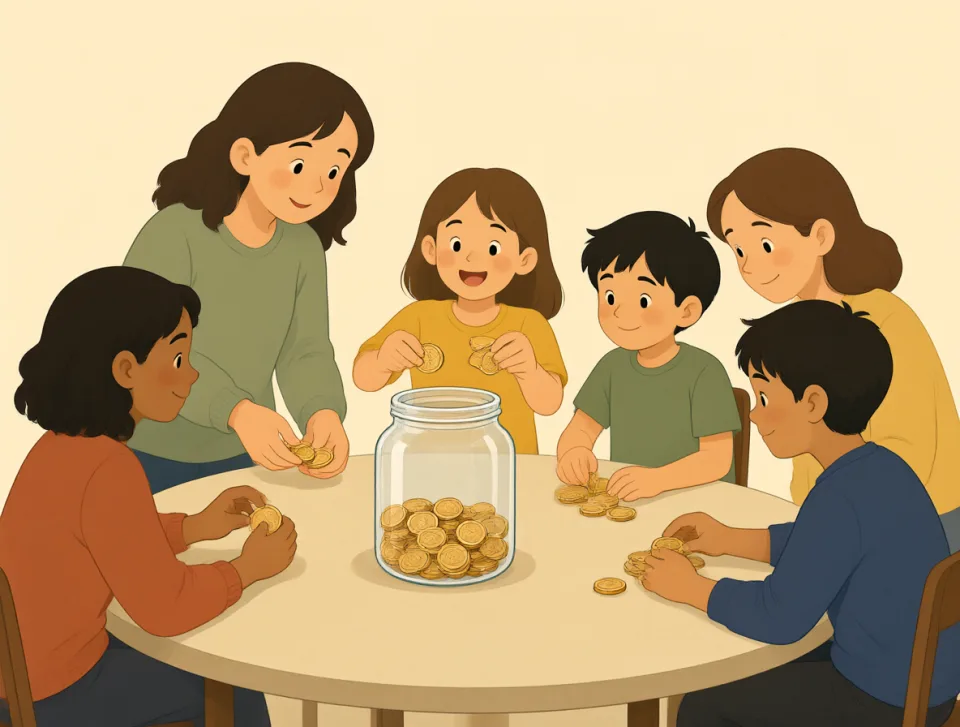
We are raising money for the hospital.
हम अस्पताल के लिए पैसे जुटा रहे हैं।

He got a pay raise at work.
काम पर उसकी तनख़्वाह बढ़ गई।
customer
#487noun
ग्राहक
A person who buys goods or services from a business.
वह व्यक्ति जो किसी व्यवसाय से सामान या सेवाएँ खरीदता है।

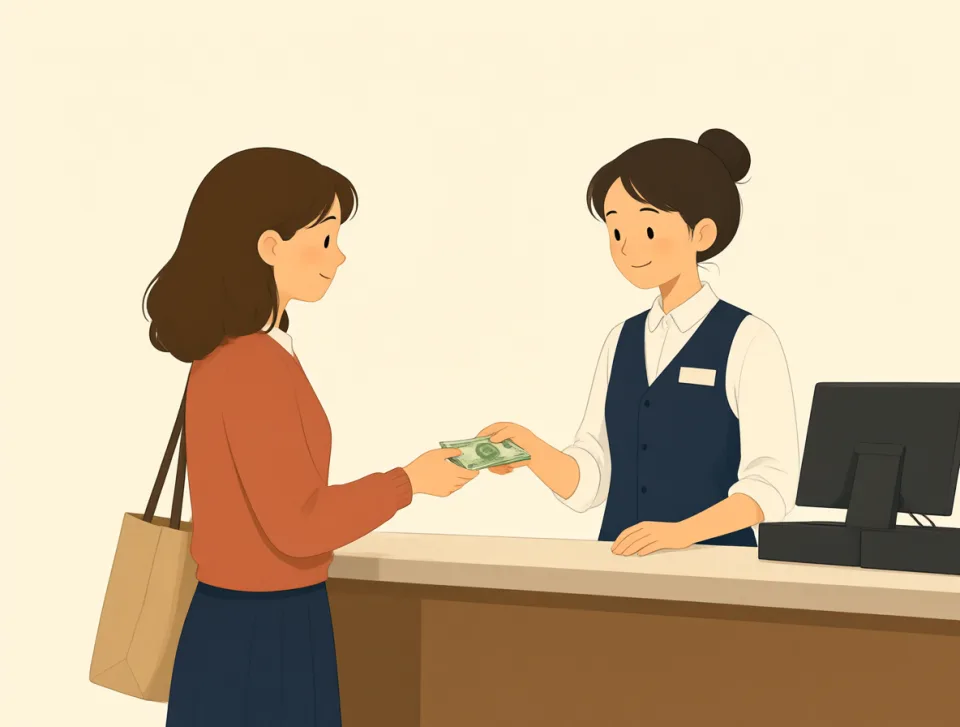
The customer paid for her groceries.
ग्राहक ने अपने किराने के सामान के पैसे दिए।
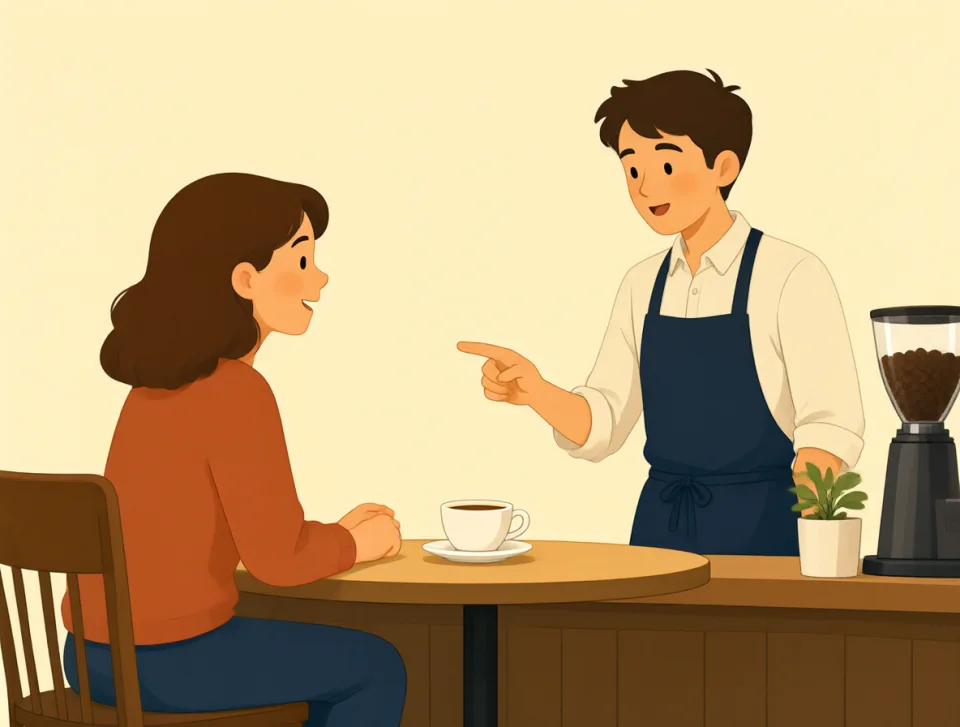
A customer asked for a larger coffee.
एक ग्राहक ने बड़ी कॉफ़ी माँगी।
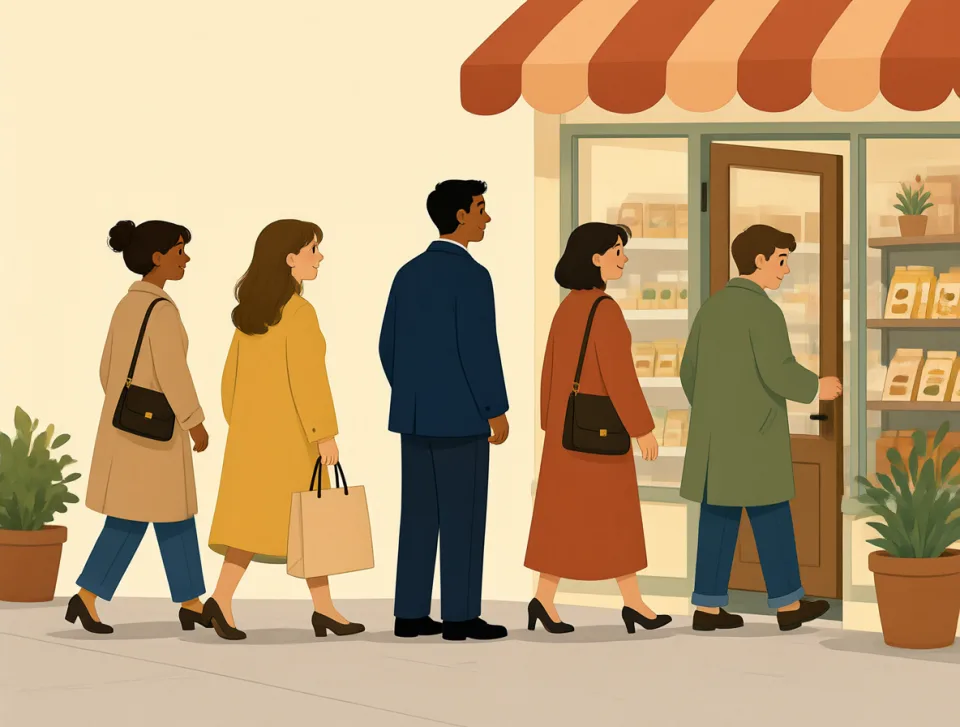
The shop has many regular customers.
दुकान में कई नियमित ग्राहक आते हैं।
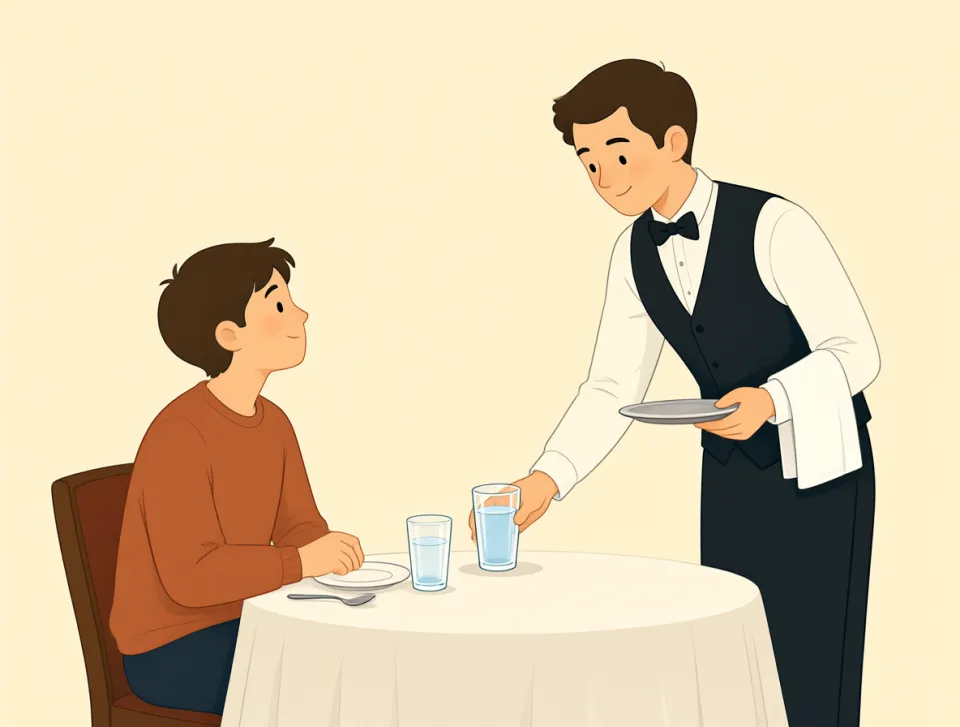
The waiter brought the customer some water.
वेटर ग्राहक के लिए पानी ले आया।

The hotel customer needed a taxi.
होटल के एक ग्राहक को टैक्सी चाहिए थी।
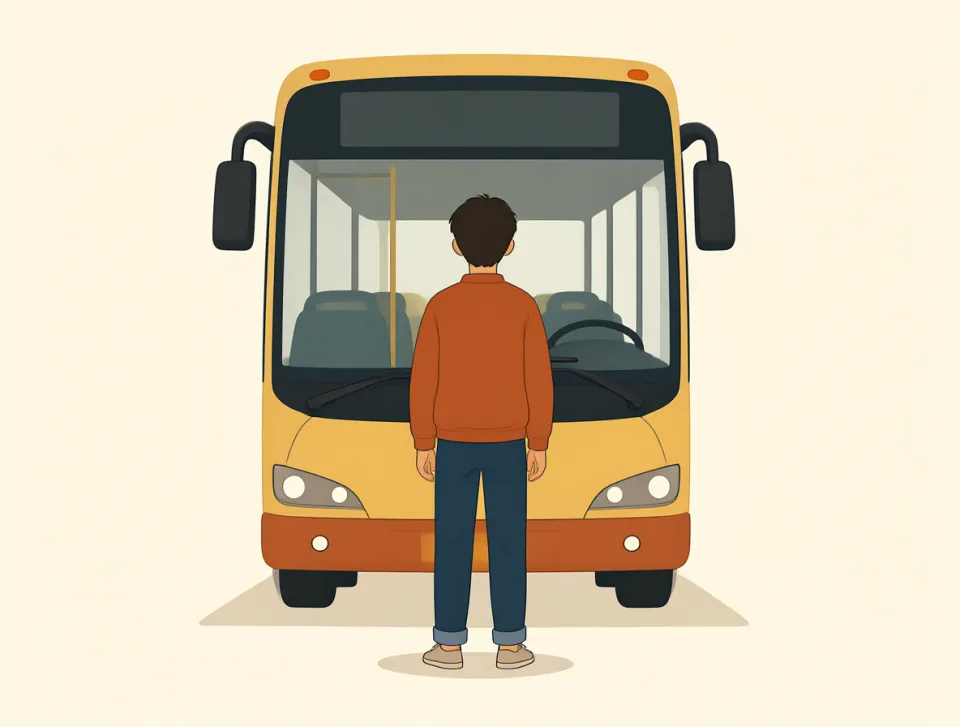
front
#488noun, adjective, verb, preposition
सामने का हिस्सा
The part or side that is first, nearest, or facing forward.
वह हिस्सा या तरफ़ जो सबसे आगे हो, सबसे पास हो या आगे की ओर हो।
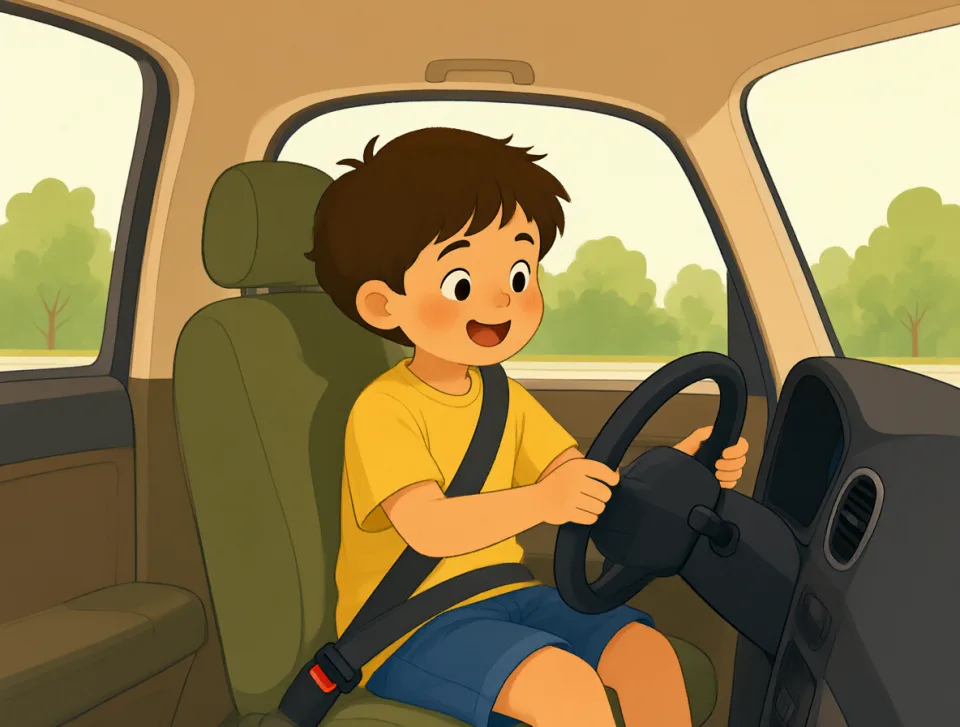
Please sit in the front of the car.
कृपया कार की आगे वाली सीट पर बैठिए।
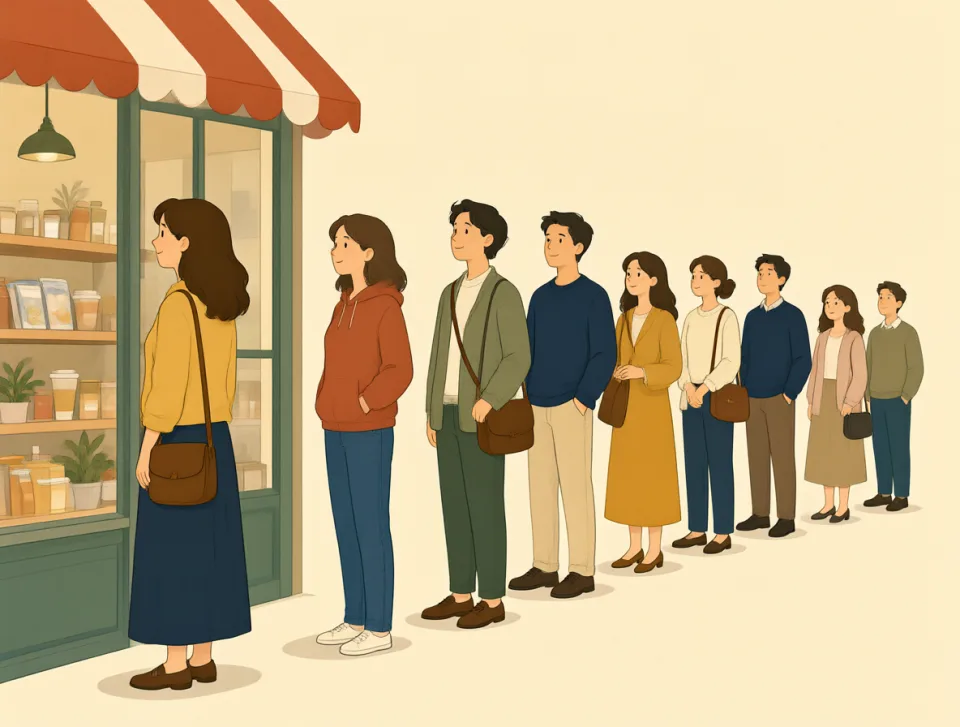
She stood at the front of the line.
वह कतार के सबसे आगे खड़ी थी।
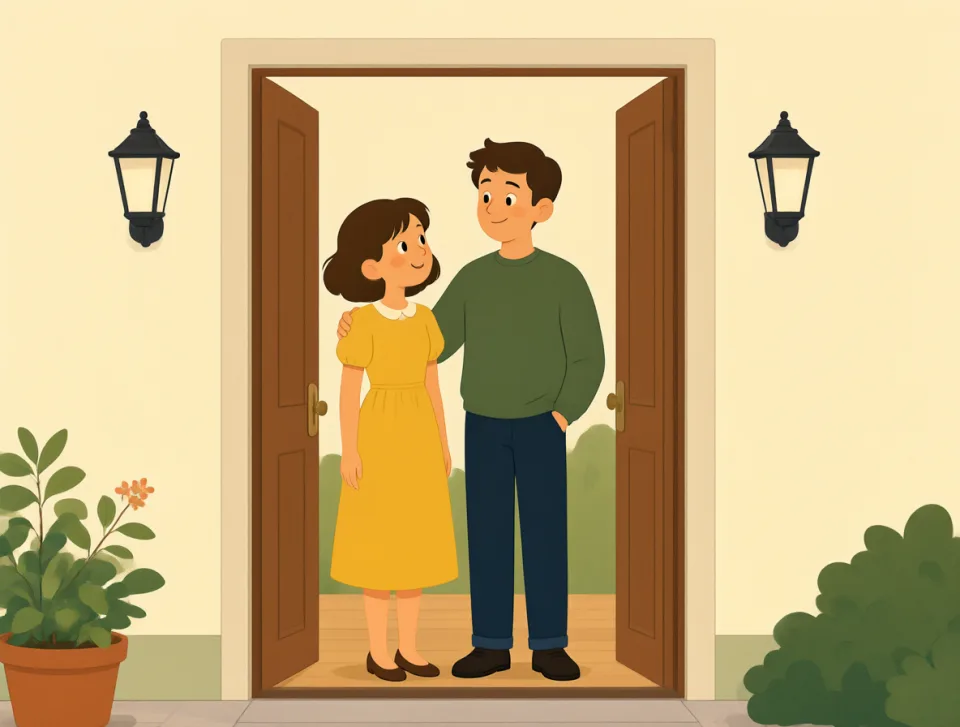
The front door is open.
सामने का दरवाज़ा खुला है।
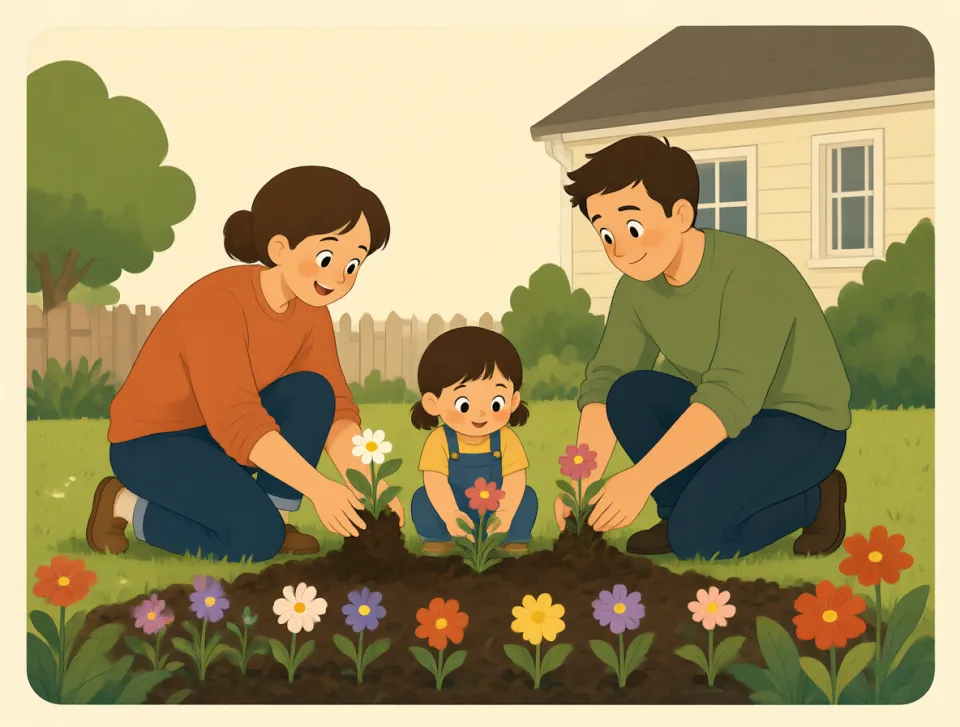
We planted flowers in front of the house.
हमने घर के सामने फूल लगाए।

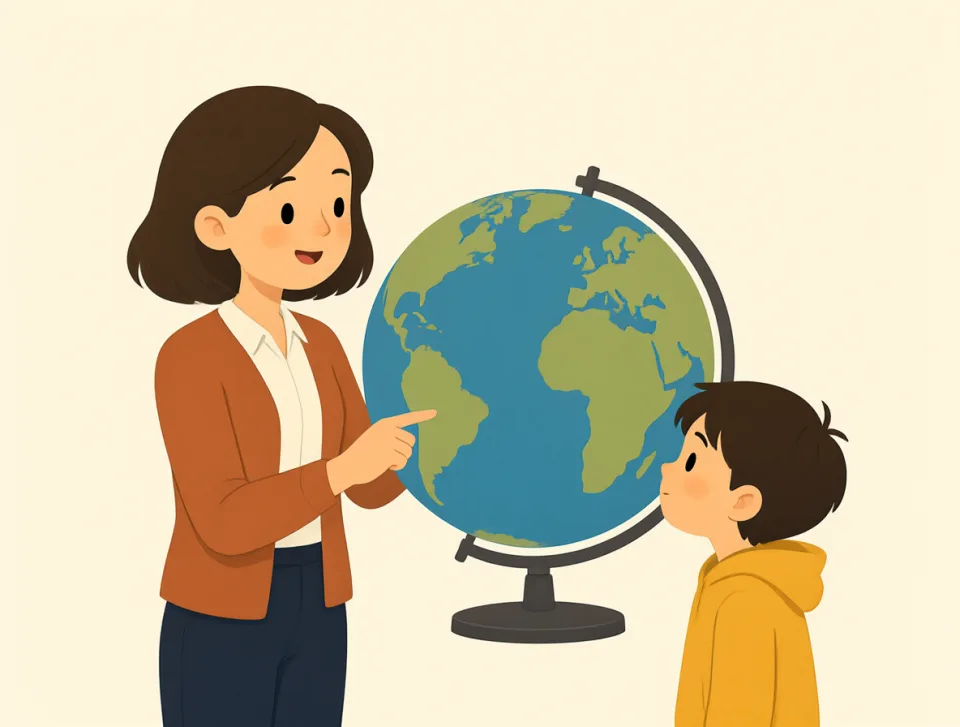
The doctor checked the front of his chest.
डॉक्टर ने उसकी छाती के सामने वाले हिस्से की जाँच की।
explain
#489verb
समझाना
to make something clear by describing it or giving reasons
किसी बात का वर्णन करके या कारण देकर उसे स्पष्ट करना
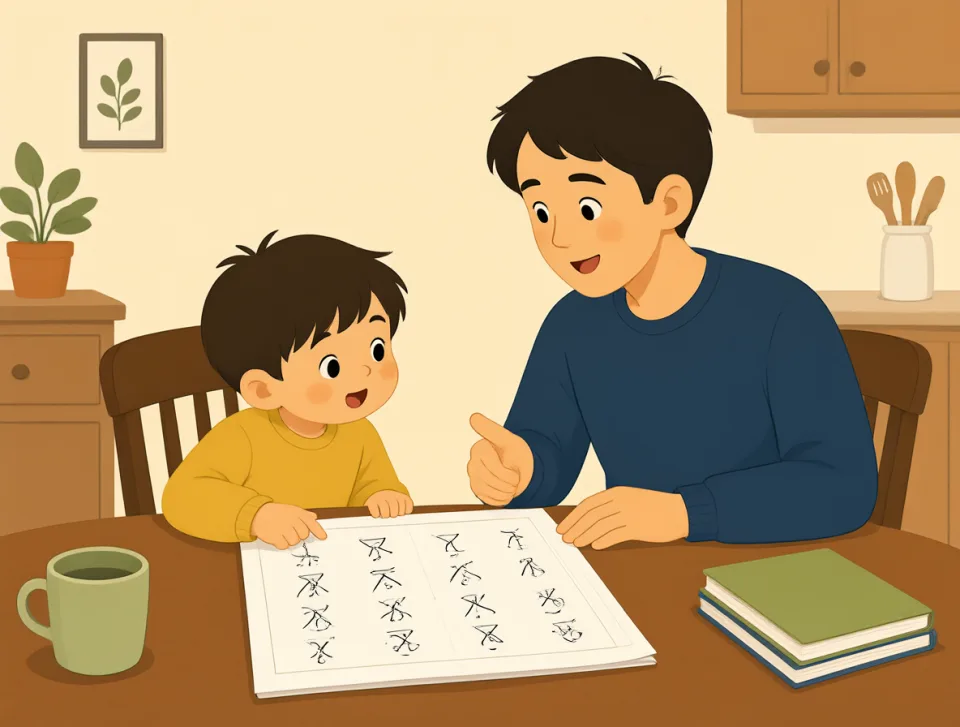
Can you explain this problem to me?
क्या आप मुझे यह समस्या समझा सकते हैं?
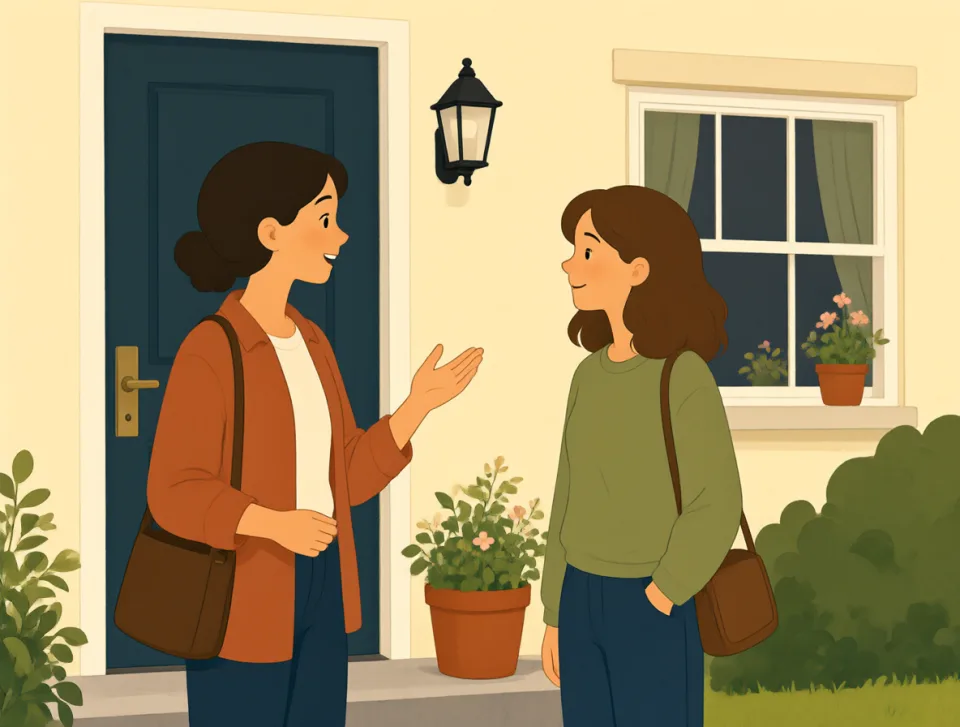
She explained why she was late.
उसने समझाया कि उसे देर क्यों हुई।

The doctor explained my treatment clearly.
डॉक्टर ने मेरे इलाज के बारे में साफ़-साफ़ समझाया।

Please explain how to get there.
कृपया समझाइए कि वहाँ कैसे पहुँचना है।

The chef is explaining the recipe.
शेफ़ रेसिपी समझा रहा है।
door
#490noun
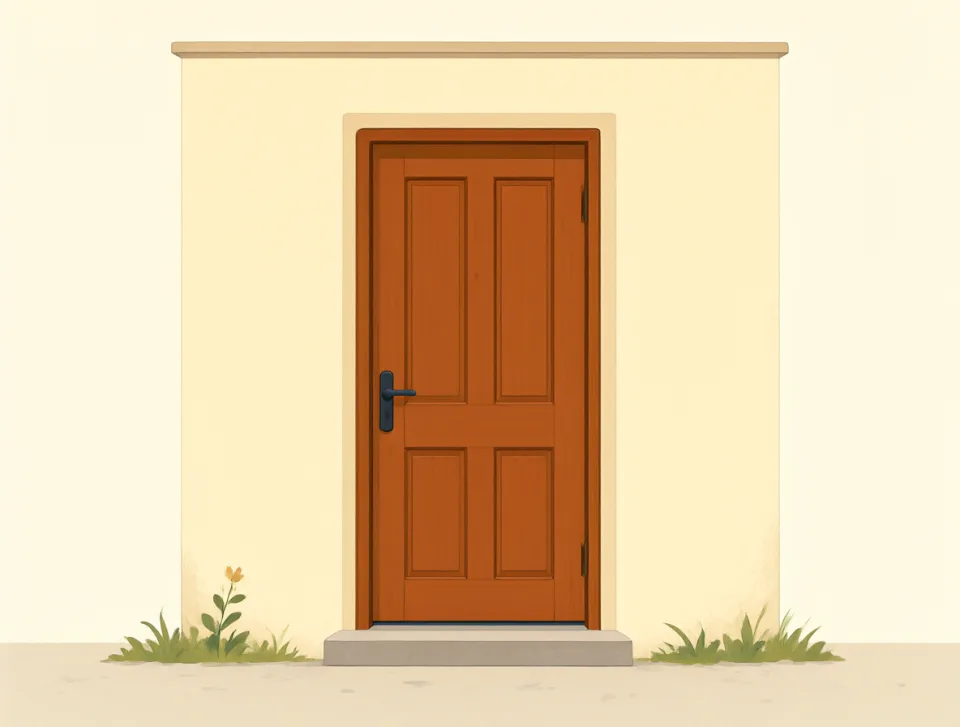
दरवाज़ा
A movable barrier that opens and closes an entrance.
आने-जाने के रास्ते को बंद करने वाला ऐसा अवरोध जिसे खोला और बंद किया जा सकता है।
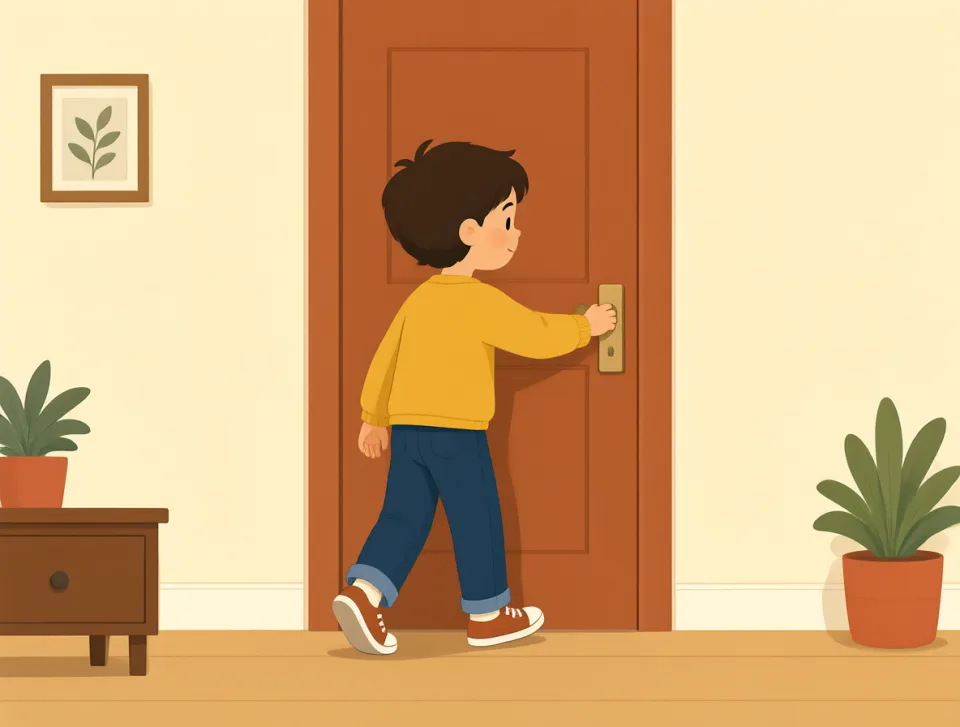
Please close the door behind you.
कृपया अपने पीछे दरवाज़ा बंद कर दीजिए।
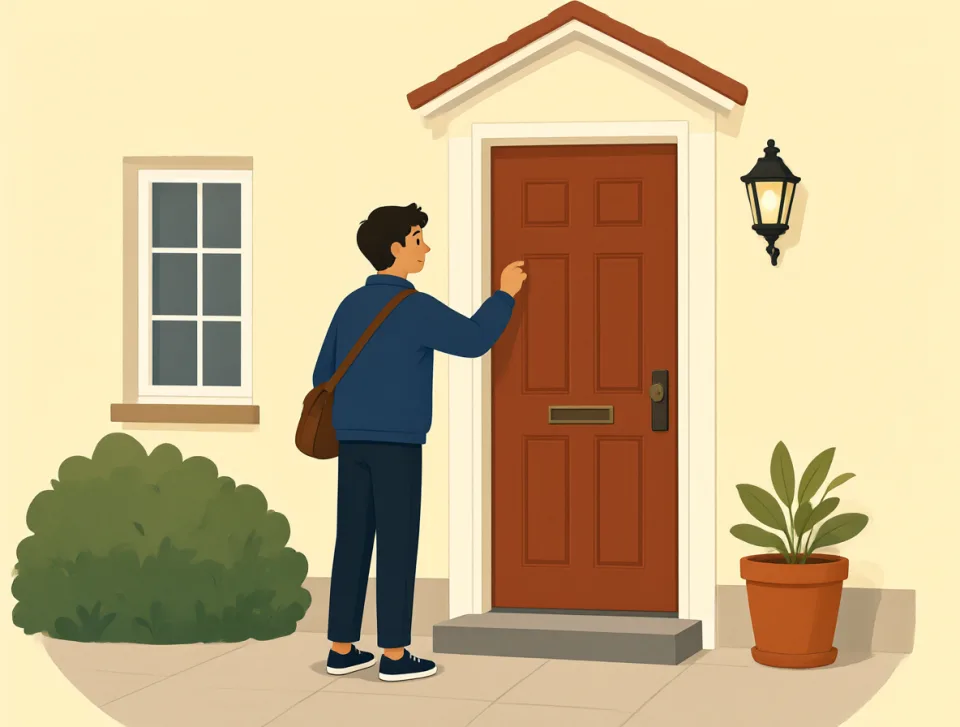
Someone is knocking at the front door.
कोई सामने के दरवाज़े पर दस्तक दे रहा है।

The bedroom door is open.
बेडरूम का दरवाज़ा खुला है।

We waited outside the store door.
हम दुकान के दरवाज़े के बाहर इंतज़ार करते रहे।
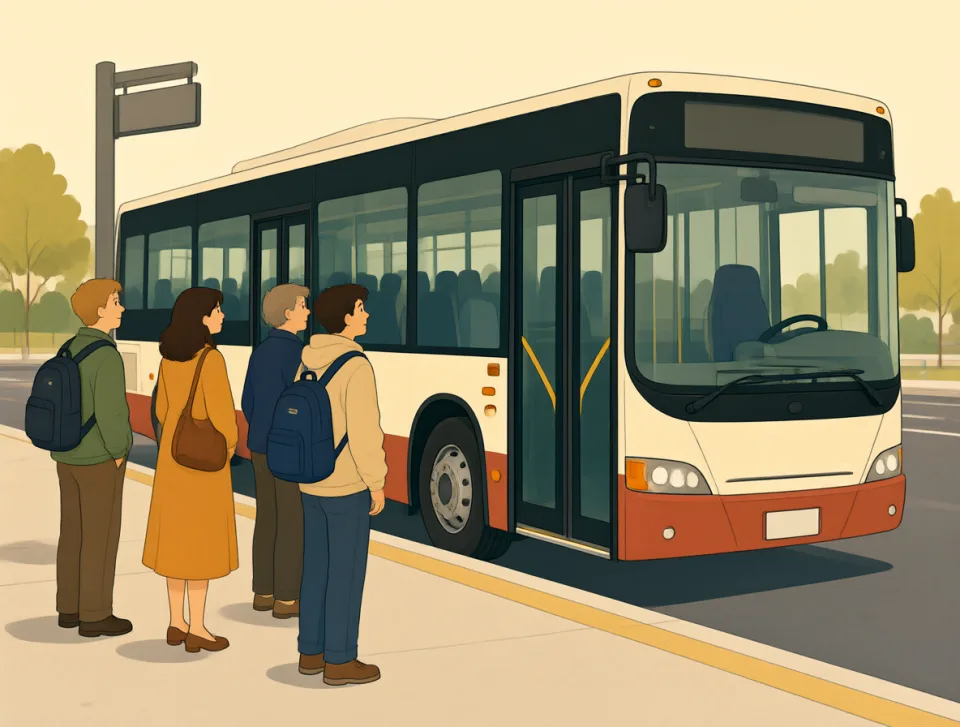
The bus doors opened at the station.
स्टेशन पर बस के दरवाज़े खुल गए।
outside
#491adverb, preposition, noun
बाहर
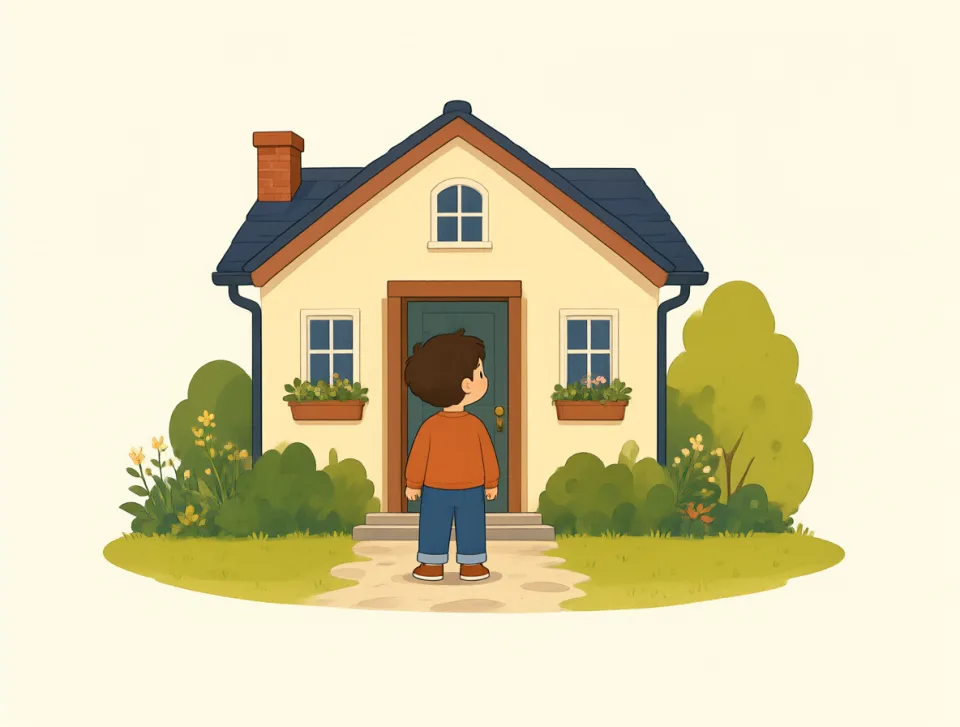
in or to a place that is not inside a building or area
किसी इमारत या जगह के अंदर न होकर उसके बाहर
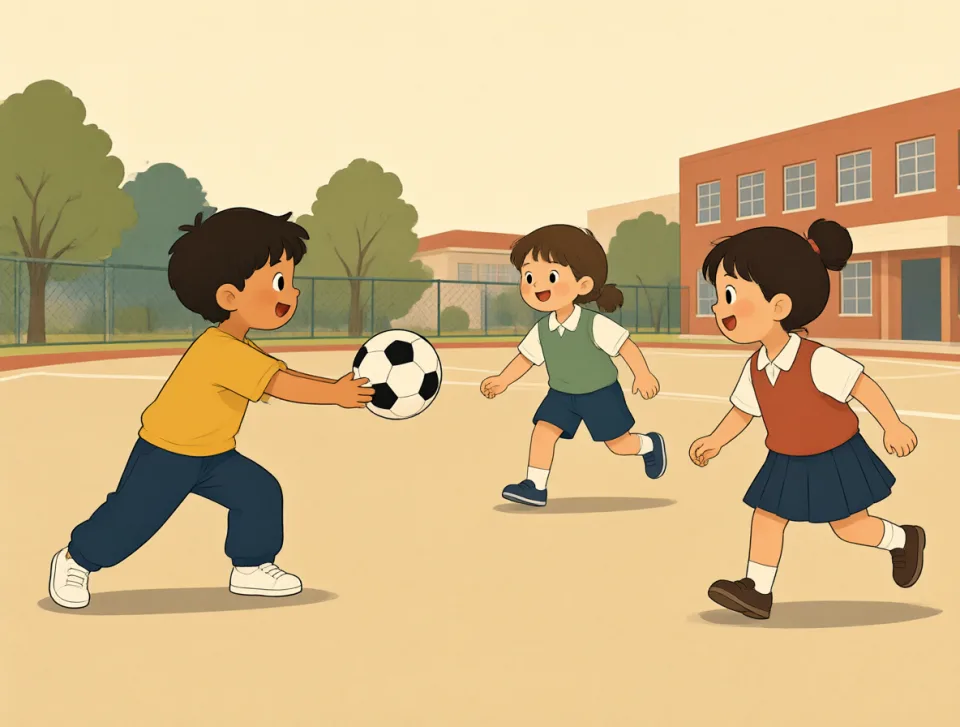
The children are playing outside after school.
बच्चे स्कूल के बाद बाहर खेल रहे हैं।
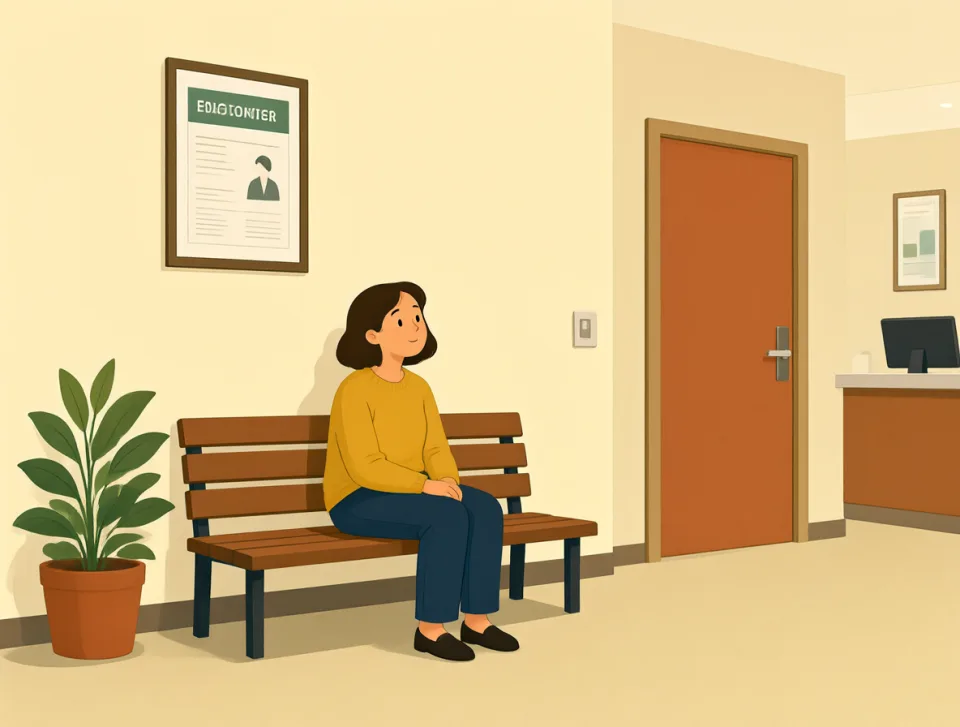
Please wait outside the doctor's office.
कृपया डॉक्टर के क्लिनिक के बाहर इंतज़ार करें।

We ate lunch outside at work.
हमने काम पर बाहर बैठकर दोपहर का खाना खाया।
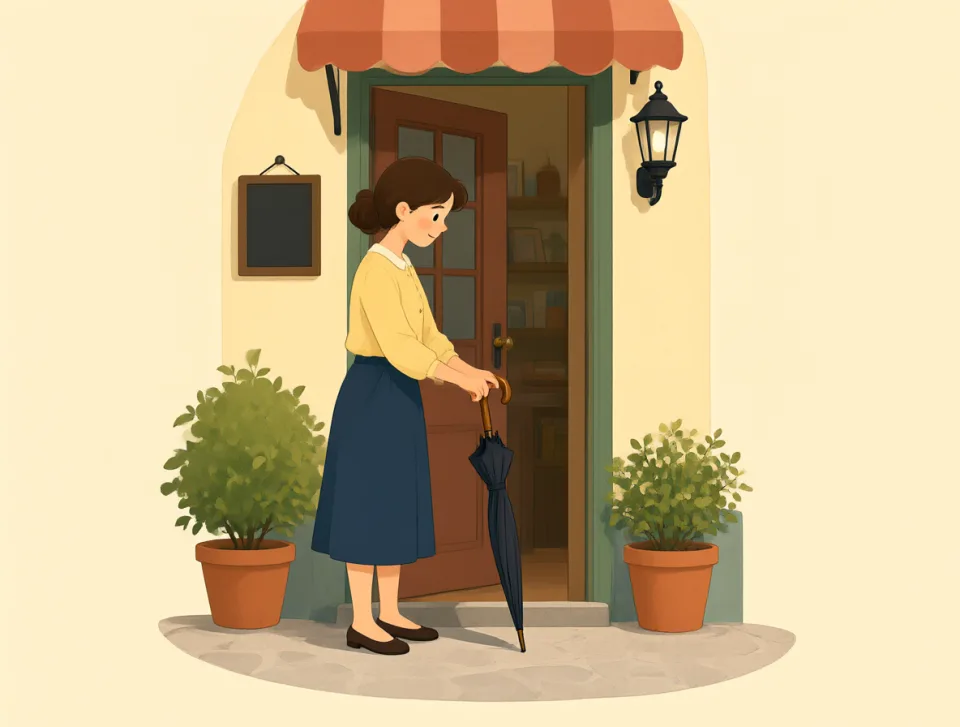
She left her umbrella outside the shop.
वह अपनी छतरी दुकान के बाहर छोड़ गई।

The outside of the house needs paint.
घर की बाहरी दीवारों पर रंग करने की ज़रूरत है।
behind
#492adverb, preposition
पीछे
At or toward the back of someone or something.
किसी व्यक्ति या चीज़ के पीछे या उसकी ओर।
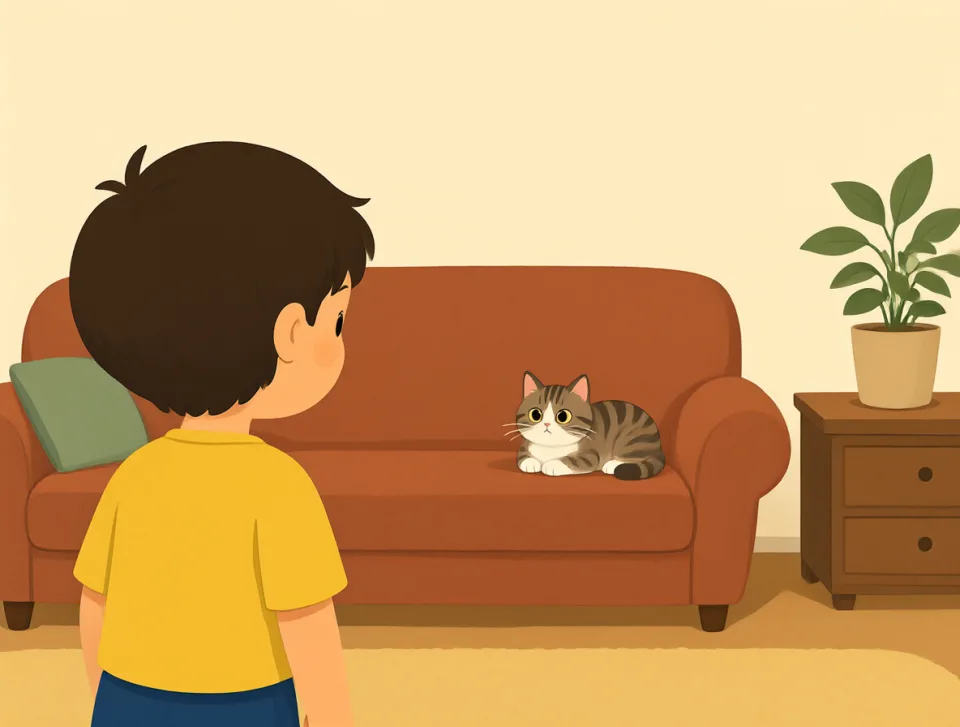
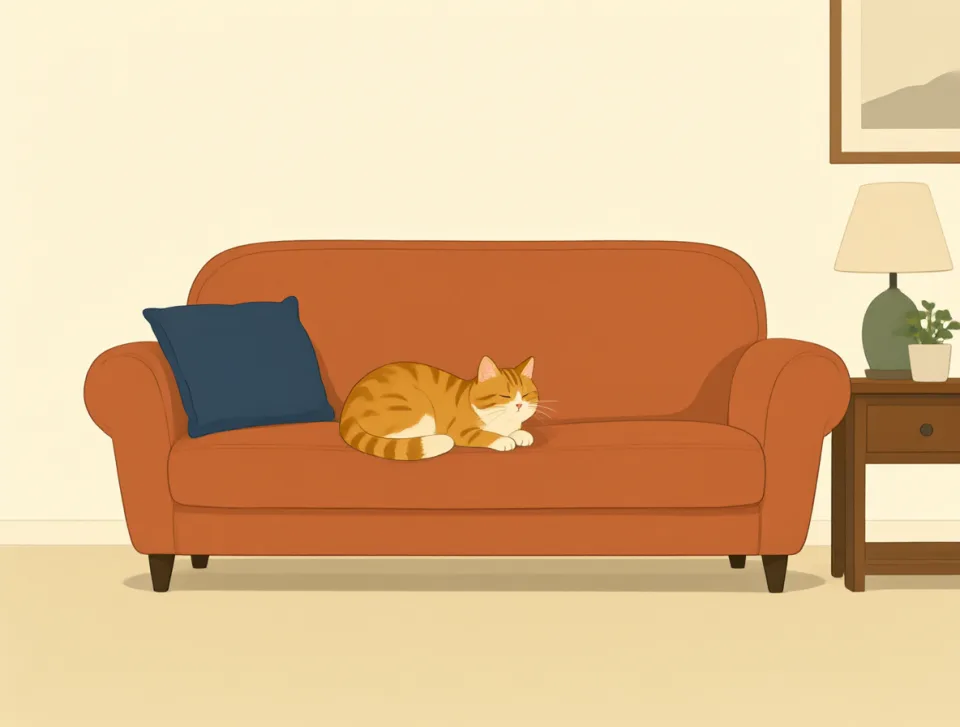
The cat is hiding behind the sofa.
बिल्ली सोफ़े के पीछे छिपी हुई है।

She stood behind me in the long line.
लंबी कतार में वह मेरे पीछे खड़ी थी।
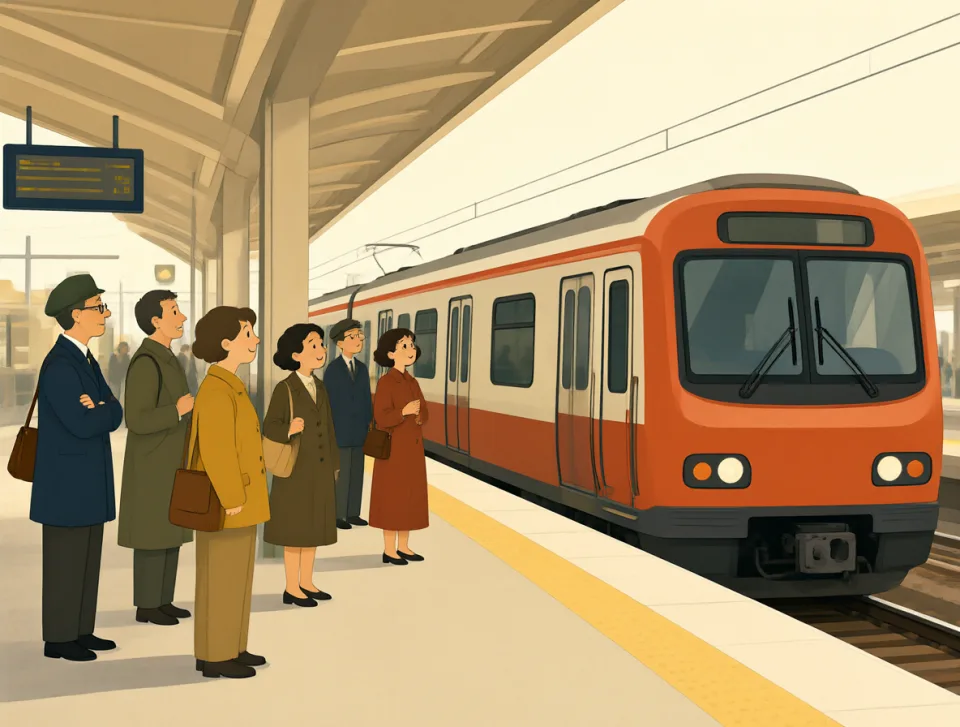
Our train is behind schedule this morning.
आज सुबह हमारी ट्रेन तय समय से पीछे चल रही है।
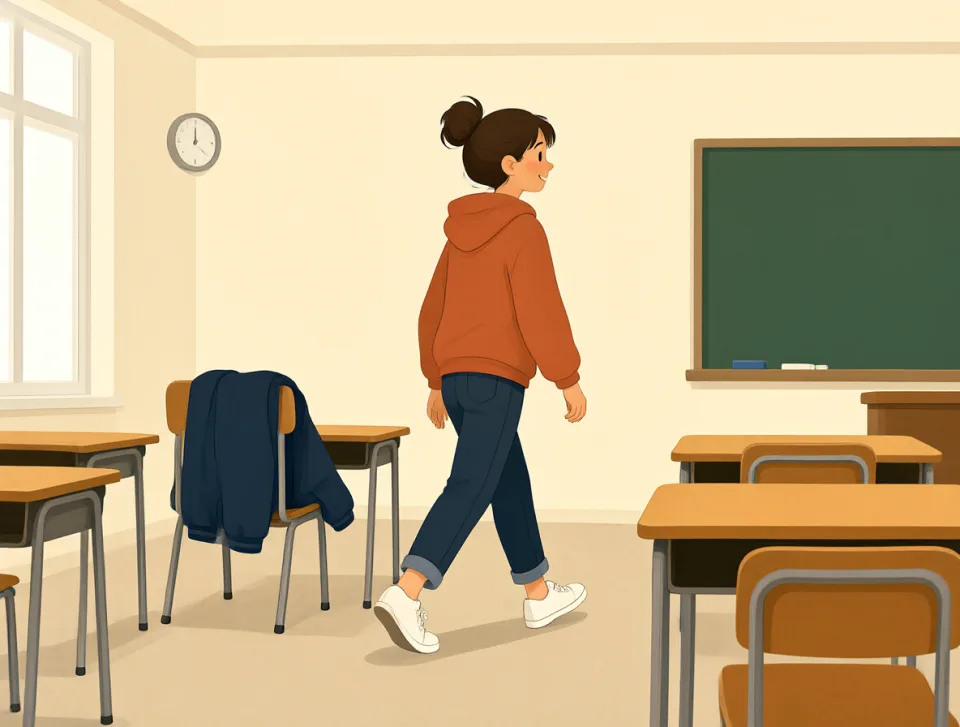
He left his jacket behind at school.
वह अपना जैकेट स्कूल में भूल गया।
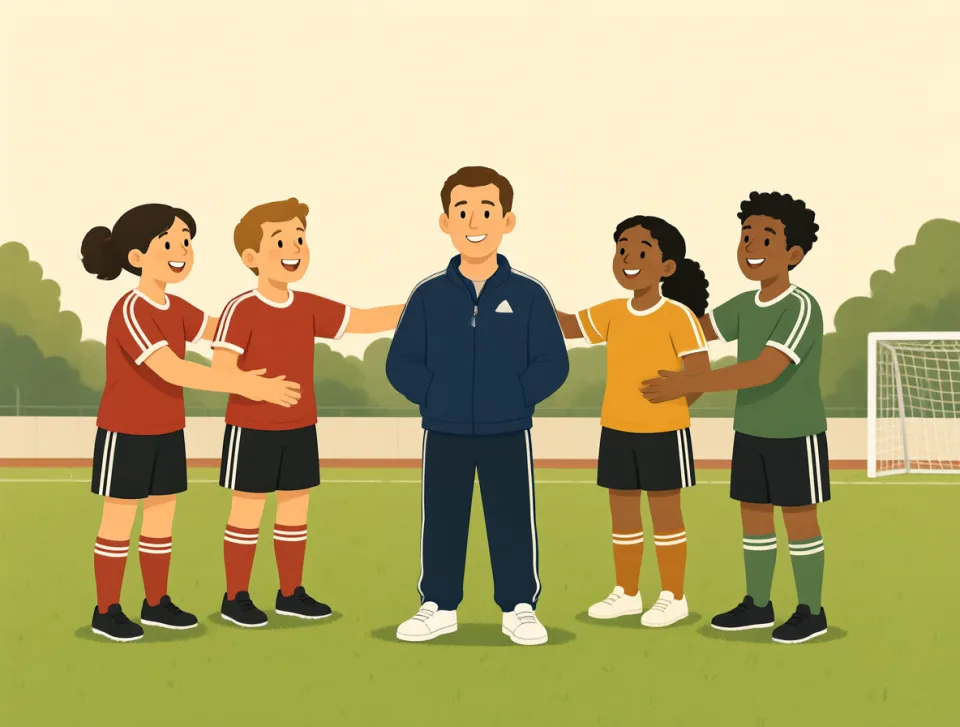
The team is behind our new coach.
टीम हमारे नए कोच का साथ दे रही है।
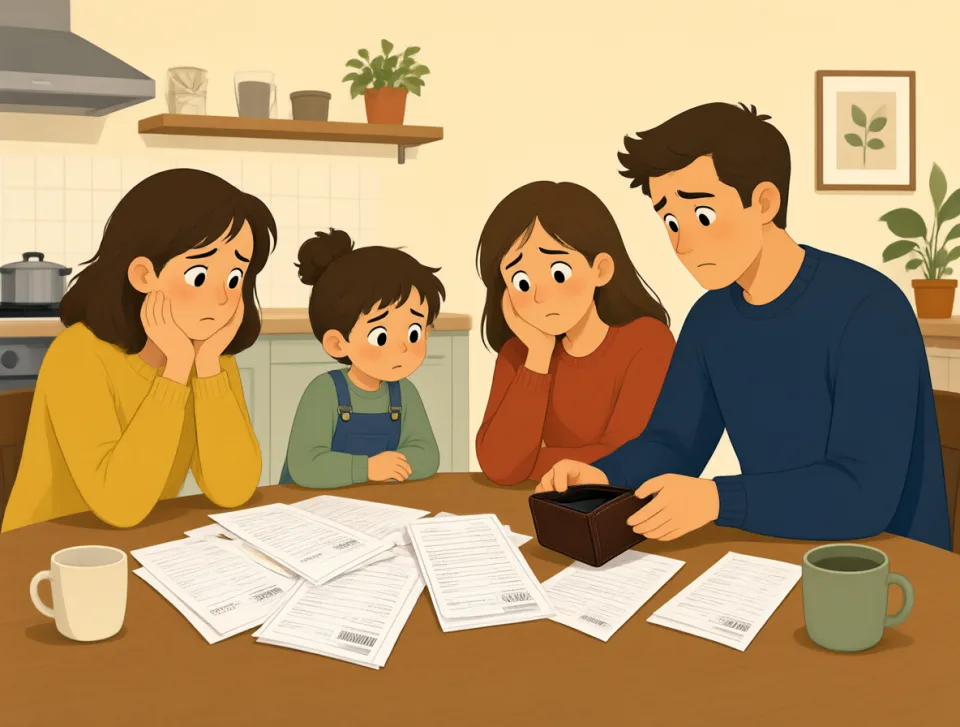
economic
#493adjective
आर्थिक
Related to money, business, trade, or the use of resources.
पैसे, कारोबार, व्यापार या संसाधनों के इस्तेमाल से जुड़ा हुआ।
The country faces serious economic problems.
देश गंभीर आर्थिक समस्याओं का सामना कर रहा है।
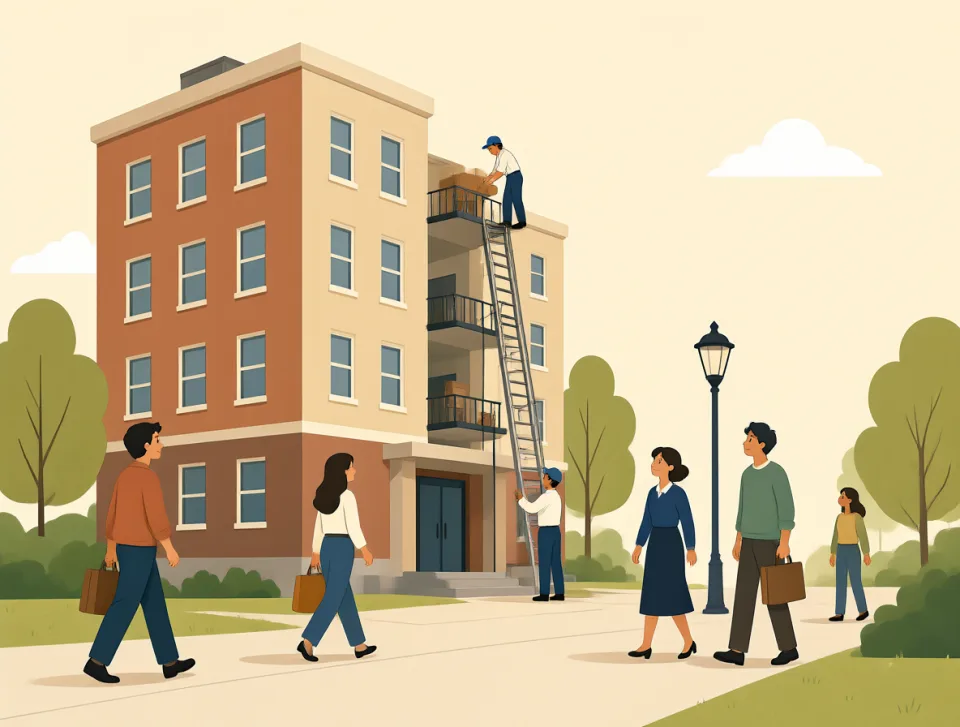
Economic growth created more jobs.
आर्थिक विकास से रोज़गार के अधिक अवसर पैदा हुए।
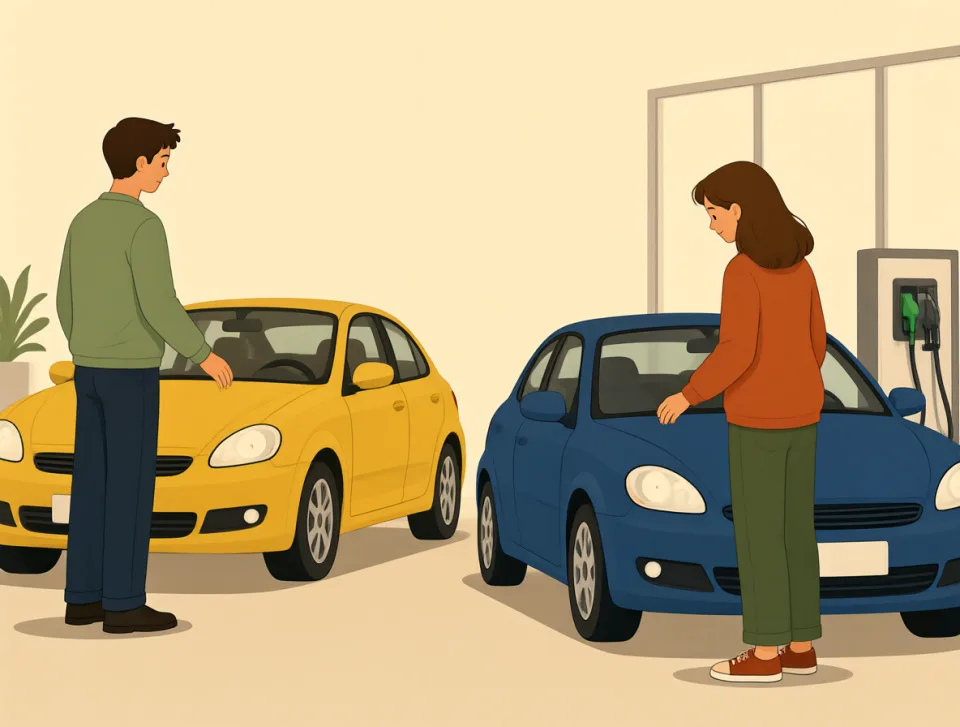
We need a more economic car.
हमें ऐसी कार चाहिए जिसका खर्च कम हो।
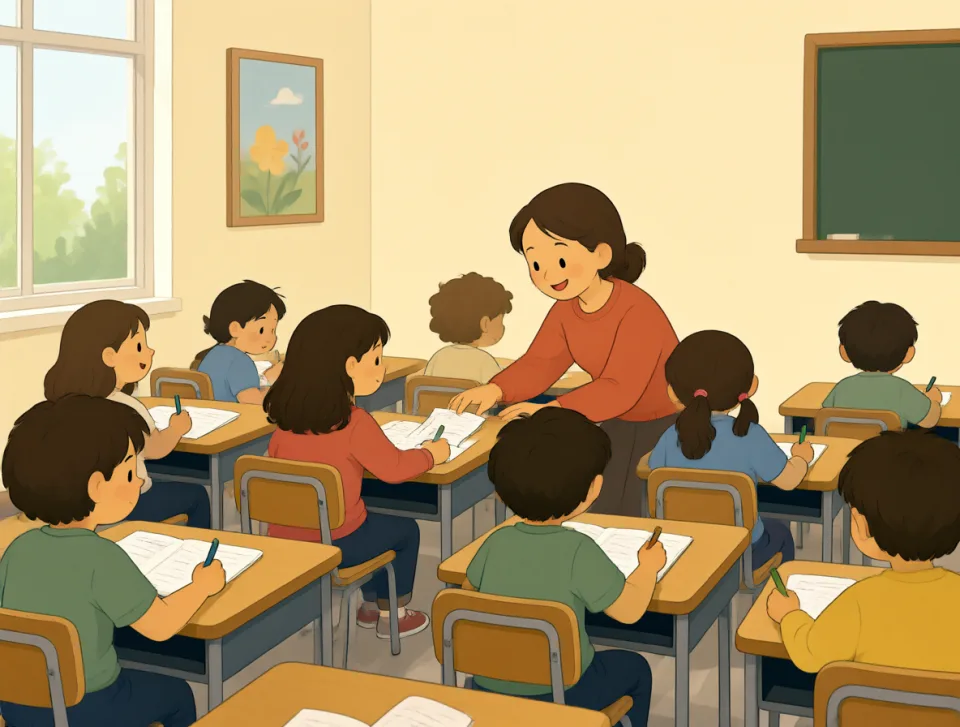
The school made economic use of space.
स्कूल ने जगह का किफ़ायती इस्तेमाल किया।

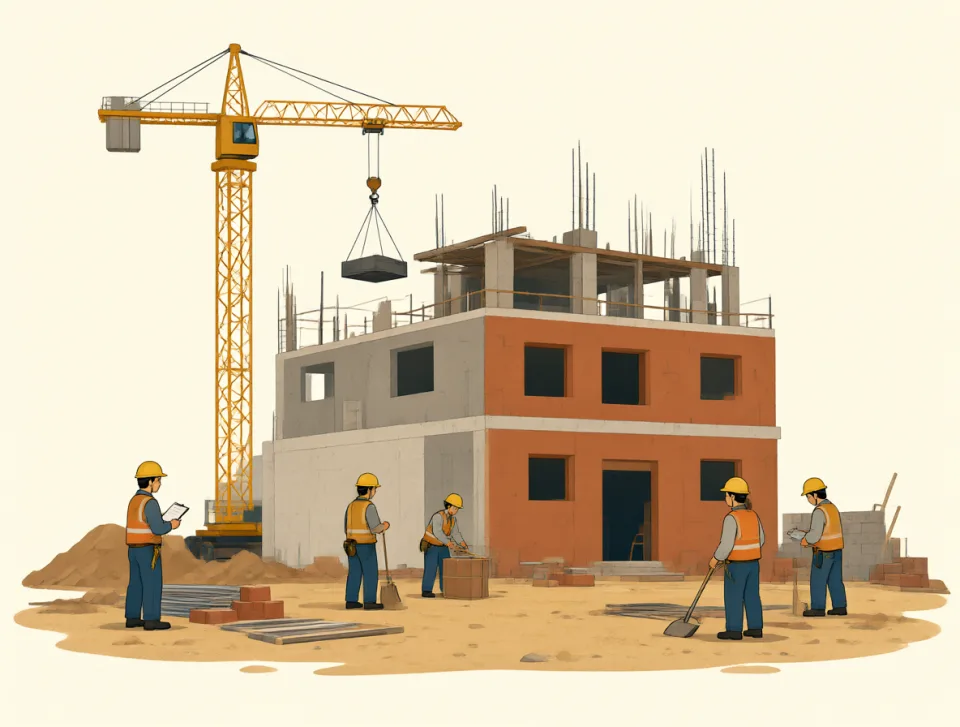
Economic changes raised food prices.
आर्थिक बदलावों से खाने-पीने की चीज़ों के दाम बढ़ गए।
site
#494noun
जगह
A place where something happens or where something is built.
वह जगह जहाँ कुछ होता है या जहाँ कुछ बनाया जाता है।
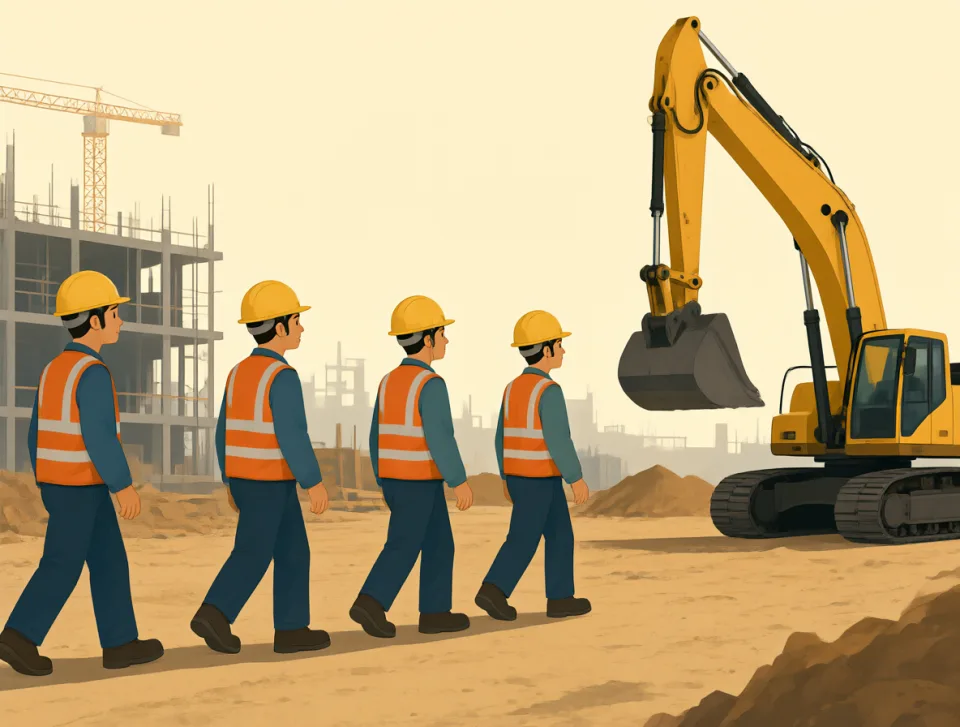
Workers arrived early at the building site.
मज़दूर निर्माण स्थल पर जल्दी पहुँच गए।
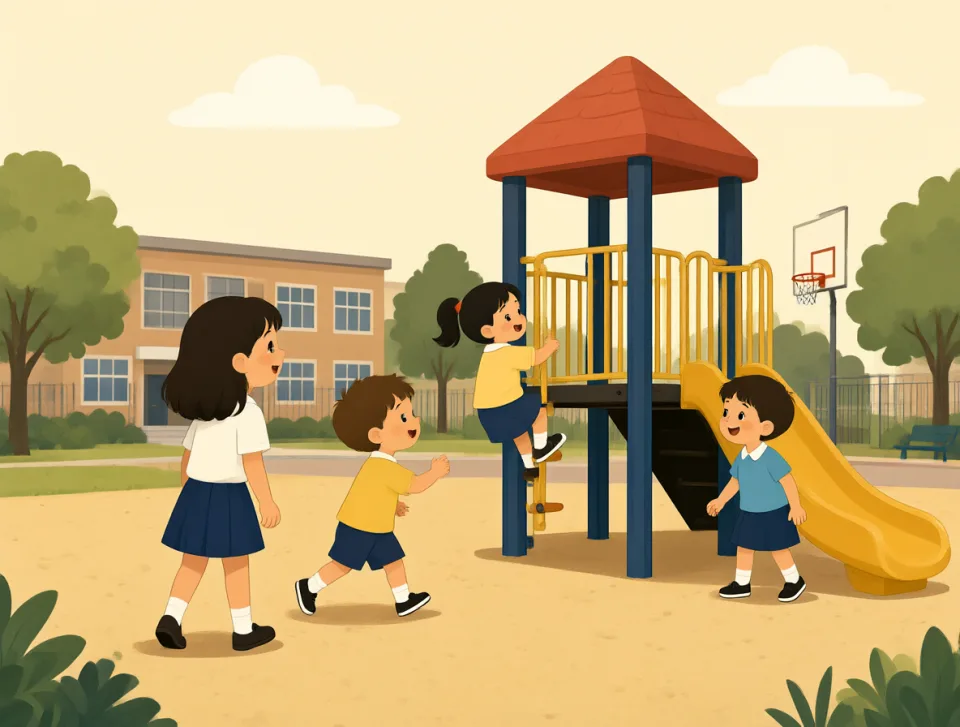
The school site has a new playground.
स्कूल की जगह पर अब एक नया खेल का मैदान है।
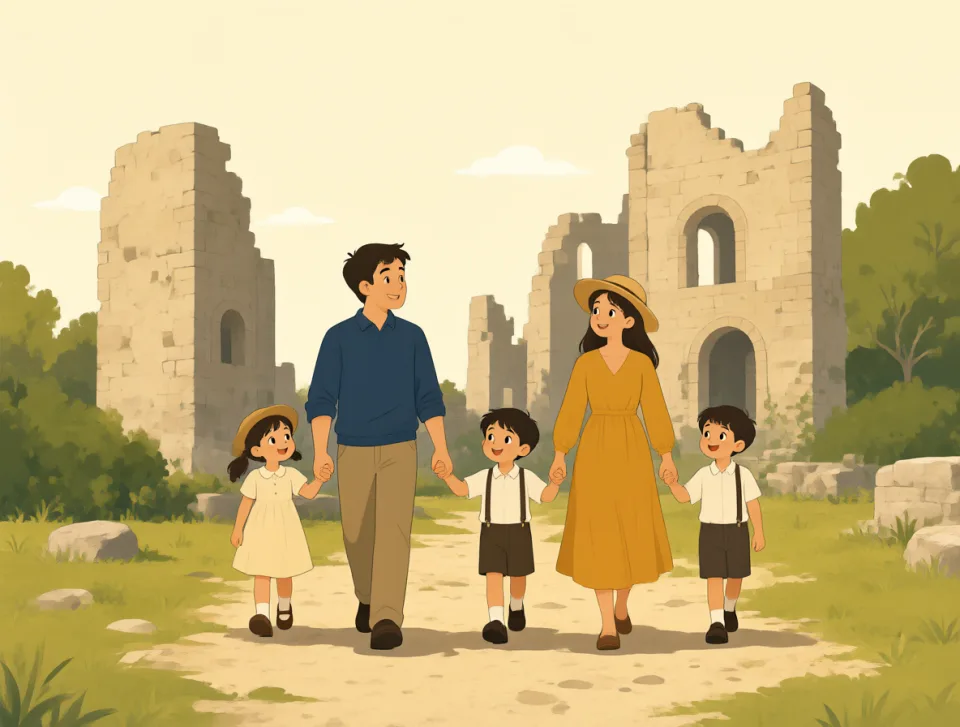
We visited the historic site yesterday.
हम कल उस ऐतिहासिक स्थल पर गए थे।

The campsite is near a quiet lake.
कैम्पिंग की जगह एक शांत झील के पास है।
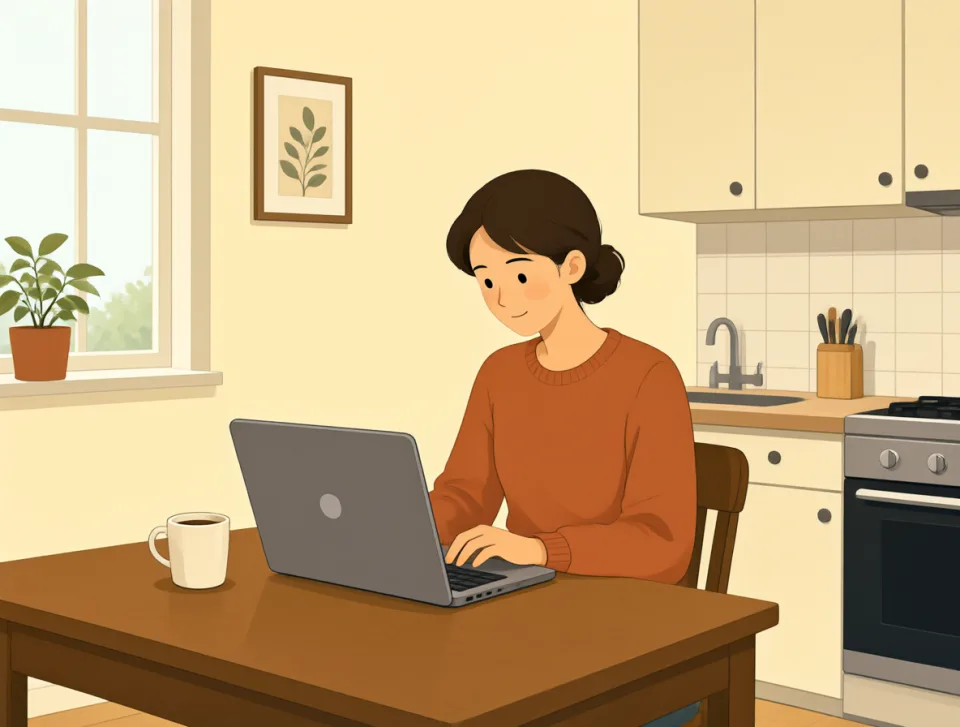
Please check the website for more information.
ज़्यादा जानकारी के लिए कृपया वेबसाइट देखें।
approach
#495noun, verb
तरीका; पास जाना
A way of dealing with something; to move closer to someone or something.
किसी चीज़ से निपटने का तरीका; किसी व्यक्ति या चीज़ के करीब जाना।

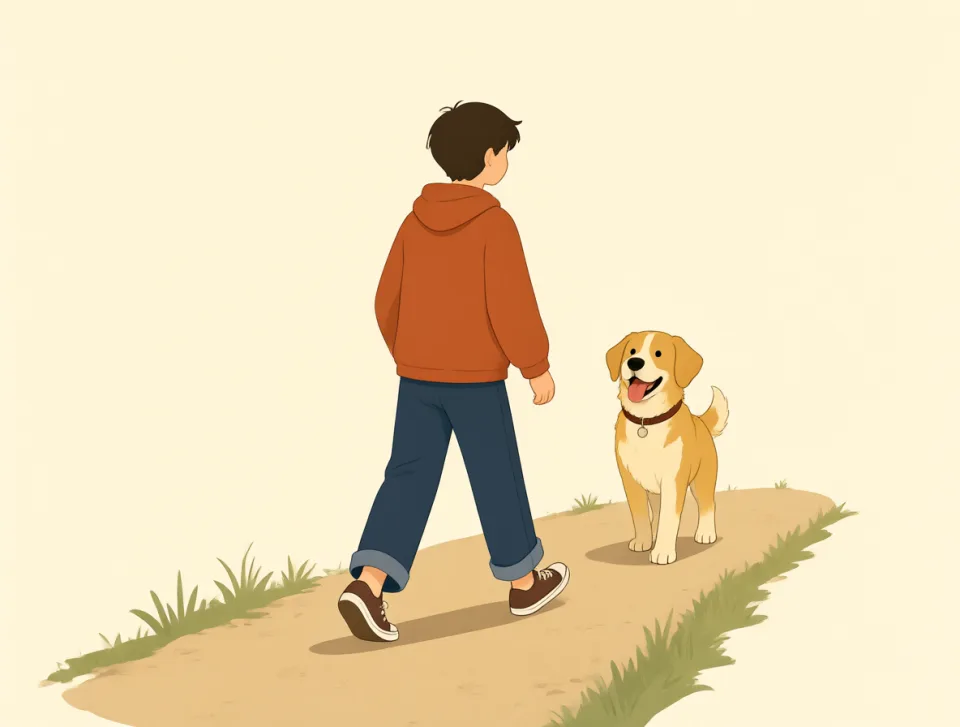
We need a new approach to this problem.
हमें इस समस्या से निपटने का एक नया तरीका चाहिए।
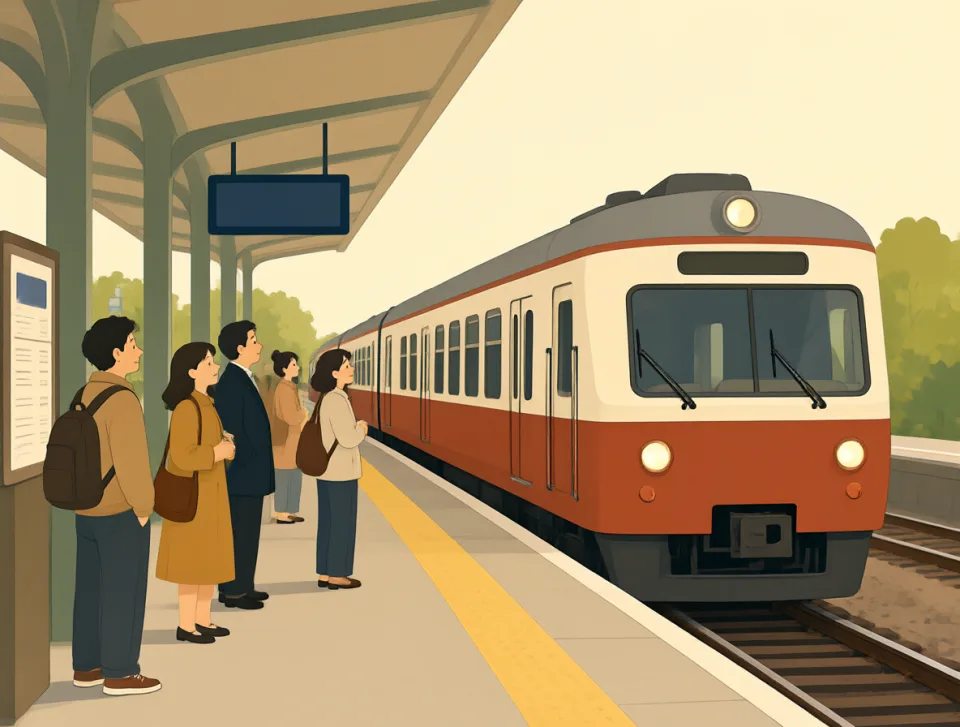
The train is approaching the station.
ट्रेन स्टेशन के करीब पहुँच रही है।
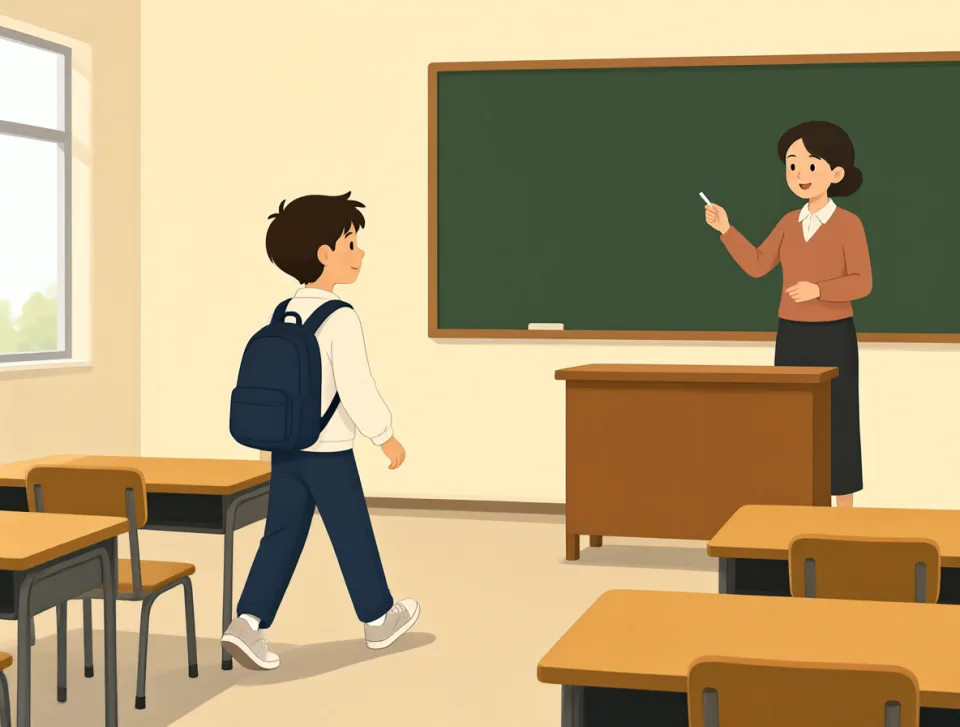
She approached the teacher after class.
कक्षा के बाद वह शिक्षक के पास गई।
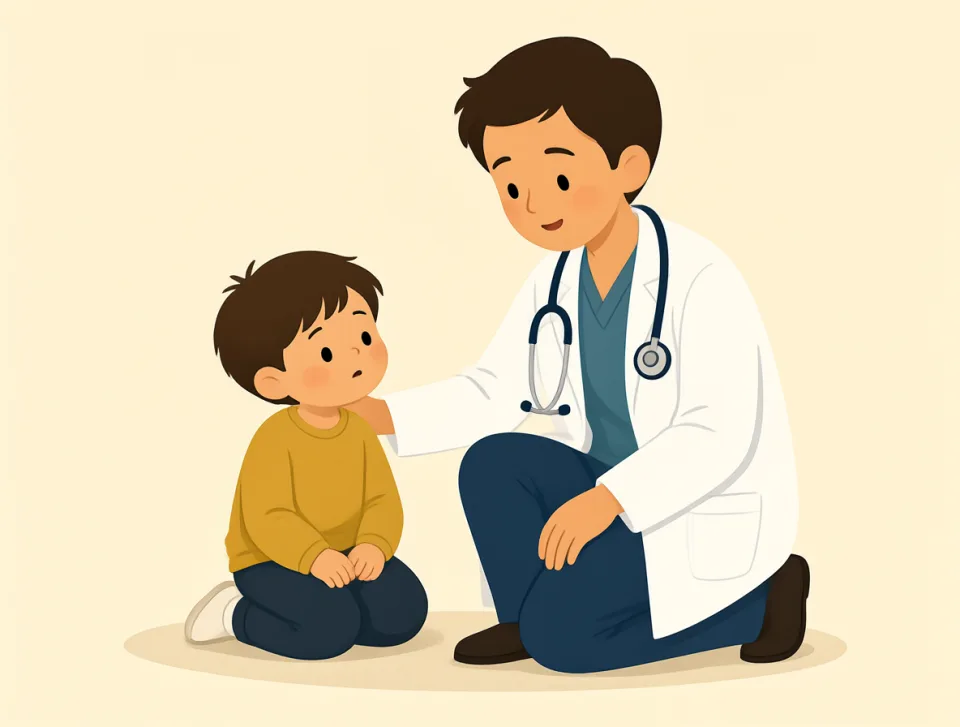
He used a gentle approach with the sick child.
बीमार बच्चे के साथ उसने बहुत नरमी से पेश आने का तरीका अपनाया।

The waiter approached our table with menus.
वेटर मेन्यू लेकर हमारी मेज़ के पास आया।
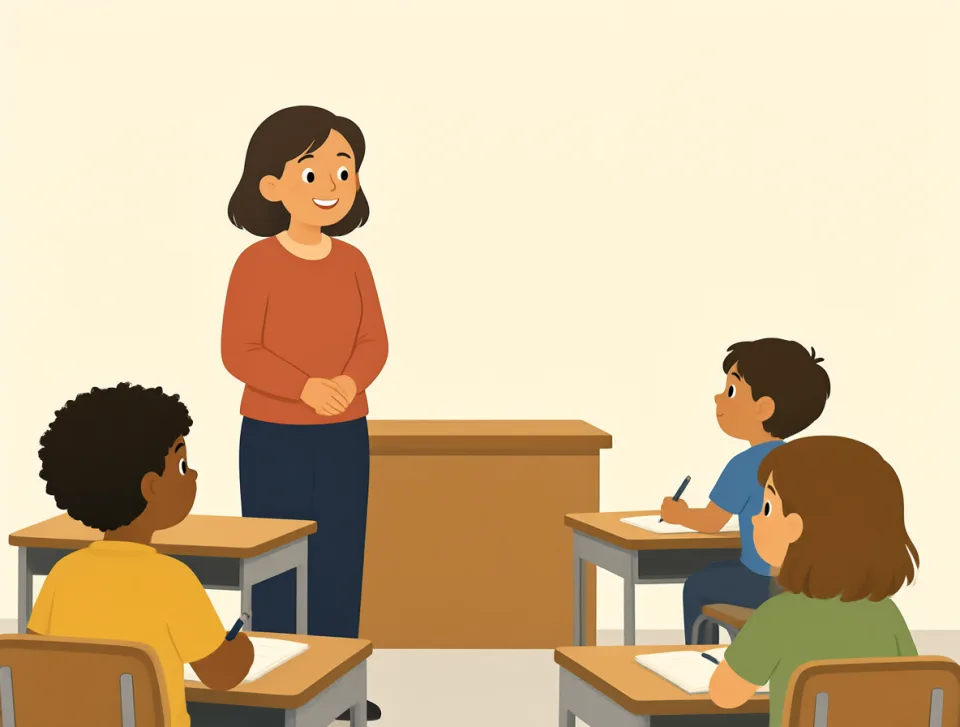
teacher
#496noun
शिक्षक
A person who helps students learn, usually at a school.
ऐसा व्यक्ति जो विद्यार्थियों को सीखने में मदद करता है, आमतौर पर किसी स्कूल में।
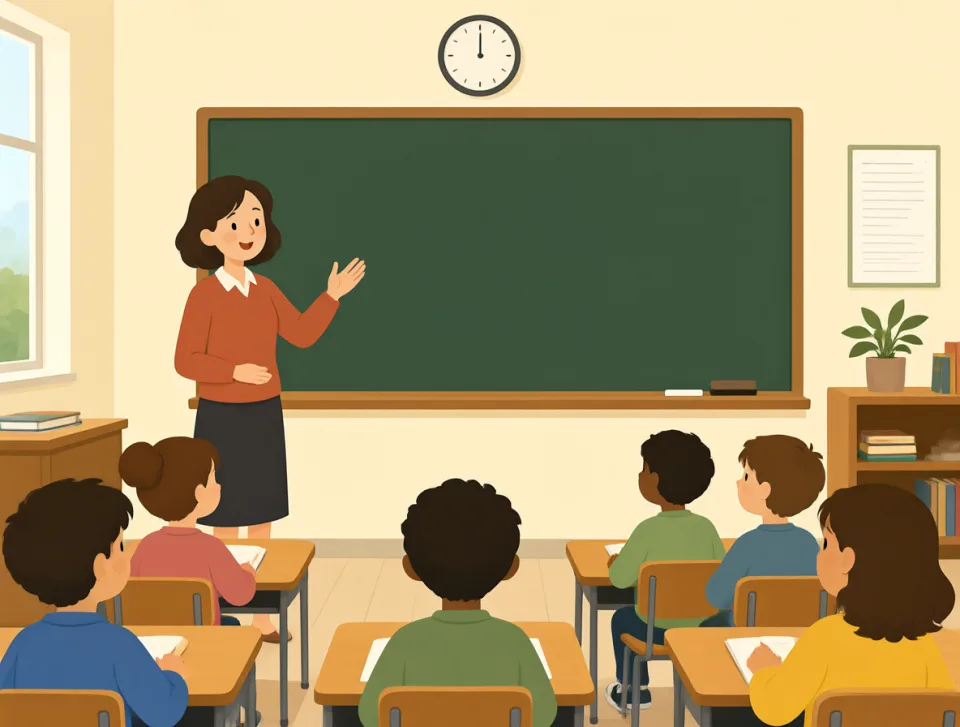
Our teacher explains the lesson clearly.
हमारे शिक्षक पाठ को साफ़-साफ़ समझाते हैं।
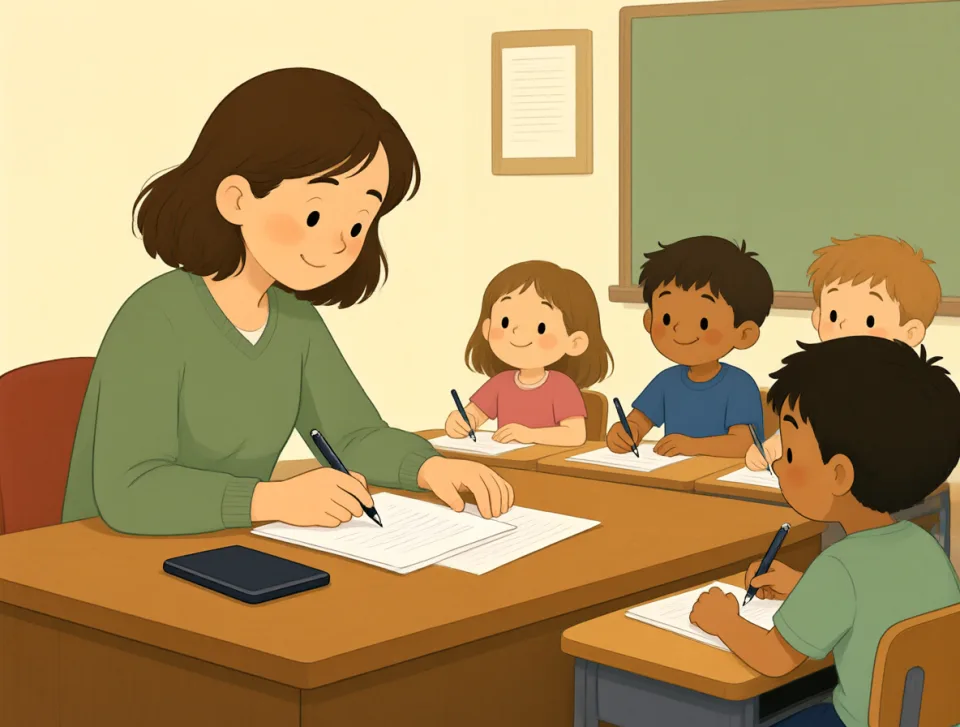
The teacher checked our homework yesterday.
शिक्षक ने कल हमारा होमवर्क जाँचा।
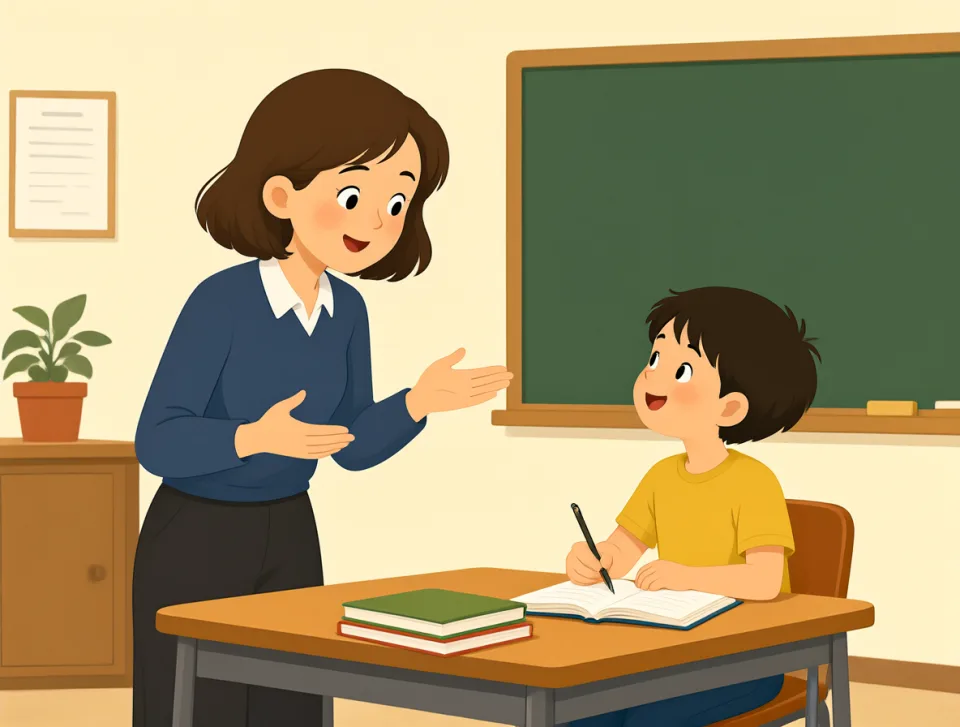
My English teacher gives us useful advice.
मेरे अंग्रेज़ी के शिक्षक हमें काम की सलाह देते हैं।

The teacher called my parents after school.
स्कूल के बाद शिक्षक ने मेरे माता-पिता को फ़ोन किया।
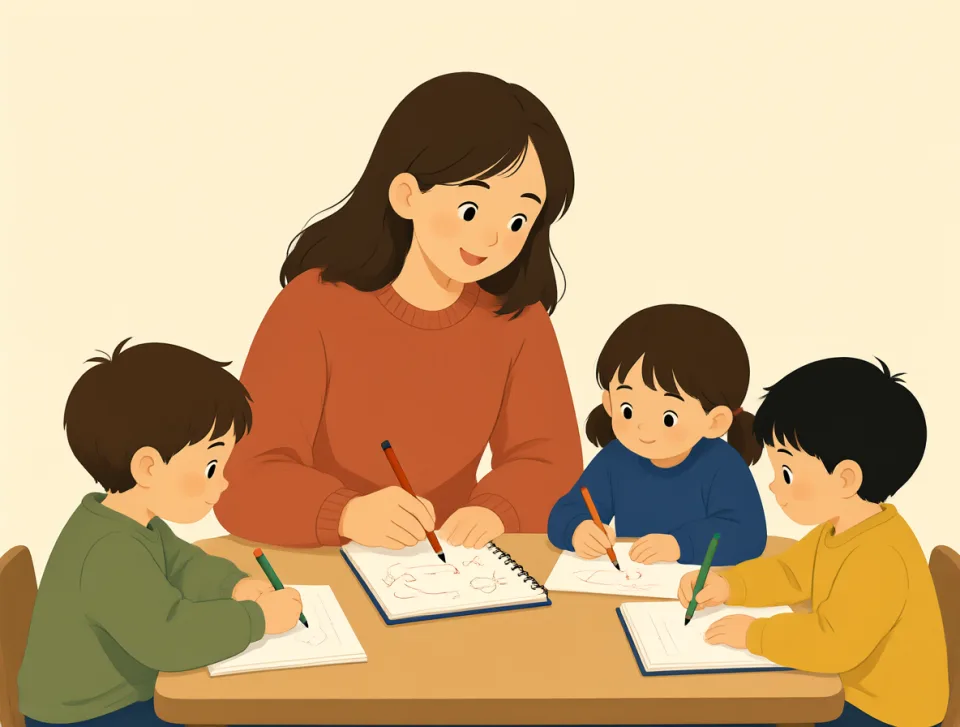
She wants to become a teacher someday.
वह किसी दिन शिक्षक बनना चाहती है।

land
#497noun, verb
ज़मीन
The solid ground of the Earth, or to arrive somewhere after traveling.
पृथ्वी की ठोस सतह, या यात्रा के बाद कहीं पहुँच जाना।
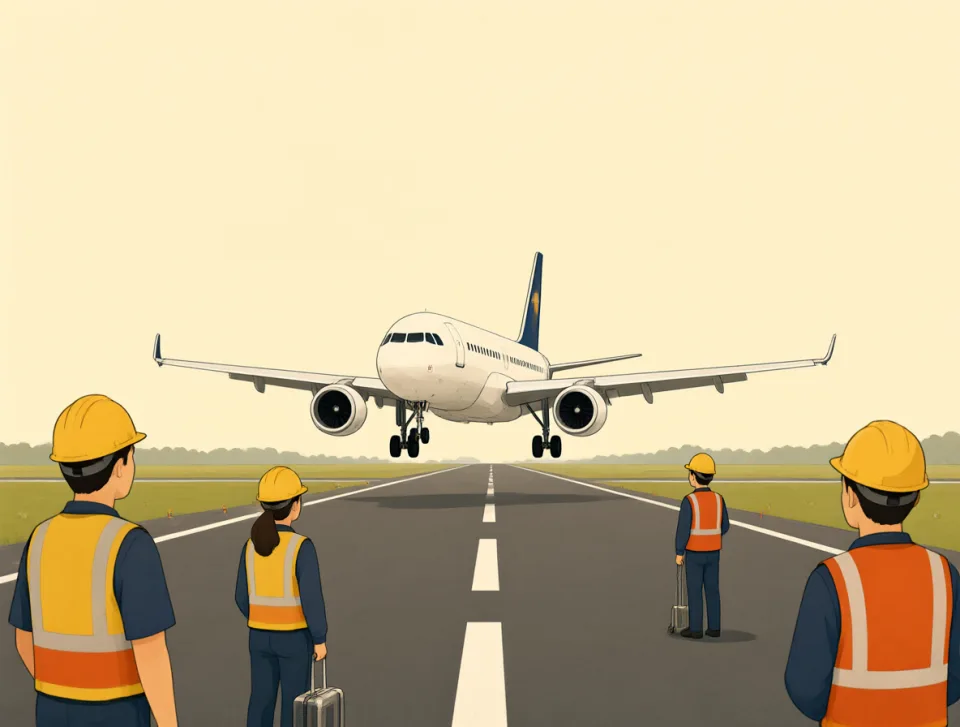
The plane landed safely at the airport.
विमान हवाई अड्डे पर सुरक्षित उतर गया।
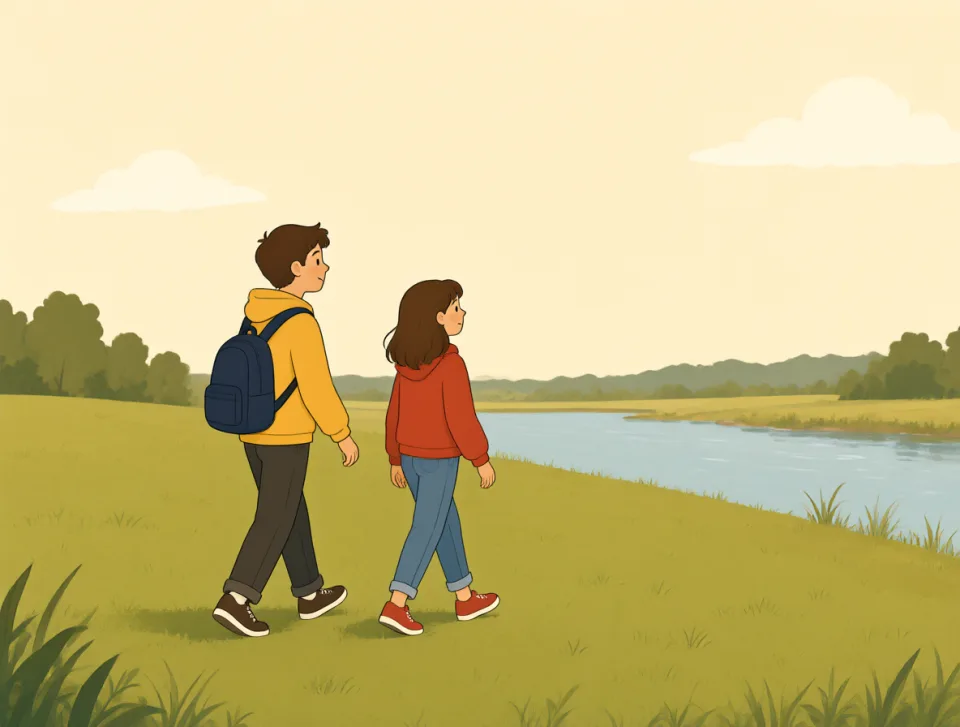
We walked across the land to the river.
हम नदी तक ज़मीन के रास्ते पैदल गए।
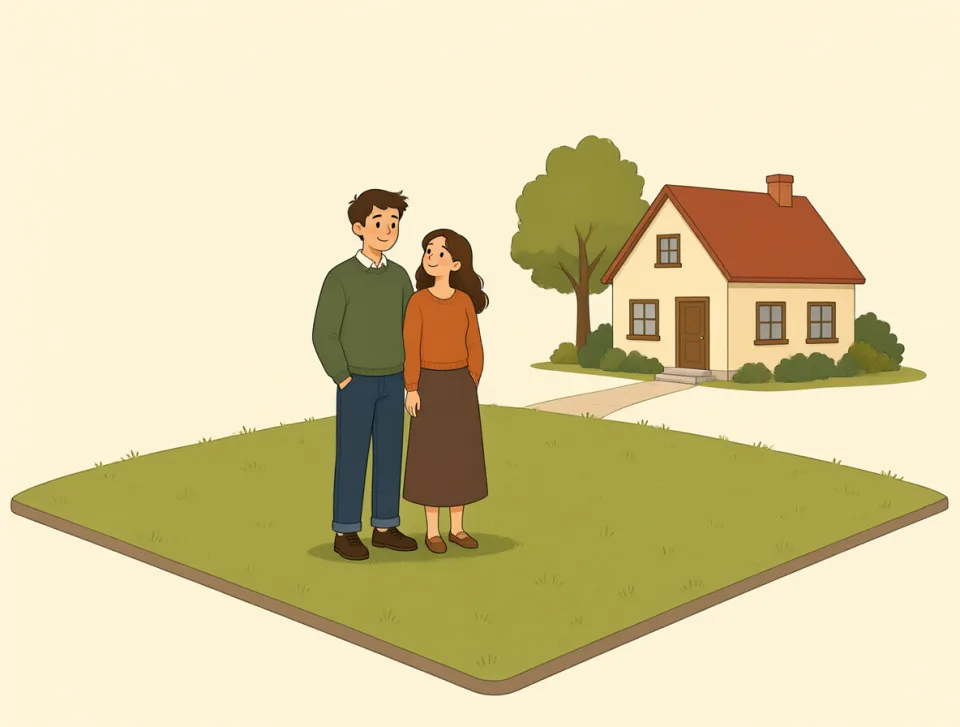
They bought land to build a house.
उन्होंने घर बनाने के लिए ज़मीन खरीदी।
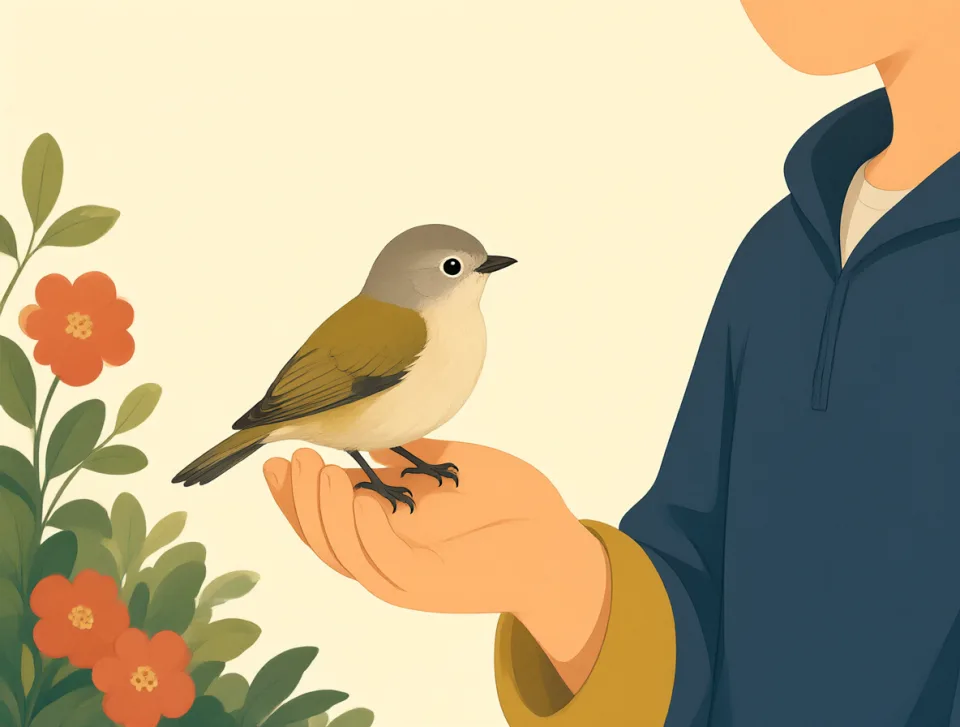
The bird landed on my hand.
चिड़िया मेरे हाथ पर आकर बैठ गई।
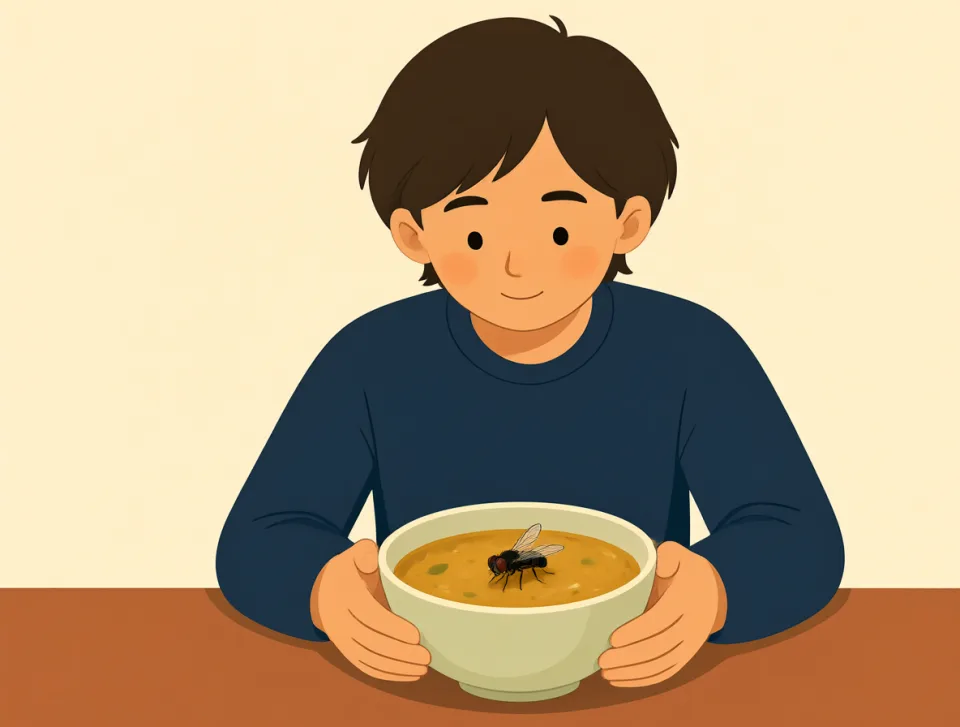
A fly landed in my soup.
एक मक्खी मेरे सूप में आकर बैठ गई।
charge
#498noun, verb
शुल्क लेना
To ask for money, fill a battery, or officially accuse someone of a crime.
पैसे माँगना, बैटरी चार्ज करना या किसी पर आधिकारिक रूप से अपराध का आरोप लगाना।

The hotel charged us for breakfast.
होटल ने हमसे नाश्ते के पैसे लिए।
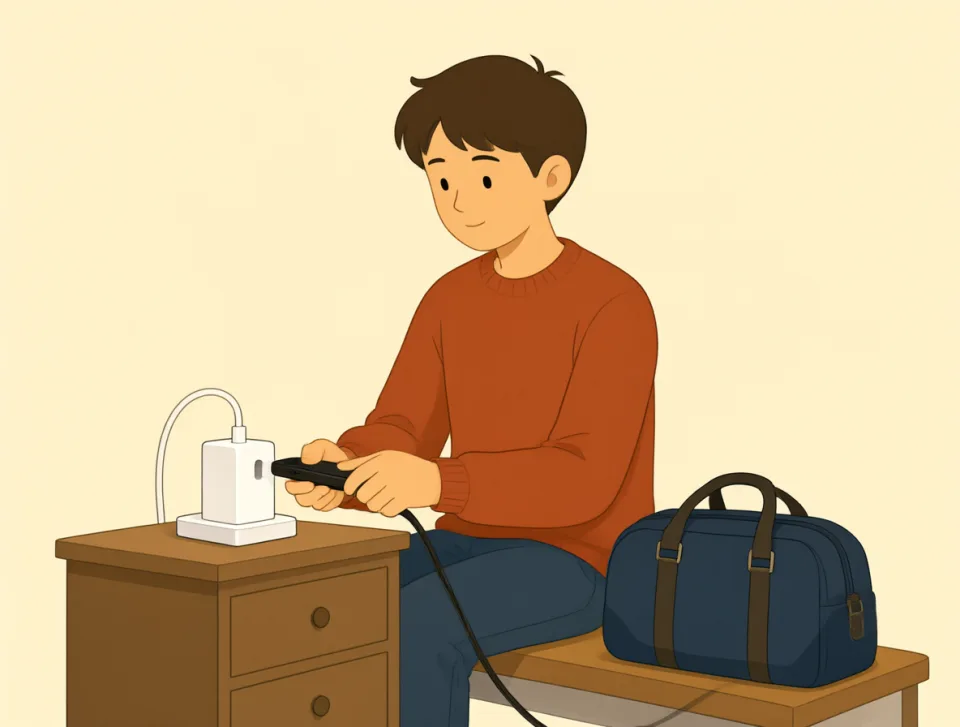
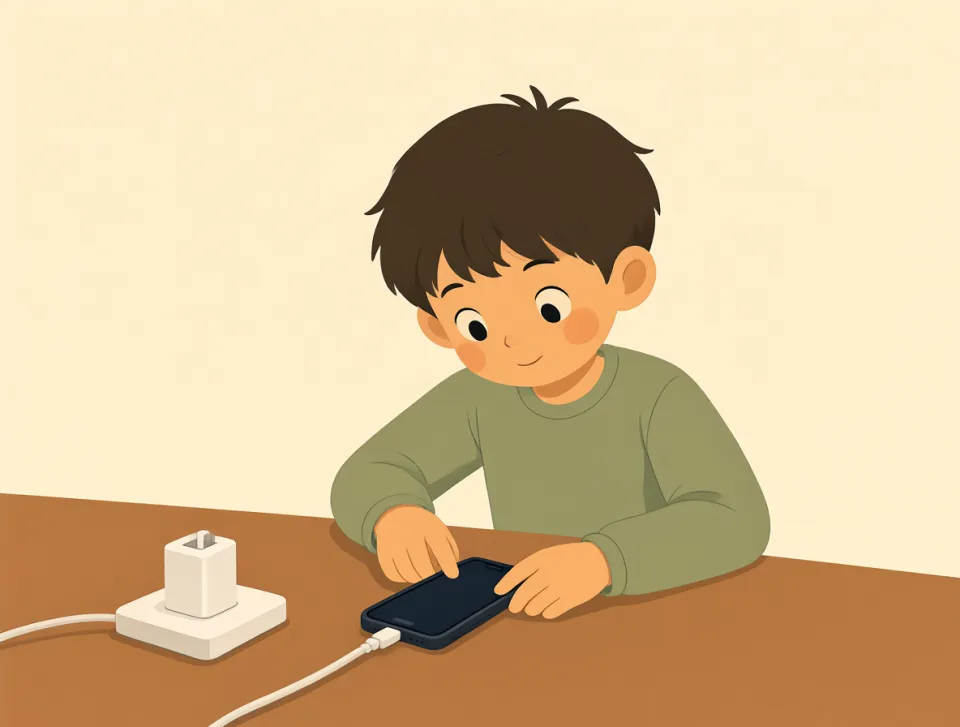
Please charge my phone before the trip.
कृपया सफ़र से पहले मेरा फ़ोन चार्ज कर दीजिए।

There is no extra charge for delivery.
डिलीवरी के लिए कोई अतिरिक्त शुल्क नहीं है।

The police charged him with stealing money.
पुलिस ने उस पर पैसे चुराने का आरोप लगाया।
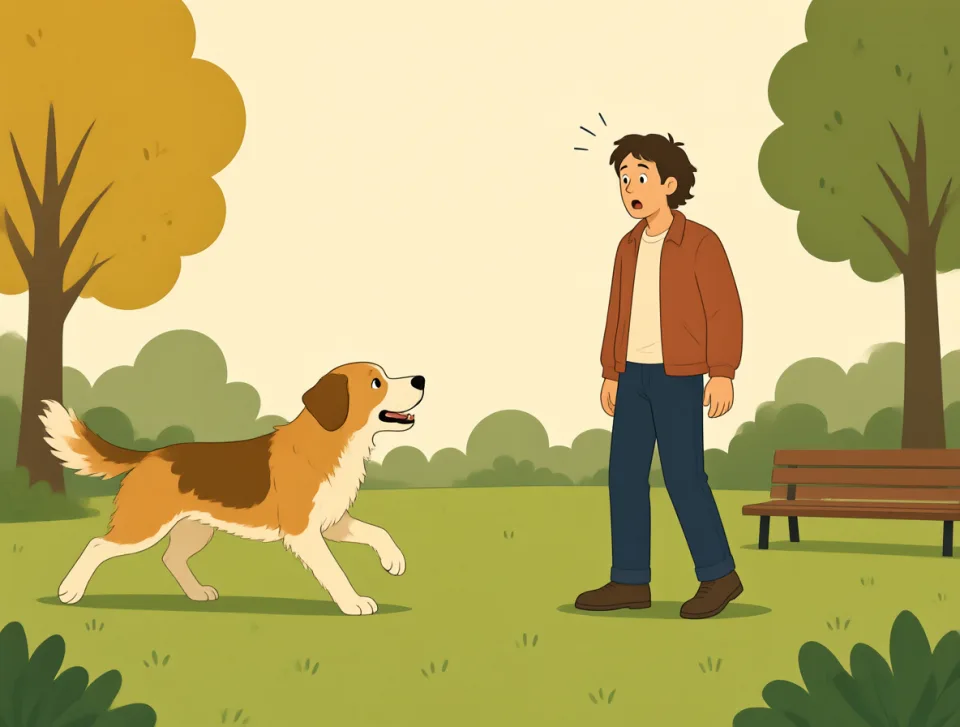
The dog charged at the stranger.
कुत्ता उस अजनबी की ओर झपटा।
finally
#499adverb
आख़िरकार
at the end of a long wait or after everything else has happened
लंबे इंतज़ार के बाद या बाकी सब कुछ हो जाने के बाद।
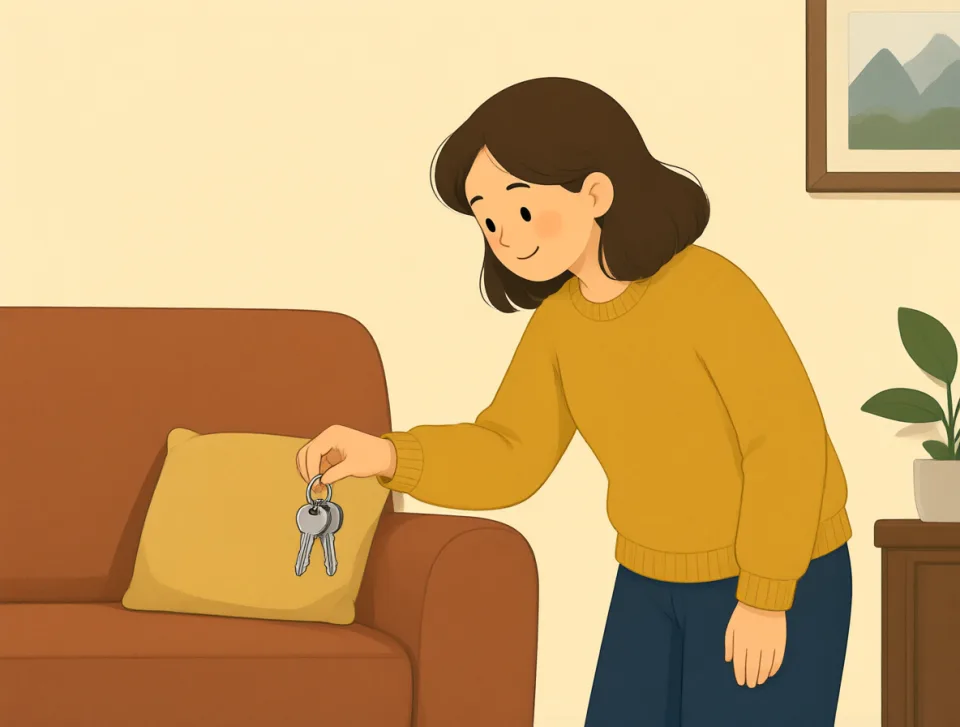
She finally found her lost keys.
आख़िरकार उसे अपनी खोई हुई चाबियाँ मिल गईं।

We finally arrived at the hotel.
आख़िरकार हम होटल पहुँच गए।
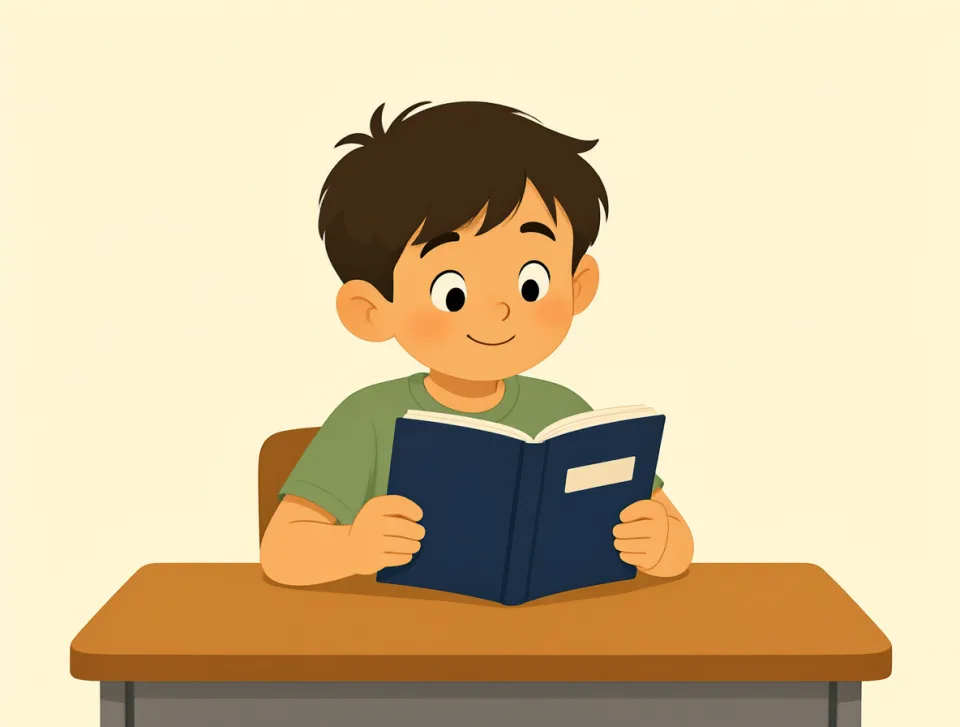
He finally finished his homework.
आख़िरकार उसने अपना होमवर्क पूरा कर लिया।
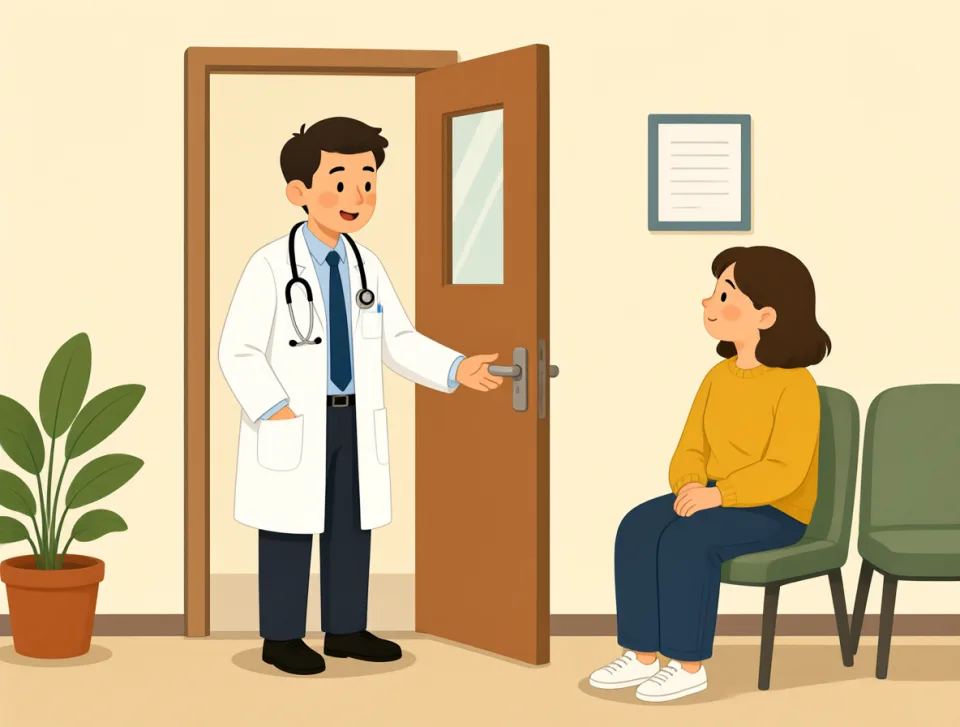
The doctor finally called my name.
आख़िरकार डॉक्टर ने मेरा नाम पुकारा।

They finally agreed to meet tomorrow.
आख़िरकार वे कल मिलने के लिए राज़ी हो गए।
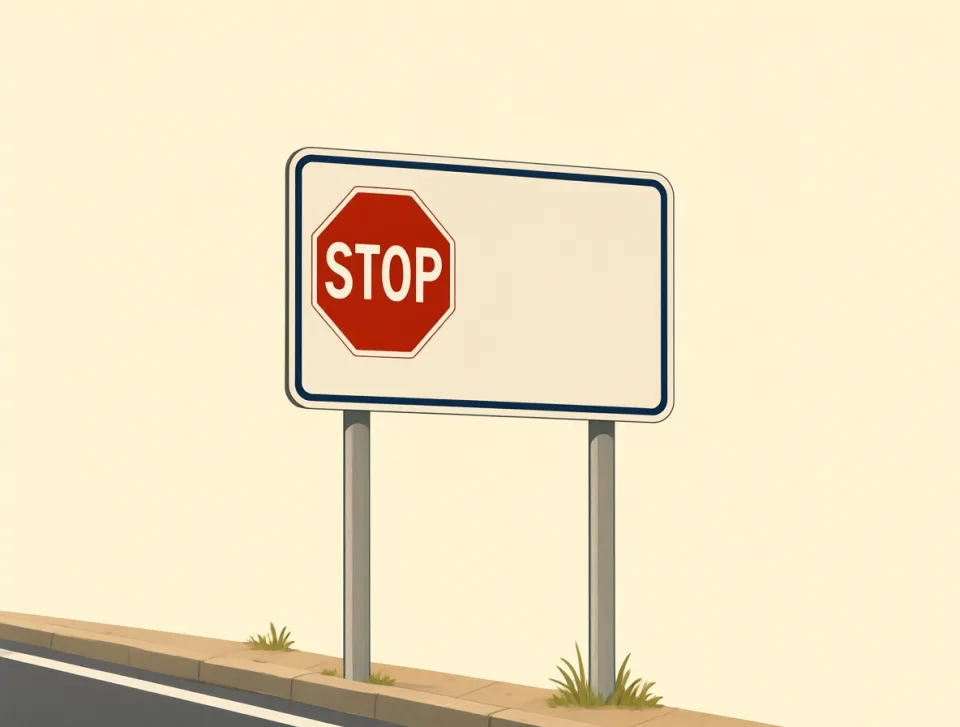
sign
#500noun, verb
संकेत
A mark or action that gives information, or to write your name on something.
जानकारी देने वाला निशान या कार्रवाई, या किसी चीज़ पर अपना नाम लिखना।
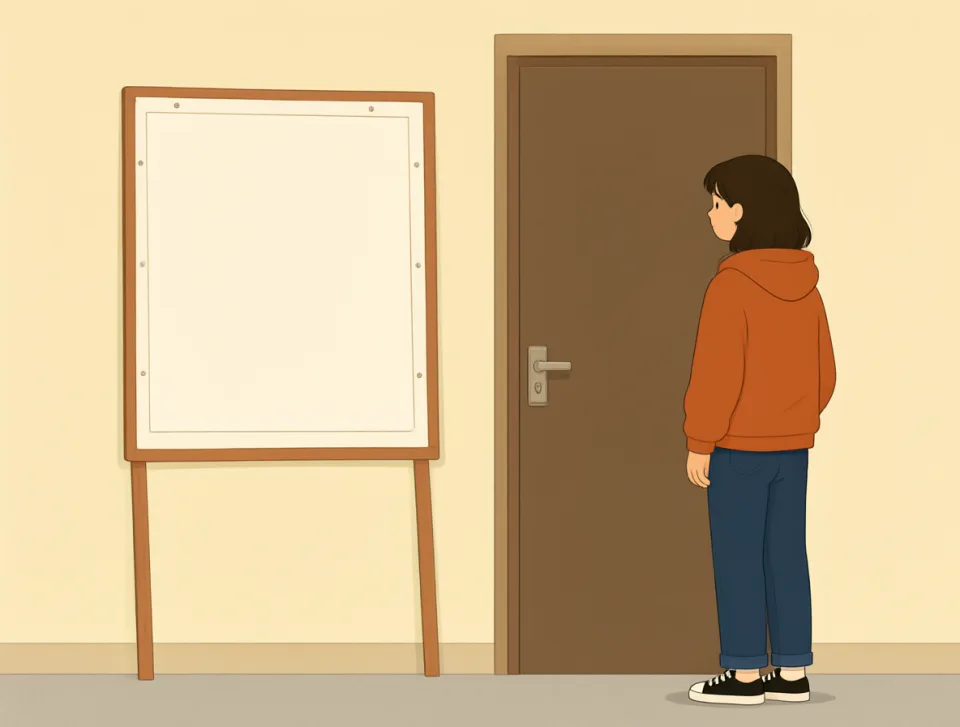
The sign says, “Keep the door closed.”
उस संकेत पर लिखा है, “दरवाज़ा बंद रखें।”
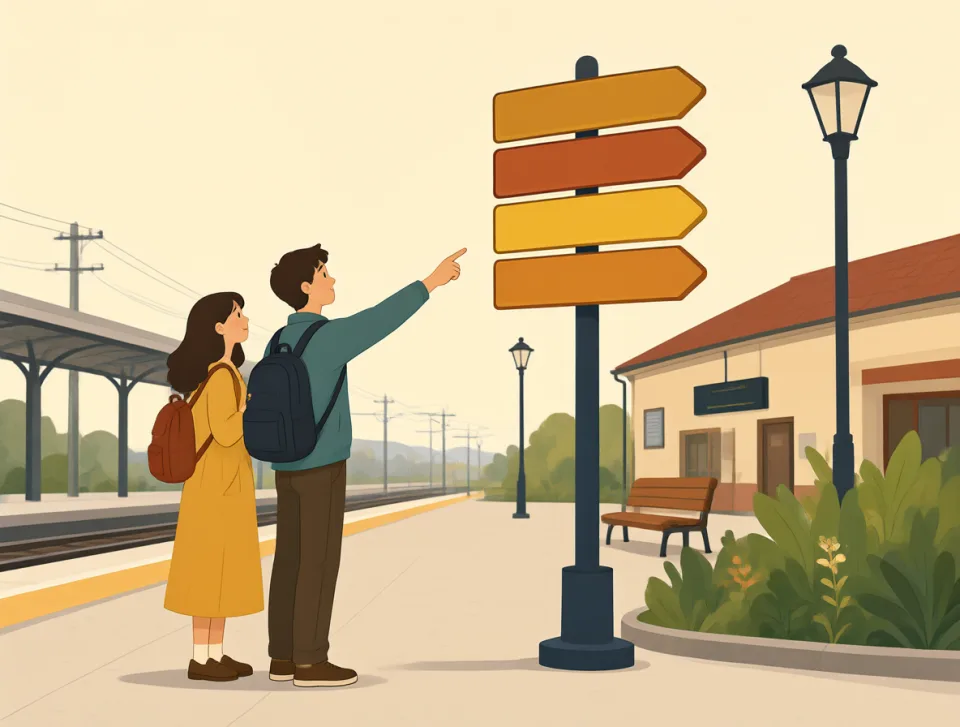
We saw a sign for the train station.
हमें ट्रेन स्टेशन का एक संकेत दिखाई दिया।
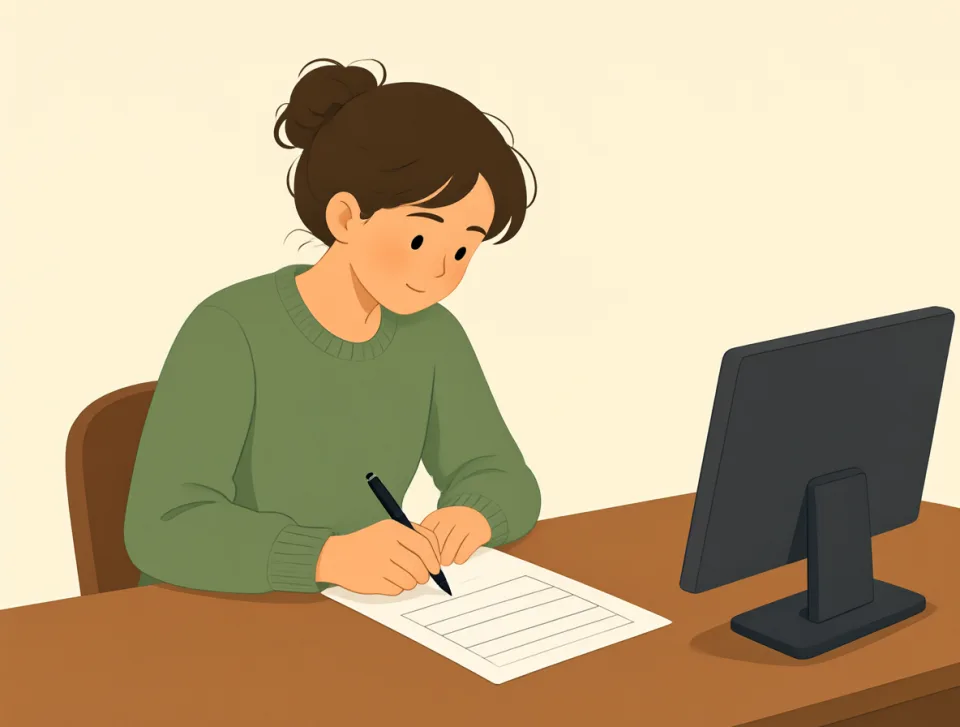
Please sign your name at the bottom.
कृपया नीचे अपना नाम लिख दीजिए।

She signed a contract at work.
उसने काम पर एक अनुबंध पर हस्ताक्षर किए।

His smile was a sign of happiness.
उसकी मुस्कान खुशी का संकेत थी।