इकाई 17
शब्द 321–340 · deal, water, send, allow, soon, watch
deal
#321noun, verb
सौदा
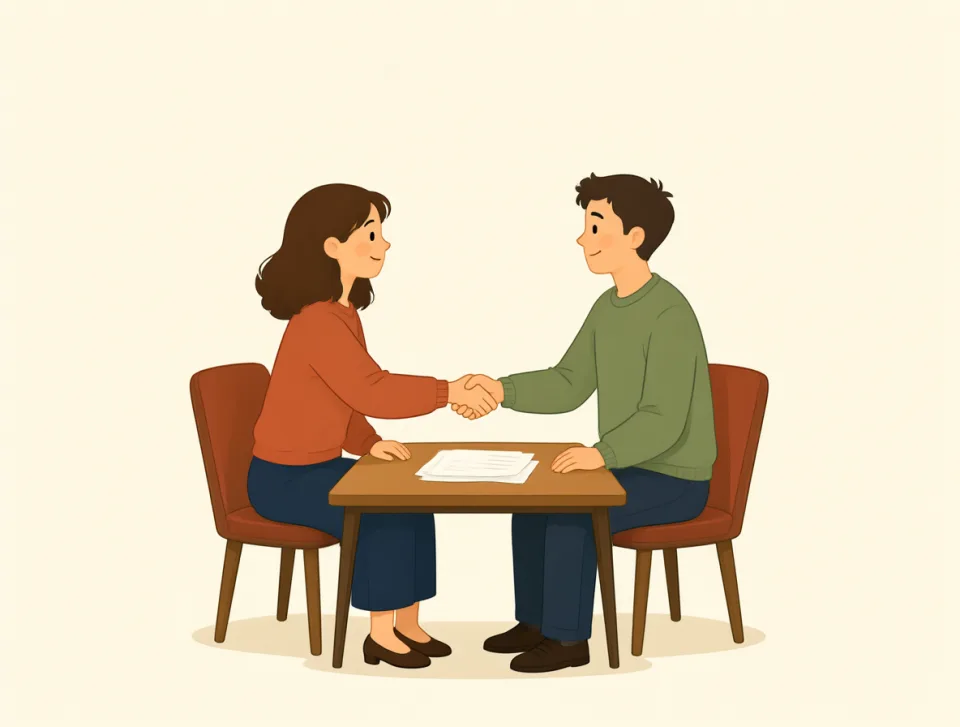
An agreement, arrangement, or way of handling a situation; to do business or manage something.
किसी बात पर हुआ समझौता या व्यवस्था; किसी स्थिति को संभालने का तरीका; व्यापार करना या किसी चीज़ का प्रबंधन करना।
We made a deal about the price.
हमने कीमत को लेकर एक सौदा किया।
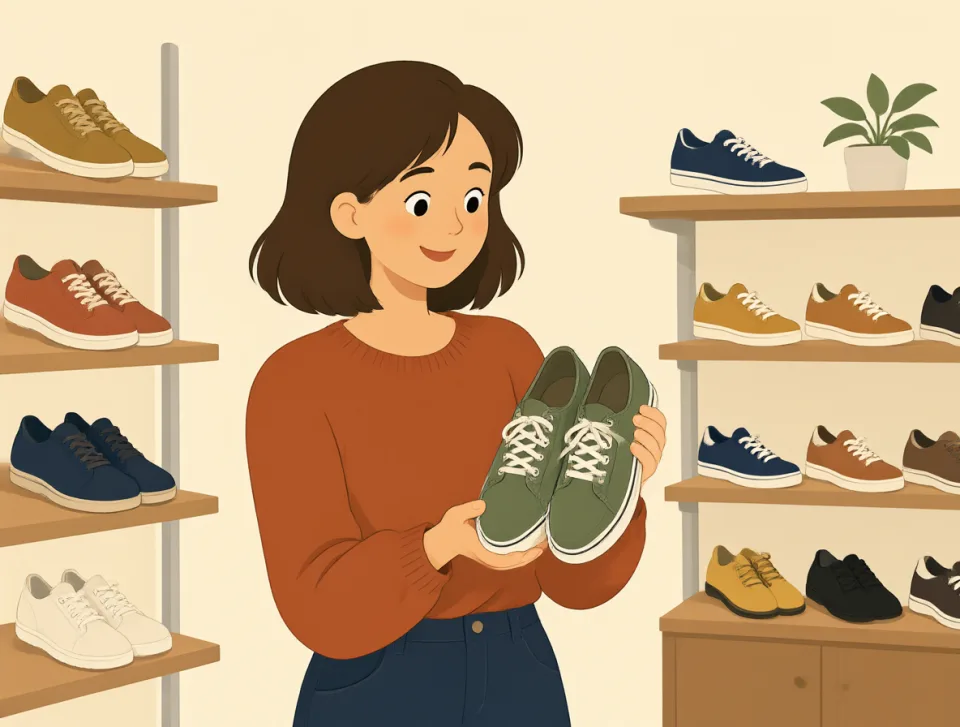
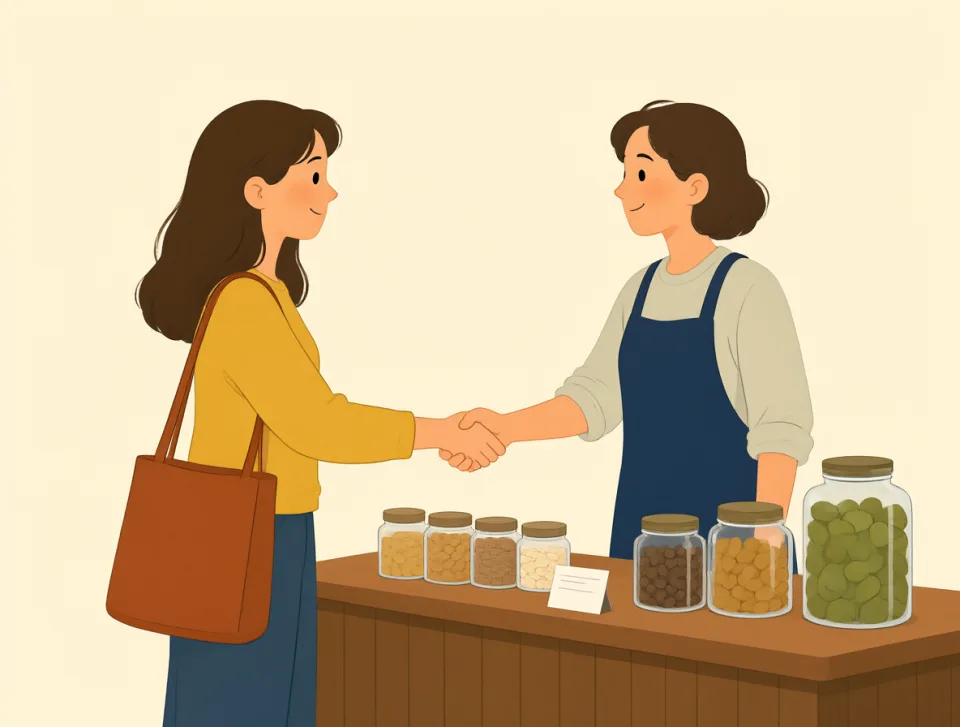
She got a great deal on shoes.
उसे जूतों पर बहुत अच्छा सौदा मिला।
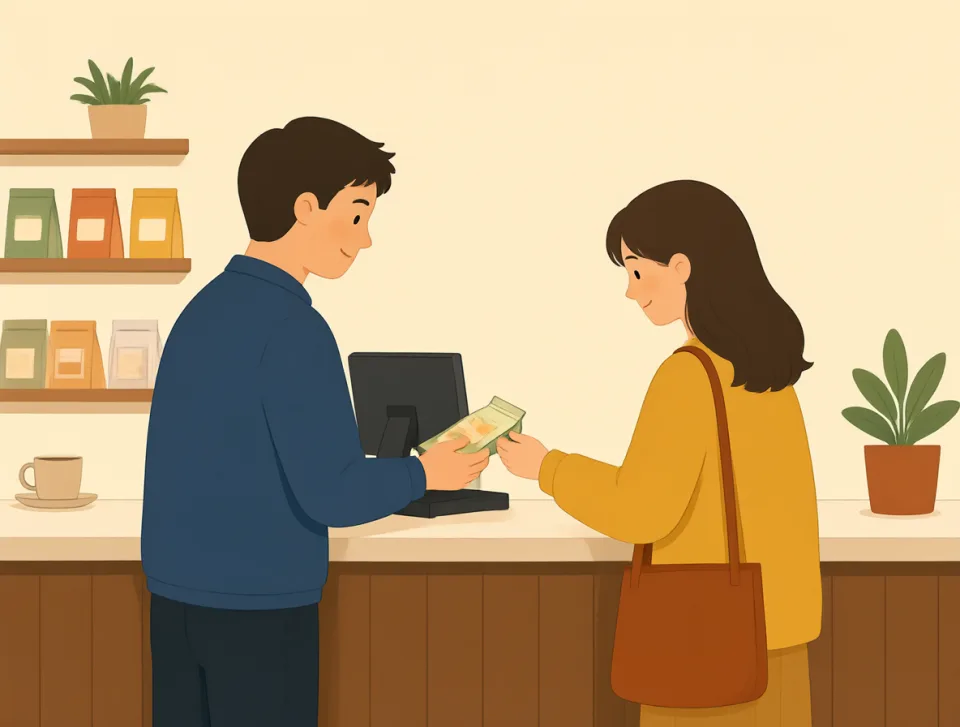
I deal with customers every day.
मैं हर दिन ग्राहकों से कामकाज करता हूँ।
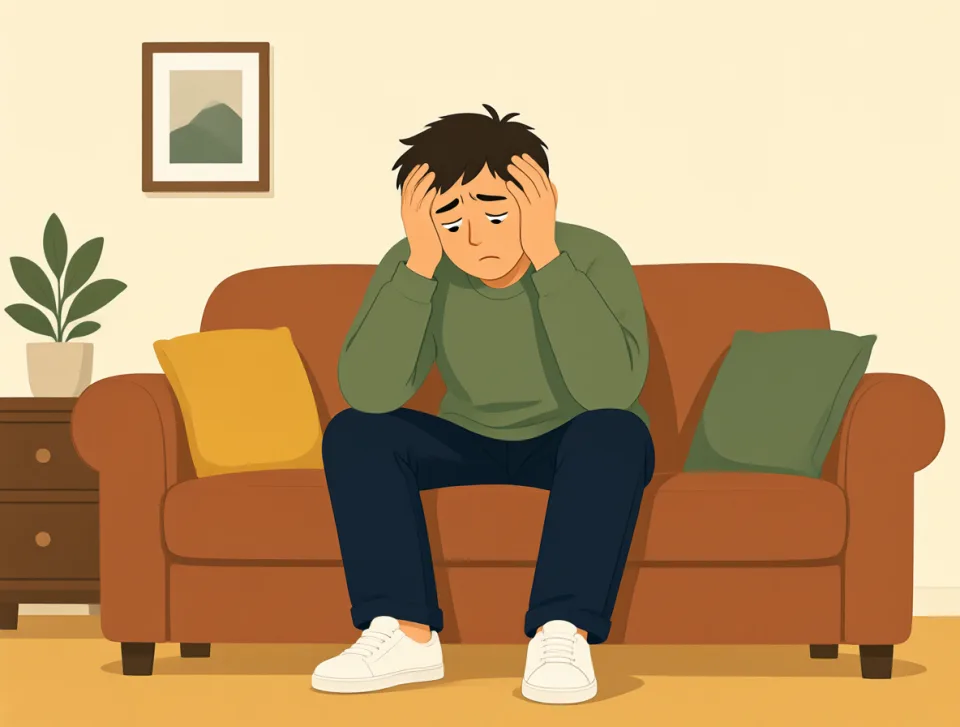
He cannot deal with the stress.
वह तनाव नहीं संभाल पाता।
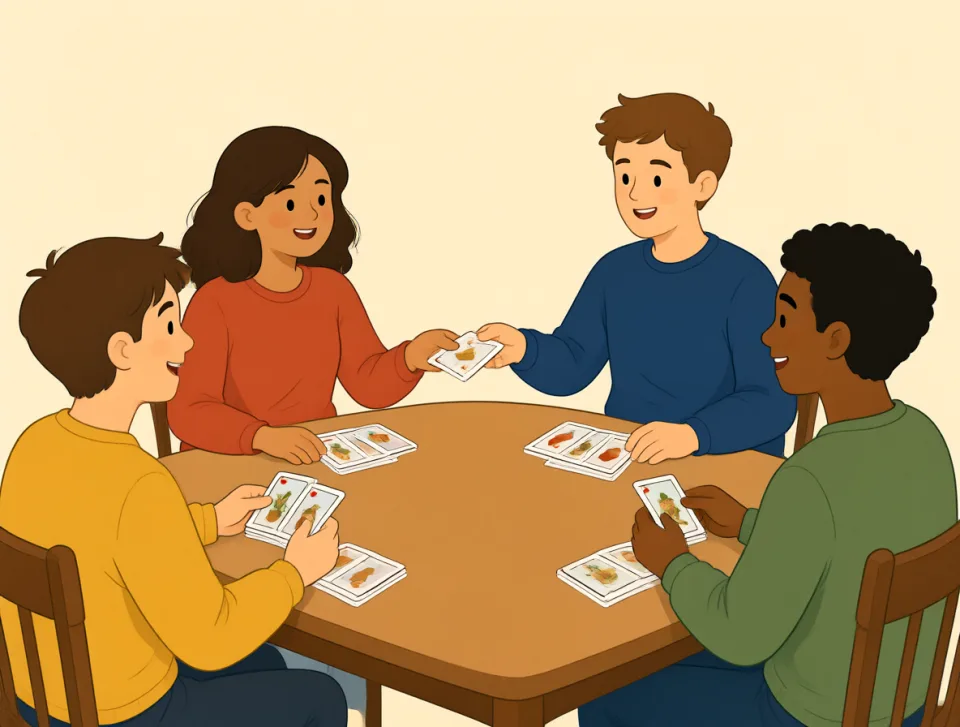
The cards were dealt to everyone.
ताश के पत्ते सबको बाँटे गए।
water
#322noun, verb
पानी
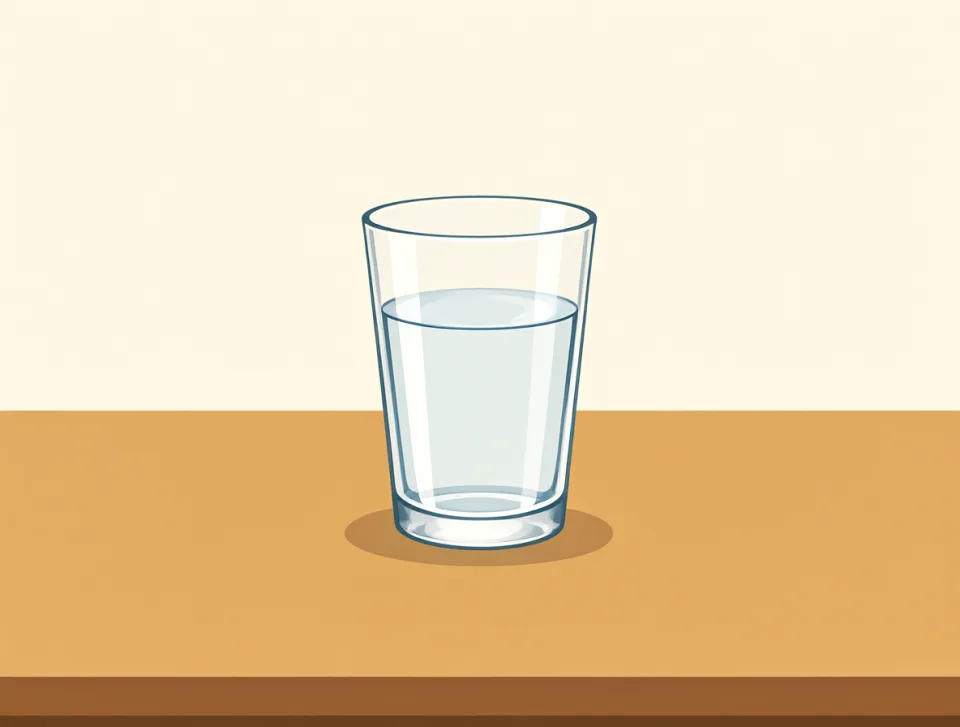
The clear liquid people drink and use for washing, cooking, and growing plants.
पारदर्शी तरल पदार्थ, जिसे लोग पीते हैं और धोने, खाना पकाने तथा पौधे उगाने के लिए इस्तेमाल करते हैं।
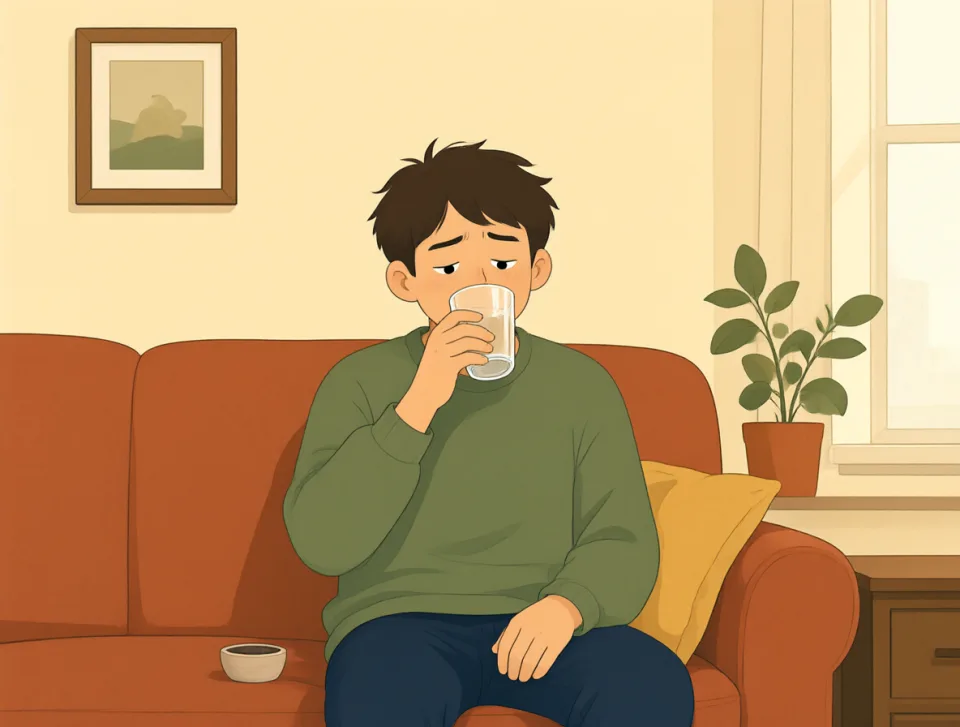
Please drink some water after your walk.
टहलने के बाद कृपया थोड़ा पानी पी लें।
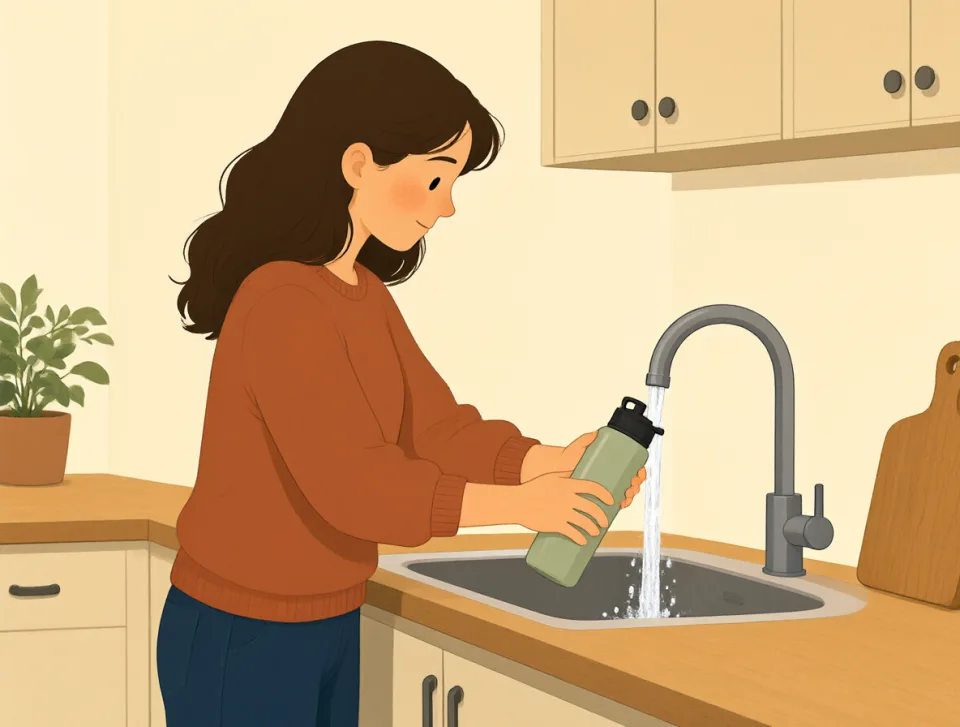
She filled the bottle with cold water.
उसने बोतल ठंडे पानी से भर दी।
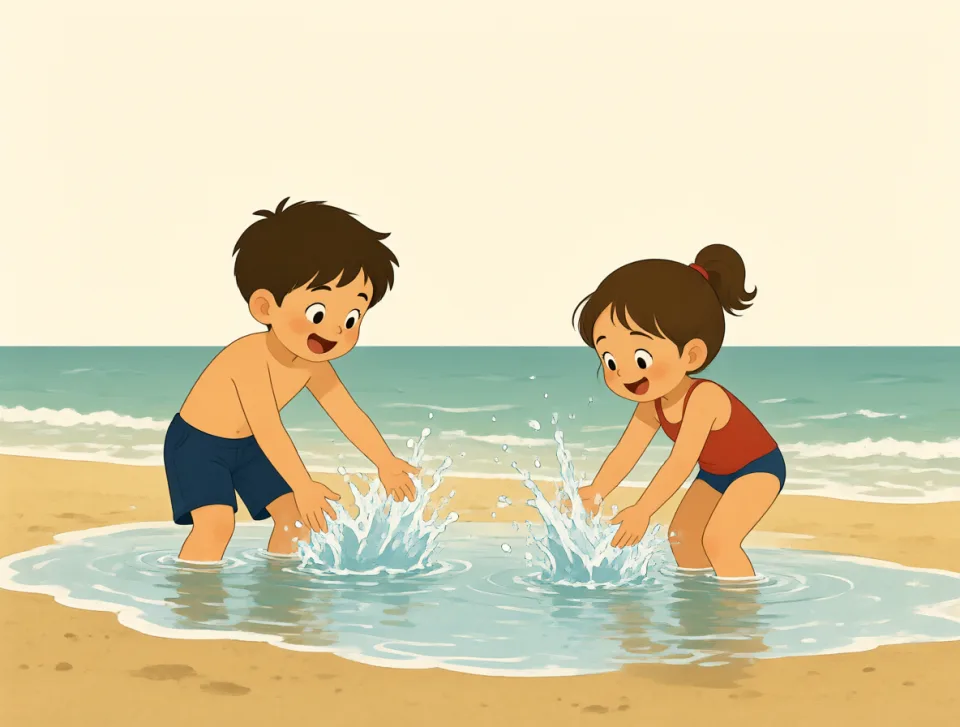
The children played in the water.
बच्चे पानी में खेल रहे थे।
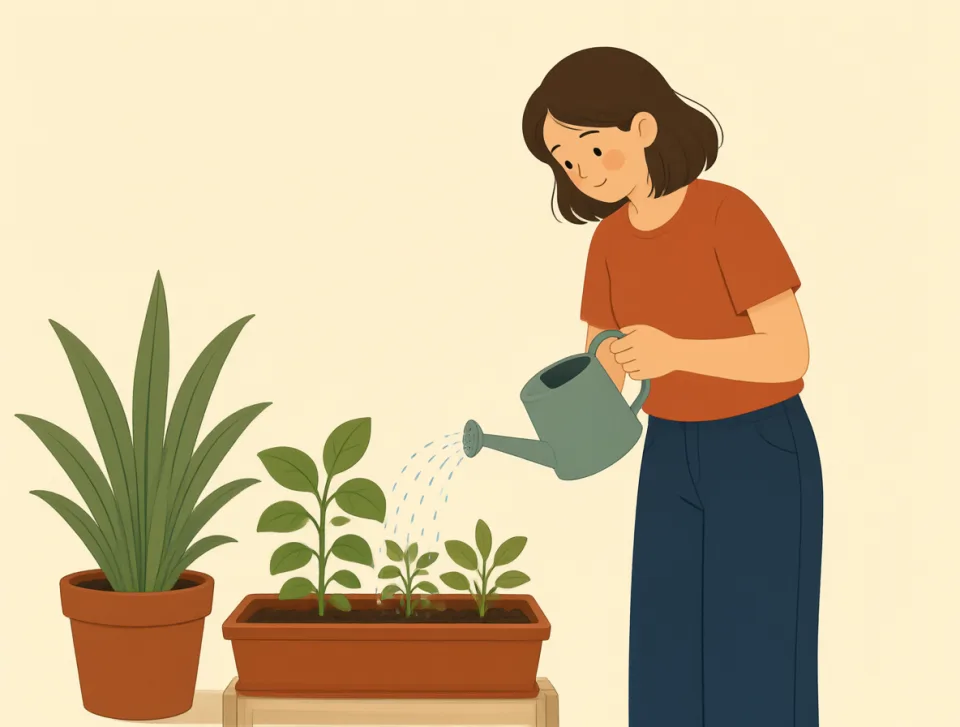
We watered the plants before leaving.
जाने से पहले हमने पौधों को पानी दिया।
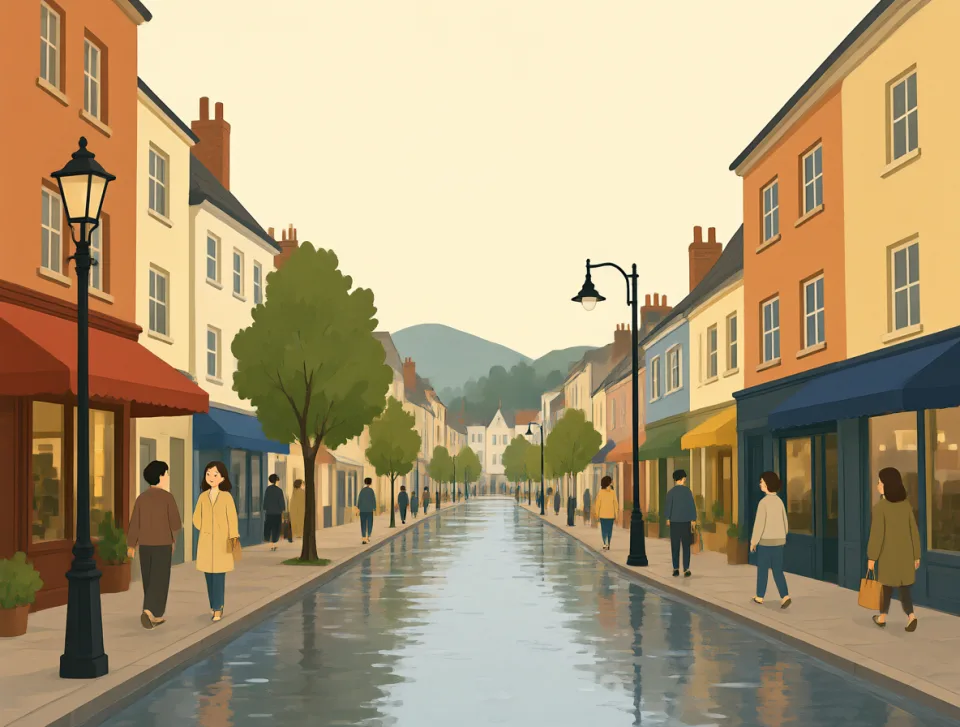
The flood watered the streets overnight.
रातोंरात आई बाढ़ ने सड़कों को पानी से भर दिया।
send
#323verb
भेजना
To make someone or something go from one place to another.
किसी व्यक्ति या चीज़ को एक जगह से दूसरी जगह पहुँचाना।

Please send me the address.
कृपया मुझे पता भेज दीजिए।

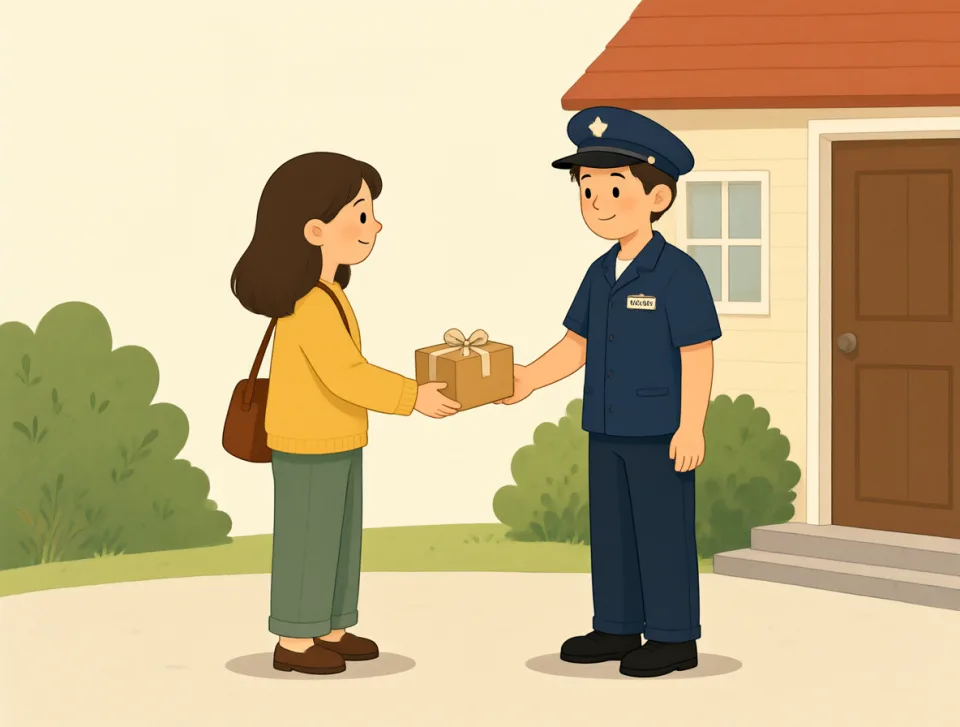
I sent the package yesterday.
मैंने कल पार्सल भेजा था।
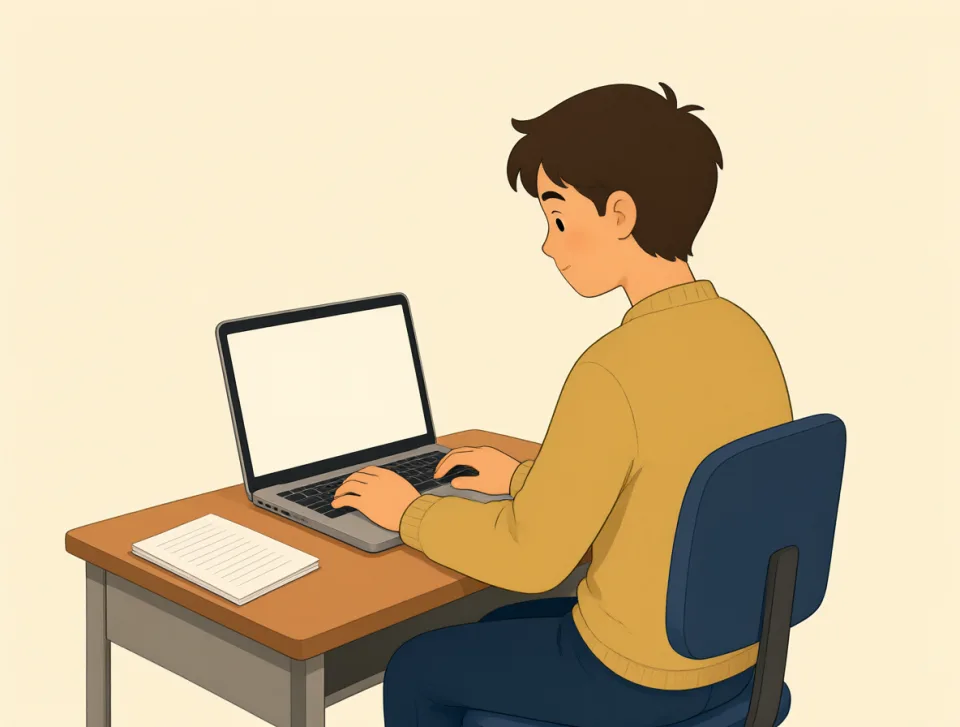
She sends emails to her teacher.
वह अपने शिक्षक को ईमेल भेजती है।
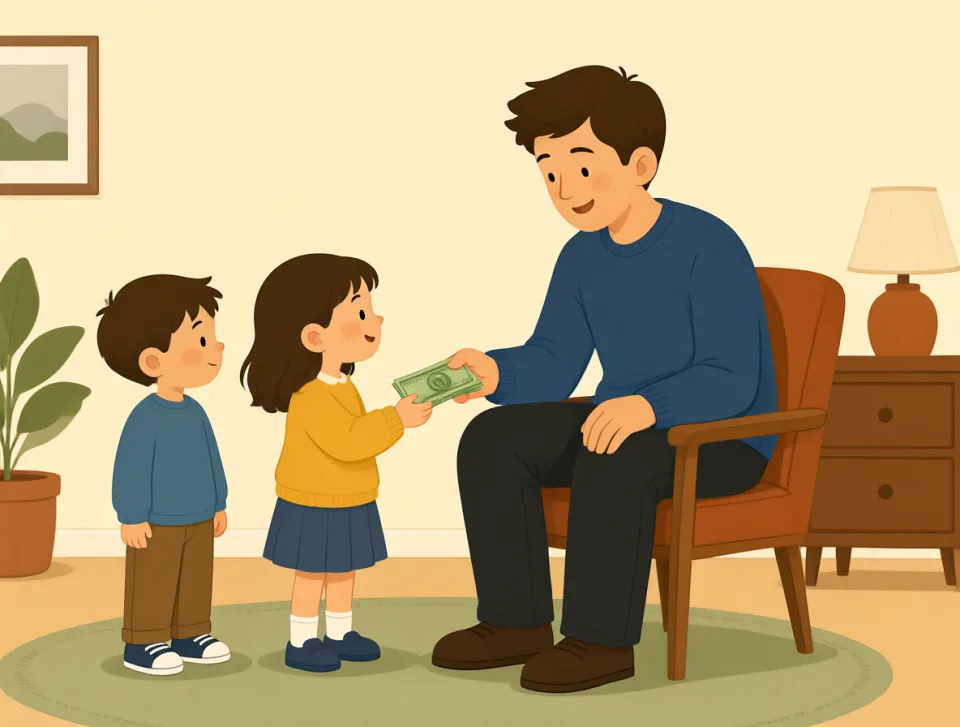
Dad sent us some money.
पापा ने हमें कुछ पैसे भेजे।
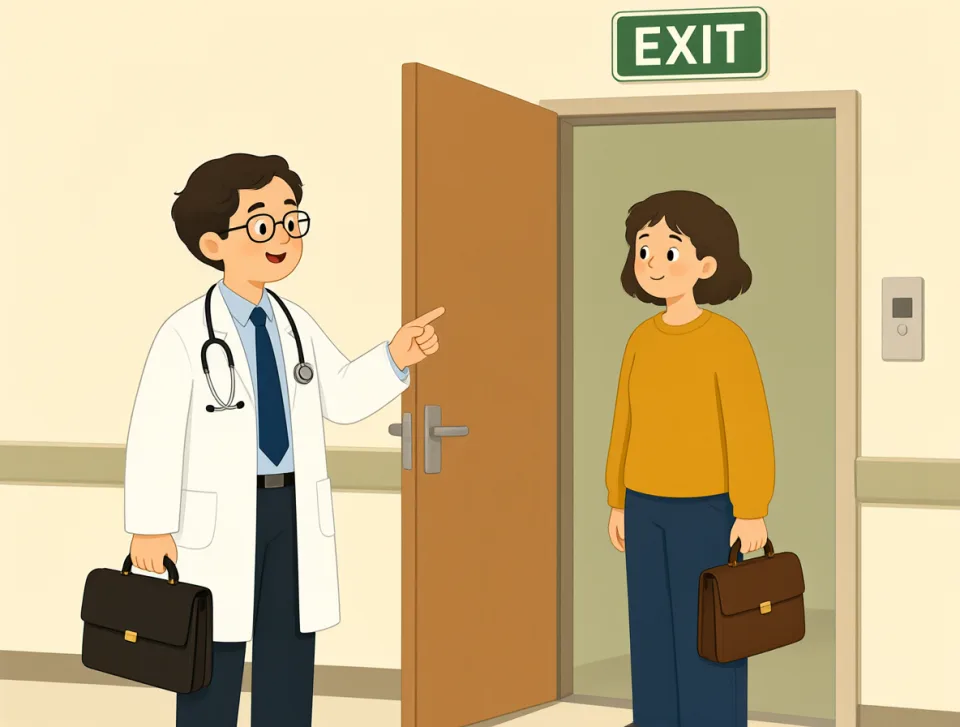
The doctor sent him home.
डॉक्टर ने उसे घर भेज दिया।
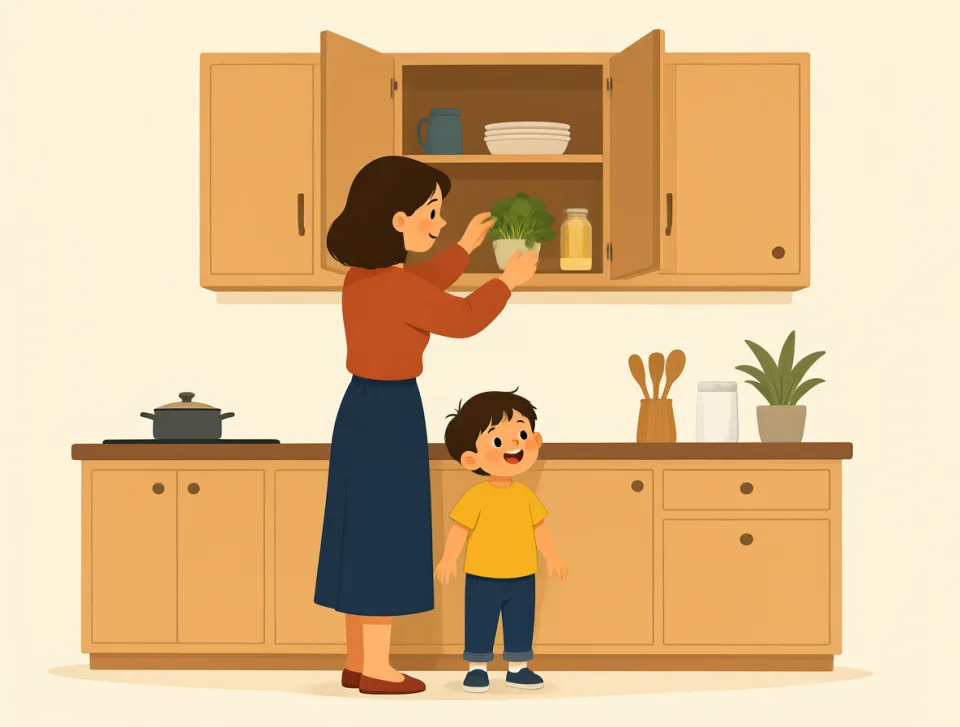
allow
#324verb
अनुमति देना
to let someone do something or make something possible
किसी को कुछ करने देना या किसी चीज़ को संभव बनाना।
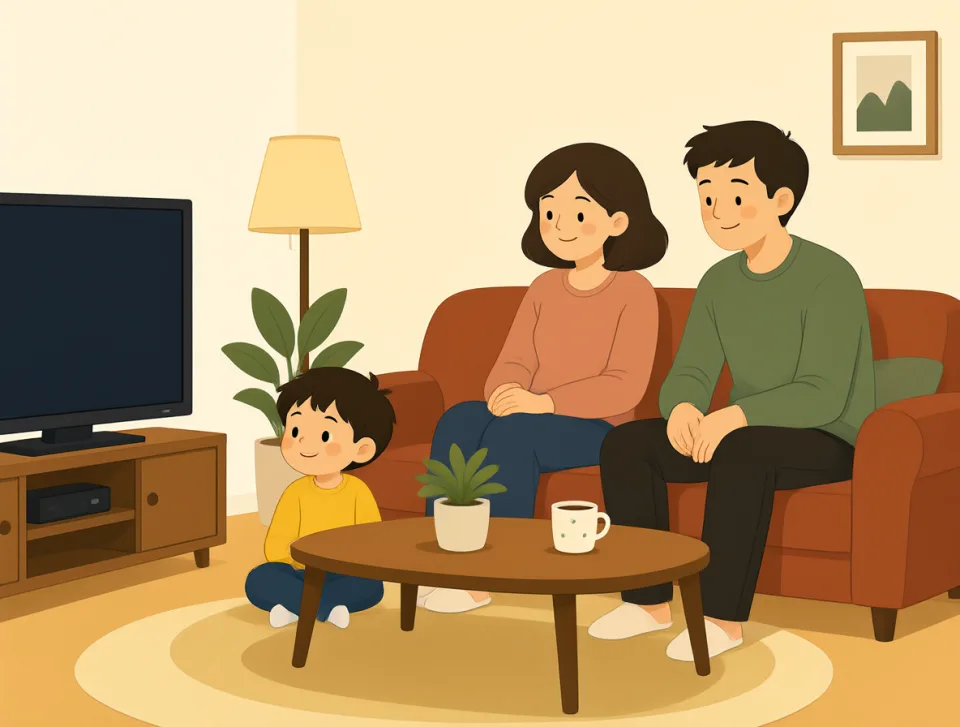
My parents allow me to watch TV.
मेरे माता-पिता मुझे टीवी देखने देते हैं।
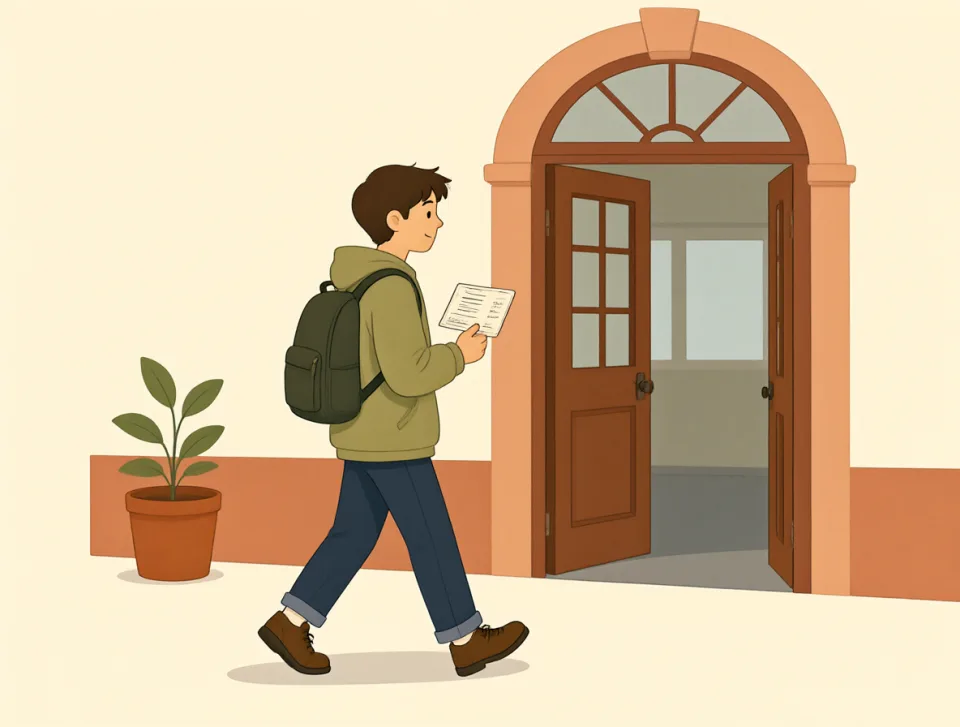
This ticket allows one person to enter.
इस टिकट से एक व्यक्ति को प्रवेश की अनुमति मिलती है।
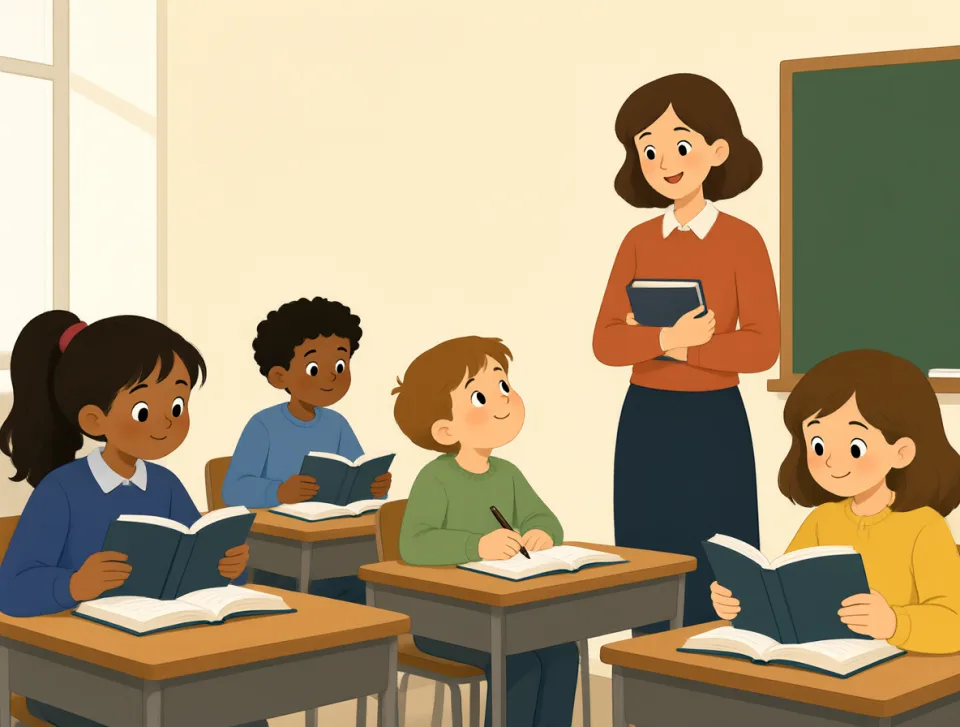
Our teacher allowed us to use dictionaries.
हमारे शिक्षक ने हमें शब्दकोश इस्तेमाल करने की अनुमति दी।
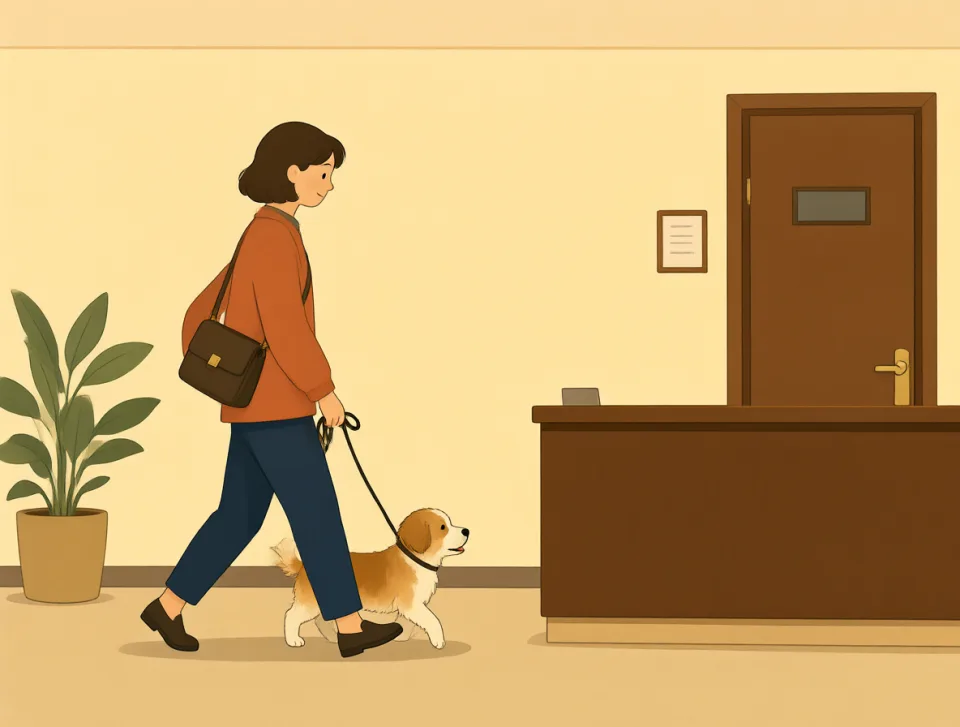
The hotel allows guests to bring pets.
होटल मेहमानों को पालतू जानवर लाने की अनुमति देता है।
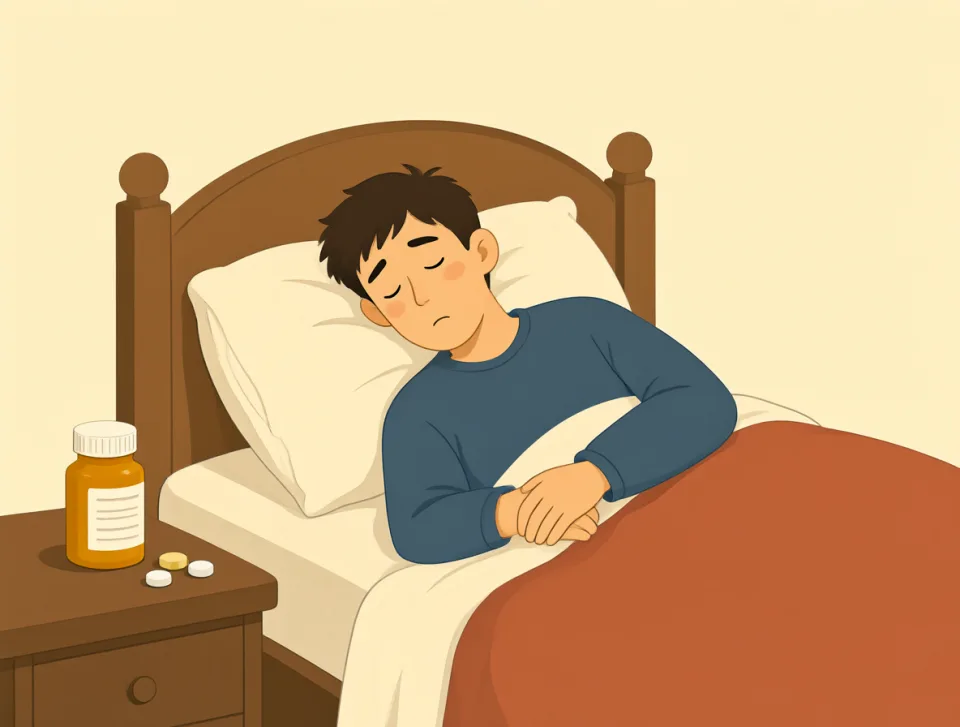
This medicine allows him to sleep better.
इस दवा से उसे बेहतर नींद आती है।
soon
#325adverb
जल्द
in a short time, or a short time after now
थोड़े समय में या अब से कुछ ही देर बाद।
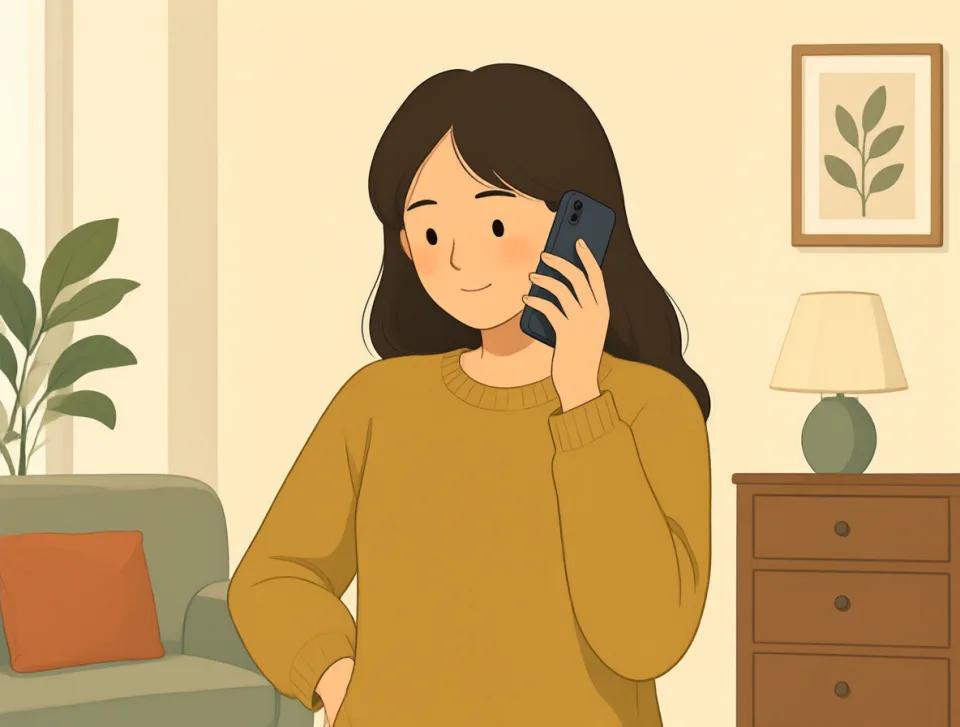
I will call you soon.
मैं तुम्हें जल्द फ़ोन करूँगा।
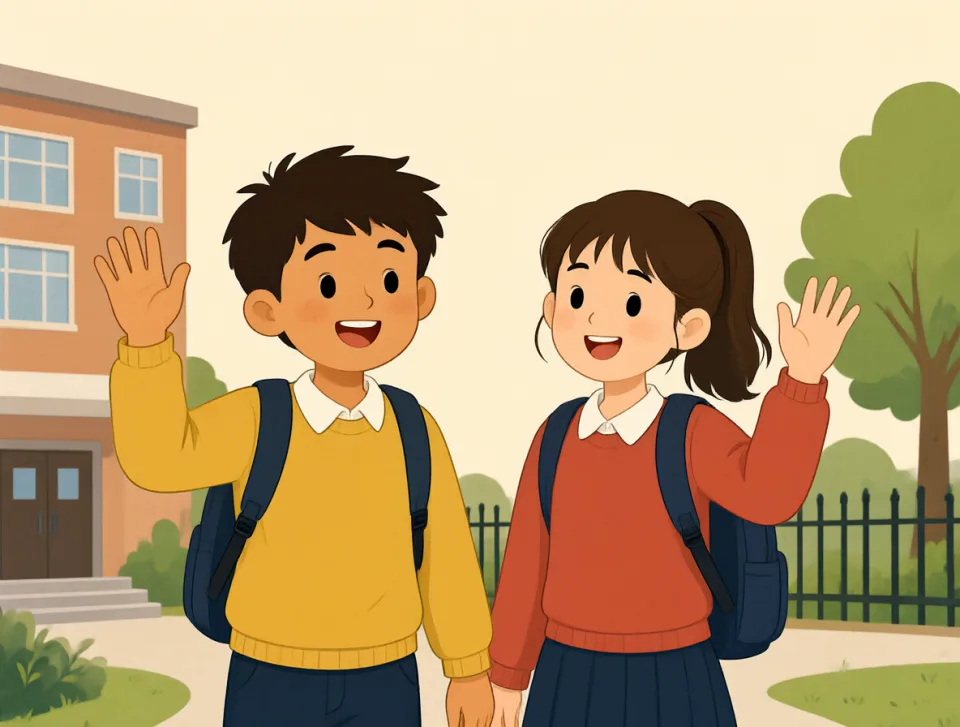
See you soon at school.
स्कूल में जल्द मिलते हैं।
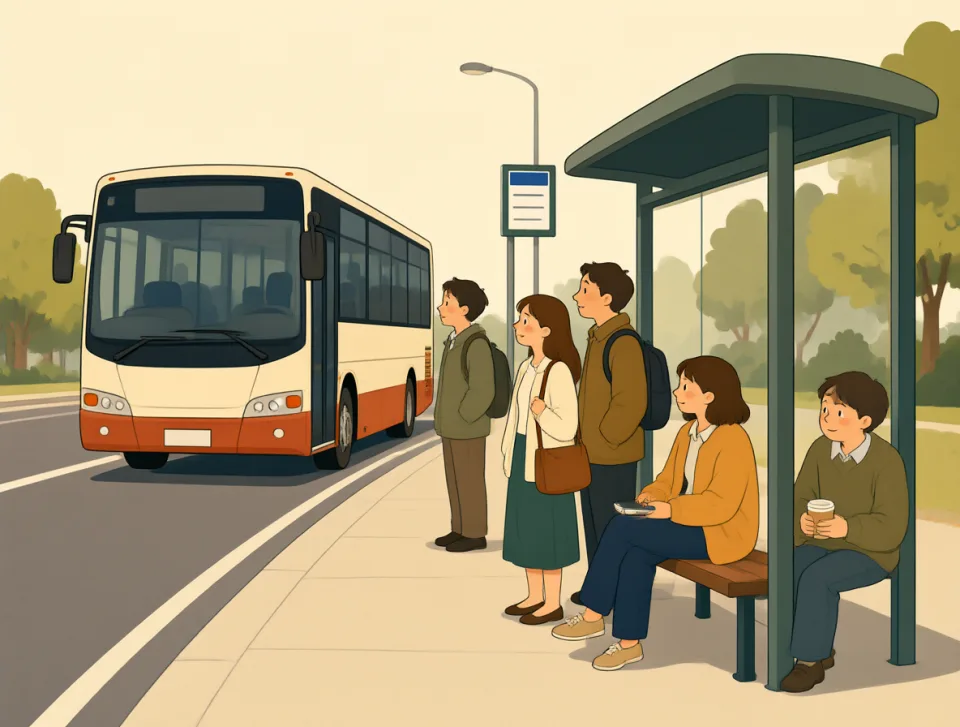
The bus will arrive soon.
बस जल्द ही पहुँच जाएगी।
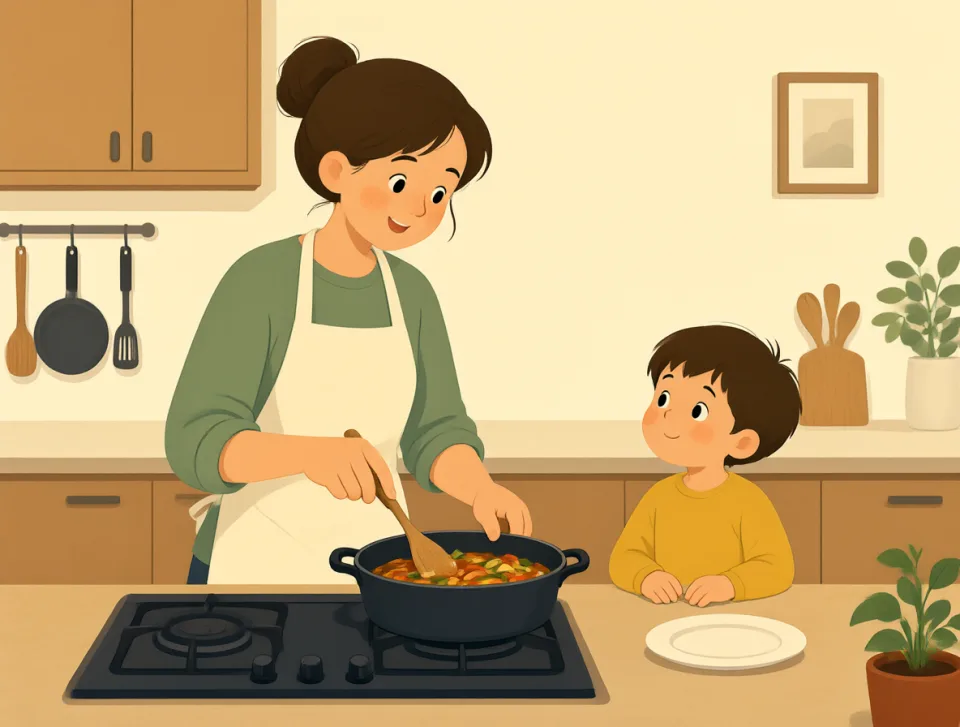
Dinner will be ready soon.
रात का खाना जल्द ही तैयार हो जाएगा।
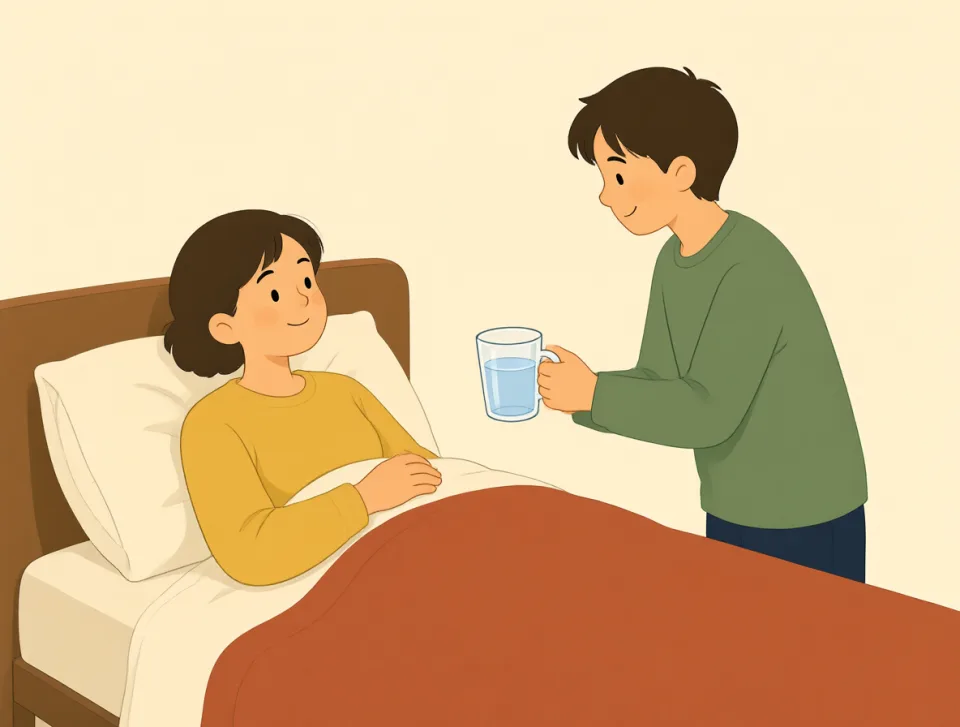
She soon felt better after resting.
आराम करने के बाद वह जल्द ही बेहतर महसूस करने लगी।
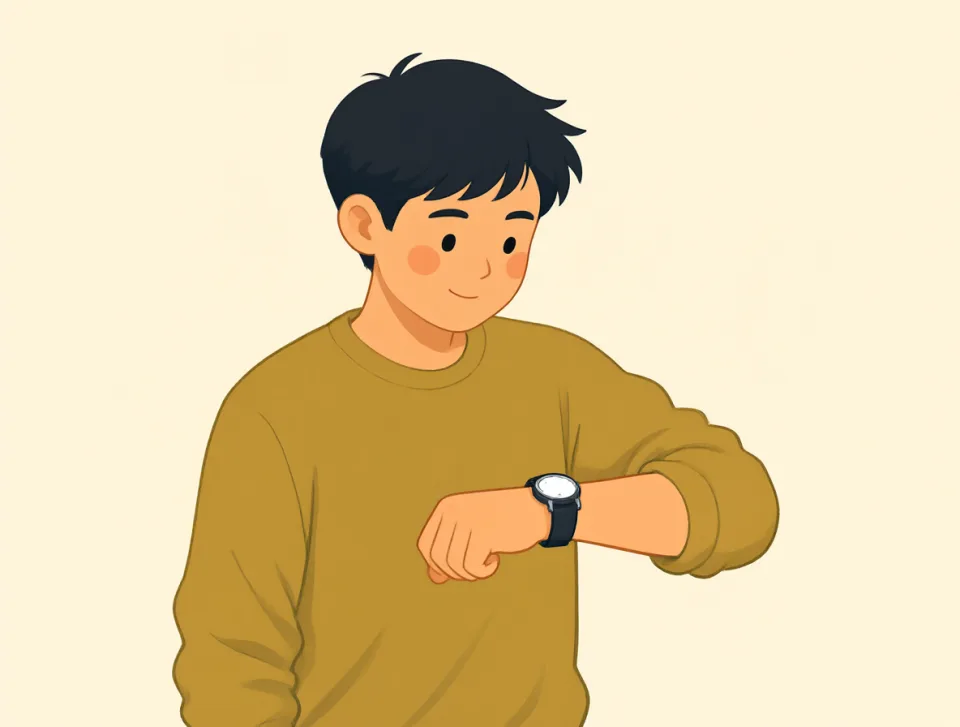
watch
#326verb, noun
देखना; घड़ी
To look at something carefully, or a small clock worn on your wrist.
किसी चीज़ को ध्यान से देखना, या कलाई पर पहनी जाने वाली छोटी घड़ी।
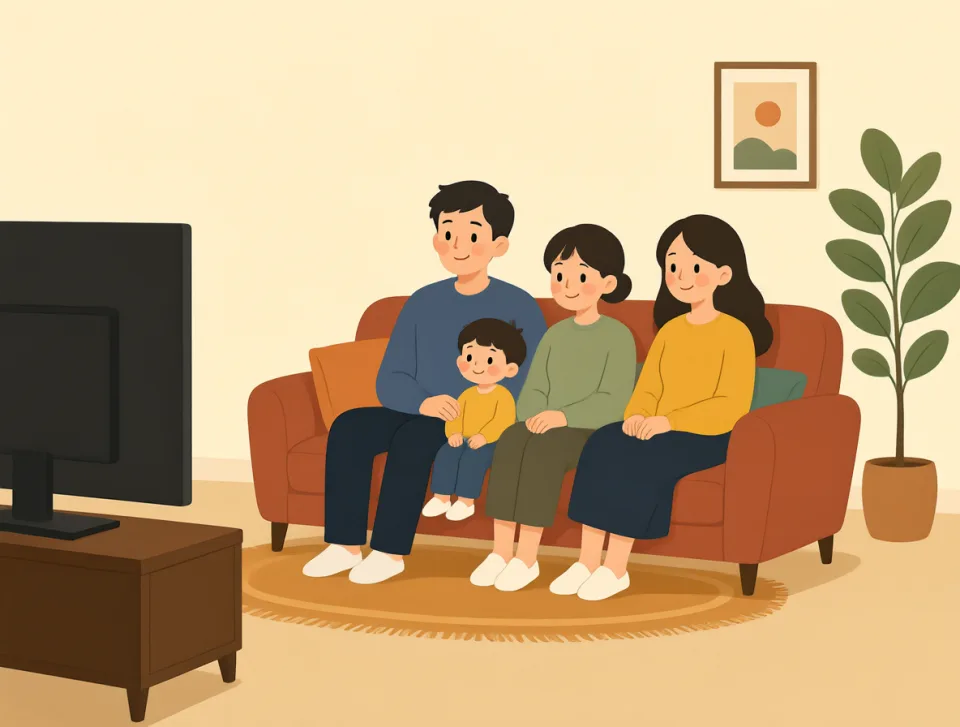
We watch television after dinner.
हम रात के खाने के बाद टीवी देखते हैं।
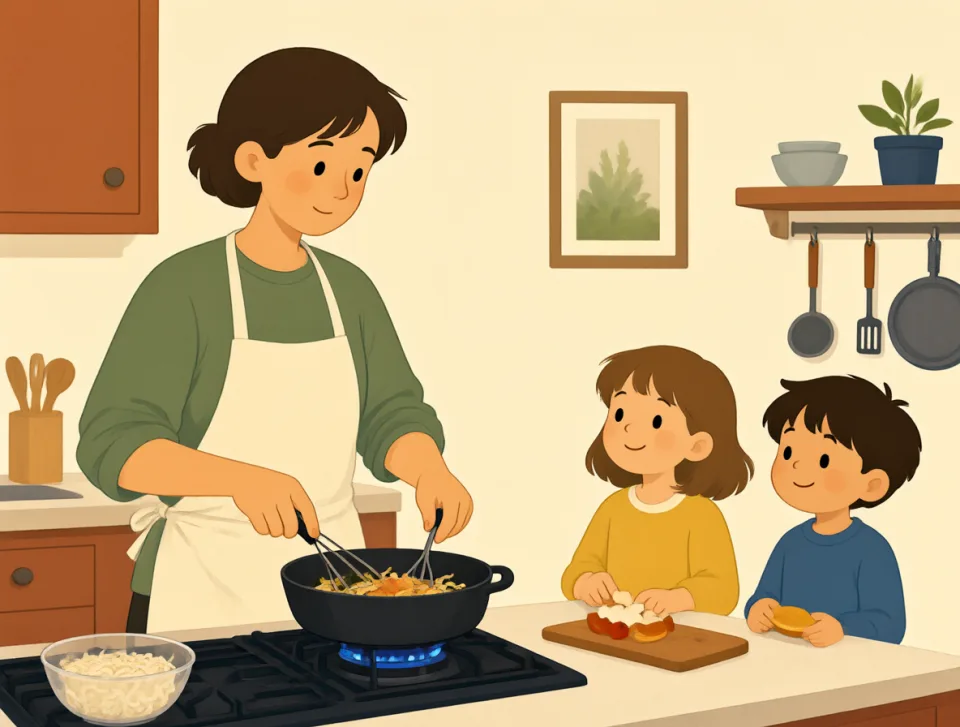
Watch the children while I cook.
जब तक मैं खाना बनाऊँ, बच्चों पर नज़र रखना।

I watched a movie with my friends.
मैंने अपने दोस्तों के साथ एक फ़िल्म देखी।
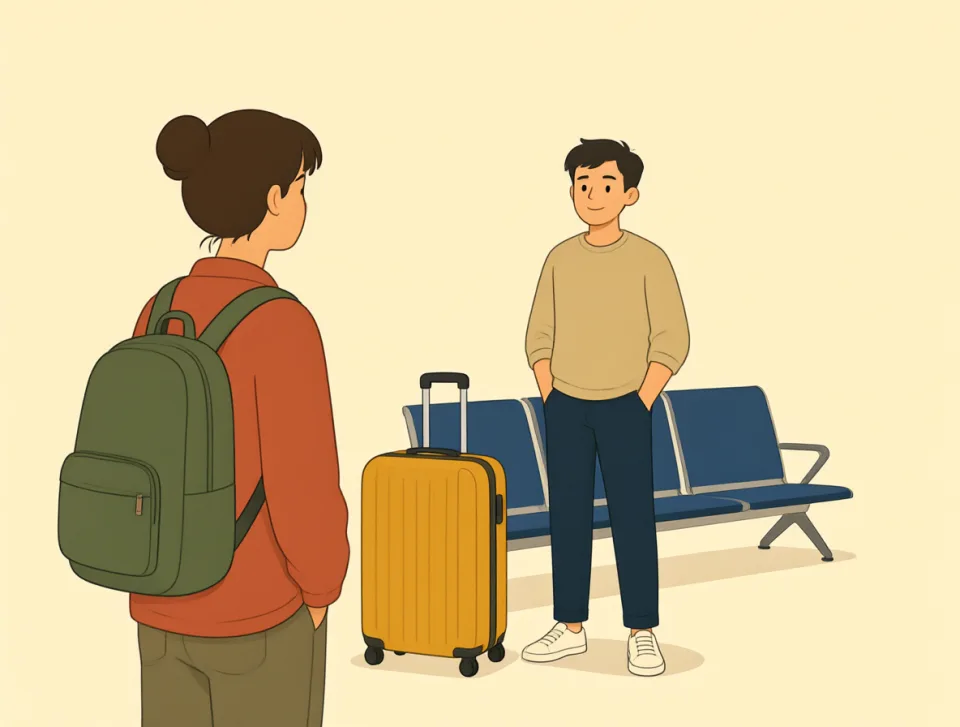
Please watch your bag at the airport.
कृपया हवाई अड्डे पर अपने बैग का ध्यान रखें।
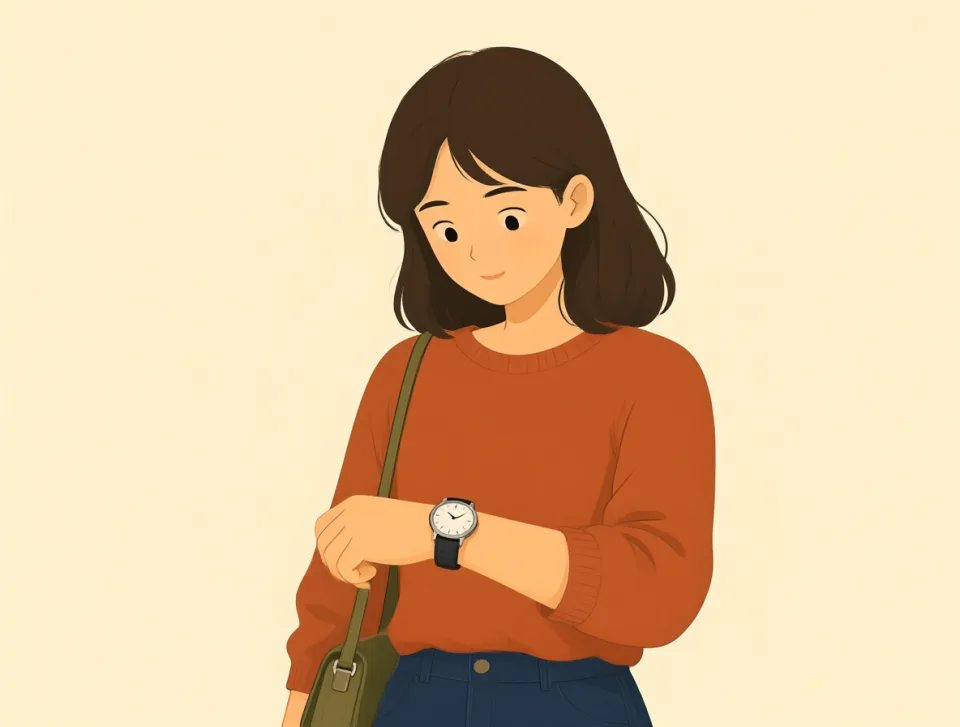
Her watch stopped this morning.
आज सुबह उसकी घड़ी बंद हो गई।

base
#327noun, verb
आधार
The bottom part supporting something, or the place used for a special purpose.
किसी चीज़ को सहारा देने वाला निचला हिस्सा, या किसी खास उद्देश्य के लिए इस्तेमाल की जाने वाली जगह।
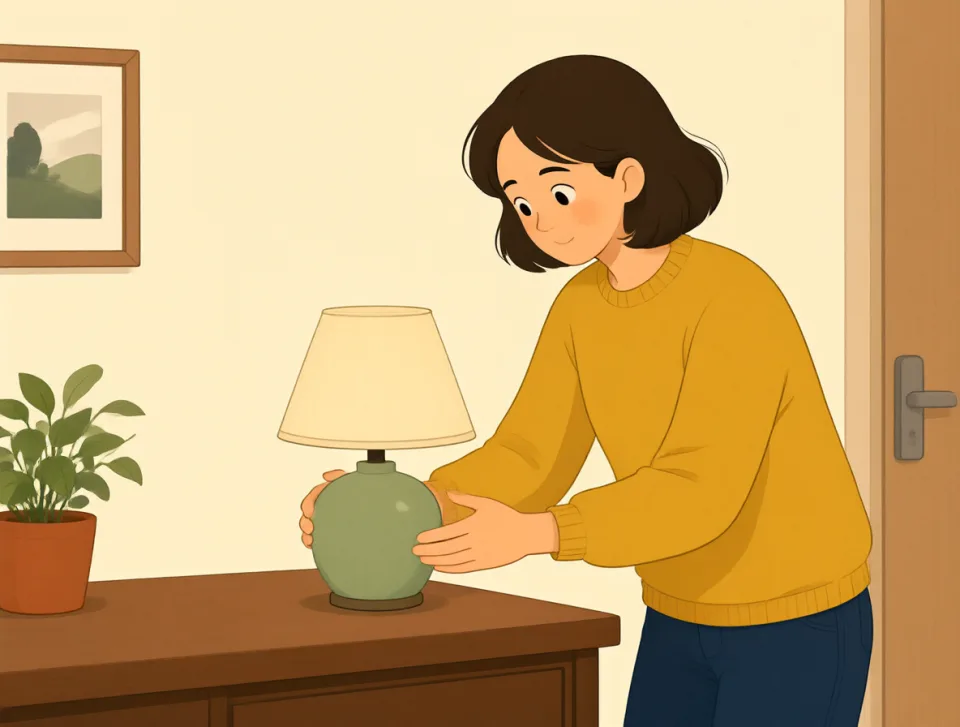
The lamp has a heavy base.
लैंप का आधार भारी है।
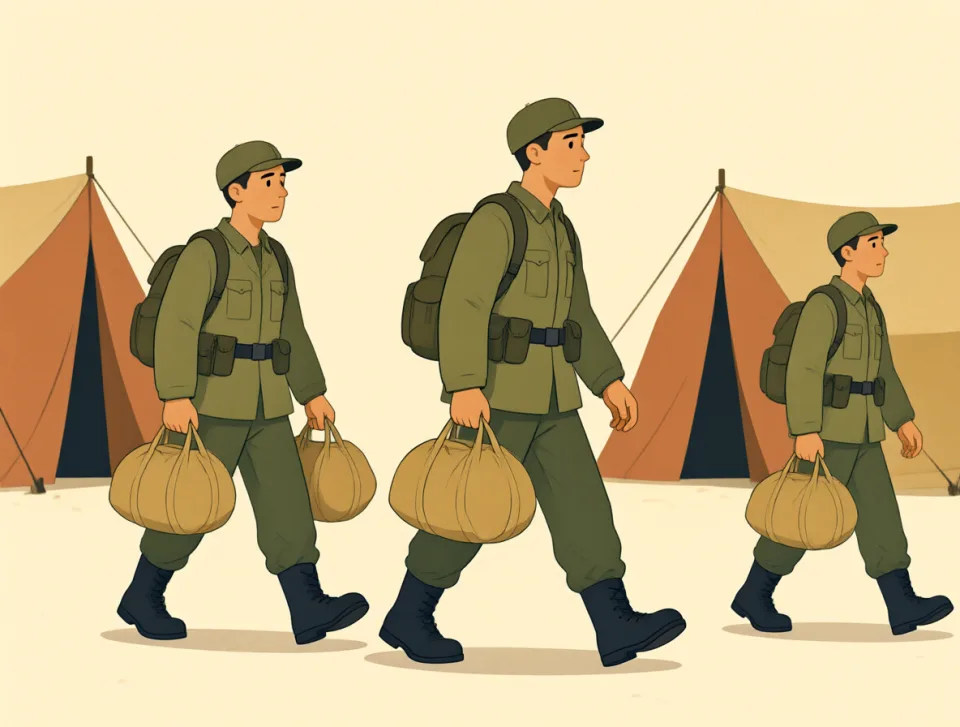
The soldiers returned to their base.
सैनिक अपने अड्डे पर लौट आए।
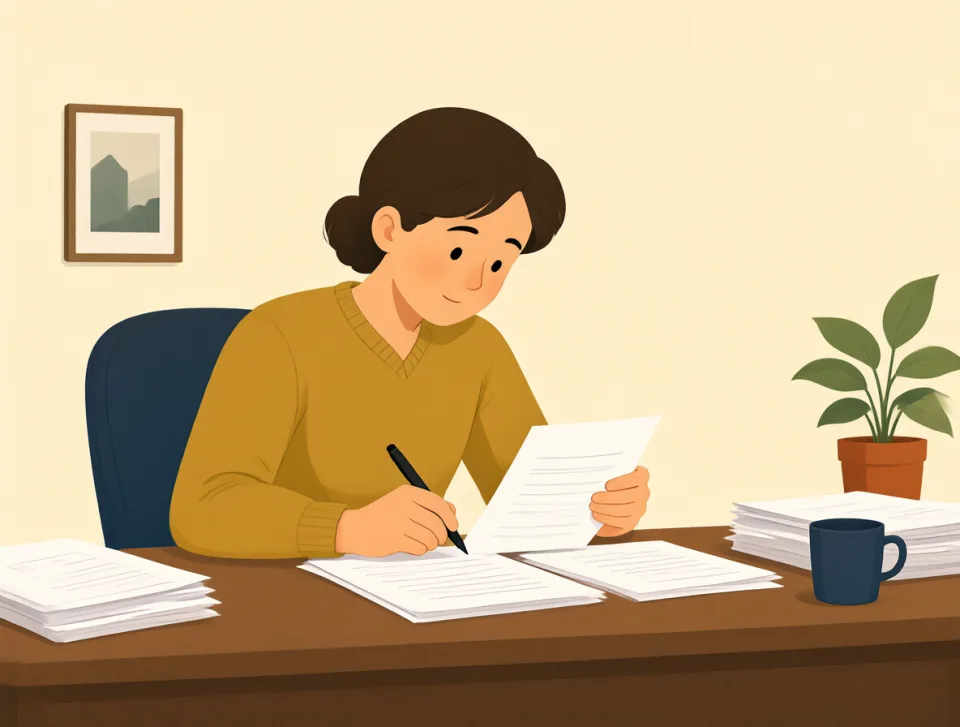
The report is based on recent research.
यह रिपोर्ट हालिया शोध पर आधारित है।
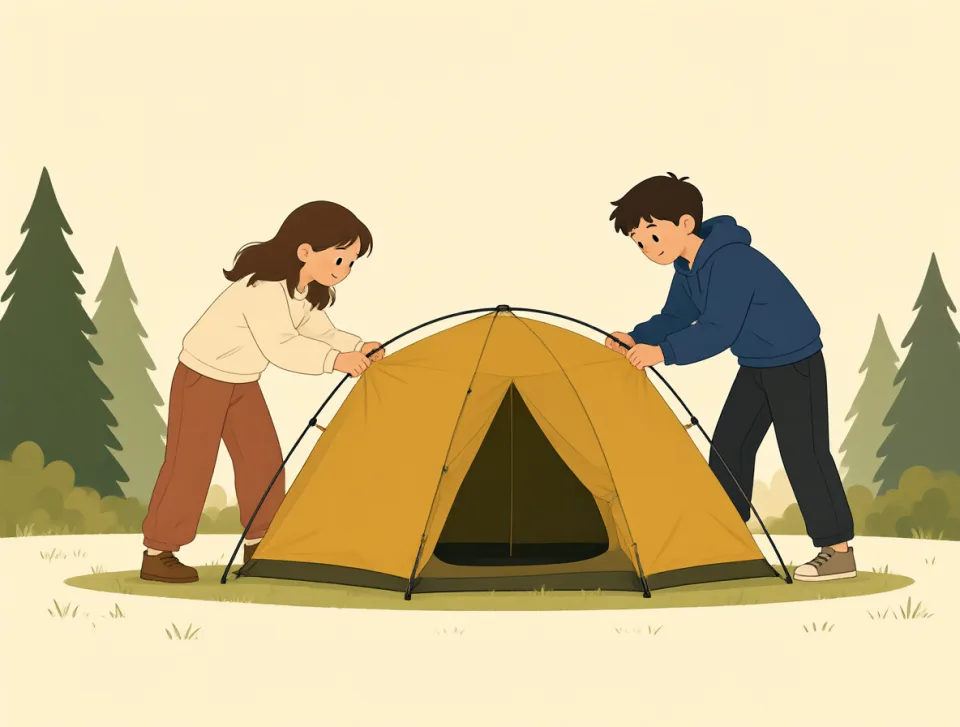
We need a strong base for the tent.
हमें तंबू के लिए एक मज़बूत आधार चाहिए।
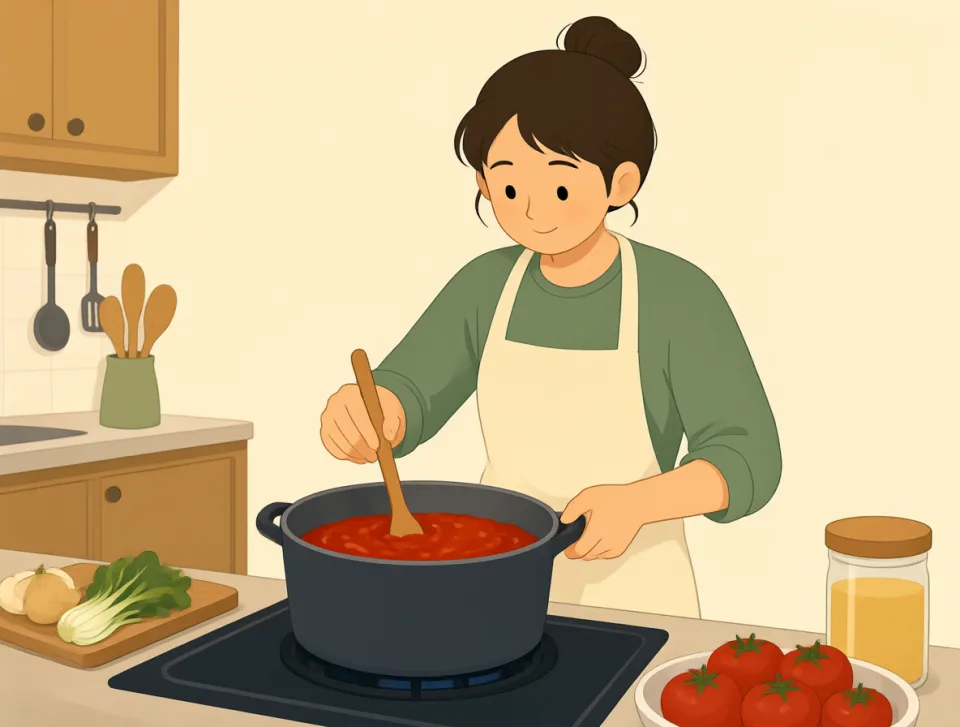
The sauce has a tomato base.
इस सॉस का आधार टमाटर है।
probably
#328adverb
शायद
Used to say that something is likely to happen or be true.
यह बताने के लिए इस्तेमाल होता है कि कुछ होने या सच होने की संभावना है।
She will probably come home late.
वह शायद देर से घर आएगी।
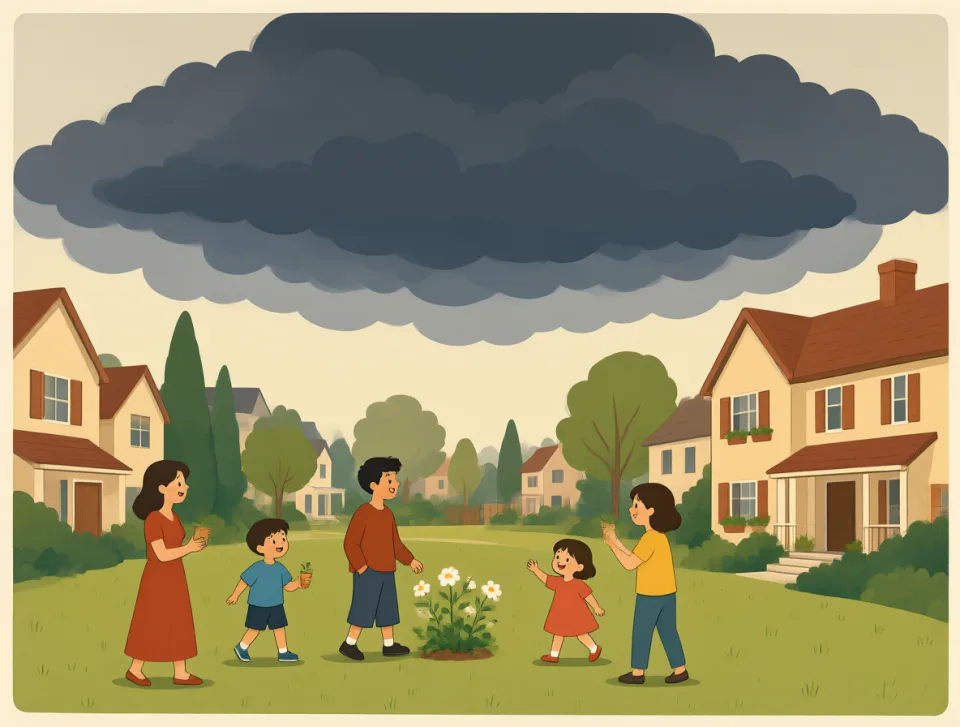
It will probably rain this afternoon.
आज दोपहर शायद बारिश होगी।

He is probably at work now.
वह शायद अभी काम पर है।
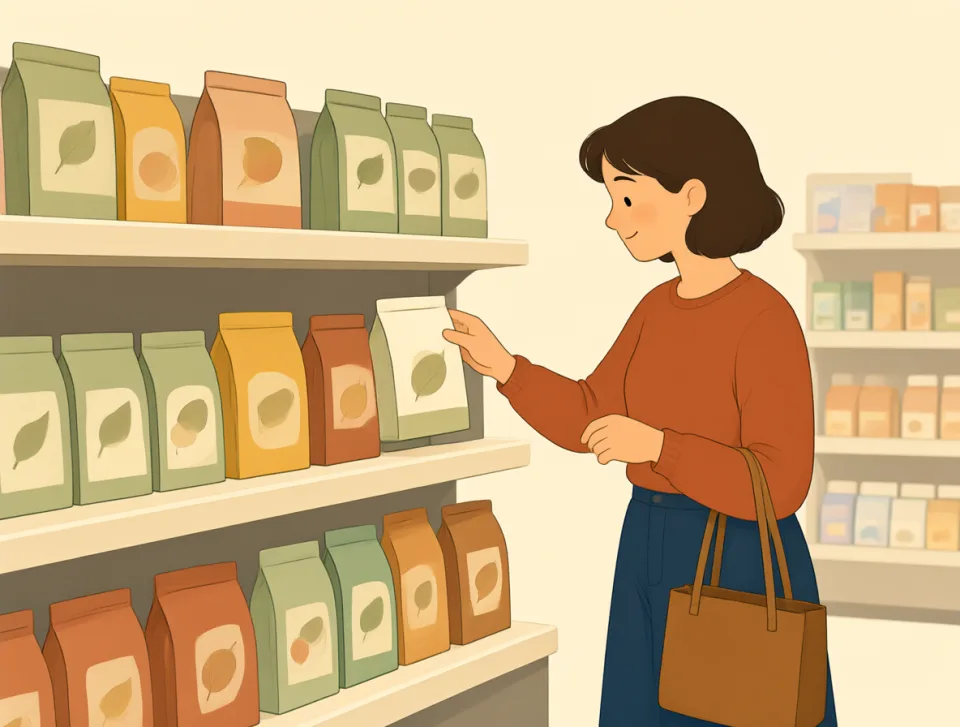
This is probably the best choice.
यह शायद सबसे अच्छा विकल्प है।
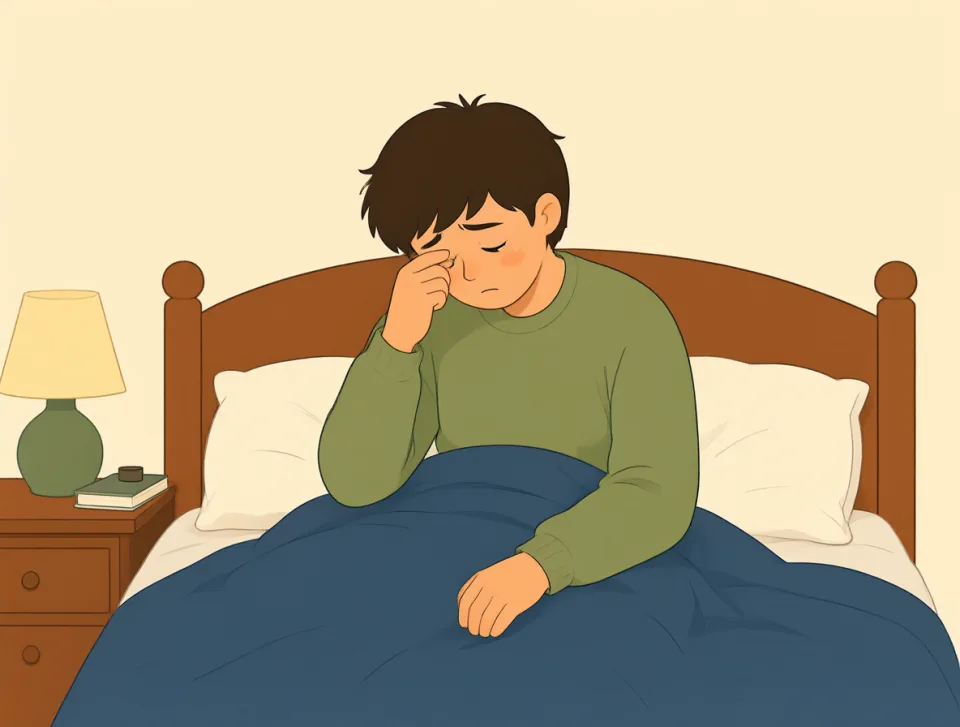
You probably need more sleep.
तुम्हें शायद और सोने की ज़रूरत है।
suggest
#329verb
सुझाव देना
To give an idea or plan for someone to think about or use.
किसी को सोचने या अपनाने के लिए कोई विचार या योजना देना।
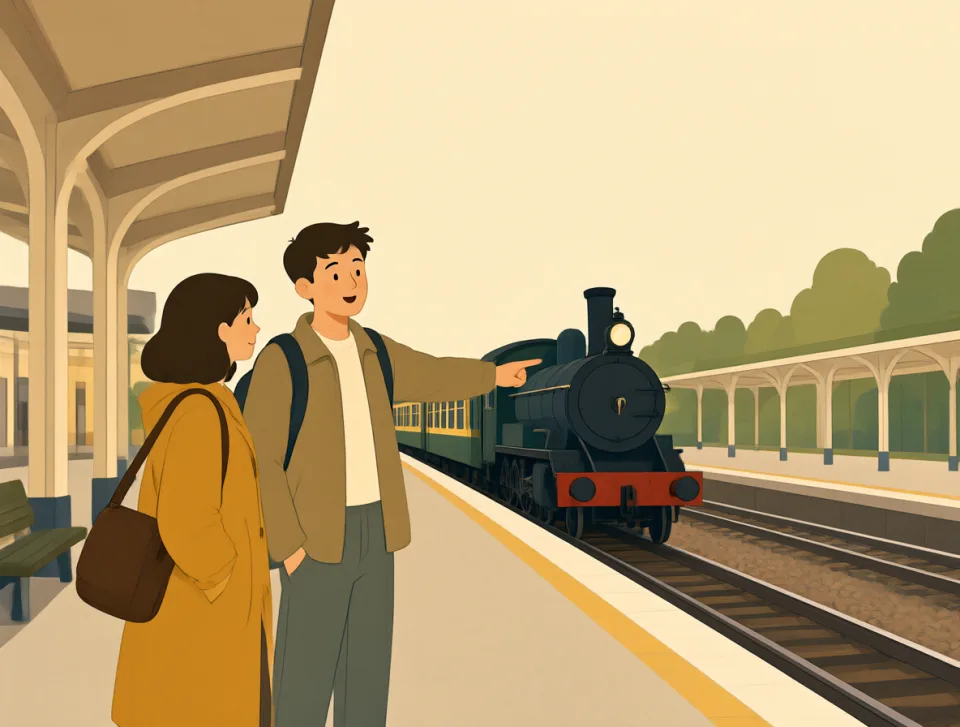
I suggest taking the early train.
मेरा सुझाव है कि जल्दी वाली ट्रेन लें।

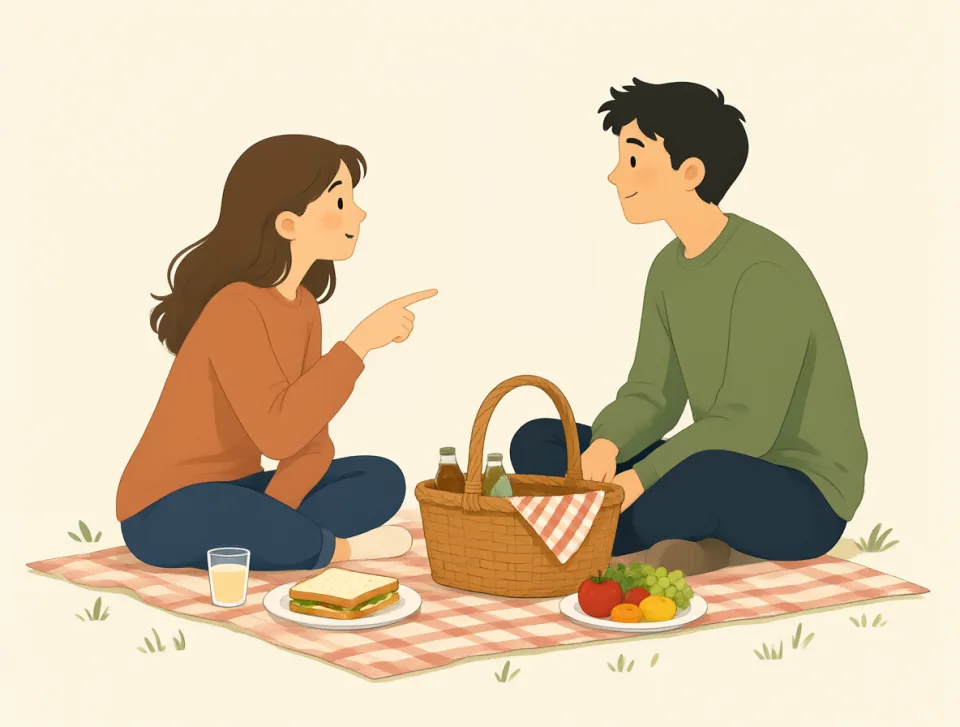
She suggested a new restaurant for dinner.
उसने रात के खाने के लिए एक नए रेस्तराँ का सुझाव दिया।
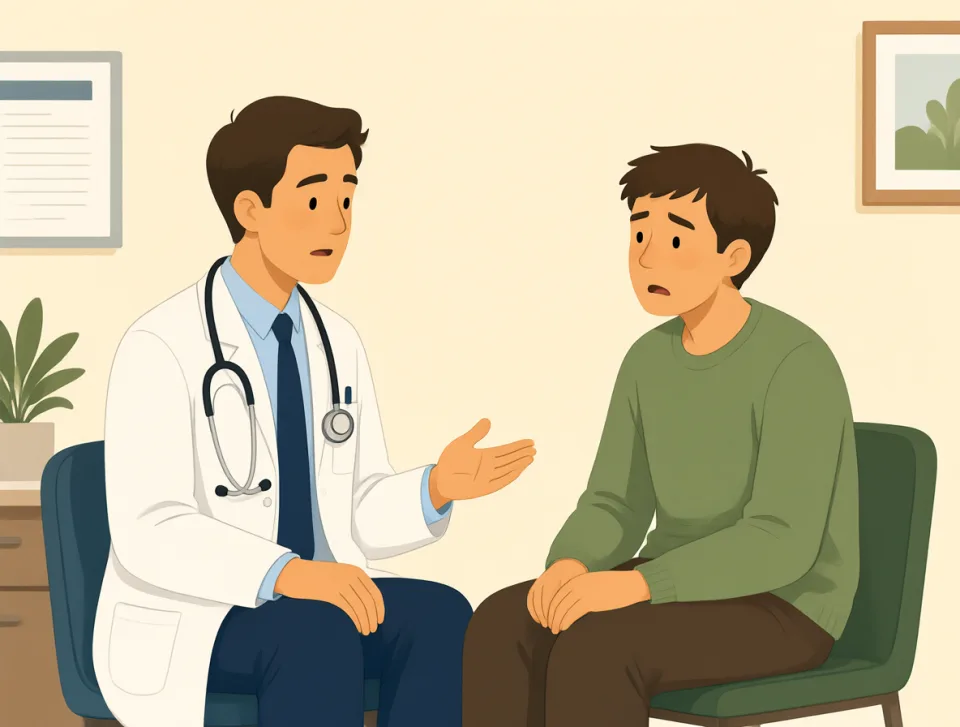
The doctor suggested getting more sleep.
डॉक्टर ने ज़्यादा सोने की सलाह दी।
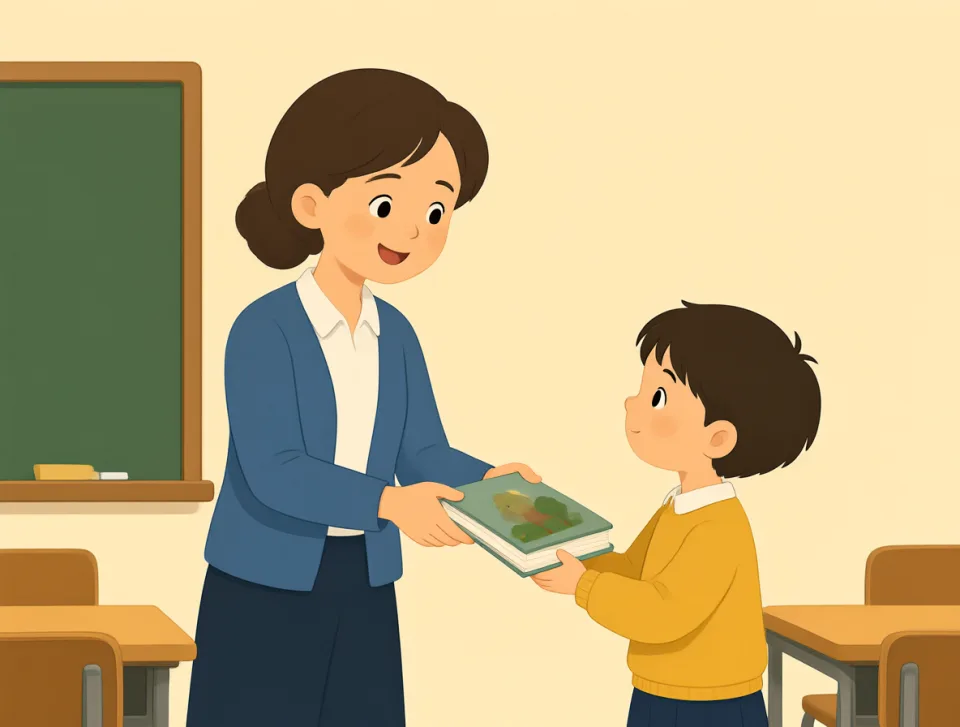
My teacher suggested reading this book.
मेरे शिक्षक ने यह किताब पढ़ने का सुझाव दिया।
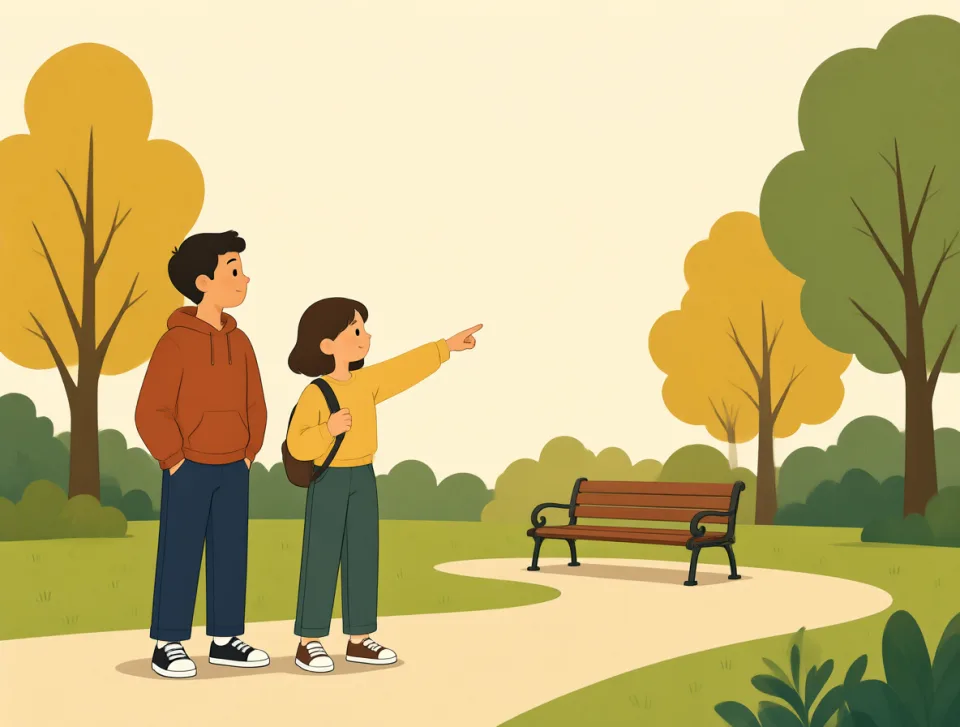
They suggested meeting at the park.
उन्होंने पार्क में मिलने का सुझाव दिया।
past
#330noun, adjective, adverb, preposition
बीता हुआ समय; आगे से गुजरना
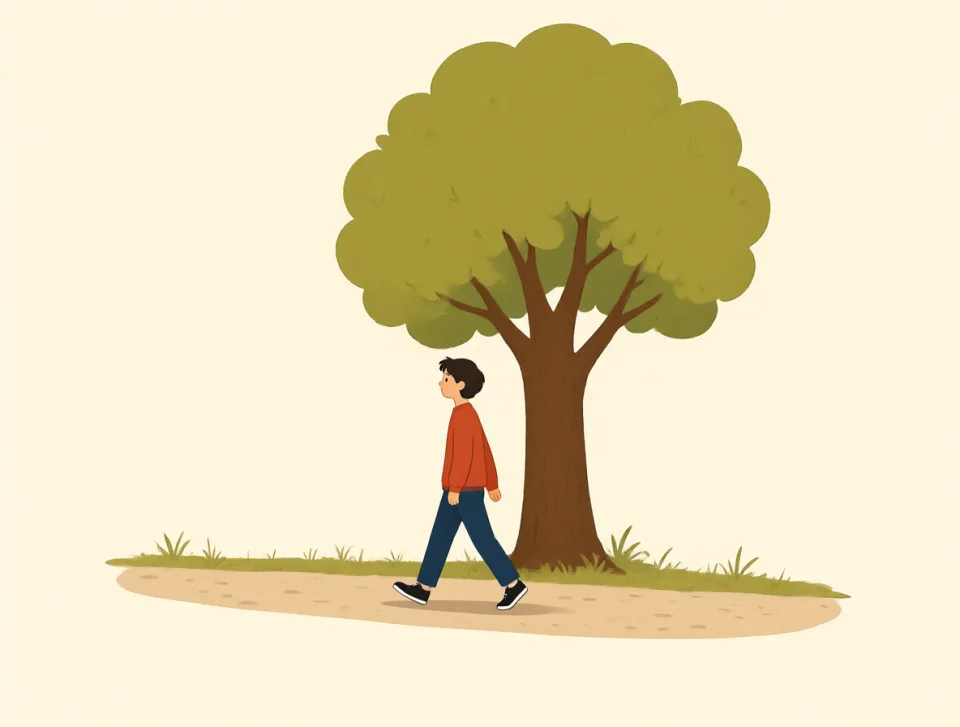
The time before now, or moving from one place to another.
वर्तमान से पहले का समय, या एक जगह से दूसरी जगह के आगे से गुजरना।
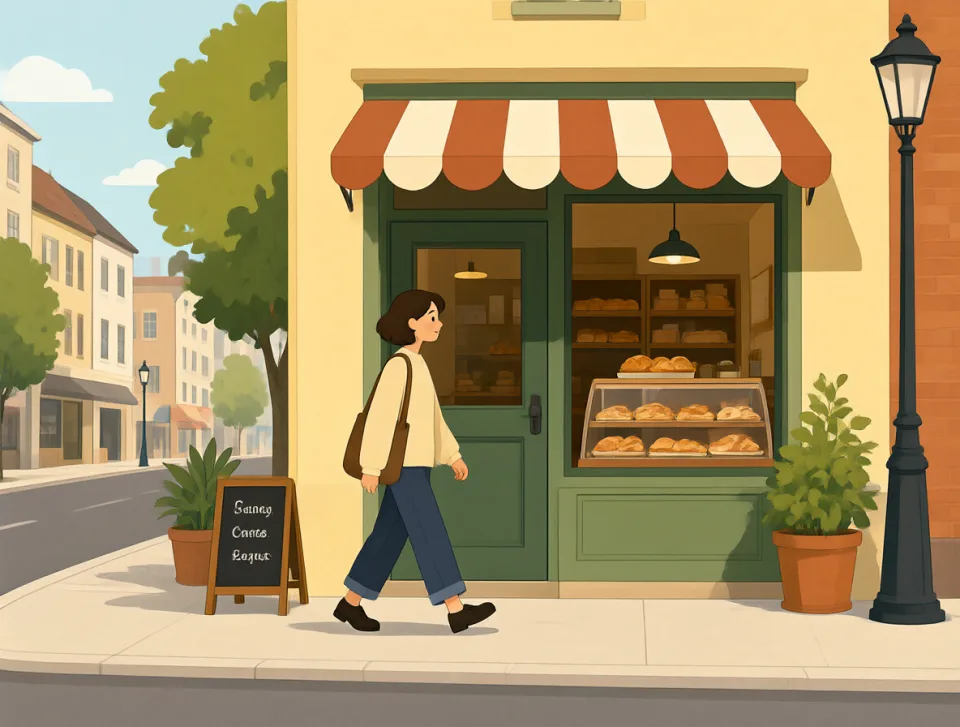
I walked past the bakery this morning.
मैं आज सुबह बेकरी के आगे से गुज़रा।
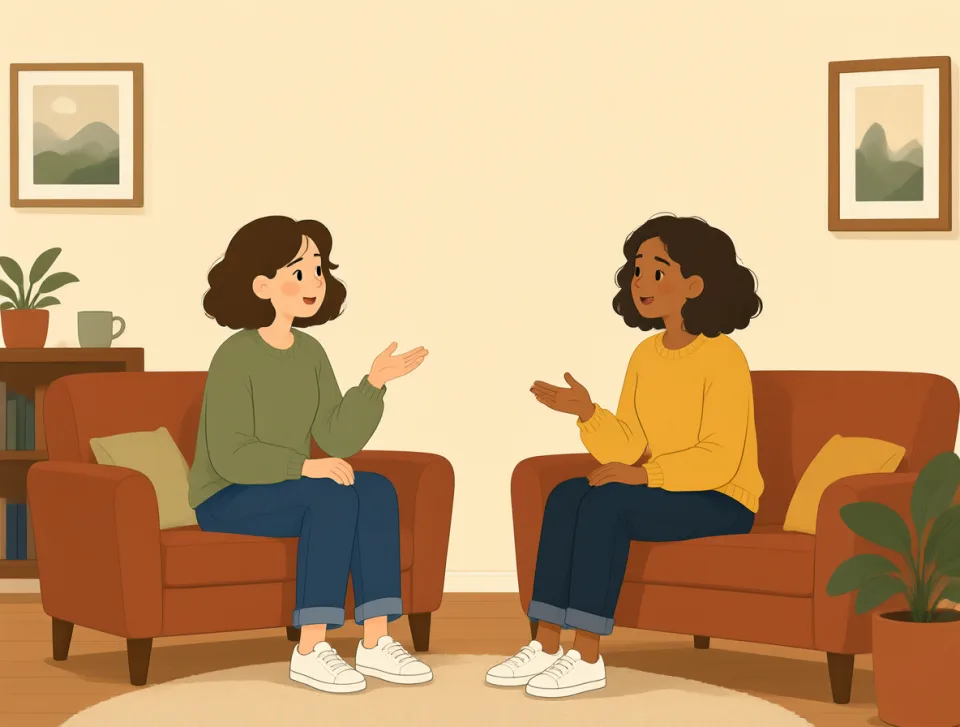
She told us about her past.
उसने हमें अपने अतीत के बारे में बताया।
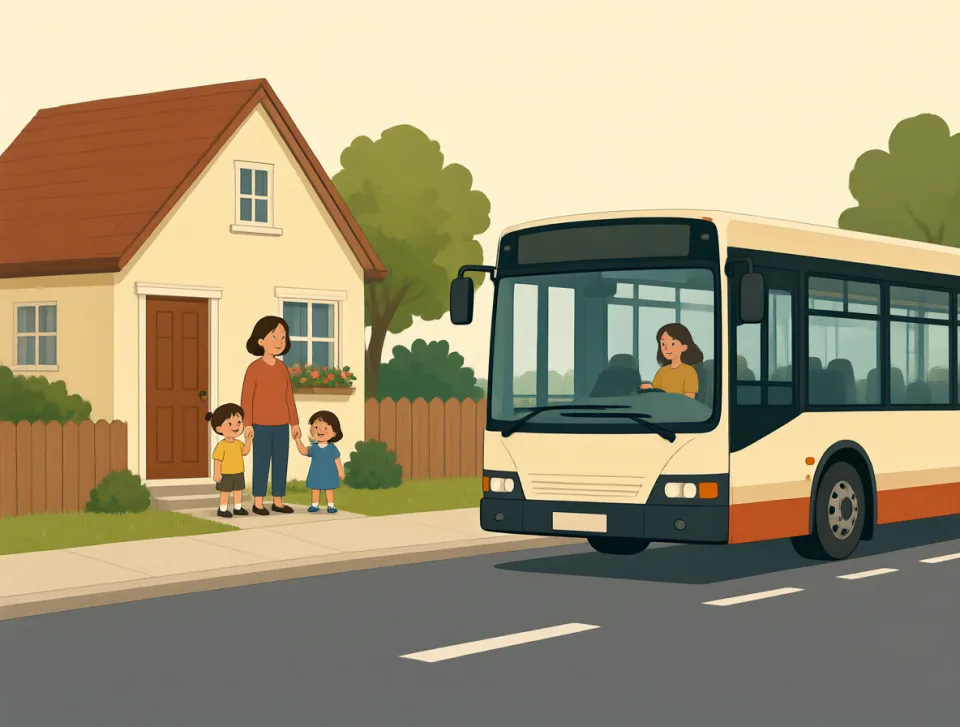
The bus drove past our house.
बस हमारे घर के आगे से गुज़री।

We stayed up past midnight.
हम आधी रात के बाद तक जागते रहे।
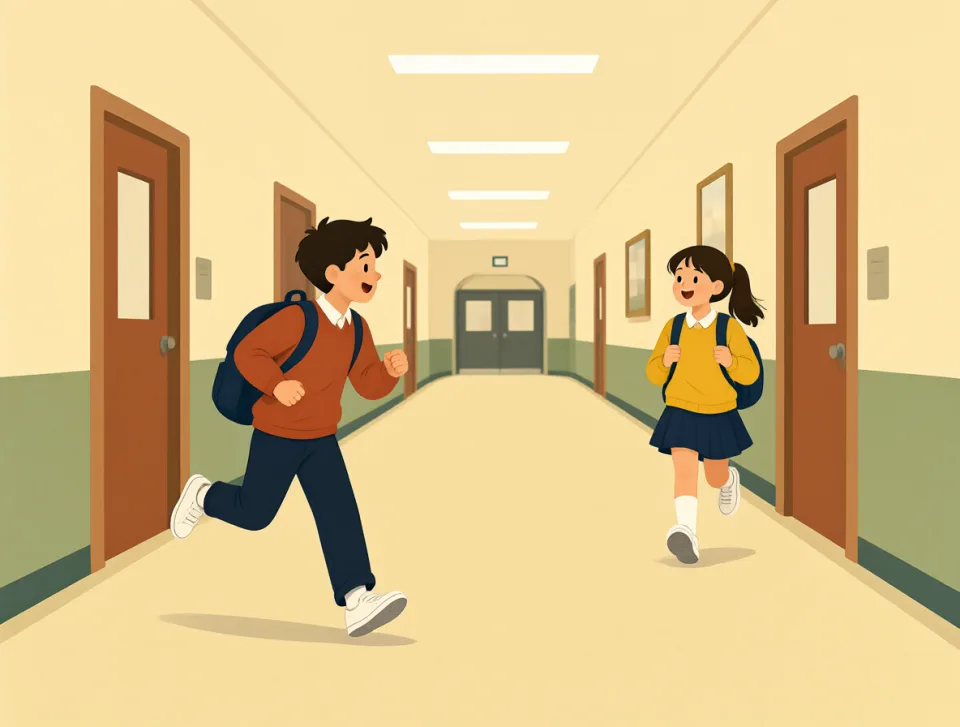
He ran past me at school.
वह स्कूल में मेरे आगे से दौड़ता हुआ निकला।
power
#331noun, verb
शक्ति
The ability or energy to control people or make things happen.
लोगों को नियंत्रित करने या कुछ घटित करने की क्षमता या ऊर्जा।
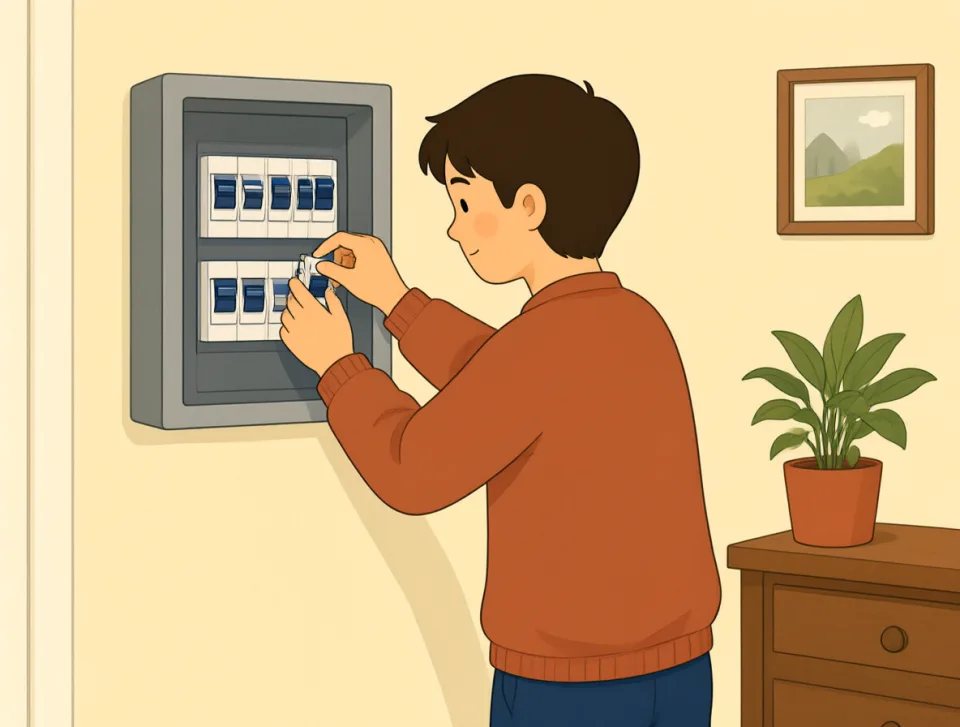
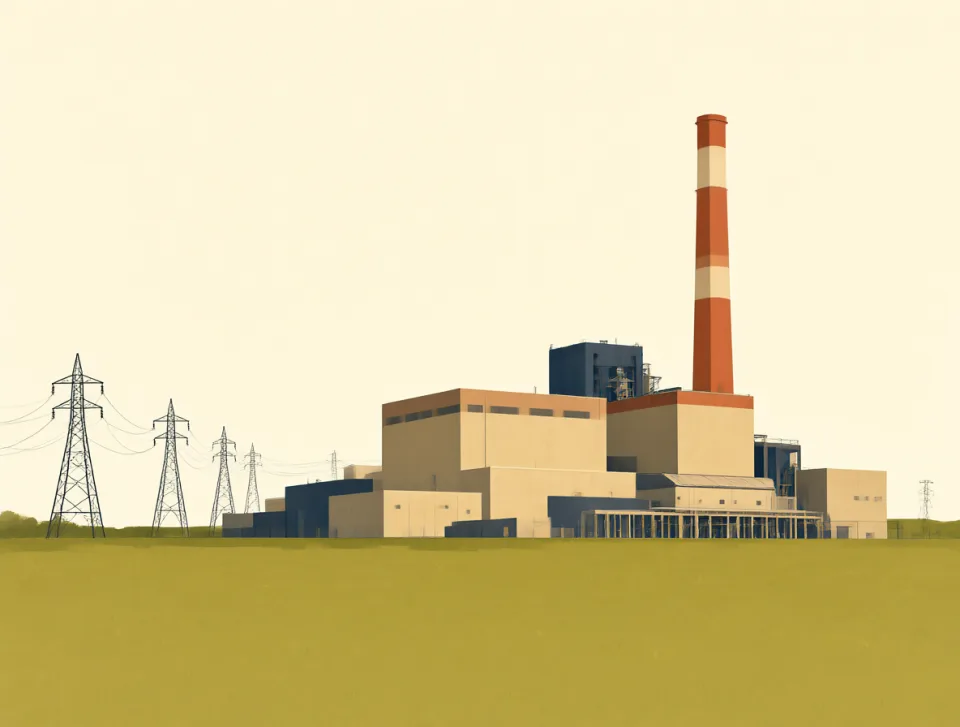
Please turn off the power before repairs.
मरम्मत करने से पहले कृपया बिजली बंद कर दें।
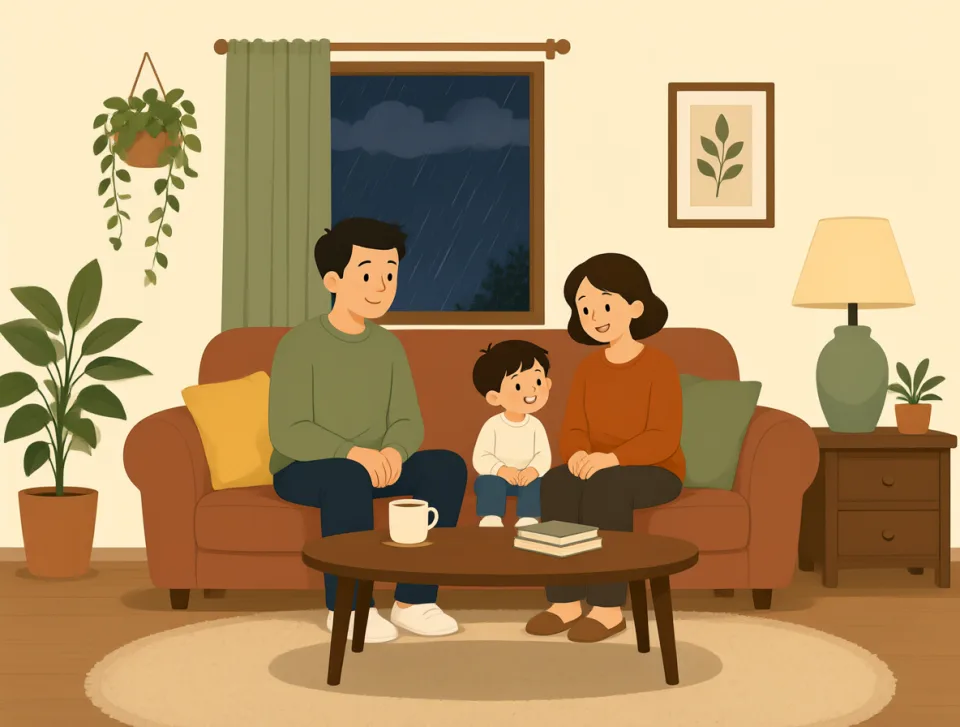
The storm knocked out power yesterday.
कल तूफ़ान की वजह से बिजली चली गई।
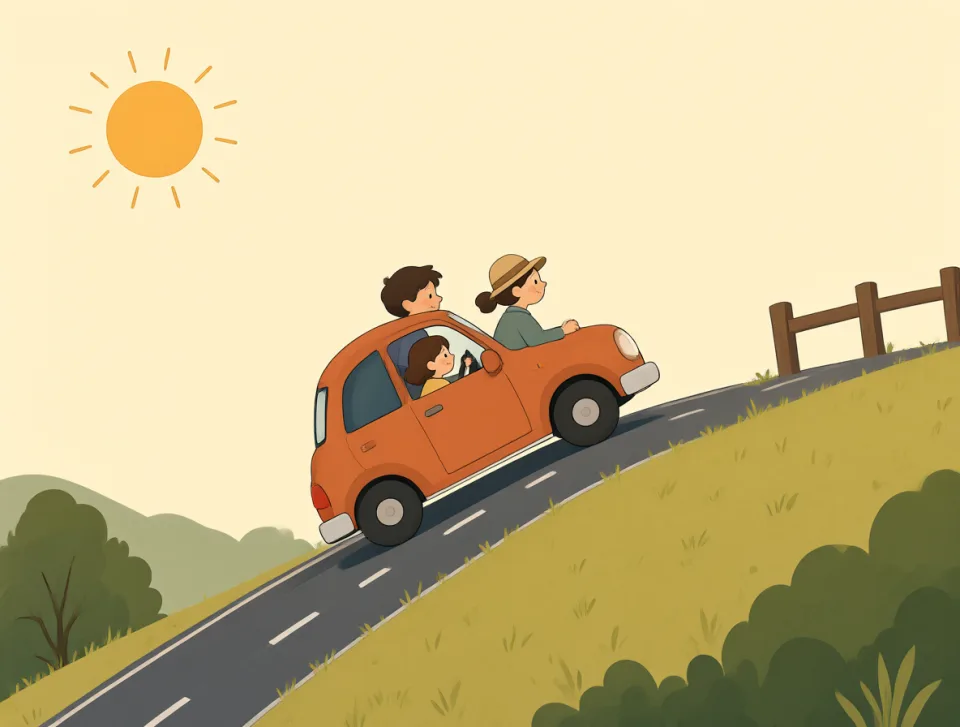
This engine has enough power for hills.
इस इंजन में पहाड़ियों पर चढ़ने के लिए पर्याप्त शक्ति है।

The new manager has power over hiring.
नए मैनेजर को भर्ती करने का अधिकार है।
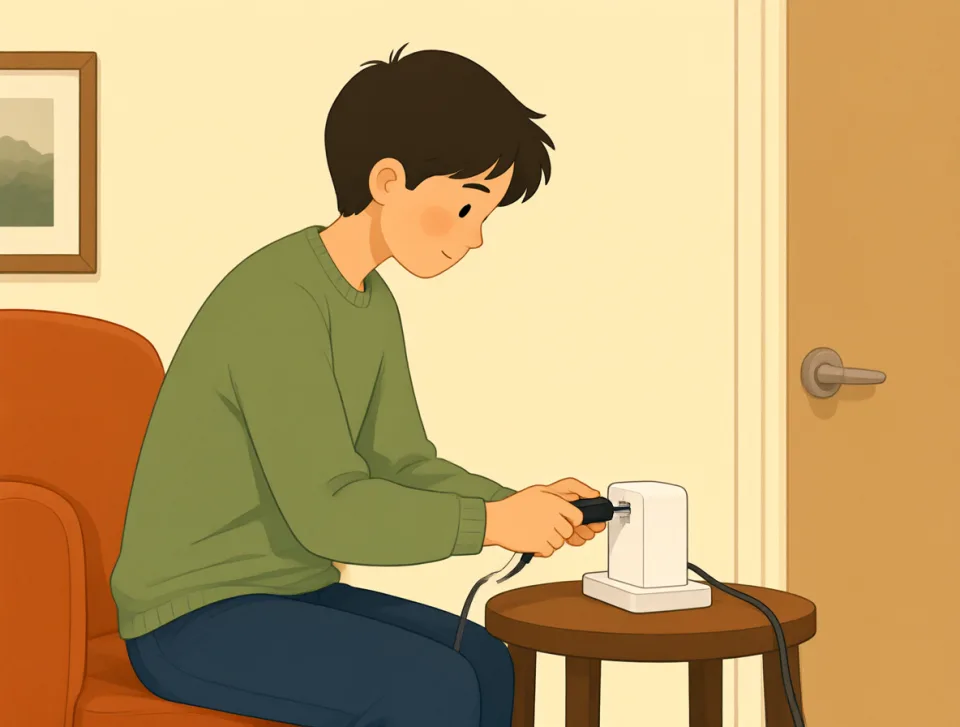
I power my phone with this small charger.
मैं इस छोटे चार्जर से अपने फ़ोन को चार्ज करता हूँ।
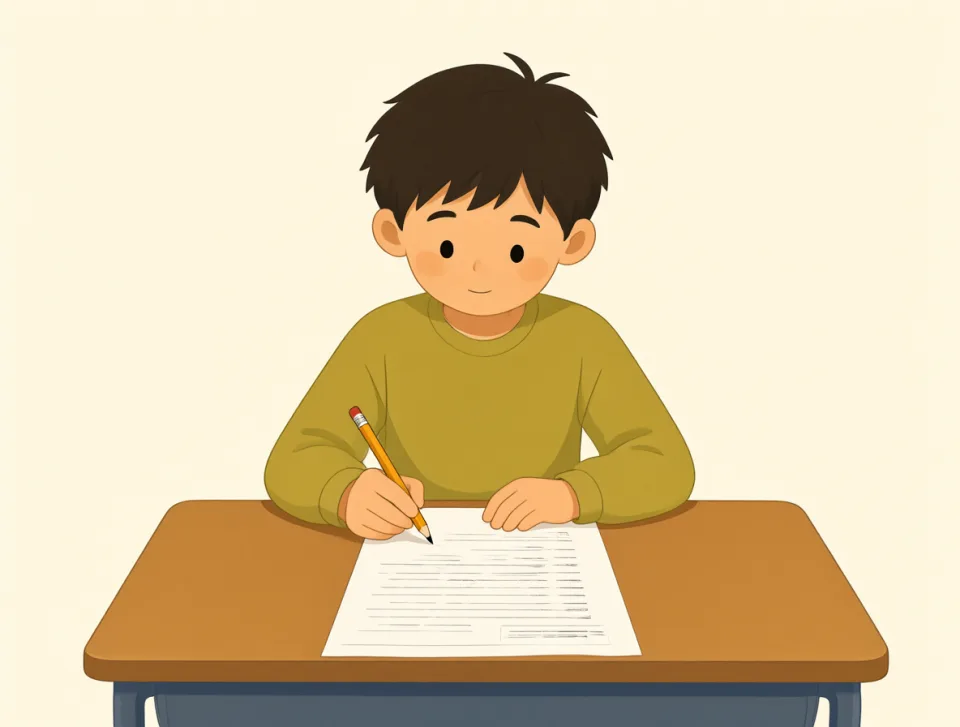
test
#332noun, verb
परीक्षा
an examination or trial used to check knowledge, ability, quality, or health
ज्ञान, क्षमता, गुणवत्ता या स्वास्थ्य की जाँच के लिए ली जाने वाली परीक्षा या किया जाने वाला परीक्षण।
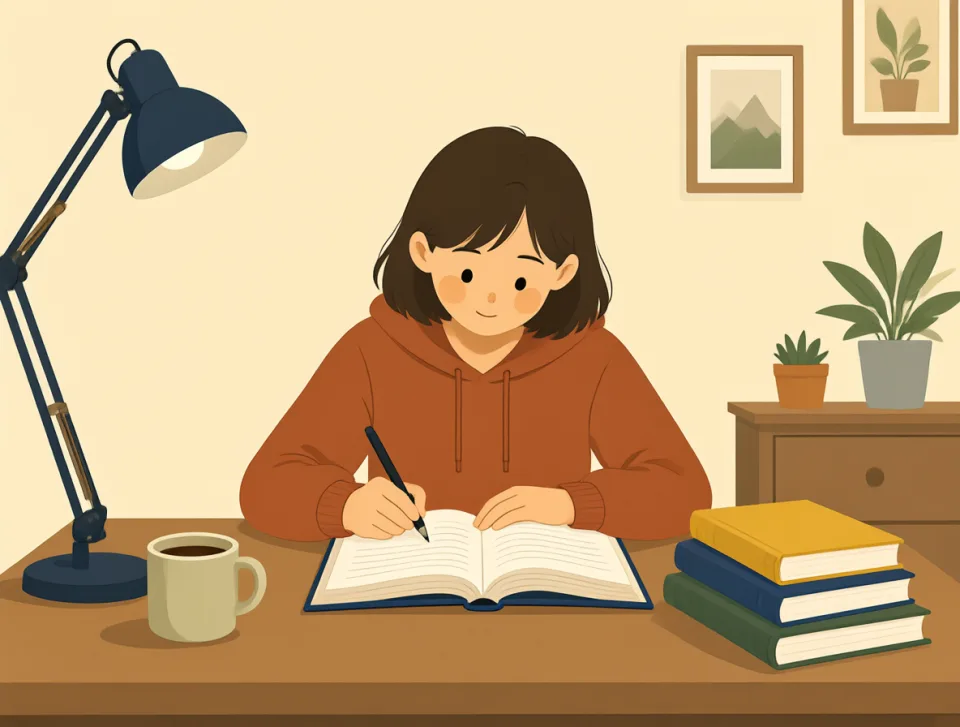
I have a math test tomorrow.
कल मेरी गणित की परीक्षा है।
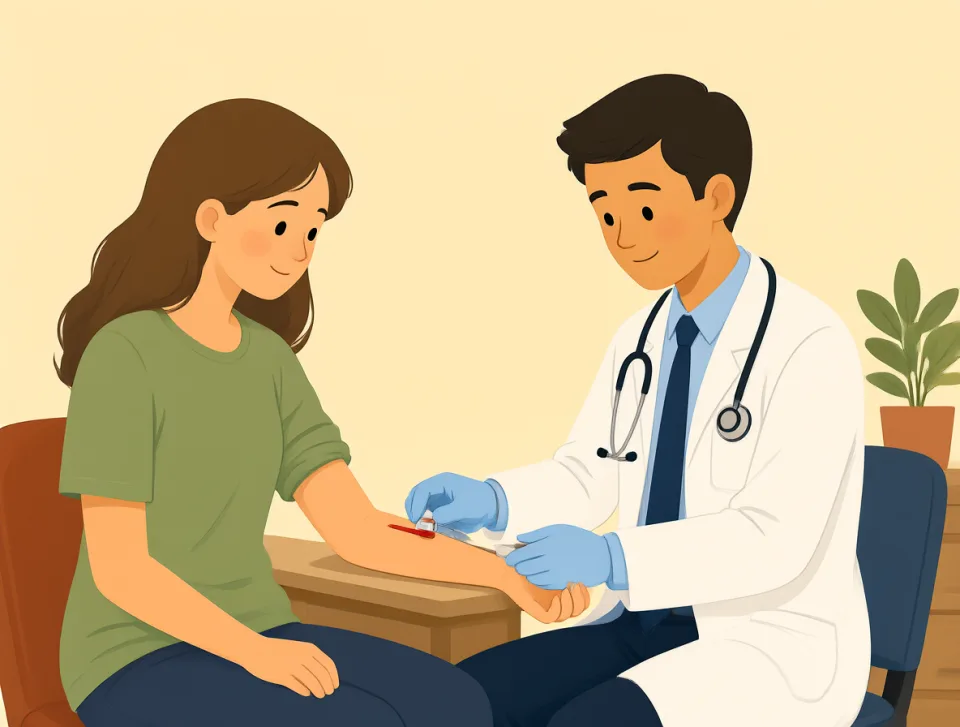
The doctor ordered a blood test.
डॉक्टर ने खून की जाँच कराने को कहा।
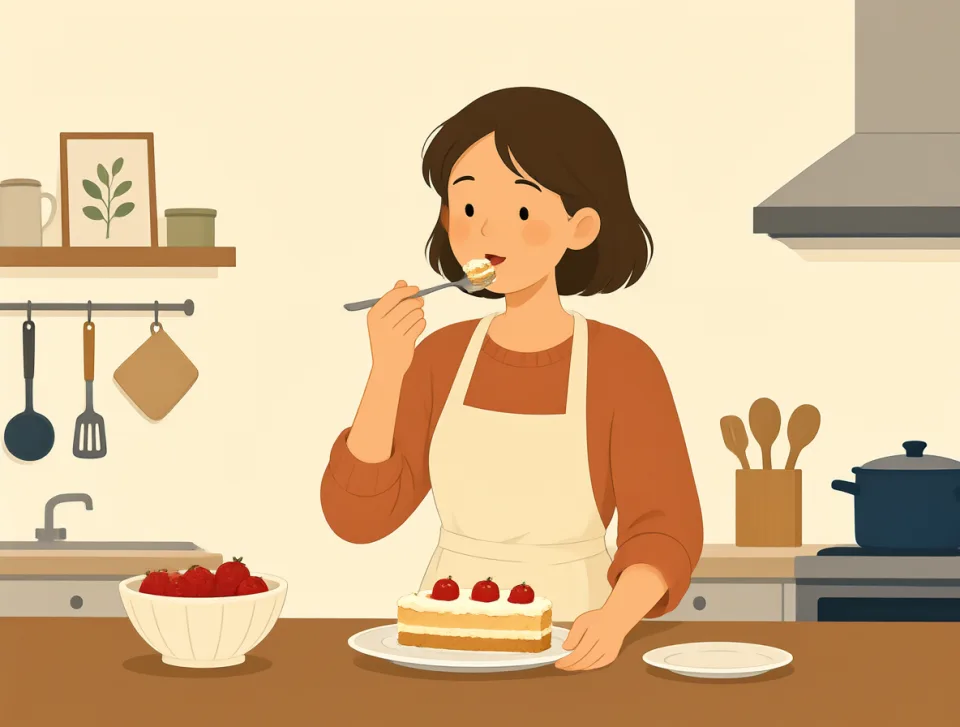
We tested the cake before serving it.
परोसने से पहले हमने केक चखकर देखा।
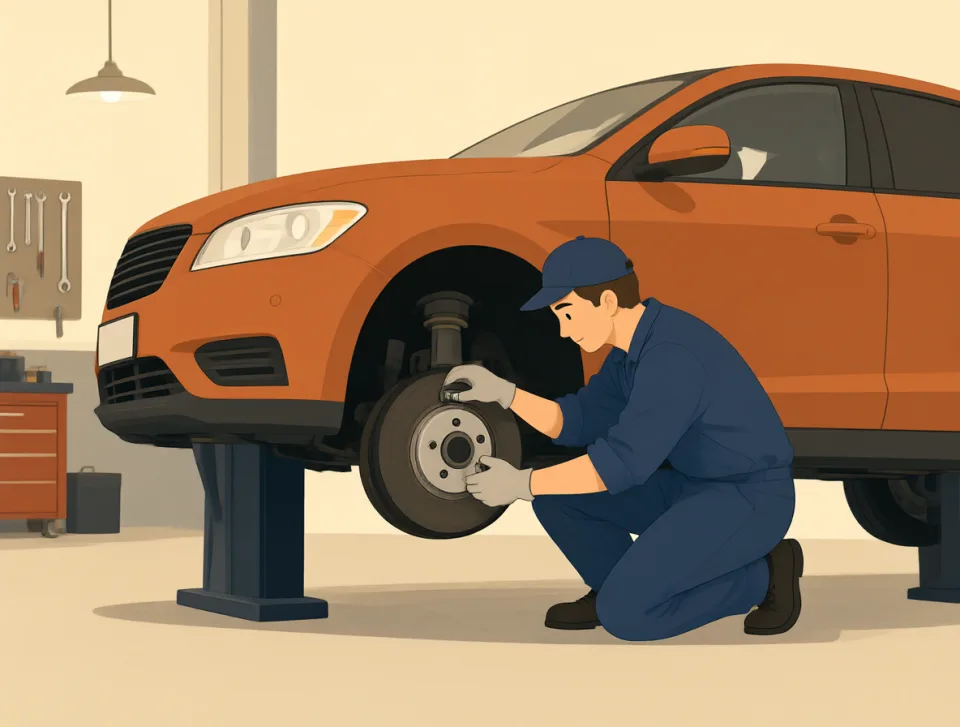
The mechanic tested my car's brakes.
मैकेनिक ने मेरी कार के ब्रेक जाँचे।
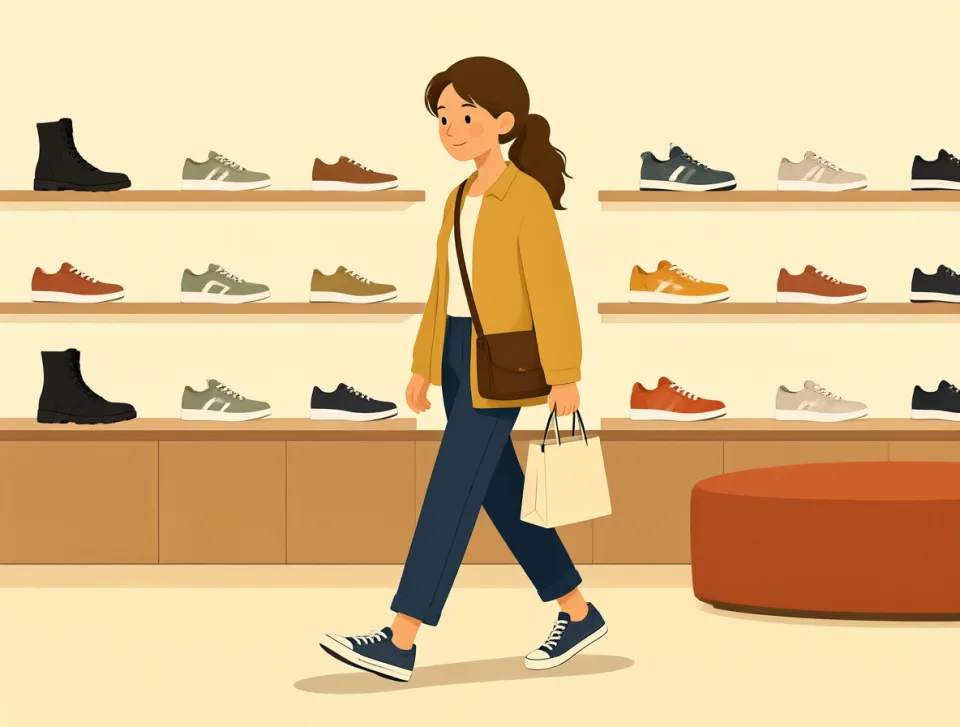
They test the new shoes in the store.
वे दुकान में नए जूते आज़माते हैं।
visit
#333verb, noun
मिलने जाना
to go to a person or place for a short time
किसी व्यक्ति या जगह पर थोड़े समय के लिए जाना।
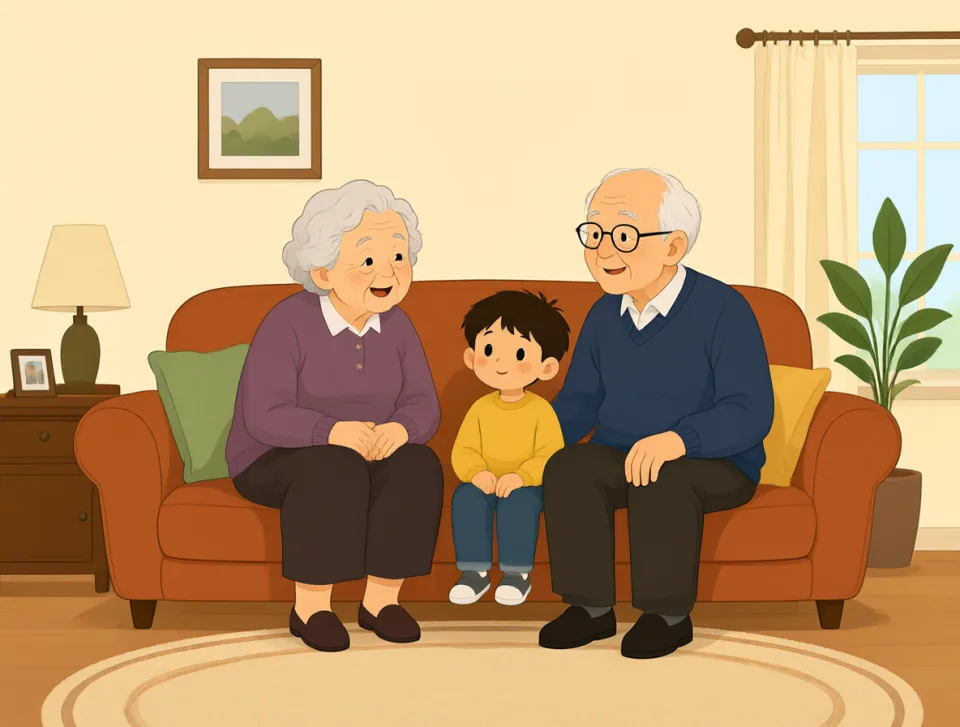
We visit our grandparents every Sunday.
हम हर रविवार अपने दादा-दादी से मिलने जाते हैं।
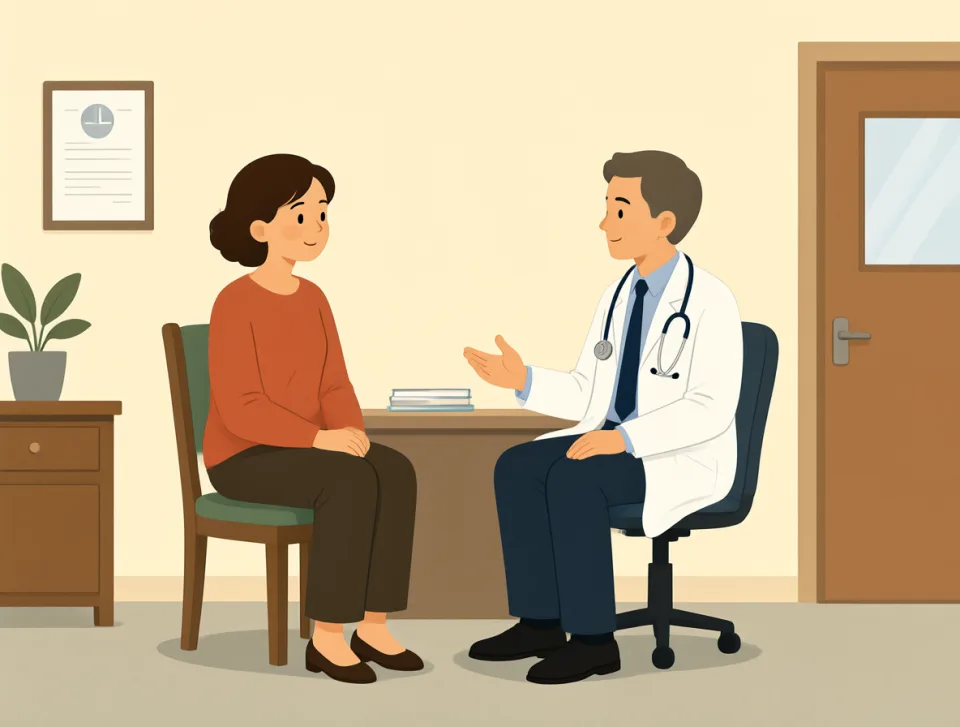
I visited the doctor yesterday.
मैं कल डॉक्टर के पास गया था।

Many tourists visit London each year.
हर साल बहुत से पर्यटक लंदन घूमने जाते हैं।
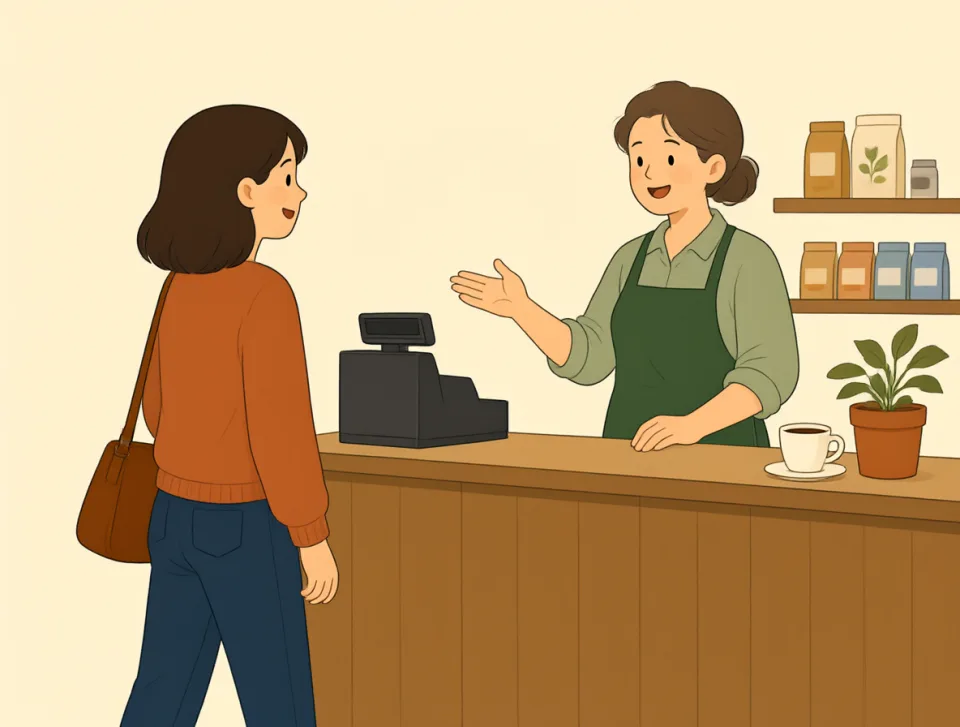
Please visit our shop this weekend.
कृपया इस सप्ताहांत हमारी दुकान पर आइए।
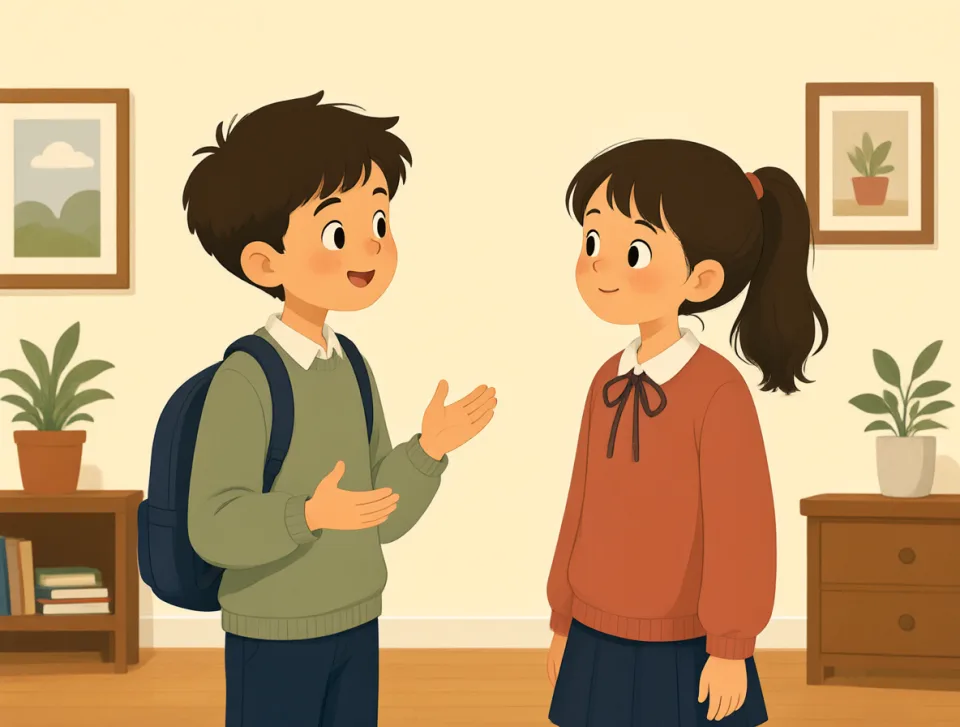
She is visiting her friend after school.
वह स्कूल के बाद अपनी दोस्त से मिलने जा रही है।
center
#334noun, verb
केंद्र
The middle of a place or the main point of an activity; to put something in the middle.
किसी जगह का बीच का हिस्सा या किसी गतिविधि का मुख्य बिंदु; किसी चीज़ को बीच में रखना।

Meet me in the center of town.
शहर के बीचोंबीच मुझसे मिलो।
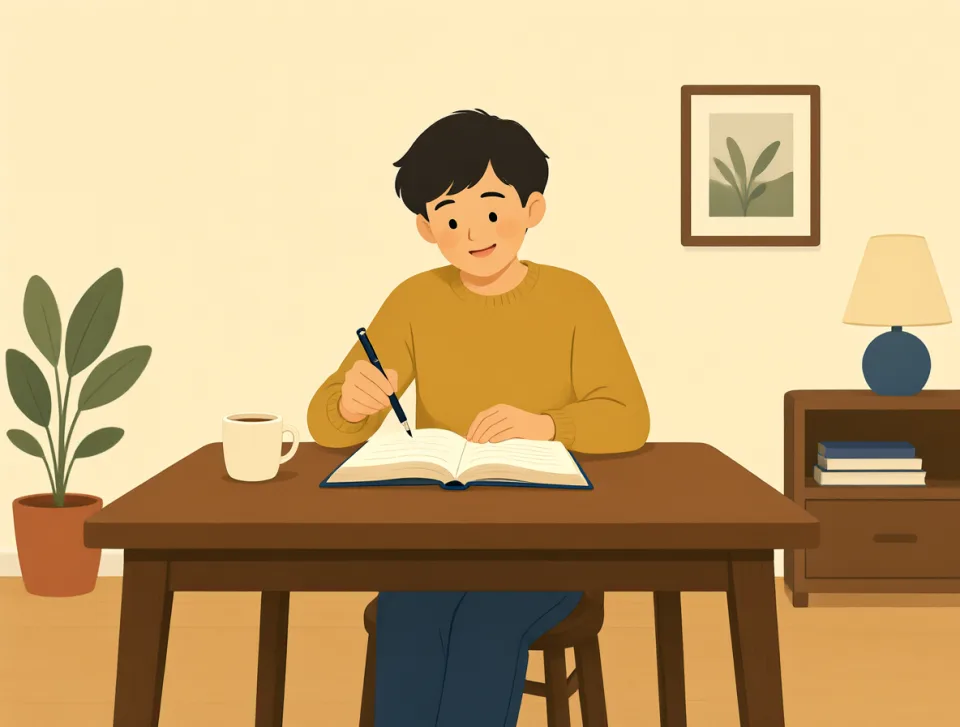
The table is in the center of the room.
मेज़ कमरे के बीच में है।

She works at a shopping center.
वह एक शॉपिंग सेंटर में काम करती है।
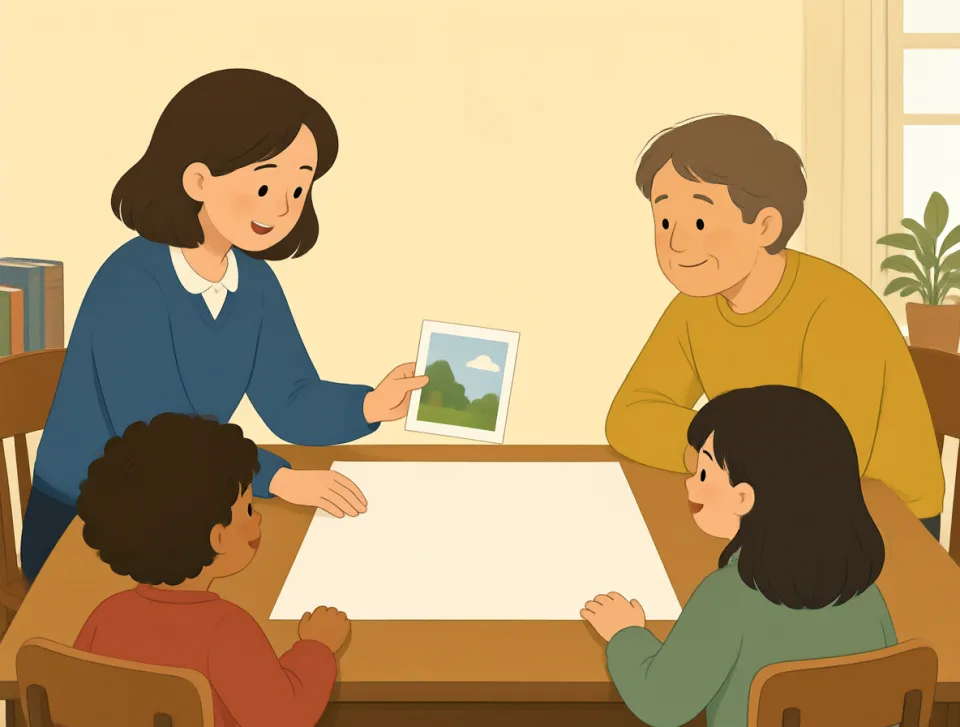
The teacher centered the picture on the page.
शिक्षक ने तस्वीर को पन्ने के बीच में रखा।
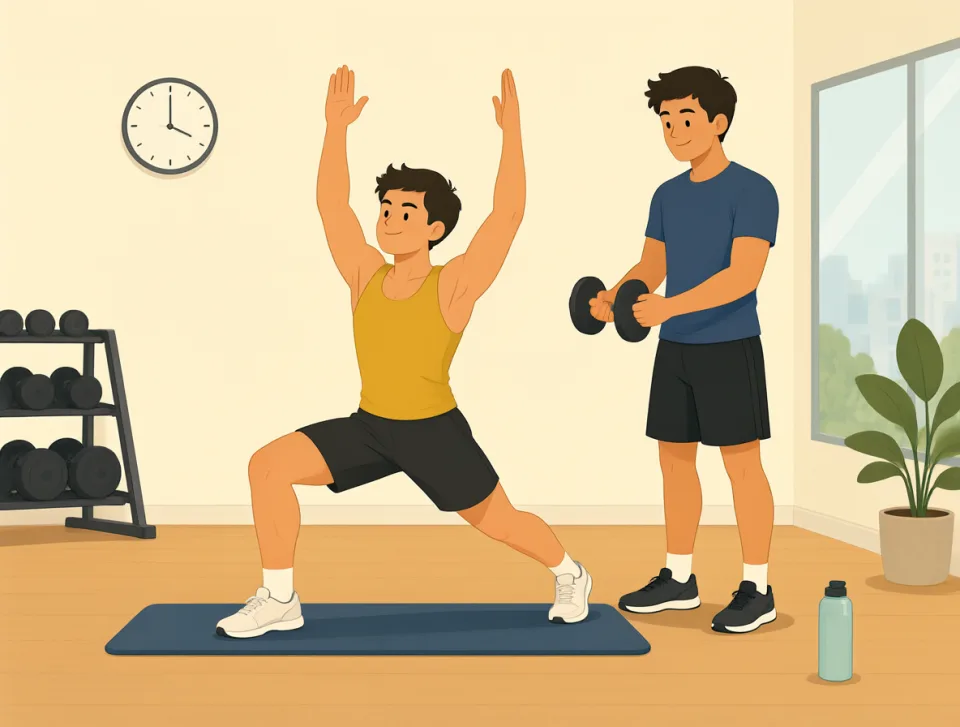
He exercises at the health center.
वह स्वास्थ्य केंद्र में कसरत करता है।
grow
#335verb
बढ़ना
to become bigger, taller, older, or more developed
आकार या लंबाई में बड़ा होना, उम्र में बढ़ना या अधिक विकसित होना।
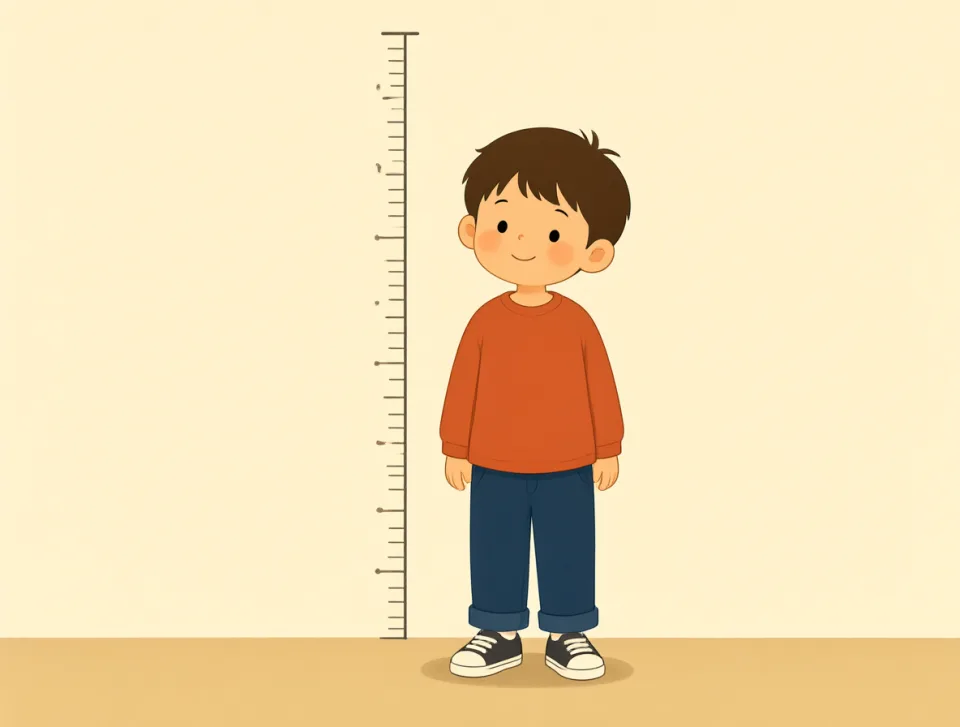
Children grow quickly in their first years.
बच्चे अपने शुरुआती वर्षों में तेज़ी से बढ़ते हैं।
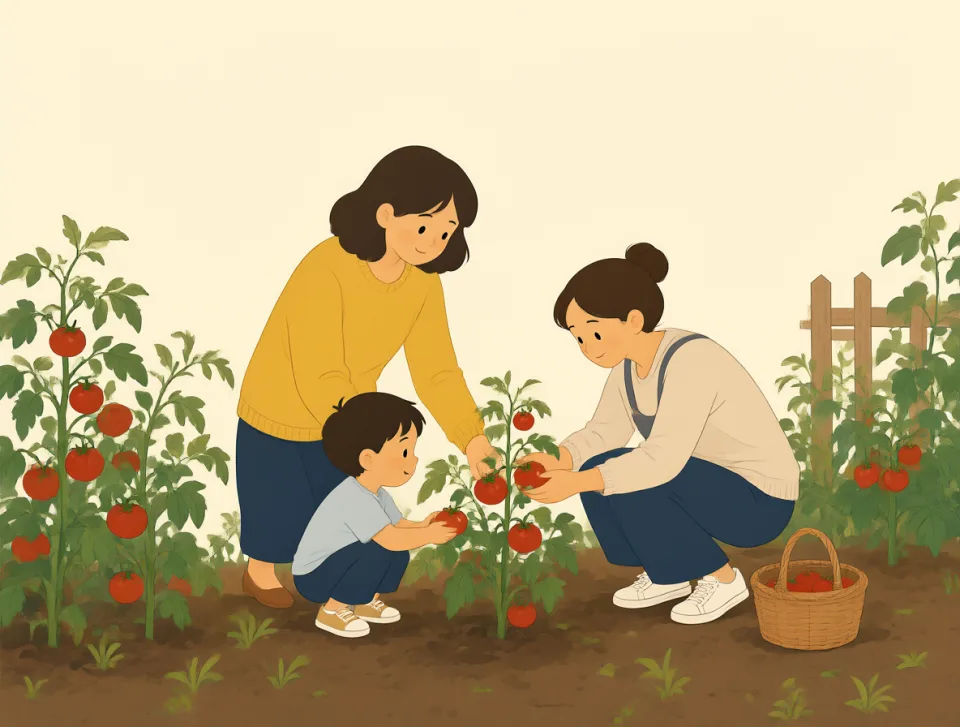
We grow tomatoes in our garden.
हम अपने बगीचे में टमाटर उगाते हैं।
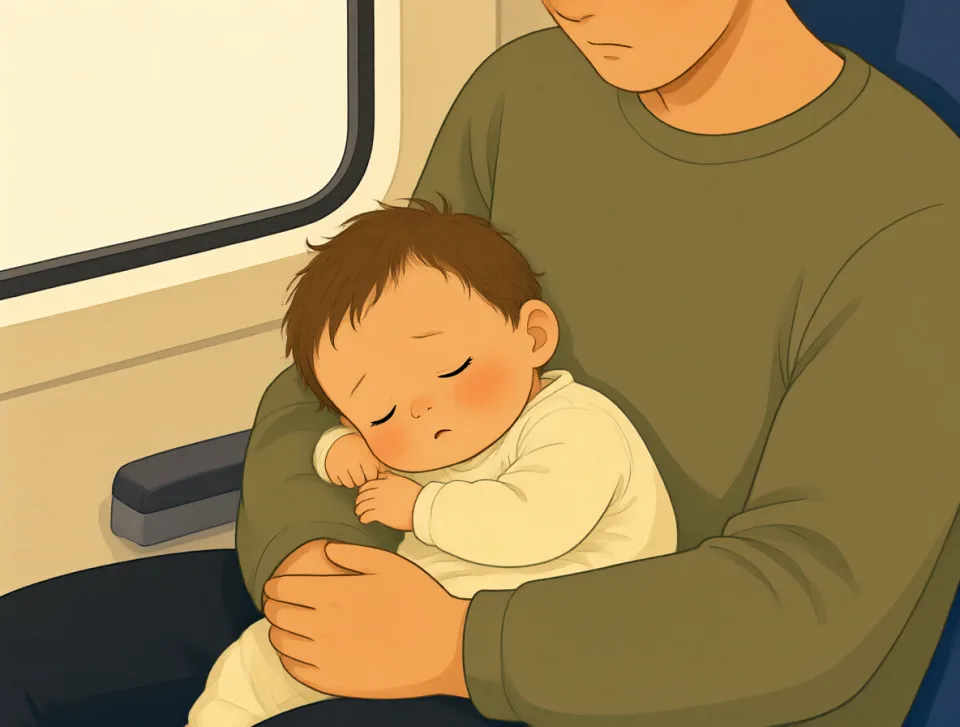
The baby grew tired after the long trip.
लंबे सफ़र के बाद बच्चा थक गया।
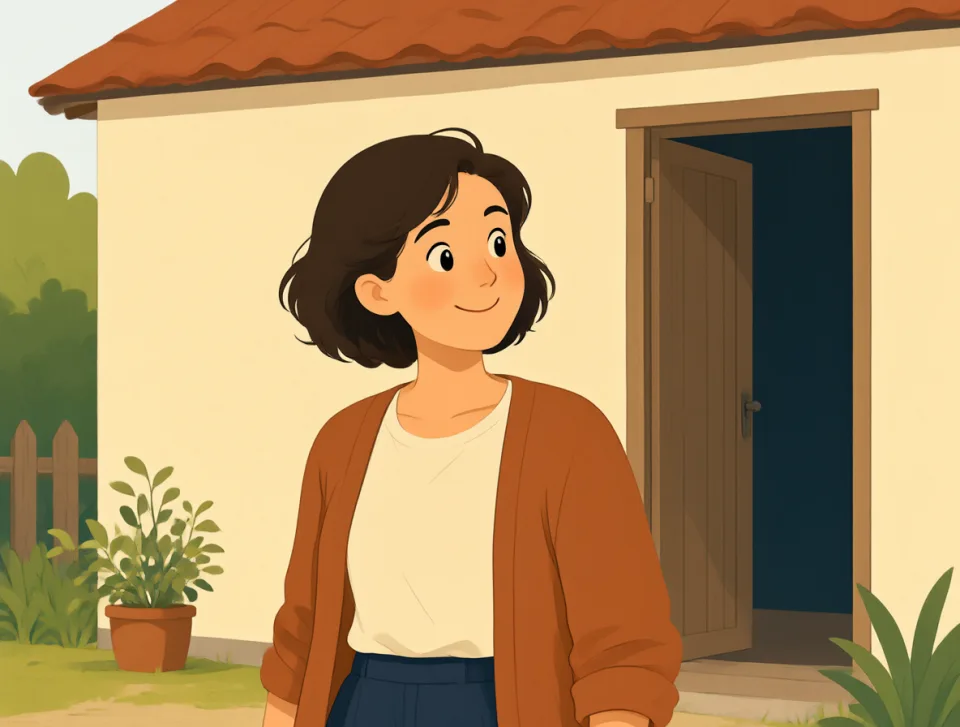
She grew up in a small village.
वह एक छोटे से गाँव में पली-बढ़ी।
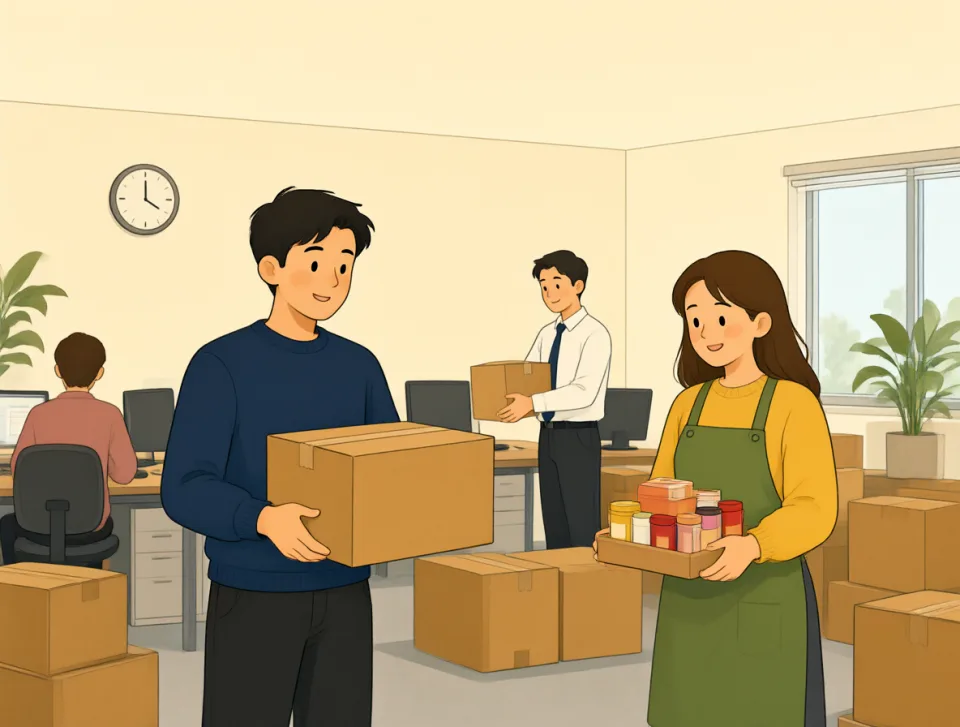
The company is growing every year.
कंपनी हर साल बढ़ रही है।
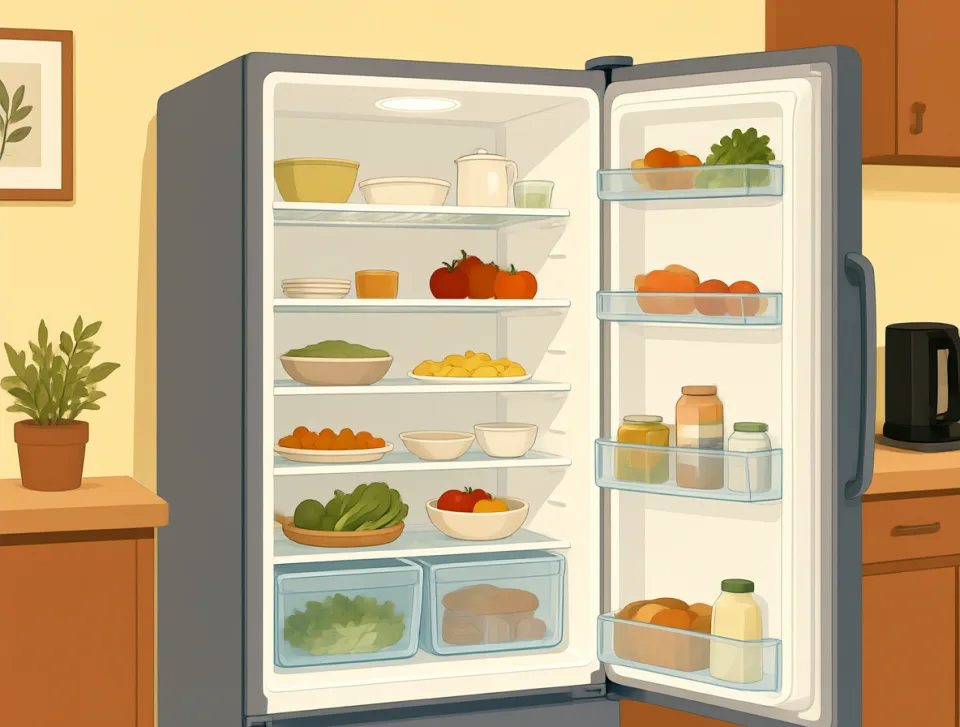
nothing
#336pronoun, determiner
कुछ नहीं
not anything; no thing or things
कोई चीज़ नहीं; कुछ भी नहीं
There is nothing in the fridge.
फ्रिज में कुछ नहीं है।
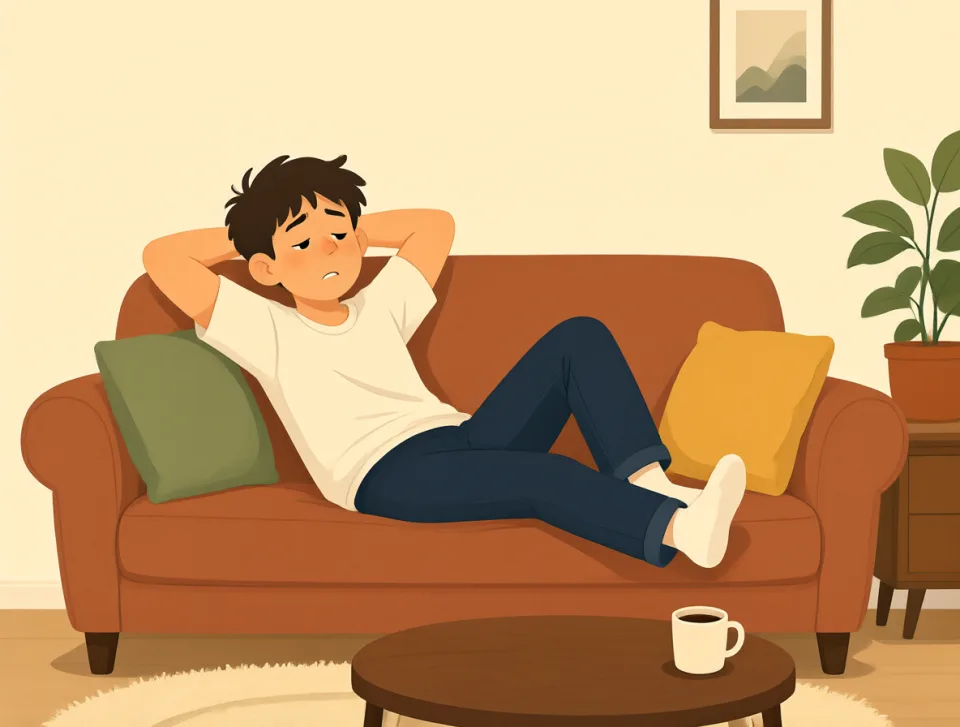
I did nothing after work.
काम के बाद मैंने कुछ नहीं किया।

Nothing can stop us now.
अब हमें कोई नहीं रोक सकता।
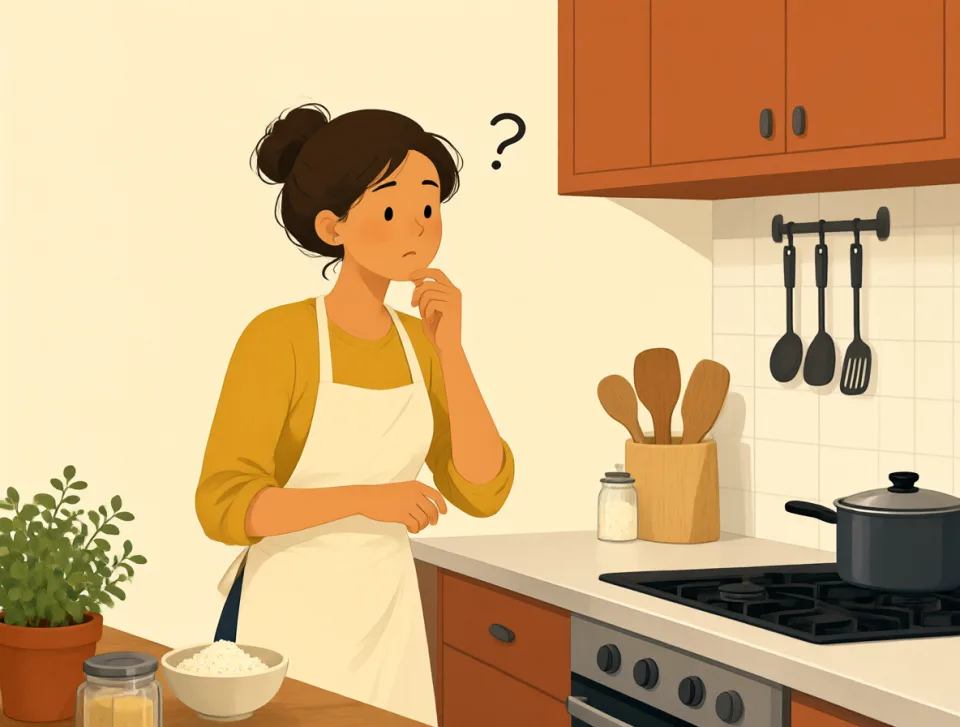
She knows nothing about cooking.
वह खाना पकाने के बारे में कुछ नहीं जानती।
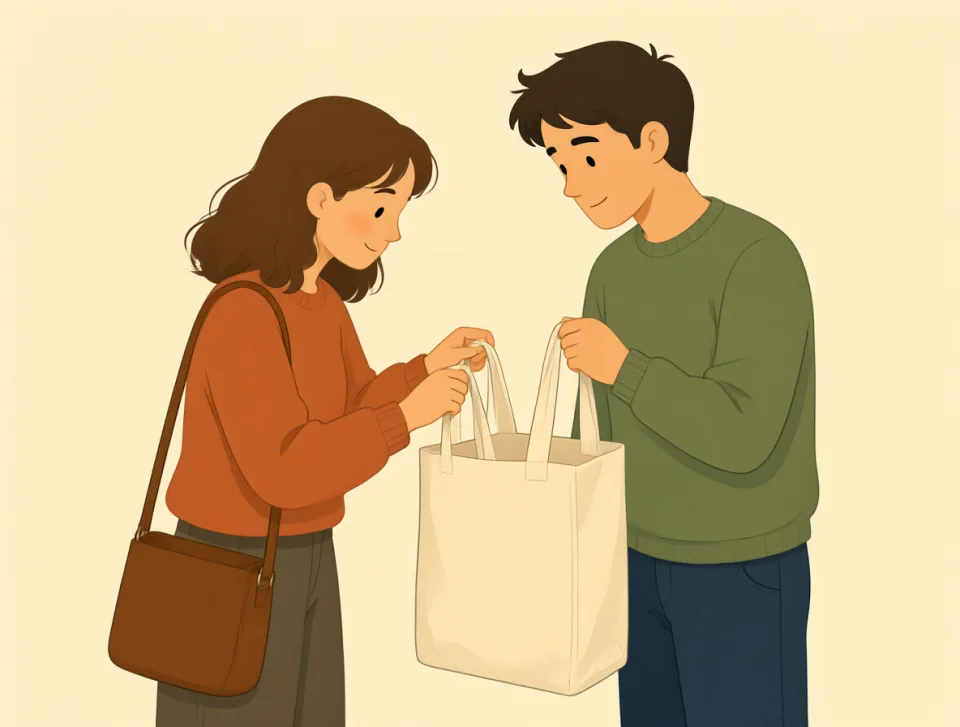
I found nothing in my shopping bag.
मुझे अपने शॉपिंग बैग में कुछ नहीं मिला।
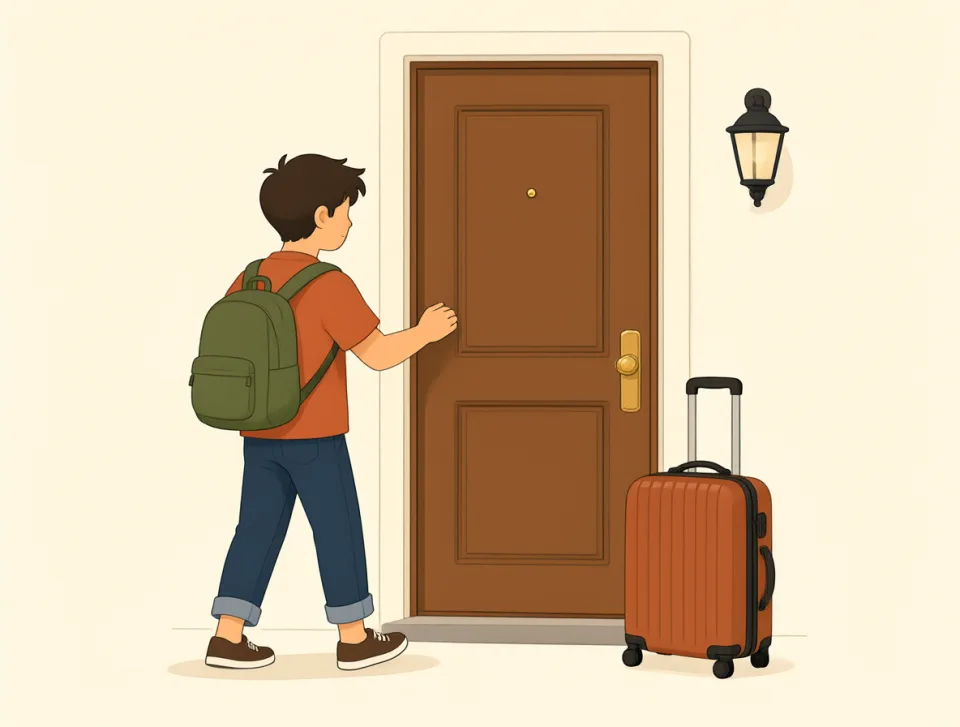
return
#337verb, noun
लौटना; वापस करना
to go back, give something back, or come back to a place
वापस जाना, कोई चीज़ लौटाना या किसी जगह वापस आना
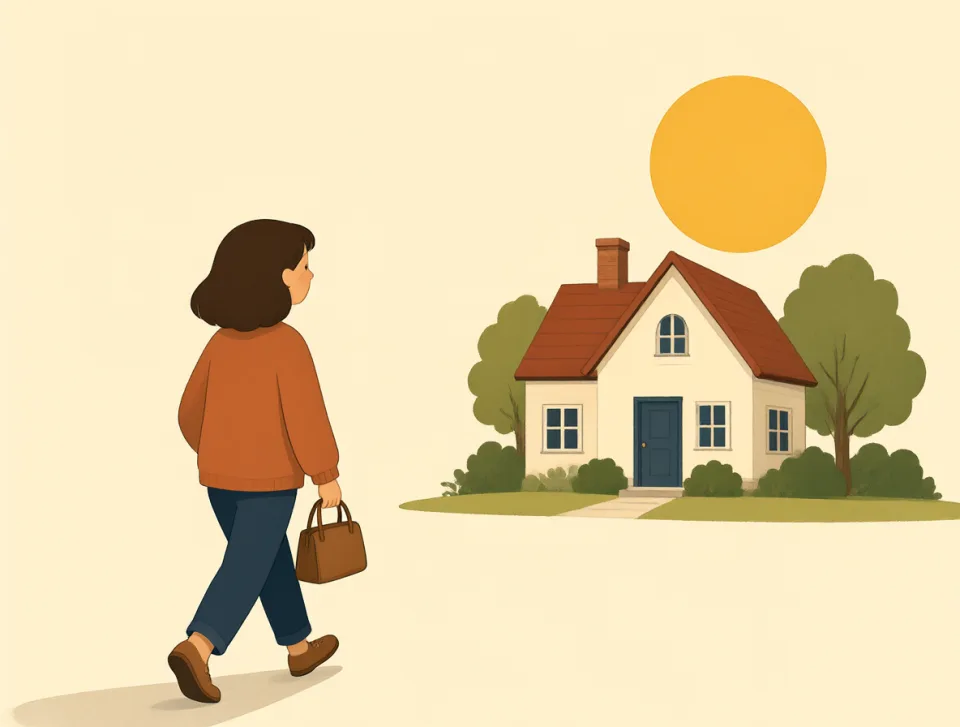
I will return home after dinner.
मैं रात के खाने के बाद घर लौटूँगा।
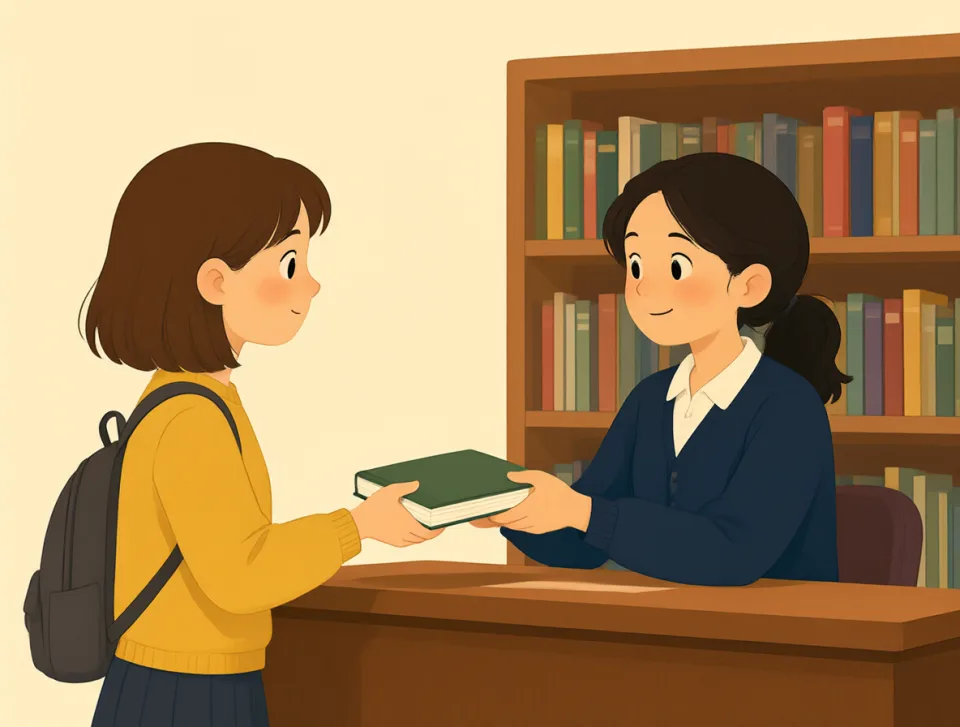
Please return the library book tomorrow.
कृपया कल पुस्तकालय की किताब लौटा दीजिए।
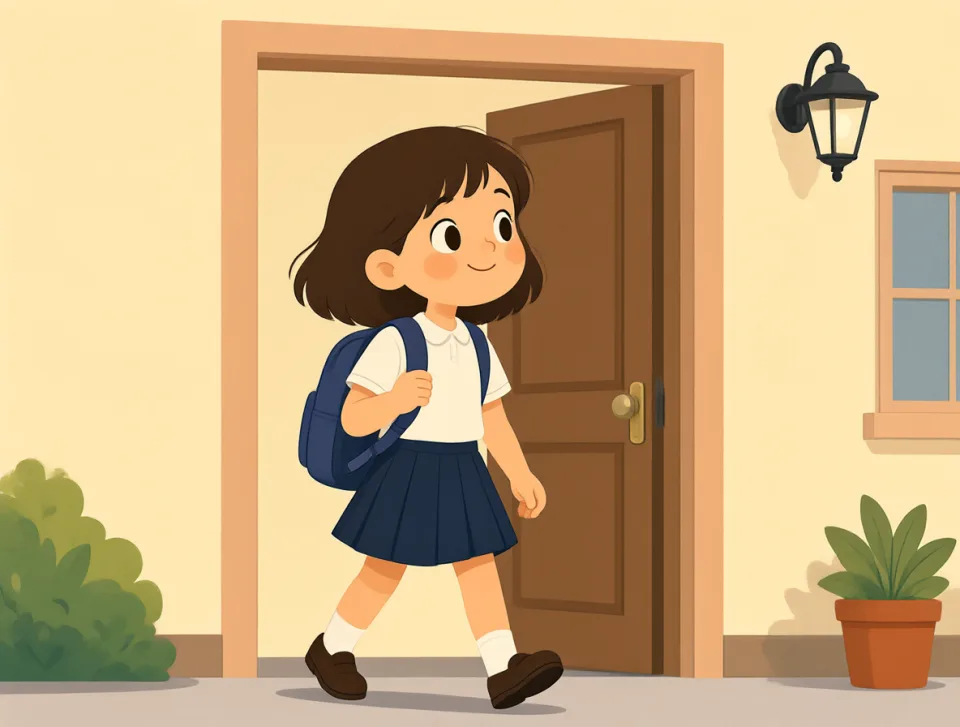
She returned from school at four.
वह चार बजे स्कूल से लौटी।
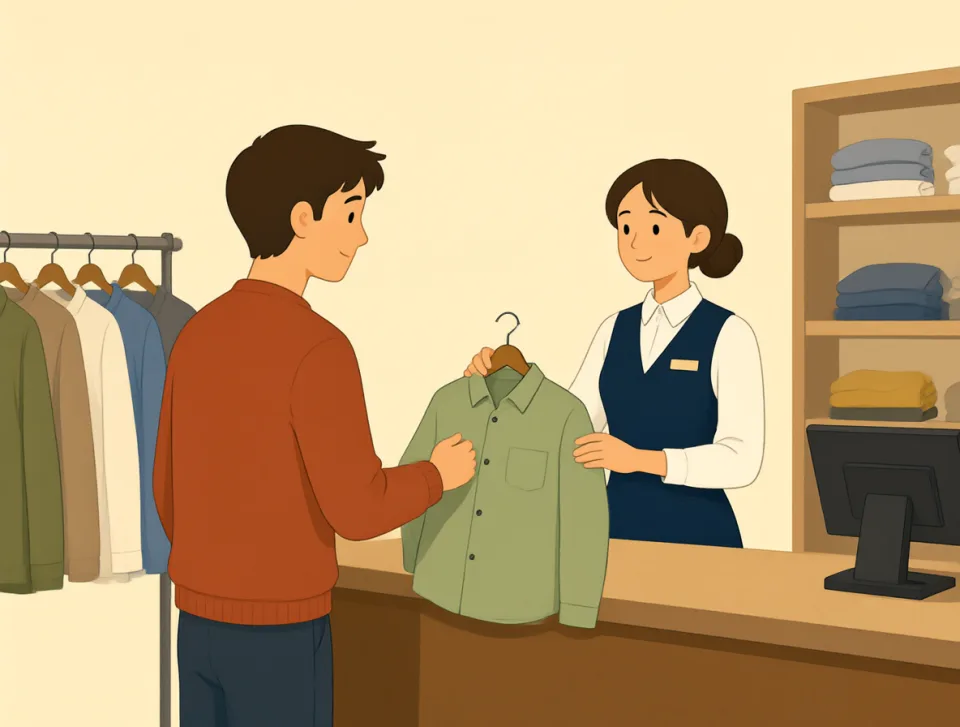
The shop accepted my return.
दुकान ने मेरी वापसी स्वीकार कर ली।
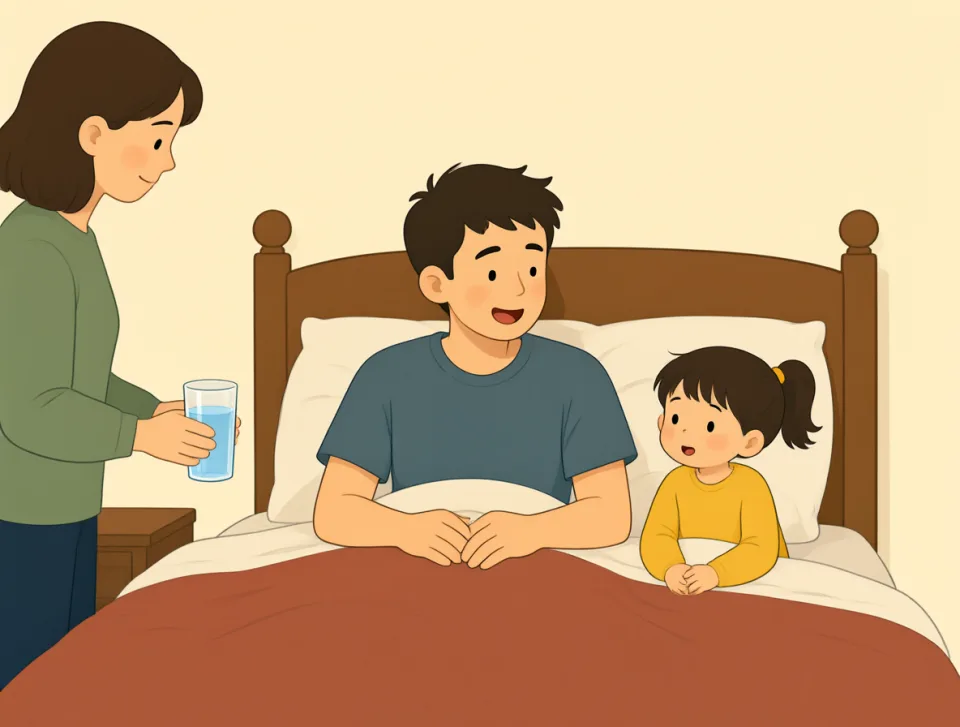
His health is slowly returning.
उसका स्वास्थ्य धीरे-धीरे लौट रहा है।
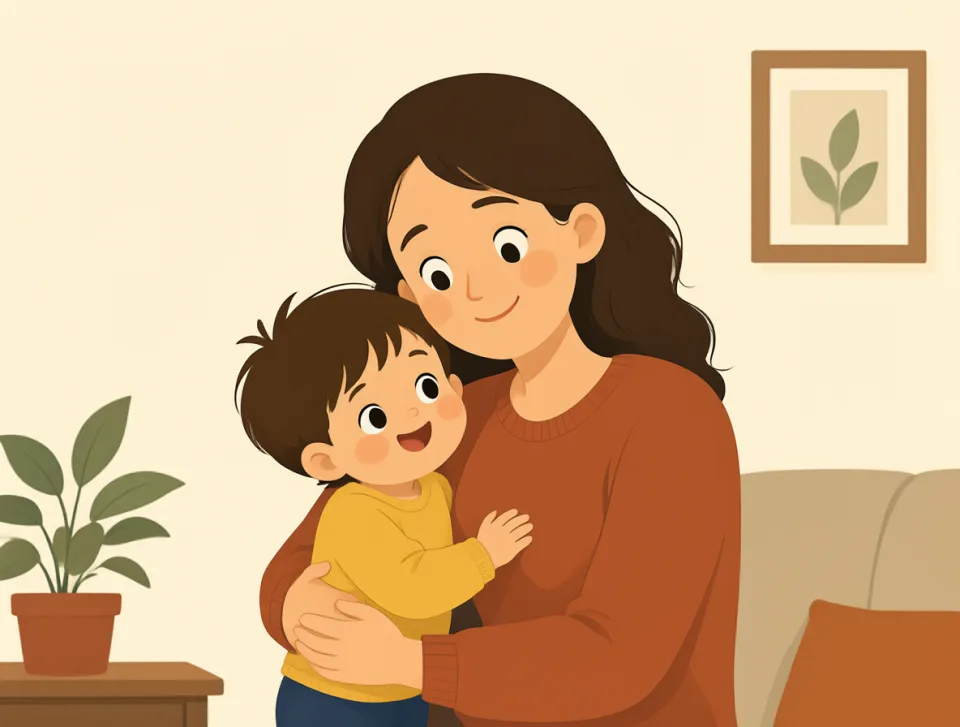
mother
#338noun
माँ
a female parent; a woman who has a child
महिला माता-पिता; ऐसी स्त्री जिसकी संतान हो
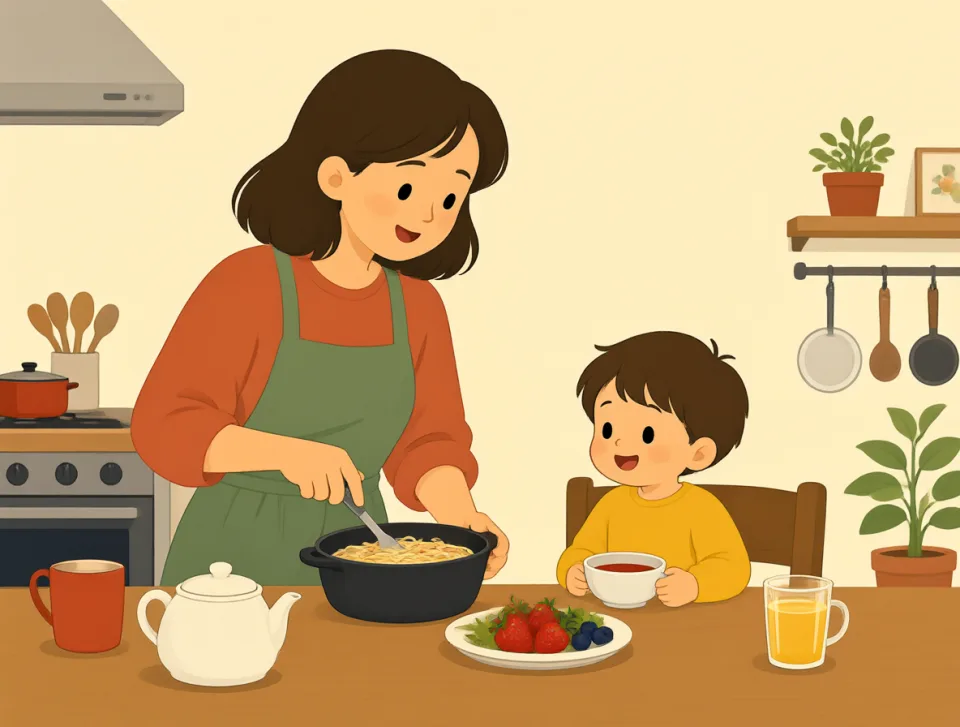
My mother makes breakfast every morning.
मेरी माँ हर सुबह नाश्ता बनाती हैं।
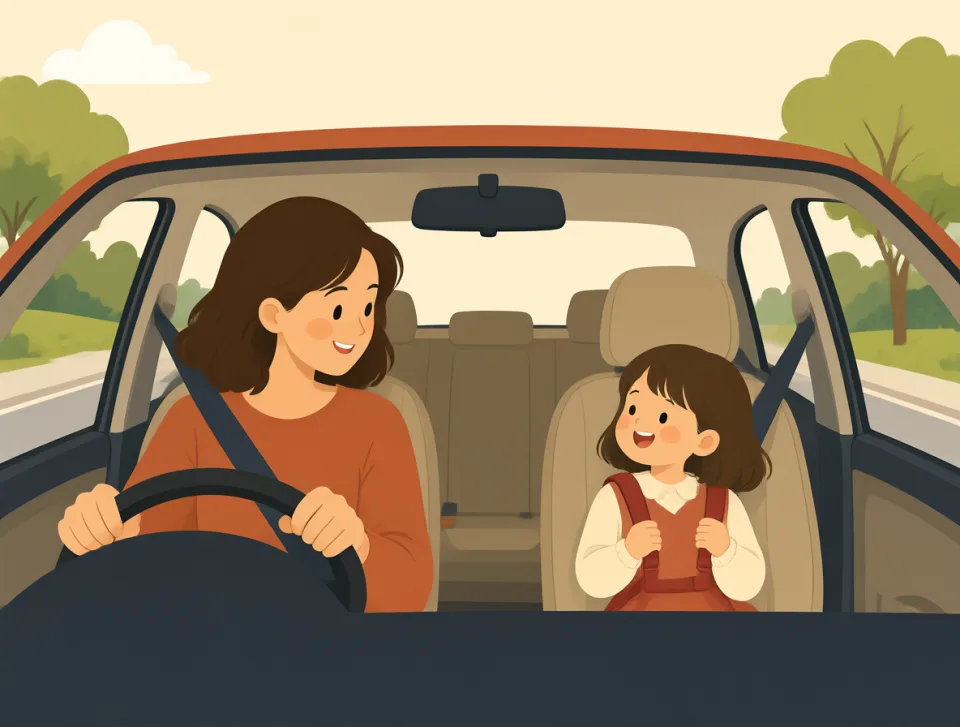
Her mother drove her to school.
उसकी माँ उसे गाड़ी से स्कूल ले गईं।

I called my mother after work.
काम के बाद मैंने अपनी माँ को फोन किया।
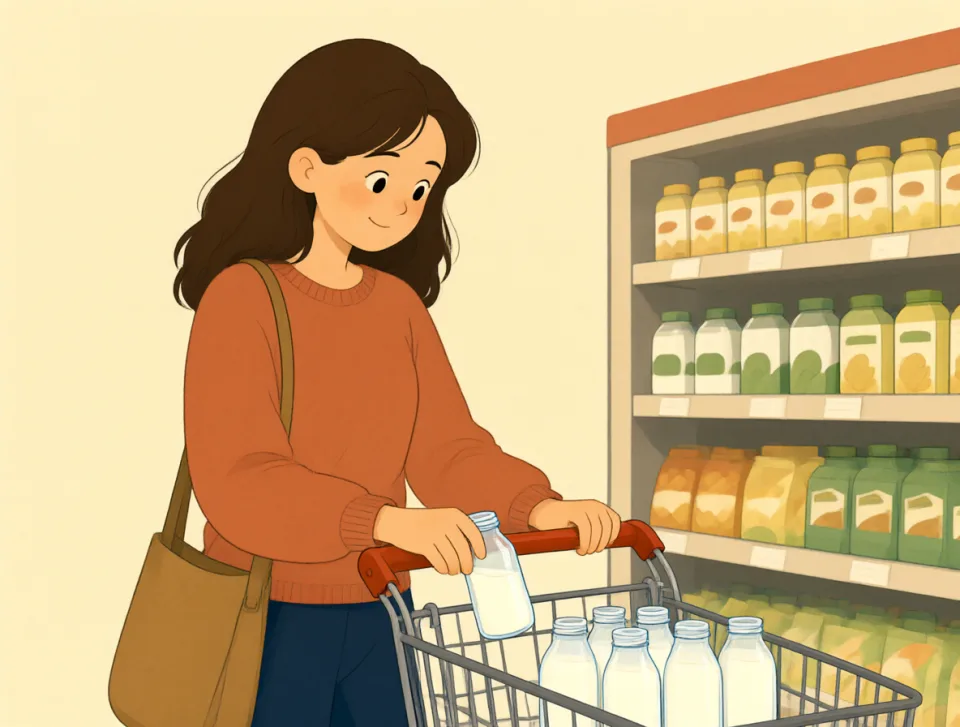
The mother bought milk at the store.
माँ ने दुकान से दूध खरीदा।
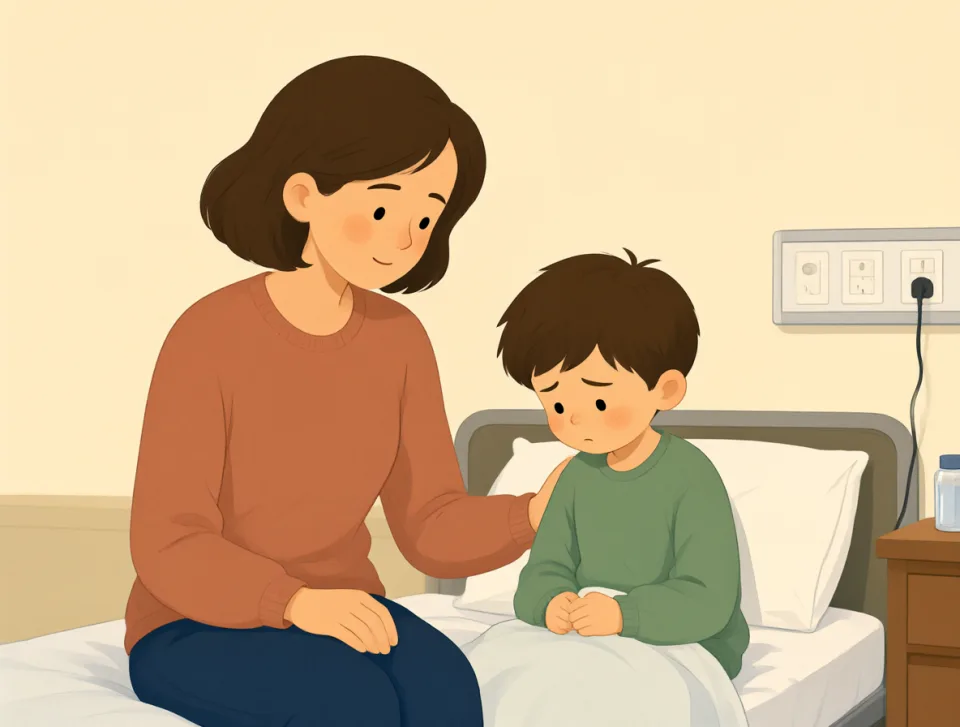
His mother stayed with him in hospital.
उसकी माँ अस्पताल में उसके साथ रहीं।
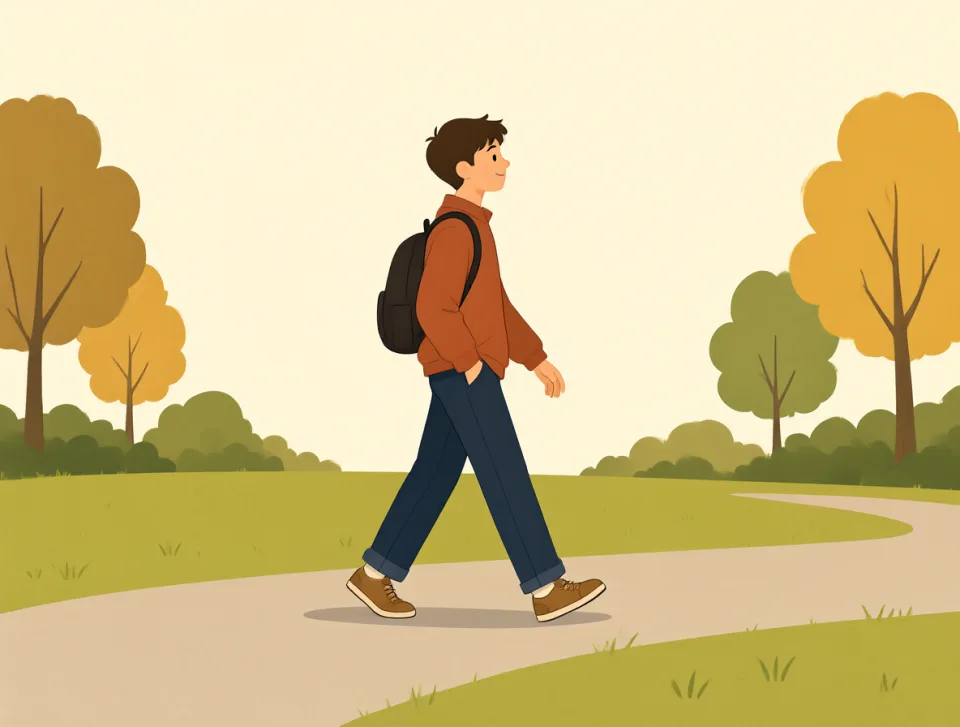
walk
#339verb, noun
चलना; सैर
to move on foot, or a short journey made by walking
पैदल चलना या पैदल की जाने वाली छोटी यात्रा
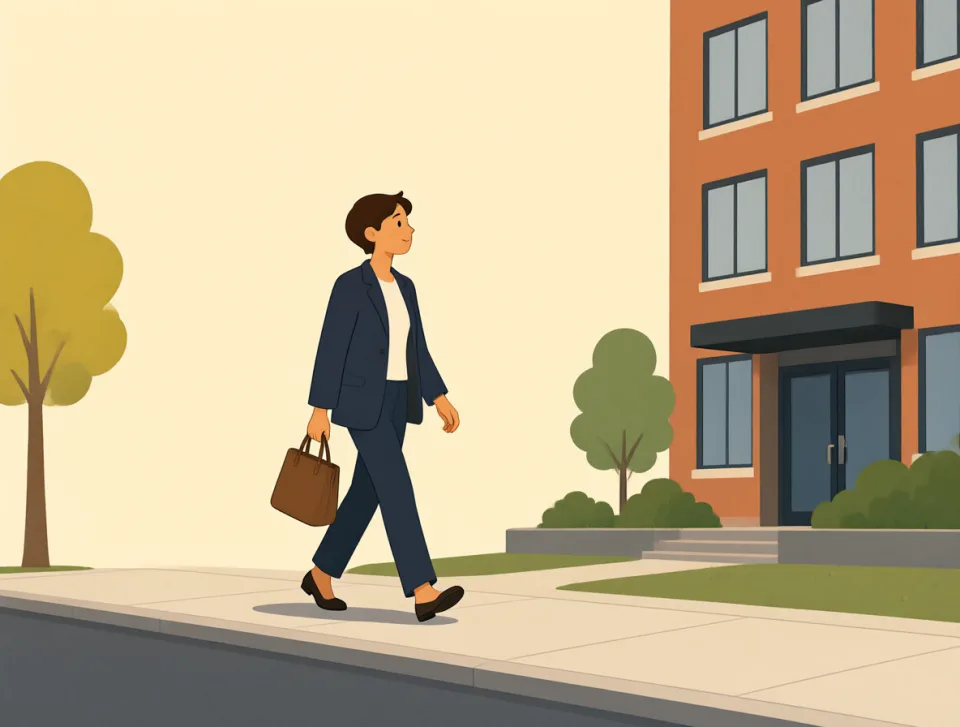
I walk to work every morning.
मैं हर सुबह पैदल काम पर जाता हूँ।
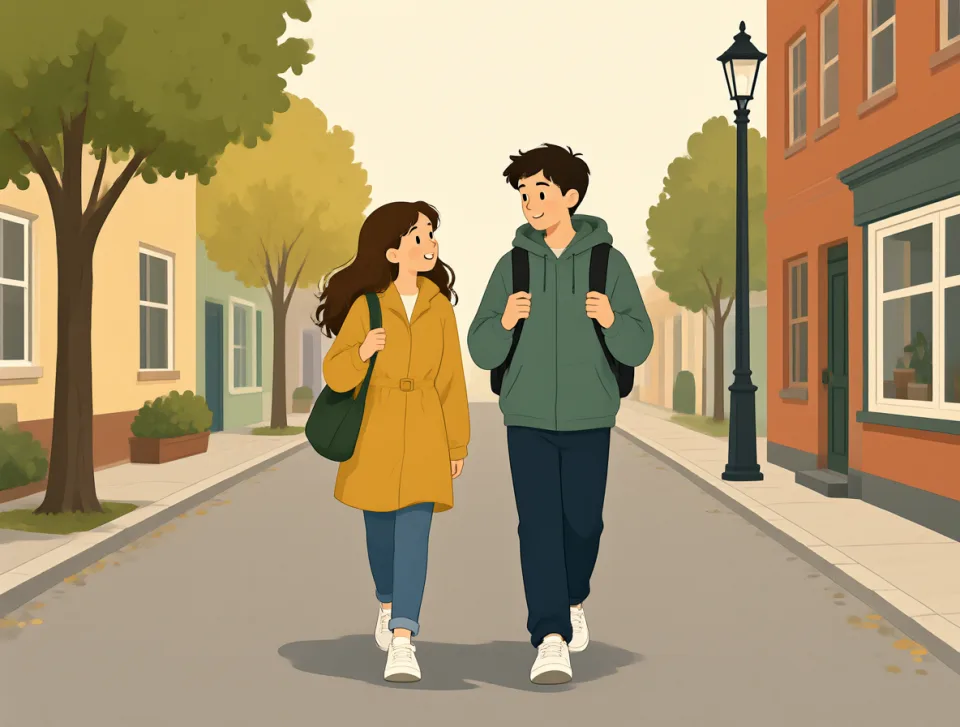
We walked home after dinner.
हम रात के खाने के बाद पैदल घर गए।
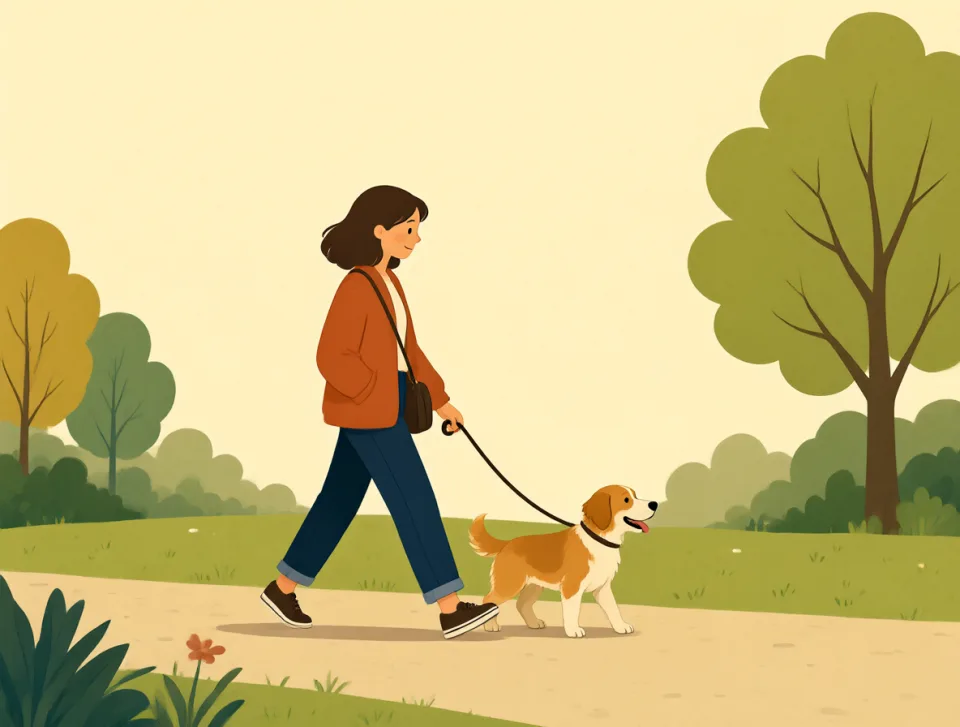
She walks her dog in the park.
वह पार्क में अपने कुत्ते को घुमाती है।
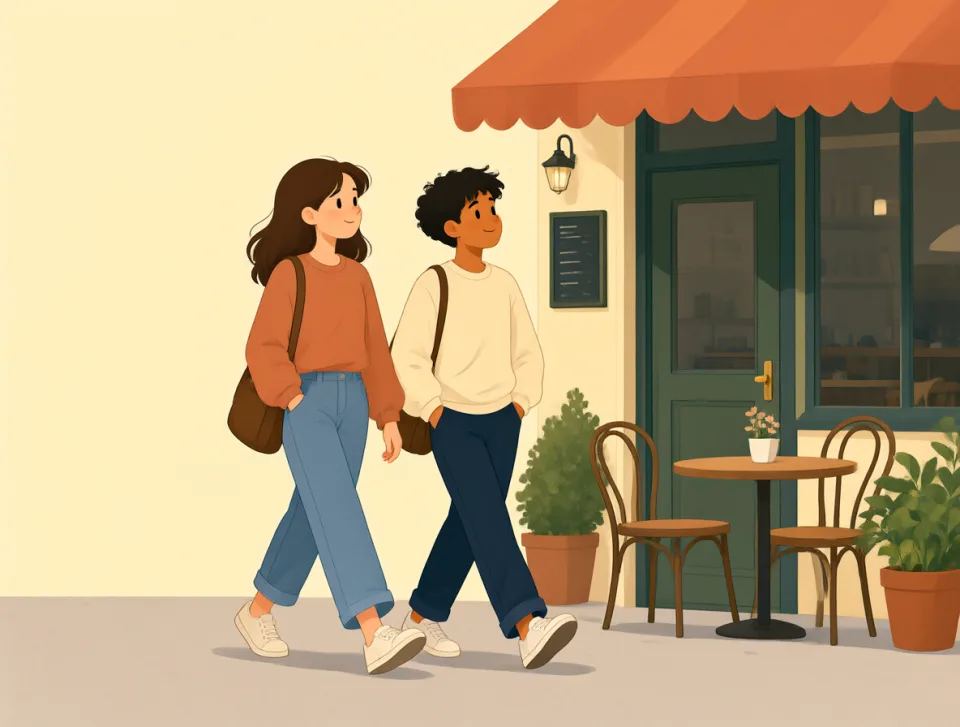
Let's take a walk after lunch.
चलो, दोपहर के खाने के बाद थोड़ा टहलते हैं।
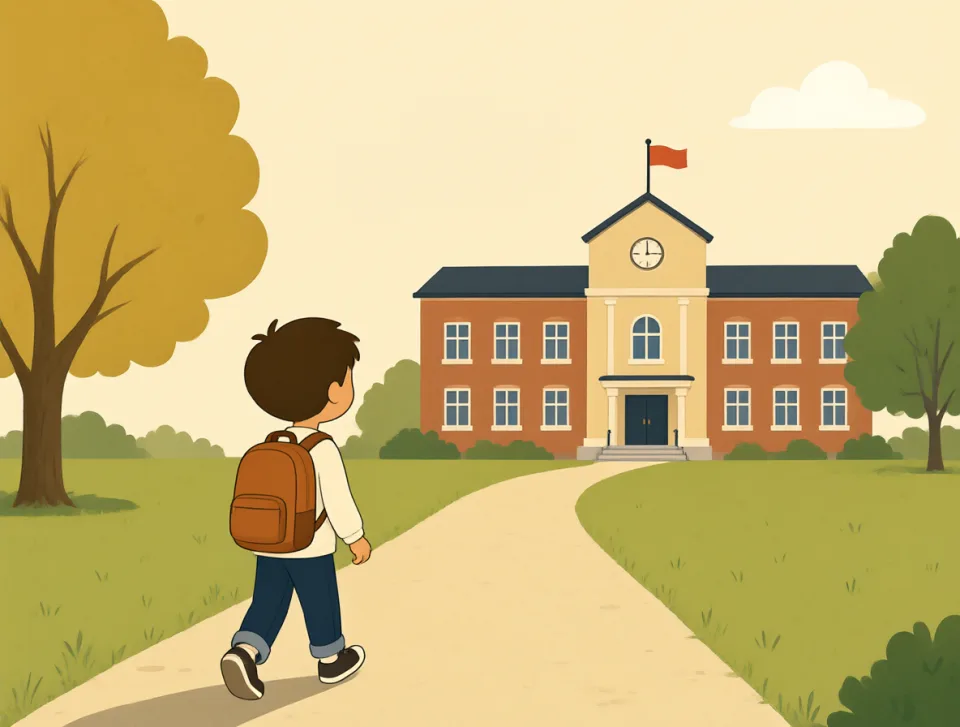
The walk to school takes ten minutes.
स्कूल तक पैदल जाने में दस मिनट लगते हैं।
matter
#340noun, verb
मामला; महत्व रखना
A subject or situation that is important, or to be important.
कोई महत्वपूर्ण विषय या परिस्थिति, या महत्वपूर्ण होना
It does not matter what time we leave.
हम किस समय निकलते हैं, इससे कोई फर्क नहीं पड़ता।
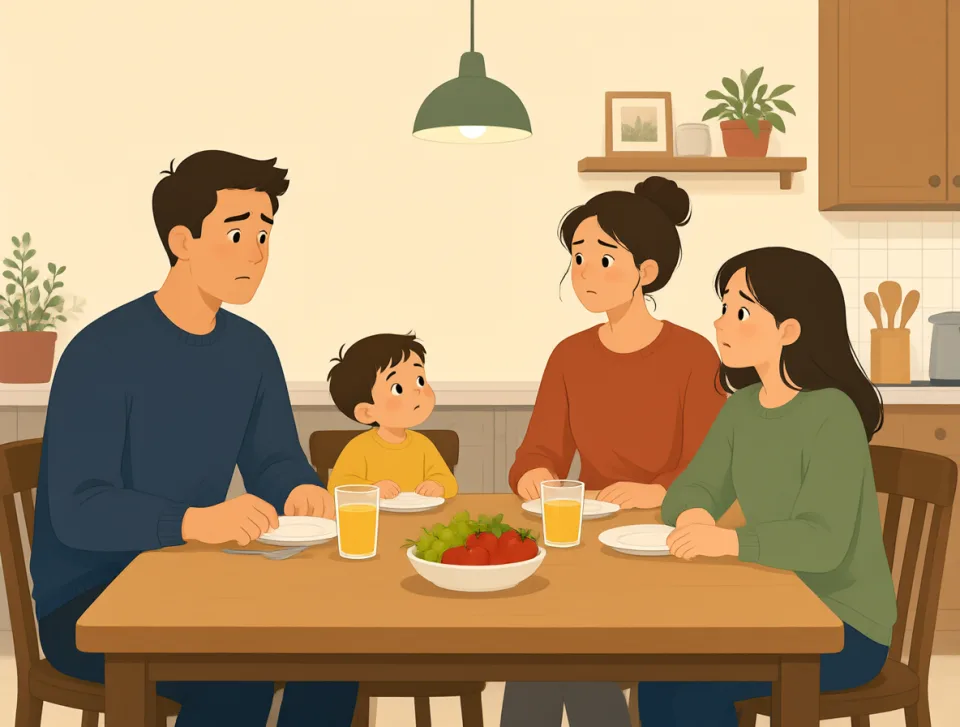
This matter is important to our family.
यह मामला हमारे परिवार के लिए महत्वपूर्ण है।
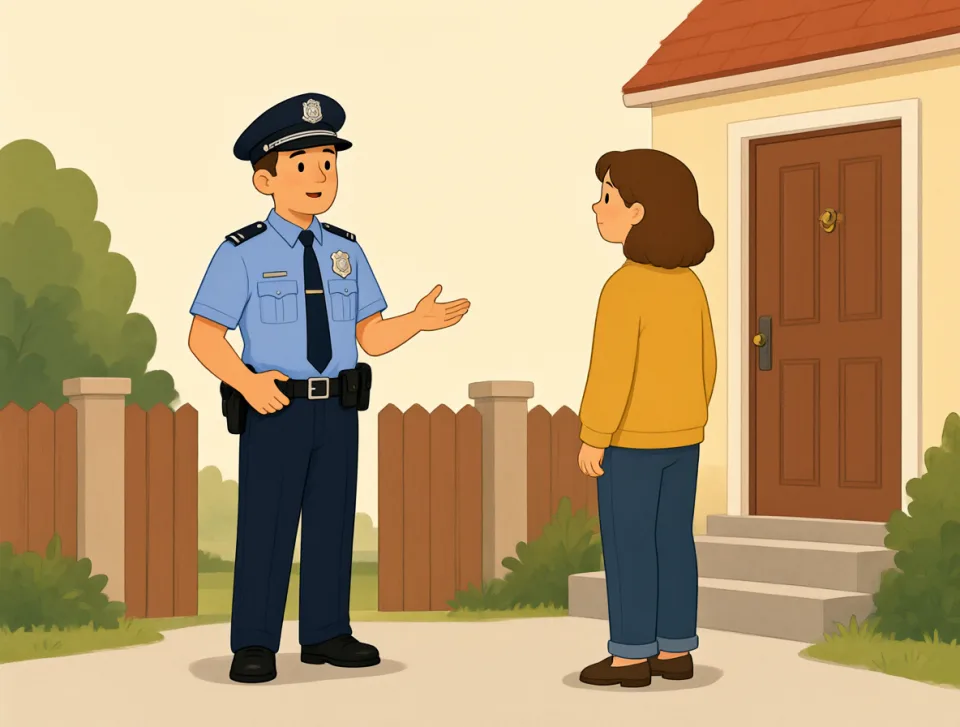
The police are looking into the matter.
पुलिस इस मामले की जाँच कर रही है।
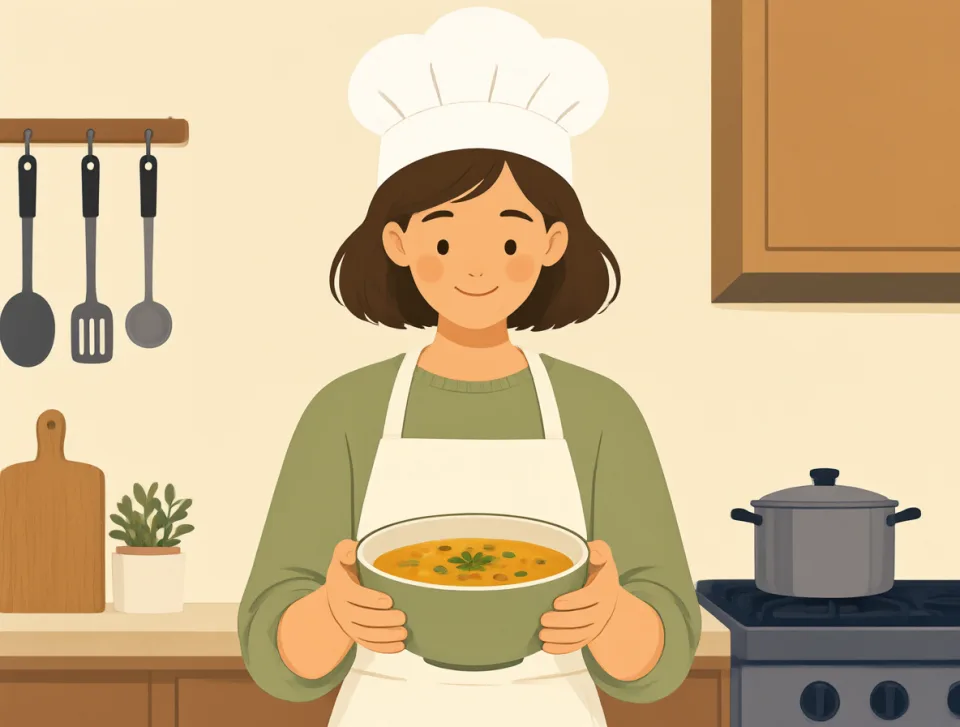
The soup matters more than the bowl.
कटोरे से ज़्यादा मायने सूप रखता है।
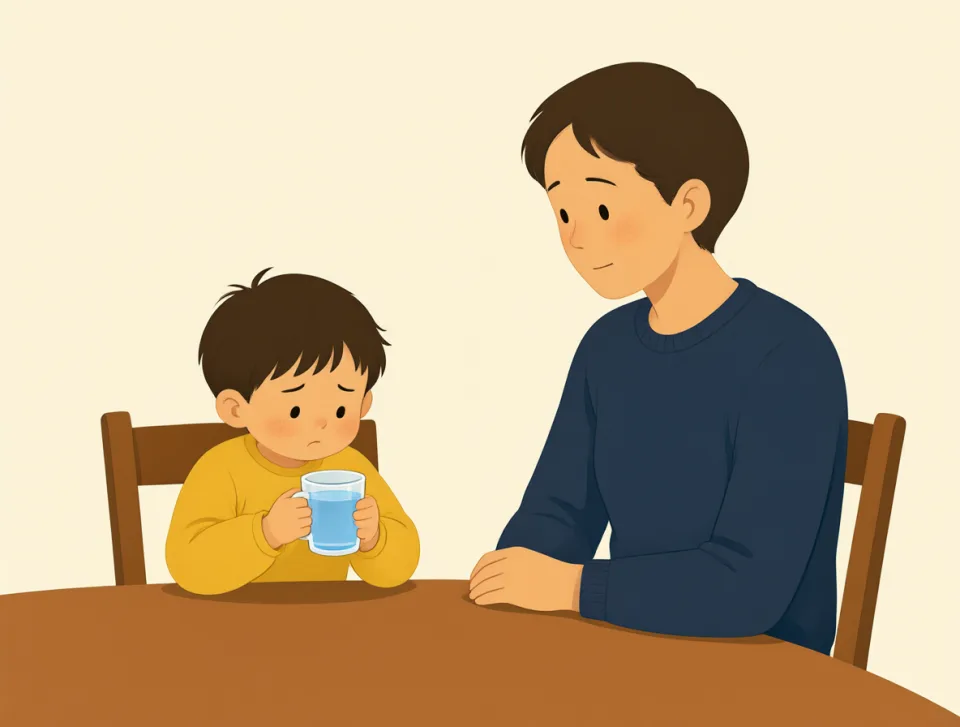
Water matters when you feel sick.
जब आप बीमार महसूस करते हैं, तब पानी महत्वपूर्ण होता है।