इकाई 13
शब्द 241–260 · lead, buy, understand, thank, far, today
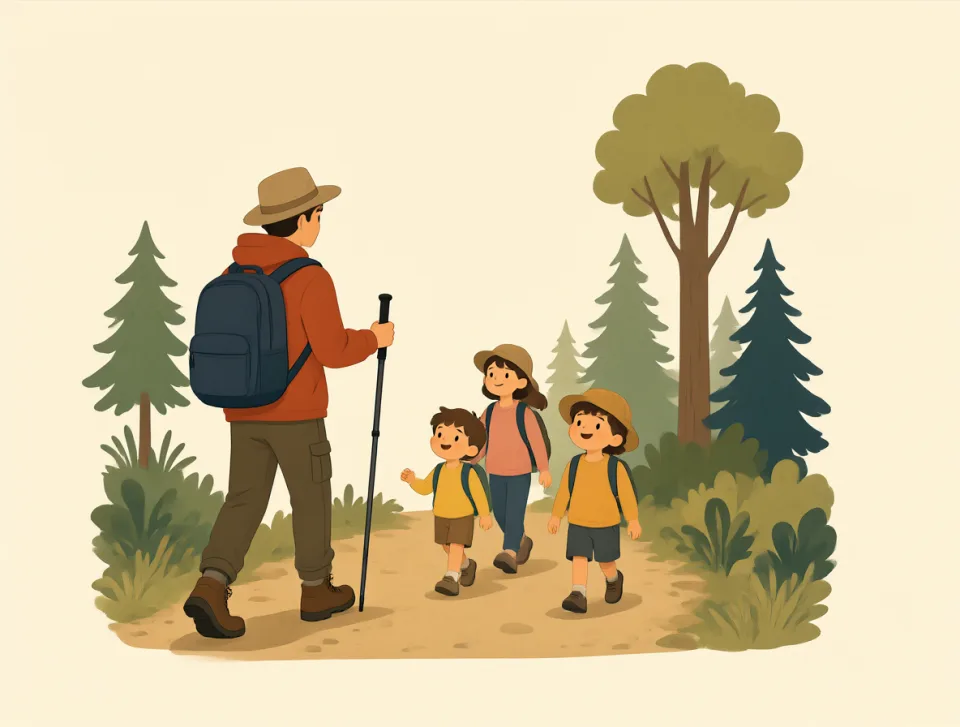
lead
#241verb, noun
नेतृत्व करना; सीसा
to guide someone or something, or be first; a soft, heavy metal
किसी व्यक्ति या चीज़ का मार्गदर्शन करना या सबसे आगे होना; एक नरम, भारी धातु।

She leads the team at work.
वह काम पर टीम का नेतृत्व करती है।
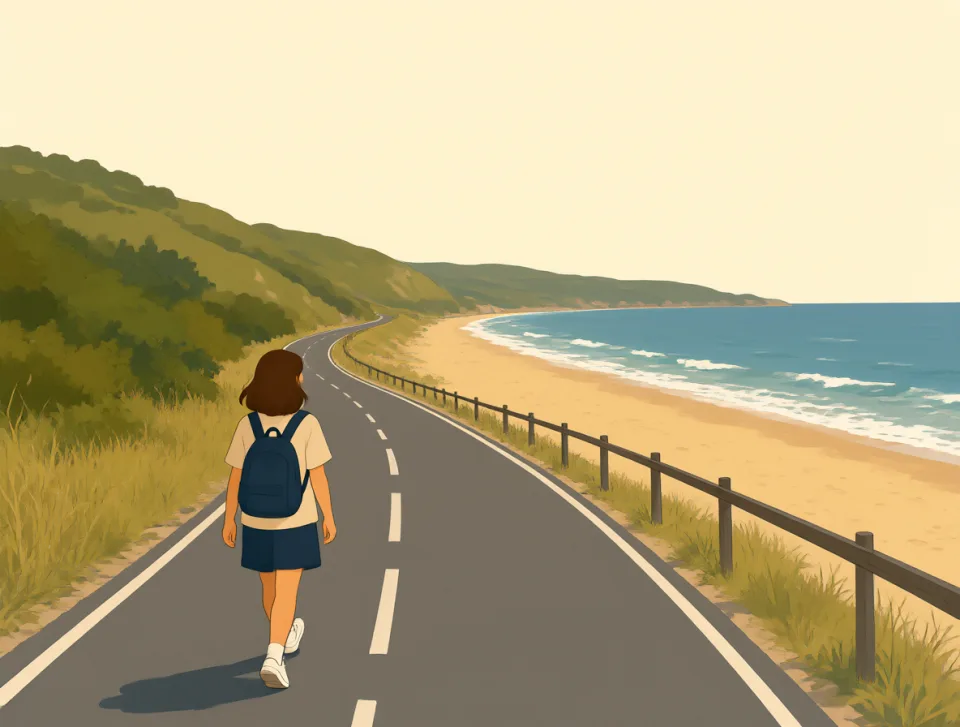
This road leads to the beach.
यह सड़क समुद्र तट तक जाती है।
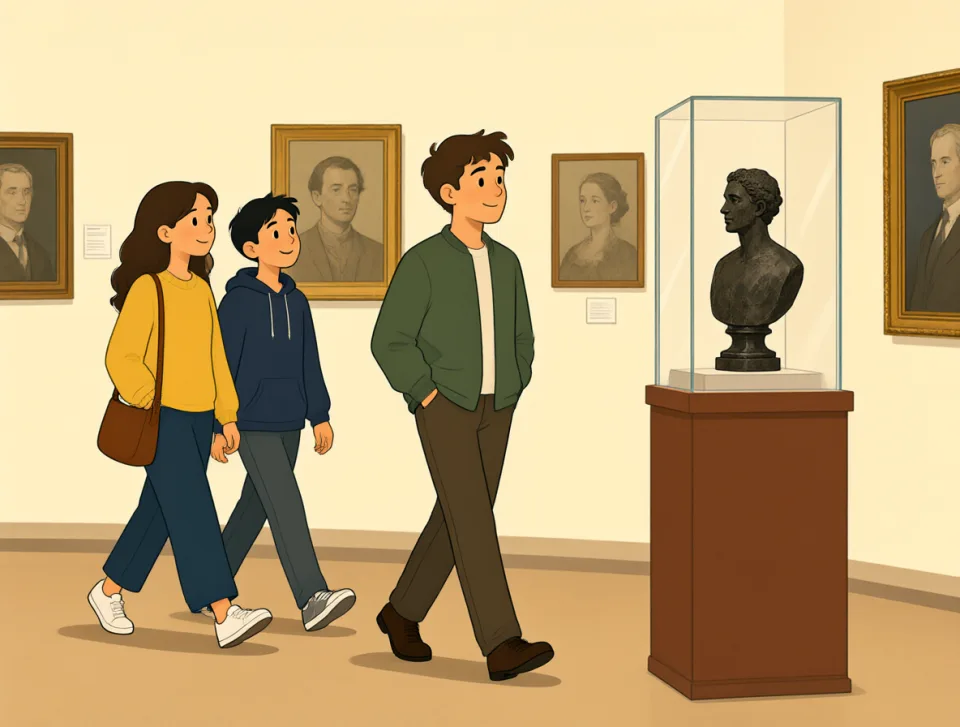
He led us through the museum.
वह हमें संग्रहालय में रास्ता दिखाकर ले गया।
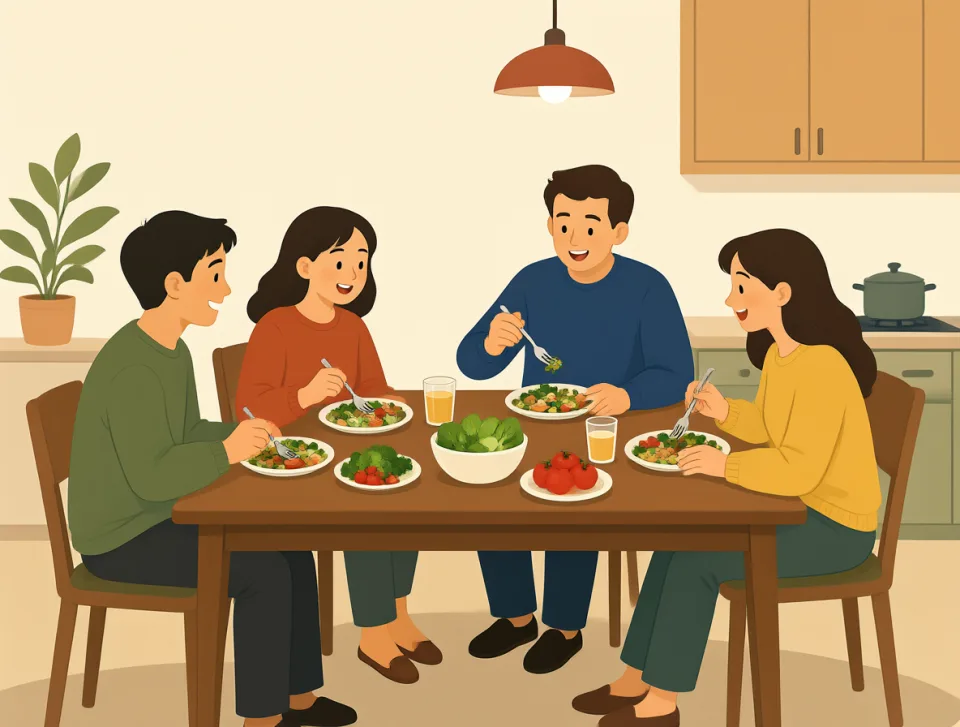
Good food can lead to better health.
अच्छा खाना बेहतर सेहत का कारण बन सकता है।
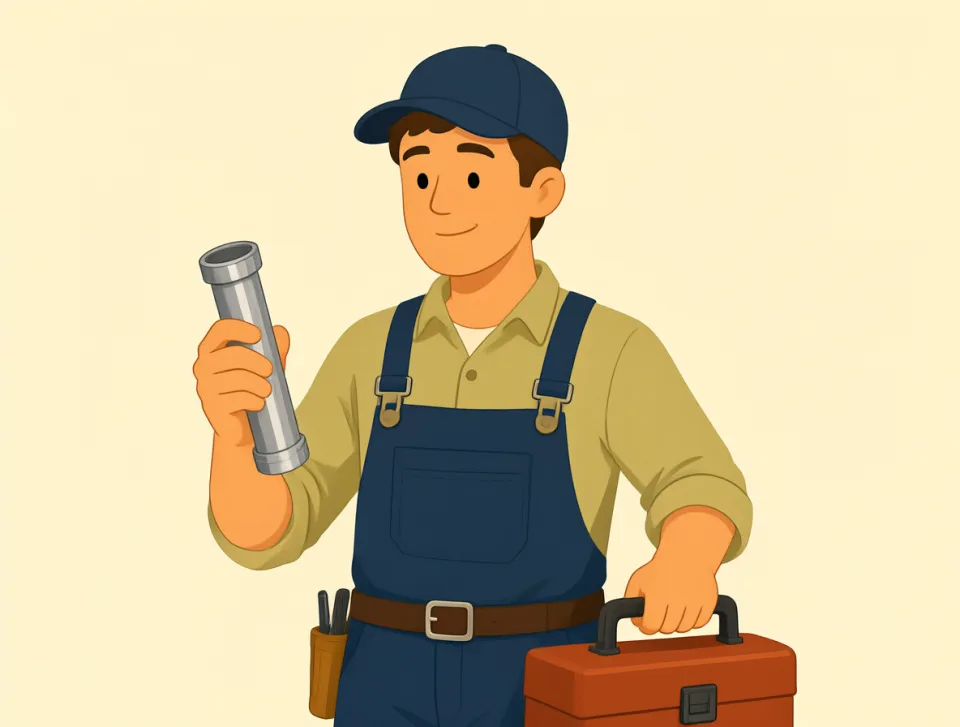
The old pipe is made of lead.
पुराना पाइप सीसे का बना है।
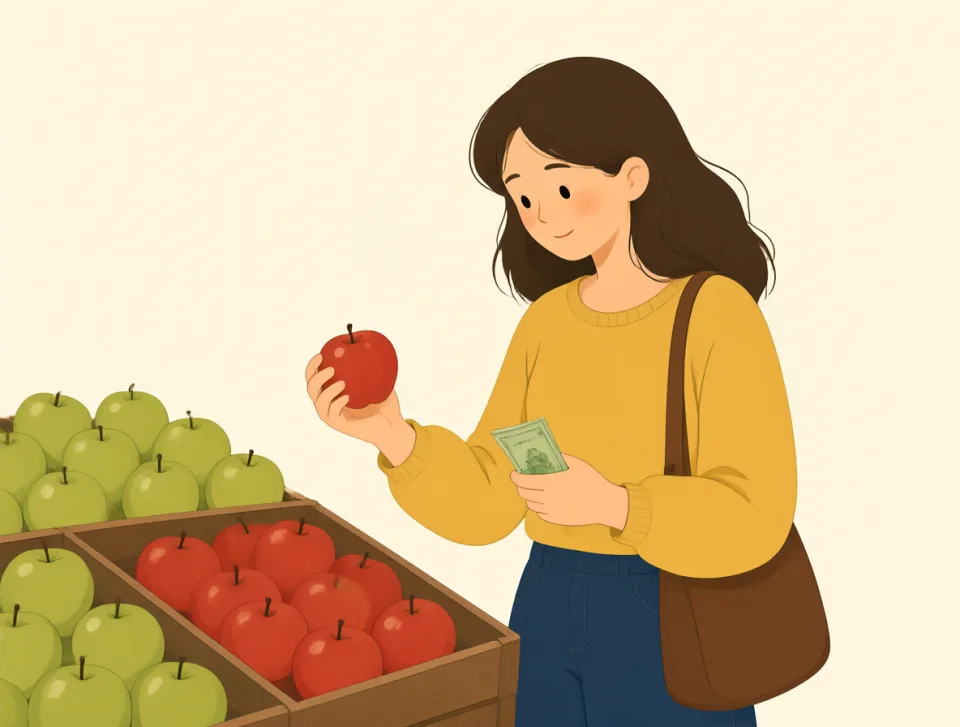
buy
#242verb, noun
खरीदना
to get something by paying money for it
पैसे देकर कोई चीज़ लेना।
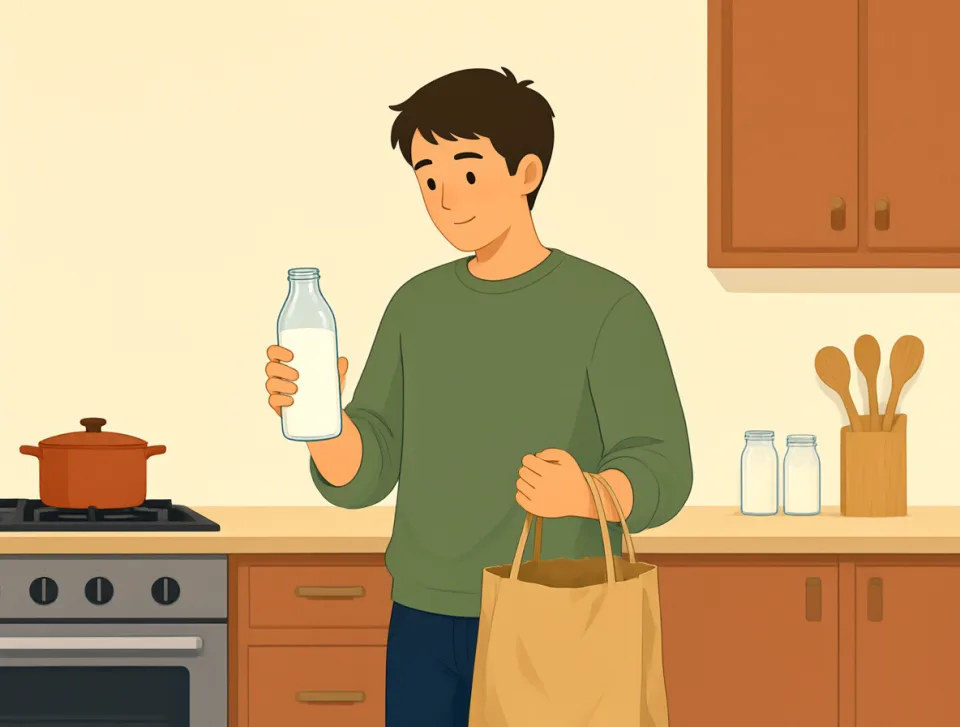
I need to buy some milk today.
मुझे आज थोड़ा दूध खरीदना है।

She bought a new dress for work.
उसने काम के लिए एक नई पोशाक खरीदी।
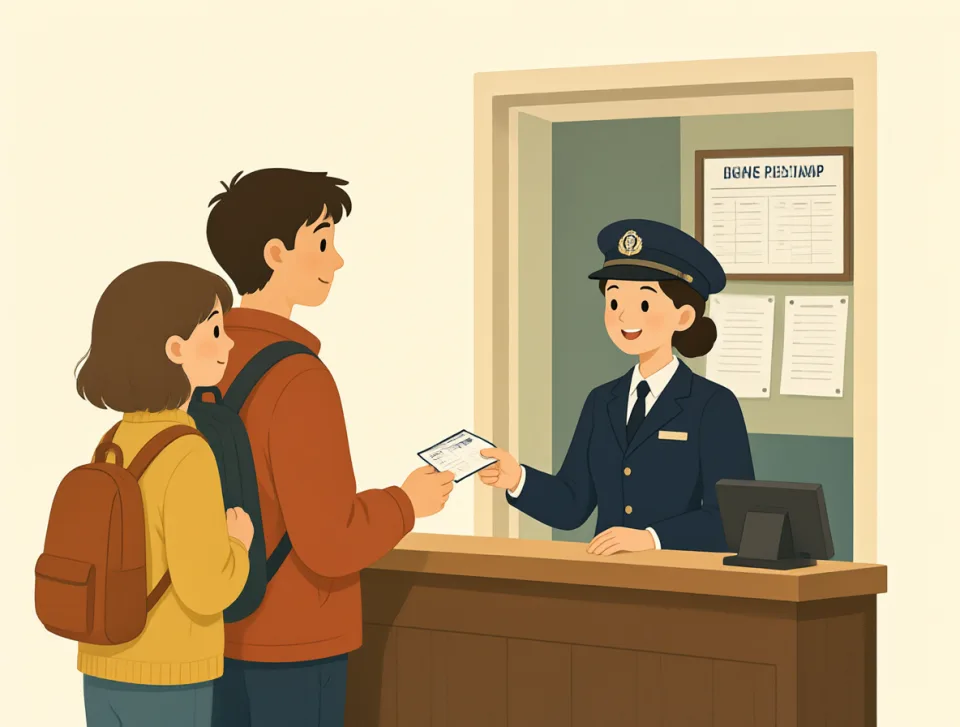
We are buying tickets for the train.
हम ट्रेन के टिकट खरीद रहे हैं।
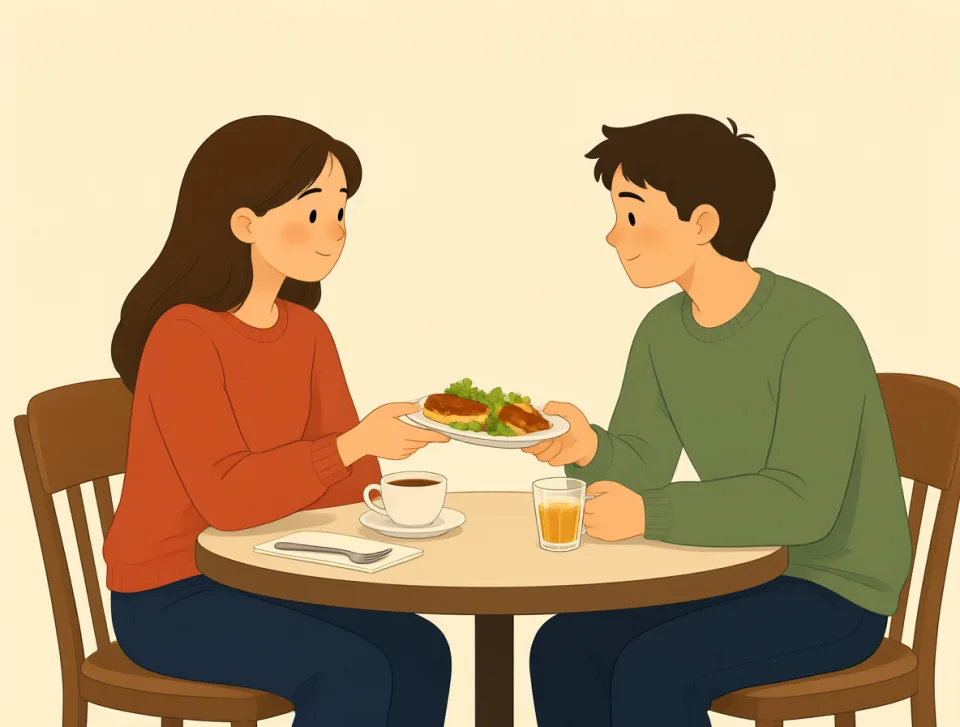
He bought me lunch after school.
स्कूल के बाद उसने मुझे दोपहर का खाना खिलाया।

That phone was a good buy.
वह फ़ोन खरीदना एक अच्छा सौदा था।
understand
#243verb
समझना
to know what something means or why something happens
यह जानना कि किसी बात का क्या मतलब है या कुछ क्यों होता है।
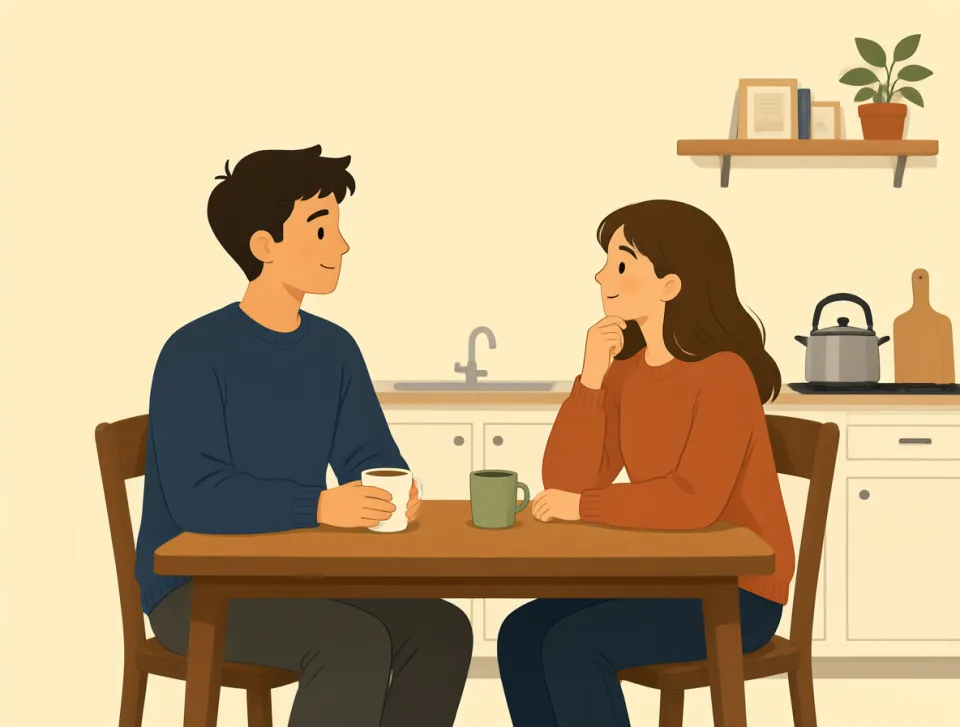
I understand what you mean.
मैं समझता हूँ कि तुम्हारा क्या मतलब है।

She understands the lesson now.
अब वह पाठ समझती है।
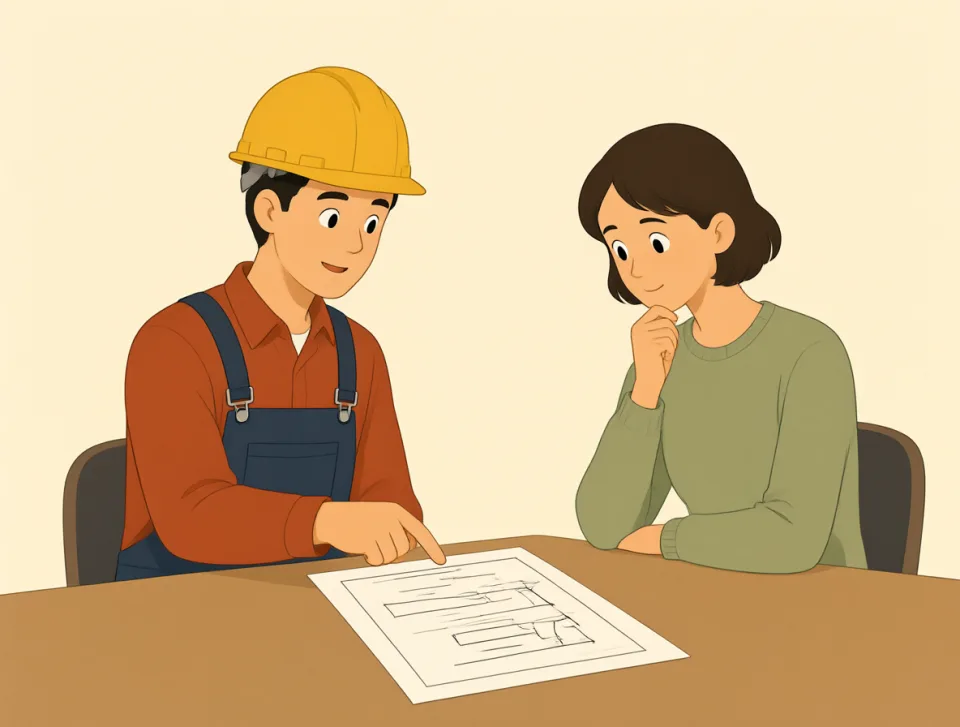
Do you understand these instructions?
क्या आप इन निर्देशों को समझते हैं?
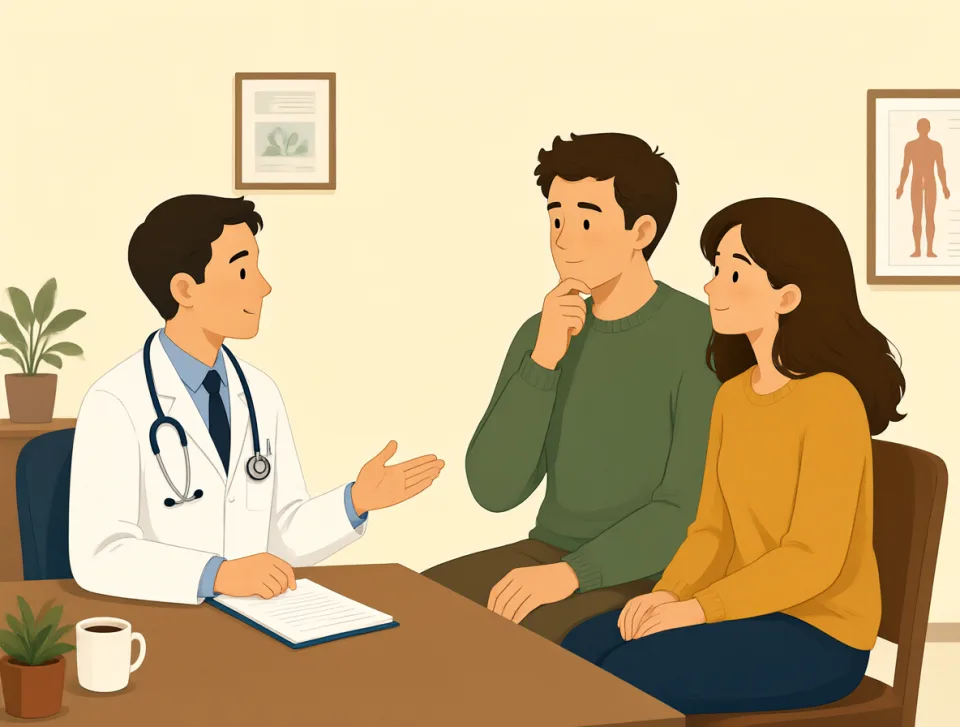
We understood the doctor’s advice.
हमने डॉक्टर की सलाह समझ ली।
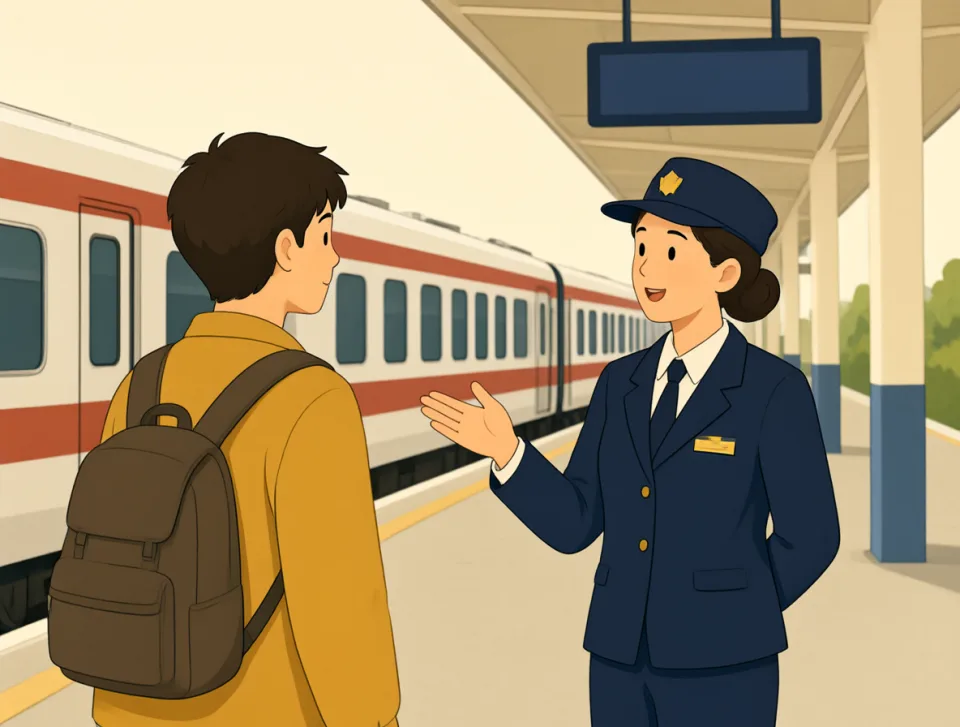
He understood that the train was late.
वह समझ गया कि ट्रेन देर से थी।

thank
#244verb
धन्यवाद देना
To show that you are grateful for something someone has done or given you.
किसी के किए या दिए गए काम के लिए आभार जताना।
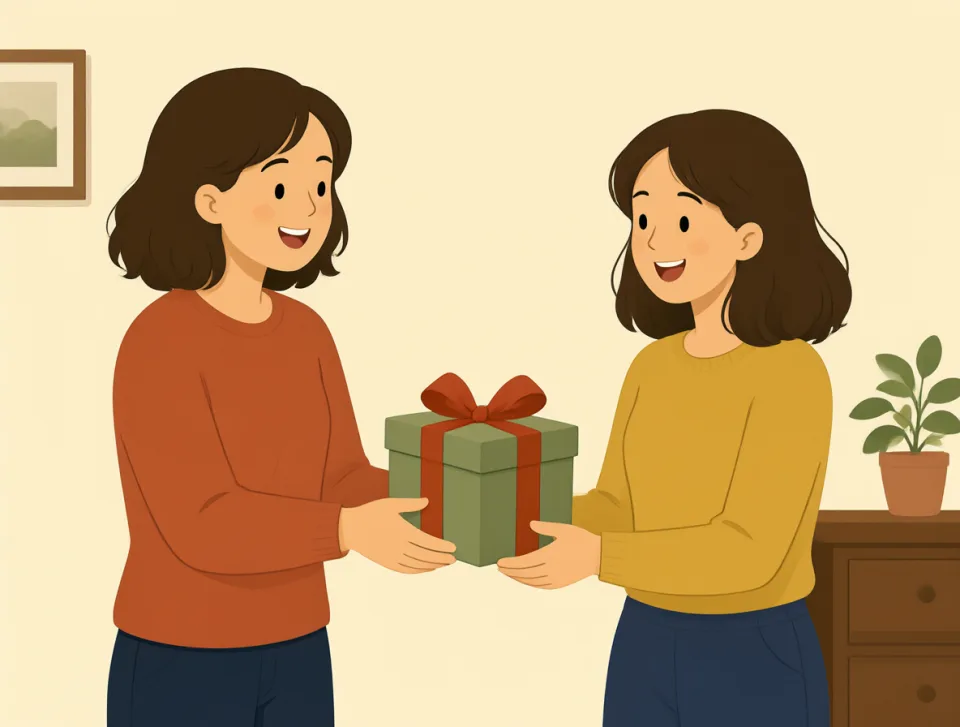
I thanked her for the lovely gift.
मैंने उस प्यारे तोहफ़े के लिए उसे धन्यवाद दिया।
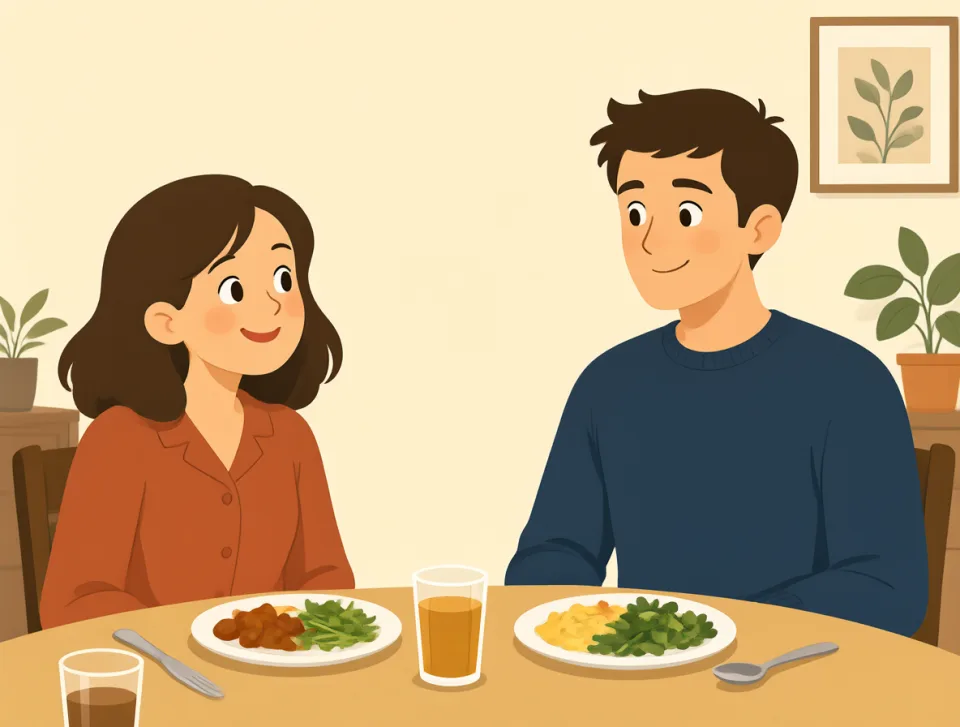
Please thank your parents for the meal.
कृपया खाने के लिए अपने माता-पिता को धन्यवाद देना।
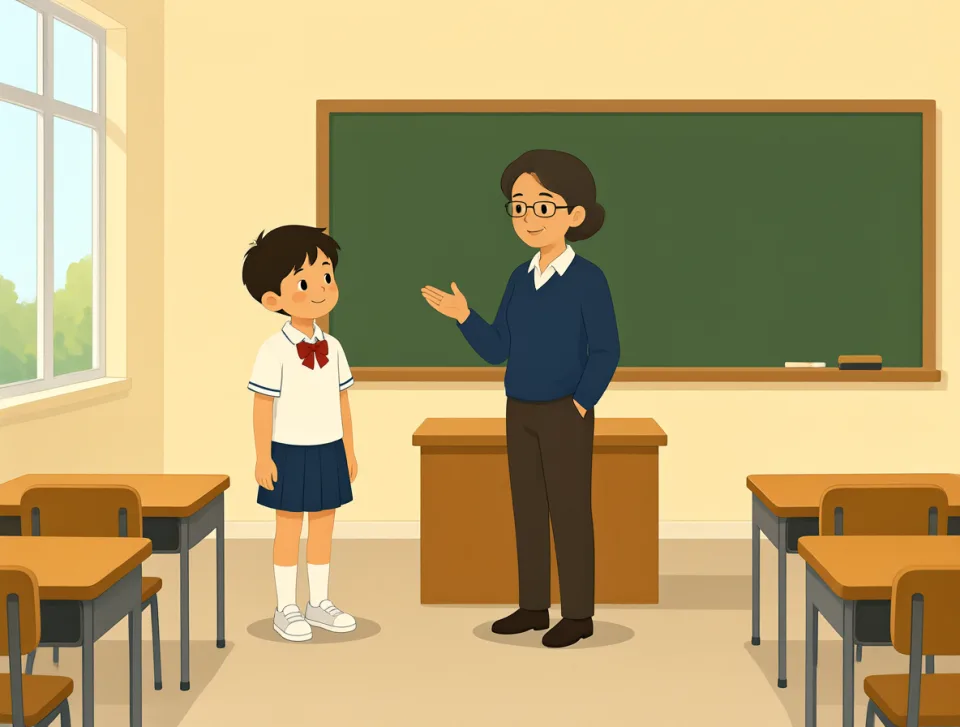
She thanked the teacher after class.
उसने कक्षा के बाद शिक्षक को धन्यवाद दिया।
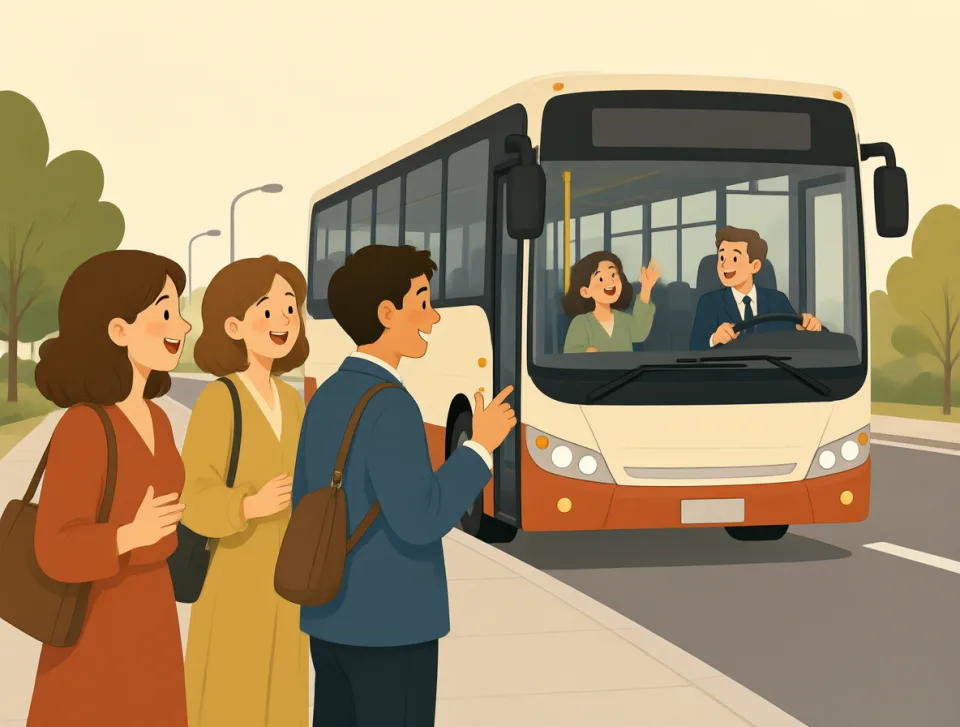
We thanked the driver when we arrived.
पहुँचने पर हमने ड्राइवर को धन्यवाद दिया।
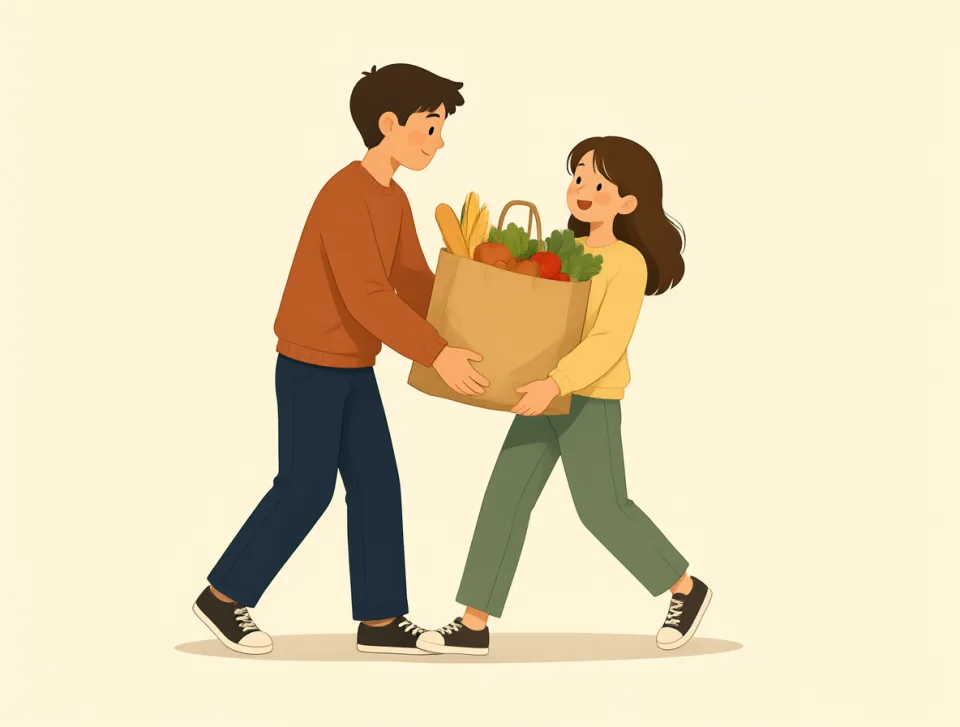
Thank you for helping me today.
आज मेरी मदद करने के लिए धन्यवाद।
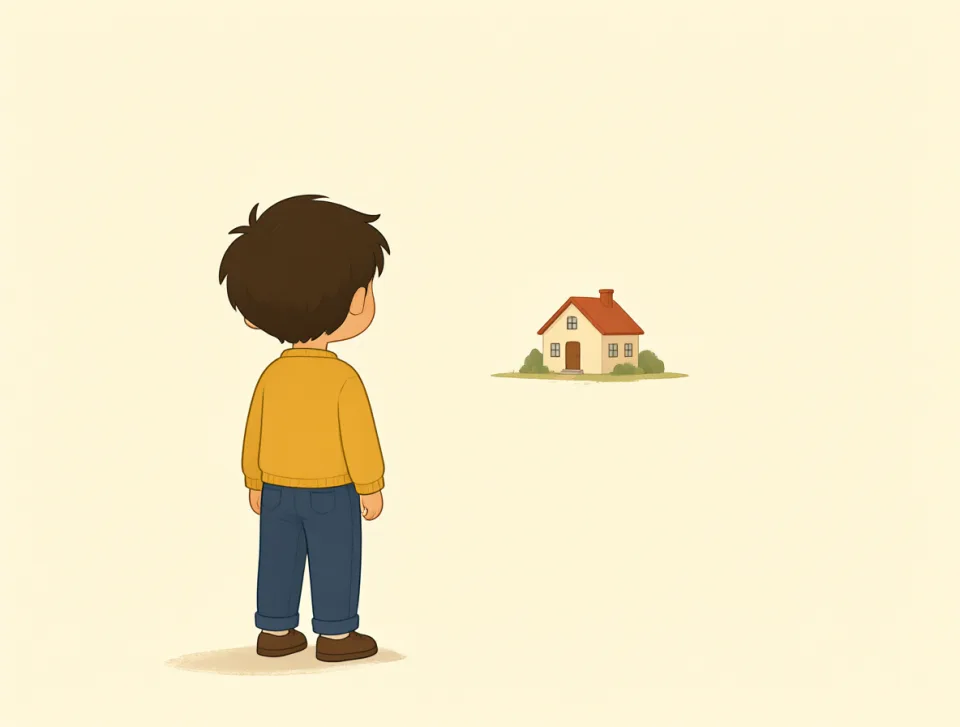
far
#245adjective, adverb, noun
दूर
A long distance away, or a long distance from something.
काफ़ी दूरी पर होना या किसी चीज़ से काफ़ी दूर होना।
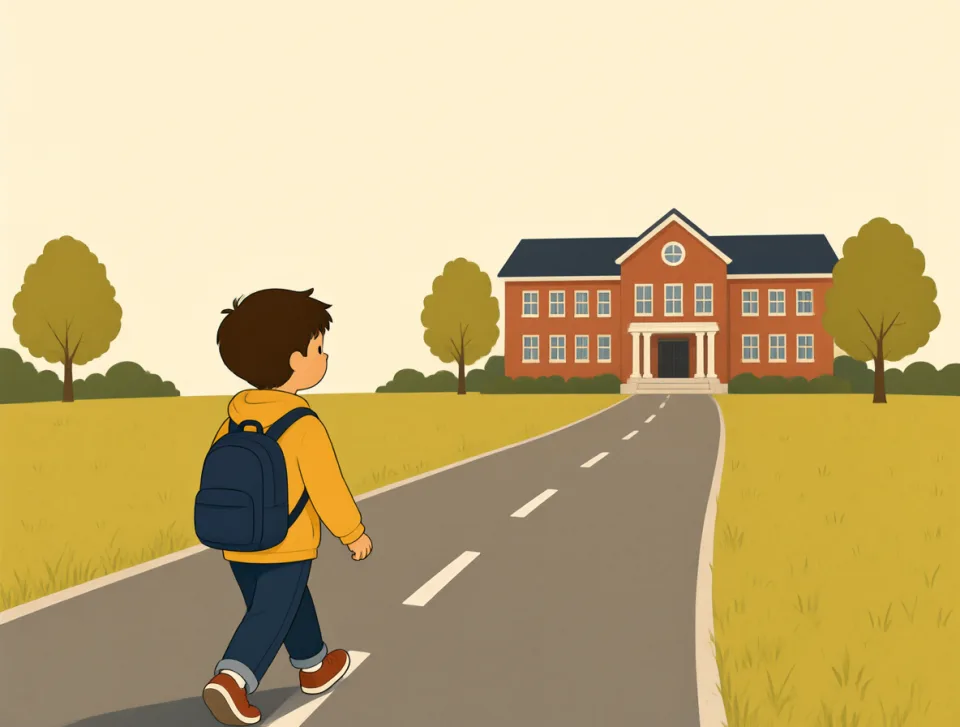
The school is far from our house.
स्कूल हमारे घर से दूर है।

How far is the train station?
रेलवे स्टेशन कितनी दूर है?
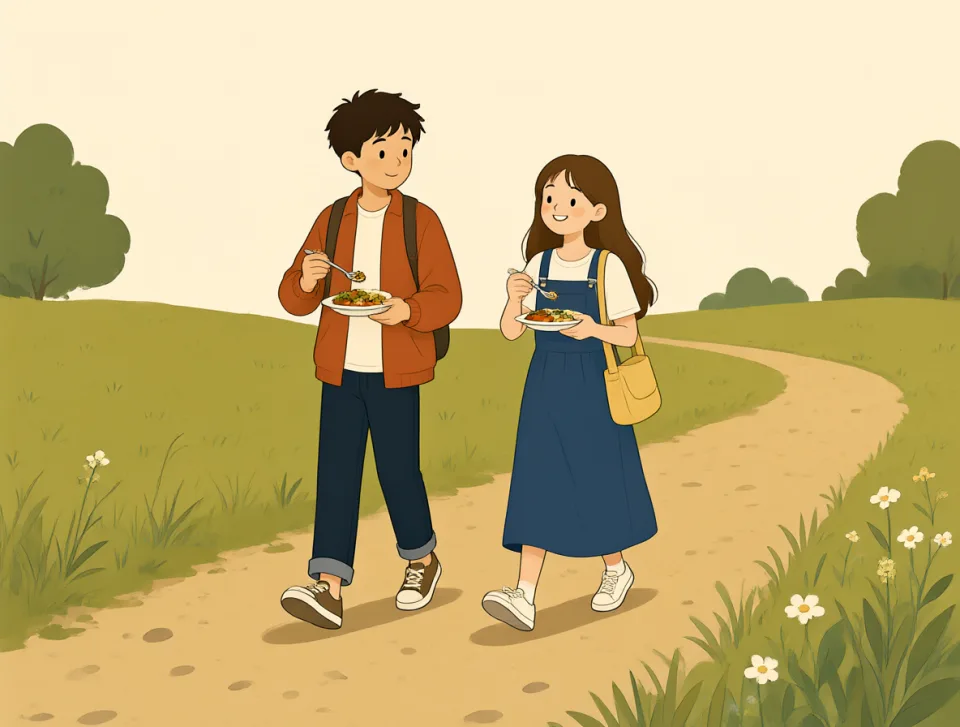
We walked far after dinner.
रात के खाने के बाद हम काफ़ी दूर तक पैदल चले।
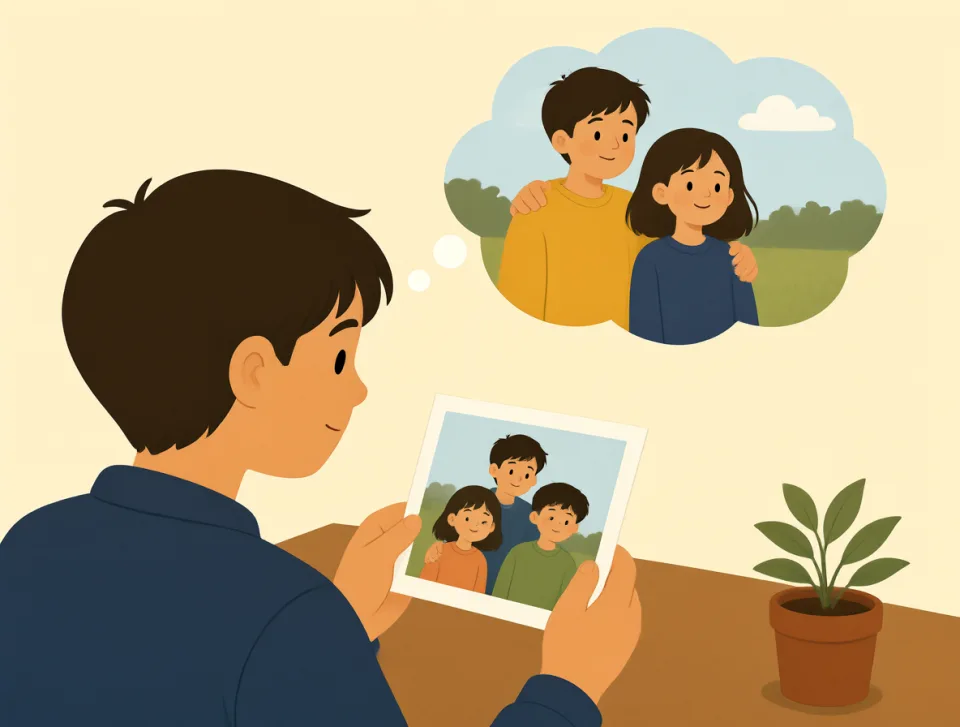
My brother lives far away.
मेरा भाई बहुत दूर रहता है।
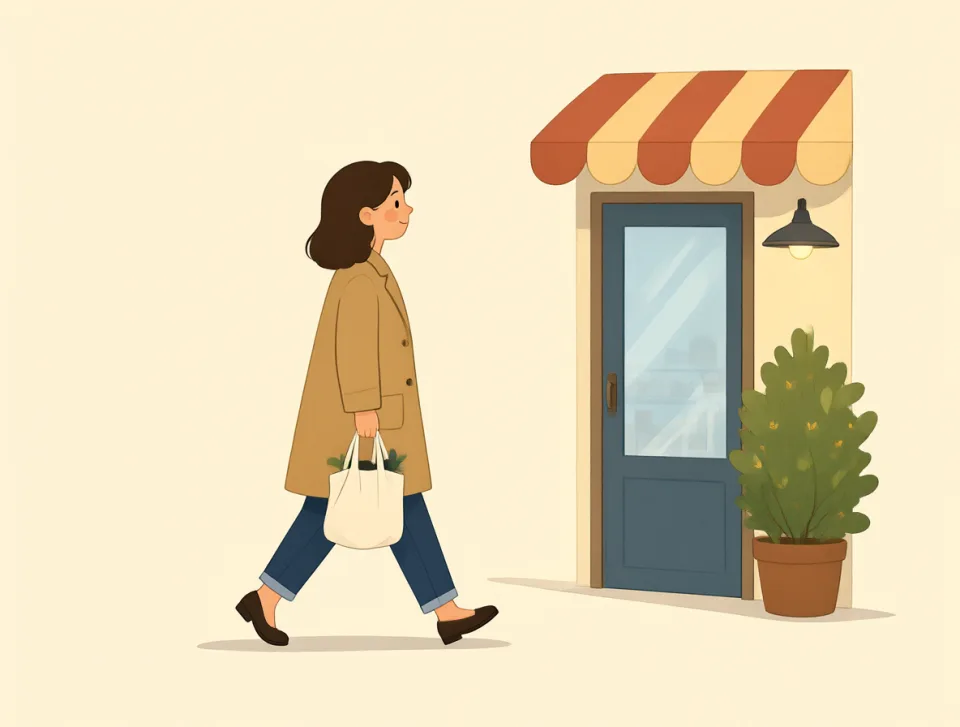
The store is not far from here.
दुकान यहाँ से ज़्यादा दूर नहीं है।
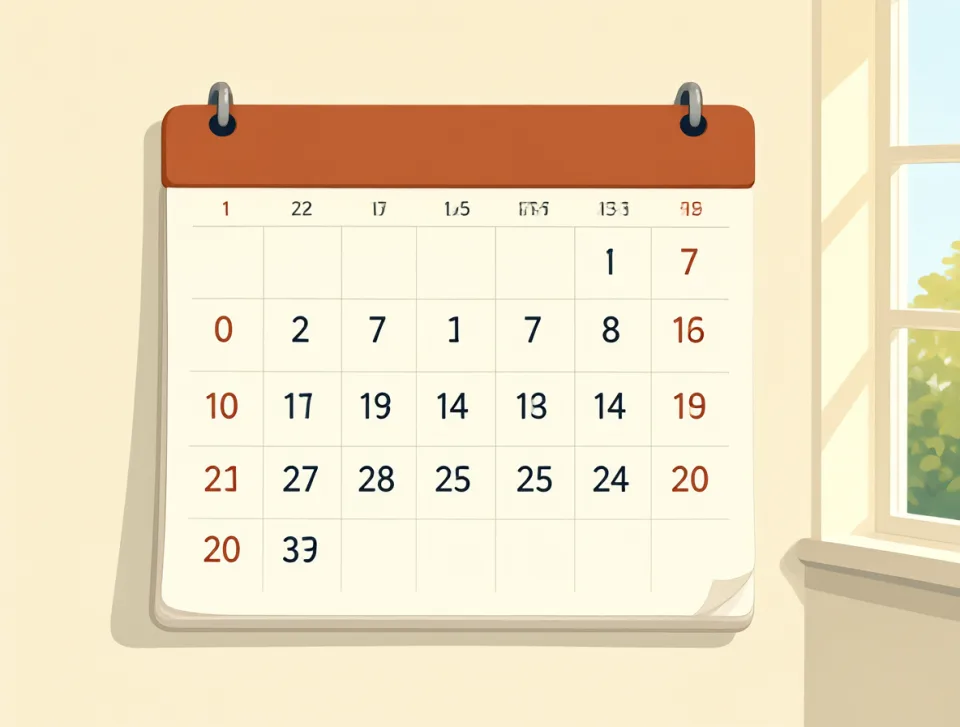
today
#246adverb, noun
आज
On or during this day.
इस दिन या इस दिन के दौरान।

I have a doctor’s appointment today.
आज मुझे डॉक्टर से मिलने का समय मिला है।

Today is my first day at work.
आज काम पर मेरा पहला दिन है।

We are going shopping today.
हम आज खरीदारी करने जा रहे हैं।
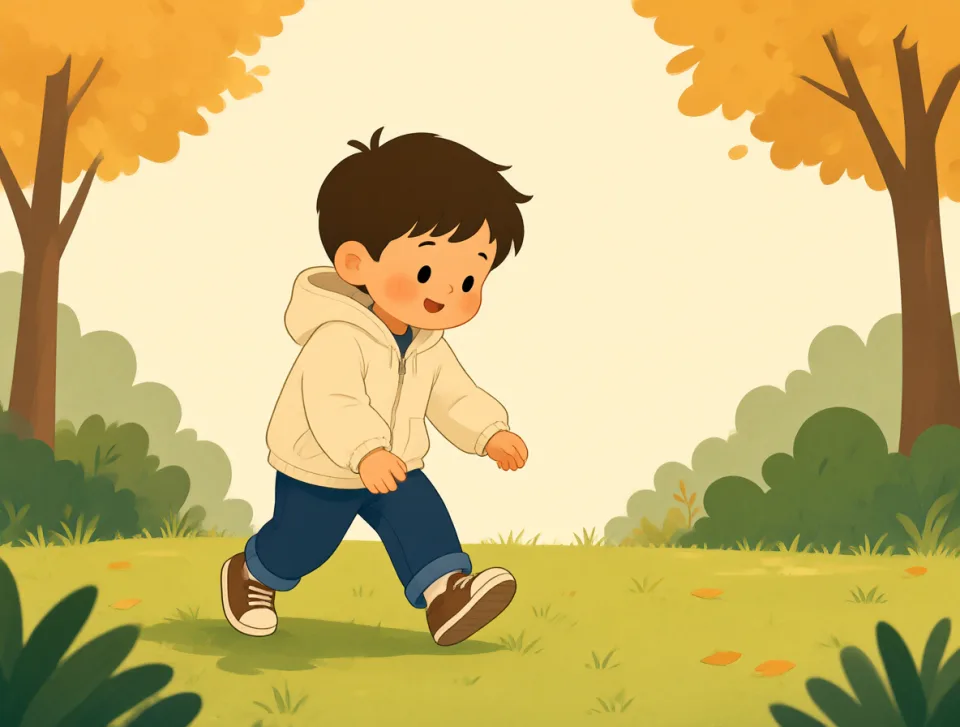
The weather is warmer today.
आज मौसम ज़्यादा गर्म है।
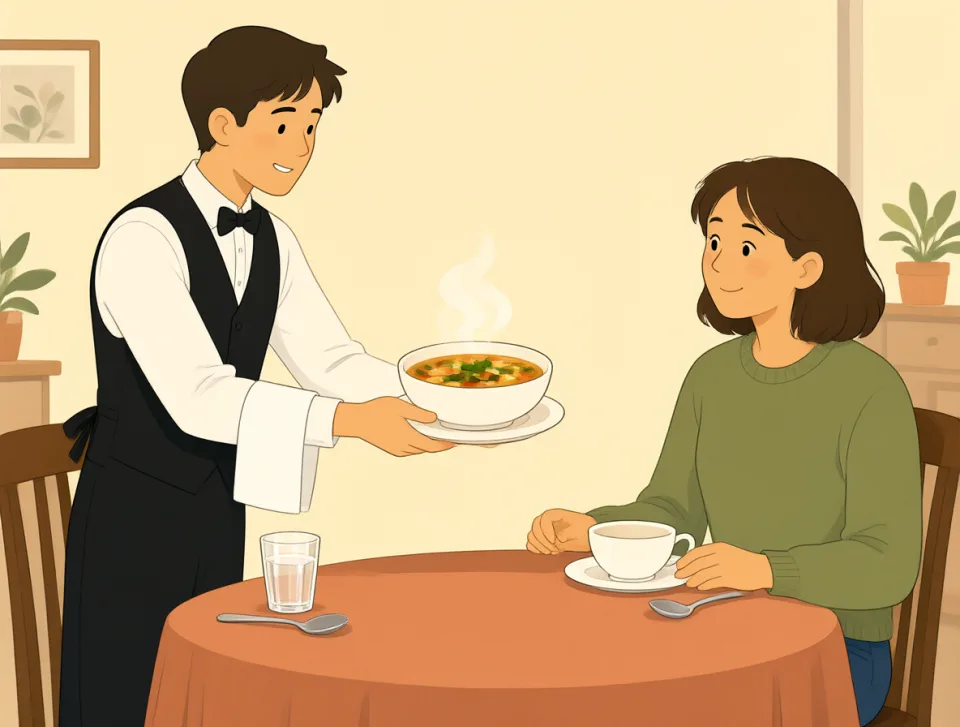
Today’s special is vegetable soup.
आज का ख़ास व्यंजन सब्ज़ियों का सूप है।
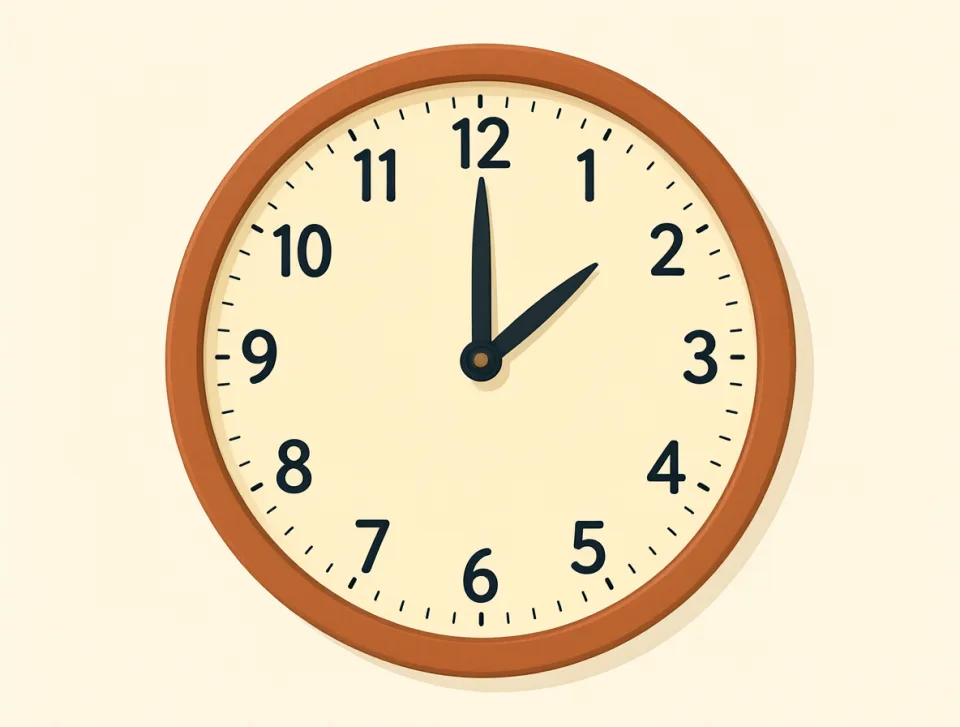
hour
#247noun
घंटा
A period of 60 minutes.
60 मिनट की अवधि।

The meeting starts in one hour.
बैठक एक घंटे में शुरू होगी।
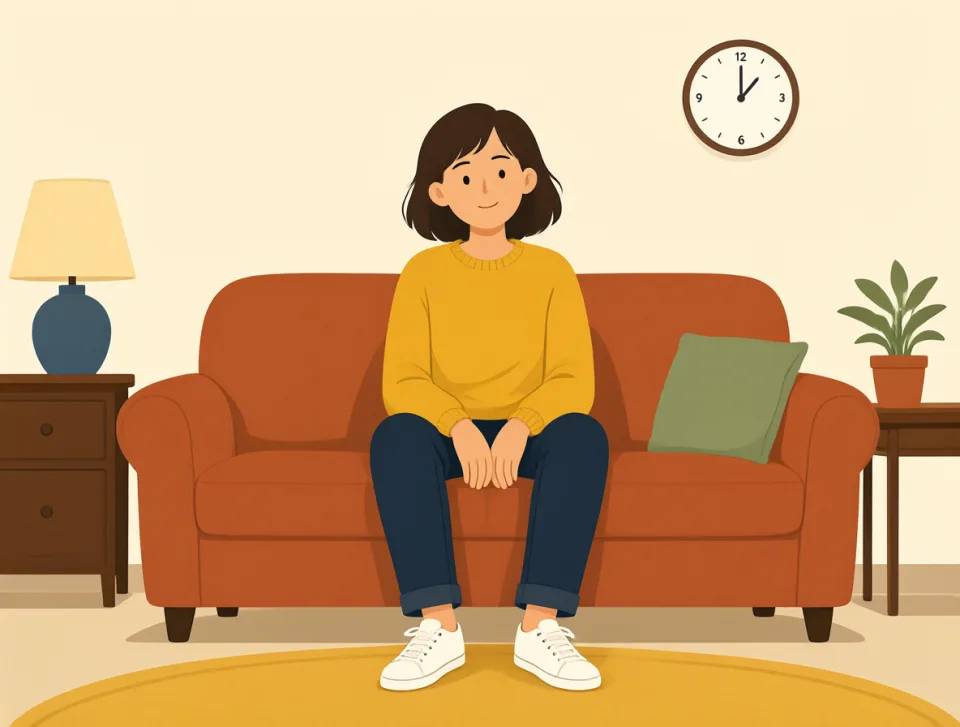
I waited for an hour at home.
मैंने घर पर एक घंटे तक इंतज़ार किया।
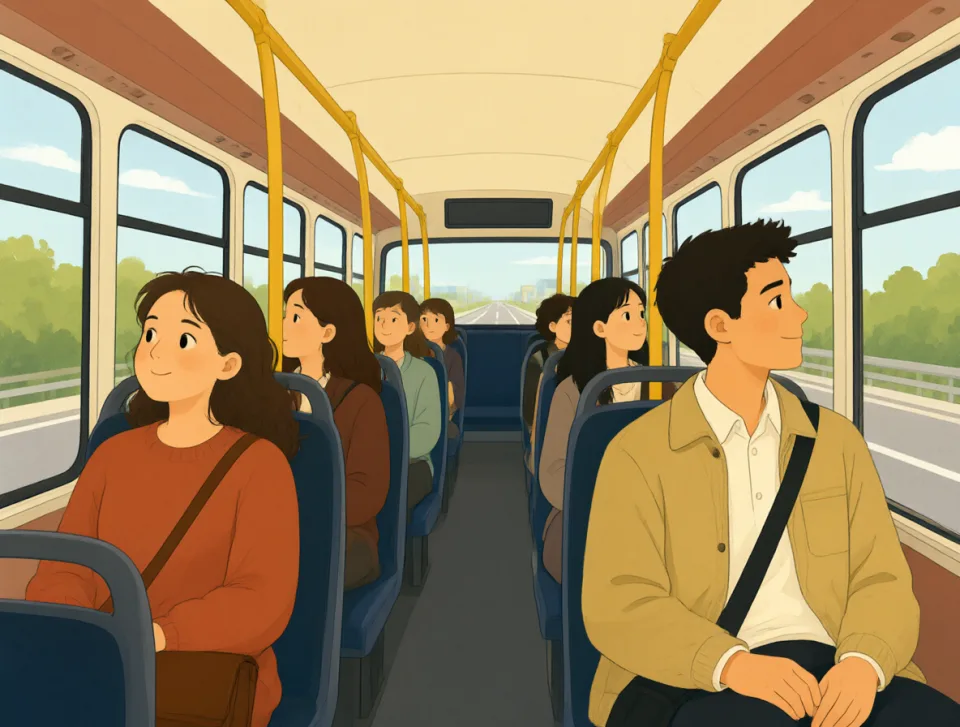
The bus ride takes two hours.
बस से सफ़र करने में दो घंटे लगते हैं।
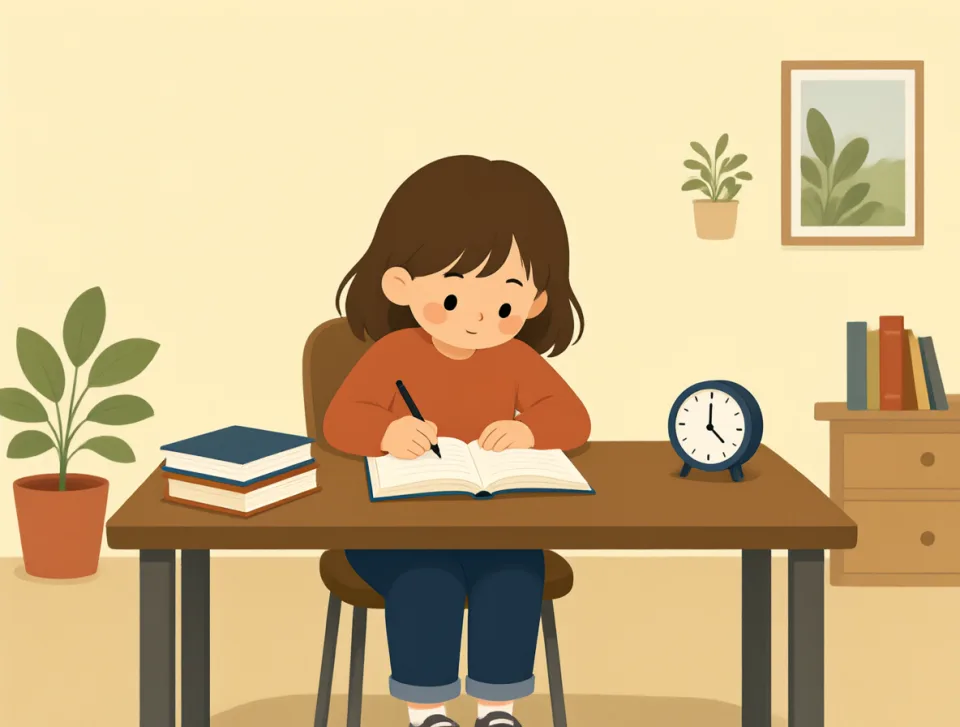
She studies for an hour after school.
वह स्कूल के बाद एक घंटे पढ़ाई करती है।
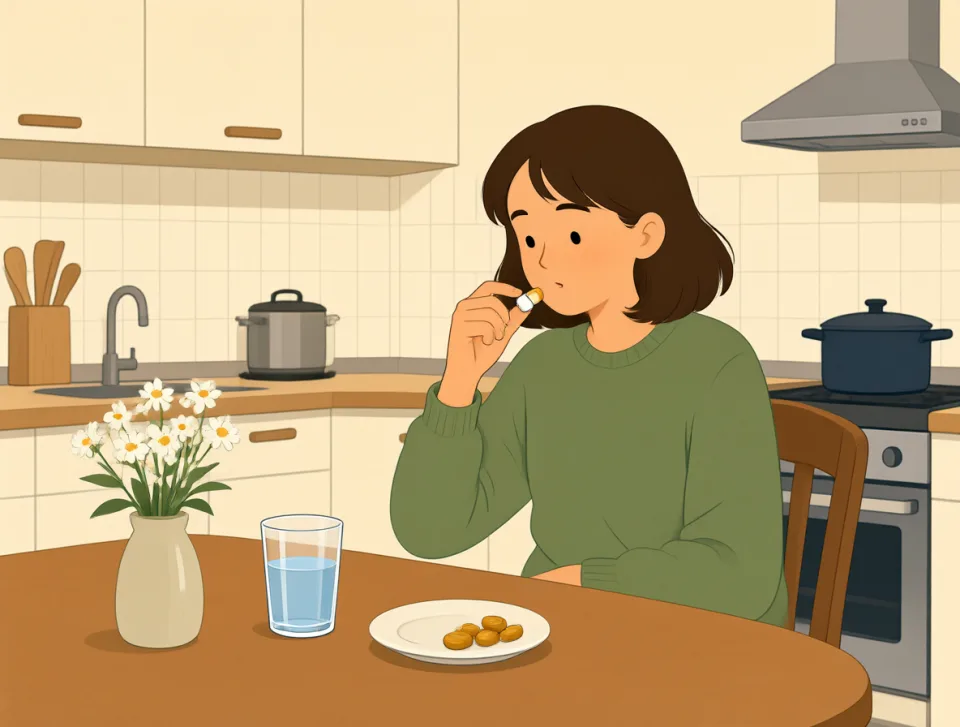
Take this medicine every four hours.
यह दवा हर चार घंटे में लें।
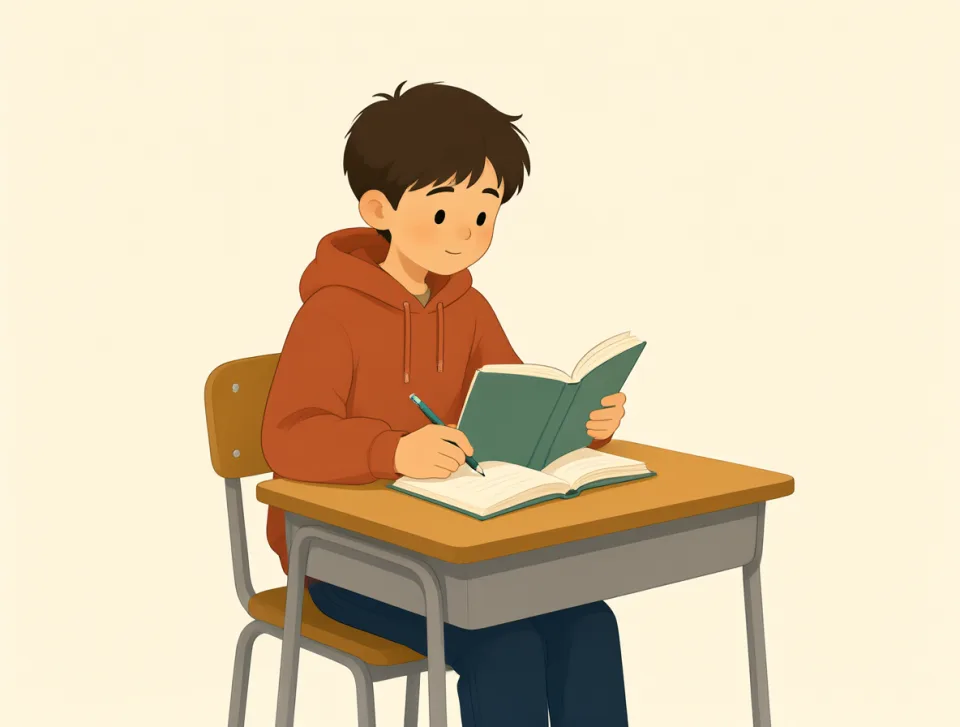
student
#248noun
विद्यार्थी
A person who is learning at a school, college, or university.
स्कूल, कॉलेज या विश्वविद्यालय में पढ़ने वाला व्यक्ति।

The student is reading a book in class.
विद्यार्थी कक्षा में किताब पढ़ रहा है।
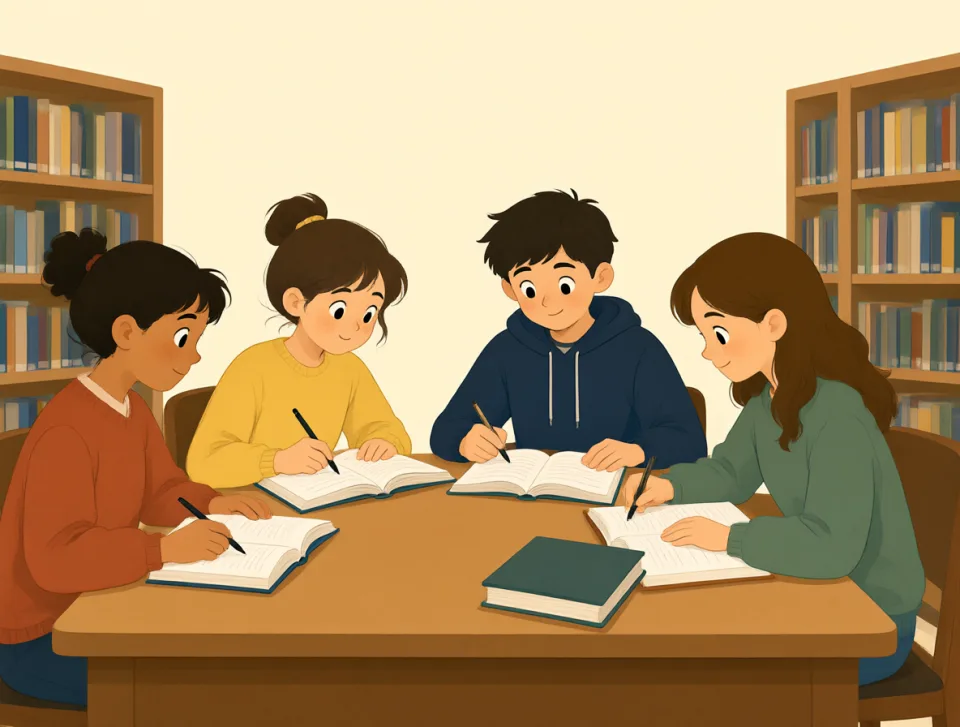
Many students study English after school.
कई विद्यार्थी स्कूल के बाद अंग्रेज़ी पढ़ते हैं।
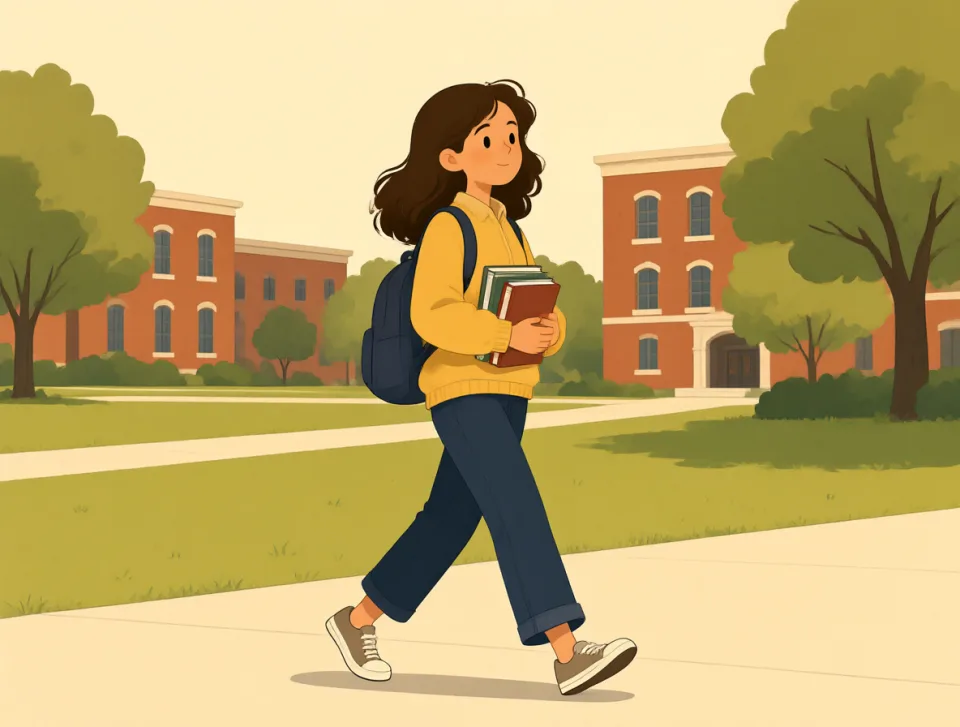
She is a university student in London.
वह लंदन में विश्वविद्यालय की छात्रा है।
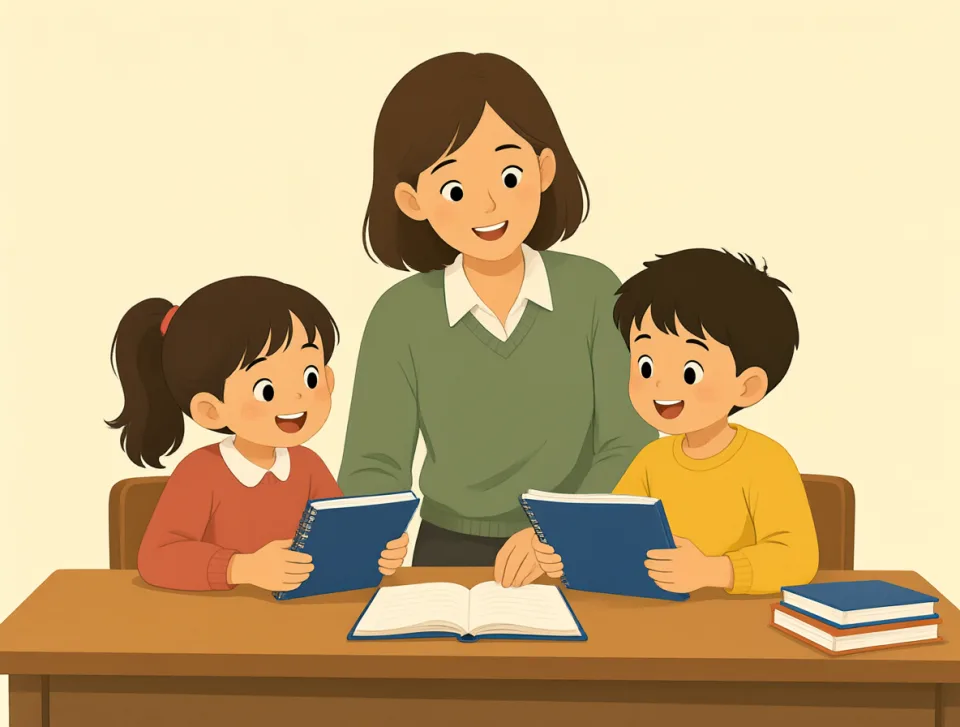
The teacher helped the students with their homework.
शिक्षक ने विद्यार्थियों को उनका गृहकार्य करने में मदद की।
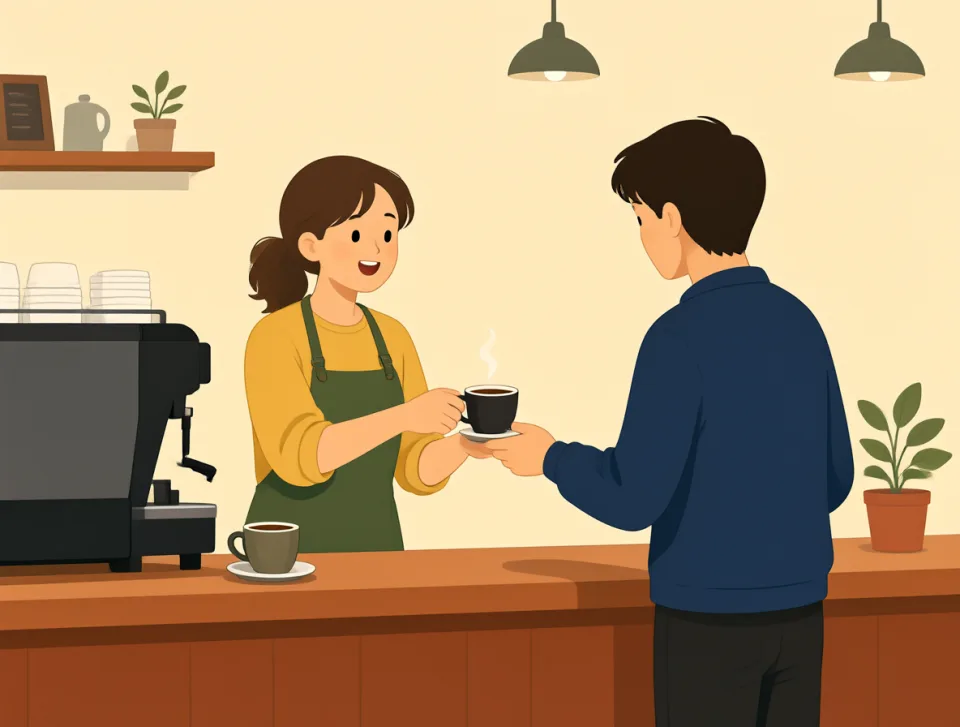
That student works part-time at a coffee shop.
वह विद्यार्थी कॉफ़ी की दुकान पर अंशकालिक काम करता है।

face
#249noun, verb
चेहरा; सामना करना
The front part of your head, or to meet a difficult person or situation.
सिर का अगला हिस्सा; या किसी मुश्किल व्यक्ति या परिस्थिति का सामना करना।

She washed her face before breakfast.
उसने नाश्ते से पहले अपना चेहरा धोया।

He has a friendly face.
उसका चेहरा मिलनसार लगता है।
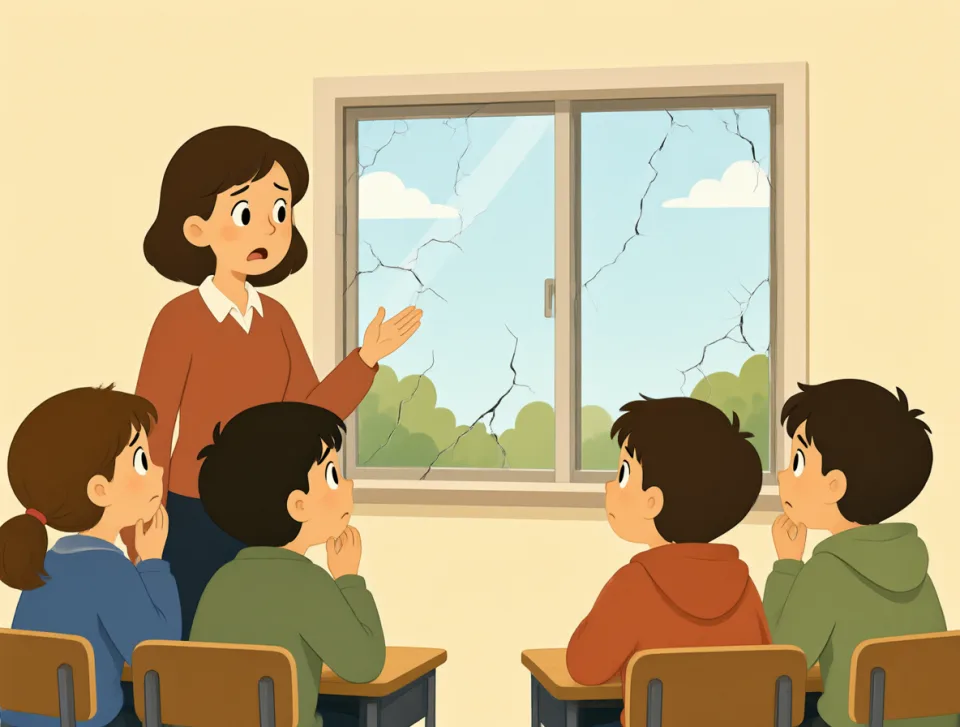
The school faces a serious problem.
स्कूल एक गंभीर समस्या का सामना कर रहा है।

We faced heavy rain during our trip.
हमारी यात्रा के दौरान हमें तेज़ बारिश का सामना करना पड़ा।

She faced her friend and smiled.
वह अपनी दोस्त की ओर मुड़ी और मुस्कुराई।
hope
#250noun, verb
उम्मीद; आशा करना
A feeling that something good may happen, or to want something good to happen.
यह भावना कि कुछ अच्छा हो सकता है; या कुछ अच्छा होने की कामना करना।
I hope you have a nice day.
मुझे उम्मीद है कि तुम्हारा दिन अच्छा गुज़रेगा।

We hope to visit Spain next summer.
हमें उम्मीद है कि हम अगली गर्मियों में स्पेन जाएँगे।
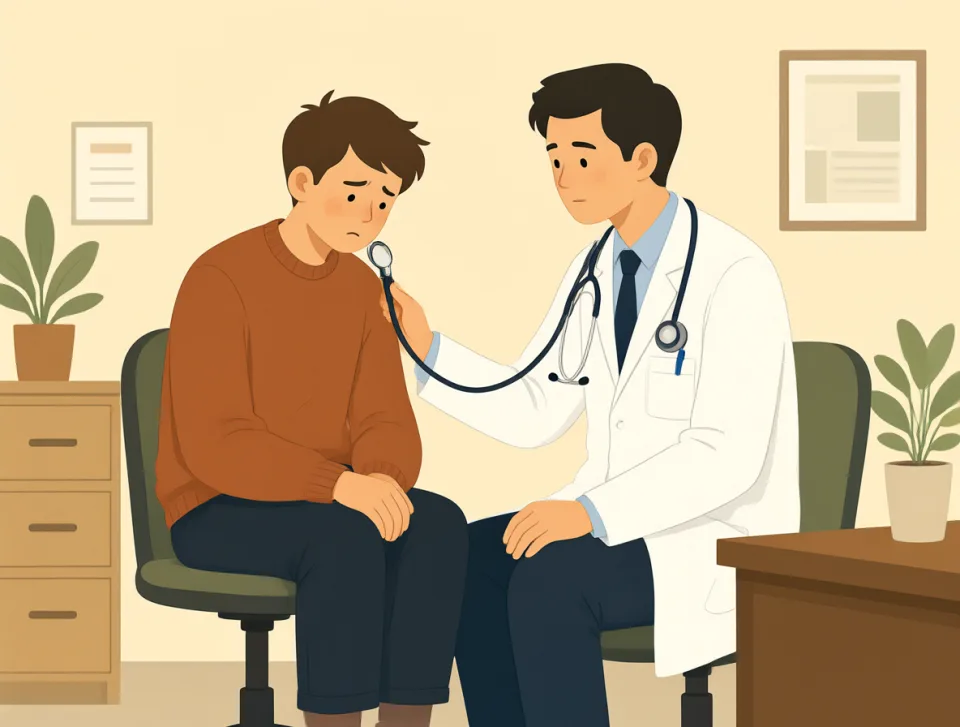
I hope the doctor can help me.
मुझे उम्मीद है कि डॉक्टर मेरी मदद कर पाएँगे।
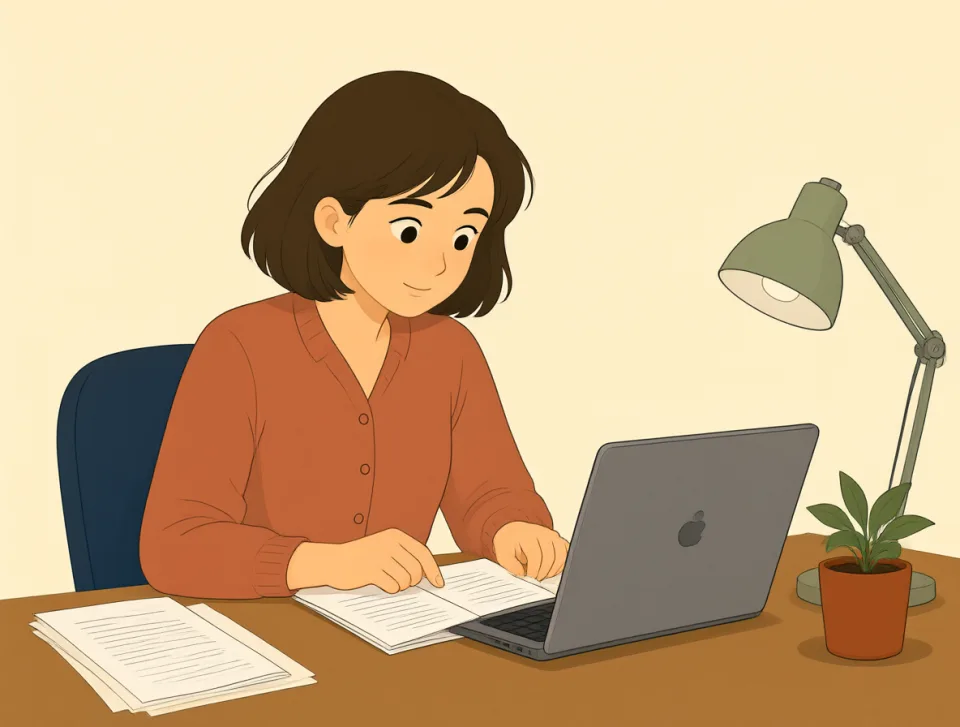
She hopes to find a new job soon.
उसे उम्मीद है कि जल्द ही उसे नई नौकरी मिल जाएगी।
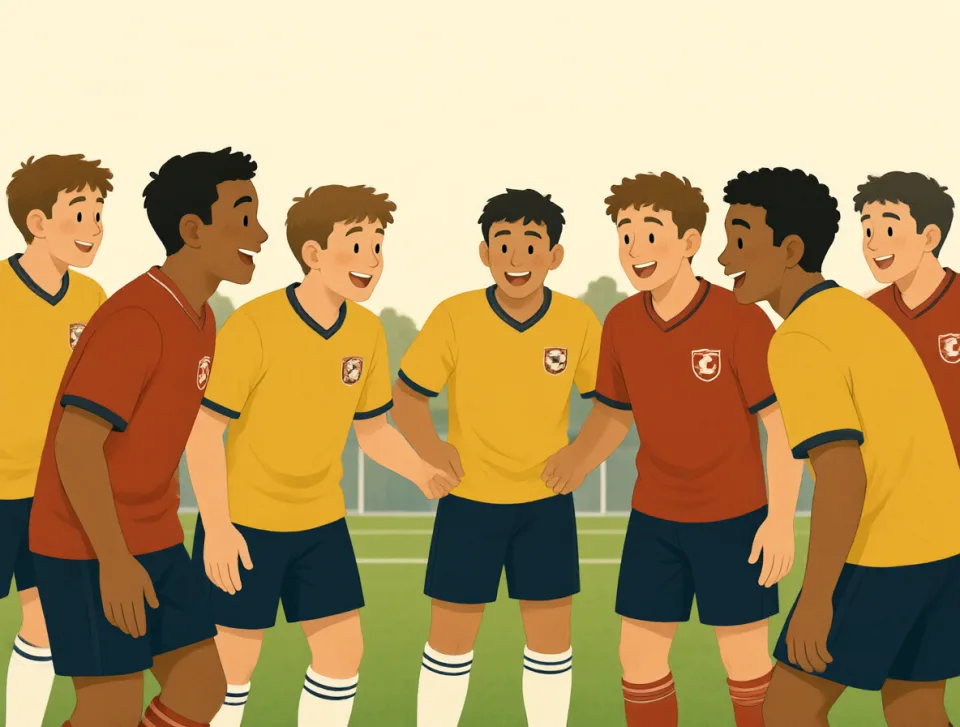
There is still hope for our team.
हमारी टीम के लिए अभी भी उम्मीद बाकी है।
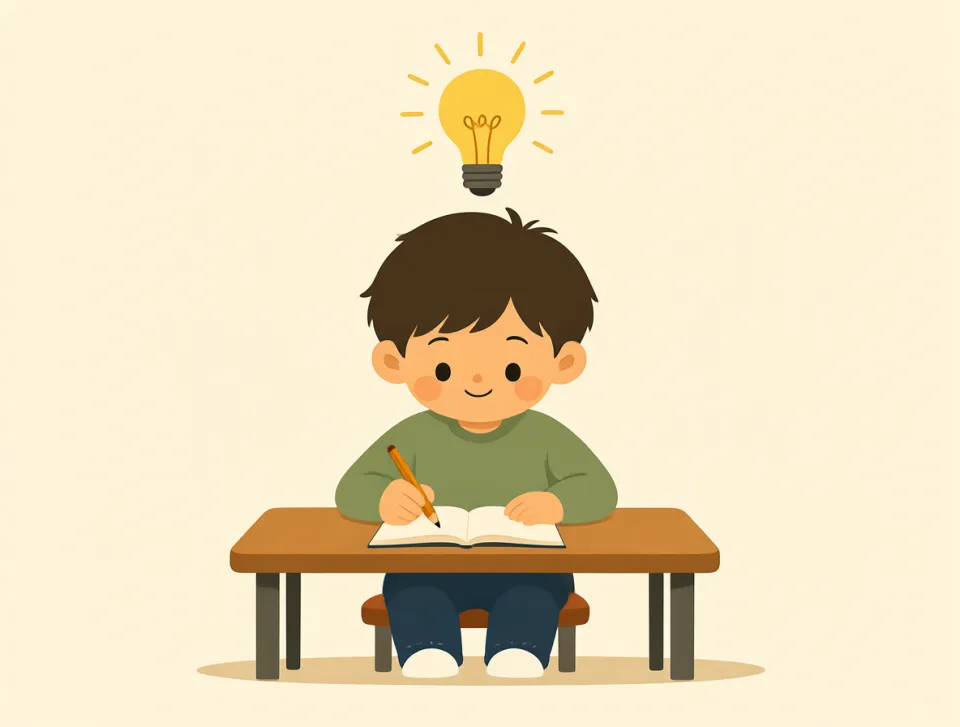
idea
#251noun
विचार
A thought or plan about what to do or how to do something.
किसी काम को करने या उसे कैसे करना है, इस बारे में सोचा गया विचार या बनाई गई योजना।
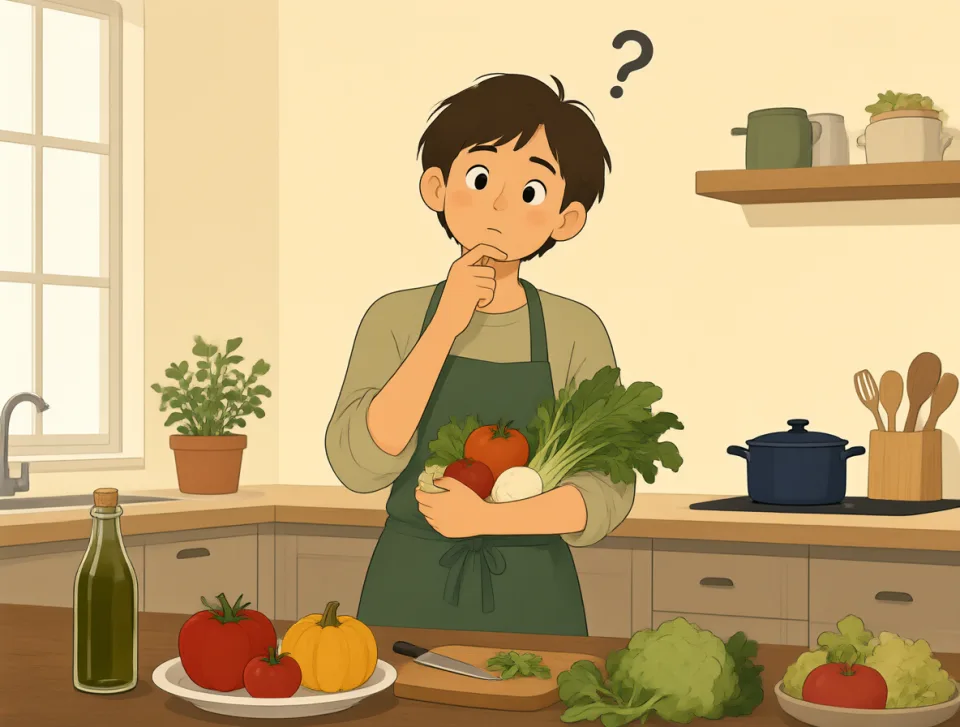
I have an idea for dinner tonight.
आज रात के खाने के लिए मेरे पास एक विचार है।

That is a good idea.
यह एक अच्छा विचार है।
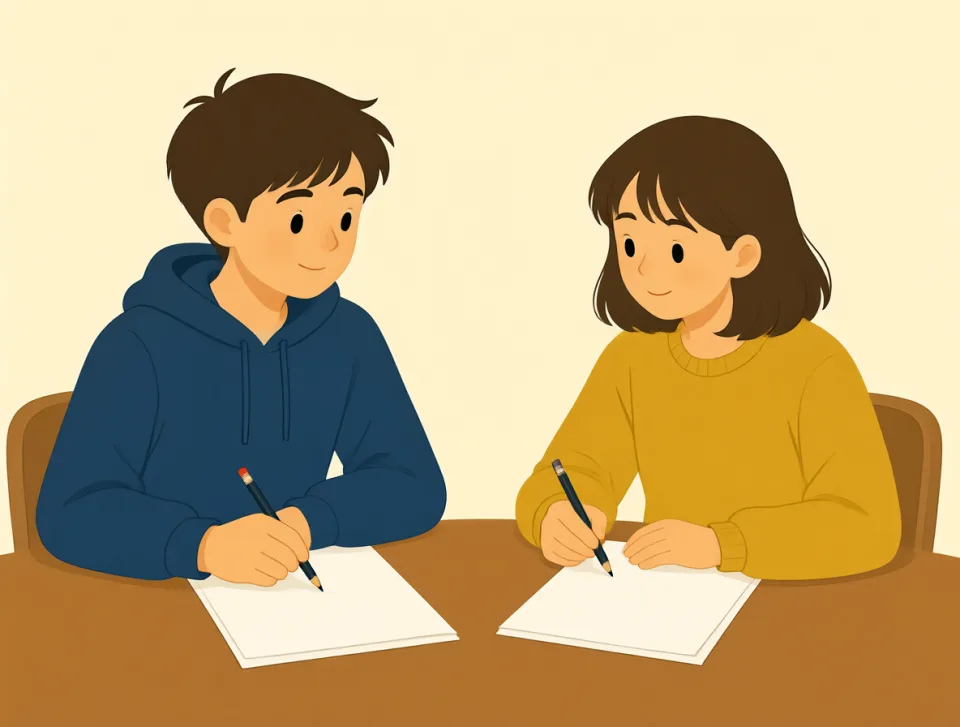
She gave me an idea for my project.
उसने मुझे अपने प्रोजेक्ट के लिए एक सुझाव दिया।
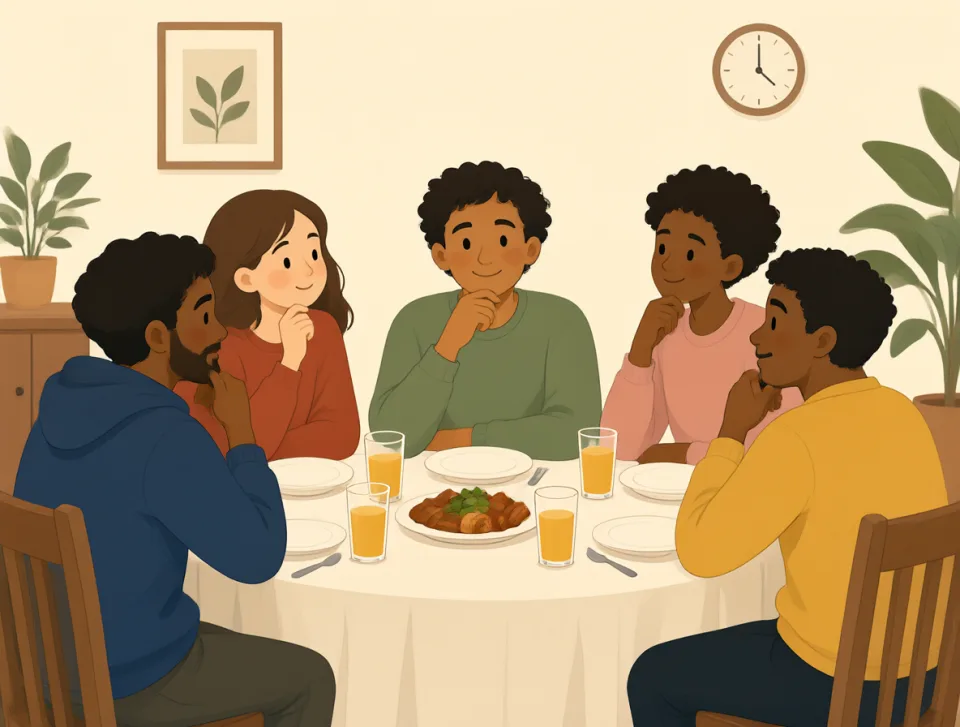
We need some new ideas for the party.
हमें पार्टी के लिए कुछ नए विचार चाहिए।
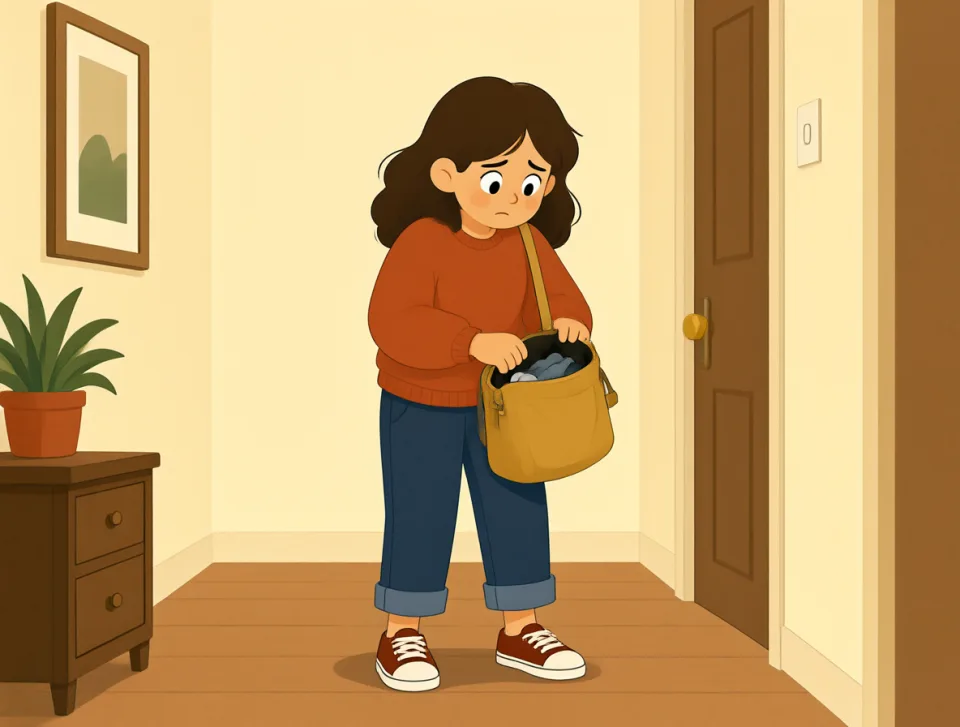
I have no idea where my keys are.
मुझे बिल्कुल पता नहीं कि मेरी चाबियाँ कहाँ हैं।
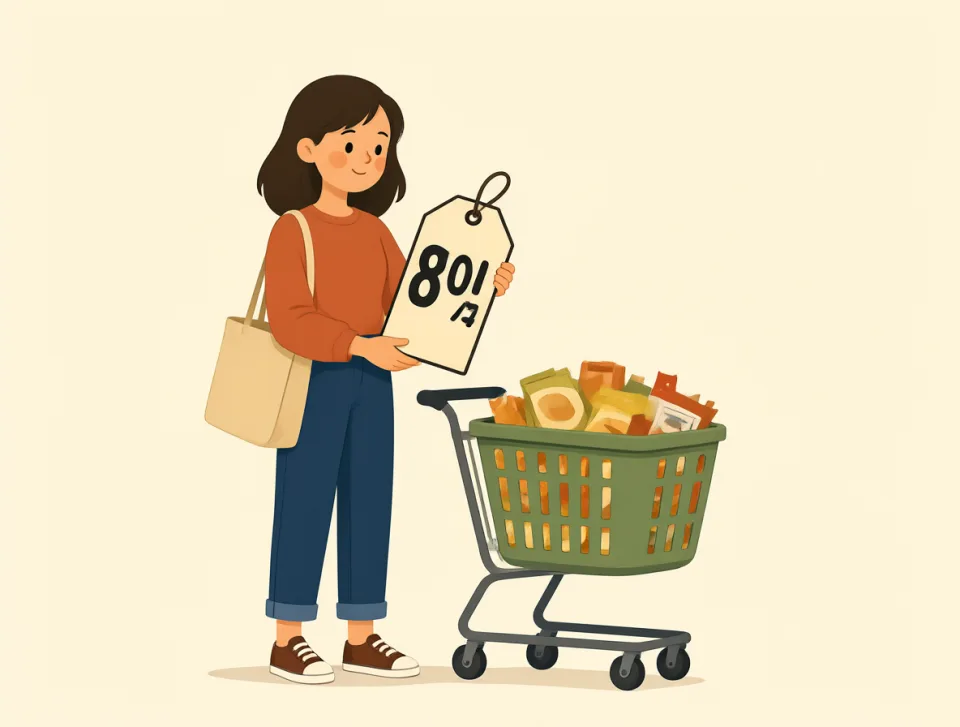
cost
#252noun, verb
कीमत
The amount of money needed to buy or do something; to need that amount of money.
किसी चीज़ को खरीदने या कोई काम करने के लिए ज़रूरी धनराशि; उस धनराशि की ज़रूरत होना।

The new shoes cost fifty dollars.
नए जूतों की कीमत पचास डॉलर है।
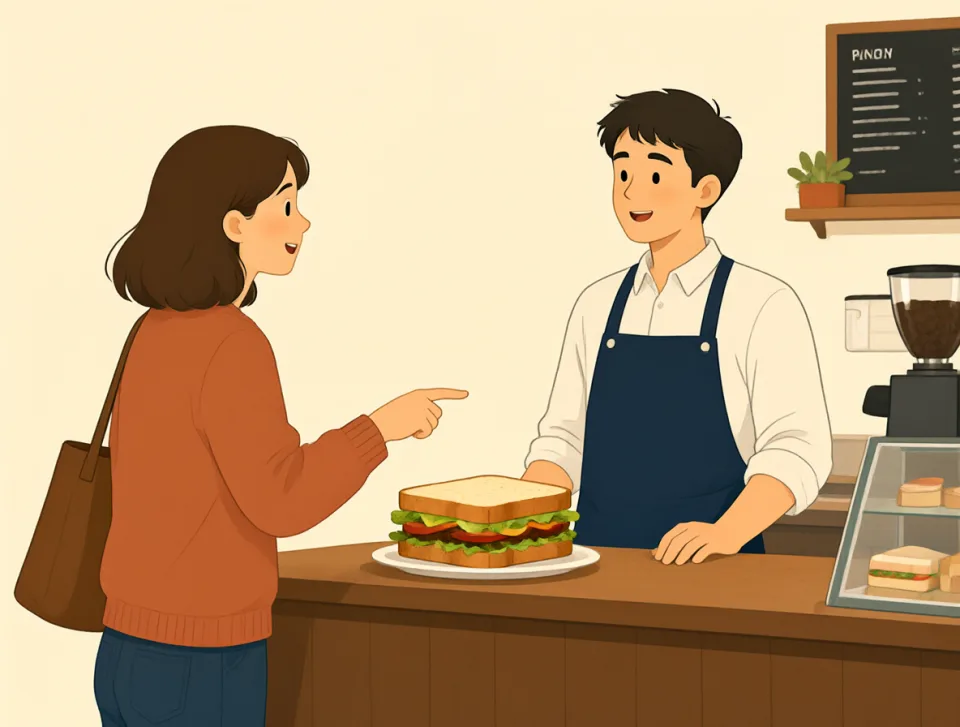
How much does this sandwich cost?
इस सैंडविच की कीमत कितनी है?
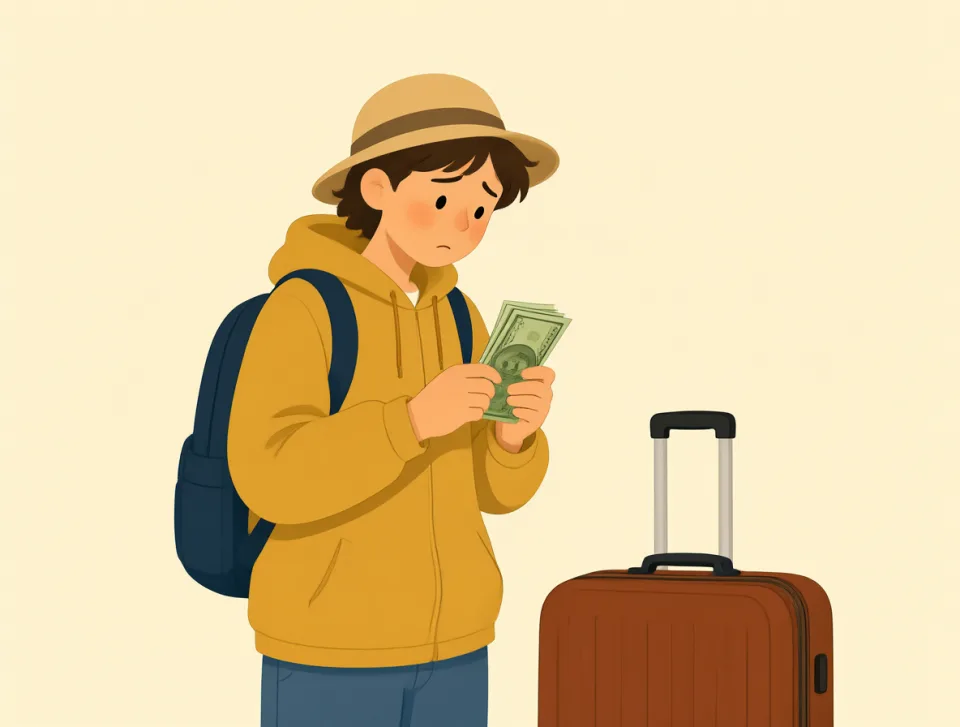
The trip cost more than we planned.
इस यात्रा पर हमारी योजना से ज़्यादा खर्च हुआ।
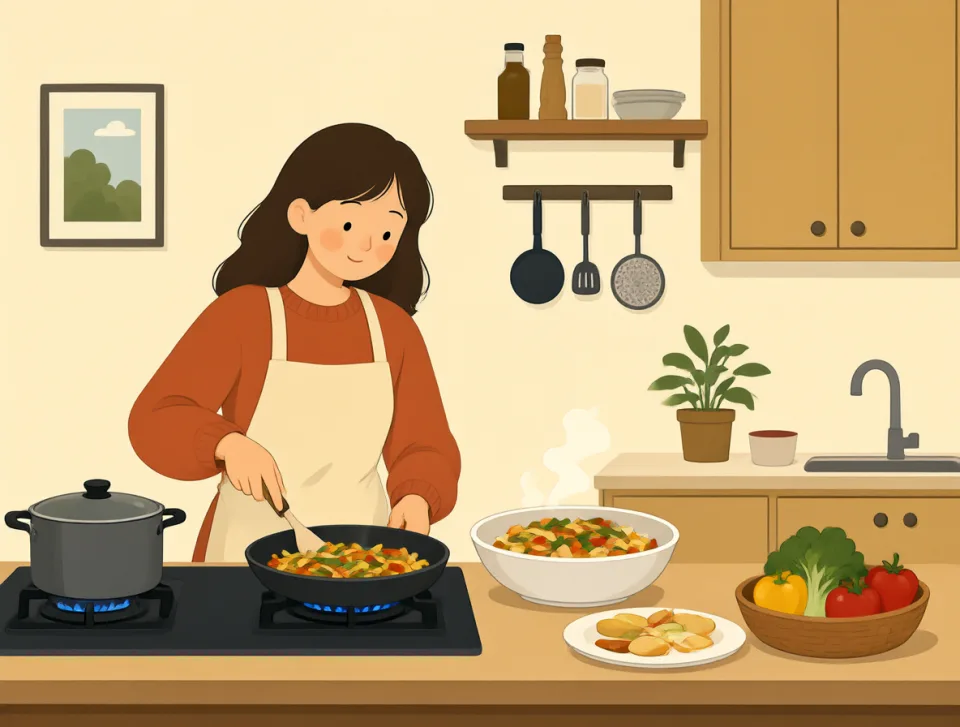
Cooking at home costs less than eating out.
घर पर खाना पकाने में बाहर खाने से कम खर्च होता है।
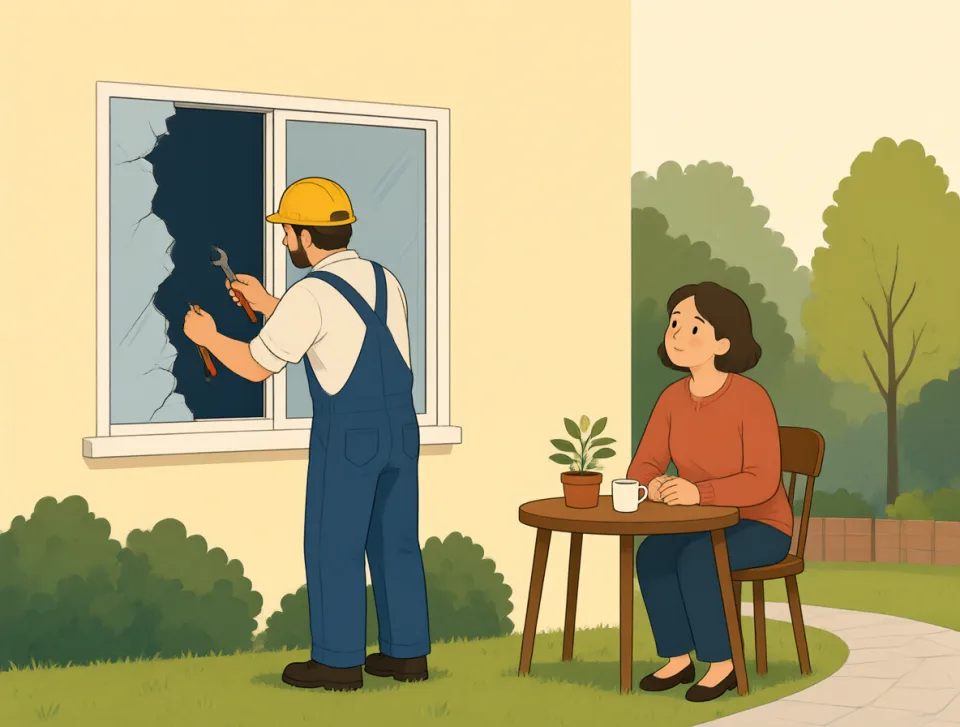
The broken window cost us a lot to repair.
टूटी हुई खिड़की की मरम्मत करवाने में हमें बहुत खर्च करना पड़ा।
less
#253adverb, determiner, pronoun, preposition
कम
A smaller amount, number, or degree than before or than someone else.
पहले या किसी दूसरे व्यक्ति की तुलना में कम मात्रा, संख्या या स्तर।
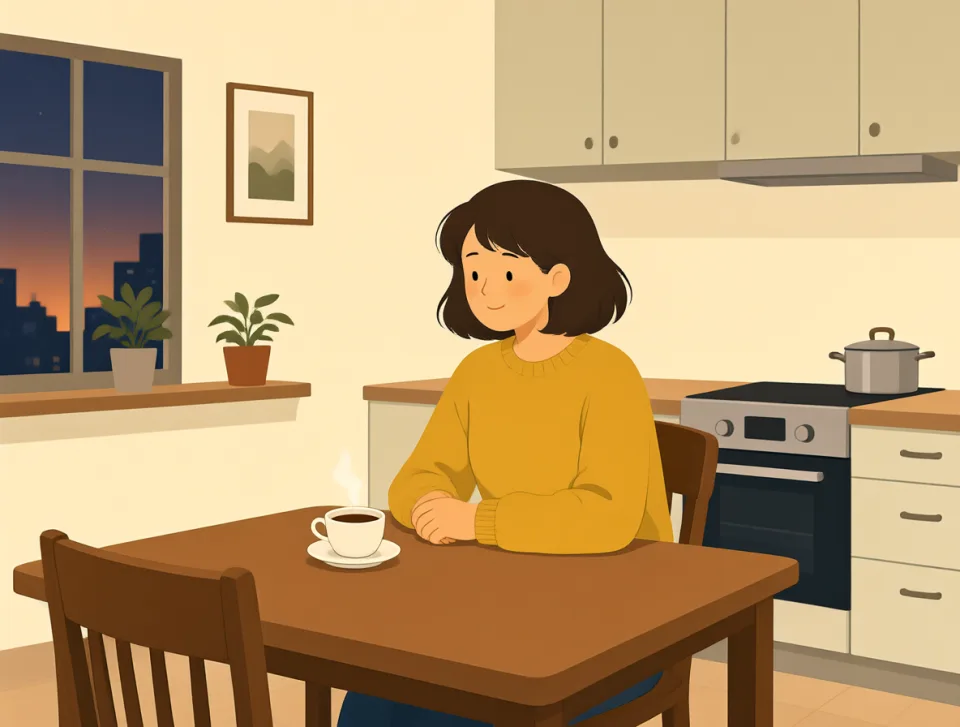
I drink less coffee in the evening.
मैं शाम को कम कॉफ़ी पीता हूँ।

This bag costs less than that one.
इस बैग की कीमत उस बैग से कम है।
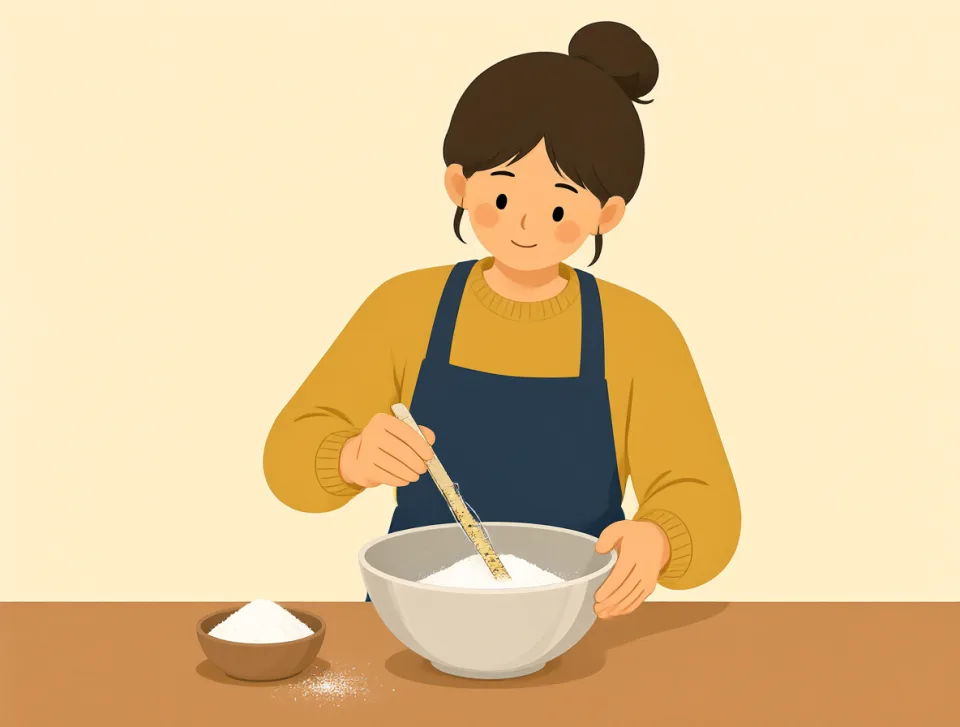
We need less sugar in this cake.
हमें इस केक में कम चीनी डालनी चाहिए।
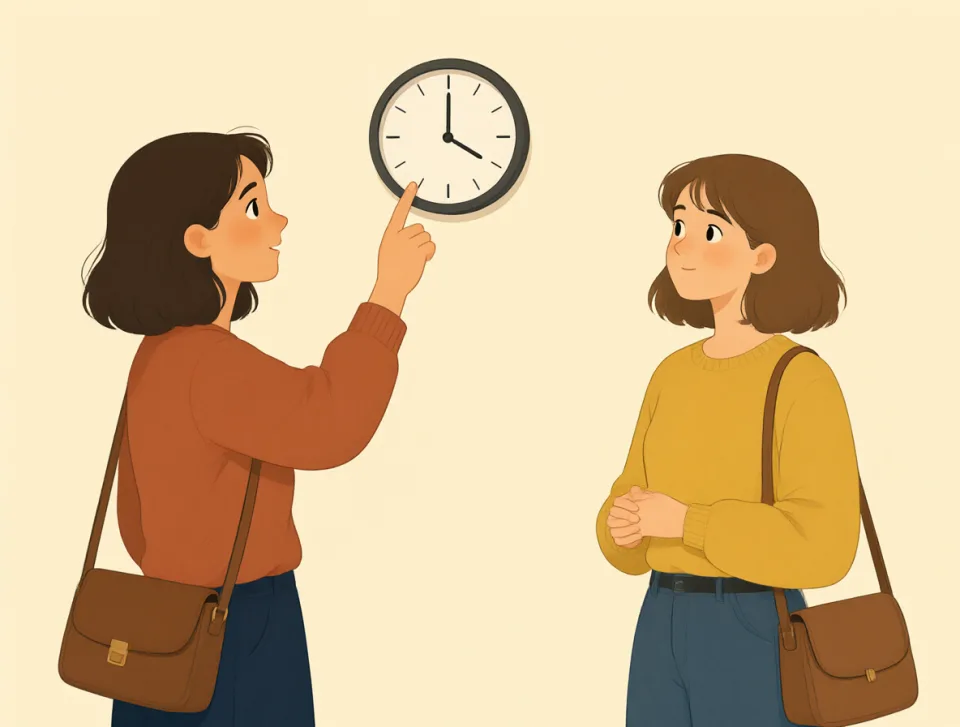
She has less time for friends today.
आज उसके पास दोस्तों के लिए कम समय है।
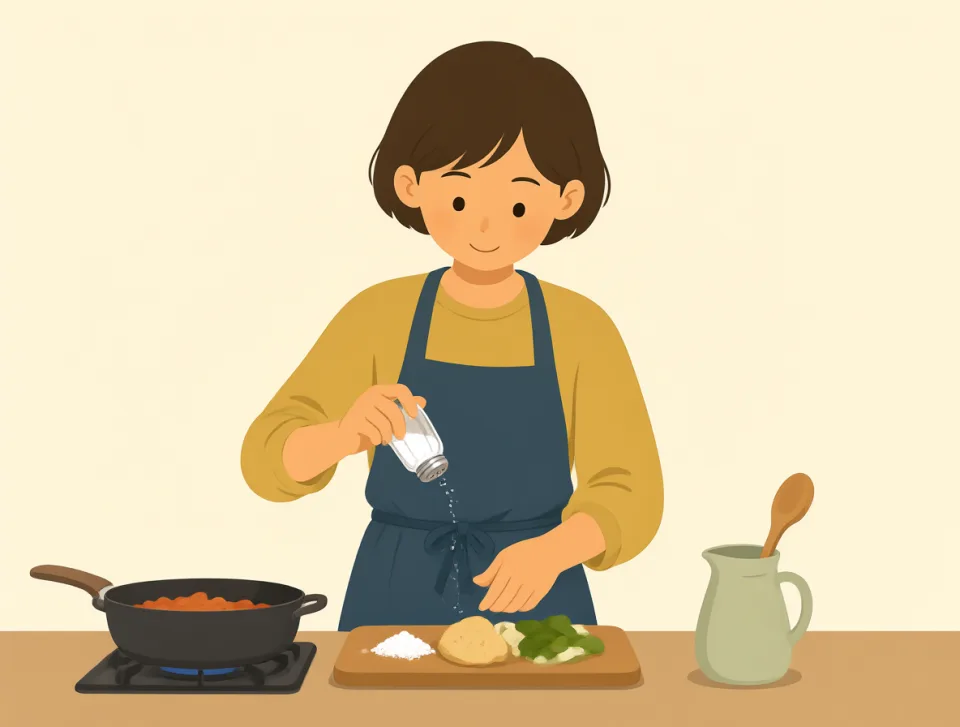
Try to eat less salt for your health.
अपनी सेहत के लिए कम नमक खाने की कोशिश करें।
room
#254noun, verb
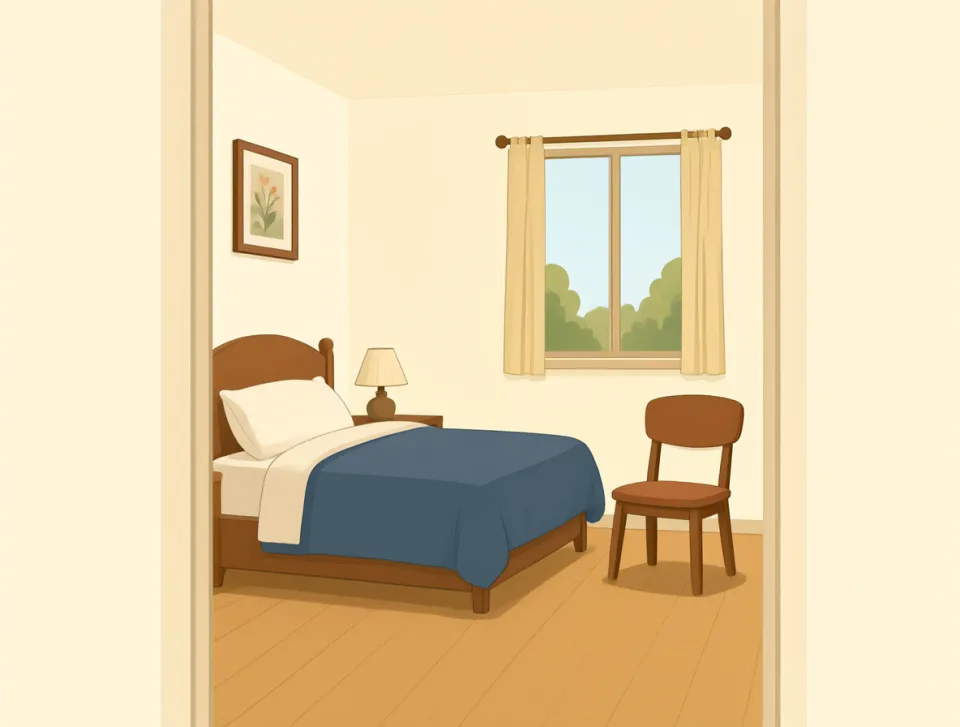
कमरा
A space inside a building, or enough space for someone or something.
किसी इमारत के भीतर की जगह, या किसी व्यक्ति या चीज़ के लिए पर्याप्त जगह।
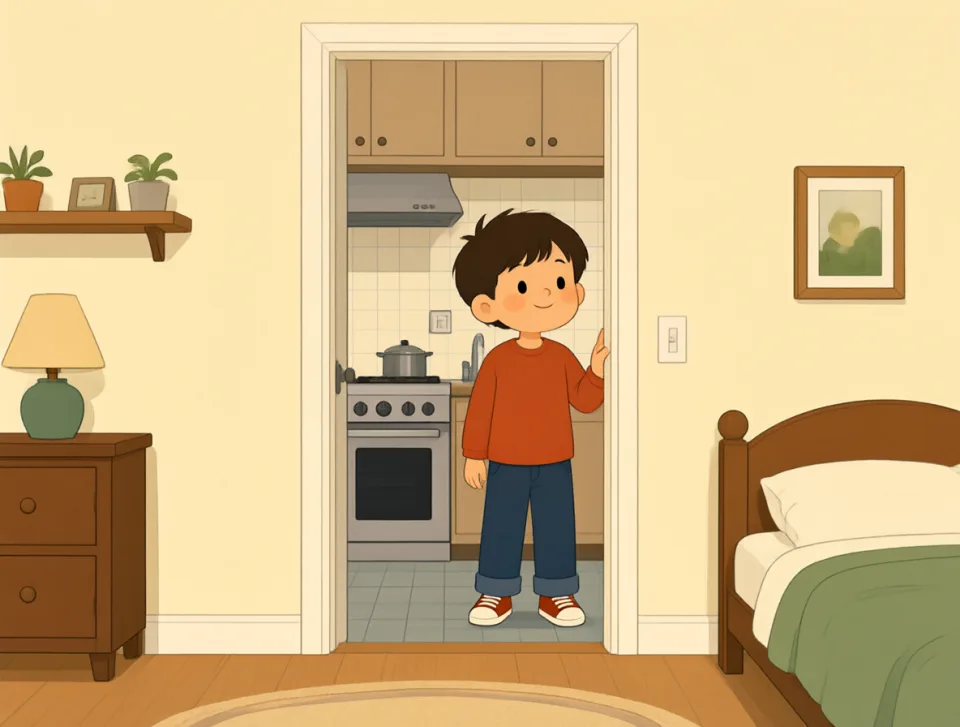
My room is next to the kitchen.
मेरा कमरा रसोई के बगल में है।
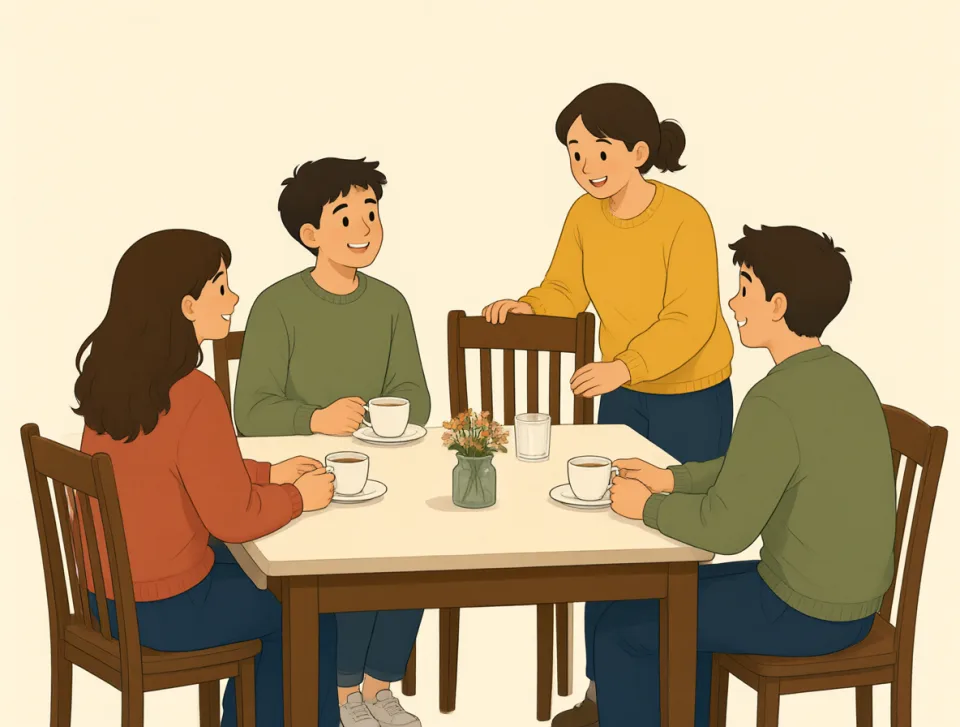
There is room for one more person.
एक और व्यक्ति के लिए जगह है।
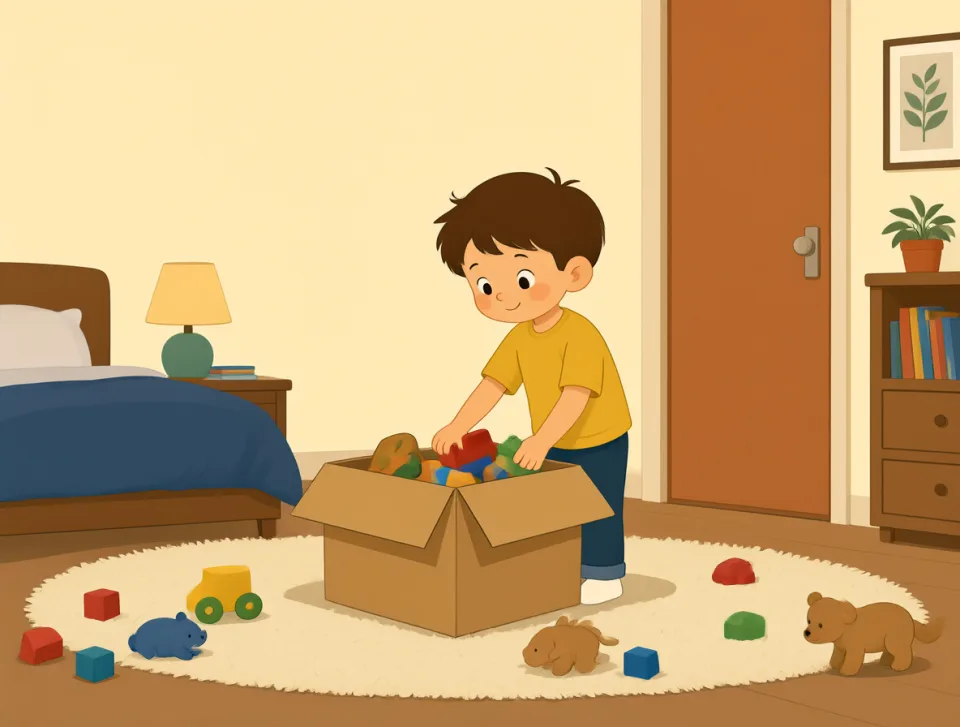
Please clean your room before dinner.
कृपया रात के खाने से पहले अपना कमरा साफ़ कर लो।
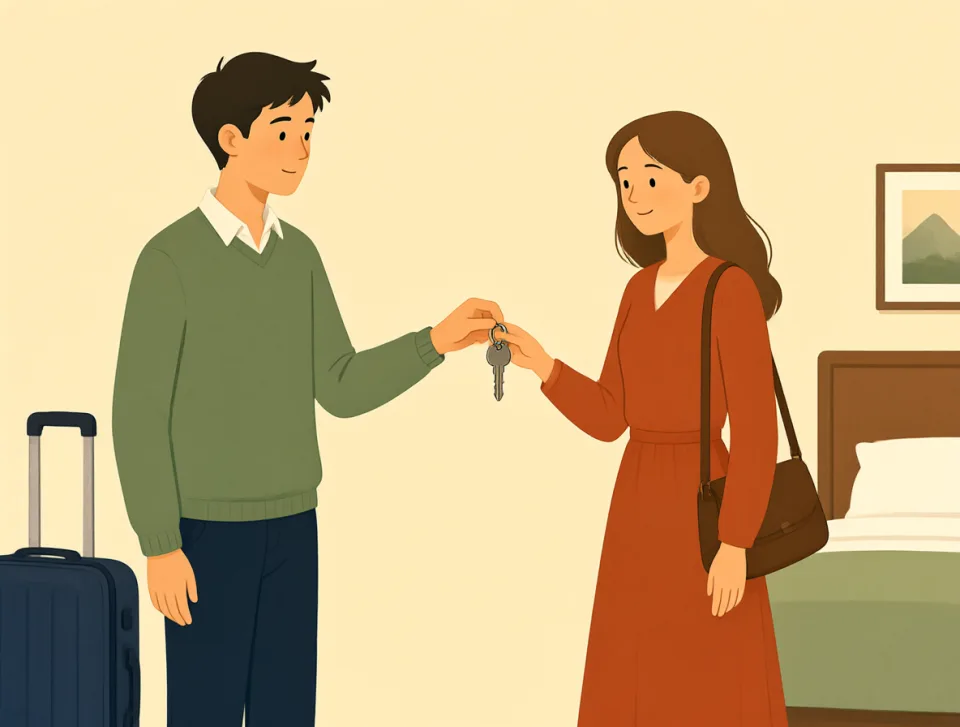
We booked a room at the hotel.
हमने होटल में एक कमरा बुक किया।
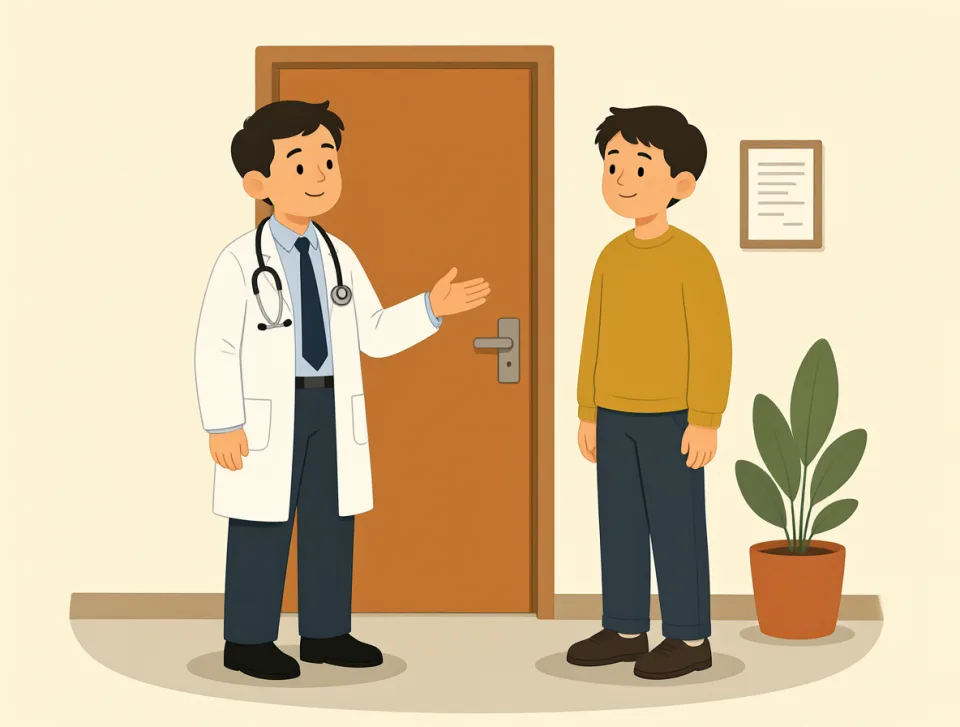
The doctor asked me to leave the room.
डॉक्टर ने मुझसे कमरे से बाहर जाने को कहा।
until
#255preposition, conjunction, adverb
तक
up to the time when something happens
उस समय तक, जब कोई घटना होती है।
Wait here until I come back.
मेरे लौटने तक यहीं इंतज़ार करो।
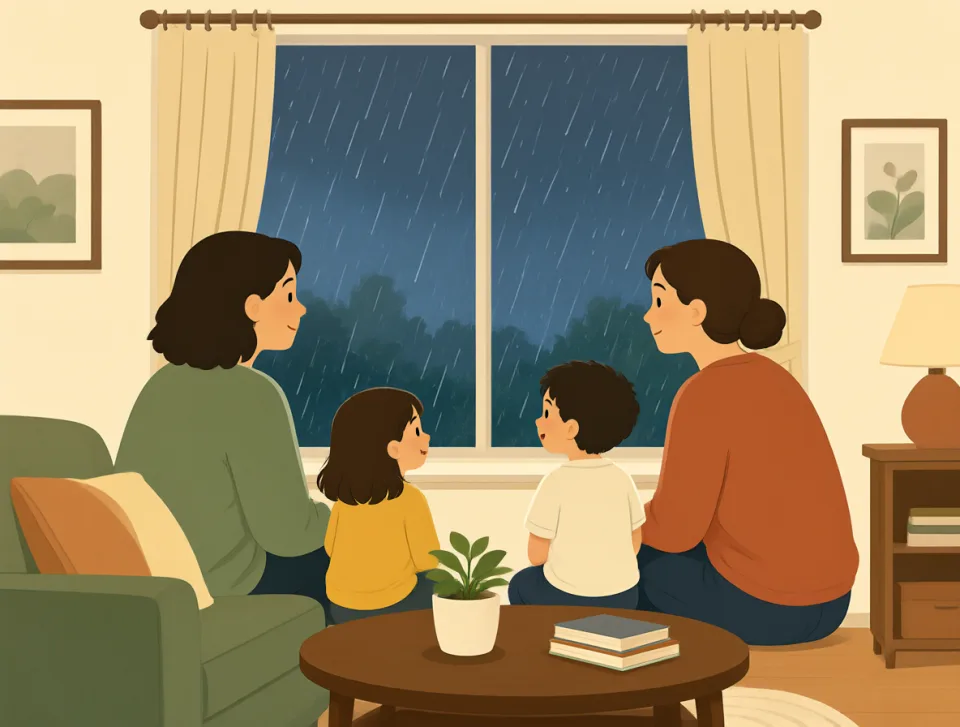
We stayed inside until the rain stopped.
बारिश रुकने तक हम अंदर ही रहे।

She worked until six o’clock yesterday.
उसने कल छह बजे तक काम किया।
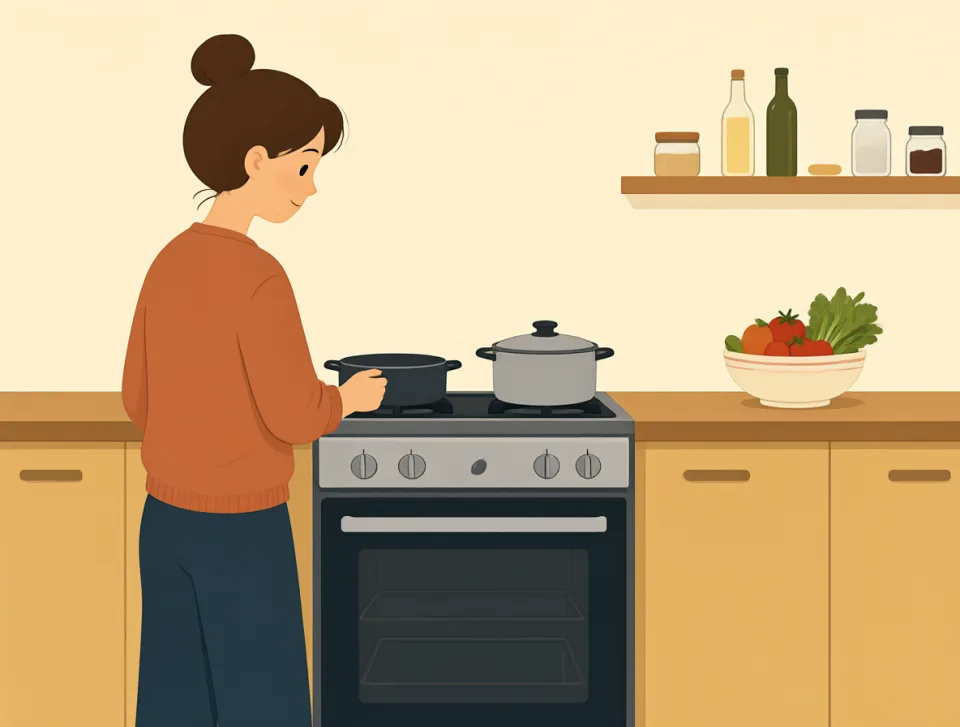
Do not open the oven until dinner is ready.
रात का खाना तैयार होने तक ओवन मत खोलना।

He did not sleep until midnight.
वह आधी रात तक नहीं सोया।

reason
#256noun, verb
कारण
A cause or explanation for something; to think carefully and logically.
किसी चीज़ का कारण या स्पष्टीकरण; ध्यान से और तर्क के साथ सोचना।
What is the reason for your visit?
आपके आने का क्या कारण है?

She gave me a good reason to stay.
उसने मुझे रुकने की एक अच्छी वजह बताई।
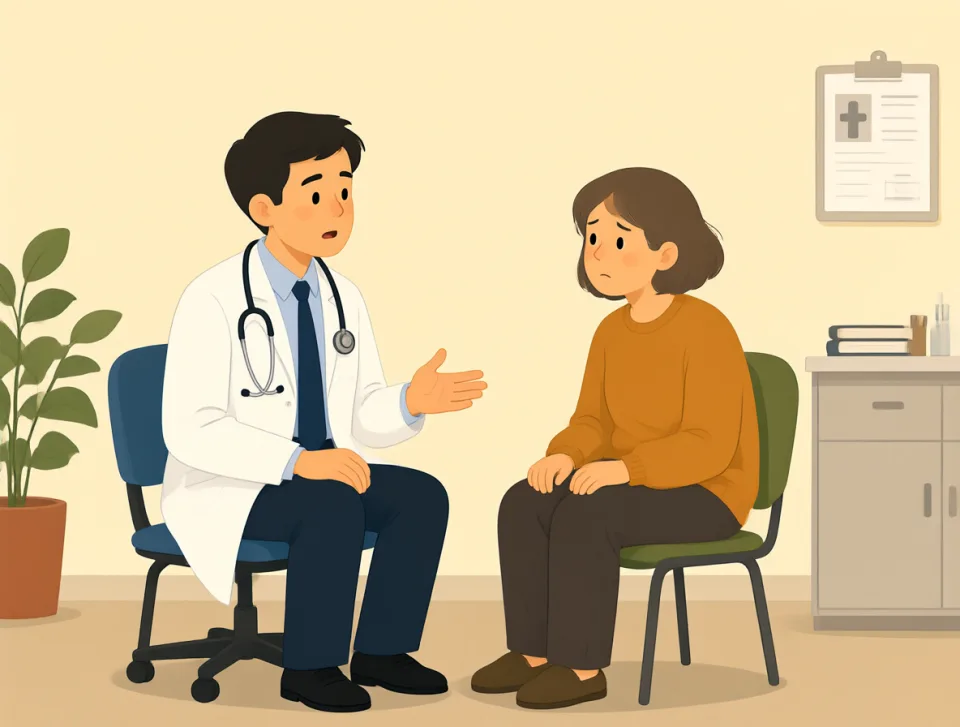
There is no reason to worry.
चिंता करने की कोई वजह नहीं है।
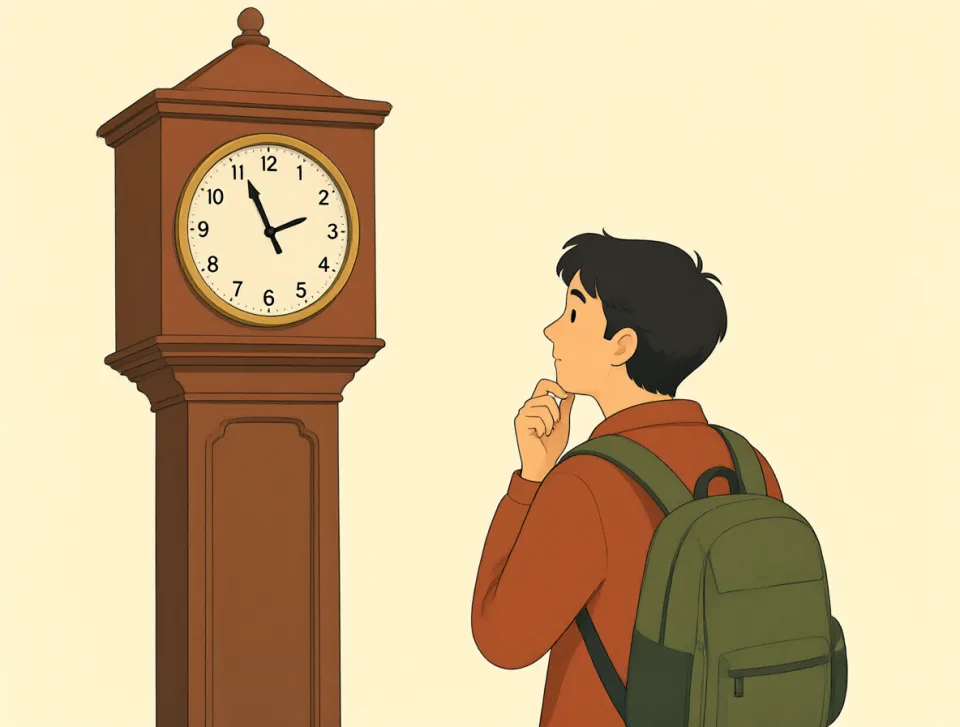
He reasoned that the train was late.
उसने तर्क दिया कि ट्रेन देर से चल रही थी।
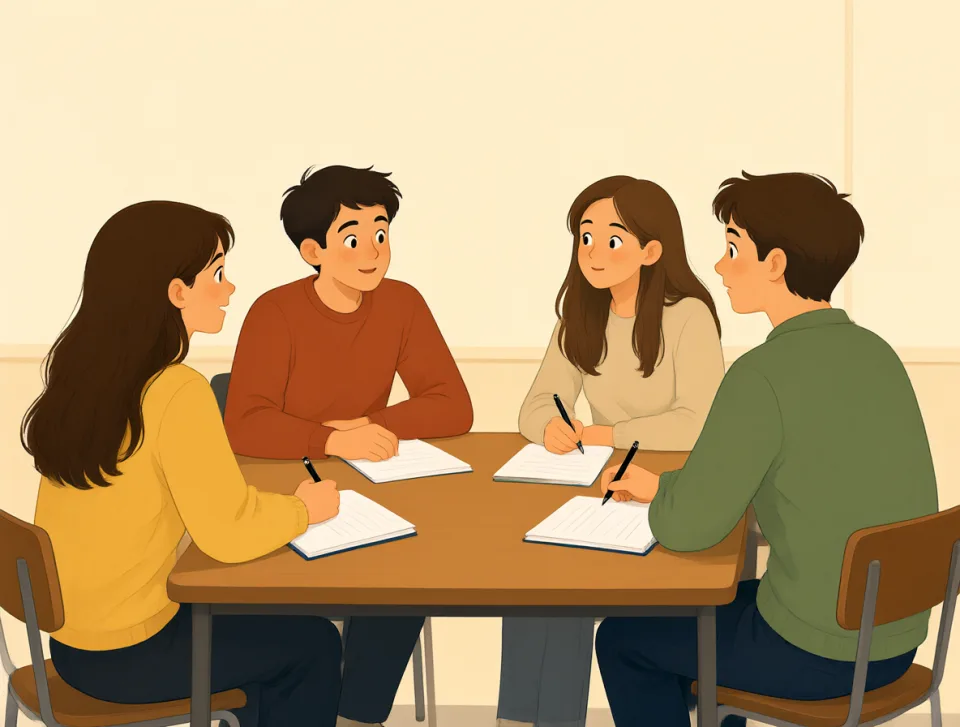
The teacher asked us to reason together.
शिक्षक ने हमसे मिलकर सोच-विचार करने को कहा।
form
#257noun, verb
रूप
a shape, type, or document; to make or create something
आकार, प्रकार या दस्तावेज़; किसी चीज़ को बनाना या तैयार करना।
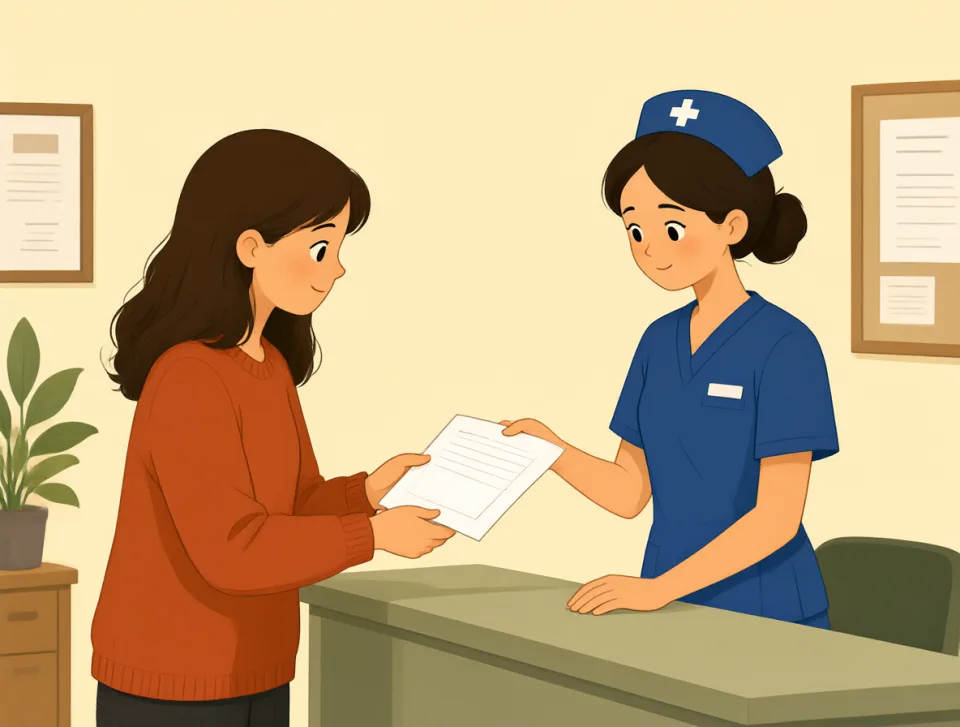
Please fill in this form at the clinic.
कृपया क्लिनिक में यह फ़ॉर्म भरें।
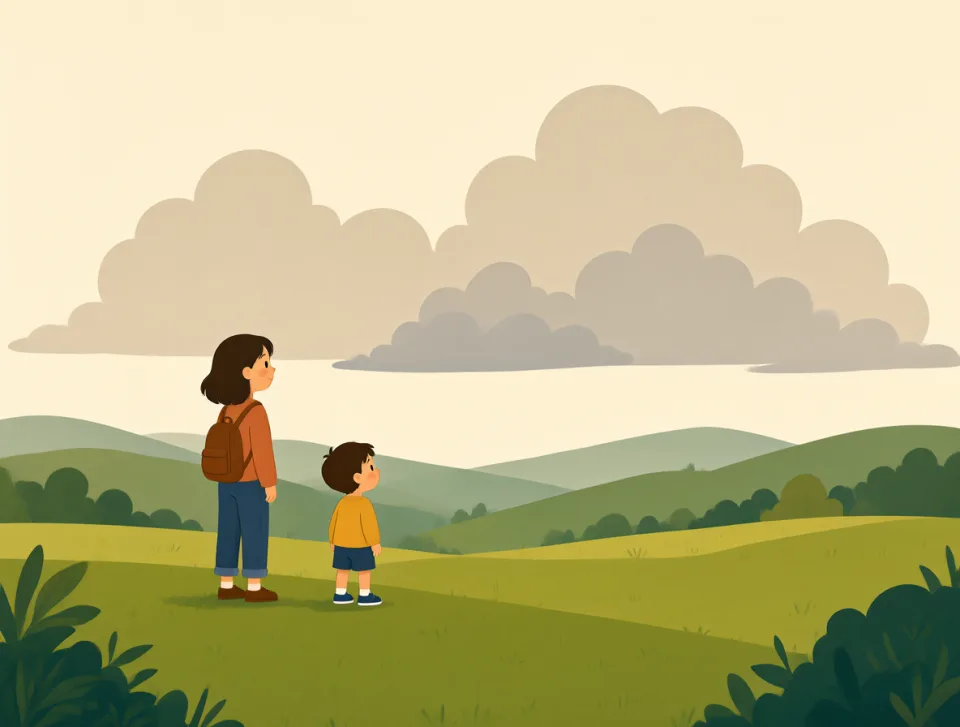
Clouds formed over the hills this morning.
आज सुबह पहाड़ियों के ऊपर बादल छा गए।
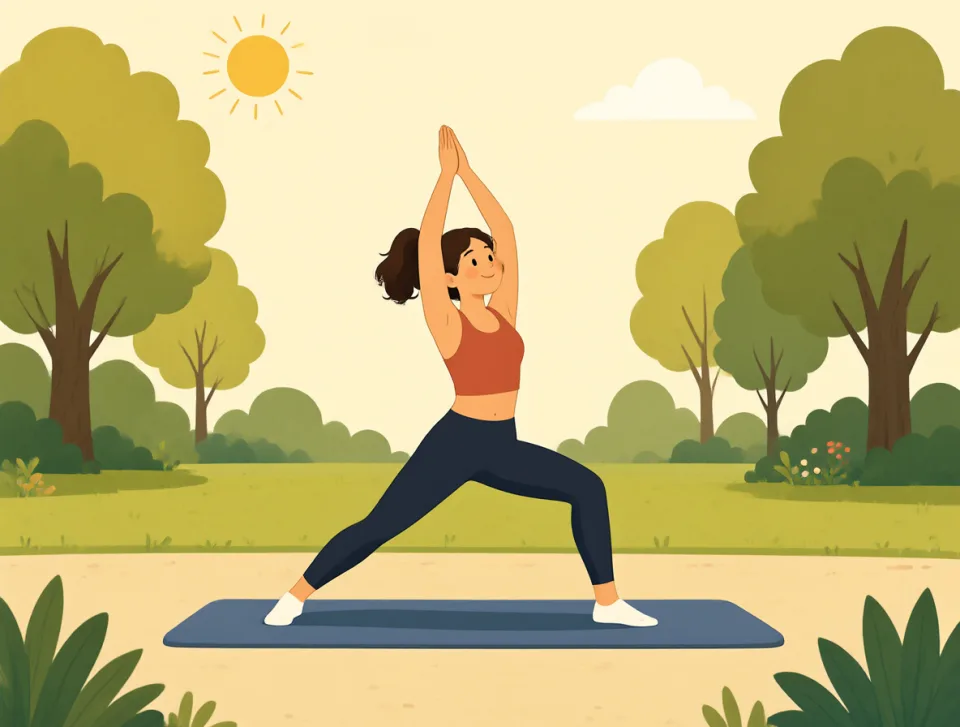
Exercise is a healthy form of activity.
व्यायाम गतिविधि का एक स्वस्थ रूप है।
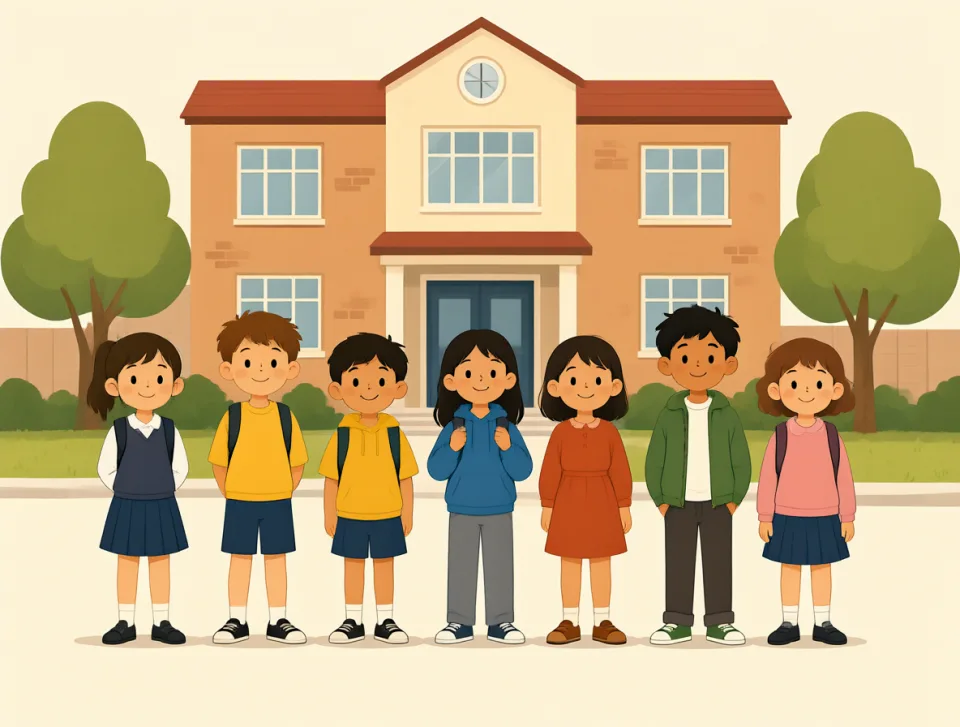
The children formed a line outside school.
बच्चों ने स्कूल के बाहर एक कतार बनाई।
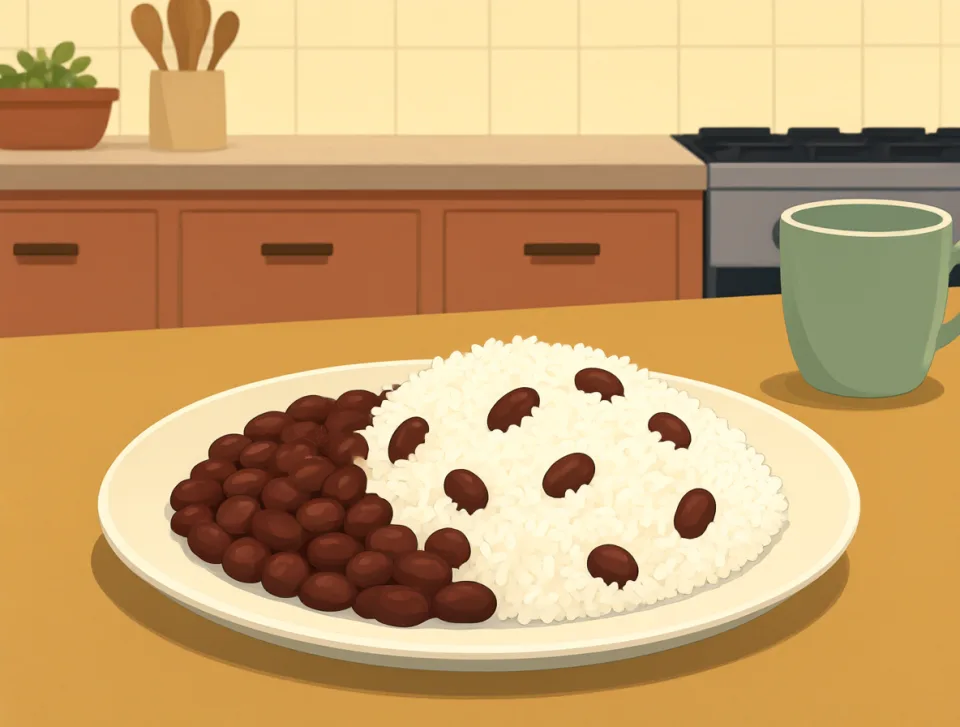
Rice and beans form a simple meal.
चावल और बीन्स मिलकर एक साधारण भोजन बनाते हैं।
spend
#258verb
खर्च करना
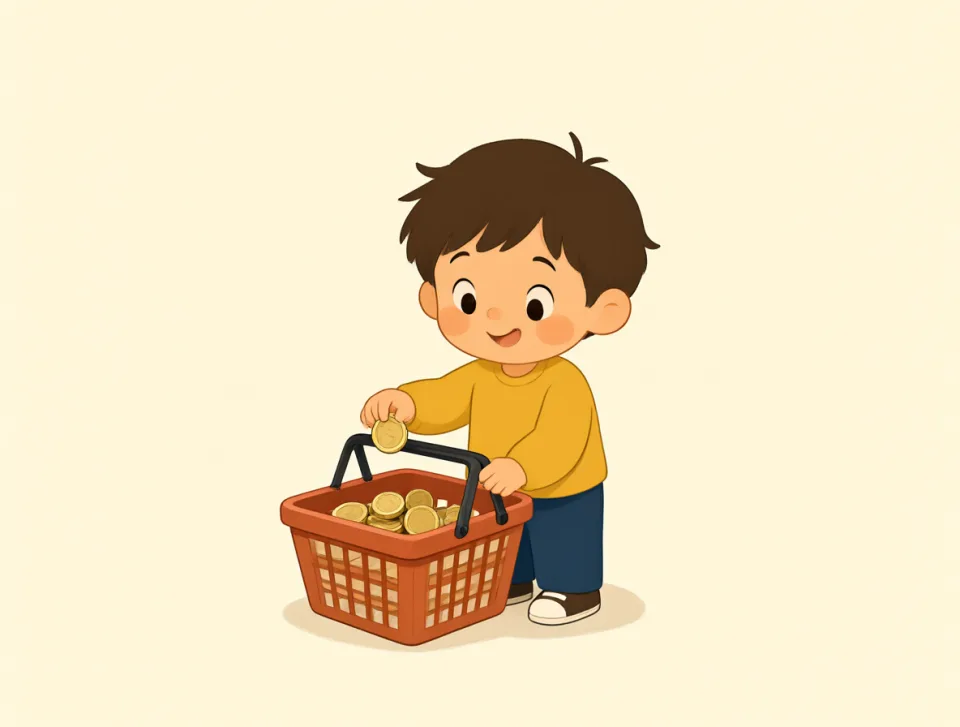
to use time or money for a particular purpose
किसी खास उद्देश्य के लिए समय या पैसे का इस्तेमाल करना।
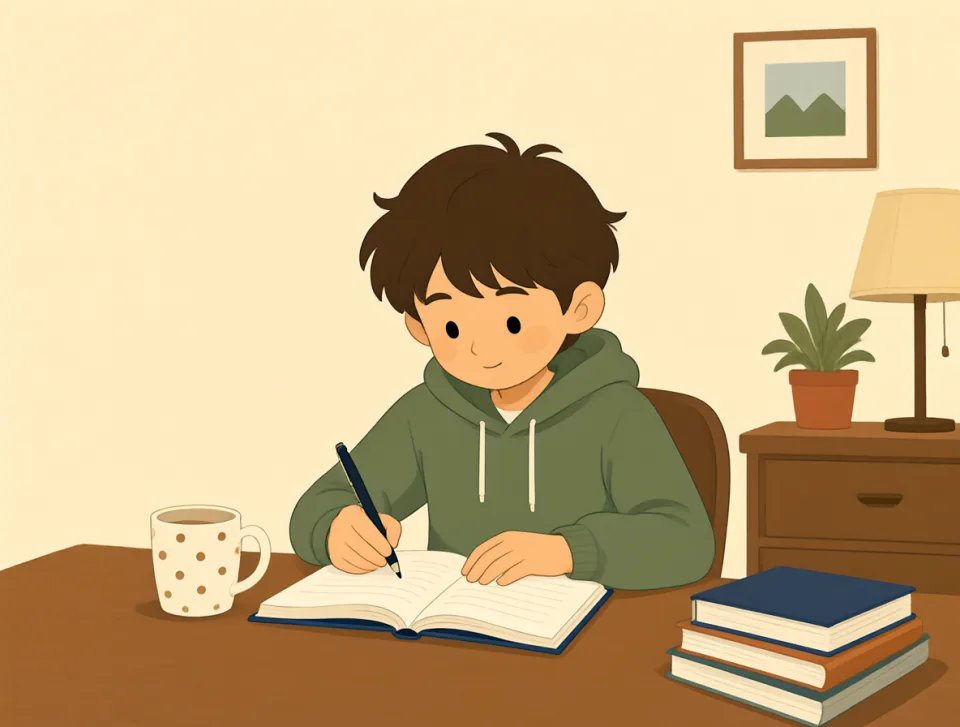
I spend two hours doing homework.
मैं गृहकार्य करने में दो घंटे बिताता हूँ।

She spent fifty dollars on new shoes.
उसने नए जूतों पर पचास डॉलर खर्च किए।
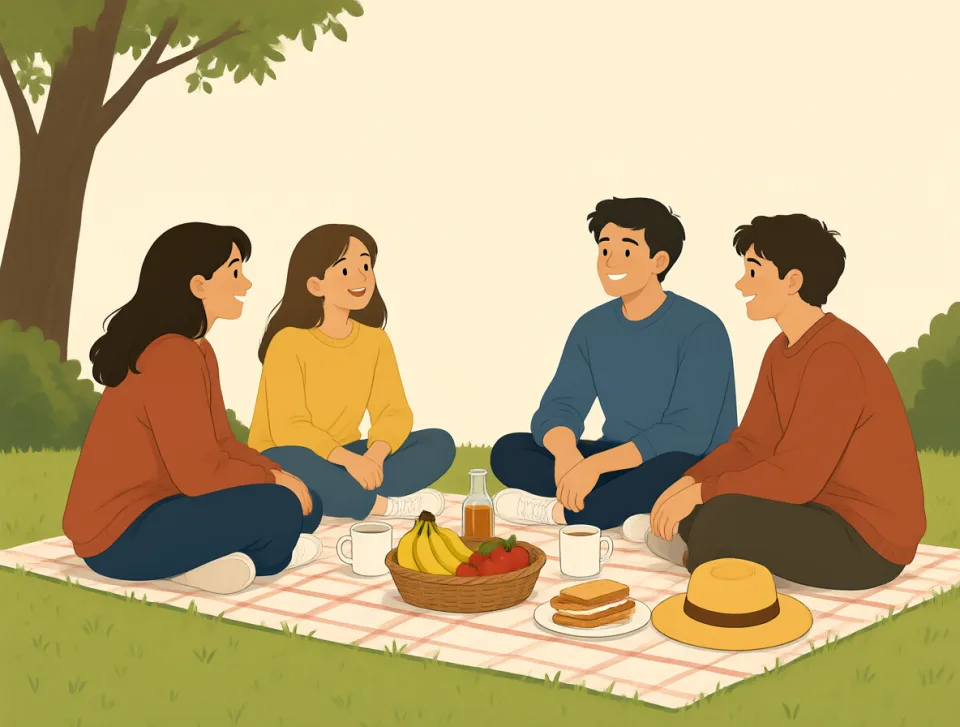
We spent the weekend with our friends.
हमने सप्ताहांत अपने दोस्तों के साथ बिताया।
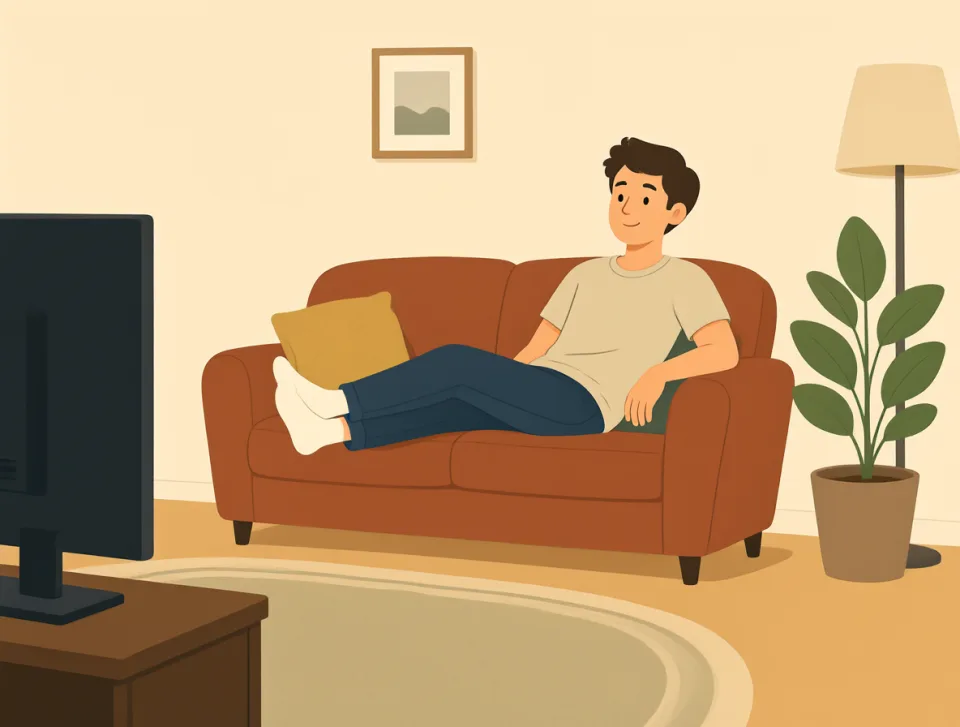
He spends too much time watching television.
वह टेलीविज़न देखने में बहुत ज़्यादा समय बिताता है।

They spent three days in Paris.
उन्होंने पेरिस में तीन दिन बिताए।
head
#259noun, verb
सिर
The part of your body above your neck, or to lead or move toward a place.
गर्दन के ऊपर शरीर का हिस्सा; किसी जगह की ओर जाना या किसी का नेतृत्व करना।
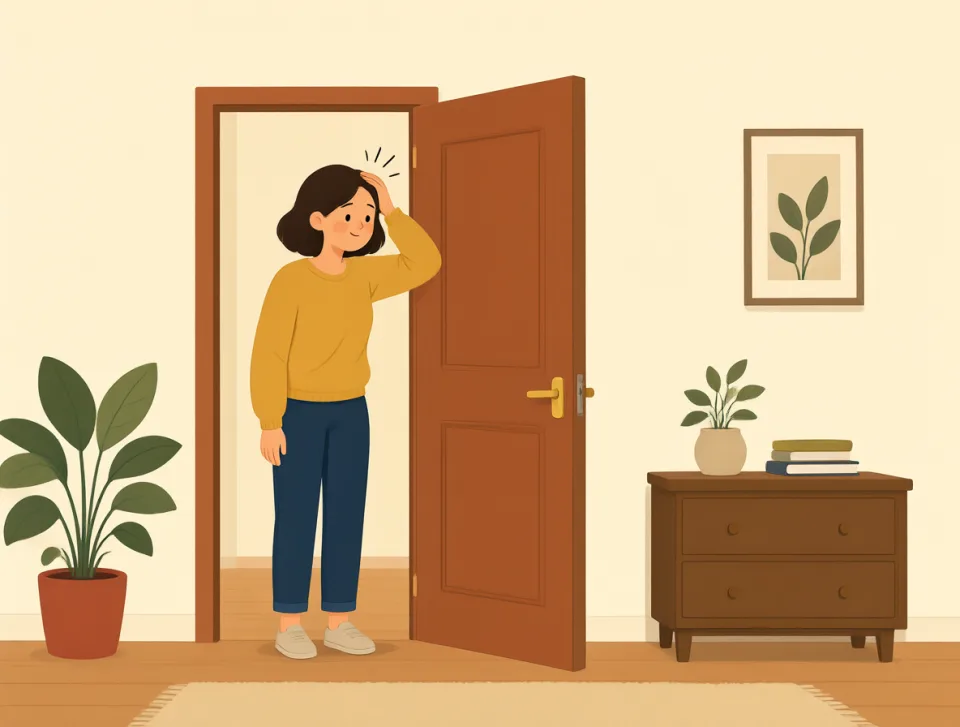
She hit her head on the door.
उसका सिर दरवाज़े से टकरा गया।

He washed his hair and head.
उसने अपने बाल और सिर धोए।

Our team is heading home after work.
काम के बाद हमारी टीम घर जा रही है।
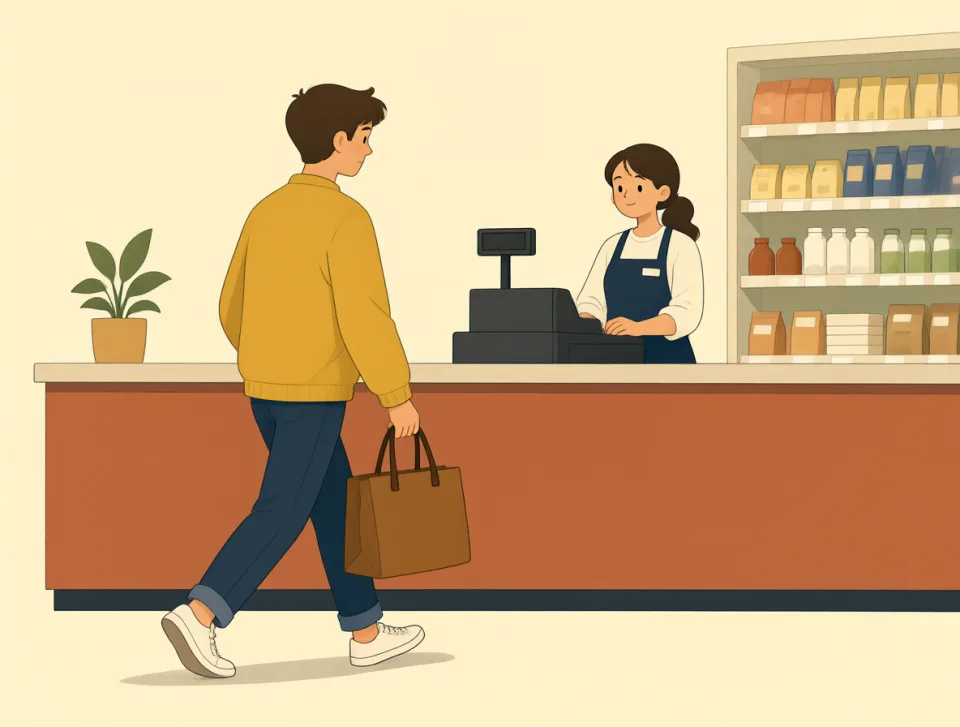
Please head to the front of the line.
कृपया कतार में सबसे आगे चले जाइए।
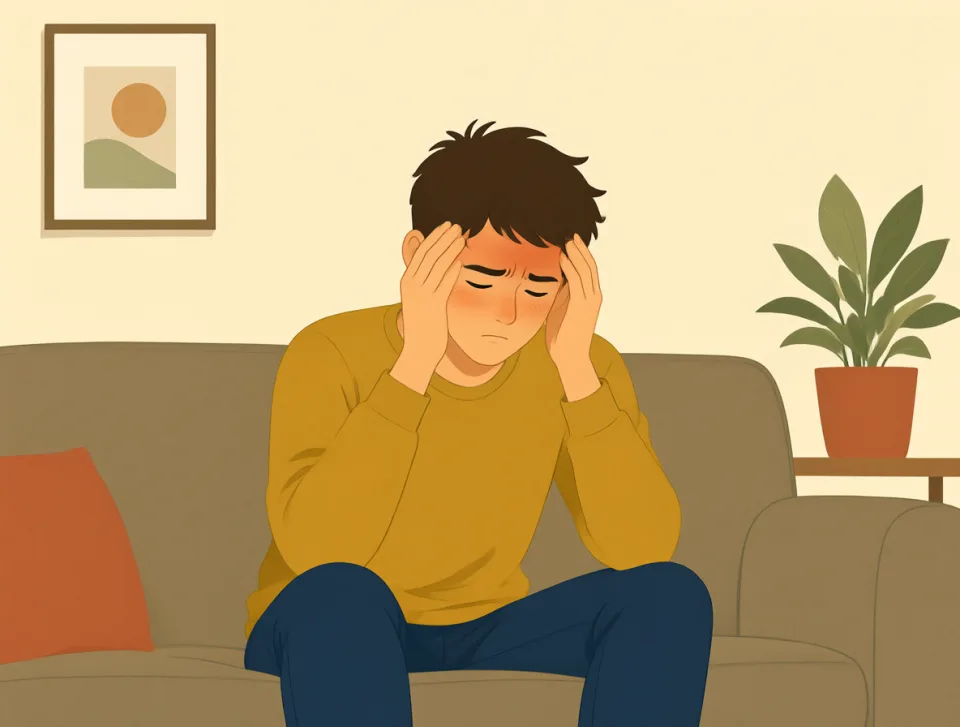
I have a headache today.
आज मेरे सिर में दर्द है।
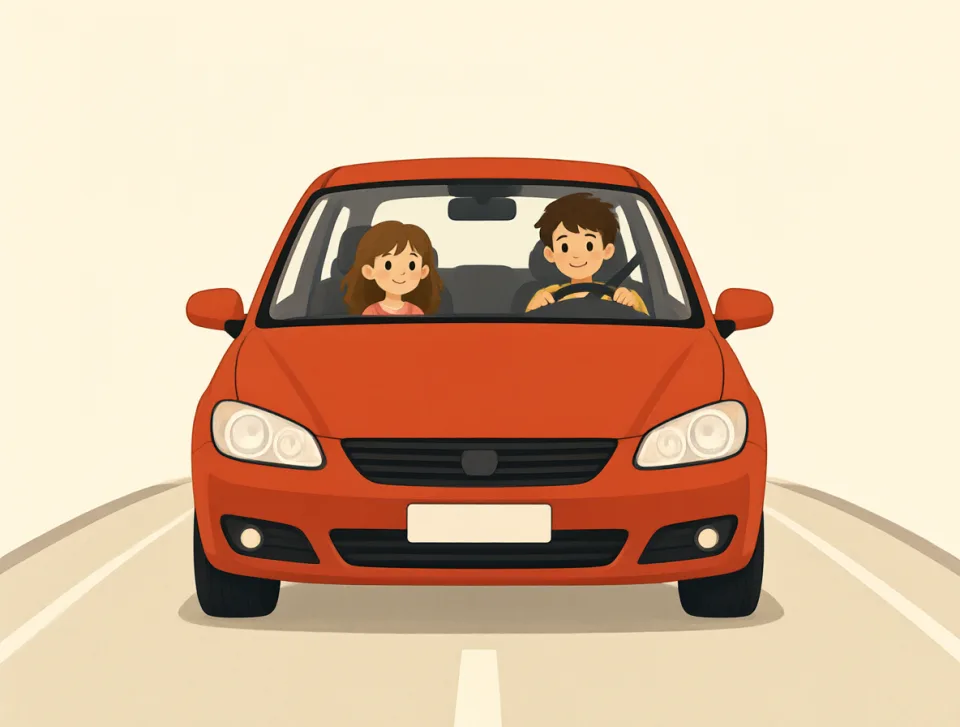
car
#260noun
कार
A road vehicle with four wheels that carries people.
चार पहियों वाला सड़क पर चलने वाला वाहन, जिसमें लोग सफ़र करते हैं।
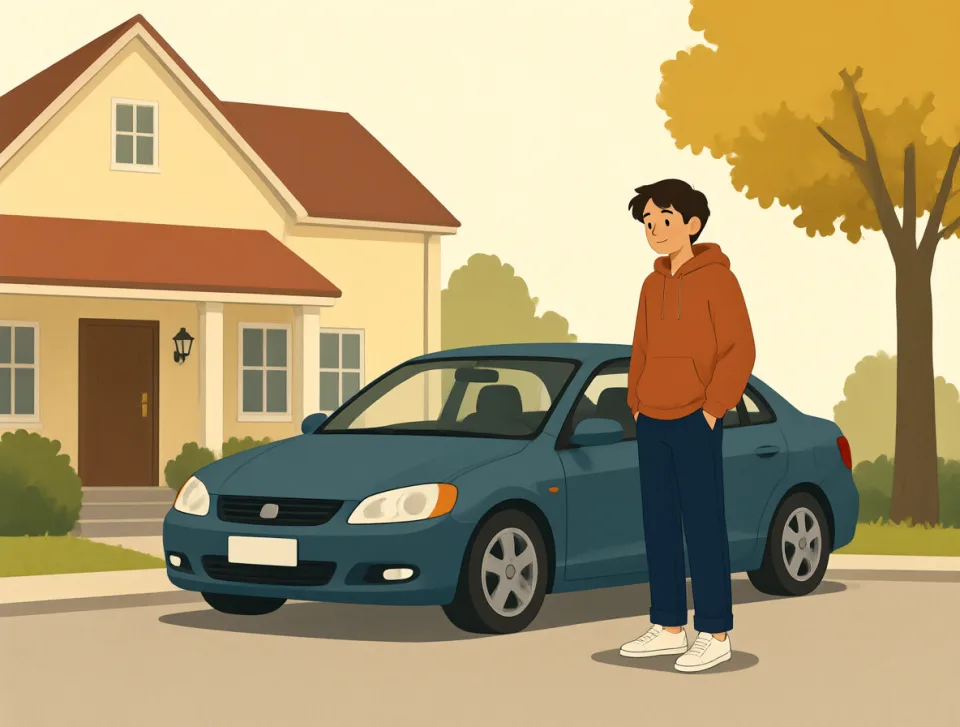
My car is parked outside the house.
मेरी कार घर के बाहर खड़ी है।
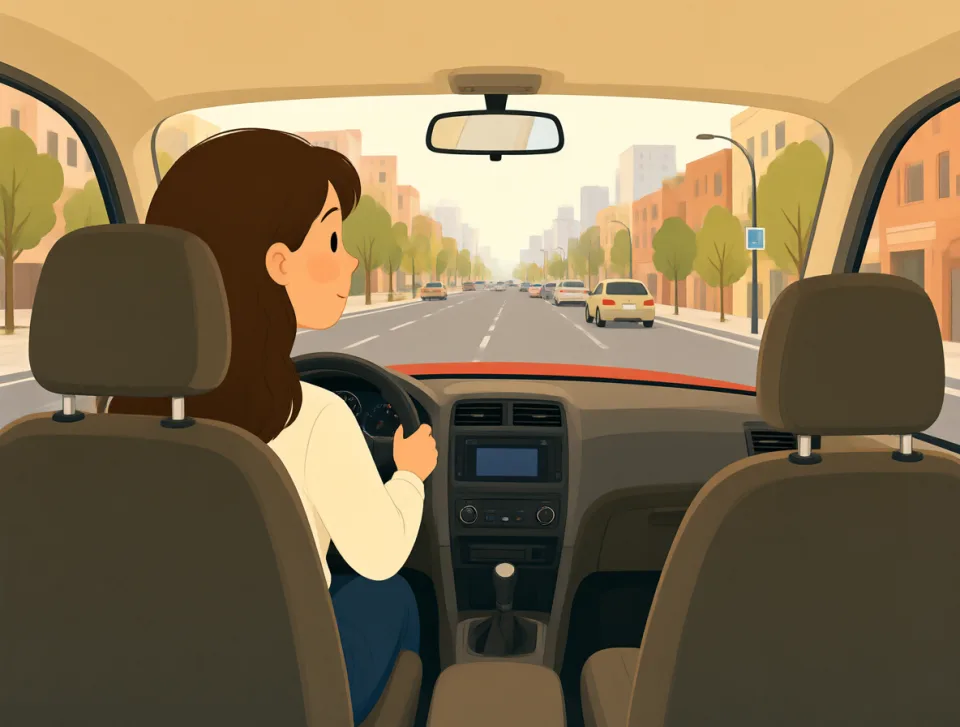
She drives her car to work every day.
वह हर दिन अपनी कार से काम पर जाती है।
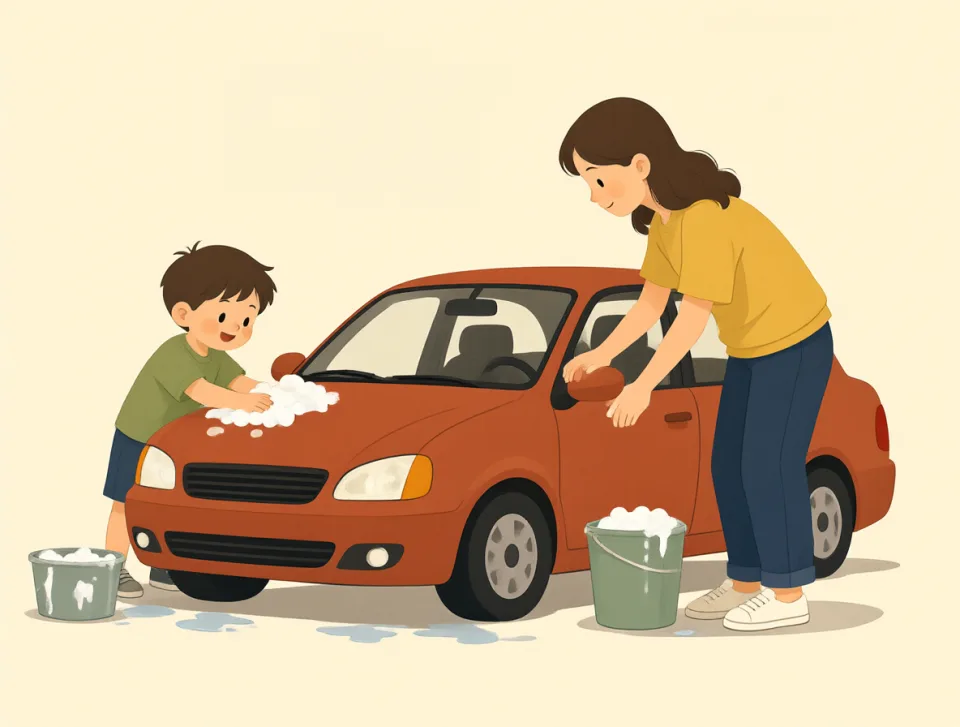
We need to wash the car today.
हमें आज कार धोनी है।
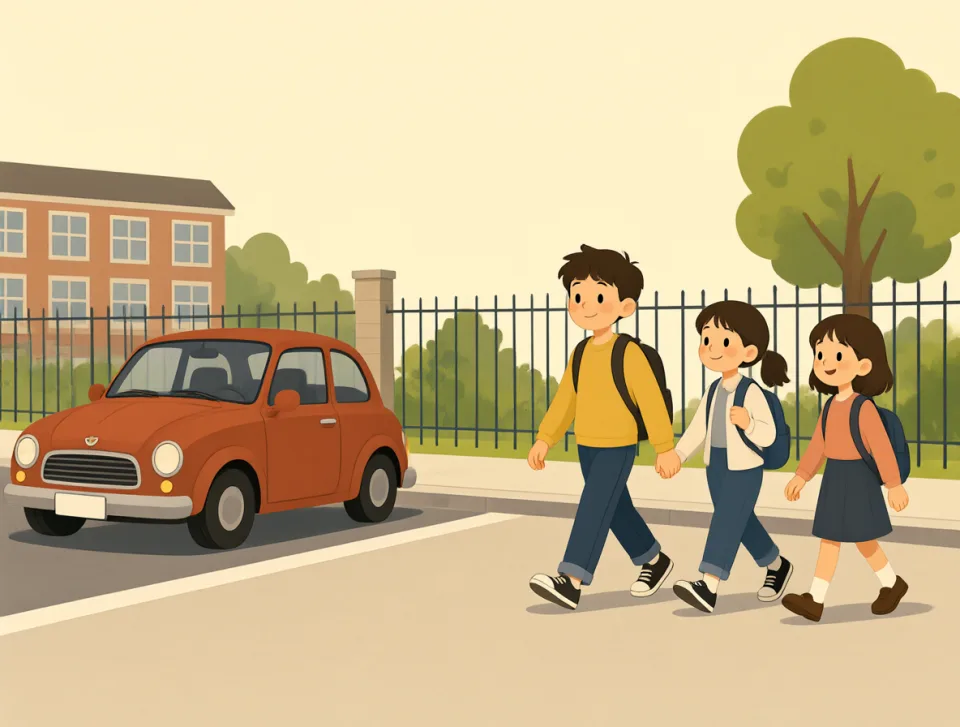
The car stopped near the school.
कार स्कूल के पास रुकी।
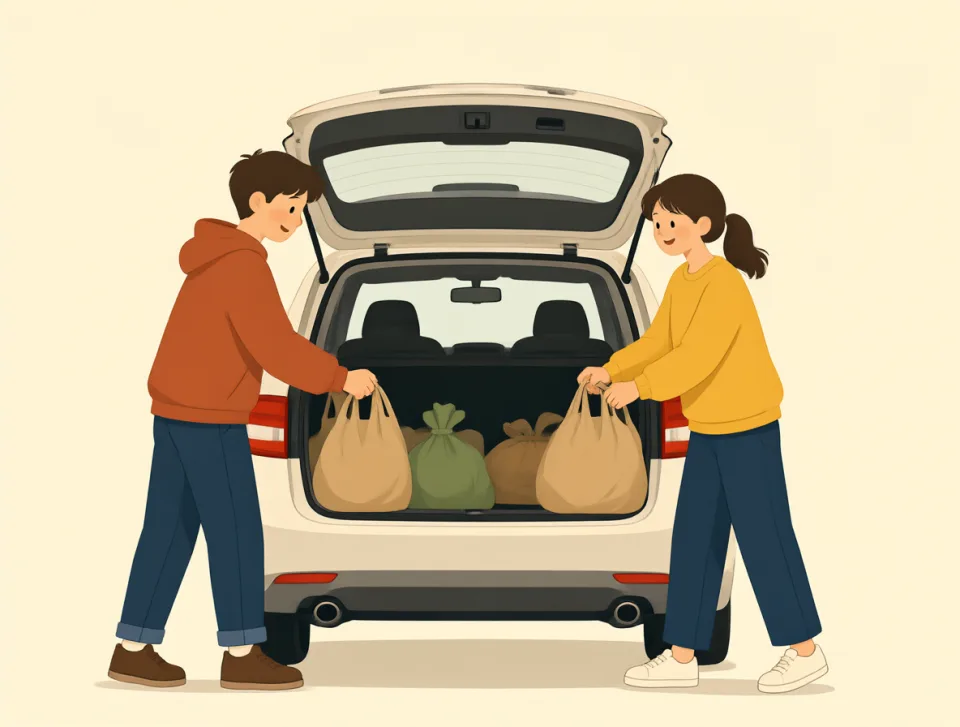
They rented a car for their trip.
उन्होंने अपनी यात्रा के लिए एक कार किराए पर ली।