इकाई 23
शब्द 441–460 · design, event, special, sometimes, condition, carry
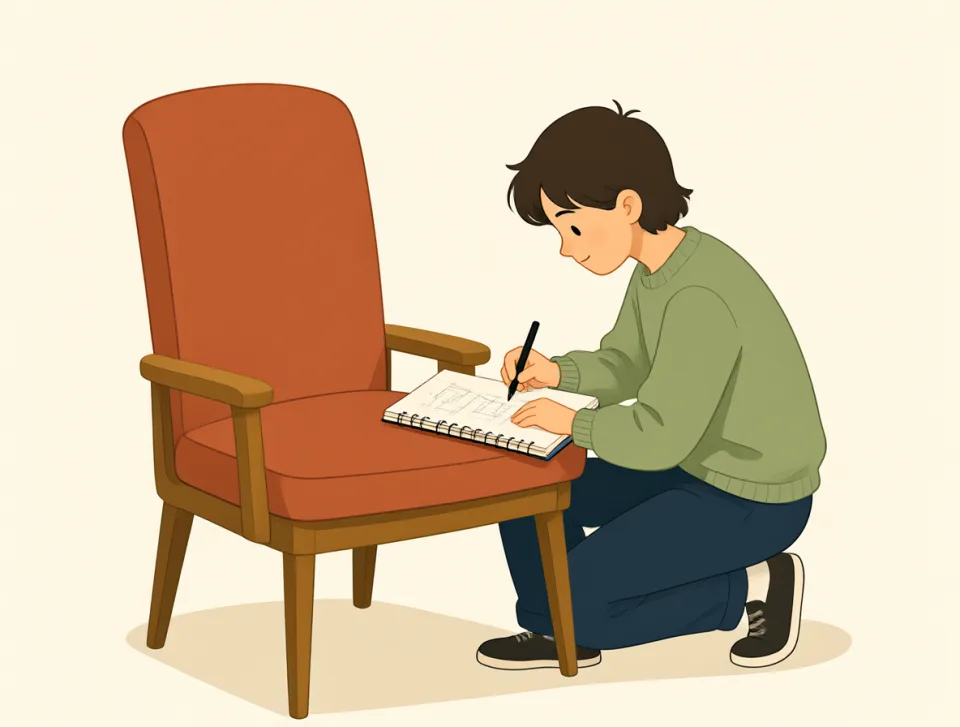
design
#441noun, verb
डिज़ाइन
A plan for how something will look or work; to plan how something will look or work.
किसी चीज़ के दिखने या काम करने की योजना; यह योजना बनाना कि कोई चीज़ कैसी दिखेगी या कैसे काम करेगी।
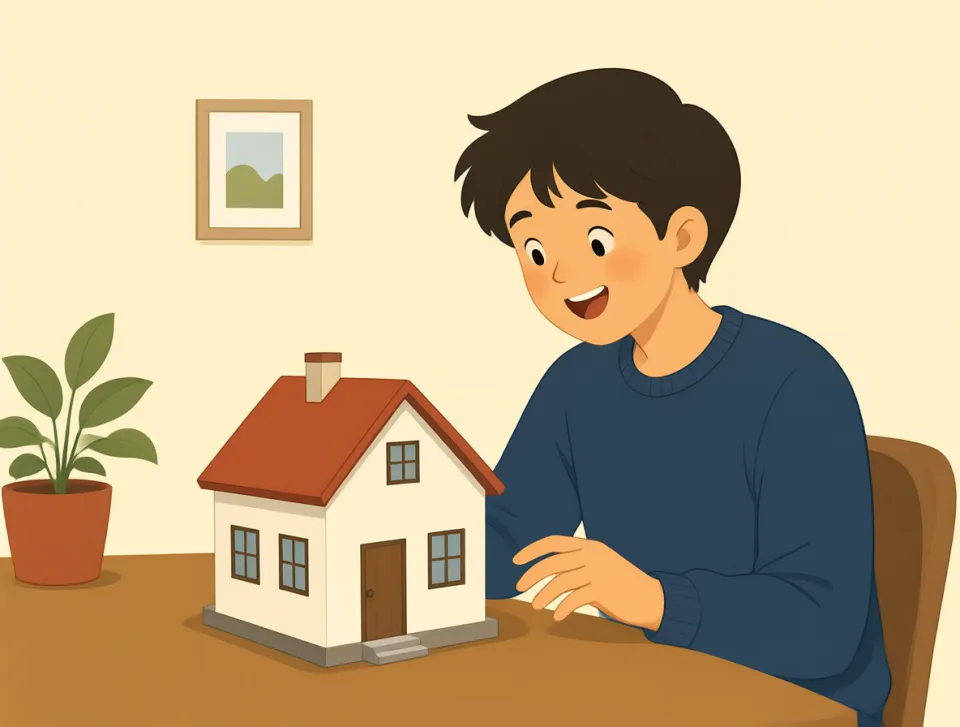
I like the design of this small house.
मुझे इस छोटे घर का डिज़ाइन पसंद है।

She designs clothes for a famous shop.
वह एक मशहूर दुकान के लिए कपड़े डिज़ाइन करती है।
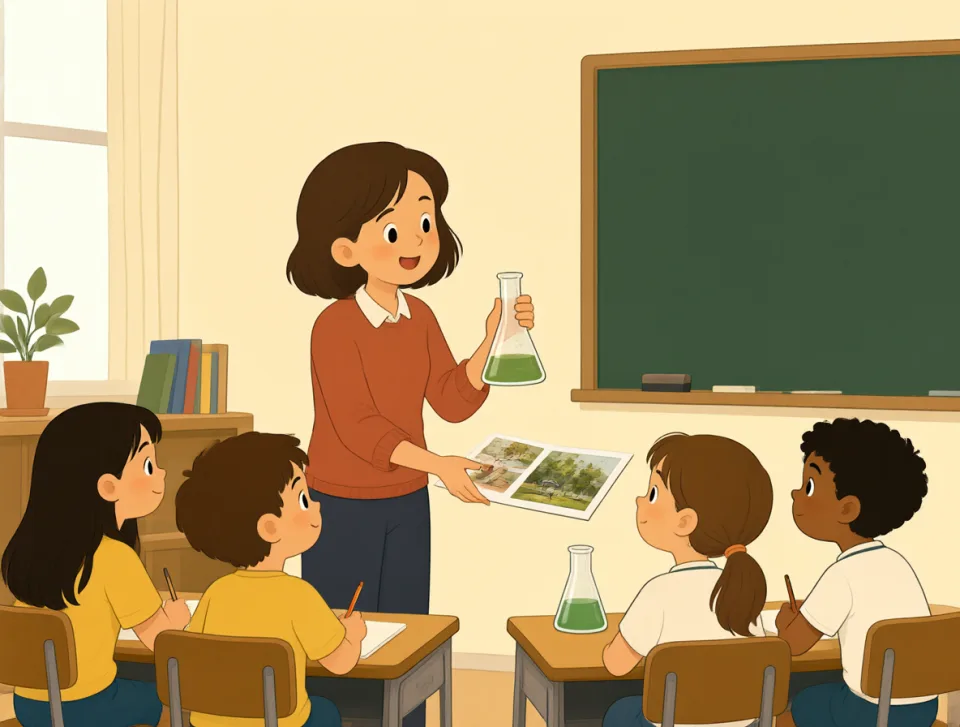
The teacher designed a fun science project.
शिक्षक ने विज्ञान का एक मज़ेदार प्रोजेक्ट तैयार किया।

We chose a new design for our kitchen.
हमने अपनी रसोई के लिए एक नया डिज़ाइन चुना।
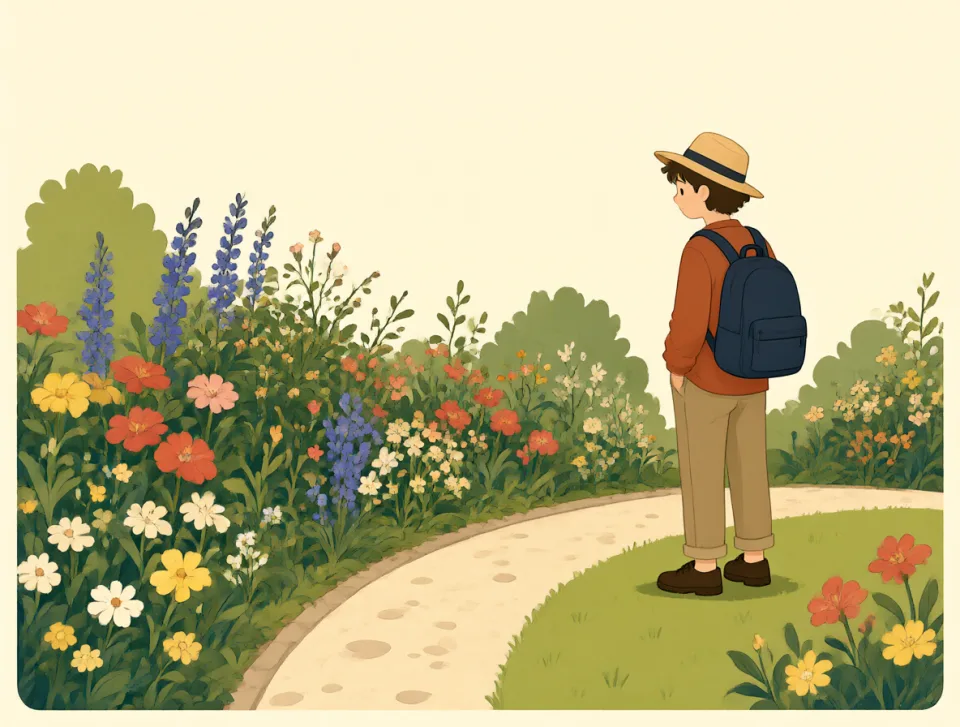
The hotel has a beautiful garden design.
होटल के बगीचे का डिज़ाइन बहुत सुंदर है।
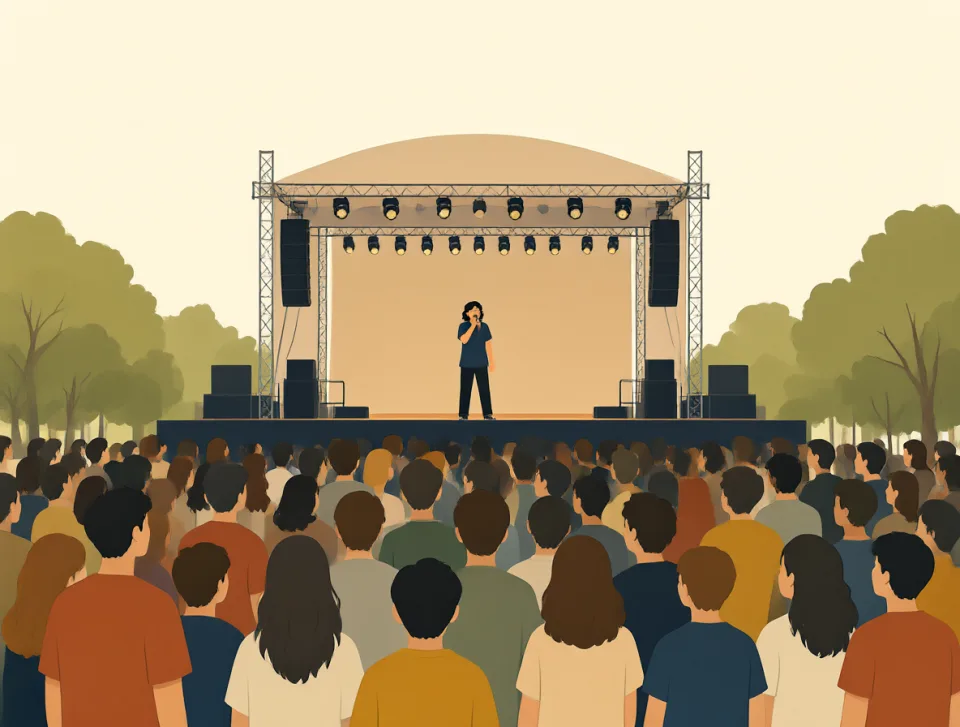
event
#442noun
आयोजन
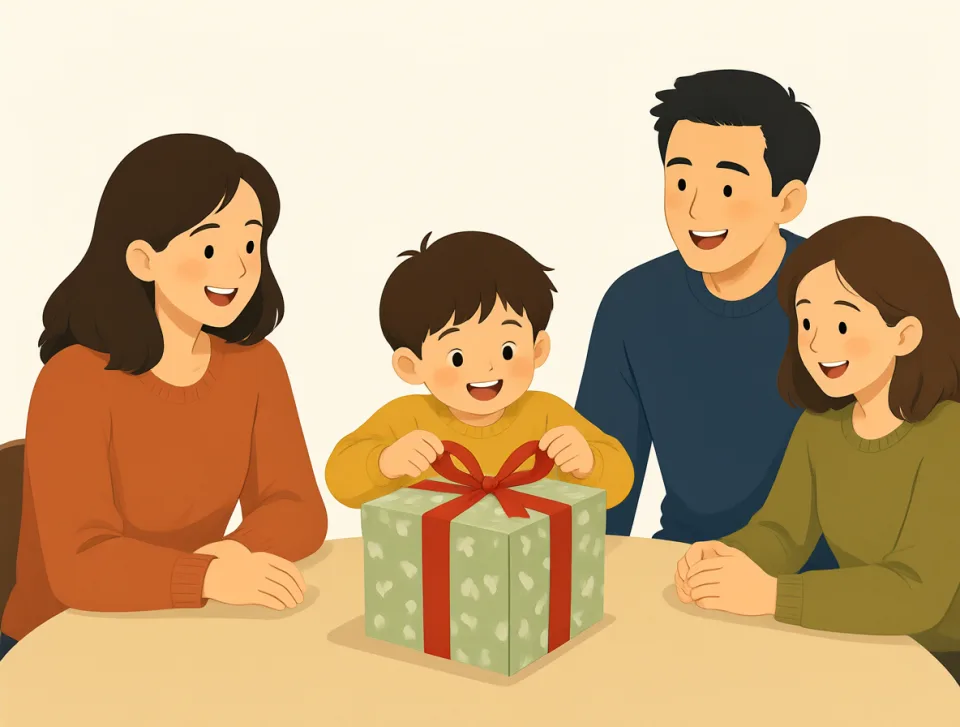
Something important that happens, especially a planned activity or occasion.
कोई महत्वपूर्ण घटना, खासकर पहले से तय की गई गतिविधि या समारोह।
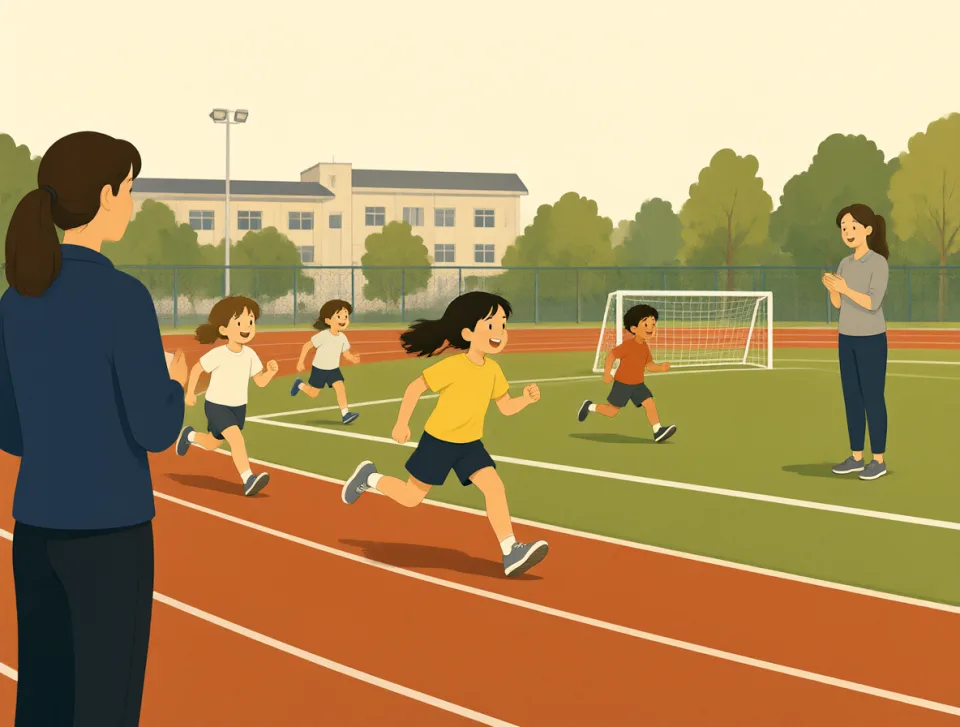
Our school held a sports event yesterday.
हमारे स्कूल ने कल एक खेल आयोजन किया।

The wedding was a beautiful family event.
शादी परिवार के लिए एक खूबसूरत समारोह थी।
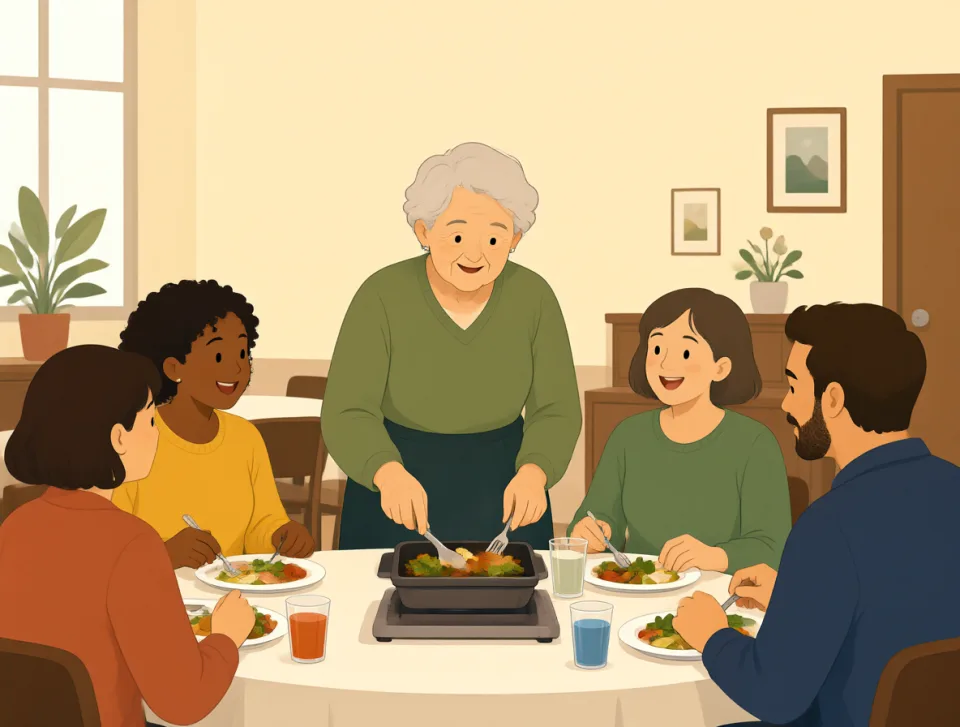
Many people came to the charity event.
धर्मार्थ आयोजन में बहुत से लोग आए।

The shop has a special event this weekend.
इस सप्ताहांत दुकान में एक खास आयोजन है।
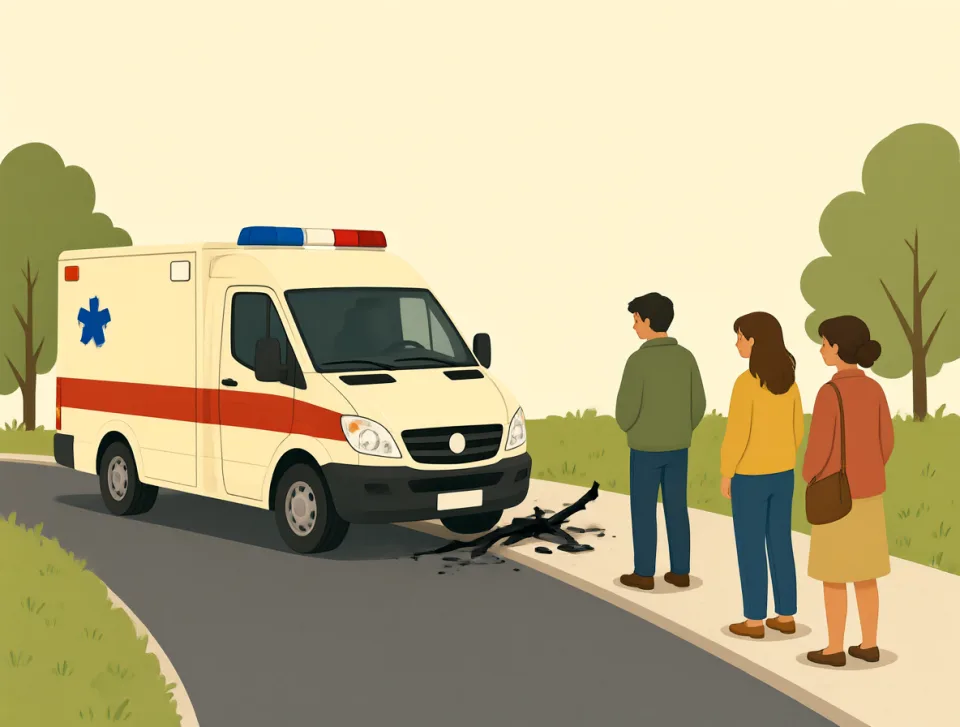
The accident was a frightening event for everyone.
यह दुर्घटना सभी के लिए एक डरावनी घटना थी।
special
#443adjective, noun
खास
Different from usual, or important and worth attention.
जो सामान्य से अलग हो, या इतना महत्वपूर्ण हो कि उस पर ध्यान दिया जाए।
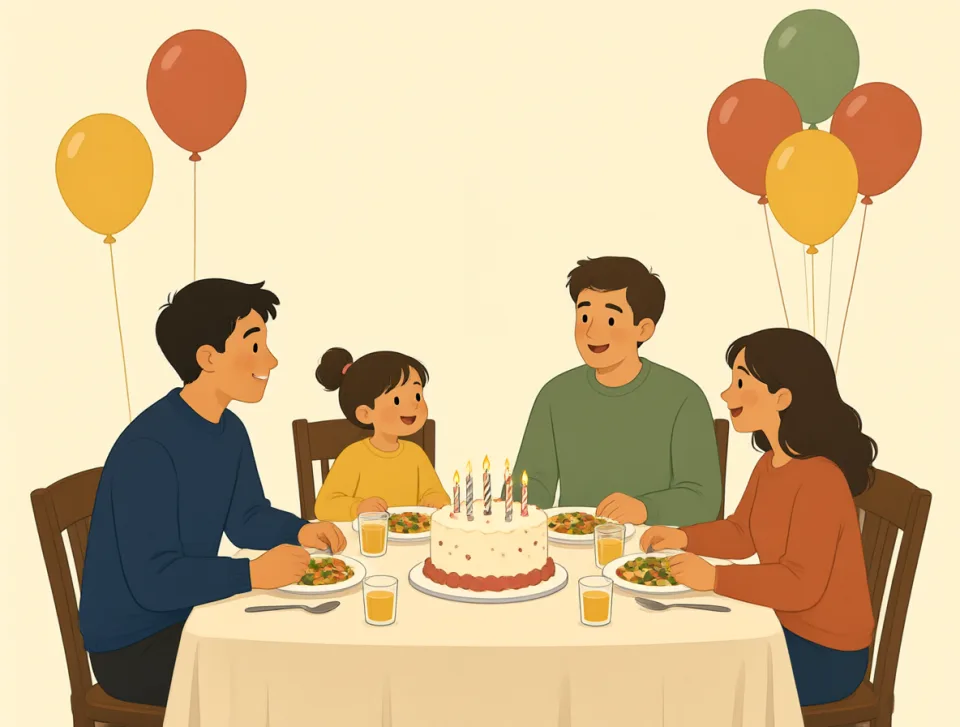
We had a special dinner for my birthday.
मेरे जन्मदिन पर हमने खास खाना खाया।

She bought a special dress for the party.
उसने पार्टी के लिए एक खास पोशाक खरीदी।
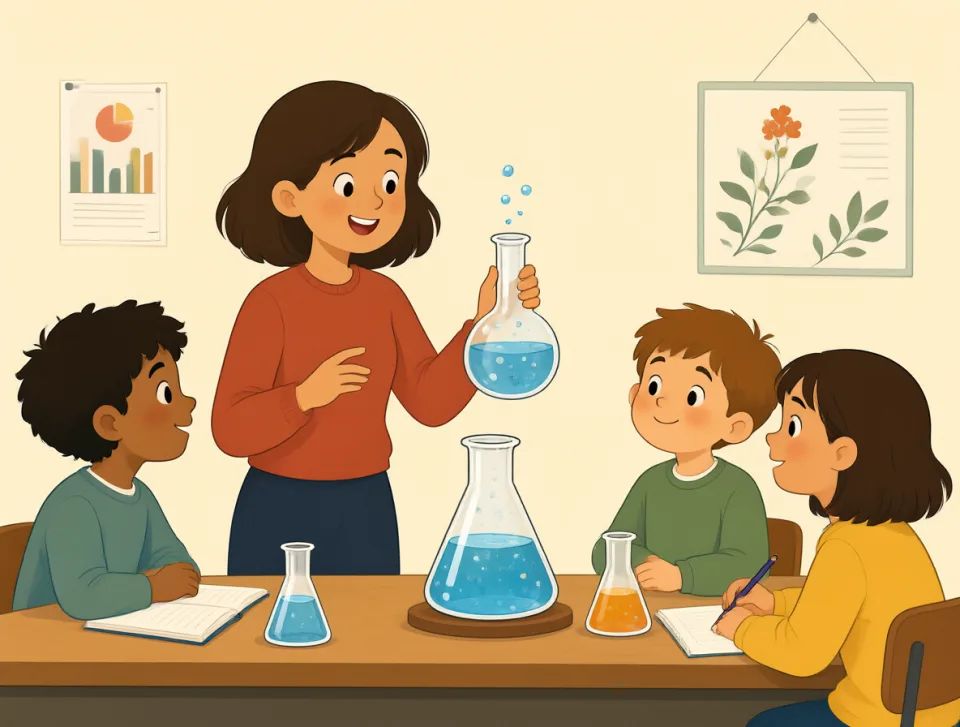
The teacher planned a special lesson today.
शिक्षक ने आज का एक खास पाठ तैयार किया।
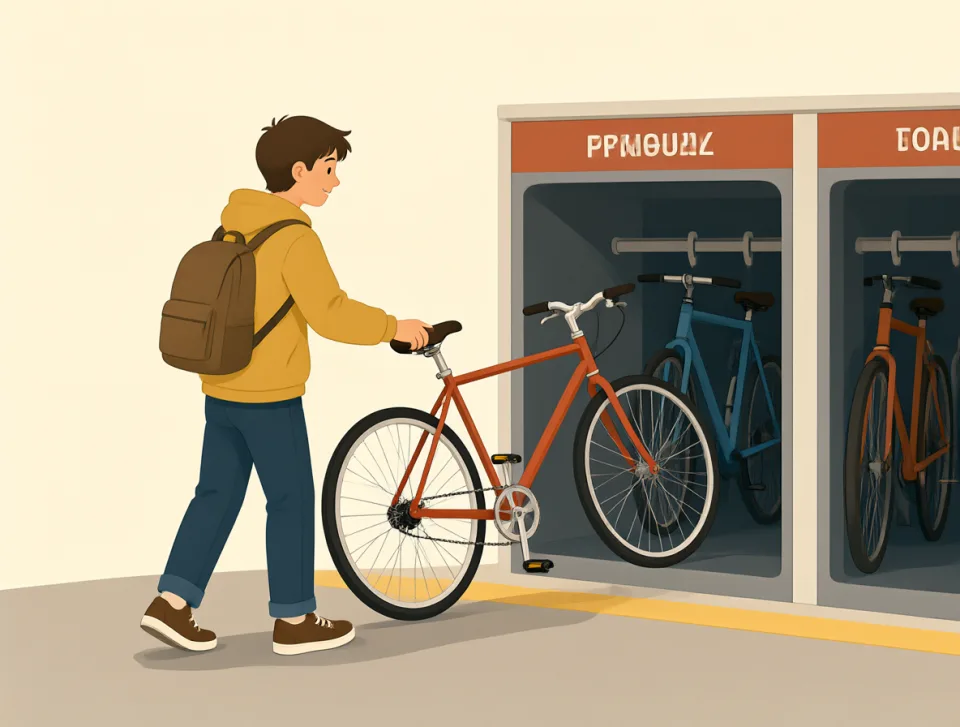
This train has a special place for bicycles.
इस ट्रेन में साइकिलों के लिए एक खास जगह है।
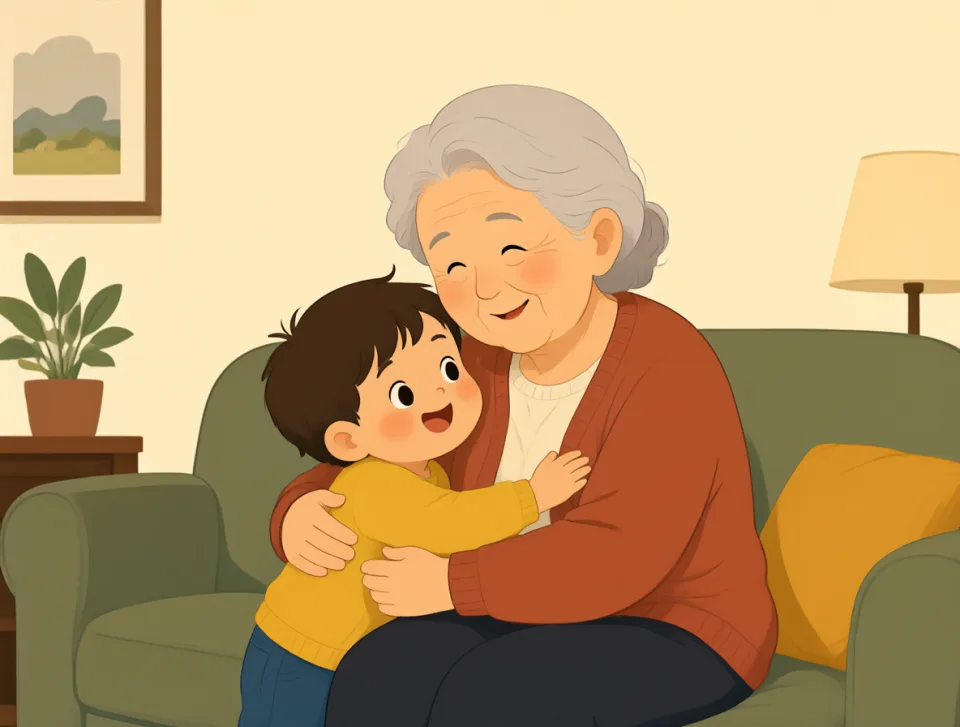
My grandmother is a very special person.
मेरी दादी बहुत खास इंसान हैं।

sometimes
#444adverb
कभी-कभी
At some times, but not always.
कुछ समय पर, लेकिन हमेशा नहीं।
I sometimes walk to work.
मैं कभी-कभी पैदल काम पर जाता हूँ।
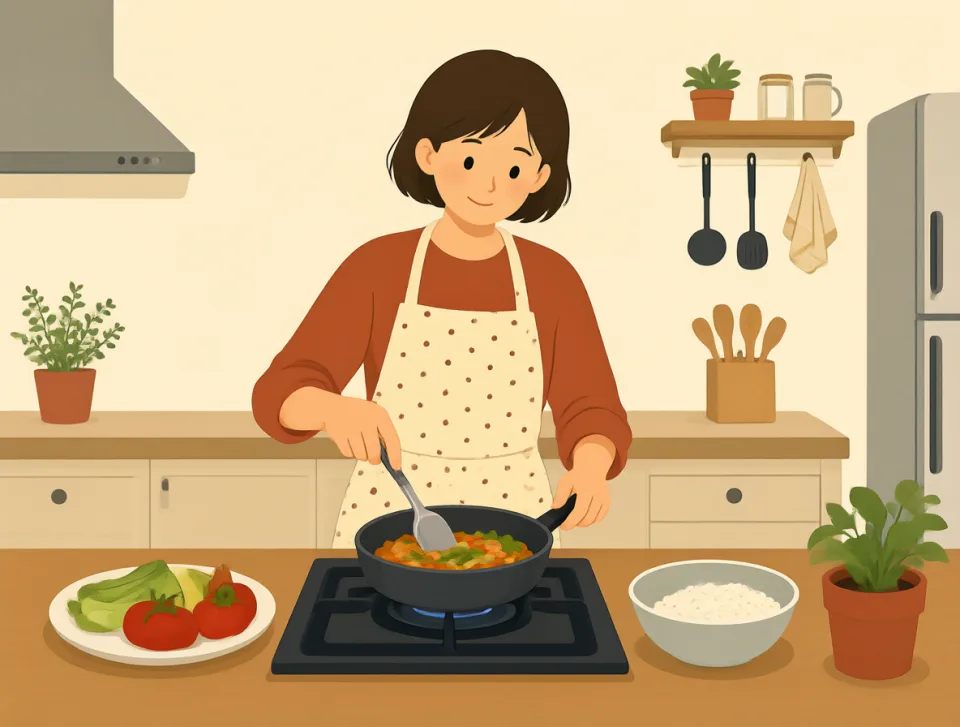
She sometimes cooks dinner for us.
वह कभी-कभी हमारे लिए रात का खाना बनाती है।
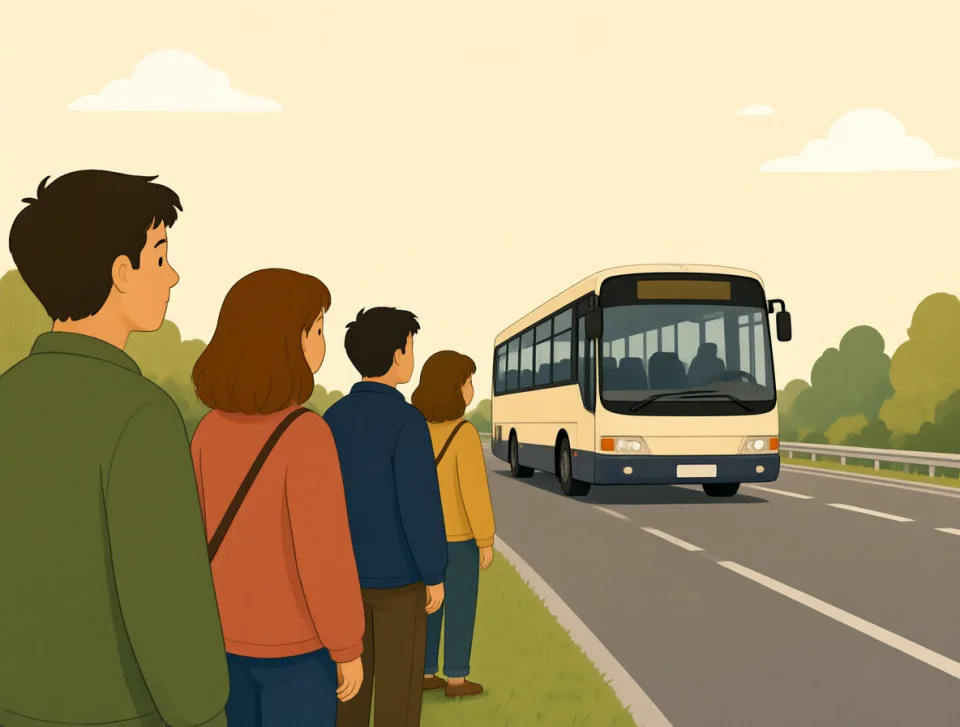
Sometimes, the bus arrives late.
कभी-कभी बस देर से आती है।
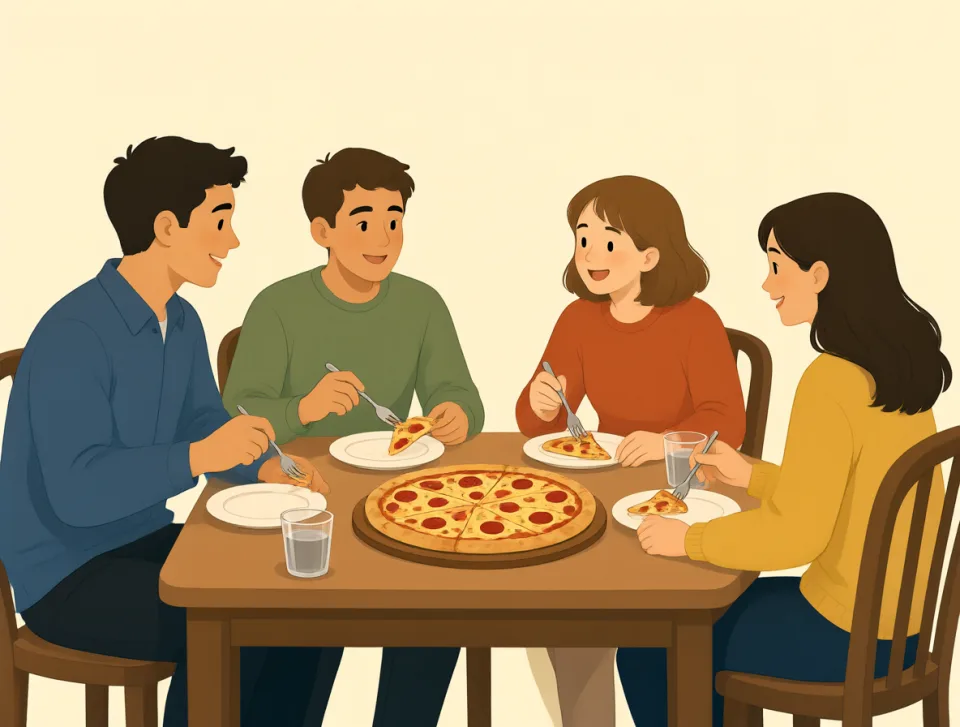
We sometimes eat pizza on Fridays.
हम कभी-कभी शुक्रवार को पिज़्ज़ा खाते हैं।

He sometimes feels tired after school.
उसे कभी-कभी स्कूल के बाद थकान महसूस होती है।
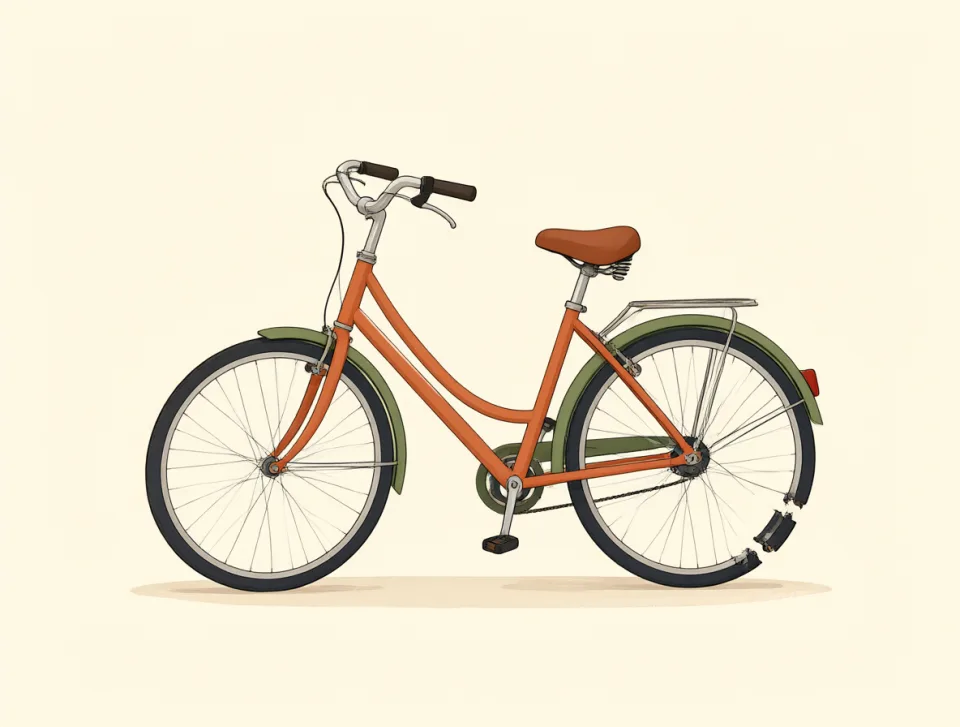
condition
#445noun
हालत; शर्त
the state that something is in, or a rule that must be accepted
किसी चीज़ की मौजूदा हालत, या वह नियम जिसे मानना ज़रूरी हो।
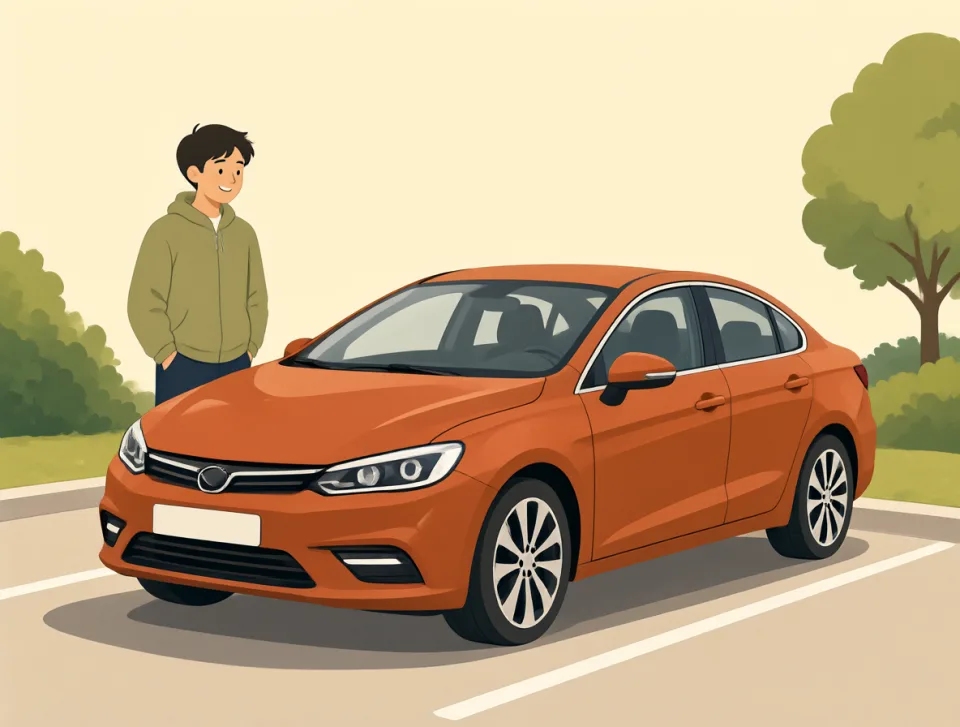
The car is in good condition.
कार अच्छी हालत में है।
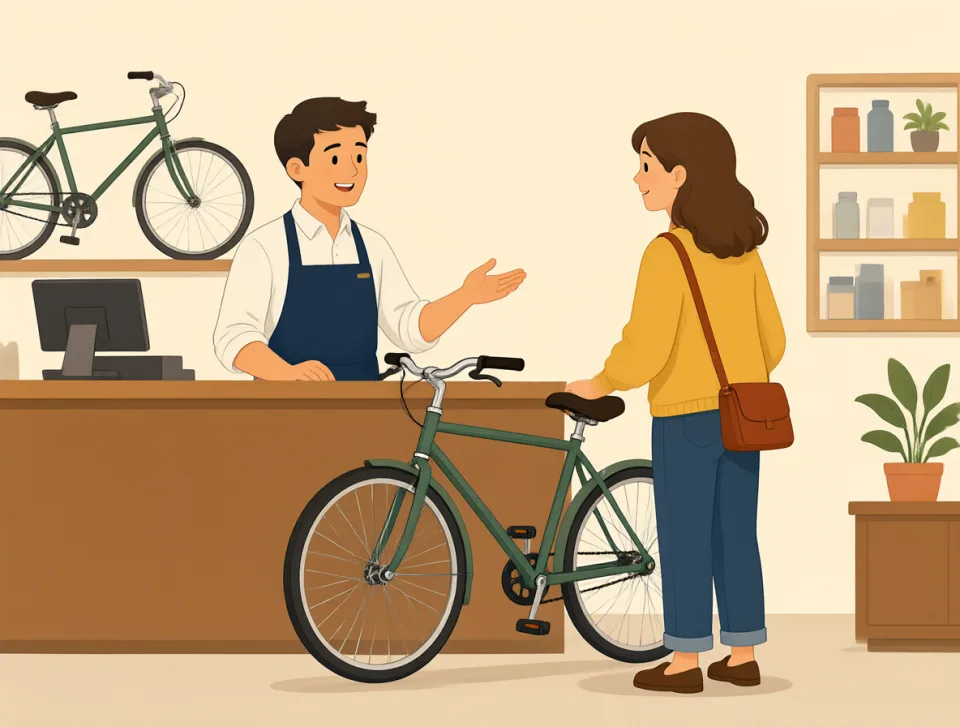
You can buy it on one condition.
आप इसे एक शर्त पर खरीद सकते हैं।
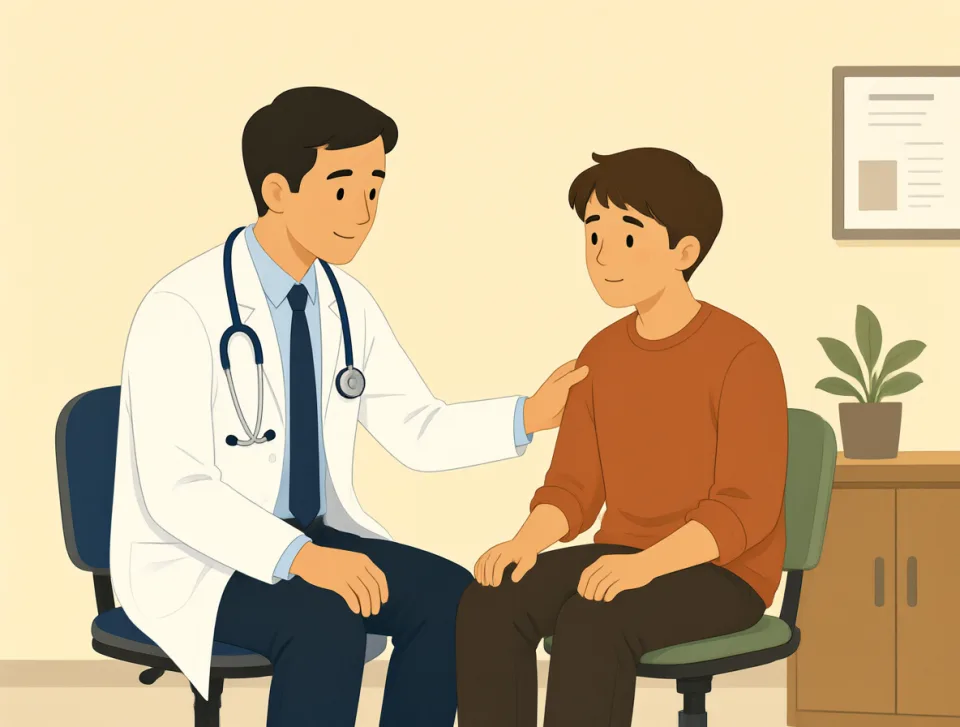
The doctor asked about my condition.
डॉक्टर ने मेरी हालत के बारे में पूछा।
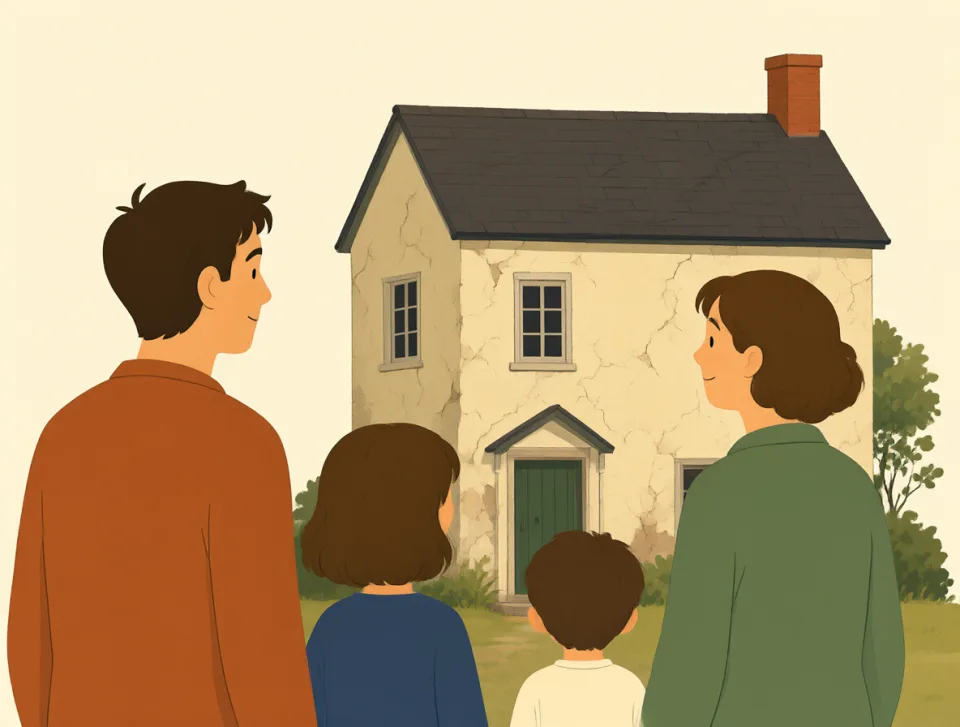
The house was in poor condition.
घर की हालत खराब थी।
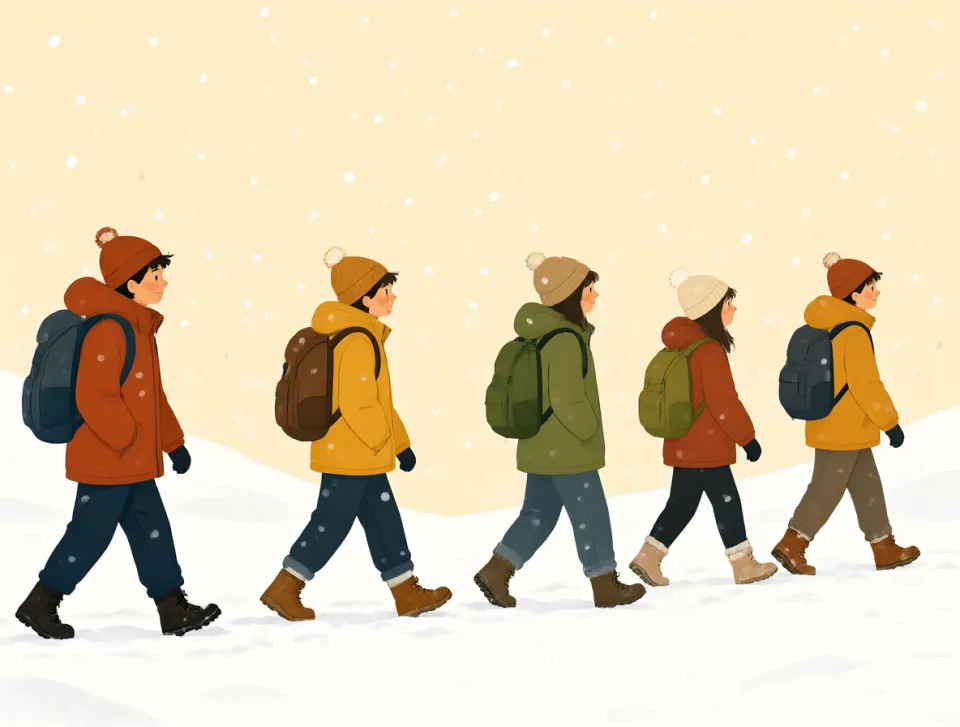
Cold conditions made the trip difficult.
ठंडे मौसम की वजह से यात्रा मुश्किल हो गई।
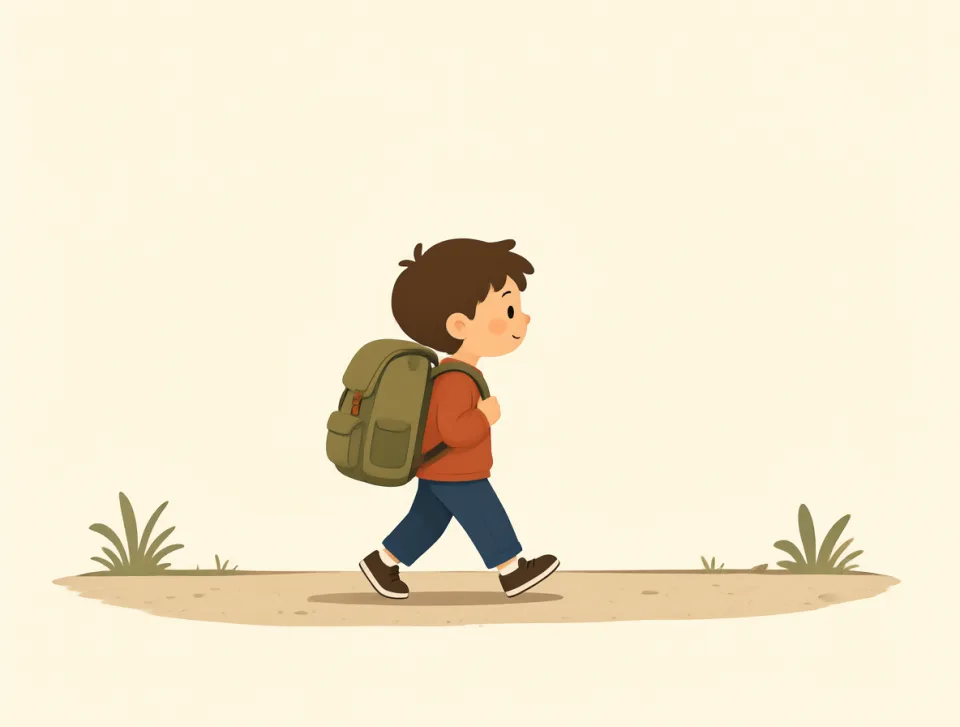
carry
#446verb
ले जाना
to take something or someone from one place to another
किसी चीज़ या व्यक्ति को एक जगह से दूसरी जगह ले जाना

She carries her bag to work every day.
वह हर दिन अपना बैग काम पर ले जाती है।
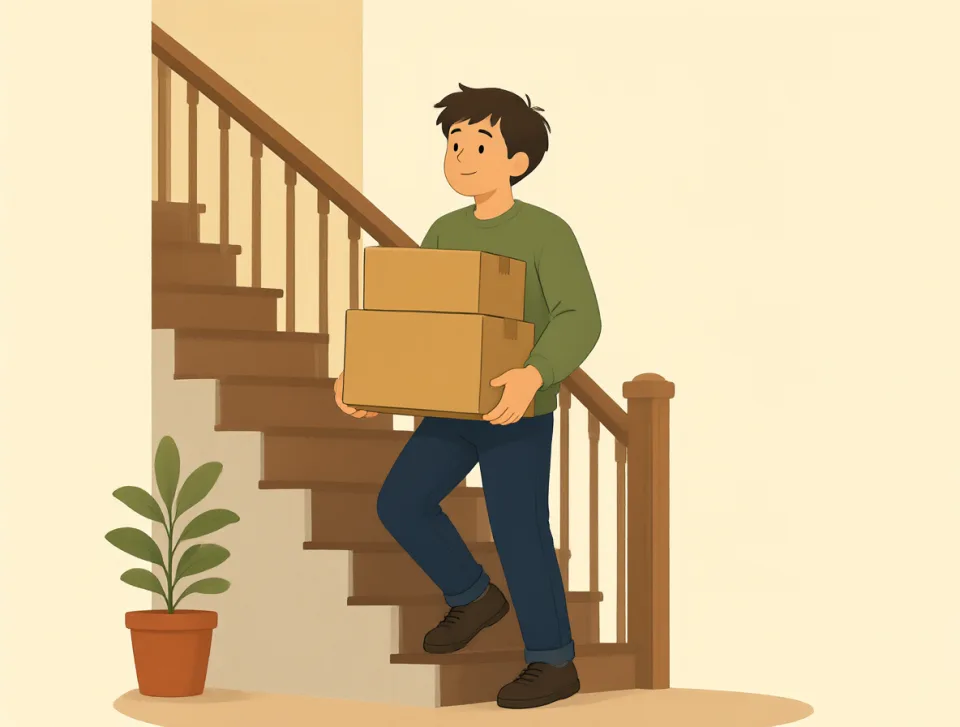
Please carry these boxes upstairs.
कृपया इन डिब्बों को ऊपर ले जाइए।

The waiter carried our food to the table.
वेटर हमारा खाना मेज़ तक ले गया।
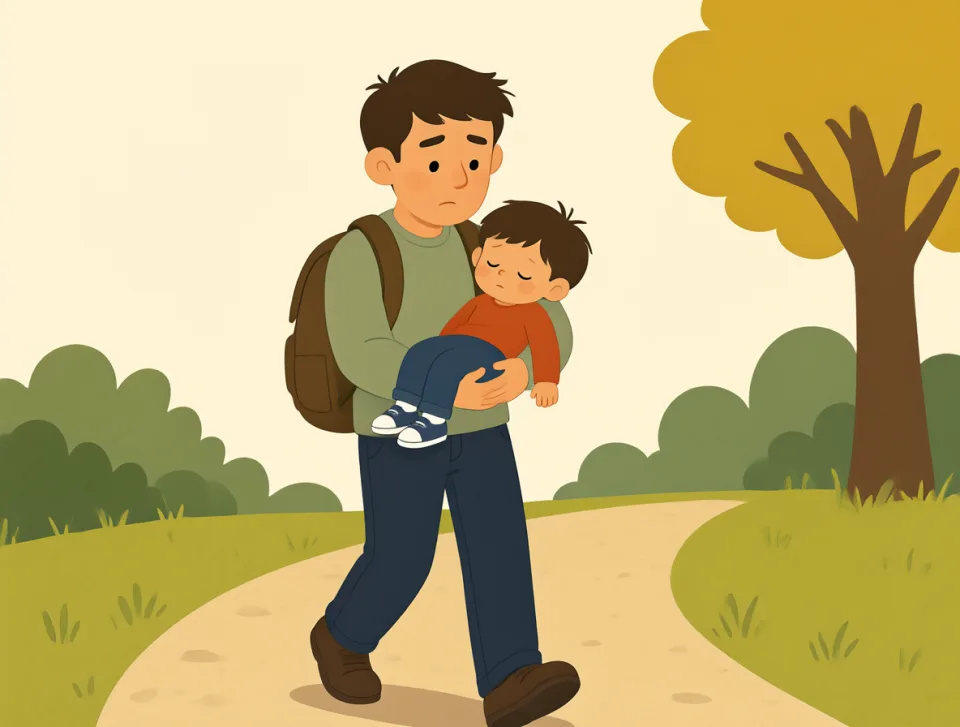
He carried his son home after the trip.
यात्रा के बाद वह अपने बेटे को गोद में उठाकर घर ले गया।
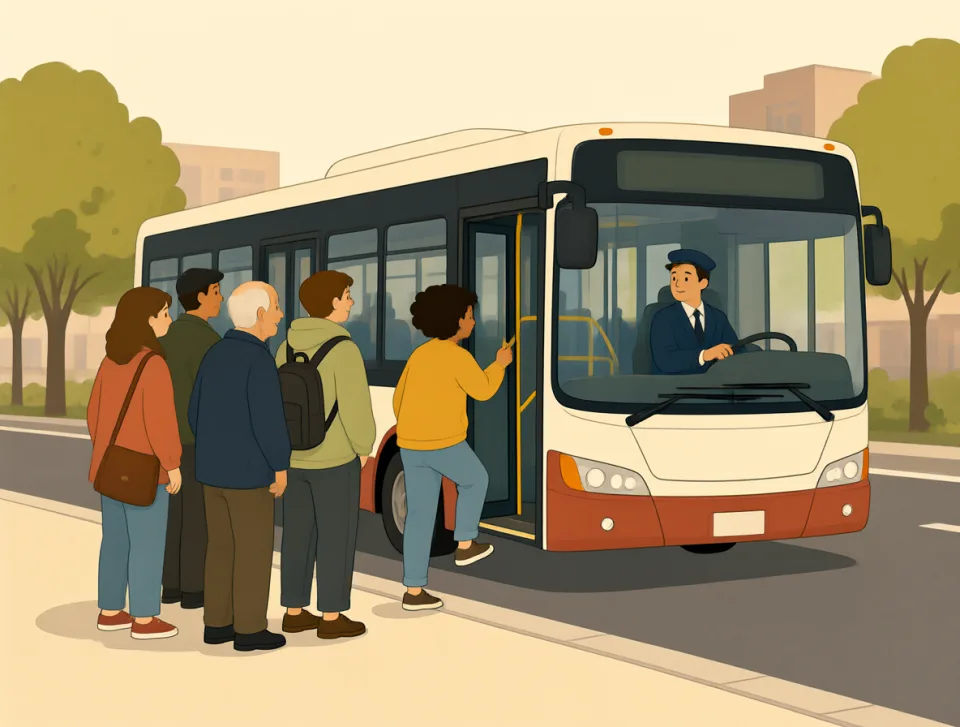
This bus carries many people every morning.
यह बस हर सुबह बहुत से लोगों को ले जाती है।
choose
#447verb
चुनना
To decide which person or thing you want from several possibilities.
कई विकल्पों में से यह तय करना कि आपको कौन-सा व्यक्ति या चीज़ चाहिए।

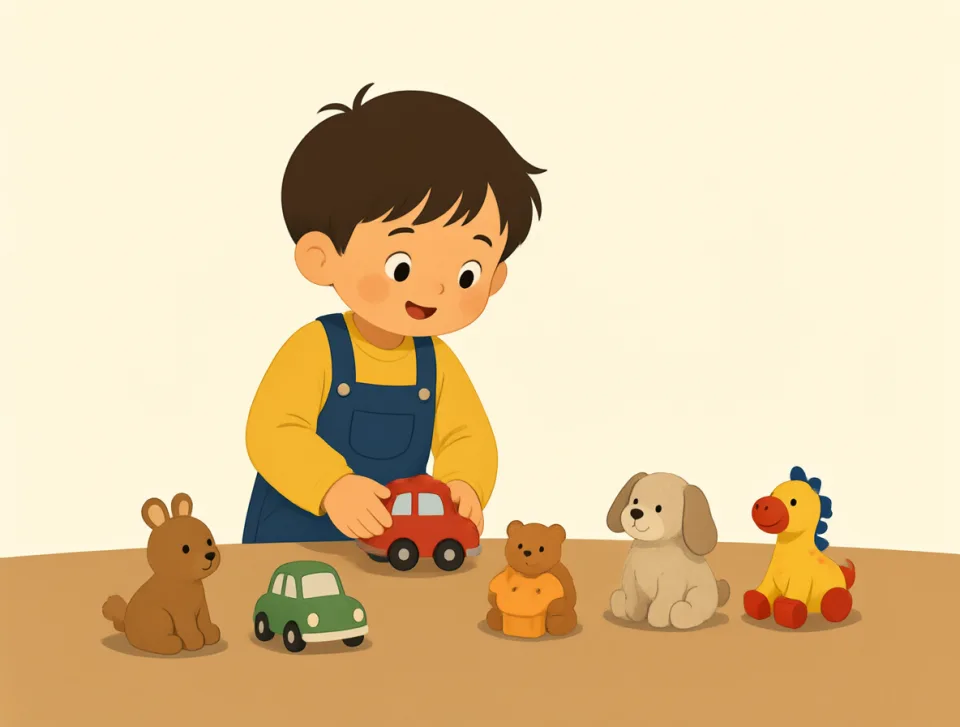
Choose a seat near the window.
खिड़की के पास वाली सीट चुनिए।

She chose the blue dress for work.
उसने काम पर पहनने के लिए नीली पोशाक चुनी।
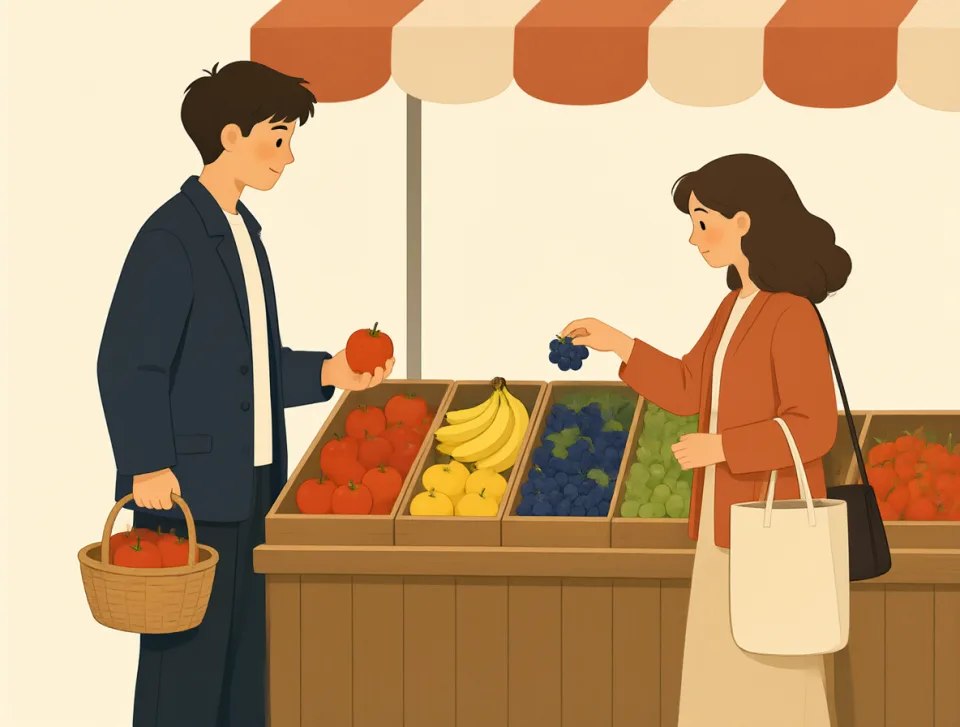
We choose fresh fruit at the market.
हम बाज़ार में ताज़े फल चुनते हैं।
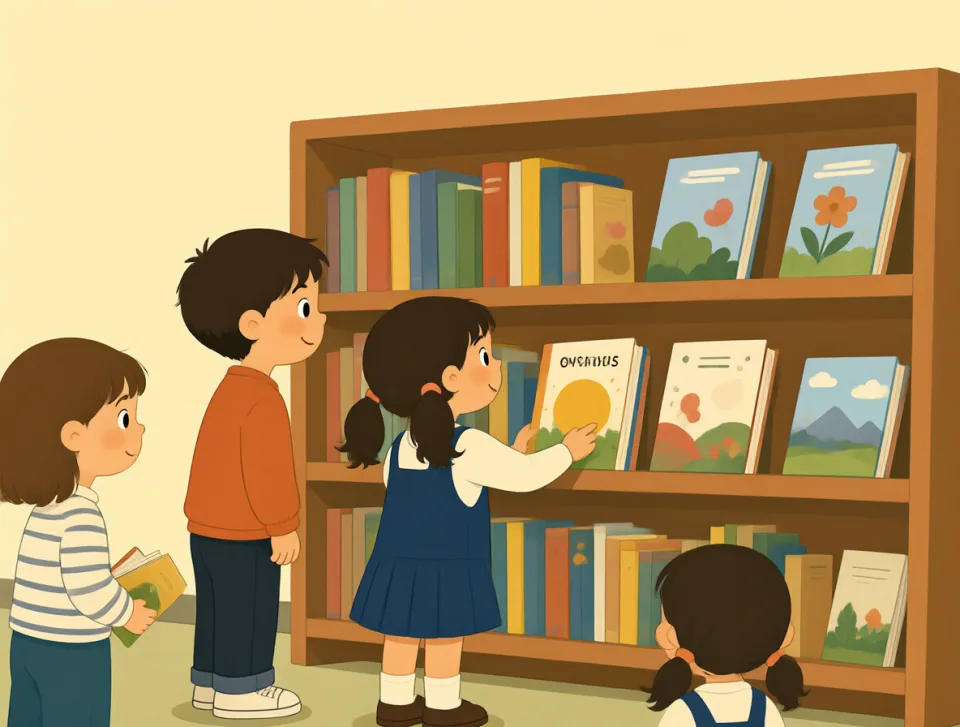
Our teacher let us choose a book.
हमारे शिक्षक ने हमें एक किताब चुनने दी।
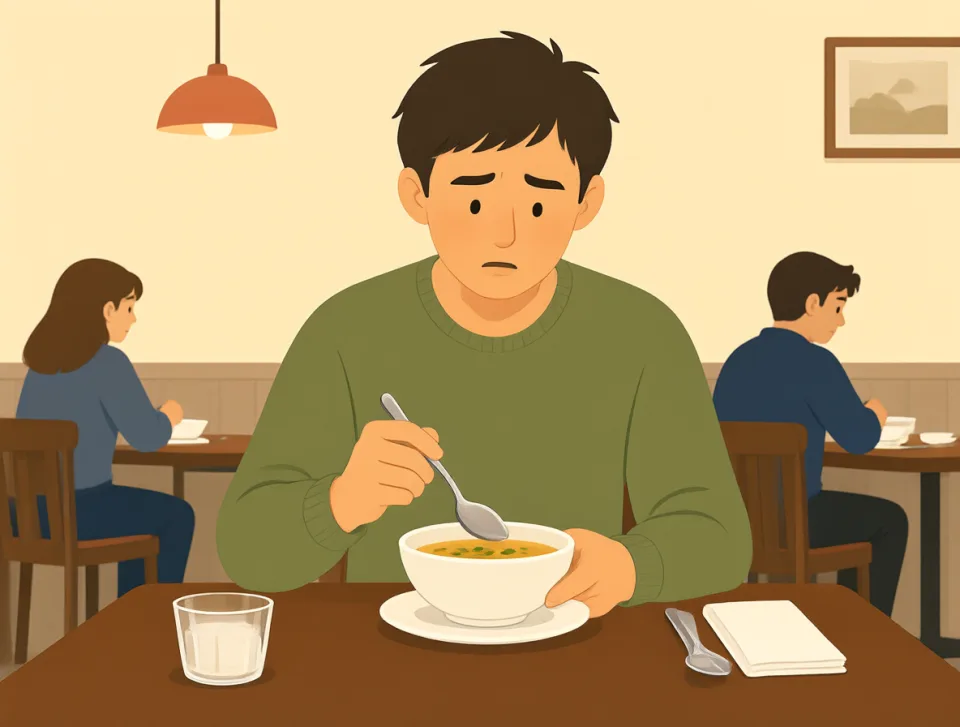
He chose soup because his throat hurt.
उसने सूप चुना क्योंकि उसके गले में दर्द था।
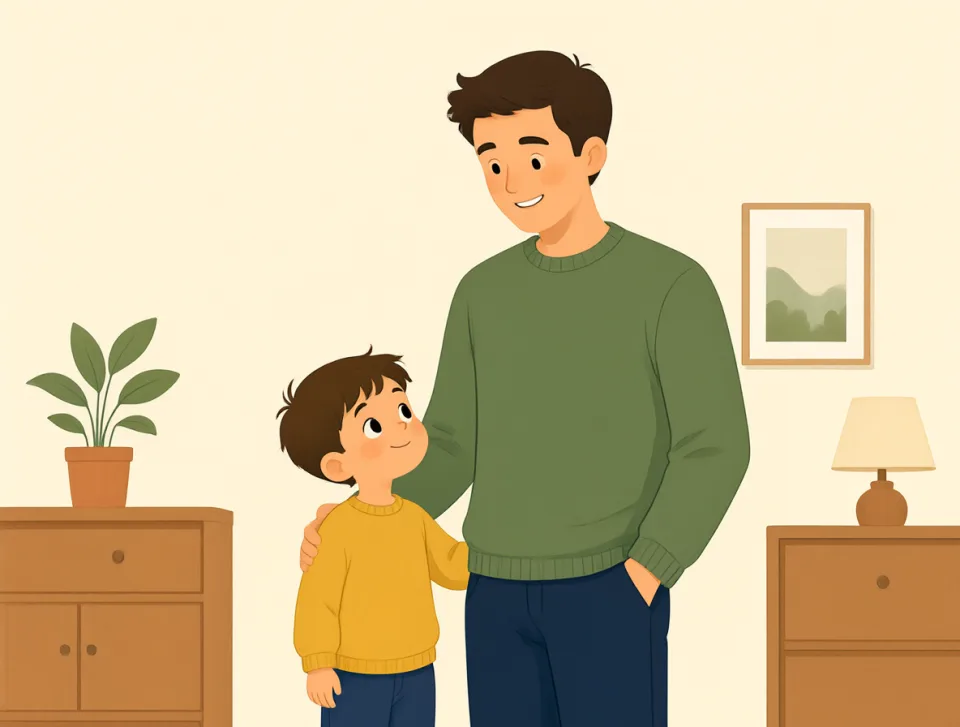
father
#448noun
पिता
A male parent of a child.
किसी बच्चे के पुरुष अभिभावक।
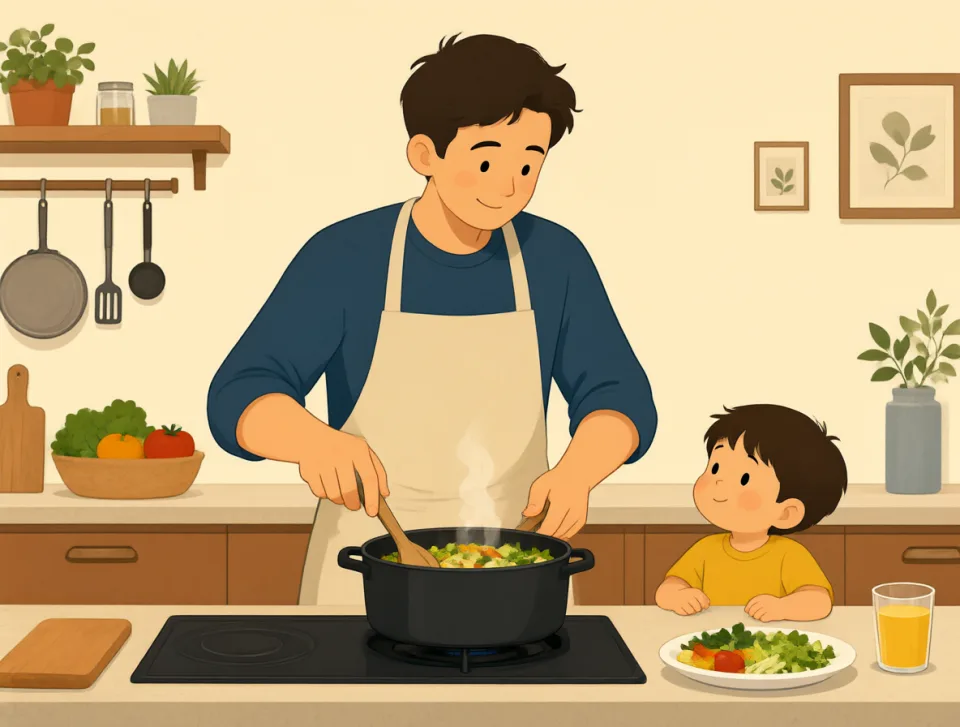
My father makes breakfast every morning.
मेरे पिता हर सुबह नाश्ता बनाते हैं।
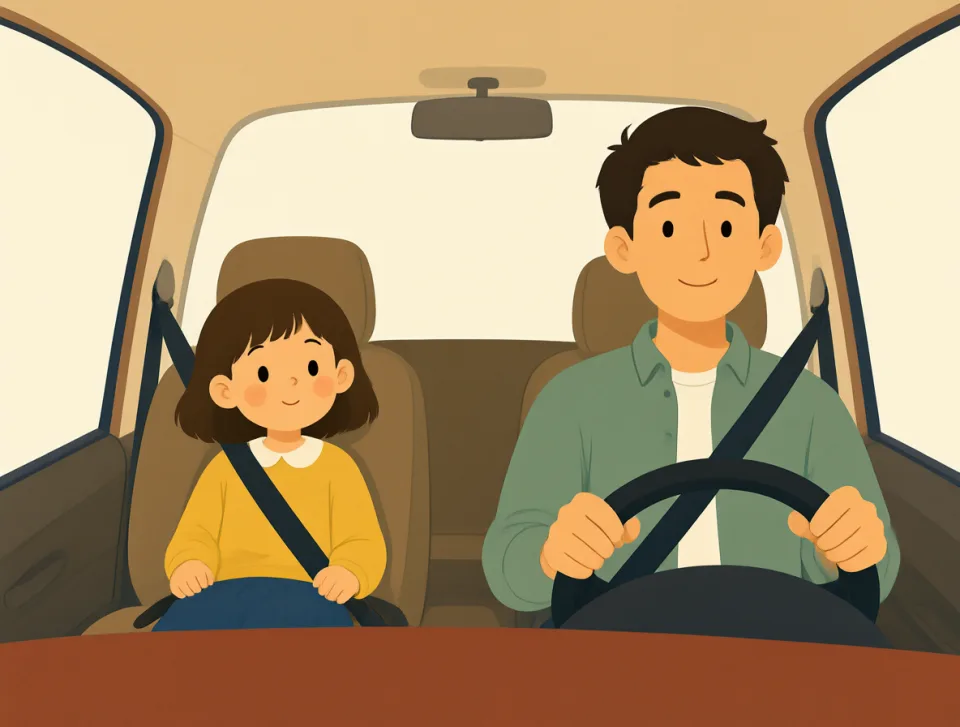
Her father drives her to school.
उसके पिता उसे स्कूल छोड़ने गाड़ी से जाते हैं।
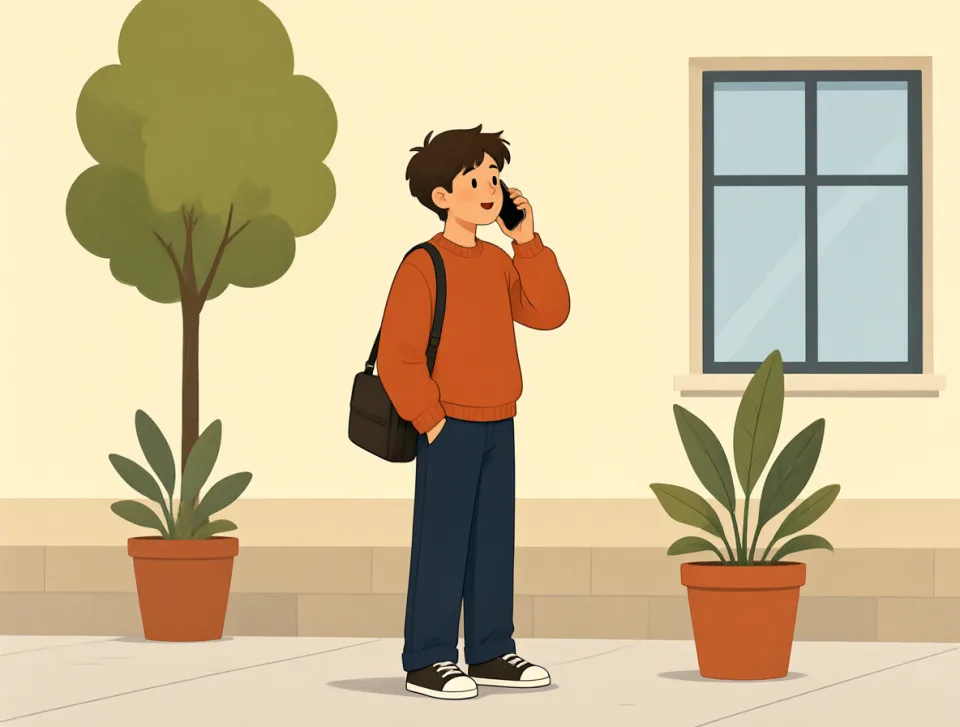
I called my father after work.
काम के बाद मैंने अपने पिता को फ़ोन किया।
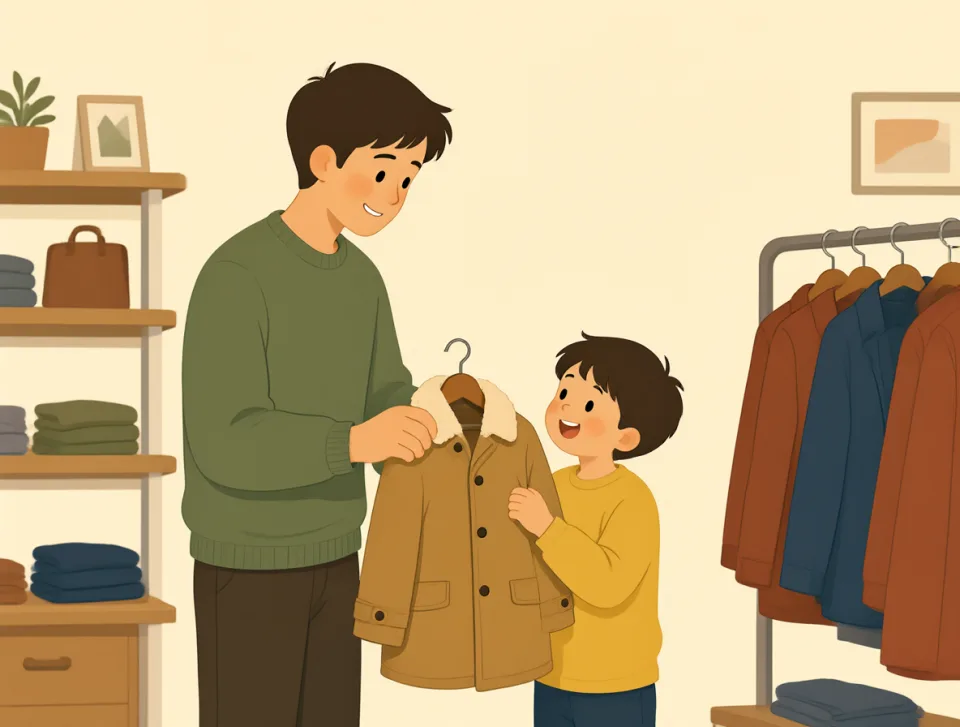
His father bought a new coat.
उसके पिता ने नया कोट खरीदा।

The baby is staying with her father.
बच्ची अपने पिता के साथ रह रही है।
decision
#449noun
निर्णय
a choice you make after thinking about what to do
क्या करना है, इस बारे में सोचने के बाद किया गया चुनाव।

We need to make a decision today.
हमें आज एक निर्णय लेना है।

She made the right decision about the job.
उसने नौकरी के बारे में सही निर्णय लिया।
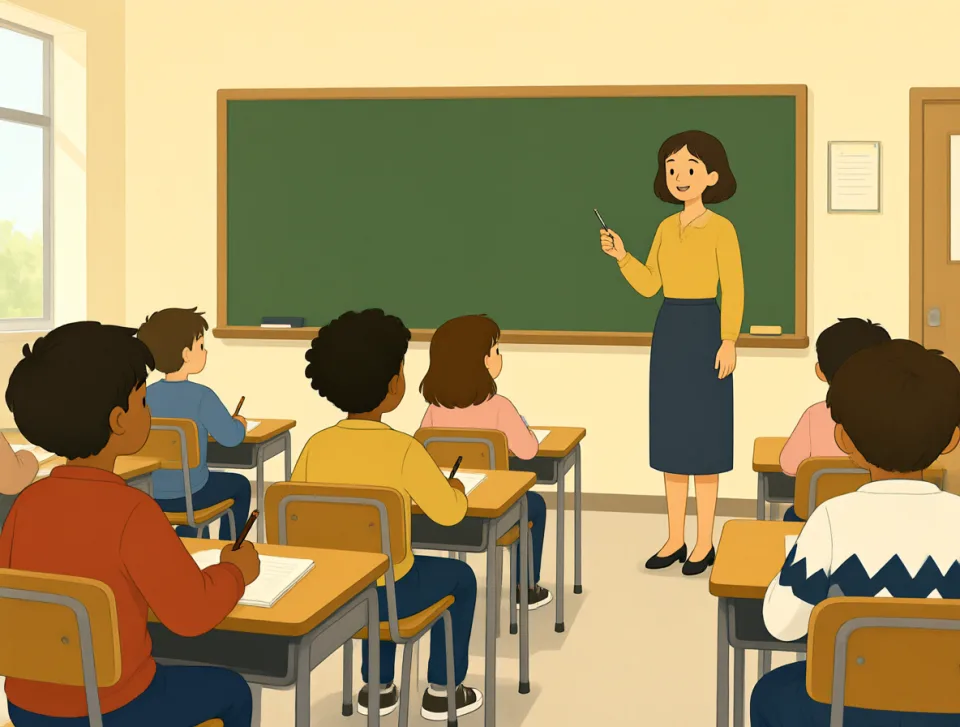
The teacher asked for our decision.
शिक्षक ने हमसे अपना निर्णय बताने को कहा।
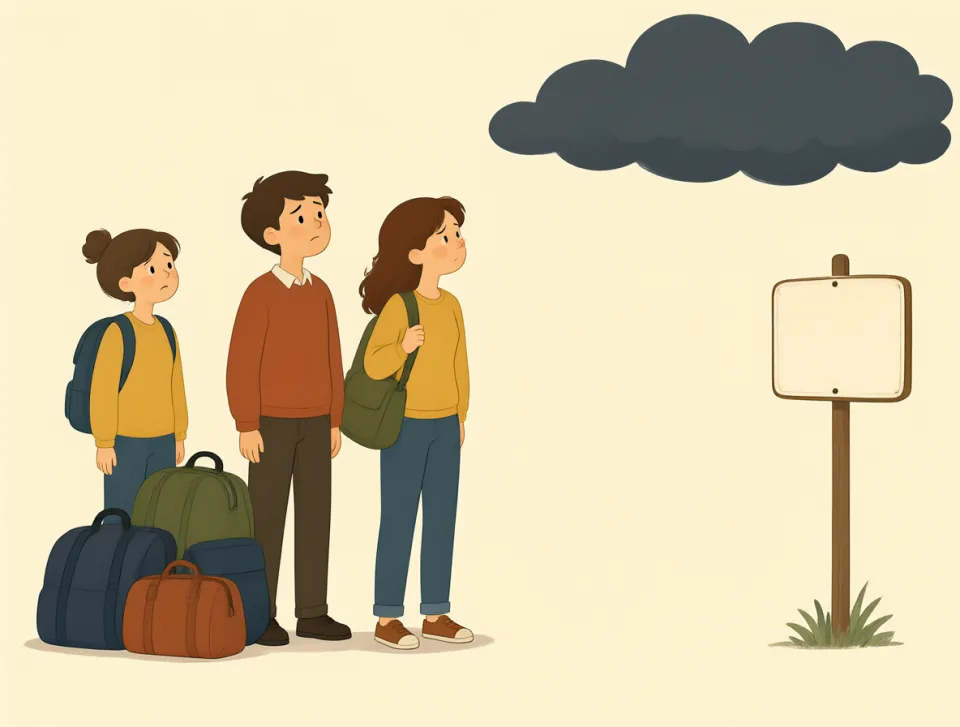
They changed their decision after the storm.
तूफ़ान के बाद उन्होंने अपना निर्णय बदल दिया।

His doctor helped him make a decision.
उसके डॉक्टर ने निर्णय लेने में उसकी मदद की।
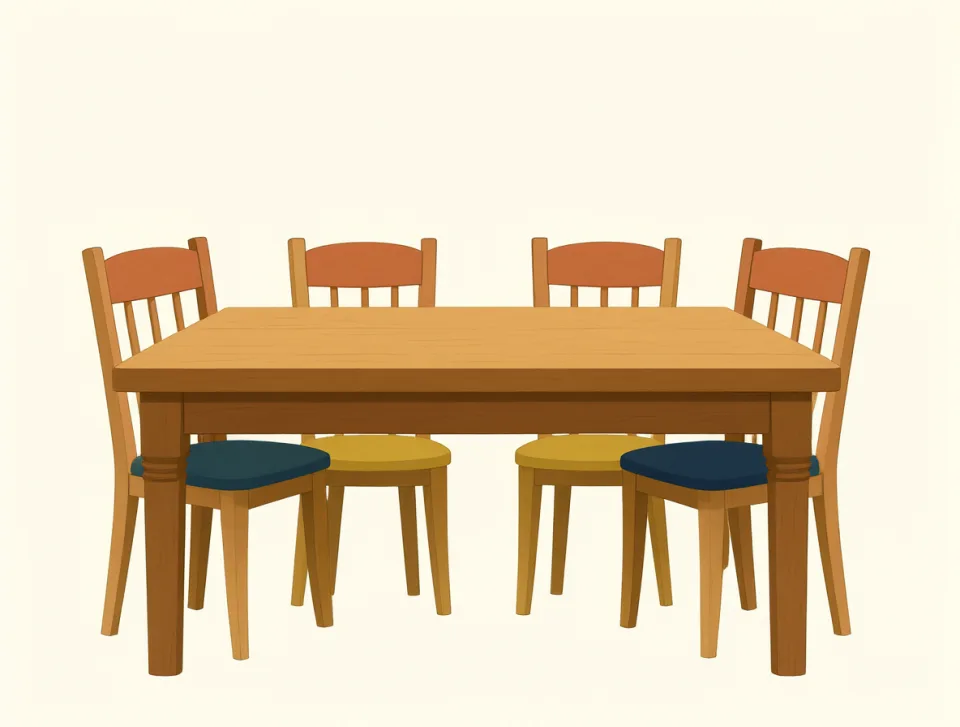
table
#450noun, verb
मेज़
A piece of furniture with a flat top and legs, or to put information in a table.
समतल ऊपरी सतह और पैरों वाला फर्नीचर, या जानकारी को तालिका में रखना।
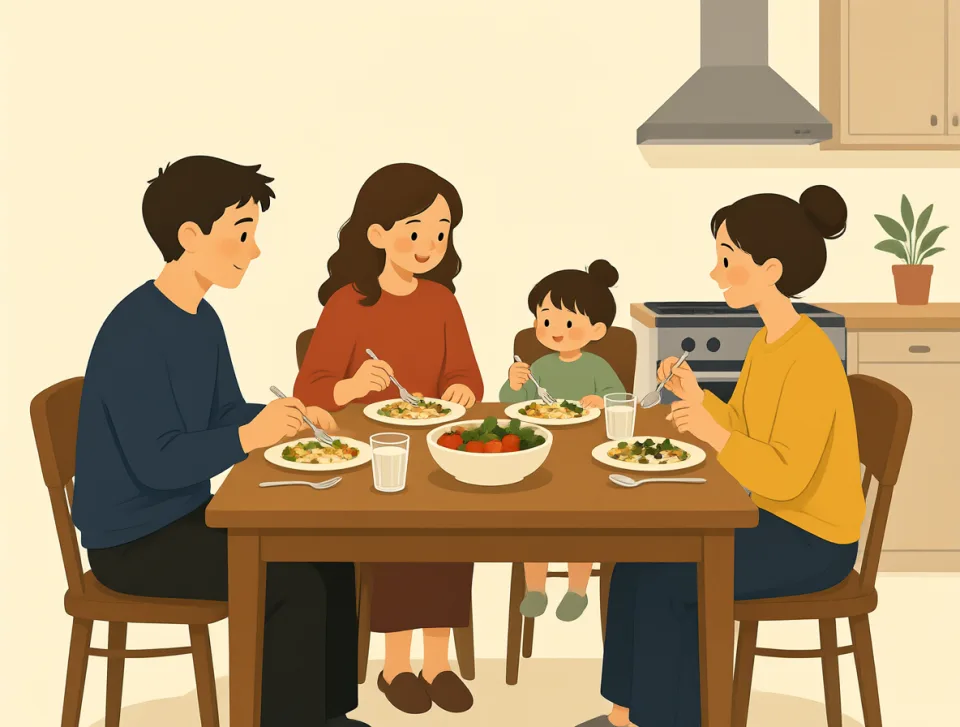
We ate dinner at the kitchen table.
हमने रसोई की मेज़ पर रात का खाना खाया।

Please put the books on the table.
कृपया किताबें मेज़ पर रख दीजिए।
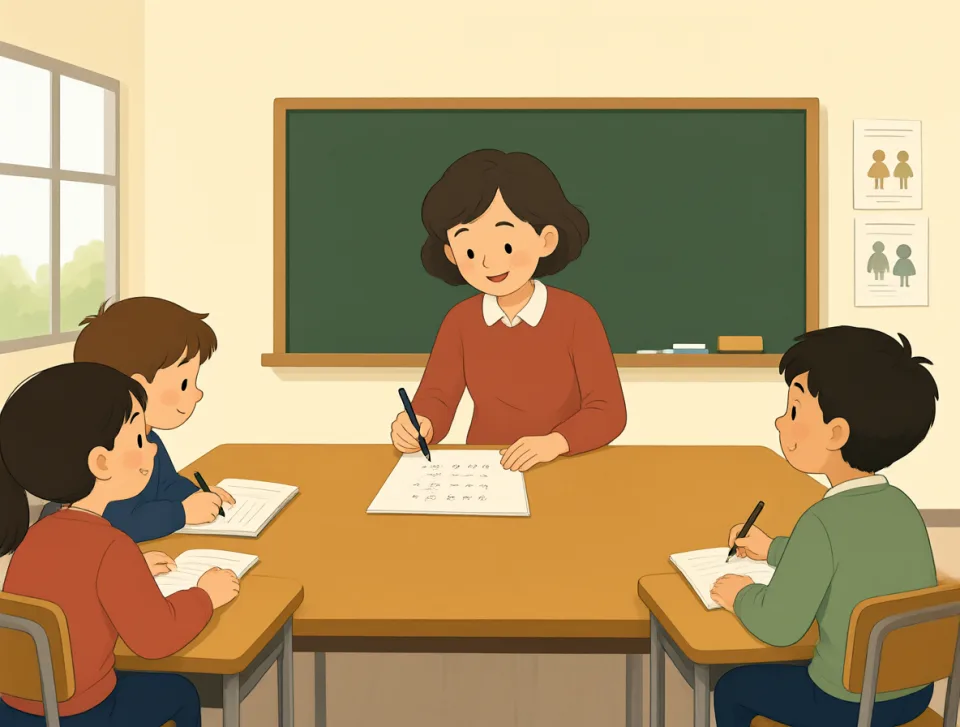
The teacher wrote the answers on the table.
शिक्षक ने तालिका में जवाब लिखे।

They booked a table for two tonight.
उन्होंने आज रात दो लोगों के लिए एक मेज़ बुक की।

The report tables the costs clearly.
रिपोर्ट में लागतों को स्पष्ट रूप से तालिका में दिखाया गया है।
certain
#451adjective, determiner, pronoun
निश्चित
Sure about something or someone; or a particular person or thing.
किसी बात या व्यक्ति के बारे में पक्का; या कोई खास व्यक्ति या वस्तु।
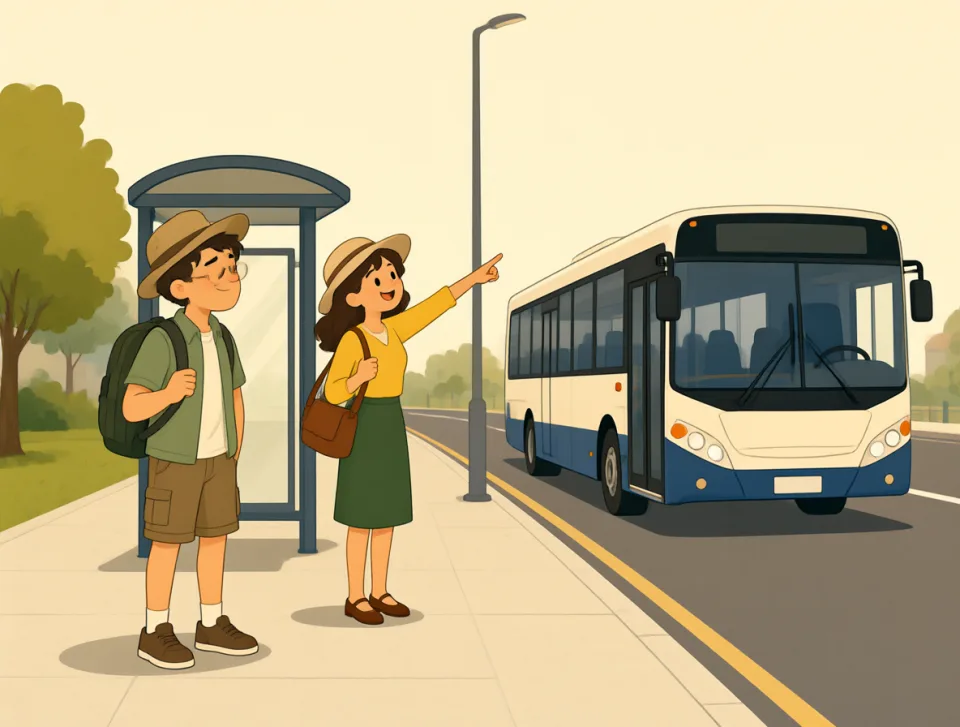
I am certain this is the right bus.
मुझे यकीन है कि यह सही बस है।
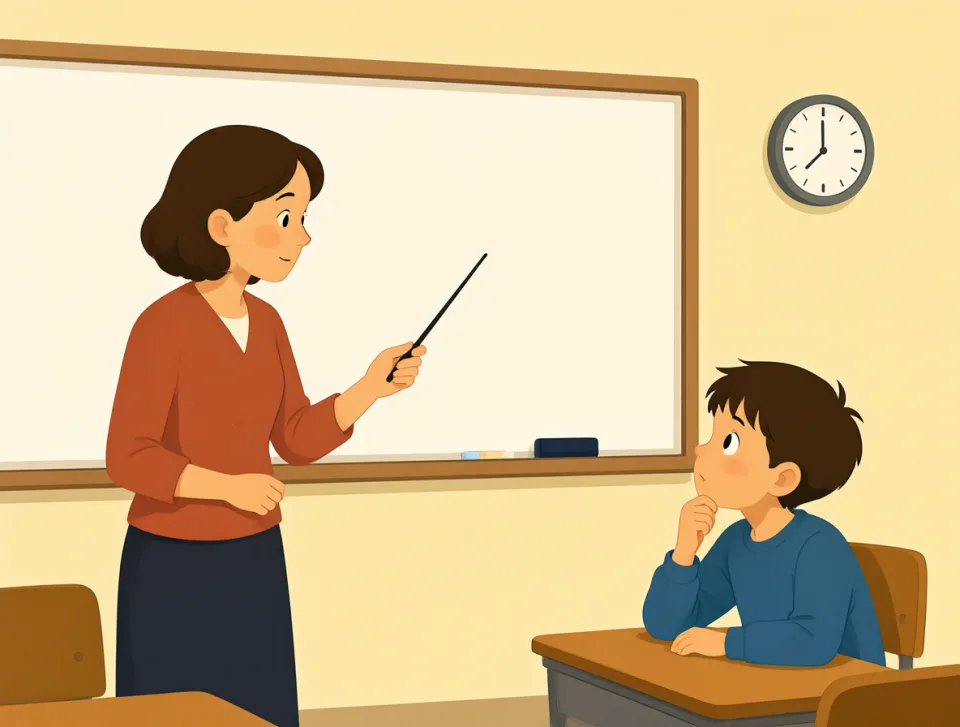
Are you certain about your answer?
क्या आपको अपने जवाब के बारे में यकीन है?
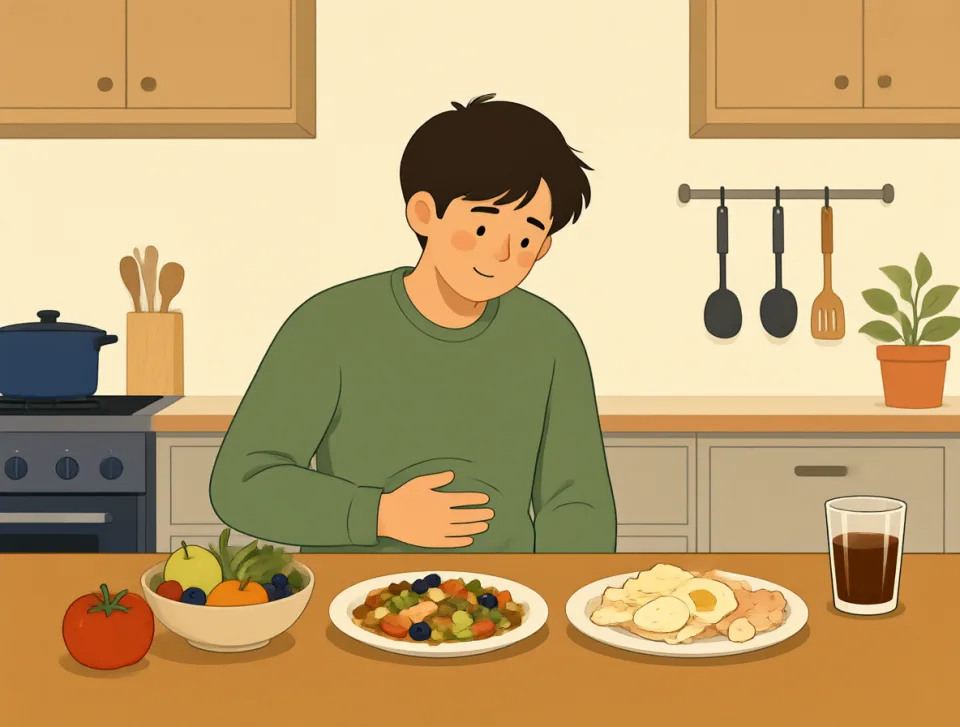
Certain foods make my stomach hurt.
कुछ खास খাবার खाने से मेरे पेट में दर्द होता है।

We met certain friends at the airport.
हवाई अड्डे पर हमारी मुलाकात कुछ खास दोस्तों से हुई।
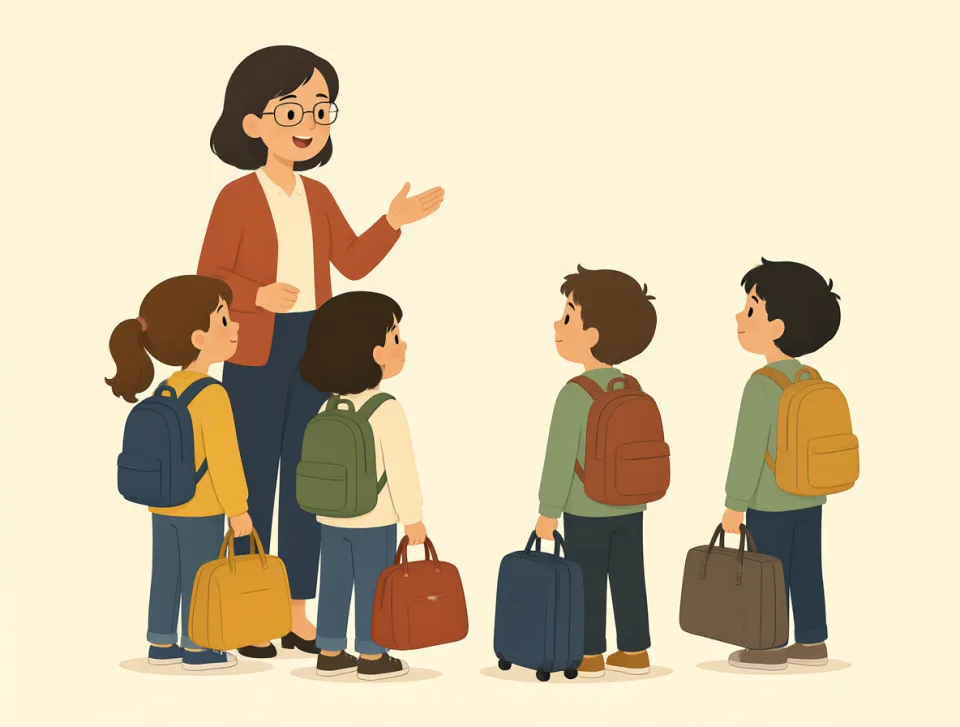
Only certain students can join the trip.
सिर्फ कुछ खास विद्यार्थी ही यात्रा में शामिल हो सकते हैं।
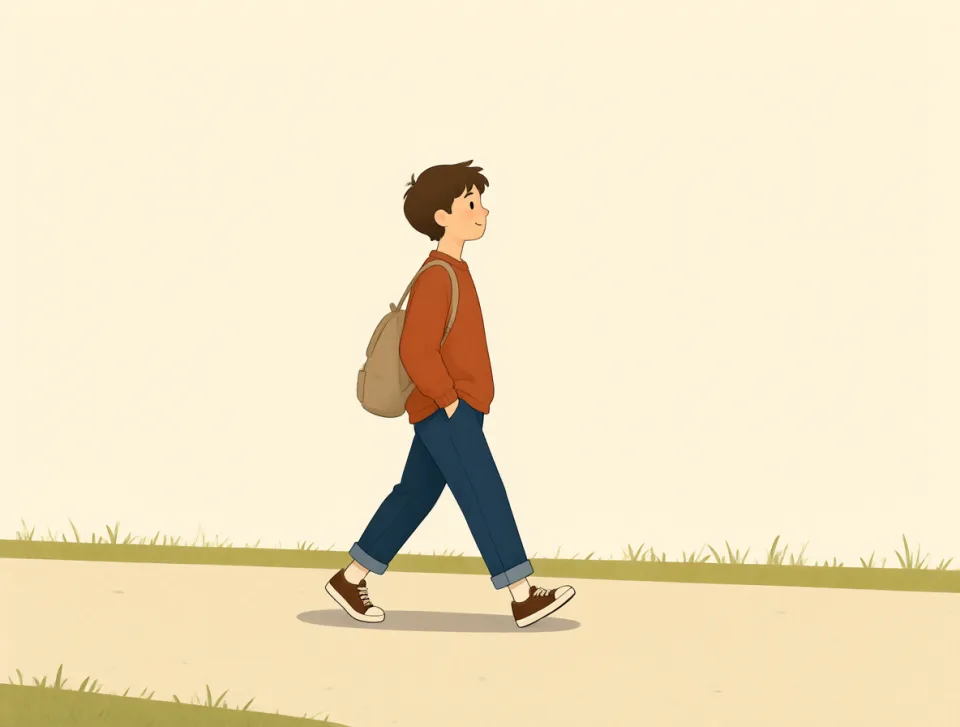
forward
#452adverb, adjective, noun, verb
आगे
Toward the front or a place ahead; helping something continue or improve.
सामने या आगे की ओर; किसी चीज़ को जारी रखने या बेहतर बनाने में सहायक।
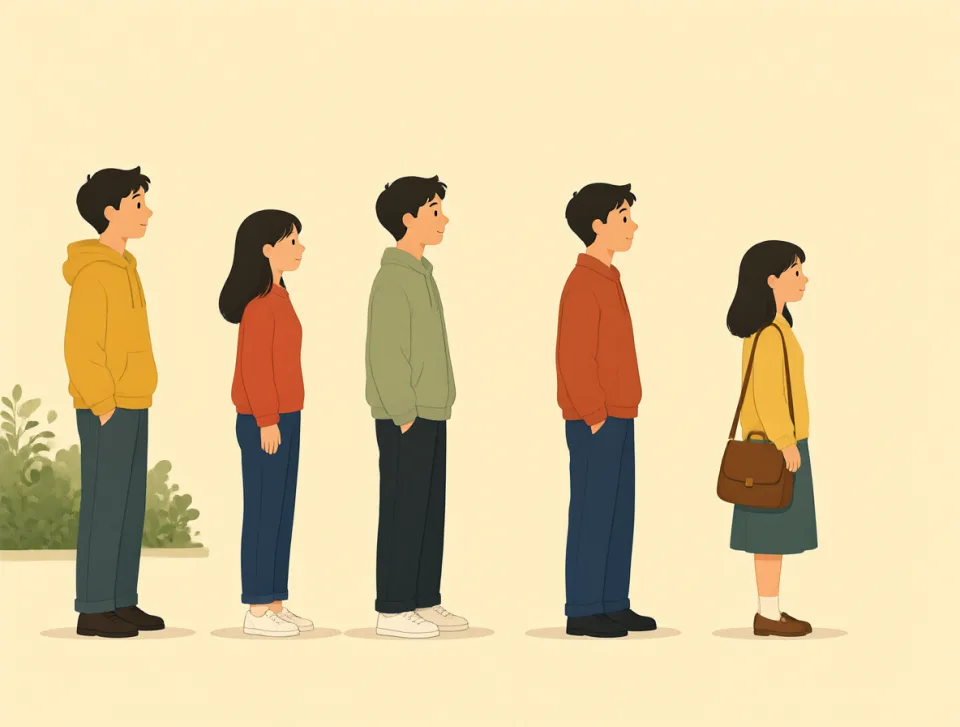
Please move forward in the line.
कृपया कतार में आगे बढ़िए।
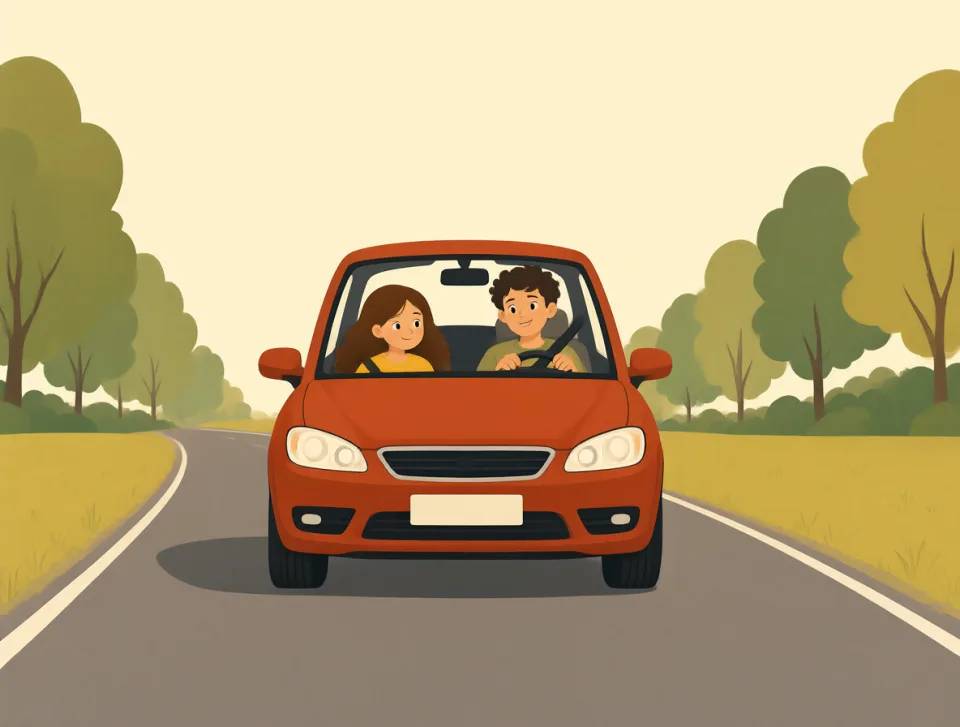
The car moved forward slowly.
कार धीरे-धीरे आगे बढ़ी।

She has a bright future forward.
उसका उज्ज्वल भविष्य सामने है।
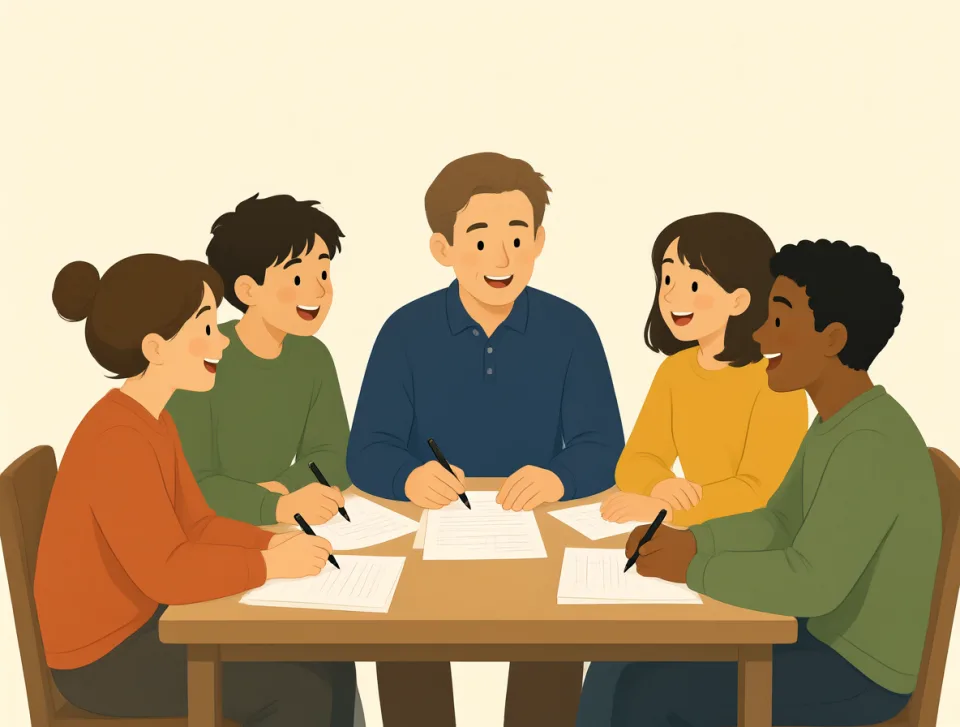
The team made forward progress today.
आज टीम ने अच्छी प्रगति की।

He leaned forward to hear better.
बेहतर सुनने के लिए वह आगे की ओर झुका।

main
#453adjective, noun
मुख्य
Most important; the largest or strongest part of something.
सबसे महत्वपूर्ण; किसी चीज़ का सबसे बड़ा या सबसे मज़बूत हिस्सा।
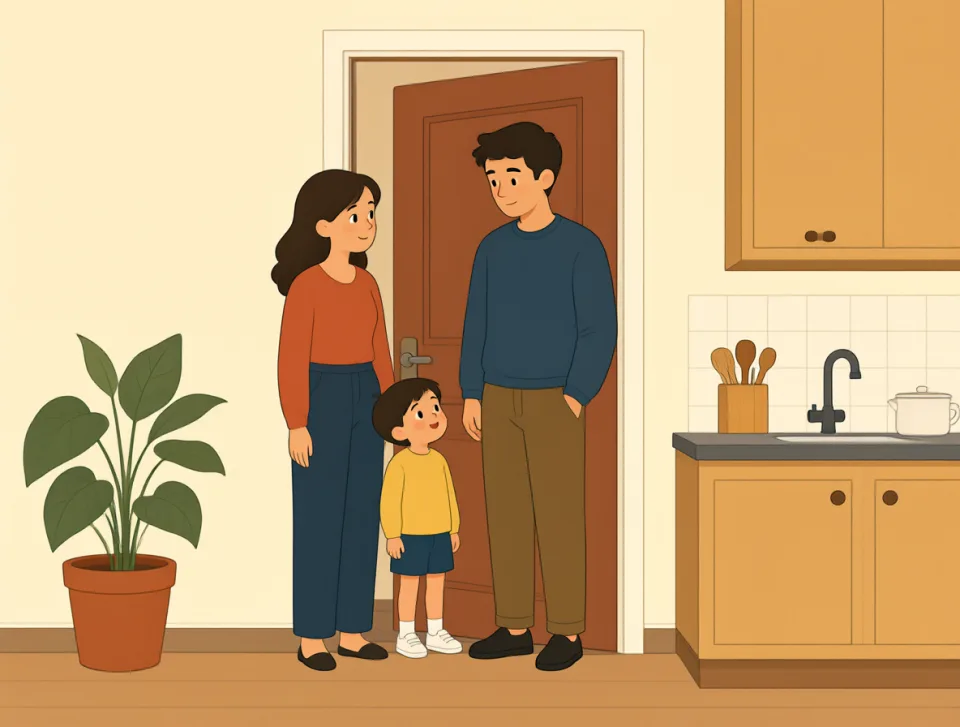
The main door is next to the kitchen.
मुख्य दरवाज़ा रसोई के पास है।

Our main goal is to pass the test.
हमारा मुख्य लक्ष्य परीक्षा पास करना है।
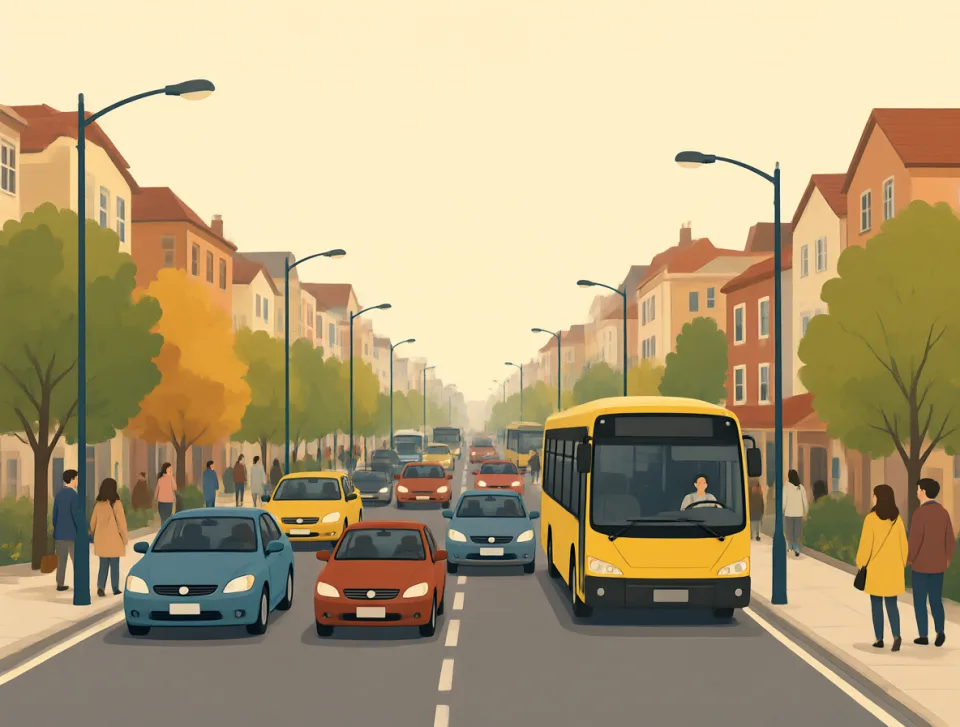
The main road was busy this morning.
आज सुबह मुख्य सड़क पर बहुत भीड़ थी।
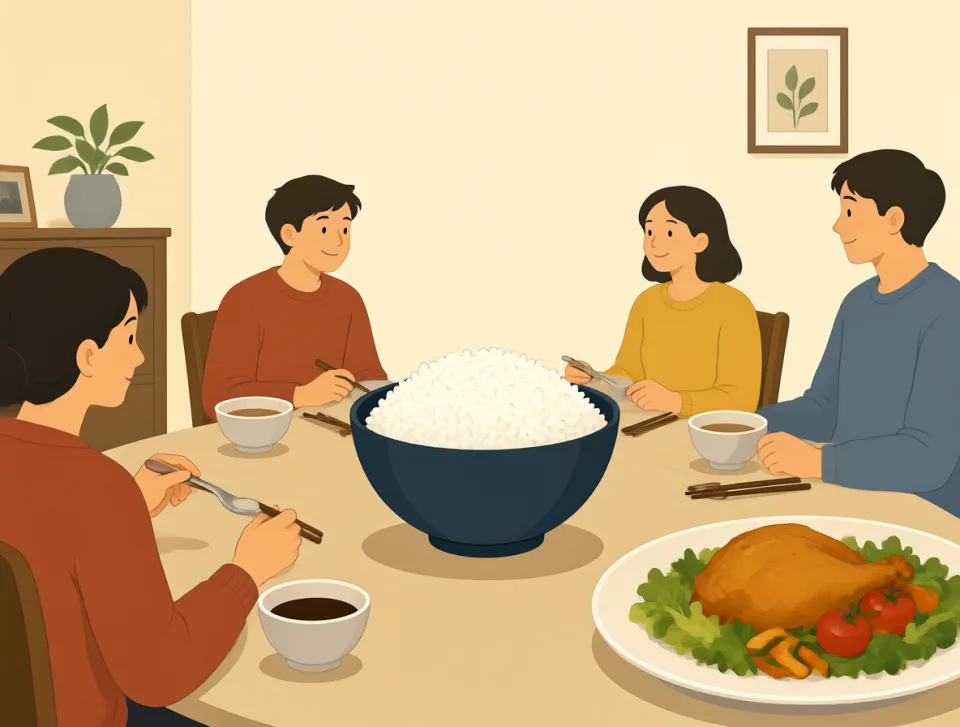
Rice is the main part of this meal.
इस भोजन का मुख्य हिस्सा चावल है।

The main station is near the city center.
मुख्य स्टेशन शहर के केंद्र के पास है।
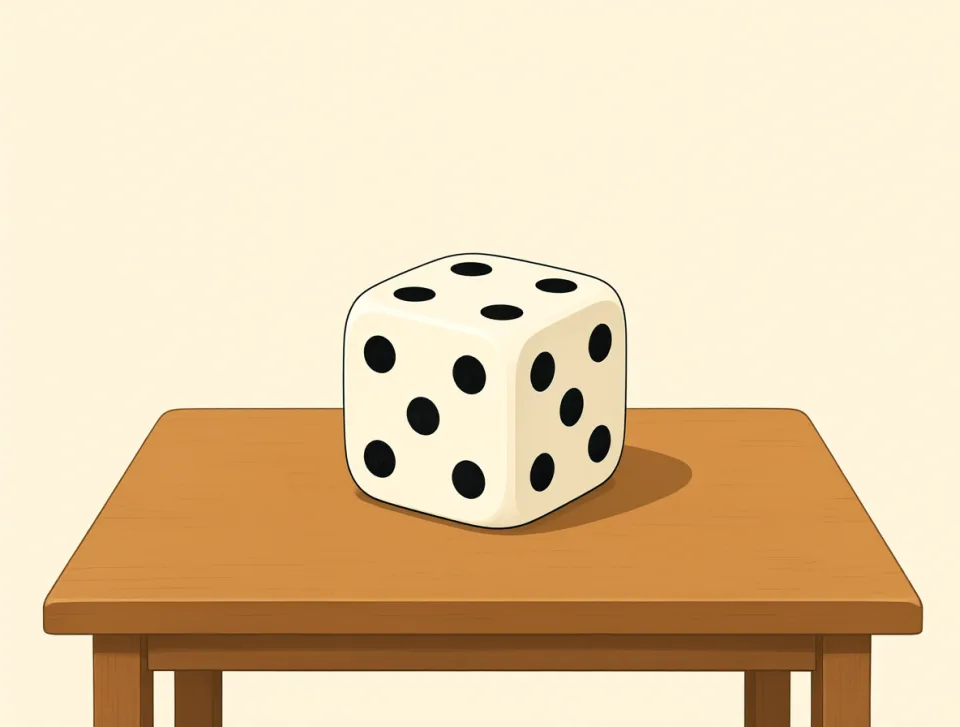
die
#454verb, noun
मरना; पासा
To stop living; a small cube marked with spots used in games.
जीना बंद कर देना; खेलों में इस्तेमाल होने वाला बिंदियों से चिह्नित छोटा घन।
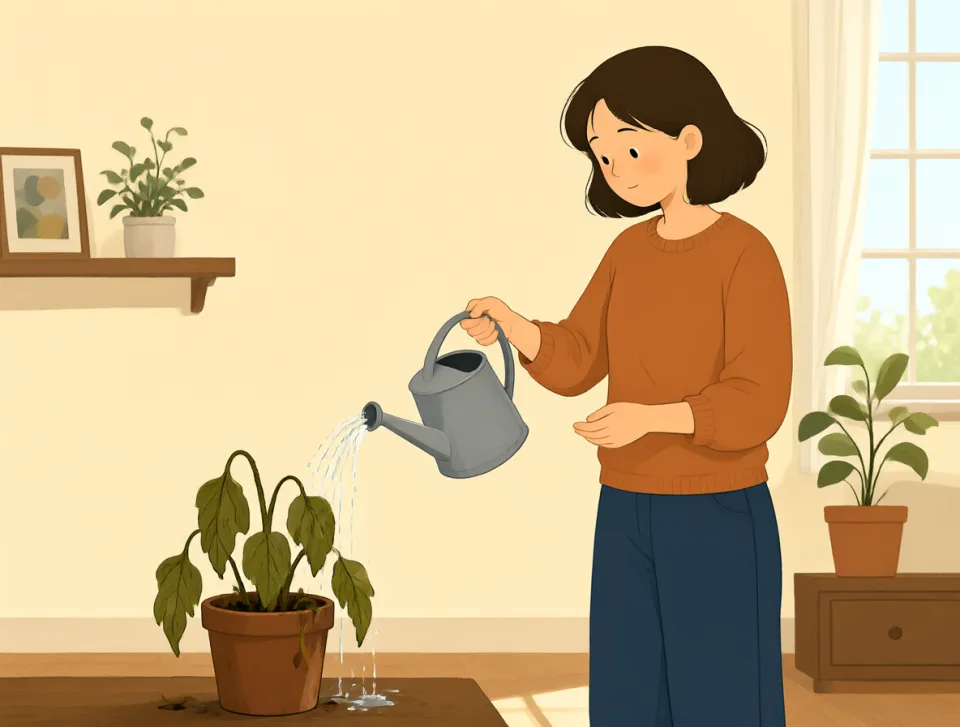
Many plants die without enough water.
पर्याप्त पानी के बिना बहुत-से पौधे मर जाते हैं।
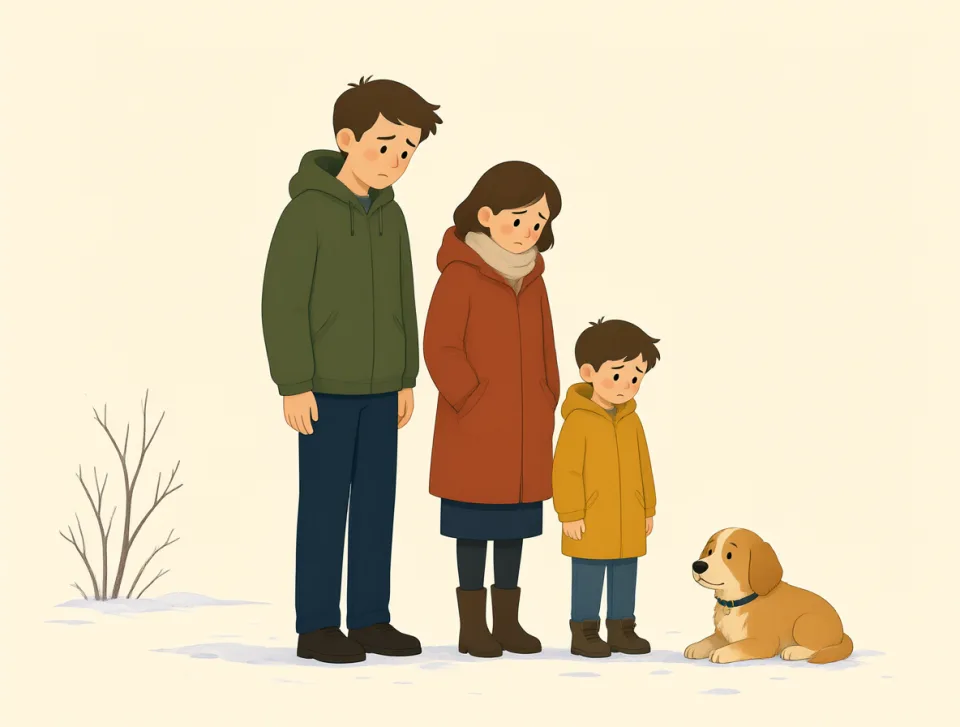
The old dog died last winter.
पिछली सर्दियों में बूढ़ा कुत्ता मर गया।
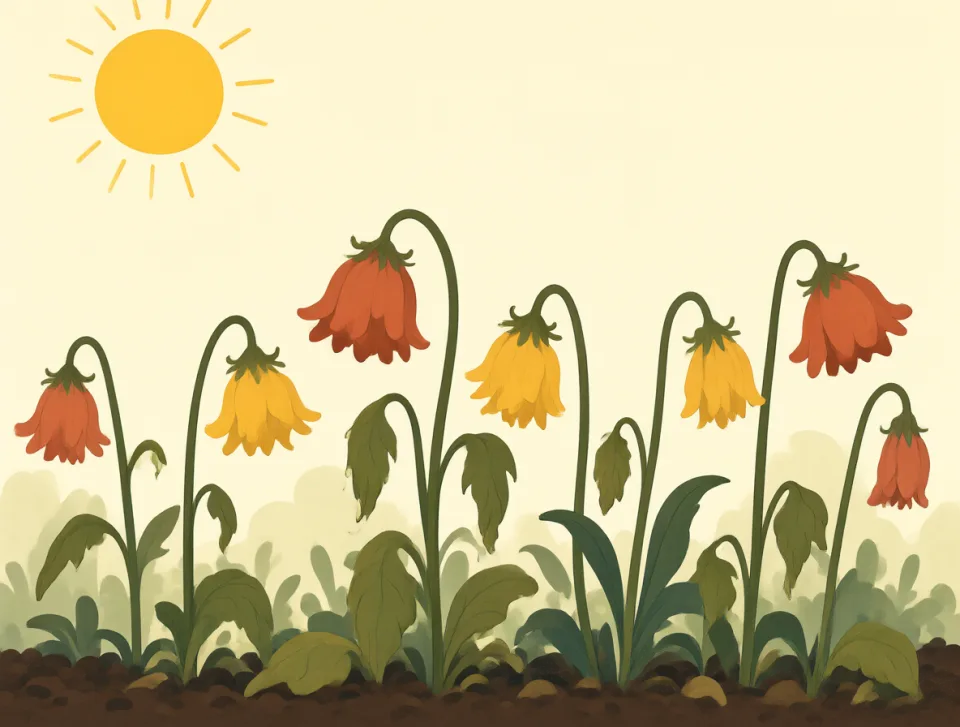
The flowers are dying in the heat.
गर्मी में फूल मुरझाकर मर रहे हैं।
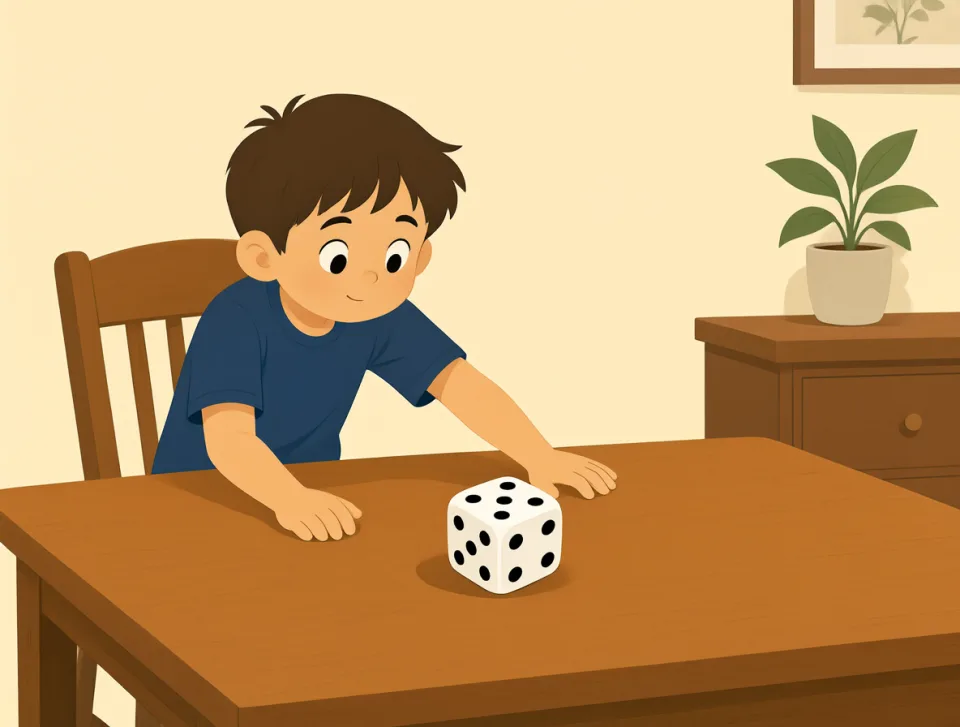
She rolled the die across the table.
उसने पासे को मेज़ पर लुढ़काया।
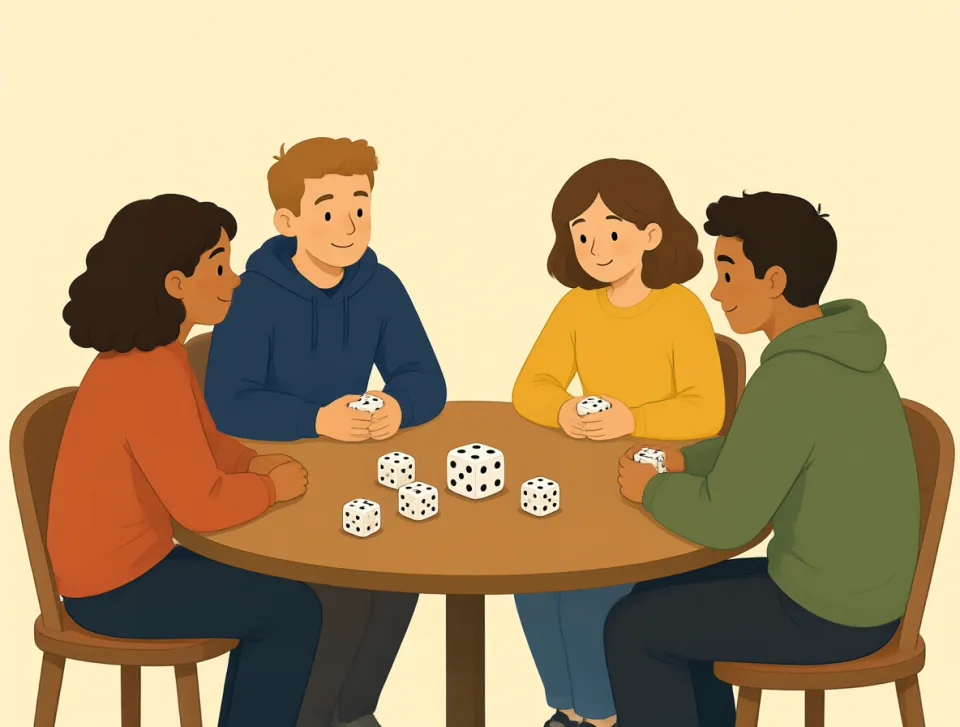
We need one more die for the game.
खेल के लिए हमें एक और पासा चाहिए।

bear
#455noun, verb
भालू; सहना
An animal with thick fur; or to accept and deal with something difficult.
घने फर वाला एक जानवर; या किसी कठिन चीज़ को स्वीकार करके उसका सामना करना।
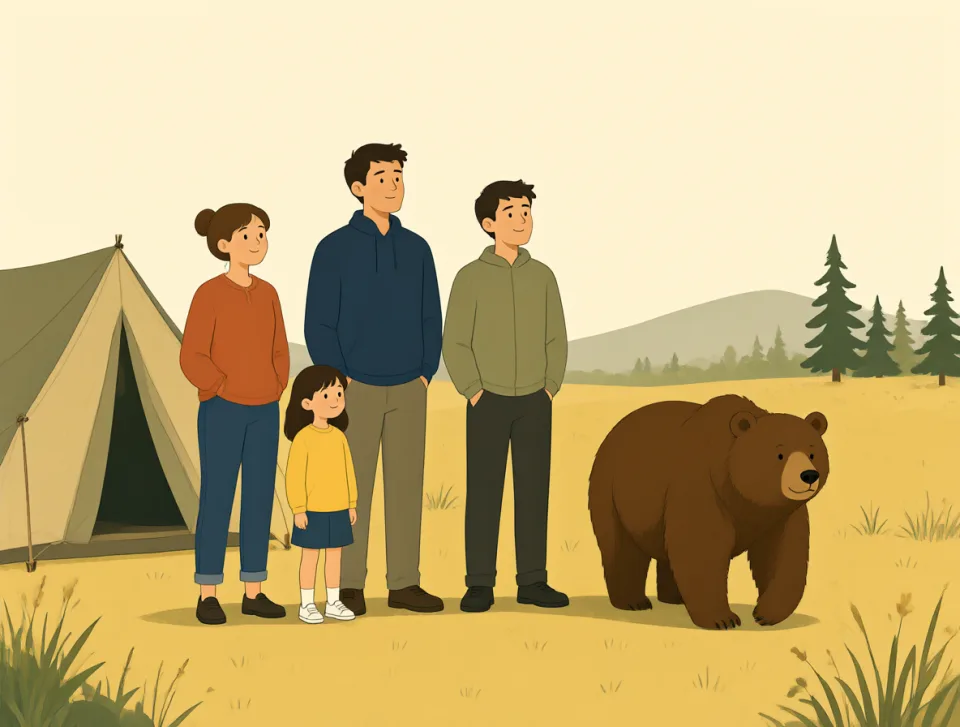
We saw a bear near the campsite.
हमने शिविर के पास एक भालू देखा।
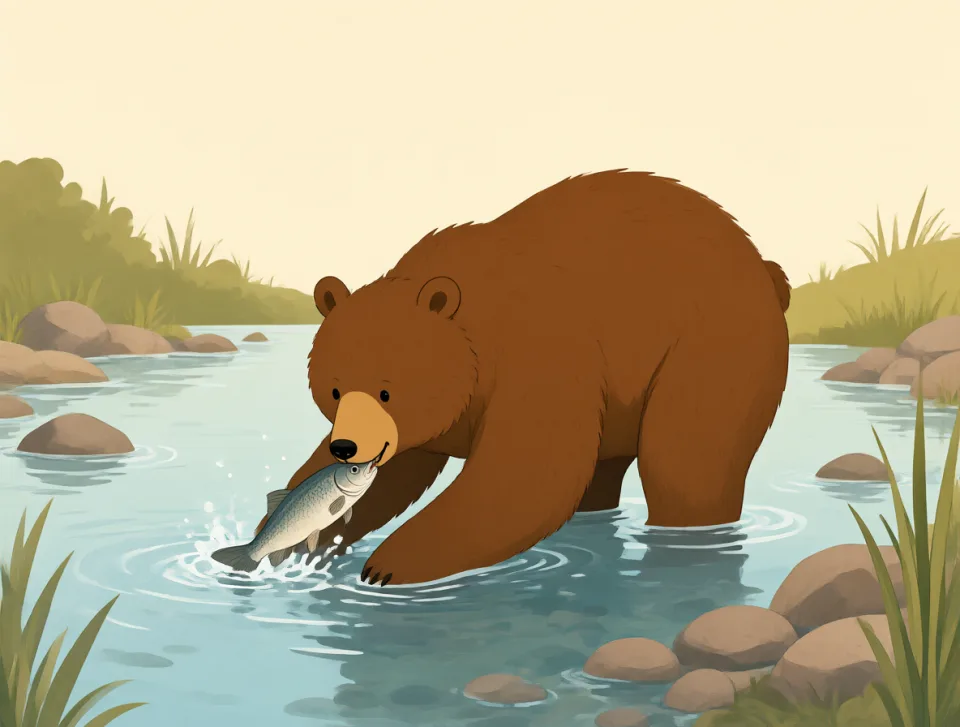
The bear caught a fish in the river.
भालू ने नदी में एक मछली पकड़ी।
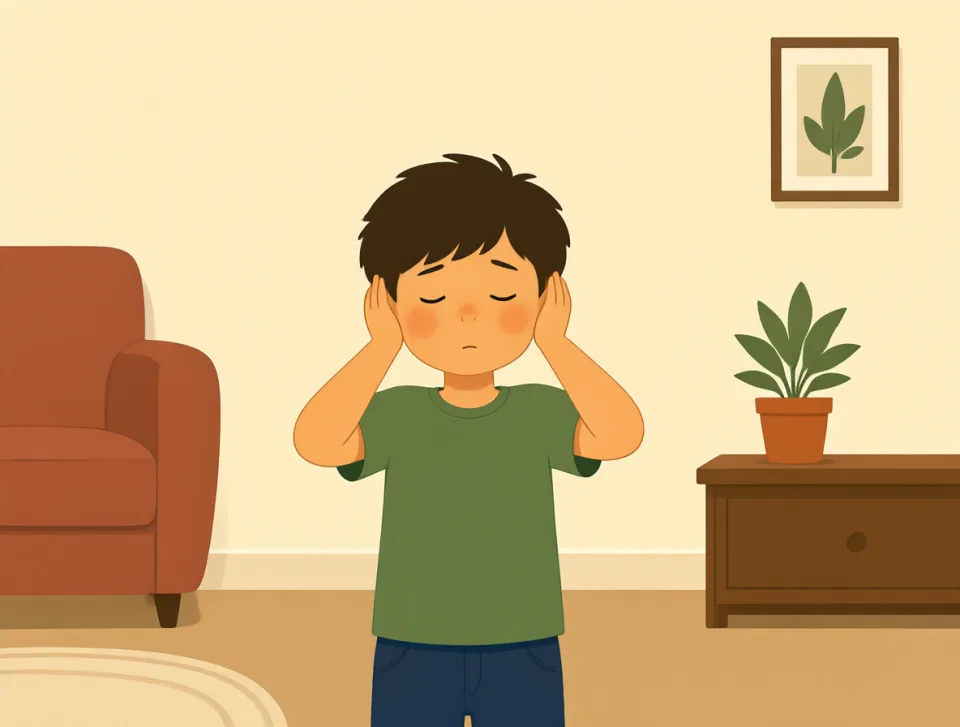
I cannot bear this loud noise.
मैं यह तेज़ शोर सहन नहीं कर सकता।
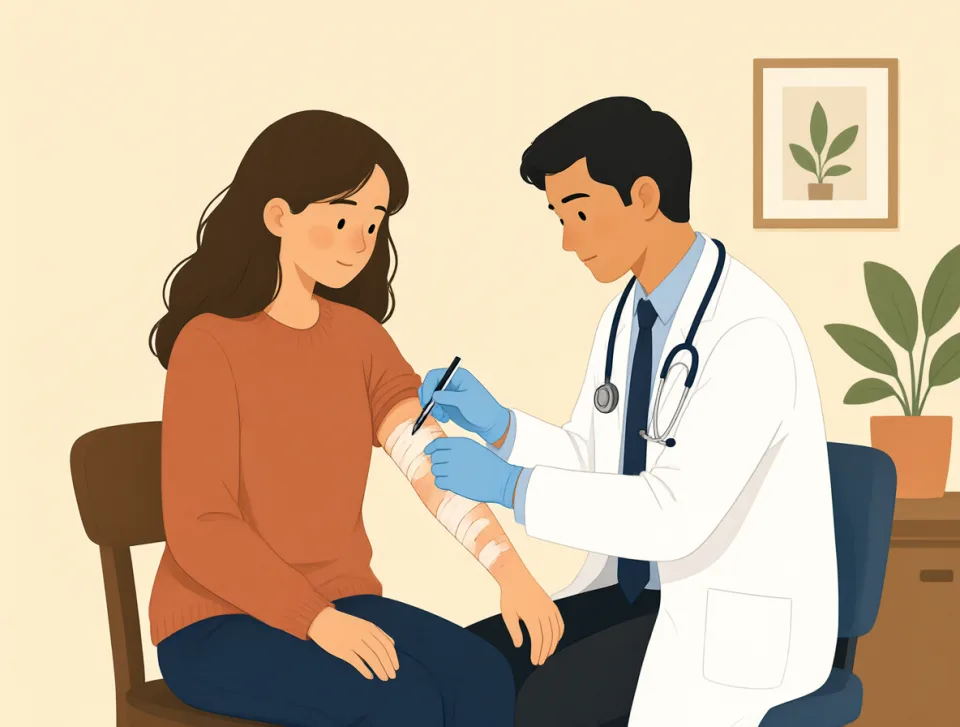
She bears the pain very well.
वह दर्द को बहुत अच्छी तरह सहन करती है।
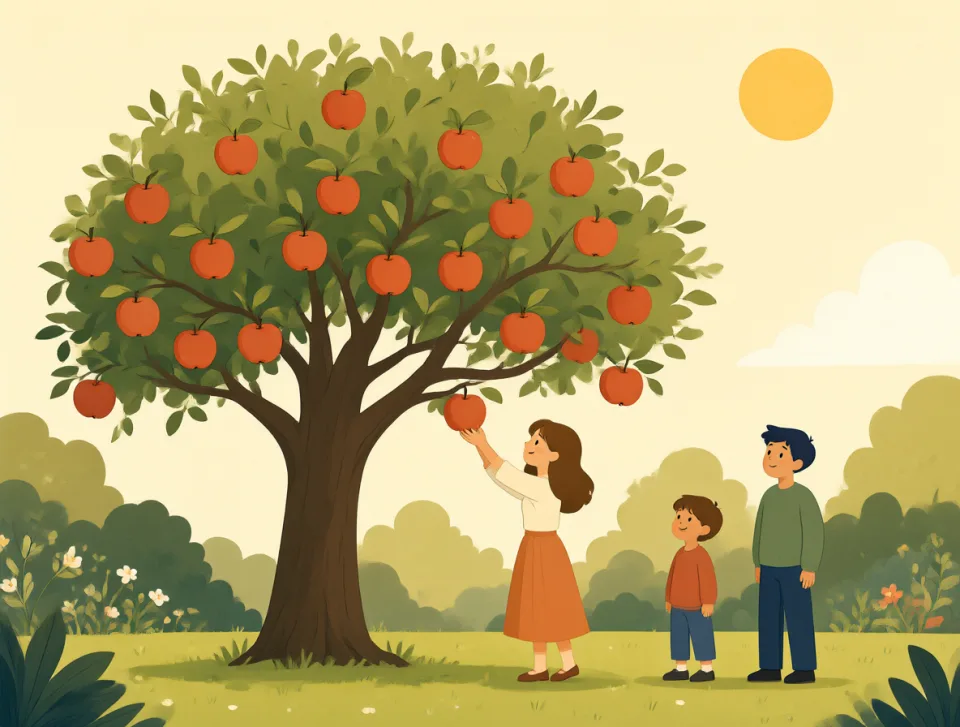
This tree bears fruit every summer.
यह पेड़ हर गर्मी में फल देता है।
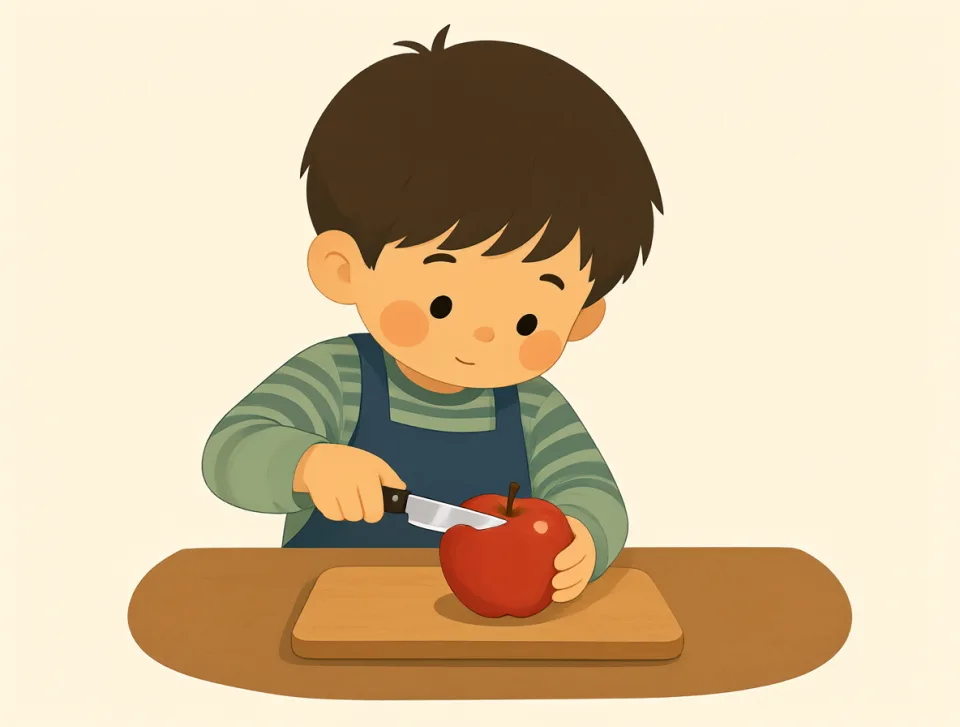
cut
#456verb, noun
काटना
To use a sharp tool to divide something or make it shorter.
किसी नुकीले औज़ार से किसी चीज़ को बाँटना या छोटा करना।
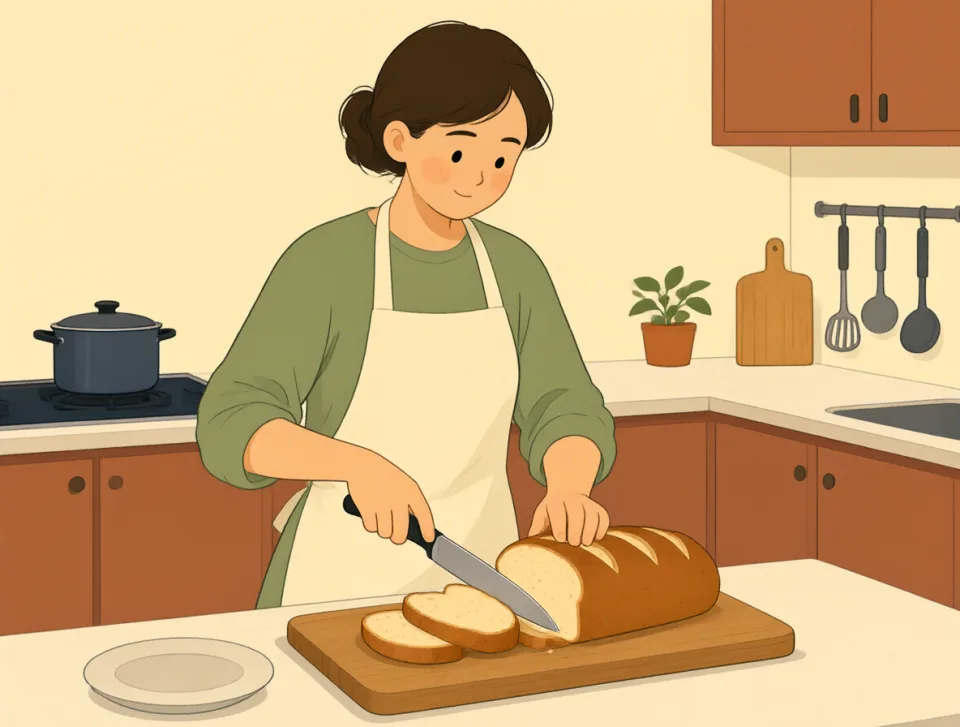
Please cut the bread into small pieces.
कृपया ब्रेड को छोटे टुकड़ों में काट दीजिए।
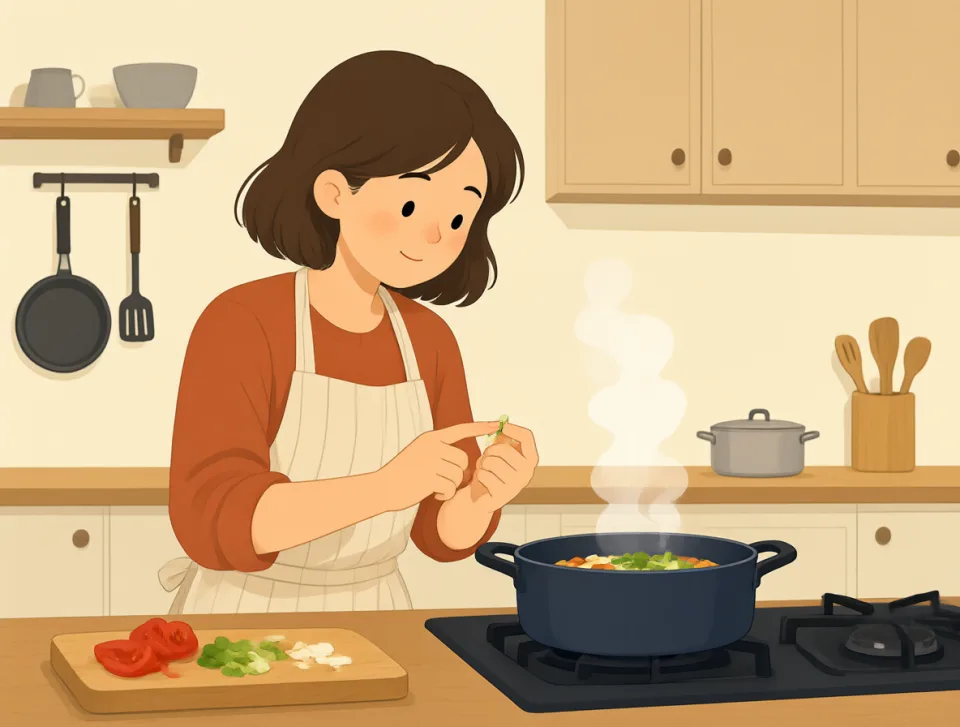
She cut her finger while cooking dinner.
रात का खाना बनाते समय उसकी उँगली कट गई।

We cut across the park to save time.
समय बचाने के लिए हम पार्क के बीच से होकर गए।

The barber cut my hair very short.
नाई ने मेरे बाल बहुत छोटे काट दिए।
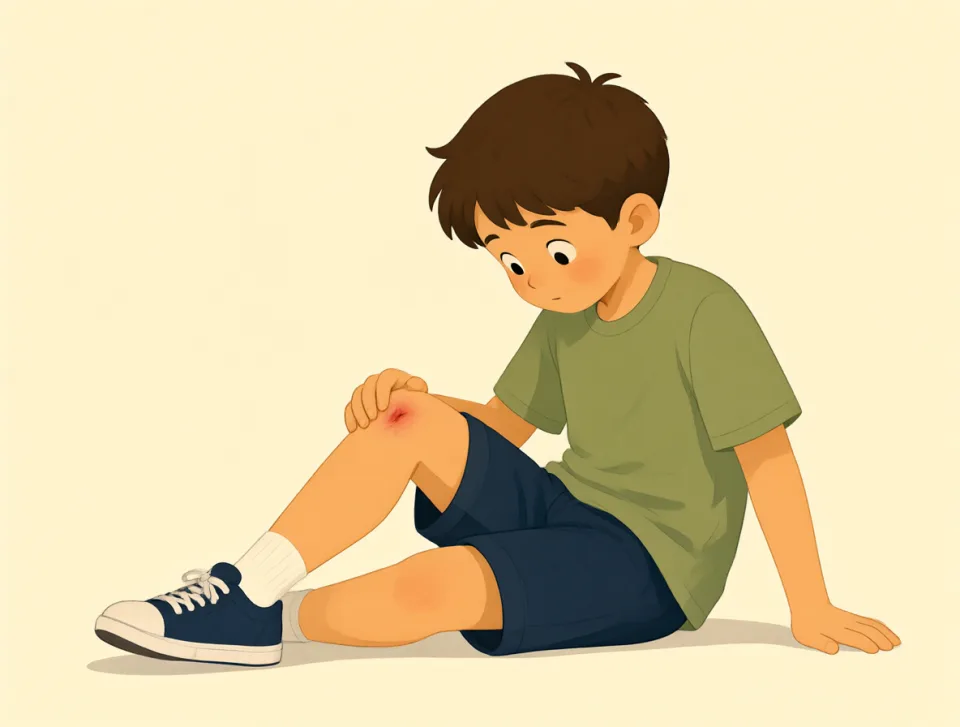
He got a deep cut on his knee.
उसके घुटने पर गहरा कट लग गया।
describe
#457verb
वर्णन करना
To say or write what someone or something is like.
यह बताना या लिखना कि कोई व्यक्ति या चीज़ कैसी है।
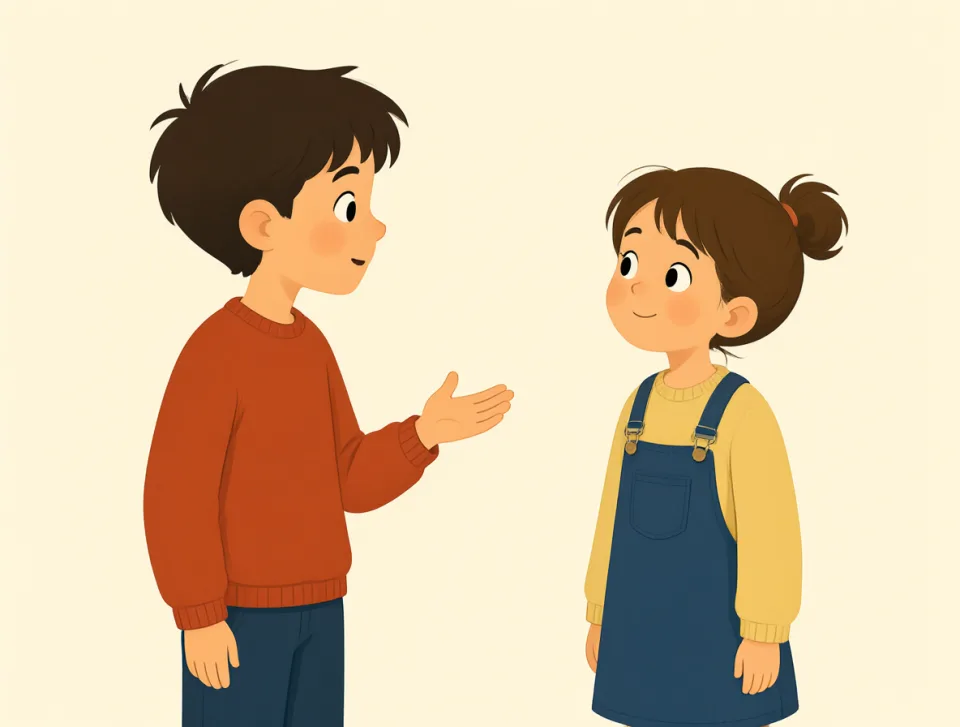
Can you describe your new friend?
क्या तुम अपने नए दोस्त का वर्णन कर सकते हो?

She described the man to the police.
उसने पुलिस को उस आदमी का हुलिया बताया।
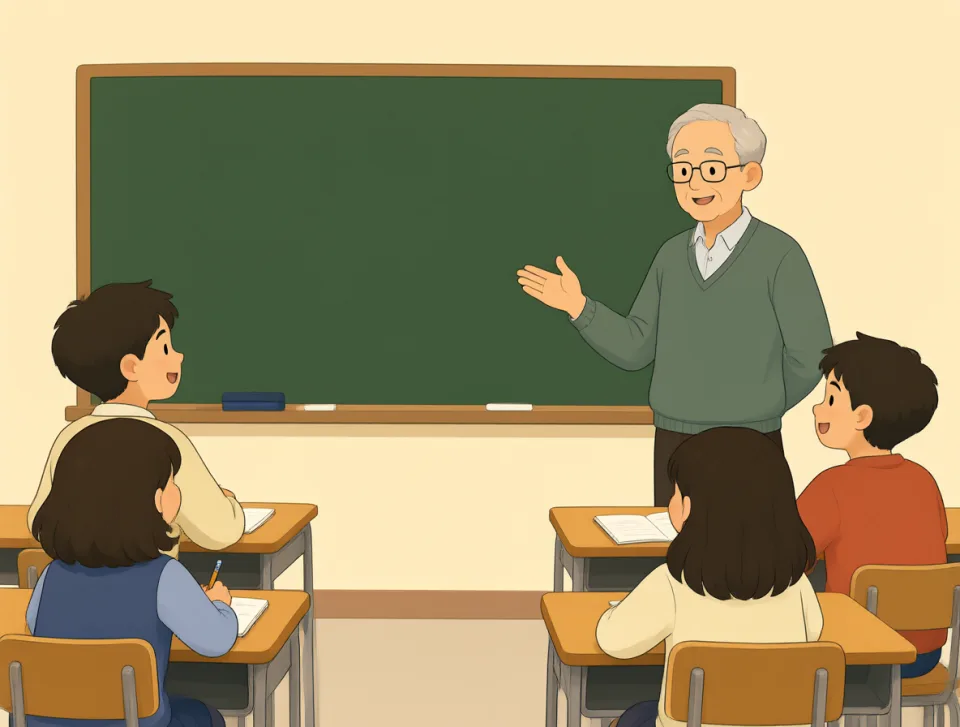
Please describe the problem to your teacher.
कृपया अपने शिक्षक को समस्या समझाइए।

He described the food as very spicy.
उसने खाने को बहुत तीखा बताया।

The guide described the beautiful city during our tour.
हमारे दौरे के दौरान गाइड ने उस खूबसूरत शहर का वर्णन किया।
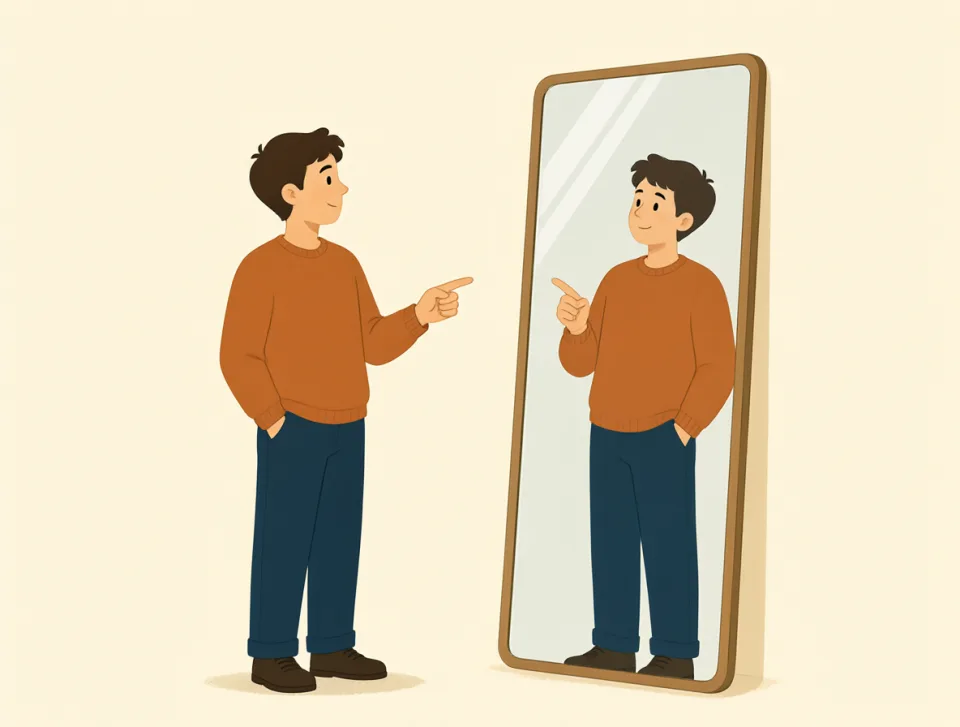
himself
#458pronoun
खुद
Used to refer to a male person already mentioned, especially when he does something alone.
पहले बताए गए किसी पुरुष के लिए इस्तेमाल होता है, खासकर जब वह कोई काम अकेले करता है।

He made the cake himself.
उसने केक खुद बनाया।
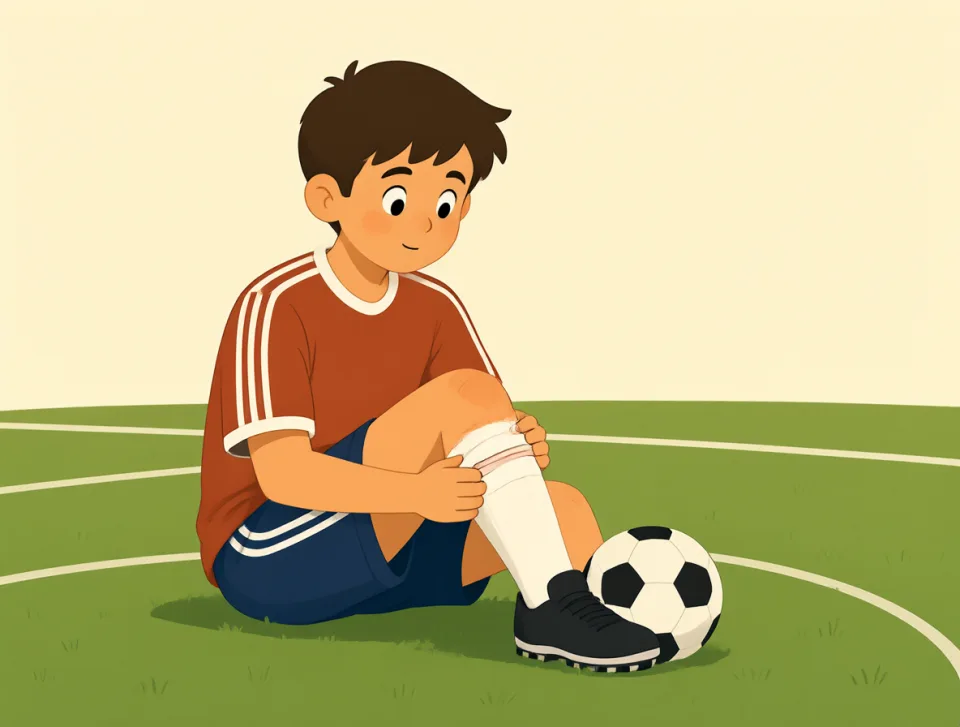
Tom hurt himself while playing soccer.
टॉम फुटबॉल खेलते समय खुद को चोट पहुँचा बैठा।
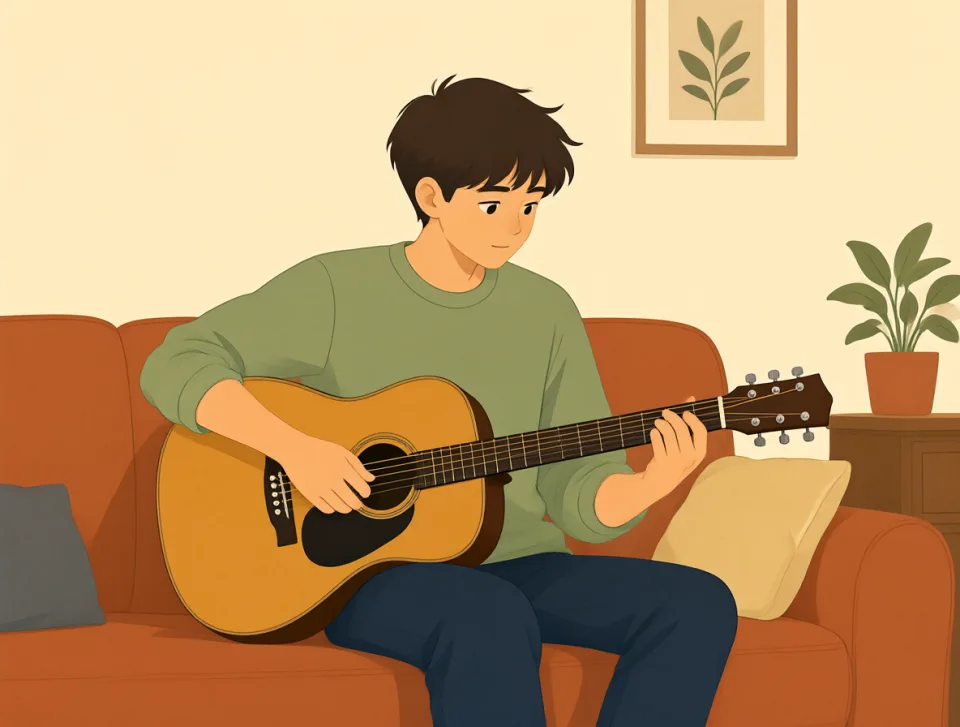
He taught himself to play guitar.
उसने खुद गिटार बजाना सीखा।
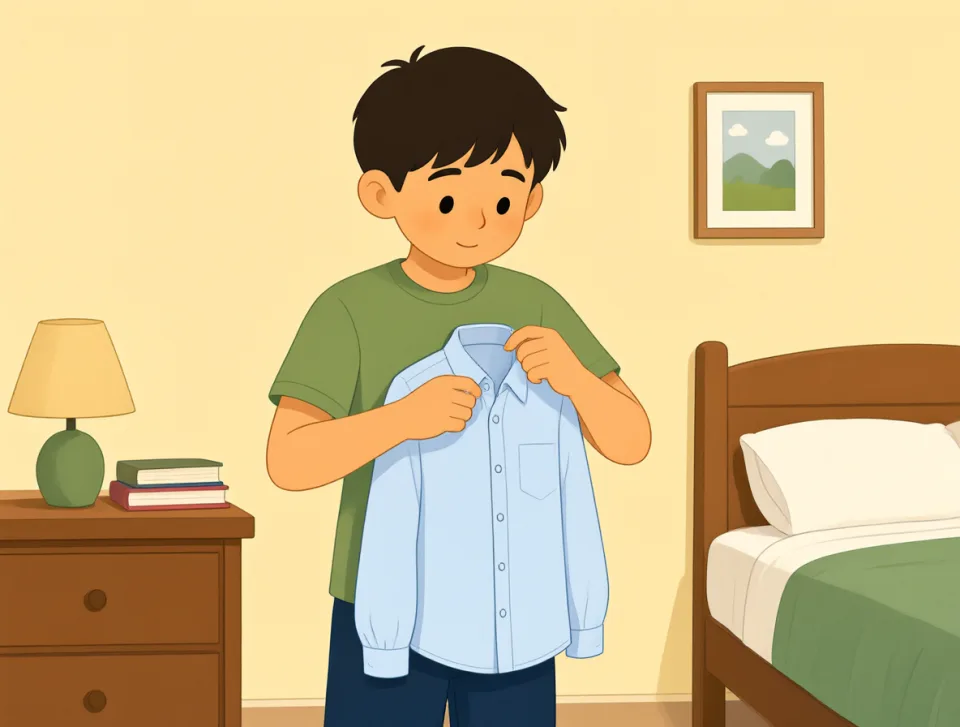
The boy dressed himself for school.
लड़के ने स्कूल के लिए खुद कपड़े पहने।
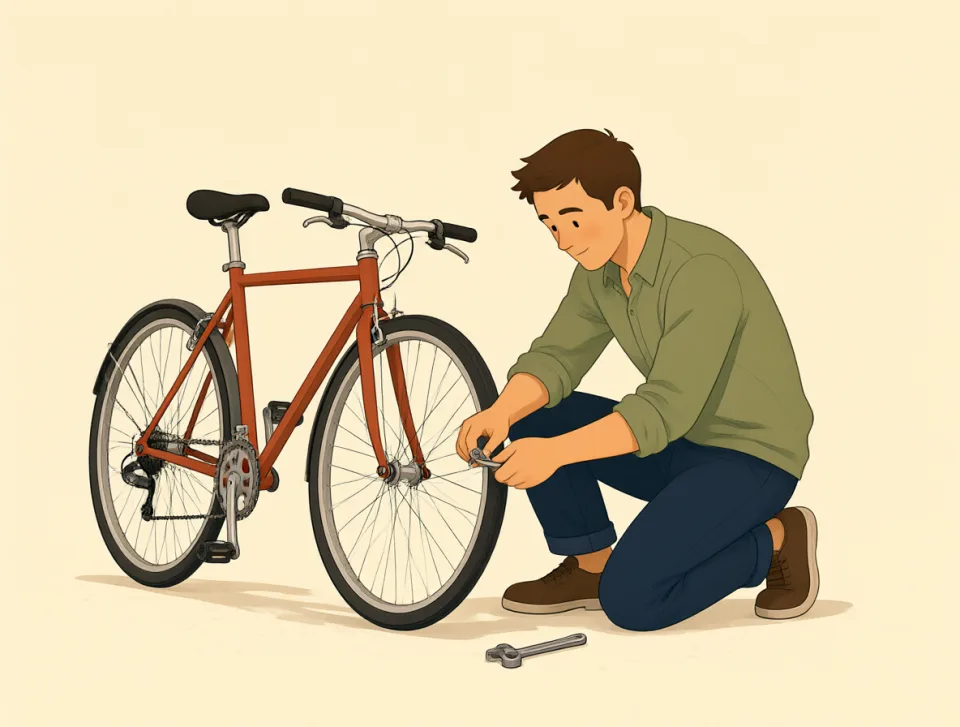
John fixed the bike himself.
जॉन ने खुद साइकिल ठीक की।

available
#459adjective
उपलब्ध
Ready to be used, bought, found, or reached.
इस्तेमाल करने, खरीदने, पाने या संपर्क करने के लिए तैयार।

The doctor is available this afternoon.
डॉक्टर आज दोपहर उपलब्ध हैं।
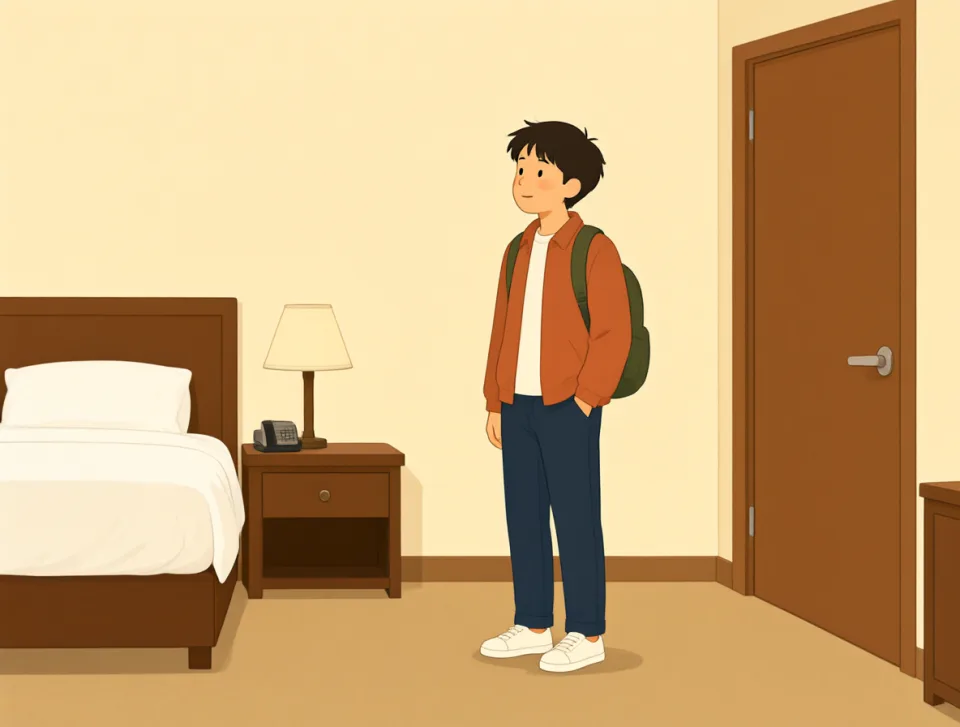
Is this room available tonight?
क्या यह कमरा आज रात खाली है?
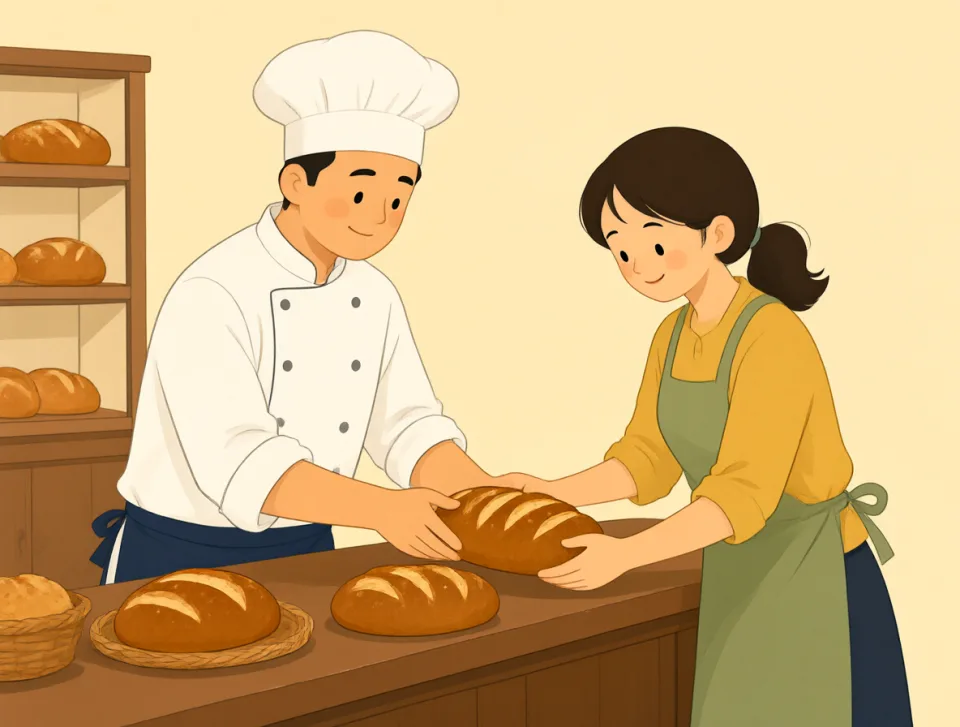
Fresh bread is available at the bakery.
बेकरी में ताज़ी ब्रेड उपलब्ध है।
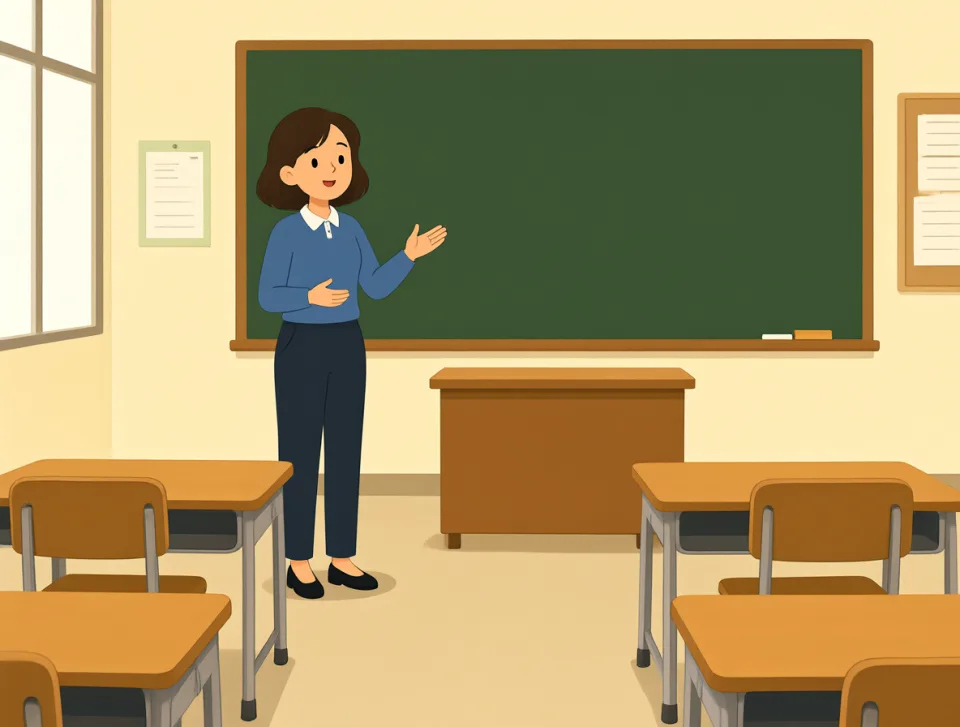
The teacher is available after class.
कक्षा के बाद शिक्षक उपलब्ध हैं।
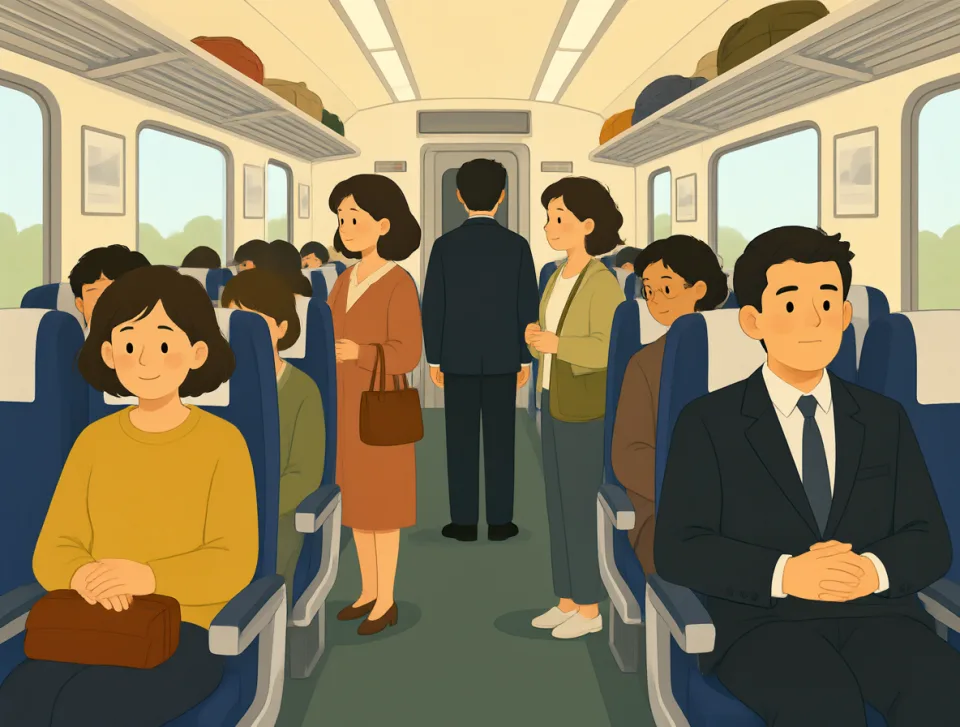
No seats were available on the train.
ट्रेन में कोई सीट खाली नहीं थी।
especially
#460adverb
खास तौर पर
More than usual or more than others
सामान्य से या दूसरों से अधिक।
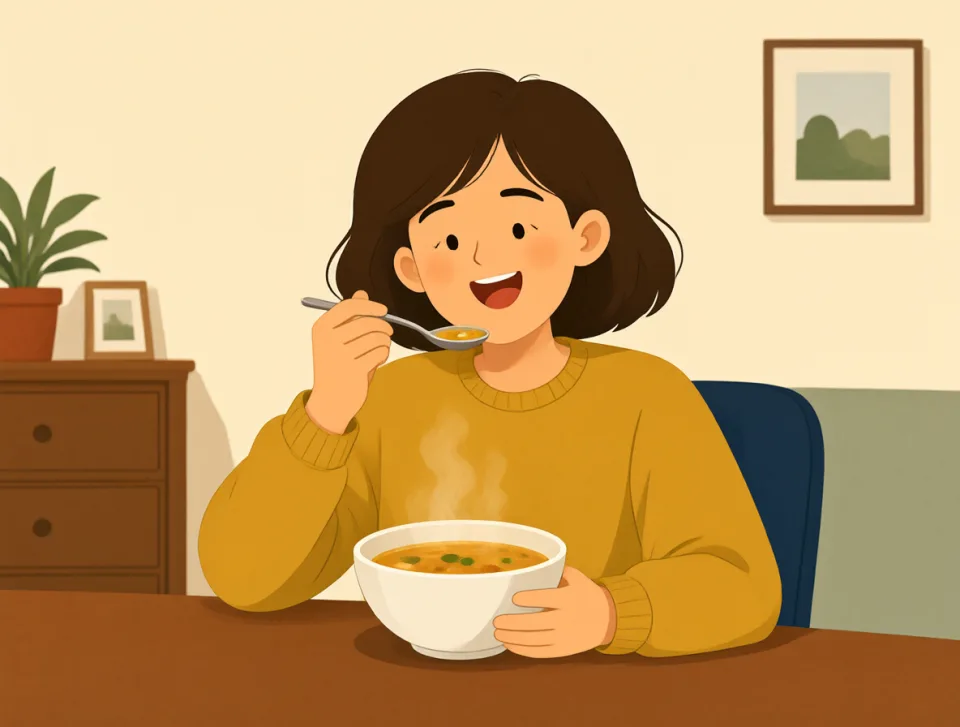
I especially like this warm soup.
मुझे यह गरम सूप खास तौर पर पसंद है।
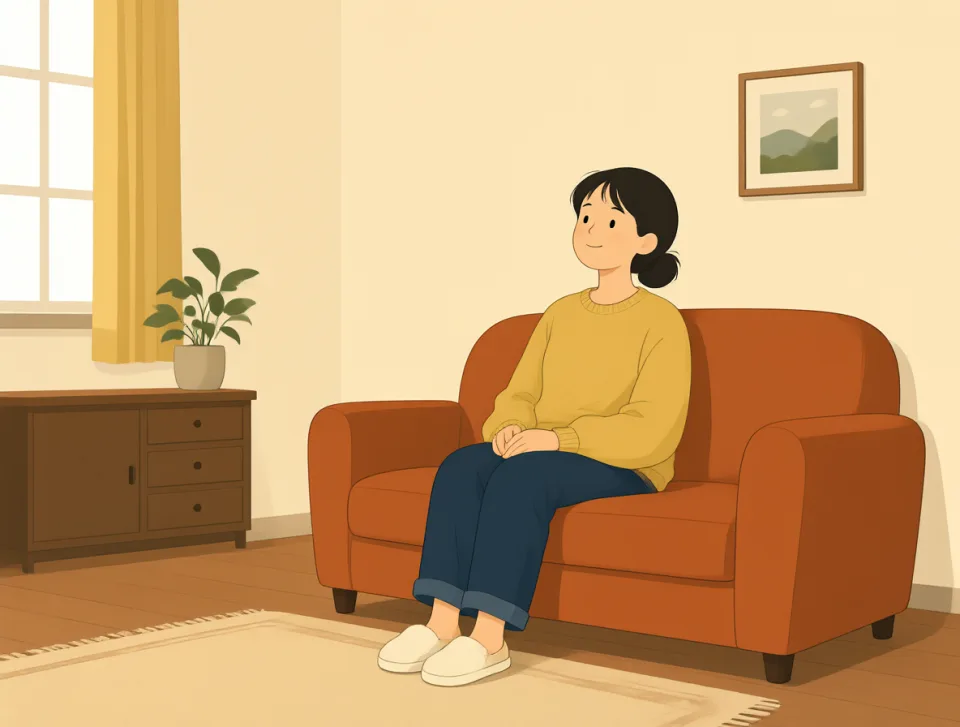
This room is especially quiet today.
आज यह कमरा खास तौर पर शांत है।
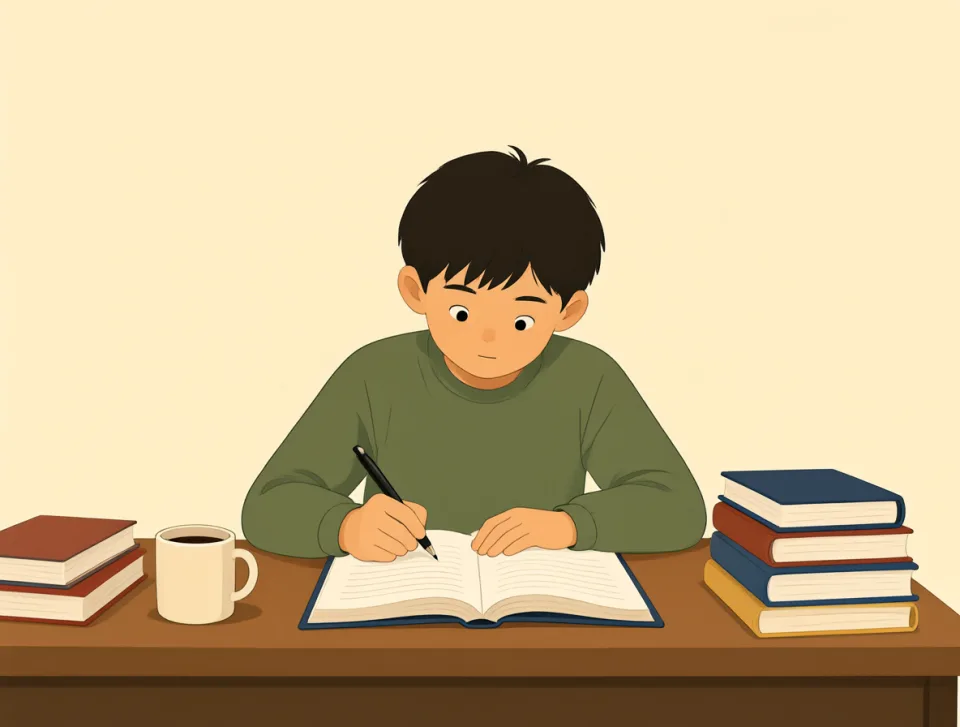
She works especially hard before exams.
वह परीक्षाओं से पहले खास तौर पर कड़ी मेहनत करती है।

We visited many places, especially Rome.
हमने कई जगहों की सैर की, खासकर रोम की।

Wear warm clothes, especially in winter.
गरम कपड़े पहनें, खासकर सर्दियों में।