इकाई 22
शब्द 421–440 · law, everything, research, cover, paper, position
law
#421noun
कानून
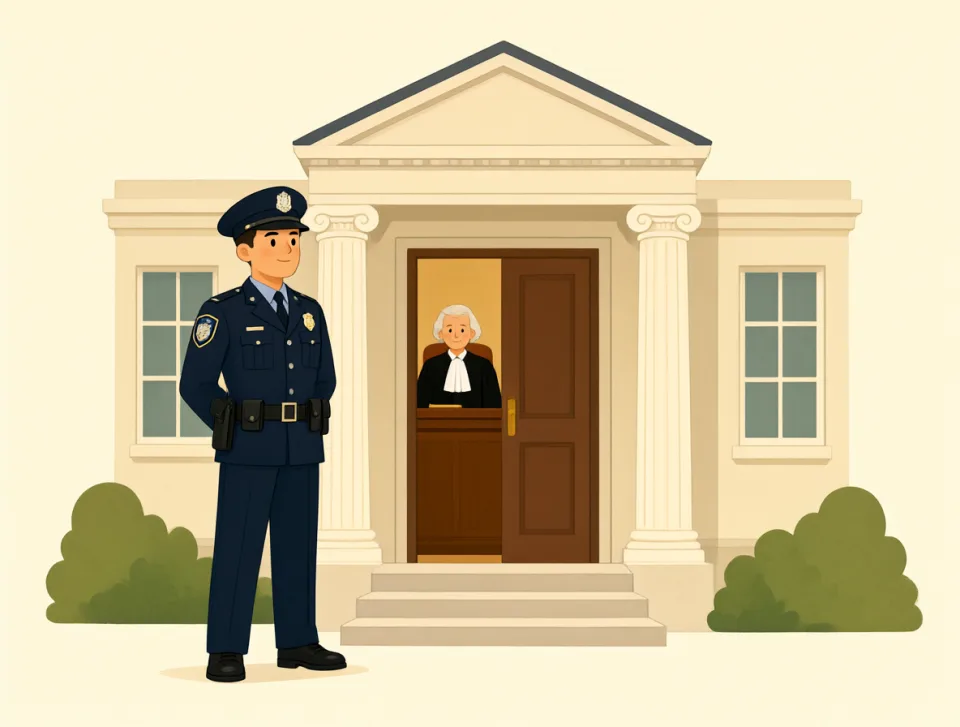
An official rule that people must follow in a country or community.
देश या समुदाय में लोगों को जिसका पालन करना ज़रूरी होता है, ऐसा आधिकारिक नियम।
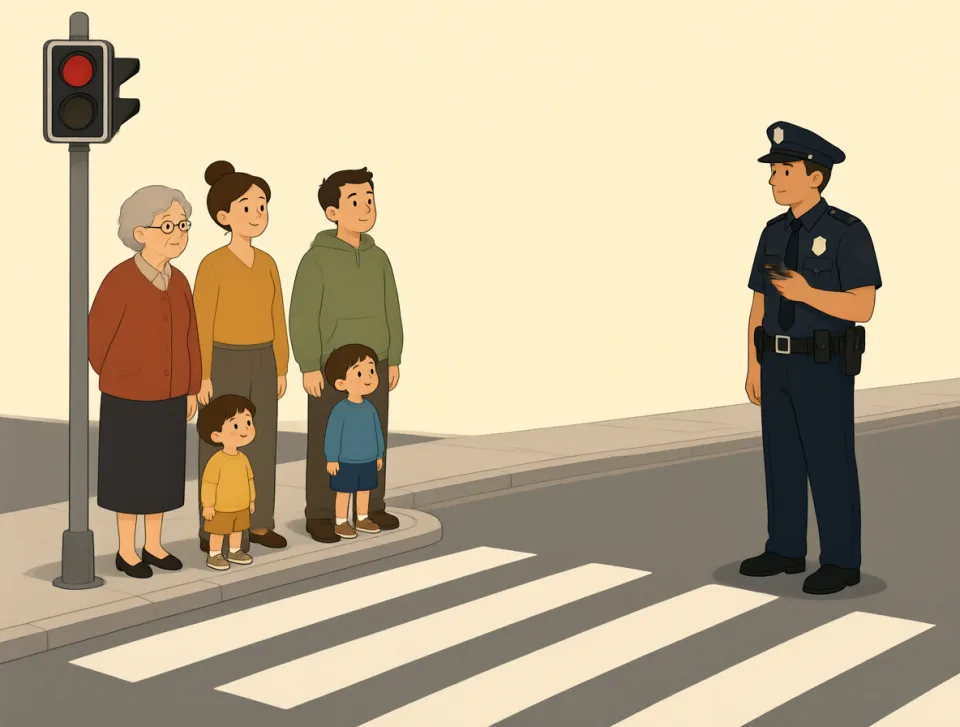
Everyone must obey the law.
हर किसी को कानून का पालन करना चाहिए।
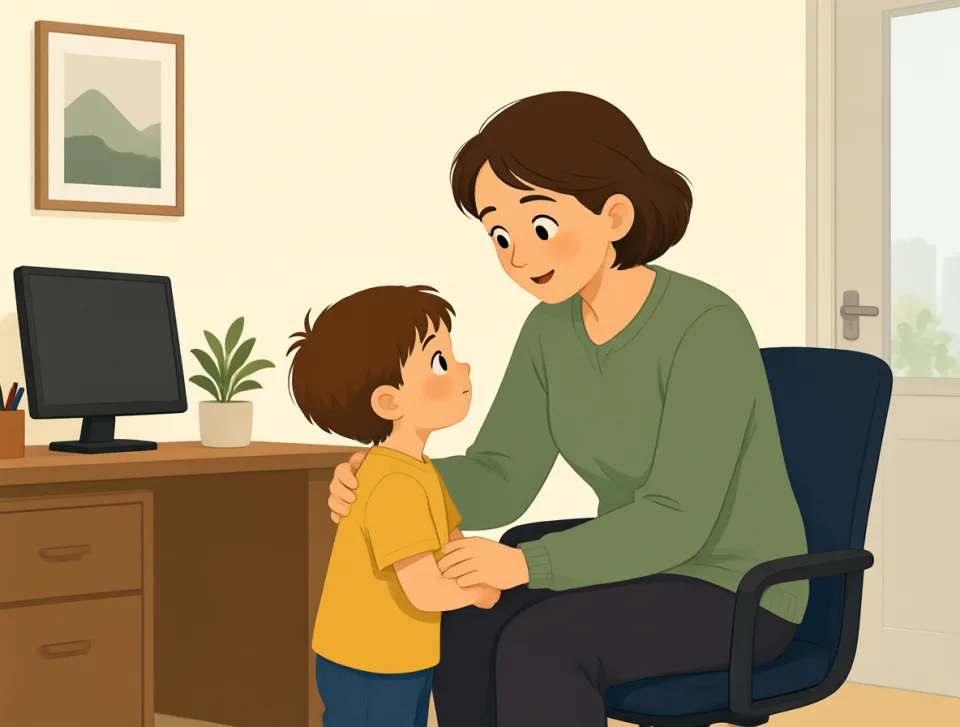
The law protects children from harm.
कानून बच्चों को नुकसान से बचाता है।
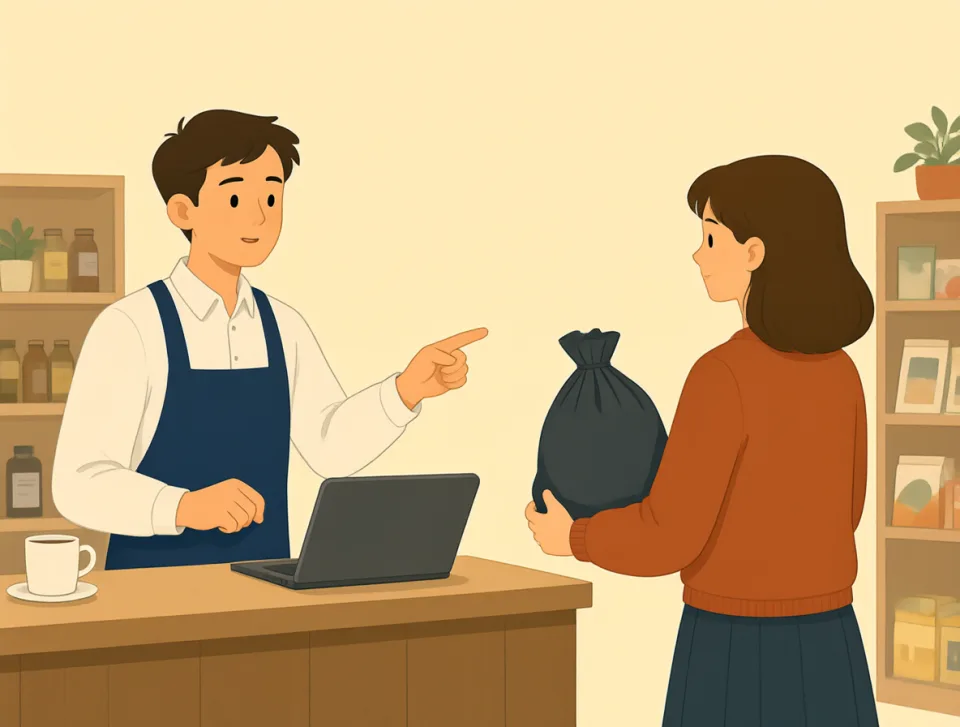
He broke the law by stealing.
उसने चोरी करके कानून तोड़ा।
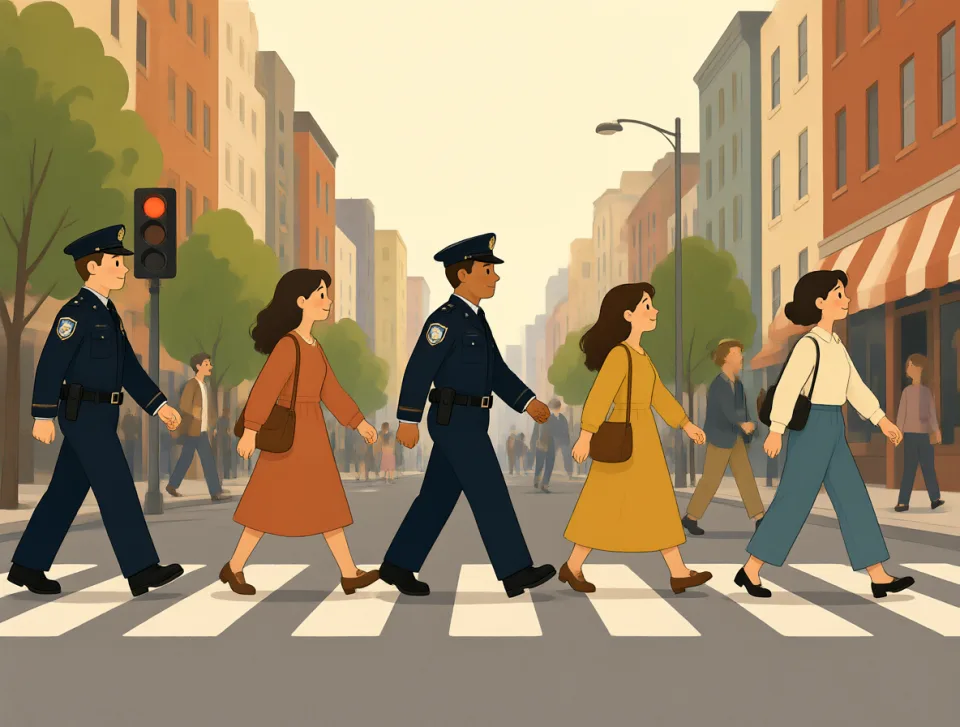
New laws helped keep the streets safe.
नए कानूनों से सड़कों को सुरक्षित रखने में मदद मिली।

She studied law at university.
उसने विश्वविद्यालय में कानून की पढ़ाई की।
everything
#422pronoun, determiner
सब कुछ
All the things or people in a particular situation.
किसी खास स्थिति में मौजूद सभी चीज़ें या लोग।
Everything is ready for the party.
पार्टी के लिए सब कुछ तैयार है।

She told me everything about her trip.
उसने मुझे अपनी यात्रा के बारे में सब कुछ बताया।

Please check everything before you leave.
जाने से पहले कृपया सब कुछ जाँच लें।

Everything in this shop is half price.
इस दुकान की हर चीज़ आधे दाम पर है।
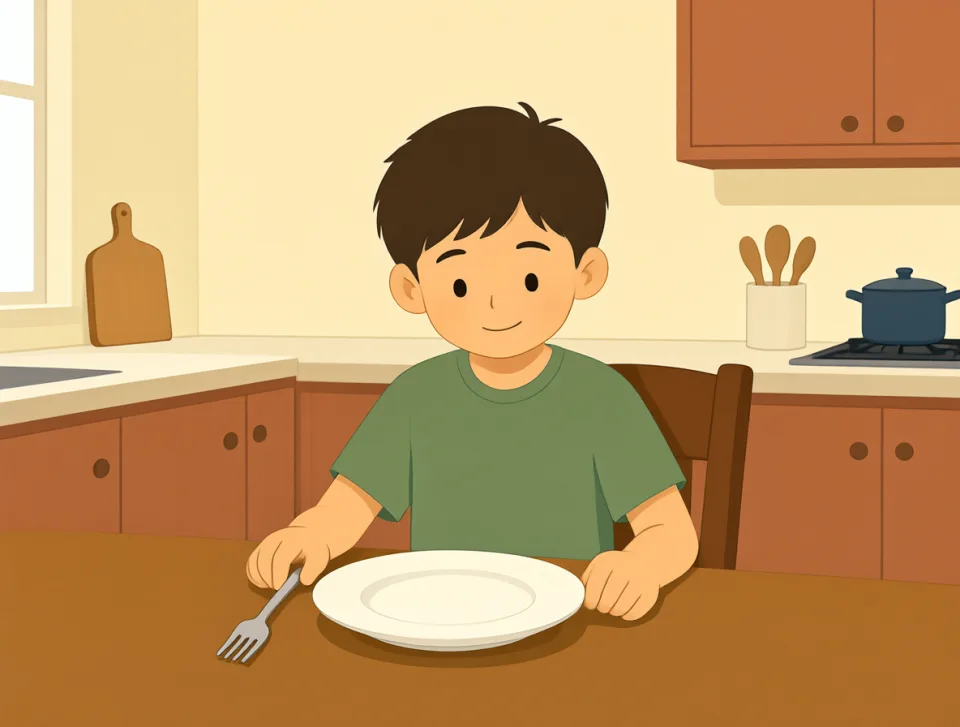
He ate everything on his plate.
उसने अपनी प्लेट में सब कुछ खा लिया।

research
#423noun, verb
शोध
A careful study to find facts or learn more about something.
तथ्य जानने या किसी चीज़ के बारे में और जानने के लिए किया गया सावधानीपूर्वक अध्ययन।

She is doing research for her school project.
वह अपने स्कूल प्रोजेक्ट के लिए शोध कर रही है।

The doctor did research on heart disease.
डॉक्टर ने हृदय रोग पर शोध किया।

We researched the best hotel before our trip.
हमने यात्रा से पहले सबसे अच्छे होटल के बारे में जानकारी जुटाई।

His research helped the company make better products.
उसके शोध से कंपनी को बेहतर उत्पाद बनाने में मदद मिली।
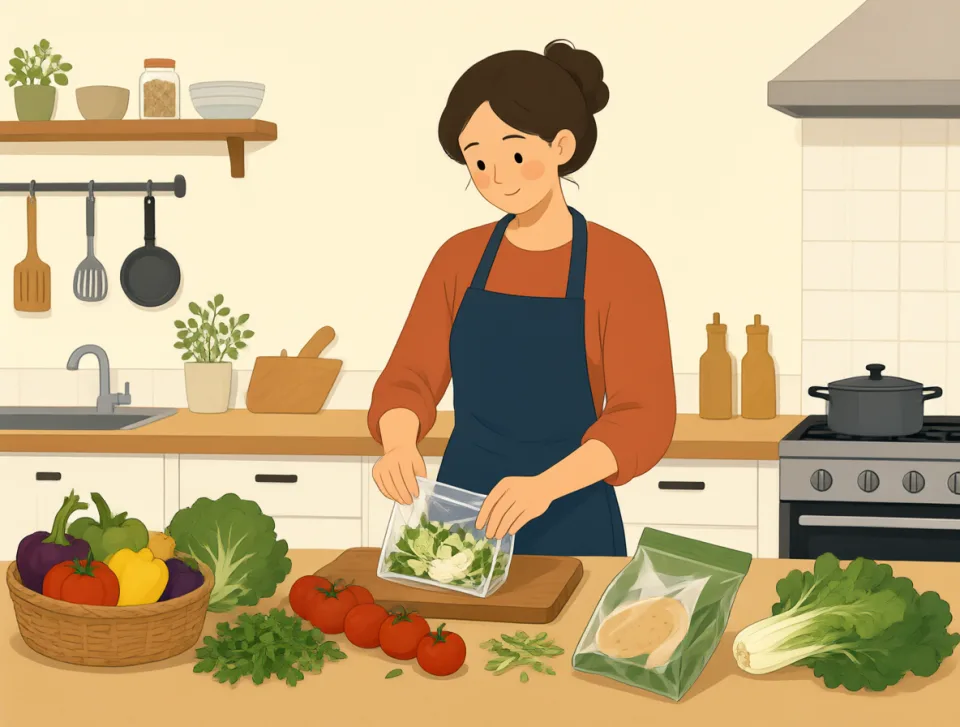
I researched healthy foods for my family.
मैंने अपने परिवार के लिए सेहतमंद खाने की चीज़ों पर शोध किया।

cover
#424noun, verb
ढकना
To put something over a person or thing, or to include and protect it.
किसी व्यक्ति या चीज़ के ऊपर कुछ रखना, या उसे शामिल करके उसकी रक्षा करना।
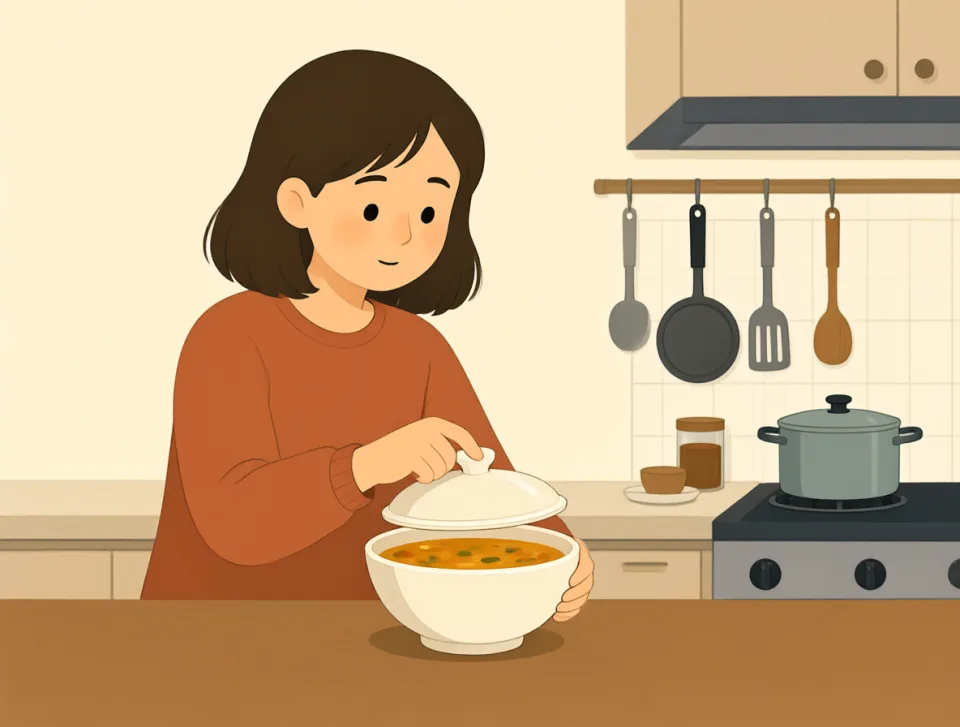
Cover the soup and put it away.
सूप को ढककर रख दो।

The book cover is bright blue.
किताब का कवर चमकीला नीला है।
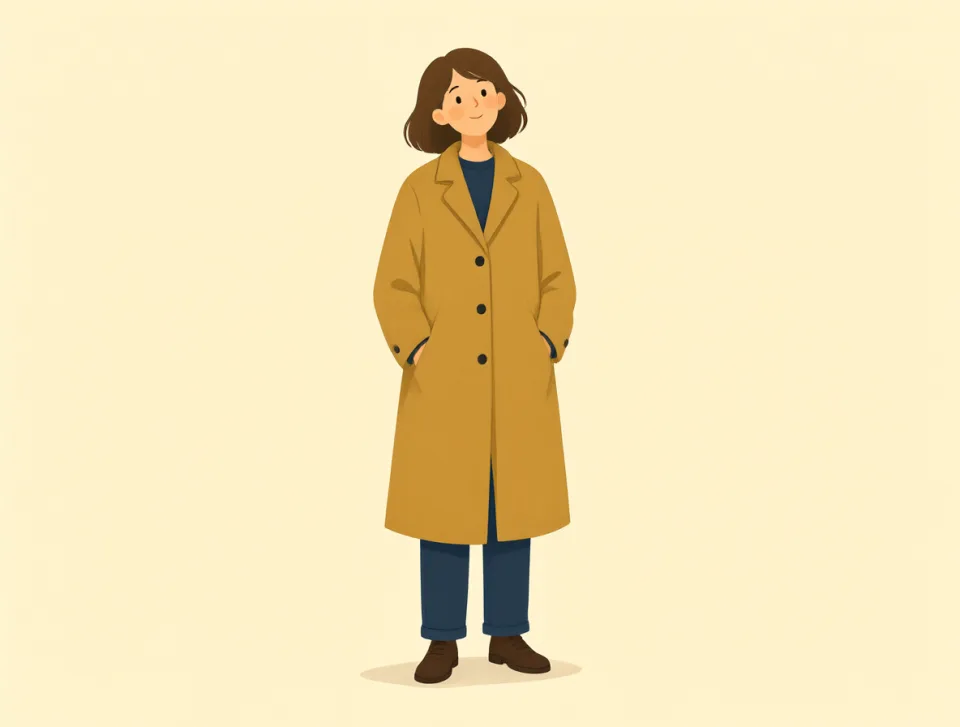
This coat covers my knees.
यह कोट मेरे घुटनों को ढकता है।

The price covers breakfast and dinner.
इस कीमत में नाश्ता और रात का खाना शामिल है।
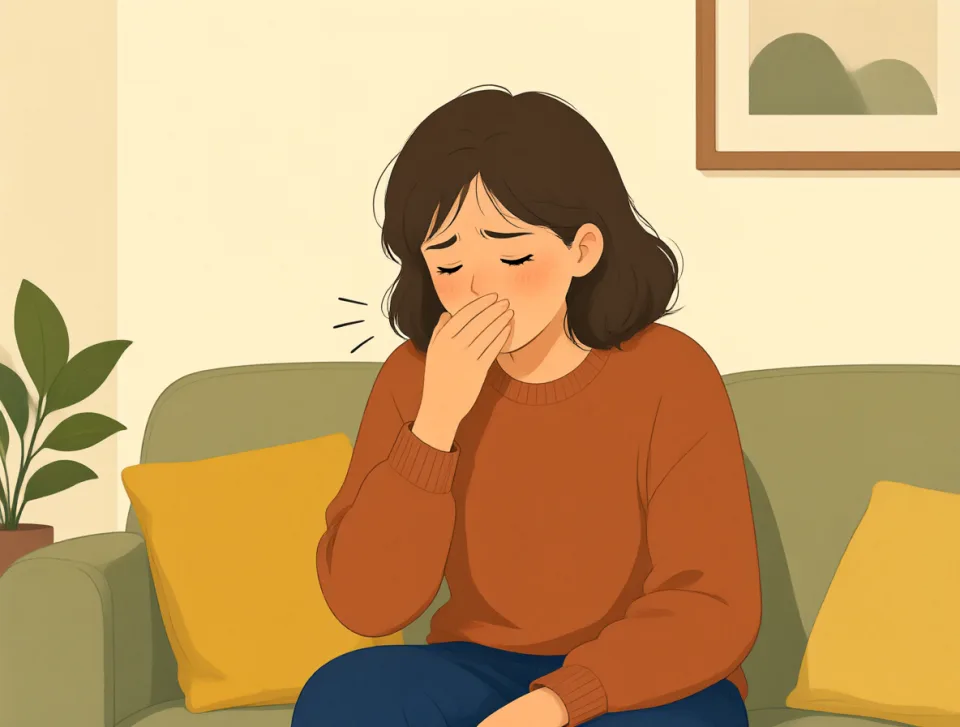
She covered her mouth when she coughed.
खाँसते समय उसने अपना मुँह ढक लिया।

paper
#425noun, verb
कागज़
A thin material used for writing, printing, wrapping, or making things.
लिखने, छापने, लपेटने या चीज़ें बनाने में इस्तेमाल होने वाली पतली सामग्री।
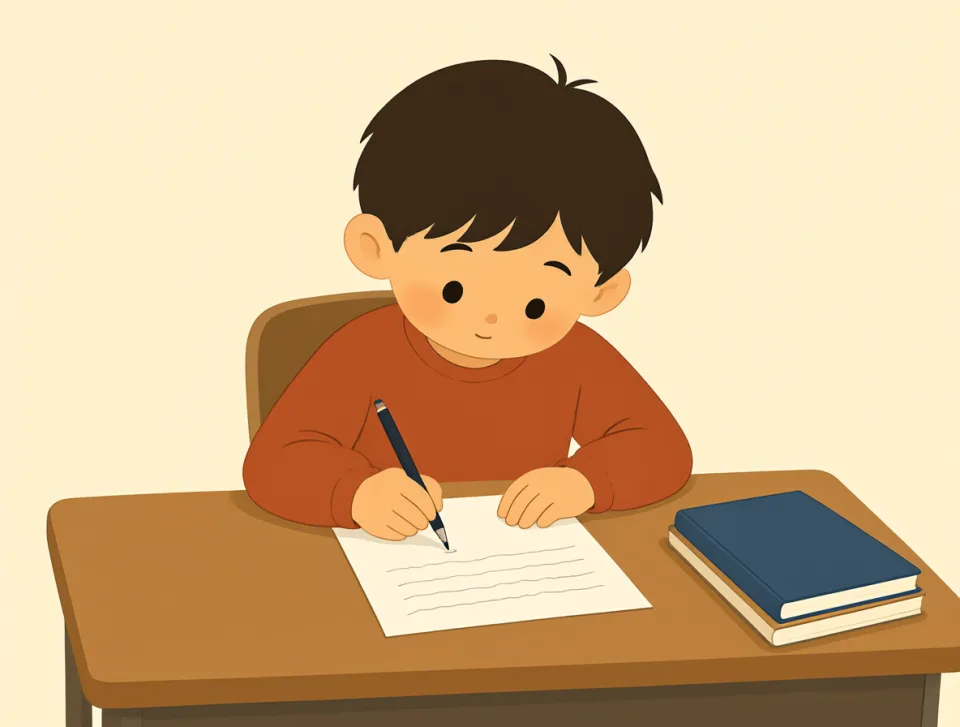
Please write your name on the paper.
कृपया कागज़ पर अपना नाम लिखें।
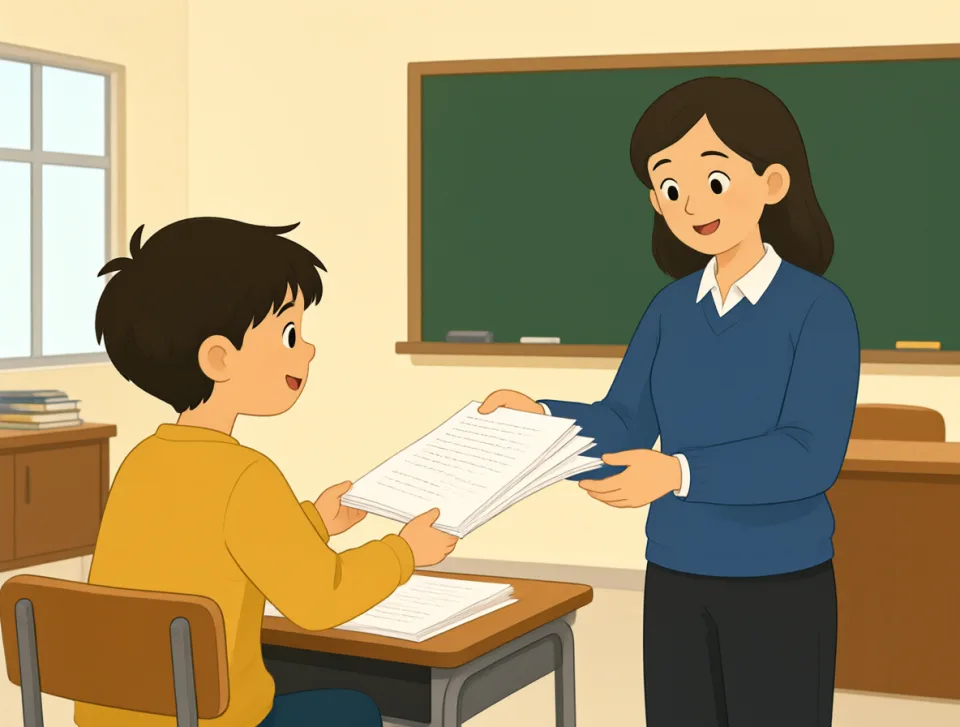
She printed the paper for her teacher.
उसने अपने शिक्षक के लिए पेपर प्रिंट किया।

I wrapped the gift in brown paper.
मैंने उपहार को भूरे कागज़ में लपेटा।

He read the paper on the train.
उसने ट्रेन में अख़बार पढ़ा।

The doctor gave me a paper for medicine.
डॉक्टर ने मुझे दवा के लिए एक पर्ची दी।
position
#426noun, verb
पद
a place or role that someone or something has, or to put something in a place
वह जगह या भूमिका जो किसी व्यक्ति या चीज़ की होती है, या किसी चीज़ को किसी जगह पर रखना।

Please take your position in the line.
कृपया कतार में अपनी जगह पर खड़े हों।

She got a new position at the bank.
उसे बैंक में एक नया पद मिला।
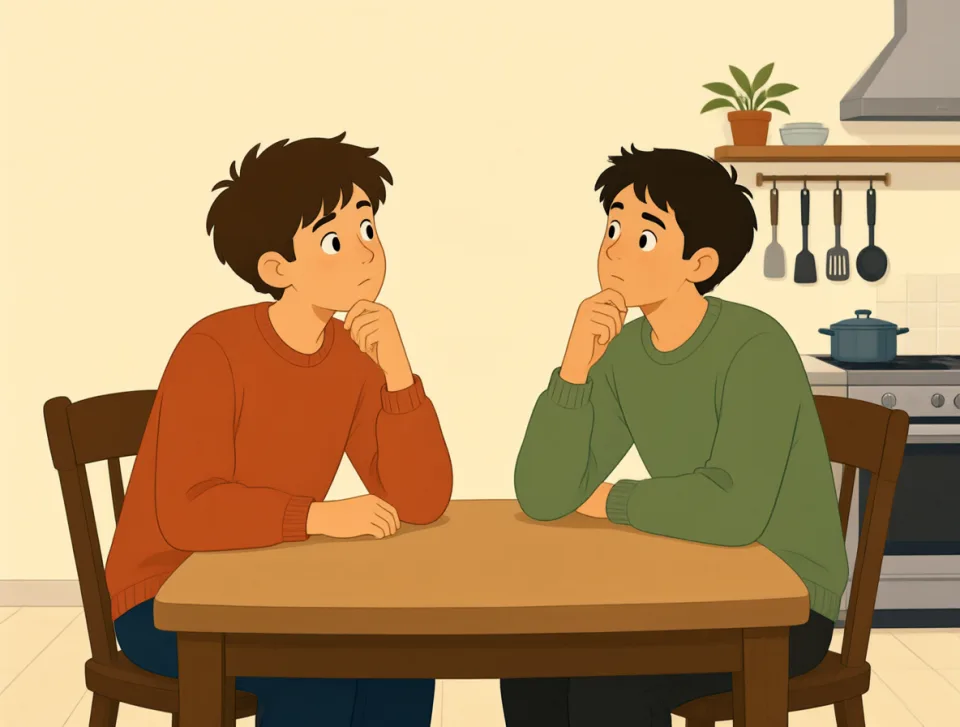
What is your position on this idea?
इस विचार के बारे में आपका क्या रुख है?
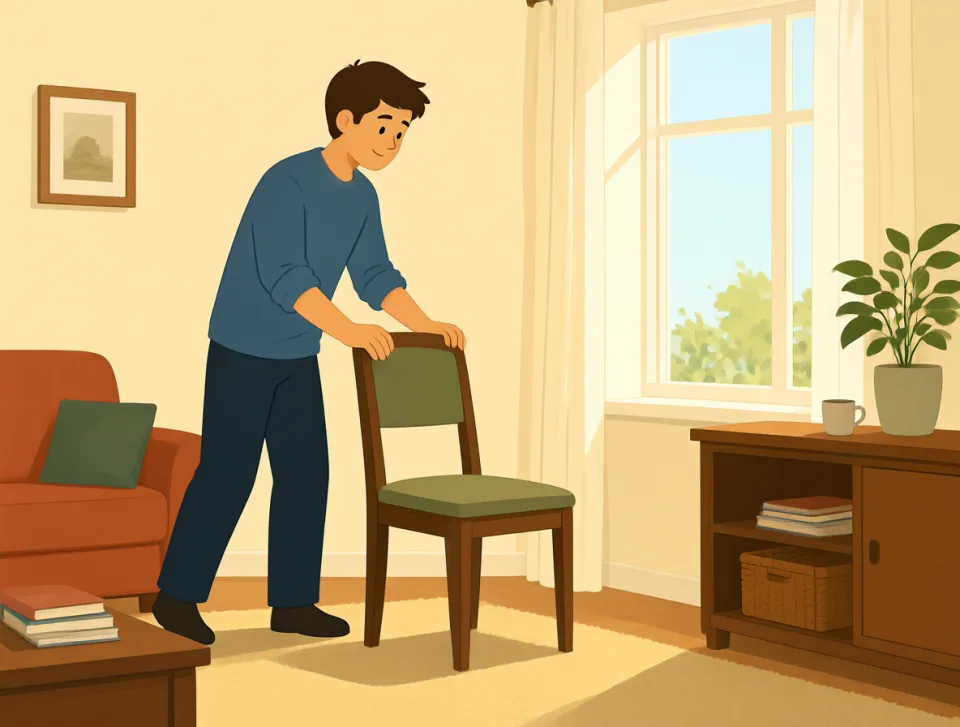
He positioned the chair near the window.
उसने कुर्सी को खिड़की के पास रखा।
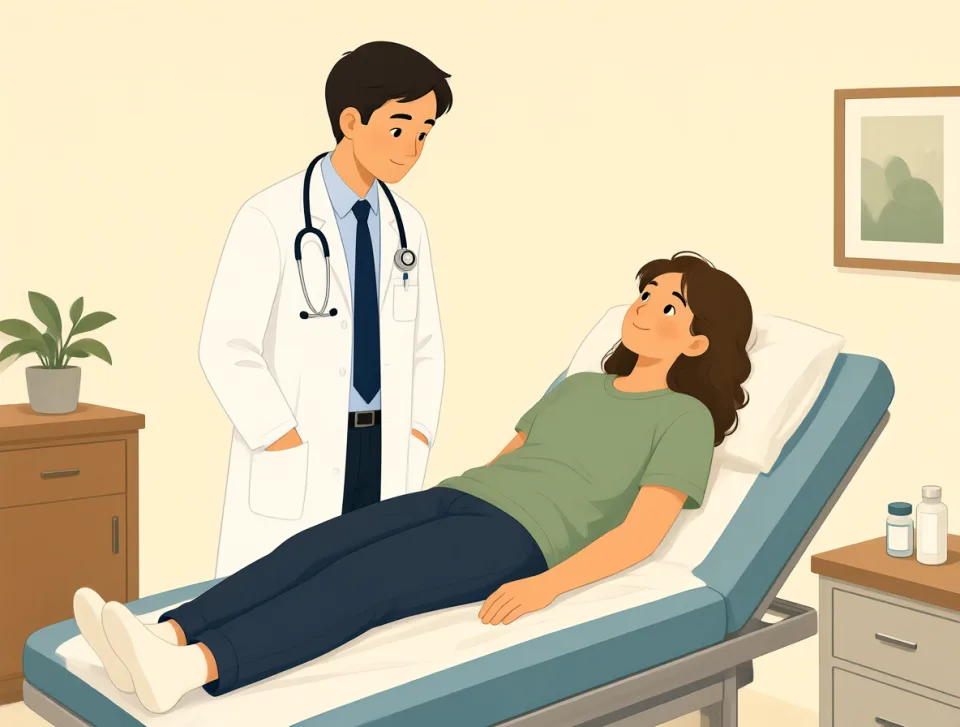
The doctor checked my sleeping position.
डॉक्टर ने मेरे सोने की मुद्रा की जाँच की।

near
#427adjective, adverb, preposition, verb
पास
close to someone or something in distance, time, or relationship
दूरी, समय या संबंध के लिहाज़ से किसी व्यक्ति या चीज़ के करीब।
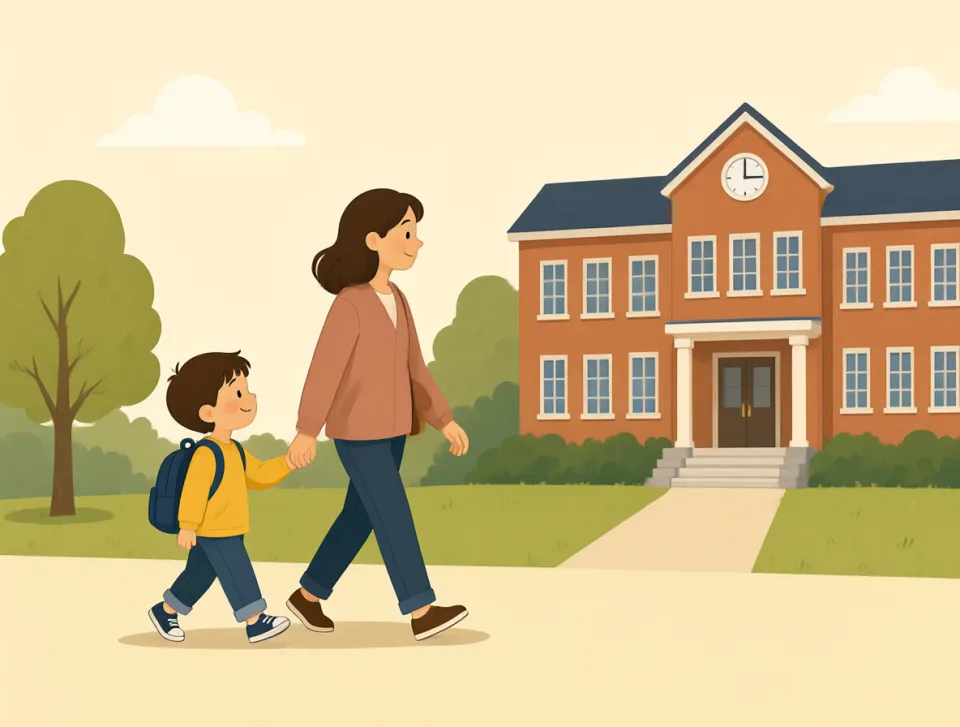
The school is near our house.
स्कूल हमारे घर के पास है।

Please sit near me.
कृपया मेरे पास बैठिए।

We live near the train station.
हम ट्रेन स्टेशन के पास रहते हैं।

I found a good shop near work.
मुझे काम की जगह के पास एक अच्छी दुकान मिली।
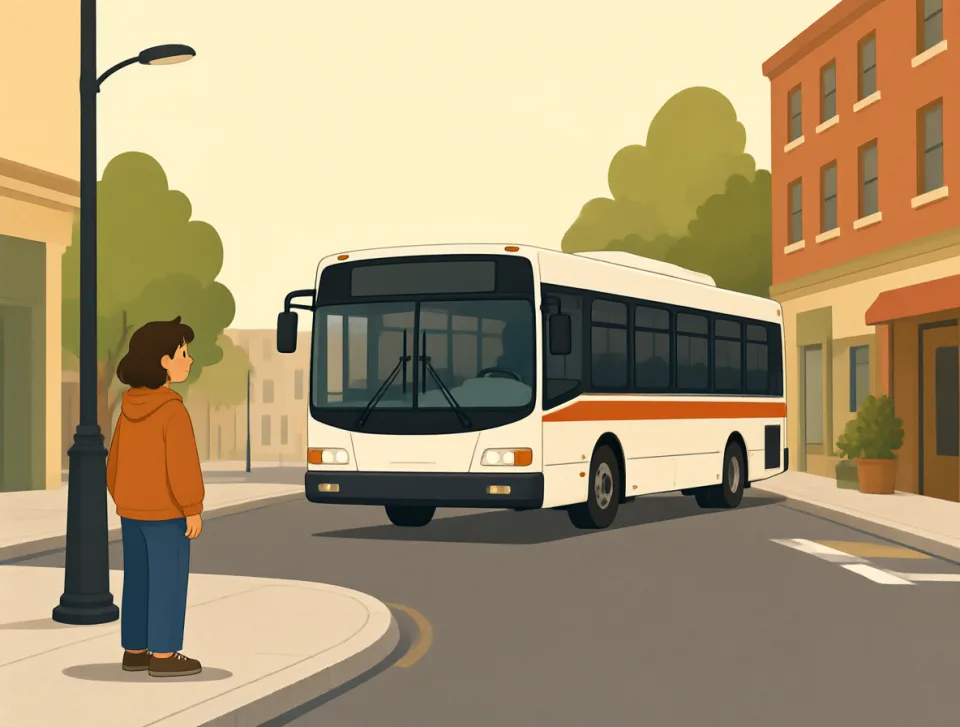
The bus is coming near the corner.
बस मोड़ के पास आ रही है।
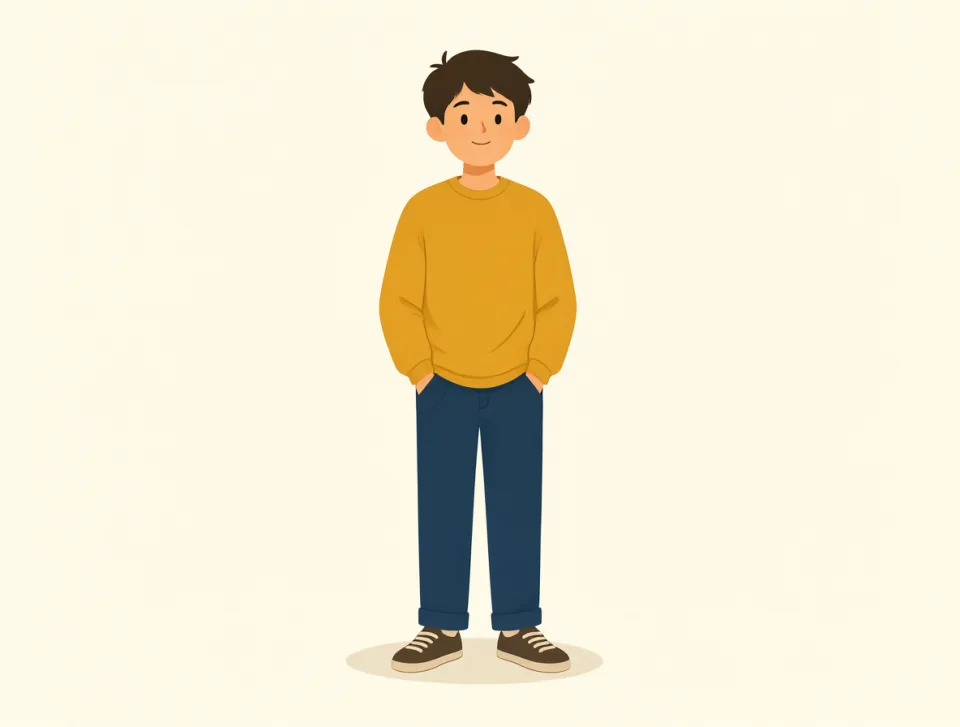
human
#428noun, adjective
इंसान
A person, or relating to people rather than animals or machines.
व्यक्ति, या जानवरों और मशीनों के बजाय लोगों से संबंधित।
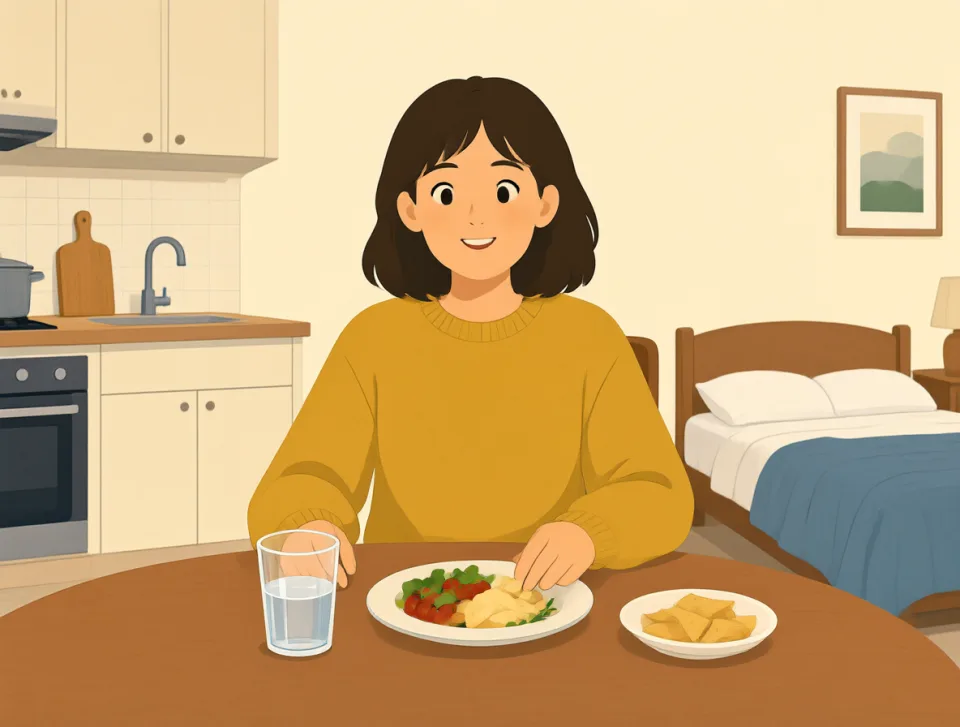
Humans need food, water, and sleep every day.
इंसानों को हर दिन भोजन, पानी और नींद की ज़रूरत होती है।

The human body needs water every day.
इंसानी शरीर को हर दिन पानी की ज़रूरत होती है।
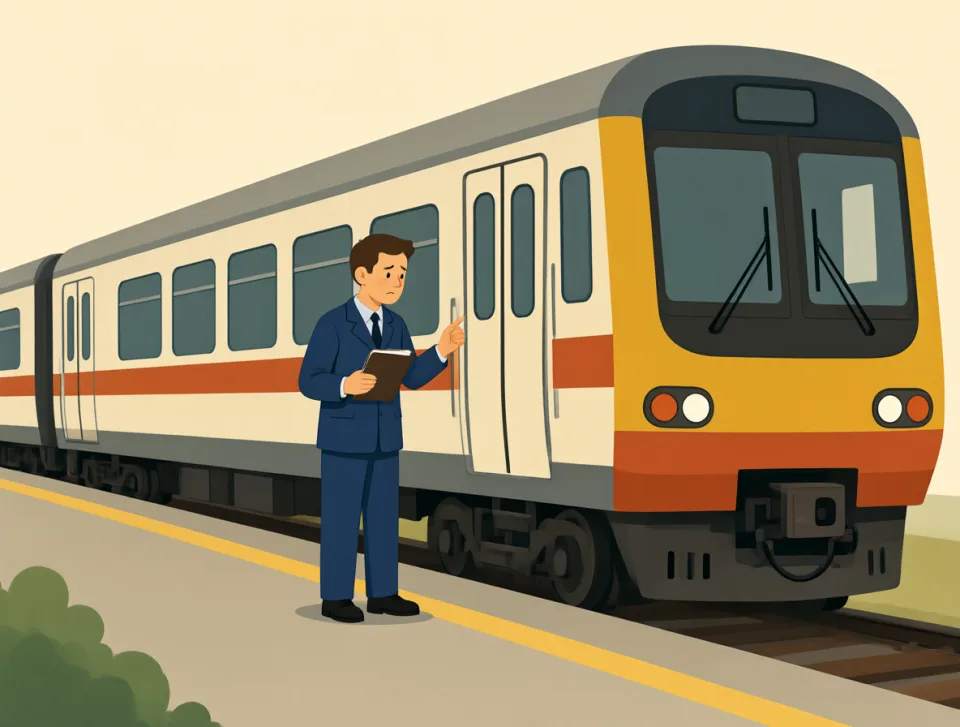
Human error caused the train to stop.
इंसानी गलती की वजह से ट्रेन रुक गई।
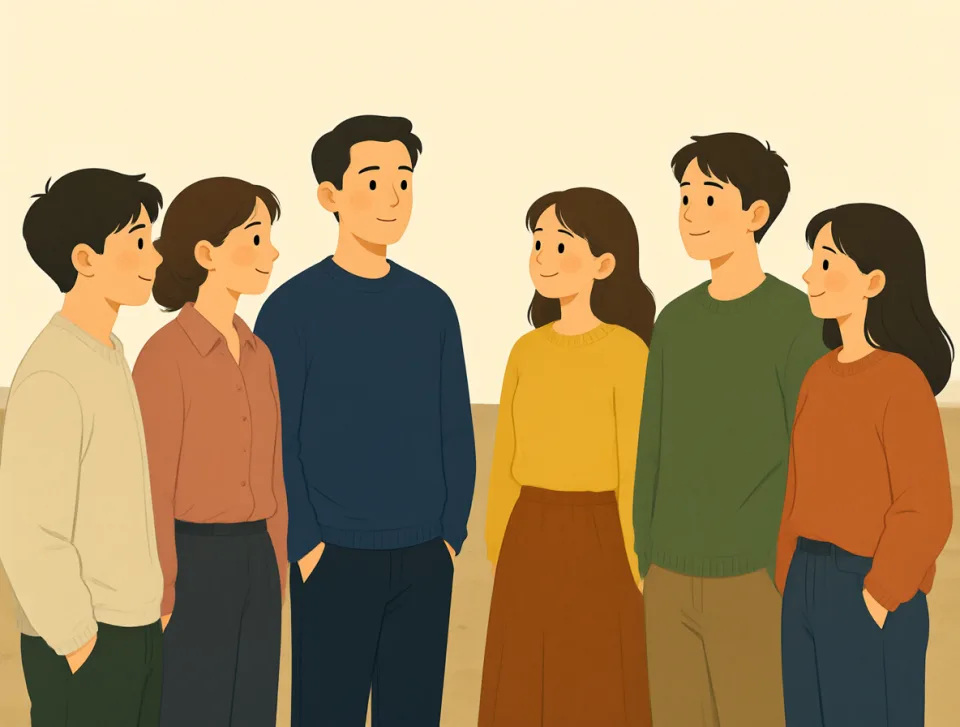
Human rights protect people around the world.
मानवाधिकार दुनिया भर के लोगों की रक्षा करते हैं।

Humans are social animals who need friends.
इंसान सामाजिक प्राणी हैं जिन्हें दोस्तों की ज़रूरत होती है।

computer
#429noun
कंप्यूटर
An electronic machine that stores information and helps you do tasks.
एक इलेक्ट्रॉनिक मशीन जो जानकारी संग्रह करती है और काम करने में आपकी मदद करती है।

I use my computer every day.
मैं हर दिन अपना कंप्यूटर इस्तेमाल करता हूँ।

She bought a new computer for work.
उसने काम के लिए एक नया कंप्यूटर खरीदा।
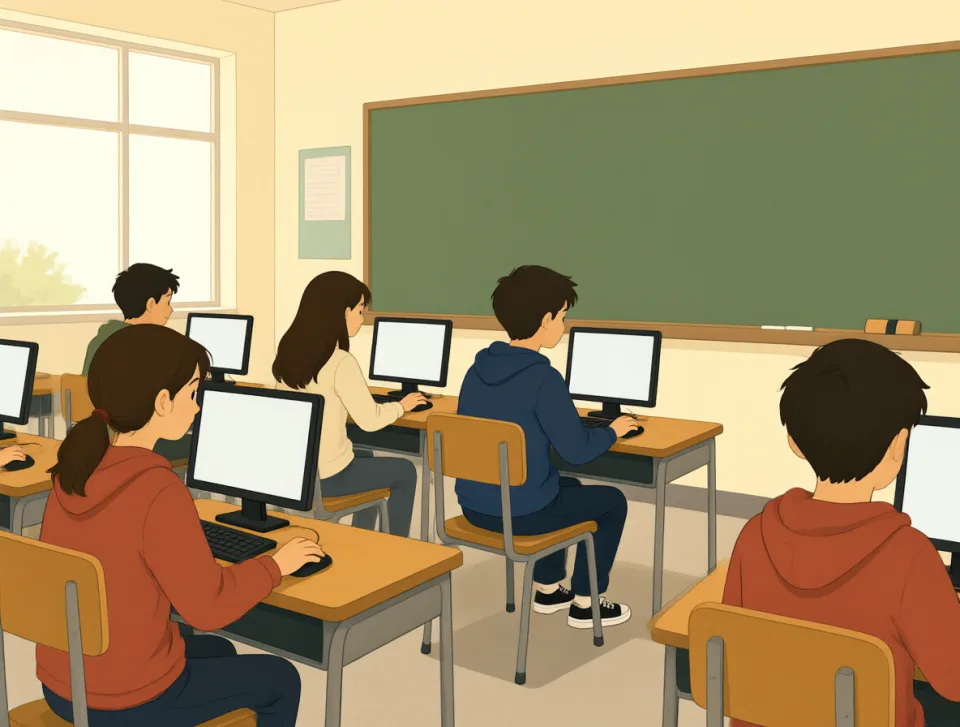
The students are working on computers.
छात्र कंप्यूटरों पर काम कर रहे हैं।
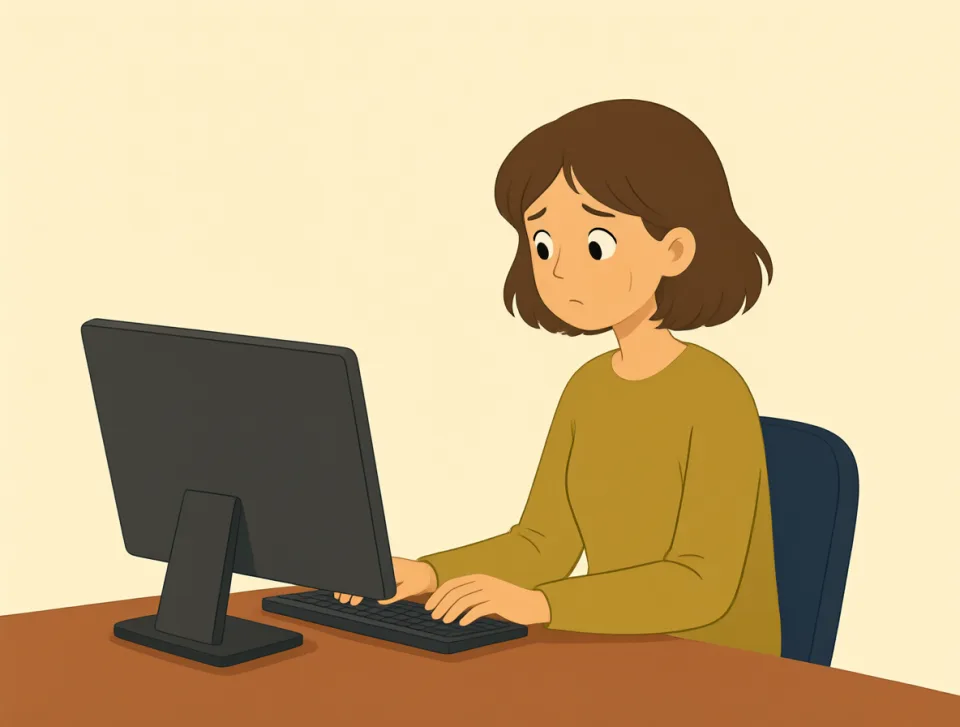
My computer is not working today.
आज मेरा कंप्यूटर काम नहीं कर रहा है।

We watched a film on the computer.
हमने कंप्यूटर पर एक फ़िल्म देखी।
situation
#430noun
स्थिति
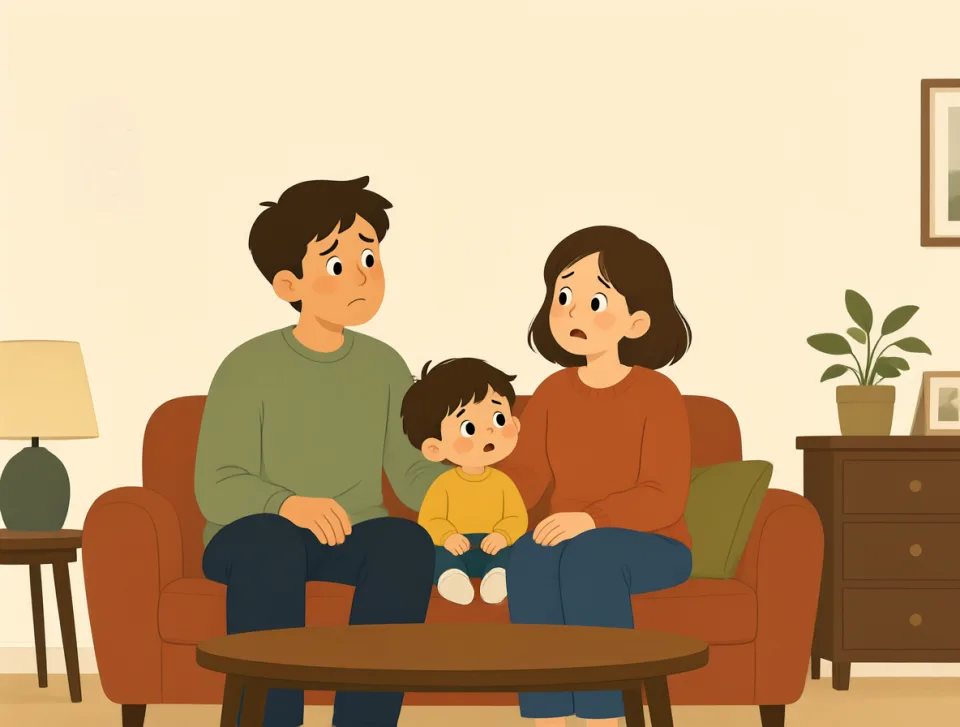
the conditions and events that affect what happens at a particular time
किसी खास समय में होने वाली घटनाएँ और परिस्थितियाँ, जो आगे क्या होगा इसे प्रभावित करती हैं।
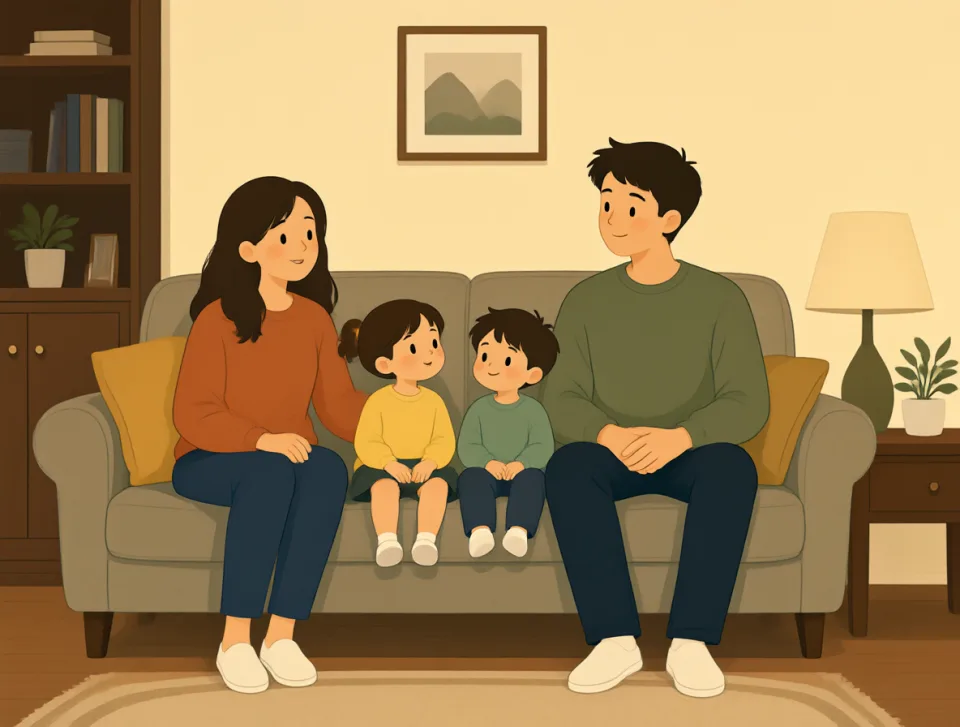
We need to stay calm in this situation.
हमें इस स्थिति में शांत रहना होगा।

The doctor asked about my health situation.
डॉक्टर ने मेरी स्वास्थ्य-स्थिति के बारे में पूछा।
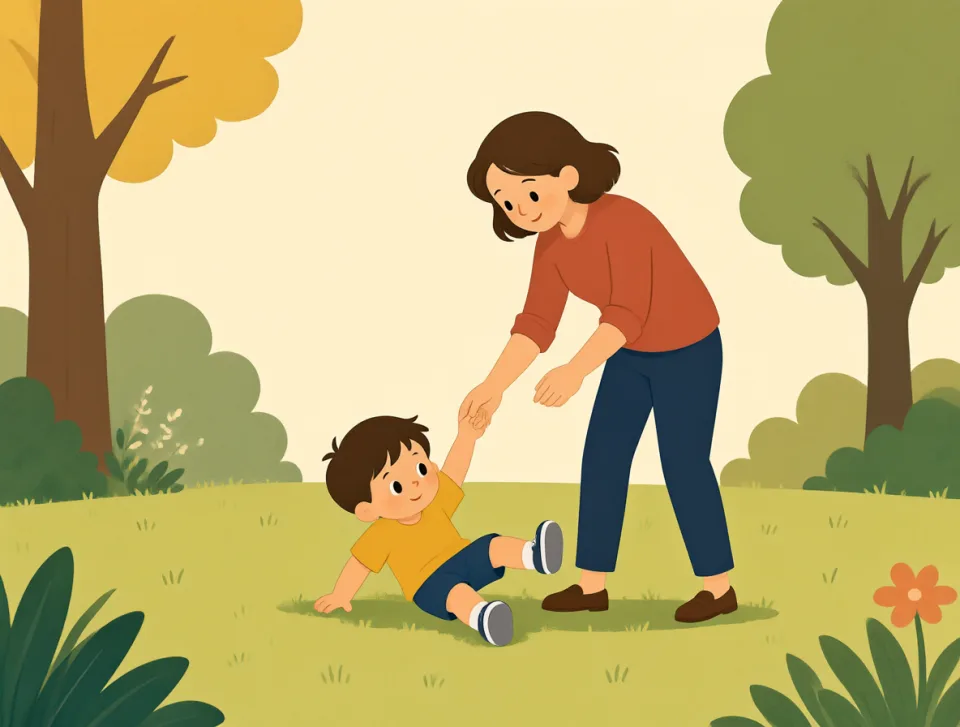
She handled the difficult situation very well.
उसने मुश्किल स्थिति को बहुत अच्छी तरह संभाला।

The work situation improved after the meeting.
बैठक के बाद काम की स्थिति में सुधार हुआ।
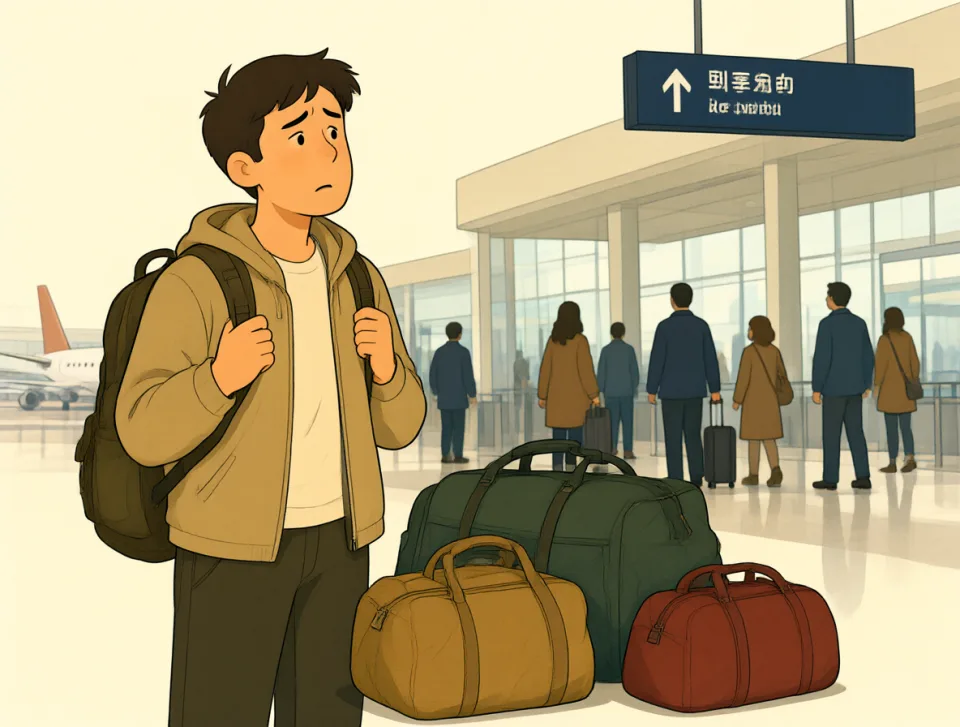
This situation is getting worse every day.
यह स्थिति हर दिन बदतर होती जा रही है।
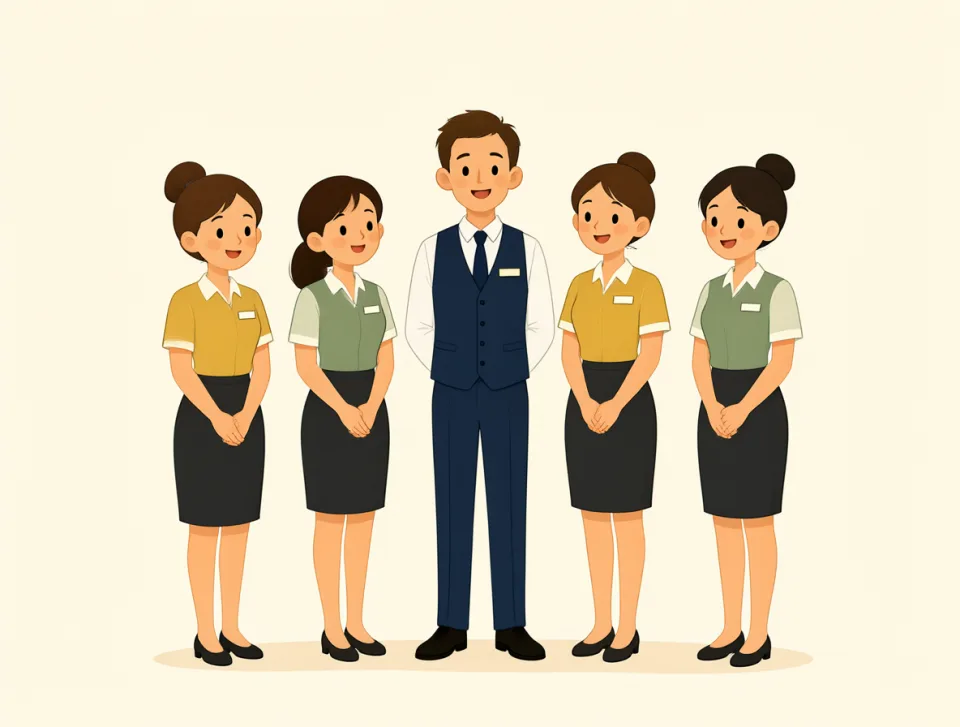
staff
#431noun
कर्मचारी
The people who work for an organization, business, or school.
किसी संगठन, व्यवसाय या स्कूल में काम करने वाले लोग।

The hotel staff were very helpful.
होटल के कर्मचारी बहुत मददगार थे।

All staff must wear clean clothes.
सभी कर्मचारियों को साफ़ कपड़े पहनने चाहिए।

The school staff met after class.
स्कूल के कर्मचारियों ने कक्षा के बाद बैठक की।

The restaurant staff served our food quickly.
रेस्तराँ के कर्मचारियों ने हमारा खाना जल्दी परोसा।
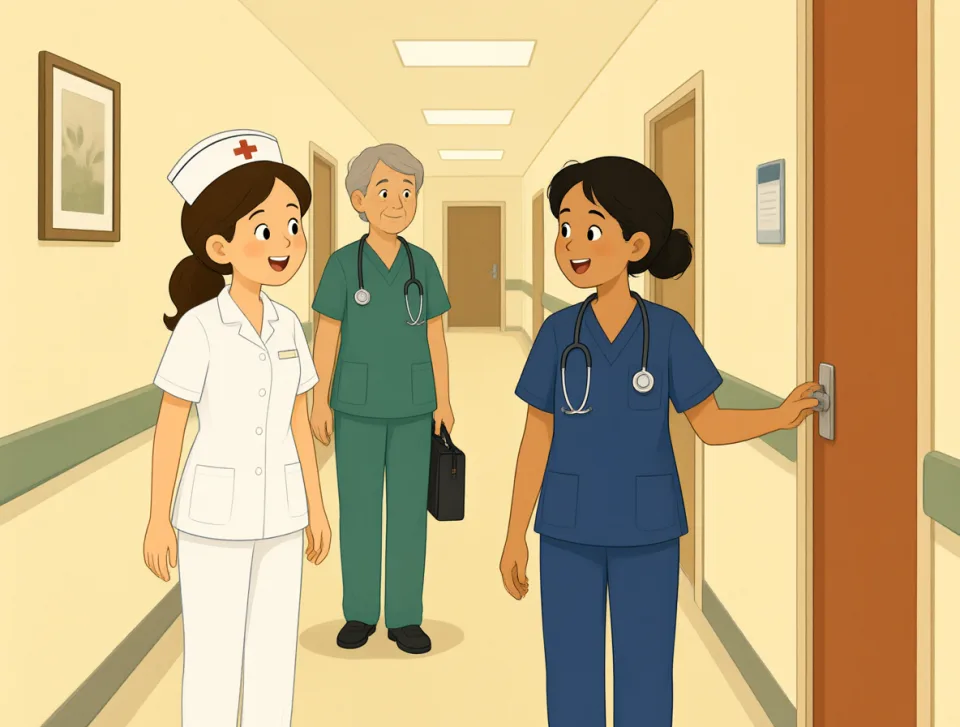
She joined the hospital staff last year.
वह पिछले साल अस्पताल के कर्मचारियों में शामिल हुई।
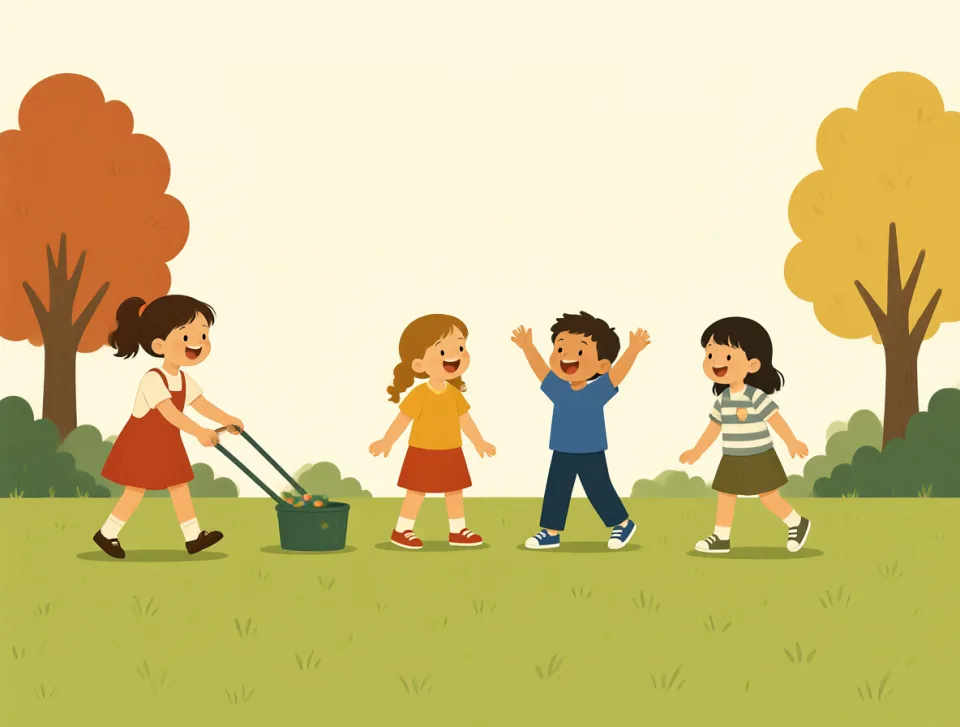
activity
#432noun
गतिविधि
Something that people do, often for fun, exercise, or learning.
ऐसा काम जो लोग करते हैं, अक्सर मनोरंजन, व्यायाम या सीखने के लिए।
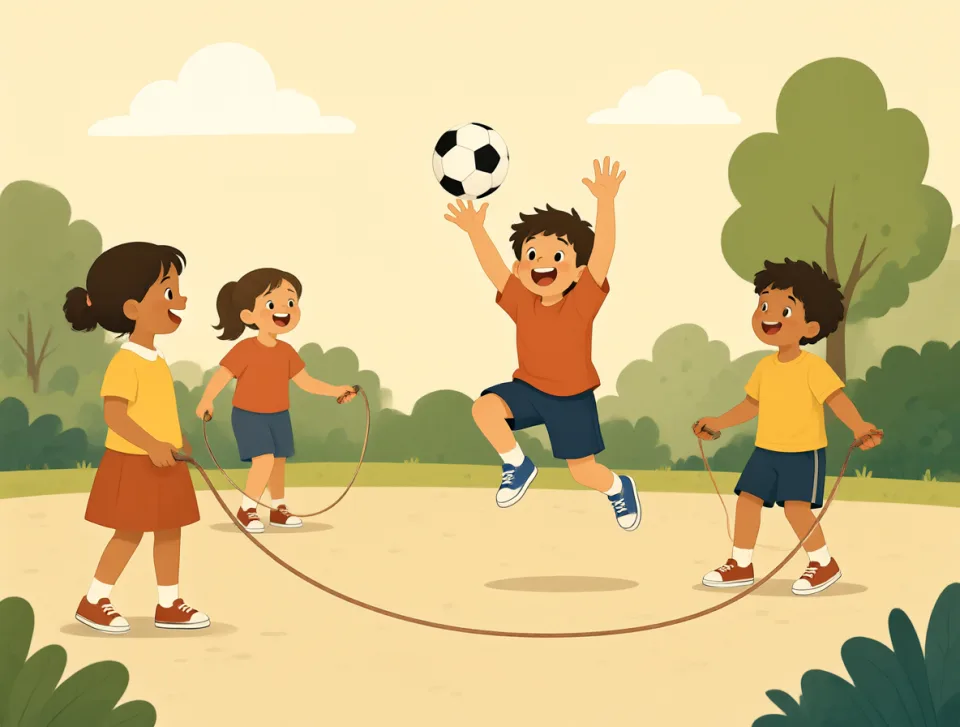
The children enjoy outdoor activities after school.
बच्चों को स्कूल के बाद बाहर की गतिविधियाँ करना अच्छा लगता है।

Swimming is my favorite activity in summer.
गर्मियों में तैरना मेरी पसंदीदा गतिविधि है।
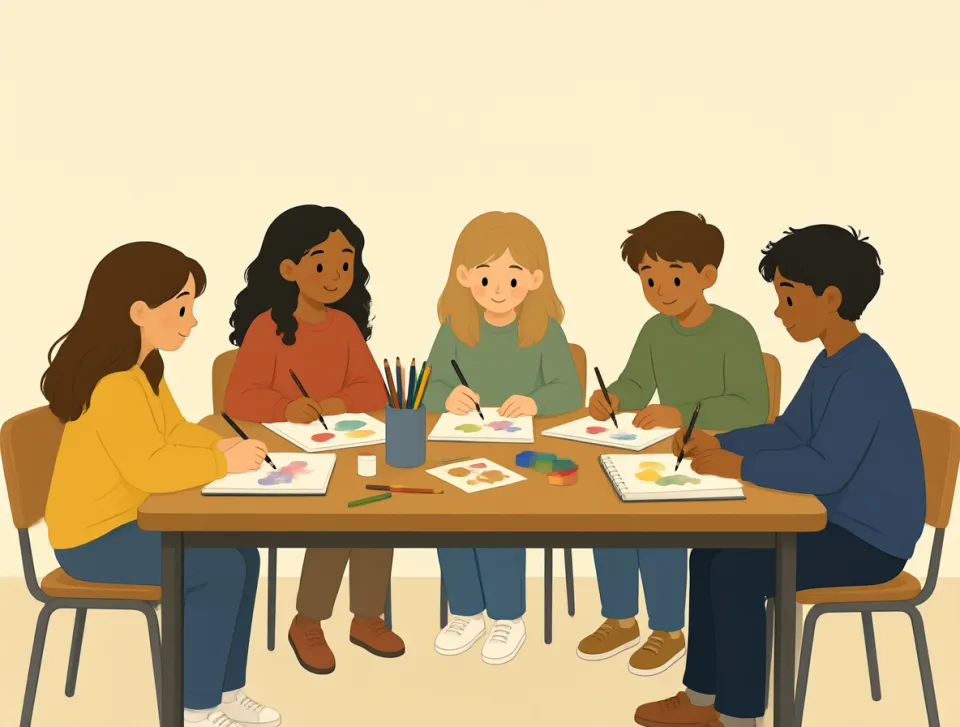
Our class planned a fun activity today.
आज हमारी कक्षा ने एक मज़ेदार गतिविधि की योजना बनाई।

The hotel offers many activities for guests.
होटल मेहमानों के लिए कई गतिविधियाँ उपलब्ध कराता है।
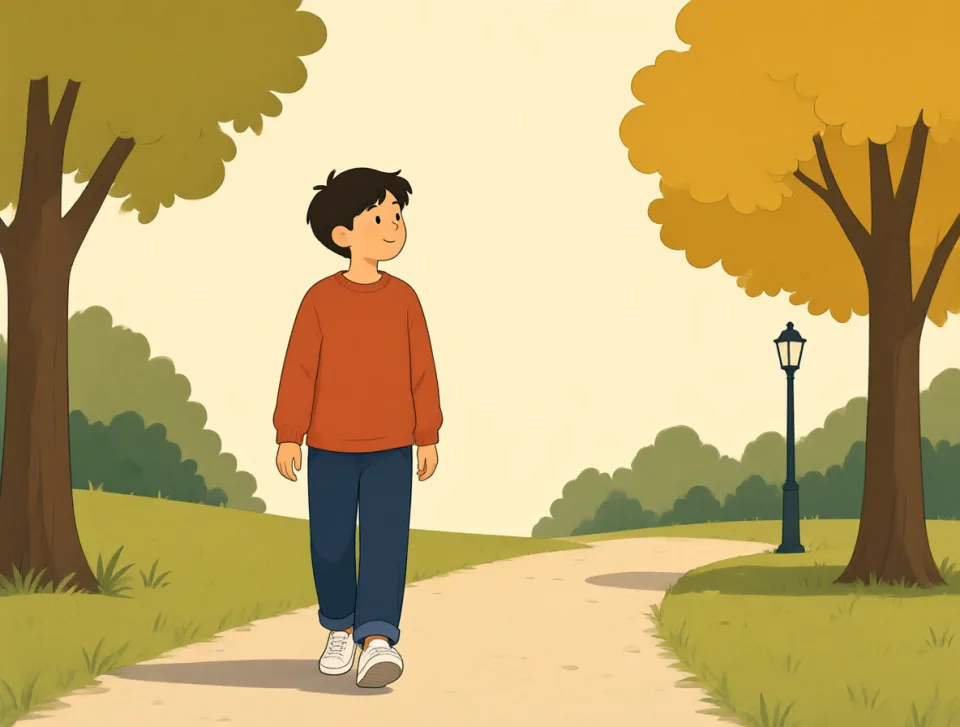
Light activity can help you feel better.
हल्की-फुल्की गतिविधि से आपको बेहतर महसूस करने में मदद मिल सकती है।
film
#433noun, verb
फ़िल्म
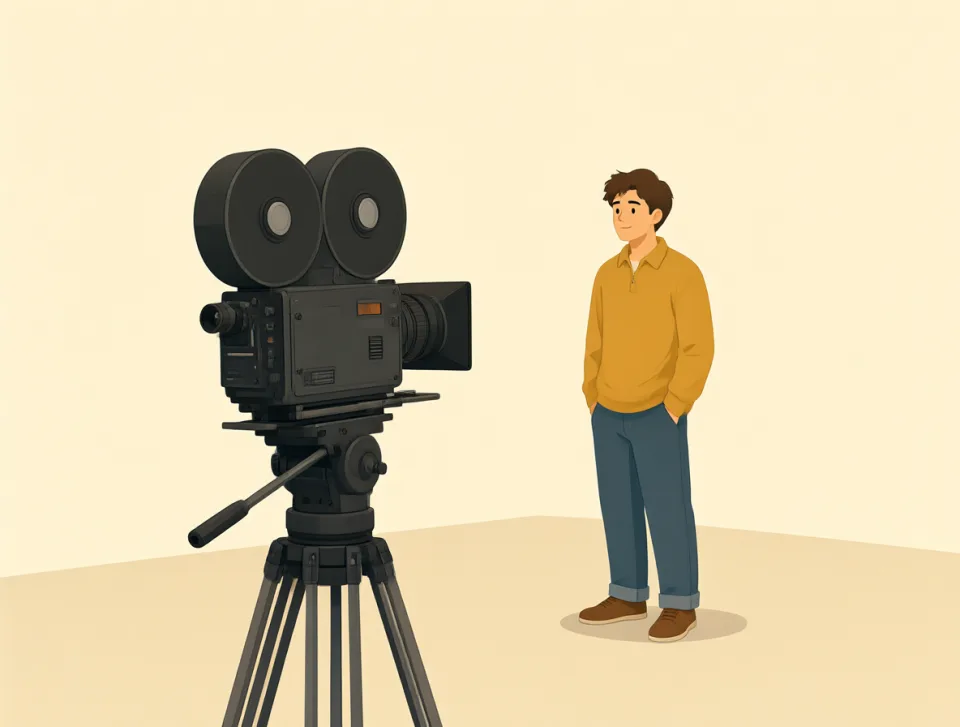
A movie, or a thin material used to record pictures; to make a movie.
चलचित्र, तस्वीरें रिकॉर्ड करने के लिए इस्तेमाल होने वाली पतली सामग्री; चलचित्र बनाना।

We watched a funny film at home.
हमने घर पर एक मज़ेदार फ़िल्म देखी।

They filmed the wedding in the garden.
उन्होंने बगीचे में शादी की फ़िल्म बनाई।

This film is about a family holiday.
यह फ़िल्म परिवार की छुट्टियों के बारे में है।
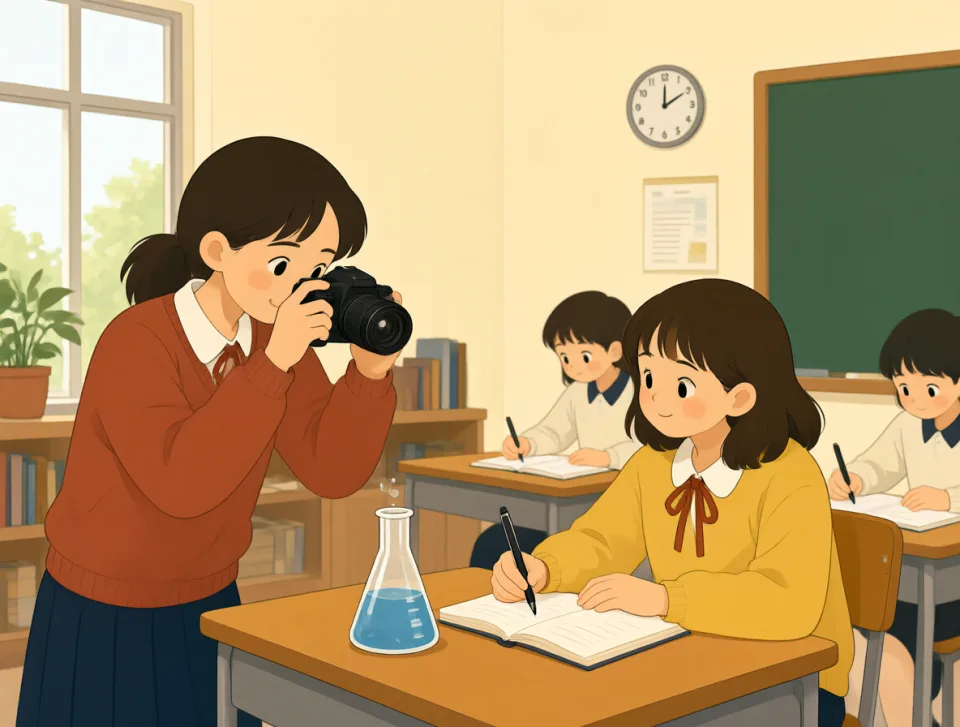
The students filmed a science project.
छात्रों ने विज्ञान परियोजना की फ़िल्म बनाई।
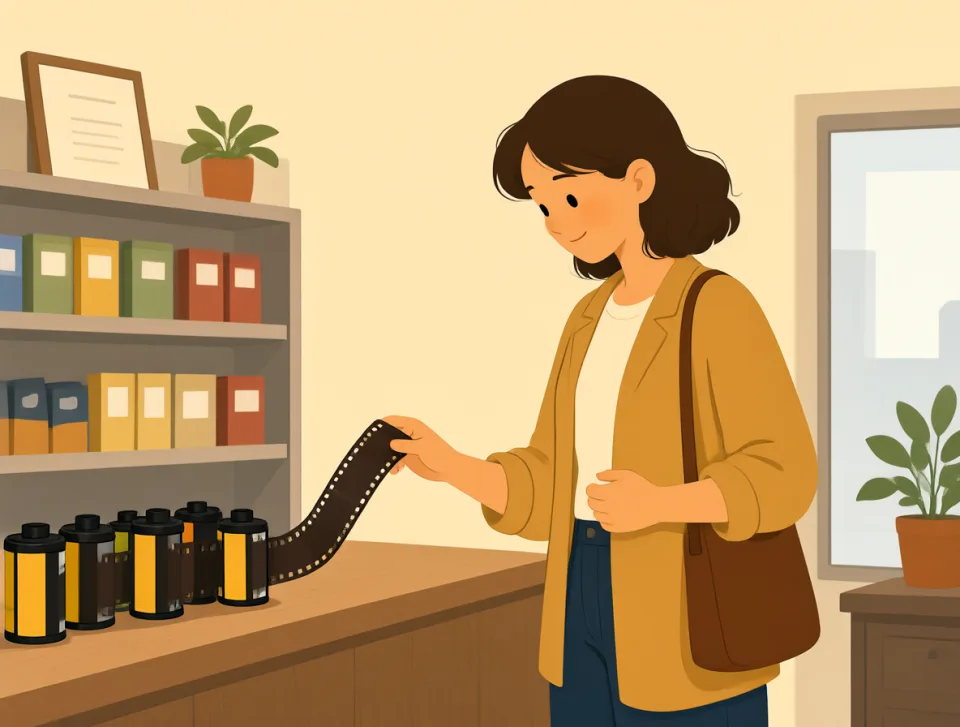
She bought film for her old camera.
उसने अपने पुराने कैमरे के लिए फ़िल्म खरीदी।

morning
#434noun
सुबह
The early part of the day, from when you wake up until about noon.
दिन का शुरुआती समय—जागने से लेकर लगभग दोपहर तक।

I drink coffee every morning.
मैं हर सुबह कॉफ़ी पीता हूँ।

She walks to work in the morning.
वह सुबह पैदल काम पर जाती है।
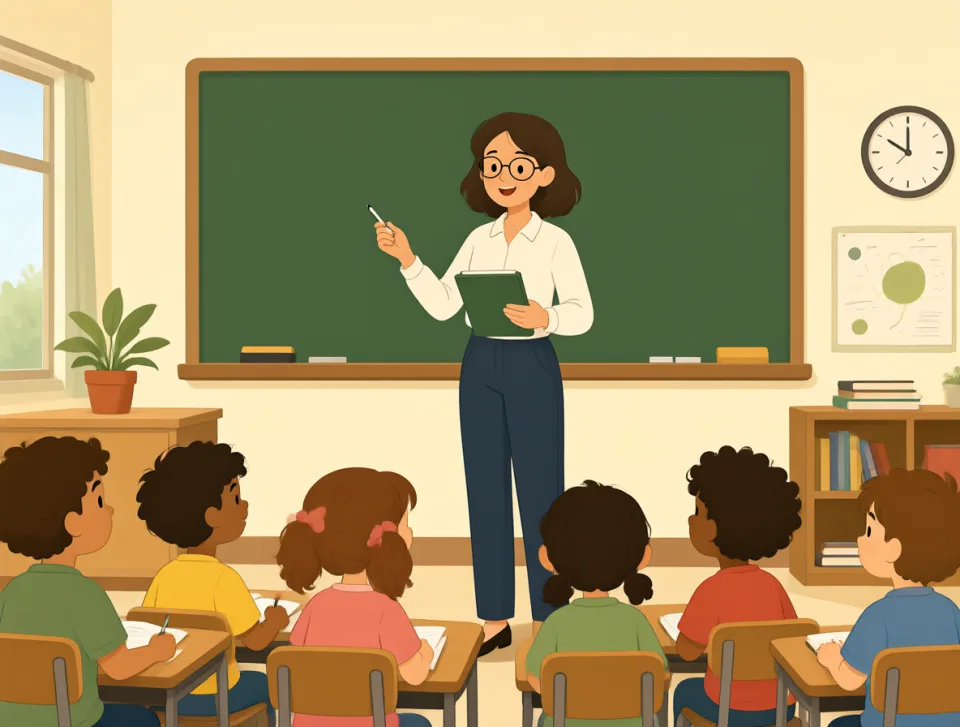
Our class starts at nine every morning.
हमारी कक्षा हर सुबह नौ बजे शुरू होती है।

We bought fresh bread this morning.
हमने आज सुबह ताज़ी रोटी खरीदी।
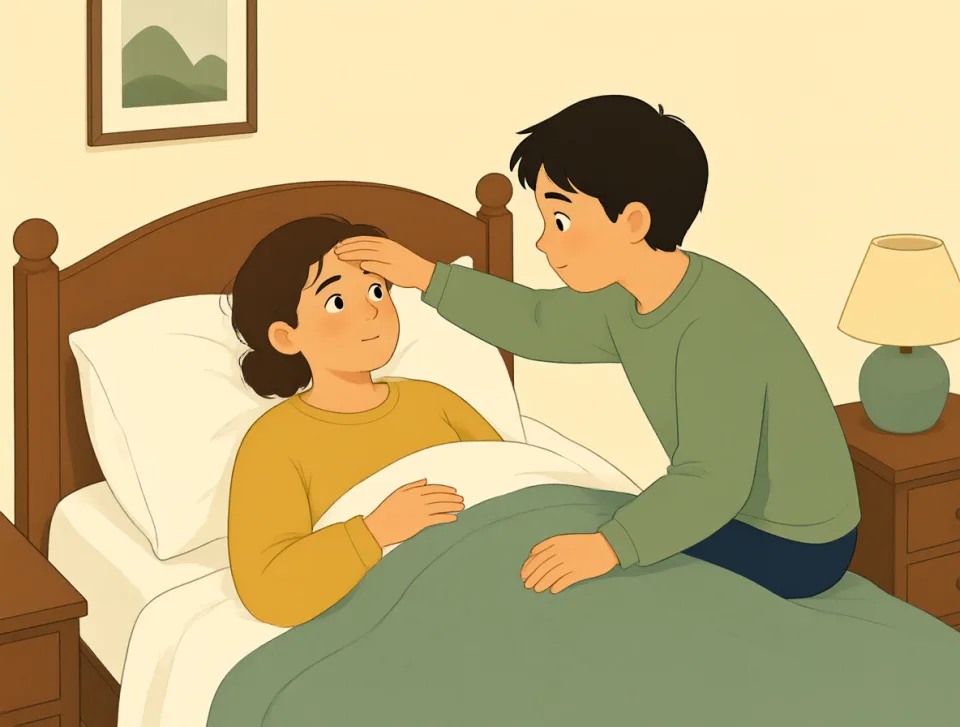
He felt sick yesterday morning.
उसे कल सुबह तबीयत खराब महसूस हुई।
war
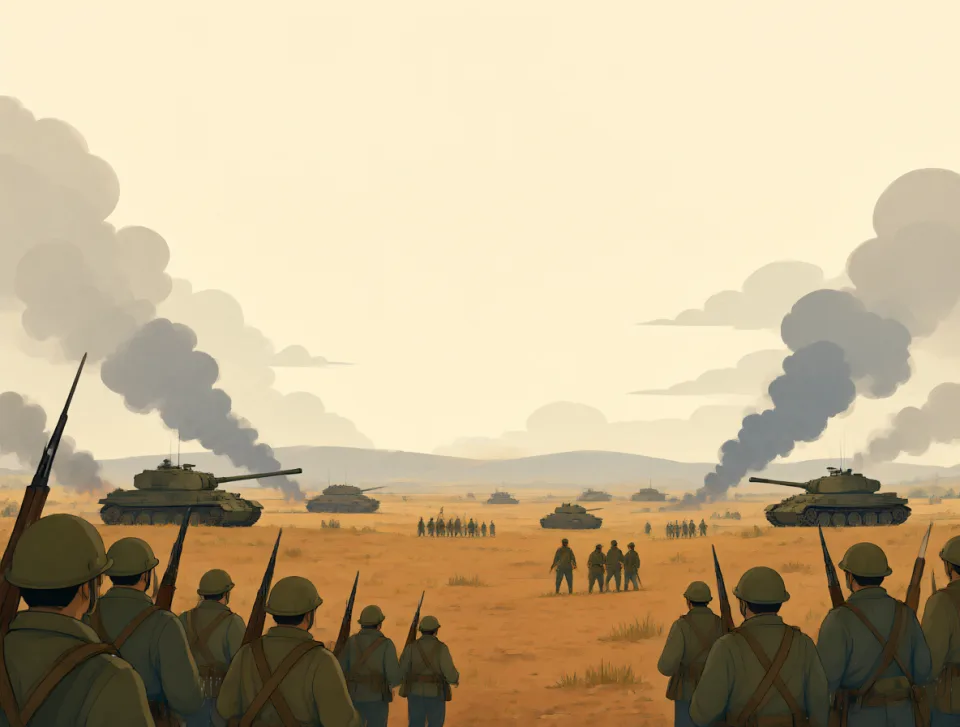
#435noun
युद्ध
Fighting between countries or groups, usually with weapons and soldiers.
देशों या समूहों के बीच होने वाली लड़ाई, जिसमें आम तौर पर हथियारों और सैनिकों का इस्तेमाल होता है।
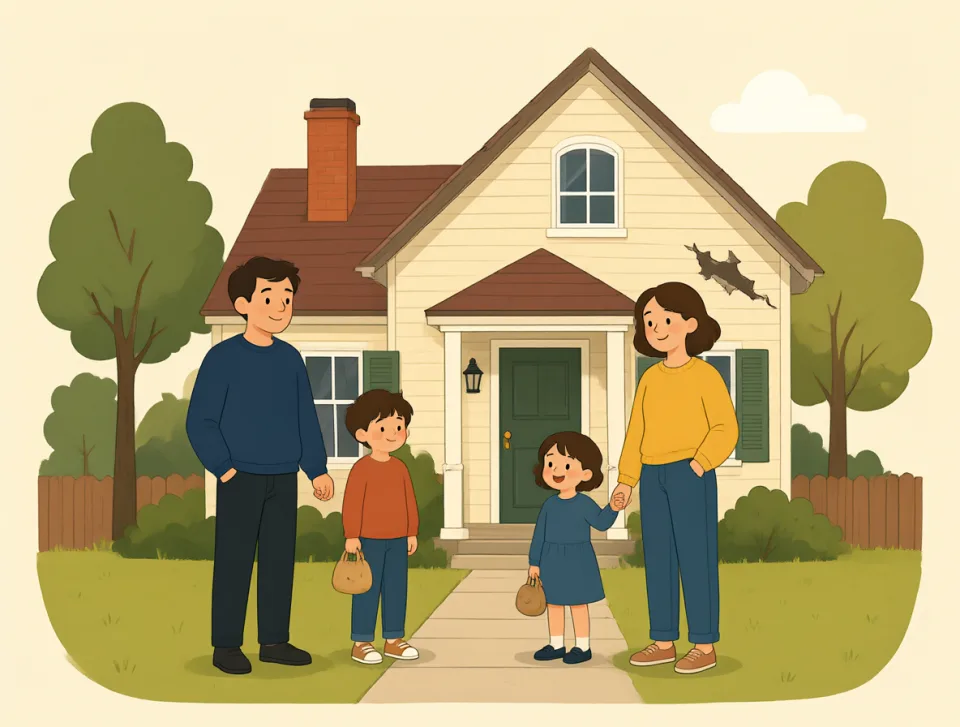
Many families lost their homes during the war.
युद्ध के दौरान कई परिवारों ने अपने घर खो दिए।
The two countries declared war last year.
दोनों देशों ने पिछले साल युद्ध की घोषणा की।
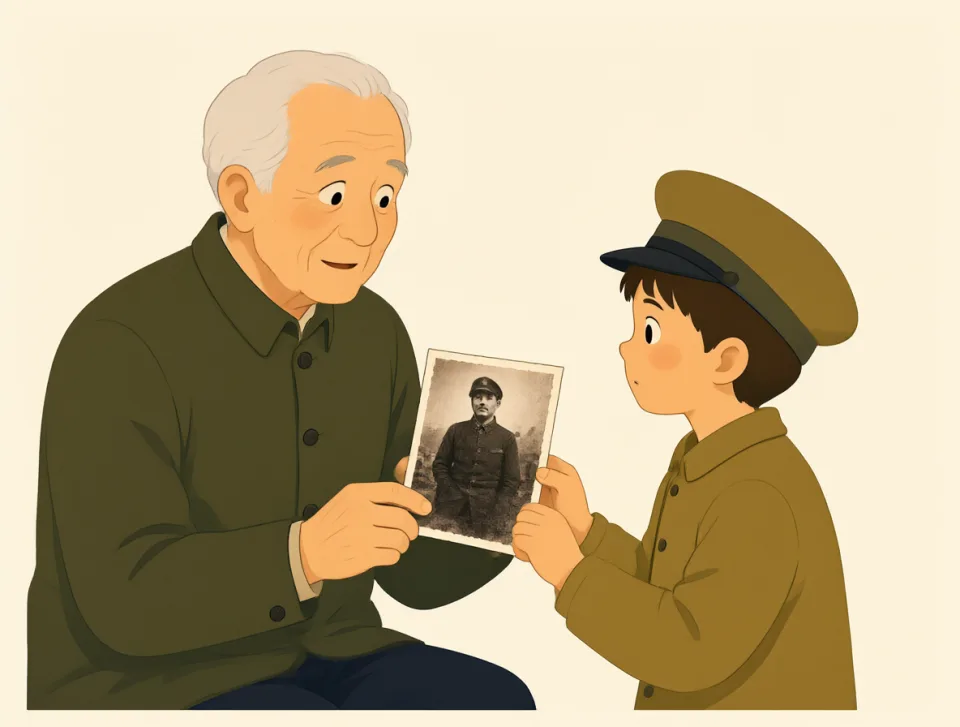
My grandfather served in the war.
मेरे दादा ने युद्ध में सेवा की थी।
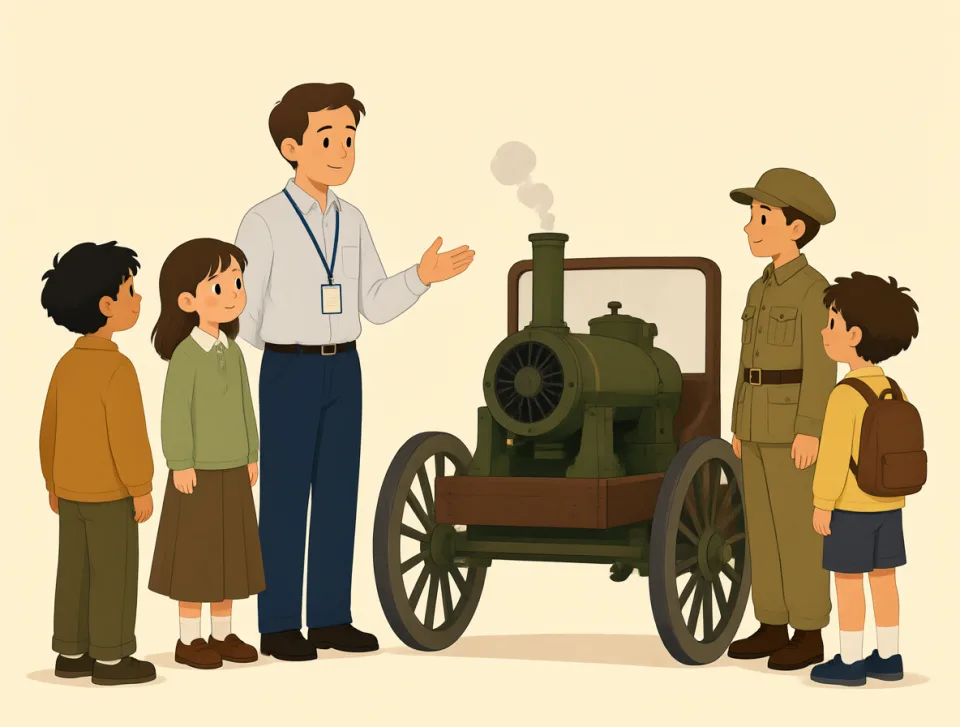
The museum tells stories about the war.
संग्रहालय युद्ध की कहानियाँ बताता है।

The war ended after many difficult years.
कई कठिन वर्षों के बाद युद्ध समाप्त हो गया।
account
#436noun, verb
खाता
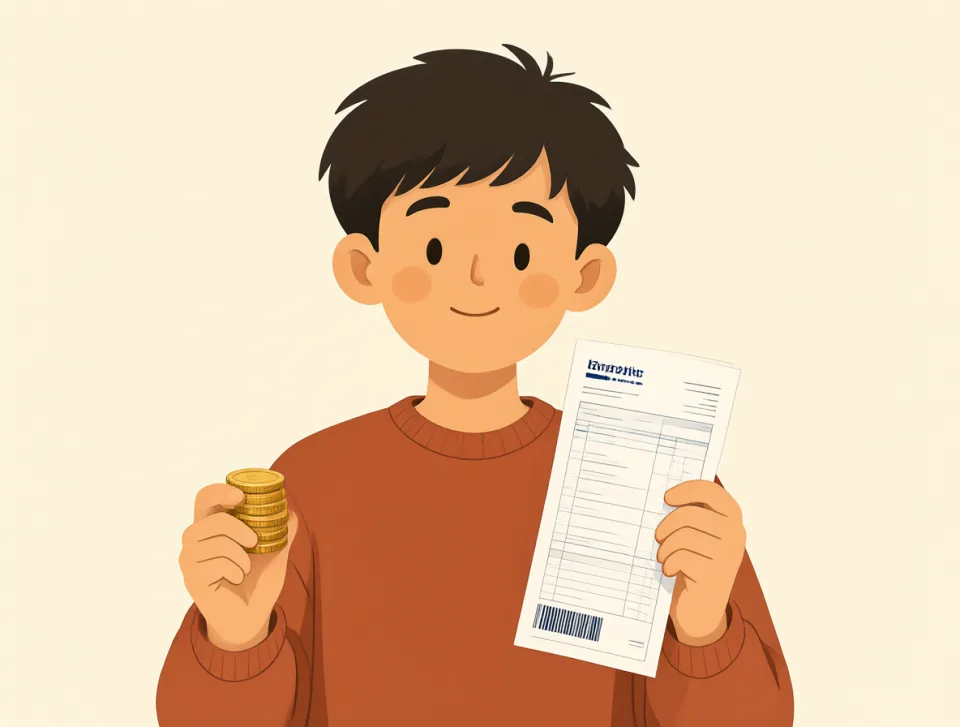
A record of money or information, or a report that explains something.
पैसों या जानकारी का रिकॉर्ड, या किसी बात को समझाने वाला विवरण।
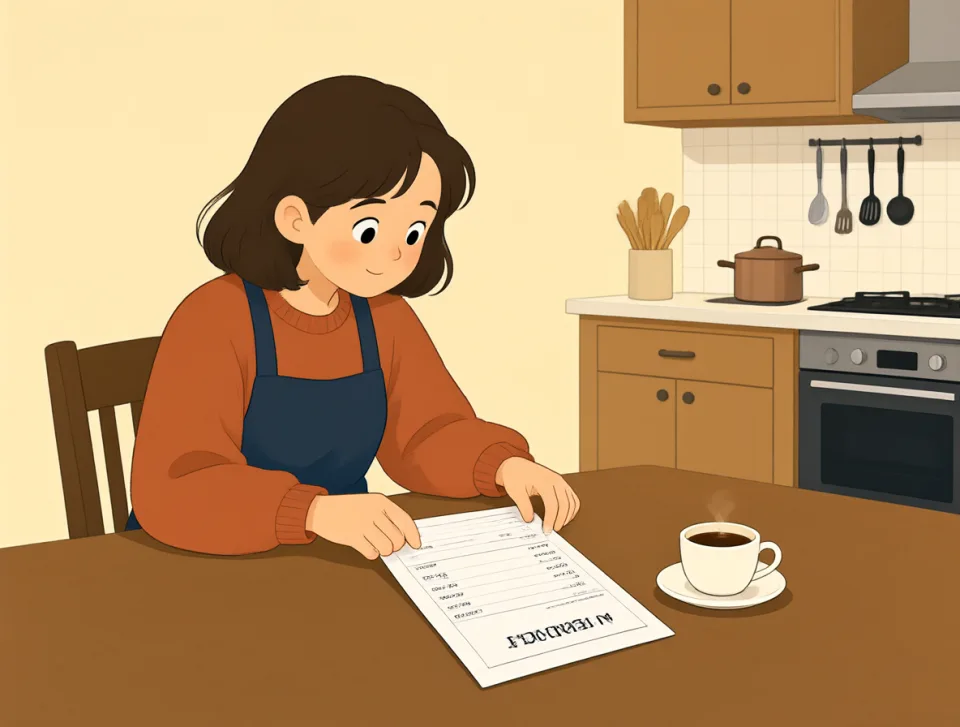
I checked my bank account this morning.
मैंने आज सुबह अपना बैंक खाता देखा।

She opened a new savings account.
उसने एक नया बचत खाता खोला।

Please add this meal to my account.
कृपया इस खाने का खर्च मेरे खाते में जोड़ दीजिए।

His account of the trip was funny.
यात्रा के बारे में उसका विवरण मज़ेदार था।
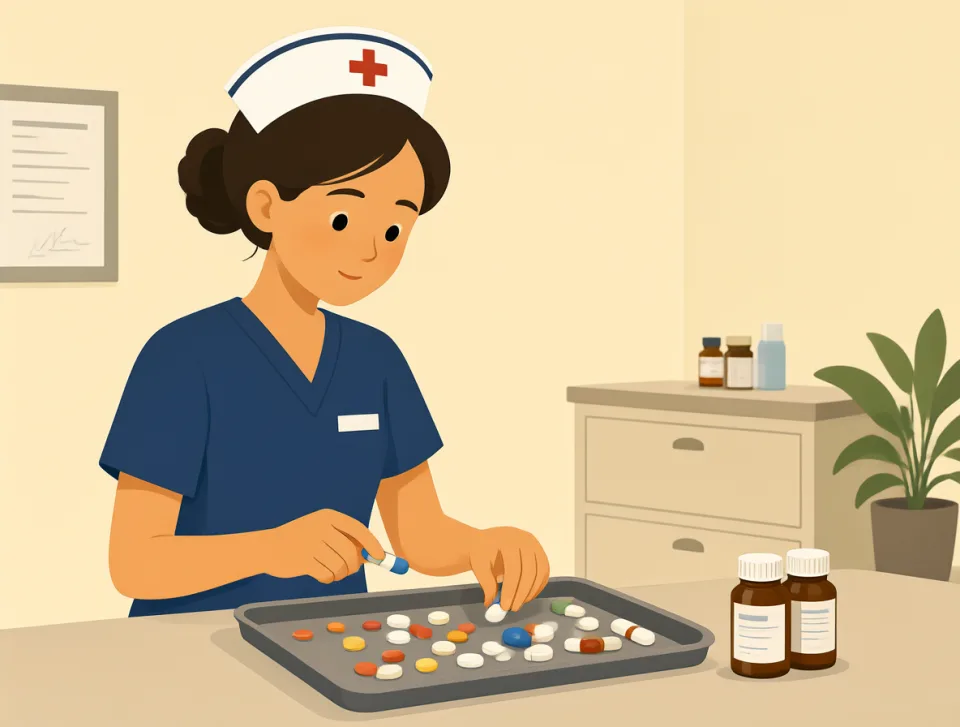
The nurse accounted for every pill.
नर्स ने हर गोली का हिसाब रखा।

shop
#437noun, verb
दुकान; खरीदारी करना
A place where you buy things, or the action of buying things.
वह जगह जहाँ आप चीज़ें खरीदते हैं, या चीज़ें खरीदने की क्रिया।

I need to shop for some food.
मुझे कुछ खाने-पीने की चीज़ें खरीदनी हैं।
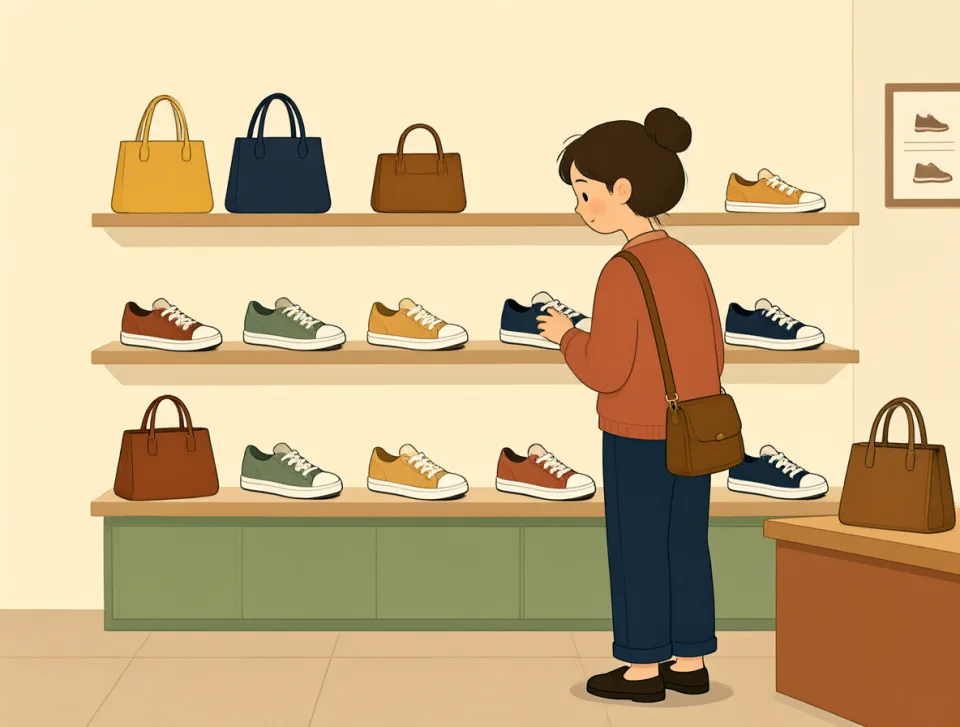
This shop sells shoes and bags.
इस दुकान में जूते और बैग बिकते हैं।

We went shopping after school.
हम स्कूल के बाद खरीदारी करने गए।

She shops online every weekend.
वह हर सप्ताहांत ऑनलाइन खरीदारी करती है।

The shop is closed on Sundays.
रविवार को दुकान बंद रहती है।

major
#438adjective, noun, verb
महत्वपूर्ण; मुख्य विषय; मुख्य विषय के रूप में पढ़ना
very important; a student's main subject; to study a subject at college
बहुत महत्वपूर्ण; किसी विद्यार्थी का मुख्य विषय; कॉलेज में किसी विषय की पढ़ाई करना।
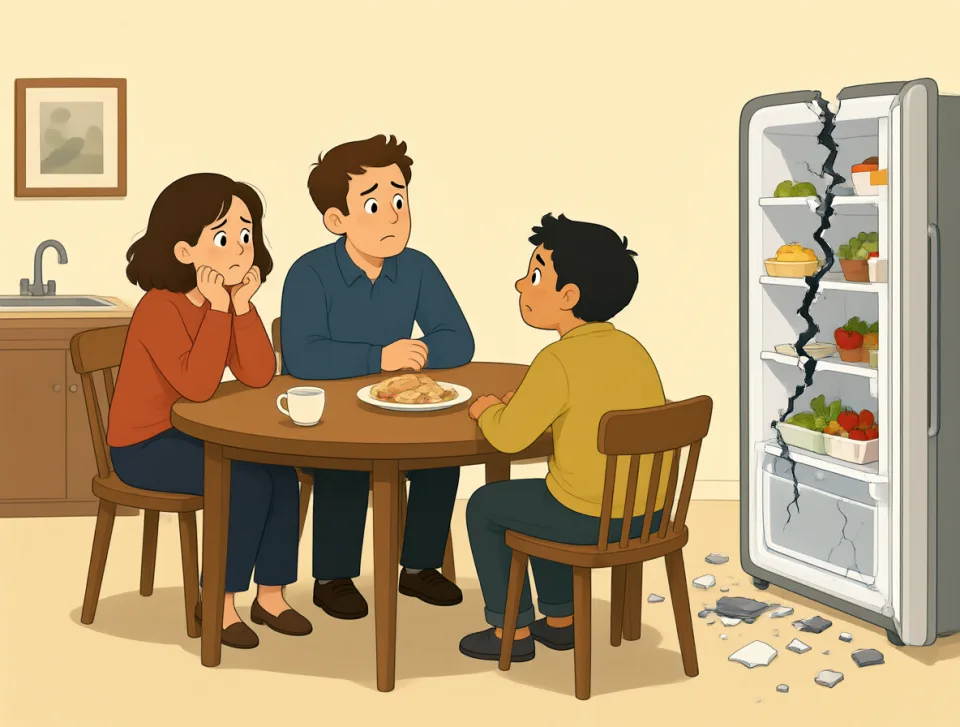
This is a major problem for our family.
यह हमारे परिवार के लिए एक बड़ी समस्या है।
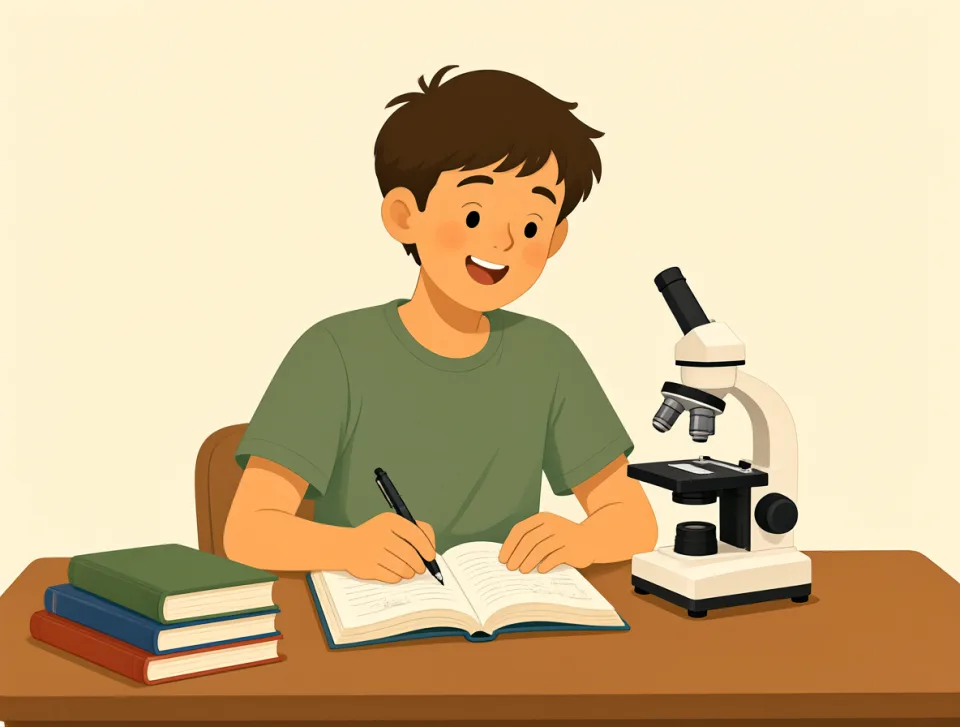
She chose biology as her college major.
उसने कॉलेज में अपना मुख्य विषय जीवविज्ञान चुना।
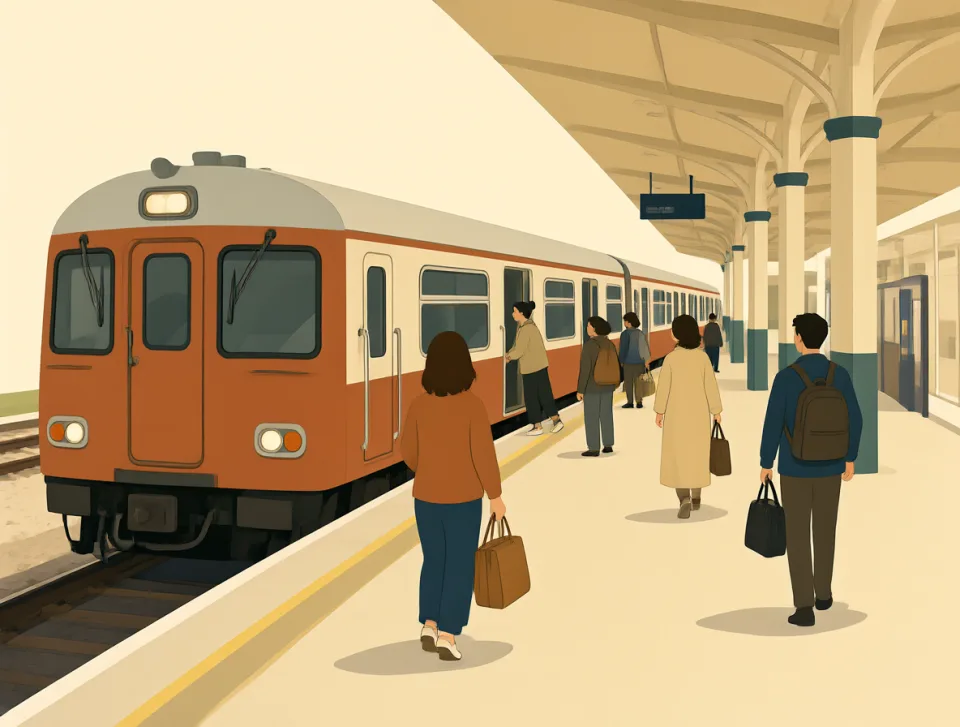
The train made a major stop in Chicago.
ट्रेन शिकागो में एक बड़े स्टेशन पर रुकी।

He majored in history at college.
उसने कॉलेज में इतिहास को मुख्य विषय के रूप में पढ़ा।
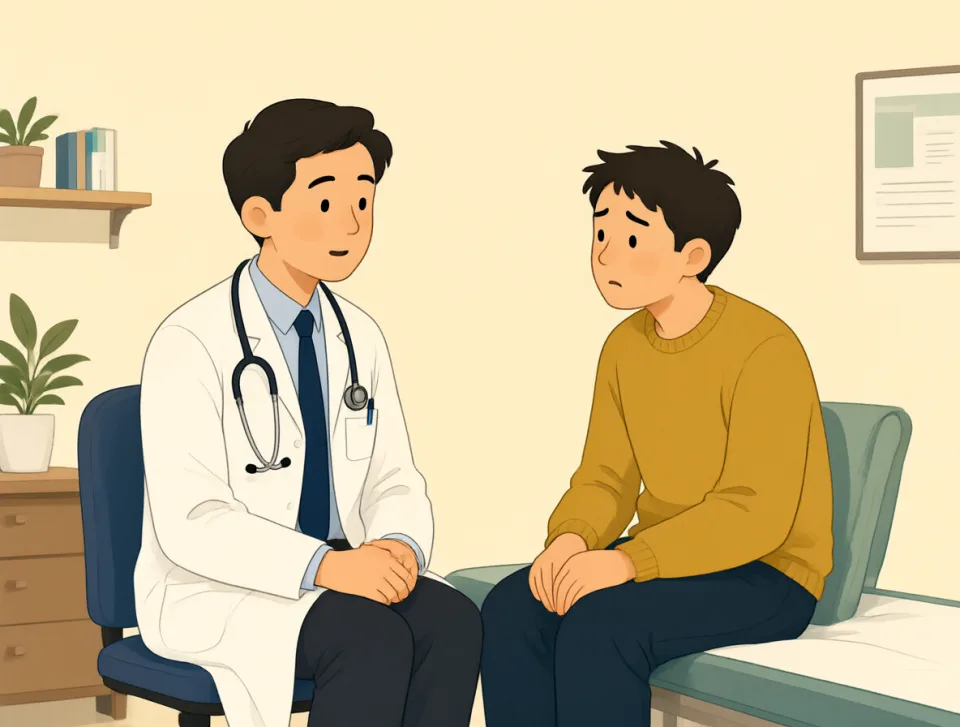
The doctor found a major health problem.
डॉक्टर को स्वास्थ्य से जुड़ी एक गंभीर समस्या मिली।
someone
#439pronoun
कोई
An unknown or unnamed person.
ऐसा व्यक्ति जिसका नाम या पहचान पता न हो।
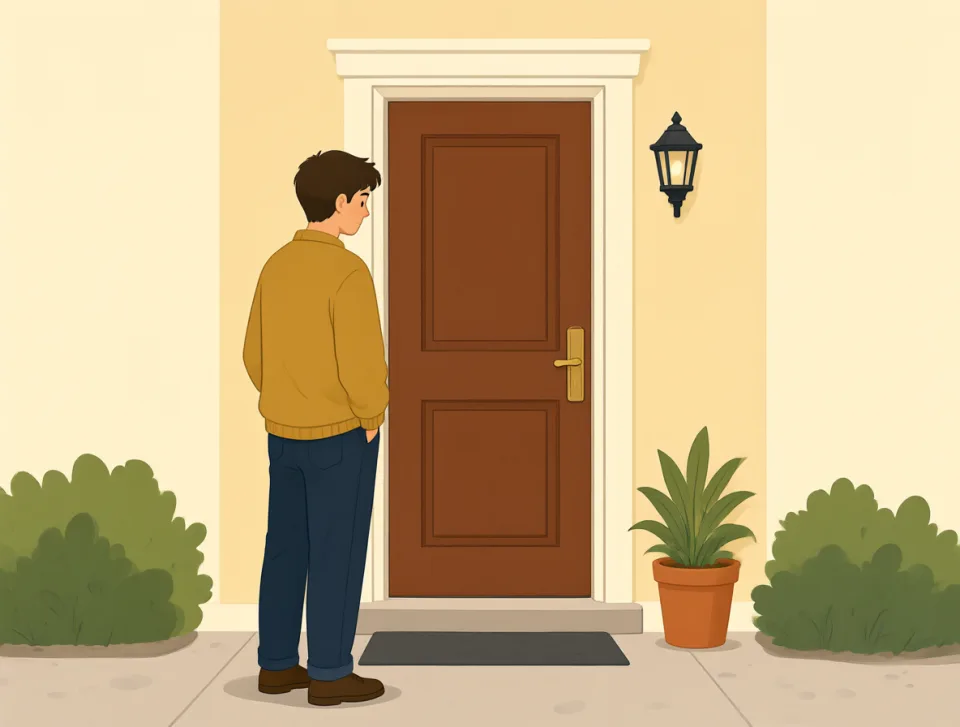
Someone is waiting outside the door.
दरवाज़े के बाहर कोई इंतज़ार कर रहा है।
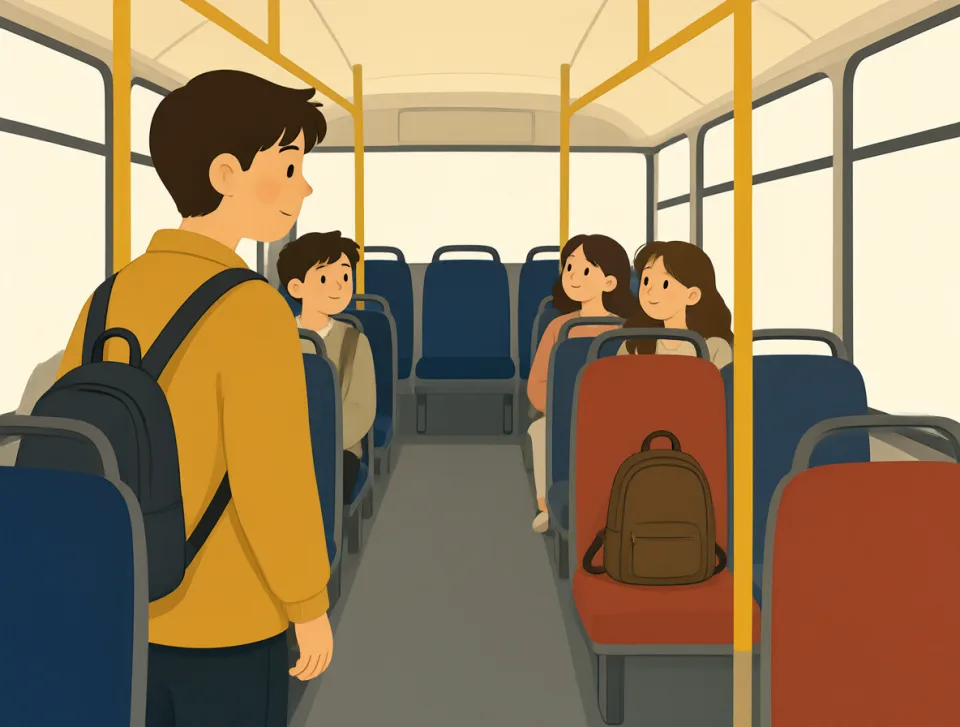
Someone left their bag on the bus.
कोई बस में अपना बैग छोड़ गया।
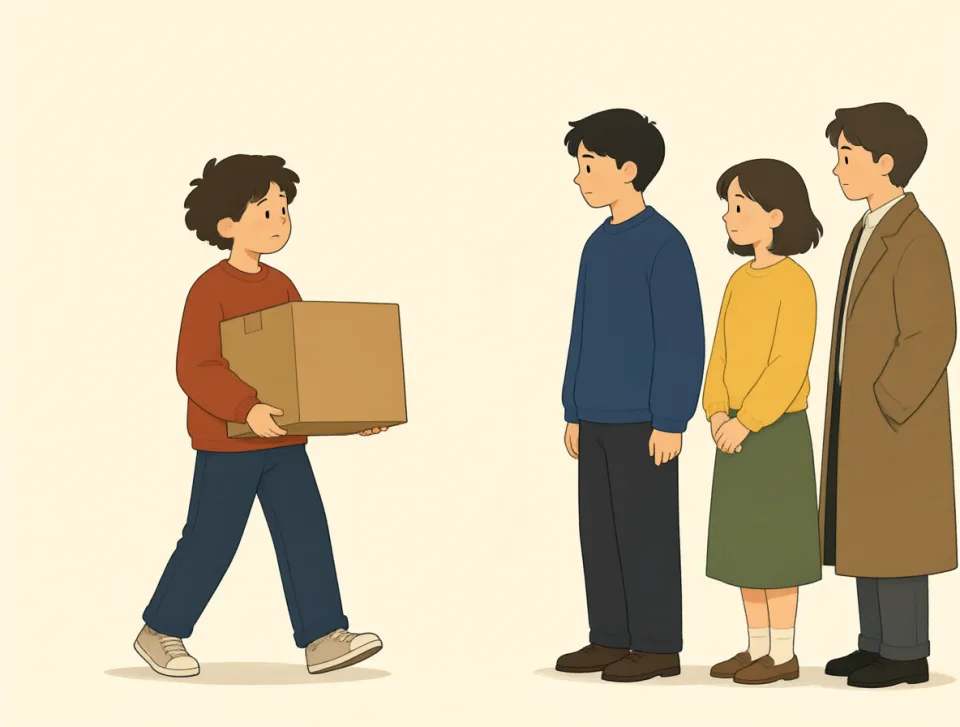
Can someone help me with this box?
क्या कोई इस डिब्बे को उठाने में मेरी मदद कर सकता है?

Someone called you while you were away.
तुम्हारे बाहर रहने के दौरान किसी ने तुम्हें फ़ोन किया था।
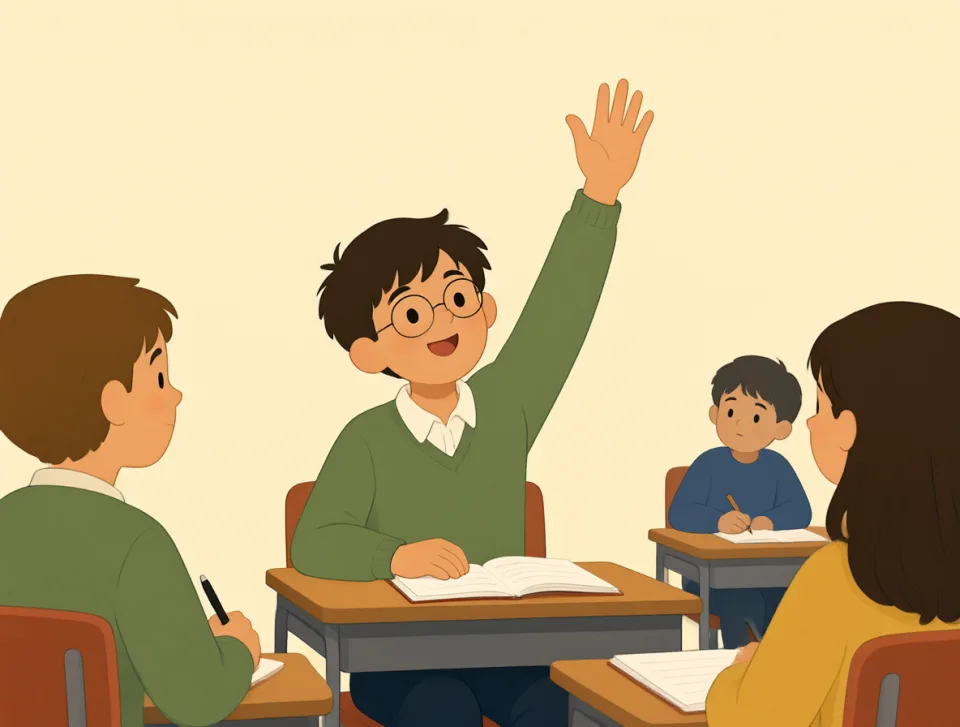
Someone in my class knows the answer.
मेरी कक्षा में किसी को जवाब पता है।
above
#440adverb, preposition, adjective
ऊपर
in or to a higher place or position than something else
किसी दूसरी चीज़ से ऊँची जगह या स्थिति में, या उसकी ओर।

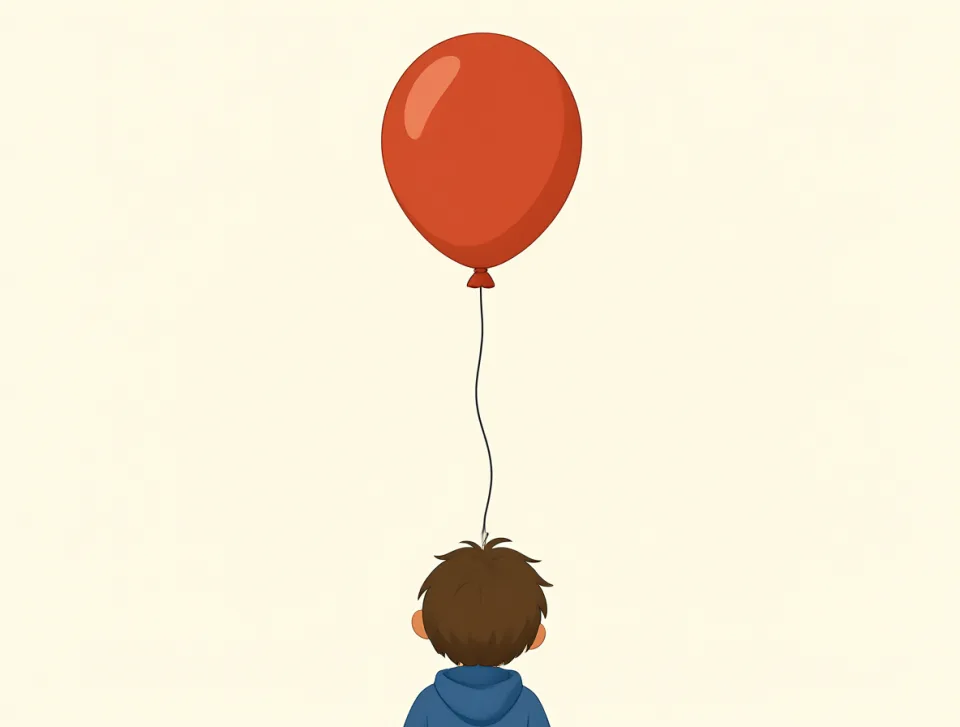
The picture hangs above the sofa.
तस्वीर सोफ़े के ऊपर टंगी है।
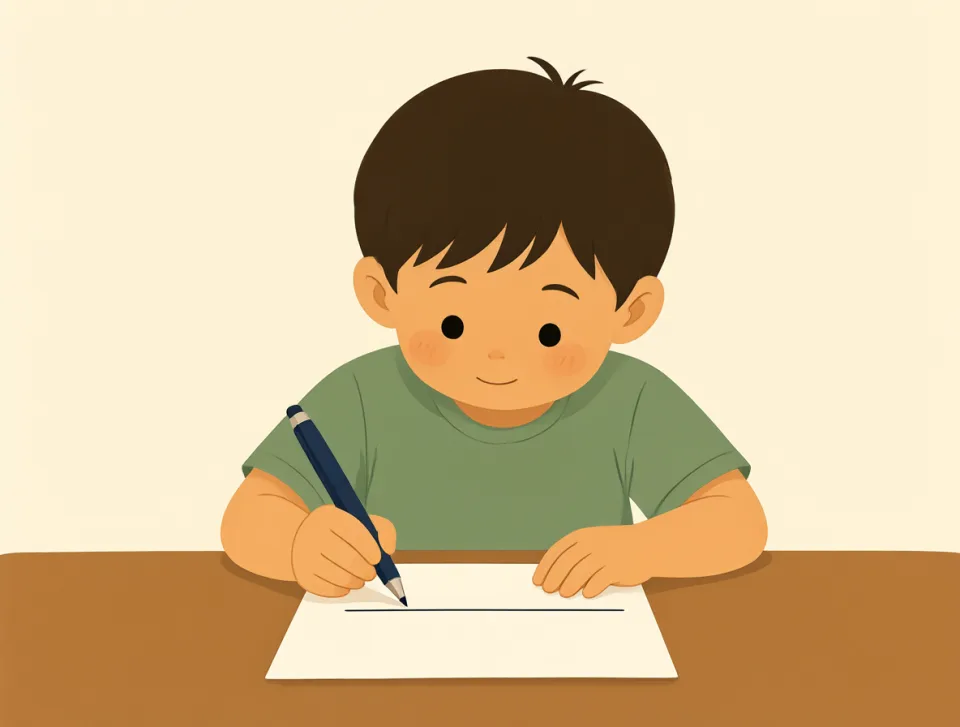
Write your name above the line.
रेखा के ऊपर अपना नाम लिखिए।

The plane flew above the clouds.
विमान बादलों के ऊपर से उड़ा।
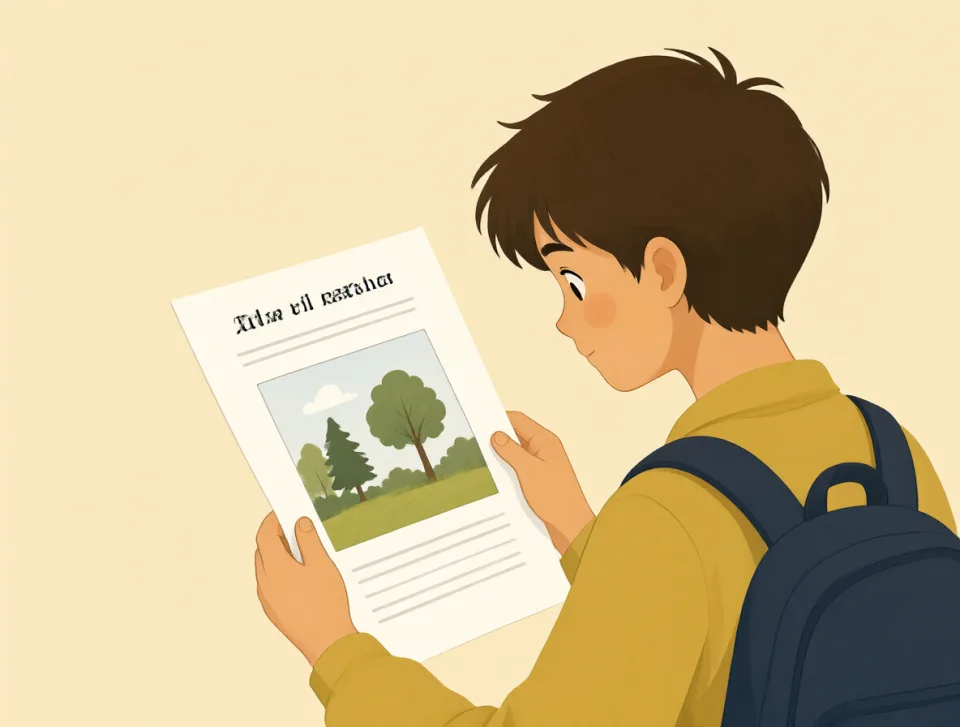
Please see the example above.
कृपया ऊपर दिया गया उदाहरण देखिए।
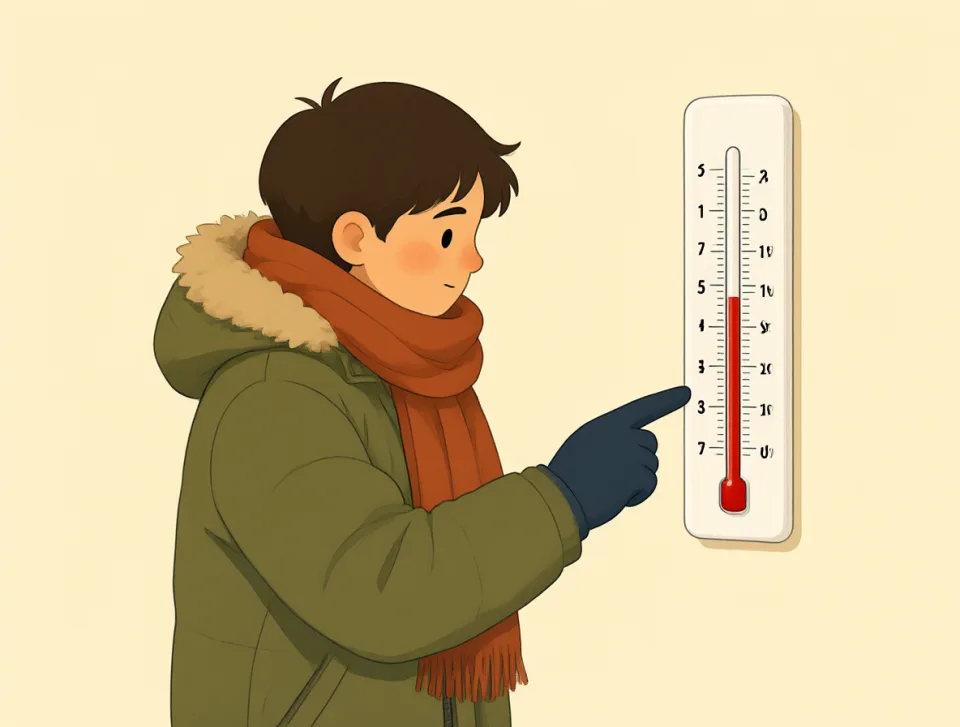
The temperature stayed above zero.
तापमान शून्य से ऊपर बना रहा।