इकाई 3
शब्द 41–60 · know, more, get, who, like, when

know
#41verb
जानना
to have information about someone or something in your mind
किसी व्यक्ति या चीज़ के बारे में जानकारी होना
I know the answer to this question.
मुझे इस सवाल का जवाब पता है।
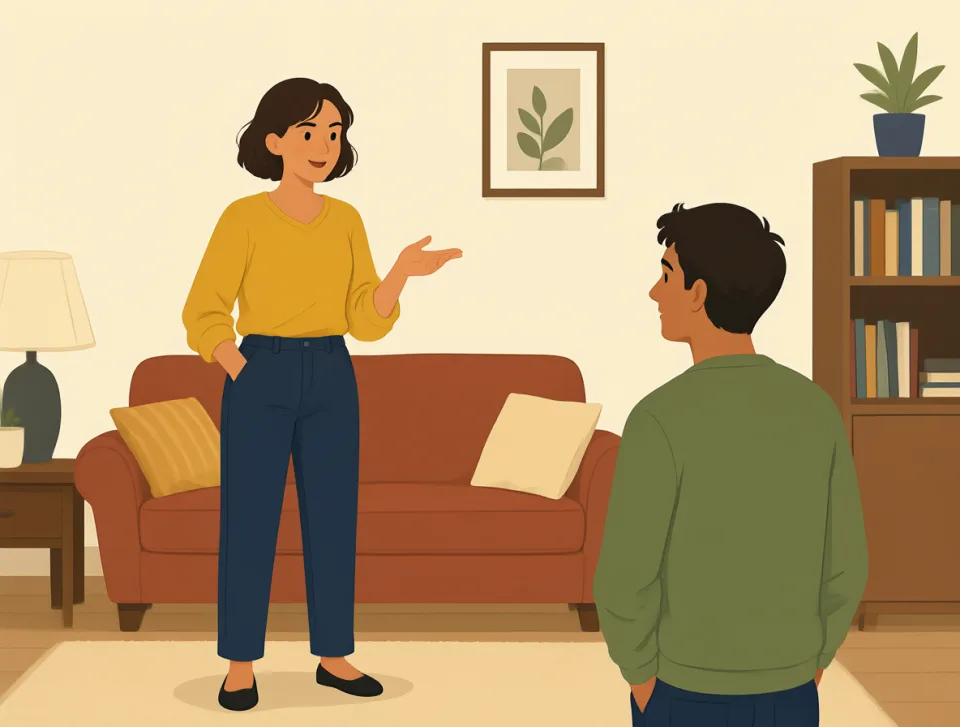
Do you know where my keys are?
क्या तुम्हें पता है कि मेरी चाबियाँ कहाँ हैं?
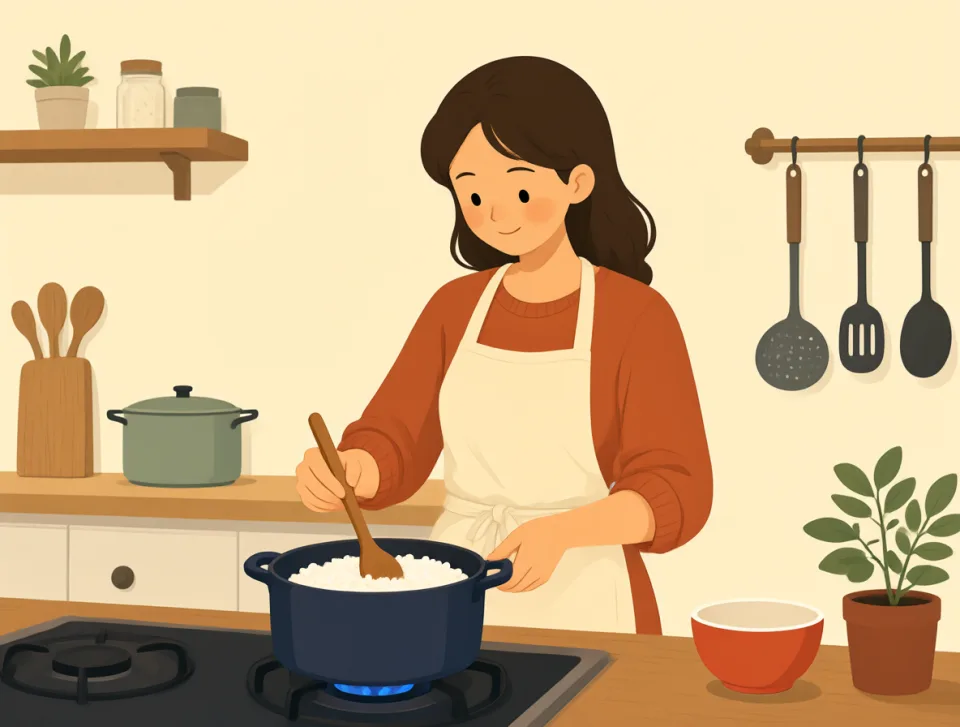
She knows how to cook rice.
उसे चावल पकाना आता है।

We knew the shop was closed.
हमें पता था कि दुकान बंद थी।

He knows many people at work.
वह काम पर बहुत से लोगों को जानता है।
more
#42determiner, pronoun, adverb, adjective, noun
ज़्यादा
A greater amount, number, or degree than before or than someone else has.
पहले या किसी दूसरे के पास मौजूद मात्रा, संख्या या स्तर से अधिक।
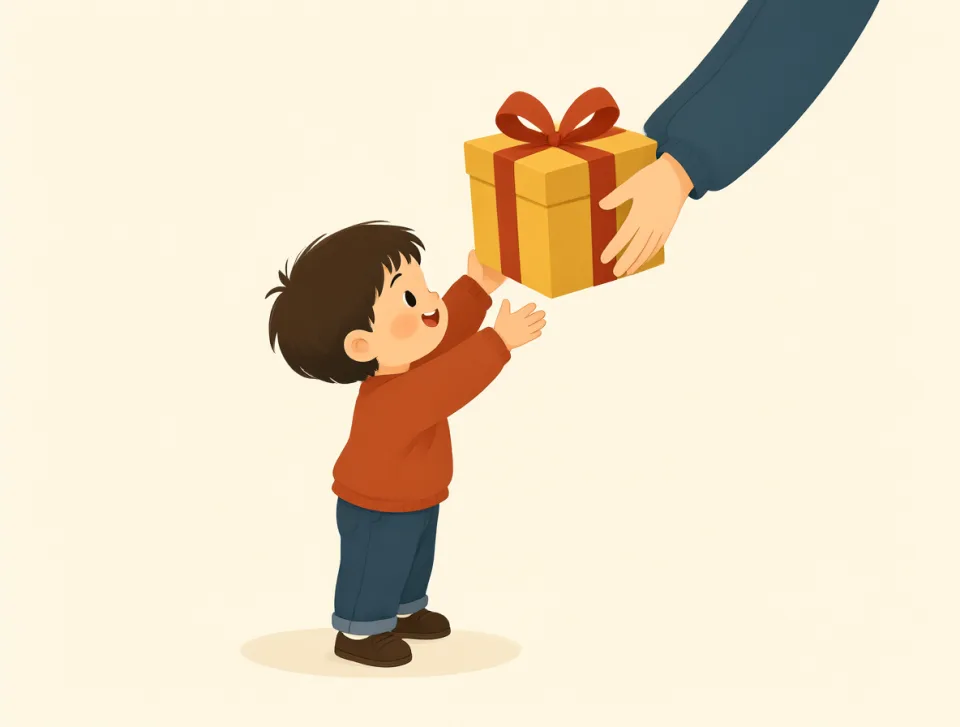
I need more time to finish this.
मुझे इसे पूरा करने के लिए और समय चाहिए।
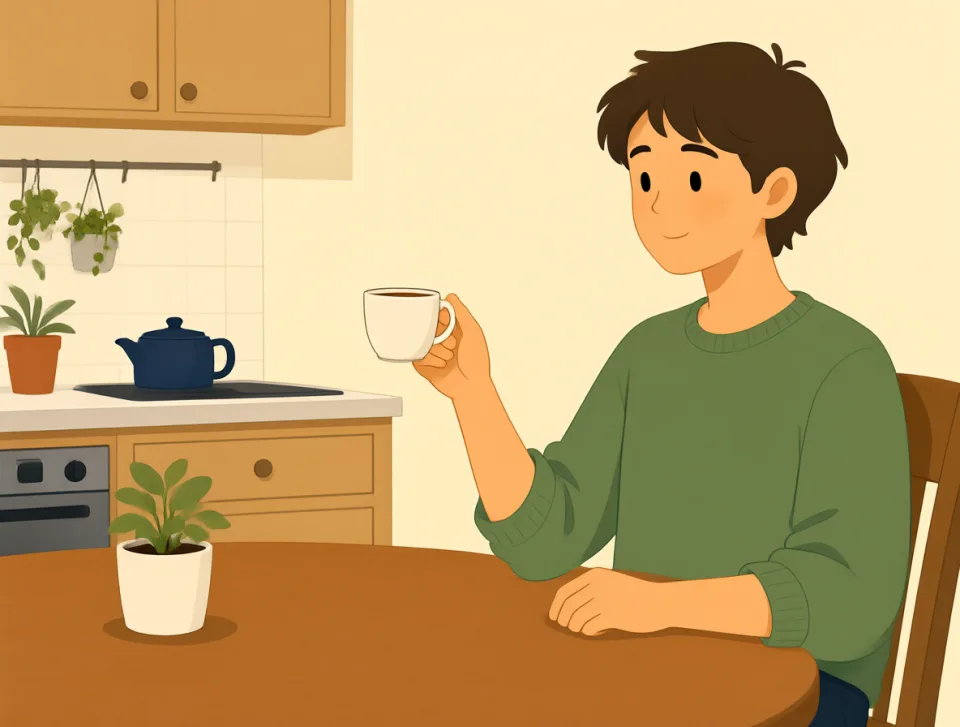
Would you like more coffee?
क्या आप थोड़ी और कॉफ़ी लेंगे?
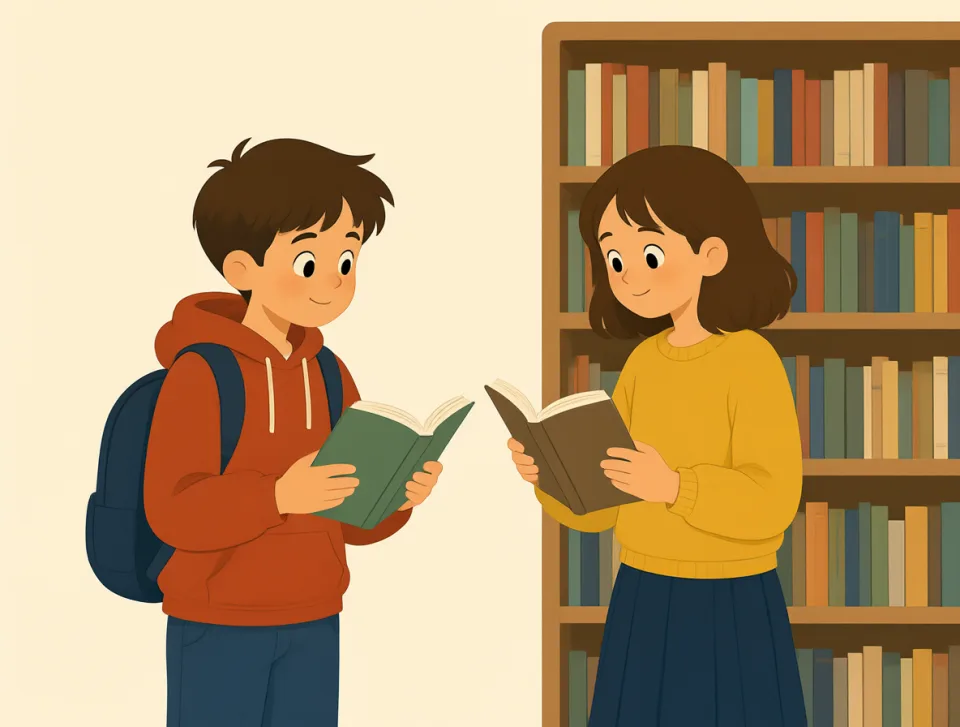
She has more books than I do.
उसके पास मुझसे ज़्यादा किताबें हैं।
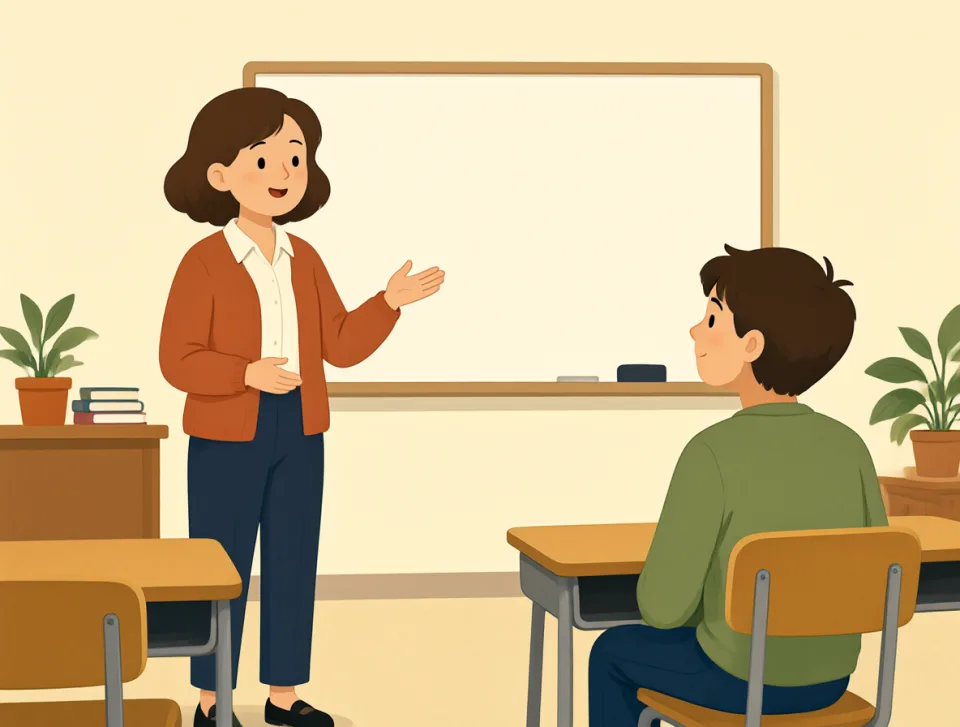
Please speak more slowly.
कृपया थोड़ा और धीरे बोलिए।
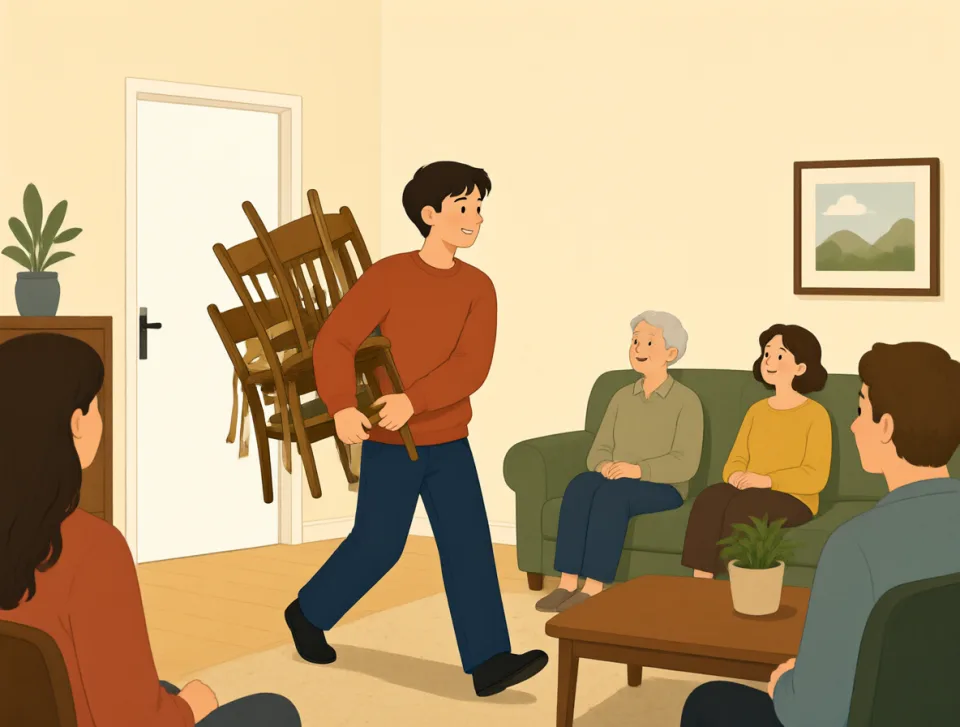
We need more chairs for our guests.
हमें अपने मेहमानों के लिए और कुर्सियाँ चाहिए।
get
#43verb, noun
पाना
to receive, obtain, become, or move to a place
प्राप्त करना, हासिल करना, बन जाना या किसी जगह पहुँचना
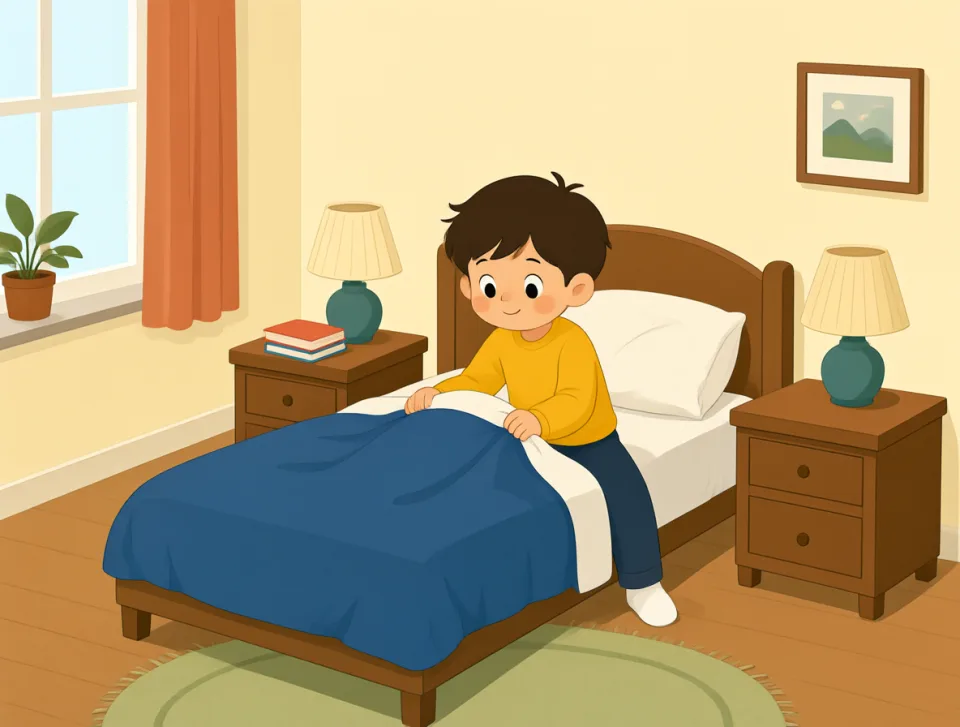
I get up at seven every morning.
मैं हर सुबह सात बजे उठता हूँ।

She got a new job last week.
उसे पिछले हफ़्ते नई नौकरी मिली।
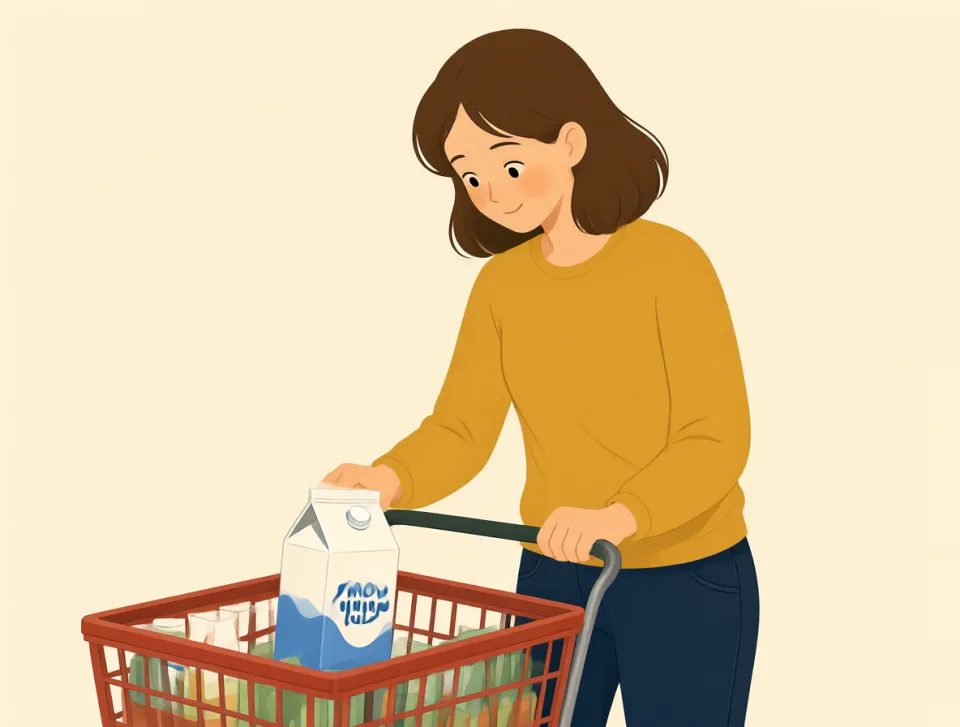
Please get some milk from the store.
कृपया दुकान से थोड़ा दूध ले आइए।
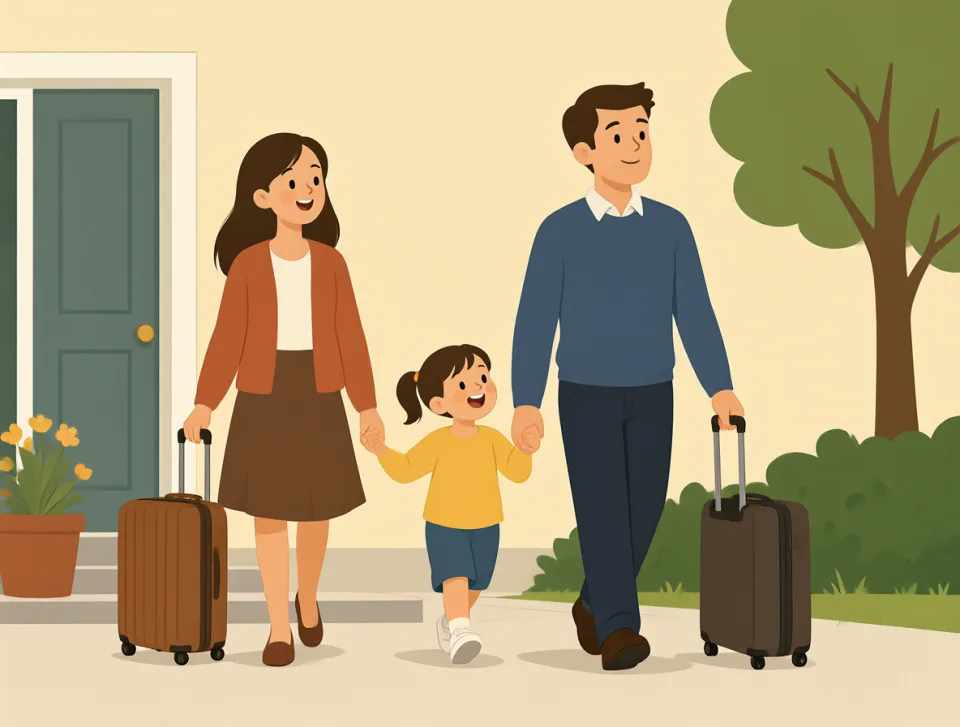
We got home late after the trip.
सफ़र के बाद हम देर से घर पहुँचे।
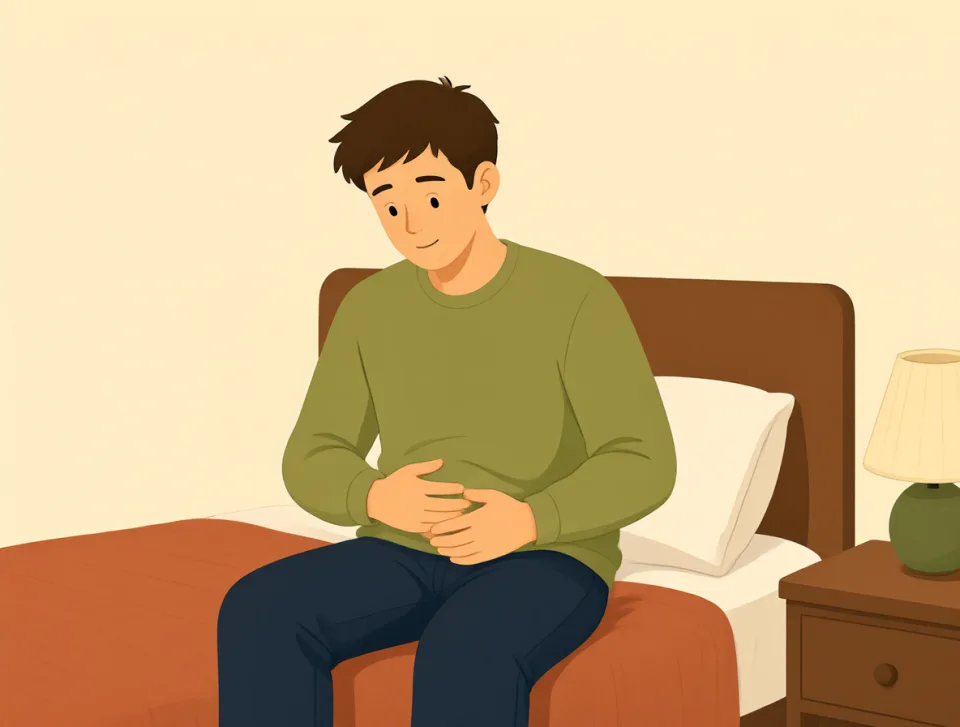
He got sick after eating bad food.
खराब खाना खाने के बाद वह बीमार पड़ गया।
who
#44pronoun
कौन
Used to ask or say which person or people you mean.
यह पूछने या बताने के लिए इस्तेमाल होता है कि आपका मतलब किस व्यक्ति या किन लोगों से है।
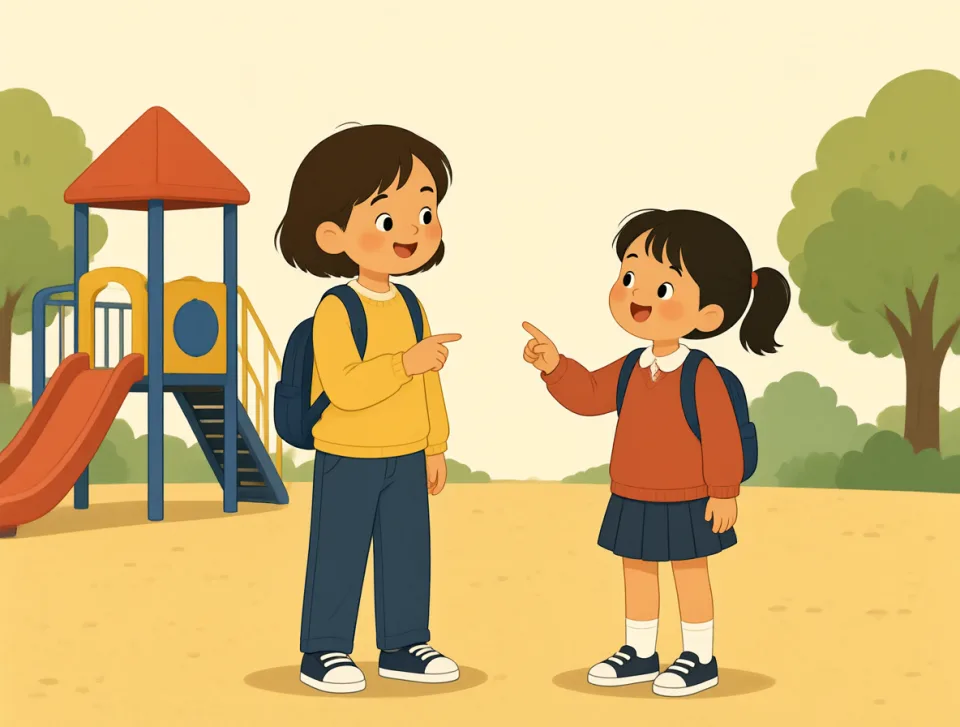
Who is your best friend?
तुम्हारा सबसे अच्छा दोस्त कौन है?
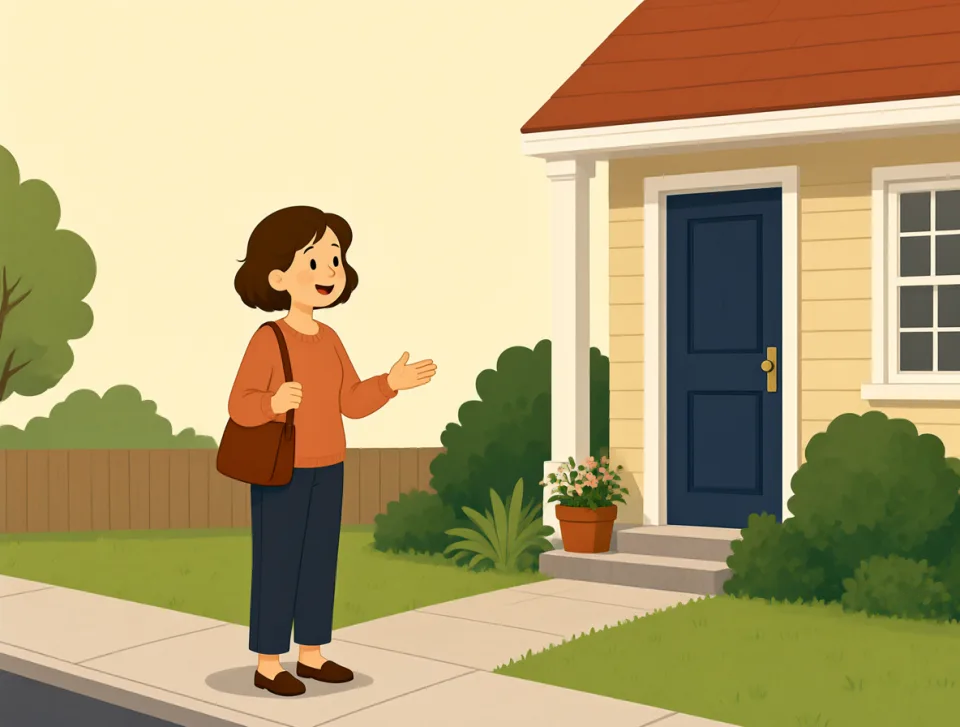
The woman who lives next door is kind.
अगले घर में रहने वाली महिला दयालु है।
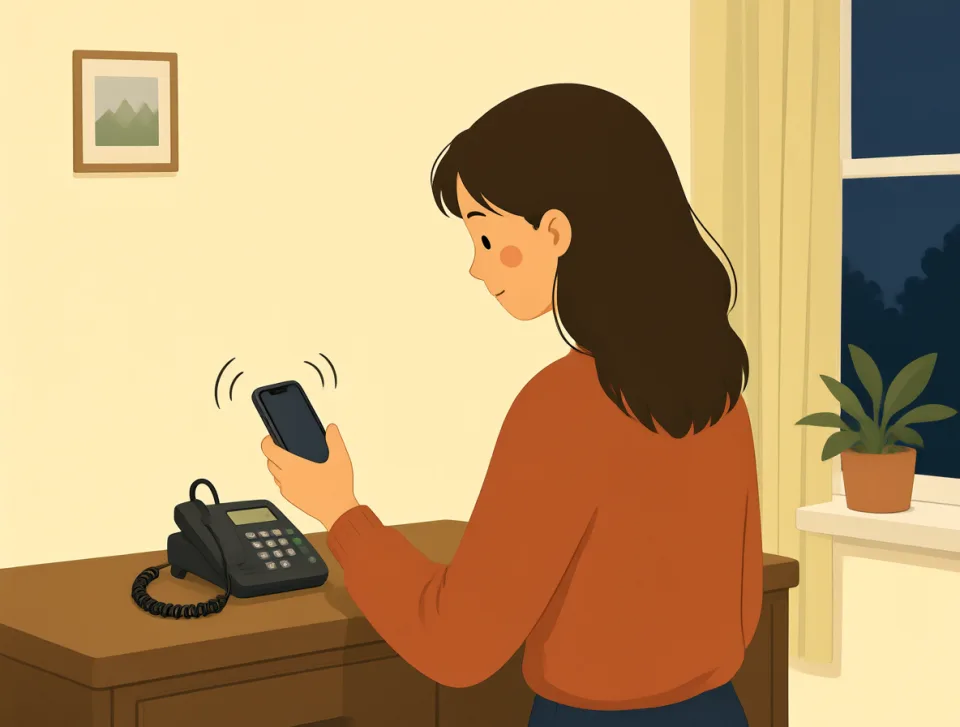
Who called you last night?
कल रात तुम्हें किसने फ़ोन किया?

I know who can help us.
मुझे पता है कि हमारी मदद कौन कर सकता है।

The doctor asked who felt sick.
डॉक्टर ने पूछा कि किसकी तबीयत खराब थी।
like
#45verb, preposition
पसंद करना
To enjoy, want politely, or show that two things are similar.
आनंद लेना, विनम्रता से कुछ चाहना या दो चीज़ों के बीच समानता दिखाना।
I like tea with breakfast.
मुझे नाश्ते के साथ चाय पसंद है।
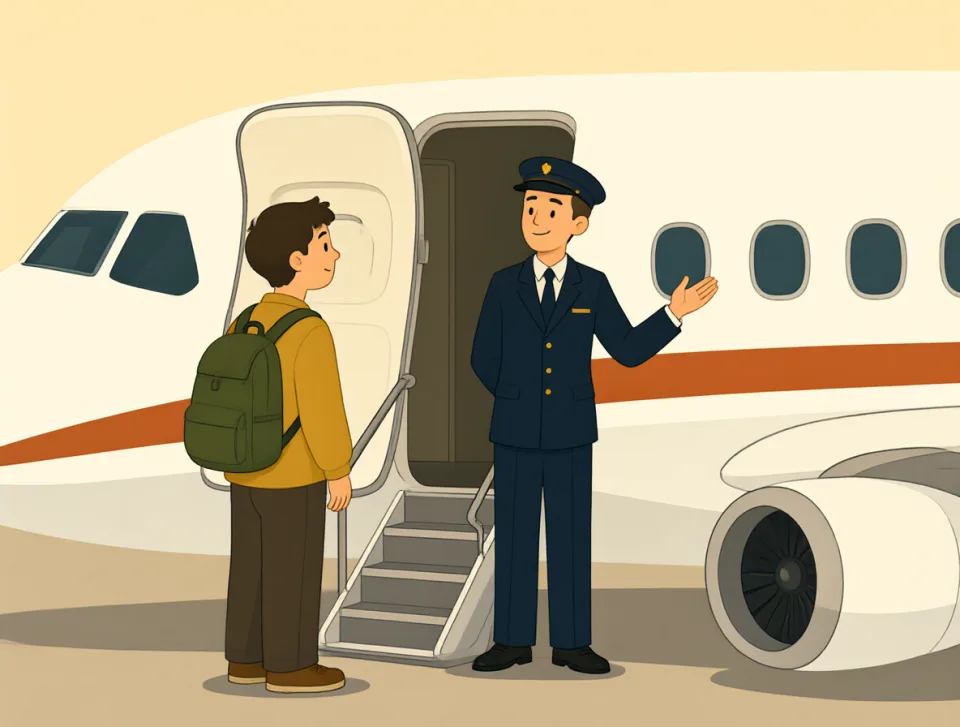
Would you like a window seat?
क्या आप खिड़की के पास वाली सीट लेना चाहेंगे?

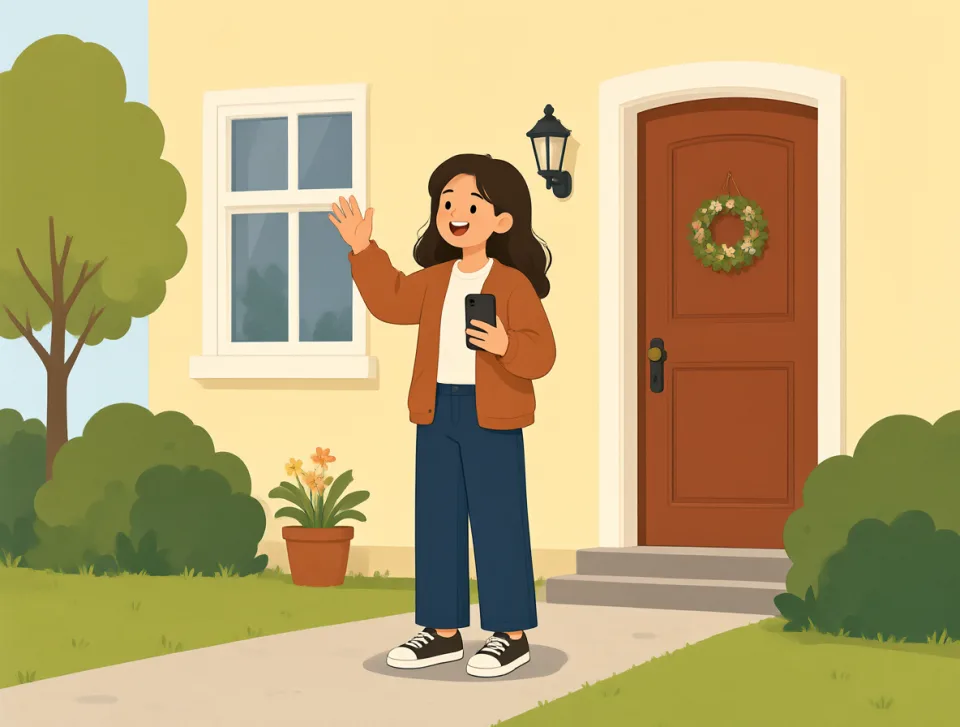
She looks like her mother.
वह अपनी माँ जैसी दिखती है।
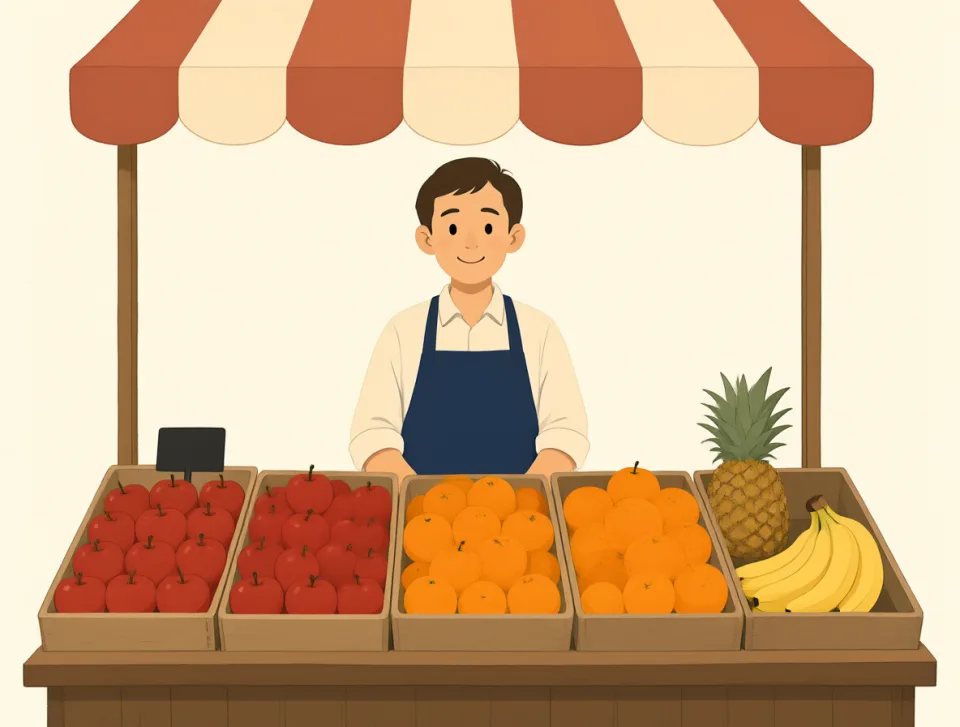
We sell fruit like apples and oranges.
हम सेब और संतरे जैसे फल बेचते हैं।

He swims like a fish.
वह मछली की तरह तैरता है।
when
#46adverb, conjunction, pronoun, determiner
जब
At or during the time that something happens
जिस समय कोई चीज़ होती है या हो रही होती है
Call me when you get home.
घर पहुँचने पर मुझे फ़ोन करना।
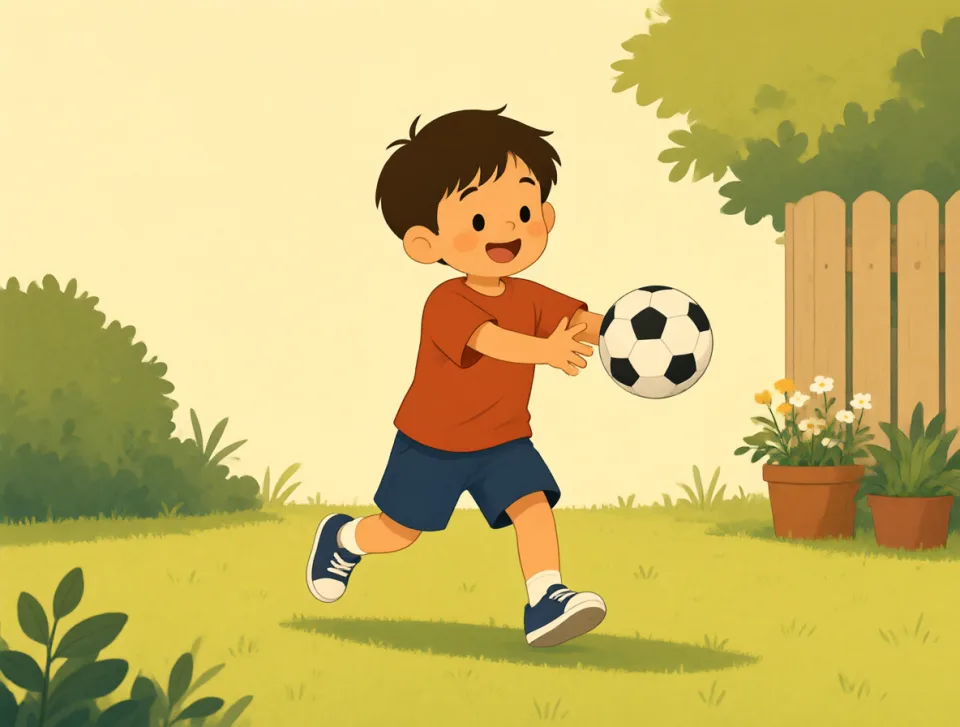
When I was young, I played outside.
जब मैं छोटा था, तो बाहर खेलता था।

Tell me when the meeting starts.
मीटिंग कब शुरू होगी, मुझे बताना।

I smile when I see my friends.
जब मैं अपने दोस्तों को देखता हूँ, तो मुस्कुराता हूँ।

When did you buy this shirt?
तुमने यह कमीज़ कब खरीदी?
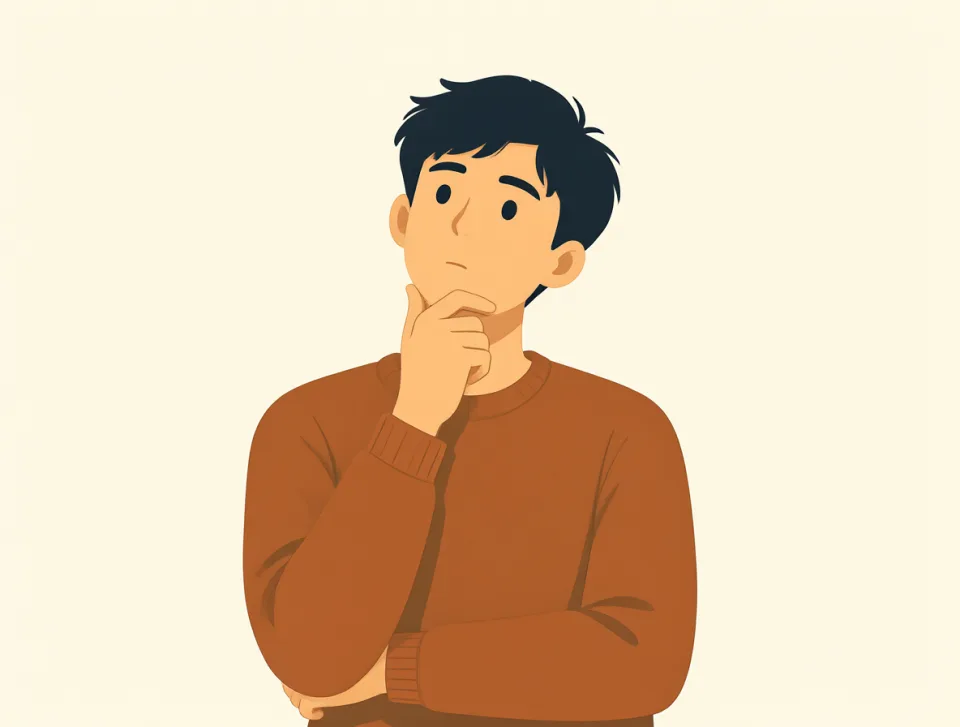
think
#47verb, noun
सोचना
to use your mind to consider something or form an opinion
किसी बात पर विचार करने या अपनी राय बनाने के लिए दिमाग का इस्तेमाल करना
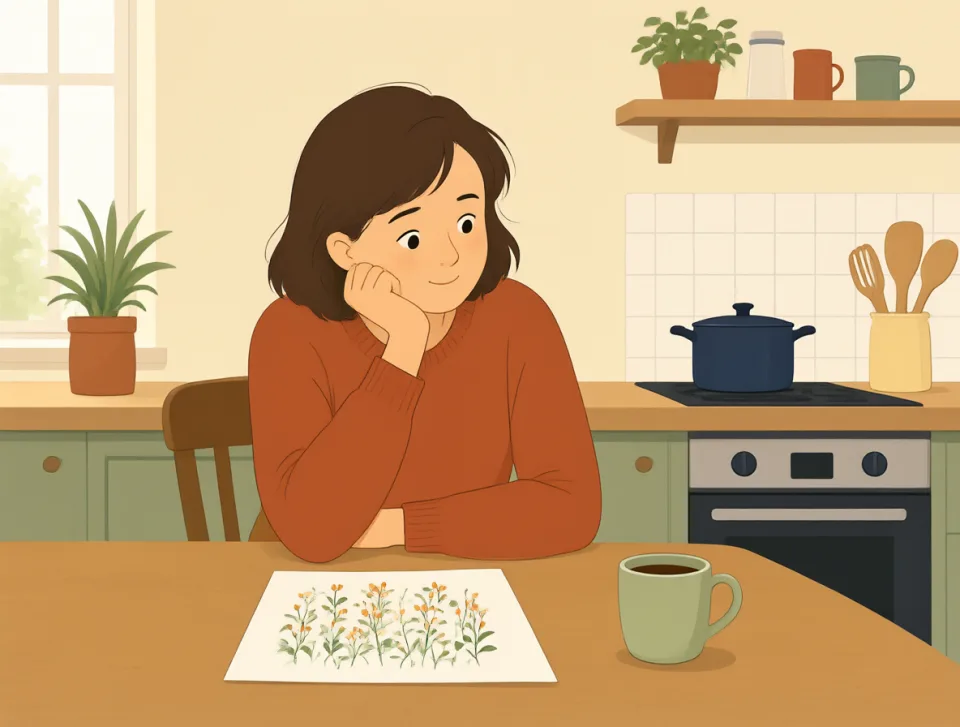
I think this is a good idea.
मुझे लगता है कि यह एक अच्छा विचार है।

What do you think about this dress?
तुम्हें यह ड्रेस कैसी लगती है?
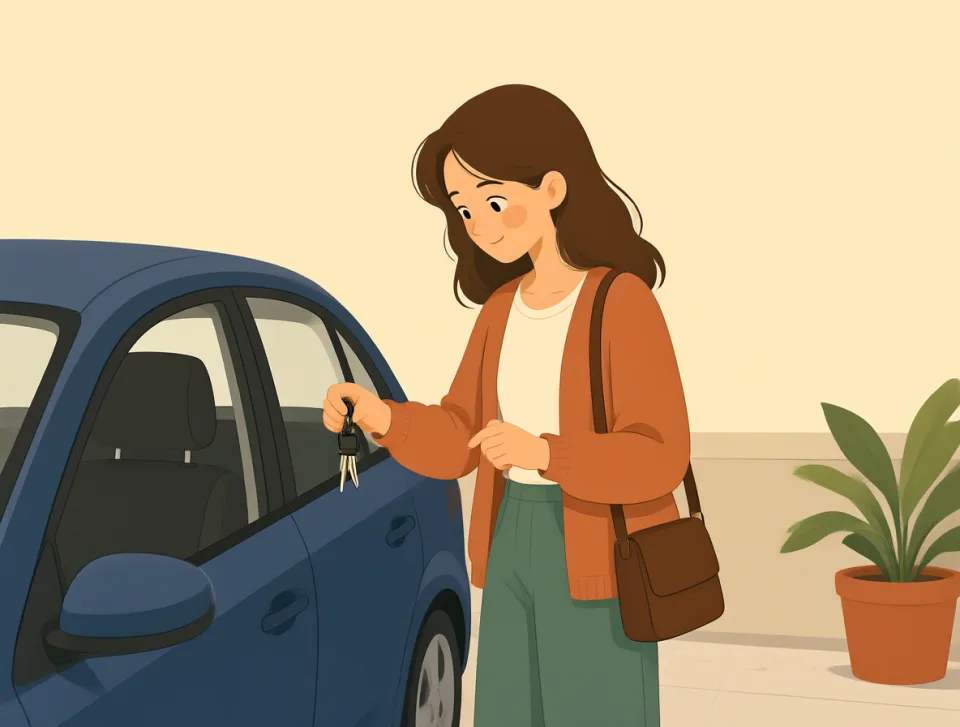
She thinks her keys are in the car.
उसे लगता है कि उसकी चाबियाँ कार में हैं।

I was thinking about our holiday.
मैं हमारी छुट्टियों के बारे में सोच रहा था।

Let me think before I answer.
जवाब देने से पहले मुझे सोचने दो।
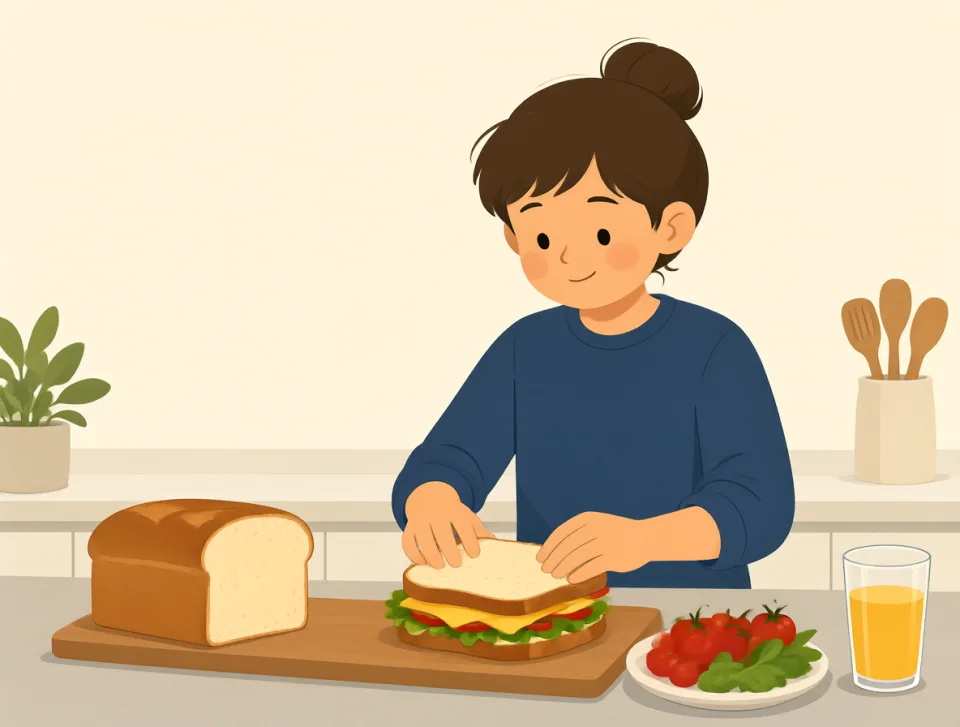
make
#48verb, noun
बनाना
to create, prepare, cause, or choose something
किसी चीज़ को बनाना, तैयार करना, करवाना या चुनना
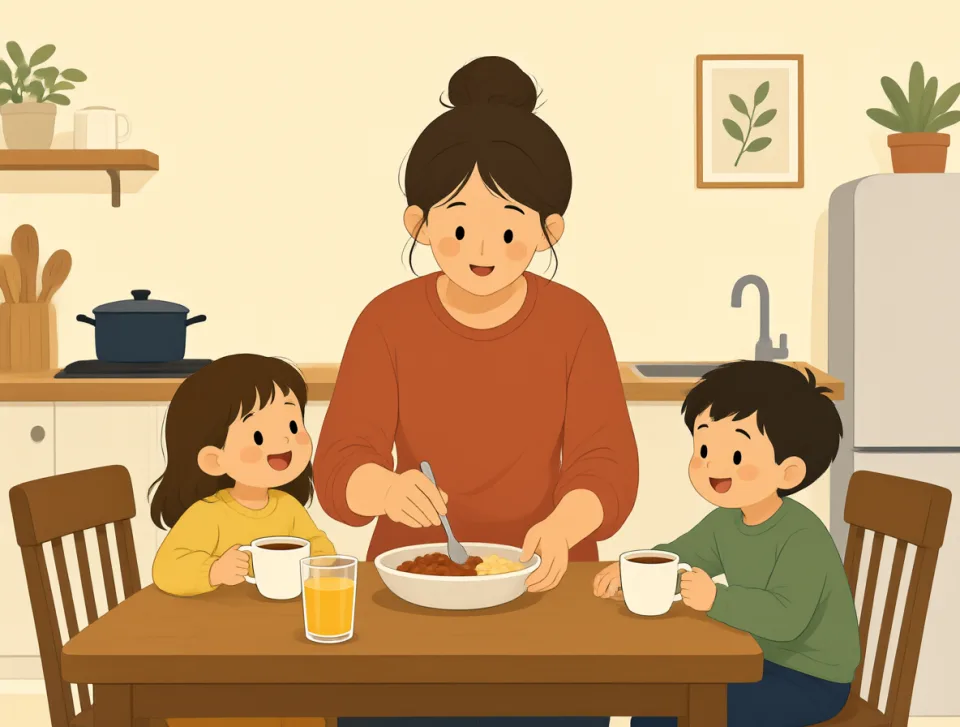
I make breakfast for my family every morning.
मैं हर सुबह अपने परिवार के लिए नाश्ता बनाता हूँ।
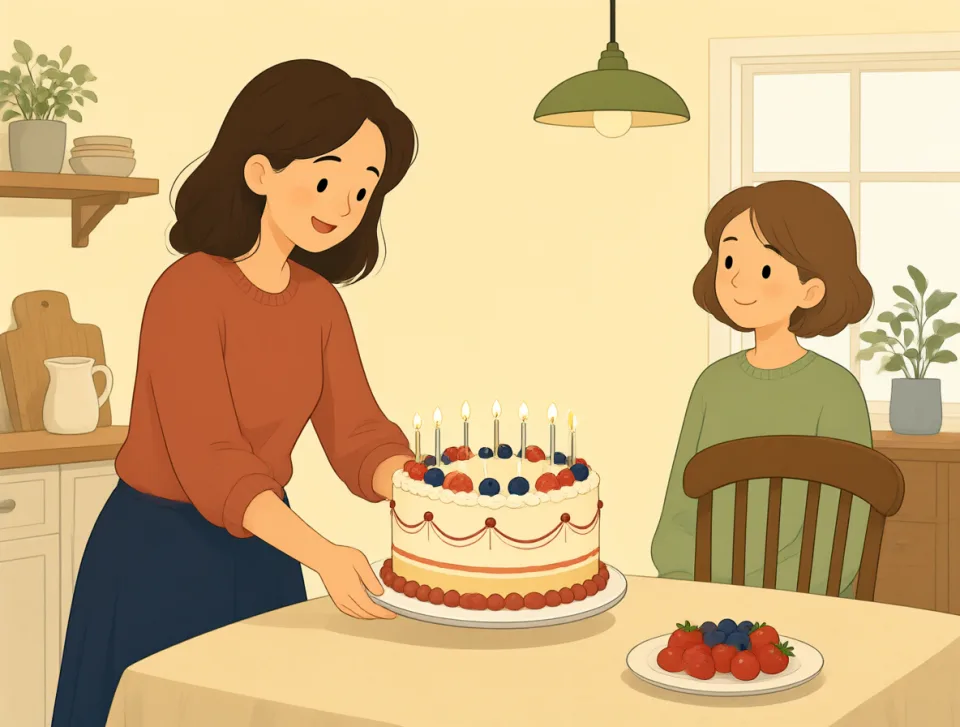
She made a cake for her friend.
उसने अपनी दोस्त के लिए केक बनाया।

Please make an appointment with the doctor.
कृपया डॉक्टर से मिलने का समय तय कर लीजिए।

This shirt makes me feel comfortable.
यह कमीज़ मुझे आरामदायक महसूस कराती है।

We made a plan for our trip.
हमने अपनी यात्रा के लिए एक योजना बनाई।
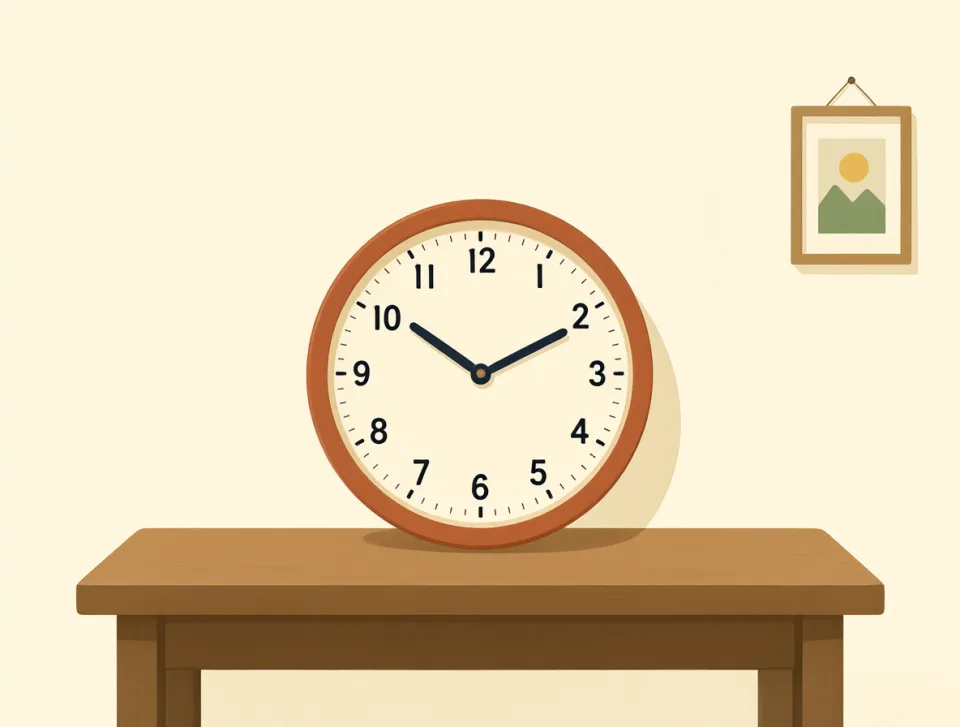
time
#49noun, verb
समय
A particular moment or period, or the number of occasions something happens.
कोई खास पल या अवधि, या यह संख्या कि कोई चीज़ कितनी बार होती है।
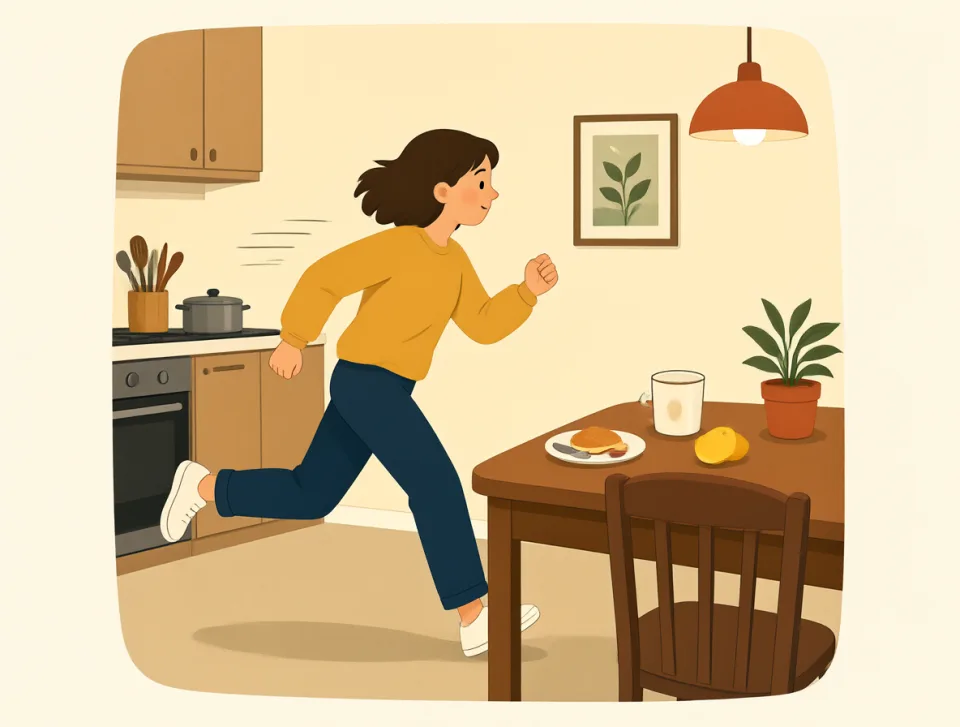
I do not have time for breakfast.
मेरे पास नाश्ते के लिए समय नहीं है।
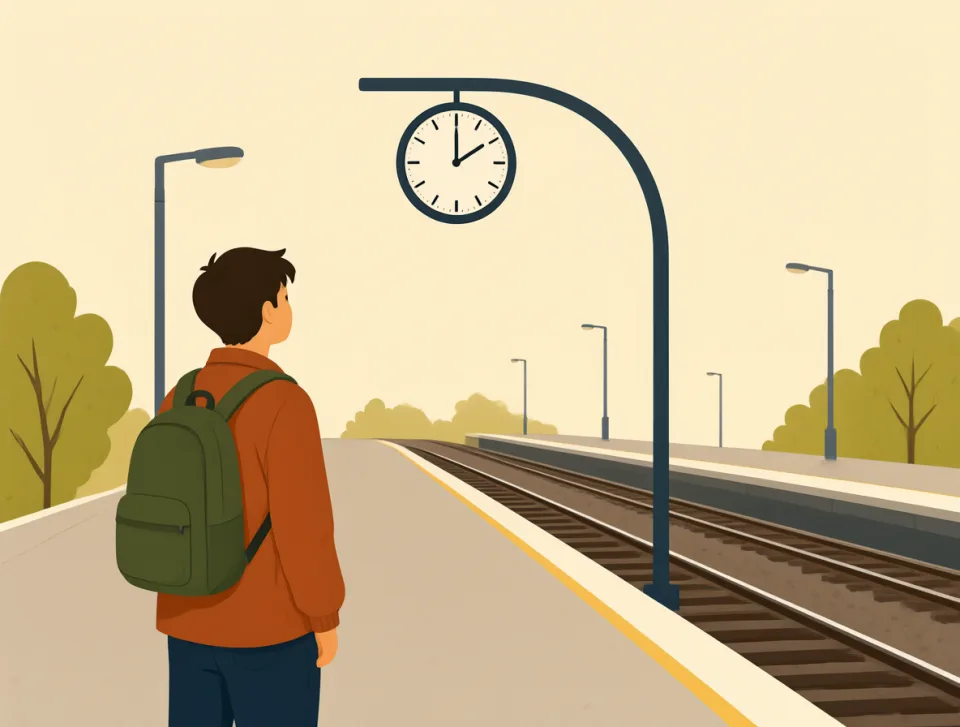
What time does the train leave?
ट्रेन कितने बजे रवाना होती है?
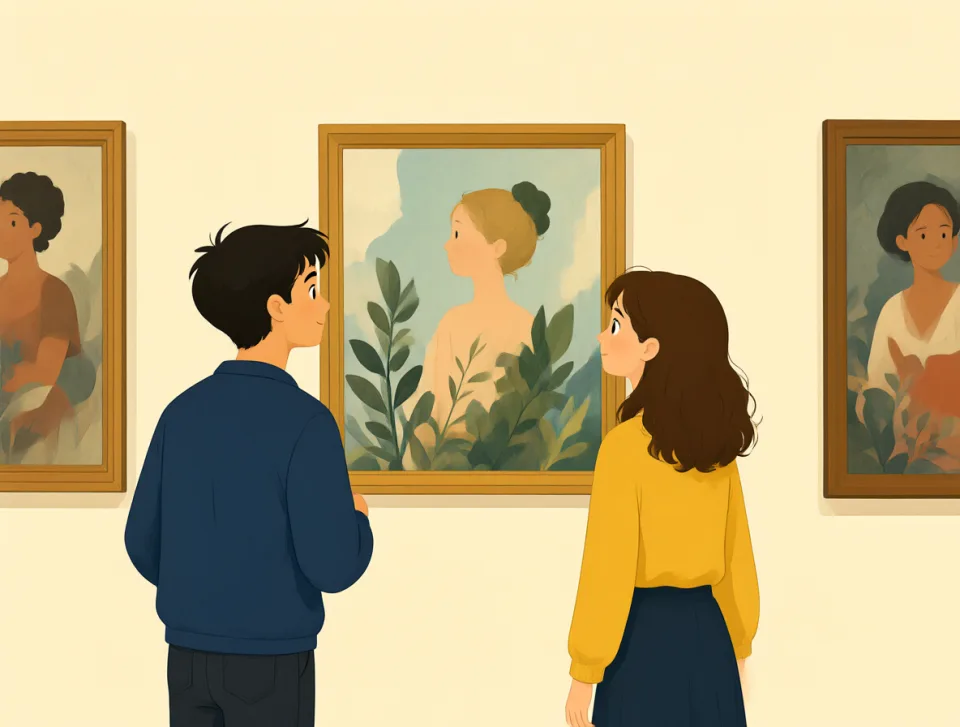
We visited that museum three times.
हमने उस संग्रहालय का तीन बार दौरा किया।

She had a good time at the party.
पार्टी में उसने अच्छा समय बिताया।
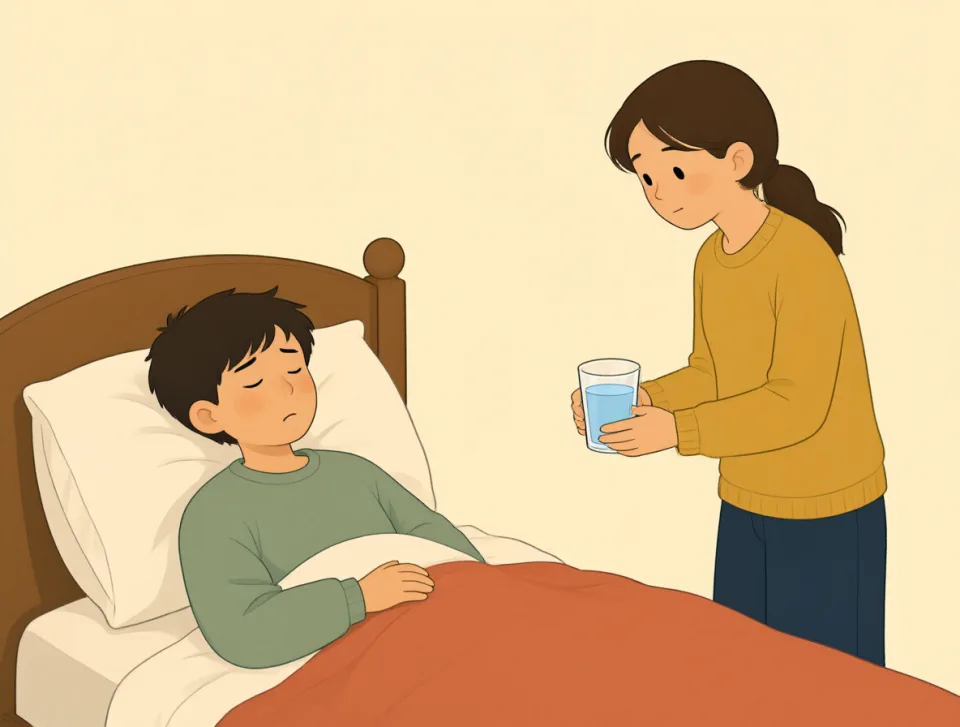
It takes time to feel better.
बेहतर महसूस करने में समय लगता है।
see
#50verb
देखना
to notice someone or something with your eyes
अपनी आँखों से किसी व्यक्ति या चीज़ को देख पाना
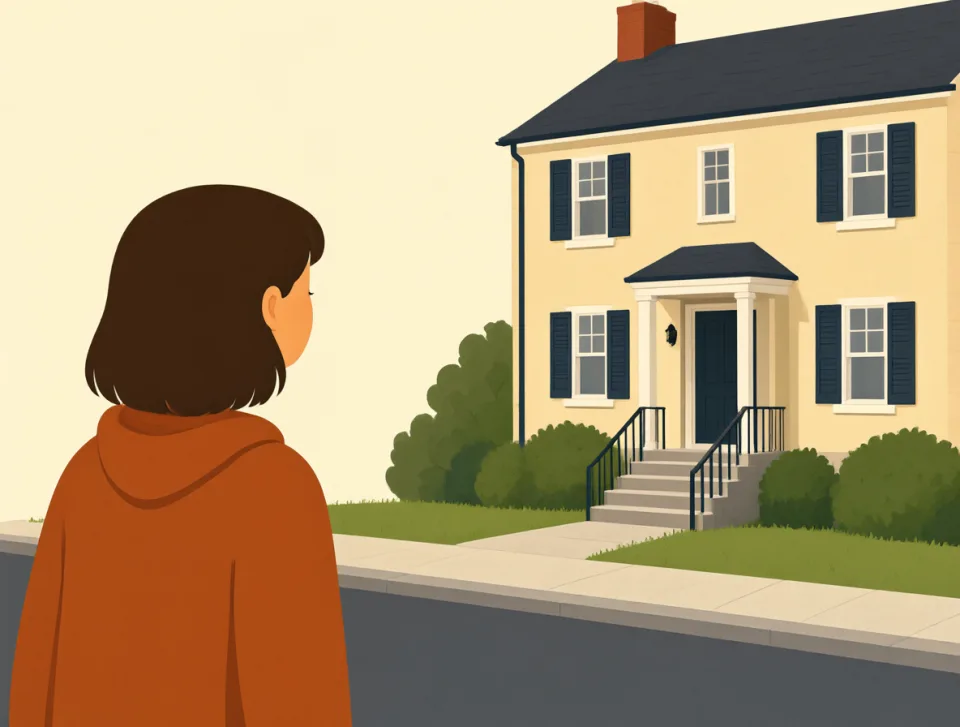
I can see your house from here.
मैं यहाँ से तुम्हारा घर देख सकता हूँ।

Did you see Tom at school today?
क्या तुमने आज स्कूल में टॉम को देखा?

We saw a movie after dinner.
हमने रात के खाने के बाद एक फ़िल्म देखी।

She sees the doctor every Monday.
वह हर सोमवार डॉक्टर से मिलती है।
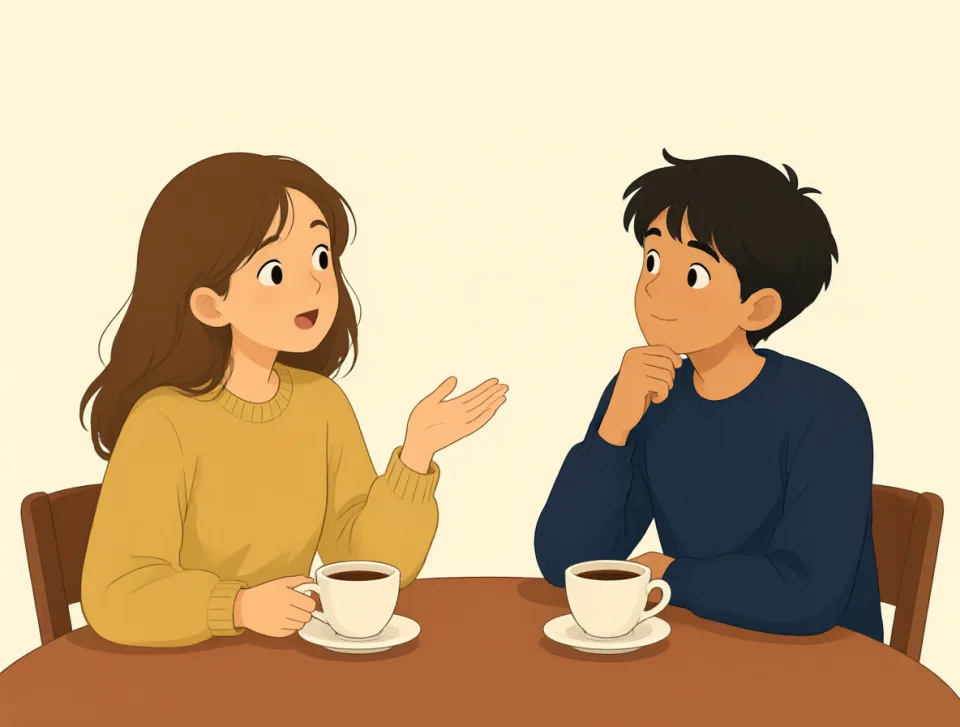
I see what you mean now.
अब मैं समझ गया कि तुम्हारा क्या मतलब है।
what
#51pronoun, determiner
क्या
Used to ask about a thing, choice, or information.
किसी चीज़, विकल्प या जानकारी के बारे में पूछने के लिए इस्तेमाल होता है।
What do you want for dinner?
रात के खाने में तुम्हें क्या चाहिए?
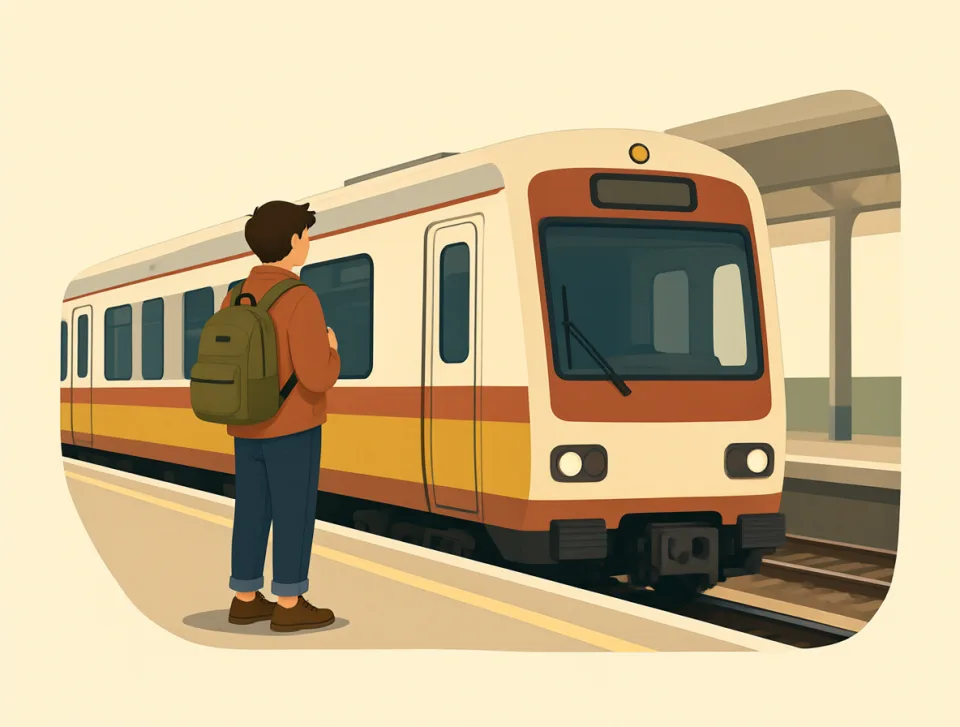
What time does the train leave?
ट्रेन कितने बजे रवाना होती है?
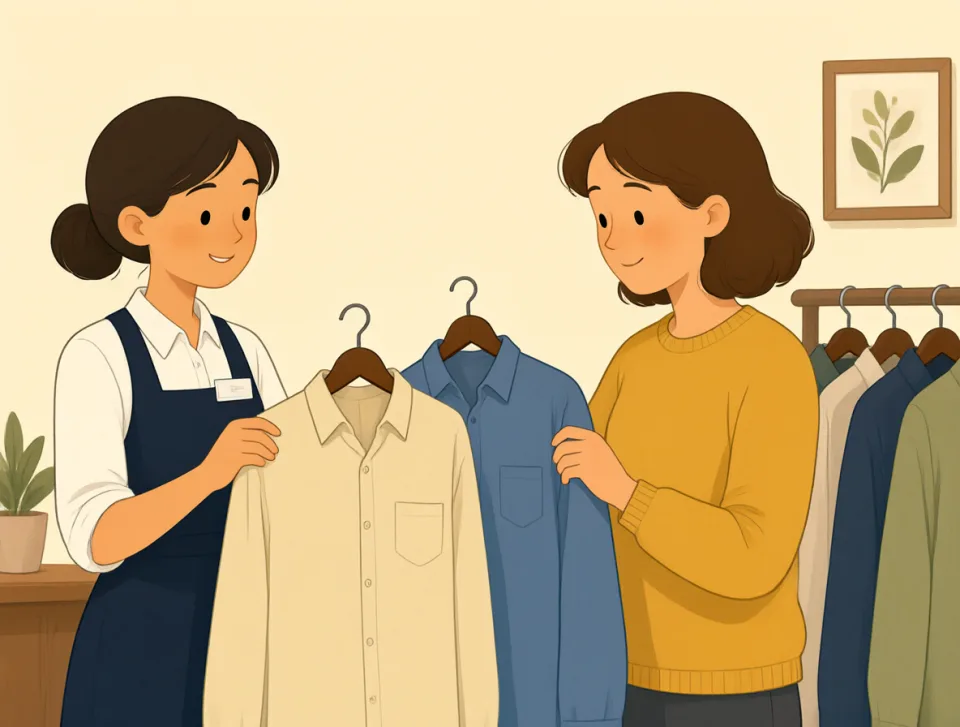
What size do you need?
तुम्हें कौन-सा आकार चाहिए?

I know what you mean.
मैं समझता हूँ कि तुम्हारा क्या मतलब है।
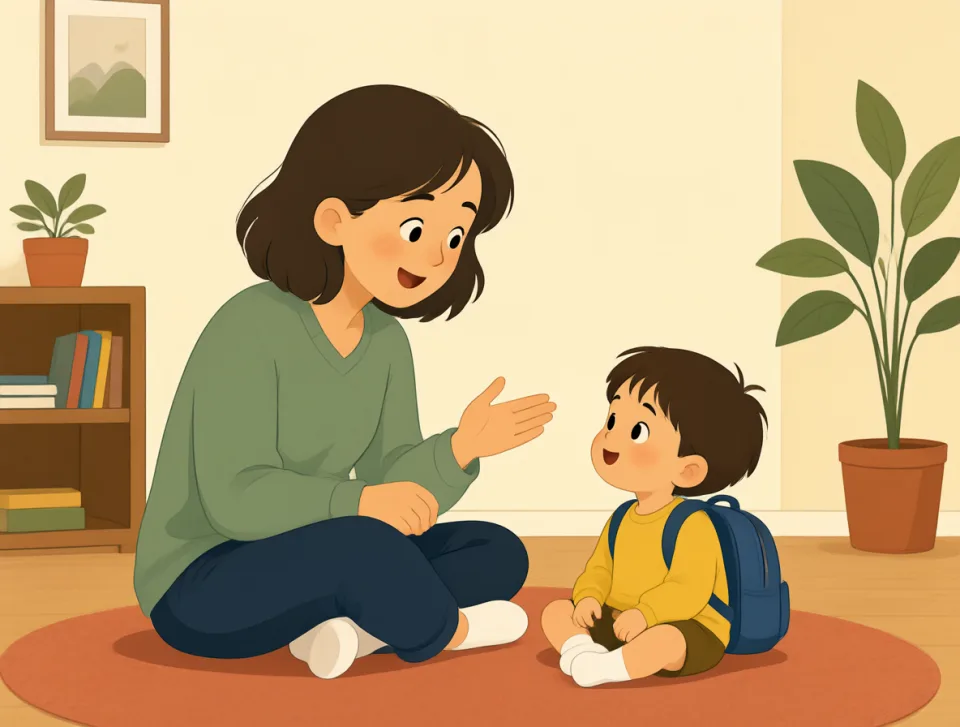
What happened at school today?
आज स्कूल में क्या हुआ?
up
#52adverb, preposition, adjective, noun
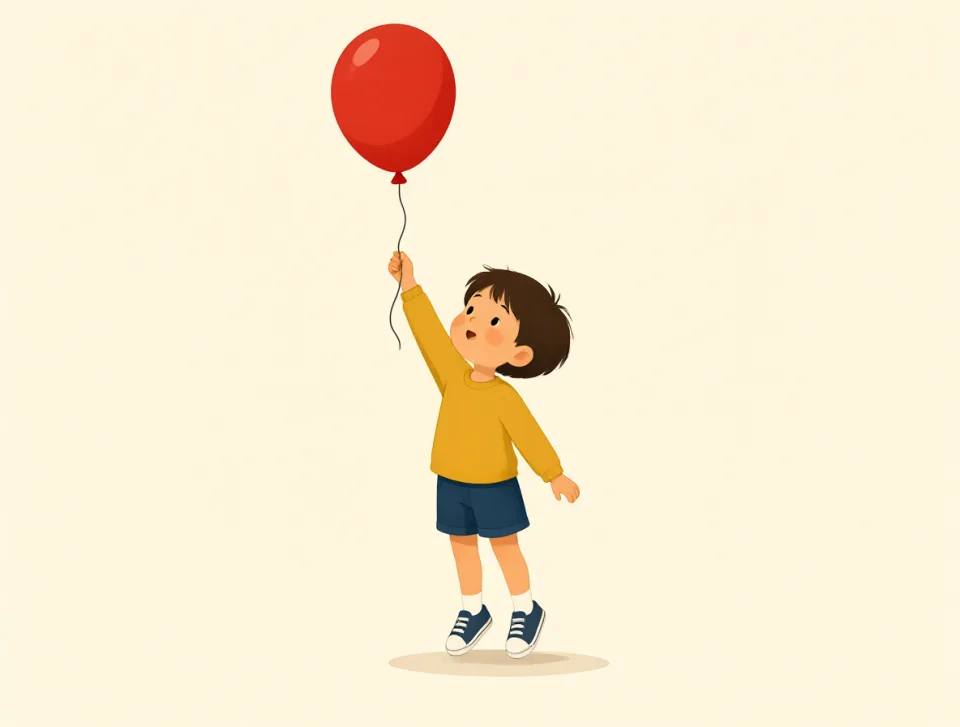
ऊपर
Toward a higher place or position; or in a higher position.
किसी ऊँची जगह या स्थिति की ओर; या ऊँची स्थिति में।
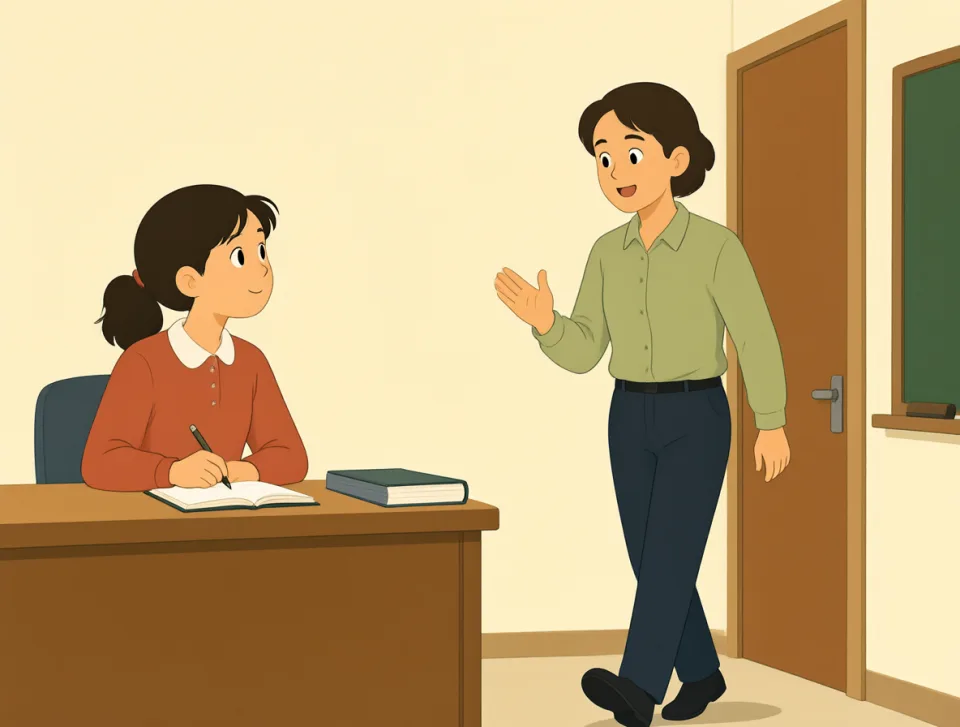
Please stand up when the teacher enters.
शिक्षक के आते ही कृपया खड़े हो जाइए।
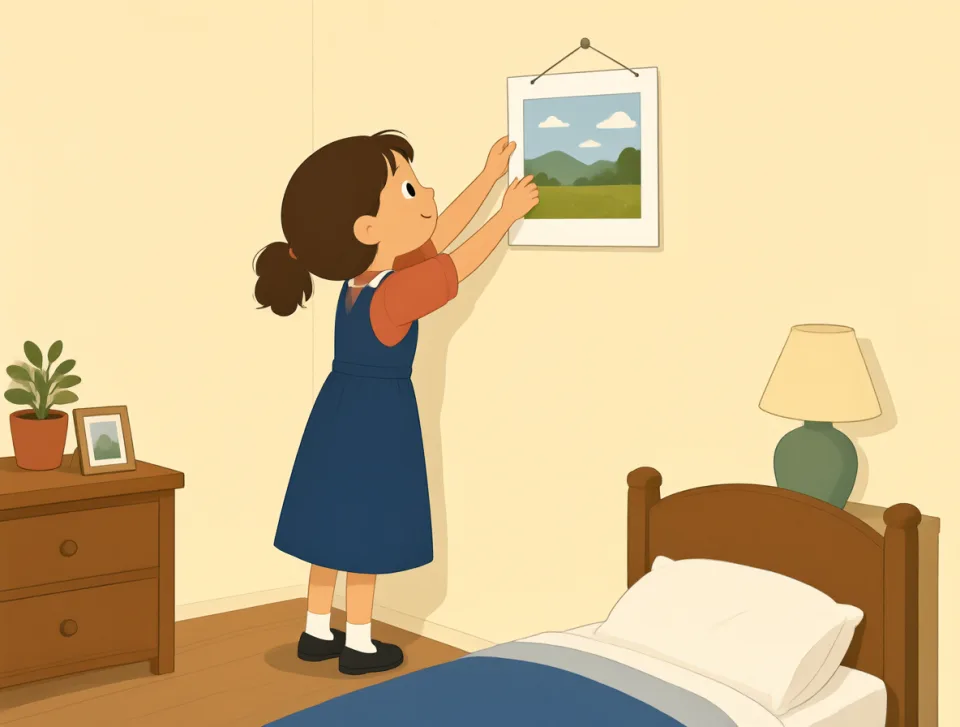
She put up the picture in her room.
उसने अपने कमरे में तस्वीर लगा दी।
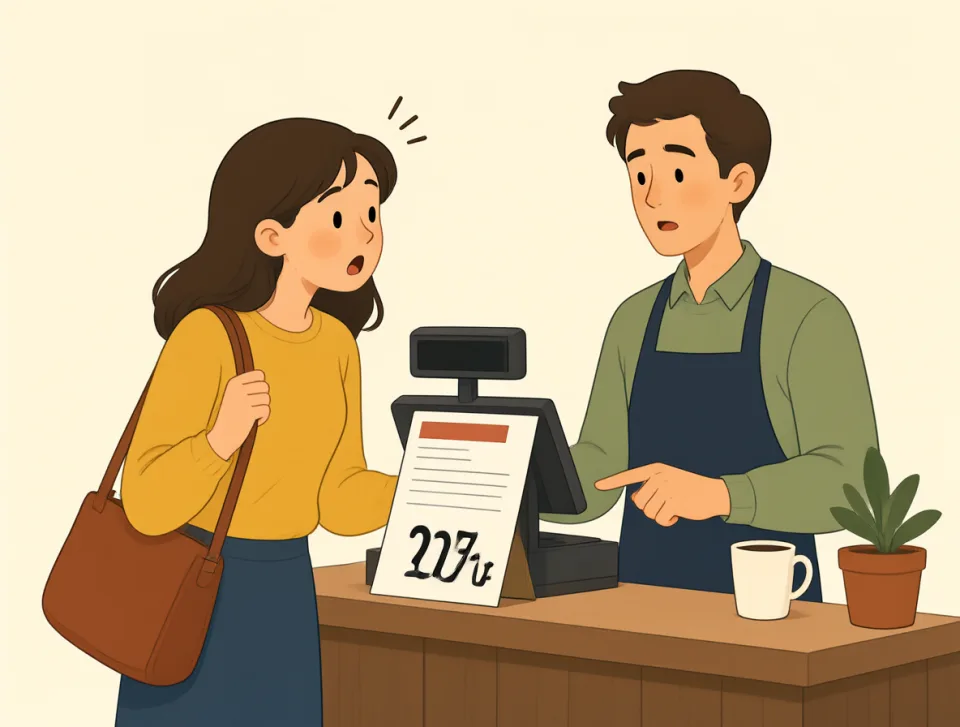
The price went up last month.
पिछले महीने कीमत बढ़ गई।
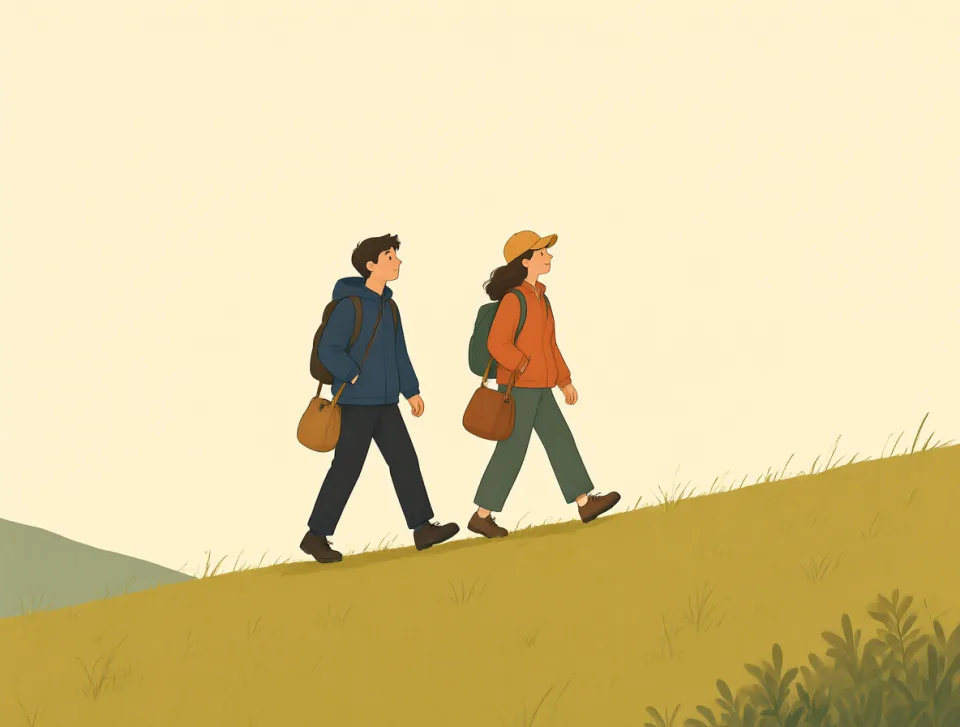
We walked up the hill to the station.
हम स्टेशन तक पहाड़ी पर चढ़कर गए।
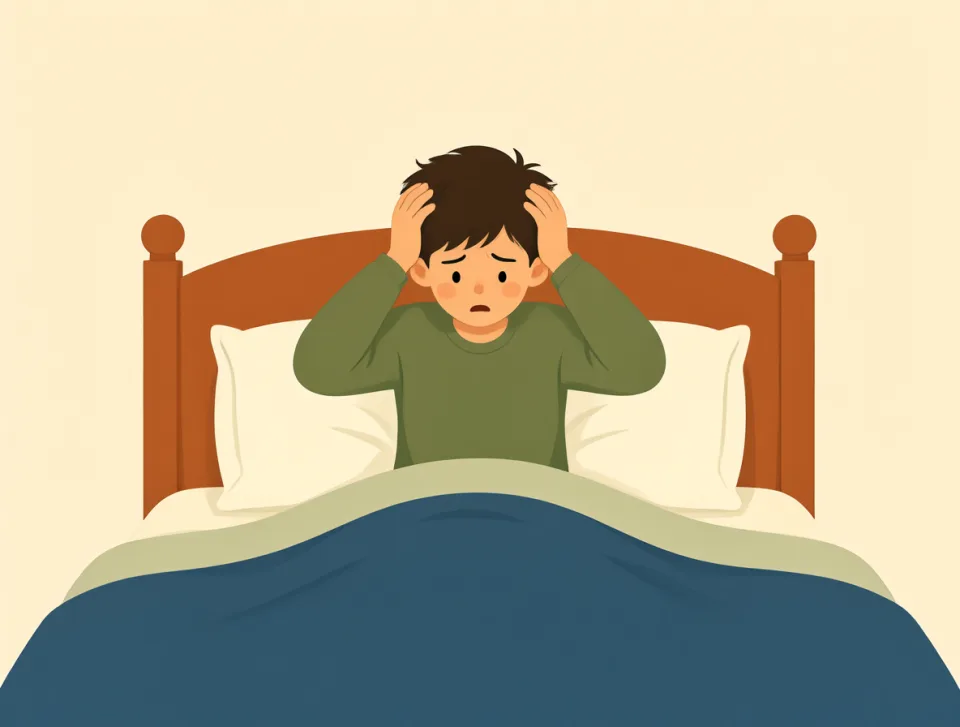
I woke up with a bad headache.
मैं तेज़ सिरदर्द के साथ जागा।
some
#53determiner, pronoun, adverb
कुछ
An amount or number that is not exact or not stated.
ऐसी मात्रा या संख्या जो सटीक न हो या बताई न गई हो।
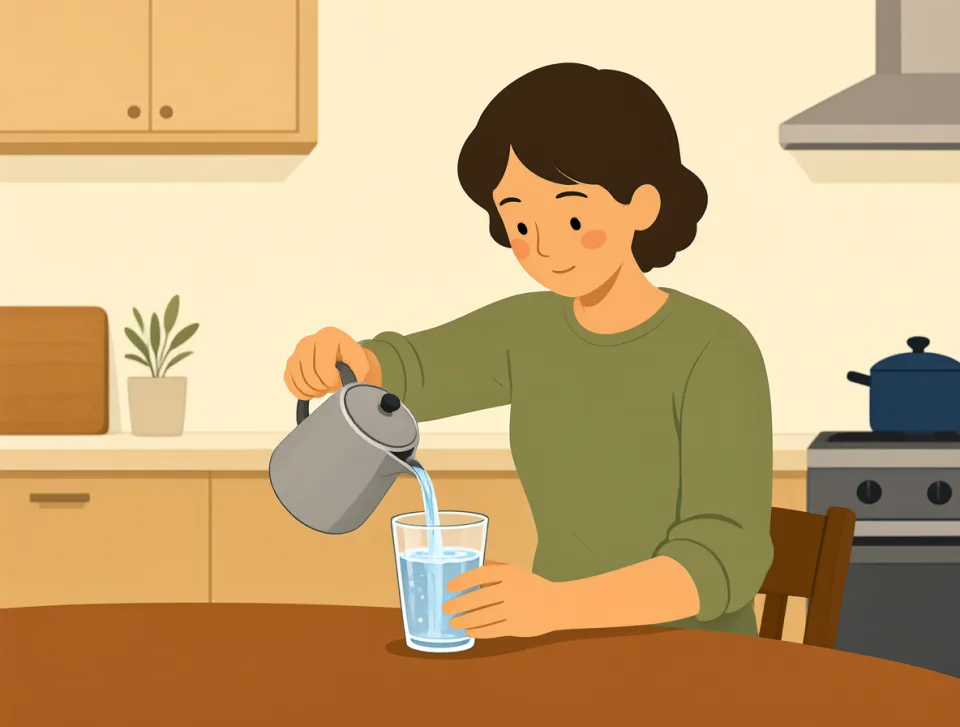
I need some water, please.
मुझे थोड़ा पानी चाहिए, कृपया।
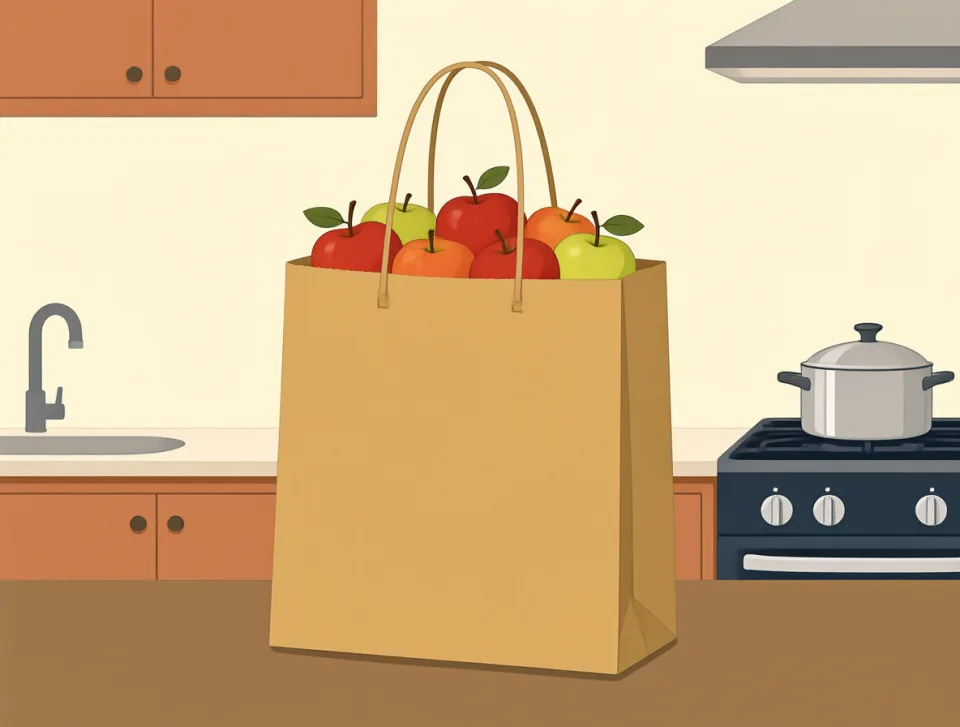
There are some apples in the bag.
थैले में कुछ सेब हैं।
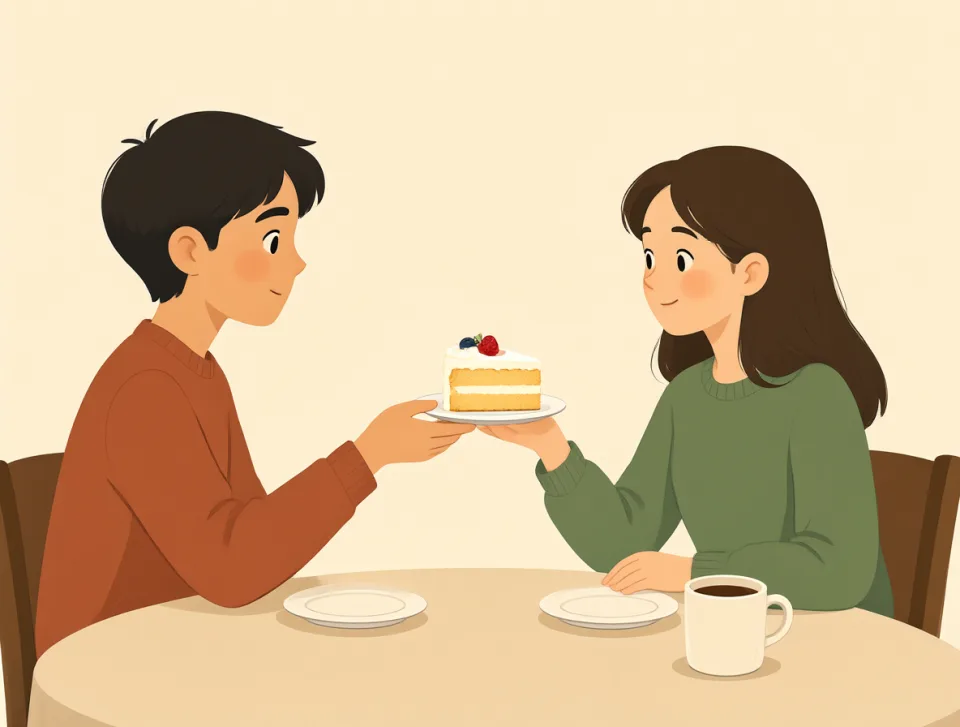
Would you like some cake?
क्या आप थोड़ा केक लेना चाहेंगे?
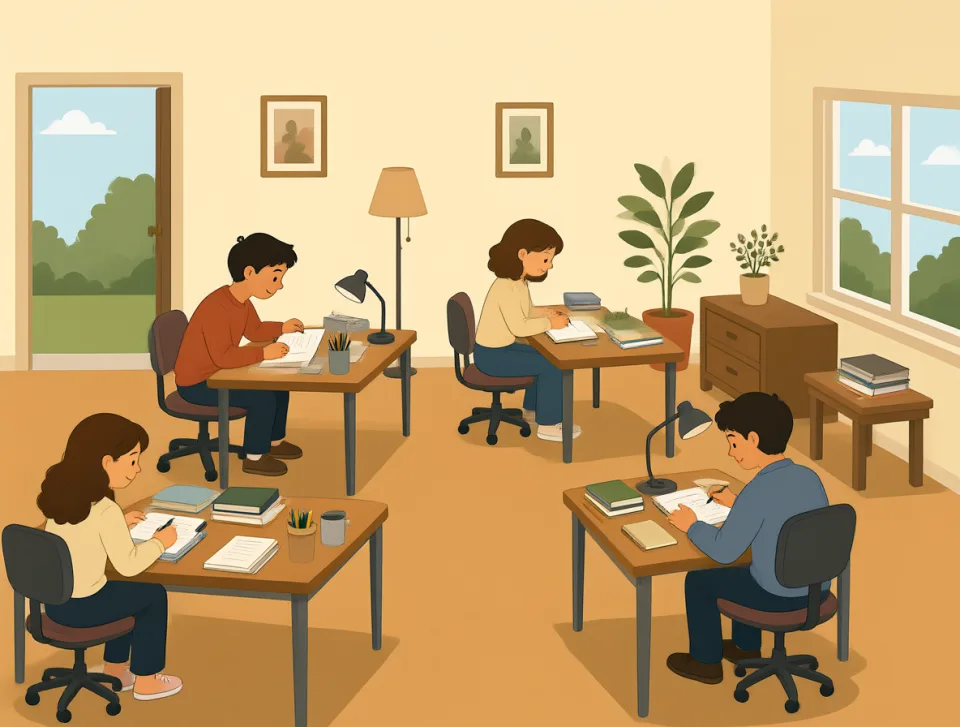
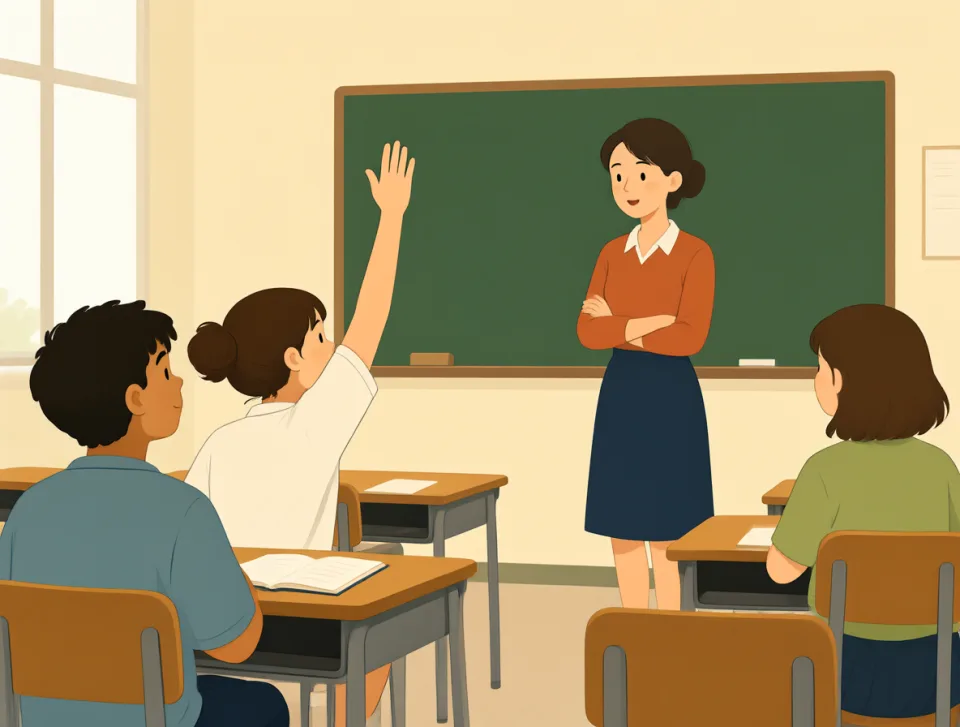
Some people work from home.
कुछ लोग घर से काम करते हैं।
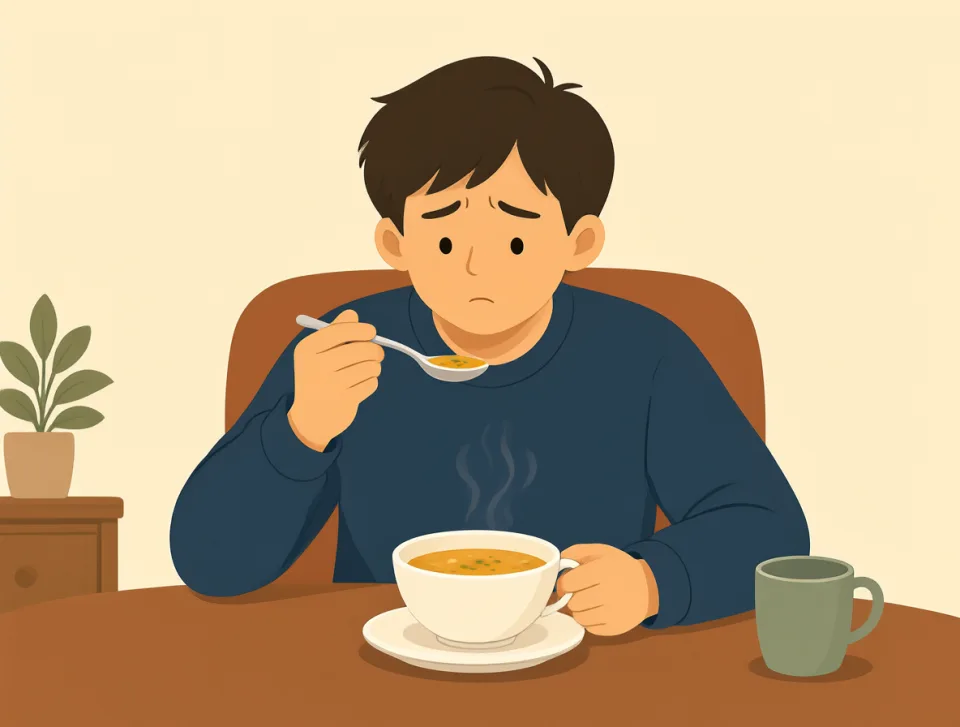
The soup is some better today.
आज सूप कुछ बेहतर है।
other
#54adjective, pronoun, determiner
दूसरा
Different from the one or ones already mentioned or known.
पहले बताई गई या जानी-पहचानी चीज़ से अलग।
Do you have any other questions?
क्या आपके कोई और सवाल हैं?

I chose the other shirt.
मैंने दूसरी कमीज़ चुनी।
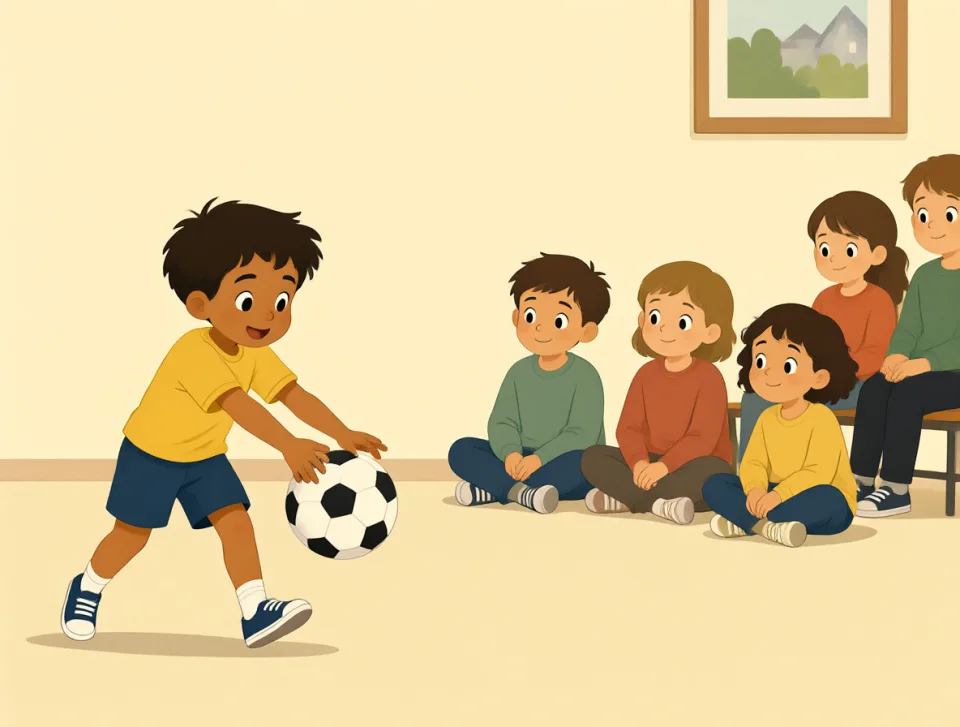
Some children played; the others watched.
कुछ बच्चे खेले; बाकी देखते रहे।
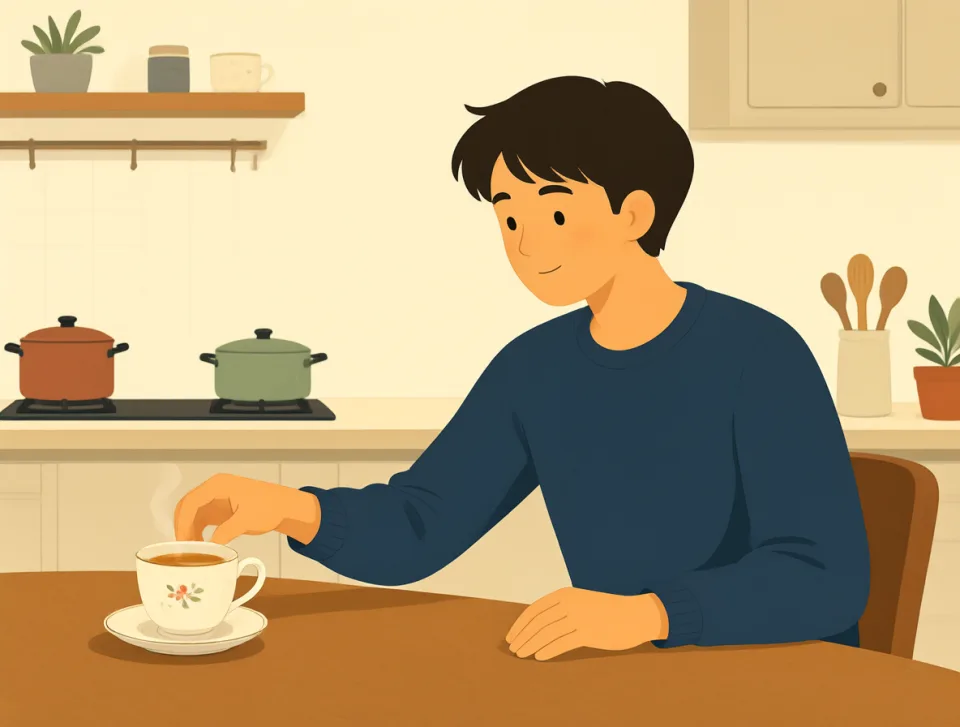
Can I have another cup of tea?
क्या मुझे एक और कप चाय मिल सकती है?
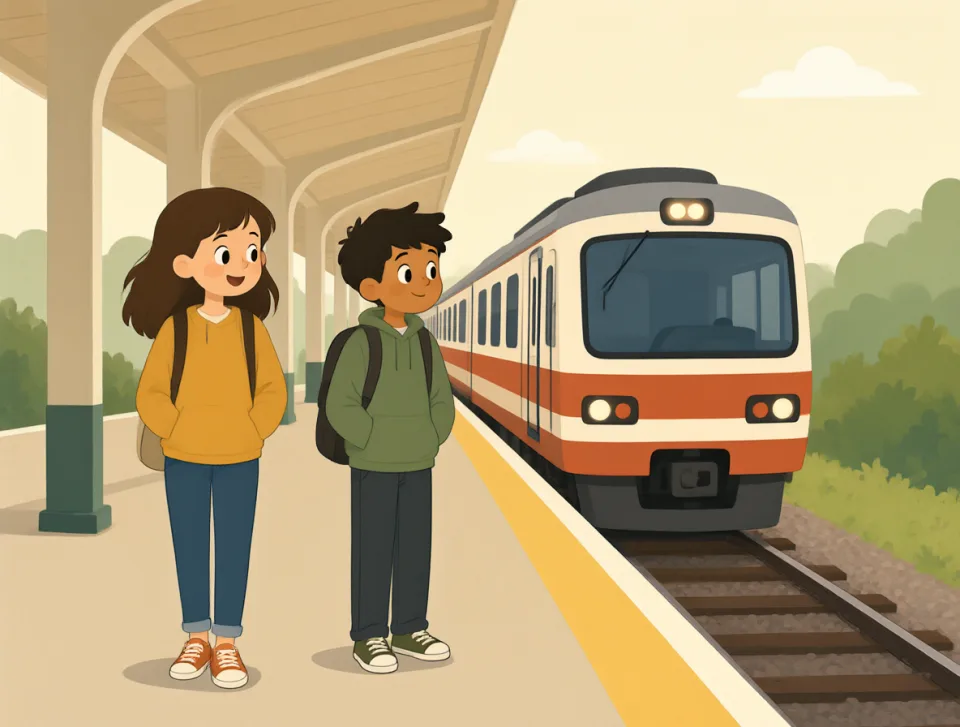
We took the other train home.
हम घर लौटने के लिए दूसरी ट्रेन से गए।
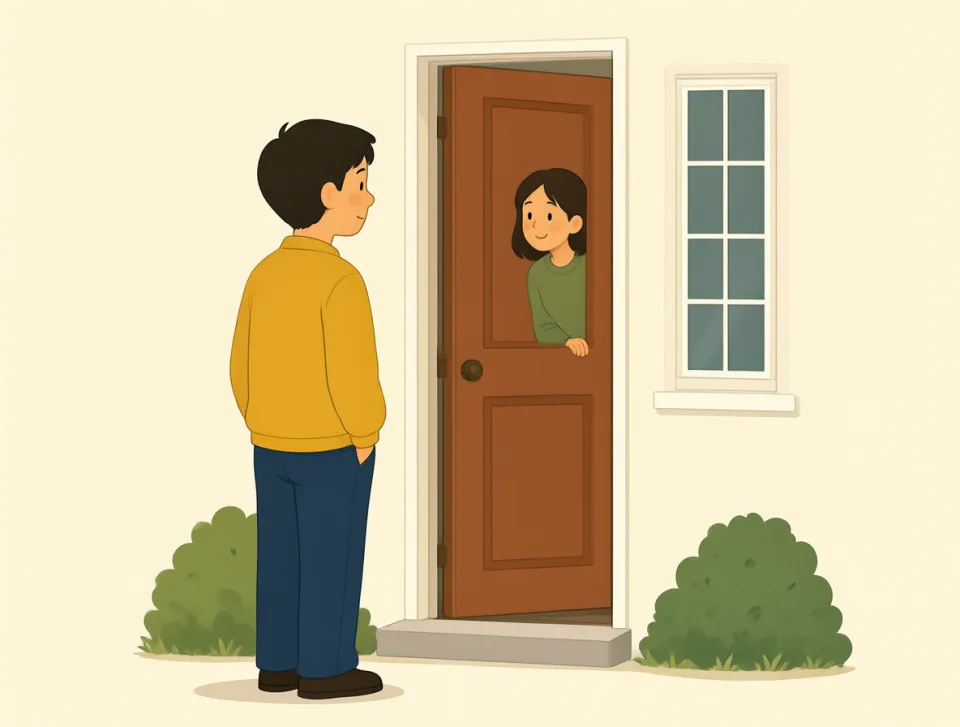
out
#55adverb, preposition, adjective, noun
बाहर
Away from a place, inside, or usual state; or not working or available.
किसी जगह या अंदरूनी हिस्से से दूर, या सामान्य स्थिति से अलग; या काम न कर रहा हो अथवा उपलब्ध न हो।
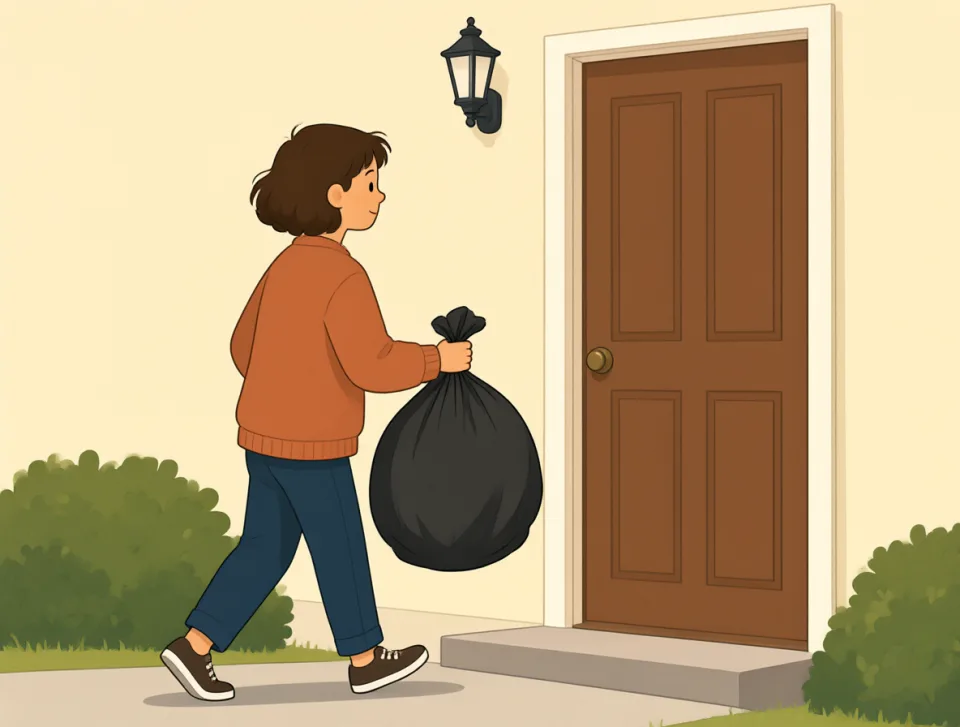
Please take the trash out tonight.
कृपया आज रात कूड़ा बाहर रख दीजिए।
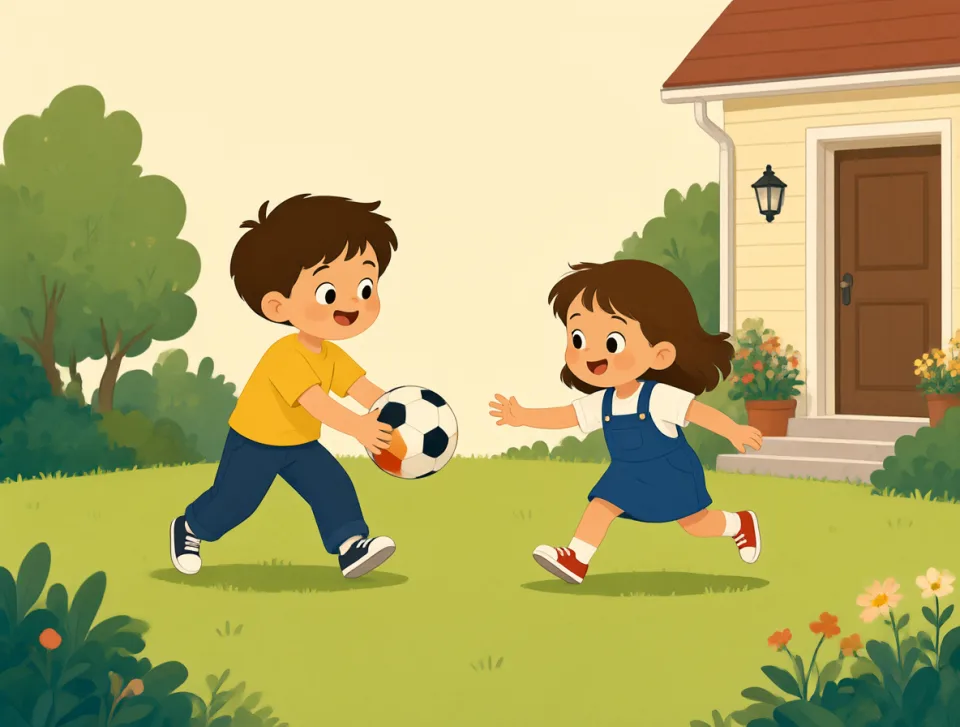
The children are playing out in the garden.
बच्चे बगीचे में बाहर खेल रहे हैं।
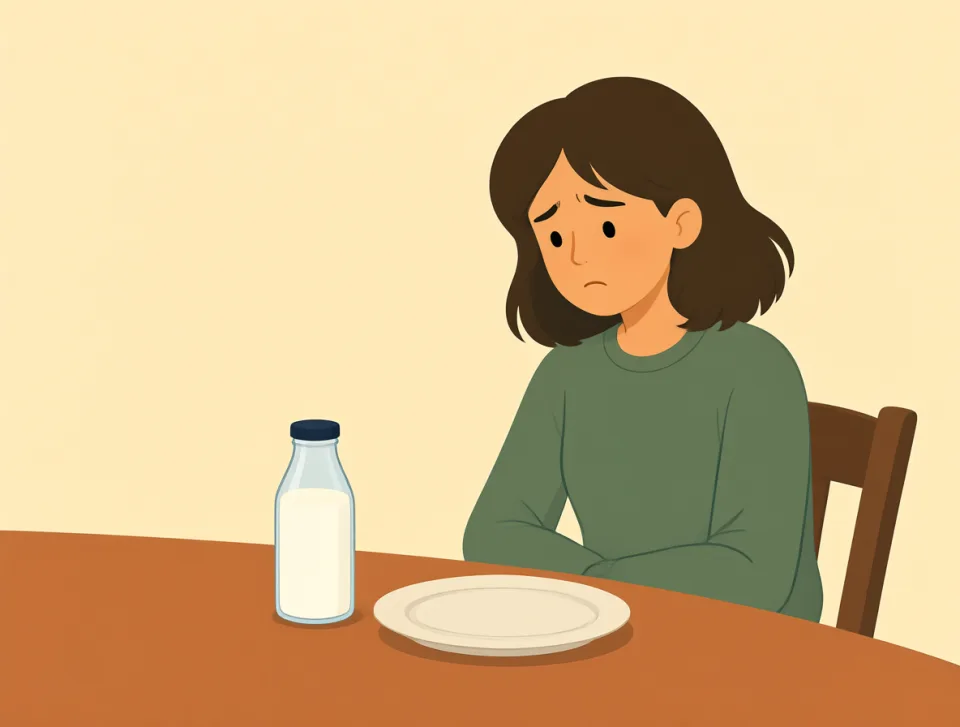
We ran out of milk this morning.
आज सुबह हमारा दूध खत्म हो गया।
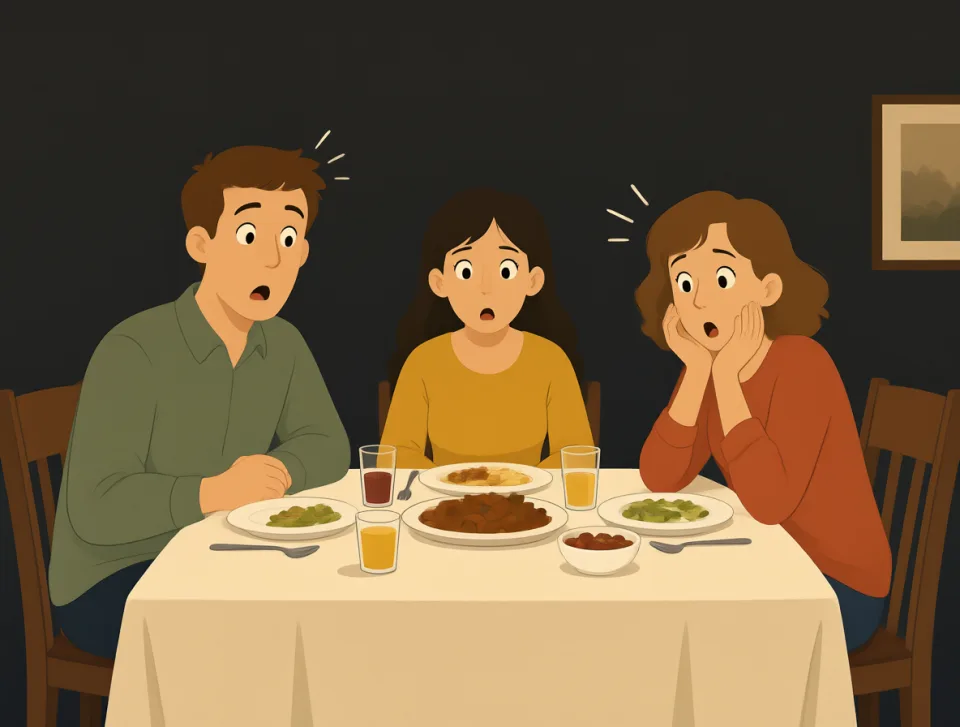
The lights went out during dinner.
रात के खाने के दौरान बत्तियाँ बुझ गईं।

She is out with friends tonight.
वह आज रात दोस्तों के साथ बाहर गई है।
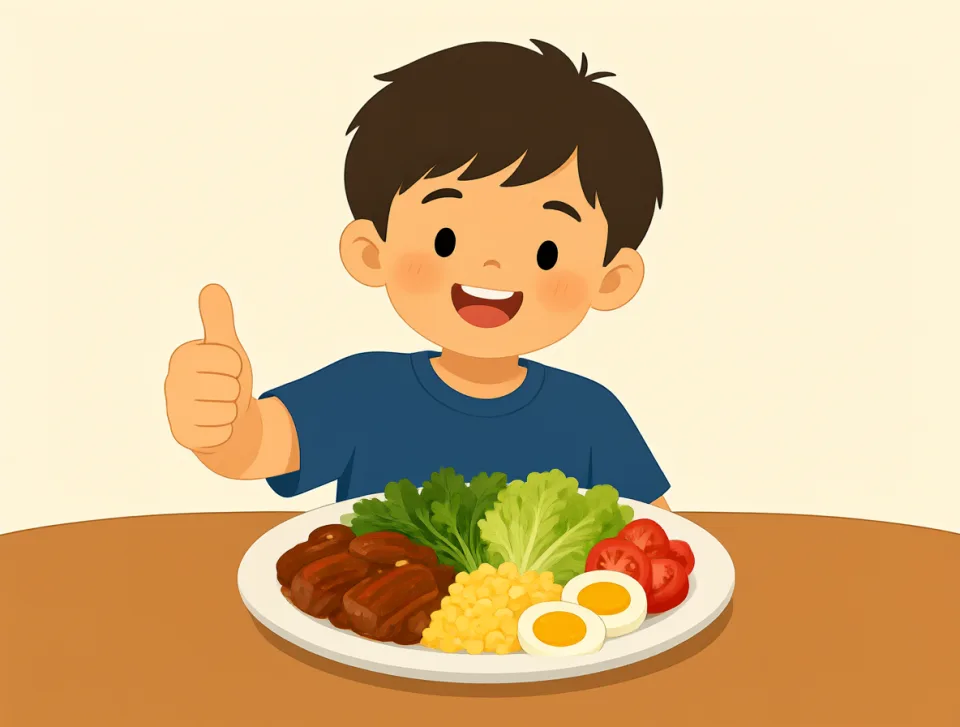
good
#56adjective, noun, adverb
अच्छा
Pleasant, useful, or of a high quality; used to show approval.
सुखद, उपयोगी या उच्च गुणवत्ता वाला; स्वीकृति या प्रशंसा व्यक्त करने के लिए इस्तेमाल किया जाता है।
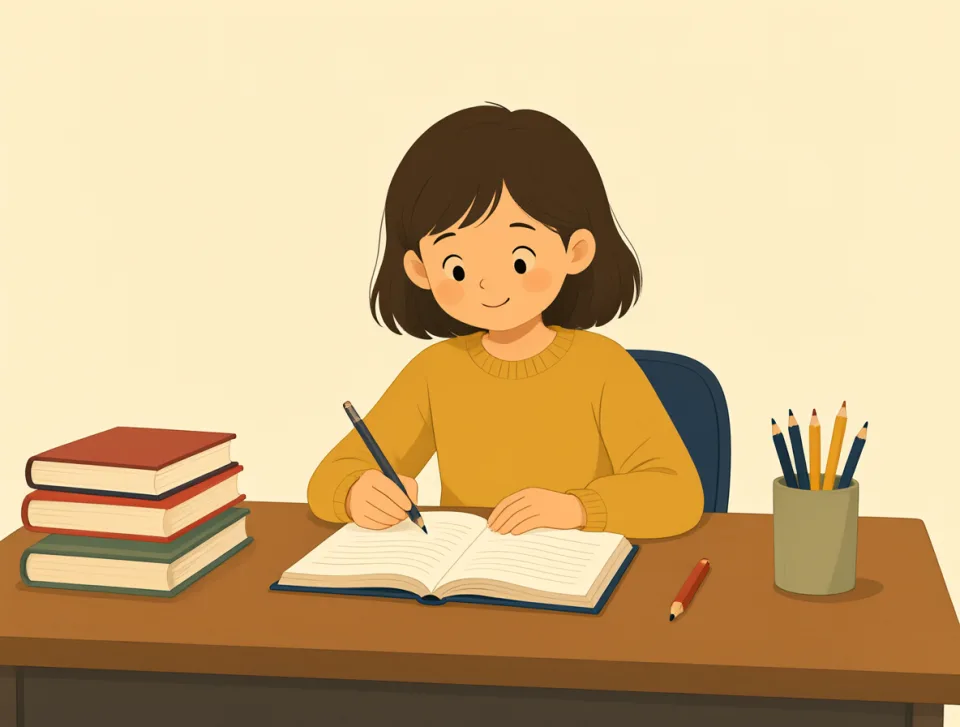
She is a good student.
वह एक अच्छी छात्रा है।

This soup tastes really good.
इस सूप का स्वाद बहुत अच्छा है।

We had a good time together.
हमने साथ में बहुत अच्छा समय बिताया।

The doctor said my heart is good.
डॉक्टर ने कहा कि मेरा दिल स्वस्थ है।
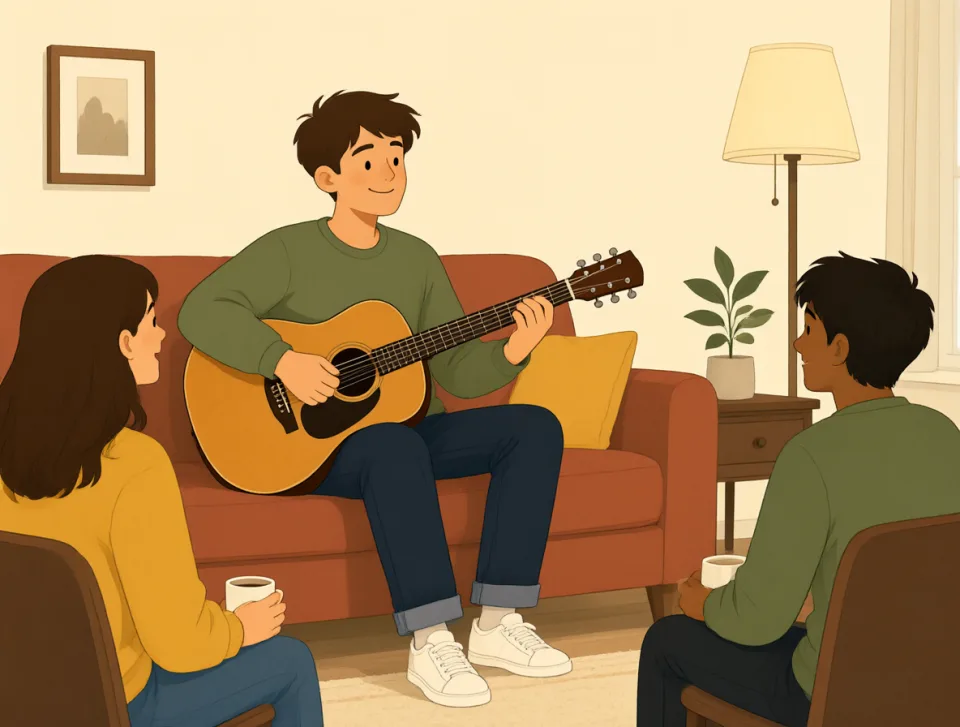
He plays the guitar very well.
वह गिटार बहुत अच्छा बजाता है।
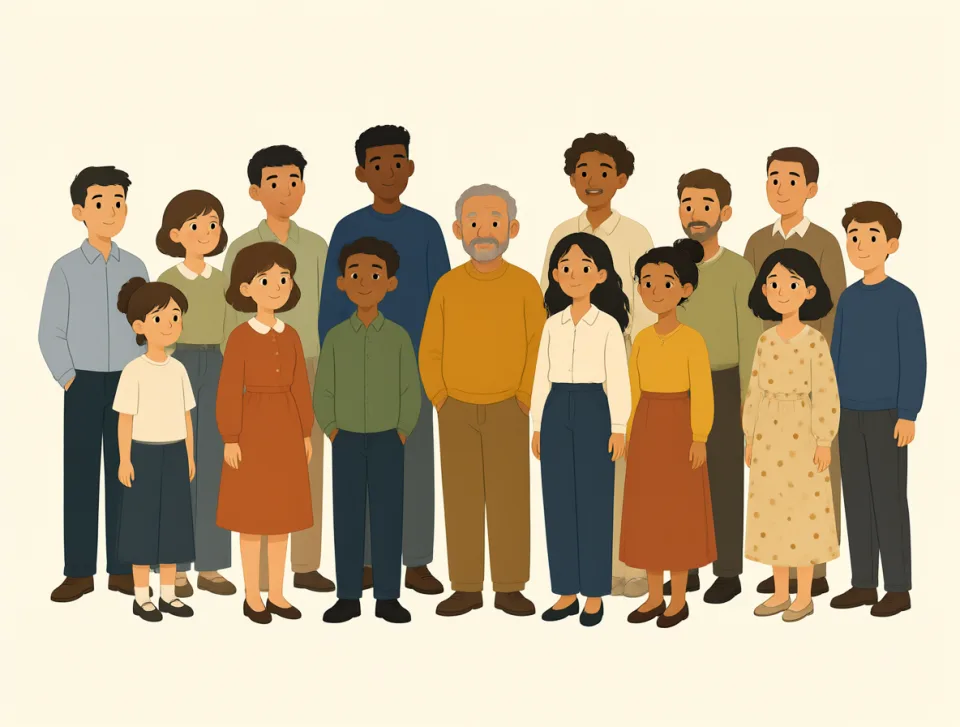
people
#57noun
लोग
Human beings in general, or a group of human beings.
सामान्य रूप से मनुष्य, या मनुष्यों का कोई समूह।
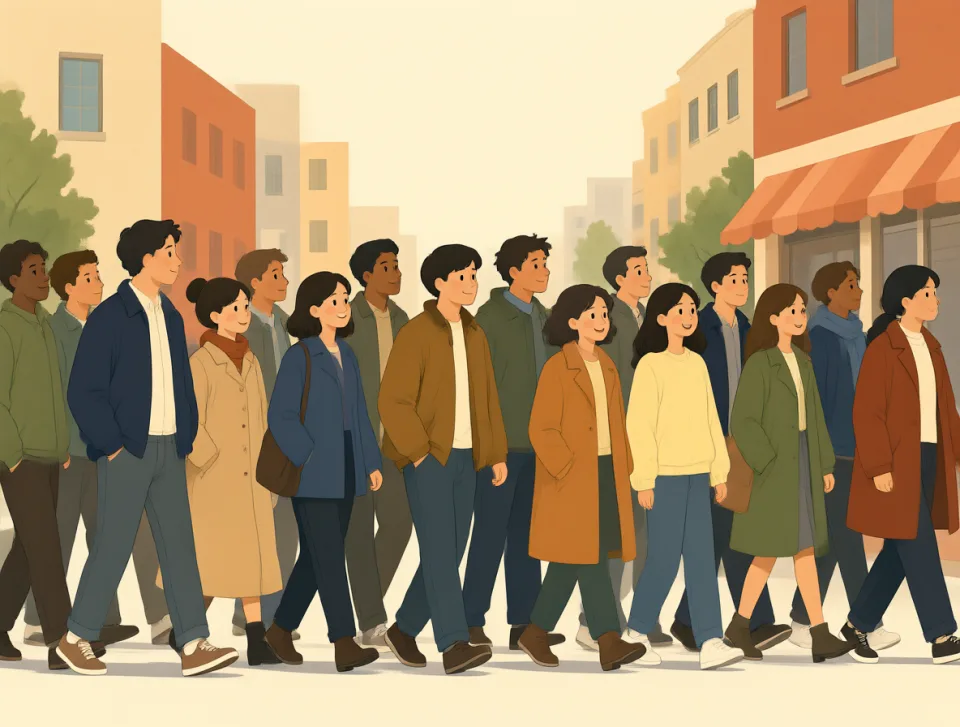
Many people live in this city.
इस शहर में बहुत से लोग रहते हैं।
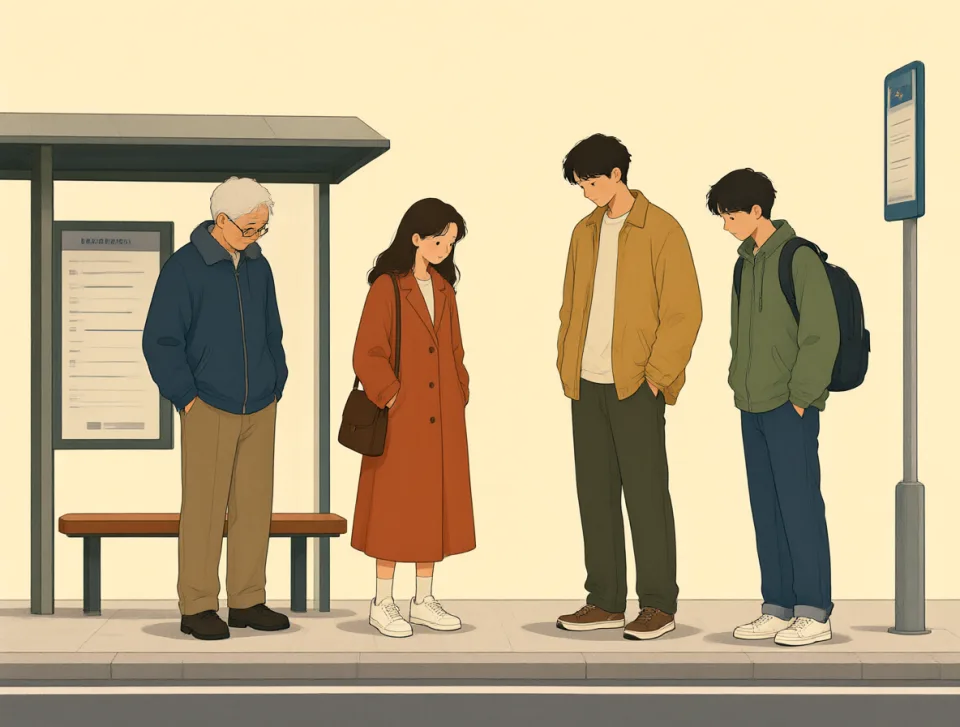
People are waiting for the bus.
लोग बस का इंतज़ार कर रहे हैं।
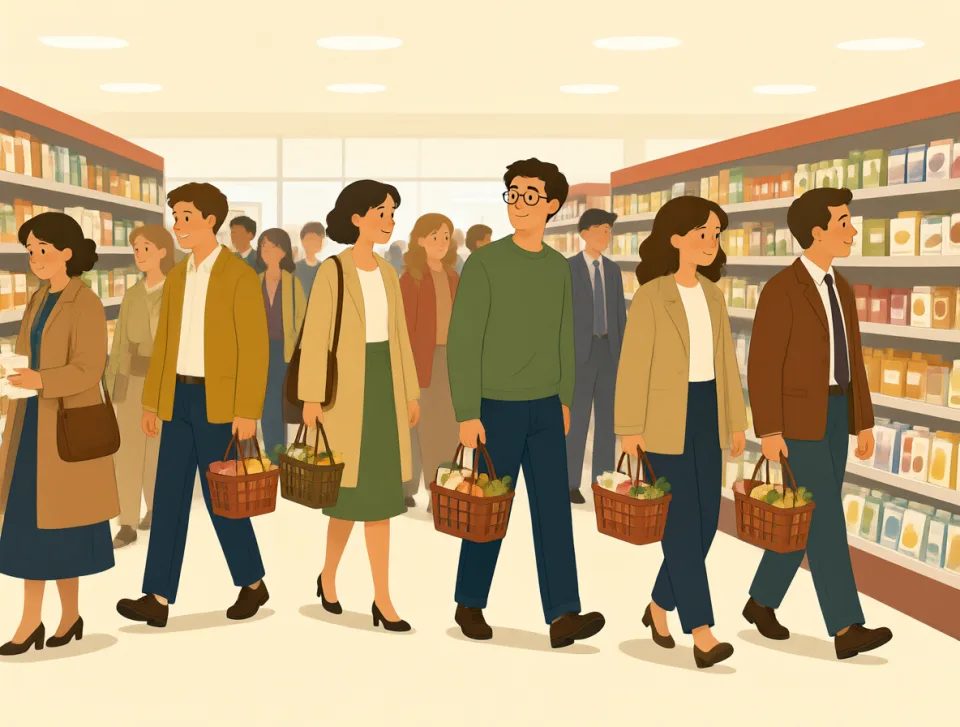
The shop was full of people.
दुकान लोगों से भरी हुई थी।
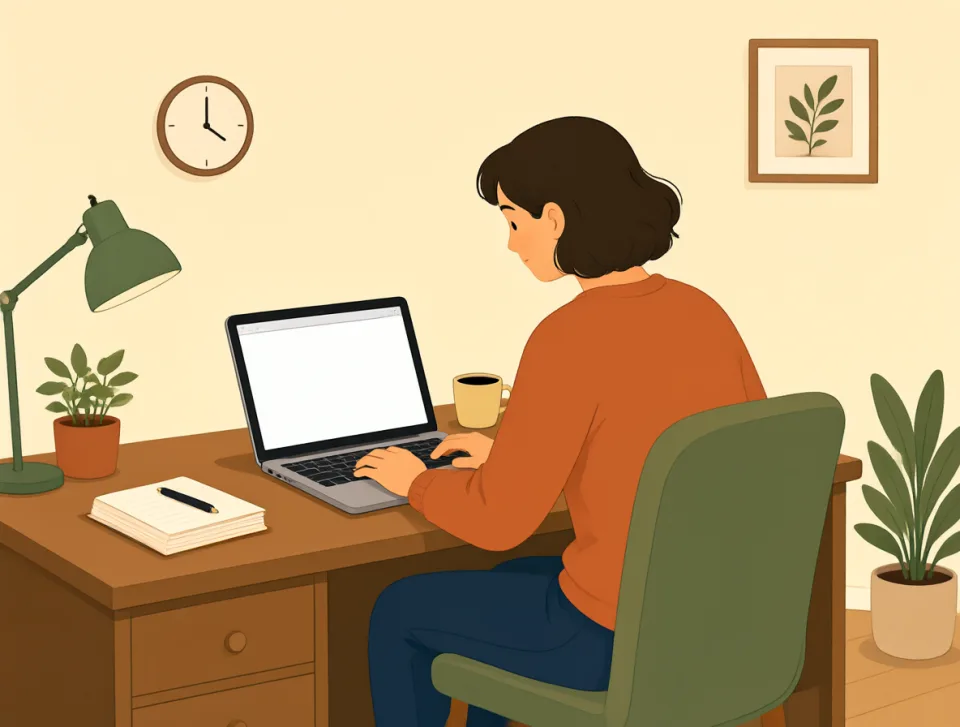
Some people work from home.
कुछ लोग घर से काम करते हैं।
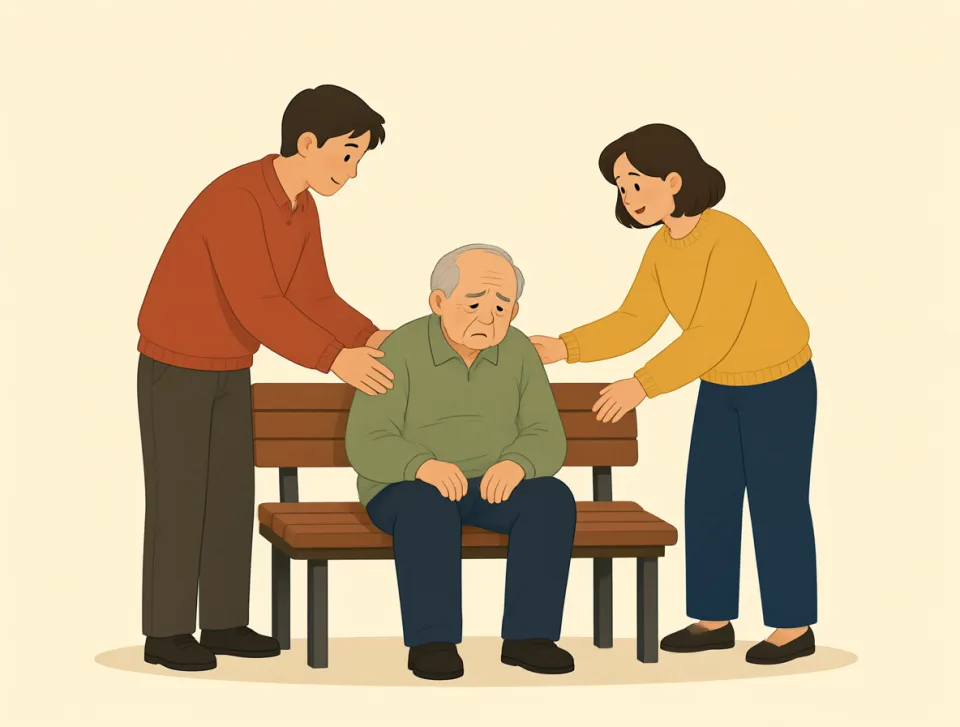
People helped the sick man.
लोगों ने बीमार आदमी की मदद की।
year
#58noun
वर्ष
A period of twelve months, usually from January to December.
बारह महीनों की अवधि, आमतौर पर जनवरी से दिसंबर तक।
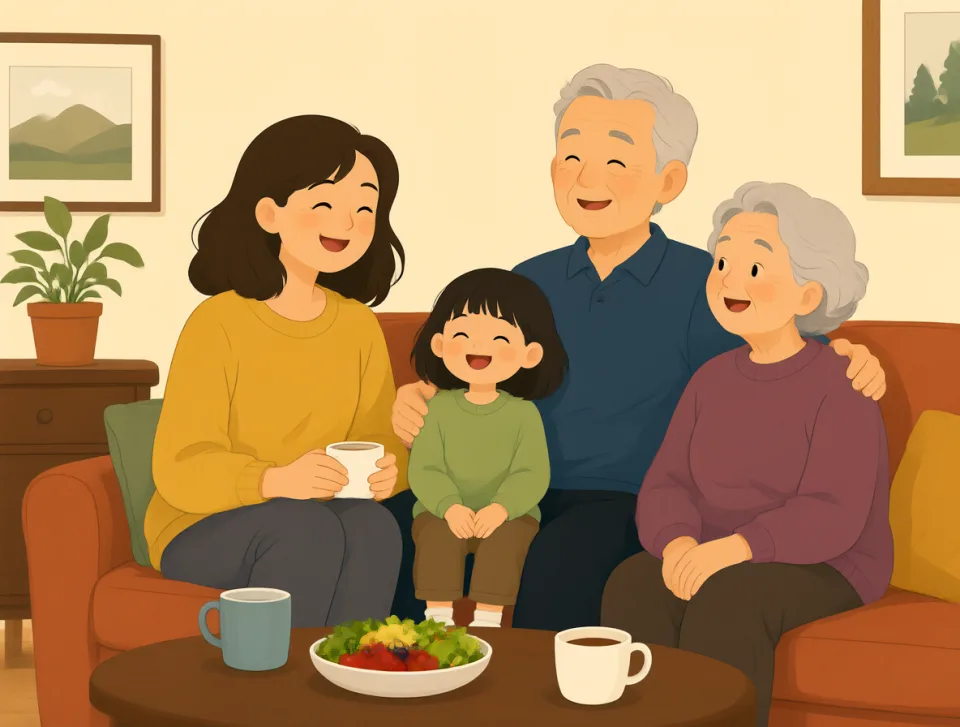
I visit my family twice a year.
मैं साल में दो बार अपने परिवार से मिलने जाता हूँ।
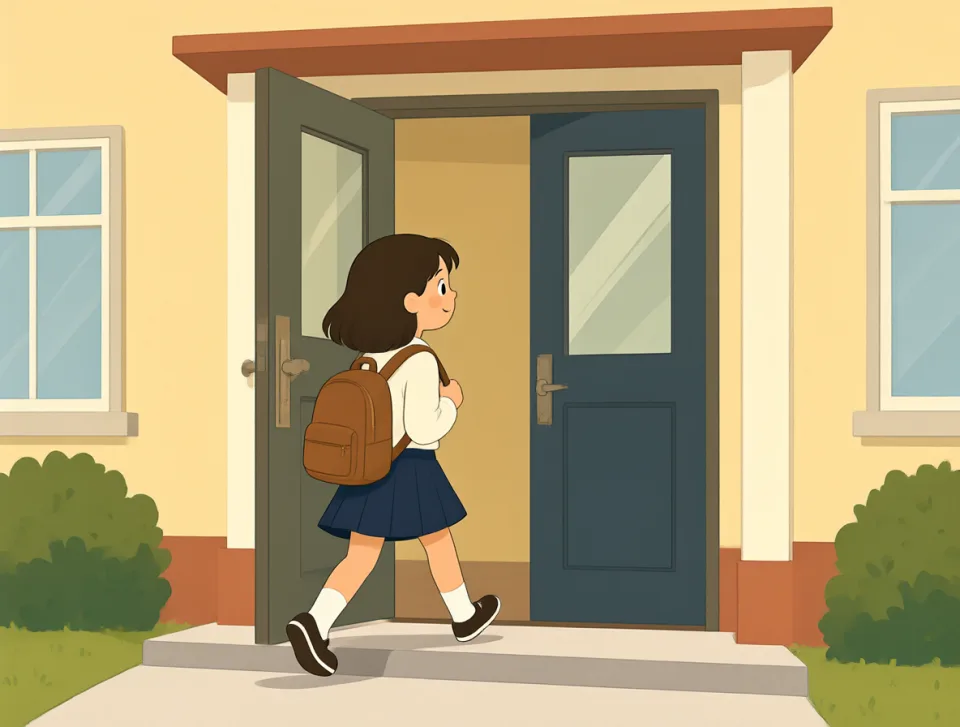
She started school last year.
उसने पिछले साल स्कूल जाना शुरू किया।
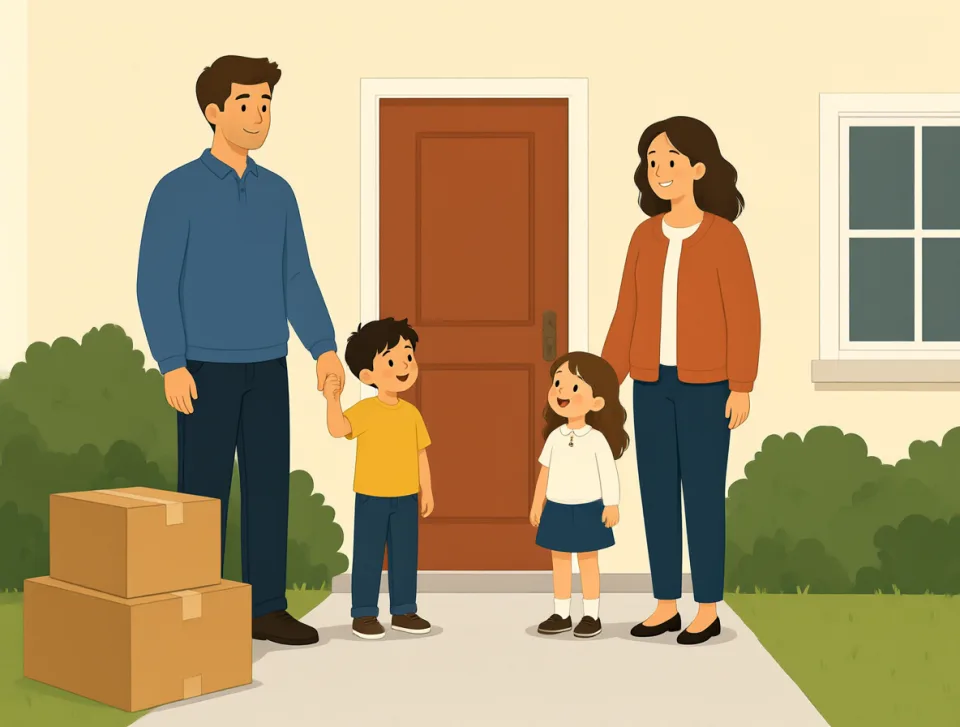
We lived there for three years.
हम वहाँ तीन साल तक रहे।
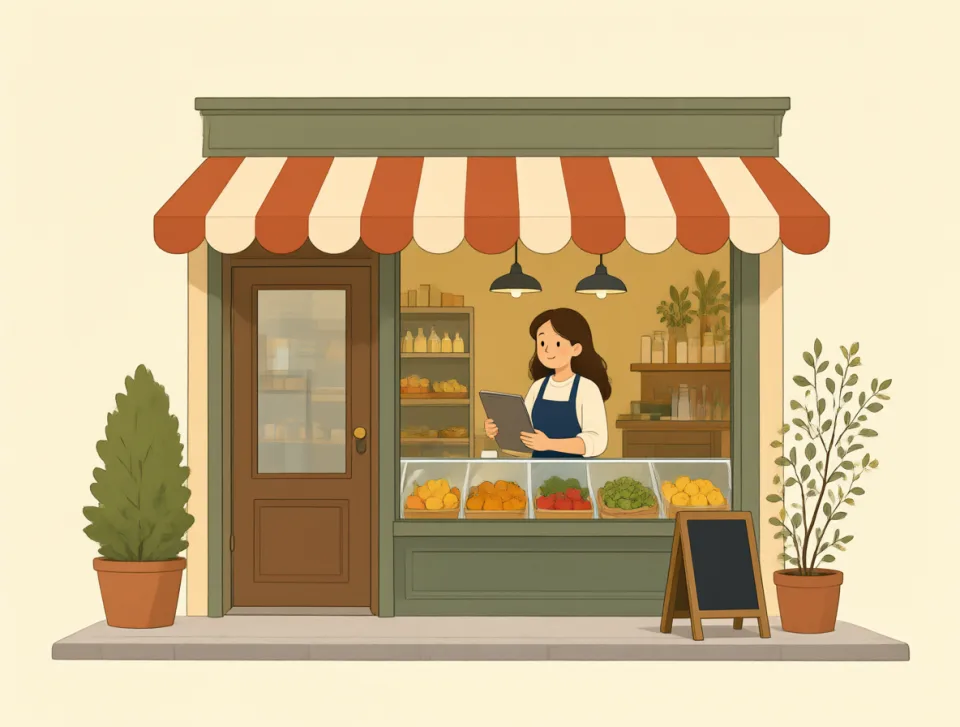
The shop opens every year in May.
दुकान हर साल मई में खुलती है।
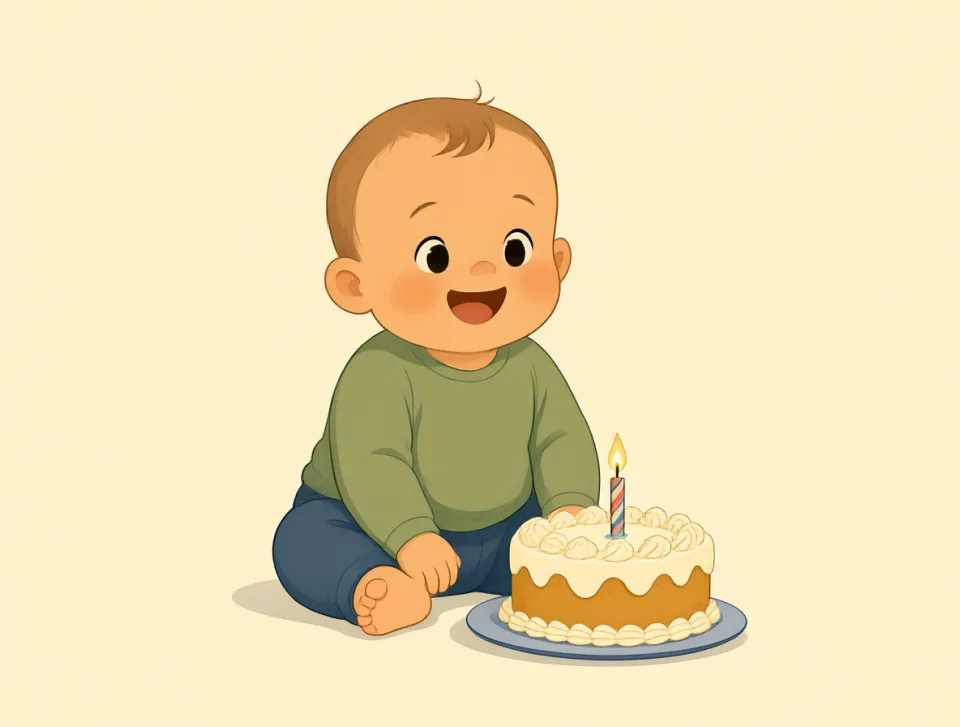
He is one year old today.
आज उसकी उम्र एक साल है।

take
#59verb, noun
लेना
To move something with you, use something, or do an action.
किसी चीज़ को अपने साथ ले जाना, किसी चीज़ का इस्तेमाल करना या कोई काम करना।
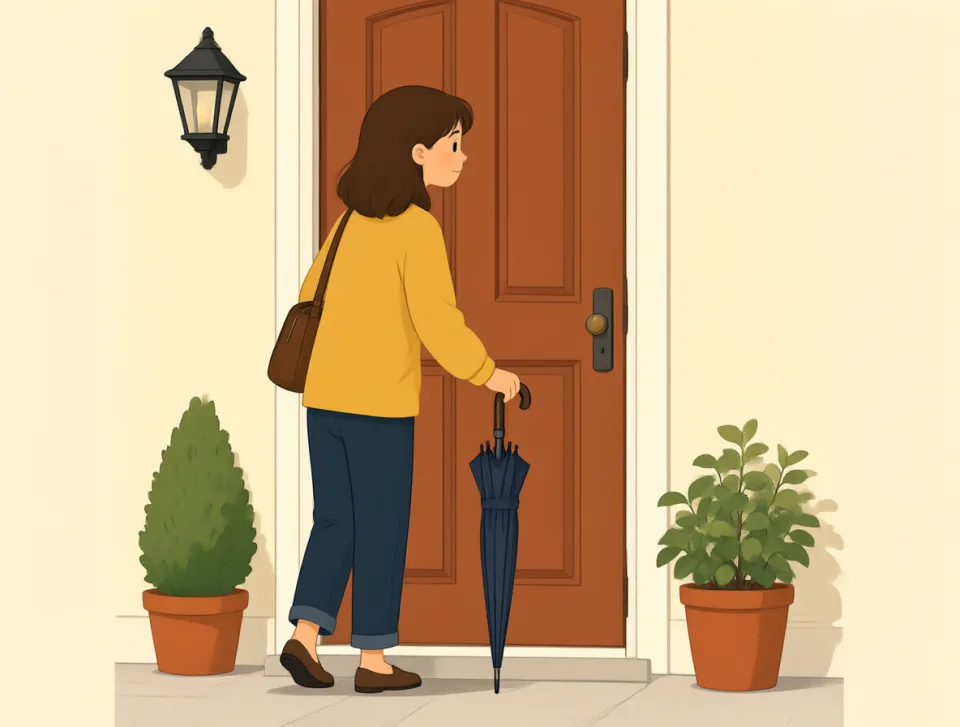
Please take an umbrella when you leave.
कृपया जाते समय छाता ले जाइए।

I take the bus to work every day.
मैं हर दिन बस से काम पर जाता हूँ।

She took a photo of the mountains.
उसने पहाड़ों की तस्वीर खींची।
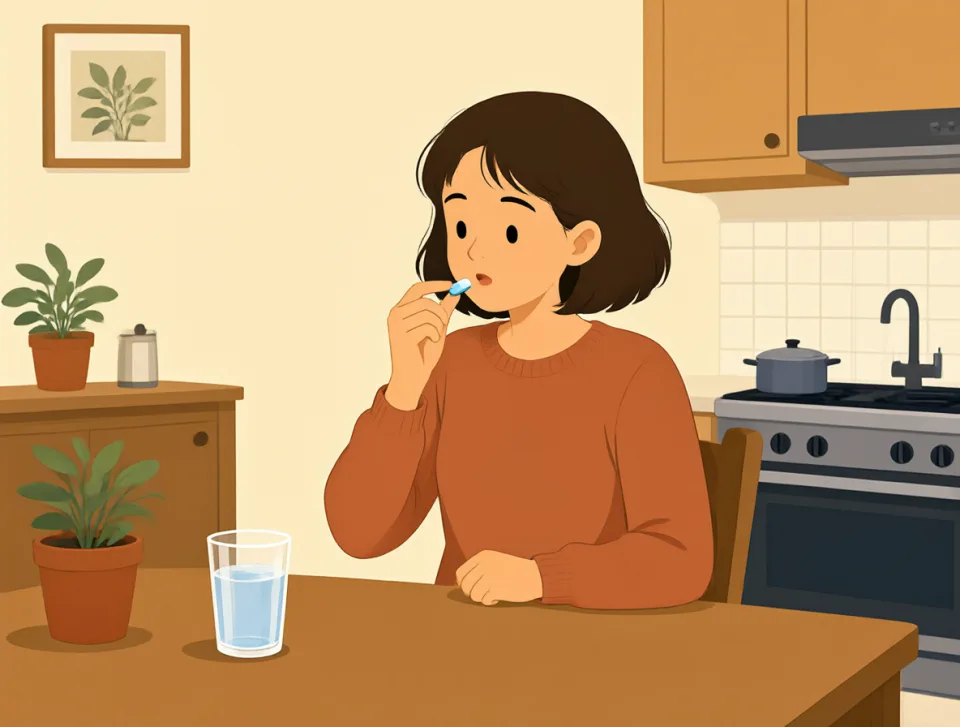
Take this medicine after breakfast.
नाश्ते के बाद यह दवा लीजिए।

We took a short break after lunch.
दोपहर के भोजन के बाद हमने थोड़ा आराम किया।
no
#60determiner, adverb, noun
नहीं
Used to say that something is not available, allowed, or true.
यह कहने के लिए इस्तेमाल किया जाता है कि कोई चीज़ उपलब्ध, अनुमत या सत्य नहीं है।
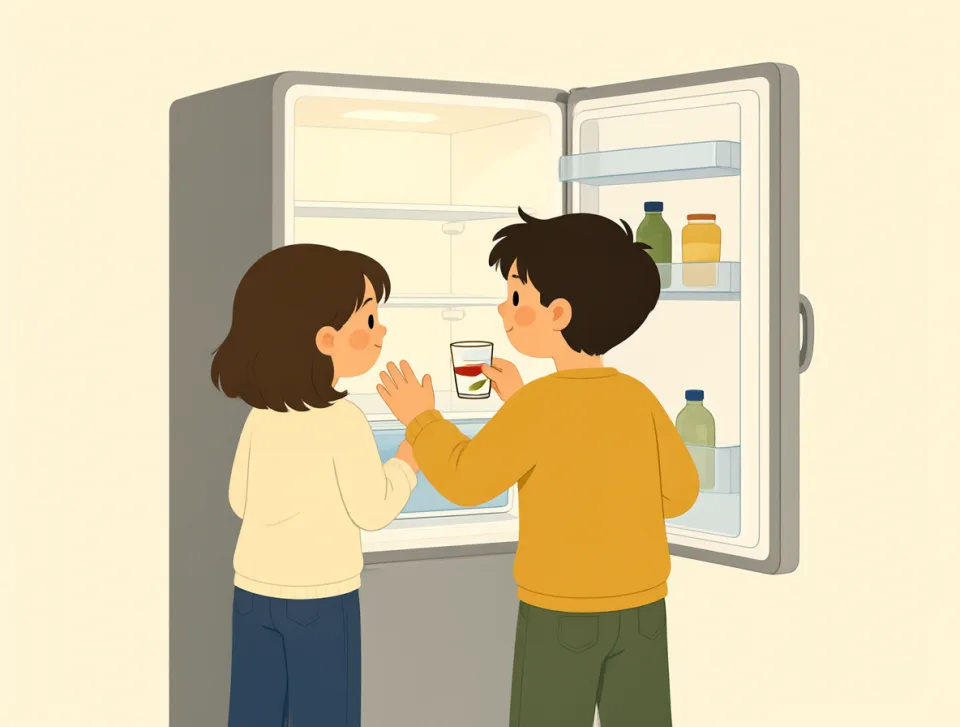
There is no milk in the fridge.
फ्रिज में दूध नहीं है।
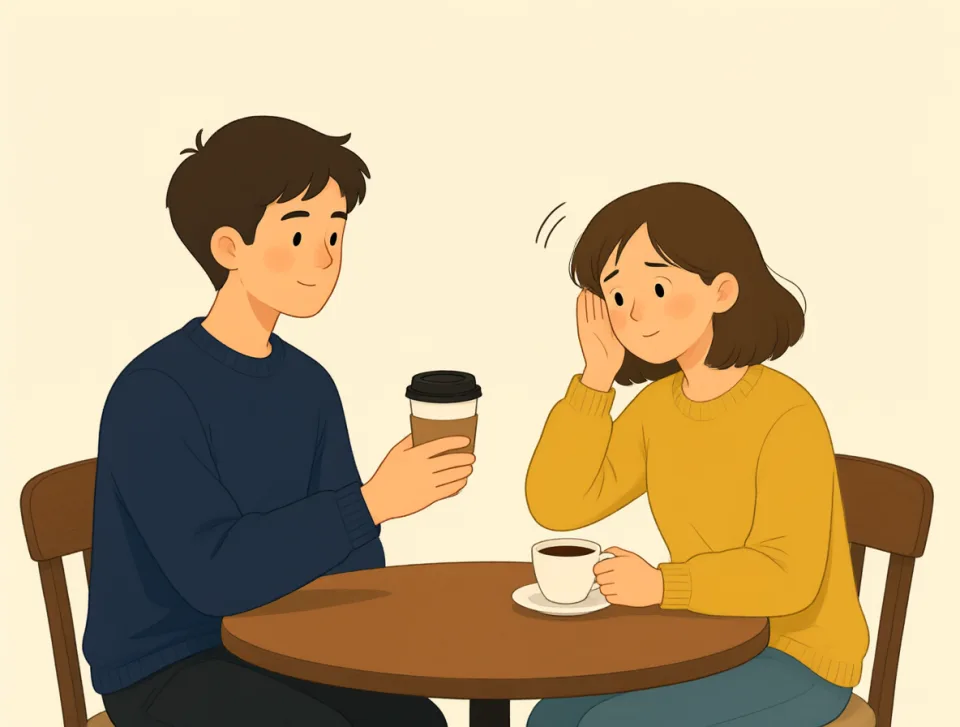
No, I don't want any coffee.
नहीं, मुझे कॉफ़ी नहीं चाहिए।

We have no homework tonight.
आज रात हमें कोई गृहकार्य नहीं करना है।

There were no seats on the train.
ट्रेन में कोई सीट नहीं थी।

The doctor said no exercise for a week.
डॉक्टर ने कहा कि एक हफ्ते तक व्यायाम नहीं करना है।