86. Ünite
1701–1720 arasındaki kelimeler · religion, employer, reject, latter, plate, ban

religion
#1701noun
din
A system of beliefs and practices about God or the meaning of life.
Tanrı ya da hayatın anlamı hakkında inanç ve uygulamalardan oluşan bir sistem.
People of different religions live together in our neighborhood.
Farklı dinlere mensup insanlar mahallemizde bir arada yaşıyor.

She studies religion at school and enjoys learning about different beliefs.
Okulda din üzerine eğitim alıyor ve farklı inançları öğrenmekten keyif alıyor.

You should respect everyone's religion, even when it differs from yours.
Sizinkinden farklı olsa bile herkesin dinine saygı göstermelisiniz.
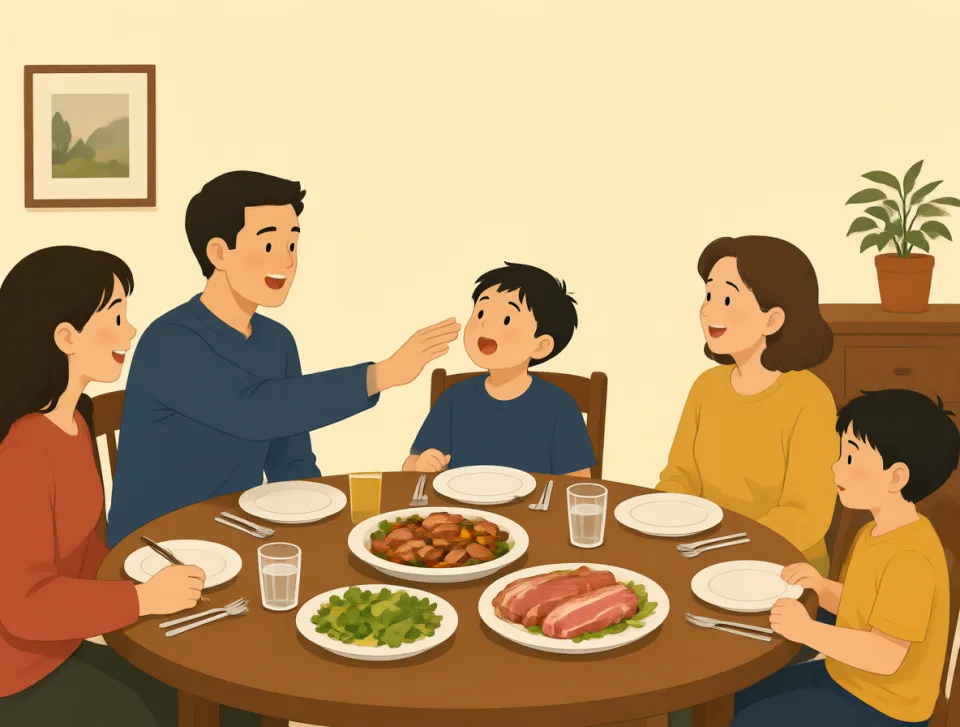
His religion does not allow him to eat pork.
Dini domuz eti yemesine izin vermiyor.
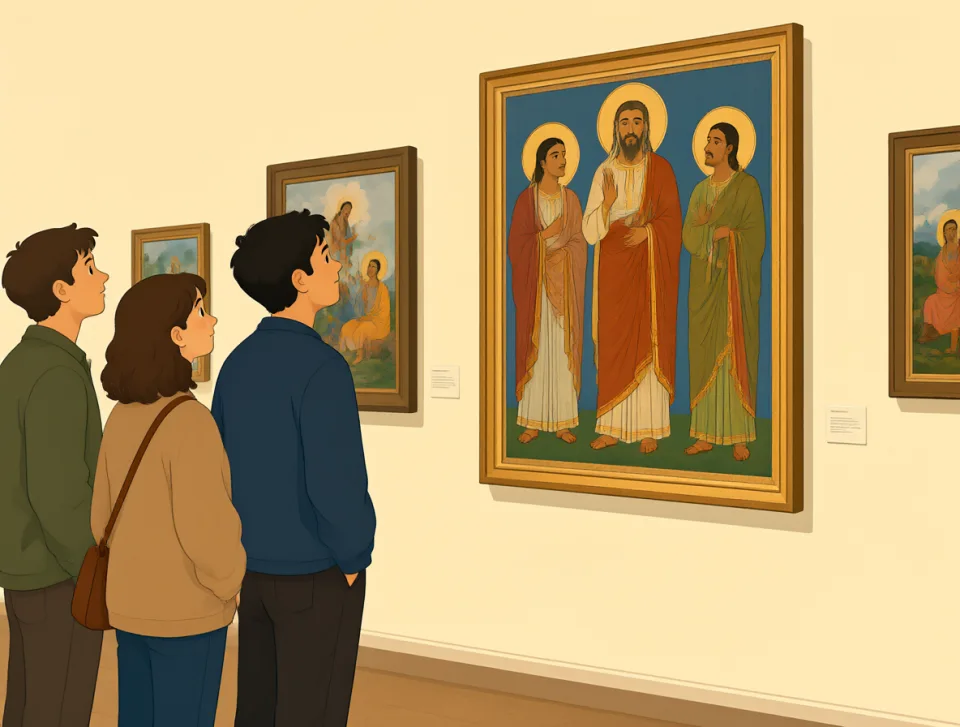
The museum displays art from many religions around the world.
Müze, dünyanın dört bir yanındaki birçok dine ait sanat eserlerini sergiliyor.

employer
#1702noun
işveren
A person or company that pays people to work for them.
İnsanlara kendisi için çalışmaları karşılığında ücret ödeyen kişi ya da şirket.

My employer pays me every Friday.
İşverenim bana her cuma ödeme yapıyor.

Her employer offered flexible hours after she had a baby.
İşvereni, bebeği olduktan sonra ona esnek çalışma saatleri sundu.

The employer is looking for someone with cooking experience.
İşveren, yemek pişirme deneyimi olan birini arıyor.

Your employer should provide a safe place to work.
İşvereniniz güvenli bir çalışma ortamı sağlamalı.

The company became a good employer for local students.
Şirket, bölgedeki öğrenciler için iyi bir işveren hâline geldi.
reject
#1703verb
reddetmek
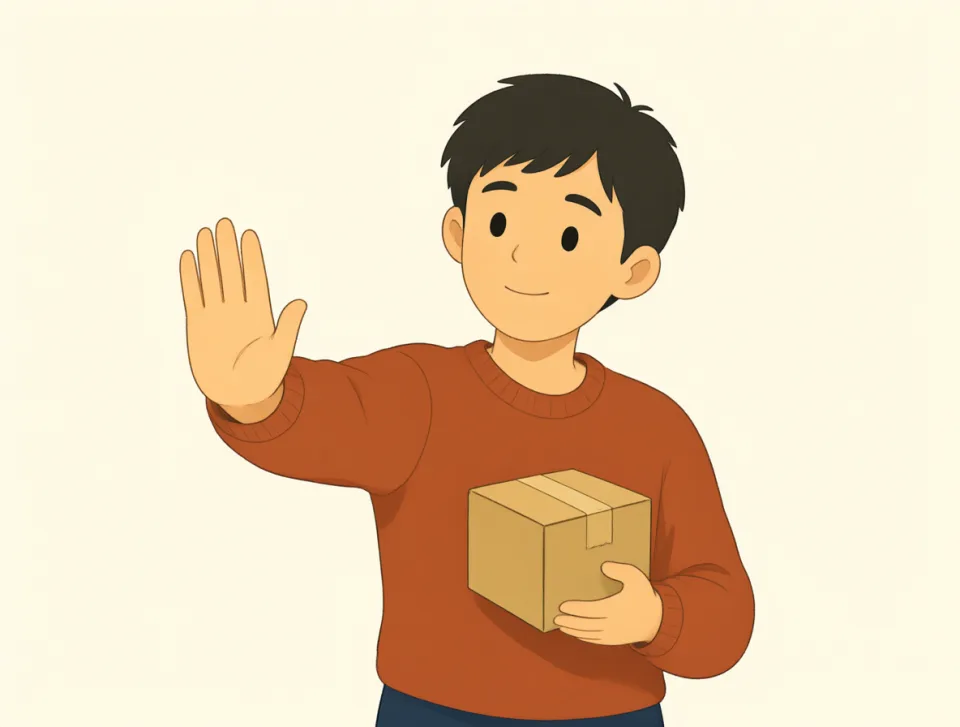
to refuse to accept, approve, or use someone or something
Birini ya da bir şeyi kabul etmeyi, onaylamayı veya kullanmayı reddetmek.

The company rejected my job application after the interview.
Şirket, mülakattan sonra iş başvurumu reddetti.
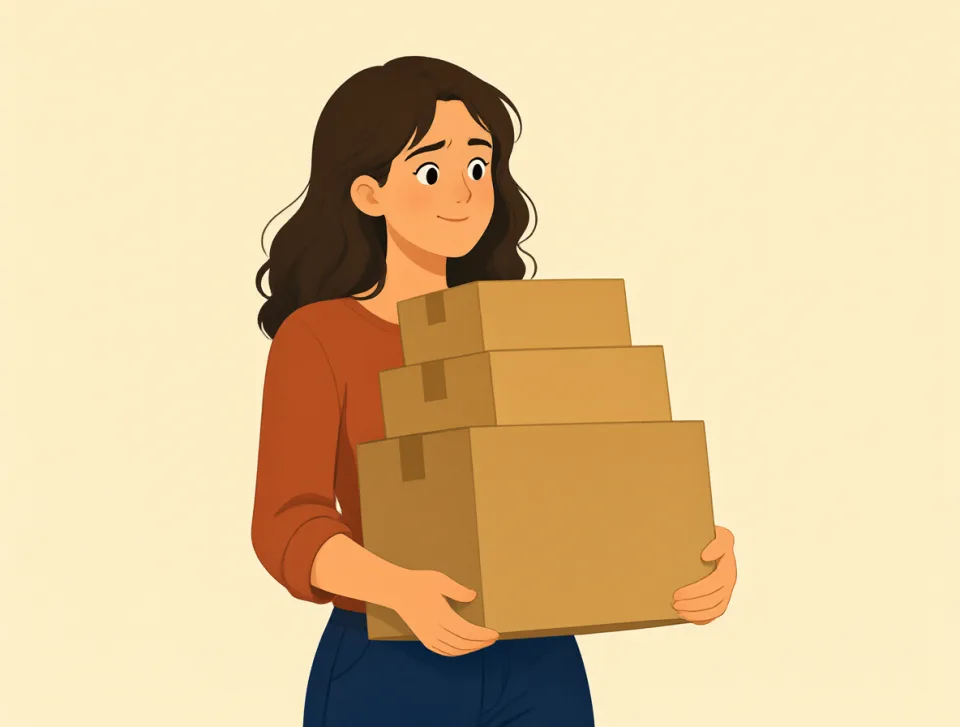
She rejected his offer to help carry the heavy boxes.
Ağır kutuları taşımaya yardım etme teklifini reddetti.
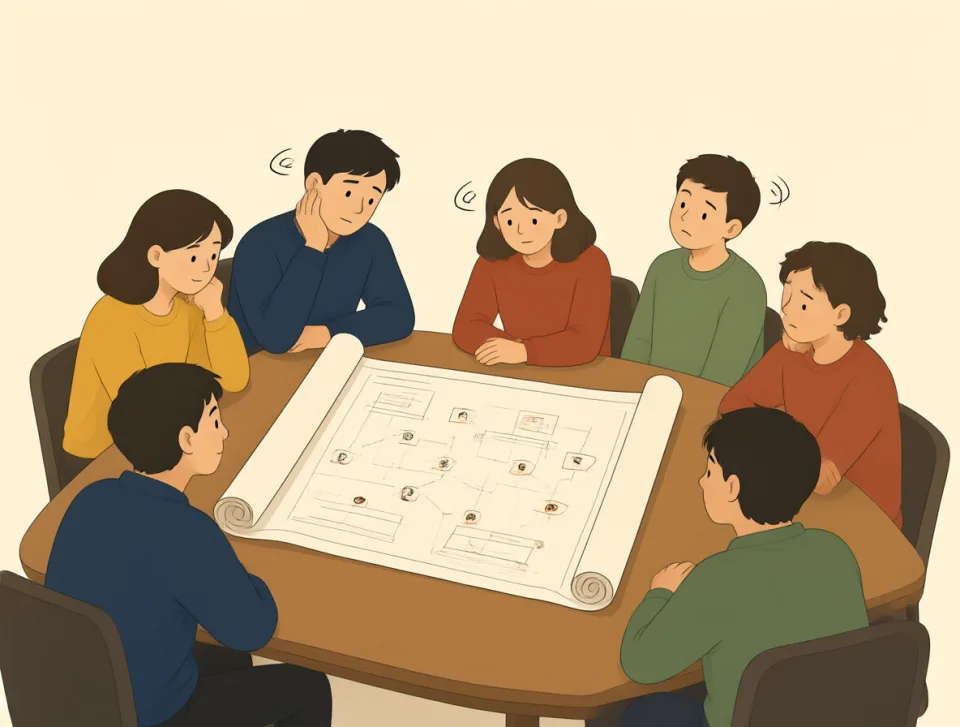
The committee rejected the plan because it was too expensive.
Komite, çok pahalı olduğu için planı reddetti.

The shop rejected my return because the shirt was damaged.
Gömlek hasarlı olduğu için mağaza iade talebimi reddetti.
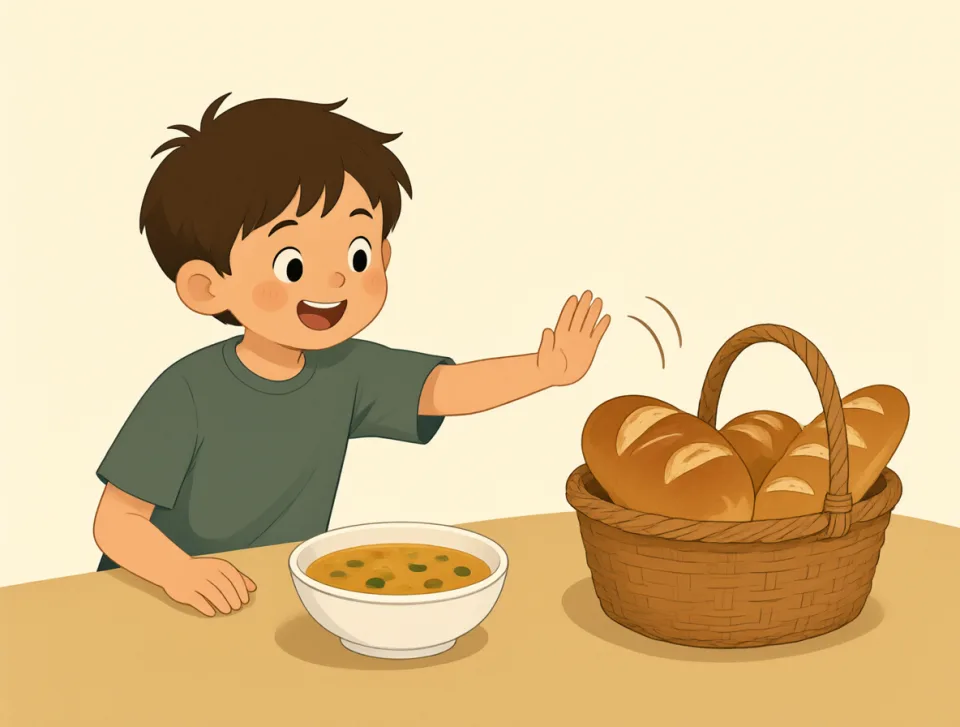
The child rejected the soup and asked for bread.
Çocuk çorbayı reddedip ekmek istedi.
latter
#1704adjective, noun
ikincisi
The second of two people or things mentioned.
Sözü edilen iki kişi ya da şeyden ikincisi.
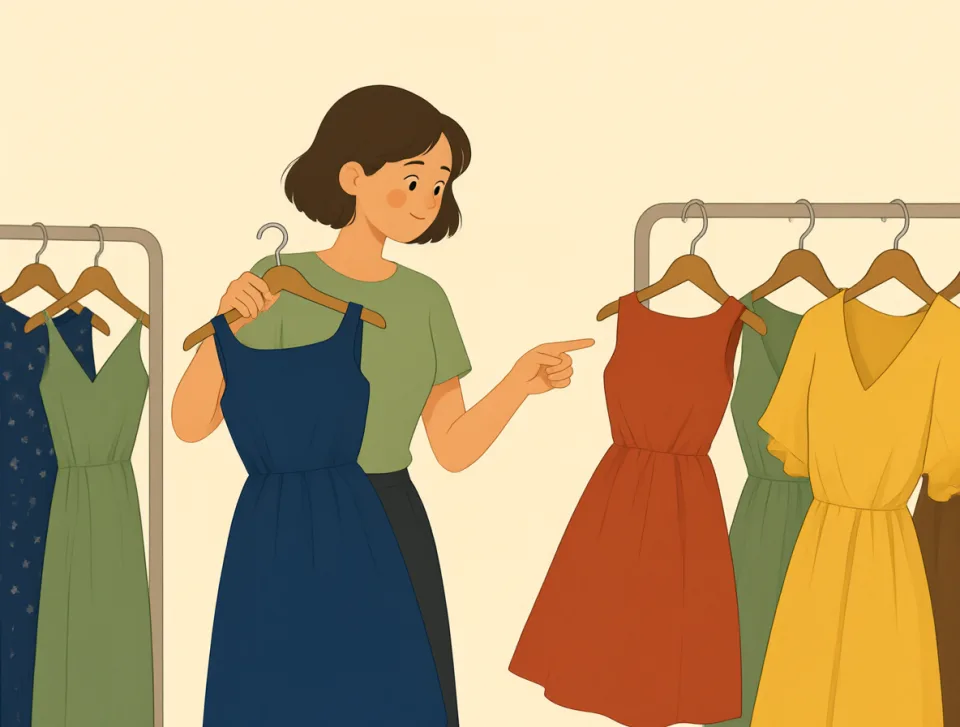
Of the two dresses, I prefer the latter because it is cheaper.
İki elbiseden ikincisini tercih ediyorum çünkü daha ucuz.
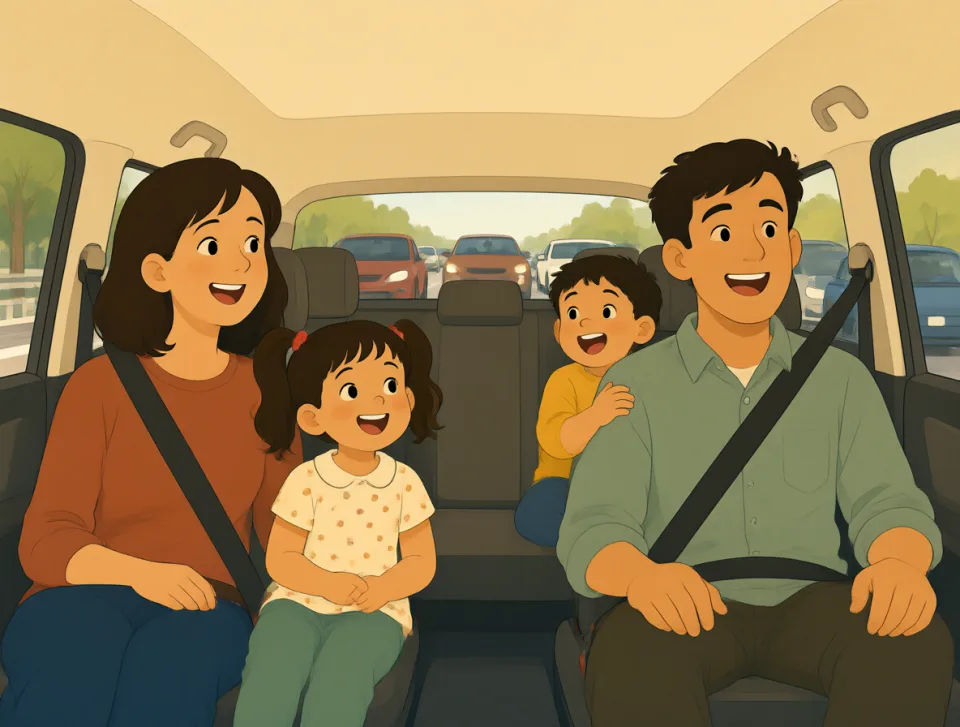
The latter part of the journey was slow because of heavy traffic.
Yolculuğun son kısmı yoğun trafik yüzünden yavaş geçti.
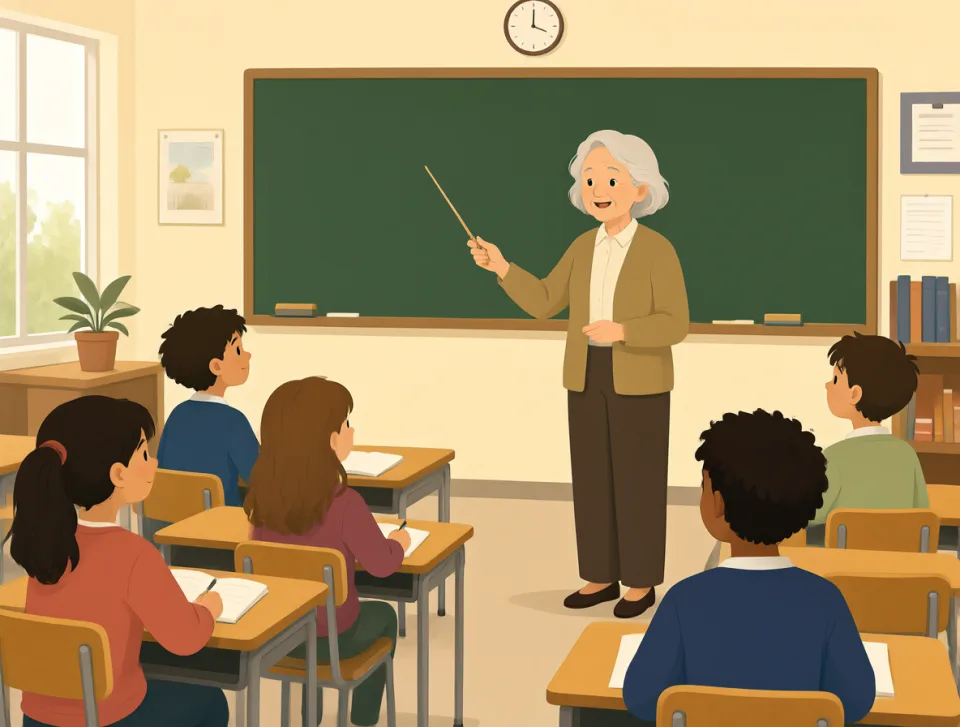
The latter half of the lesson was easier for everyone.
Dersin ikinci yarısı herkes için daha kolaydı.
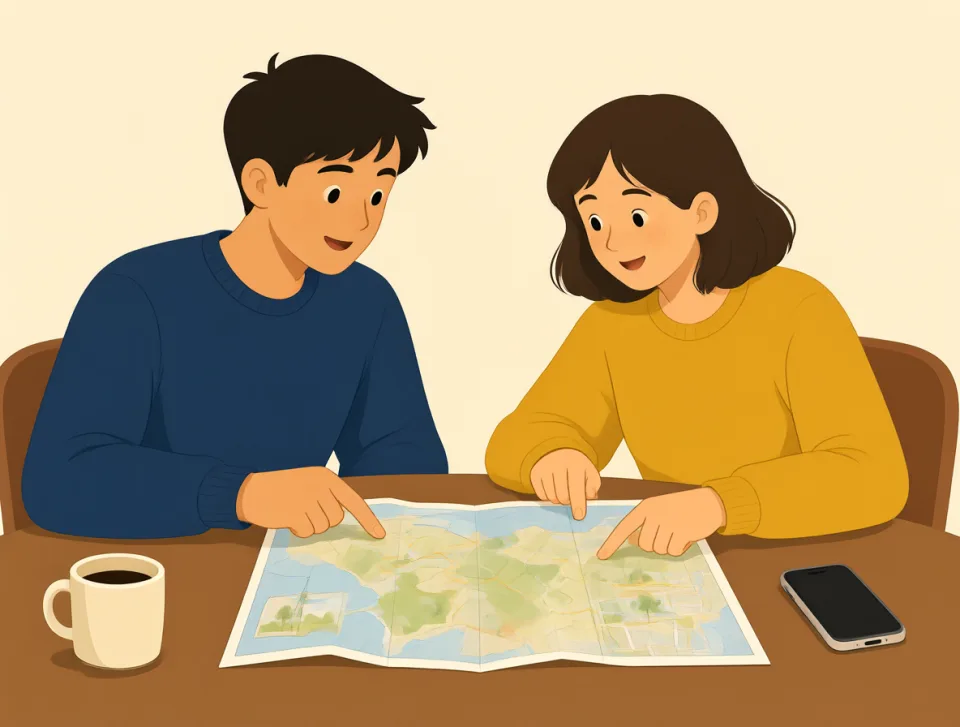
We discussed two plans, but chose the latter for our trip.
İki planı görüştük ama seyahatimiz için ikincisini seçtik.

The latter option includes breakfast and free airport transport.
İkinci seçenek kahvaltı ve ücretsiz havaalanı ulaşımını içeriyor.
plate
#1705noun, verb
tabak
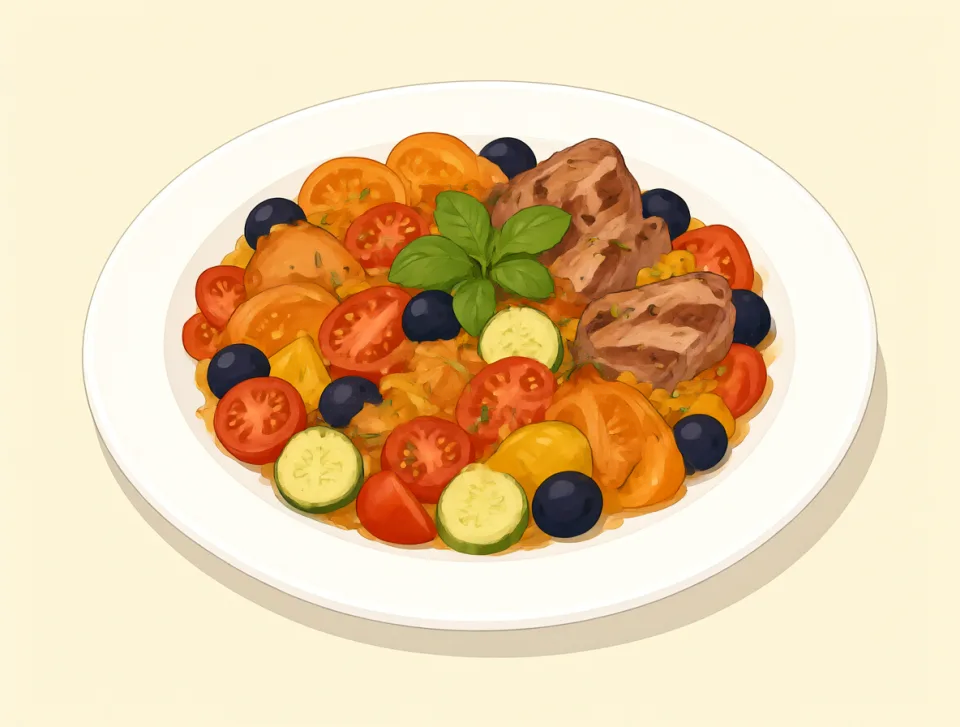
a flat dish for holding and serving food
Yiyecek koymak ve servis etmek için kullanılan düz kap.
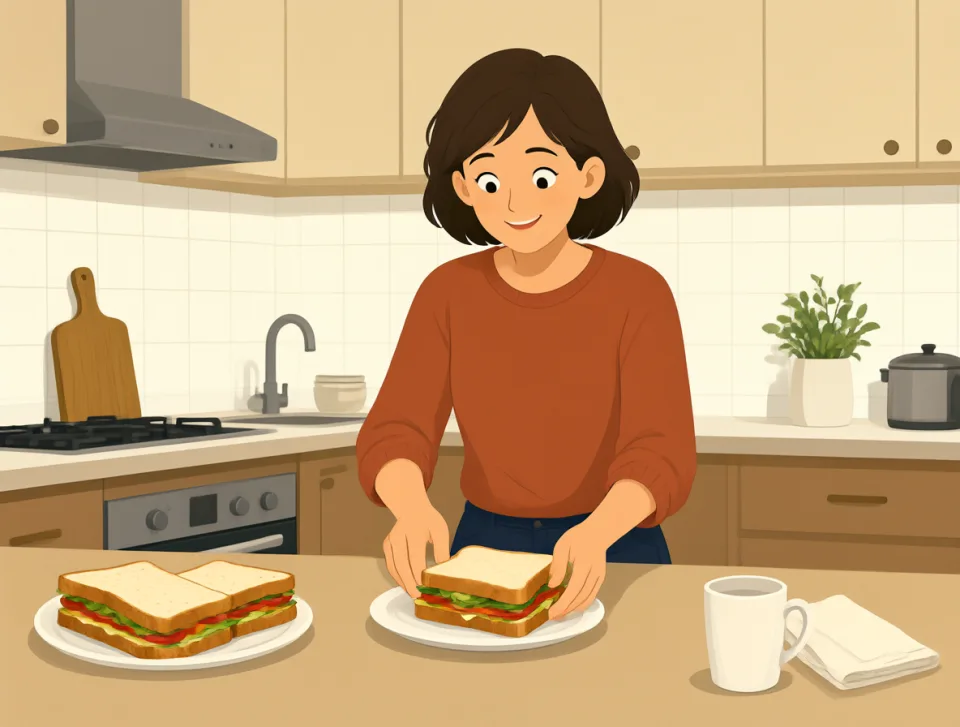
She put the sandwiches on a clean plate.
Sandviçleri temiz bir tabağa koydu.
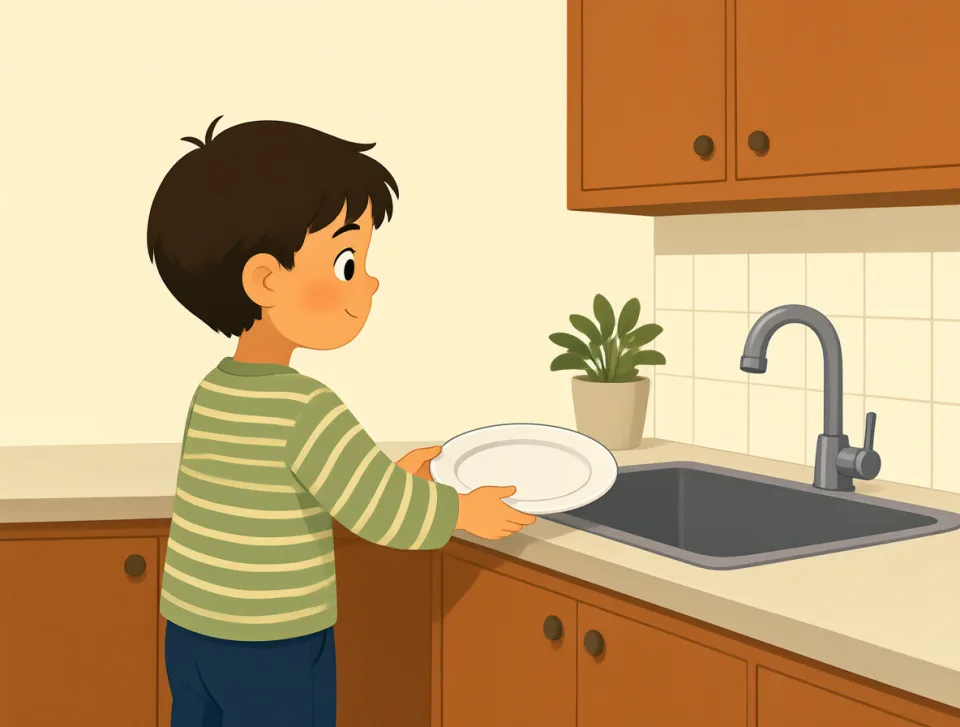
Please wash your plate after dinner.
Lütfen akşam yemeğinden sonra tabağını yıka.
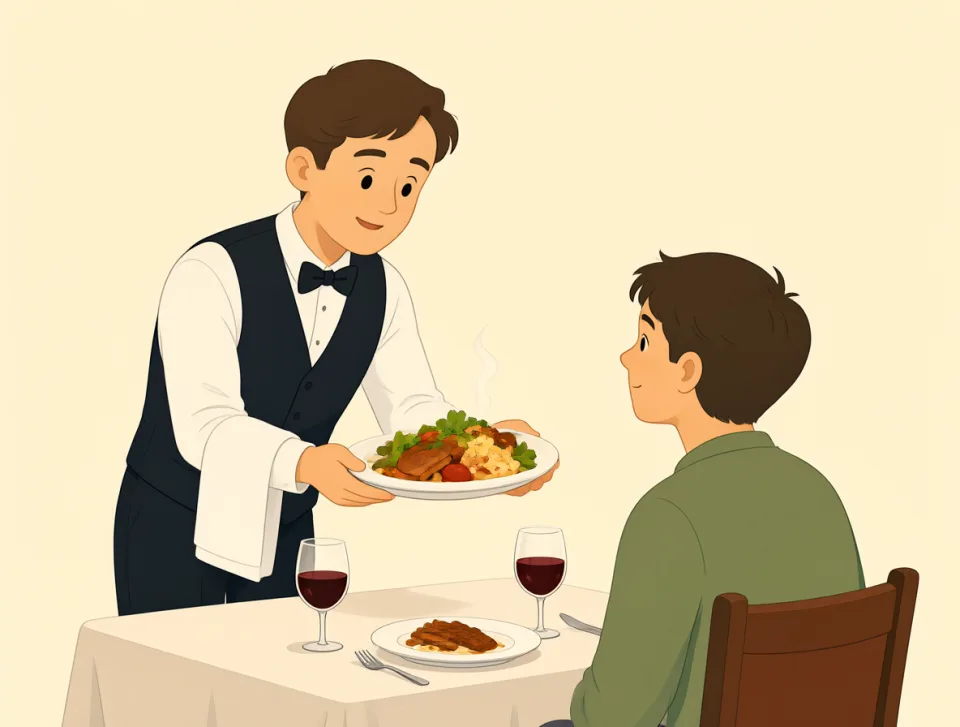
The restaurant served the meal on a large plate.
Restoran yemeği büyük bir tabakta servis etti.
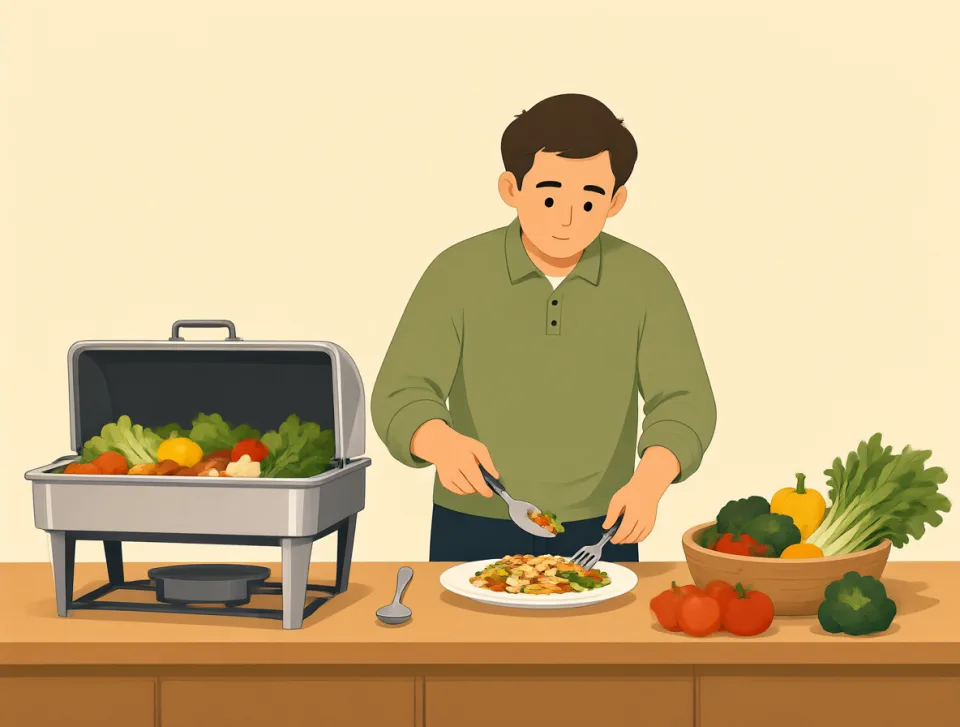
He filled his plate with vegetables at the buffet.
Açık büfede tabağını sebzelerle doldurdu.

The mechanic plated the small metal parts with gold.
Tamirci küçük metal parçaları altınla kapladı.
ban
#1706noun, verb
yasaklamak
To officially stop someone from doing something, or to say that something is not allowed.
Birinin bir şeyi yapmasını resmî olarak engellemek ya da bir şeyin yasak olduğunu belirtmek.
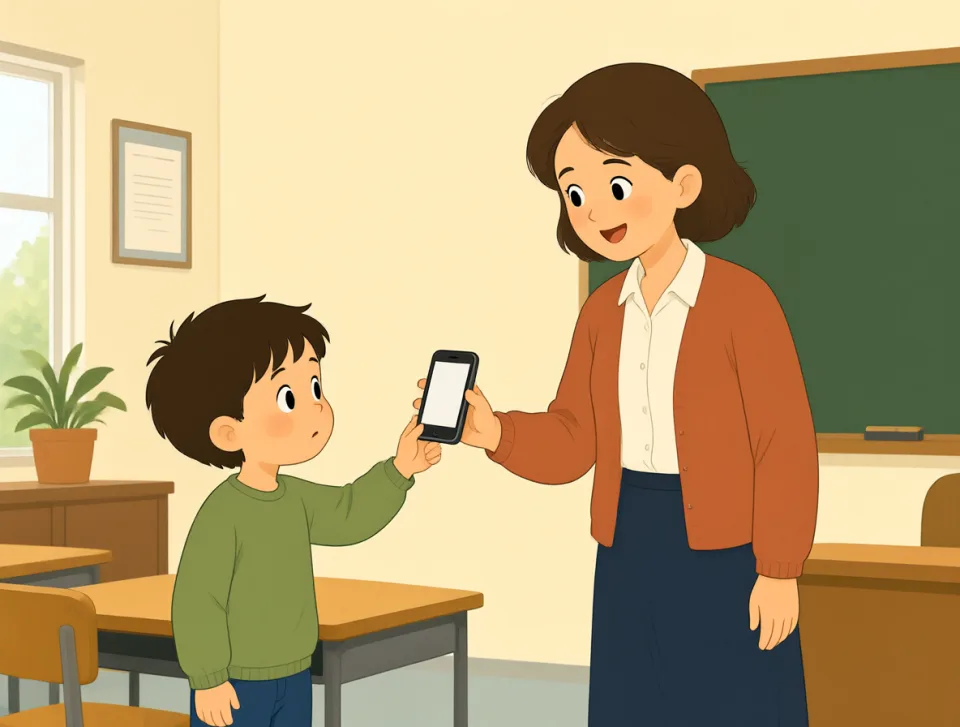
The school banned mobile phones during lessons.
Okul, derslerde cep telefonu kullanımını yasakladı.
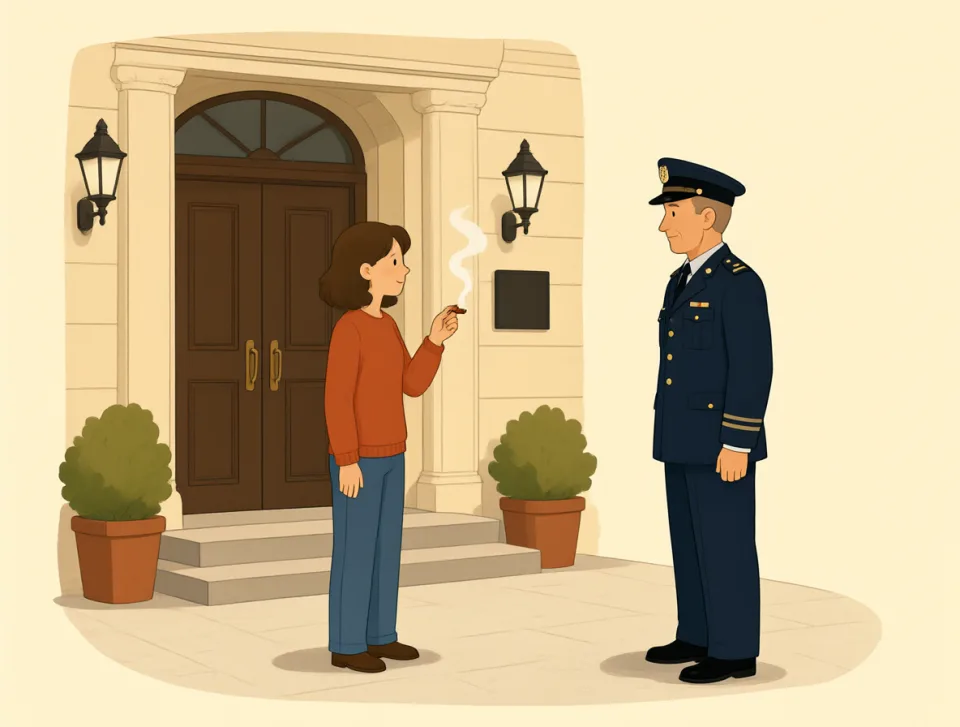
The government banned smoking in public places.
Hükûmet, halka açık yerlerde sigara içmeyi yasakladı.
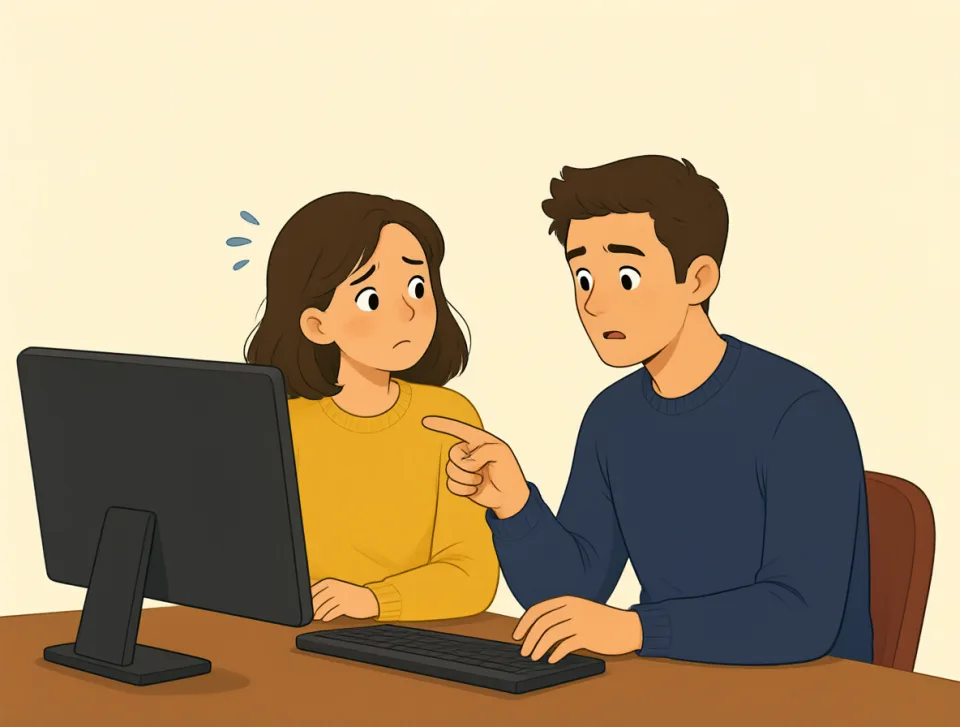
The website banned him for sharing dangerous videos.
Web sitesi, tehlikeli videolar paylaştığı için onu yasakladı.
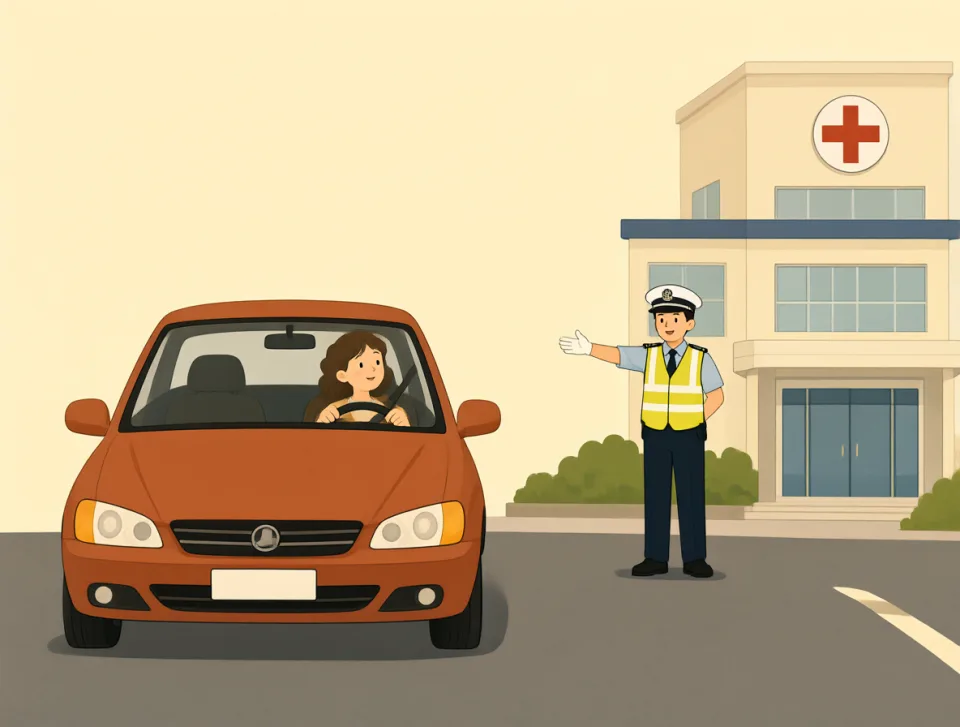
There is a ban on parking outside the hospital.
Hastanenin önüne park etmek yasak.
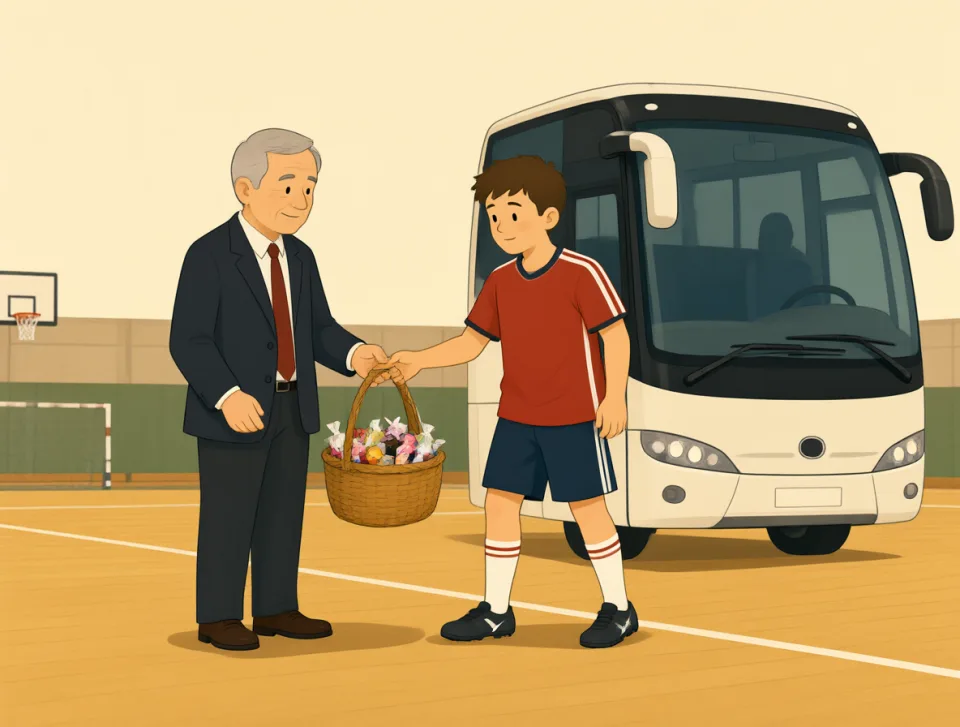
The coach banned sweets before the important game.
Antrenör, önemli maçtan önce şeker yemeyi yasakladı.
steal
#1707verb, noun
çalmak
To take something that belongs to someone else without permission.
Başkasına ait bir şeyi izinsiz almak.
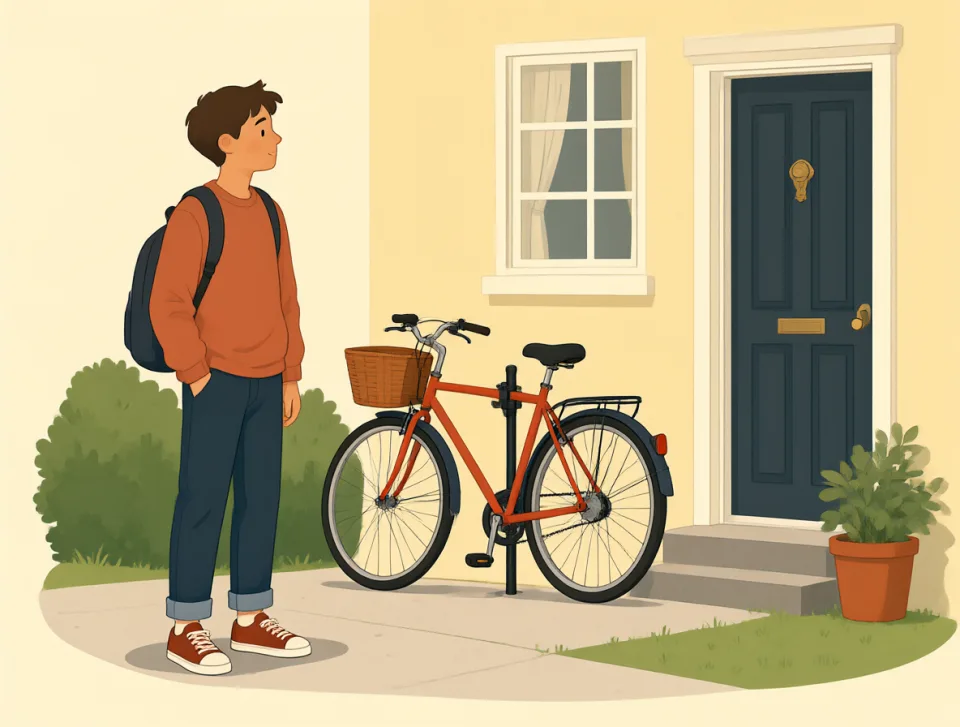
Someone stole my bike from outside the house.
Biri bisikletimi evin önünden çaldı.
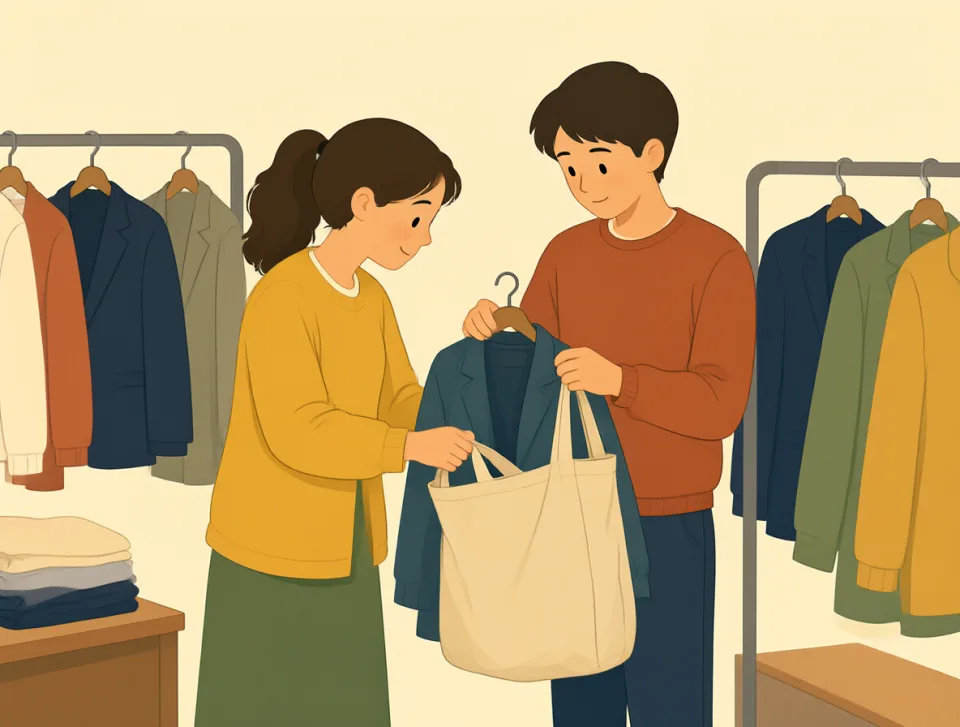
The shoplifter tried to steal a jacket from the store.
Mağaza hırsızı, dükkândan bir ceket çalmaya çalıştı.
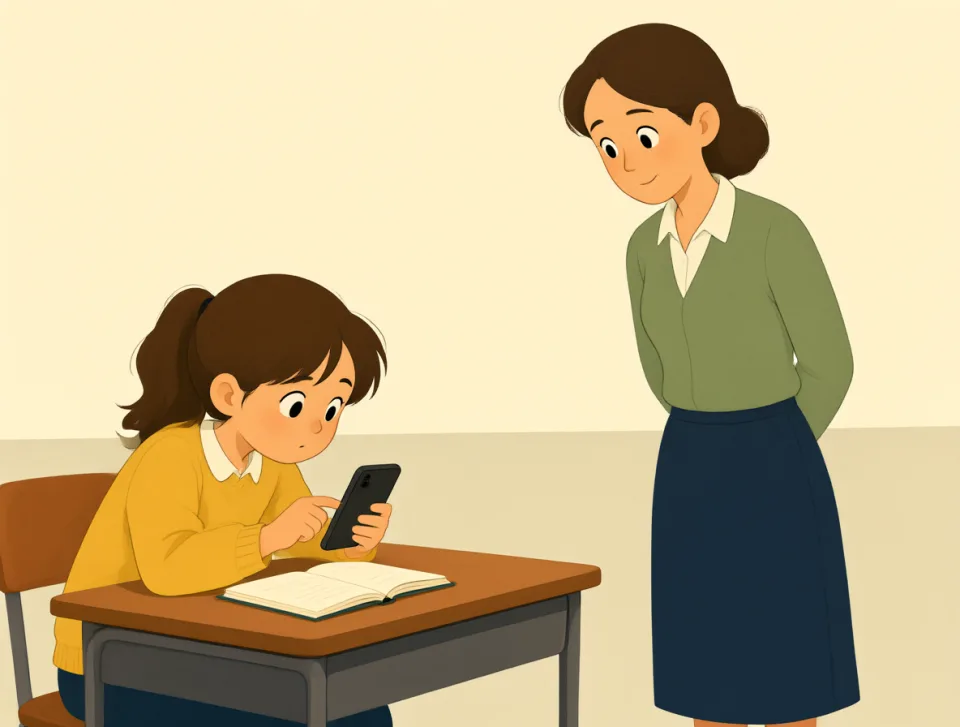
He stole a quick look at his phone during class.
Ders sırasında telefonuna şöyle bir göz attı.
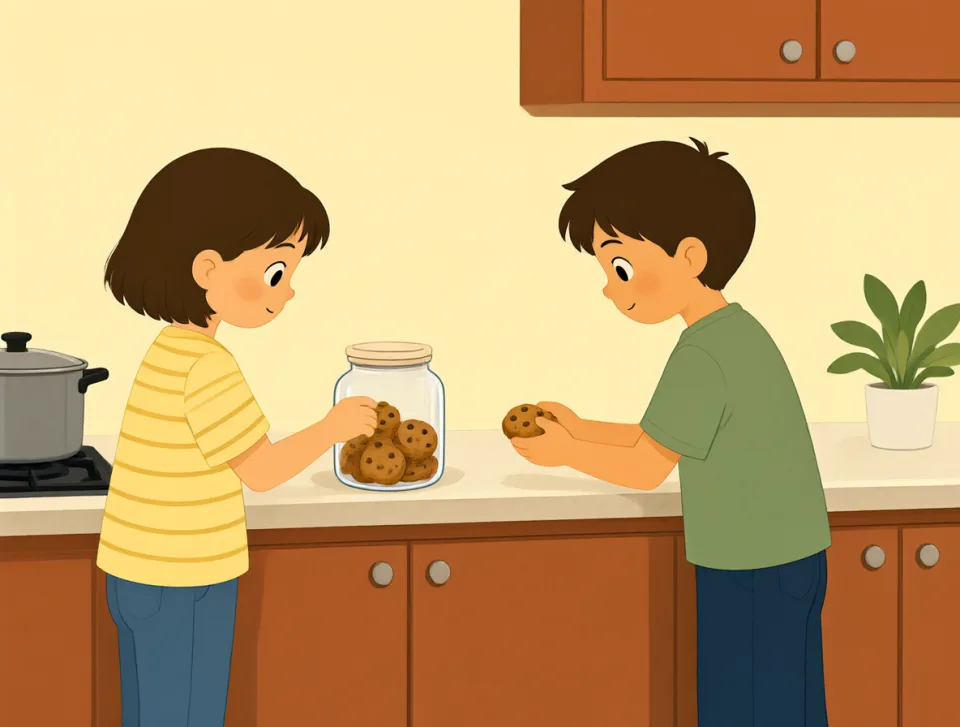
The children stole some cookies from the kitchen.
Çocuklar mutfaktan birkaç kurabiye çaldı.

That little mistake stole my confidence at work.
O küçük hata, iş yerindeki özgüvenimi alıp götürdü.

protest
#1708noun, verb
protesto
A public action or statement showing strong disagreement with something.
Bir şeye güçlü biçimde karşı çıkıldığını gösteren halka açık bir eylem ya da açıklama.

Thousands joined the protest against the new law.
Yeni yasayı protesto etmek için binlerce kişi eyleme katıldı.

Students protested when their school closed the library.
Okulları kütüphaneyi kapatınca öğrenciler protesto etti.

She protested that the restaurant had charged her twice.
Restoranın kendisinden iki kez ücret aldığını söyleyerek itiraz etti.
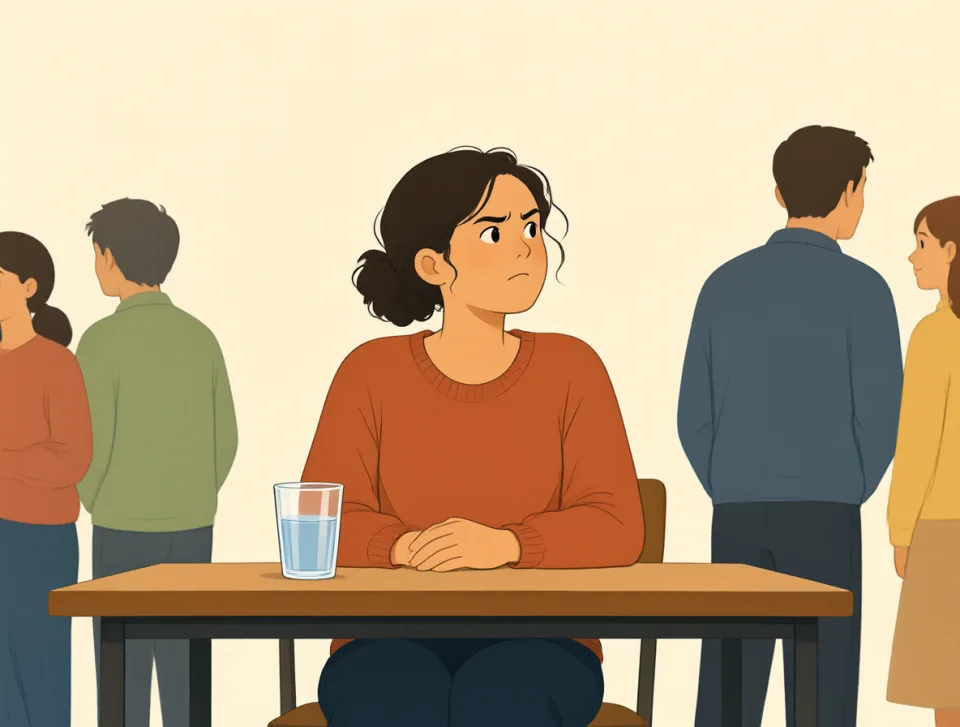
He began a hunger protest to demand better treatment.
Daha iyi muamele görmek için açlık grevine başladı.
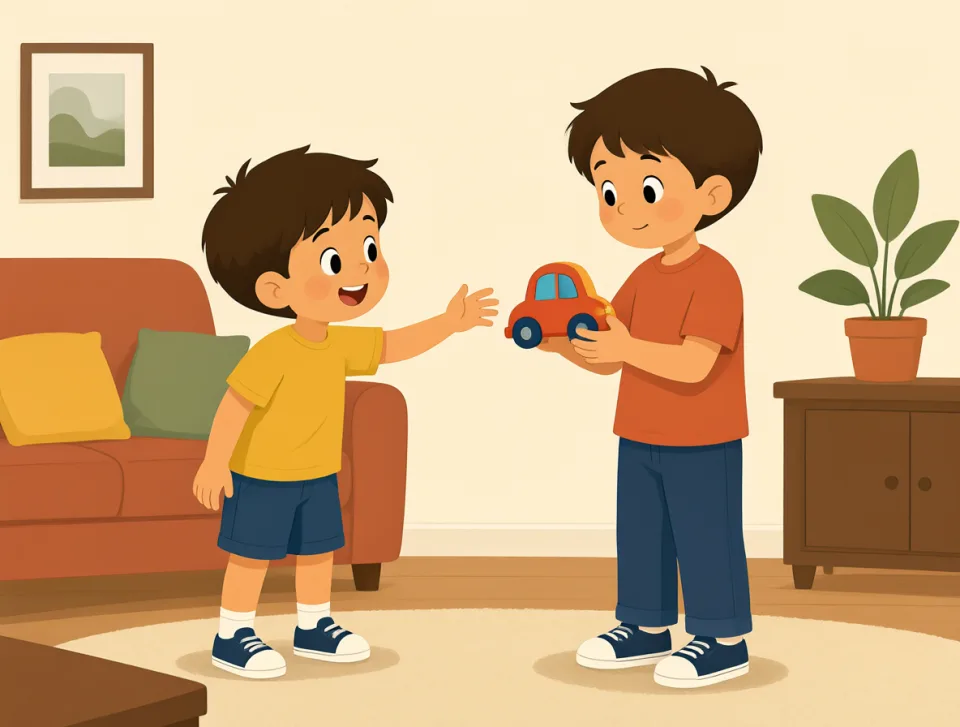
My little brother protested when I took his toy.
Oyuncağını alınca küçük kardeşim itiraz etti.
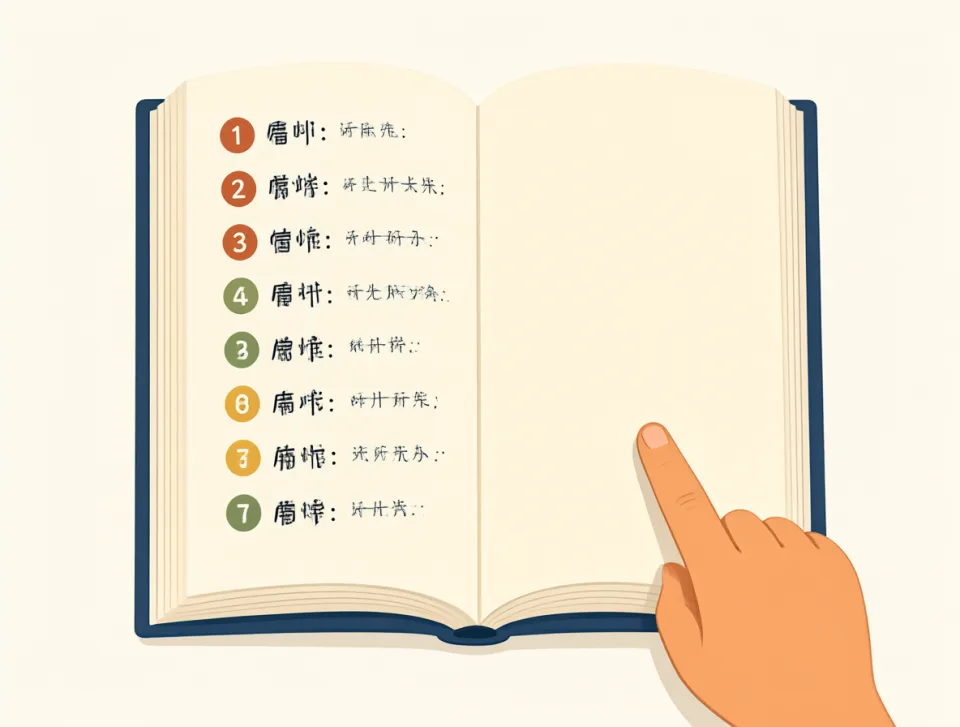
index
#1709noun, verb
dizin; endeks
A list that helps you find information, or a number showing size or change.
Bilgi bulmanıza yardımcı olan bir liste ya da büyüklüğü veya değişimi gösteren bir sayı.
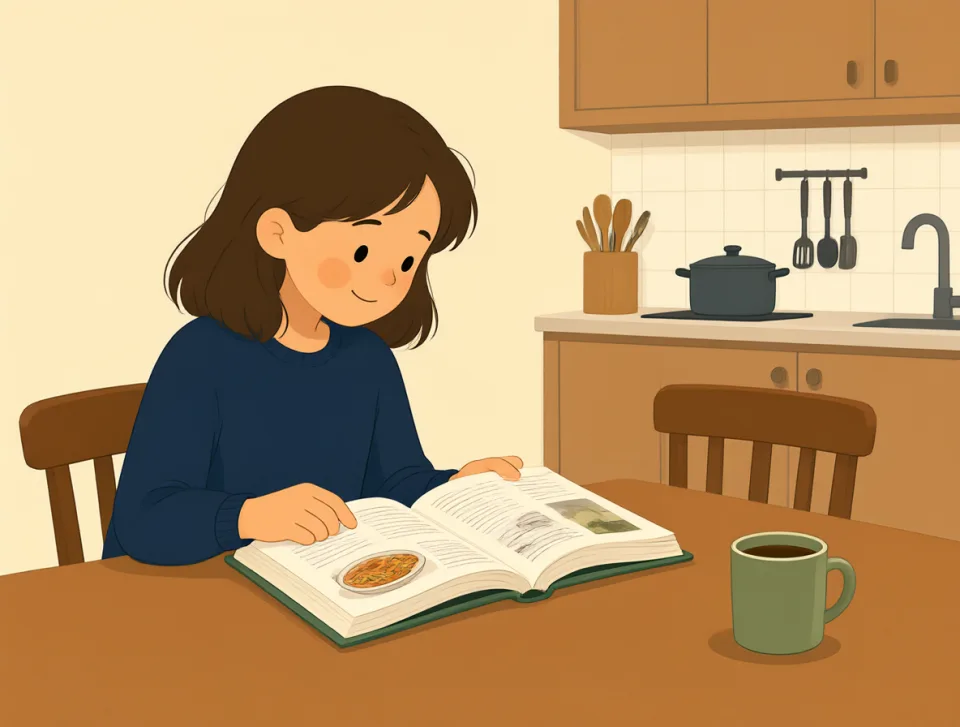
Check the index to find the page about healthy food.
Sağlıklı yiyeceklerle ilgili sayfayı bulmak için dizine bak.
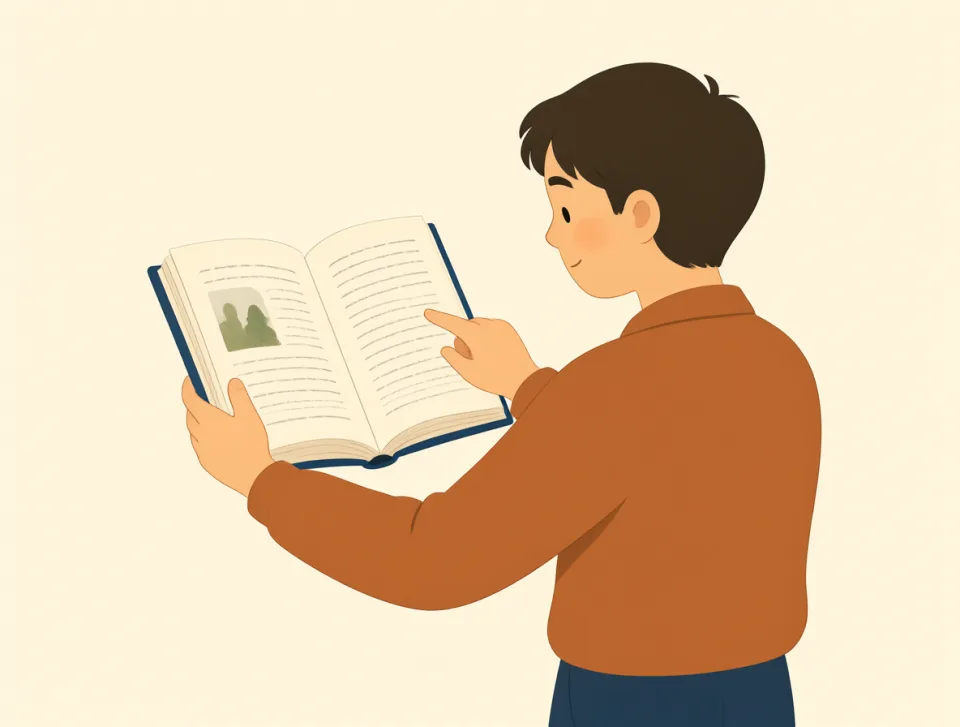
The book has a useful index at the back.
Kitabın arka kısmında kullanışlı bir dizin var.
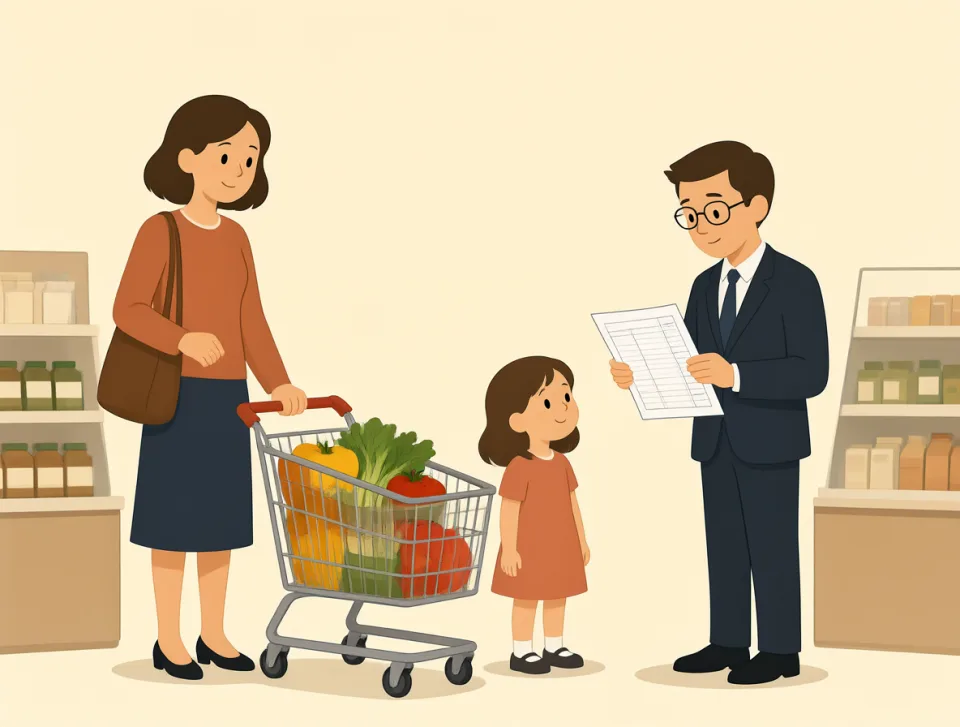
Prices increased according to the cost of living index.
Fiyatlar, yaşam maliyeti endeksine göre arttı.
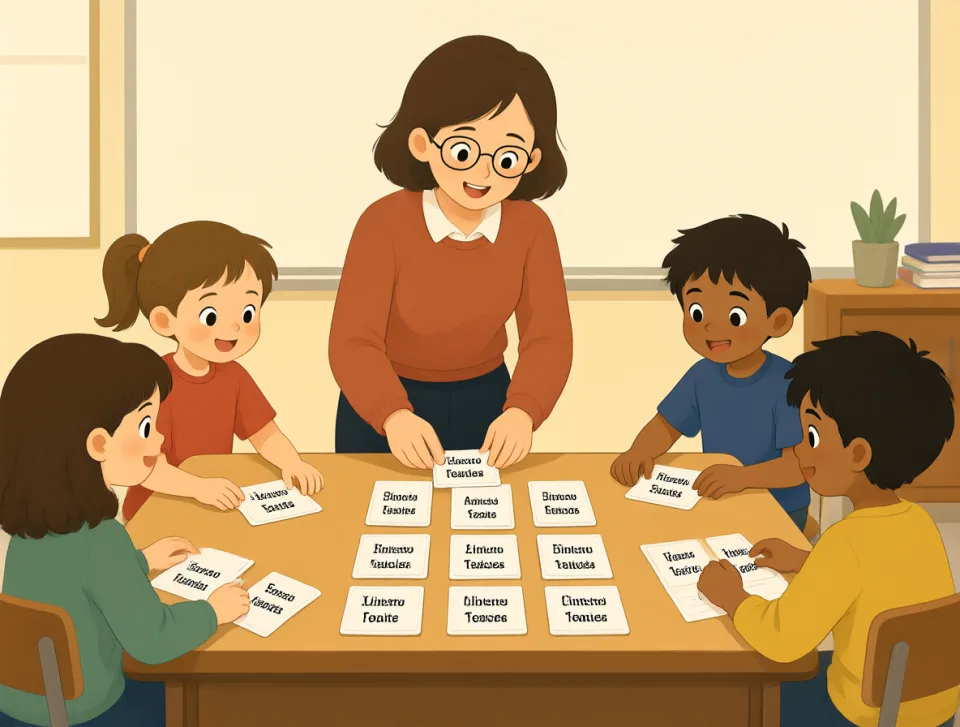
The teacher indexed the students' names by their last names.
Öğretmen, öğrencilerin adlarını soyadlarına göre dizine kaydetti.
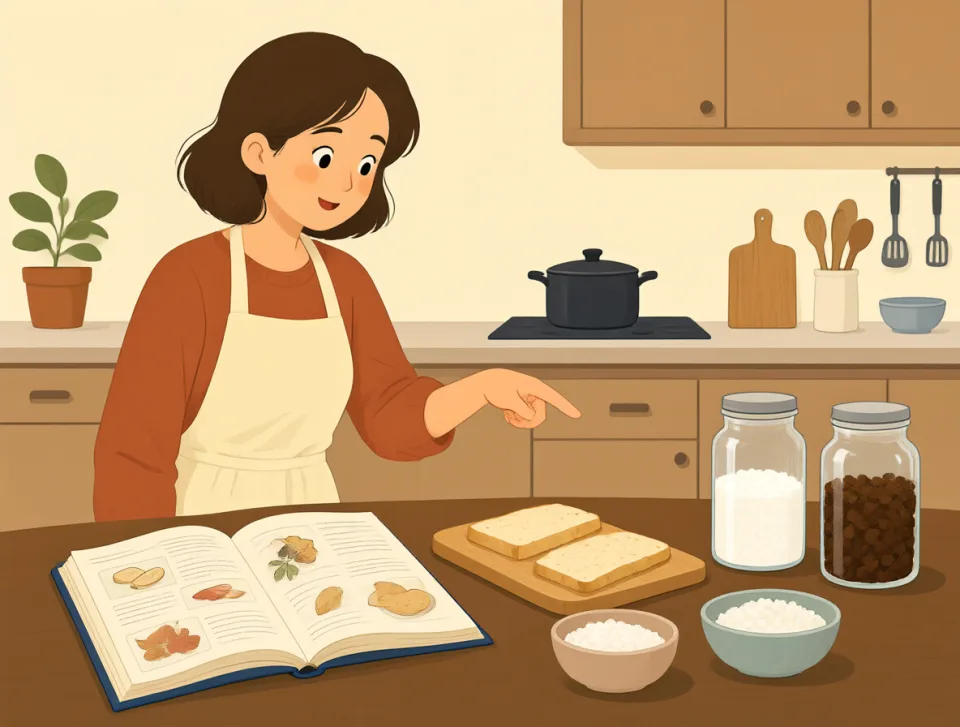
She used her finger to index each item in the recipe.
Tarifteki her malzemeyi parmağıyla gösterdi.
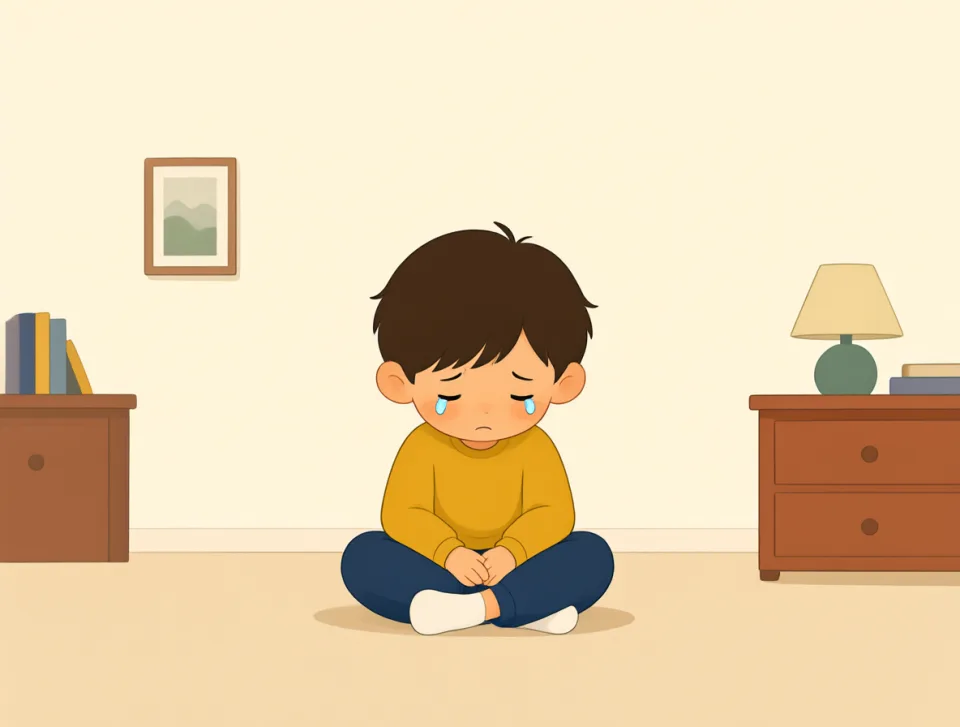
sad
#1710adjective
üzgün
Feeling unhappy, often because something bad happened.
Çoğunlukla kötü bir şey yaşandığı için mutsuz hissetmek.
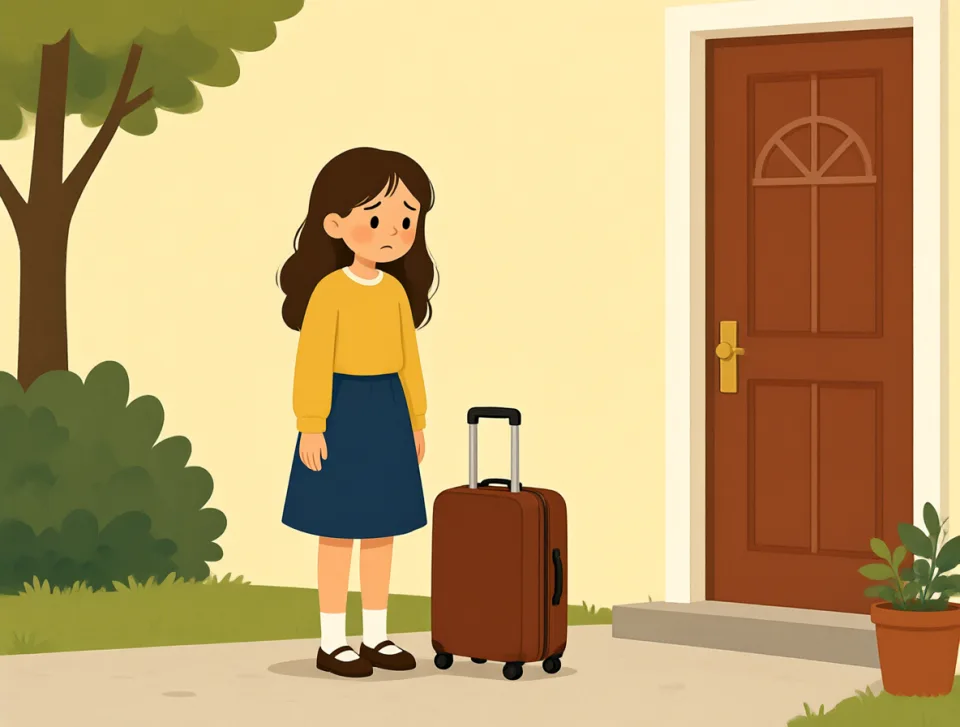
She felt sad when her best friend moved away.
En yakın arkadaşı taşınıp gidince üzüldü.
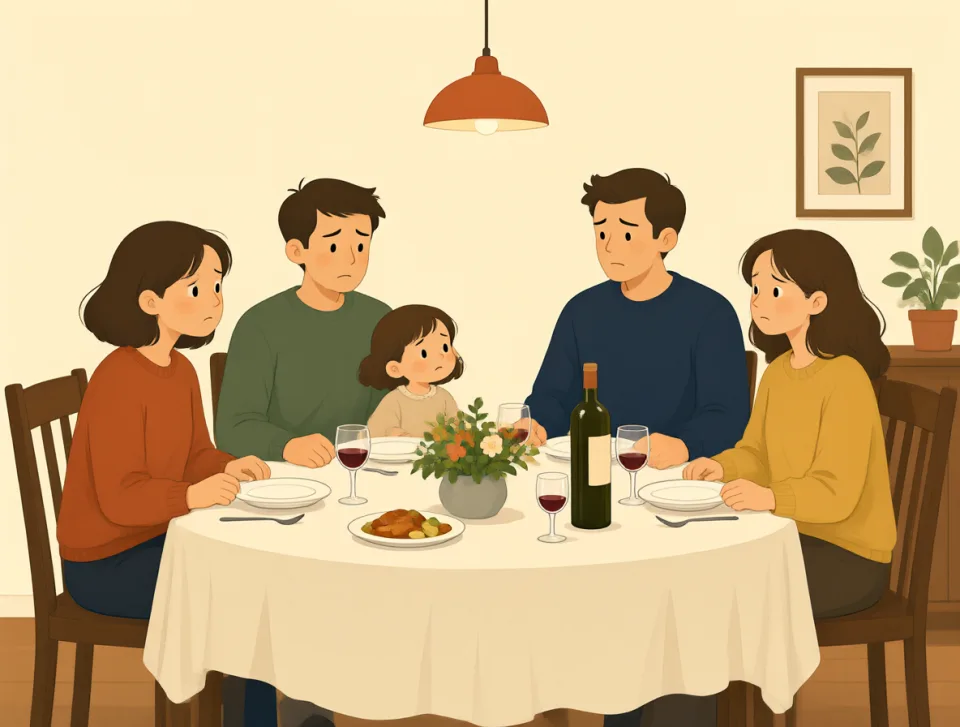
The sad news made everyone quiet at dinner.
Üzücü haber, akşam yemeğinde herkesi sessizleştirdi.
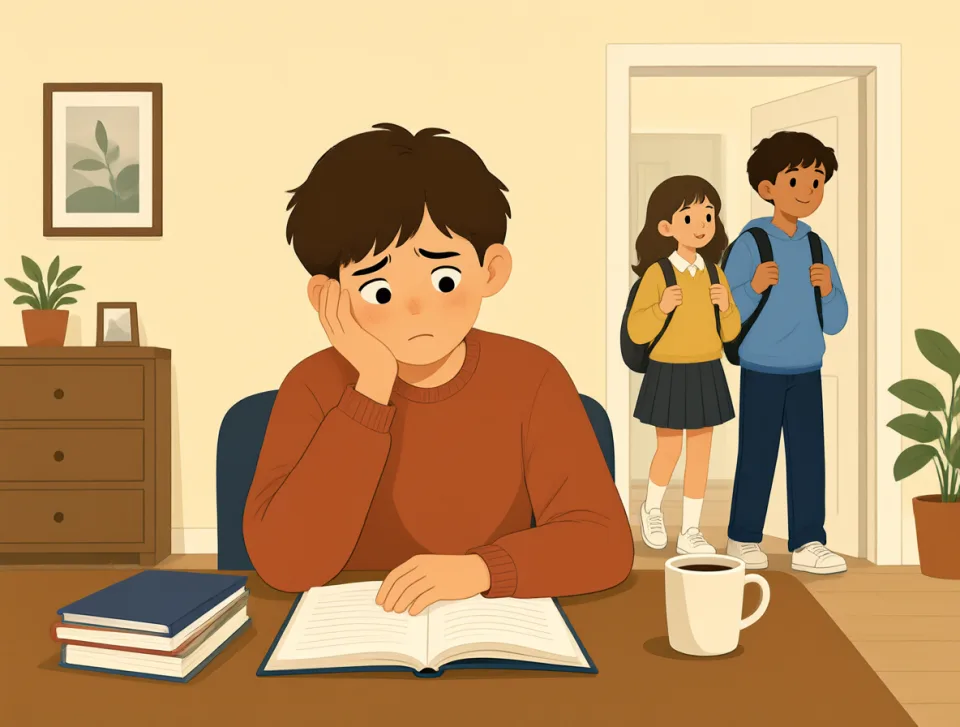
I was sad about missing the school trip.
Okul gezisini kaçırdığım için üzgündüm.
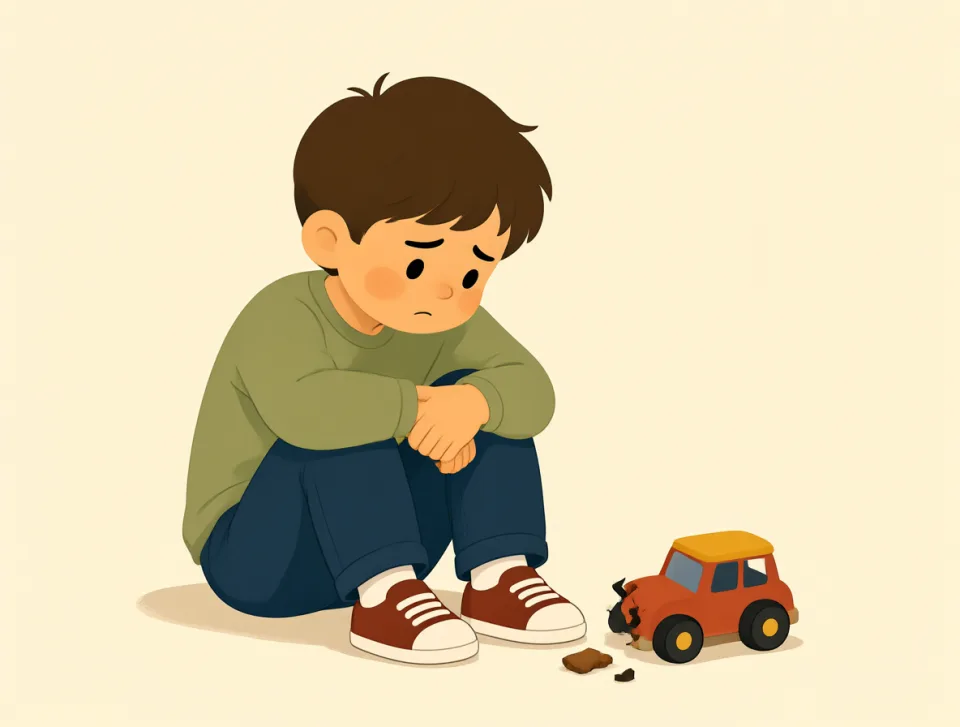
He looked sad after losing his favorite toy.
En sevdiği oyuncağı kaybedince üzgün görünüyordu.

The movie had a sad ending, but I enjoyed it.
Filmin sonu üzücüydü ama filmi beğendim.
frequently
#1711adverb
sık sık
often or many times, especially at regular or short intervals
özellikle düzenli aralıklarla veya kısa aralıklarla sık sık ya da birçok kez
She frequently visits her parents after work.
İşten sonra anne babasını sık sık ziyaret eder.

The manager frequently checks our progress during meetings.
Müdür toplantılar sırasında ilerlememizi sık sık kontrol eder.
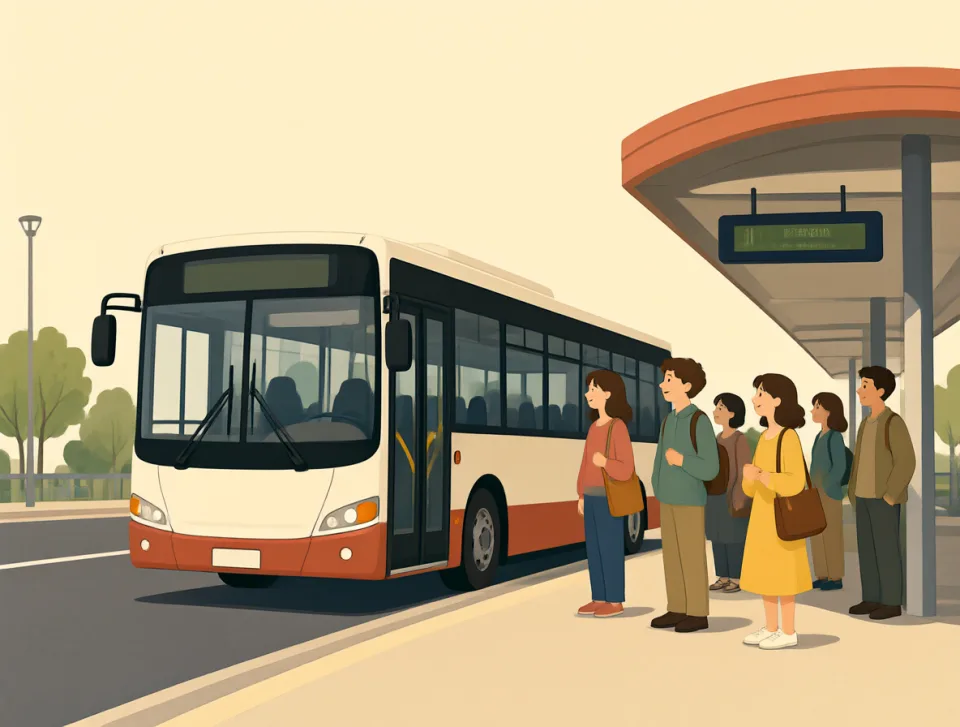
This bus frequently stops near the train station.
Bu otobüs tren istasyonunun yakınında sık sık durur.
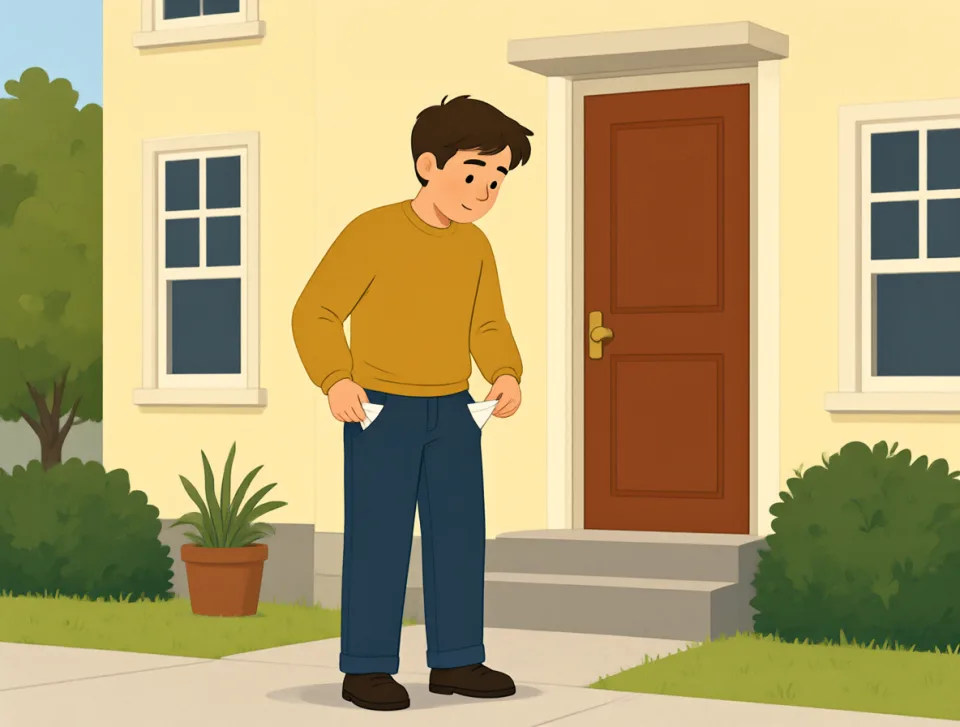
Tom frequently forgets his keys at home.
Tom evin anahtarlarını sık sık evde unutur.
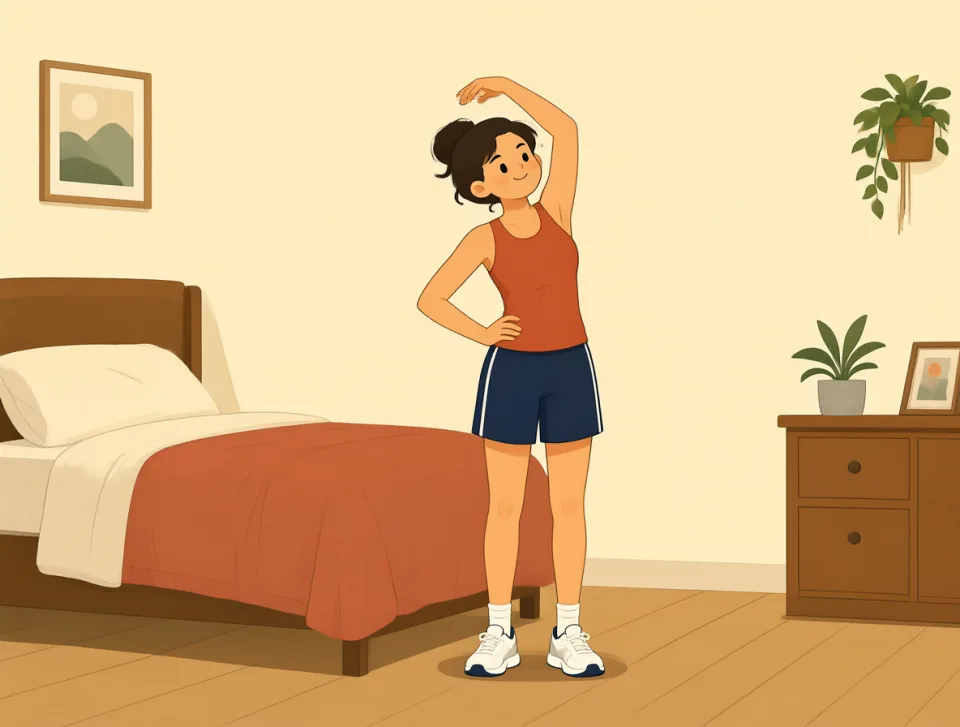
People who exercise frequently usually sleep better.
Sık sık egzersiz yapan insanlar genellikle daha iyi uyur.

circle
#1712noun, verb
daire; etrafında dönmek
a round shape, or to move around something in a curved path
yuvarlak bir şekil ya da bir şeyin çevresinde kavisli bir yörüngede hareket etmek

Draw a circle around the correct answer.
Doğru cevabın etrafına bir daire çizin.
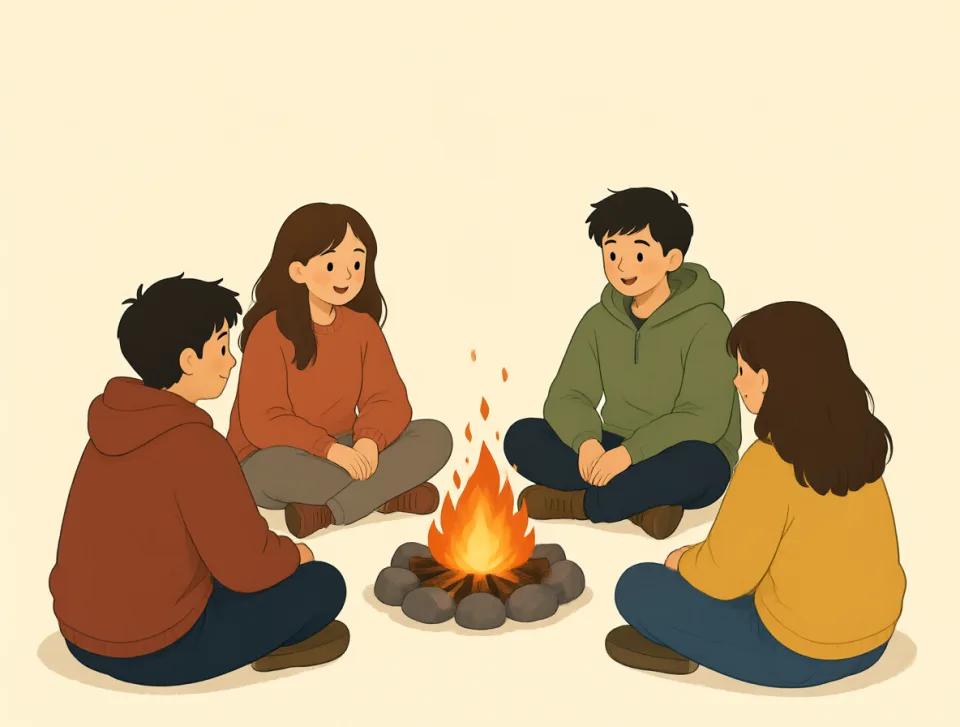
We sat in a circle around the campfire.
Kamp ateşinin etrafında daire şeklinde oturduk.
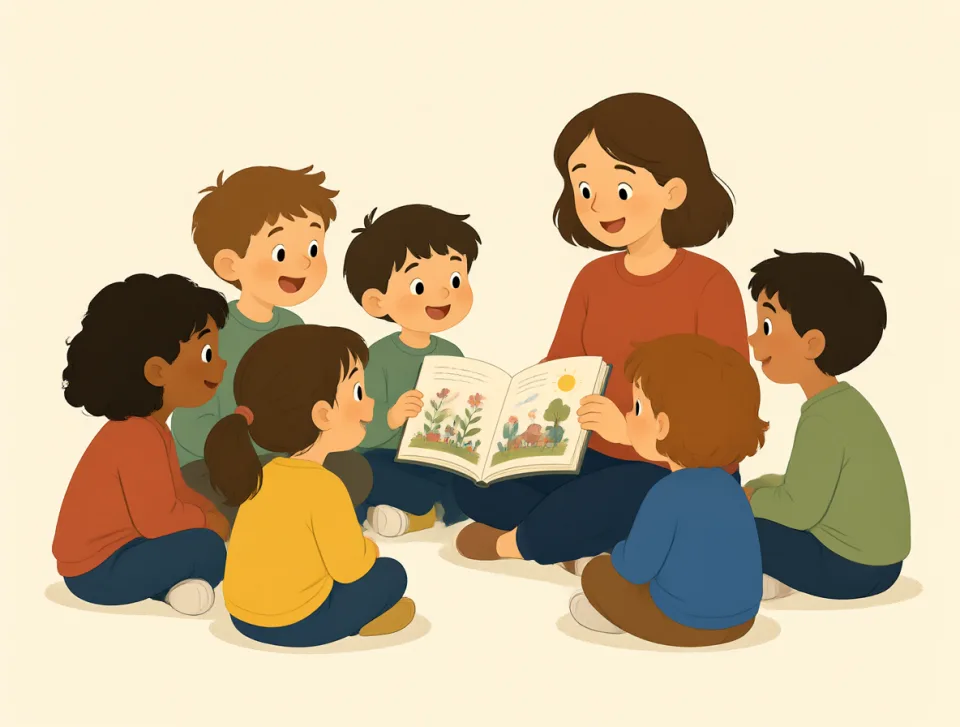
The children circled the teacher during story time.
Hikâye saatinde çocuklar öğretmenin etrafında toplandı.
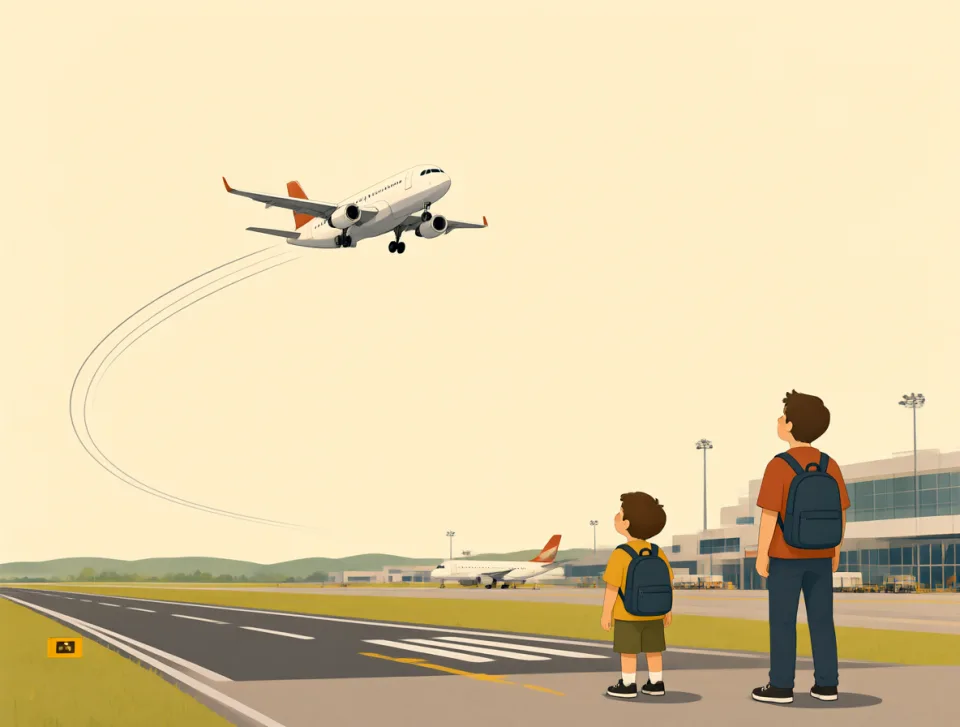
The plane circled the airport before landing.
Uçak inişten önce havaalanının etrafında birkaç tur attı.
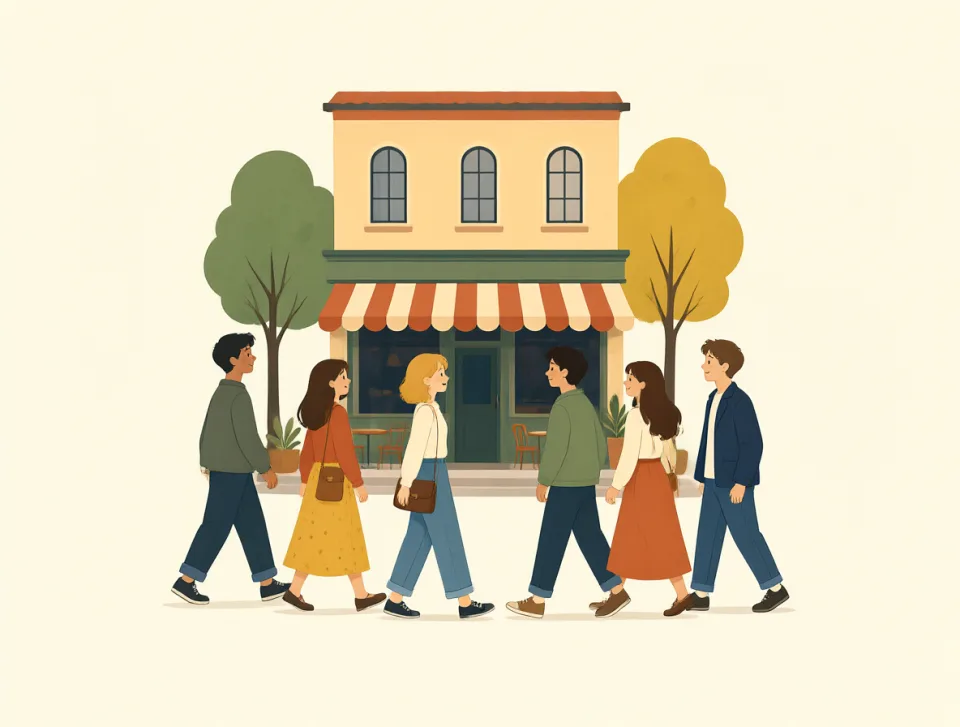
A group of friends circled the new restaurant after work.
Bir grup arkadaş işten sonra yeni restoranın etrafında dolaştı.

helpful
#1713adjective
yardımsever; faydalı
Useful and willing to help someone or make a situation easier.
Birine yardım etmeye veya bir durumu kolaylaştırmaya istekli ve yararlı.
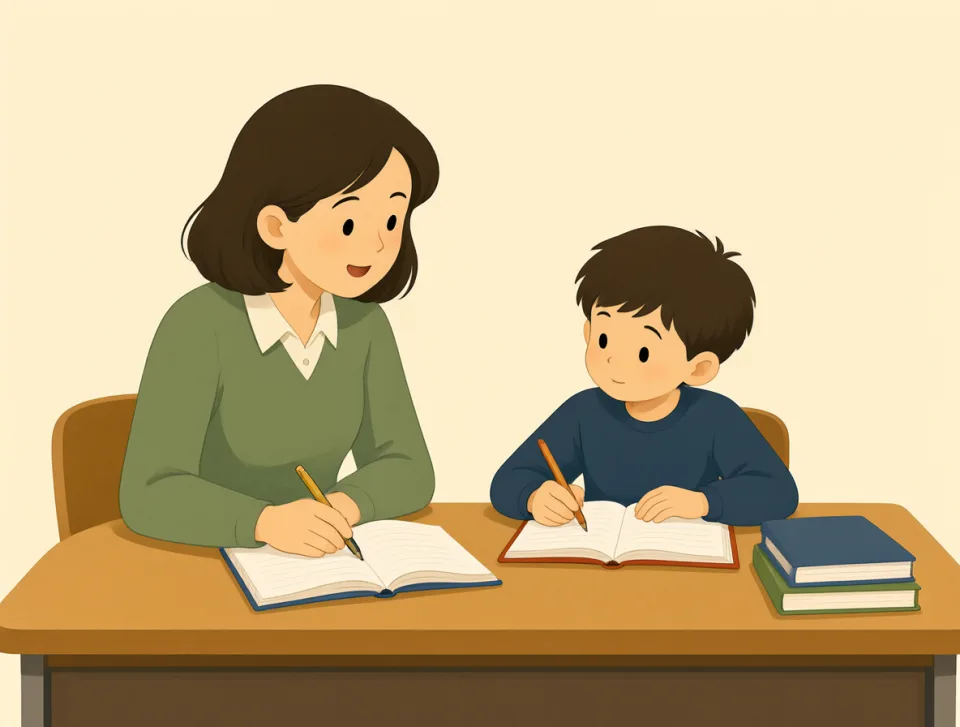
The helpful teacher explained the difficult homework again.
Yardımsever öğretmen, zor ödevi bir kez daha açıkladı.

This map is helpful when you are exploring a new city.
Bu harita, yeni bir şehri keşfederken işine yarar.
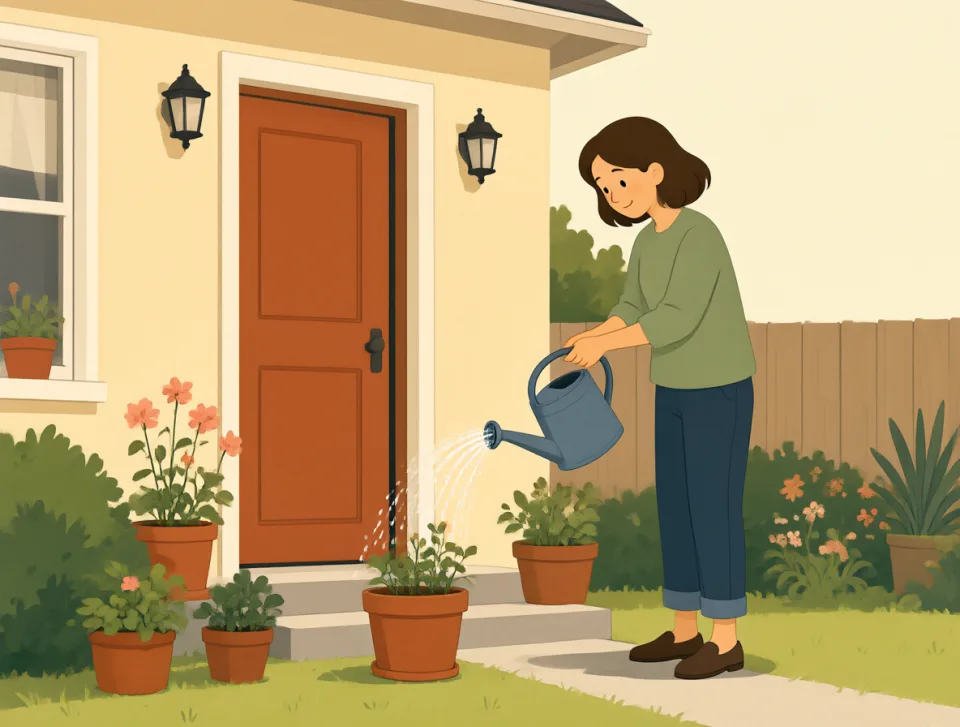
My neighbor was helpful and watered our plants while we were away.
Komşum çok yardımseverdi; biz yokken bitkilerimizi suladı.

The shop assistant gave me helpful advice about choosing a warm jacket.
Mağaza görevlisi, sıcak bir mont seçmem konusunda bana faydalı tavsiyeler verdi.
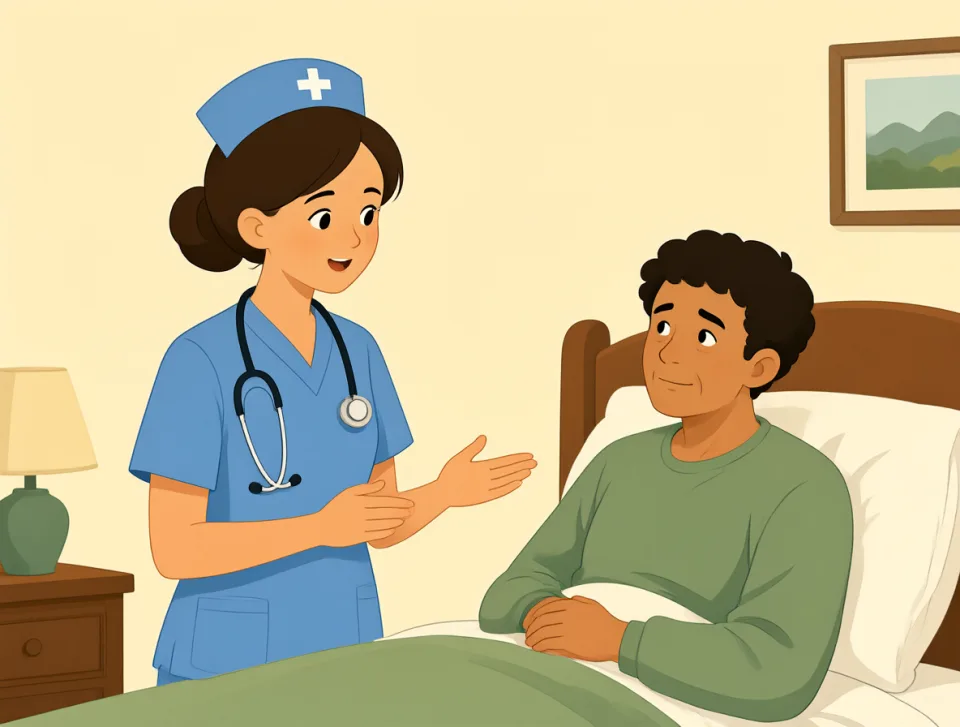
The nurse gave me some helpful tips for getting better.
Hemşire iyileşmem için bana bazı faydalı öneriler verdi.
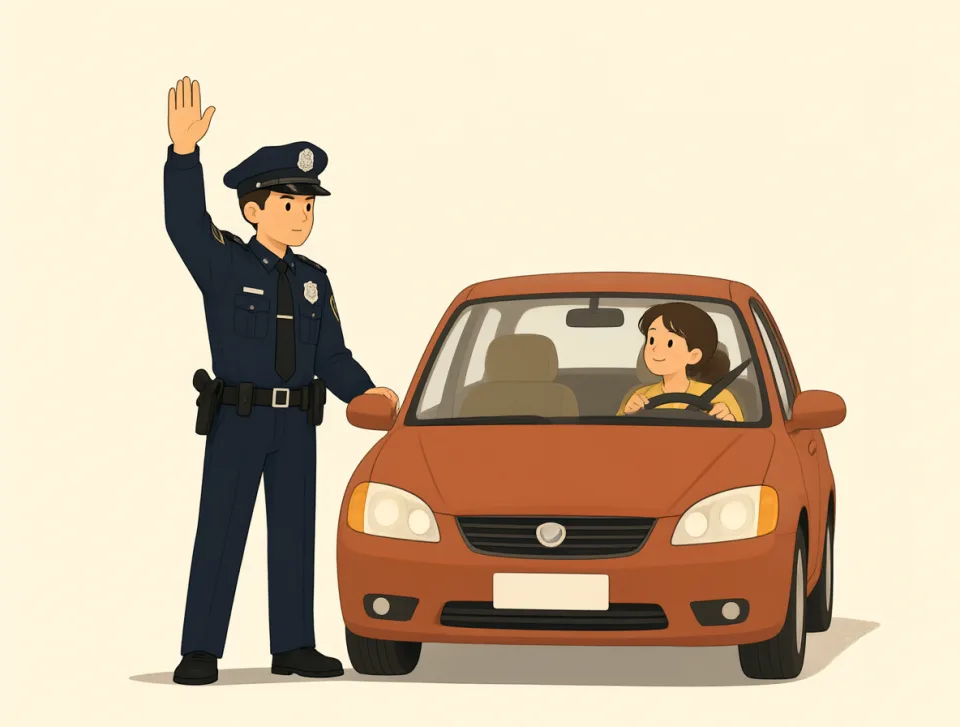
command
#1714noun, verb
emir; emretmek
an order to do something, or to give someone an order
Bir şey yapma emri ya da birine emir verme.
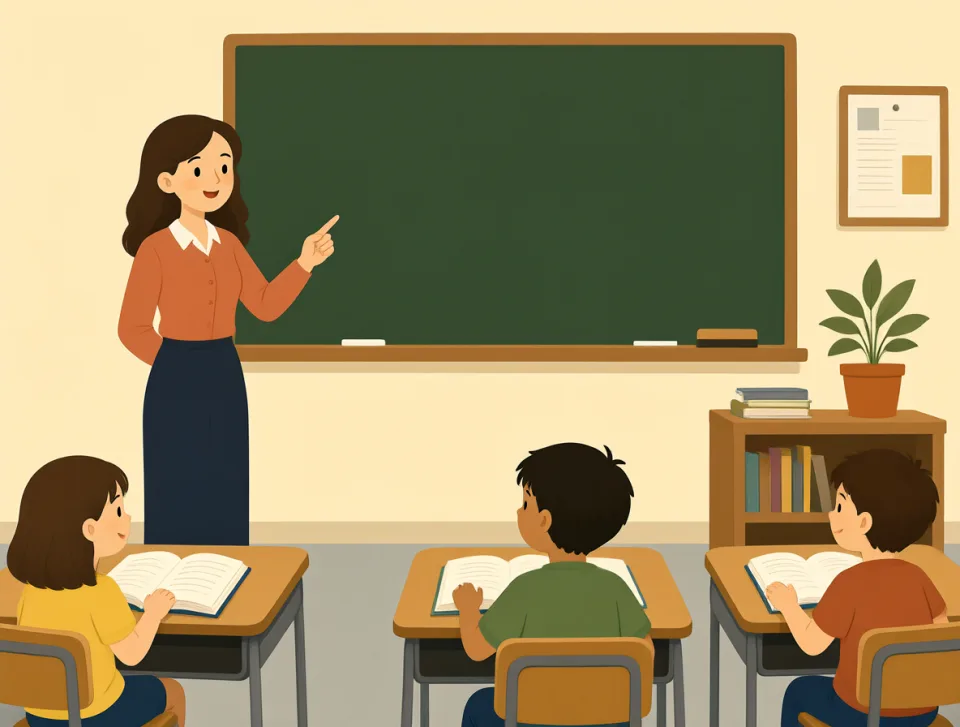
The teacher gave the class a command to open their books.
Öğretmen sınıfa kitaplarını açmaları için emir verdi.
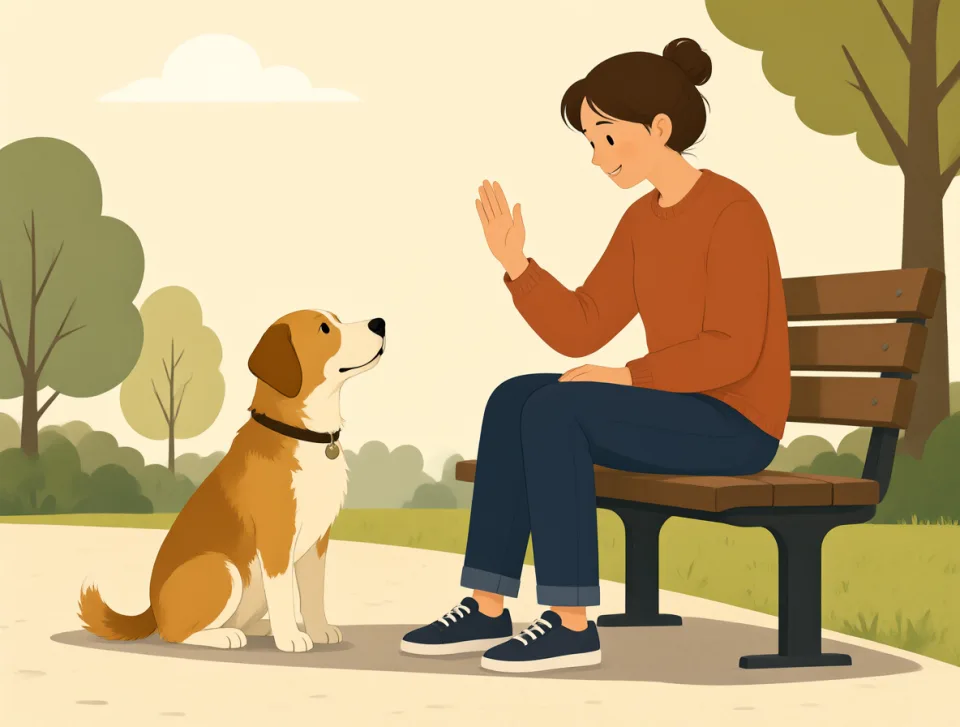
The dog stopped when its owner gave the command.
Sahibi emir verince köpek durdu.
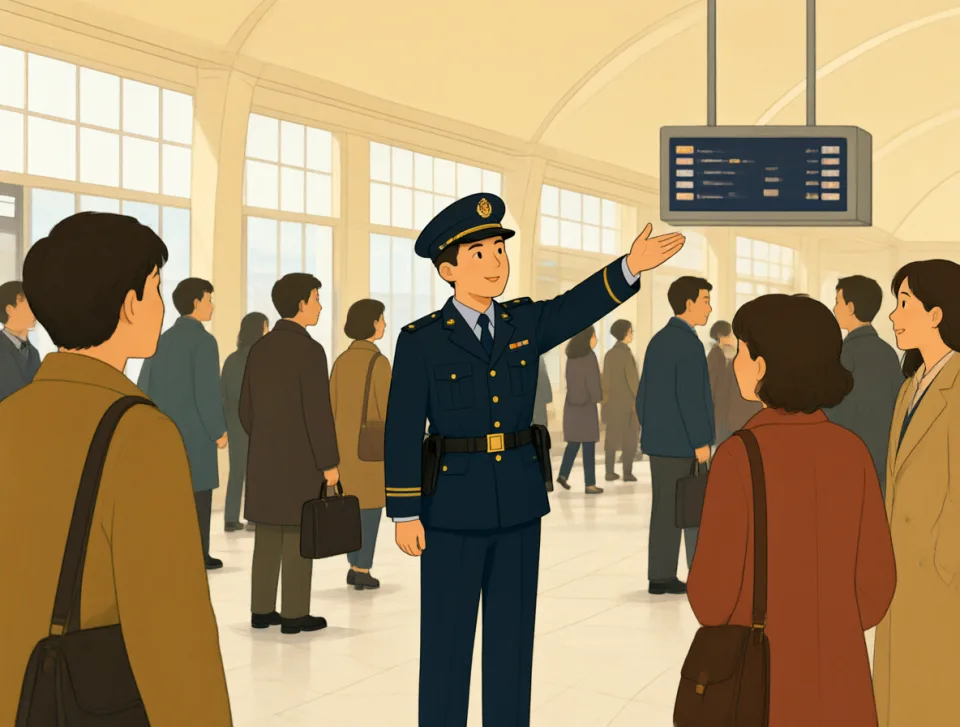
The officer took command of the busy train station.
Memur, yoğun tren istasyonunun yönetimini devraldı.

You can command the computer using your voice.
Bilgisayara sesinizle komut verebilirsiniz.

The captain commanded the crew to leave the ship.
Kaptan mürettebata gemiyi terk etmelerini emretti.

attractive
#1715adjective
çekici
Pleasant to look at or interesting enough to make people want it.
Görünüşü hoş olan ya da insanların istemesini sağlayacak kadar ilgi çekici.

She is attractive and always dresses very neatly.
O çekici biridir ve her zaman çok şık giyinir.

This attractive apartment has large windows and a sunny balcony.
Bu çekici dairenin büyük pencereleri ve güneş alan bir balkonu var.

The shop displayed an attractive blue jacket near the entrance.
Mağaza, girişin yakınında çekici mavi bir mont sergiledi.
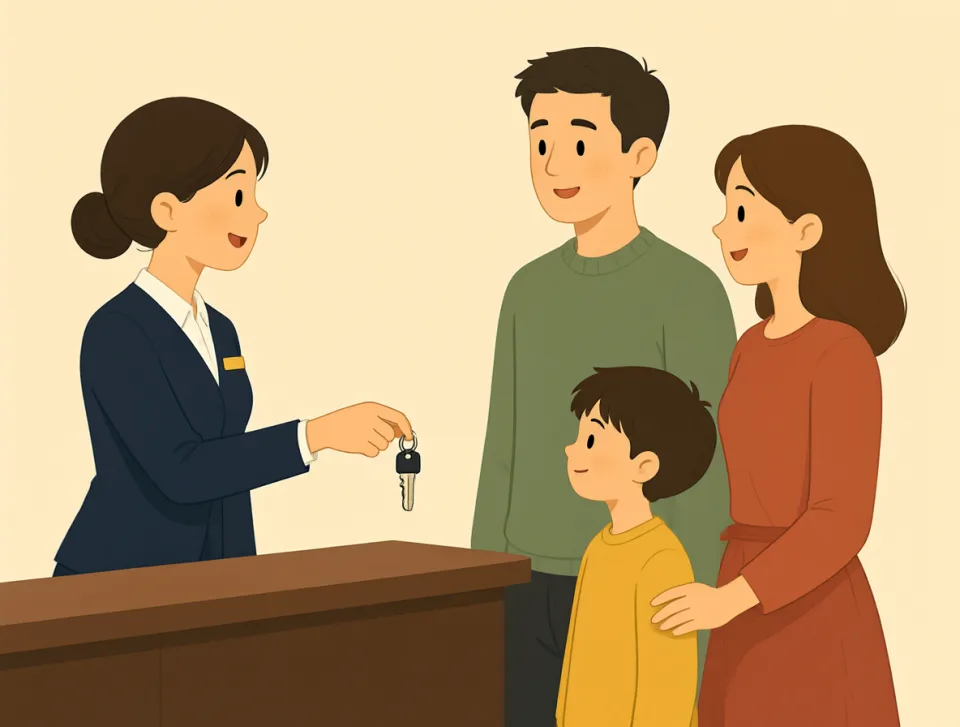
The hotel offers an attractive price for families during summer.
Otel, yaz aylarında ailelere cazip bir fiyat sunuyor.
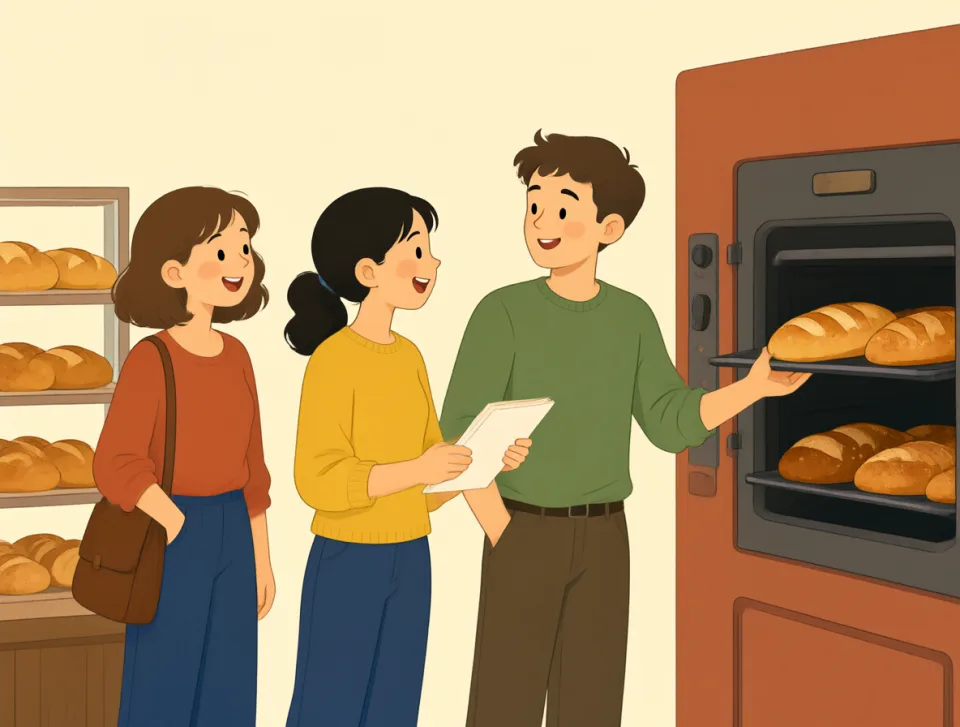
The attractive smell of fresh bread brought customers inside.
Taze ekmeğin iştah açıcı kokusu müşterileri içeri çekti.
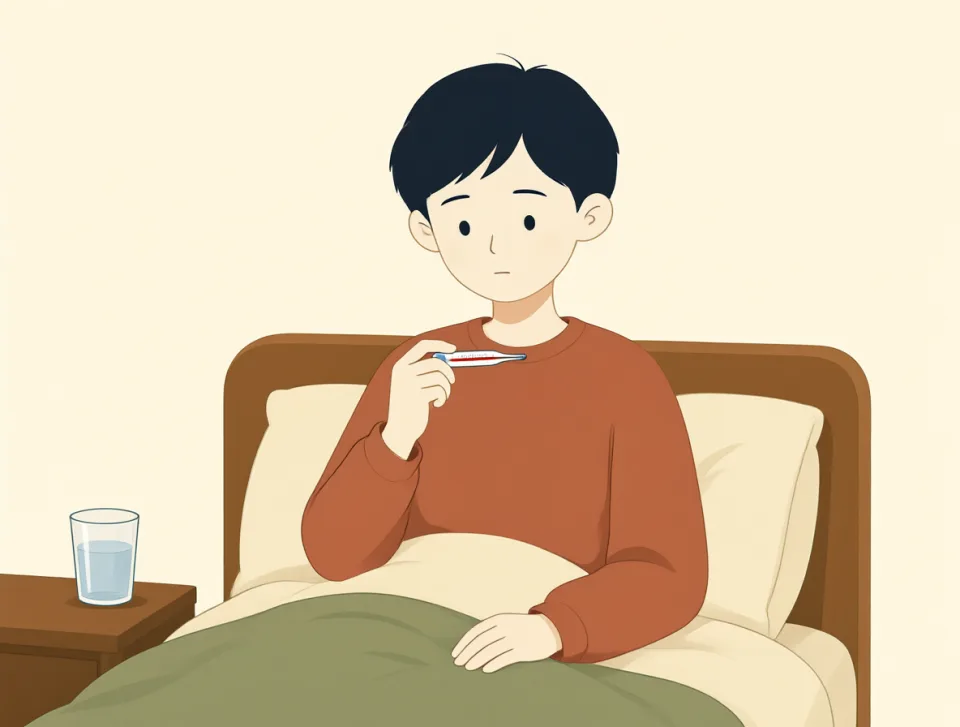
sick
#1716adjective
hasta
Ill or unwell; sometimes feeling very upset or disgusted by something.
Hasta veya kendini iyi hissetmeyen; bazen bir şey yüzünden çok üzgün ya da tiksinmiş hissetmek.
I stayed home from work because I felt sick.
Kendimi hasta hissettiğim için işe gitmeyip evde kaldım.
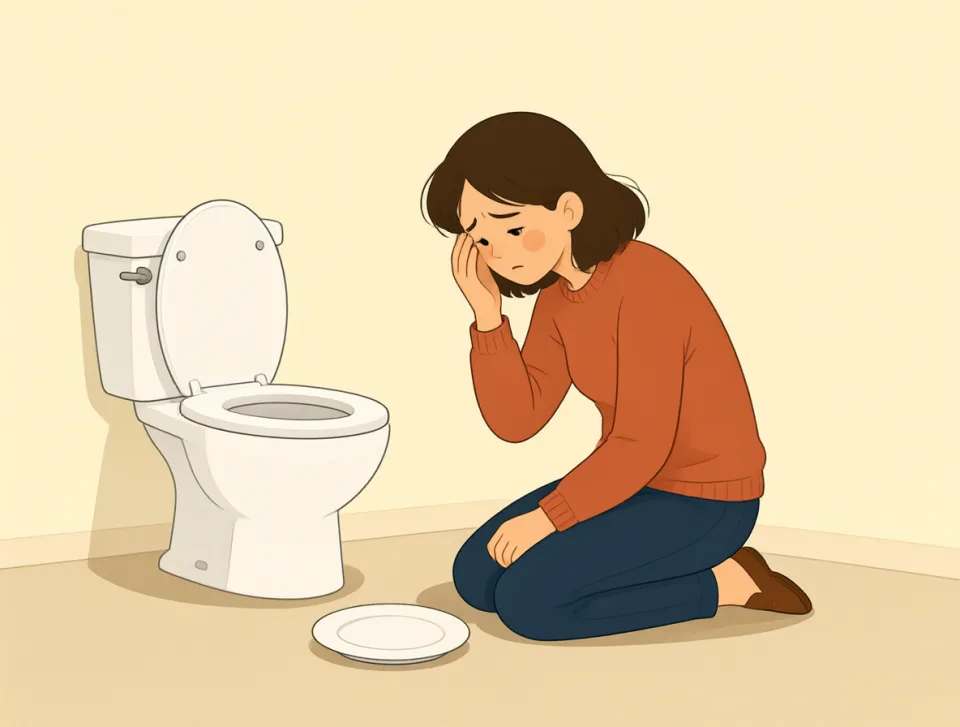
She was sick all night after eating bad food.
Bozuk yemek yedikten sonra bütün gece hastaydı.
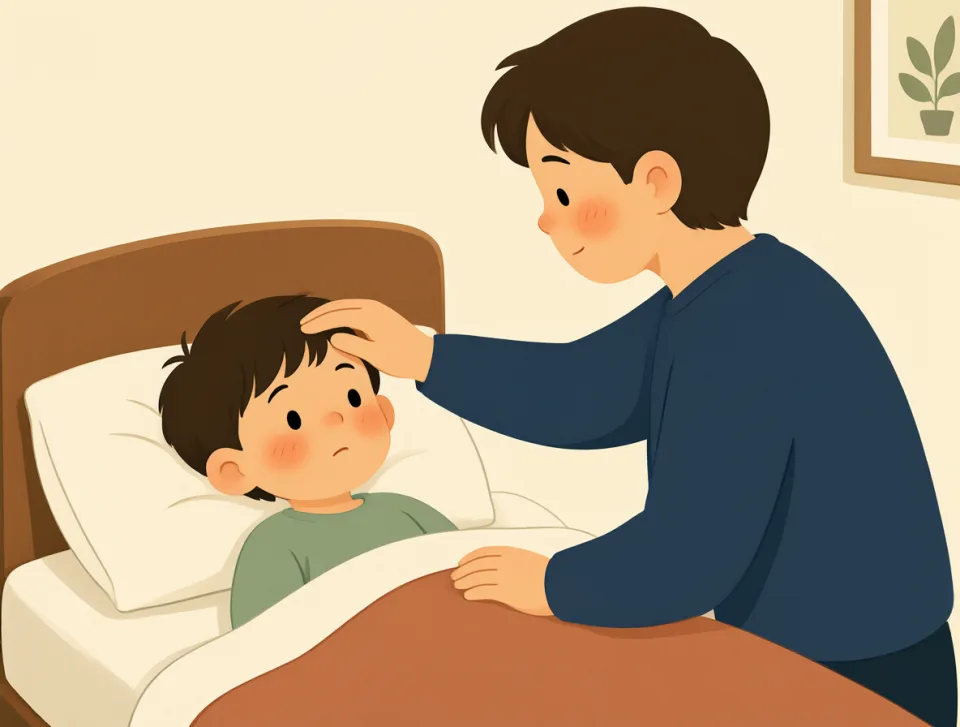
My little brother is sick with a high fever.
Küçük erkek kardeşimin ateşi çok yüksek, hasta.
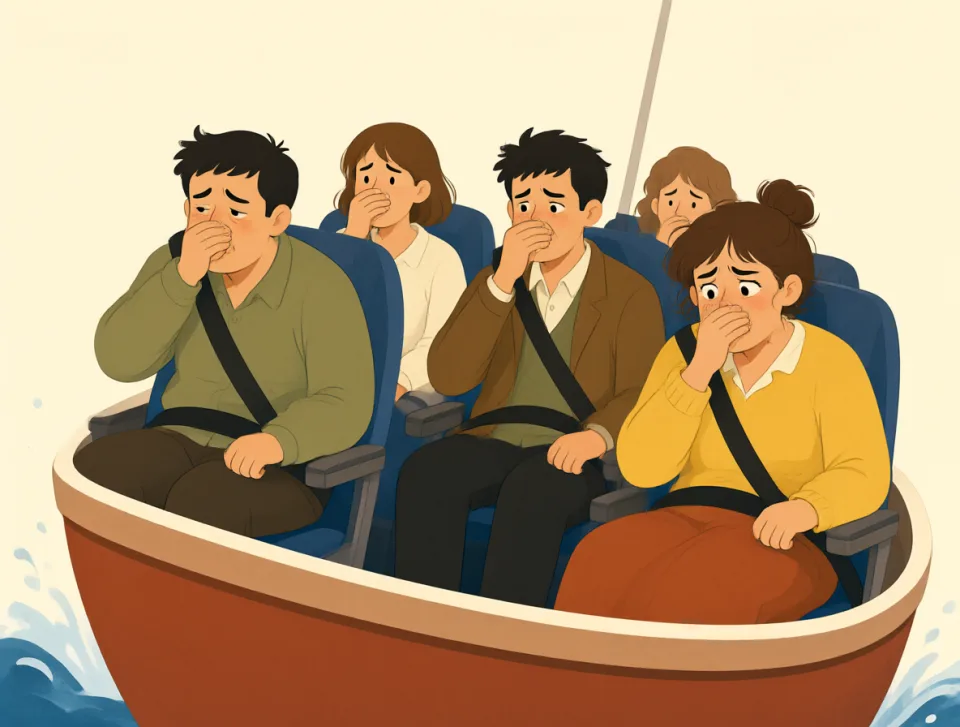
The rough boat ride made several passengers sick.
Sert tekne yolculuğu birkaç yolcunun midesini bulandırdı.
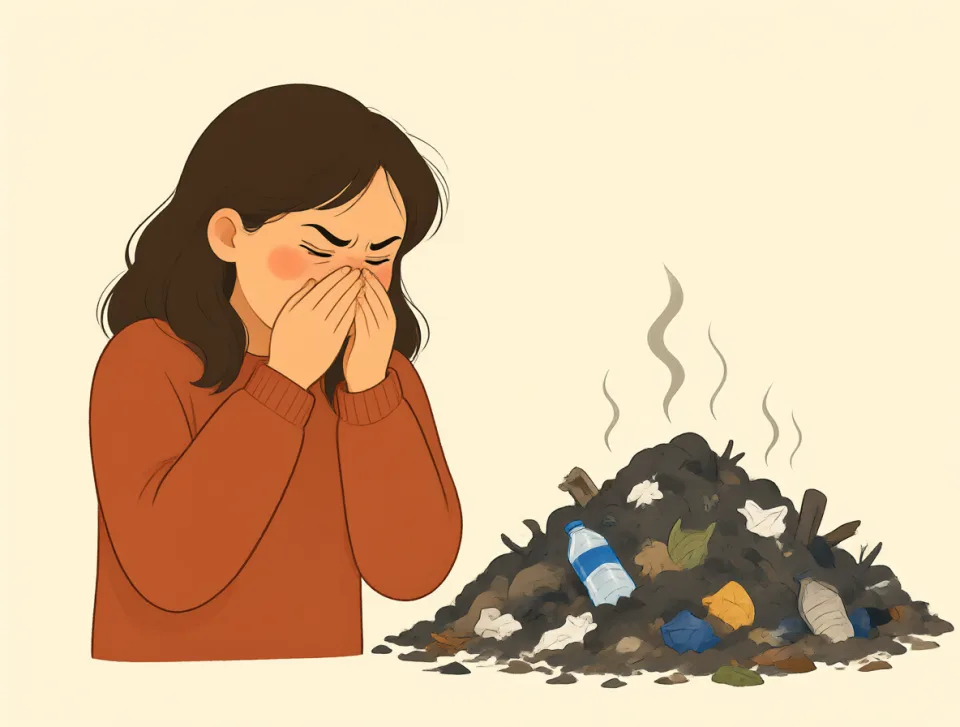
That smell makes me feel sick every time.
O koku her seferinde midemi bulandırıyor.
impression
#1717noun
izlenim
An opinion or feeling about someone or something, formed after seeing or experiencing it.
Birini ya da bir şeyi gördükten veya deneyimledikten sonra oluşan fikir ya da duygu.

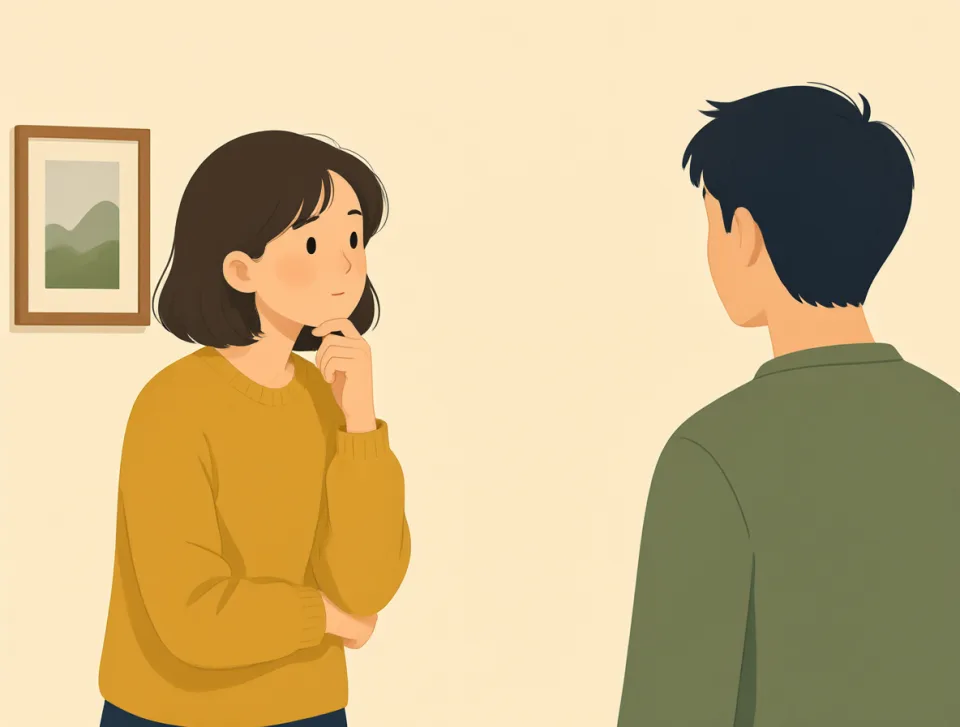
She made a good impression at her new job.
Yeni işinde iyi bir izlenim bıraktı.

My first impression of the hotel was very positive.
Otel hakkındaki ilk izlenimim çok olumluydu.
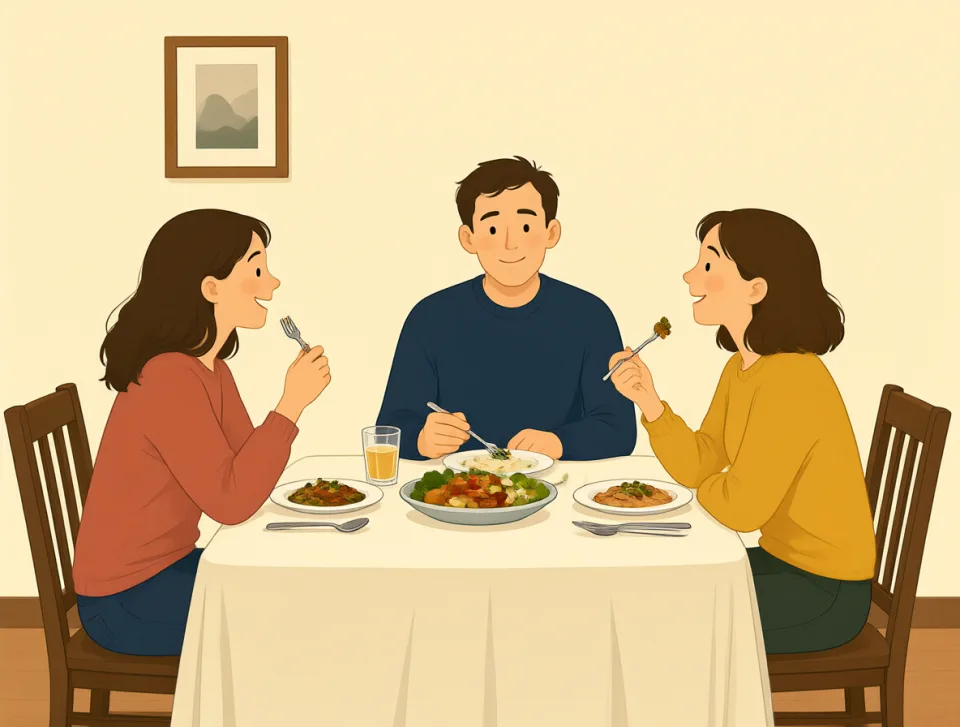
The meal left a strong impression on everyone.
Yemek herkeste güçlü bir izlenim bıraktı.

He gave the impression that he knew the city well.
Şehri iyi tanıyormuş izlenimi verdi.

The artist created an impression of the sea with blue paint.
Sanatçı mavi boyayla deniz izlenimi yarattı.

unable
#1718adjective
yapamayan
Not able to do something or not having the skill, strength, or chance to do it.
Bir şeyi yapamayan ya da onu yapmak için gerekli beceriye, güce veya fırsata sahip olmayan.
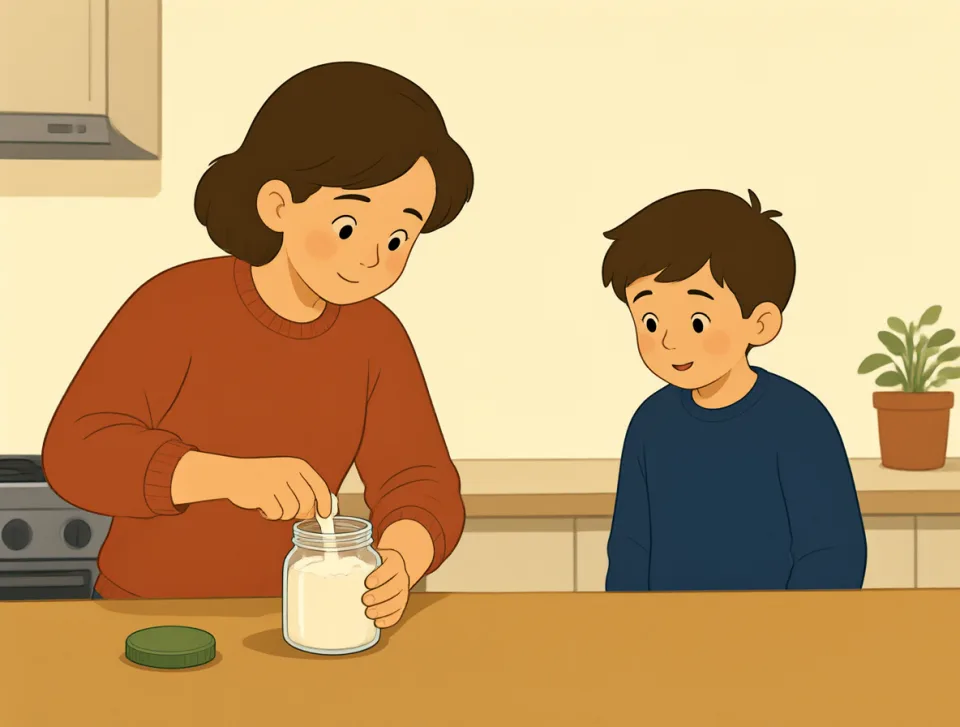
I was unable to open the jar, so I asked my brother.
Kavanozu açamadım, bu yüzden kardeşimden yardım istedim.

She was unable to attend the meeting because she felt sick.
Kendini hasta hissettiği için toplantıya katılamadı.

The child was unable to swim across the pool alone.
Çocuk havuzu tek başına yüzerek geçemedi.

We were unable to find our hotel after walking for an hour.
Bir saat yürüdükten sonra otelimizi bulamadık.

He was unable to hear the doctor clearly because of the noise.
Gürültü yüzünden doktoru net duyamadı.
joke
#1719noun, verb
şaka
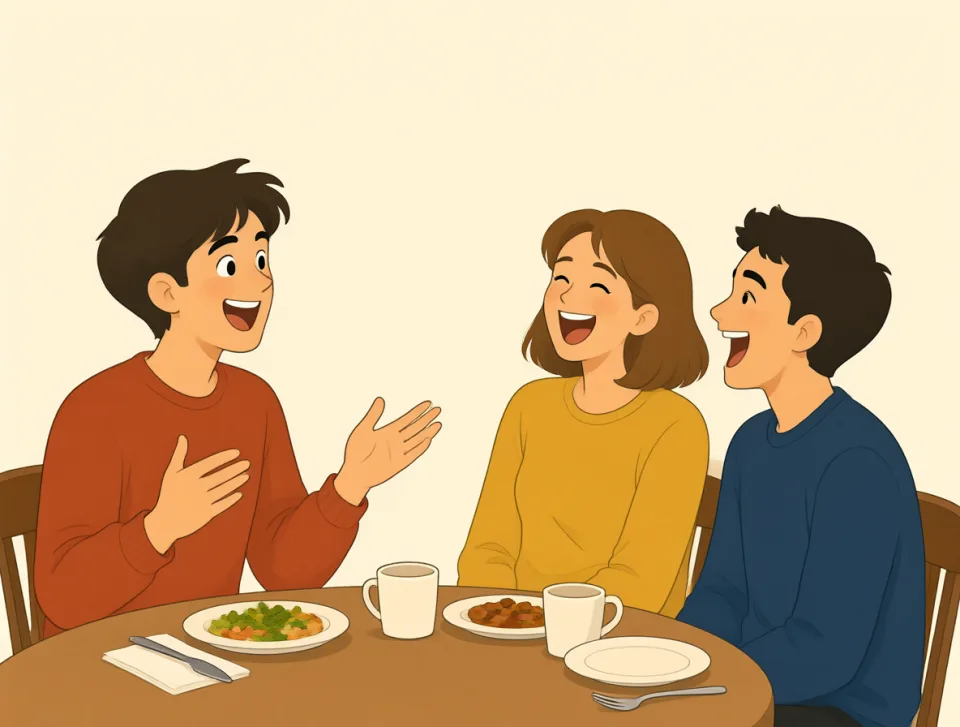
Something funny said or done to make people laugh, or to speak humorously.
İnsanları güldürmek için söylenen veya yapılan komik bir şey; mizahi konuşmak.
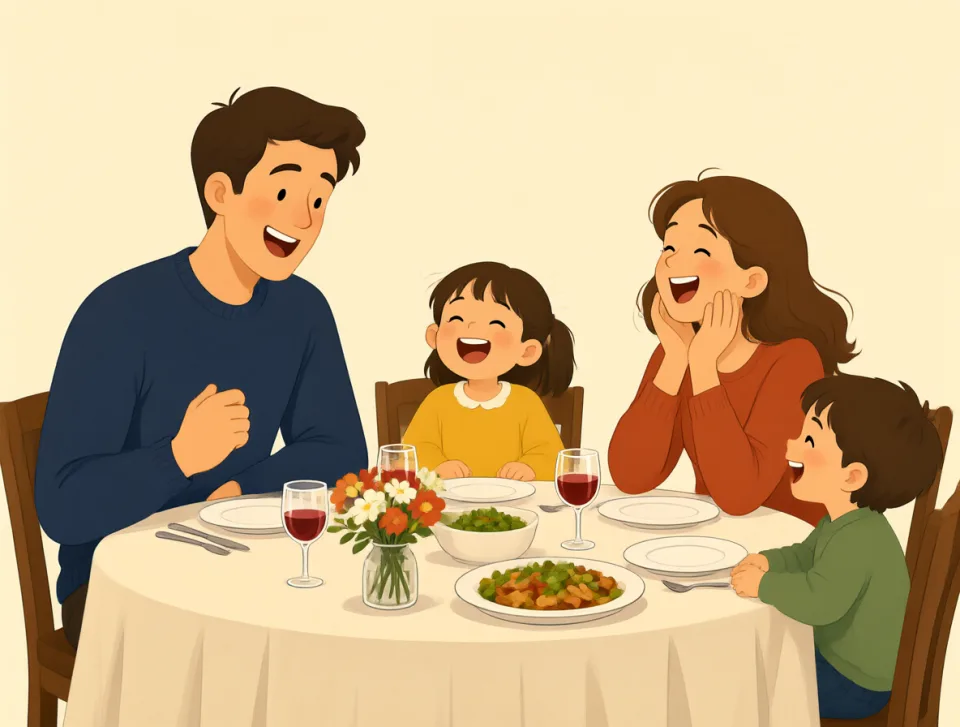
He told a funny joke at dinner, and everyone laughed.
Akşam yemeğinde komik bir şaka yaptı, herkes güldü.
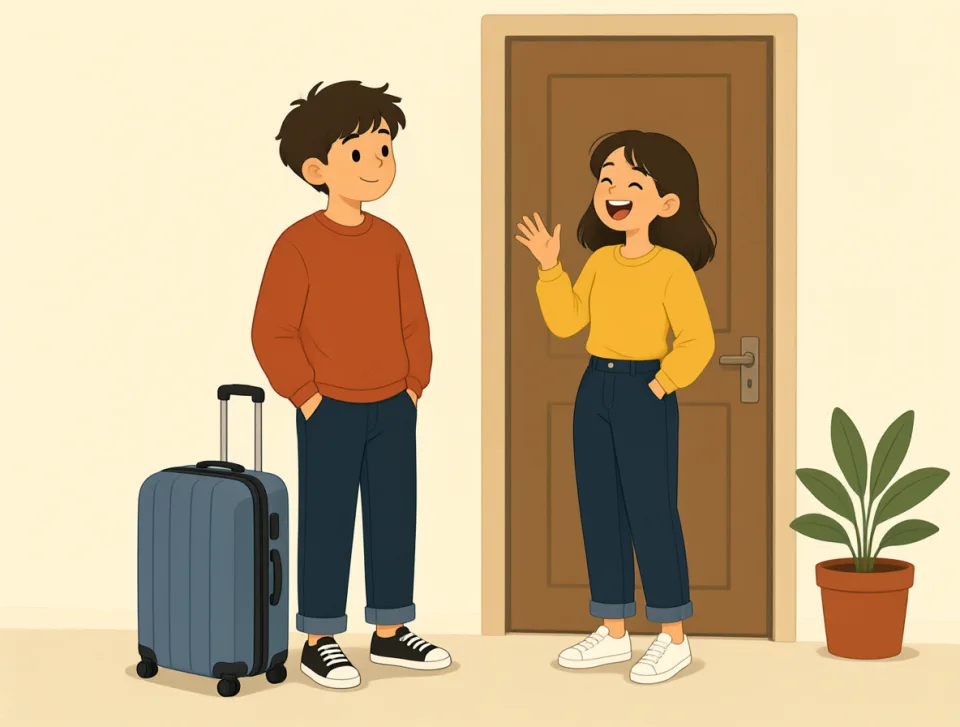
I was only joking when I said I would leave.
Gideceğimi söylediğimde sadece şaka yapıyordum.

She likes to joke with her coworkers during lunch.
Öğle yemeğinde iş arkadaşlarıyla şakalaşmayı seviyor.

The teacher made a joke to relax the students before the test.
Öğretmen sınavdan önce öğrencileri rahatlatmak için bir şaka yaptı.

That joke about my haircut was not very kind.
Saç kesimimle ilgili o şaka pek hoş değildi.

sky
#1720noun
gökyüzü
The space above the earth where you see the sun, moon, and clouds.
Güneşi, ayı ve bulutları gördüğümüz, yeryüzünün üzerindeki boşluk.

The sky is clear and blue this morning.
Bu sabah gökyüzü açık ve mavi.
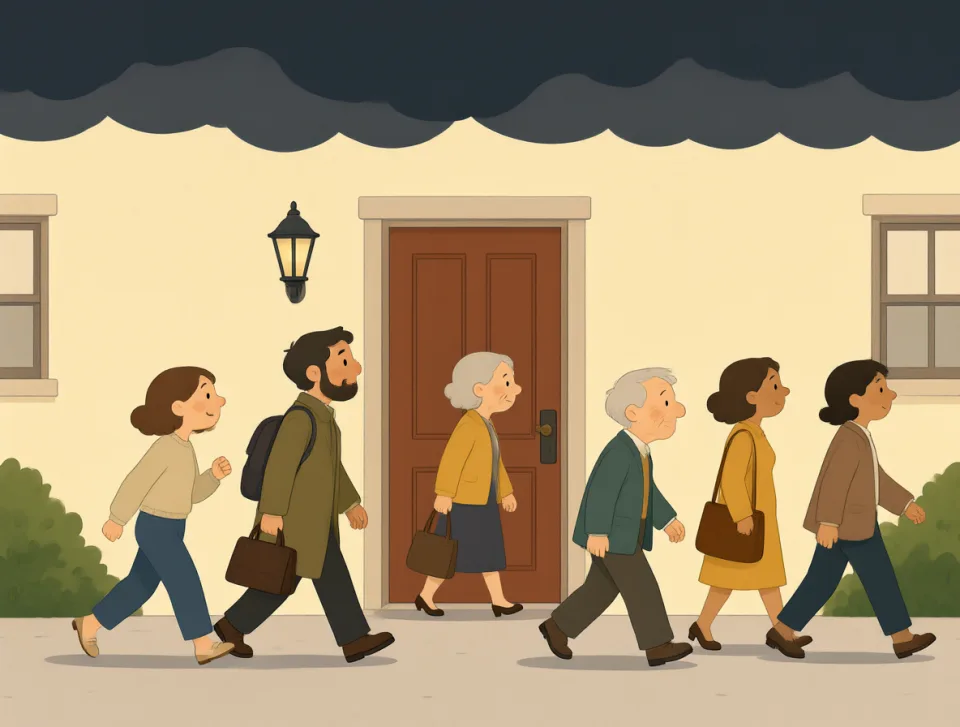
Dark clouds covered the sky before the storm.
Fırtına çıkmadan önce koyu bulutlar gökyüzünü kapladı.

We watched the sunset turn the sky orange.
Gün batımında gökyüzünün turuncuya dönüşmesini izledik.
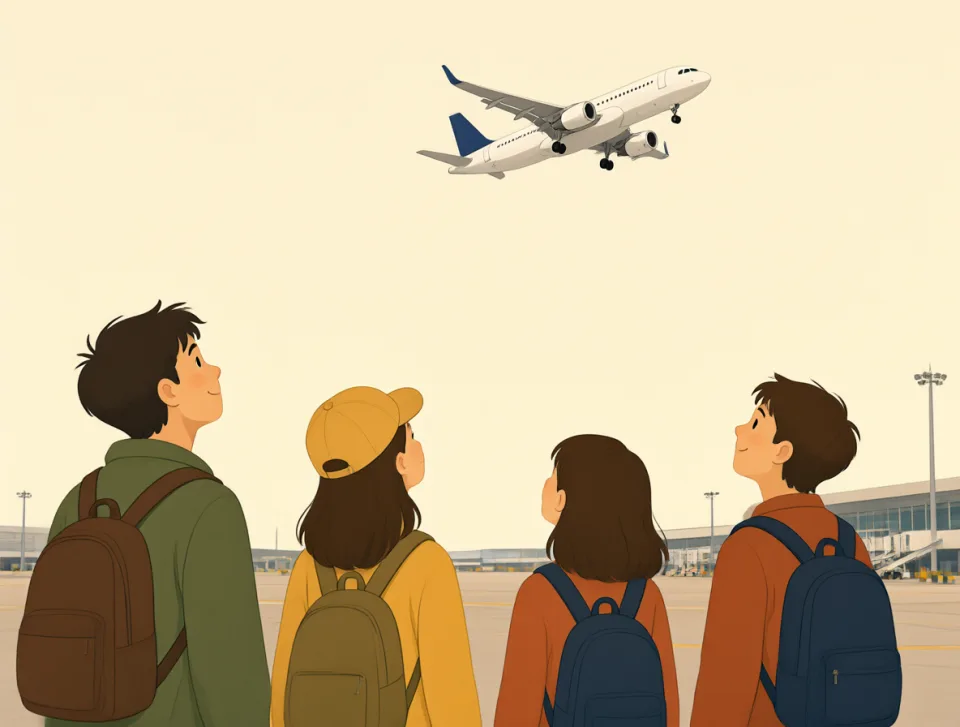
The airplane disappeared into the sky.
Uçak gökyüzünde kayboldu.

Stars filled the night sky after dinner.
Akşam yemeğinden sonra gece gökyüzü yıldızlarla doldu.