Блок 86
Слова 1701–1720 · religion, employer, reject, latter, plate, ban

religion
#1701noun
религия
A system of beliefs and practices about God or the meaning of life.
Система верований и обрядов, связанных с Богом или смыслом жизни.
People of different religions live together in our neighborhood.
В нашем районе вместе живут люди разных религий.

She studies religion at school and enjoys learning about different beliefs.
Она изучает религию в школе и любит узнавать о разных верованиях.

You should respect everyone's religion, even when it differs from yours.
Нужно уважать религию каждого, даже если она отличается от твоей.
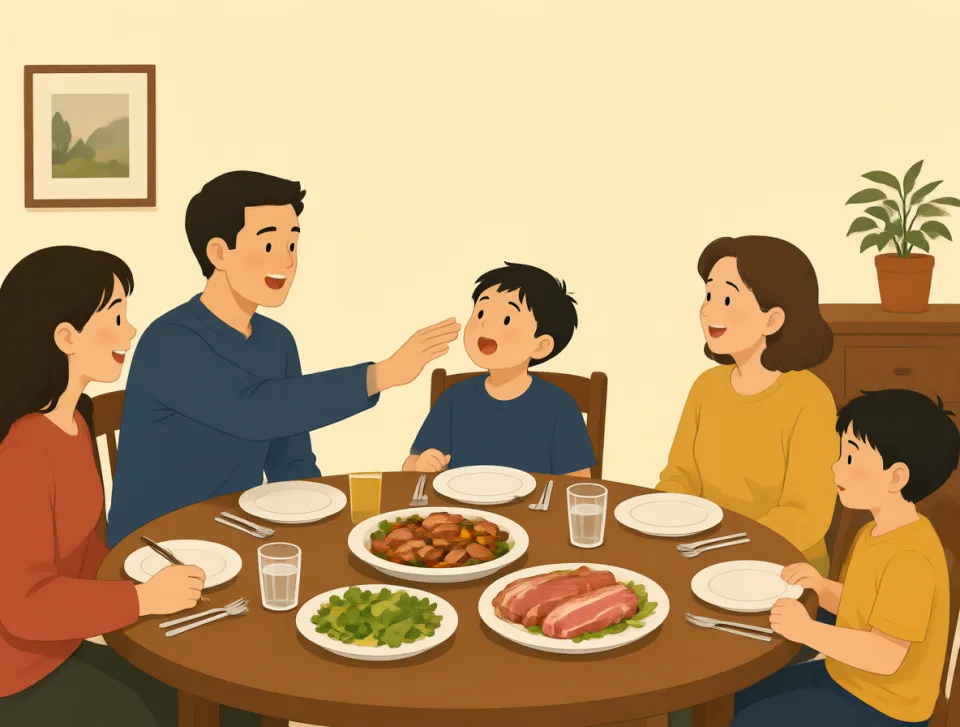
His religion does not allow him to eat pork.
Его религия не позволяет ему есть свинину.

The museum displays art from many religions around the world.
В музее представлены произведения искусства многих религий со всего мира.

employer
#1702noun
работодатель
A person or company that pays people to work for them.
Человек или компания, которые платят людям за работу.

My employer pays me every Friday.
Мой работодатель платит мне каждую пятницу.

Her employer offered flexible hours after she had a baby.
После рождения ребёнка её работодатель предложил ей гибкий график.

The employer is looking for someone with cooking experience.
Работодатель ищет человека с опытом работы в кулинарии.

Your employer should provide a safe place to work.
Твой работодатель должен обеспечить безопасное место для работы.

The company became a good employer for local students.
Компания стала хорошим работодателем для местных студентов.
reject
#1703verb
отвергать; отклонять
to refuse to accept, approve, or use someone or something
Отказываться принимать, одобрять или использовать кого-либо или что-либо.

The company rejected my job application after the interview.
После собеседования компания отклонила мою заявку на работу.

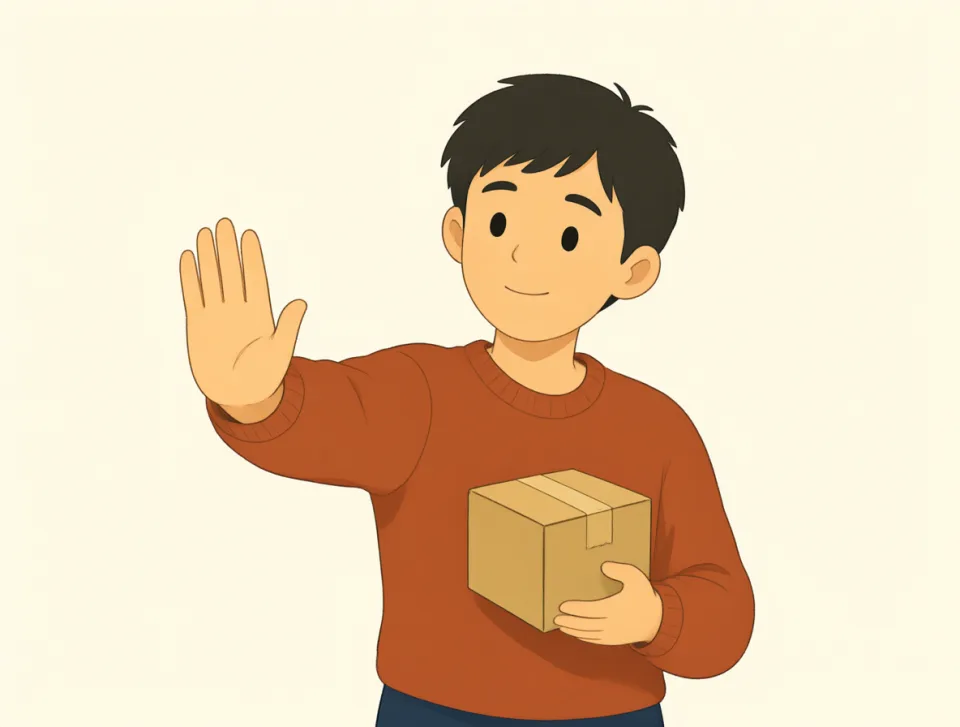
She rejected his offer to help carry the heavy boxes.
Она отказалась от его предложения помочь перенести тяжёлые коробки.
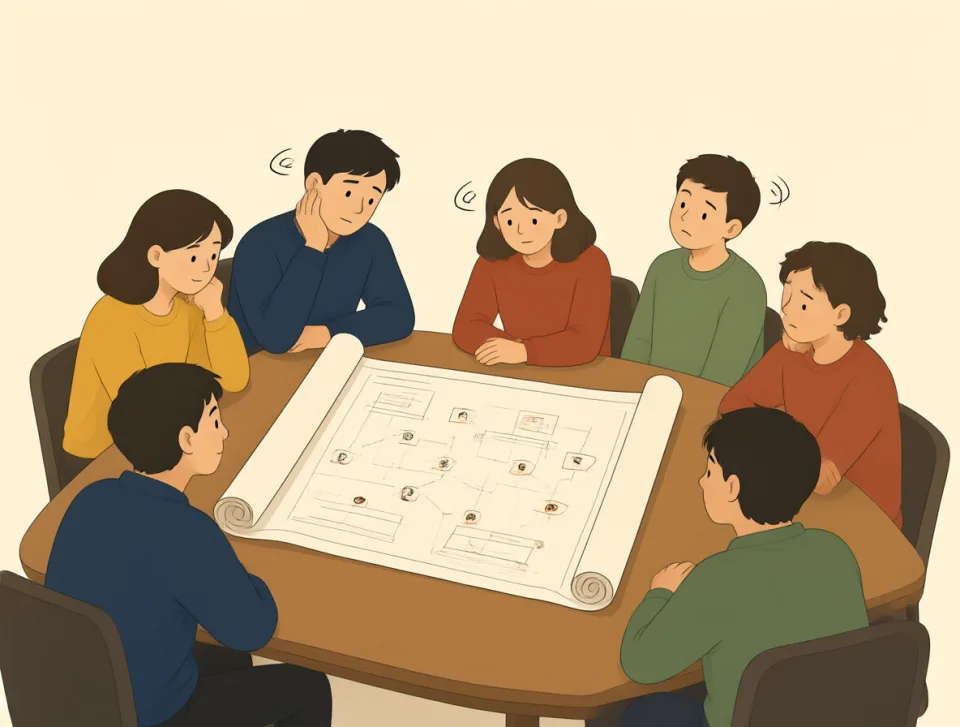
The committee rejected the plan because it was too expensive.
Комитет отклонил план, потому что он был слишком дорогим.

The shop rejected my return because the shirt was damaged.
Магазин отказался принять мой возврат, потому что рубашка была повреждена.
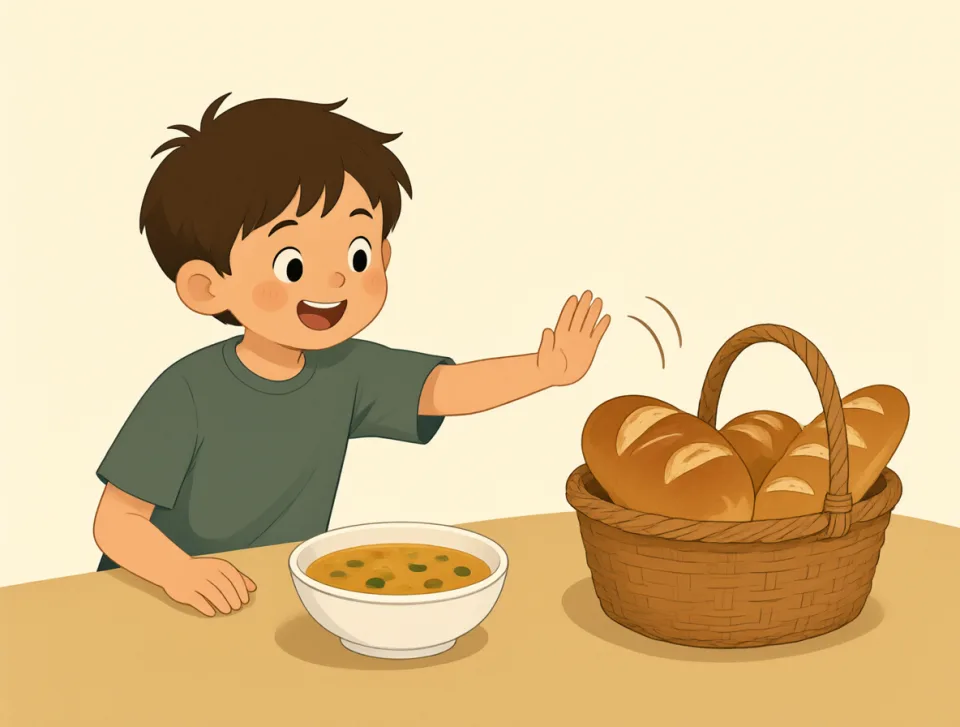
The child rejected the soup and asked for bread.
Ребёнок отказался от супа и попросил хлеба.

latter
#1704adjective, noun
второй из двух; последний из упомянутых
The second of two people or things mentioned.
Второй из двух упомянутых людей или предметов.
Of the two dresses, I prefer the latter because it is cheaper.
Из этих двух платьев мне больше нравится второе, потому что оно дешевле.

The latter part of the journey was slow because of heavy traffic.
Вторая часть пути проходила медленно из-за сильных пробок.
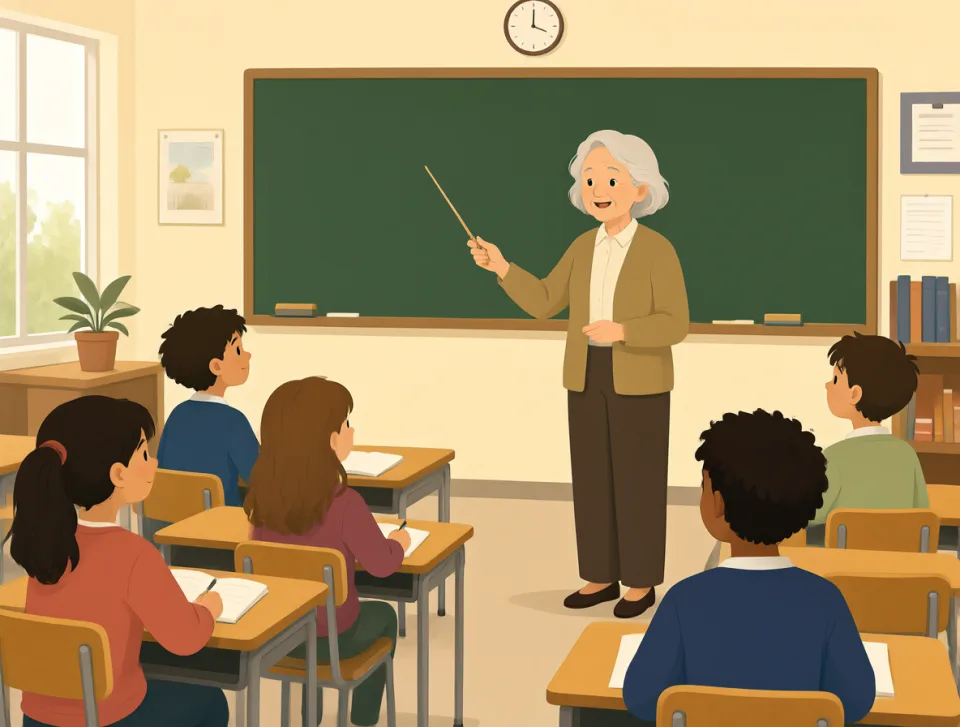
The latter half of the lesson was easier for everyone.
Вторая половина урока далась всем легче.

We discussed two plans, but chose the latter for our trip.
Мы обсудили два плана, но для поездки выбрали второй.

The latter option includes breakfast and free airport transport.
Второй вариант включает завтрак и бесплатный трансфер до аэропорта.

plate
#1705noun, verb
тарелка
a flat dish for holding and serving food
Плоская посуда для подачи еды.

She put the sandwiches on a clean plate.
Она положила бутерброды на чистую тарелку.

Please wash your plate after dinner.
Пожалуйста, помой свою тарелку после ужина.

The restaurant served the meal on a large plate.
В ресторане подали блюдо на большой тарелке.
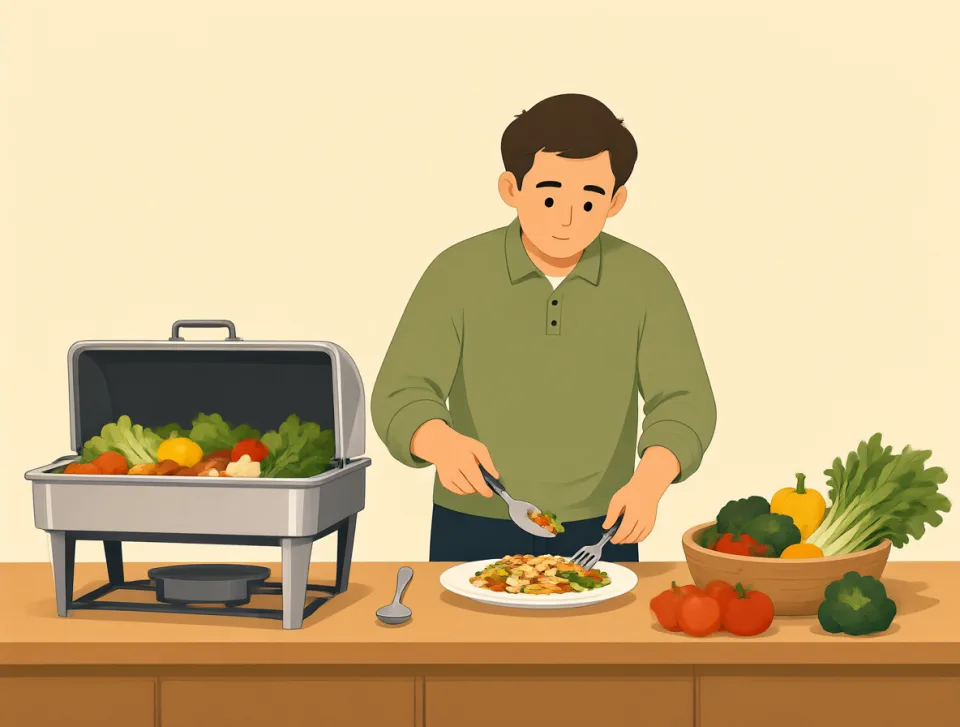
He filled his plate with vegetables at the buffet.
За шведским столом он положил себе на тарелку овощи.

The mechanic plated the small metal parts with gold.
Механик покрыл золотом небольшие металлические детали.
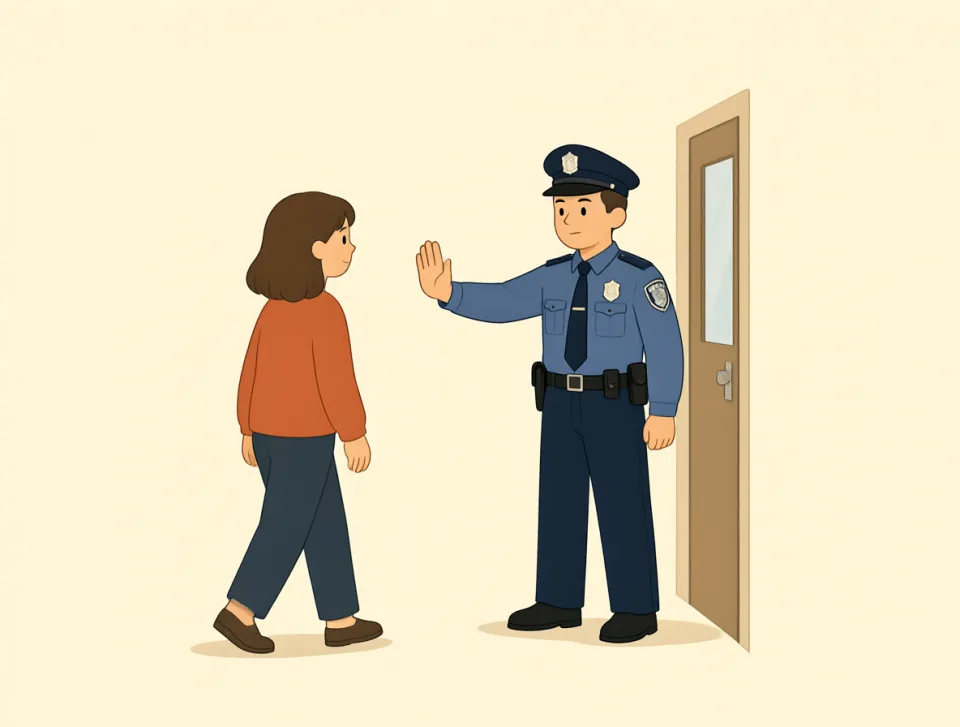
ban
#1706noun, verb
запрещать
To officially stop someone from doing something, or to say that something is not allowed.
Официально запрещать кому-либо что-либо делать или объявлять что-либо недопустимым.
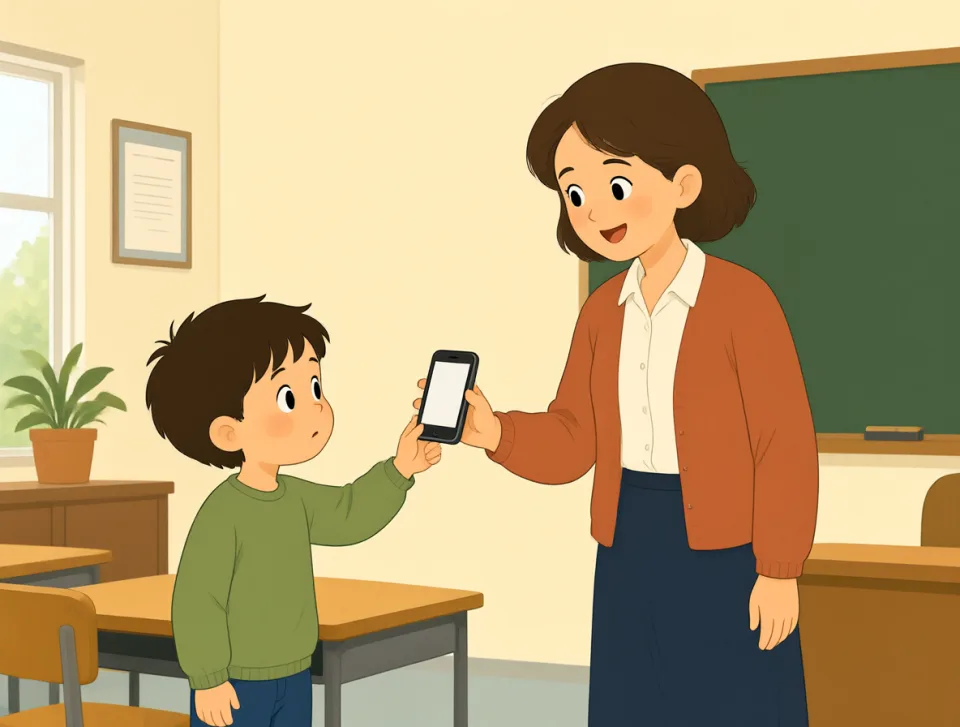
The school banned mobile phones during lessons.
В школе запретили пользоваться мобильными телефонами во время уроков.
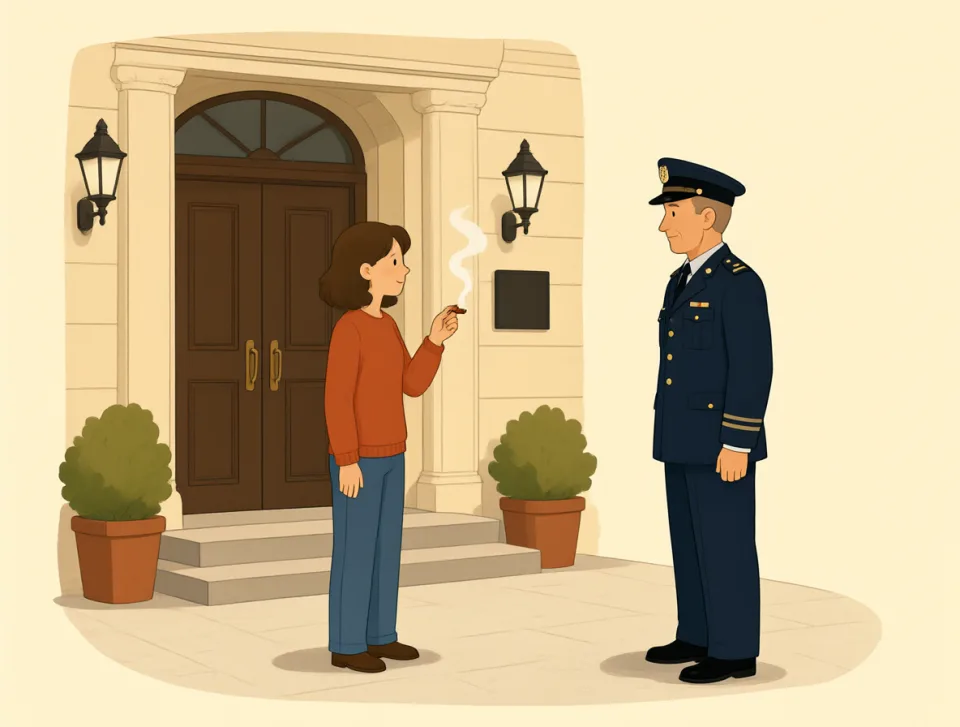
The government banned smoking in public places.
Правительство запретило курение в общественных местах.

The website banned him for sharing dangerous videos.
Его заблокировали на сайте за публикацию опасных видео.
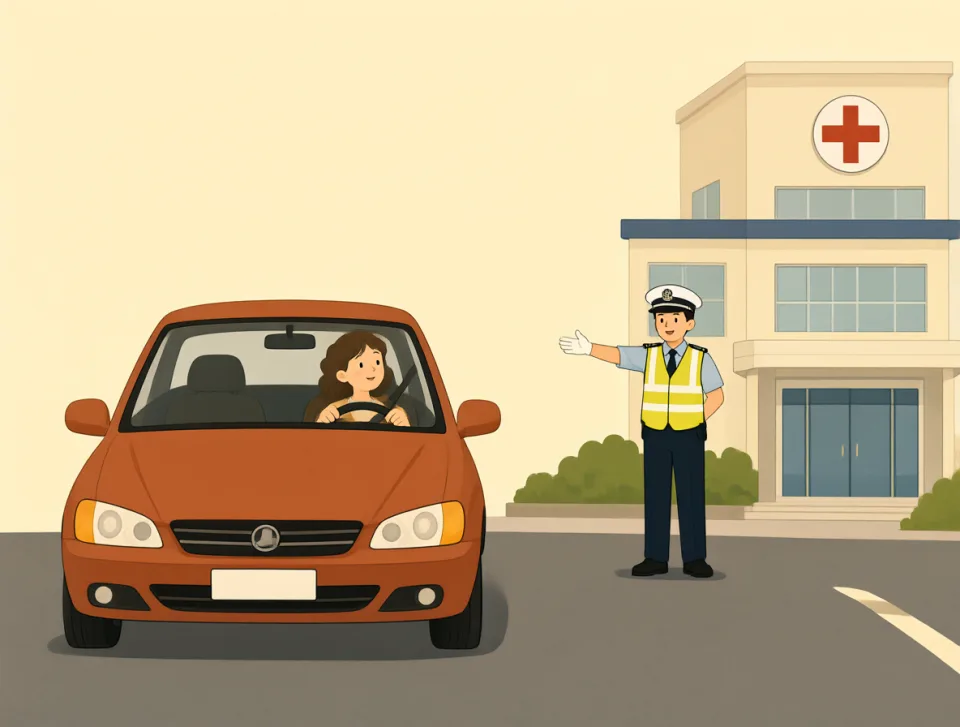
There is a ban on parking outside the hospital.
Парковаться у больницы запрещено.
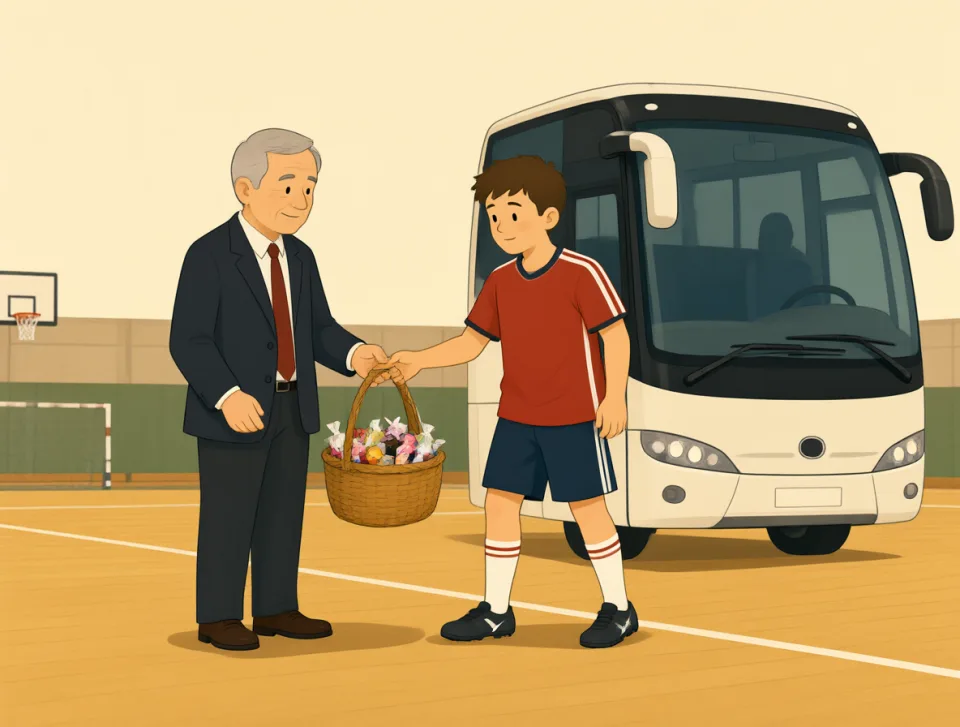
The coach banned sweets before the important game.
Тренер запретил есть сладкое перед важной игрой.

steal
#1707verb, noun
красть
To take something that belongs to someone else without permission.
Брать чужую вещь без разрешения.

Someone stole my bike from outside the house.
Кто-то украл мой велосипед, который стоял у дома.

The shoplifter tried to steal a jacket from the store.
Магазинный вор попытался украсть куртку из магазина.
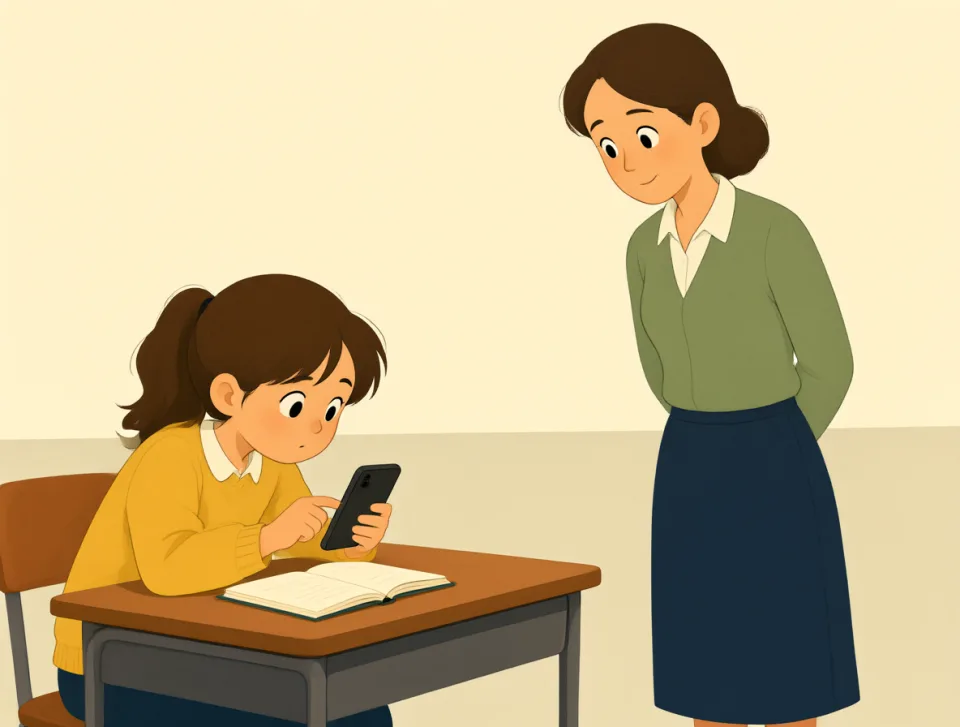
He stole a quick look at his phone during class.
Во время урока он украдкой взглянул на телефон.
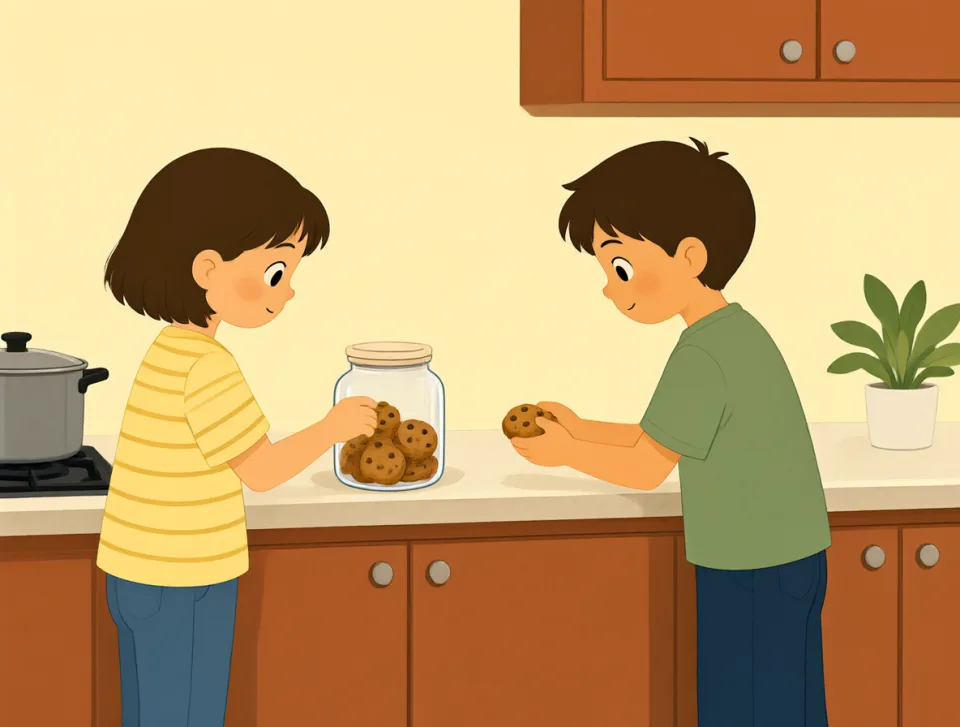
The children stole some cookies from the kitchen.
Дети стащили несколько печений с кухни.

That little mistake stole my confidence at work.
Эта небольшая ошибка лишила меня уверенности на работе.

protest
#1708noun, verb
протест
A public action or statement showing strong disagreement with something.
Публичное действие или заявление, выражающее решительное несогласие с чем-либо.

Thousands joined the protest against the new law.
Тысячи людей присоединились к протесту против нового закона.

Students protested when their school closed the library.
Ученики протестовали, когда их школа закрыла библиотеку.

She protested that the restaurant had charged her twice.
Она возмутилась, что в ресторане с неё взяли плату дважды.

He began a hunger protest to demand better treatment.
Он начал голодовку, требуя улучшить условия обращения с ним.

My little brother protested when I took his toy.
Мой младший брат возмутился, когда я забрал у него игрушку.
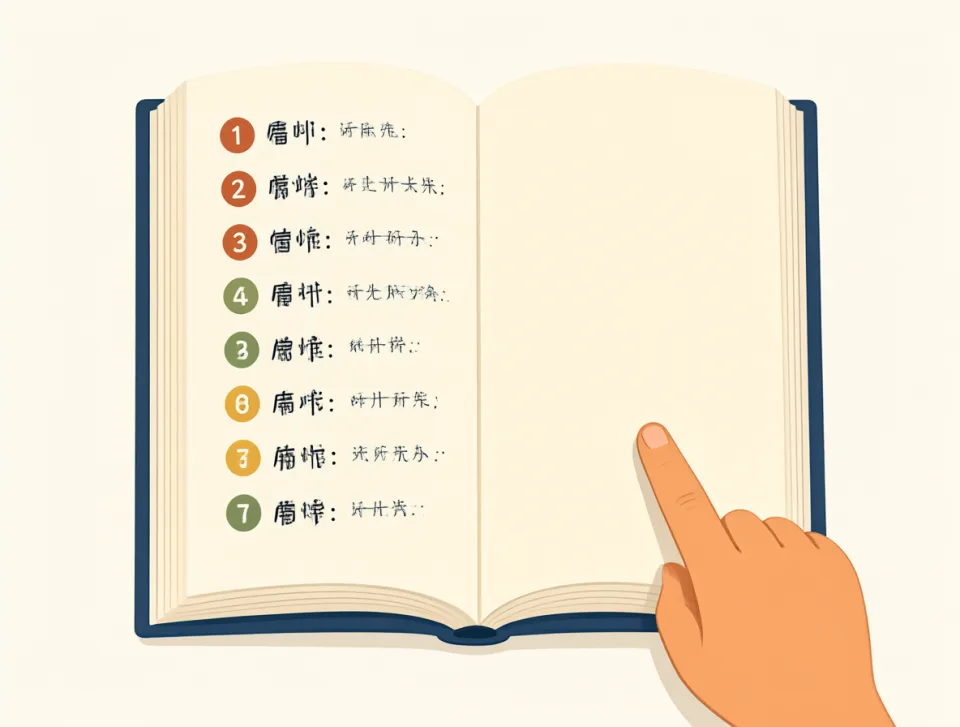
index
#1709noun, verb
указатель; индекс
A list that helps you find information, or a number showing size or change.
Список, помогающий найти информацию, или числовой показатель размера либо изменения.

Check the index to find the page about healthy food.
Посмотри в указателе, чтобы найти страницу о здоровом питании.

The book has a useful index at the back.
В конце книги есть полезный указатель.

Prices increased according to the cost of living index.
Цены выросли в соответствии с индексом стоимости жизни.
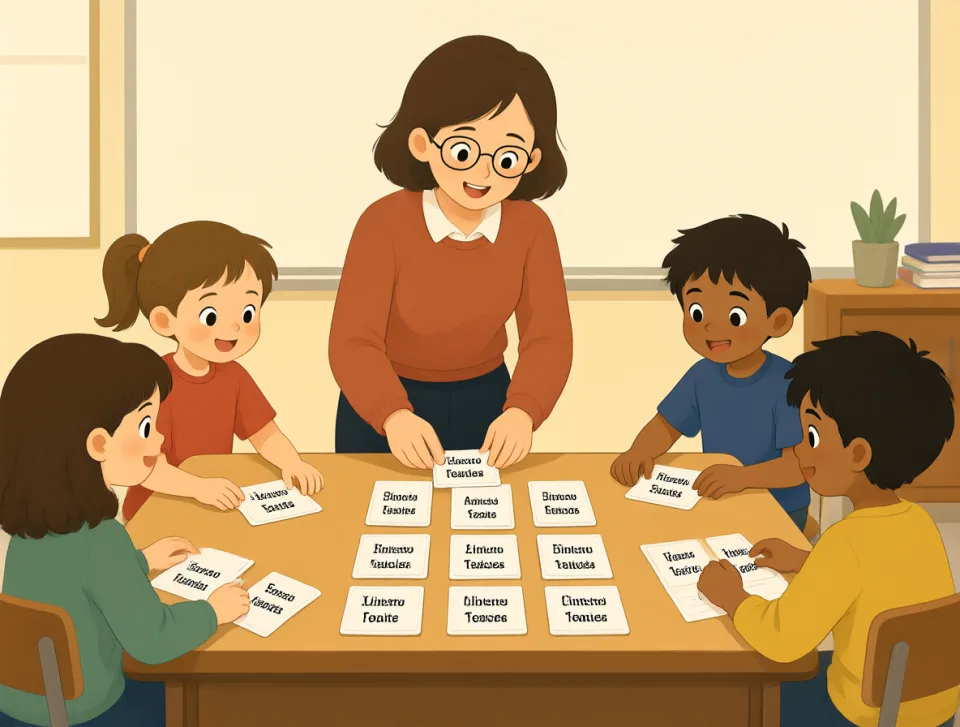
The teacher indexed the students' names by their last names.
Учитель систематизировал имена учеников по фамилиям.

She used her finger to index each item in the recipe.
Она указывала пальцем на каждый ингредиент в рецепте.

sad
#1710adjective
грустный
Feeling unhappy, often because something bad happened.
Испытывающий печаль, часто из-за того, что случилось что-то плохое.
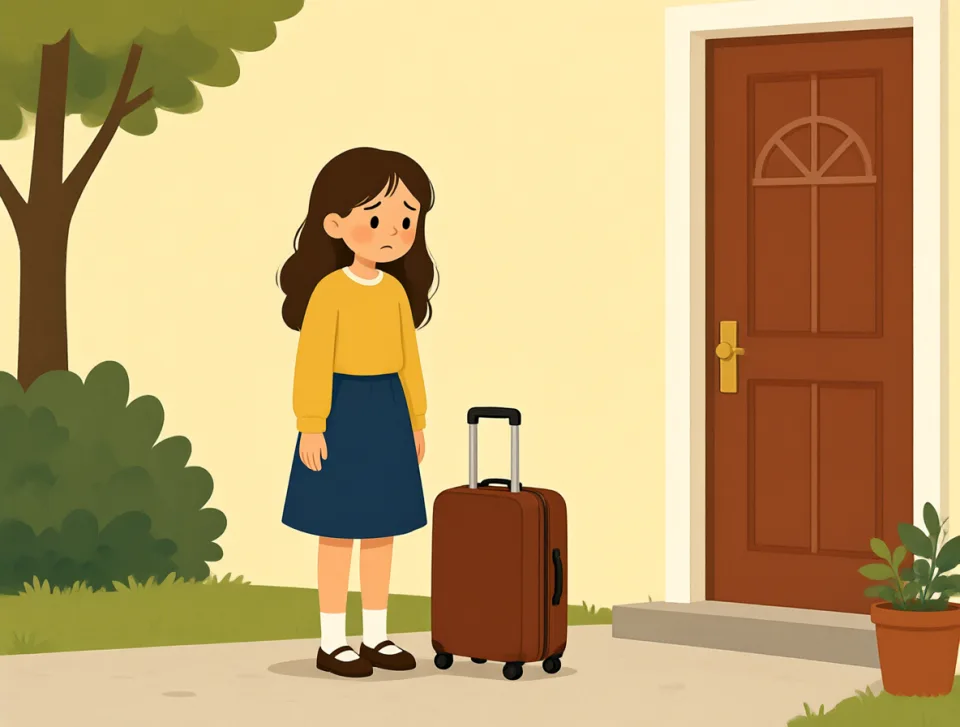
She felt sad when her best friend moved away.
Она загрустила, когда её лучшая подруга переехала.

The sad news made everyone quiet at dinner.
Печальная новость заставила всех замолчать за ужином.

I was sad about missing the school trip.
Мне было грустно из-за того, что я пропустил школьную экскурсию.
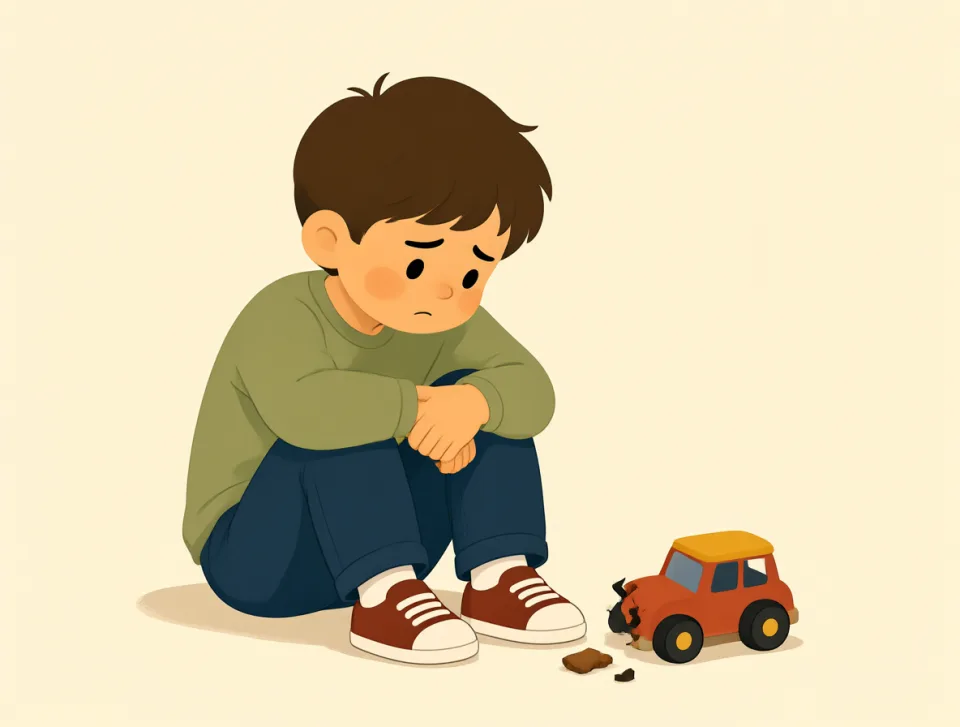
He looked sad after losing his favorite toy.
После потери любимой игрушки он выглядел грустным.

The movie had a sad ending, but I enjoyed it.
У фильма был печальный конец, но мне он понравился.

frequently
#1711adverb
часто
often or many times, especially at regular or short intervals
часто или много раз, особенно через равные или короткие промежутки времени
She frequently visits her parents after work.
Она часто навещает родителей после работы.

The manager frequently checks our progress during meetings.
Руководитель часто проверяет, как продвигается наша работа, во время совещаний.

This bus frequently stops near the train station.
Этот автобус часто останавливается возле железнодорожного вокзала.

Tom frequently forgets his keys at home.
Том часто забывает ключи дома.

People who exercise frequently usually sleep better.
Люди, которые часто занимаются спортом, обычно лучше спят.

circle
#1712noun, verb
круг; кружить
a round shape, or to move around something in a curved path
круглая фигура или движение вокруг чего-либо по дуге

Draw a circle around the correct answer.
Обведите правильный ответ кружком.
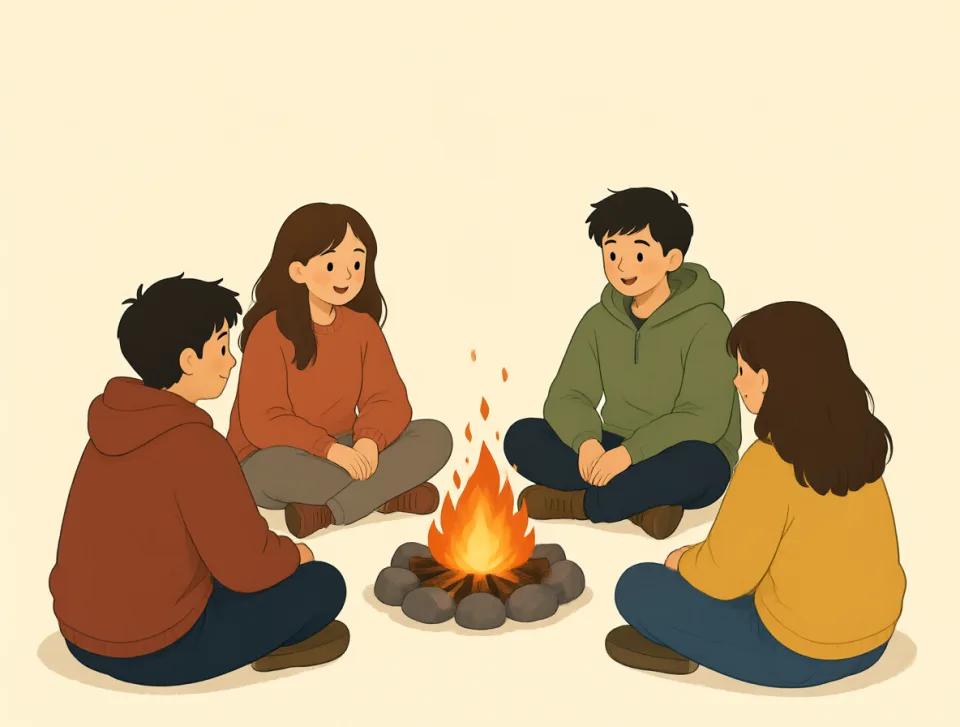
We sat in a circle around the campfire.
Мы сидели кружком вокруг костра.
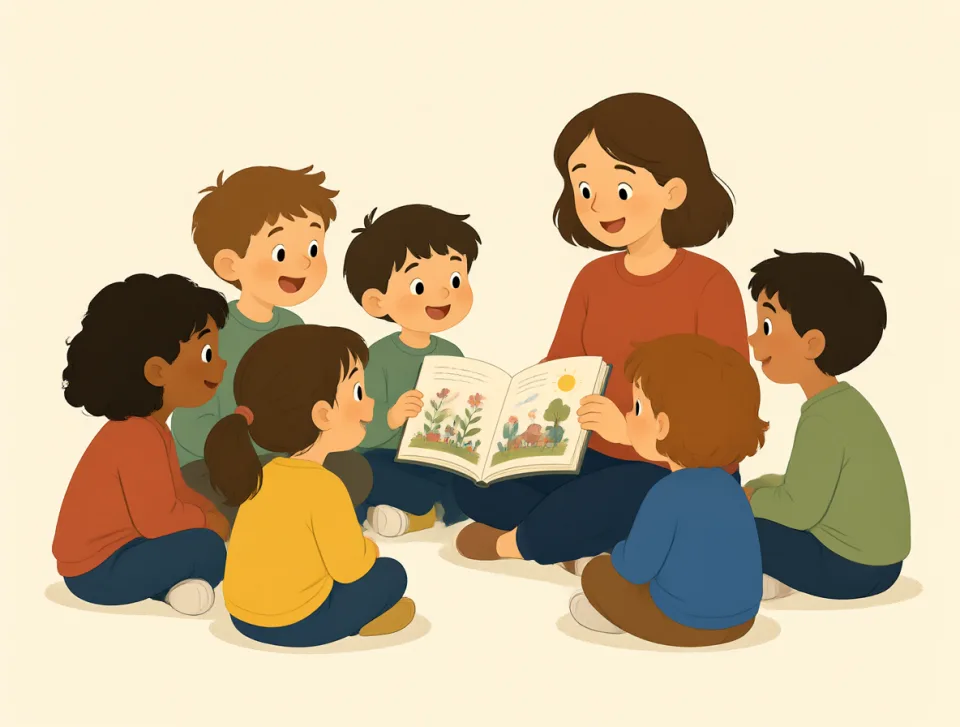
The children circled the teacher during story time.
Во время чтения сказки дети окружили учителя.
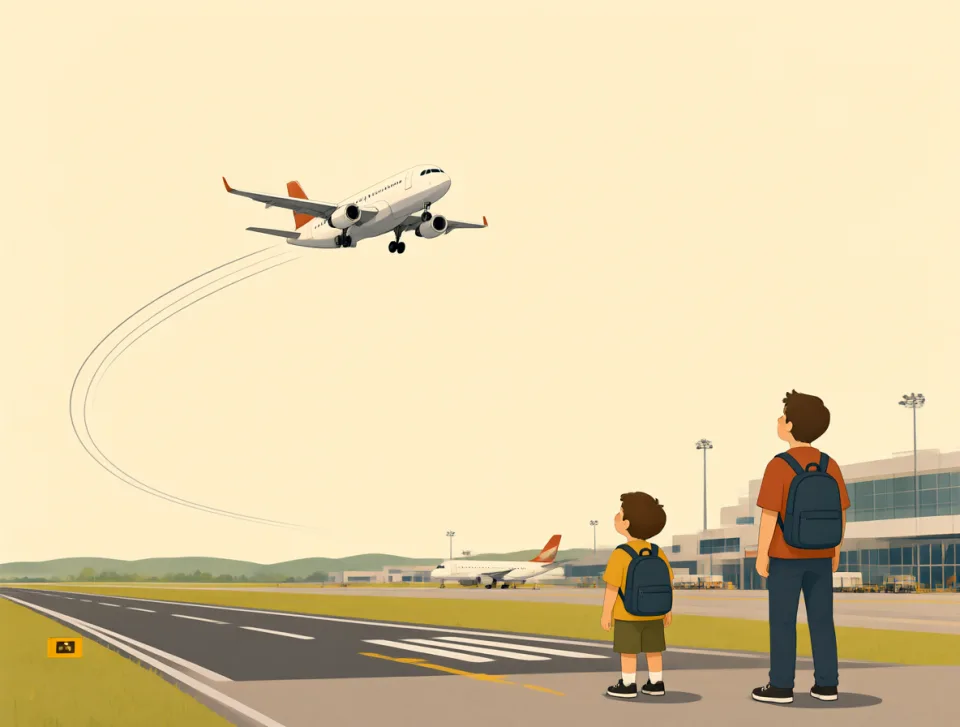
The plane circled the airport before landing.
Самолёт кружил над аэропортом перед посадкой.

A group of friends circled the new restaurant after work.
После работы компания друзей обошла вокруг нового ресторана.

helpful
#1713adjective
полезный; готовый помочь
Useful and willing to help someone or make a situation easier.
Полезный и готовый помочь кому-то или облегчить ситуацию.

The helpful teacher explained the difficult homework again.
Отзывчивый учитель ещё раз объяснил сложное домашнее задание.

This map is helpful when you are exploring a new city.
Эта карта пригодится, если вы будете осматривать новый город.

My neighbor was helpful and watered our plants while we were away.
Мой сосед помог нам: пока нас не было, он поливал наши растения.

The shop assistant gave me helpful advice about choosing a warm jacket.
Продавец дал мне полезный совет о выборе тёплой куртки.

The nurse gave me some helpful tips for getting better.
Медсестра дала мне несколько полезных советов, как быстрее поправиться.
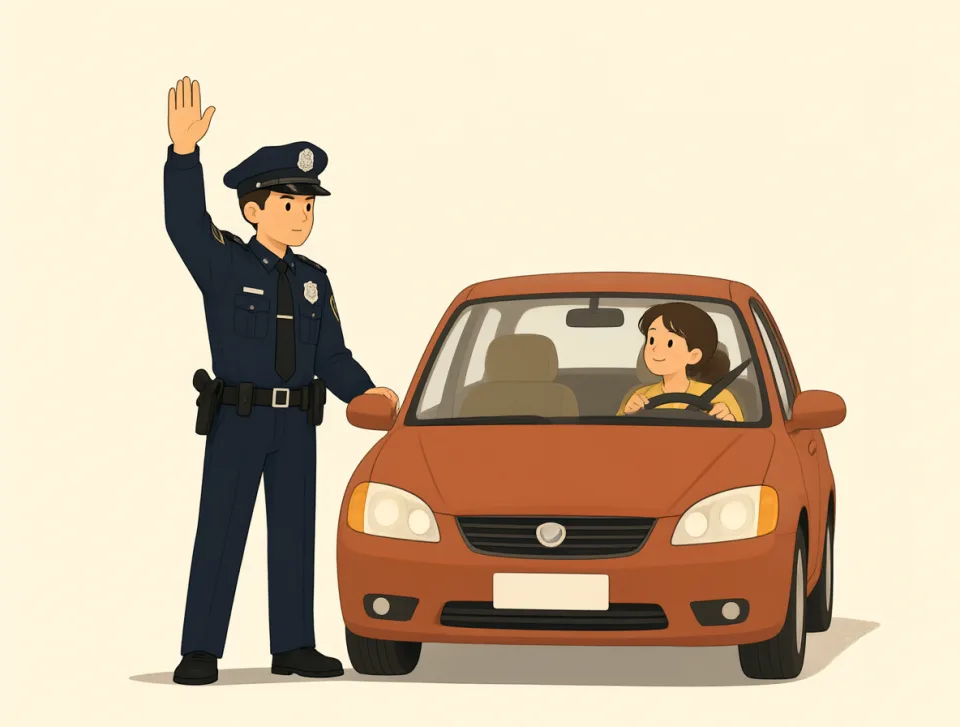
command
#1714noun, verb
приказ; командовать
an order to do something, or to give someone an order
распоряжение что-либо сделать или действие, когда кому-то отдают приказ

The teacher gave the class a command to open their books.
Учитель приказал классу открыть учебники.

The dog stopped when its owner gave the command.
Собака остановилась, когда хозяин отдал команду.

The officer took command of the busy train station.
Офицер взял под командование оживлённый железнодорожный вокзал.

You can command the computer using your voice.
Компьютером можно управлять с помощью голоса.

The captain commanded the crew to leave the ship.
Капитан приказал экипажу покинуть корабль.

attractive
#1715adjective
привлекательный
Pleasant to look at or interesting enough to make people want it.
Приятный на вид или настолько интересный, что вызывает желание его приобрести.

She is attractive and always dresses very neatly.
Она привлекательная и всегда одевается очень аккуратно.

This attractive apartment has large windows and a sunny balcony.
В этой привлекательной квартире большие окна и солнечный балкон.

The shop displayed an attractive blue jacket near the entrance.
У входа в магазин выставили привлекательную синюю куртку.

The hotel offers an attractive price for families during summer.
Летом отель предлагает семьям привлекательные цены.

The attractive smell of fresh bread brought customers inside.
Привлекательный аромат свежеиспечённого хлеба заманил покупателей внутрь.
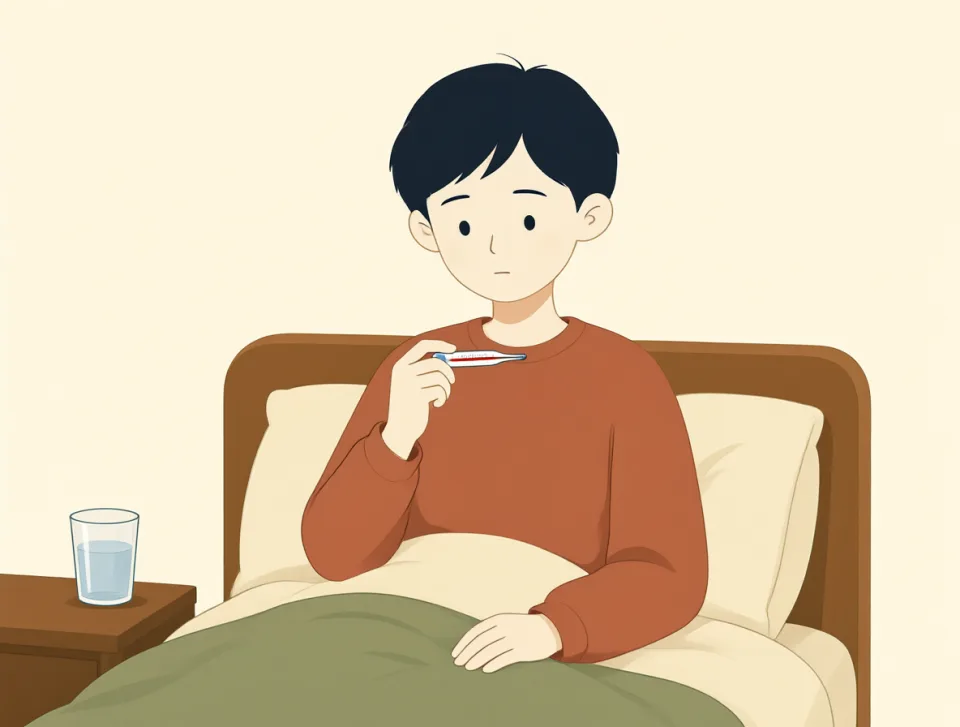
sick
#1716adjective
больной; плохо себя чувствующий
Ill or unwell; sometimes feeling very upset or disgusted by something.
Больной или плохо себя чувствующий; иногда — испытывающий сильное огорчение или отвращение к чему-либо.

I stayed home from work because I felt sick.
Я остался дома и не пошёл на работу, потому что плохо себя чувствовал.

She was sick all night after eating bad food.
После некачественной еды её всю ночь тошнило.

My little brother is sick with a high fever.
Мой младший брат заболел и сильно температурит.

The rough boat ride made several passengers sick.
Из-за сильной качки на лодке нескольких пассажиров укачало.

That smell makes me feel sick every time.
От этого запаха меня каждый раз тошнит.

impression
#1717noun
впечатление
An opinion or feeling about someone or something, formed after seeing or experiencing it.
Мнение или чувство о ком-либо или о чём-либо, сложившееся после знакомства или личного опыта.

She made a good impression at her new job.
Она произвела хорошее впечатление на новом месте работы.

My first impression of the hotel was very positive.
Моё первое впечатление от отеля было очень положительным.

The meal left a strong impression on everyone.
Еда произвела сильное впечатление на всех.

He gave the impression that he knew the city well.
Он создал впечатление, что хорошо знает город.

The artist created an impression of the sea with blue paint.
Художник изобразил море с помощью синей краски.

unable
#1718adjective
не в состоянии
Not able to do something or not having the skill, strength, or chance to do it.
Не имеющий возможности или навыка, сил либо подходящего случая, чтобы что-то сделать.
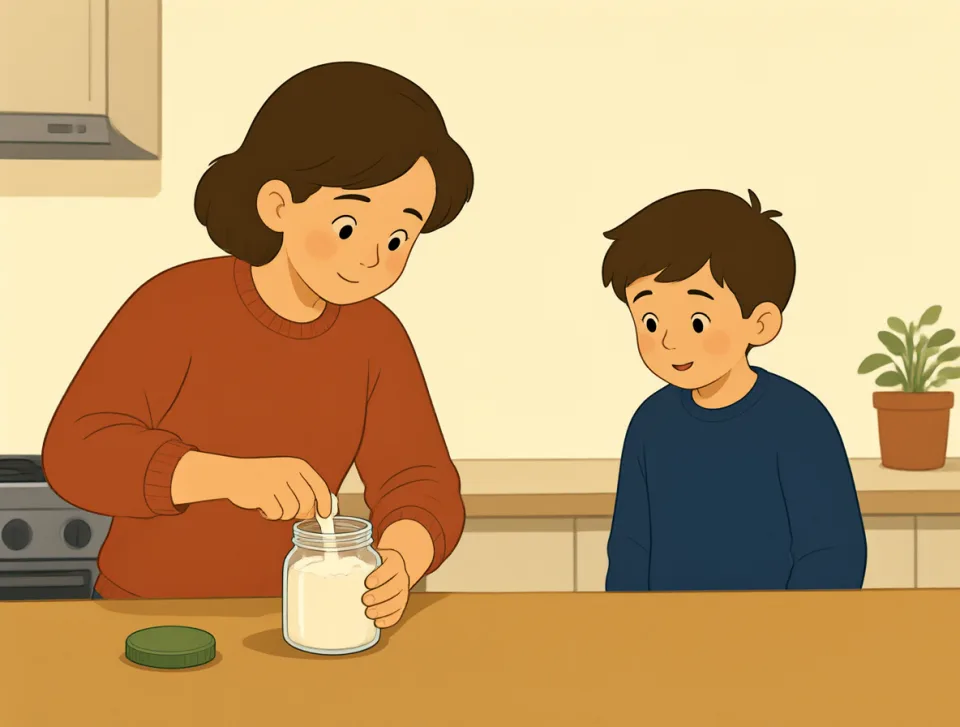
I was unable to open the jar, so I asked my brother.
Я не смог открыть банку и попросил брата помочь.

She was unable to attend the meeting because she felt sick.
Она не смогла прийти на встречу, потому что плохо себя чувствовала.

The child was unable to swim across the pool alone.
Ребёнок не смог самостоятельно переплыть бассейн.

We were unable to find our hotel after walking for an hour.
Мы не смогли найти отель, хотя ходили целый час.

He was unable to hear the doctor clearly because of the noise.
Из-за шума он не мог чётко расслышать врача.

joke
#1719noun, verb
шутка; шутить
Something funny said or done to make people laugh, or to speak humorously.
Что-то смешное, сказанное или сделанное, чтобы рассмешить людей; также — говорить в шутливой манере.

He told a funny joke at dinner, and everyone laughed.
За ужином он рассказал смешную шутку, и все засмеялись.

I was only joking when I said I would leave.
Я просто пошутил, когда сказал, что уйду.

She likes to joke with her coworkers during lunch.
Во время обеда она любит шутить с коллегами.

The teacher made a joke to relax the students before the test.
Перед контрольной учитель пошутил, чтобы ученики расслабились.

That joke about my haircut was not very kind.
Эта шутка о моей стрижке была довольно обидной.

sky
#1720noun
небо
The space above the earth where you see the sun, moon, and clouds.
Пространство над землёй, где видны солнце, луна и облака.

The sky is clear and blue this morning.
Сегодня утром небо ясное и голубое.
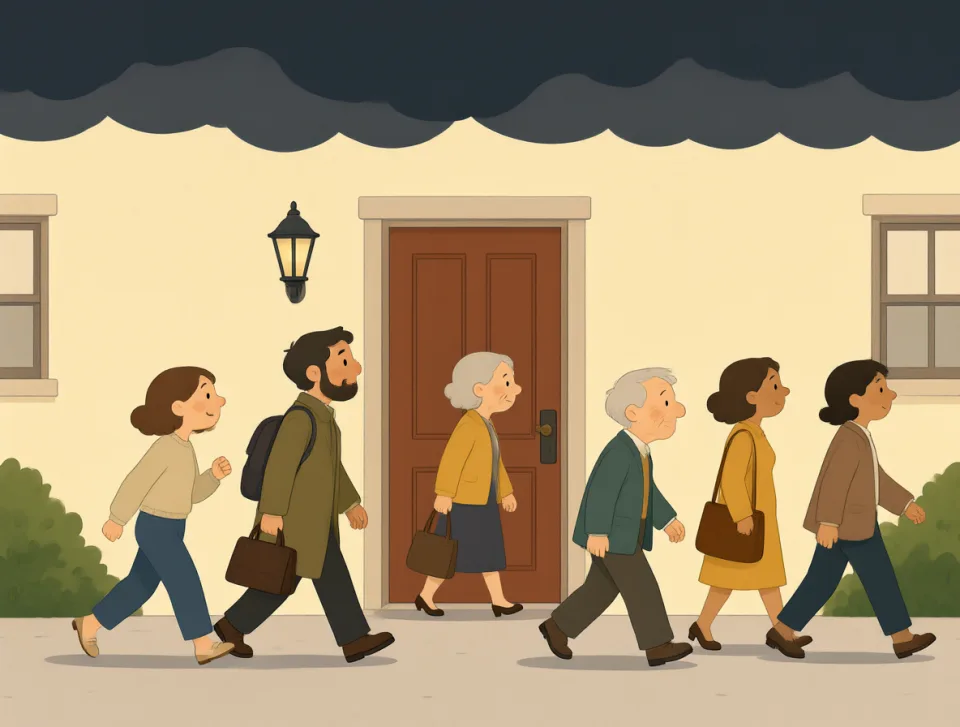
Dark clouds covered the sky before the storm.
Перед бурей небо затянули тёмные тучи.

We watched the sunset turn the sky orange.
Мы смотрели, как на закате небо становится оранжевым.

The airplane disappeared into the sky.
Самолёт скрылся в небе.

Stars filled the night sky after dinner.
После ужина ночное небо усыпали звёзды.