3단원
41–60번 단어 · know, more, get, who, like, when

know
#41verb
알다; 알고 있다
to have information about someone or something in your mind
누군가 또는 무언가에 대한 정보를 머릿속에 가지고 있다
I know the answer to this question.
나는 이 질문의 답을 알고 있어.
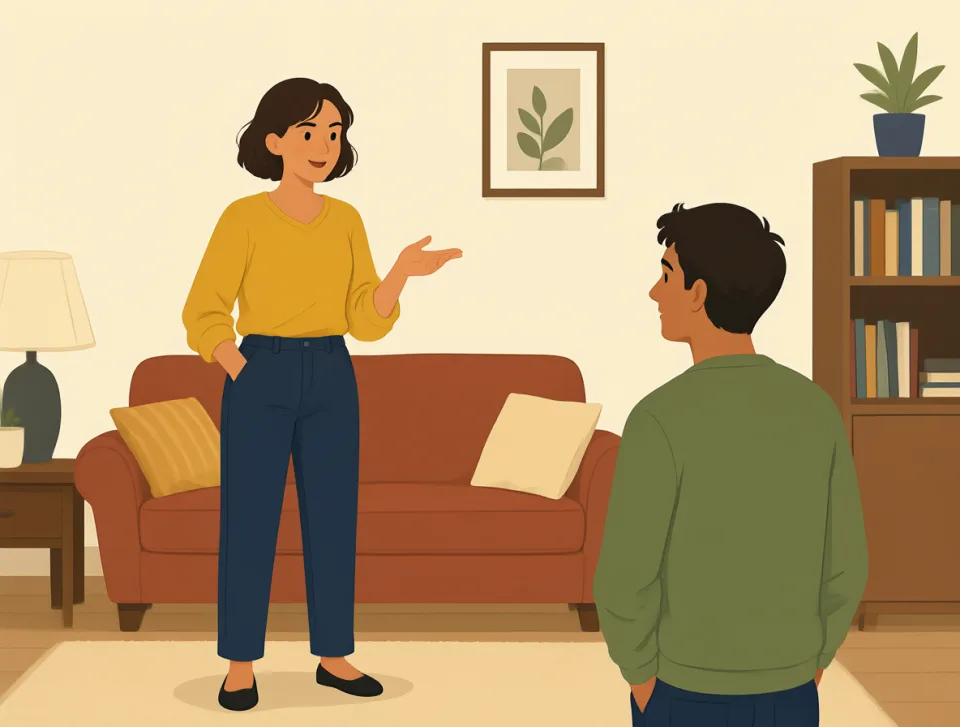
Do you know where my keys are?
내 열쇠가 어디에 있는지 알아?
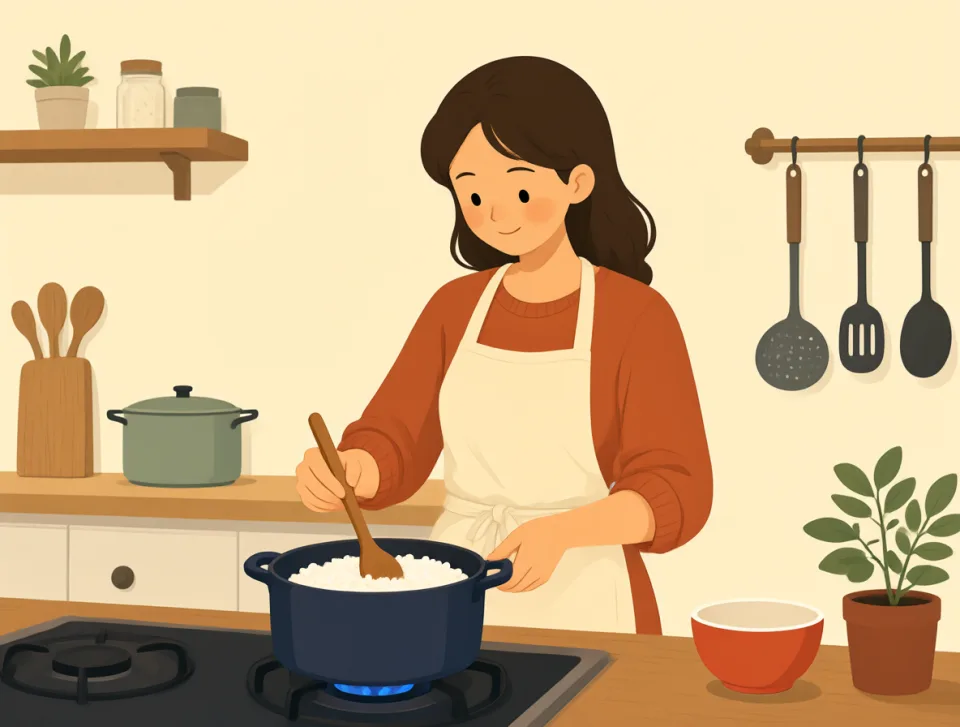
She knows how to cook rice.
그녀는 밥을 지을 줄 알아.
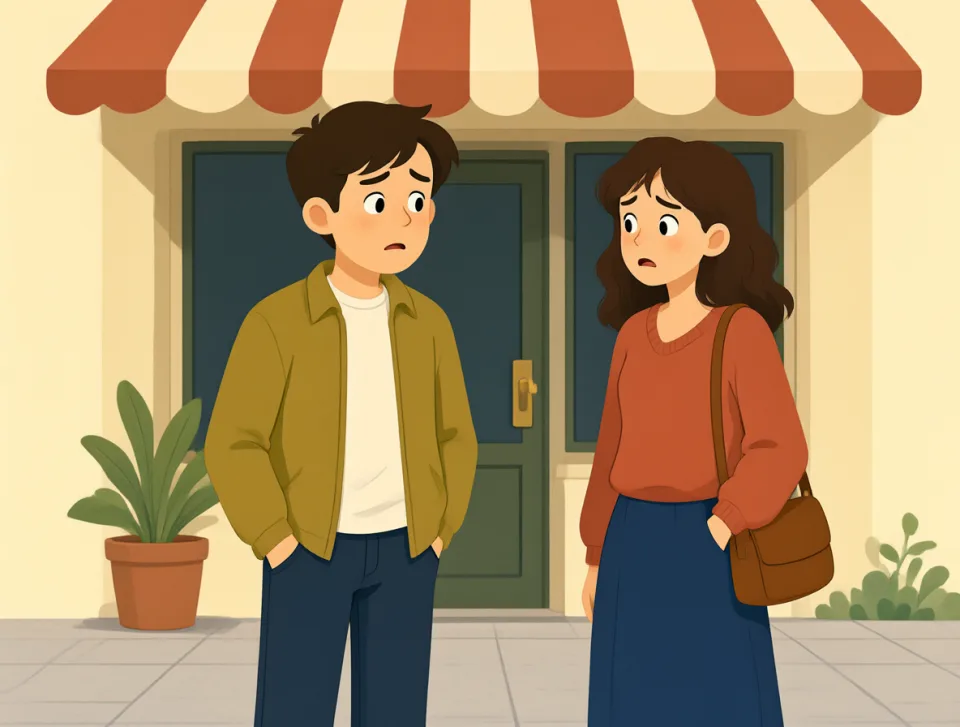
We knew the shop was closed.
우리는 그 가게가 문을 닫았다는 것을 알고 있었어.

He knows many people at work.
그는 직장에서 아는 사람이 많아.
more
#42determiner, pronoun, adverb, adjective, noun
더; 더 많은; 더 많이
A greater amount, number, or degree than before or than someone else has.
이전보다 또는 다른 사람보다 더 많은 양, 수 또는 정도
I need more time to finish this.
이 일을 끝내려면 시간이 더 필요해요.

Would you like more coffee?
커피 좀 더 드릴까요?
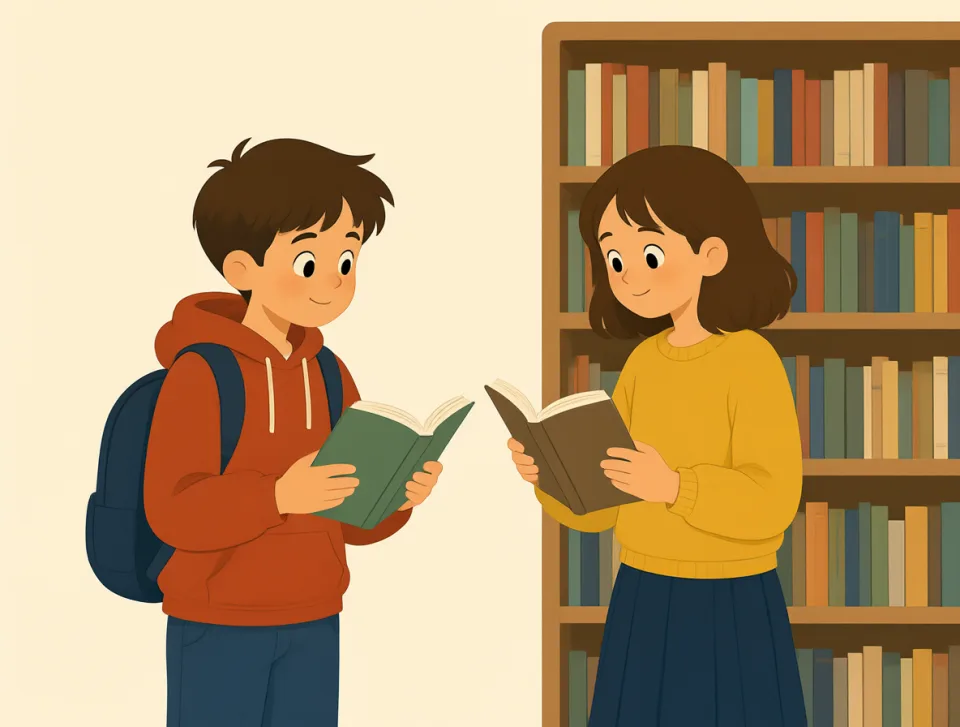
She has more books than I do.
그녀는 나보다 책이 더 많아요.
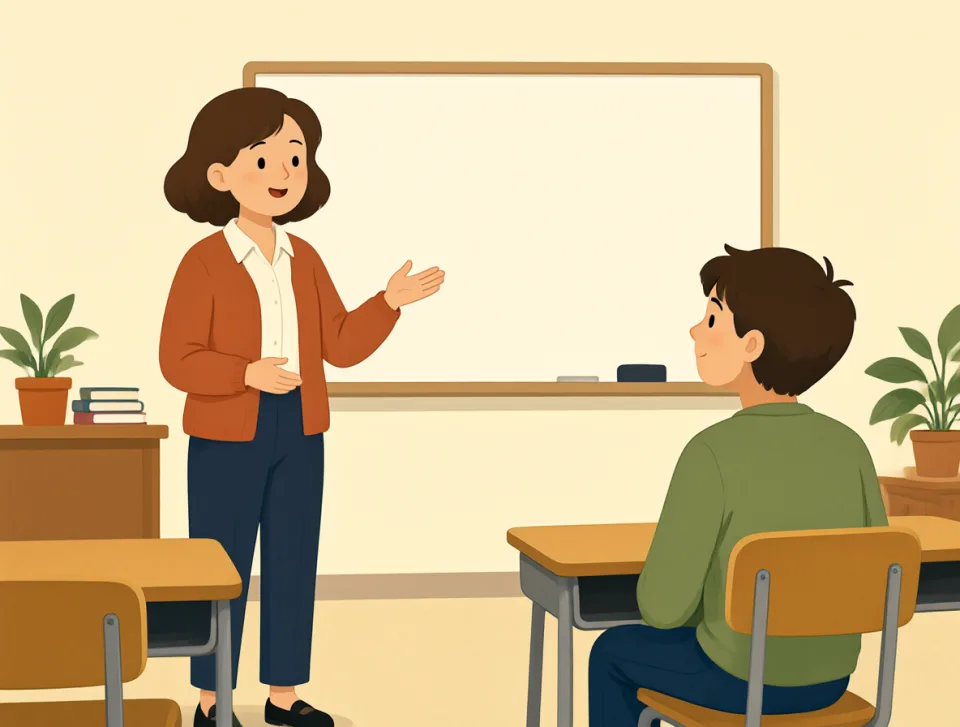
Please speak more slowly.
좀 더 천천히 말씀해 주세요.
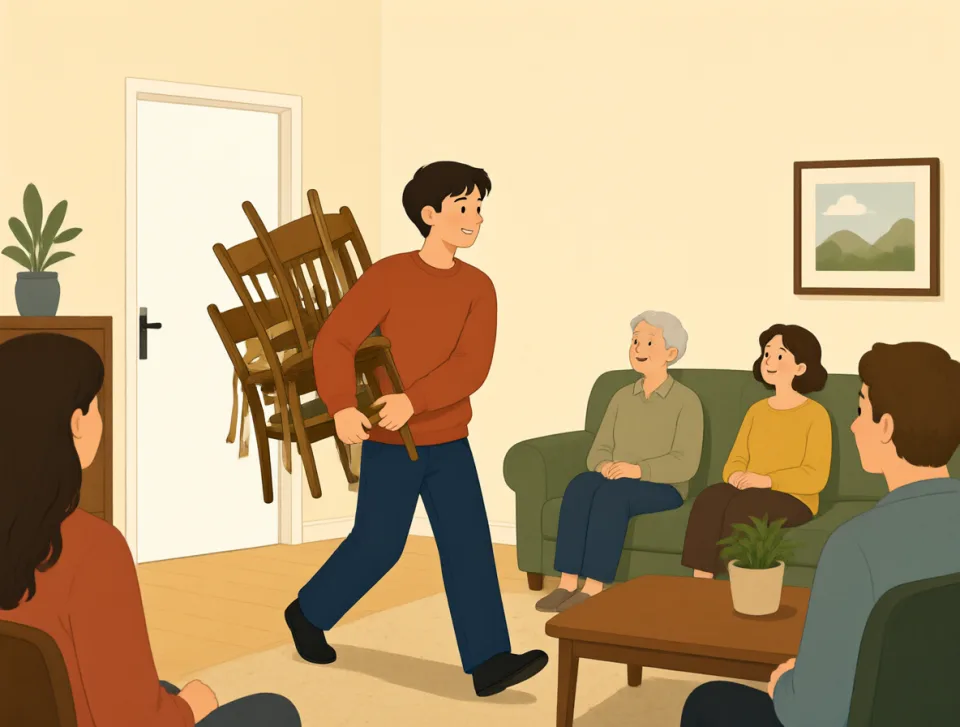
We need more chairs for our guests.
손님들을 위해 의자가 더 필요해요.
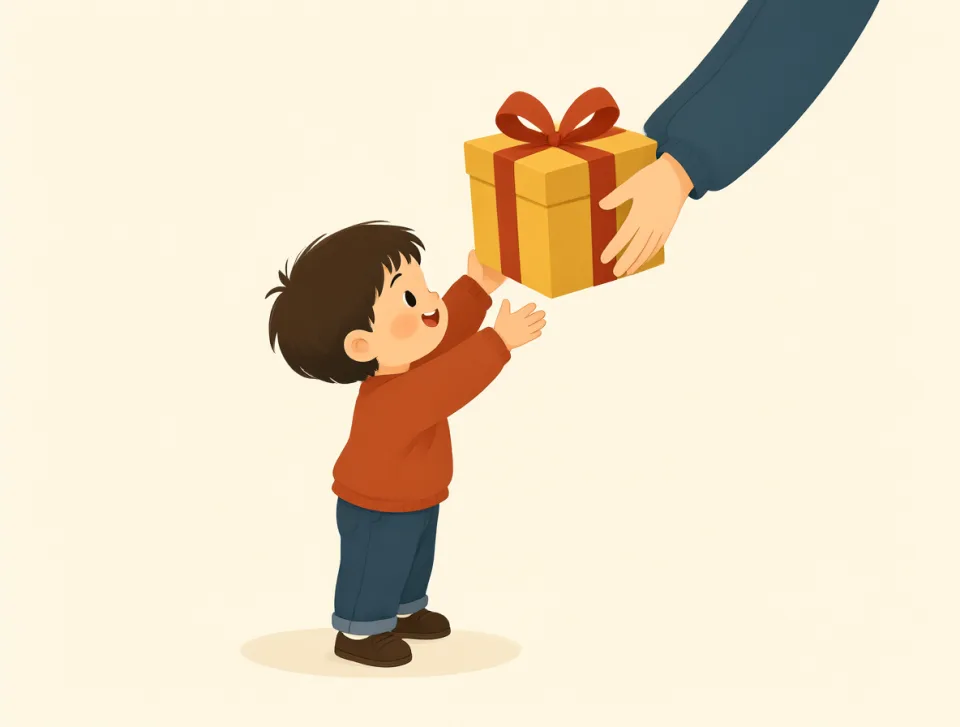
get
#43verb, noun
얻다; 받다; 되다; 도착하다
to receive, obtain, become, or move to a place
받거나 얻거나, 어떤 상태가 되거나, 어떤 장소로 이동하다
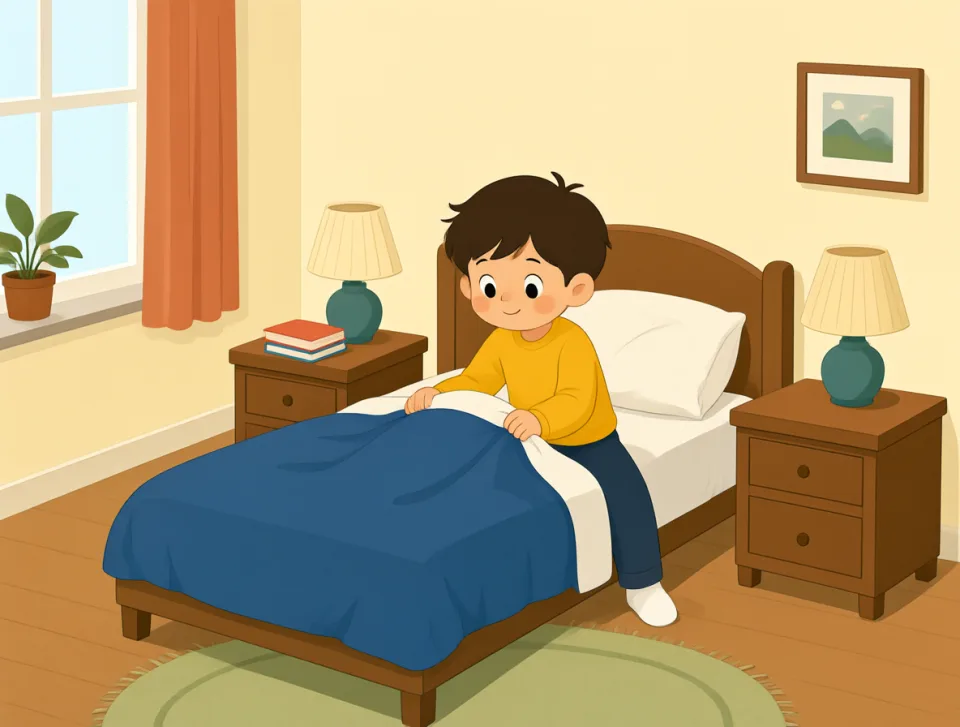
I get up at seven every morning.
나는 매일 아침 7시에 일어난다.

She got a new job last week.
그녀는 지난주에 새 직장을 구했다.
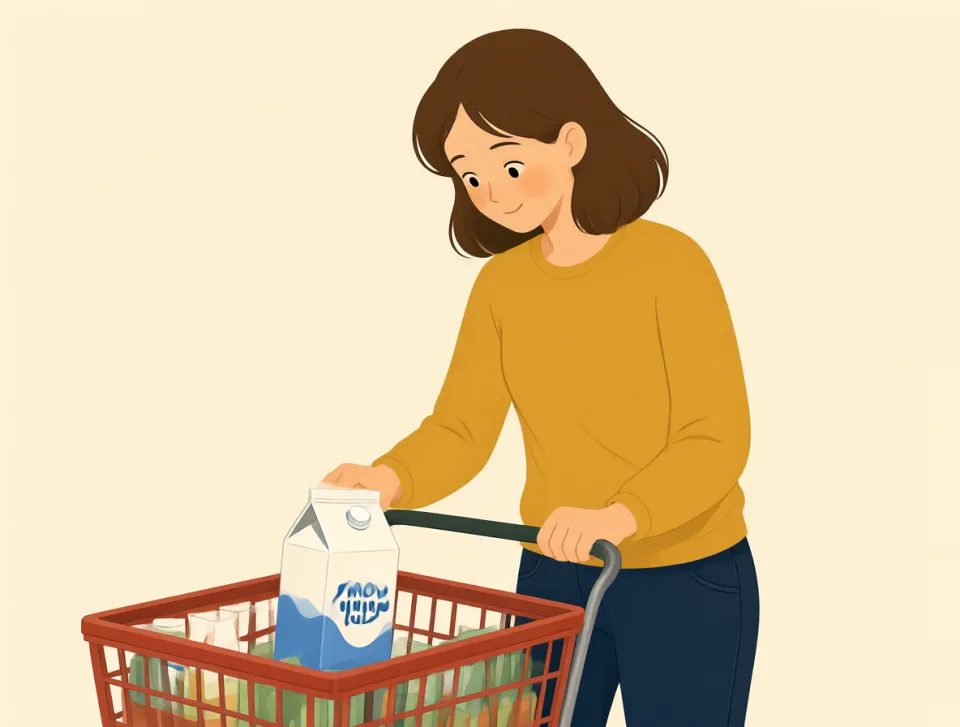
Please get some milk from the store.
가게에서 우유 좀 사다 줘.
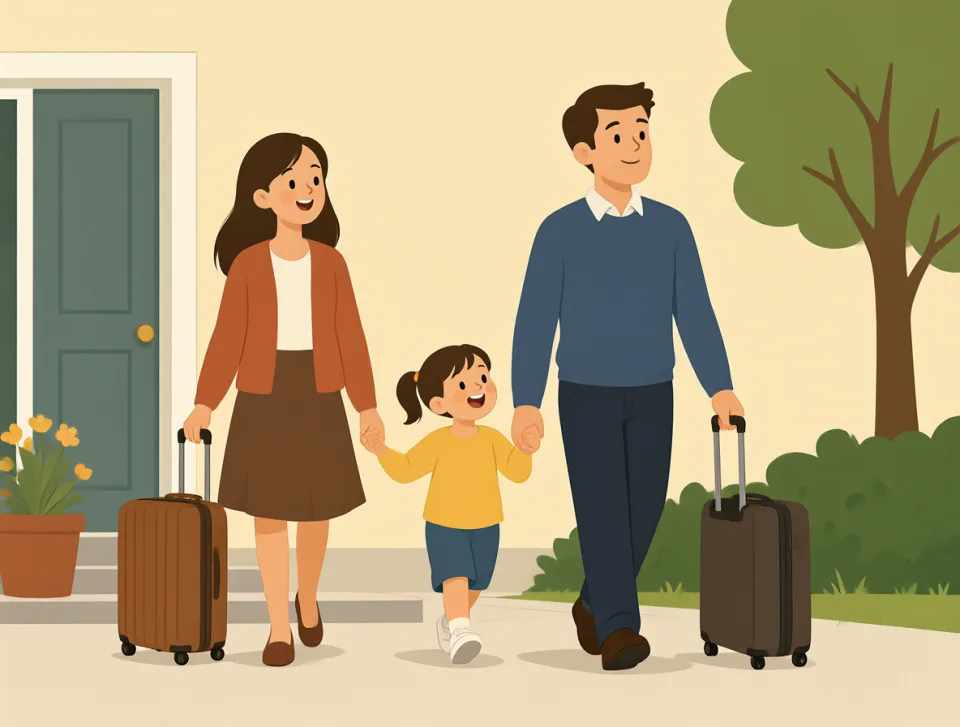
We got home late after the trip.
우리는 여행에서 돌아와 늦게 집에 도착했다.
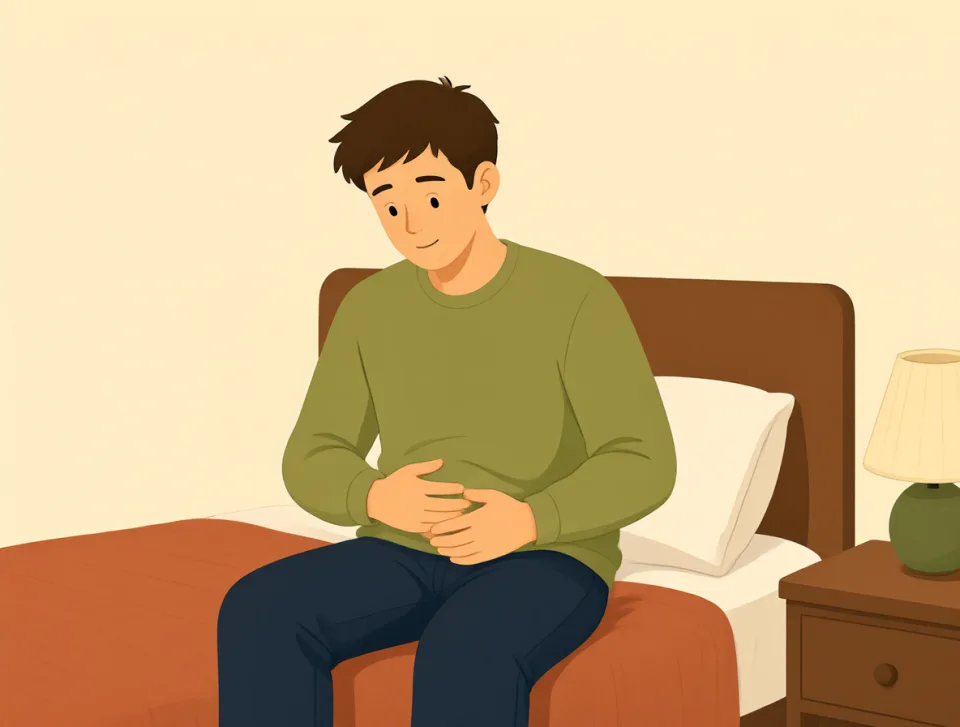
He got sick after eating bad food.
그는 상한 음식을 먹고 아팠다.
who
#44pronoun
누구; 어떤 사람
Used to ask or say which person or people you mean.
어떤 사람이나 사람들을 가리키는지 묻거나 말할 때 사용한다.
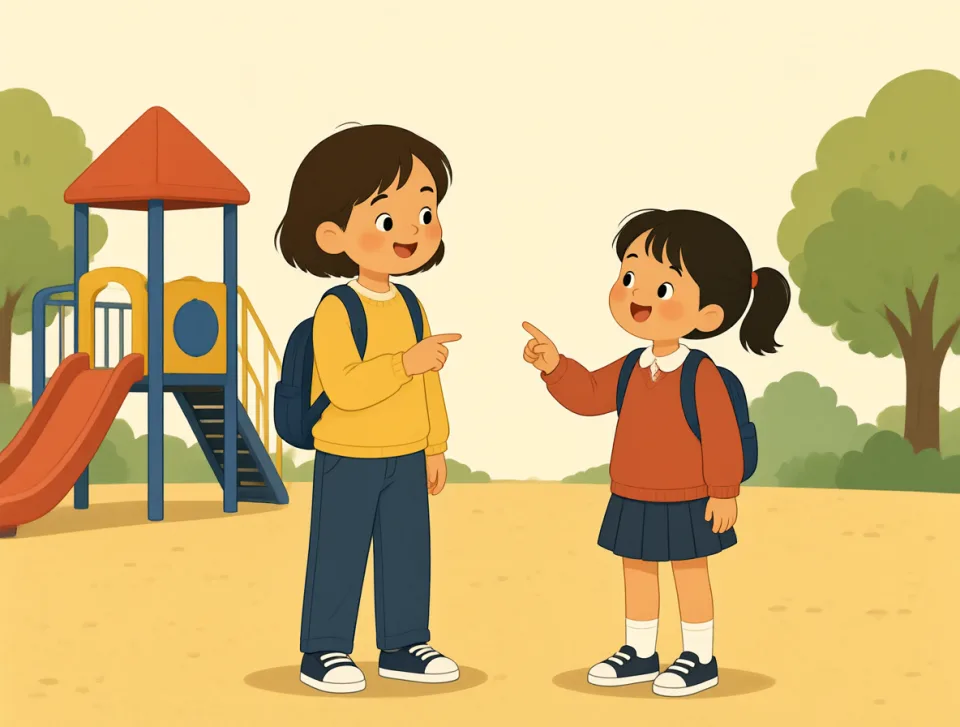
Who is your best friend?
네 가장 친한 친구는 누구야?
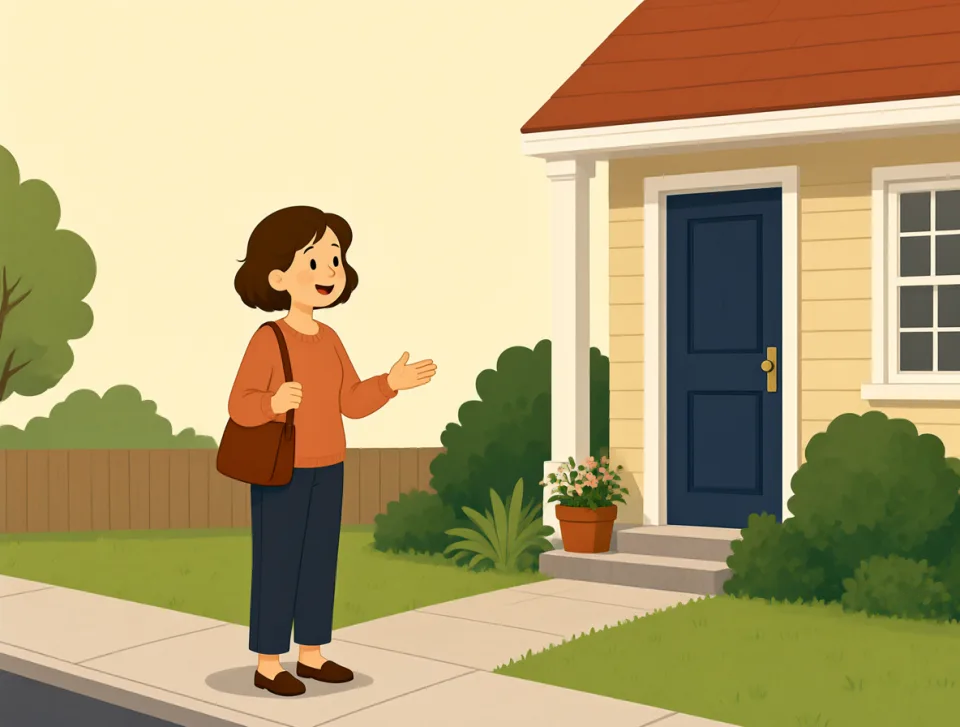
The woman who lives next door is kind.
옆집에 사는 그 여자는 친절해.
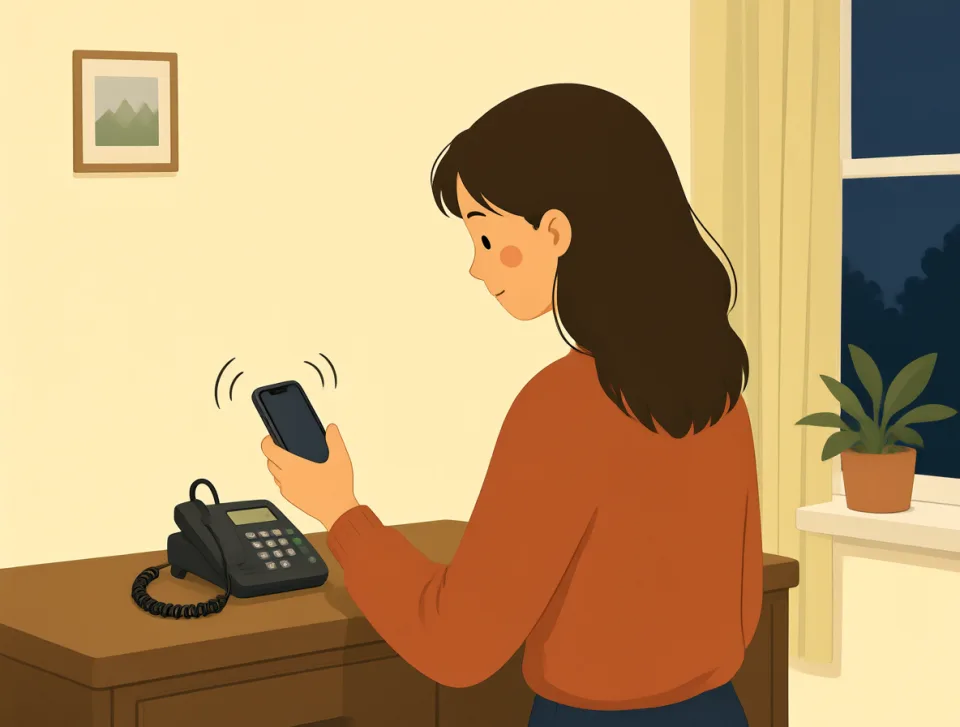
Who called you last night?
어젯밤에 누가 너한테 전화했어?

I know who can help us.
누가 우리를 도와줄 수 있는지 알아.
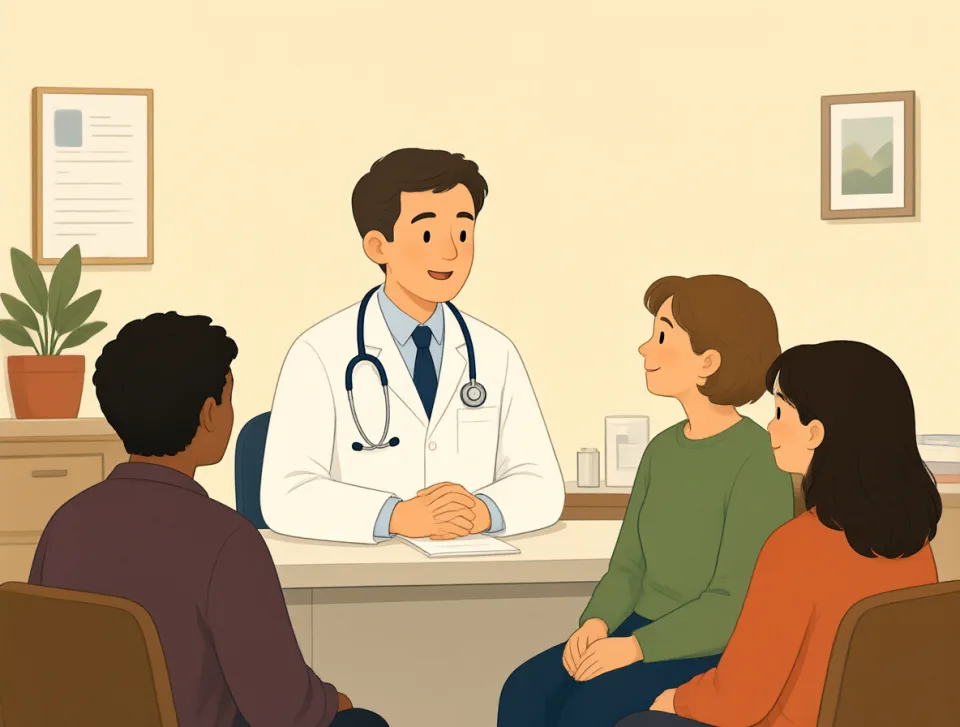
The doctor asked who felt sick.
의사는 누가 아픈지 물어봤다.
like
#45verb, preposition
좋아하다; ~을 원하다; ~처럼; ~와 같은
To enjoy, want politely, or show that two things are similar.
즐기거나, 정중하게 원한다고 말하거나, 두 가지가 비슷함을 나타내다.
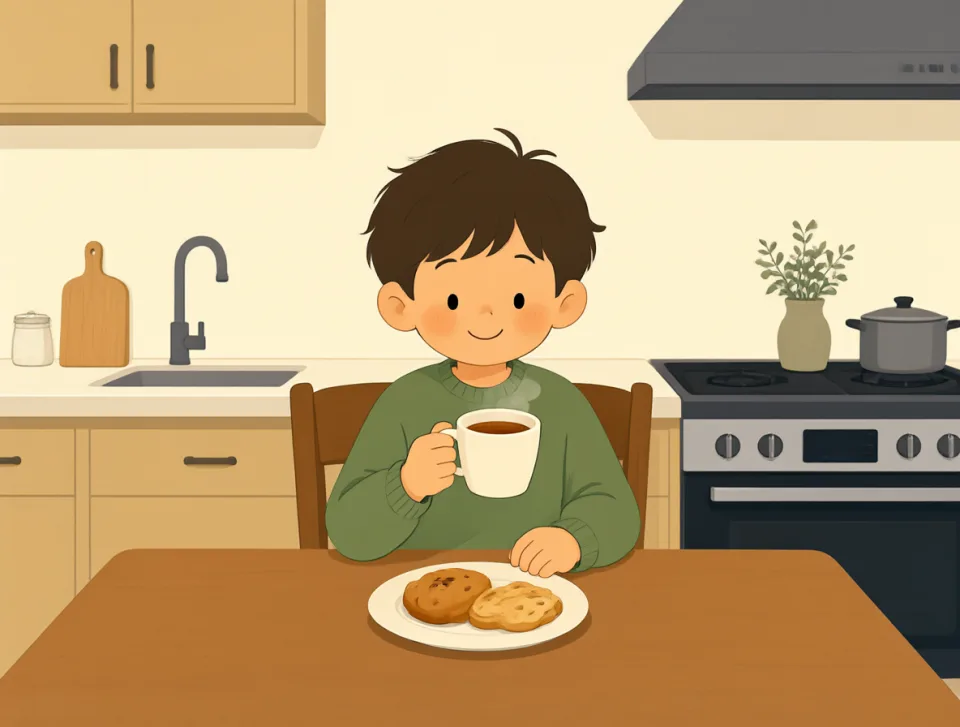
I like tea with breakfast.
나는 아침 식사 때 차를 좋아해.
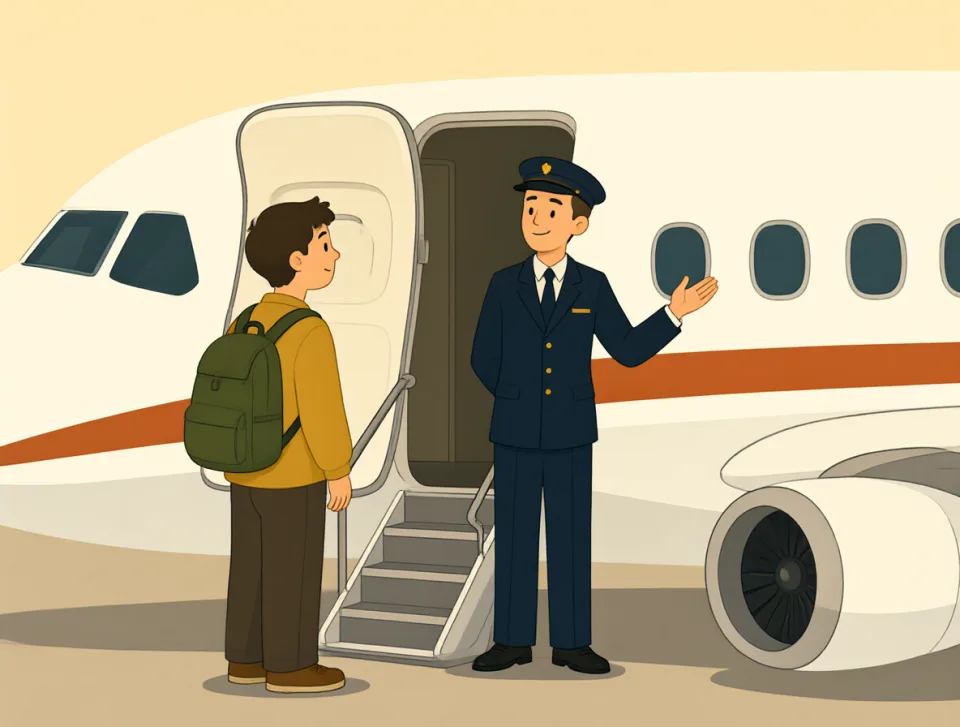
Would you like a window seat?
창가 좌석으로 하시겠어요?

She looks like her mother.
그녀는 어머니를 닮았어요.
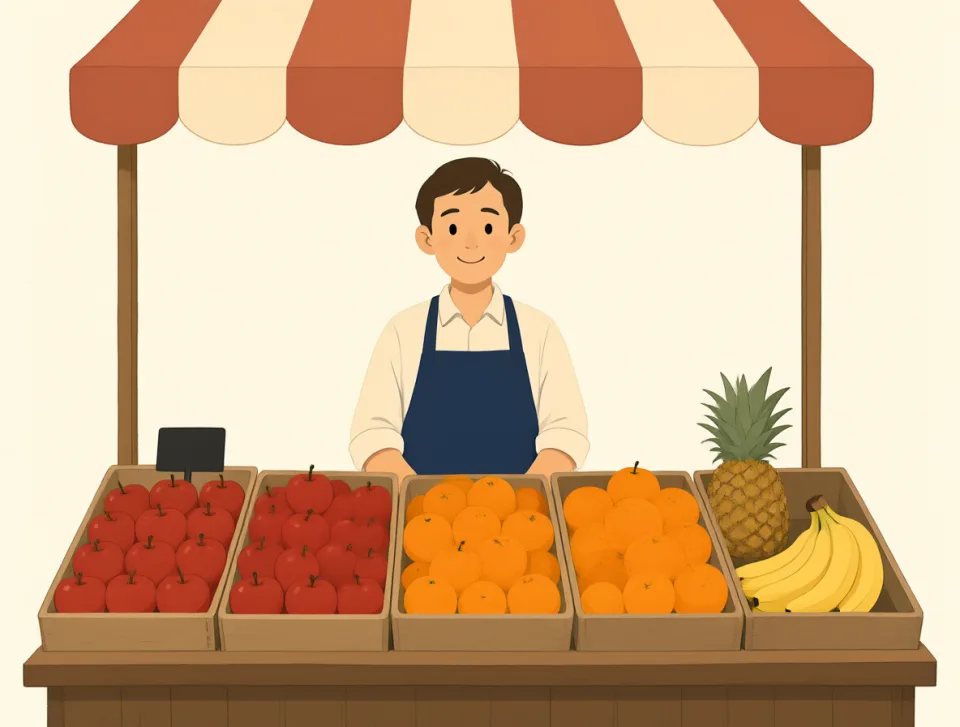
We sell fruit like apples and oranges.
저희는 사과와 오렌지 같은 과일을 판매합니다.

He swims like a fish.
그는 물고기처럼 수영해요.
when
#46adverb, conjunction, pronoun, determiner
~할 때; 언제
At or during the time that something happens
어떤 일이 일어나는 때에 또는 그동안
Call me when you get home.
집에 도착하면 전화해.
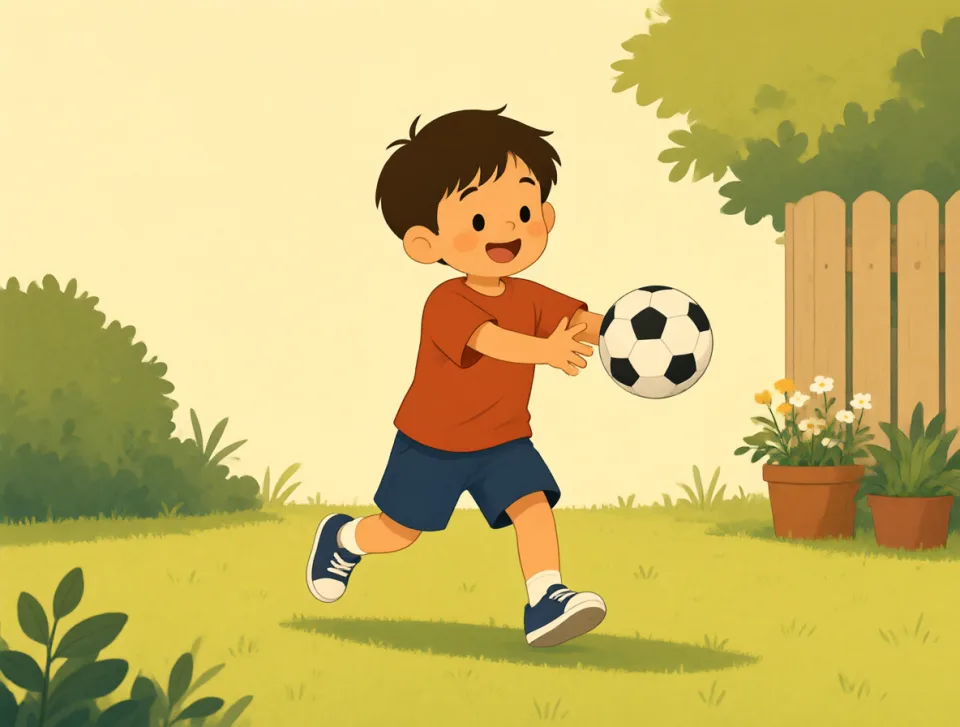
When I was young, I played outside.
어렸을 때 나는 밖에서 놀았어.

Tell me when the meeting starts.
회의가 언제 시작하는지 알려 줘.

I smile when I see my friends.
친구들을 보면 나는 웃어.

When did you buy this shirt?
이 셔츠 언제 샀어?
think
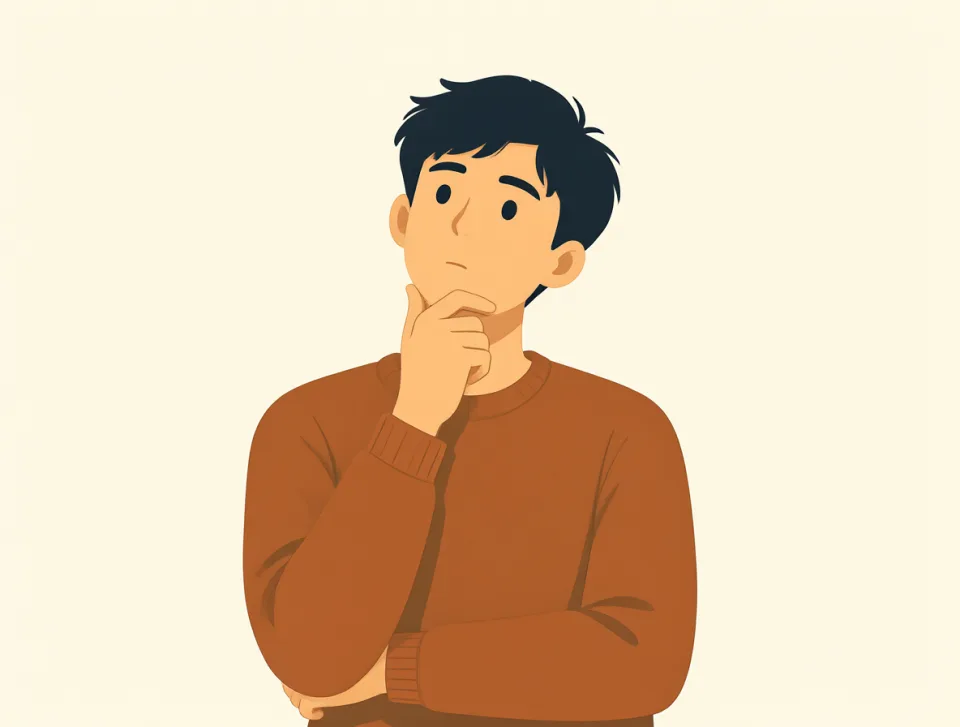
#47verb, noun
생각하다; 여기다
to use your mind to consider something or form an opinion
무언가를 고려하거나 의견을 정하기 위해 머릿속으로 생각하다
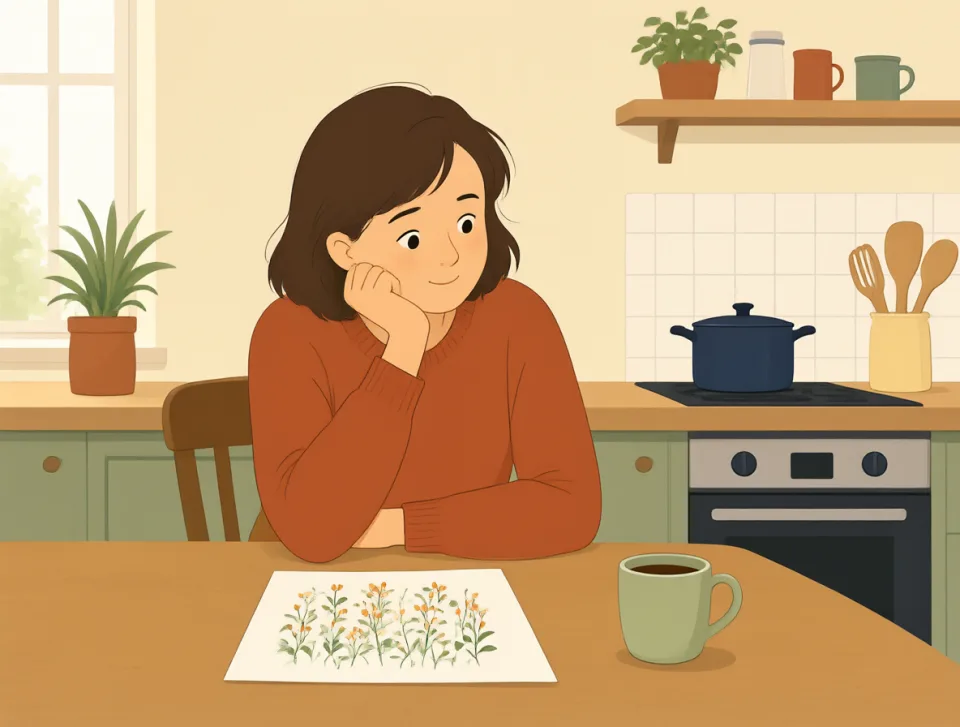
I think this is a good idea.
나는 이것이 좋은 생각이라고 생각해.

What do you think about this dress?
이 드레스 어때?
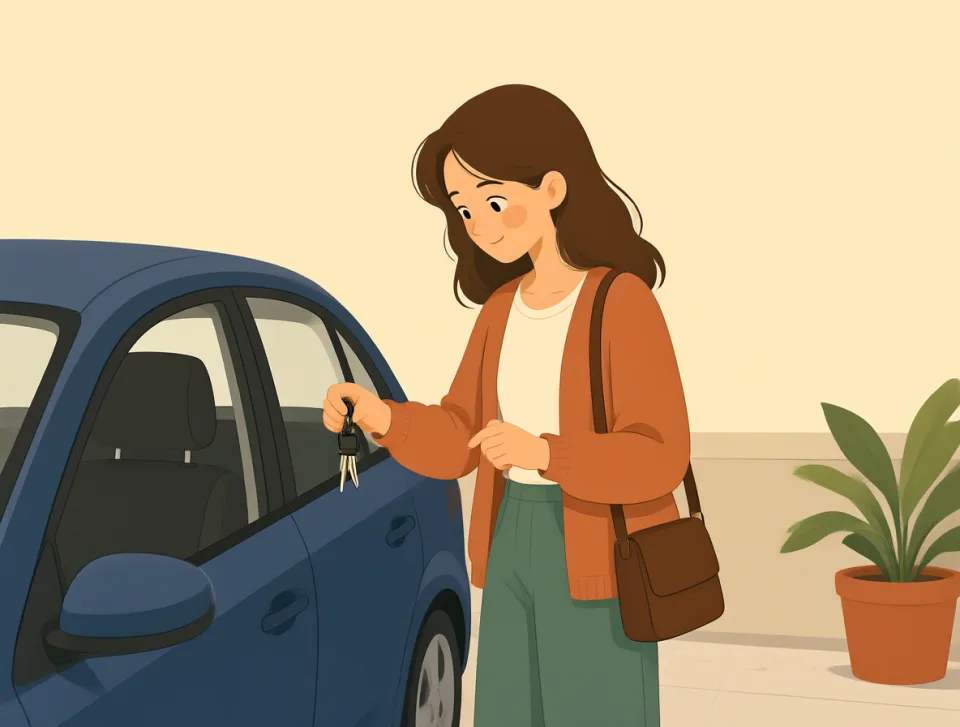
She thinks her keys are in the car.
그녀는 열쇠가 차 안에 있다고 생각해.

I was thinking about our holiday.
나는 우리 휴가에 대해 생각하고 있었어.
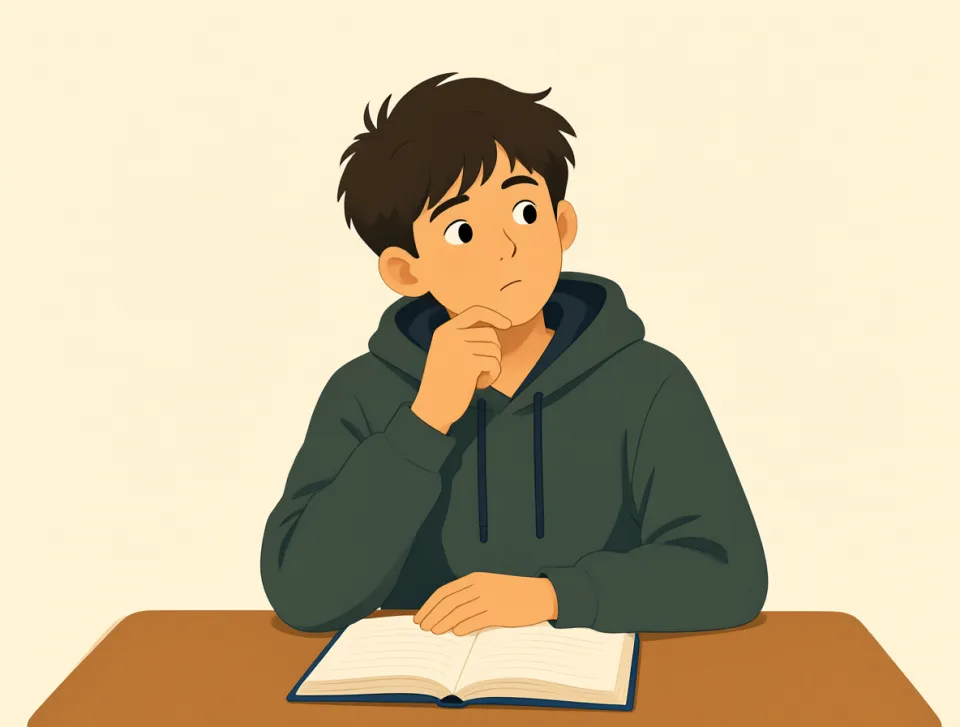
Let me think before I answer.
대답하기 전에 잠깐 생각해 볼게.
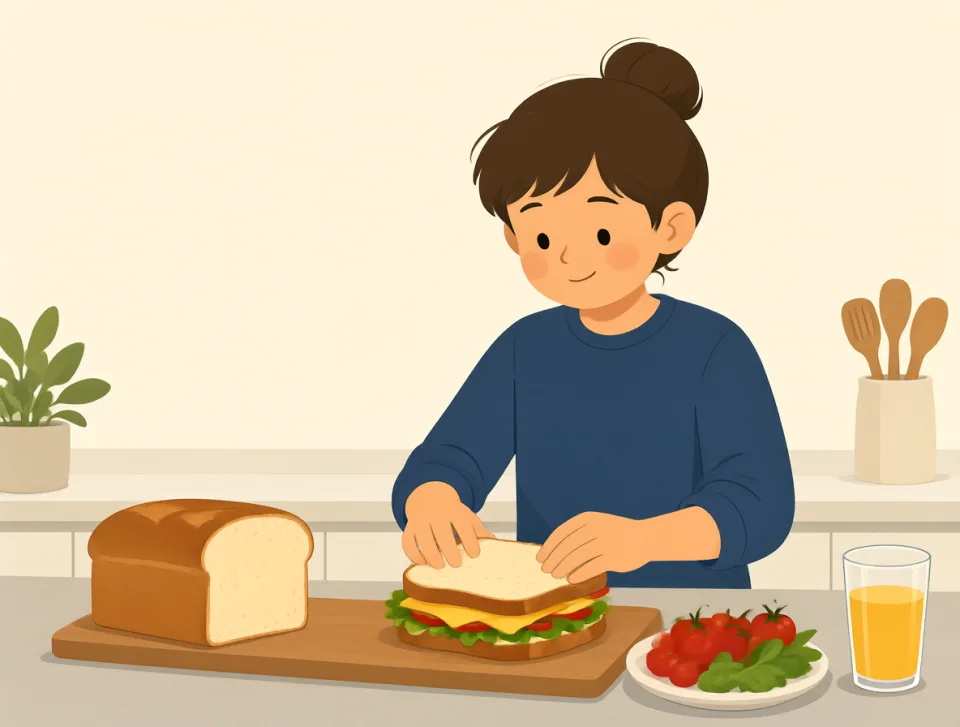
make
#48verb, noun
만들다; 준비하다; 일으키다; 선택하다
to create, prepare, cause, or choose something
무언가를 만들거나, 준비하거나, 일으키거나, 선택하다
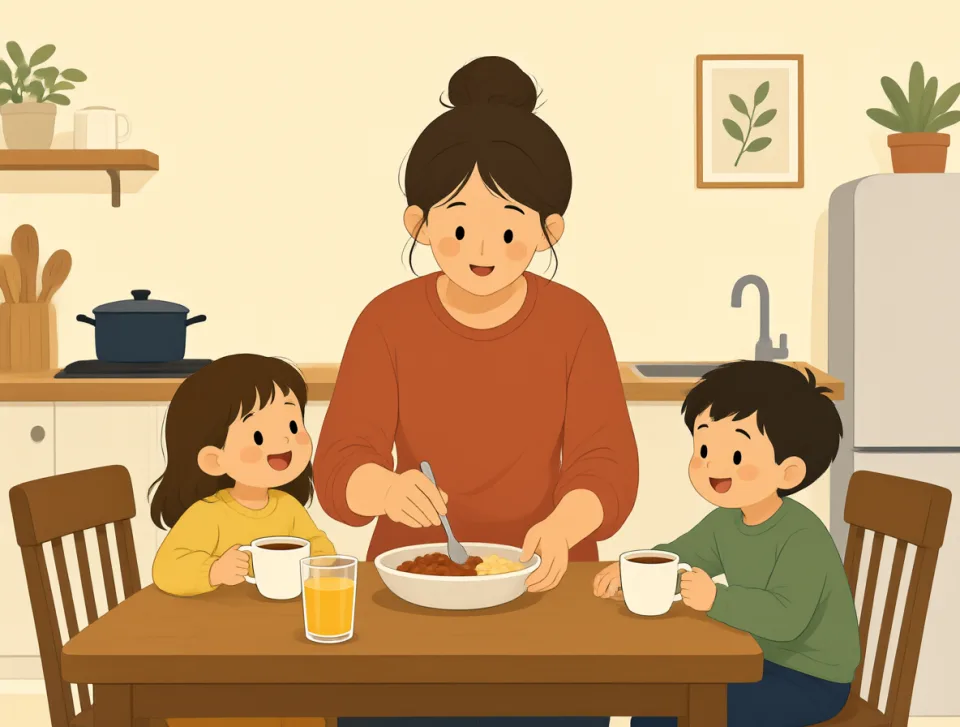
I make breakfast for my family every morning.
나는 매일 아침 가족을 위해 아침 식사를 만든다.
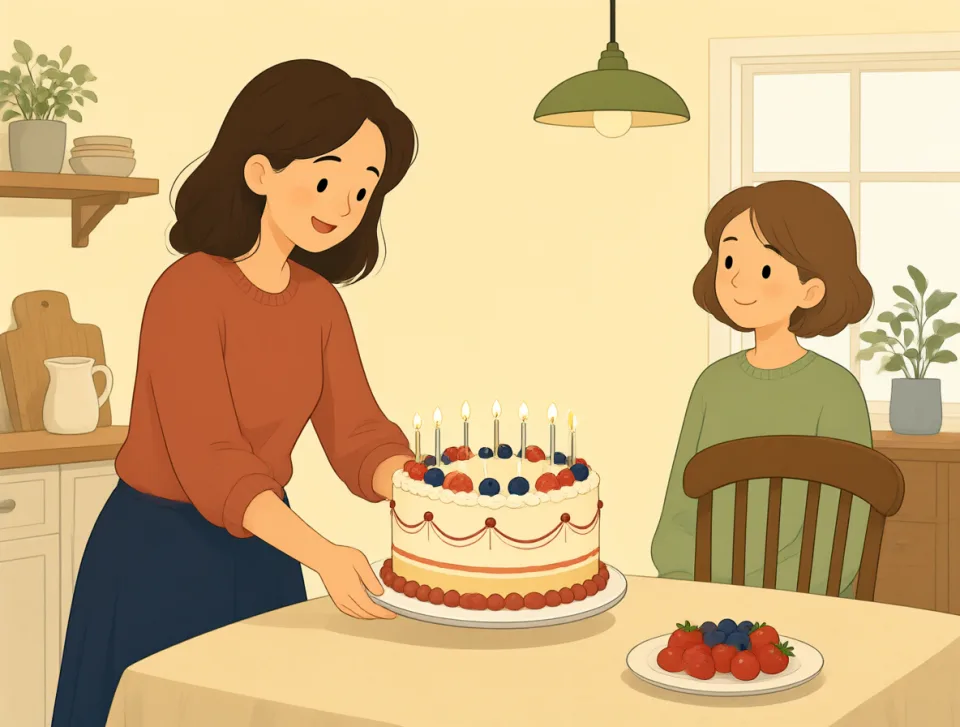
She made a cake for her friend.
그녀는 친구를 위해 케이크를 만들었다.
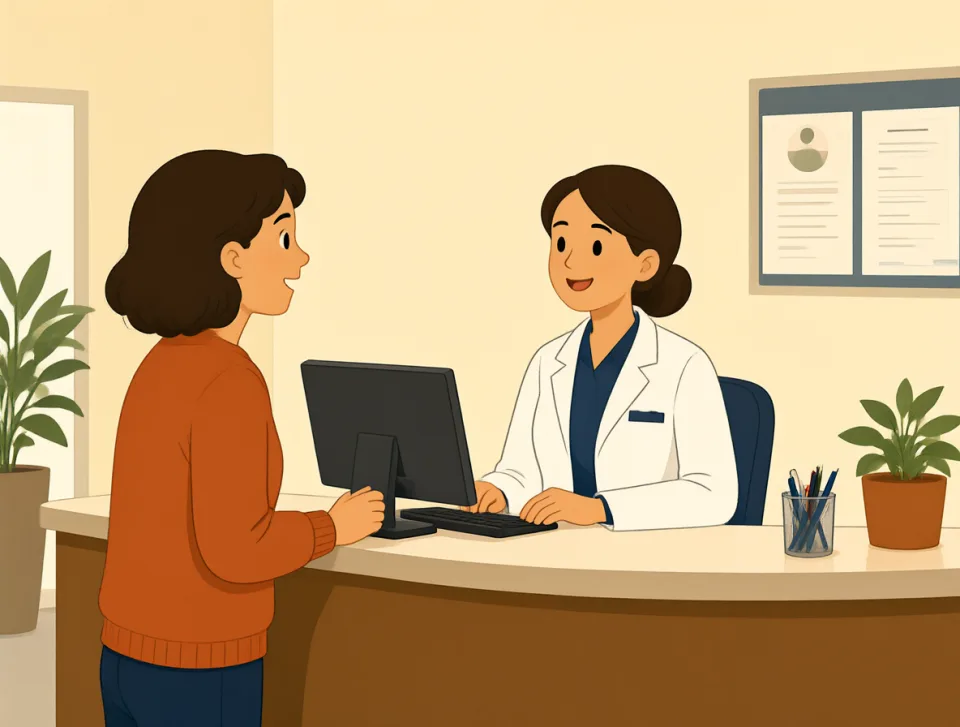
Please make an appointment with the doctor.
의사와 진료 예약을 잡아 주세요.

This shirt makes me feel comfortable.
이 셔츠를 입으면 편안한 기분이 든다.
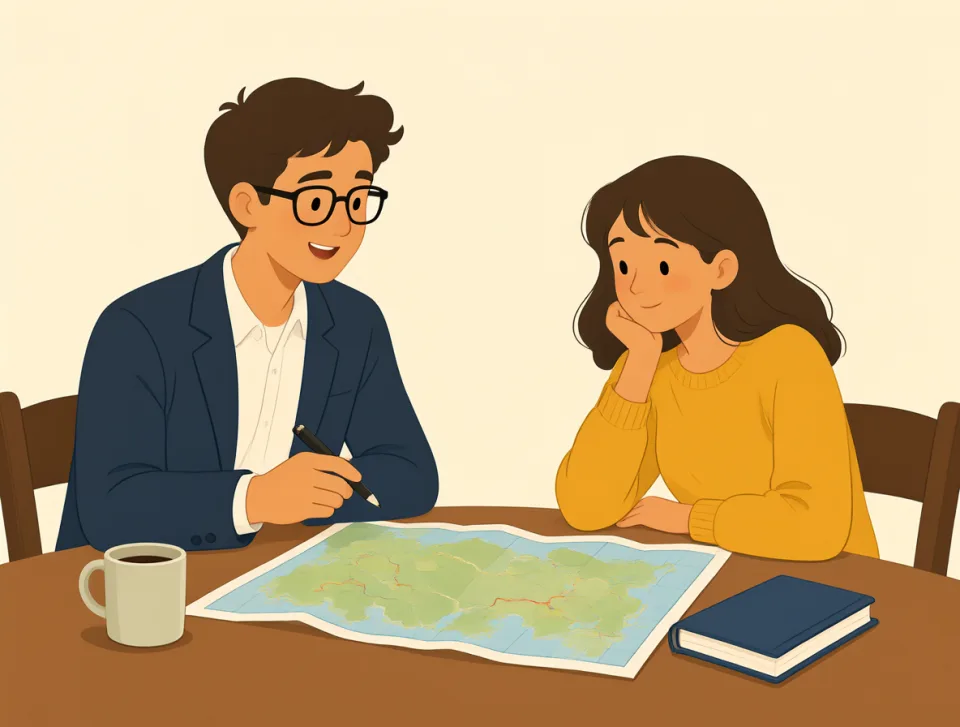
We made a plan for our trip.
우리는 여행 계획을 세웠다.

time
#49noun, verb
시간; 시각; 횟수
A particular moment or period, or the number of occasions something happens.
특정한 순간이나 기간, 또는 어떤 일이 일어나는 횟수.
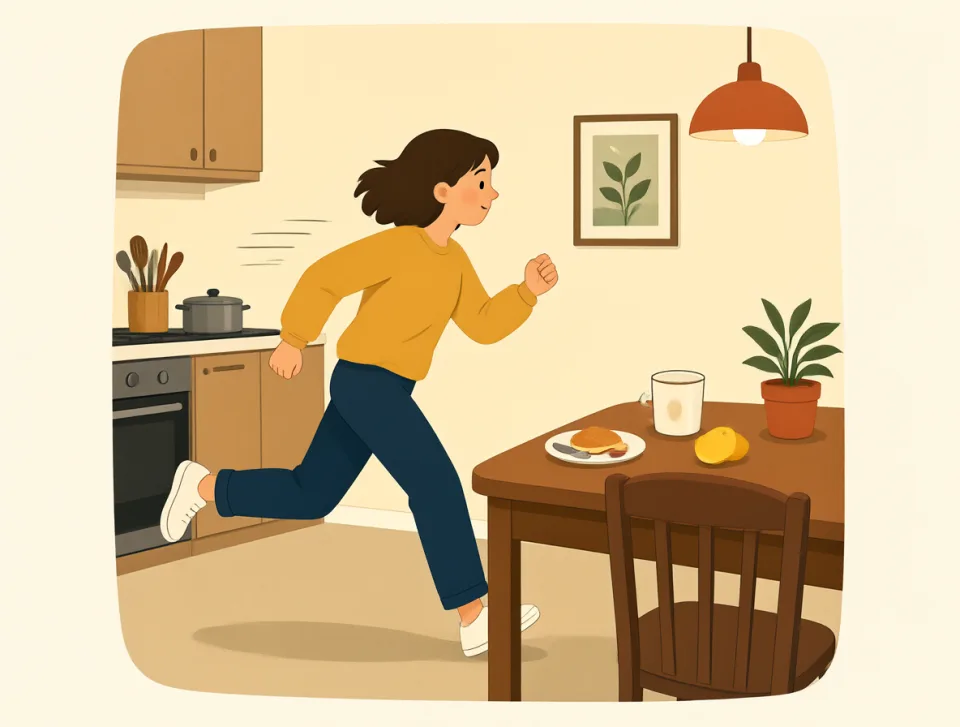
I do not have time for breakfast.
아침 먹을 시간이 없어.
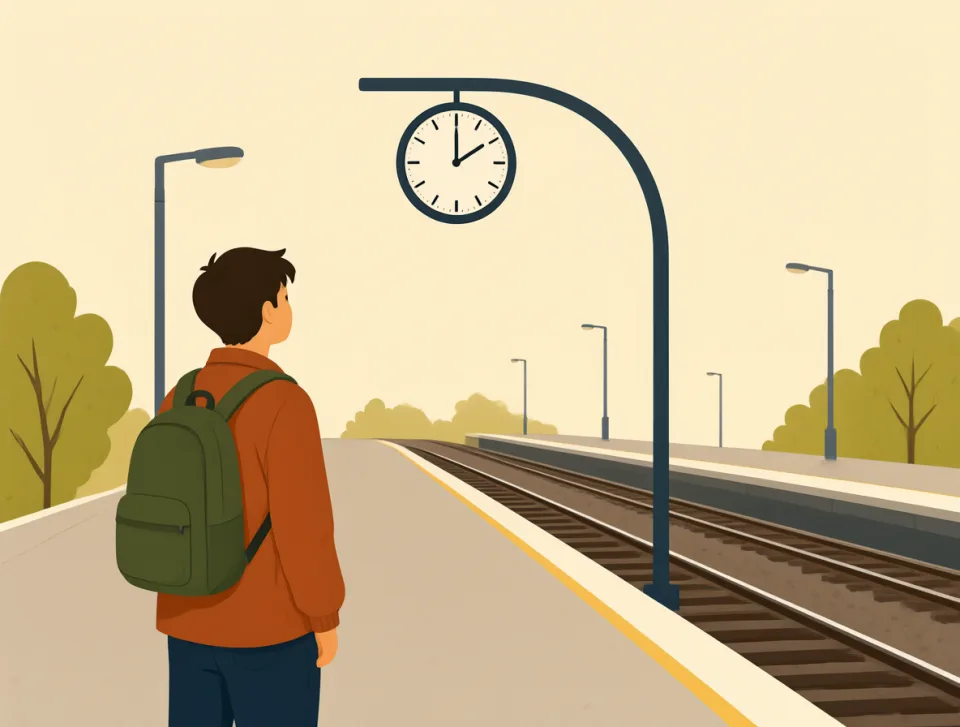
What time does the train leave?
기차가 몇 시에 출발해요?
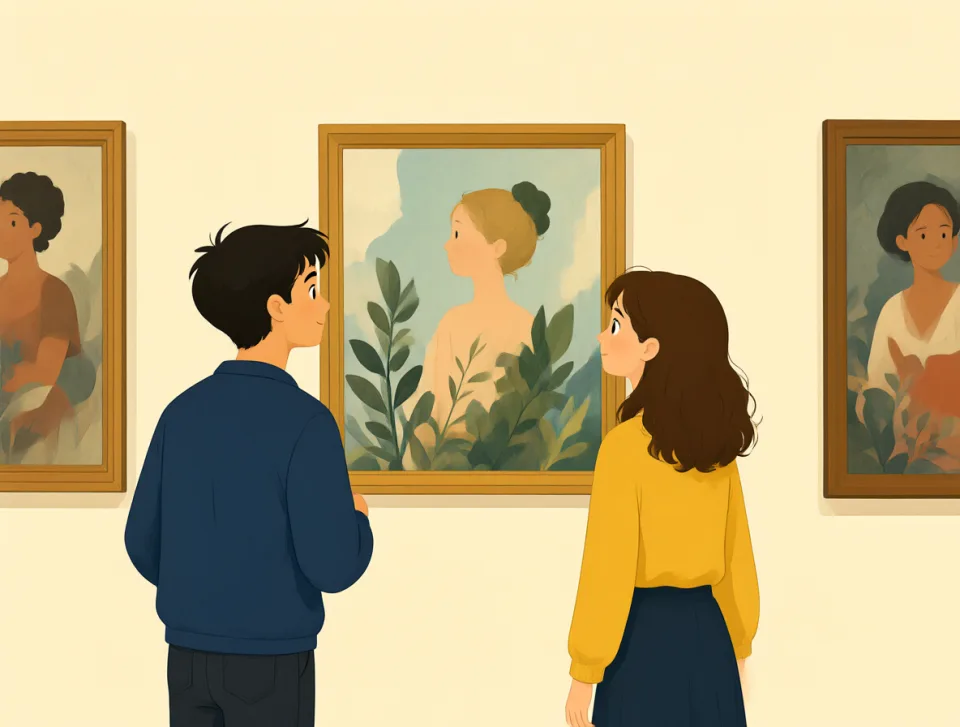
We visited that museum three times.
우리는 그 박물관에 세 번 갔어요.
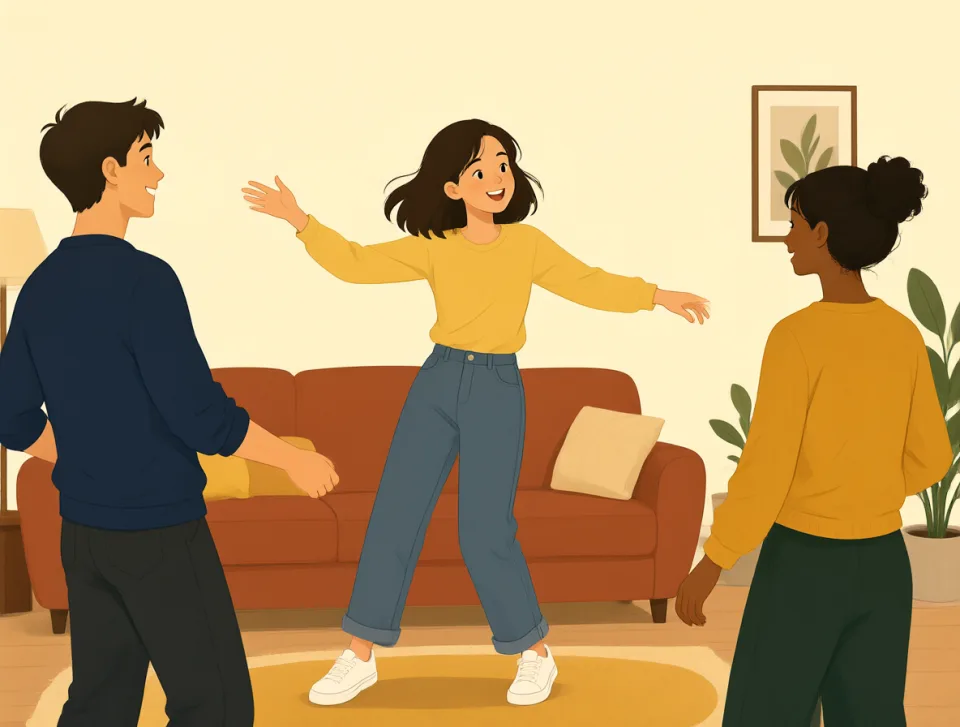
She had a good time at the party.
그녀는 파티에서 즐거운 시간을 보냈어요.
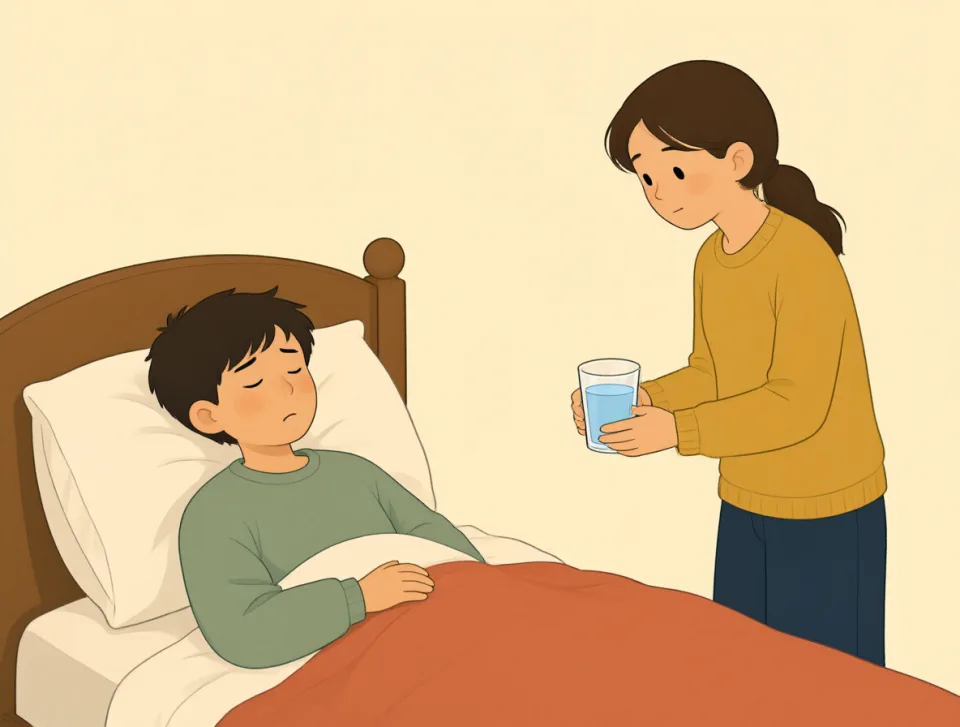
It takes time to feel better.
기분이 나아지려면 시간이 걸려요.
see
#50verb
보다; 만나다; 관람하다; 이해하다
to notice someone or something with your eyes
눈으로 사람이나 사물을 알아차리다
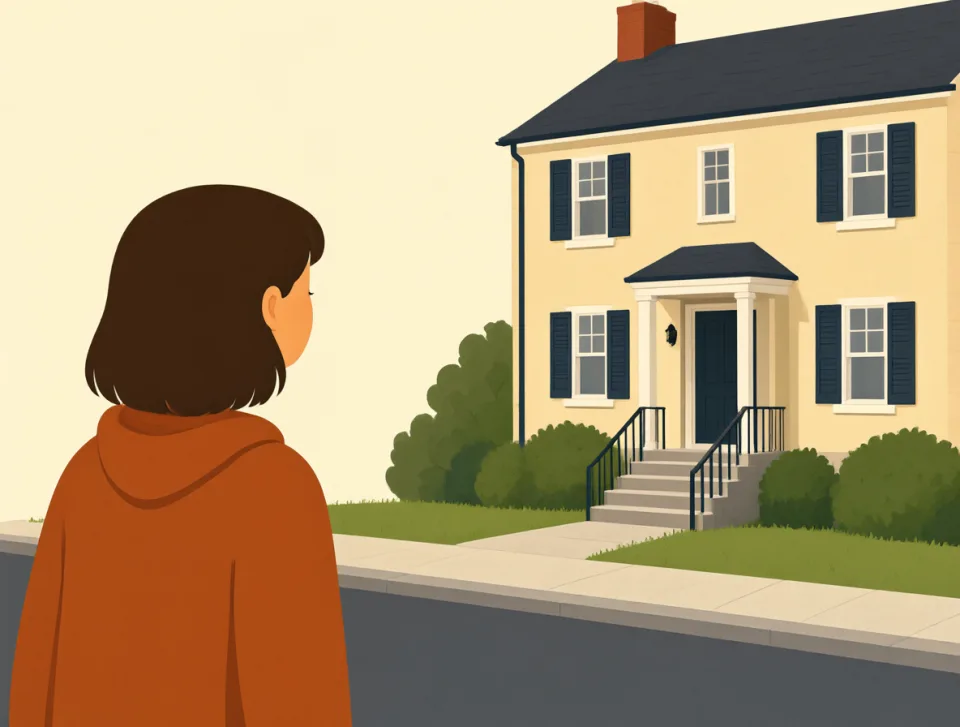
I can see your house from here.
여기서 네 집이 보여.

Did you see Tom at school today?
오늘 학교에서 Tom 봤어?

We saw a movie after dinner.
저녁 먹고 영화를 봤어.
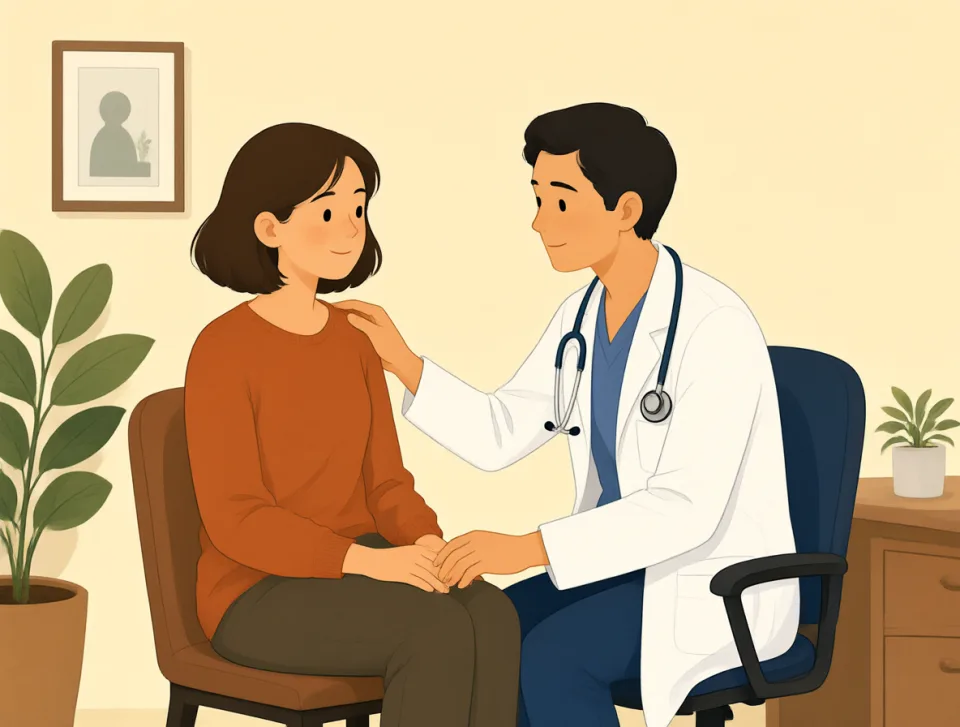
She sees the doctor every Monday.
그녀는 매주 월요일에 의사 선생님을 만나.
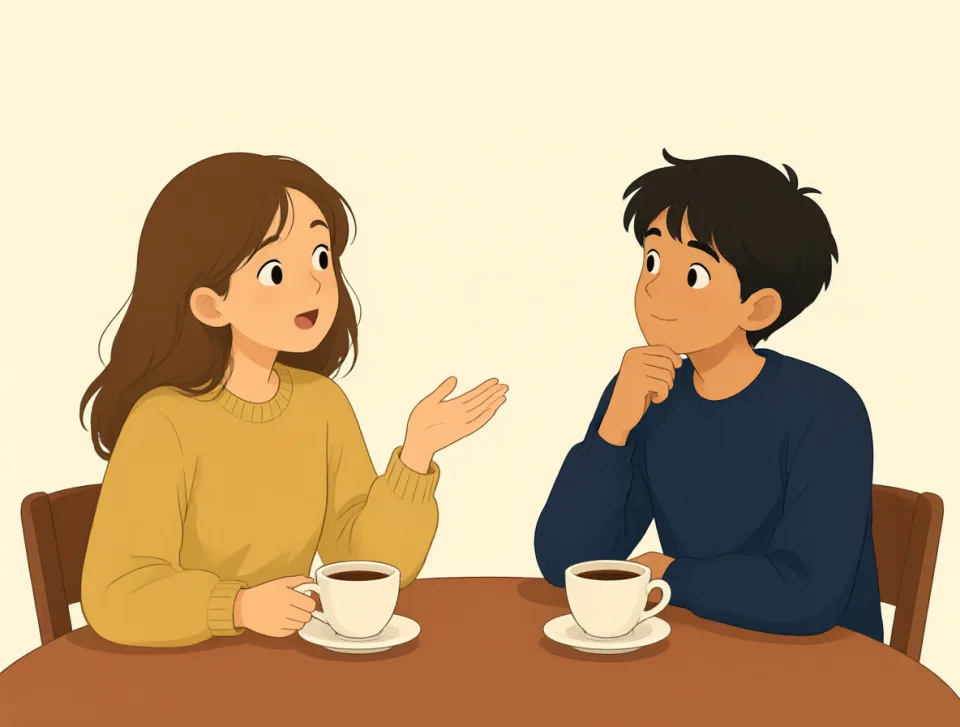
I see what you mean now.
이제 무슨 말인지 알겠어.
what
#51pronoun, determiner
무엇; 어떤
Used to ask about a thing, choice, or information.
사물이나 선택지, 정보를 물을 때 쓰는 말입니다.
What do you want for dinner?
저녁으로 뭐 먹고 싶어?
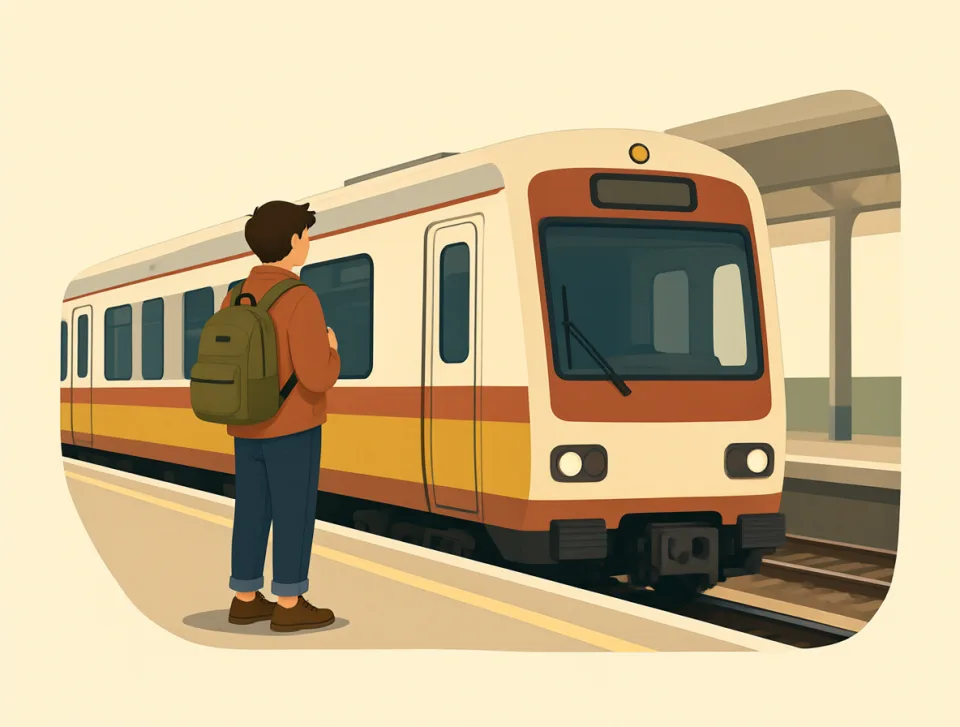
What time does the train leave?
기차가 몇 시에 출발해?
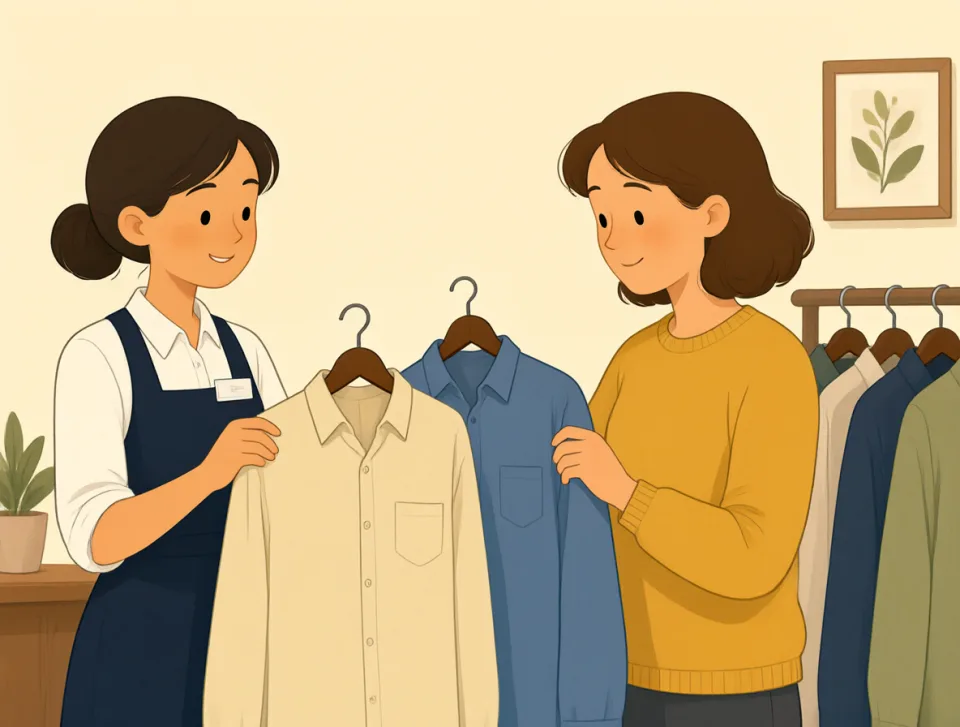
What size do you need?
어떤 사이즈가 필요하세요?
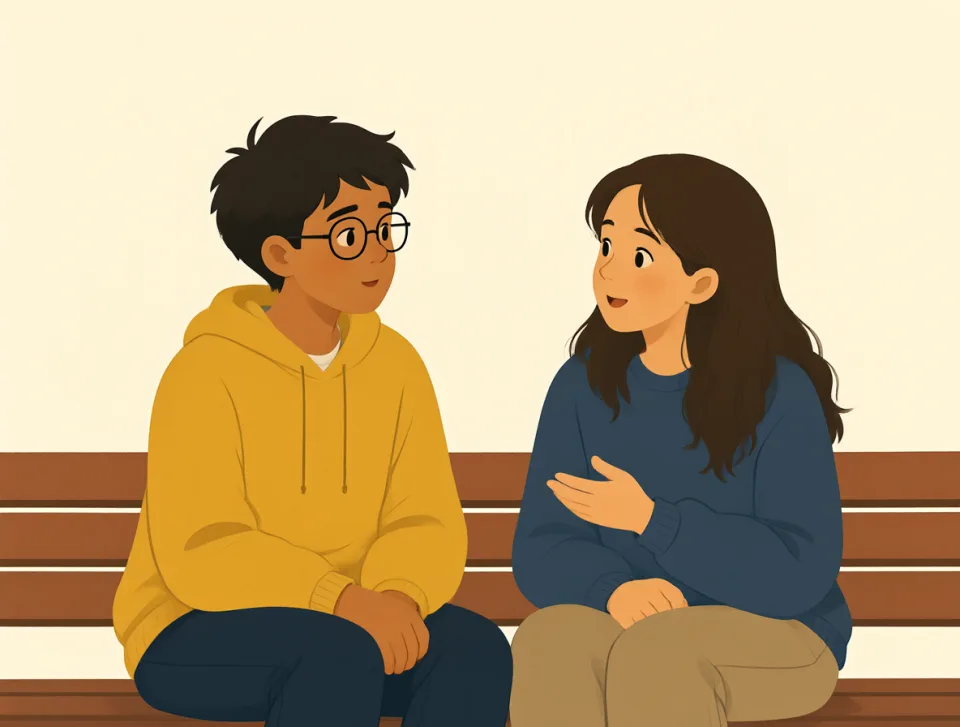
I know what you mean.
네가 무슨 말 하는지 알아.
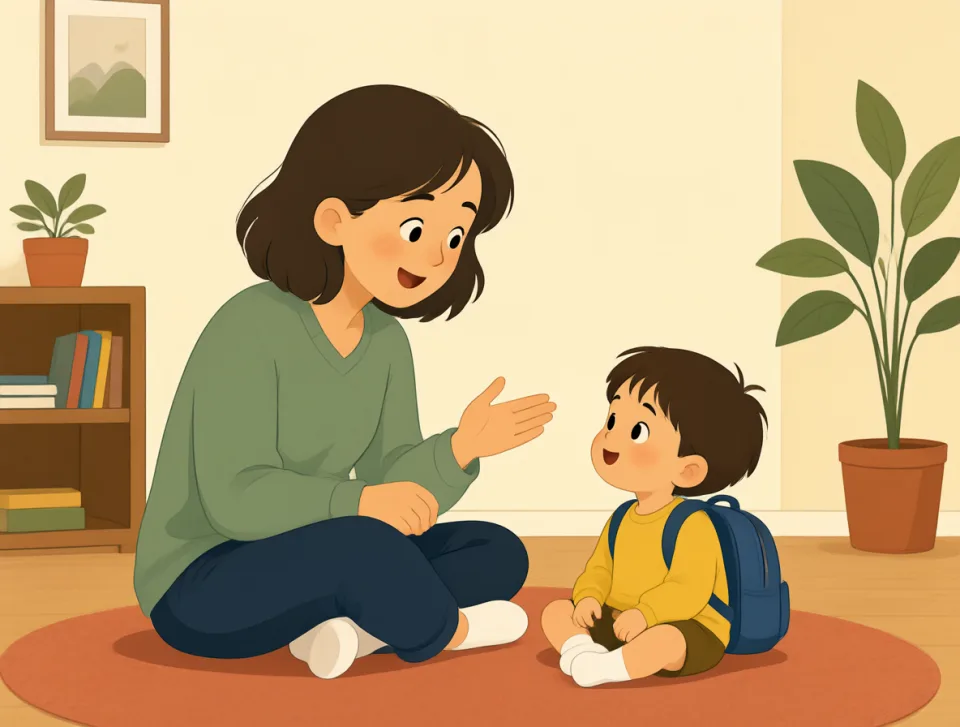
What happened at school today?
오늘 학교에서 무슨 일이 있었어?
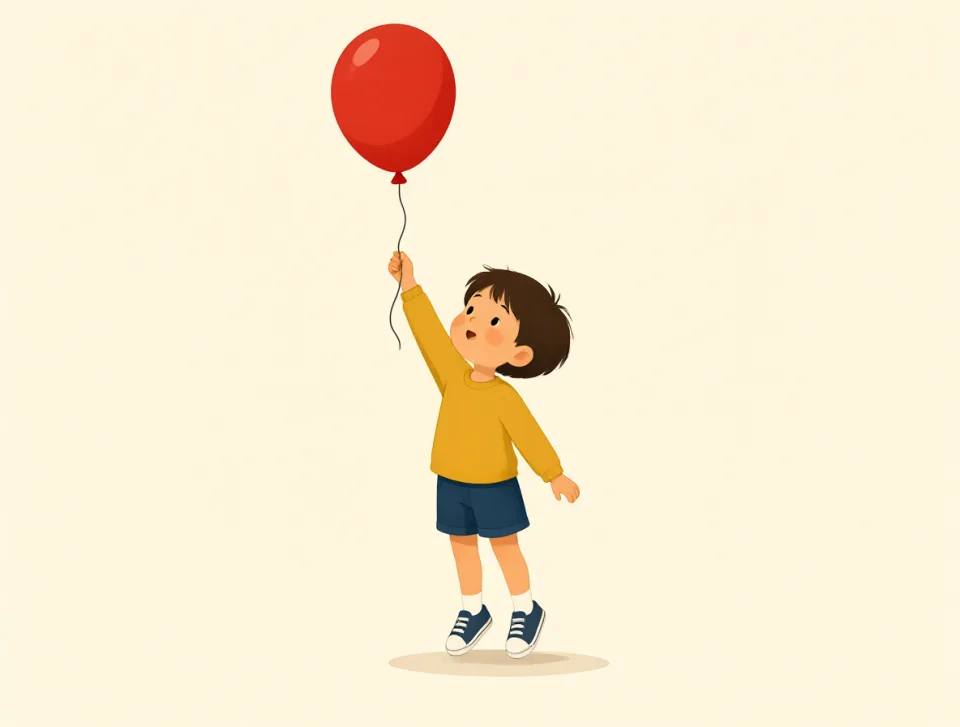
up
#52adverb, preposition, adjective, noun
위로; 위쪽에; 올리다; 깨다
Toward a higher place or position; or in a higher position.
더 높은 곳이나 위치를 향해, 또는 더 높은 위치에 있는.
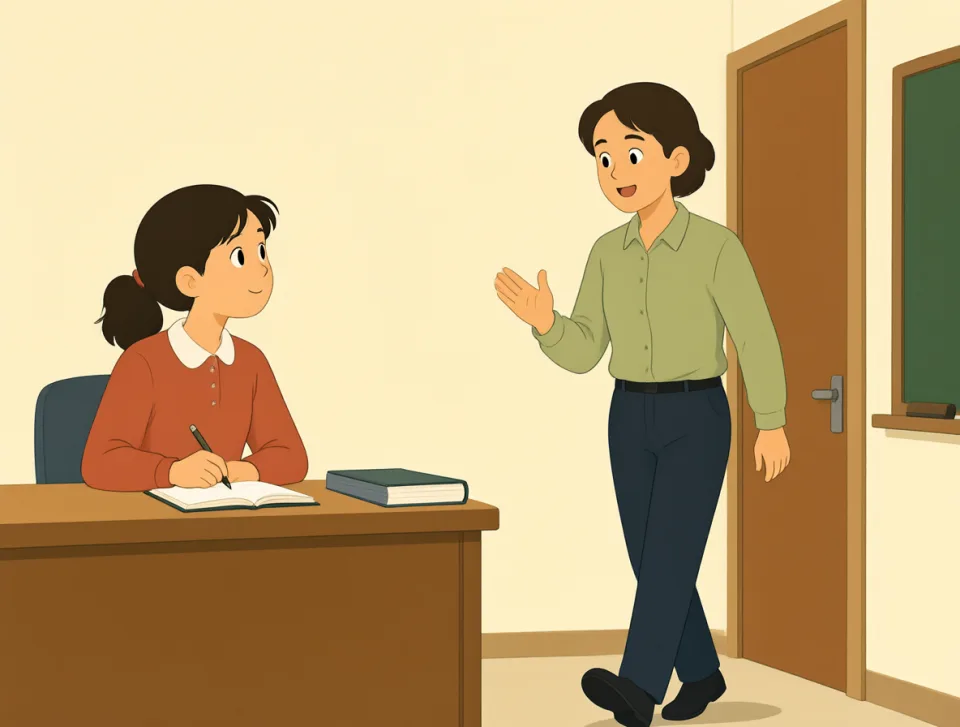
Please stand up when the teacher enters.
선생님이 들어오시면 일어서 주세요.
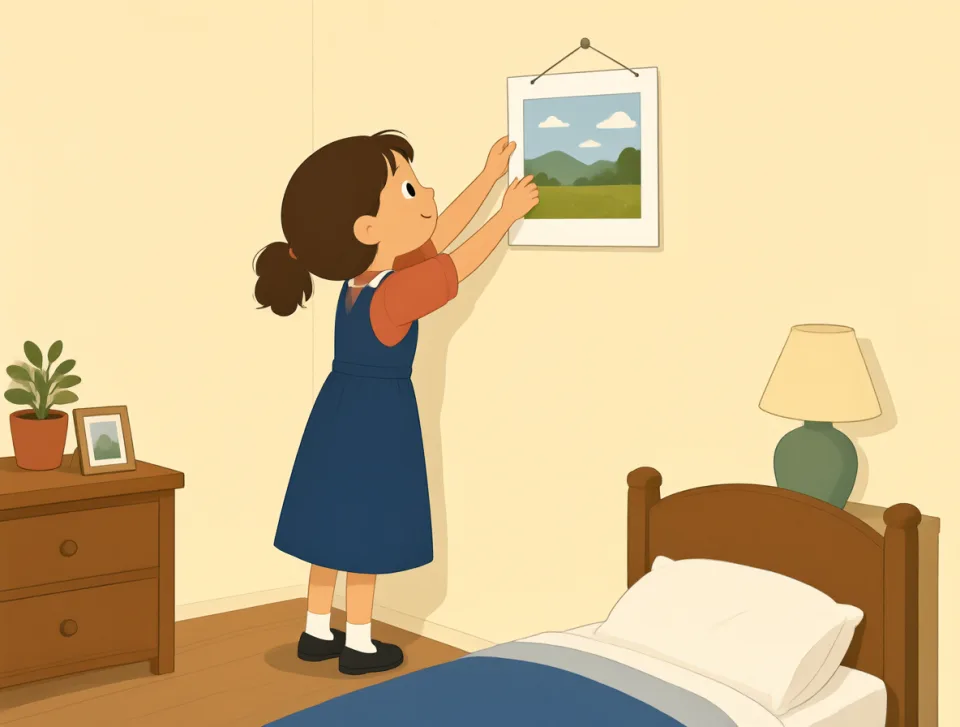
She put up the picture in her room.
그녀는 방에 그림을 걸었다.
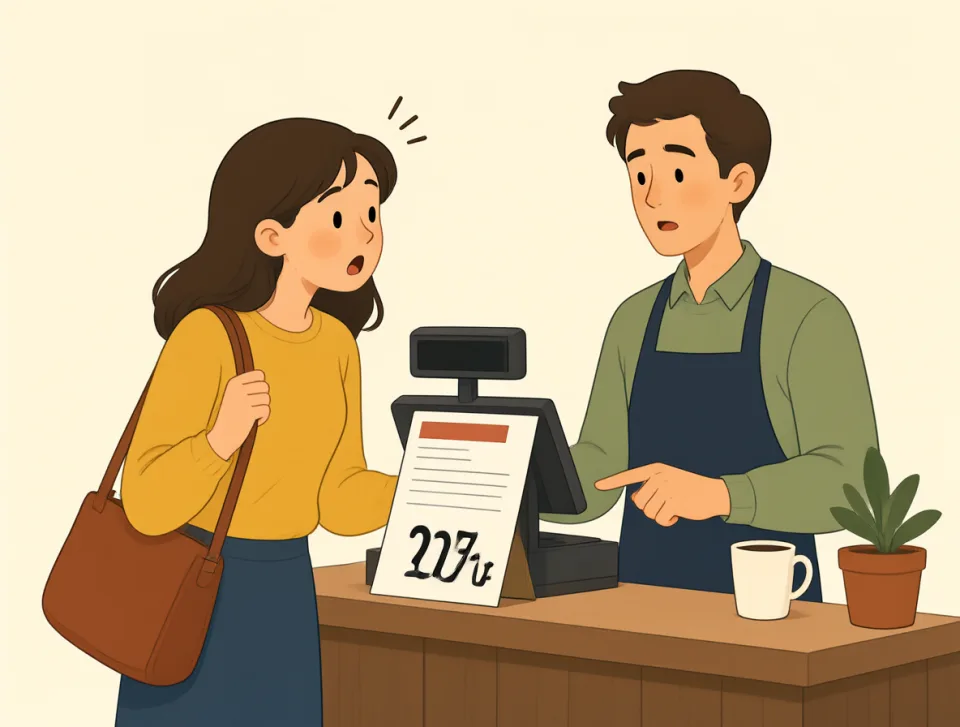
The price went up last month.
지난달에 가격이 올랐다.
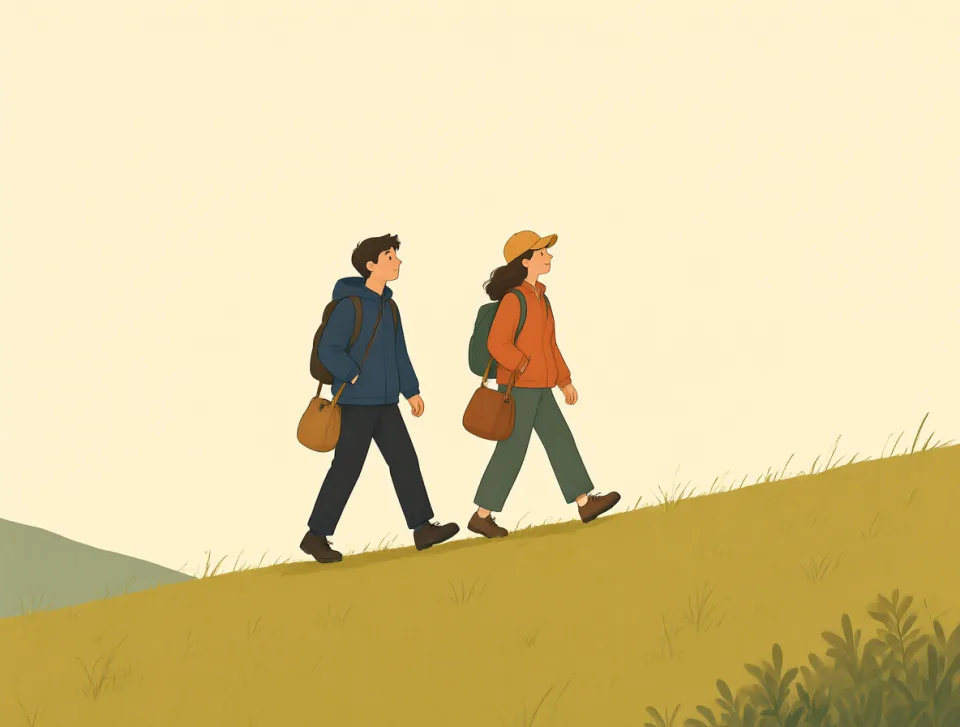
We walked up the hill to the station.
우리는 역까지 언덕을 올라갔다.
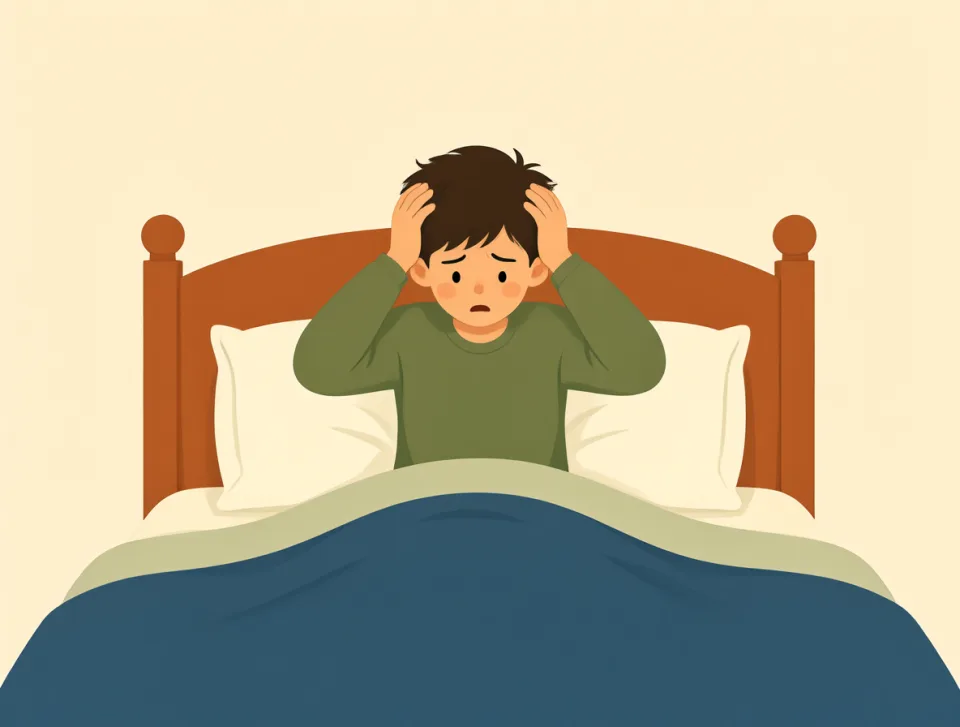
I woke up with a bad headache.
심한 두통을 안고 잠에서 깼다.
some
#53determiner, pronoun, adverb
약간의; 몇몇의; 어느 정도
An amount or number that is not exact or not stated.
정확하지 않거나 명시되지 않은 양이나 수
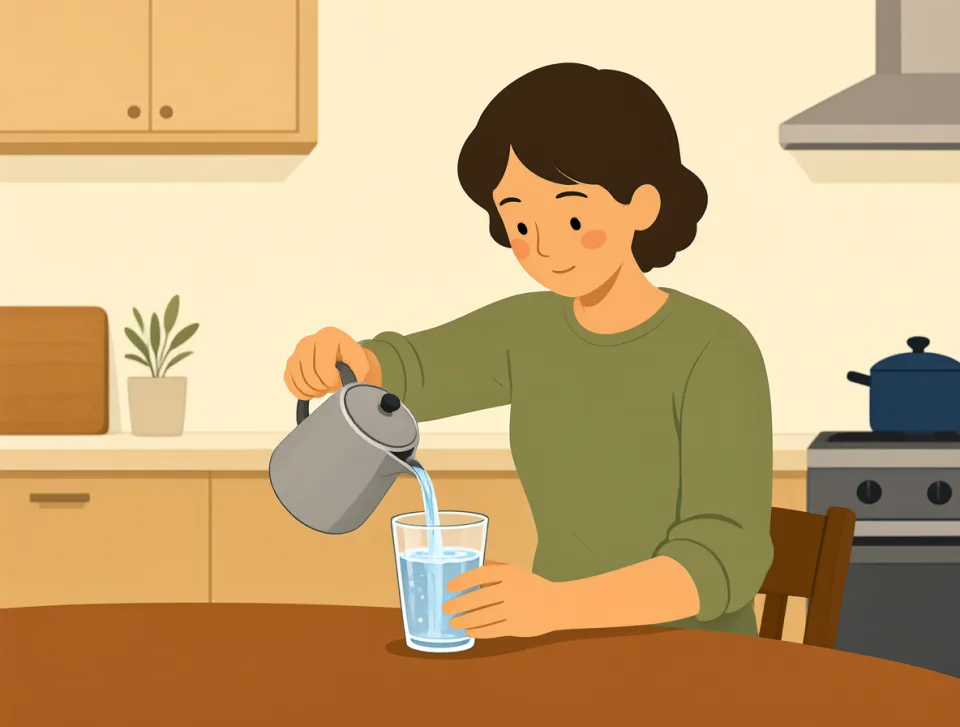
I need some water, please.
물 좀 주세요.
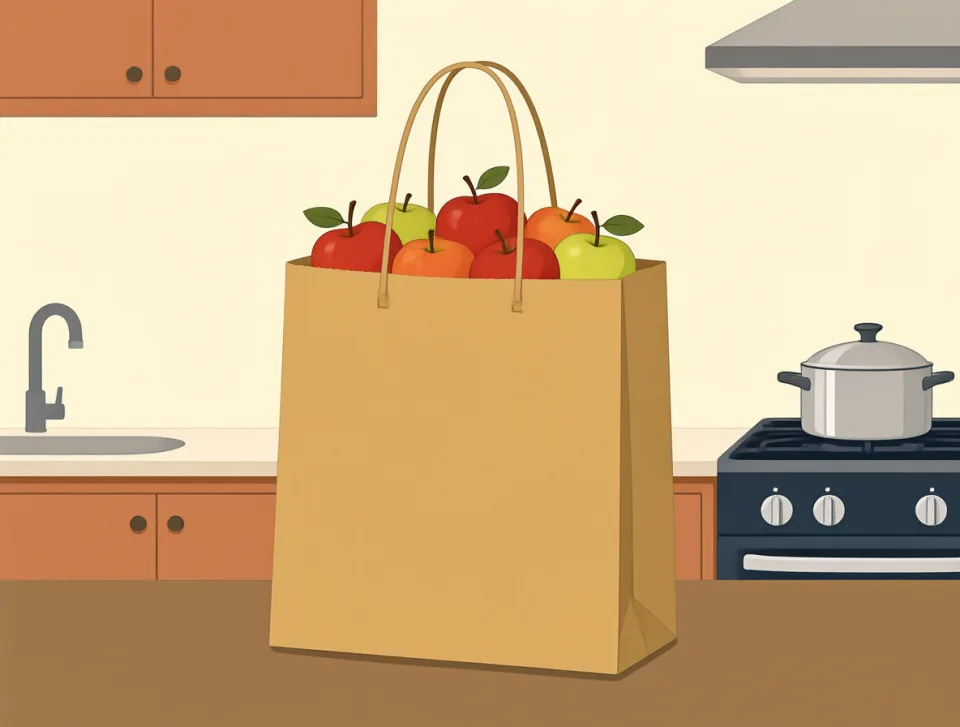
There are some apples in the bag.
가방 안에 사과가 몇 개 있어요.
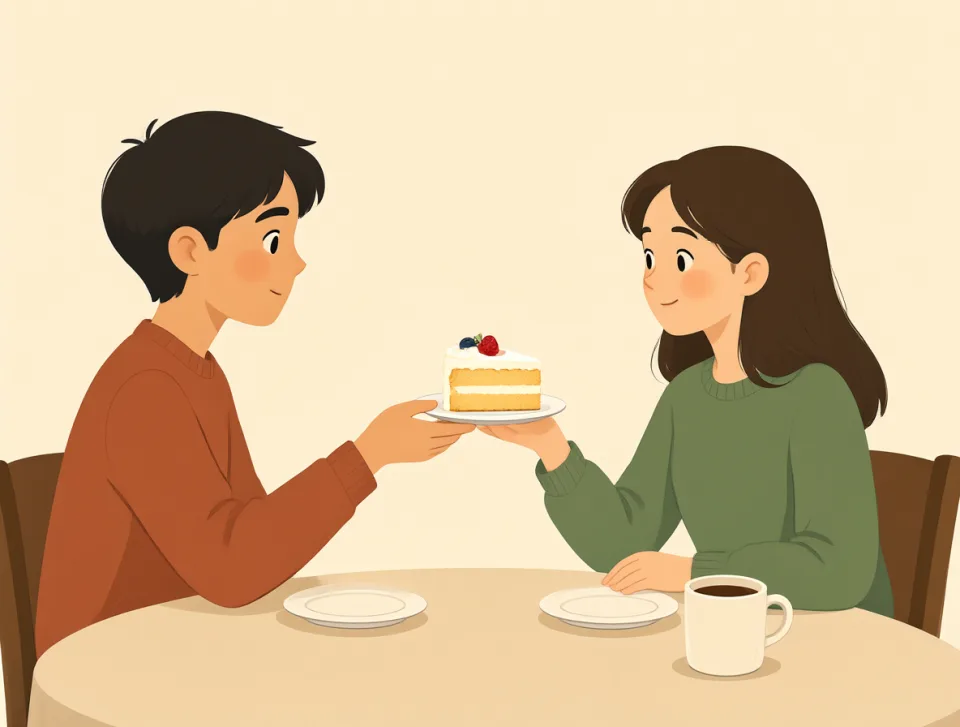
Would you like some cake?
케이크 좀 드릴까요?
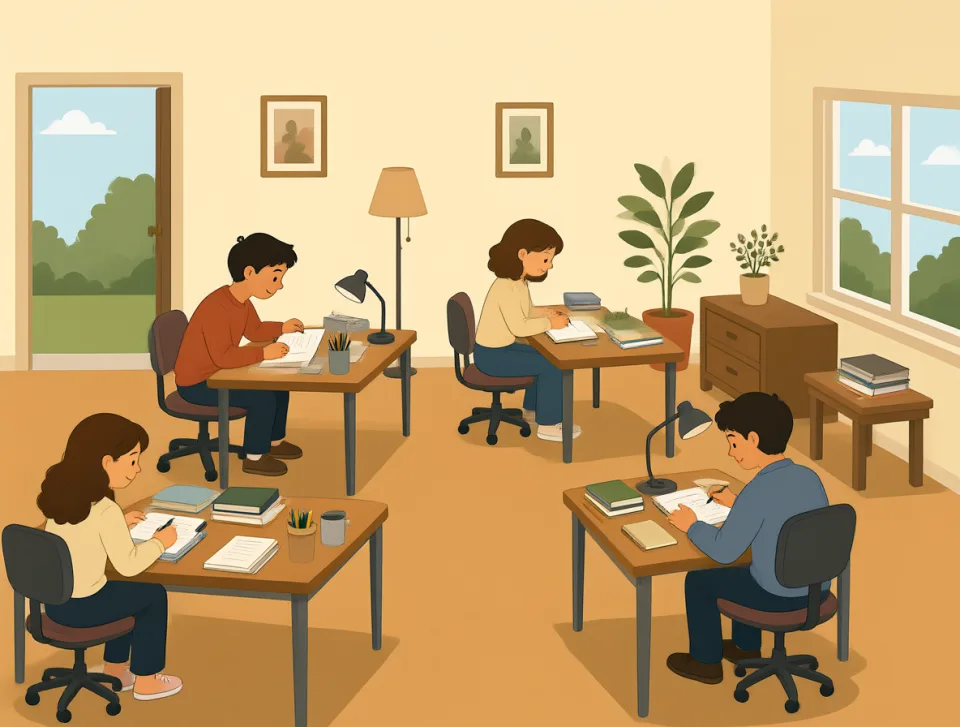
Some people work from home.
어떤 사람들은 재택근무를 해요.
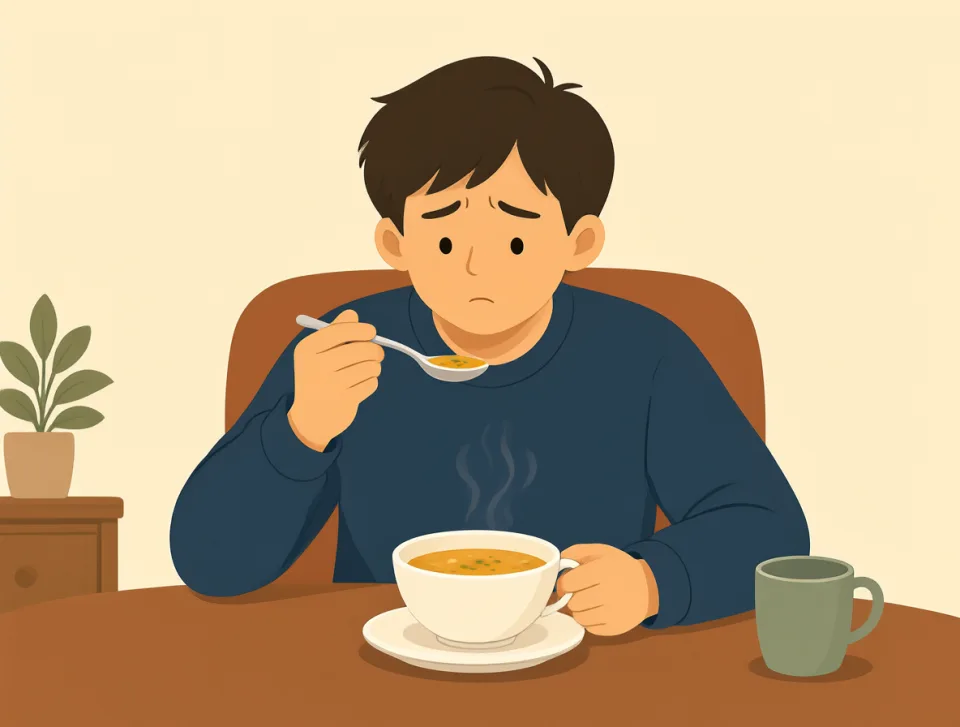
The soup is some better today.
오늘은 수프가 좀 더 나아요.
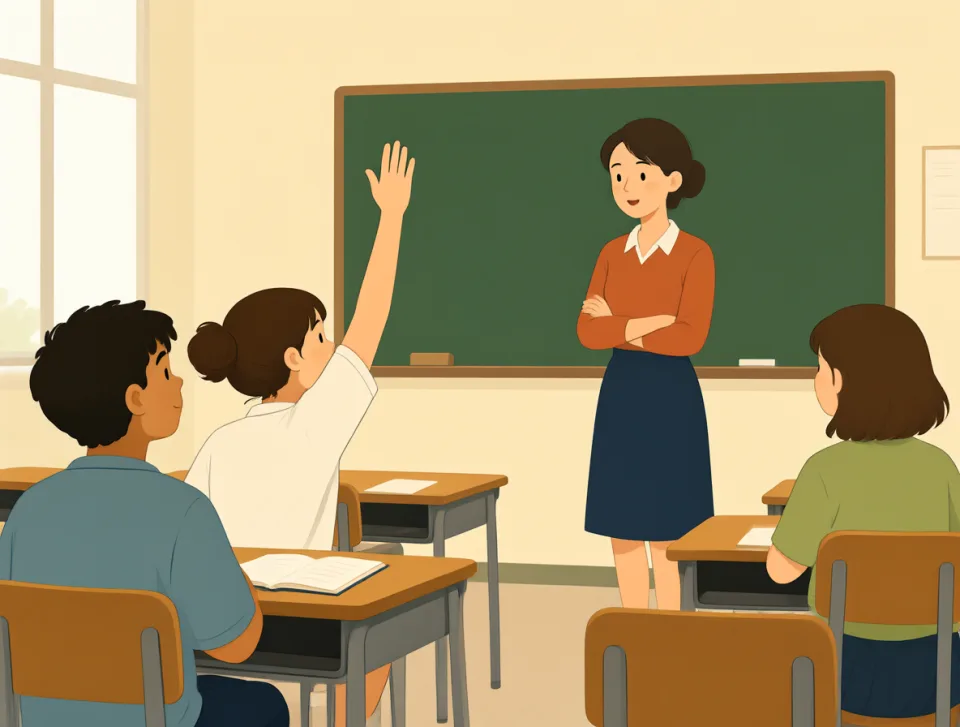
other
#54adjective, pronoun, determiner
다른; 나머지
Different from the one or ones already mentioned or known.
이미 언급되었거나 알고 있는 것과 다른
Do you have any other questions?
다른 질문이 더 있나요?
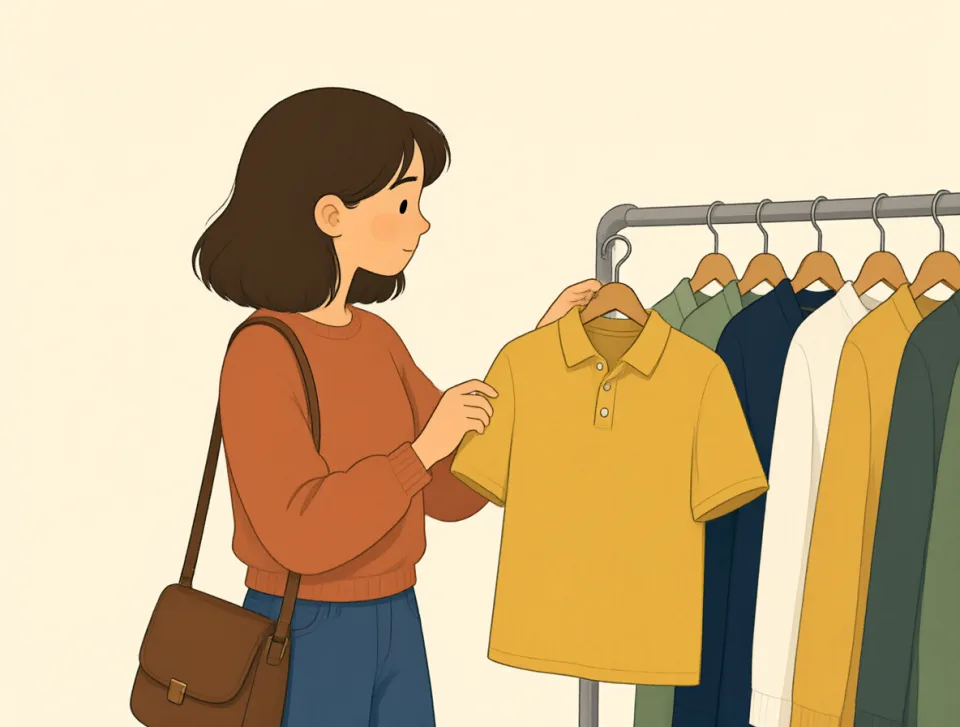
I chose the other shirt.
나는 다른 셔츠를 골랐어.
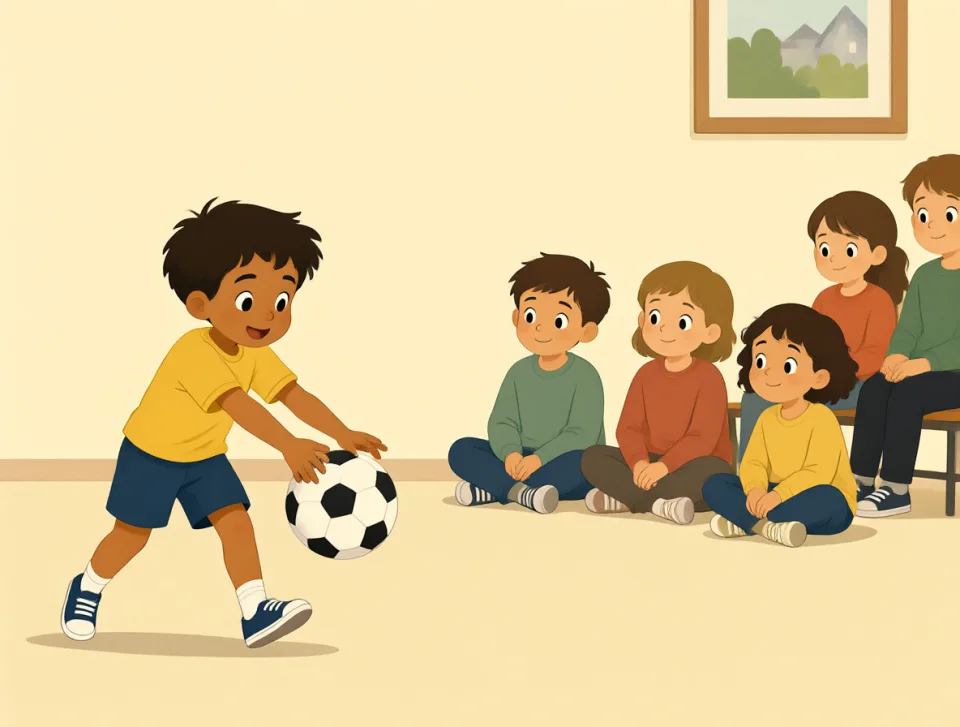
Some children played; the others watched.
몇몇 아이들은 놀았고, 나머지 아이들은 지켜보았다.
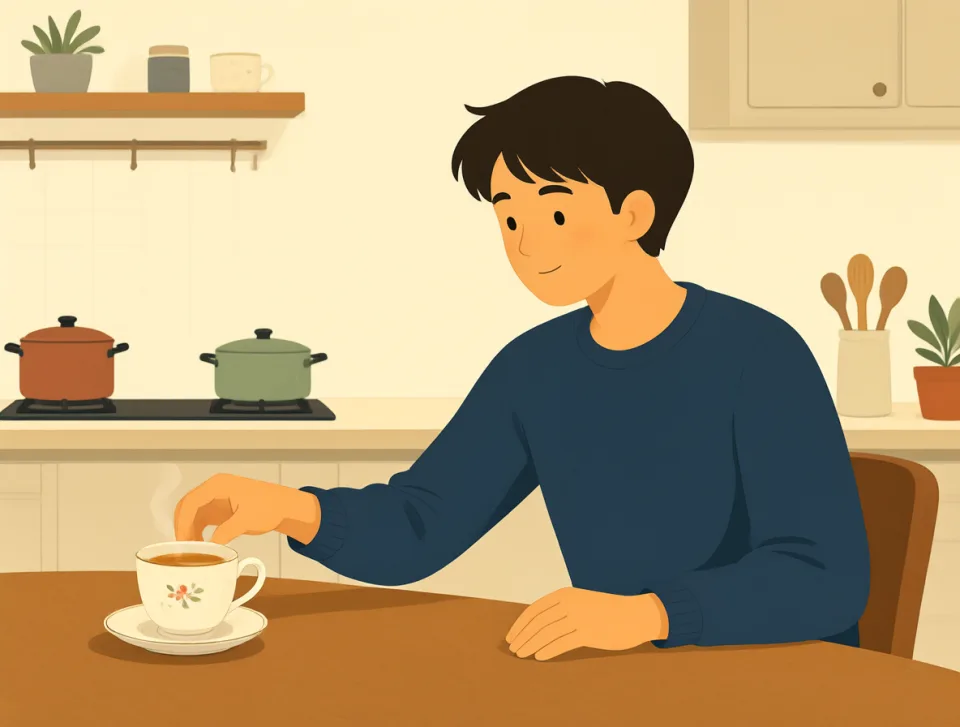
Can I have another cup of tea?
차를 한 잔 더 마셔도 될까요?
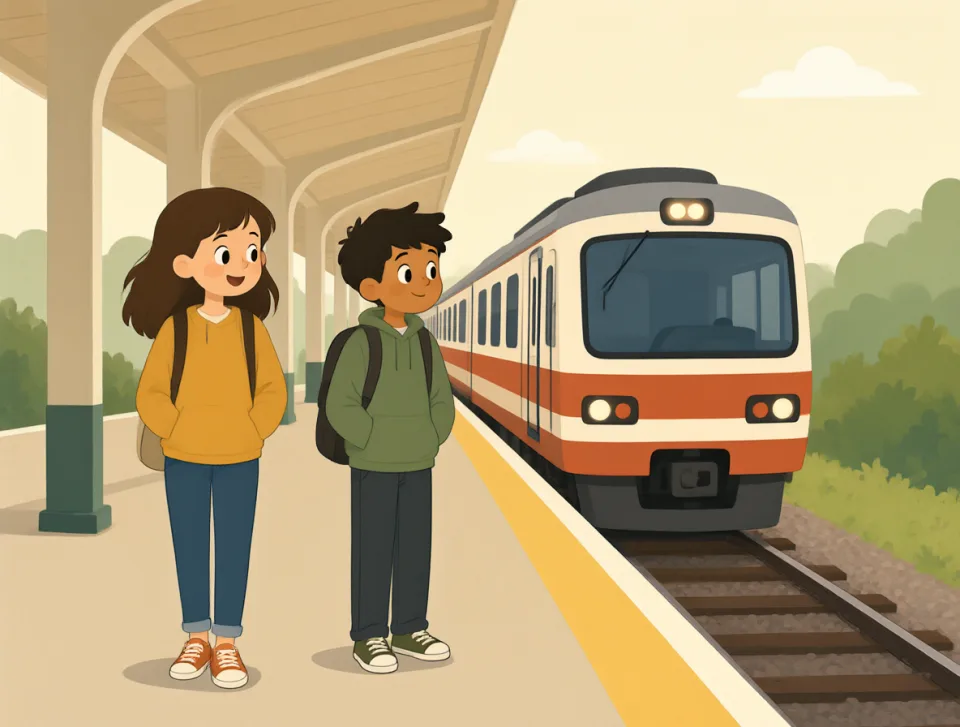
We took the other train home.
우리는 다른 기차를 타고 집에 갔다.
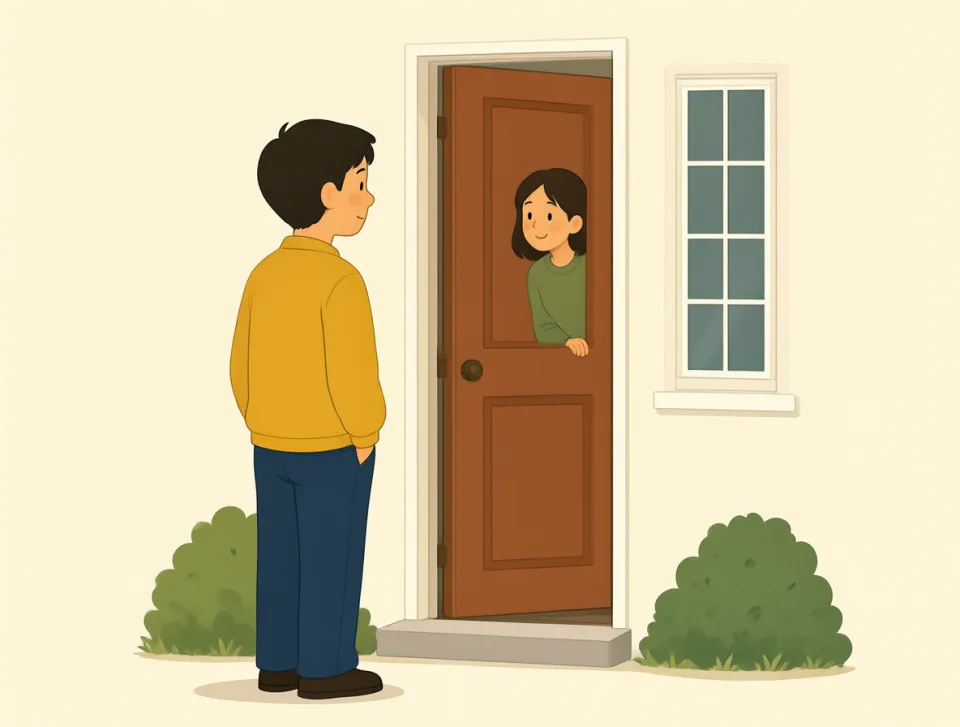
out
#55adverb, preposition, adjective, noun
밖에; 밖으로; 다 떨어진; 꺼진
Away from a place, inside, or usual state; or not working or available.
어떤 장소나 안쪽 또는 평소의 상태에서 벗어난; 작동하지 않거나 이용할 수 없는
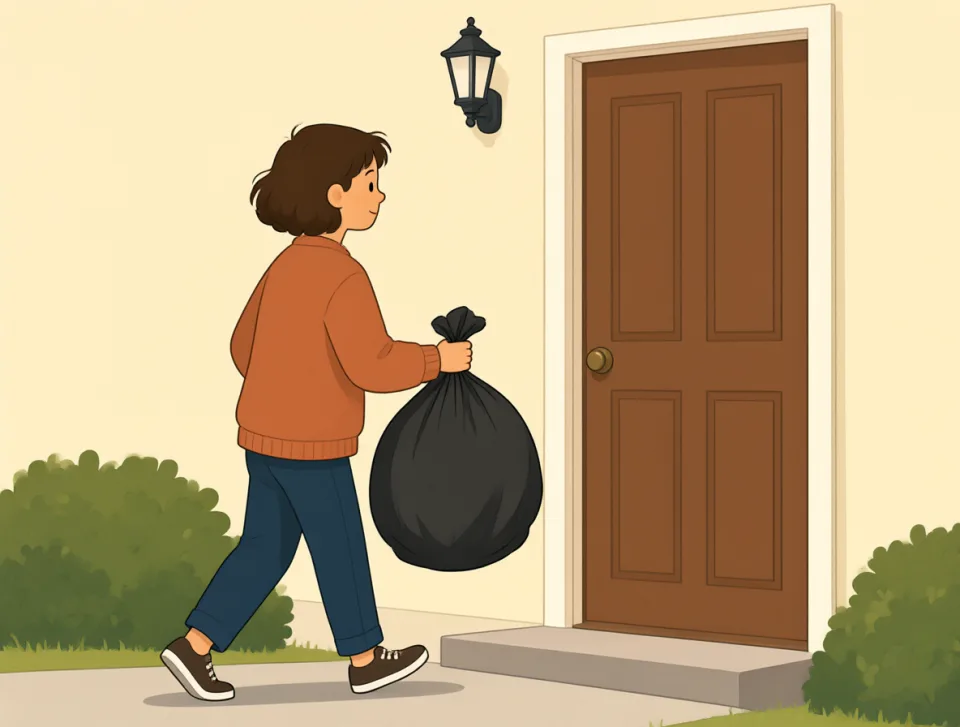
Please take the trash out tonight.
오늘 밤에 쓰레기를 밖에 내다 놓아 주세요.
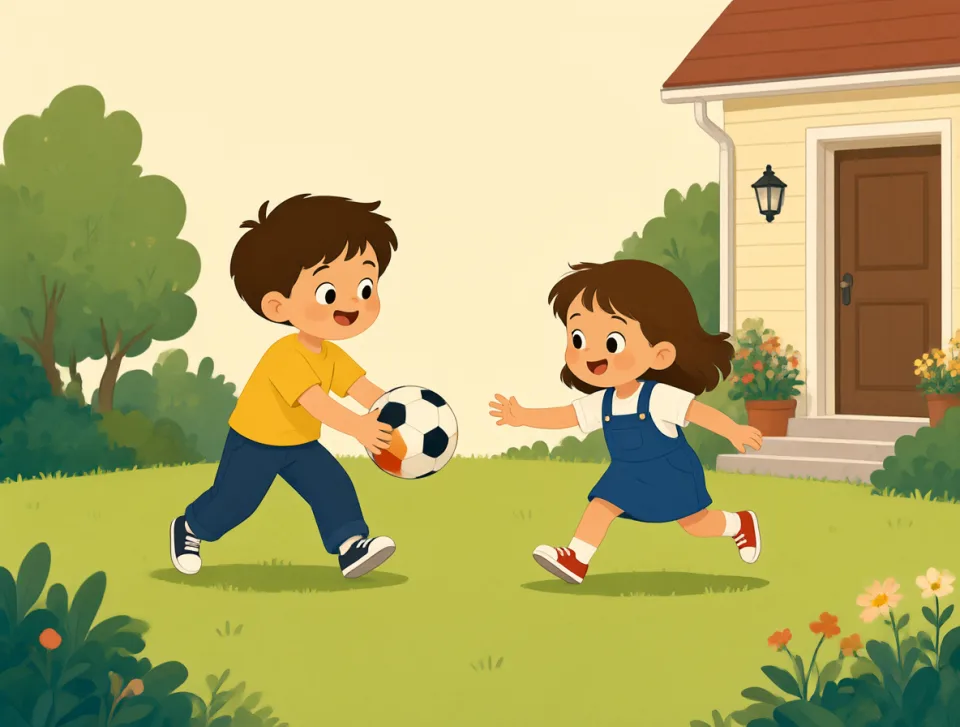
The children are playing out in the garden.
아이들은 정원에서 밖으로 나가 놀고 있어요.
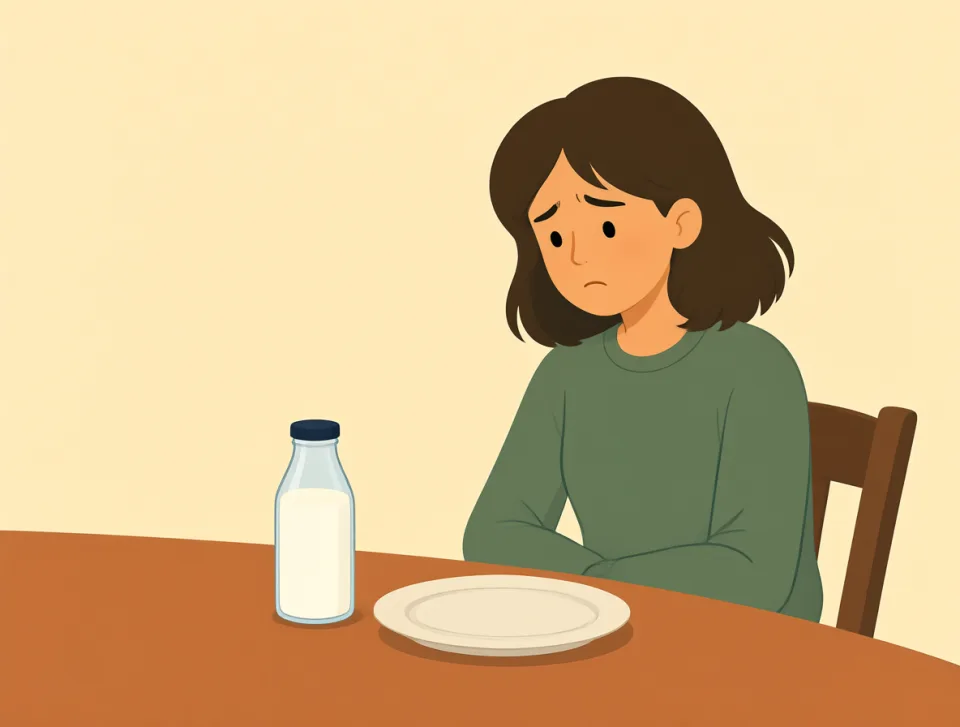
We ran out of milk this morning.
오늘 아침에 우유가 다 떨어졌어요.
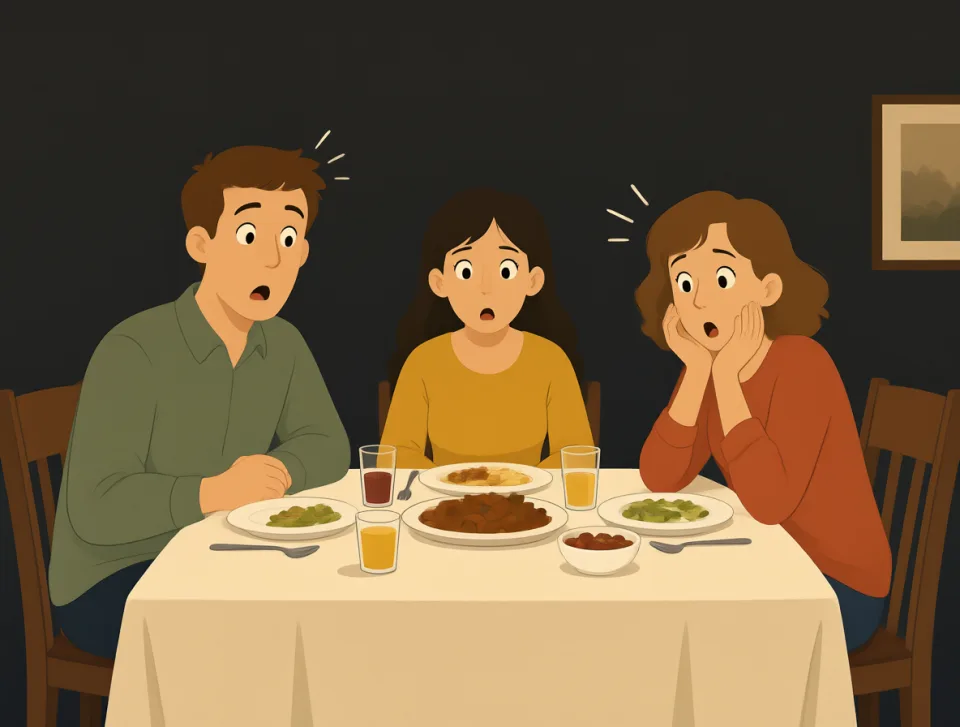
The lights went out during dinner.
저녁 식사 중에 불이 꺼졌어요.

She is out with friends tonight.
그녀는 오늘 밤 친구들과 함께 외출했어요.
good
#56adjective, noun, adverb
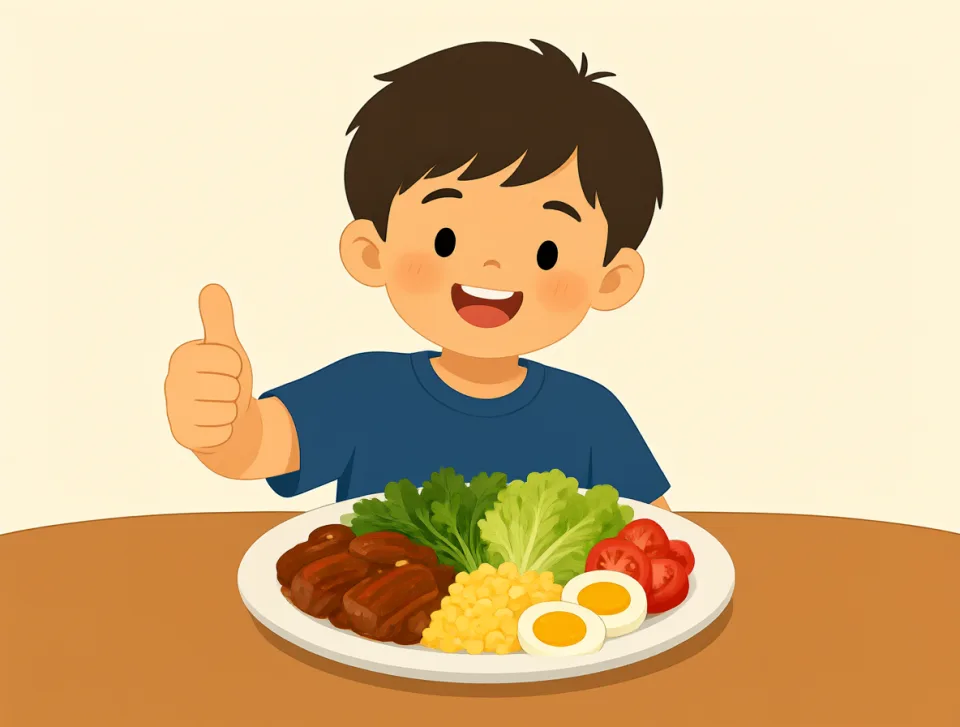
좋은; 잘하는; 선량한
Pleasant, useful, or of a high quality; used to show approval.
기분이 좋거나 유용하거나 품질이 높은; 동의나 찬성을 나타낼 때 쓰는 말
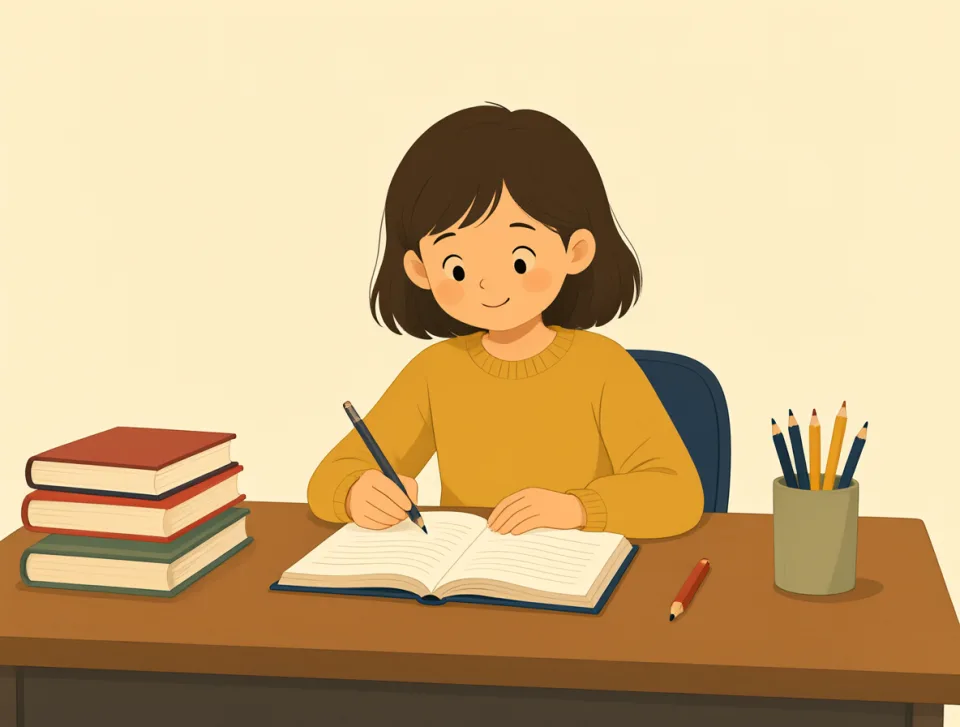
She is a good student.
그녀는 좋은 학생이에요.
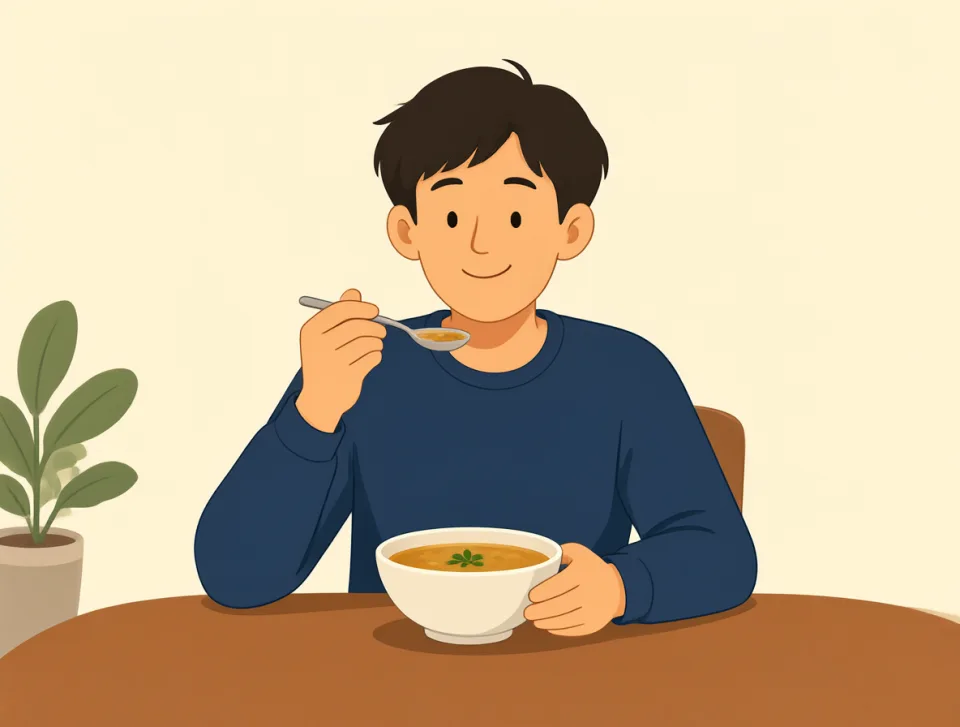
This soup tastes really good.
이 수프는 정말 맛있어요.

We had a good time together.
우리는 함께 즐거운 시간을 보냈어요.
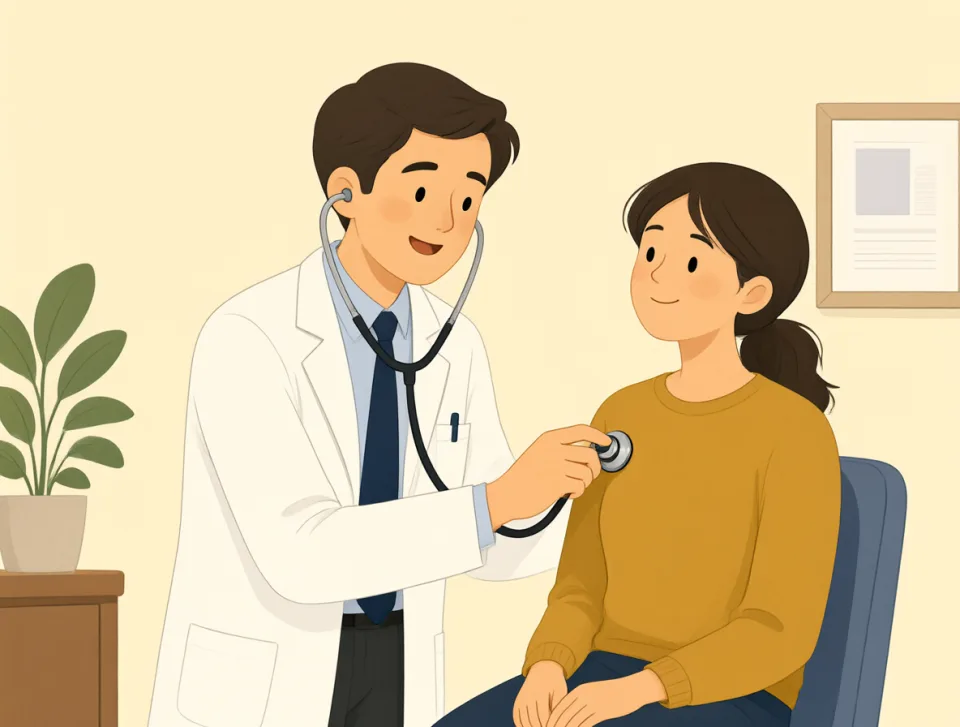
The doctor said my heart is good.
의사 선생님이 제 심장은 건강하다고 하셨어요.
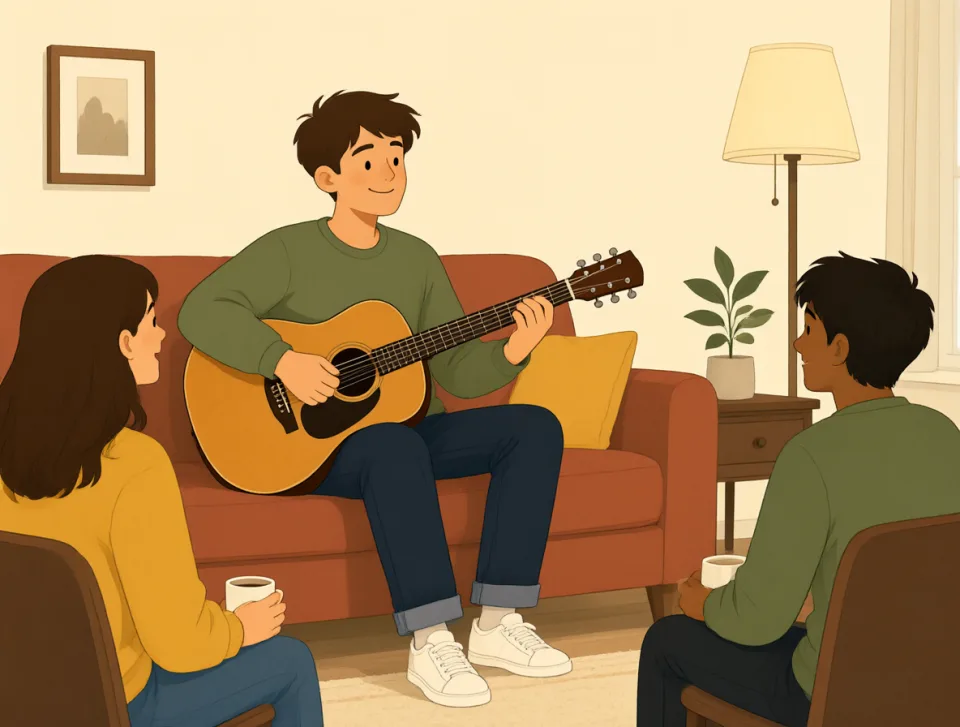
He plays the guitar very well.
그는 기타를 아주 잘 연주해요.
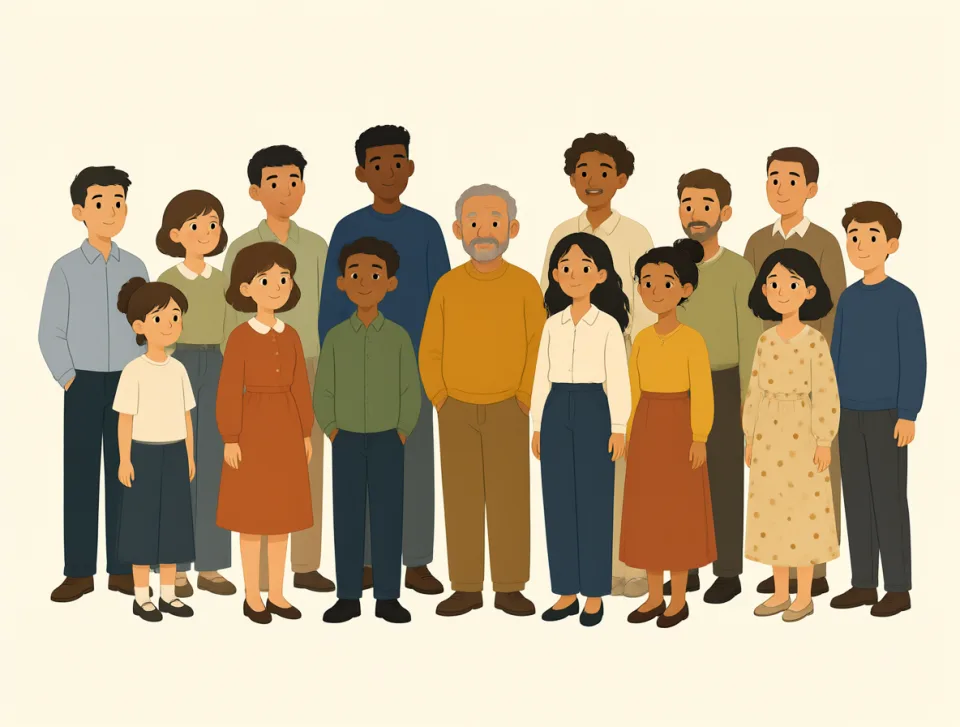
people
#57noun
사람들; 인간
Human beings in general, or a group of human beings.
일반적인 인간 또는 인간으로 이루어진 집단
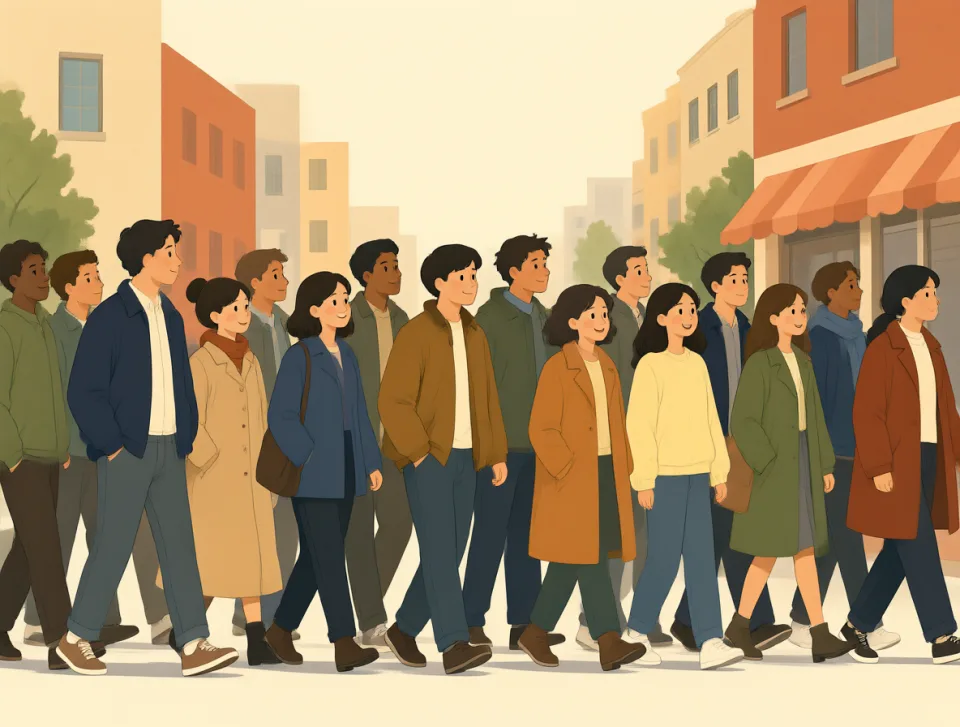
Many people live in this city.
많은 사람들이 이 도시에 살고 있습니다.
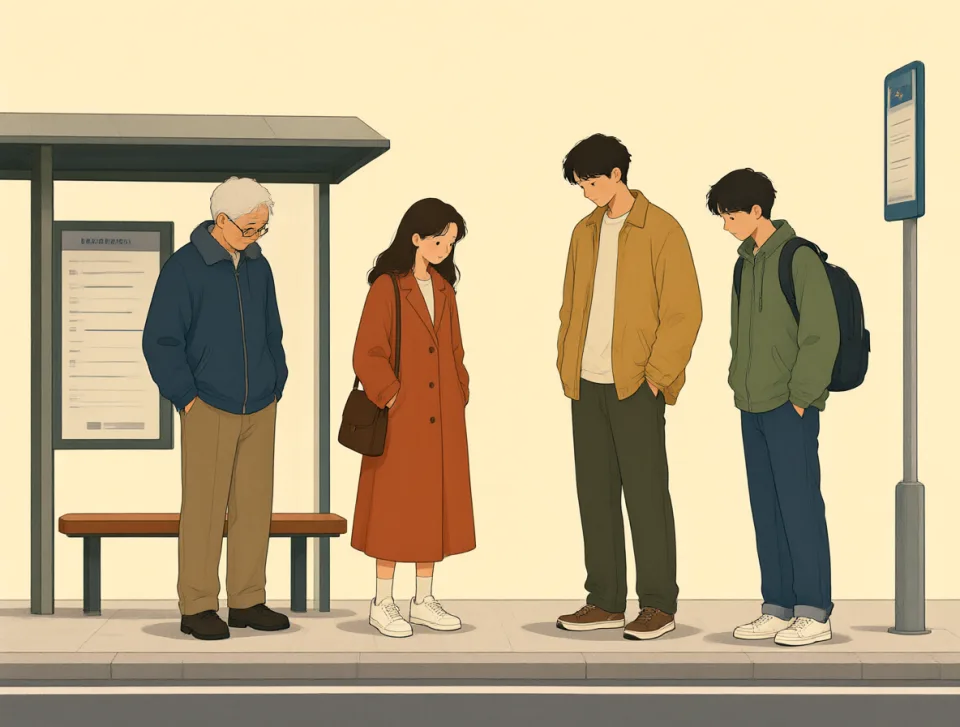
People are waiting for the bus.
사람들이 버스를 기다리고 있습니다.
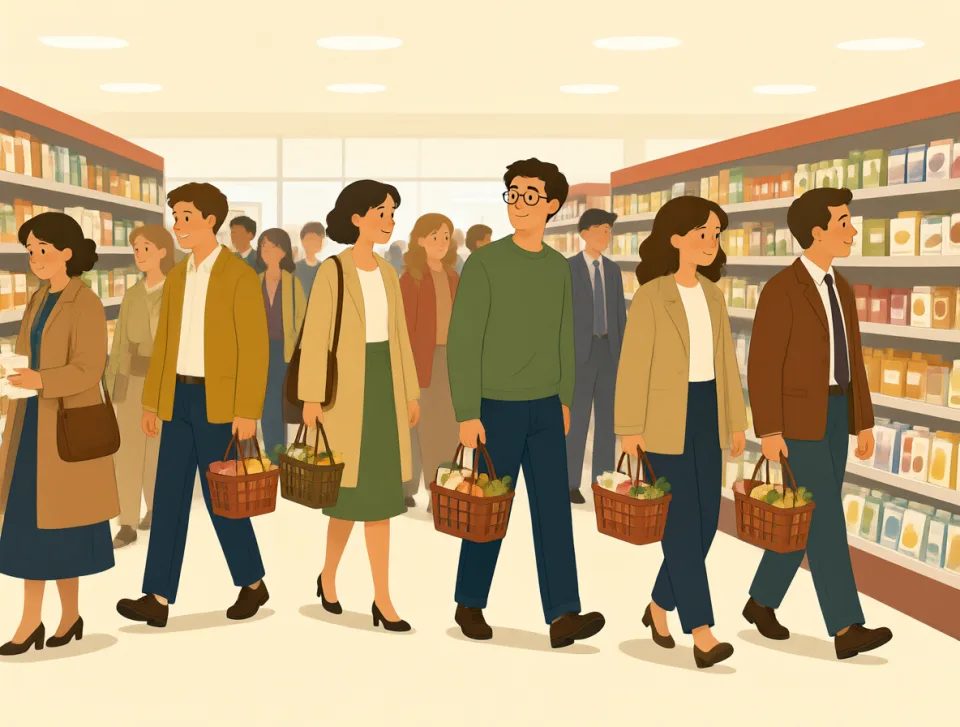
The shop was full of people.
그 가게는 사람들로 가득했습니다.

Some people work from home.
어떤 사람들은 집에서 일합니다.
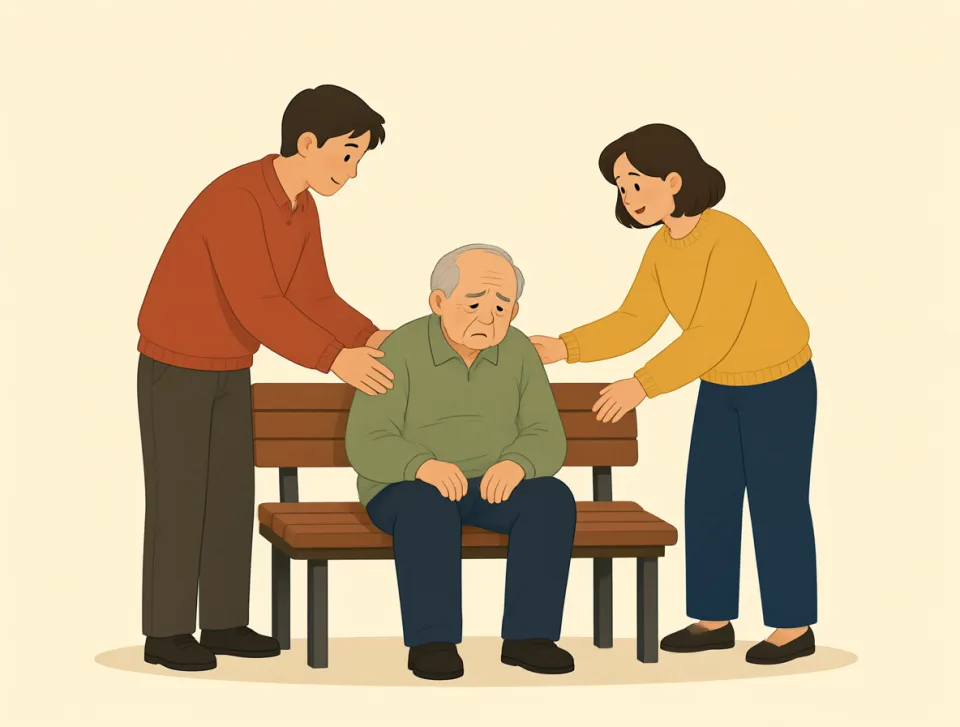
People helped the sick man.
사람들이 아픈 남자를 도왔습니다.
year
#58noun
년; 해
A period of twelve months, usually from January to December.
보통 1월부터 12월까지인 12개월의 기간
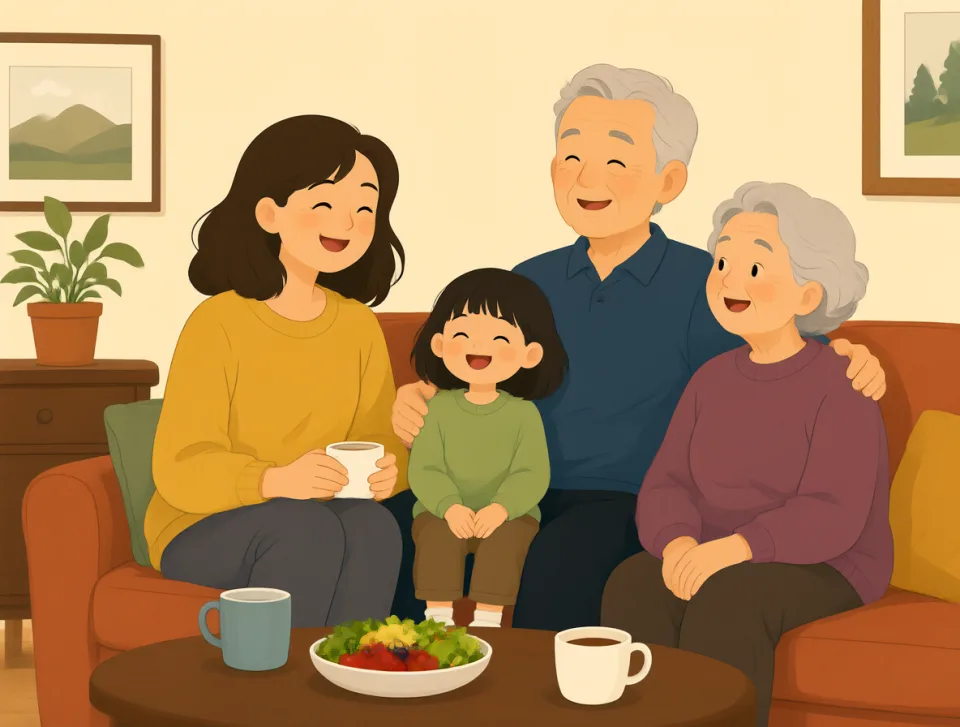
I visit my family twice a year.
나는 일 년에 두 번 가족을 만나러 간다.
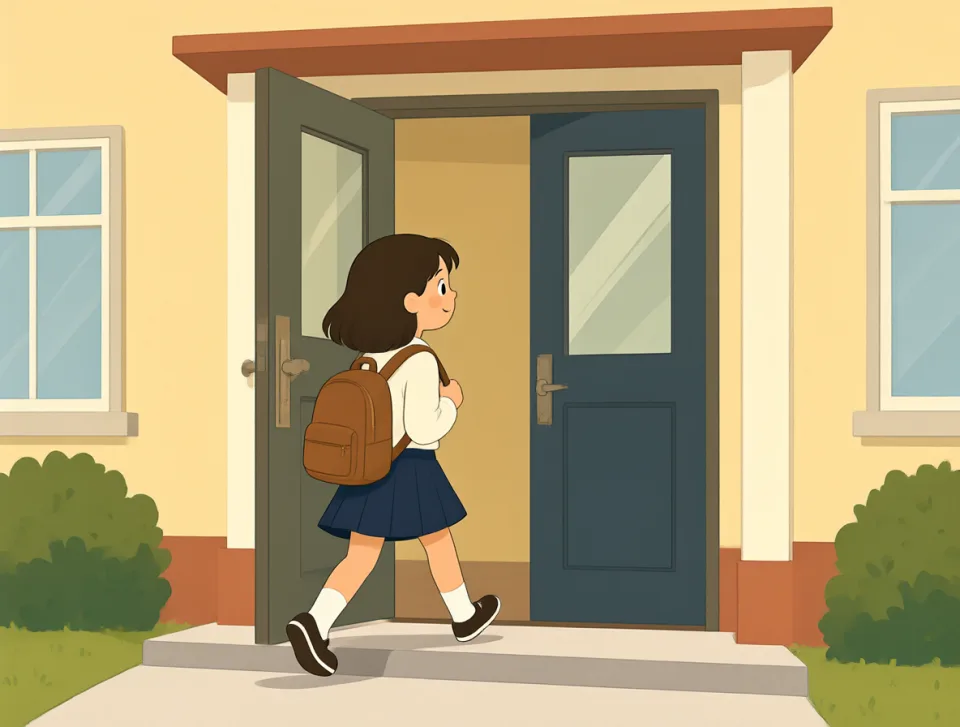
She started school last year.
그녀는 작년에 학교에 다니기 시작했다.
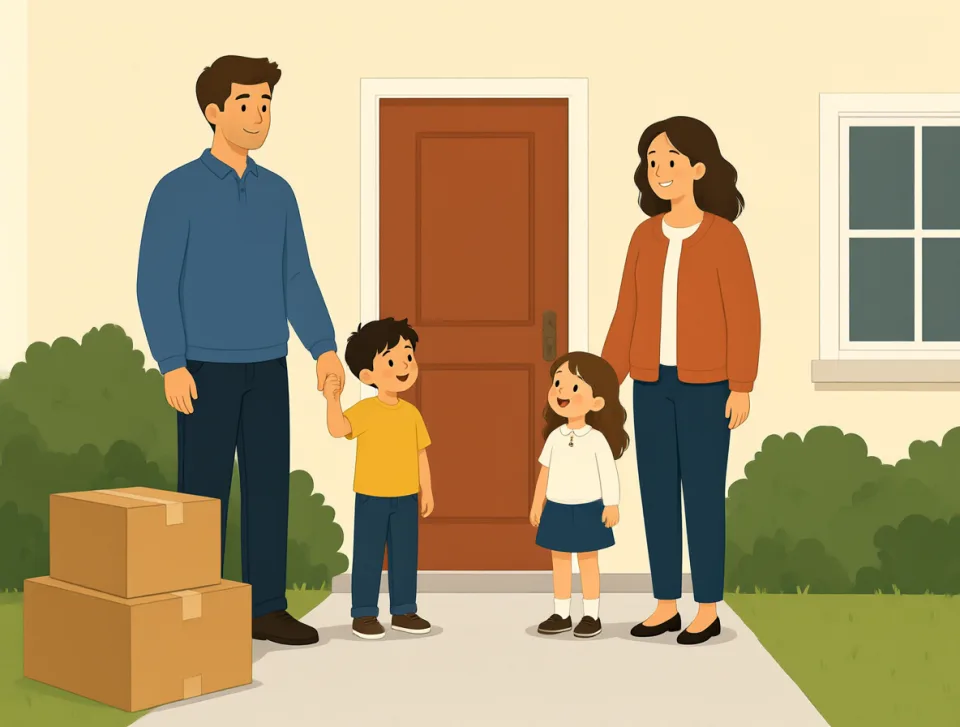
We lived there for three years.
우리는 그곳에서 3년 동안 살았다.
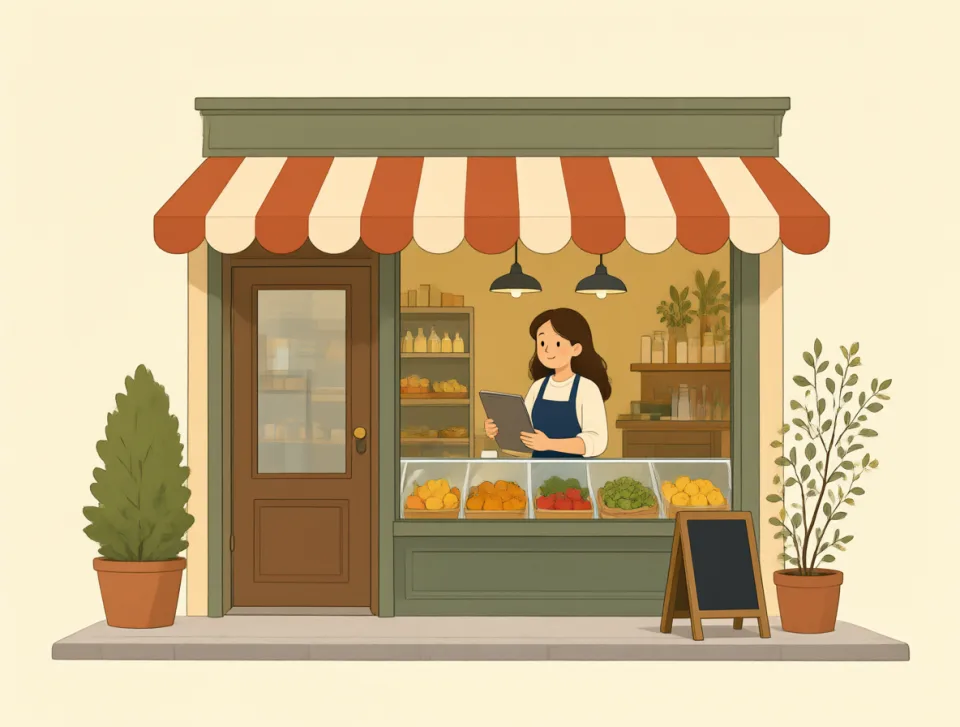
The shop opens every year in May.
그 가게는 매년 5월에 문을 연다.
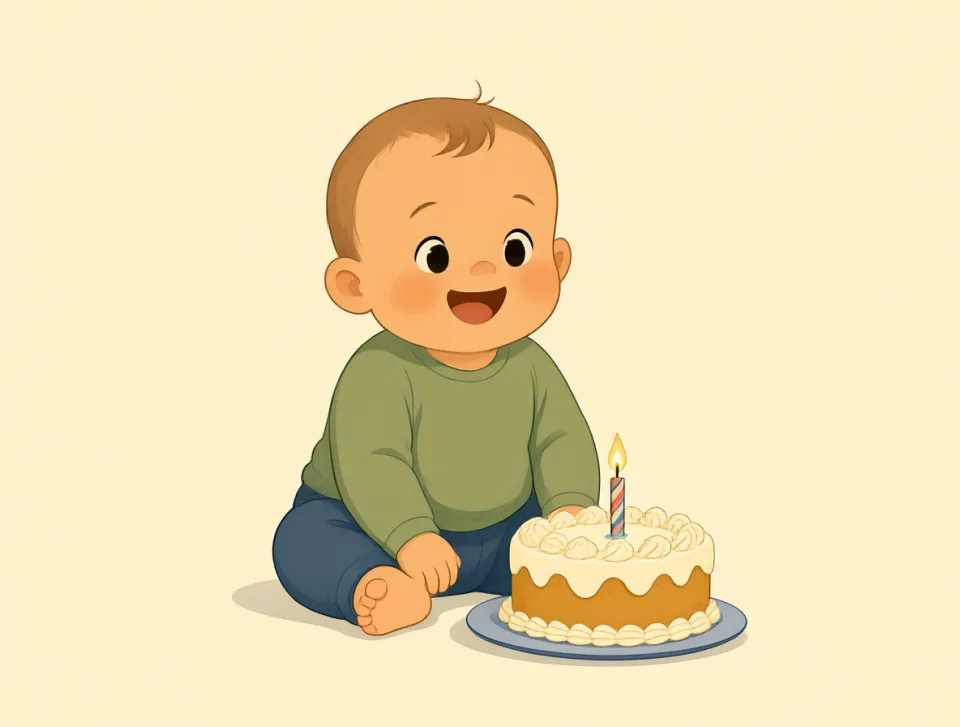
He is one year old today.
그는 오늘로 한 살이다.

take
#59verb, noun
가져가다; 타다; 찍다; 복용하다
To move something with you, use something, or do an action.
무언가를 가지고 이동하거나, 무언가를 사용하거나, 어떤 행동을 하다.
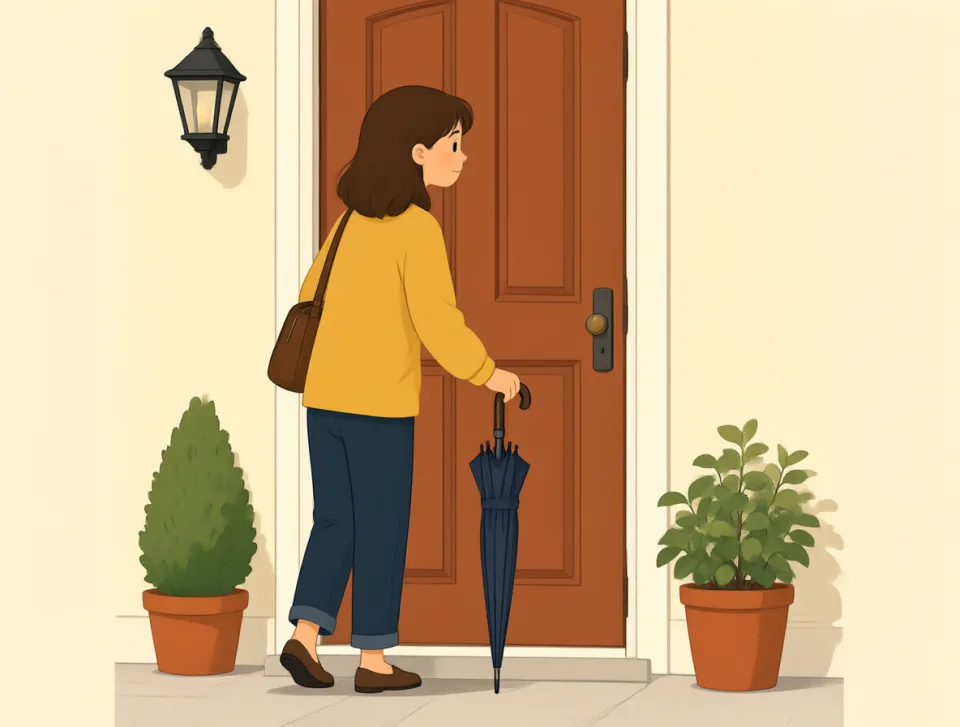
Please take an umbrella when you leave.
떠날 때 우산을 가져가세요.

I take the bus to work every day.
저는 매일 버스를 타고 출근해요.

She took a photo of the mountains.
그녀는 산 사진을 찍었어요.
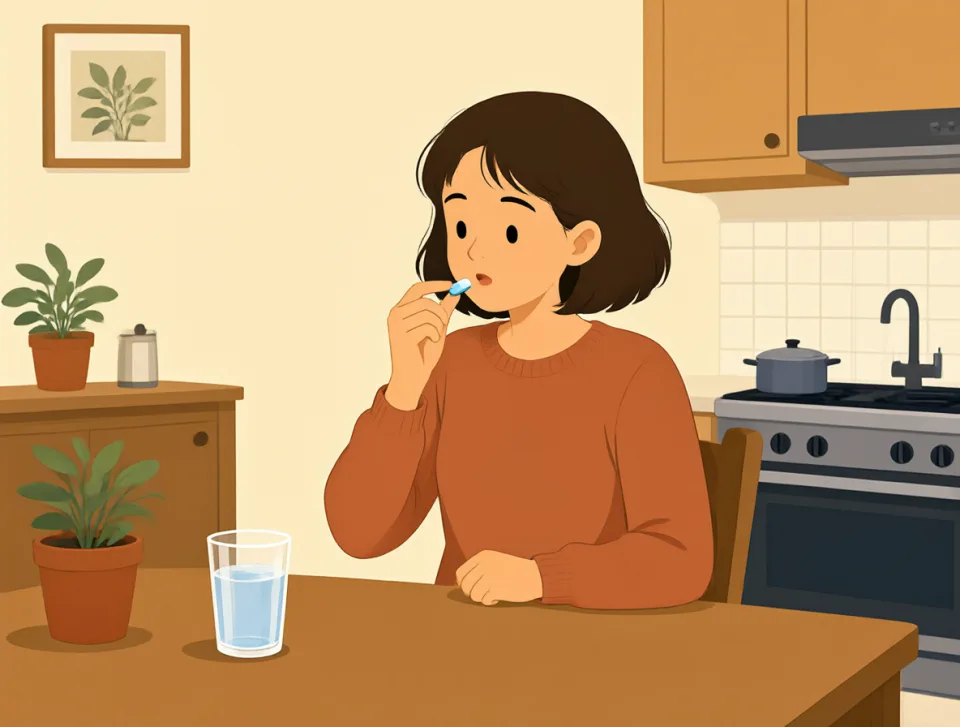
Take this medicine after breakfast.
아침 식사 후에 이 약을 복용하세요.
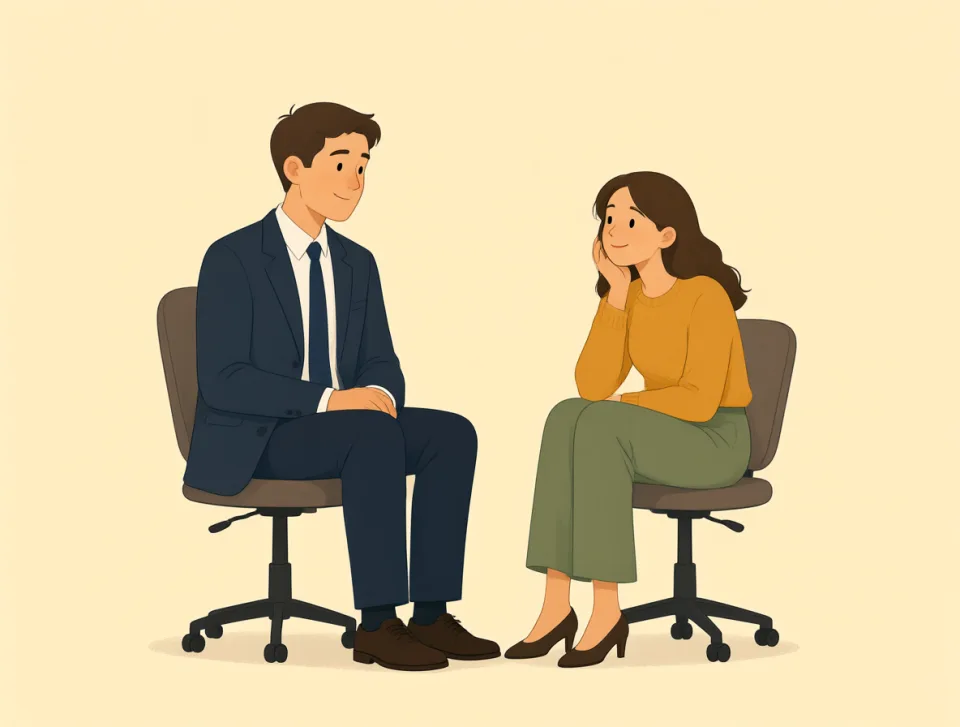
We took a short break after lunch.
점심 식사 후에 잠깐 쉬었어요.
no
#60determiner, adverb, noun
없는; 아니요; 안 돼; 금지
Used to say that something is not available, allowed, or true.
어떤 것이 없거나, 허용되지 않거나, 사실이 아니라고 말할 때 사용한다.
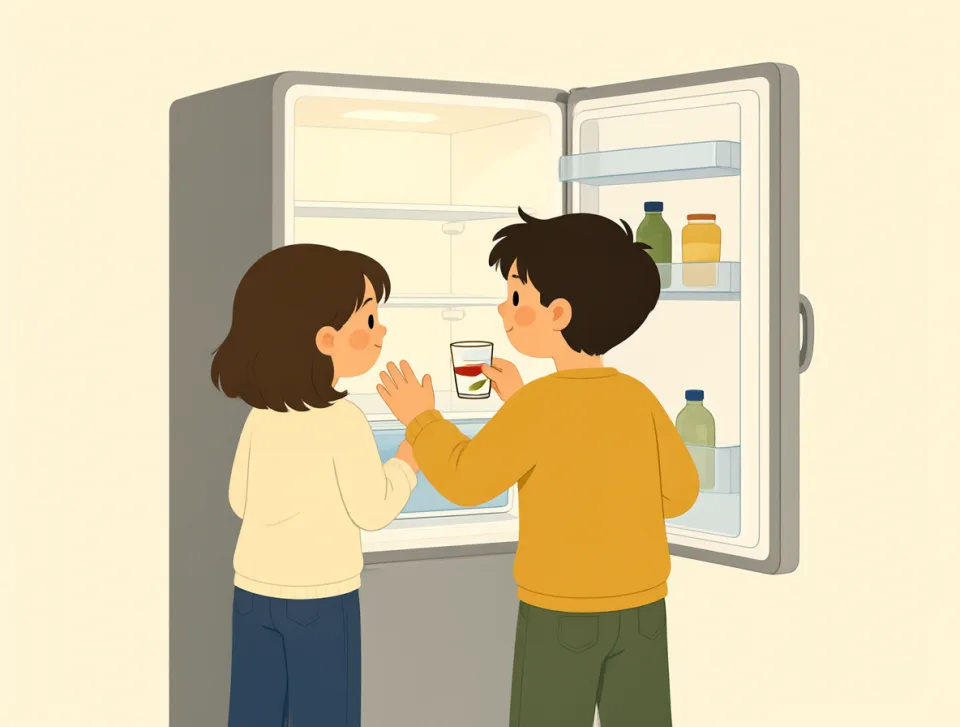
There is no milk in the fridge.
냉장고에 우유가 없다.
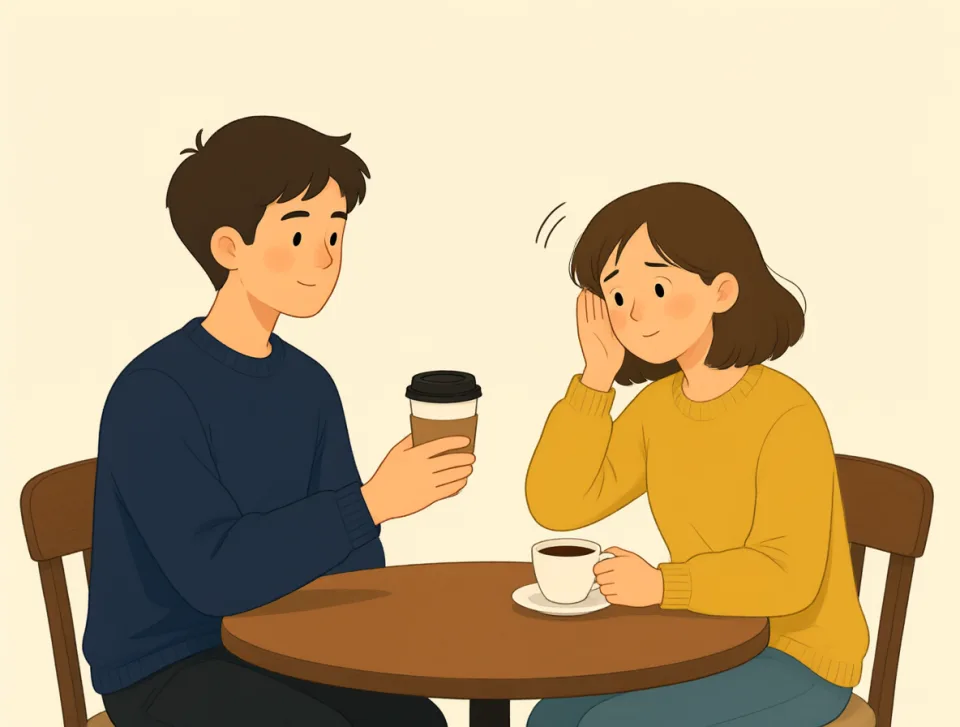
No, I don't want any coffee.
아니요, 커피는 마시고 싶지 않아요.

We have no homework tonight.
오늘 밤에는 숙제가 없다.
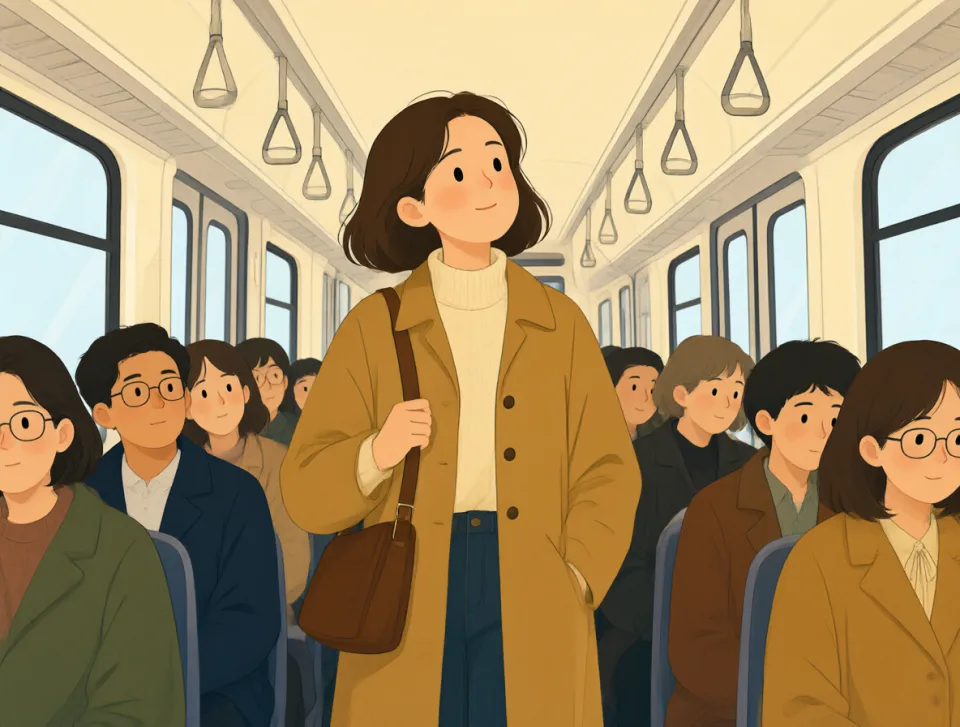
There were no seats on the train.
기차에 자리가 하나도 없었다.
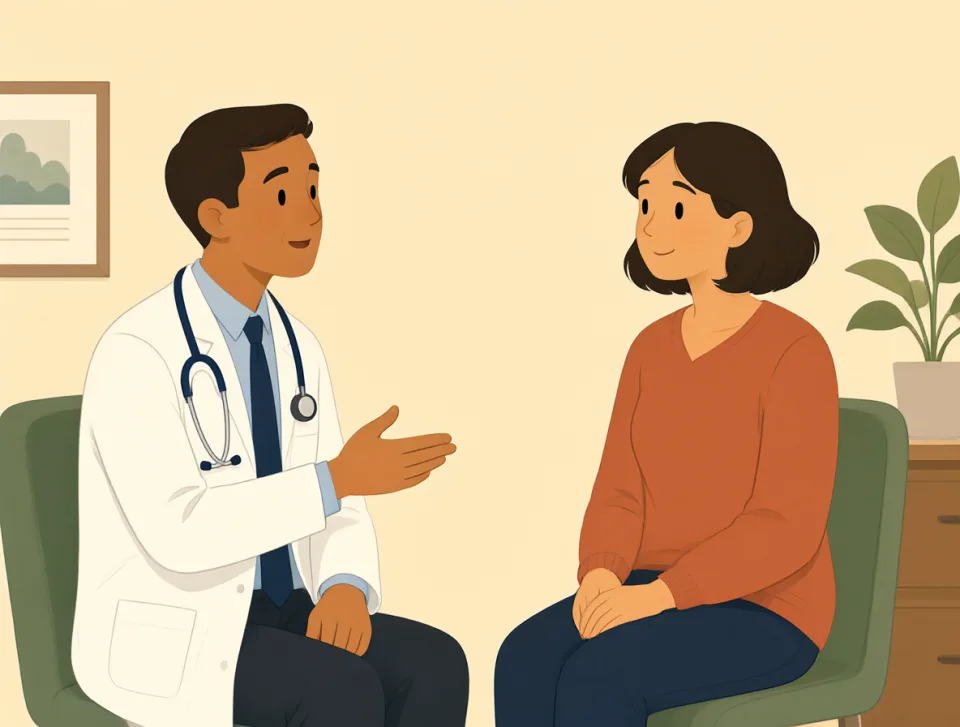
The doctor said no exercise for a week.
의사가 일주일 동안 운동은 금지라고 했다.