الوحدة 3
الكلمات من 41 إلى 60 · know, more, get, who, like, when

know
#41verb
يعرف
to have information about someone or something in your mind
أن تكون لديك معلومات في ذهنك عن شخص أو شيء
I know the answer to this question.
أعرف إجابة هذا السؤال.
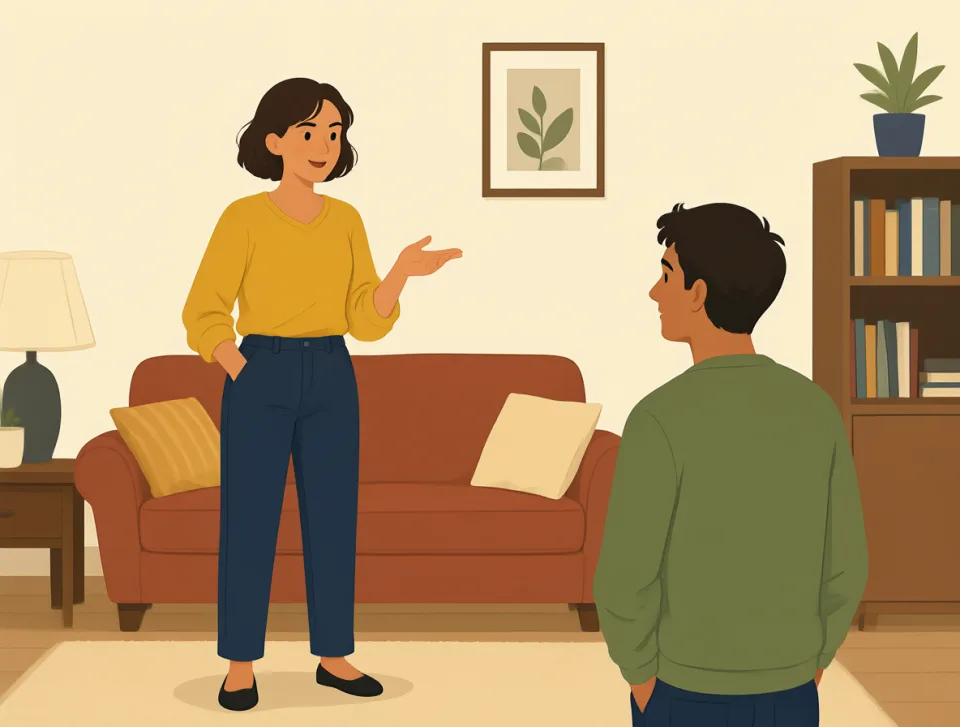
Do you know where my keys are?
هل تعرف أين مفاتيحي؟
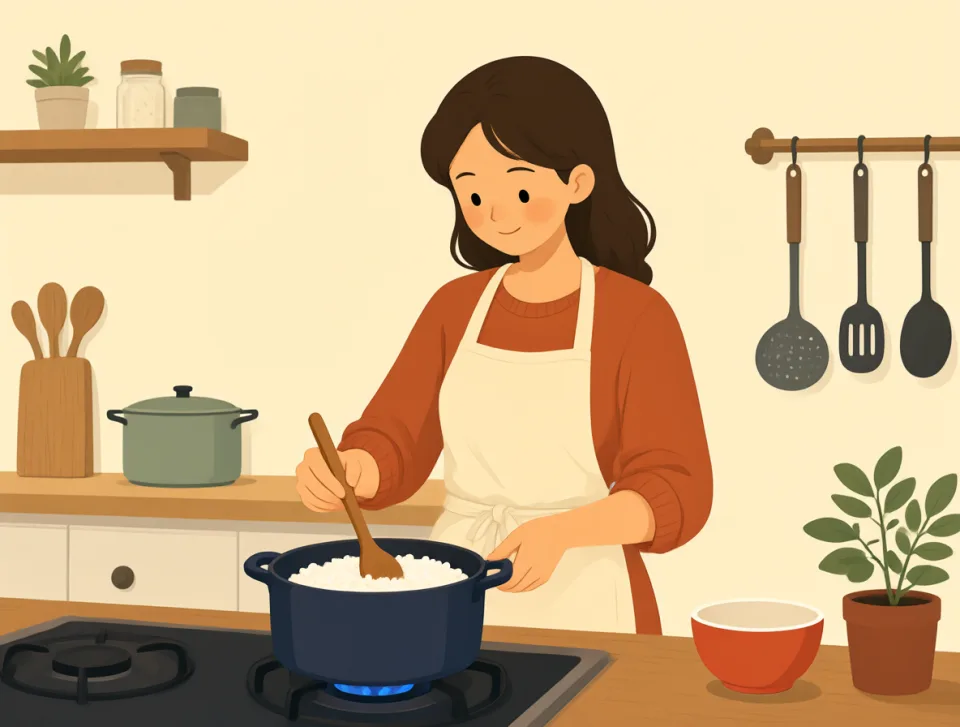
She knows how to cook rice.
هي تعرف كيف تطهو الأرز.
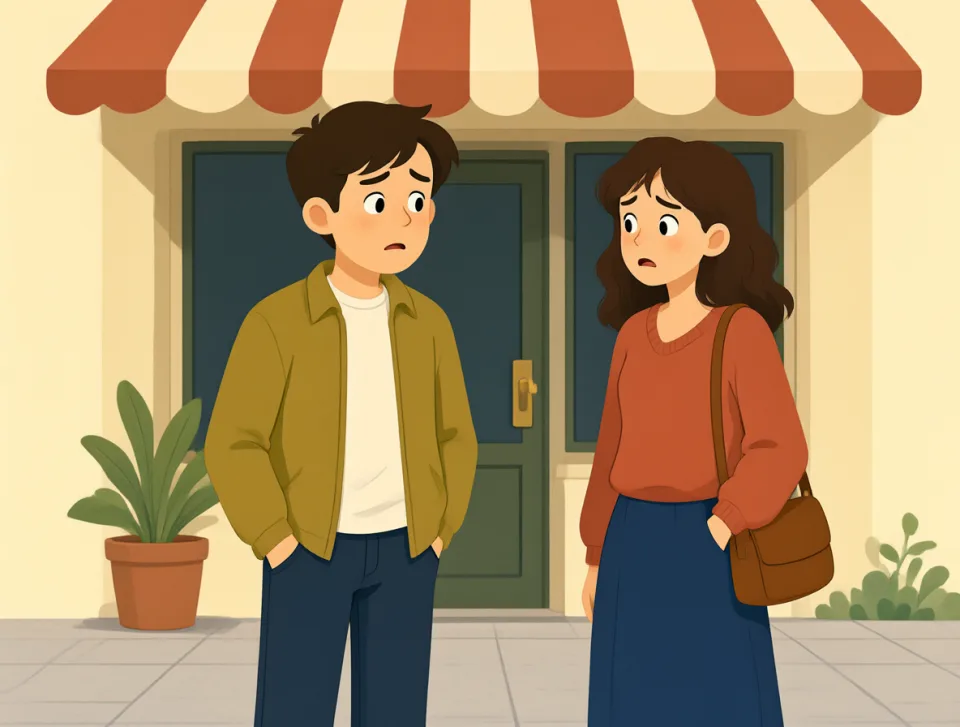
We knew the shop was closed.
كنا نعرف أن المتجر مغلق.

He knows many people at work.
هو يعرف أشخاصًا كثيرين في العمل.
more
#42determiner, pronoun, adverb, adjective, noun
أكثر
A greater amount, number, or degree than before or than someone else has.
كمية أو عدد أو درجة أكبر مما كان من قبل أو مما لدى شخص آخر
I need more time to finish this.
أحتاج إلى مزيد من الوقت لإنهاء هذا.
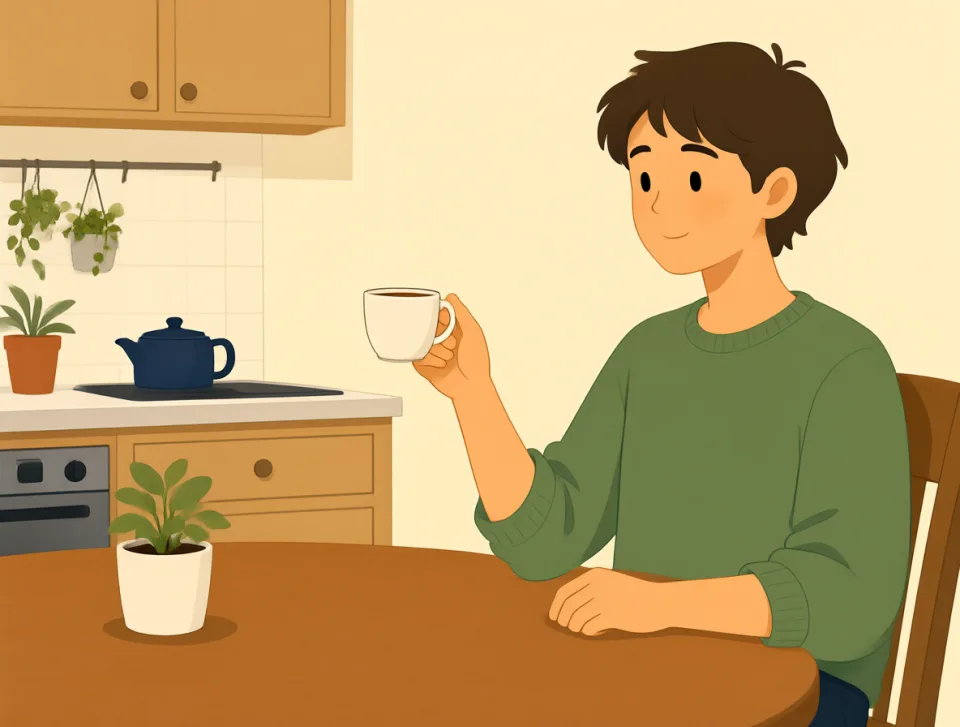
Would you like more coffee?
هل تريد المزيد من القهوة؟
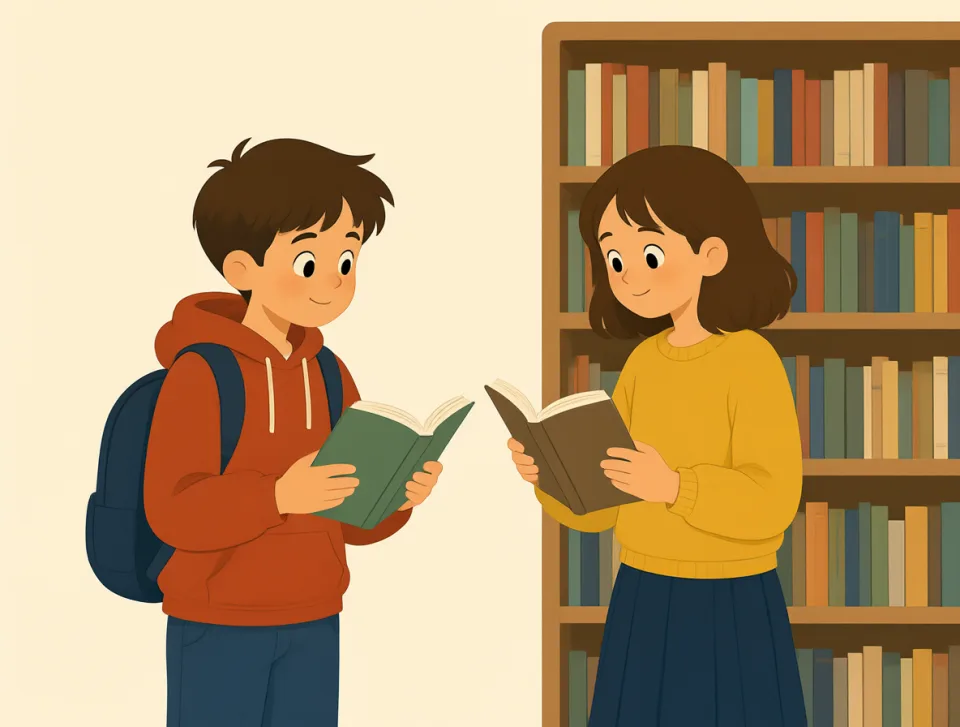
She has more books than I do.
لديها كتب أكثر مني.
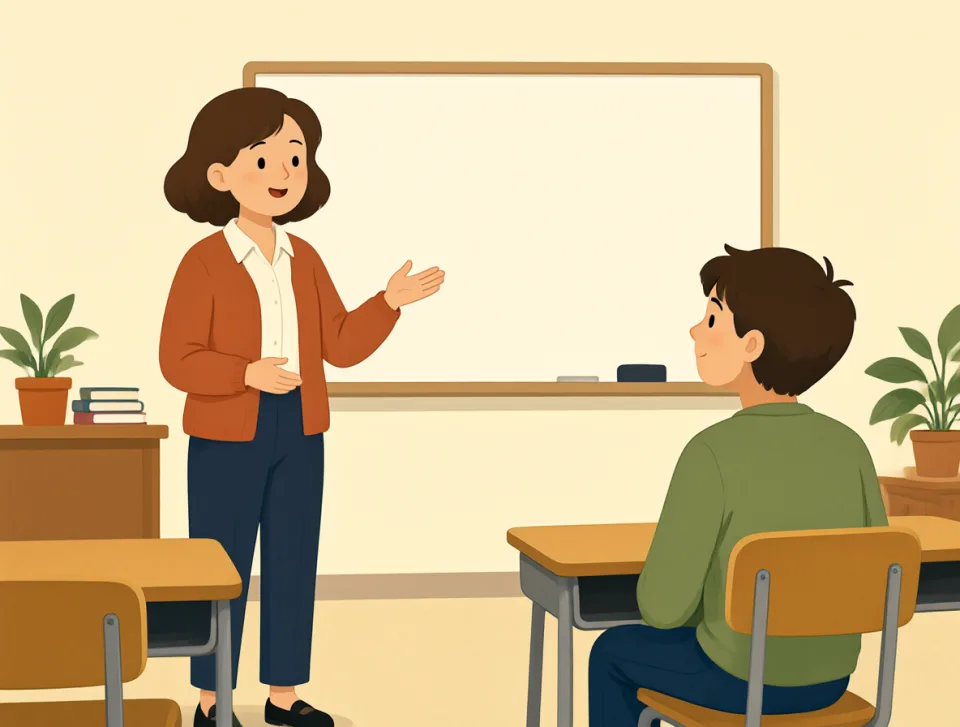
Please speak more slowly.
من فضلك، تحدث ببطء أكثر.
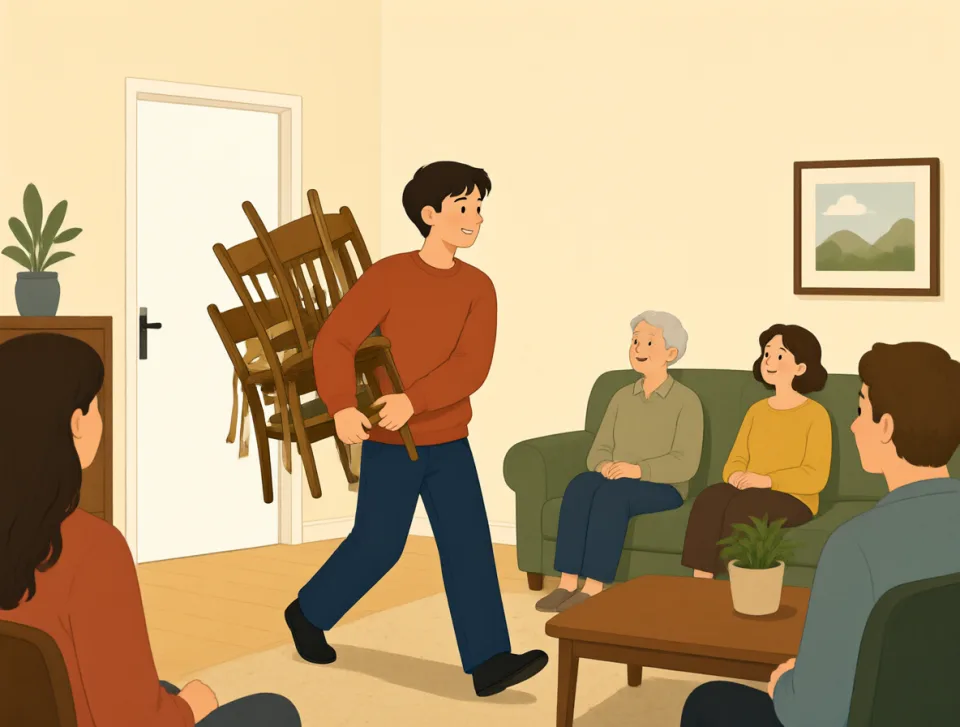
We need more chairs for our guests.
نحتاج إلى مزيد من الكراسي لضيوفنا.
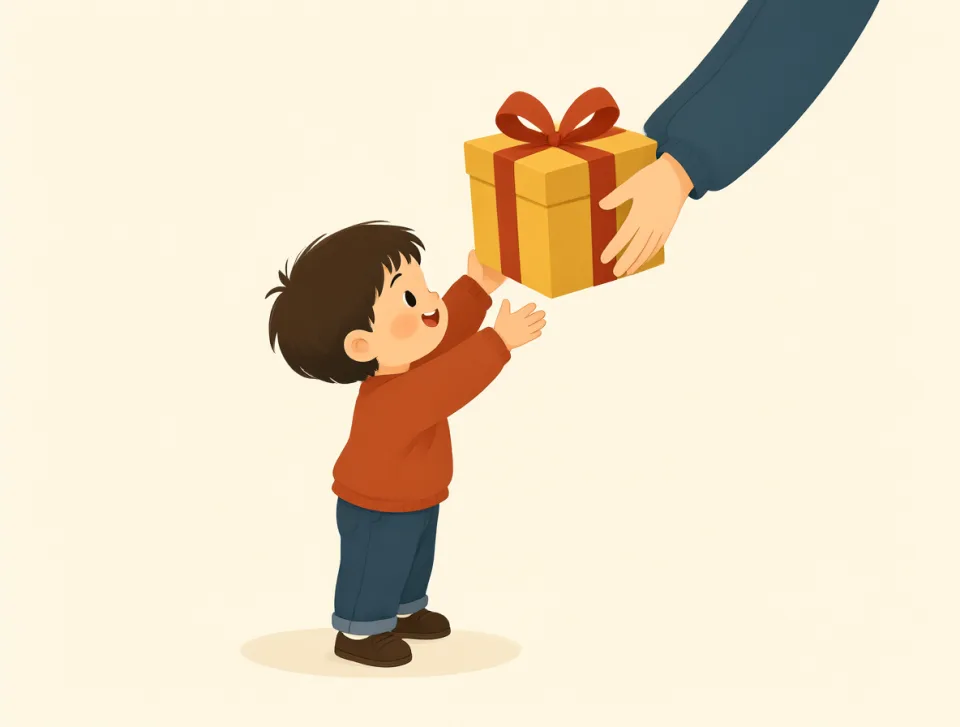
get
#43verb, noun
يحصل على
to receive, obtain, become, or move to a place
أن تتلقى شيئًا أو تحصل عليه، أو تصبح في حالة معينة، أو تنتقل إلى مكان
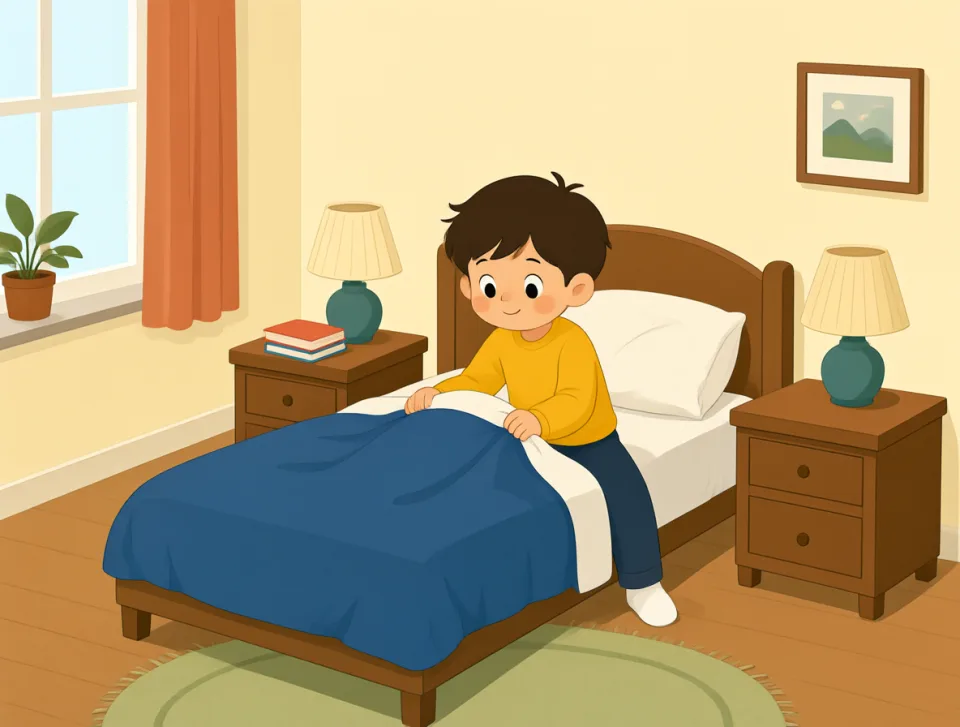
I get up at seven every morning.
أستيقظ في السابعة كل صباح.

She got a new job last week.
حصلت على وظيفة جديدة الأسبوع الماضي.
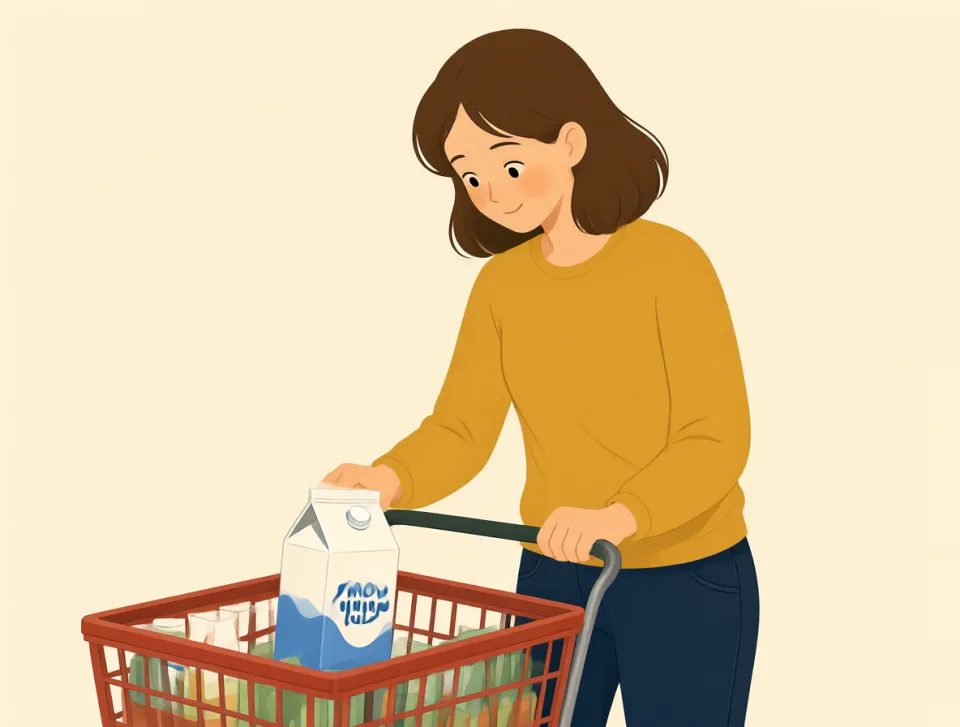
Please get some milk from the store.
من فضلك، أحضر بعض الحليب من المتجر.
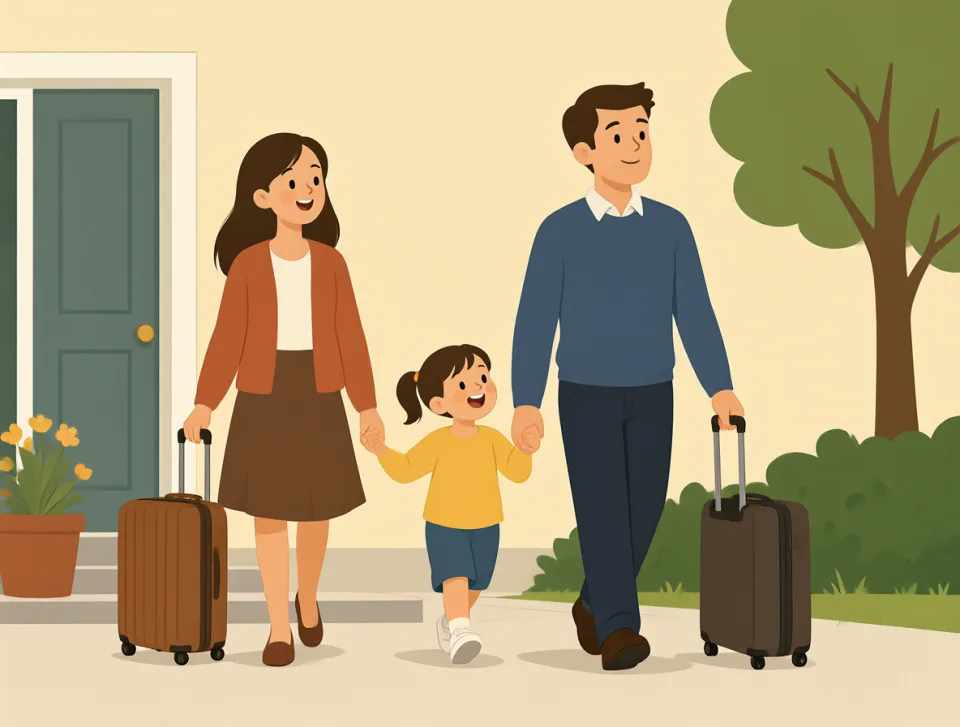
We got home late after the trip.
وصلنا إلى المنزل متأخرين بعد الرحلة.
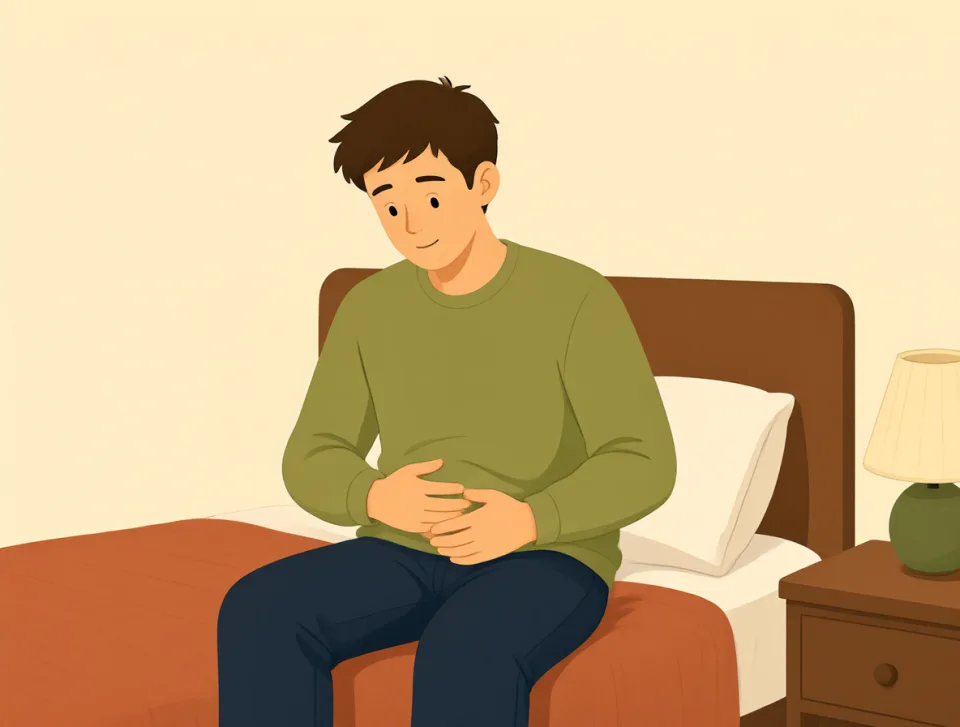
He got sick after eating bad food.
أصيب بالمرض بعد تناول طعام فاسد.
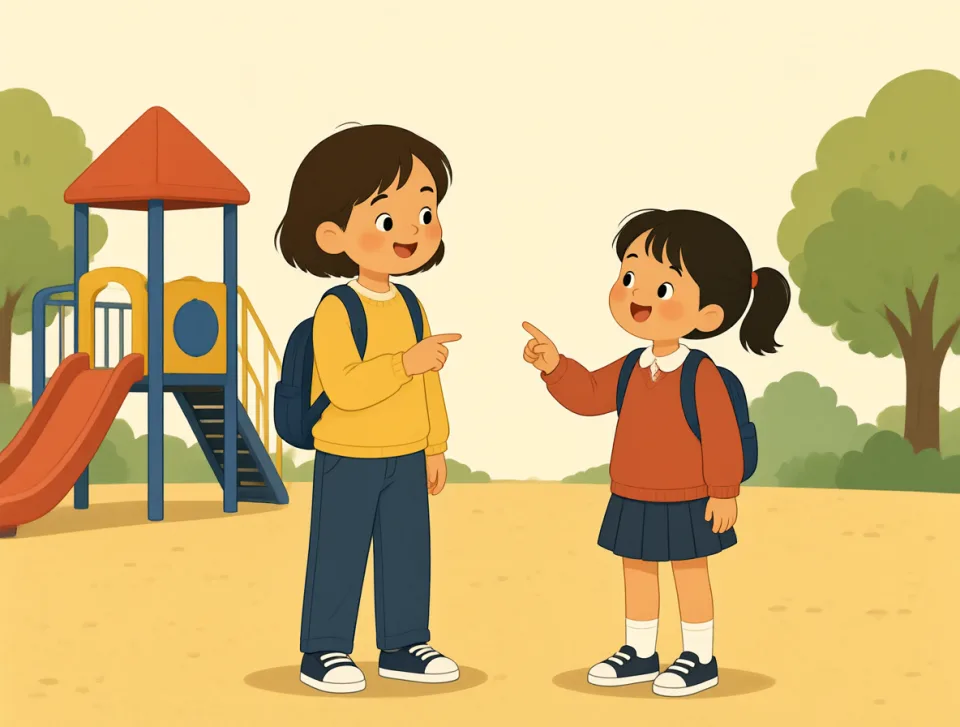
who
#44pronoun
مَن
Used to ask or say which person or people you mean.
تُستخدم للسؤال عن الشخص أو الأشخاص الذين تقصدهم أو لذكرهم
Who is your best friend?
مَن أفضل صديق لك؟
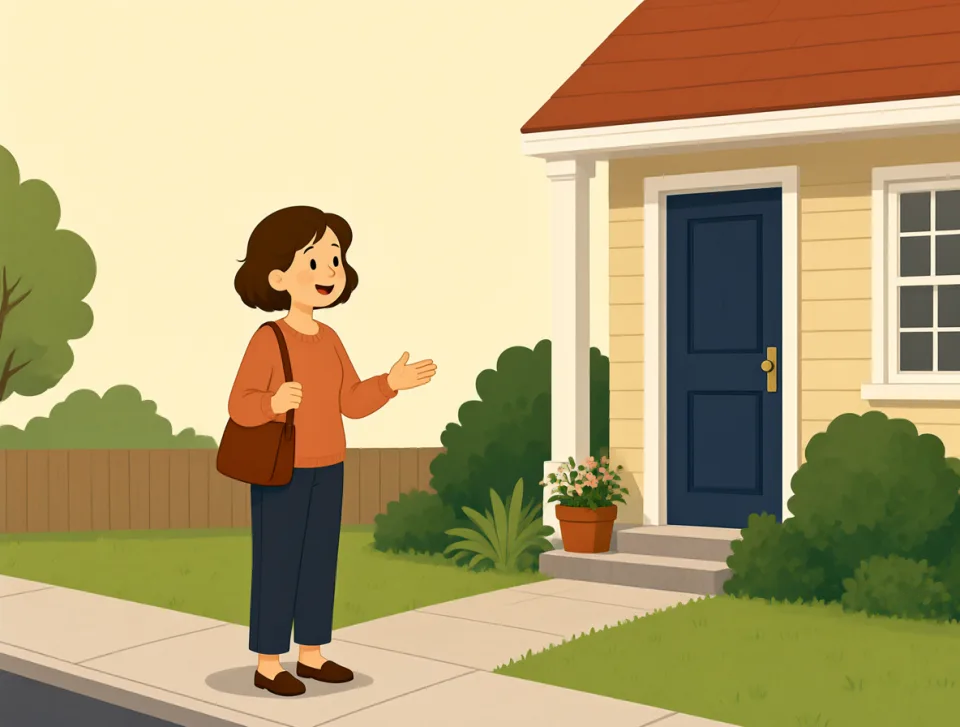
The woman who lives next door is kind.
المرأة التي تسكن بجوارنا لطيفة.
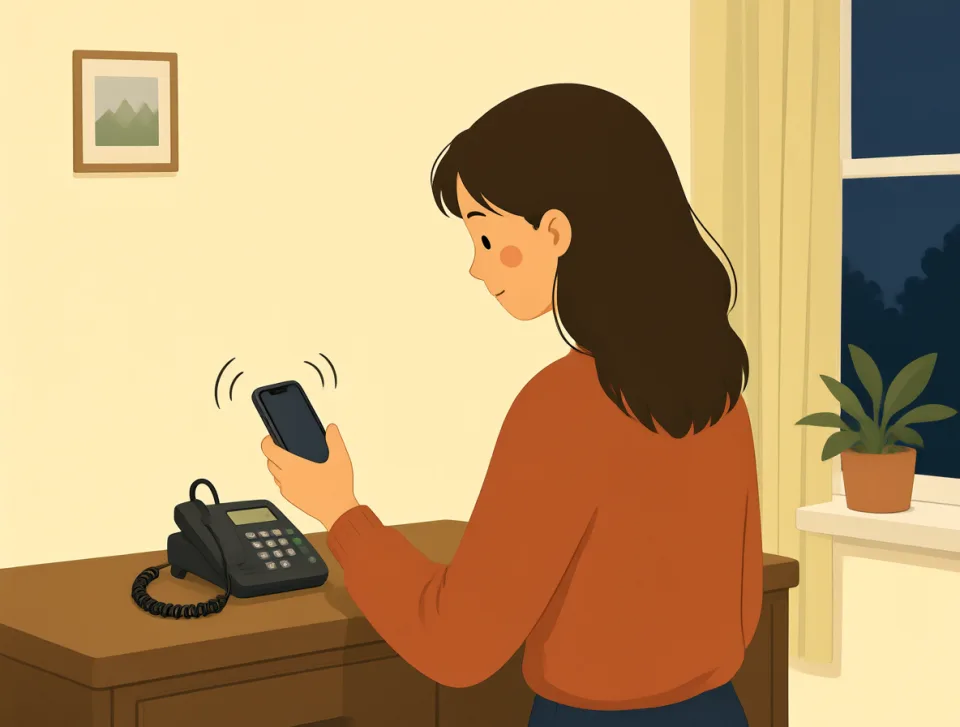
Who called you last night?
مَن اتصل بك الليلة الماضية؟

I know who can help us.
أعرف مَن يستطيع مساعدتنا.
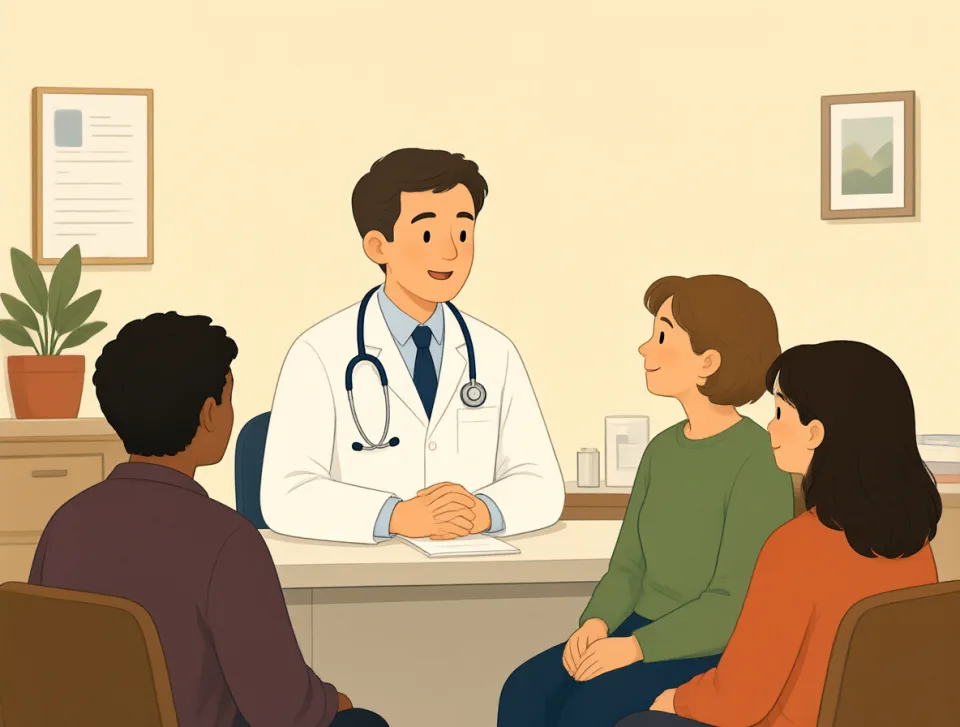
The doctor asked who felt sick.
سأل الطبيب مَن شعر بالمرض.
like
#45verb, preposition
يحبّ؛ مثل
To enjoy, want politely, or show that two things are similar.
أن تستمتع بشيء أو تطلبه بأدب، أو تُظهر أن شيئين متشابهان
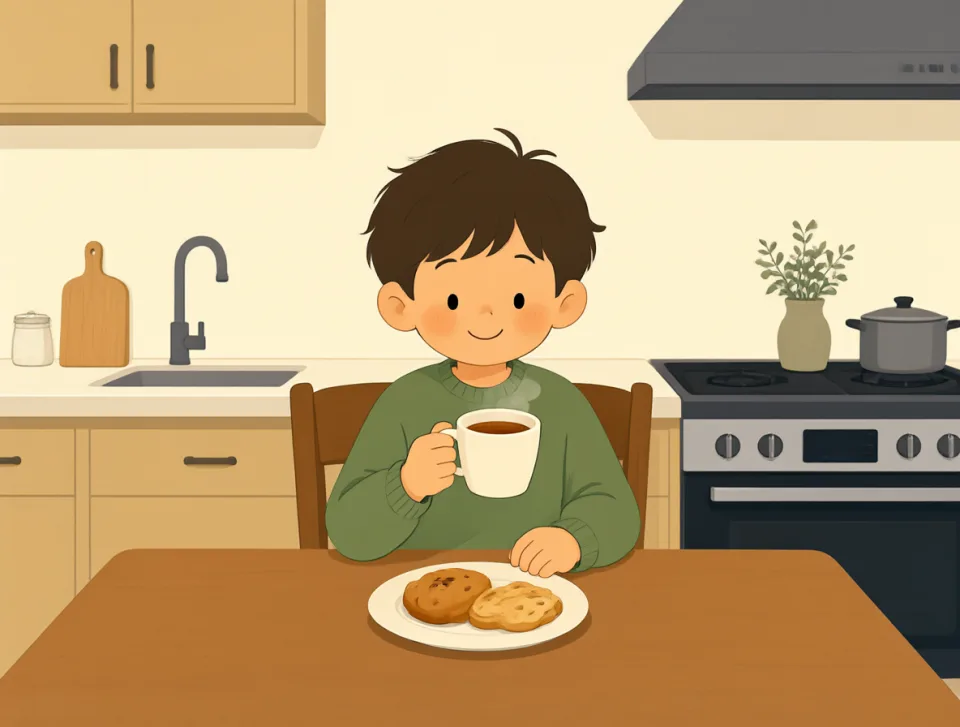
I like tea with breakfast.
أحب الشاي مع الإفطار.
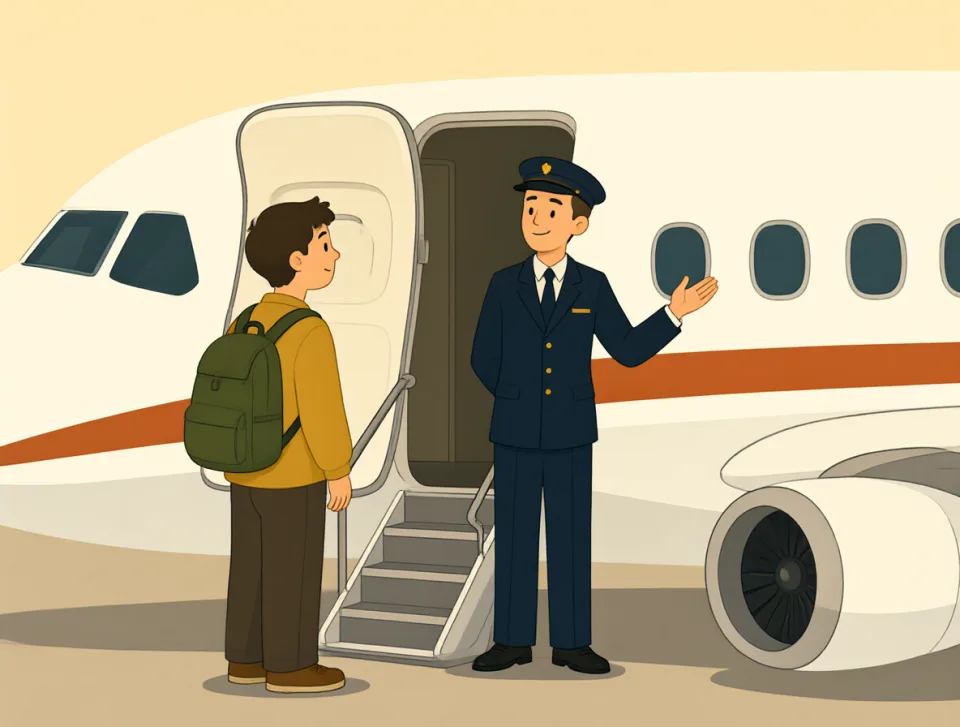
Would you like a window seat?
هل ترغب في مقعد بجانب النافذة؟

She looks like her mother.
تبدو مثل أمها.
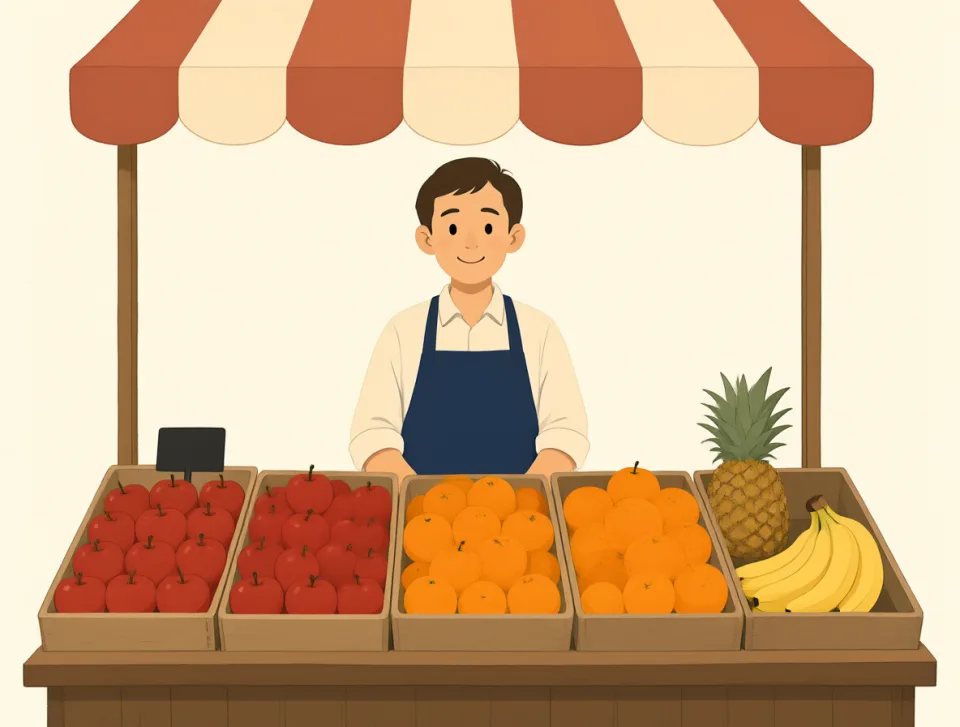
We sell fruit like apples and oranges.
نبيع فواكه مثل التفاح والبرتقال.

He swims like a fish.
هو يسبح مثل السمكة.
when
#46adverb, conjunction, pronoun, determiner
عندما
At or during the time that something happens
في الوقت الذي يحدث فيه شيء ما أو خلاله
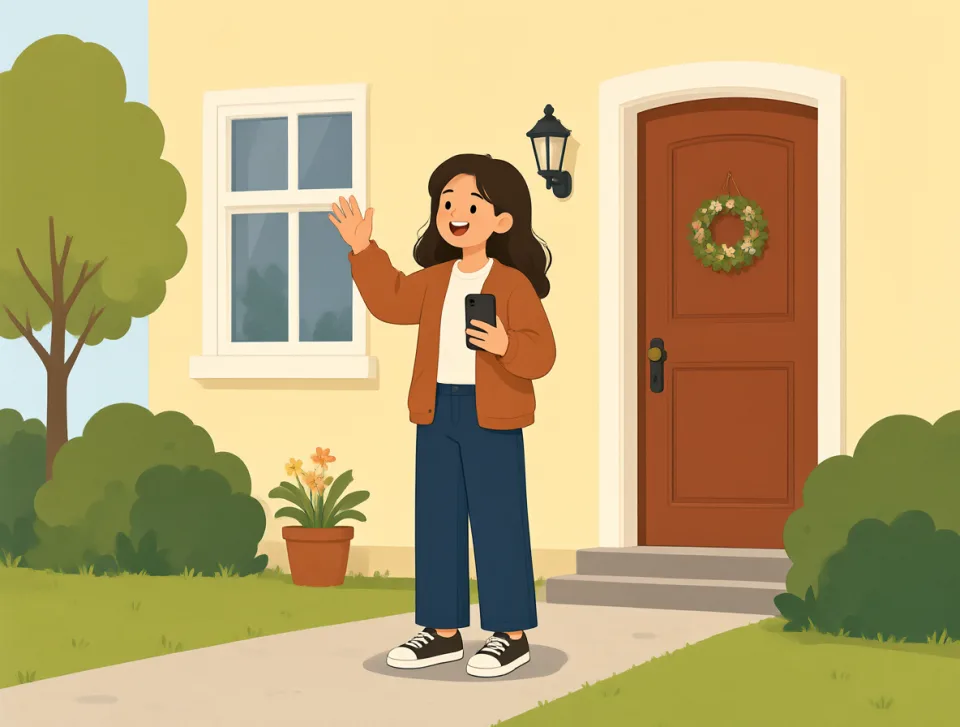
Call me when you get home.
اتصل بي عندما تصل إلى المنزل.
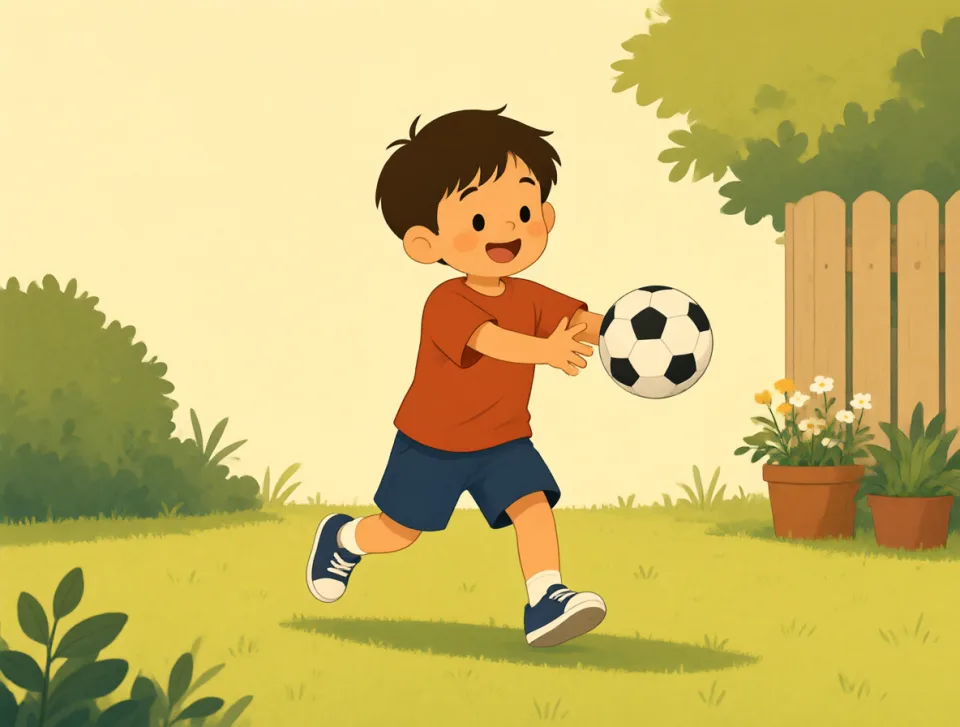
When I was young, I played outside.
عندما كنت صغيرًا، كنت ألعب في الخارج.

Tell me when the meeting starts.
أخبرني عندما يبدأ الاجتماع.

I smile when I see my friends.
أبتسم عندما أرى أصدقائي.
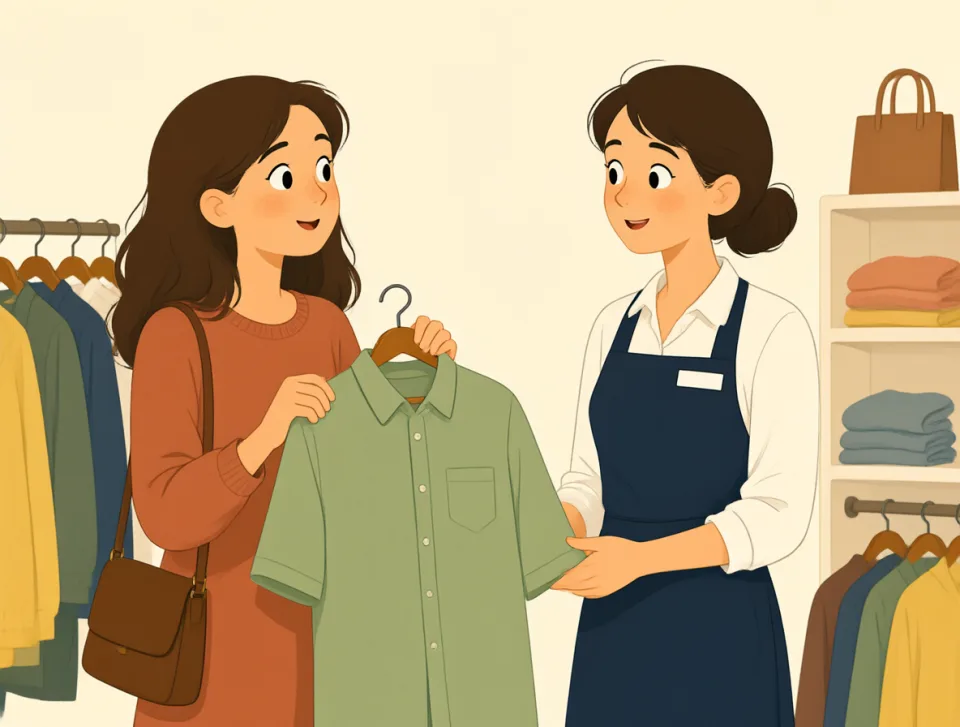
When did you buy this shirt?
متى اشتريت هذا القميص؟
think
#47verb, noun
يفكّر
to use your mind to consider something or form an opinion
يستخدم عقله للتفكير في أمر ما أو تكوين رأي
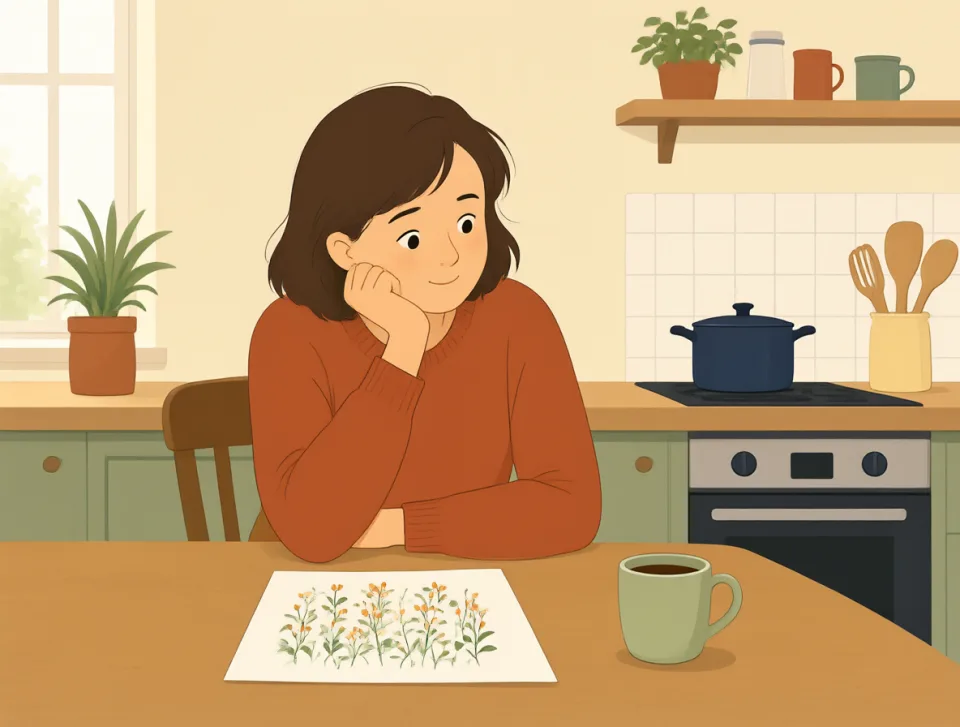
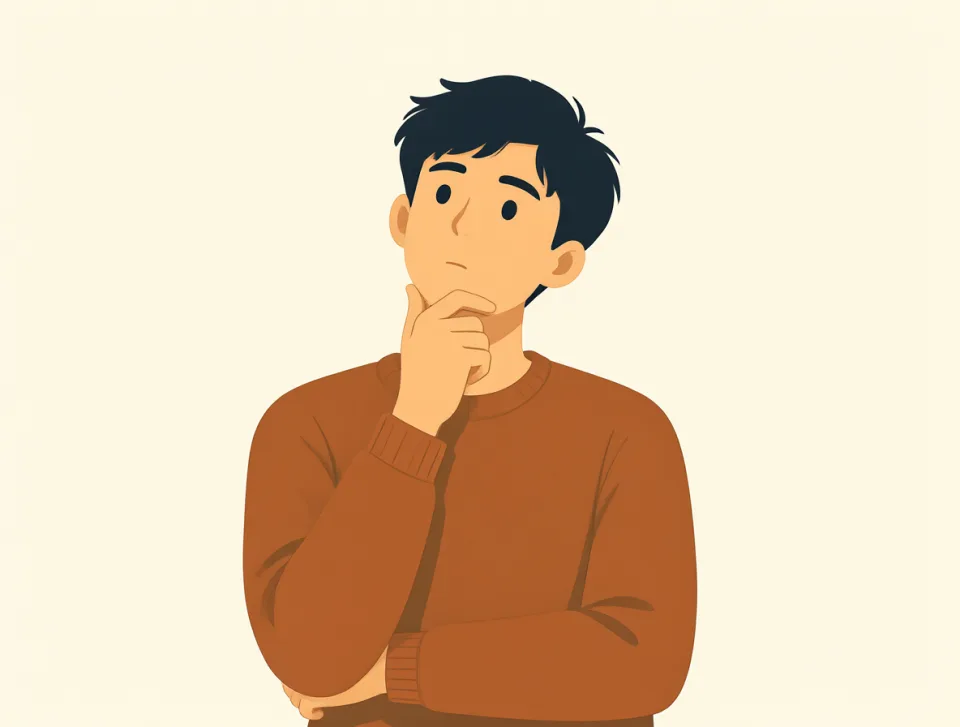
I think this is a good idea.
أعتقد أن هذه فكرة جيدة.

What do you think about this dress?
ما رأيك في هذا الفستان؟
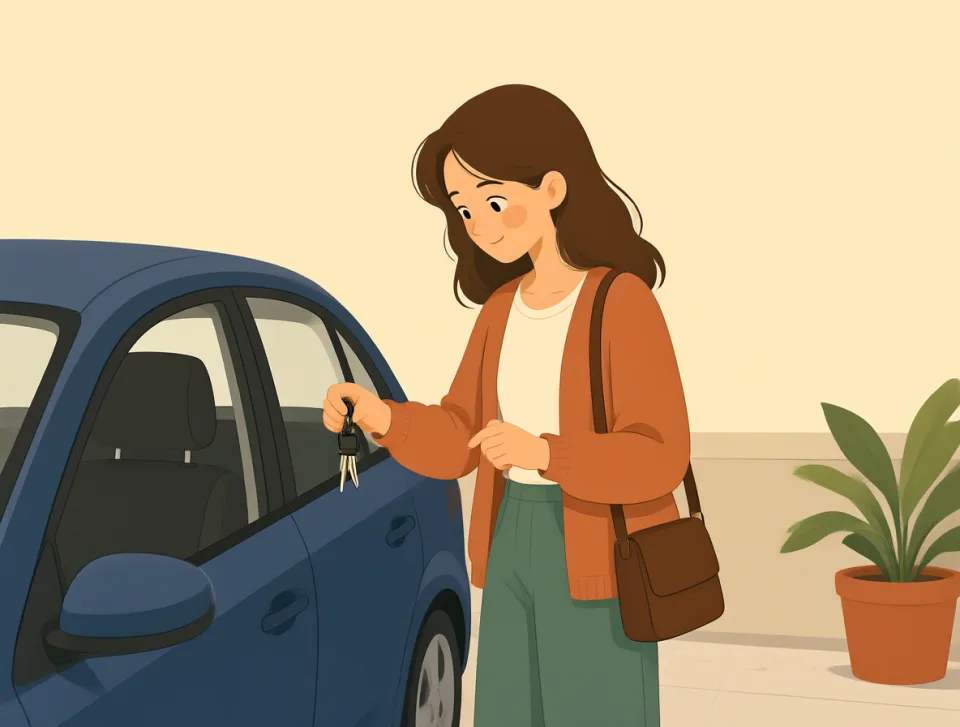
She thinks her keys are in the car.
تعتقد أن مفاتيحها في السيارة.

I was thinking about our holiday.
كنت أفكر في عطلتنا.
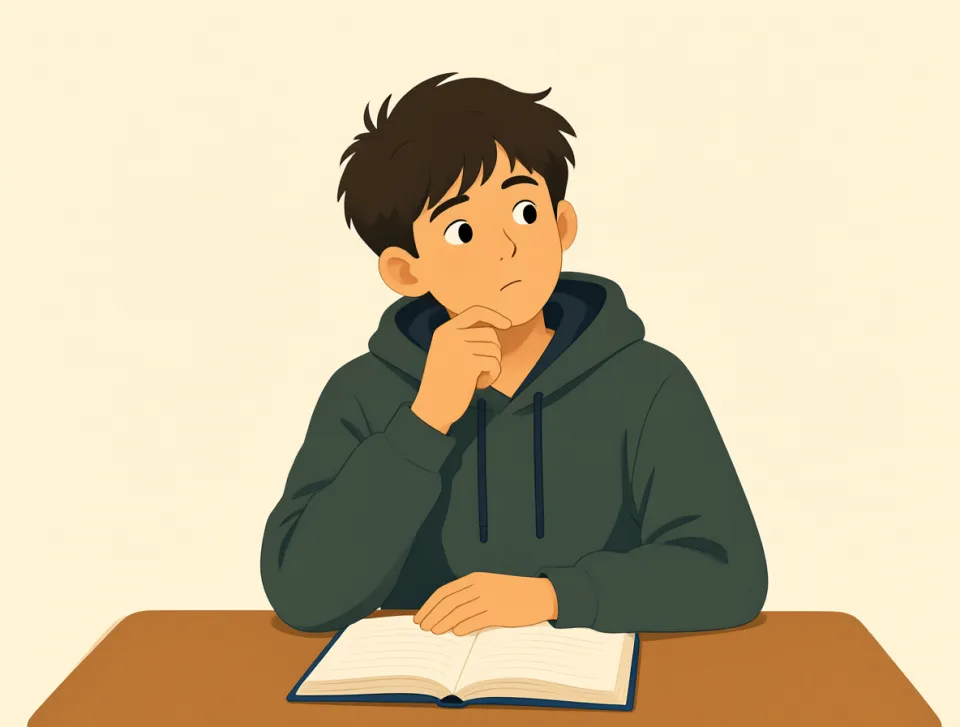
Let me think before I answer.
دعني أفكر قبل أن أجيب.
make
#48verb, noun
يصنع
to create, prepare, cause, or choose something
ينشئ شيئًا أو يُعِدّه أو يتسبّب فيه أو يختاره
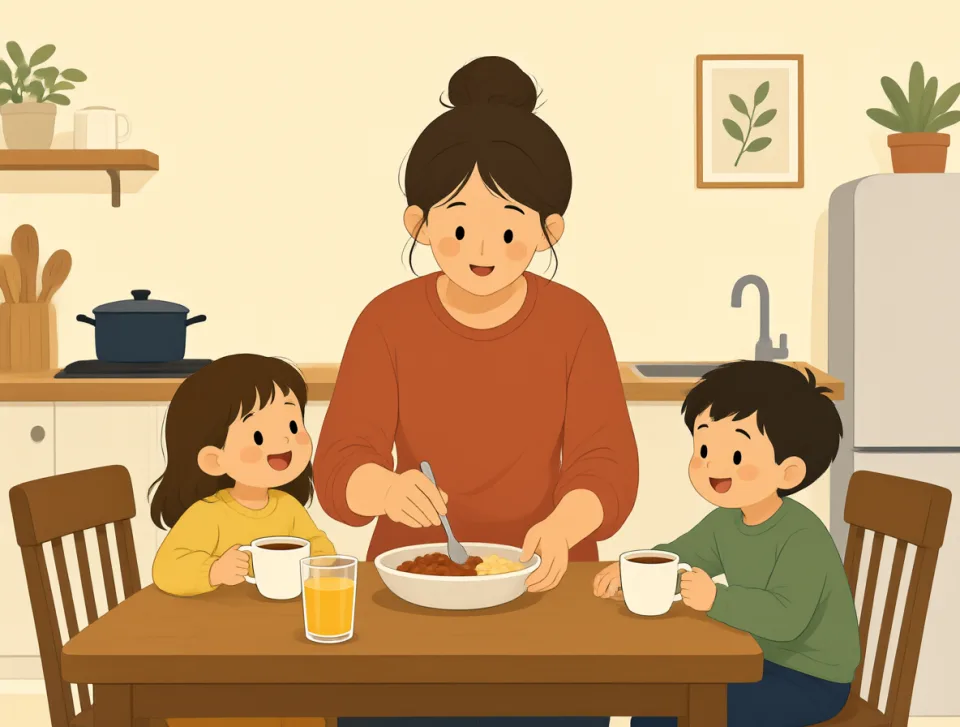
I make breakfast for my family every morning.
أُعِدّ الفطور لعائلتي كل صباح.
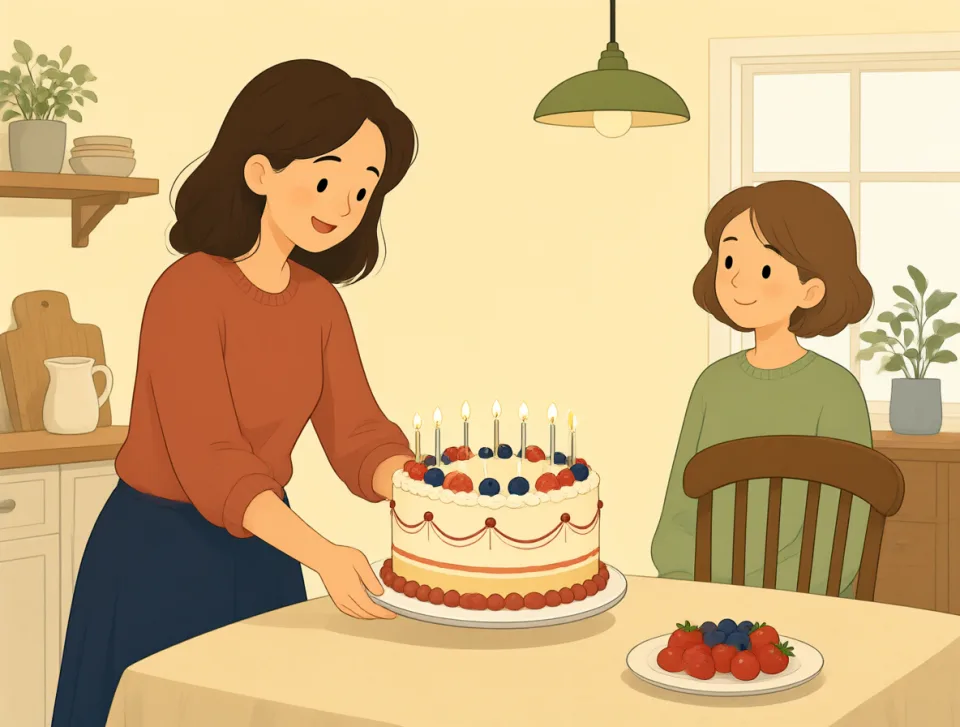
She made a cake for her friend.
أعدّت كعكة لصديقتها.
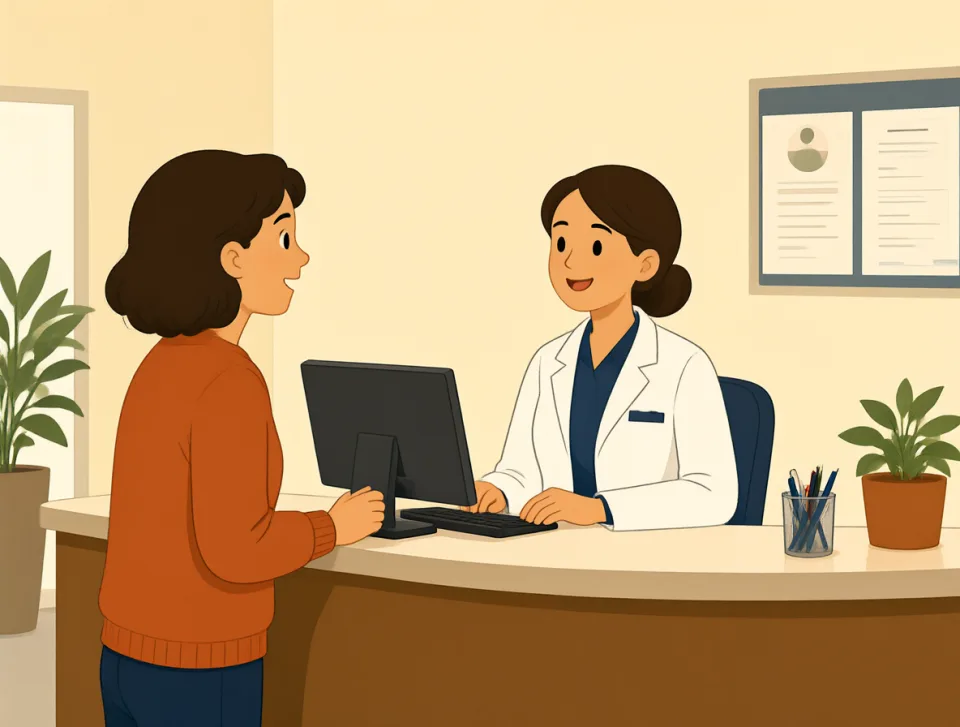
Please make an appointment with the doctor.
يُرجى تحديد موعد مع الطبيب.

This shirt makes me feel comfortable.
يجعلني هذا القميص أشعر بالراحة.

We made a plan for our trip.
وضعنا خطة لرحلتنا.
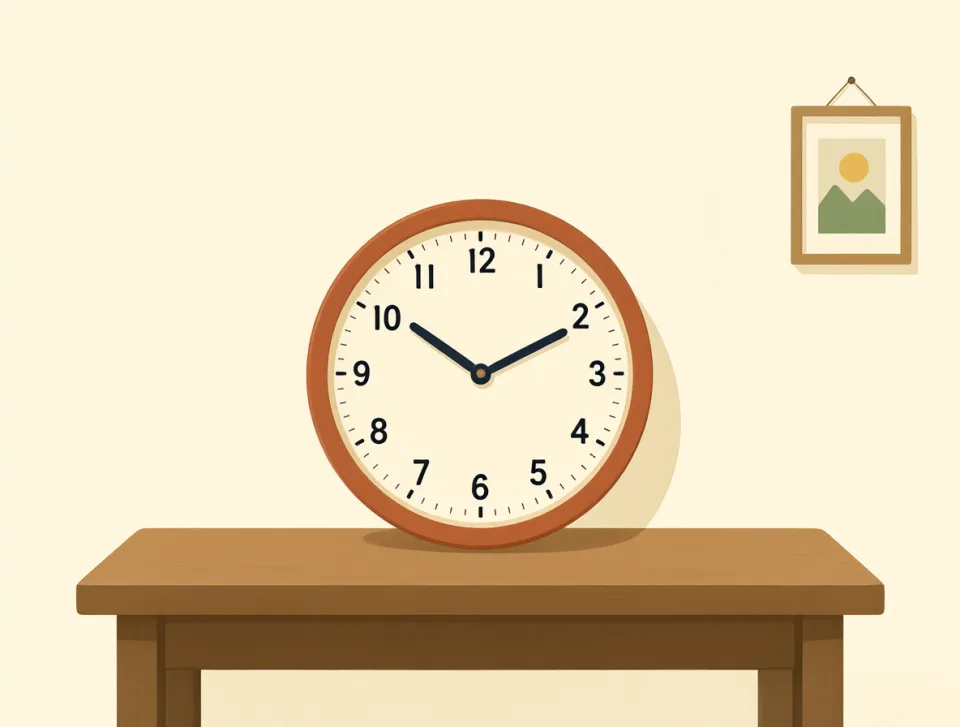
time
#49noun, verb
وقت
A particular moment or period, or the number of occasions something happens.
لحظة أو فترة محددة، أو عدد المرات التي يحدث فيها شيء ما.
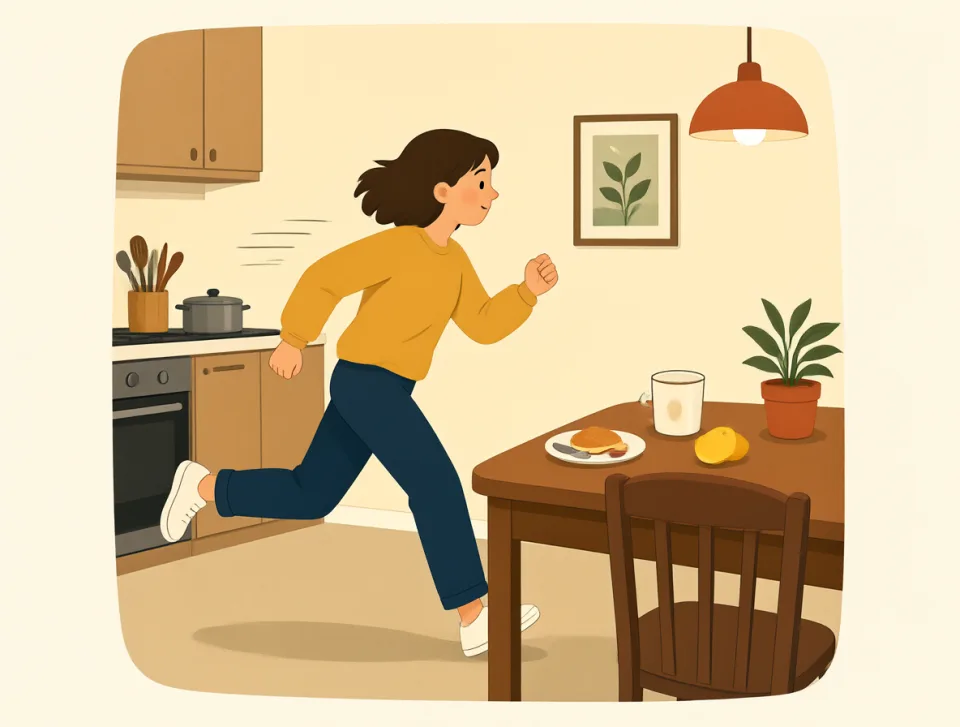
I do not have time for breakfast.
ليس لدي وقت لتناول الفطور.
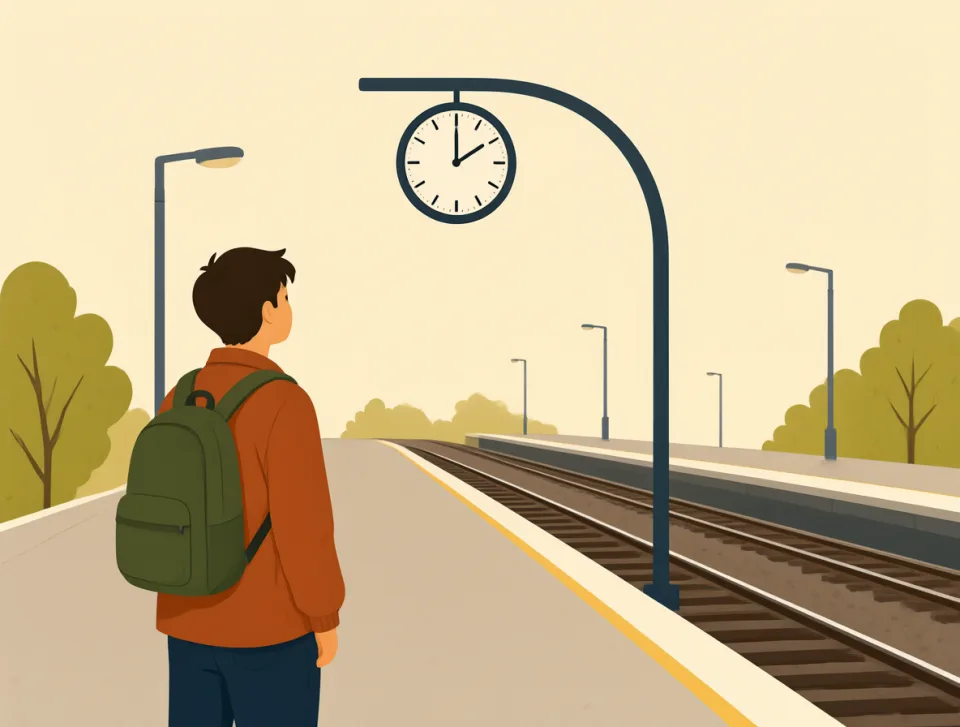
What time does the train leave?
في أي وقت يغادر القطار؟
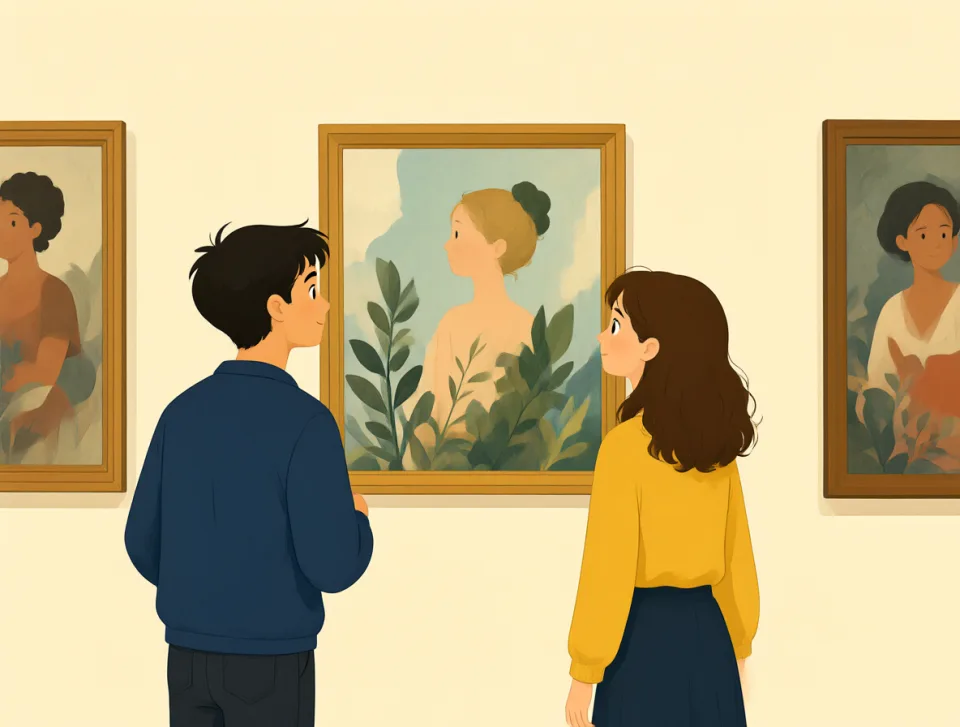
We visited that museum three times.
زرنا ذلك المتحف ثلاث مرات.
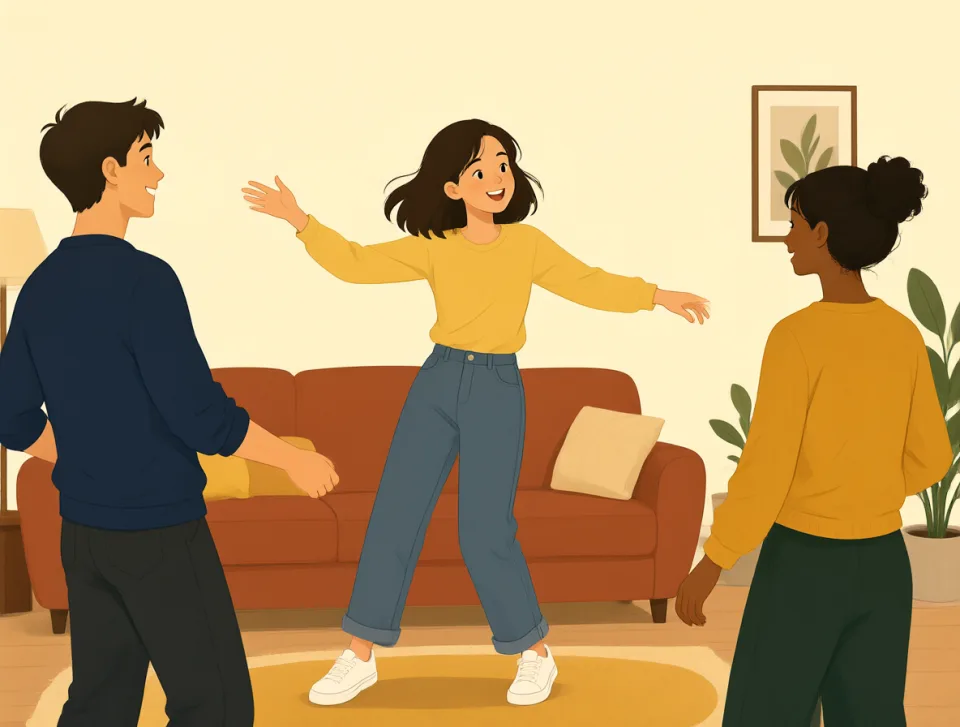
She had a good time at the party.
قضت وقتًا ممتعًا في الحفلة.
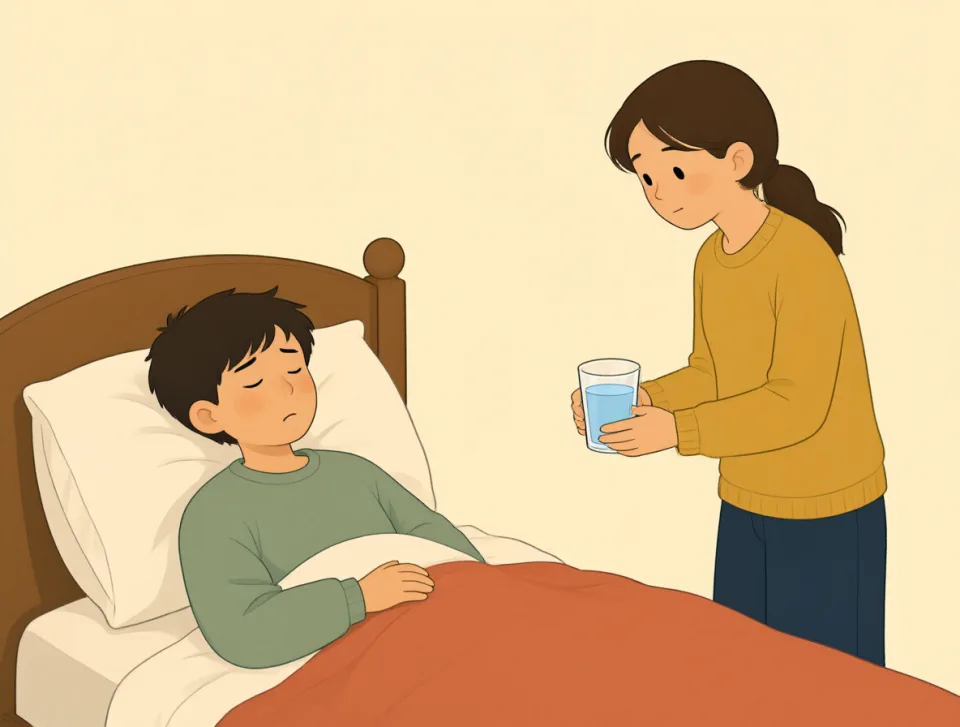
It takes time to feel better.
يستغرق الشعور بالتحسن وقتًا.
see
#50verb
يرى
to notice someone or something with your eyes
يلاحظ شخصًا أو شيئًا بعينيه
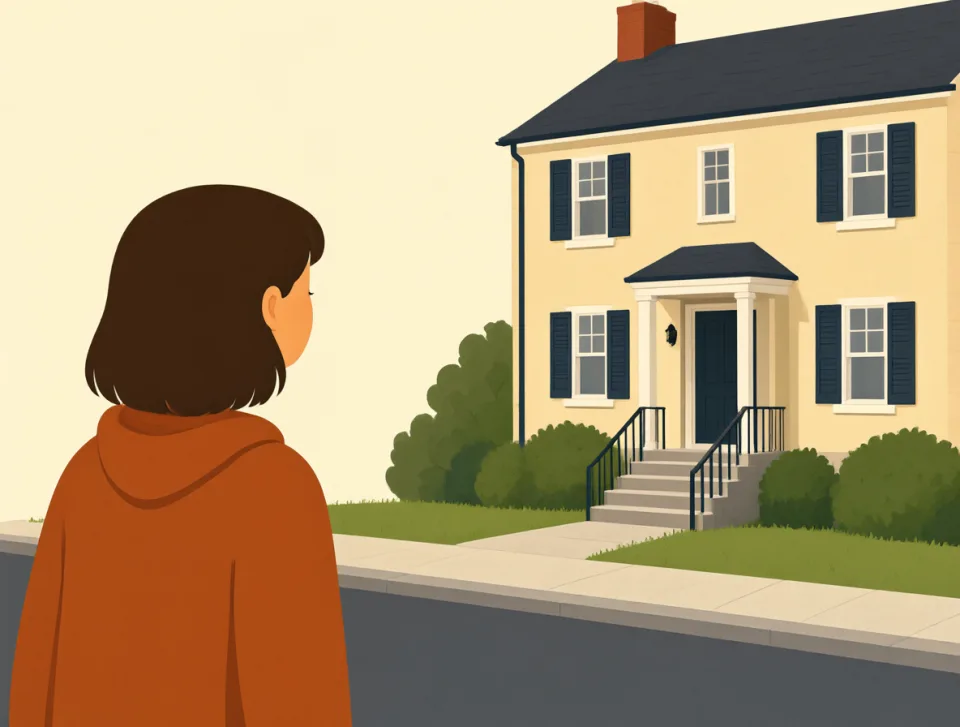
I can see your house from here.
أستطيع رؤية منزلك من هنا.

Did you see Tom at school today?
هل رأيت توم في المدرسة اليوم؟

We saw a movie after dinner.
شاهدنا فيلمًا بعد العشاء.
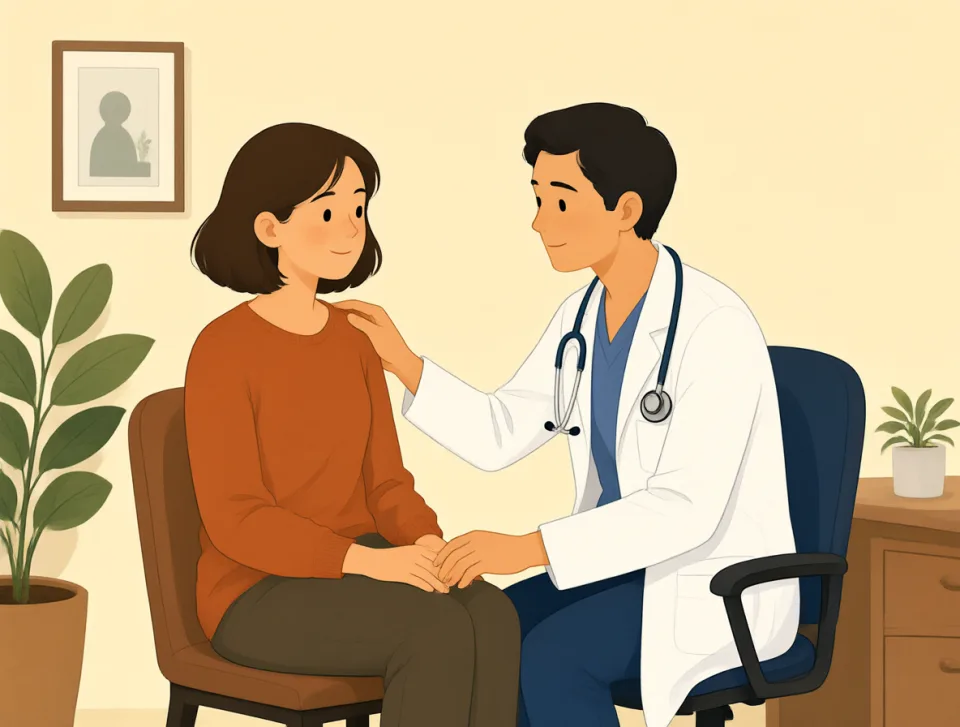
She sees the doctor every Monday.
تزور الطبيب كل يوم اثنين.
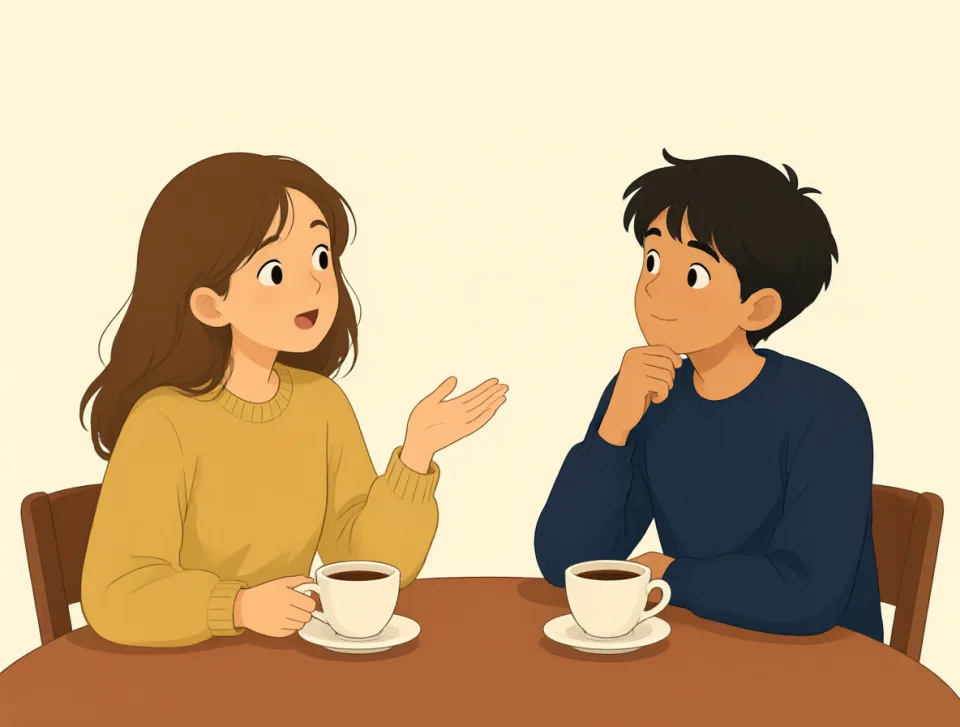
I see what you mean now.
أفهم الآن ما تقصده.
what
#51pronoun, determiner
ماذا
Used to ask about a thing, choice, or information.
تُستخدم للسؤال عن شيء أو خيار أو معلومة.
What do you want for dinner?
ماذا تريد على العشاء؟
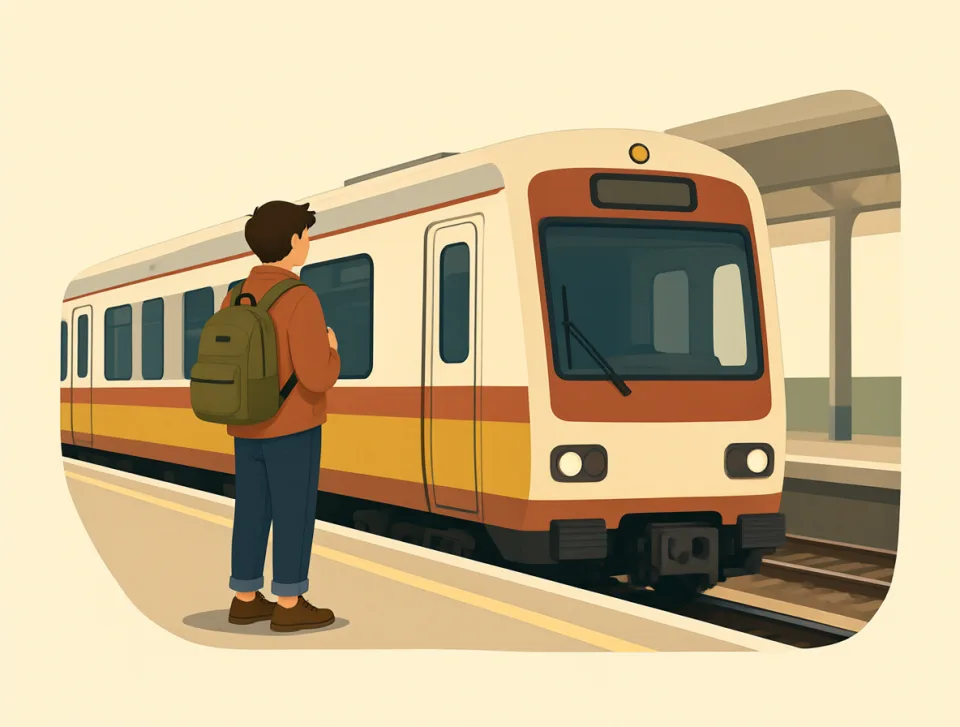
What time does the train leave?
في أي وقت يغادر القطار؟
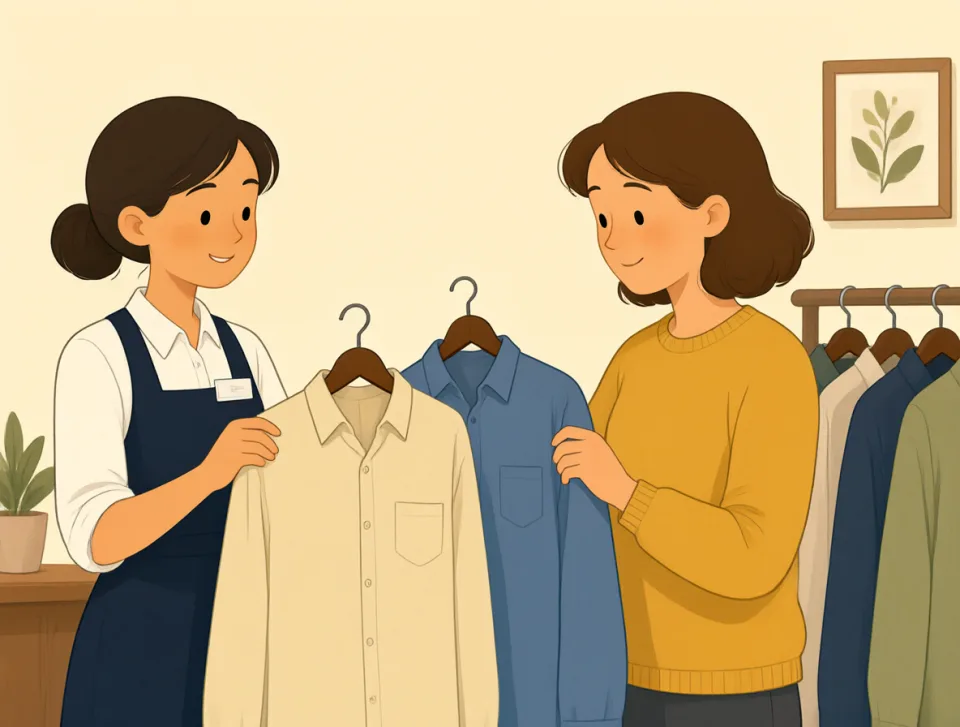
What size do you need?
ما المقاس الذي تحتاجه؟

I know what you mean.
أعرف ما تعنيه.
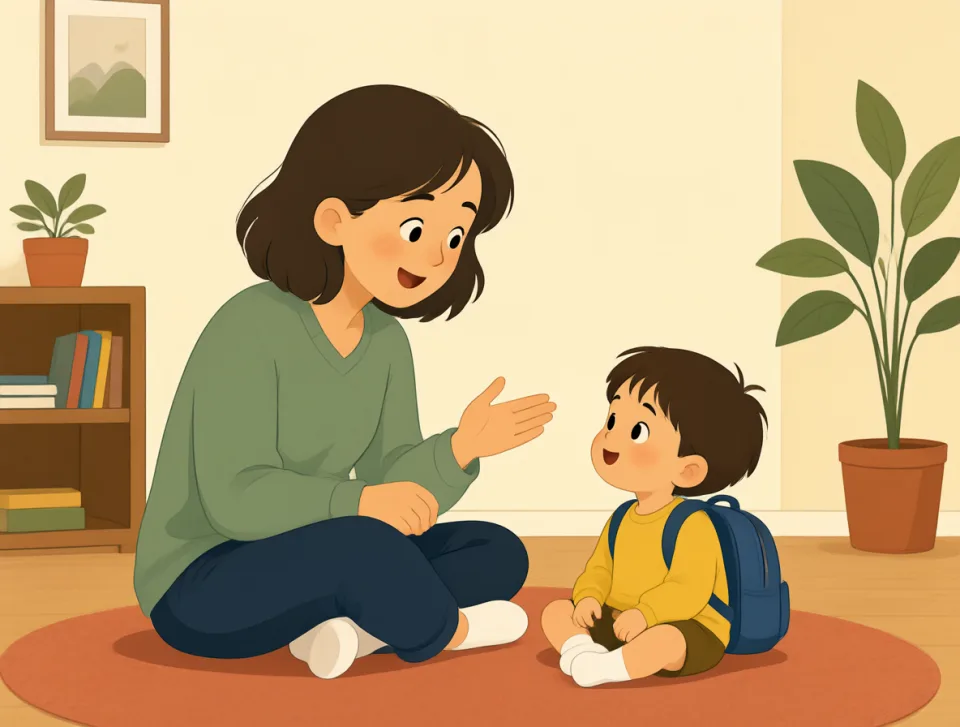
What happened at school today?
ماذا حدث في المدرسة اليوم؟
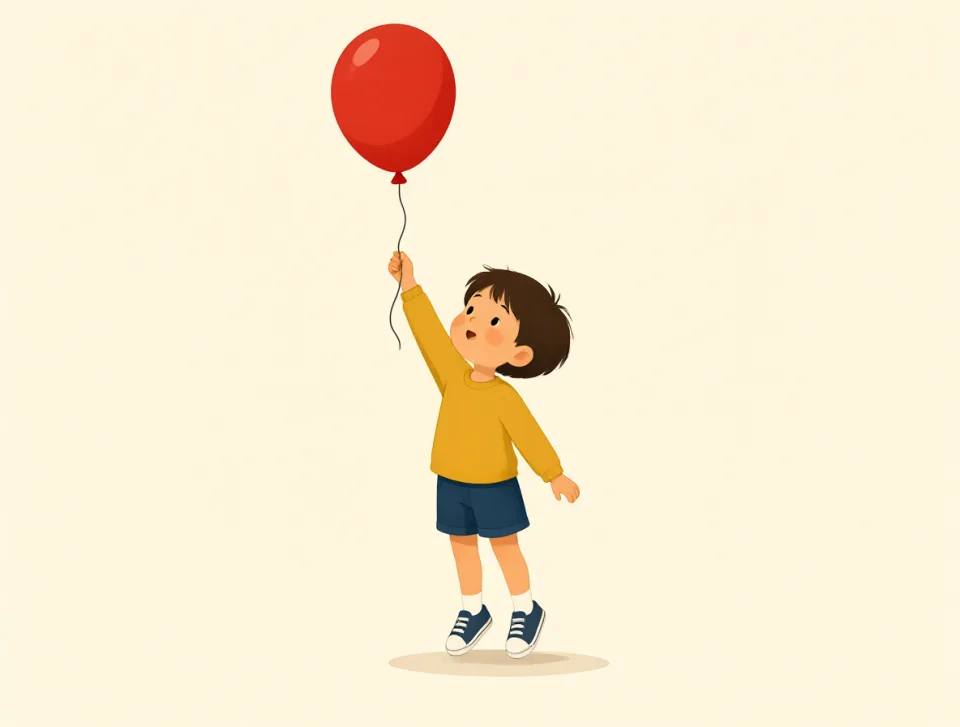
up
#52adverb, preposition, adjective, noun
إلى أعلى
Toward a higher place or position; or in a higher position.
باتجاه مكان أو موضع أعلى، أو في موضع أعلى.
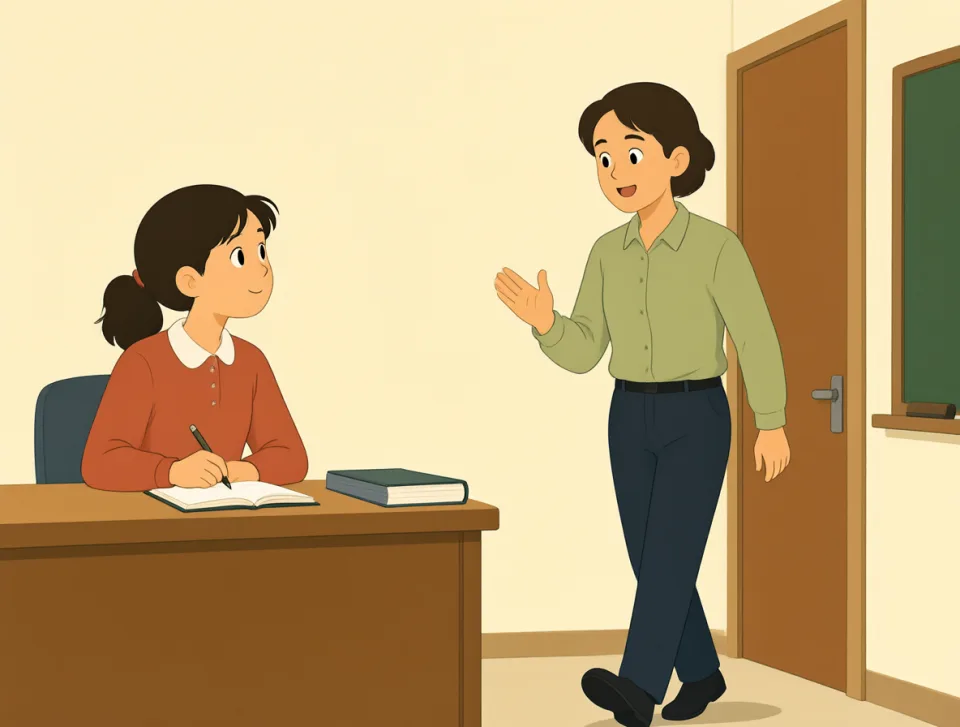
Please stand up when the teacher enters.
يُرجى الوقوف عندما يدخل المعلم.
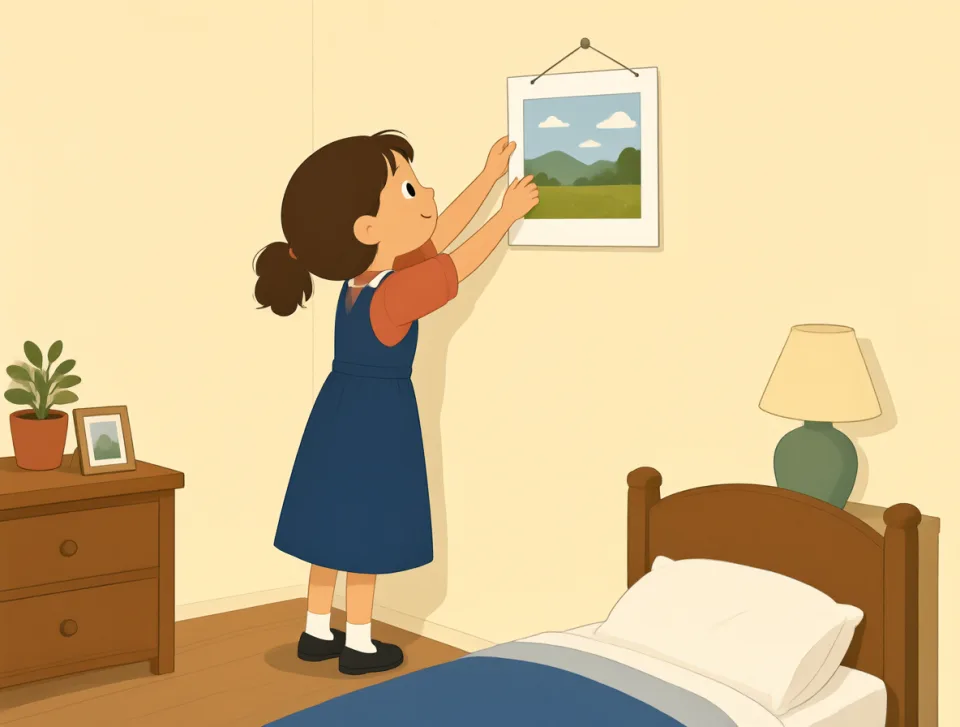
She put up the picture in her room.
علّقت الصورة في غرفتها.
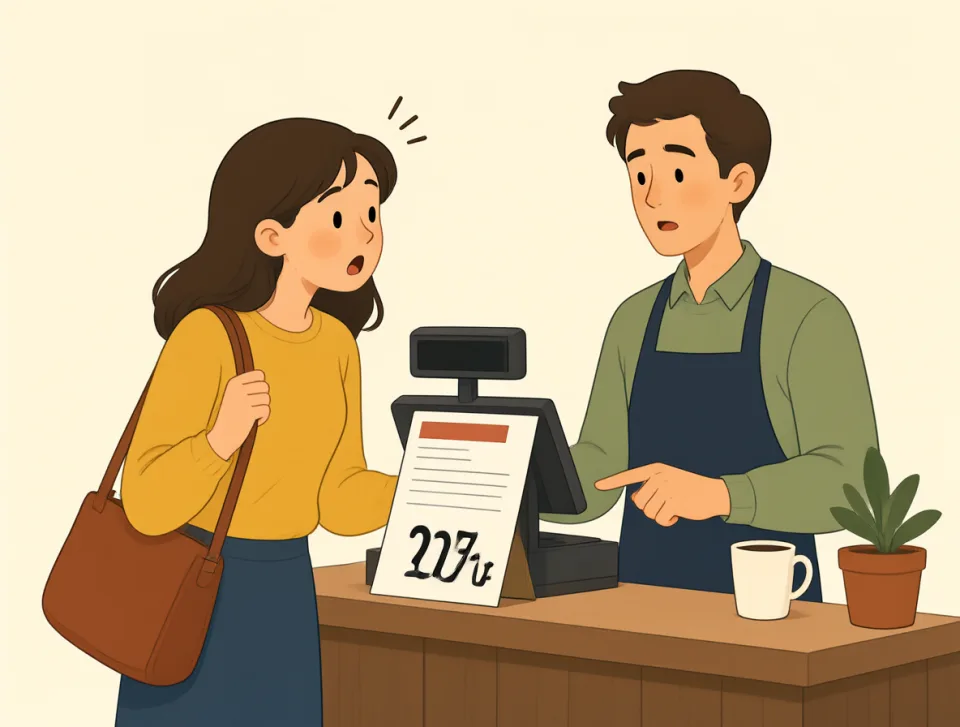
The price went up last month.
ارتفع السعر الشهر الماضي.
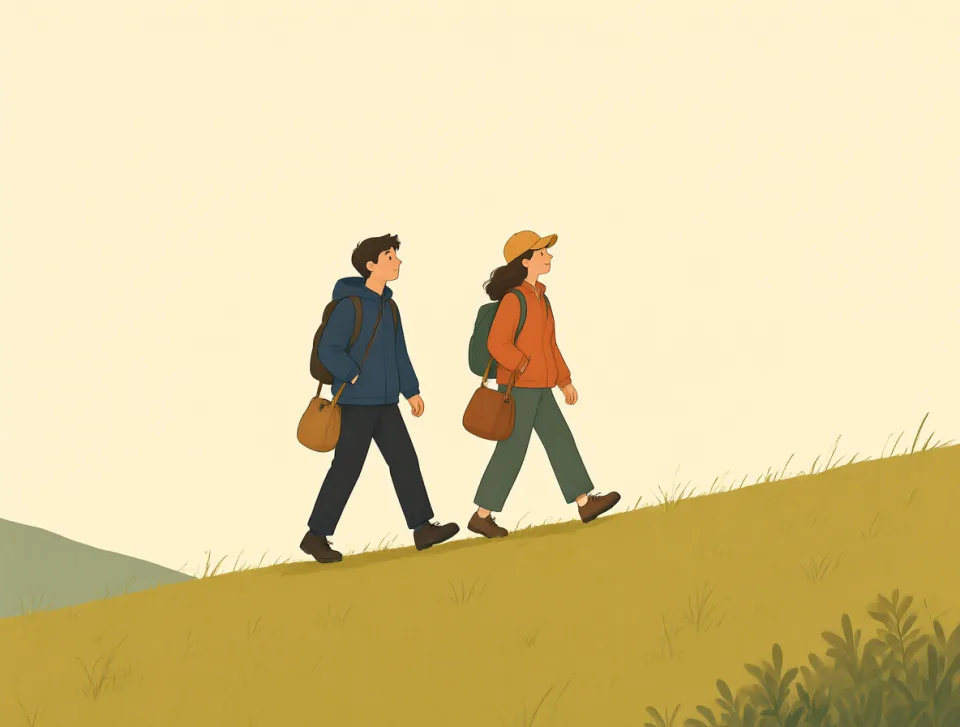
We walked up the hill to the station.
صعدنا التل سيرًا إلى المحطة.
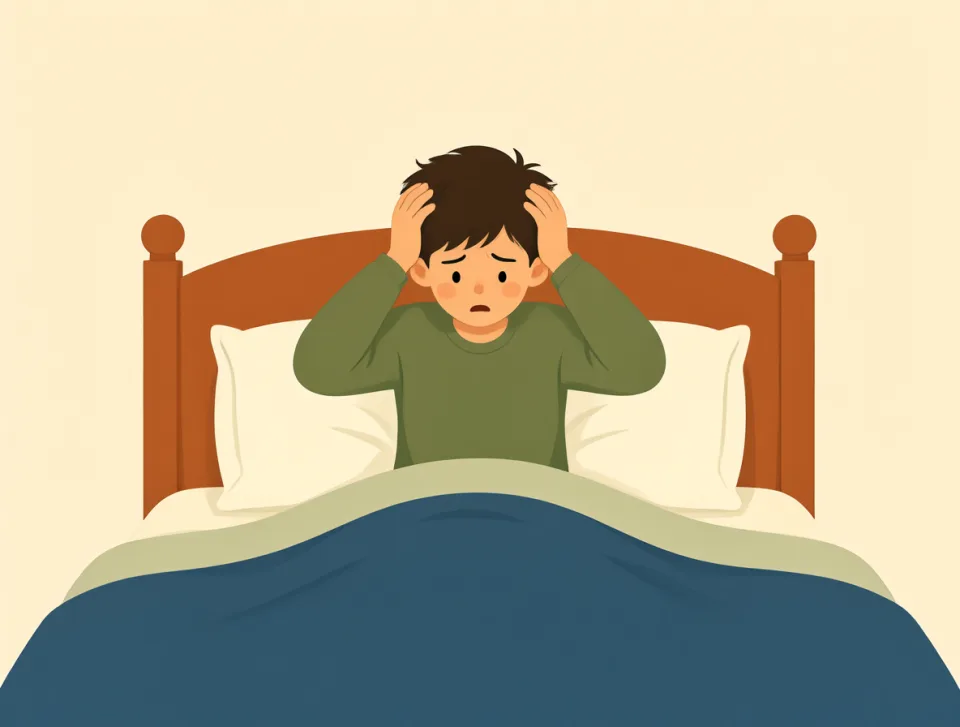
I woke up with a bad headache.
استيقظت وأنا أعاني من صداع شديد.
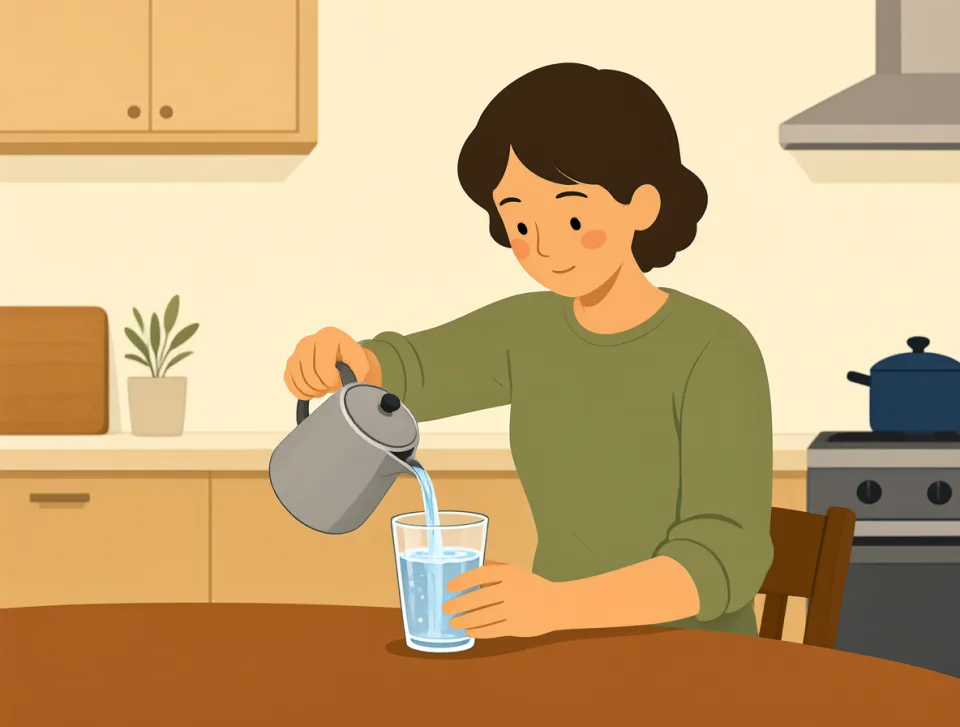
some
#53determiner, pronoun, adverb
بعض
An amount or number that is not exact or not stated.
كمية أو عدد غير محدد بدقة أو غير مذكور.
I need some water, please.
أحتاج إلى بعض الماء، من فضلك.
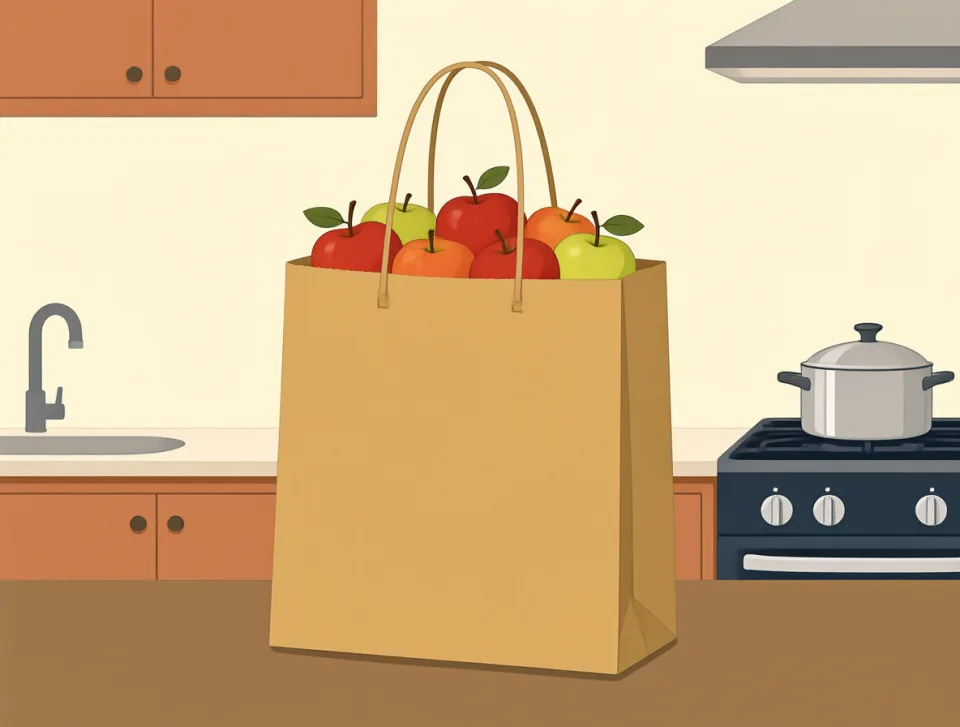
There are some apples in the bag.
هناك بعض التفاح في الحقيبة.
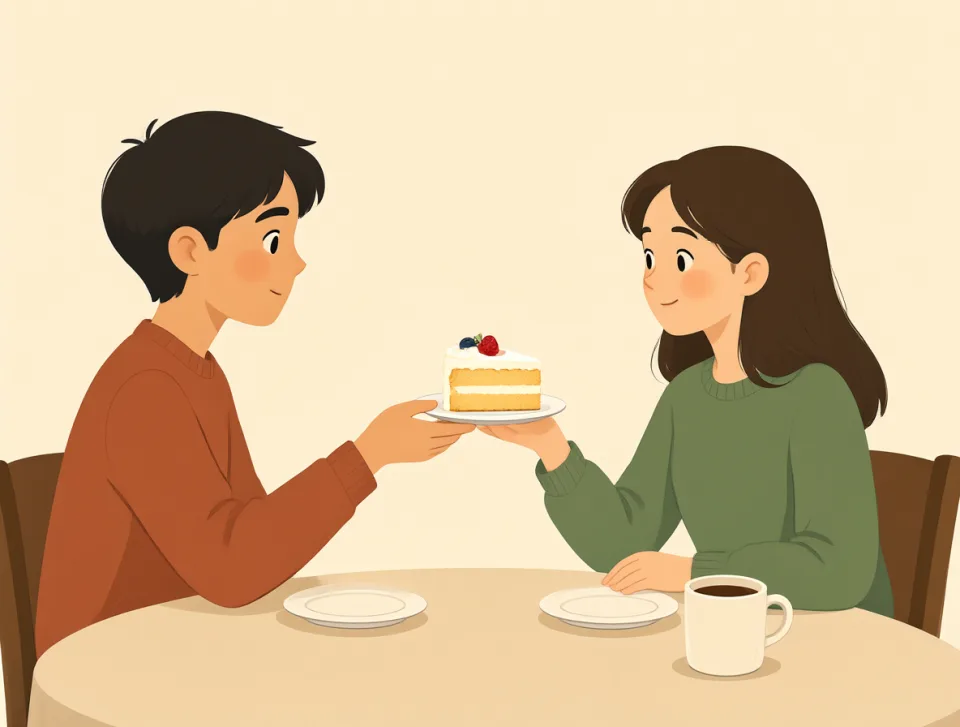
Would you like some cake?
هل ترغب في بعض الكعك؟
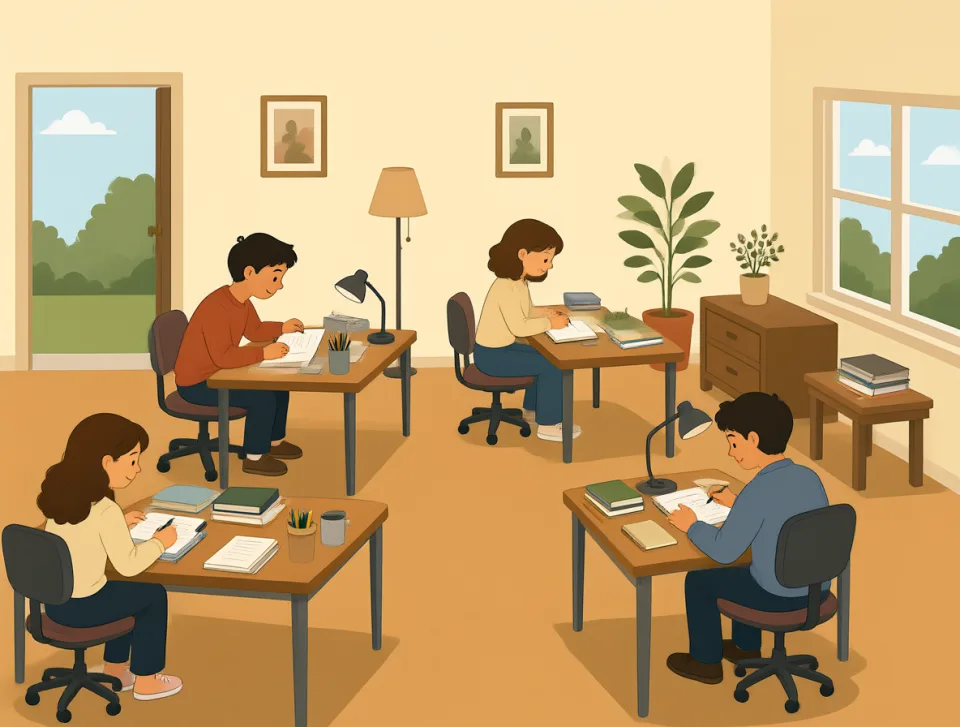
Some people work from home.
يعمل بعض الناس من المنزل.
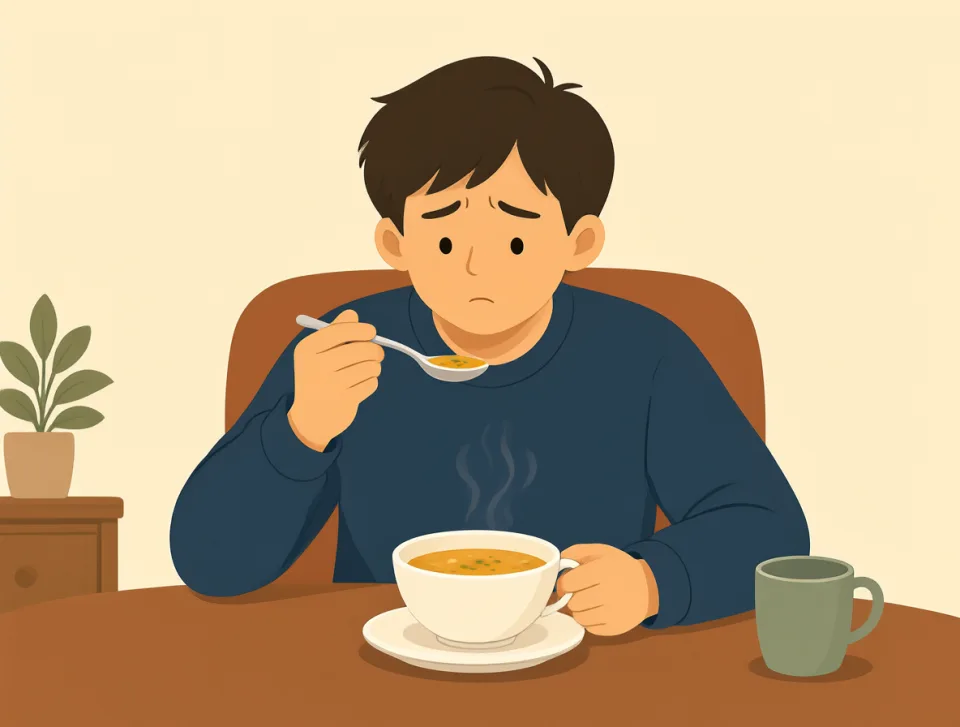
The soup is some better today.
الحساء أفضل قليلًا اليوم.
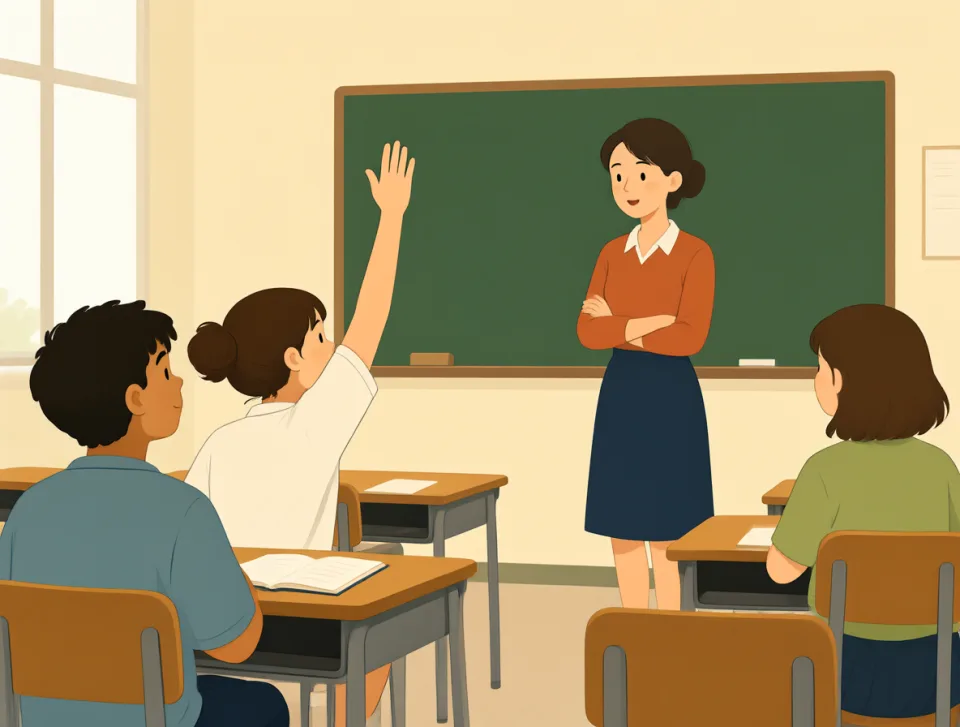
other
#54adjective, pronoun, determiner
آخر
Different from the one or ones already mentioned or known.
مختلف عن الشيء أو الأشياء التي ذُكرت أو عُرفت من قبل.
Do you have any other questions?
هل لديك أي أسئلة أخرى؟
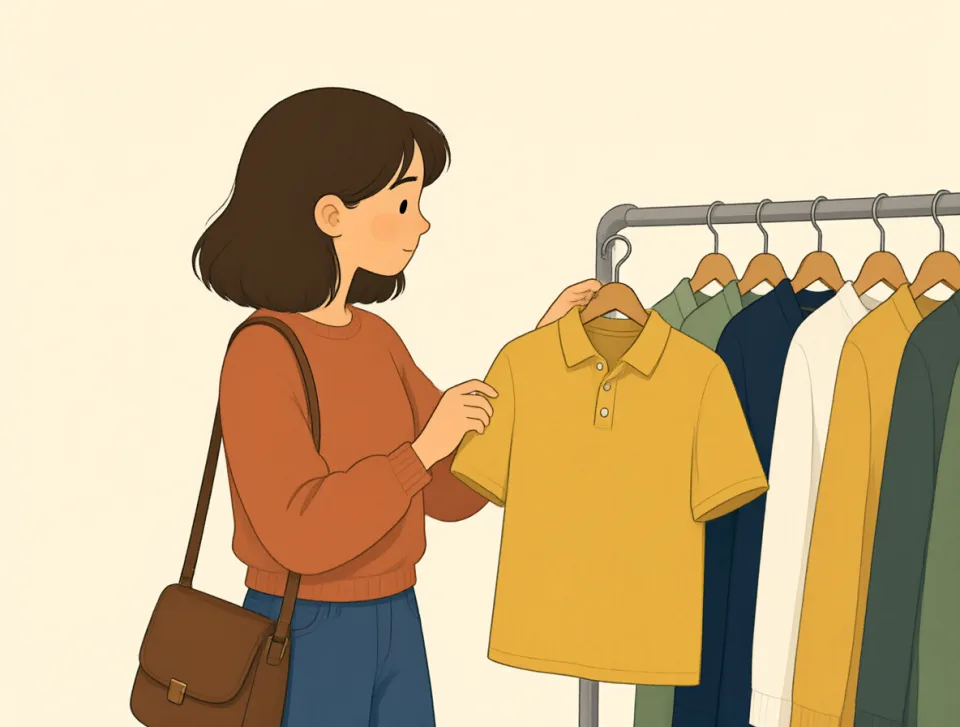
I chose the other shirt.
اخترت القميص الآخر.
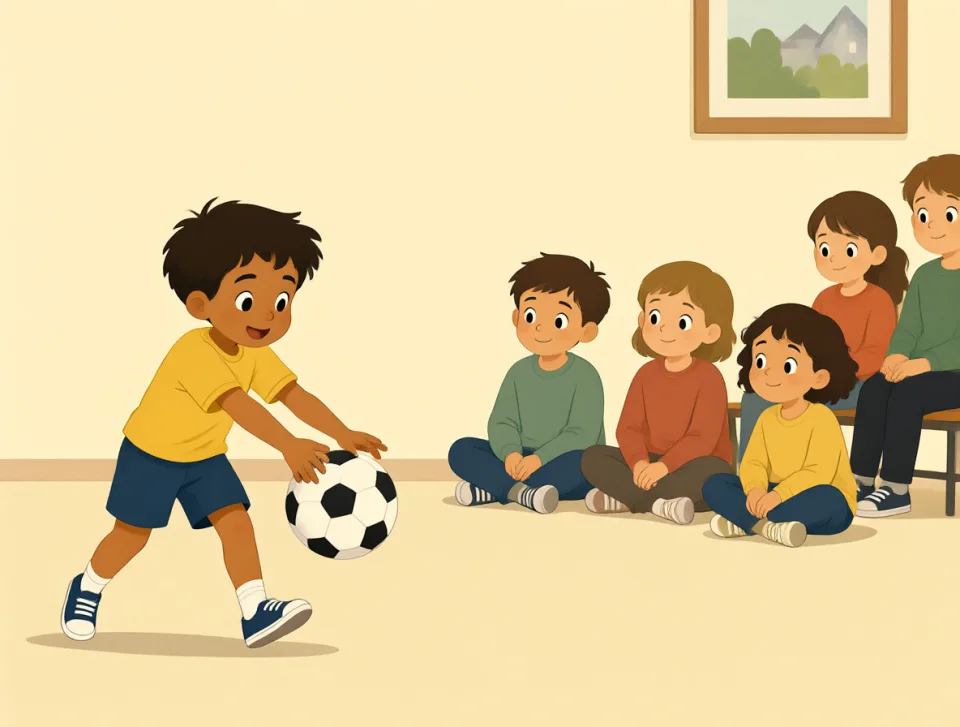
Some children played; the others watched.
لعب بعض الأطفال، بينما شاهد الآخرون.
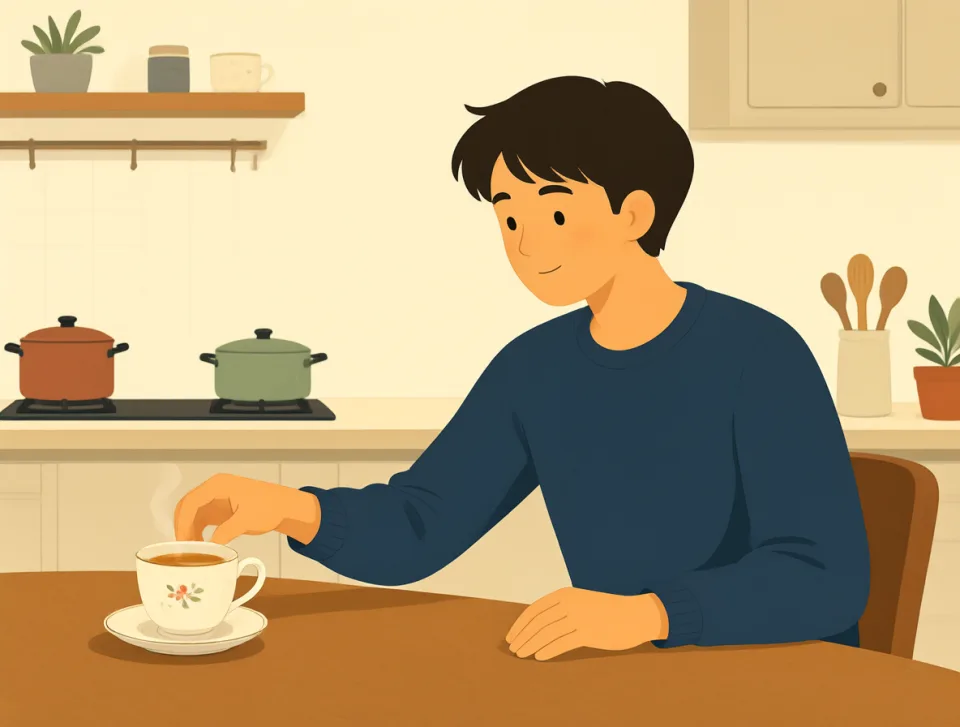
Can I have another cup of tea?
هل يمكنني الحصول على كوب آخر من الشاي؟
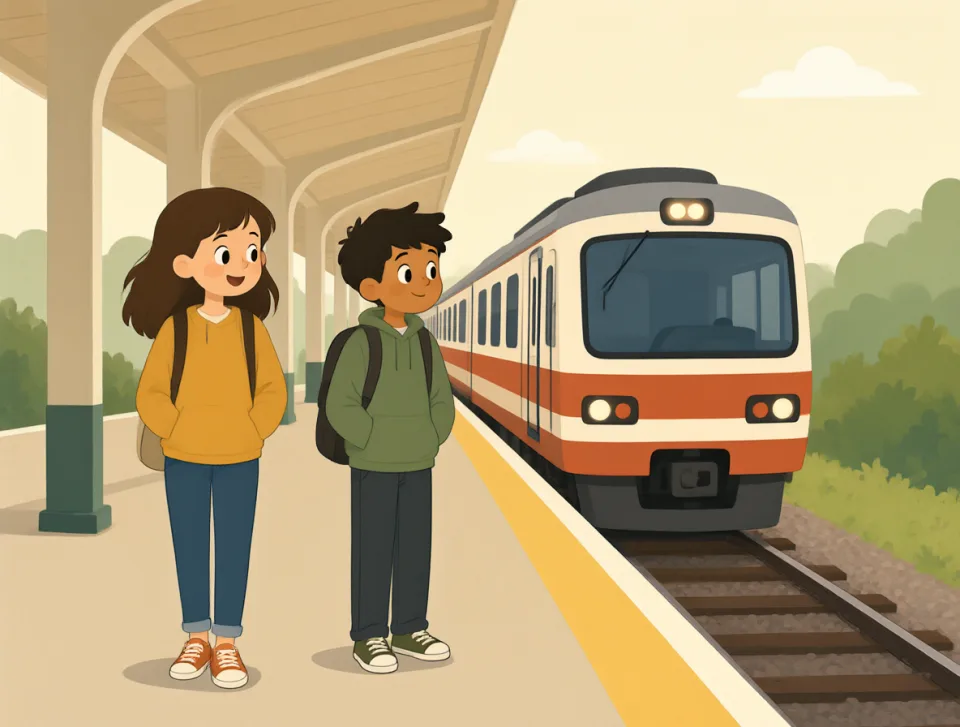
We took the other train home.
استقللنا القطار الآخر للعودة إلى المنزل.
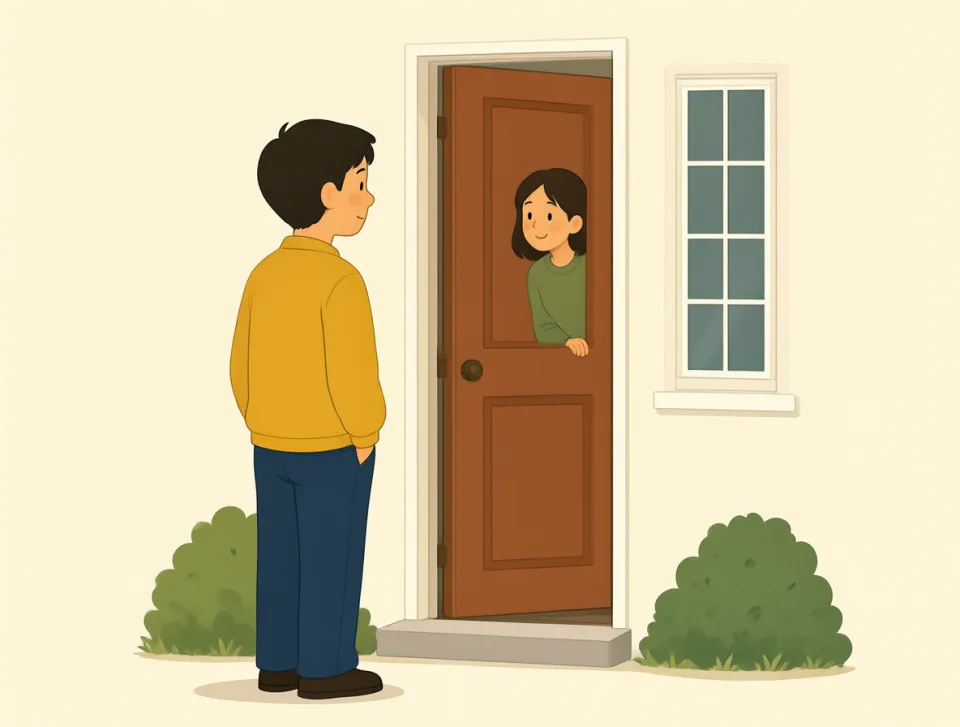
out
#55adverb, preposition, adjective, noun
إلى الخارج
Away from a place, inside, or usual state; or not working or available.
بعيدًا عن مكان أو عن الداخل أو عن الحالة المعتادة؛ وقد تعني أيضًا أن شيئًا ما لا يعمل أو غير متاح.
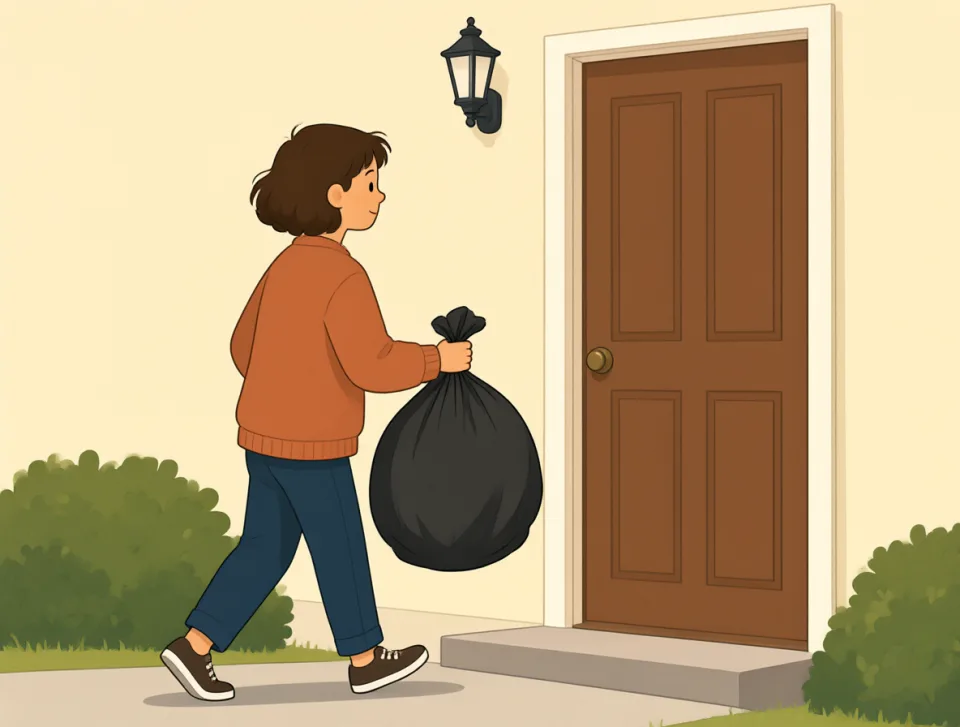
Please take the trash out tonight.
يُرجى إخراج القمامة هذه الليلة.
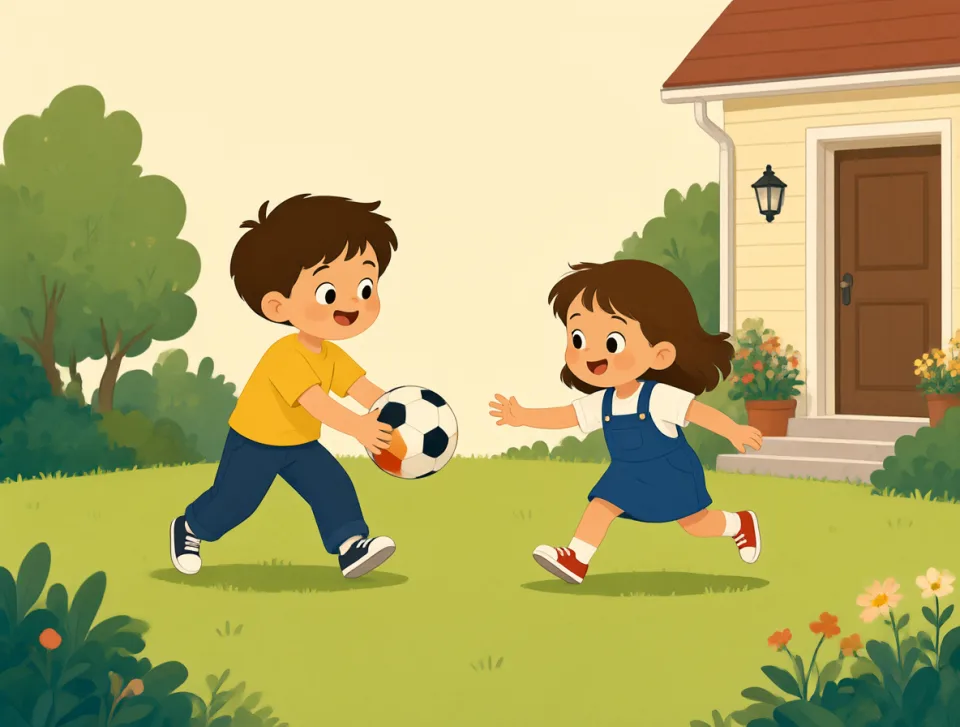
The children are playing out in the garden.
يلعب الأطفال في الخارج في الحديقة.
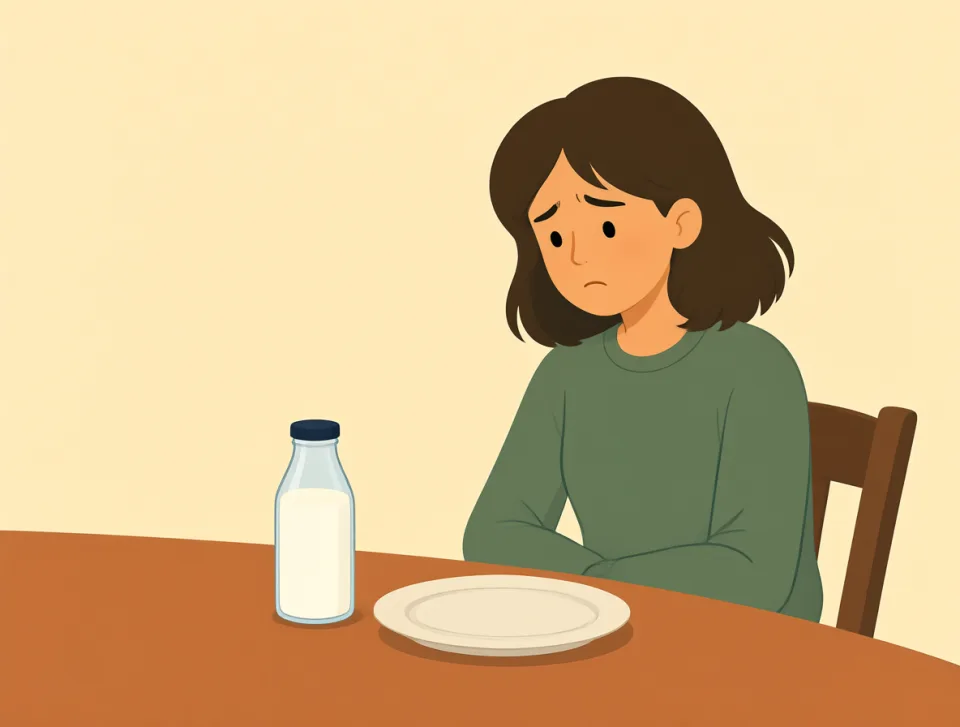
We ran out of milk this morning.
نفد الحليب هذا الصباح.
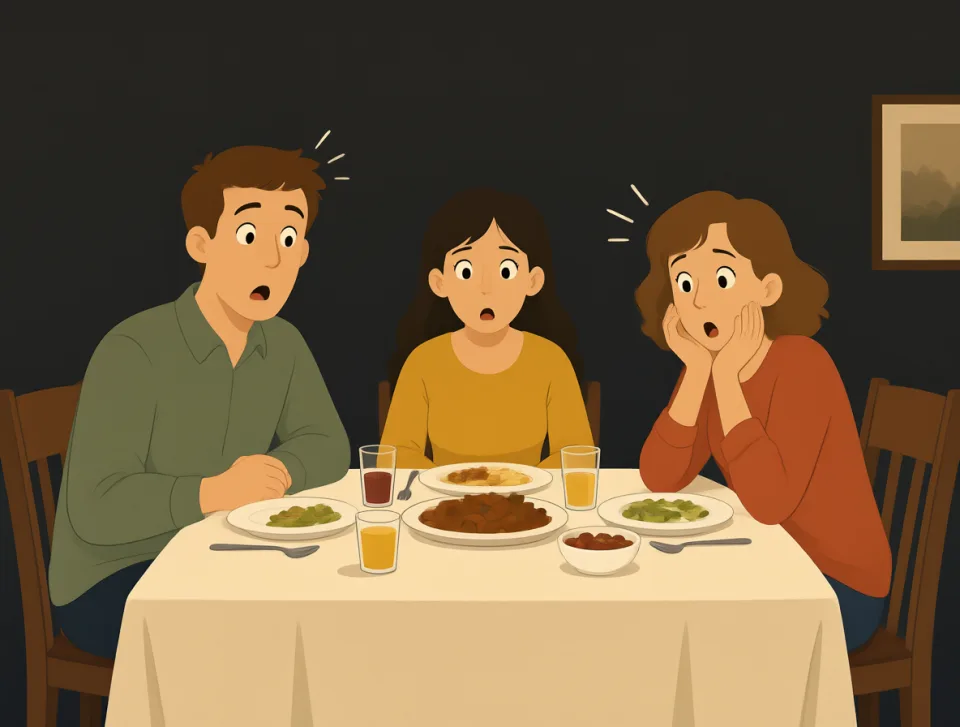
The lights went out during dinner.
انطفأت الأنوار أثناء العشاء.

She is out with friends tonight.
هي خارج المنزل مع أصدقائها الليلة.
good
#56adjective, noun, adverb
جيد
Pleasant, useful, or of a high quality; used to show approval.
ممتع أو مفيد أو عالي الجودة؛ تُستخدم للتعبير عن الاستحسان.
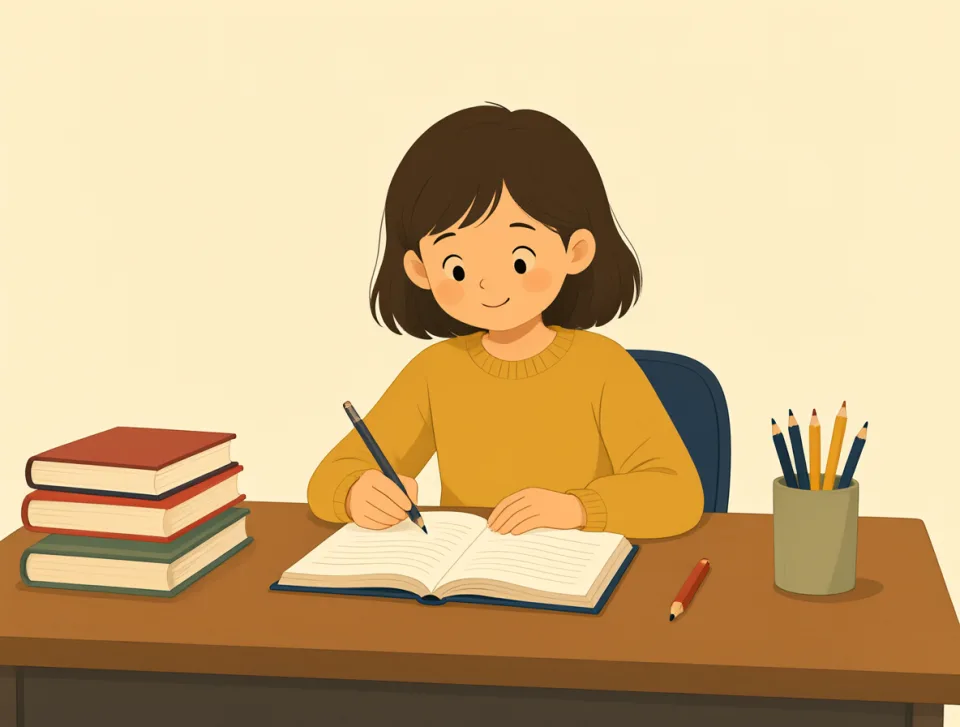
She is a good student.
إنها طالبة جيدة.
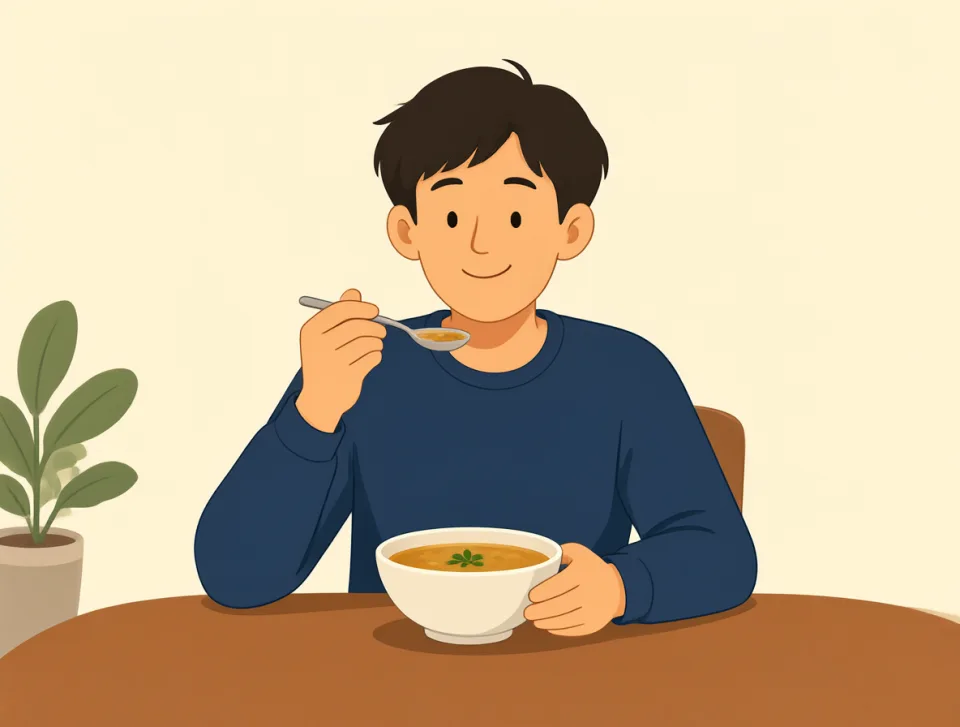
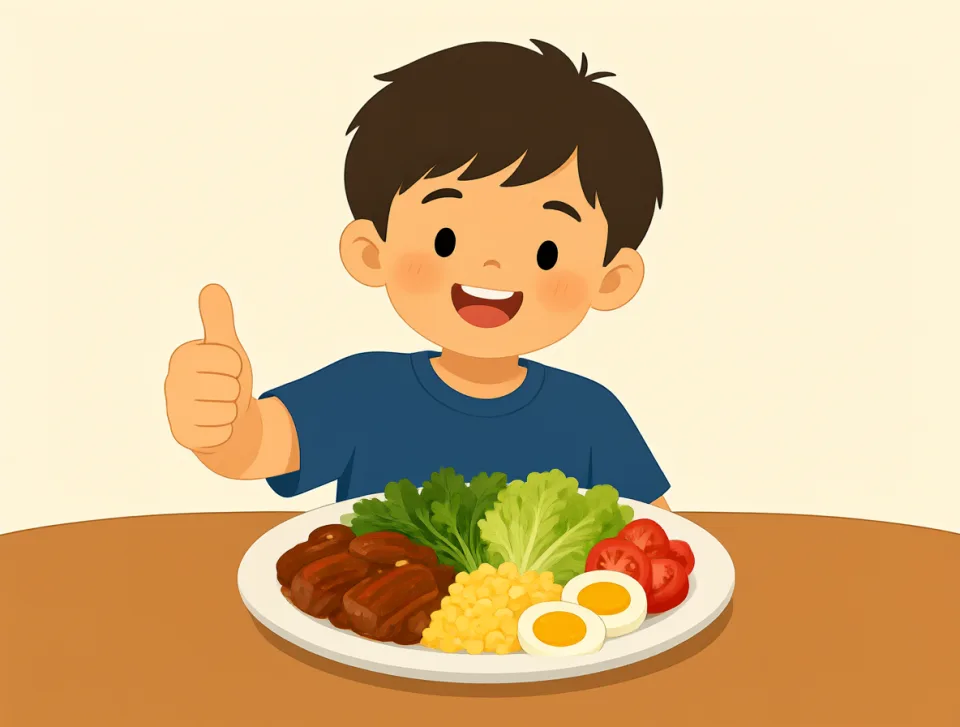
This soup tastes really good.
مذاق هذا الحساء جيد جدًا.

We had a good time together.
قضينا وقتًا ممتعًا معًا.

The doctor said my heart is good.
قال الطبيب إن قلبي سليم.
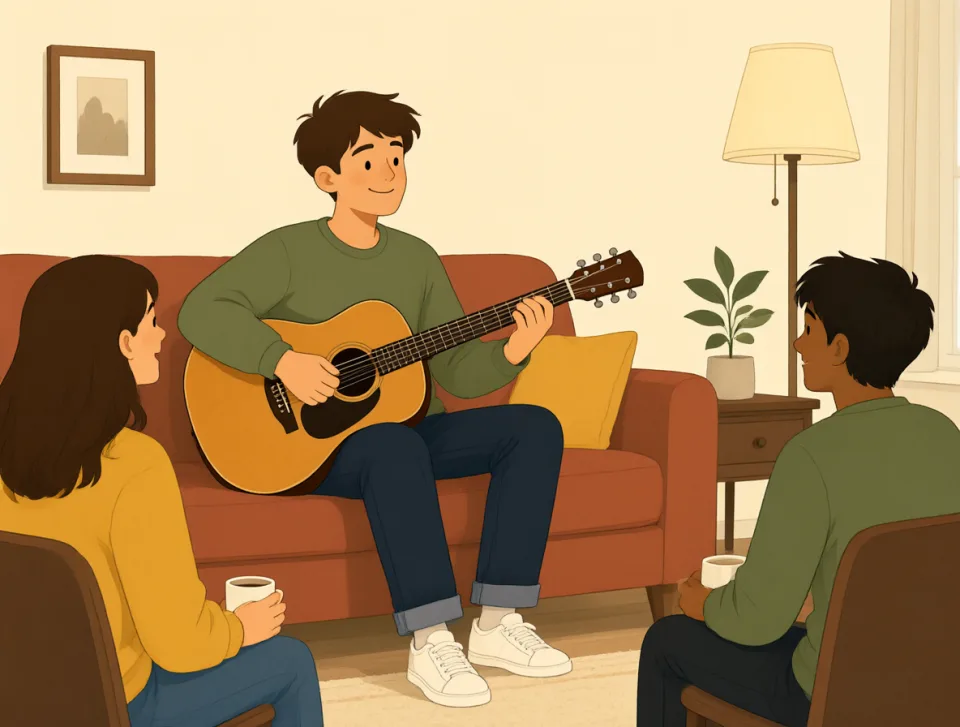
He plays the guitar very well.
إنه يعزف على الغيتار بشكل جيد جدًا.
people
#57noun
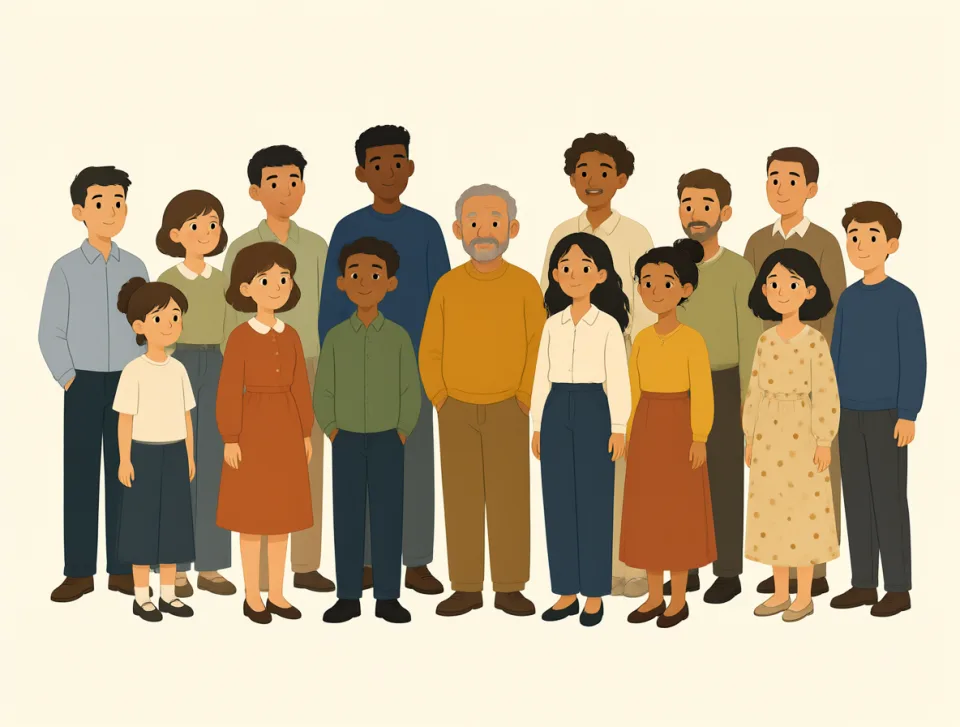
الناس
Human beings in general, or a group of human beings.
البشر عمومًا، أو مجموعة من البشر.
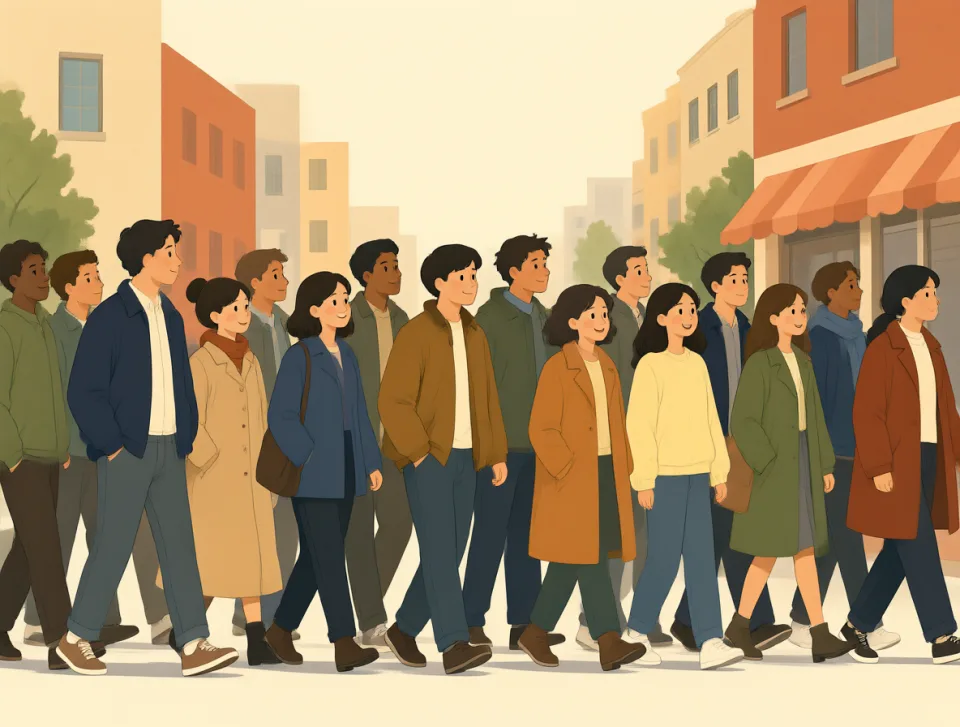
Many people live in this city.
يعيش كثير من الناس في هذه المدينة.
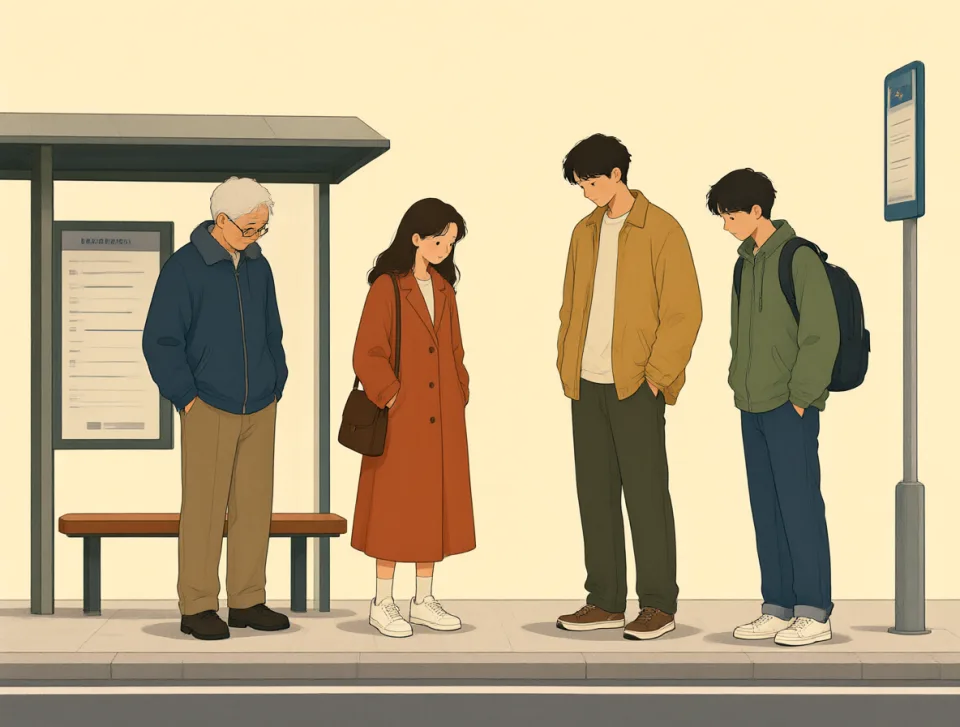
People are waiting for the bus.
ينتظر الناس الحافلة.
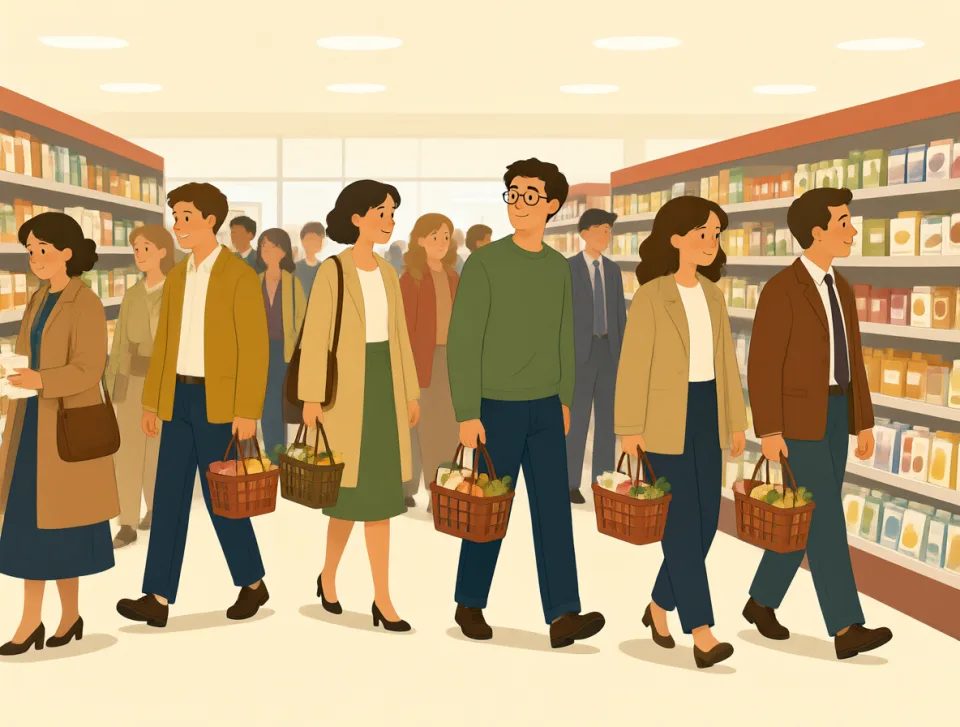
The shop was full of people.
كان المتجر ممتلئًا بالناس.
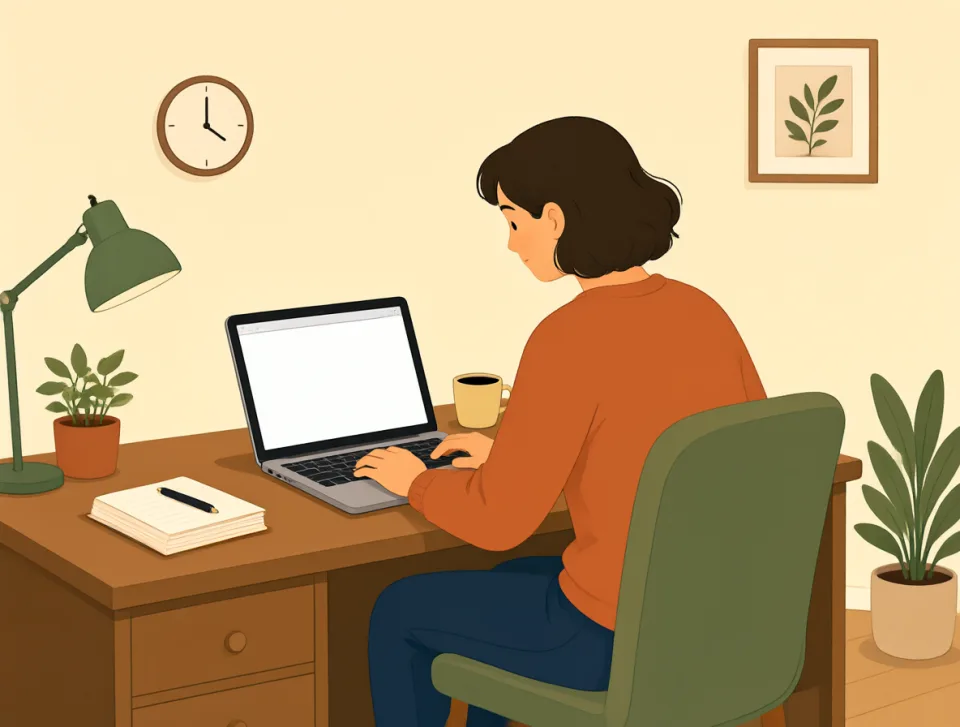
Some people work from home.
يعمل بعض الناس من المنزل.
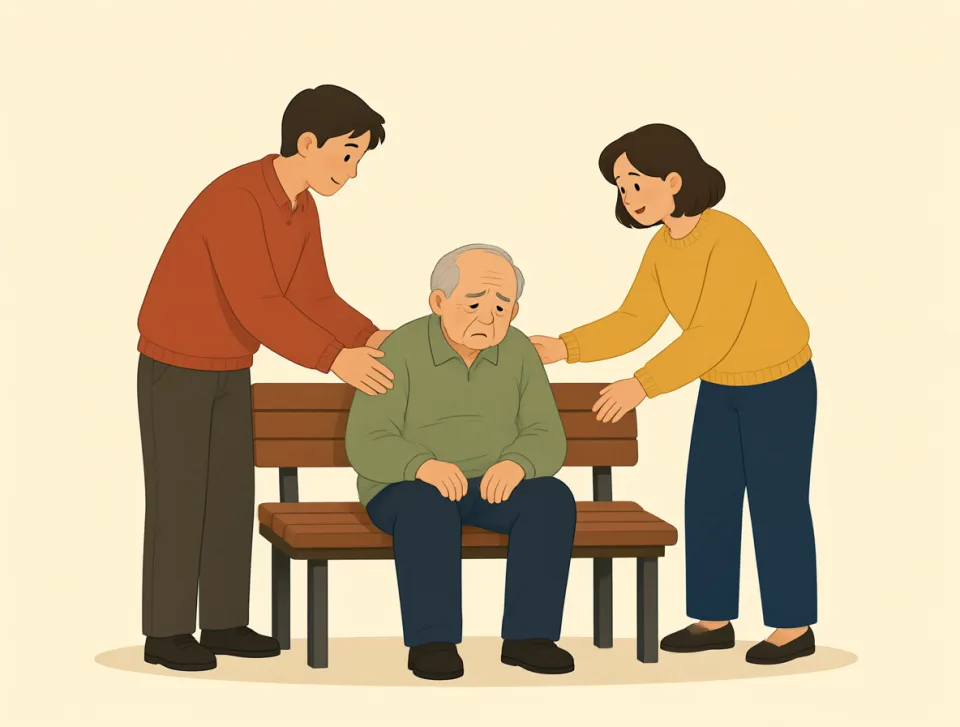
People helped the sick man.
ساعد الناس الرجل المريض.
year
#58noun
سنة
A period of twelve months, usually from January to December.
فترة مدتها اثنا عشر شهرًا، عادةً من يناير إلى ديسمبر.
I visit my family twice a year.
أزور عائلتي مرتين في السنة.
She started school last year.
بدأت المدرسة العام الماضي.
We lived there for three years.
عشنا هناك ثلاث سنوات.
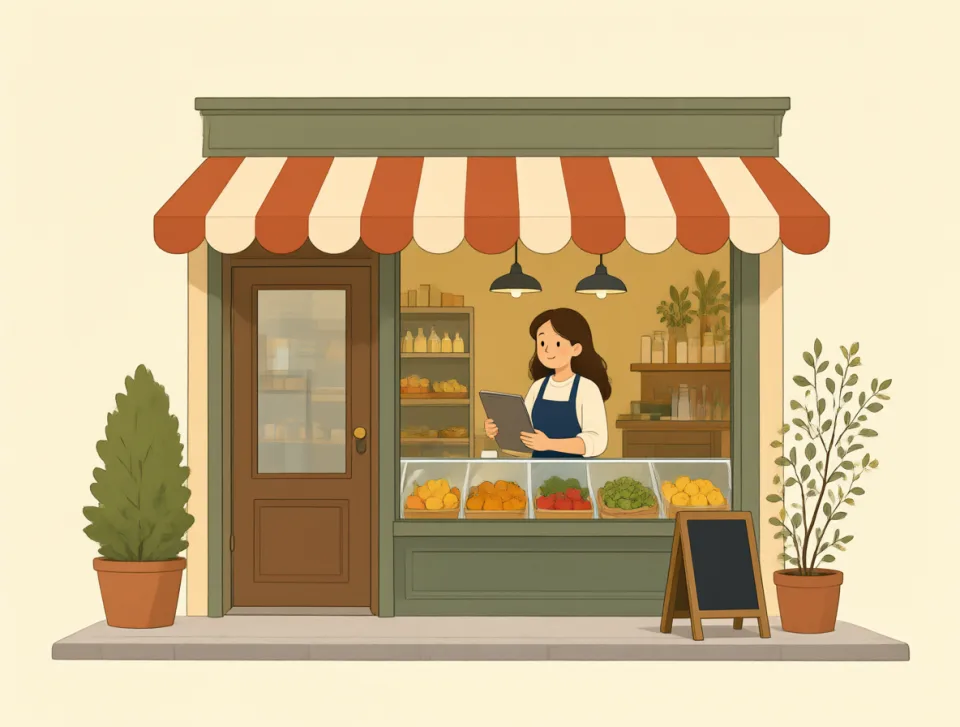
The shop opens every year in May.
يفتح المتجر أبوابه كل عام في مايو.
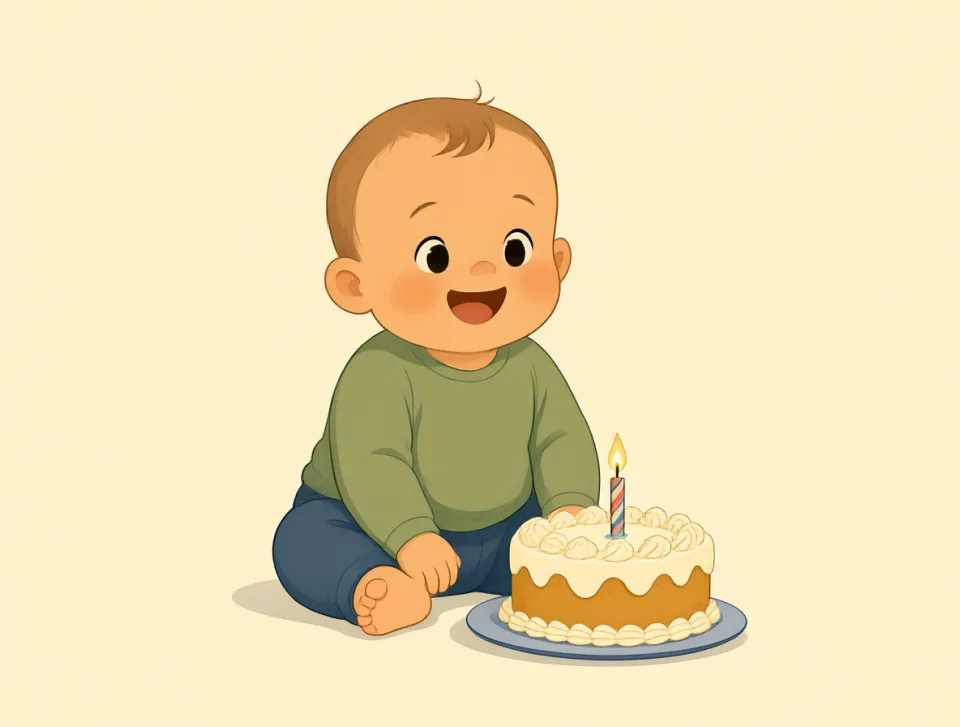
He is one year old today.
يبلغ عمره سنة واحدة اليوم.

take
#59verb, noun
يأخذ
To move something with you, use something, or do an action.
ينقل شيئًا معه، أو يستخدم شيئًا، أو يقوم بفعلٍ ما.
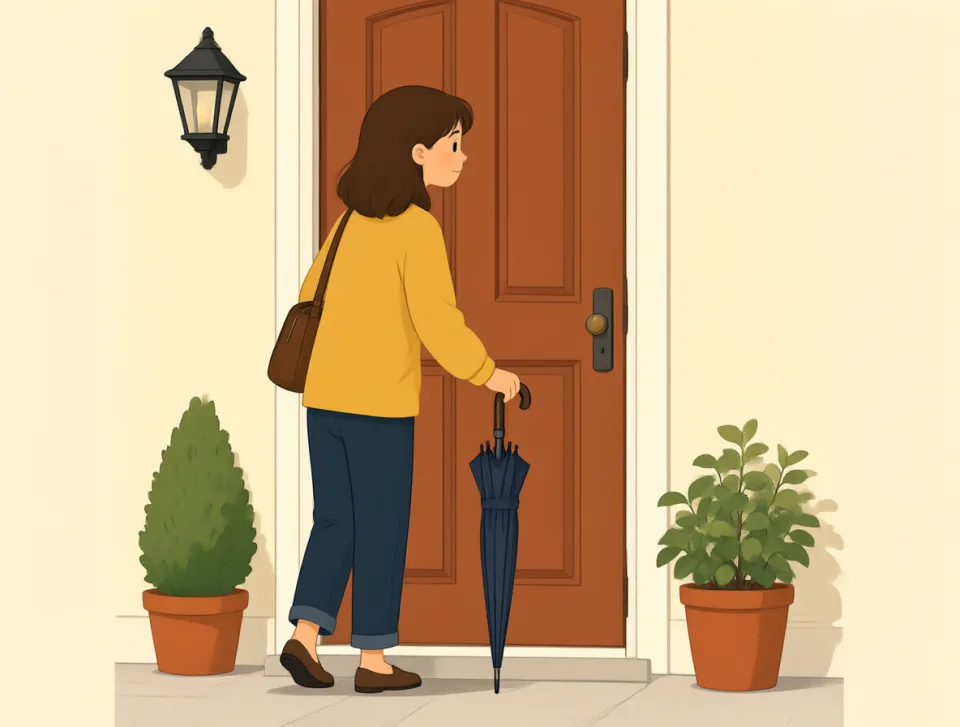
Please take an umbrella when you leave.
يرجى أخذ مظلة عند المغادرة.

I take the bus to work every day.
أستقل الحافلة إلى العمل كل يوم.

She took a photo of the mountains.
التقطت صورة للجبال.
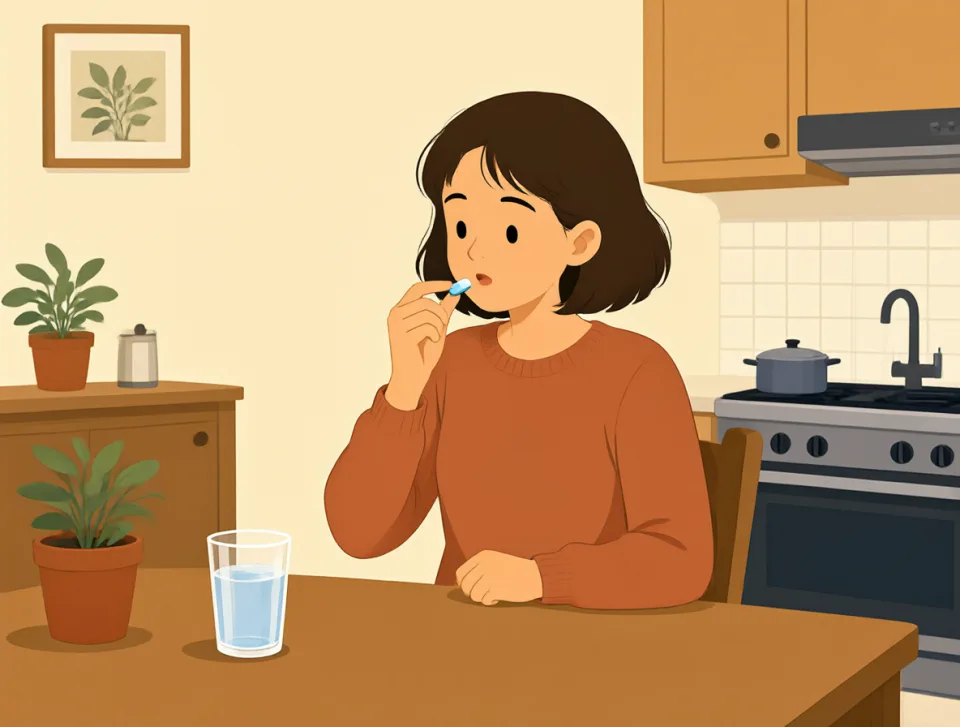
Take this medicine after breakfast.
تناول هذا الدواء بعد الإفطار.

We took a short break after lunch.
أخذنا استراحة قصيرة بعد الغداء.
no
#60determiner, adverb, noun
لا
Used to say that something is not available, allowed, or true.
تُستخدم للقول إن شيئًا ما غير متاح أو غير مسموح به أو غير صحيح.
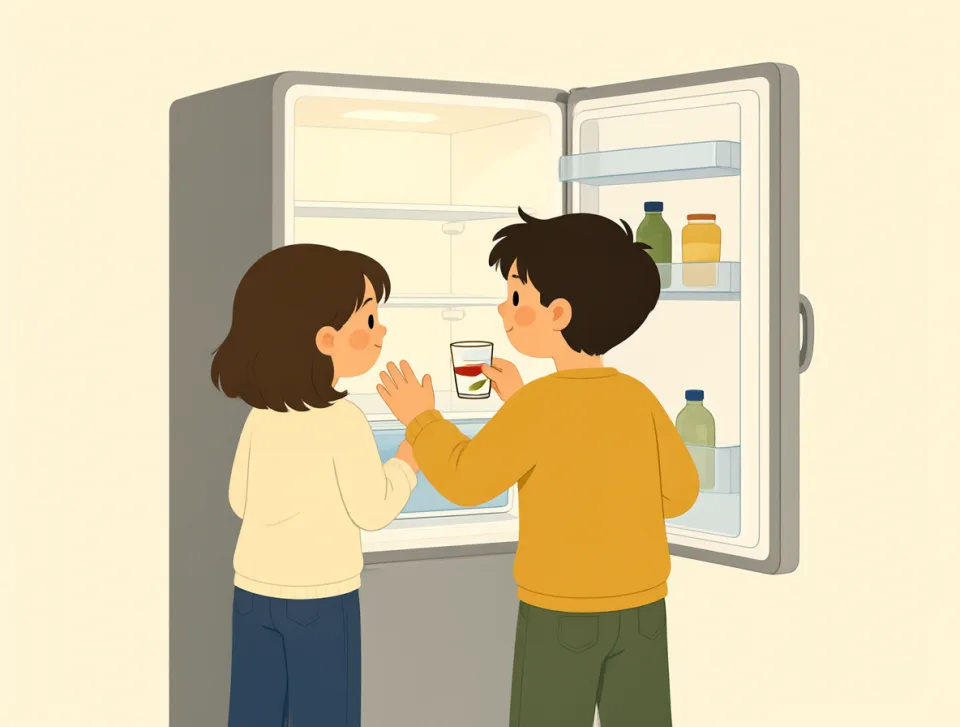
There is no milk in the fridge.
لا يوجد حليب في الثلاجة.
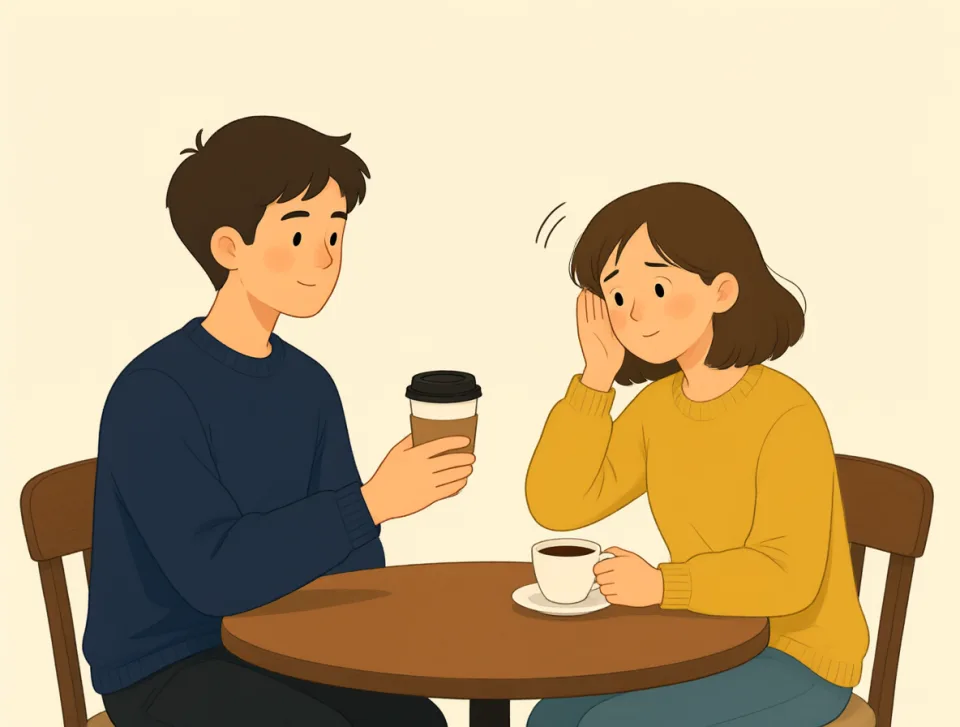
No, I don't want any coffee.
لا، لا أريد أي قهوة.

We have no homework tonight.
ليس لدينا واجب منزلي الليلة.
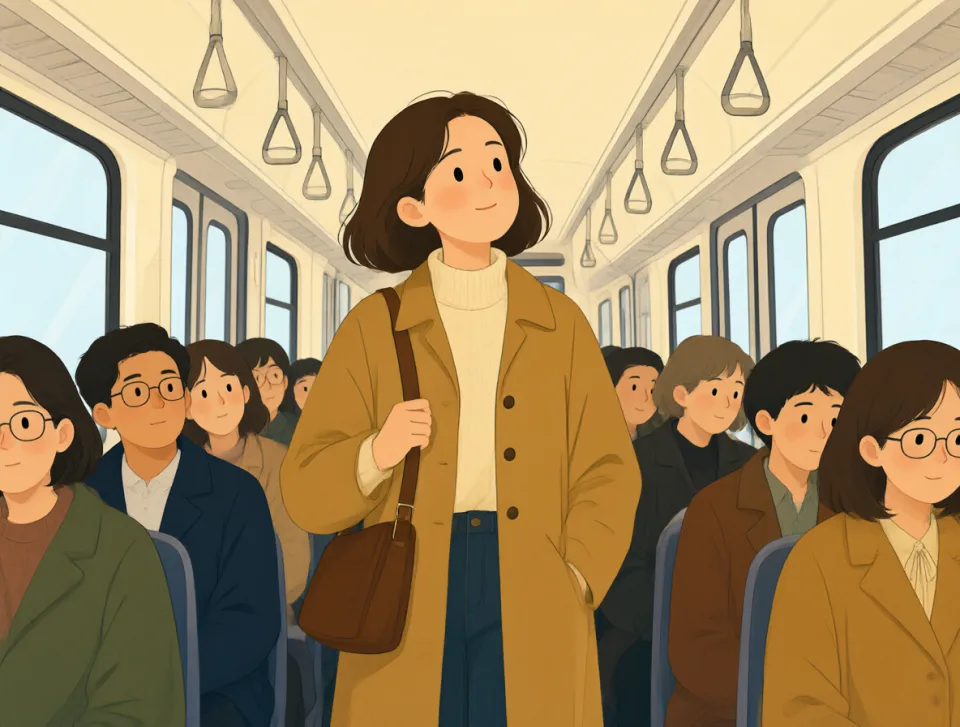
There were no seats on the train.
لم تكن هناك مقاعد في القطار.
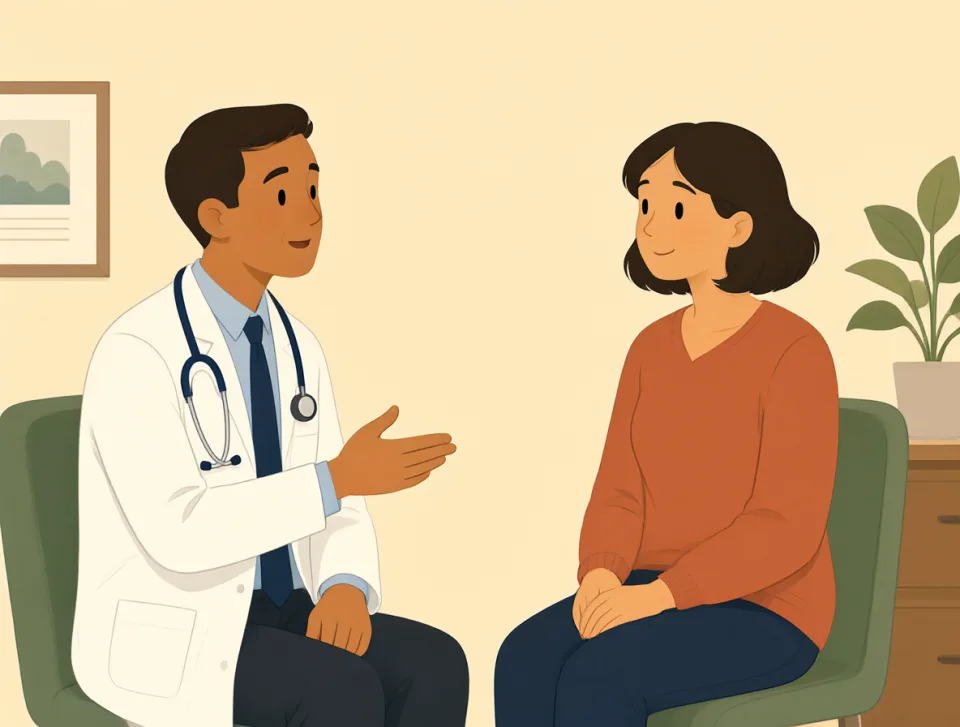
The doctor said no exercise for a week.
قال الطبيب: لا تمارسوا الرياضة لمدة أسبوع.