第 3 单元
第 41–60 个单词 · know, more, get, who, like, when

know
#41verb
知道;了解
to have information about someone or something in your mind
在头脑中掌握有关某人或某事的信息
I know the answer to this question.
我知道这道题的答案。

Do you know where my keys are?
你知道我的钥匙在哪儿吗?
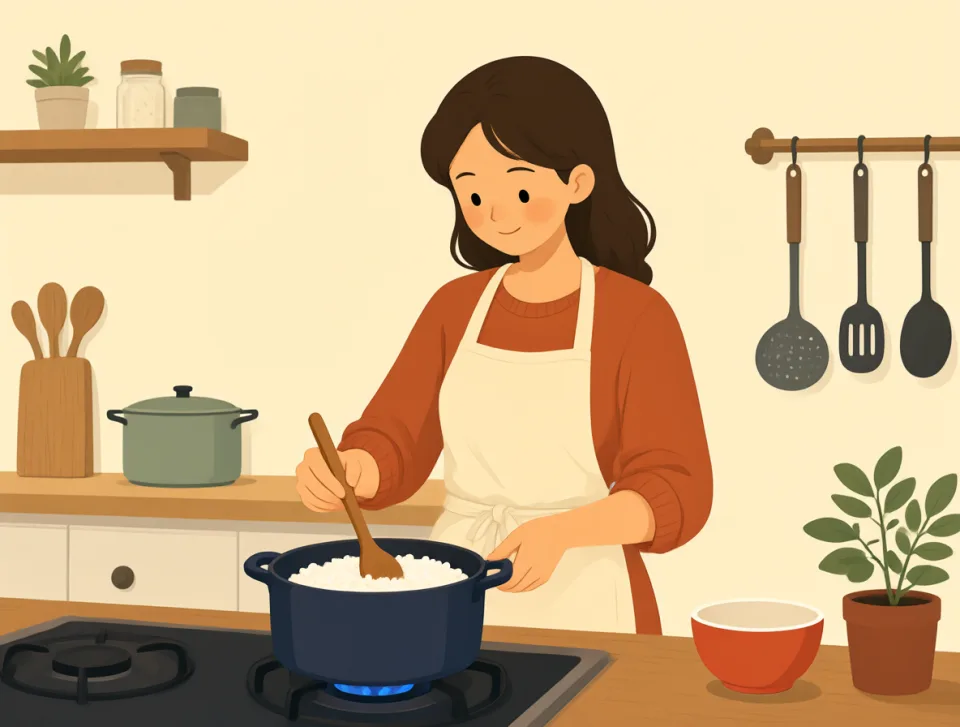
She knows how to cook rice.
她知道怎么做米饭。

We knew the shop was closed.
我们知道那家店关门了。

He knows many people at work.
他在工作中认识很多人。

more
#42determiner, pronoun, adverb, adjective, noun
更多;额外的
A greater amount, number, or degree than before or than someone else has.
比之前或别人拥有的数量、数目或程度更大。
I need more time to finish this.
我需要更多时间来完成这件事。

Would you like more coffee?
你还要喝点咖啡吗?

She has more books than I do.
她的书比我的多。

Please speak more slowly.
请说得慢一点。
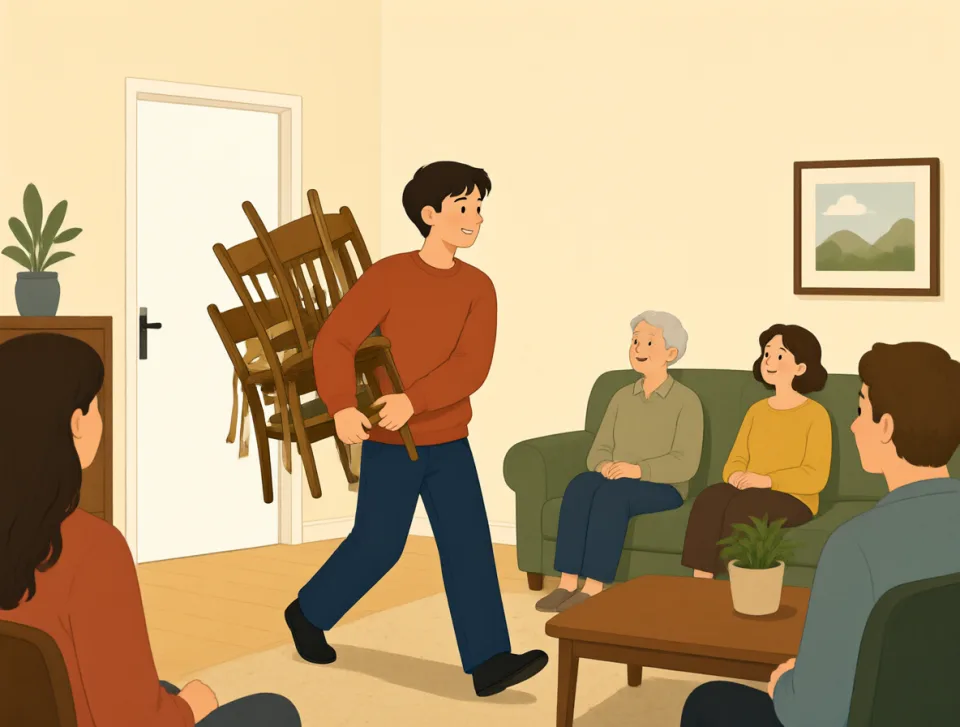
We need more chairs for our guests.
我们需要更多椅子给客人坐。
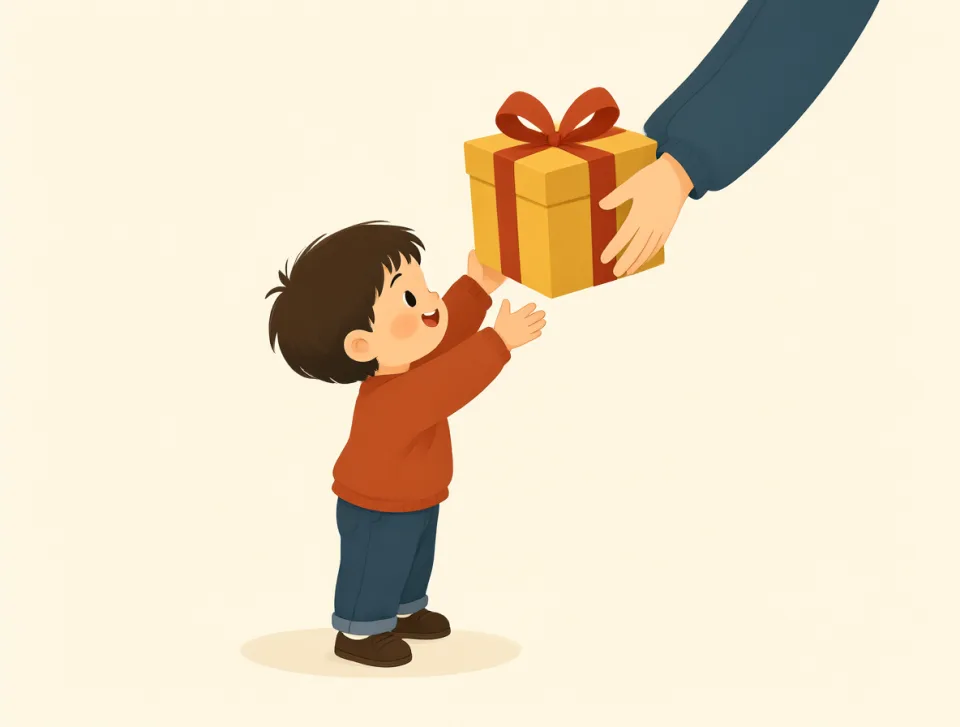
get
#43verb, noun
得到;获得;变得;到达
to receive, obtain, become, or move to a place
收到、获得、变得或移动到某个地方

I get up at seven every morning.
我每天早上七点起床。

She got a new job last week.
她上周找到了一份新工作。

Please get some milk from the store.
请从商店买些牛奶回来。

We got home late after the trip.
旅行结束后,我们很晚才到家。

He got sick after eating bad food.
他吃了变质的食物后生病了。
who
#44pronoun
谁;哪一个人
Used to ask or say which person or people you mean.
用于询问或说明你指的是哪一个人或哪些人。
Who is your best friend?
谁是你最好的朋友?
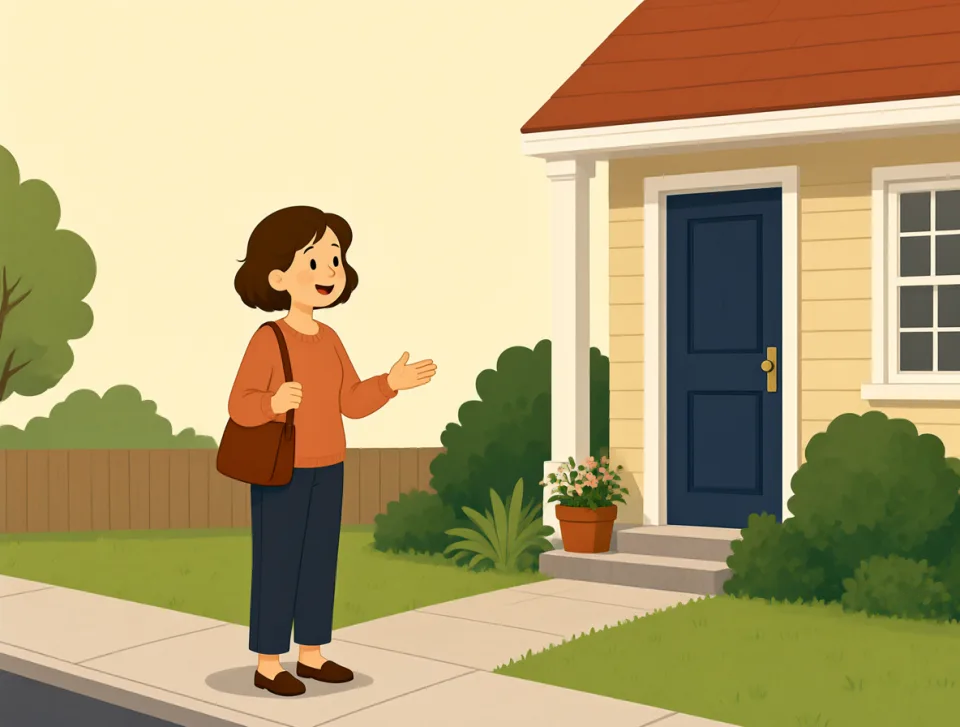
The woman who lives next door is kind.
住在隔壁的那位女士很善良。
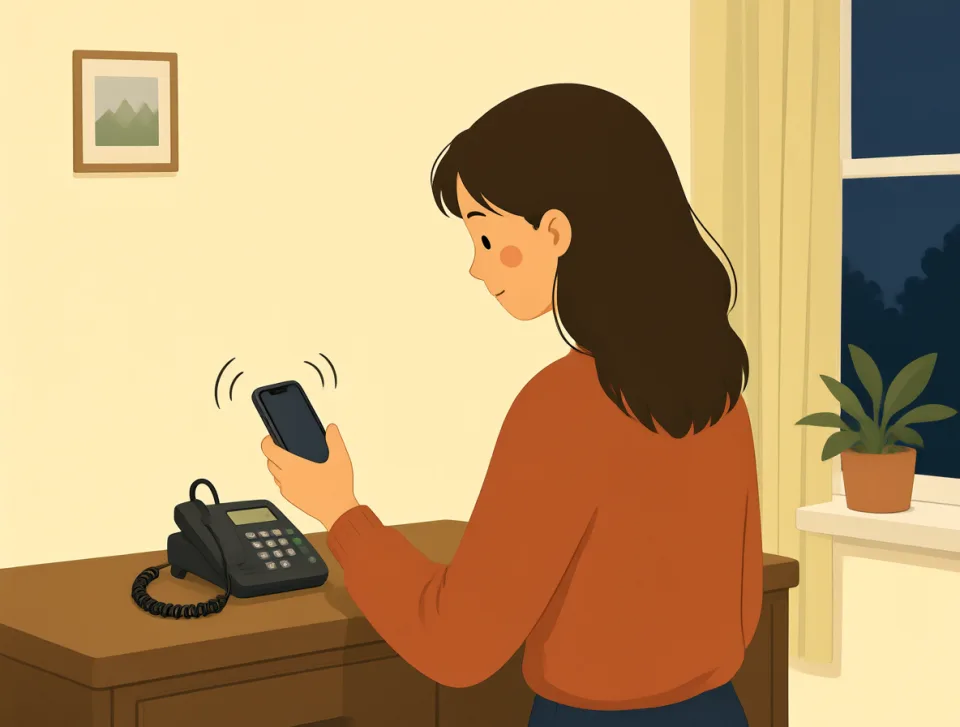
Who called you last night?
昨晚谁给你打电话了?

I know who can help us.
我知道谁能帮助我们。

The doctor asked who felt sick.
医生问谁感觉不舒服。
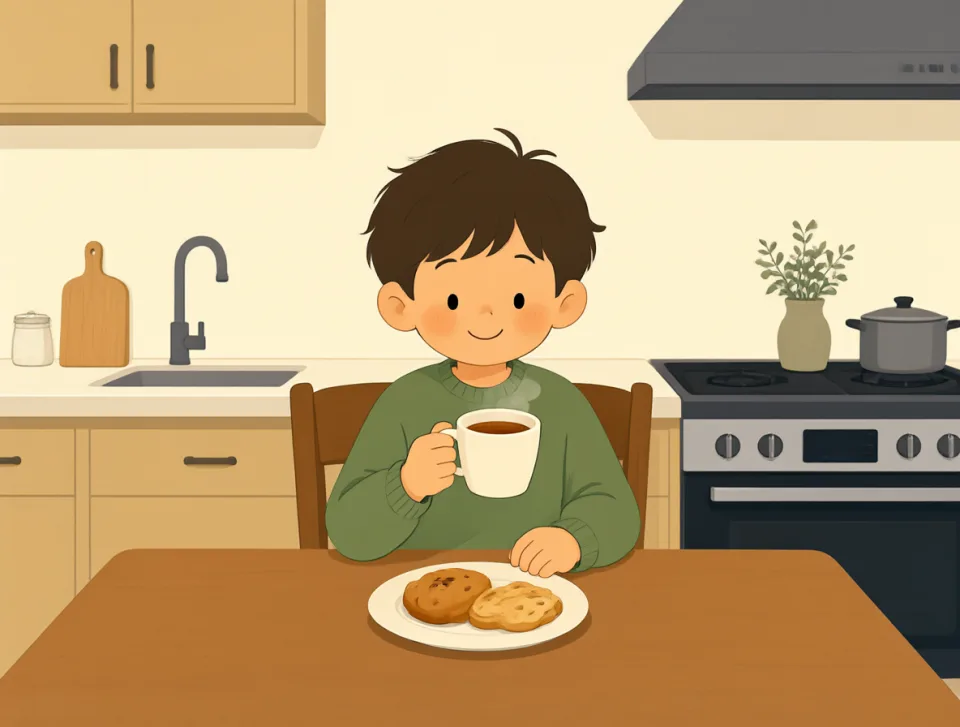
like
#45verb, preposition
喜欢;想要;像
To enjoy, want politely, or show that two things are similar.
喜欢、礼貌地表示想要,或表示两样东西相似。
I like tea with breakfast.
我喜欢早餐时喝茶。
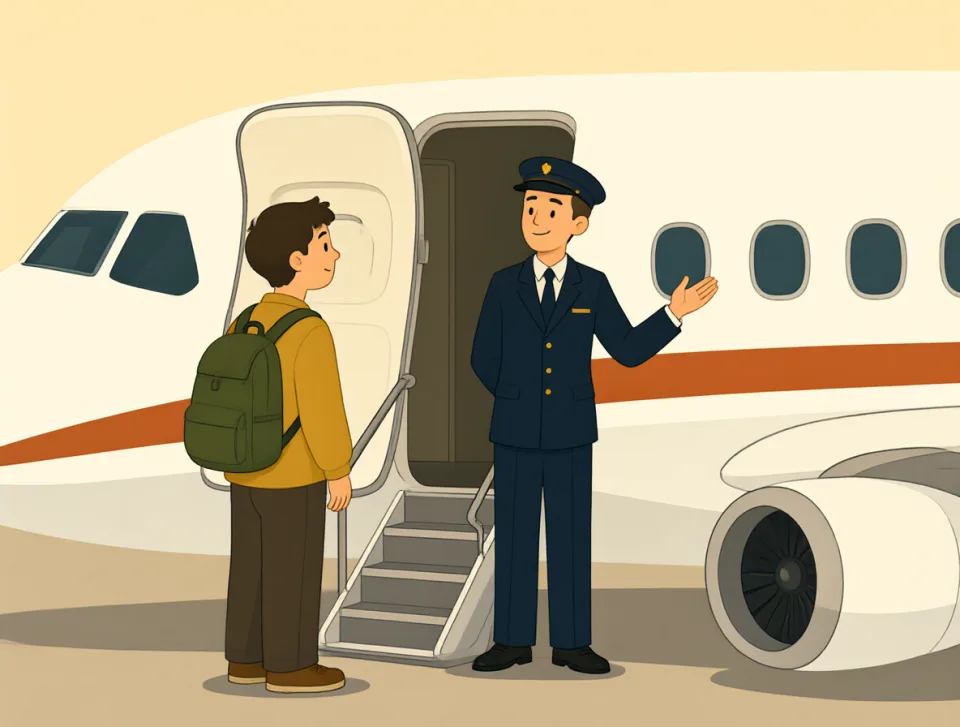
Would you like a window seat?
您想要靠窗的座位吗?

She looks like her mother.
她长得像她妈妈。
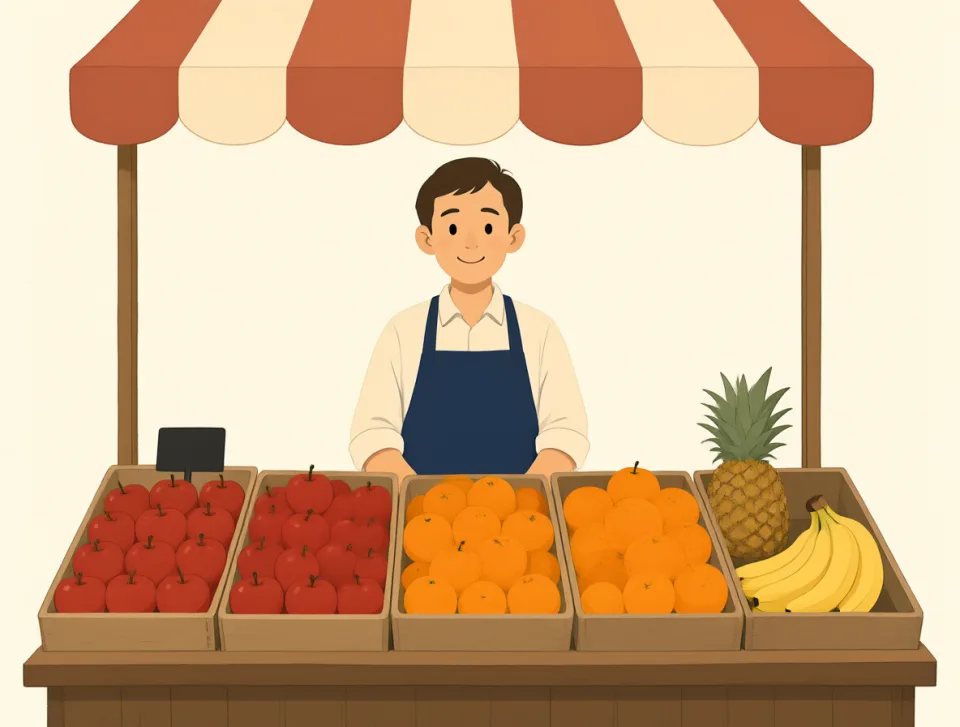
We sell fruit like apples and oranges.
我们卖苹果、橙子之类的水果。

He swims like a fish.
他游起泳来像条鱼。
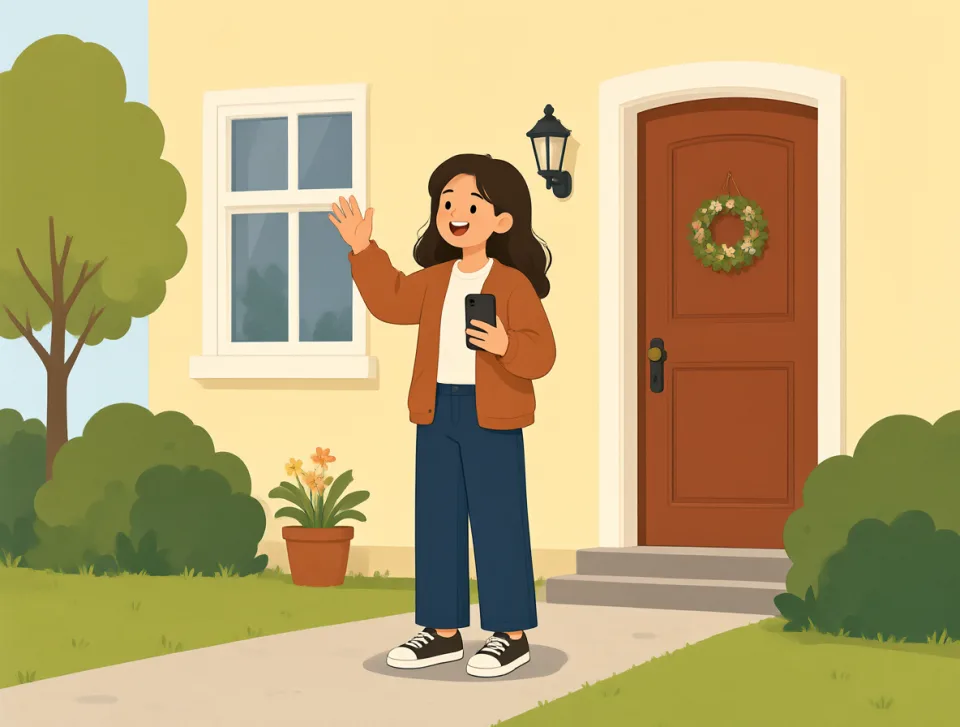
when
#46adverb, conjunction, pronoun, determiner
当……时;什么时候
At or during the time that something happens
在某事发生的时候或期间
Call me when you get home.
你到家后给我打电话。

When I was young, I played outside.
我小时候常在外面玩。

Tell me when the meeting starts.
会议什么时候开始,告诉我一声。

I smile when I see my friends.
我看到朋友们就会笑。

When did you buy this shirt?
你什么时候买的这件衬衫?

think
#47verb, noun
想;认为;思考
to use your mind to consider something or form an opinion
用脑子考虑某件事或形成看法

I think this is a good idea.
我觉得这是个好主意。

What do you think about this dress?
你觉得这条裙子怎么样?
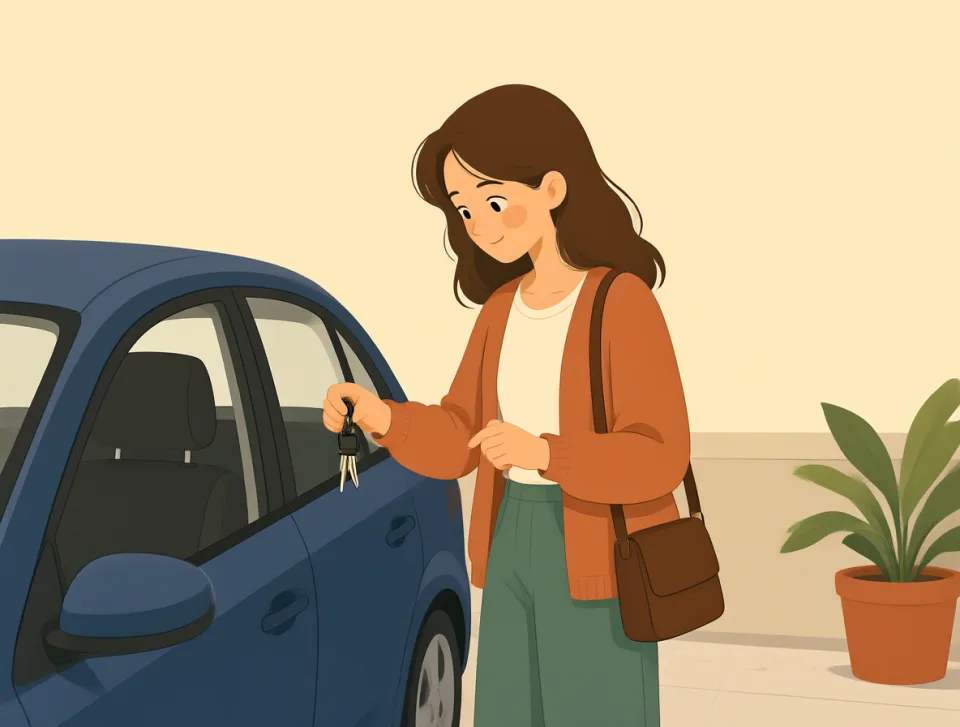
She thinks her keys are in the car.
她觉得她的钥匙在车里。

I was thinking about our holiday.
我那时在想着我们的假期。

Let me think before I answer.
让我想一想再回答。
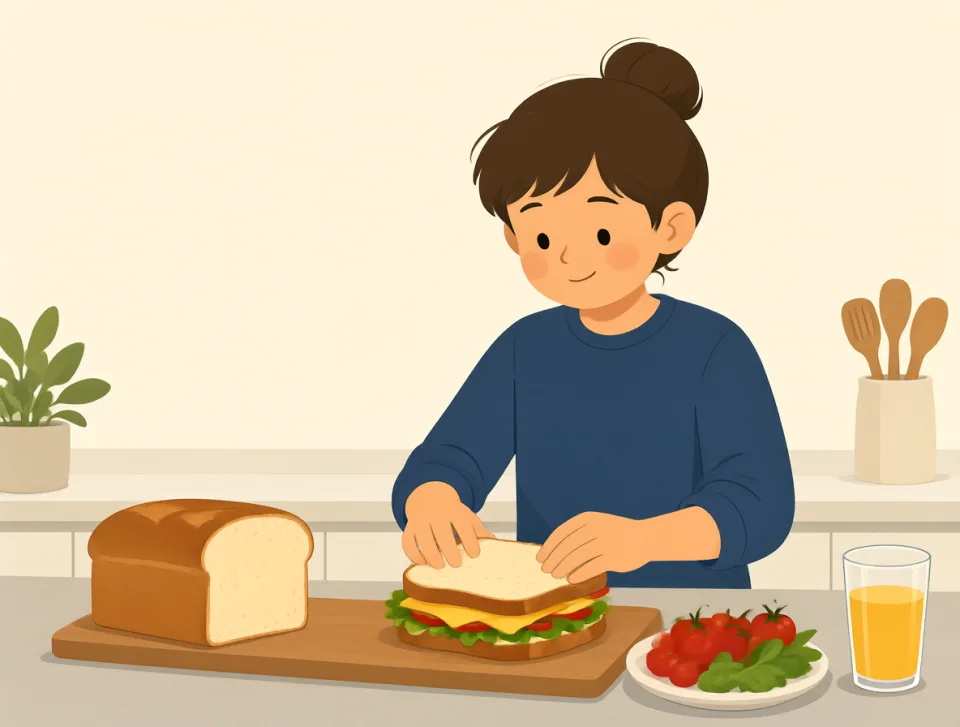
make
#48verb, noun
做;制作;安排;使
to create, prepare, cause, or choose something
创造、准备、引起或选择某样东西
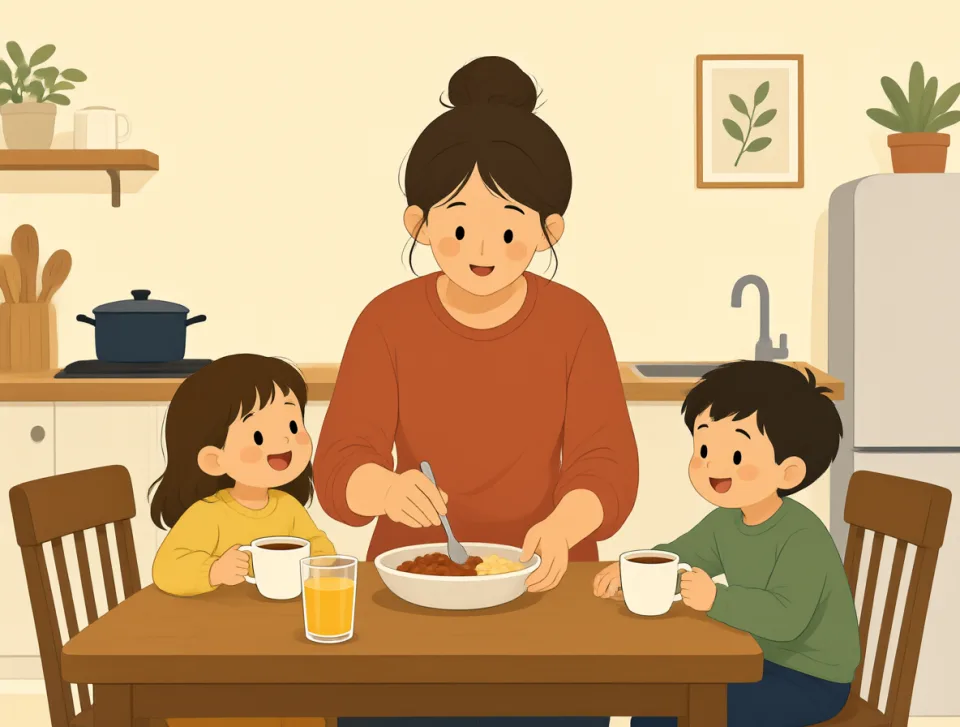
I make breakfast for my family every morning.
我每天早上都为家人做早餐。
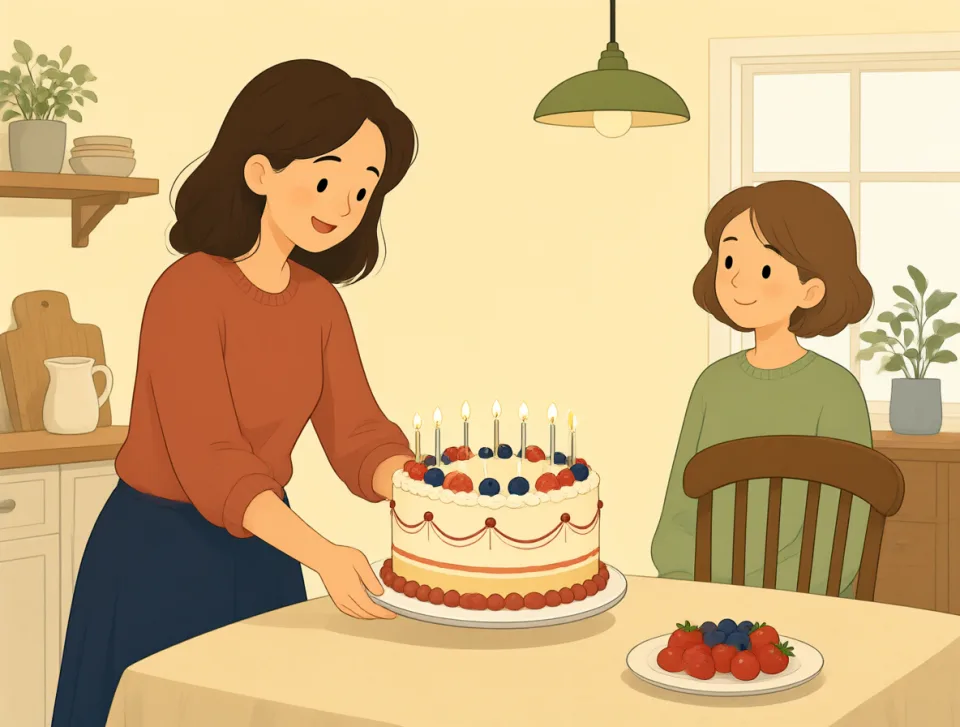
She made a cake for her friend.
她为朋友做了一个蛋糕。

Please make an appointment with the doctor.
请预约看医生。

This shirt makes me feel comfortable.
这件衬衫让我觉得很舒服。

We made a plan for our trip.
我们为这次旅行制订了计划。

time
#49noun, verb
时间;次数
A particular moment or period, or the number of occasions something happens.
某个特定的时刻或一段时间,或者某件事发生的次数。
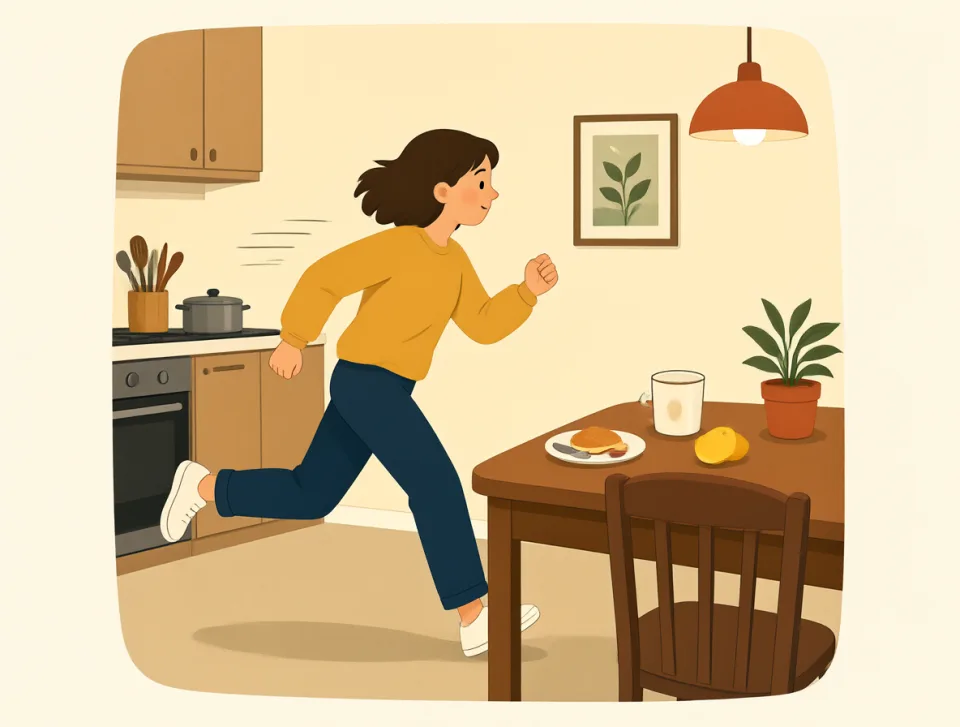
I do not have time for breakfast.
我没时间吃早饭。
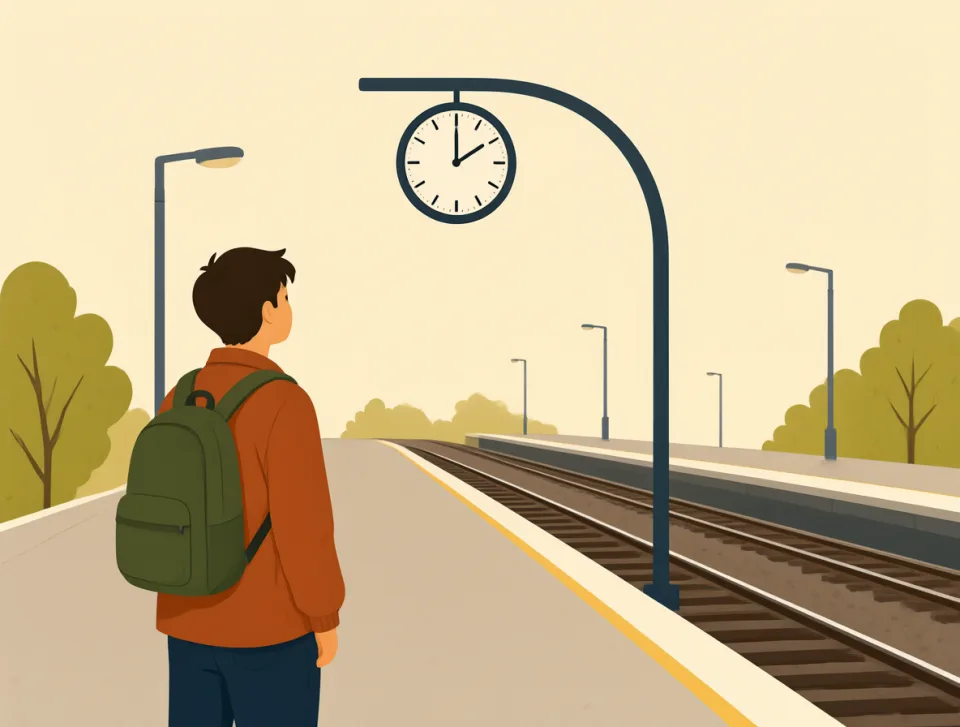
What time does the train leave?
火车几点出发?

We visited that museum three times.
我们去过那家博物馆三次。

She had a good time at the party.
她在派对上玩得很开心。
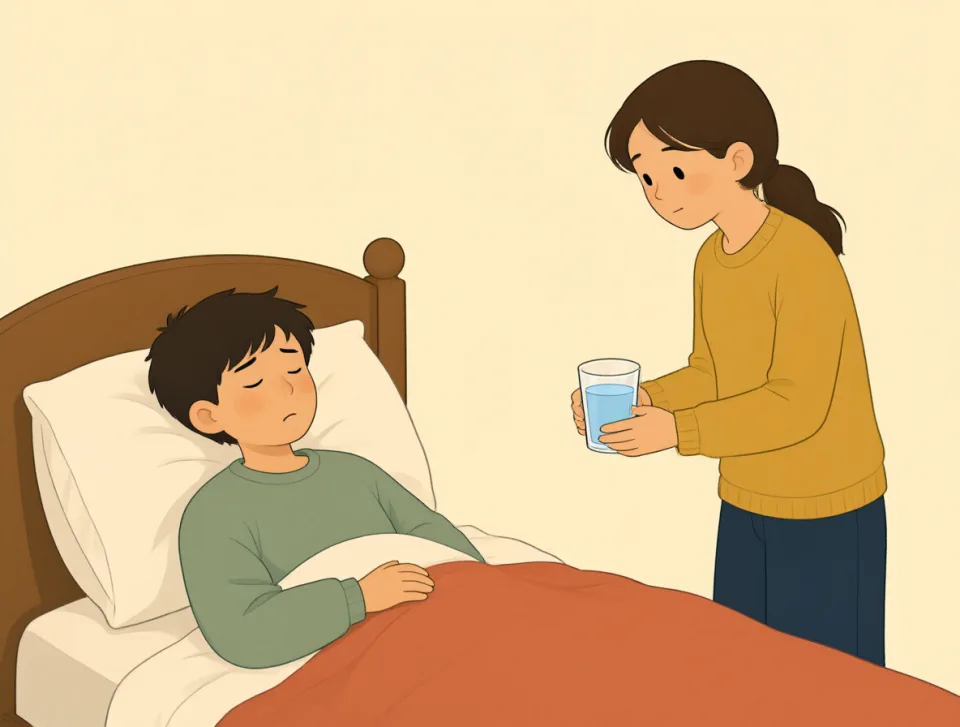
It takes time to feel better.
好起来需要时间。
see
#50verb
看见;看到;看望;明白
to notice someone or something with your eyes
用眼睛注意到某人或某物
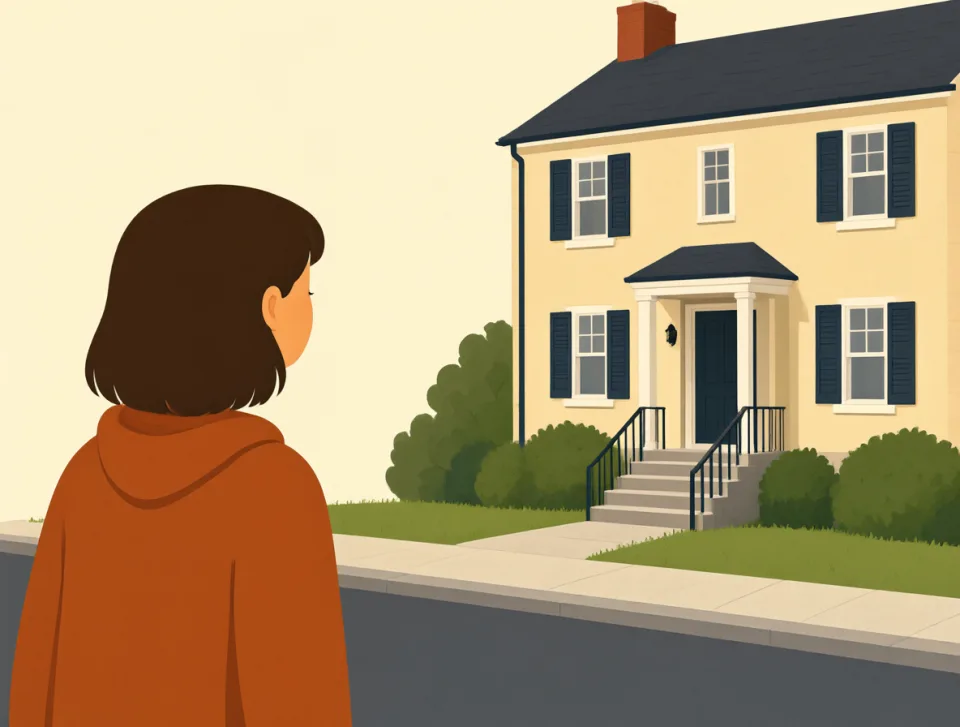
I can see your house from here.
我从这里能看见你家。

Did you see Tom at school today?
你今天在学校看见Tom了吗?

We saw a movie after dinner.
晚饭后我们看了一部电影。

She sees the doctor every Monday.
她每周一都去看医生。

I see what you mean now.
我现在明白你的意思了。
what
#51pronoun, determiner
什么;什么样的
Used to ask about a thing, choice, or information.
用于询问某件事、某种选择或相关信息。
What do you want for dinner?
晚饭你想吃什么?
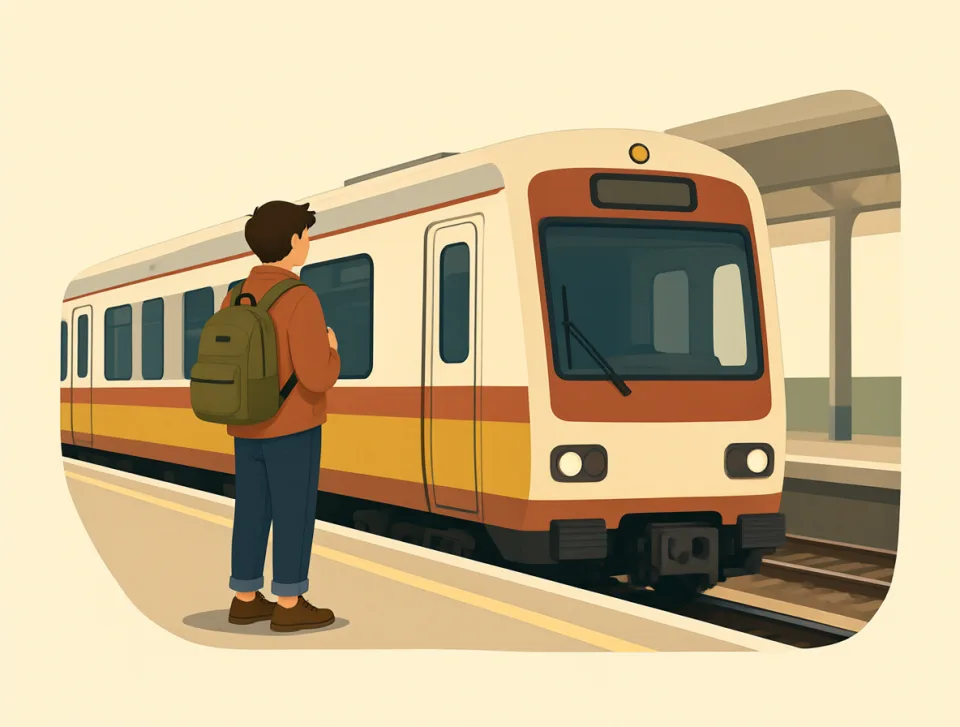
What time does the train leave?
火车几点发车?

What size do you need?
你需要多大尺码?

I know what you mean.
我知道你的意思。

What happened at school today?
今天学校发生什么事了?
up
#52adverb, preposition, adjective, noun
向上;起来;上升
Toward a higher place or position; or in a higher position.
朝较高的地方或位置;或处于较高的位置。

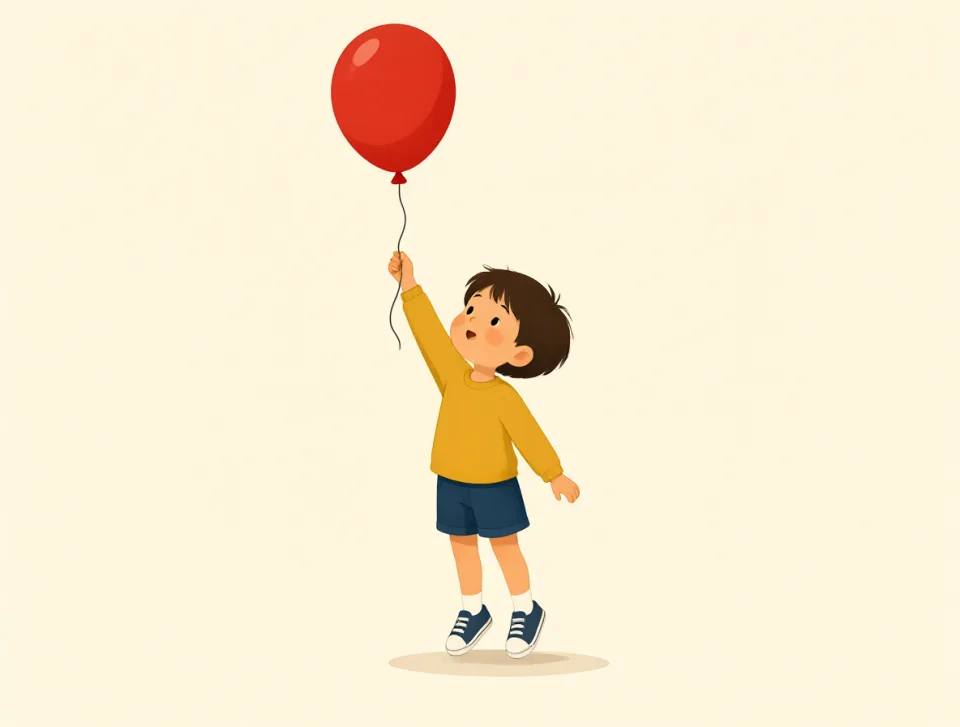
Please stand up when the teacher enters.
老师进来时,请起立。
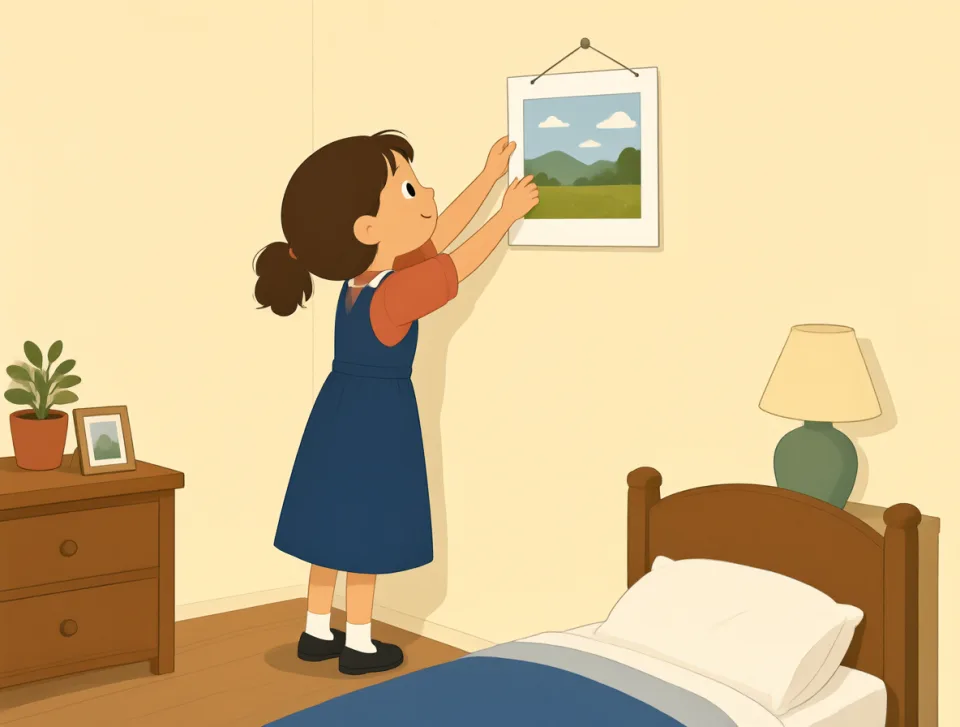
She put up the picture in her room.
她把那幅画挂在了房间里。
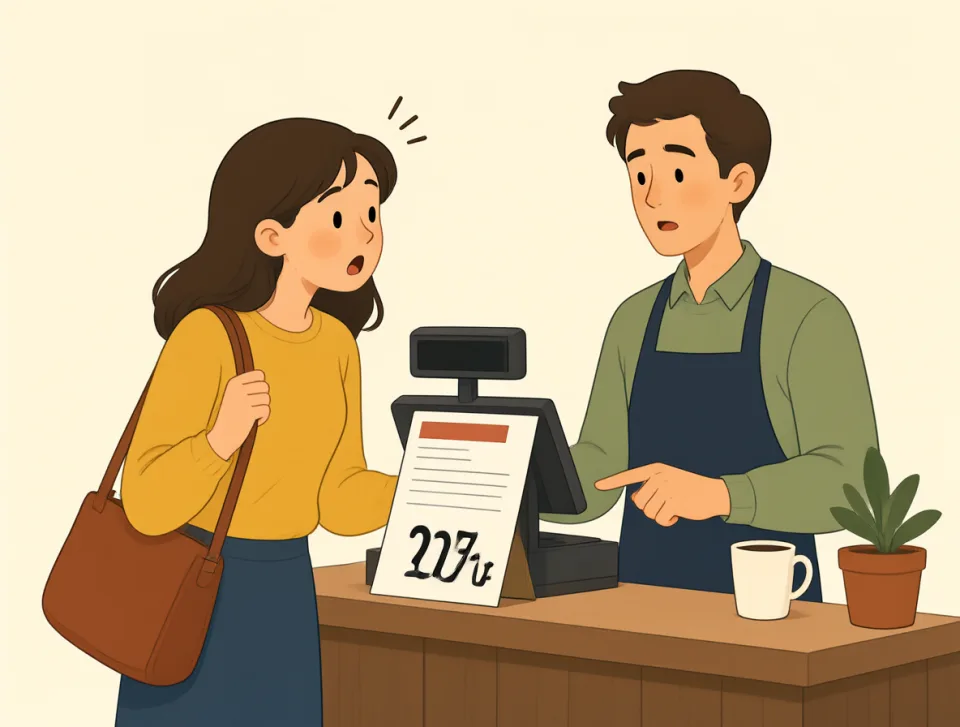
The price went up last month.
上个月价格上涨了。

We walked up the hill to the station.
我们沿着山坡走上去,到了车站。

I woke up with a bad headache.
我醒来时头疼得厉害。
some
#53determiner, pronoun, adverb
一些;有些;稍微
An amount or number that is not exact or not stated.
数量不确切或没有具体说明。
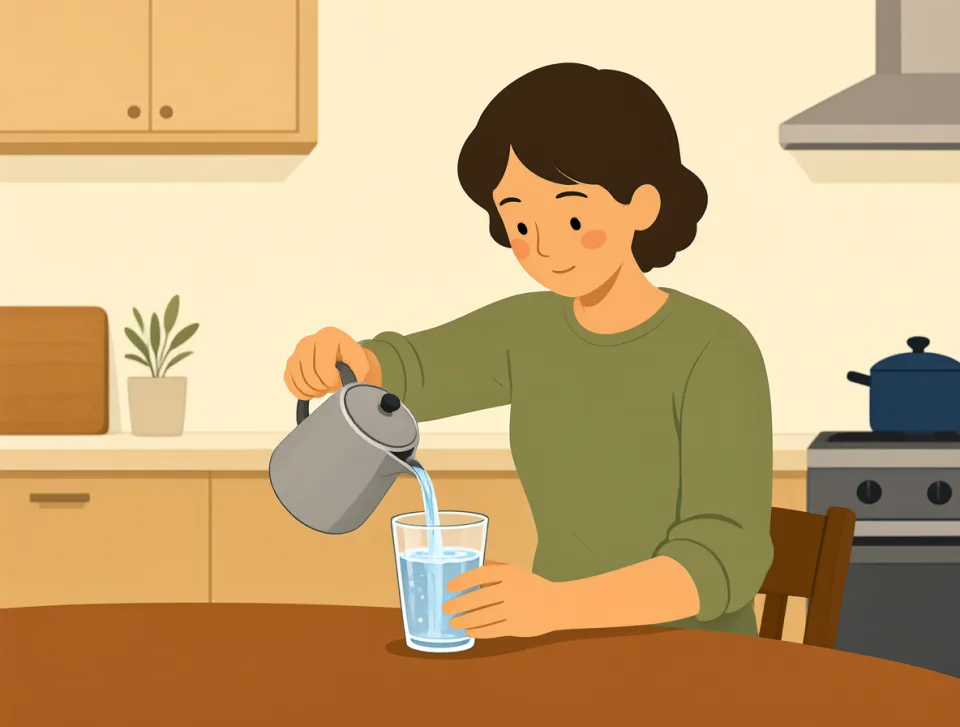
I need some water, please.
请给我一些水。
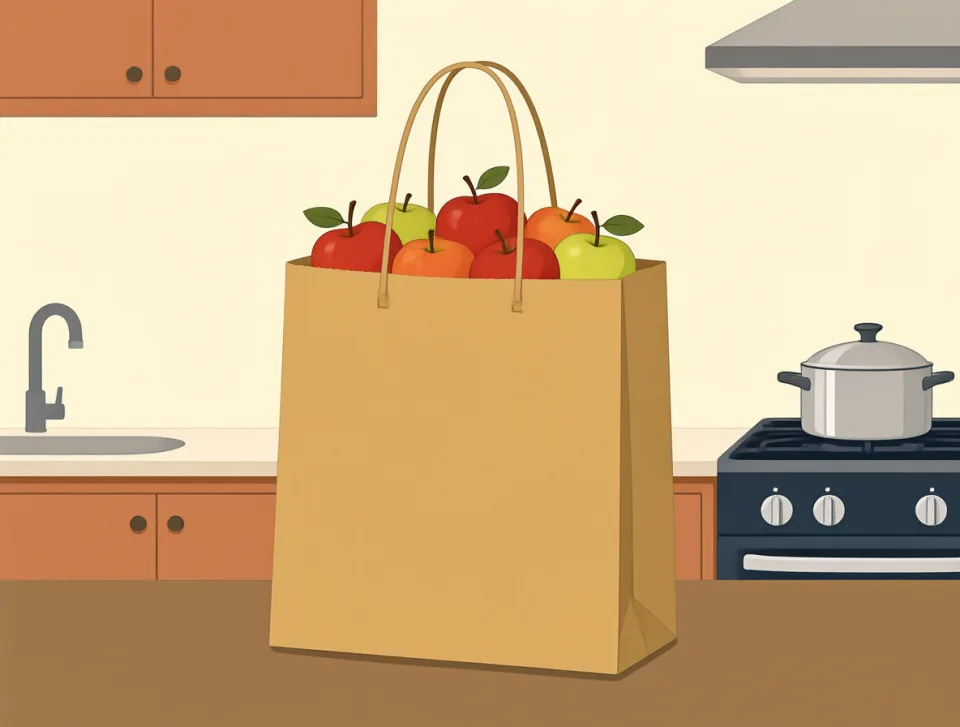
There are some apples in the bag.
袋子里有一些苹果。

Would you like some cake?
你想吃点蛋糕吗?

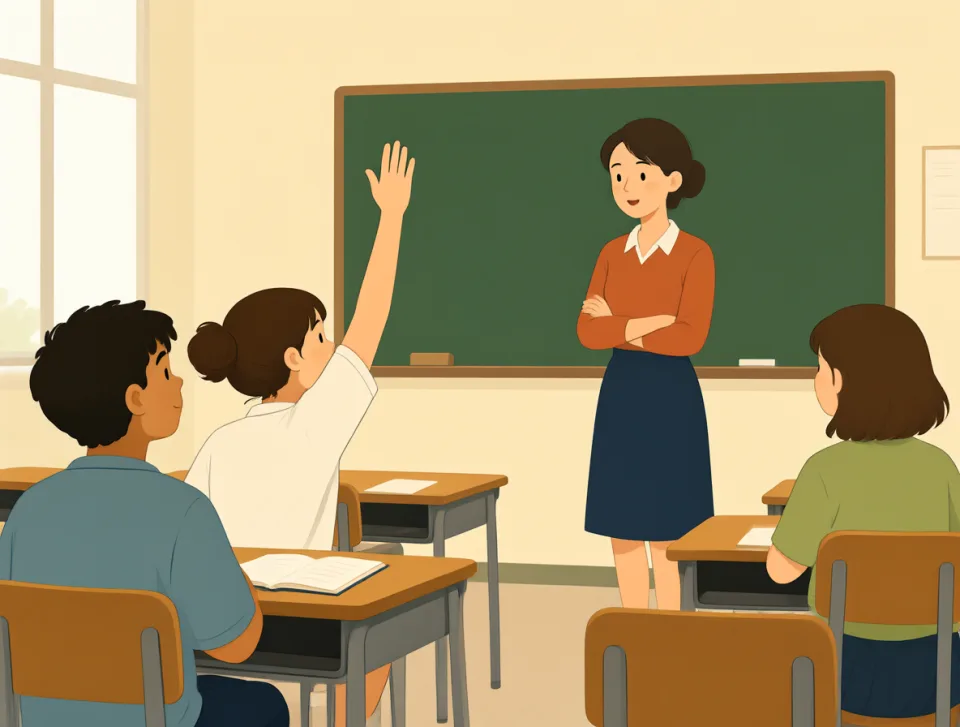
Some people work from home.
有些人居家办公。
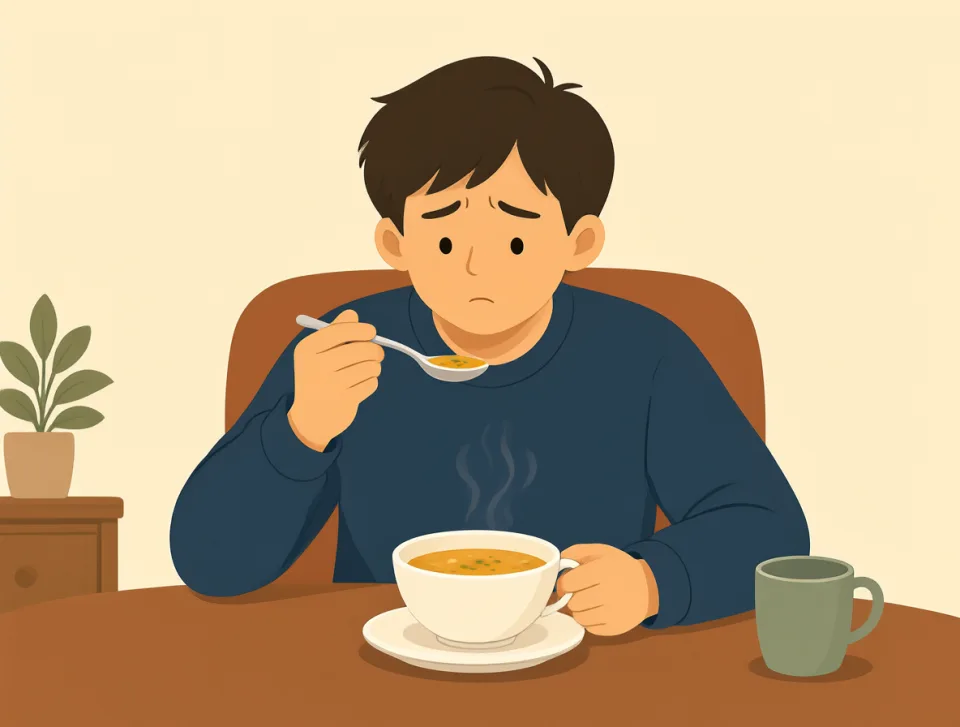
The soup is some better today.
今天的汤好喝了一些。
other
#54adjective, pronoun, determiner
其他的;另外的
Different from the one or ones already mentioned or known.
与已经提到或知道的那个或那些不同的。
Do you have any other questions?
你还有其他问题吗?

I chose the other shirt.
我选了另一件衬衫。
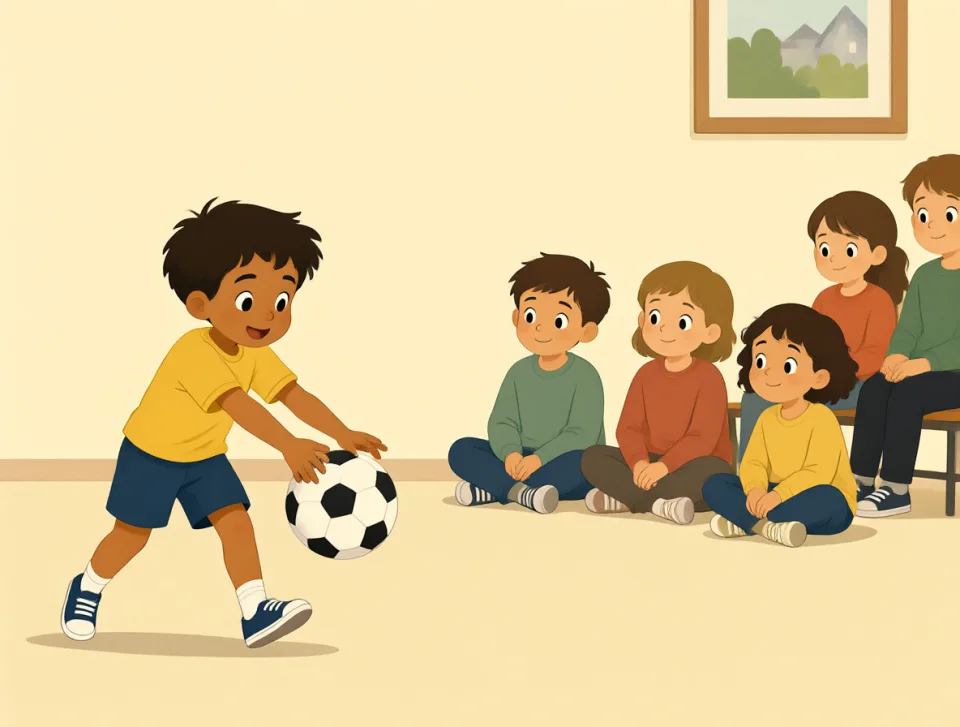
Some children played; the others watched.
一些孩子在玩,其他孩子在看。

Can I have another cup of tea?
我可以再来一杯茶吗?
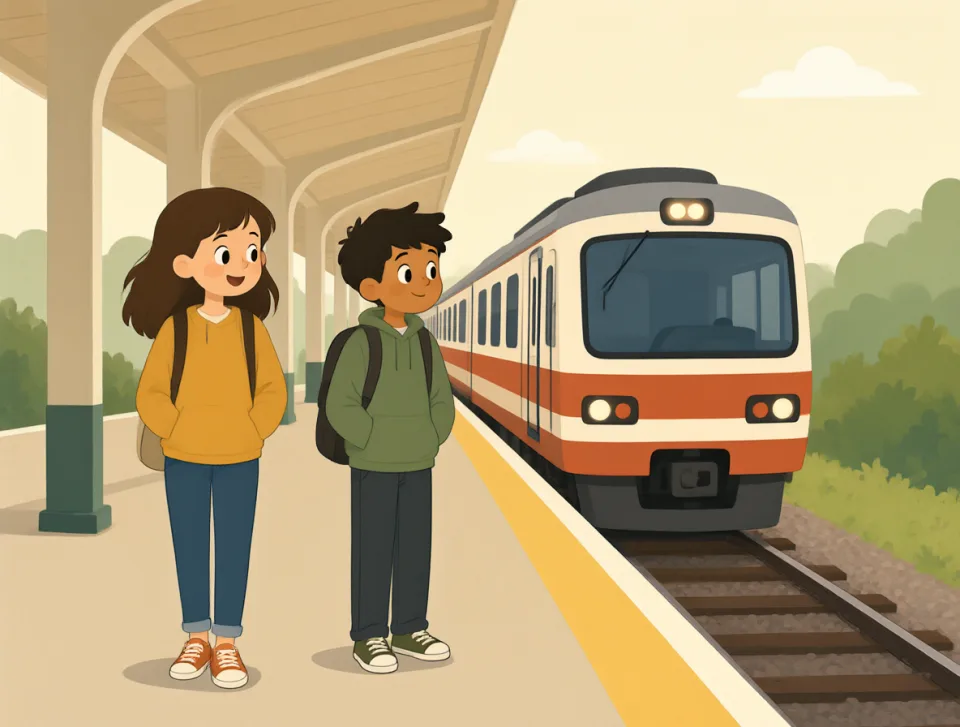
We took the other train home.
我们坐另一班火车回家。
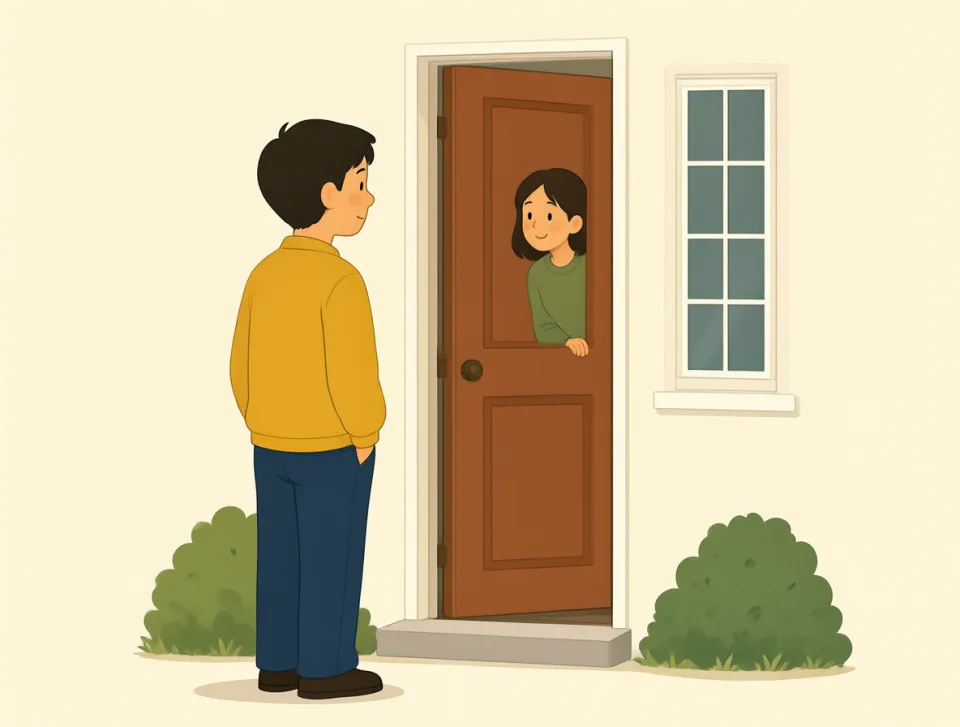
out
#55adverb, preposition, adjective, noun
出去;在外面;用完;熄灭
Away from a place, inside, or usual state; or not working or available.
离开某处、内部或通常的状态;或者不工作或无法使用。
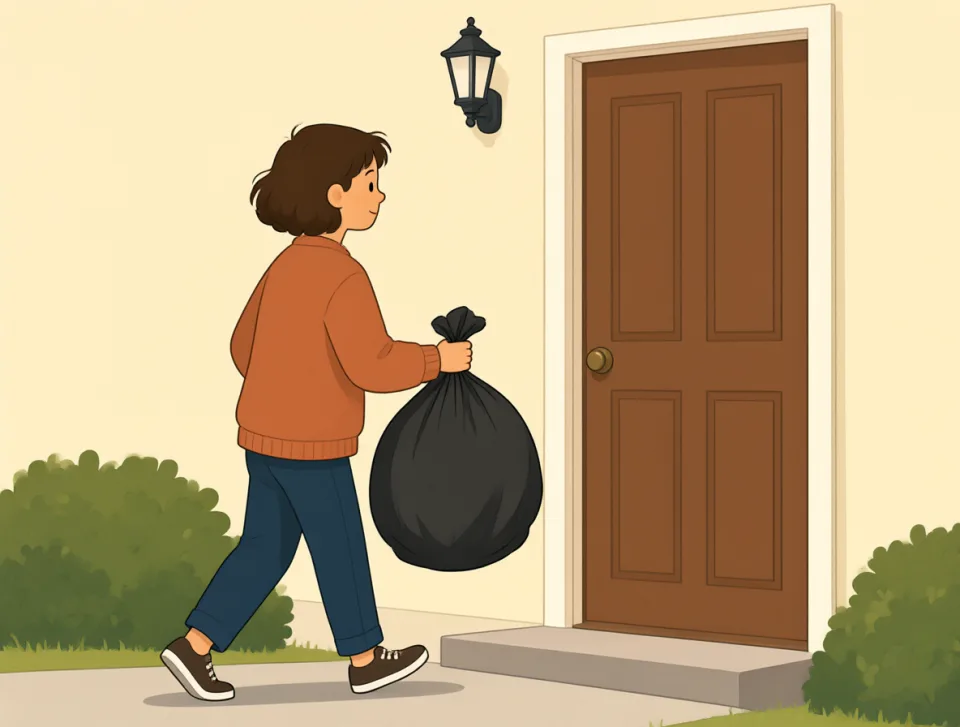
Please take the trash out tonight.
今晚请把垃圾拿出去。
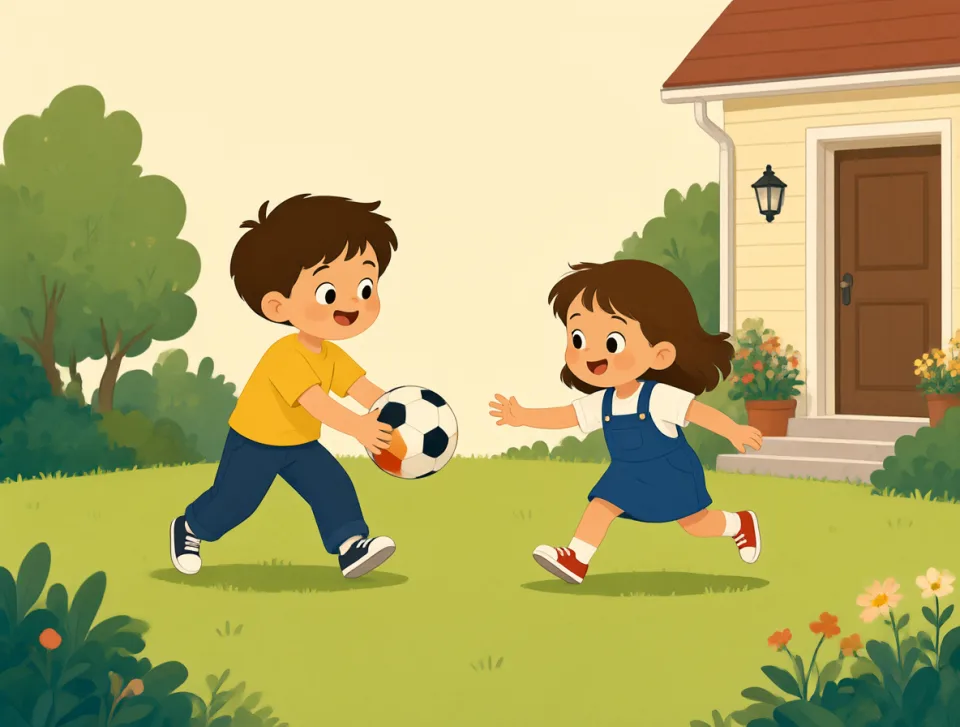
The children are playing out in the garden.
孩子们正在花园里玩耍。
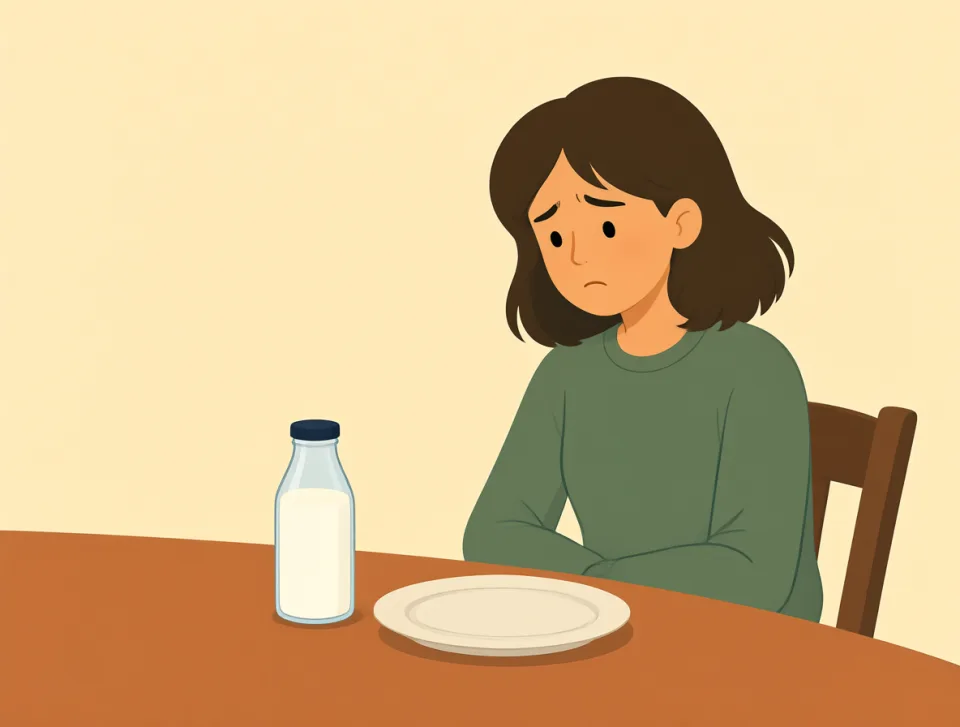
We ran out of milk this morning.
今天早上我们的牛奶喝完了。
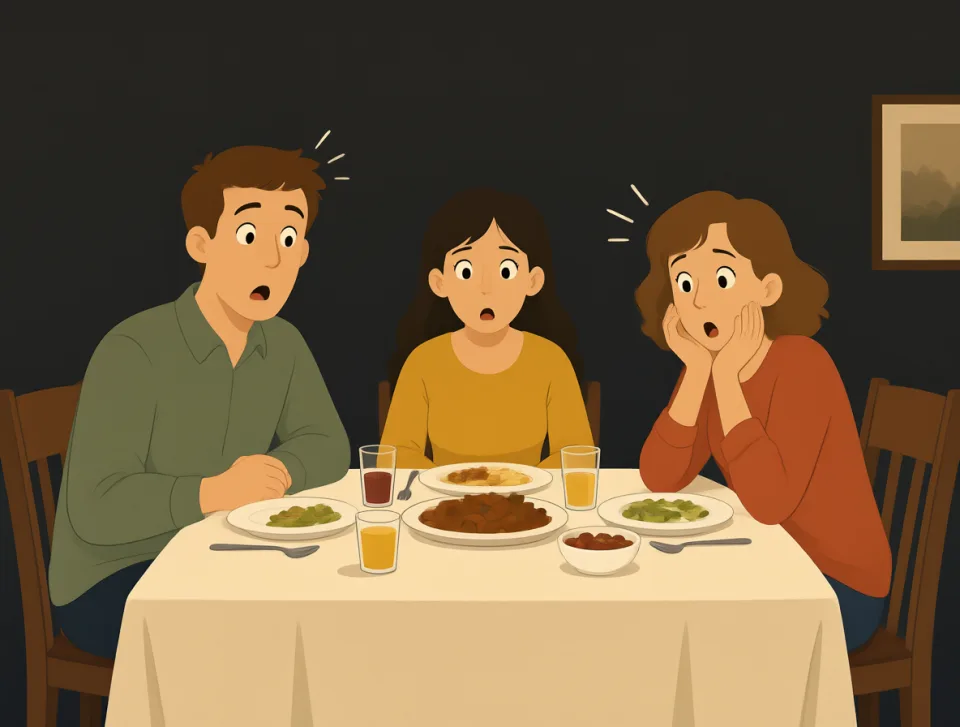
The lights went out during dinner.
吃晚饭时灯熄灭了。

She is out with friends tonight.
她今晚和朋友们出去玩了。

good
#56adjective, noun, adverb
好的;有益的;令人愉快的
Pleasant, useful, or of a high quality; used to show approval.
令人愉快、有用或质量高的;用于表示赞同

She is a good student.
她是个好学生。

This soup tastes really good.
这汤尝起来真好喝。

We had a good time together.
我们一起度过了愉快的时光。

The doctor said my heart is good.
医生说我的心脏状况很好。

He plays the guitar very well.
他吉他弹得很好。
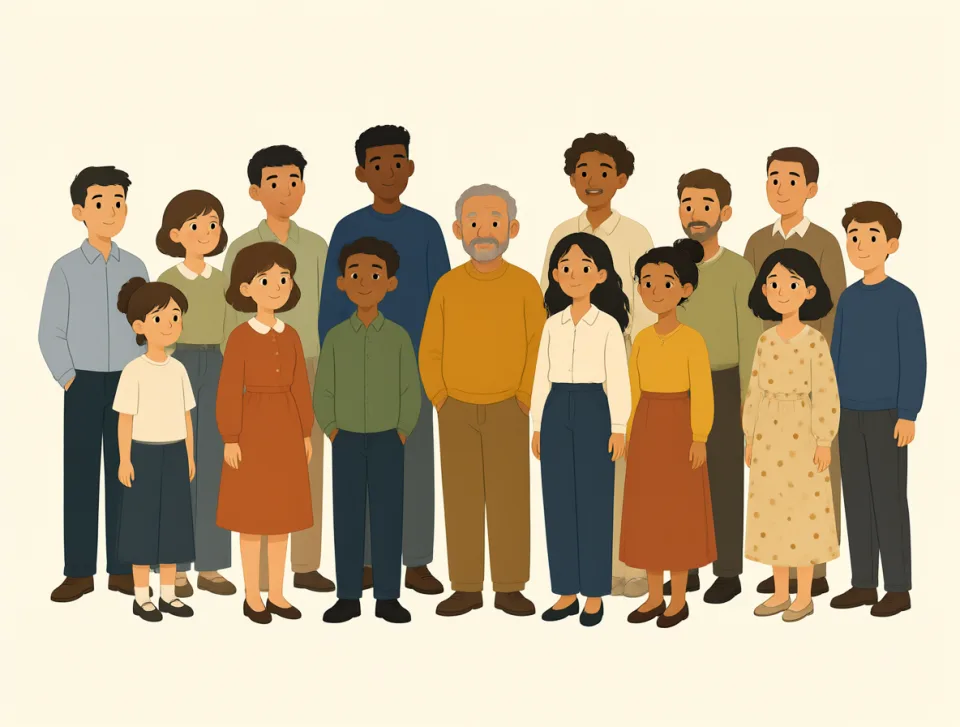
people
#57noun
人;人们
Human beings in general, or a group of human beings.
泛指人类,或一群人。
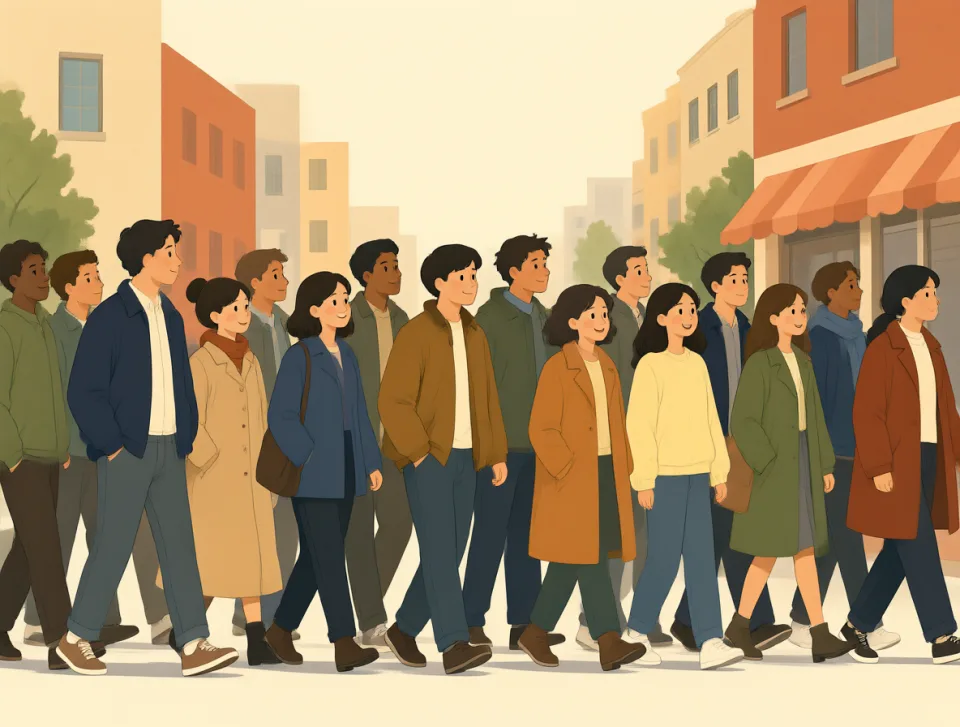
Many people live in this city.
许多人住在这座城市。
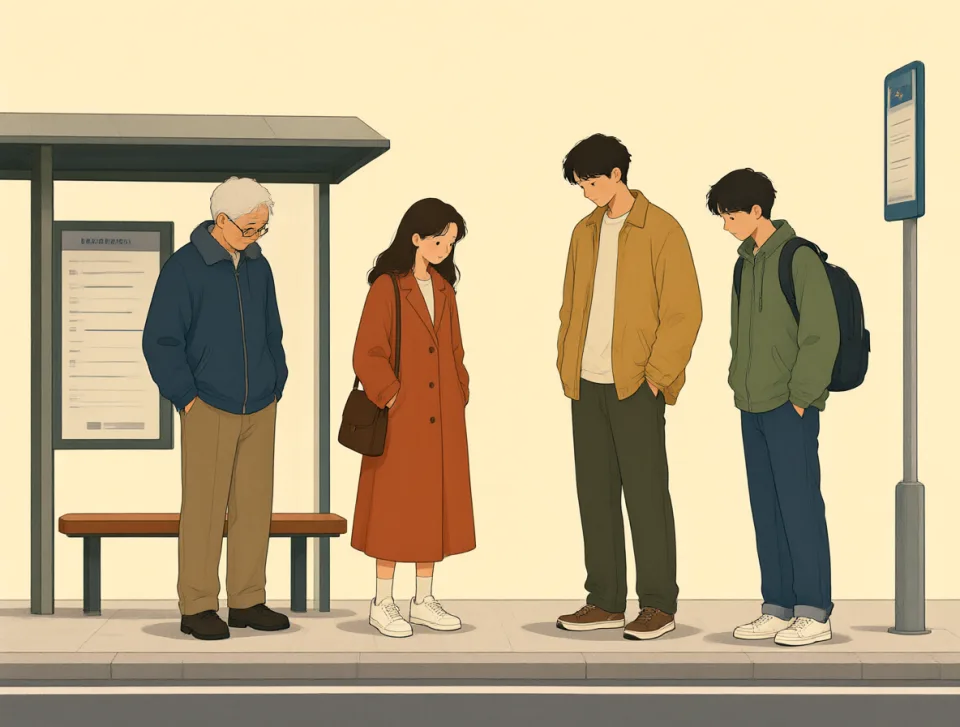
People are waiting for the bus.
人们正在等公交车。

The shop was full of people.
商店里挤满了人。

Some people work from home.
有些人在家工作。
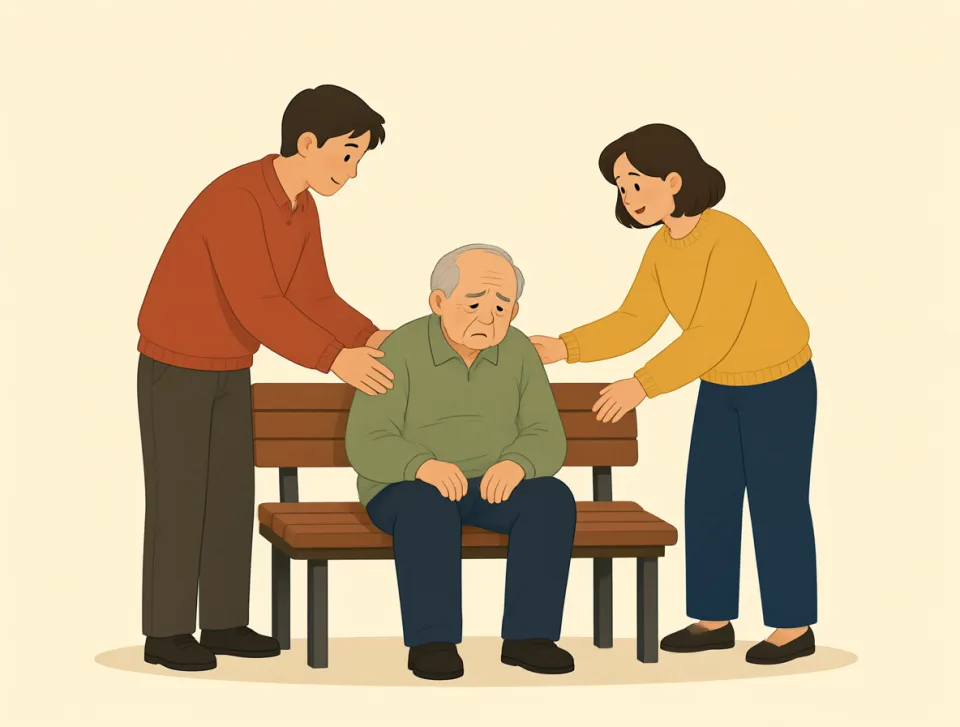
People helped the sick man.
人们帮助了那位病人。
year
#58noun
年;年份
A period of twelve months, usually from January to December.
通常从一月到十二月的十二个月时间段。
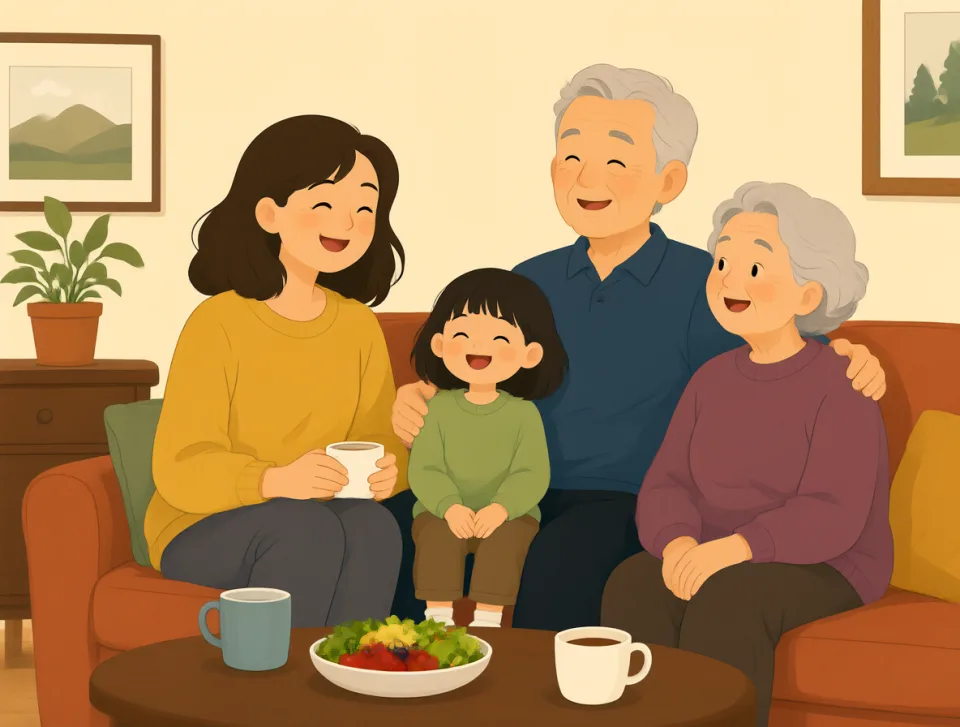
I visit my family twice a year.
我每年去看望家人两次。
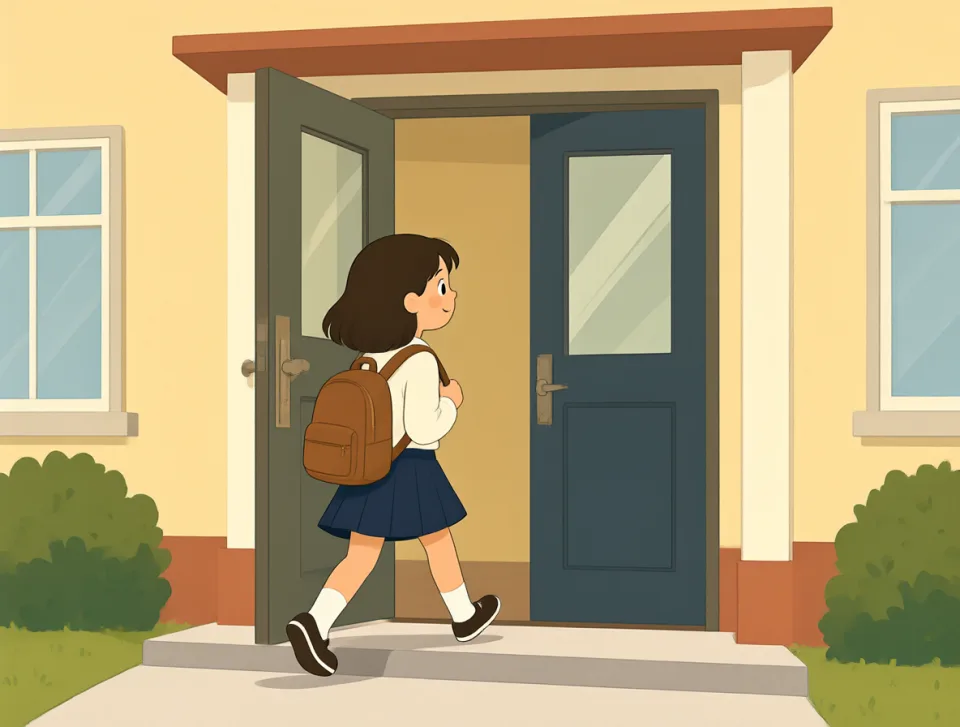
She started school last year.
她去年开始上学。

We lived there for three years.
我们在那里住了三年。

The shop opens every year in May.
那家商店每年五月开门营业。

He is one year old today.
他今天一岁了。

take
#59verb, noun
带;乘坐;拍摄;服用
To move something with you, use something, or do an action.
带着某物一起走、使用某物或进行某项活动。
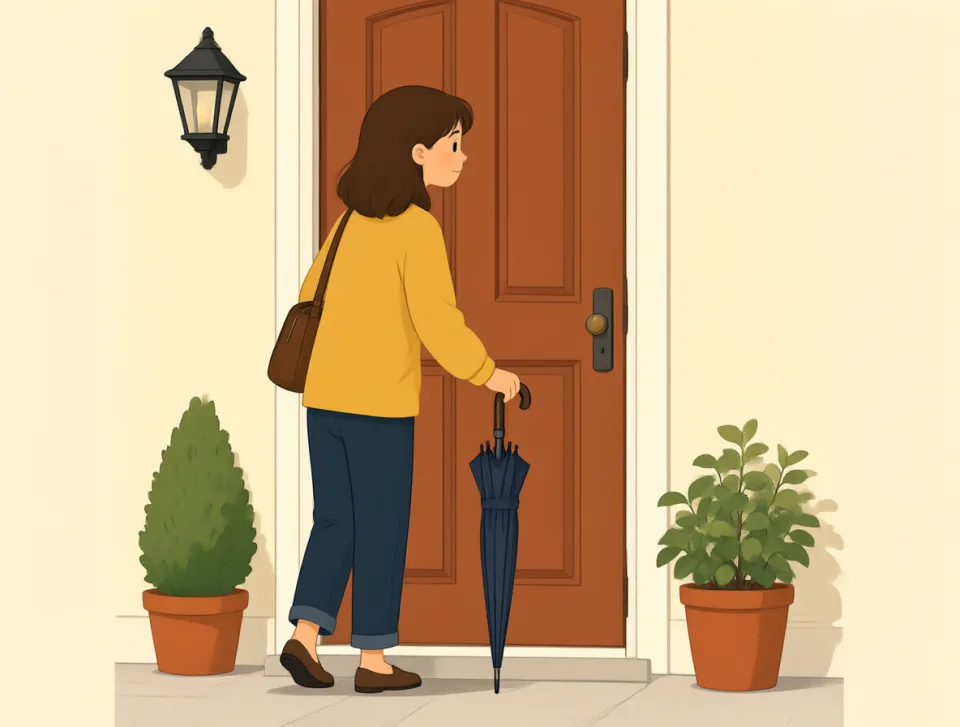
Please take an umbrella when you leave.
请在离开时带把雨伞。

I take the bus to work every day.
我每天乘公交车去上班。

She took a photo of the mountains.
她拍了一张山景的照片。
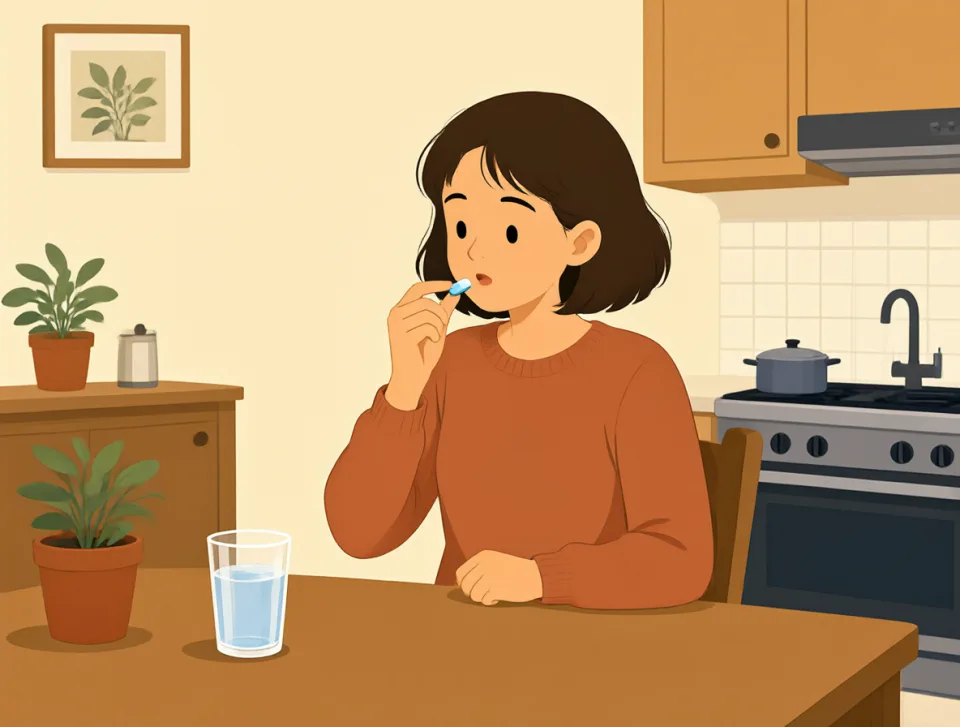
Take this medicine after breakfast.
早餐后服用这种药。

We took a short break after lunch.
午饭后我们休息了一会儿。
no
#60determiner, adverb, noun
不;没有;否定;不允许
Used to say that something is not available, allowed, or true.
用来表示某物没有、不可用、不被允许或不是真的。
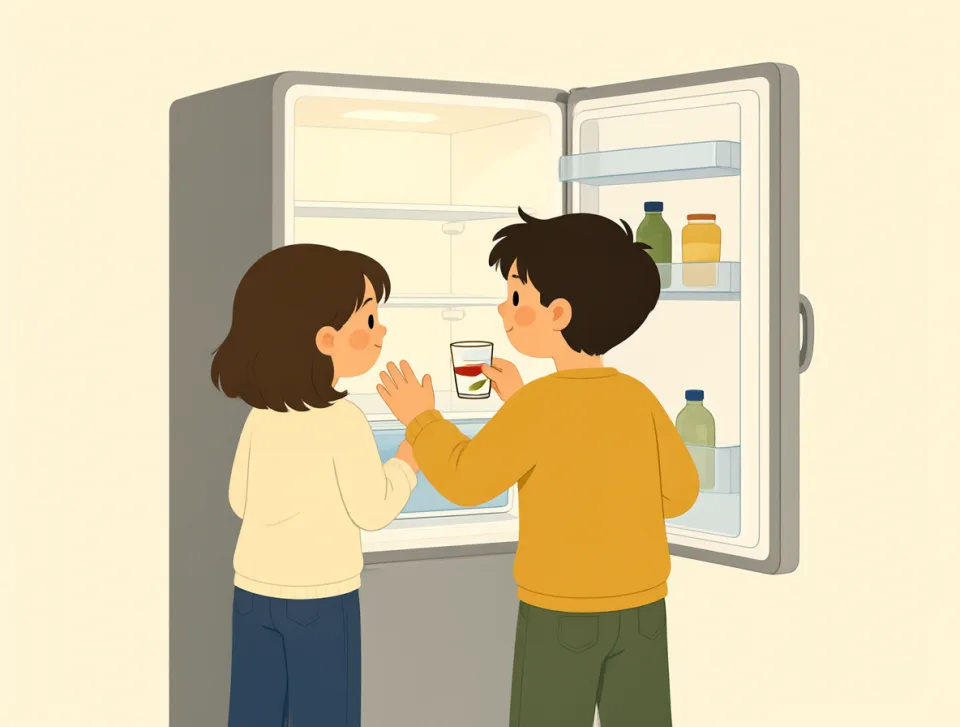
There is no milk in the fridge.
冰箱里没有牛奶。

No, I don't want any coffee.
不,我不想喝咖啡。

We have no homework tonight.
我们今晚没有家庭作业。

There were no seats on the train.
火车上没有座位了。

The doctor said no exercise for a week.
医生说一周内不能运动。