ユニット 3
41〜60語 · know, more, get, who, like, when

know
#41verb
知っている; わかっている
to have information about someone or something in your mind
誰かや何かについての情報を頭の中に持っていること
I know the answer to this question.
私はこの質問の答えを知っています。
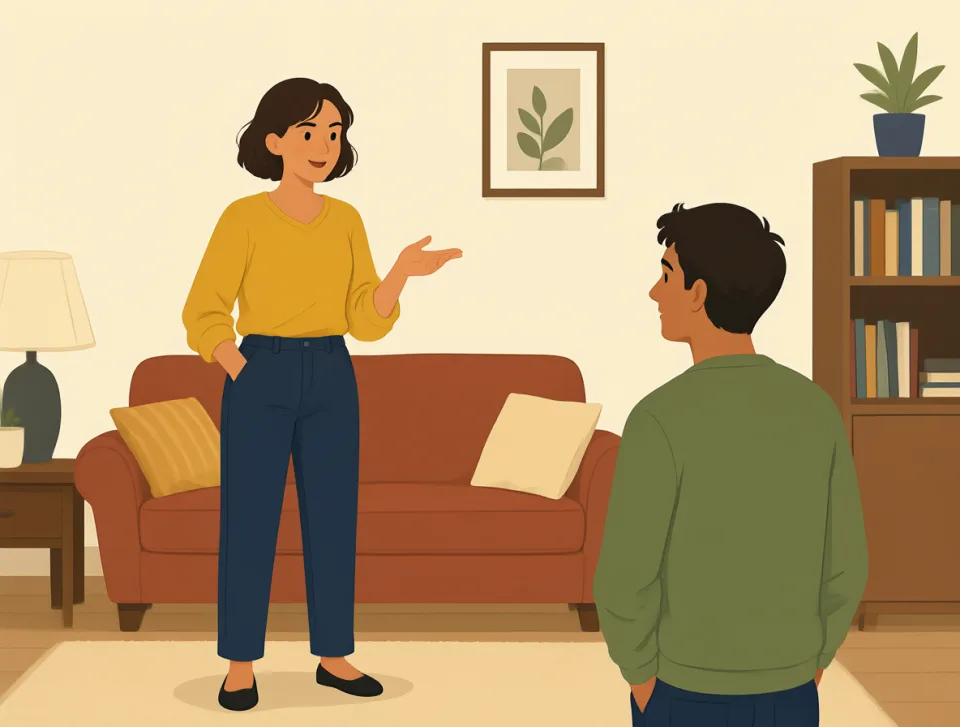
Do you know where my keys are?
私の鍵がどこにあるか知っていますか?
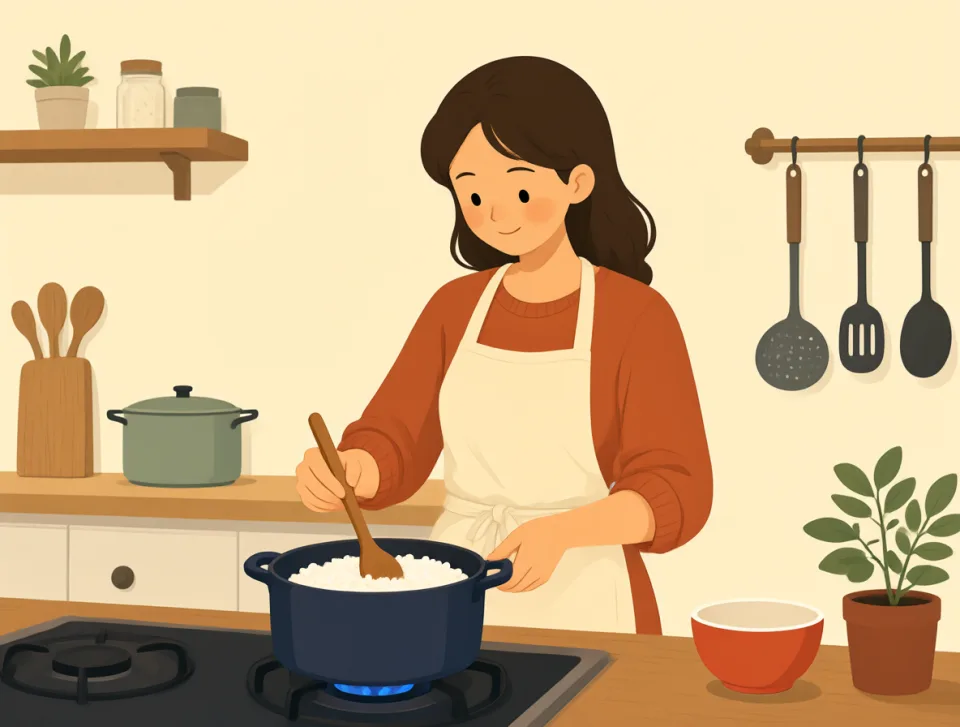
She knows how to cook rice.
彼女はご飯の炊き方を知っています。

We knew the shop was closed.
私たちはその店が閉まっていることを知っていました。

He knows many people at work.
彼は職場でたくさんの人を知っています。
more
#42determiner, pronoun, adverb, adjective, noun
もっと; より多くの; さらに
A greater amount, number, or degree than before or than someone else has.
以前より、または誰かよりも量、数、程度が大きいこと
I need more time to finish this.
これを終えるには、もっと時間が必要です。

Would you like more coffee?
コーヒーをもう少しいかがですか?
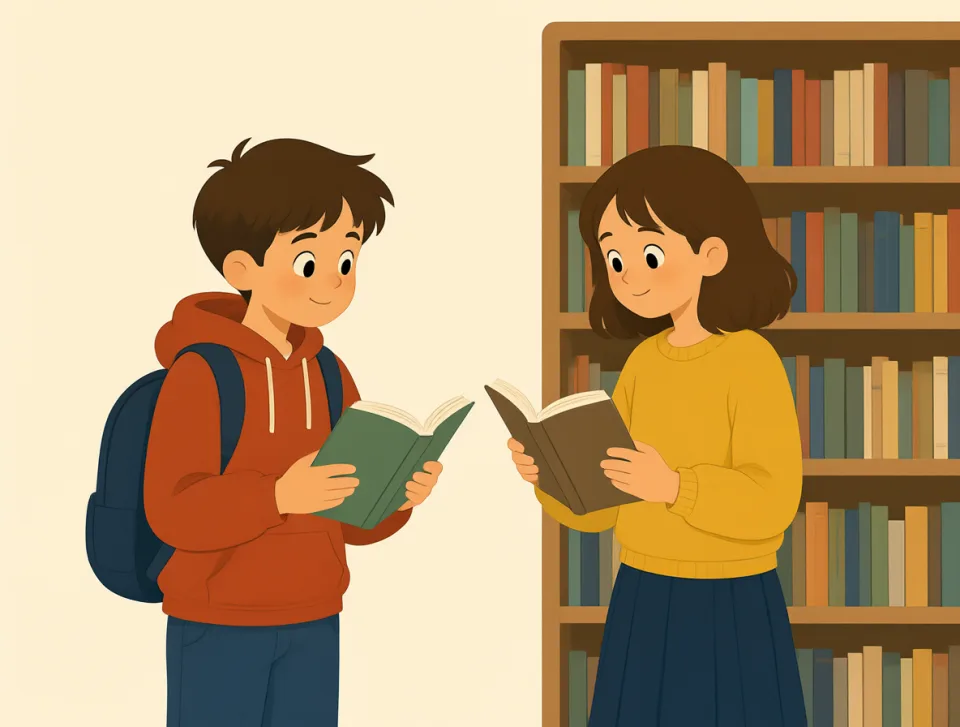
She has more books than I do.
彼女は私よりたくさん本を持っています。
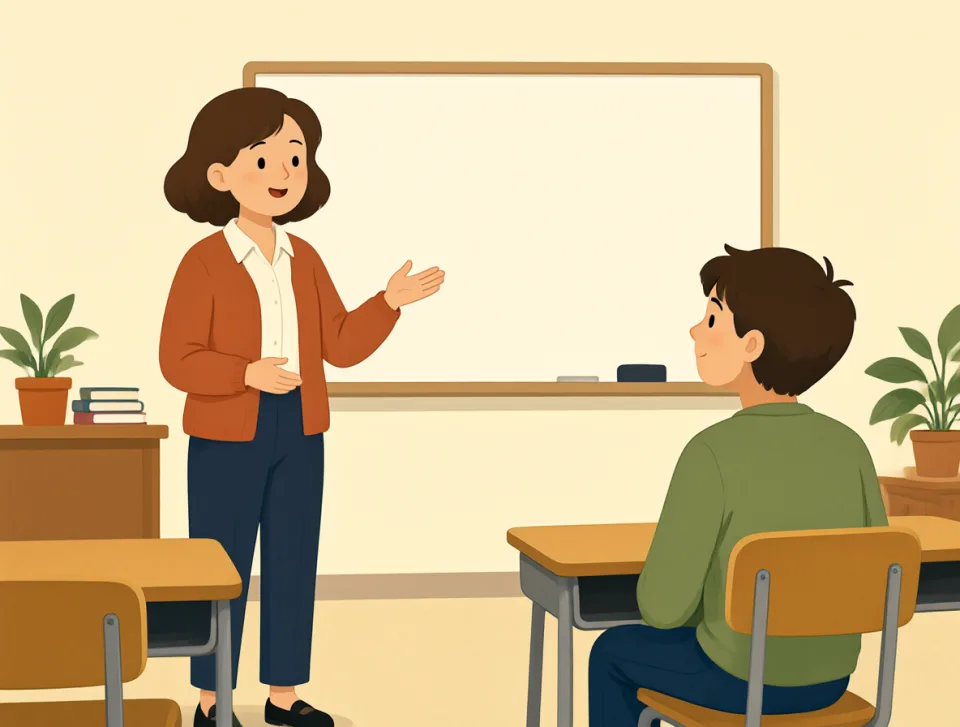
Please speak more slowly.
もっとゆっくり話してください。
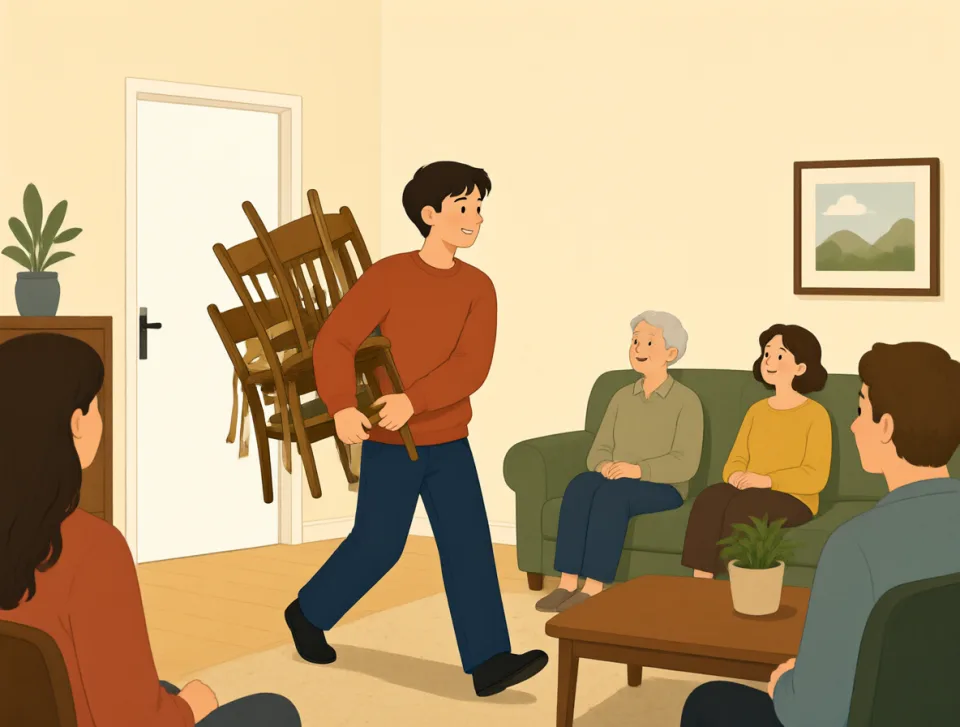
We need more chairs for our guests.
来客のために、もっと椅子が必要です。
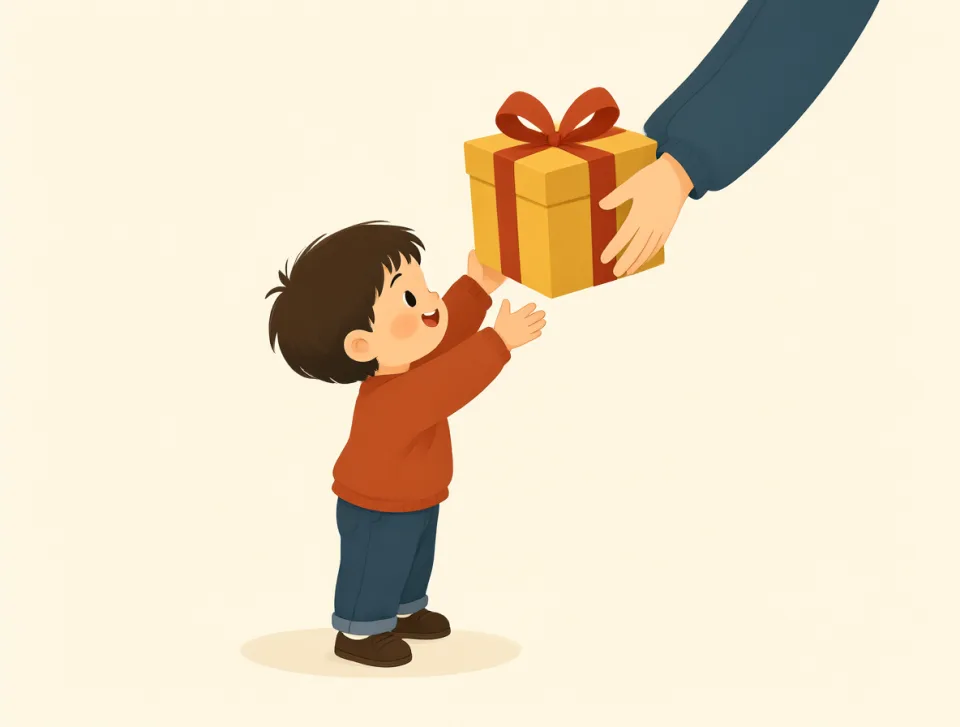
get
#43verb, noun
得る; 受け取る; なる; 着く
to receive, obtain, become, or move to a place
受け取る、手に入れる、〜になる、またはある場所へ移動する
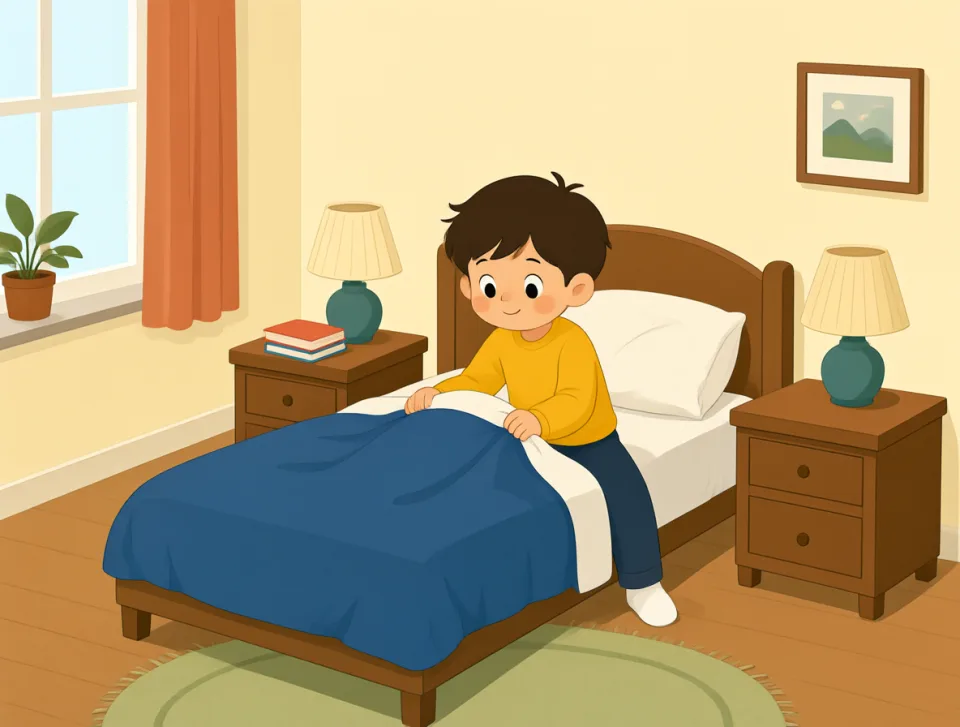
I get up at seven every morning.
私は毎朝7時に起きます。

She got a new job last week.
彼女は先週、新しい仕事に就きました。
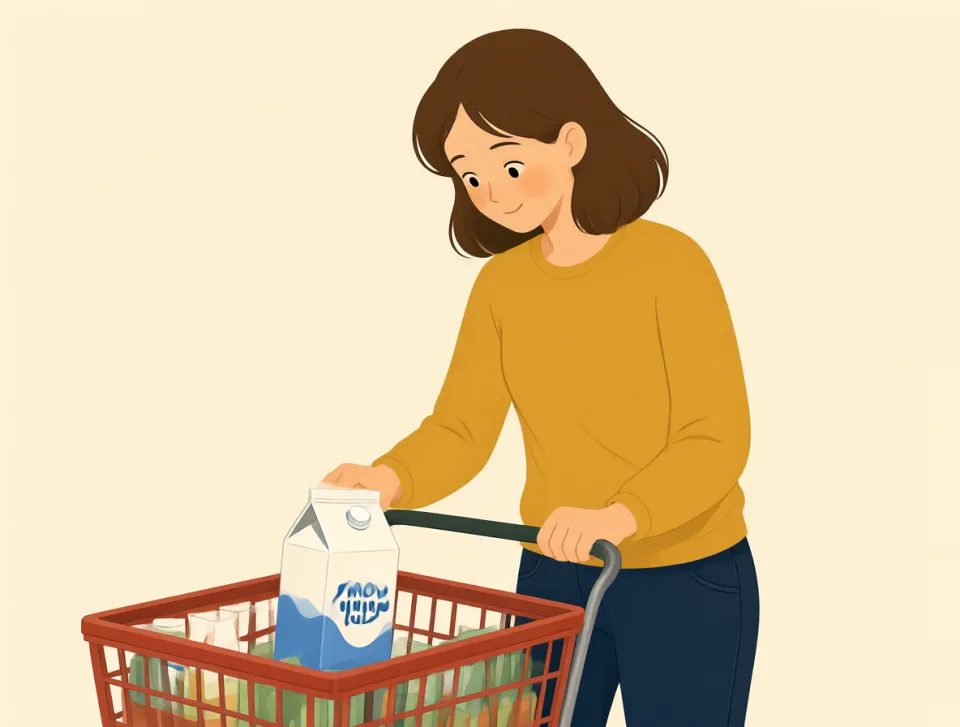
Please get some milk from the store.
店で牛乳を買ってきてください。
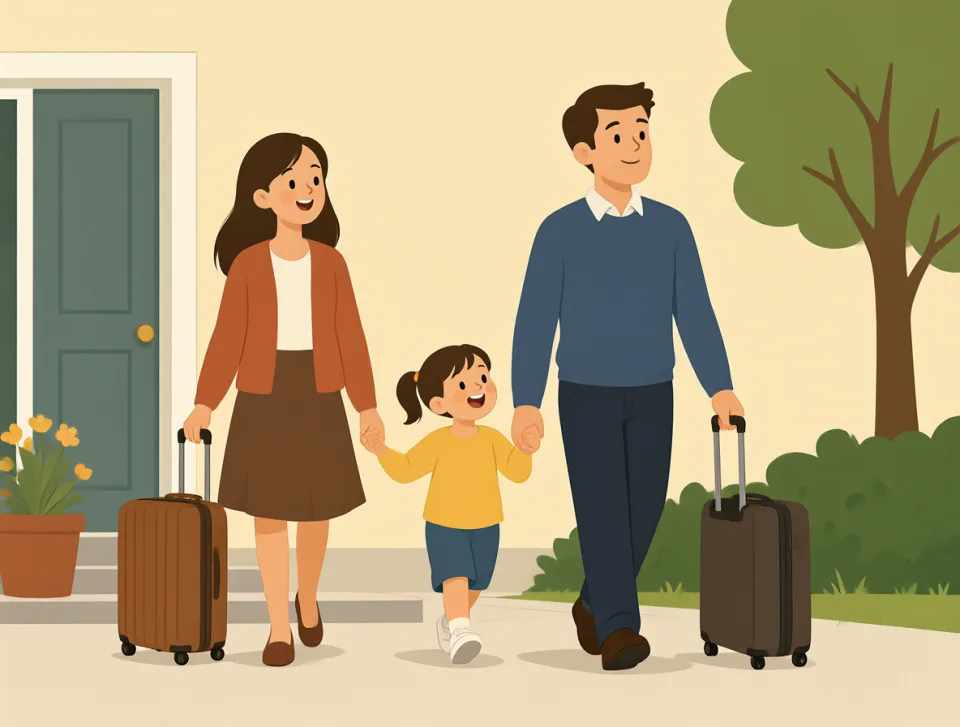
We got home late after the trip.
私たちは旅行のあと、遅くに家に着きました。
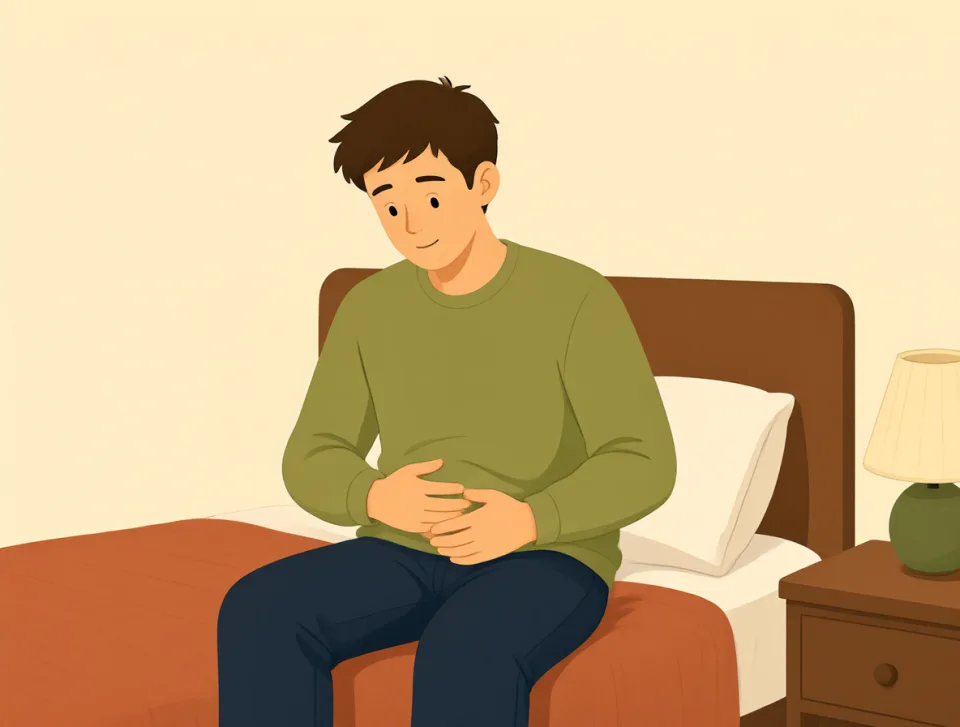
He got sick after eating bad food.
彼は悪い食べ物を食べたあと、具合が悪くなりました。
who
#44pronoun
誰;誰が;誰を
Used to ask or say which person or people you mean.
どの人、またはどの人たちのことを指しているのかを尋ねたり、述べたりするときに使う。
Who is your best friend?
あなたの一番の親友は誰ですか?
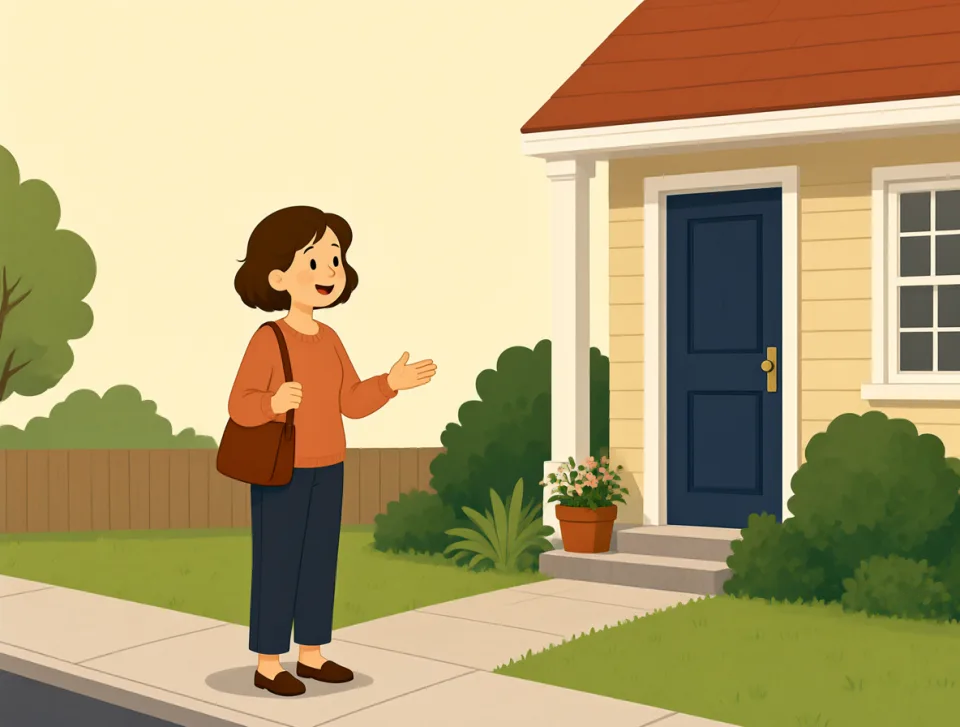
The woman who lives next door is kind.
隣に住んでいる女性は親切です。
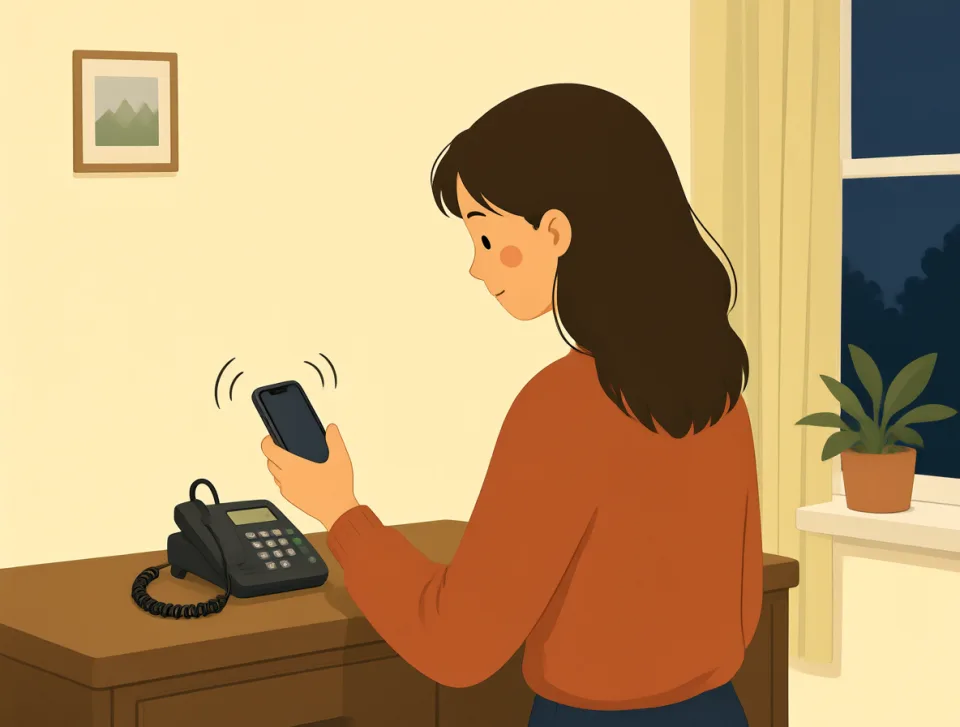
Who called you last night?
昨夜、誰があなたに電話してきたの?

I know who can help us.
誰が私たちを助けてくれるか、知っています。
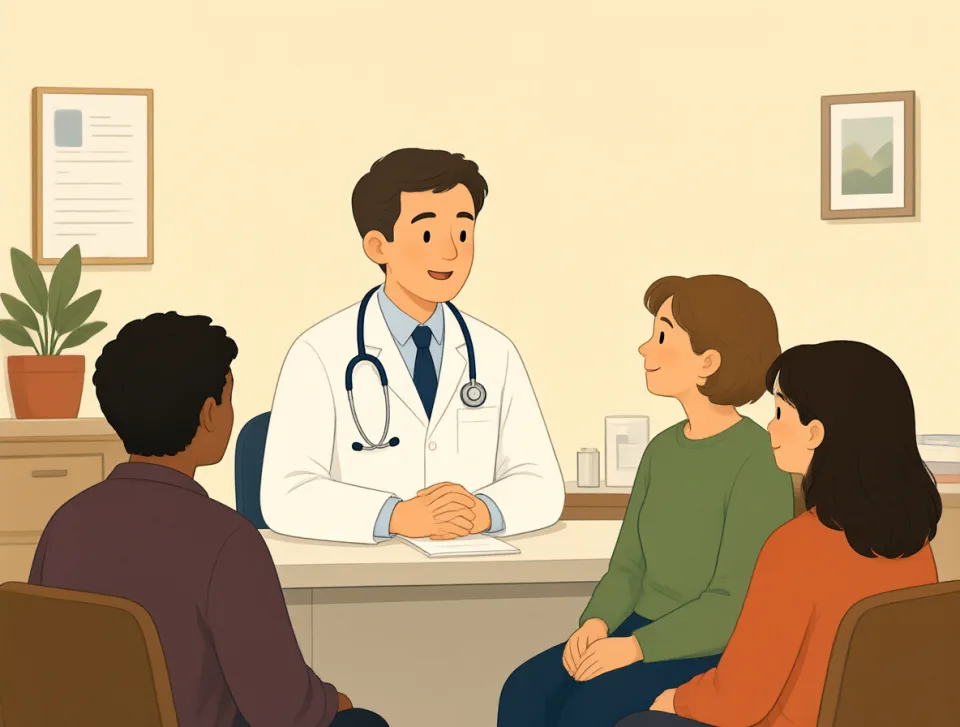
The doctor asked who felt sick.
医師は、誰が具合が悪いのか尋ねました。
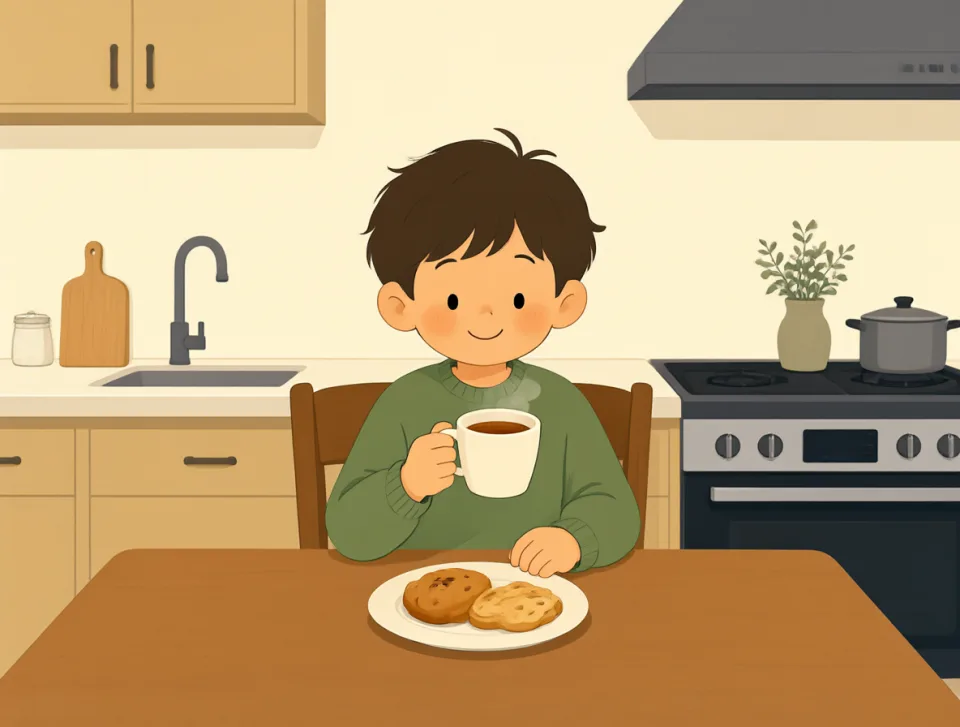
like
#45verb, preposition
好む; 欲しい; ~のような; ~など
To enjoy, want politely, or show that two things are similar.
楽しむ、丁寧に欲しいものを伝える、または2つのものが似ていることを示す。
I like tea with breakfast.
私は朝食に紅茶を飲むのが好きです。
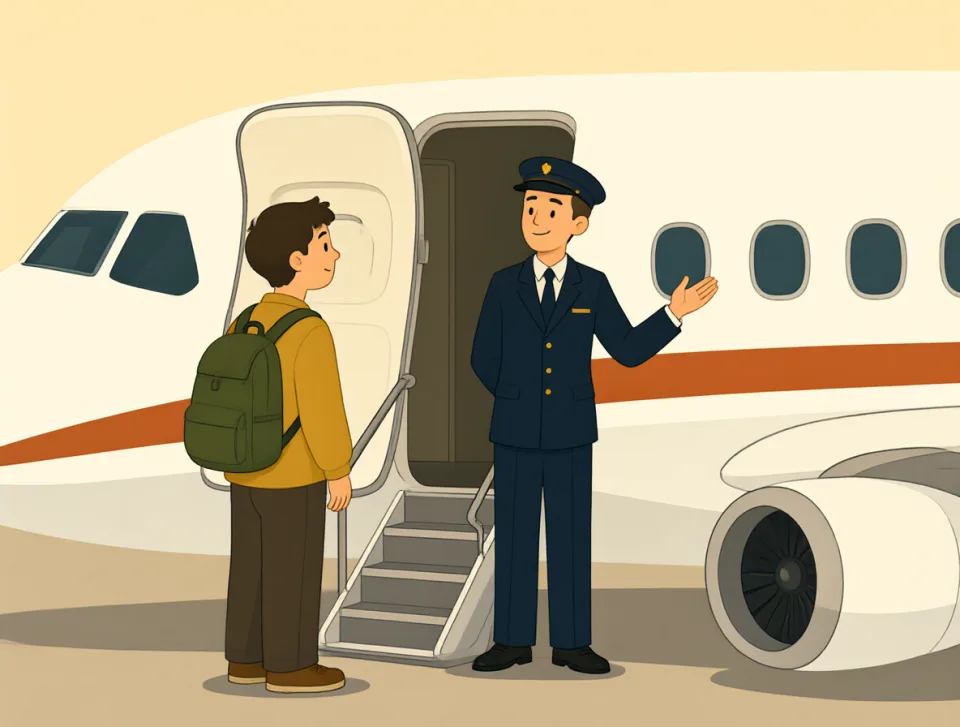
Would you like a window seat?
窓側の席はいかがですか?

She looks like her mother.
彼女は母親に似ています。
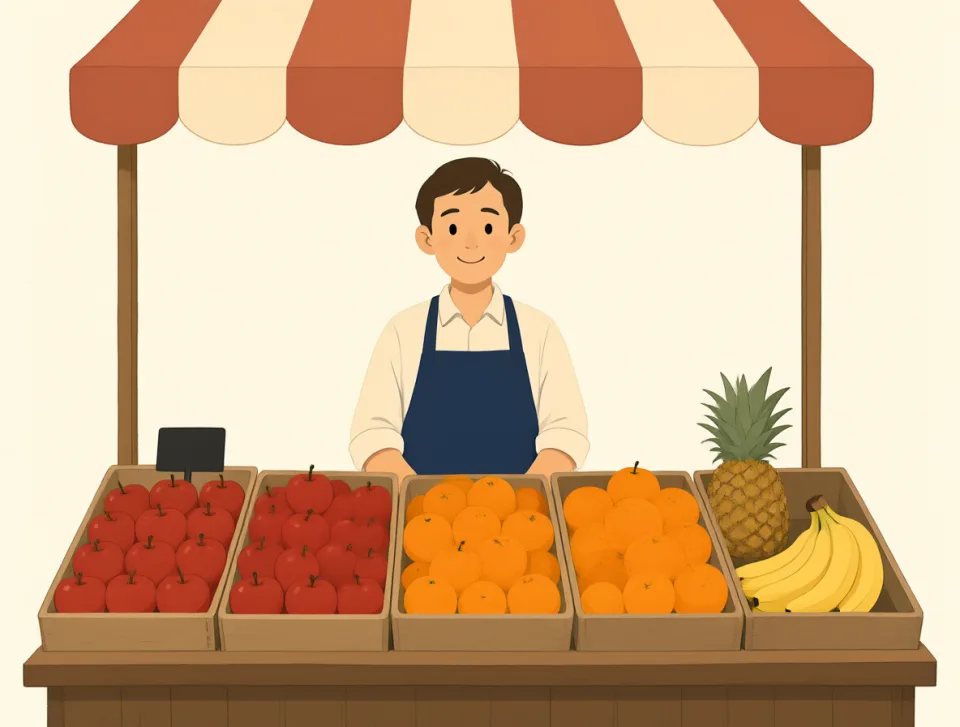
We sell fruit like apples and oranges.
私たちはリンゴやオレンジなどの果物を販売しています。

He swims like a fish.
彼は魚のように泳ぎます。
when
#46adverb, conjunction, pronoun, determiner
いつ; ~するとき; いつの時点で
At or during the time that something happens
何かが起こる時、または起こっている間に
Call me when you get home.
家に着いたら電話して。
When I was young, I played outside.
若い頃、外で遊んでいた。

Tell me when the meeting starts.
会議がいつ始まるか教えて。

I smile when I see my friends.
友達に会うと笑顔になる。

When did you buy this shirt?
そのシャツ、いつ買ったの?
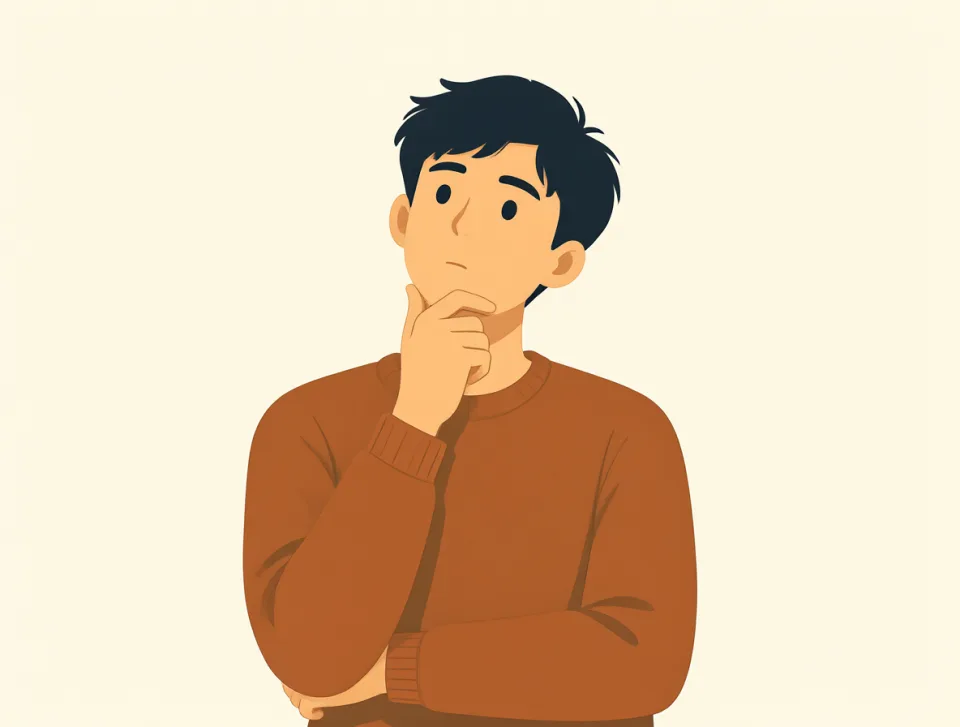
think
#47verb, noun
考える; 思う; 思考
to use your mind to consider something or form an opinion
何かについて考えたり、意見を持ったりするために頭を使うこと
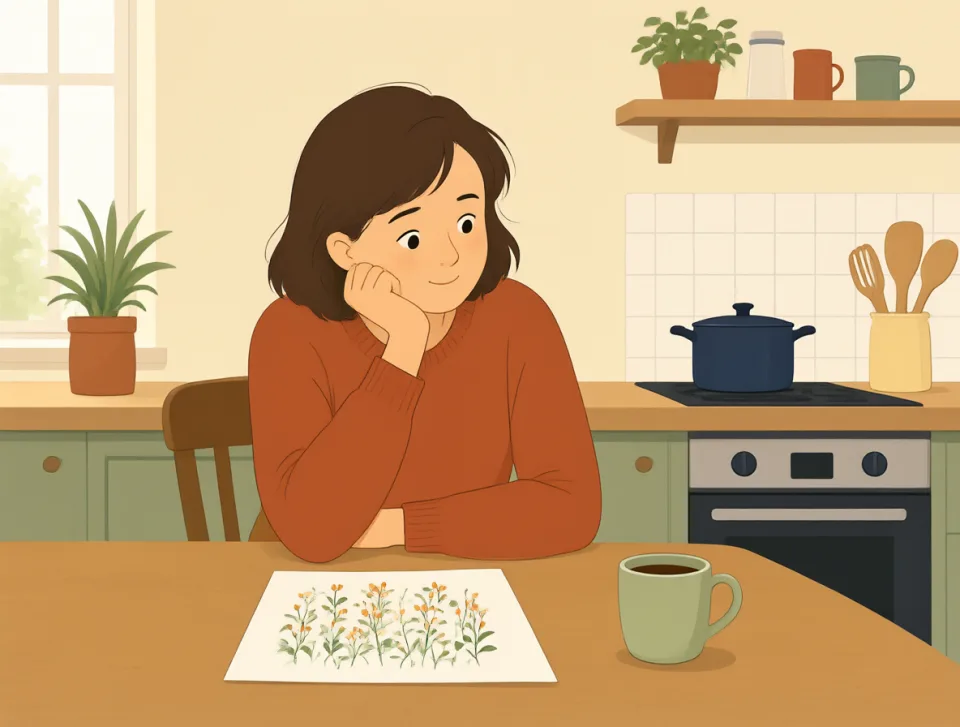
I think this is a good idea.
これはいい考えだと思います。

What do you think about this dress?
このドレスについてどう思いますか?
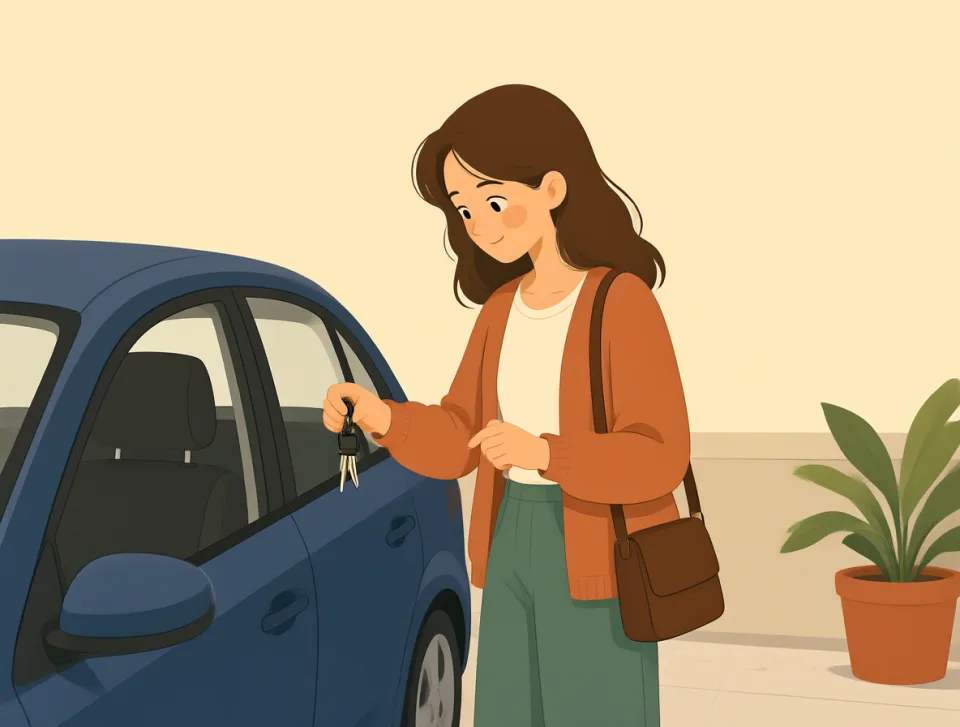
She thinks her keys are in the car.
彼女は鍵が車の中にあると思っています。

I was thinking about our holiday.
私たちの休暇について考えていました。

Let me think before I answer.
答える前に考えさせてください。
make
#48verb, noun
作る; 用意する; 予約する; 引き起こす
to create, prepare, cause, or choose something
何かを作る、用意する、引き起こす、または選ぶこと
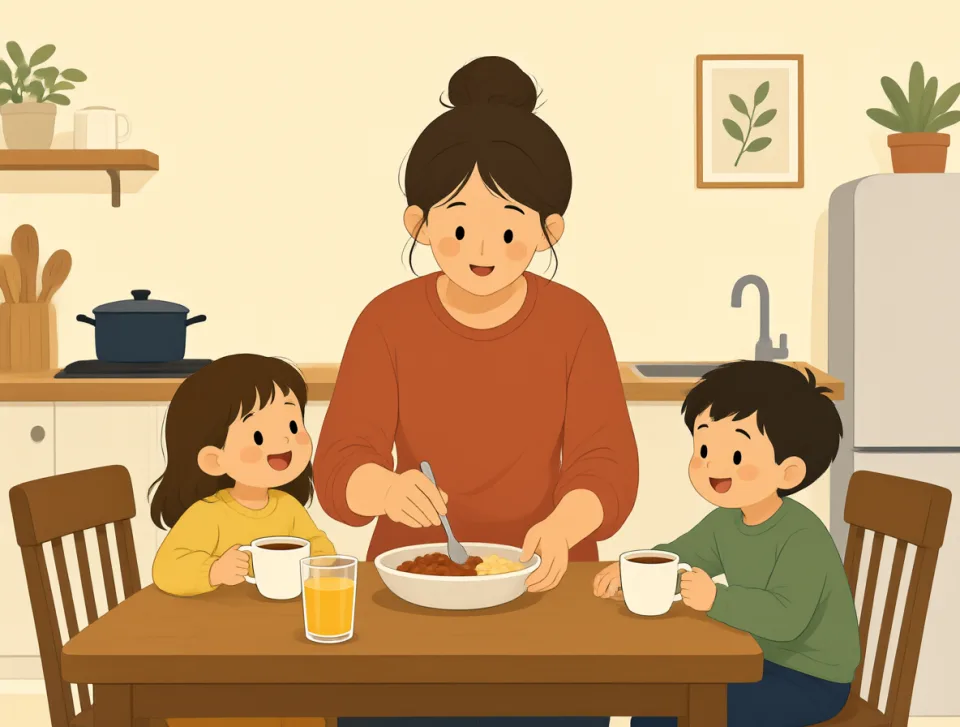
I make breakfast for my family every morning.
毎朝、家族のために朝食を作ります。
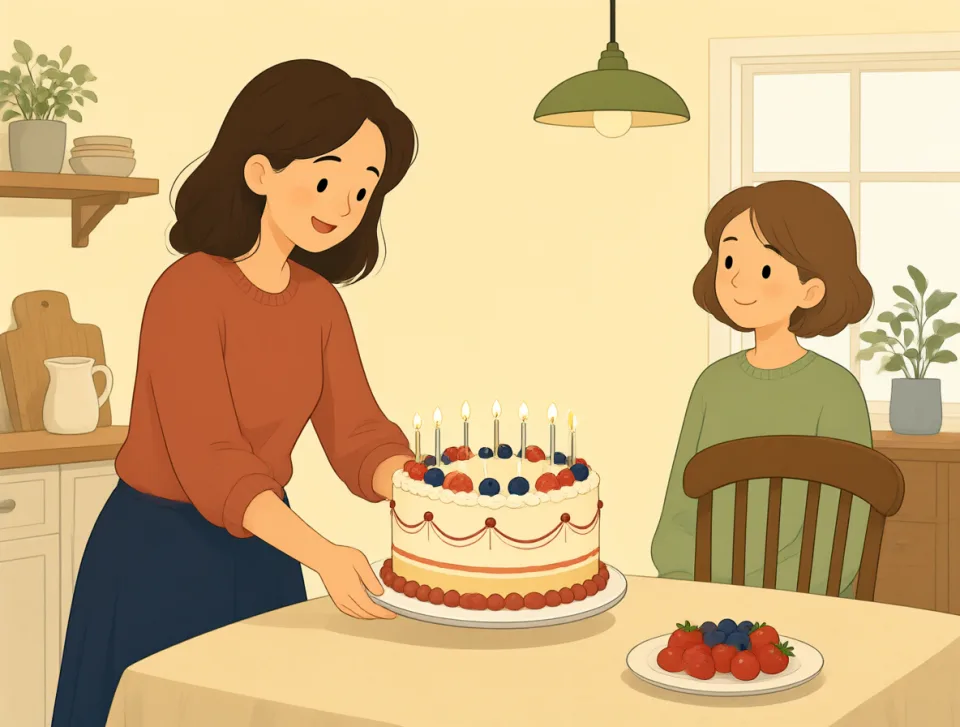
She made a cake for her friend.
彼女は友達のためにケーキを作りました。

Please make an appointment with the doctor.
医師の予約をしてください。

This shirt makes me feel comfortable.
このシャツを着ると心地よく感じます。

We made a plan for our trip.
旅行の計画を立てました。

time
#49noun, verb
時間; 時刻; 回
A particular moment or period, or the number of occasions something happens.
特定の瞬間や期間、または何かが起こる回数。
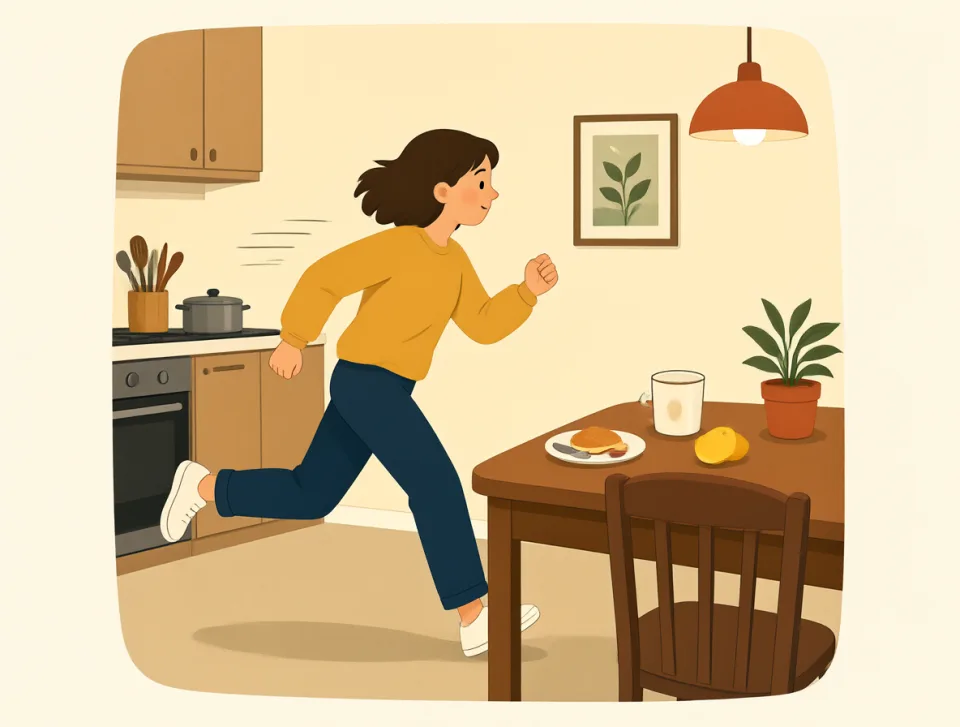
I do not have time for breakfast.
朝食を食べる時間がありません。
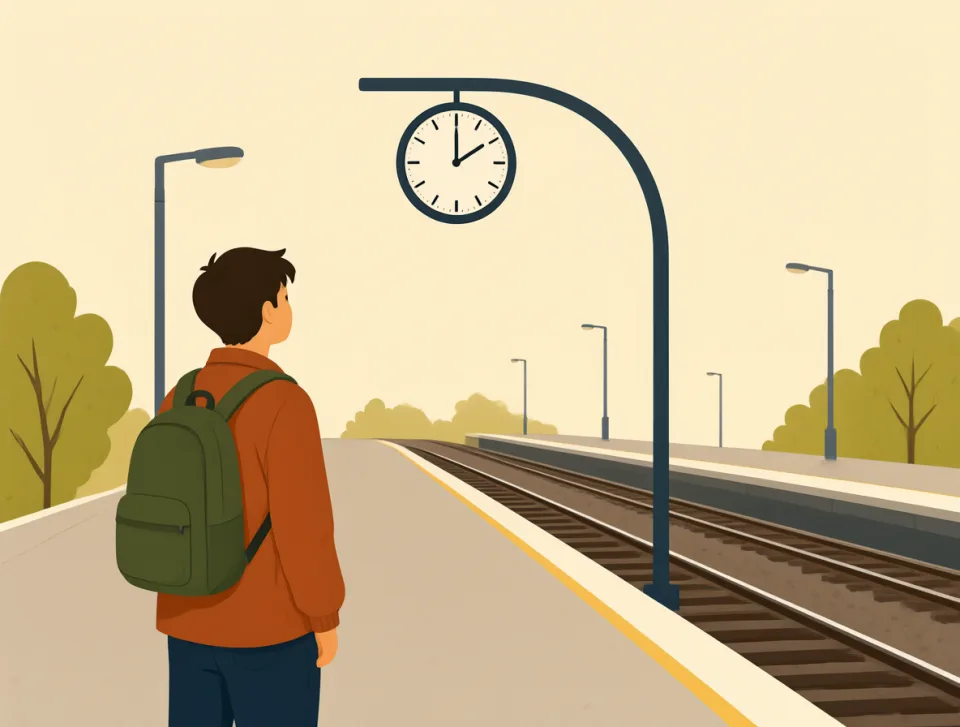
What time does the train leave?
電車は何時に出発しますか?

We visited that museum three times.
私たちはその博物館を3回訪れました。

She had a good time at the party.
彼女はパーティーで楽しい時間を過ごしました。
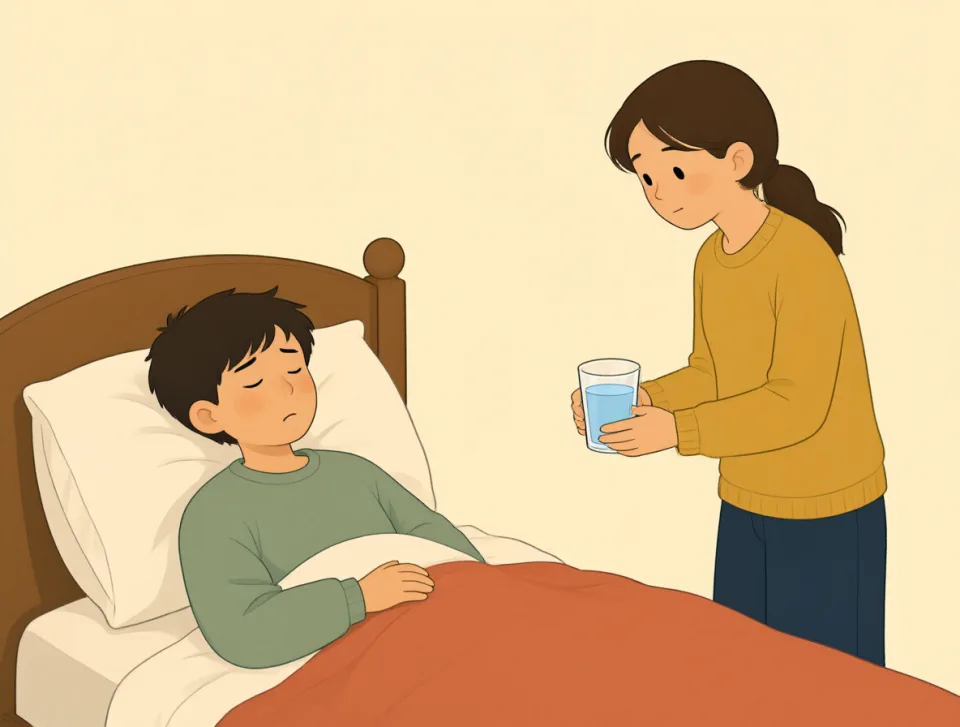
It takes time to feel better.
気分がよくなるには時間がかかります。
see
#50verb
見る; 会う; 観る; 分かる
to notice someone or something with your eyes
目で人や物に気づくこと
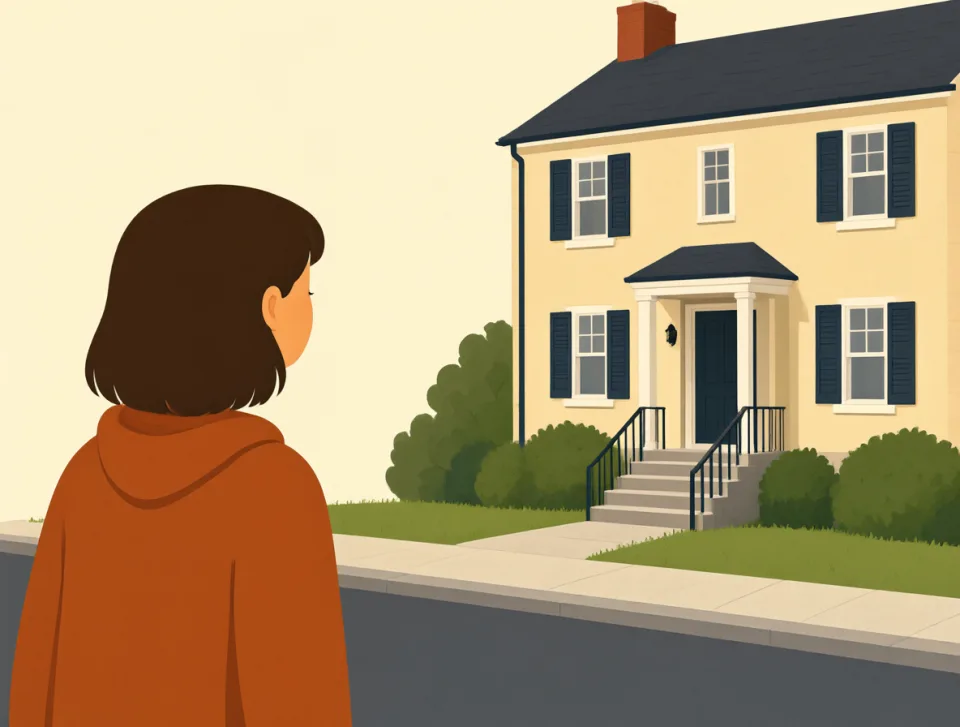
I can see your house from here.
ここからあなたの家が見えます。

Did you see Tom at school today?
今日、学校でTomを見かけた?

We saw a movie after dinner.
夕食のあと、映画を観ました。
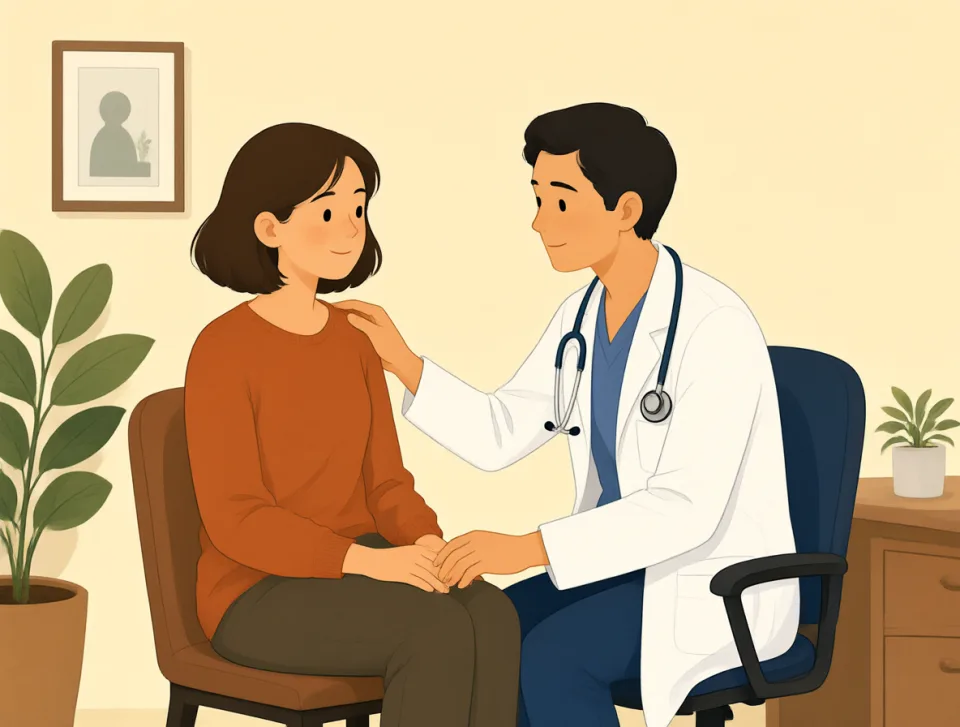
She sees the doctor every Monday.
彼女は毎週月曜日に医者に診てもらいます。
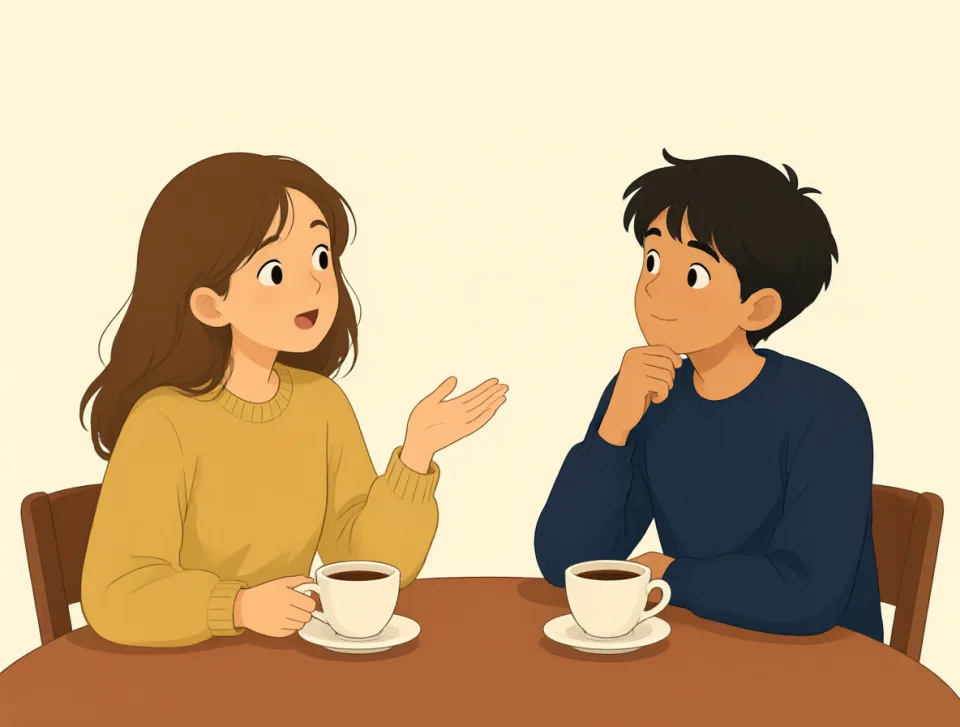
I see what you mean now.
今、あなたの言いたいことが分かりました。
what
#51pronoun, determiner
何; どんな
Used to ask about a thing, choice, or information.
物事や選択肢、情報について尋ねるときに使う。
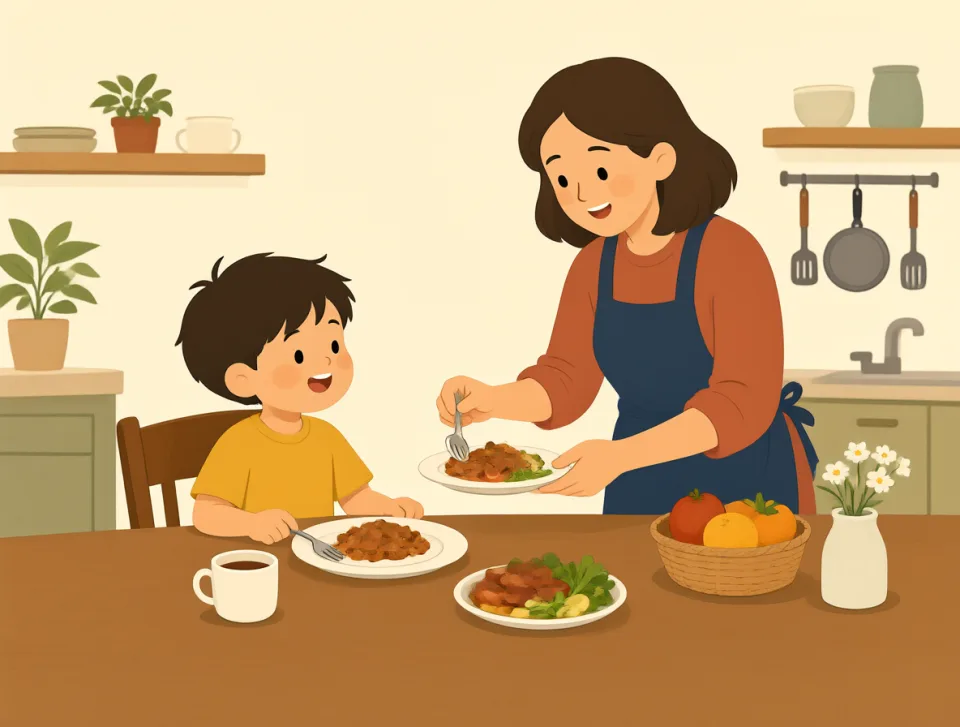
What do you want for dinner?
夕食は何が食べたい?
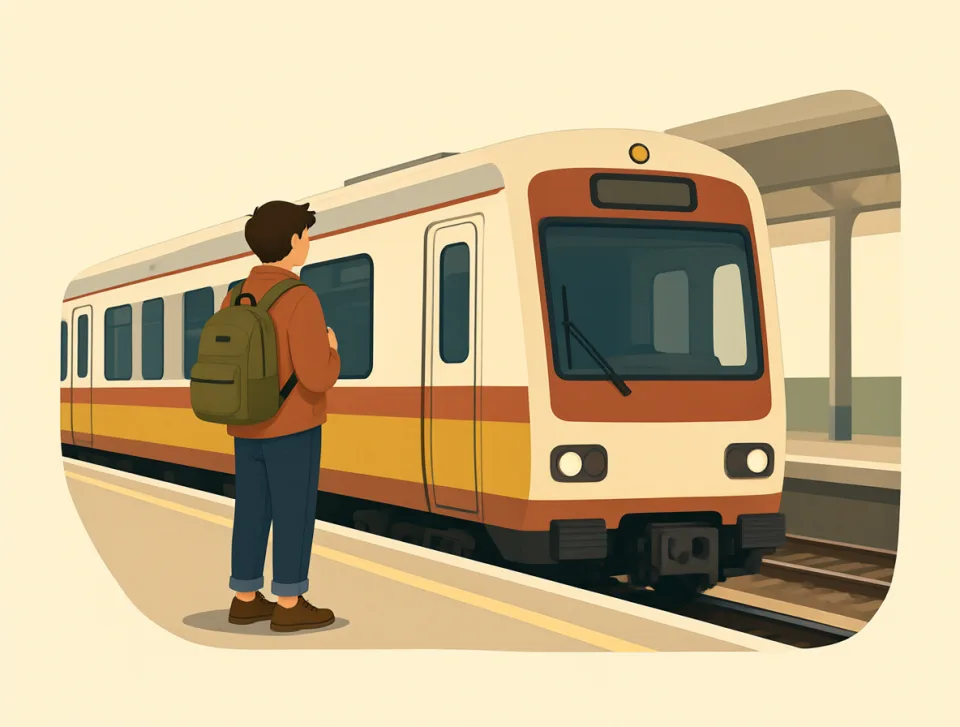
What time does the train leave?
電車は何時に出発しますか?
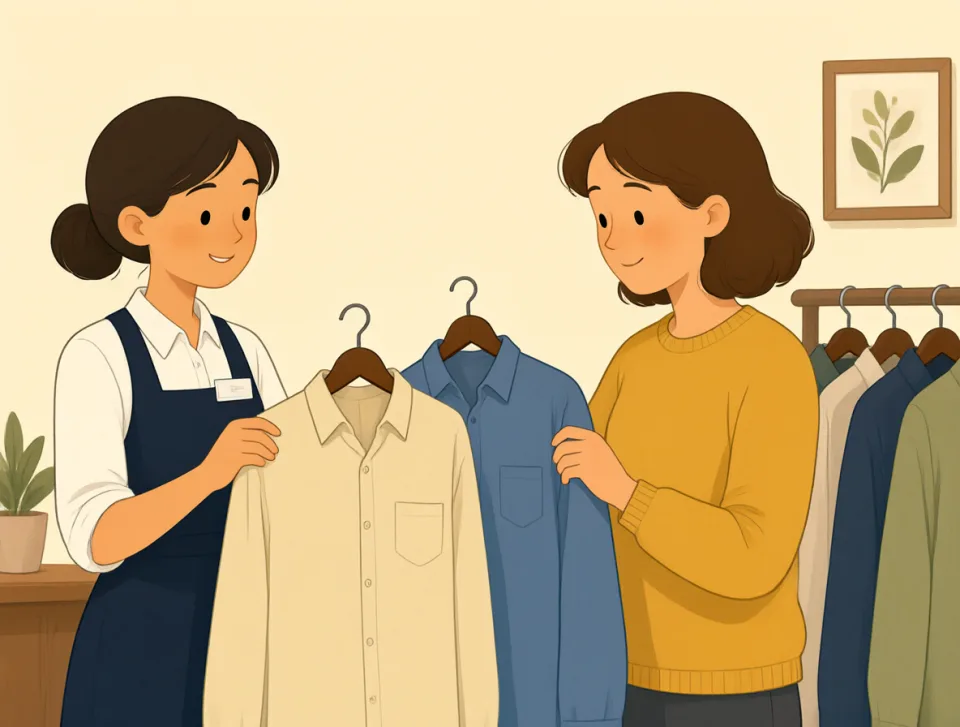
What size do you need?
どのサイズが必要ですか?

I know what you mean.
あなたの言いたいことはわかるよ。
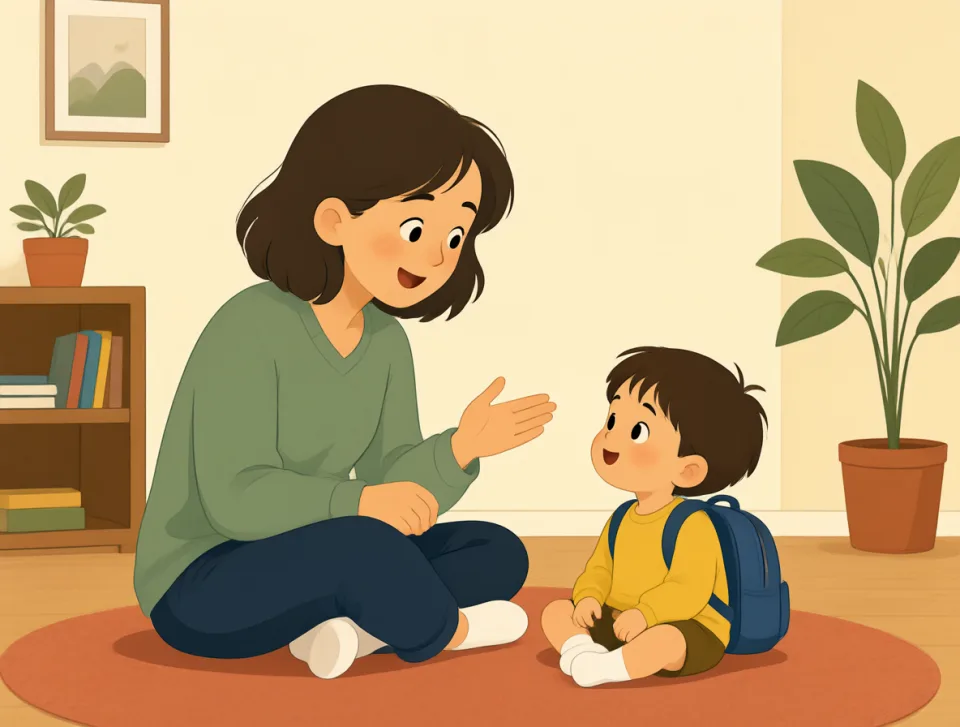
What happened at school today?
今日、学校で何があったの?
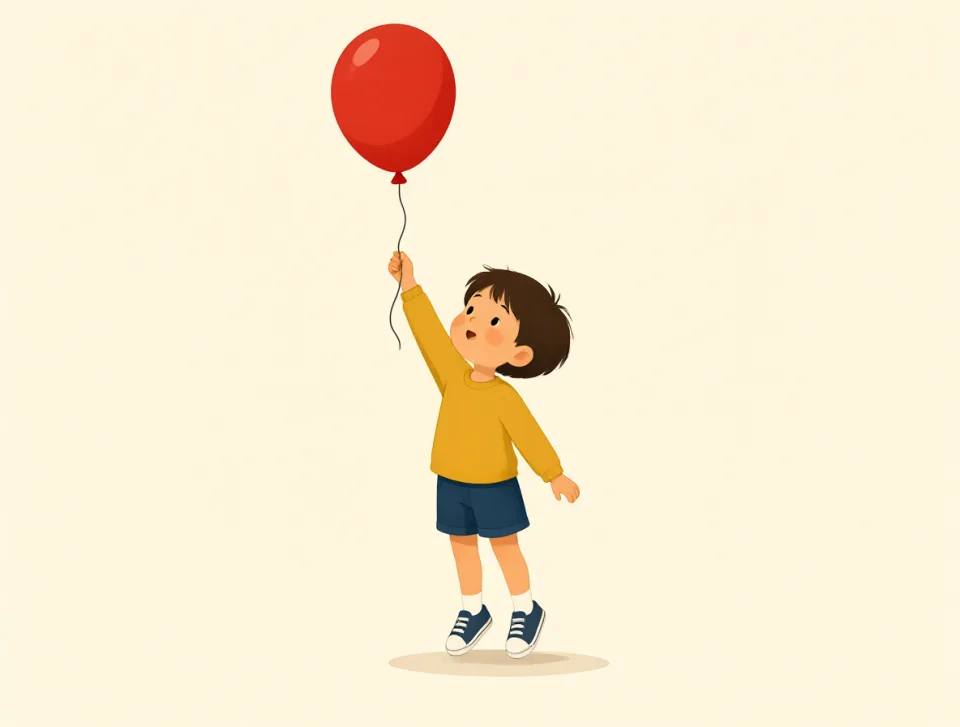
up
#52adverb, preposition, adjective, noun
上へ;上に;起きて
Toward a higher place or position; or in a higher position.
より高い場所や位置へ、またはより高い位置にあること。
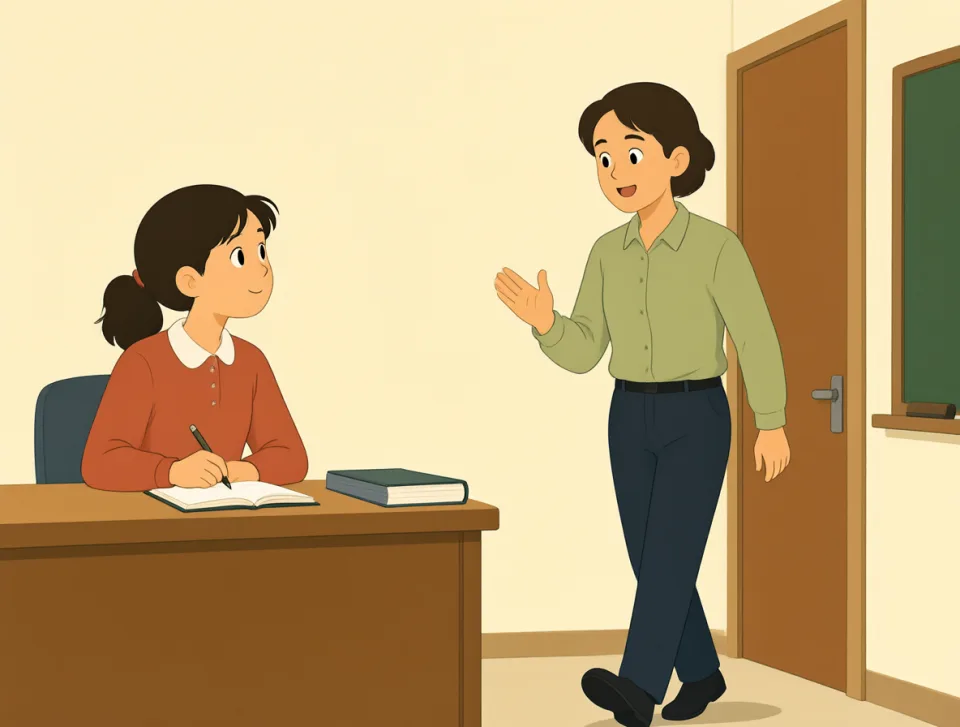
Please stand up when the teacher enters.
先生が入ってきたら、立ってください。
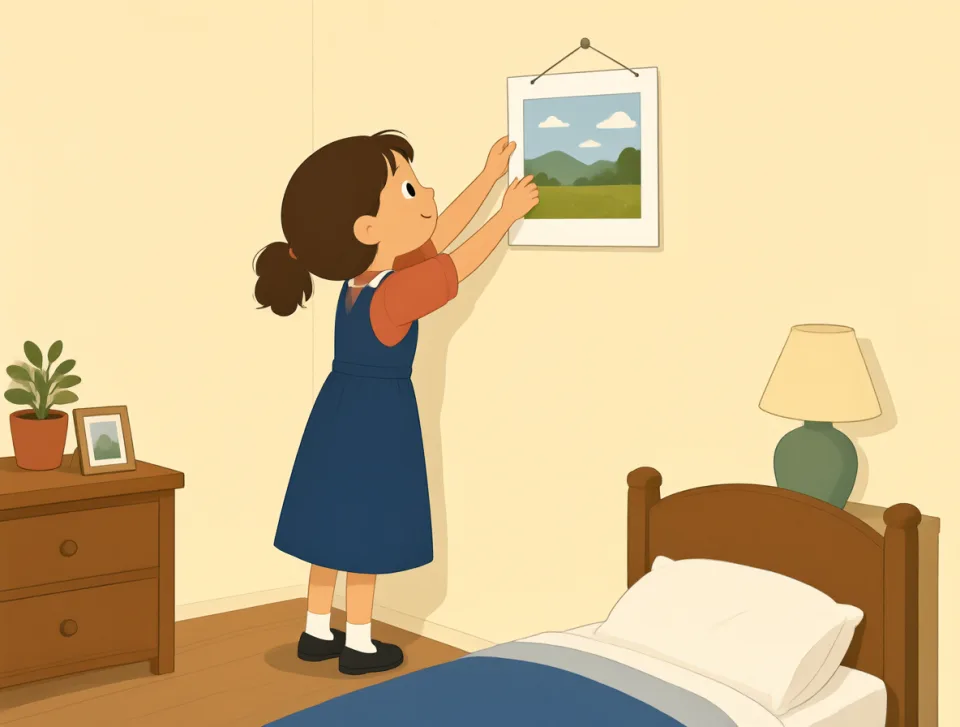
She put up the picture in her room.
彼女は部屋にその絵を飾った。
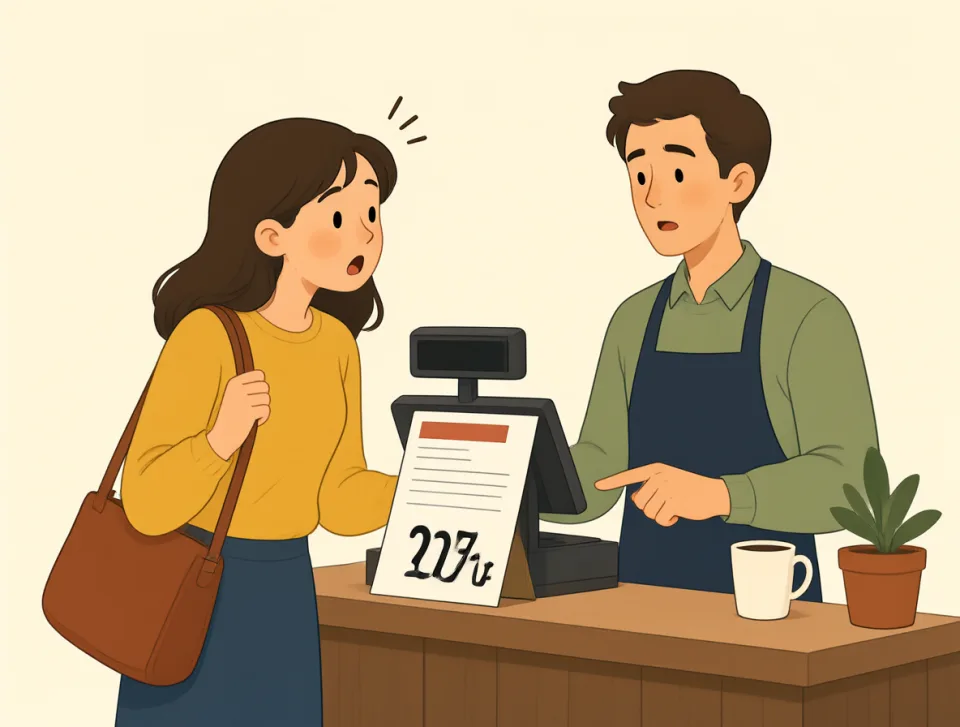
The price went up last month.
先月、物価が上がった。
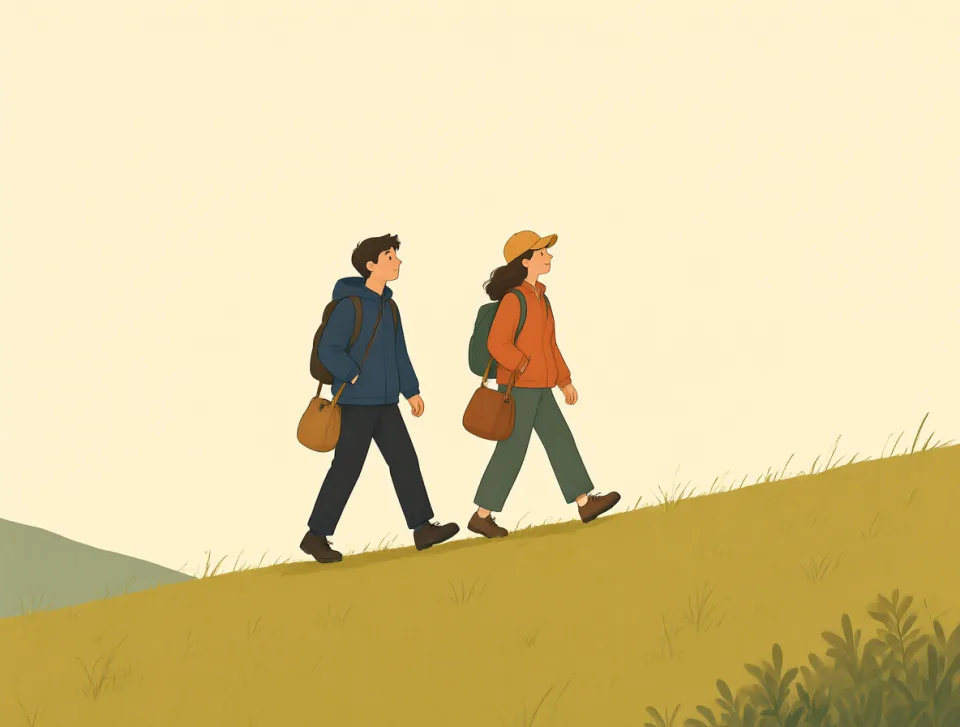
We walked up the hill to the station.
私たちは駅まで丘を歩いて上った。
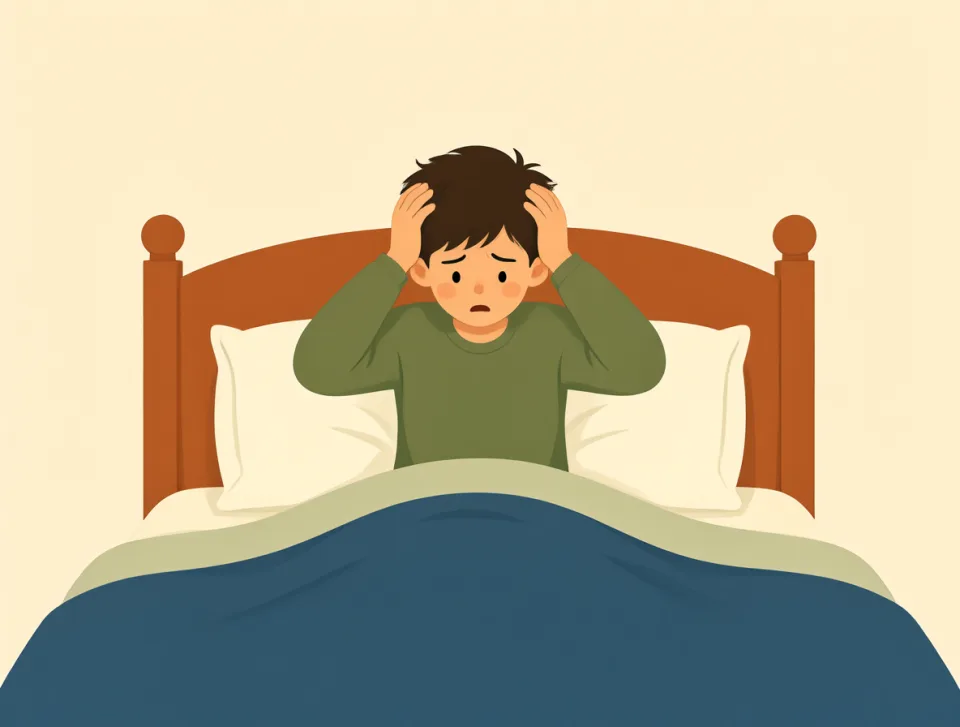
I woke up with a bad headache.
ひどい頭痛で目が覚めた。
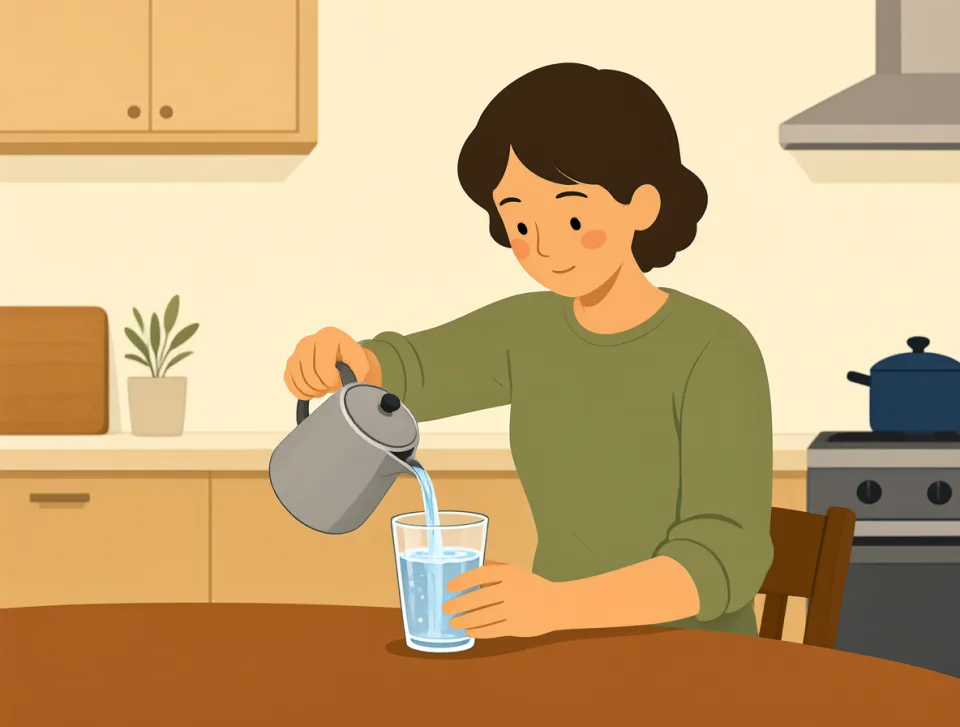
some
#53determiner, pronoun, adverb
いくつかの;いくらかの;多少
An amount or number that is not exact or not stated.
正確な量や数が示されていないもの。
I need some water, please.
お水を少しいただけますか。
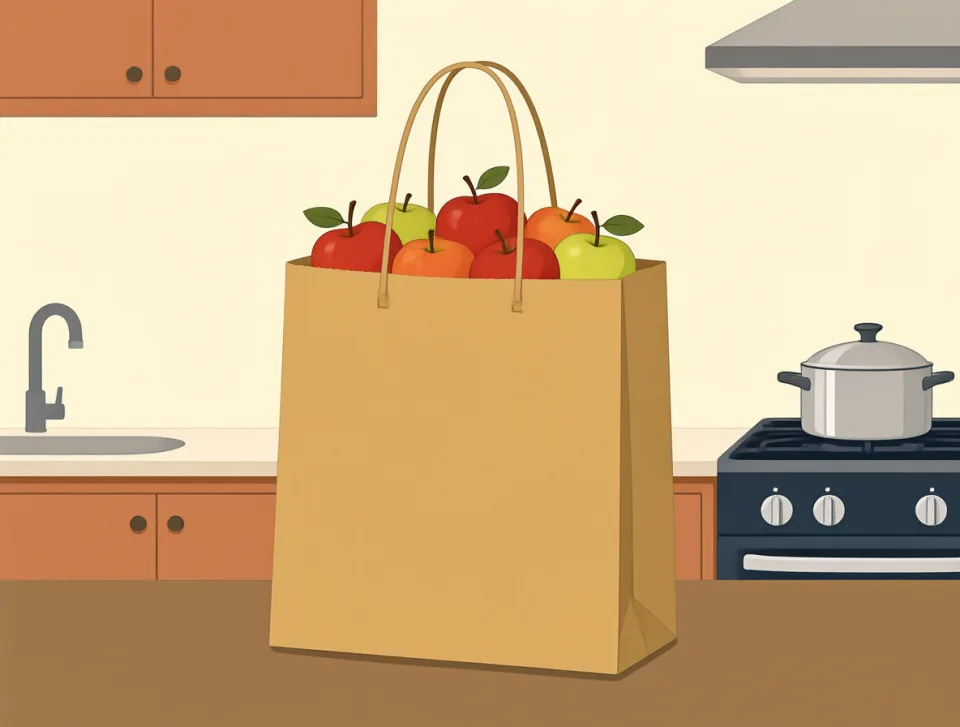
There are some apples in the bag.
袋にりんごがいくつか入っています。
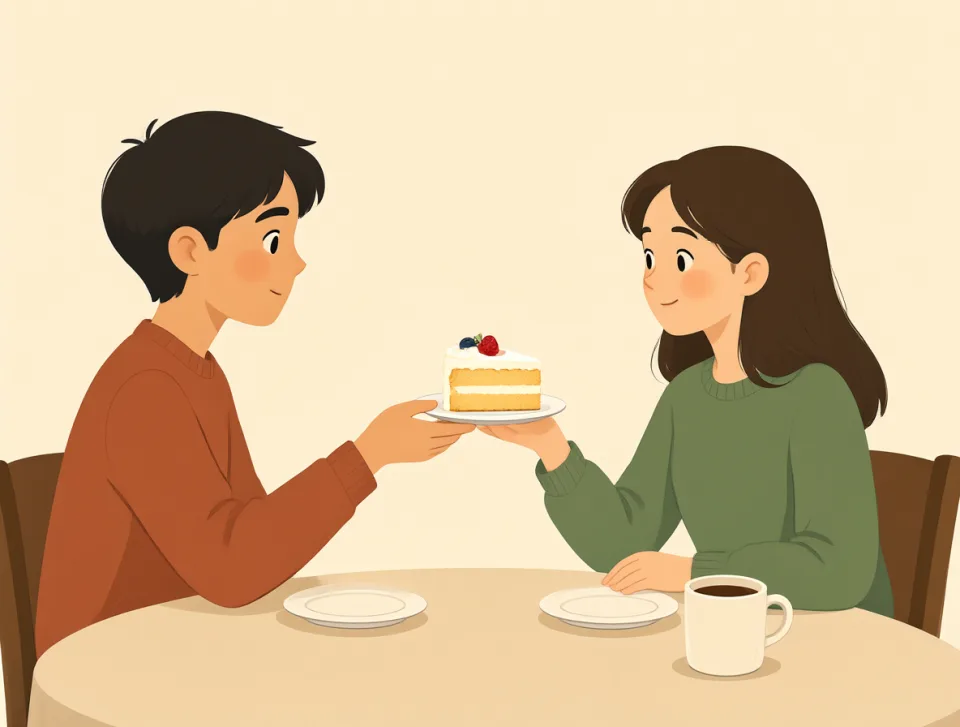
Would you like some cake?
ケーキはいかがですか。
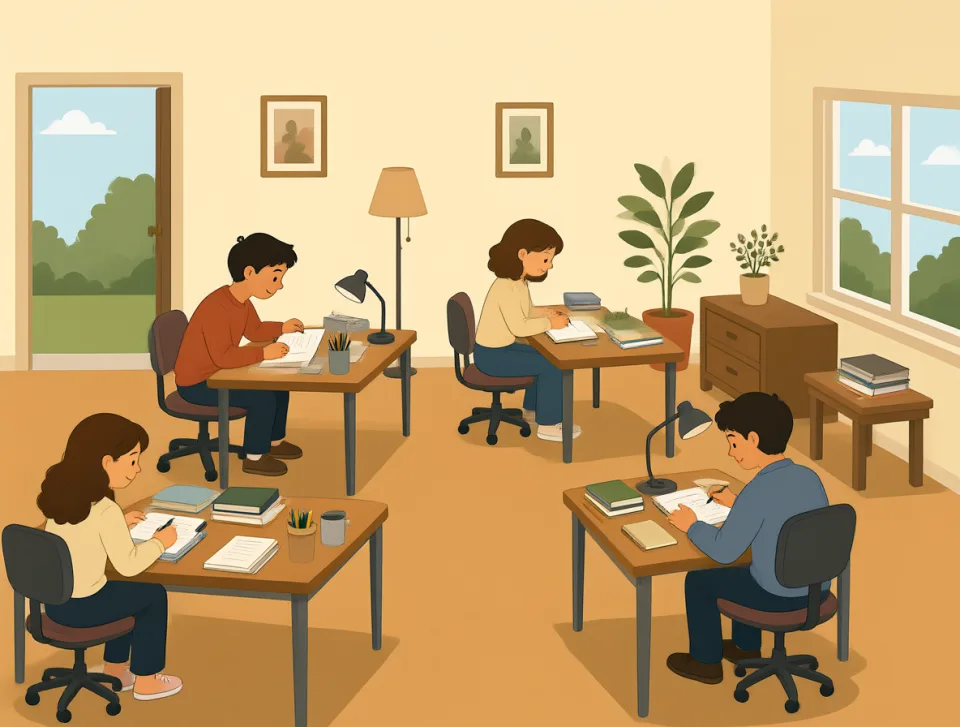
Some people work from home.
在宅勤務をしている人もいます。
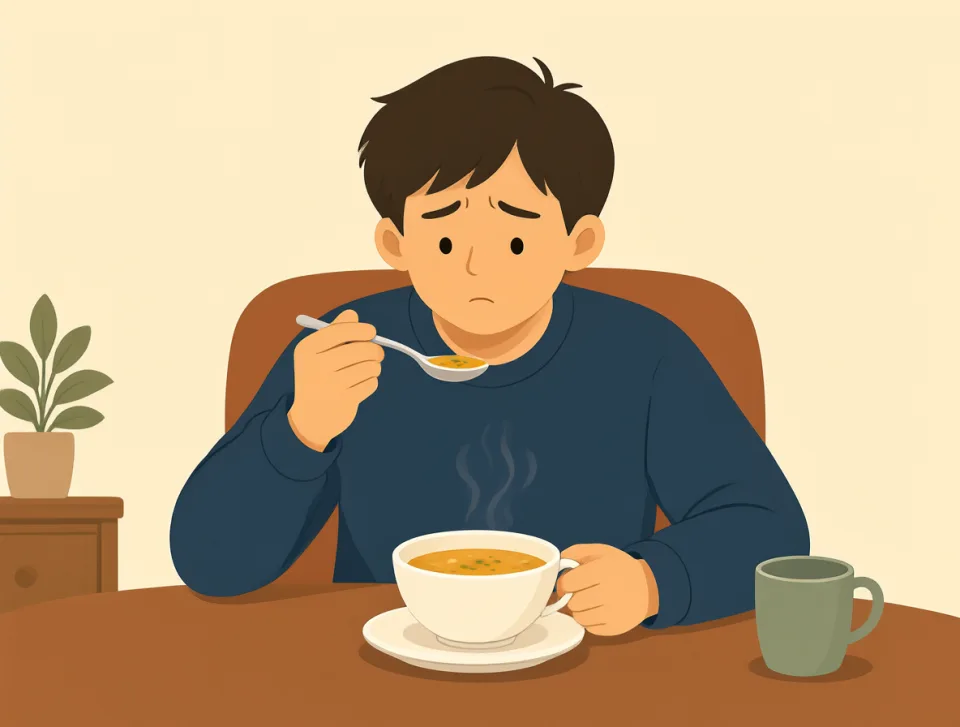
The soup is some better today.
今日のスープは少しおいしくなっています。
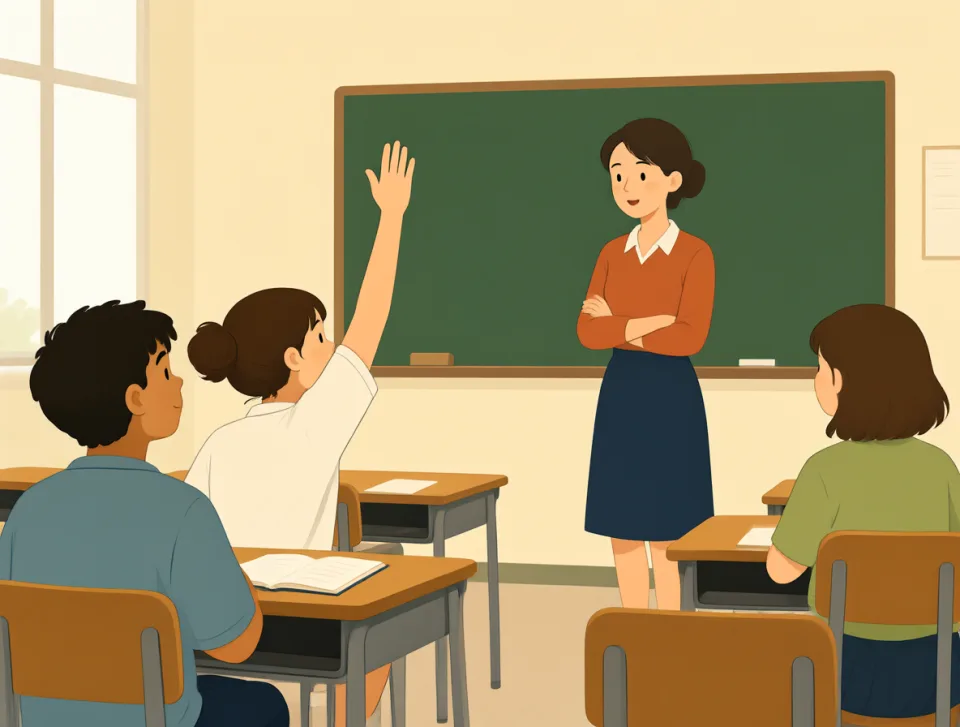
other
#54adjective, pronoun, determiner
ほかの;別の
Different from the one or ones already mentioned or known.
すでに話題に出たものや知られているものとは違う。
Do you have any other questions?
ほかに質問はありますか?
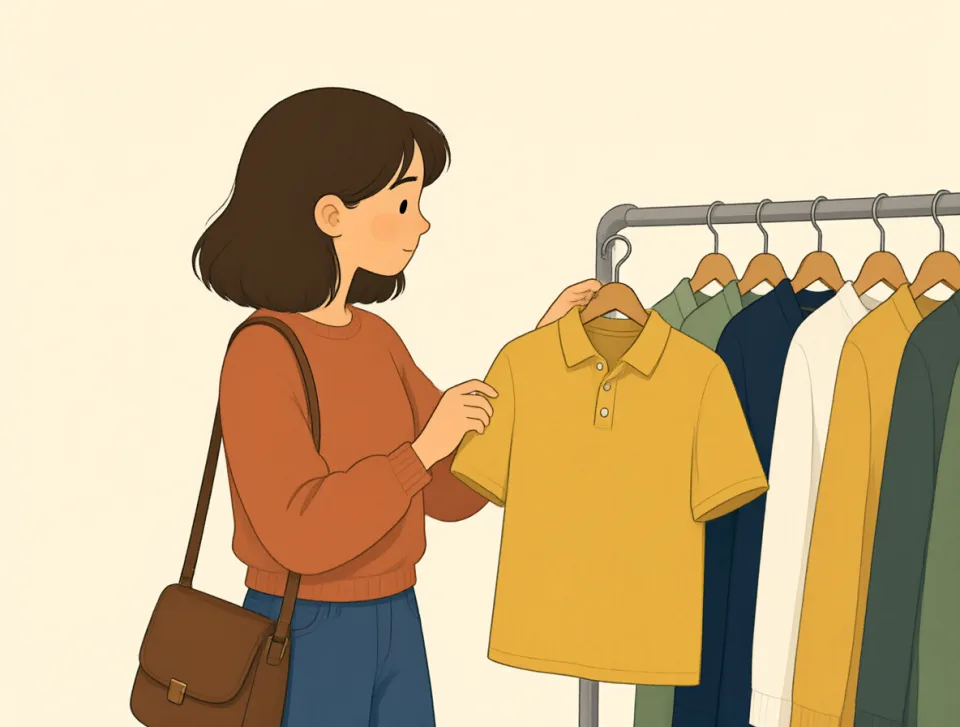
I chose the other shirt.
私はもう一方のシャツを選びました。
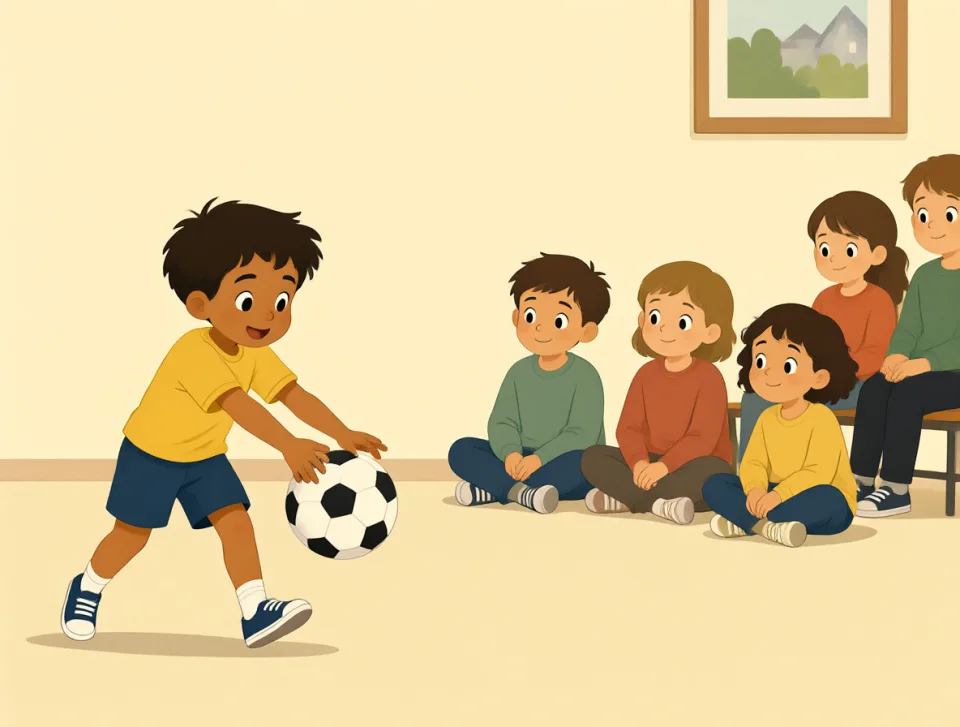
Some children played; the others watched.
何人かの子どもたちは遊び、ほかの子たちは見ていました。
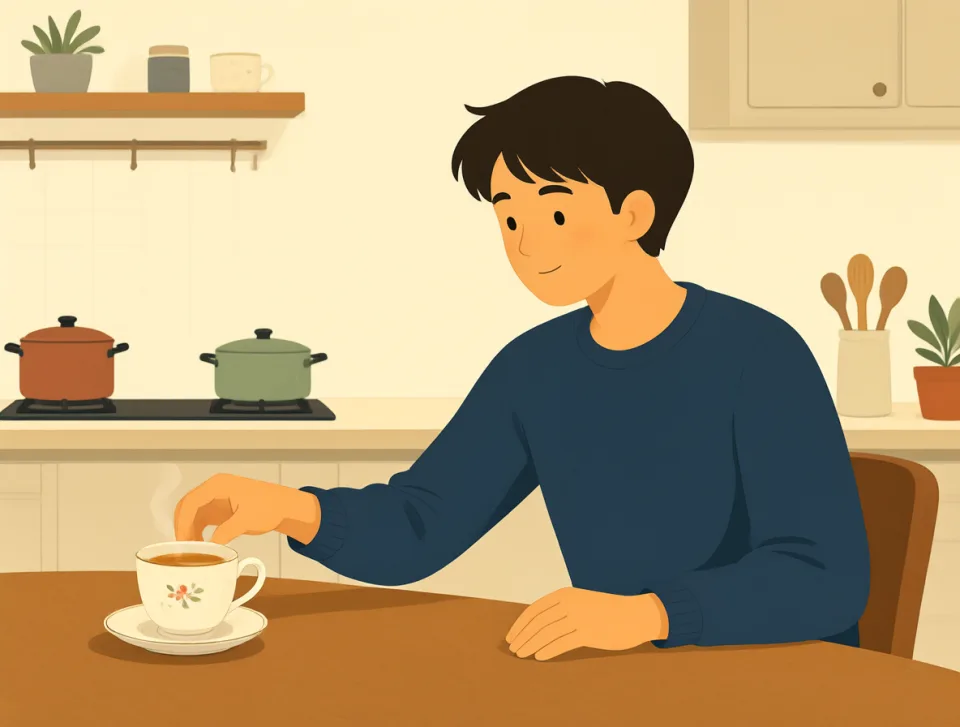
Can I have another cup of tea?
紅茶をもう一杯いただけますか?
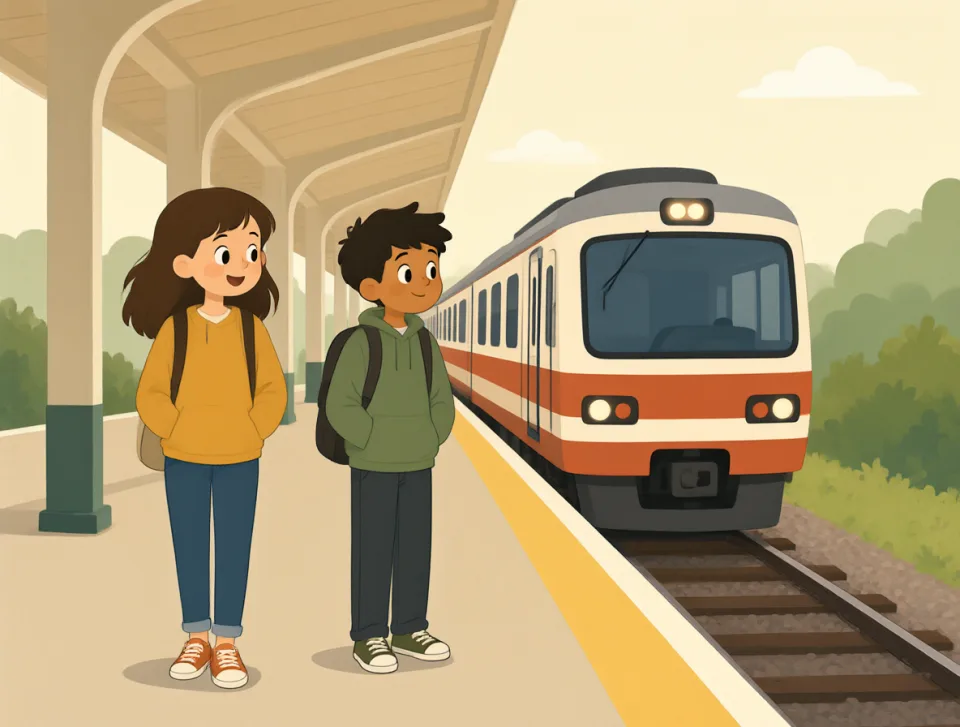
We took the other train home.
私たちはもう一方の電車で家に帰りました。
out
#55adverb, preposition, adjective, noun
外へ; 外で; 切れて; 外出して
Away from a place, inside, or usual state; or not working or available.
場所や内部、通常の状態から離れていること。または、機能していない、利用できないこと。
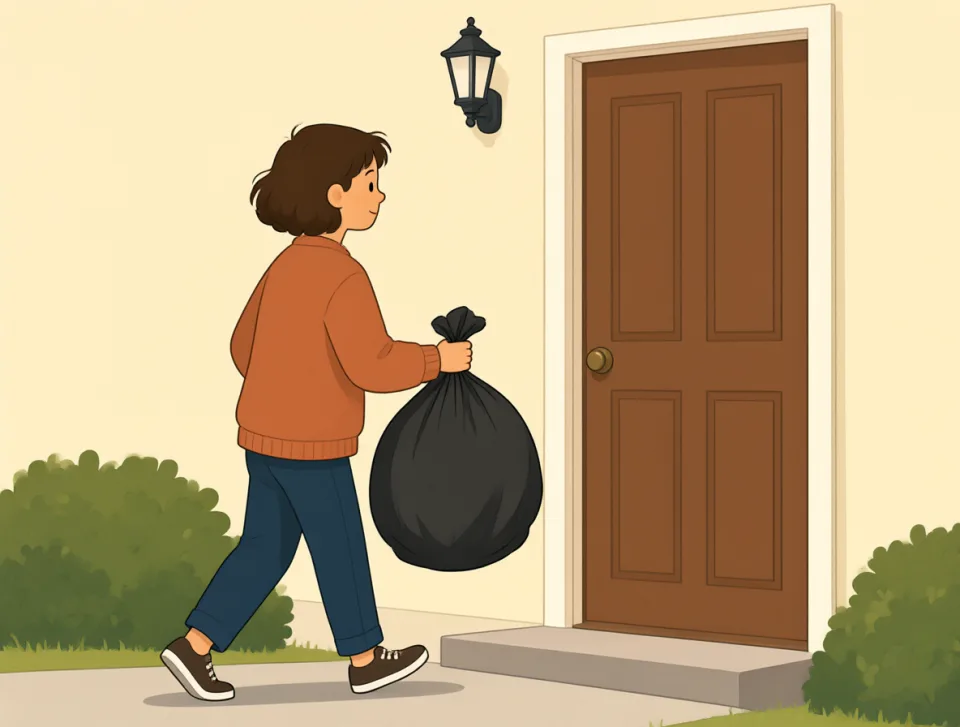
Please take the trash out tonight.
今夜、ゴミを外に出しておいてください。
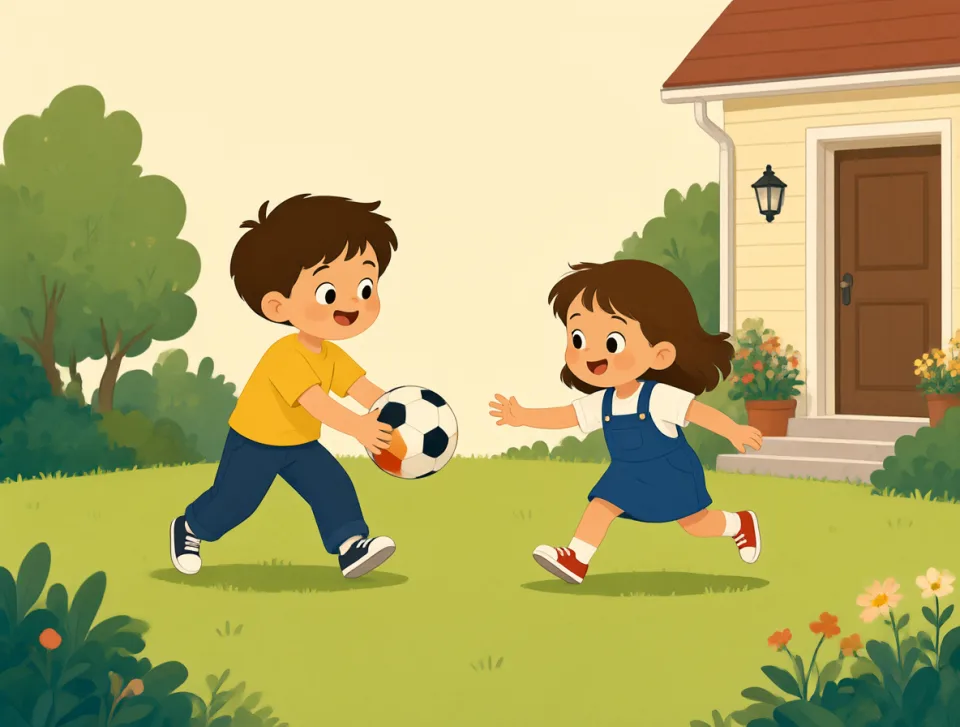
The children are playing out in the garden.
子どもたちは庭で外遊びをしています。
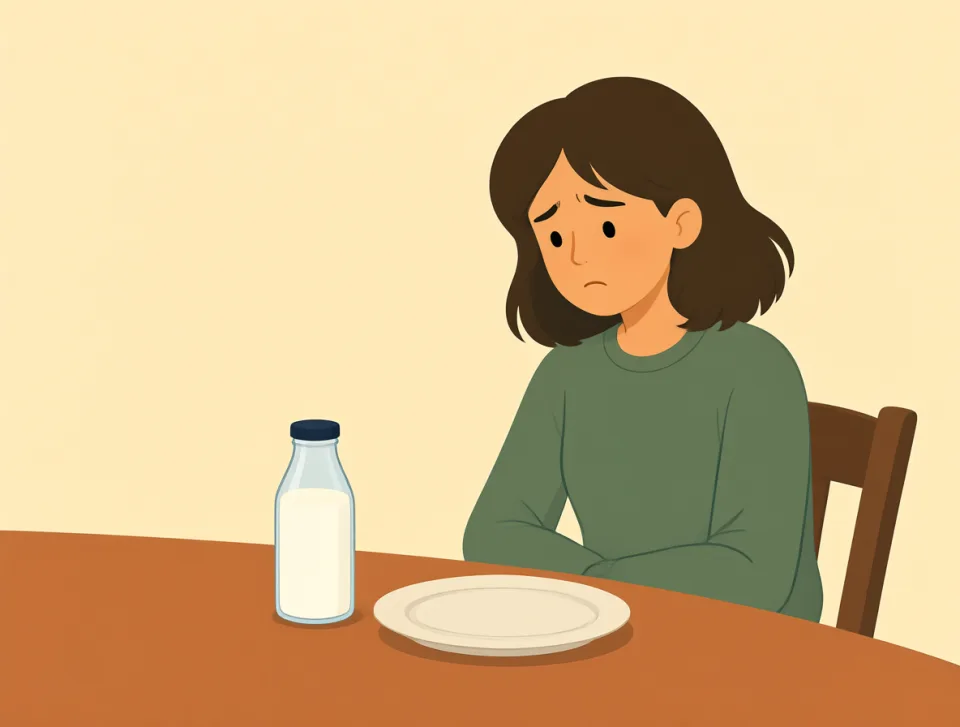
We ran out of milk this morning.
今朝、牛乳を切らしてしまいました。
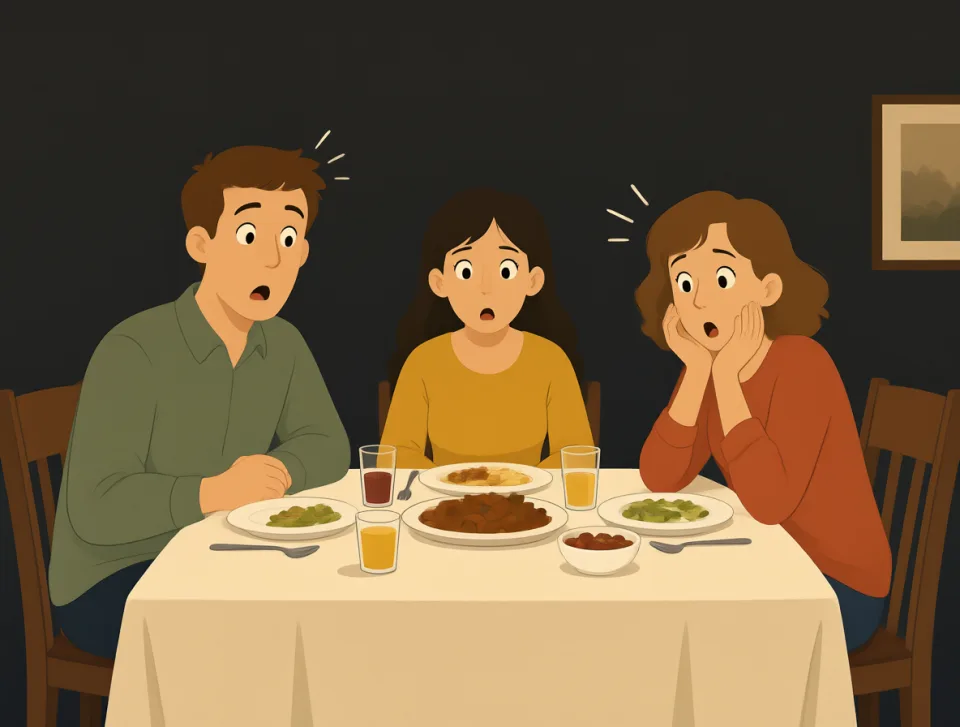
The lights went out during dinner.
夕食中に明かりが消えました。

She is out with friends tonight.
彼女は今夜、友達と出かけています。
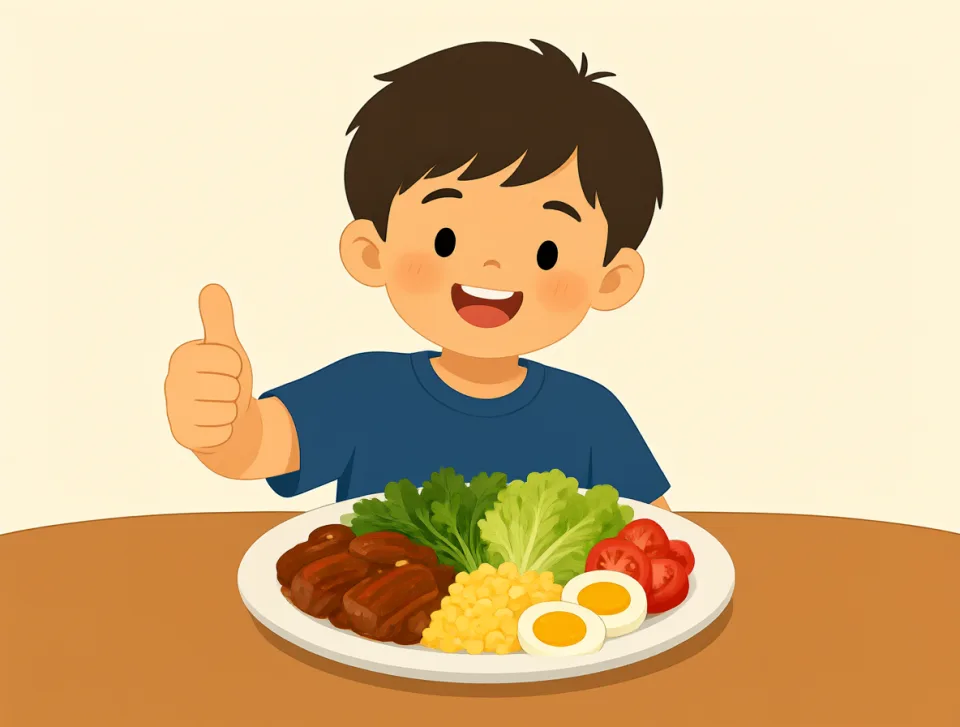
good
#56adjective, noun, adverb
良い; 善; うまく
Pleasant, useful, or of a high quality; used to show approval.
快適で、役に立つ、または質が高いこと。賛成や称賛を表すときに使う。
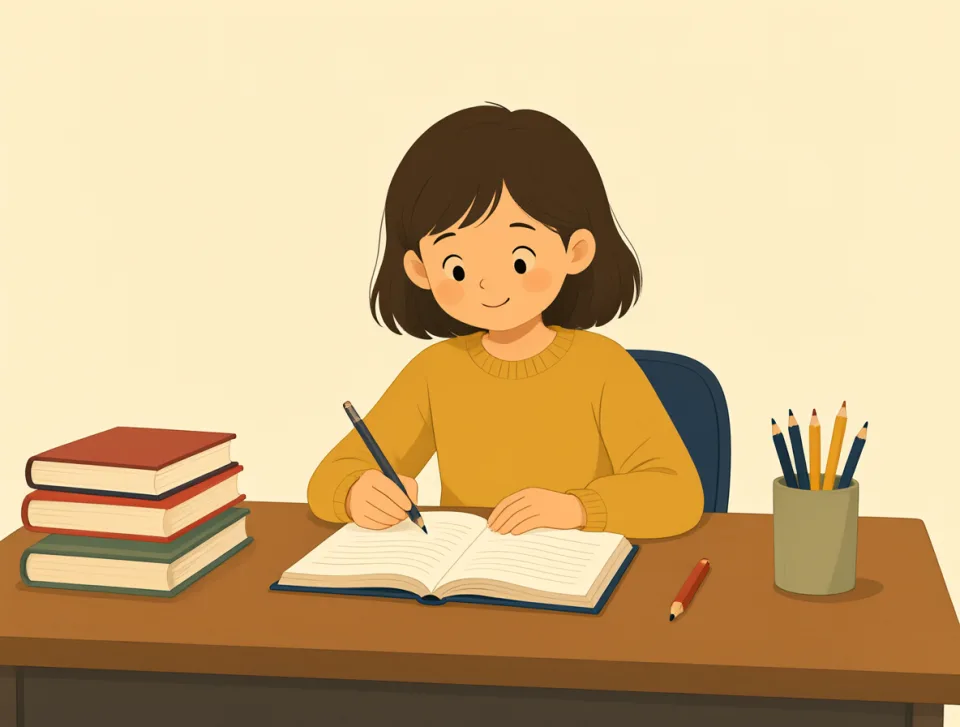
She is a good student.
彼女は良い生徒です。

This soup tastes really good.
このスープは本当においしいです。

We had a good time together.
私たちは一緒に楽しい時間を過ごしました。
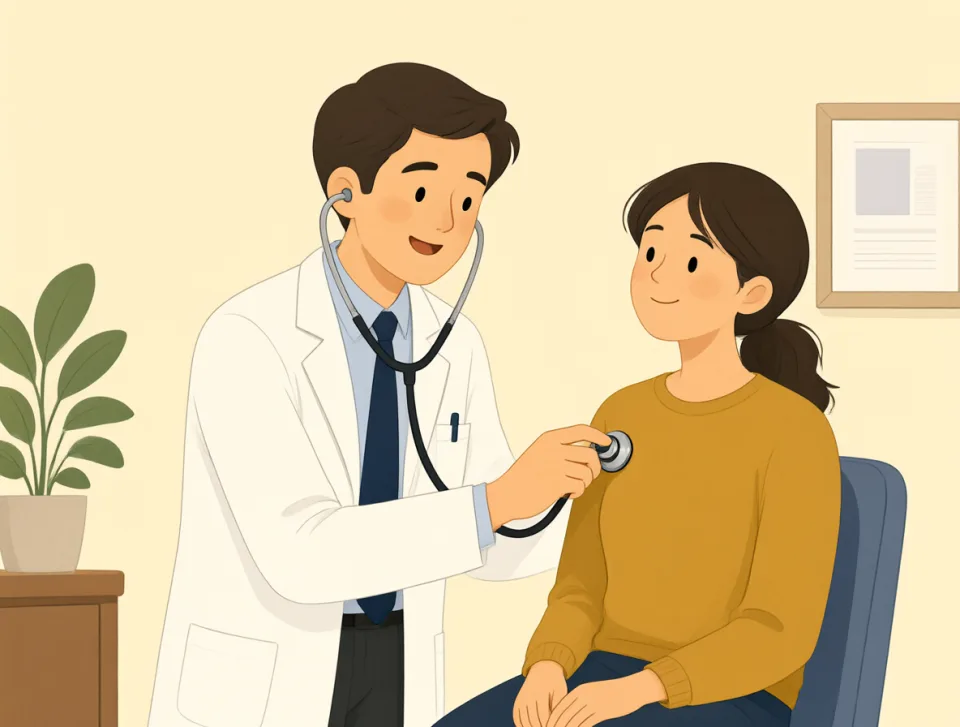
The doctor said my heart is good.
医師は私の心臓は健康だと言いました。
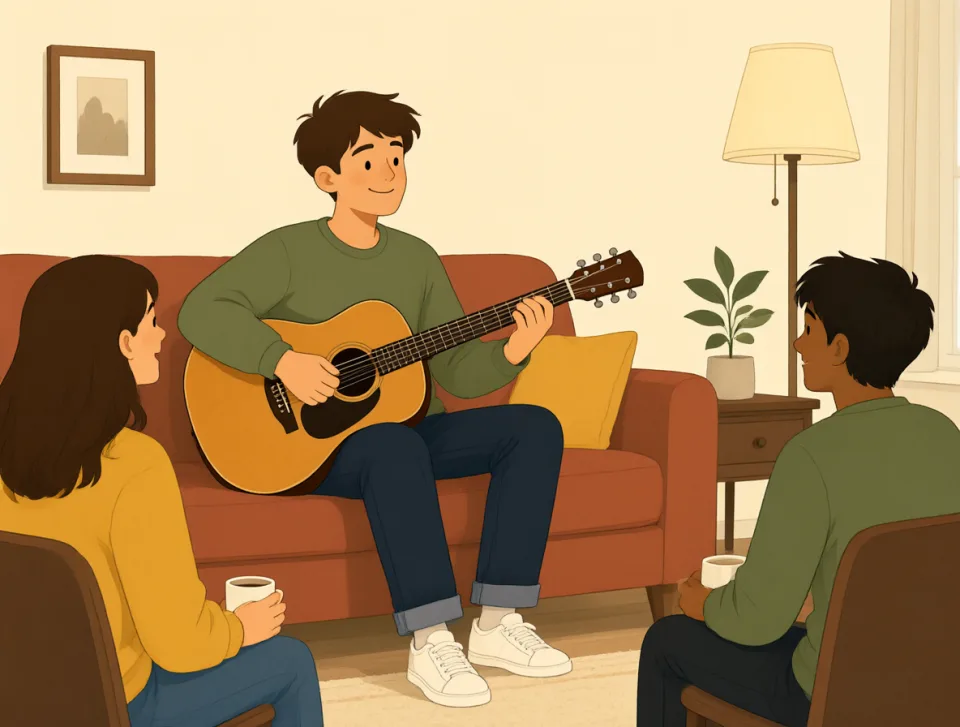
He plays the guitar very well.
彼はギターをとても上手に弾きます。
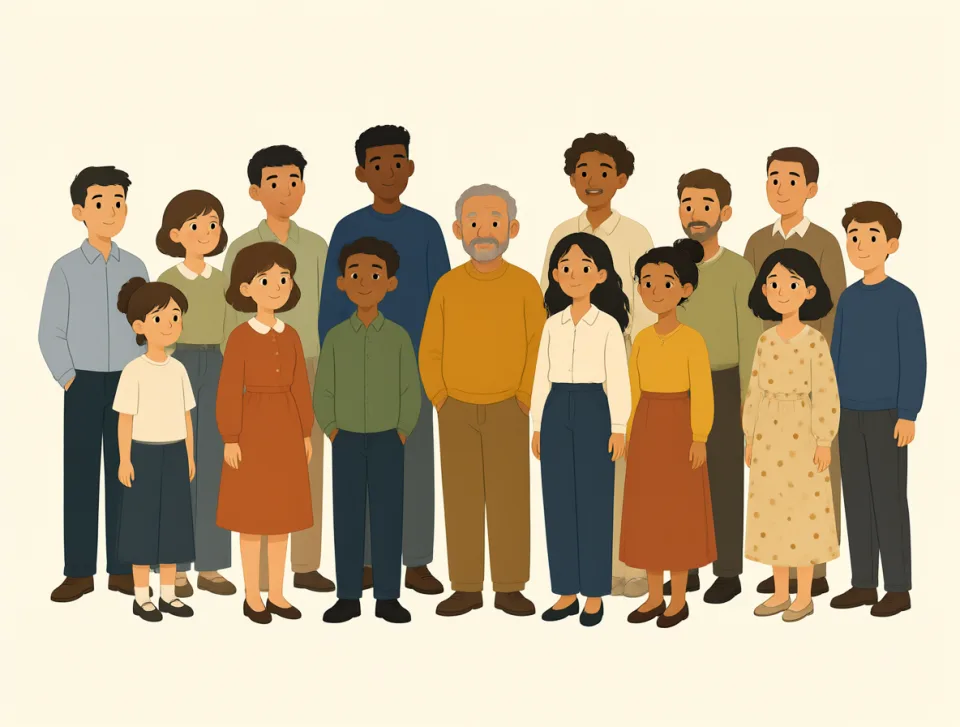
people
#57noun
人々; 人間
Human beings in general, or a group of human beings.
一般的な人間、または人間の集団。
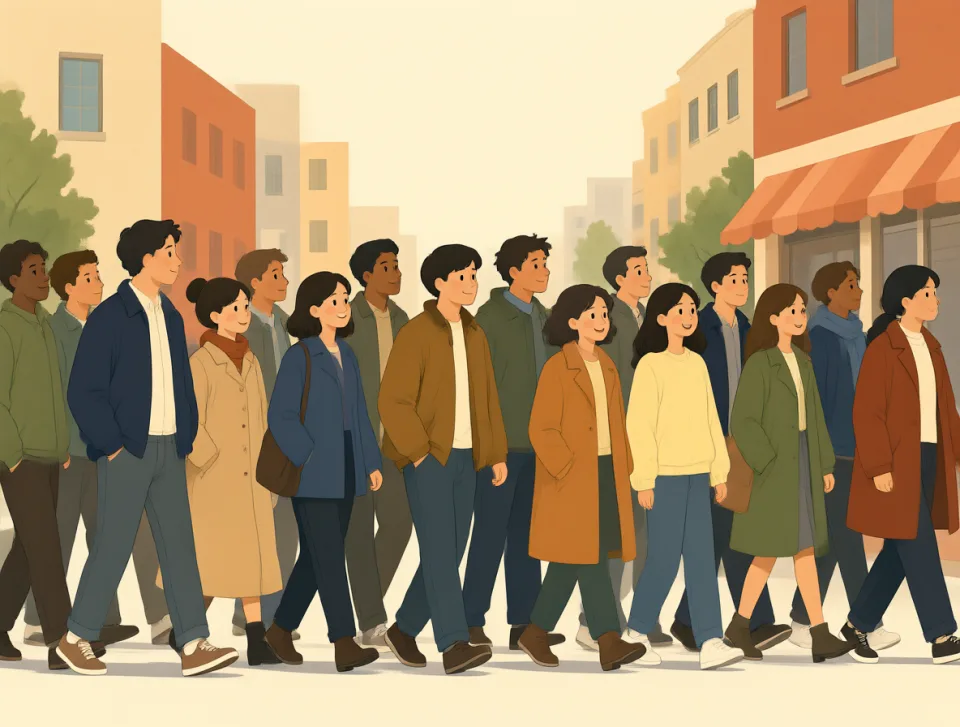
Many people live in this city.
この街には多くの人が住んでいます。
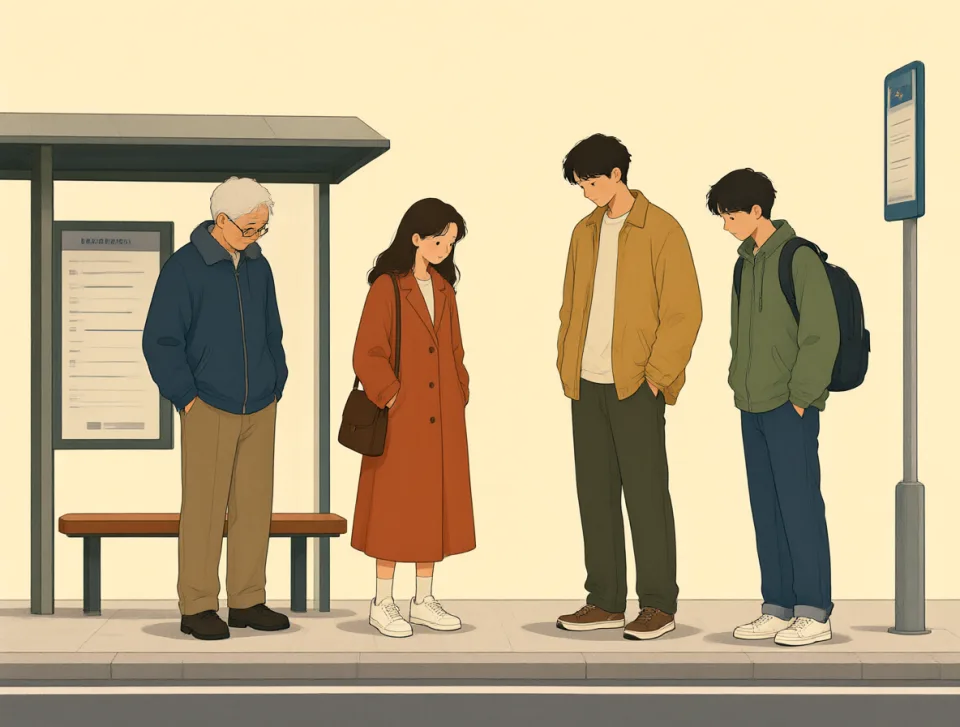
People are waiting for the bus.
人々がバスを待っています。
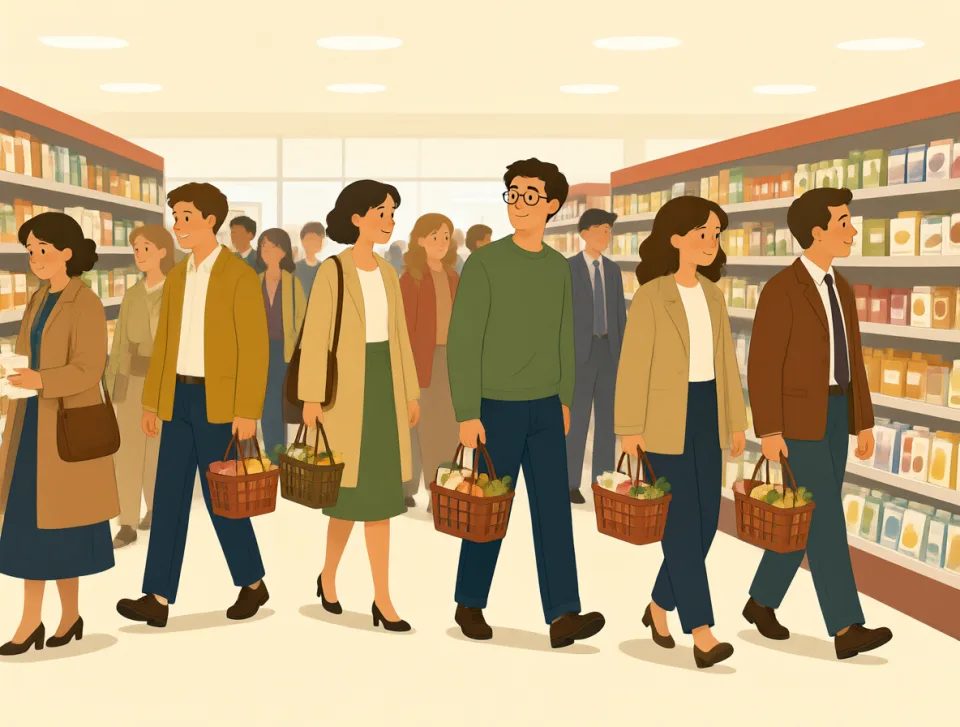
The shop was full of people.
その店は人でいっぱいでした。

Some people work from home.
在宅で働く人もいます。
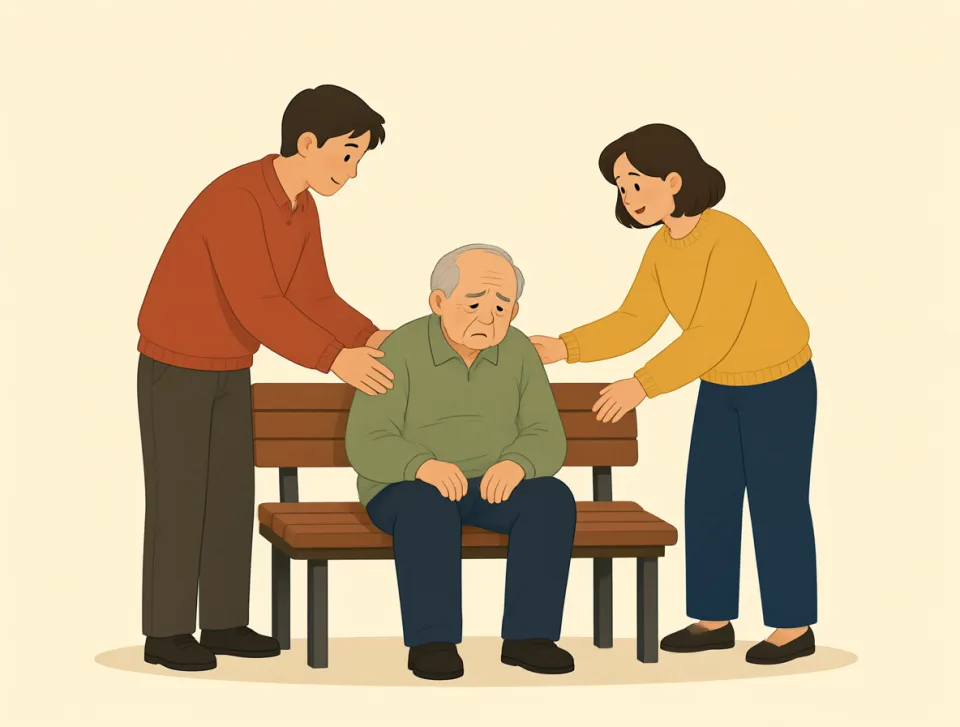
People helped the sick man.
人々は病気の男性を助けました。
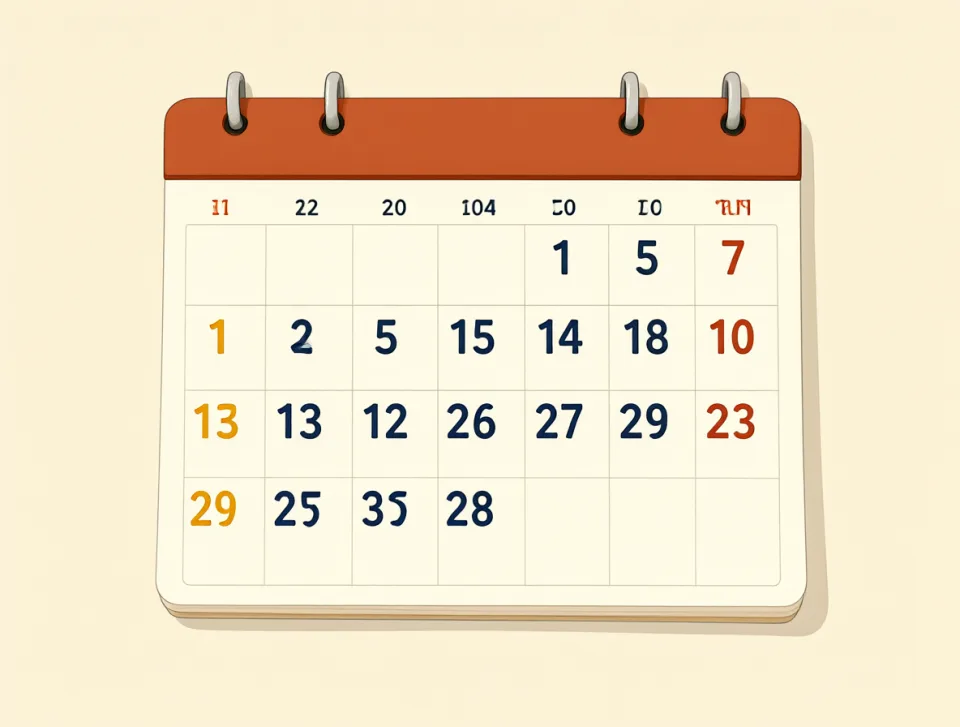
year
#58noun
年
A period of twelve months, usually from January to December.
通常1月から12月までの、12か月間の期間。
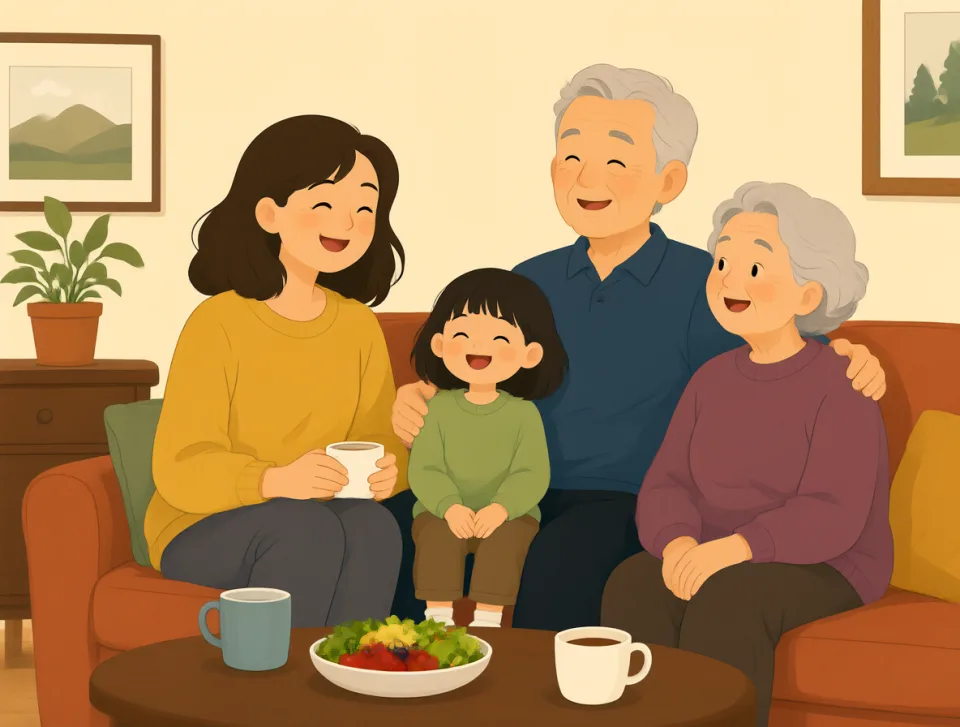
I visit my family twice a year.
私は年に2回、家族に会いに行きます。
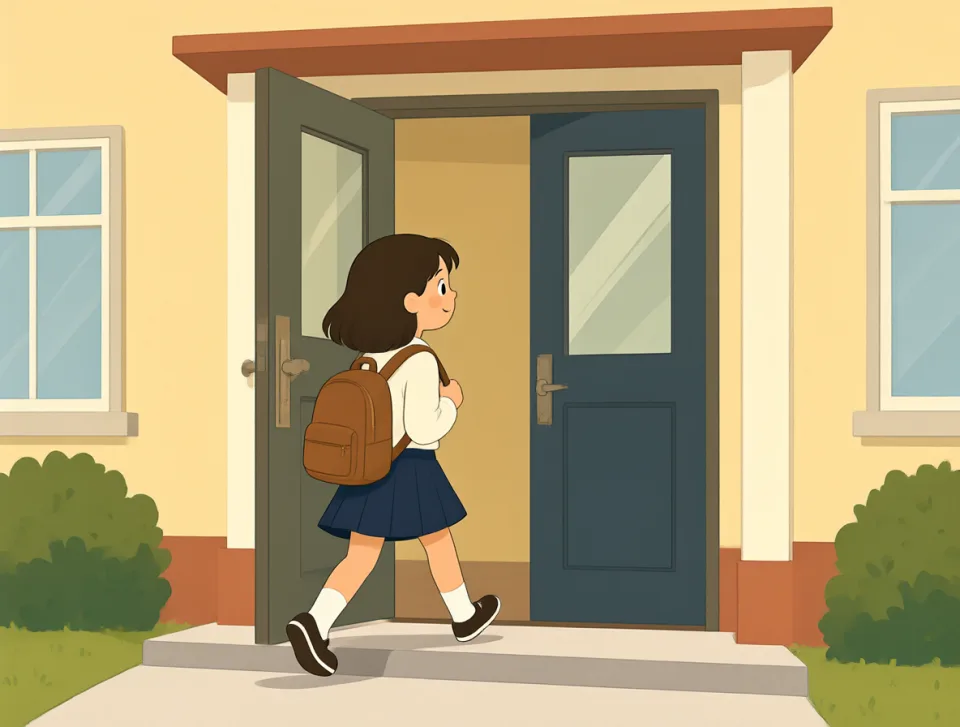
She started school last year.
彼女は去年学校に入学しました。
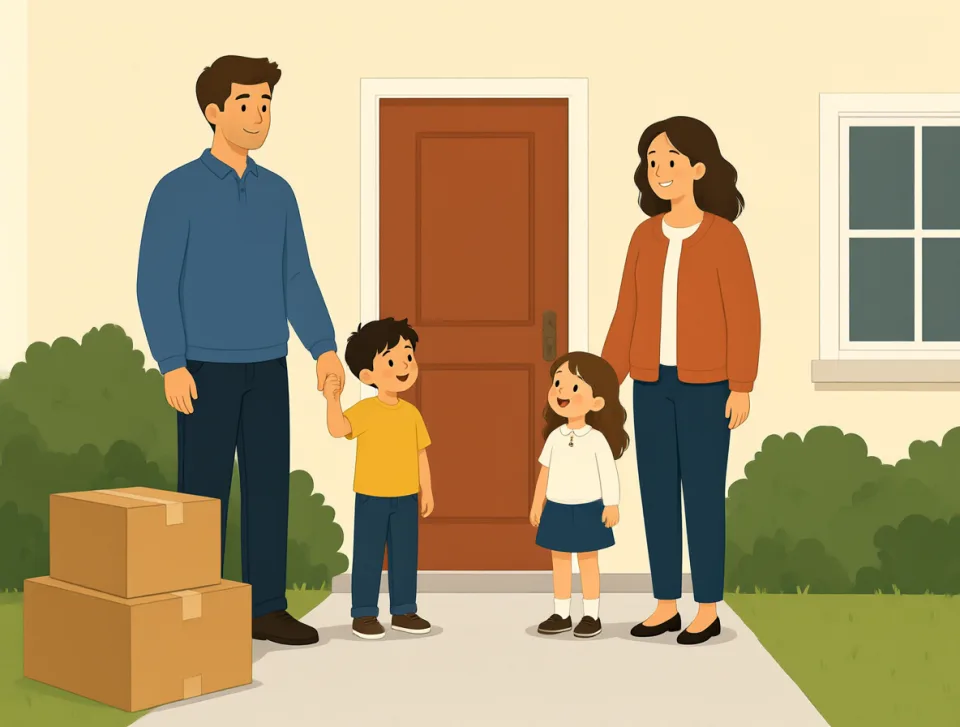
We lived there for three years.
私たちはそこに3年間住んでいました。
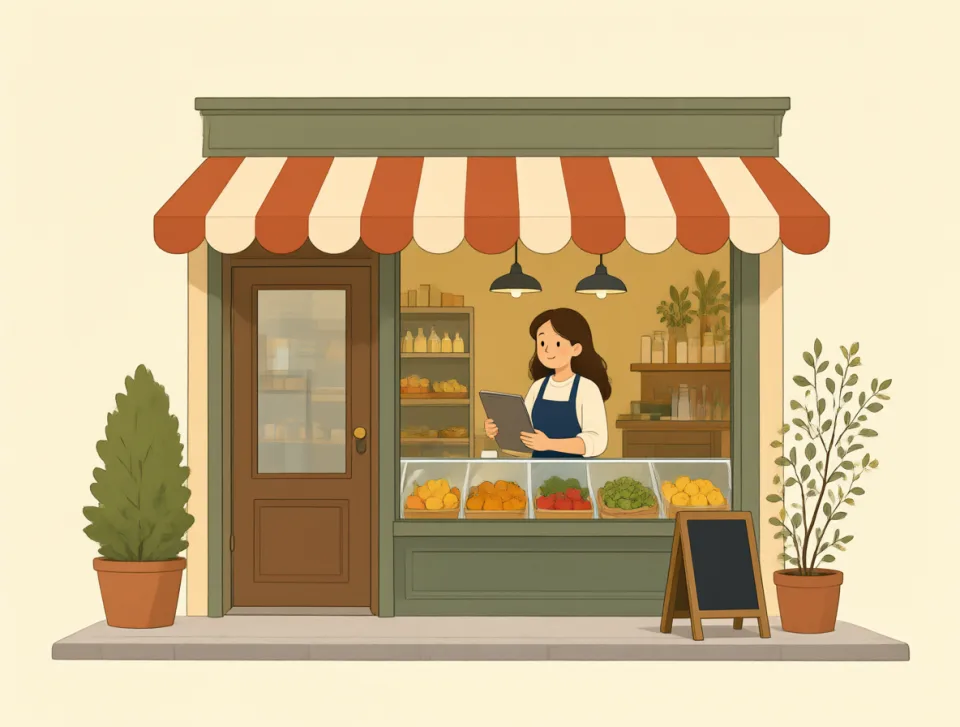
The shop opens every year in May.
その店は毎年5月に開店します。

He is one year old today.
彼は今日で1歳です。

take
#59verb, noun
持っていく; 使う; する; 撮る
To move something with you, use something, or do an action.
何かを持って移動する、何かを使う、または行動をすること。
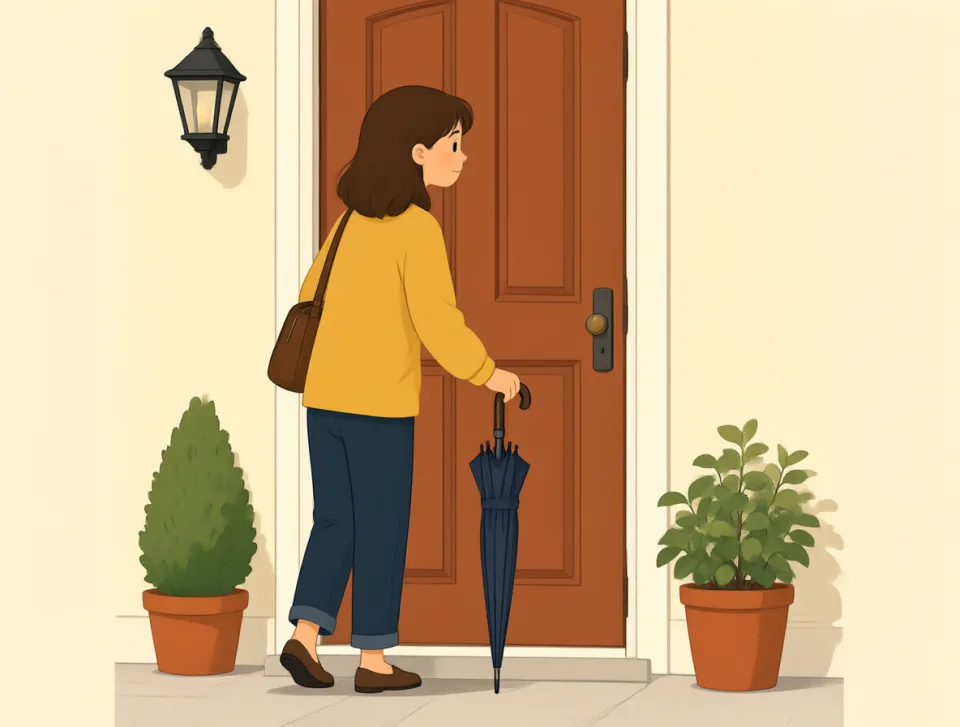
Please take an umbrella when you leave.
出かけるときは傘を持っていってください。

I take the bus to work every day.
私は毎日バスで仕事に行きます。

She took a photo of the mountains.
彼女は山の写真を撮りました。
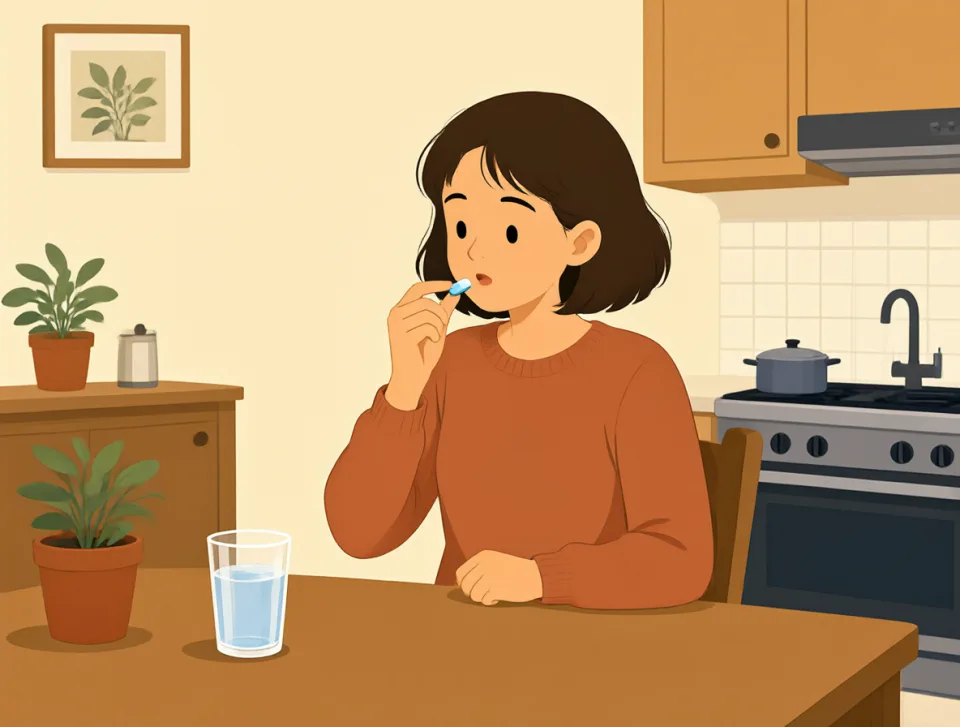
Take this medicine after breakfast.
この薬は朝食後に飲んでください。

We took a short break after lunch.
昼食の後、私たちは少し休憩を取りました。
no
#60determiner, adverb, noun
ない; いいえ; 無; 禁止
Used to say that something is not available, allowed, or true.
何かが存在しない、許可されていない、または事実ではないと言うときに使う。
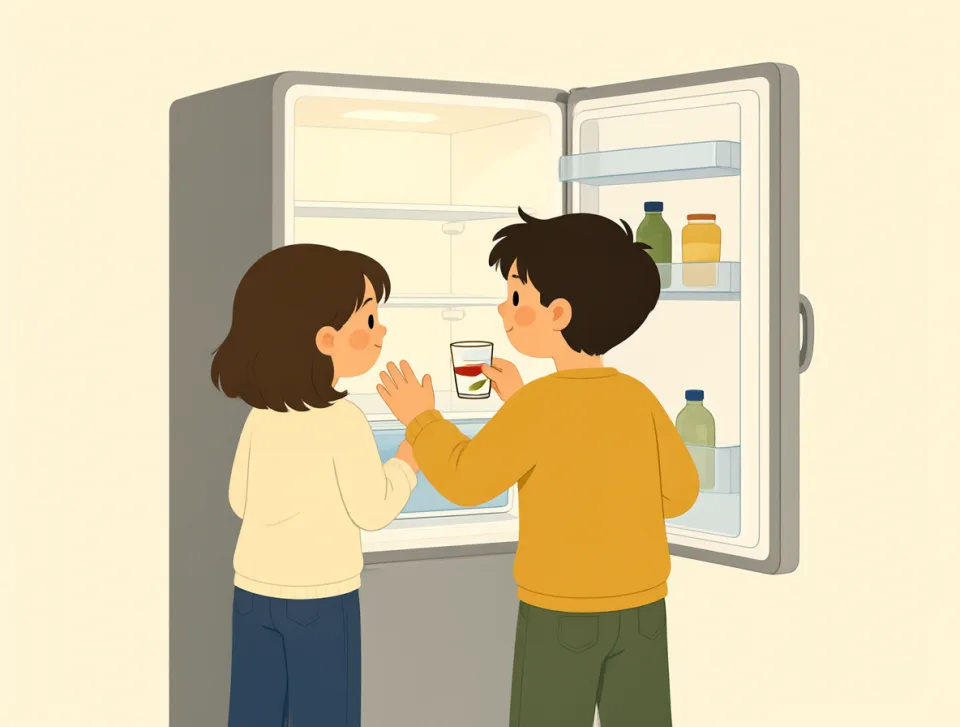
There is no milk in the fridge.
冷蔵庫に牛乳がない。
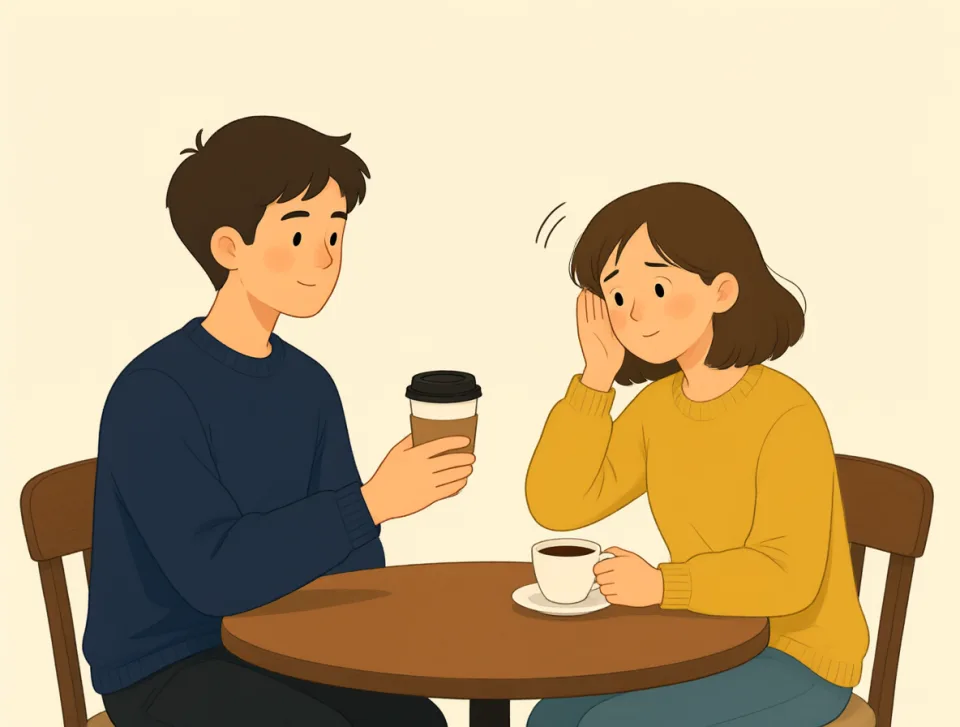
No, I don't want any coffee.
いいえ、コーヒーはいりません。

We have no homework tonight.
今夜は宿題がない。

There were no seats on the train.
その電車には空席がなかった。
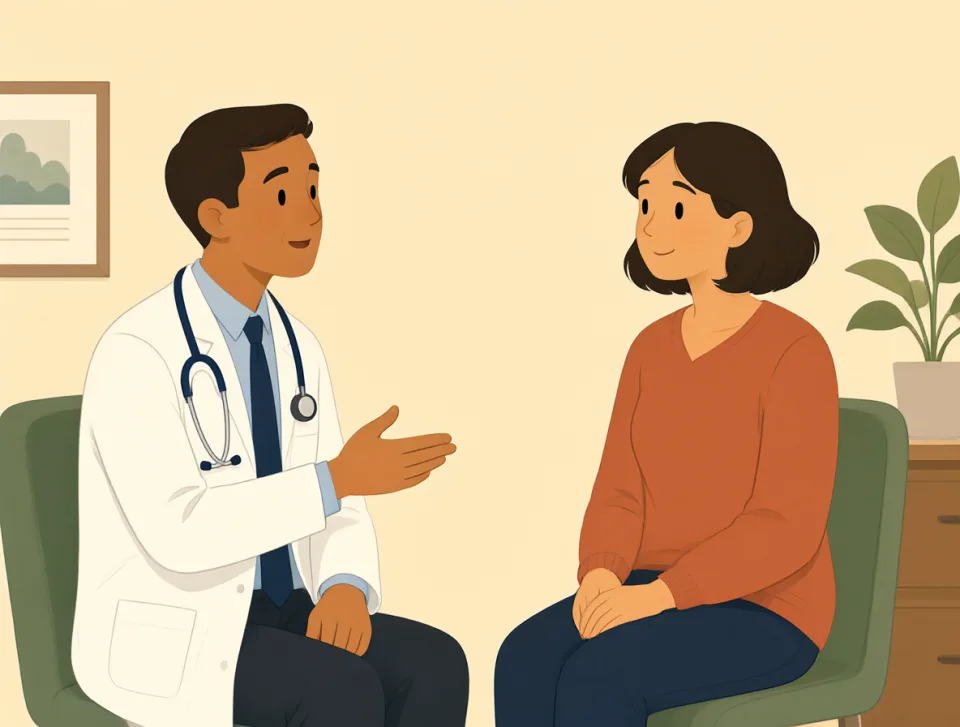
The doctor said no exercise for a week.
医者から1週間は運動禁止だと言われた。