Блок 3
Слова 41–60 · know, more, get, who, like, when

know
#41verb
знать
to have information about someone or something in your mind
иметь в уме информацию о ком-то или о чём-то
I know the answer to this question.
Я знаю ответ на этот вопрос.

Do you know where my keys are?
Ты знаешь, где мои ключи?
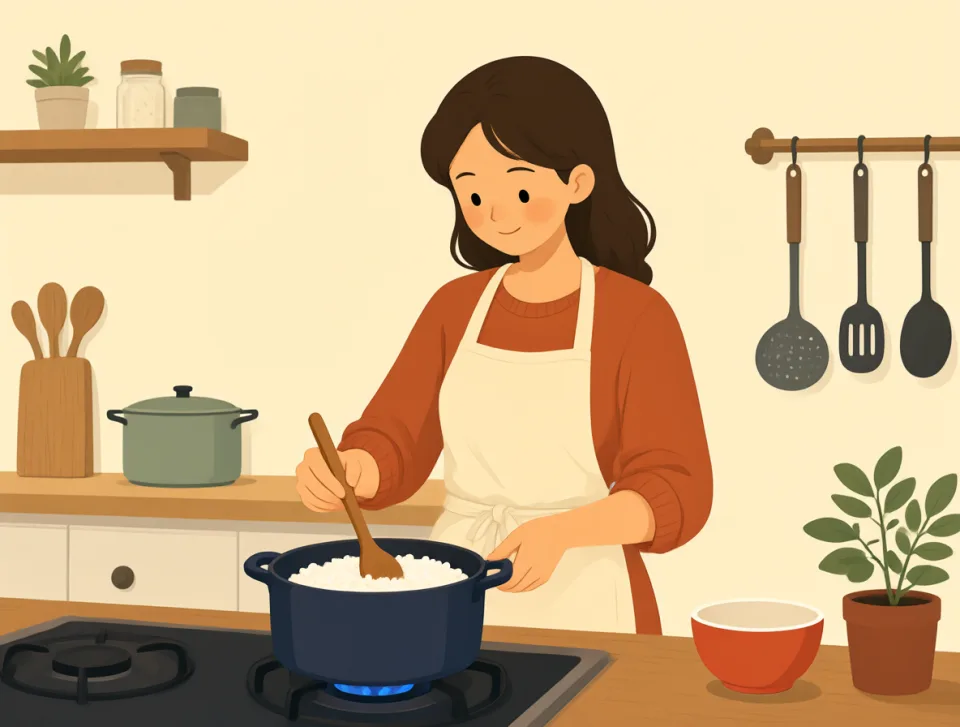
She knows how to cook rice.
Она умеет готовить рис.

We knew the shop was closed.
Мы знали, что магазин закрыт.

He knows many people at work.
Он знает многих людей на работе.

more
#42determiner, pronoun, adverb, adjective, noun
больше
A greater amount, number, or degree than before or than someone else has.
количество, число или степень, превышающие прежние или чьи-либо ещё
I need more time to finish this.
Мне нужно больше времени, чтобы закончить это.

Would you like more coffee?
Хотите ещё кофе?

She has more books than I do.
У неё больше книг, чем у меня.

Please speak more slowly.
Пожалуйста, говорите помедленнее.
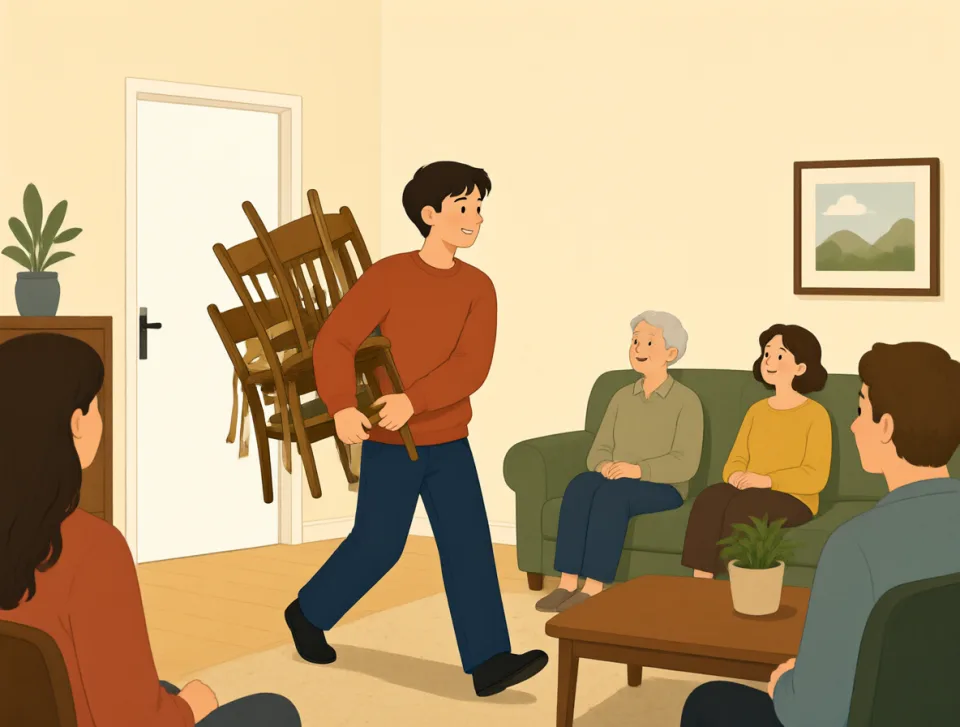
We need more chairs for our guests.
Нам нужно больше стульев для гостей.
get
#43verb, noun
получать; становиться; добираться
to receive, obtain, become, or move to a place
получать или приобретать что-либо, становиться каким-либо или перемещаться в какое-либо место
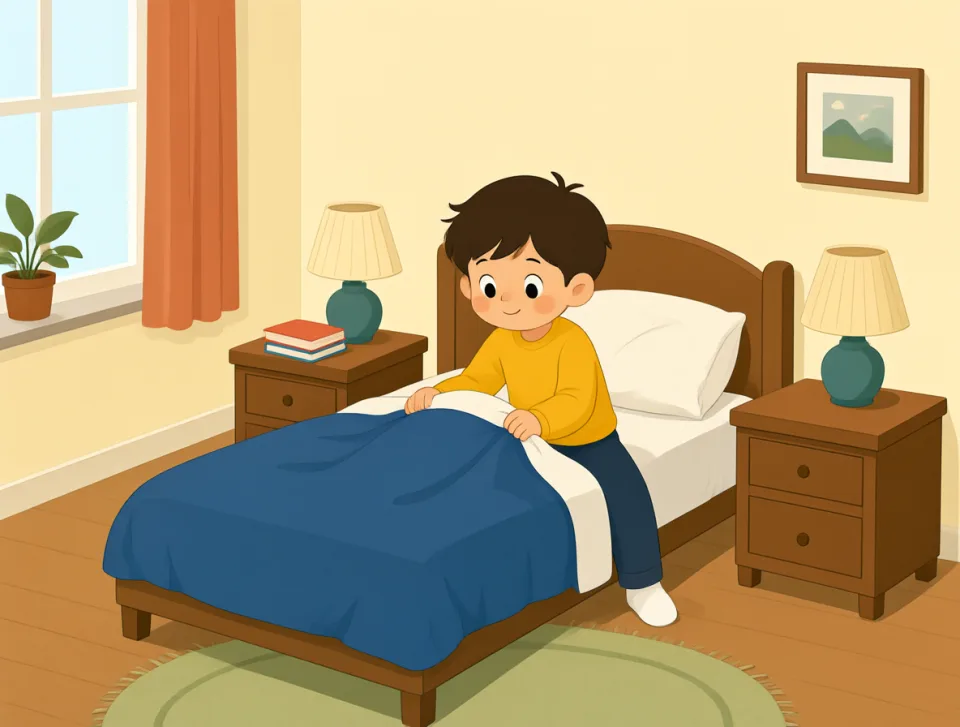
I get up at seven every morning.
Я встаю в семь каждое утро.

She got a new job last week.
На прошлой неделе она получила новую работу.
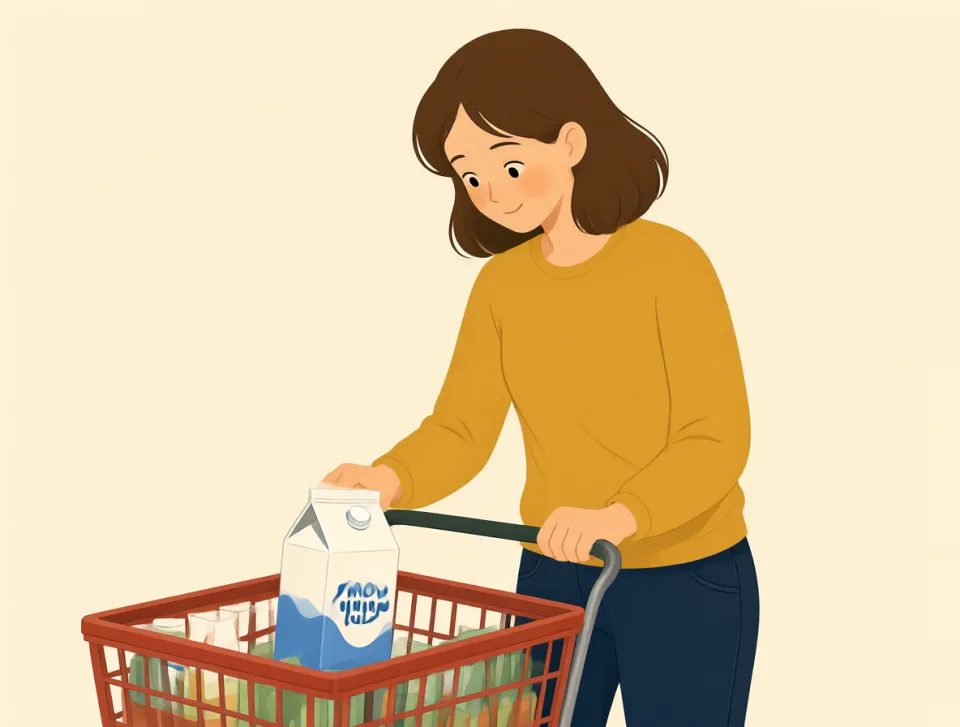
Please get some milk from the store.
Пожалуйста, купи немного молока в магазине.

We got home late after the trip.
После поездки мы поздно приехали домой.

He got sick after eating bad food.
Он заболел после того, как съел испорченную еду.
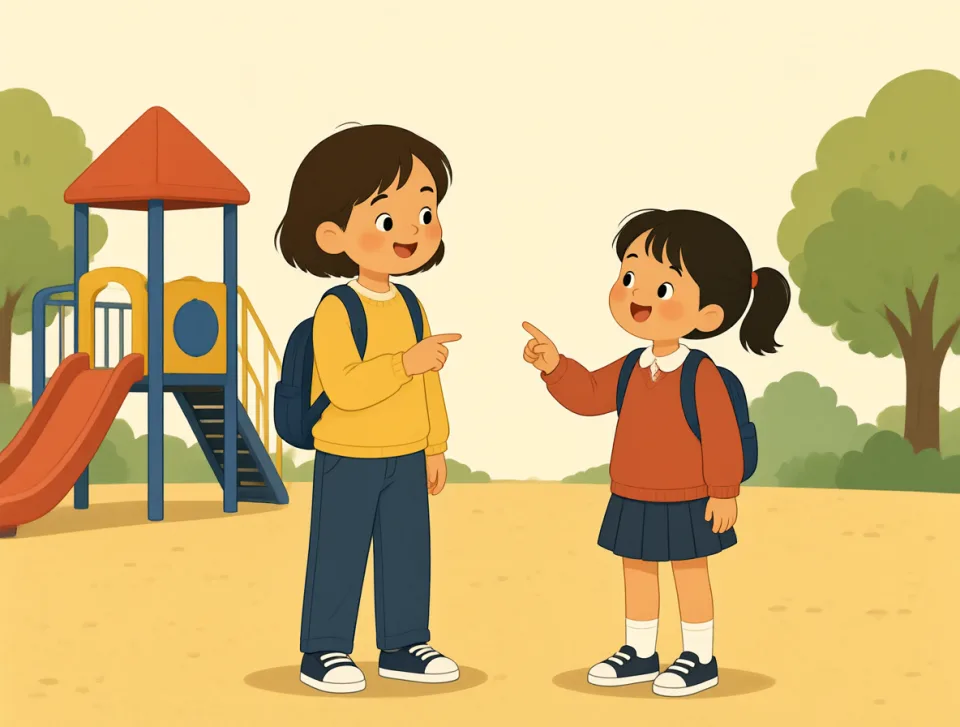
who
#44pronoun
кто; который
Used to ask or say which person or people you mean.
используется, чтобы спросить или сказать, какого человека или каких людей вы имеете в виду
Who is your best friend?
Кто твой лучший друг?

The woman who lives next door is kind.
Женщина, которая живёт по соседству, добрая.
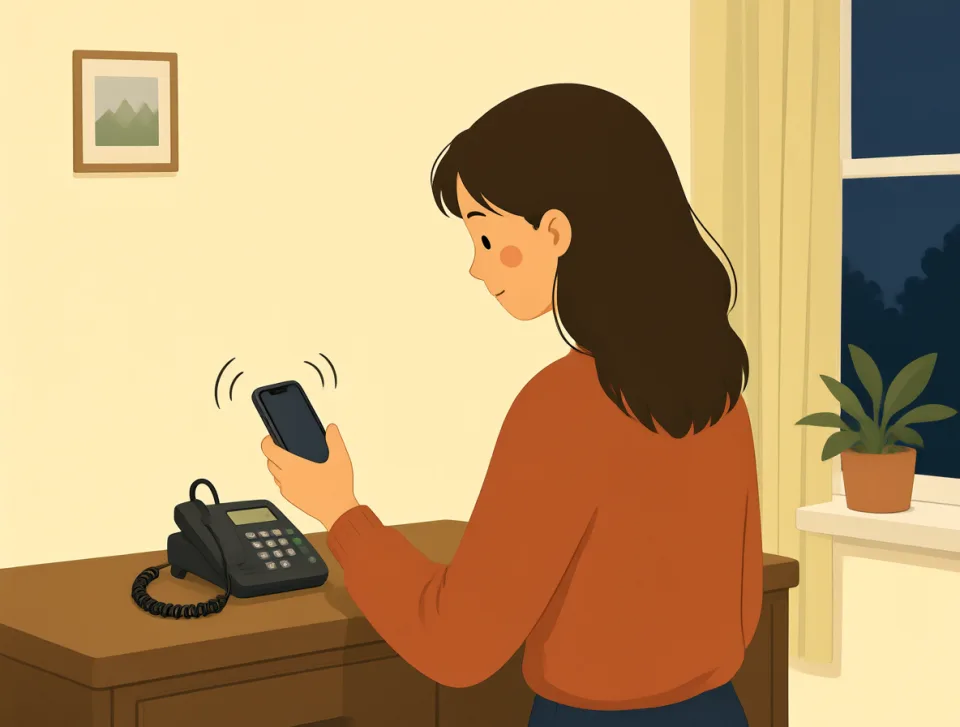
Who called you last night?
Кто звонил тебе прошлой ночью?

I know who can help us.
Я знаю, кто может нам помочь.

The doctor asked who felt sick.
Врач спросил, кто плохо себя чувствует.
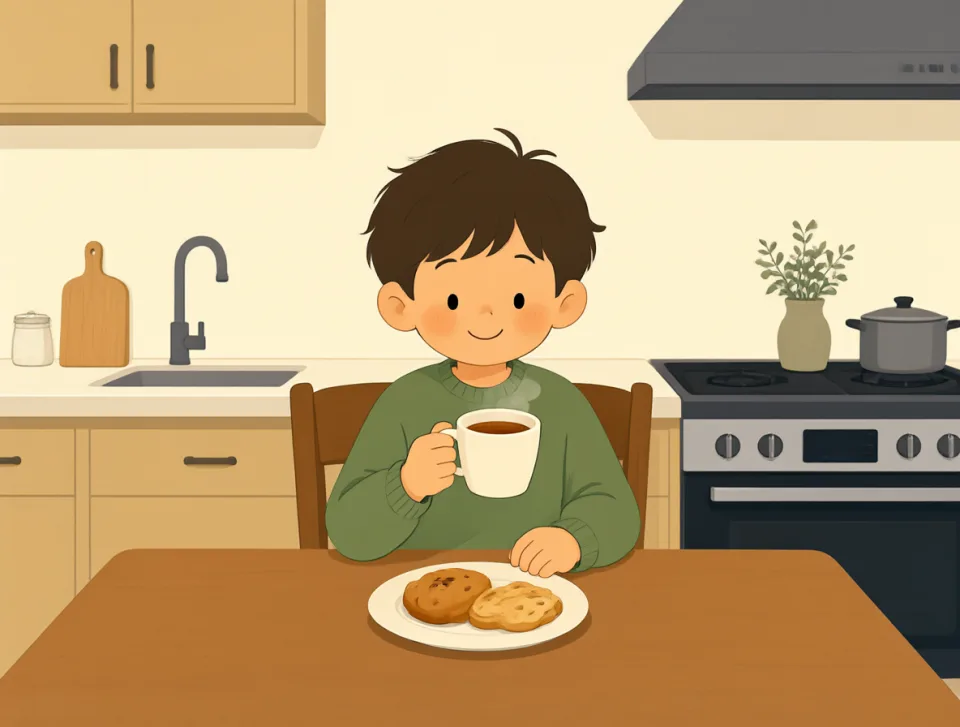
like
#45verb, preposition
любить; хотеть; как
To enjoy, want politely, or show that two things are similar.
испытывать удовольствие от чего-либо, вежливо выражать желание или показывать сходство двух вещей
I like tea with breakfast.
Я люблю пить чай за завтраком.
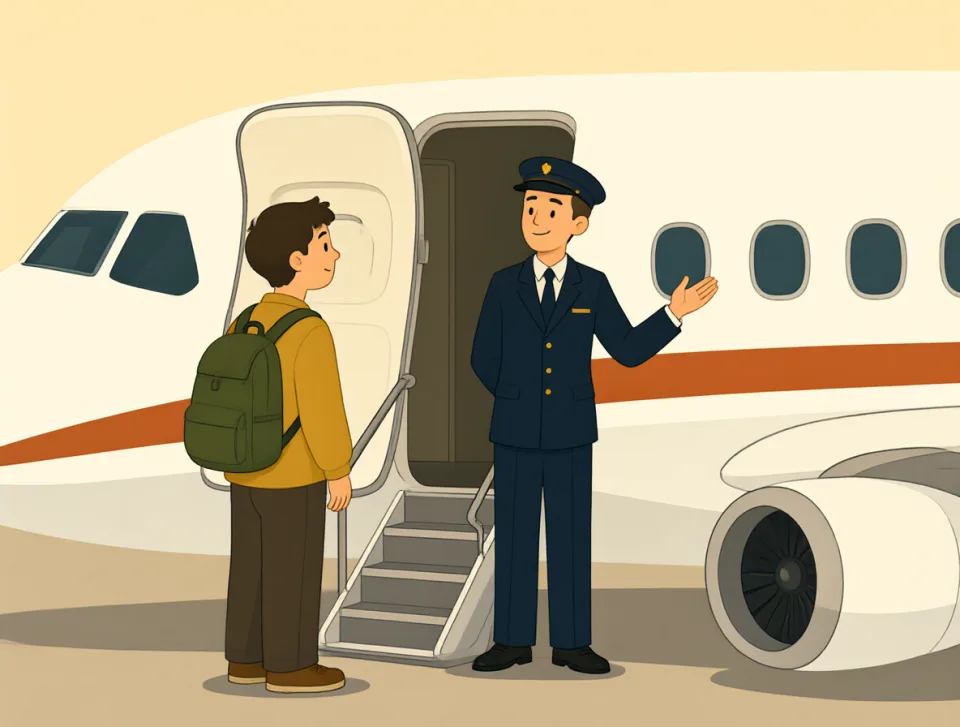
Would you like a window seat?
Хотите место у окна?

She looks like her mother.
Она похожа на свою мать.

We sell fruit like apples and oranges.
Мы продаём такие фрукты, как яблоки и апельсины.

He swims like a fish.
Он плавает как рыба.
when
#46adverb, conjunction, pronoun, determiner
когда
At or during the time that something happens
В тот момент или в то время, когда что-либо происходит.
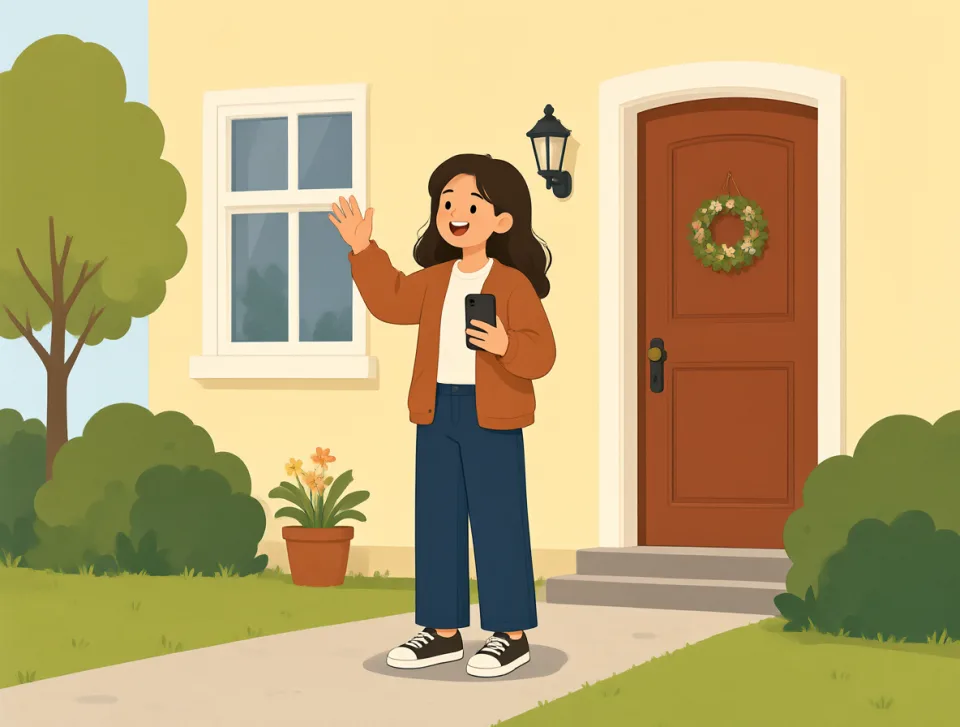
Call me when you get home.
Позвони мне, когда доберёшься домой.
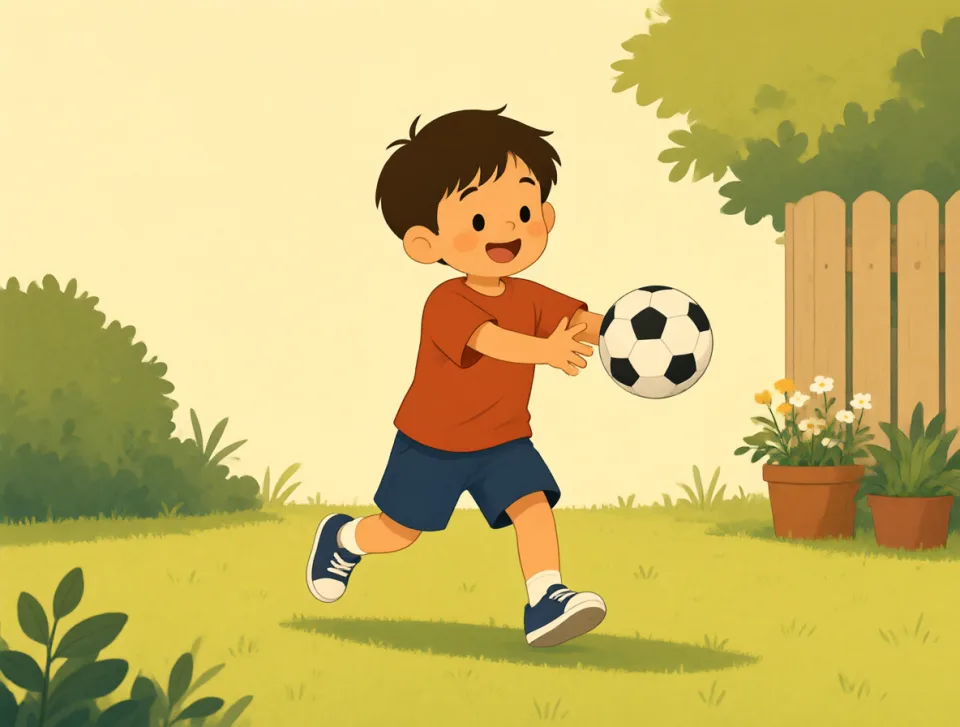
When I was young, I played outside.
Когда я был маленьким, я играл на улице.

Tell me when the meeting starts.
Скажи мне, когда начнётся встреча.

I smile when I see my friends.
Я улыбаюсь, когда вижу своих друзей.

When did you buy this shirt?
Когда ты купил эту рубашку?

think
#47verb, noun
думать
to use your mind to consider something or form an opinion
Использовать разум, чтобы обдумать что-либо или сформировать мнение.

I think this is a good idea.
Думаю, это хорошая идея.

What do you think about this dress?
Что ты думаешь об этом платье?
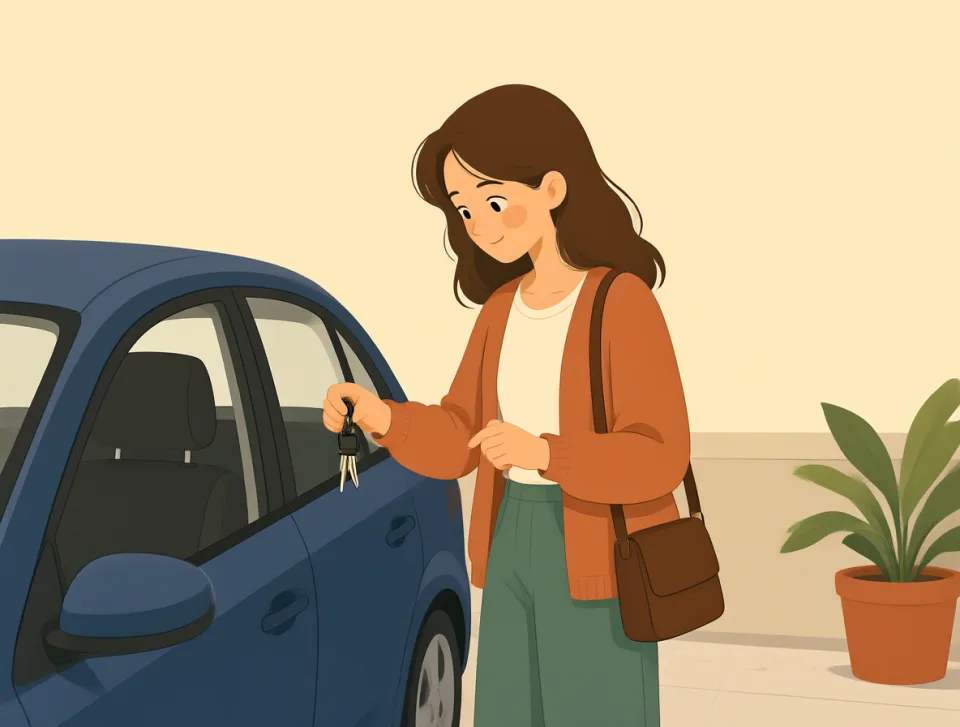
She thinks her keys are in the car.
Она думает, что ключи у неё в машине.

I was thinking about our holiday.
Я думал о нашей поездке.

Let me think before I answer.
Дай мне подумать, прежде чем отвечать.
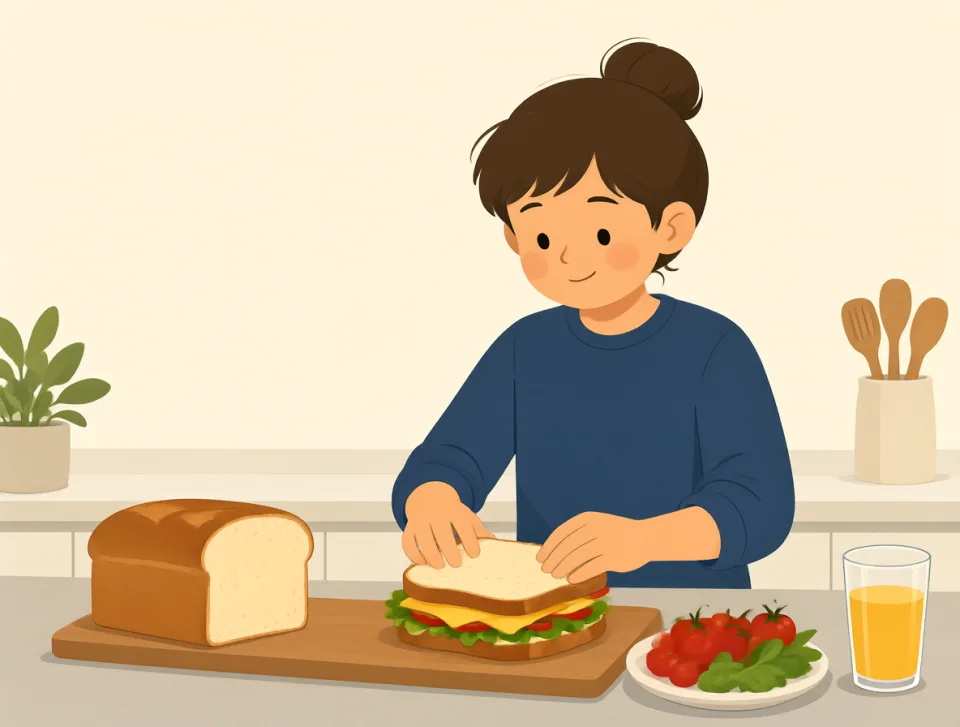
make
#48verb, noun
делать
to create, prepare, cause, or choose something
Создавать, готовить, вызывать или выбирать что-либо.
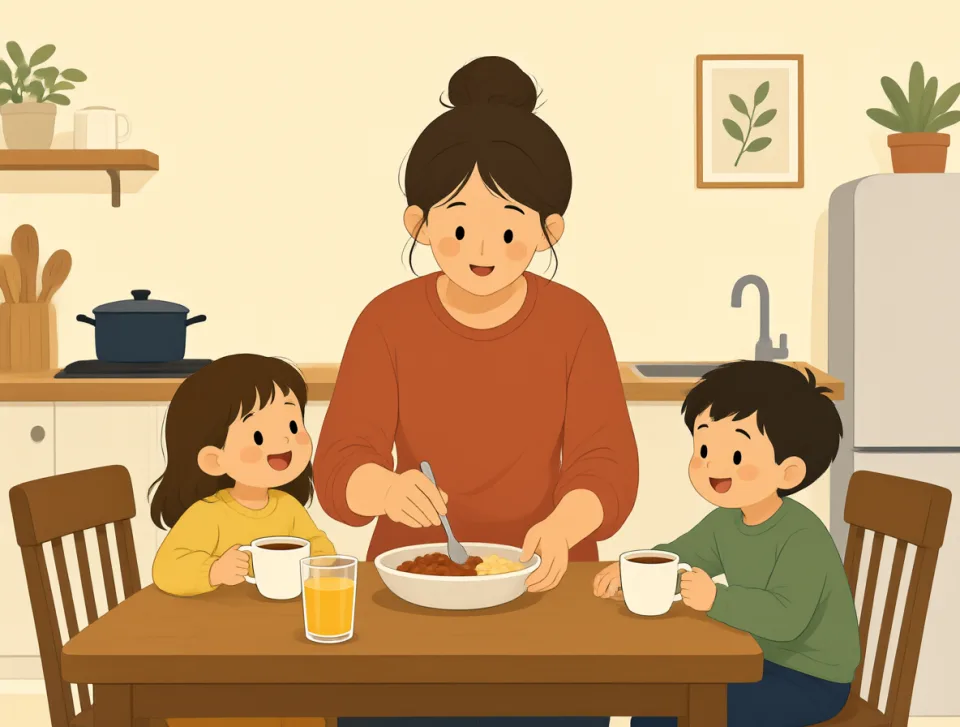
I make breakfast for my family every morning.
Каждое утро я готовлю завтрак для своей семьи.
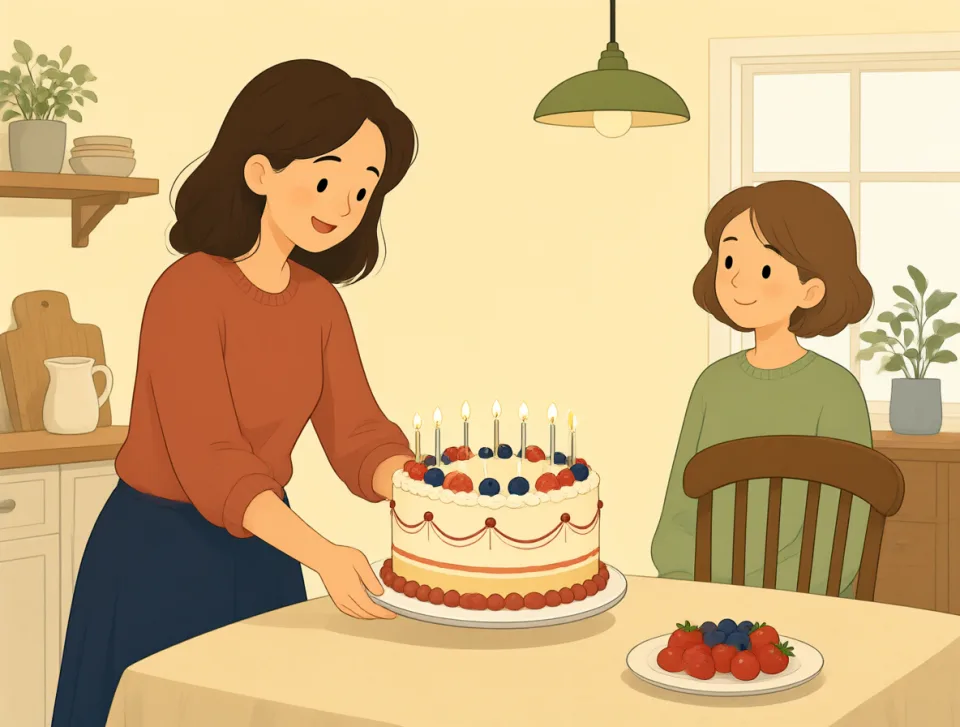
She made a cake for her friend.
Она испекла торт для подруги.

Please make an appointment with the doctor.
Пожалуйста, запишитесь на приём к врачу.

This shirt makes me feel comfortable.
В этой рубашке мне комфортно.

We made a plan for our trip.
Мы составили план поездки.

time
#49noun, verb
время
A particular moment or period, or the number of occasions something happens.
Определённый момент или период, а также количество случаев, когда что-либо происходит.
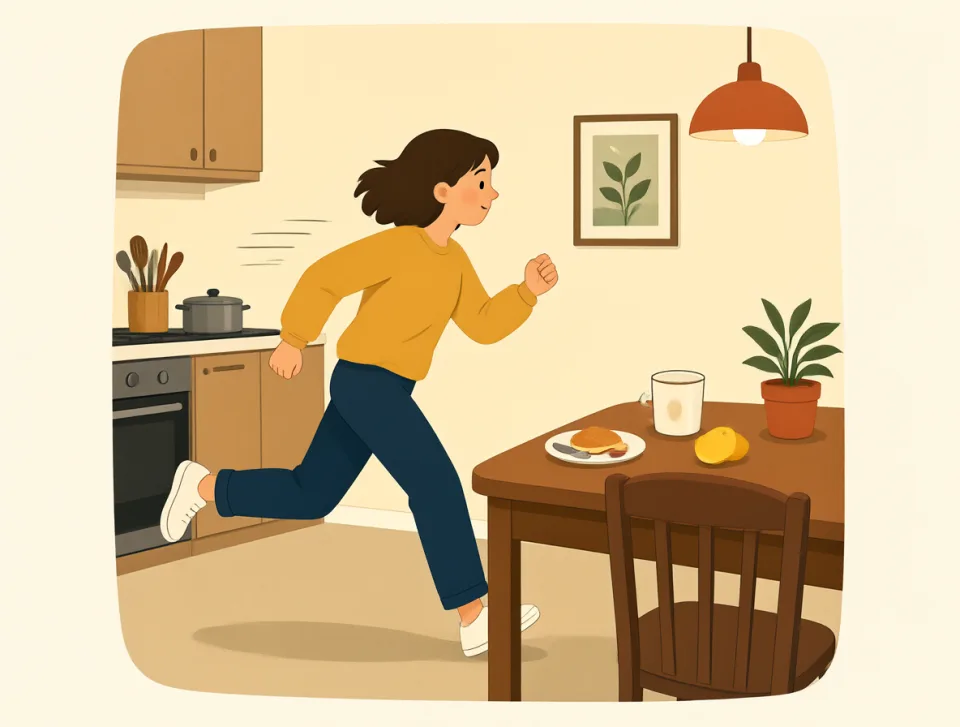
I do not have time for breakfast.
У меня нет времени на завтрак.
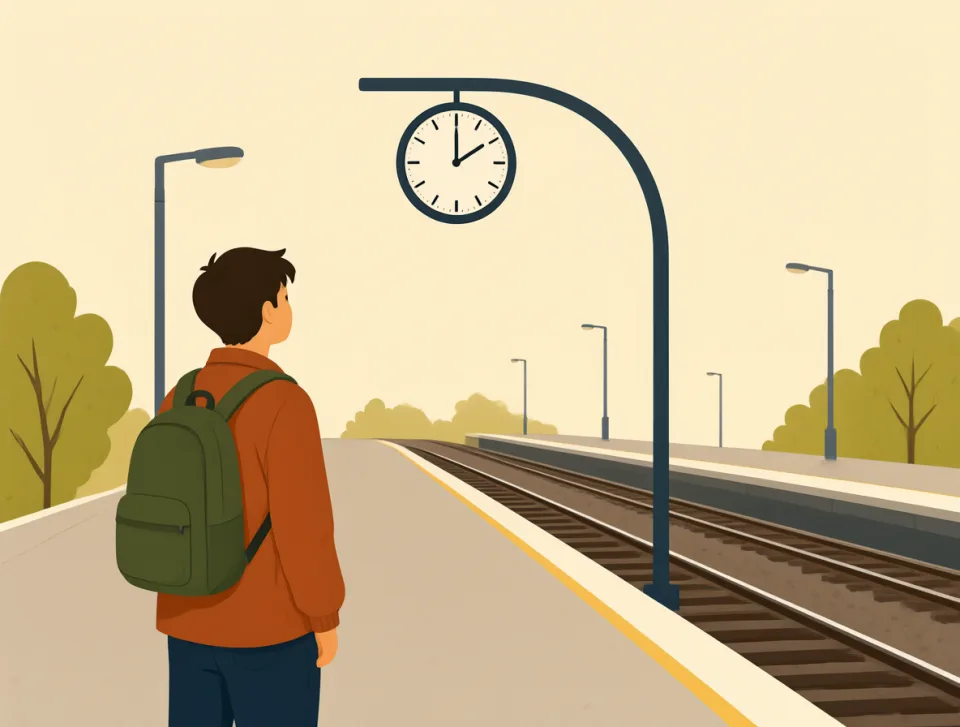
What time does the train leave?
Во сколько отправляется поезд?

We visited that museum three times.
Мы три раза посетили тот музей.

She had a good time at the party.
Она хорошо провела время на вечеринке.
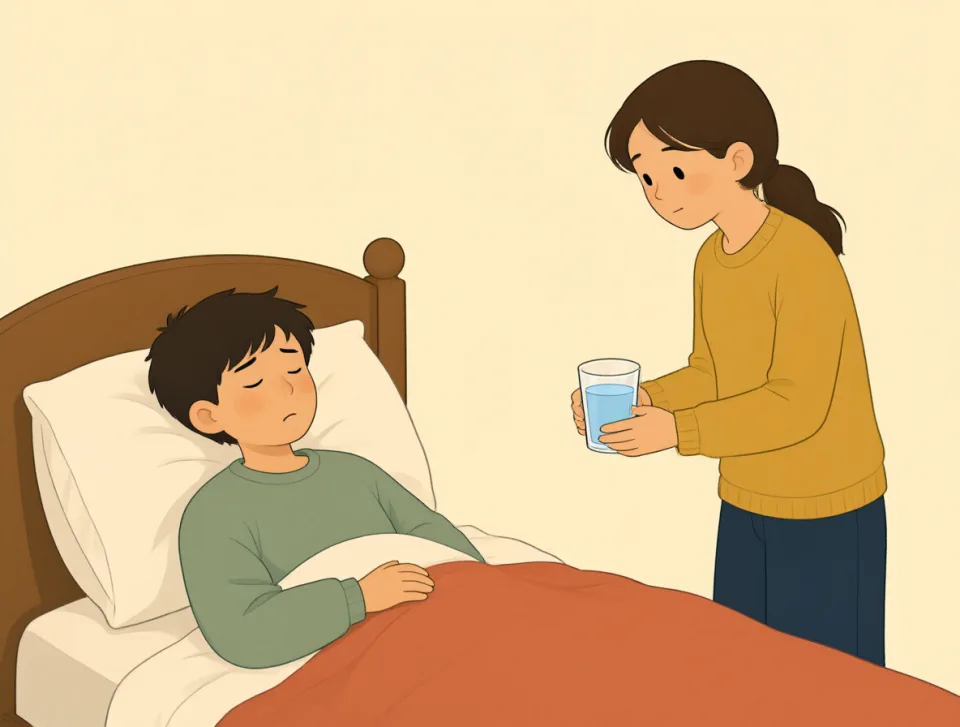
It takes time to feel better.
Чтобы почувствовать себя лучше, нужно время.
see
#50verb
видеть
to notice someone or something with your eyes
Замечать кого-либо или что-либо глазами.
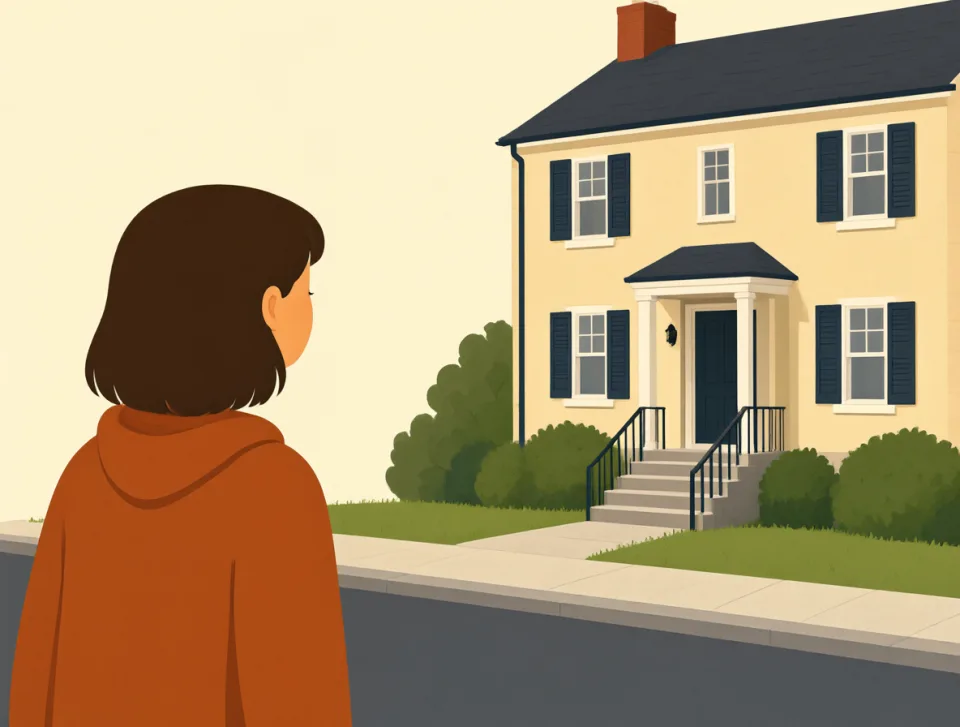
I can see your house from here.
Отсюда я вижу твой дом.

Did you see Tom at school today?
Ты сегодня видел Тома в школе?

We saw a movie after dinner.
После ужина мы посмотрели фильм.

She sees the doctor every Monday.
Каждый понедельник она ходит к врачу.

I see what you mean now.
Теперь я понимаю, что ты имеешь в виду.
what
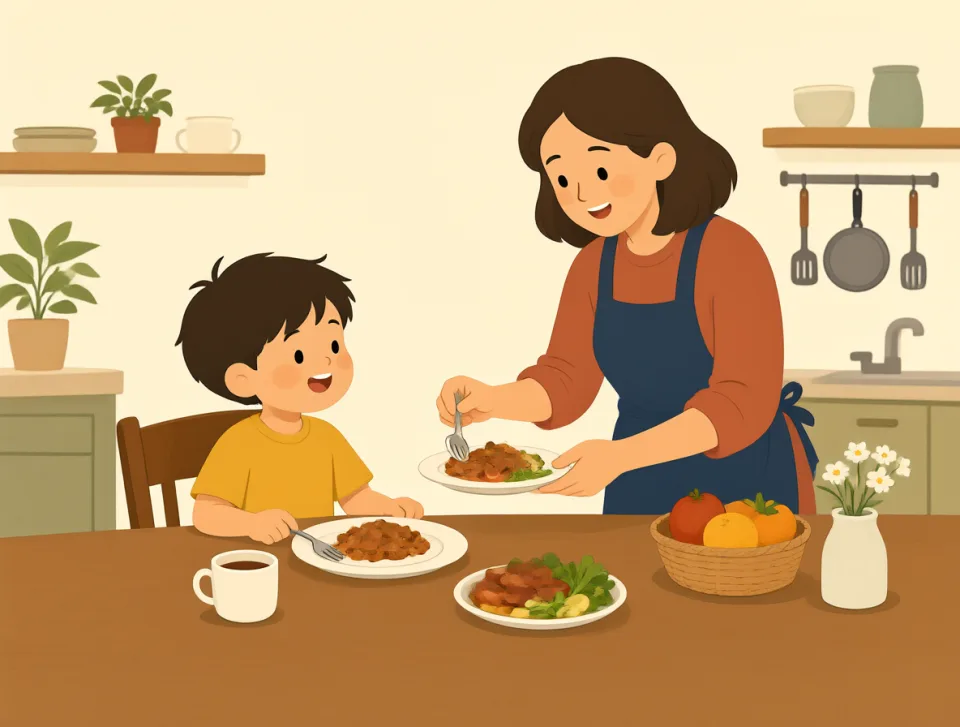
#51pronoun, determiner
что
Used to ask about a thing, choice, or information.
Используется, чтобы спросить о предмете, выборе или информации.
What do you want for dinner?
Что ты хочешь на ужин?
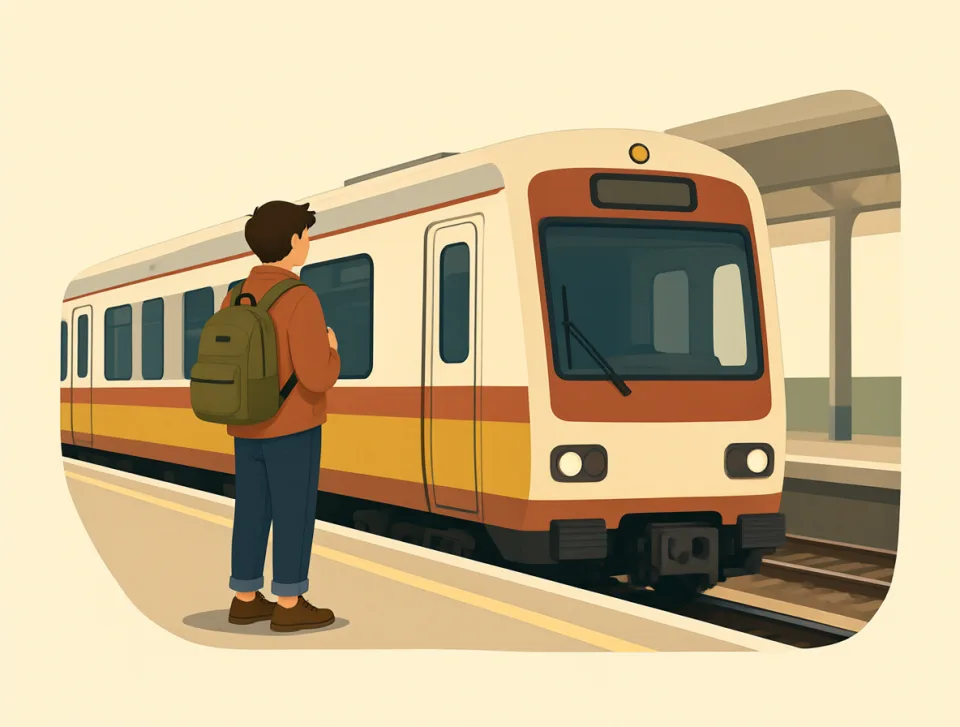
What time does the train leave?
Во сколько отправляется поезд?

What size do you need?
Какой размер тебе нужен?

I know what you mean.
Я понимаю, что ты имеешь в виду.

What happened at school today?
Что сегодня произошло в школе?
up
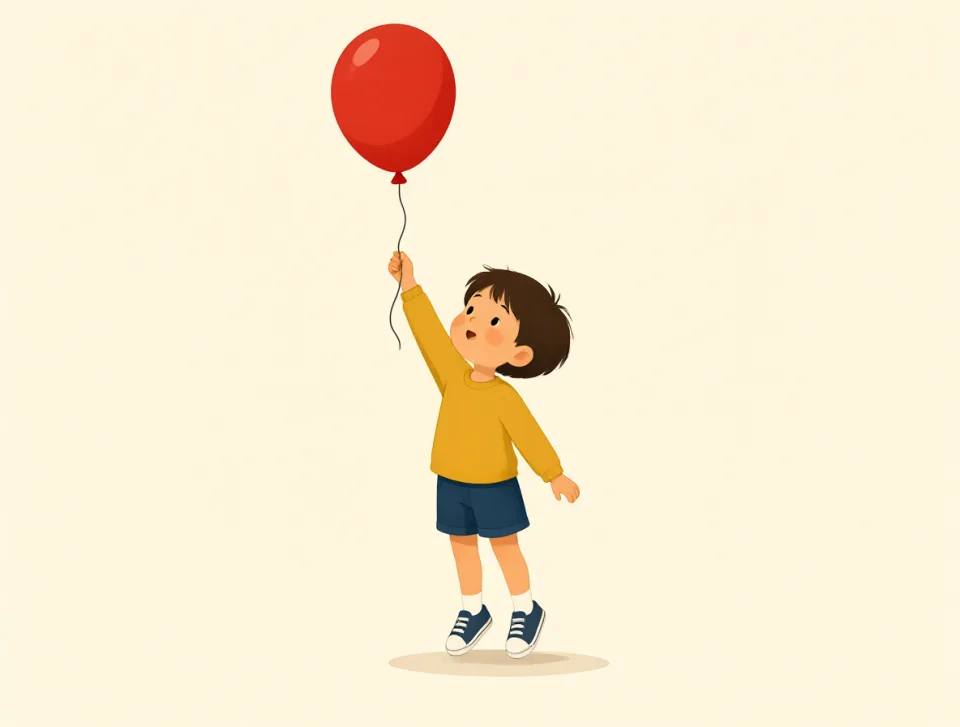
#52adverb, preposition, adjective, noun
вверх
Toward a higher place or position; or in a higher position.
В направлении более высокого места или положения; либо в более высоком положении.

Please stand up when the teacher enters.
Пожалуйста, встаньте, когда войдёт учитель.

She put up the picture in her room.
Она повесила картину у себя в комнате.

The price went up last month.
В прошлом месяце цены выросли.

We walked up the hill to the station.
Мы поднялись по холму к станции.
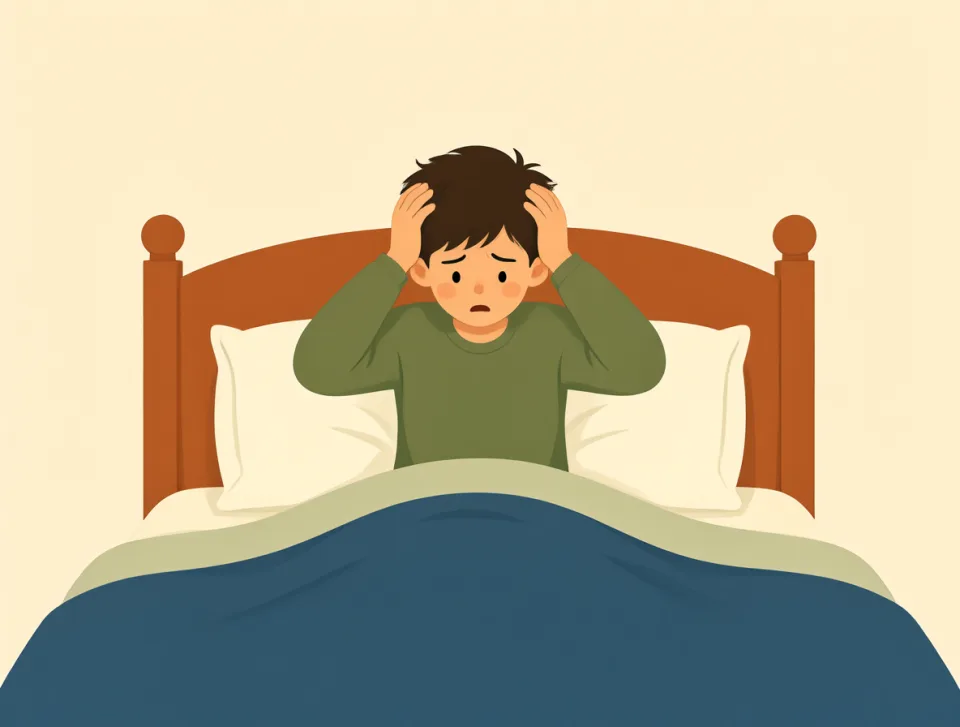
I woke up with a bad headache.
Я проснулся с сильной головной болью.
some
#53determiner, pronoun, adverb
некоторое количество; несколько
An amount or number that is not exact or not stated.
Количество или число, которое не указано точно или не названо.
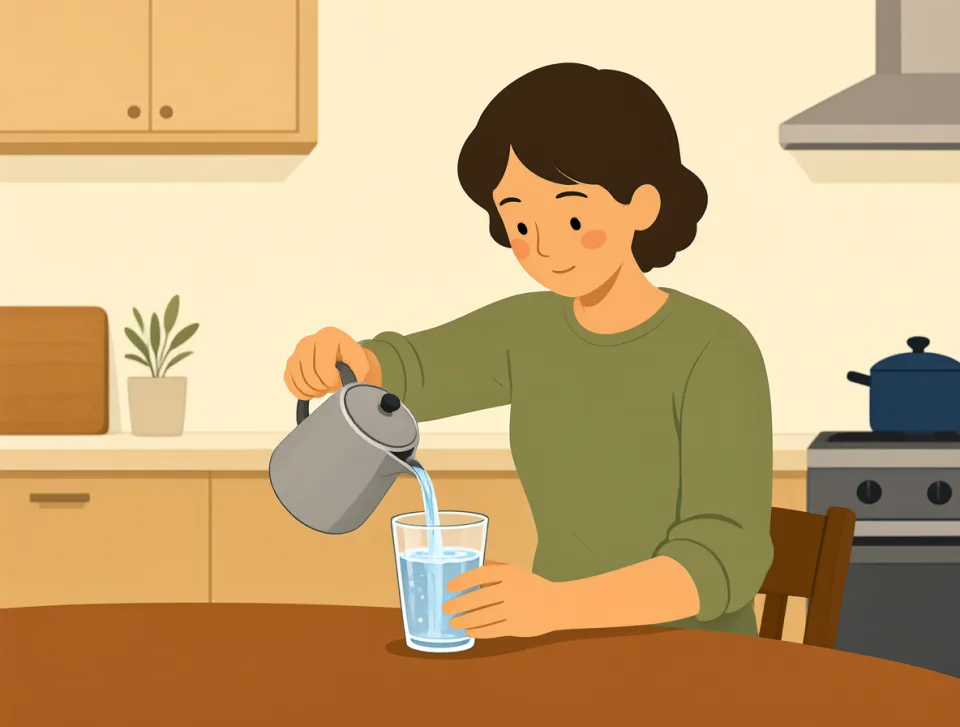
I need some water, please.
Мне, пожалуйста, немного воды.
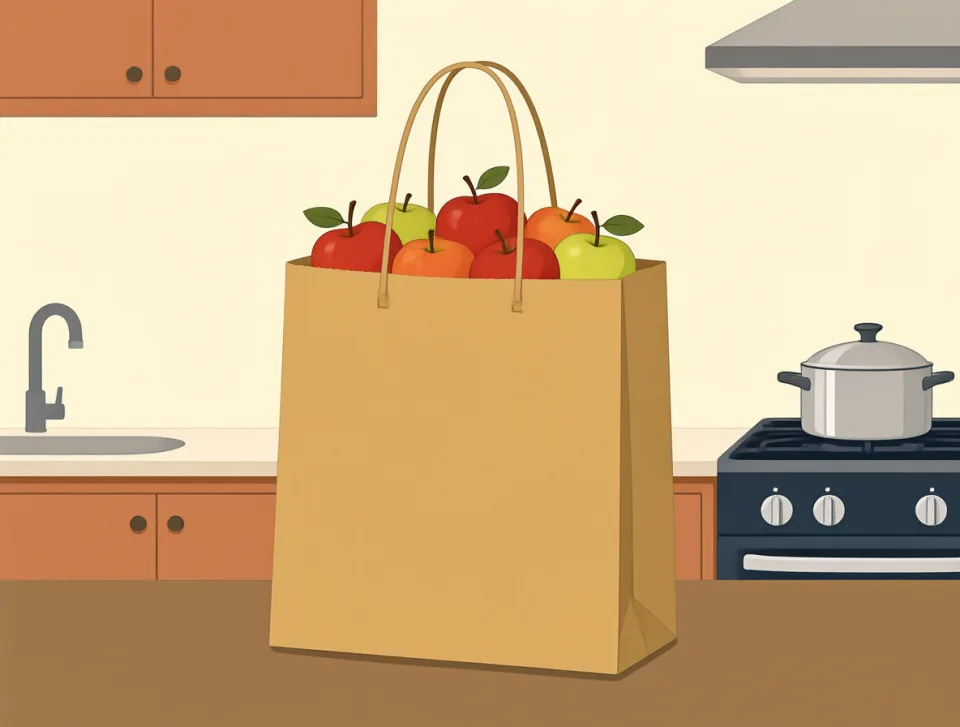
There are some apples in the bag.
В сумке есть несколько яблок.

Would you like some cake?
Хочешь немного торта?

Some people work from home.
Некоторые люди работают из дома.
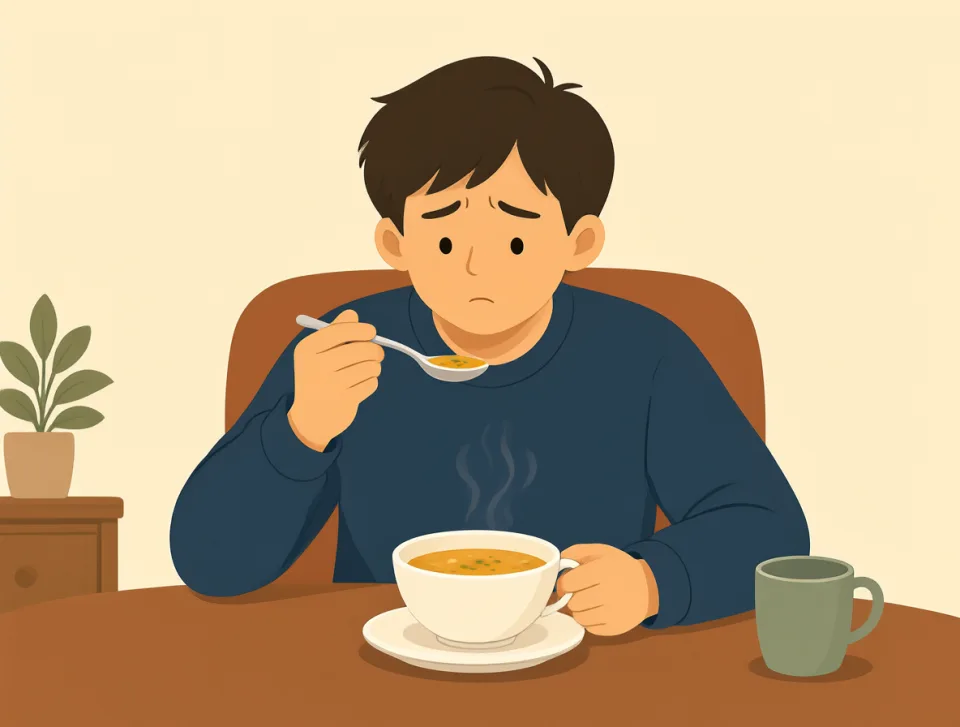
The soup is some better today.
Сегодня суп немного лучше.

other
#54adjective, pronoun, determiner
другой
Different from the one or ones already mentioned or known.
Отличающийся от того, о котором уже говорили или который уже известен.
Do you have any other questions?
У вас есть ещё вопросы?

I chose the other shirt.
Я выбрал другую рубашку.
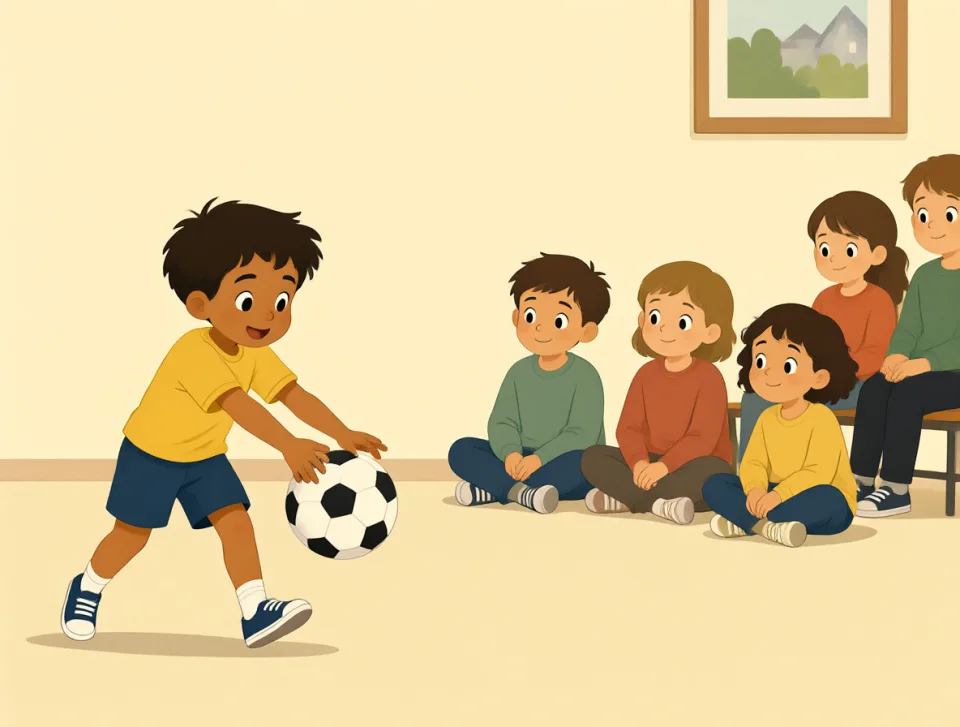
Some children played; the others watched.
Некоторые дети играли, а остальные смотрели.

Can I have another cup of tea?
Можно мне ещё чашку чая?

We took the other train home.
Мы поехали домой на другом поезде.
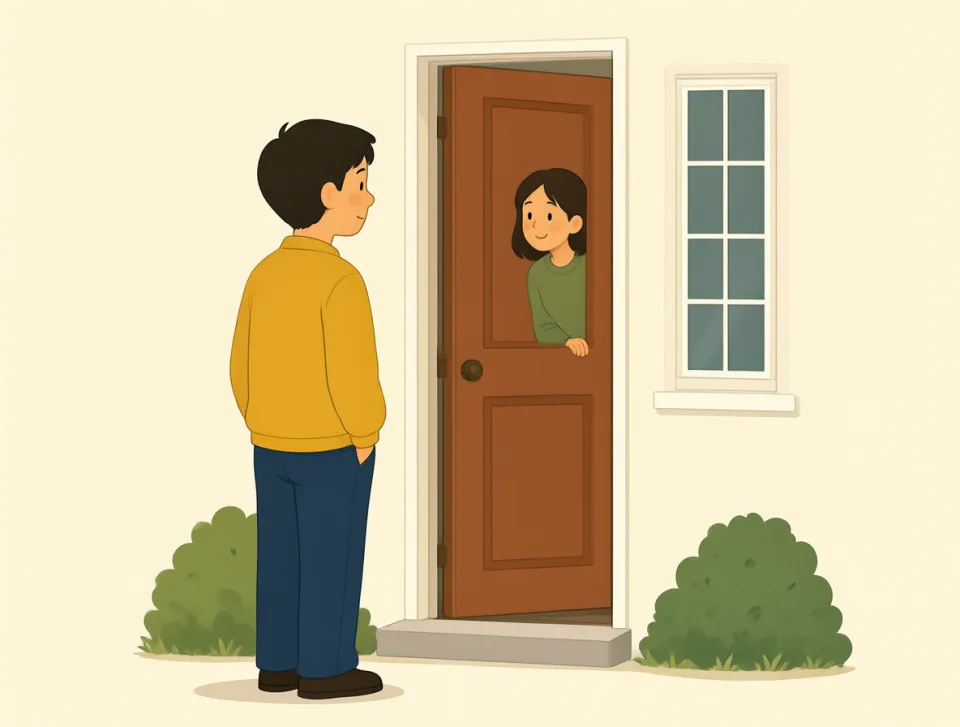
out
#55adverb, preposition, adjective, noun
наружу; вне
Away from a place, inside, or usual state; or not working or available.
За пределы места, помещения или обычного состояния; также — не работает или недоступен.
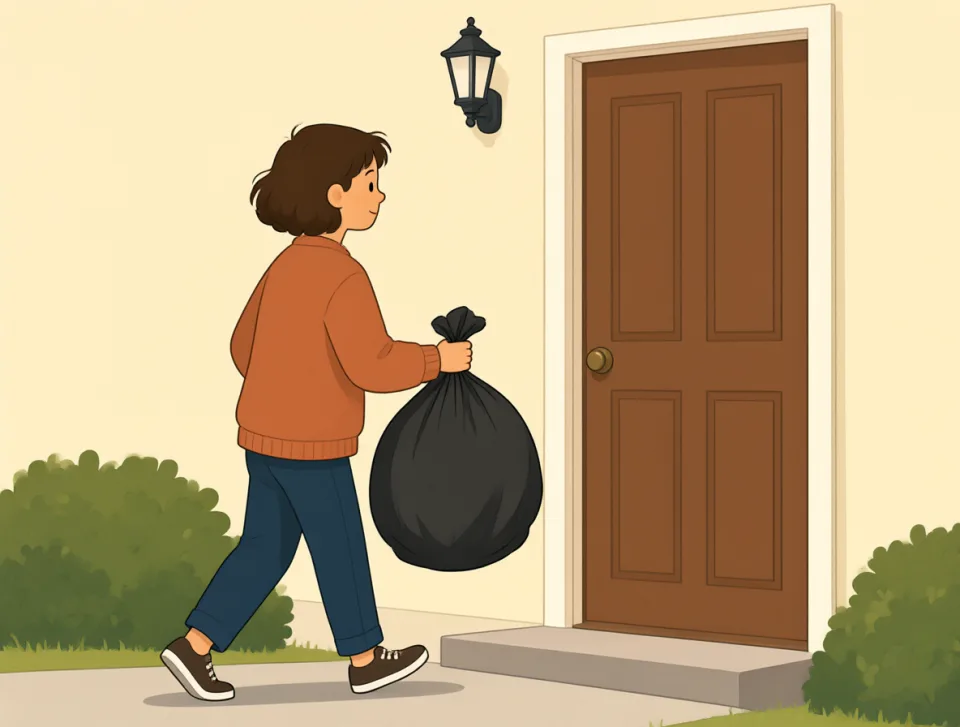
Please take the trash out tonight.
Пожалуйста, вынеси сегодня вечером мусор.
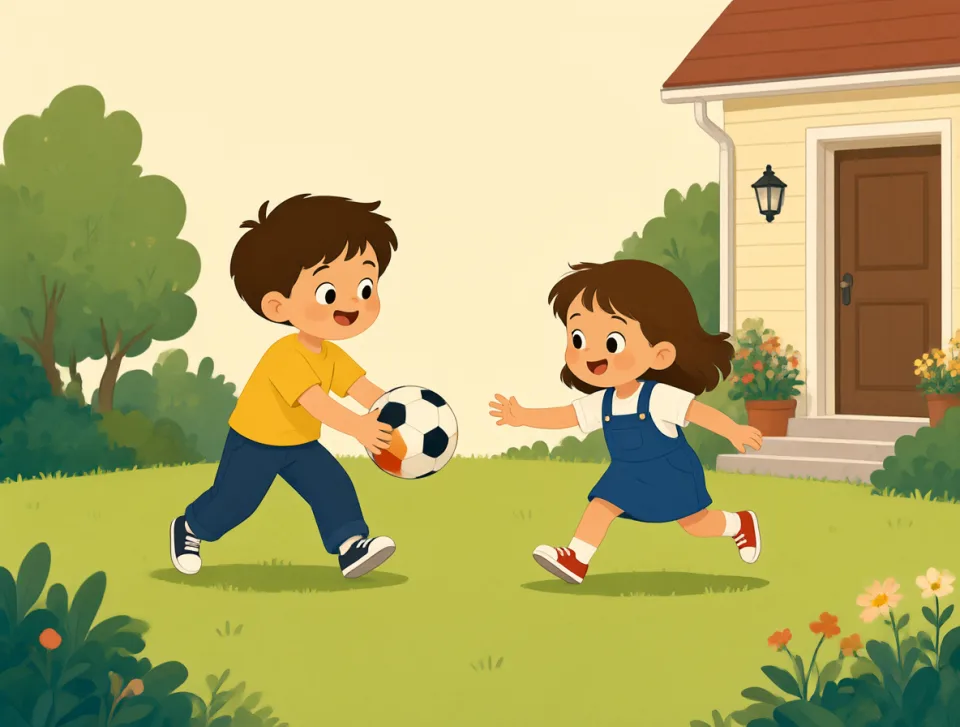
The children are playing out in the garden.
Дети играют на улице в саду.
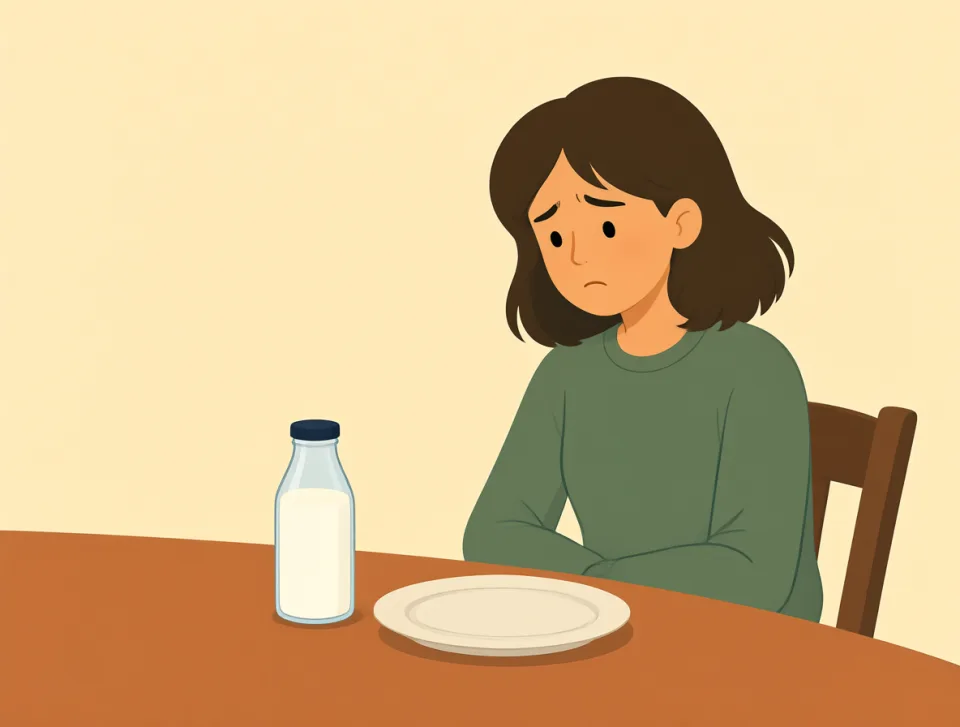
We ran out of milk this morning.
Сегодня утром у нас закончилось молоко.
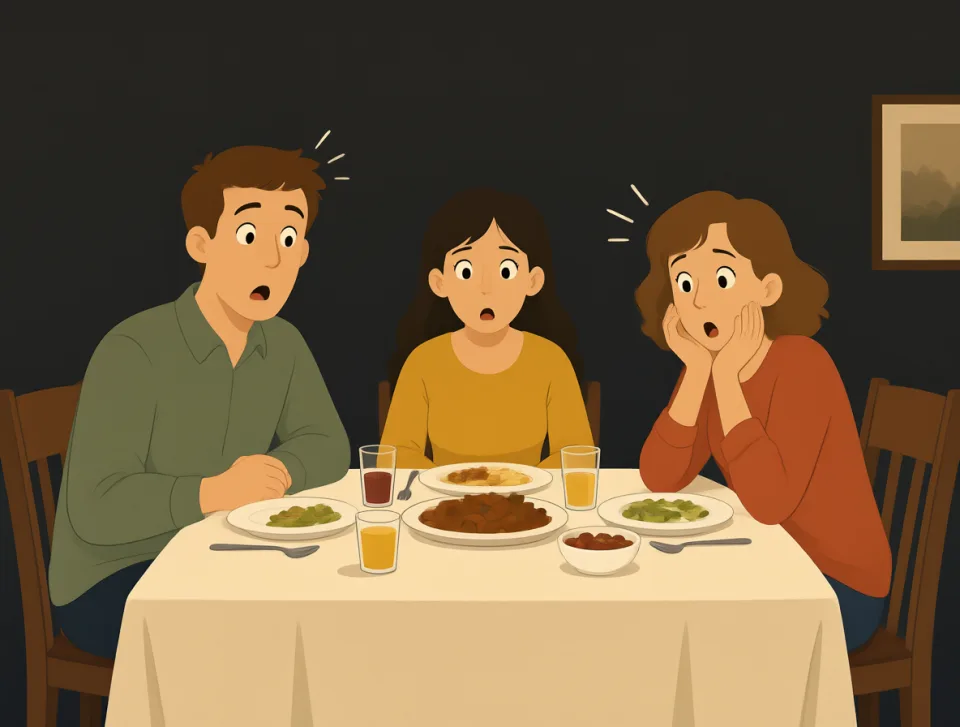
The lights went out during dinner.
Во время ужина погас свет.

She is out with friends tonight.
Сегодня вечером она гуляет с друзьями.

good
#56adjective, noun, adverb
хороший
Pleasant, useful, or of a high quality; used to show approval.
Приятный, полезный или качественный; также употребляется, чтобы выразить одобрение.

She is a good student.
Она хорошая ученица.

This soup tastes really good.
Этот суп очень вкусный.

We had a good time together.
Мы хорошо провели время вместе.

The doctor said my heart is good.
Врач сказал, что моё сердце в порядке.

He plays the guitar very well.
Он очень хорошо играет на гитаре.
people
#57noun
люди
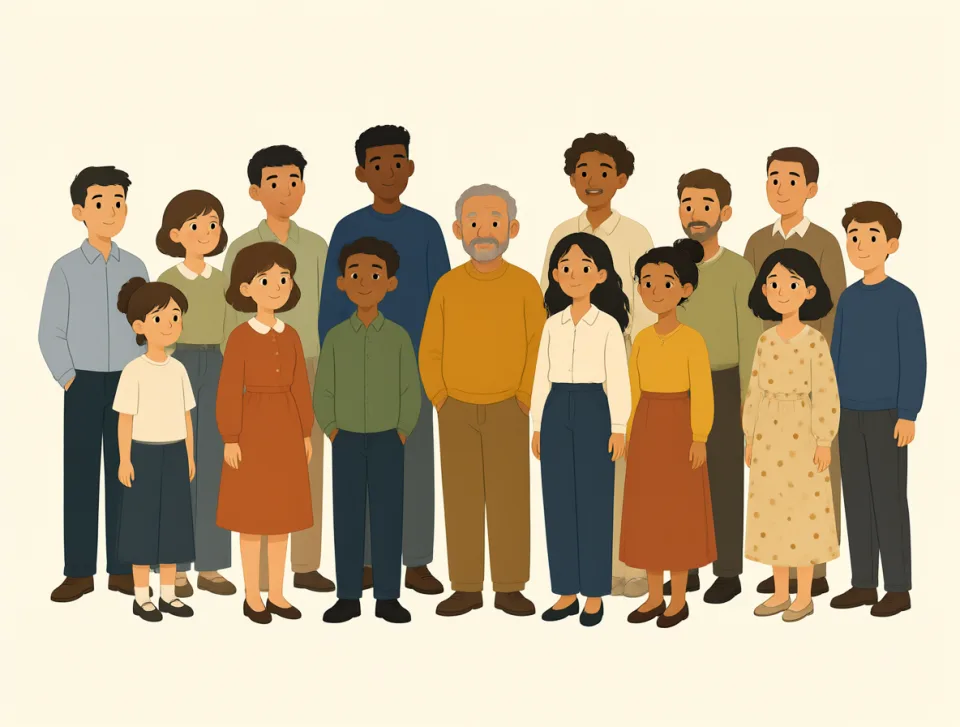
Human beings in general, or a group of human beings.
Человеческие существа в целом или группа людей.
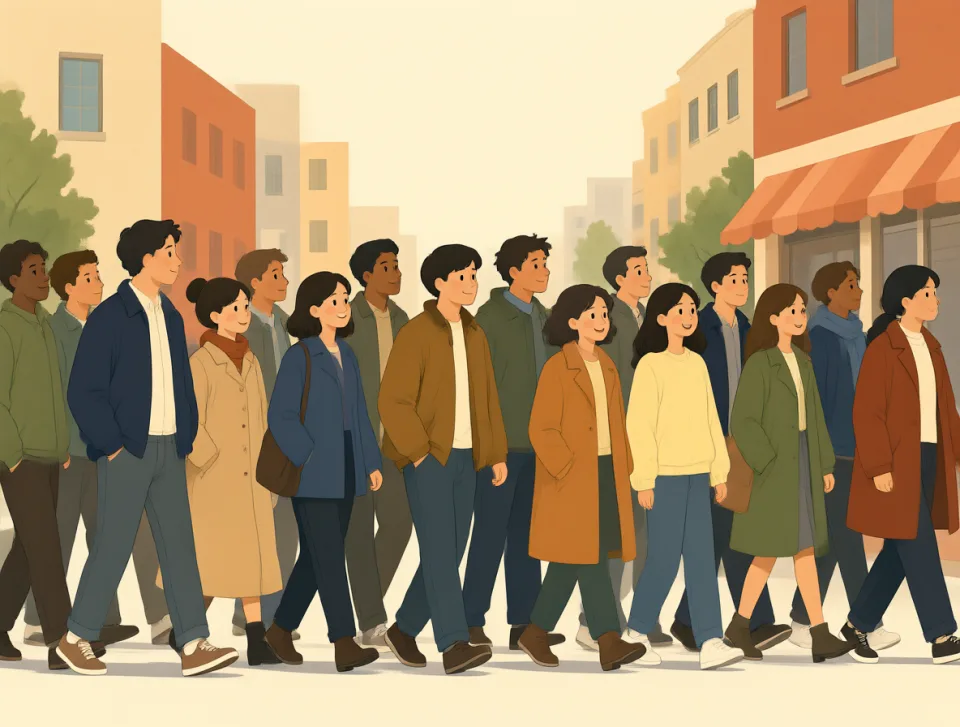
Many people live in this city.
В этом городе живёт много людей.
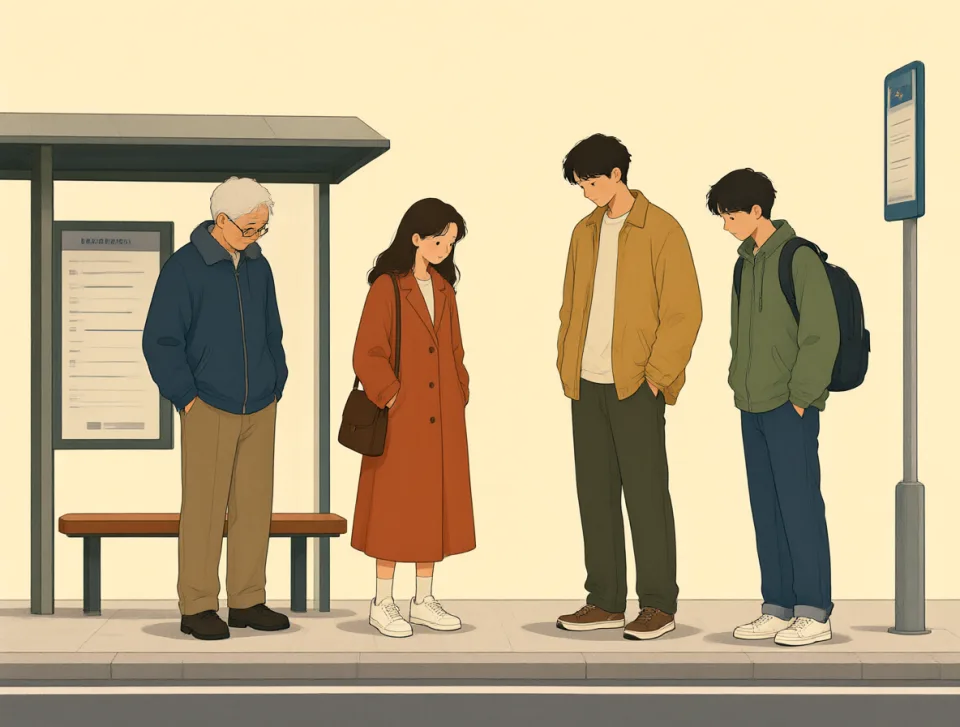
People are waiting for the bus.
Люди ждут автобус.

The shop was full of people.
В магазине было полно людей.

Some people work from home.
Некоторые люди работают из дома.
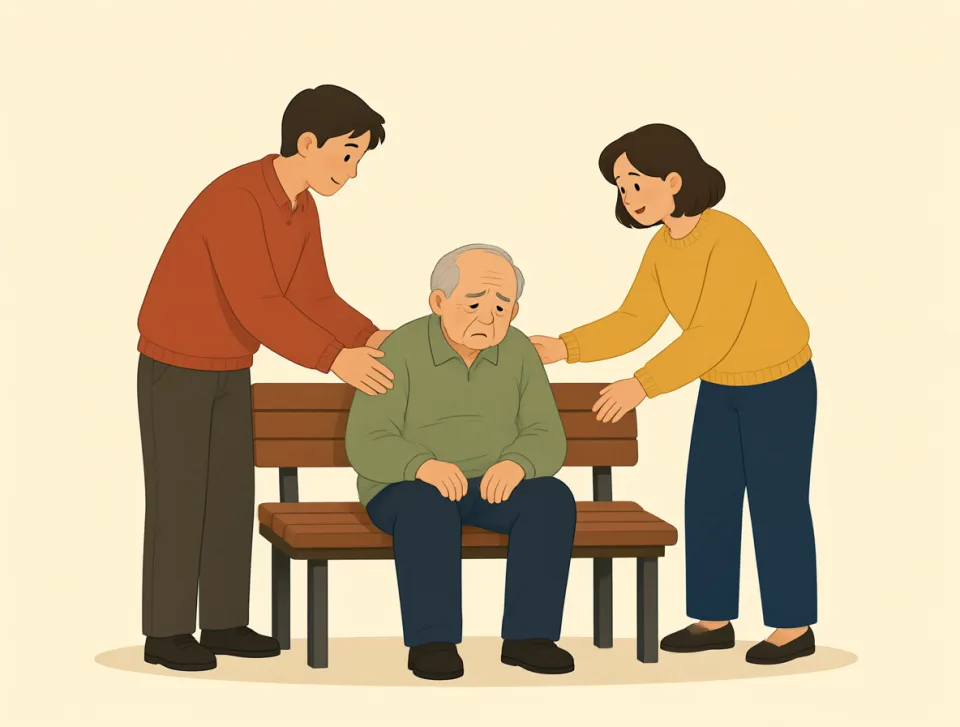
People helped the sick man.
Люди помогли больному мужчине.

year
#58noun
год
A period of twelve months, usually from January to December.
Период в двенадцать месяцев, обычно с января по декабрь.
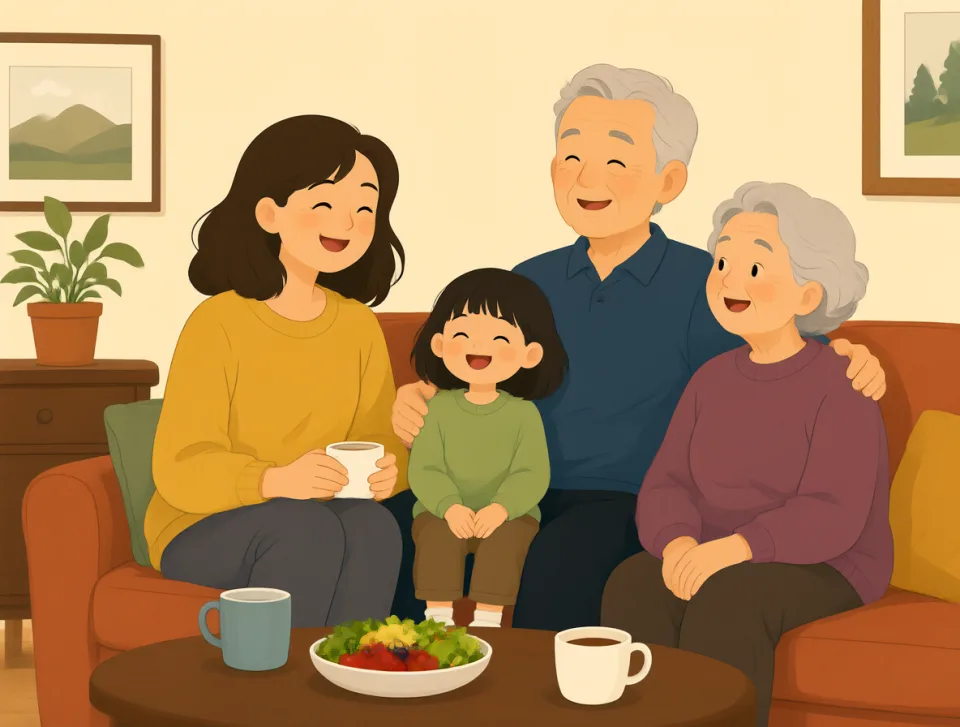
I visit my family twice a year.
Я навещаю родных два раза в год.

She started school last year.
Она пошла в школу в прошлом году.

We lived there for three years.
Мы жили там три года.

The shop opens every year in May.
Магазин открывается каждый год в мае.

He is one year old today.
Сегодня ему исполнился год.

take
#59verb, noun
брать
To move something with you, use something, or do an action.
Перемещать что-либо вместе с собой, пользоваться чем-либо или совершать какое-либо действие.
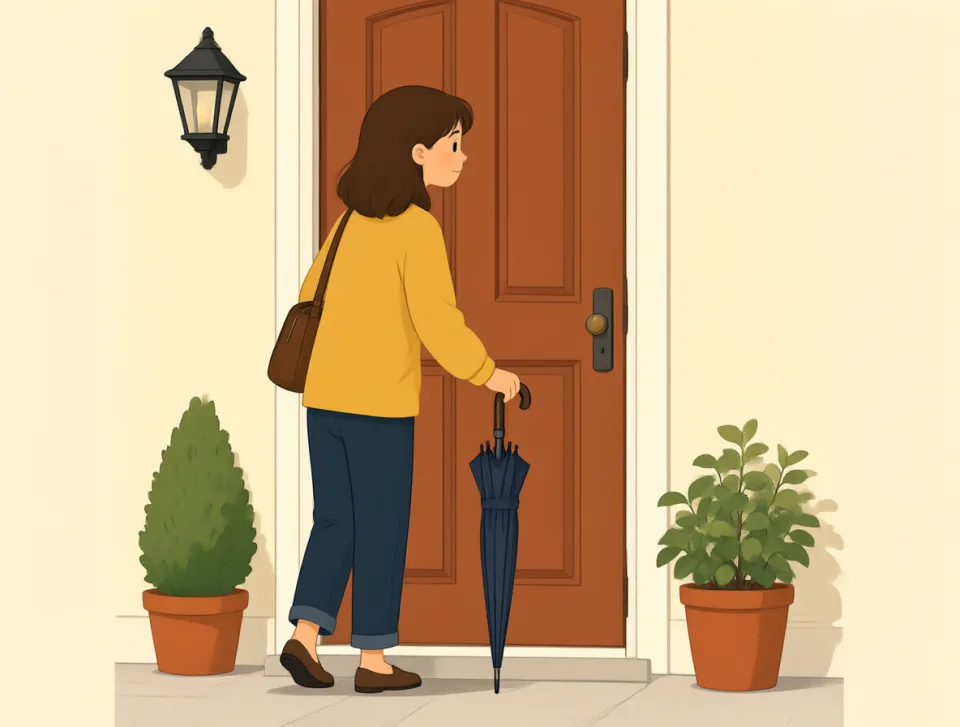
Please take an umbrella when you leave.
Пожалуйста, возьмите зонт, когда будете уходить.

I take the bus to work every day.
Я каждый день езжу на работу на автобусе.

She took a photo of the mountains.
Она сфотографировала горы.
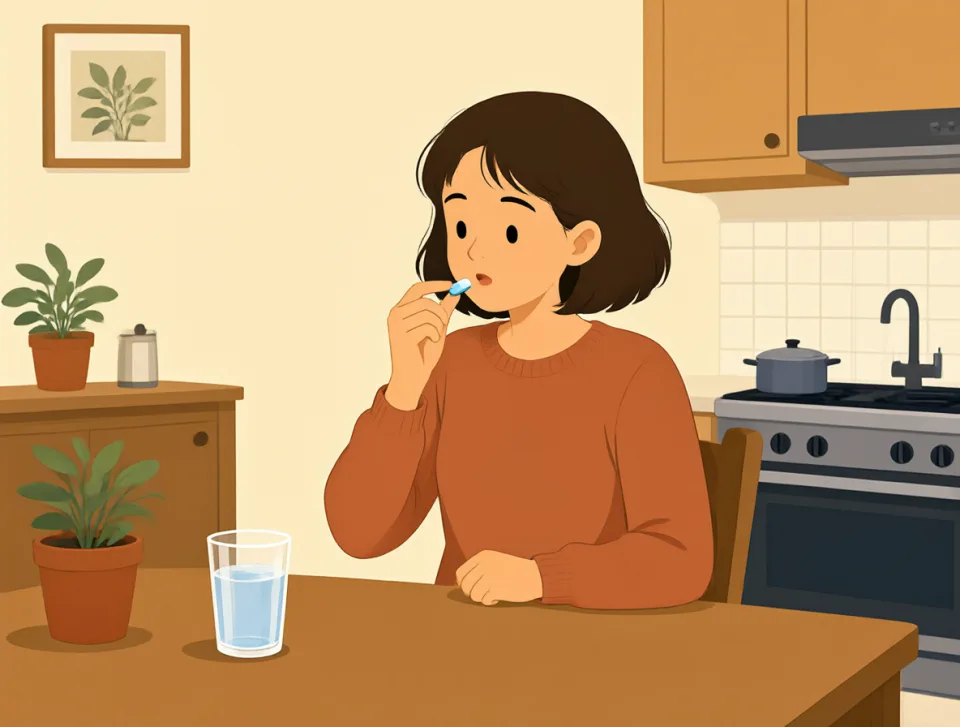
Take this medicine after breakfast.
Принимайте это лекарство после завтрака.

We took a short break after lunch.
После обеда мы сделали небольшой перерыв.
no
#60determiner, adverb, noun
нет; никакой
Used to say that something is not available, allowed, or true.
Употребляется, чтобы сказать, что чего-либо нет, что-либо запрещено или что-то не соответствует действительности.
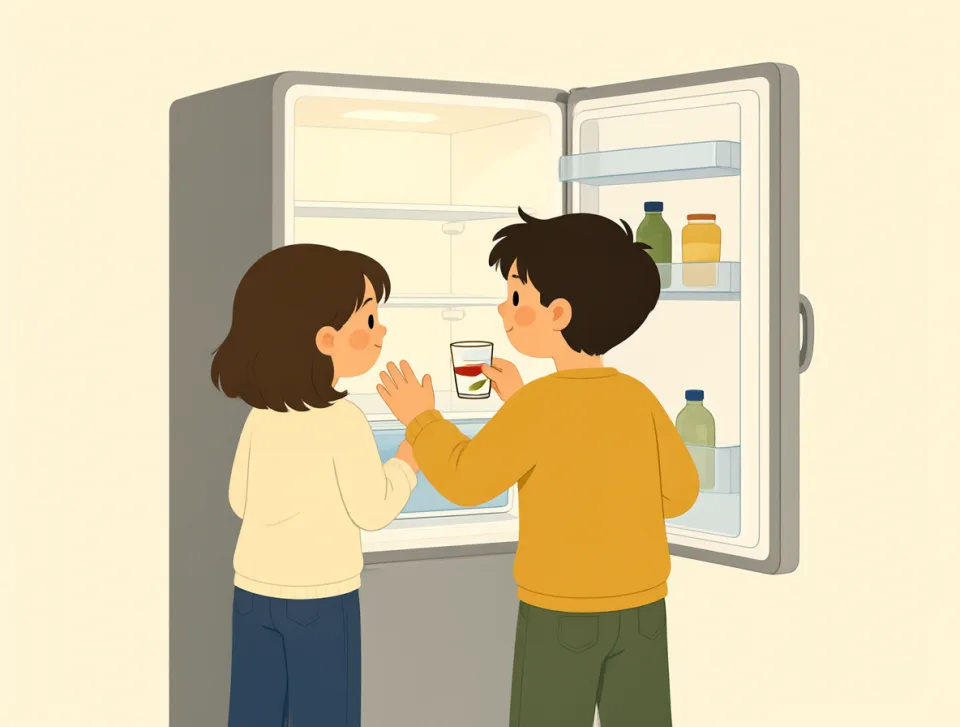
There is no milk in the fridge.
В холодильнике нет молока.

No, I don't want any coffee.
Нет, я не хочу кофе.

We have no homework tonight.
Сегодня вечером нам не нужно делать уроки.

There were no seats on the train.
В поезде не было свободных мест.

The doctor said no exercise for a week.
Врач сказал неделю не заниматься спортом.