หน่วย 3
คำที่ 41–60 · know, more, get, who, like, when

know
#41verb
รู้
to have information about someone or something in your mind
มีข้อมูลเกี่ยวกับบุคคลหรือสิ่งใดสิ่งหนึ่งอยู่ในใจ
I know the answer to this question.
ฉันรู้คำตอบของคำถามนี้

Do you know where my keys are?
คุณรู้ไหมว่ากุญแจของฉันอยู่ที่ไหน

She knows how to cook rice.
เธอรู้วิธีหุงข้าว

We knew the shop was closed.
เรารู้ว่าร้านปิดแล้ว

He knows many people at work.
เขารู้จักคนมากมายที่ทำงาน

more
#42determiner, pronoun, adverb, adjective, noun
มากขึ้น
A greater amount, number, or degree than before or than someone else has.
ปริมาณ จำนวน หรือระดับที่มากกว่าเดิมหรือมากกว่าที่ผู้อื่นมี
I need more time to finish this.
ฉันต้องการเวลาอีกหน่อยเพื่อทำสิ่งนี้ให้เสร็จ

Would you like more coffee?
คุณรับกาแฟเพิ่มอีกไหม

She has more books than I do.
เธอมีหนังสือมากกว่าฉัน

Please speak more slowly.
กรุณาพูดให้ช้าลงหน่อย
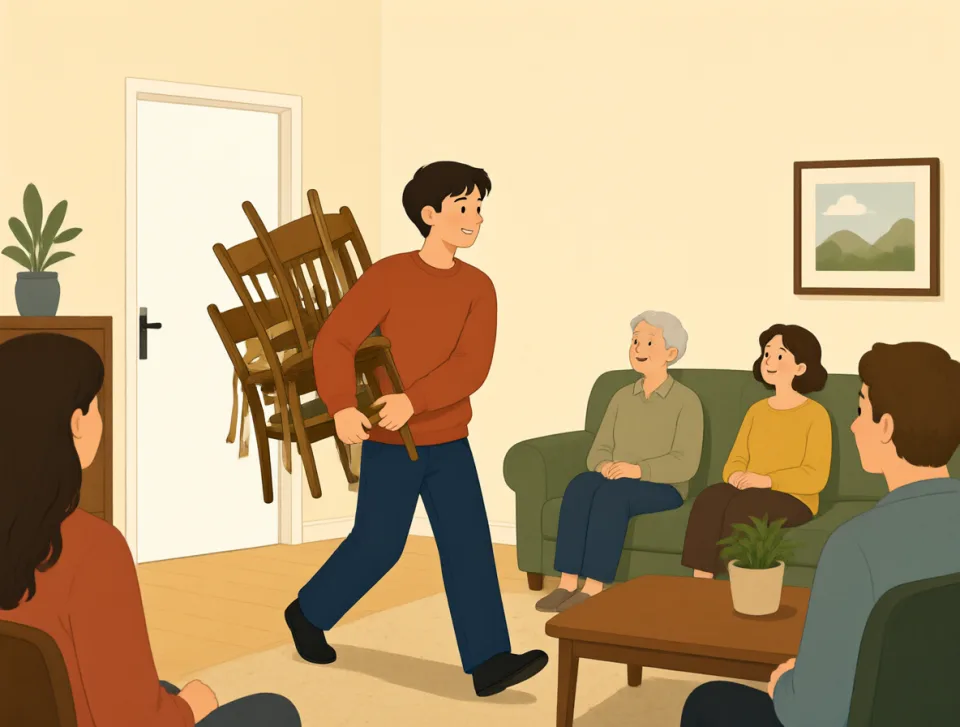
We need more chairs for our guests.
เราต้องการเก้าอี้เพิ่มสำหรับแขกของเรา

get
#43verb, noun
ได้รับ; ได้มา; กลายเป็น; ไปถึง
to receive, obtain, become, or move to a place
ได้รับ ได้มา กลายเป็น หรือเคลื่อนที่ไปยังสถานที่แห่งหนึ่ง

I get up at seven every morning.
ฉันตื่นนอนตอนเจ็ดโมงเช้าทุกวัน

She got a new job last week.
สัปดาห์ที่แล้วเธอได้งานใหม่

Please get some milk from the store.
กรุณาซื้อนมจากร้านมาให้หน่อย

We got home late after the trip.
เรากลับถึงบ้านดึกหลังจากการเดินทาง

He got sick after eating bad food.
เขาป่วยหลังจากกินอาหารที่ไม่ดี
who
#44pronoun
ใคร
Used to ask or say which person or people you mean.
ใช้ถามหรือบอกว่าหมายถึงบุคคลหรือกลุ่มคนใด
Who is your best friend?
ใครคือเพื่อนที่ดีที่สุดของคุณ

The woman who lives next door is kind.
ผู้หญิงที่อาศัยอยู่บ้านข้าง ๆ เป็นคนใจดี
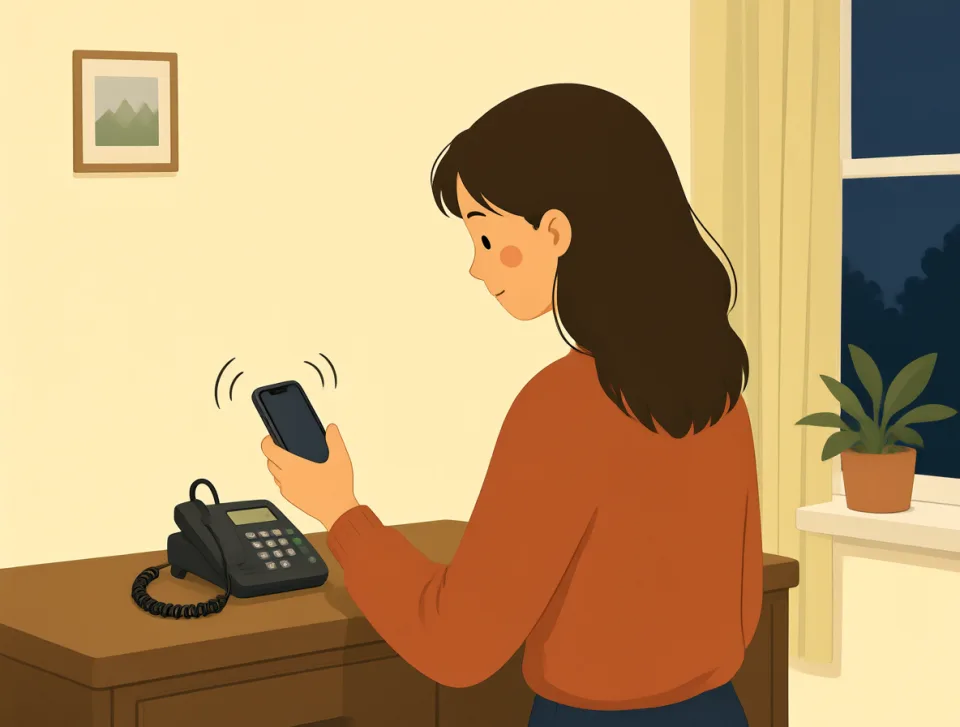
Who called you last night?
เมื่อคืนใครโทรหาคุณ

I know who can help us.
ฉันรู้ว่าใครช่วยเราได้

The doctor asked who felt sick.
หมอถามว่าใครรู้สึกไม่สบาย

like
#45verb, preposition
ชอบ; ต้องการอย่างสุภาพ; เหมือนกับ
To enjoy, want politely, or show that two things are similar.
ชื่นชอบ ต้องการบางสิ่งอย่างสุภาพ หรือแสดงว่าสองสิ่งมีความคล้ายกัน
I like tea with breakfast.
ฉันชอบดื่มชาคู่กับอาหารเช้า

Would you like a window seat?
คุณต้องการที่นั่งริมหน้าต่างไหม

She looks like her mother.
เธอดูเหมือนแม่ของเธอ

We sell fruit like apples and oranges.
เราขายผลไม้ เช่น แอปเปิลและส้ม

He swims like a fish.
เขาว่ายน้ำเหมือนปลา

when
#46adverb, conjunction, pronoun, determiner
เมื่อ
At or during the time that something happens
ในเวลาที่บางสิ่งเกิดขึ้น หรือระหว่างที่บางสิ่งกำลังเกิดขึ้น
Call me when you get home.
ถึงบ้านแล้วโทรหาฉันด้วยนะ

When I was young, I played outside.
ตอนเด็ก ๆ ฉันเล่นข้างนอก

Tell me when the meeting starts.
บอกฉันด้วยนะว่าประชุมเริ่มกี่โมง

I smile when I see my friends.
ฉันยิ้มเวลาเจอเพื่อน ๆ

When did you buy this shirt?
คุณซื้อเสื้อตัวนี้เมื่อไหร่

think
#47verb, noun
คิด
to use your mind to consider something or form an opinion
ใช้ความคิดพิจารณาบางสิ่งหรือแสดงความคิดเห็น

I think this is a good idea.
ฉันคิดว่านี่เป็นความคิดที่ดี

What do you think about this dress?
เธอคิดยังไงกับชุดตัวนี้

She thinks her keys are in the car.
เธอคิดว่ากุญแจอยู่ในรถ

I was thinking about our holiday.
ฉันกำลังคิดถึงวันหยุดของเราอยู่

Let me think before I answer.
ขอฉันคิดก่อนตอบนะ
make
#48verb, noun
ทำ
to create, prepare, cause, or choose something
สร้าง เตรียม ทำให้เกิด หรือเลือกบางสิ่ง
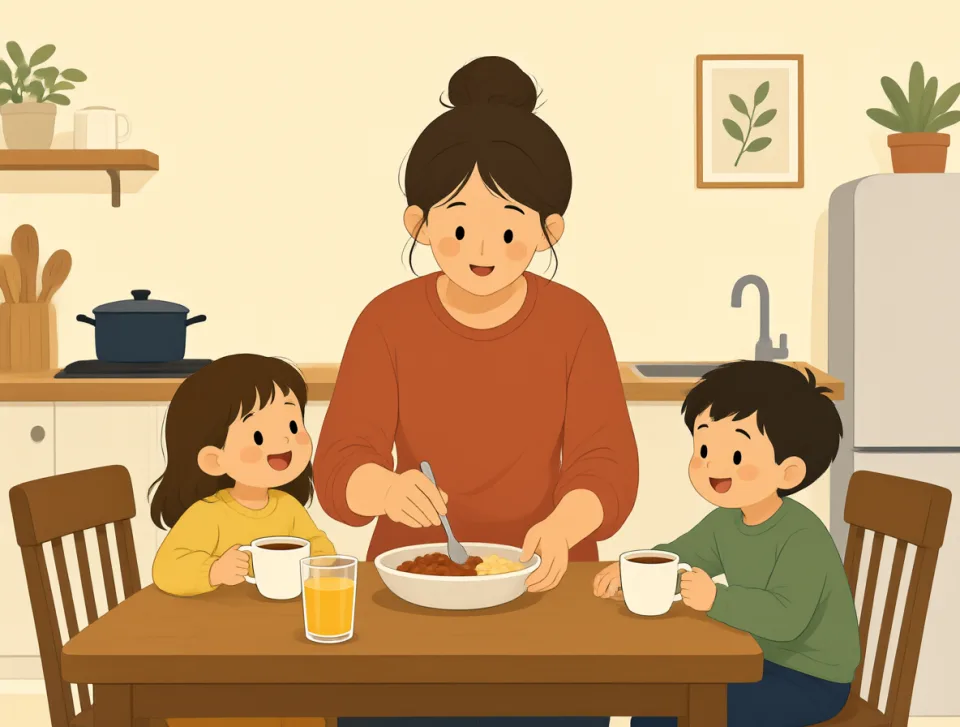
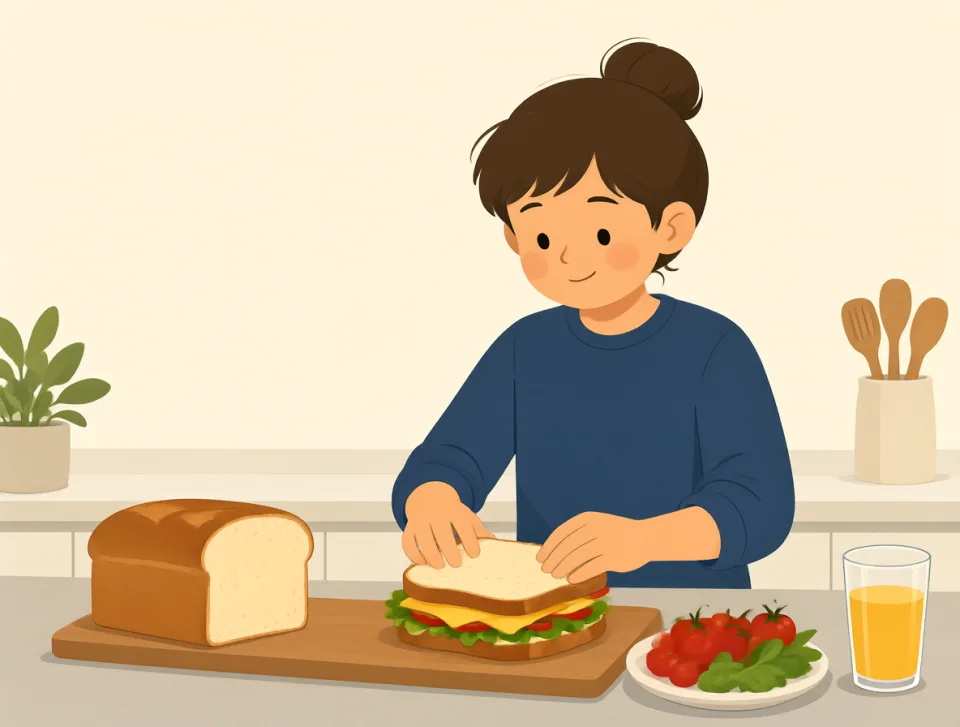
I make breakfast for my family every morning.
ฉันทำอาหารเช้าให้ครอบครัวทุกเช้า

She made a cake for her friend.
เธอทำเค้กให้เพื่อน

Please make an appointment with the doctor.
กรุณานัดหมายกับคุณหมอ

This shirt makes me feel comfortable.
เสื้อตัวนี้ทำให้ฉันรู้สึกสบาย

We made a plan for our trip.
เราวางแผนเที่ยวกันแล้ว

time
#49noun, verb
เวลา
A particular moment or period, or the number of occasions something happens.
ช่วงเวลาหรือเวลาหนึ่งโดยเฉพาะ หรือจำนวนครั้งที่บางสิ่งเกิดขึ้น
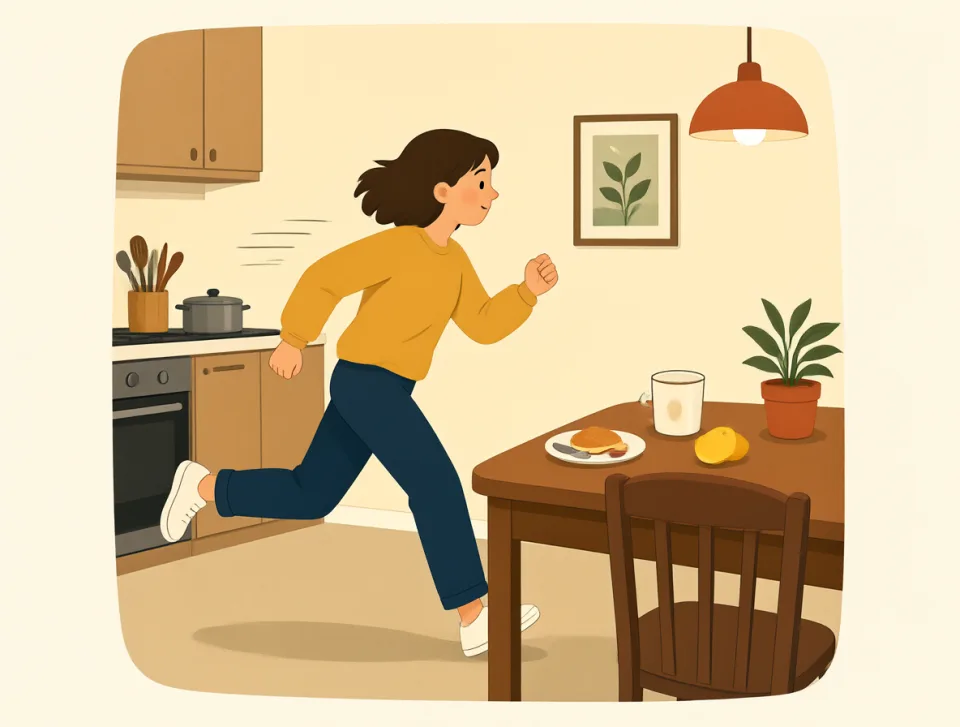
I do not have time for breakfast.
ฉันไม่มีเวลาทานอาหารเช้า

What time does the train leave?
รถไฟออกกี่โมง

We visited that museum three times.
เราไปพิพิธภัณฑ์นั้นมาสามครั้ง

She had a good time at the party.
เธอสนุกมากที่งานปาร์ตี้

It takes time to feel better.
ต้องใช้เวลาถึงจะรู้สึกดีขึ้น

see
#50verb
เห็น
to notice someone or something with your eyes
สังเกตเห็นใครบางคนหรือบางสิ่งด้วยตา

I can see your house from here.
ฉันมองเห็นบ้านของคุณจากตรงนี้

Did you see Tom at school today?
วันนี้คุณเจอทอมที่โรงเรียนไหม

We saw a movie after dinner.
เราดูหนังกันหลังอาหารเย็น

She sees the doctor every Monday.
เธอไปพบหมอทุกวันจันทร์

I see what you mean now.
ตอนนี้ฉันเข้าใจแล้วว่าคุณหมายถึงอะไร
what
#51pronoun, determiner
อะไร
Used to ask about a thing, choice, or information.
ใช้ถามเกี่ยวกับสิ่งของ ตัวเลือก หรือข้อมูล
What do you want for dinner?
มื้อเย็นอยากกินอะไร

What time does the train leave?
รถไฟออกกี่โมง

What size do you need?
ต้องการไซซ์อะไร

I know what you mean.
ฉันรู้ว่าเธอหมายถึงอะไร

What happened at school today?
วันนี้ที่โรงเรียนเกิดอะไรขึ้น

up
#52adverb, preposition, adjective, noun
ขึ้น
Toward a higher place or position; or in a higher position.
ไปยังที่หรือระดับที่สูงกว่า หรืออยู่ในตำแหน่งที่สูงกว่า

Please stand up when the teacher enters.
กรุณายืนขึ้นเมื่อครูเข้ามา

She put up the picture in her room.
เธอติดรูปไว้ในห้องของเธอ
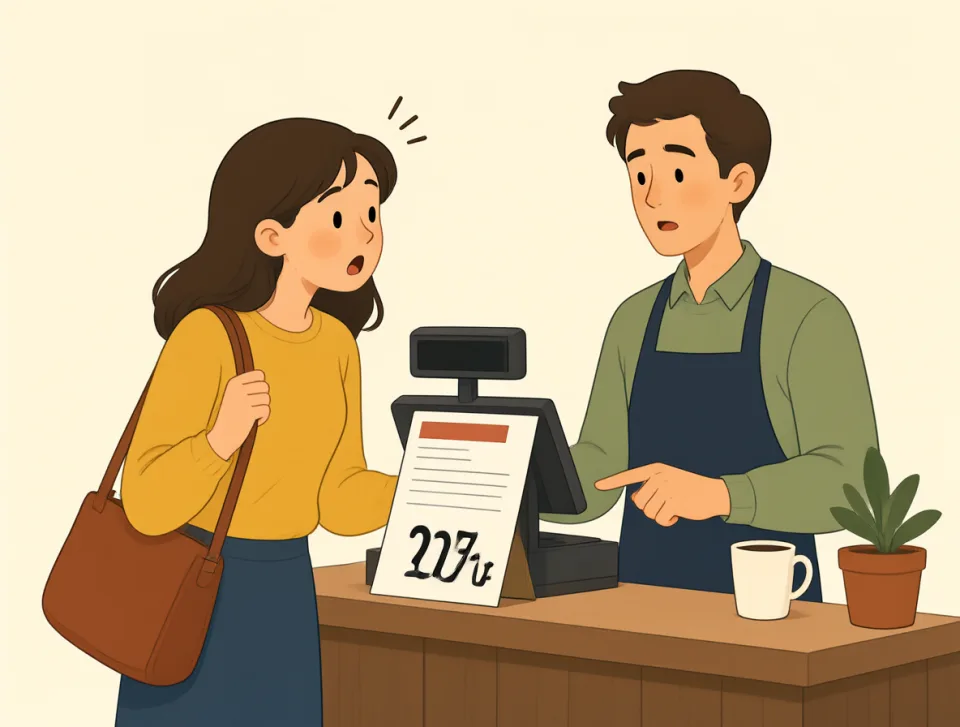
The price went up last month.
ราคาเพิ่มขึ้นเมื่อเดือนที่แล้ว

We walked up the hill to the station.
พวกเราเดินขึ้นเนินไปยังสถานี

I woke up with a bad headache.
ฉันตื่นมาพร้อมกับอาการปวดหัวอย่างหนัก
some
#53determiner, pronoun, adverb
บางส่วน
An amount or number that is not exact or not stated.
ปริมาณหรือจำนวนที่ไม่แน่นอนหรือไม่ได้ระบุไว้
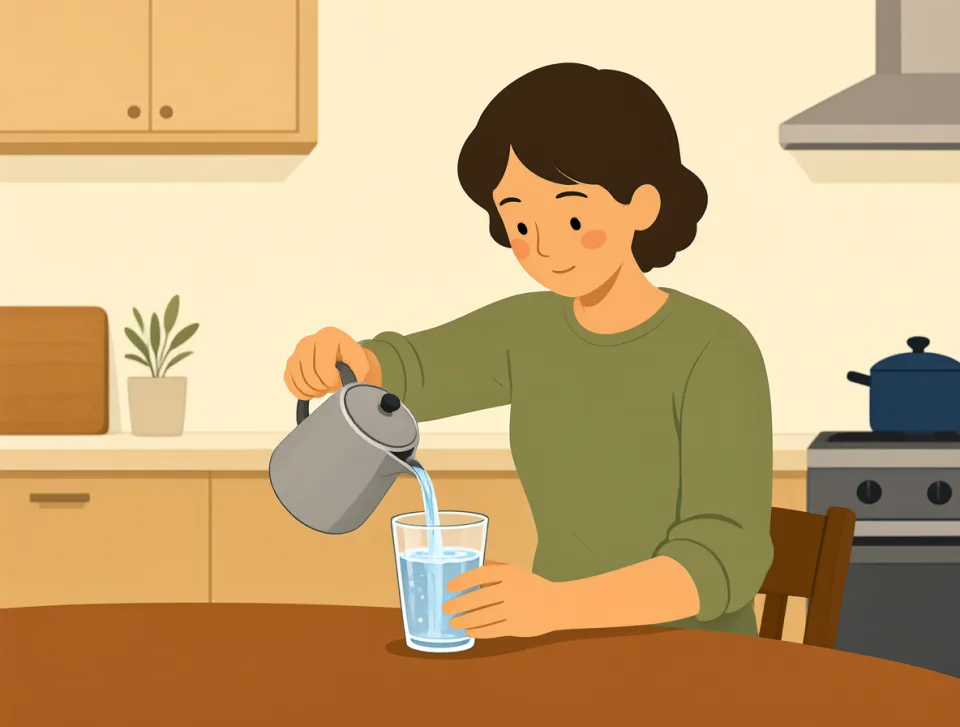
I need some water, please.
ขอน้ำหน่อยได้ไหม

There are some apples in the bag.
มีแอปเปิลอยู่ในถุงบ้าง

Would you like some cake?
เอาเค้กสักชิ้นไหม

Some people work from home.
บางคนทำงานจากที่บ้าน
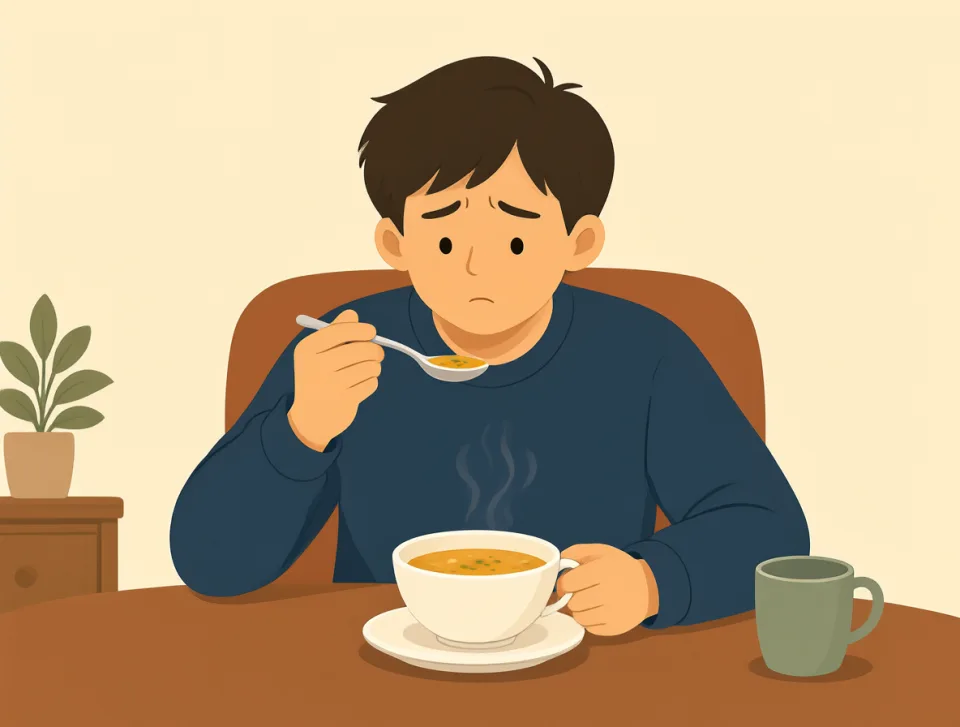
The soup is some better today.
วันนี้ซุปดีขึ้นมาบ้างแล้ว

other
#54adjective, pronoun, determiner
อื่น
Different from the one or ones already mentioned or known.
แตกต่างจากสิ่งที่กล่าวถึงหรือรู้จักไปแล้ว
Do you have any other questions?
มีคำถามอื่นอีกไหม

I chose the other shirt.
ฉันเลือกเสื้อตัวอื่น

Some children played; the others watched.
เด็กบางคนเล่นกัน ส่วนคนอื่น ๆ ก็ดูอยู่

Can I have another cup of tea?
ขอชาอีกถ้วยได้ไหม

We took the other train home.
พวกเรานั่งรถไฟอีกขบวนกลับบ้าน
out
#55adverb, preposition, adjective, noun
ออก
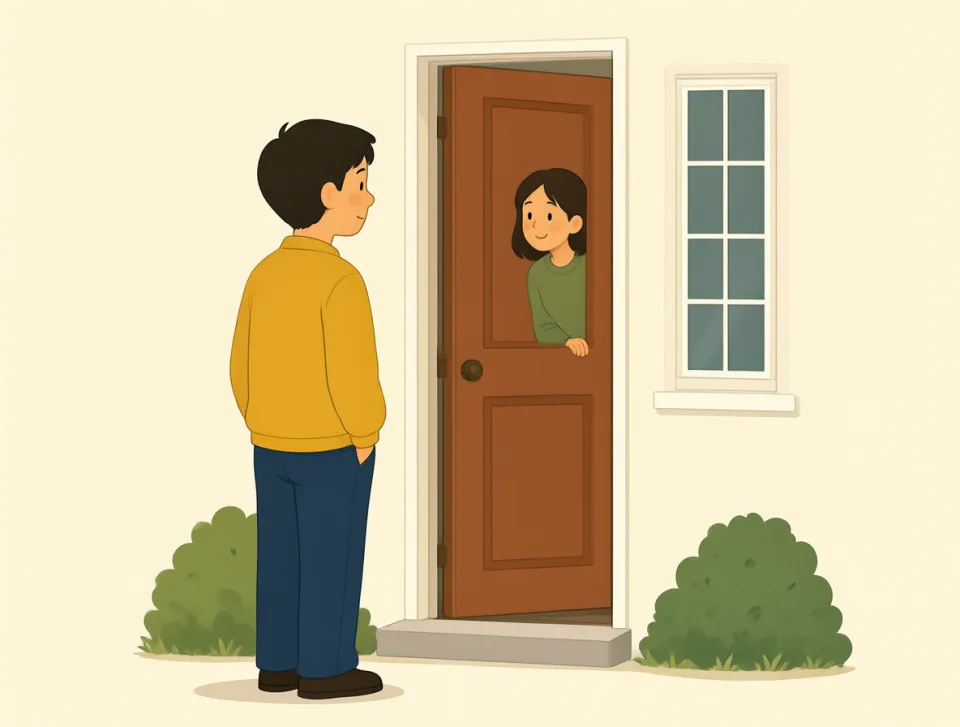
Away from a place, inside, or usual state; or not working or available.
ออกจากสถานที่ จากข้างใน หรือจากสภาวะปกติ หรือไม่ทำงานหรือไม่พร้อมใช้งาน
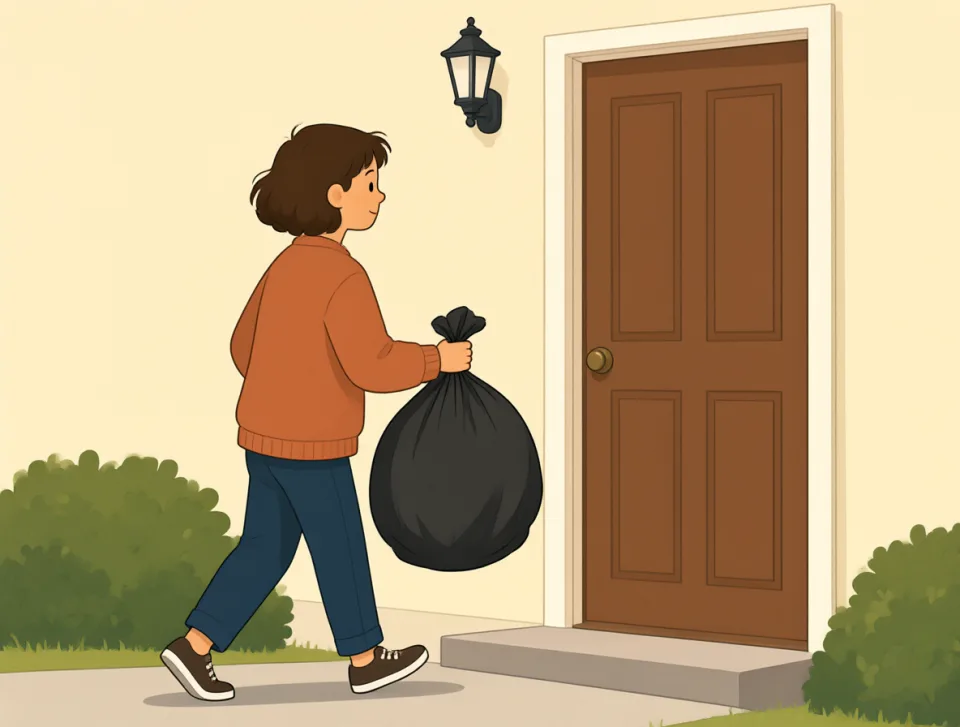
Please take the trash out tonight.
คืนนี้ช่วยเอาขยะออกไปทิ้งด้วยนะ

The children are playing out in the garden.
เด็ก ๆ กำลังเล่นอยู่ข้างนอกในสวน
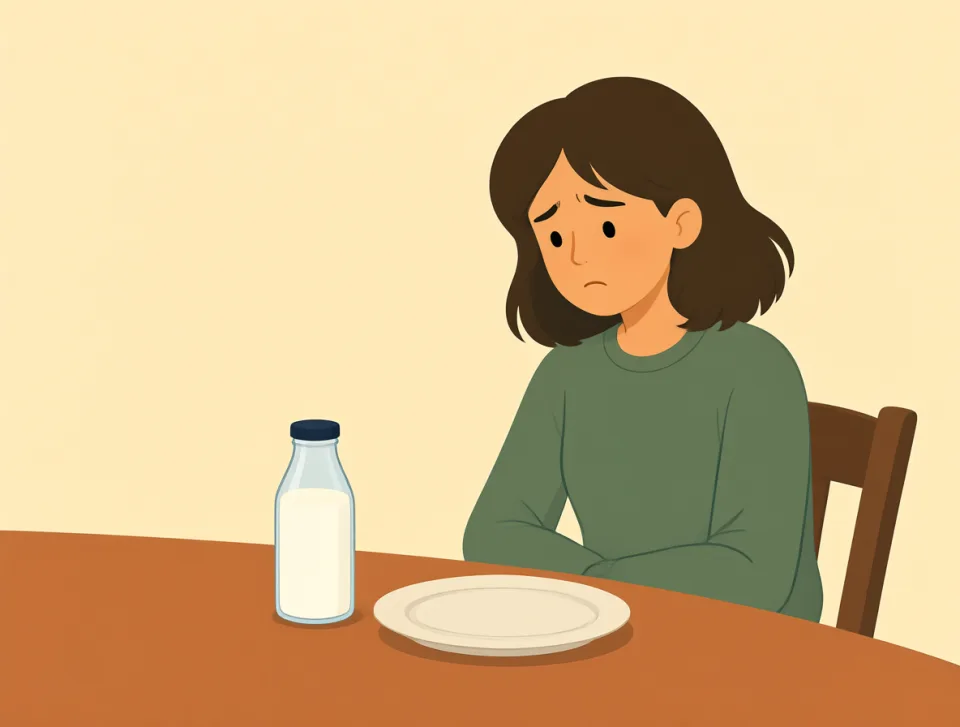
We ran out of milk this morning.
เมื่อเช้านี้นมหมด

The lights went out during dinner.
ไฟดับระหว่างมื้อเย็น

She is out with friends tonight.
คืนนี้เธอออกไปเที่ยวกับเพื่อน ๆ

good
#56adjective, noun, adverb
ดี
Pleasant, useful, or of a high quality; used to show approval.
น่าพอใจ มีประโยชน์ หรือมีคุณภาพดี ใช้เพื่อแสดงความเห็นชอบ

She is a good student.
เธอเป็นนักเรียนที่ดี

This soup tastes really good.
ซุปนี้อร่อยมาก

We had a good time together.
พวกเราสนุกด้วยกันมาก

The doctor said my heart is good.
หมอบอกว่าหัวใจของฉันแข็งแรงดี

He plays the guitar very well.
เขาเล่นกีตาร์เก่งมาก
people
#57noun
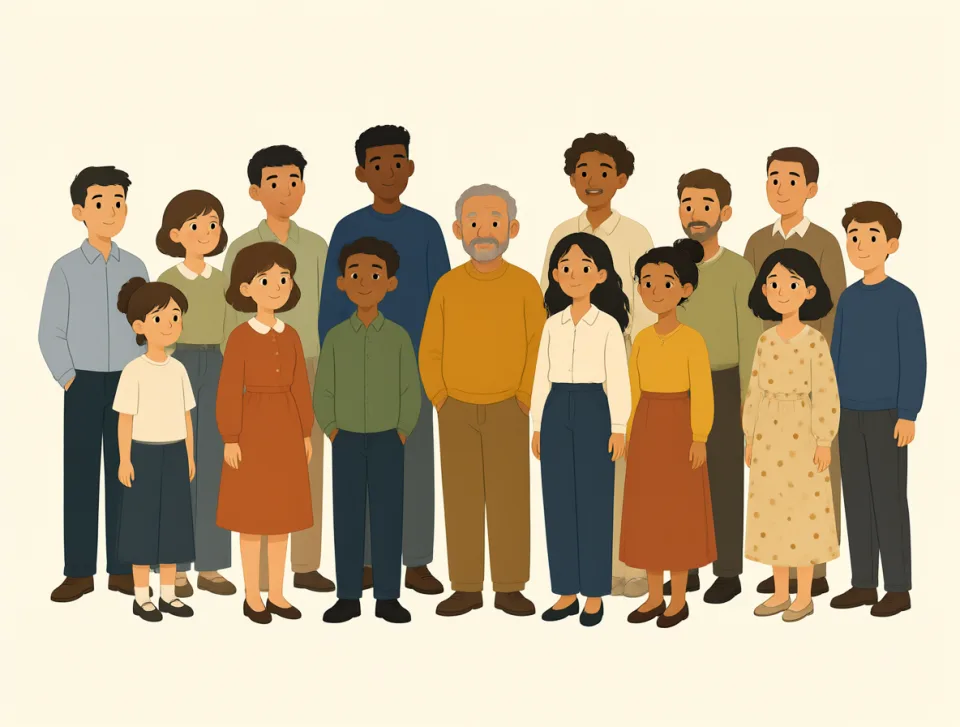
ผู้คน
Human beings in general, or a group of human beings.
มนุษย์โดยทั่วไป หรือกลุ่มมนุษย์กลุ่มหนึ่ง

Many people live in this city.
ผู้คนมากมายอาศัยอยู่ในเมืองนี้
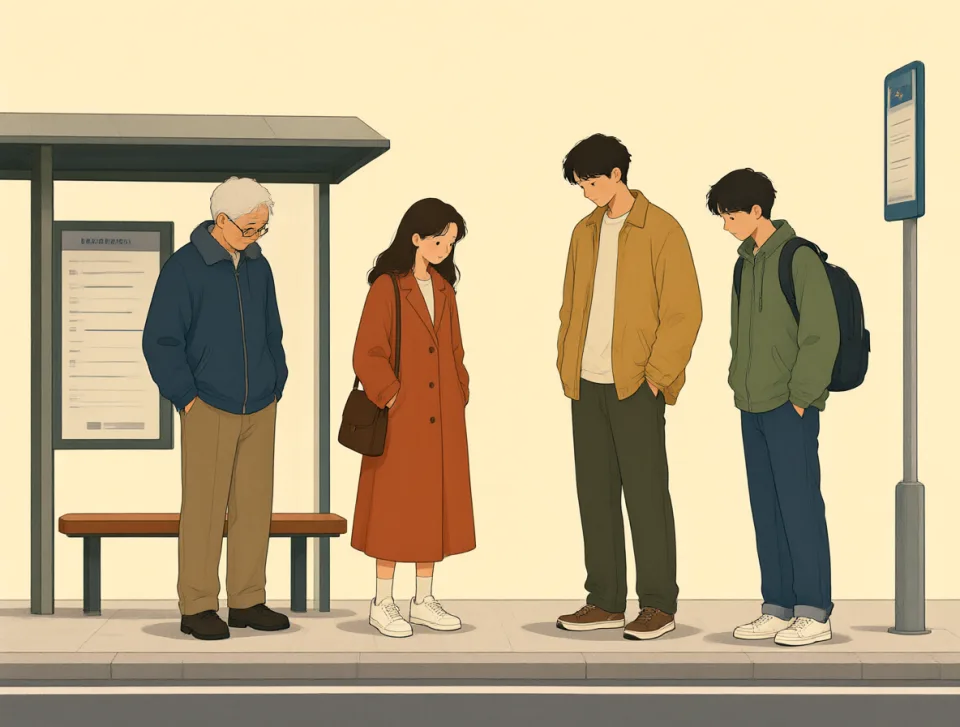
People are waiting for the bus.
ผู้คนกำลังรอรถเมล์อยู่

The shop was full of people.
ร้านเต็มไปด้วยผู้คน

Some people work from home.
บางคนทำงานจากที่บ้าน
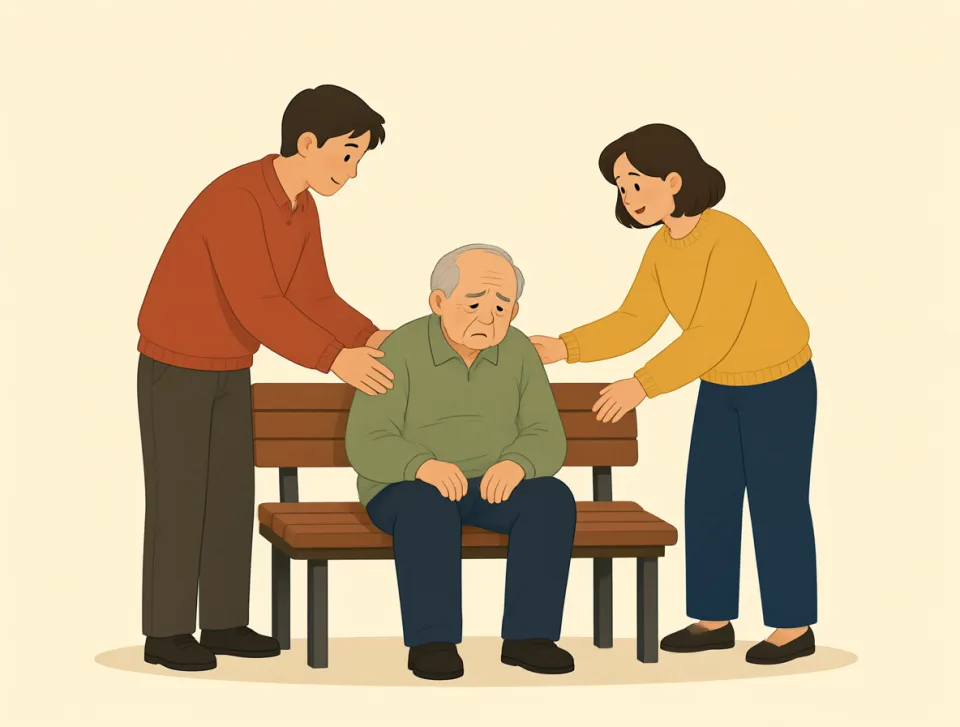
People helped the sick man.
ผู้คนช่วยชายป่วยคนนั้น

year
#58noun
ปี
A period of twelve months, usually from January to December.
ช่วงเวลาสิบสองเดือน โดยปกตินับตั้งแต่เดือนมกราคมถึงเดือนธันวาคม
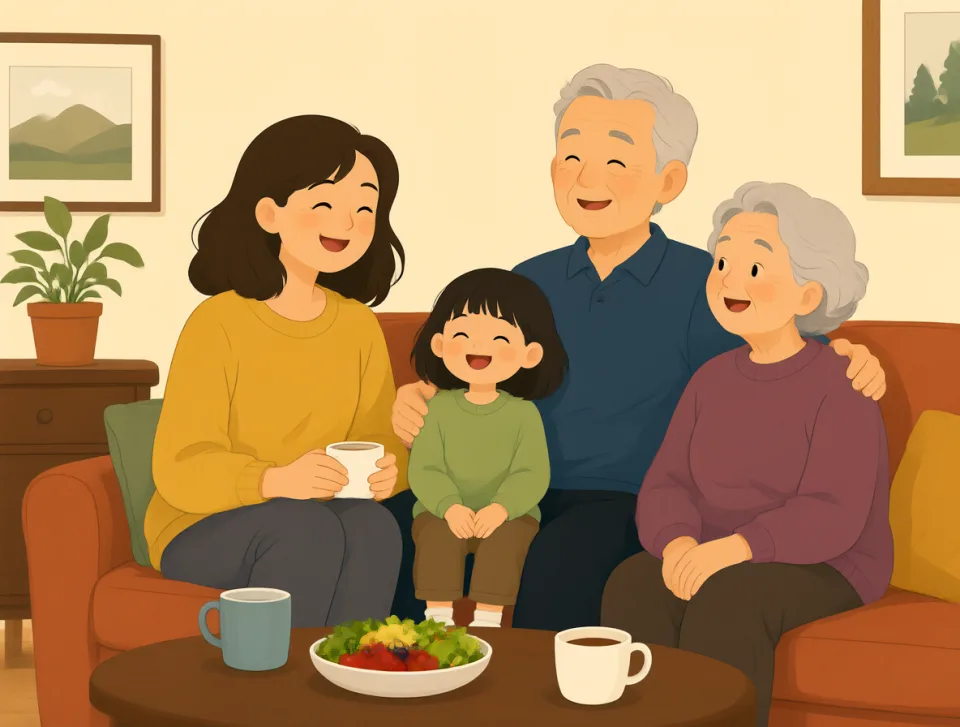
I visit my family twice a year.
ฉันไปเยี่ยมครอบครัวปีละสองครั้ง

She started school last year.
เธอเริ่มเข้าเรียนเมื่อปีที่แล้ว

We lived there for three years.
พวกเราเคยอาศัยอยู่ที่นั่นเป็นเวลาสามปี

The shop opens every year in May.
ร้านเปิดทุกปีในเดือนพฤษภาคม

He is one year old today.
วันนี้เขาอายุครบหนึ่งขวบ

take
#59verb, noun
เอา
To move something with you, use something, or do an action.
นำสิ่งของติดตัวไป ใช้สิ่งของ หรือทำกิจกรรมบางอย่าง

Please take an umbrella when you leave.
กรุณาพกร่มไปด้วยตอนออกจากบ้าน

I take the bus to work every day.
ฉันนั่งรถเมล์ไปทำงานทุกวัน

She took a photo of the mountains.
เธอถ่ายรูปภูเขาไว้รูปหนึ่ง
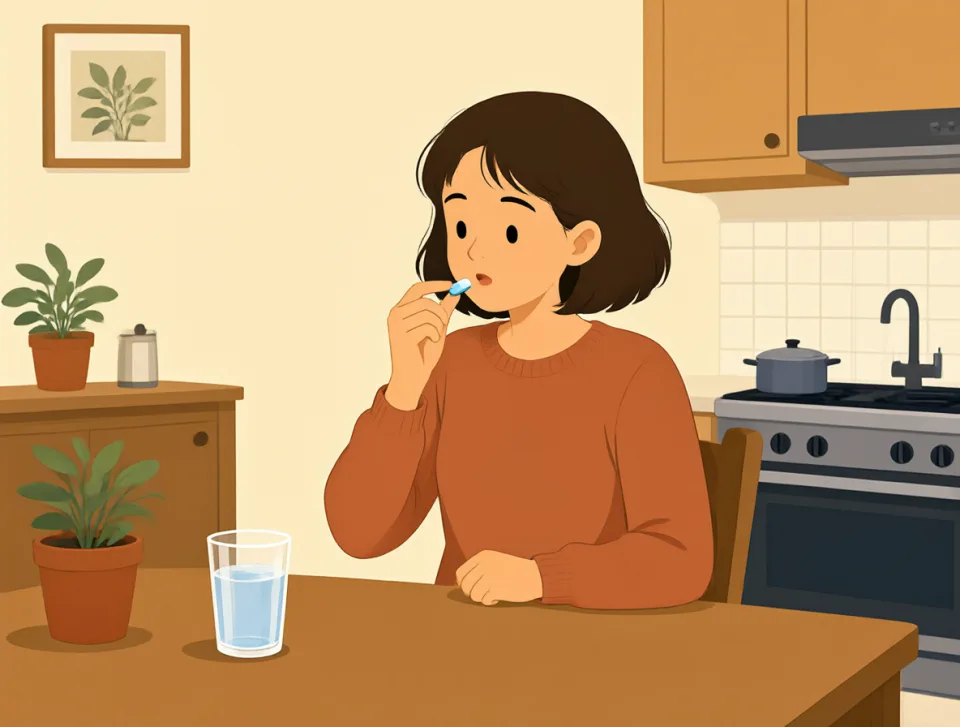
Take this medicine after breakfast.
กินยานี้หลังอาหารเช้า

We took a short break after lunch.
พวกเราพักสั้น ๆ หลังอาหารกลางวัน
no
#60determiner, adverb, noun
ไม่
Used to say that something is not available, allowed, or true.
ใช้เพื่อบอกว่าสิ่งใดไม่มี ไม่ได้รับอนุญาต หรือไม่เป็นความจริง
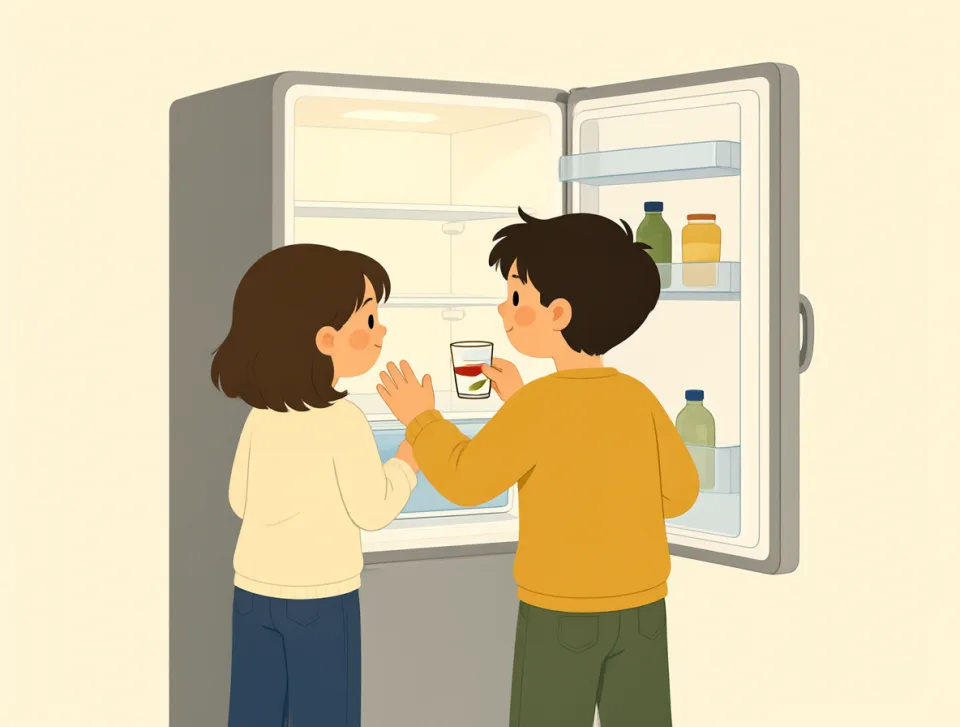
There is no milk in the fridge.
ไม่มีนมอยู่ในตู้เย็น

No, I don't want any coffee.
ไม่ ฉันไม่อยากดื่มกาแฟเลย

We have no homework tonight.
คืนนี้เราไม่มีการบ้าน

There were no seats on the train.
บนรถไฟไม่มีที่นั่งว่างเลย

The doctor said no exercise for a week.
หมอบอกว่างดออกกำลังกายเป็นเวลาหนึ่งสัปดาห์