23단원
441–460번 단어 · design, event, special, sometimes, condition, carry
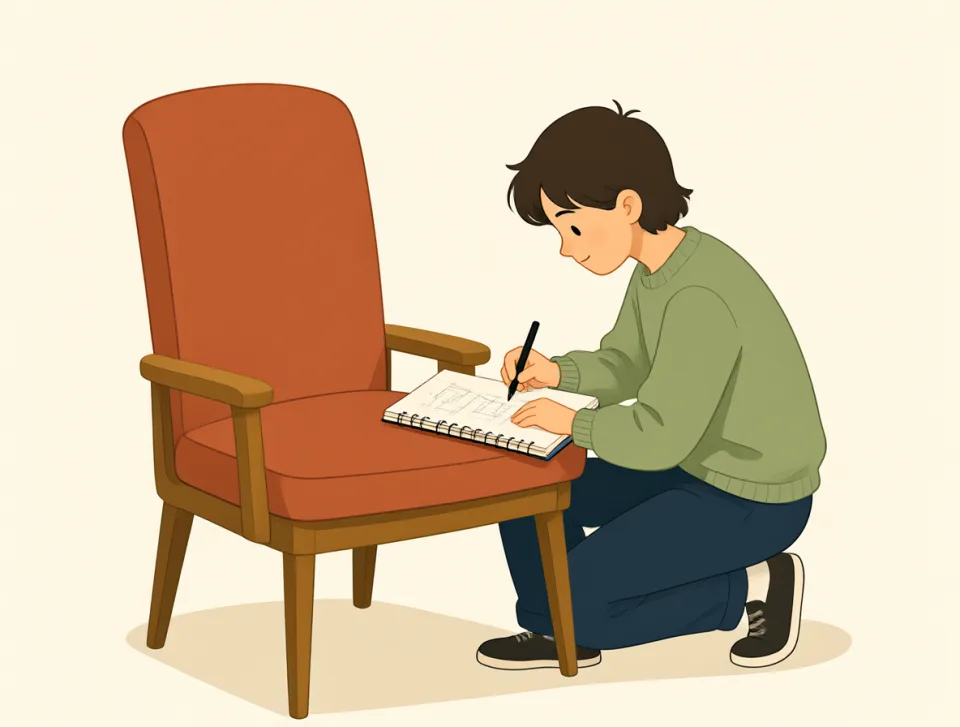
design
#441noun, verb
디자인; 설계하다
A plan for how something will look or work; to plan how something will look or work.
어떤 것이 어떻게 보이거나 작동할지에 대한 계획; 어떤 것이 어떻게 보이거나 작동할지 계획하다.

I like the design of this small house.
나는 이 작은 집의 디자인이 마음에 들어.

She designs clothes for a famous shop.
그녀는 유명한 매장에서 옷을 디자인해.
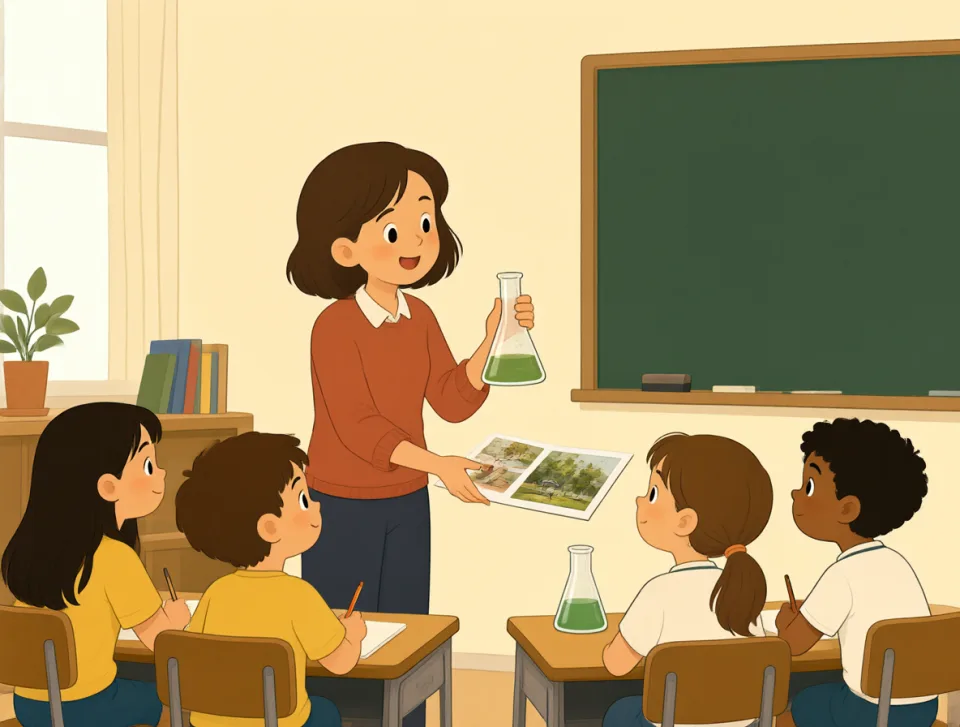
The teacher designed a fun science project.
선생님은 재미있는 과학 프로젝트를 기획했어.

We chose a new design for our kitchen.
우리는 주방에 새 디자인을 선택했어.
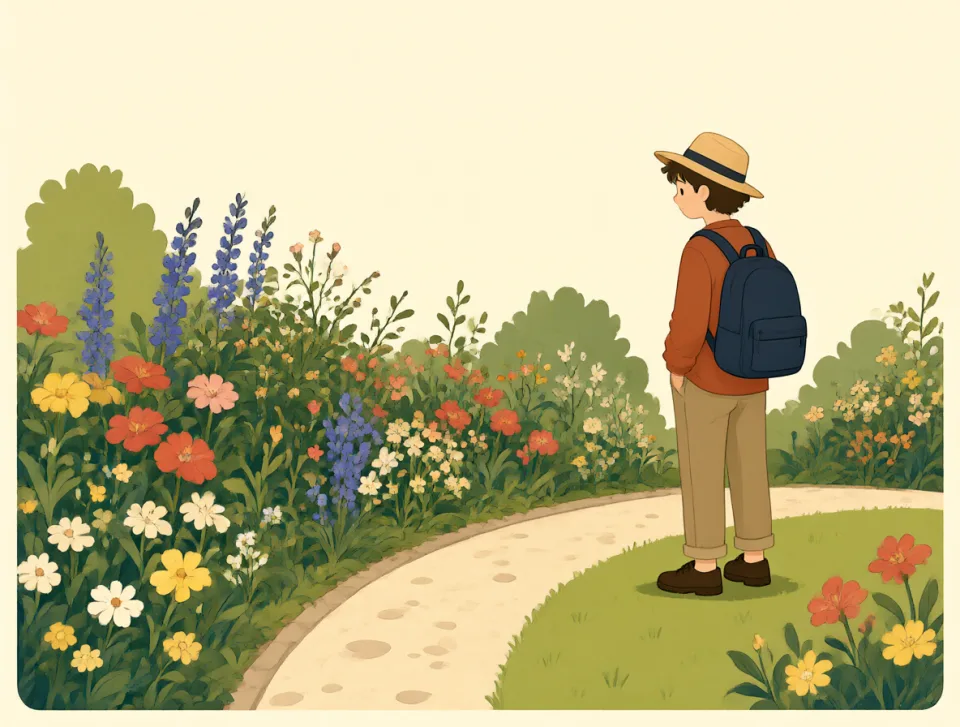
The hotel has a beautiful garden design.
그 호텔에는 아름다운 정원 디자인이 있어.
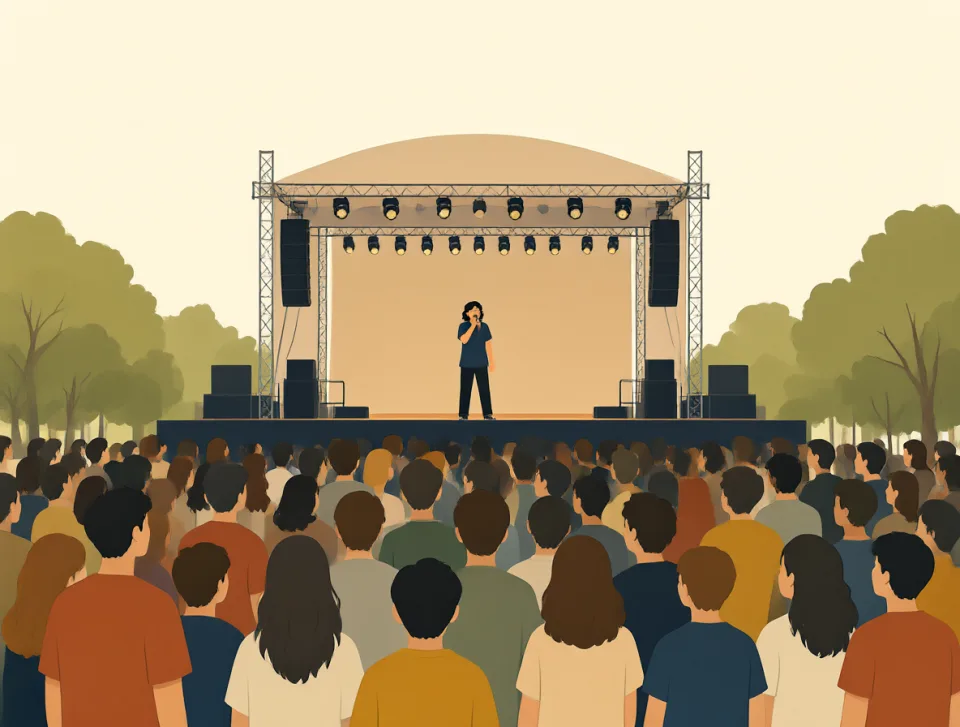
event
#442noun
행사; 사건
Something important that happens, especially a planned activity or occasion.
특히 계획된 활동이나 행사처럼 중요한 일
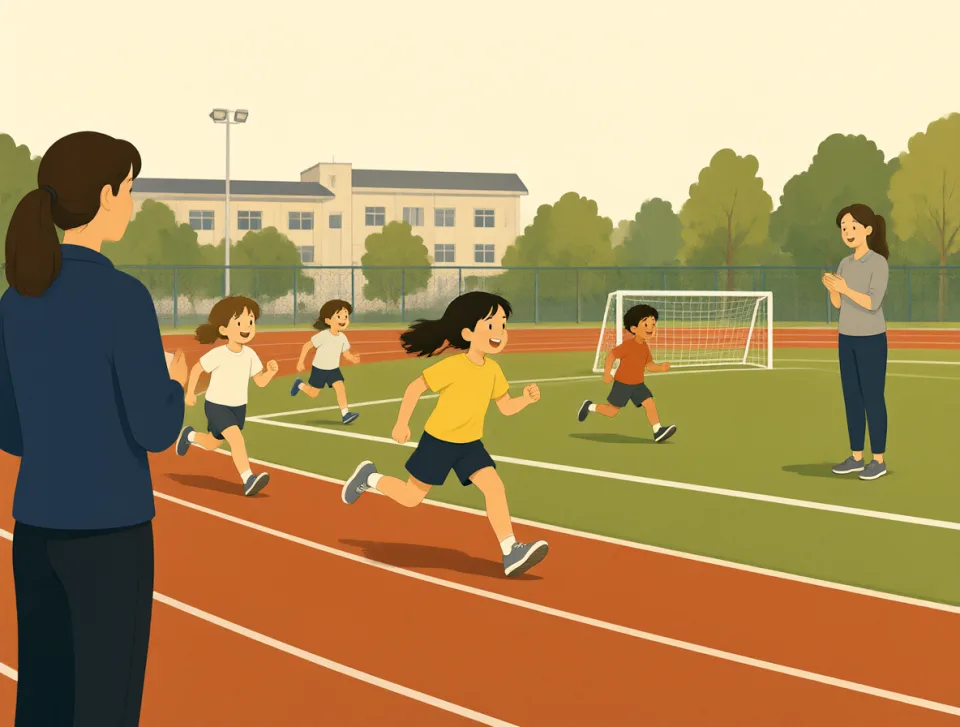
Our school held a sports event yesterday.
우리 학교는 어제 체육 행사를 열었다.
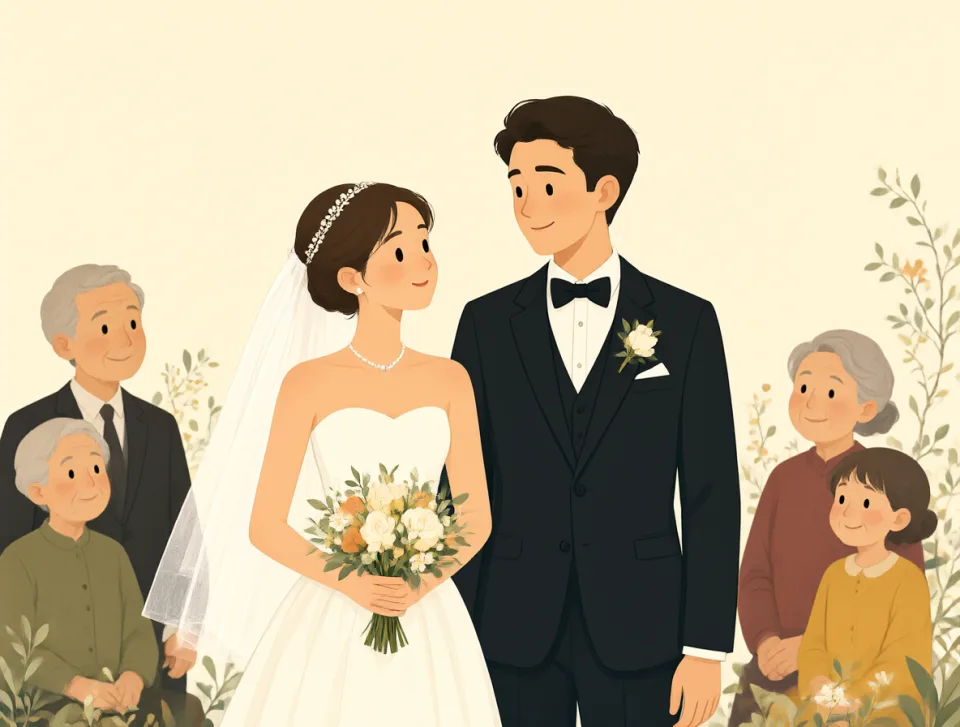
The wedding was a beautiful family event.
그 결혼식은 아름다운 가족 행사였다.
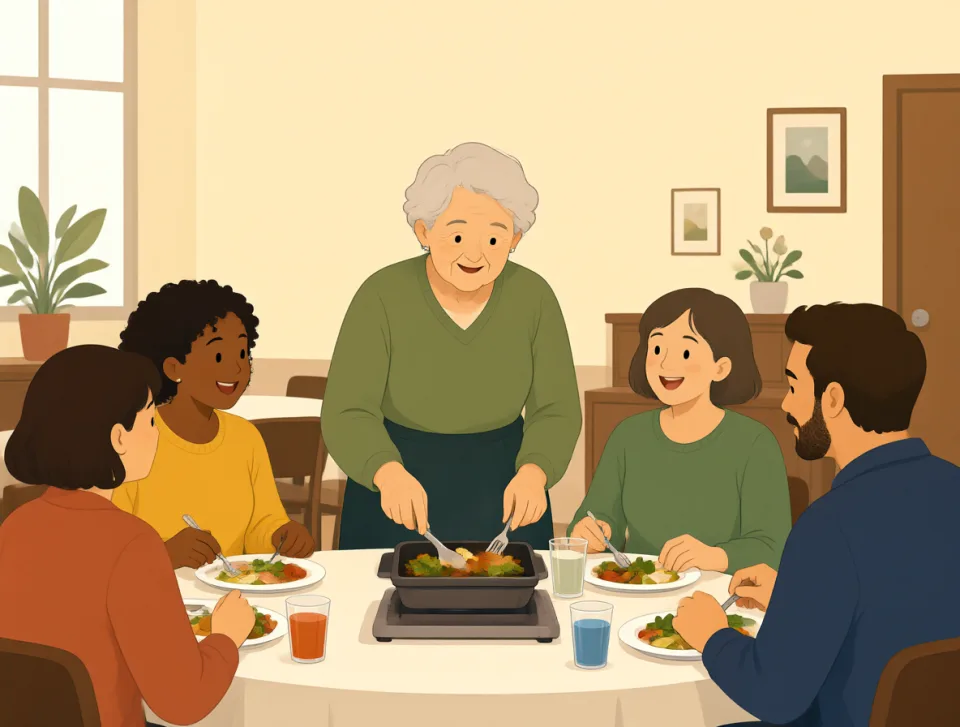
Many people came to the charity event.
많은 사람들이 자선 행사에 왔다.
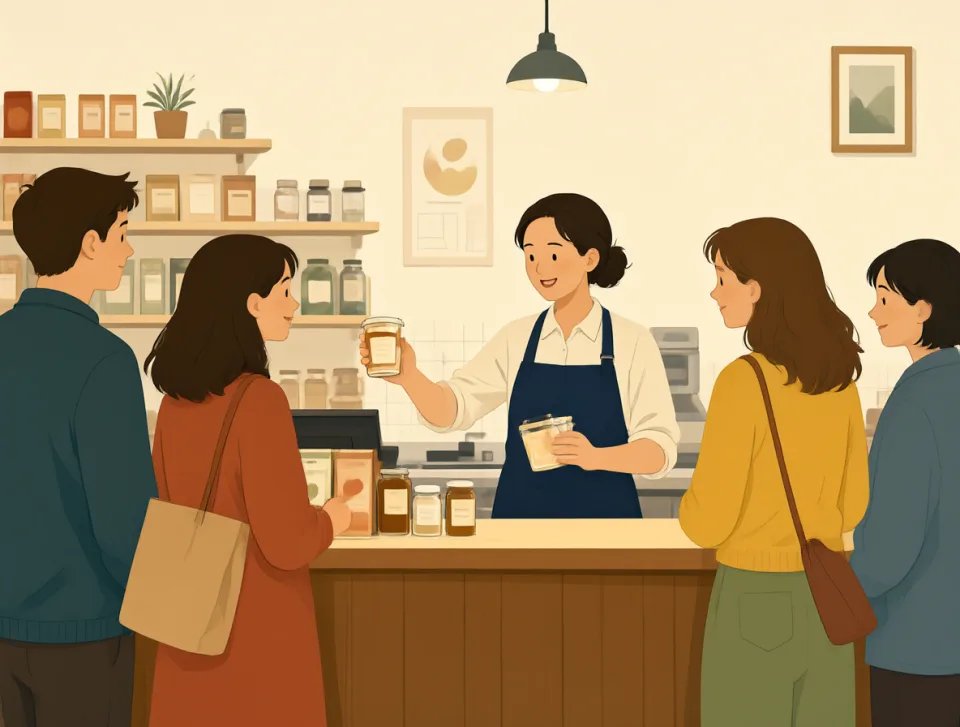
The shop has a special event this weekend.
그 가게는 이번 주말에 특별 행사를 연다.
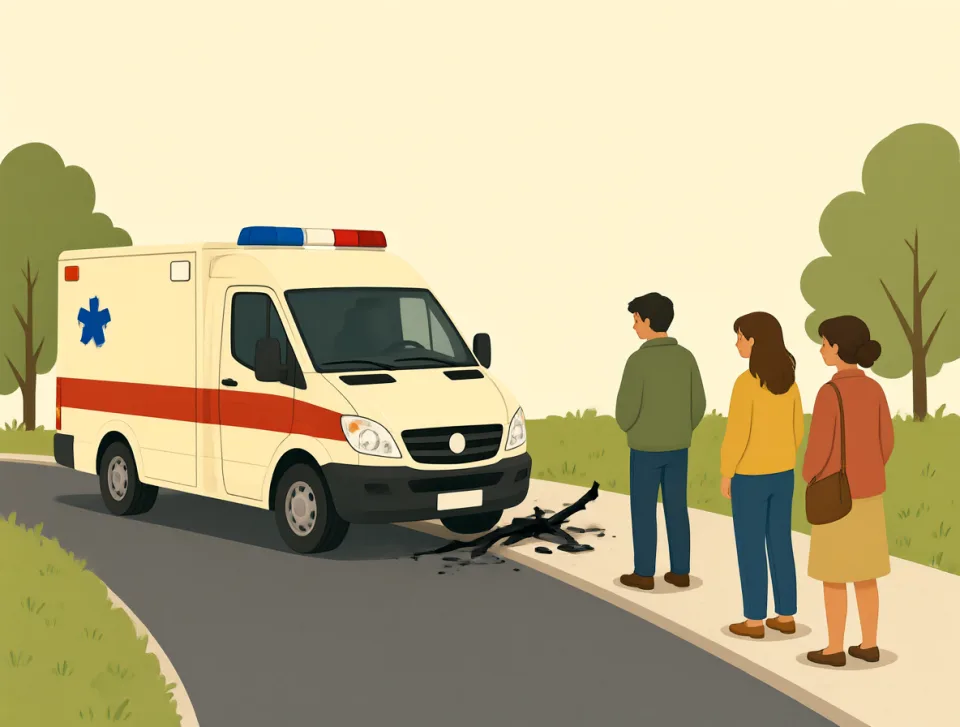
The accident was a frightening event for everyone.
그 사고는 모두에게 무서운 일이었다.
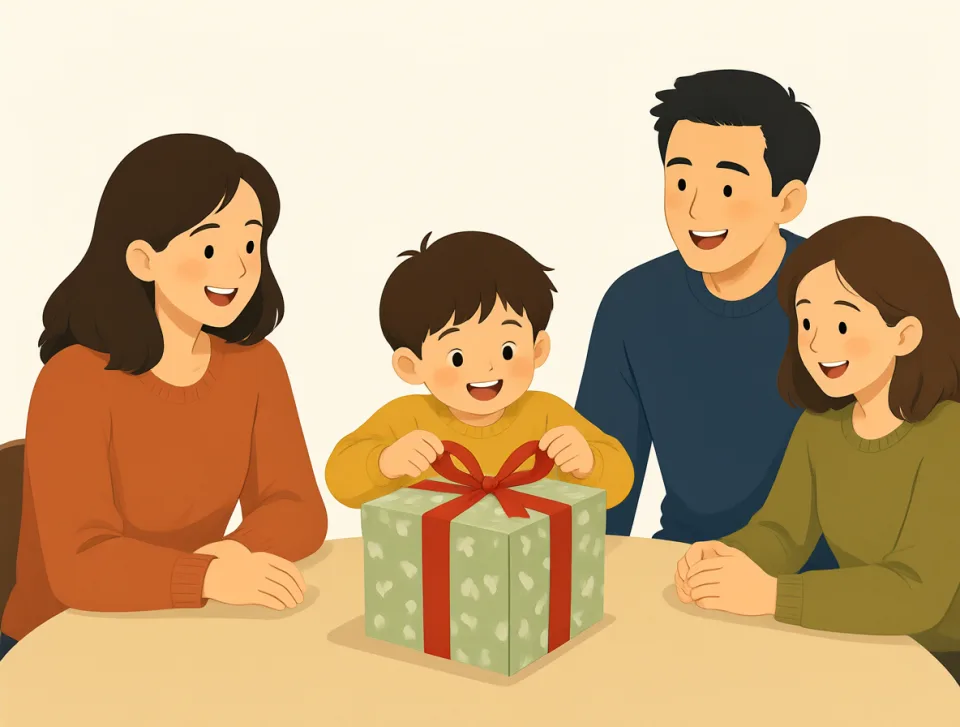
special
#443adjective, noun
특별한; 특별한 것
Different from usual, or important and worth attention.
평소와 다르거나 중요해서 관심을 받을 만한.
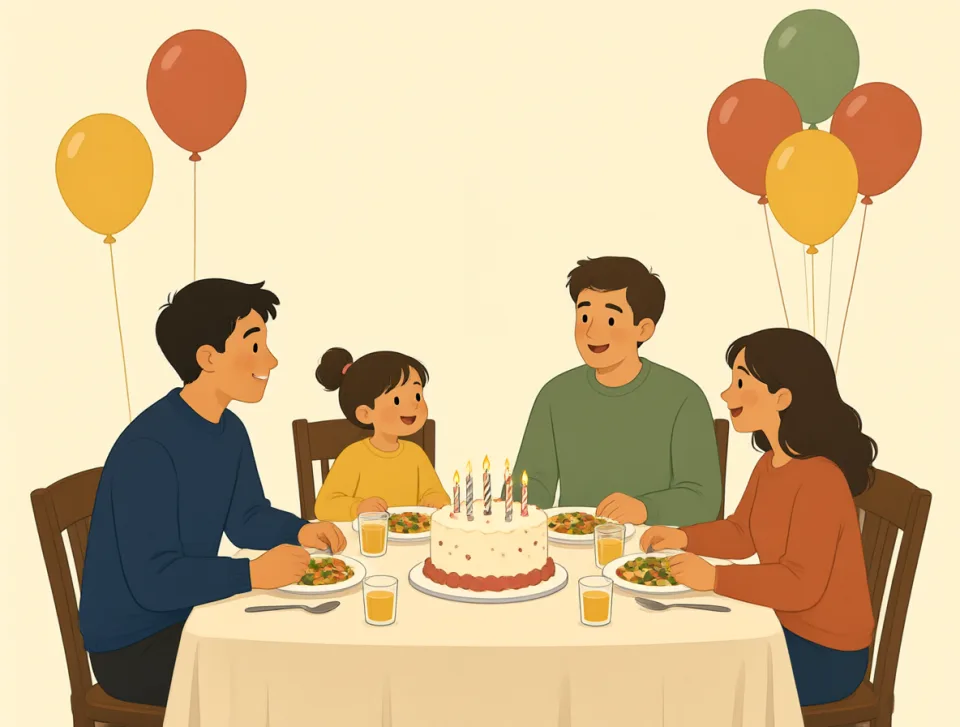
We had a special dinner for my birthday.
내 생일이라 특별한 저녁을 먹었어요.
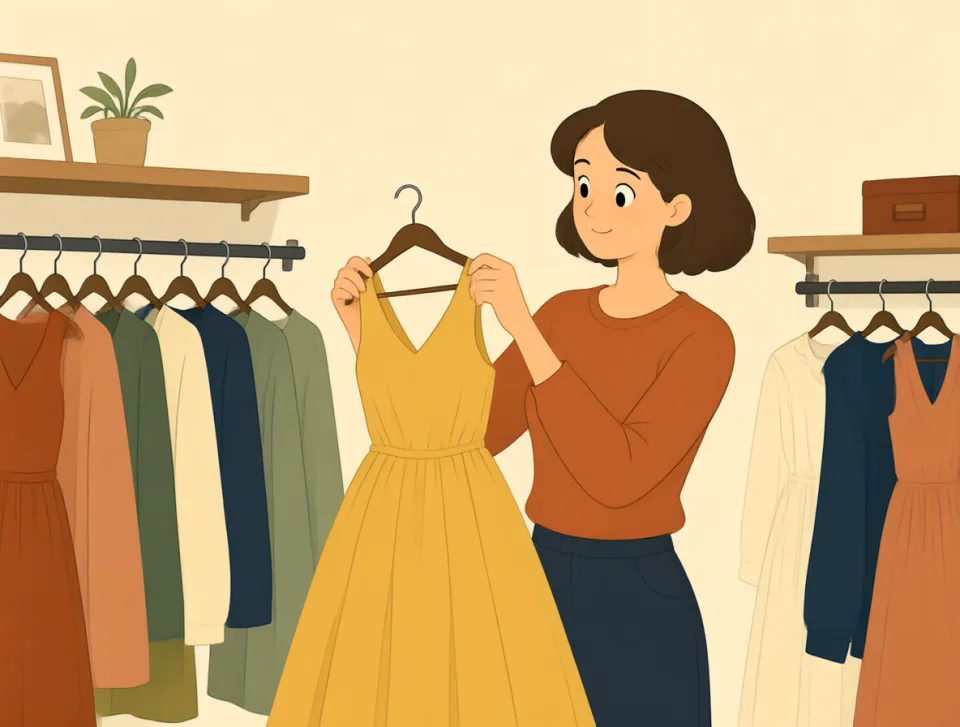
She bought a special dress for the party.
그녀는 파티에 입고 갈 특별한 드레스를 샀어요.
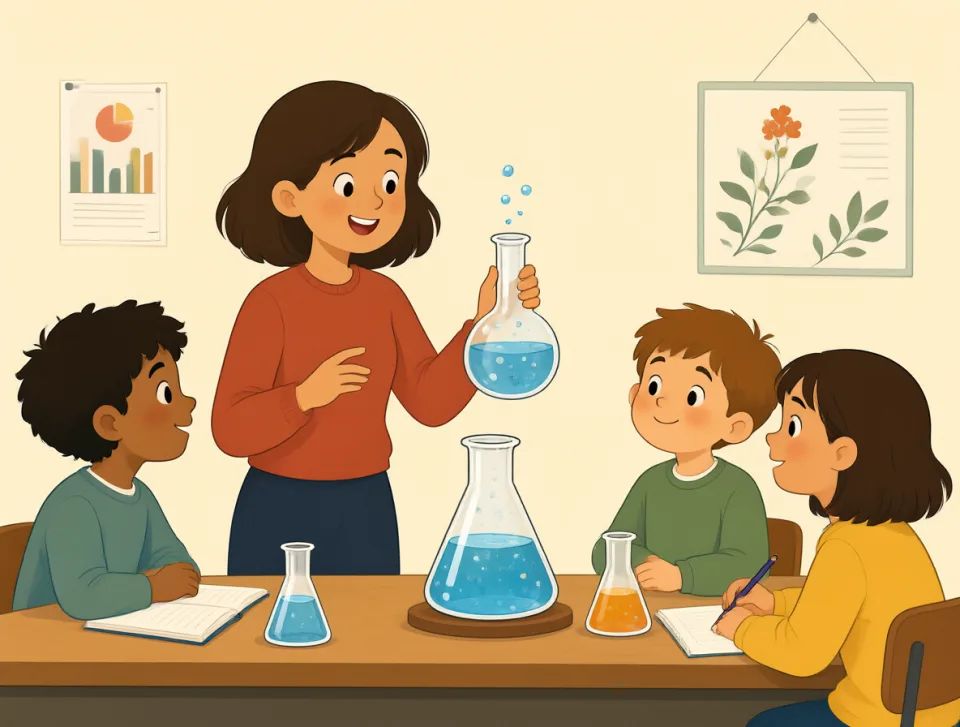
The teacher planned a special lesson today.
선생님은 오늘 특별 수업을 계획하셨어요.
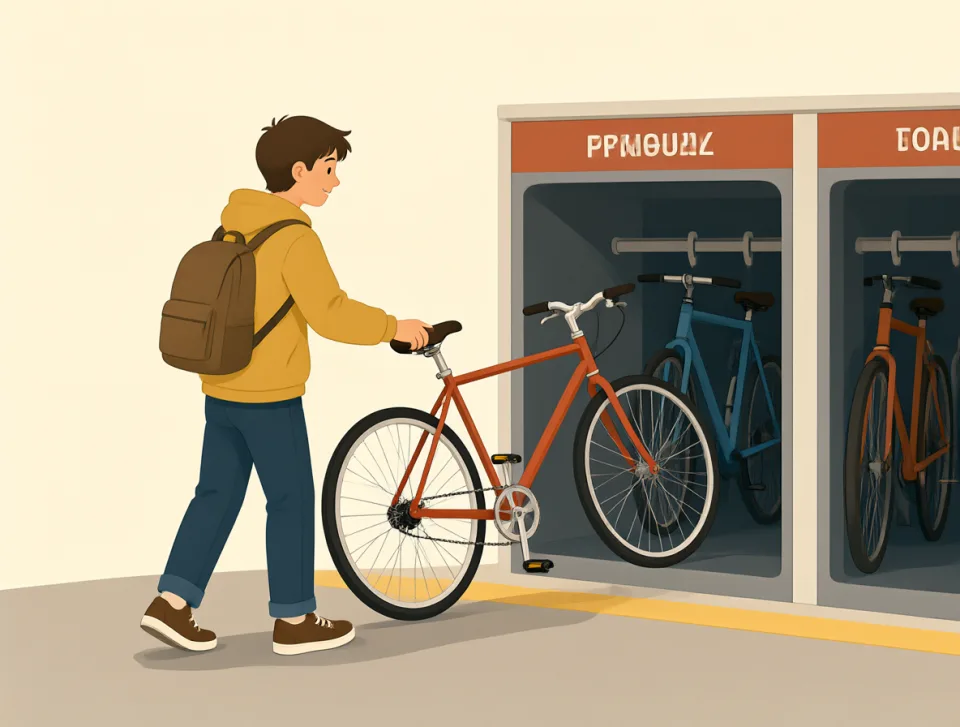
This train has a special place for bicycles.
이 기차에는 자전거를 놓을 수 있는 특별한 공간이 있어요.
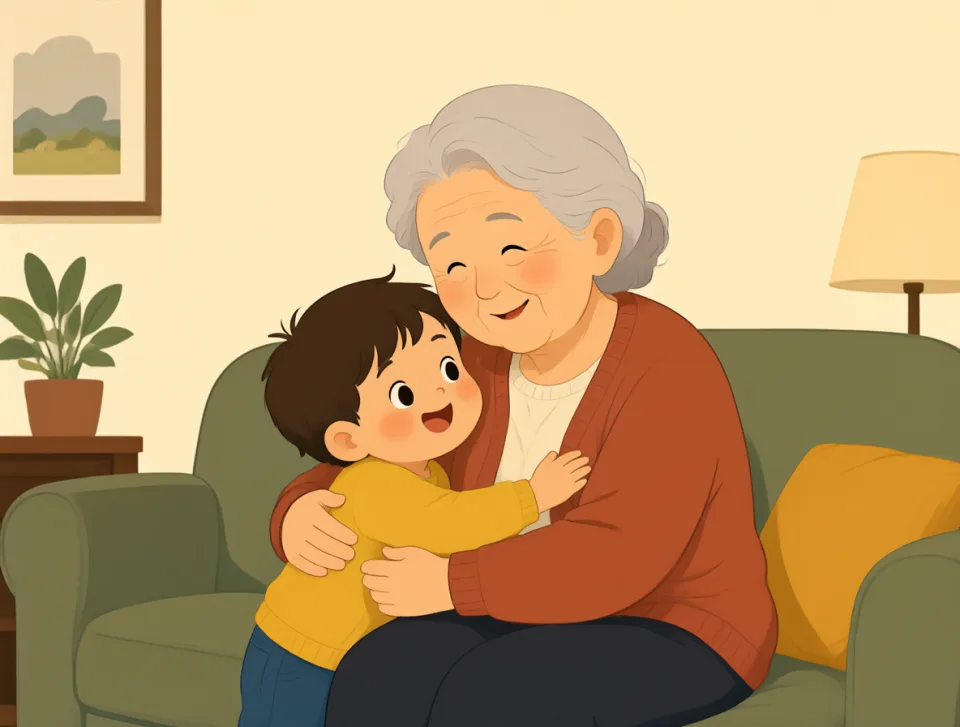
My grandmother is a very special person.
우리 할머니는 정말 특별한 분이에요.

sometimes
#444adverb
때때로; 가끔
At some times, but not always.
어떤 때는 그렇지만 항상 그런 것은 아닌
I sometimes walk to work.
나는 가끔 걸어서 출근해.
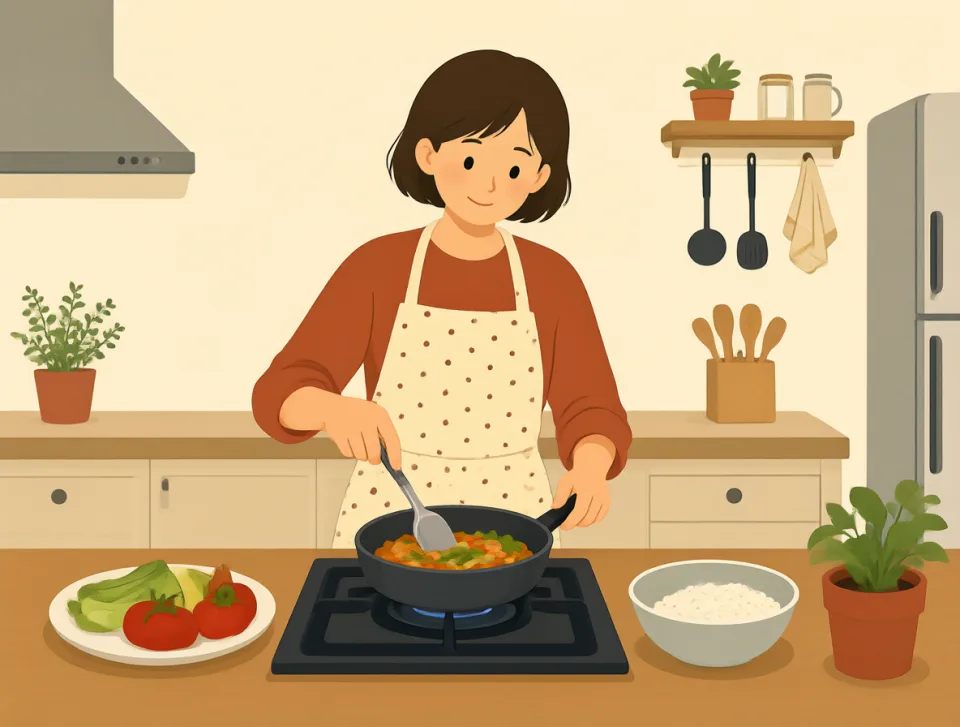
She sometimes cooks dinner for us.
그녀는 가끔 우리를 위해 저녁을 요리해.
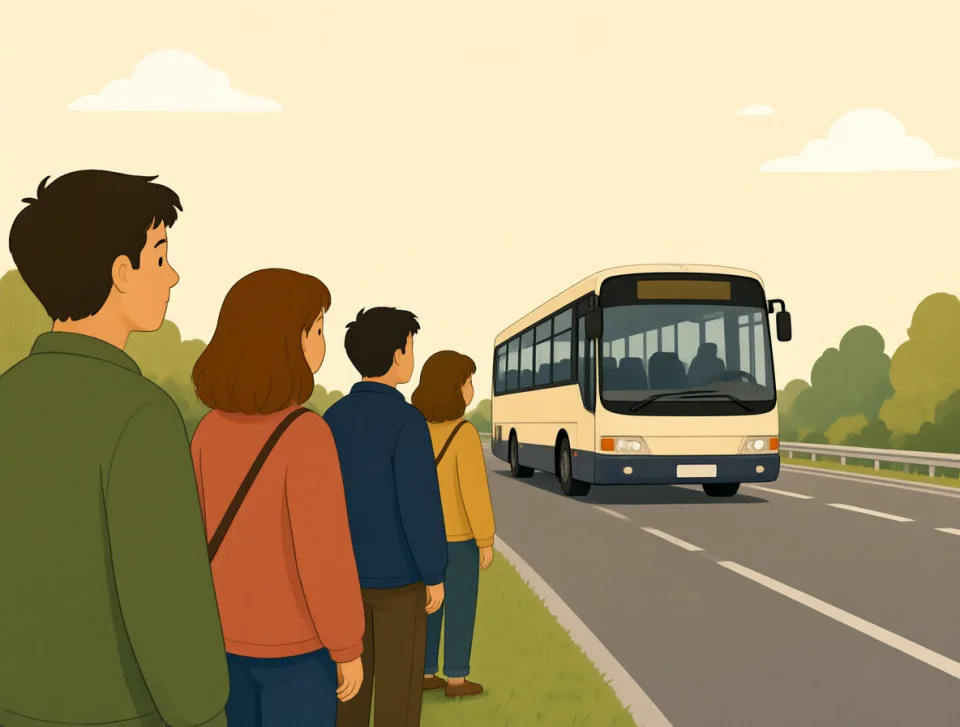
Sometimes, the bus arrives late.
버스가 가끔 늦게 도착해.
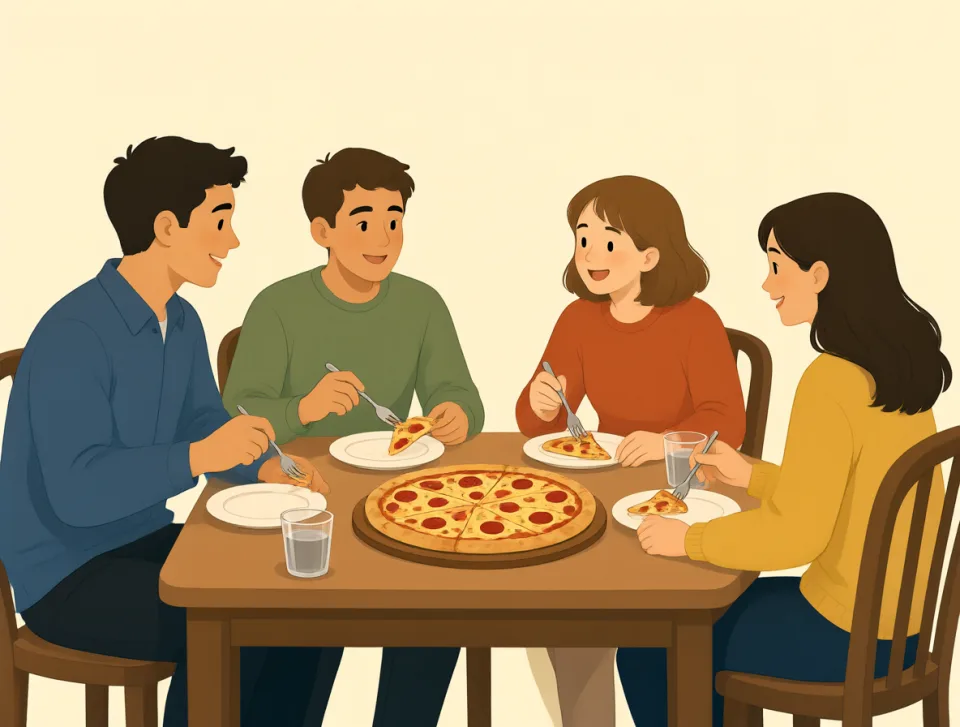
We sometimes eat pizza on Fridays.
우리는 금요일에 가끔 피자를 먹어.
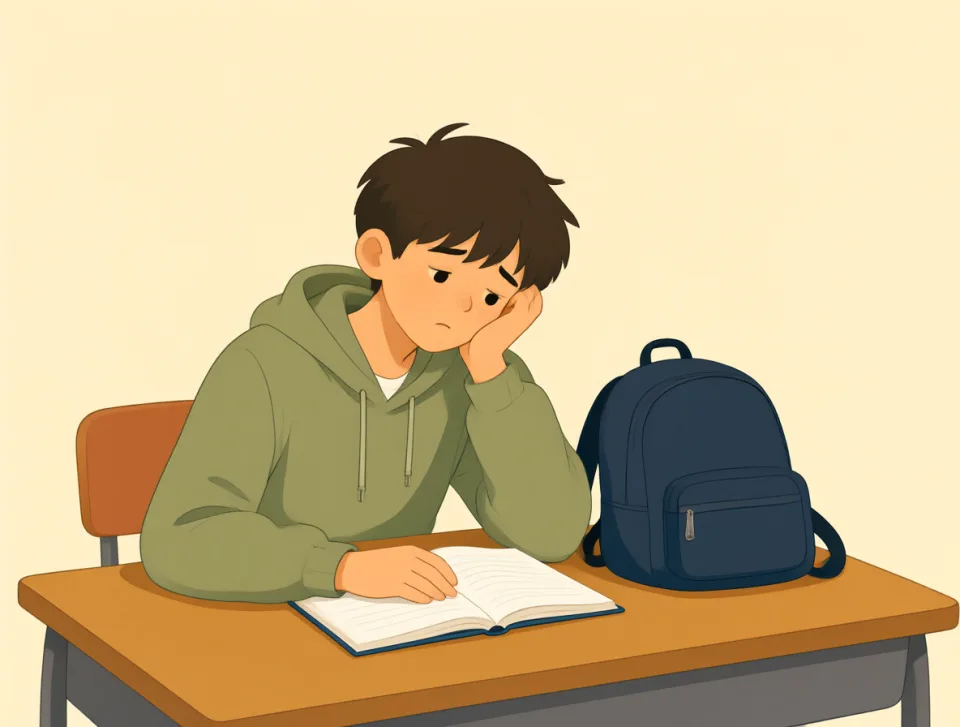
He sometimes feels tired after school.
그는 방과 후에 가끔 피곤함을 느껴.
condition
#445noun
상태; 조건
the state that something is in, or a rule that must be accepted
어떤 것의 상태, 또는 받아들여야 하는 규칙
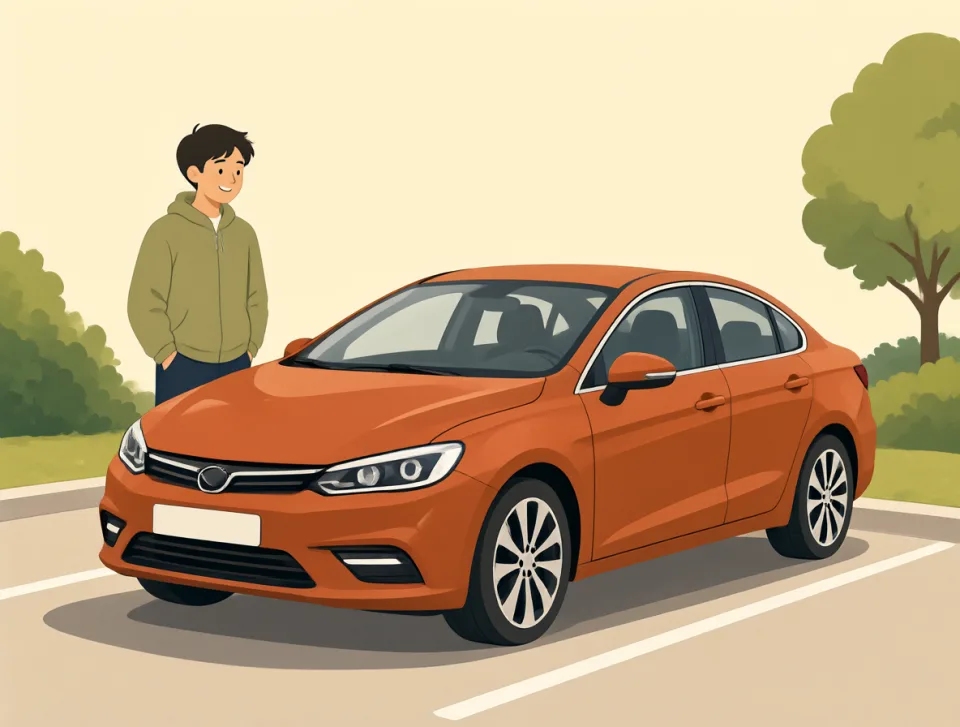
The car is in good condition.
그 차는 상태가 좋다.
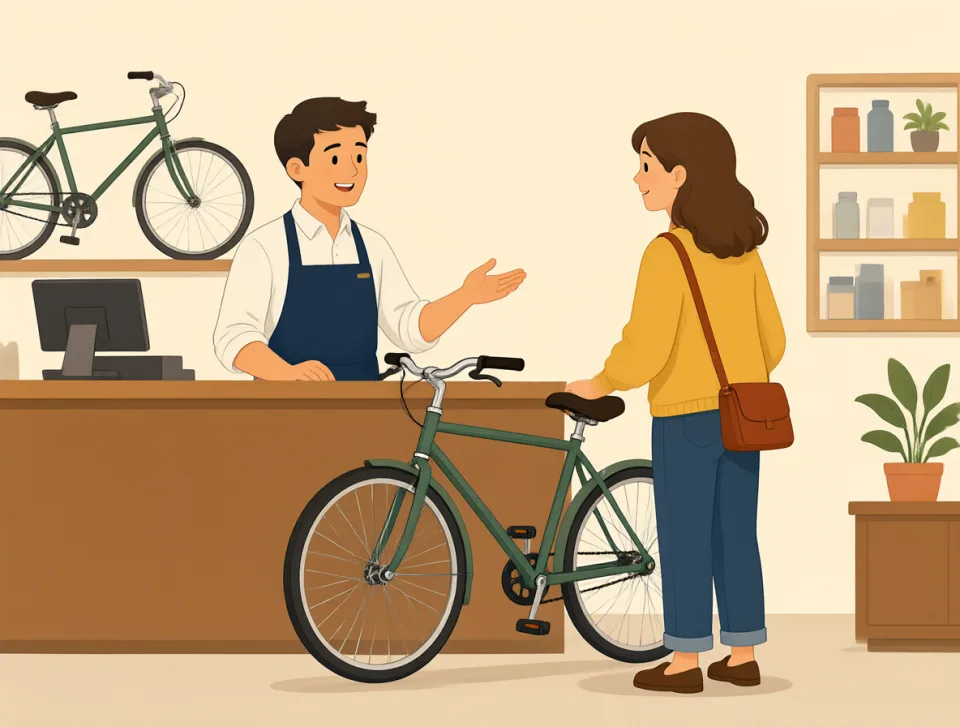
You can buy it on one condition.
한 가지 조건으로 살 수 있어요.
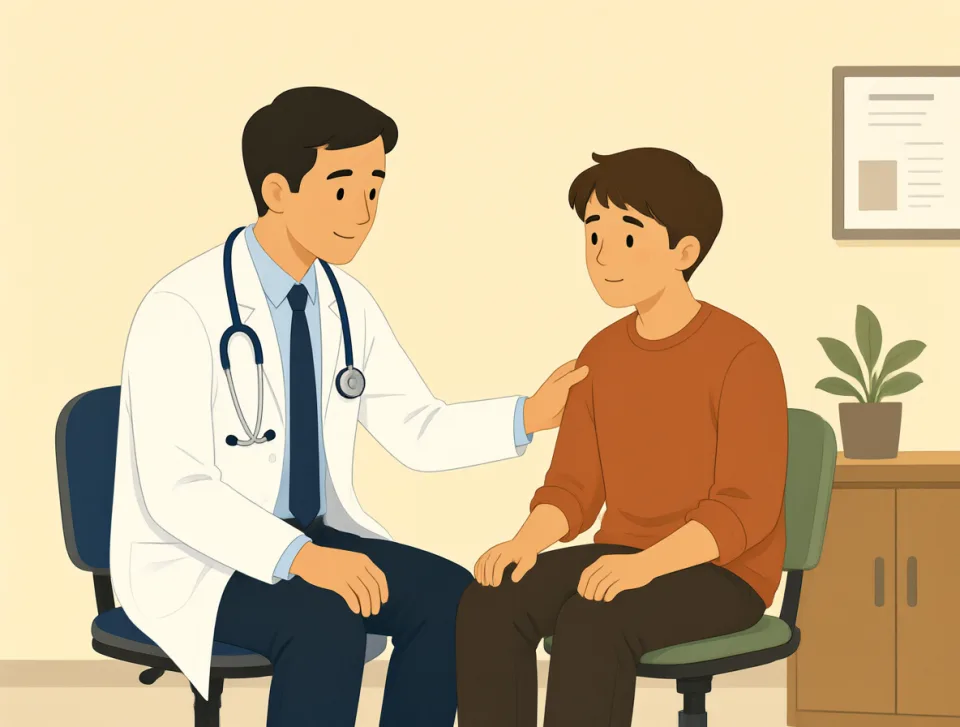
The doctor asked about my condition.
의사는 내 상태에 대해 물었다.
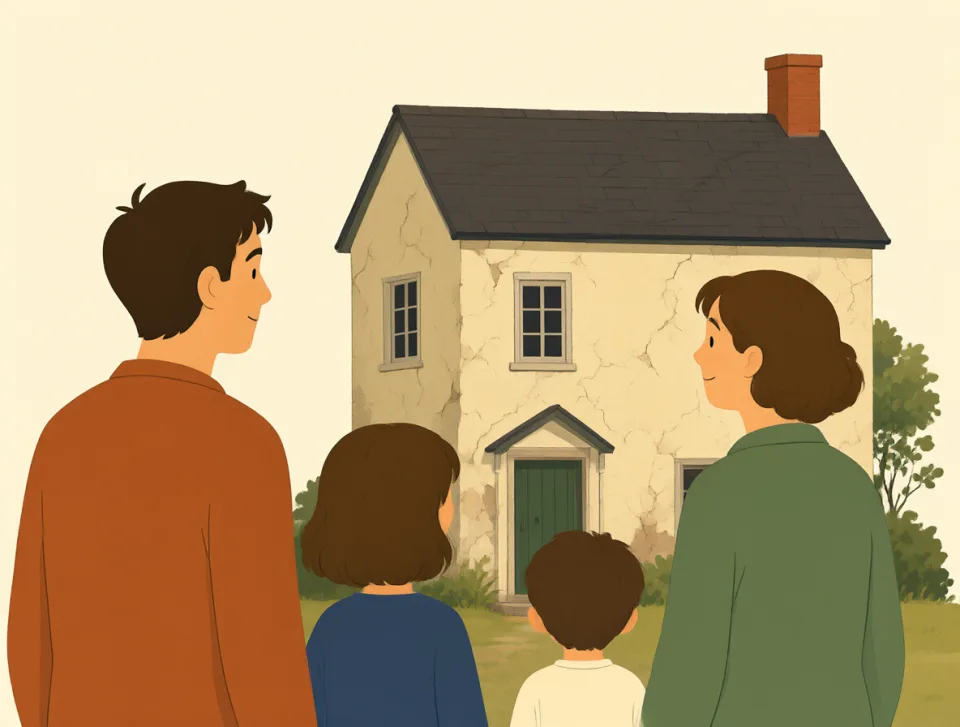
The house was in poor condition.
그 집은 상태가 좋지 않았다.
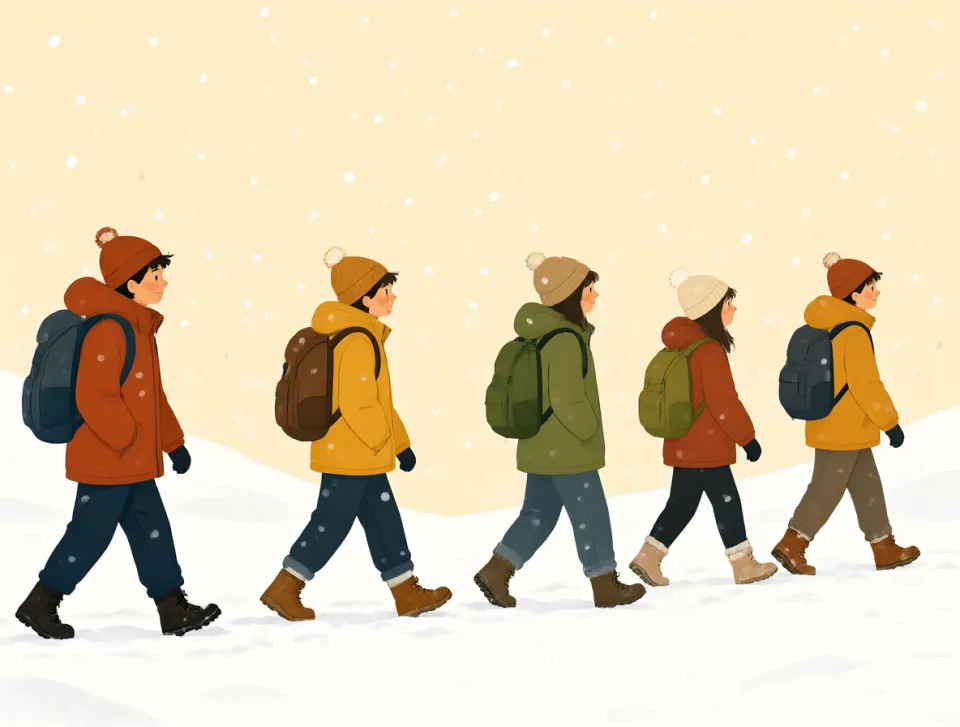
Cold conditions made the trip difficult.
추운 날씨 때문에 여행이 힘들었다.
carry
#446verb
나르다; 운반하다; 데려가다
to take something or someone from one place to another
무언가 또는 누군가를 한곳에서 다른 곳으로 옮기다

She carries her bag to work every day.
그녀는 매일 가방을 들고 출근한다.
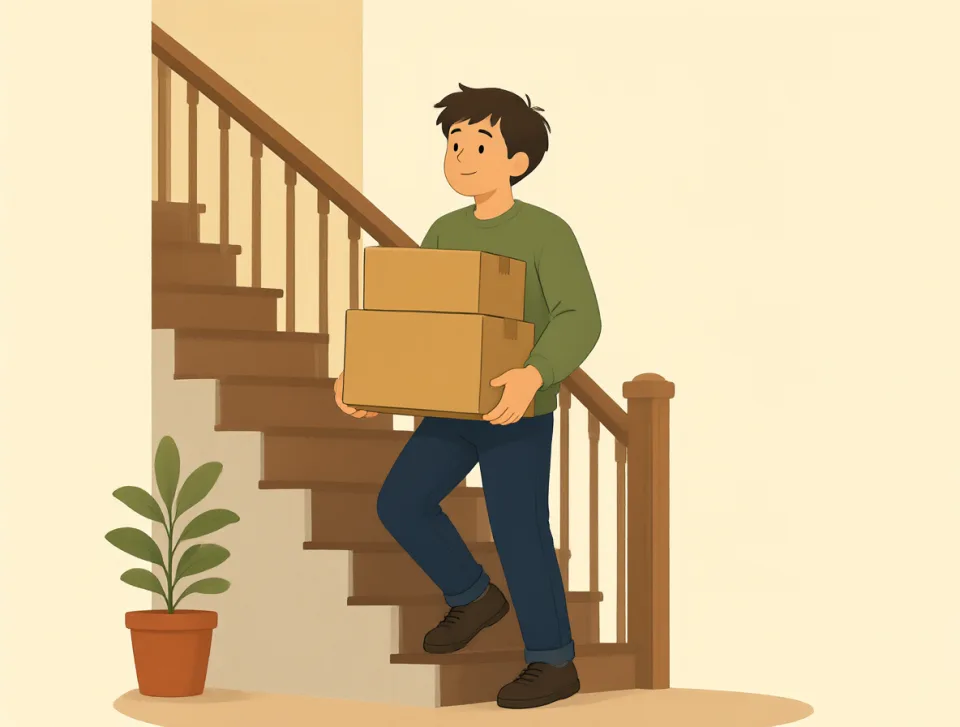
Please carry these boxes upstairs.
이 상자들을 위층으로 옮겨 주세요.

The waiter carried our food to the table.
웨이터가 우리 음식을 식탁으로 날라 왔다.
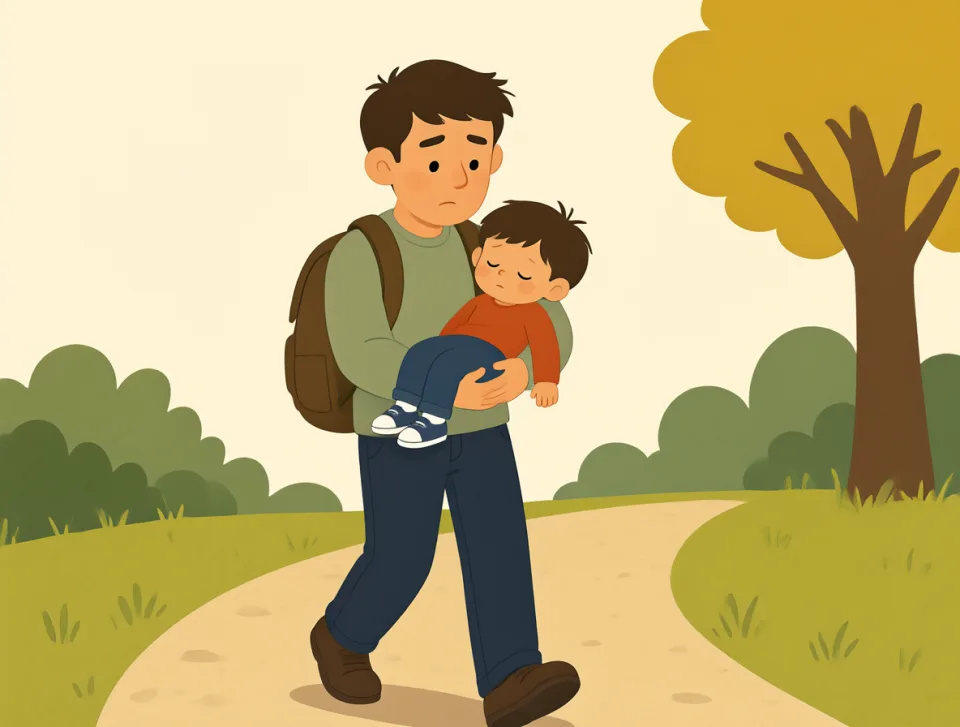
He carried his son home after the trip.
그는 여행을 마치고 아들을 집까지 업고 갔다.
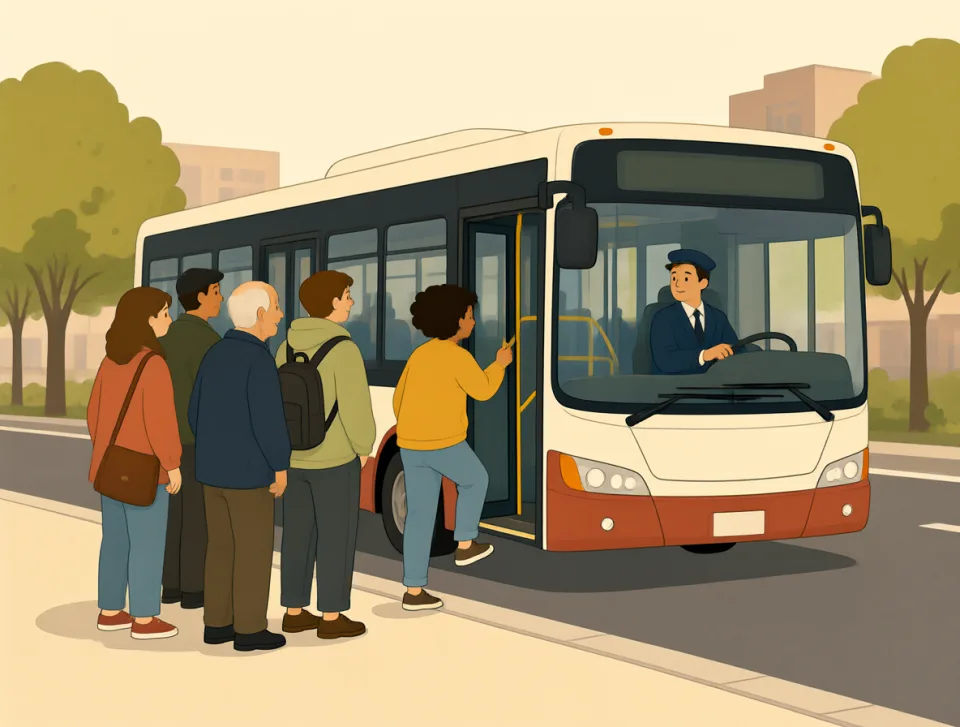
This bus carries many people every morning.
이 버스는 매일 아침 많은 사람을 태운다.
choose
#447verb
고르다; 선택하다
To decide which person or thing you want from several possibilities.
여러 가지 중에서 원하는 사람이나 것을 결정하다.

Choose a seat near the window.
창가 자리를 골라.

She chose the blue dress for work.
그녀는 출근할 때 입을 파란색 원피스를 골랐다.
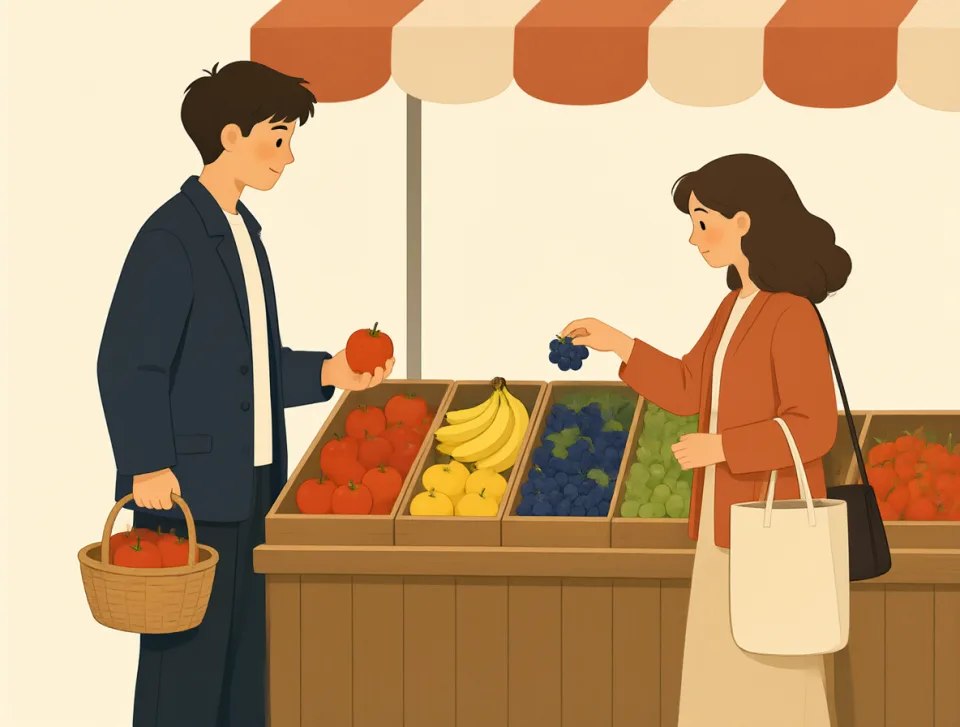
We choose fresh fruit at the market.
우리는 시장에서 신선한 과일을 고른다.
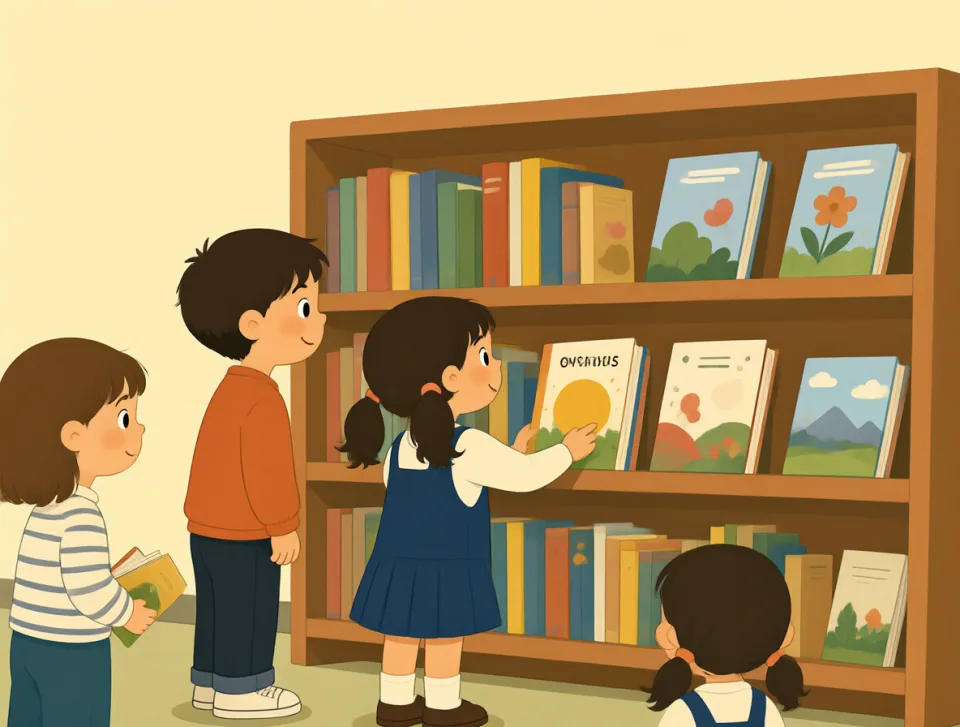
Our teacher let us choose a book.
선생님은 우리가 책을 고르게 하셨다.
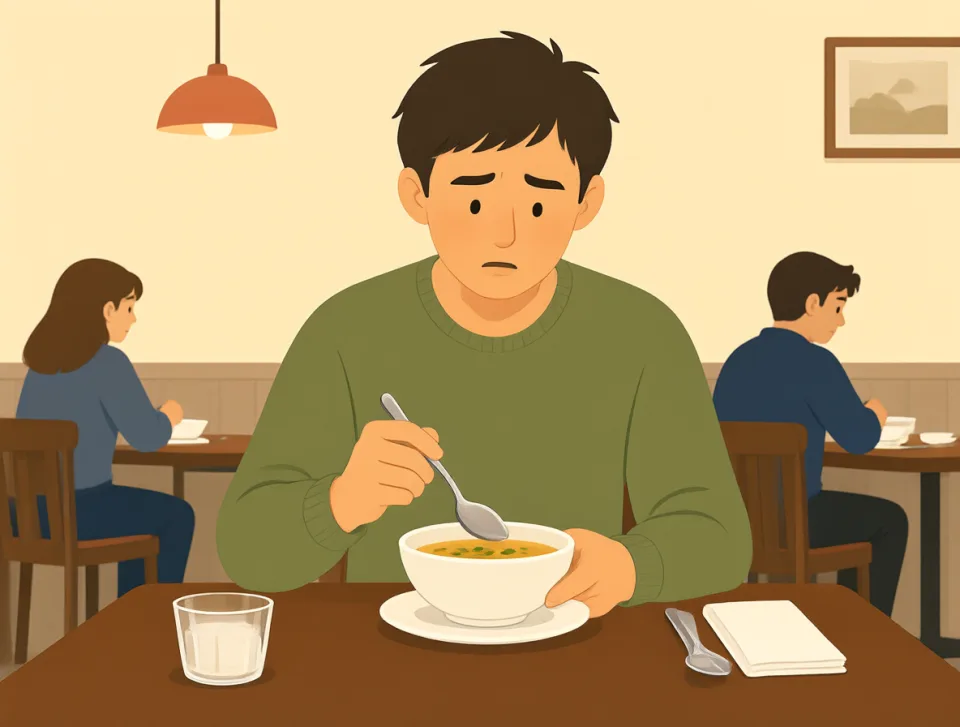
He chose soup because his throat hurt.
그는 목이 아파서 수프를 골랐다.
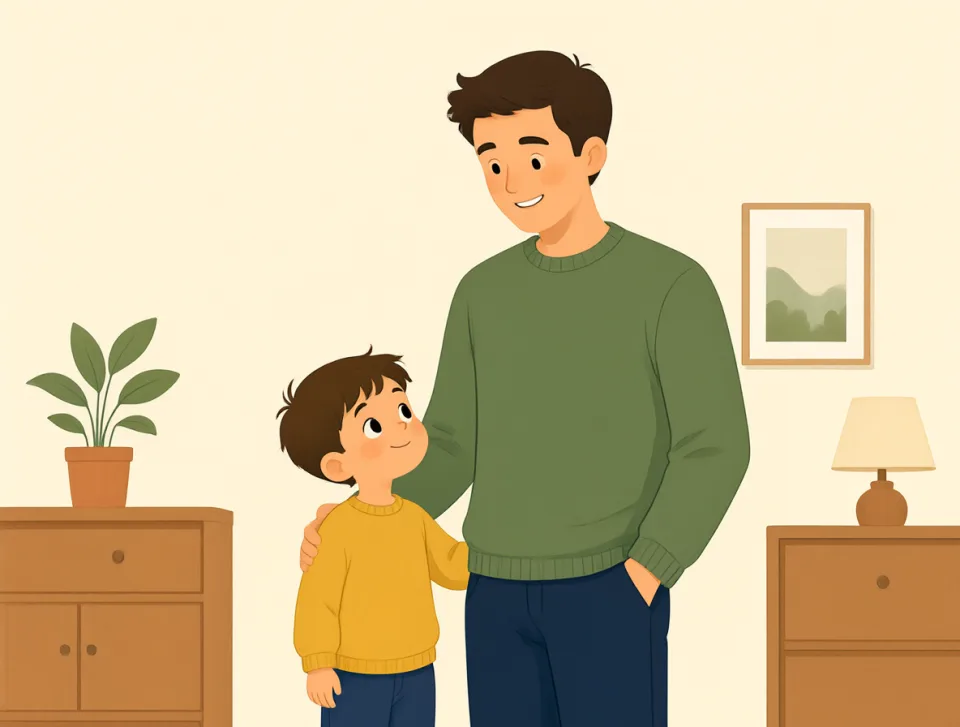
father
#448noun
아버지; 아빠
A male parent of a child.
아이의 남성 부모.
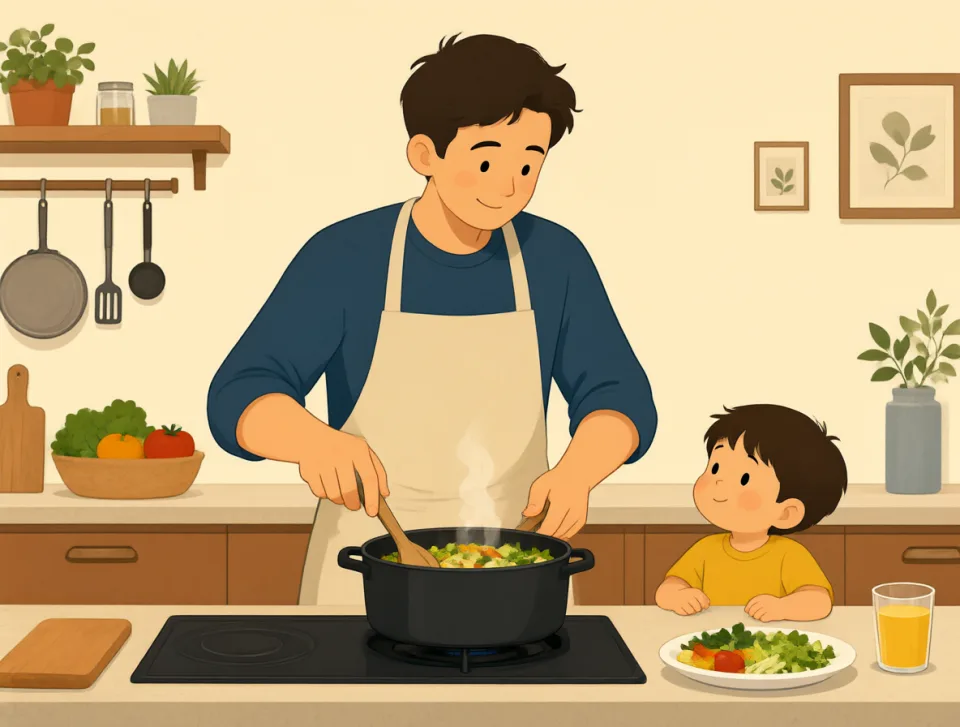
My father makes breakfast every morning.
우리 아버지는 매일 아침 식사를 만드신다.
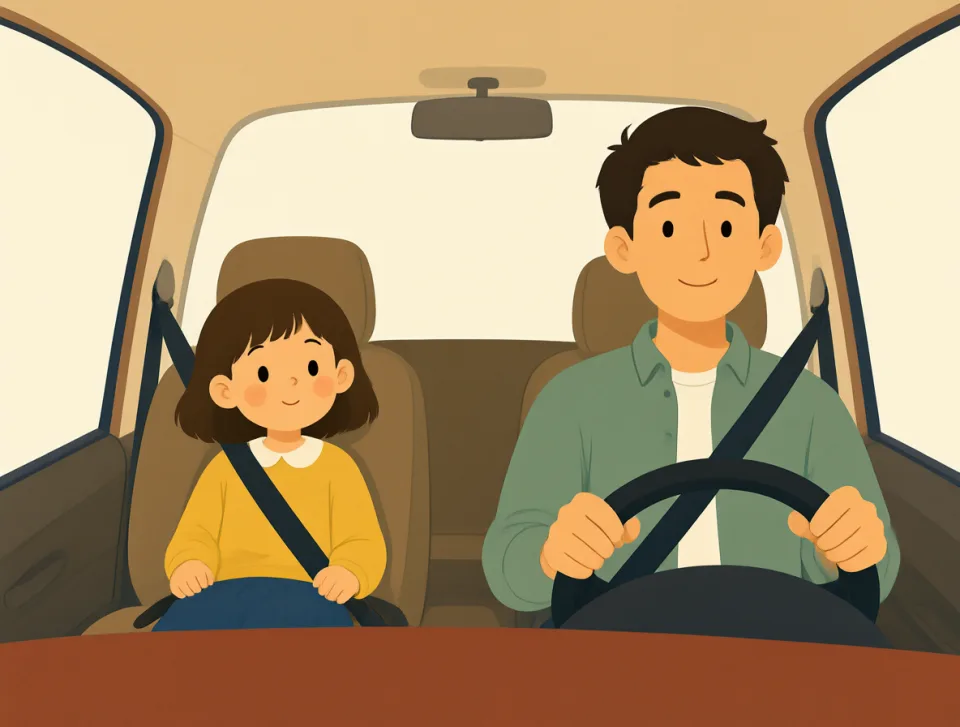
Her father drives her to school.
그녀의 아버지는 그녀를 학교에 데려다주신다.
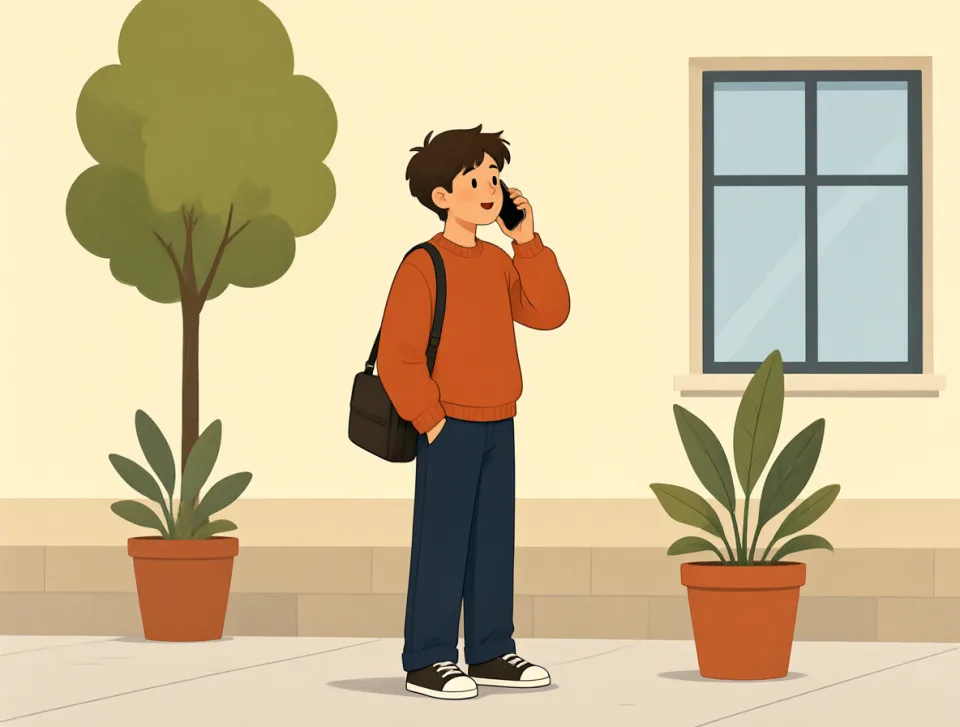
I called my father after work.
나는 퇴근 후 아버지께 전화했다.
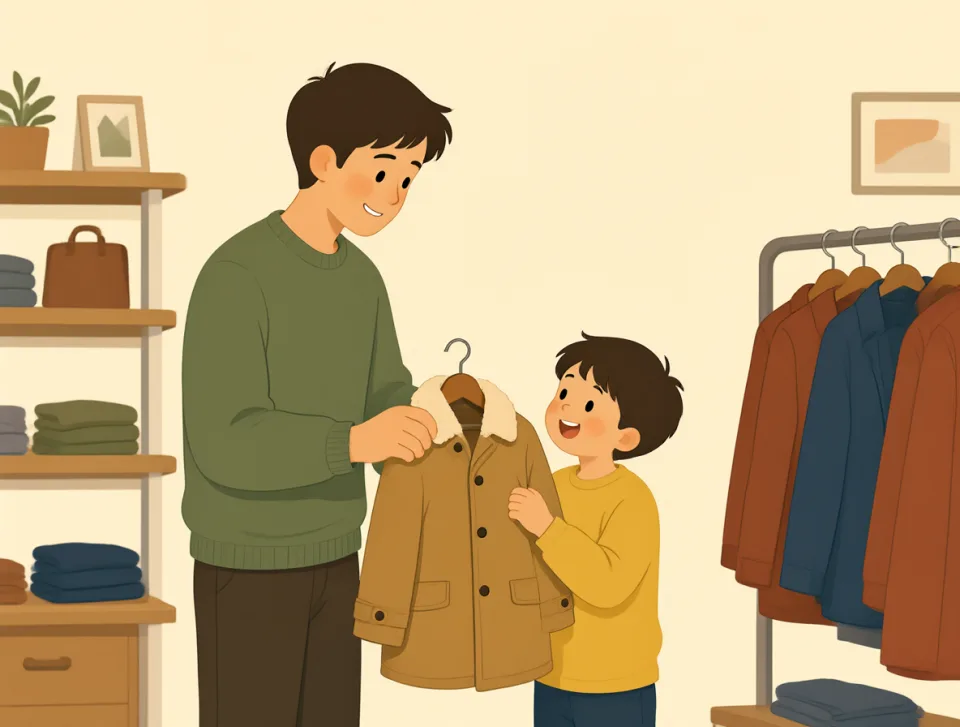
His father bought a new coat.
그의 아버지는 새 코트를 사 주셨다.
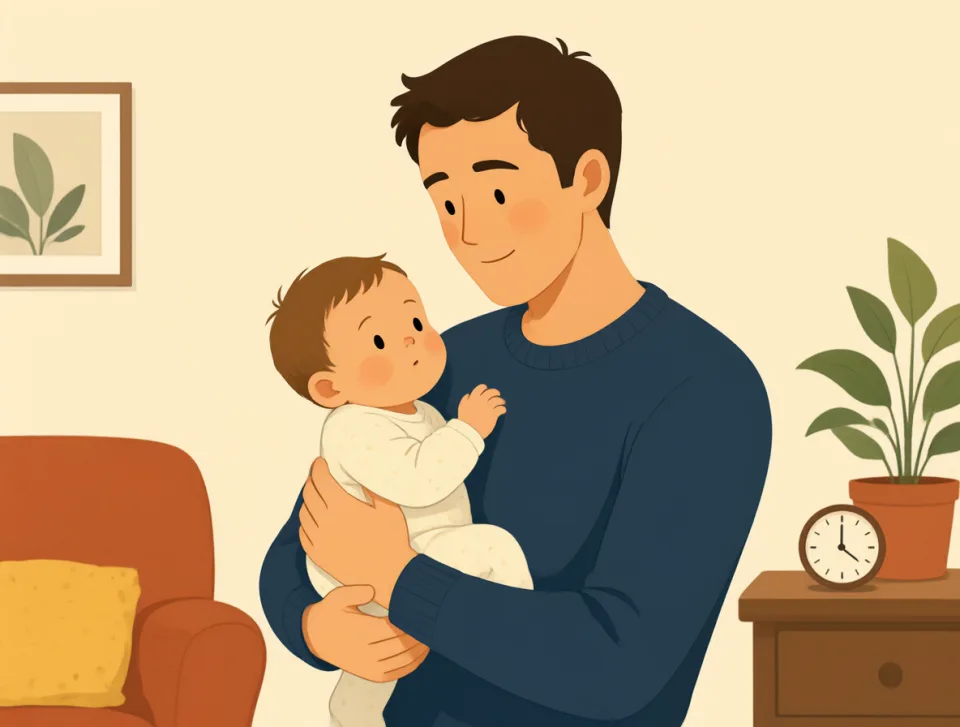
The baby is staying with her father.
그 아기는 어머니와 함께 지내고 있다.
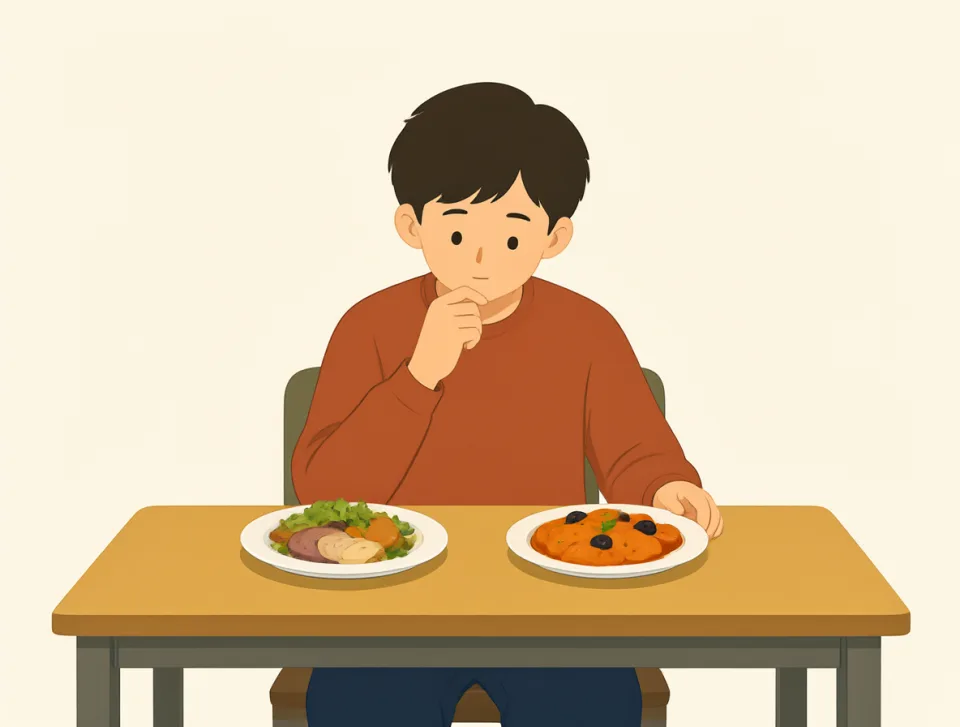
decision
#449noun
결정; 결심
a choice you make after thinking about what to do
무엇을 할지 생각한 후에 내리는 선택

We need to make a decision today.
우리는 오늘 결정을 내려야 해요.

She made the right decision about the job.
그녀는 그 일에 대해 올바른 결정을 내렸어요.
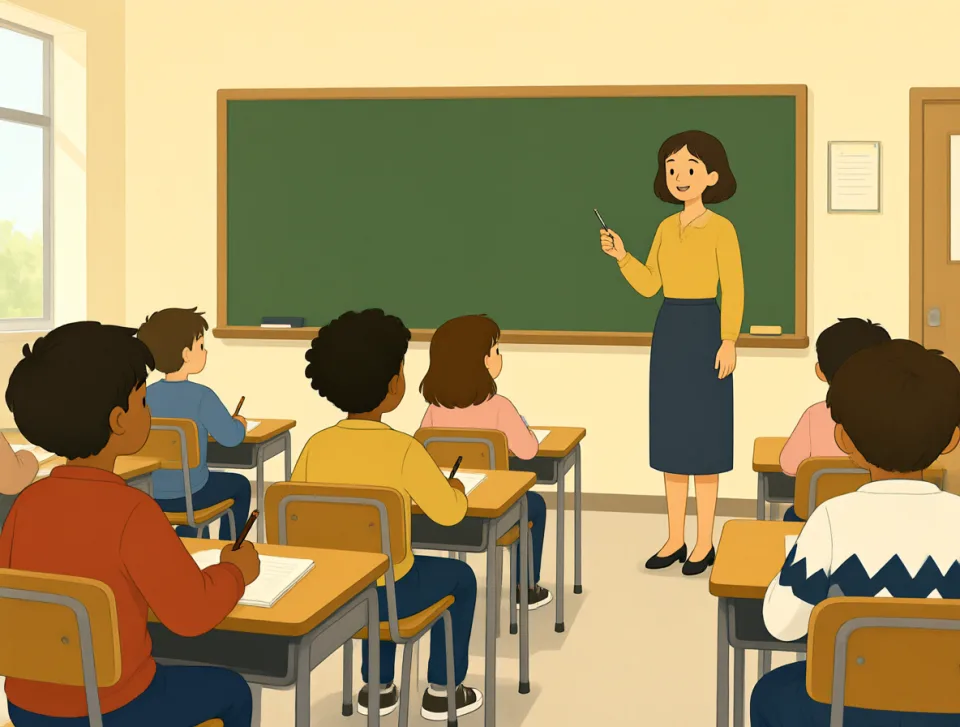
The teacher asked for our decision.
선생님은 우리의 결정을 물어보셨어요.
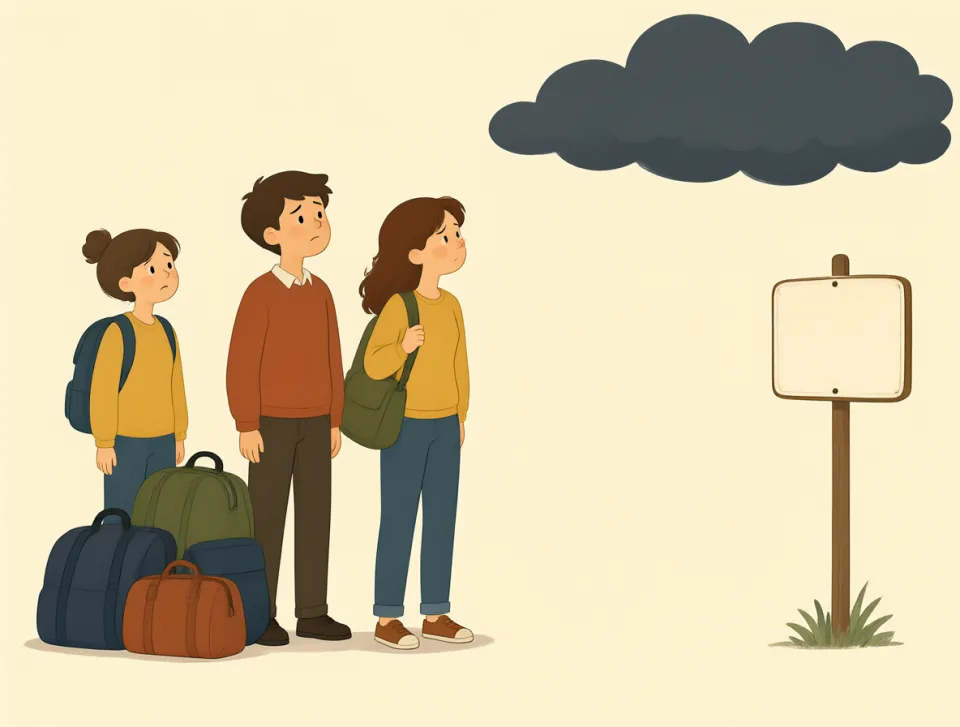
They changed their decision after the storm.
그들은 폭풍이 지나간 후 결정을 바꿨어요.
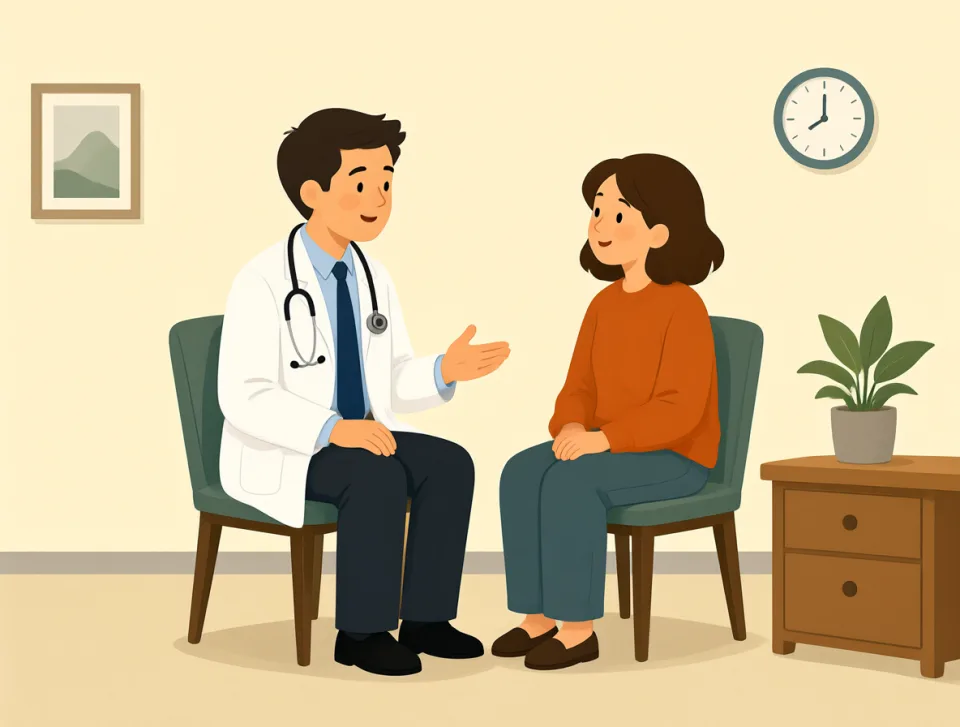
His doctor helped him make a decision.
그의 의사는 그가 결정을 내리는 데 도움을 줬어요.
table
#450noun, verb
탁자; 식탁; 표로 정리하다
A piece of furniture with a flat top and legs, or to put information in a table.
평평한 상판과 다리가 있는 가구, 또는 정보를 표로 정리하는 것.
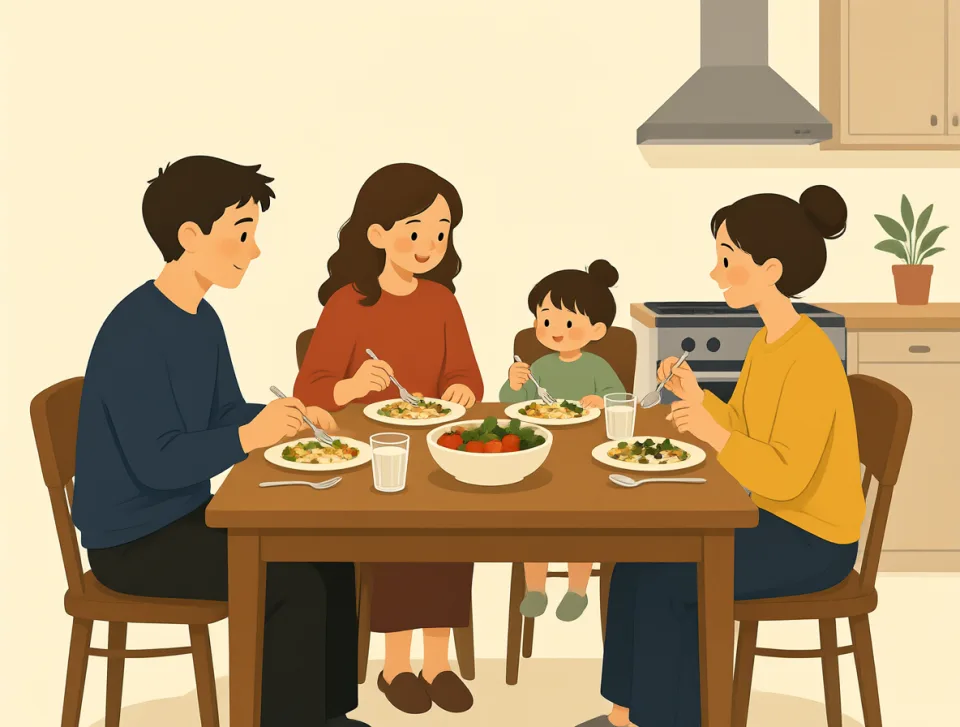
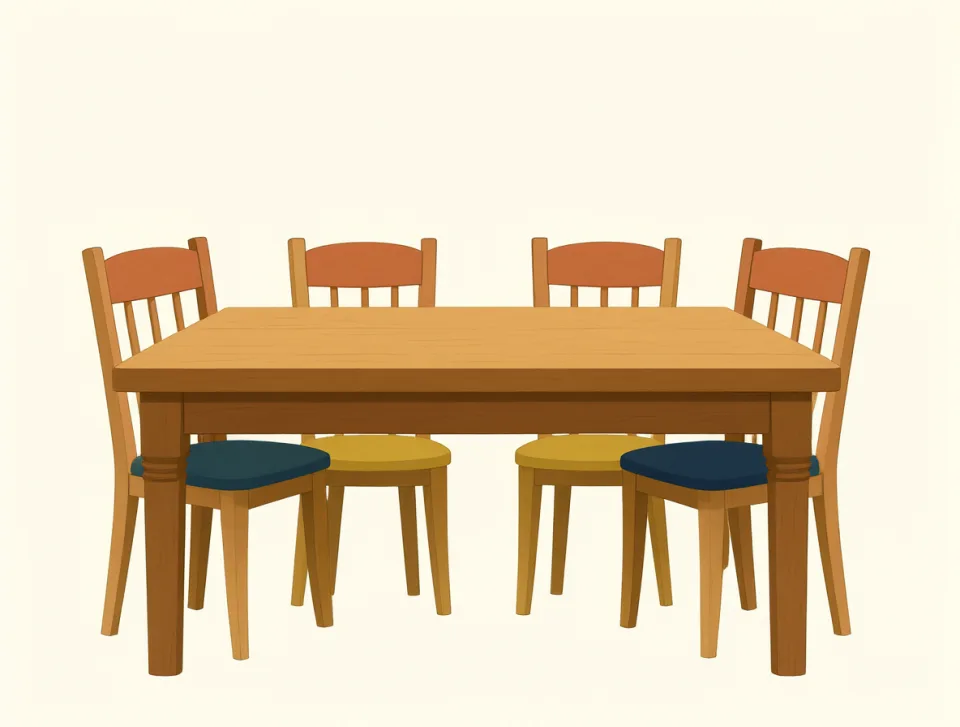
We ate dinner at the kitchen table.
우리는 부엌 식탁에서 저녁을 먹었어요.

Please put the books on the table.
책들을 탁자 위에 올려 주세요.
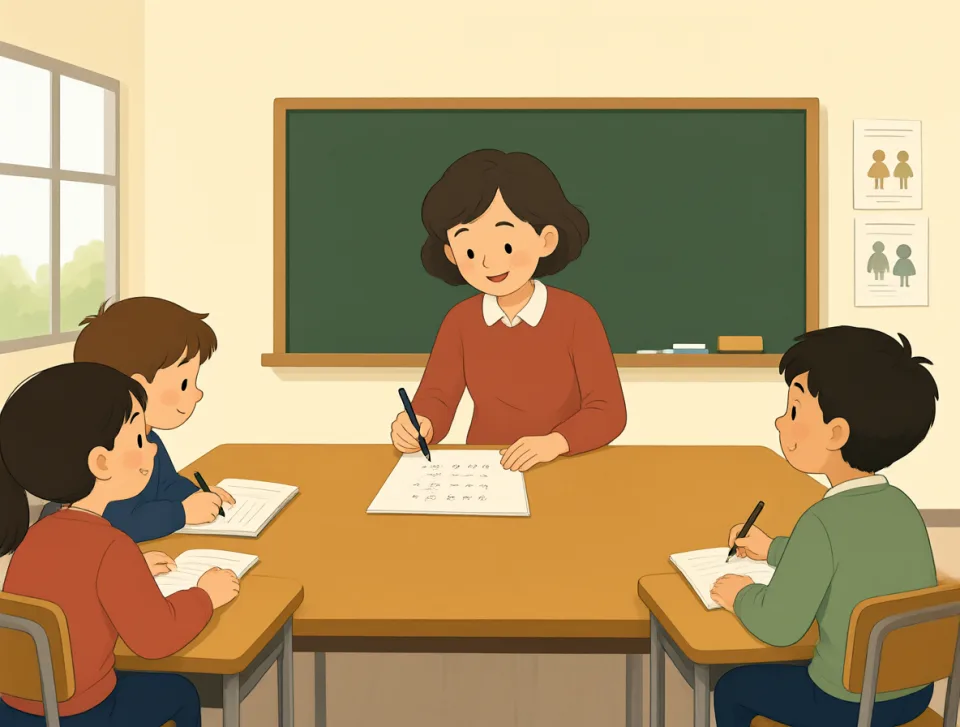
The teacher wrote the answers on the table.
선생님은 답을 탁자에 적었어요.

They booked a table for two tonight.
오늘 밤 두 명이 앉을 테이블을 예약했어요.

The report tables the costs clearly.
그 보고서는 비용을 표로 명확하게 정리하고 있어요.
certain
#451adjective, determiner, pronoun
확신하는; 특정한
Sure about something or someone; or a particular person or thing.
무언가나 누군가에 대해 확신하는; 또는 특정한 사람이나 사물.
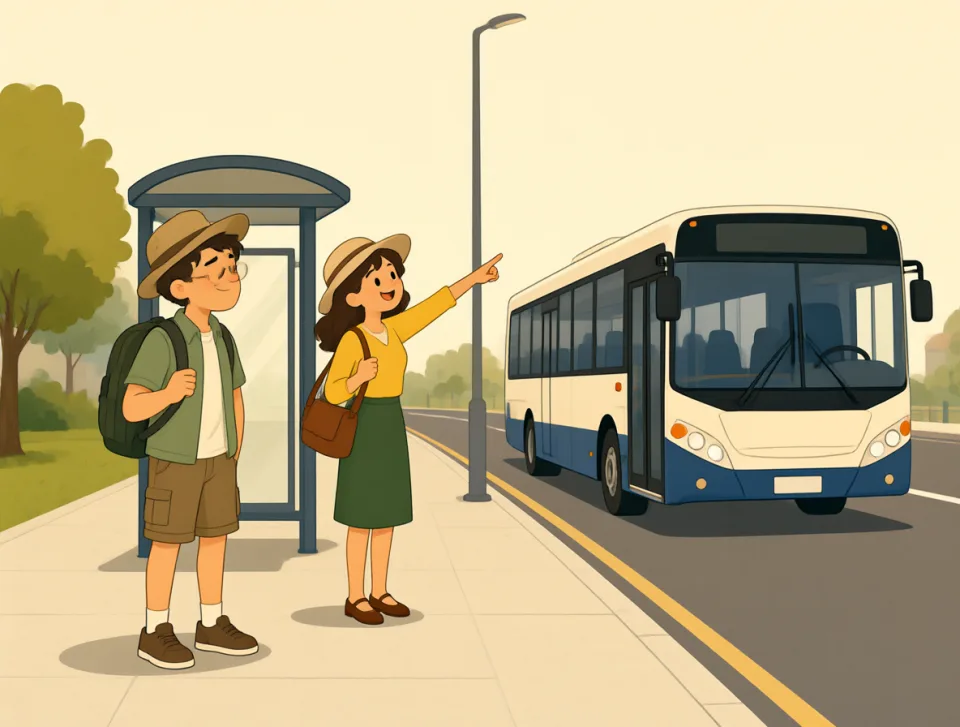
I am certain this is the right bus.
이 버스가 맞는 버스라고 확신해요.
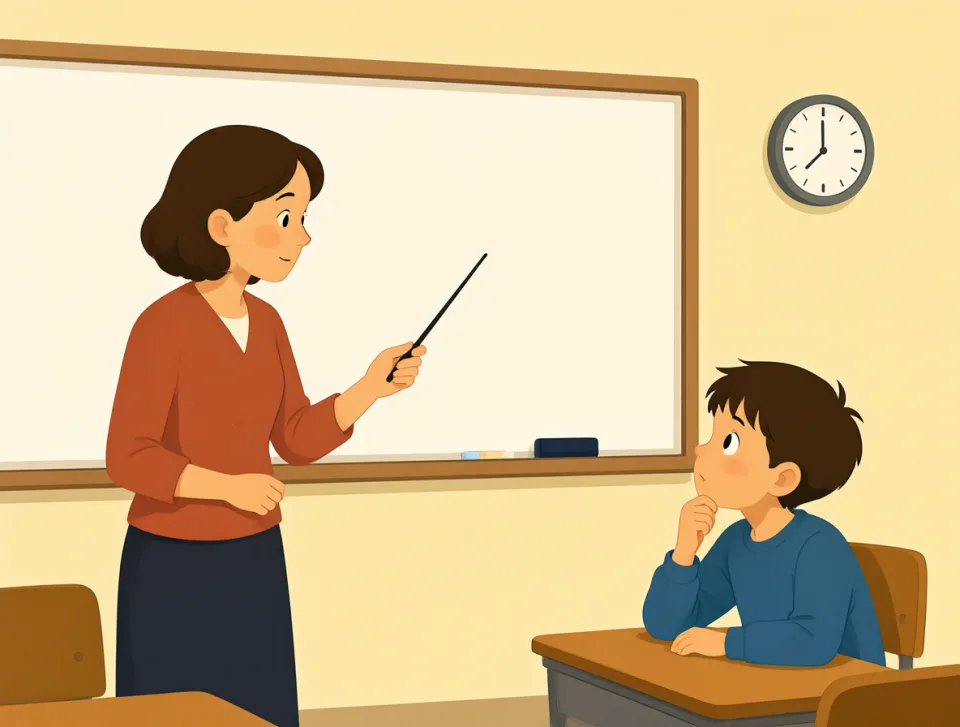
Are you certain about your answer?
답이 맞다고 확신해요?
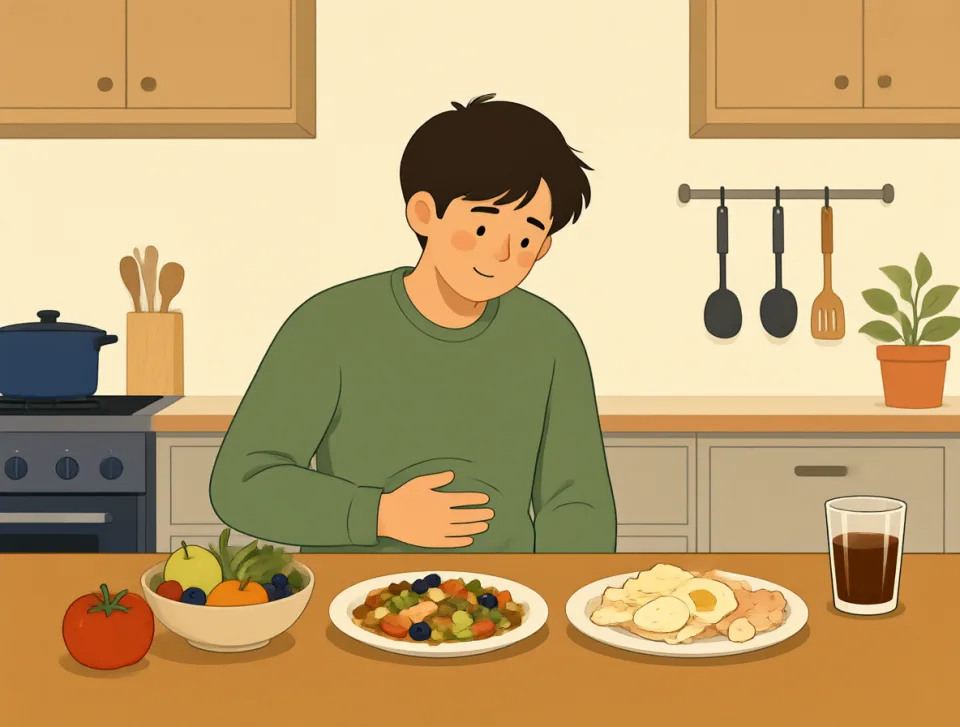
Certain foods make my stomach hurt.
어떤 음식은 먹으면 배가 아파요.

We met certain friends at the airport.
공항에서 몇몇 친구를 만났어요.
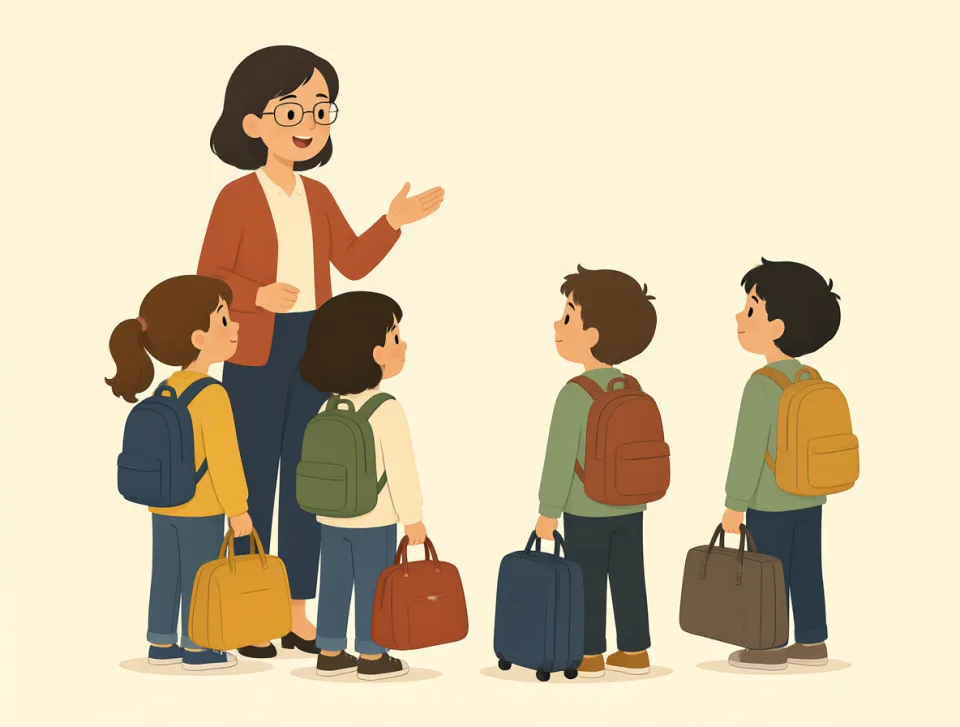
Only certain students can join the trip.
특정 학생들만 여행에 참가할 수 있어요.
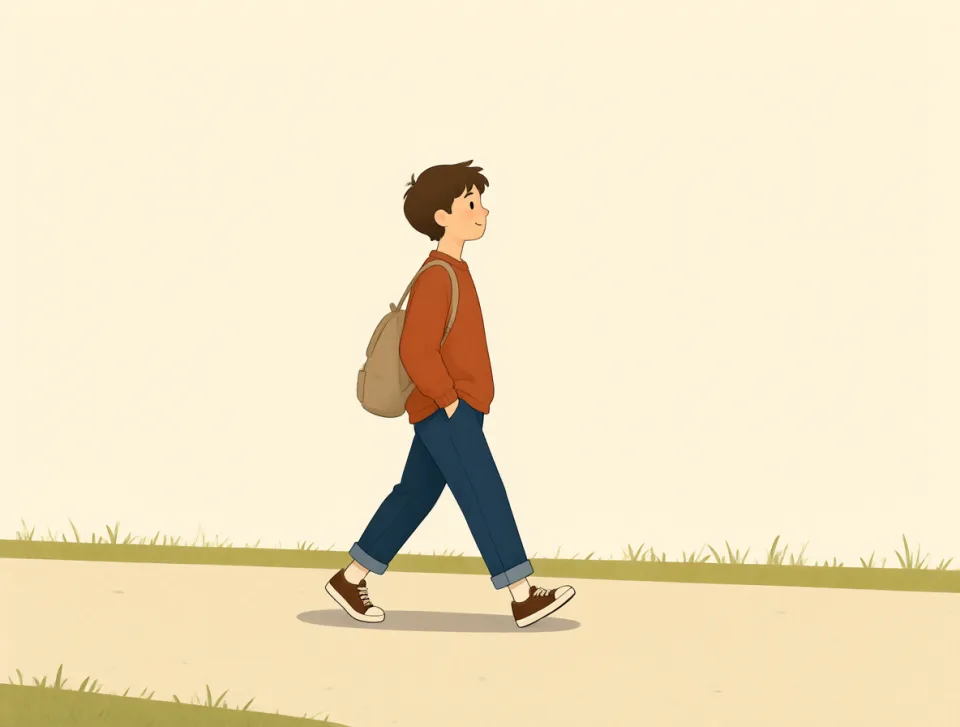
forward
#452adverb, adjective, noun, verb
앞으로; 앞쪽으로; 전진하는; 진전
Toward the front or a place ahead; helping something continue or improve.
앞쪽이나 앞에 있는 곳을 향하여; 어떤 일이 계속되거나 발전하도록 돕는
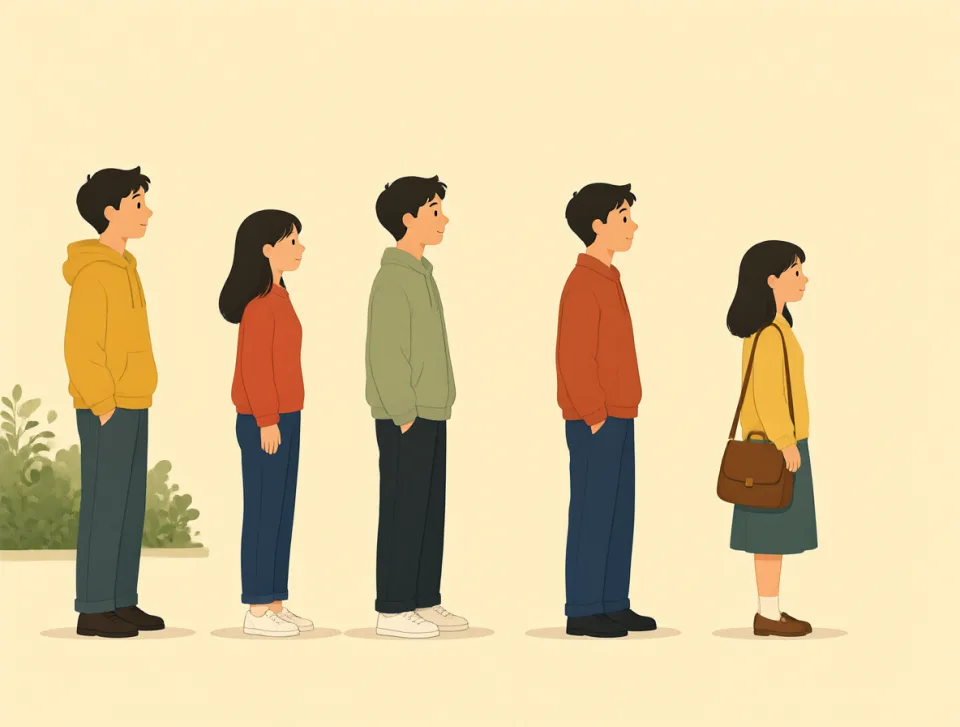
Please move forward in the line.
줄에서 앞으로 이동해 주세요.
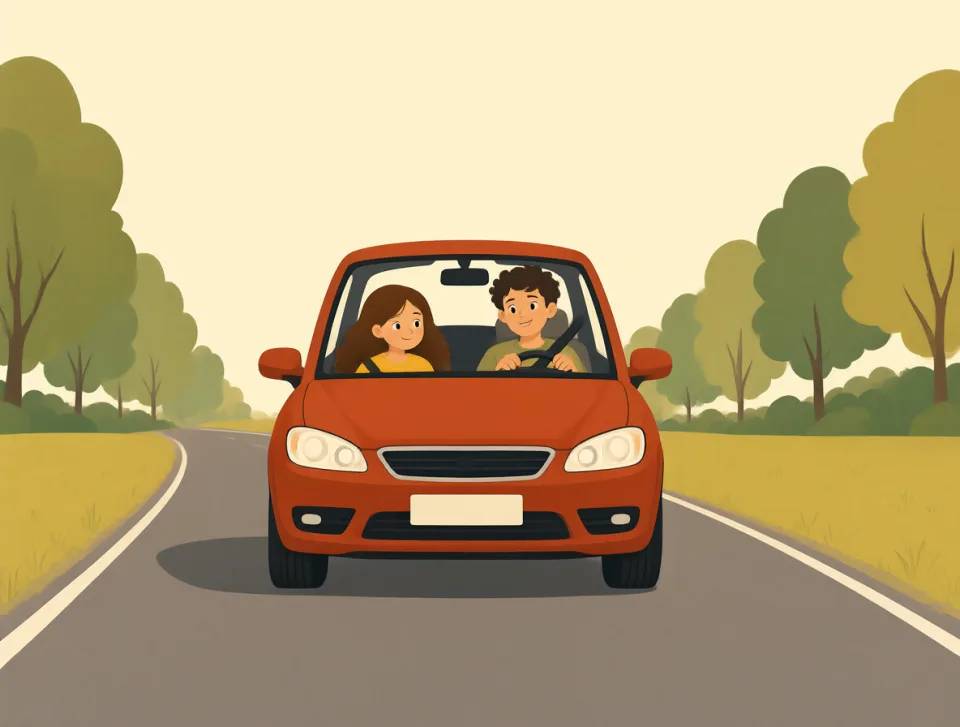
The car moved forward slowly.
차가 천천히 앞으로 움직였다.
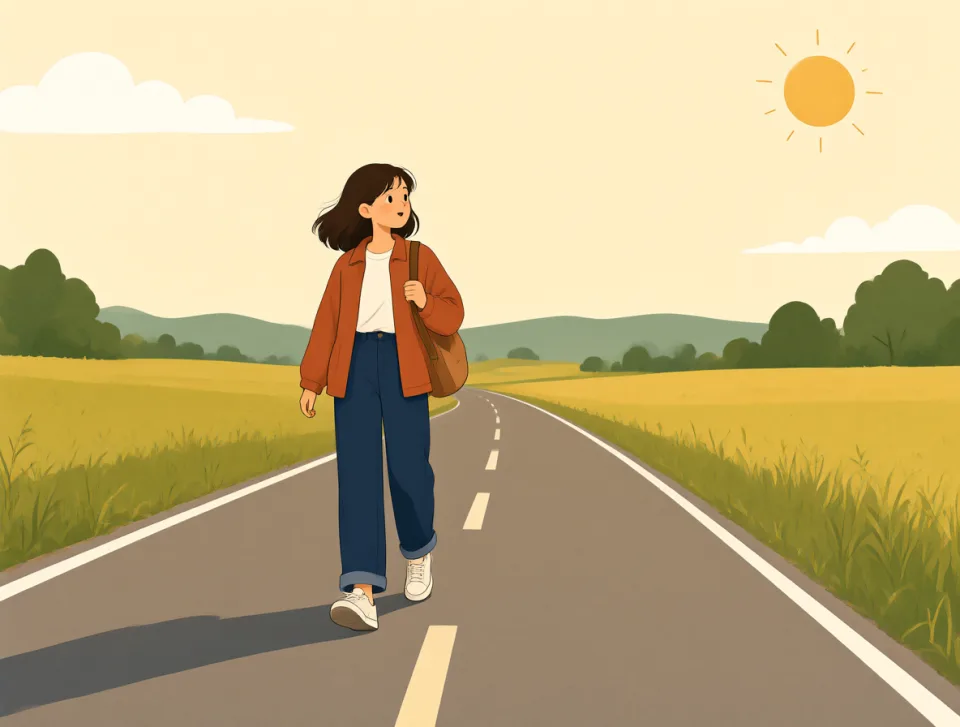
She has a bright future forward.
그녀에게는 밝은 미래가 펼쳐져 있다.
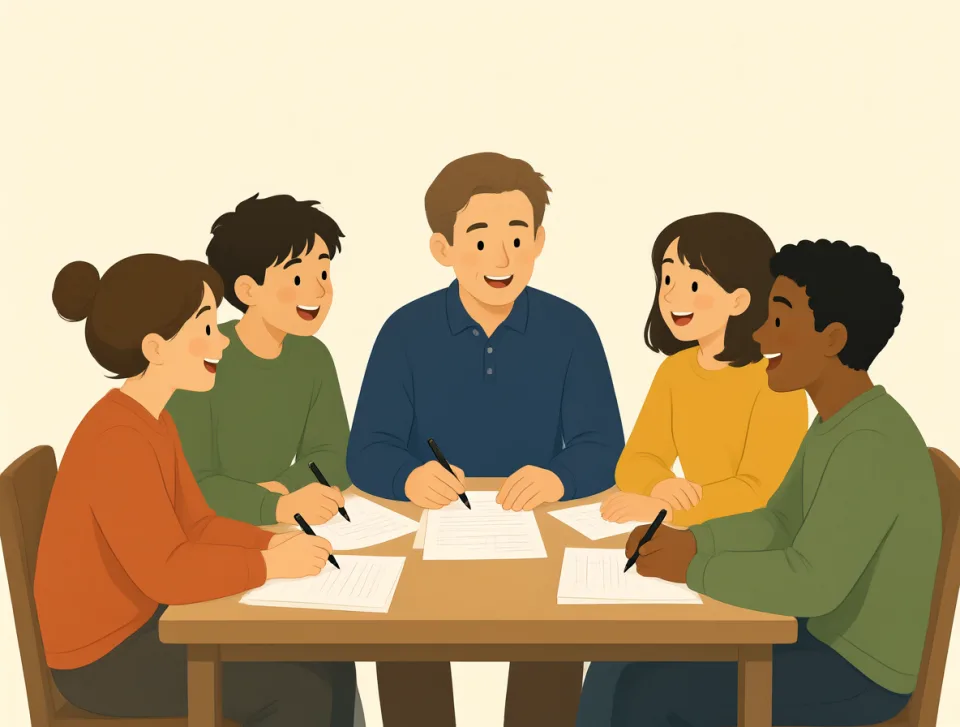
The team made forward progress today.
오늘 팀은 진전을 이루었다.
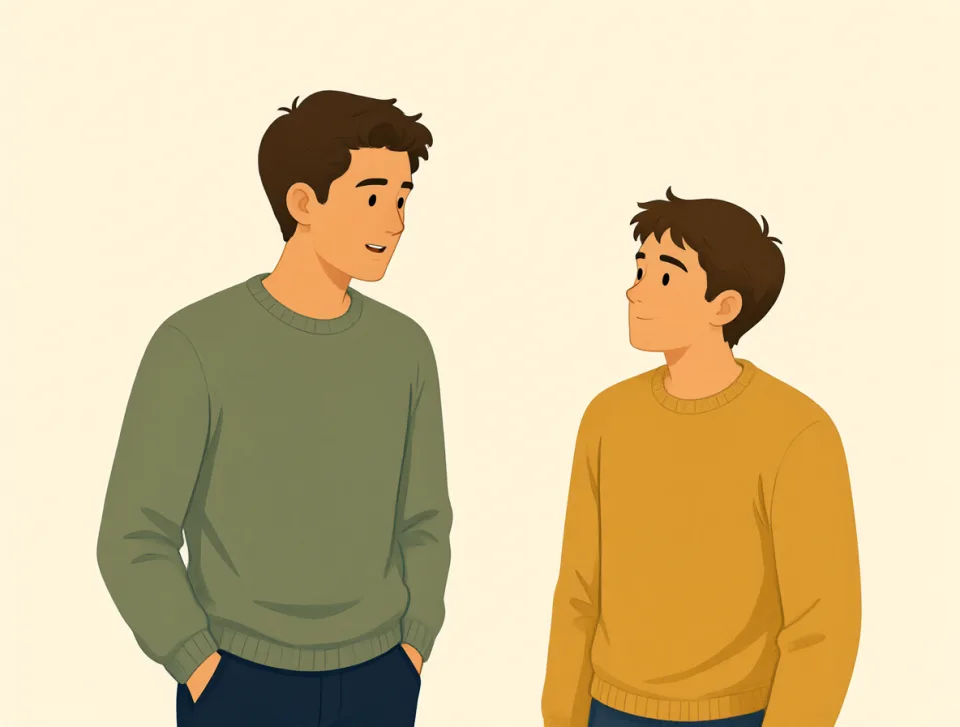
He leaned forward to hear better.
그는 더 잘 듣기 위해 몸을 앞으로 기울였다.

main
#453adjective, noun
주요한; 가장 중요한; 중심
Most important; the largest or strongest part of something.
가장 중요하거나 어떤 것에서 가장 크거나 강한 부분.
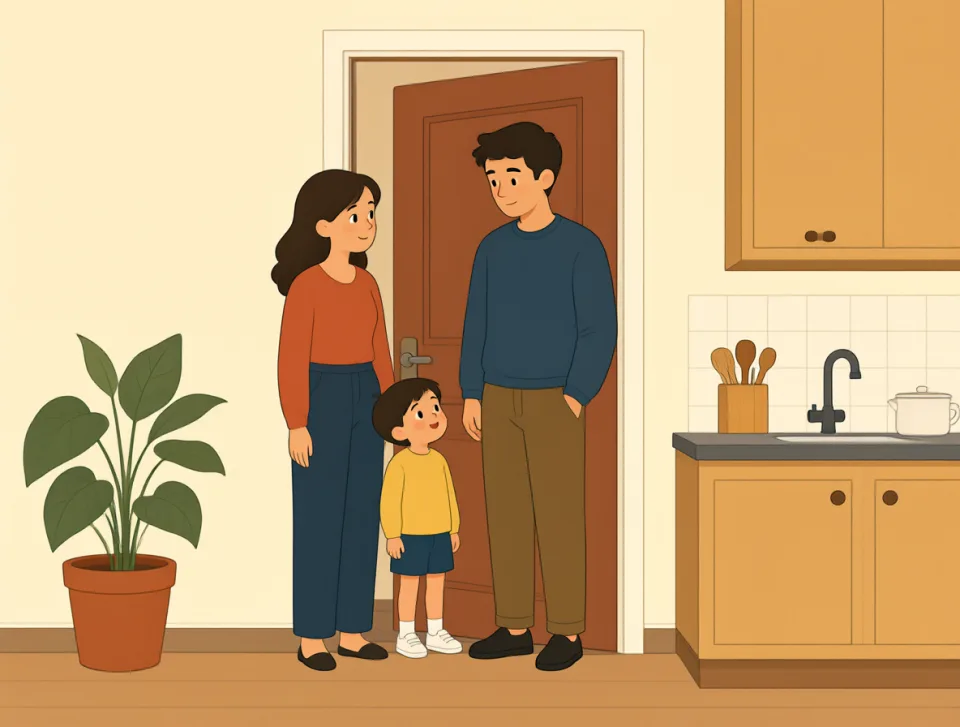
The main door is next to the kitchen.
주 출입문은 부엌 옆에 있어요.
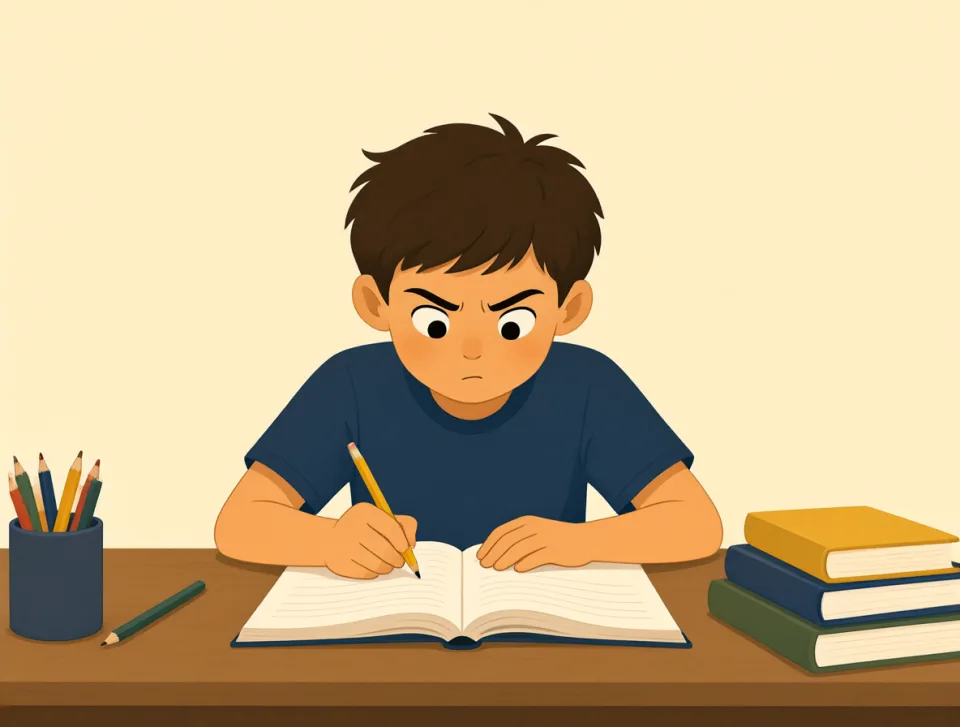
Our main goal is to pass the test.
우리의 가장 중요한 목표는 시험에 합격하는 거예요.
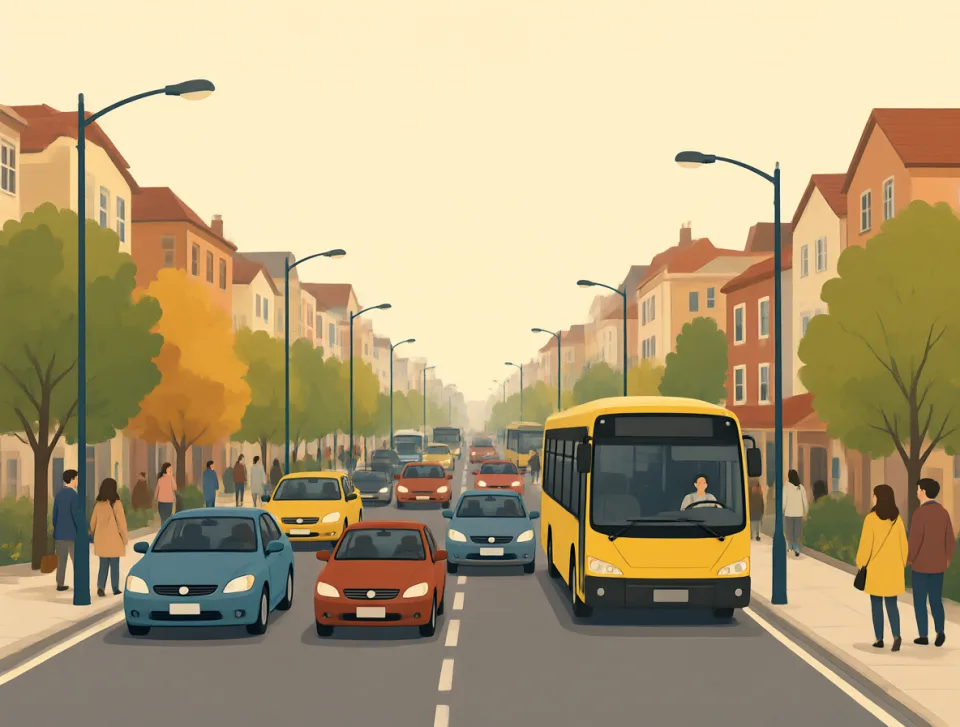
The main road was busy this morning.
오늘 아침에는 큰길이 붐볐어요.
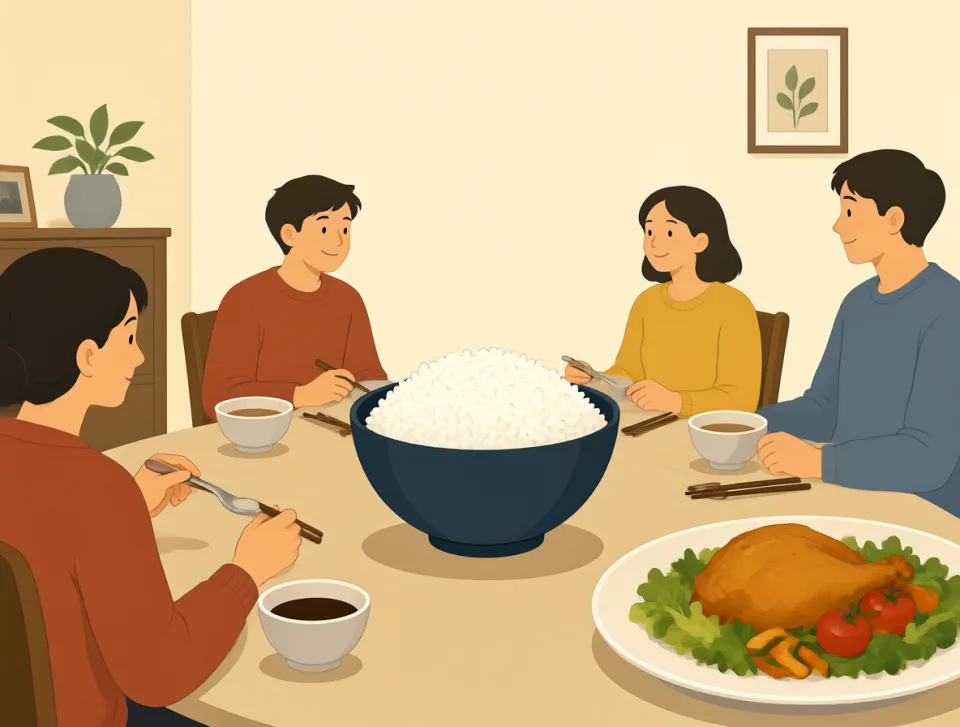
Rice is the main part of this meal.
이 식사에서 밥이 가장 큰 비중을 차지해요.

The main station is near the city center.
중앙역은 도심 근처에 있어요.
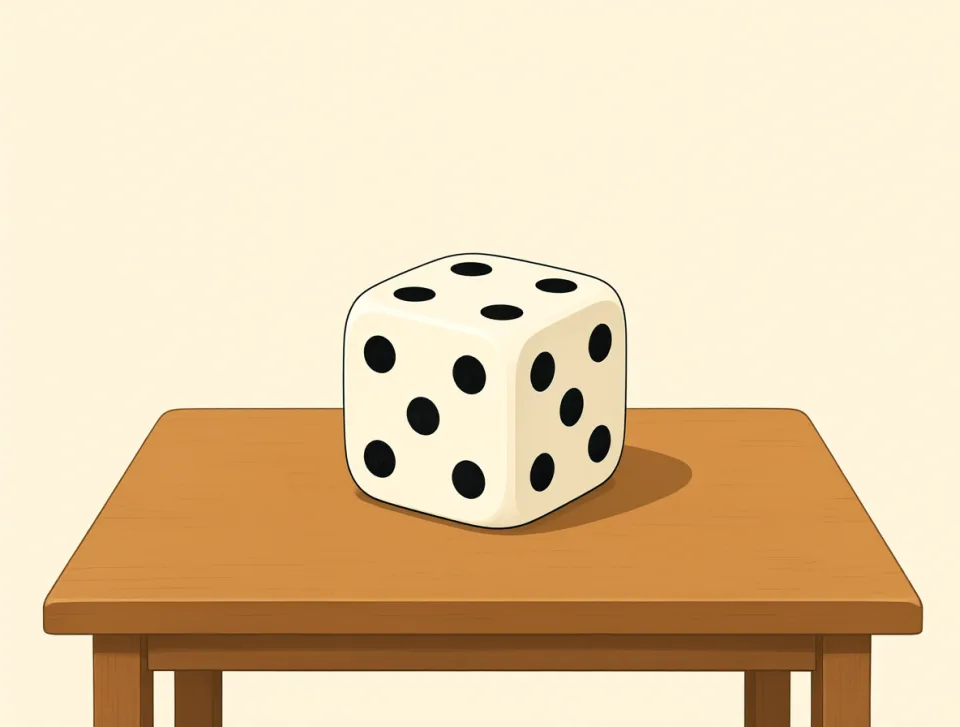
die
#454verb, noun
죽다; 주사위
To stop living; a small cube marked with spots used in games.
생명이 끝나다; 게임에서 사용하는, 점이 표시된 작은 정육면체.
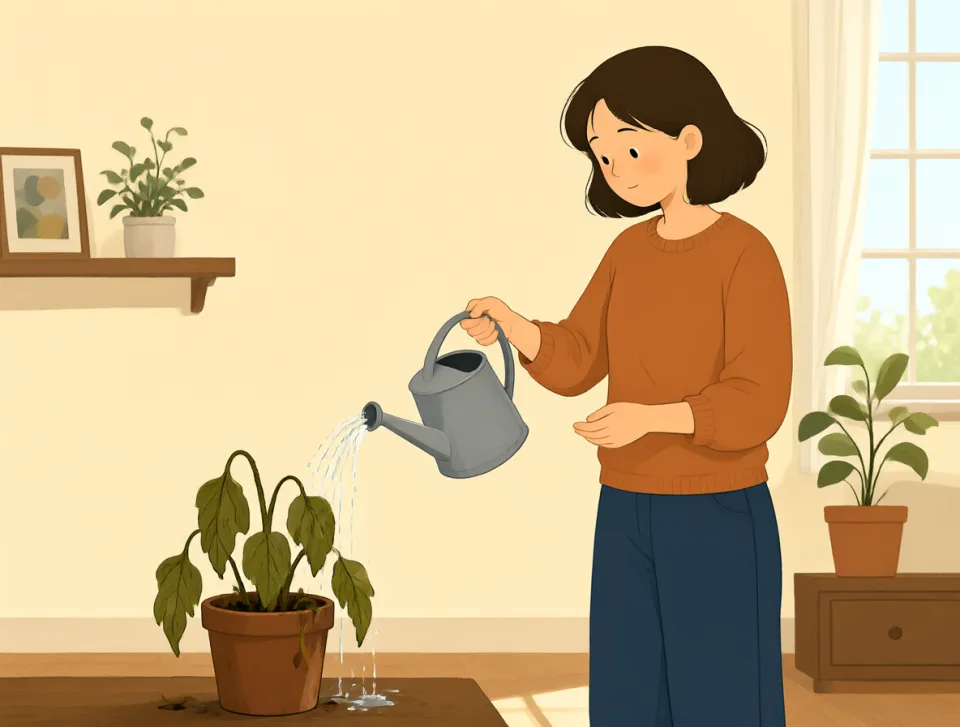
Many plants die without enough water.
물은 충분히 주지 않으면 많은 식물이 죽는다.
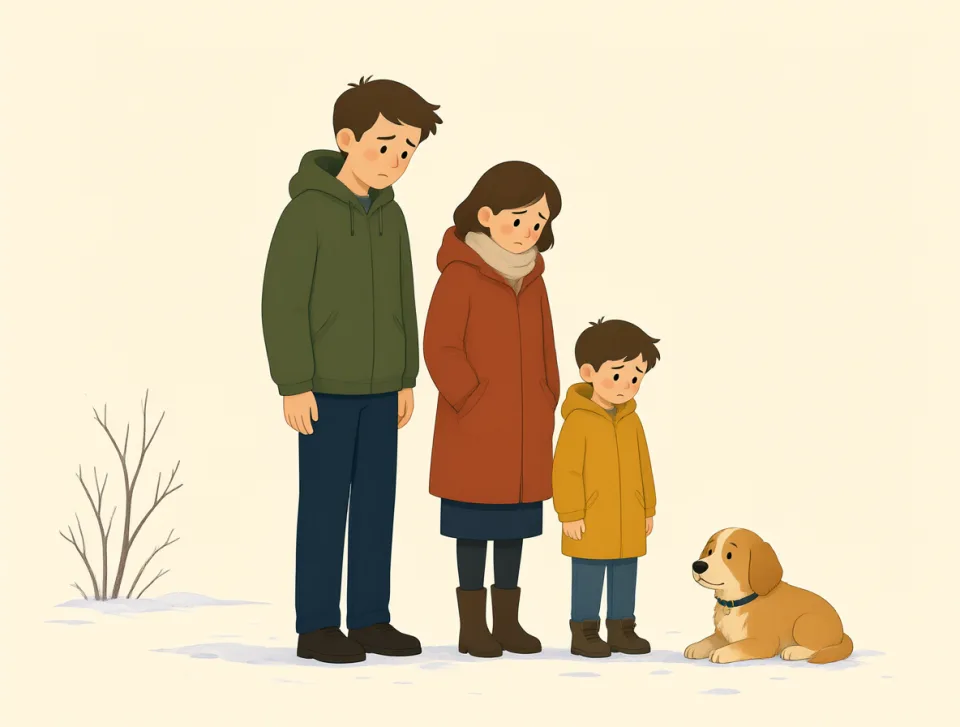
The old dog died last winter.
그 늙은 개는 지난겨울에 죽었다.
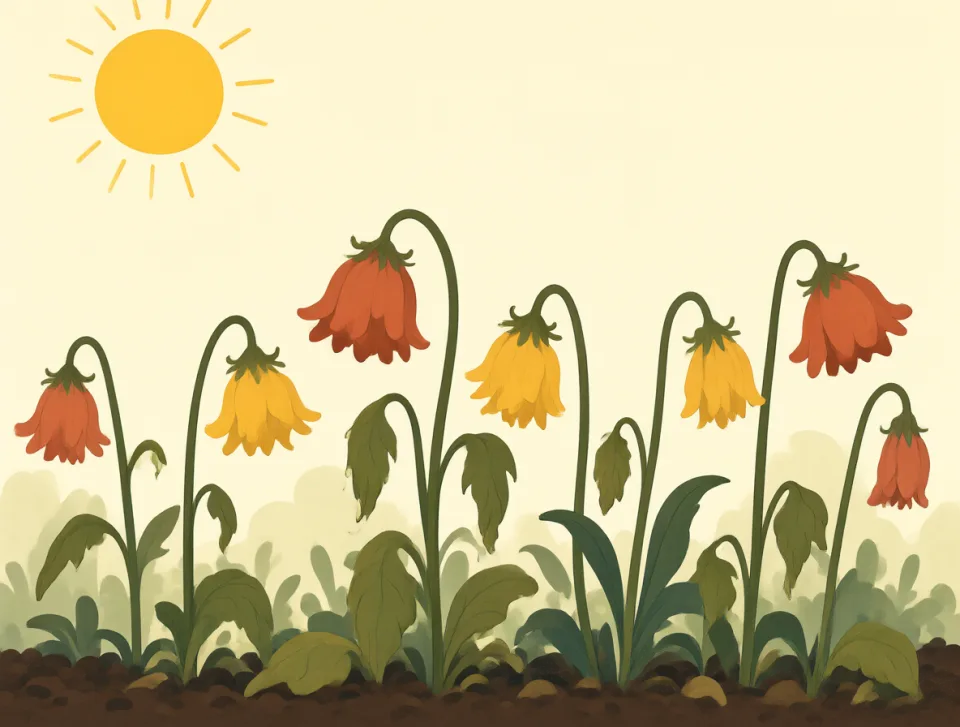
The flowers are dying in the heat.
꽃들이 더위에 시들어 가고 있다.
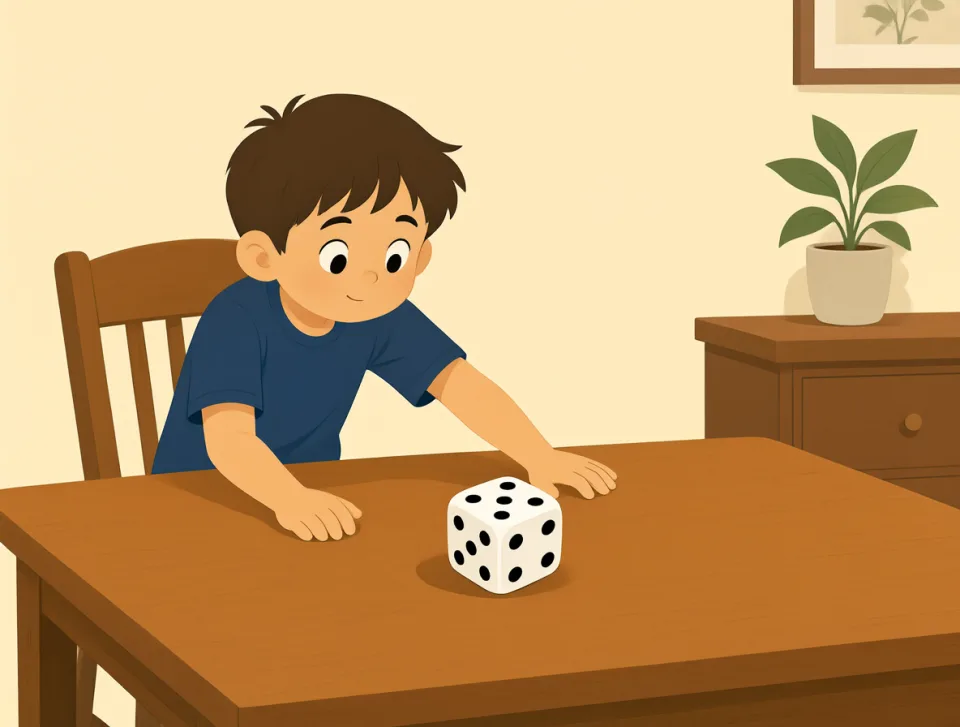
She rolled the die across the table.
그녀는 탁자 위로 주사위를 굴렸다.
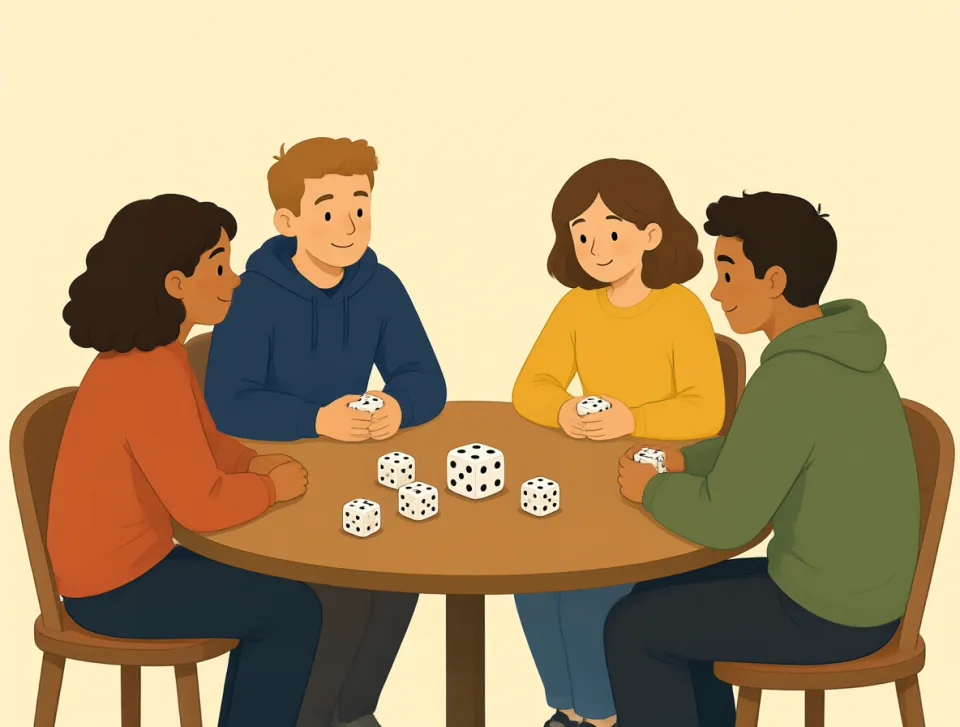
We need one more die for the game.
게임에 쓸 주사위가 하나 더 필요해.

bear
#455noun, verb
곰; 견디다; 맺다
An animal with thick fur; or to accept and deal with something difficult.
털이 두꺼운 동물인 곰; 또는 힘든 일을 받아들이고 감당하다
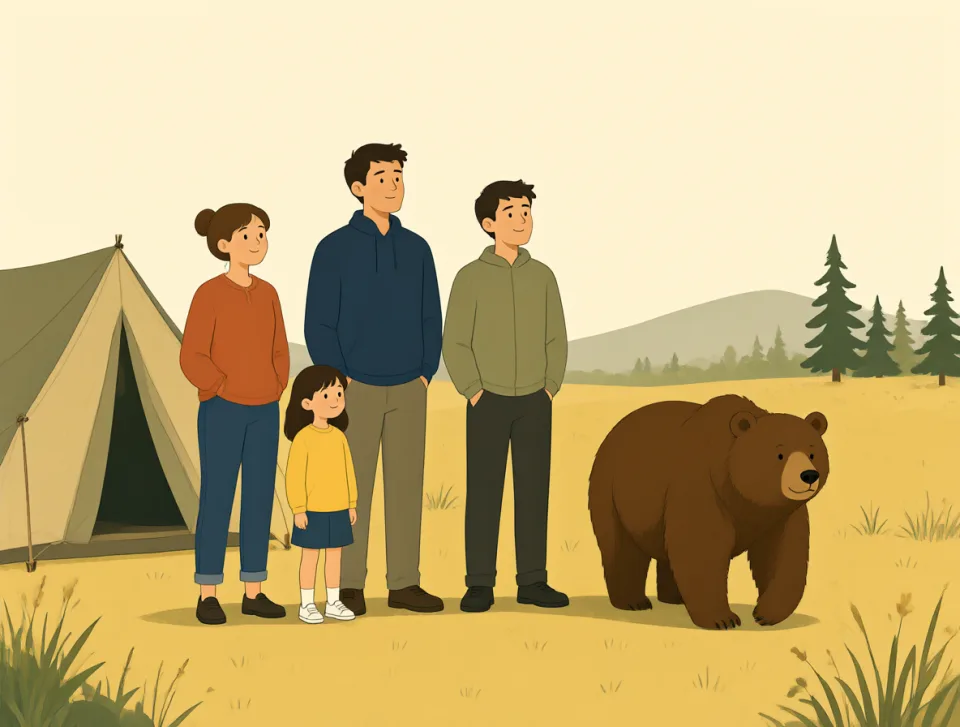
We saw a bear near the campsite.
우리는 야영지 근처에서 곰 한 마리를 봤다.

The bear caught a fish in the river.
그 곰은 강에서 물고기를 잡았다.
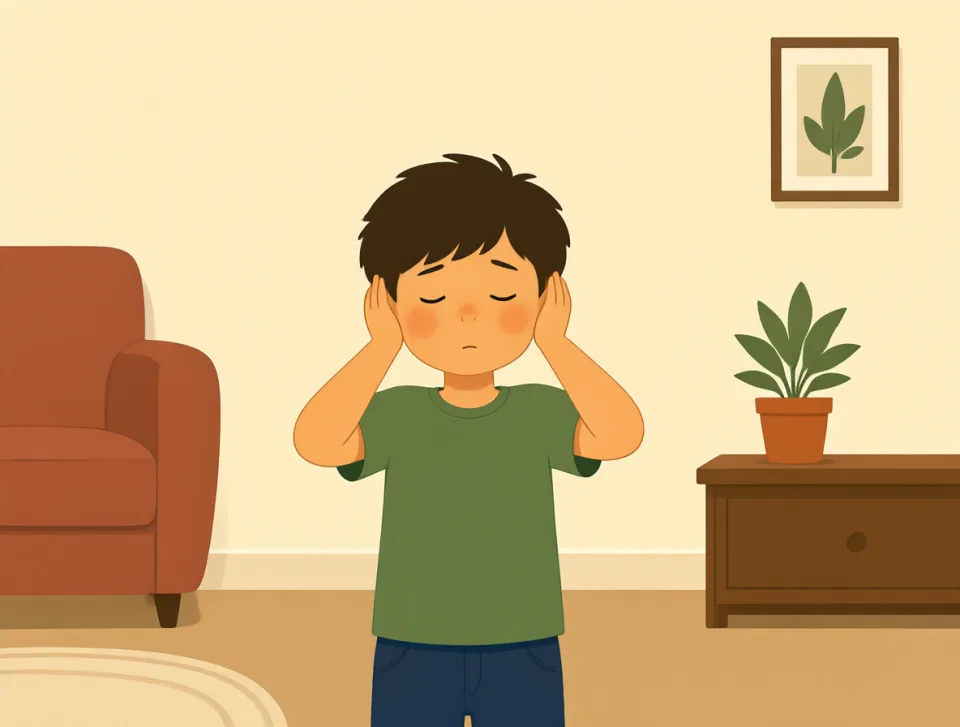
I cannot bear this loud noise.
나는 이 시끄러운 소리를 견딜 수 없다.
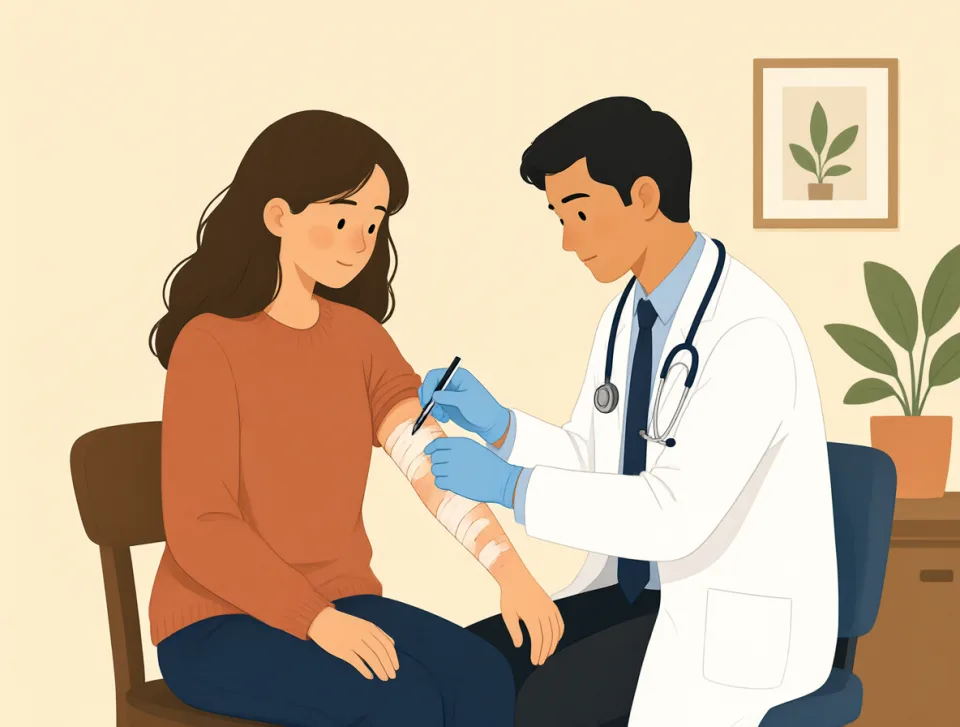
She bears the pain very well.
그녀는 고통을 아주 잘 견딘다.
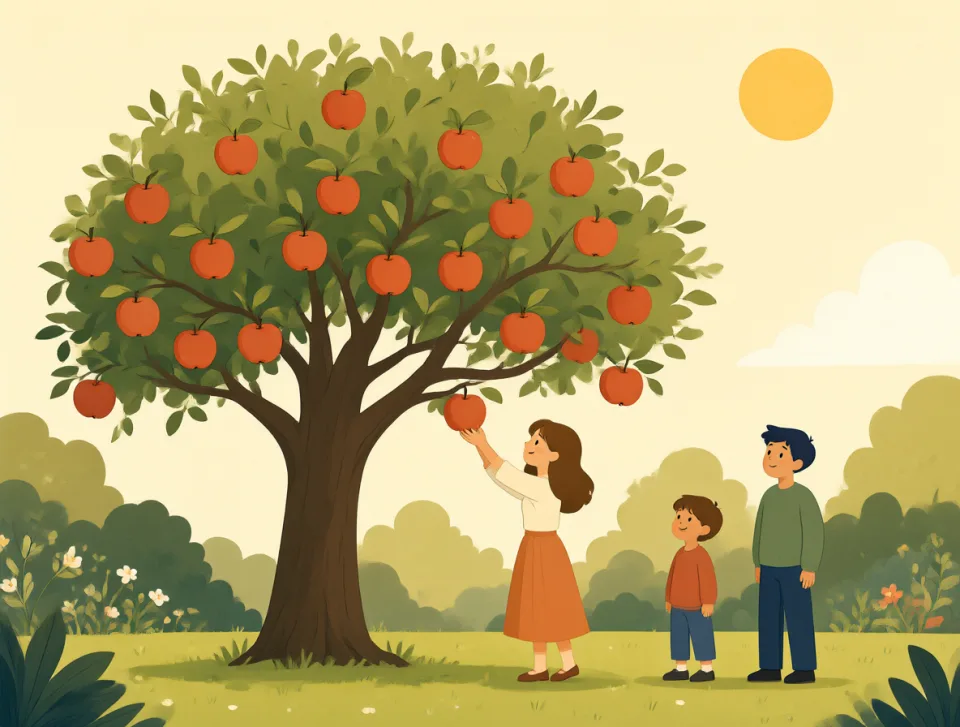
This tree bears fruit every summer.
이 나무는 매년 여름에 열매를 맺는다.
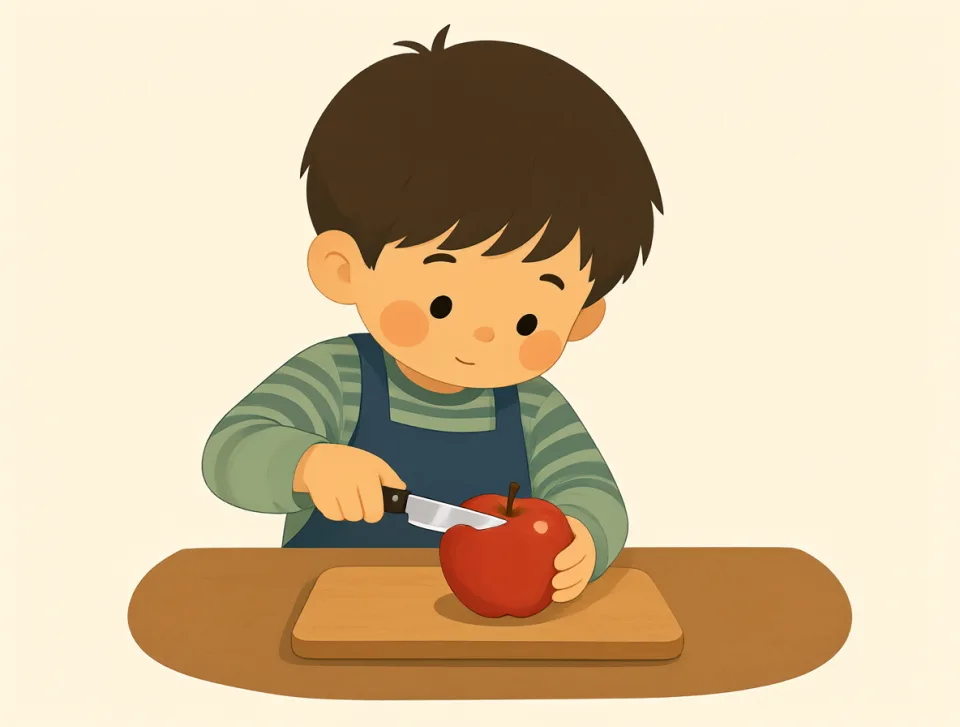
cut
#456verb, noun
자르다; 베다; 가로지르다; 상처
To use a sharp tool to divide something or make it shorter.
날카로운 도구를 사용해 무언가를 나누거나 더 짧게 만들다.
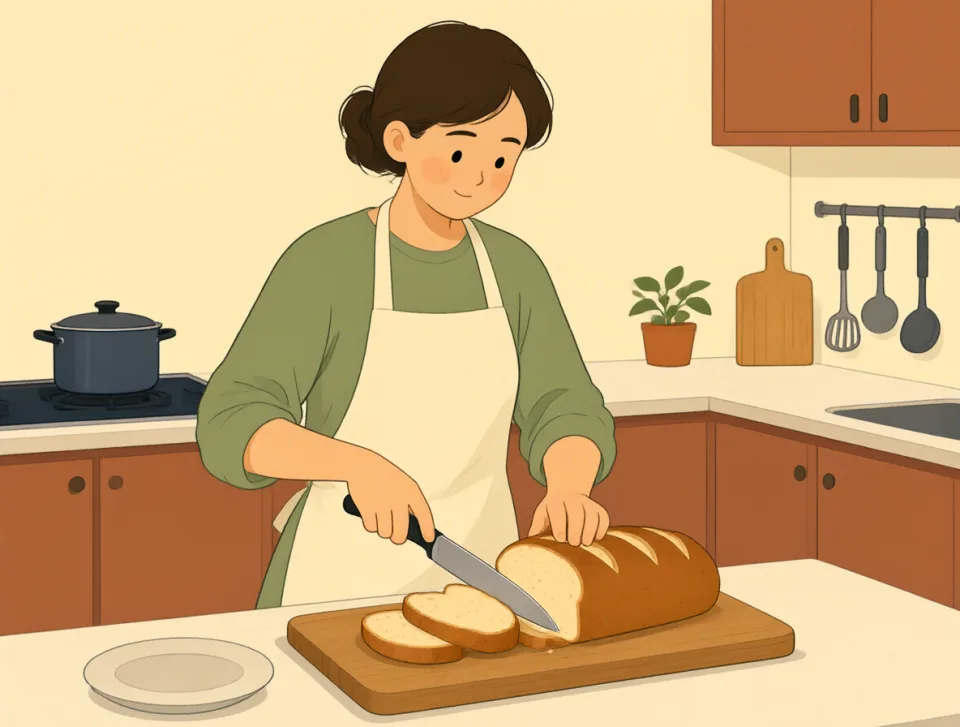
Please cut the bread into small pieces.
빵을 작은 조각으로 잘라 주세요.
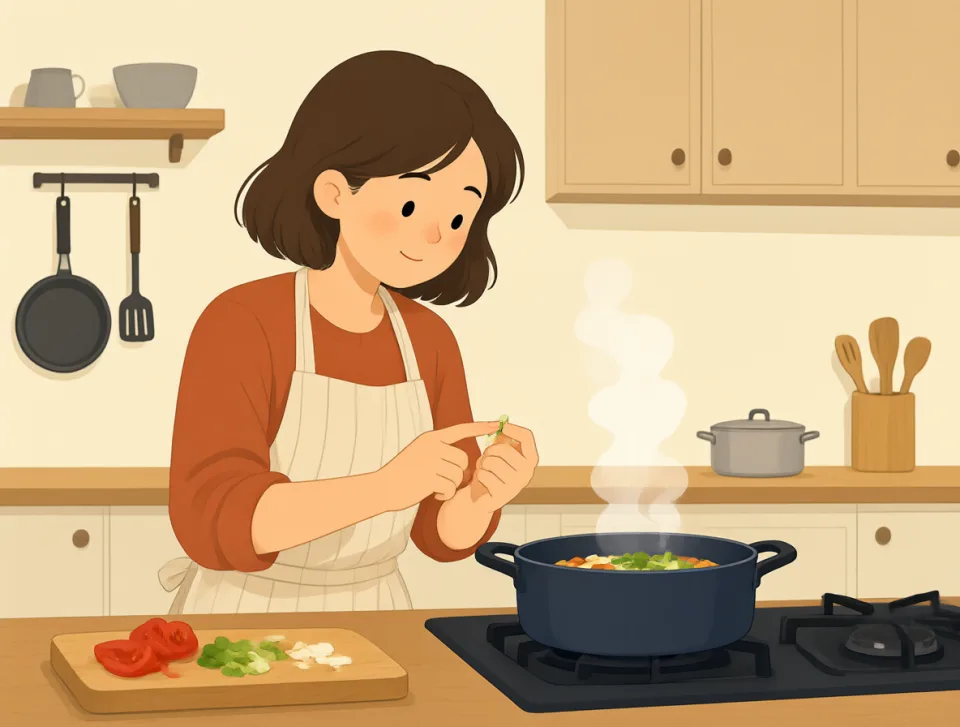
She cut her finger while cooking dinner.
그녀는 저녁을 요리하다가 손가락을 베었어요.

We cut across the park to save time.
시간을 절약하려고 공원을 가로질러 갔어요.
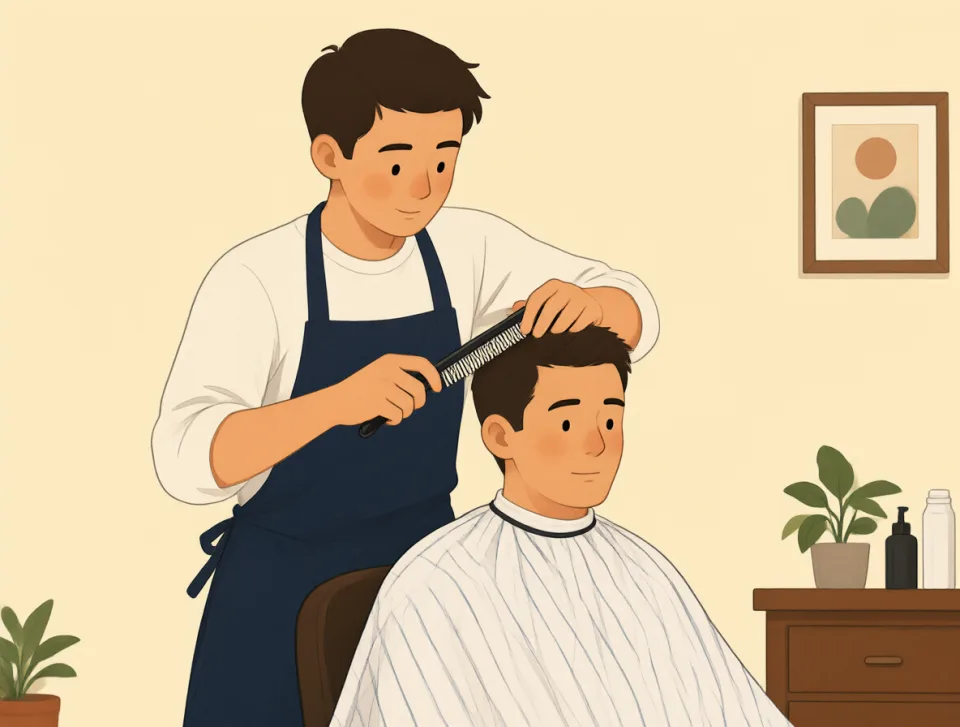
The barber cut my hair very short.
이발사가 제 머리를 아주 짧게 잘랐어요.
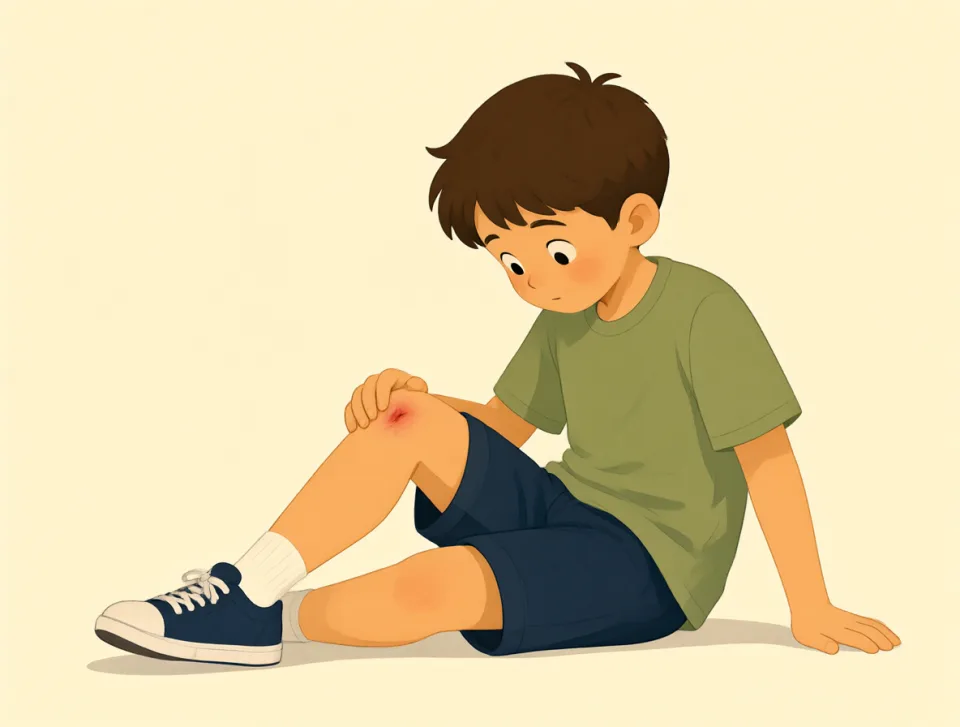
He got a deep cut on his knee.
그는 무릎에 깊은 상처를 입었어요.
describe
#457verb
묘사하다; 설명하다
To say or write what someone or something is like.
사람이나 사물이 어떤지 말하거나 글로 표현하다.
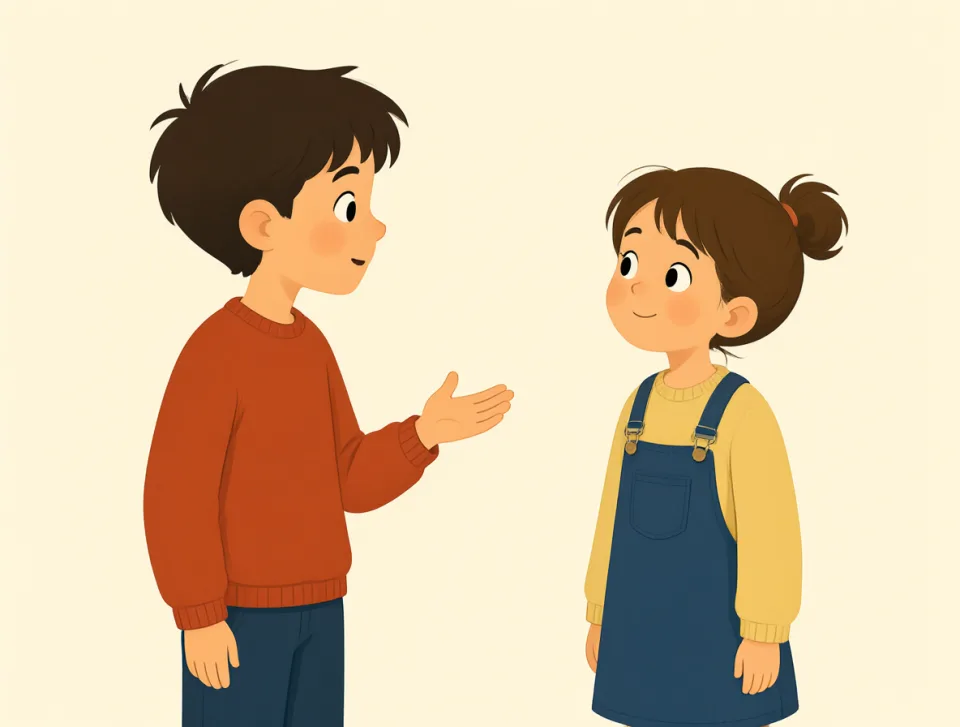
Can you describe your new friend?
새 친구가 어떤 사람인지 설명해 줄 수 있어?

She described the man to the police.
그녀는 경찰에게 그 남자의 인상착의를 설명했다.
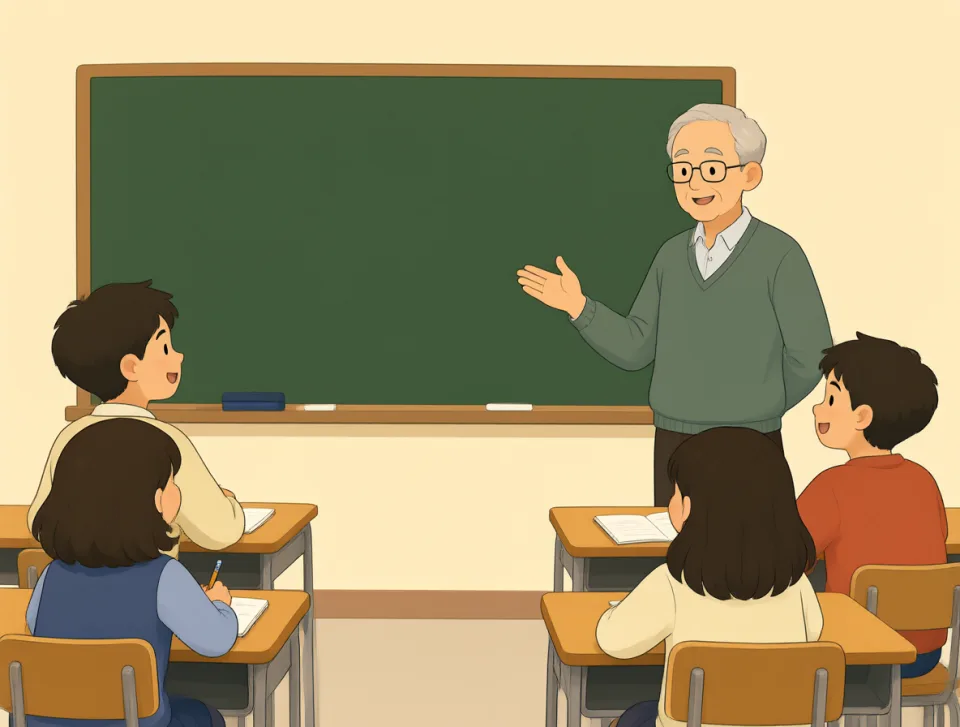
Please describe the problem to your teacher.
문제가 무엇인지 선생님께 설명해 주세요.

He described the food as very spicy.
그는 그 음식이 아주 맵다고 표현했다.
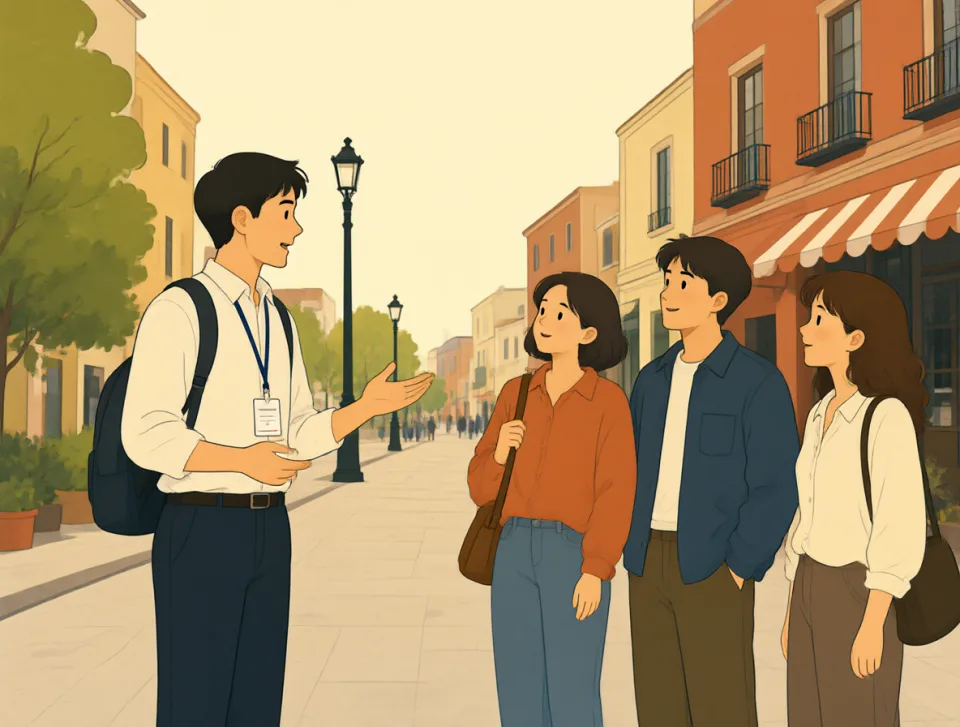
The guide described the beautiful city during our tour.
가이드는 우리가 여행하는 동안 그 아름다운 도시에 대해 설명했다.
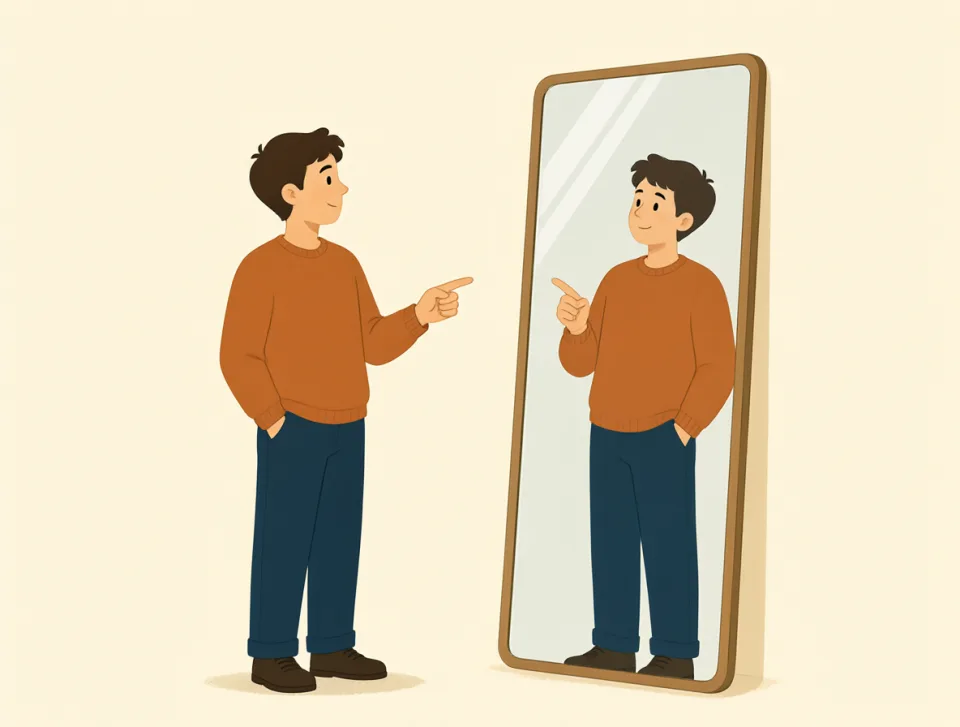
himself
#458pronoun
그 자신; 스스로
Used to refer to a male person already mentioned, especially when he does something alone.
이미 언급한 남성을 가리키며, 특히 그가 혼자 어떤 일을 할 때 쓰인다.

He made the cake himself.
그는 케이크를 직접 만들었다.
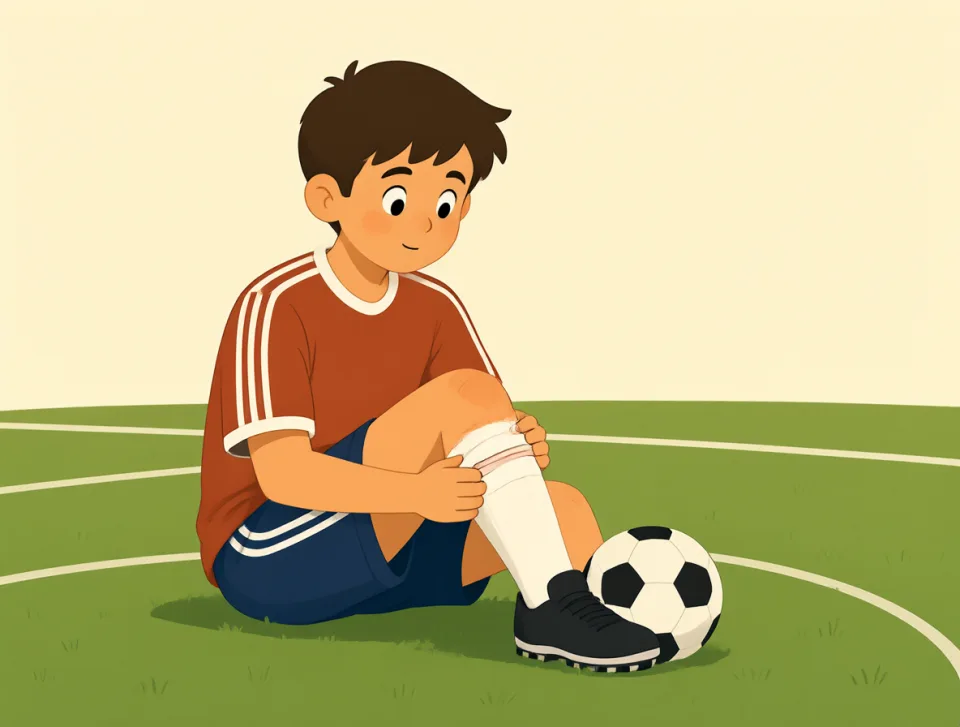
Tom hurt himself while playing soccer.
Tom은 축구를 하다가 다쳤다.

He taught himself to play guitar.
그는 기타 치는 법을 독학했다.
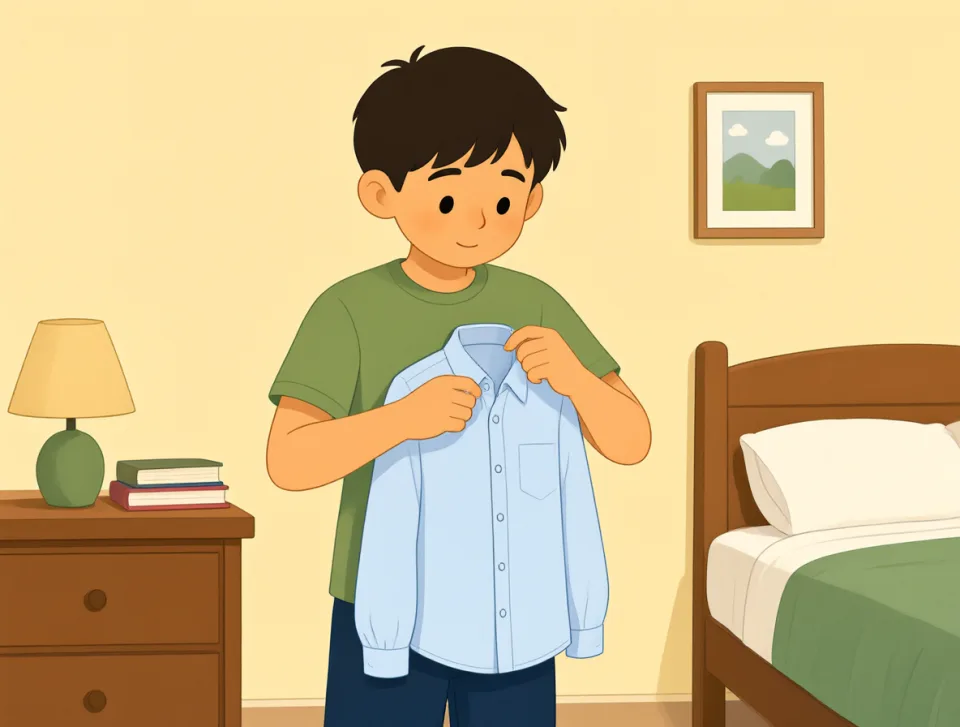
The boy dressed himself for school.
그 남자아이는 학교 갈 준비를 혼자 했다.
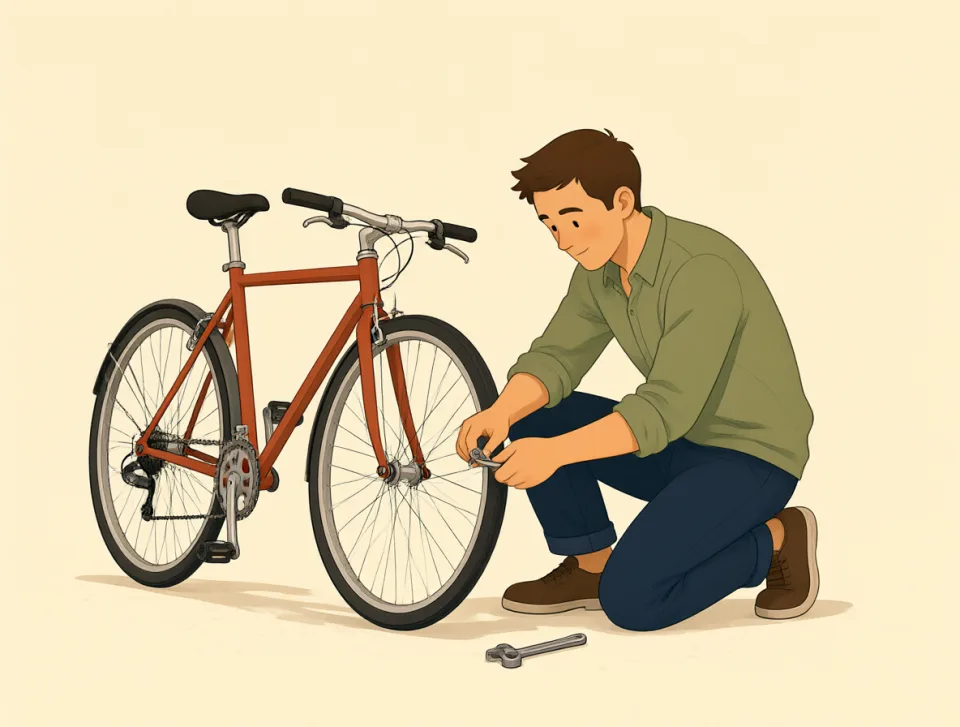
John fixed the bike himself.
John은 자전거를 직접 고쳤다.

available
#459adjective
이용 가능한; 구할 수 있는
Ready to be used, bought, found, or reached.
사용하거나 구매하거나 찾거나 연락할 수 있는 상태인

The doctor is available this afternoon.
그 의사는 오늘 오후에 진료가 가능합니다.
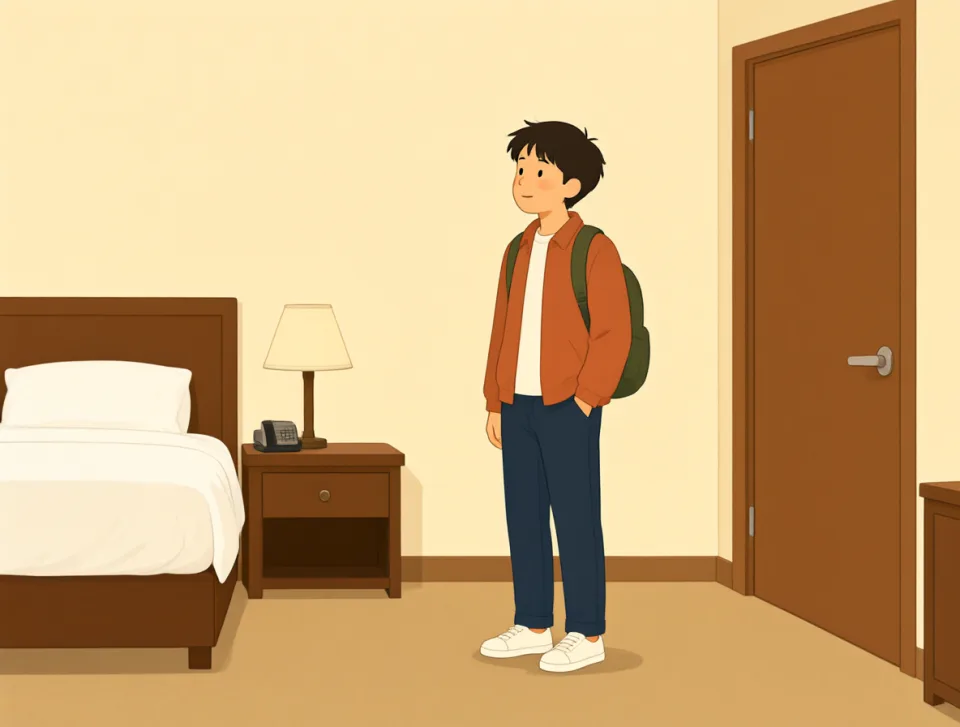
Is this room available tonight?
오늘 밤에 이 방을 이용할 수 있나요?
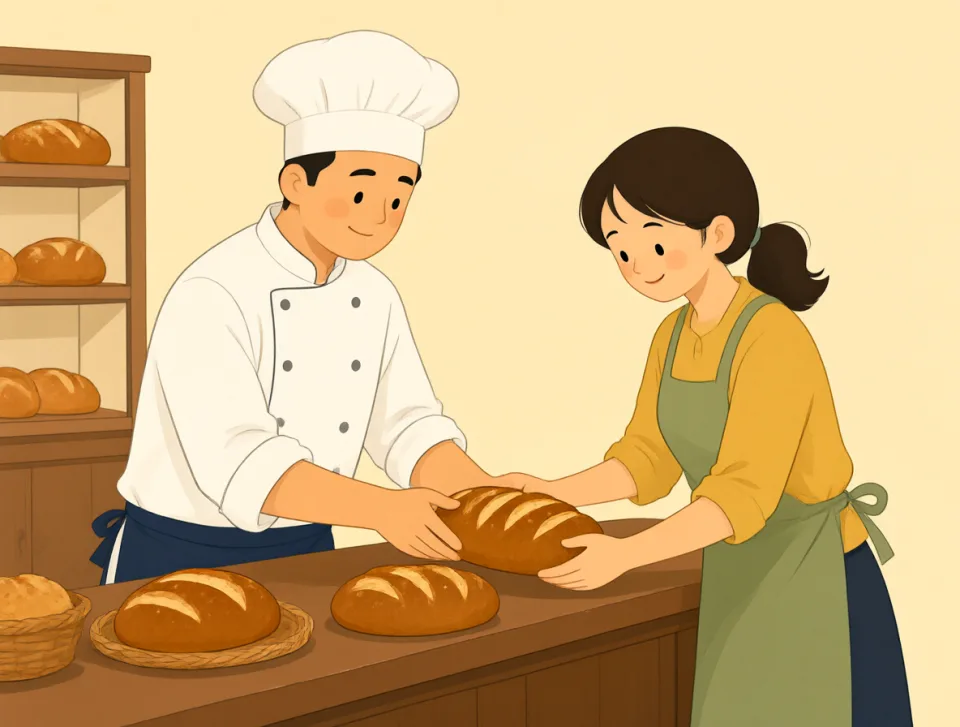
Fresh bread is available at the bakery.
빵집에서 갓 구운 빵을 살 수 있습니다.
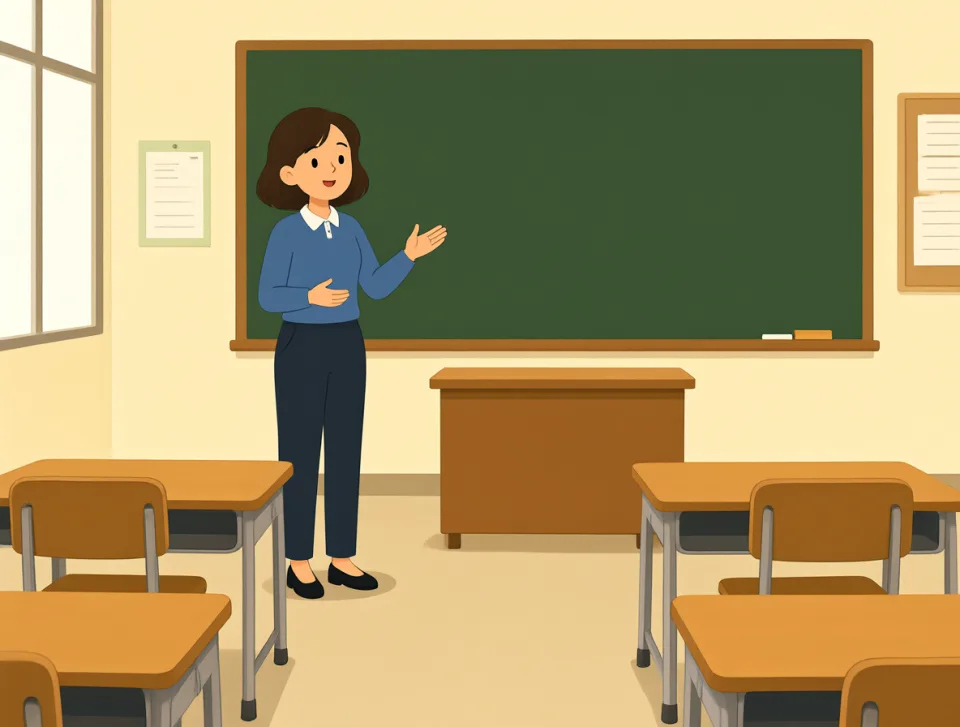
The teacher is available after class.
수업이 끝난 후에 선생님과 상담할 수 있습니다.
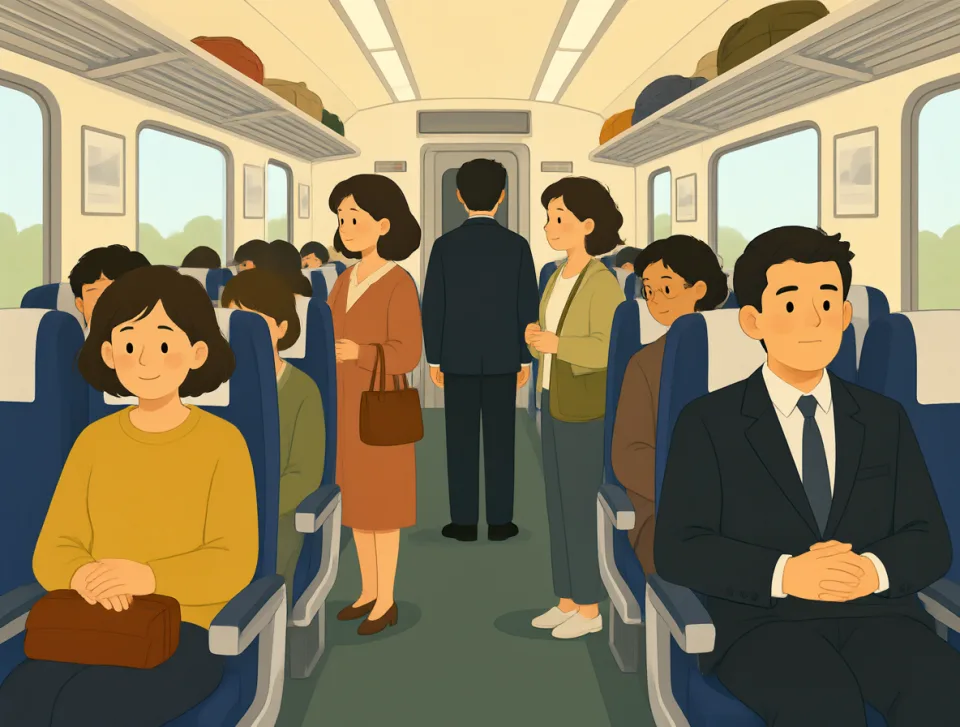
No seats were available on the train.
기차에 빈자리가 하나도 없었습니다.
especially
#460adverb
특히; 특별히
More than usual or more than others
평소보다 더 많이 또는 다른 것들보다 더 많이
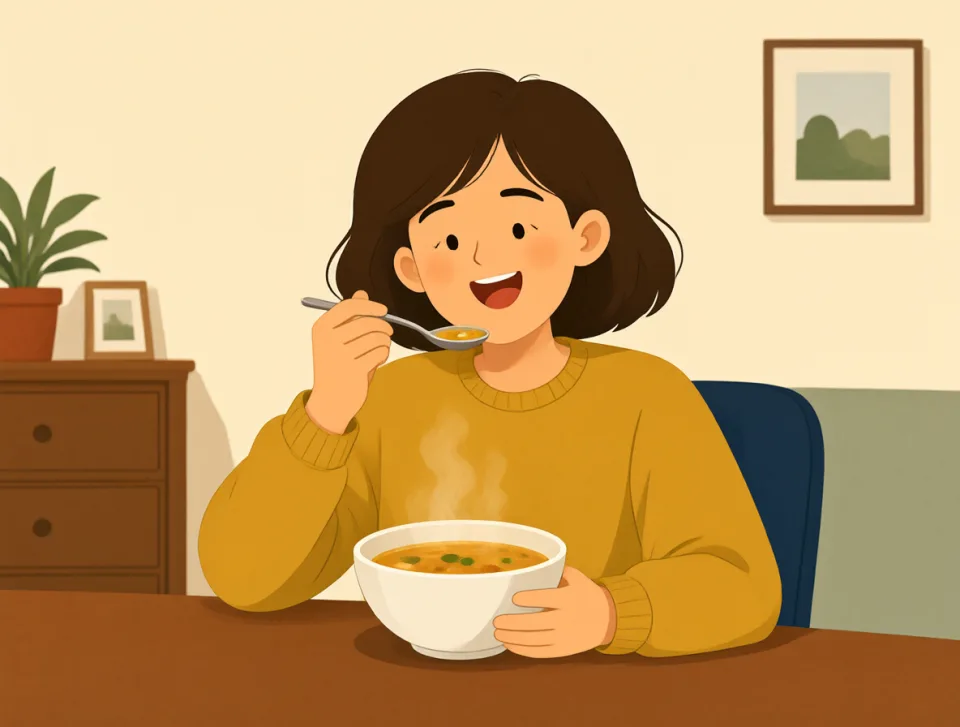
I especially like this warm soup.
나는 이 따뜻한 수프를 특히 좋아해.
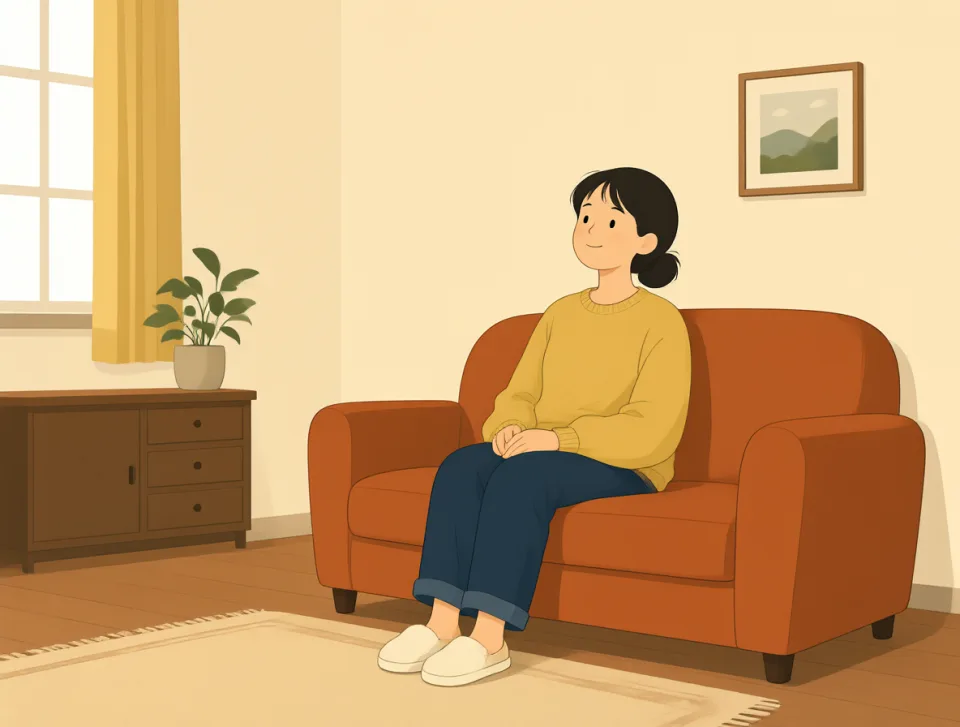
This room is especially quiet today.
오늘 이 방은 유난히 조용해.
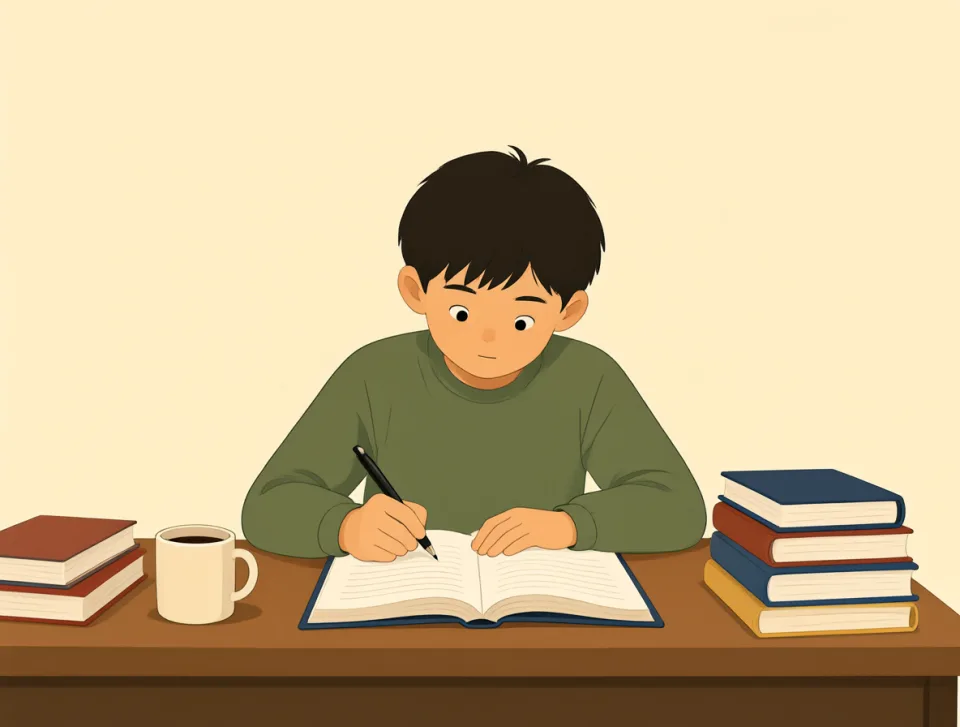
She works especially hard before exams.
그녀는 시험을 앞두고 특히 열심히 공부해.

We visited many places, especially Rome.
우리는 여러 곳을 방문했는데, 특히 로마에 갔어.

Wear warm clothes, especially in winter.
따뜻한 옷을 입어. 특히 겨울에는.