單元 23
單字 441–460 · design, event, special, sometimes, condition, carry
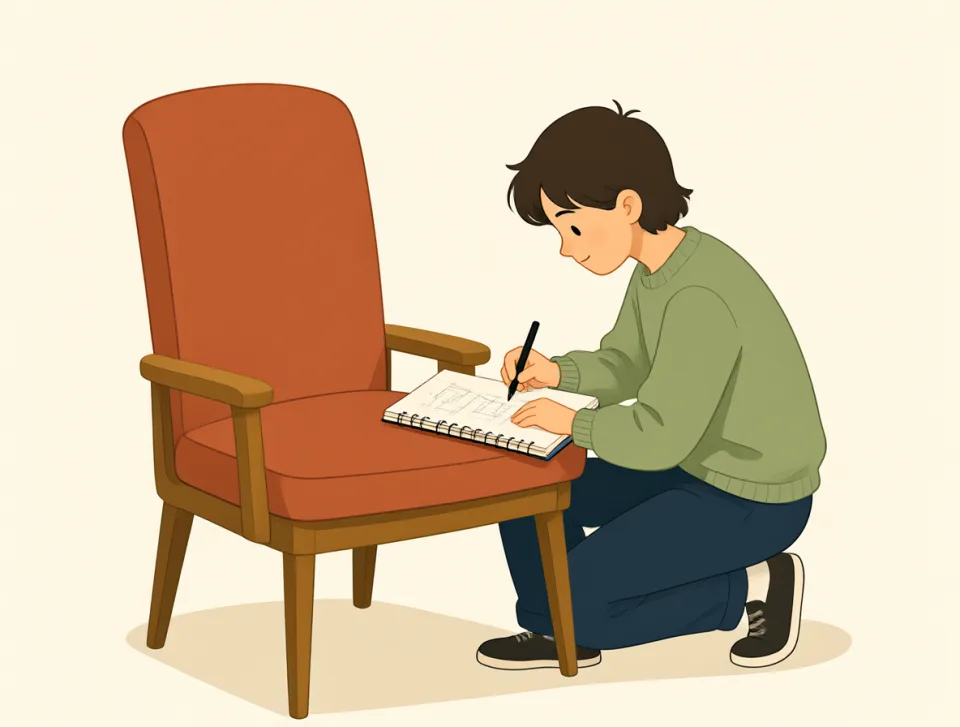
design
#441noun, verb
設計
A plan for how something will look or work; to plan how something will look or work.
某樣東西的外觀或工作方式的計劃;計劃某樣東西的外觀或工作方式

I like the design of this small house.
我喜歡這座小房子的設計。

She designs clothes for a famous shop.
她為一家知名商店設計服裝。
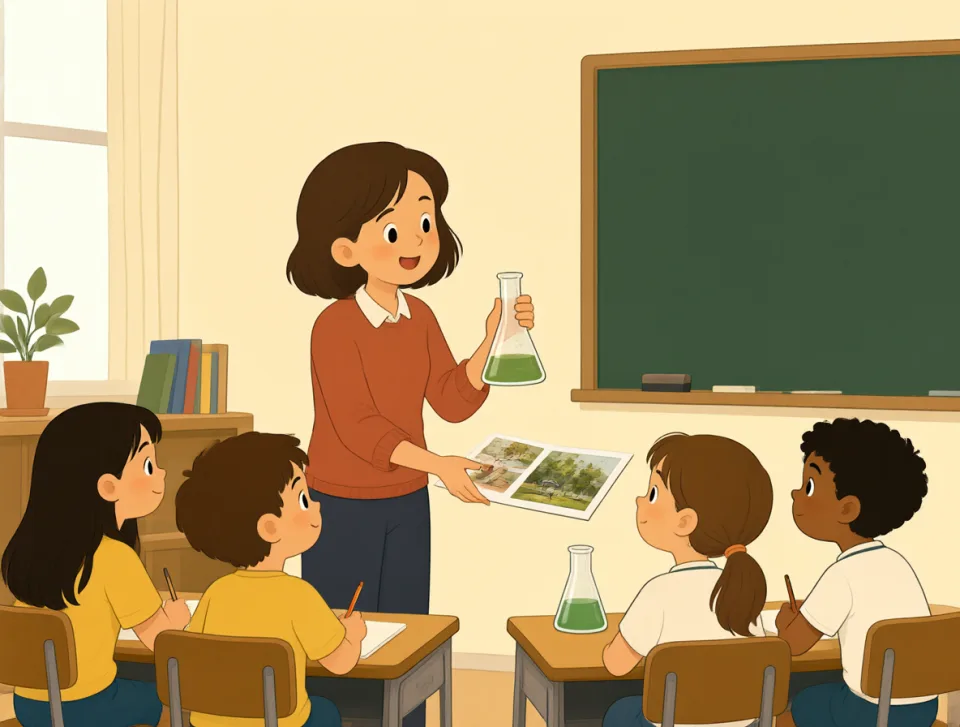
The teacher designed a fun science project.
老師設計了一個有趣的科學專案。

We chose a new design for our kitchen.
我們為廚房選擇了一種新的設計。
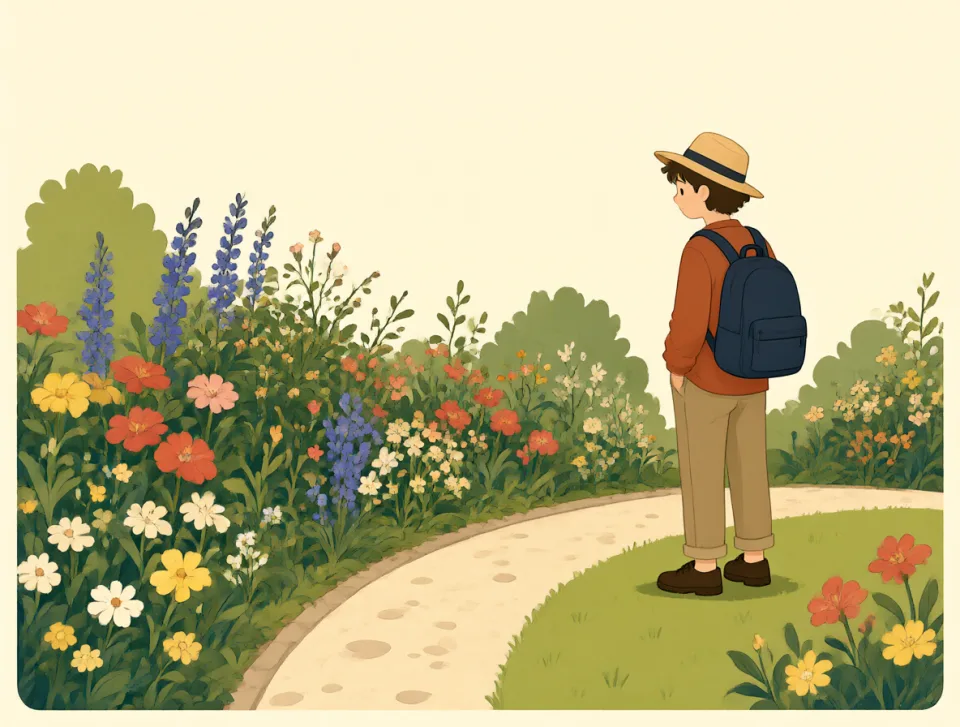
The hotel has a beautiful garden design.
這家酒店有美麗的花園設計。
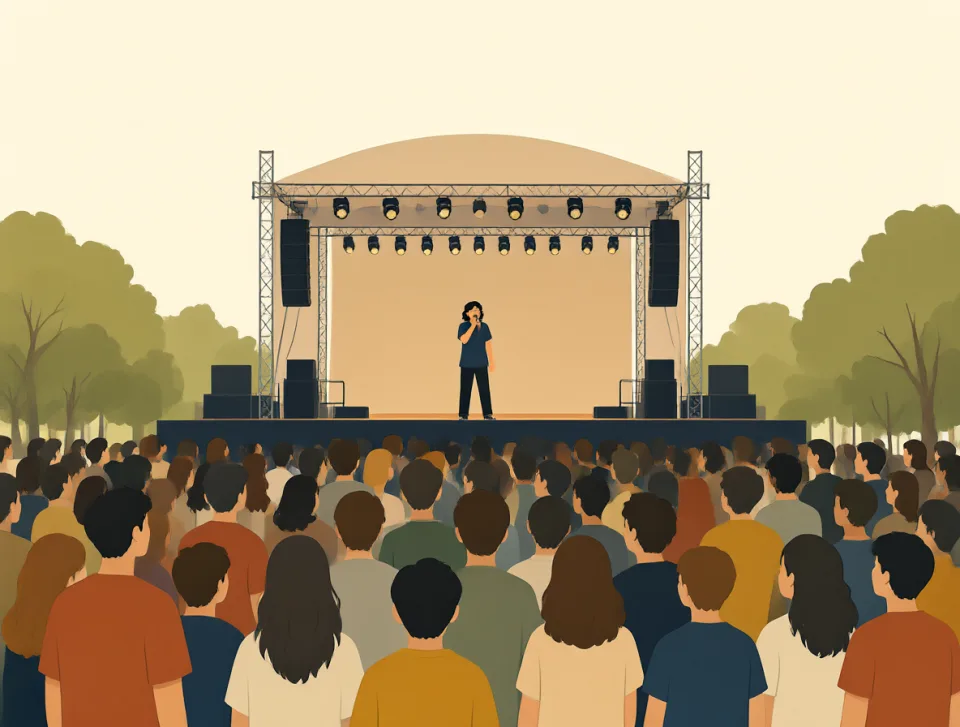
event
#442noun
事件; 活動; 場合
Something important that happens, especially a planned activity or occasion.
某件重要的事情,尤其是有計劃的活動或場合。
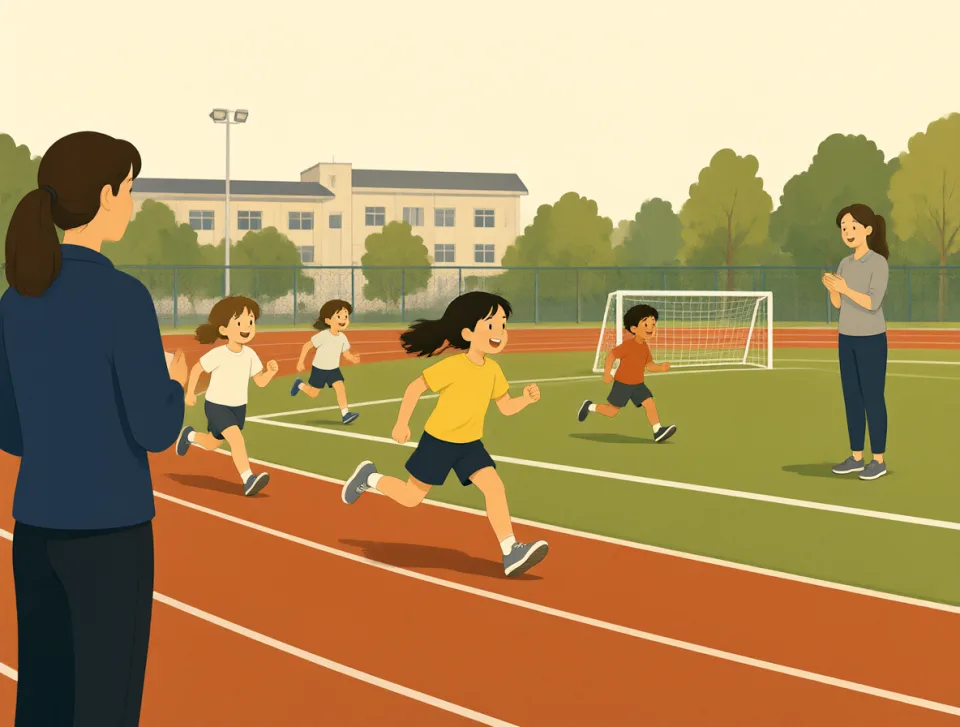
Our school held a sports event yesterday.
我們學校昨天舉辦了一場體育活動。
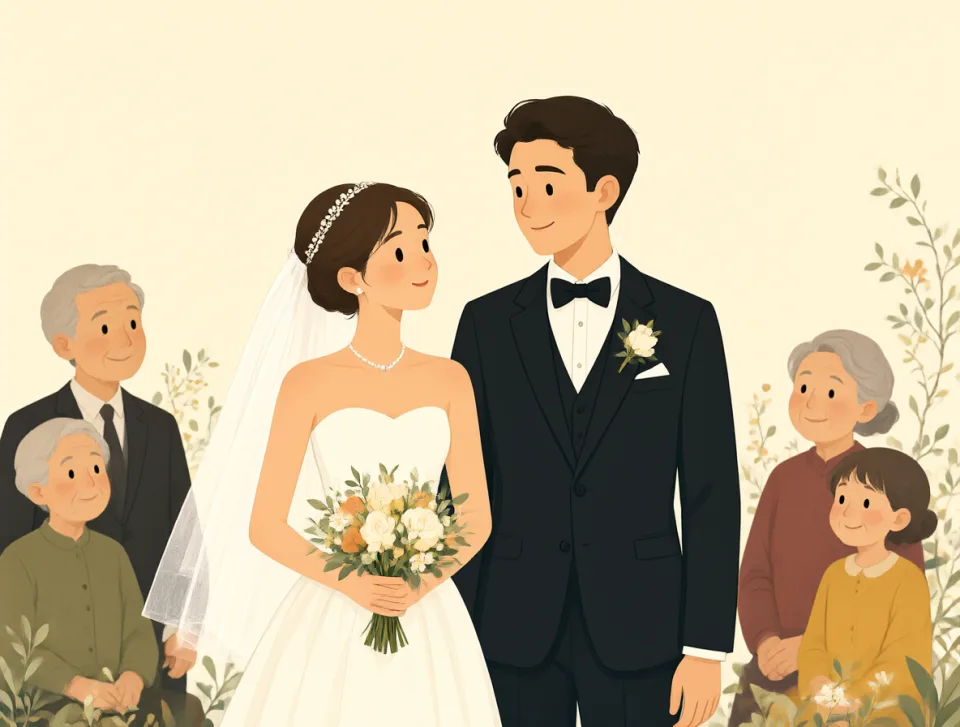
The wedding was a beautiful family event.
這場婚禮是一次美好的家庭活動。
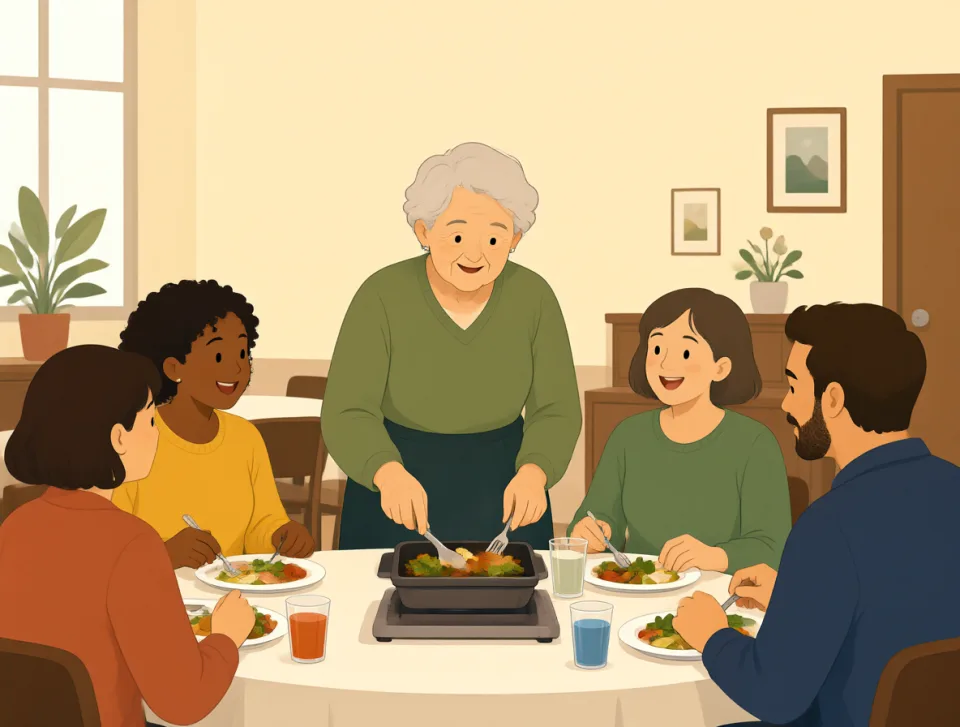
Many people came to the charity event.
許多人參加了這場慈善活動。

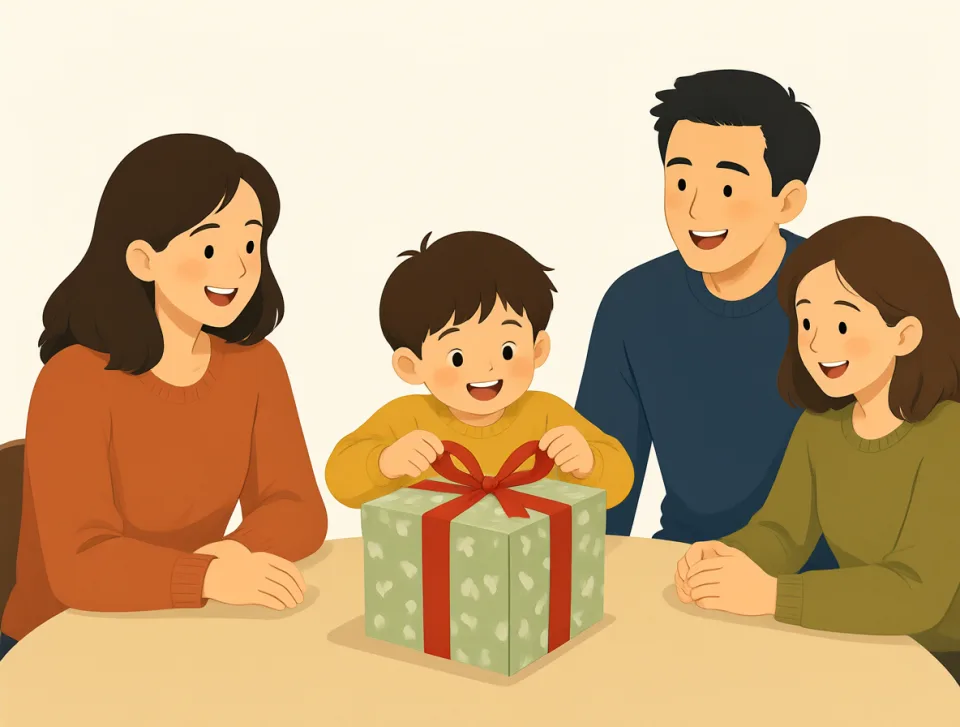
The shop has a special event this weekend.
這家商店本週末有一場特別活動。
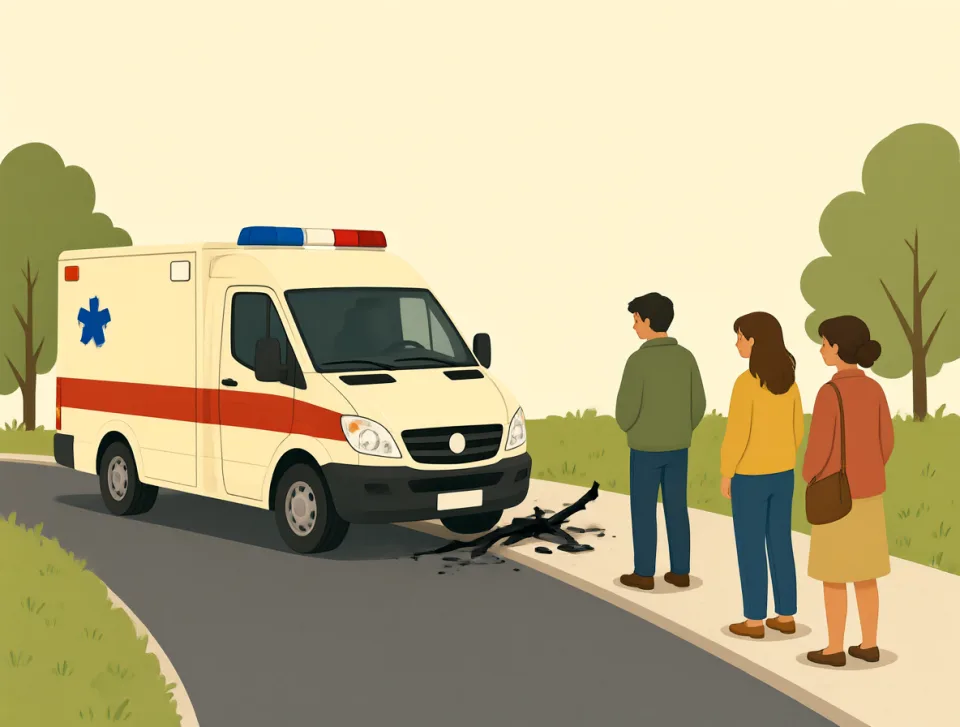
The accident was a frightening event for everyone.
這起事故對每個人來說都是一件可怕的事情。
special
#443adjective, noun
特別的;特殊的
Different from usual, or important and worth attention.
不同於平常的,或重要而值得關注的。
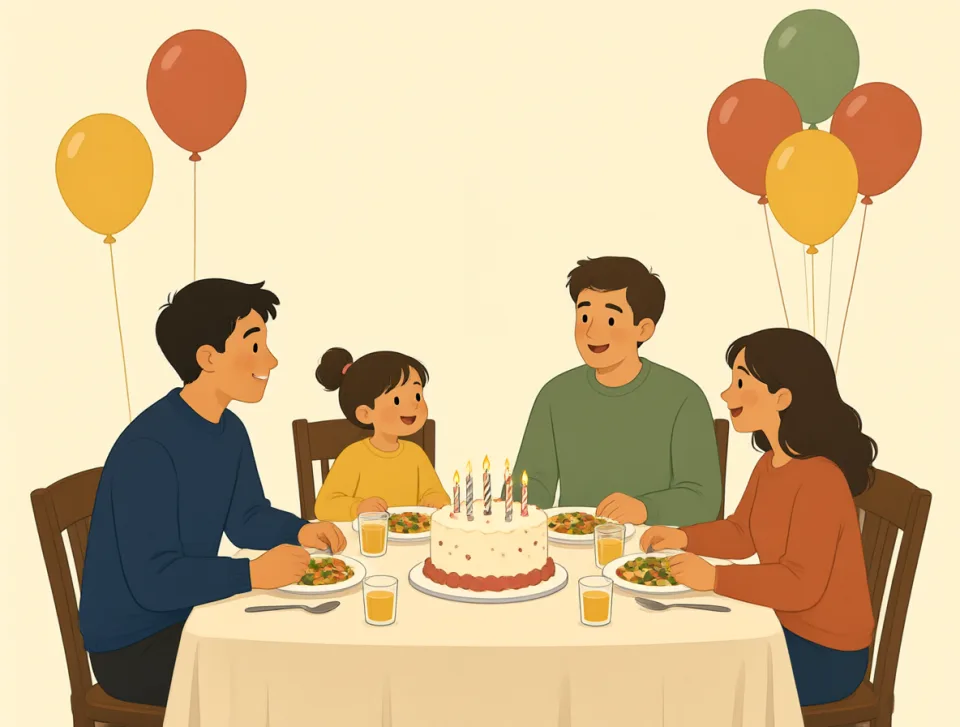
We had a special dinner for my birthday.
我生日那天,我們吃了一頓特別的晚餐。

She bought a special dress for the party.
她為聚會買了一條特別的裙子。
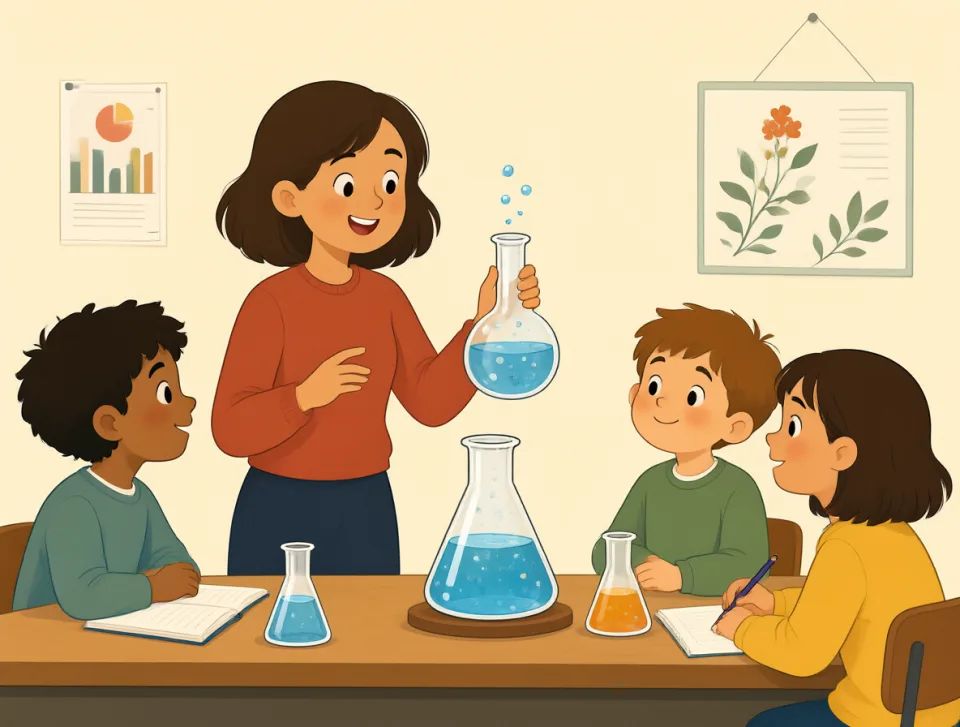
The teacher planned a special lesson today.
老師今天安排了一堂特別的課。
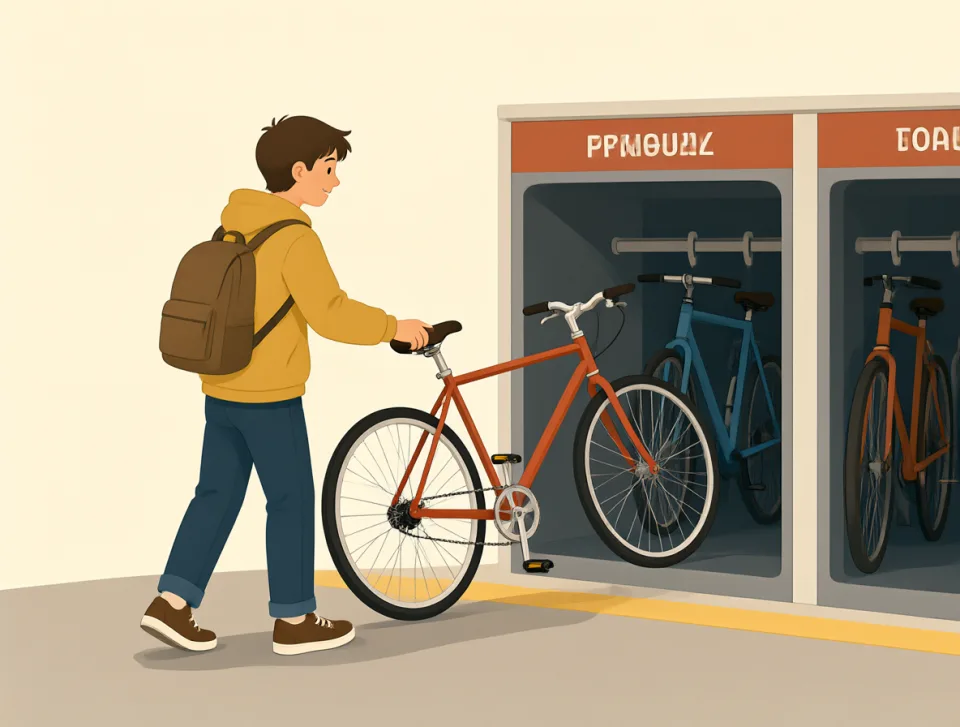
This train has a special place for bicycles.
這列火車有專門放腳踏車的地方。
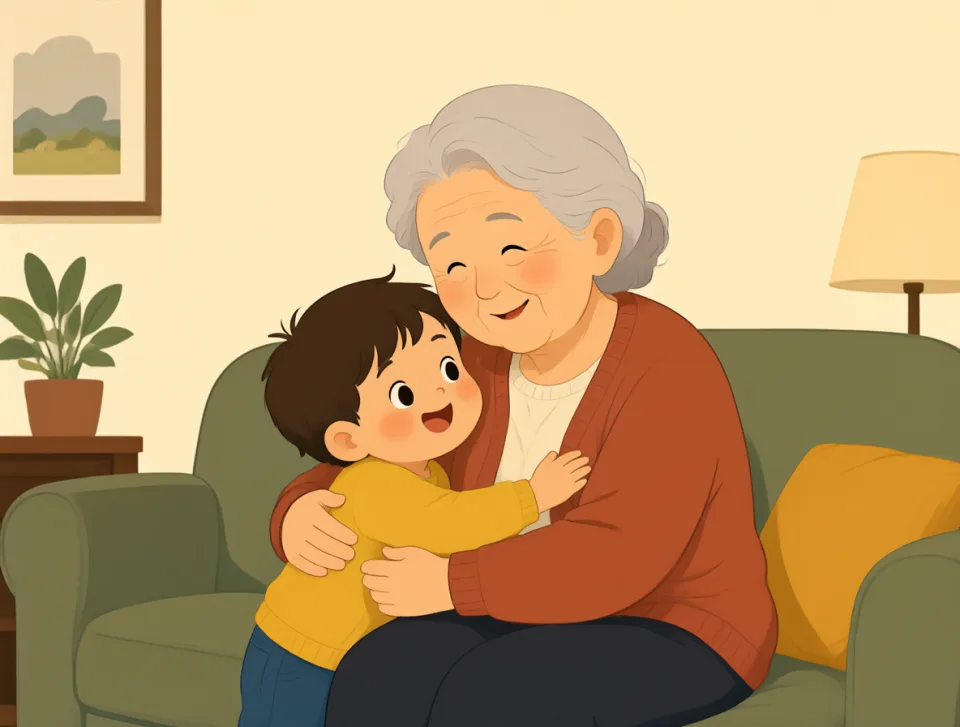
My grandmother is a very special person.
我的祖母是一個非常特別的人。

sometimes
#444adverb
有時;偶爾
At some times, but not always.
有些時候,但並非總是如此。
I sometimes walk to work.
我有時走路去上班。
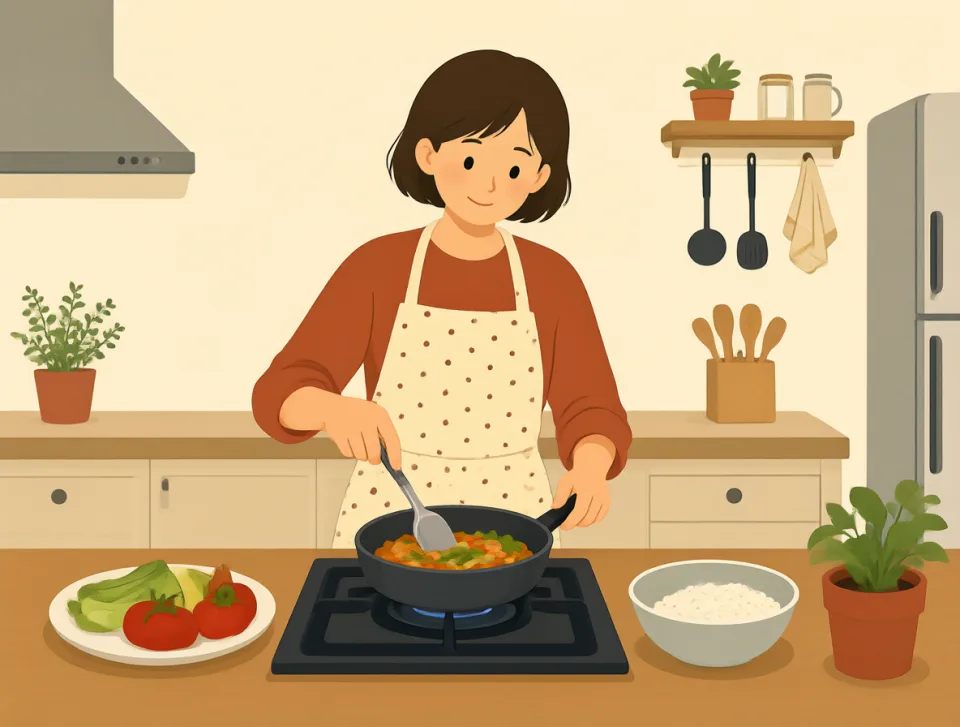
She sometimes cooks dinner for us.
她有時為我們做晚飯。
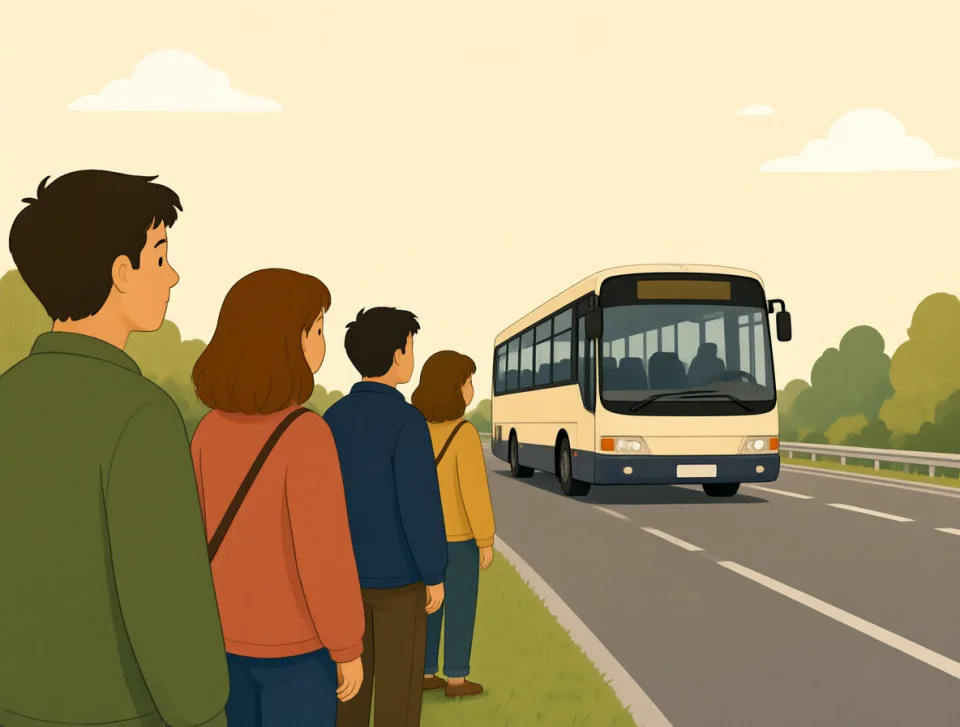
Sometimes, the bus arrives late.
有時,公交車會晚點。

We sometimes eat pizza on Fridays.
我們有時星期五吃披薩。

He sometimes feels tired after school.
他有時放學後覺得很累。
condition
#445noun
狀況;條件;病情
the state that something is in, or a rule that must be accepted
某物所處的狀態,或必須接受的一條規則
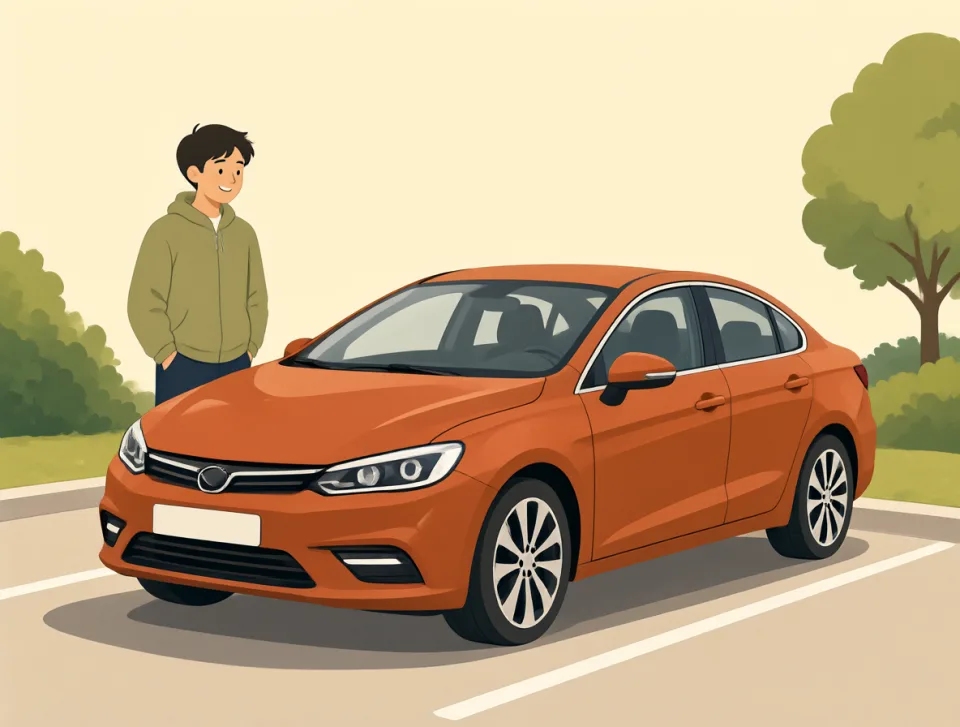
The car is in good condition.
這輛車的狀況很好。
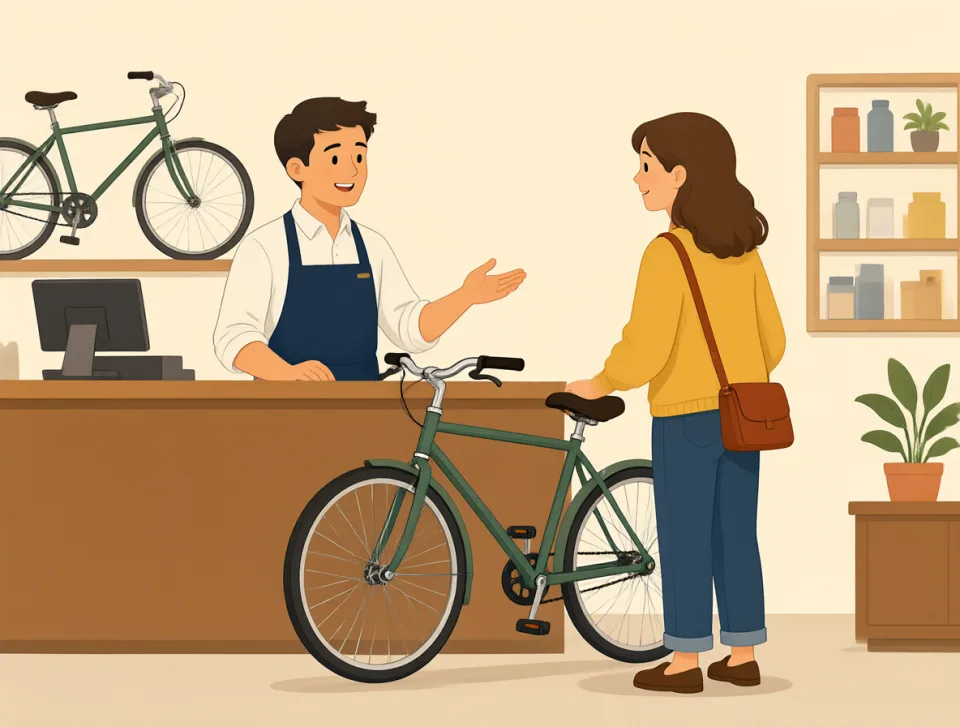
You can buy it on one condition.
你可以把它買下來,但有一個條件。
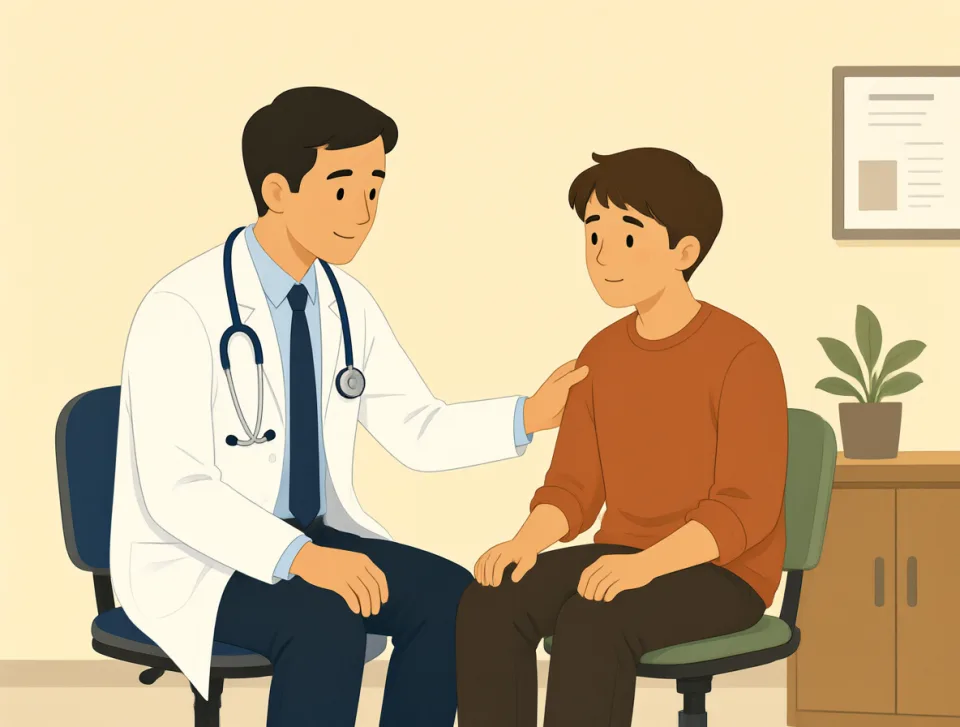
The doctor asked about my condition.
醫生詢問了我的病情。
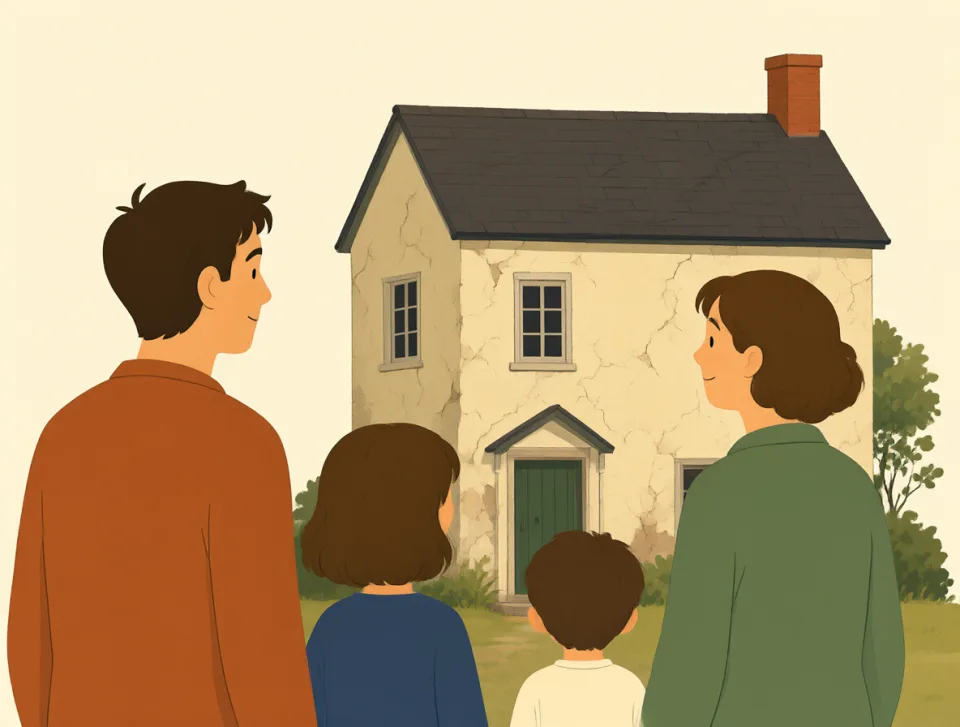
The house was in poor condition.
這棟房子的狀況很差。
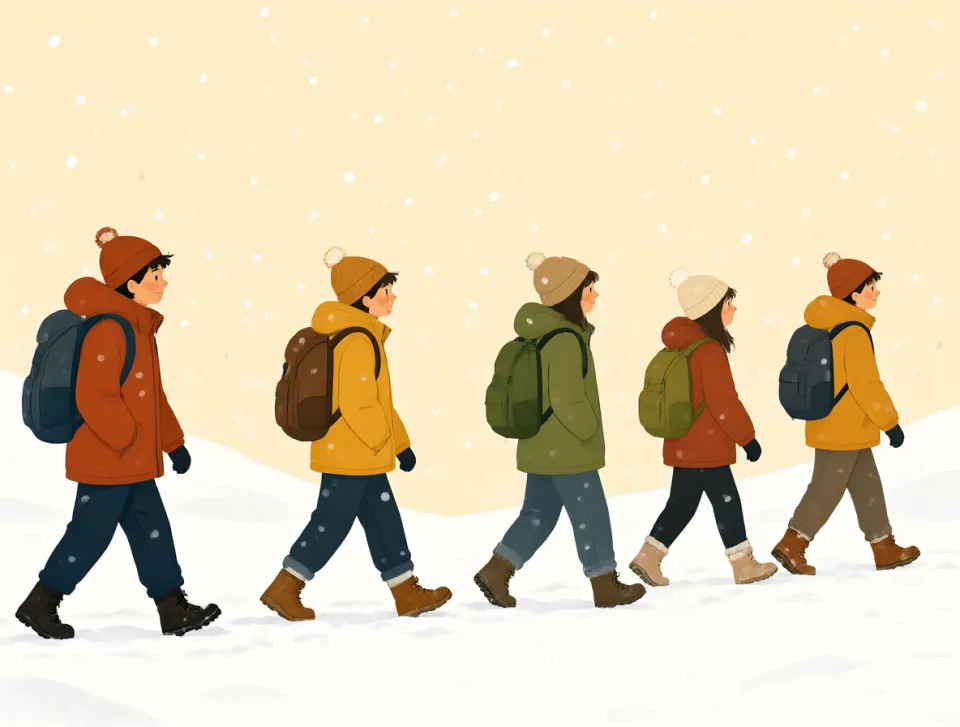
Cold conditions made the trip difficult.
寒冷的天氣使這次旅行變得很困難。
carry
#446verb
攜帶;運送;搬運
to take something or someone from one place to another
把某物或某人從一個地方帶到另一個地方

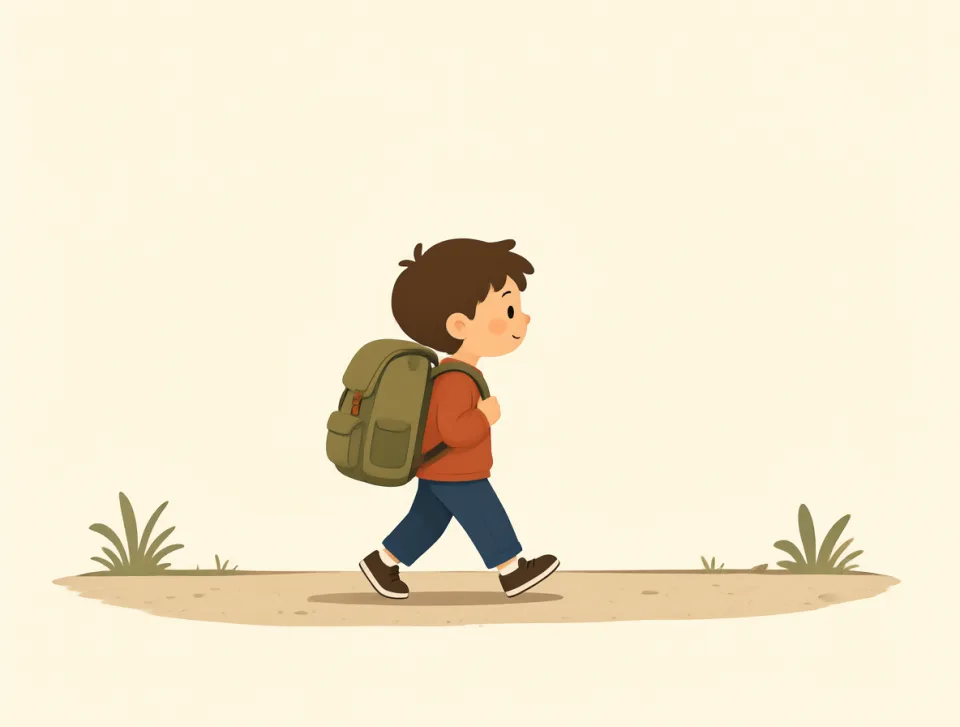
She carries her bag to work every day.
她每天提著包去上班。

Please carry these boxes upstairs.
請把這些箱子搬到樓上。

The waiter carried our food to the table.
服務員把我們的食物端到了桌上。
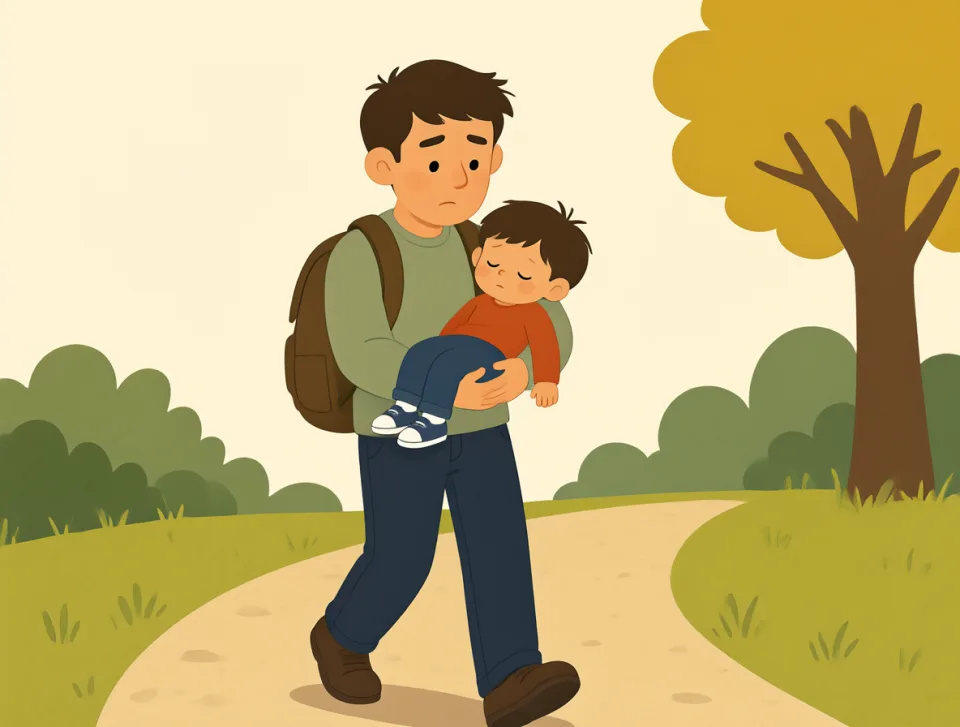
He carried his son home after the trip.
旅行結束後,他揹著兒子回了家。
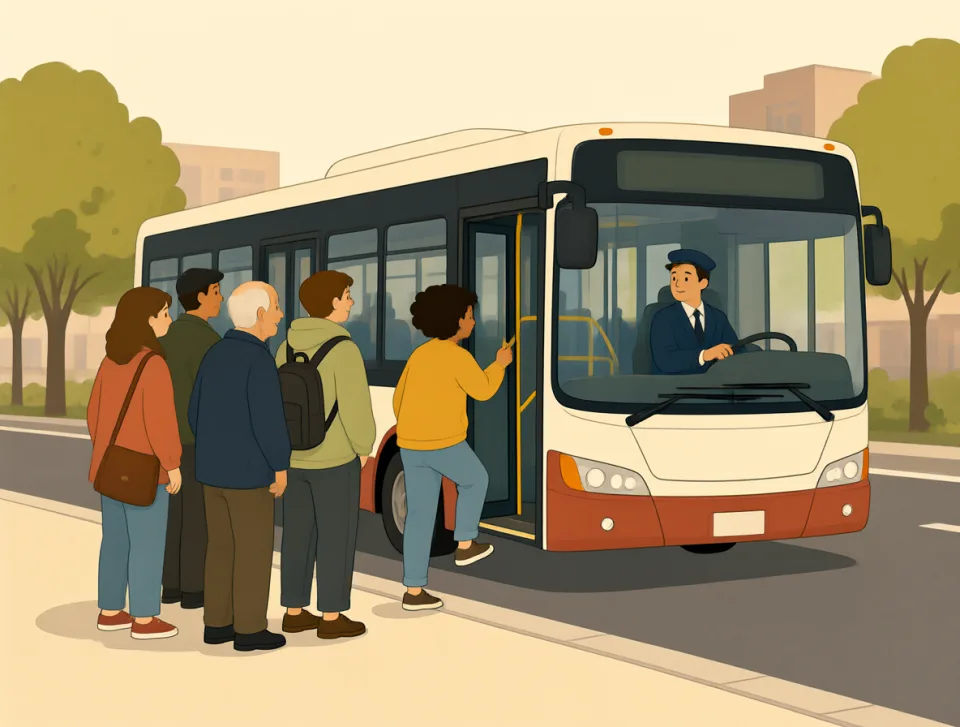
This bus carries many people every morning.
這輛公交車每天早上載著許多人。
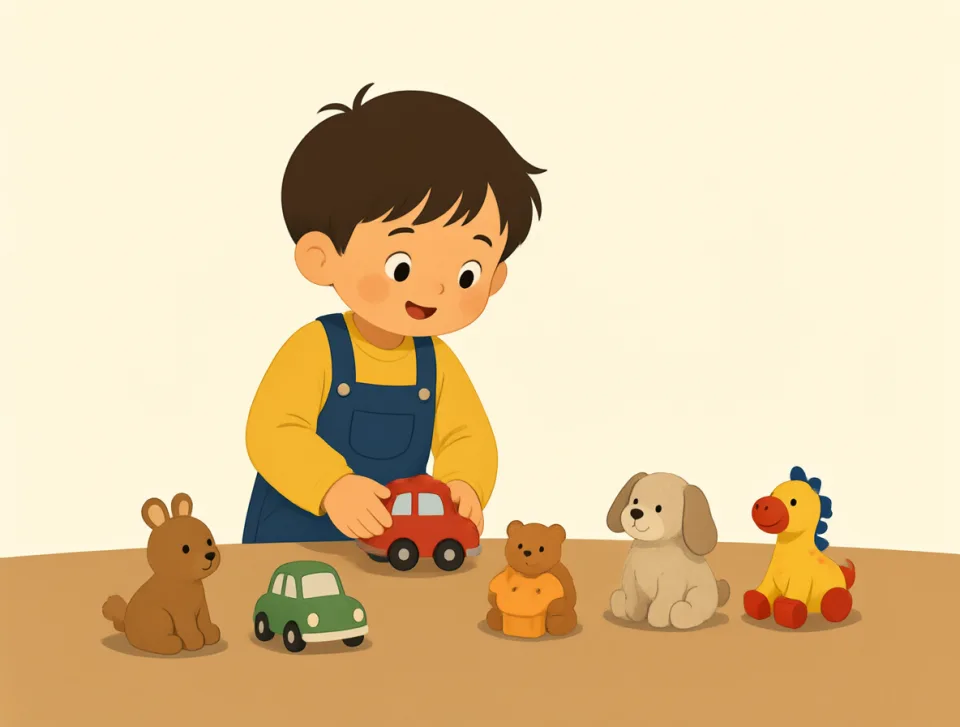
choose
#447verb
選擇;挑選
To decide which person or thing you want from several possibilities.
從幾種可能中決定你想要哪一個人或哪一樣東西。

Choose a seat near the window.
選一個靠窗的座位吧。

She chose the blue dress for work.
她選了那條藍色連衣裙上班穿。
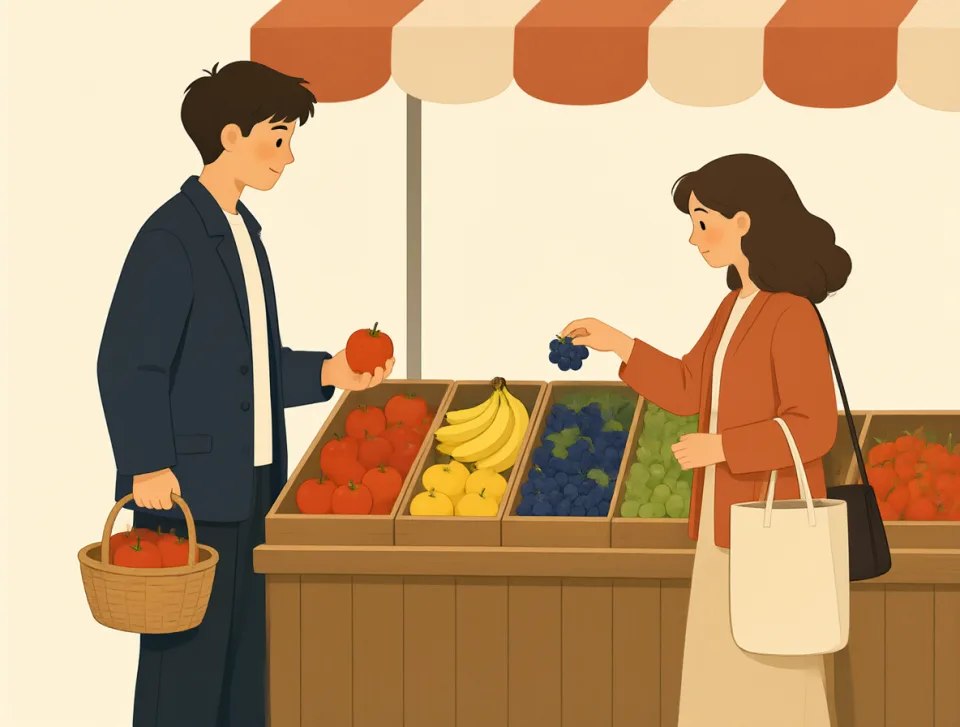
We choose fresh fruit at the market.
我們在市場上挑選新鮮水果。
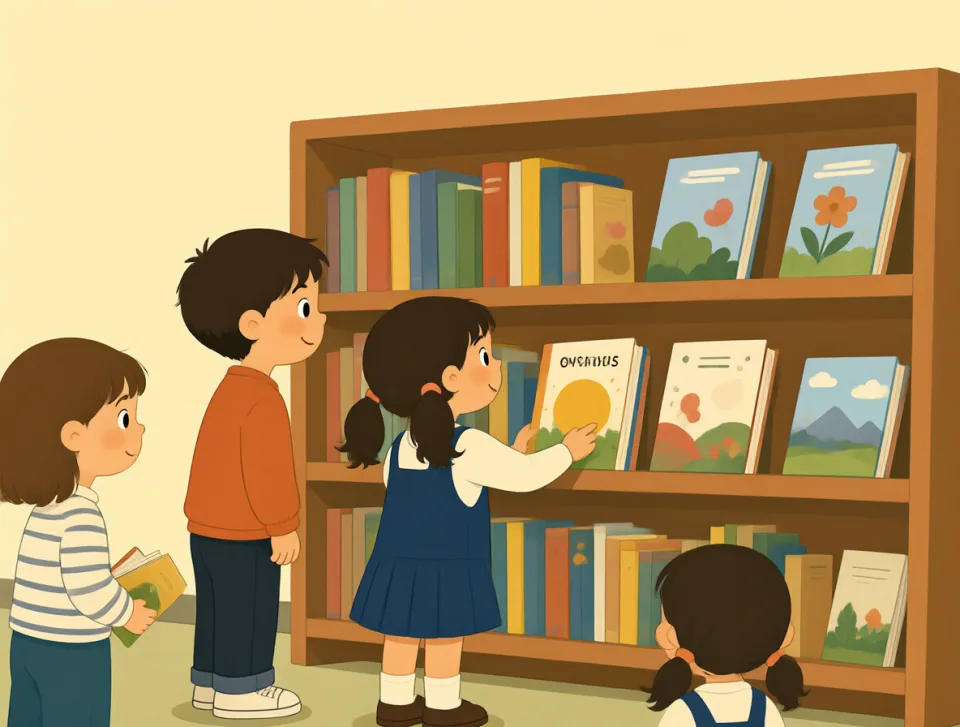
Our teacher let us choose a book.
老師讓我們自己選一本書。
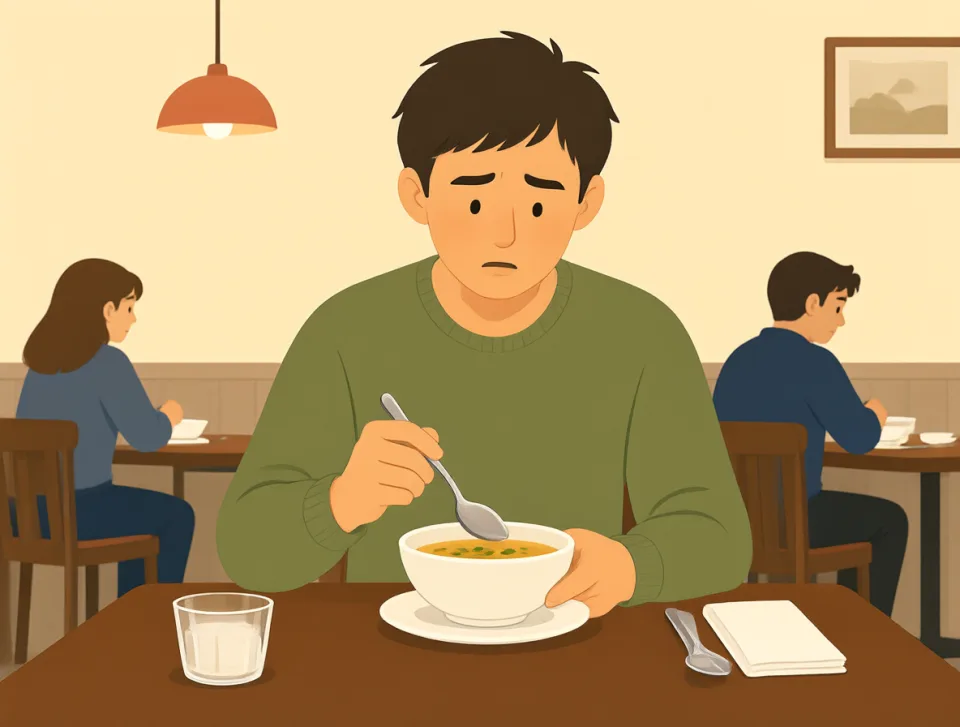
He chose soup because his throat hurt.
他選了湯,因為喉嚨疼。
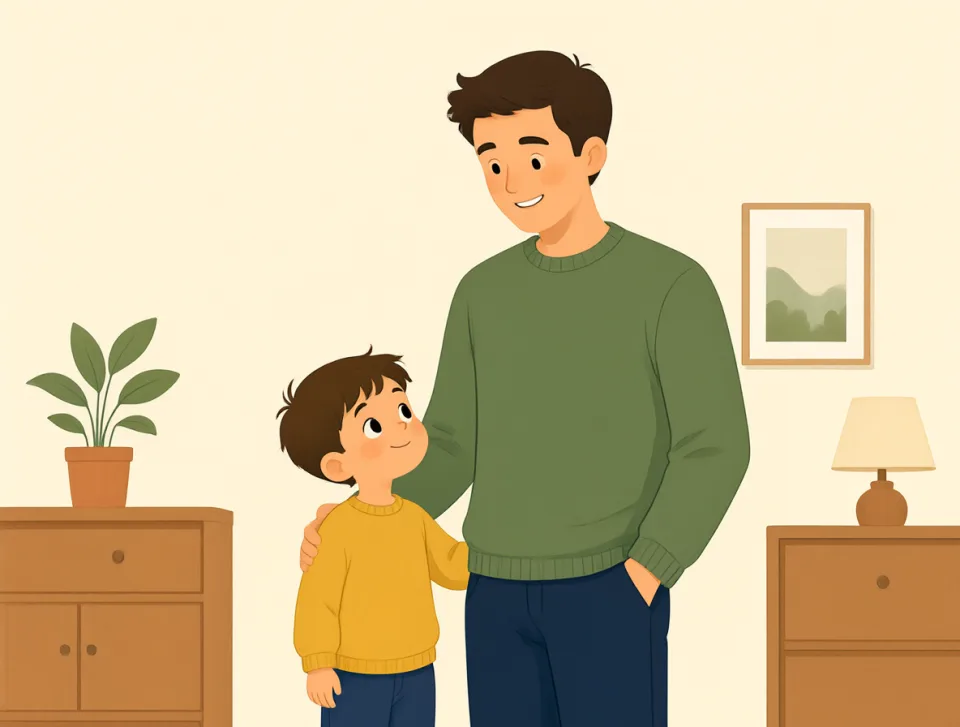
father
#448noun
父親;爸爸
A male parent of a child.
孩子的男性家長。
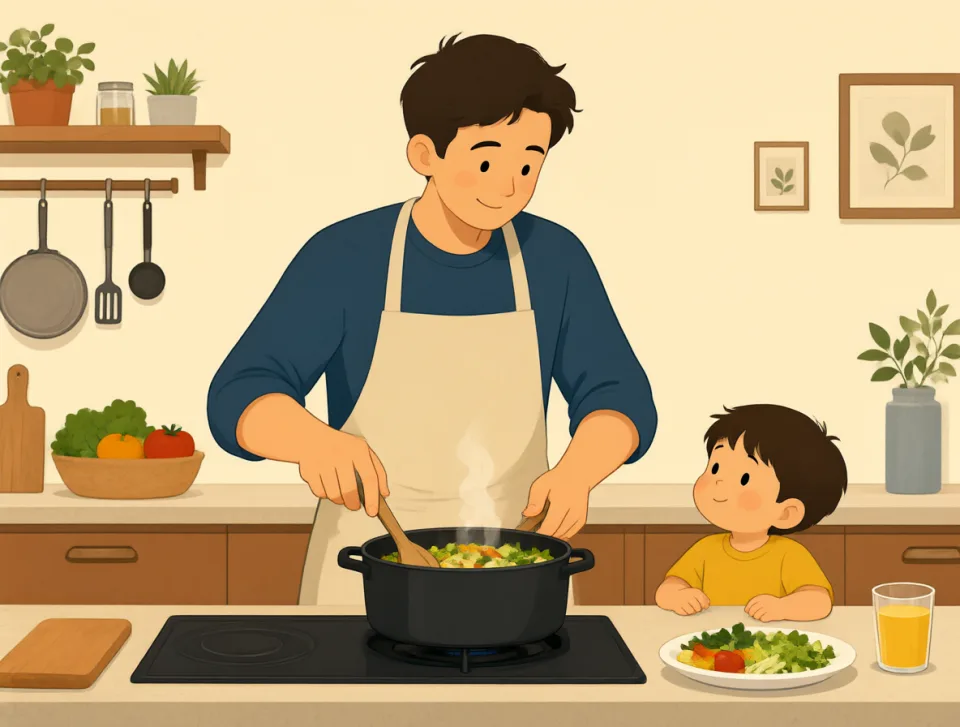
My father makes breakfast every morning.
我爸爸每天早上做早餐。
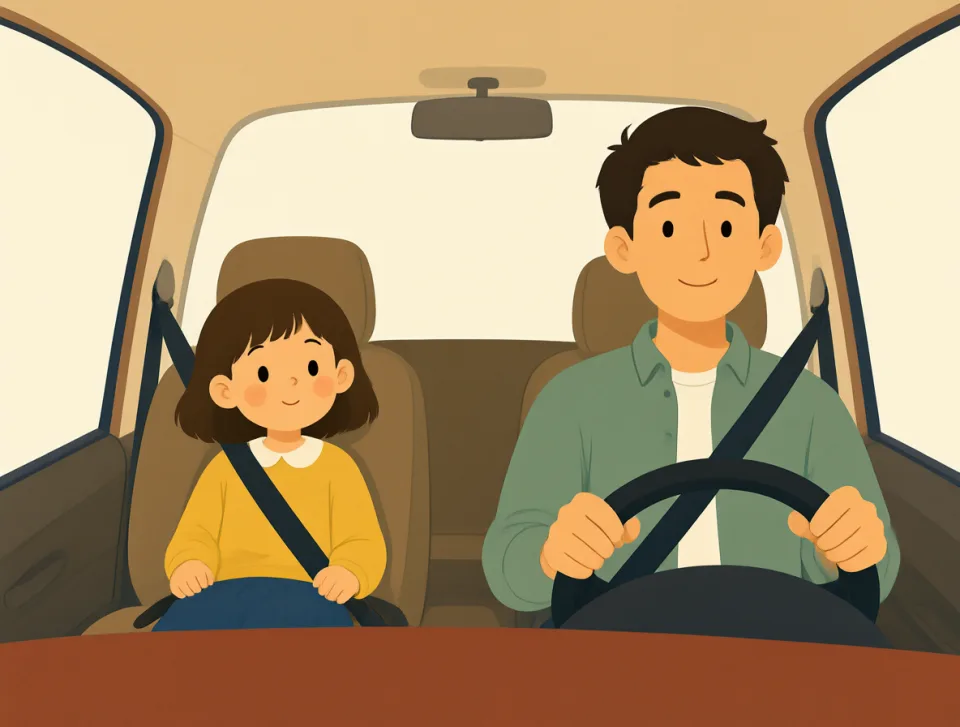
Her father drives her to school.
她爸爸開車送她去學校。

I called my father after work.
我下班後給爸爸打了電話。
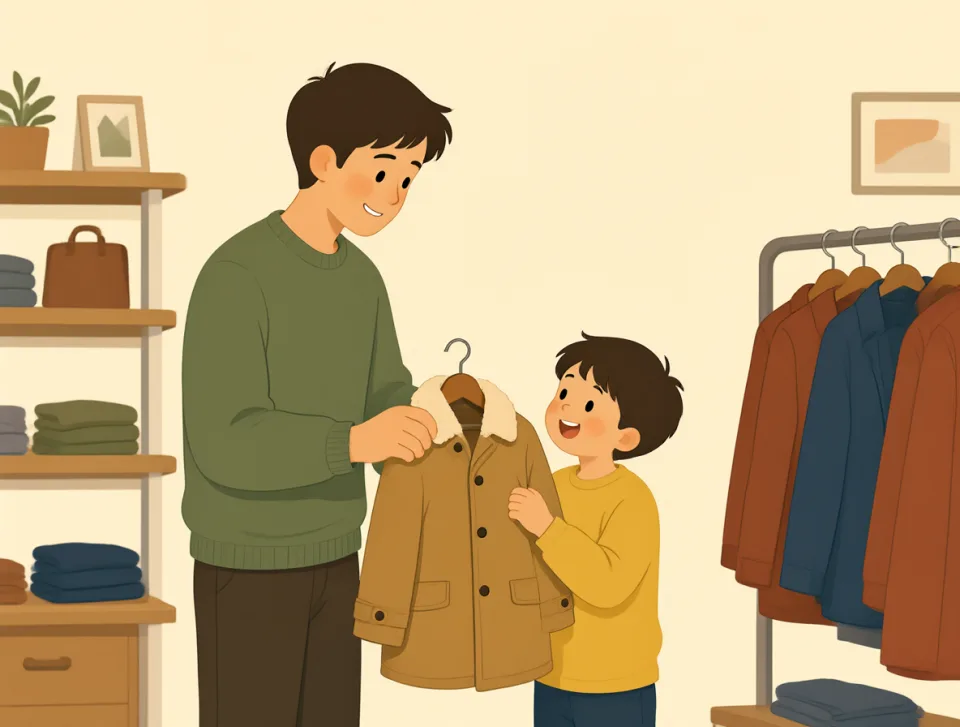
His father bought a new coat.
他爸爸買了一件新外套。

The baby is staying with her father.
寶寶現在由她爸爸照看。
decision
#449noun
決定;決心
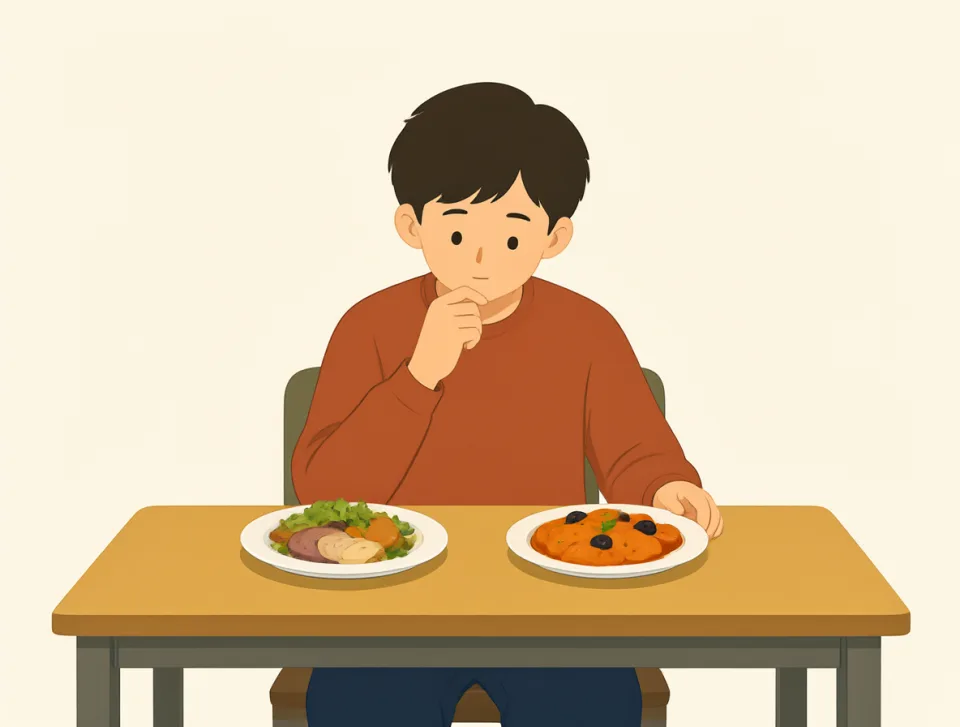
a choice you make after thinking about what to do
想過要做什麼之後作出的選擇

We need to make a decision today.
我們今天需要作出決定。

She made the right decision about the job.
關於這份工作,她作出了正確的決定。
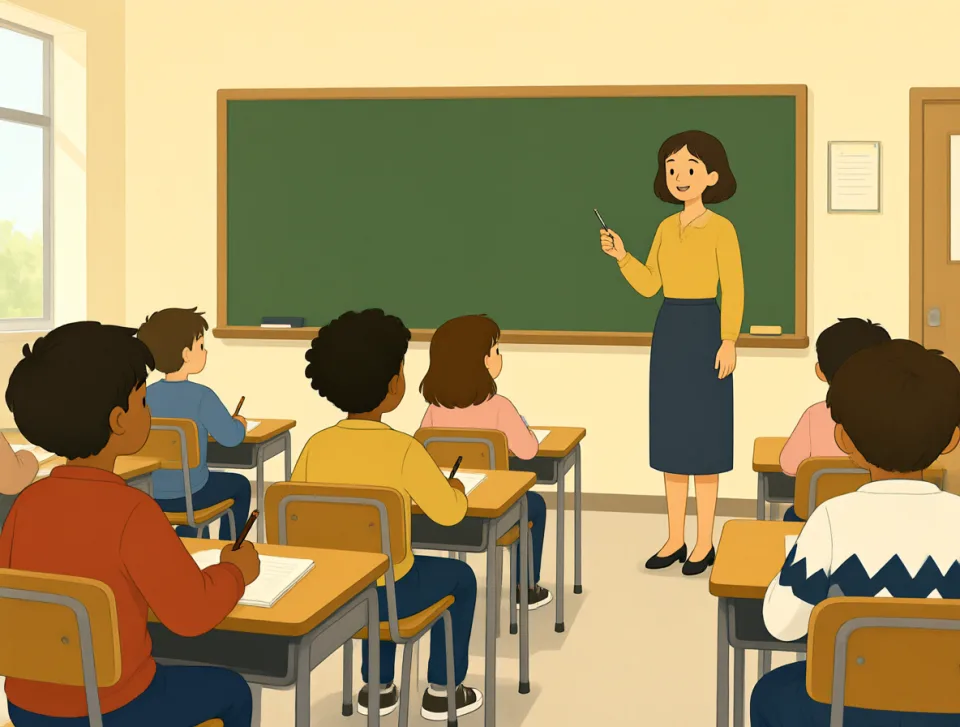
The teacher asked for our decision.
老師讓我們作出決定。
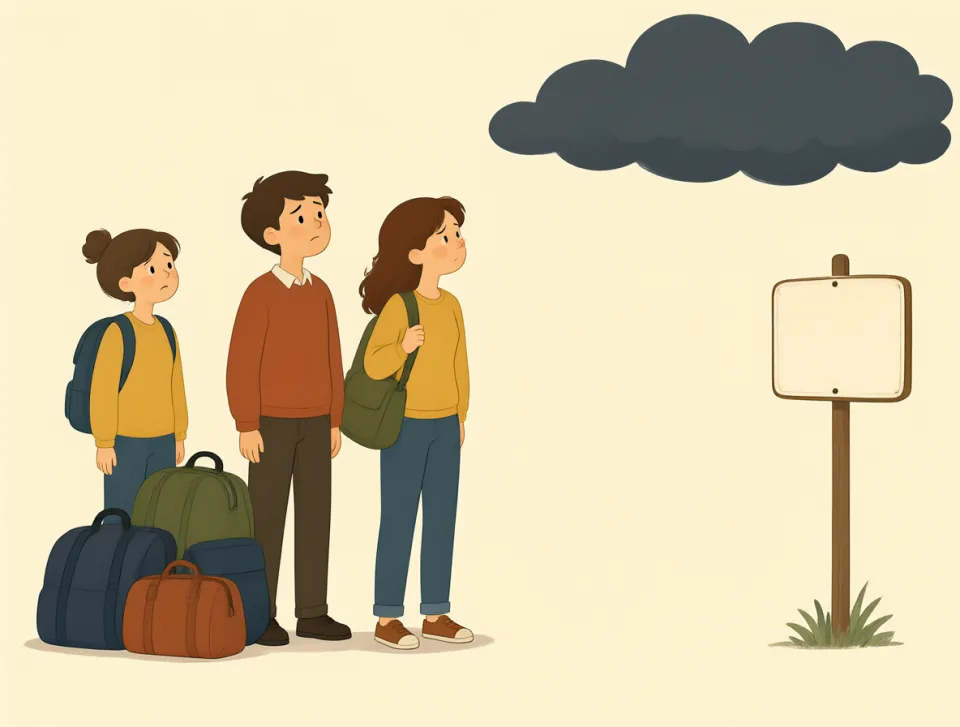
They changed their decision after the storm.
暴風雨過後,他們改變了決定。

His doctor helped him make a decision.
他的醫生幫助他作出決定。
table
#450noun, verb
桌子;餐桌;(餐館的)桌位
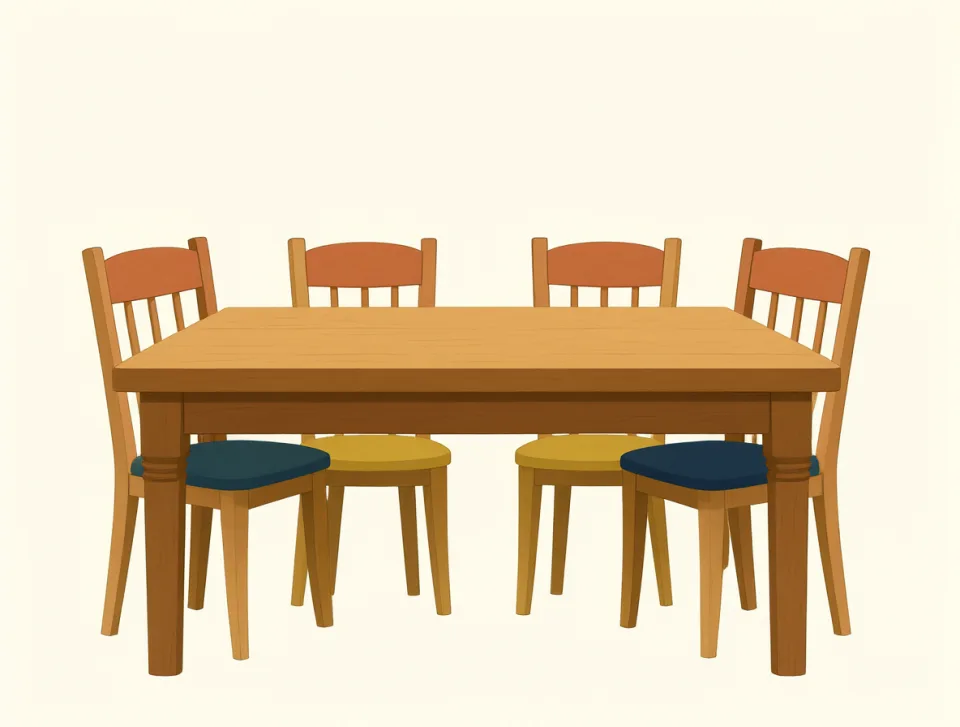
A piece of furniture with a flat top and legs, or to put information in a table.
一種傢俱,桌面平坦,有桌腿;也可指把資訊整理成表格。
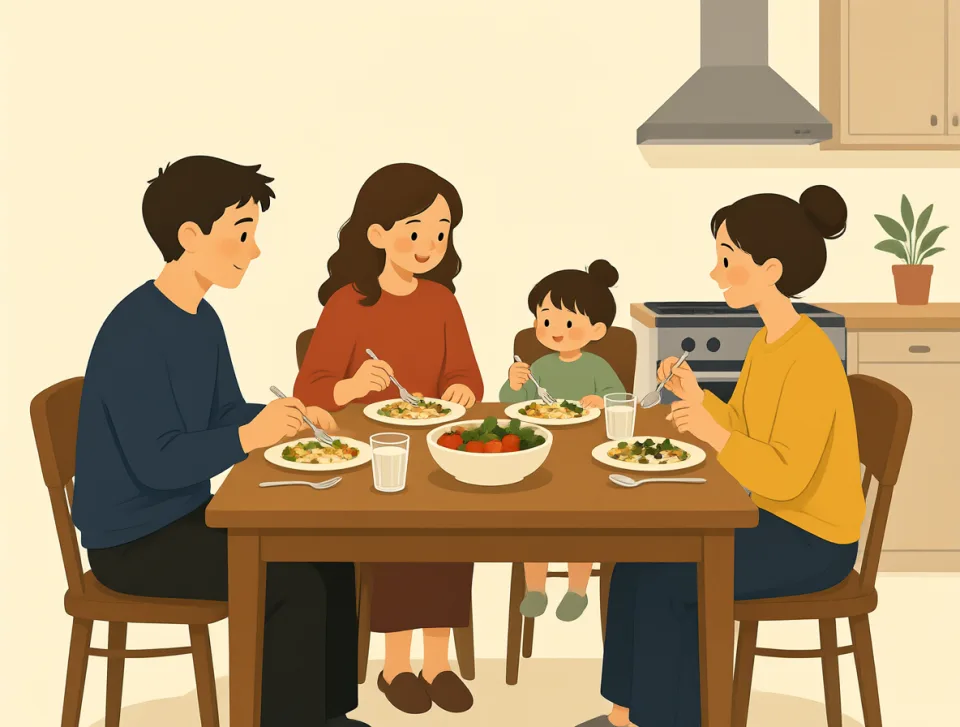
We ate dinner at the kitchen table.
我們在廚房的餐桌旁吃了晚飯。

Please put the books on the table.
請把書放在桌子上。
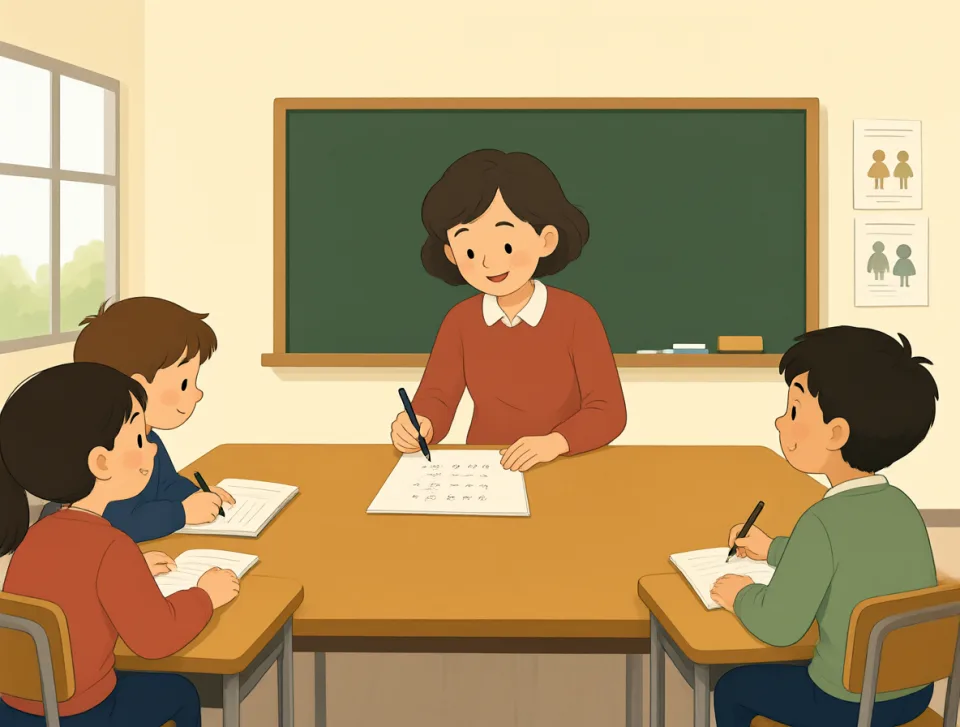
The teacher wrote the answers on the table.
老師把答案寫在桌子上。

They booked a table for two tonight.
他們今晚訂了一個雙人桌。

The report tables the costs clearly.
這份報告把各項成本清楚地列成了表格。
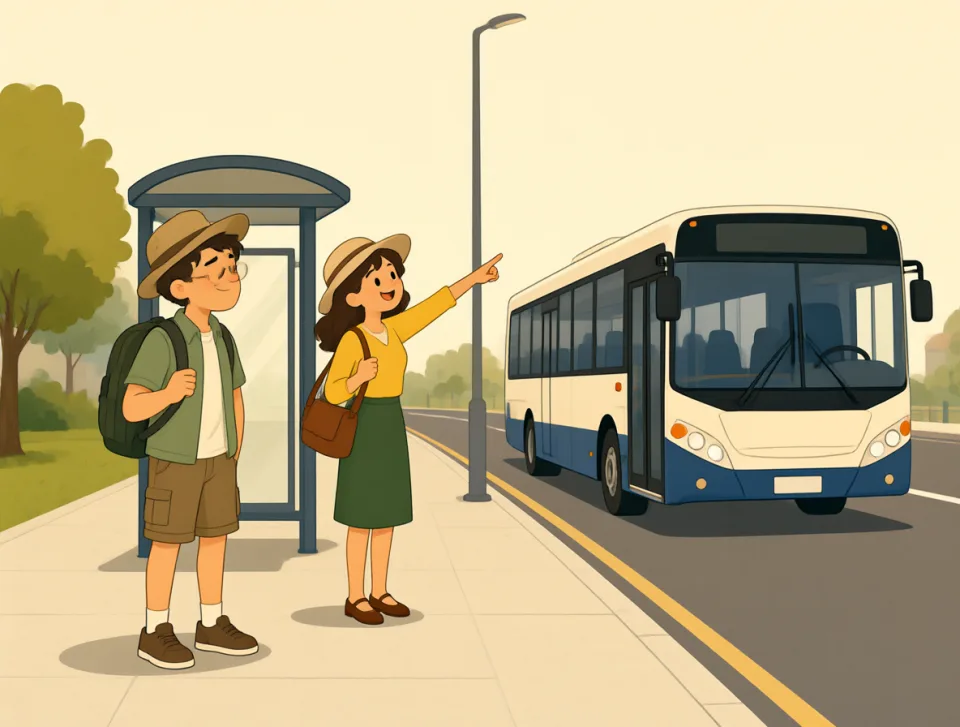
certain
#451adjective, determiner, pronoun
確定的;某個;特定的
Sure about something or someone; or a particular person or thing.
對某事或某人有把握;或指某個特定的人或事物。
I am certain this is the right bus.
我確定這是正確的公交車。

Are you certain about your answer?
你確定你的答案嗎?
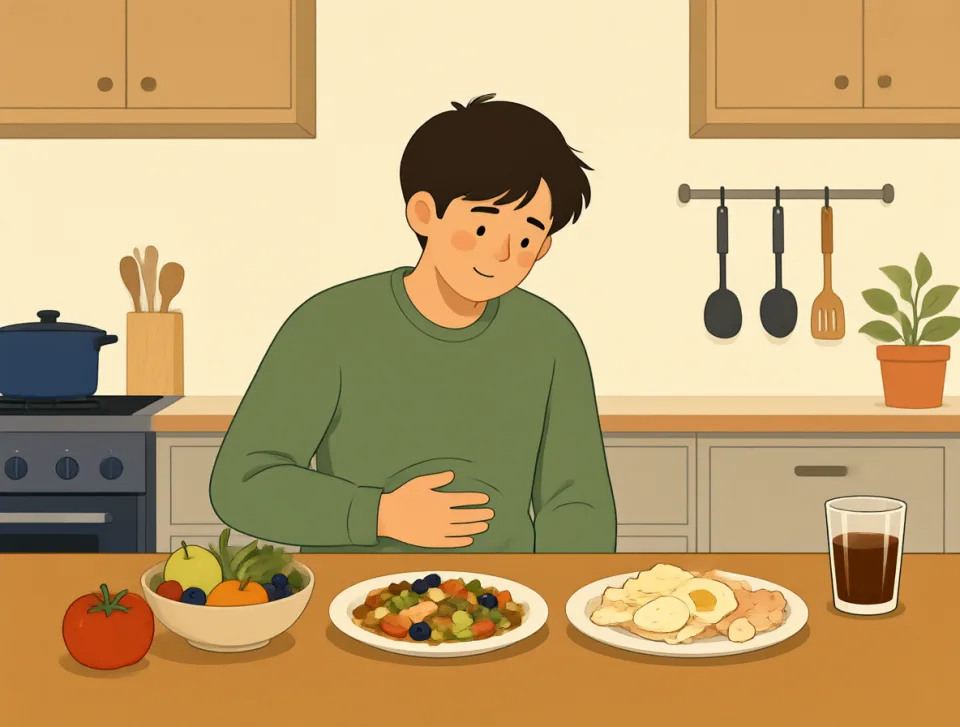
Certain foods make my stomach hurt.
某些食物會讓我胃疼。

We met certain friends at the airport.
我們在機場遇到了一些朋友。
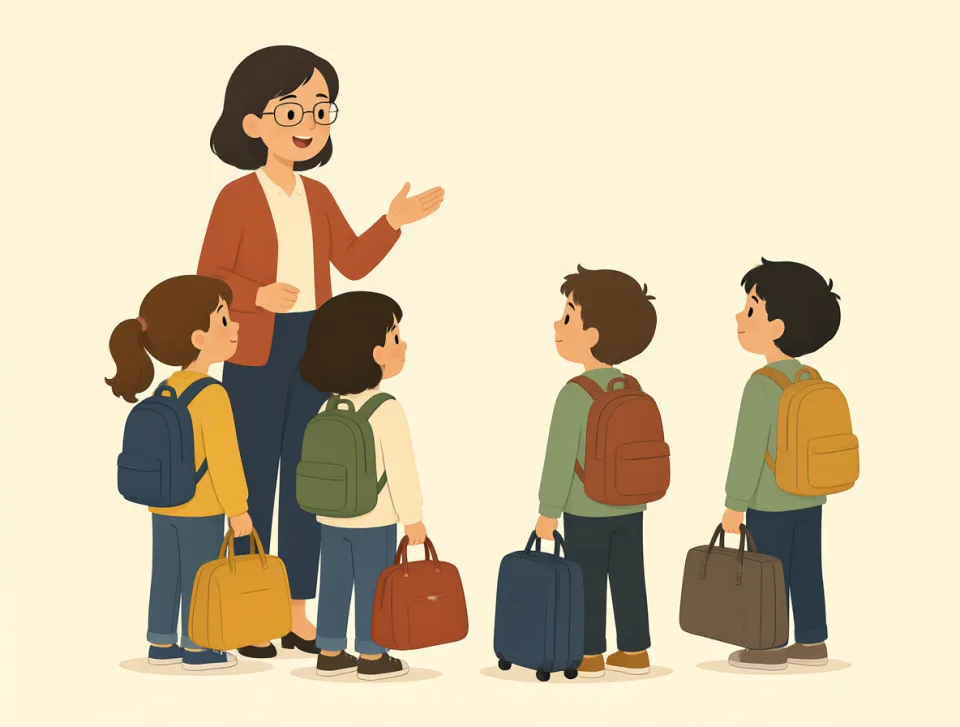
Only certain students can join the trip.
只有某些學生可以參加這次旅行。
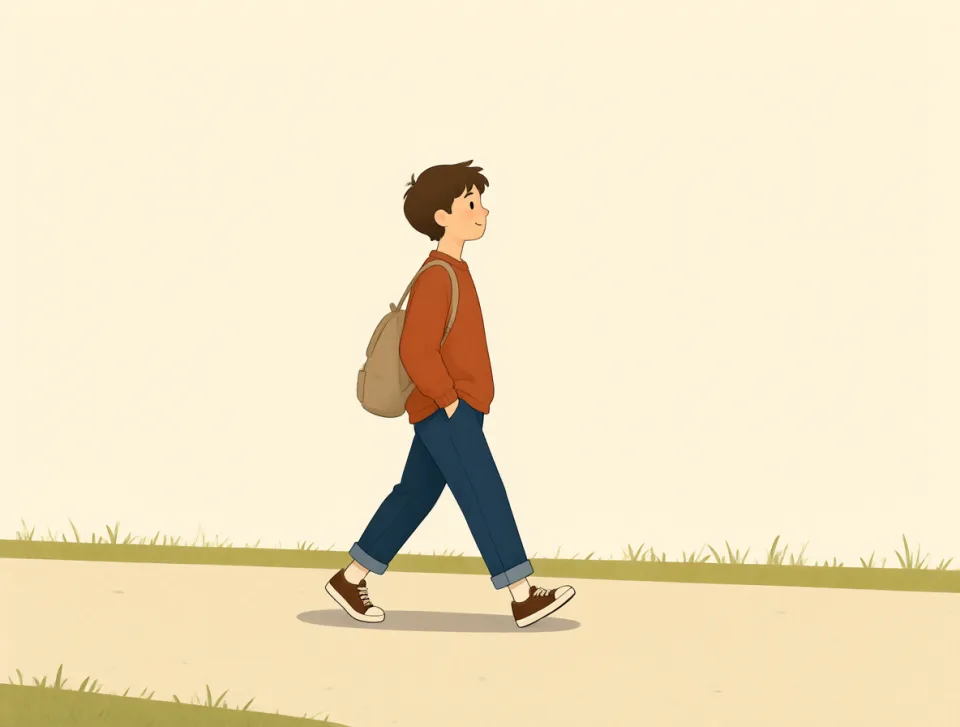
forward
#452adverb, adjective, noun, verb
向前;前進;進展;前面的
Toward the front or a place ahead; helping something continue or improve.
朝向前方或前面的地方;幫助某事繼續發展或取得進步。
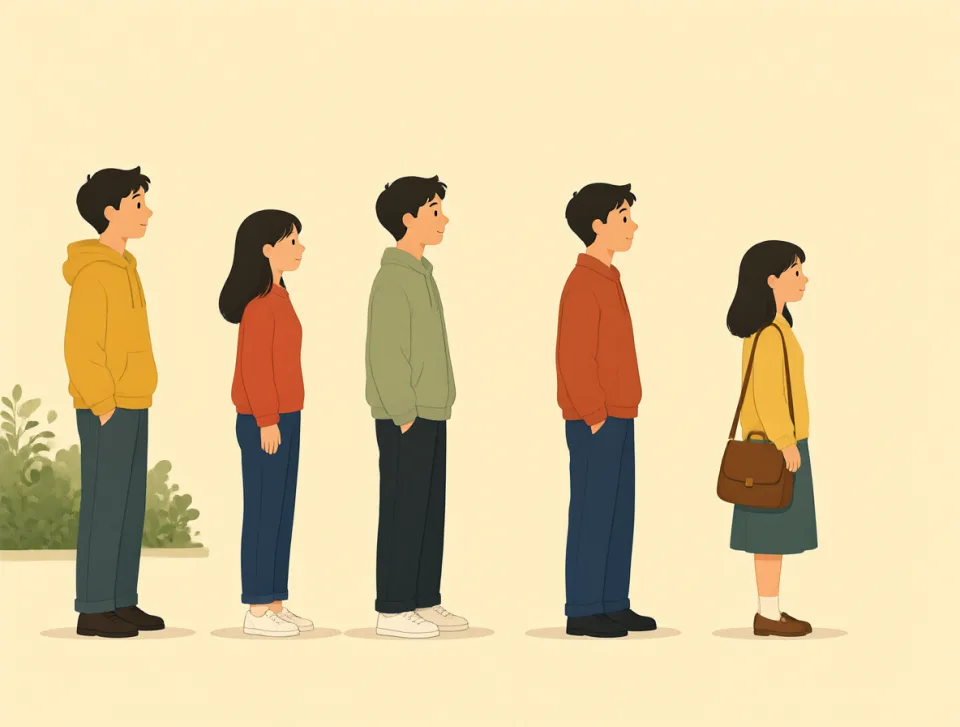
Please move forward in the line.
請在隊伍中繼續向前走。
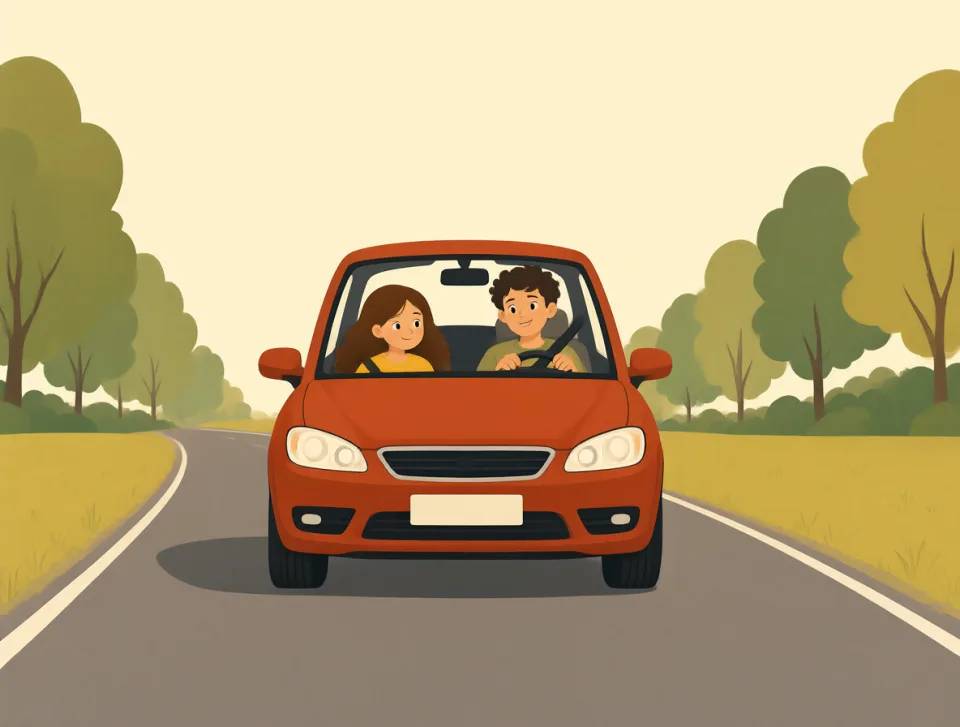
The car moved forward slowly.
汽車慢慢地向前開。

She has a bright future forward.
她的未來一片光明。

The team made forward progress today.
團隊今天取得了進展。

He leaned forward to hear better.
他身體前傾,以便聽得更清楚。

main
#453adjective, noun
主要的;主要部分
Most important; the largest or strongest part of something.
最重要的;某物中最大或最強的部分。
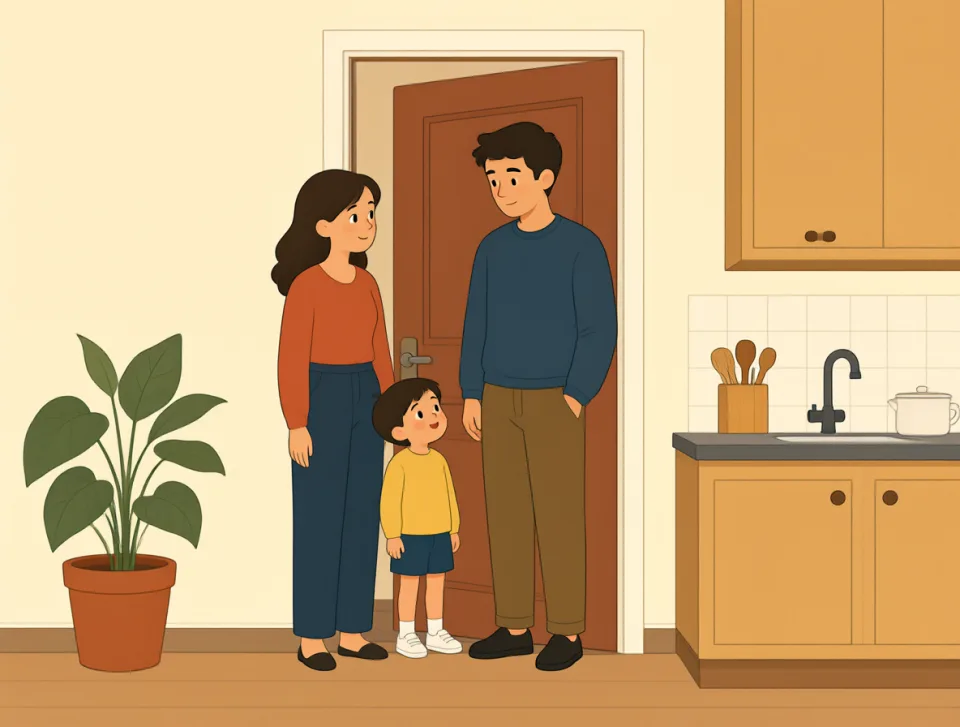
The main door is next to the kitchen.
正門在廚房旁邊。
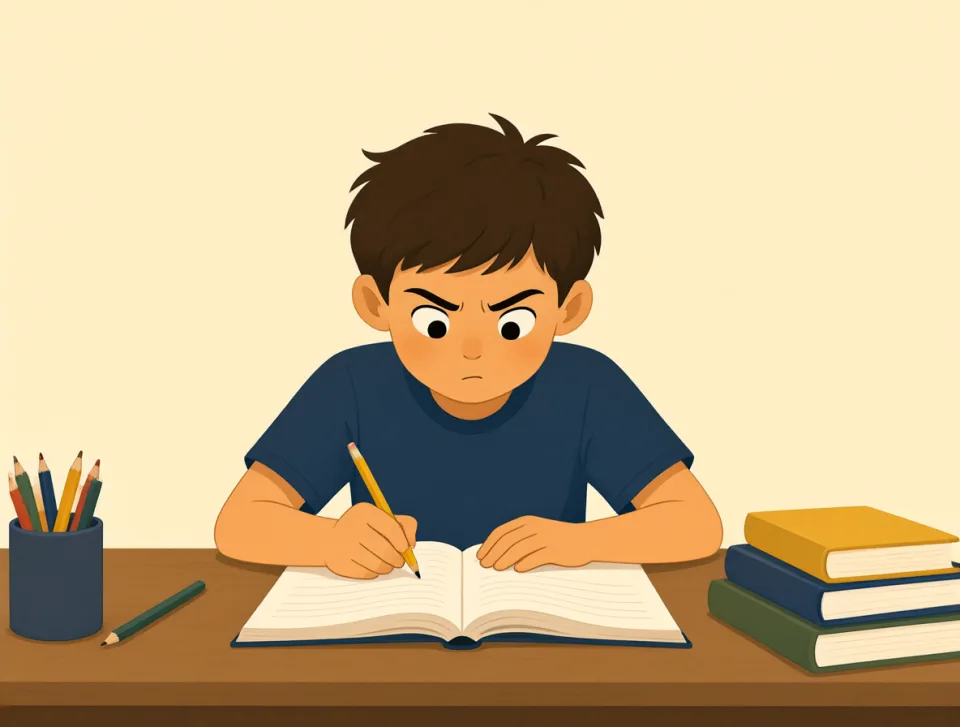
Our main goal is to pass the test.
我們的主要目標是透過考試。
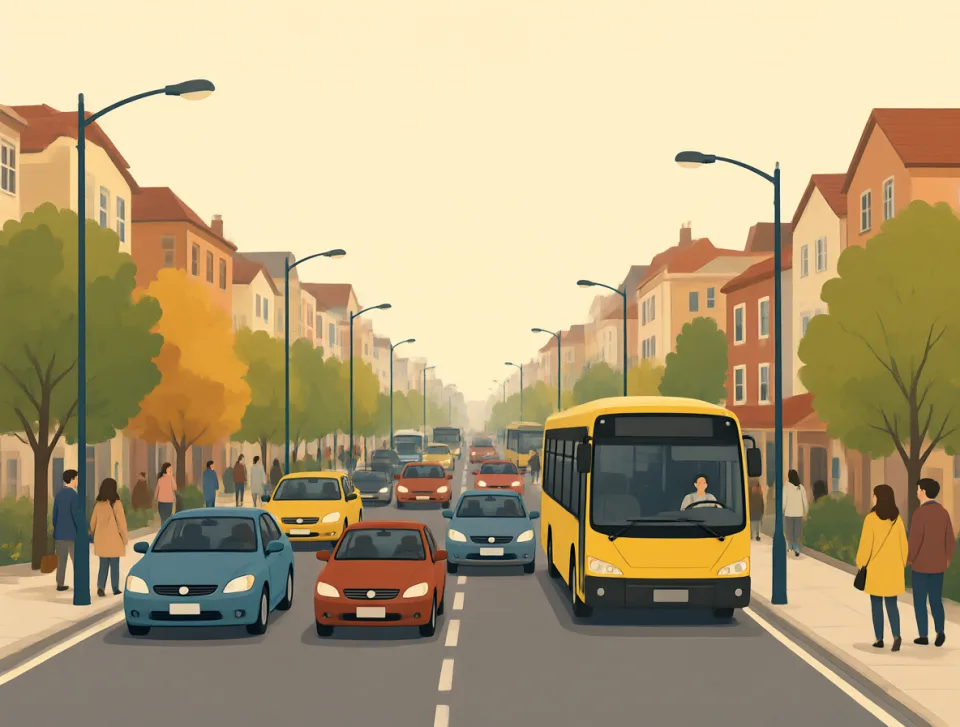
The main road was busy this morning.
今天早上主幹道很擁擠。
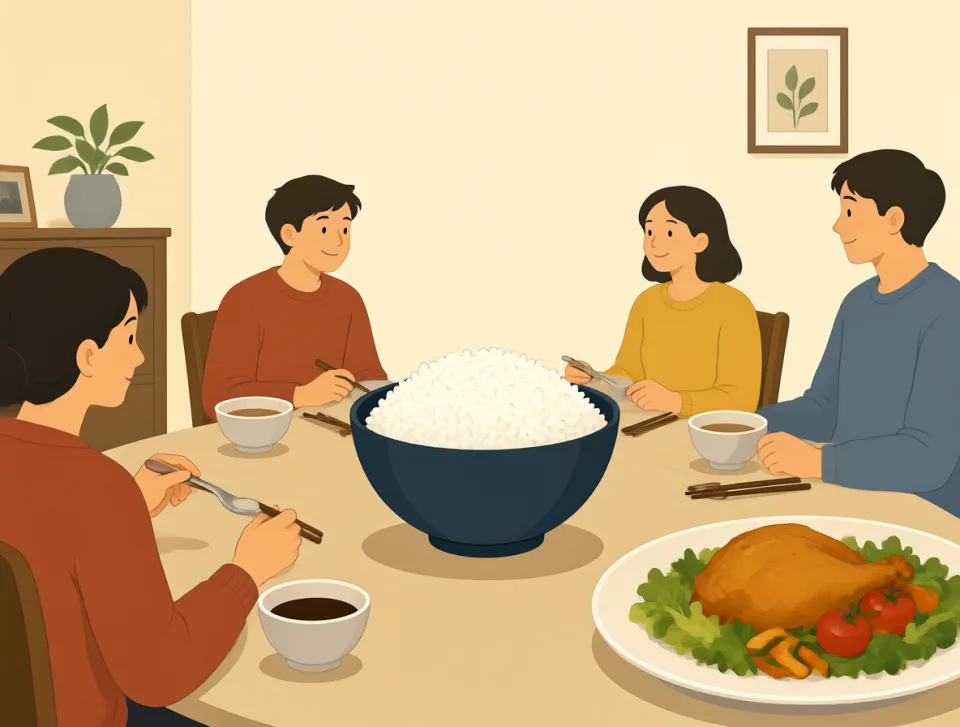
Rice is the main part of this meal.
米飯是這頓飯的主要部分。

The main station is near the city center.
主車站在市中心附近。
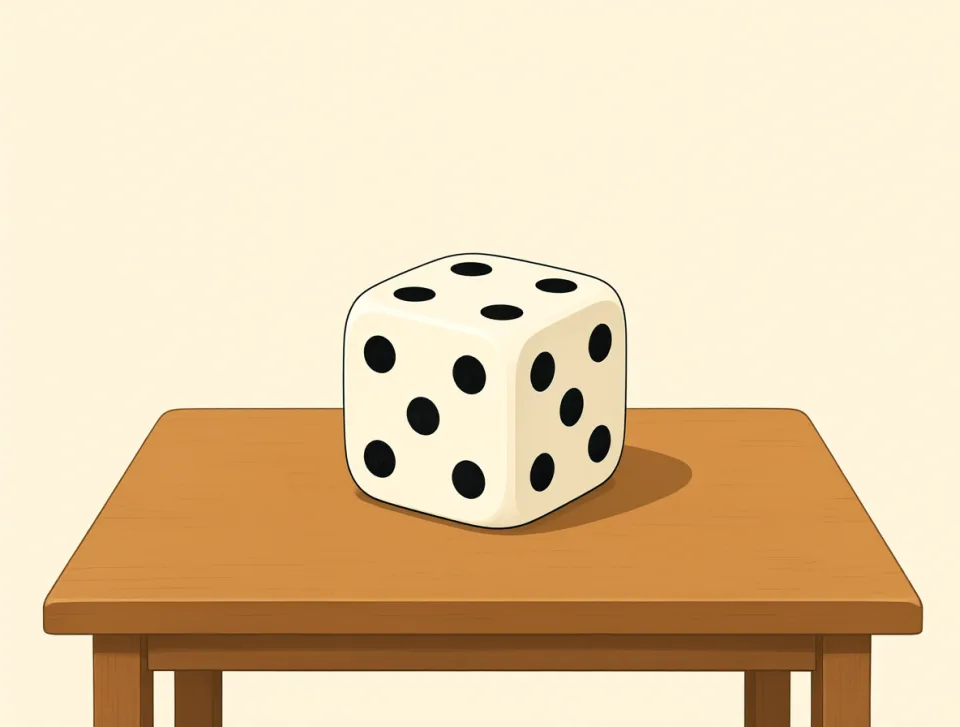
die
#454verb, noun
死;骰子
To stop living; a small cube marked with spots used in games.
停止生命;一種帶有點數、用於遊戲的小方塊。
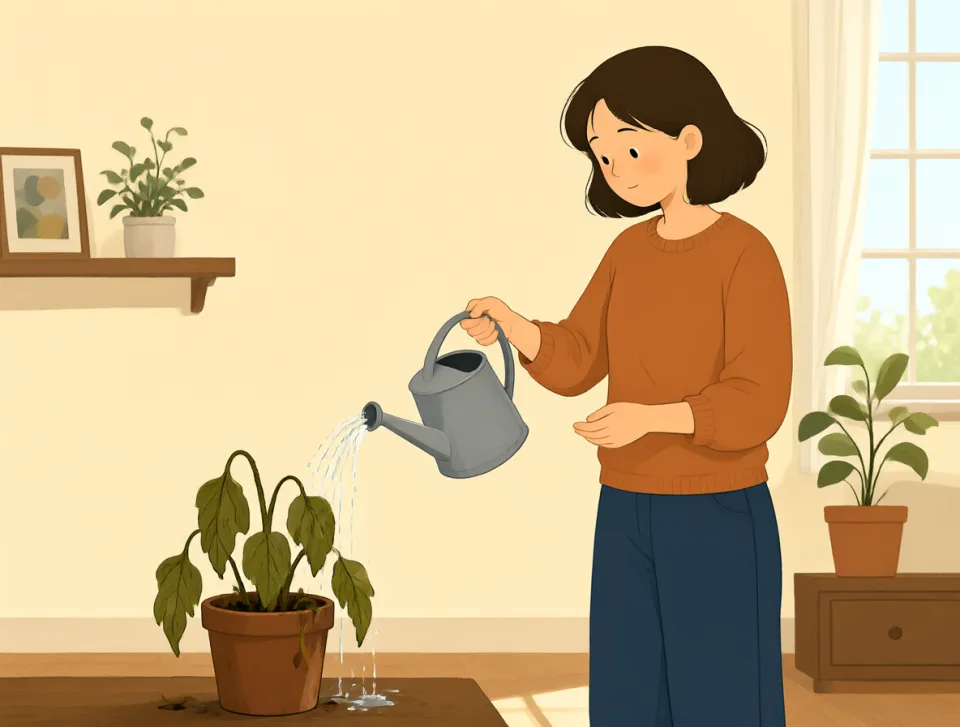
Many plants die without enough water.
許多植物沒有足夠的水就會枯死。
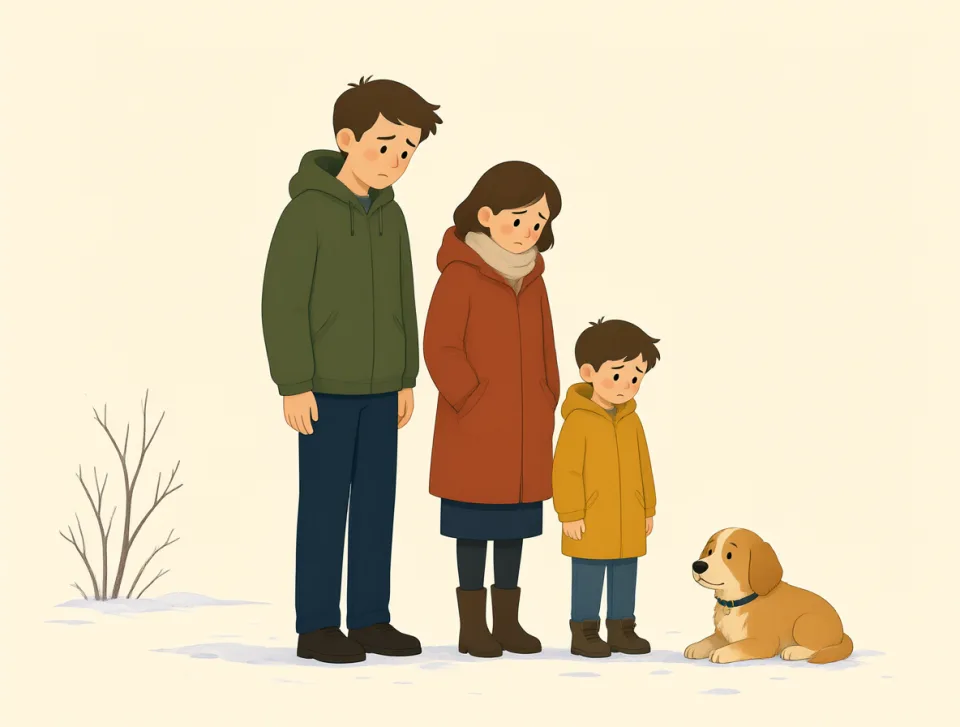
The old dog died last winter.
那隻老狗去年冬天死了。
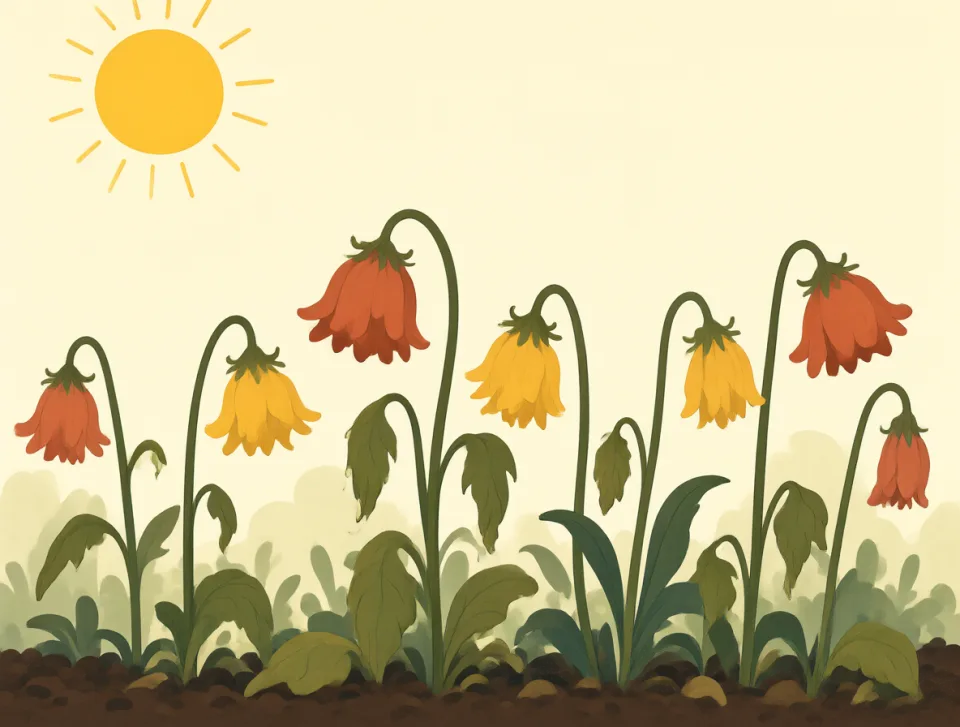
The flowers are dying in the heat.
花兒在高溫中逐漸枯萎。
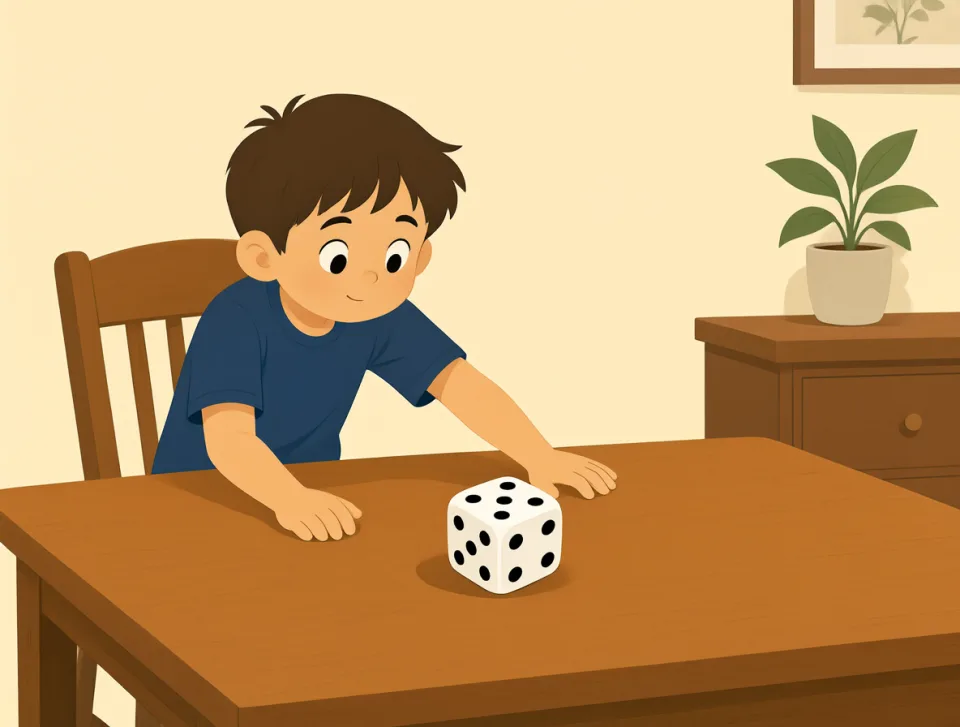
She rolled the die across the table.
她把骰子滾過桌面。
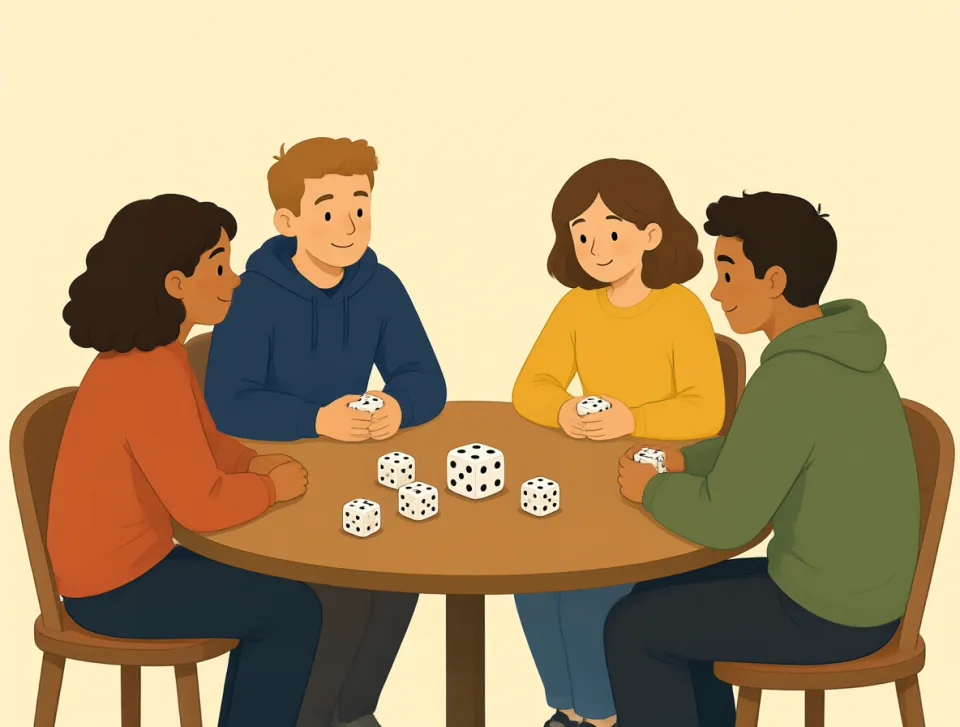
We need one more die for the game.
我們還需要一顆骰子來玩這個遊戲。

bear
#455noun, verb
熊;忍受;結出(果實)
An animal with thick fur; or to accept and deal with something difficult.
一種長著厚厚皮毛的動物;或接受並應對困難的事情。
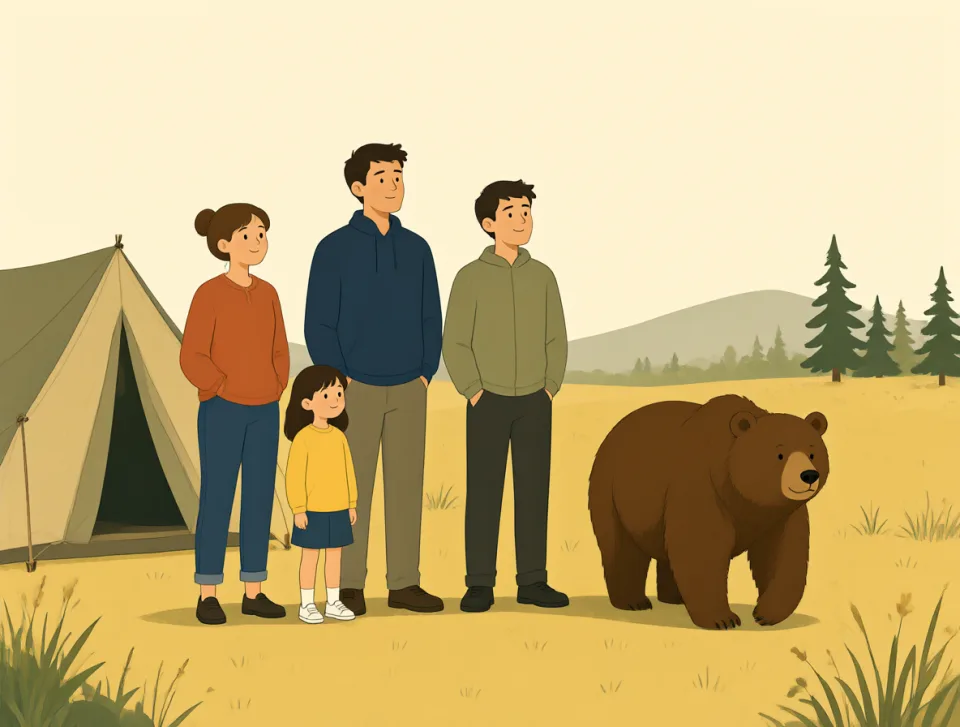
We saw a bear near the campsite.
我們在營地附近看到了一隻熊。

The bear caught a fish in the river.
那隻熊在河裡捉到了一條魚。
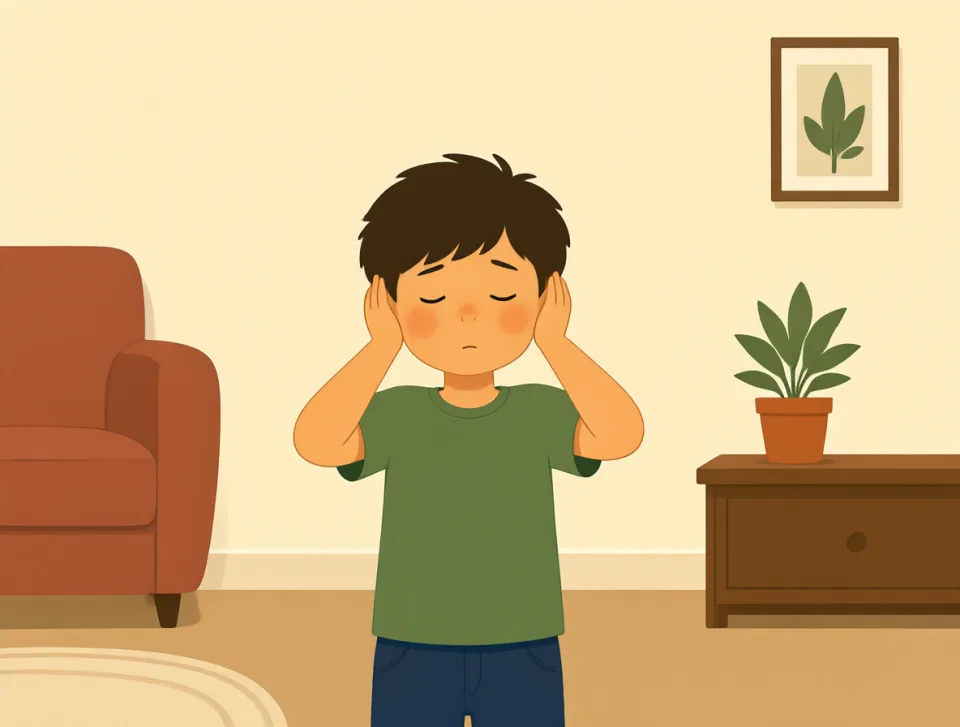
I cannot bear this loud noise.
我受不了這麼大的噪音。
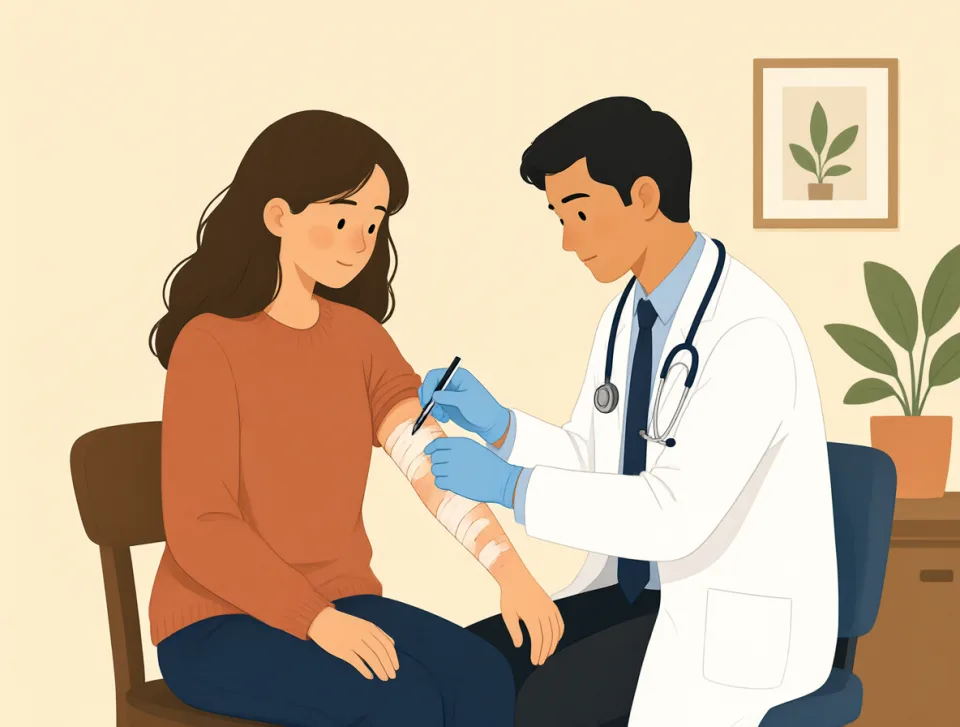
She bears the pain very well.
她非常能忍受疼痛。
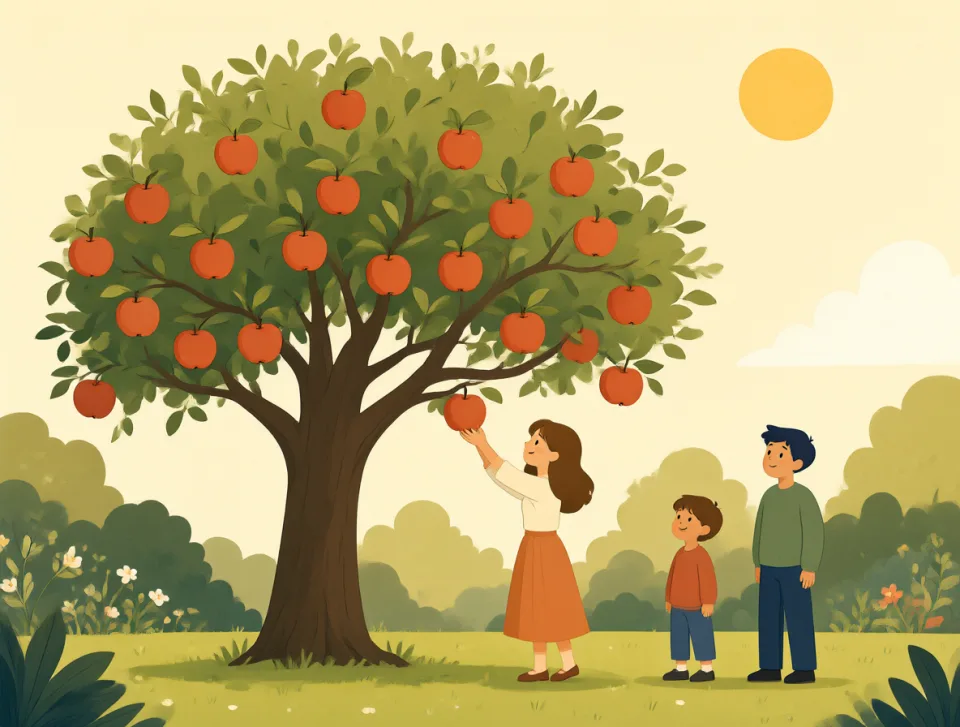
This tree bears fruit every summer.
這棵樹每年夏天都會結出果實。
cut
#456verb, noun
切;剪;抄近路;傷口
To use a sharp tool to divide something or make it shorter.
用鋒利的工具把某物切開或剪短。
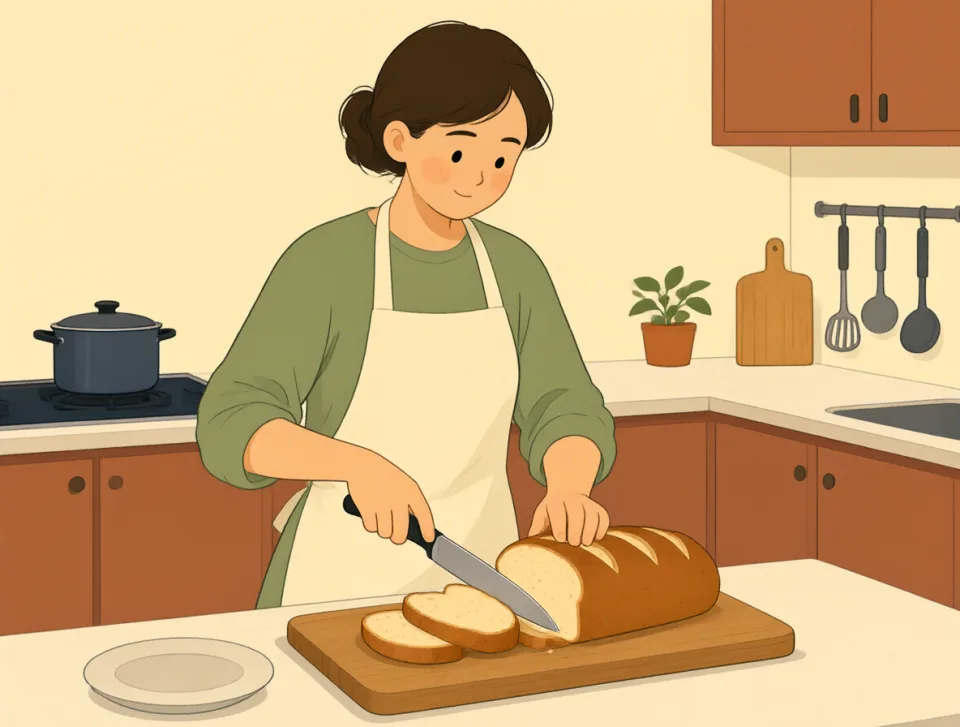
Please cut the bread into small pieces.
請把麵包切成小塊。
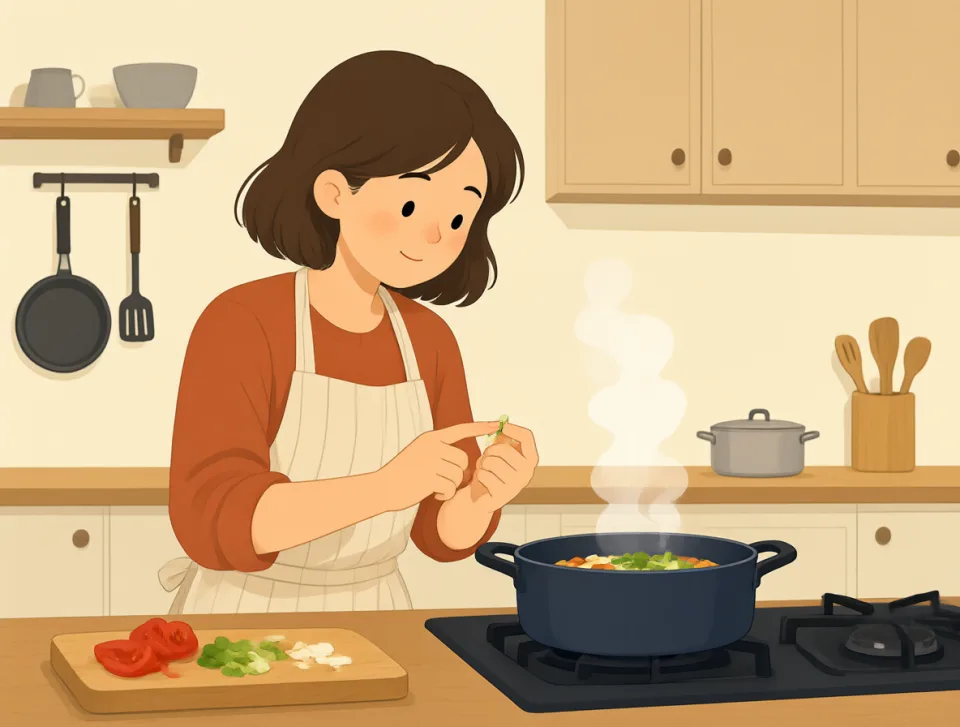
She cut her finger while cooking dinner.
她做晚飯時切傷了手指。

We cut across the park to save time.
我們抄近路穿過公園,節省時間。

The barber cut my hair very short.
理髮師把我的頭髮剪得很短。
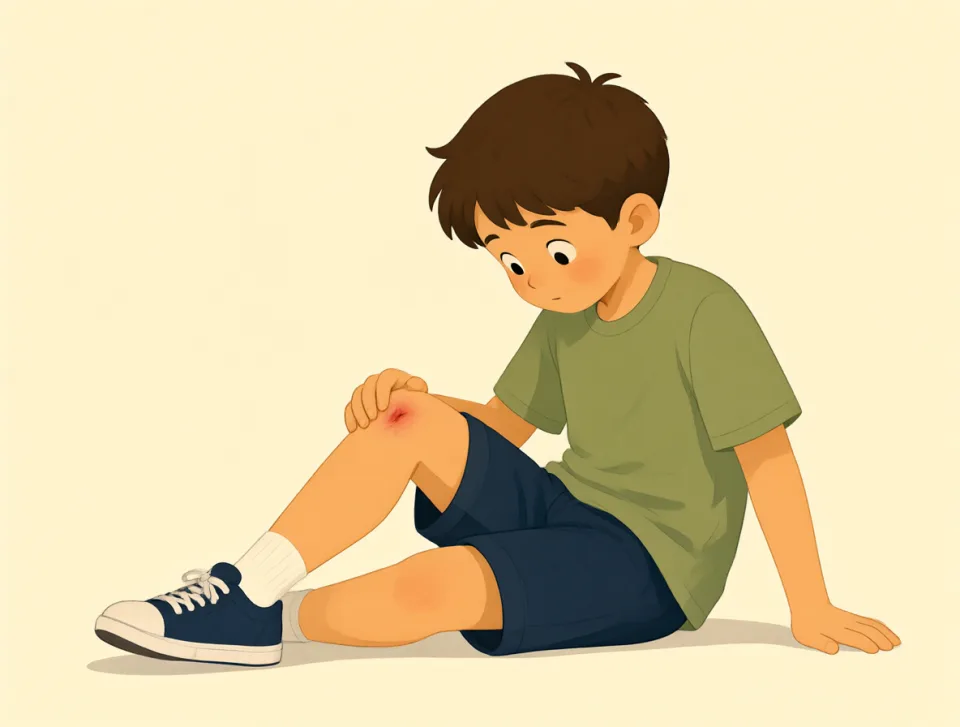
He got a deep cut on his knee.
他的膝蓋上有一道很深的傷口。
describe
#457verb
描述;描寫
To say or write what someone or something is like.
說出或寫下某人或某物是什麼樣子的。
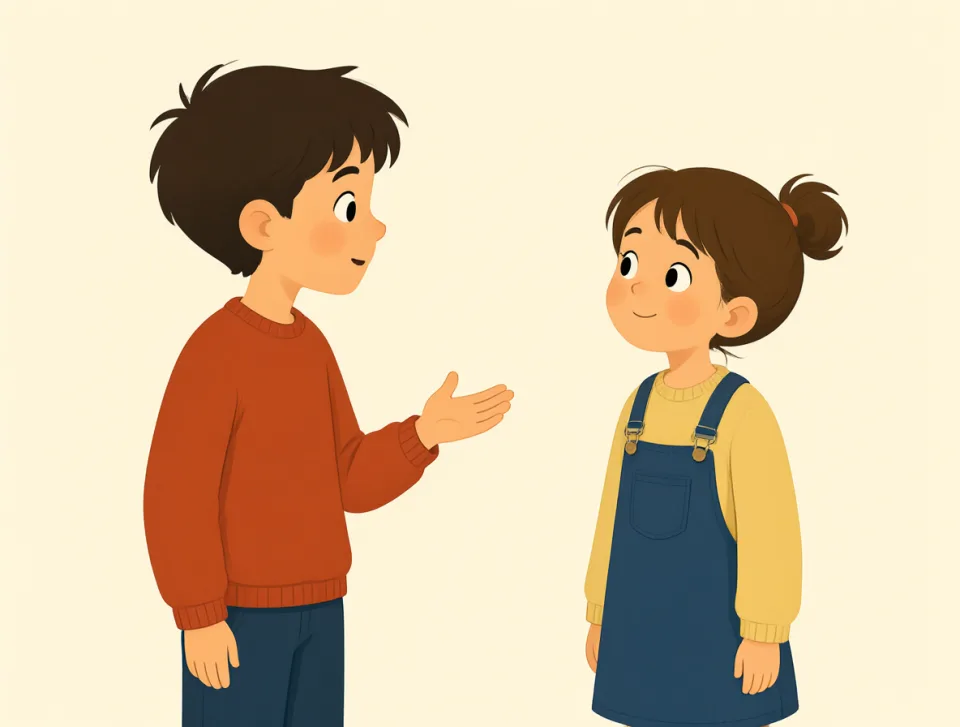
Can you describe your new friend?
你能描述一下你的新朋友嗎?

She described the man to the police.
她向警方描述了那個男人的樣子。
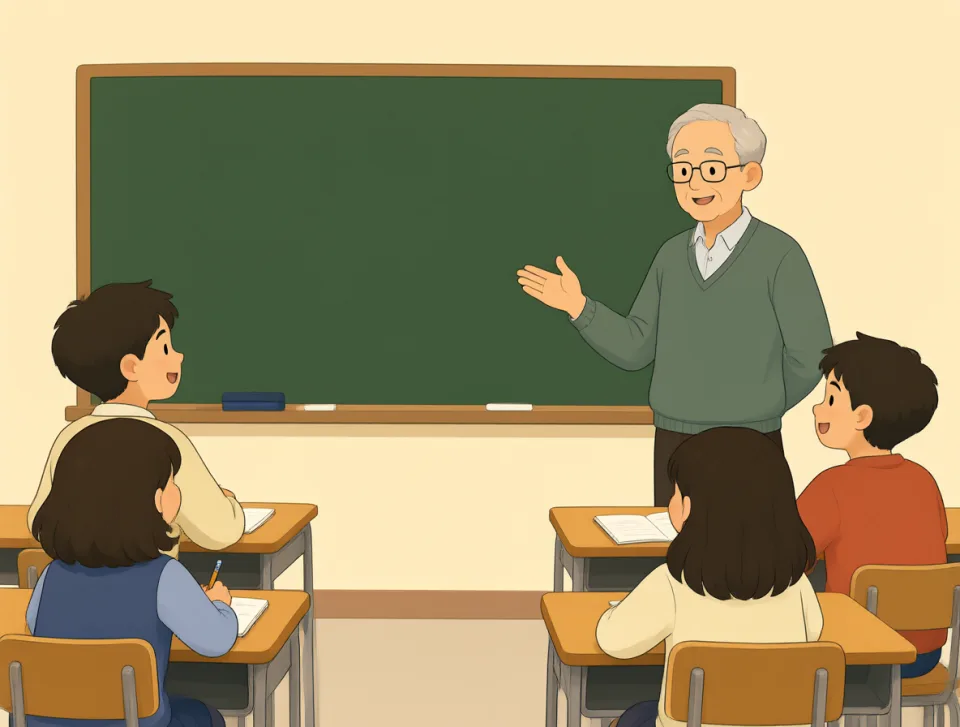
Please describe the problem to your teacher.
請把問題描述給你的老師聽。

He described the food as very spicy.
他說這種食物特別辣。
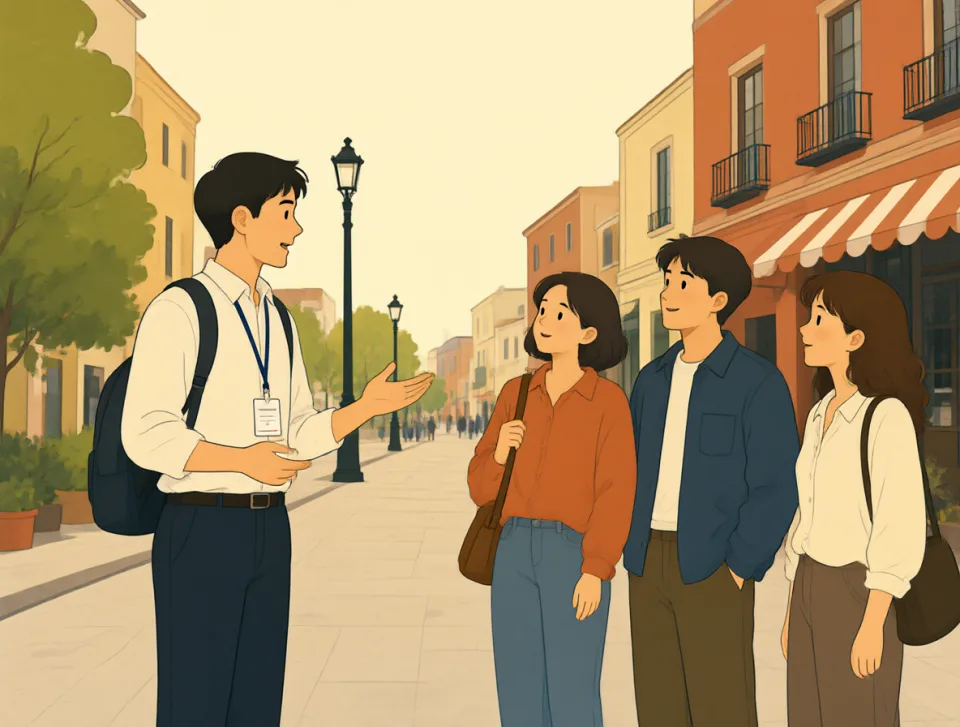
The guide described the beautiful city during our tour.
導遊在我們遊覽時介紹了這座美麗的城市。
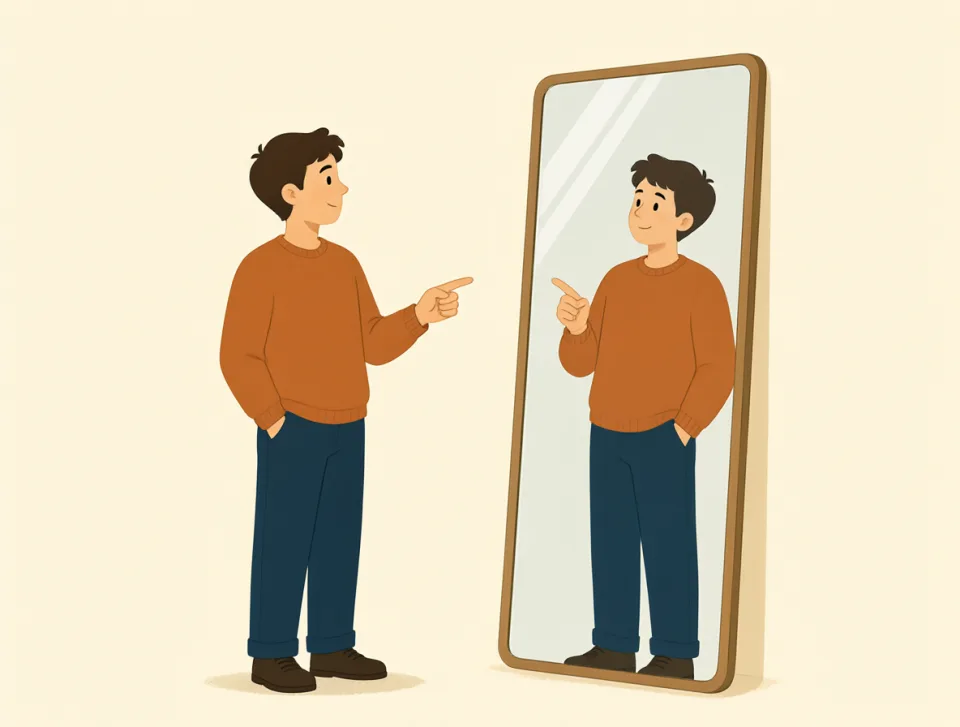
himself
#458pronoun
他自己;他本人
Used to refer to a male person already mentioned, especially when he does something alone.
用於指代前面提到的男性,尤其是表示他獨自做某事。

He made the cake himself.
蛋糕是他自己做的。
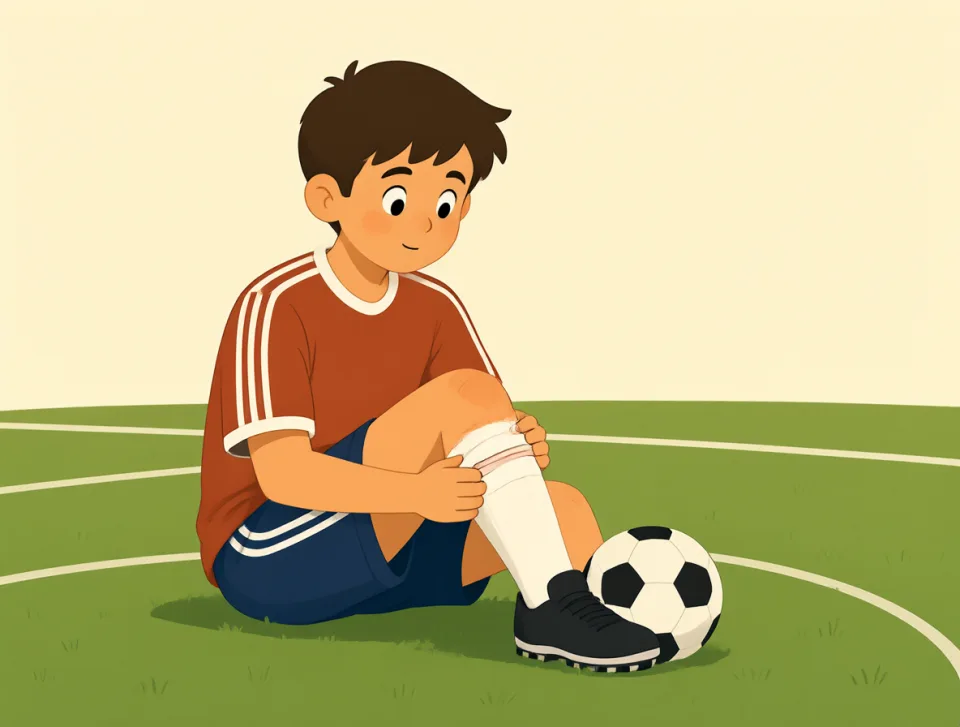
Tom hurt himself while playing soccer.
Tom踢足球時弄傷了自己。

He taught himself to play guitar.
他自學了彈吉他。
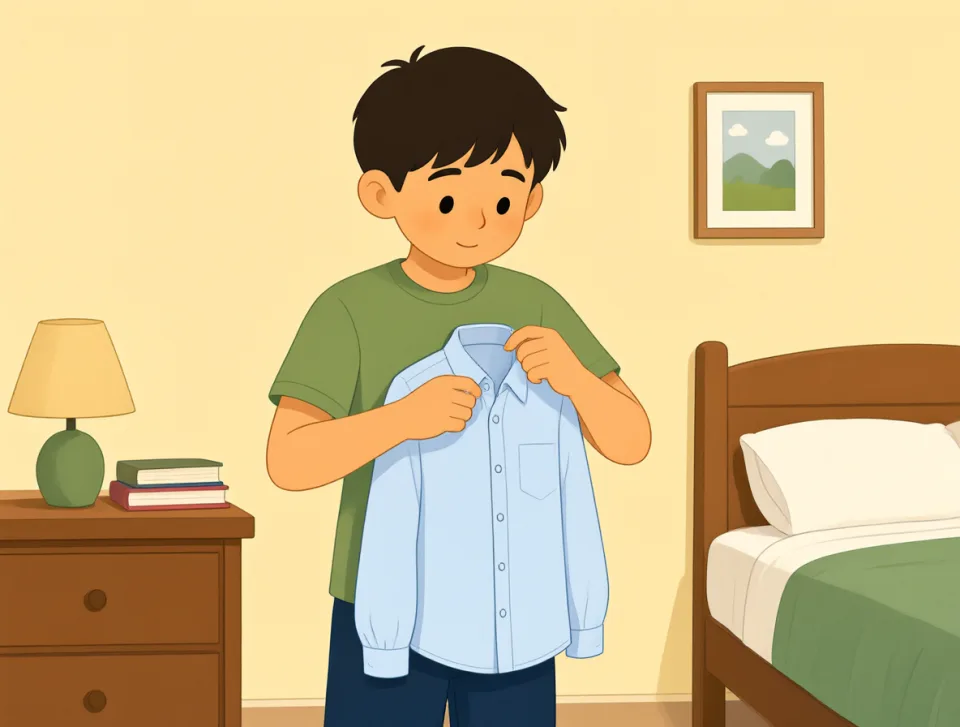
The boy dressed himself for school.
那個男孩自己穿好衣服去上學。
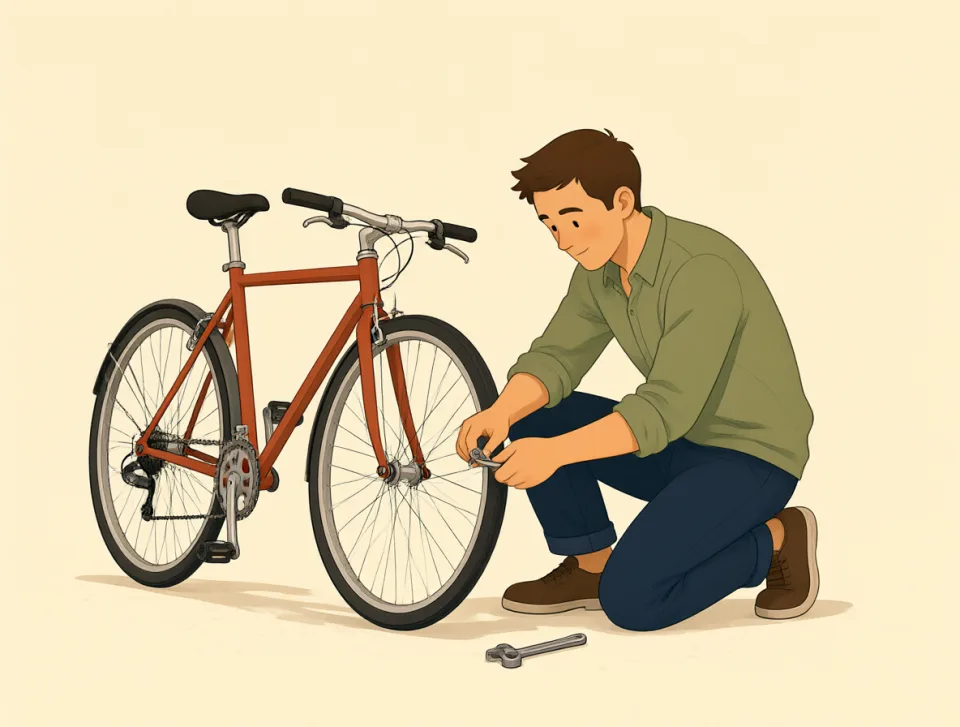
John fixed the bike himself.
John自己修好了腳踏車。

available
#459adjective
可用的;有空的;可獲得的
Ready to be used, bought, found, or reached.
可以使用、購買、找到或到達的。

The doctor is available this afternoon.
醫生今天下午有空。
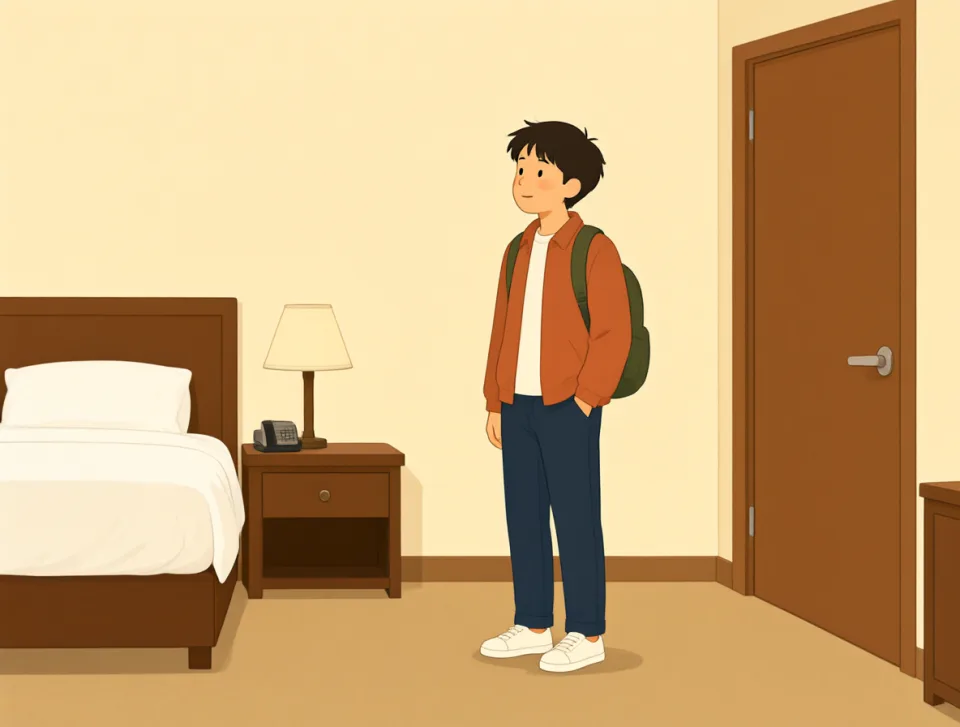
Is this room available tonight?
今晚這個房間有人預訂嗎?
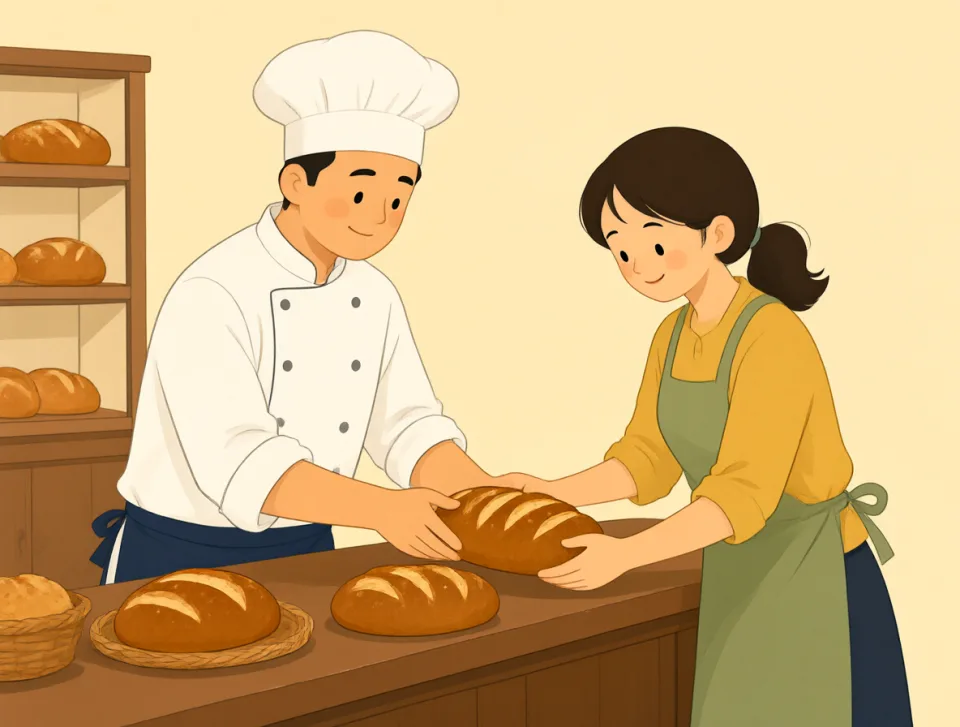
Fresh bread is available at the bakery.
麵包店有新鮮麵包賣。
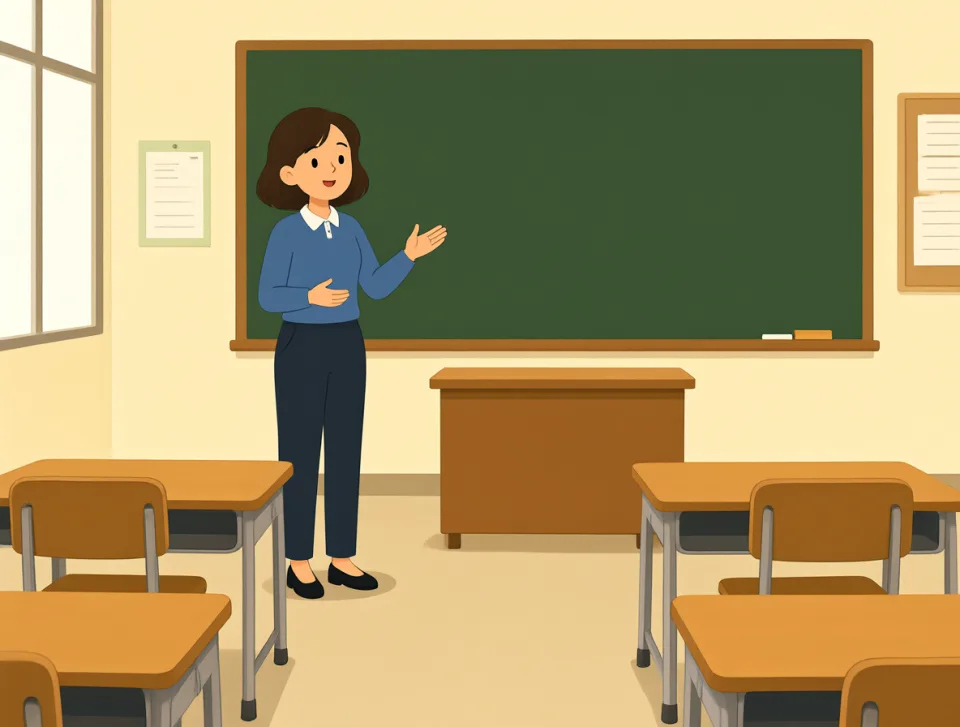
The teacher is available after class.
老師下課後有空。
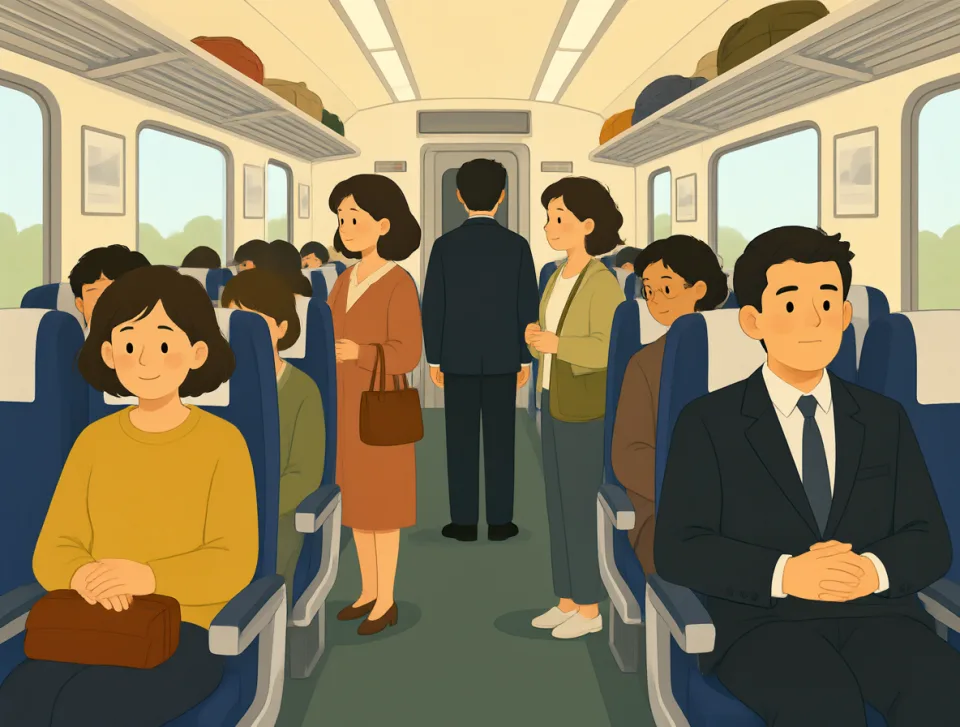
No seats were available on the train.
火車上沒有空座位了。
especially
#460adverb
特別;尤其
More than usual or more than others
比平時更……,或比其他人、事物更……
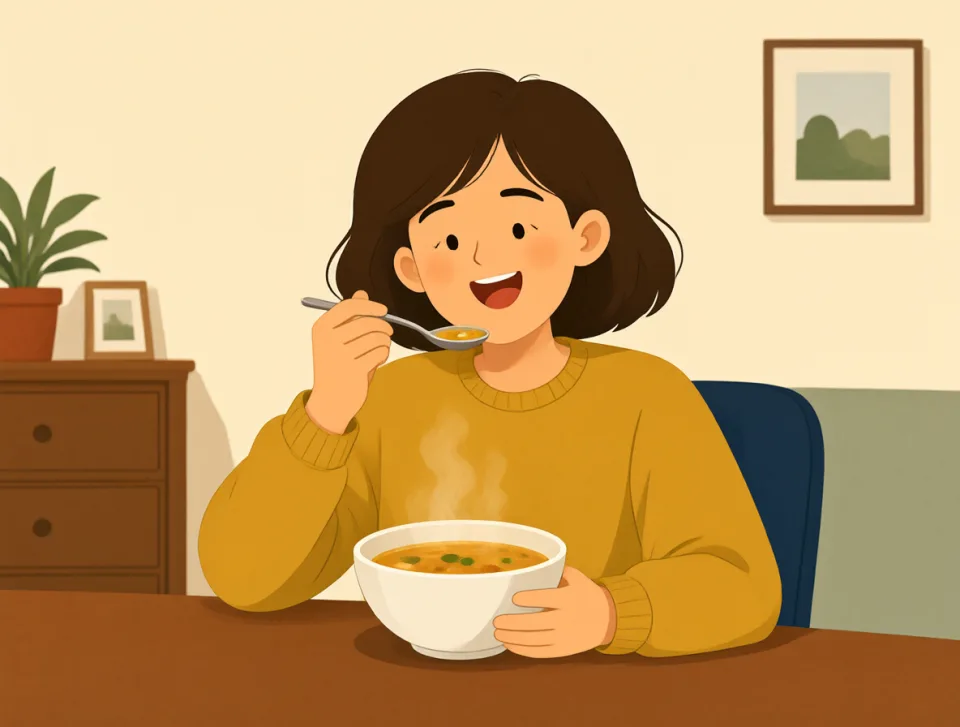
I especially like this warm soup.
我特別喜歡這碗熱湯。
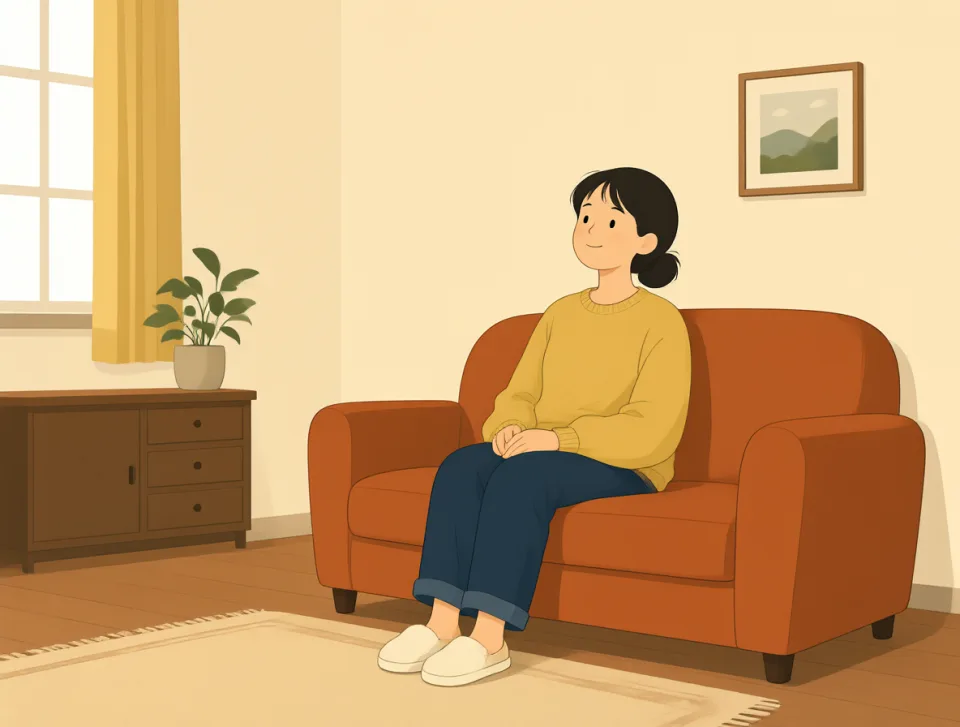
This room is especially quiet today.
今天這個房間特別安靜。
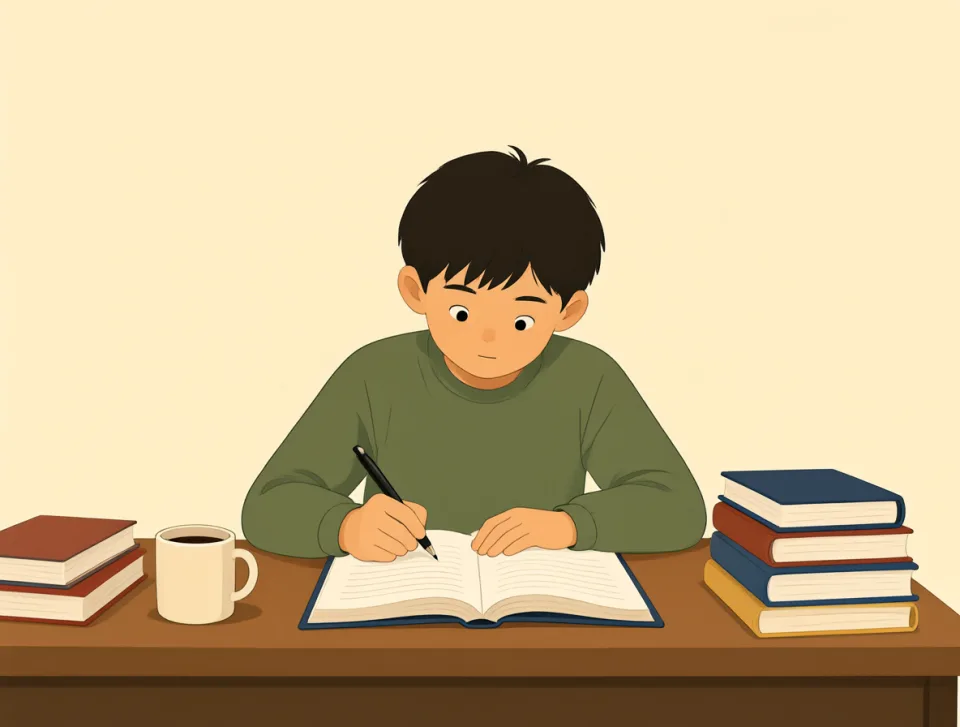
She works especially hard before exams.
她在考試前尤其努力。

We visited many places, especially Rome.
我們去了很多地方,尤其是羅馬。

Wear warm clothes, especially in winter.
穿暖和些,尤其是在冬天。