Блок 23
Слова 441–460 · design, event, special, sometimes, condition, carry
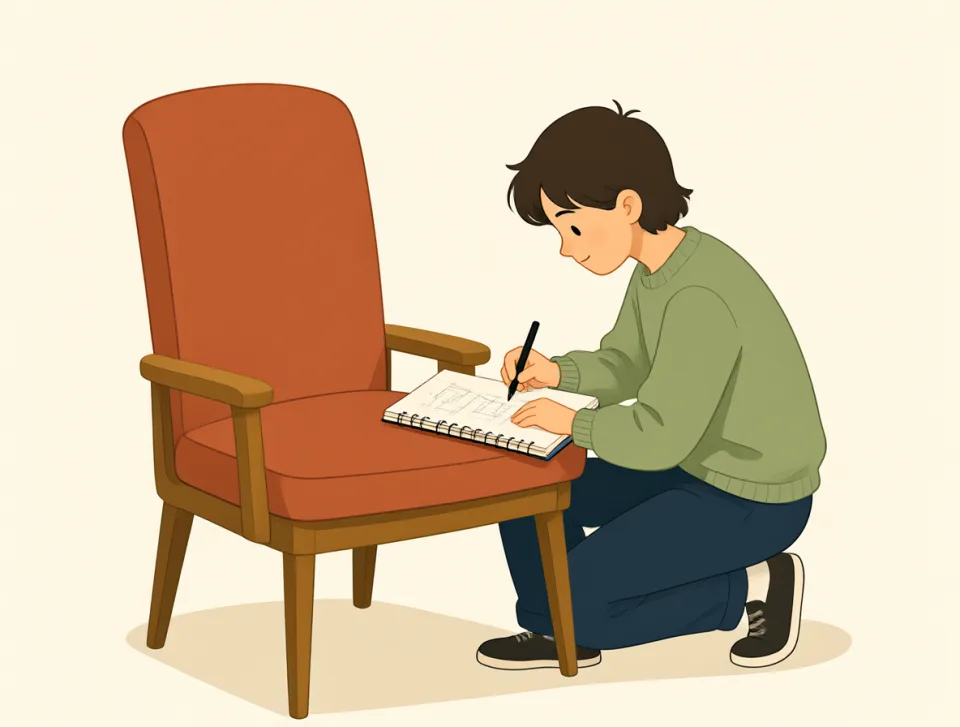
design
#441noun, verb
дизайн; проектировать
A plan for how something will look or work; to plan how something will look or work.
План того, как что-либо будет выглядеть или работать; разрабатывать план того, как что-либо будет выглядеть или работать.

I like the design of this small house.
Мне нравится дизайн этого небольшого дома.

She designs clothes for a famous shop.
Она разрабатывает одежду для известного магазина.
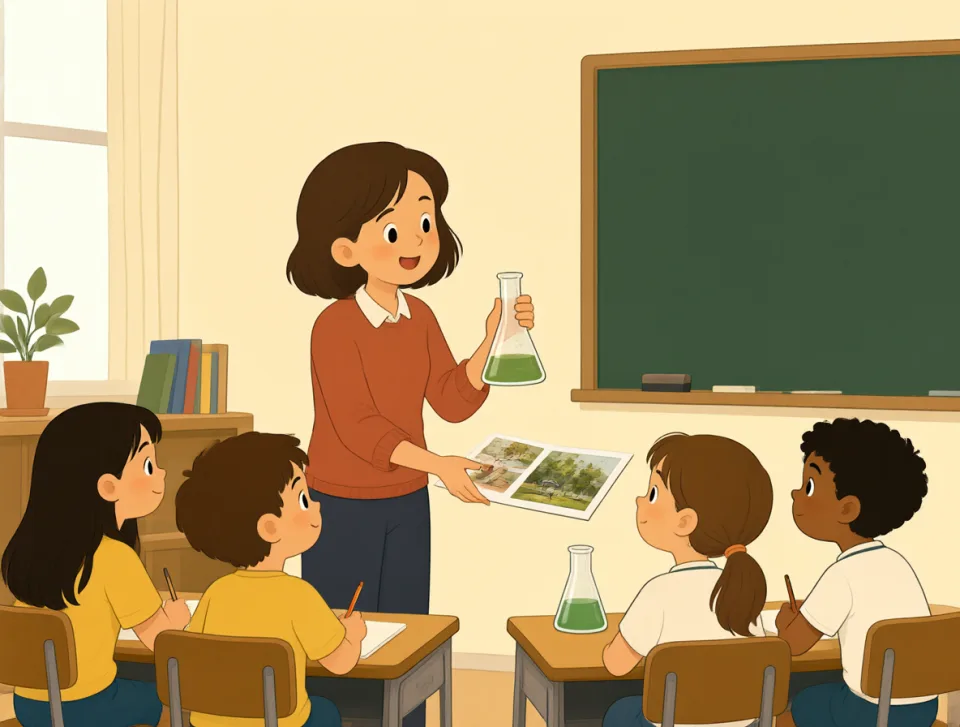
The teacher designed a fun science project.
Учитель придумал интересный проект по естествознанию.

We chose a new design for our kitchen.
Мы выбрали новый дизайн для кухни.

The hotel has a beautiful garden design.
В отеле красивый дизайн сада.

event
#442noun
событие; мероприятие
Something important that happens, especially a planned activity or occasion.
Что-то важное, что происходит, особенно запланированное мероприятие или торжество.
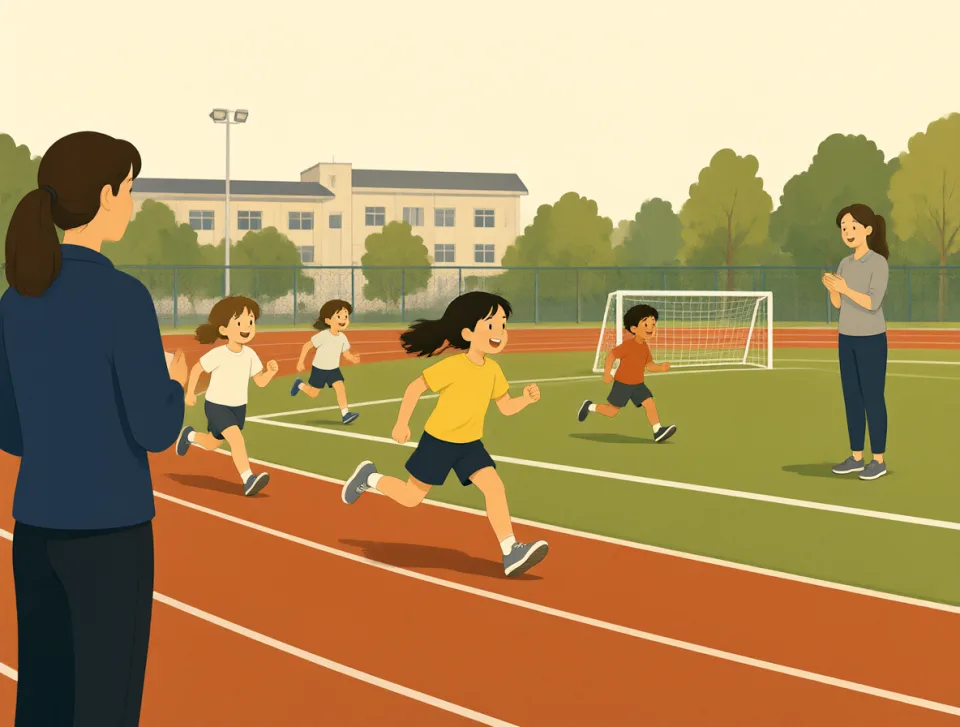
Our school held a sports event yesterday.
Вчера в нашей школе прошло спортивное мероприятие.

The wedding was a beautiful family event.
Свадьба стала прекрасным семейным событием.
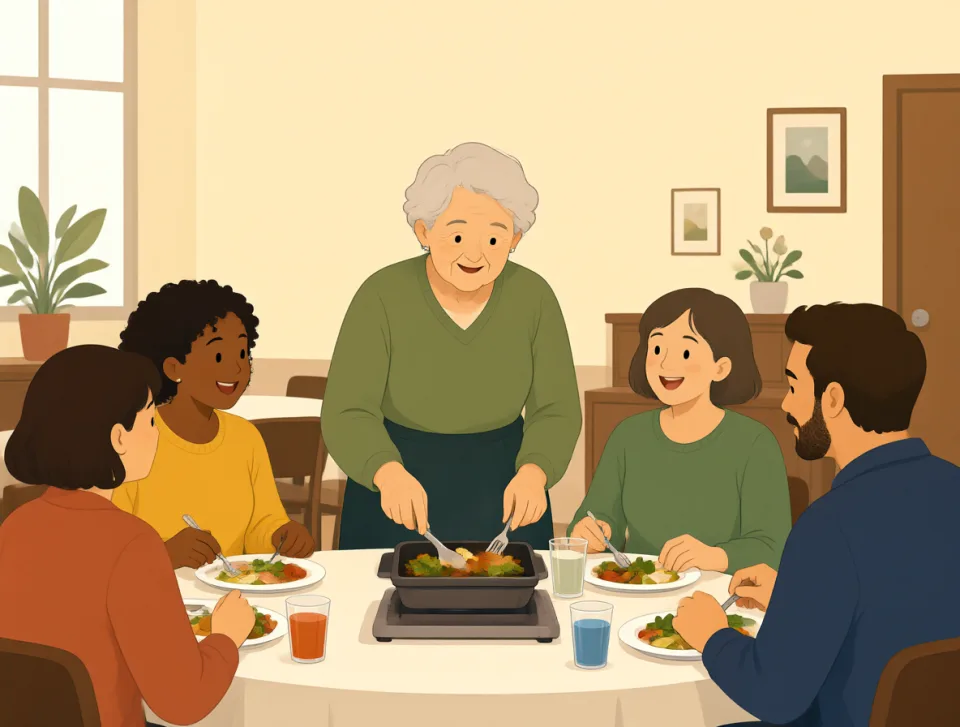
Many people came to the charity event.
На благотворительное мероприятие пришло много людей.

The shop has a special event this weekend.
В эти выходные в магазине пройдёт специальное мероприятие.
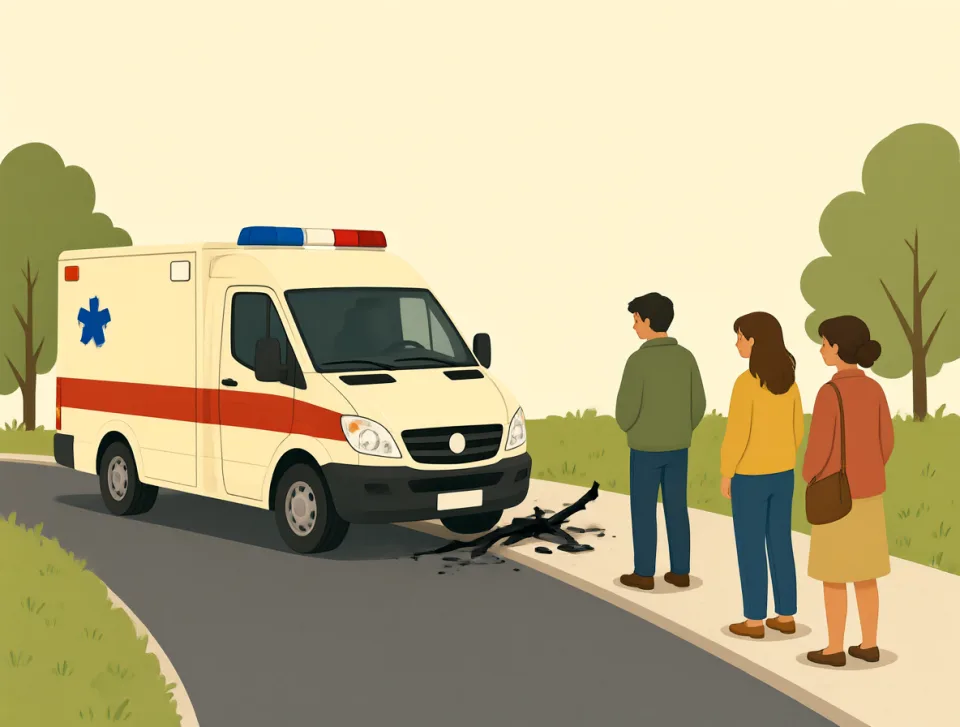
The accident was a frightening event for everyone.
Авария стала для всех пугающим событием.
special
#443adjective, noun
особенный; специальный
Different from usual, or important and worth attention.
Не такой, как обычно, или важный и заслуживающий внимания.
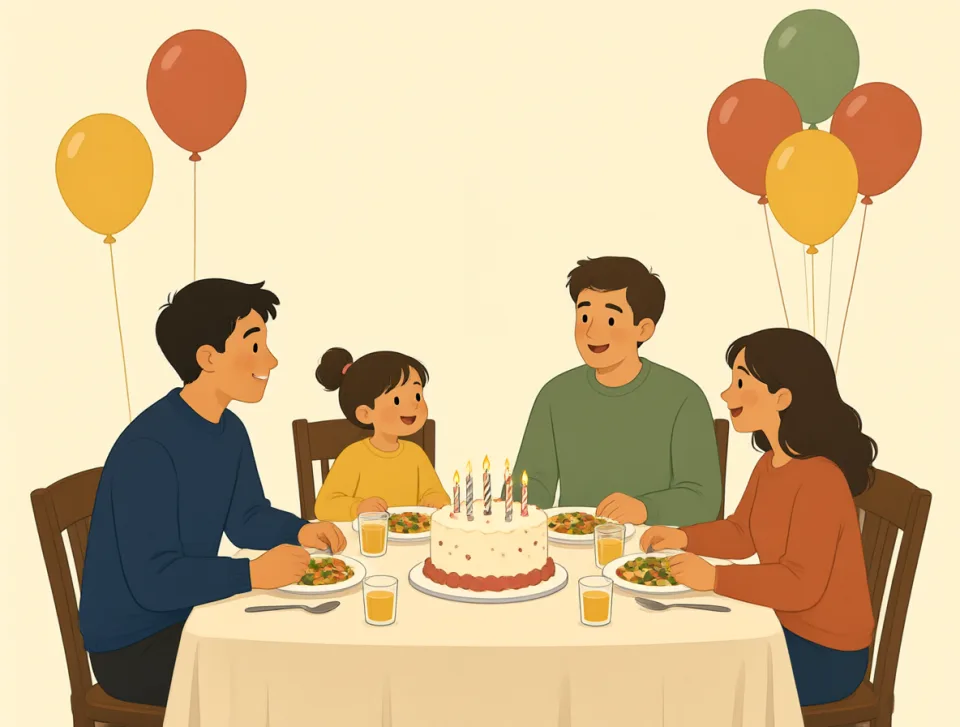
We had a special dinner for my birthday.
На мой день рождения мы устроили особенный ужин.

She bought a special dress for the party.
Она купила особенное платье для вечеринки.
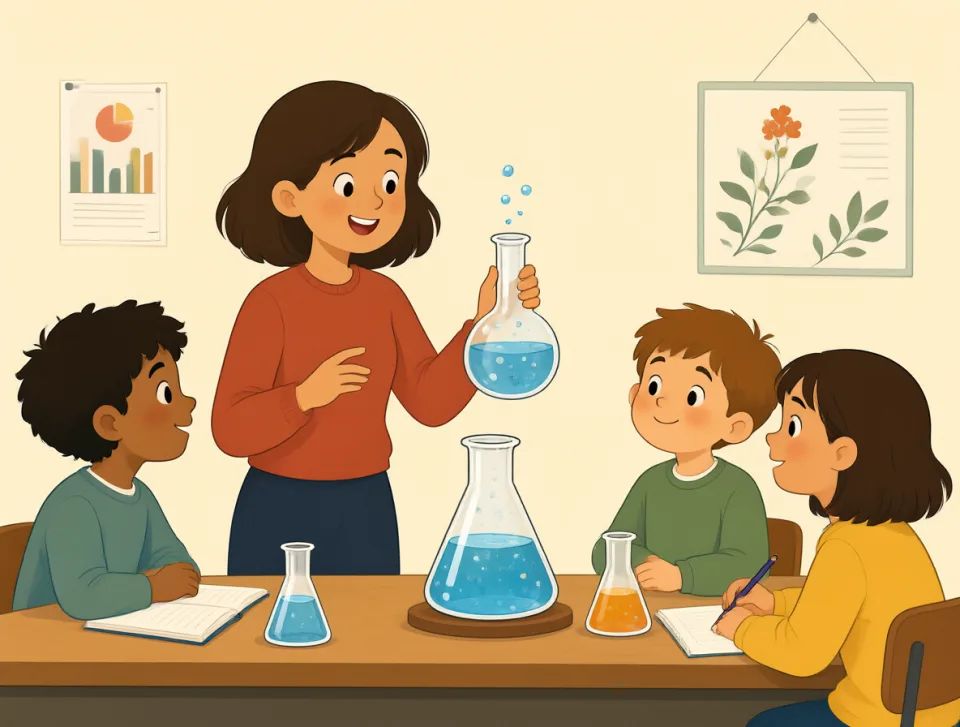
The teacher planned a special lesson today.
Сегодня учитель подготовил особенный урок.
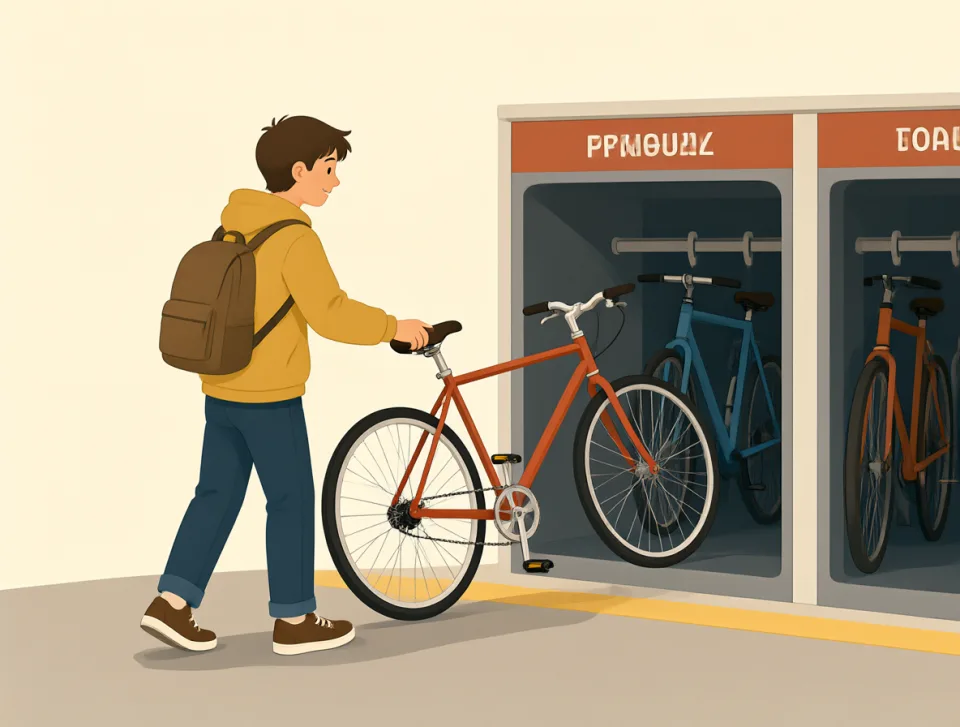
This train has a special place for bicycles.
В этом поезде есть специальное место для велосипедов.
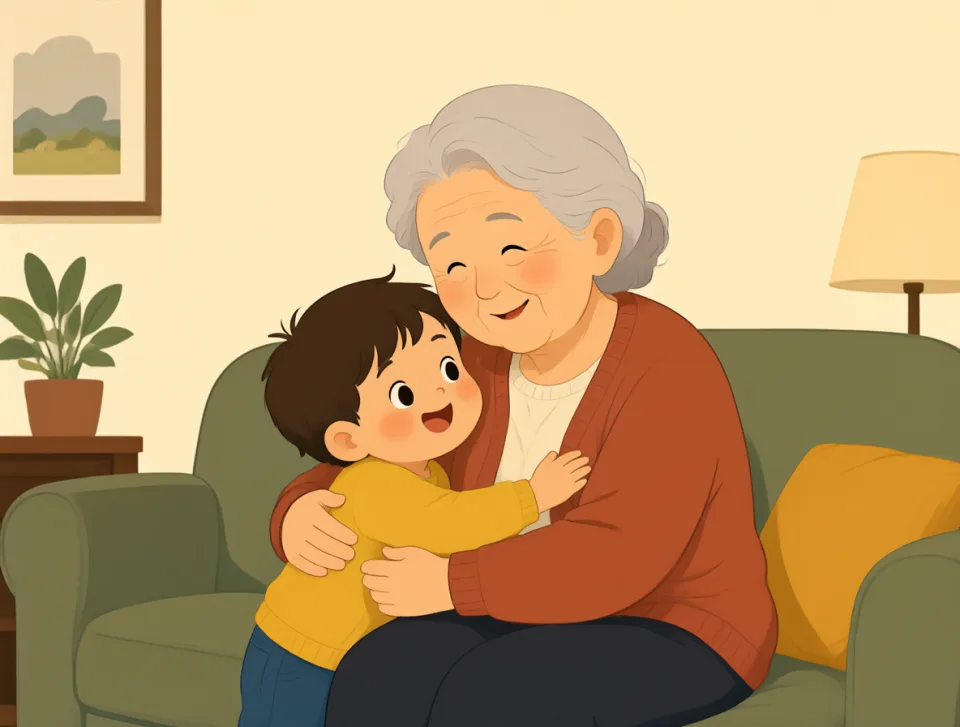
My grandmother is a very special person.
Моя бабушка — очень особенный человек.

sometimes
#444adverb
иногда
At some times, but not always.
Время от времени, но не постоянно.
I sometimes walk to work.
Я иногда хожу на работу пешком.
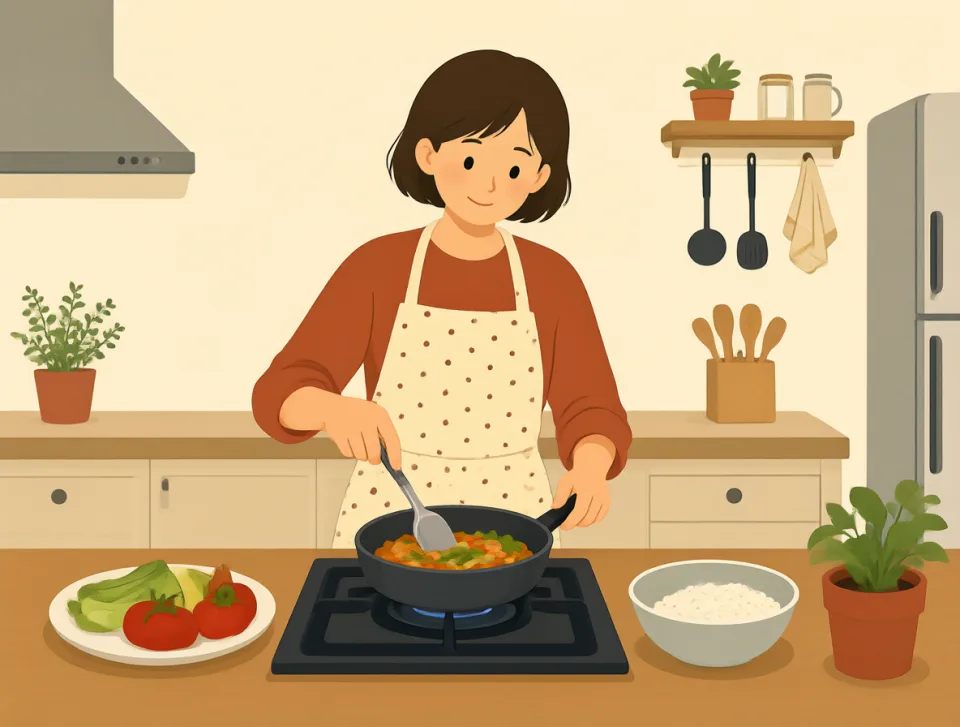
She sometimes cooks dinner for us.
Она иногда готовит для нас ужин.

Sometimes, the bus arrives late.
Иногда автобус опаздывает.

We sometimes eat pizza on Fridays.
По пятницам мы иногда едим пиццу.

He sometimes feels tired after school.
После школы он иногда чувствует усталость.
condition
#445noun
состояние; условие
the state that something is in, or a rule that must be accepted
Состояние, в котором находится что-либо, или правило, которое необходимо принять.
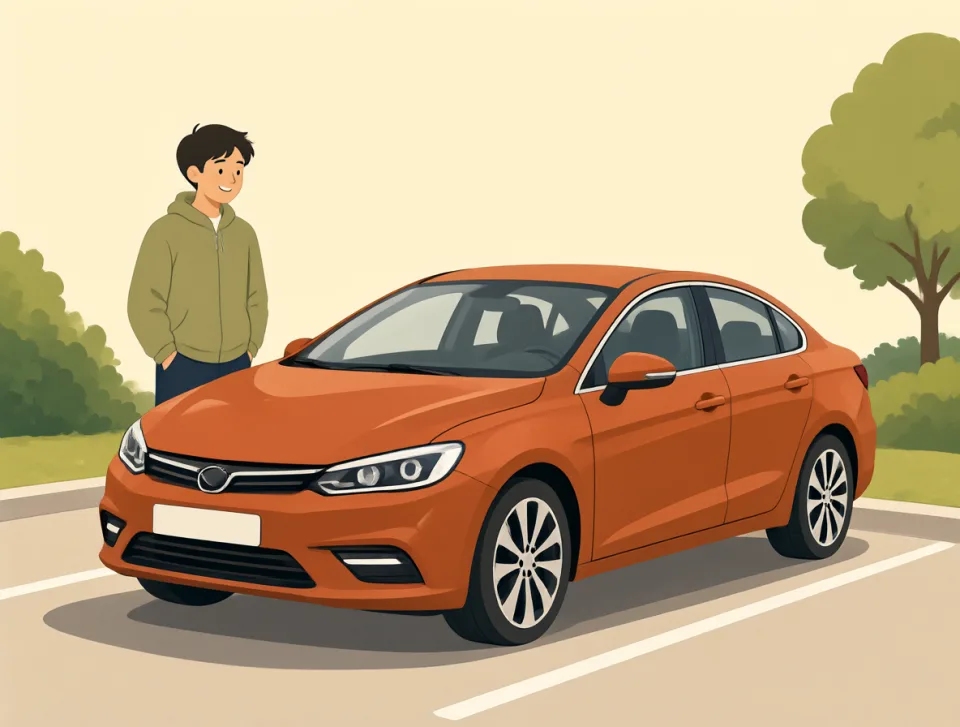
The car is in good condition.
Машина в хорошем состоянии.

You can buy it on one condition.
Вы можете купить это при одном условии.

The doctor asked about my condition.
Врач спросил о моём состоянии.

The house was in poor condition.
Дом был в плохом состоянии.

Cold conditions made the trip difficult.
Из-за холода поездка стала трудной.
carry
#446verb
нести; перевозить
to take something or someone from one place to another
Перемещать что-либо или кого-либо из одного места в другое.

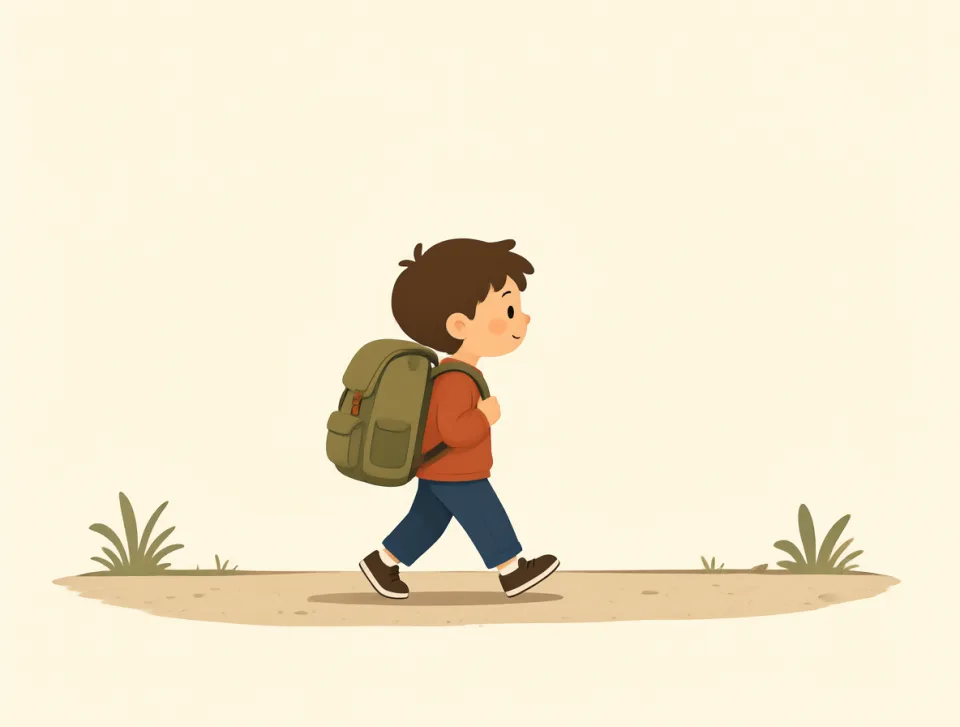
She carries her bag to work every day.
Каждый день она носит свою сумку на работу.

Please carry these boxes upstairs.
Пожалуйста, отнесите эти коробки наверх.

The waiter carried our food to the table.
Официант отнёс нашу еду к столику.
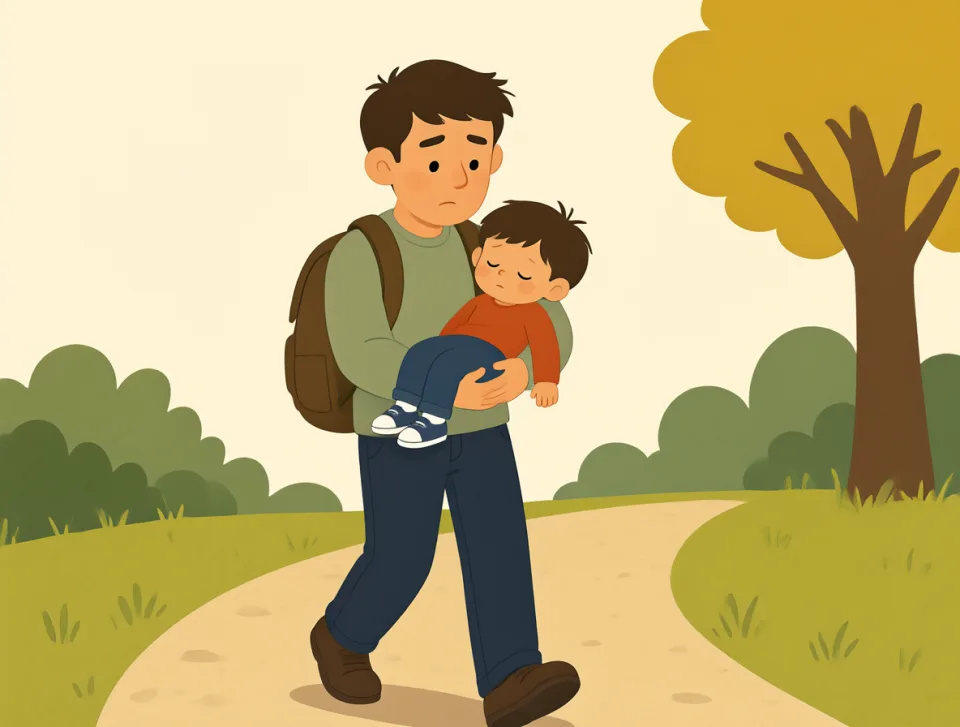
He carried his son home after the trip.
После поездки он нёс сына домой на руках.
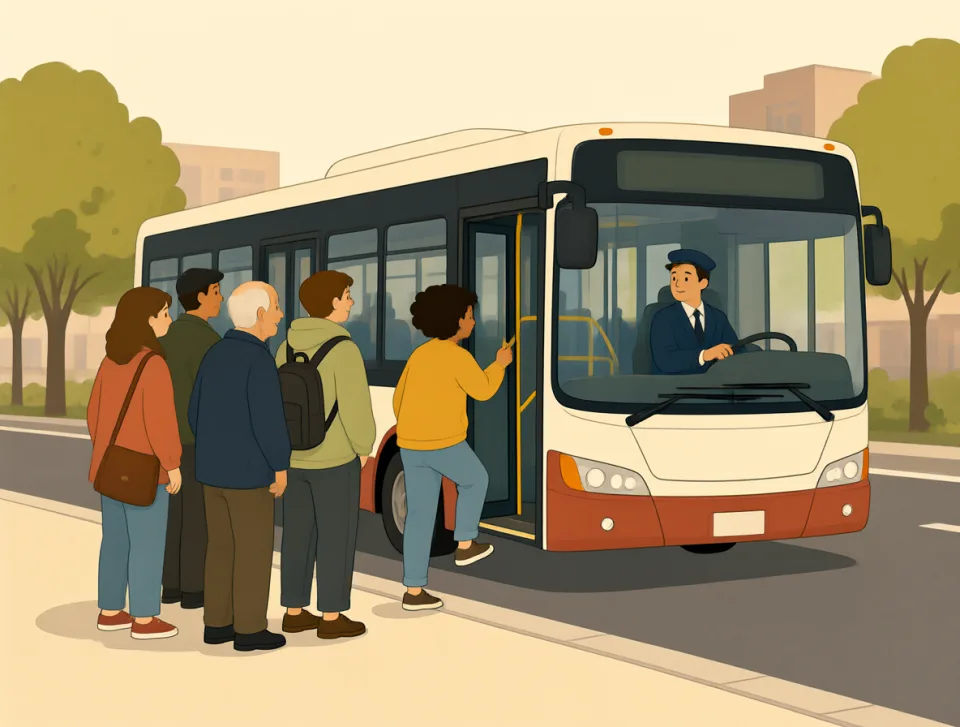
This bus carries many people every morning.
Этот автобус каждое утро перевозит много людей.
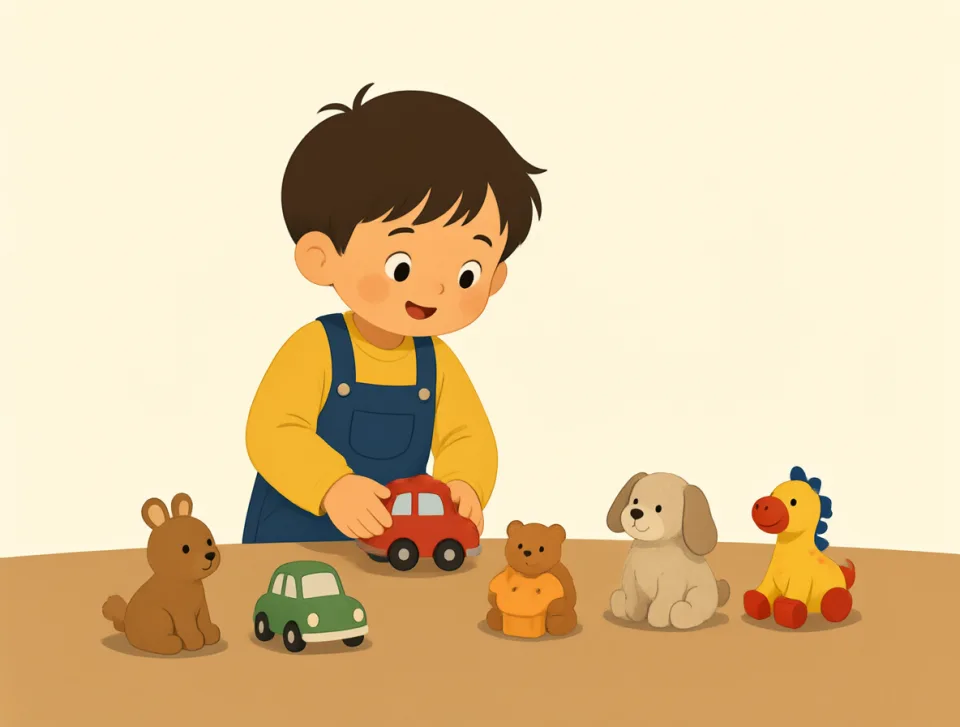
choose
#447verb
выбирать
To decide which person or thing you want from several possibilities.
Решать, кого или что вы хотите выбрать из нескольких вариантов.

Choose a seat near the window.
Выберите место у окна.

She chose the blue dress for work.
Она выбрала синее платье для работы.

We choose fresh fruit at the market.
Мы выбираем свежие фрукты на рынке.
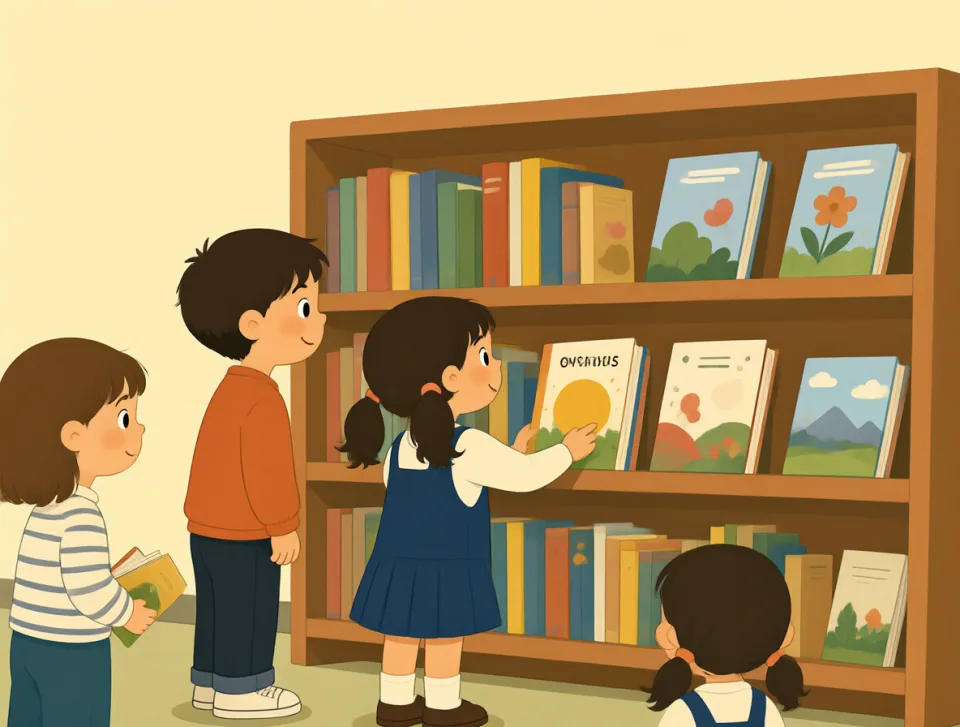
Our teacher let us choose a book.
Наш учитель разрешил нам выбрать книгу.
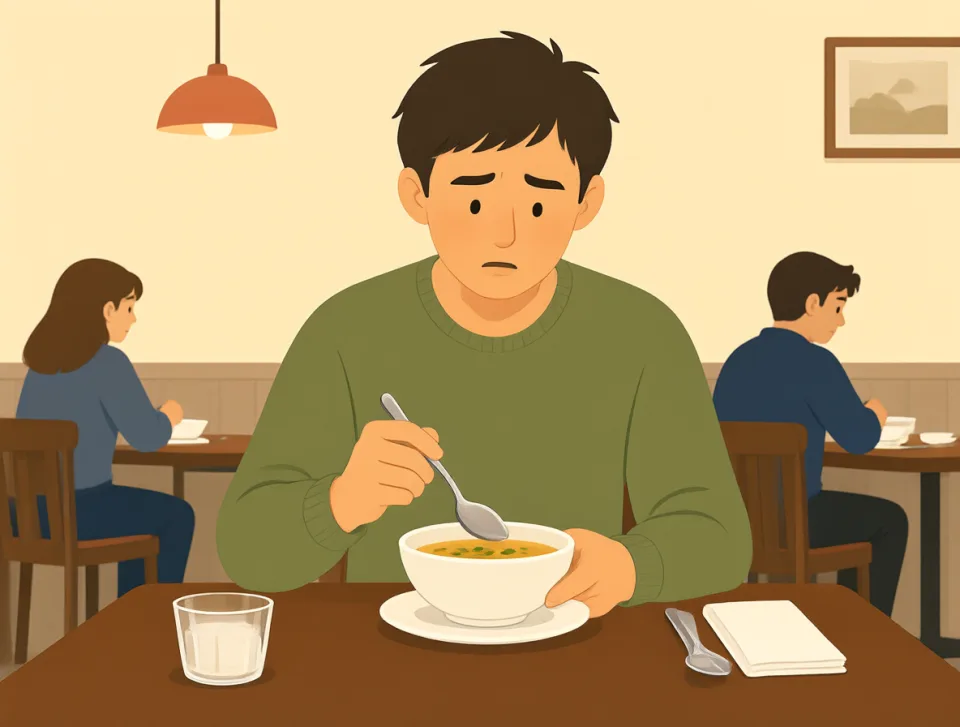
He chose soup because his throat hurt.
Он выбрал суп, потому что у него болело горло.

father
#448noun
отец
A male parent of a child.
Мужчина, который является родителем ребёнка.
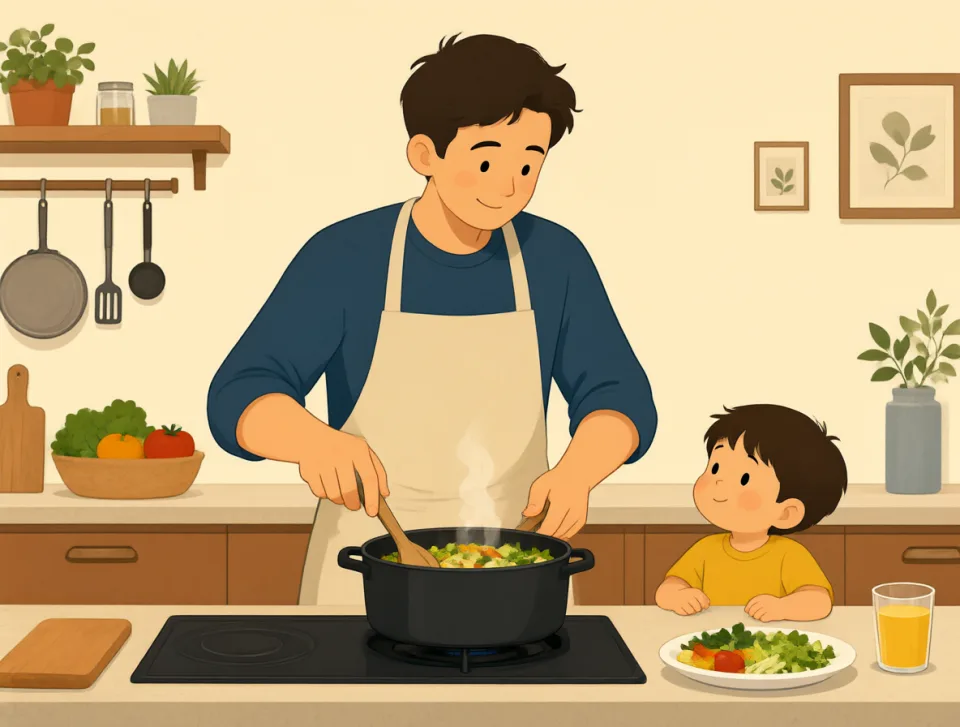
My father makes breakfast every morning.
Мой отец каждое утро готовит завтрак.

Her father drives her to school.
Её отец отвозит её в школу.

I called my father after work.
После работы я позвонил отцу.

His father bought a new coat.
Его отец купил новое пальто.

The baby is staying with her father.
Малышка остаётся с отцом.
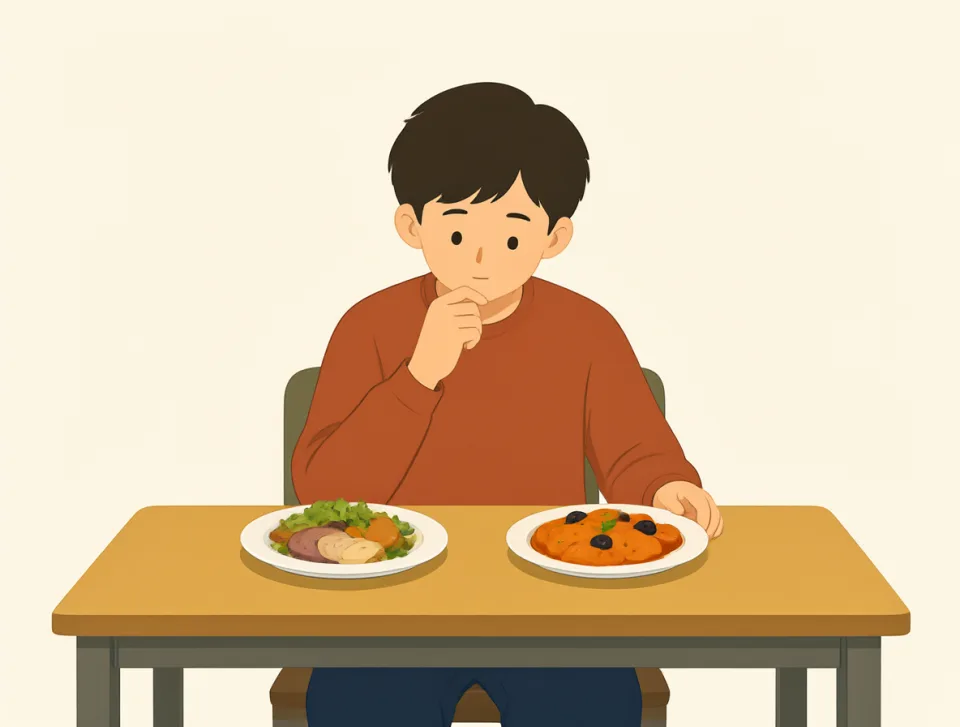
decision
#449noun
решение
a choice you make after thinking about what to do
Выбор, который вы делаете, обдумав, как поступить.

We need to make a decision today.
Нам нужно принять решение сегодня.

She made the right decision about the job.
Она приняла правильное решение насчёт работы.

The teacher asked for our decision.
Учитель попросил нас принять решение.
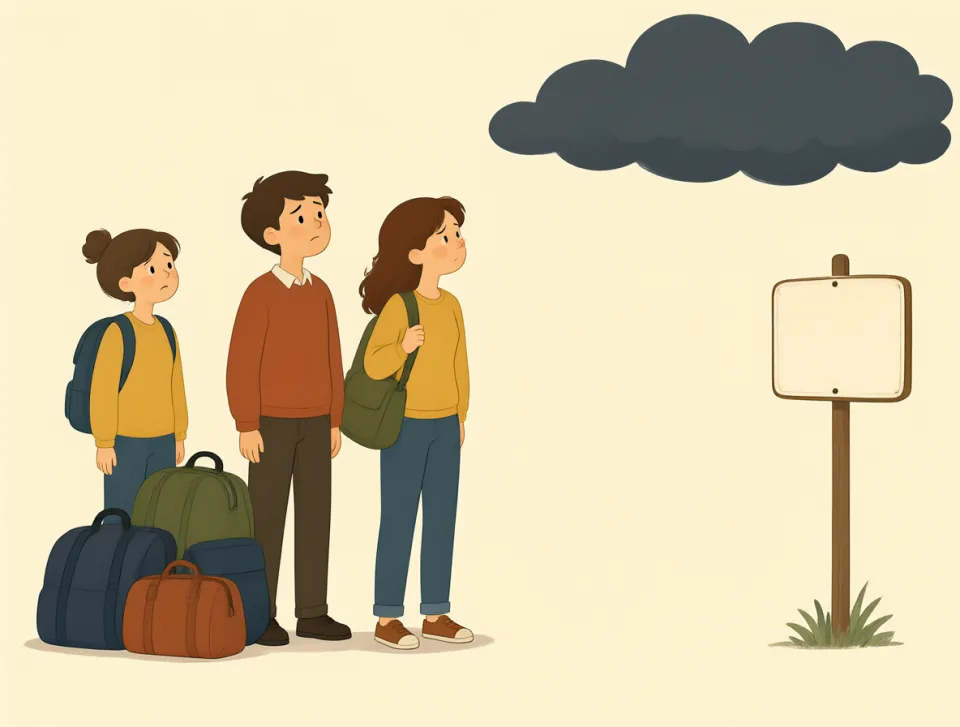
They changed their decision after the storm.
После бури они изменили своё решение.

His doctor helped him make a decision.
Его врач помог ему принять решение.
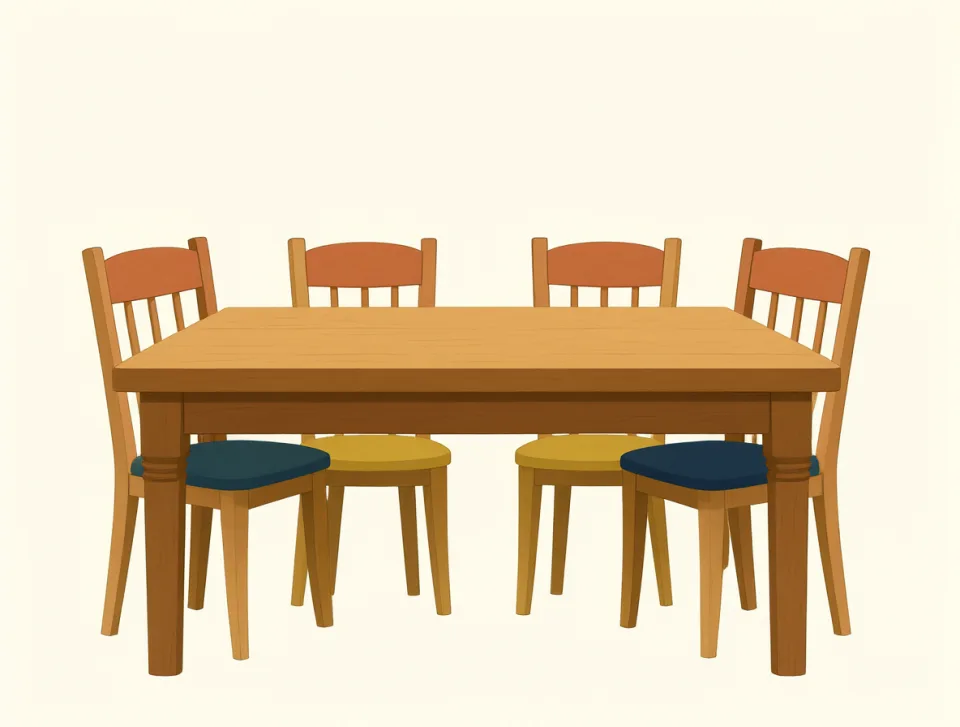
table
#450noun, verb
стол; сводить в таблицу
A piece of furniture with a flat top and legs, or to put information in a table.
Предмет мебели с ровной столешницей и ножками; также — представлять информацию в виде таблицы.
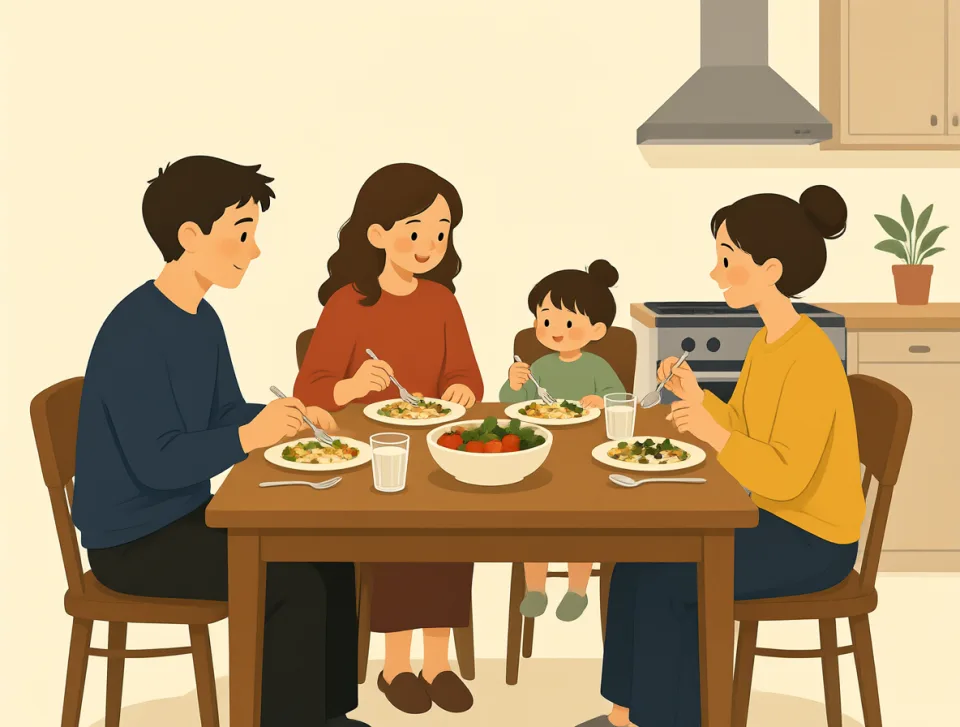
We ate dinner at the kitchen table.
Мы поужинали за кухонным столом.

Please put the books on the table.
Пожалуйста, положите книги на стол.
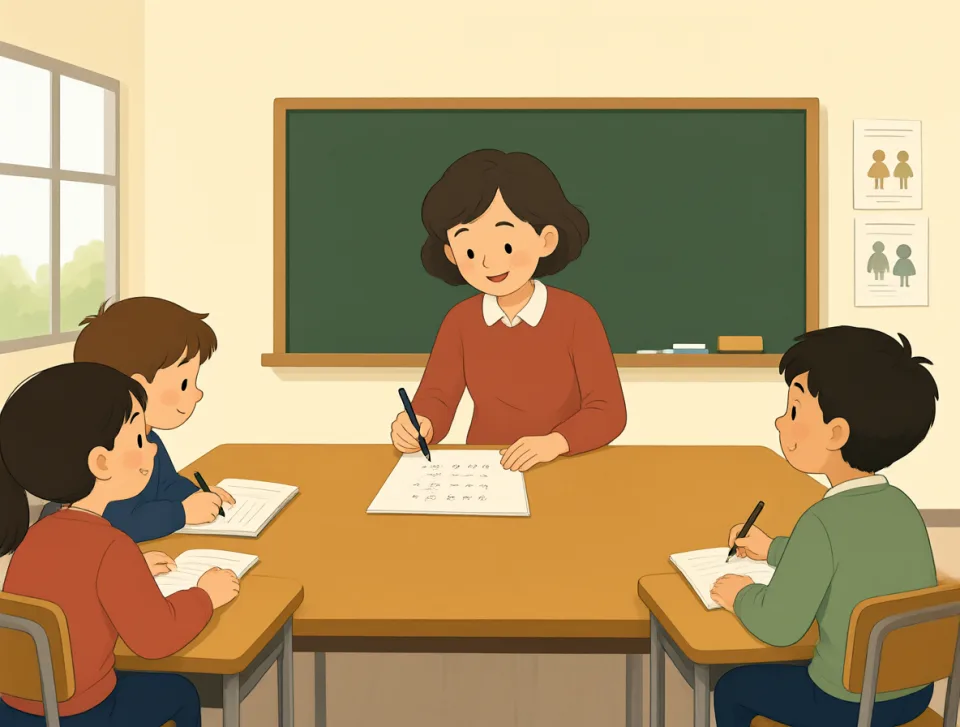
The teacher wrote the answers on the table.
Учитель написал ответы на столе.

They booked a table for two tonight.
Они забронировали столик на двоих на сегодняшний вечер.

The report tables the costs clearly.
В отчёте расходы чётко сведены в таблицу.

certain
#451adjective, determiner, pronoun
уверенный; определённый
Sure about something or someone; or a particular person or thing.
Уверенный в чём-либо или ком-либо; также — конкретный человек или предмет.
I am certain this is the right bus.
Я уверен, что это нужный автобус.

Are you certain about your answer?
Ты уверен в своём ответе?

Certain foods make my stomach hurt.
От некоторых продуктов у меня болит живот.

We met certain friends at the airport.
В аэропорту мы встретили нескольких знакомых.
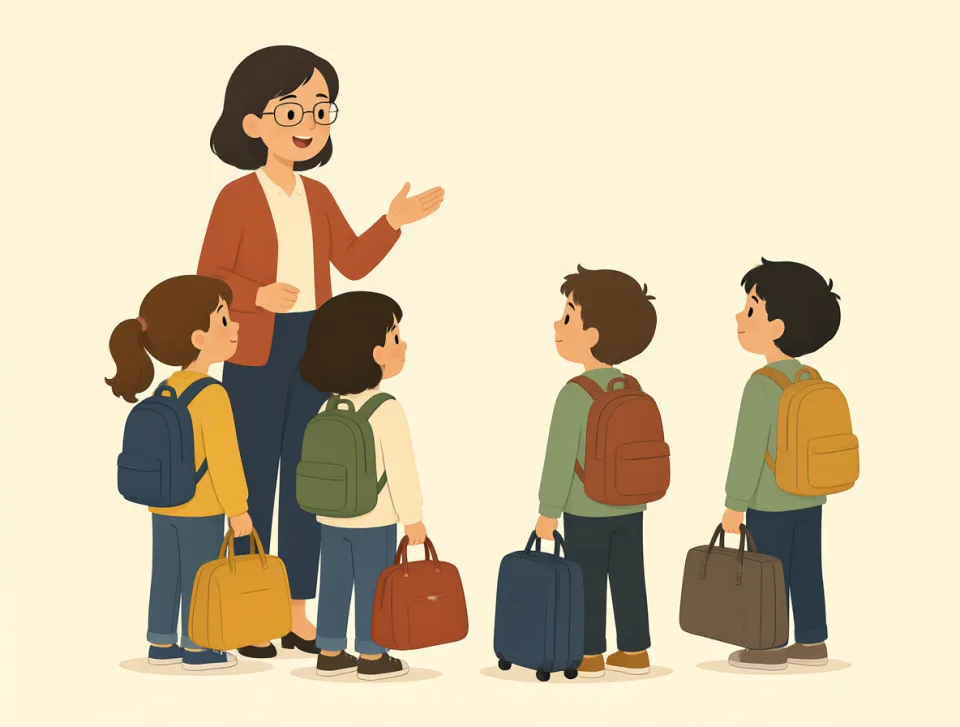
Only certain students can join the trip.
В поездку могут поехать только определённые ученики.
forward
#452adverb, adjective, noun, verb
вперёд; дальнейший
Toward the front or a place ahead; helping something continue or improve.
В направлении передней части или места впереди; способствующий продолжению или улучшению чего-либо.
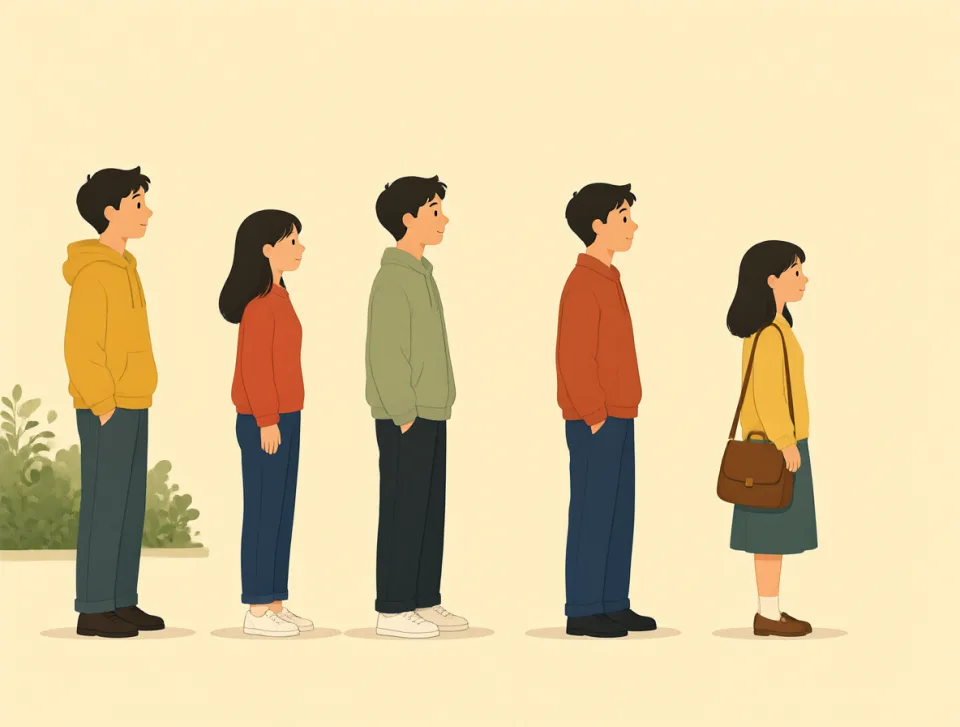
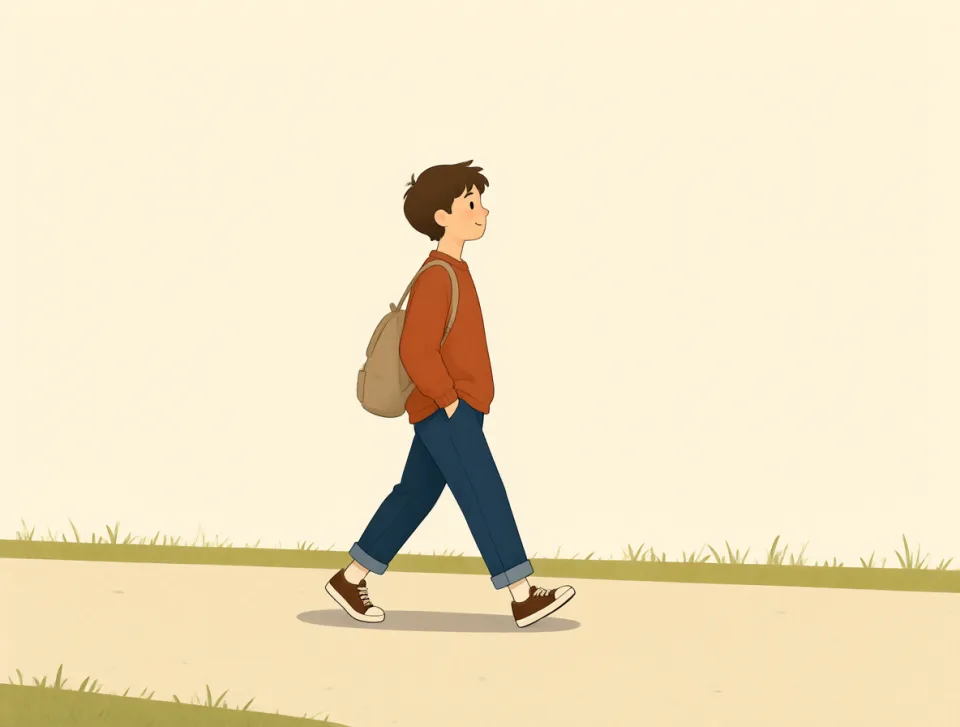
Please move forward in the line.
Пожалуйста, продвиньтесь вперёд по очереди.

The car moved forward slowly.
Машина медленно двигалась вперёд.

She has a bright future forward.
Впереди её ждёт светлое будущее.

The team made forward progress today.
Сегодня команда добилась прогресса.

He leaned forward to hear better.
Он наклонился вперёд, чтобы лучше слышать.

main
#453adjective, noun
главный; основной
Most important; the largest or strongest part of something.
Самый важный; самая большая или сильная часть чего-либо.
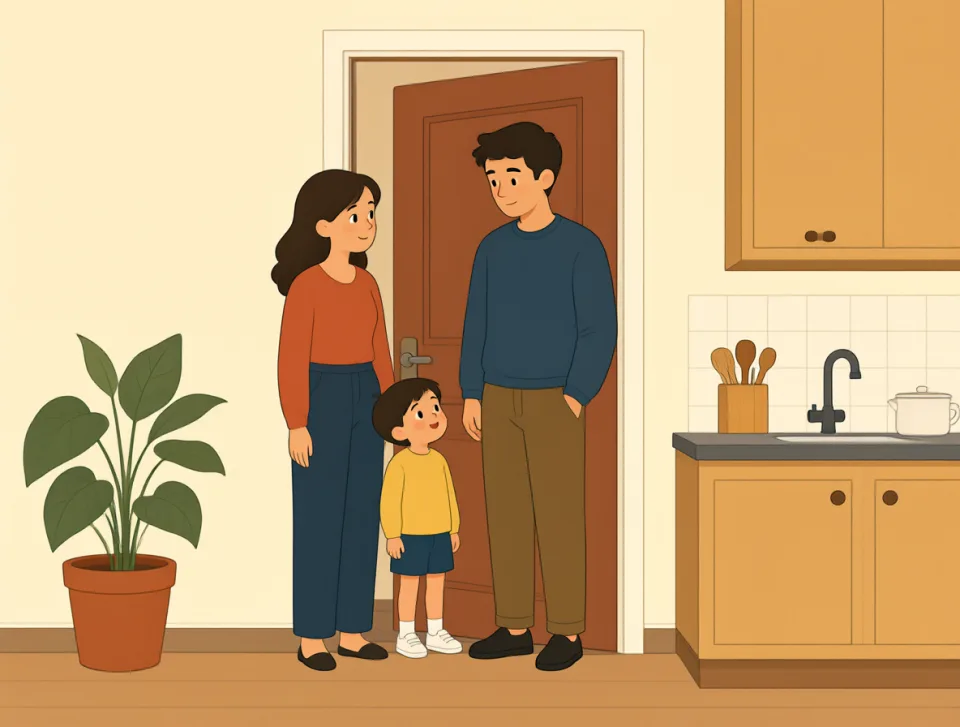
The main door is next to the kitchen.
Главная дверь находится рядом с кухней.

Our main goal is to pass the test.
Наша главная цель — сдать экзамен.

The main road was busy this morning.
Сегодня утром на главной дороге было оживлённо.
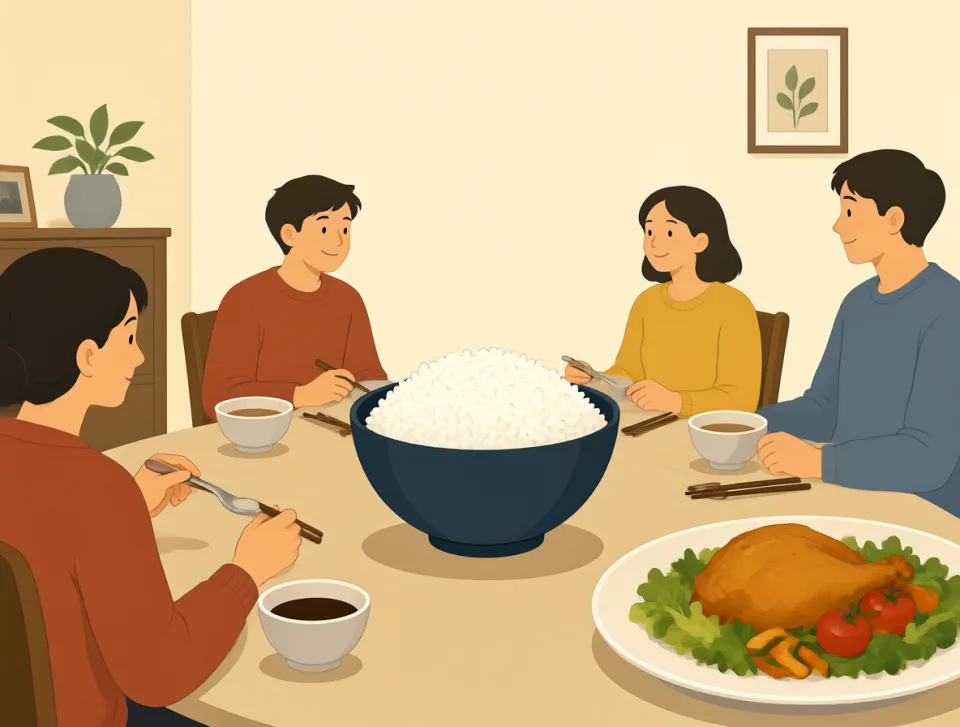
Rice is the main part of this meal.
Рис — основная часть этого блюда.

The main station is near the city center.
Главный вокзал находится недалеко от центра города.
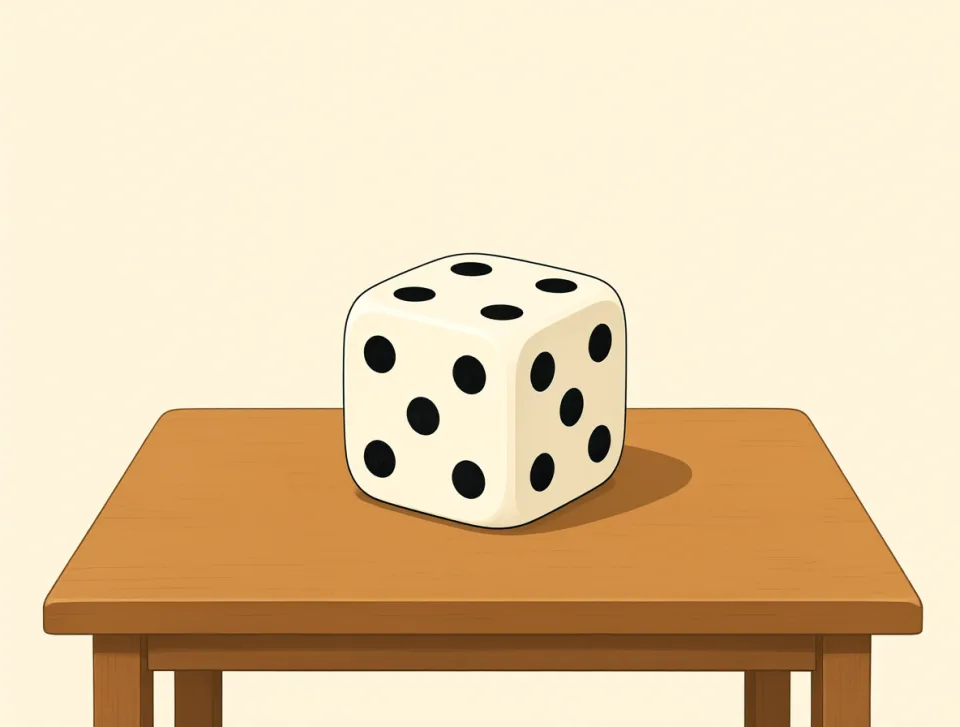
die
#454verb, noun
умирать; игральная кость
To stop living; a small cube marked with spots used in games.
Перестать жить; небольшой кубик с точками, используемый в играх.
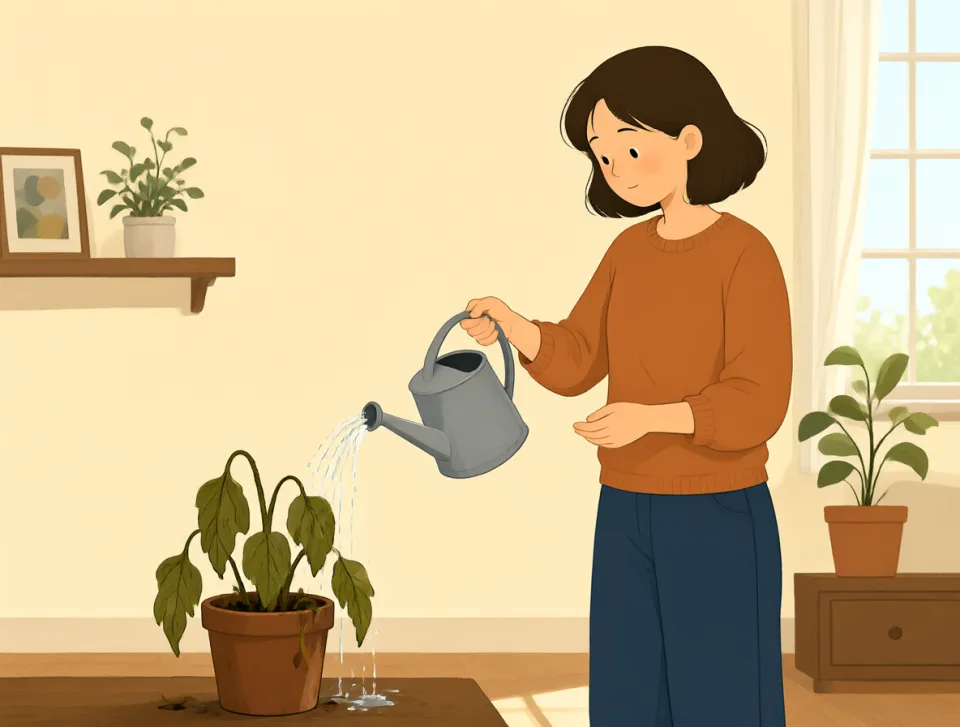
Many plants die without enough water.
Многие растения погибают без достаточного количества воды.
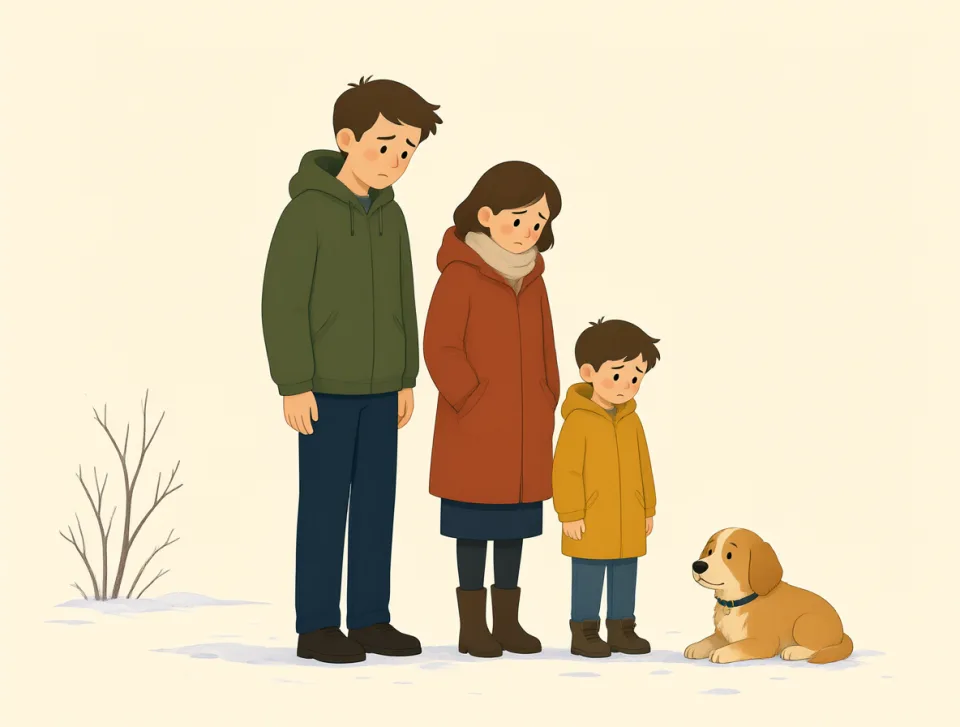
The old dog died last winter.
Старая собака умерла прошлой зимой.

The flowers are dying in the heat.
Цветы вянут от жары.
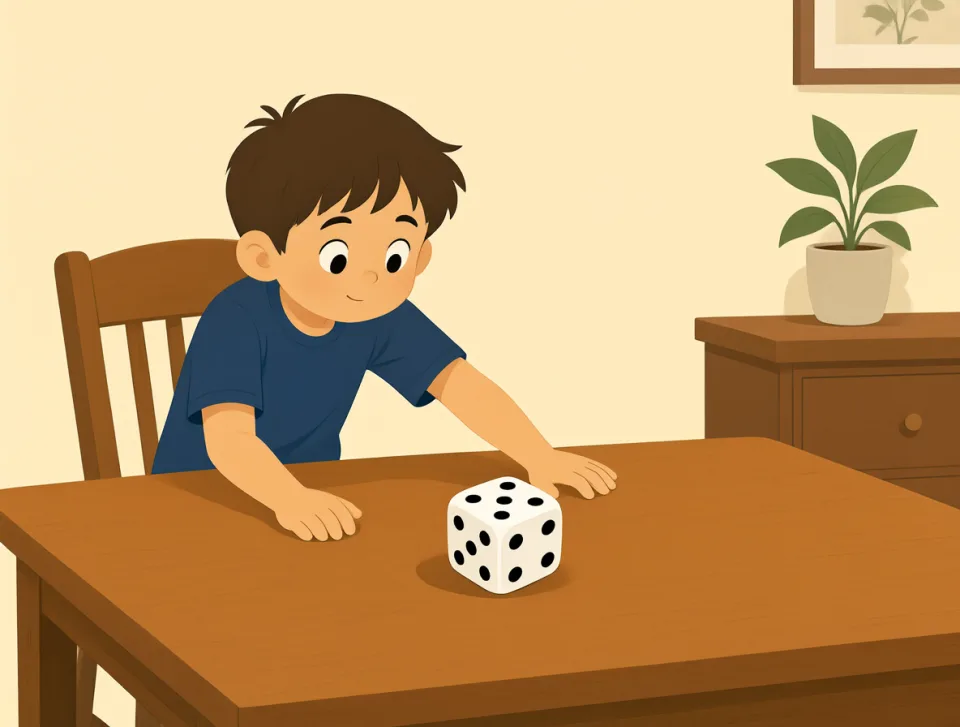
She rolled the die across the table.
Она бросила игральную кость через стол.
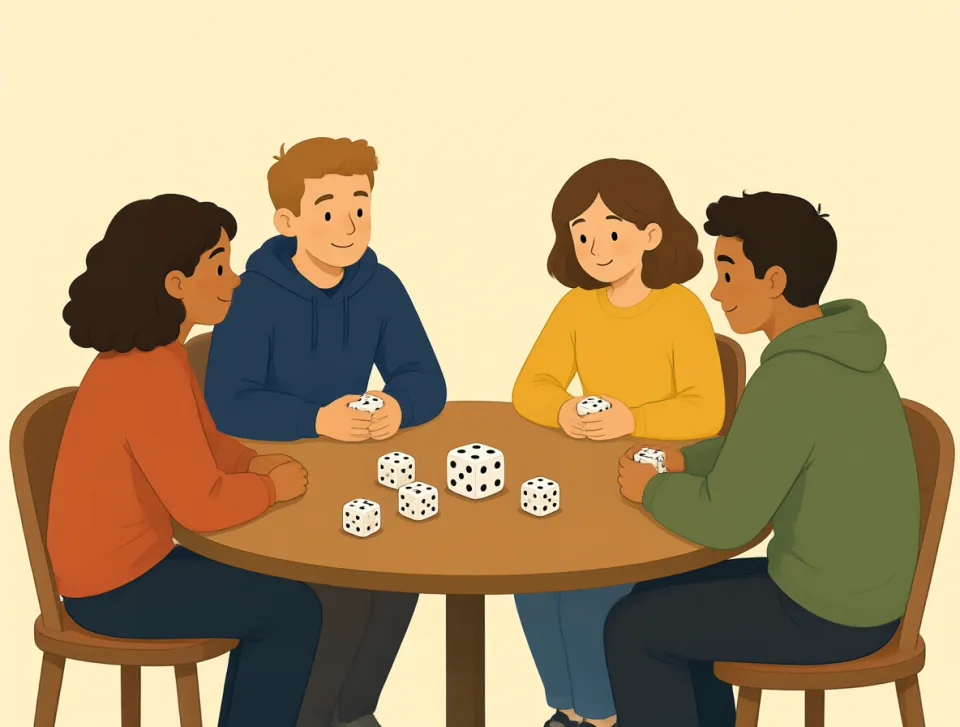
We need one more die for the game.
Для игры нам нужна ещё одна игральная кость.

bear
#455noun, verb
медведь; выносить
An animal with thick fur; or to accept and deal with something difficult.
Животное с густой шерстью; также — принимать и переносить что-либо трудное.

We saw a bear near the campsite.
Мы увидели медведя возле лагеря.

The bear caught a fish in the river.
Медведь поймал рыбу в реке.
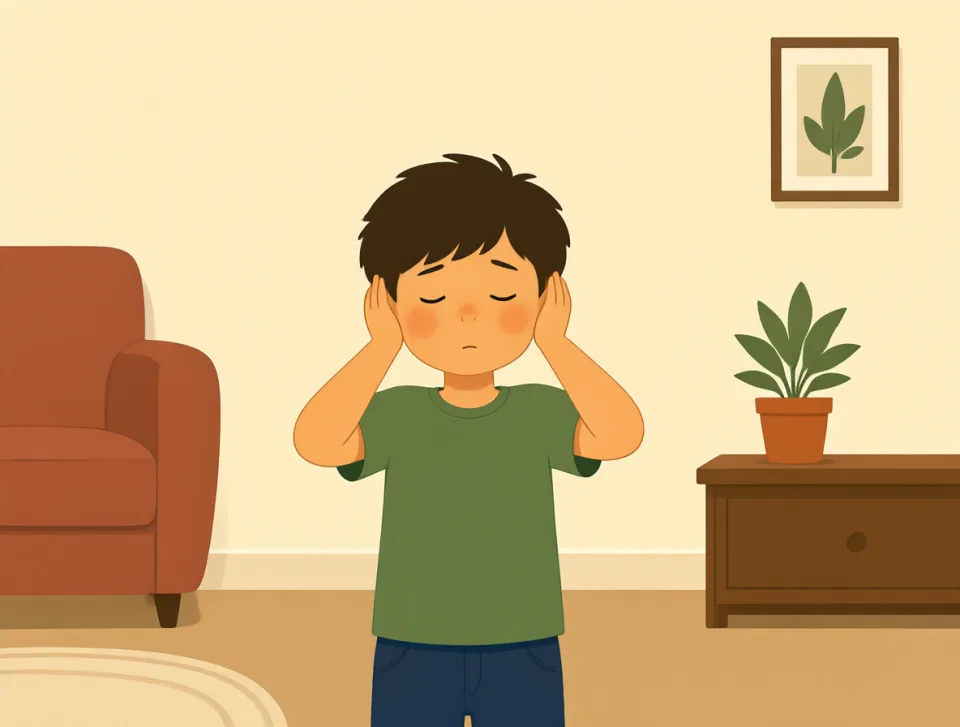
I cannot bear this loud noise.
Я не могу выносить этот громкий шум.

She bears the pain very well.
Она очень хорошо переносит боль.
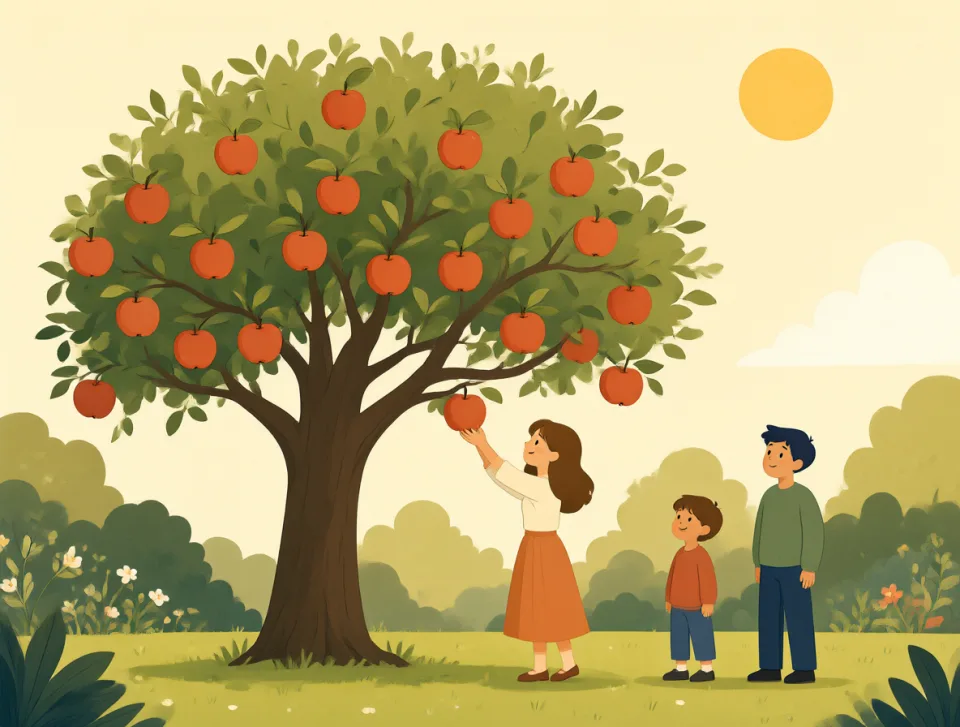
This tree bears fruit every summer.
Это дерево каждое лето приносит плоды.
cut
#456verb, noun
резать
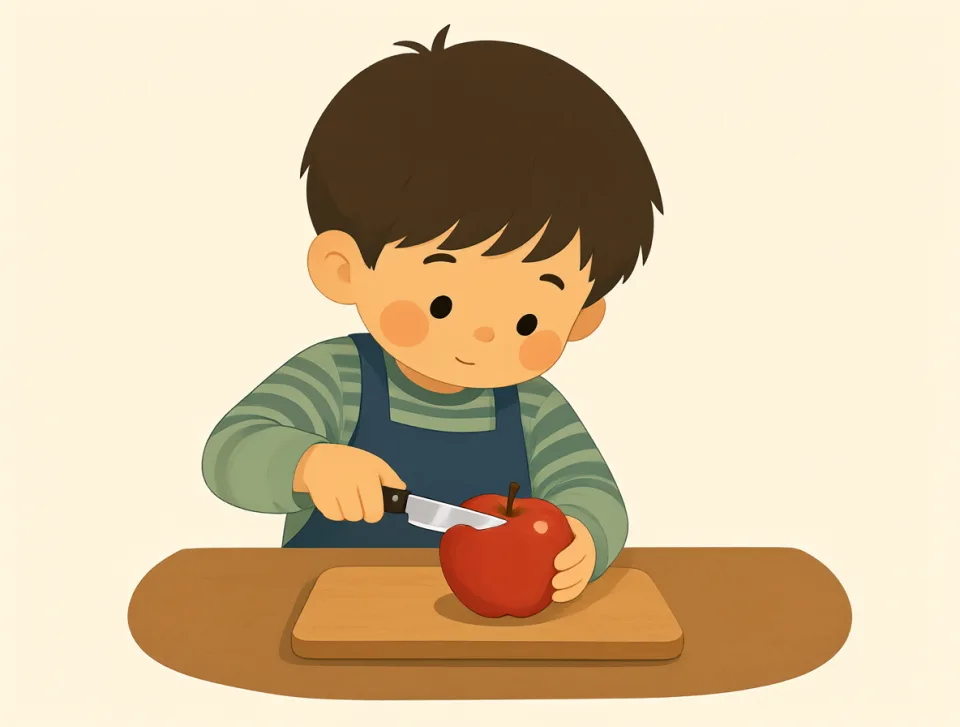
To use a sharp tool to divide something or make it shorter.
Разделить что-либо на части или укоротить с помощью острого инструмента.
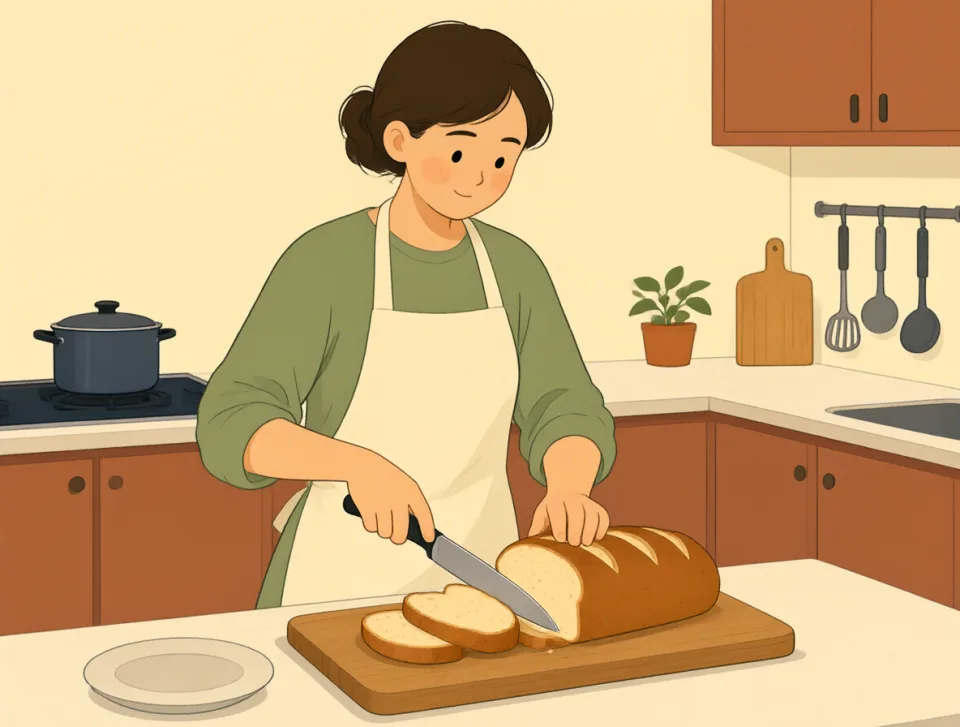
Please cut the bread into small pieces.
Пожалуйста, нарежьте хлеб небольшими кусочками.
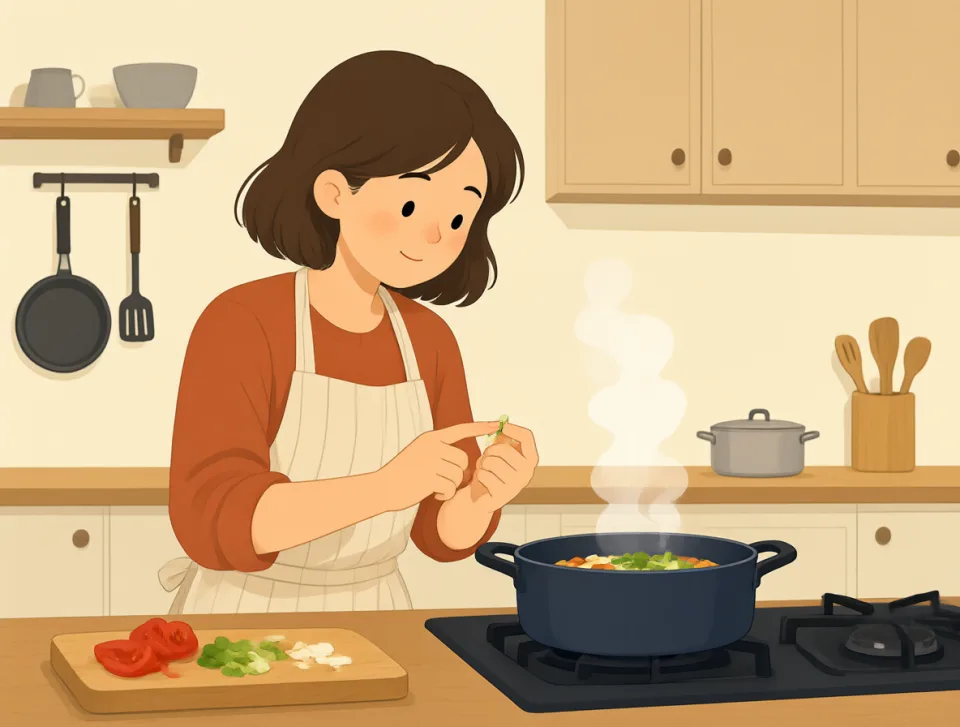
She cut her finger while cooking dinner.
Она порезала палец, пока готовила ужин.

We cut across the park to save time.
Мы срезали путь через парк, чтобы сэкономить время.

The barber cut my hair very short.
Парикмахер очень коротко меня подстриг.
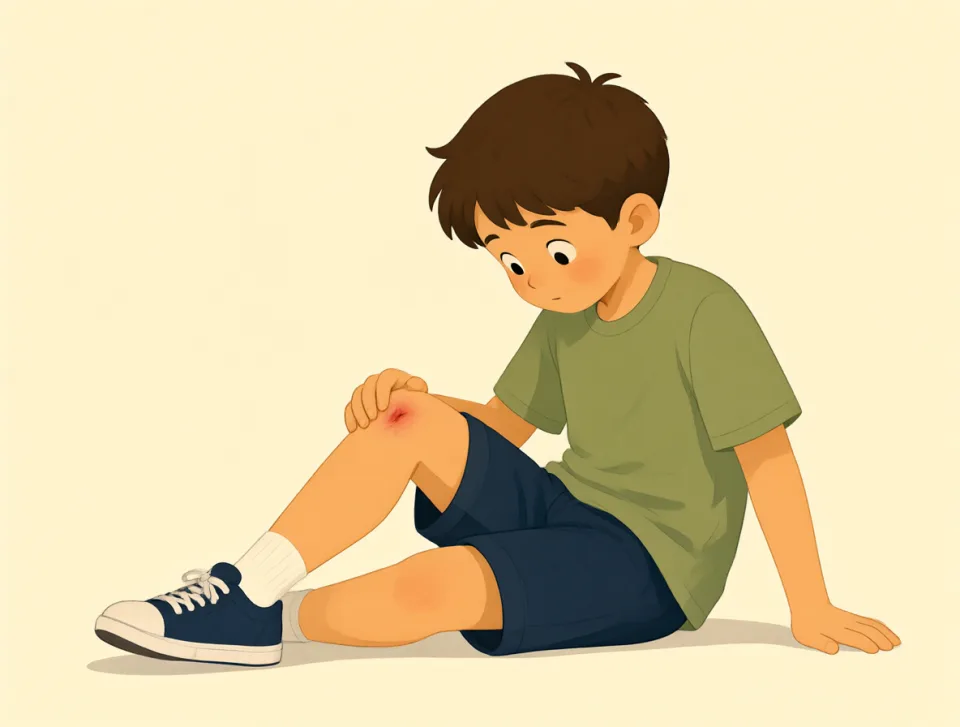
He got a deep cut on his knee.
Он получил глубокий порез на колене.
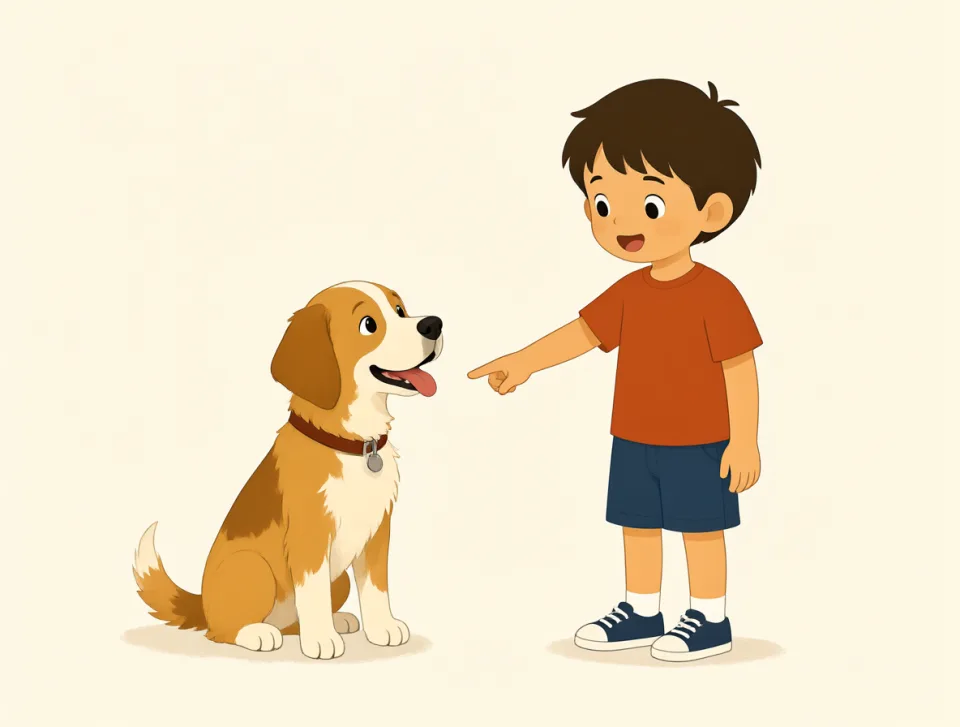
describe
#457verb
описывать
To say or write what someone or something is like.
Рассказывать или писать о том, как выглядит человек или предмет или какие у него свойства.
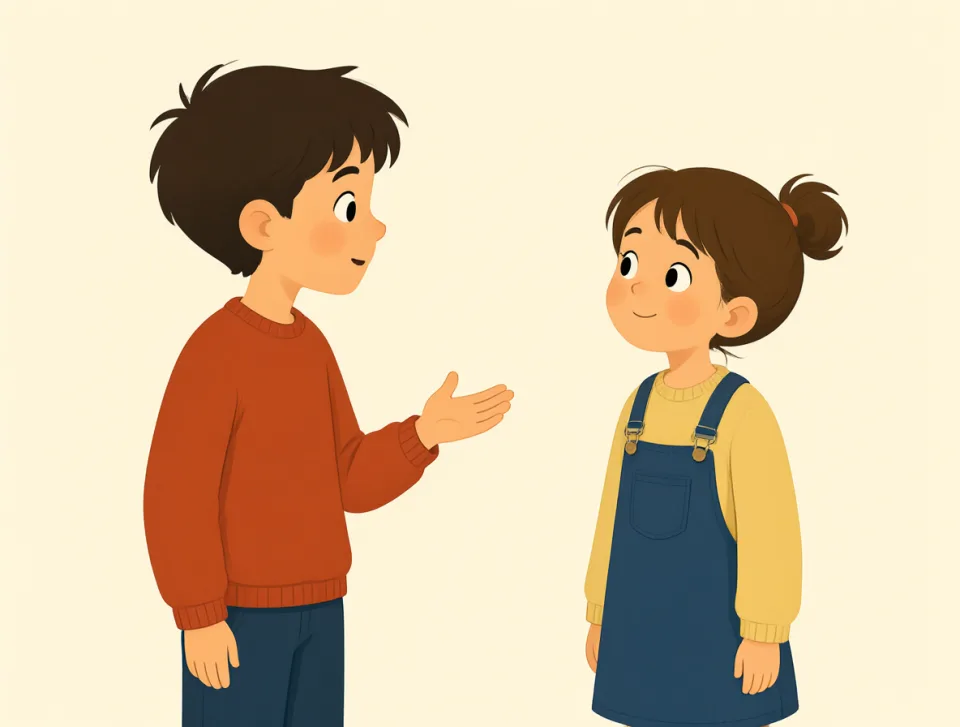
Can you describe your new friend?
Можешь описать своего нового друга?

She described the man to the police.
Она описала мужчину полиции.
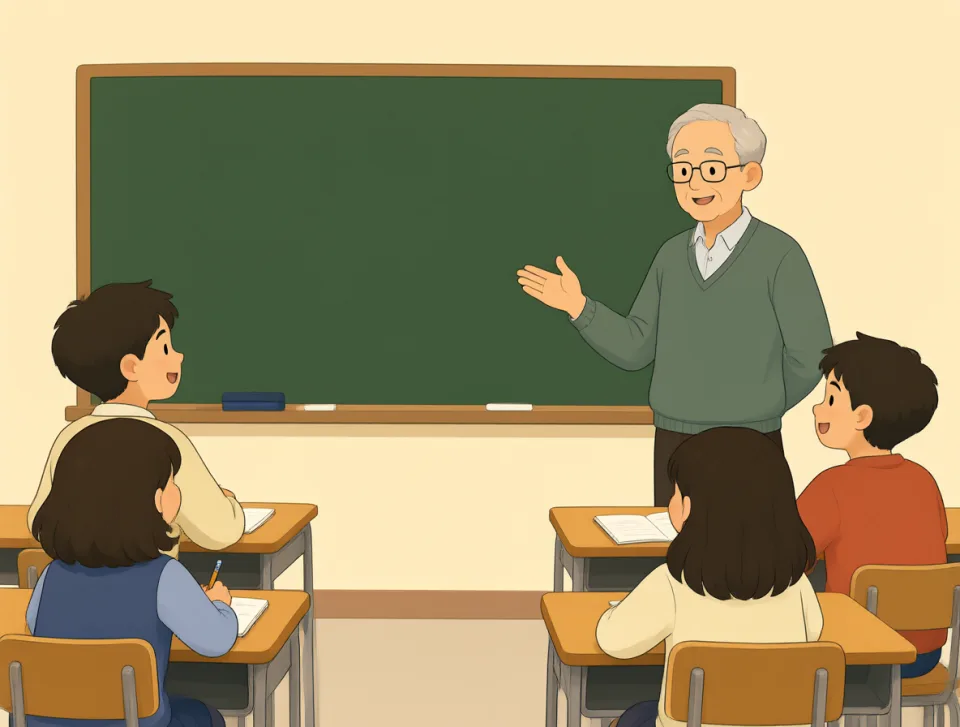
Please describe the problem to your teacher.
Пожалуйста, объясните учителю, в чём проблема.

He described the food as very spicy.
Он описал еду как очень острую.

The guide described the beautiful city during our tour.
Во время экскурсии гид рассказывал о прекрасном городе.

himself
#458pronoun
сам
Used to refer to a male person already mentioned, especially when he does something alone.
Употребляется вместо уже упомянутого мужчины или мальчика, особенно когда он что-либо делает один.

He made the cake himself.
Он сам испёк торт.
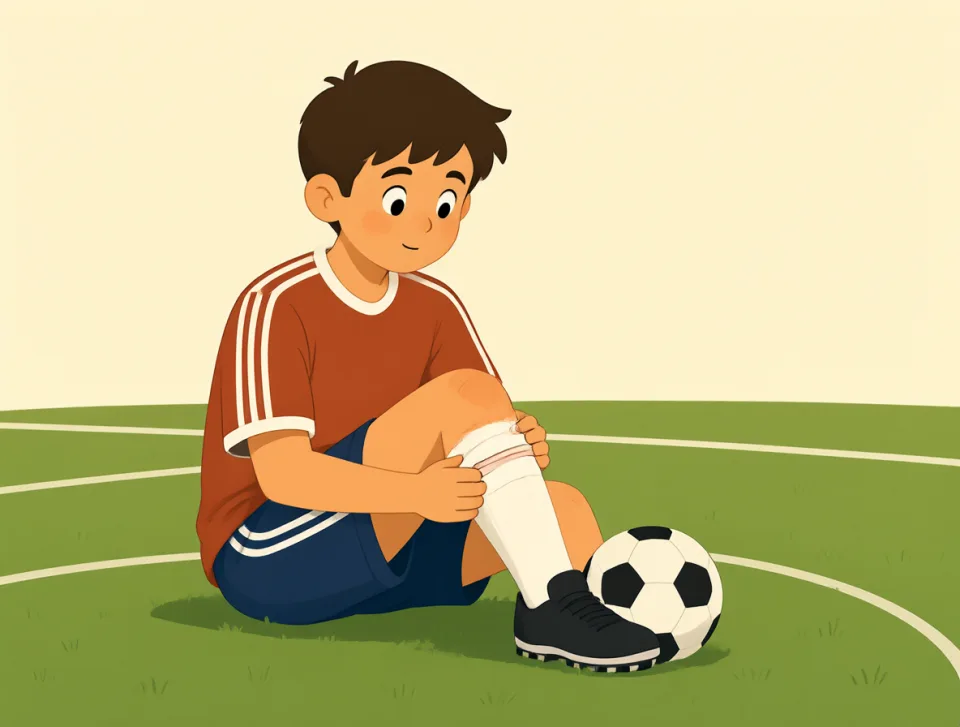
Tom hurt himself while playing soccer.
Том ушибся, играя в футбол.

He taught himself to play guitar.
Он сам научился играть на гитаре.
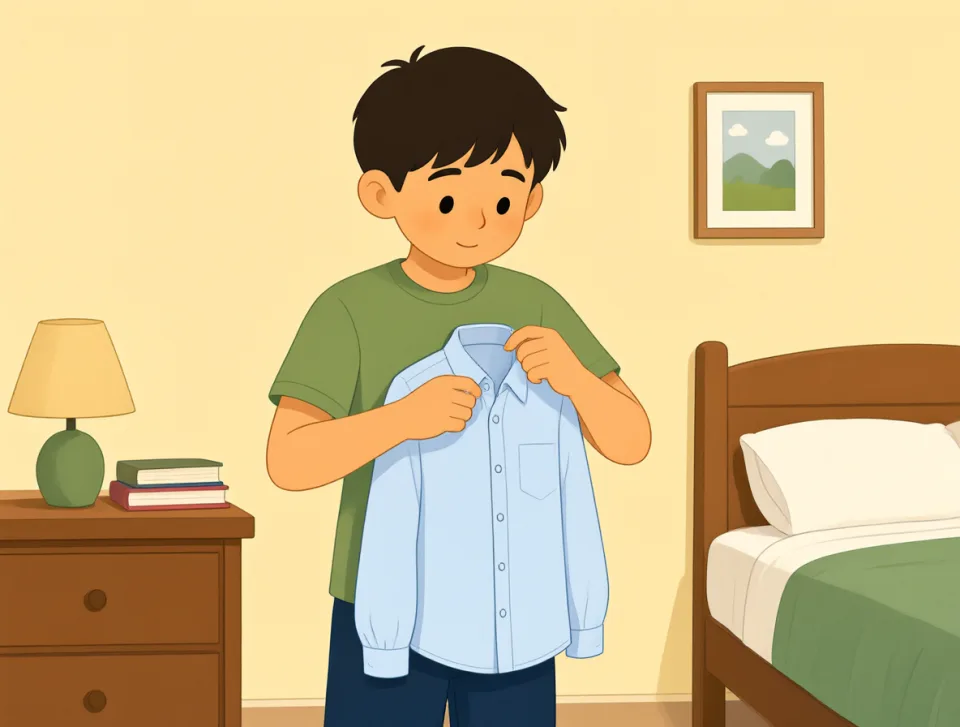
The boy dressed himself for school.
Мальчик сам оделся в школу.
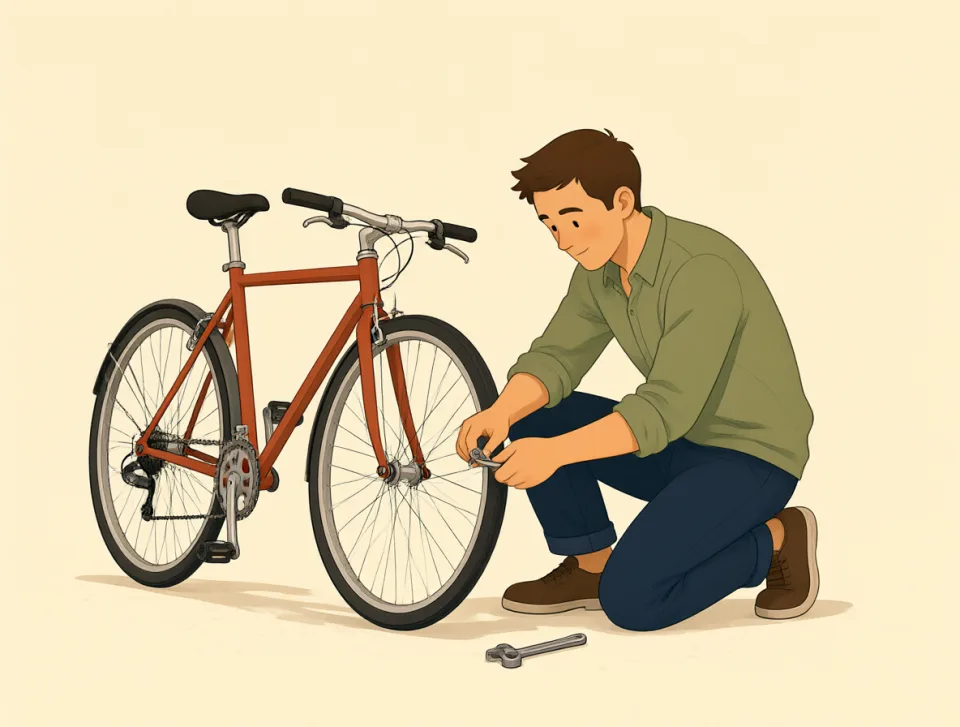
John fixed the bike himself.
Джон сам починил велосипед.

available
#459adjective
доступный; свободный
Ready to be used, bought, found, or reached.
Готовый к использованию, продаже или получению либо доступный для связи.

The doctor is available this afternoon.
Сегодня днём врач принимает.

Is this room available tonight?
Эта комната сегодня вечером свободна?

Fresh bread is available at the bakery.
В пекарне можно купить свежий хлеб.
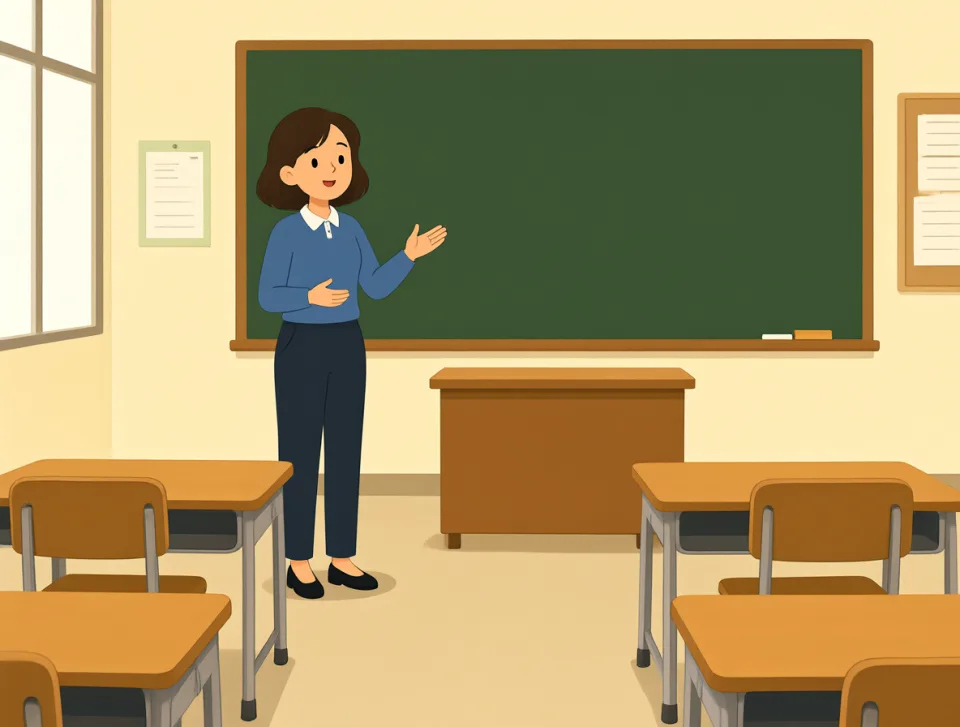
The teacher is available after class.
С учителем можно поговорить после урока.

No seats were available on the train.
В поезде не было свободных мест.

especially
#460adverb
особенно
More than usual or more than others
В большей степени, чем обычно или чем что-либо другое.
I especially like this warm soup.
Мне особенно нравится этот горячий суп.

This room is especially quiet today.
Сегодня в этой комнате особенно тихо.

She works especially hard before exams.
Перед экзаменами она особенно усердно занимается.

We visited many places, especially Rome.
Мы посетили много мест, особенно Рим.

Wear warm clothes, especially in winter.
Одевайтесь теплее, особенно зимой.