Đơn vị 23
Từ 441–460 · design, event, special, sometimes, condition, carry
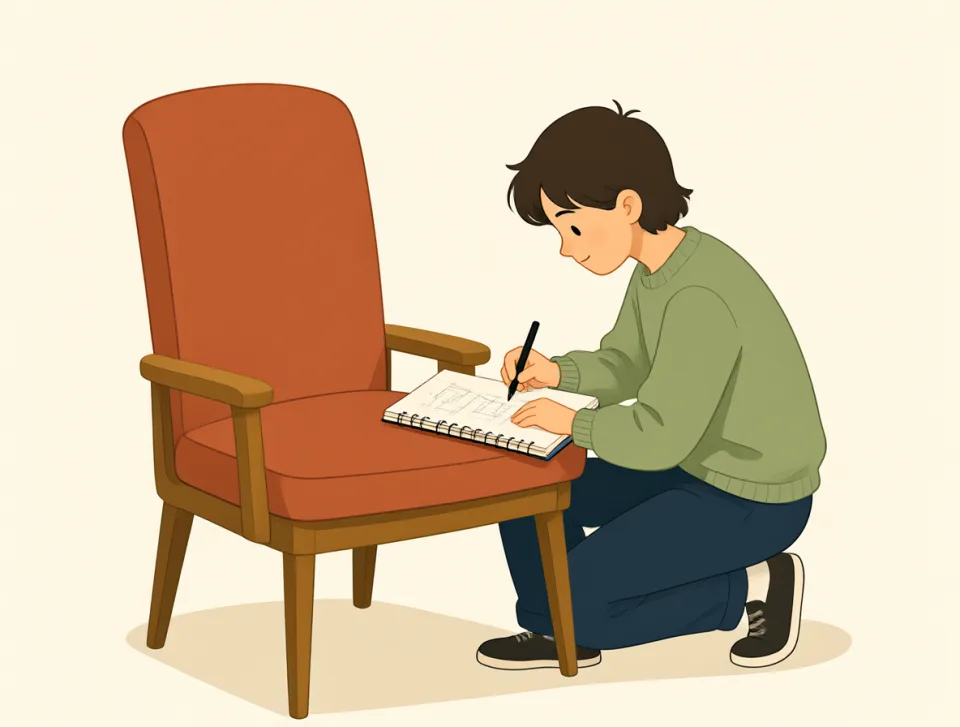
design
#441noun, verb
thiết kế
A plan for how something will look or work; to plan how something will look or work.
Bản kế hoạch về hình thức hoặc cách hoạt động của một thứ gì đó; lên kế hoạch về hình thức hoặc cách hoạt động của một thứ gì đó.

I like the design of this small house.
Tôi thích thiết kế của ngôi nhà nhỏ này.

She designs clothes for a famous shop.
Cô ấy thiết kế quần áo cho một cửa hàng nổi tiếng.
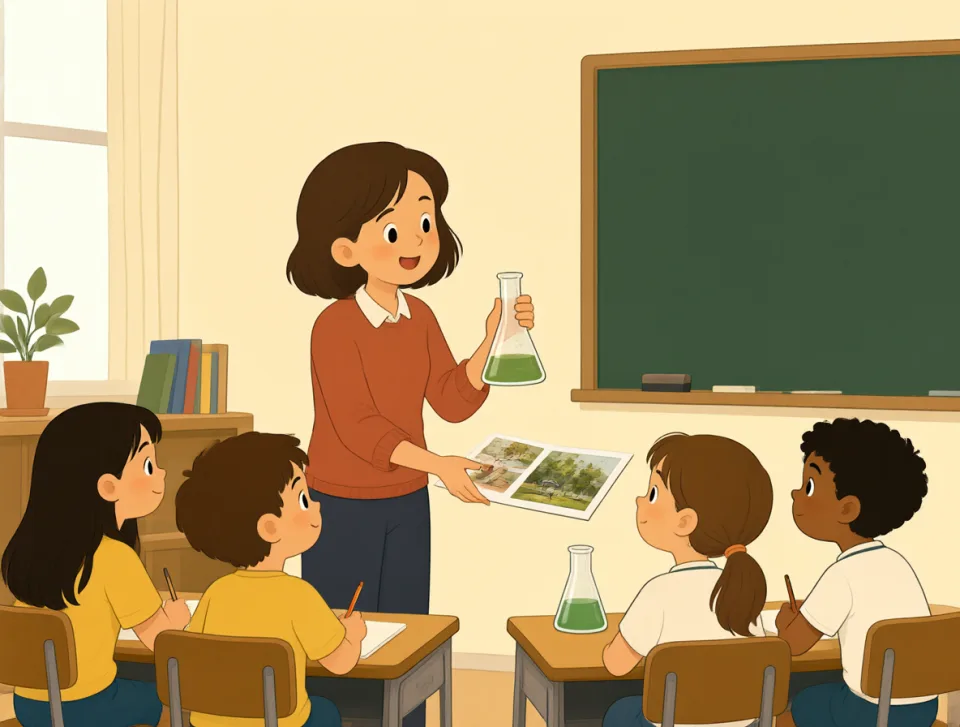
The teacher designed a fun science project.
Giáo viên đã thiết kế một dự án khoa học thú vị.

We chose a new design for our kitchen.
Chúng tôi đã chọn một thiết kế mới cho nhà bếp.
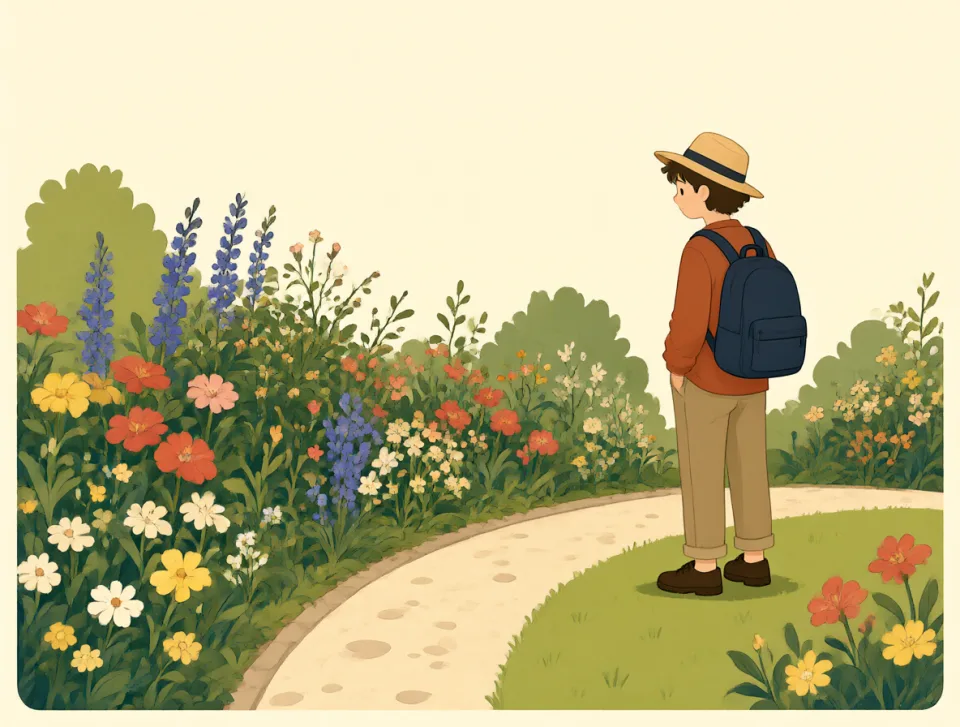
The hotel has a beautiful garden design.
Khách sạn có thiết kế khu vườn rất đẹp.
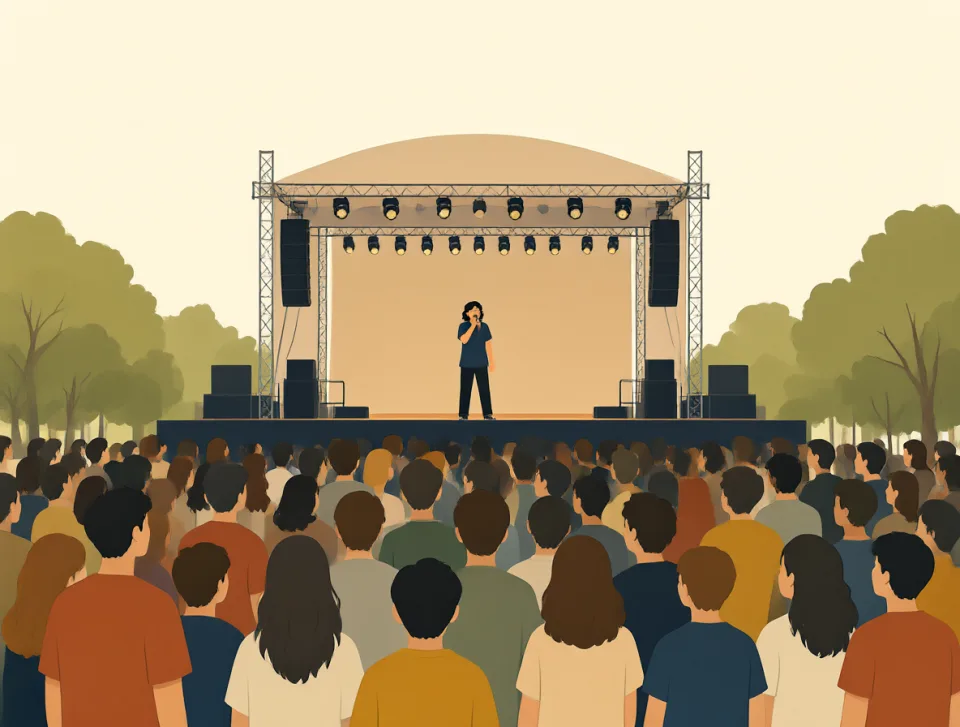
event
#442noun
sự kiện
Something important that happens, especially a planned activity or occasion.
Điều quan trọng xảy ra, đặc biệt là một hoạt động hoặc dịp được lên kế hoạch.
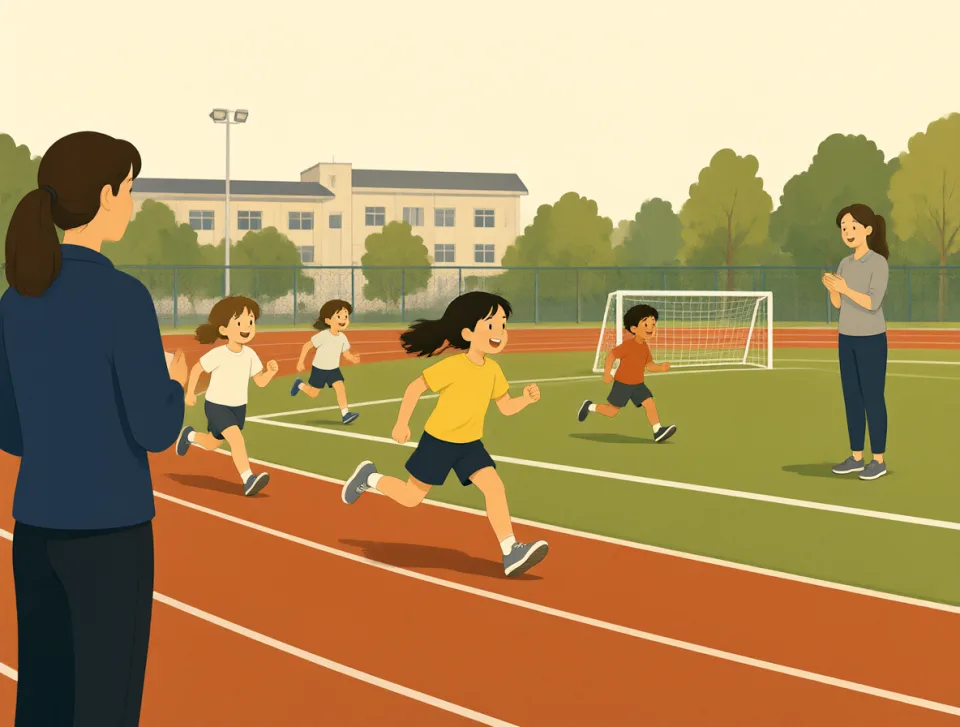
Our school held a sports event yesterday.
Hôm qua, trường chúng tôi tổ chức một sự kiện thể thao.

The wedding was a beautiful family event.
Đám cưới là một sự kiện gia đình thật đẹp.
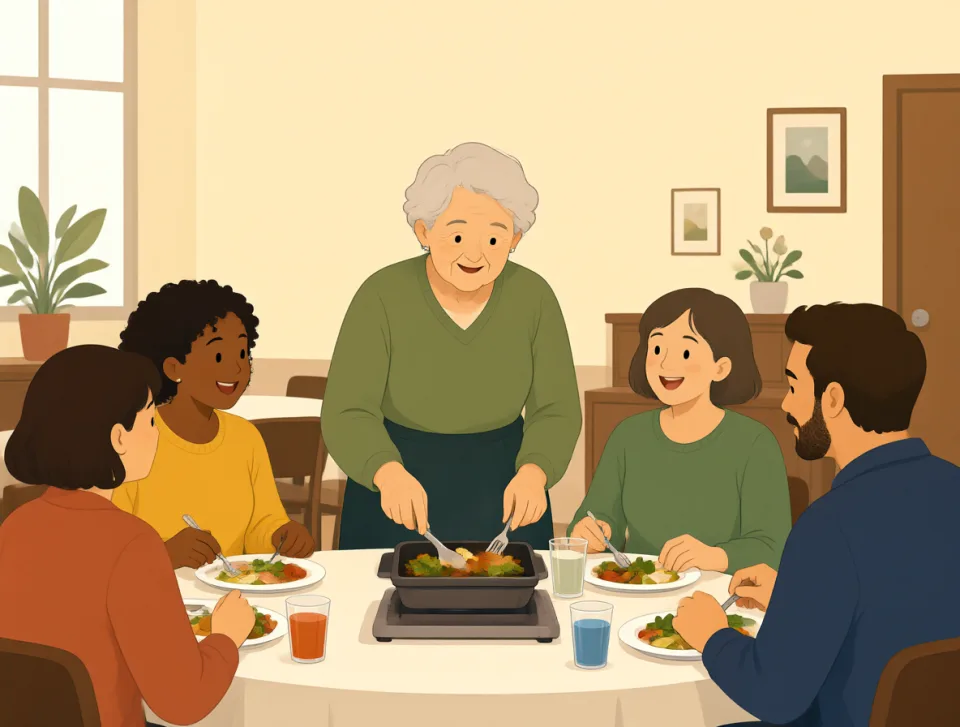
Many people came to the charity event.
Nhiều người đã đến tham dự sự kiện từ thiện.

The shop has a special event this weekend.
Cuối tuần này, cửa hàng có một sự kiện đặc biệt.
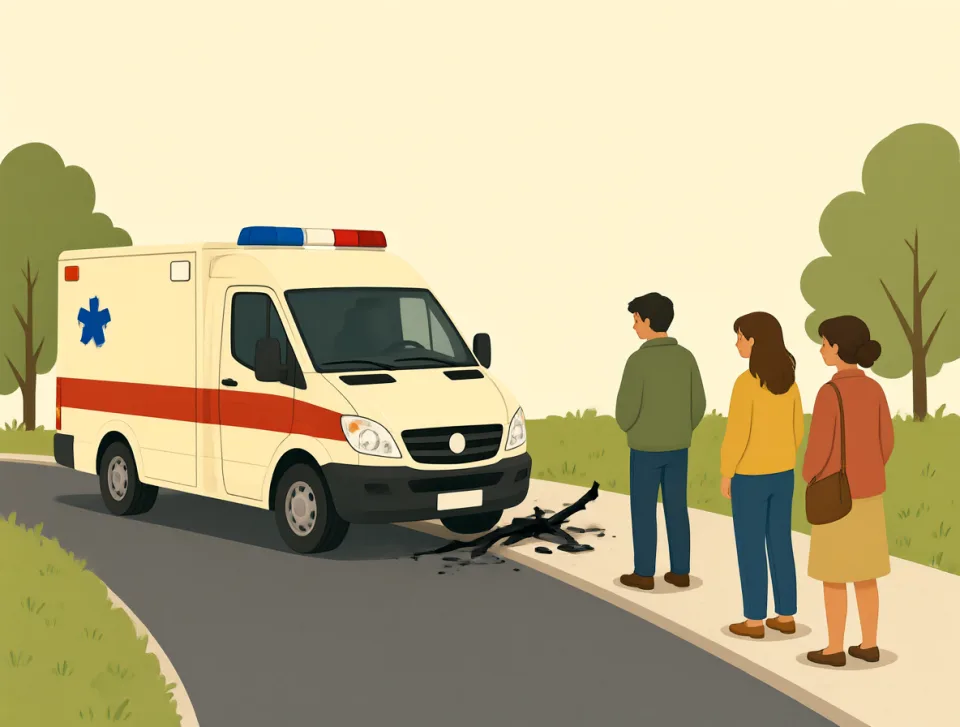
The accident was a frightening event for everyone.
Tai nạn đó là một sự việc đáng sợ đối với mọi người.
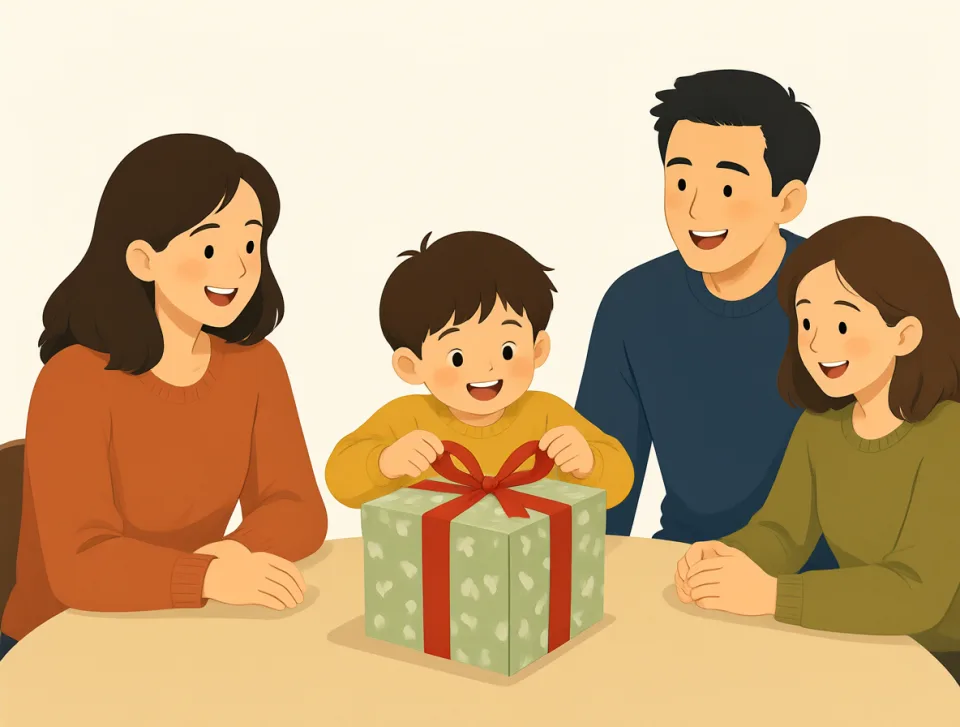
special
#443adjective, noun
đặc biệt
Different from usual, or important and worth attention.
Khác với bình thường, hoặc quan trọng và đáng được chú ý.
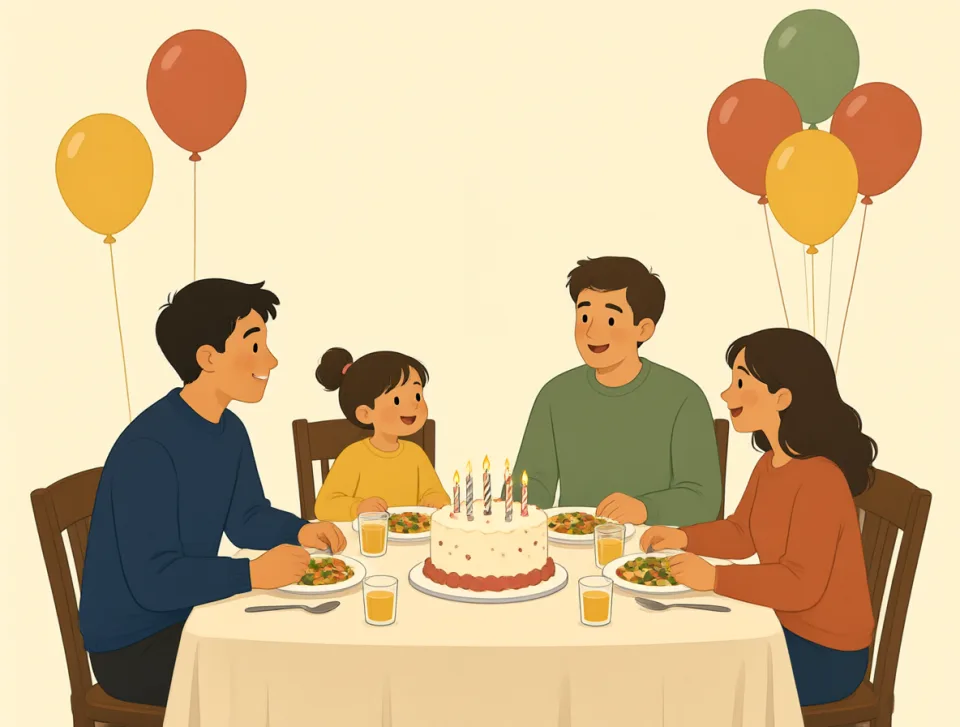
We had a special dinner for my birthday.
Chúng tôi đã ăn một bữa tối đặc biệt mừng sinh nhật tôi.

She bought a special dress for the party.
Cô ấy đã mua một chiếc váy đặc biệt cho bữa tiệc.
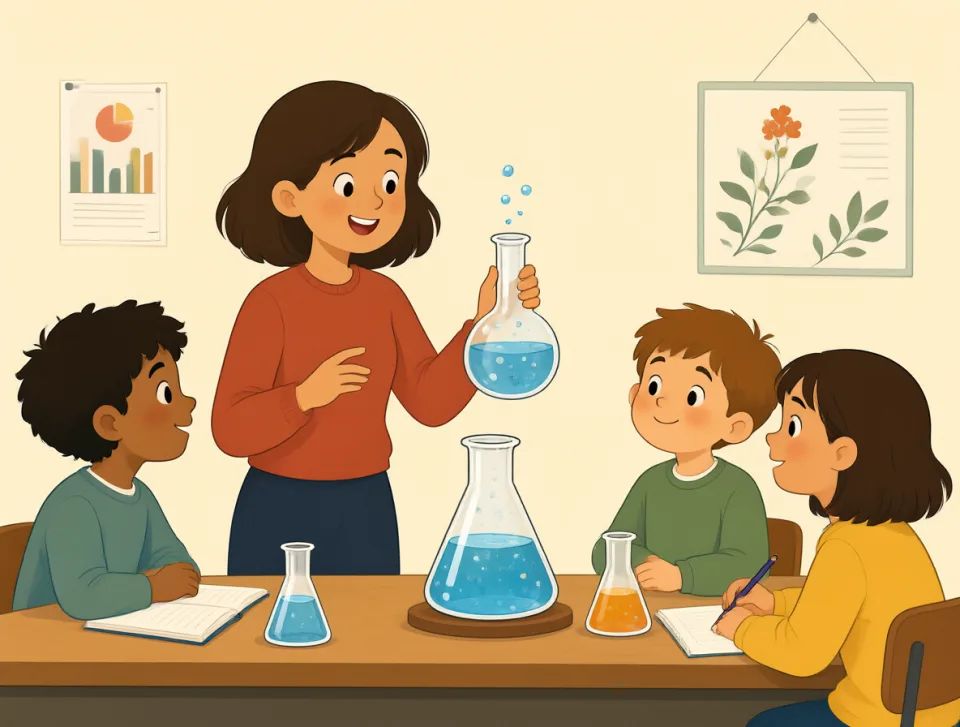
The teacher planned a special lesson today.
Hôm nay, giáo viên đã lên kế hoạch cho một tiết học đặc biệt.
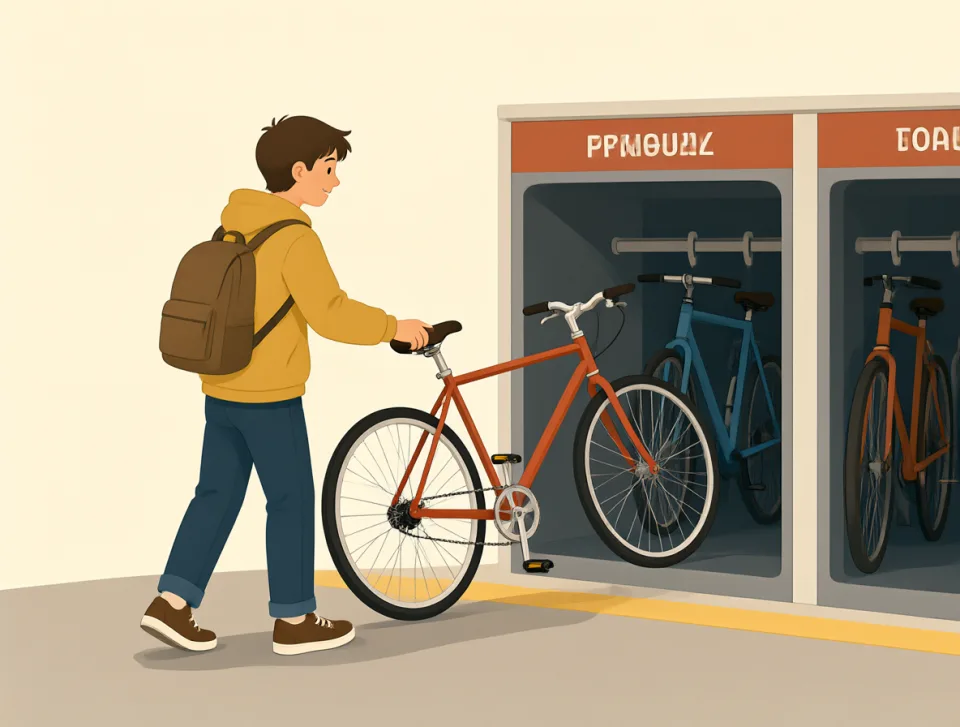
This train has a special place for bicycles.
Tàu này có một chỗ đặc biệt dành cho xe đạp.
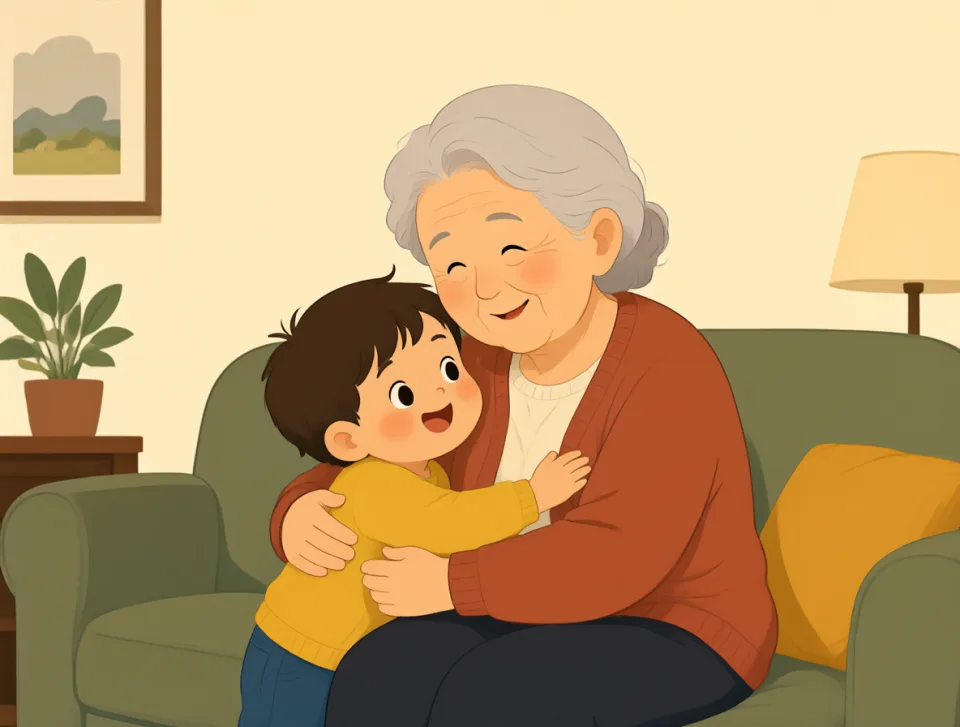
My grandmother is a very special person.
Bà tôi là một người rất đặc biệt.

sometimes
#444adverb
thỉnh thoảng
At some times, but not always.
Vào một vài lúc, nhưng không phải lúc nào cũng vậy.
I sometimes walk to work.
Thỉnh thoảng tôi đi bộ đến chỗ làm.
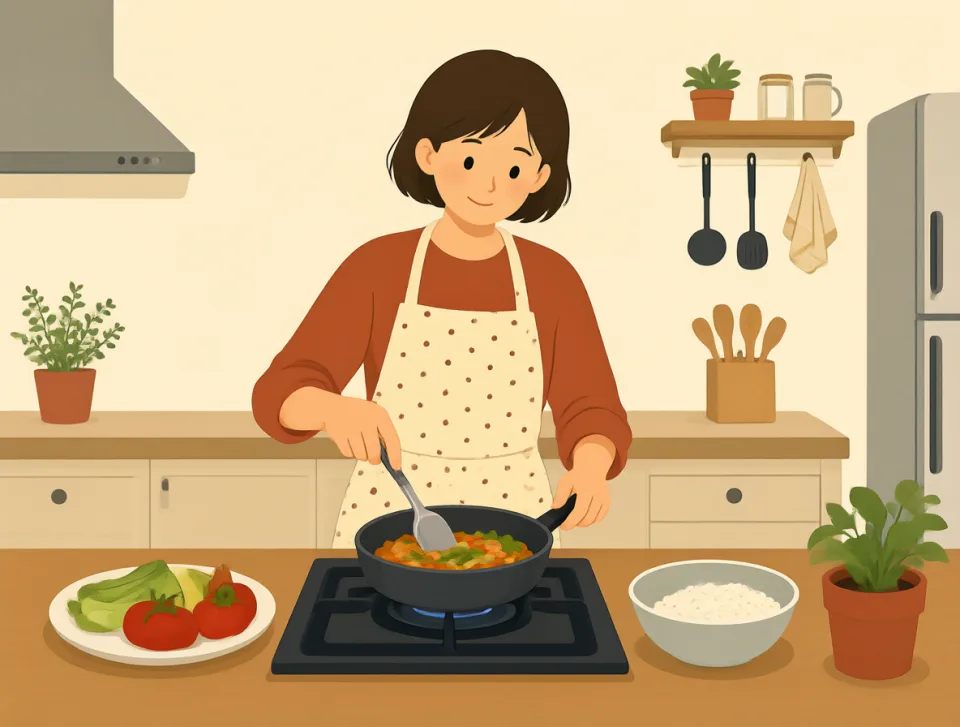
She sometimes cooks dinner for us.
Thỉnh thoảng cô ấy nấu bữa tối cho chúng tôi.
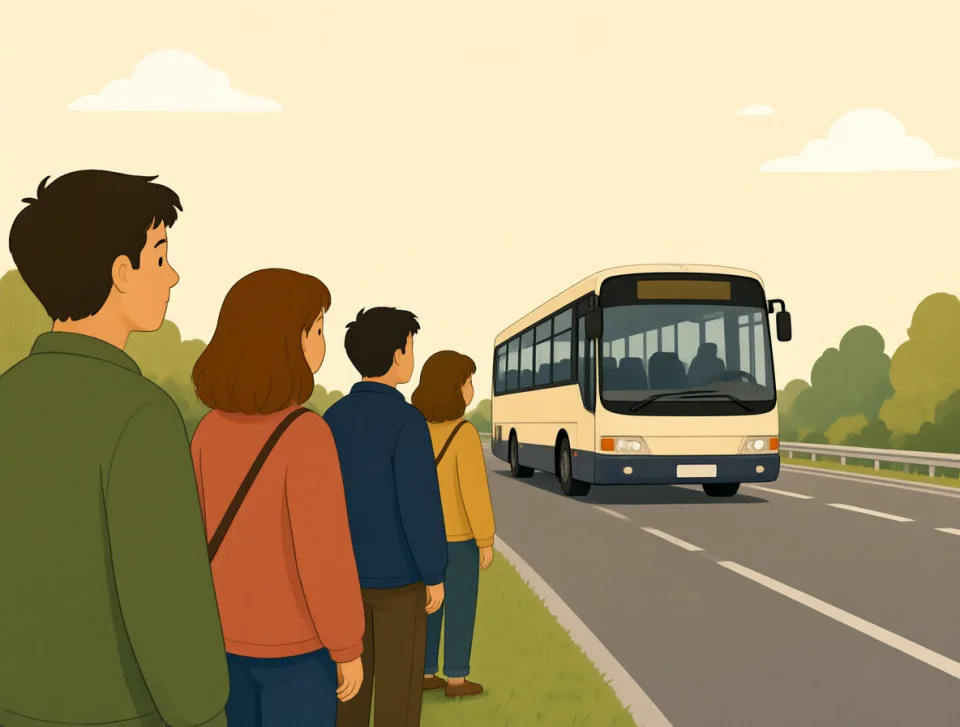
Sometimes, the bus arrives late.
Thỉnh thoảng xe buýt đến muộn.

We sometimes eat pizza on Fridays.
Thỉnh thoảng chúng tôi ăn pizza vào thứ Sáu.

He sometimes feels tired after school.
Thỉnh thoảng cậu ấy cảm thấy mệt sau giờ học.
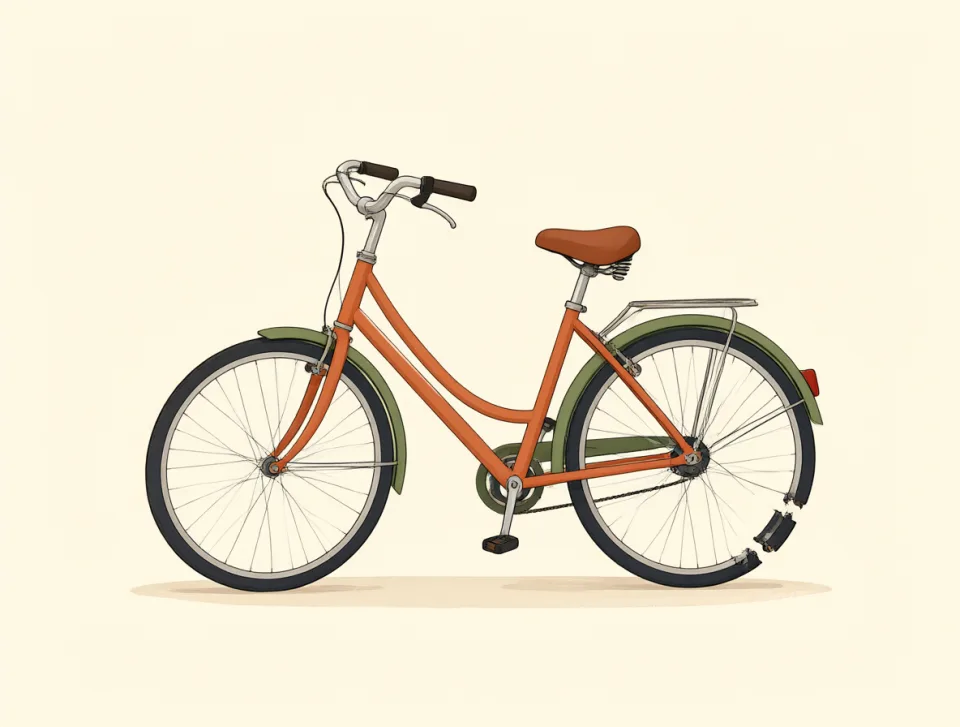
condition
#445noun
tình trạng; điều kiện
the state that something is in, or a rule that must be accepted
Trạng thái của một thứ gì đó, hoặc một quy tắc phải được chấp nhận.
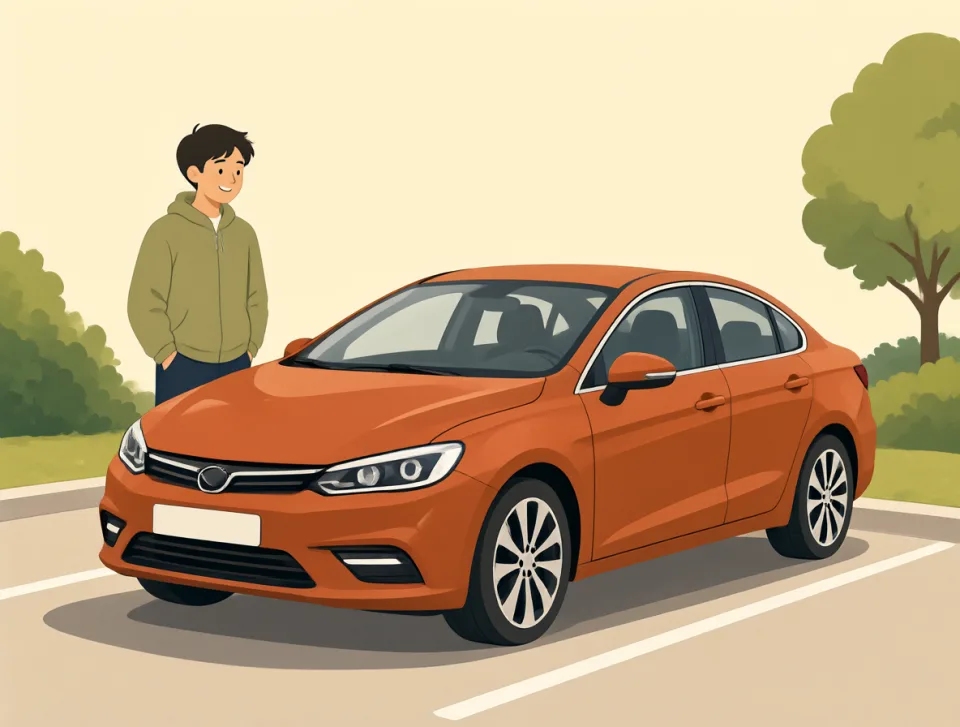
The car is in good condition.
Chiếc xe đang trong tình trạng tốt.

You can buy it on one condition.
Bạn có thể mua nó với một điều kiện.

The doctor asked about my condition.
Bác sĩ hỏi về tình trạng sức khỏe của tôi.

The house was in poor condition.
Ngôi nhà đang trong tình trạng tồi tệ.

Cold conditions made the trip difficult.
Điều kiện thời tiết lạnh khiến chuyến đi trở nên khó khăn.
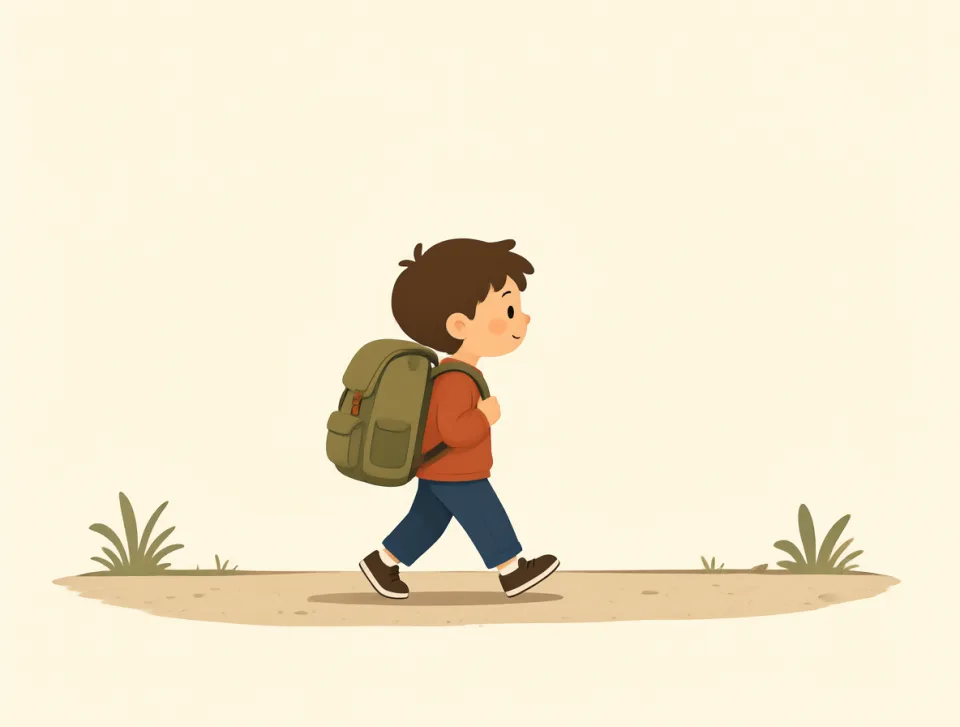
carry
#446verb
mang
to take something or someone from one place to another
đưa một vật hoặc người từ nơi này đến nơi khác

She carries her bag to work every day.
Cô ấy mang túi đi làm mỗi ngày.

Please carry these boxes upstairs.
Vui lòng mang những chiếc hộp này lên lầu.

The waiter carried our food to the table.
Người phục vụ bưng đồ ăn của chúng tôi đến bàn.
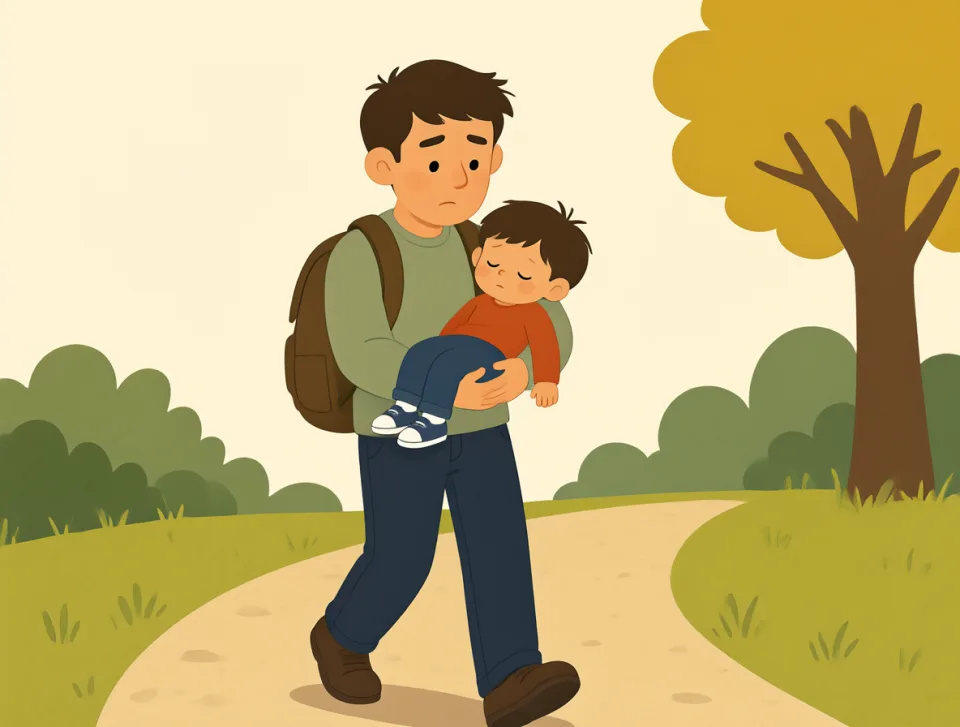
He carried his son home after the trip.
Anh ấy cõng con trai về nhà sau chuyến đi.
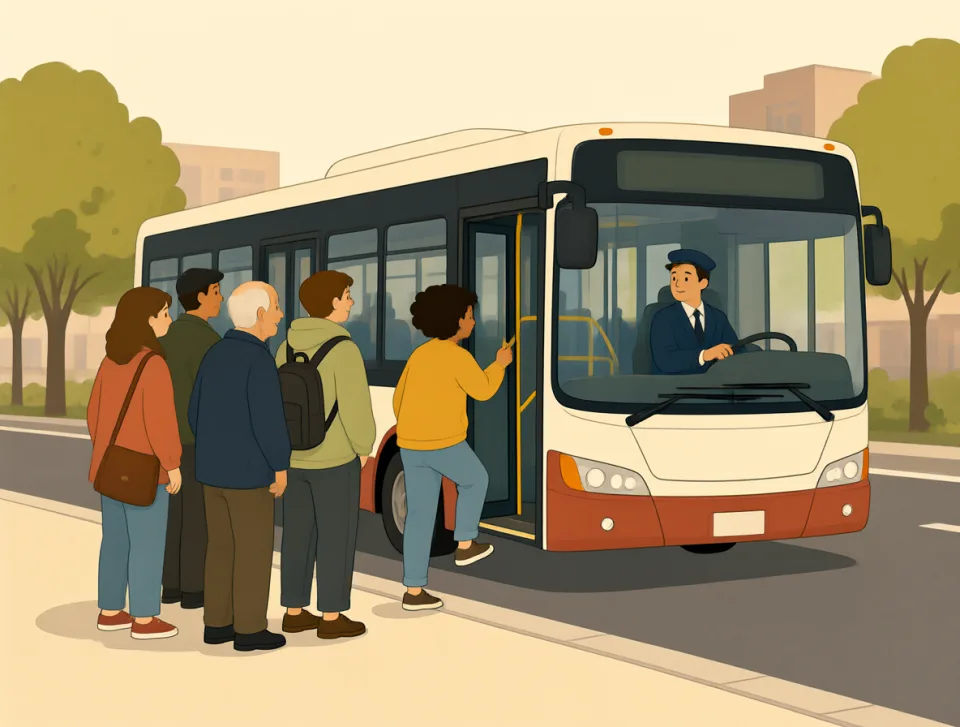
This bus carries many people every morning.
Xe buýt này chở nhiều người mỗi sáng.
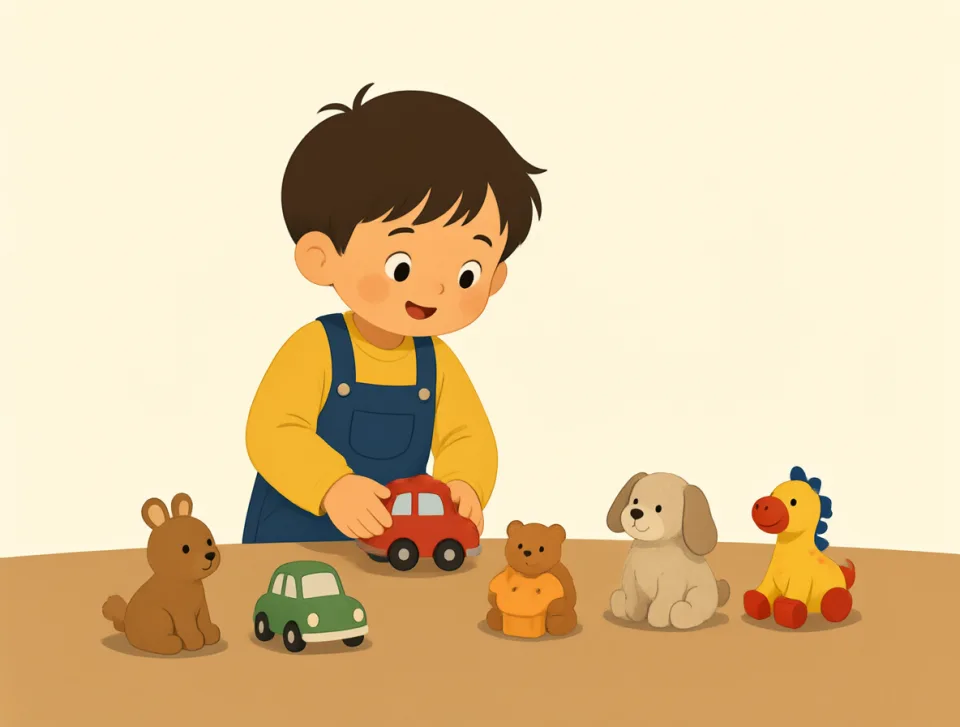
choose
#447verb
chọn
To decide which person or thing you want from several possibilities.
Quyết định chọn người hoặc vật mình muốn trong số nhiều khả năng.

Choose a seat near the window.
Hãy chọn chỗ ngồi gần cửa sổ.

She chose the blue dress for work.
Cô ấy chọn chiếc váy xanh để mặc đi làm.
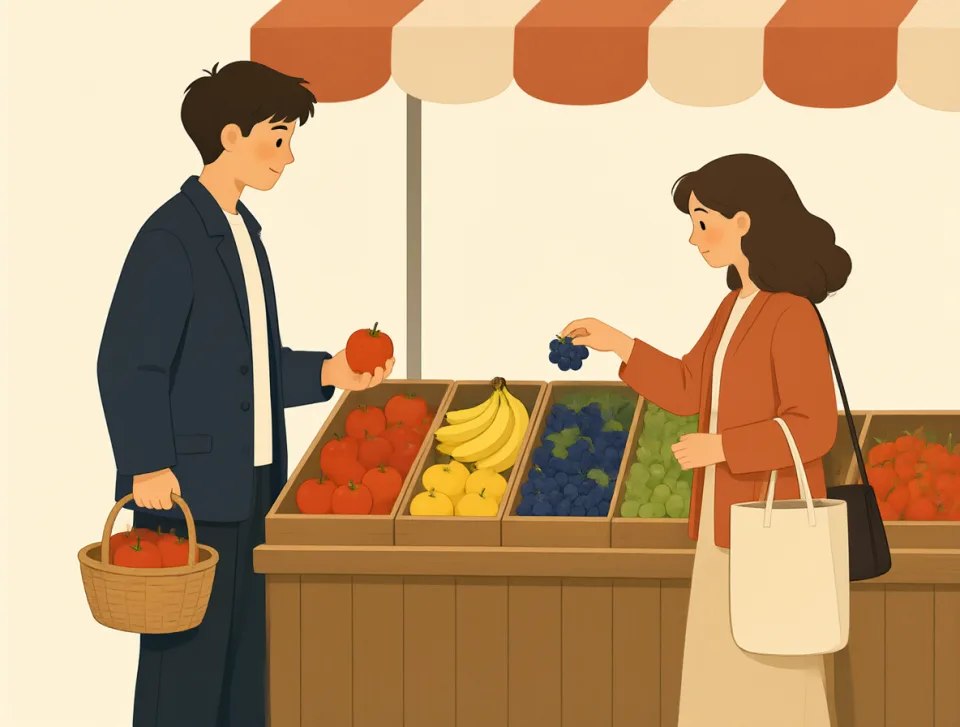
We choose fresh fruit at the market.
Chúng tôi chọn trái cây tươi ở chợ.
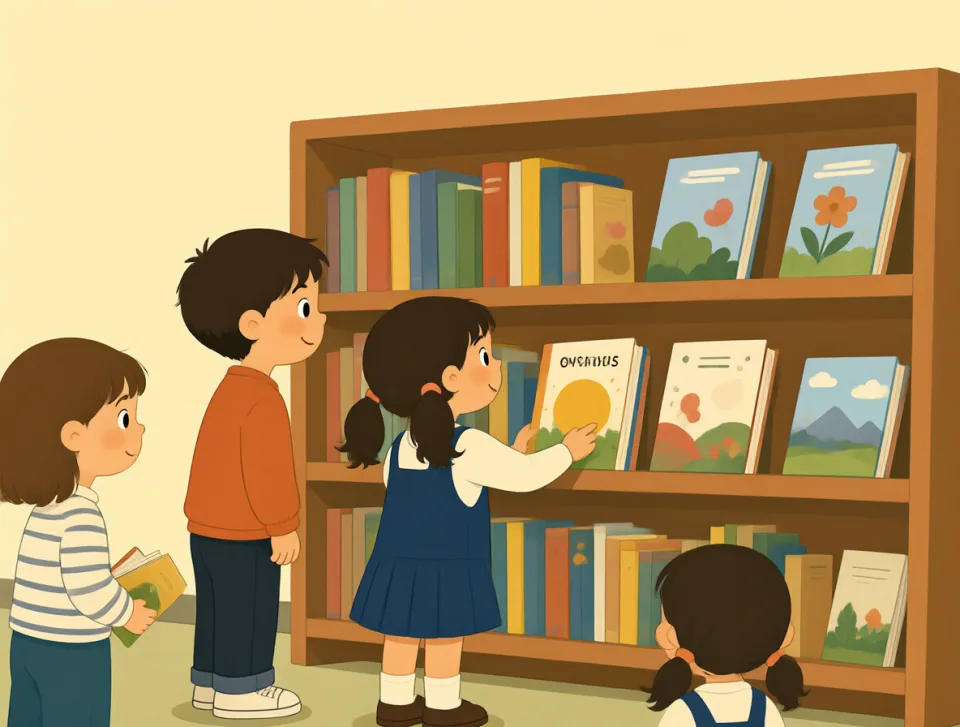
Our teacher let us choose a book.
Giáo viên cho chúng tôi chọn một cuốn sách.
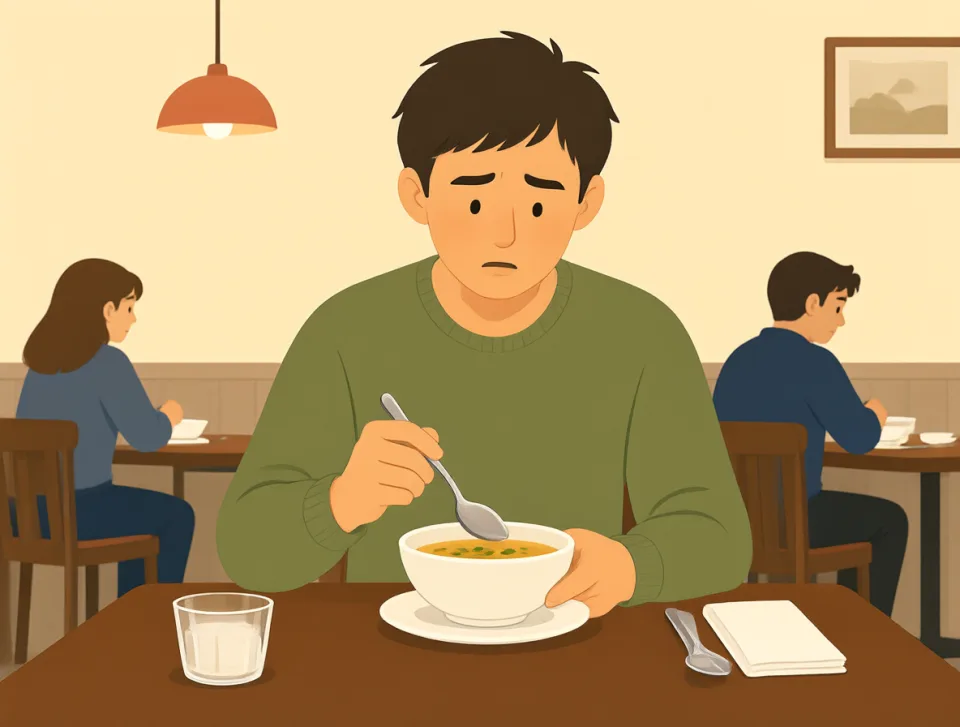
He chose soup because his throat hurt.
Anh ấy chọn súp vì bị đau họng.
father
#448noun
cha
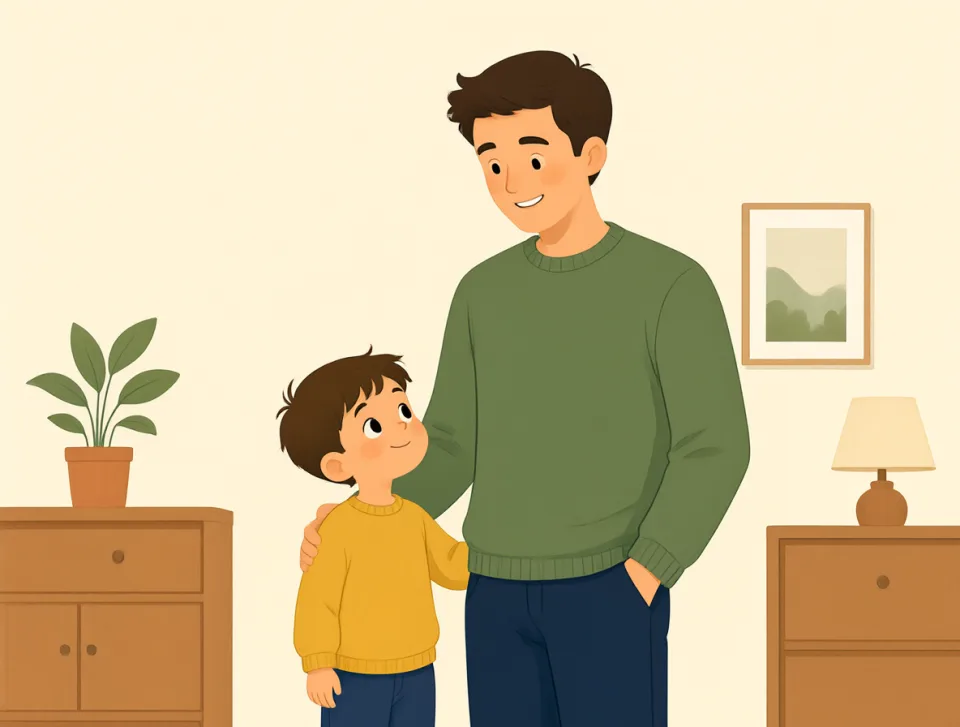
A male parent of a child.
Cha mẹ là nam giới của một đứa trẻ.
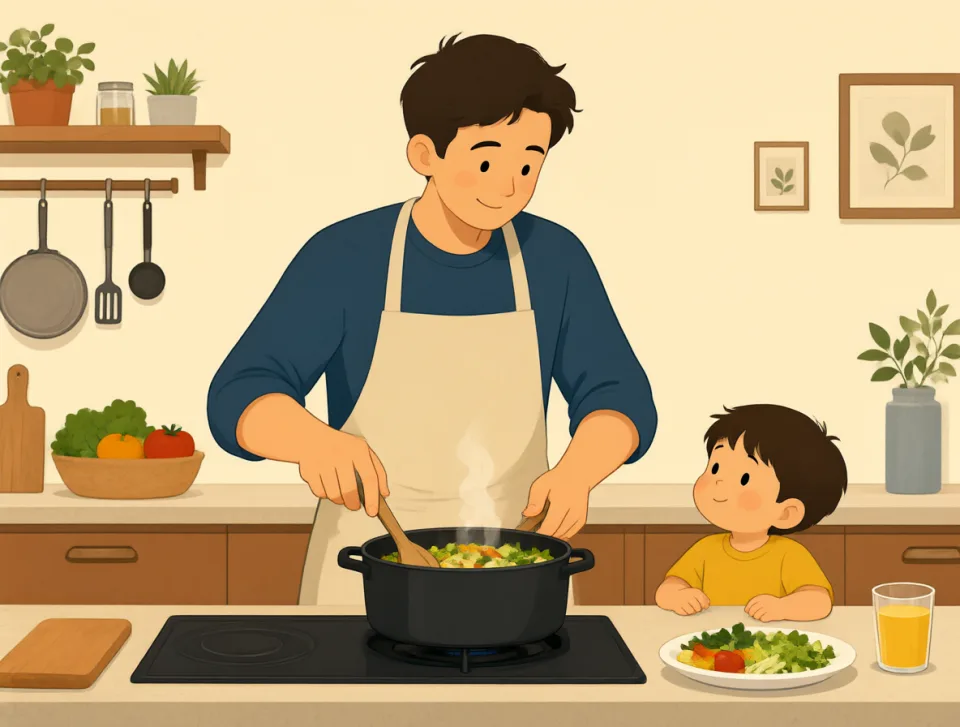
My father makes breakfast every morning.
Bố tôi làm bữa sáng mỗi sáng.
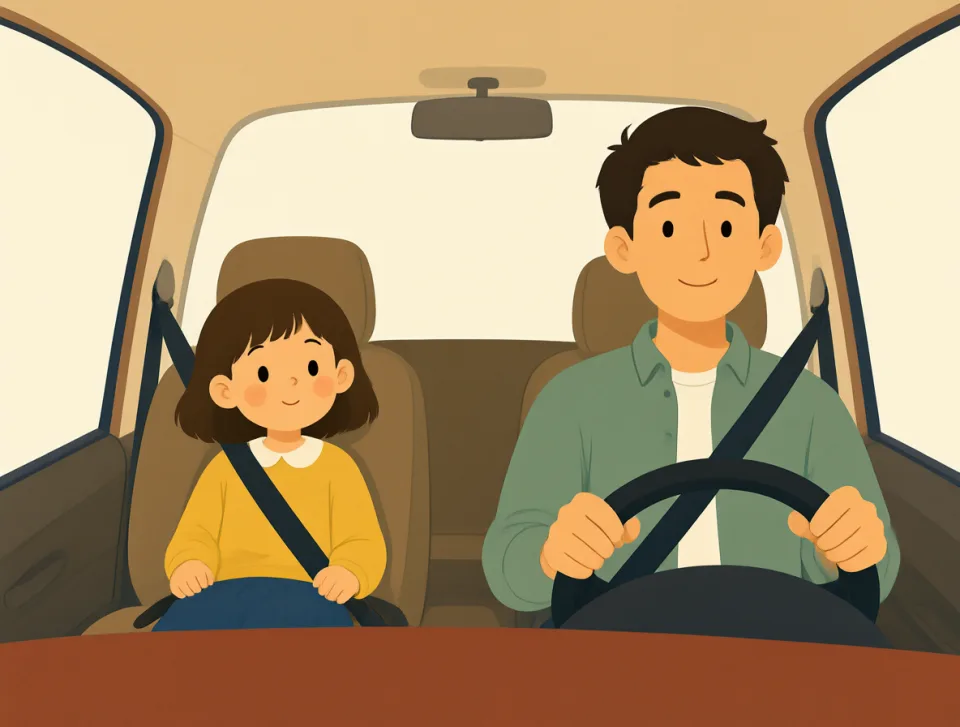
Her father drives her to school.
Bố cô ấy chở cô ấy đến trường.

I called my father after work.
Tôi gọi điện cho bố sau giờ làm.
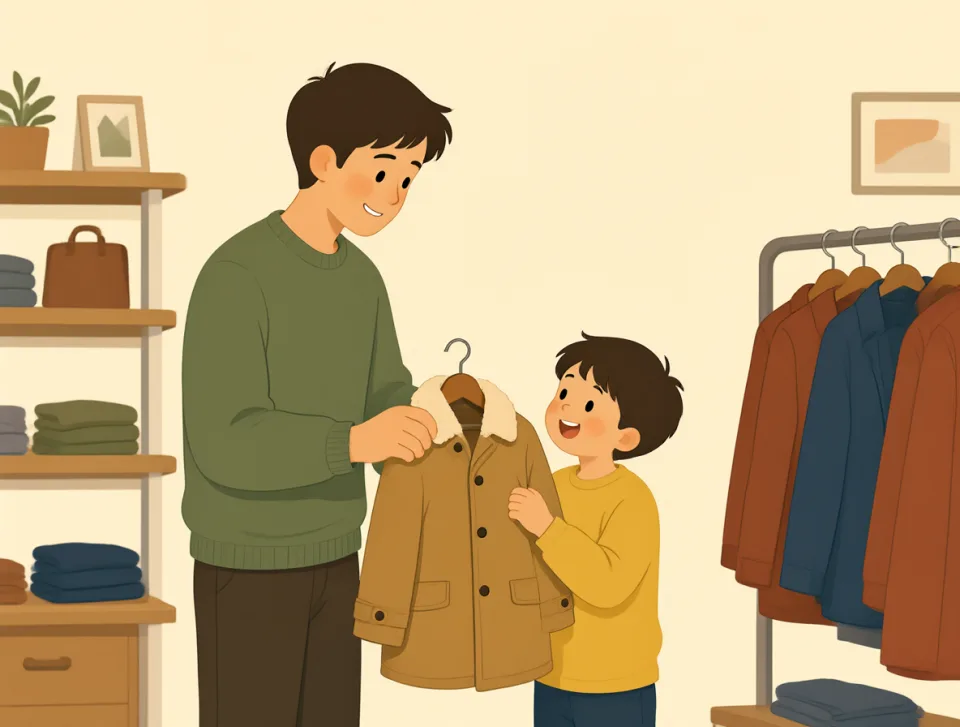
His father bought a new coat.
Bố anh ấy mua một chiếc áo khoác mới.

The baby is staying with her father.
Em bé đang ở với bố.
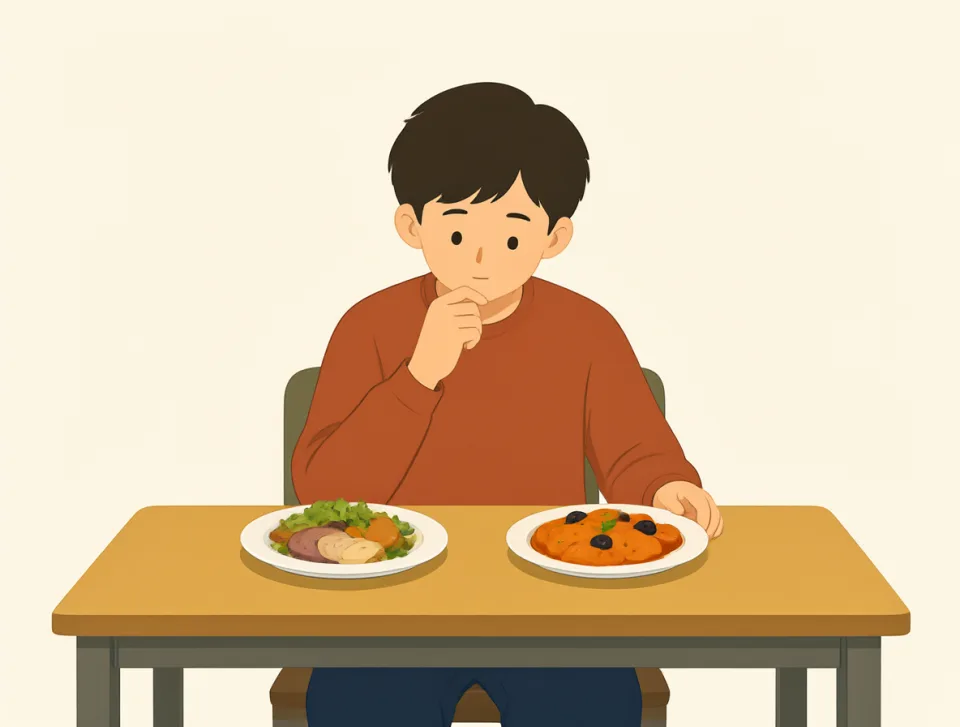
decision
#449noun
quyết định
a choice you make after thinking about what to do
lựa chọn được đưa ra sau khi suy nghĩ xem nên làm gì

We need to make a decision today.
Hôm nay chúng ta cần đưa ra quyết định.

She made the right decision about the job.
Cô ấy đã đưa ra quyết định đúng đắn về công việc.

The teacher asked for our decision.
Giáo viên hỏi chúng tôi về quyết định của mình.
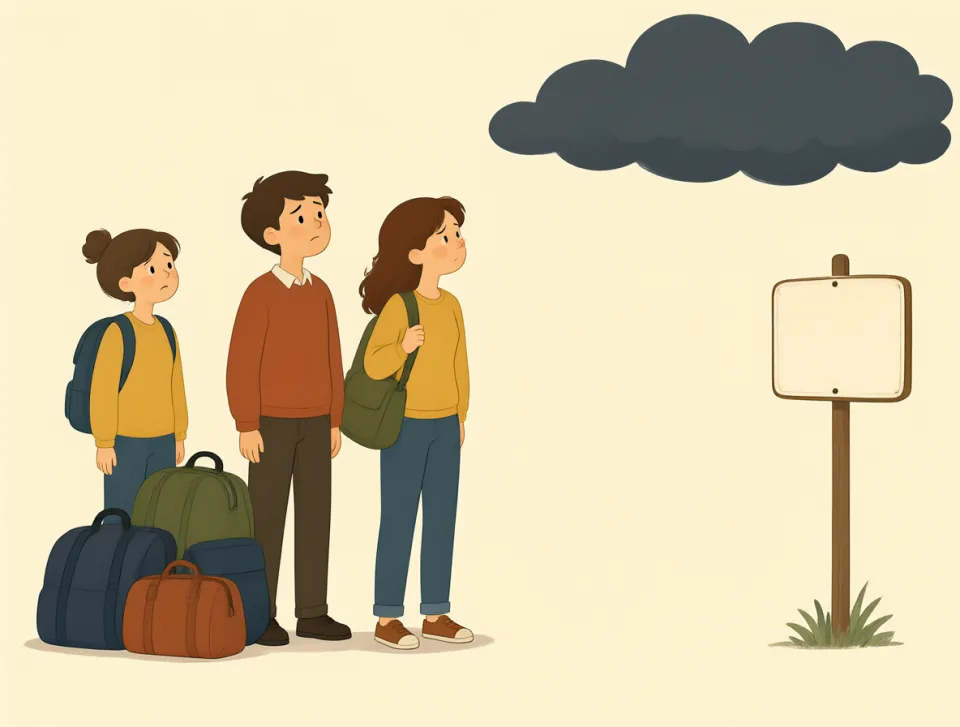
They changed their decision after the storm.
Họ đã thay đổi quyết định sau cơn bão.

His doctor helped him make a decision.
Bác sĩ giúp anh ấy đưa ra quyết định.
table
#450noun, verb
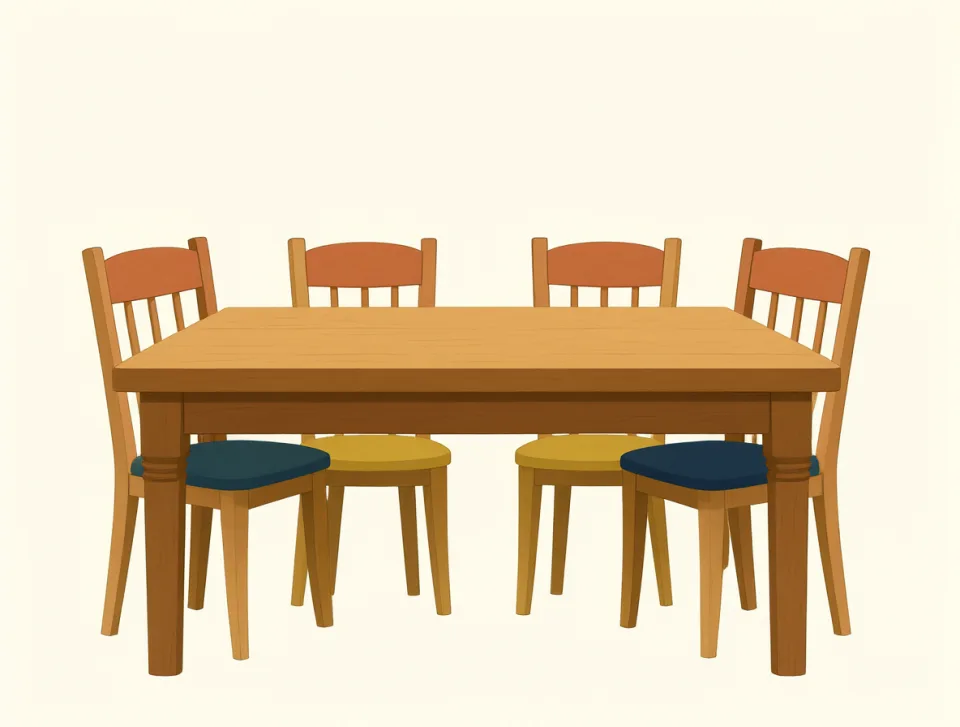
bàn
A piece of furniture with a flat top and legs, or to put information in a table.
Đồ nội thất có mặt phẳng và chân, hoặc hành động trình bày thông tin dưới dạng bảng.
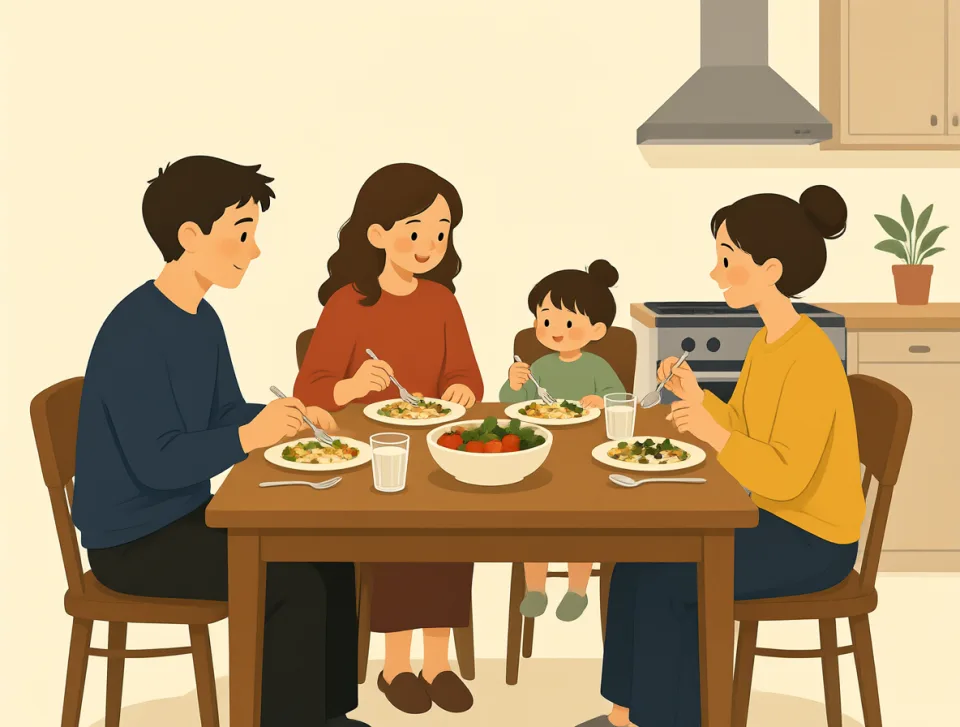
We ate dinner at the kitchen table.
Chúng tôi ăn tối ở bàn bếp.

Please put the books on the table.
Vui lòng đặt sách lên bàn.
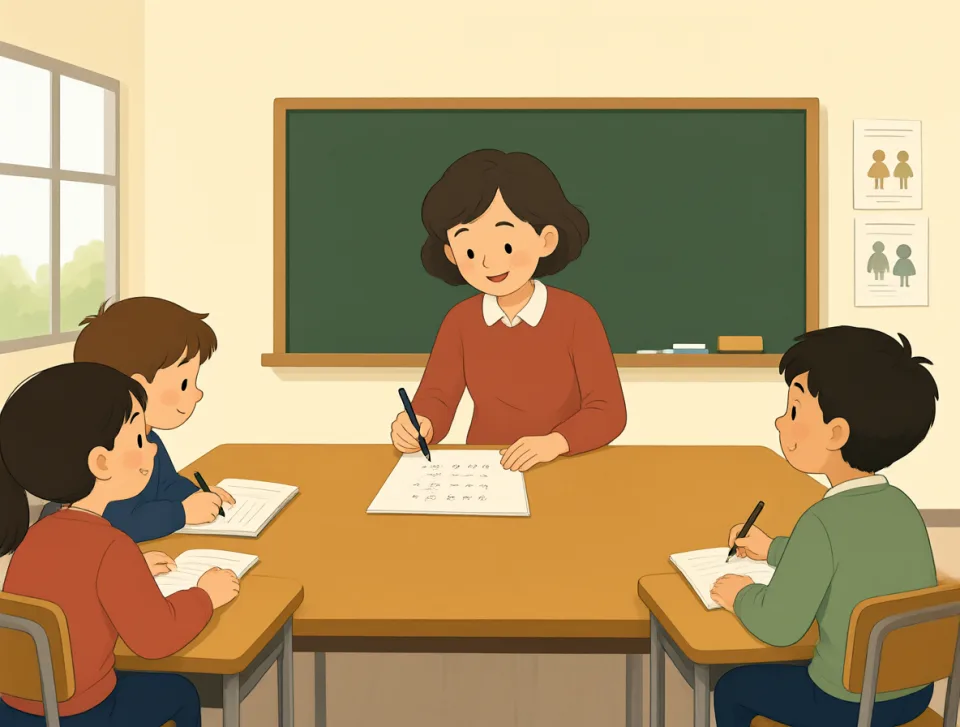
The teacher wrote the answers on the table.
Giáo viên viết đáp án lên bàn.

They booked a table for two tonight.
Tối nay họ đã đặt bàn cho hai người.

The report tables the costs clearly.
Báo cáo trình bày rõ ràng các khoản chi phí dưới dạng bảng.

certain
#451adjective, determiner, pronoun
chắc chắn; một người/vật nào đó
Sure about something or someone; or a particular person or thing.
Tin chắc về điều gì đó hoặc ai đó; hoặc chỉ một người hay vật cụ thể nào đó.
I am certain this is the right bus.
Tôi chắc chắn đây là xe buýt đúng.

Are you certain about your answer?
Bạn có chắc về câu trả lời của mình không?
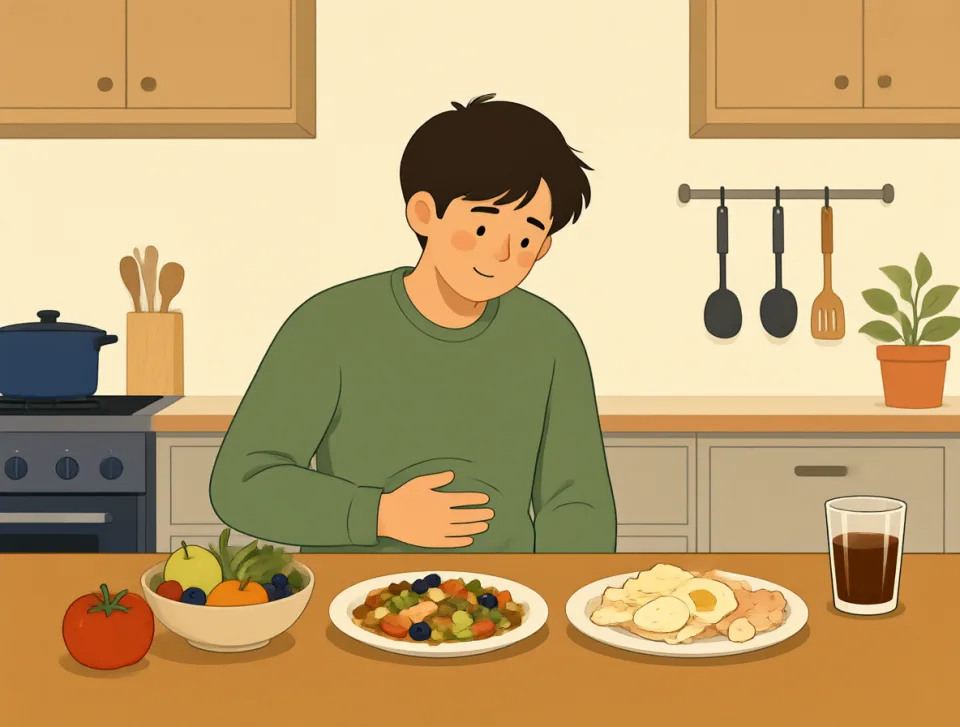
Certain foods make my stomach hurt.
Một số loại thức ăn khiến tôi đau bụng.

We met certain friends at the airport.
Chúng tôi gặp một vài người bạn ở sân bay.
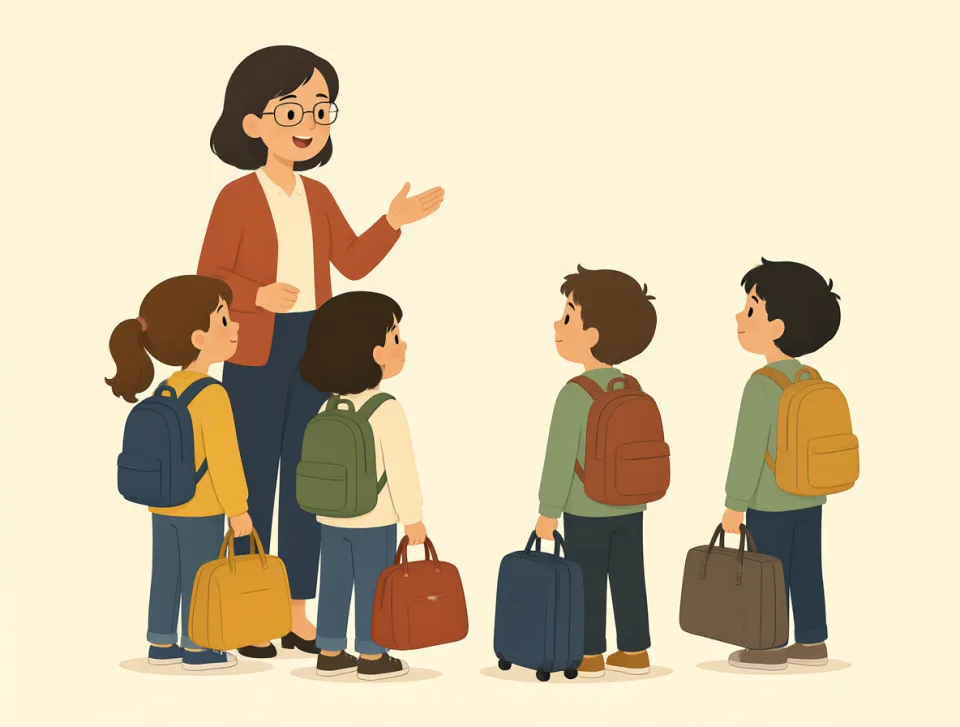
Only certain students can join the trip.
Chỉ một số học sinh nhất định mới được tham gia chuyến đi.
forward
#452adverb, adjective, noun, verb
về phía trước; thúc đẩy
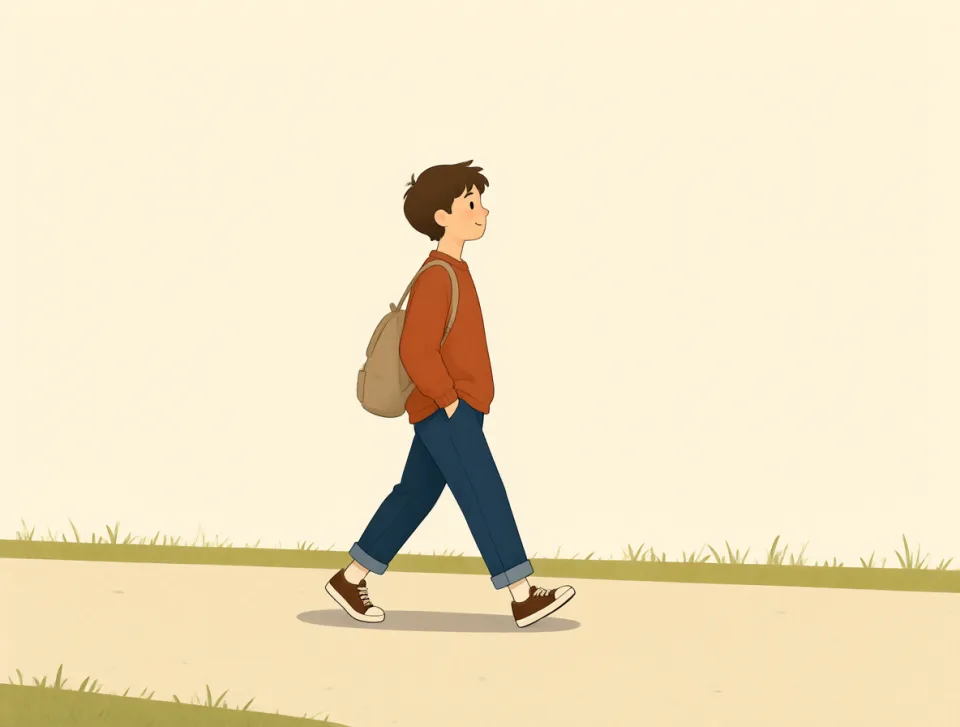
Toward the front or a place ahead; helping something continue or improve.
Hướng về phía trước hoặc một nơi ở phía trước; giúp điều gì đó tiếp tục hoặc tiến triển.
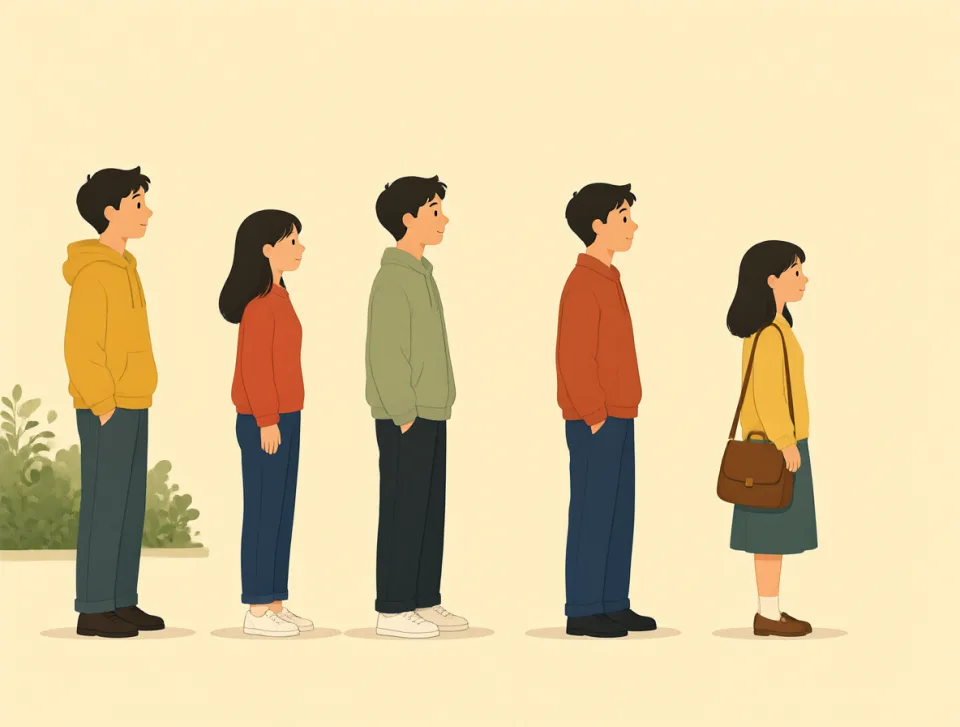
Please move forward in the line.
Vui lòng tiến lên phía trước trong hàng.
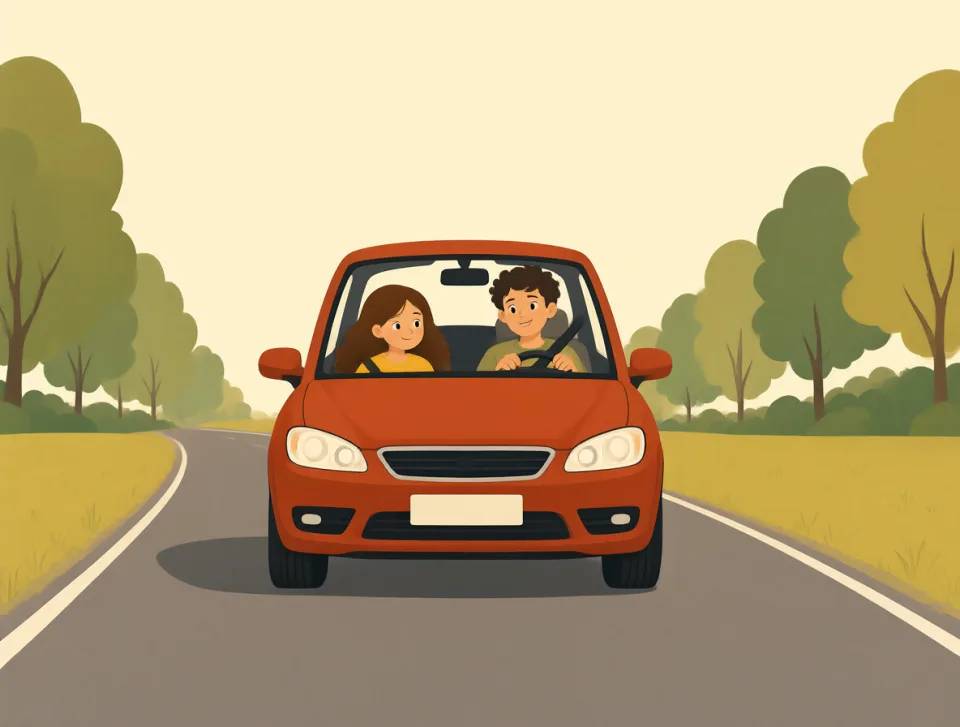
The car moved forward slowly.
Chiếc xe từ từ tiến về phía trước.

She has a bright future forward.
Cô ấy có một tương lai tươi sáng phía trước.

The team made forward progress today.
Hôm nay cả đội đã đạt được tiến bộ.

He leaned forward to hear better.
Anh ấy nghiêng người về phía trước để nghe rõ hơn.

main
#453adjective, noun
chính; chủ yếu
Most important; the largest or strongest part of something.
Quan trọng nhất; phần lớn nhất hoặc mạnh nhất của một thứ.
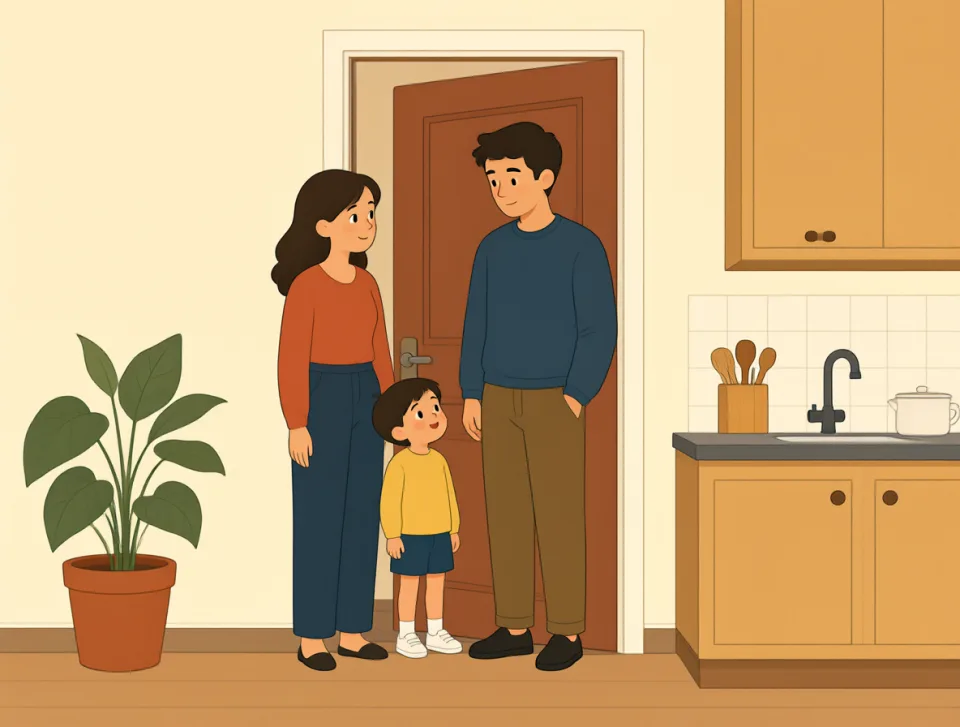
The main door is next to the kitchen.
Cửa chính nằm cạnh nhà bếp.
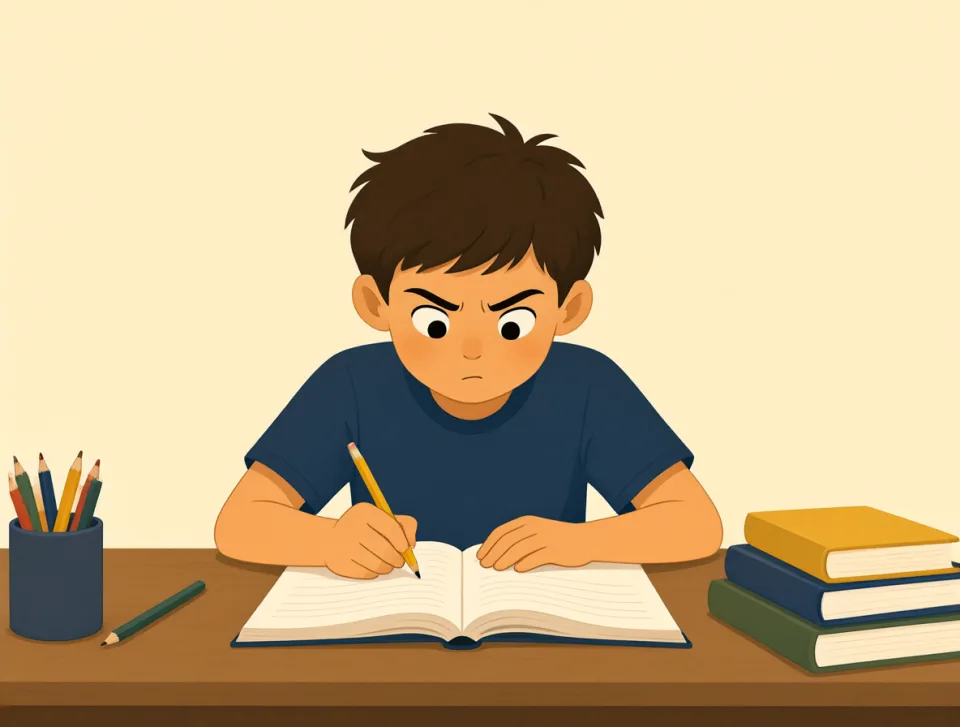
Our main goal is to pass the test.
Mục tiêu chính của chúng tôi là vượt qua bài kiểm tra.
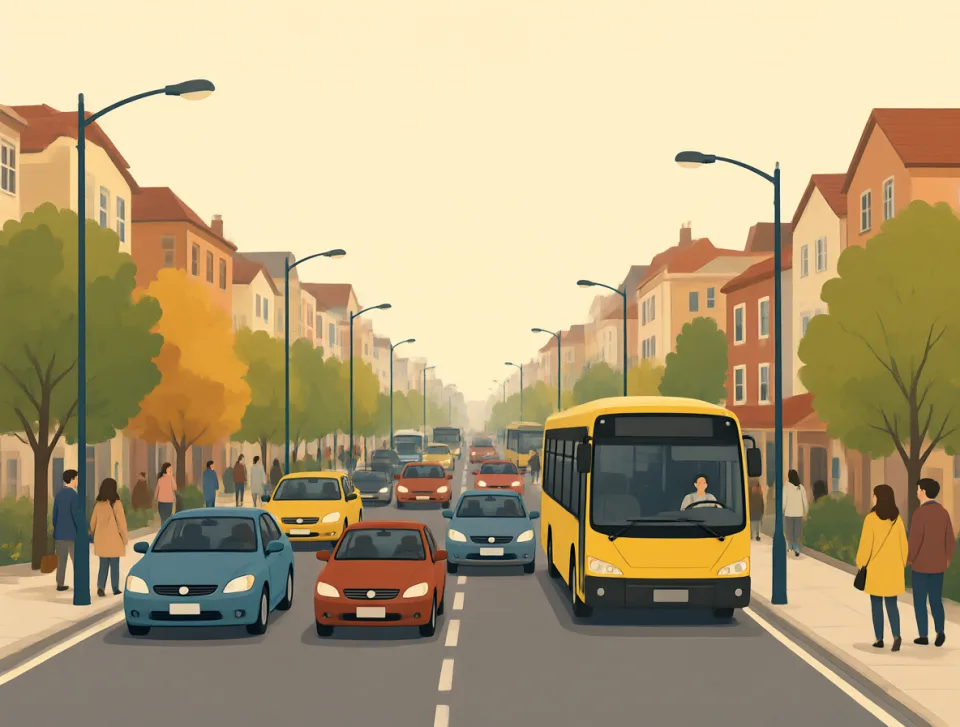
The main road was busy this morning.
Con đường chính đông đúc vào sáng nay.
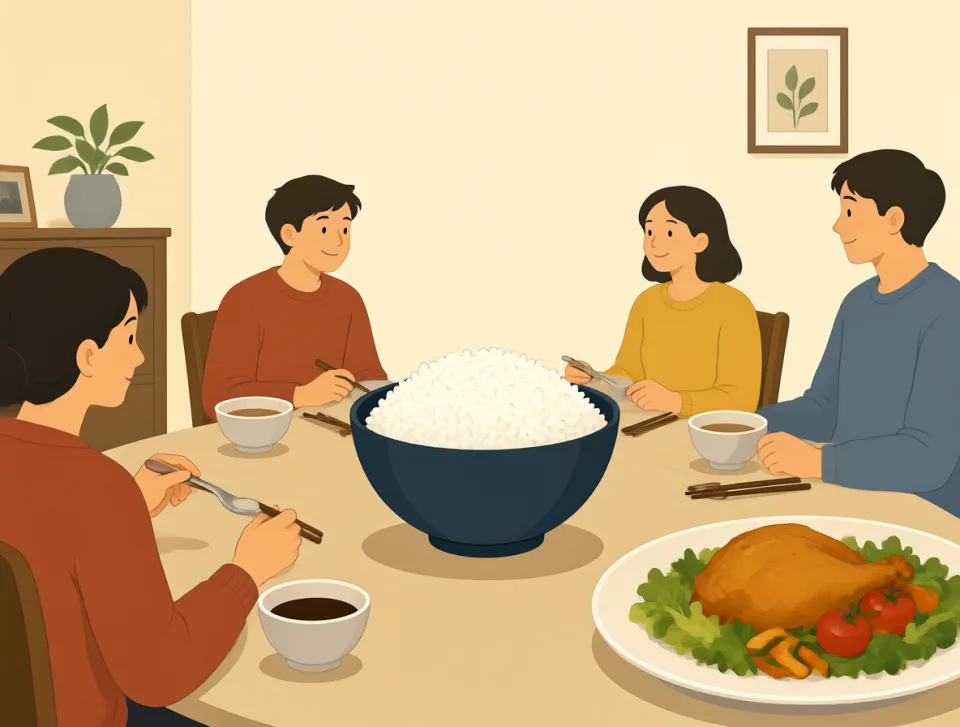
Rice is the main part of this meal.
Cơm là phần chính của bữa ăn này.

The main station is near the city center.
Nhà ga chính nằm gần trung tâm thành phố.
die
#454verb, noun
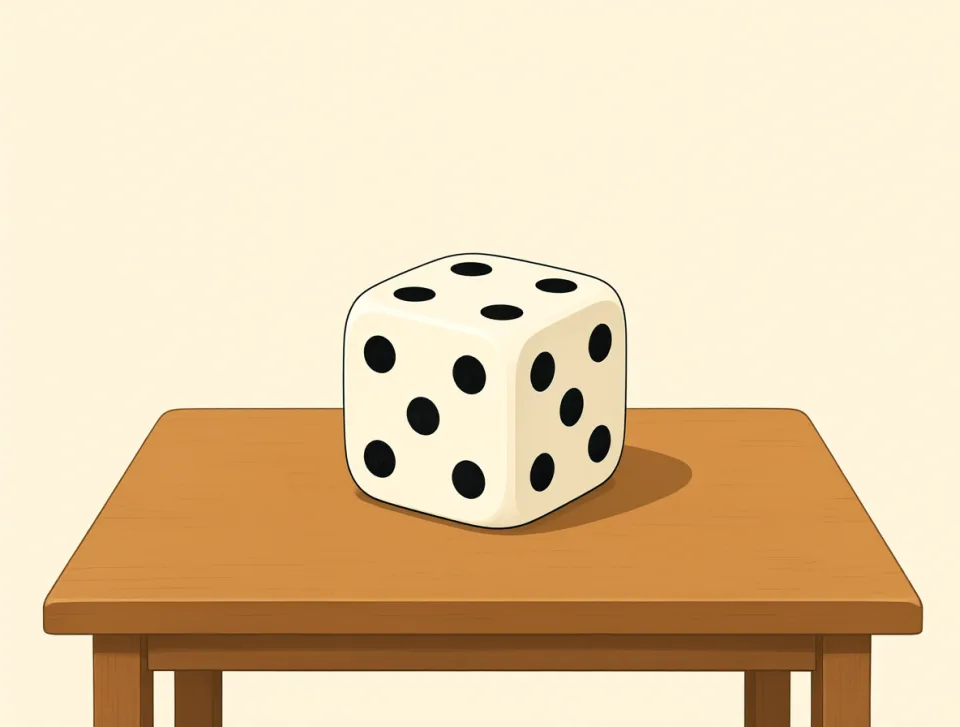
chết; xúc xắc
To stop living; a small cube marked with spots used in games.
Ngừng sống; một khối lập phương nhỏ có các chấm trên mặt, dùng trong trò chơi.
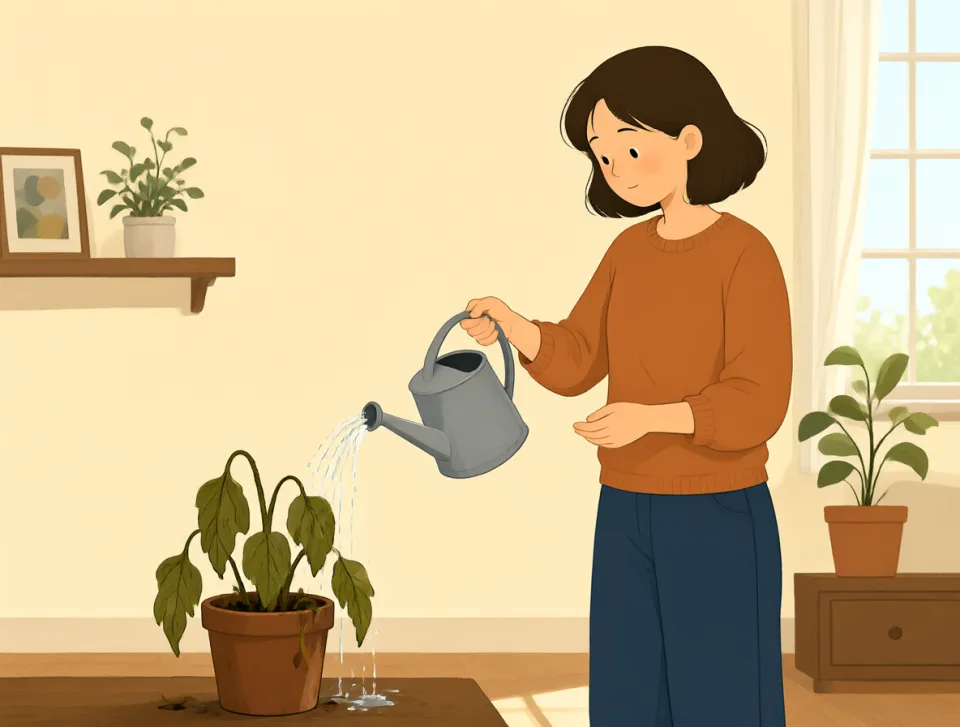
Many plants die without enough water.
Nhiều loài cây sẽ chết nếu không có đủ nước.
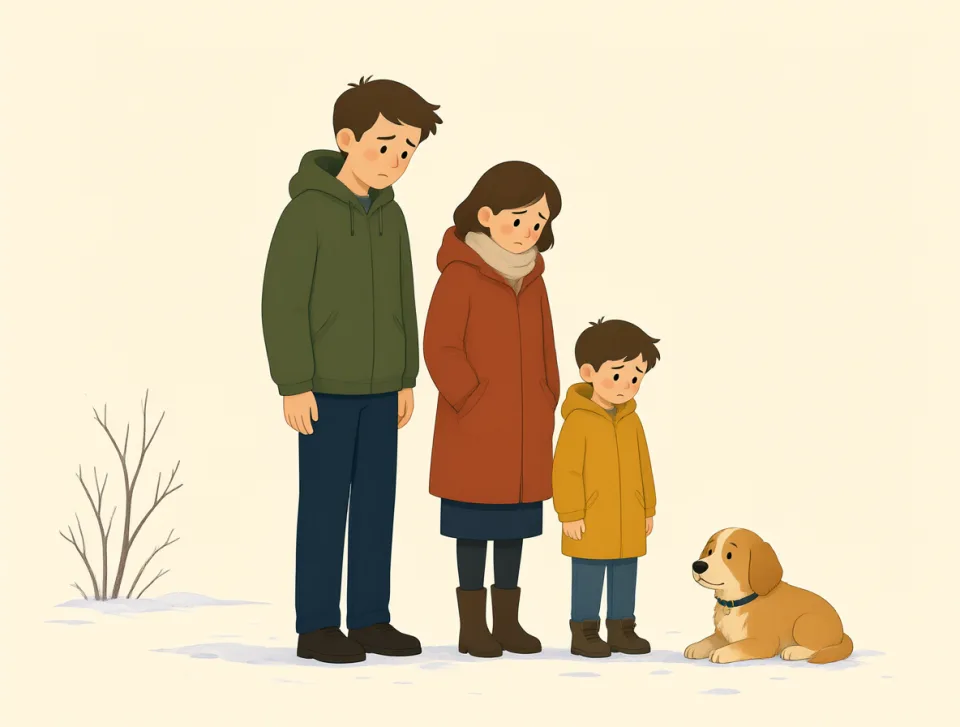
The old dog died last winter.
Con chó già đã chết vào mùa đông năm ngoái.
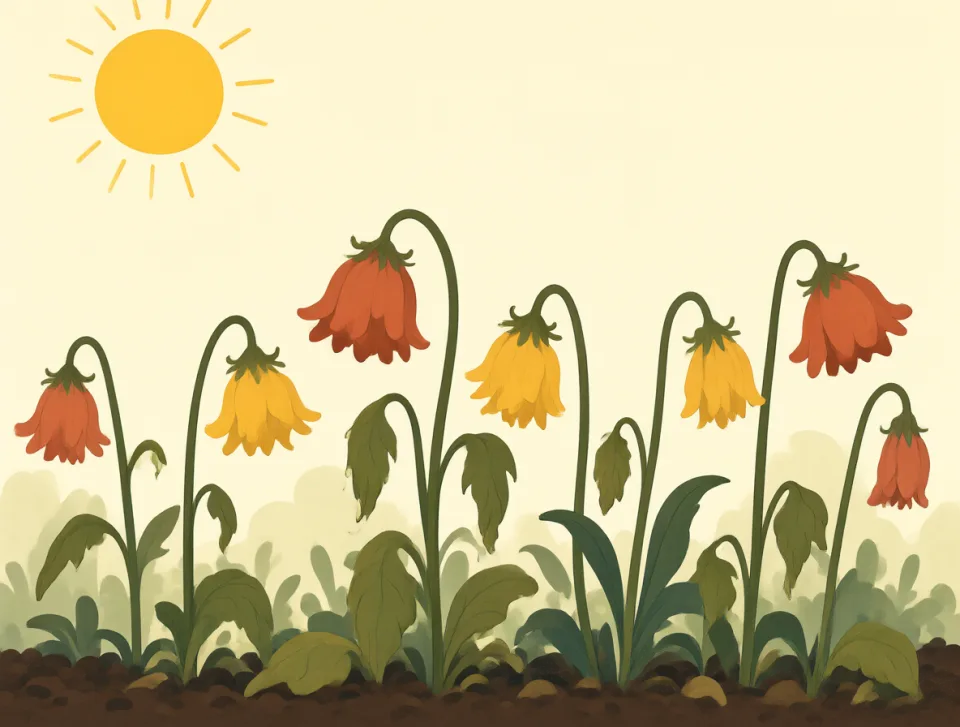
The flowers are dying in the heat.
Những bông hoa đang héo chết vì nóng.
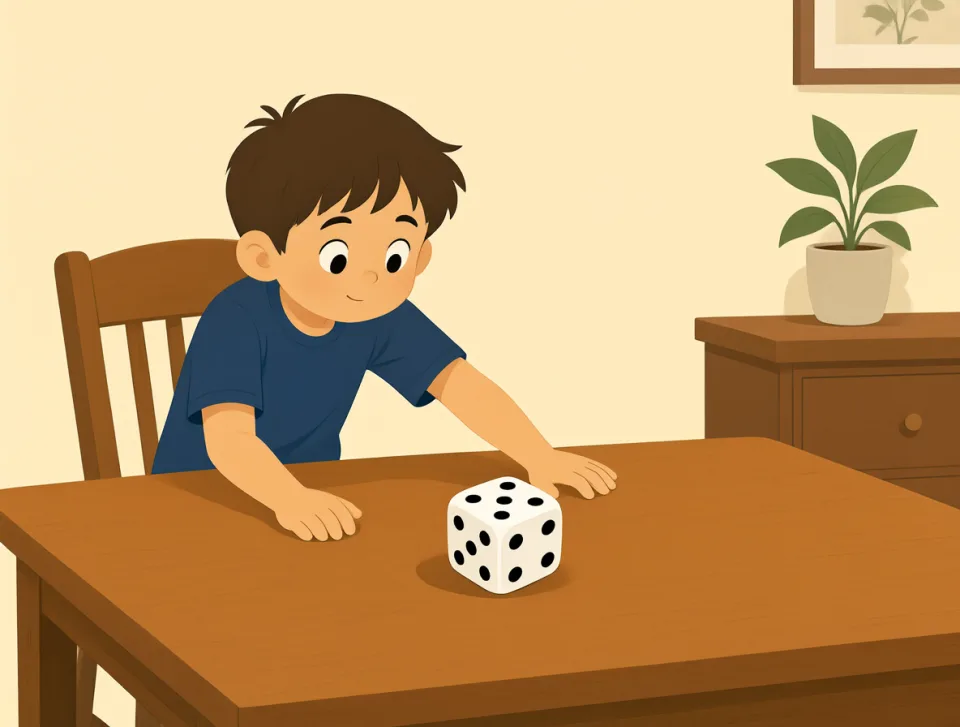
She rolled the die across the table.
Cô ấy lăn viên xúc xắc qua mặt bàn.
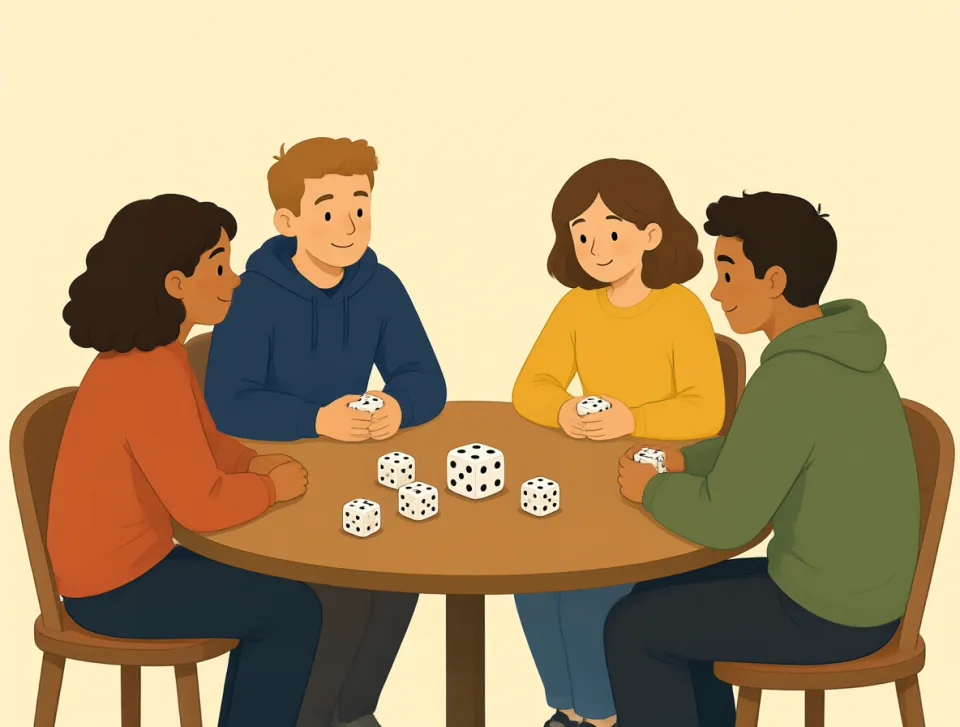
We need one more die for the game.
Chúng ta cần thêm một viên xúc xắc nữa cho trò chơi.

bear
#455noun, verb
con gấu; chịu đựng
An animal with thick fur; or to accept and deal with something difficult.
Một loài động vật có bộ lông dày; hoặc chấp nhận và đương đầu với điều gì đó khó khăn.

We saw a bear near the campsite.
Chúng tôi thấy một con gấu gần khu cắm trại.

The bear caught a fish in the river.
Con gấu bắt được một con cá dưới sông.
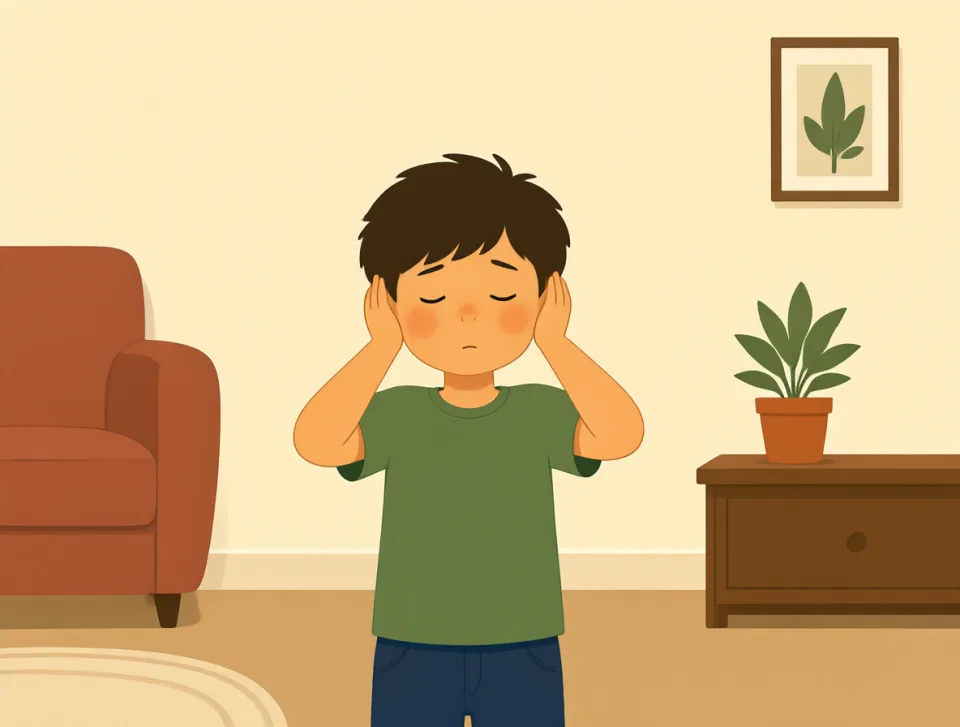
I cannot bear this loud noise.
Tôi không thể chịu nổi tiếng ồn lớn này.

She bears the pain very well.
Cô ấy chịu đau rất giỏi.
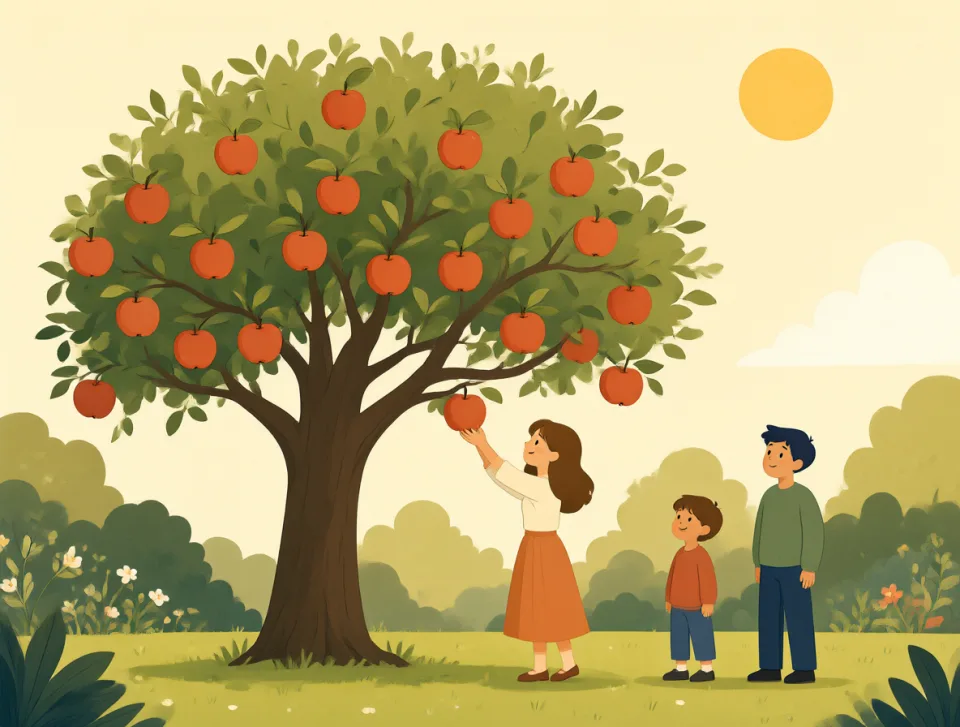
This tree bears fruit every summer.
Cây này ra quả vào mỗi mùa hè.
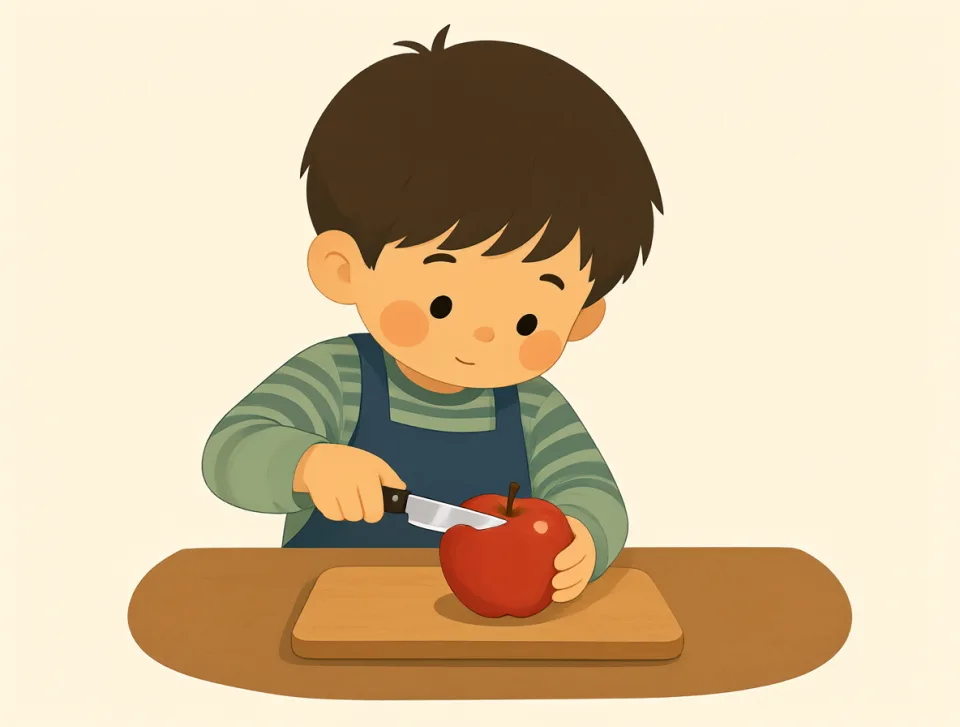
cut
#456verb, noun
cắt
To use a sharp tool to divide something or make it shorter.
Dùng một dụng cụ sắc để chia một vật thành nhiều phần hoặc làm cho vật đó ngắn hơn.
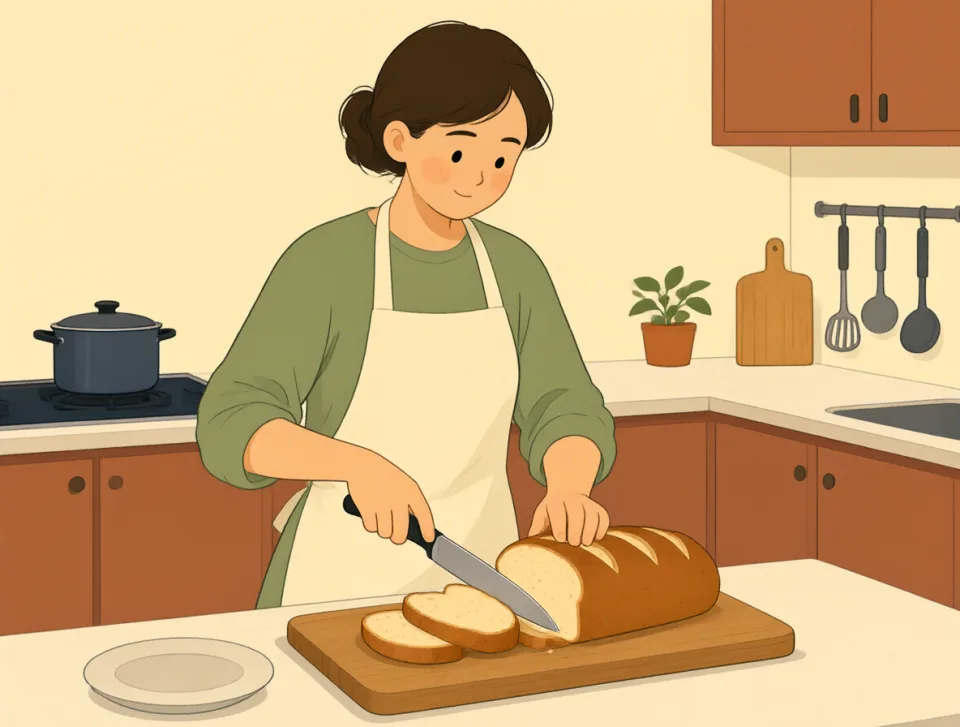
Please cut the bread into small pieces.
Vui lòng cắt bánh mì thành những miếng nhỏ.
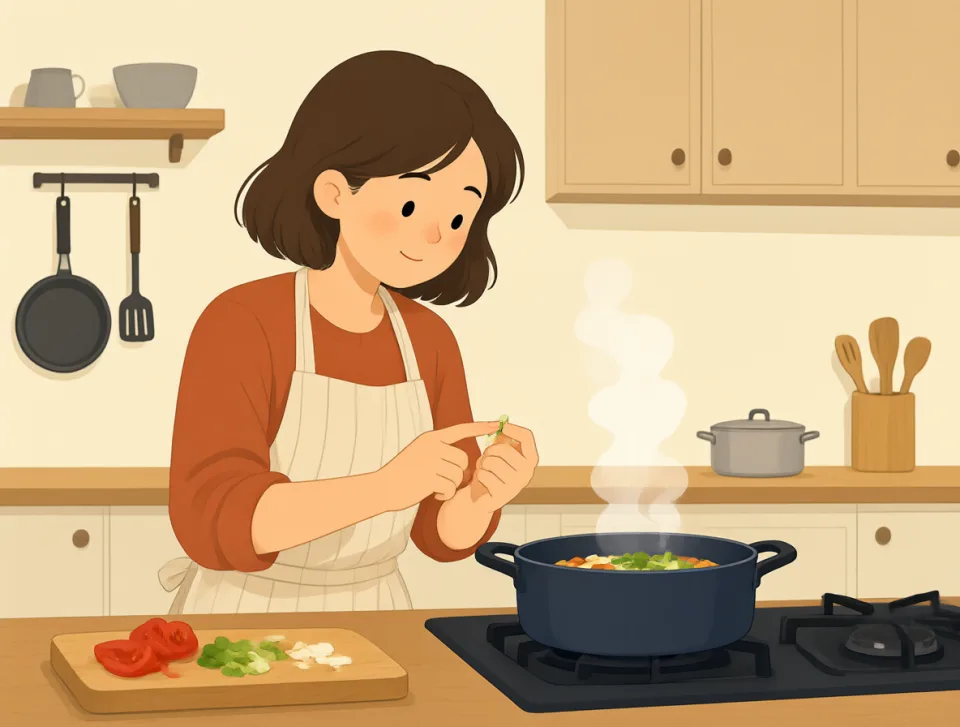
She cut her finger while cooking dinner.
Cô ấy bị đứt tay khi đang nấu bữa tối.

We cut across the park to save time.
Chúng tôi đi tắt qua công viên để tiết kiệm thời gian.

The barber cut my hair very short.
Thợ cắt tóc cắt tóc tôi rất ngắn.
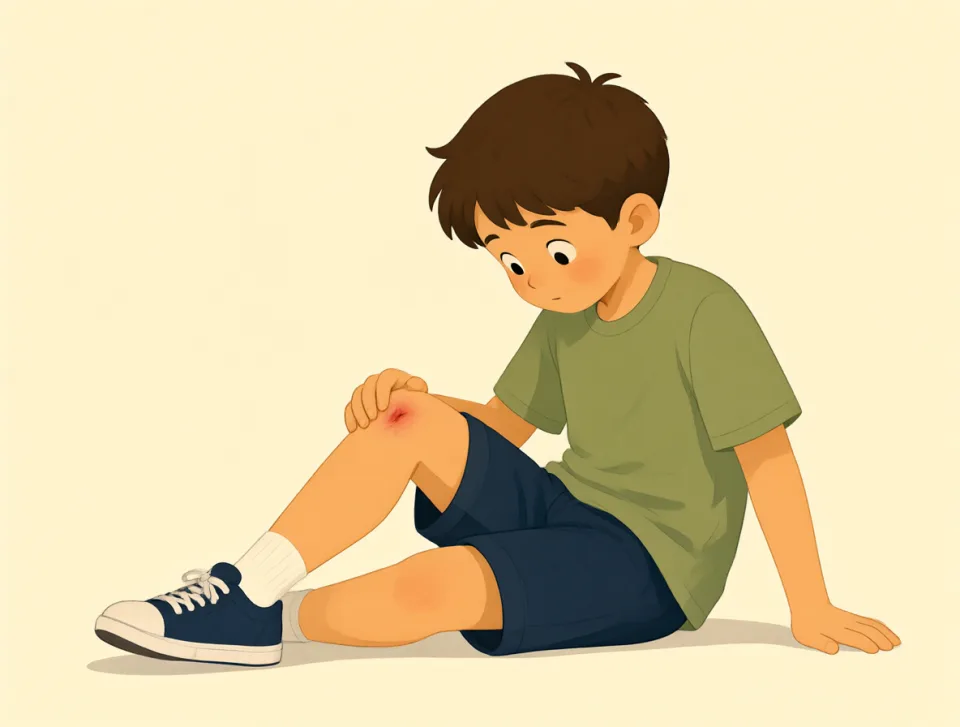
He got a deep cut on his knee.
Anh ấy bị một vết cắt sâu ở đầu gối.
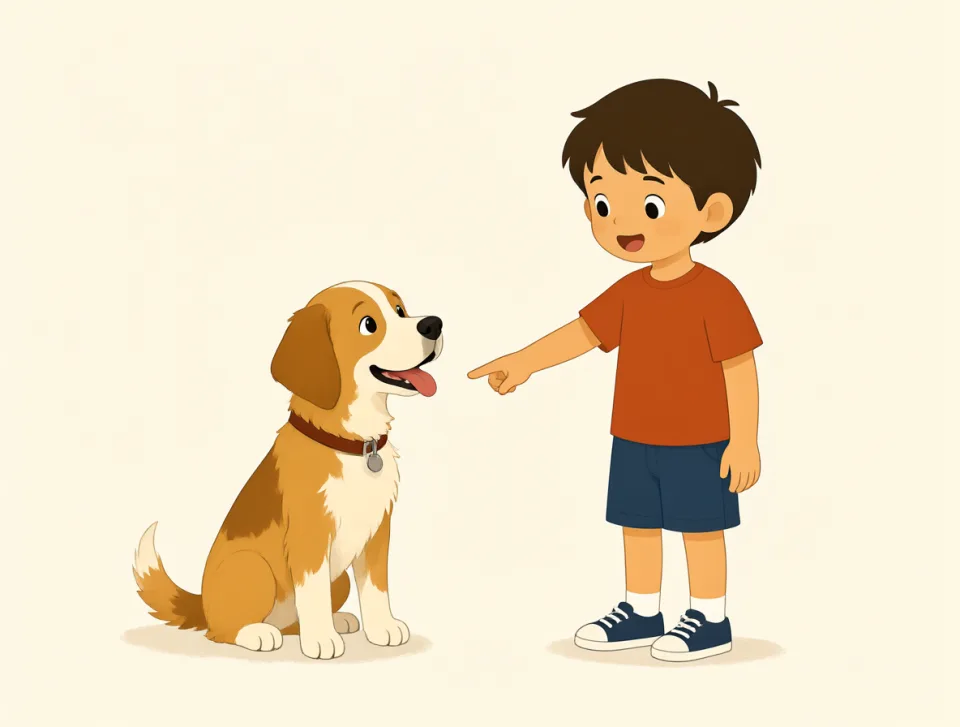
describe
#457verb
miêu tả
To say or write what someone or something is like.
Nói hoặc viết về đặc điểm của một người hay một vật.
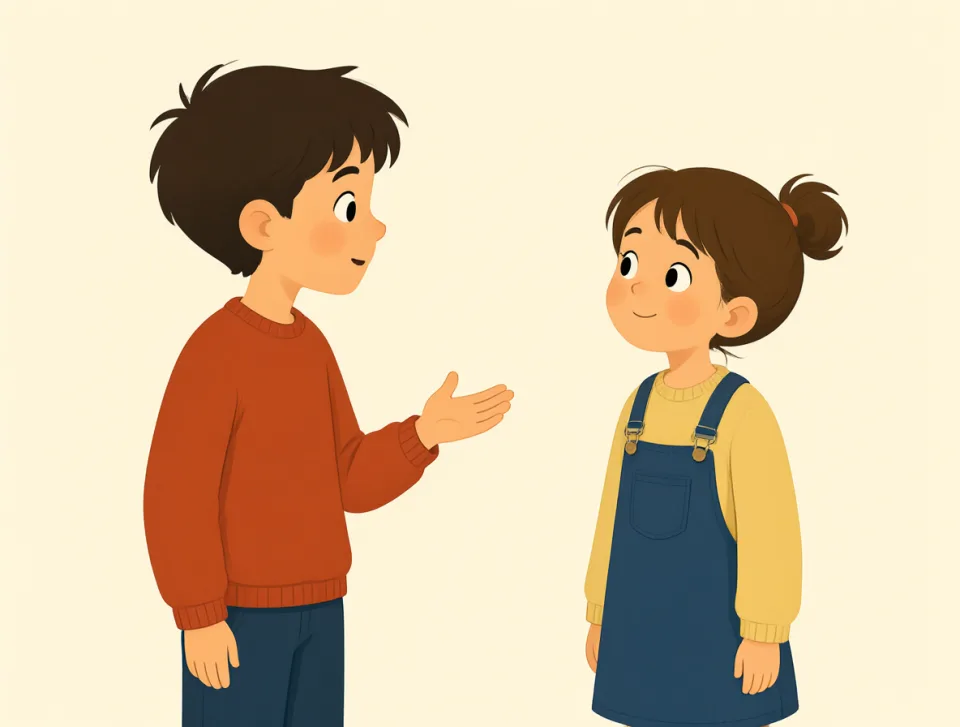
Can you describe your new friend?
Bạn có thể miêu tả người bạn mới của mình không?

She described the man to the police.
Cô ấy miêu tả người đàn ông đó với cảnh sát.
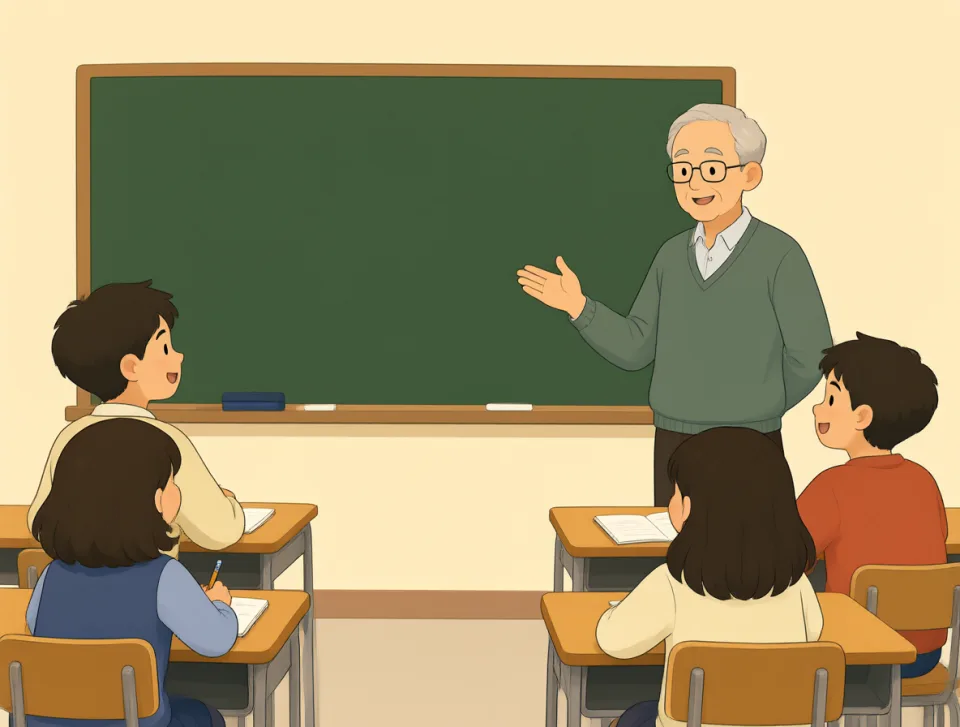
Please describe the problem to your teacher.
Vui lòng mô tả vấn đề cho giáo viên của bạn.

He described the food as very spicy.
Anh ấy miêu tả món ăn là rất cay.

The guide described the beautiful city during our tour.
Hướng dẫn viên miêu tả thành phố xinh đẹp trong chuyến tham quan của chúng tôi.
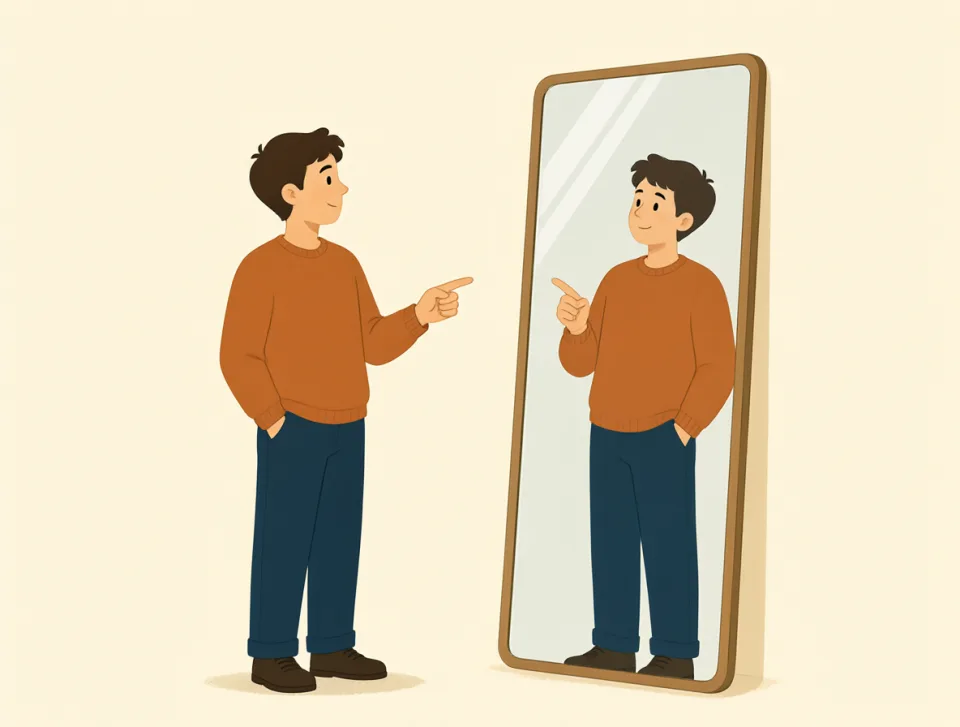
himself
#458pronoun
bản thân anh ấy
Used to refer to a male person already mentioned, especially when he does something alone.
Dùng để chỉ một người nam đã được nhắc đến, nhất là khi anh ấy tự làm việc gì đó.

He made the cake himself.
Anh ấy tự làm chiếc bánh.
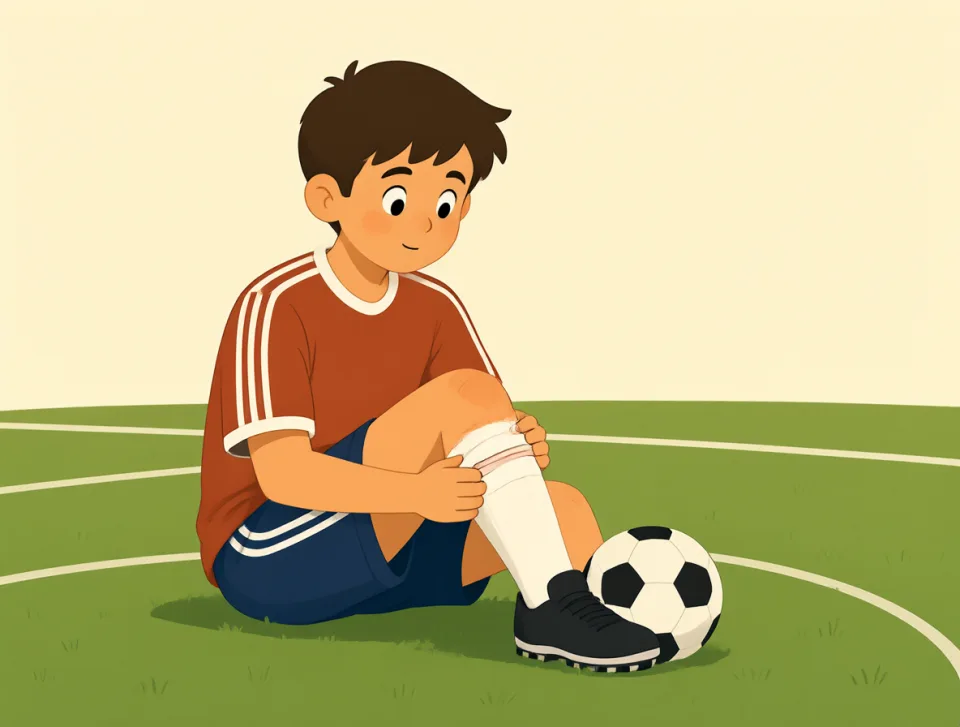
Tom hurt himself while playing soccer.
Tom bị thương khi chơi bóng đá.

He taught himself to play guitar.
Anh ấy tự học chơi đàn ghi-ta.
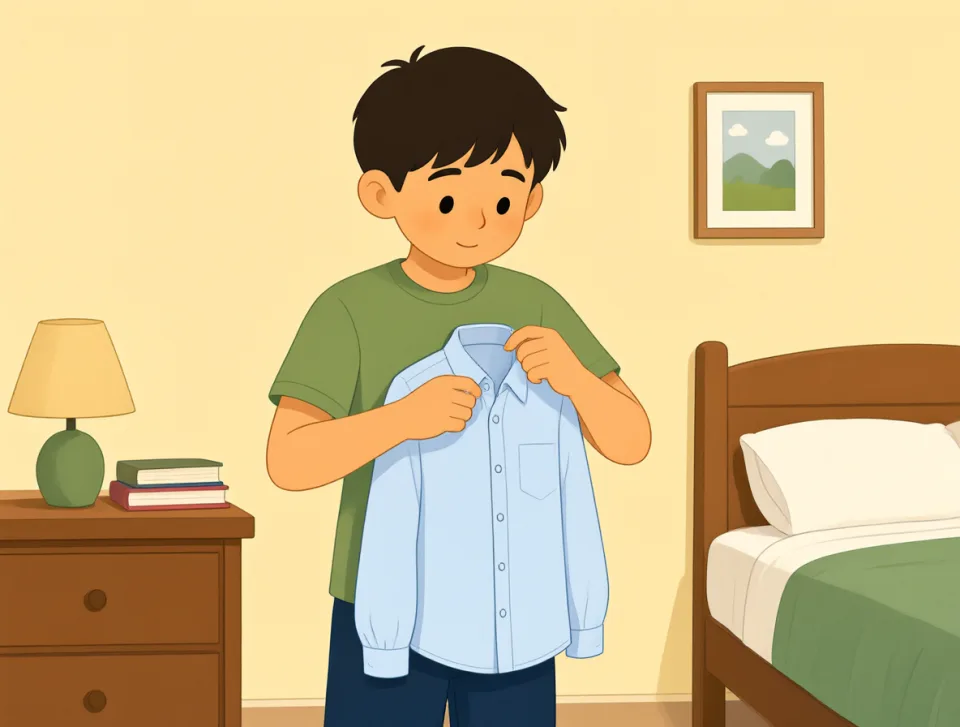
The boy dressed himself for school.
Cậu bé tự mặc quần áo để đi học.
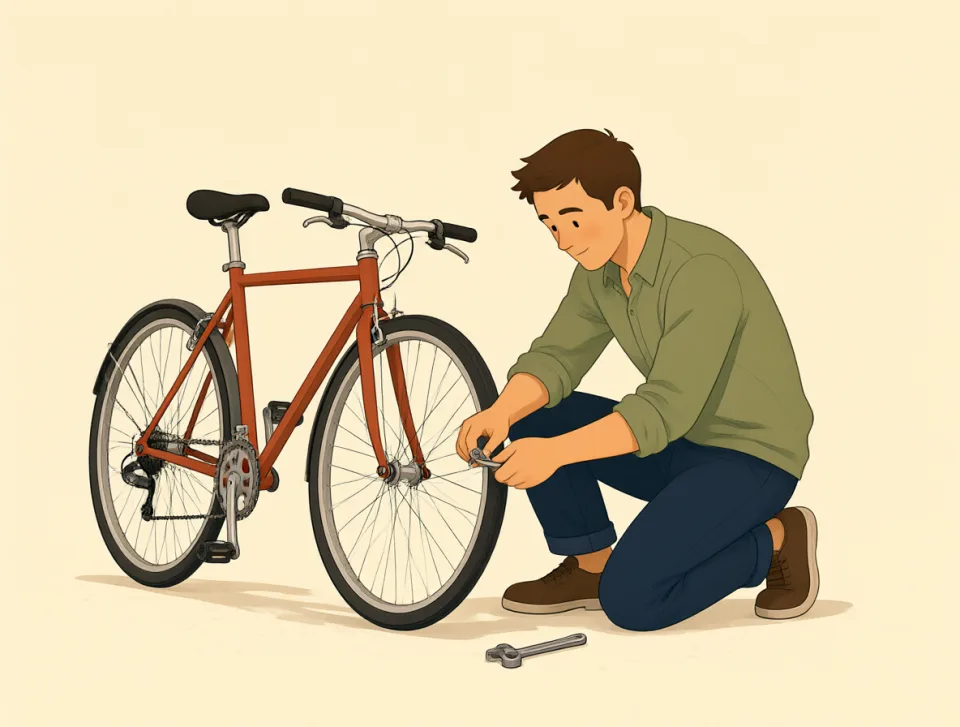
John fixed the bike himself.
John tự sửa chiếc xe đạp.

available
#459adjective
có sẵn
Ready to be used, bought, found, or reached.
Sẵn sàng để được sử dụng, mua, tìm thấy hoặc liên hệ.

The doctor is available this afternoon.
Bác sĩ có thể khám vào chiều nay.

Is this room available tonight?
Tối nay phòng này còn trống không?
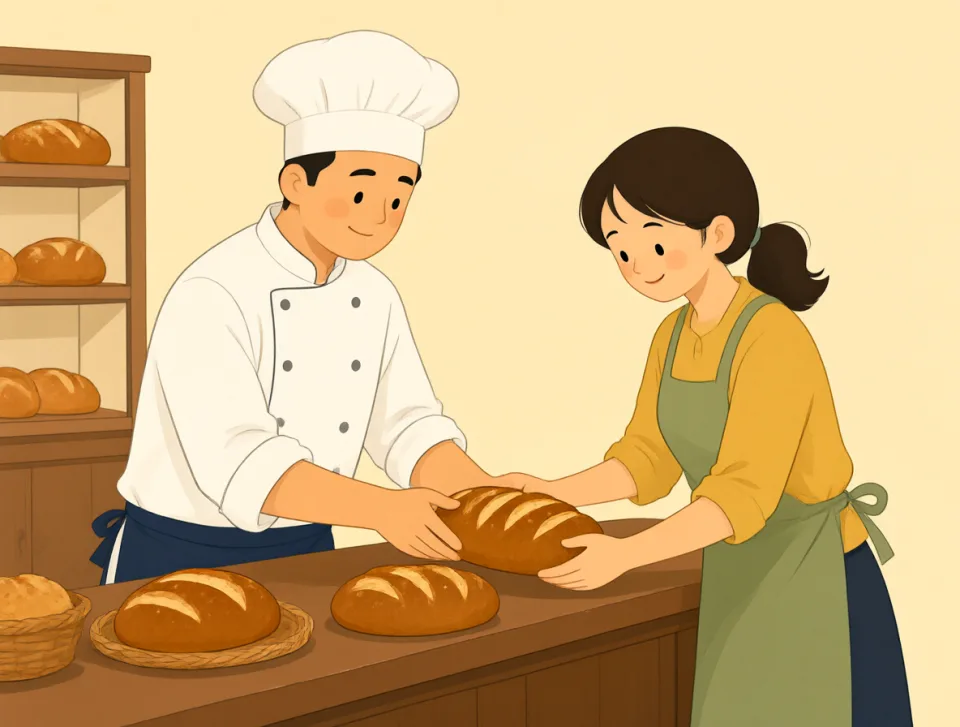
Fresh bread is available at the bakery.
Tiệm bánh có bán bánh mì mới ra lò.
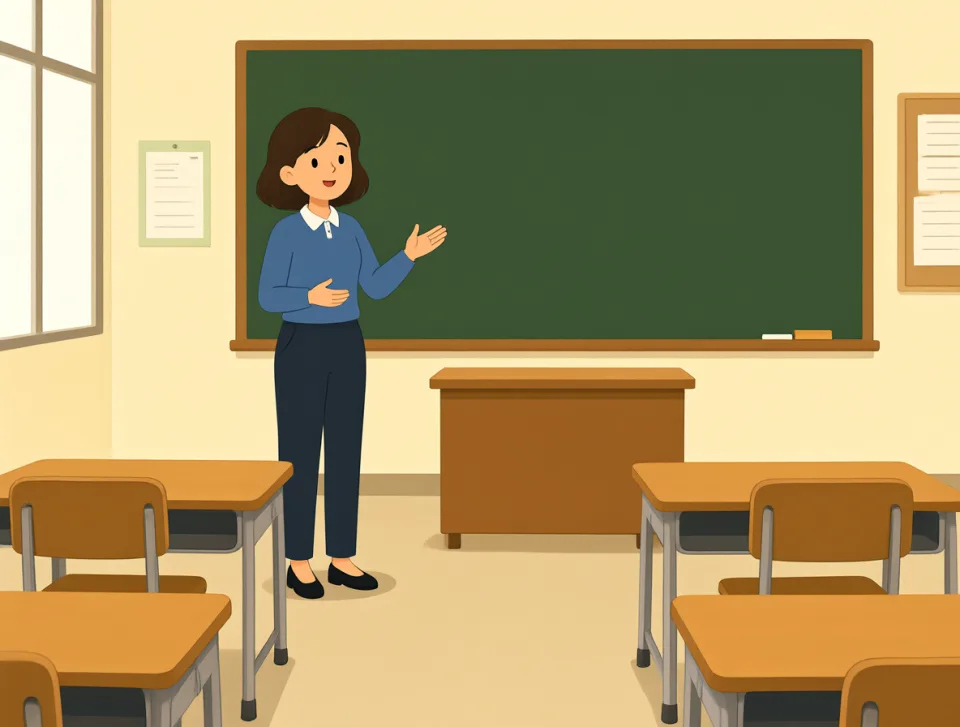
The teacher is available after class.
Giáo viên có thể gặp sau giờ học.
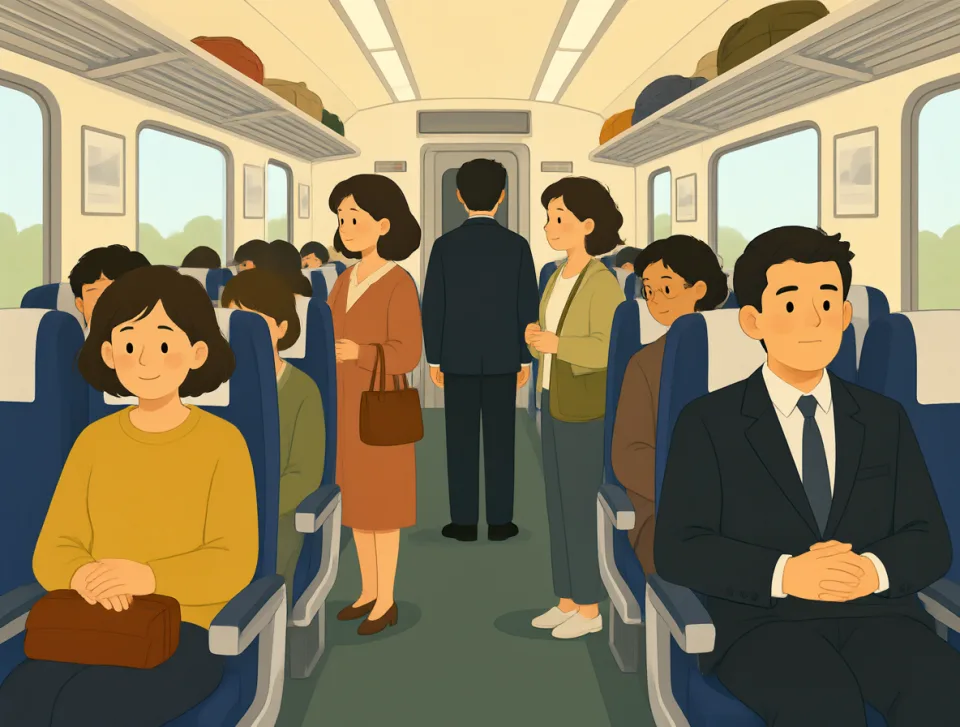
No seats were available on the train.
Trên tàu không còn chỗ ngồi nào.
especially
#460adverb
đặc biệt là
More than usual or more than others
Ở mức độ nhiều hơn bình thường hoặc nhiều hơn những thứ khác.
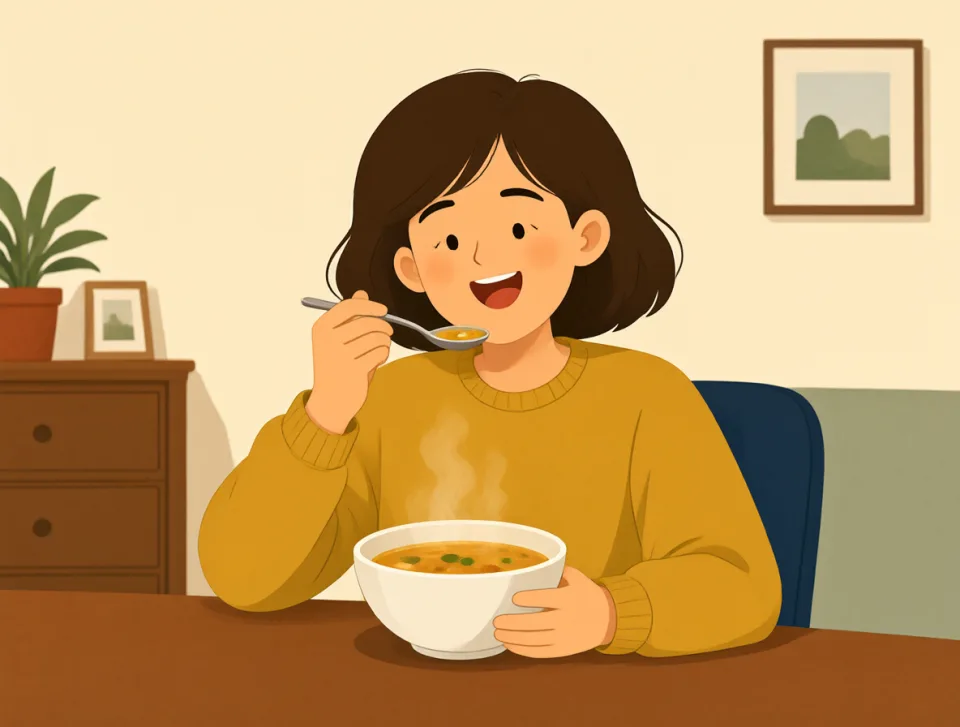
I especially like this warm soup.
Tôi đặc biệt thích món súp nóng hổi này.
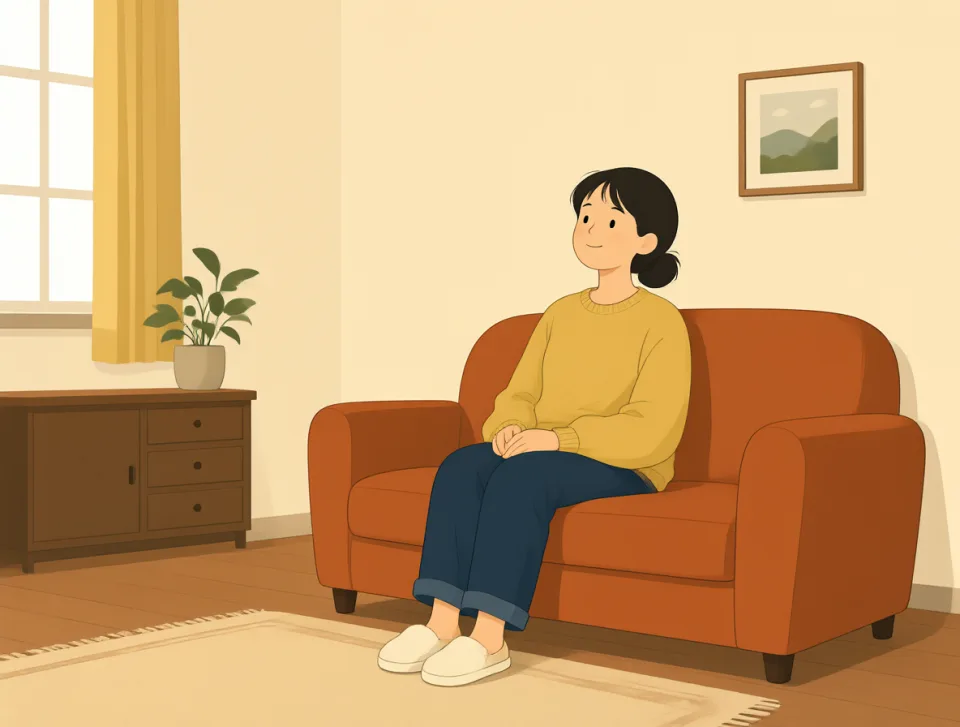
This room is especially quiet today.
Hôm nay căn phòng này đặc biệt yên tĩnh.
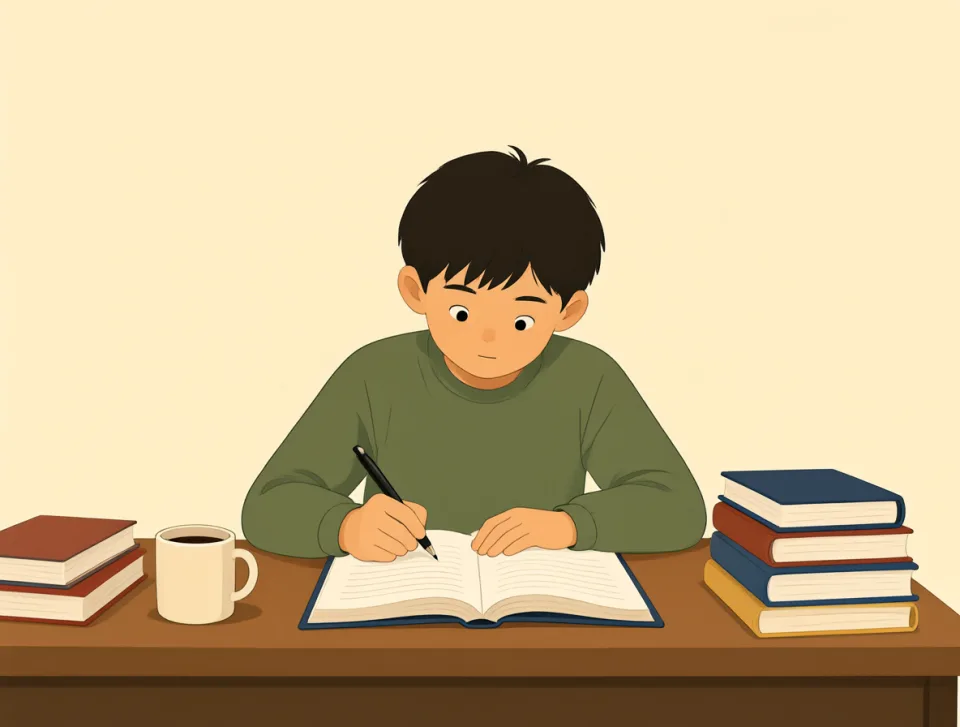
She works especially hard before exams.
Cô ấy học hành đặc biệt chăm chỉ trước kỳ thi.

We visited many places, especially Rome.
Chúng tôi đã đến thăm nhiều nơi, đặc biệt là Rome.

Wear warm clothes, especially in winter.
Hãy mặc quần áo ấm, nhất là vào mùa đông.