الوحدة 23
الكلمات من 441 إلى 460 · design, event, special, sometimes, condition, carry
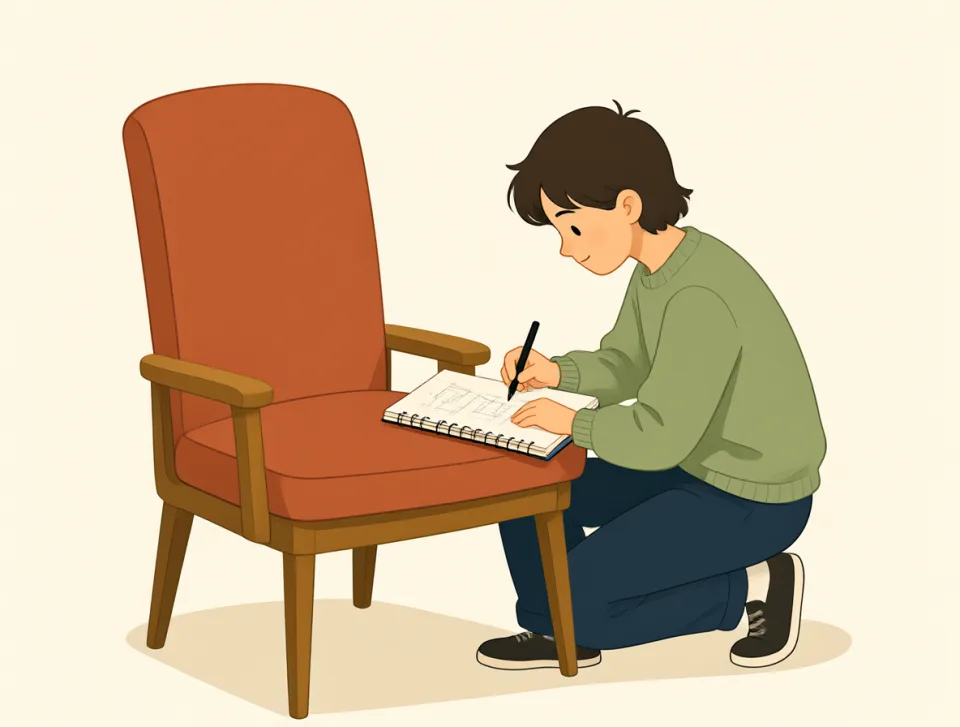
design
#441noun, verb
تصميم
A plan for how something will look or work; to plan how something will look or work.
خطة تحدد شكل شيء ما أو طريقة عمله؛ أو وضع خطة لتحديد شكله أو طريقة عمله.
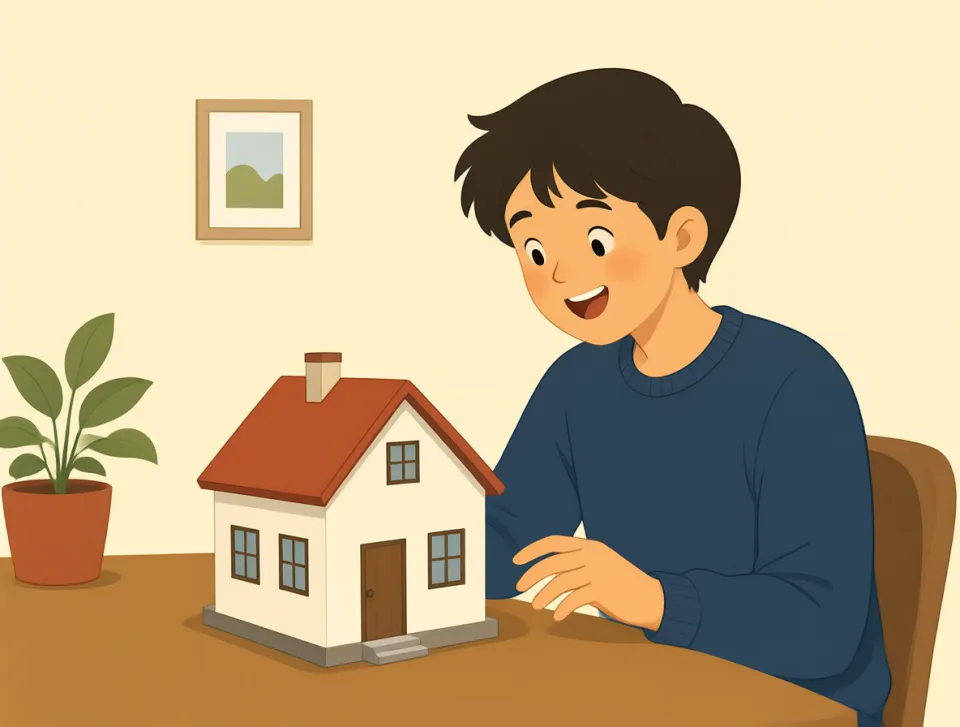
I like the design of this small house.
أحب تصميم هذا المنزل الصغير.

She designs clothes for a famous shop.
هي تصمم الملابس لمتجر مشهور.
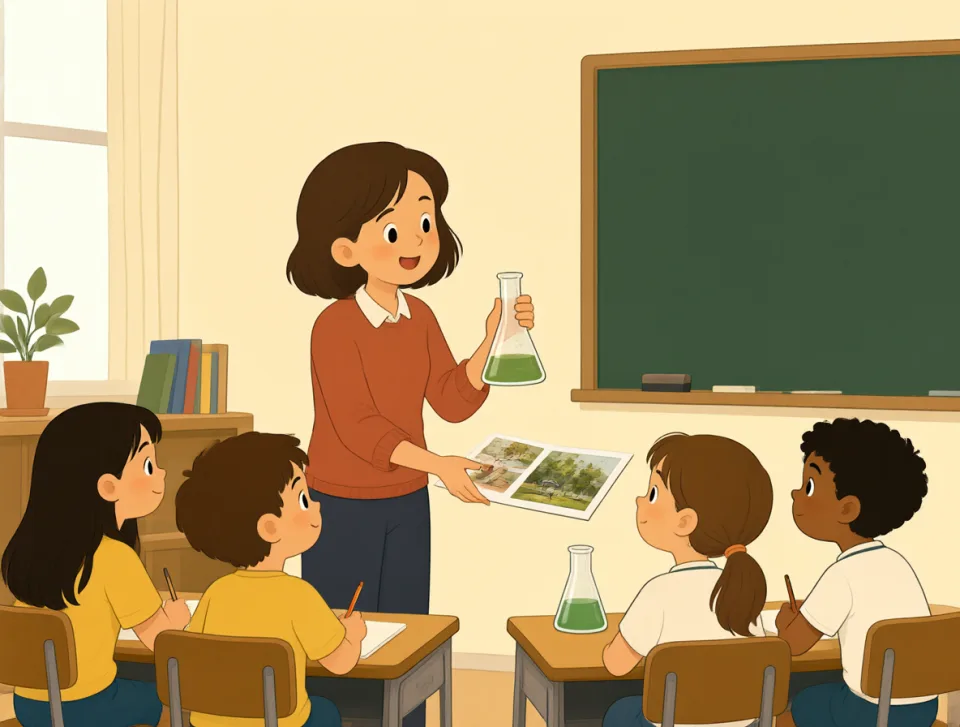
The teacher designed a fun science project.
صمم المعلم مشروعًا ممتعًا في العلوم.

We chose a new design for our kitchen.
اخترنا تصميمًا جديدًا لمطبخنا.
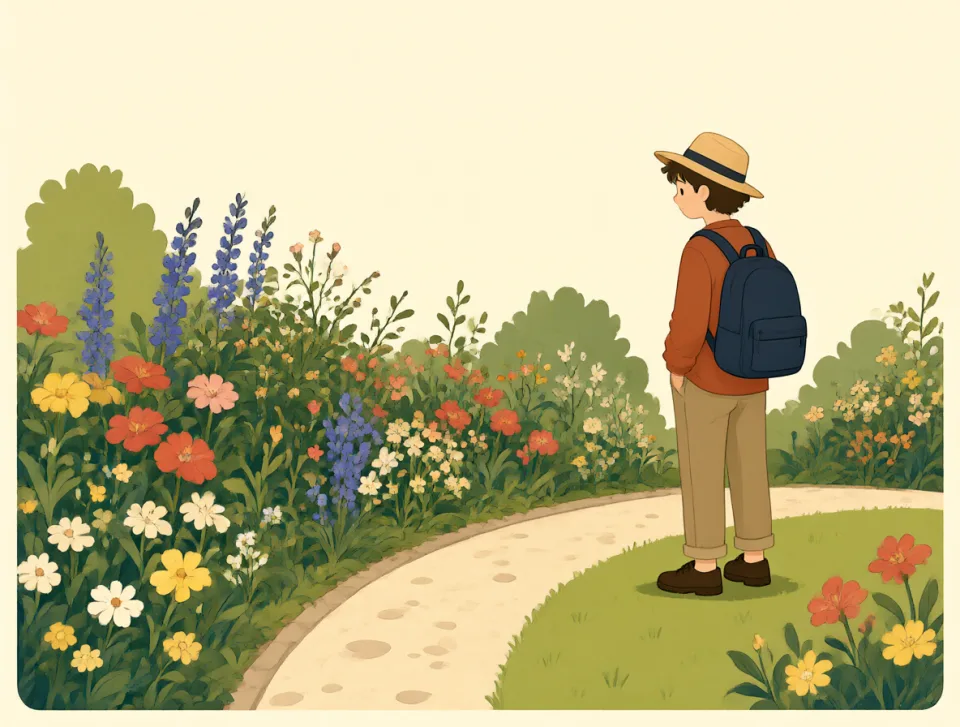
The hotel has a beautiful garden design.
لدى الفندق تصميم جميل لحديقته.
event
#442noun
حدث
Something important that happens, especially a planned activity or occasion.
شيء مهم يحدث، ولا سيما نشاط أو مناسبة مُخطط لها.
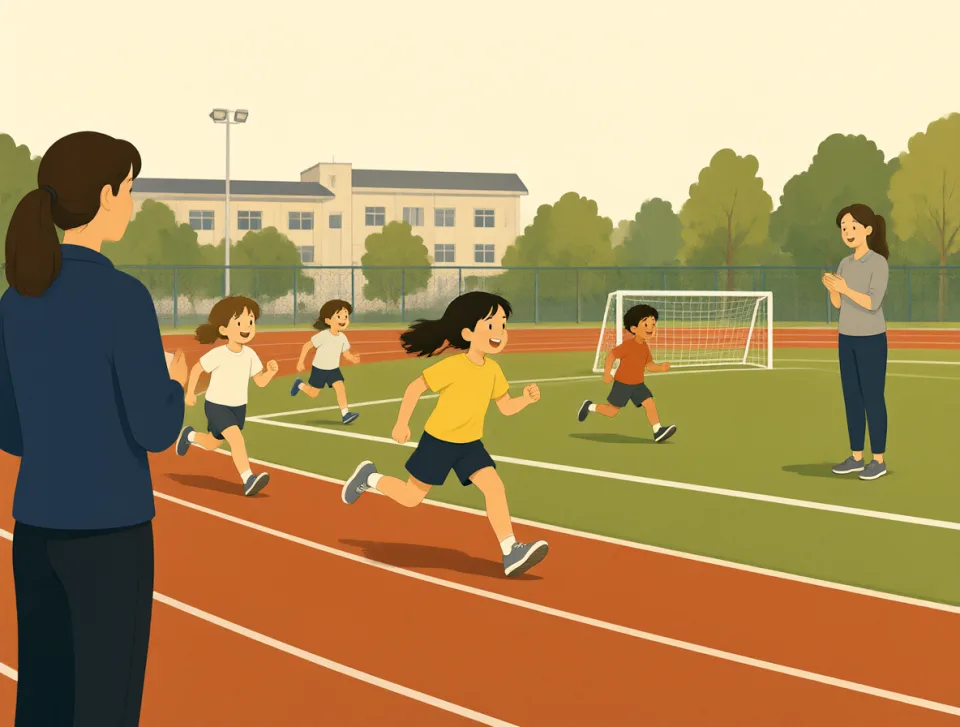
Our school held a sports event yesterday.
أقامت مدرستنا فعالية رياضية أمس.
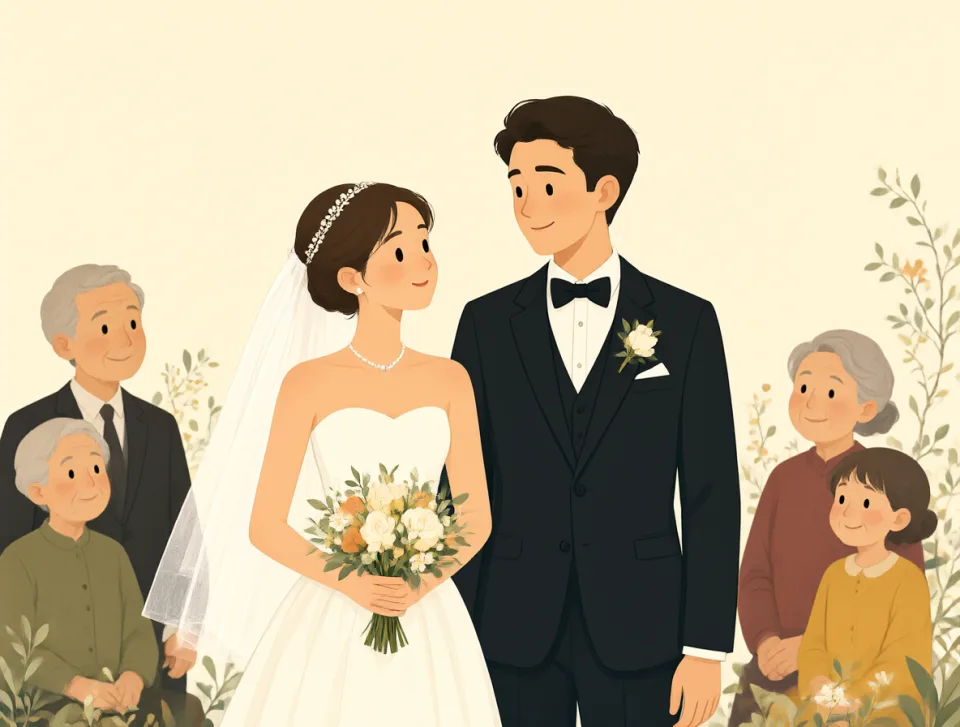
The wedding was a beautiful family event.
كان حفل الزفاف مناسبة عائلية جميلة.
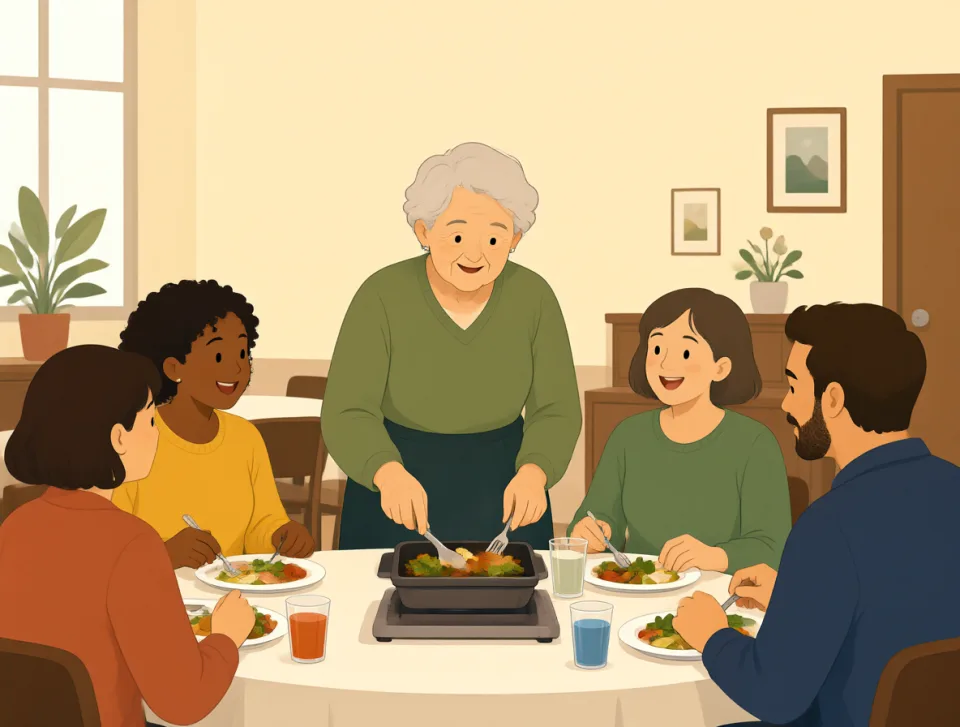
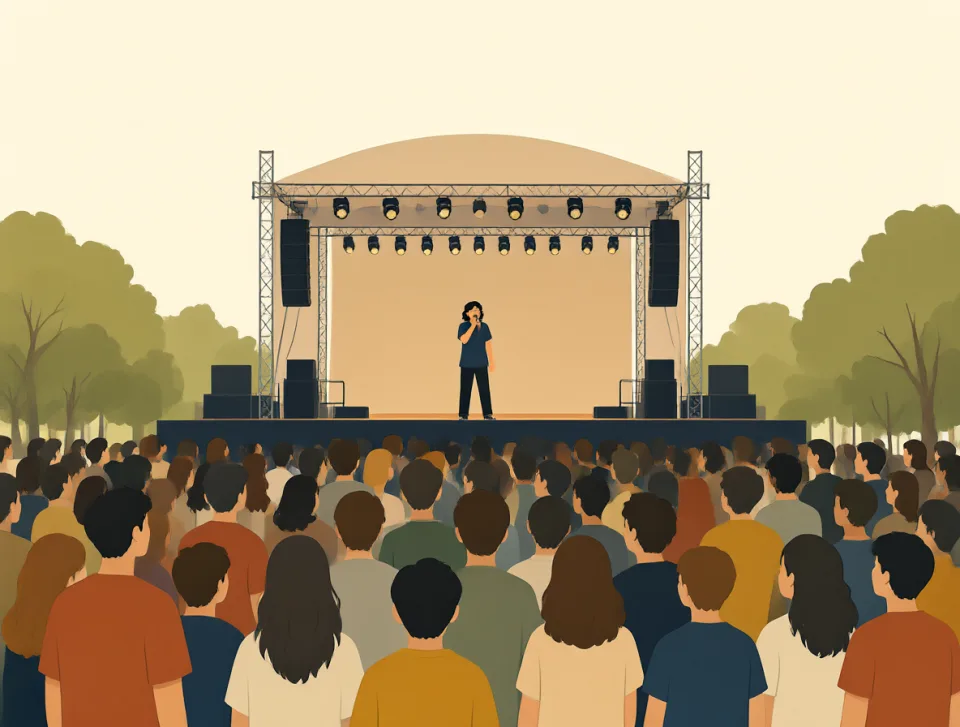
Many people came to the charity event.
حضر كثير من الناس الفعالية الخيرية.
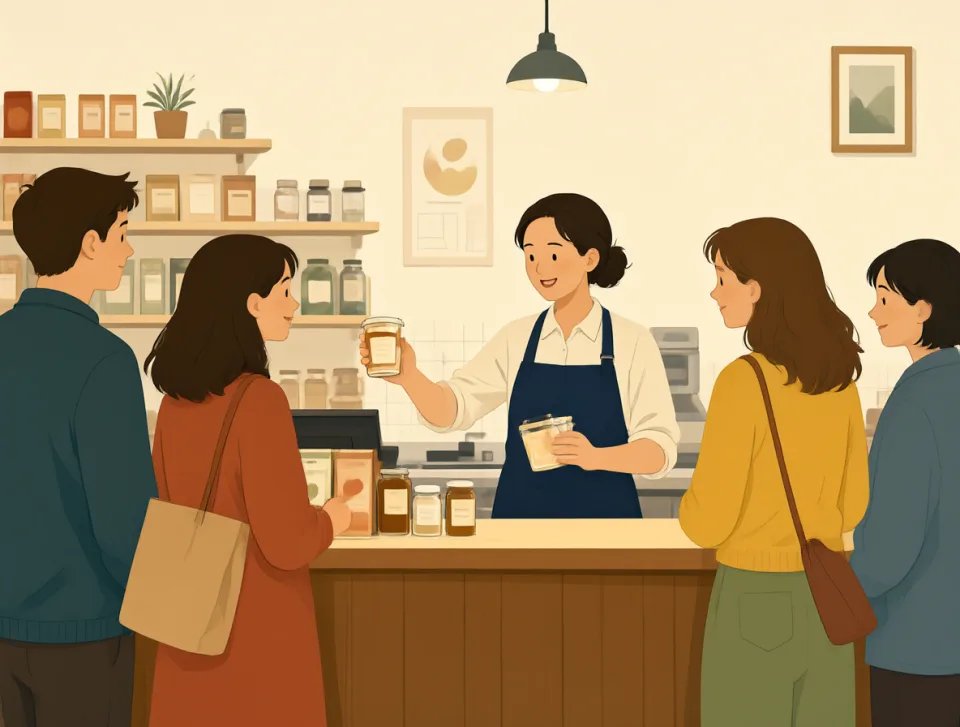
The shop has a special event this weekend.
يقيم المتجر فعالية خاصة في نهاية هذا الأسبوع.
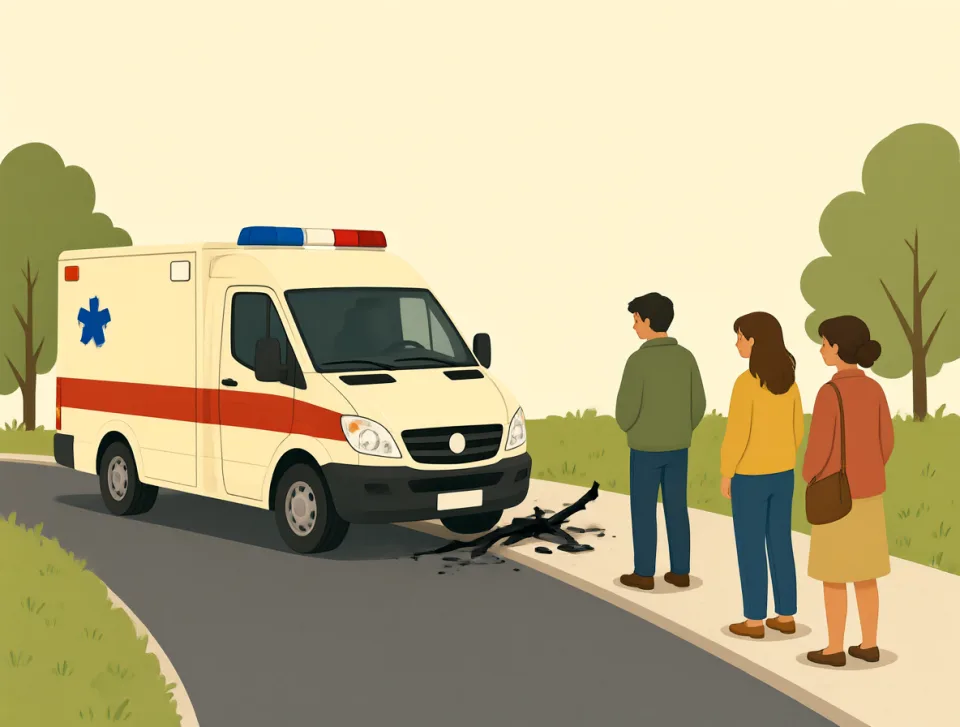
The accident was a frightening event for everyone.
كان الحادث حدثًا مخيفًا للجميع.
special
#443adjective, noun
خاص
Different from usual, or important and worth attention.
مختلف عن المعتاد، أو مهم ويستحق الاهتمام.
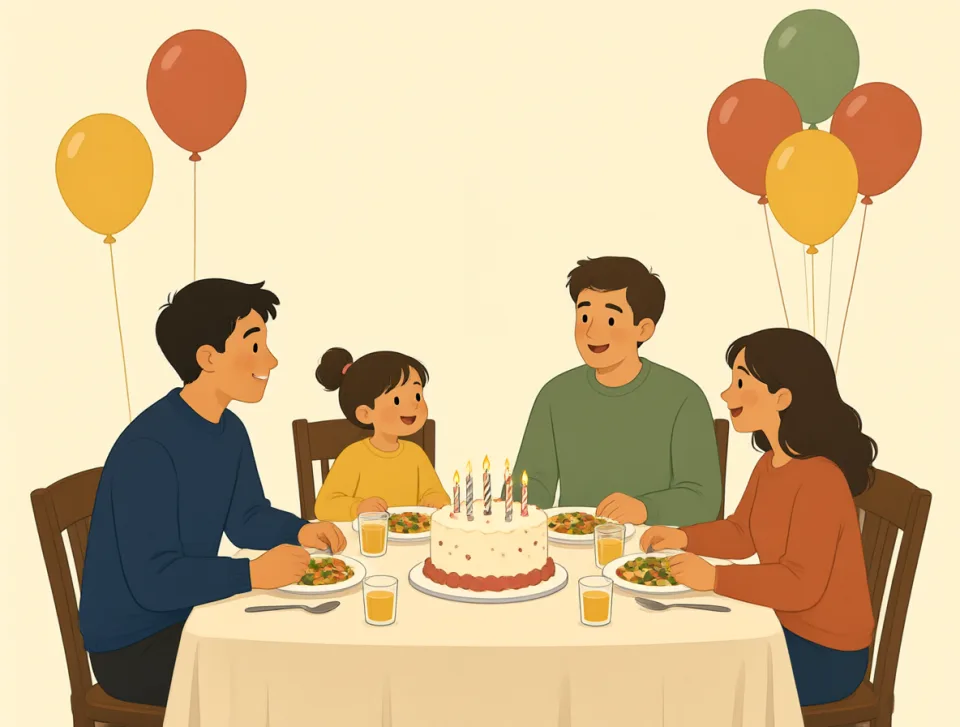
We had a special dinner for my birthday.
تناولنا عشاءً مميزًا احتفالًا بعيد ميلادي.
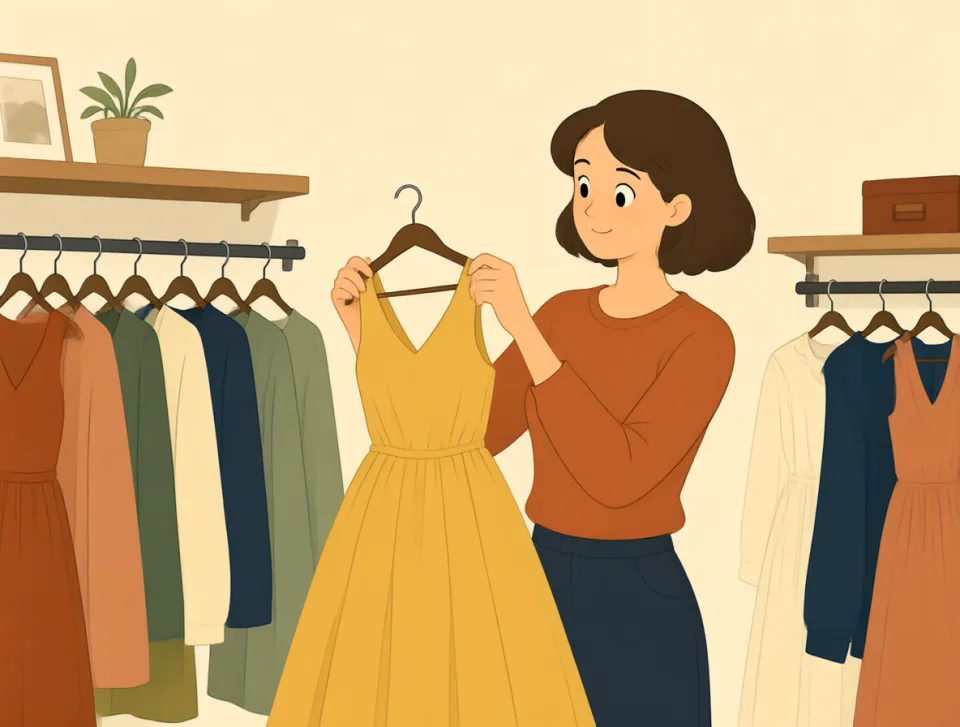
She bought a special dress for the party.
اشترت فستانًا مميزًا للحفلة.
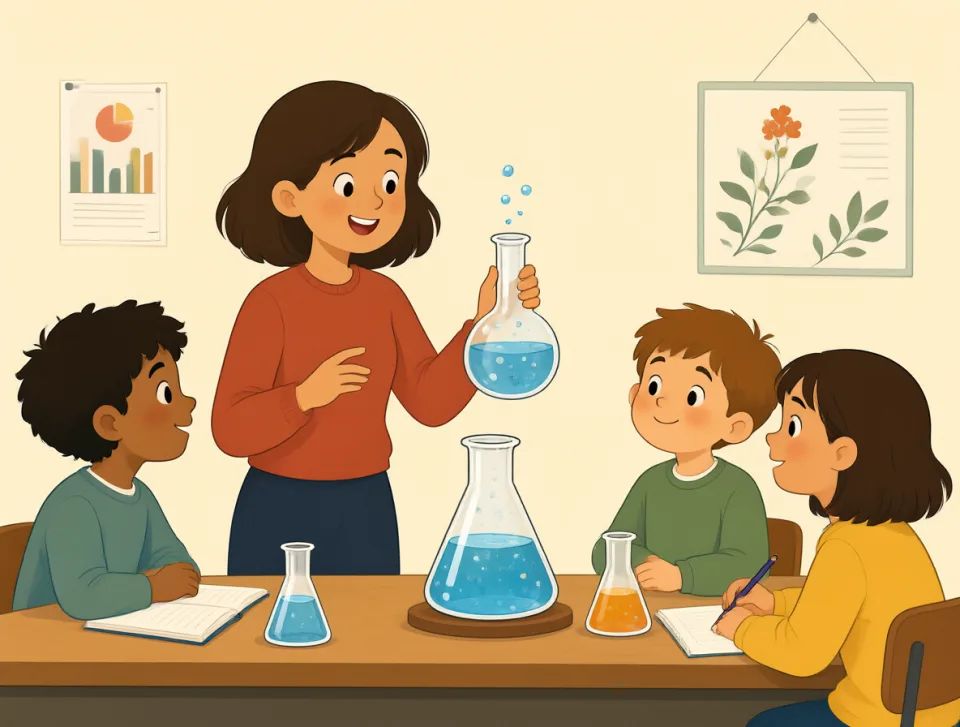
The teacher planned a special lesson today.
خطط المعلم لدرس مميز اليوم.
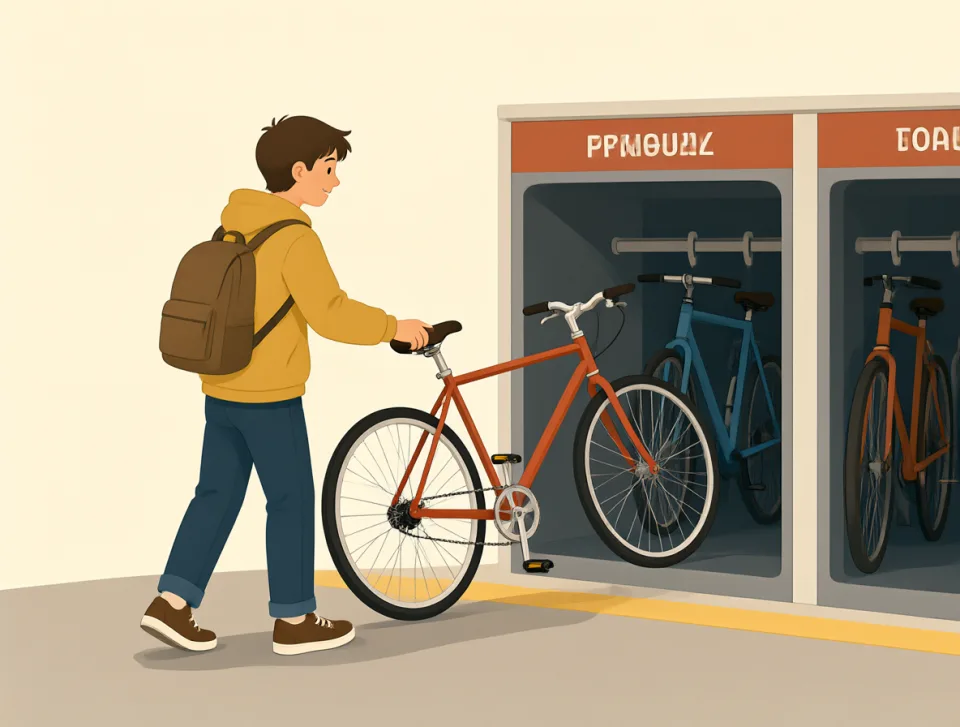
This train has a special place for bicycles.
توجد في هذا القطار مساحة مخصصة للدراجات.
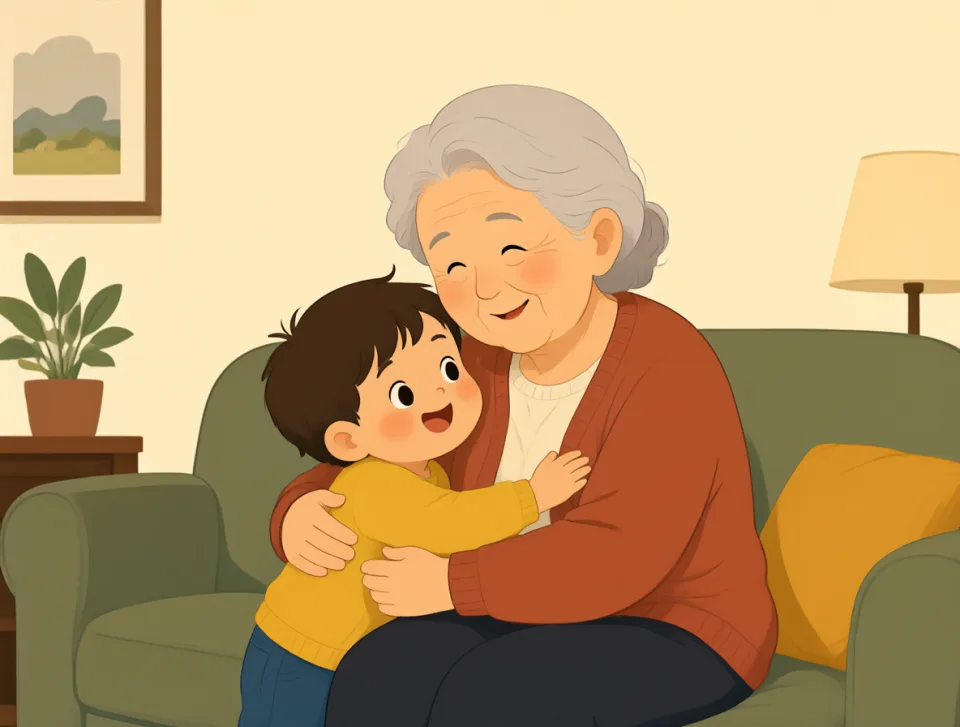
My grandmother is a very special person.
جدتي شخص مميز جدًا.

sometimes
#444adverb
أحيانًا
At some times, but not always.
في بعض الأوقات، ولكن ليس دائمًا.
I sometimes walk to work.
أمشي إلى العمل أحيانًا.
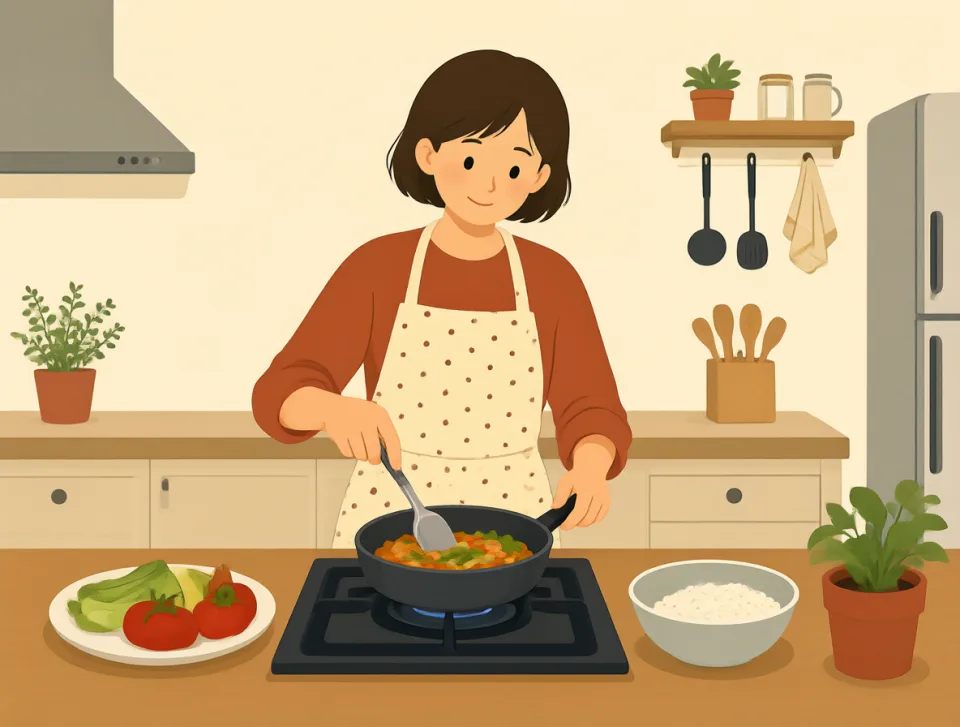
She sometimes cooks dinner for us.
هي تطهو العشاء لنا أحيانًا.
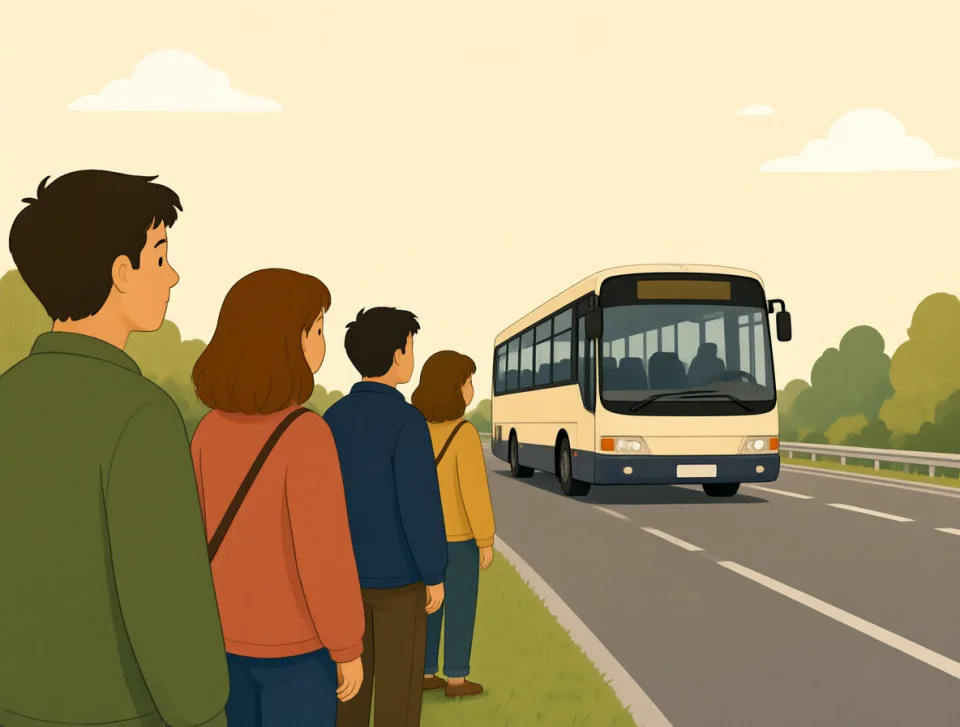
Sometimes, the bus arrives late.
تصل الحافلة متأخرة أحيانًا.
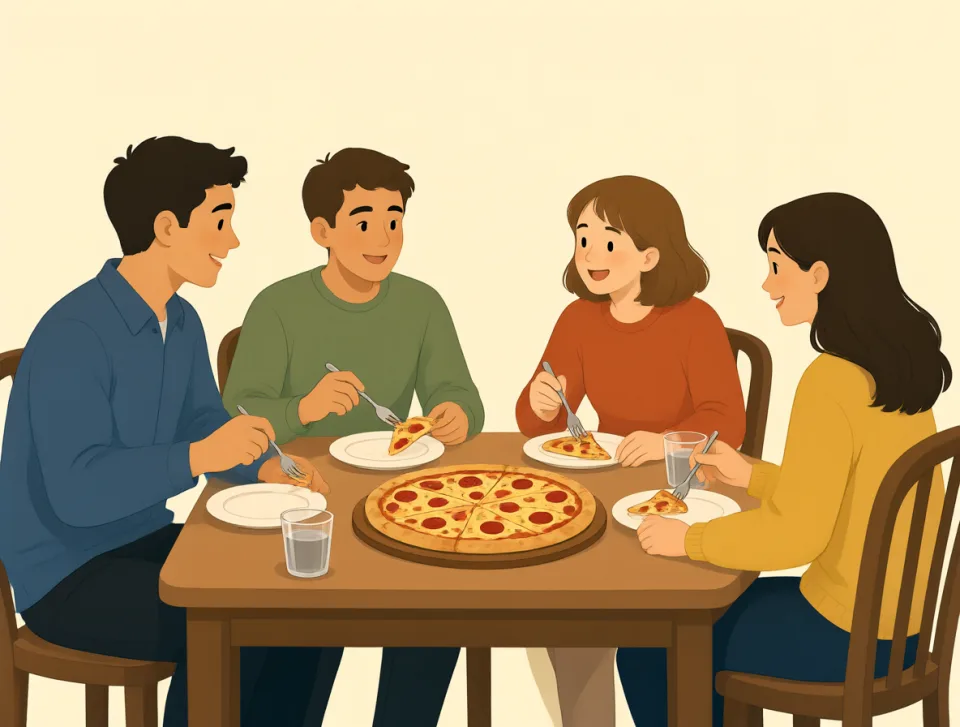
We sometimes eat pizza on Fridays.
نتناول البيتزا أحيانًا أيام الجمعة.
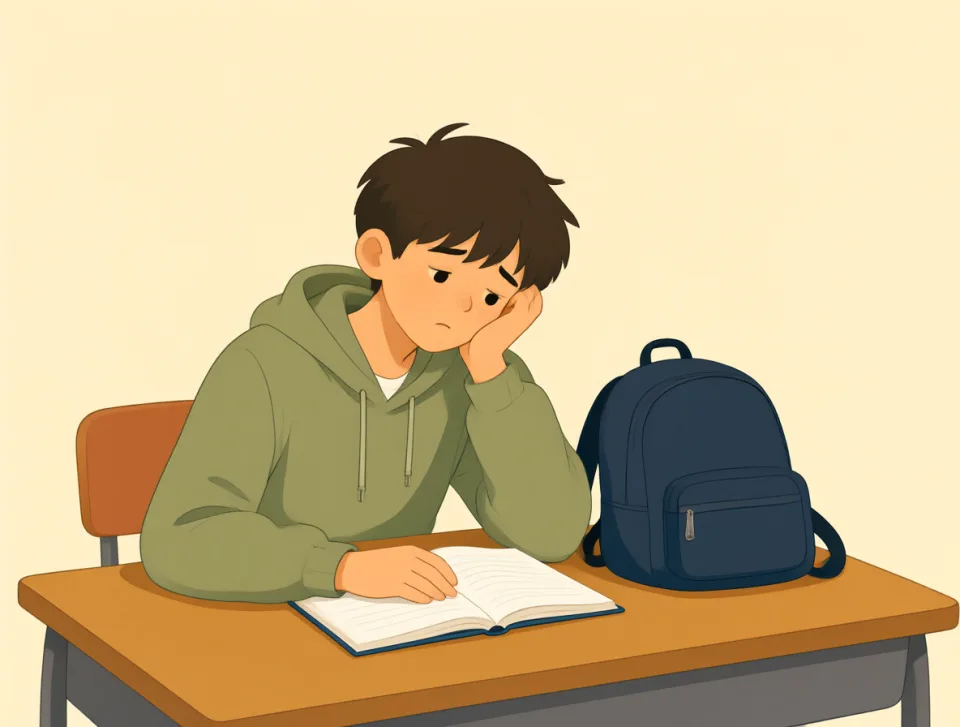
He sometimes feels tired after school.
يشعر بالتعب أحيانًا بعد المدرسة.
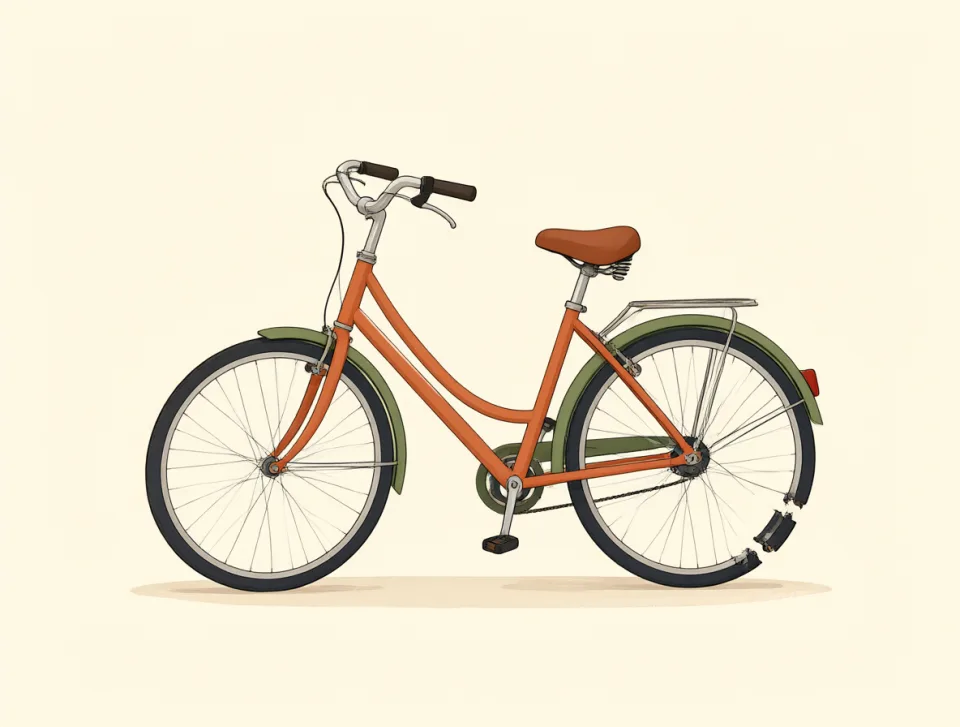
condition
#445noun
حالة؛ شرط
the state that something is in, or a rule that must be accepted
الحالة التي يكون عليها شيء ما، أو قاعدة يجب قبولها.
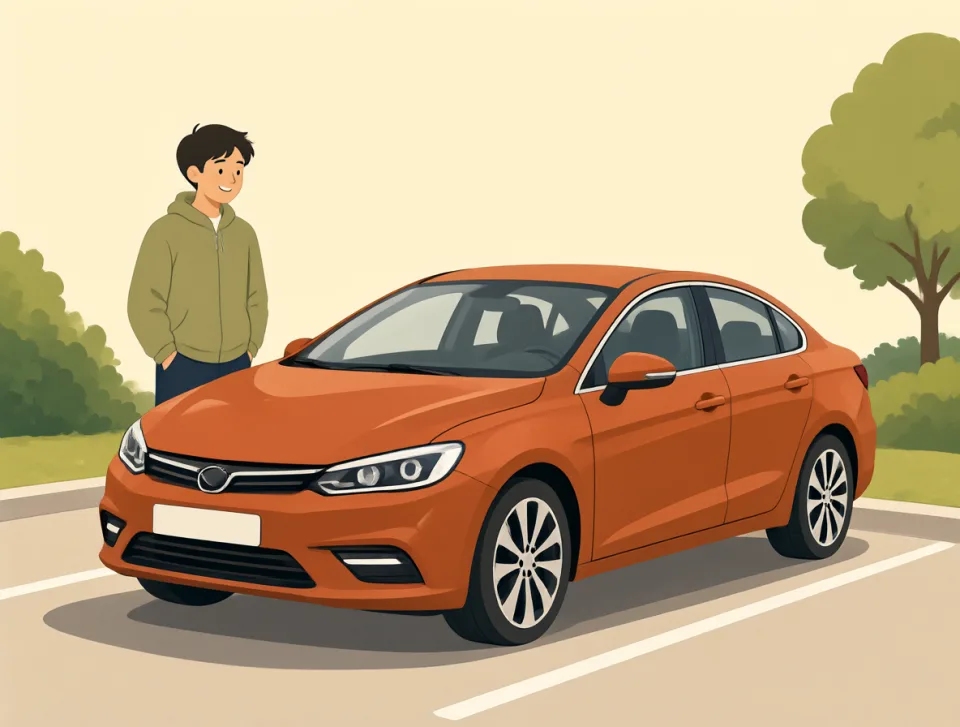
The car is in good condition.
السيارة في حالة جيدة.
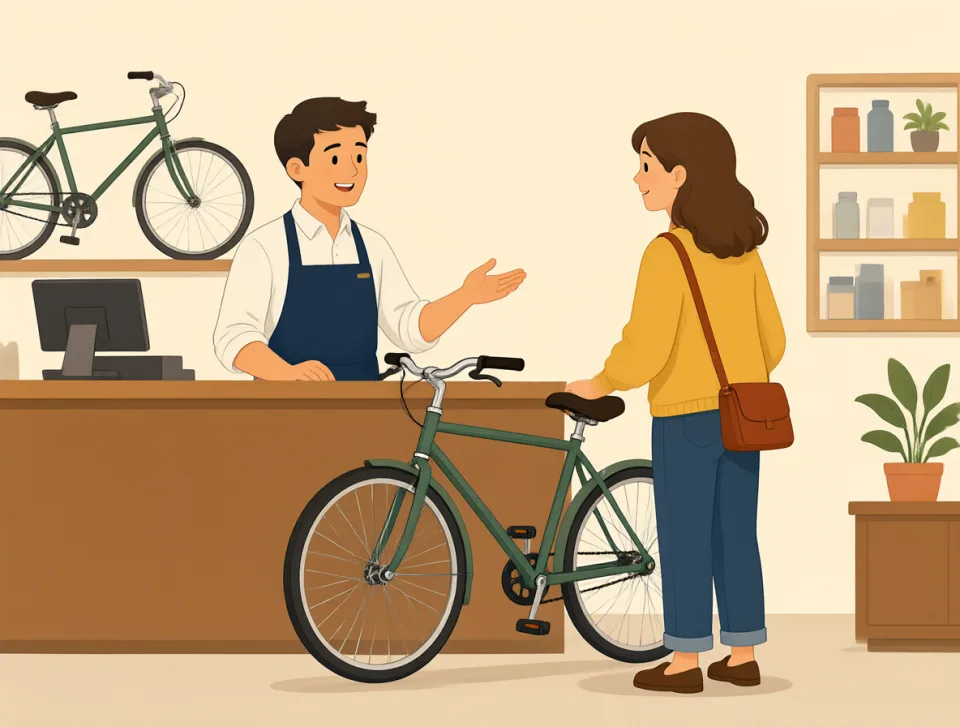
You can buy it on one condition.
يمكنك شراءه بشرط واحد.
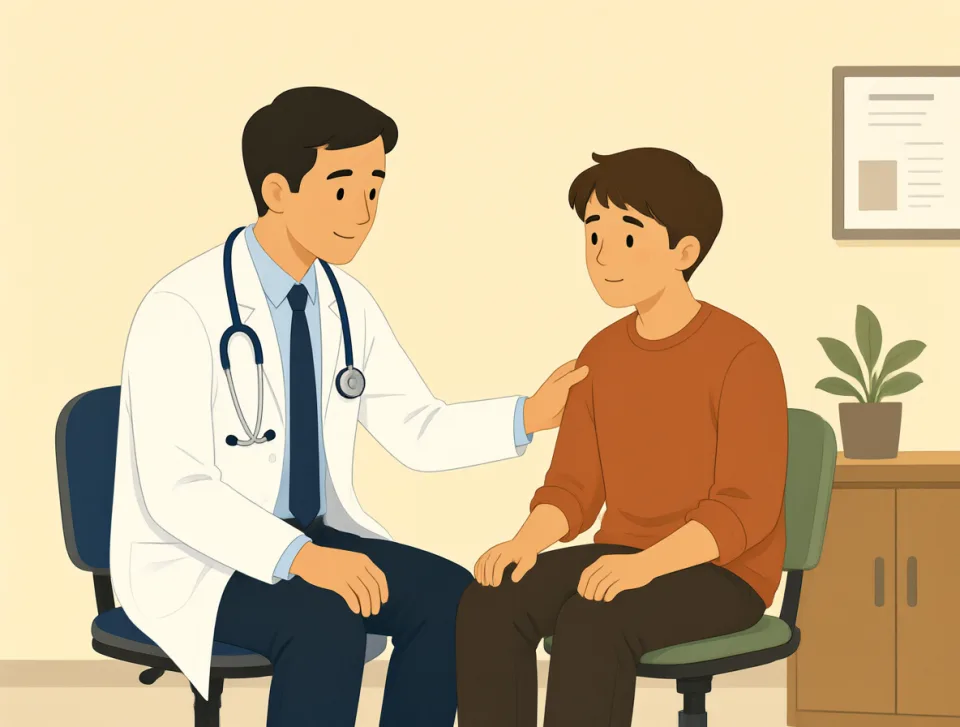
The doctor asked about my condition.
سأل الطبيب عن حالتي الصحية.
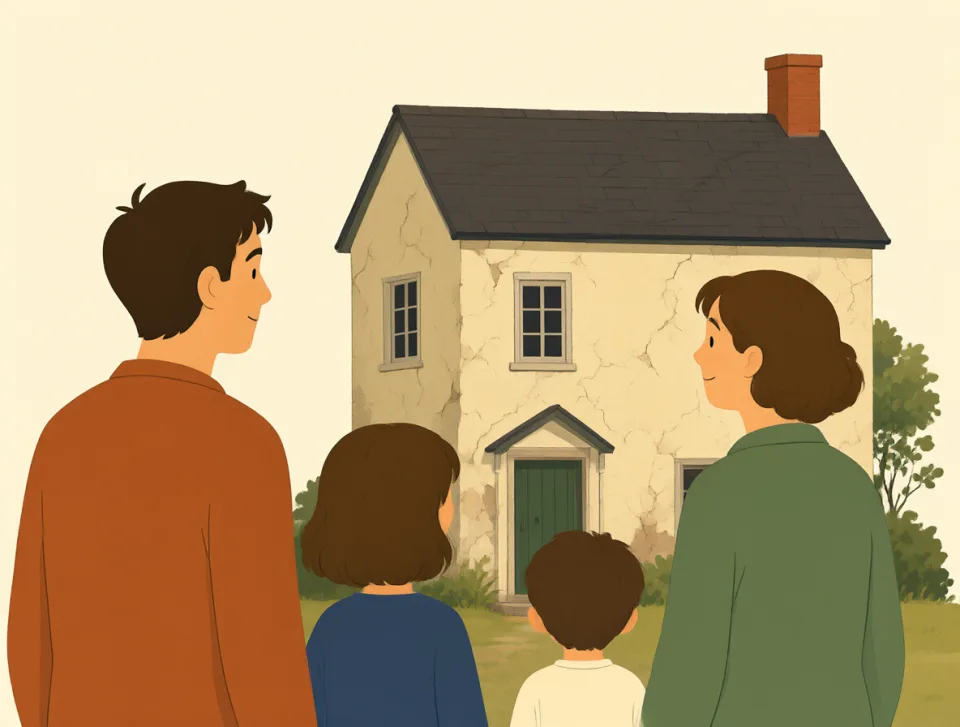
The house was in poor condition.
كان المنزل في حالة سيئة.
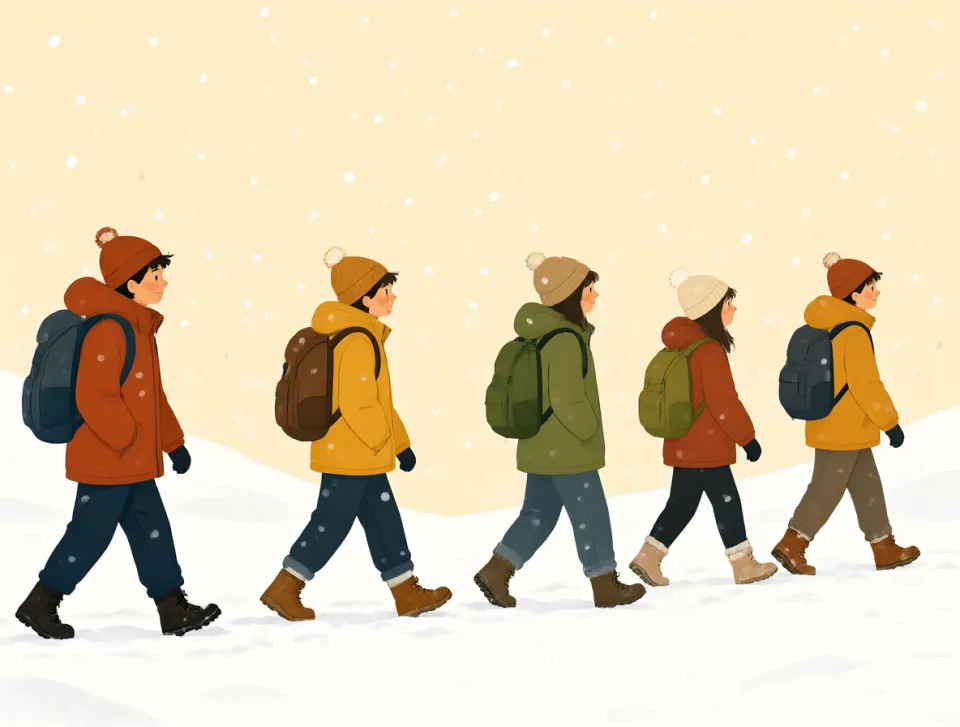
Cold conditions made the trip difficult.
جعلت الظروف الباردة الرحلة صعبة.
carry
#446verb
يحمل
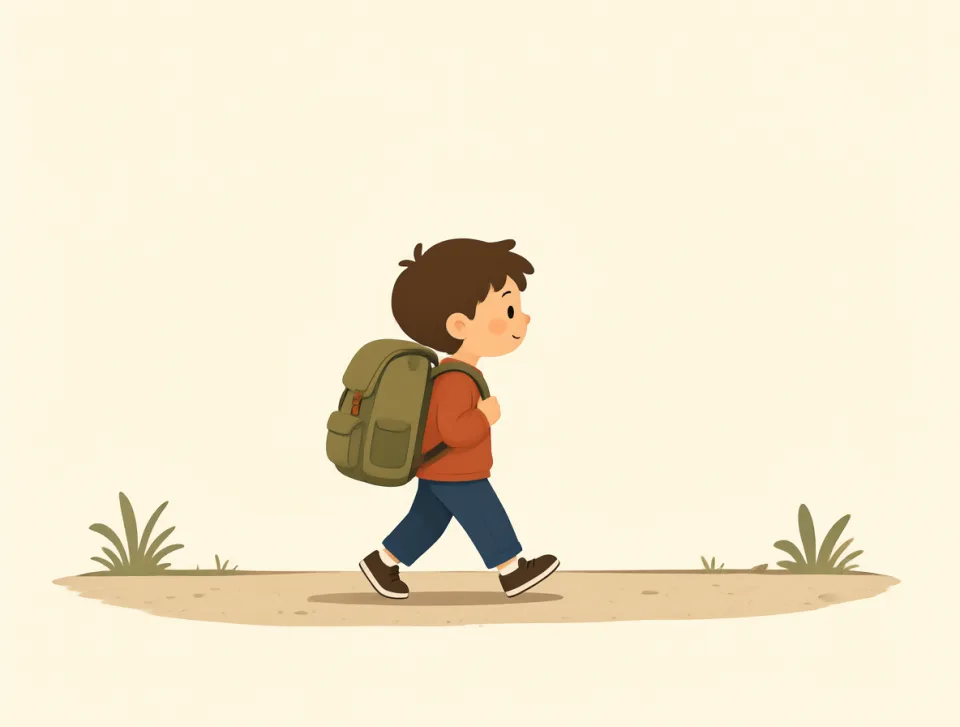
to take something or someone from one place to another
أن تنقل شيئًا أو شخصًا من مكان إلى آخر.

She carries her bag to work every day.
تحمل حقيبتها إلى العمل كل يوم.
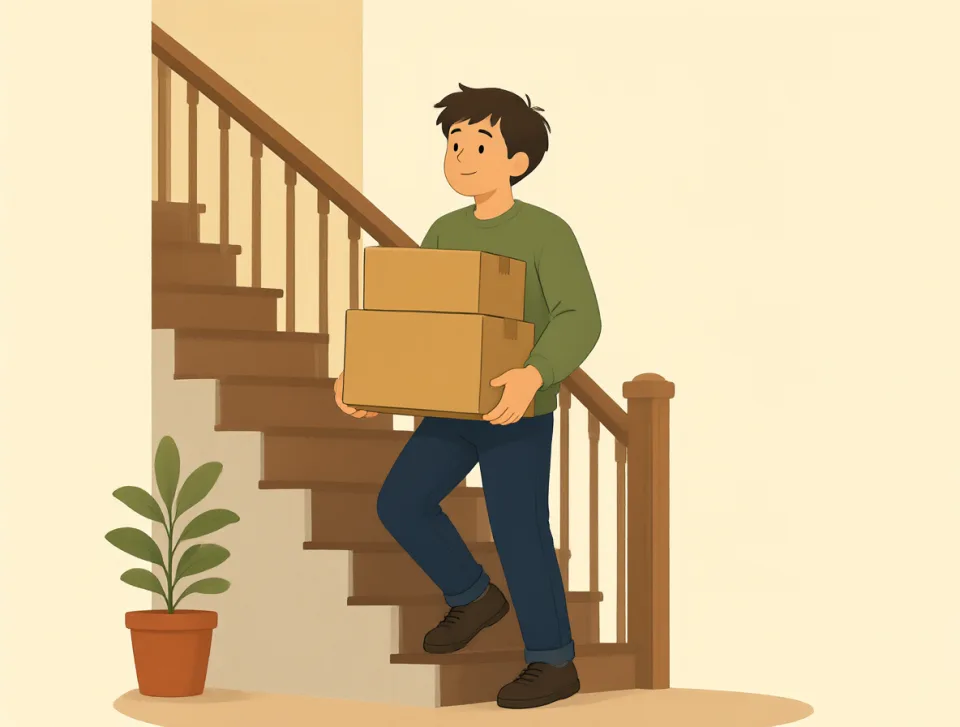
Please carry these boxes upstairs.
من فضلك احمل هذه الصناديق إلى الطابق العلوي.
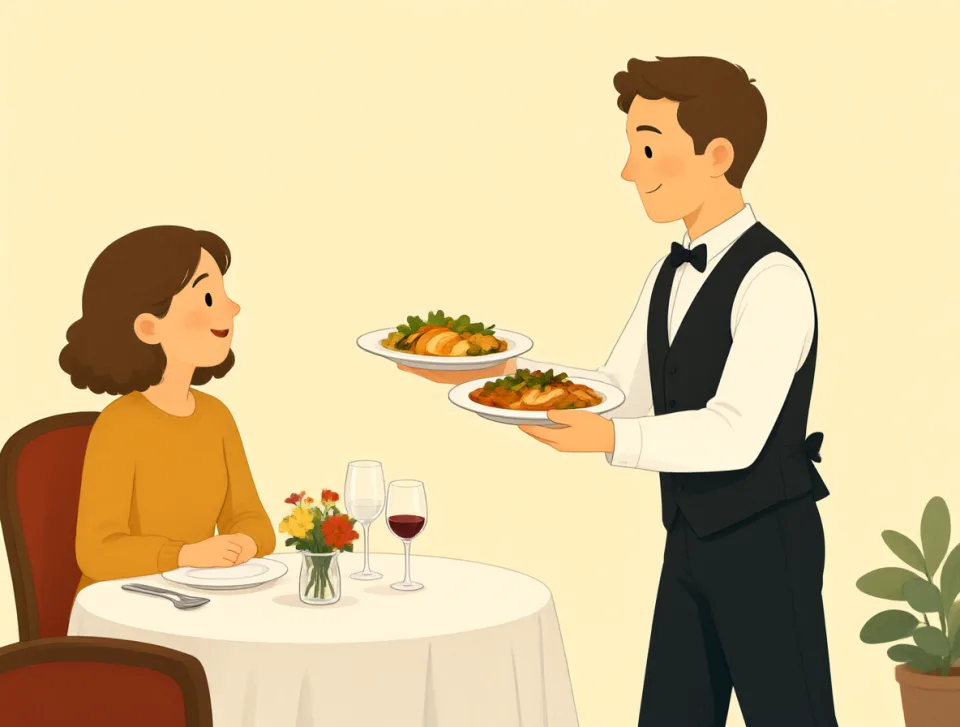
The waiter carried our food to the table.
حمل النادل طعامنا إلى الطاولة.
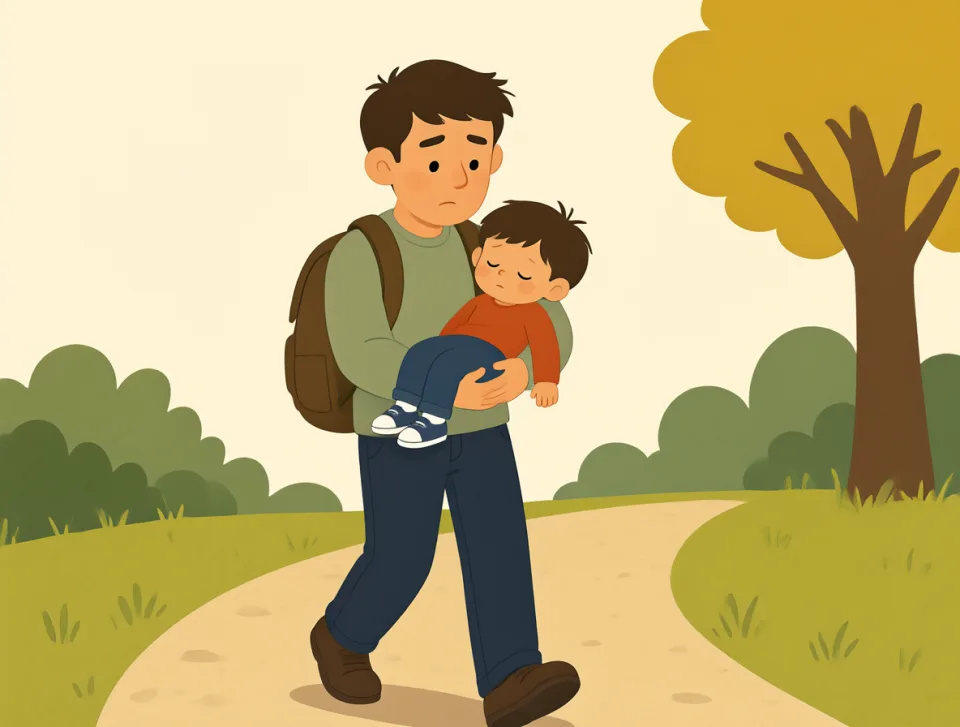
He carried his son home after the trip.
حمل ابنه إلى المنزل بعد الرحلة.
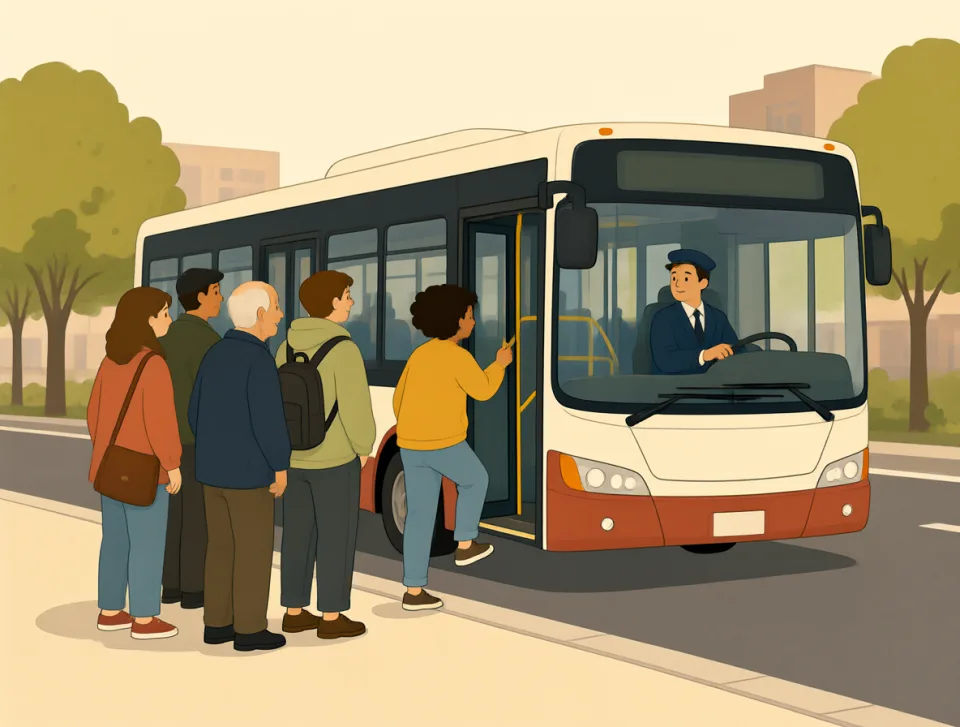
This bus carries many people every morning.
تنقل هذه الحافلة كثيرًا من الناس كل صباح.
choose
#447verb
يختار
To decide which person or thing you want from several possibilities.
أن تقرر أي شخص أو شيء تريده من بين عدة خيارات.

Choose a seat near the window.
اختر مقعدًا قرب النافذة.

She chose the blue dress for work.
اختارت الفستان الأزرق للعمل.
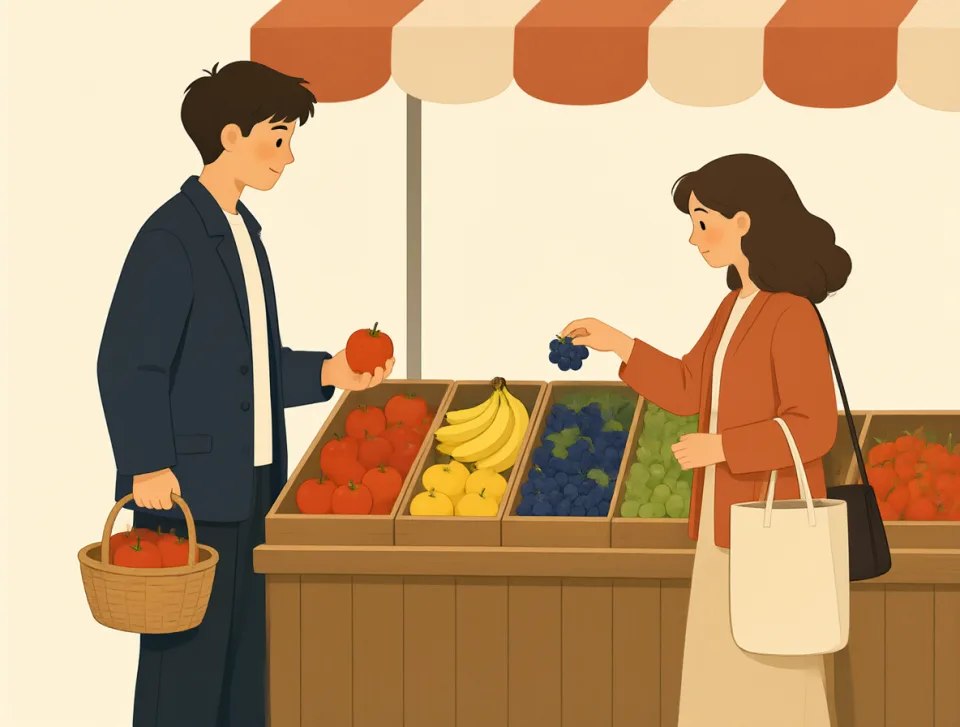
We choose fresh fruit at the market.
نختار الفاكهة الطازجة في السوق.
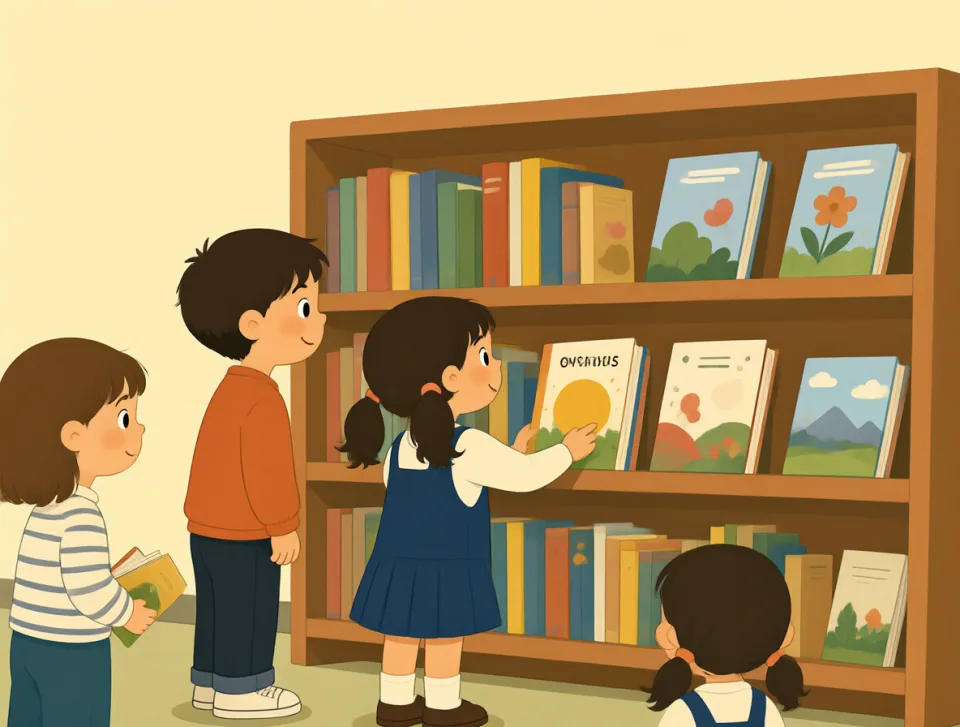
Our teacher let us choose a book.
سمح لنا معلمنا باختيار كتاب.
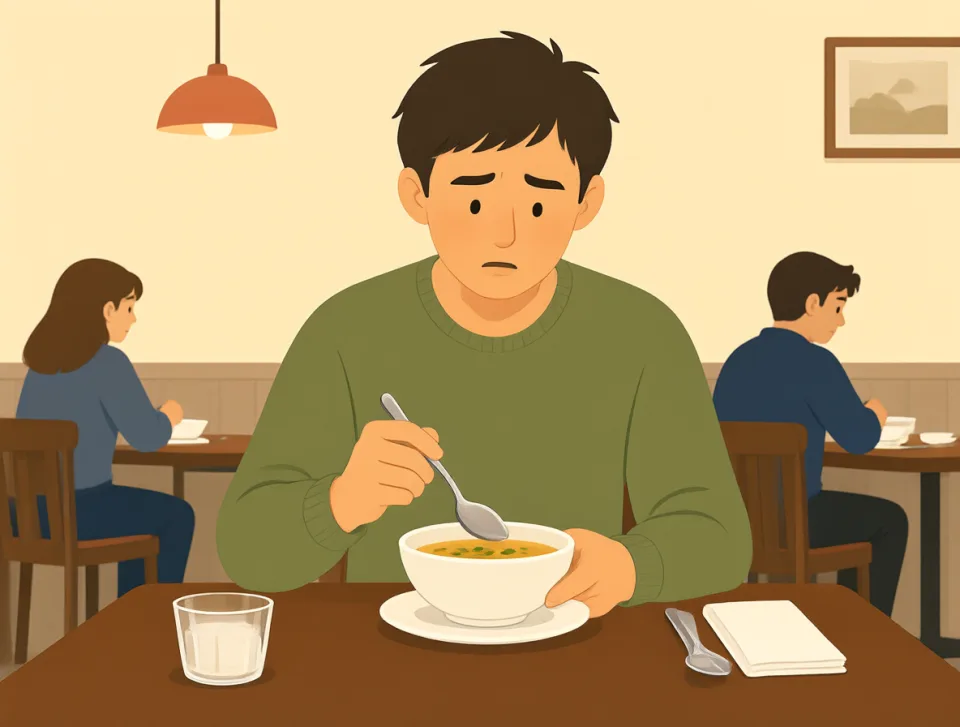
He chose soup because his throat hurt.
اختار الحساء لأن حلقه كان يؤلمه.
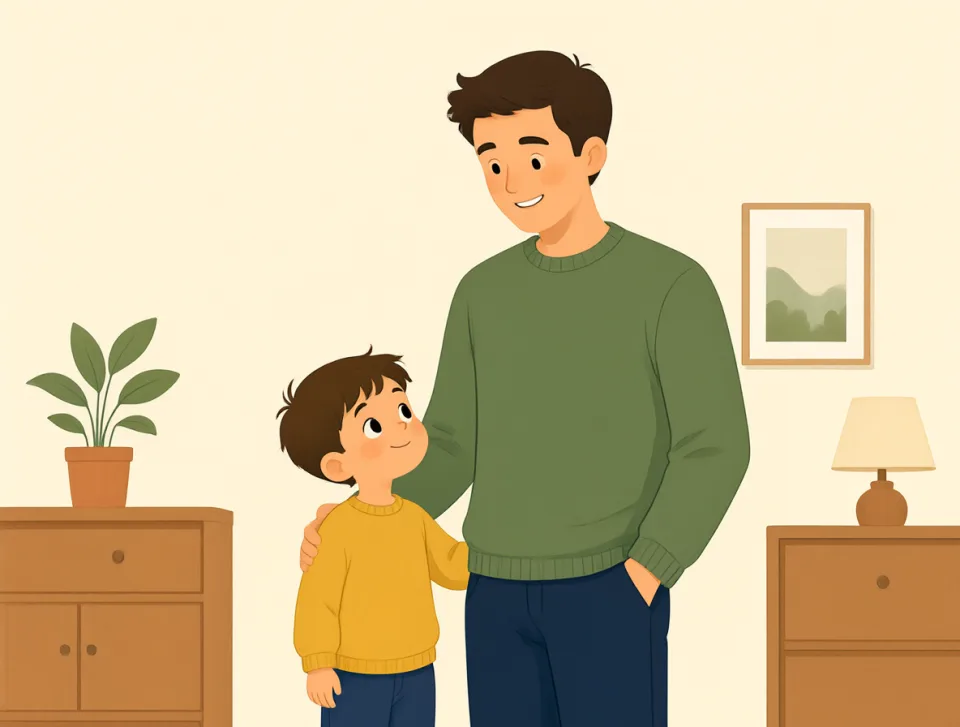
father
#448noun
أب
A male parent of a child.
والد ذكر لطفل.
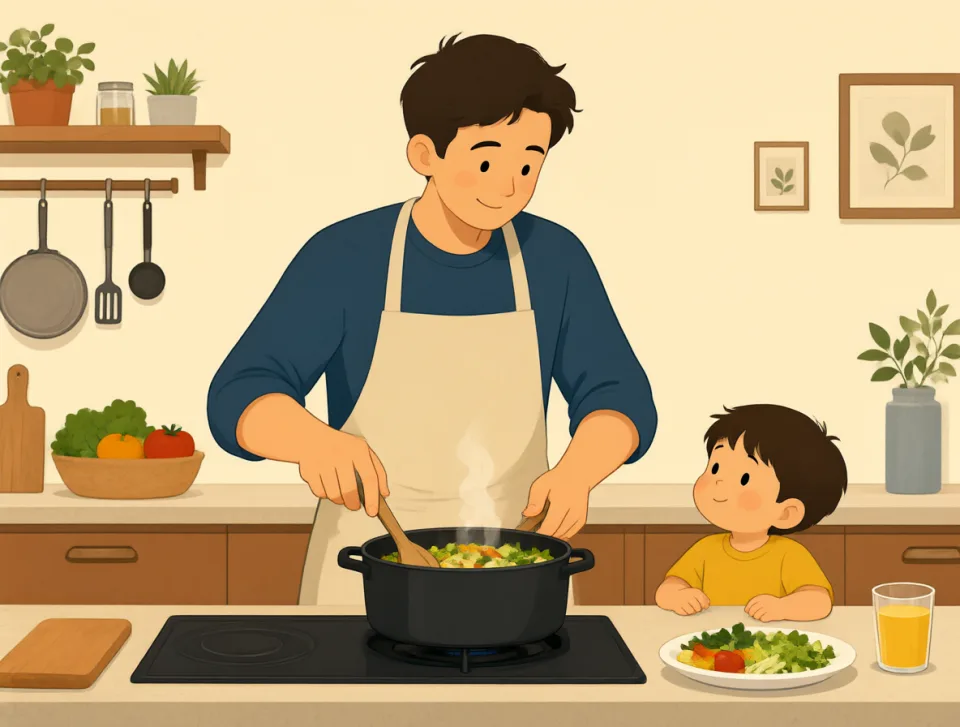
My father makes breakfast every morning.
يُعدّ أبي الفطور كل صباح.
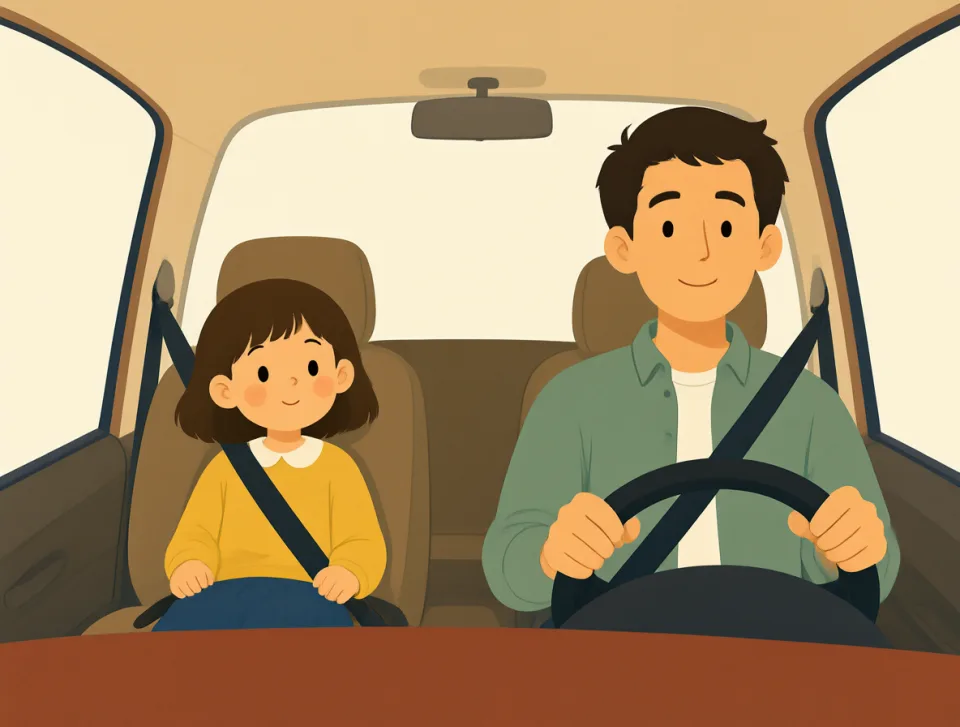
Her father drives her to school.
يوصلها والدها إلى المدرسة بالسيارة.
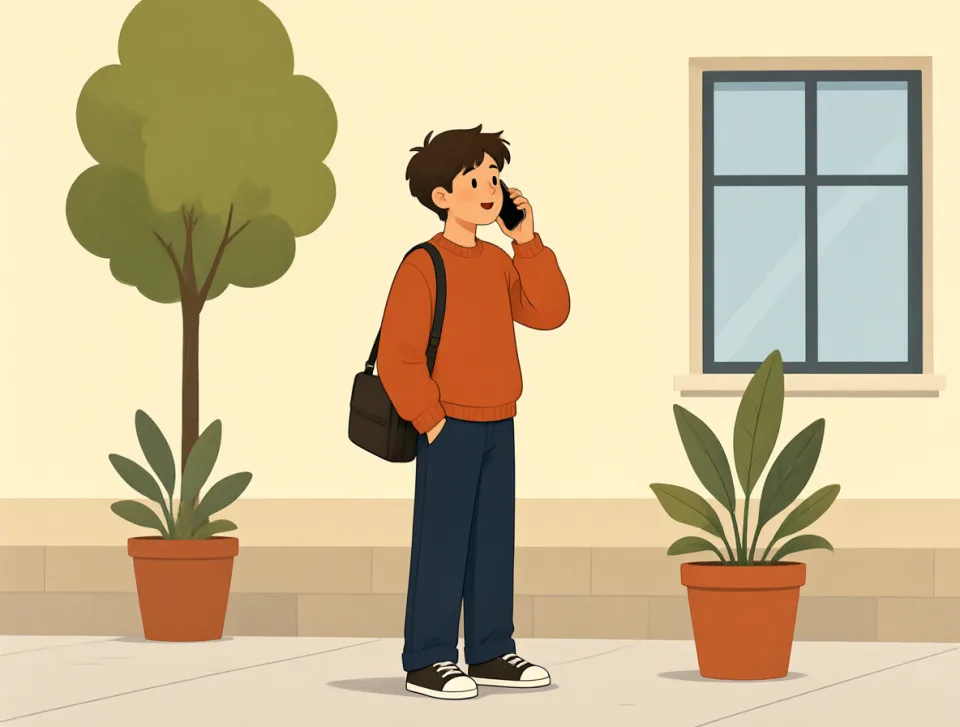
I called my father after work.
اتصلت بأبي بعد العمل.
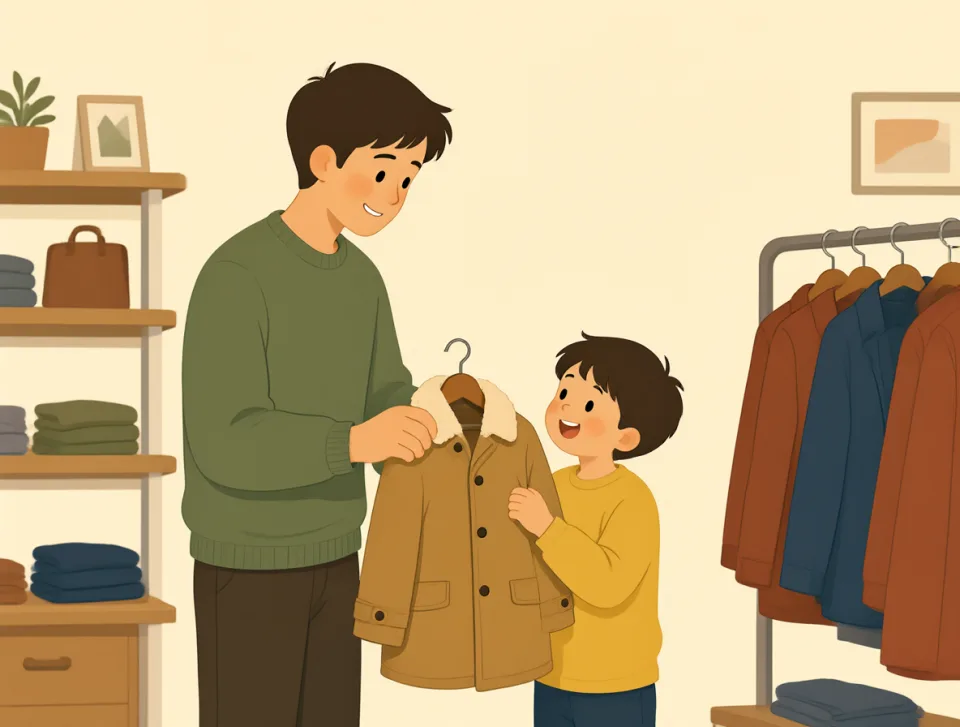
His father bought a new coat.
اشترى والده معطفًا جديدًا.
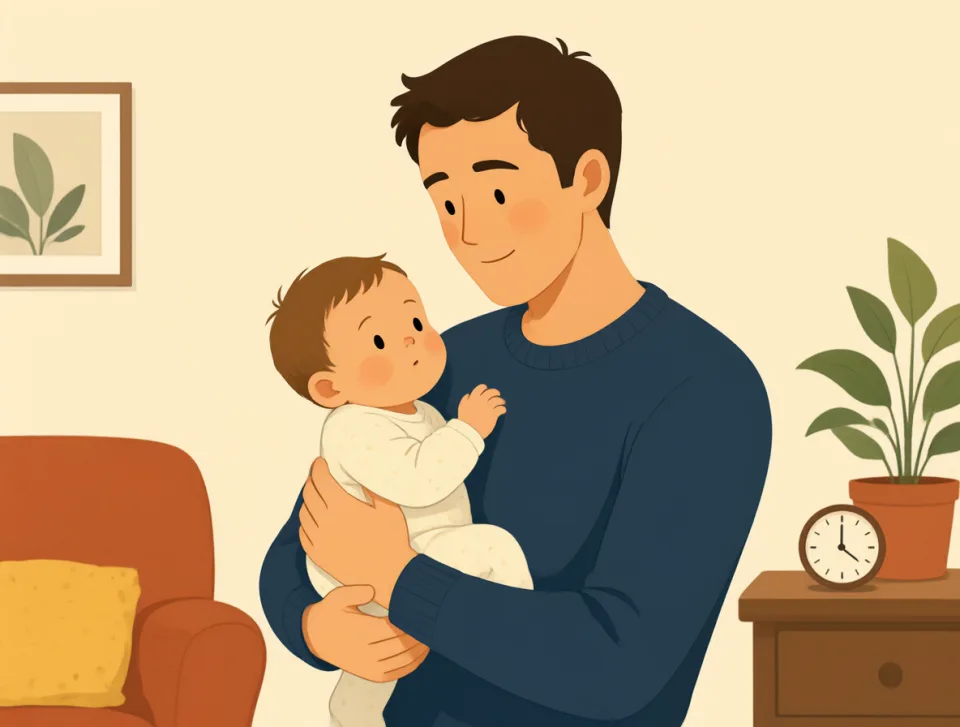
The baby is staying with her father.
يقيم الطفل مع والده.
decision
#449noun
قرار
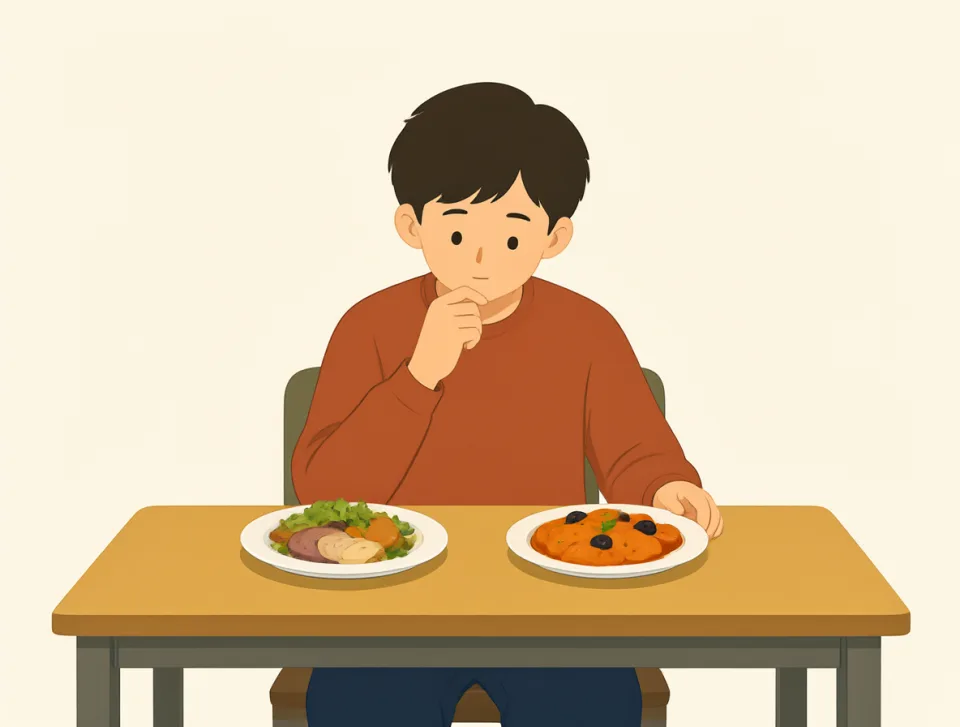
a choice you make after thinking about what to do
خيار تتخذه بعد التفكير فيما ينبغي فعله.
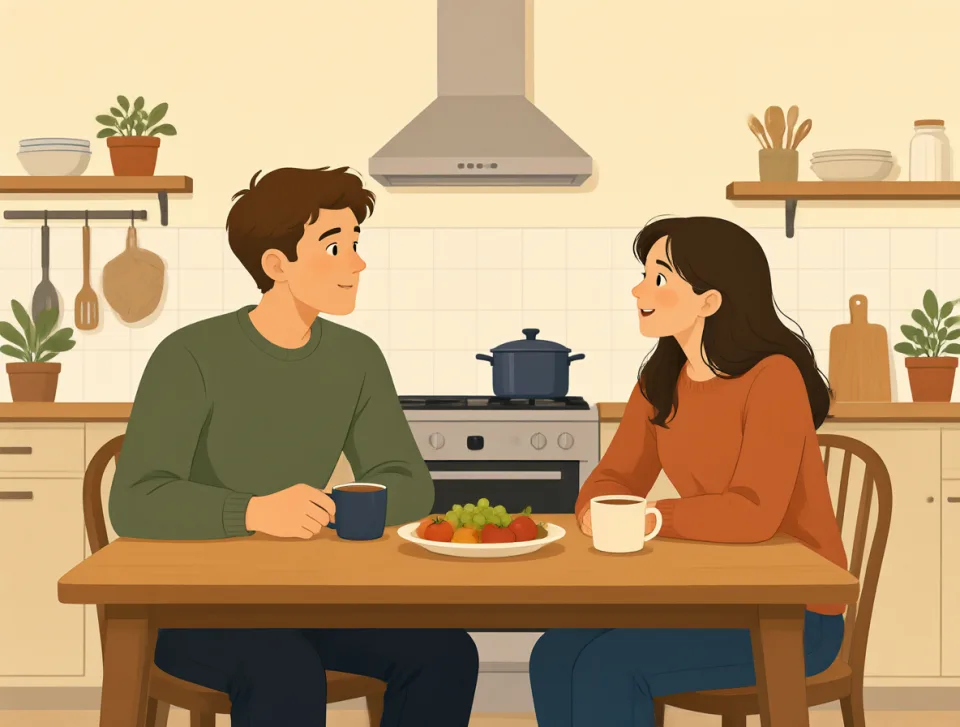
We need to make a decision today.
علينا أن نتخذ قرارًا اليوم.

She made the right decision about the job.
اتخذت القرار الصحيح بشأن الوظيفة.
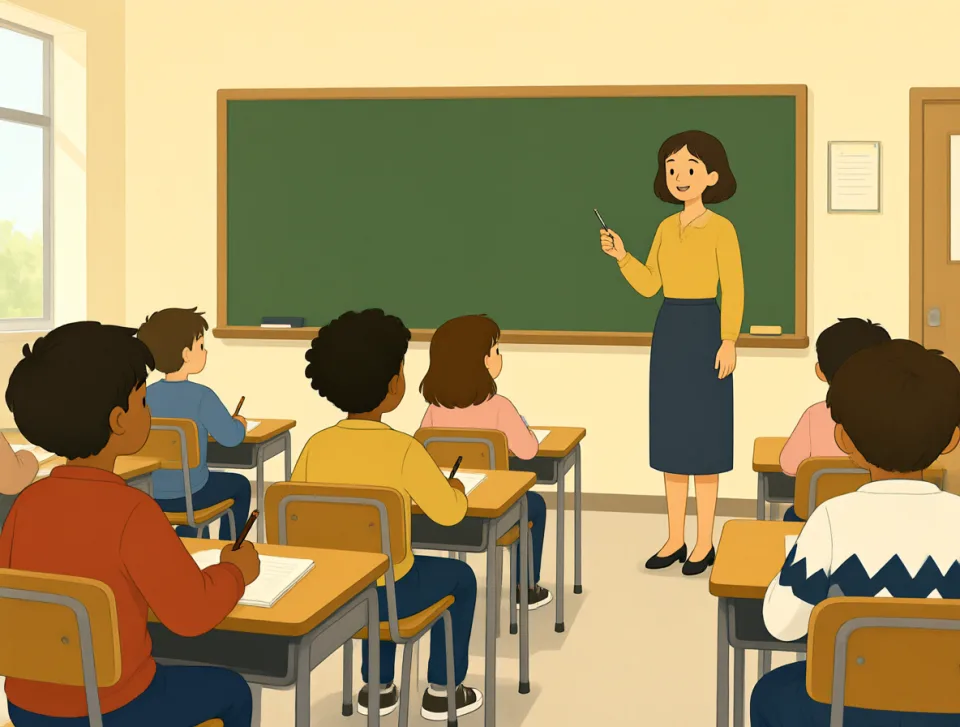
The teacher asked for our decision.
طلب المعلم منا أن نقرر.
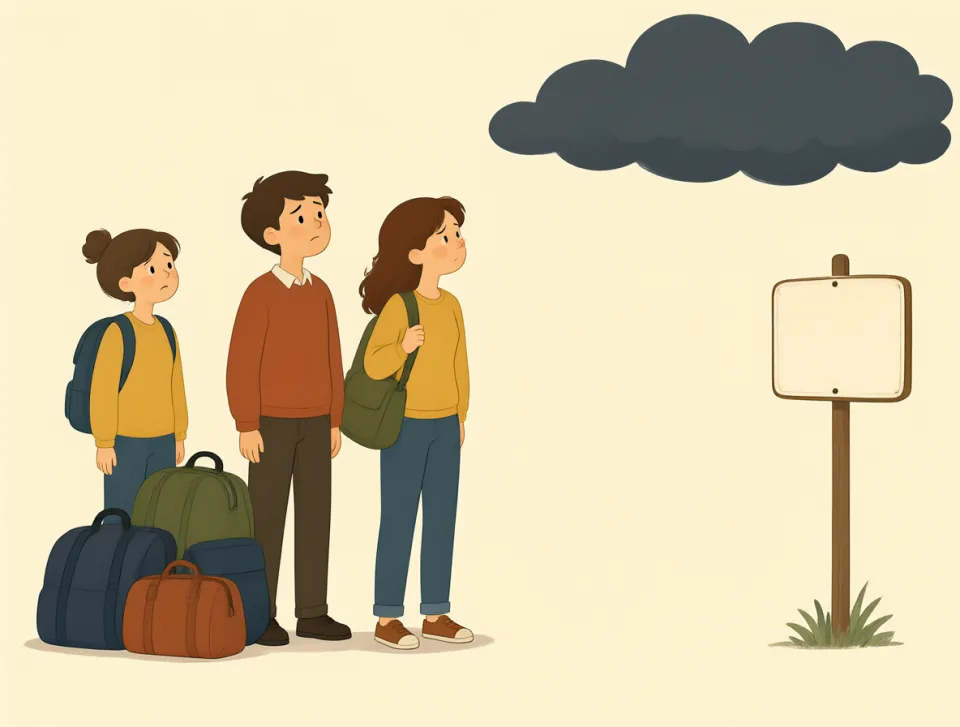
They changed their decision after the storm.
غيّروا قرارهم بعد العاصفة.
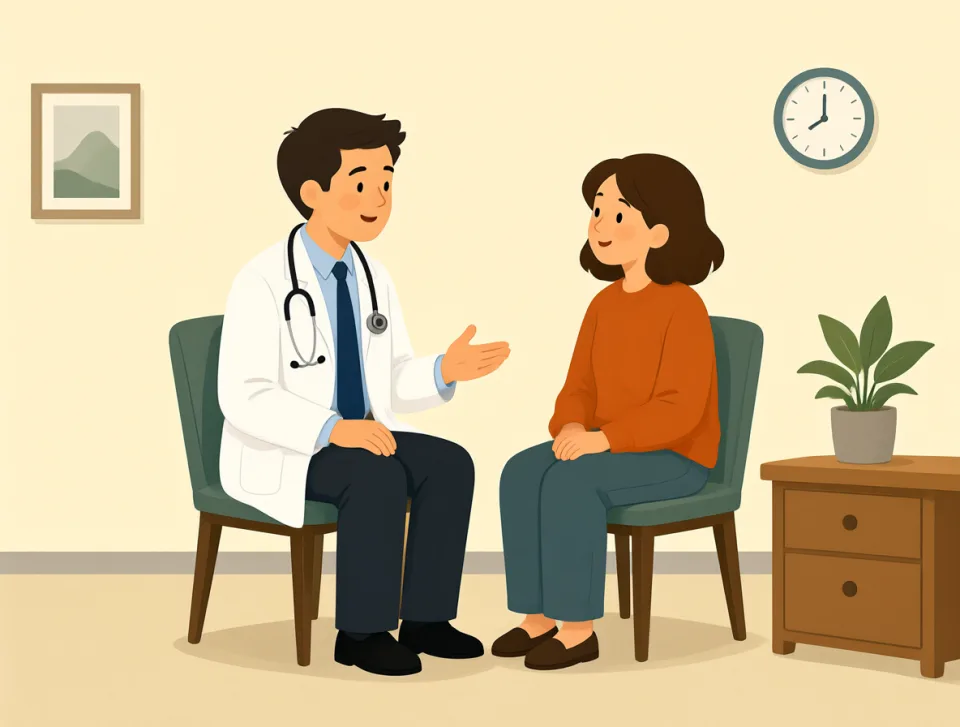
His doctor helped him make a decision.
ساعده طبيبه على اتخاذ قرار.
table
#450noun, verb
طاولة
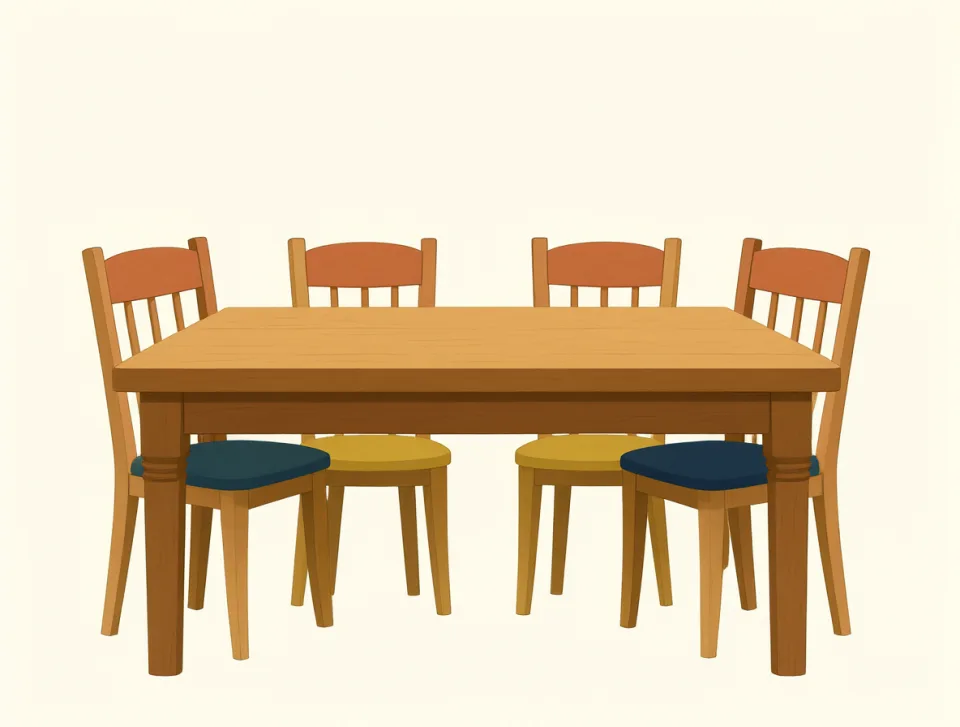
A piece of furniture with a flat top and legs, or to put information in a table.
قطعة أثاث ذات سطح مستوٍ وأرجل، أو أن تعرض المعلومات في جدول.
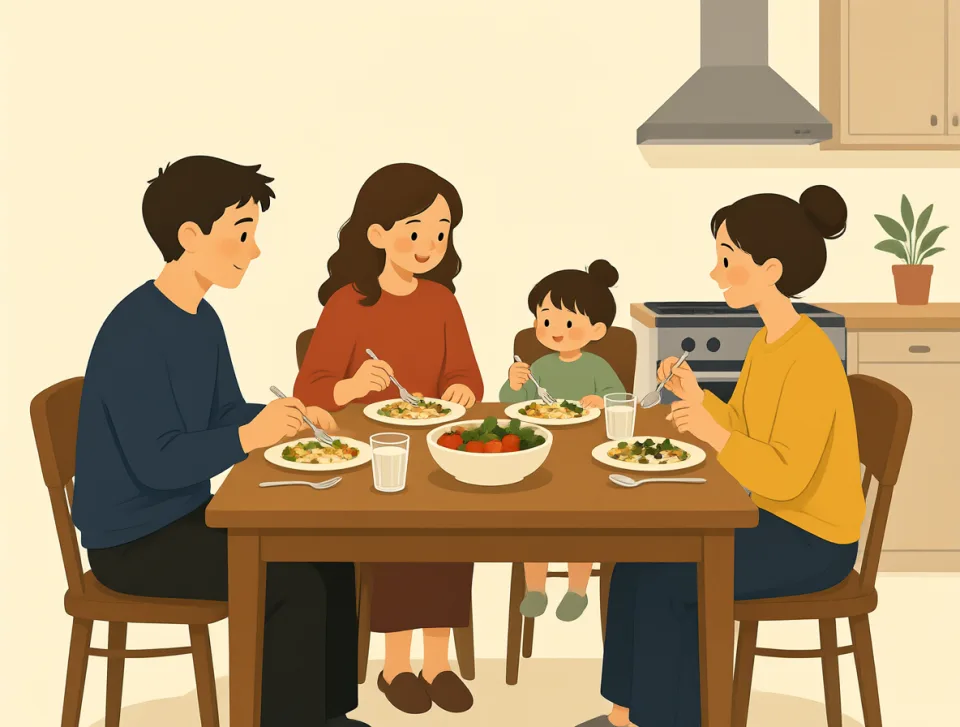
We ate dinner at the kitchen table.
تناولنا العشاء على طاولة المطبخ.
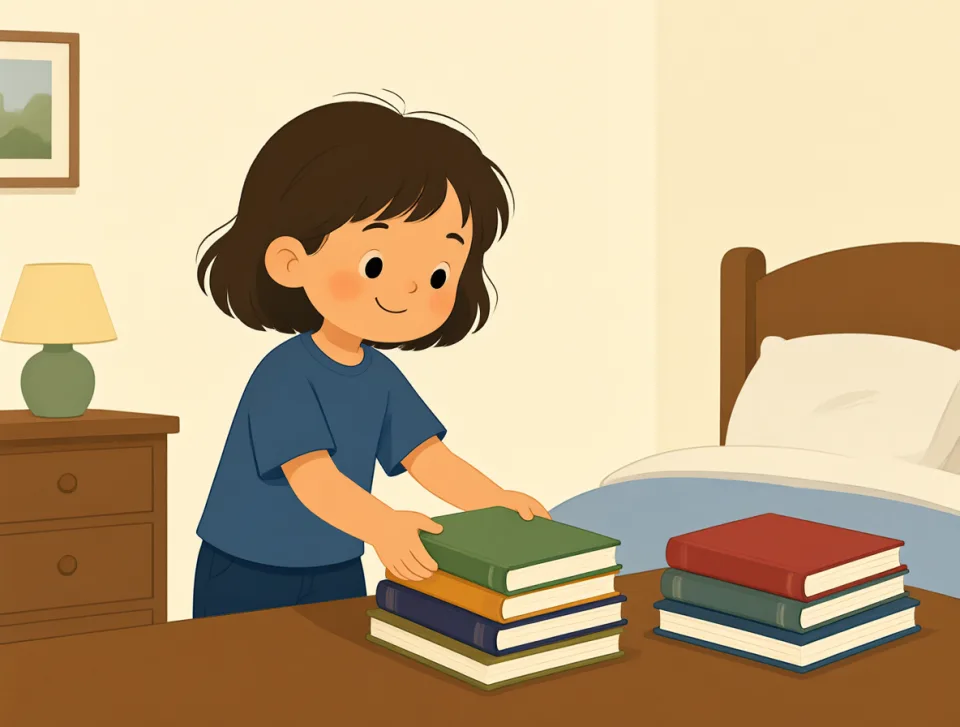
Please put the books on the table.
من فضلك ضع الكتب على الطاولة.
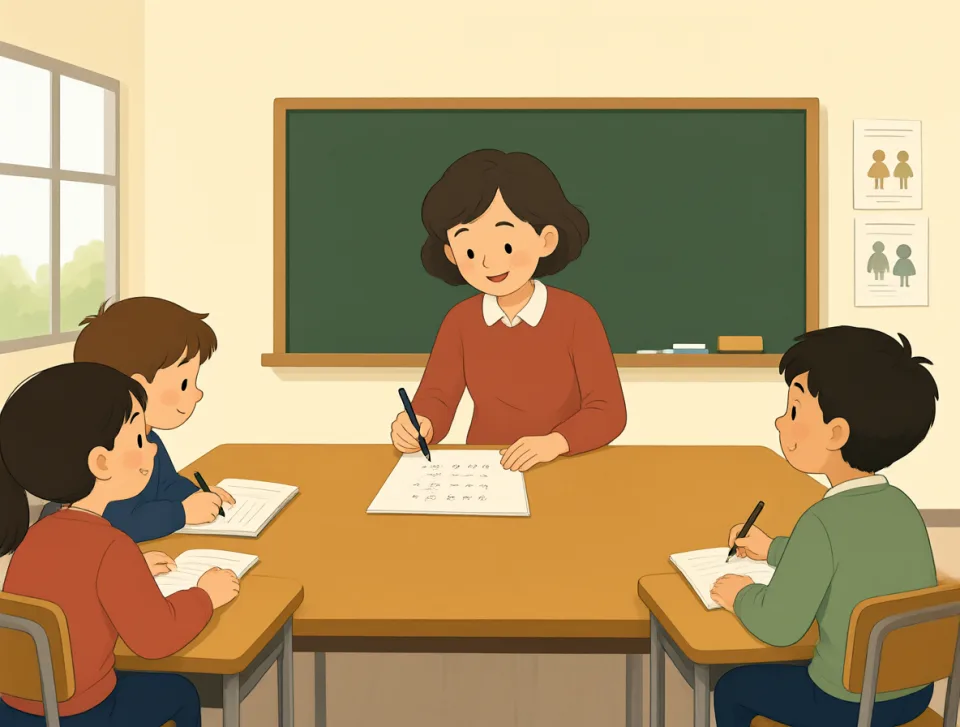
The teacher wrote the answers on the table.
كتب المعلم الإجابات في الجدول.

They booked a table for two tonight.
حجزوا طاولة لشخصين الليلة.

The report tables the costs clearly.
يعرض التقرير التكاليف في جدول بوضوح.
certain
#451adjective, determiner, pronoun
متأكد
Sure about something or someone; or a particular person or thing.
واثق من شيء أو شخص؛ أو شخص أو شيء معيّن.
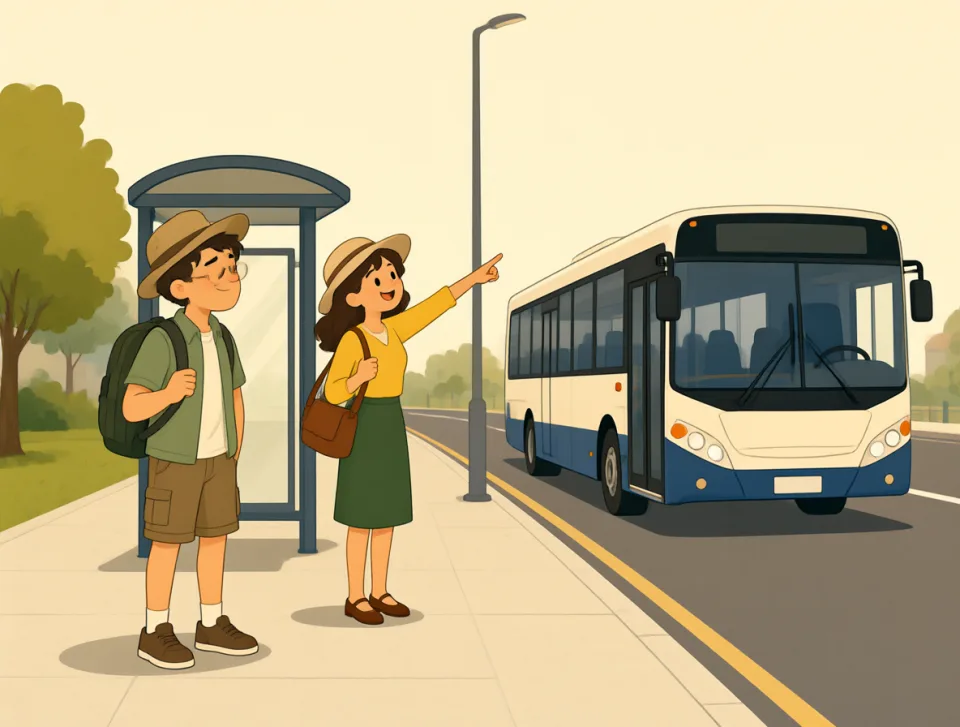
I am certain this is the right bus.
أنا متأكد أن هذه هي الحافلة الصحيحة.
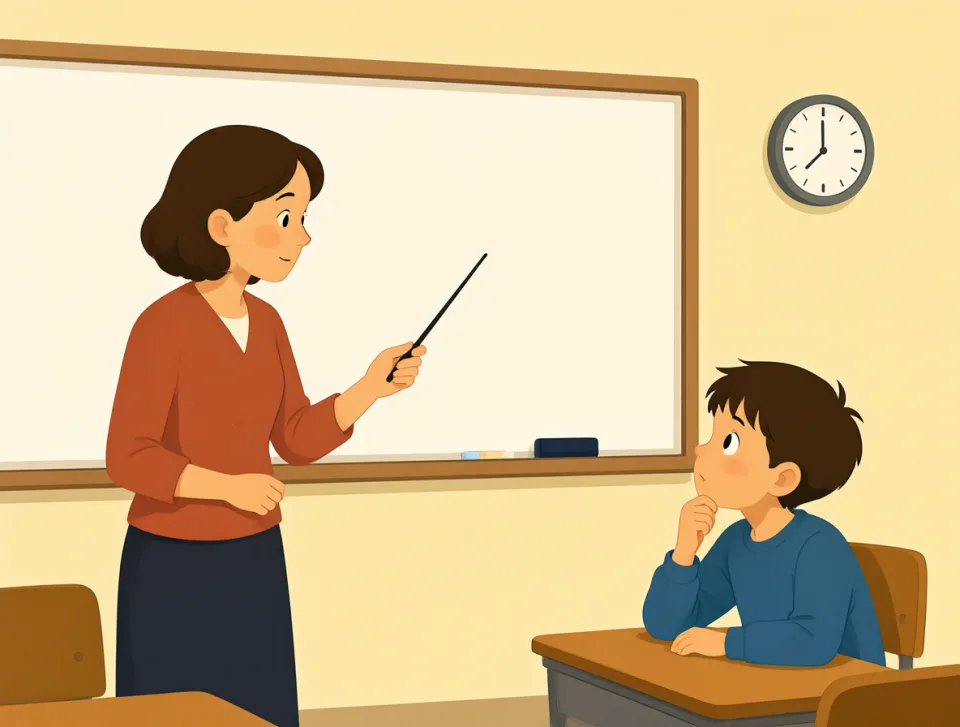
Are you certain about your answer?
هل أنت متأكد من إجابتك؟
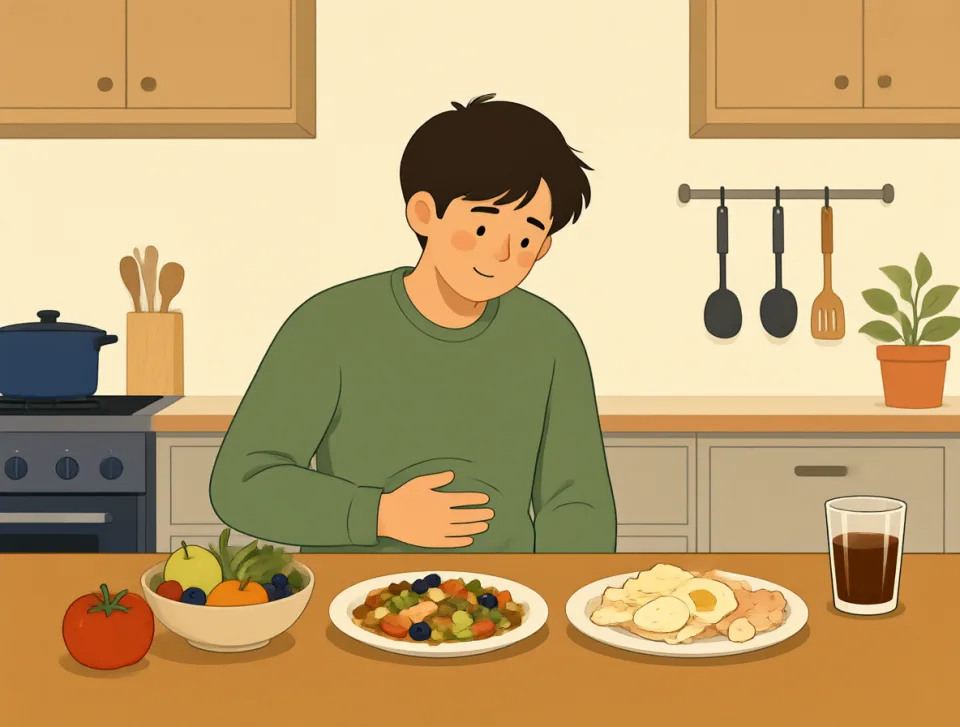
Certain foods make my stomach hurt.
تسبب لي بعض الأطعمة ألمًا في المعدة.
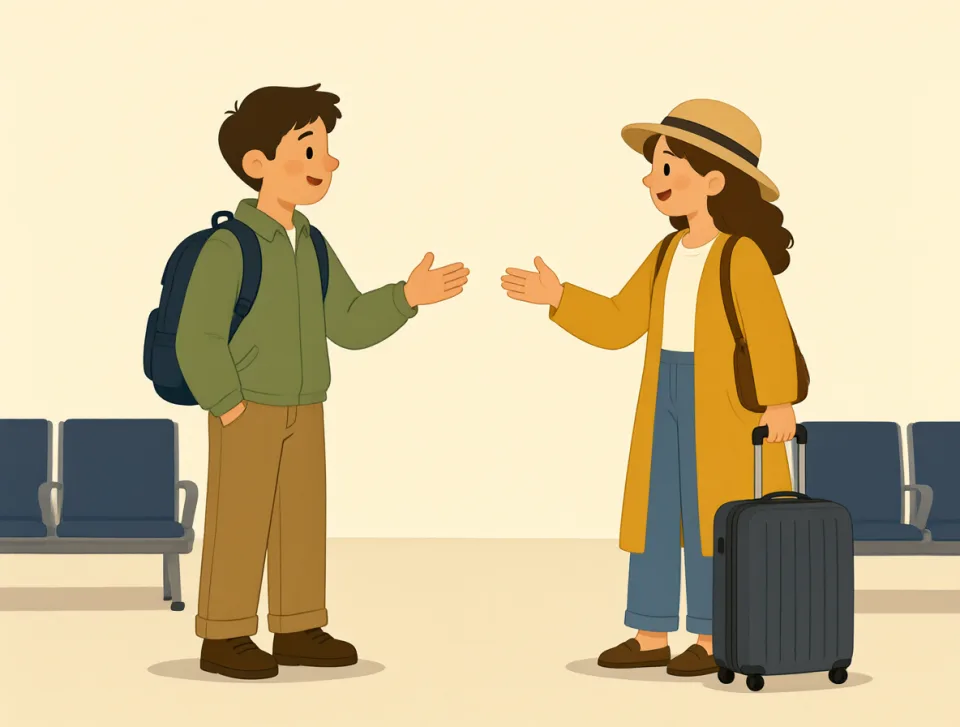
We met certain friends at the airport.
التقينا ببعض الأصدقاء في المطار.
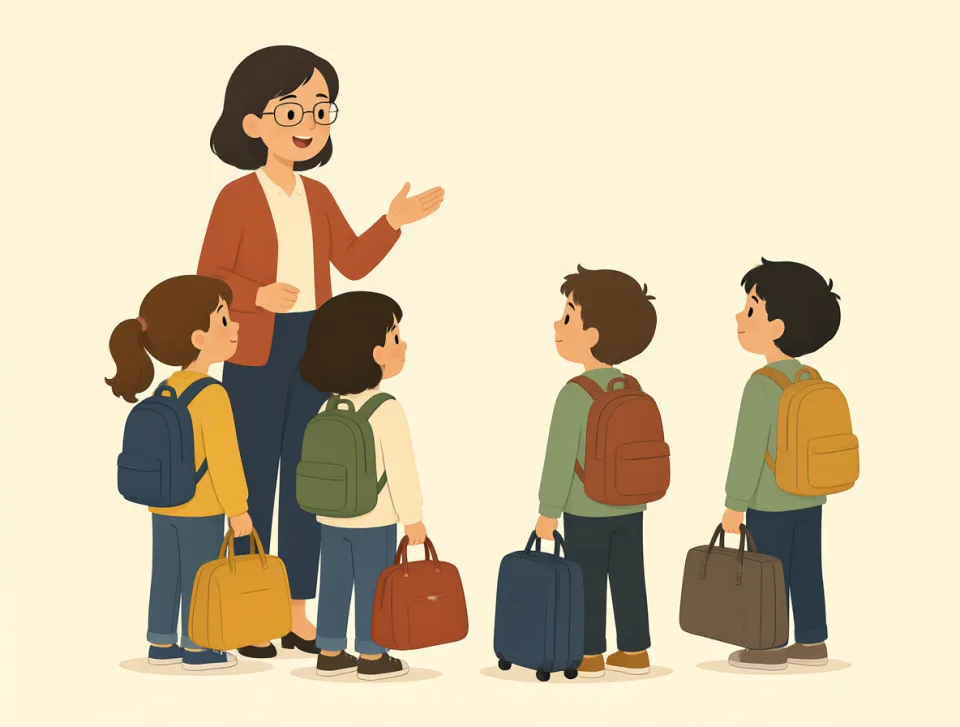
Only certain students can join the trip.
يمكن لبعض الطلاب فقط الانضمام إلى الرحلة.
forward
#452adverb, adjective, noun, verb
إلى الأمام
Toward the front or a place ahead; helping something continue or improve.
باتجاه المقدمة أو مكان يقع أمامك؛ أو ما يساعد على مواصلة شيء أو تحسينه.
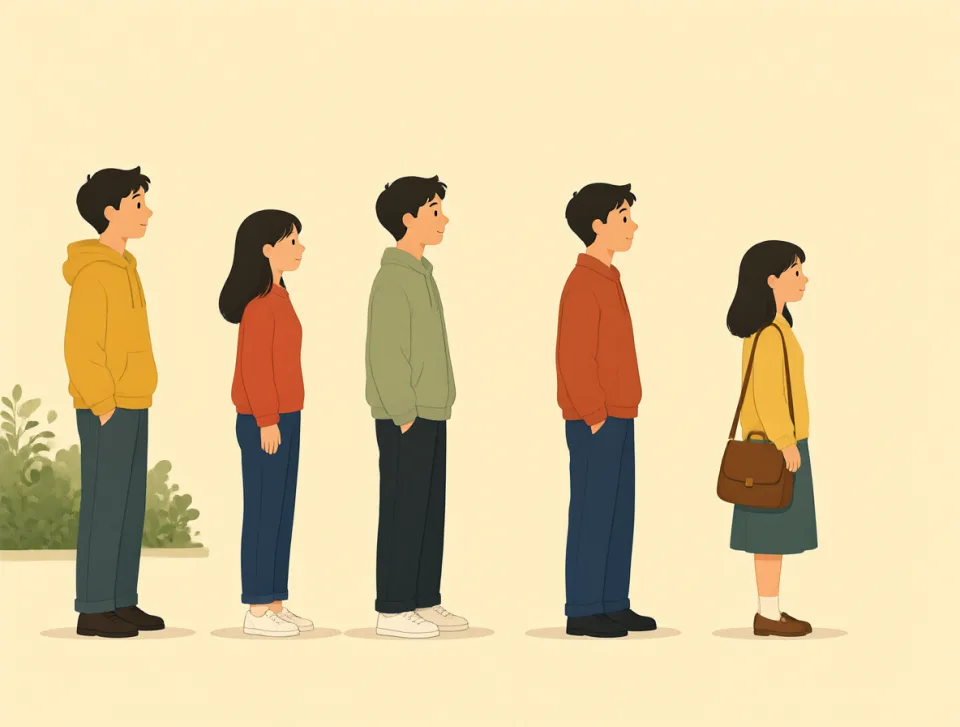
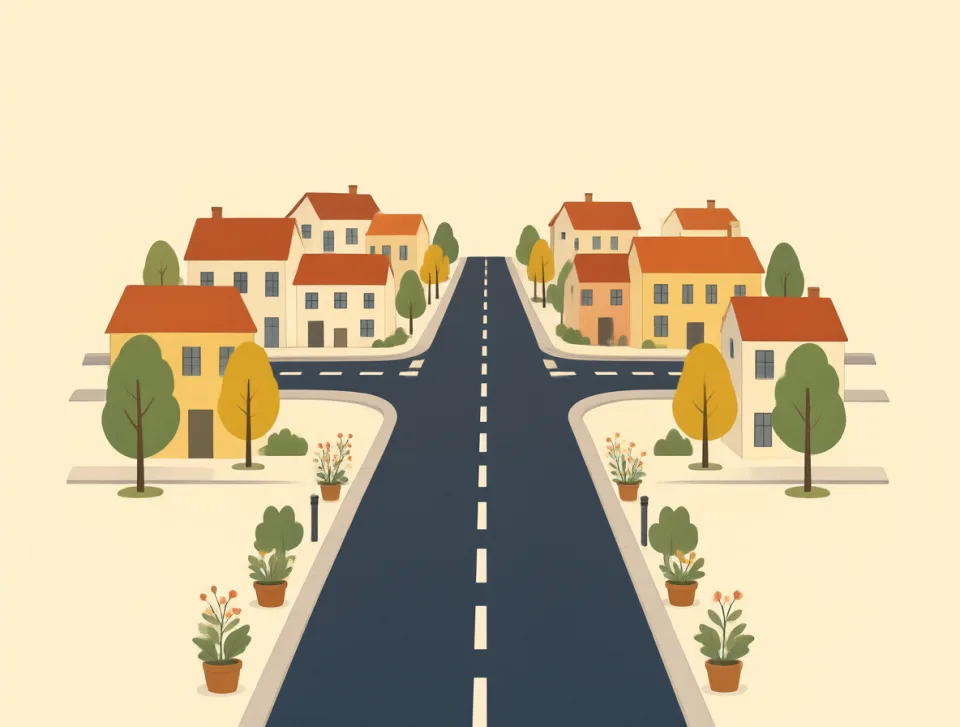
Please move forward in the line.
من فضلكم، تقدّموا في الصف.
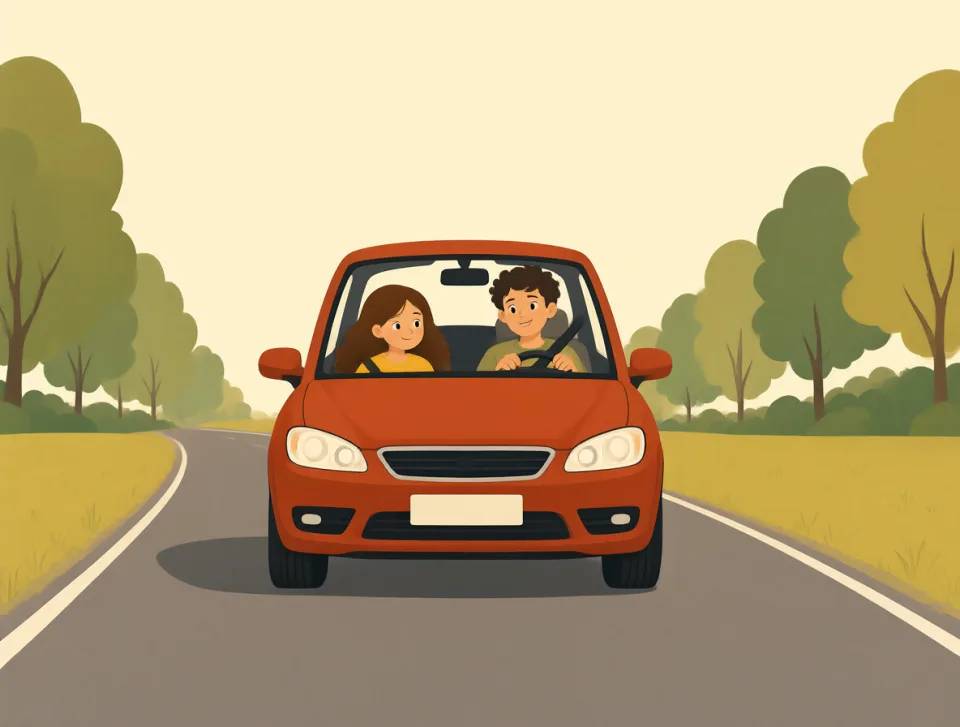
The car moved forward slowly.
تحرّكت السيارة إلى الأمام ببطء.
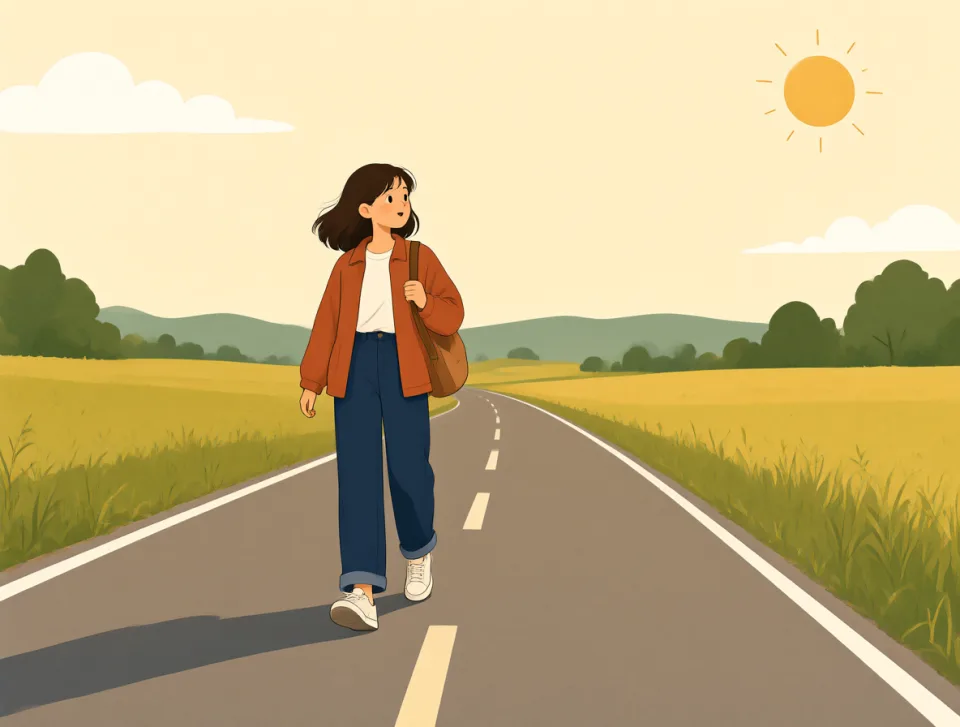
She has a bright future forward.
لديها مستقبل مشرق.
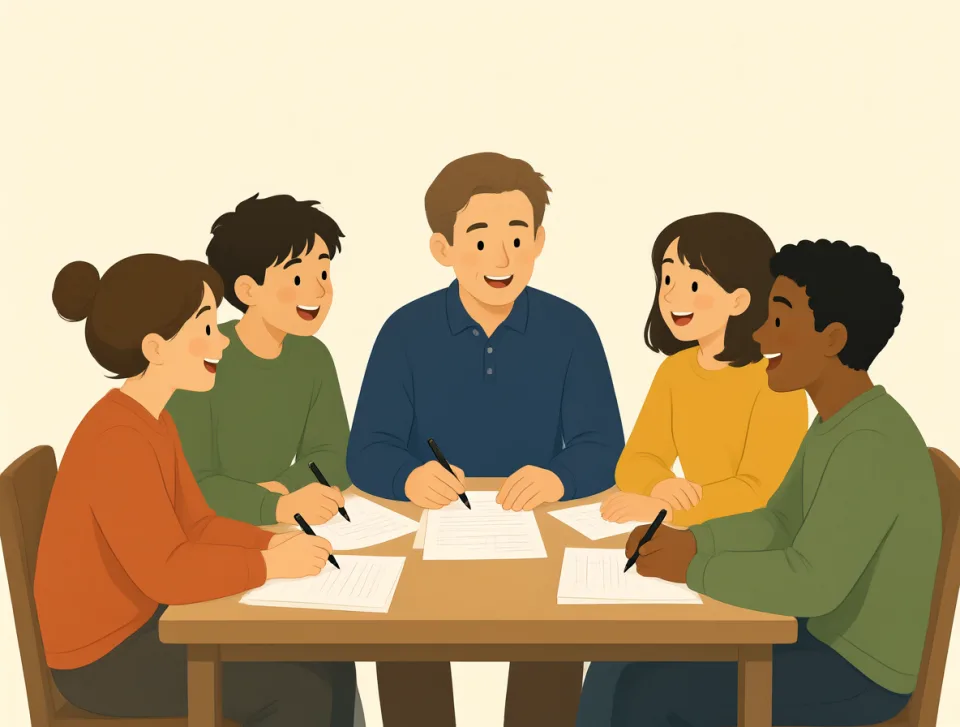
The team made forward progress today.
أحرز الفريق تقدمًا اليوم.
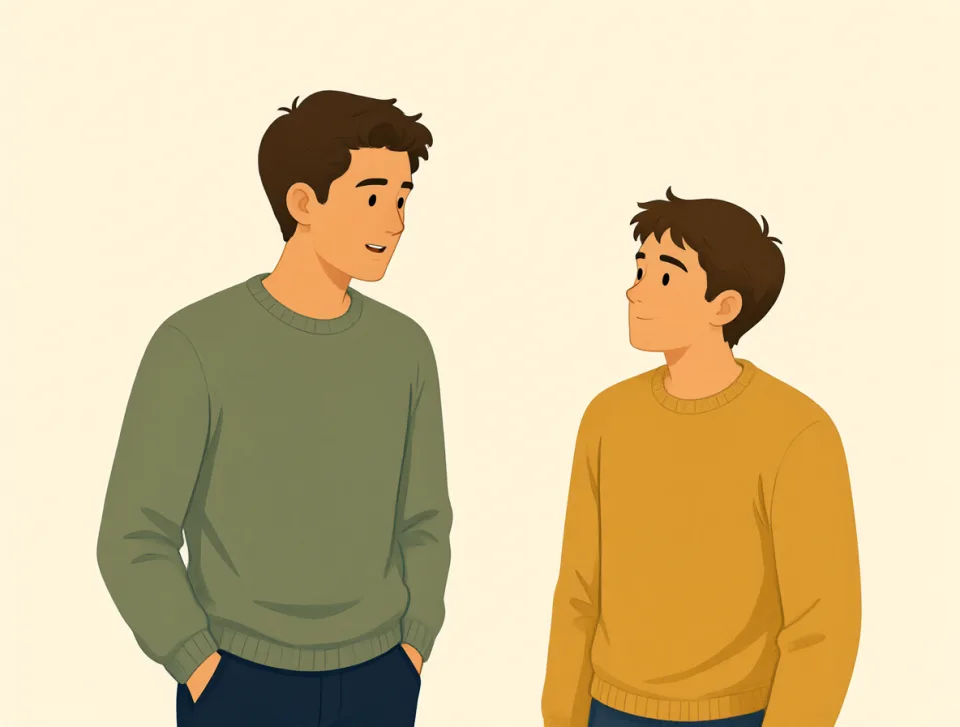
He leaned forward to hear better.
مال إلى الأمام ليستمع بشكل أفضل.
main
#453adjective, noun
رئيسي
Most important; the largest or strongest part of something.
الأهم؛ أو الجزء الأكبر أو الأقوى من شيء ما.
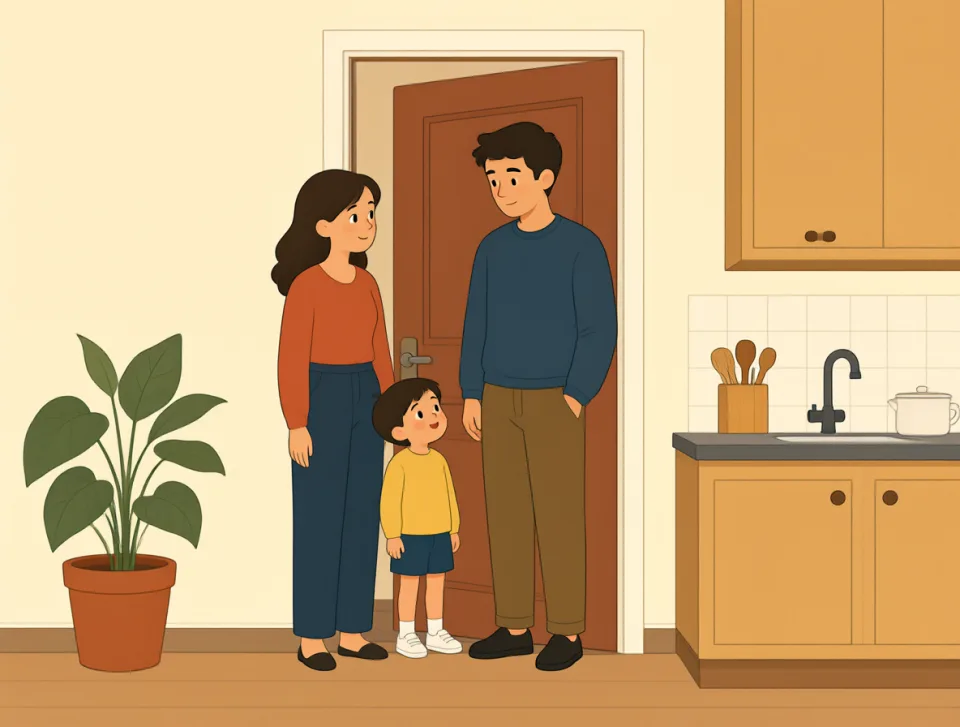
The main door is next to the kitchen.
الباب الرئيسي بجوار المطبخ.
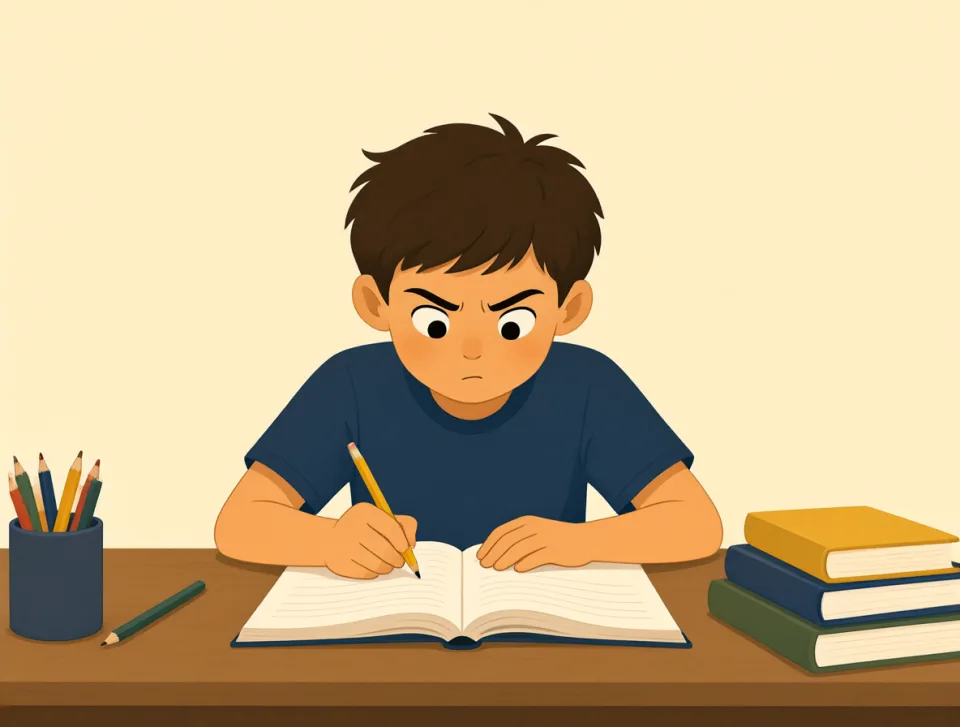
Our main goal is to pass the test.
هدفنا الرئيسي هو اجتياز الاختبار.
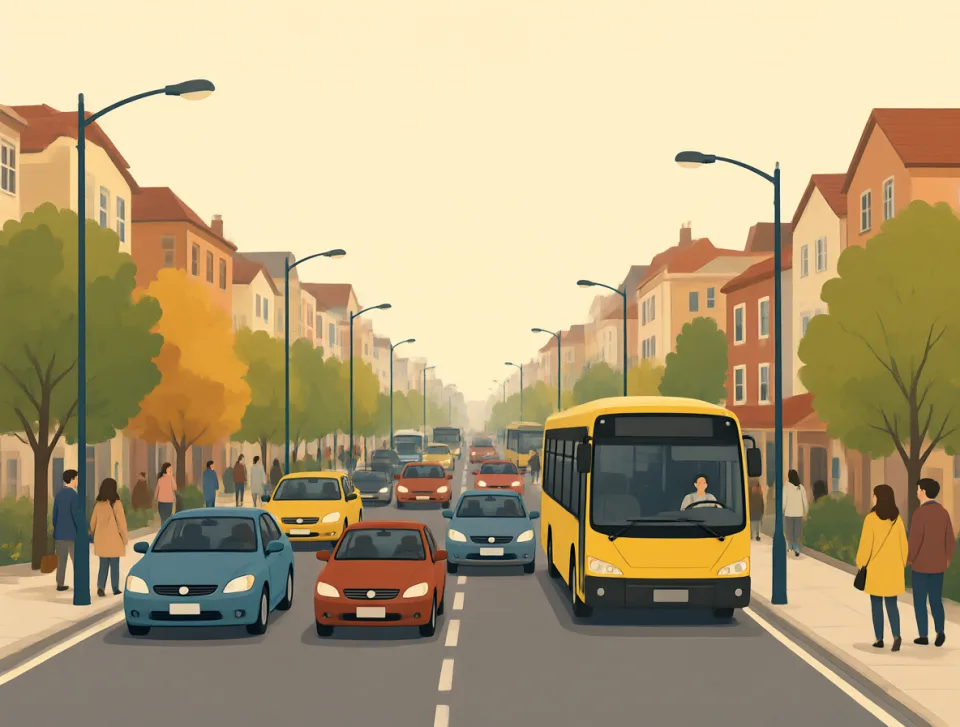
The main road was busy this morning.
كان الطريق الرئيسي مزدحمًا هذا الصباح.
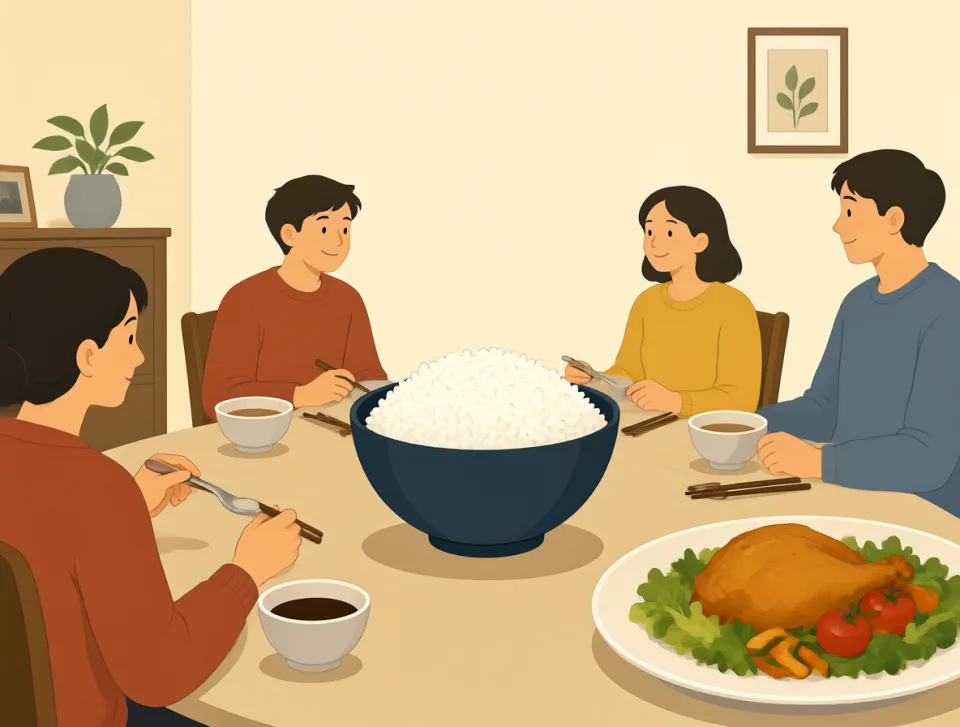
Rice is the main part of this meal.
الأرز هو المكوّن الأساسي في هذه الوجبة.
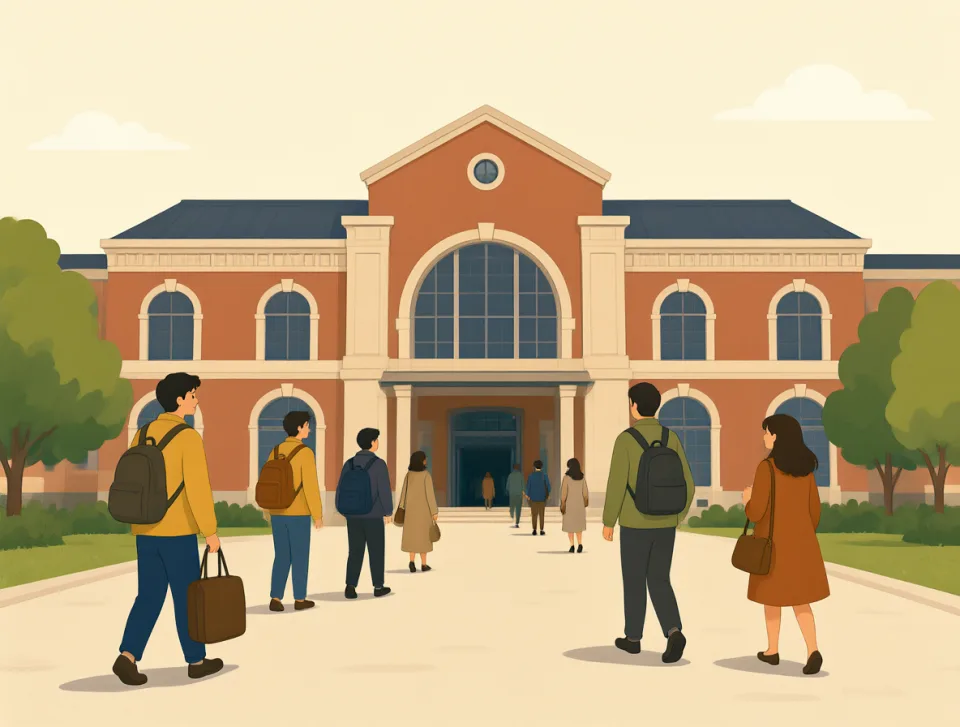
The main station is near the city center.
تقع المحطة الرئيسية بالقرب من وسط المدينة.
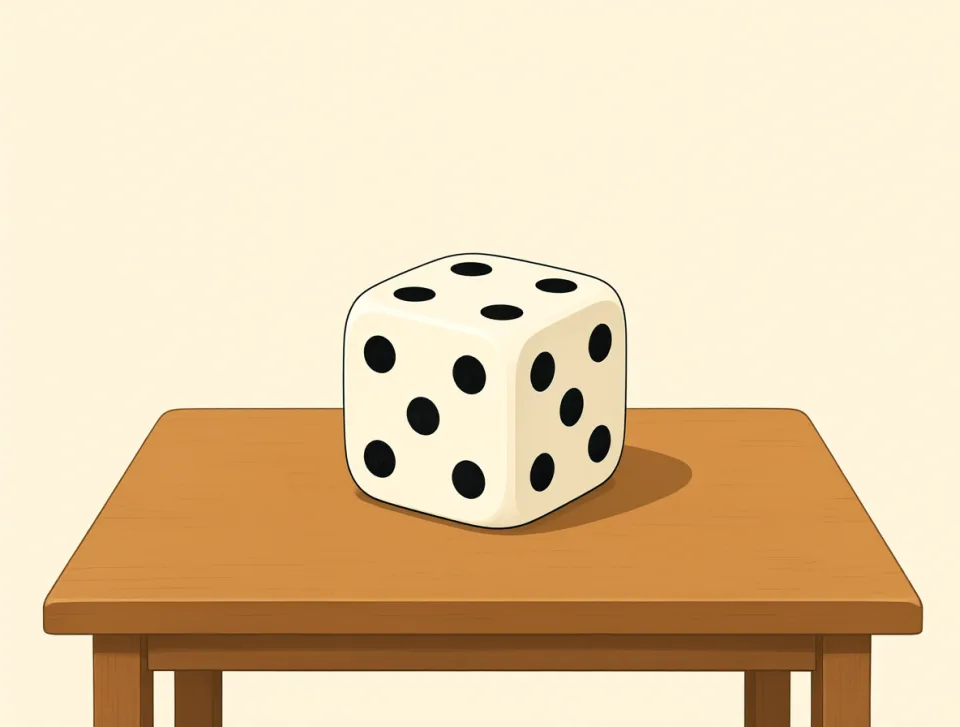
die
#454verb, noun
يموت؛ نرد
To stop living; a small cube marked with spots used in games.
أن يتوقف عن الحياة؛ أو مكعّب صغير مرقّم بالنقاط يُستخدم في الألعاب.
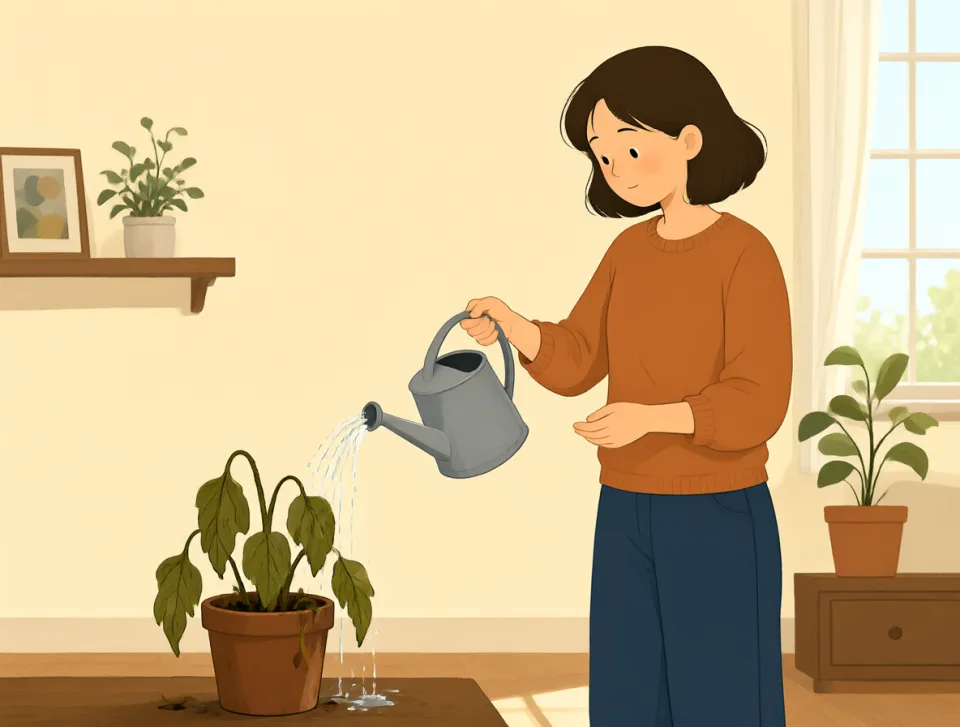
Many plants die without enough water.
تموت نباتات كثيرة من دون كمية كافية من الماء.
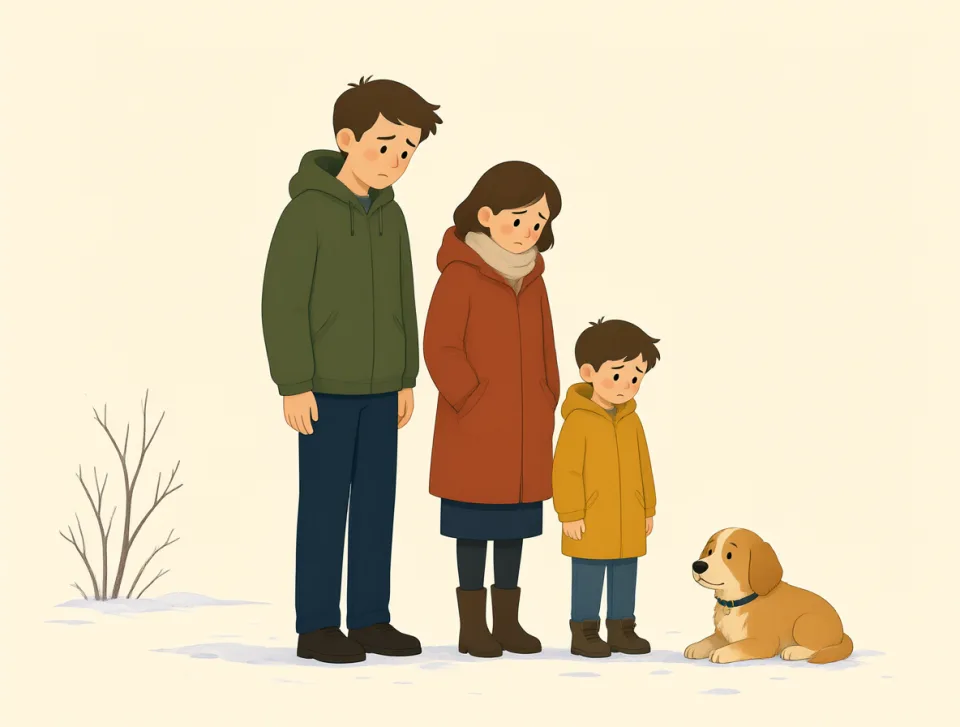
The old dog died last winter.
مات الكلب العجوز الشتاء الماضي.
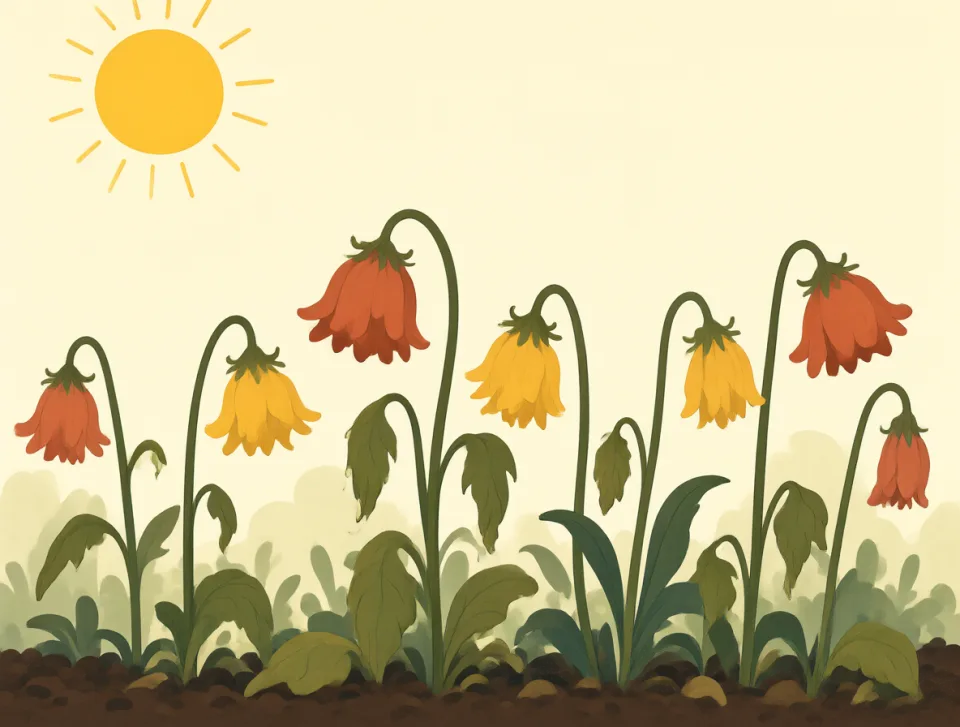
The flowers are dying in the heat.
تذبل الأزهار بسبب الحر.
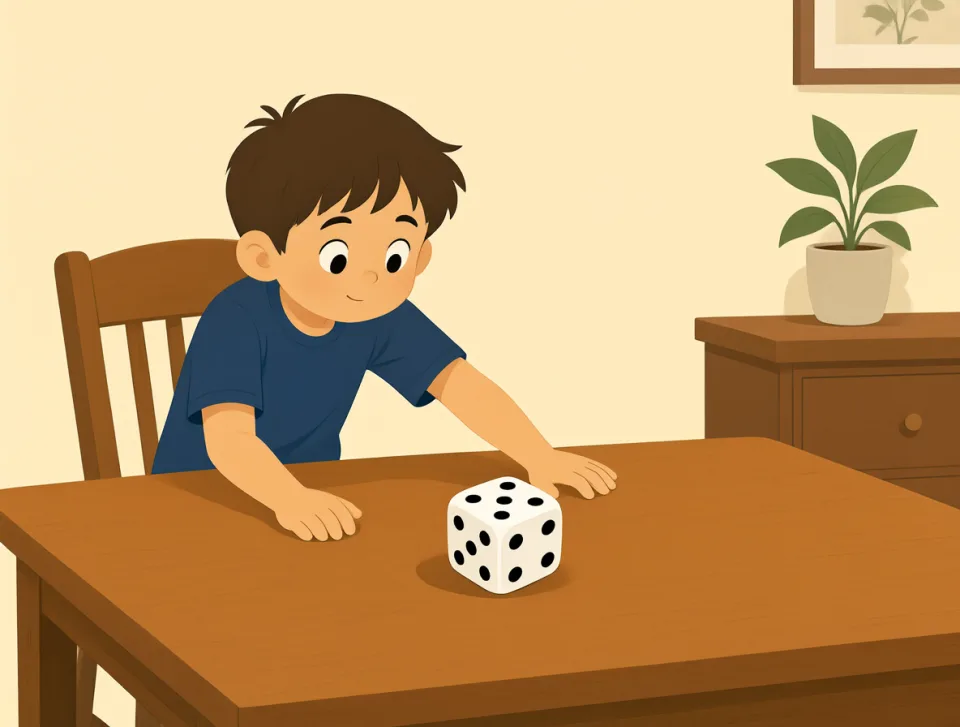
She rolled the die across the table.
دحرجت النرد على الطاولة.
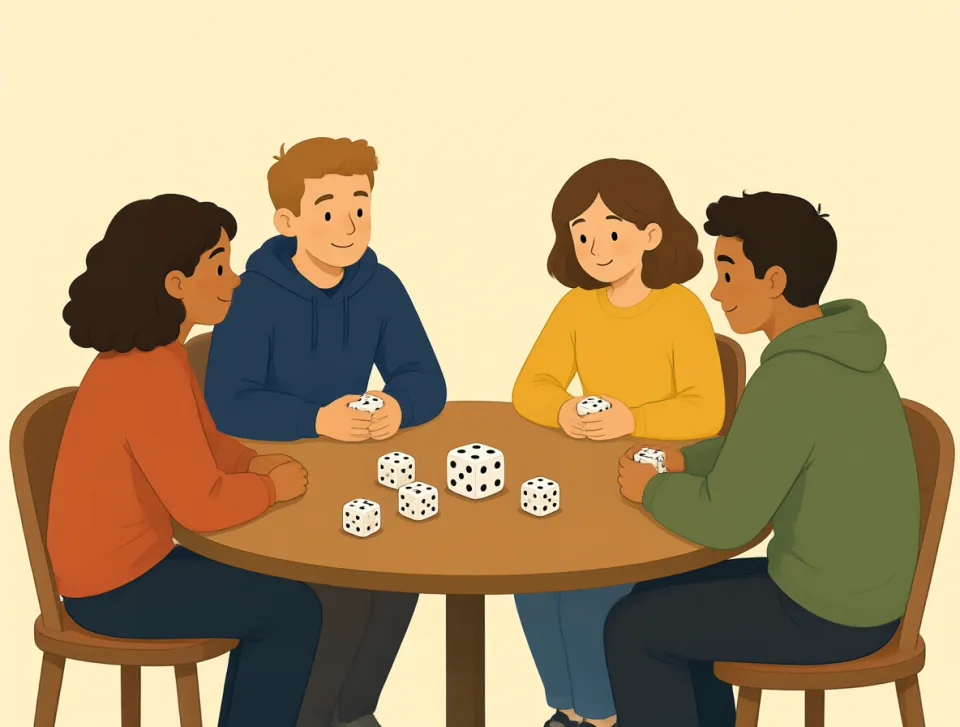
We need one more die for the game.
نحتاج إلى نرد آخر للعبة.

bear
#455noun, verb
دبّ؛ يتحمّل
An animal with thick fur; or to accept and deal with something difficult.
حيوان ذو فراء كثيف؛ أو أن يتقبّل أمرًا صعبًا ويتعامل معه.
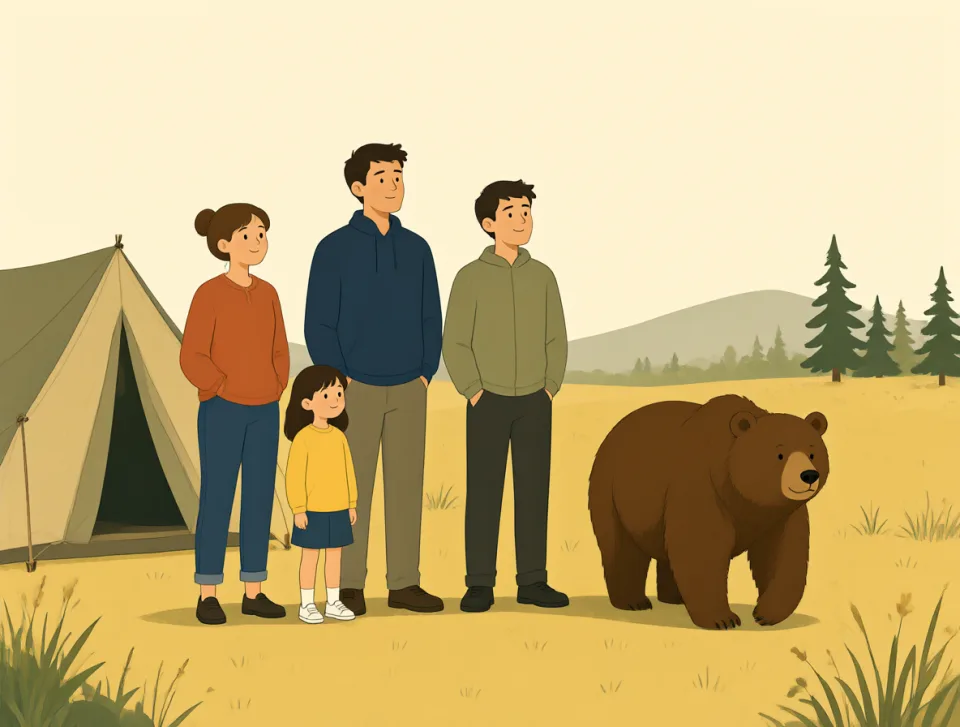
We saw a bear near the campsite.
رأينا دبًا بالقرب من موقع التخييم.

The bear caught a fish in the river.
اصطاد الدب سمكة في النهر.
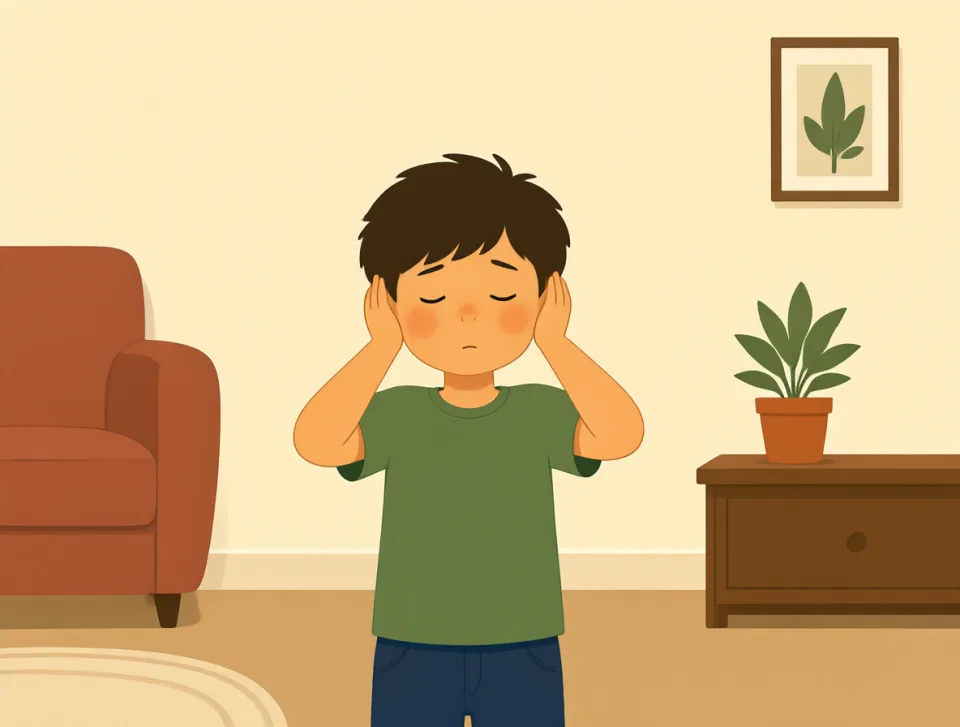
I cannot bear this loud noise.
لا أستطيع تحمّل هذا الضجيج العالي.
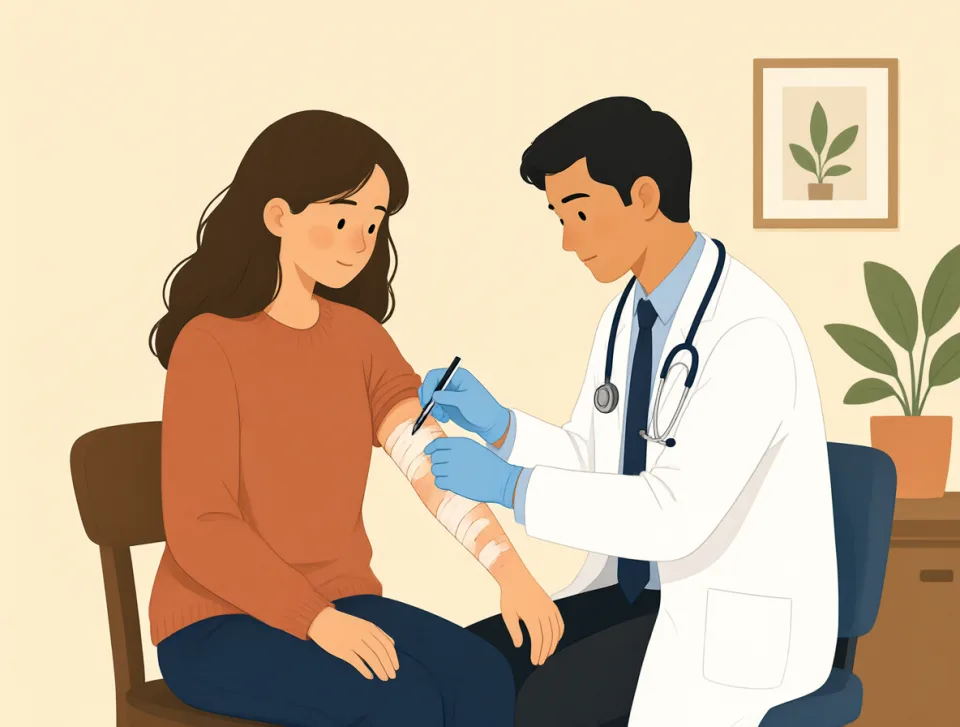
She bears the pain very well.
تتحمّل الألم جيدًا جدًا.
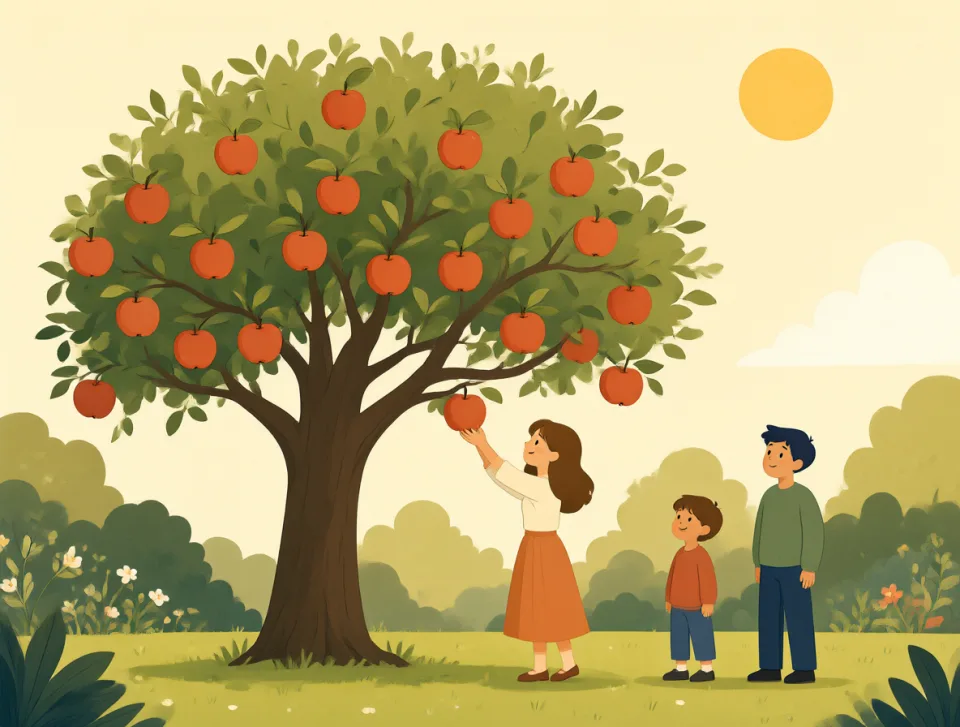
This tree bears fruit every summer.
تُثمر هذه الشجرة كل صيف.
cut
#456verb, noun
يقطع
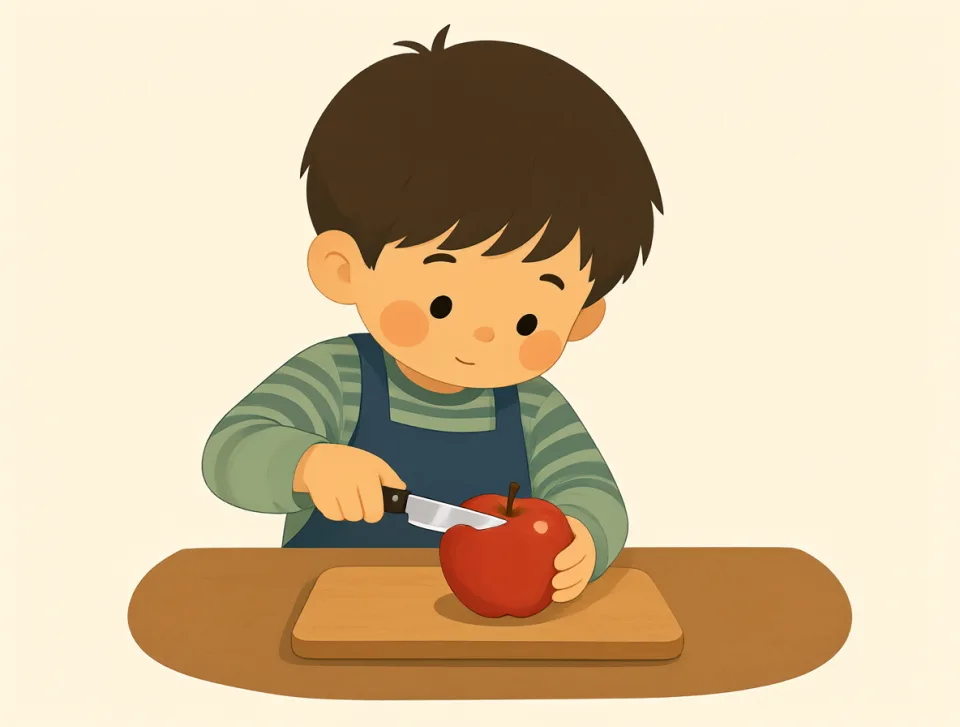
To use a sharp tool to divide something or make it shorter.
أن يستخدم أداة حادة لتقسيم شيء ما أو تقصيره.
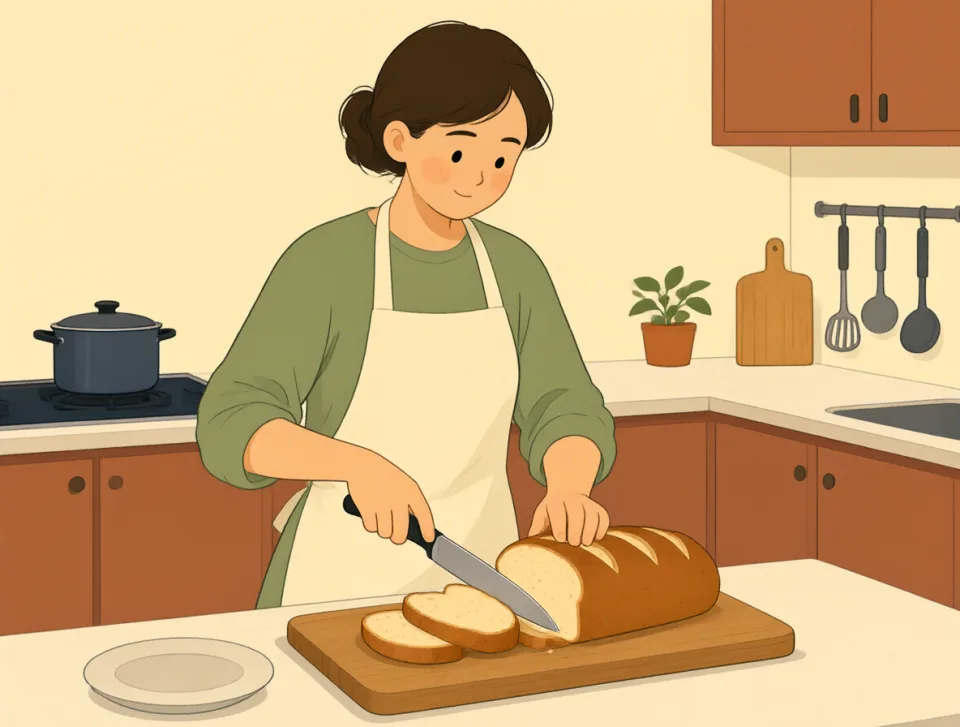
Please cut the bread into small pieces.
من فضلك قطّع الخبز إلى قطع صغيرة.
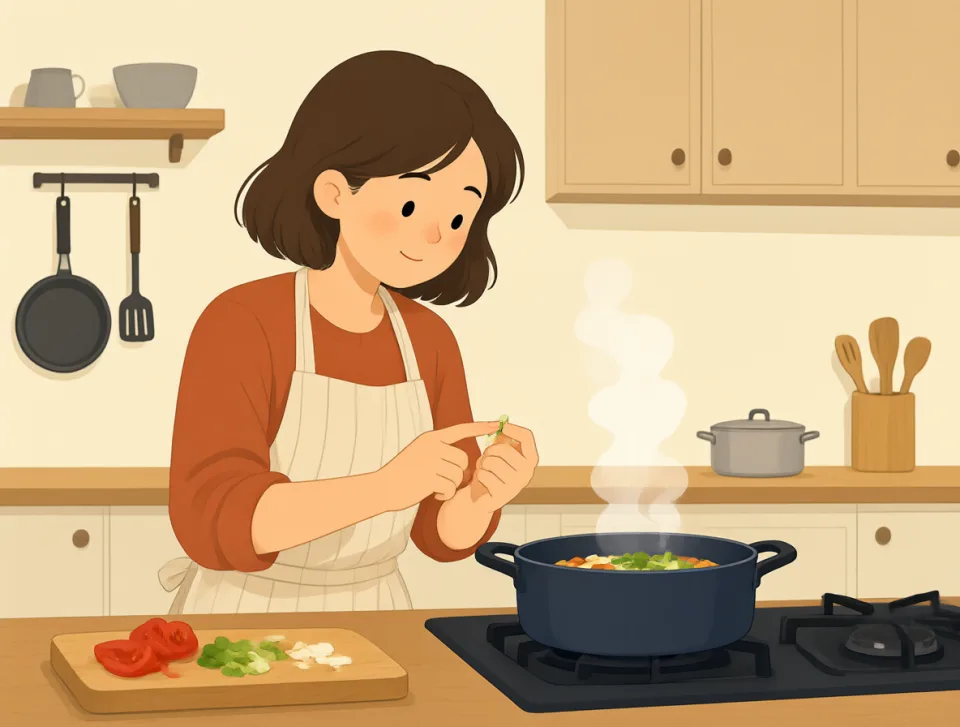
She cut her finger while cooking dinner.
جرحت إصبعها وهي تُعِدّ العشاء.

We cut across the park to save time.
عبرنا الحديقة اختصارًا للطريق لتوفير الوقت.
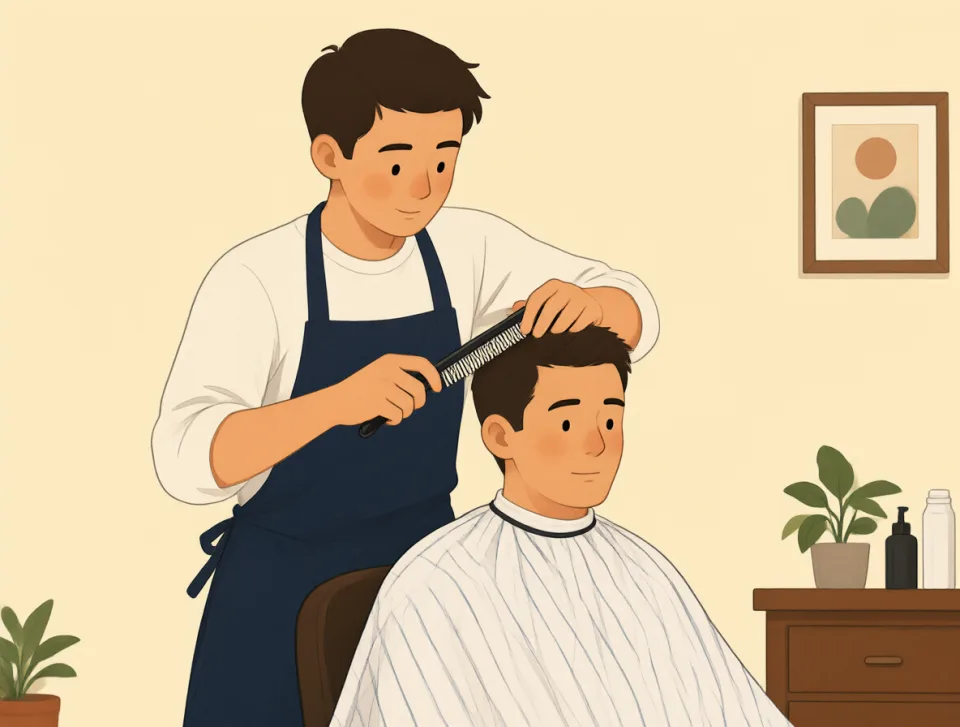
The barber cut my hair very short.
قصّ الحلاق شعري قصيرًا جدًا.
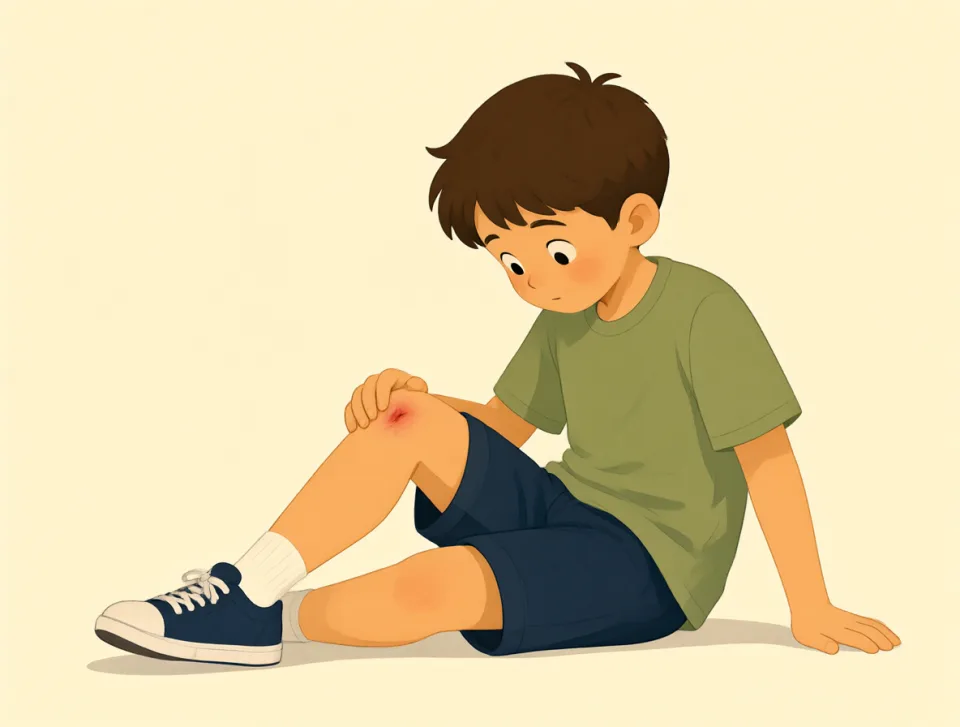
He got a deep cut on his knee.
أُصيب بجرح عميق في ركبته.
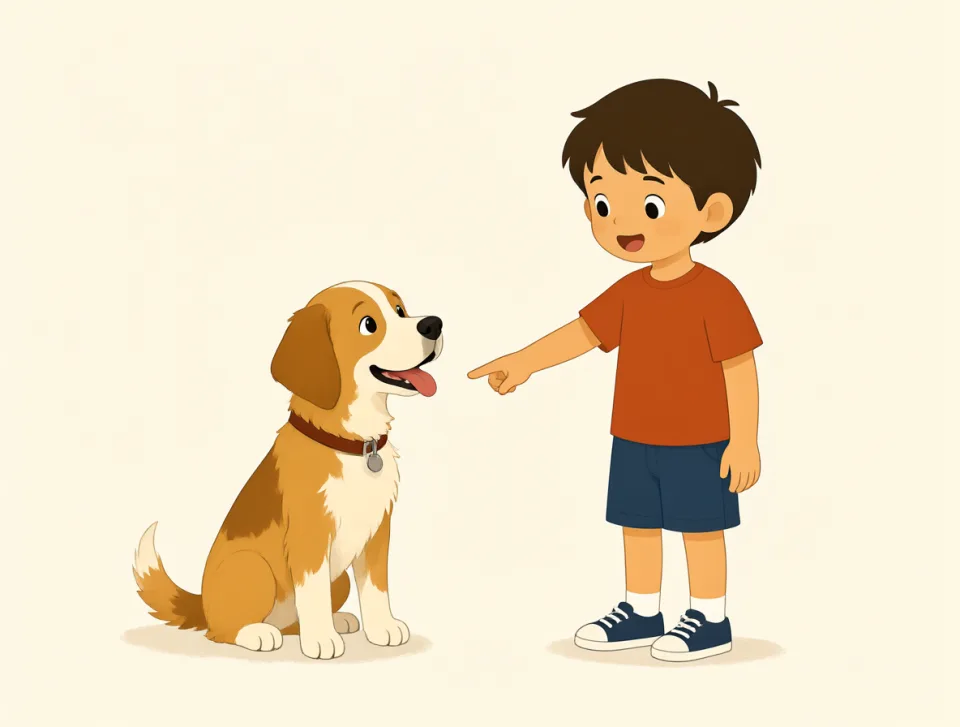
describe
#457verb
يصف
To say or write what someone or something is like.
أن يقول أو يكتب كيف يبدو شخص أو شيء.
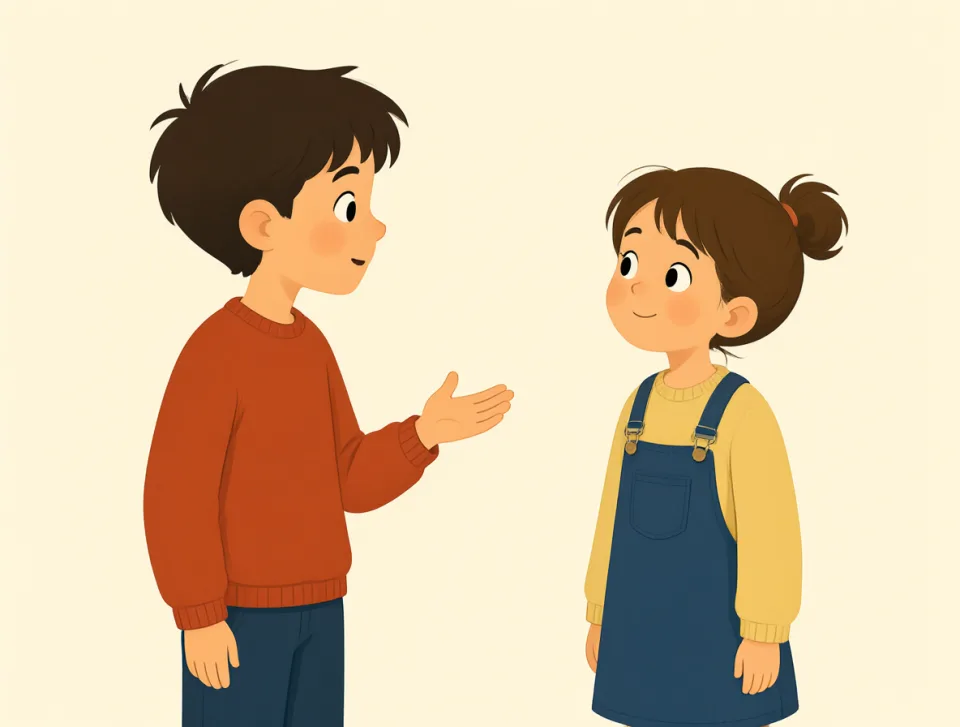
Can you describe your new friend?
هل يمكنك وصف صديقك الجديد؟
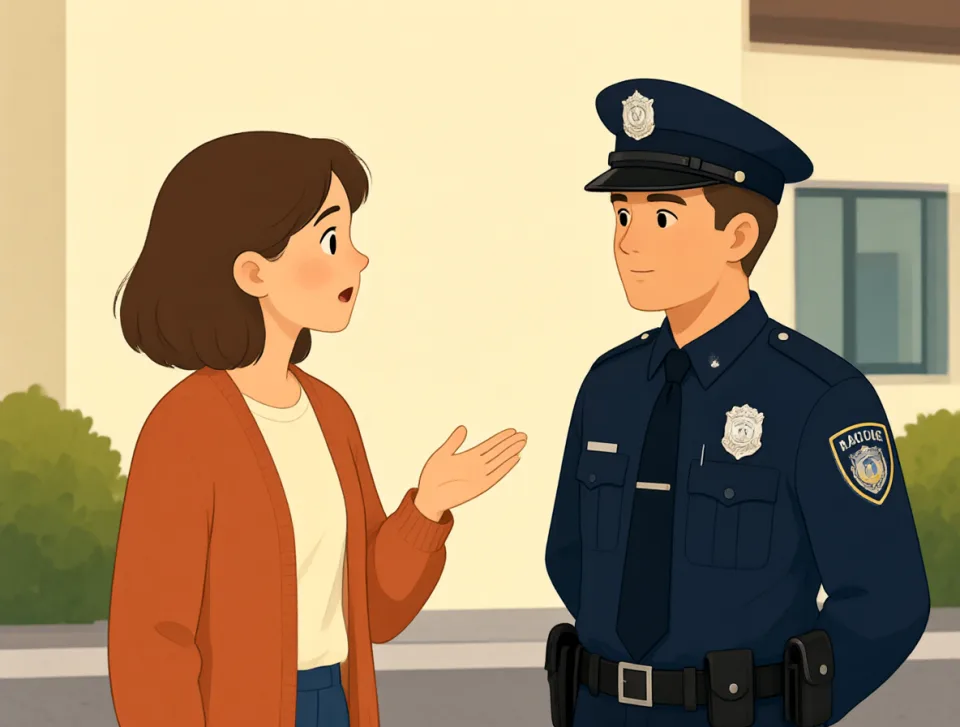
She described the man to the police.
وصفت الرجل للشرطة.
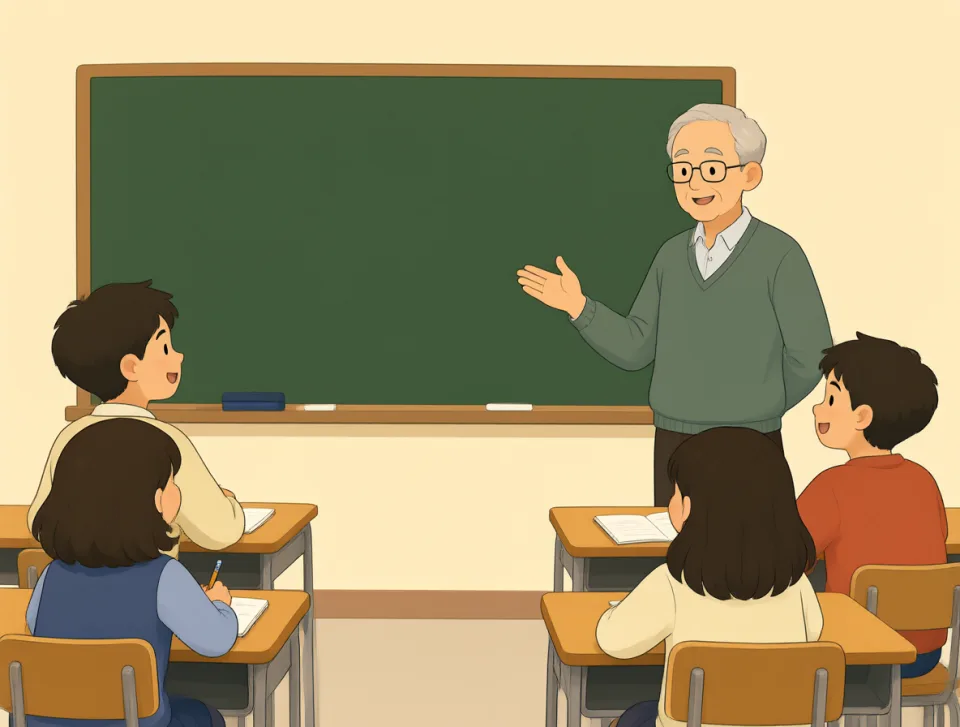
Please describe the problem to your teacher.
من فضلك صِف المشكلة لمعلمك.
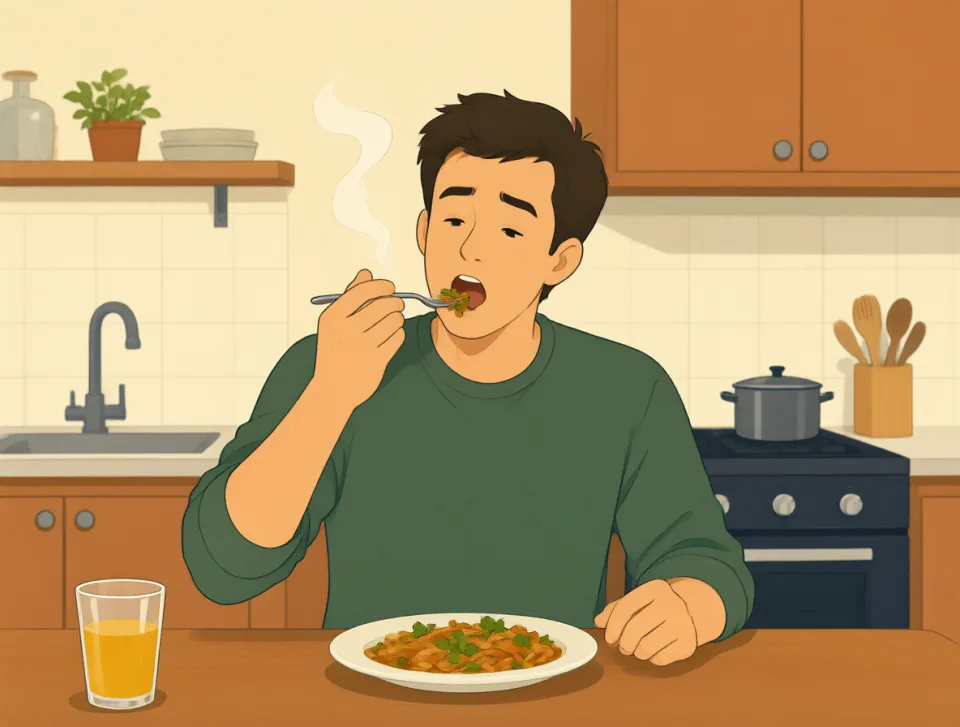
He described the food as very spicy.
وصف الطعام بأنه حار جدًا.

The guide described the beautiful city during our tour.
وصف المرشد المدينة الجميلة خلال جولتنا.
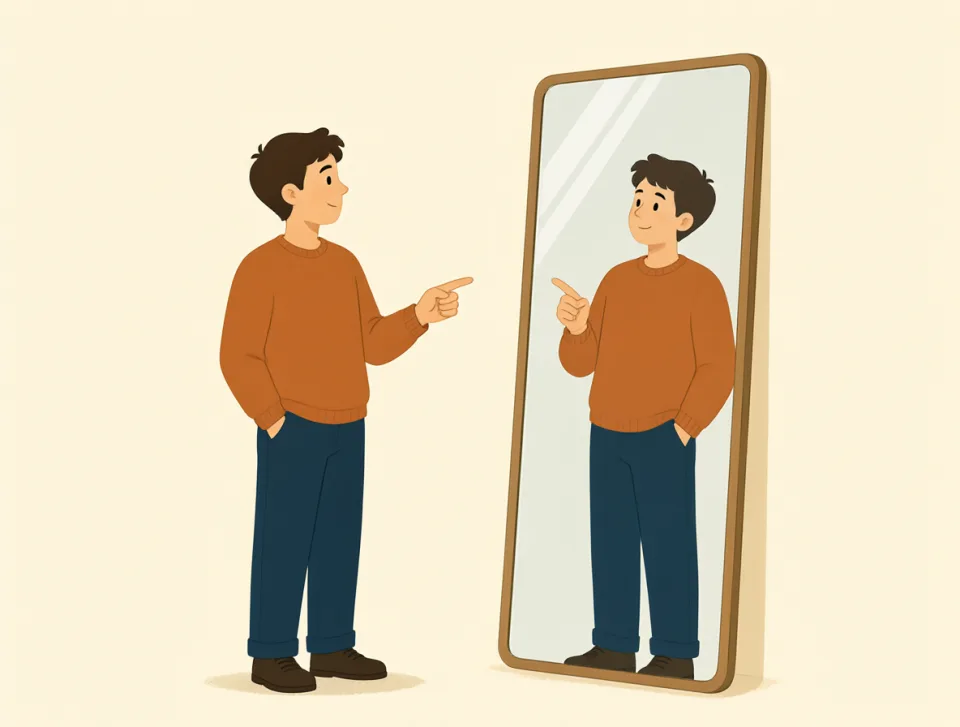
himself
#458pronoun
نفسه
Used to refer to a male person already mentioned, especially when he does something alone.
تُستخدم للإشارة إلى شخص ذكر سبق ذكره، ولا سيما عندما يفعل شيئًا بمفرده.
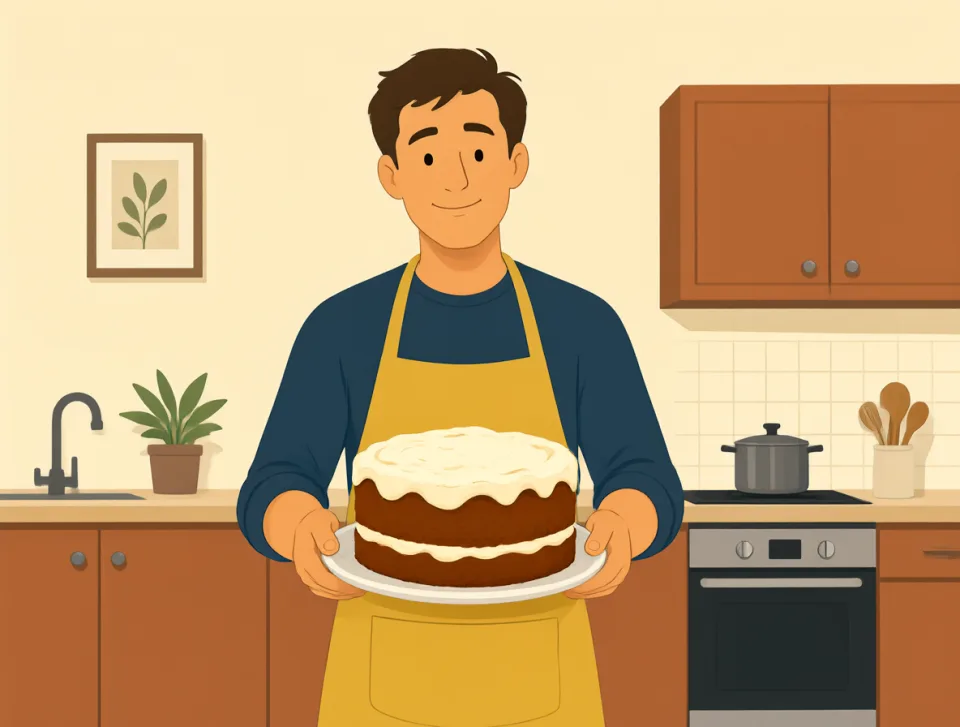
He made the cake himself.
أعدّ الكعكة بنفسه.
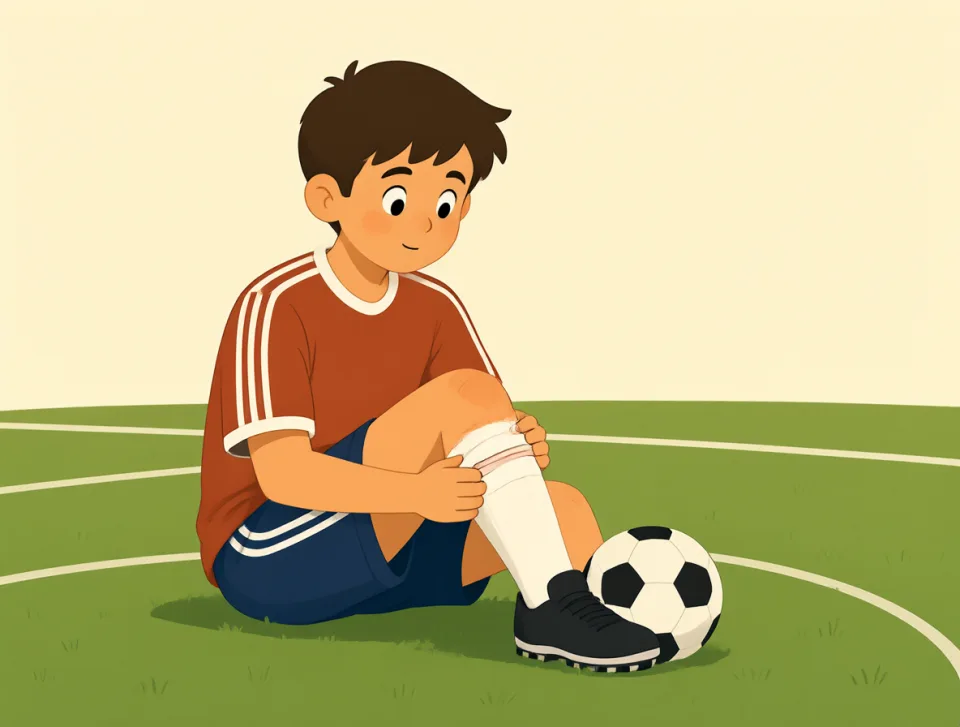
Tom hurt himself while playing soccer.
أصاب توم نفسه أثناء لعب كرة القدم.
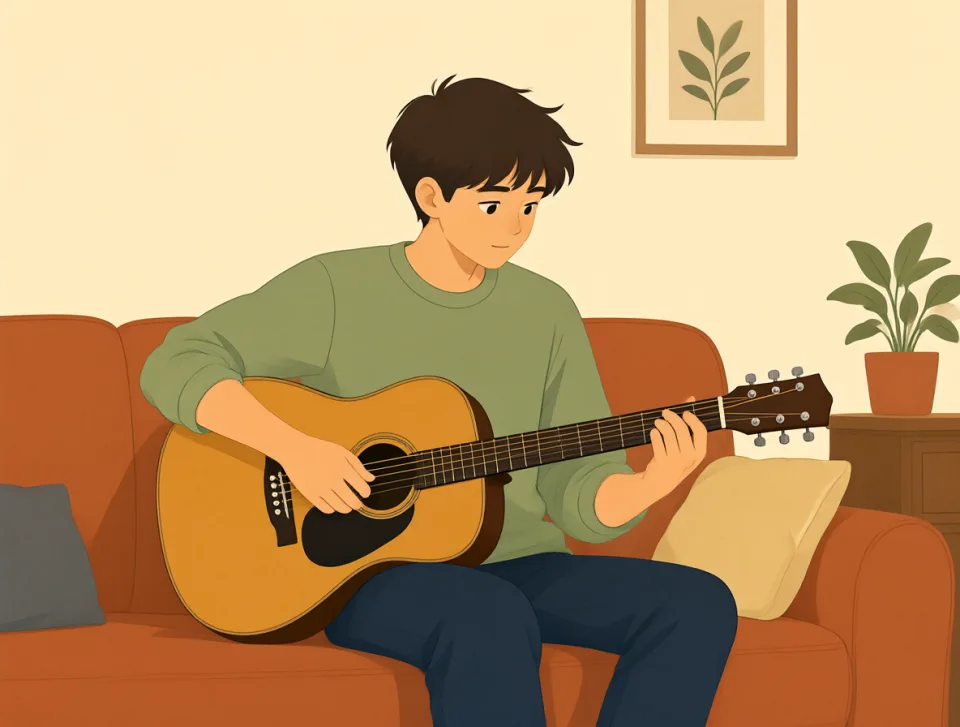
He taught himself to play guitar.
علّم نفسه العزف على الغيتار.
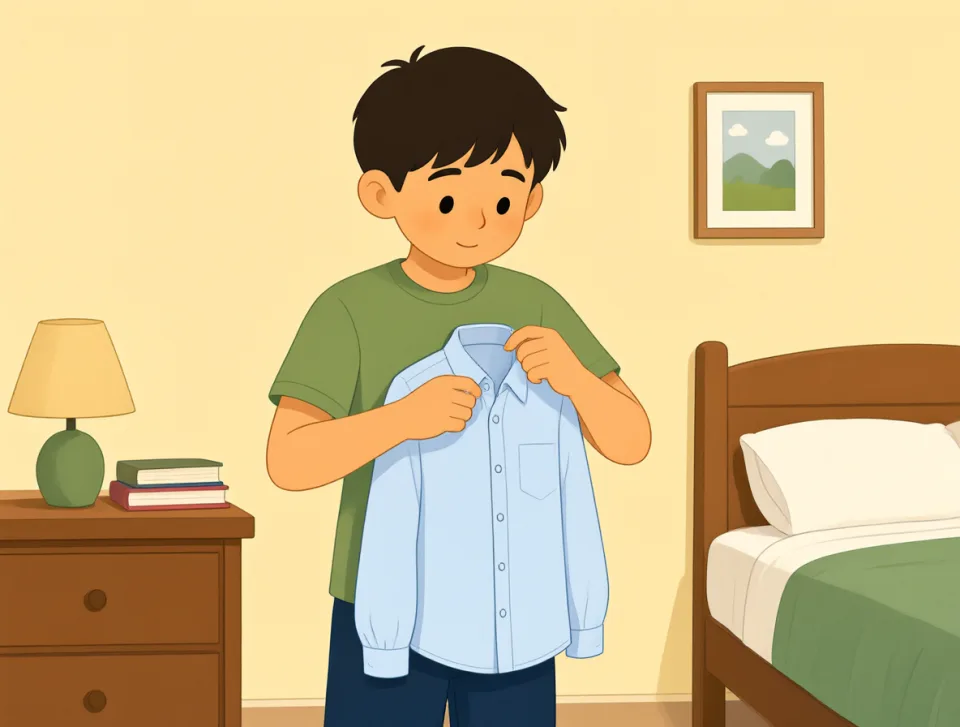
The boy dressed himself for school.
ارتدى الصبي ملابسه بنفسه استعدادًا للذهاب إلى المدرسة.
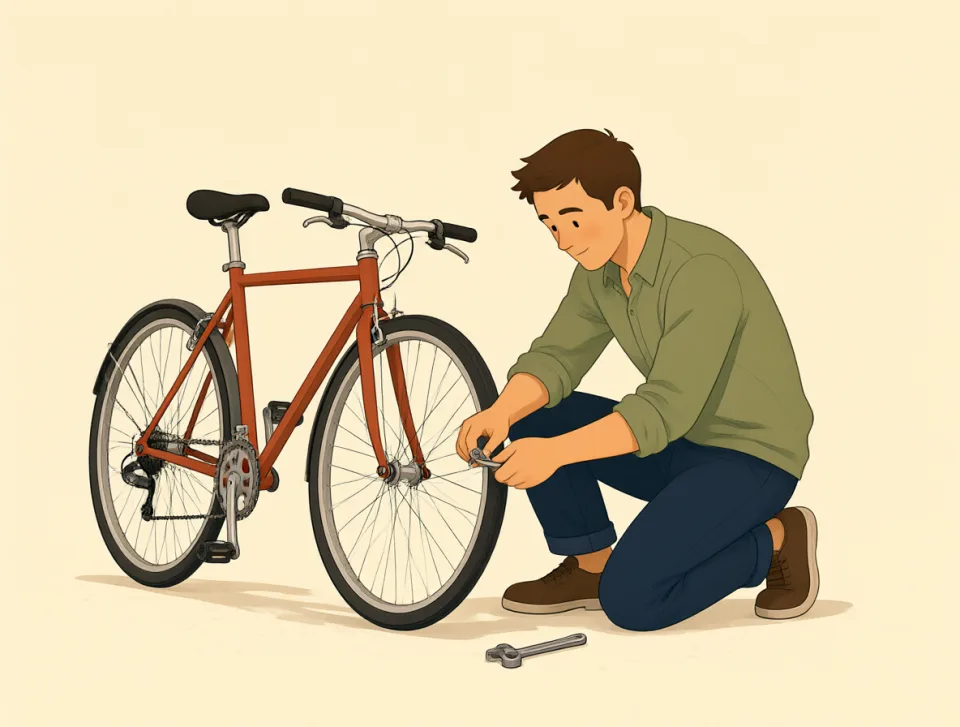
John fixed the bike himself.
أصلح جون الدراجة بنفسه.

available
#459adjective
متاح
Ready to be used, bought, found, or reached.
جاهز للاستخدام أو الشراء أو العثور عليه أو الوصول إليه.
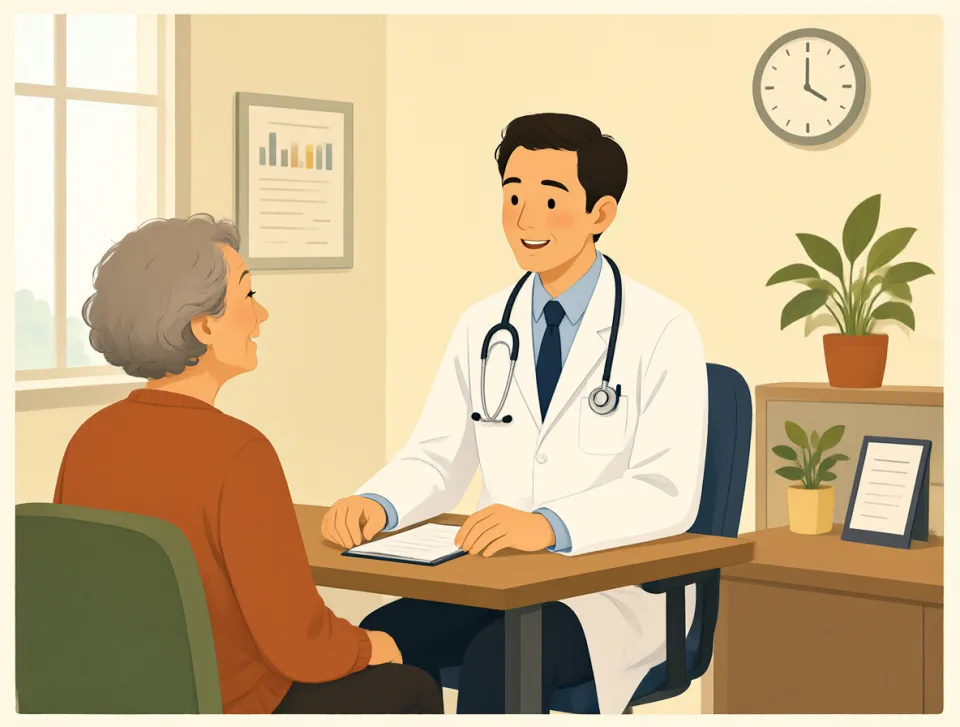
The doctor is available this afternoon.
الطبيب متاح بعد ظهر اليوم.
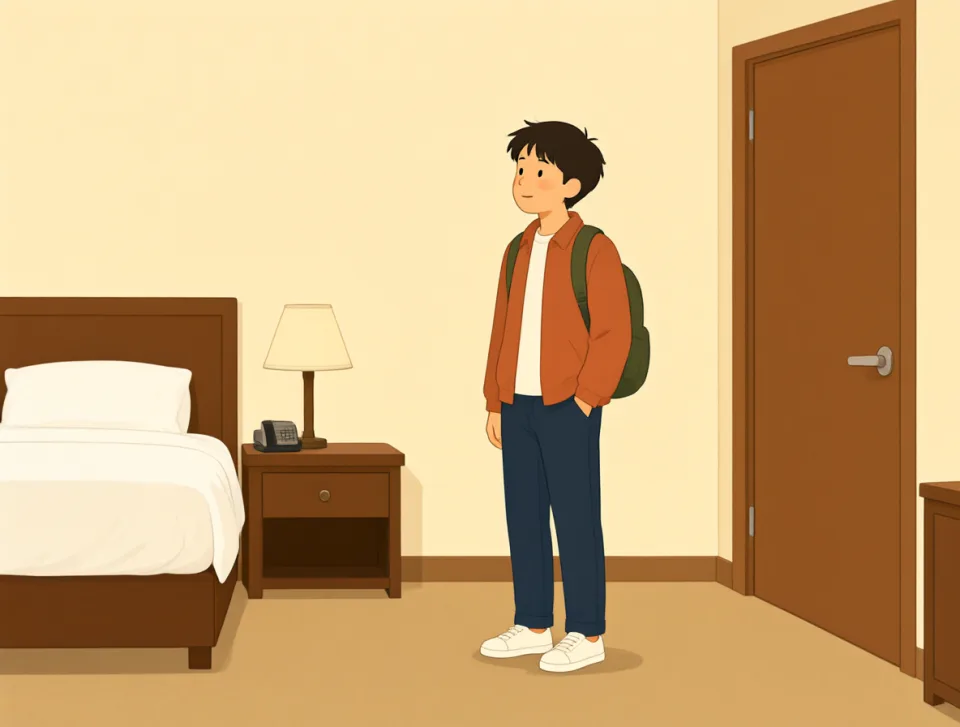
Is this room available tonight?
هل هذه الغرفة متاحة الليلة؟
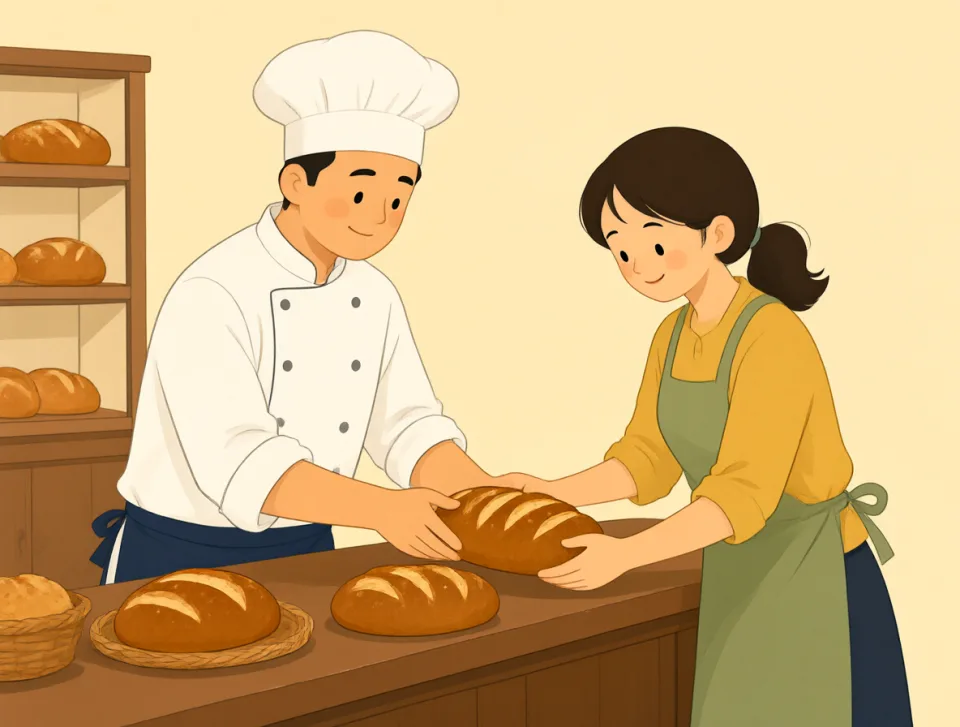
Fresh bread is available at the bakery.
يتوفر الخبز الطازج في المخبز.
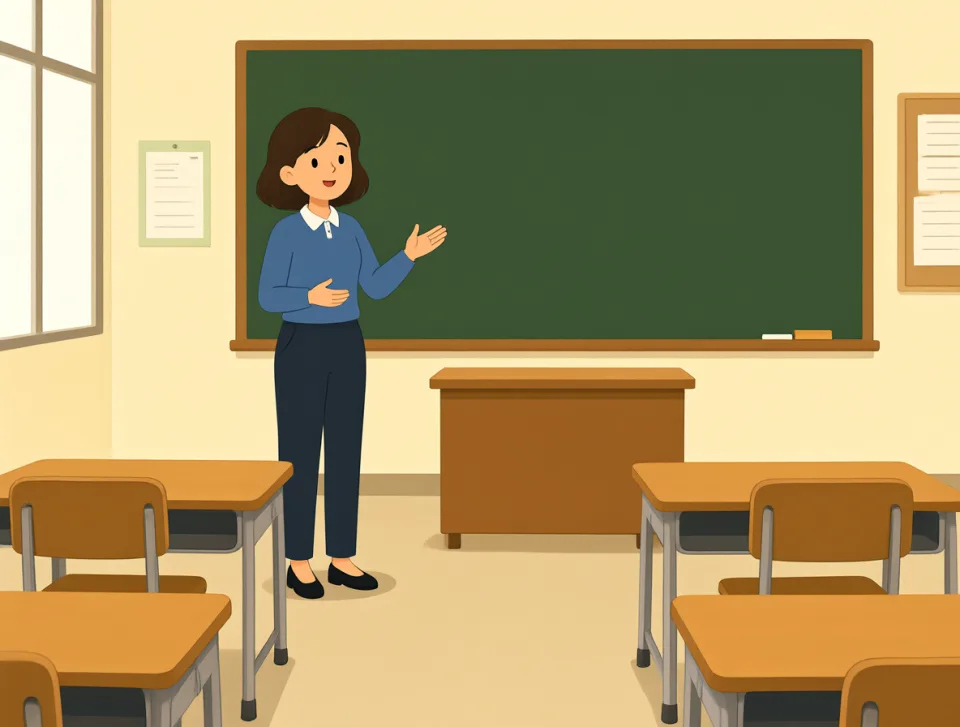
The teacher is available after class.
المعلم متاح بعد انتهاء الحصة.
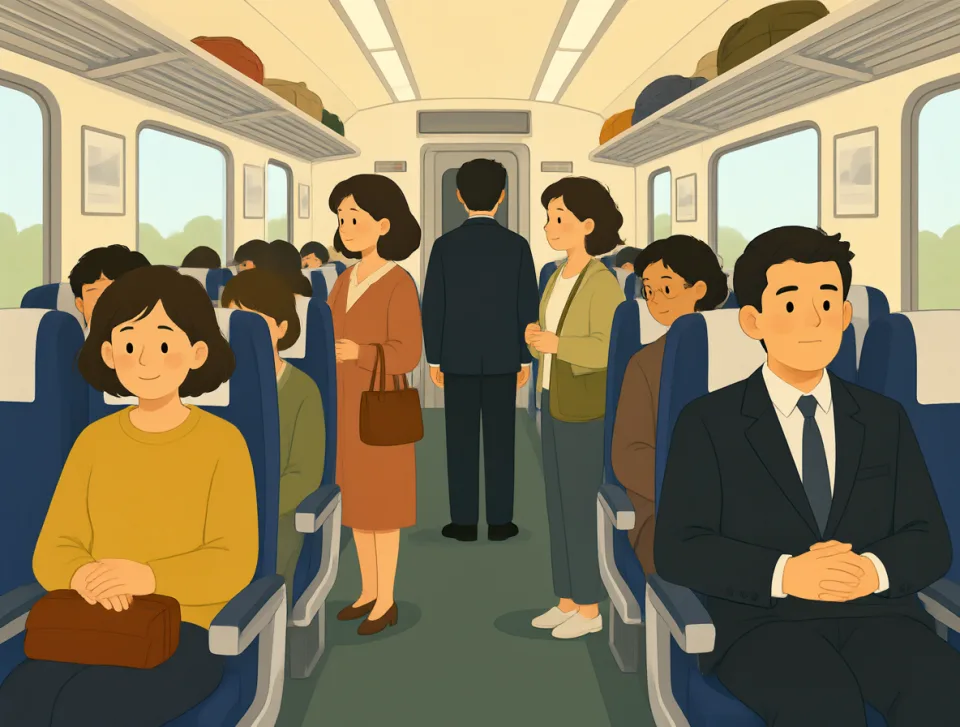
No seats were available on the train.
لم تكن هناك مقاعد متاحة في القطار.
especially
#460adverb
خصوصًا
More than usual or more than others
بدرجة أكبر من المعتاد أو أكثر من غيره.
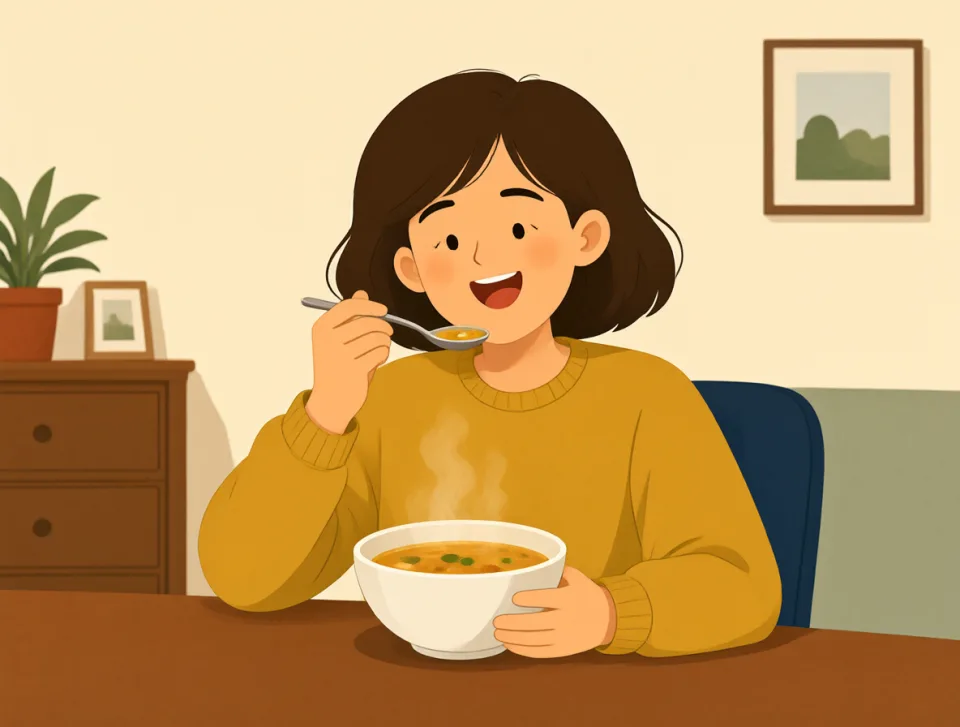
I especially like this warm soup.
أحب هذا الحساء الدافئ خصوصًا.
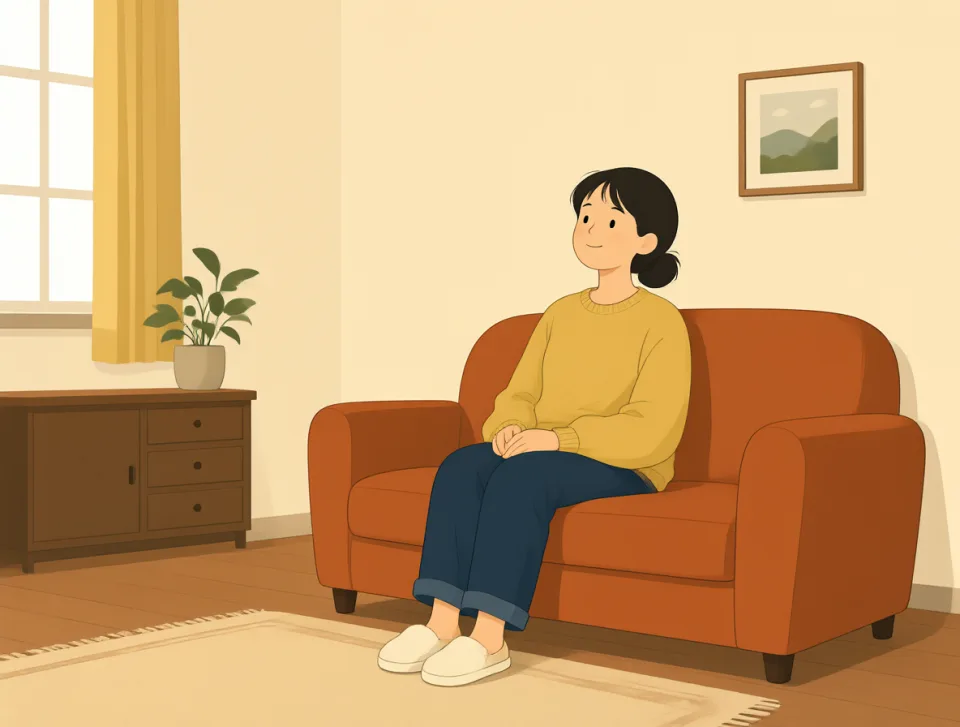
This room is especially quiet today.
هذه الغرفة هادئة على نحو خاص اليوم.
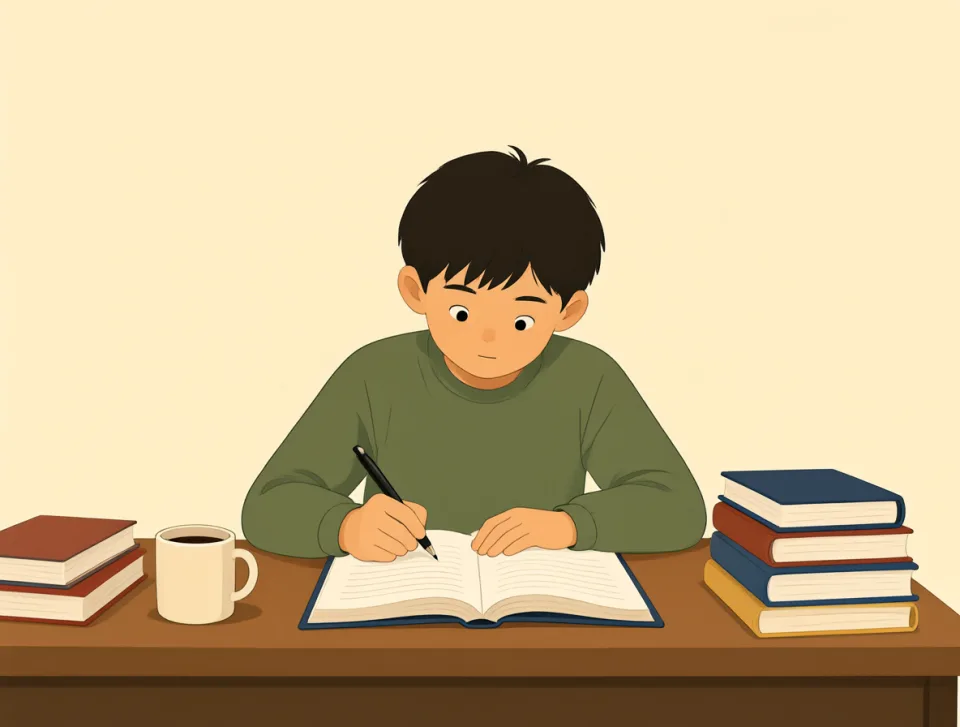
She works especially hard before exams.
تعمل بجد أكبر من المعتاد قبل الامتحانات.

We visited many places, especially Rome.
زرنا أماكن كثيرة، ولا سيما روما.

Wear warm clothes, especially in winter.
ارتدِ ملابس دافئة، خصوصًا في الشتاء.