ユニット 19
361〜380語 · subject, class, development, town, half, minute
subject
#361noun, verb, adjective
科目;話題;対象;被験者
A person or thing being discussed, studied, or affected by something.
話し合われたり、研究されたり、何かの影響を受けたりする人や物
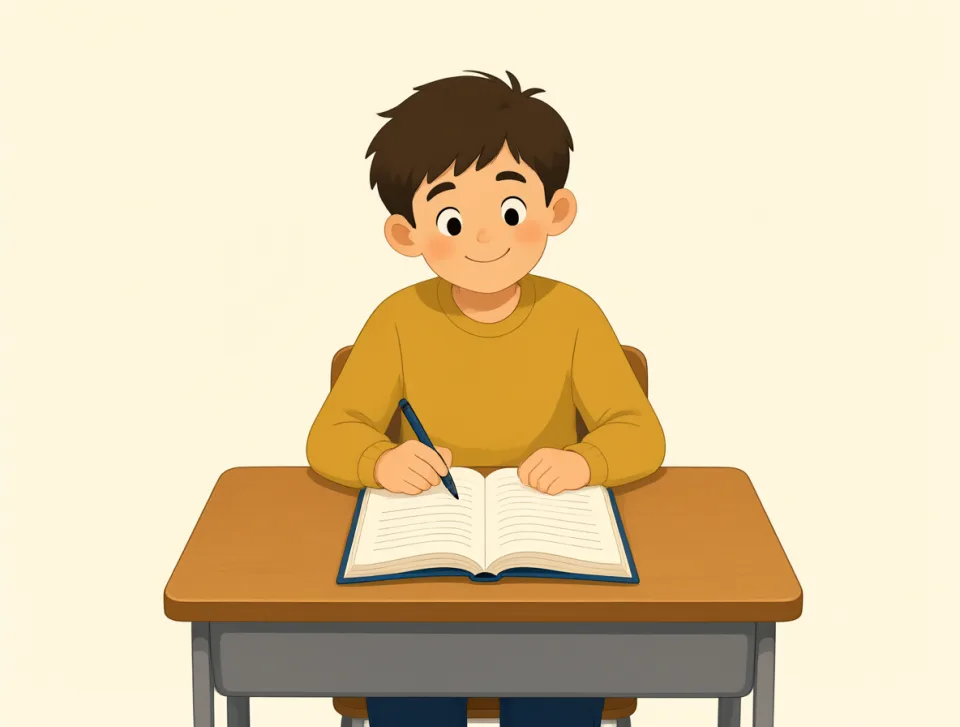
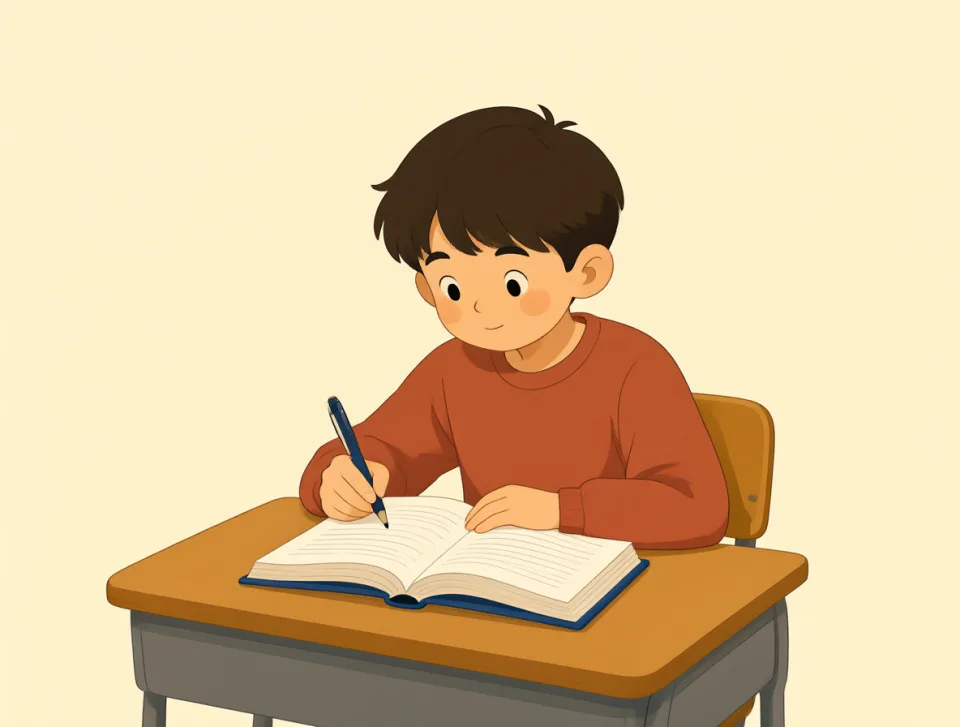
Math was my favorite subject at school.
学校では数学が一番好きな科目でした。

The subject of our meeting was money.
私たちの会議の話題はお金でした。
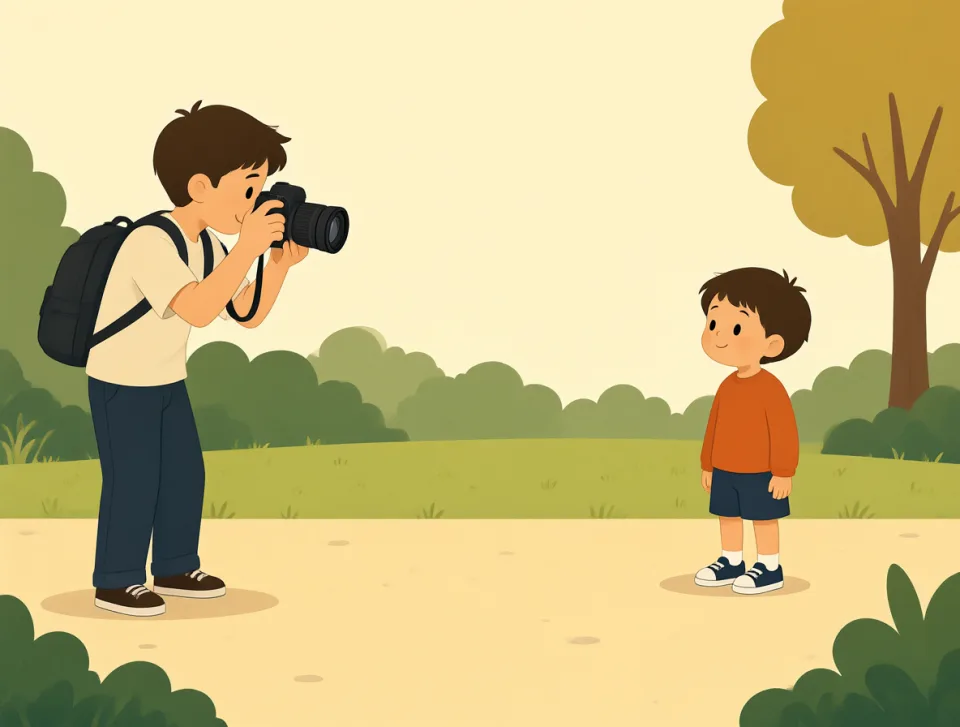
The photographer chose a child as her subject.
その写真家は子どもを被写体に選びました。
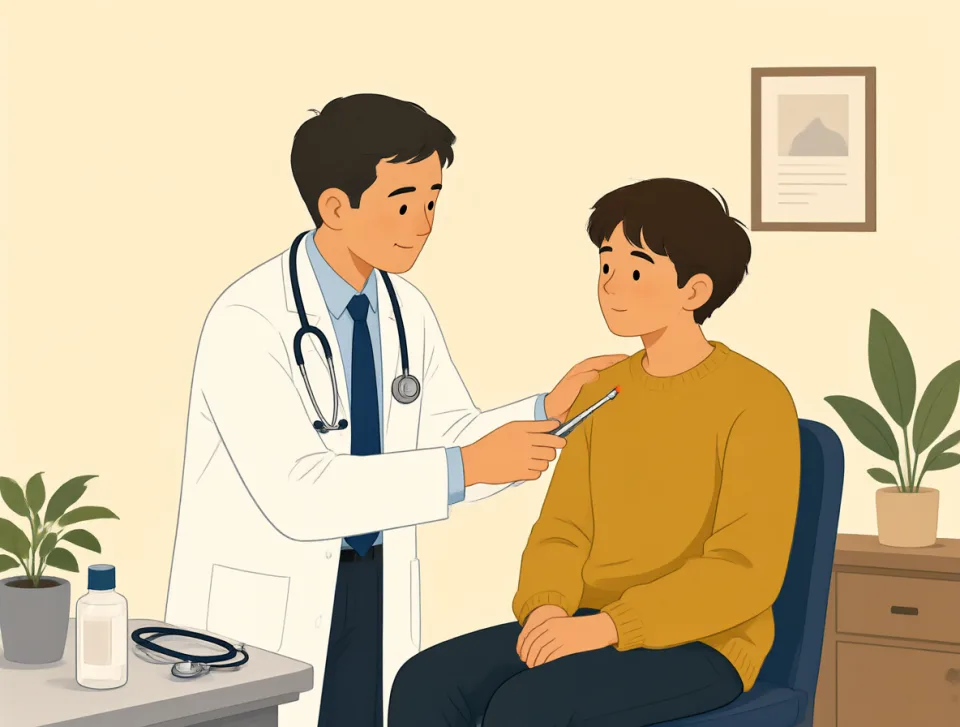
The patient was subject to several tests.
その患者は何度も検査を受けました。
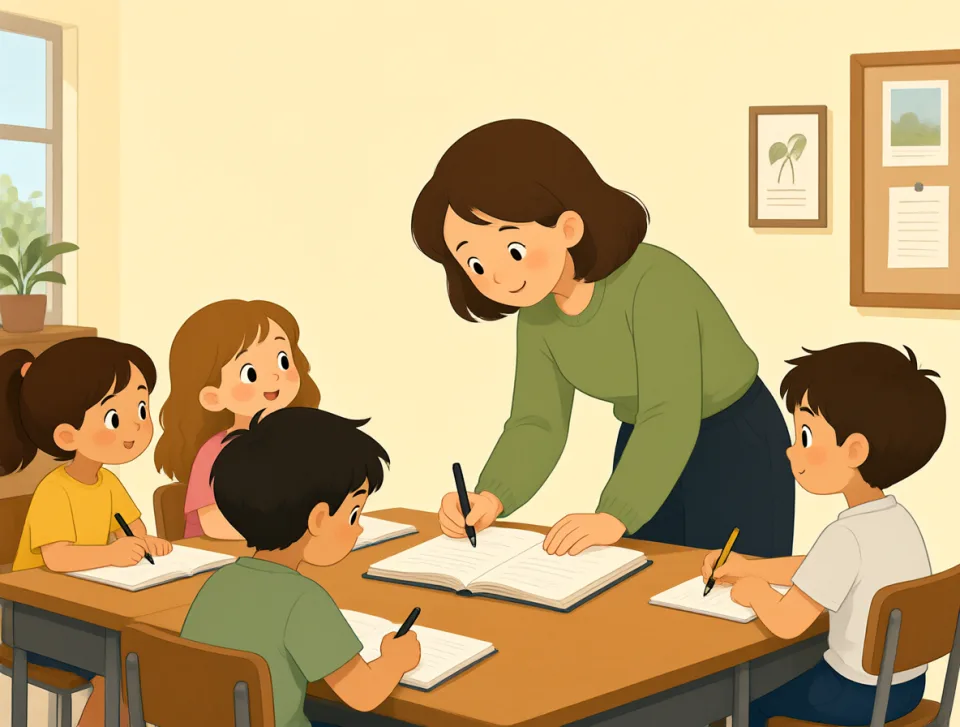
This subject is difficult for many students.
この科目は多くの学生にとって難しいです。
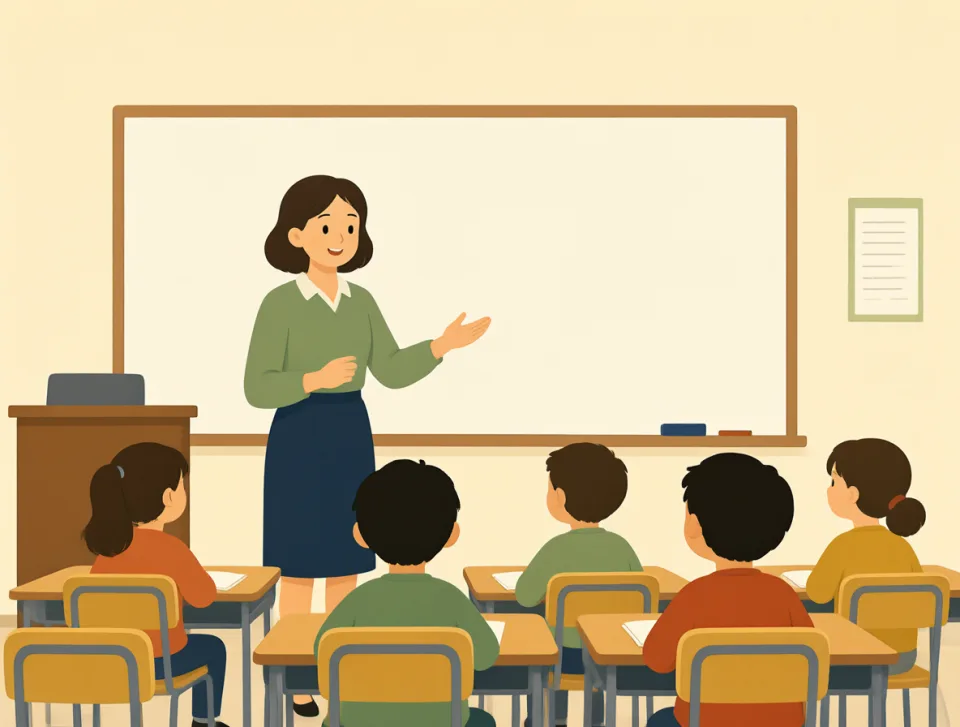
class
#362noun, verb
授業; クラス; 分類する
A lesson or group of students; to put things into groups by type or quality.
授業や生徒の集まり。また、物事を種類や品質によってグループ分けすること。
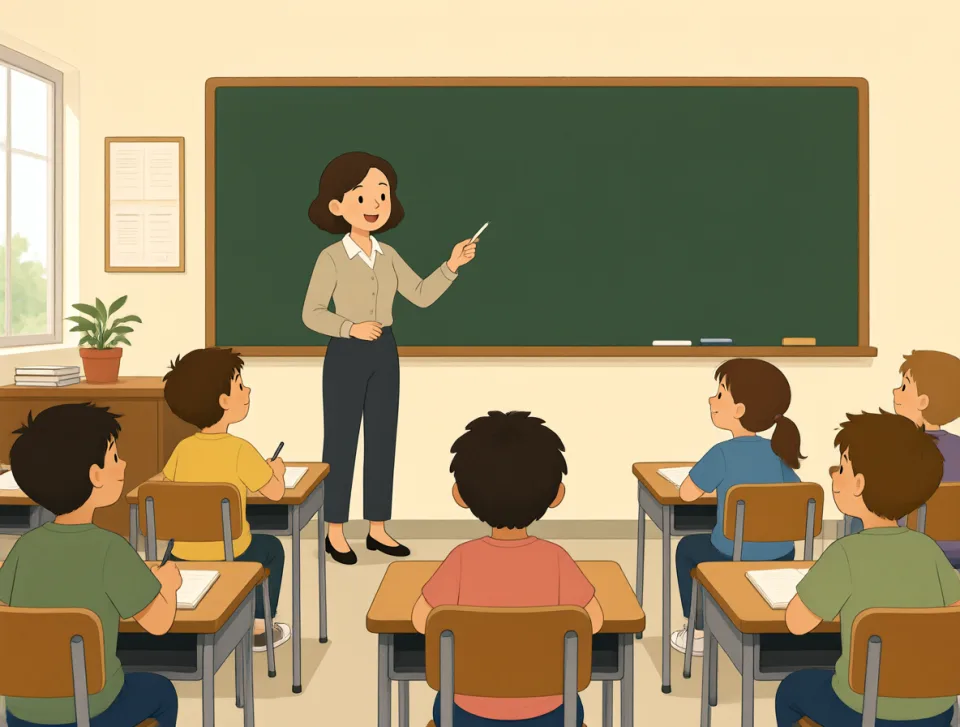
Our English class starts at nine o'clock.
私たちの英語の授業は9時に始まります。
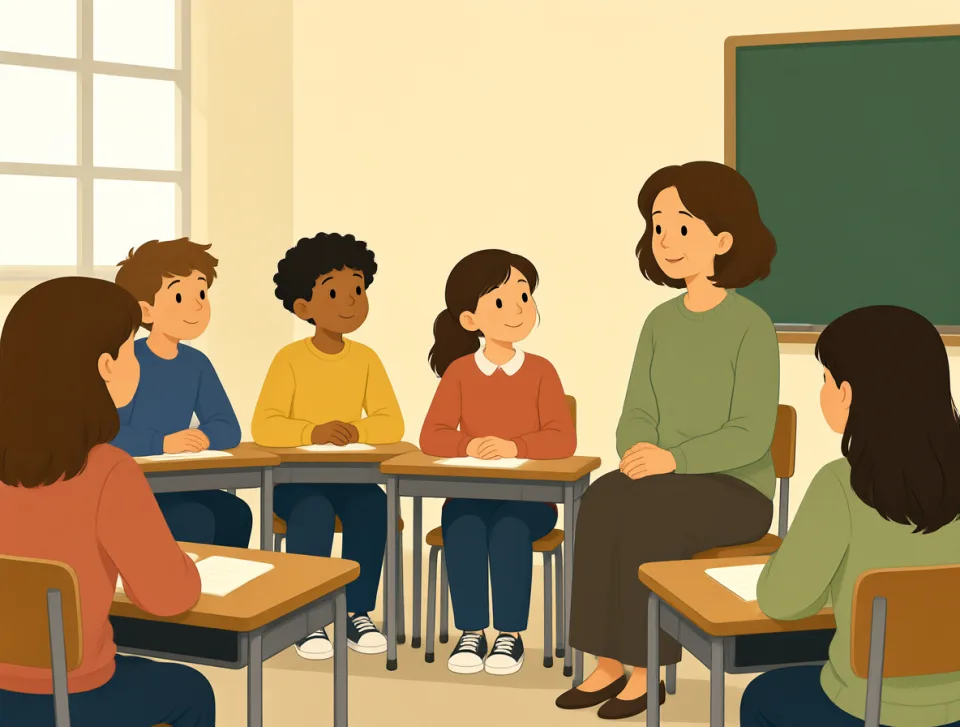
The class listened carefully to the teacher.
クラスは先生の話を注意深く聞きました。
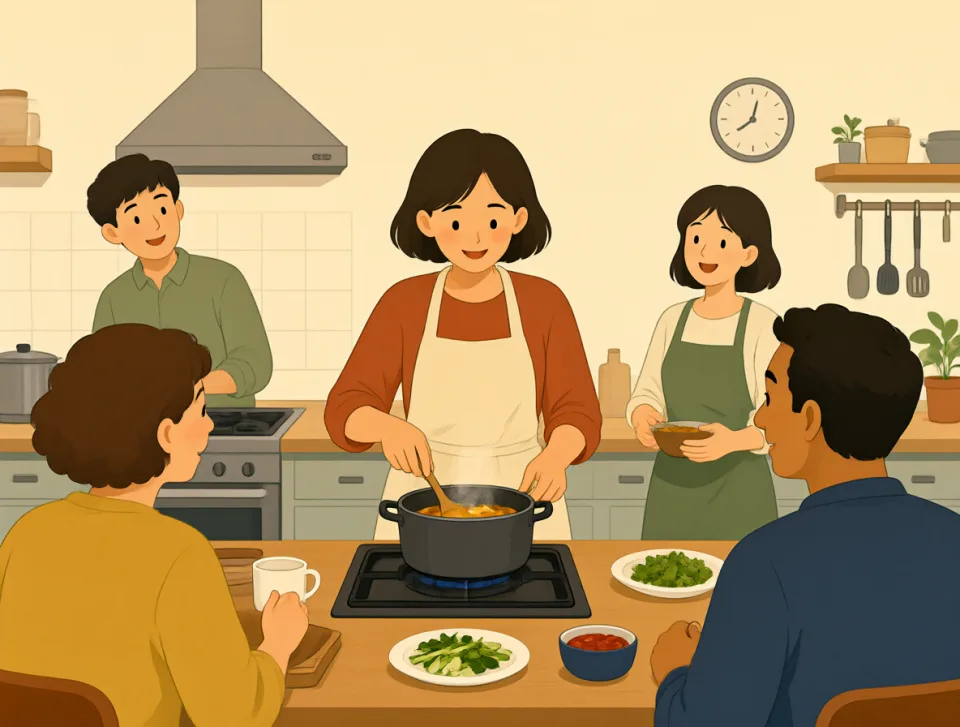
She joined a cooking class after work.
彼女は仕事の後、料理教室に参加しました。
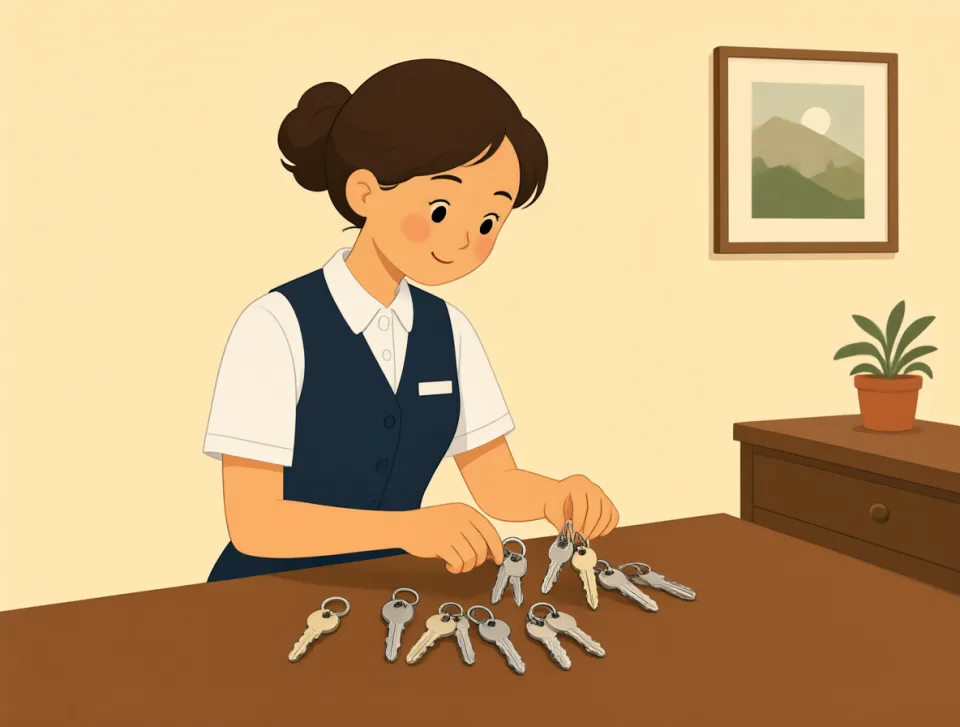
The hotel classed the rooms by size.
そのホテルは部屋を大きさで分類しました。
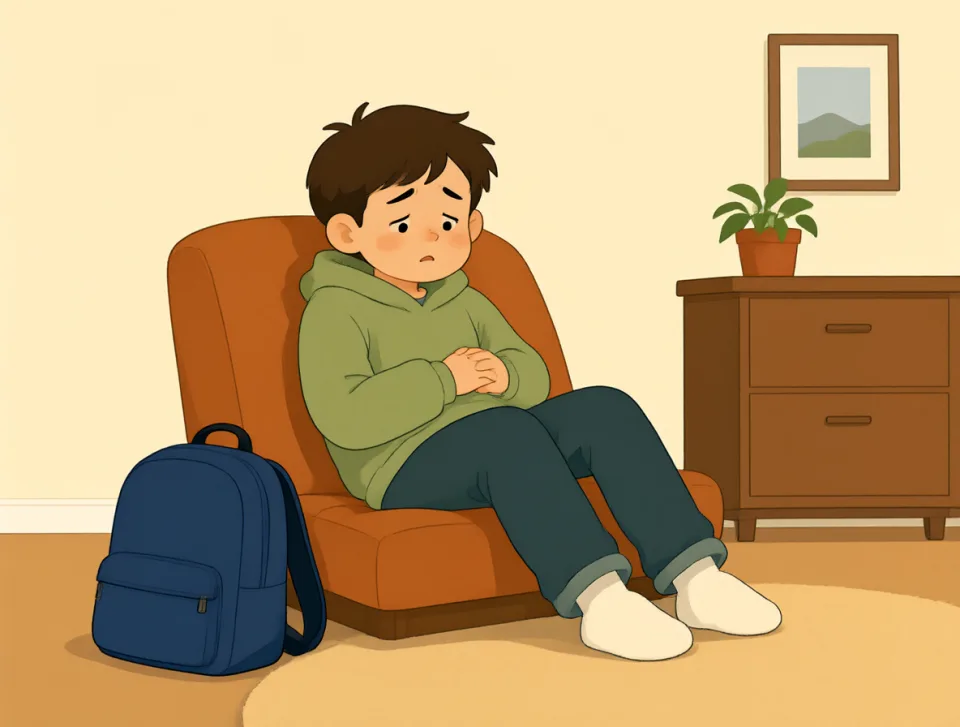
He missed class because he felt sick.
彼は気分が悪かったので授業を休みました。
development
#363noun
発達; 開発; 発展
The process of growing, changing, or becoming better.
成長したり、変化したり、よりよくなったりする過程。
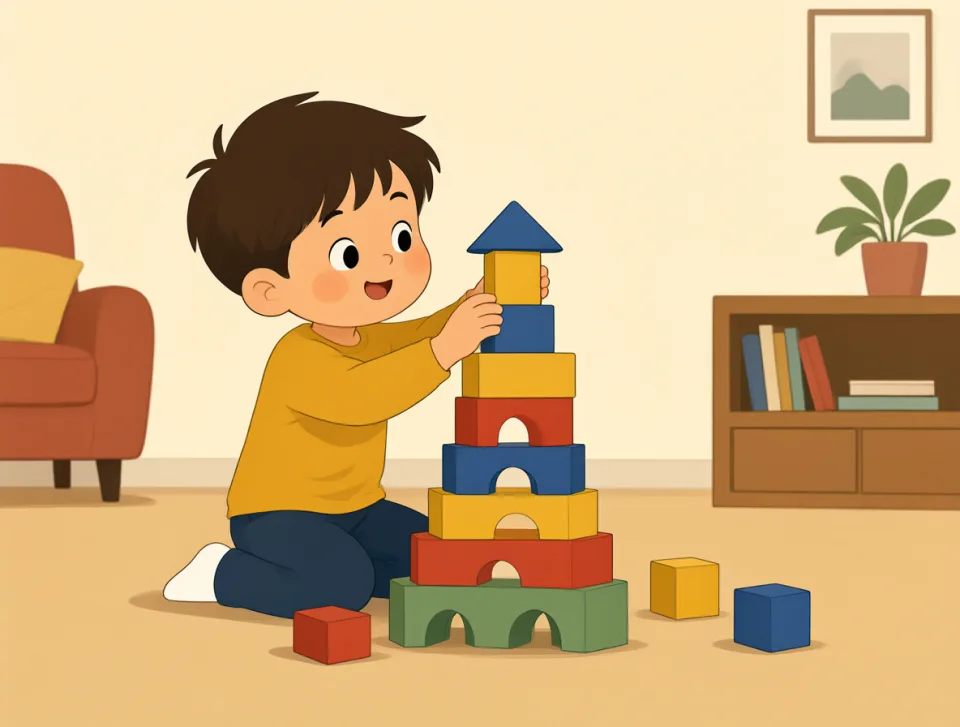
The child’s development is going well.
その子は順調に発達しています。
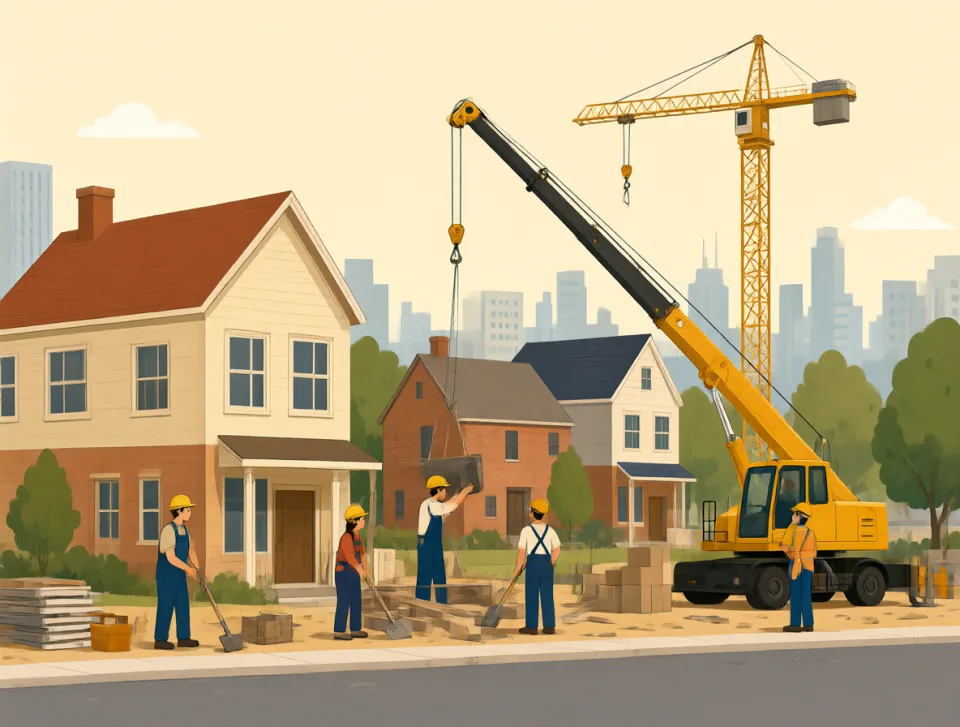
The city plans new housing development.
その市は新しい住宅開発を計画しています。
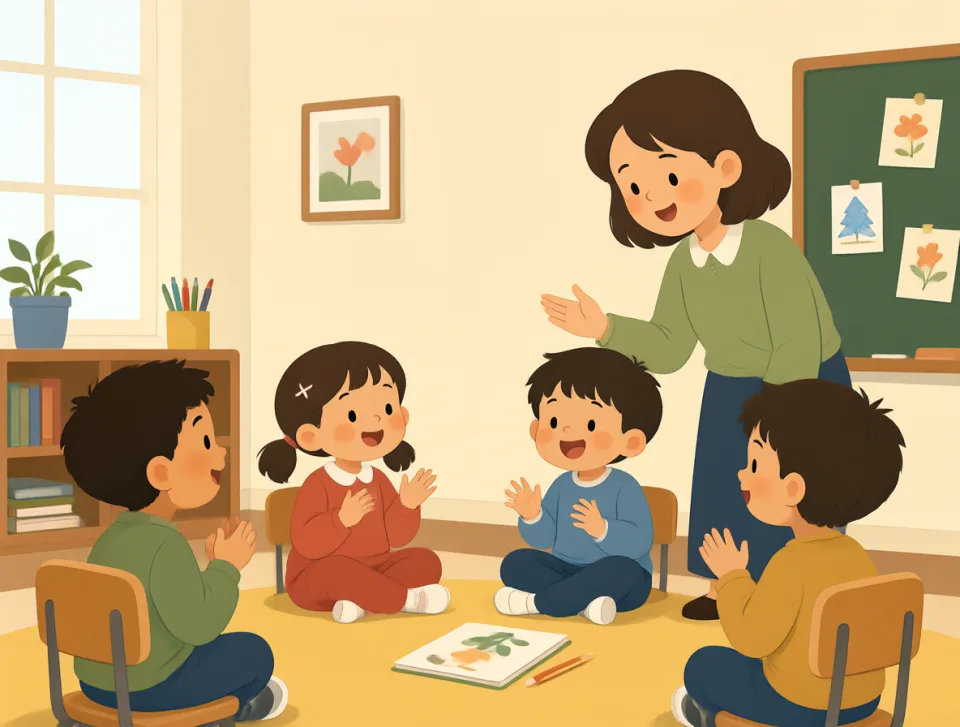
The teacher helps students with language development.
その先生は生徒たちの言語発達をサポートしています。
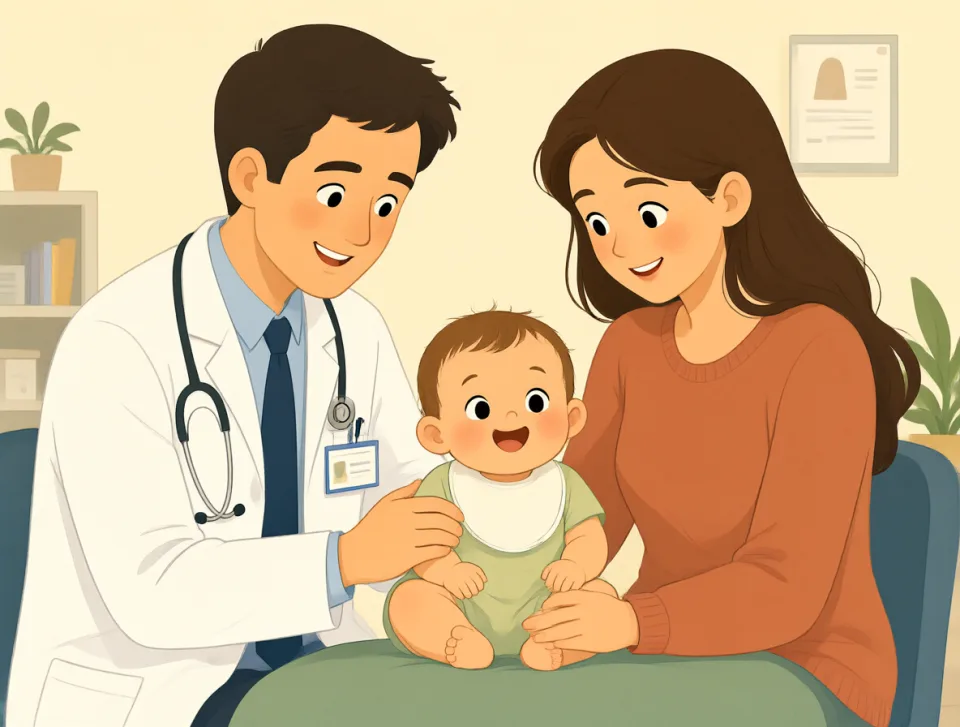
The doctor checked the baby’s development.
医師は赤ちゃんの発達を確認しました。
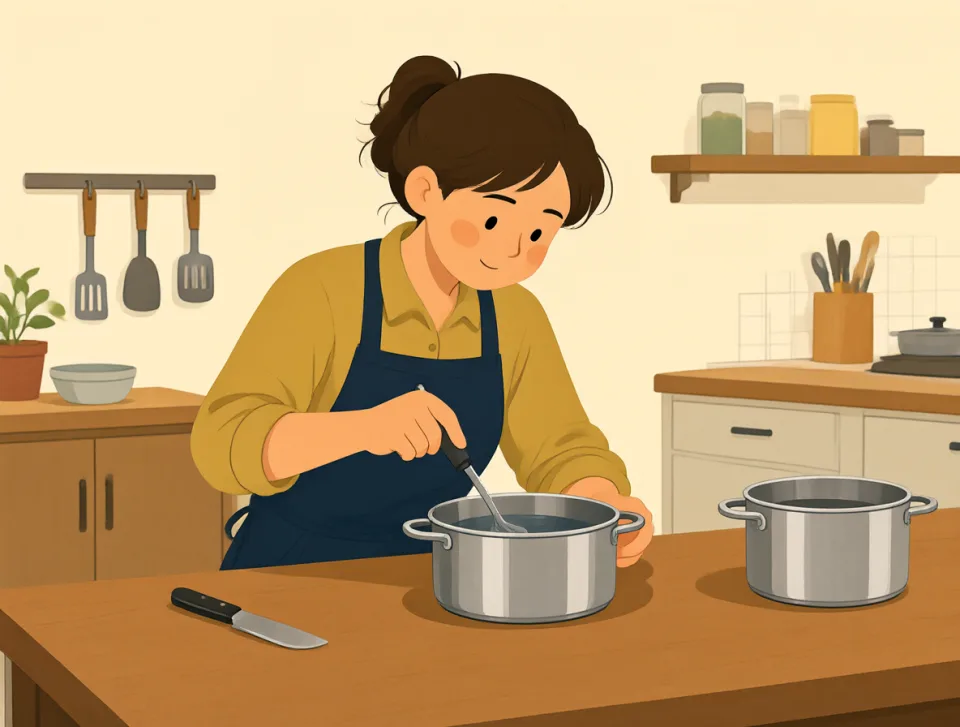
The new product is still in development.
その新製品はまだ開発中です。
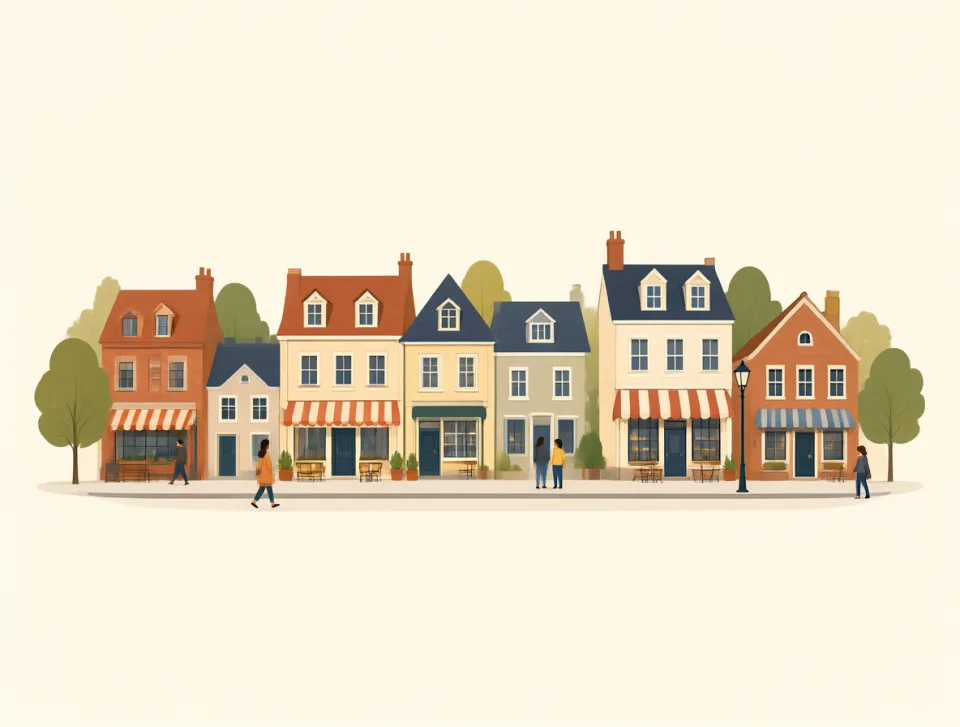
town
#364noun
町; 街
a place where people live that is smaller than a city
人が住む場所で、都市より小さいもの
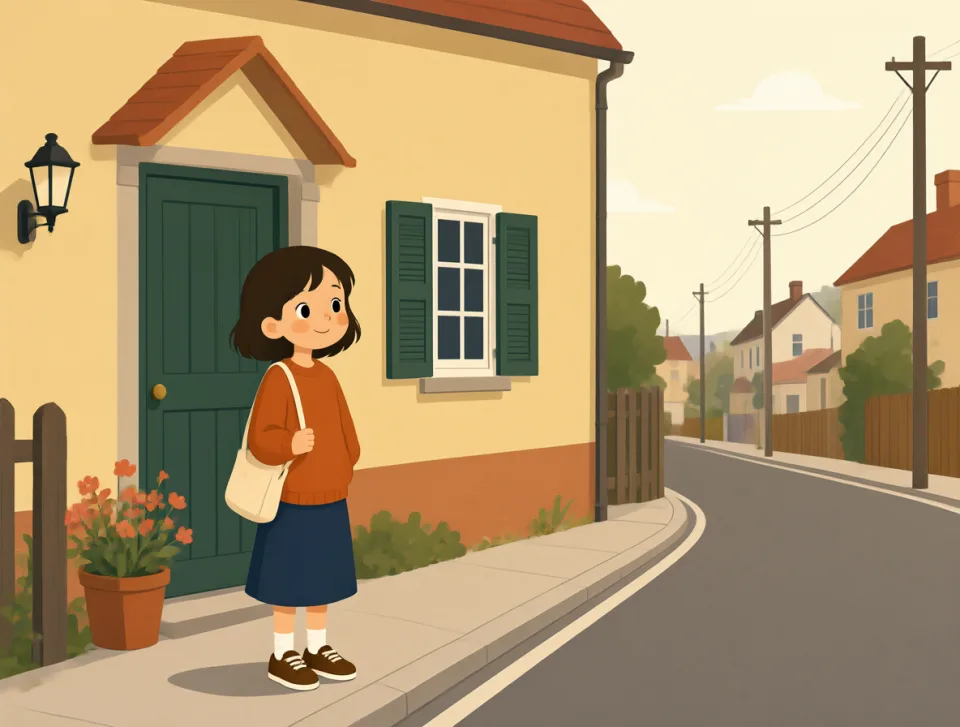
She lives in a small town.
彼女は小さな町に住んでいます。
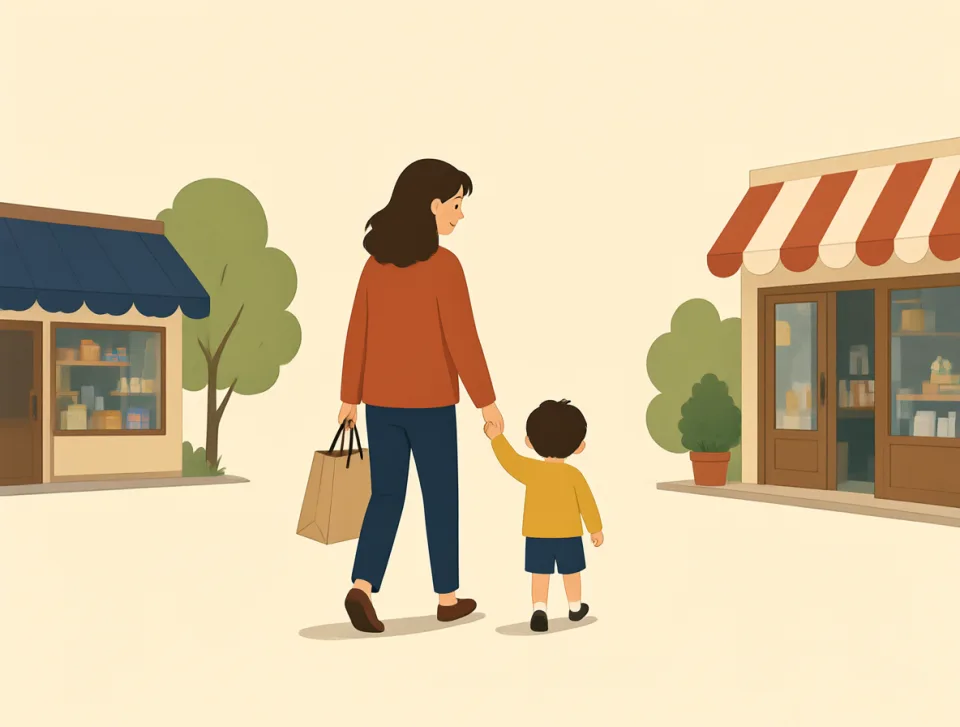
We went into town to buy food.
食べ物を買いに町へ行きました。
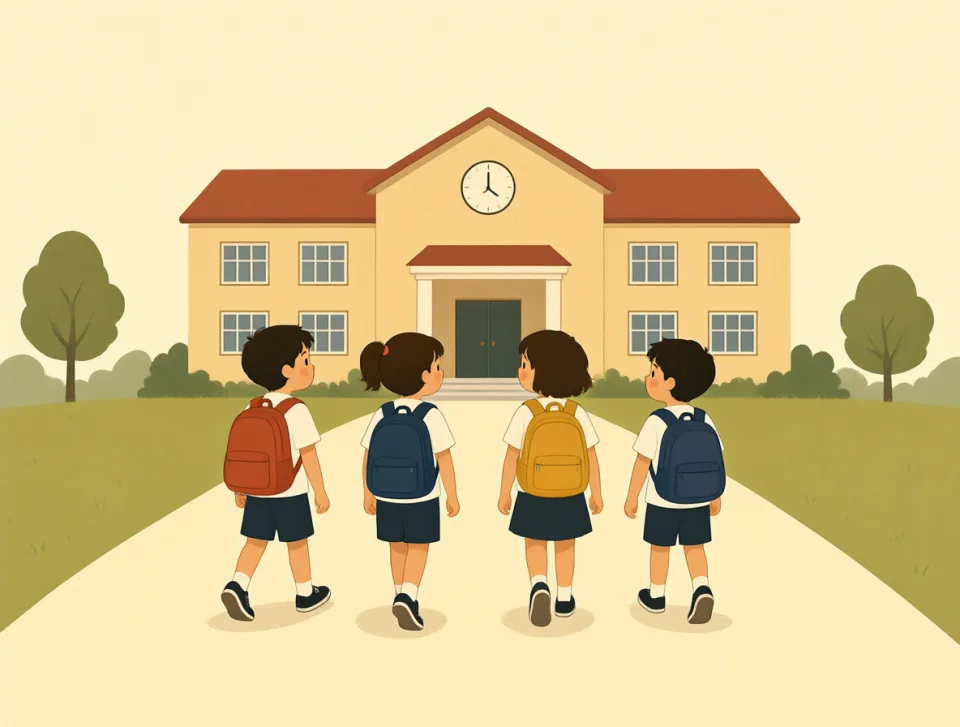
The town has a good school.
その町には評判のよい学校があります。
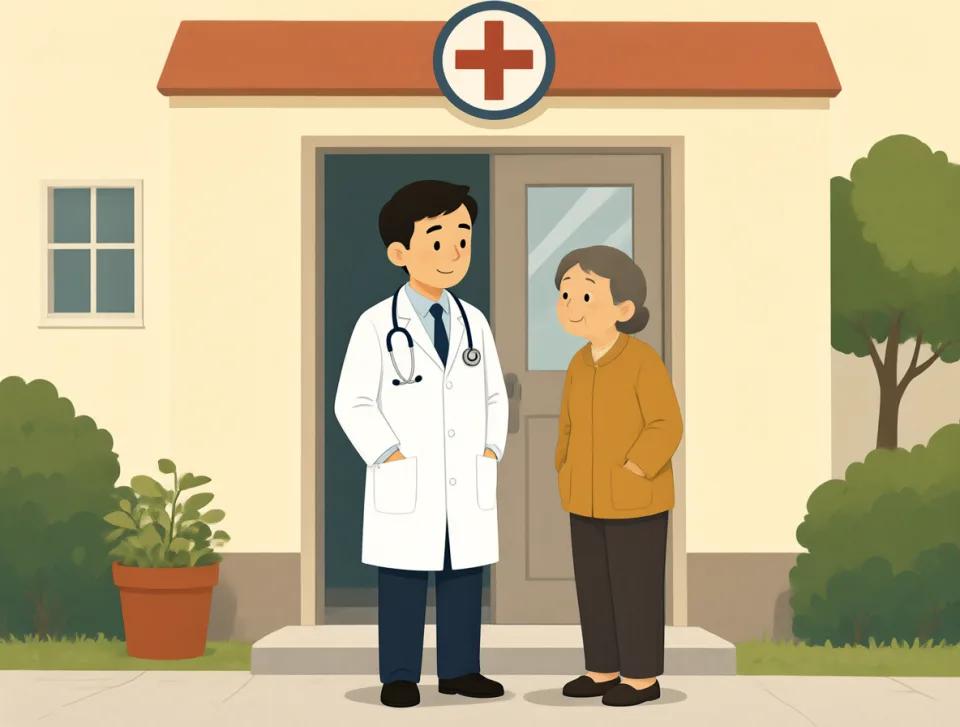
He works at the town hospital.
彼は町の病院で働いています。

Our friends visited the town last summer.
私たちの友達は去年の夏、その町を訪れました。
half
#365noun, adjective, adverb, determiner
半分;50パーセント;半ば
One of two equal parts of something; 50 percent of it.
何かを等しく二つに分けたうちの一つの部分。それの50パーセント。
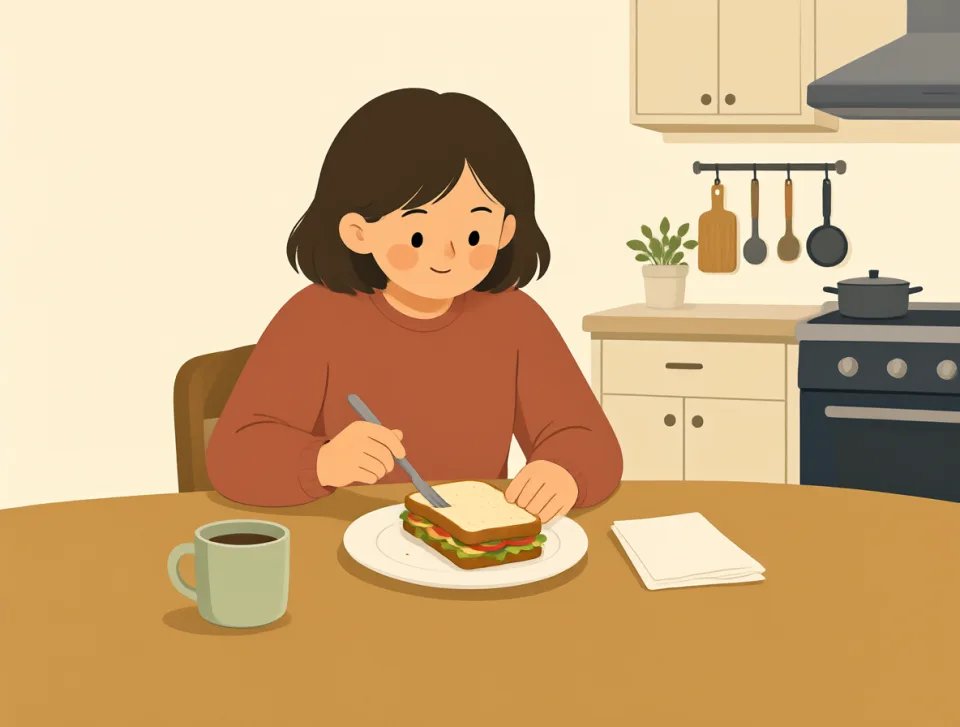
I ate half of the sandwich.
サンドイッチを半分食べました。
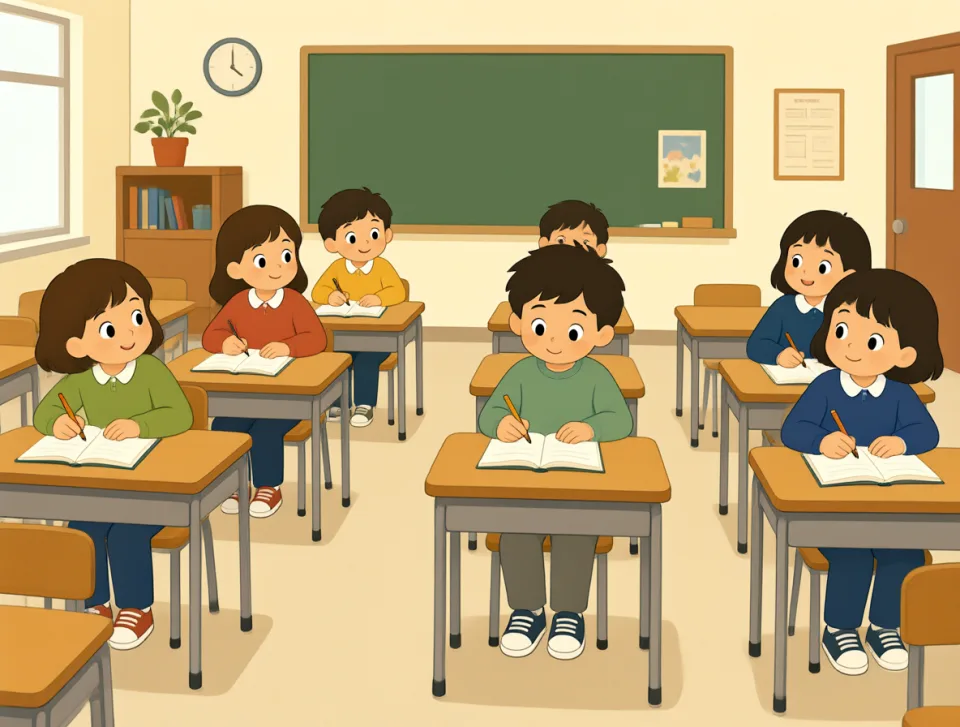
Half the class was absent today.
今日はクラスの半分が欠席しました。
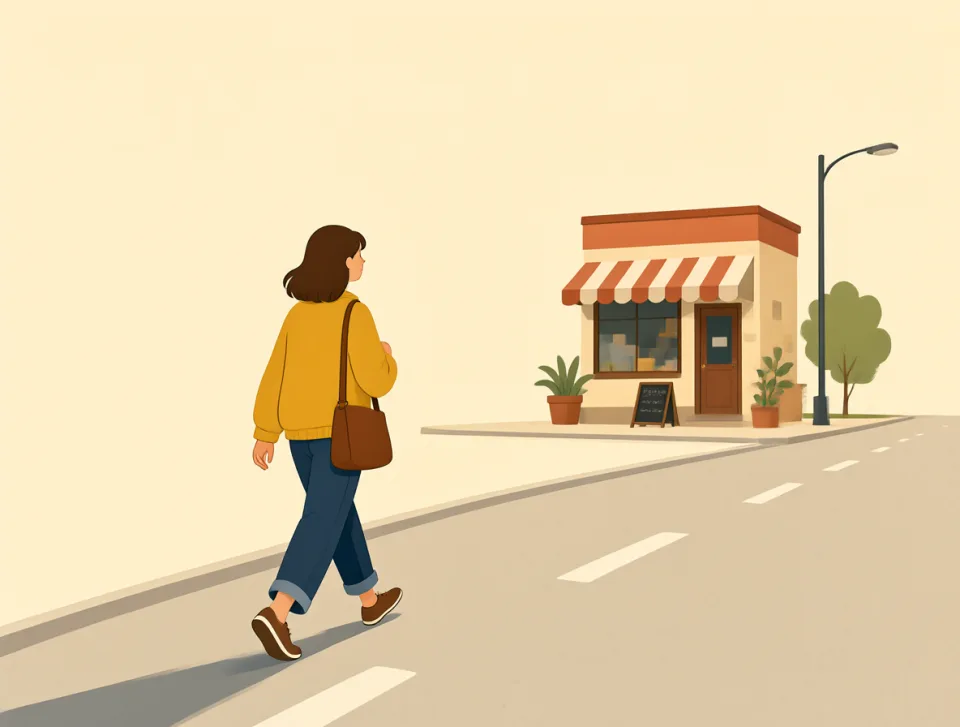
The shop is half a mile away.
店は半マイル先です。
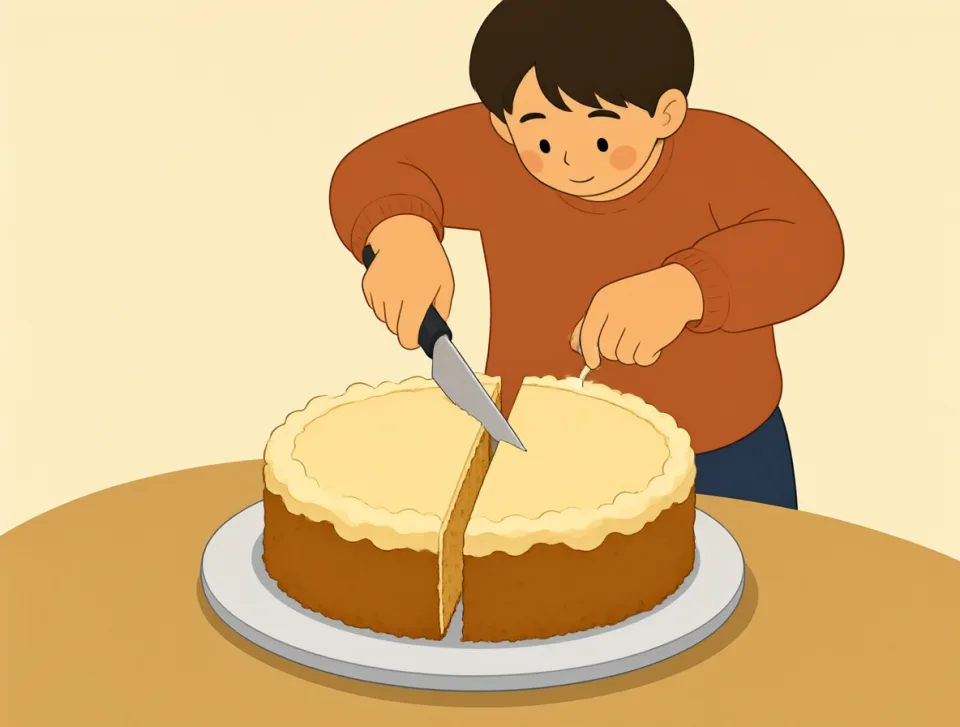
Please cut the cake in half.
ケーキを半分に切ってください。
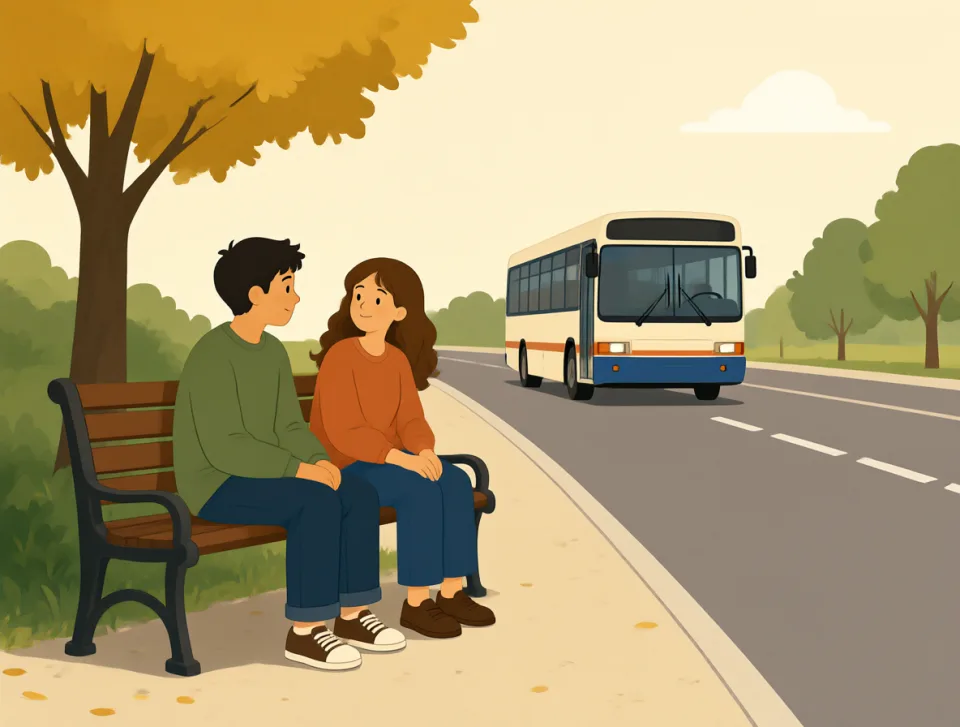
We waited half an hour for the bus.
バスを30分待ちました。
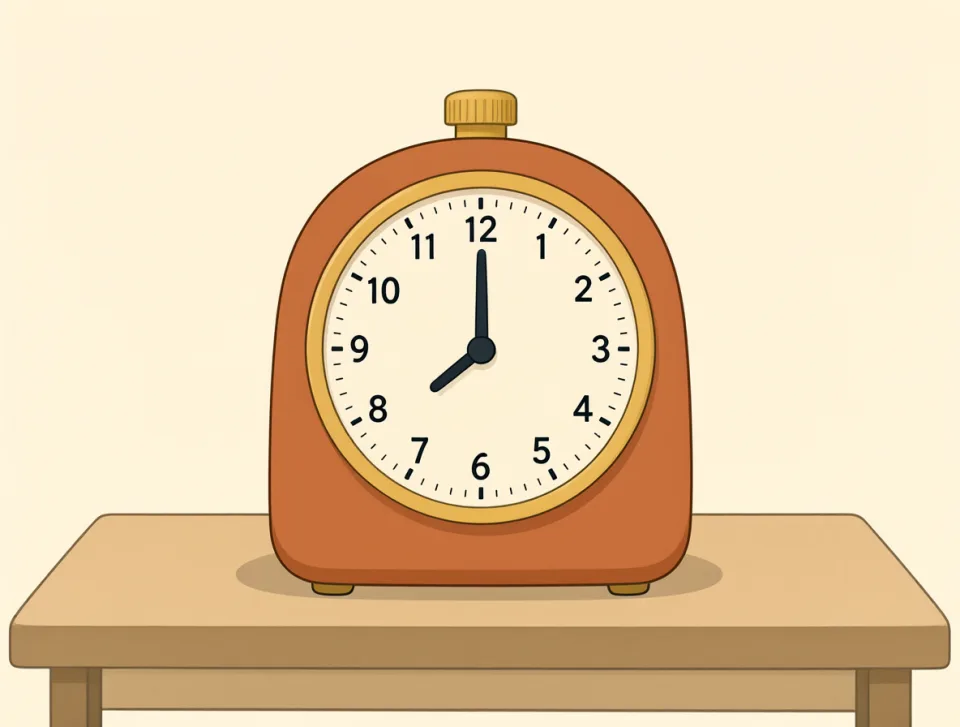
minute
#366noun, adjective
分; ごく小さい
A minute is a period of sixty seconds.
1分は60秒の時間です。
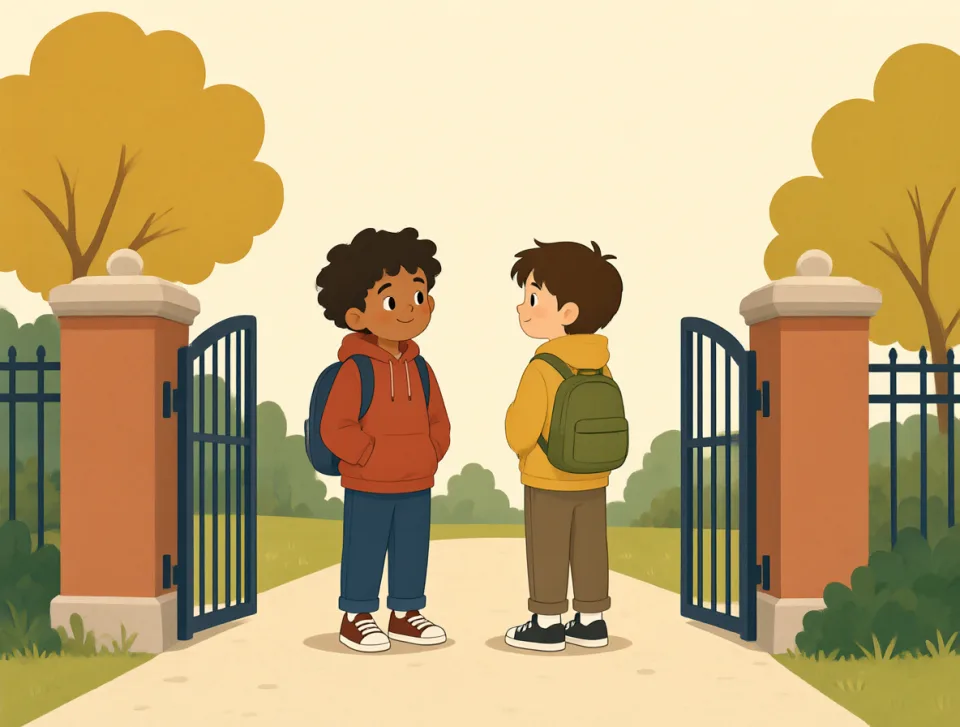
Please wait a minute for me.
私を1分待ってください。
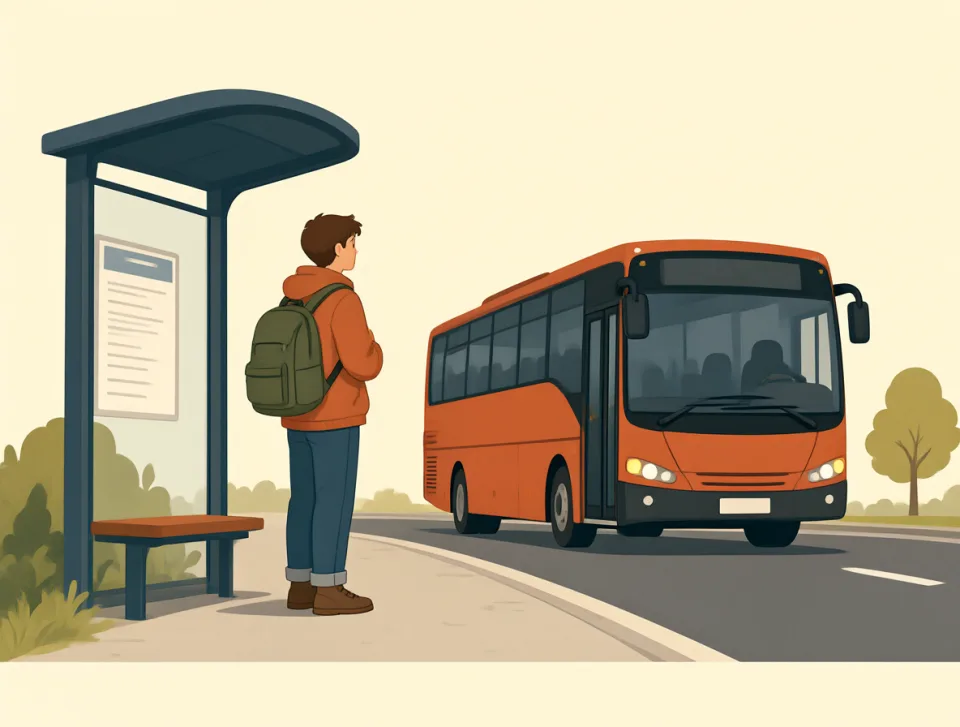
The bus arrived five minutes late.
バスは5分遅れて到着しました。

I called Mom a minute ago.
1分前にMomに電話しました。
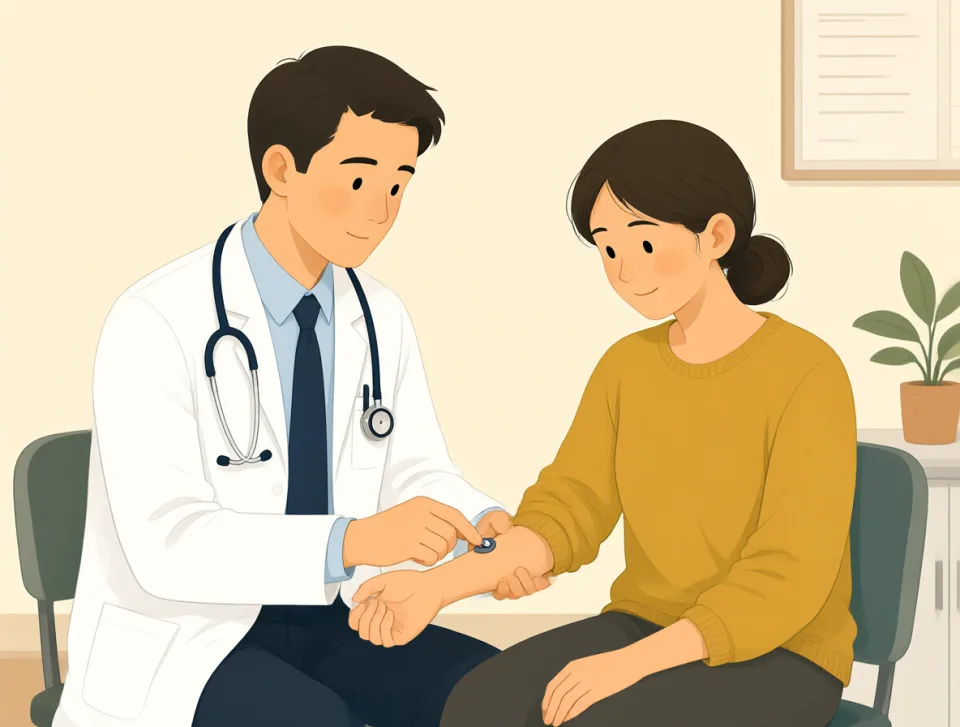
The doctor checked my pulse for one minute.
医師は1分間、私の脈拍を調べました。
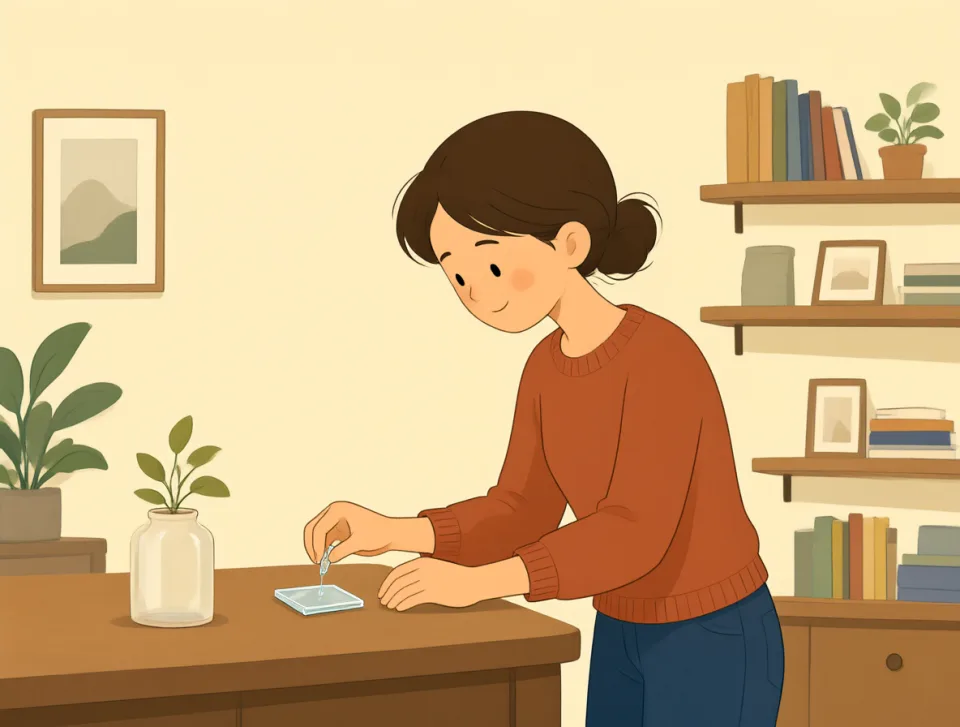
She found a minute piece of glass.
彼女はごく小さなガラス片を見つけました。
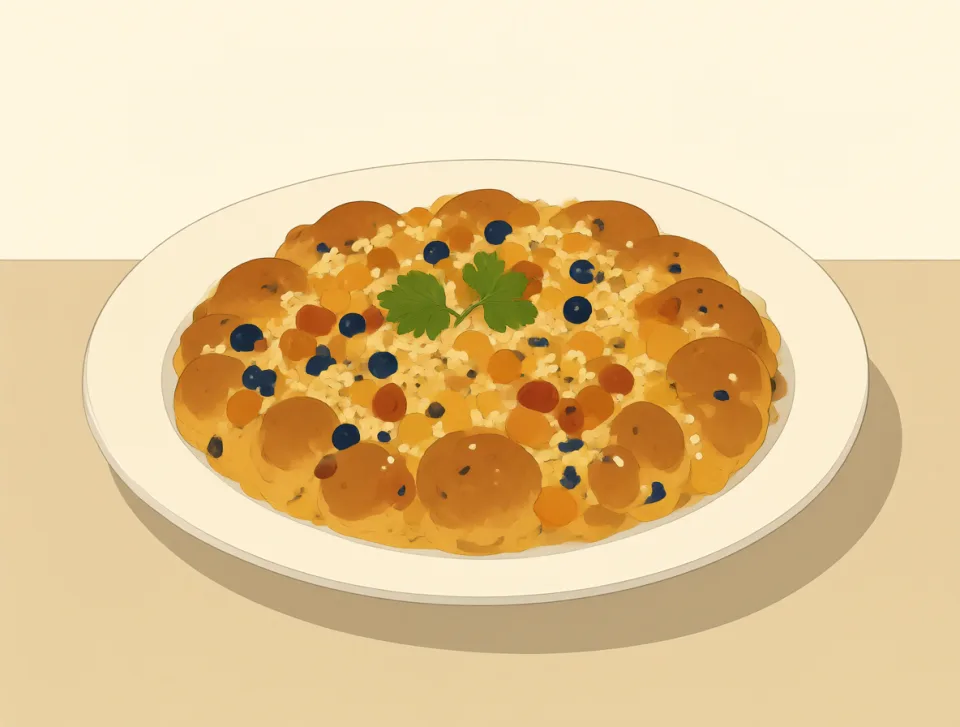
food
#367noun
食べ物; 食品; 食事
Things that people and animals eat or drink.
人や動物が食べたり飲んだりするもの。
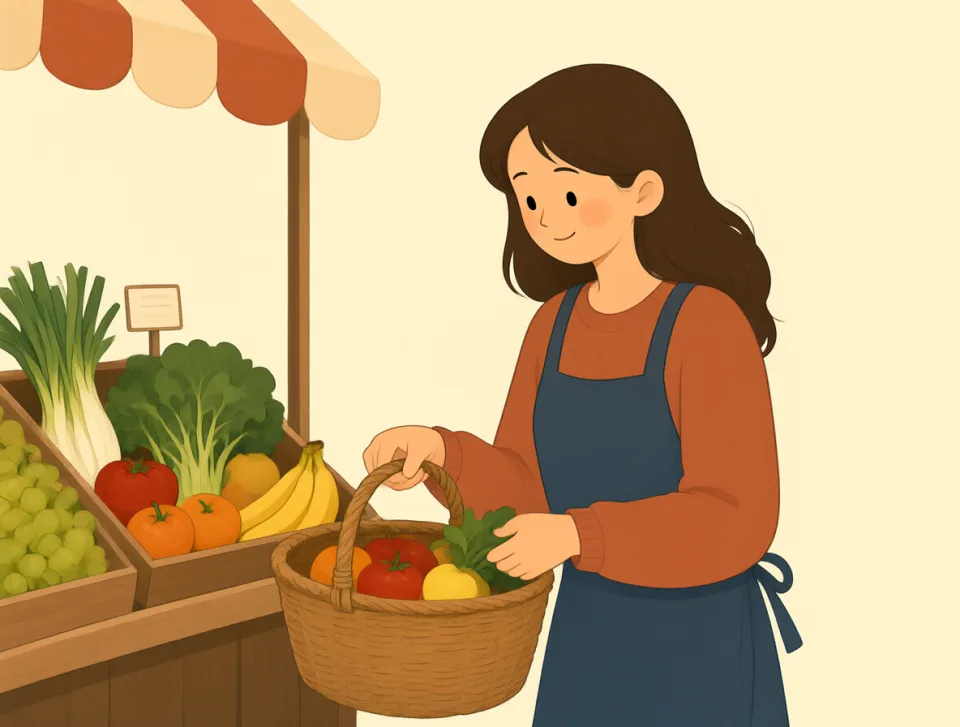
We bought fresh food at the market.
私たちは市場で新鮮な食べ物を買いました。
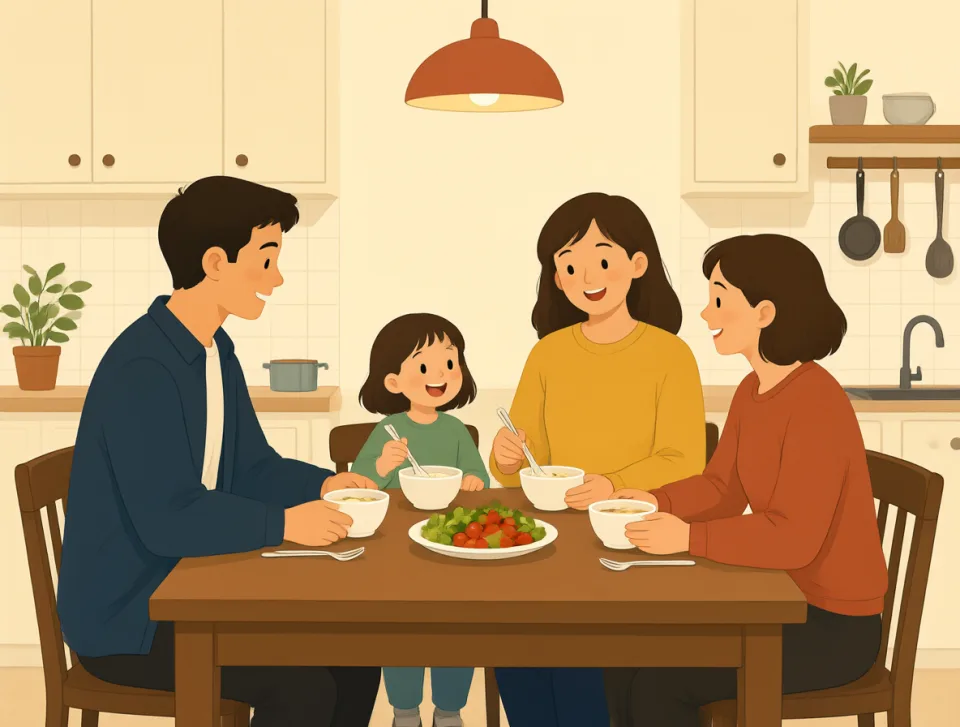
The food is ready on the table.
テーブルに食事が用意できています。
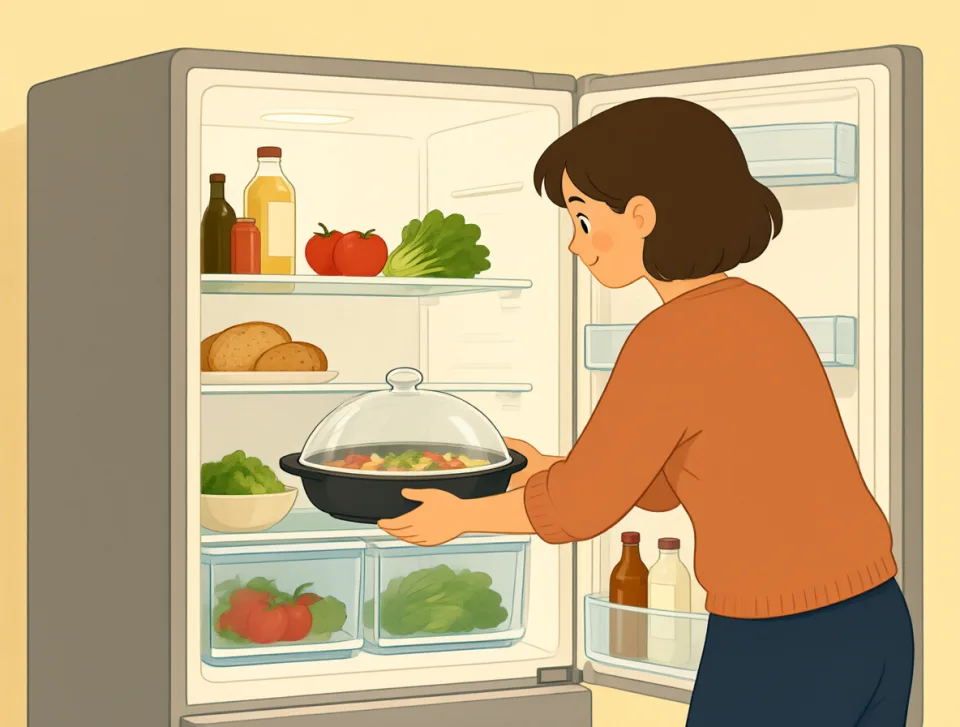
Please put the food in the fridge.
その食べ物を冷蔵庫に入れてください。
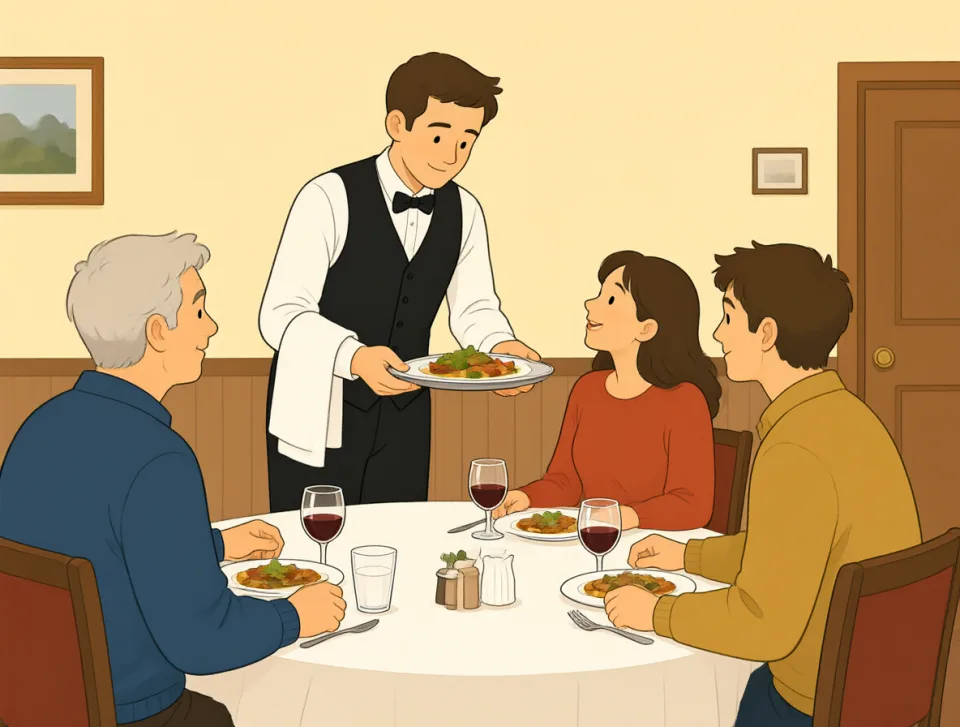
The hotel serves good food.
そのホテルはおいしい料理を出します。
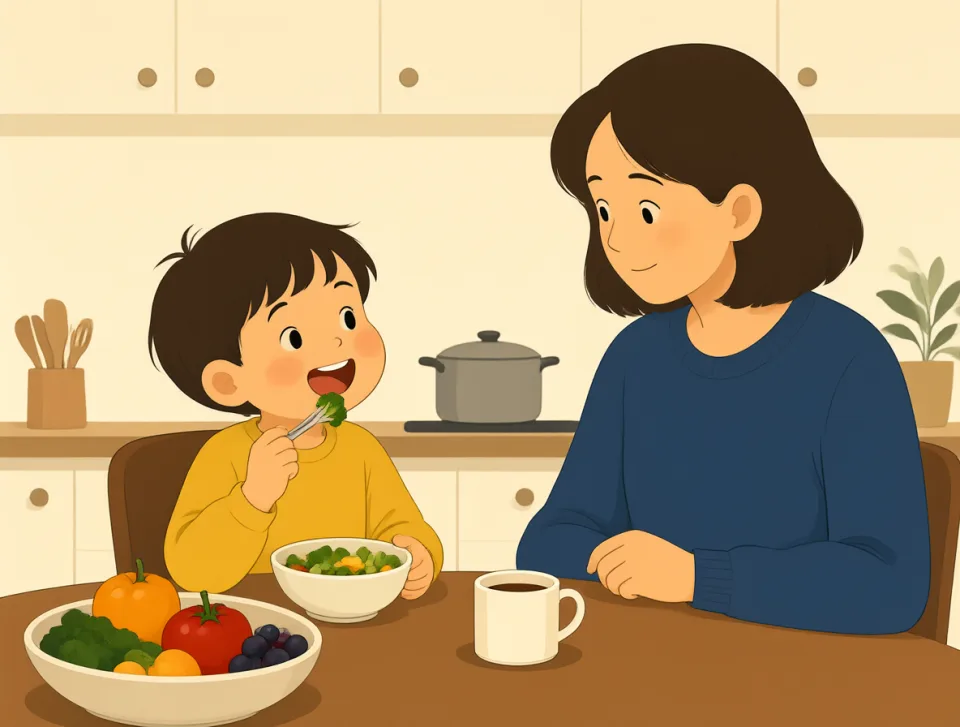
Healthy food helps children grow strong.
健康的な食べ物は子どもたちの成長に役立ちます。
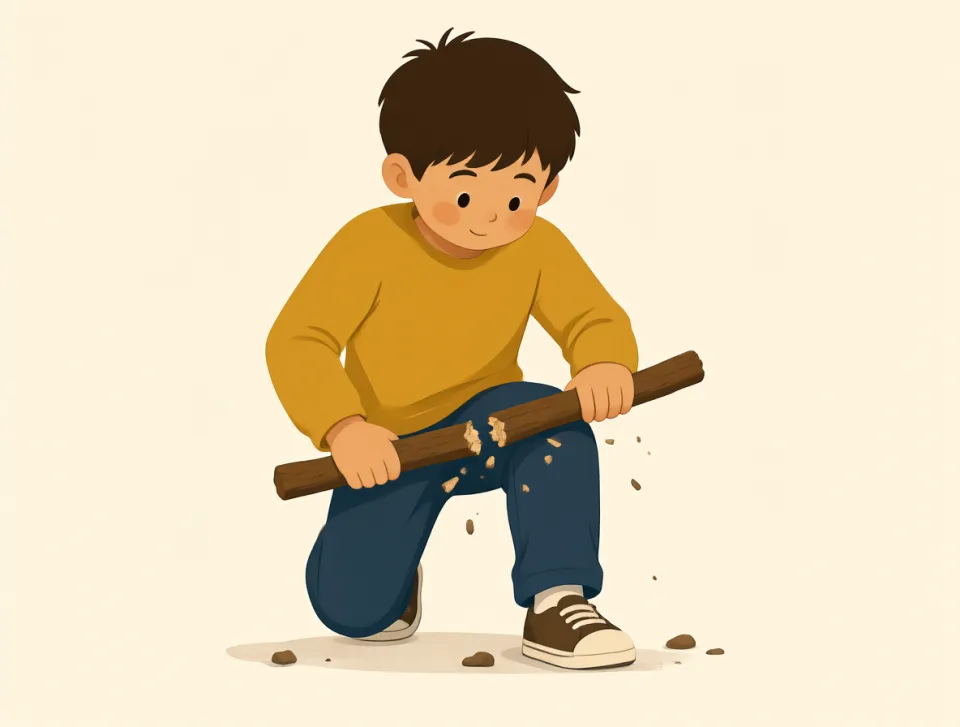
break
#368noun, verb
休憩; 壊す; 故障する; 骨折する
to stop working, separate into pieces, or rest for a short time
仕事をやめる、いくつかに分かれる、または短時間休む
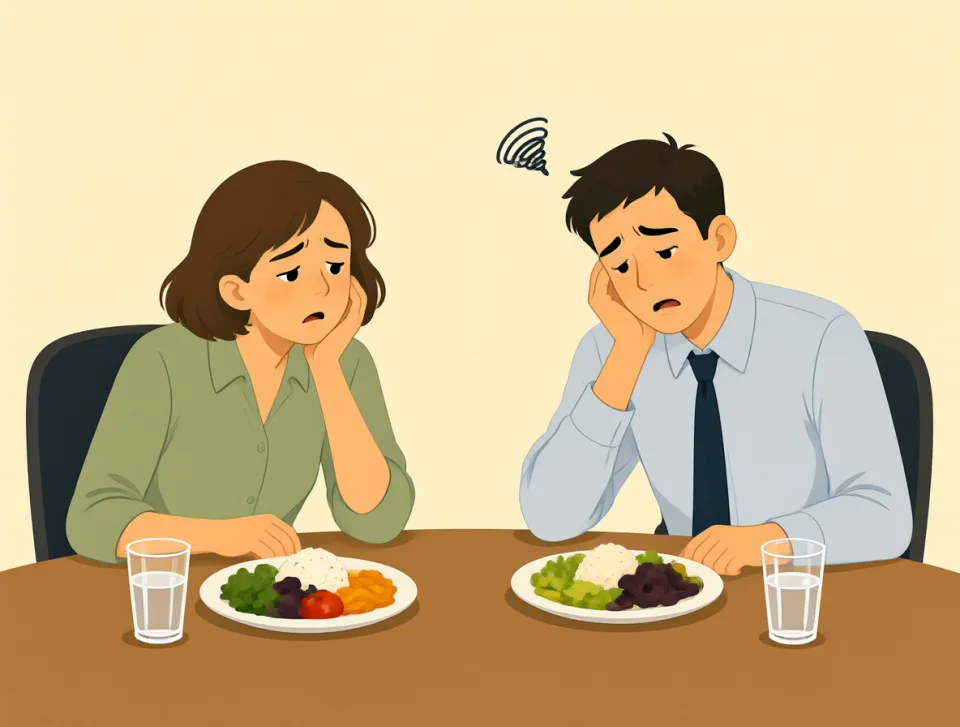
Let’s take a short break after lunch.
昼食のあと、少し休憩しましょう。
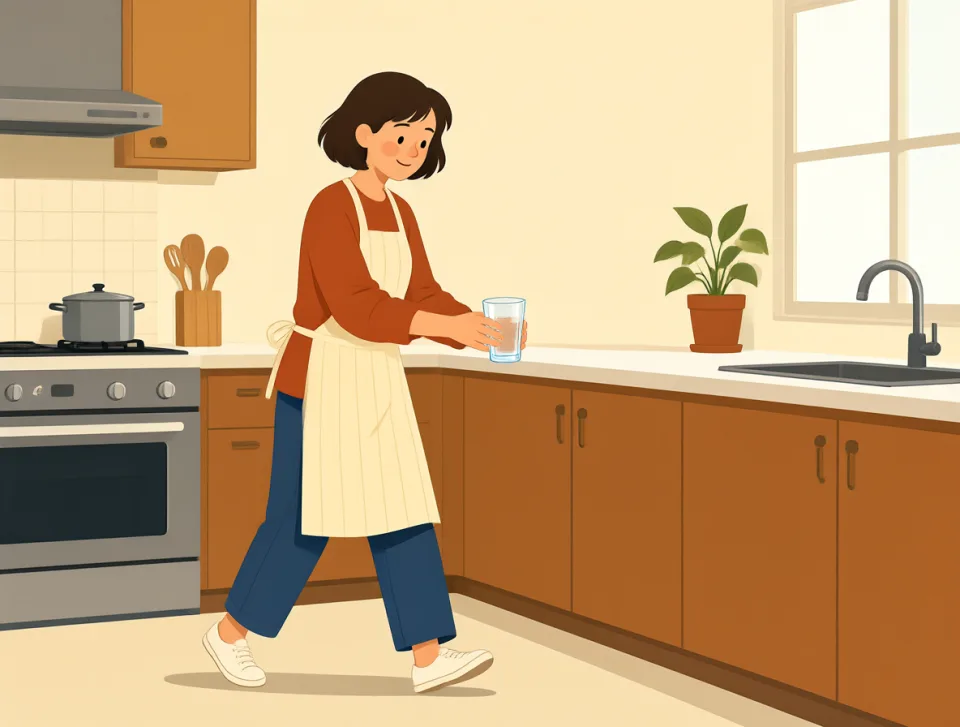
Be careful not to break the glass.
グラスを割らないように気をつけて。
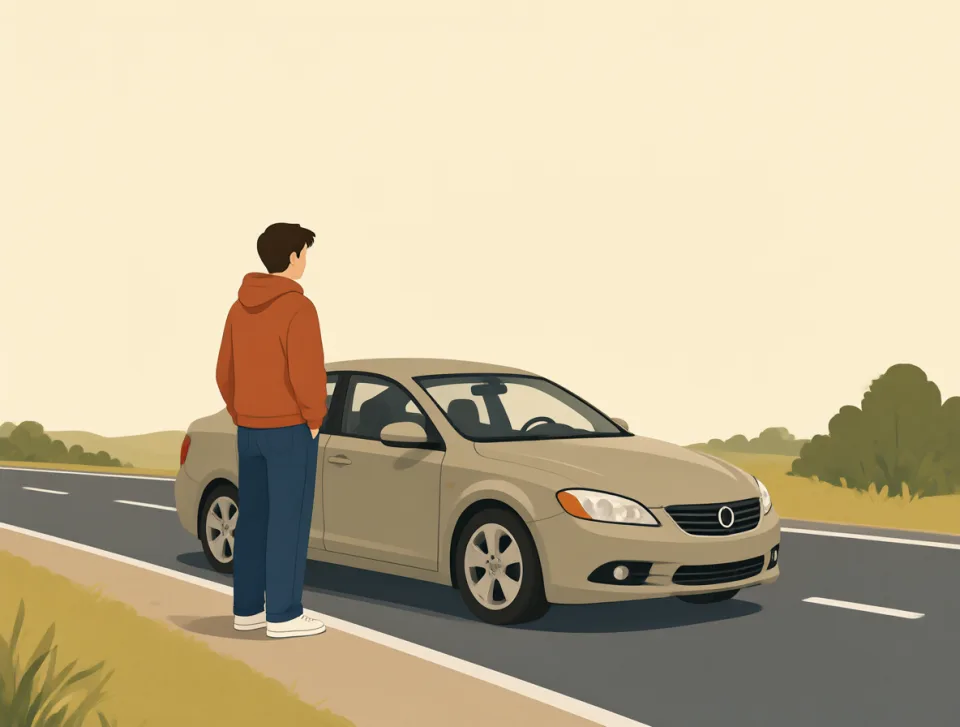
My car broke down on the way home.
家に帰る途中で車が故障した。
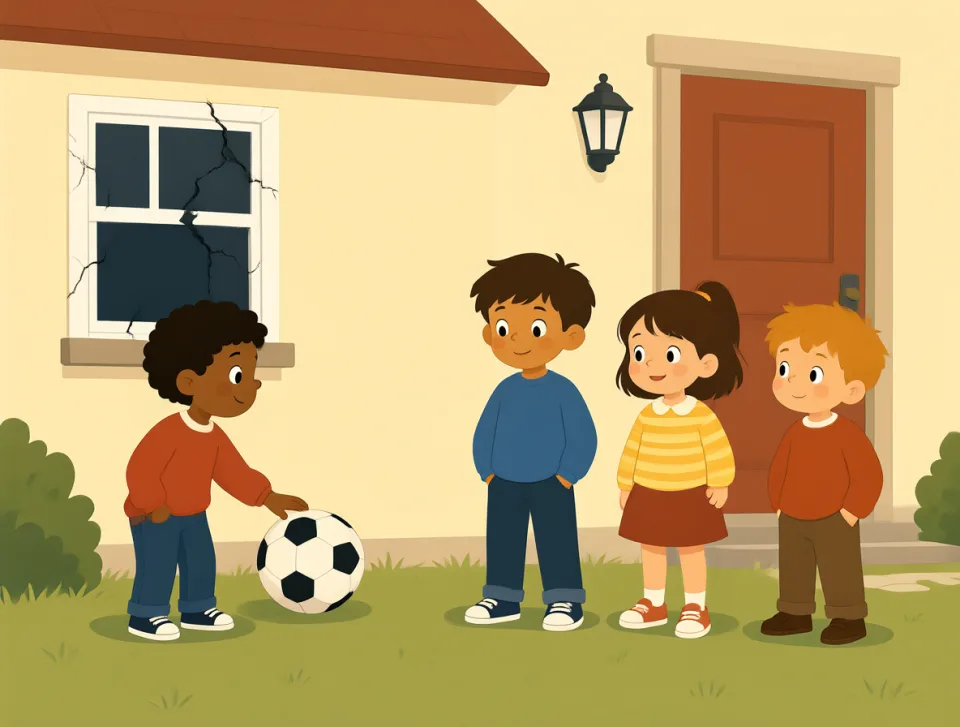
The children broke the window with a ball.
子どもたちはボールで窓を割った。
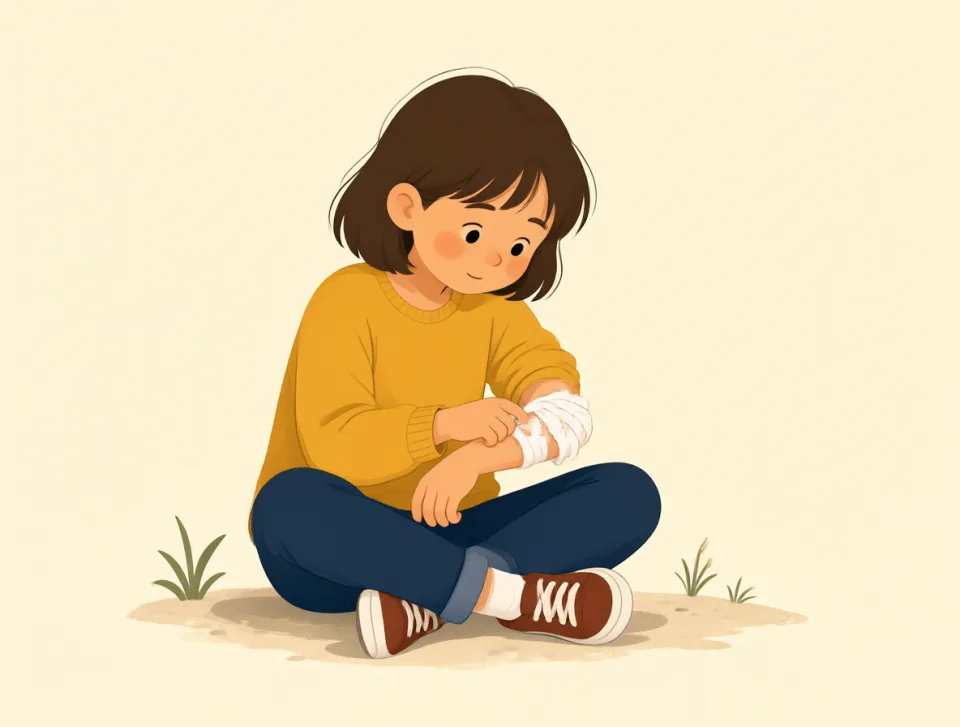
She broke her arm during the game.
彼女は試合中に腕を骨折した。

clear
#369adjective, verb, adverb
明らかな; 透明な; はっきりと; 許可する; 片付ける
Easy to see, hear, understand, or free from anything blocking it.
見たり、聞いたり、理解したりしやすく、何も遮るものがない状態の

The water in the lake is clear.
その湖の水は透明です。

Please speak clearly during the meeting.
会議中は、はっきりと話してください。

The doctor cleared him to play again.
医師は彼が再びプレーしてもよいと許可しました。
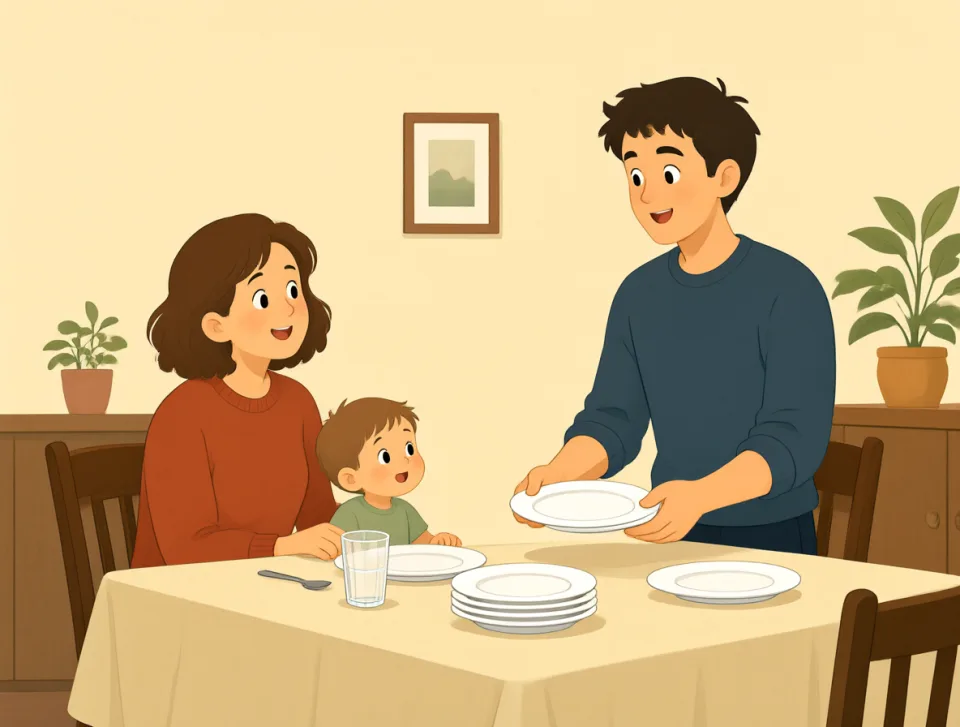
We need to clear the table after dinner.
夕食の後はテーブルを片付ける必要があります。
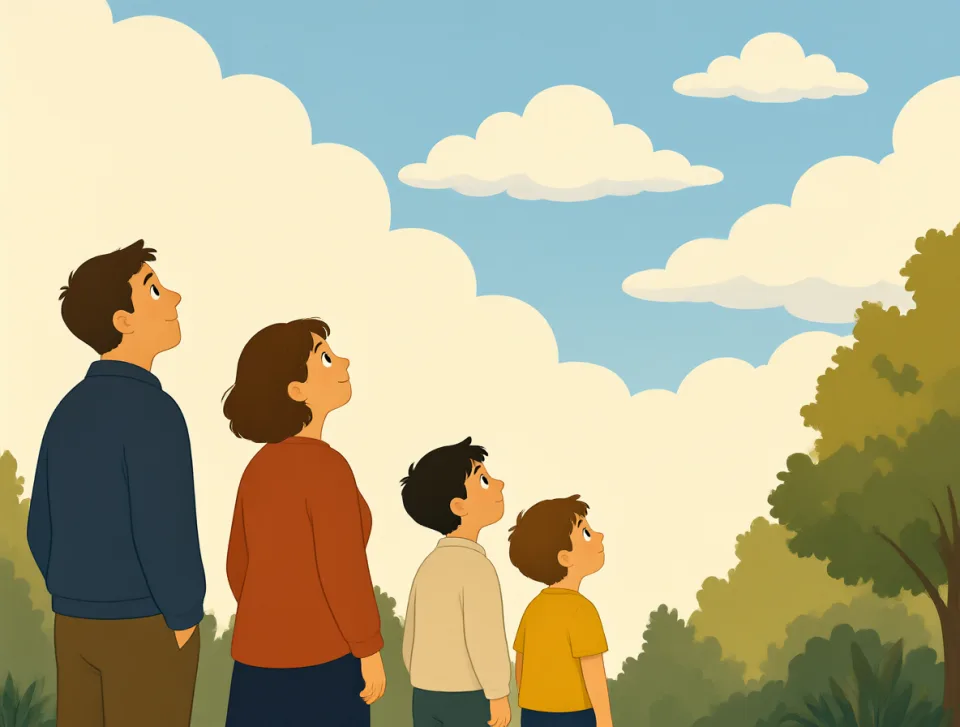
The sky cleared after the storm.
嵐の後、空が晴れました。
future
#370noun, adjective
未来; 将来
The time that will come after now, or relating to that time.
今より後に来る時間、またはその時間に関すること。
We are planning for the future.
私たちは将来に向けて計画を立てています。

She hopes to travel in the future.
彼女は将来、旅行したいと思っています。
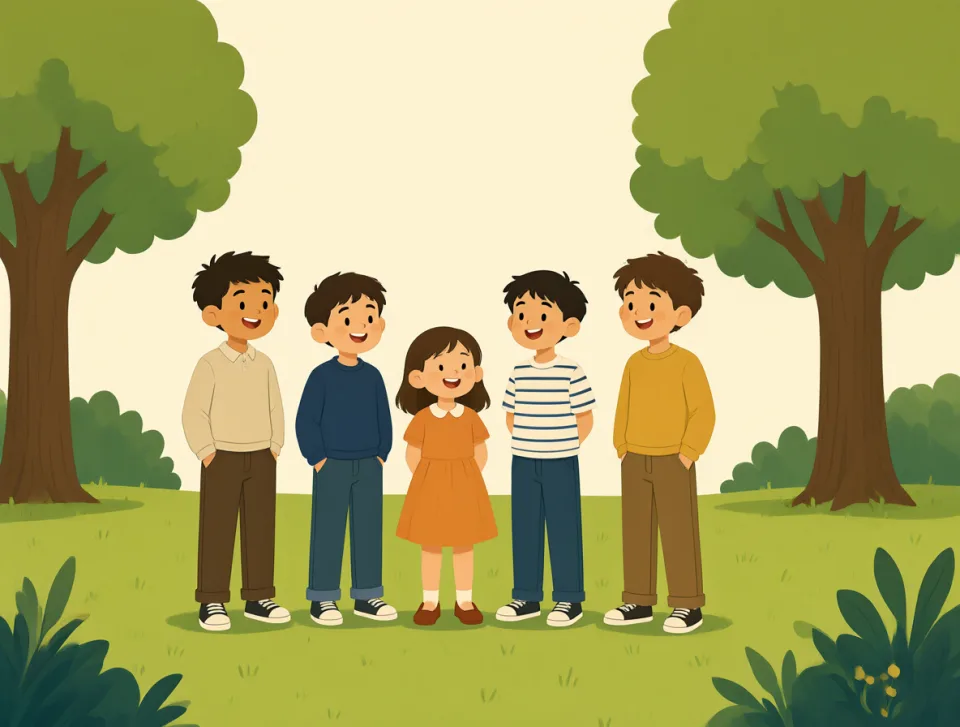
The future of our planet matters.
私たちの地球の未来は重要です。

He wants a future job in medicine.
彼は将来、医療関係の仕事に就きたいと思っています。

Please think about your future health.
将来の健康について考えてください。
either
#371adverb, determiner, pronoun, conjunction
どちらか; どちらでも; どちらも
Used to talk about one of two choices or possibilities.
2つの選択肢や可能性のうち、1つについて話すときに使う。
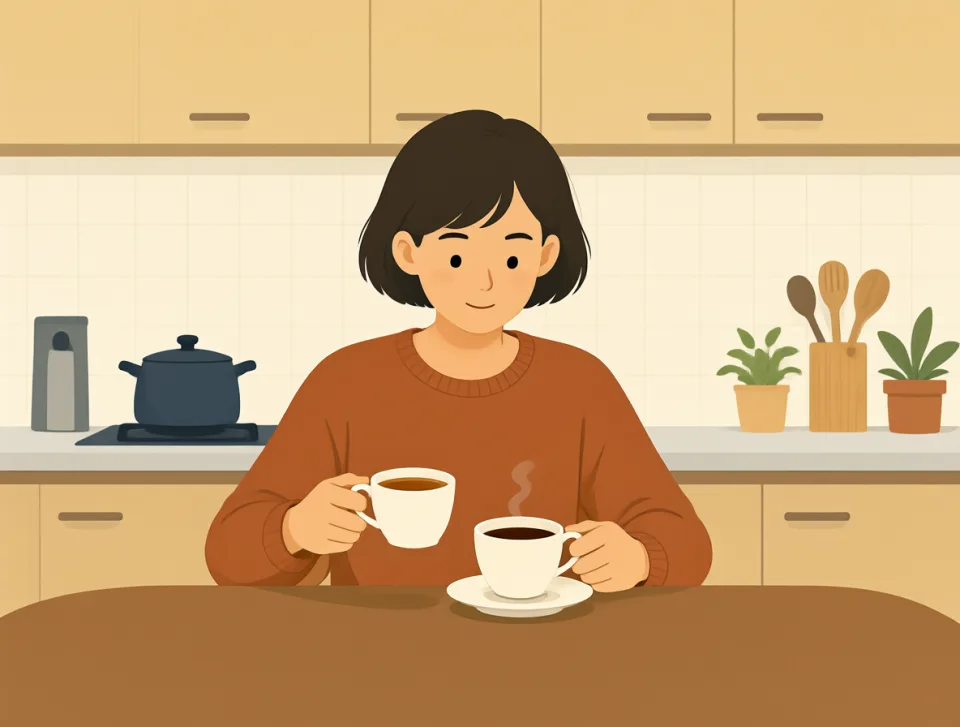
You can choose either tea or coffee.
紅茶かコーヒーのどちらかを選べます。
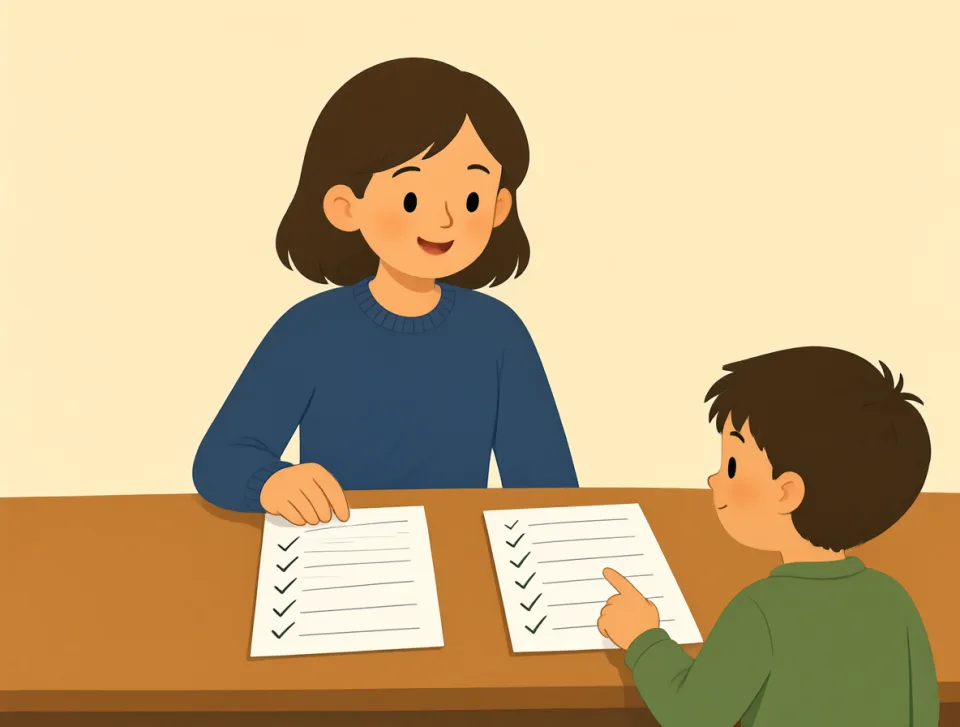
Either answer is correct.
どちらの答えも正解です。
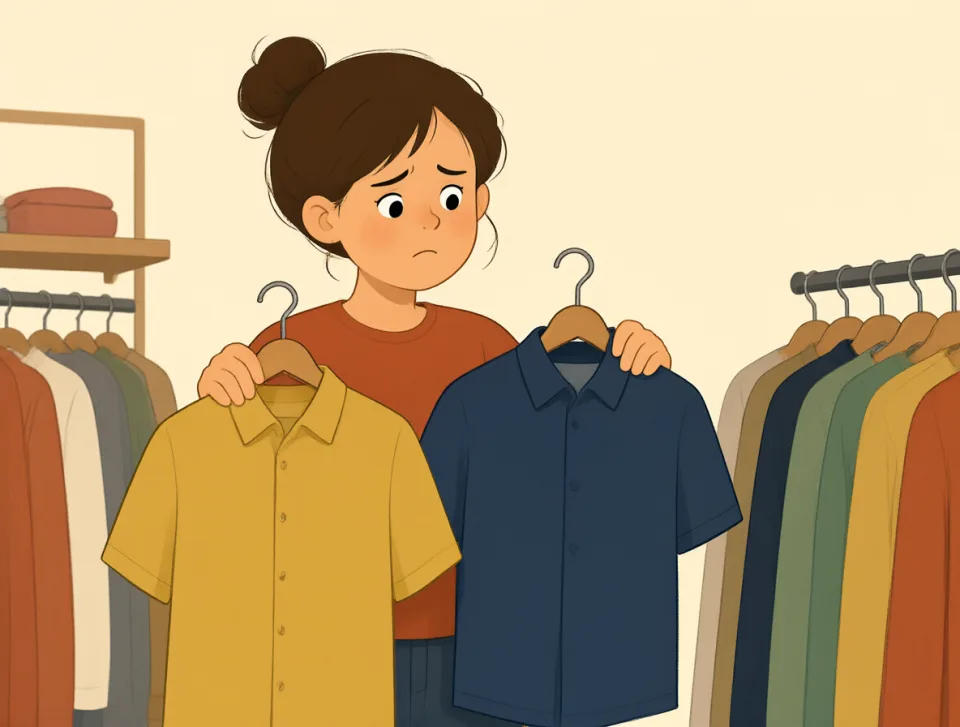
I do not like either color.
私はどちらの色も好きではありません。
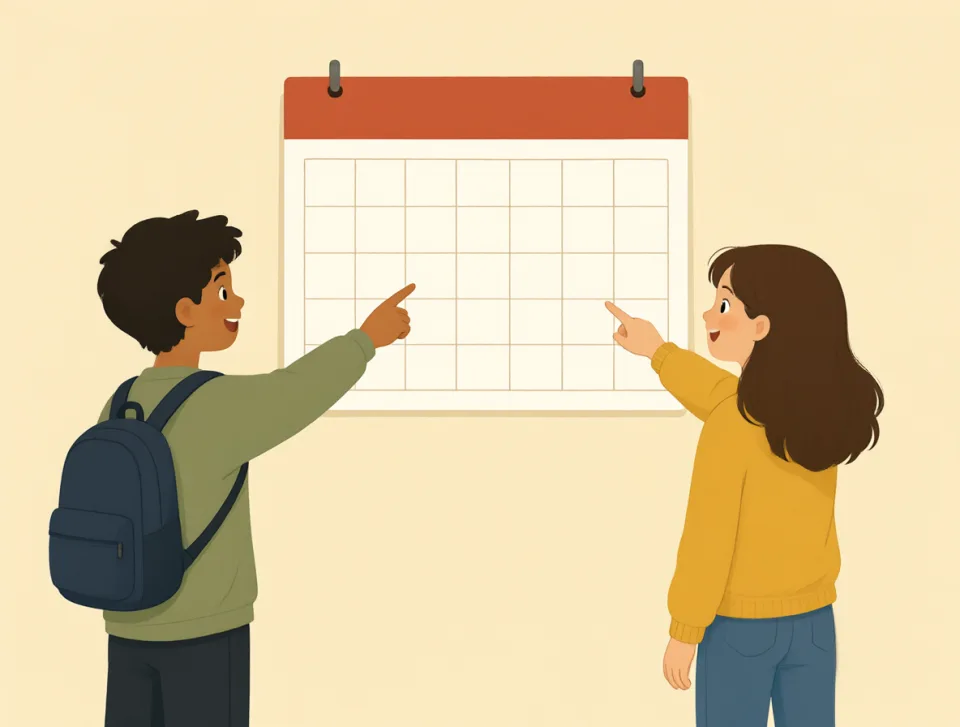
We can meet on either day.
どちらの日でも会えます。
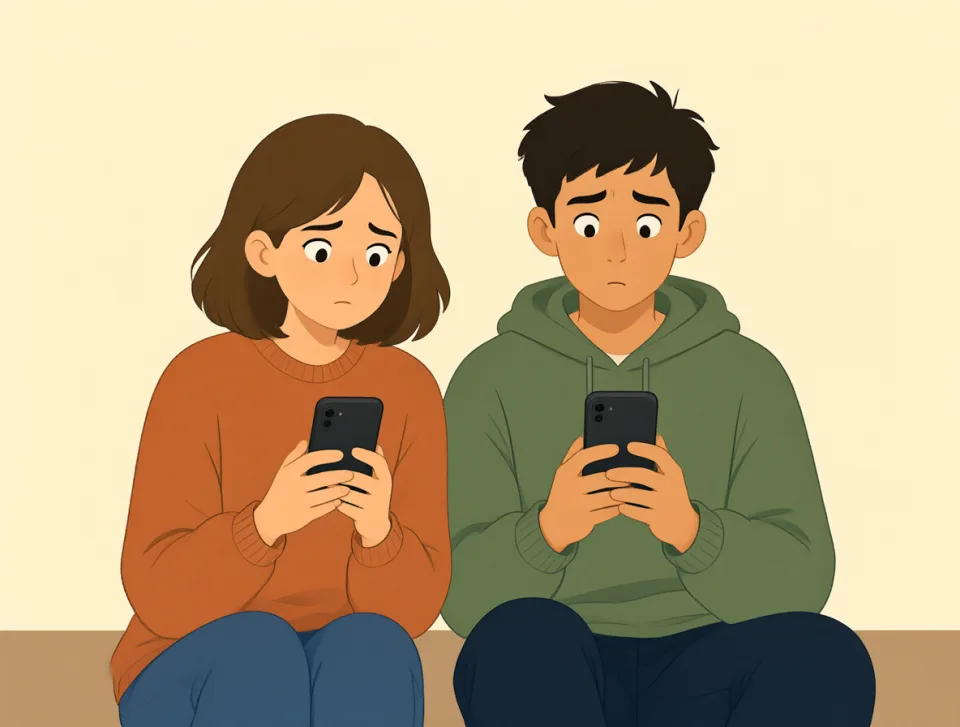
She did not call, and I did not either.
彼女は電話をかけてこなかったし、私もかけませんでした。
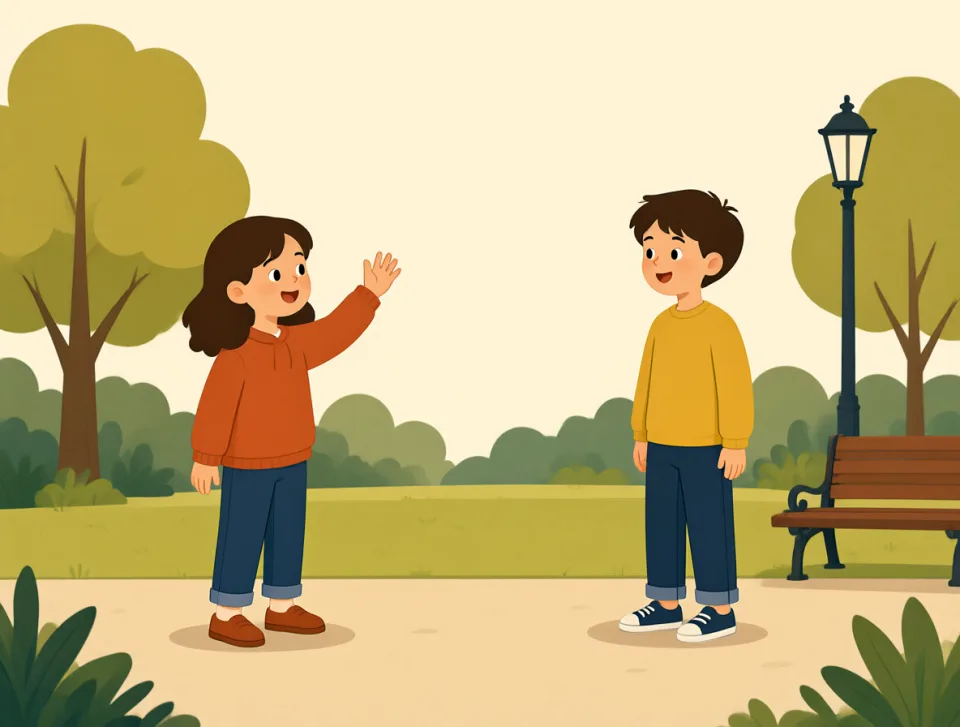
ago
#372adverb
前に; 以前に
Before now, measured from the present time.
現在から数えて、それより前に。
I saw her two days ago.
私は2日前に彼女に会いました。

We moved here three years ago.
私たちは3年前にここに引っ越してきました。
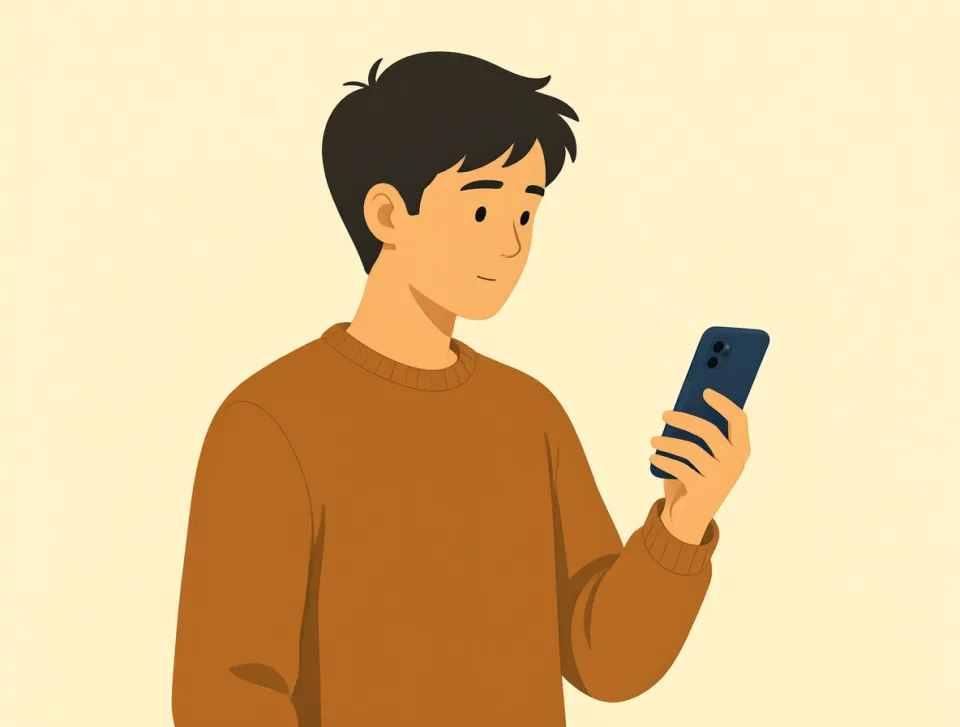
He called me a few minutes ago.
彼は数分前に私に電話をかけてきました。
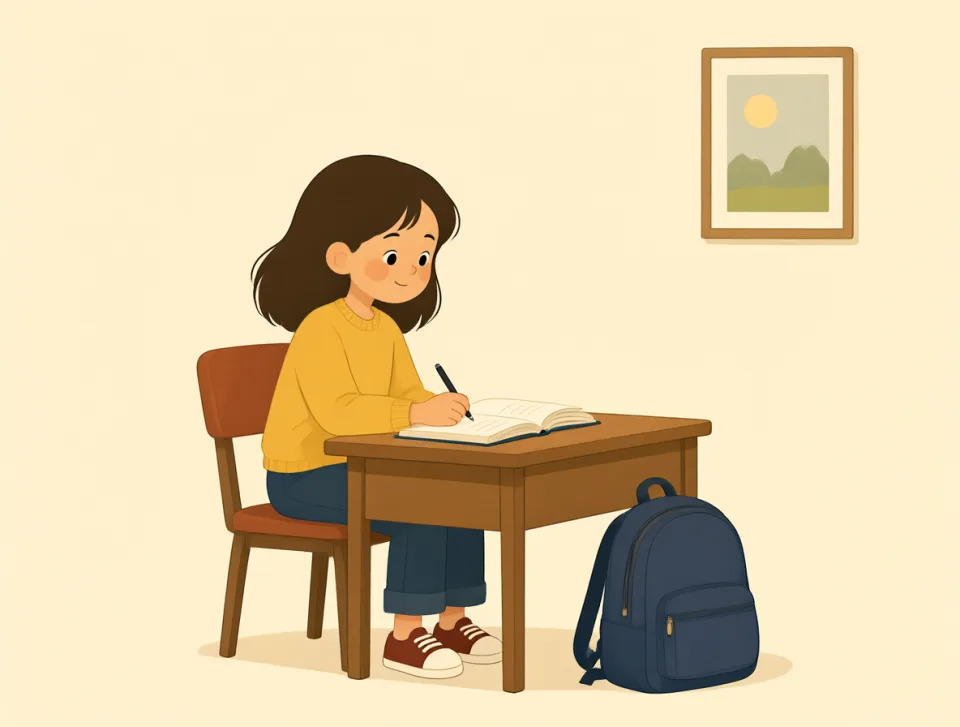
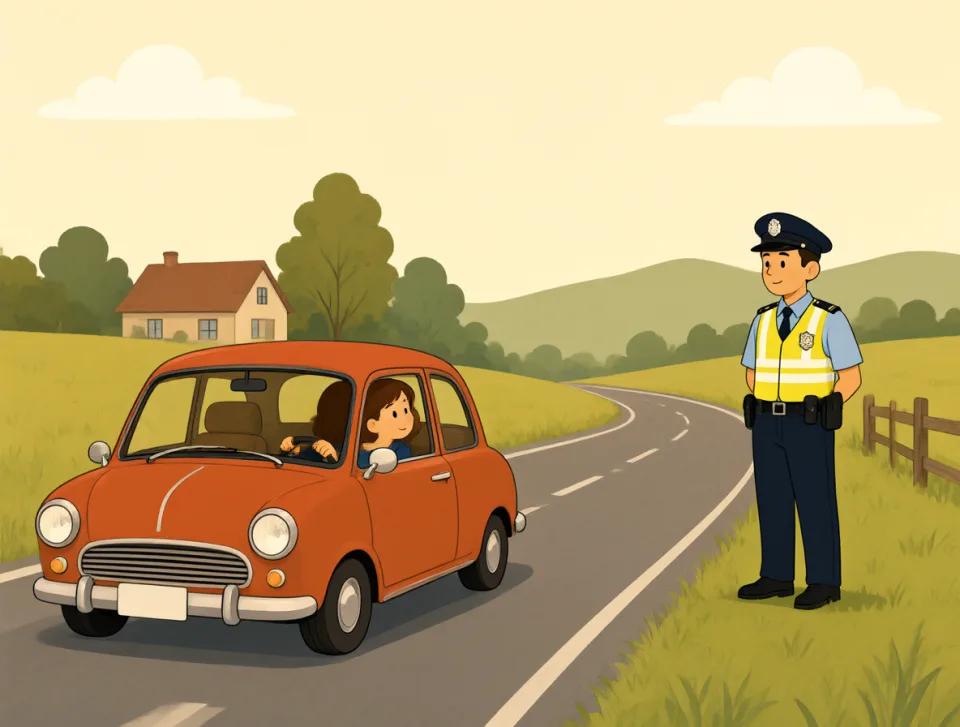
She started school a month ago.
彼女は1か月前に学校に入学しました。

I ate breakfast an hour ago.
私は1時間前に朝食を食べました。
per
#373preposition
〜につき; 〜あたり
For each person or unit; used to show a rate, amount, or relationship.
人や単位ごとに、割合や量、関係を示すために使う。
The speed limit is fifty miles per hour.
制限速度は時速50マイルです。

We pay ten dollars per person.
1人につき10ドル支払います。
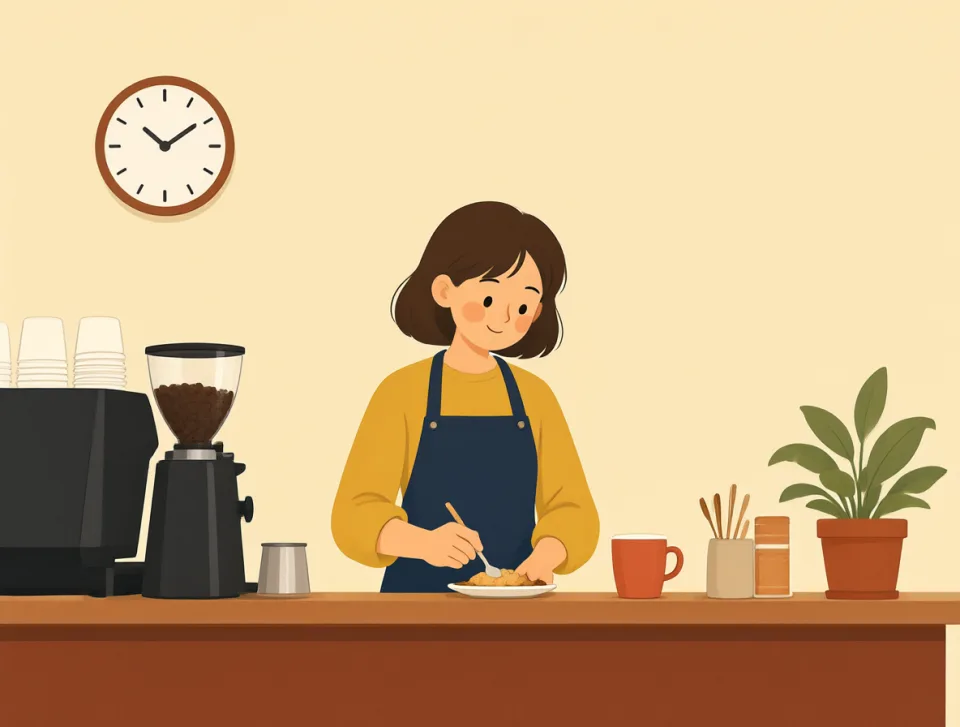
She earns twenty dollars per hour.
彼女は1時間につき20ドル稼ぎます。
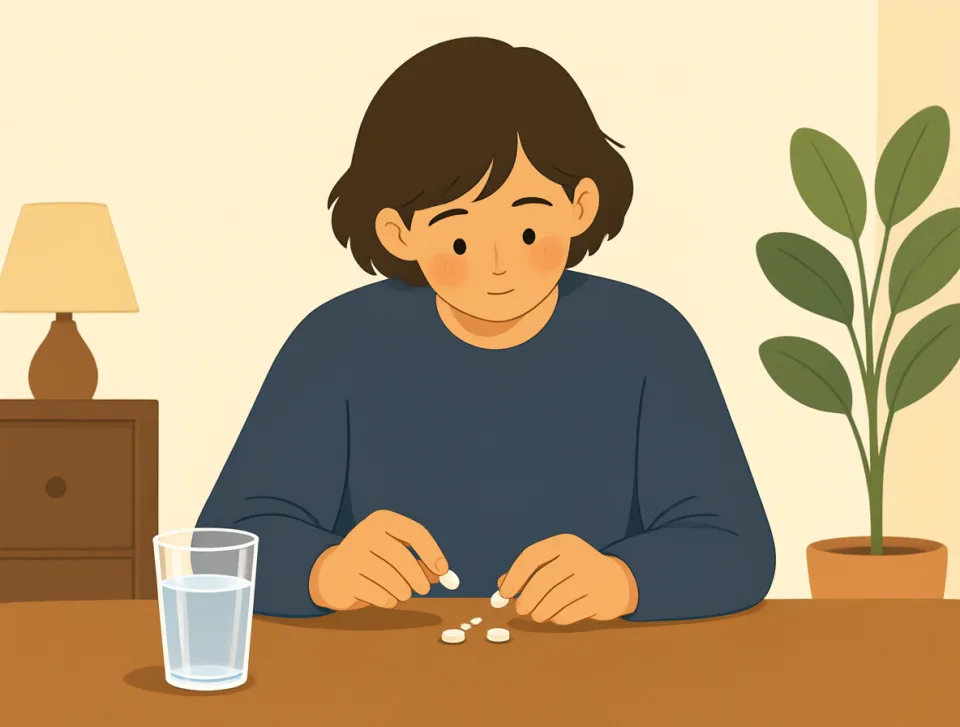
Take two tablets per day with water.
水と一緒に、1日2錠飲んでください。
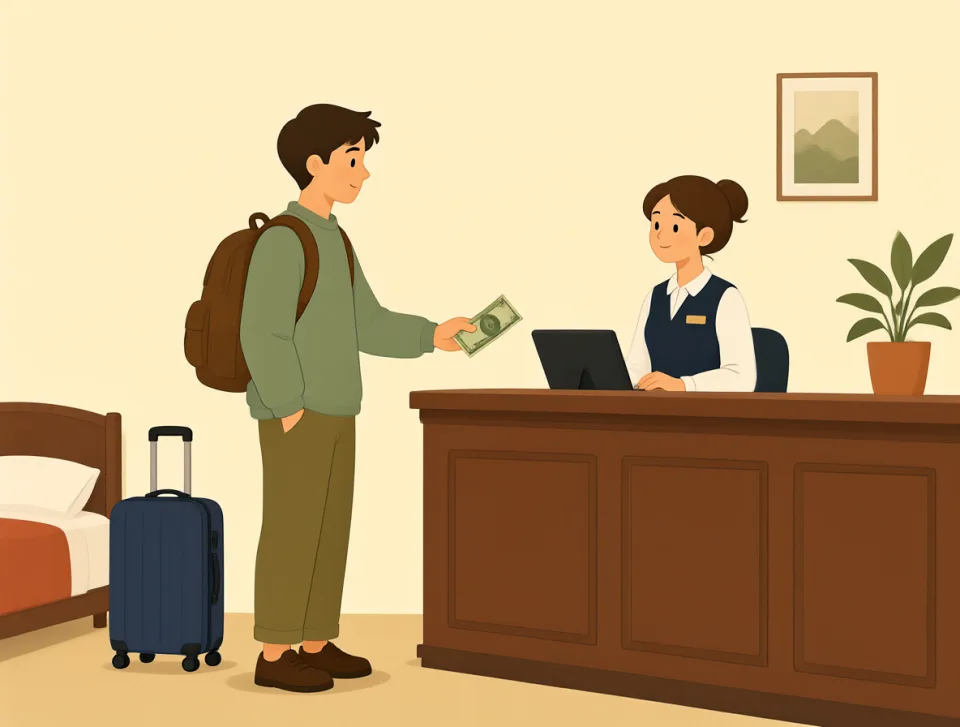
The hotel costs seventy euros per night.
そのホテルは1泊70ユーロです。
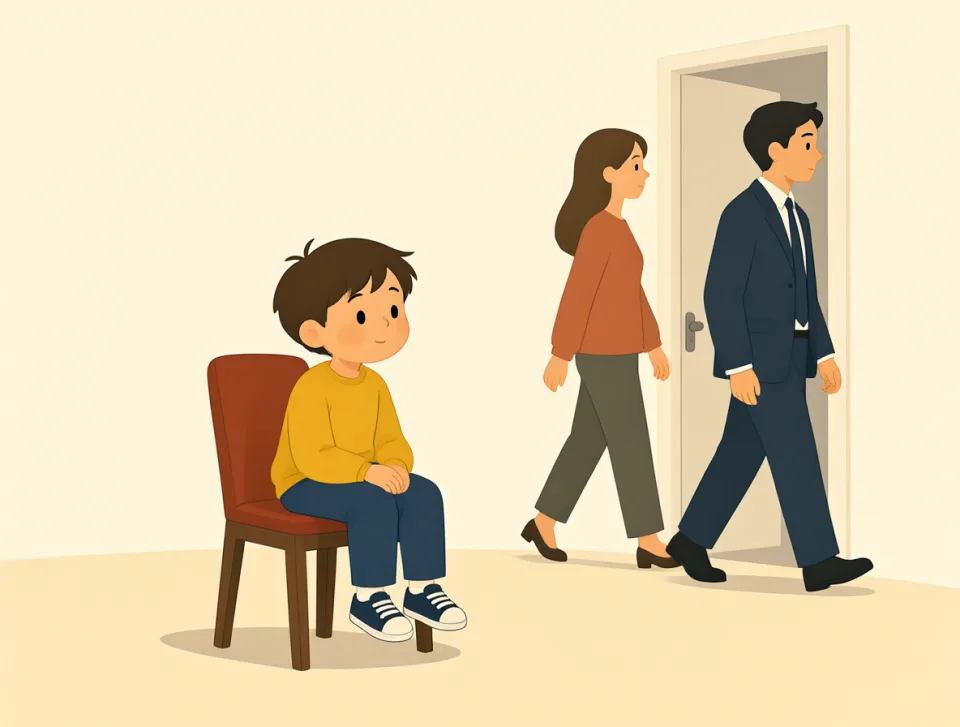
remain
#374verb
残る; とどまる; 続く
to stay in the same place or continue to exist
同じ場所にとどまる、または存在し続ける
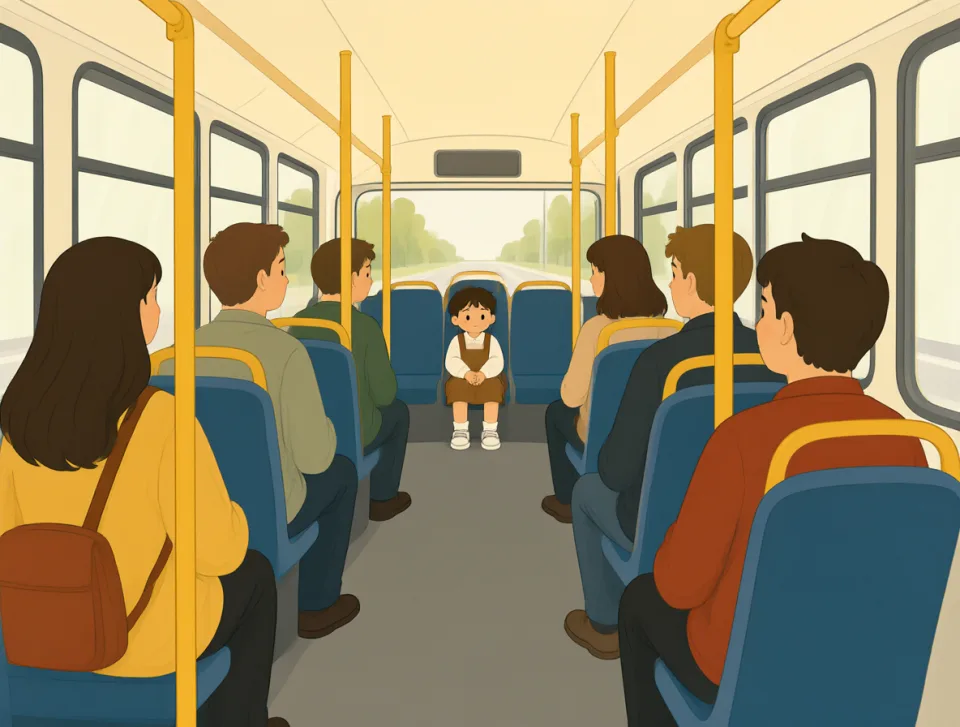
Please remain seated until the bus stops.
バスが停車するまで、座ったままでいてください。
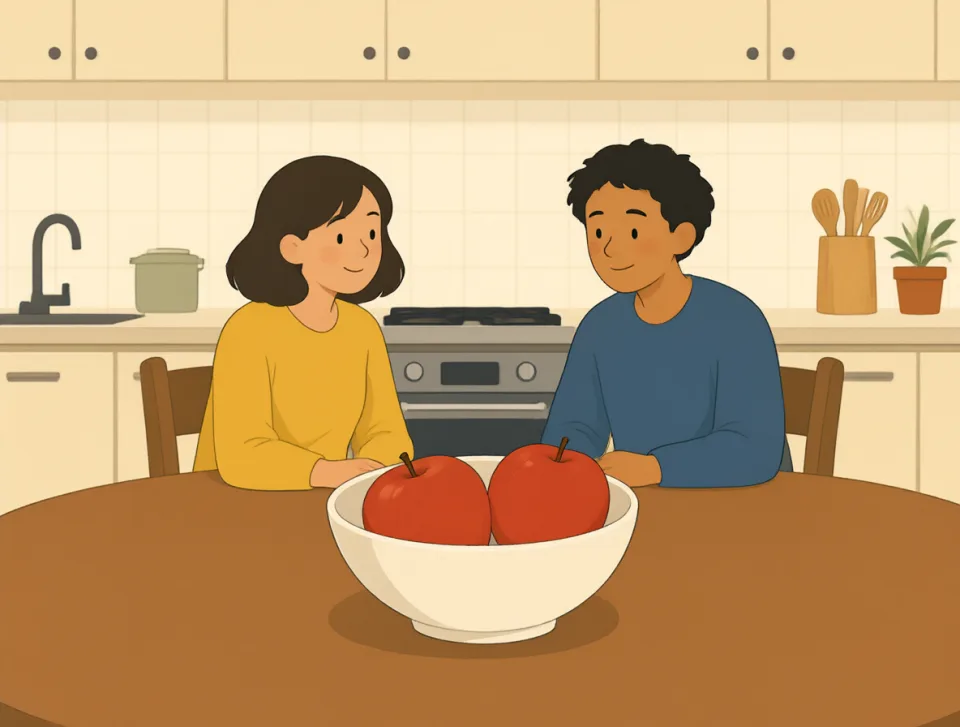
Only two apples remain in the bowl.
ボウルにはリンゴが2個しか残っていません。

She remained calm during the test.
彼女はテスト中も冷静なままでした。

Some guests remained after the party.
パーティーの後も、何人かの客が残りました。
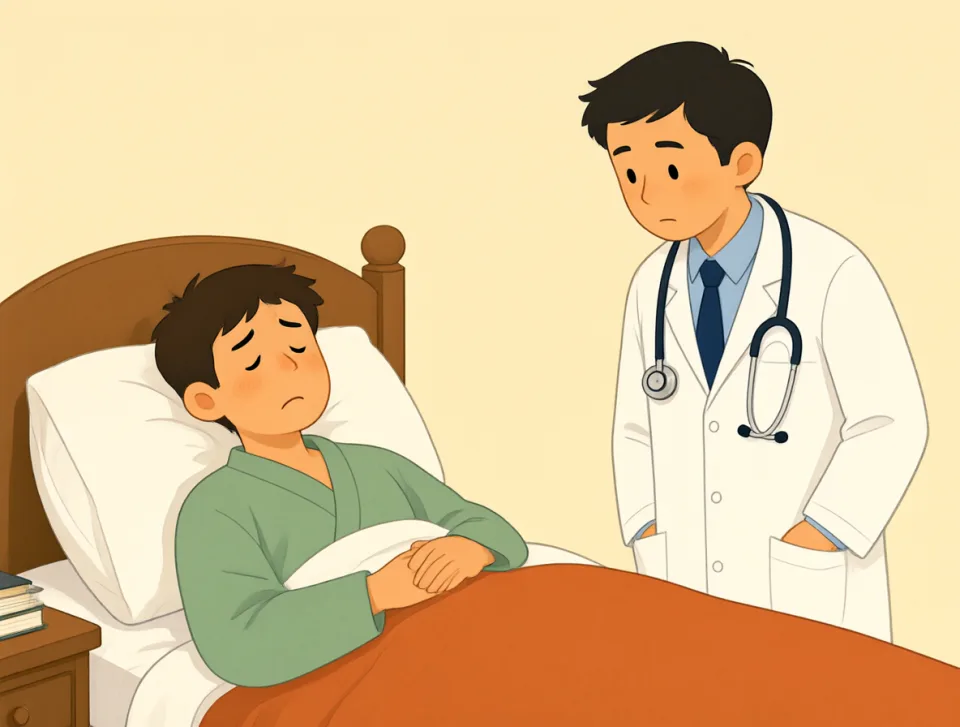
The doctor said he should remain in bed.
医師は、彼はベッドで安静にしているべきだと言いました。

top
#375noun, verb, adjective, adverb, preposition
上; 頂上; 最上部; 最高位
The highest part of something, or the best or most important part.
何かの最も高い部分、または最も優れている部分や最も重要な部分。
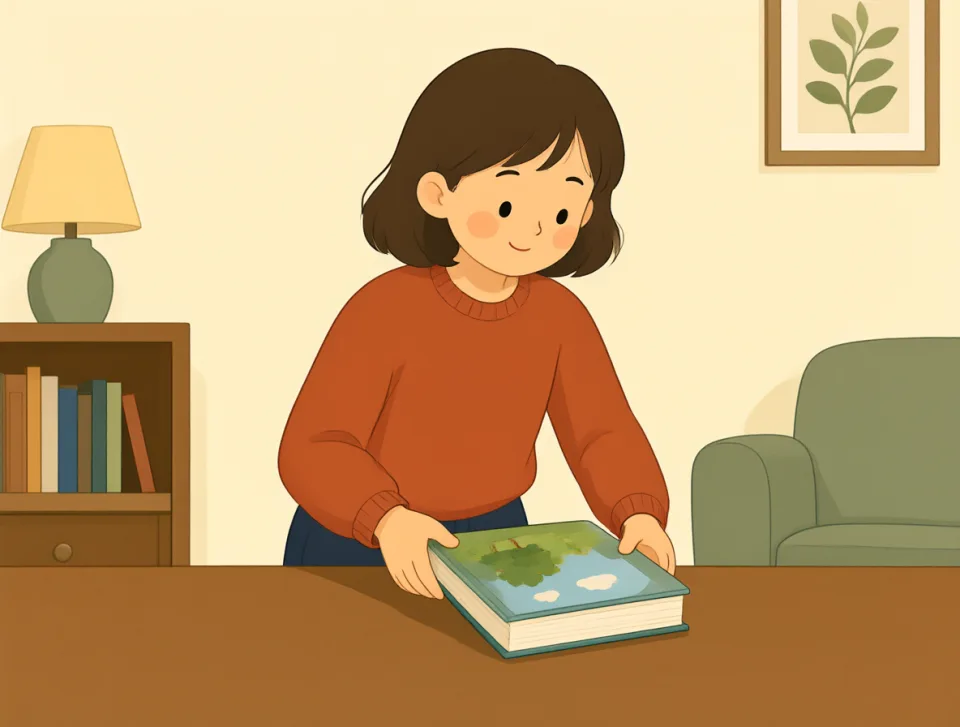
Put the book on top of the table.
本をテーブルの上に置いてください。
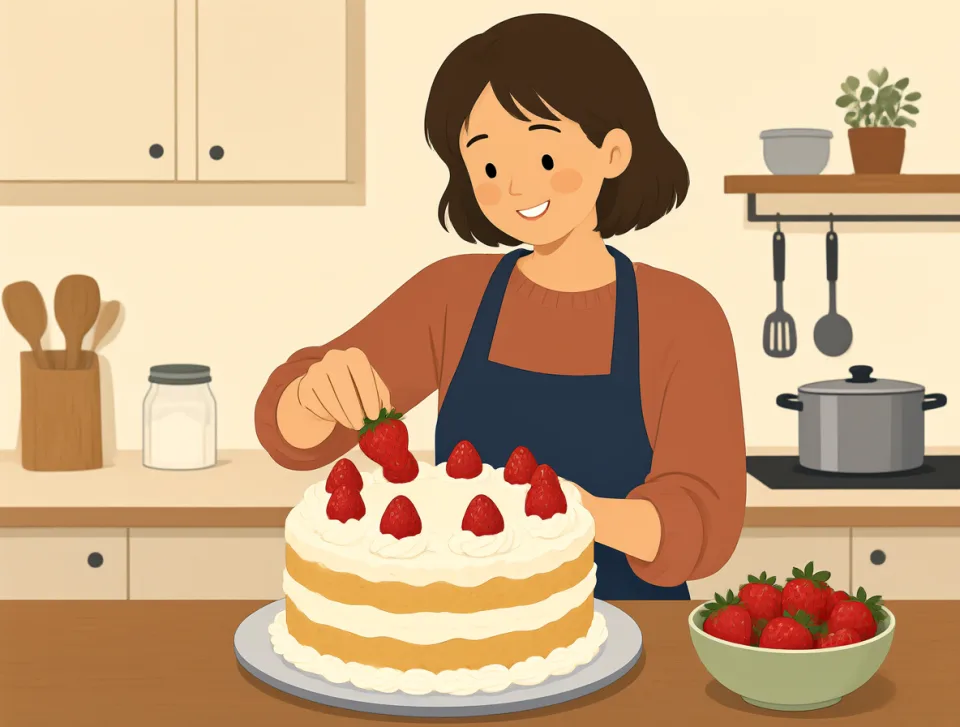
She topped the cake with fresh strawberries.
彼女はケーキの上に新鮮なイチゴを飾った。
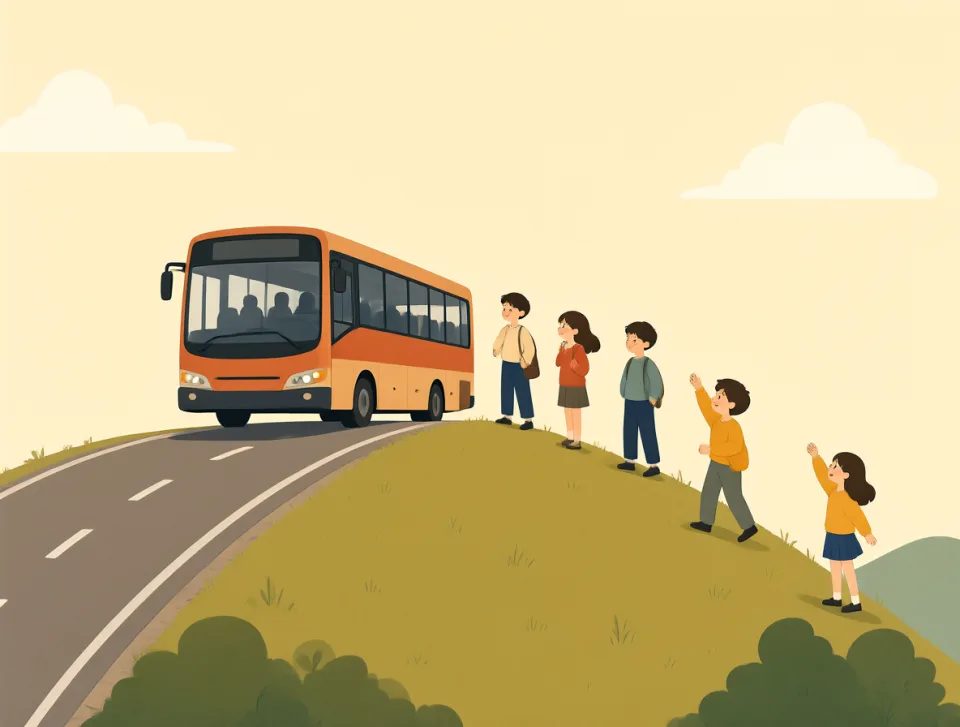
The bus stopped at the top of the hill.
そのバスは丘の頂上で止まった。

He wore a warm hat on top of his head.
彼は頭に暖かい帽子をかぶっていた。

Our team finished at the top of the league.
私たちのチームはリーグ首位でシーズンを終えた。

among
#376preposition
〜の間に; 〜の中に; 〜の中で
in or surrounded by a group of people or things
人や物の集まりの中に、またはその集まりに囲まれて
She found her keys among the books.
彼女は本の間から鍵を見つけた。

He was among the first people to arrive.
彼は最初に到着した人たちの中にいた。
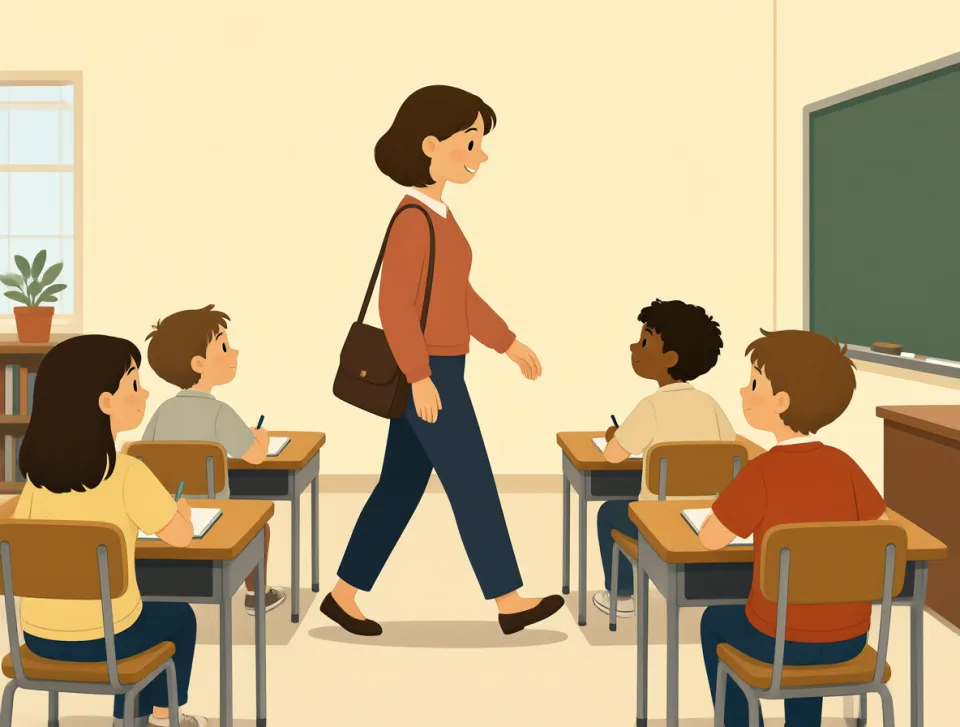
The teacher walked among the students.
先生は生徒たちの間を歩いた。
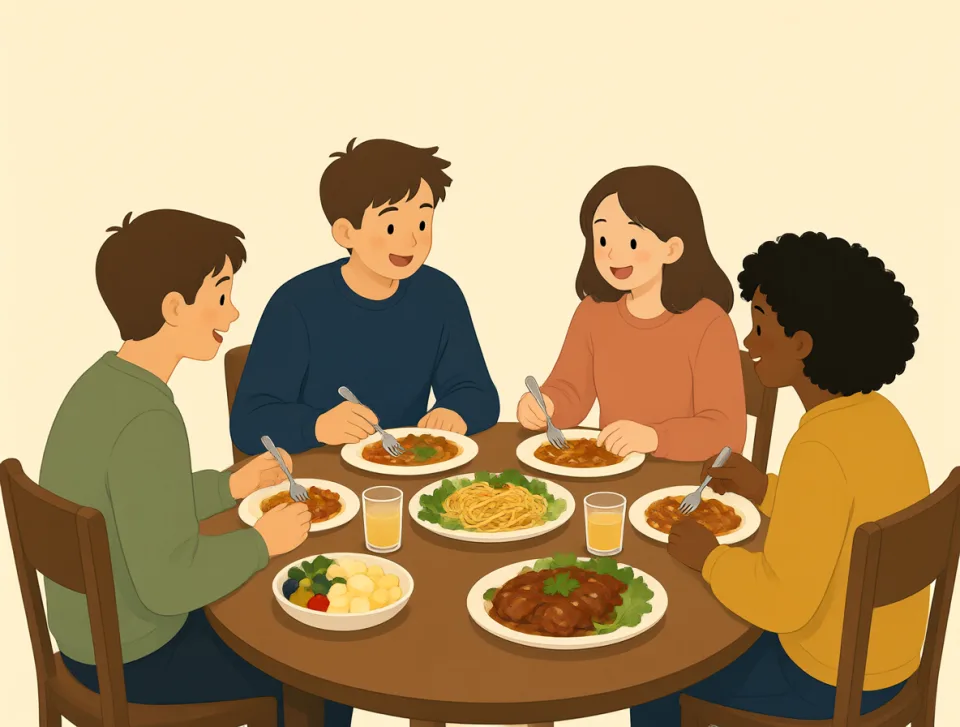
We shared the food among four friends.
私たちは4人の友人で食べ物を分け合った。
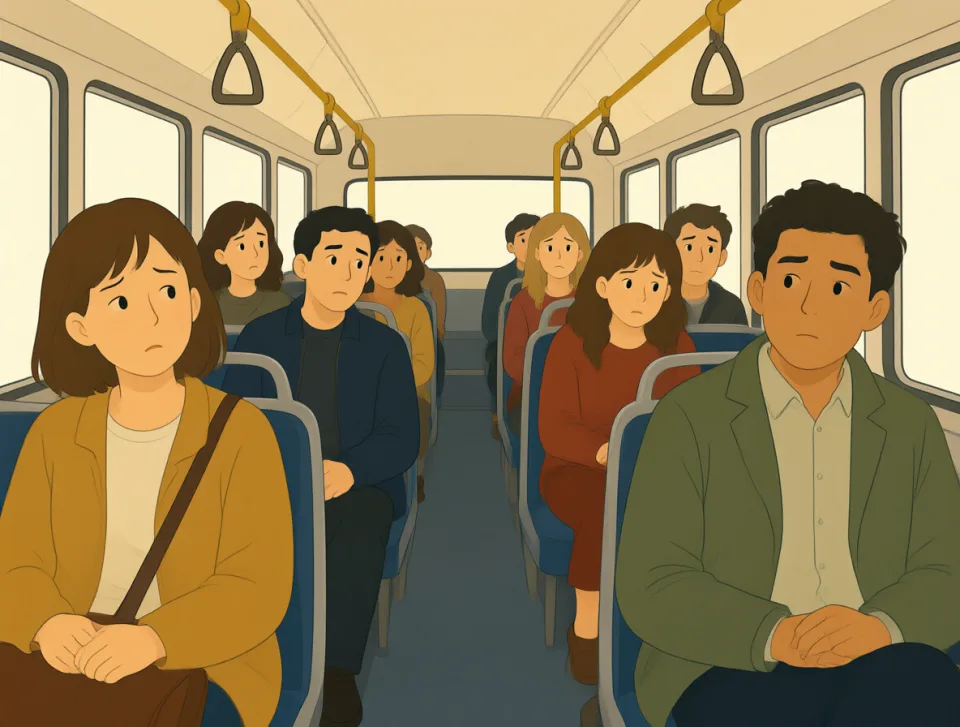
There was worry among the passengers.
乗客たちの間には不安が広がっていた。

win
#377verb, noun
勝つ; 優勝する; 当選する
To succeed in a competition or receive a prize.
競争に勝つ、または賞を受け取ること。
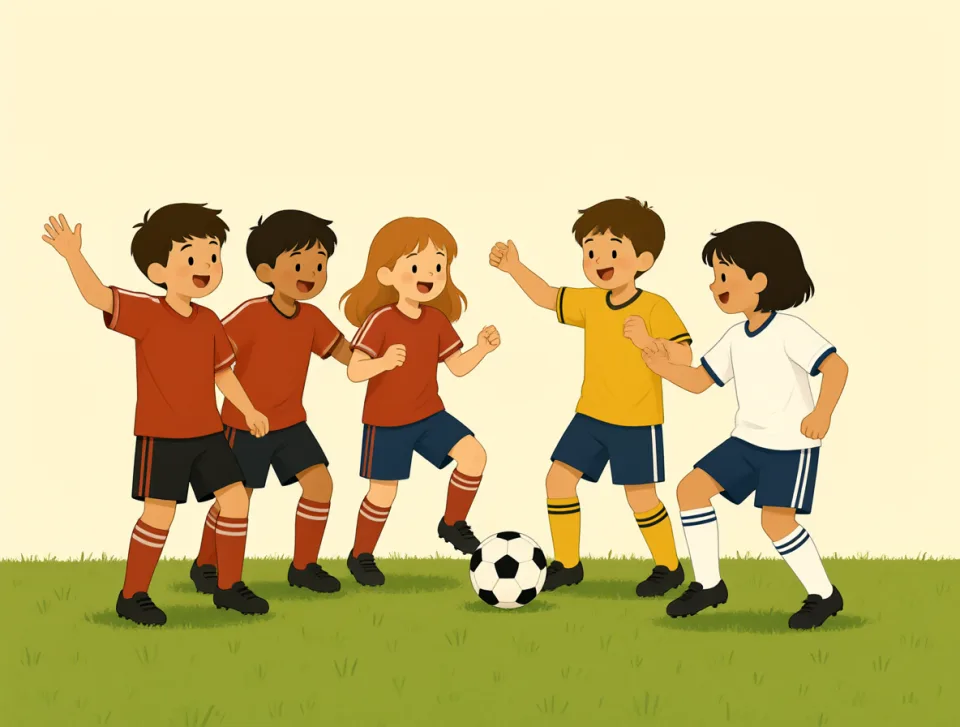
Our team won the game yesterday.
私たちのチームは昨日、試合に勝った。

She won first prize at the school fair.
彼女は学校祭で一等賞を取った。

I hope to win the race today.
今日、レースに勝てるといいな。
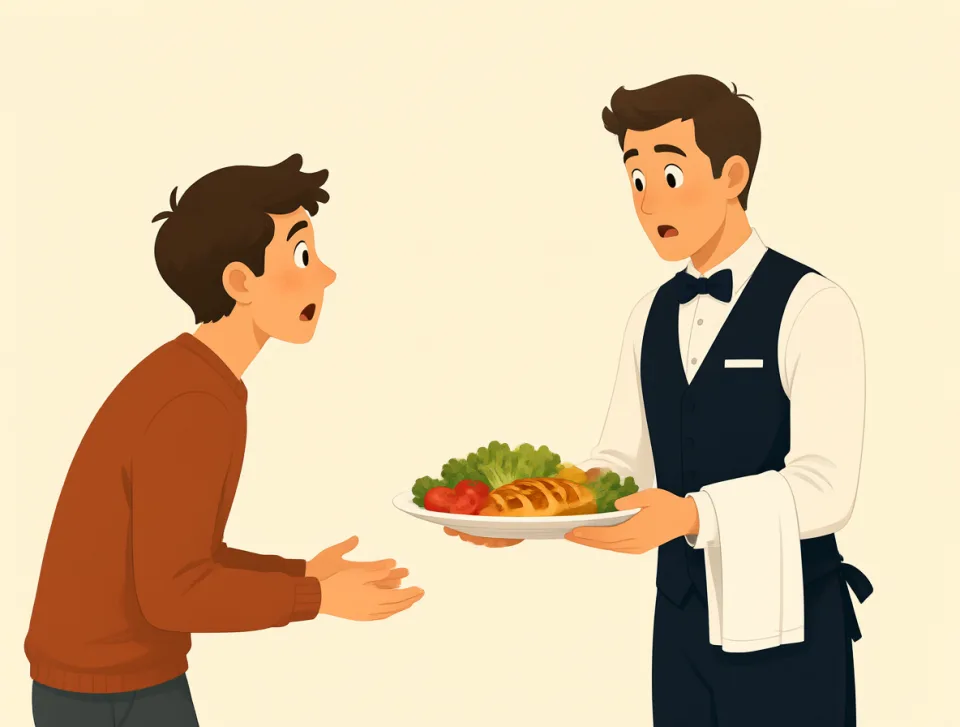
He won a free meal at the restaurant.
彼はそのレストランで無料の食事を当てた。

It was a big win for our team.
それは私たちのチームにとって大きな勝利だった。
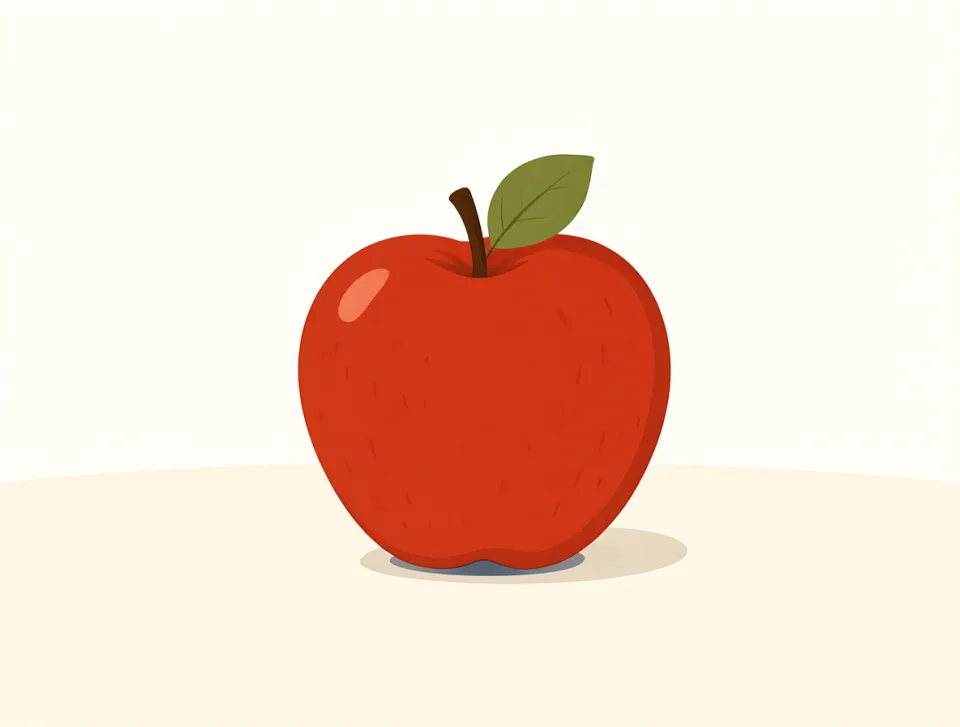
color
#378noun, verb
色; 色合い; 色を塗る; 染める
The appearance of something caused by the way it reflects light.
光の反射の仕方によって生じる、物の見た目の色。
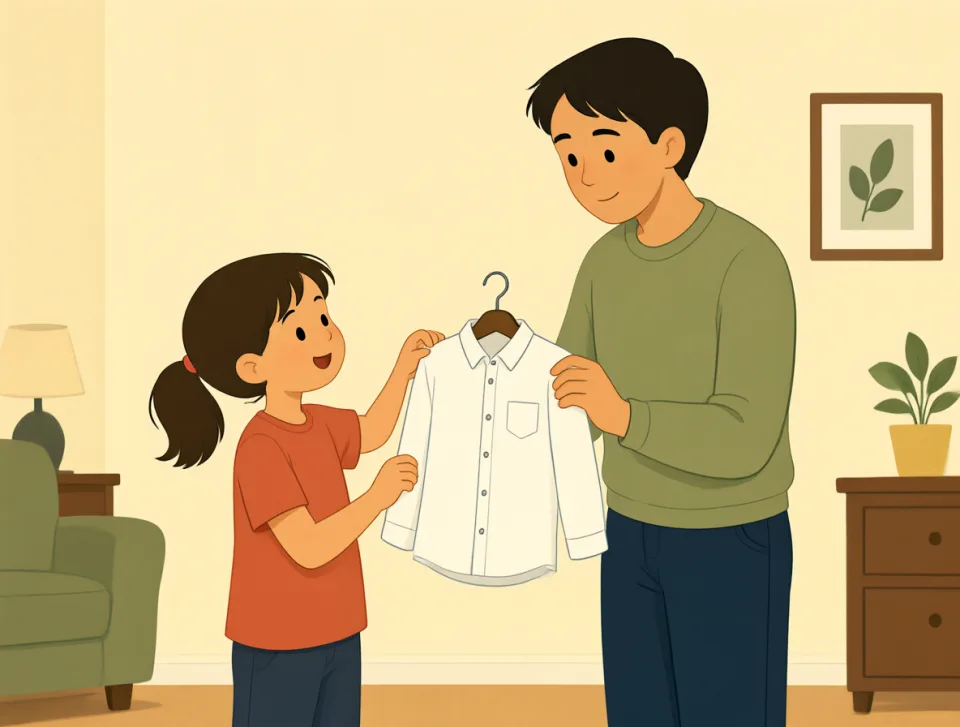
What color is your new shirt?
新しいシャツは何色?
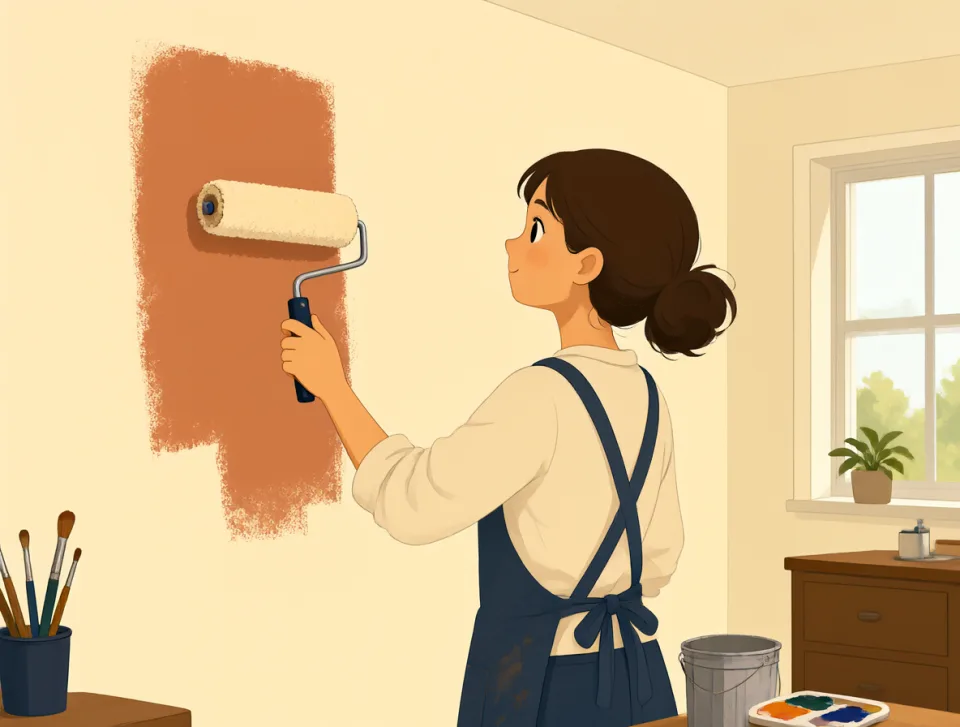
She painted the wall a light color.
彼女は壁を薄い色に塗った。

The artist mixed colors on her palette.
その芸術家はパレットの上で色を混ぜた。
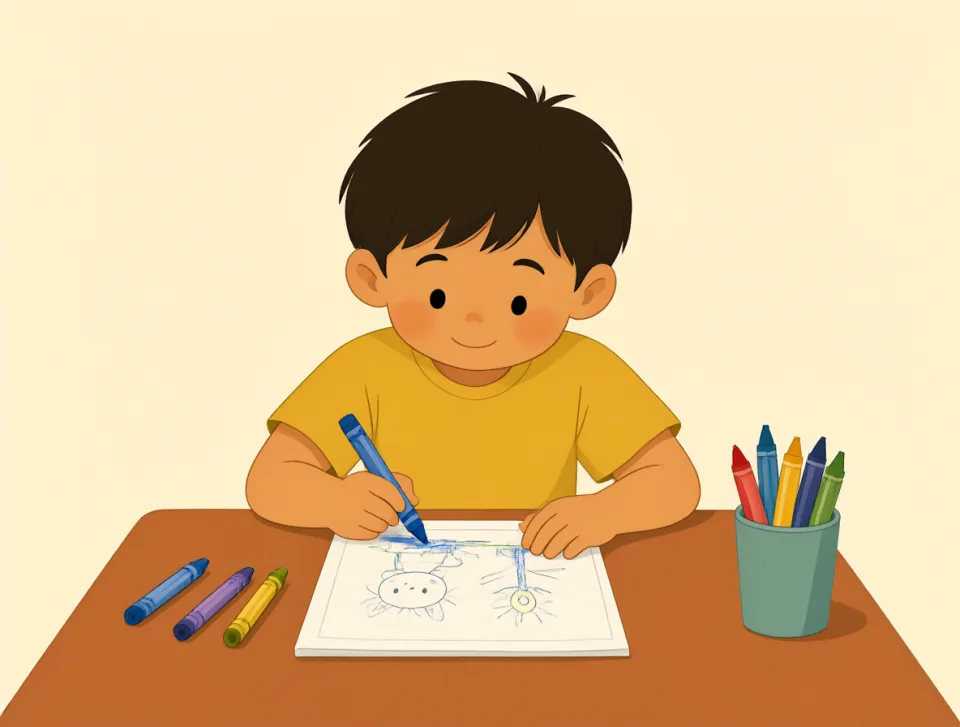
Please color the picture with blue crayons.
青いクレヨンで絵に色を塗ってください。
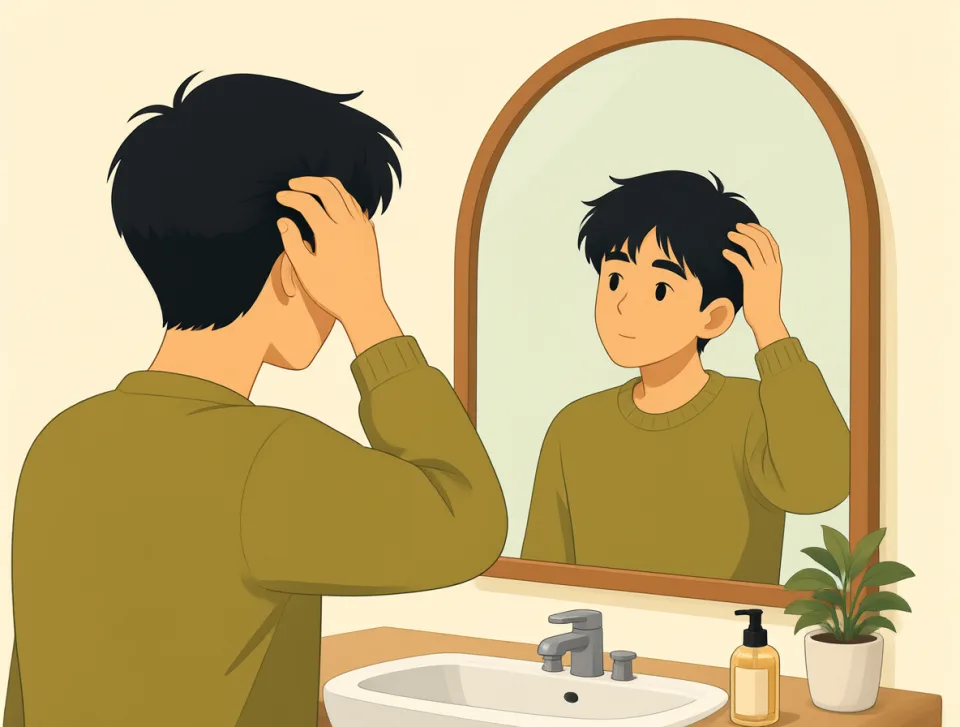
He colored his hair black last week.
彼は先週、髪を黒く染めた。
involve
#379verb
含む; 関わる
to include someone or something in an activity or situation
活動や状況に誰かや何かを含めること
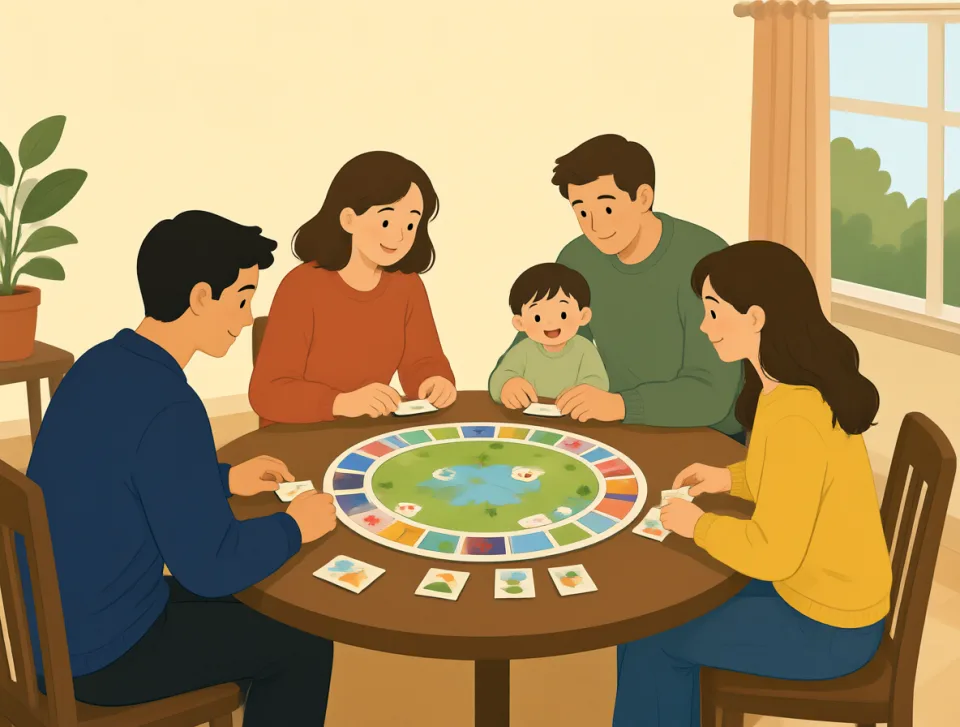
The game involves everyone in the family.
そのゲームには家族全員が参加します。

The job involves helping customers every day.
その仕事には毎日お客様を手助けすることが含まれます。

The school trip involved a long bus ride.
その学校旅行では長時間バスに乗りました。
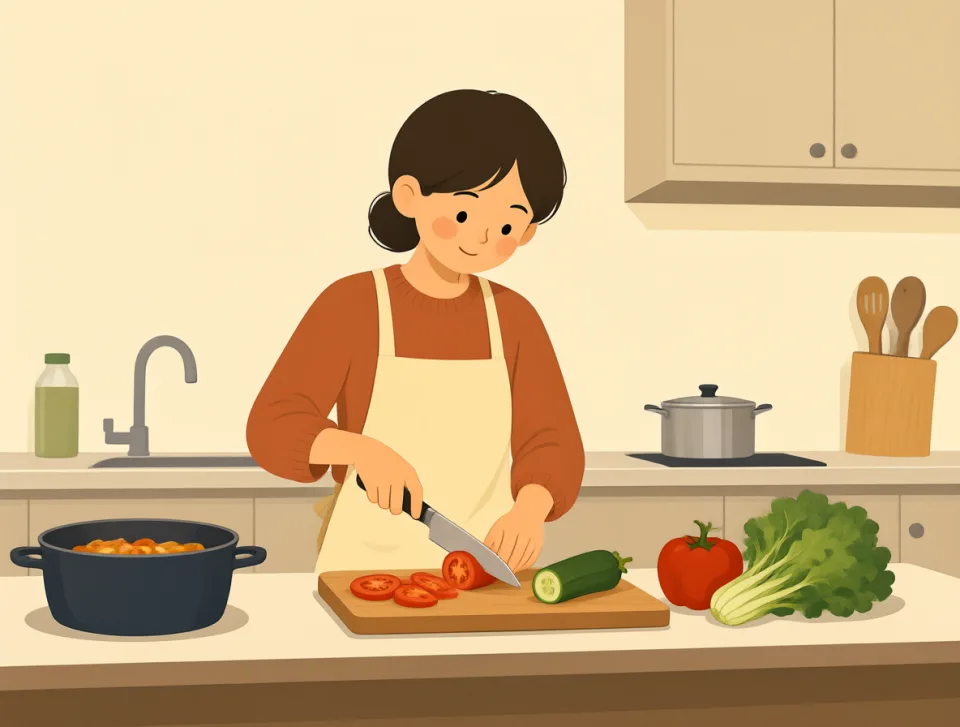
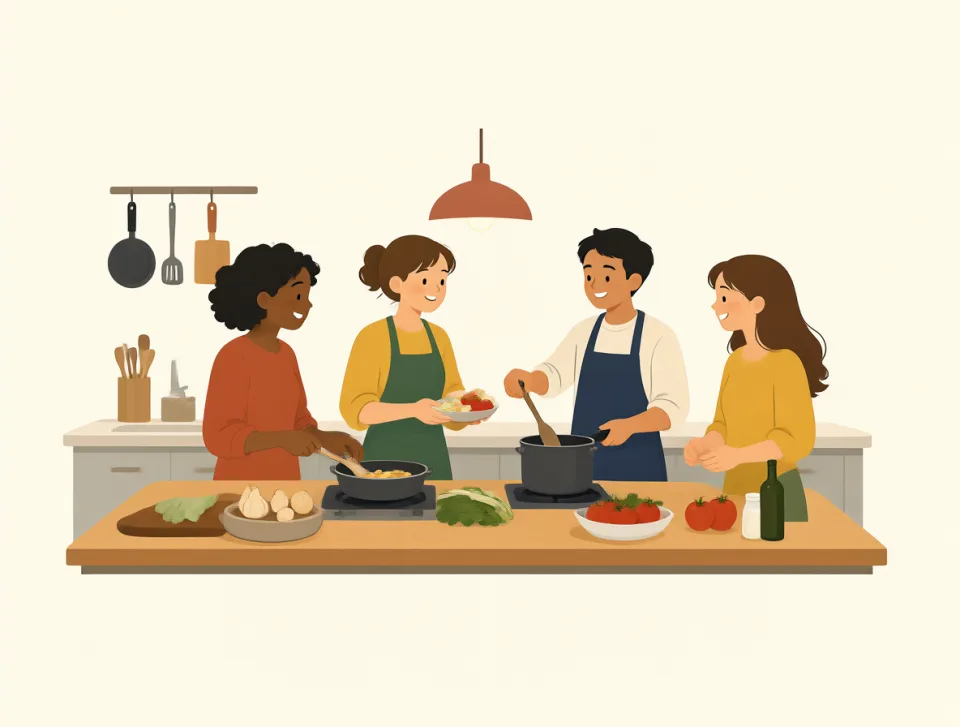
Cooking dinner involves cutting many vegetables.
夕食を作るには、たくさんの野菜を切る必要があります。
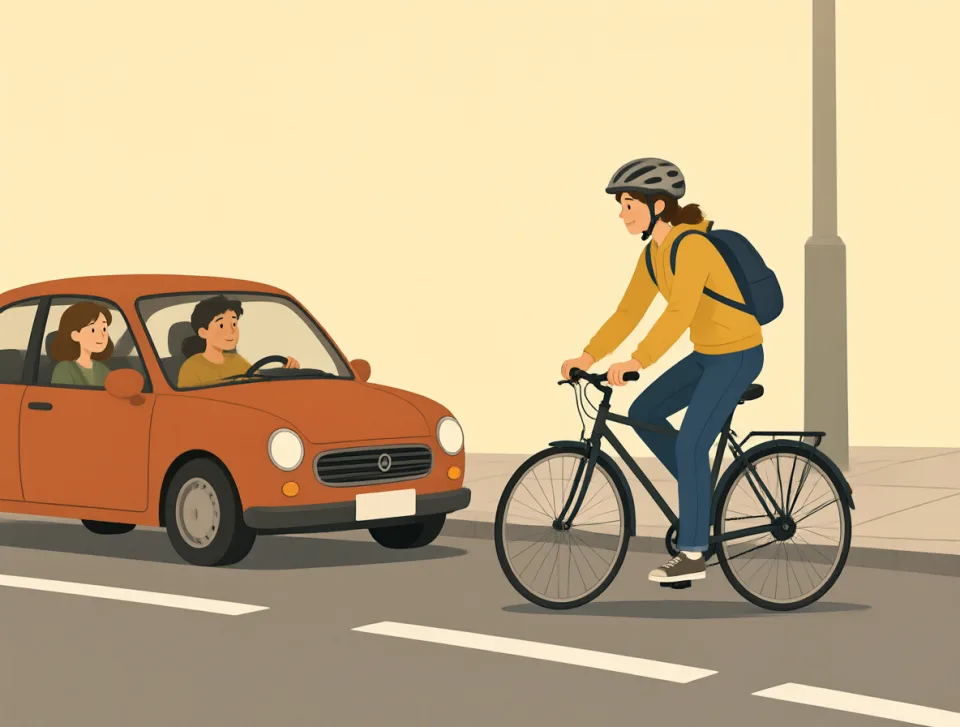
The accident involved two cars and a cyclist.
その事故には2台の車と自転車に乗った人が巻き込まれました。
reach
#380verb, noun
到着する; 手を伸ばす; 届く
to arrive at a place, touch something, or get as far as a goal
場所に到着する、何かに触れる、または目標まで達すること
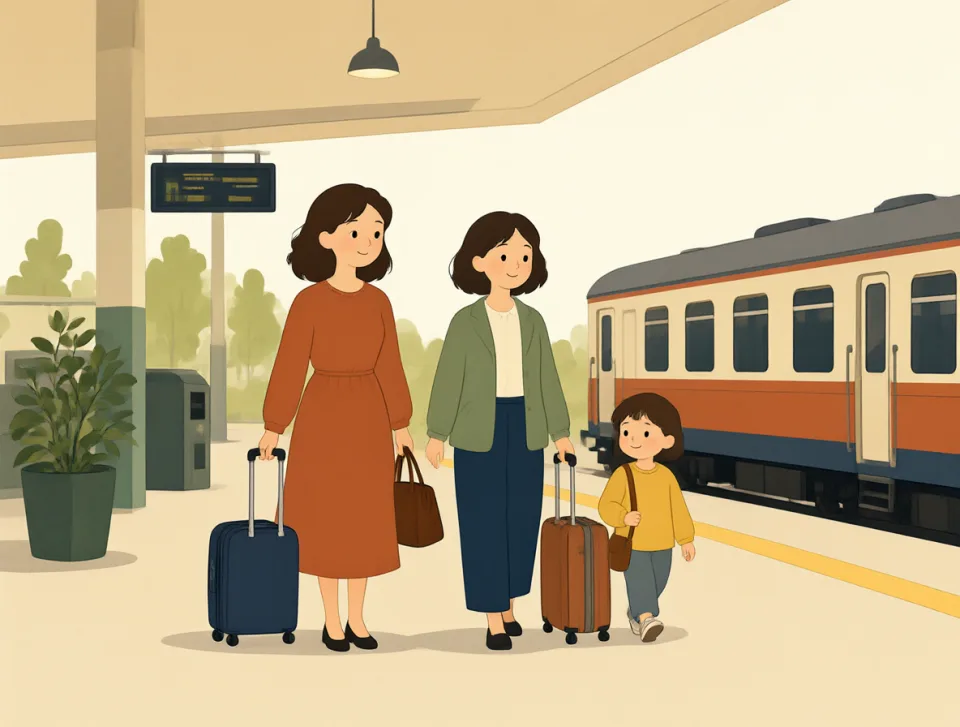
We reached the station just before noon.
私たちは正午少し前に駅に到着しました。
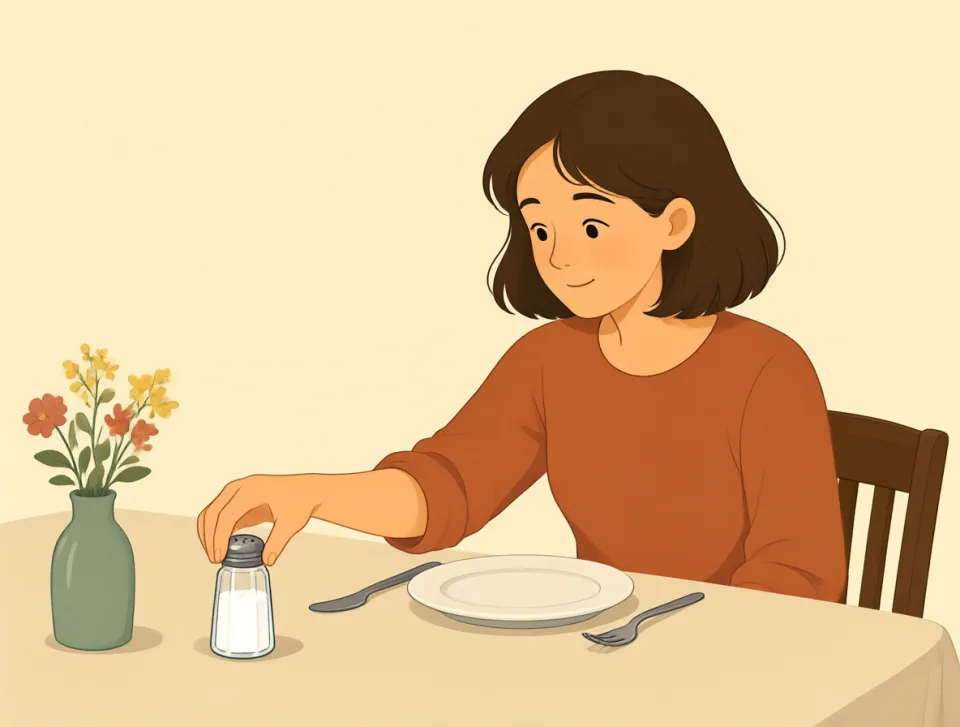
She reached for the salt at dinner.
彼女は夕食のときに塩に手を伸ばしました。
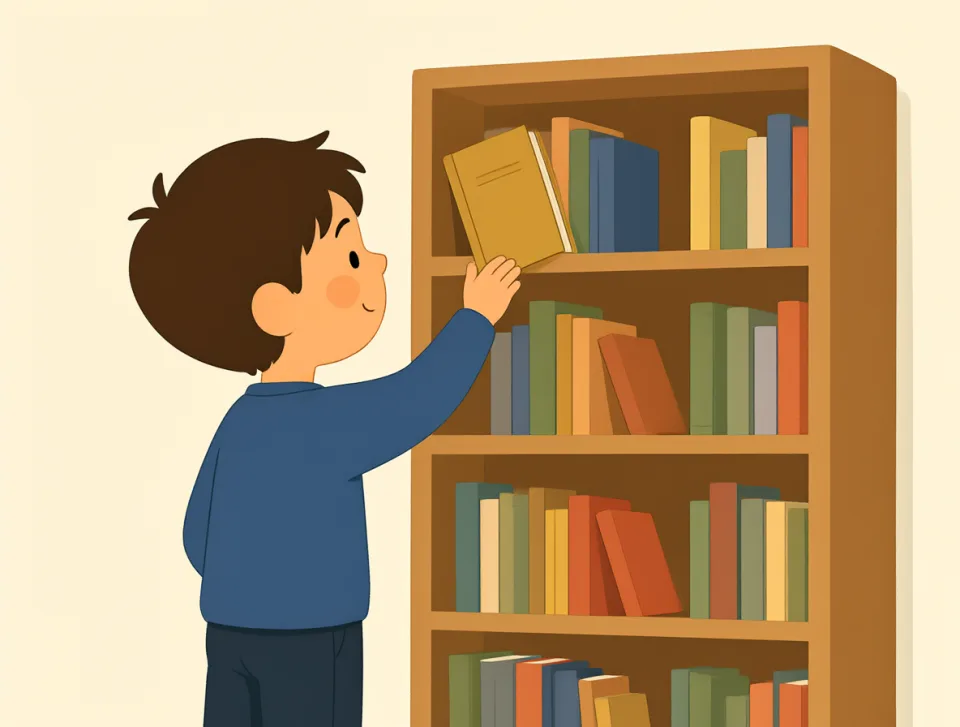
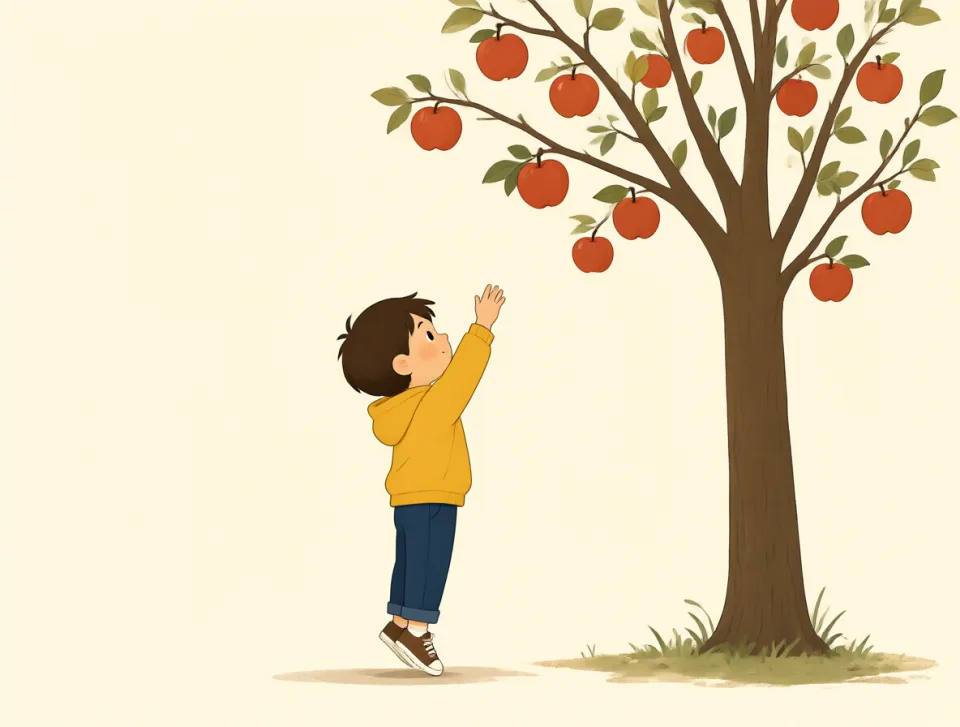
The boy reached the top shelf easily.
その男の子は簡単に一番上の棚に手が届きました。
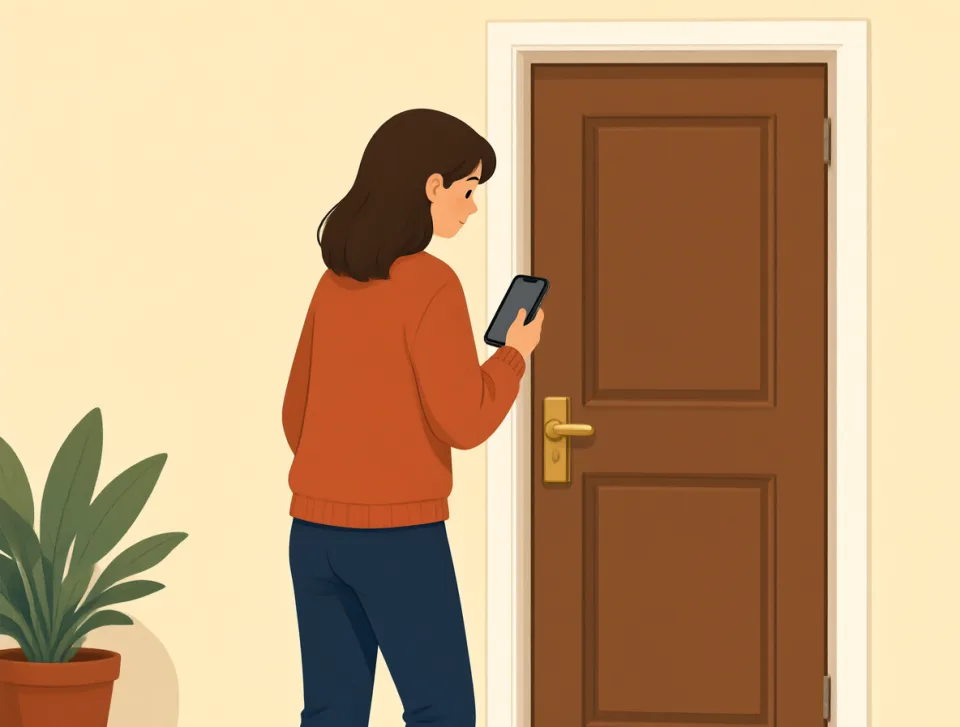
Please call me when you reach home.
家に着いたら電話してください。
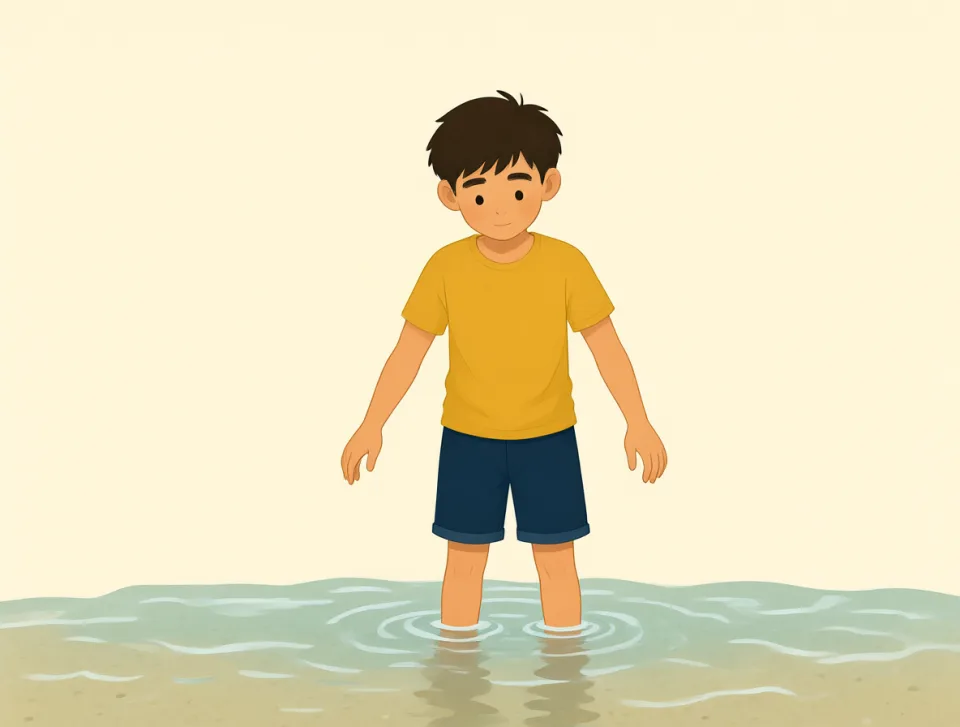
The water reached my knees.
水は私のひざまで達しました。