Блок 19
Слова 361–380 · subject, class, development, town, half, minute

subject
#361noun, verb, adjective
предмет
A person or thing being discussed, studied, or affected by something.
Человек или вещь, о которых говорят, которые изучают или на которые что-то воздействует.

Math was my favorite subject at school.
В школе моим любимым предметом была математика.

The subject of our meeting was money.
Темой нашей встречи были деньги.
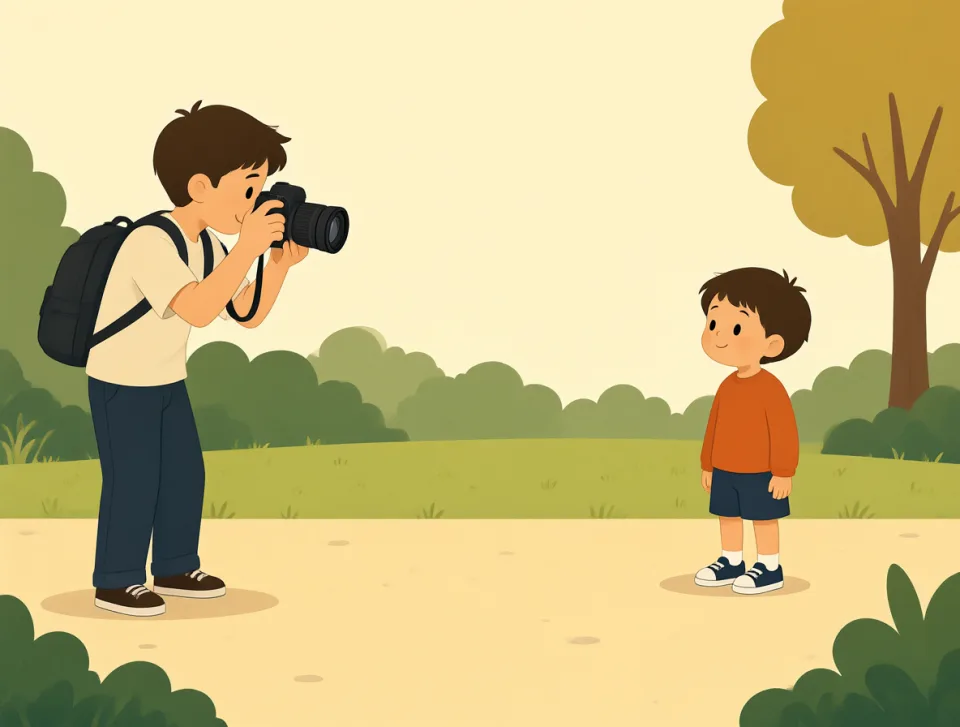
The photographer chose a child as her subject.
Фотограф выбрала ребёнка в качестве модели.

The patient was subject to several tests.
Пациенту пришлось пройти несколько обследований.
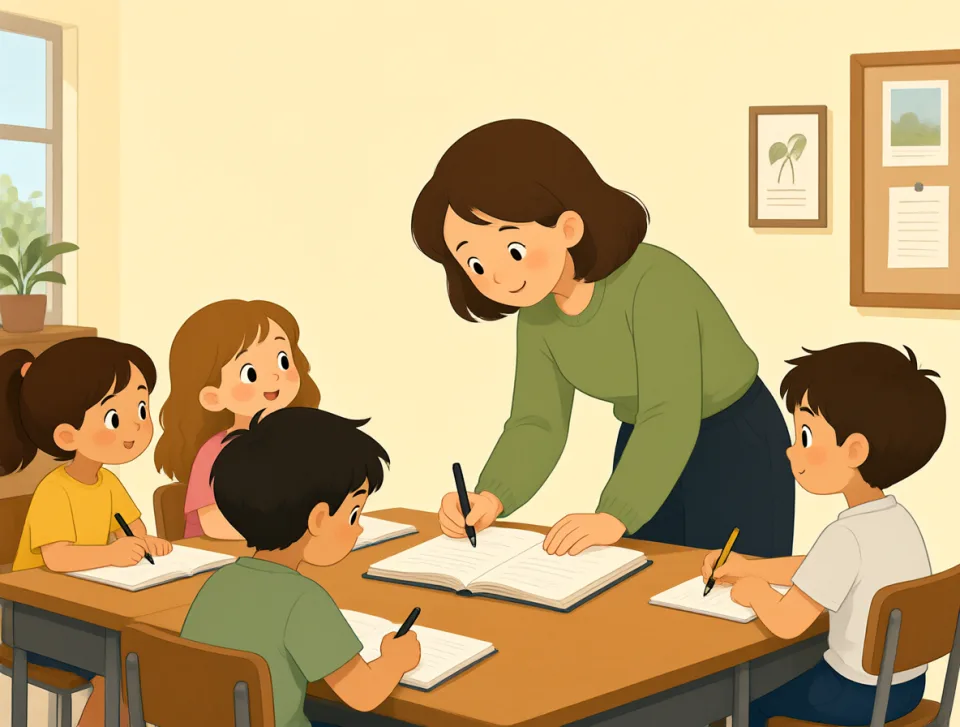
This subject is difficult for many students.
Многим ученикам этот предмет даётся с трудом.
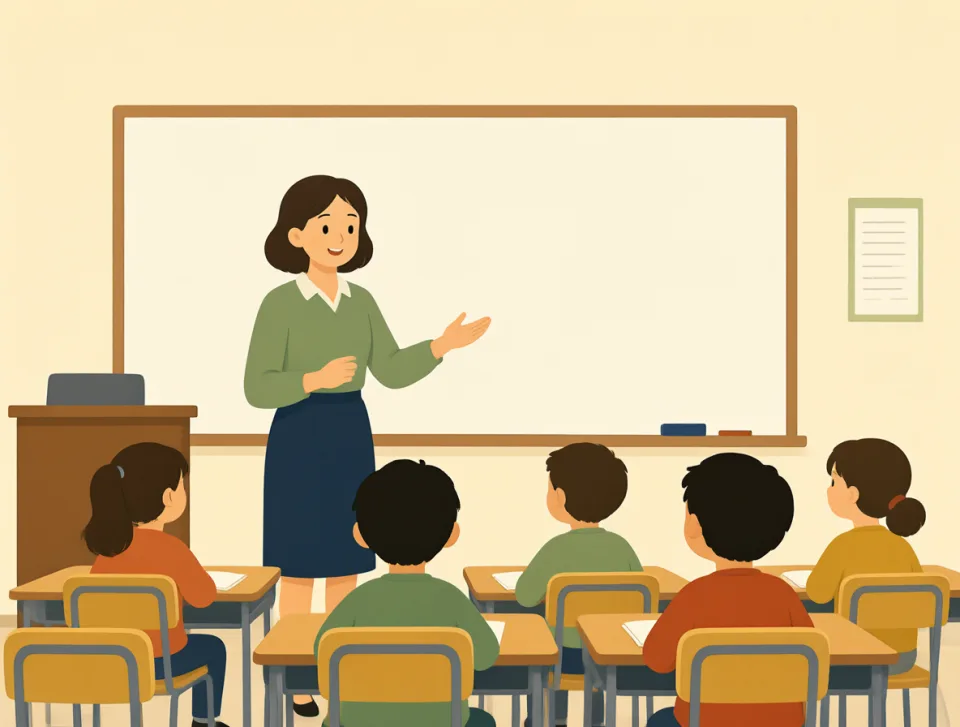
class
#362noun, verb
занятие; класс
A lesson or group of students; to put things into groups by type or quality.
Урок или группа учеников; распределять по группам в зависимости от типа или качества.
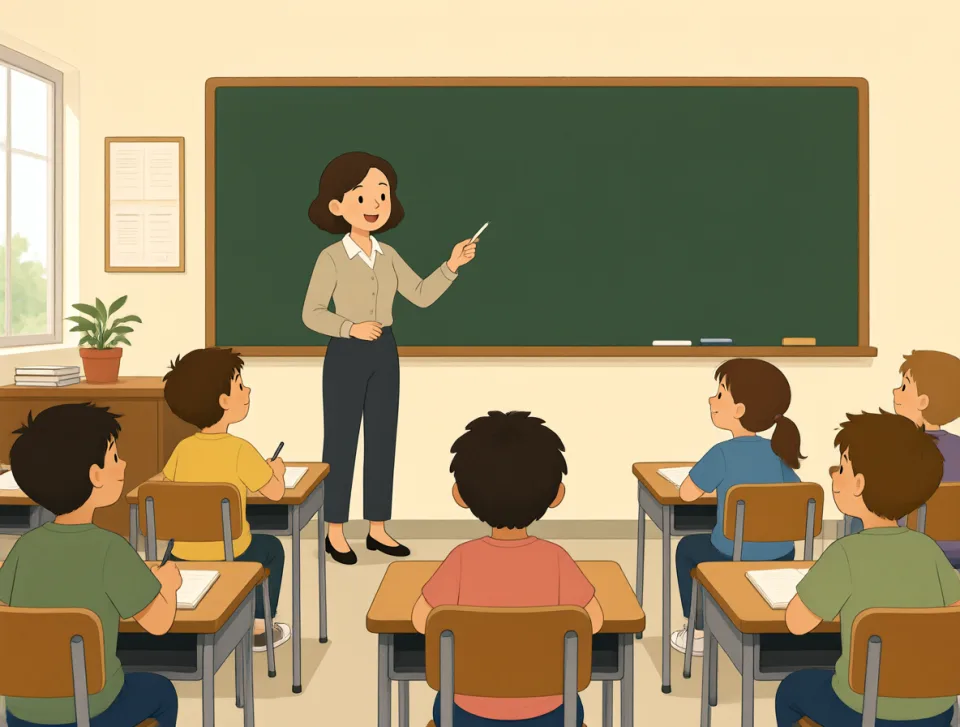
Our English class starts at nine o'clock.
Наш урок английского начинается в девять часов.
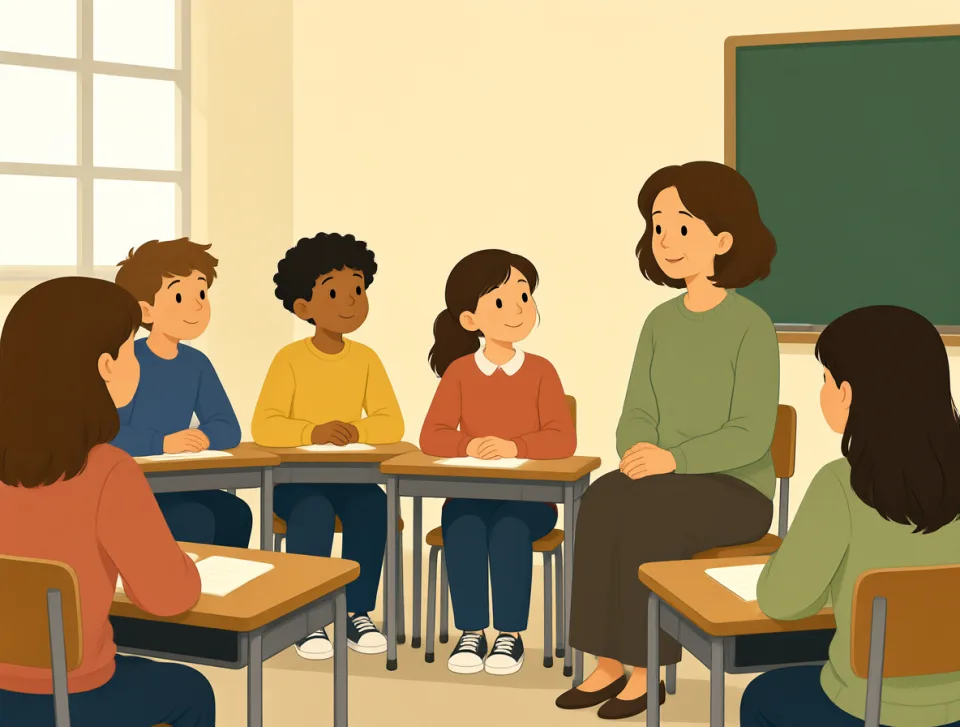
The class listened carefully to the teacher.
Весь класс внимательно слушал учителя.
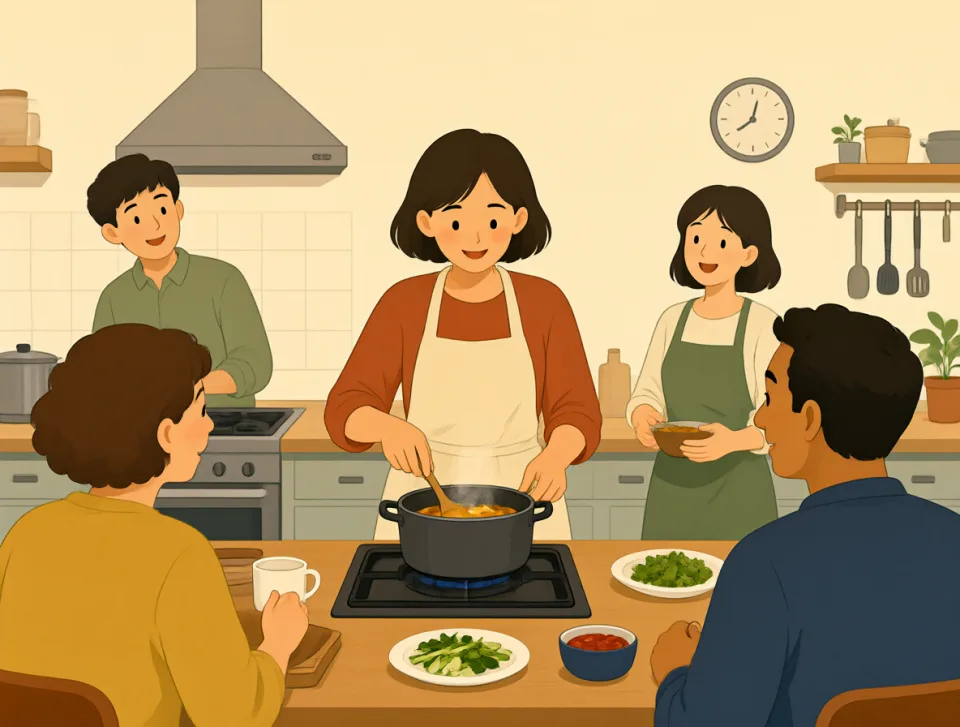
She joined a cooking class after work.
После работы она записалась на кулинарные курсы.
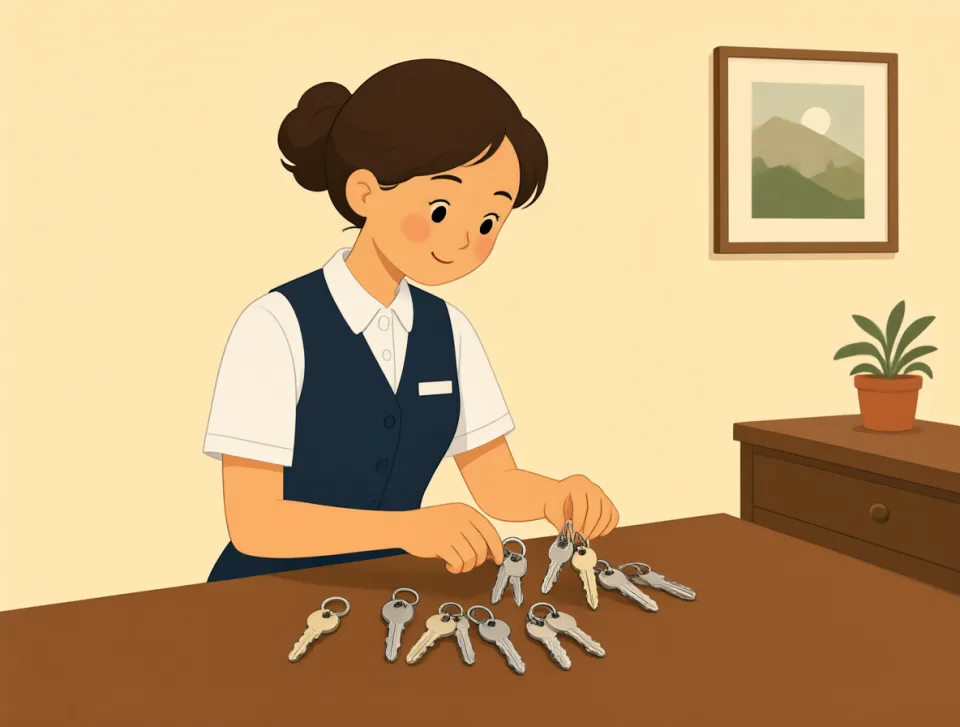
The hotel classed the rooms by size.
В отеле распределили номера по размеру.
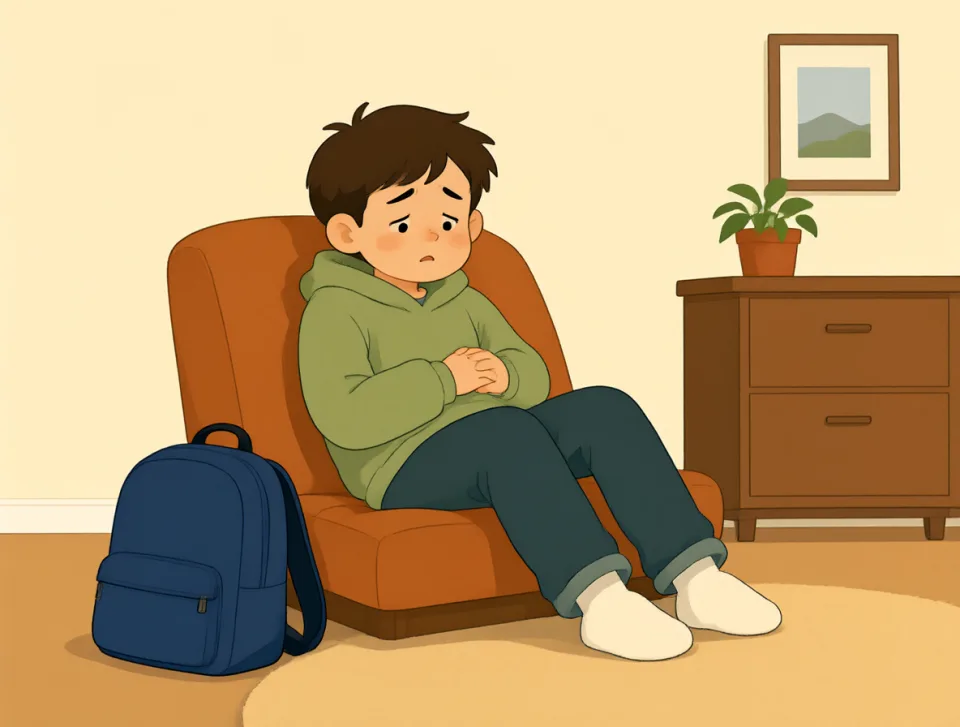
He missed class because he felt sick.
Он пропустил занятие, потому что плохо себя чувствовал.
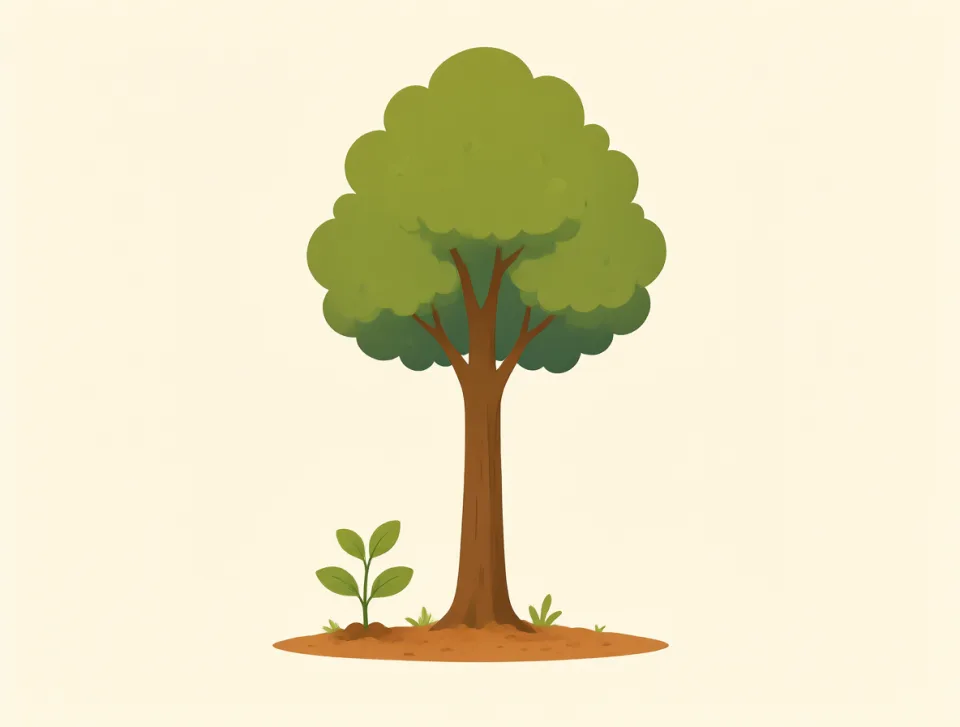
development
#363noun
развитие
The process of growing, changing, or becoming better.
Процесс роста, изменений или улучшения.
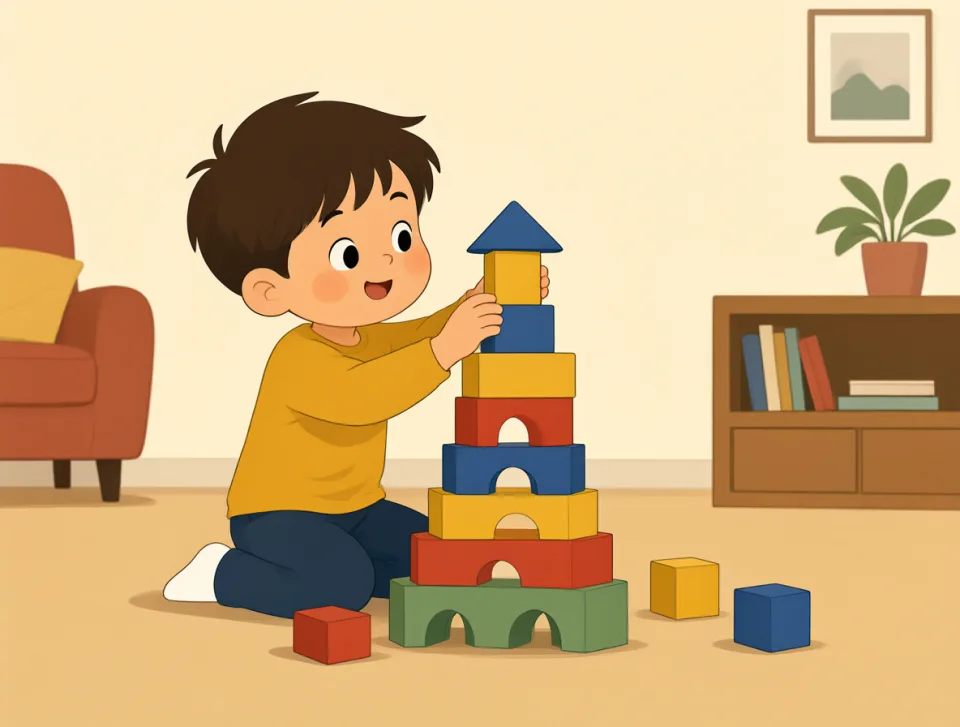
The child’s development is going well.
Ребёнок развивается хорошо.
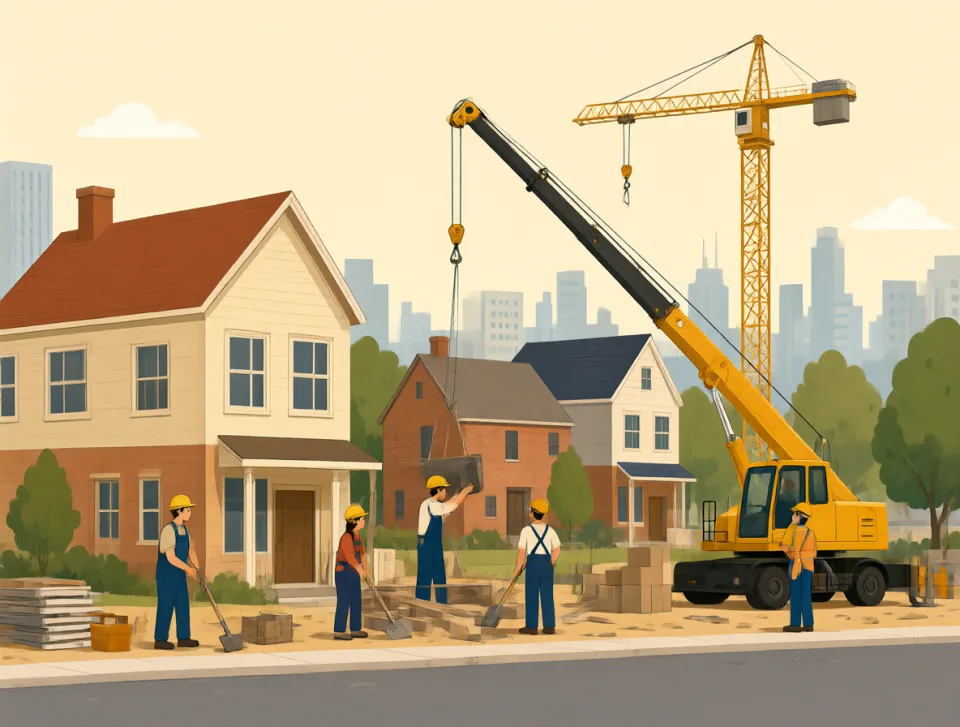
The city plans new housing development.
В городе планируют построить новое жильё.
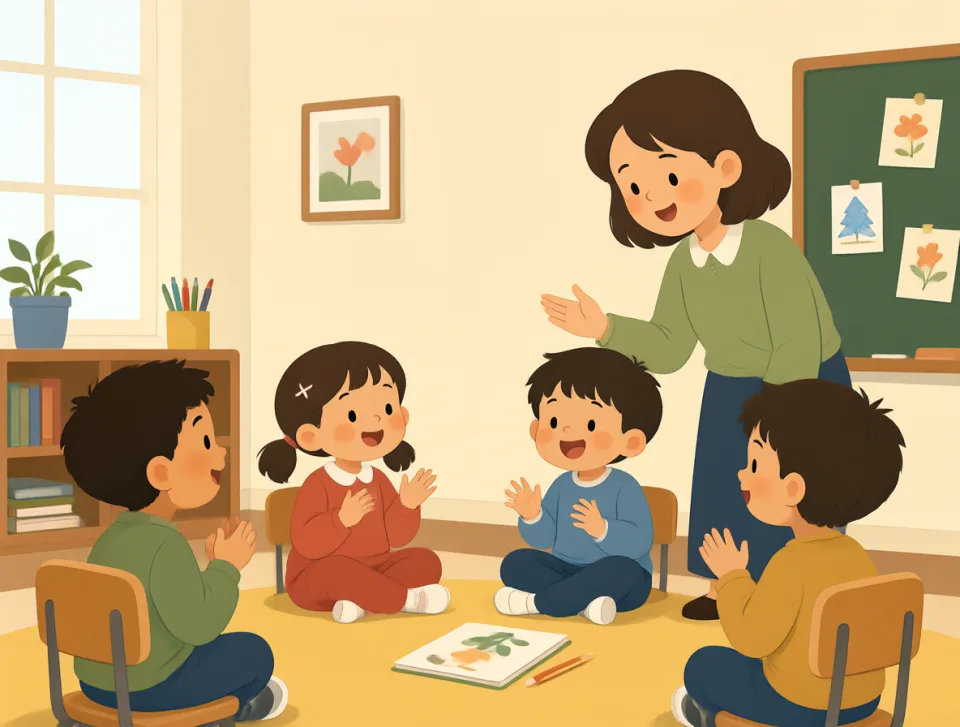
The teacher helps students with language development.
Учитель помогает ученикам развивать языковые навыки.

The doctor checked the baby’s development.
Врач проверил, как развивается малыш.
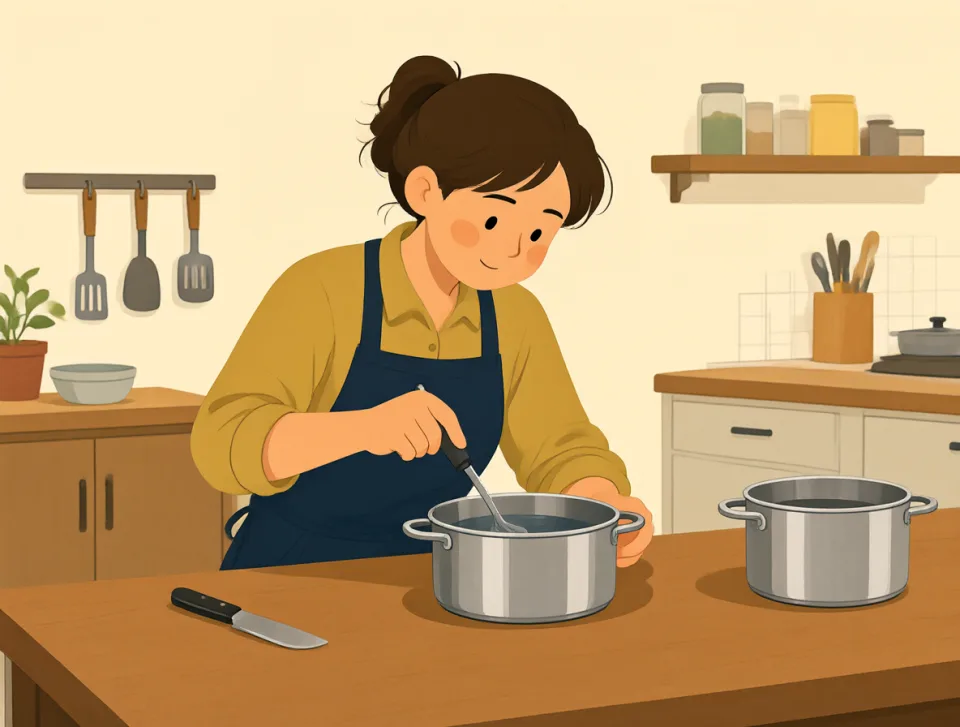
The new product is still in development.
Новый продукт всё ещё находится в разработке.
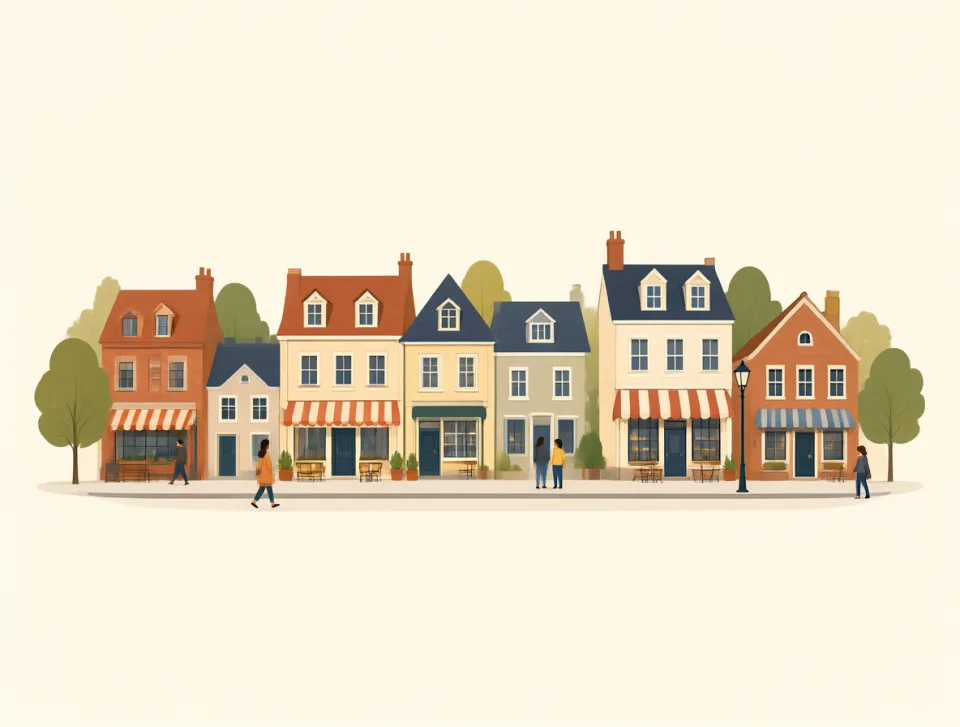
town
#364noun
небольшой город
a place where people live that is smaller than a city
Место, где живут люди, по размеру меньше города.
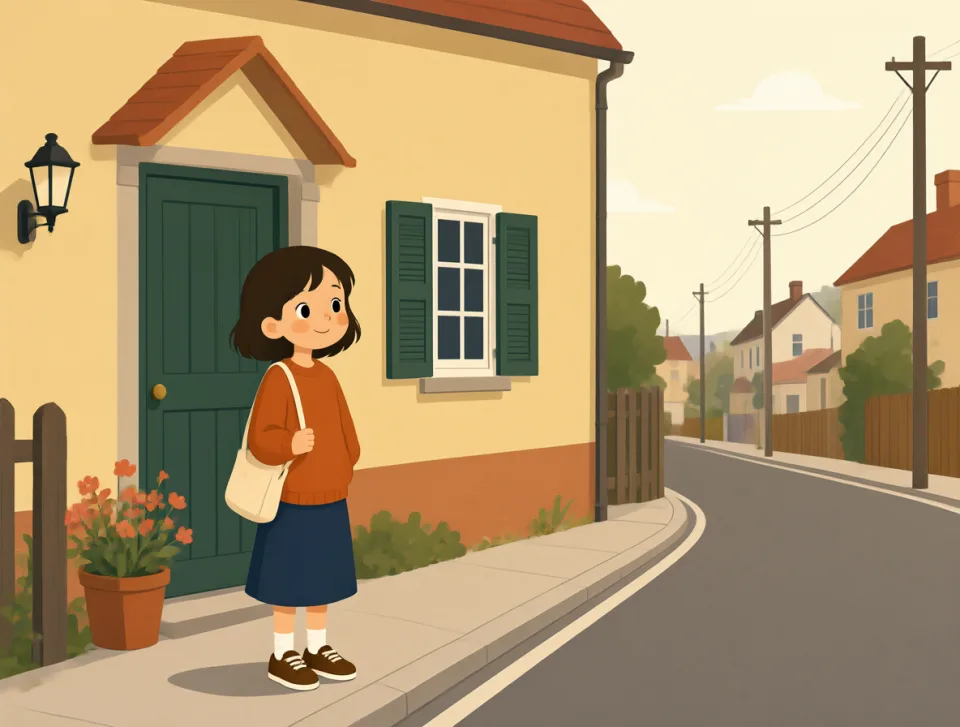
She lives in a small town.
Она живёт в небольшом городе.
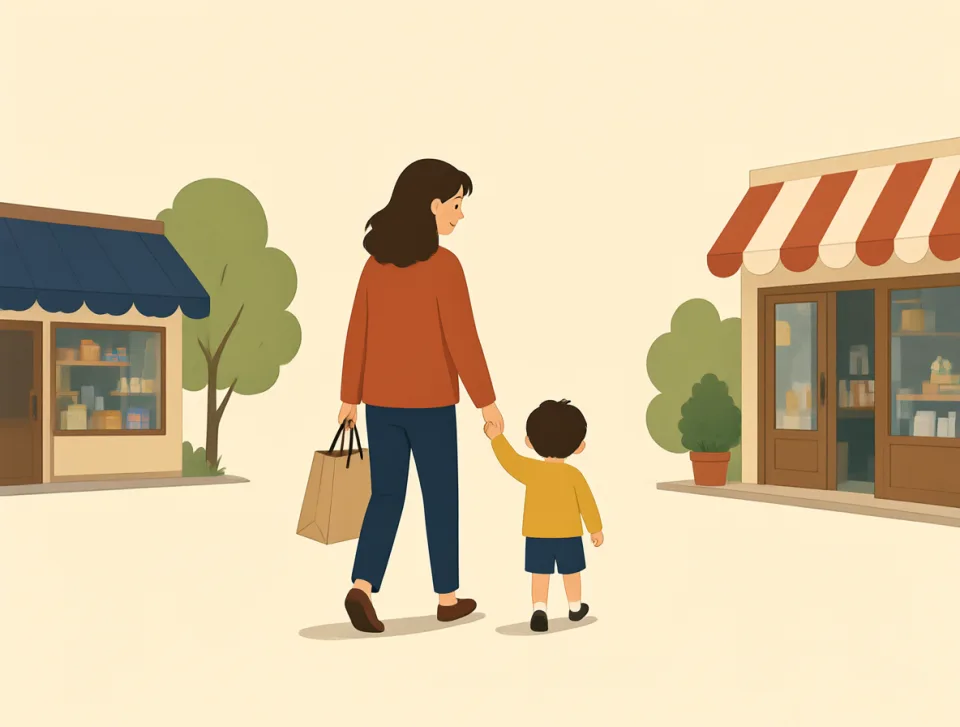
We went into town to buy food.
Мы поехали в центр за продуктами.
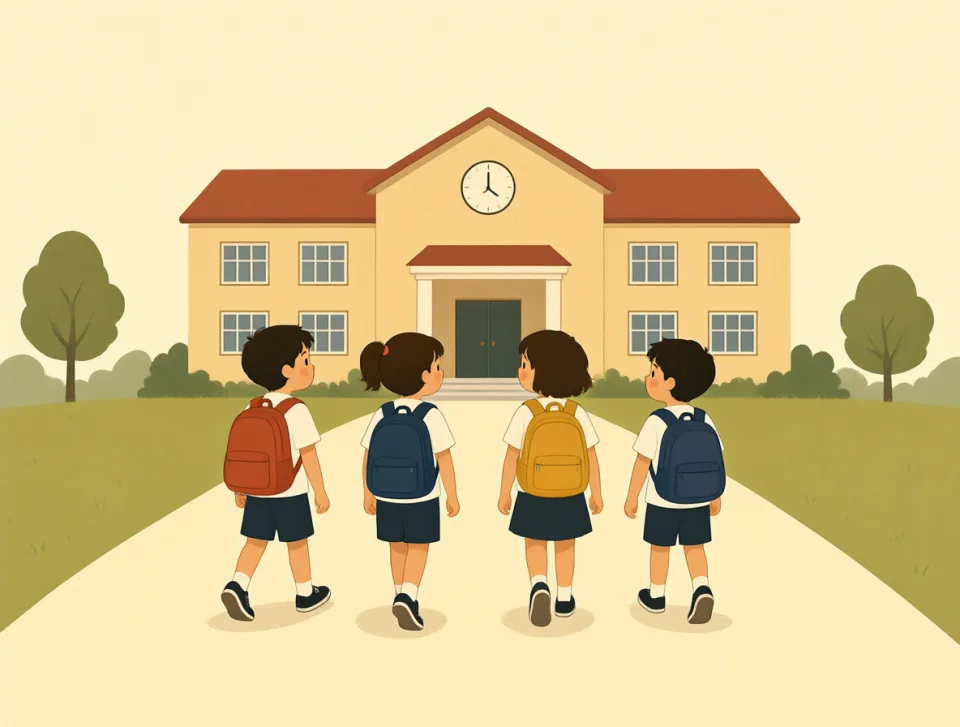
The town has a good school.
В этом городе хорошая школа.
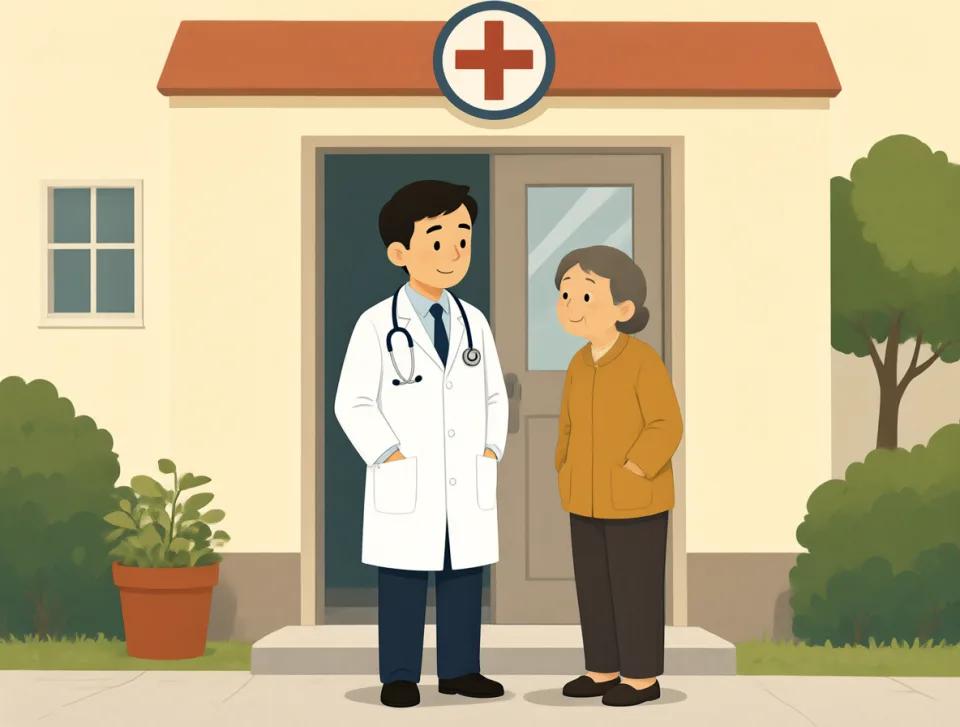
He works at the town hospital.
Он работает в городской больнице.

Our friends visited the town last summer.
Наши друзья приезжали в этот город прошлым летом.
half
#365noun, adjective, adverb, determiner
половина
One of two equal parts of something; 50 percent of it.
Одна из двух равных частей чего-либо; 50 процентов от целого.
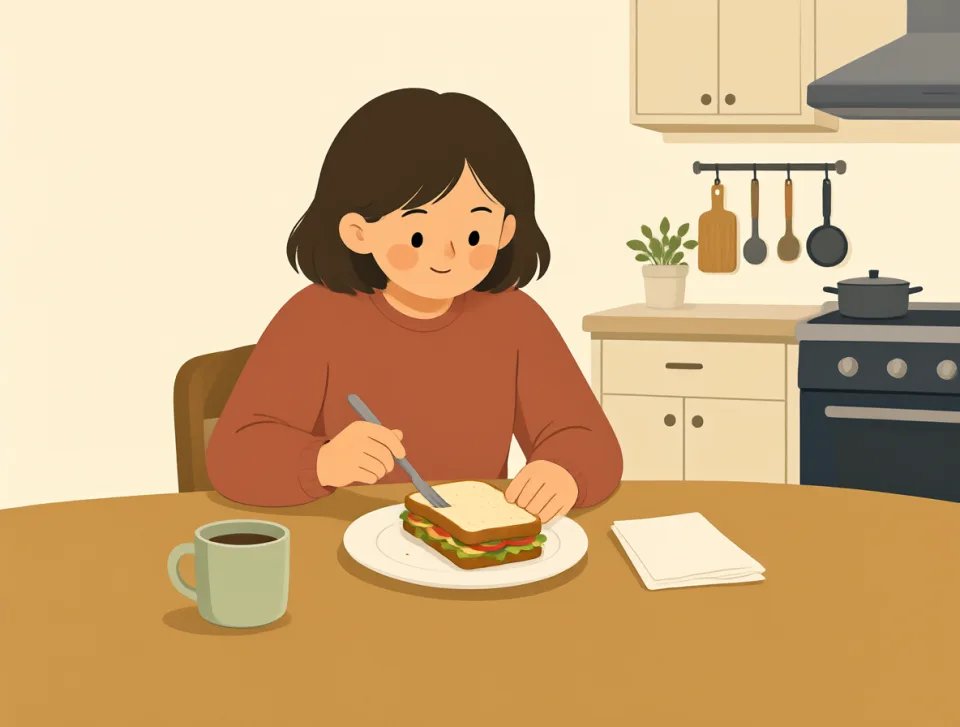
I ate half of the sandwich.
Я съел половину сэндвича.
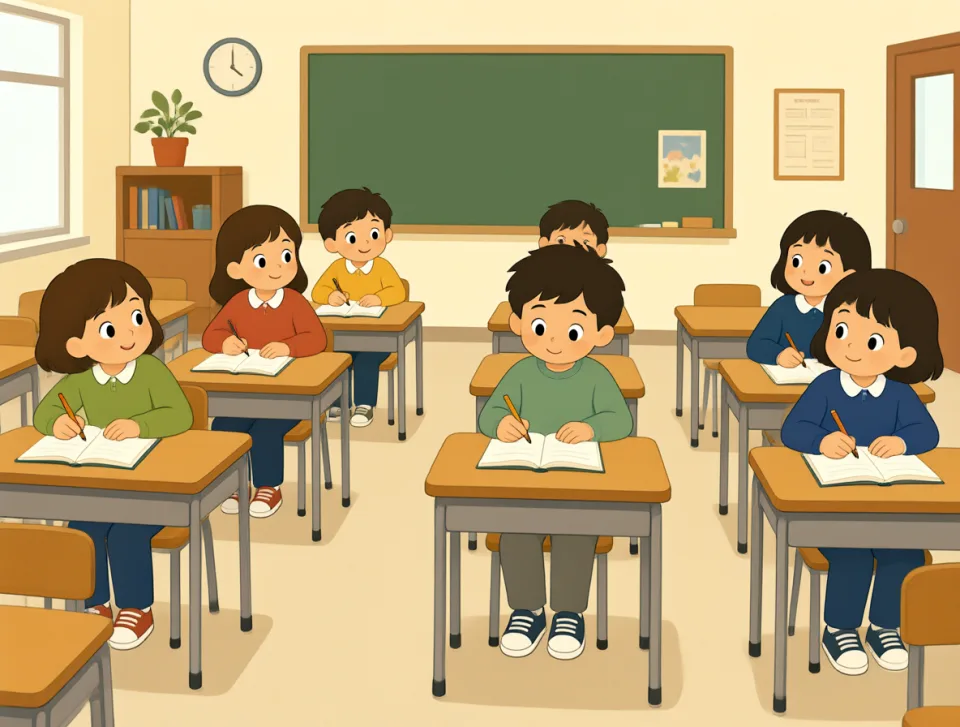
Half the class was absent today.
Сегодня отсутствовала половина класса.
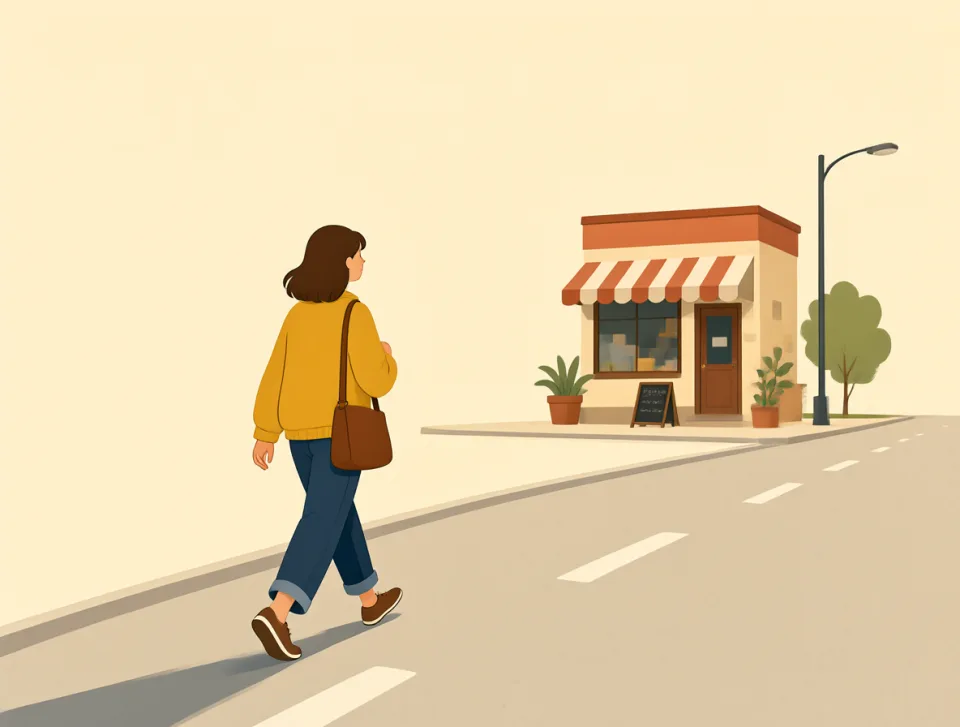
The shop is half a mile away.
Магазин находится в половине мили отсюда.
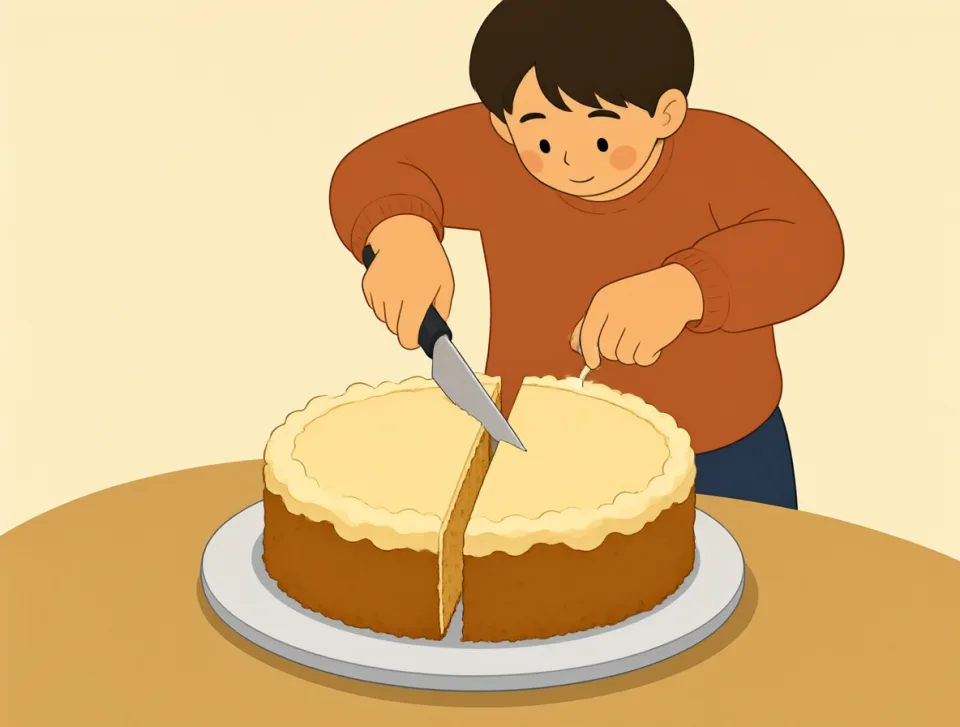
Please cut the cake in half.
Пожалуйста, разрежь торт пополам.
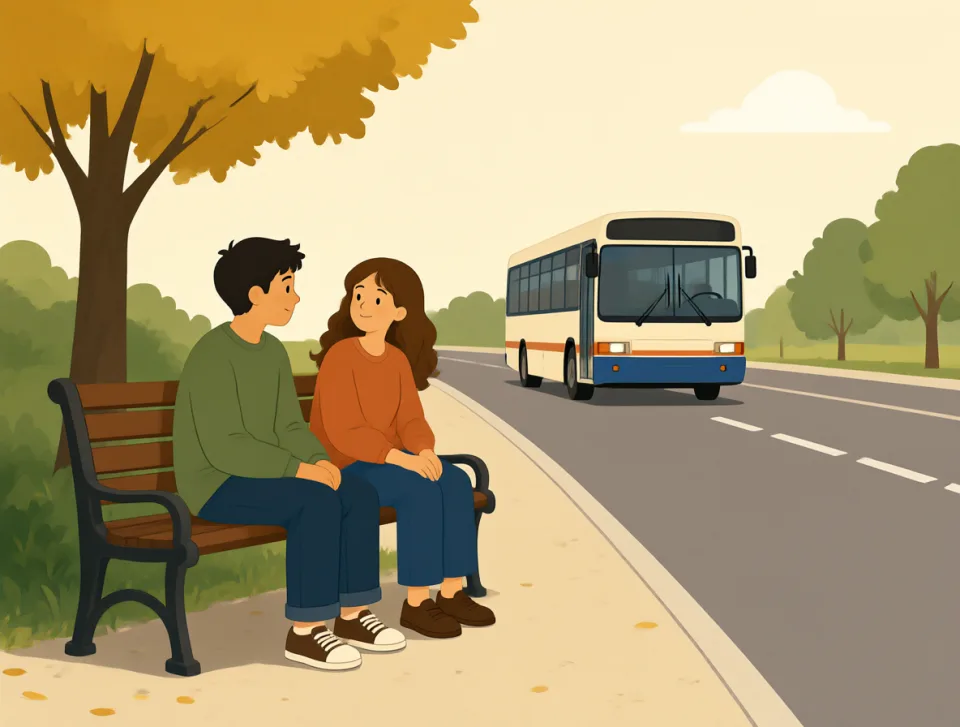
We waited half an hour for the bus.
Мы ждали автобус полчаса.

minute
#366noun, adjective
минута
A minute is a period of sixty seconds.
Минута — это промежуток времени в шестьдесят секунд.
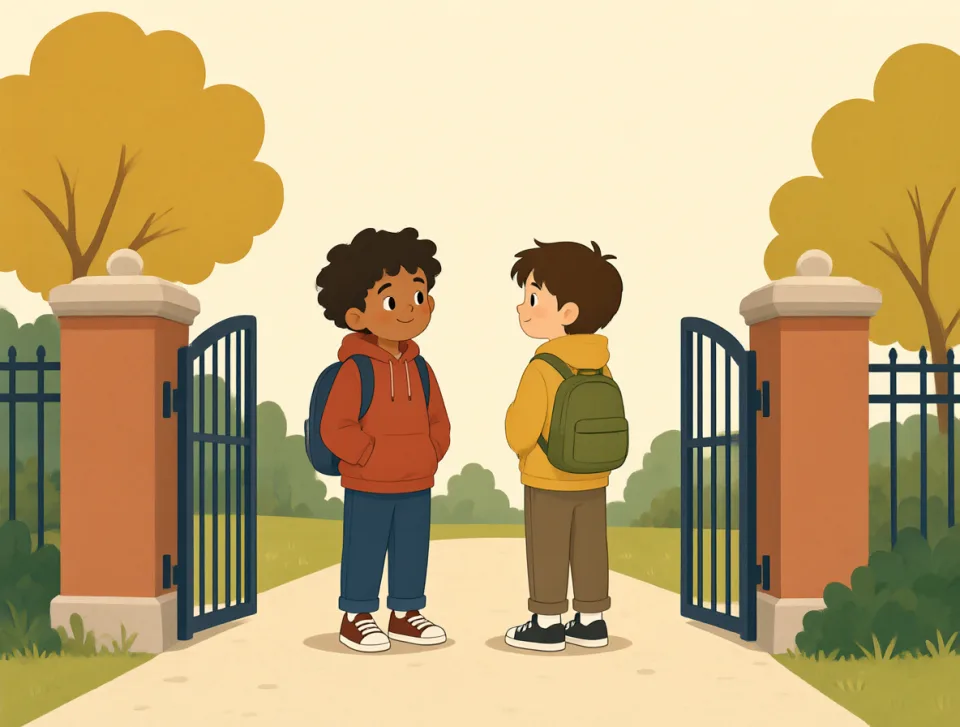
Please wait a minute for me.
Пожалуйста, подожди меня минуту.
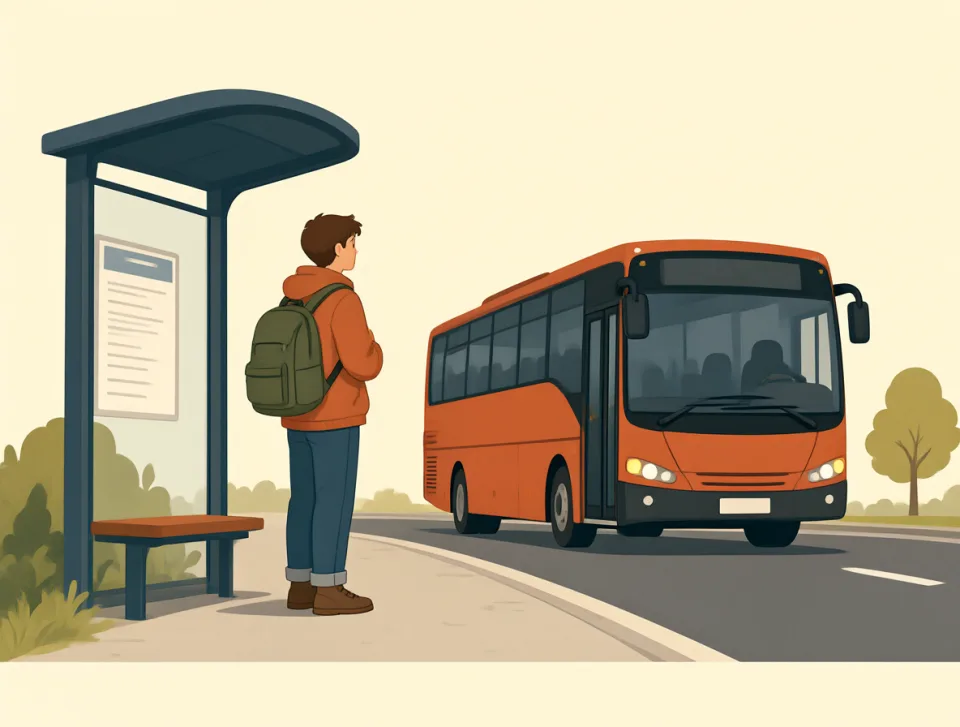
The bus arrived five minutes late.
Автобус опоздал на пять минут.

I called Mom a minute ago.
Я позвонил маме минуту назад.

The doctor checked my pulse for one minute.
Врач проверял мой пульс в течение одной минуты.
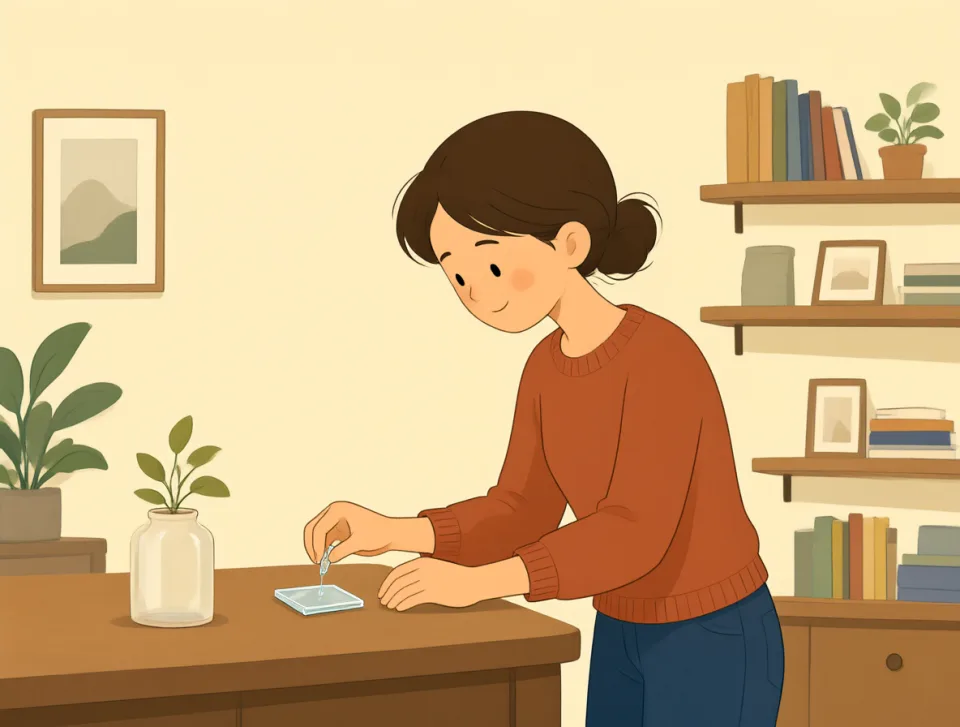
She found a minute piece of glass.
Она нашла крошечный осколок стекла.

food
#367noun
еда
Things that people and animals eat or drink.
То, что едят или пьют люди и животные.
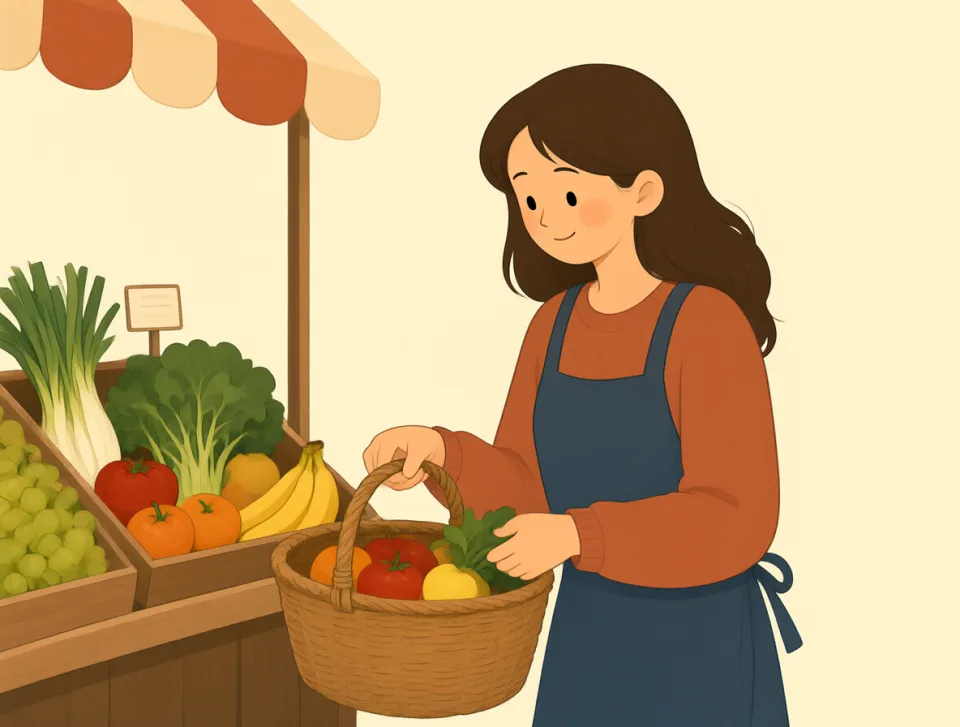
We bought fresh food at the market.
Мы купили на рынке свежие продукты.
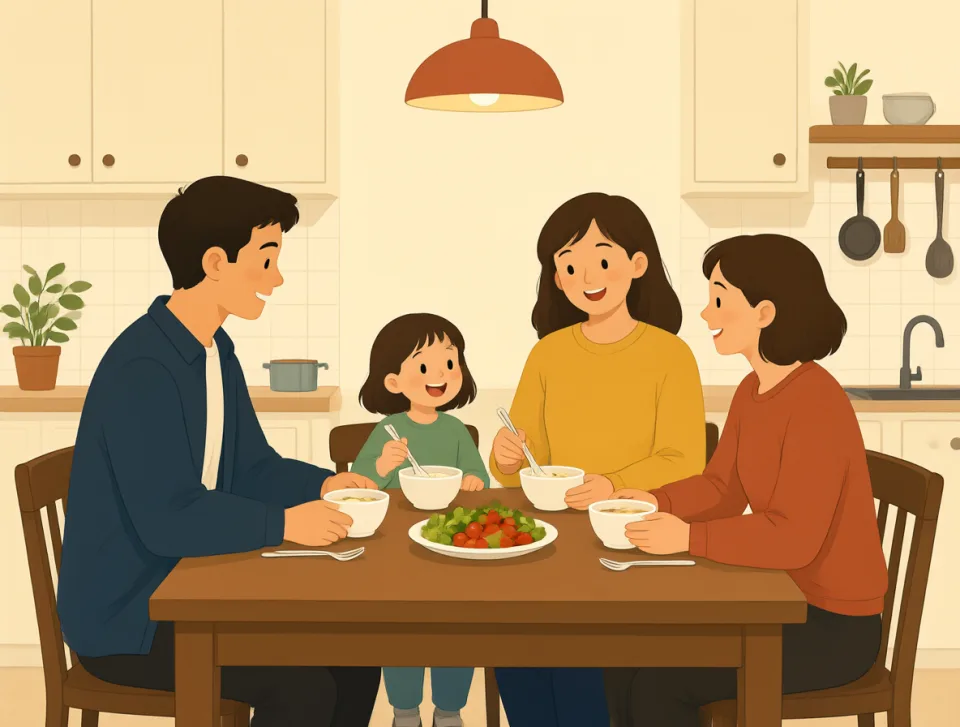
The food is ready on the table.
Еда уже на столе.
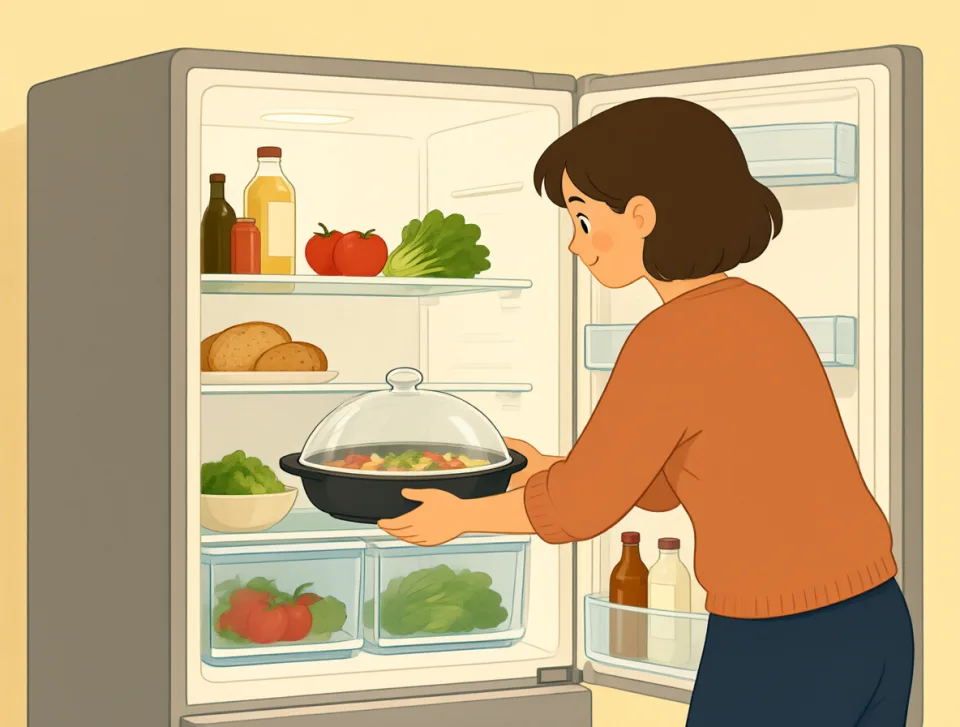
Please put the food in the fridge.
Пожалуйста, убери еду в холодильник.

The hotel serves good food.
В отеле подают хорошую еду.
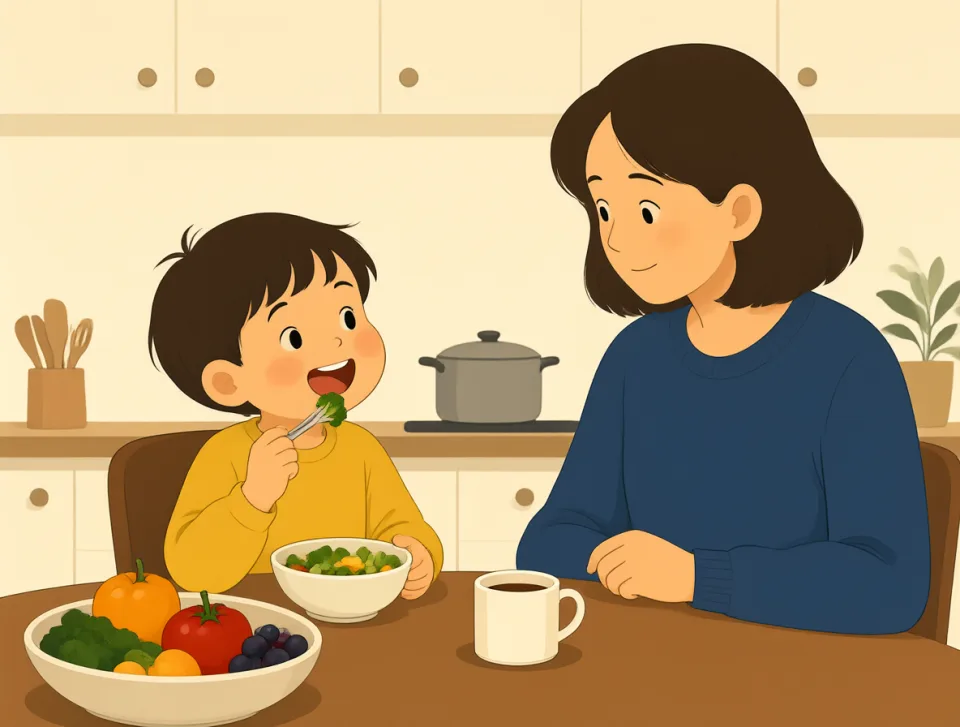
Healthy food helps children grow strong.
Полезная еда помогает детям расти здоровыми и сильными.
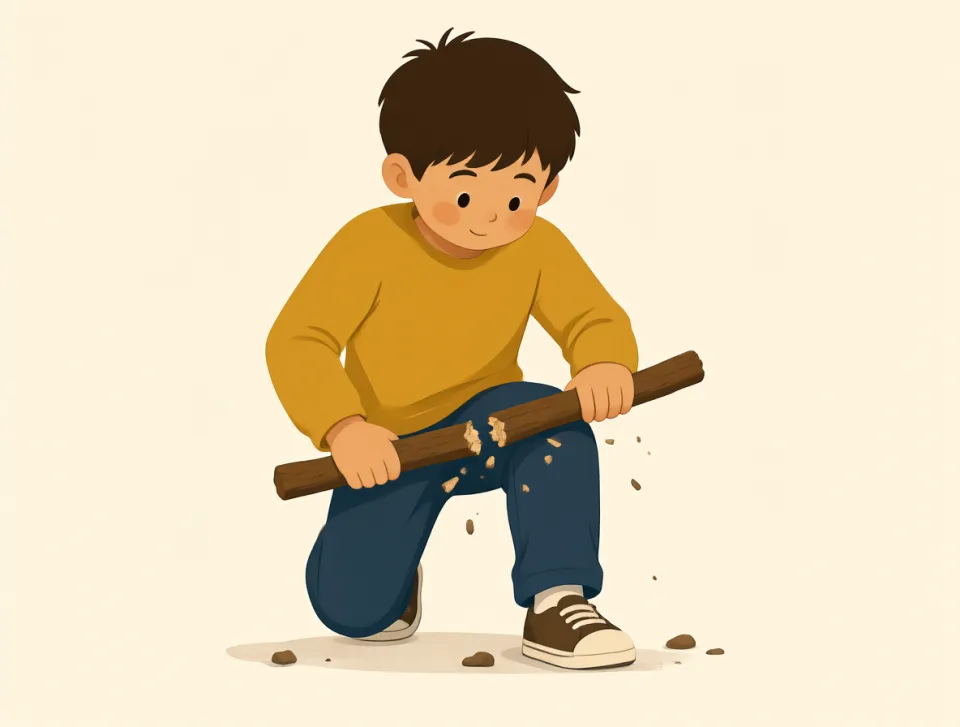
break
#368noun, verb
перерыв; ломать
to stop working, separate into pieces, or rest for a short time
Прекратить работу, разделить на части или ненадолго отдохнуть.
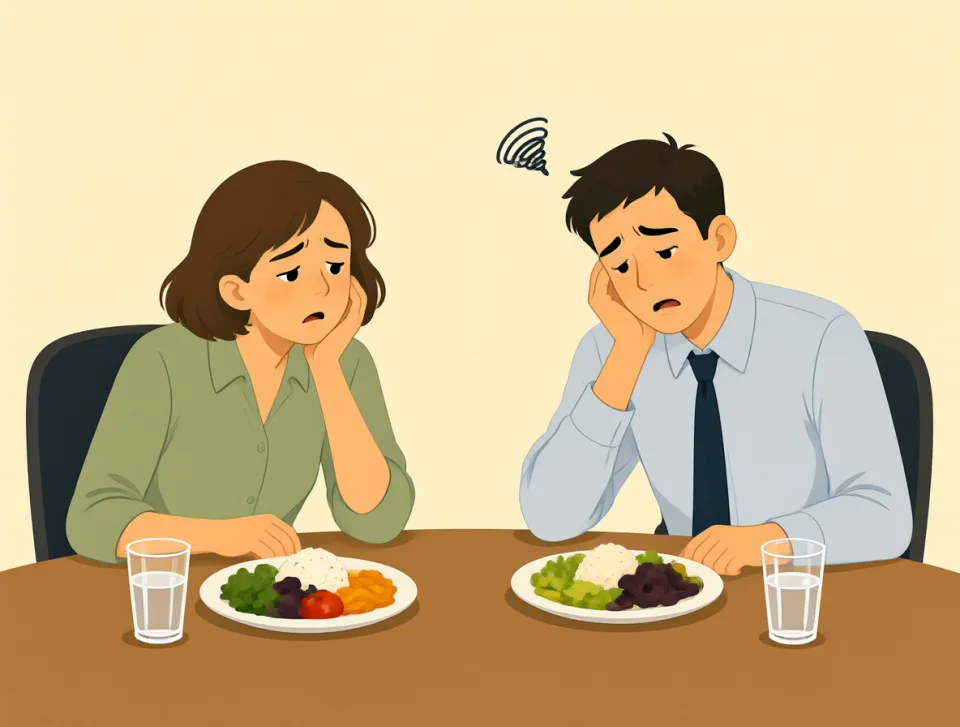
Let’s take a short break after lunch.
Давай немного отдохнём после обеда.
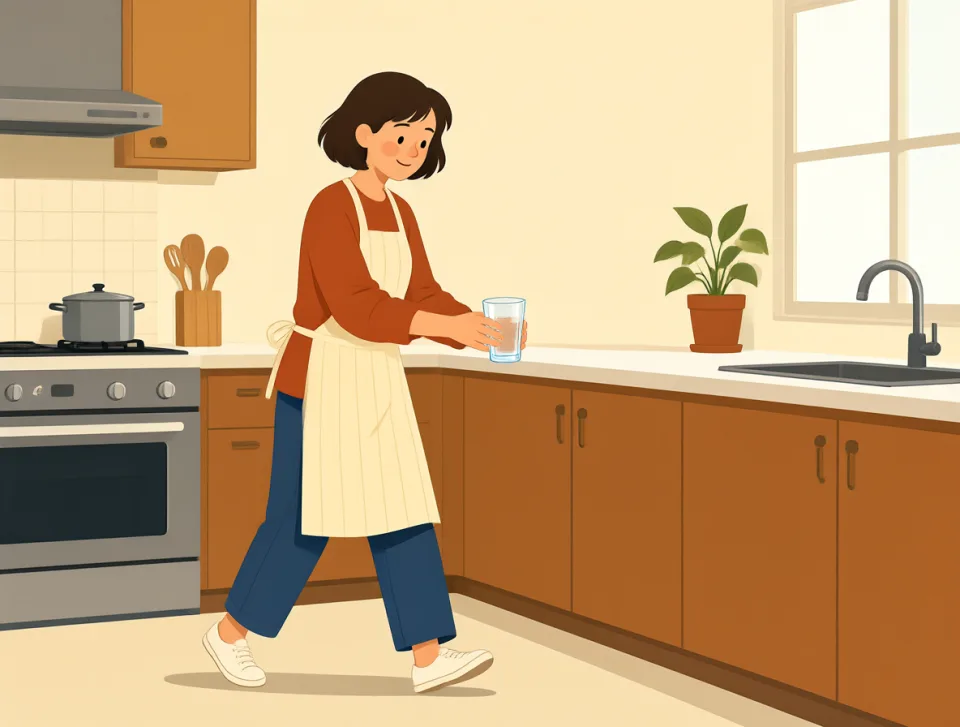
Be careful not to break the glass.
Будь осторожен, не разбей стекло.
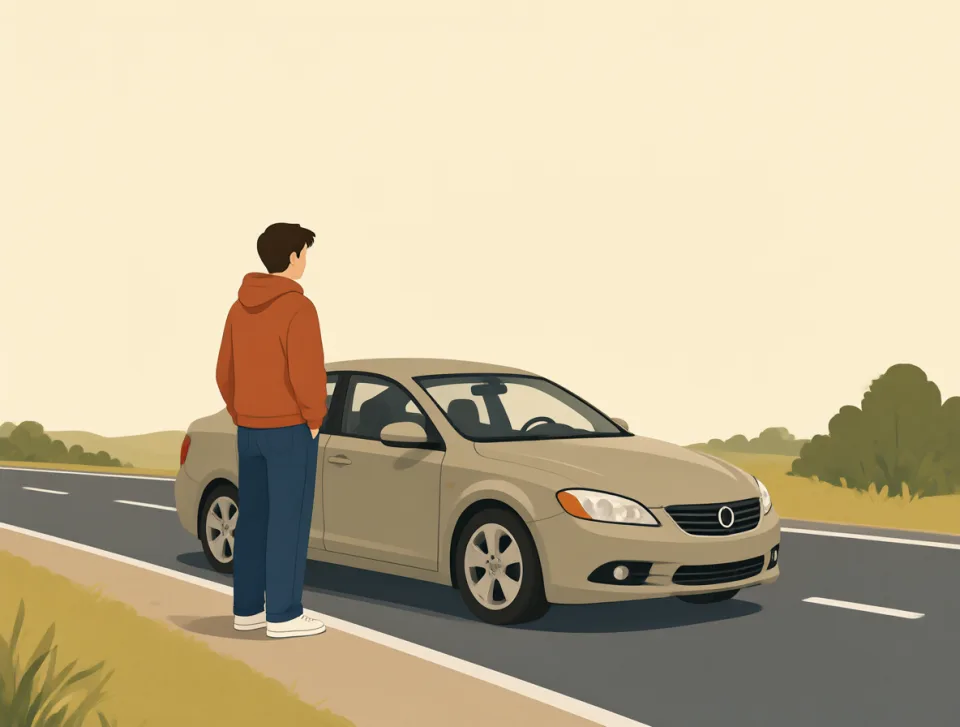
My car broke down on the way home.
По дороге домой у меня сломалась машина.
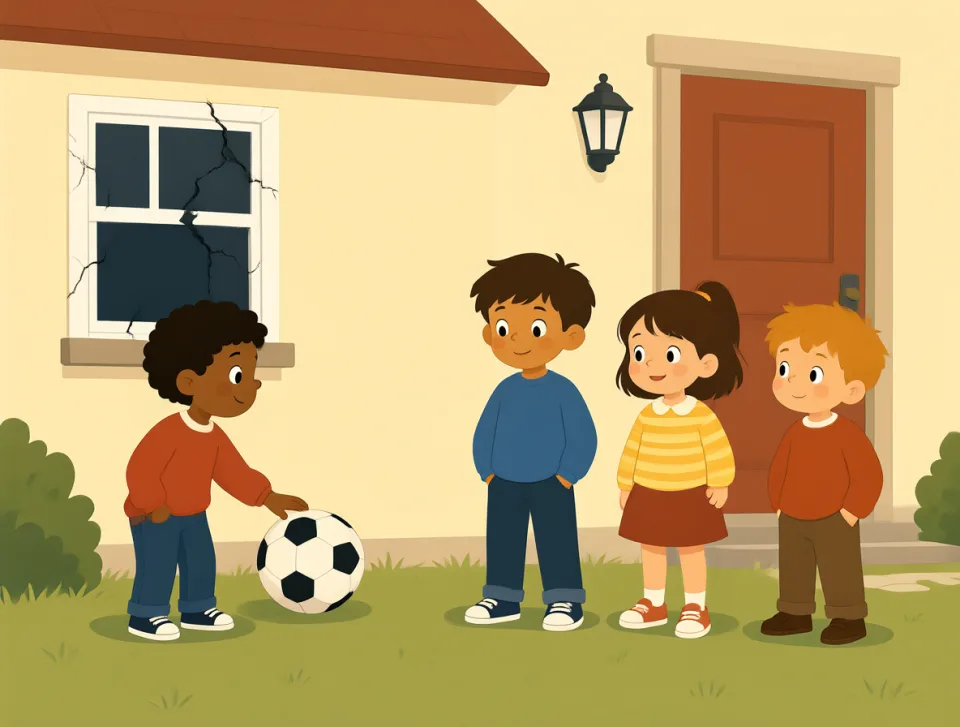
The children broke the window with a ball.
Дети разбили окно мячом.
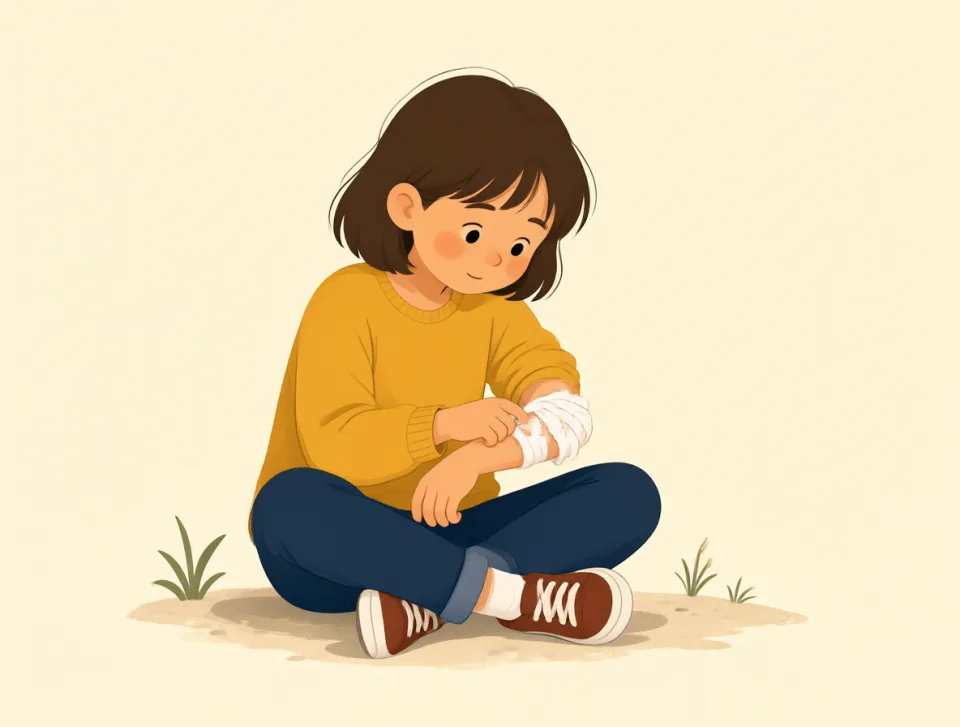
She broke her arm during the game.
Во время игры она сломала руку.

clear
#369adjective, verb, adverb
ясный; понятный
Easy to see, hear, understand, or free from anything blocking it.
Такой, который легко увидеть, услышать или понять, либо ничем не загороженный.

The water in the lake is clear.
Вода в озере прозрачная.

Please speak clearly during the meeting.
Пожалуйста, говорите чётко во время совещания.

The doctor cleared him to play again.
Врач разрешил ему снова играть.
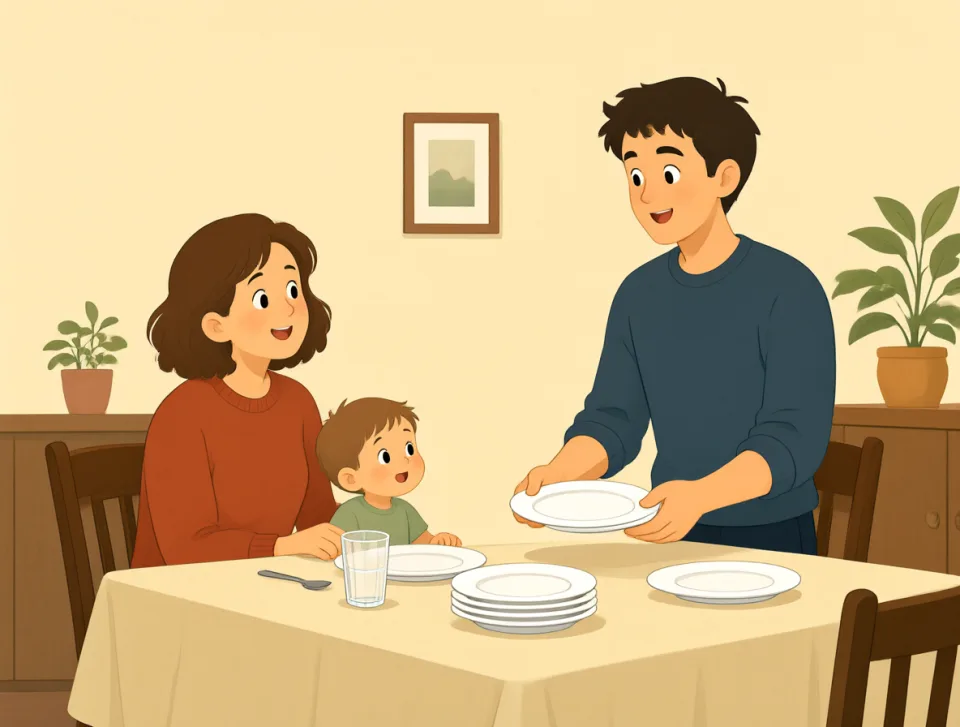
We need to clear the table after dinner.
После ужина нам нужно убрать со стола.
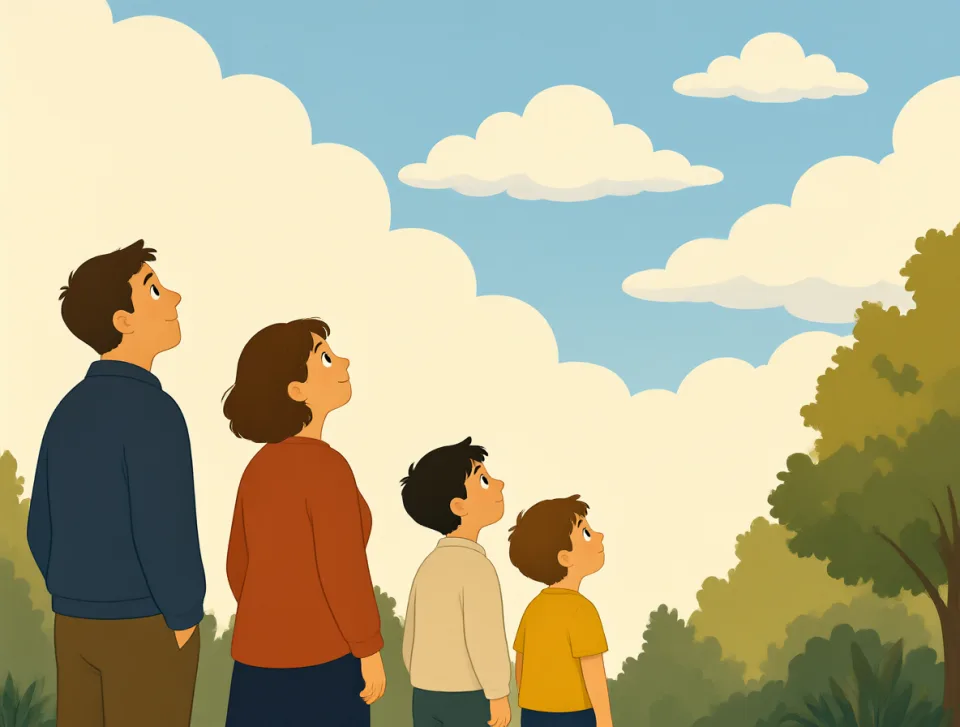
The sky cleared after the storm.
После грозы небо прояснилось.
future
#370noun, adjective
будущее
The time that will come after now, or relating to that time.
Время, которое наступит после настоящего, или относящийся к этому времени.
We are planning for the future.
Мы строим планы на будущее.

She hopes to travel in the future.
Она надеется в будущем путешествовать.
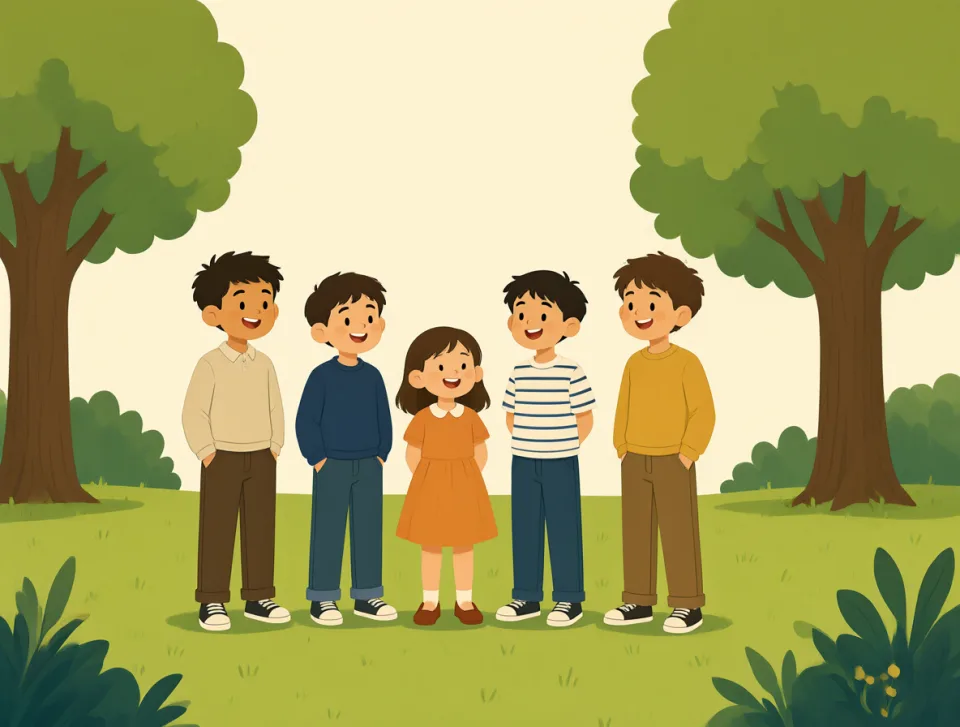
The future of our planet matters.
Будущее нашей планеты важно.

He wants a future job in medicine.
В будущем он хочет работать в медицине.

Please think about your future health.
Пожалуйста, подумайте о своём здоровье в будущем.
either
#371adverb, determiner, pronoun, conjunction
либо; любой из двух
Used to talk about one of two choices or possibilities.
Используется, когда речь идет об одном из двух вариантов или возможностей.
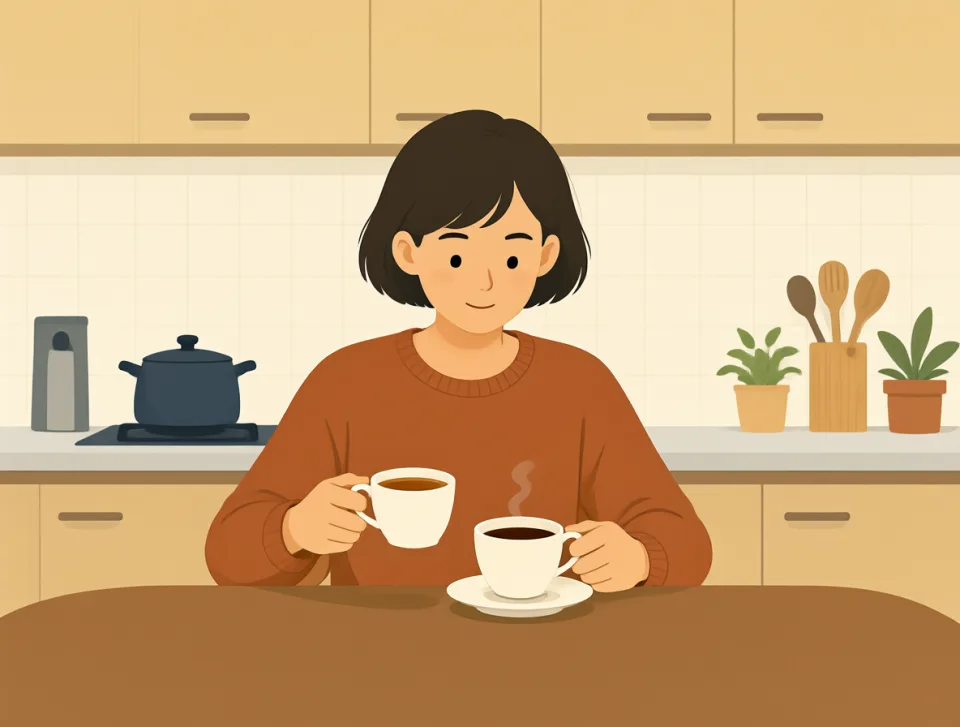
You can choose either tea or coffee.
Ты можешь выбрать либо чай, либо кофе.
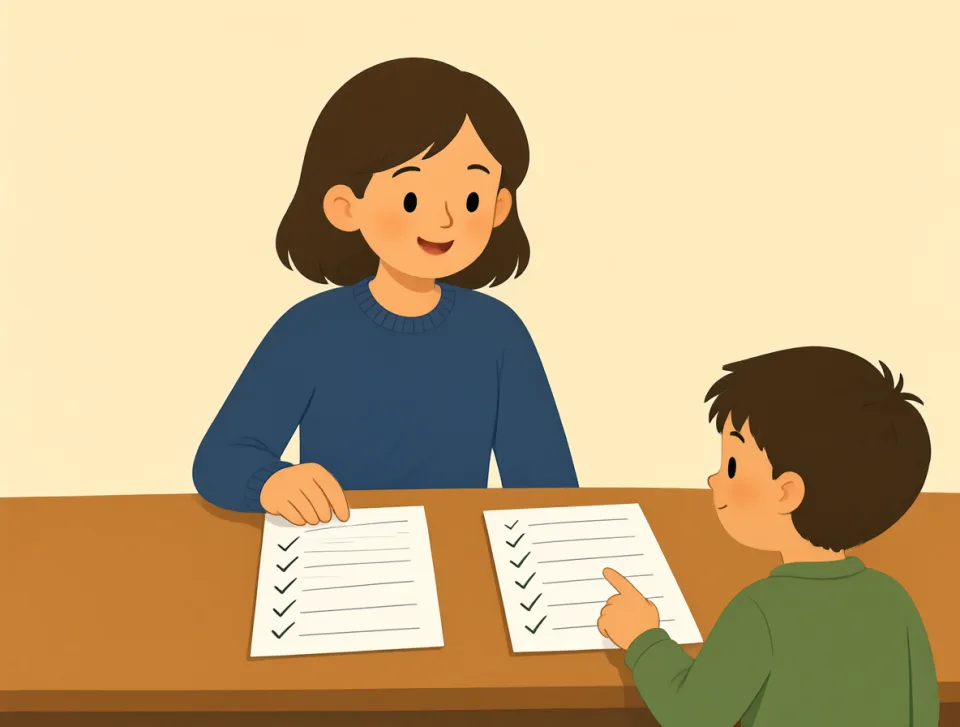
Either answer is correct.
Любой из этих ответов правильный.

I do not like either color.
Мне не нравится ни один из этих цветов.

We can meet on either day.
Мы можем встретиться в любой из этих двух дней.
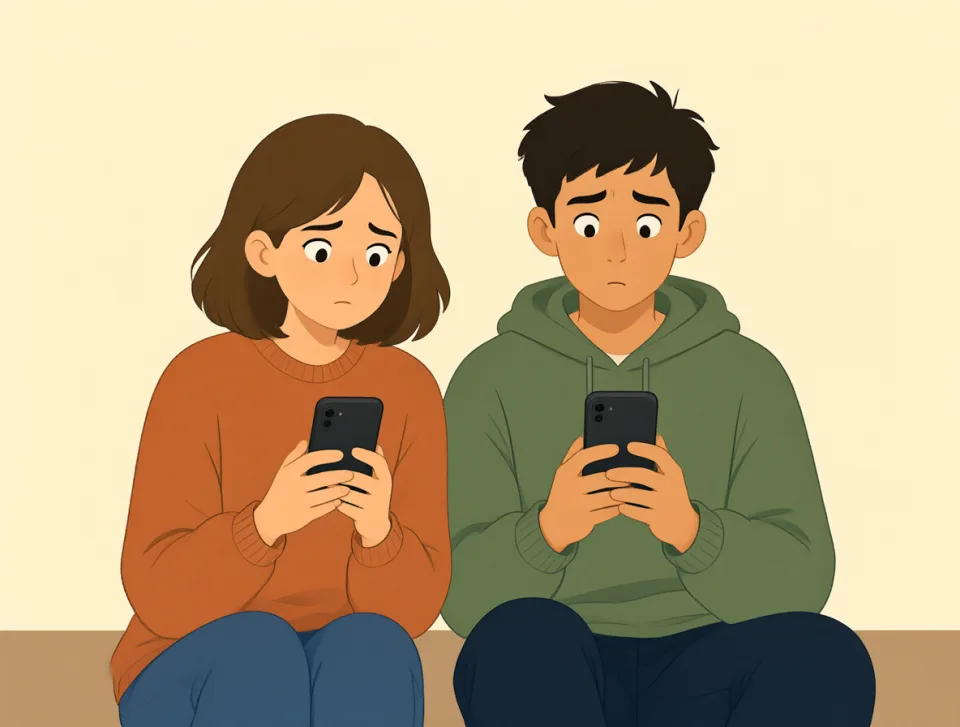
She did not call, and I did not either.
Она не позвонила, и я тоже.
ago
#372adverb
назад; тому назад
Before now, measured from the present time.
До настоящего момента, отсчитывая от текущего времени.
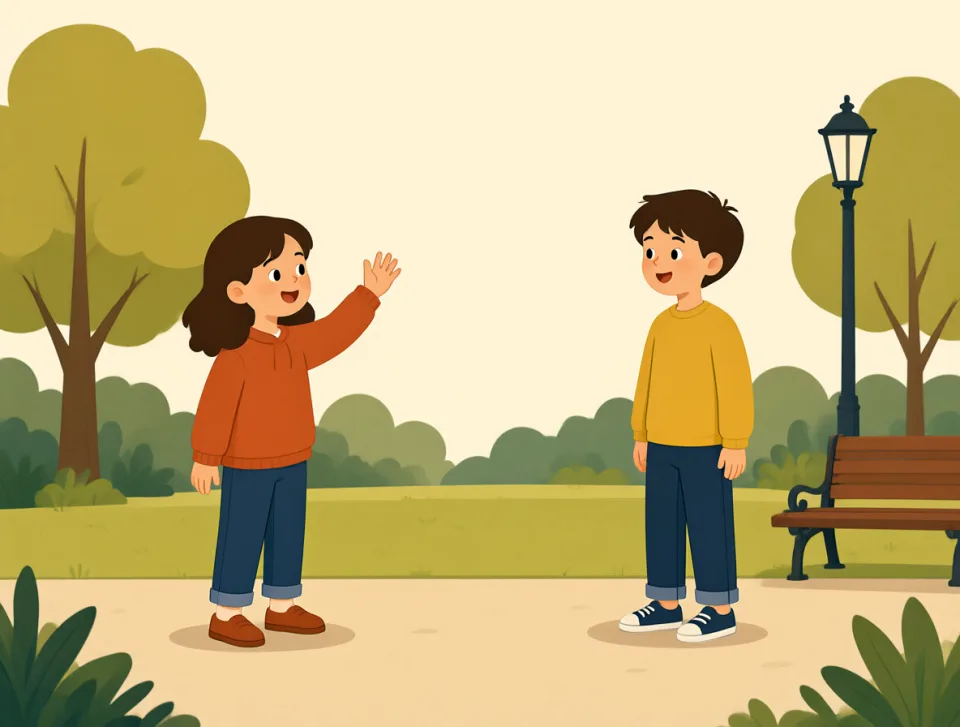
I saw her two days ago.
Я видел её два дня назад.

We moved here three years ago.
Мы переехали сюда три года назад.
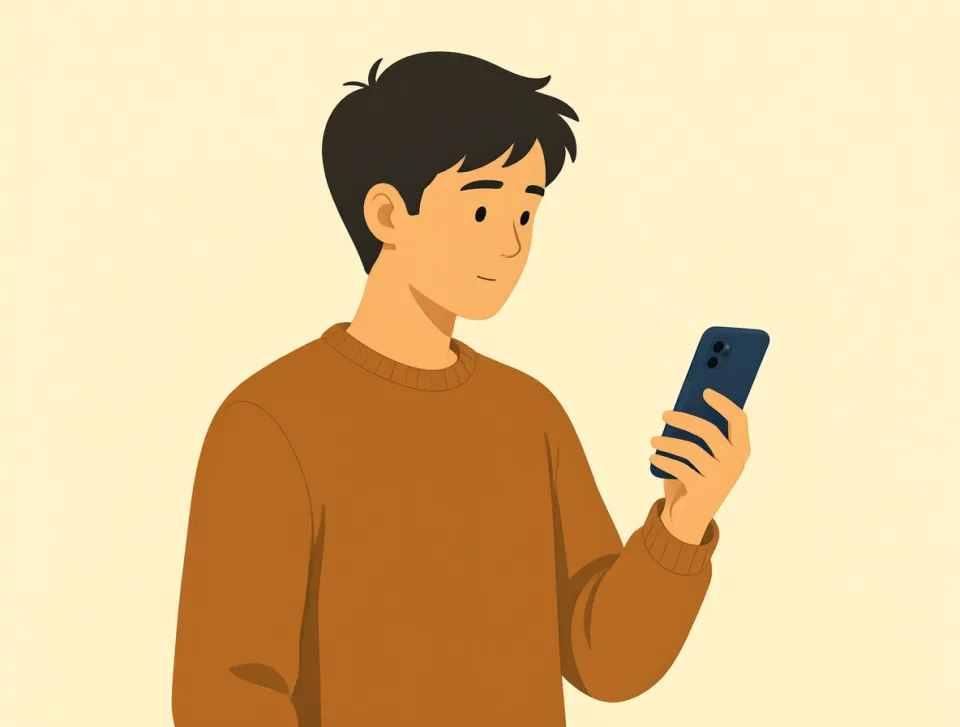
He called me a few minutes ago.
Он позвонил мне несколько минут назад.
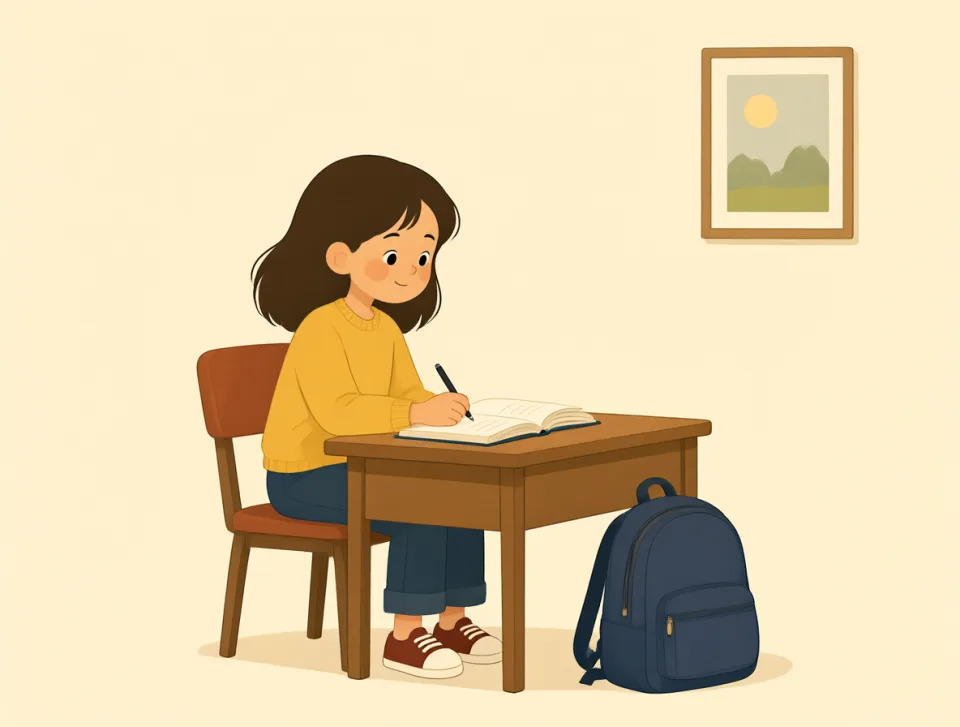
She started school a month ago.
Она пошла в школу месяц назад.

I ate breakfast an hour ago.
Я позавтракал час назад.
per
#373preposition
на; за каждый
For each person or unit; used to show a rate, amount, or relationship.
Для каждого человека или единицы; используется, чтобы показать тариф, количество или соотношение.
The speed limit is fifty miles per hour.
Ограничение скорости — пятьдесят миль в час.

We pay ten dollars per person.
Мы платим по десять долларов с человека.
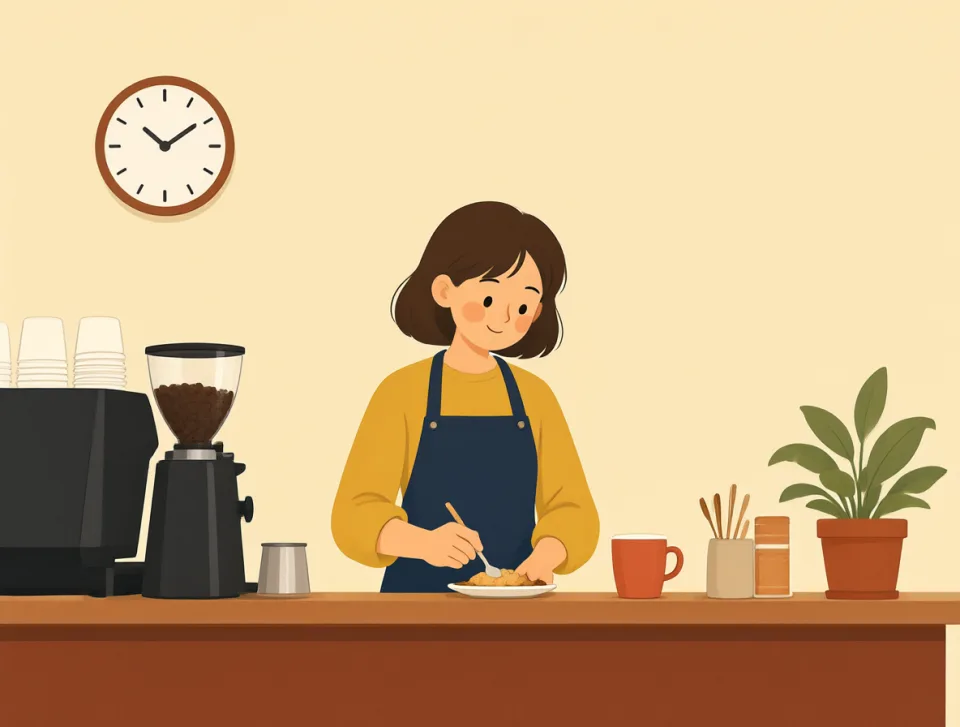
She earns twenty dollars per hour.
Она зарабатывает двадцать долларов в час.
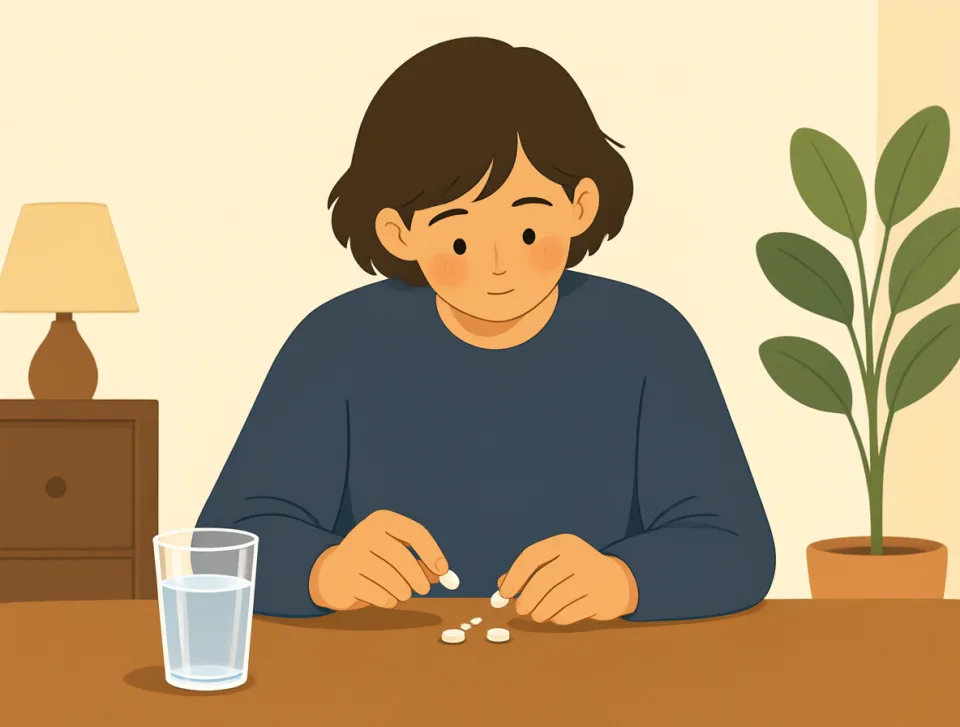
Take two tablets per day with water.
Принимайте по две таблетки в день, запивая водой.

The hotel costs seventy euros per night.
Отель стоит семьдесят евро за ночь.
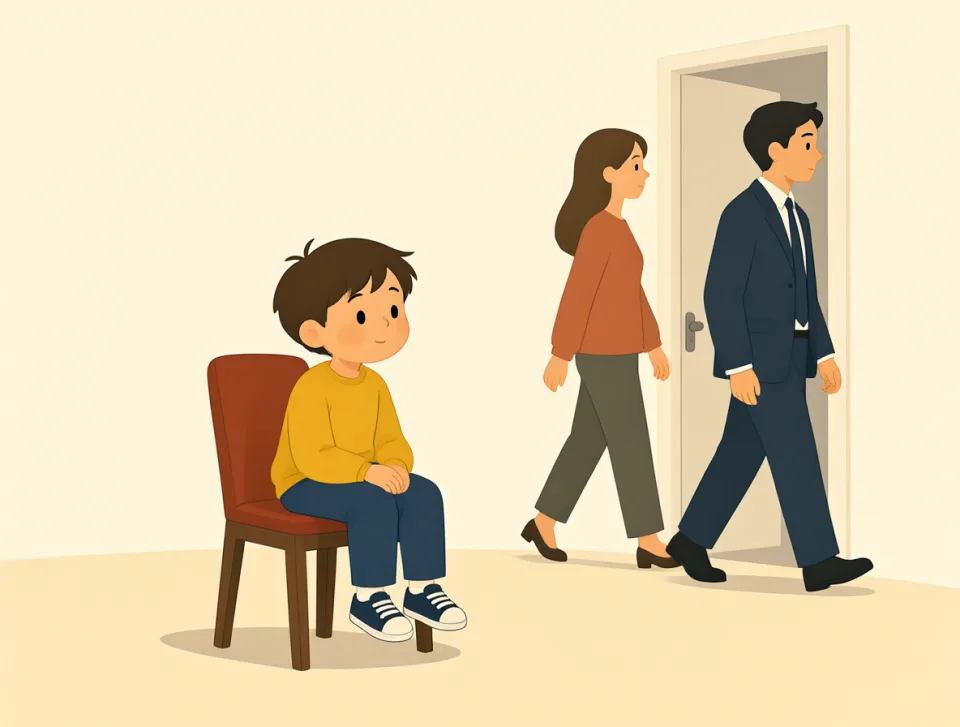
remain
#374verb
оставаться; сохраняться
to stay in the same place or continue to exist
Оставаться на том же месте или продолжать существовать.
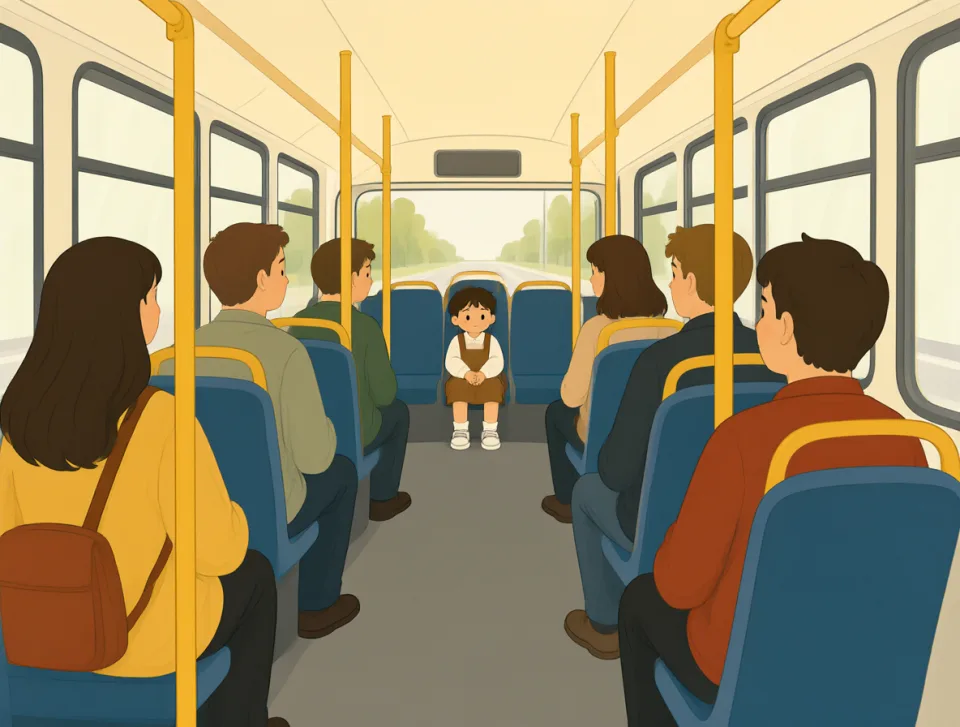
Please remain seated until the bus stops.
Пожалуйста, оставайтесь на своих местах, пока автобус не остановится.
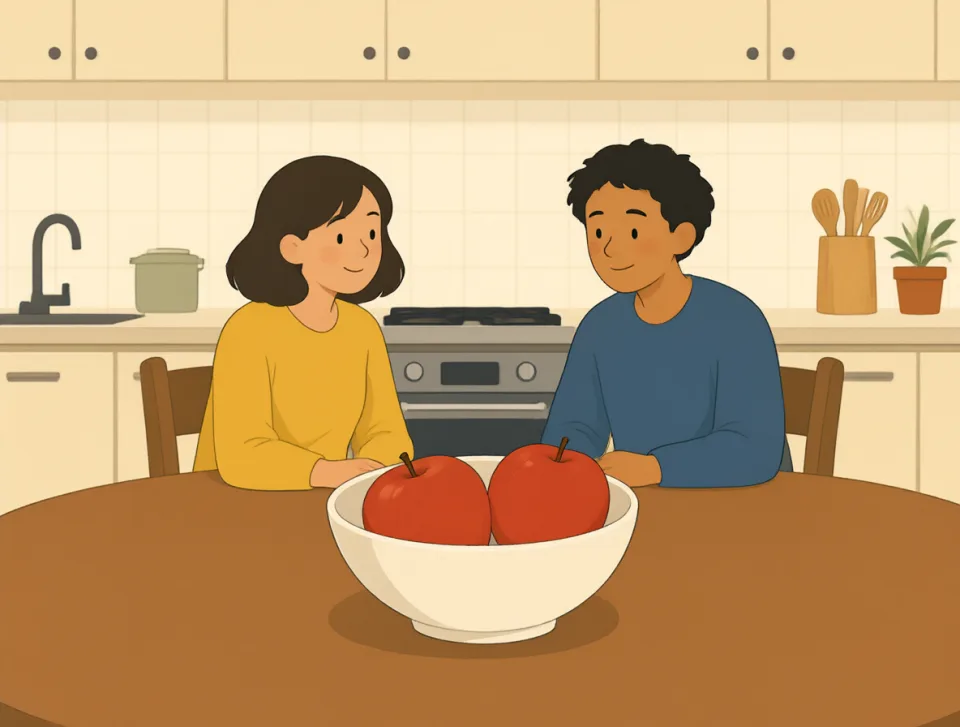
Only two apples remain in the bowl.
В миске осталось всего два яблока.

She remained calm during the test.
Во время теста она сохраняла спокойствие.

Some guests remained after the party.
После вечеринки остались некоторые гости.
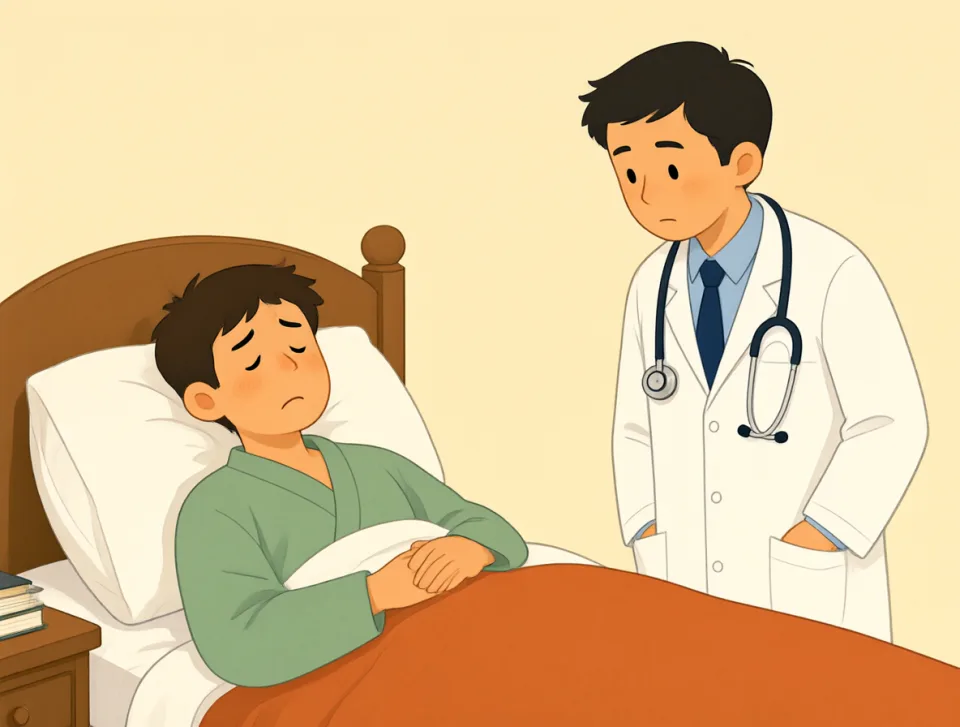
The doctor said he should remain in bed.
Врач сказал, что ему следует оставаться в постели.

top
#375noun, verb, adjective, adverb, preposition
верх; вершина; лучший
The highest part of something, or the best or most important part.
Самая верхняя часть чего-либо, а также лучшая или самая важная часть.
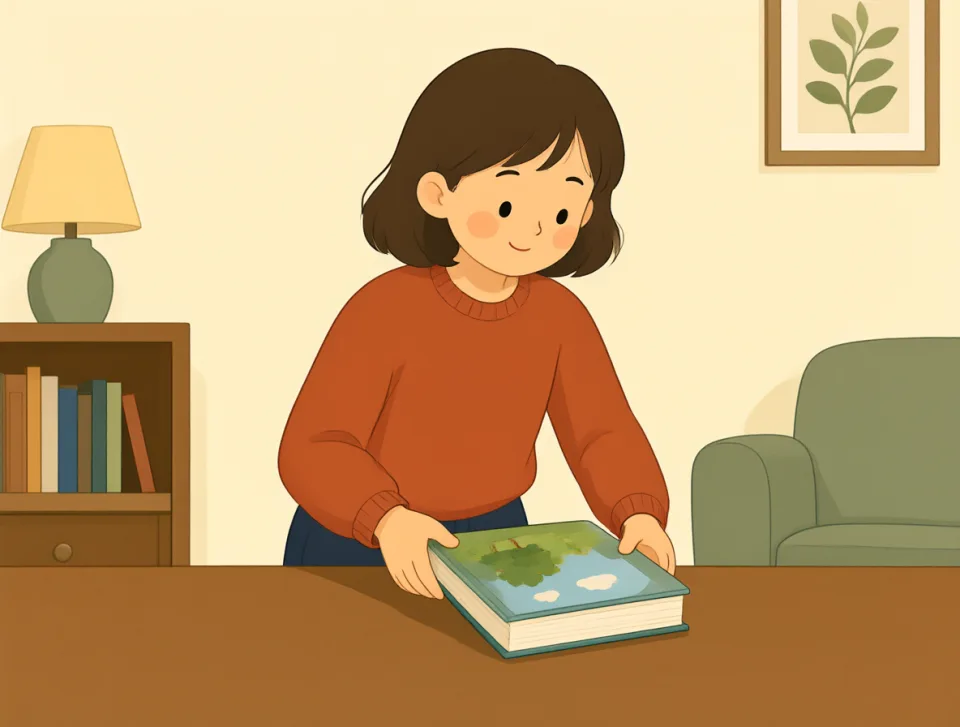
Put the book on top of the table.
Положи книгу на стол.
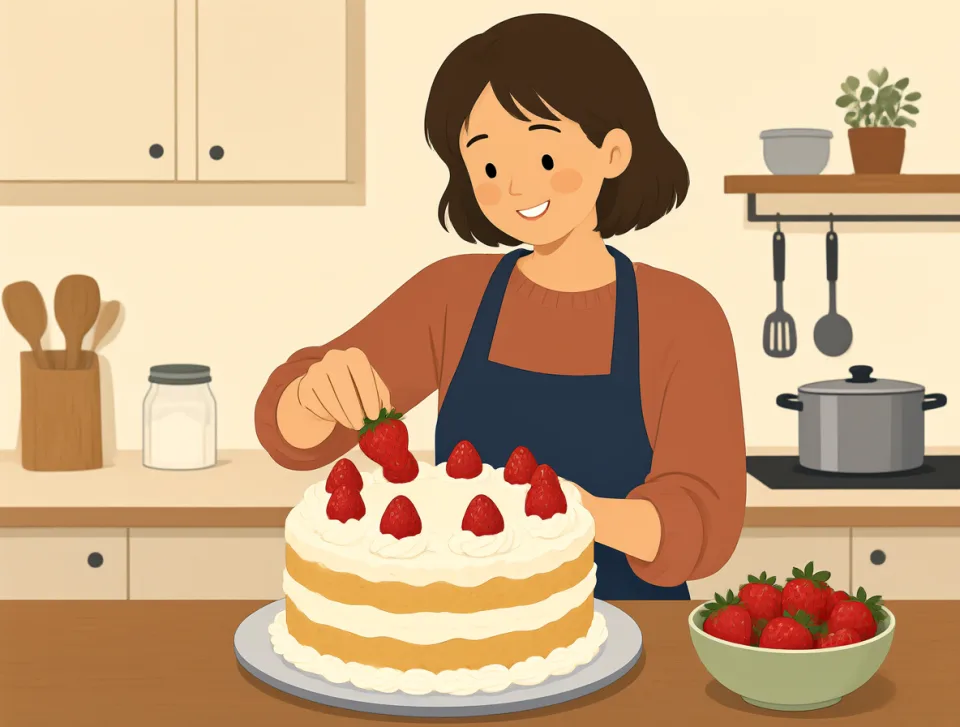
She topped the cake with fresh strawberries.
Она украсила торт свежей клубникой.
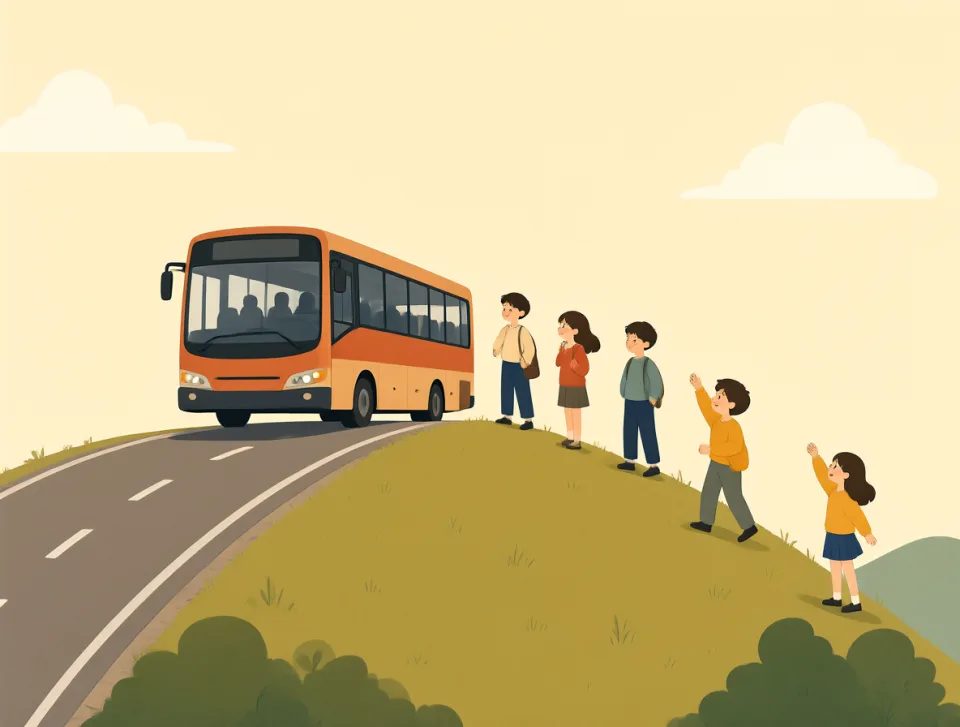
The bus stopped at the top of the hill.
Автобус остановился на вершине холма.

He wore a warm hat on top of his head.
На голове у него была тёплая шапка.

Our team finished at the top of the league.
Наша команда заняла первое место в лиге.

among
#376preposition
среди
in or surrounded by a group of people or things
внутри группы людей или предметов либо в окружении такой группы
She found her keys among the books.
Она нашла ключи среди книг.

He was among the first people to arrive.
Он был среди тех, кто приехал первым.
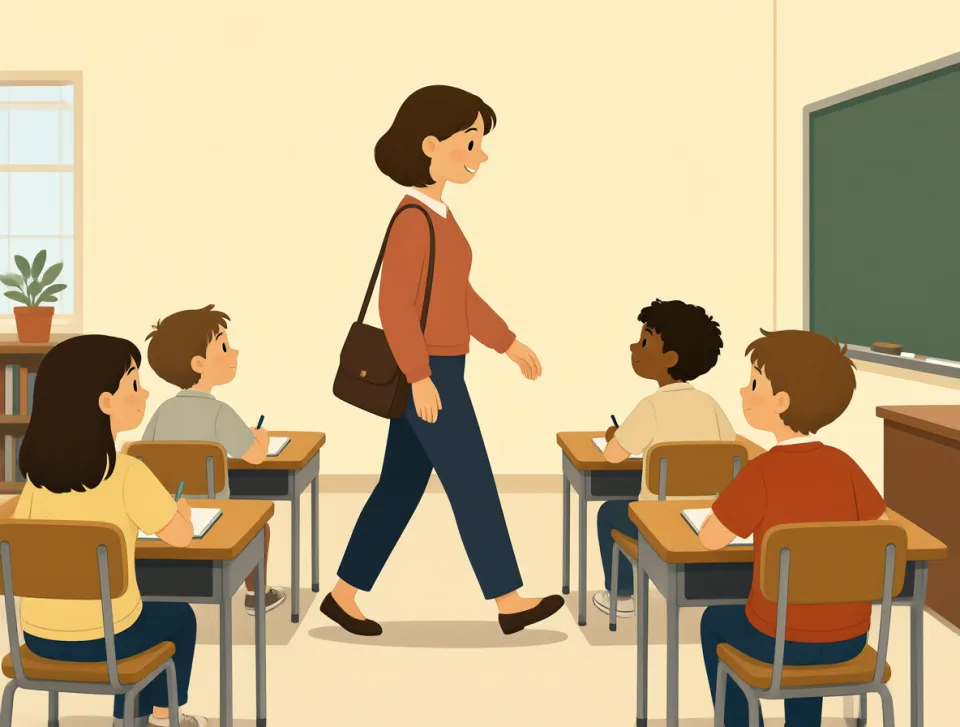
The teacher walked among the students.
Учитель прошёл среди учеников.
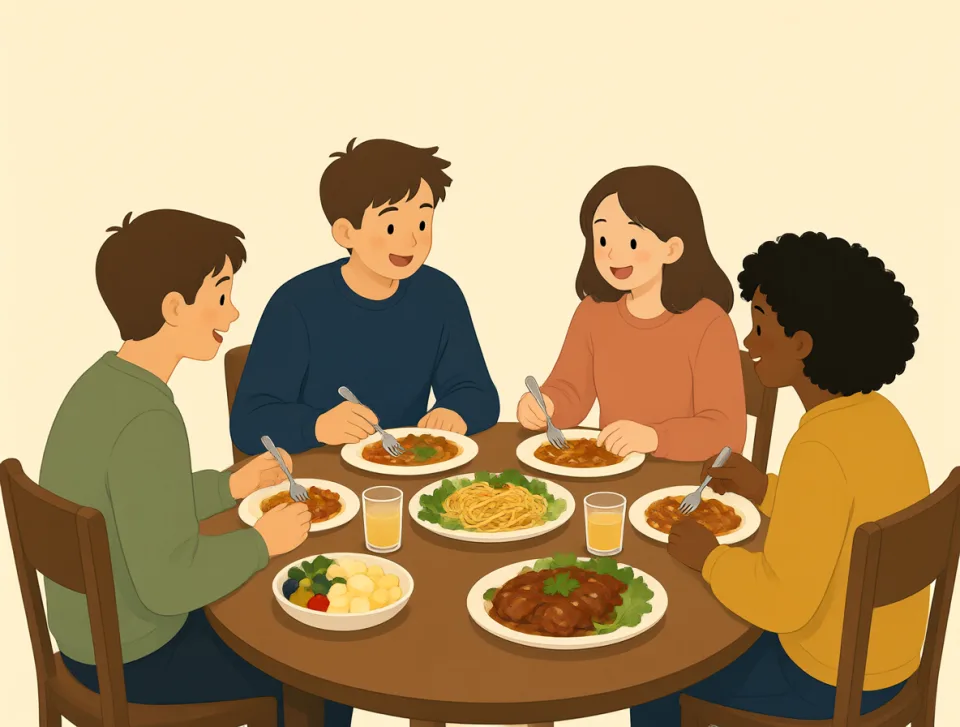
We shared the food among four friends.
Мы поделили еду между четырьмя друзьями.
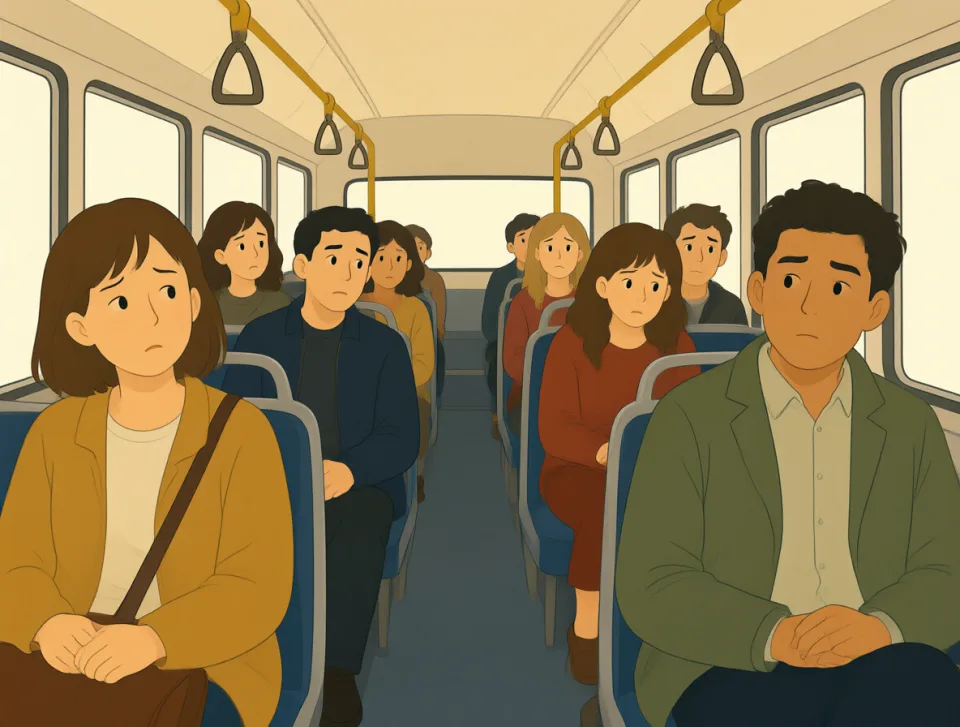
There was worry among the passengers.
Пассажиры тревожились.

win
#377verb, noun
побеждать; выиграть
To succeed in a competition or receive a prize.
Добиться успеха в соревновании или получить приз.
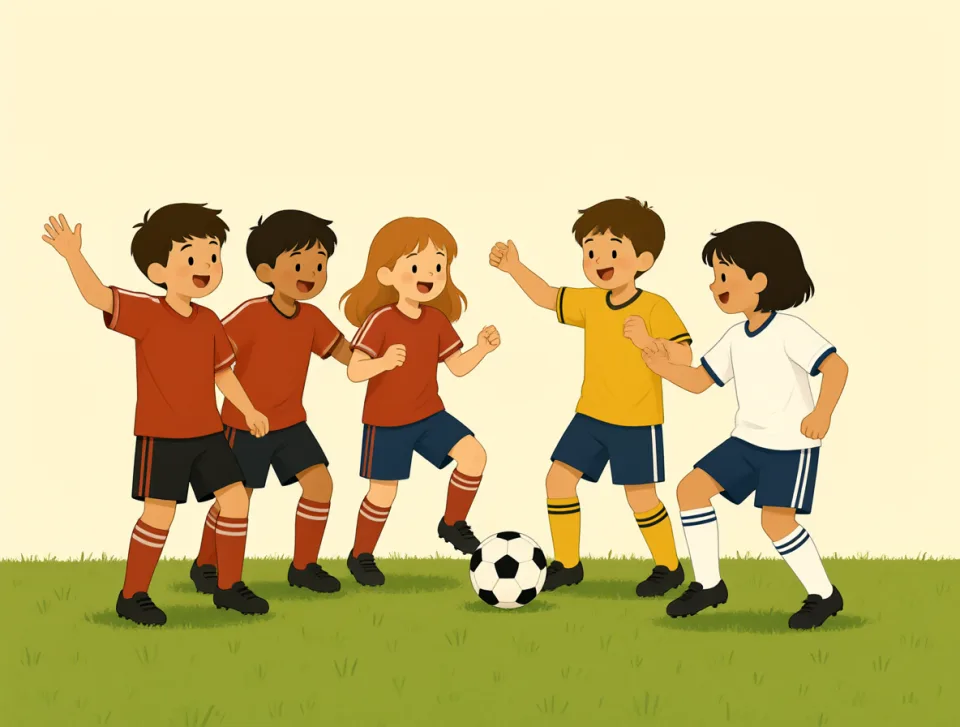
Our team won the game yesterday.
Наша команда вчера выиграла матч.

She won first prize at the school fair.
Она получила первый приз на школьной ярмарке.

I hope to win the race today.
Надеюсь сегодня выиграть гонку.

He won a free meal at the restaurant.
Он выиграл бесплатный обед в ресторане.

It was a big win for our team.
Это была большая победа нашей команды.
color
#378noun, verb
цвет
The appearance of something caused by the way it reflects light.
Внешний вид предмета, обусловленный тем, как он отражает свет.
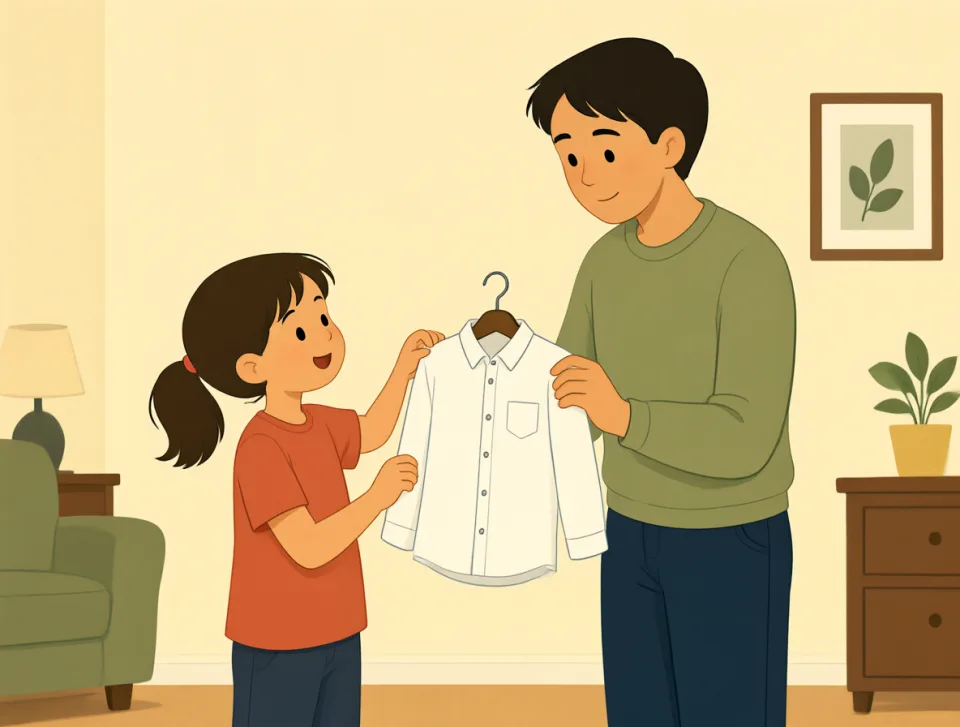
What color is your new shirt?
Какого цвета твоя новая рубашка?

She painted the wall a light color.
Она покрасила стену в светлый цвет.

The artist mixed colors on her palette.
Художница смешала краски на палитре.
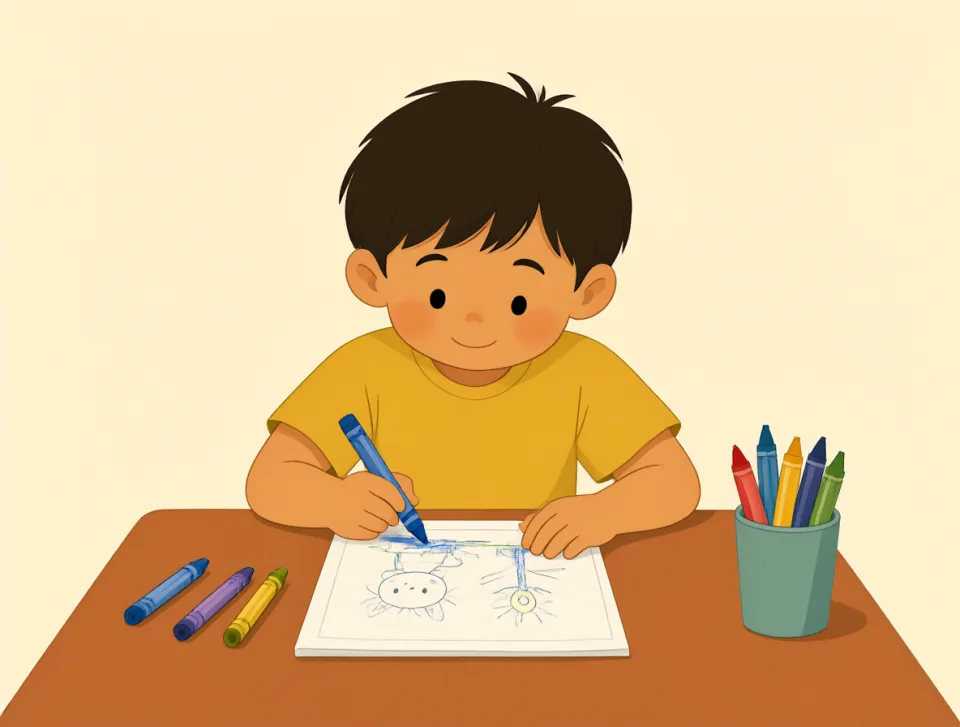
Please color the picture with blue crayons.
Пожалуйста, раскрась картинку синими карандашами.

He colored his hair black last week.
На прошлой неделе он покрасил волосы в чёрный цвет.
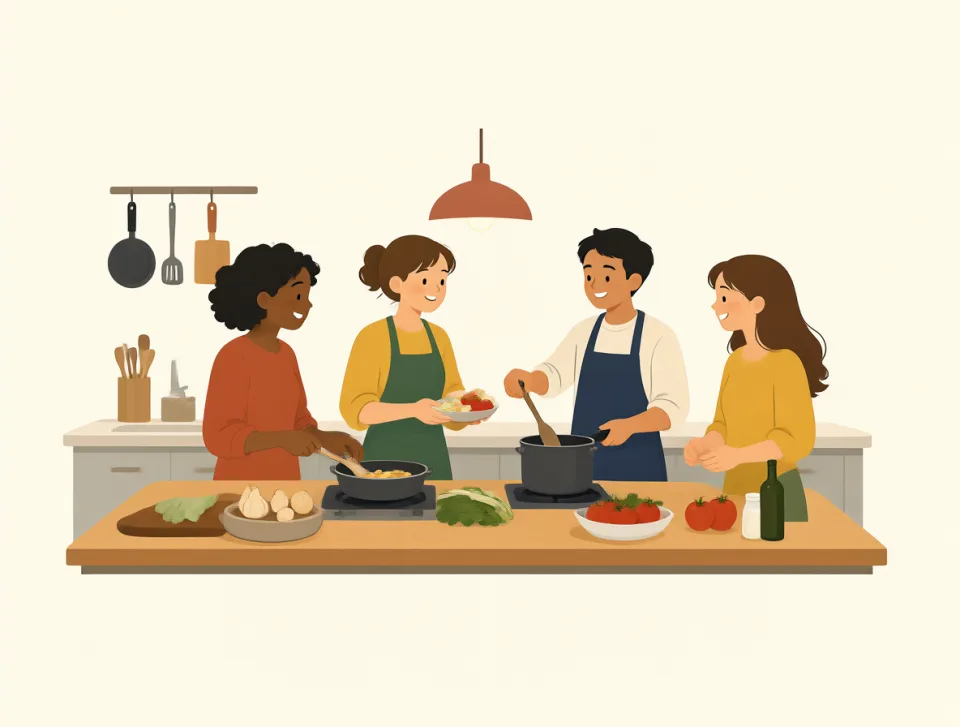
involve
#379verb
вовлекать; включать
to include someone or something in an activity or situation
вовлекать кого-либо или включать кого-либо или что-либо в деятельность или ситуацию
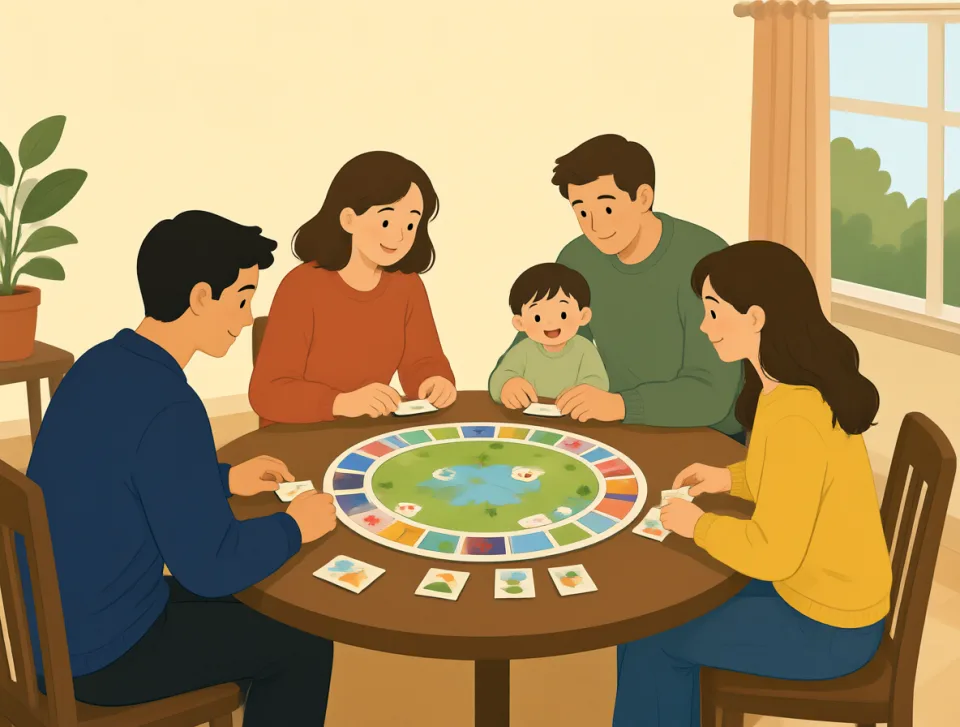
The game involves everyone in the family.
В этой игре участвуют все члены семьи.

The job involves helping customers every day.
Эта работа предполагает ежедневную помощь клиентам.

The school trip involved a long bus ride.
Поездка школы включала долгую дорогу на автобусе.
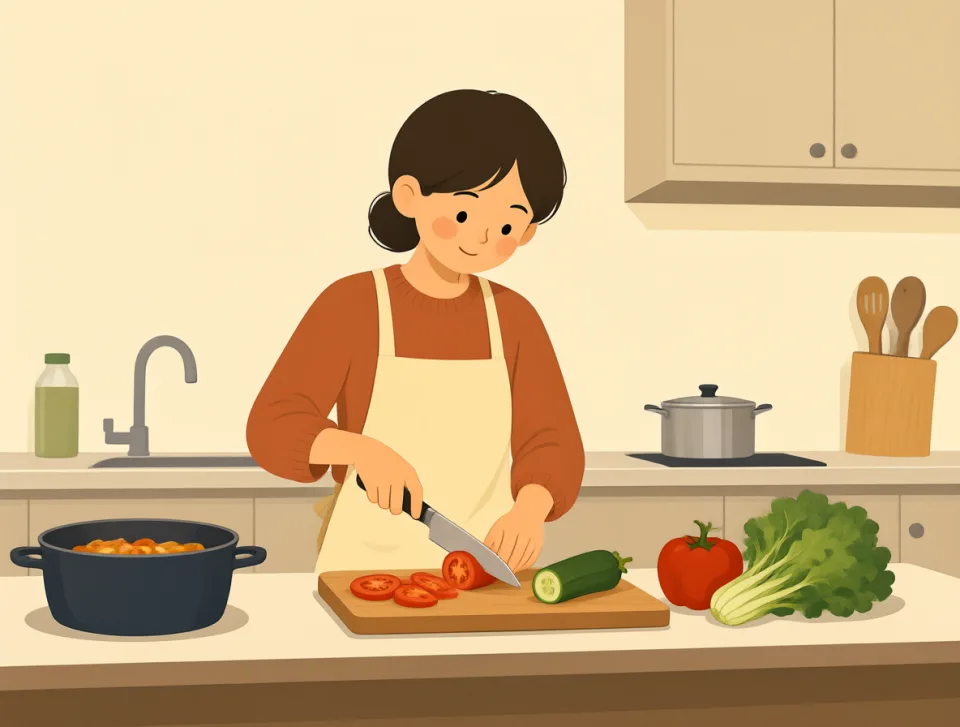
Cooking dinner involves cutting many vegetables.
Чтобы приготовить ужин, нужно нарезать много овощей.
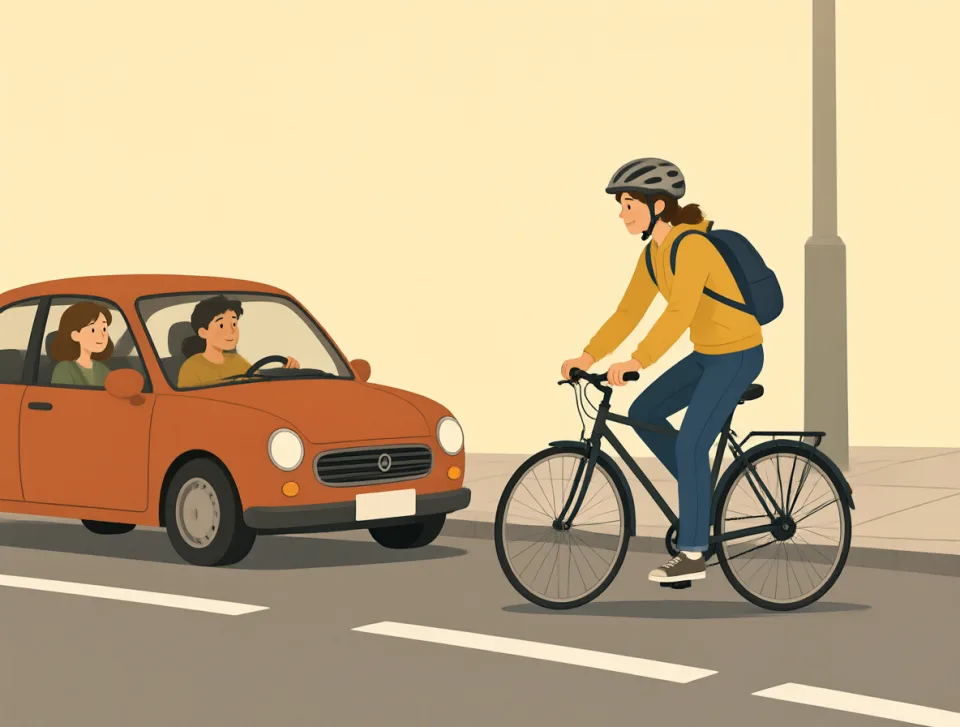
The accident involved two cars and a cyclist.
В аварии участвовали две машины и велосипедист.
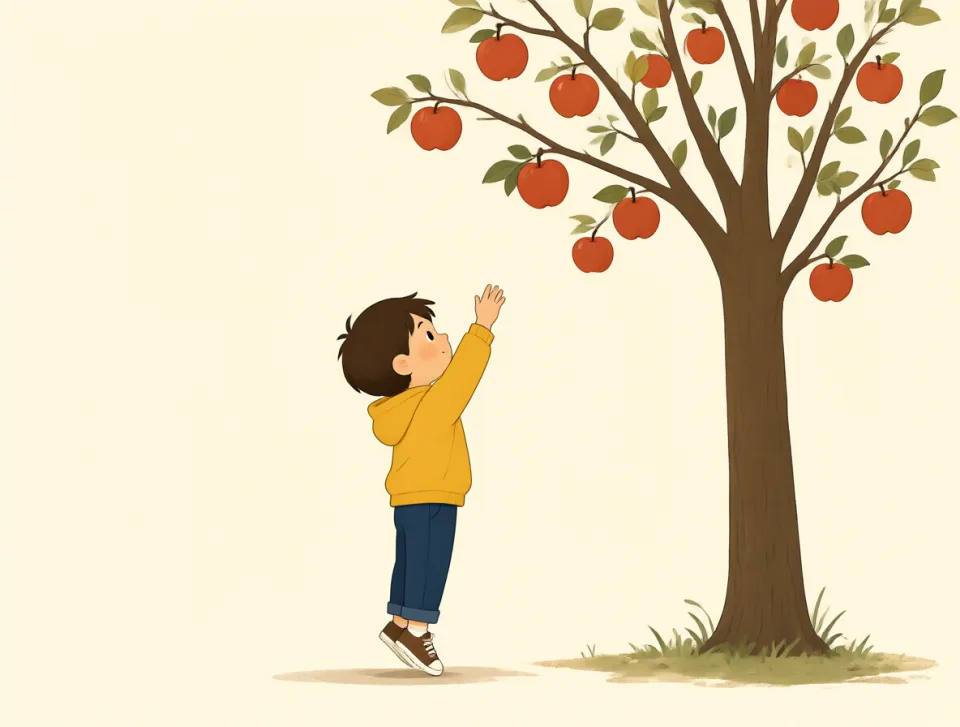
reach
#380verb, noun
достигать; добираться
to arrive at a place, touch something, or get as far as a goal
прибывать в какое-либо место, дотрагиваться до чего-либо или продвигаться до цели
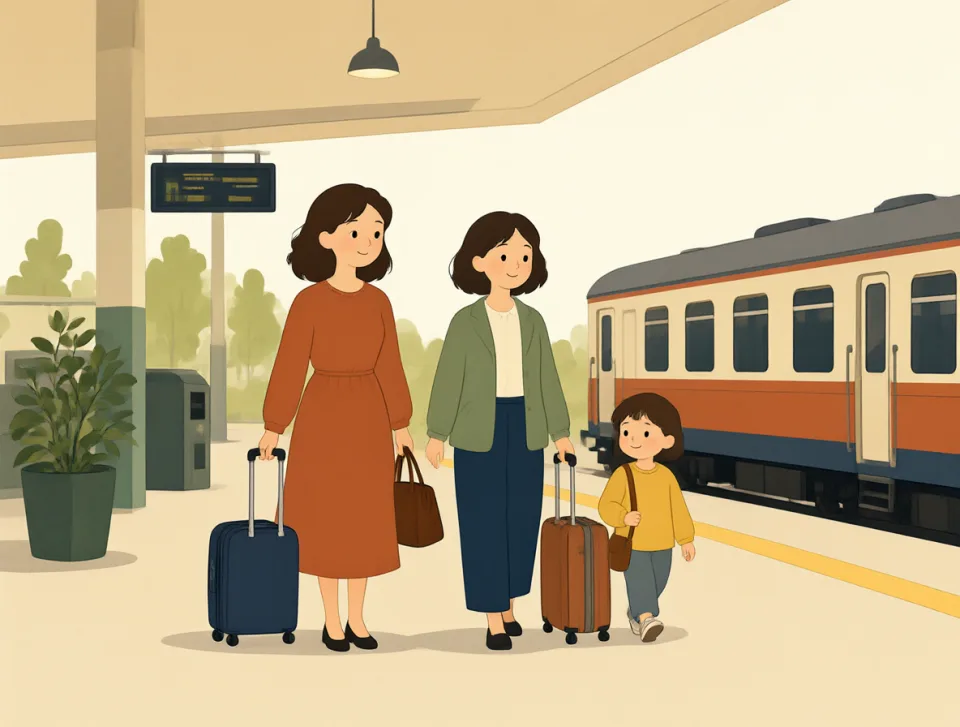
We reached the station just before noon.
Мы добрались до станции незадолго до полудня.
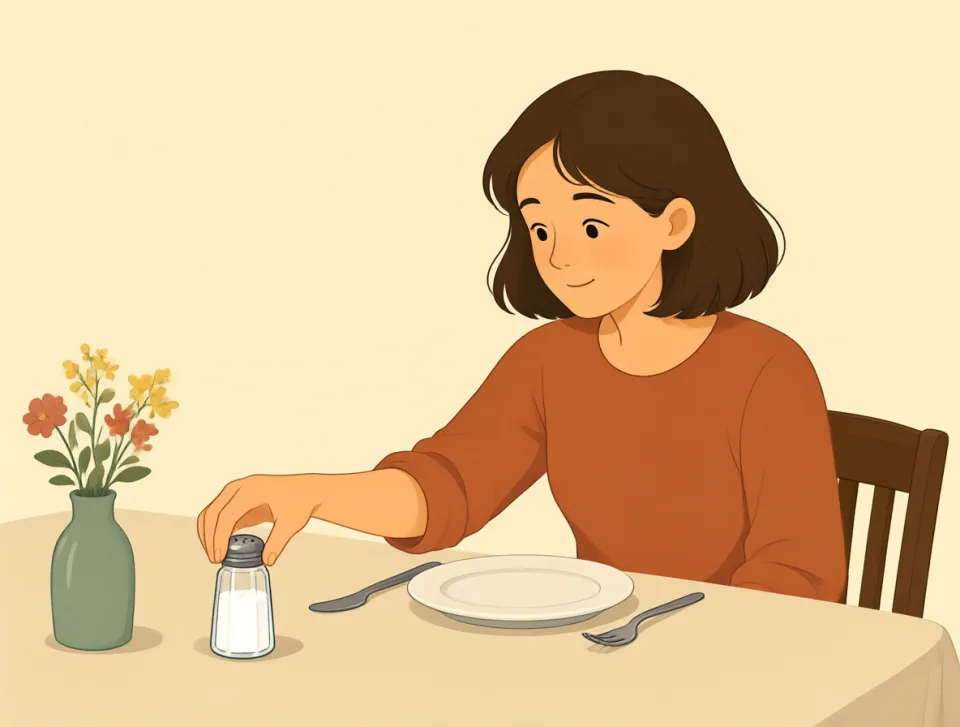
She reached for the salt at dinner.
За ужином она потянулась за солью.
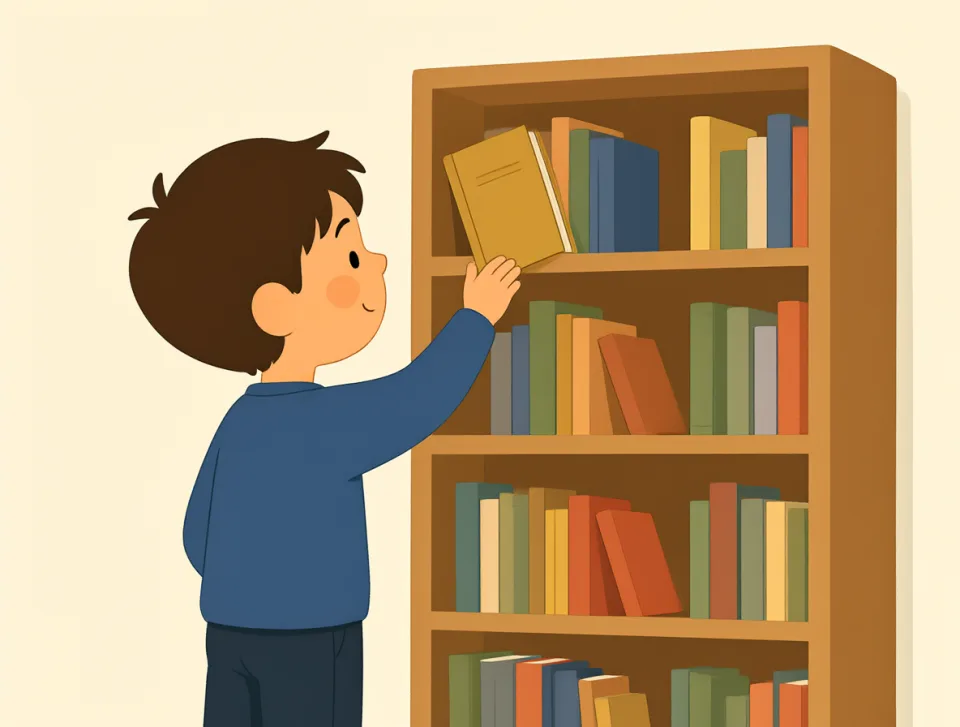
The boy reached the top shelf easily.
Мальчик без труда достал до верхней полки.
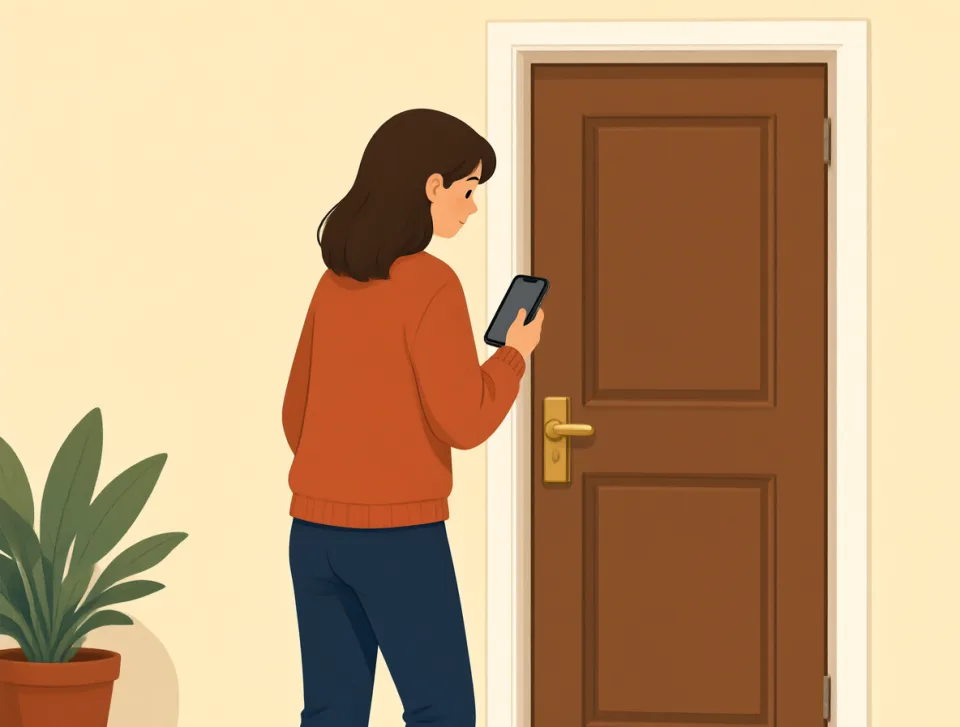
Please call me when you reach home.
Пожалуйста, позвони мне, когда доберёшься домой.
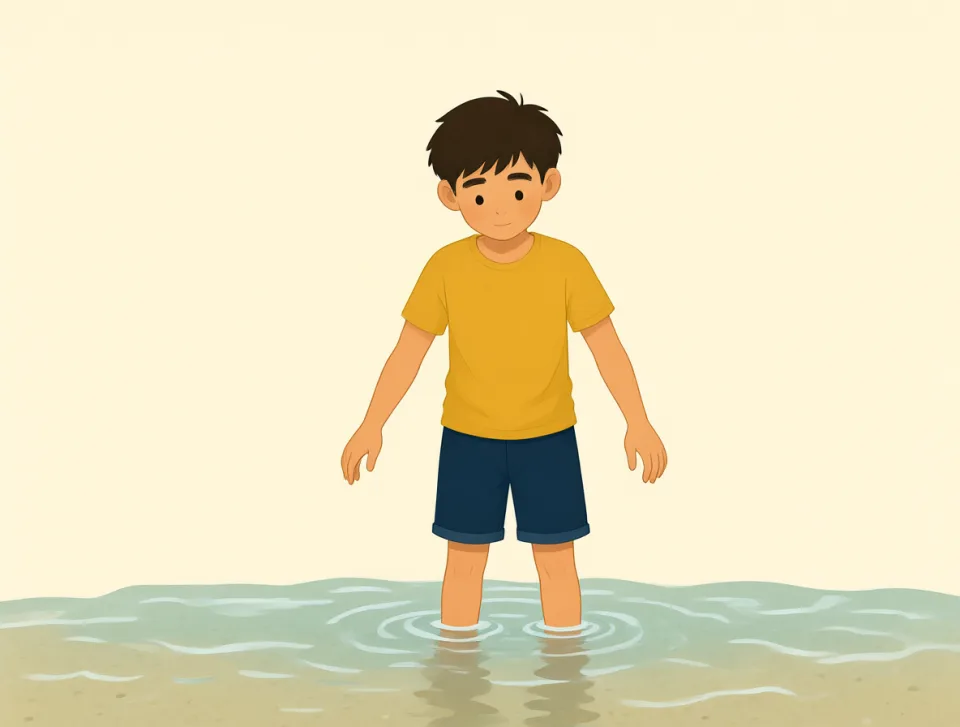
The water reached my knees.
Вода доходила мне до колен.