19단원
361–380번 단어 · subject, class, development, town, half, minute
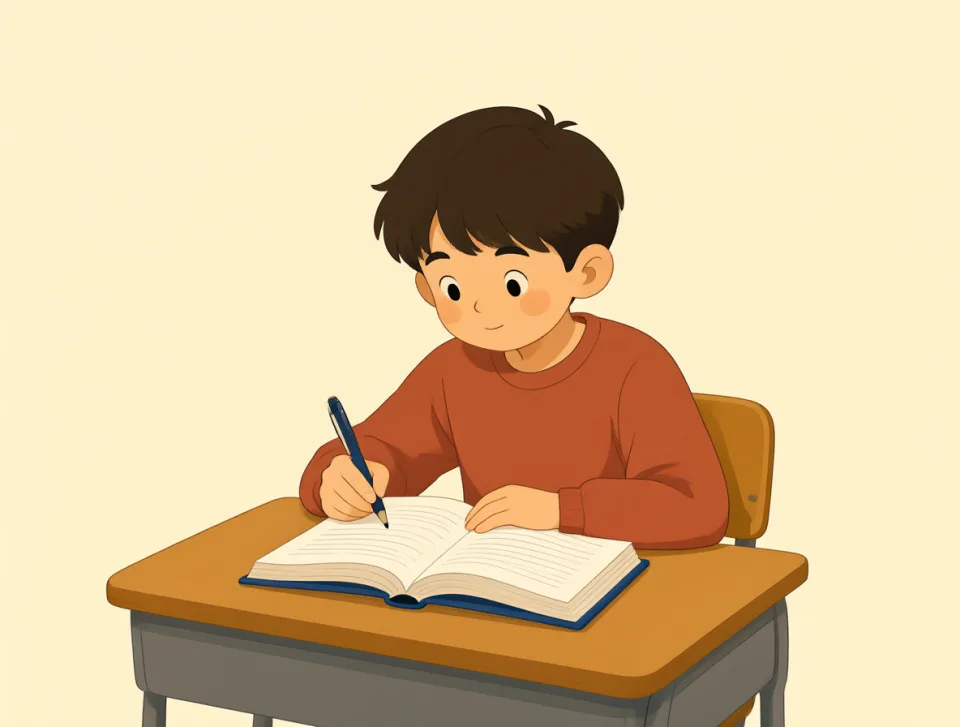
subject
#361noun, verb, adjective
주제; 과목; 대상
A person or thing being discussed, studied, or affected by something.
논의되거나 연구되거나 어떤 일의 영향을 받는 사람이나 사물
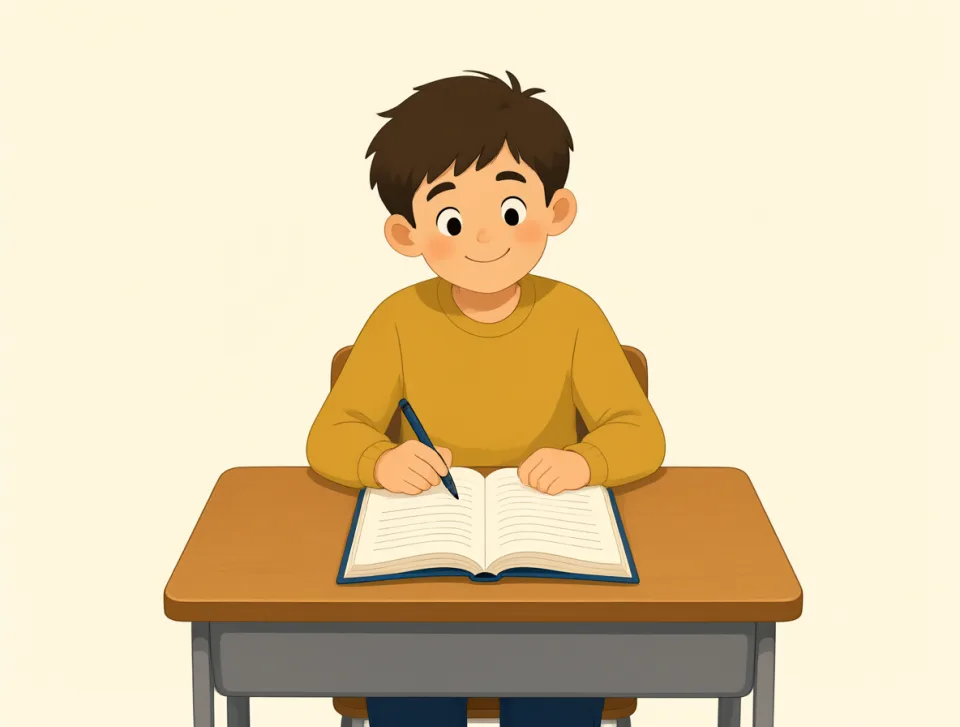
Math was my favorite subject at school.
학교에서 수학이 내가 가장 좋아하는 과목이었다.

The subject of our meeting was money.
우리 회의의 주제는 돈이었다.
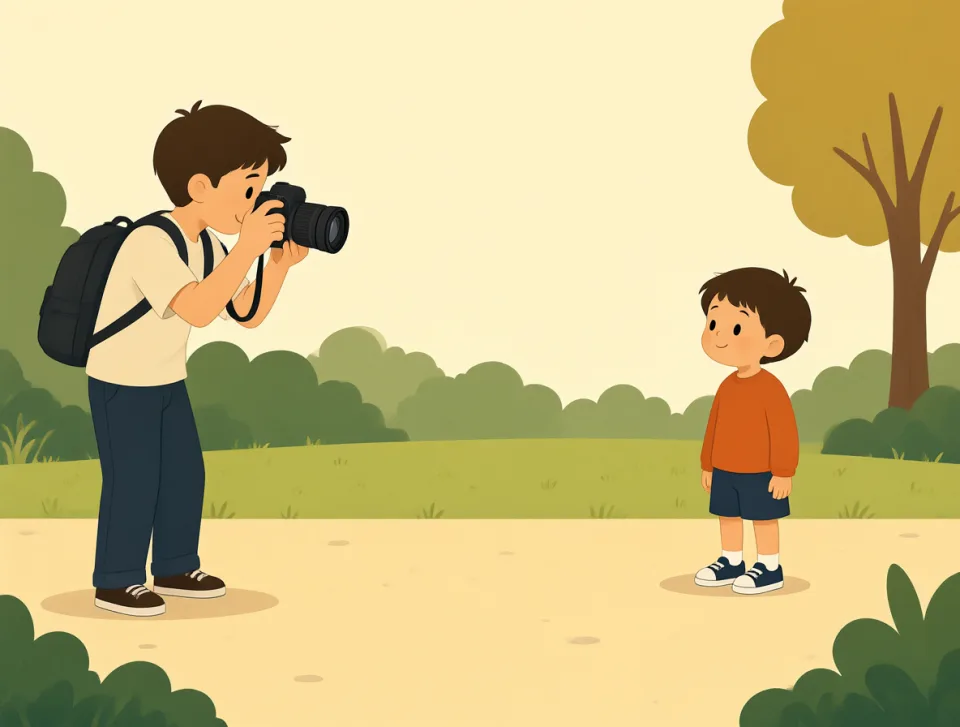
The photographer chose a child as her subject.
사진작가는 한 아이를 촬영 대상으로 선택했다.
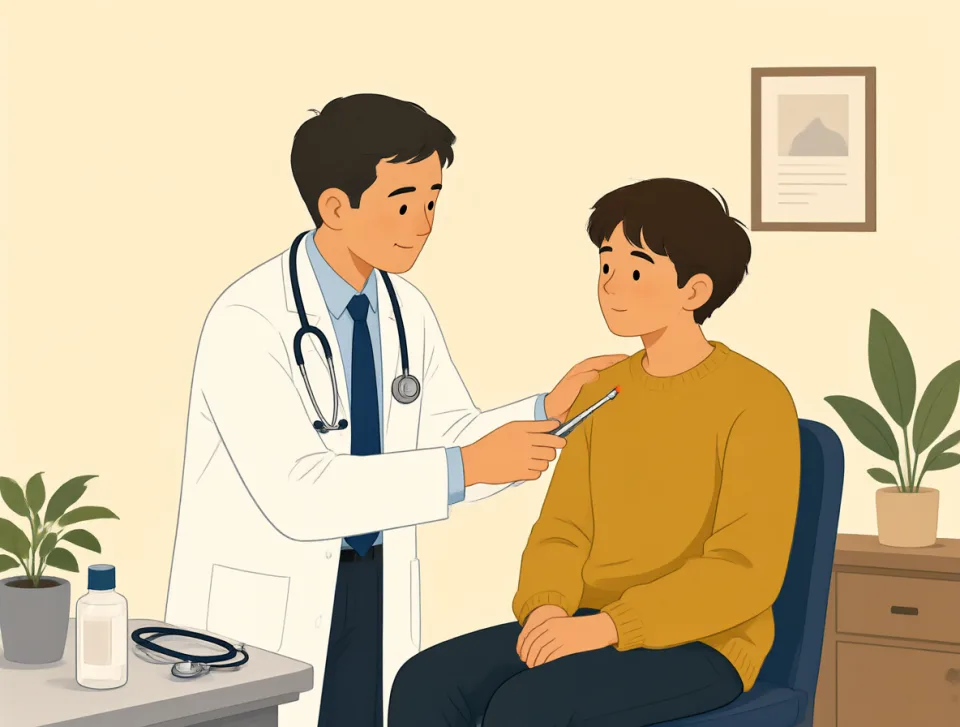
The patient was subject to several tests.
그 환자는 여러 검사를 받아야 했다.
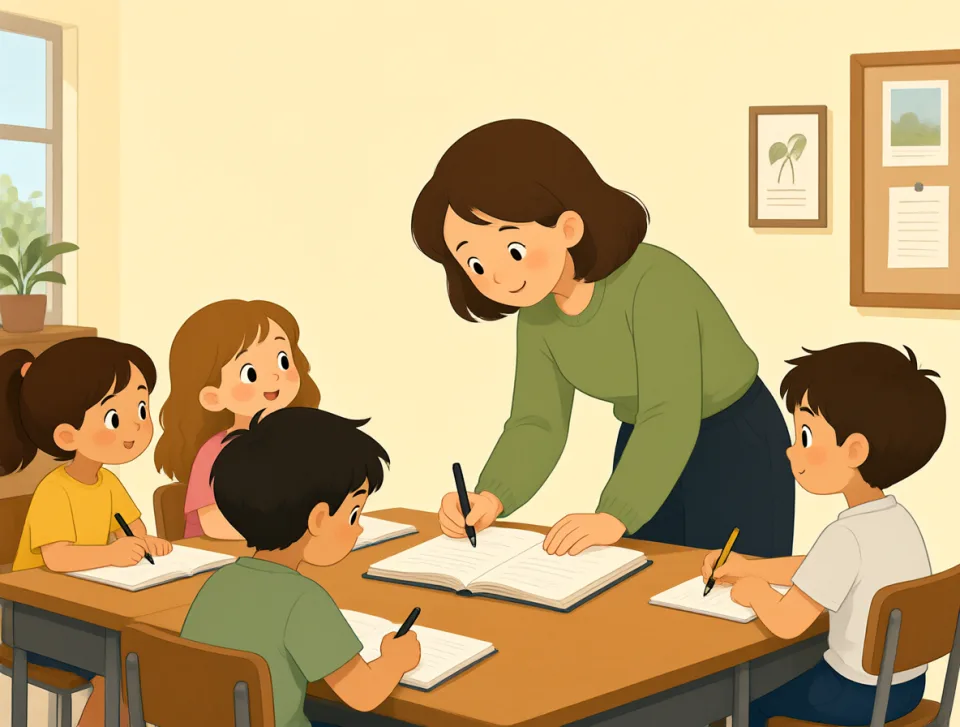
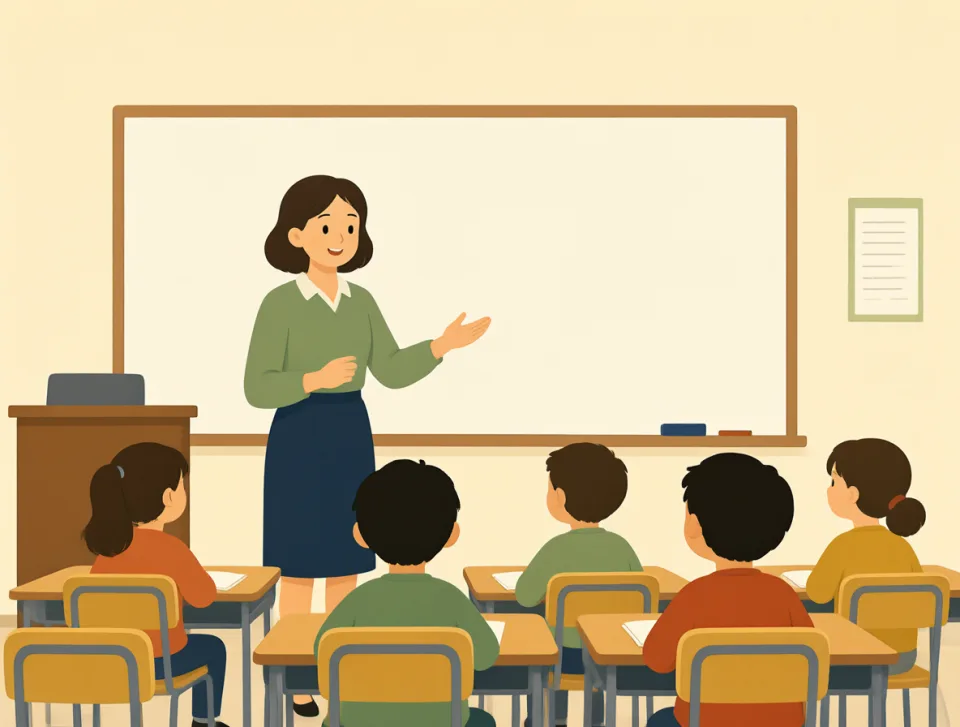
This subject is difficult for many students.
이 주제는 많은 학생에게 어렵다.
class
#362noun, verb
수업; 반; 분류하다
A lesson or group of students; to put things into groups by type or quality.
수업이나 학생들의 집단; 사물들을 종류나 품질에 따라 분류하다.
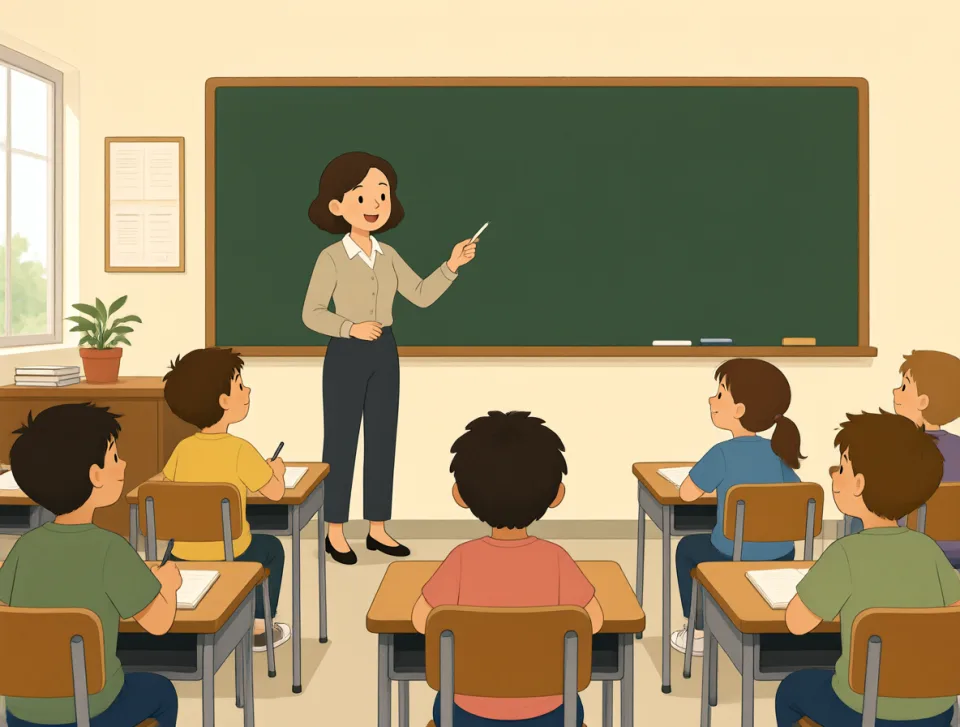
Our English class starts at nine o'clock.
우리 영어 수업은 9시에 시작한다.
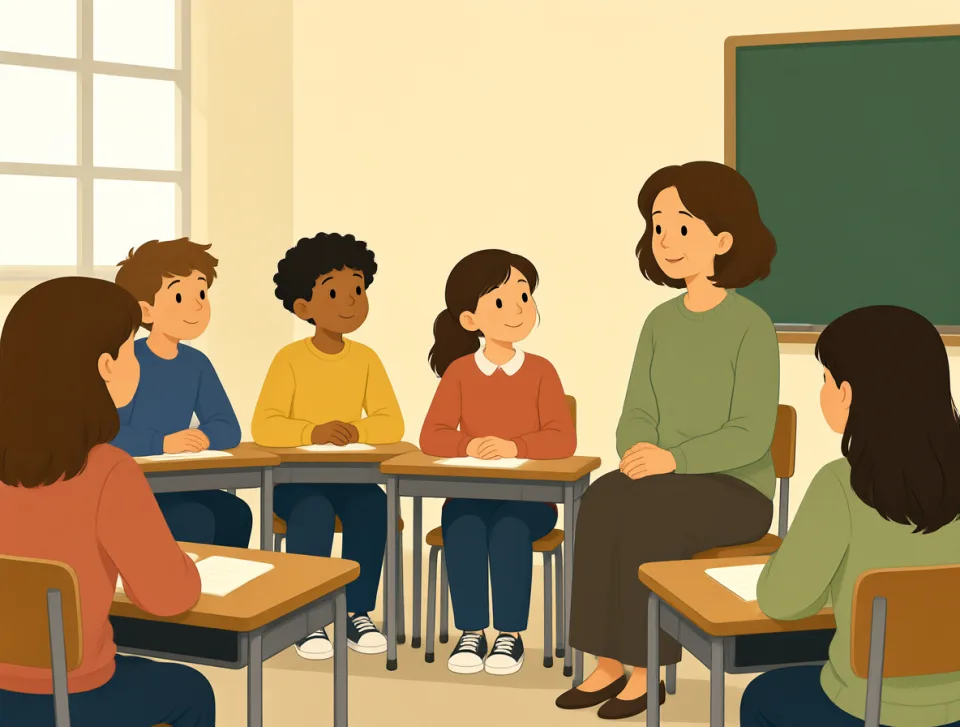
The class listened carefully to the teacher.
반 학생들은 선생님 말씀을 주의 깊게 들었다.
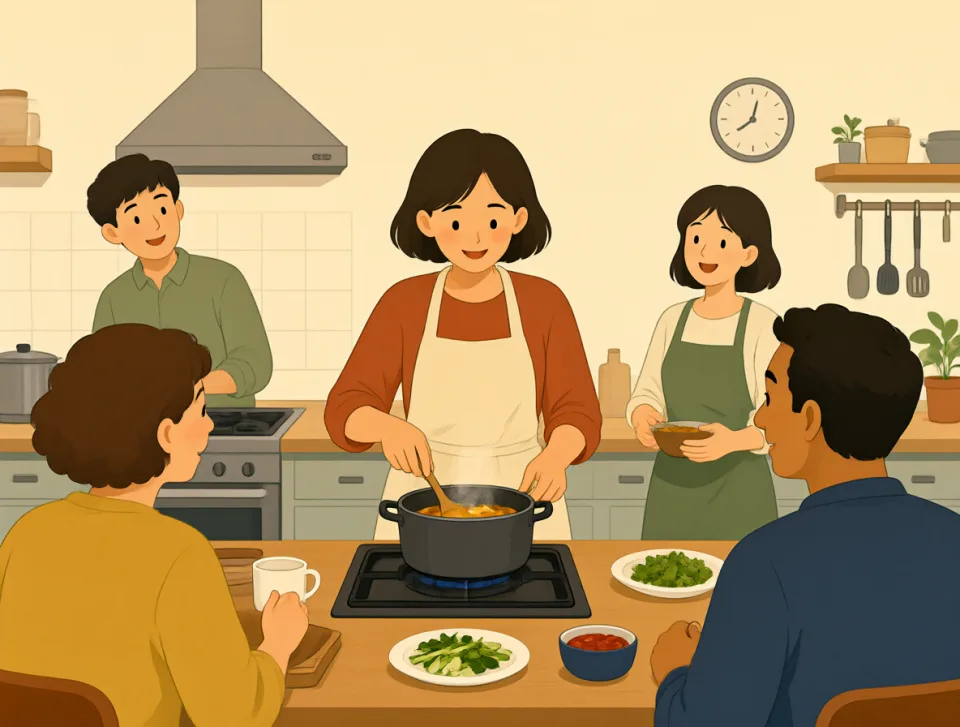
She joined a cooking class after work.
그녀는 퇴근 후 요리 수업에 등록했다.
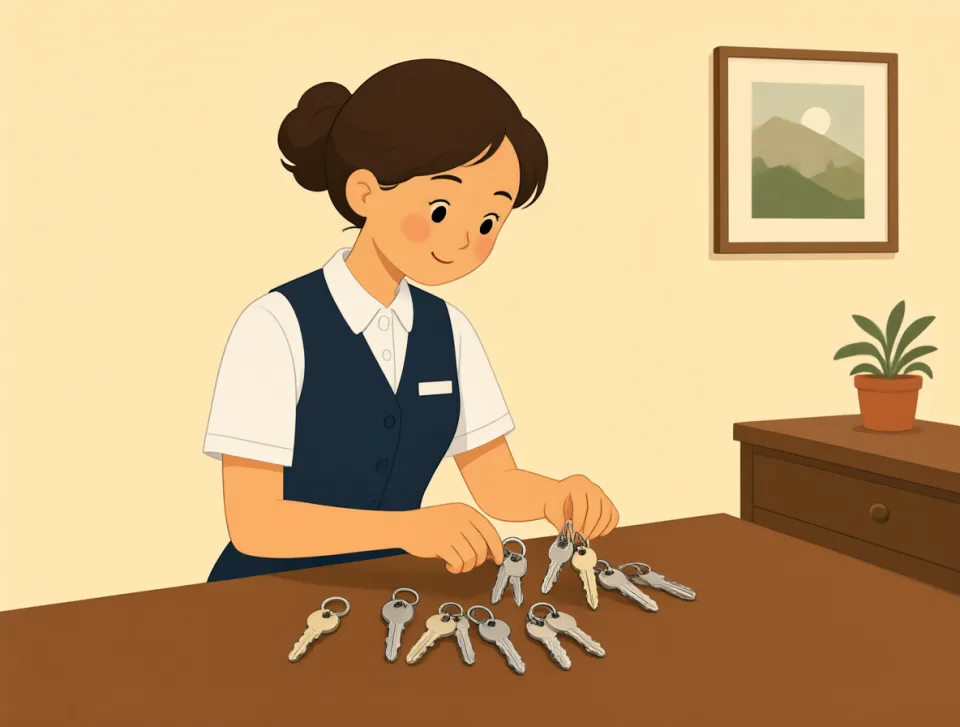
The hotel classed the rooms by size.
호텔에서는 객실을 크기별로 분류했다.
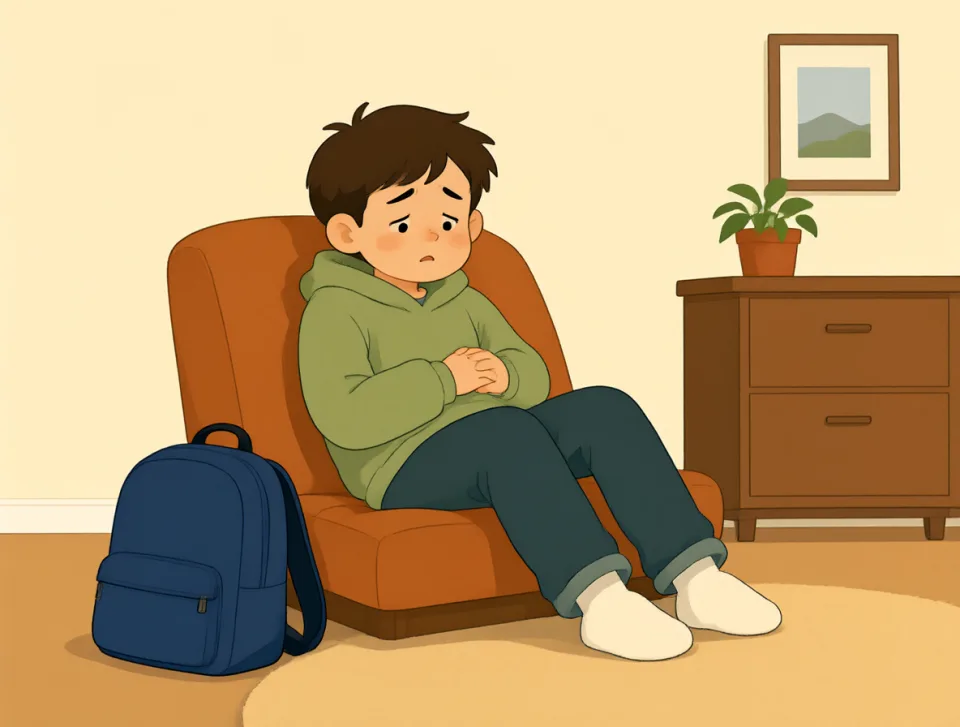
He missed class because he felt sick.
그는 몸이 아파서 수업에 빠졌다.
development
#363noun
발달; 개발; 발전
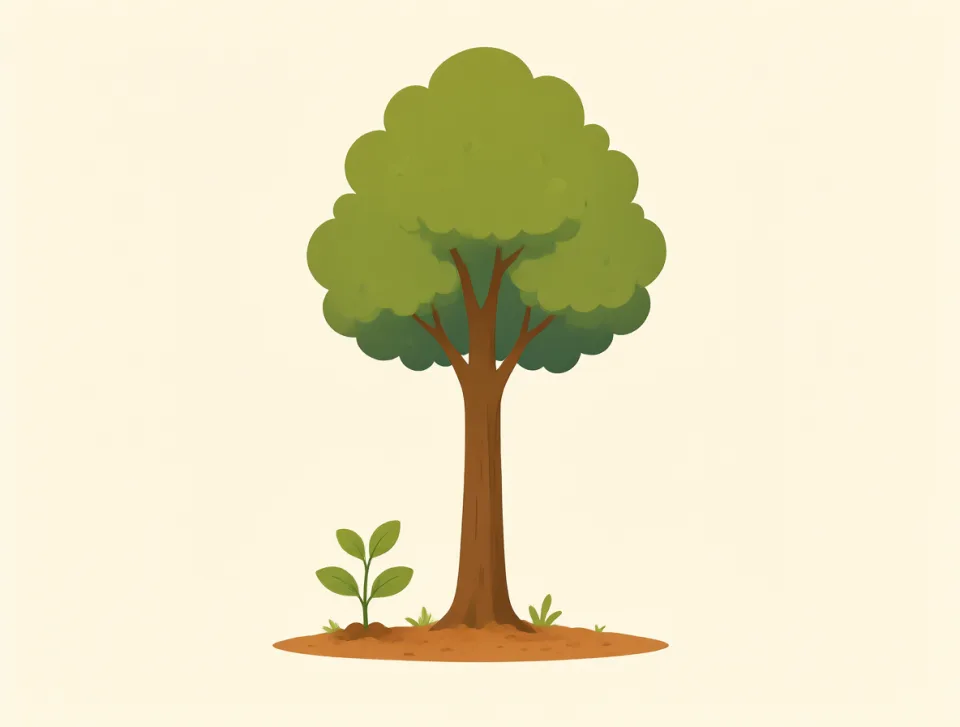
The process of growing, changing, or becoming better.
성장하거나 변하거나 더 나아지는 과정
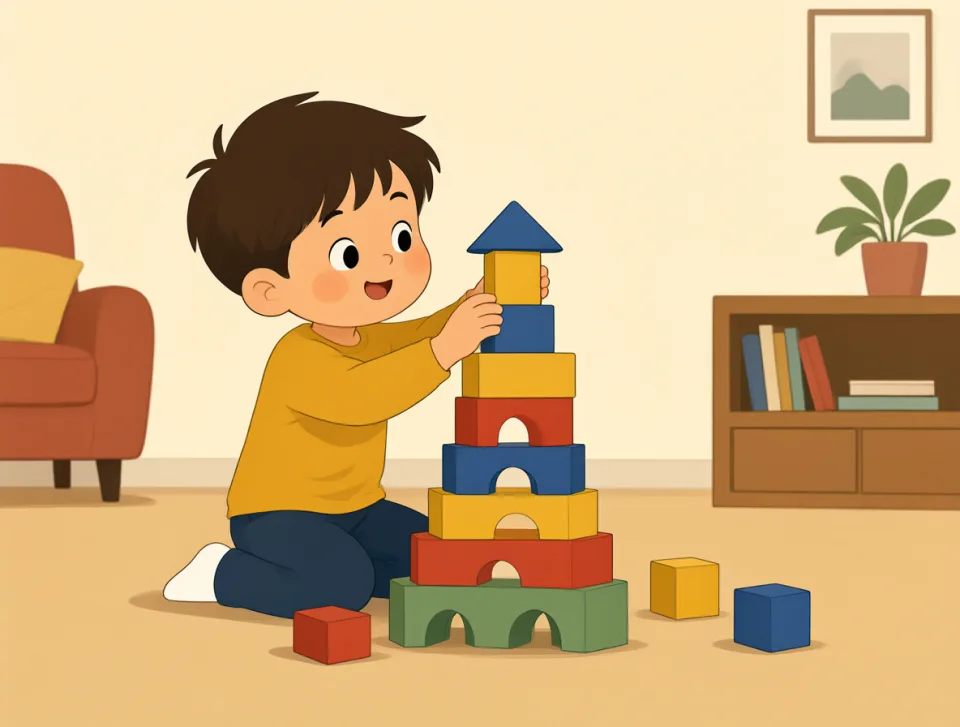
The child’s development is going well.
아이의 발달이 순조롭게 진행되고 있다.
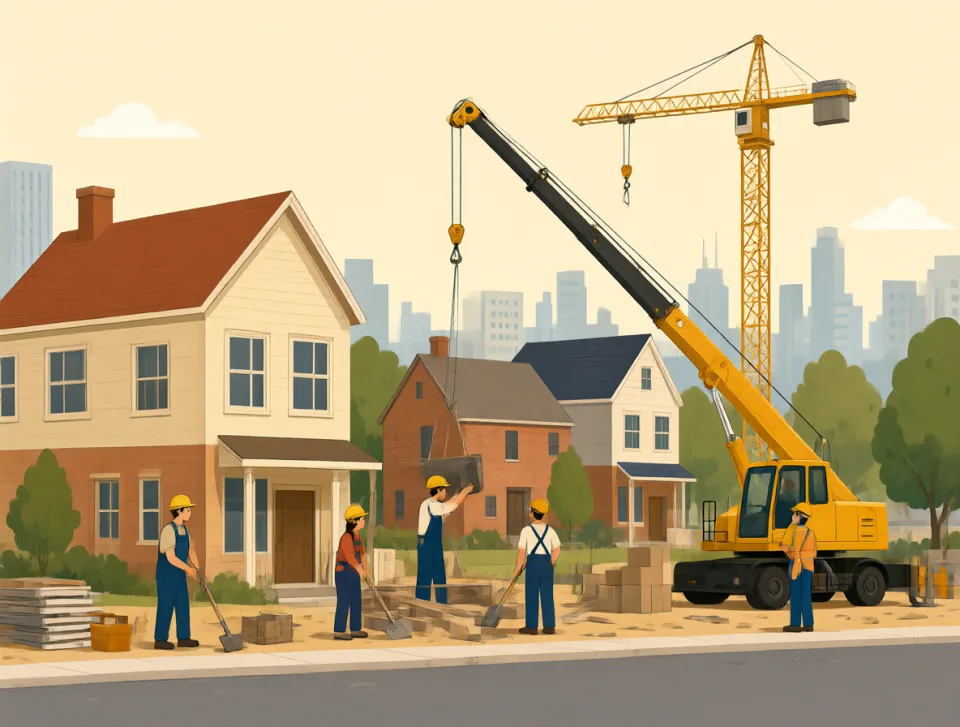
The city plans new housing development.
시는 새로운 주택 개발을 계획하고 있다.
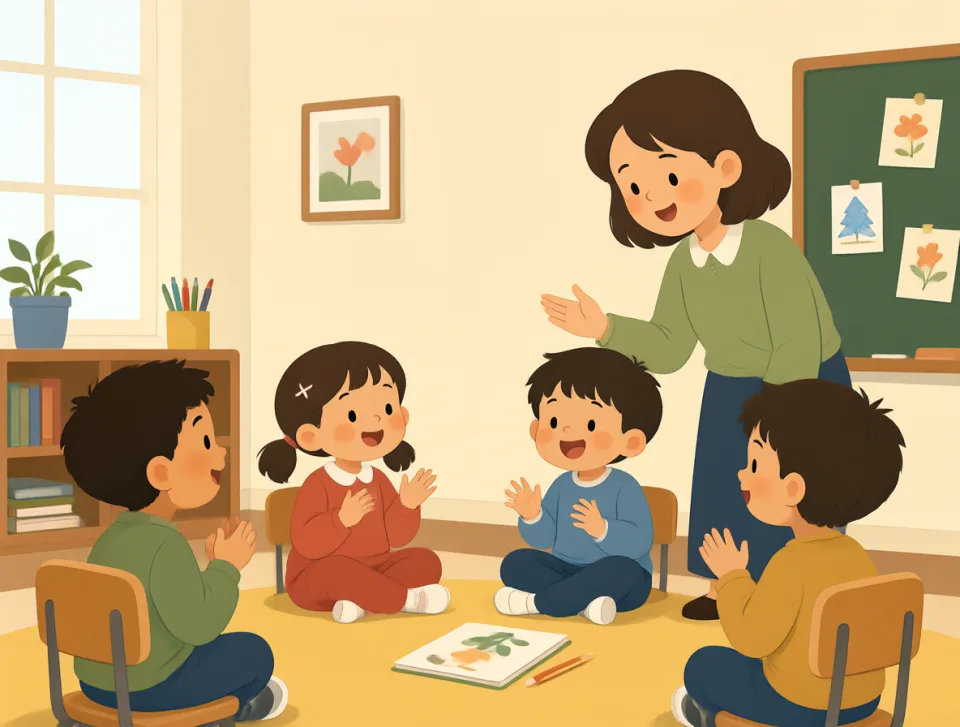
The teacher helps students with language development.
선생님은 학생들의 언어 발달을 도와준다.
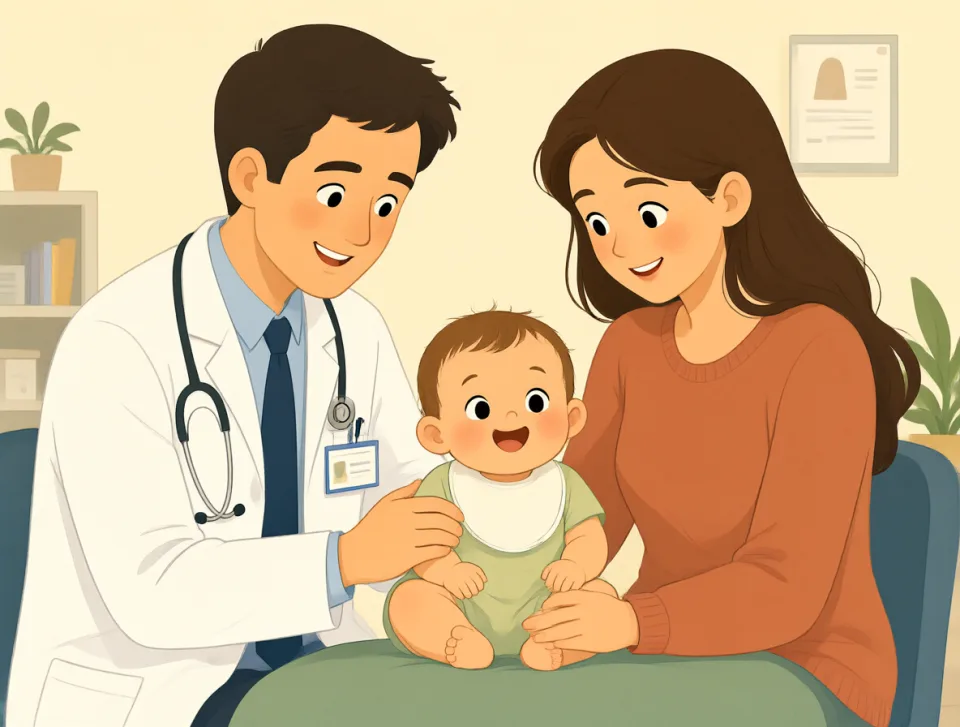
The doctor checked the baby’s development.
의사는 아기의 발달 상태를 확인했다.
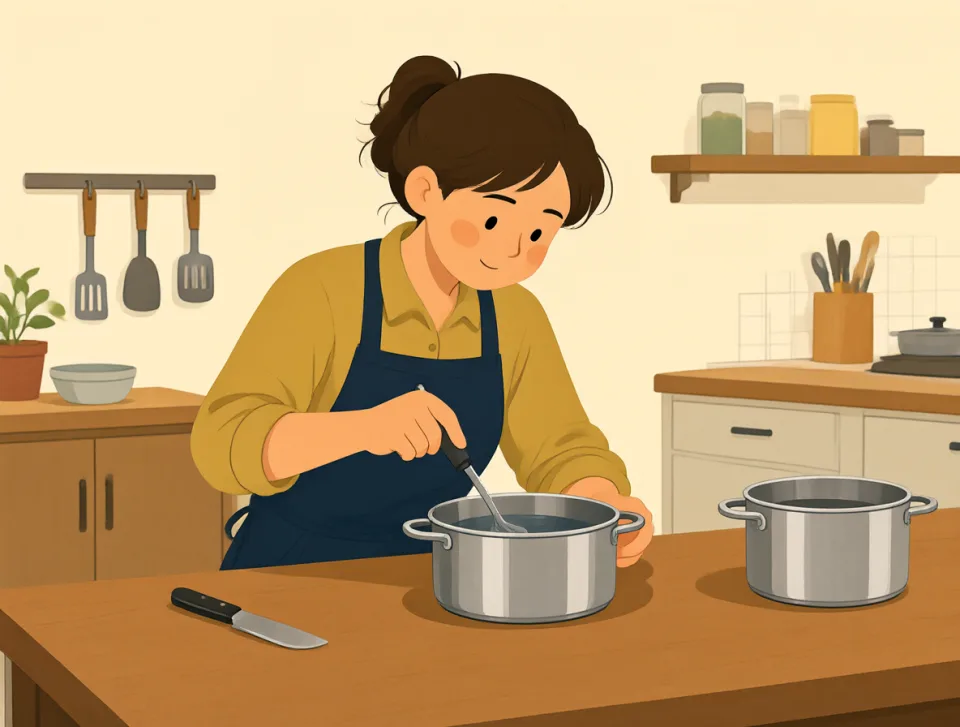
The new product is still in development.
새 제품은 아직 개발 중이다.
town
#364noun
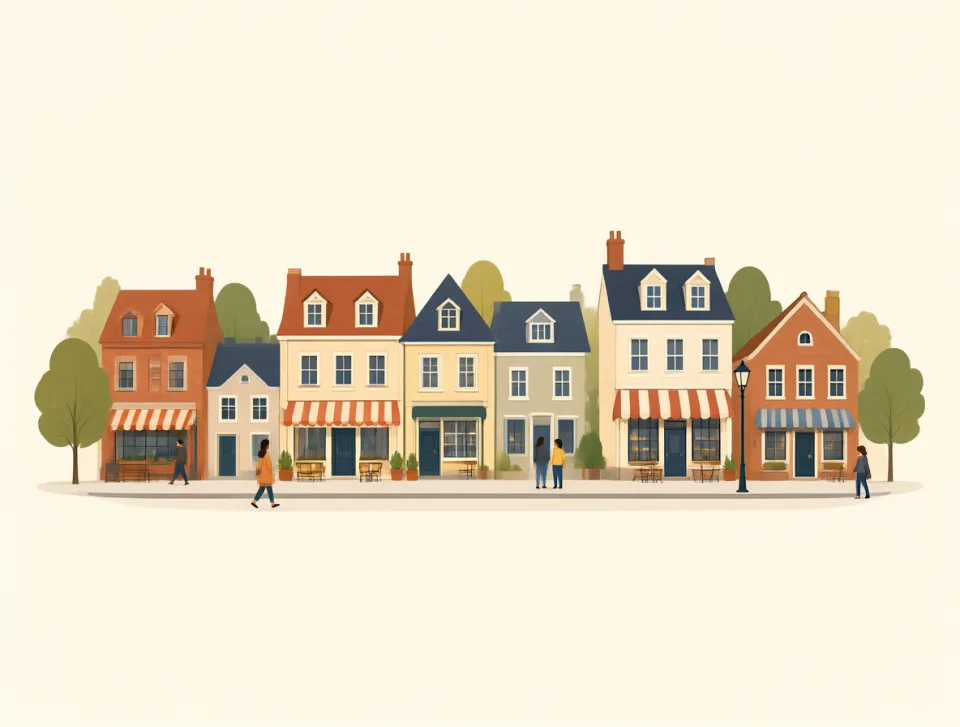
마을; 읍
a place where people live that is smaller than a city
도시보다 규모가 작은 사람들이 사는 곳
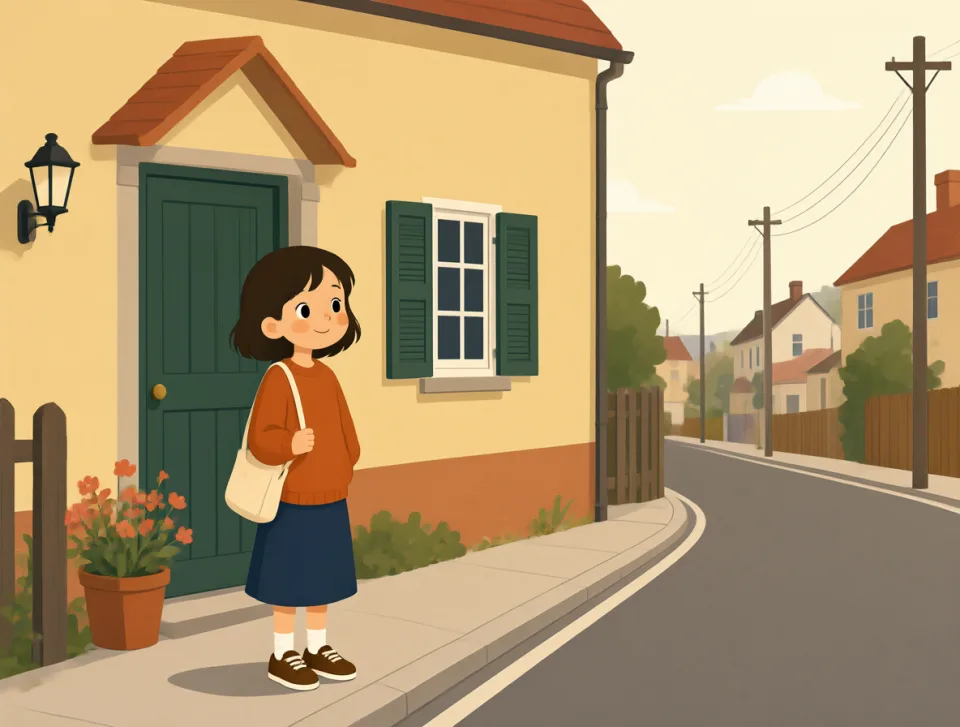
She lives in a small town.
그녀는 작은 마을에 살아요.
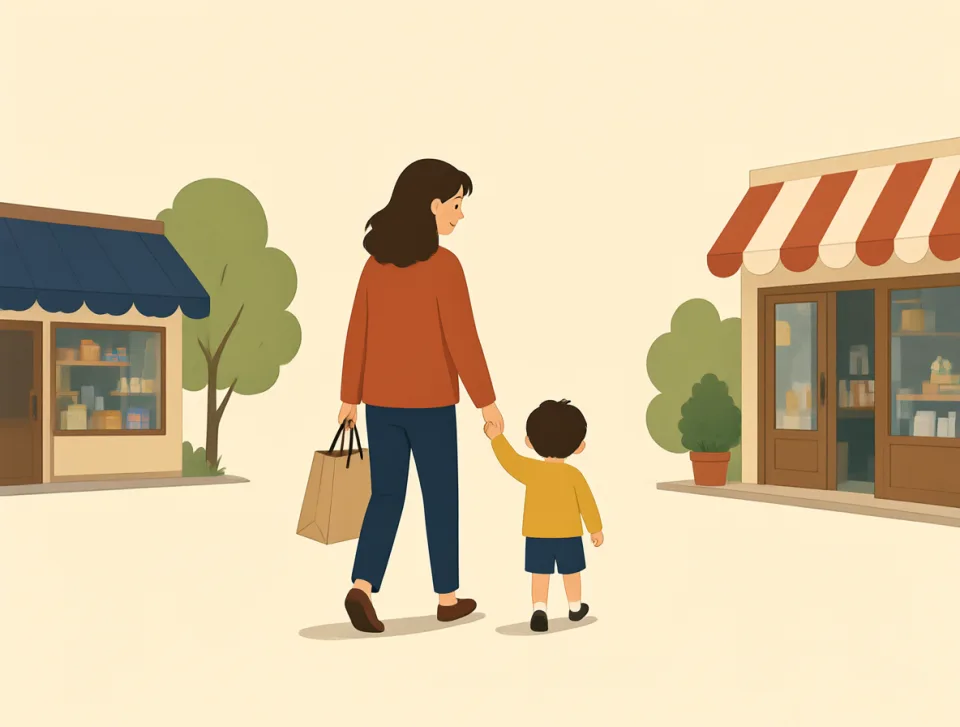
We went into town to buy food.
우리는 먹을 것을 사러 시내에 갔어요.
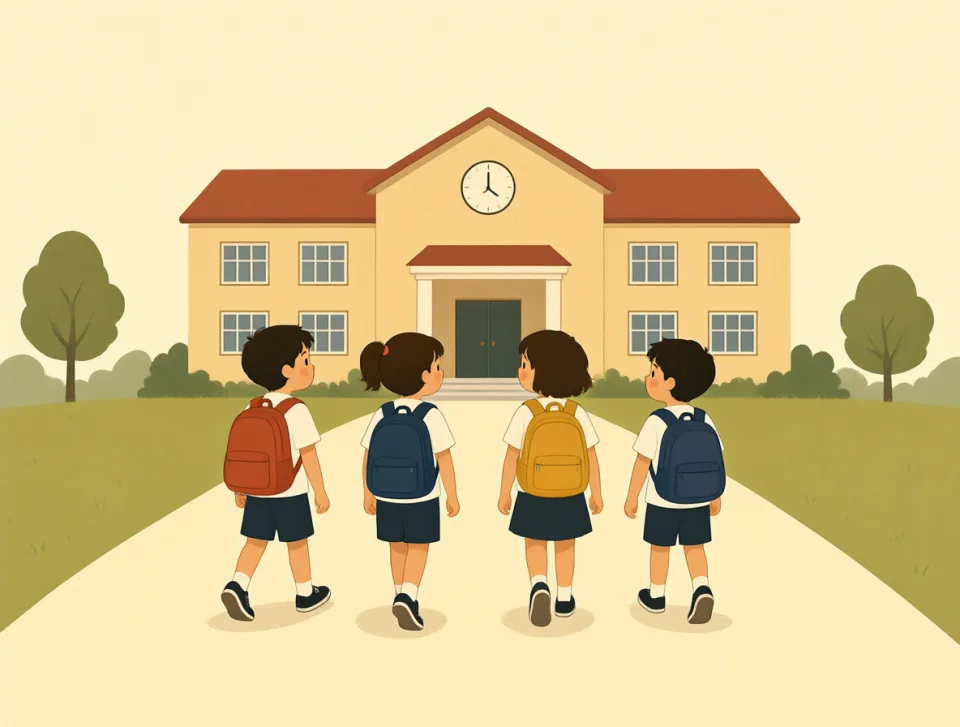
The town has a good school.
그 마을에는 좋은 학교가 있어요.
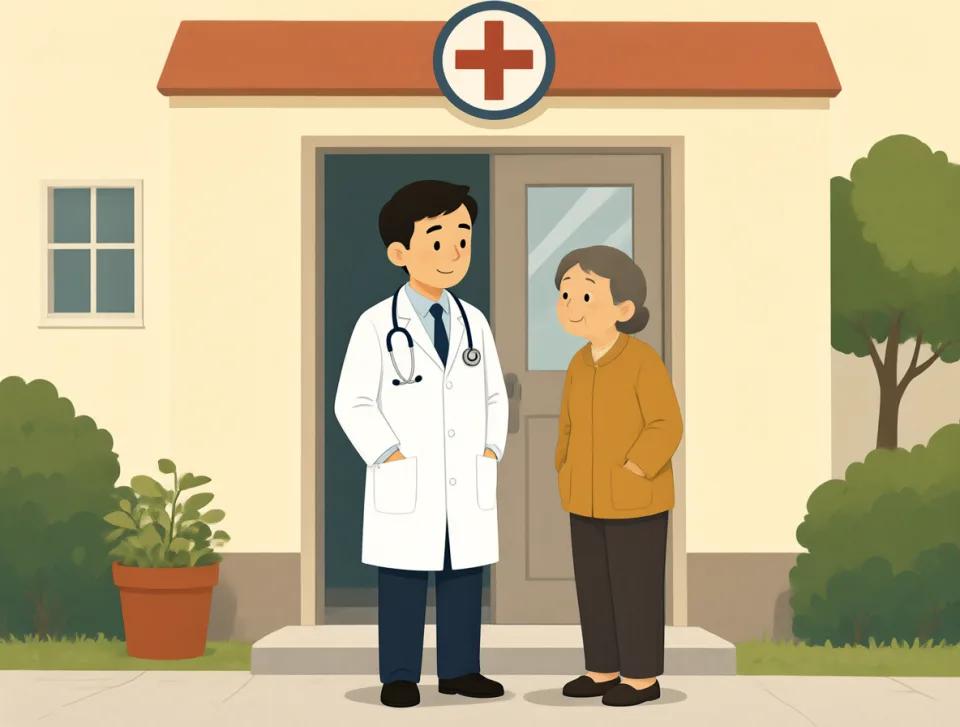
He works at the town hospital.
그는 마을 병원에서 일해요.
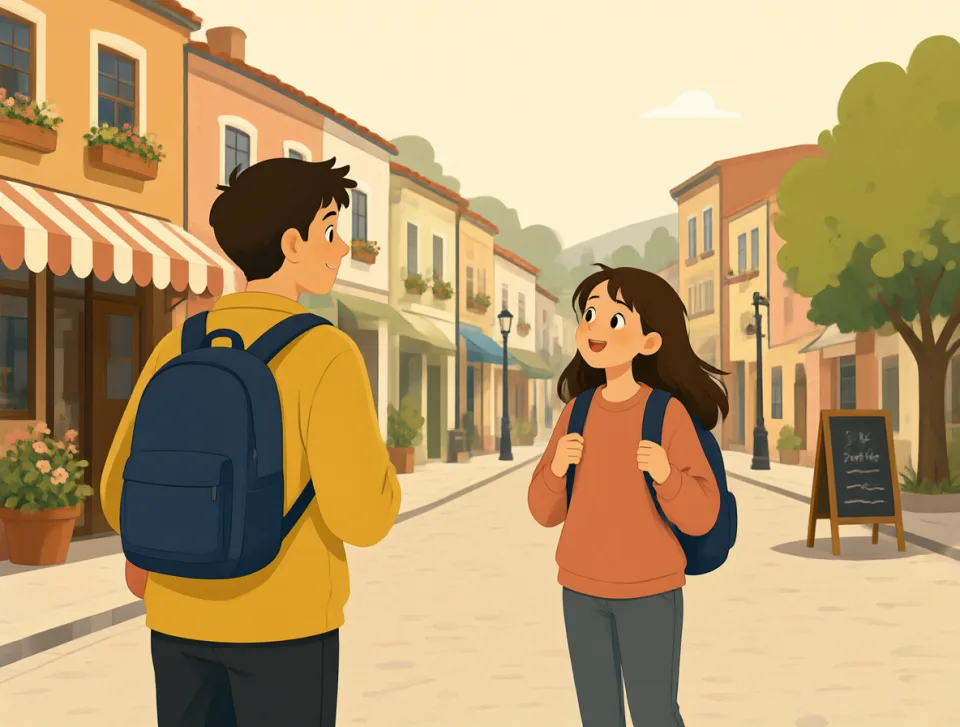
Our friends visited the town last summer.
우리 친구들은 지난여름에 그 마을을 방문했어요.
half
#365noun, adjective, adverb, determiner
반; 절반
One of two equal parts of something; 50 percent of it.
어떤 것의 똑같이 나뉜 두 부분 중 하나, 즉 전체의 50퍼센트
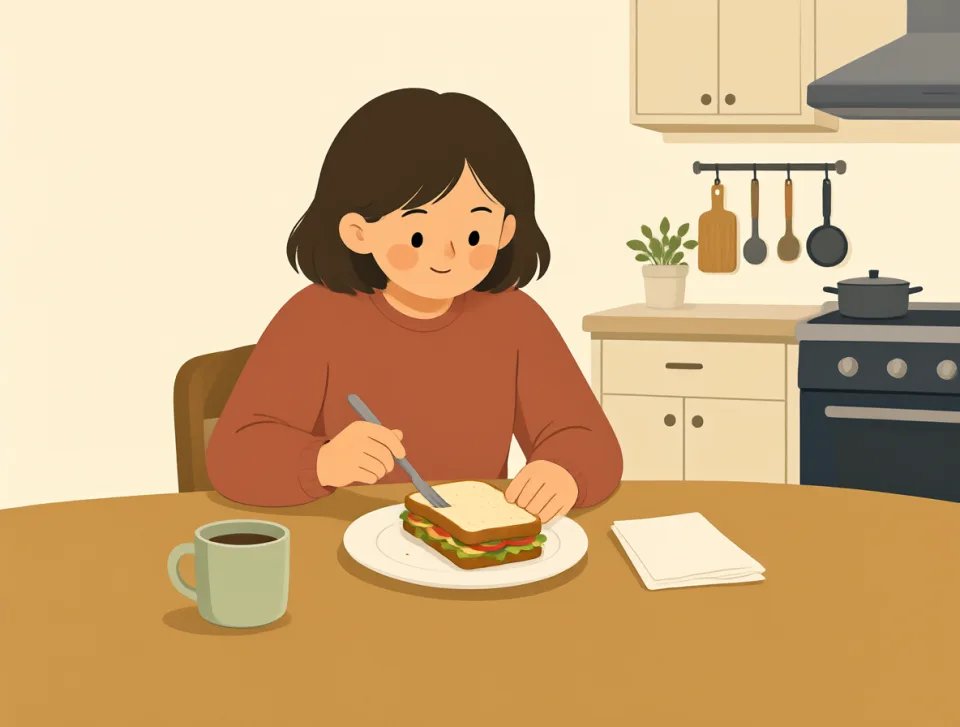
I ate half of the sandwich.
나는 샌드위치를 반 먹었다.
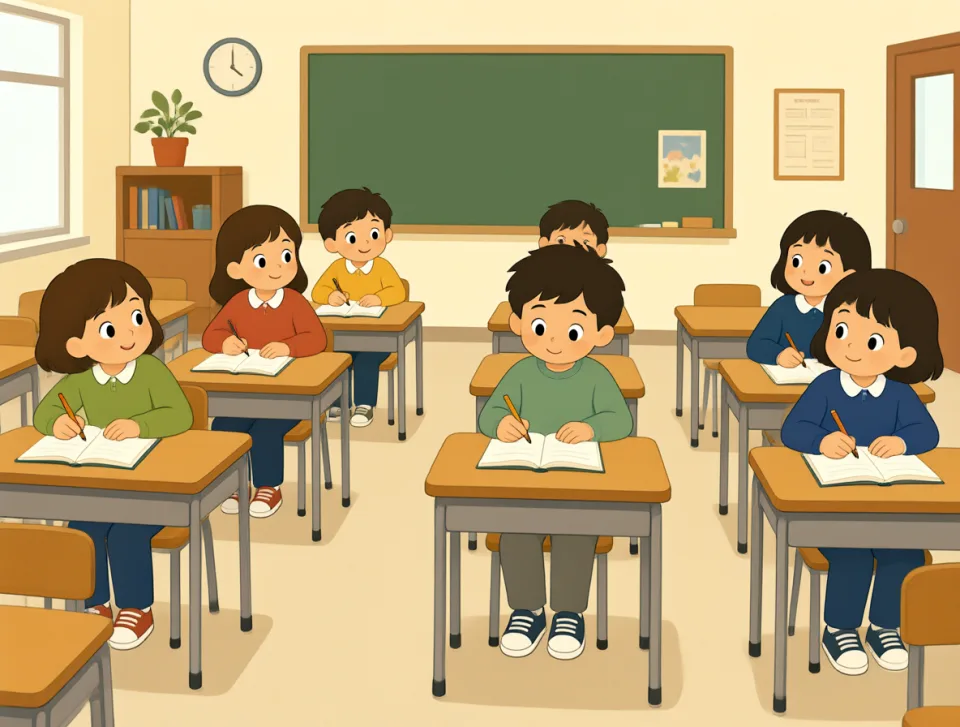
Half the class was absent today.
오늘은 반 학생이 결석했다.
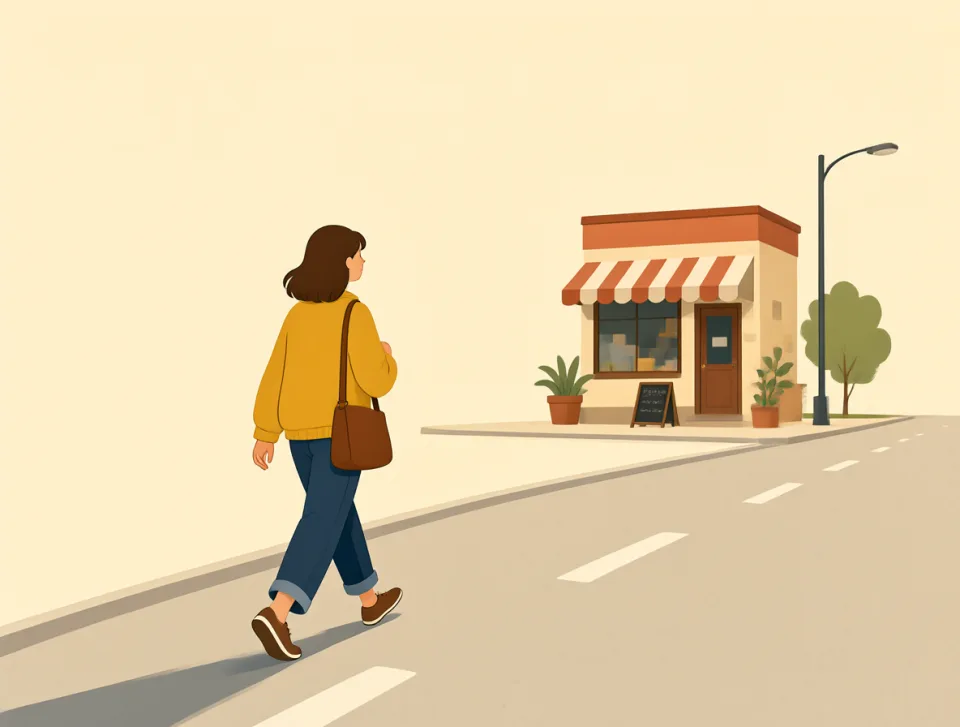
The shop is half a mile away.
그 가게는 반 마일 떨어져 있다.
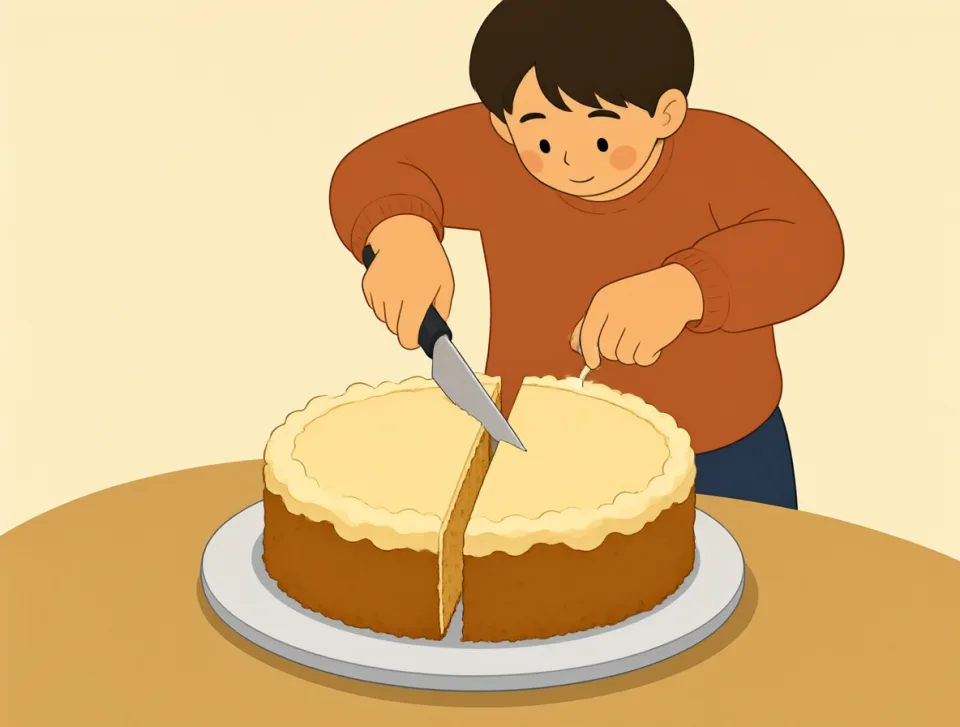
Please cut the cake in half.
케이크를 반으로 잘라 주세요.
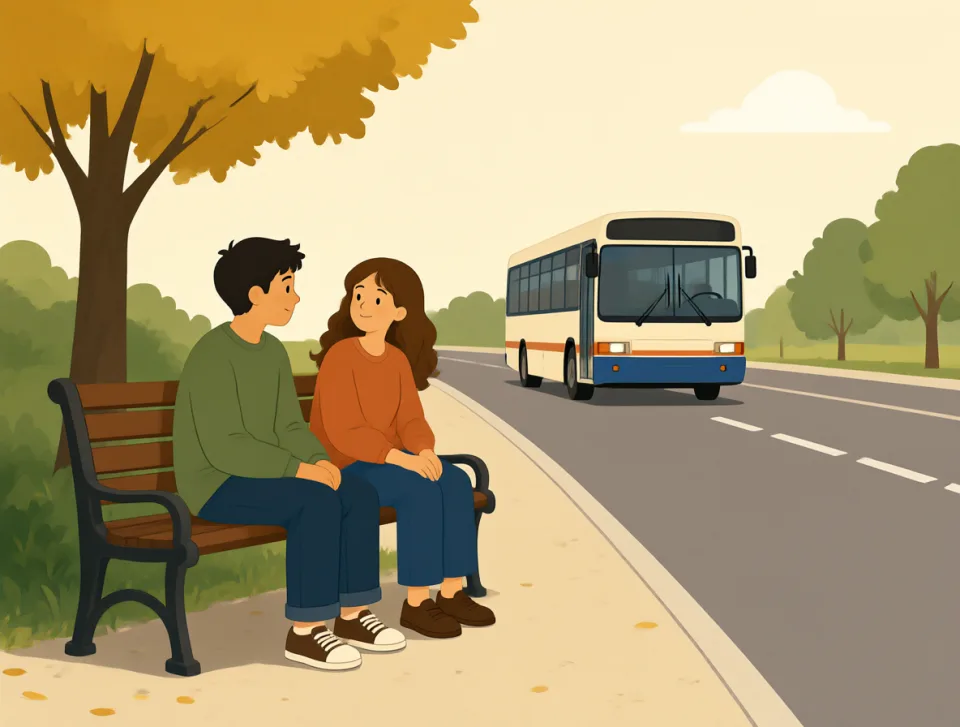
We waited half an hour for the bus.
우리는 버스를 30분 동안 기다렸다.
minute
#366noun, adjective
분; 아주 작은
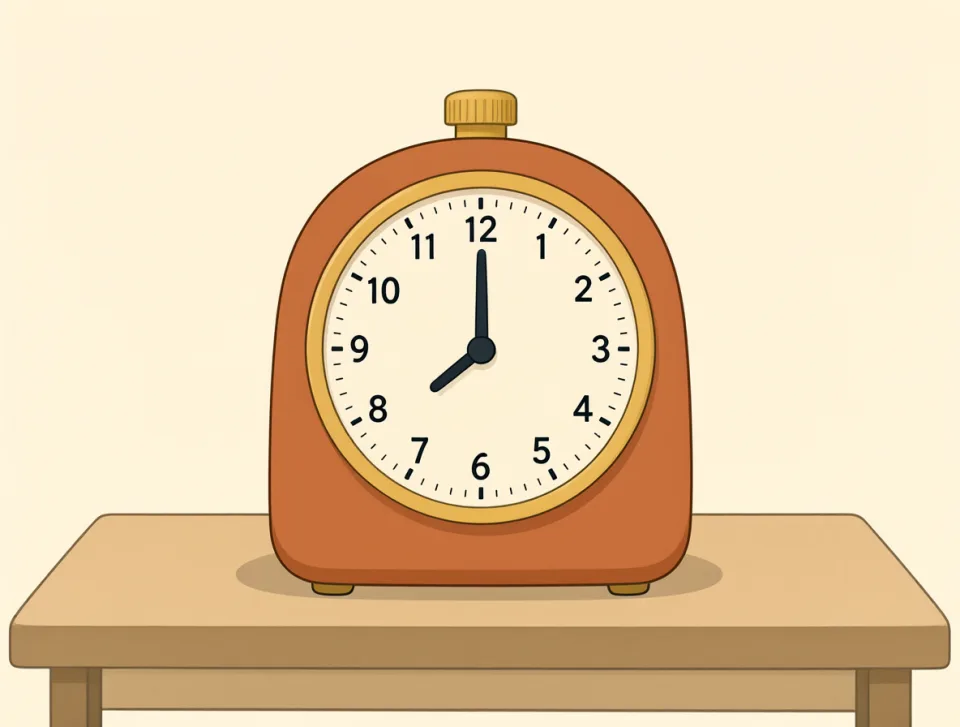
A minute is a period of sixty seconds.
1분은 60초의 시간입니다.
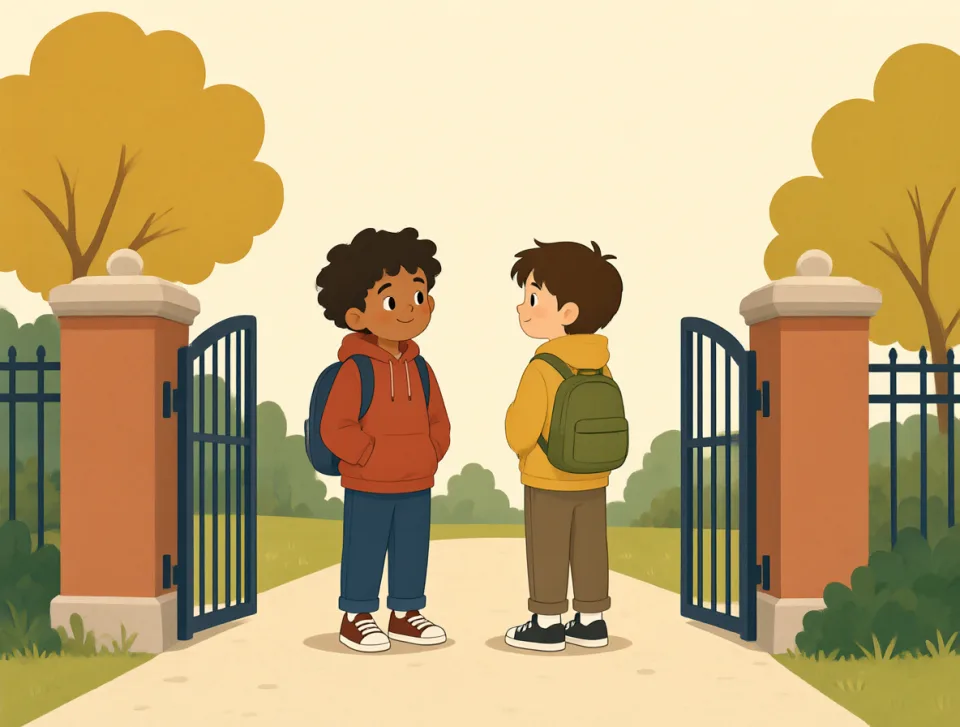
Please wait a minute for me.
잠깐만 기다려 주세요.
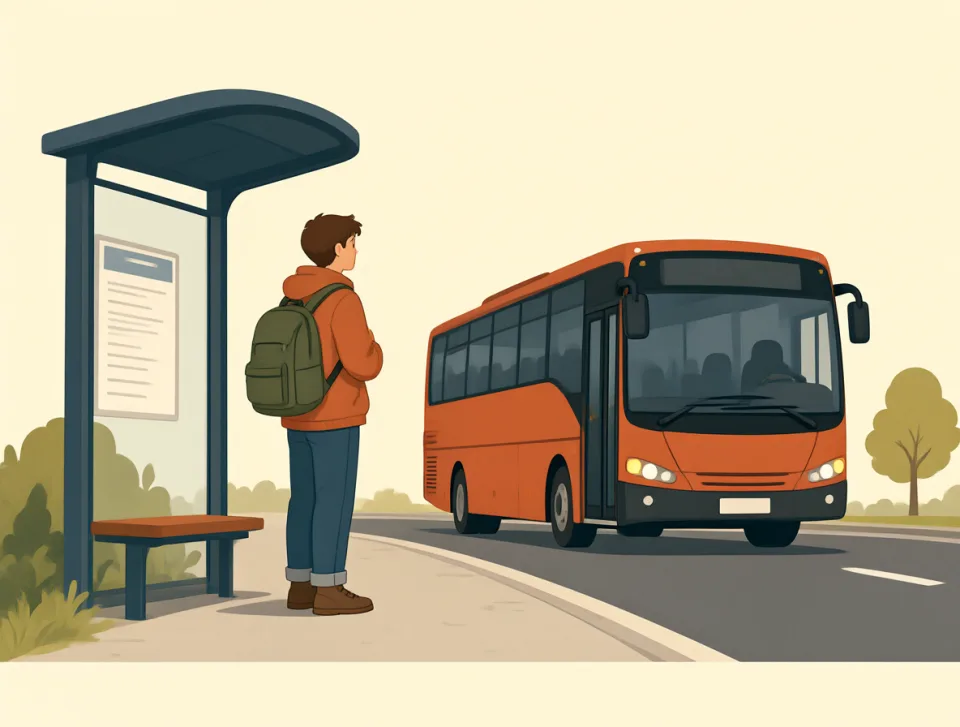
The bus arrived five minutes late.
버스가 5분 늦게 도착했어요.

I called Mom a minute ago.
1분 전에 엄마한테 전화했어요.
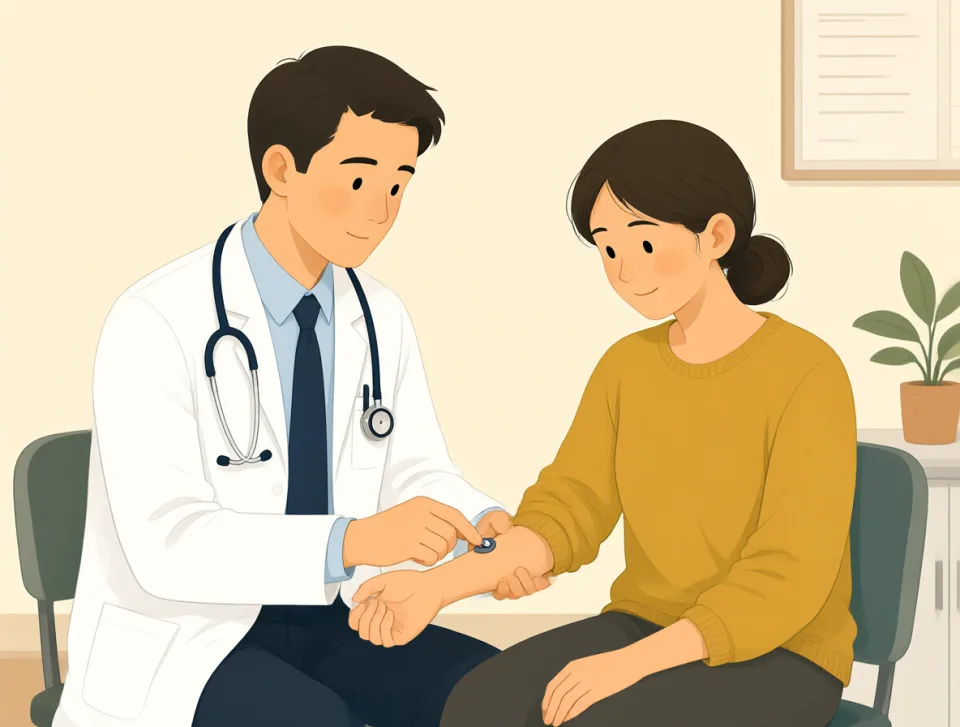
The doctor checked my pulse for one minute.
의사는 1분 동안 제 맥박을 확인했어요.
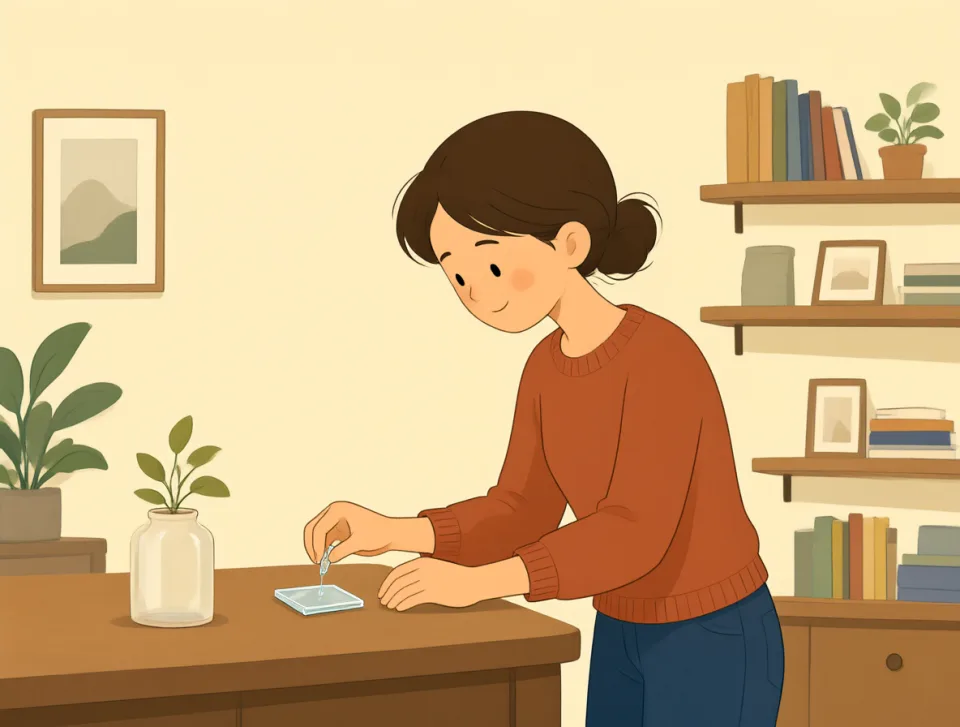
She found a minute piece of glass.
그녀는 아주 작은 유리 조각을 발견했어요.
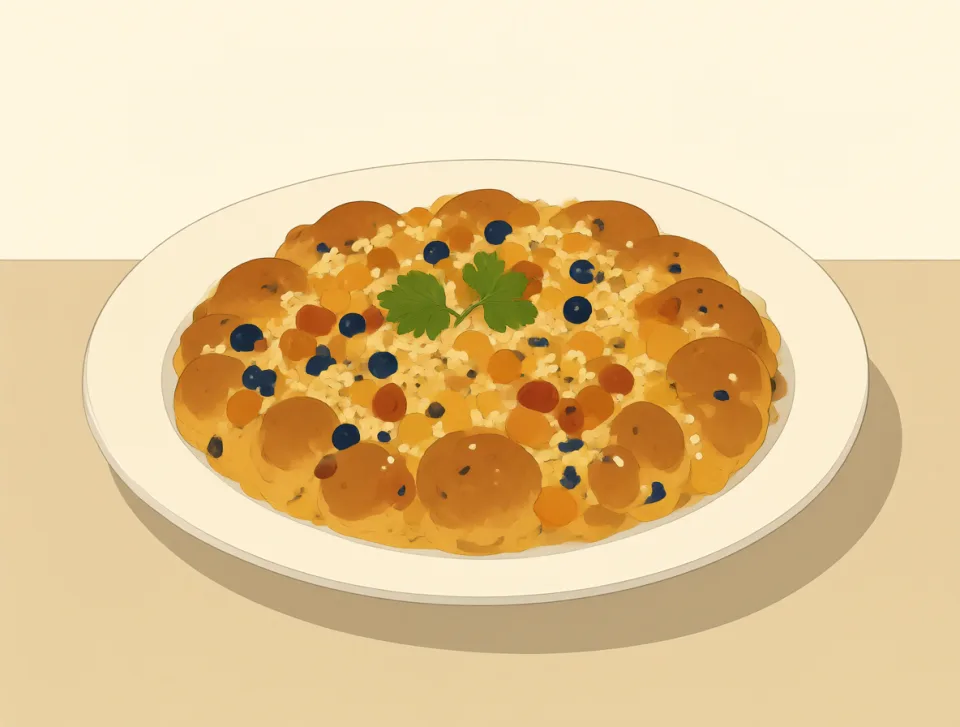
food
#367noun
음식; 식량
Things that people and animals eat or drink.
사람과 동물이 먹거나 마시는 것.
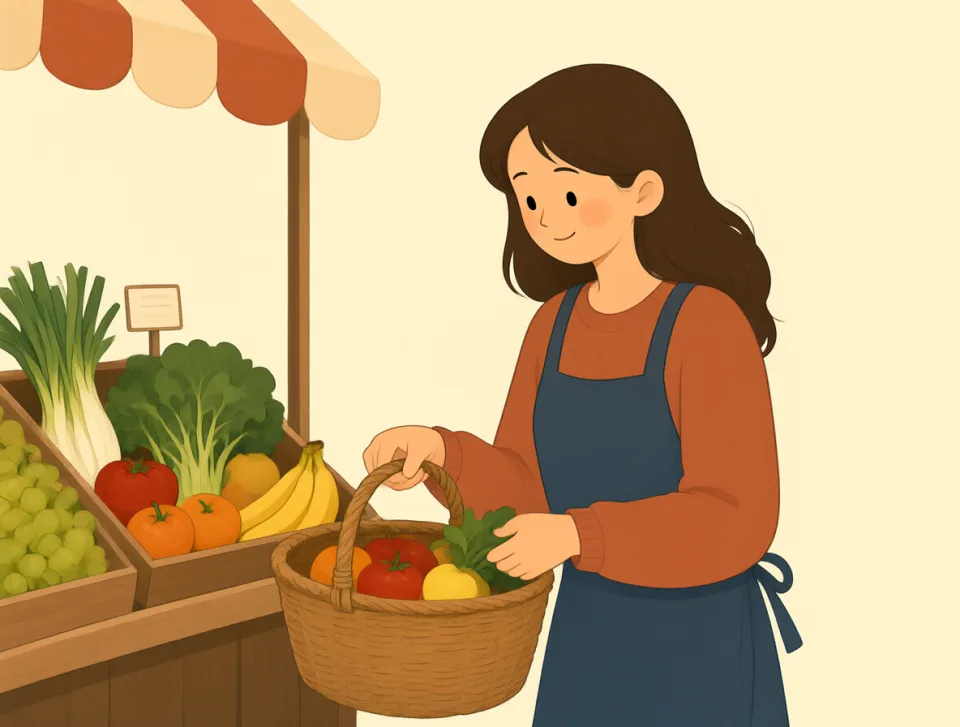
We bought fresh food at the market.
우리는 시장에서 신선한 음식을 샀어요.
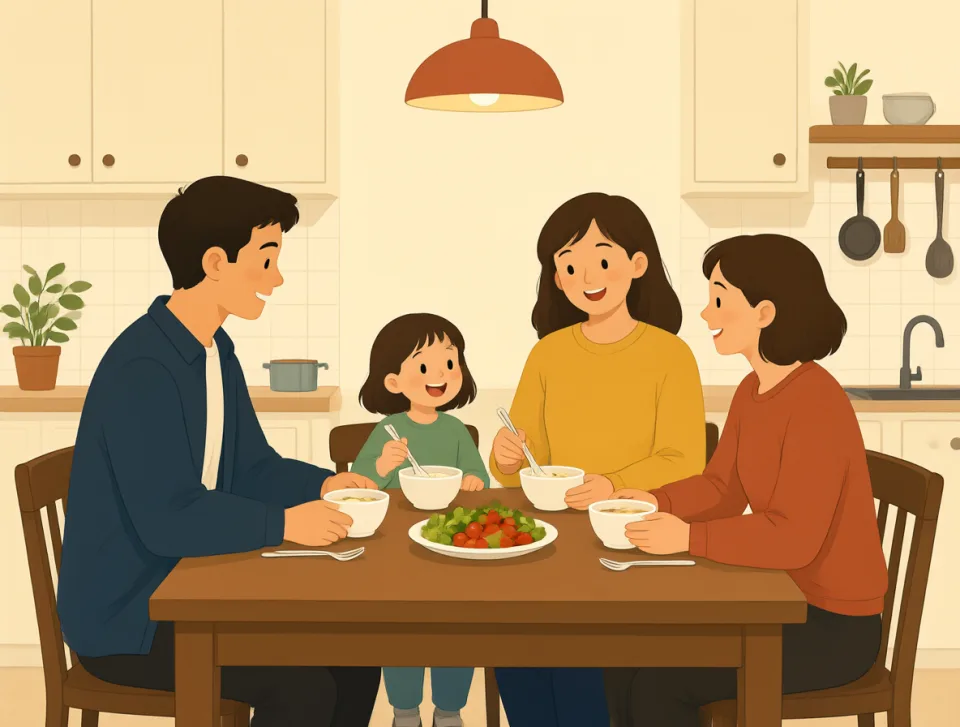
The food is ready on the table.
식탁 위에 음식이 준비되어 있어요.
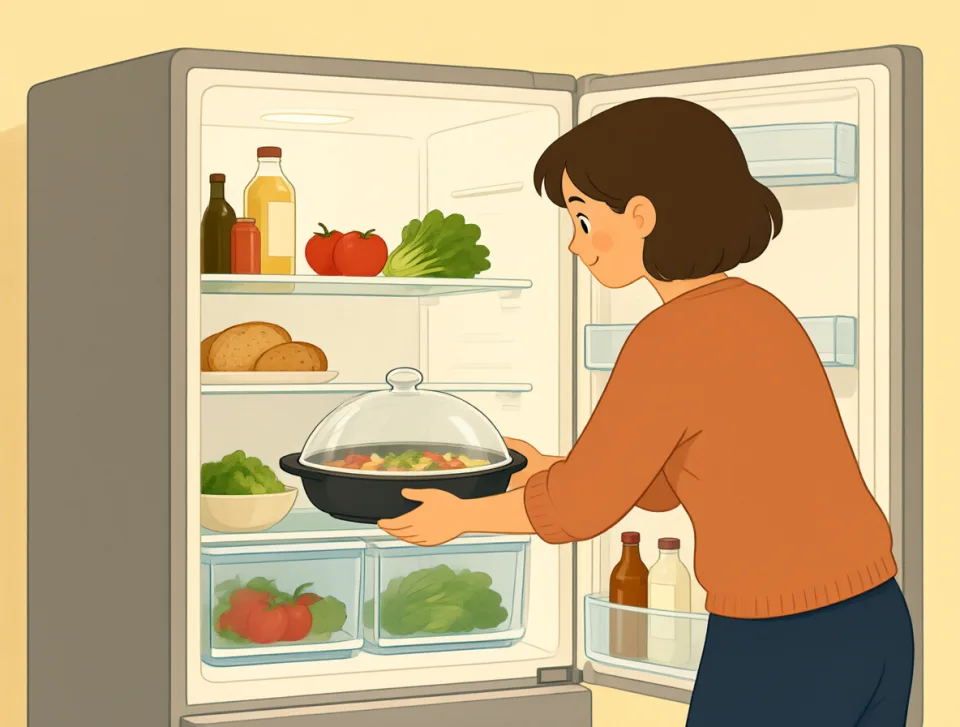
Please put the food in the fridge.
음식을 냉장고에 넣어 주세요.
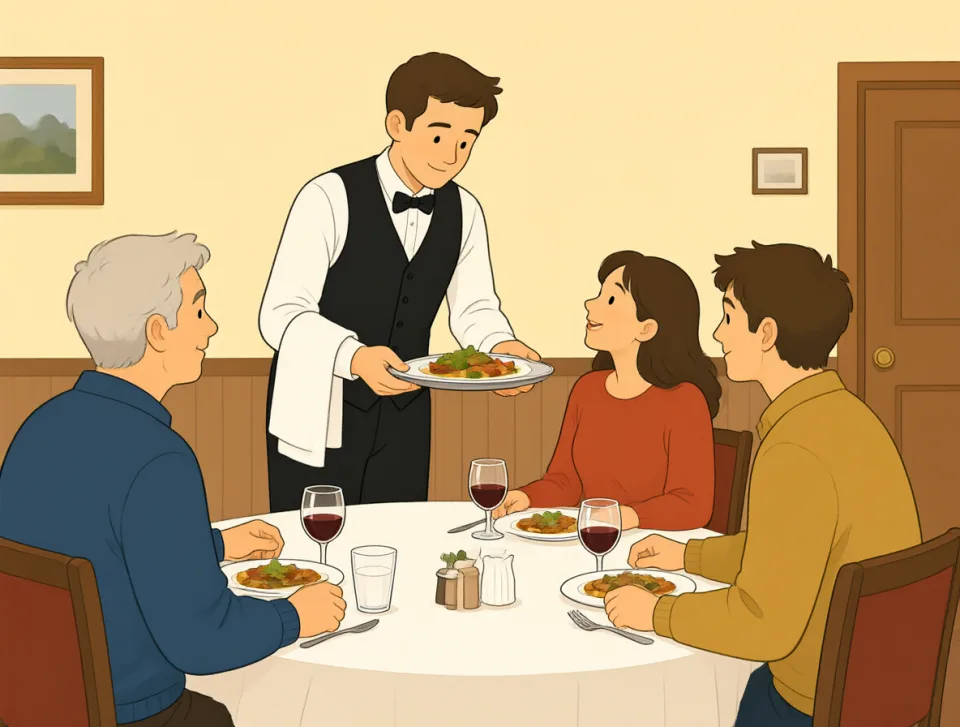
The hotel serves good food.
그 호텔은 음식이 맛있어요.
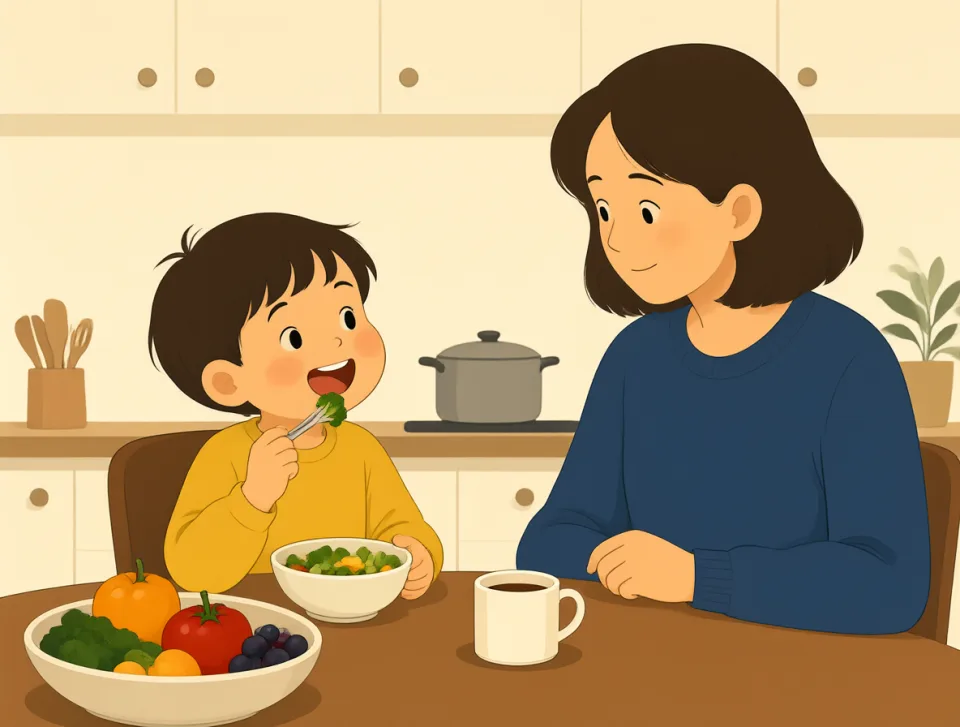
Healthy food helps children grow strong.
건강한 음식은 아이들이 튼튼하게 자라는 데 도움이 돼요.
break
#368noun, verb
휴식; 깨지다; 고장 나다; 부러지다
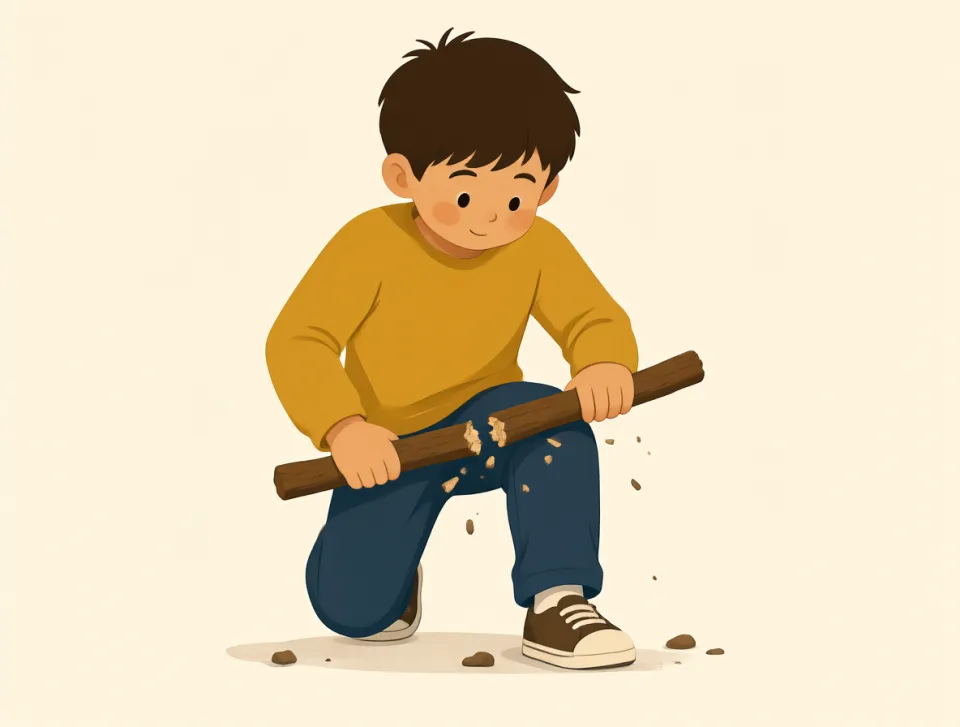
to stop working, separate into pieces, or rest for a short time
작동을 멈추거나, 여러 조각으로 나뉘거나, 잠시 쉬다
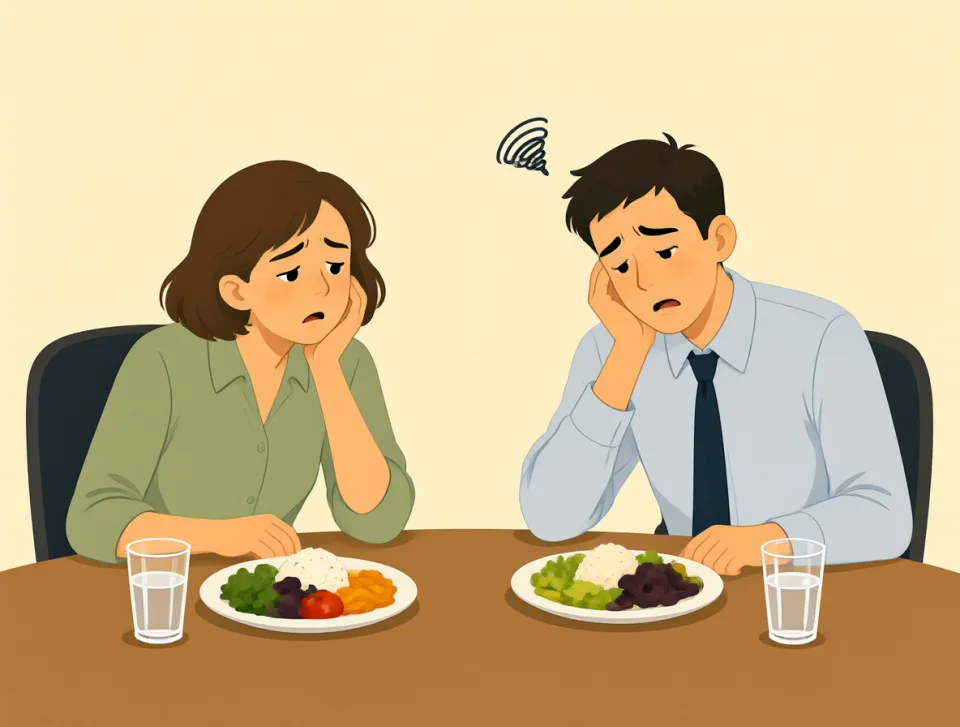
Let’s take a short break after lunch.
점심 식사 후에 잠깐 쉬자.
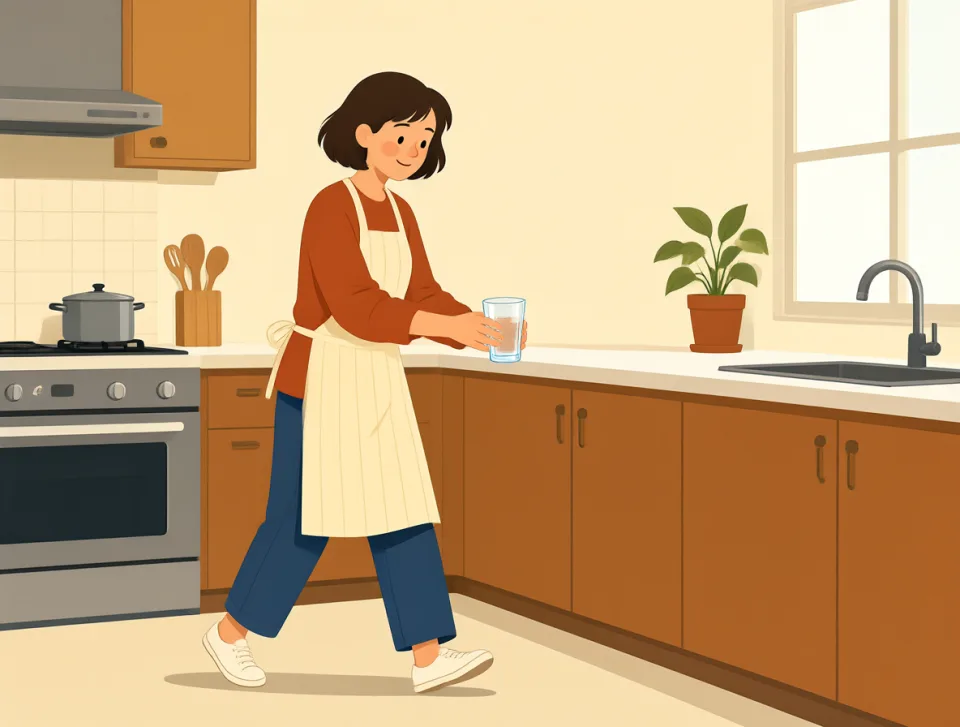
Be careful not to break the glass.
유리잔을 깨뜨리지 않도록 조심해.
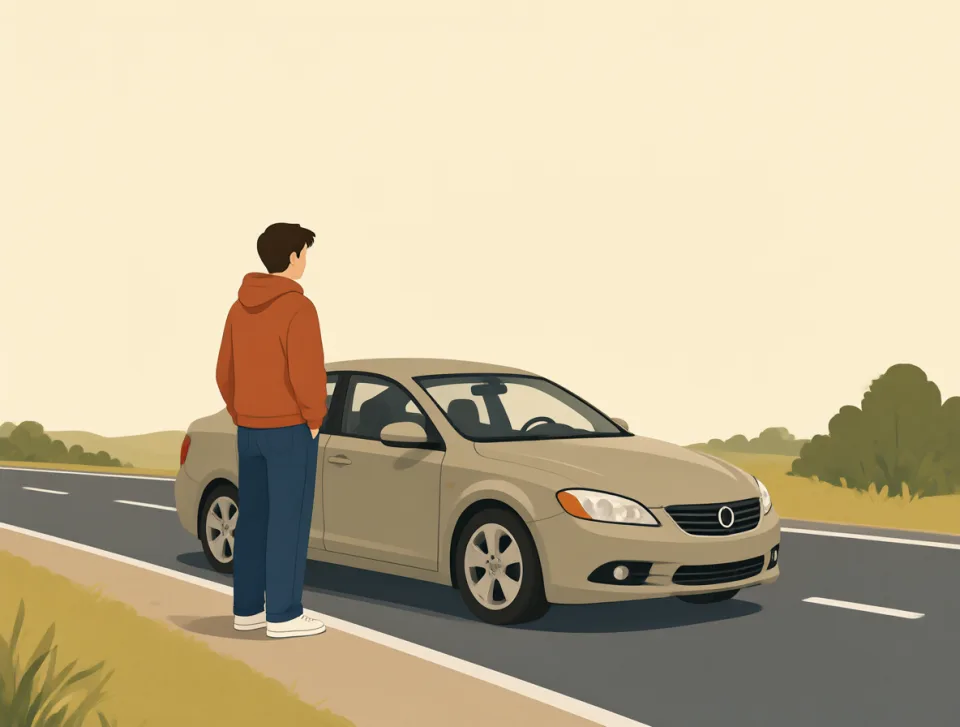
My car broke down on the way home.
집에 가는 길에 내 차가 고장 났다.
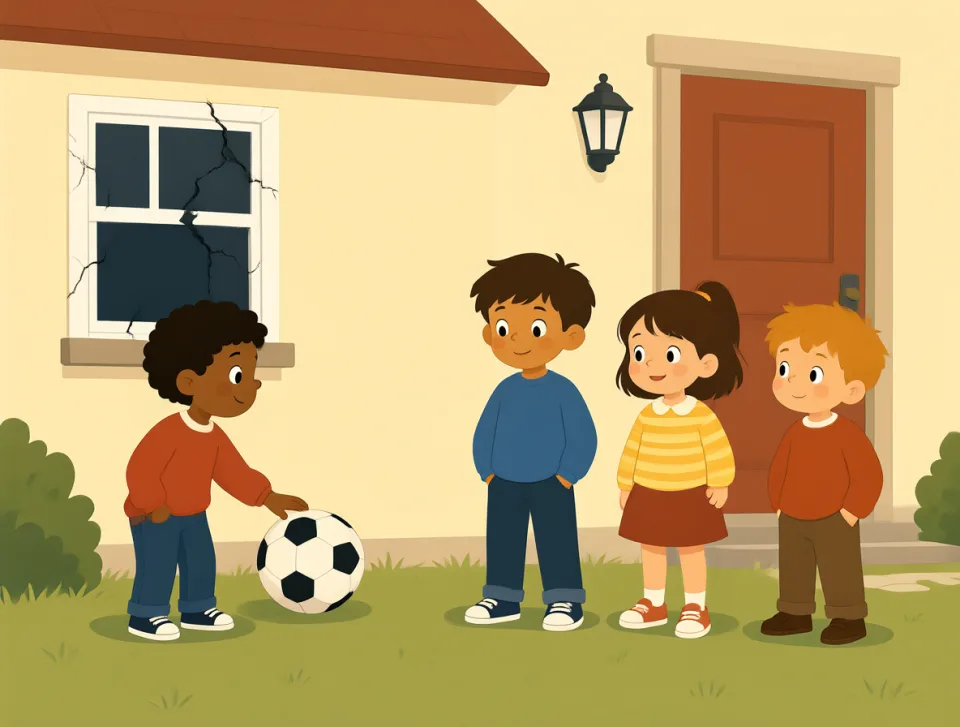
The children broke the window with a ball.
아이들이 공으로 창문을 깼다.
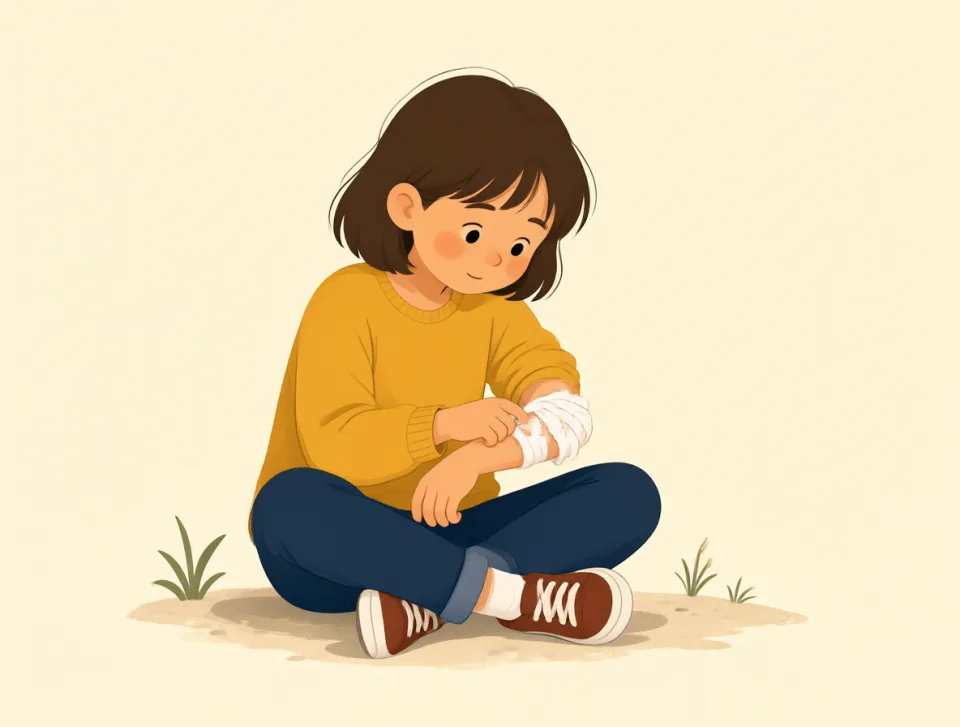
She broke her arm during the game.
그녀는 경기 중에 팔이 부러졌다.
clear
#369adjective, verb, adverb
맑은; 명확한; 허가하다; 치우다
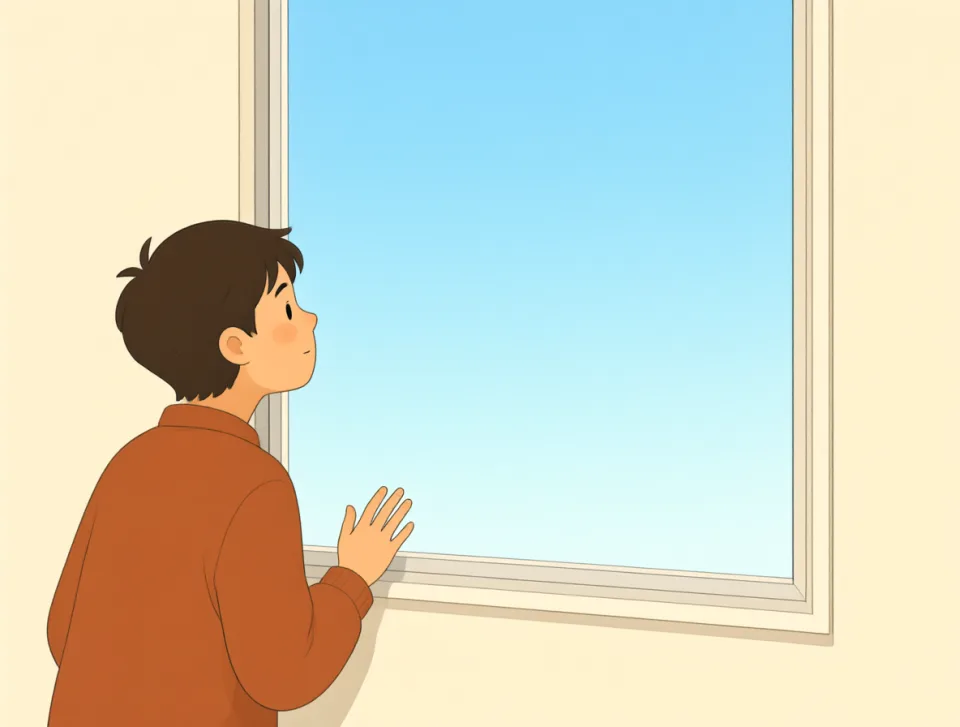
Easy to see, hear, understand, or free from anything blocking it.
보거나 듣거나 이해하기 쉽거나, 막히는 것이 없는

The water in the lake is clear.
호수의 물이 맑아요.
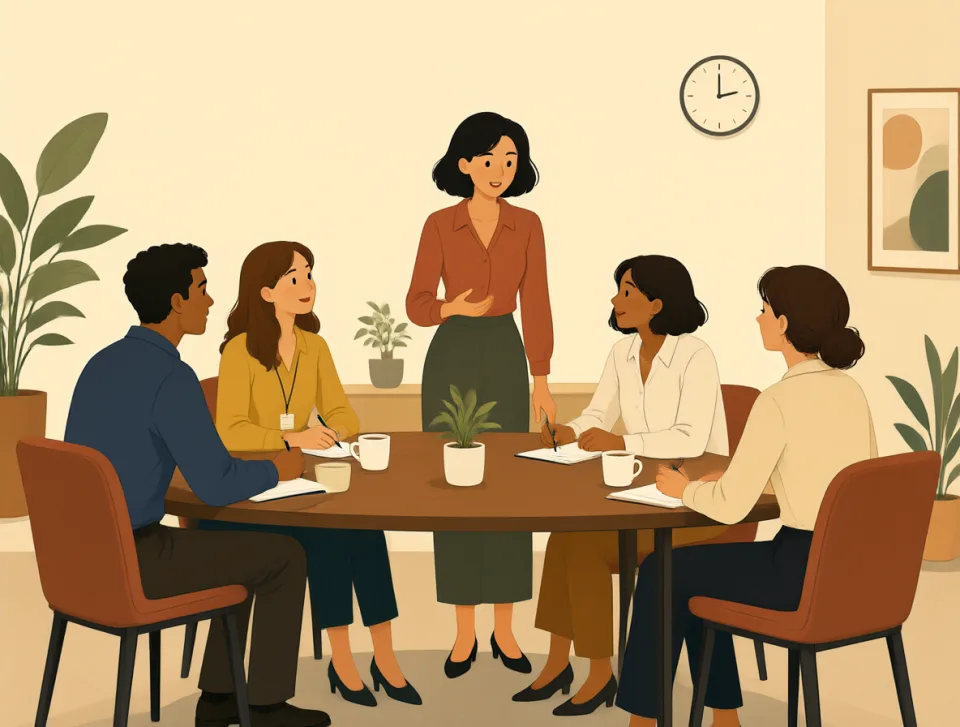
Please speak clearly during the meeting.
회의 중에는 또렷하게 말씀해 주세요.

The doctor cleared him to play again.
의사는 그가 다시 경기에 출전해도 된다고 허락했습니다.
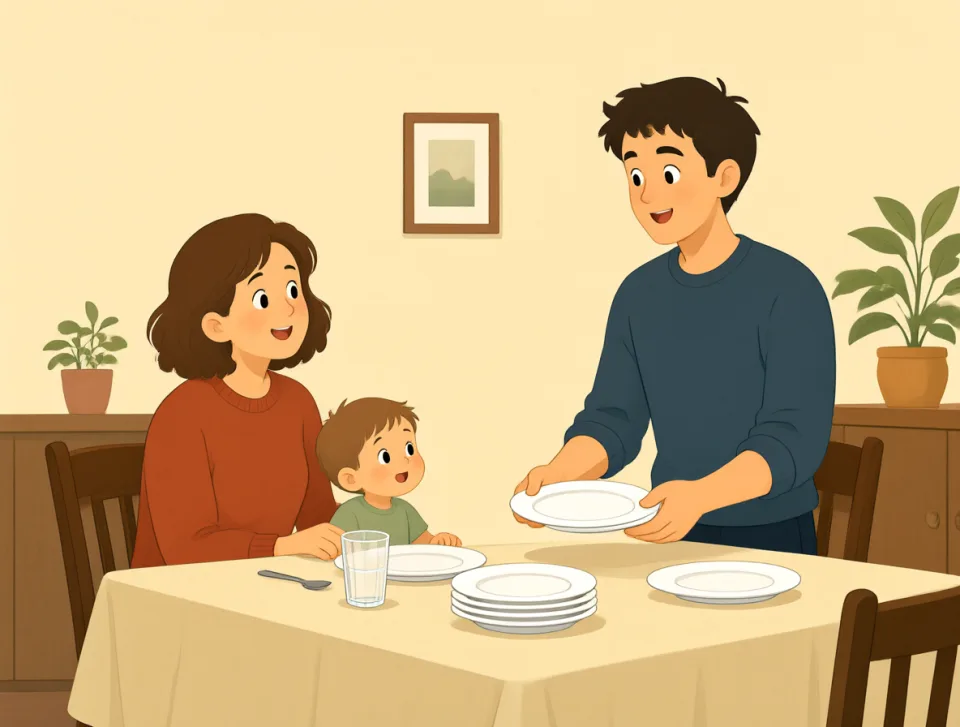
We need to clear the table after dinner.
저녁 식사 후에는 식탁을 치워야 해요.
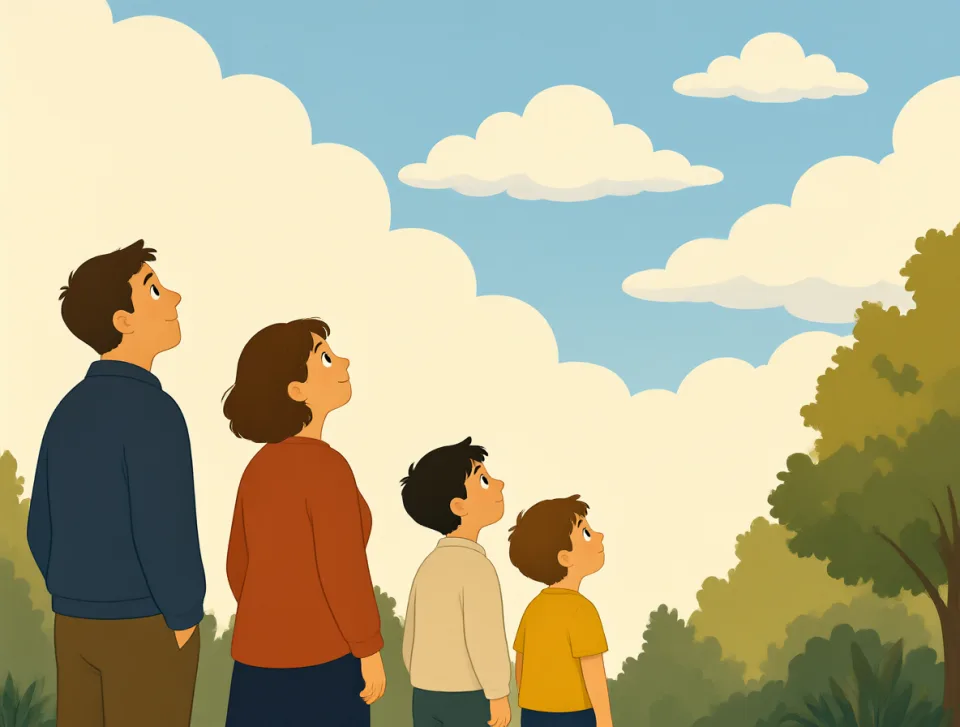
The sky cleared after the storm.
폭풍이 지나간 후 하늘이 맑아졌어요.
future
#370noun, adjective
미래; 장래의
The time that will come after now, or relating to that time.
지금 이후에 올 시간 또는 그 시간과 관련된
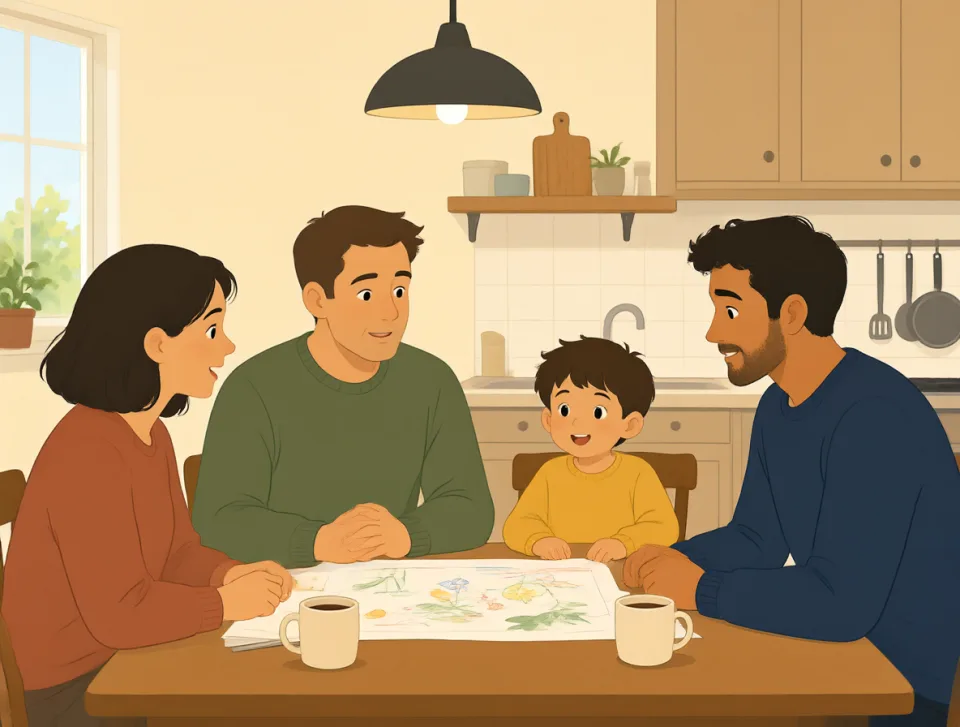
We are planning for the future.
우리는 미래를 계획하고 있습니다.
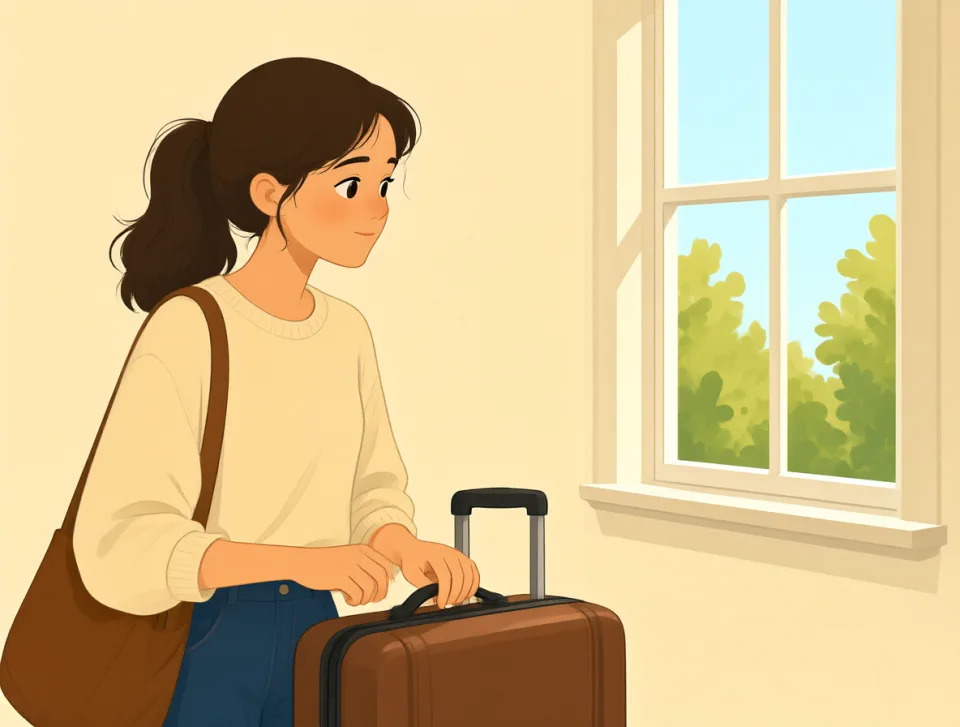
She hopes to travel in the future.
그녀는 앞으로 여행을 가고 싶어 합니다.
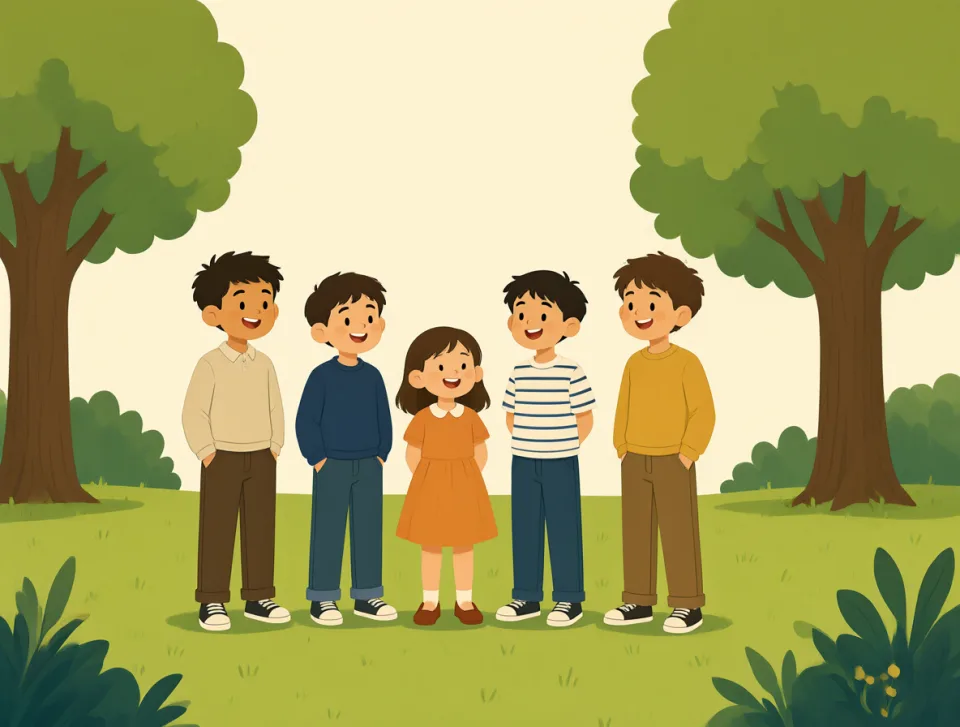
The future of our planet matters.
우리 행성의 미래는 중요합니다.
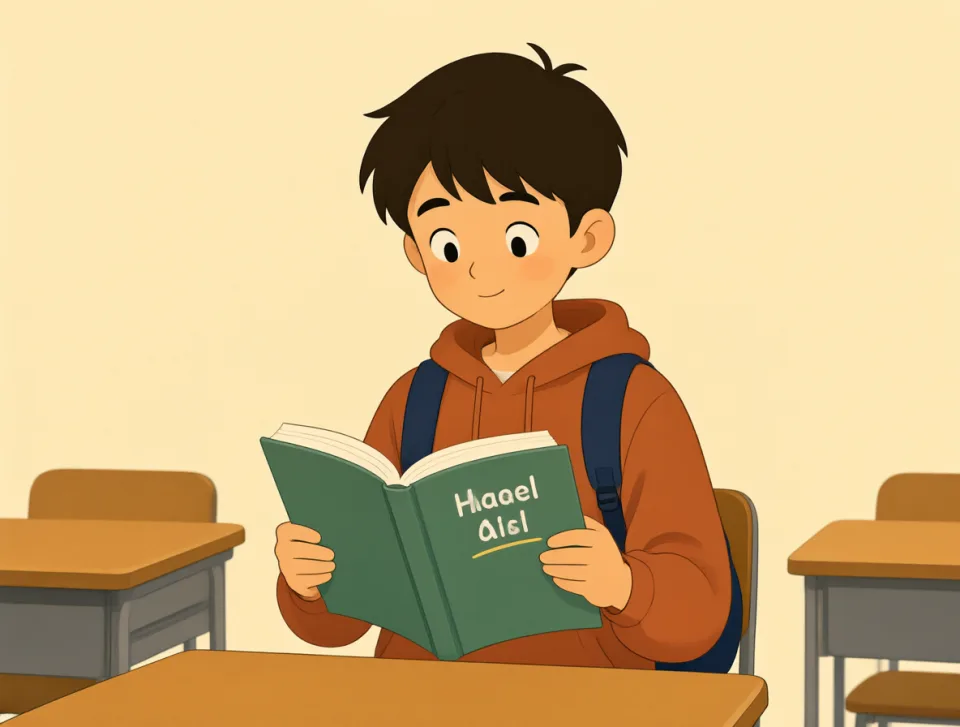
He wants a future job in medicine.
그는 장래에 의료 분야에서 일하고 싶어 합니다.
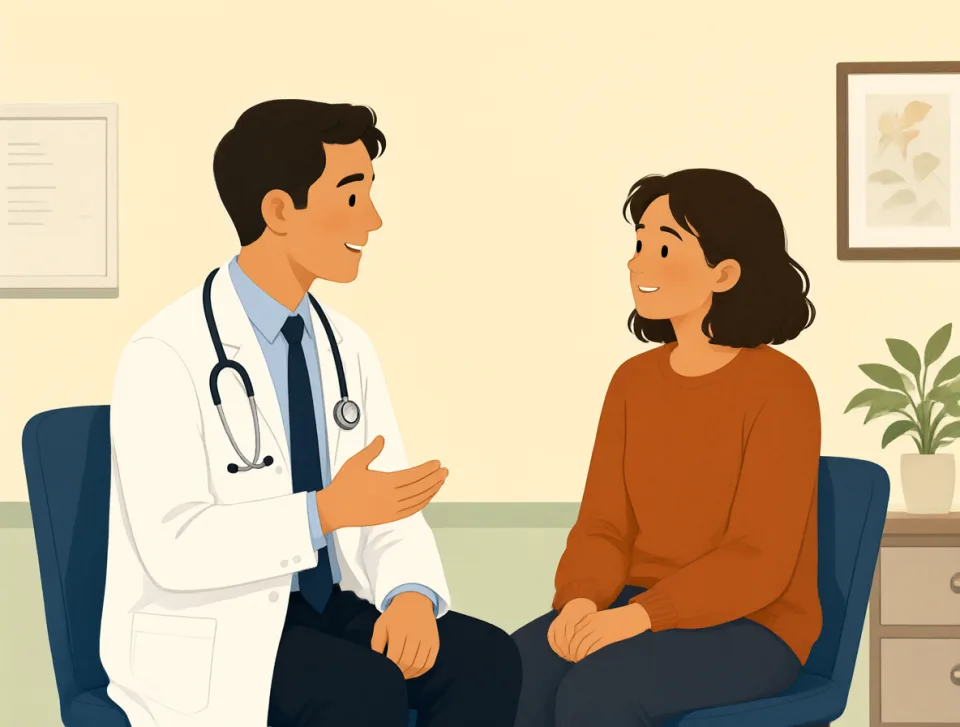
Please think about your future health.
앞으로의 건강에 대해 생각해 보세요.
either
#371adverb, determiner, pronoun, conjunction
어느 하나; 둘 중 하나
Used to talk about one of two choices or possibilities.
두 가지 선택지나 가능성 중 하나를 말할 때 사용한다.
You can choose either tea or coffee.
차나 커피 중 어느 것이든 골라도 돼요.
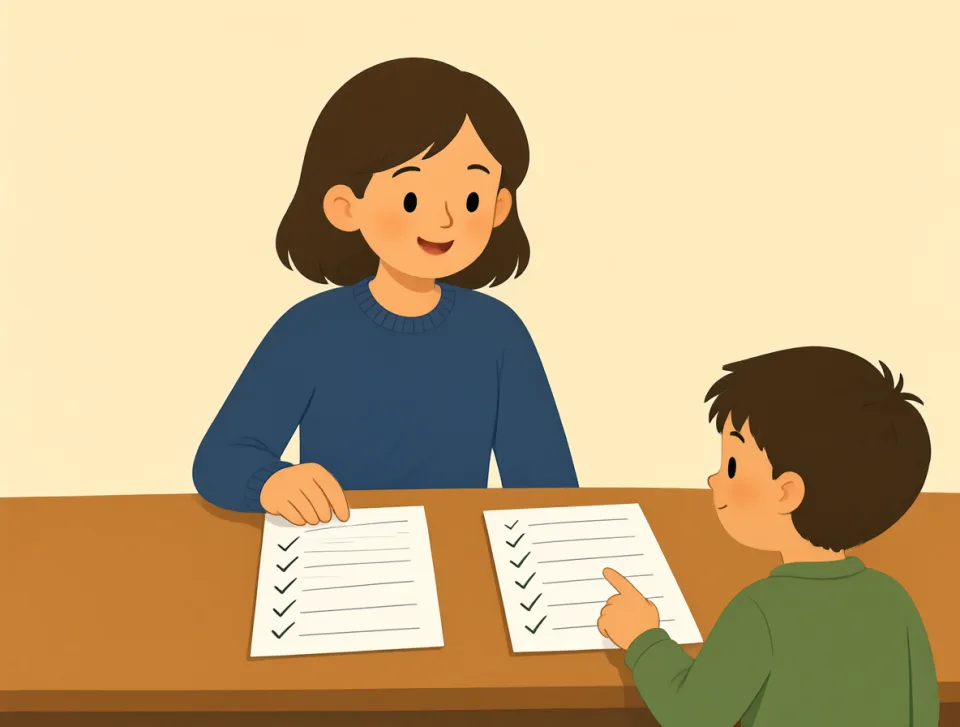
Either answer is correct.
어느 답을 골라도 맞아요.
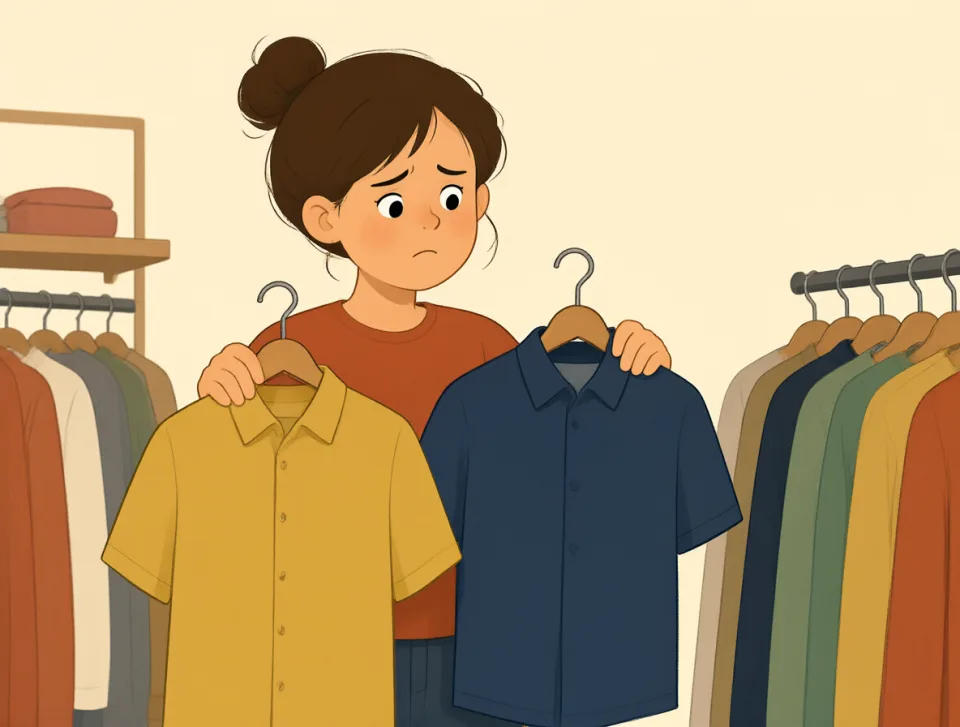
I do not like either color.
나는 어느 색도 좋아하지 않아요.
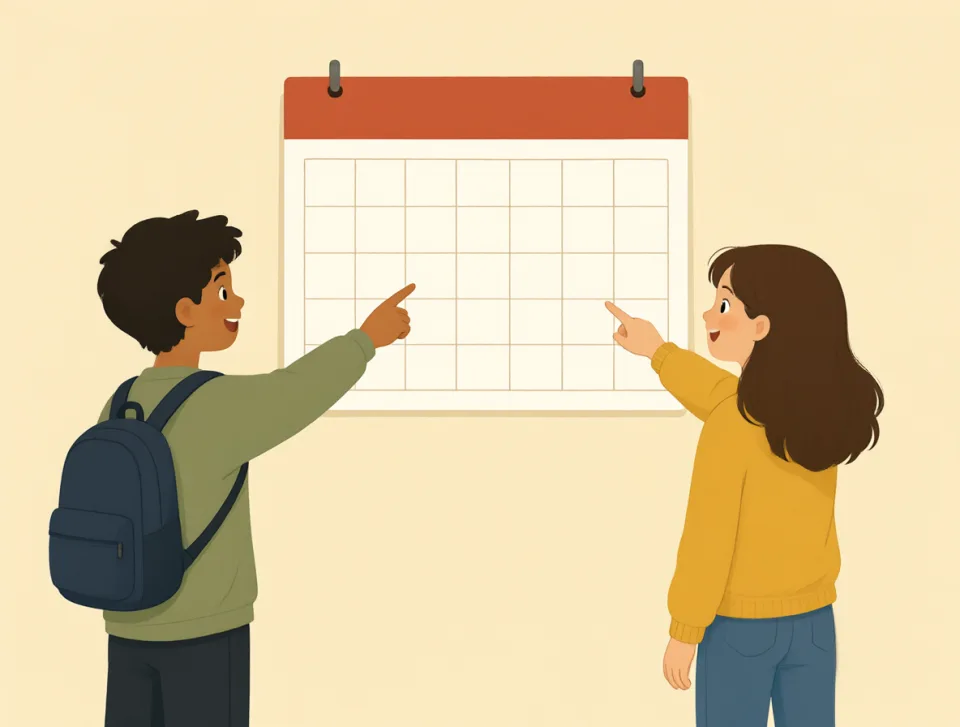
We can meet on either day.
어느 날에 만나도 괜찮아요.
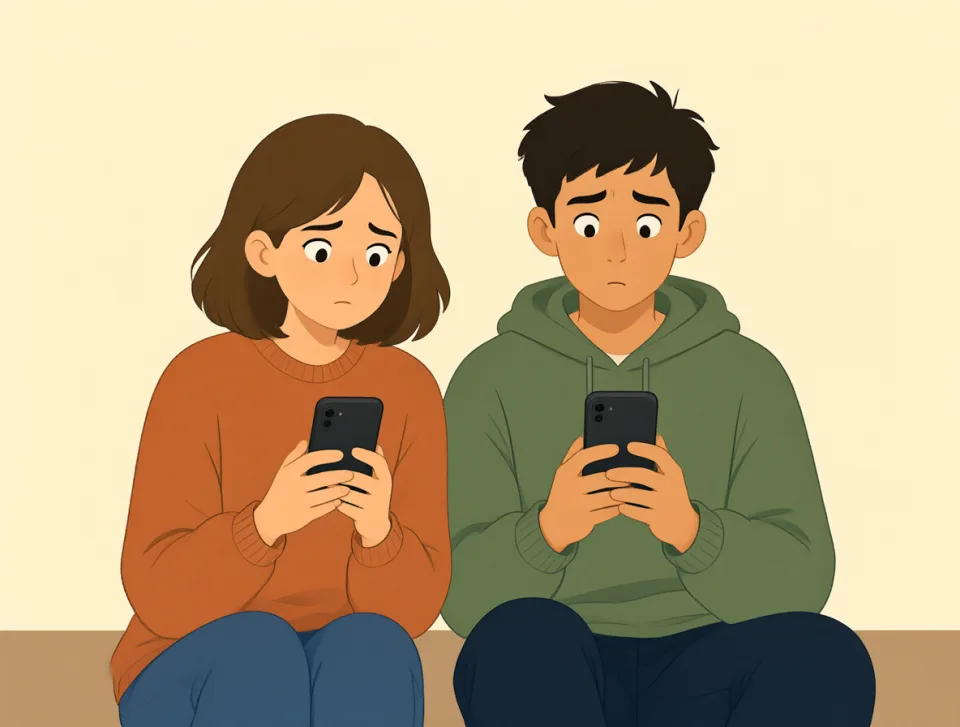
She did not call, and I did not either.
그녀는 전화하지 않았고, 나도 전화하지 않았어요.
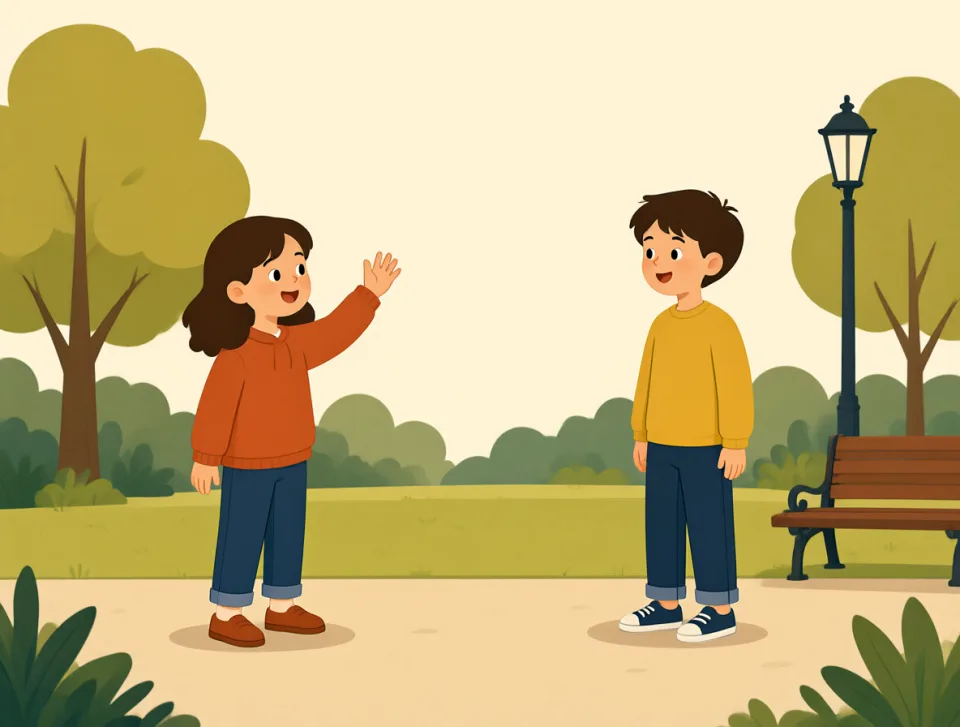
ago
#372adverb
전에; 전
Before now, measured from the present time.
현재를 기준으로 그보다 이전에.
I saw her two days ago.
나는 이틀 전에 그녀를 봤어.

We moved here three years ago.
우리는 3년 전에 여기로 이사 왔어.
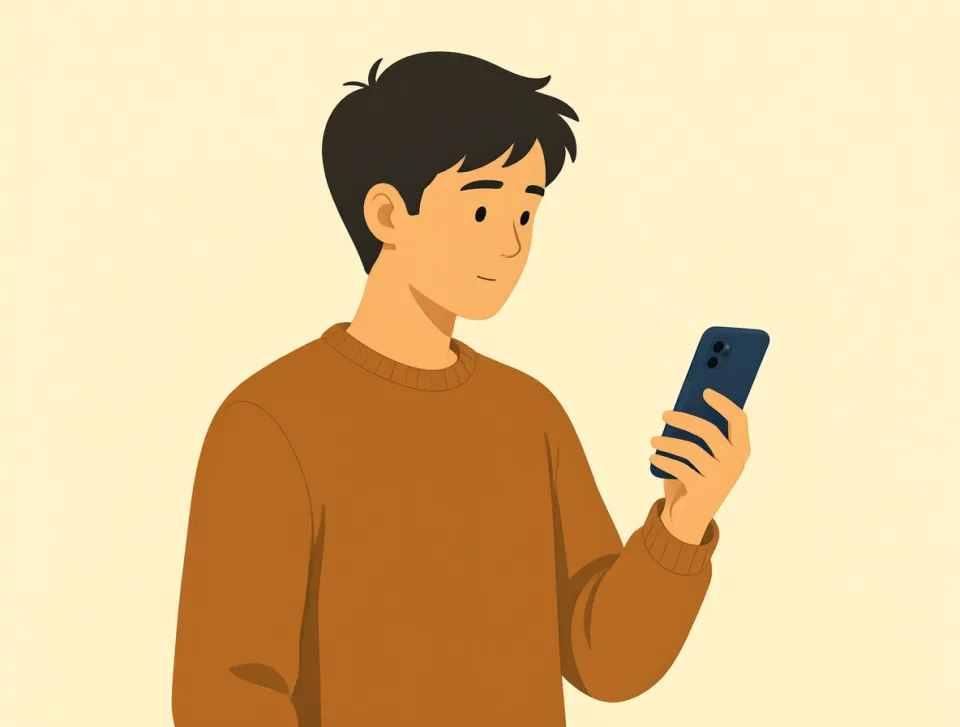
He called me a few minutes ago.
그는 몇 분 전에 나한테 전화했어.
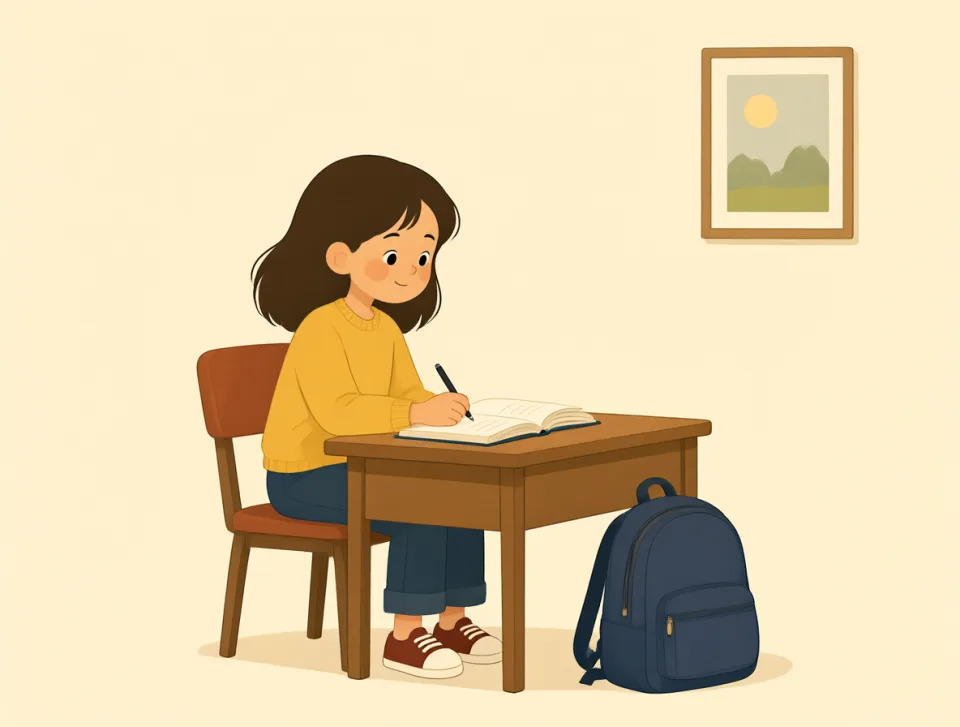
She started school a month ago.
그녀는 한 달 전에 학교에 다니기 시작했어.
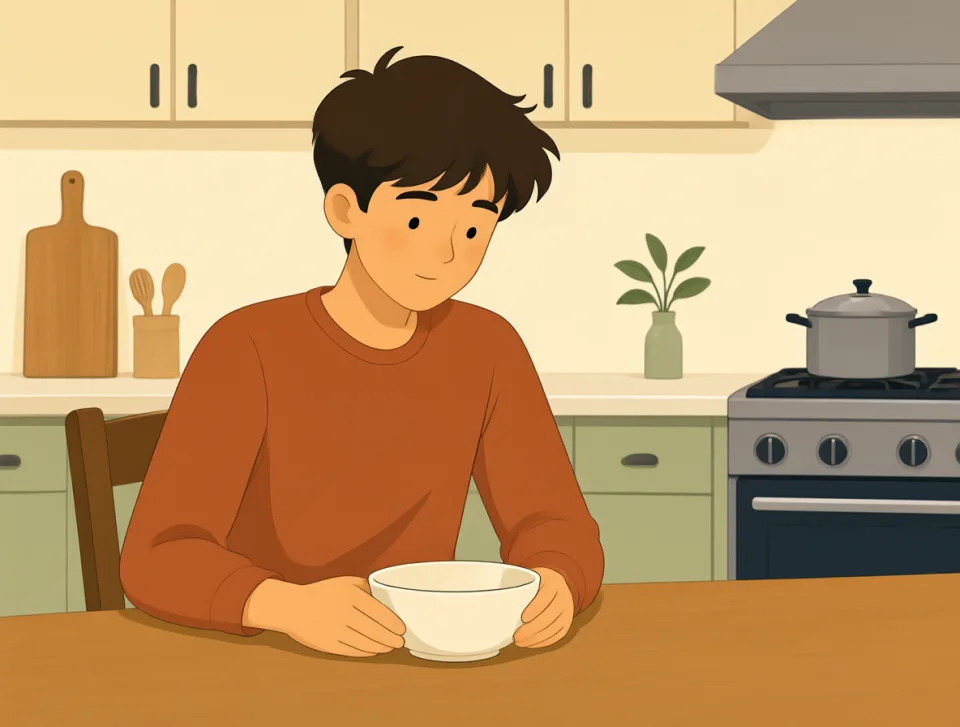
I ate breakfast an hour ago.
나는 한 시간 전에 아침을 먹었어.
per
#373preposition
~마다; 당
For each person or unit; used to show a rate, amount, or relationship.
각 사람이나 단위에 해당하는 수를 나타내며, 비율이나 양 또는 관계를 표시할 때 씁니다.
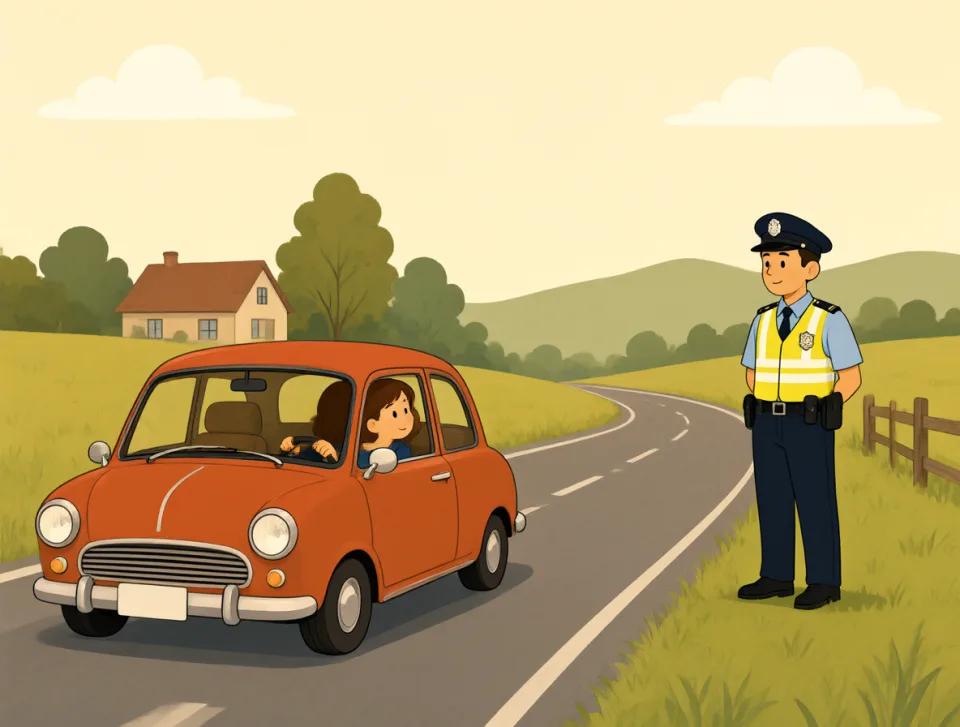
The speed limit is fifty miles per hour.
제한 속도는 시속 50마일입니다.
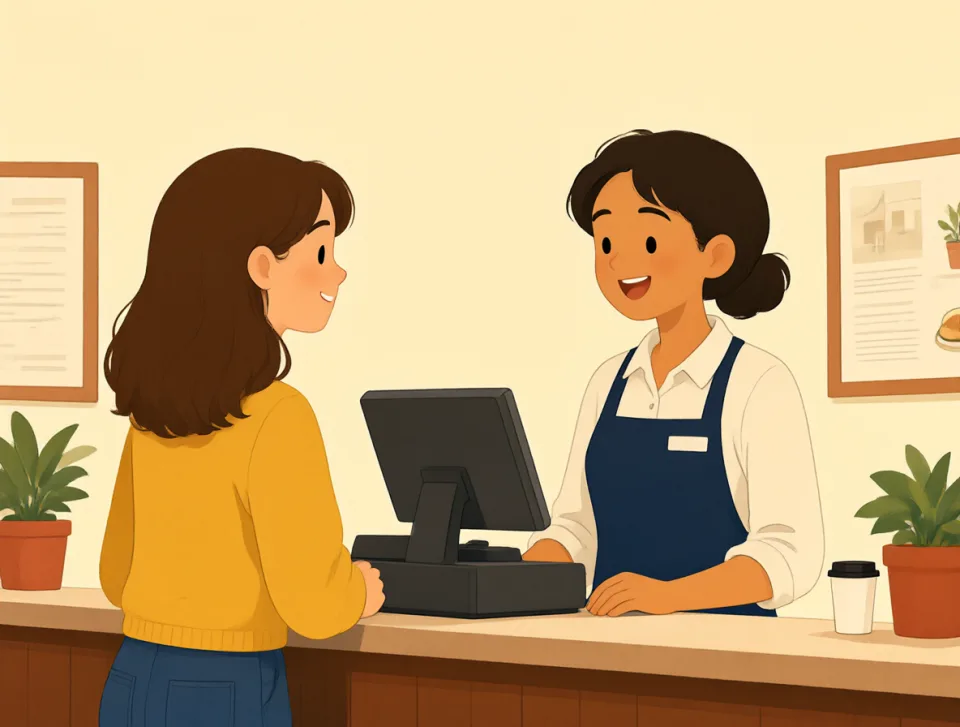
We pay ten dollars per person.
1인당 10달러를 냅니다.
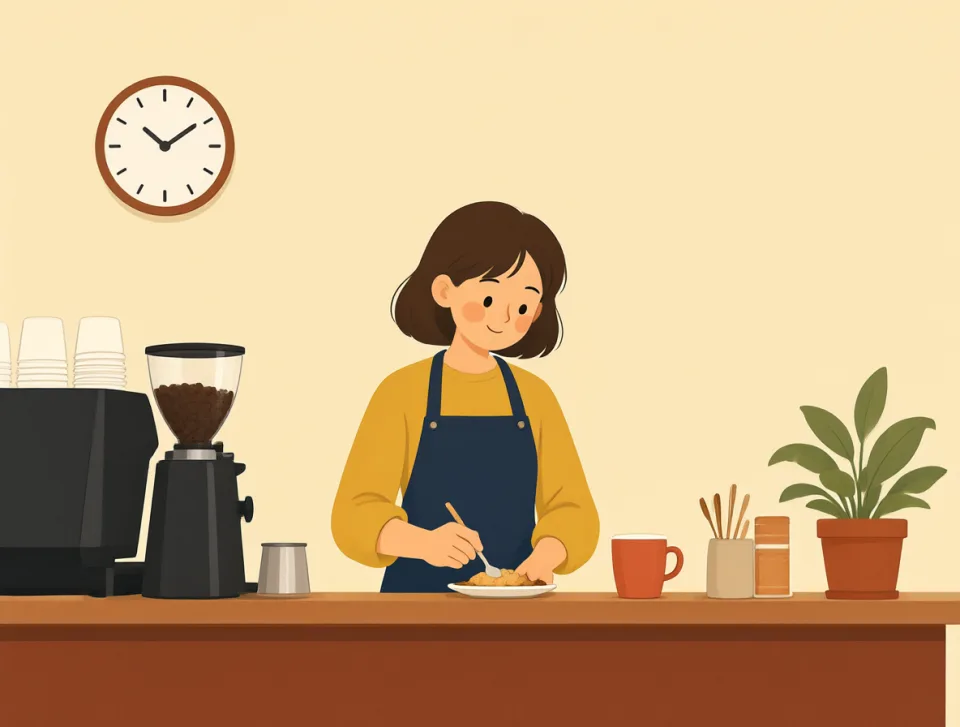
She earns twenty dollars per hour.
그녀는 시간당 20달러를 법니다.
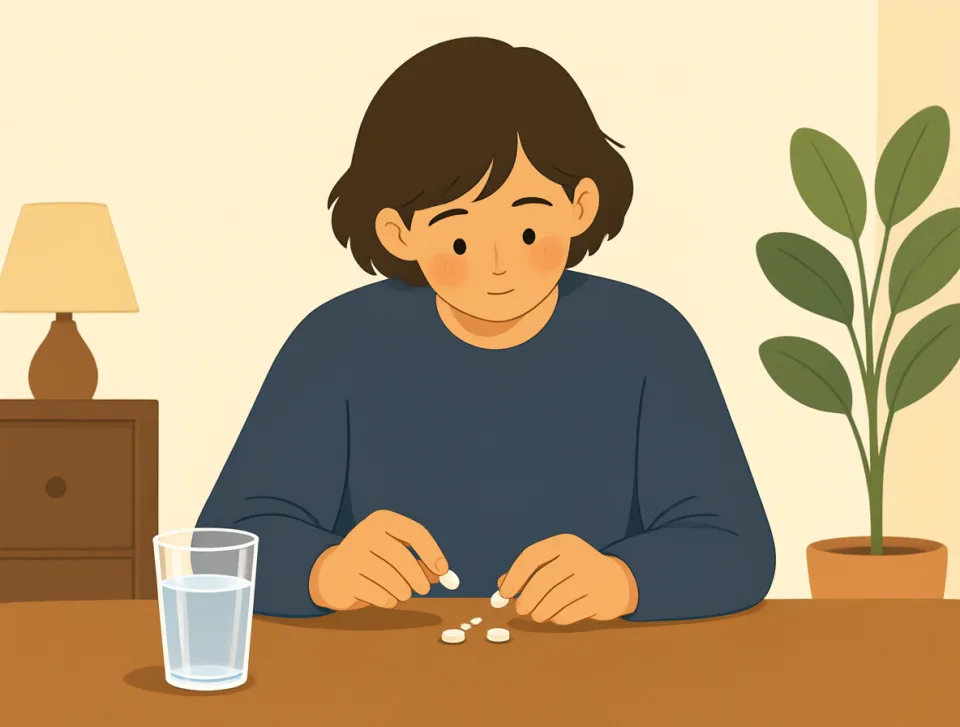
Take two tablets per day with water.
물과 함께 하루에 두 알씩 복용하세요.
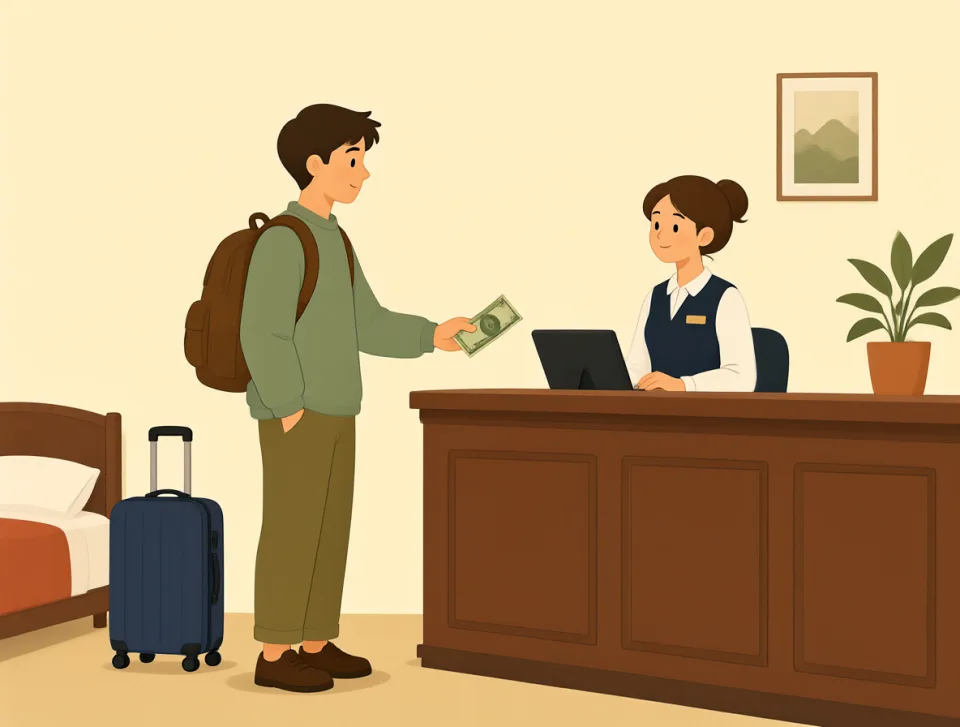
The hotel costs seventy euros per night.
그 호텔은 하룻밤에 70유로입니다.
remain
#374verb
남아 있다; 계속되다
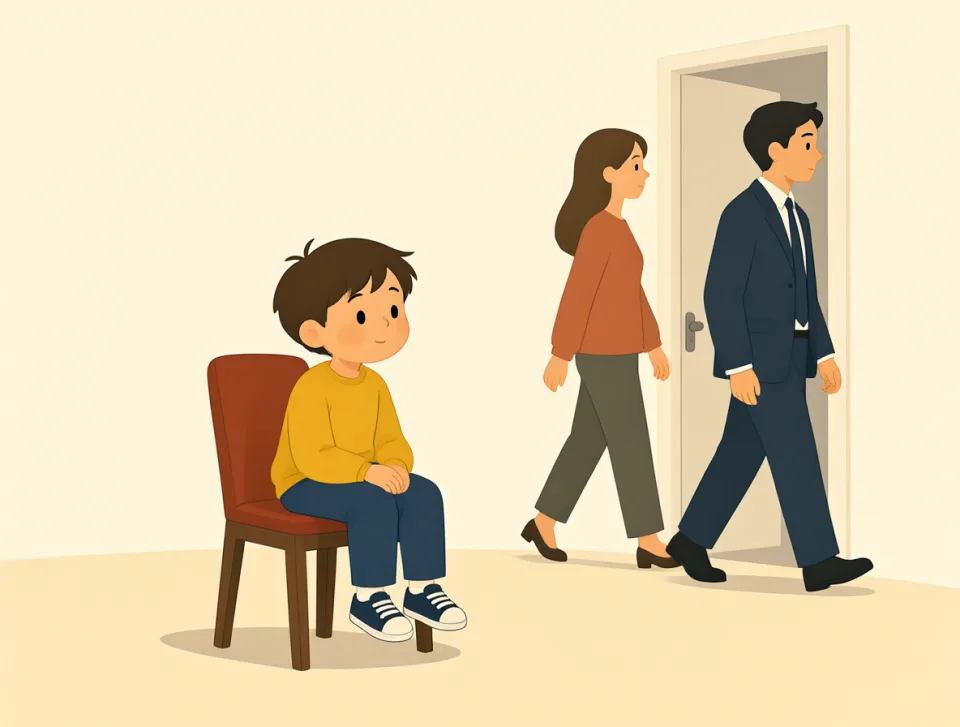
to stay in the same place or continue to exist
같은 장소에 계속 있거나 계속 존재하다
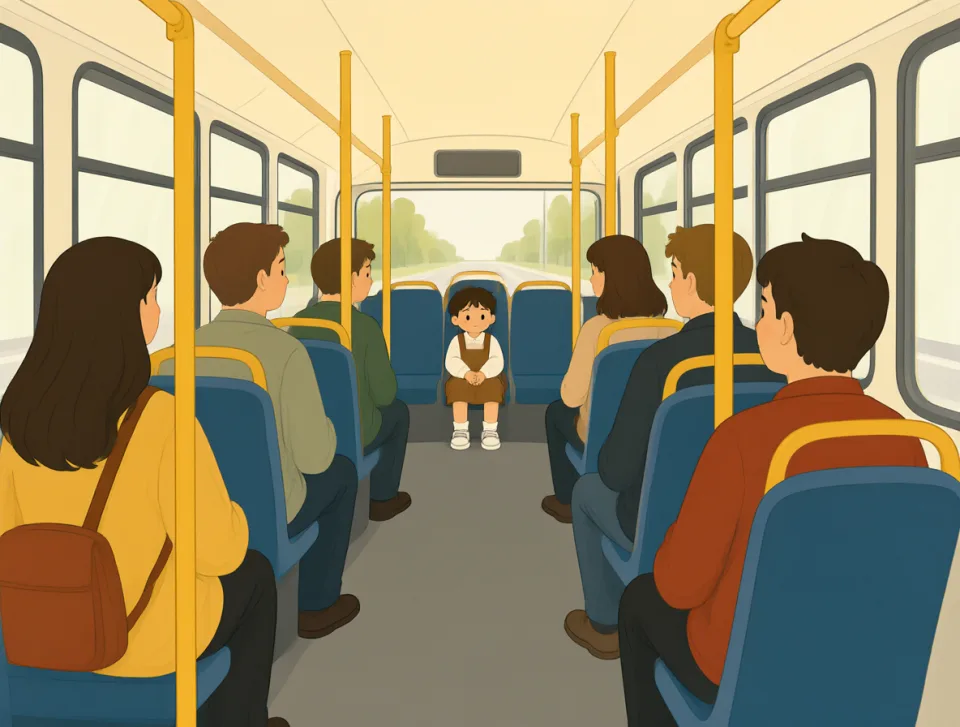
Please remain seated until the bus stops.
버스가 멈출 때까지 자리에 앉아 계세요.
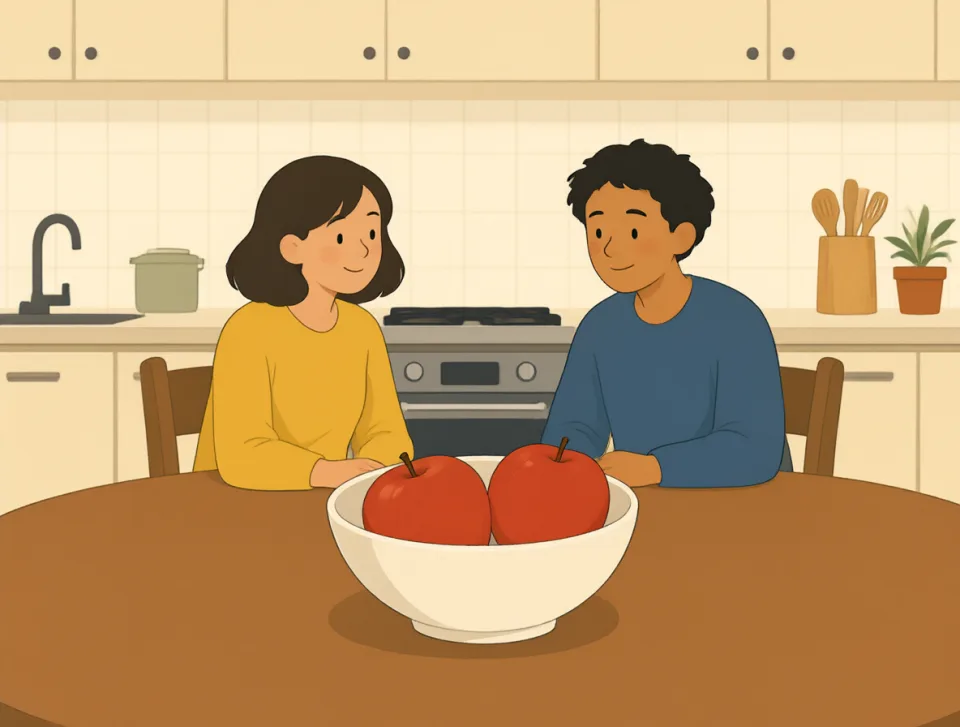
Only two apples remain in the bowl.
그릇에는 사과가 두 개만 남아 있다.
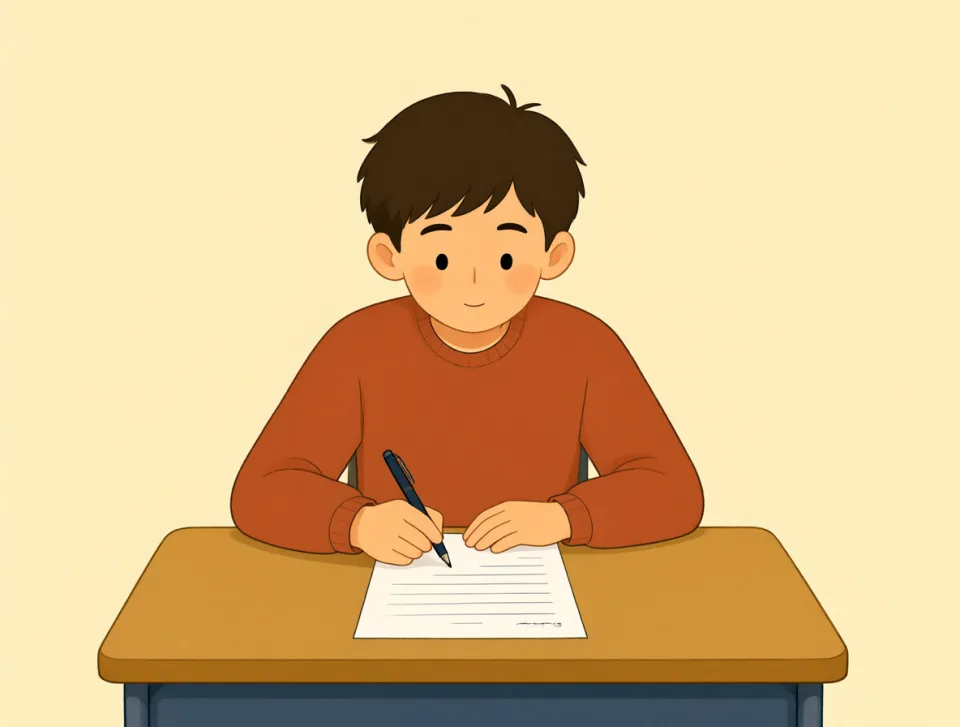
She remained calm during the test.
그녀는 시험 중에도 침착함을 유지했다.

Some guests remained after the party.
파티가 끝난 후에도 몇몇 손님들은 남아 있었다.
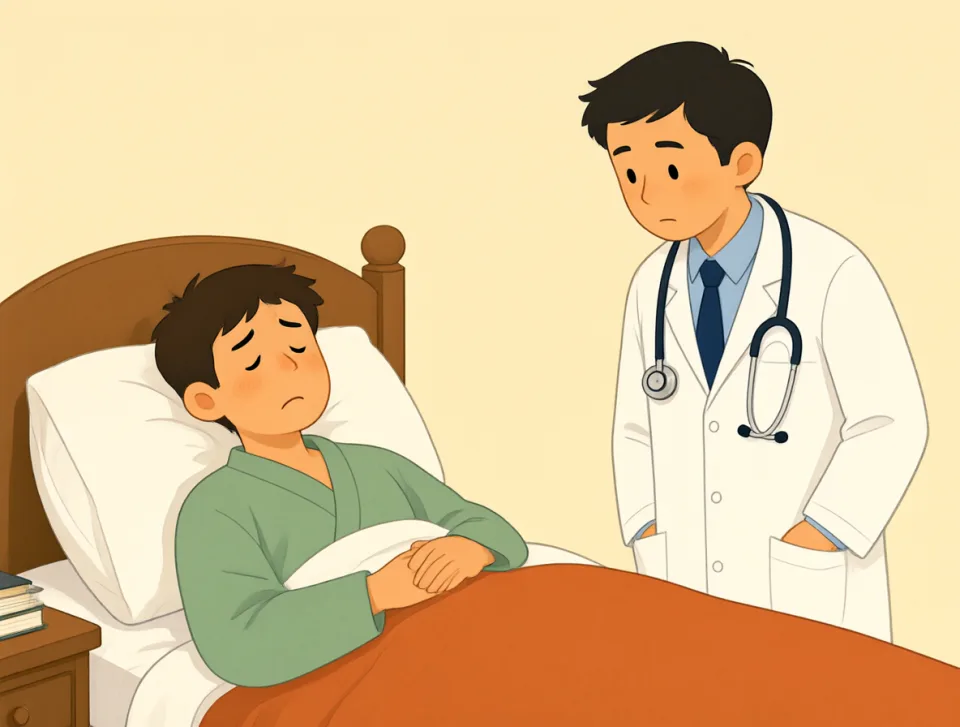
The doctor said he should remain in bed.
의사는 그가 침대에 계속 누워 있어야 한다고 말했다.
top
#375noun, verb, adjective, adverb, preposition
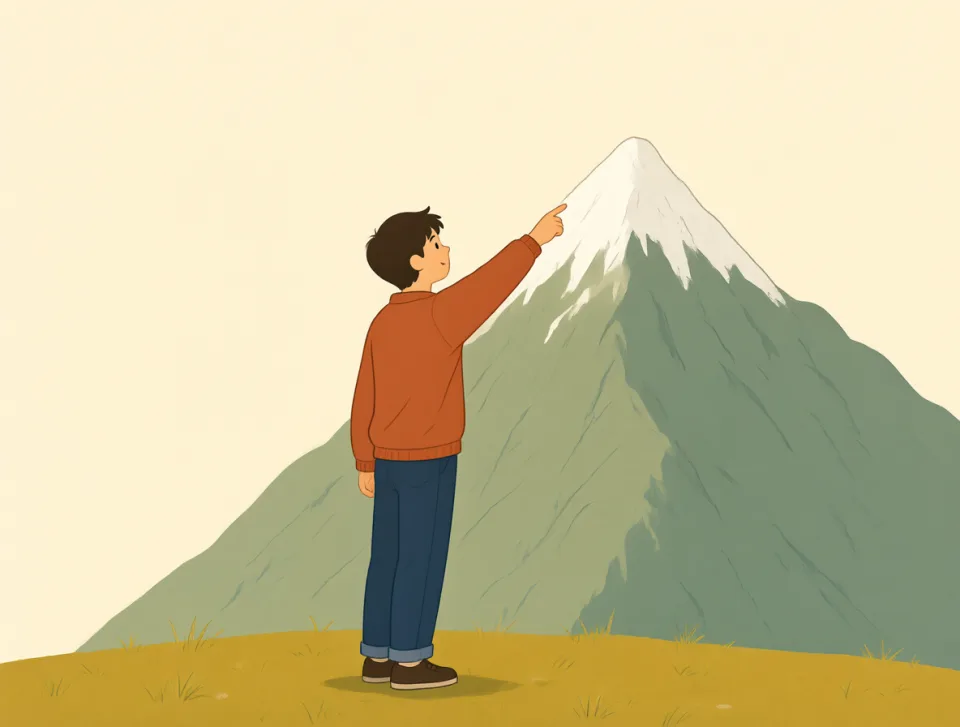
위; 꼭대기; 정상; 가장 중요한 부분
The highest part of something, or the best or most important part.
무언가의 가장 높은 부분이나 가장 좋고 중요하게 여겨지는 부분
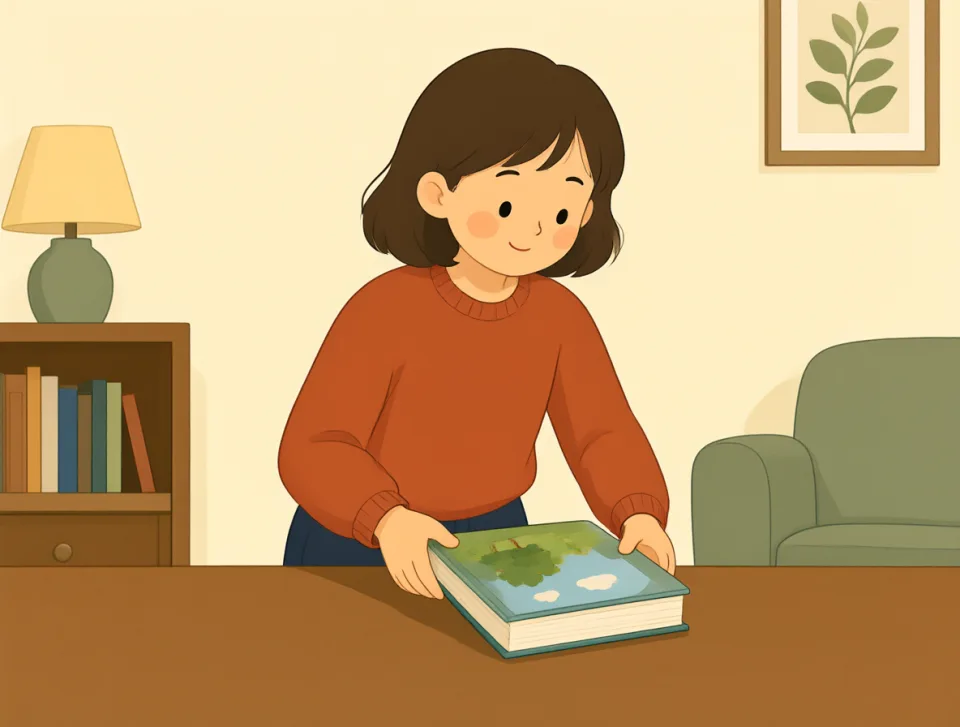
Put the book on top of the table.
책을 탁자 위에 올려놓으세요.
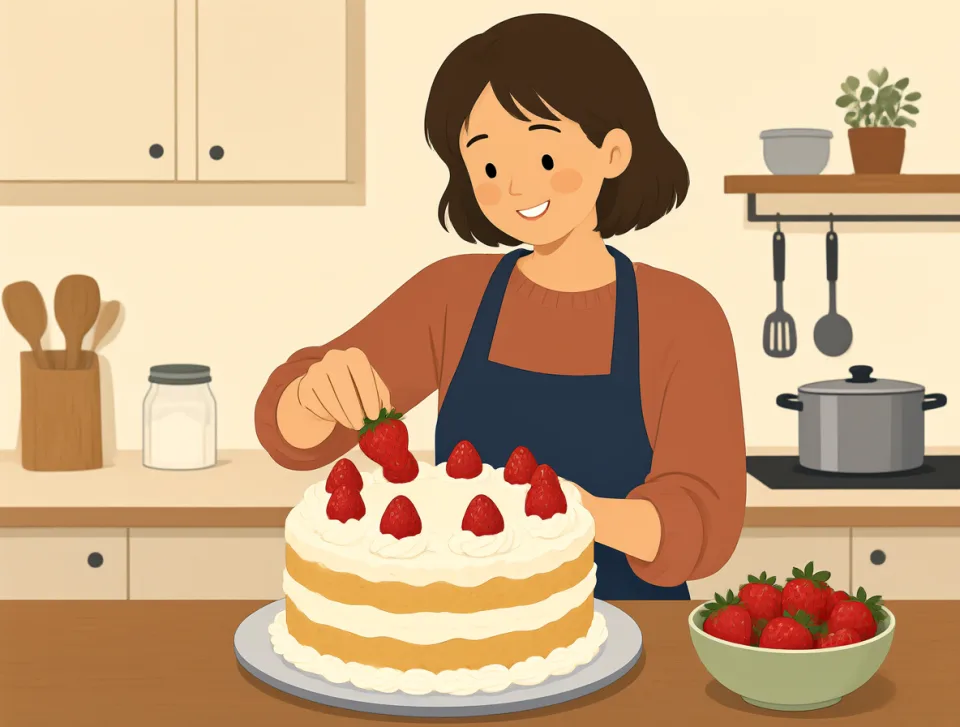
She topped the cake with fresh strawberries.
그녀는 케이크 위에 신선한 딸기를 올렸다.
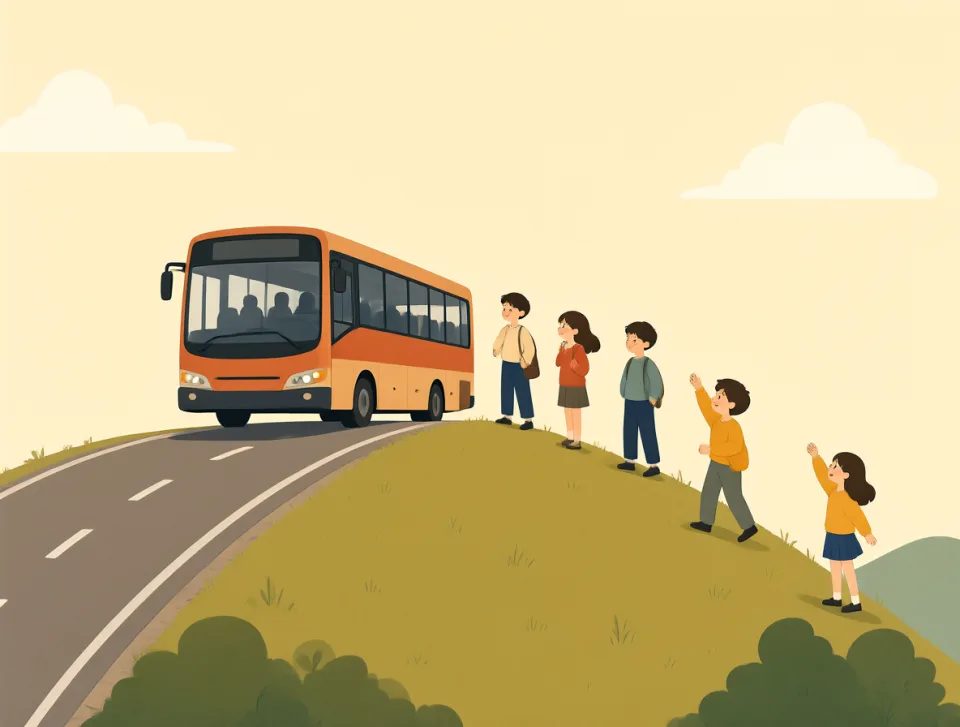
The bus stopped at the top of the hill.
버스는 언덕 꼭대기에서 멈췄다.
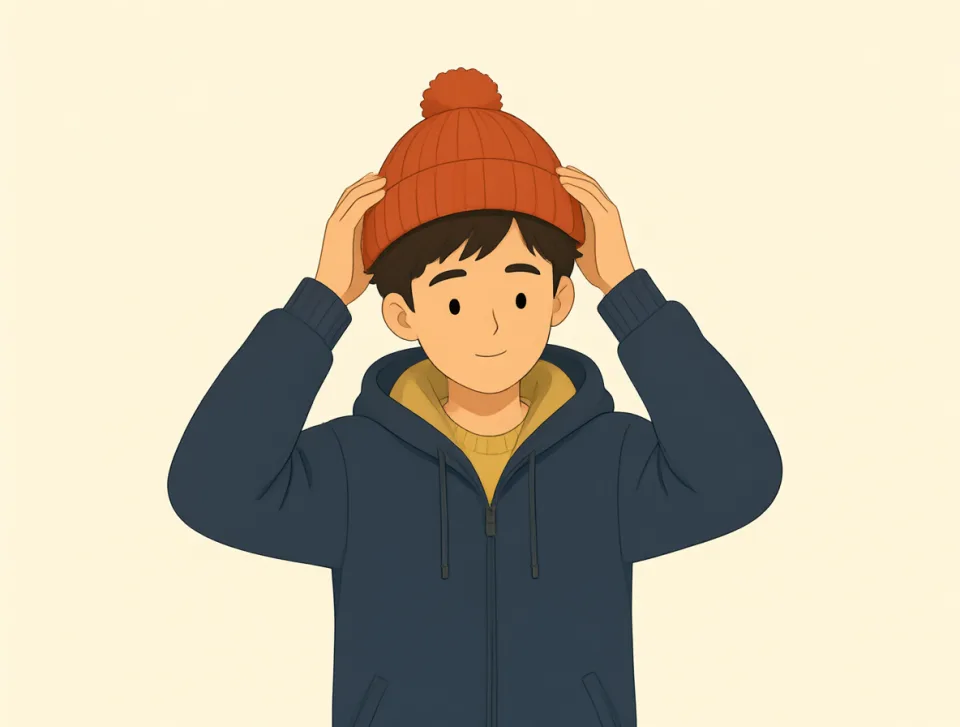
He wore a warm hat on top of his head.
그는 머리 위에 따뜻한 모자를 썼다.
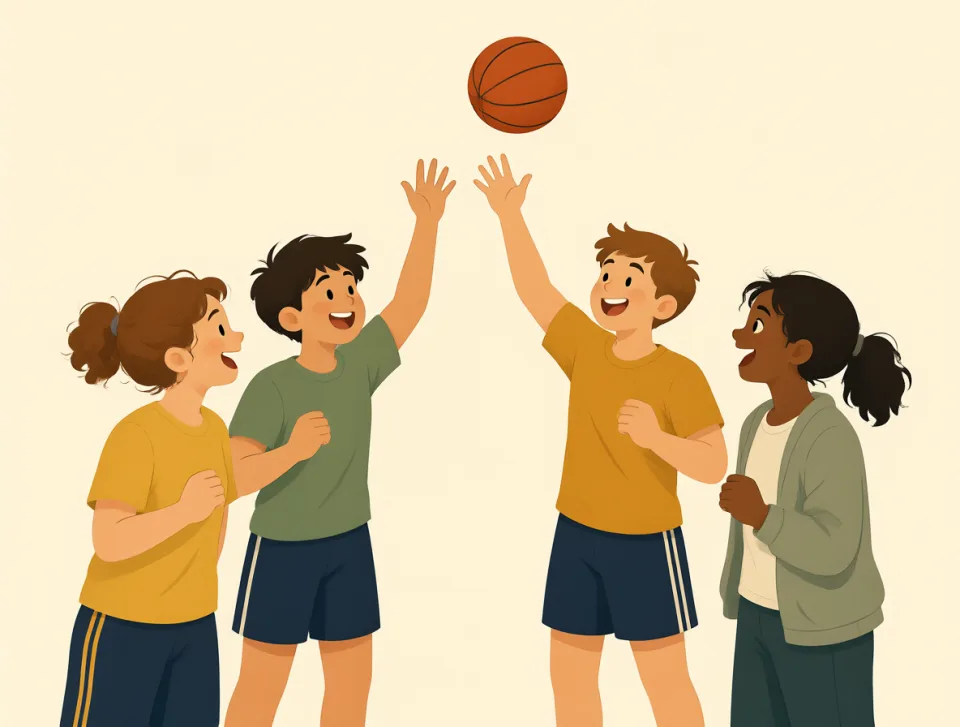
Our team finished at the top of the league.
우리 팀은 리그에서 1위로 마쳤다.

among
#376preposition
~사이에; ~중에
in or surrounded by a group of people or things
사람이나 사물의 무리 속에 있거나 그 무리에 둘러싸인
She found her keys among the books.
그녀는 책들 사이에서 열쇠를 찾았다.

He was among the first people to arrive.
그는 가장 먼저 도착한 사람들 중 한 명이었다.
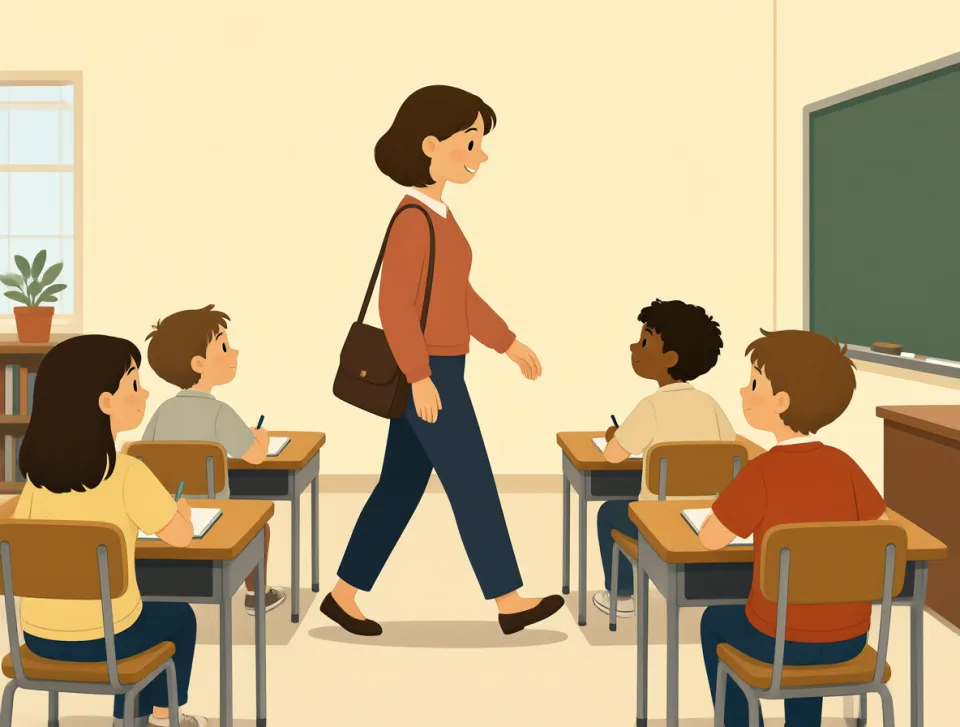
The teacher walked among the students.
선생님은 학생들 사이를 걸어 다녔다.
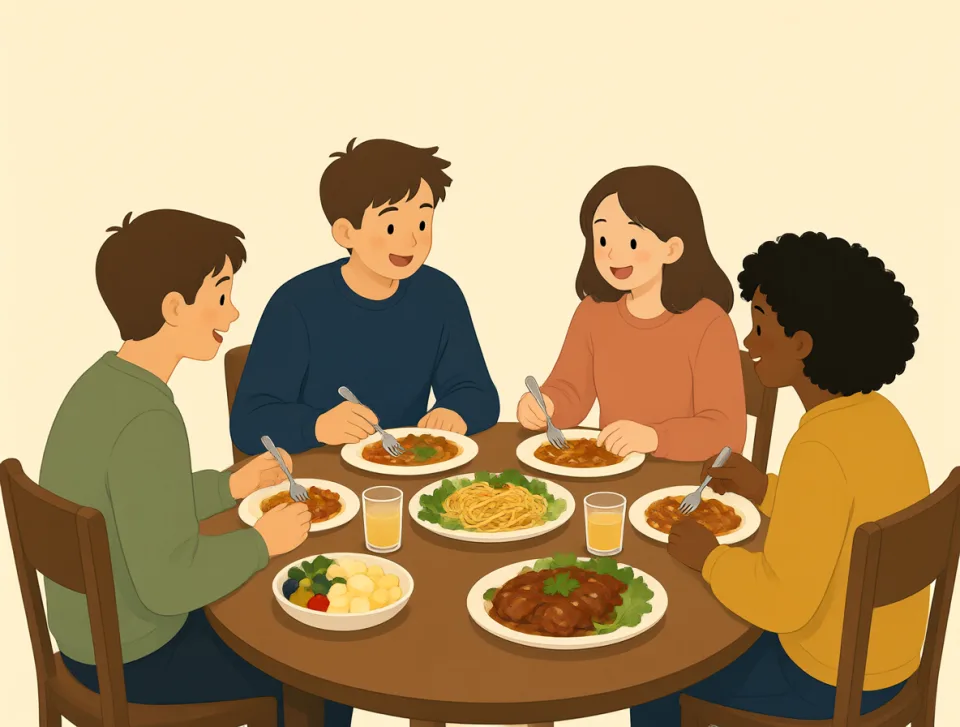
We shared the food among four friends.
우리는 네 명의 친구가 음식을 나눠 먹었다.
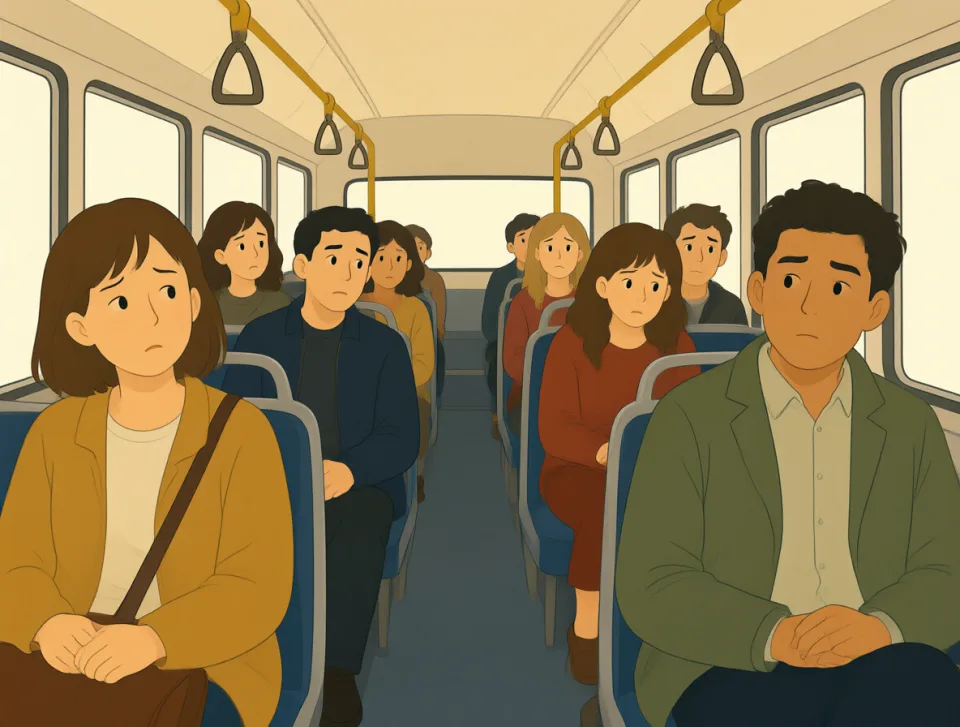
There was worry among the passengers.
승객들 사이에는 걱정이 퍼져 있었다.

win
#377verb, noun
이기다; 승리하다; 당첨되다
To succeed in a competition or receive a prize.
경쟁에서 이기거나 상을 받는 것
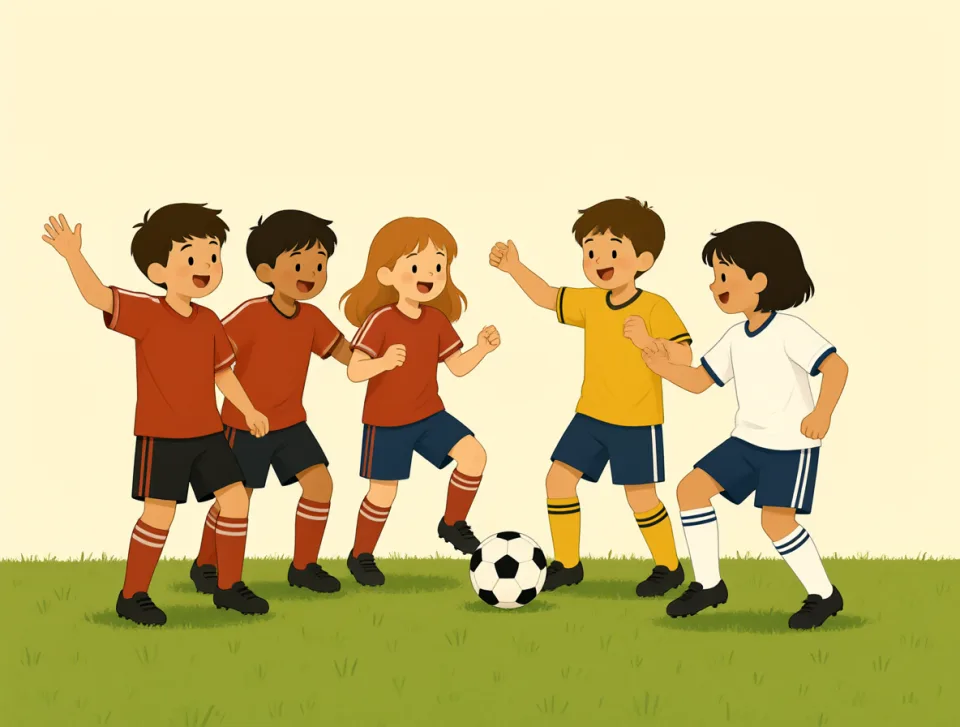
Our team won the game yesterday.
우리 팀은 어제 경기에서 이겼다.

She won first prize at the school fair.
그녀는 학교 축제에서 1등 상을 받았다.

I hope to win the race today.
나는 오늘 경주에서 이기고 싶다.
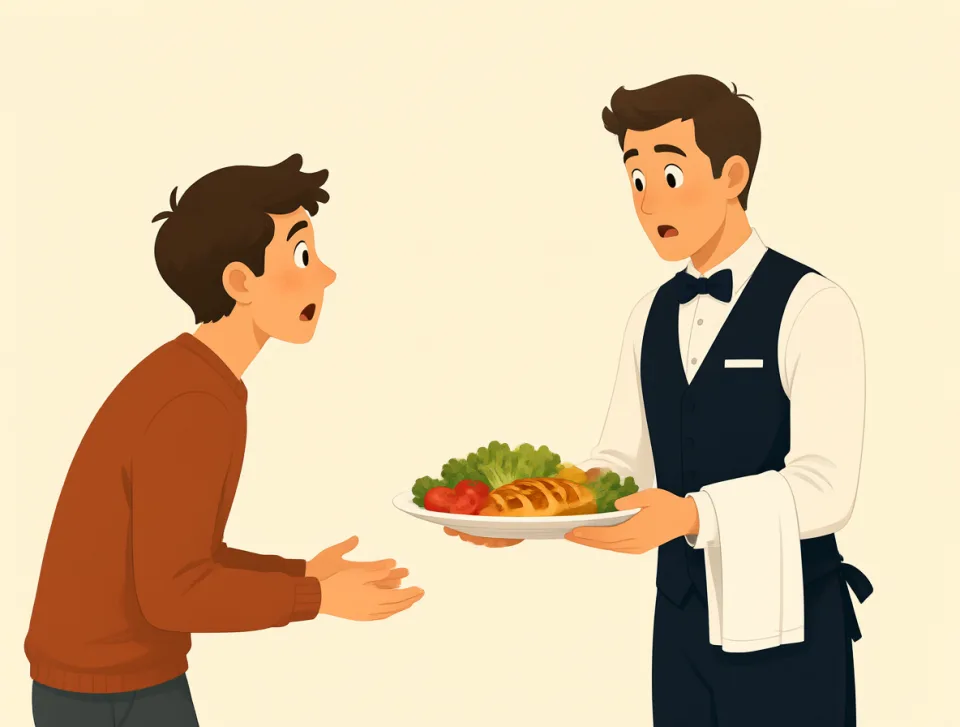
He won a free meal at the restaurant.
그는 식당에서 무료 식사에 당첨됐다.
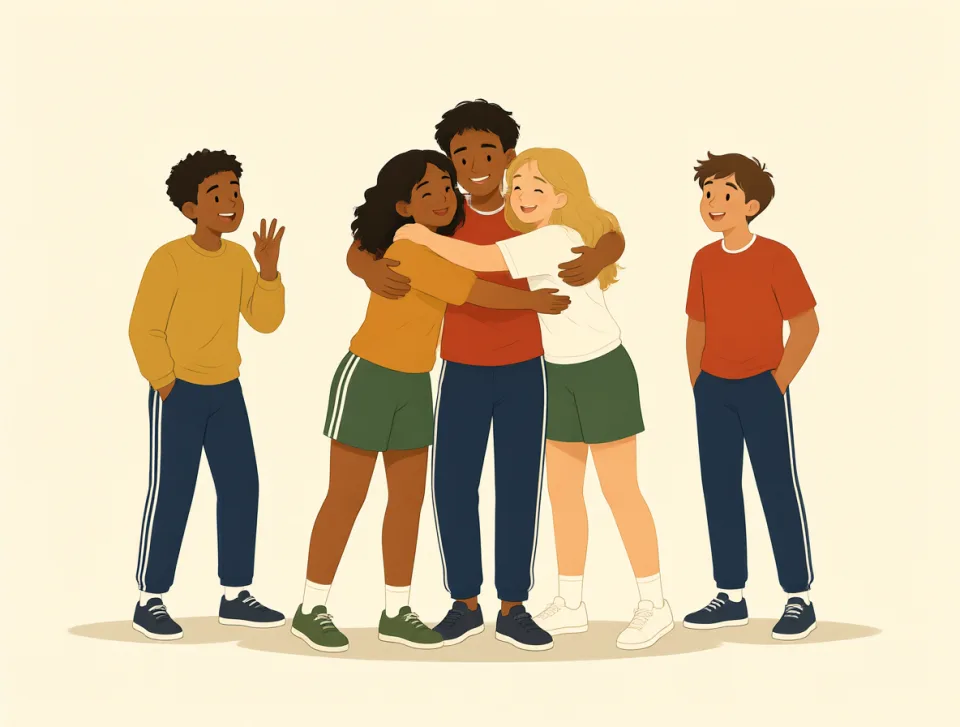
It was a big win for our team.
우리 팀에게는 큰 승리였다.
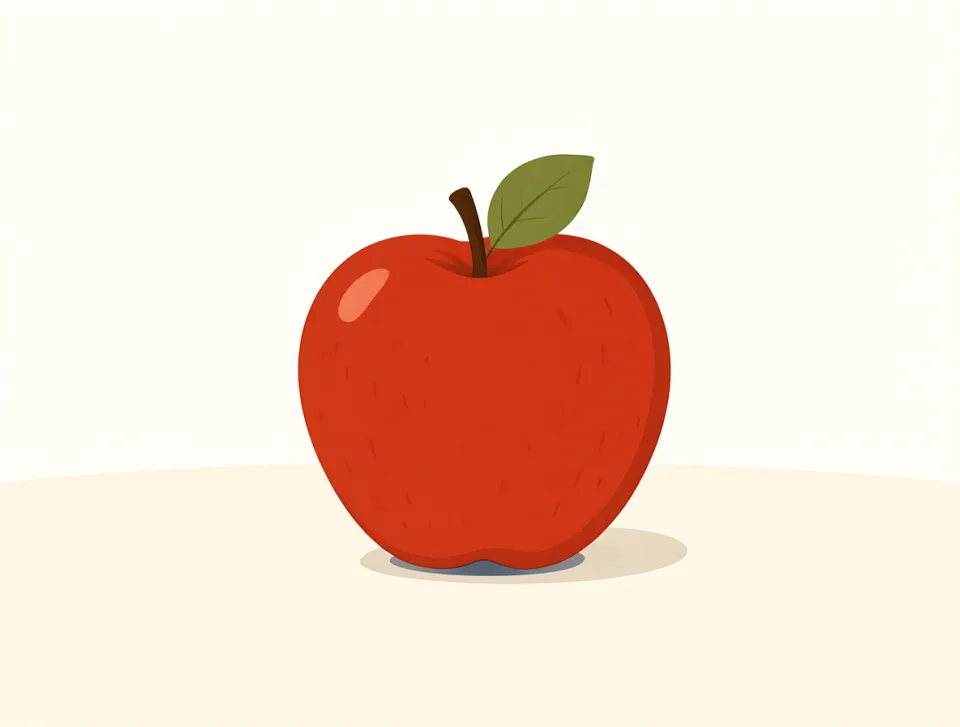
color
#378noun, verb
색; 색칠하다
The appearance of something caused by the way it reflects light.
빛을 반사하는 방식에 따라 나타나는 사물의 모습
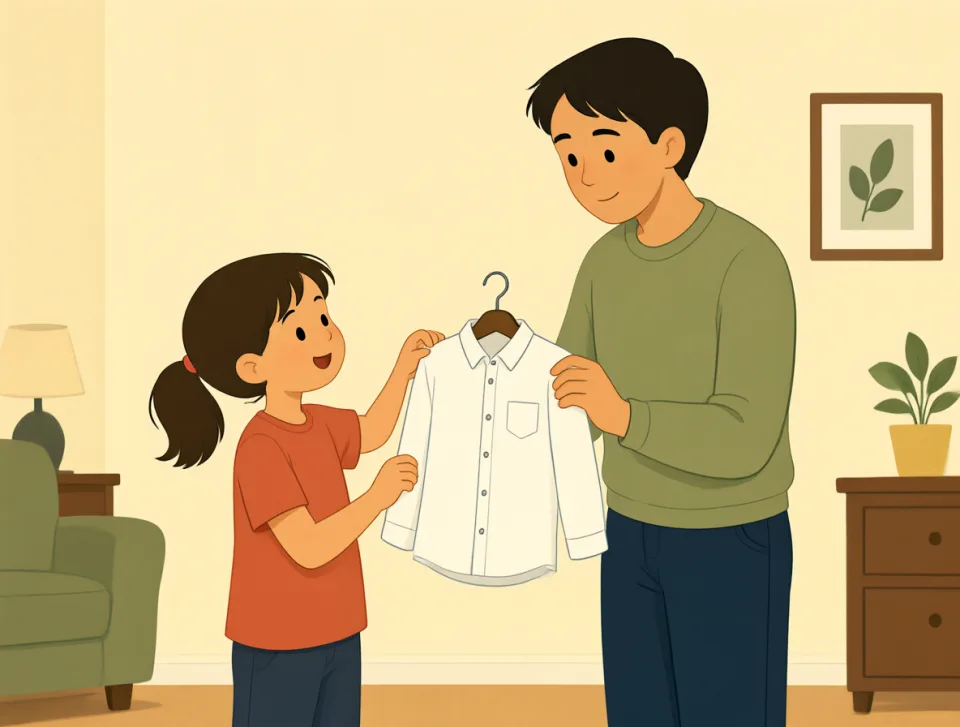
What color is your new shirt?
새 셔츠는 무슨 색이야?
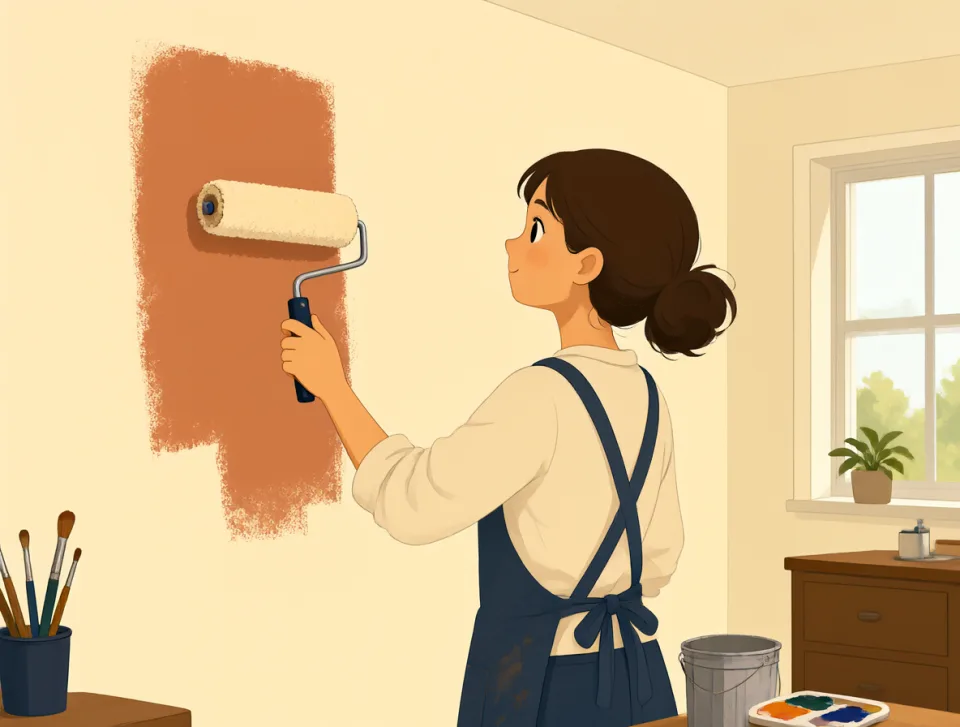
She painted the wall a light color.
그녀는 벽을 연한 색으로 칠했다.
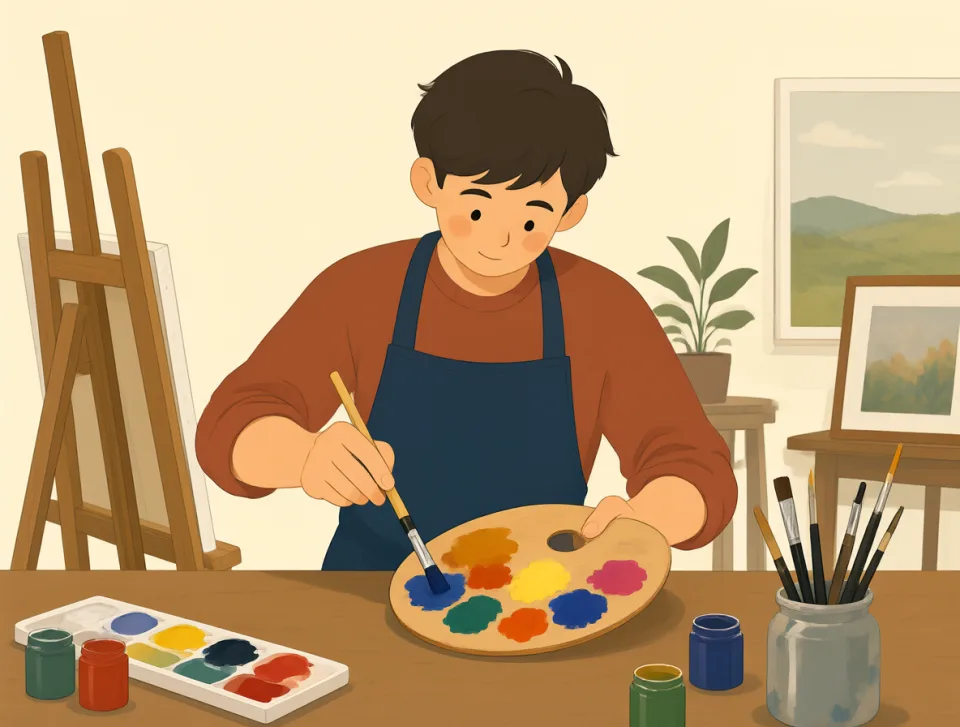
The artist mixed colors on her palette.
그 화가는 팔레트에서 색을 섞었다.
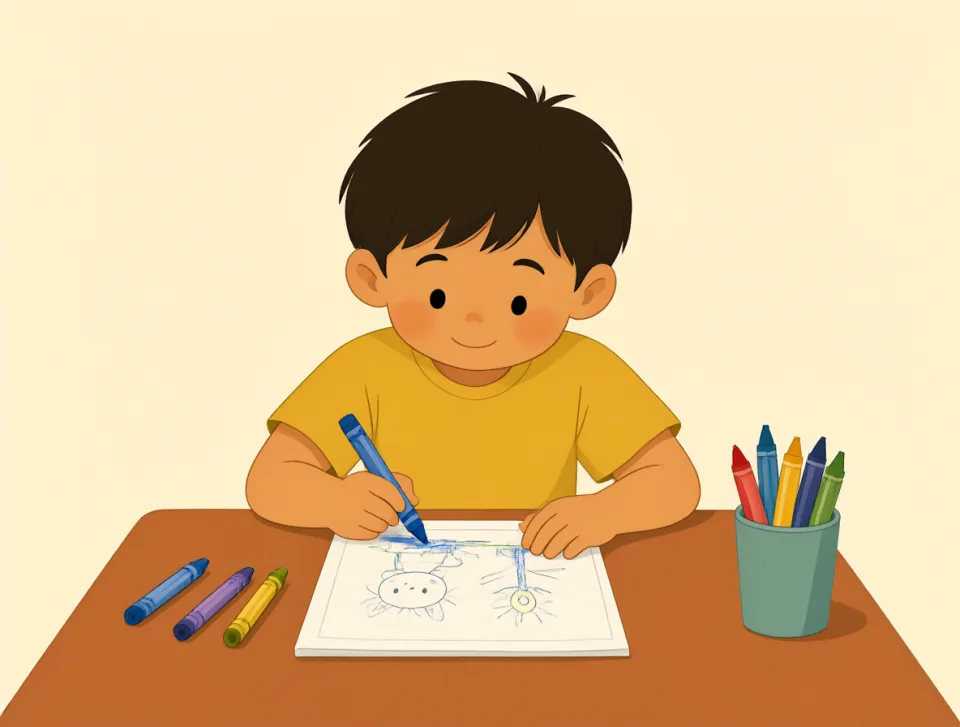
Please color the picture with blue crayons.
파란 크레파스로 그림을 색칠해 주세요.
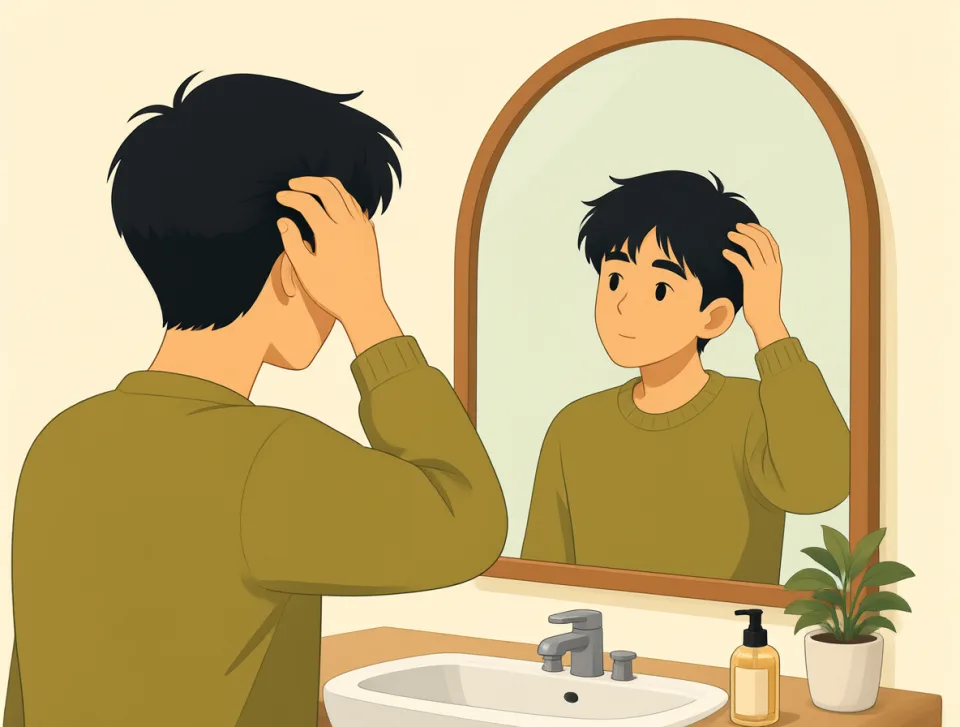
He colored his hair black last week.
그는 지난주에 머리를 검은색으로 염색했다.
involve
#379verb
포함하다; 관련시키다
to include someone or something in an activity or situation
어떤 활동이나 상황에 사람이나 사물을 포함하다
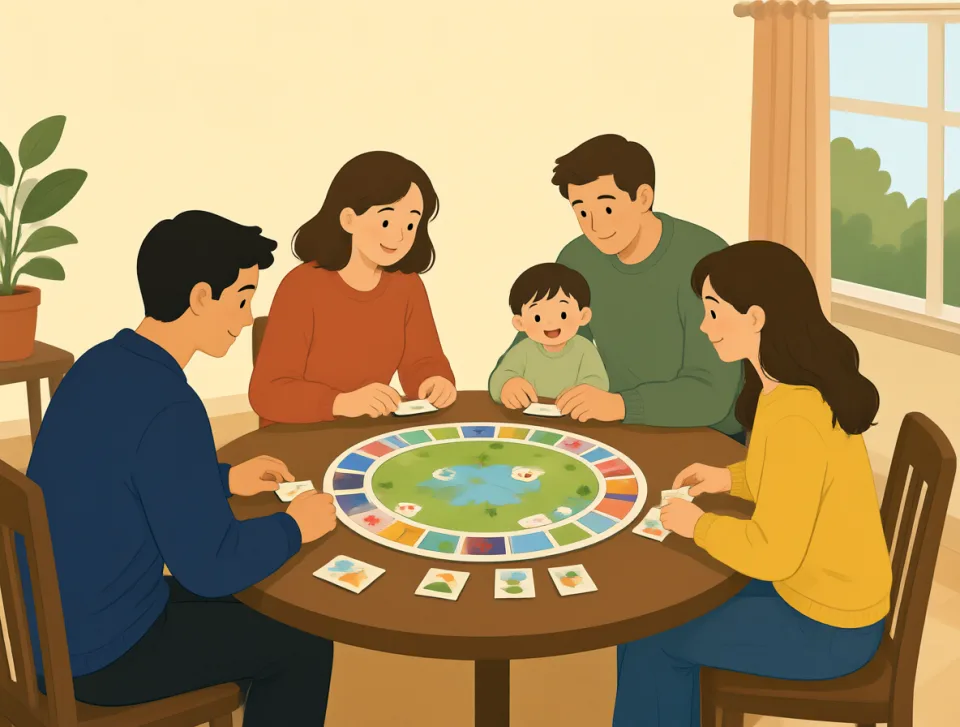
The game involves everyone in the family.
그 게임은 가족 모두가 참여해야 한다.
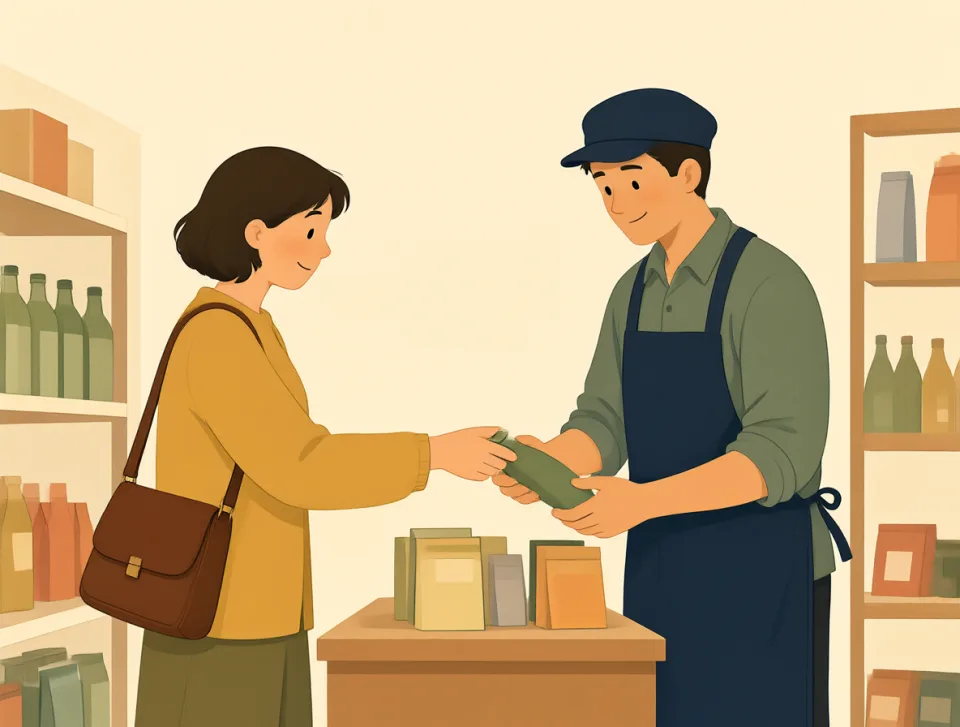
The job involves helping customers every day.
그 일은 매일 고객을 돕는 일을 포함한다.
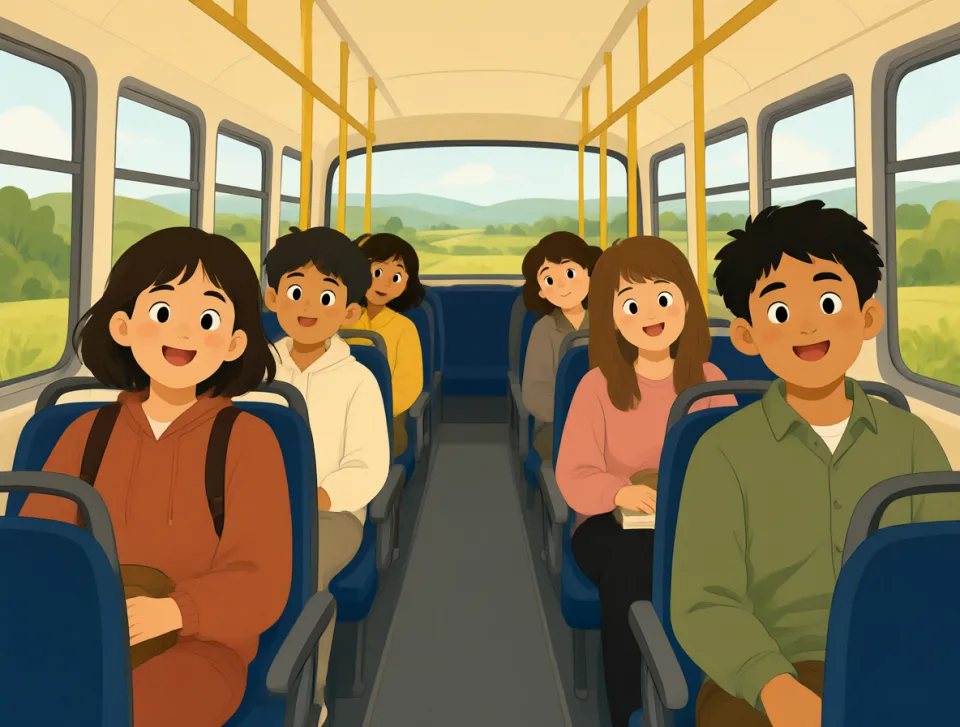
The school trip involved a long bus ride.
그 학교 여행에는 긴 버스 여행이 포함되었다.
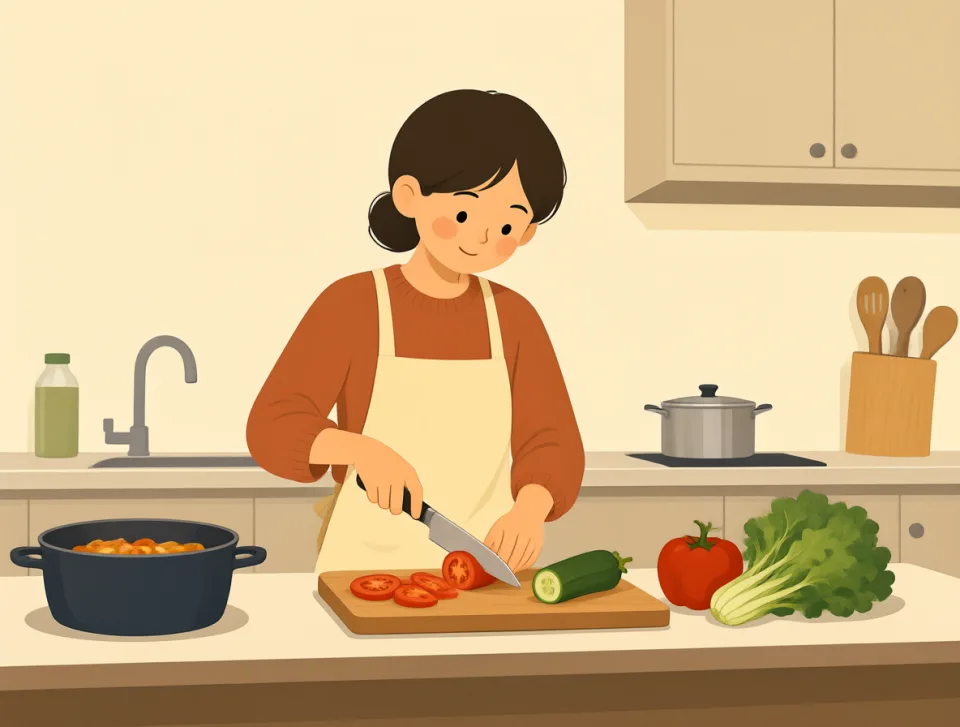
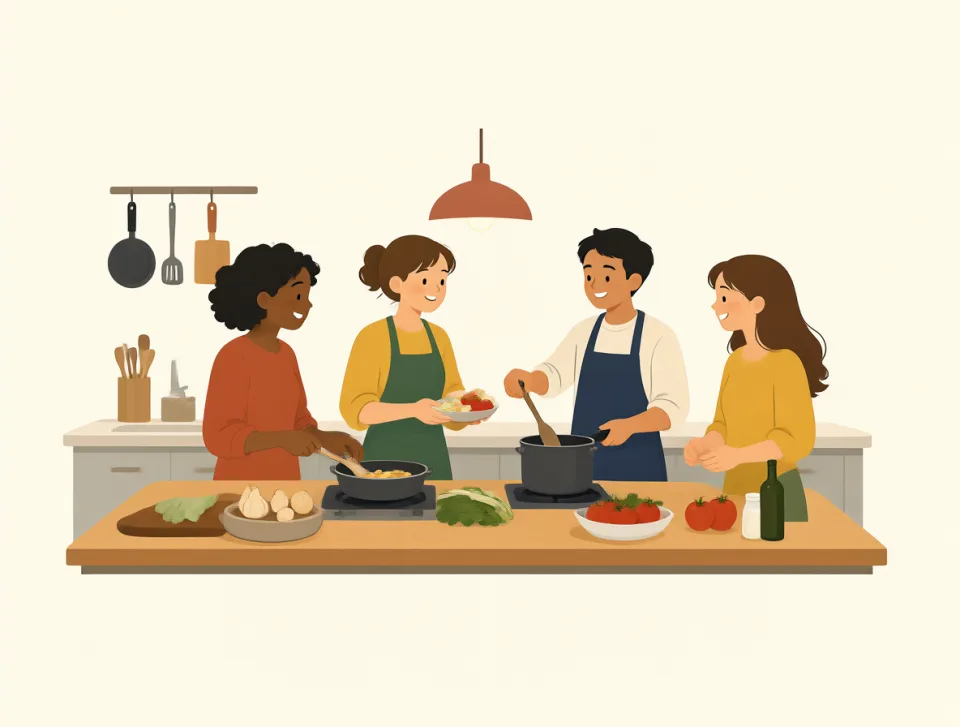
Cooking dinner involves cutting many vegetables.
저녁 식사를 요리하려면 많은 채소를 썰어야 한다.
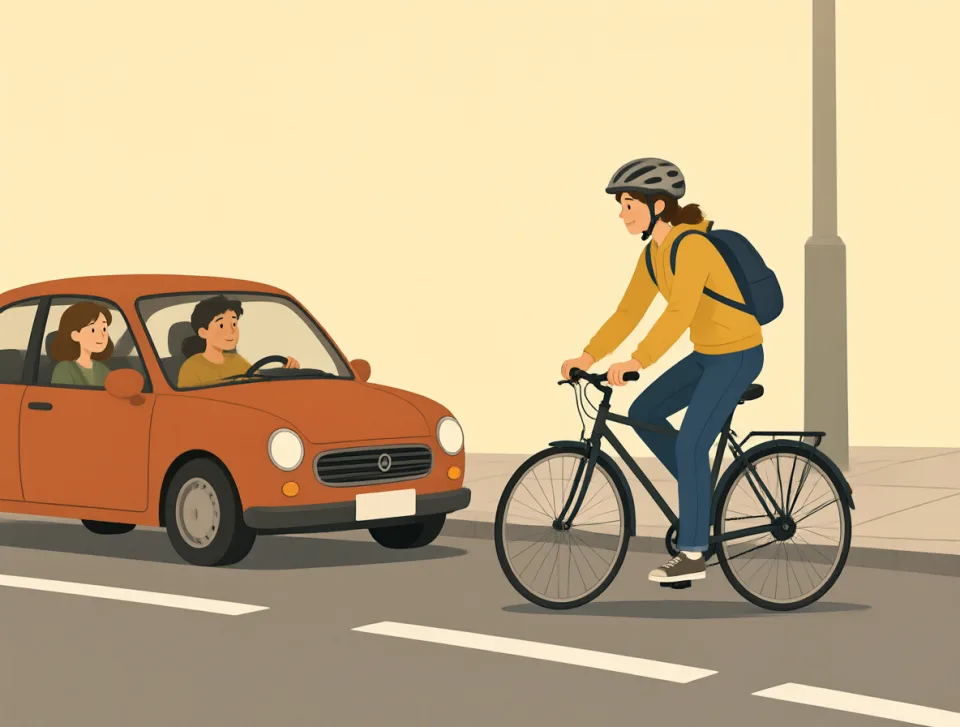
The accident involved two cars and a cyclist.
그 사고에는 자동차 두 대와 자전거를 탄 사람 한 명이 관련되어 있었다.
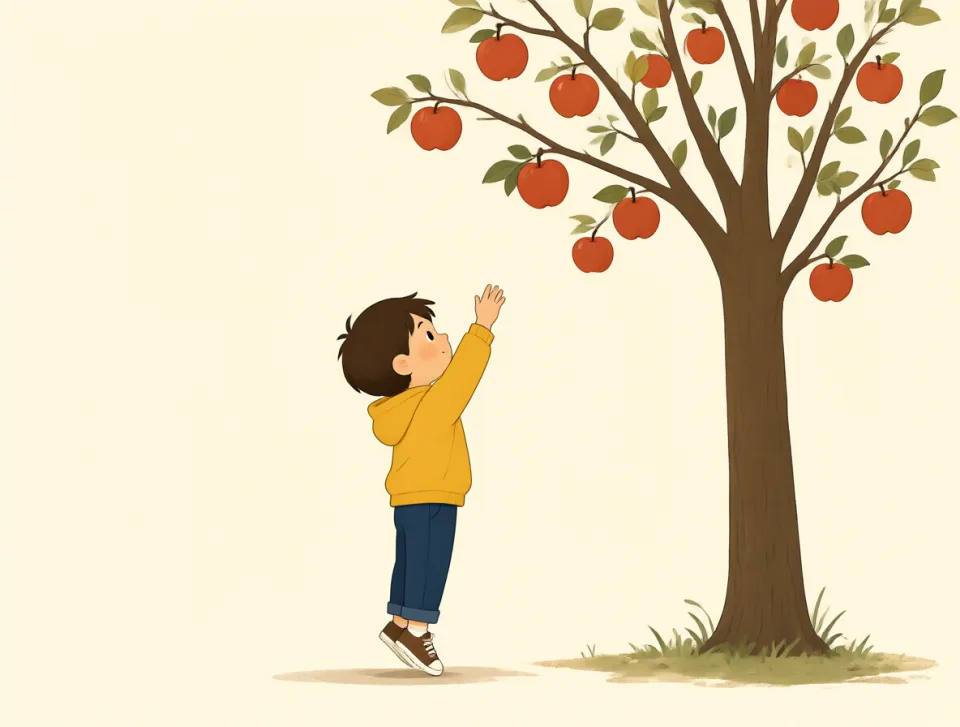
reach
#380verb, noun
도착하다; 손을 뻗다; 닿다
to arrive at a place, touch something, or get as far as a goal
어떤 장소에 도착하거나, 무언가에 닿거나, 목표 지점까지 이르다
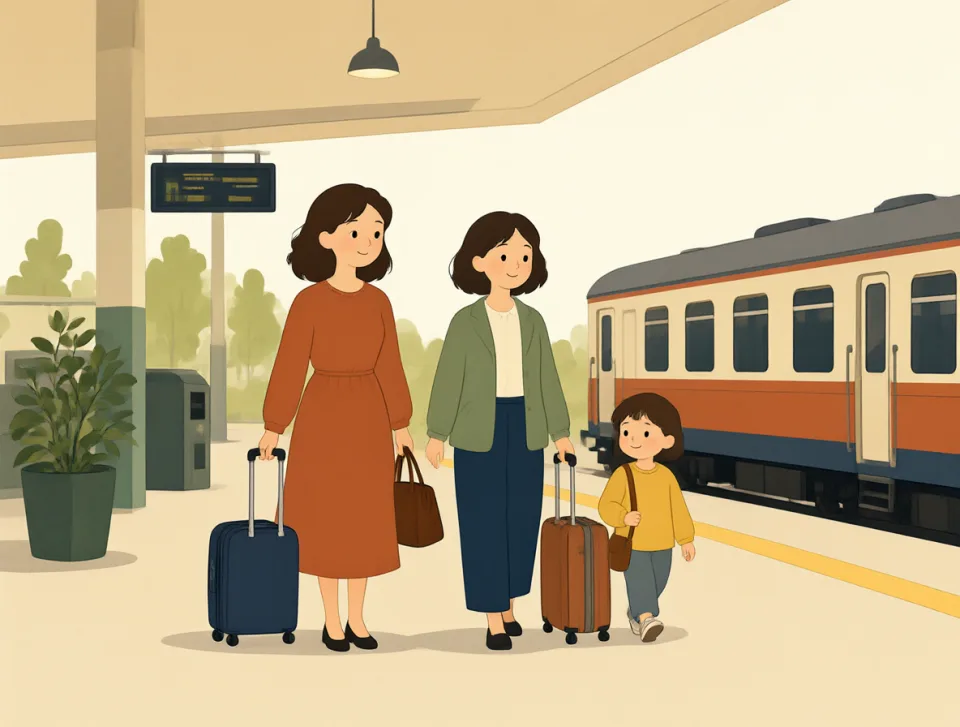
We reached the station just before noon.
우리는 정오가 되기 바로 전에 역에 도착했다.
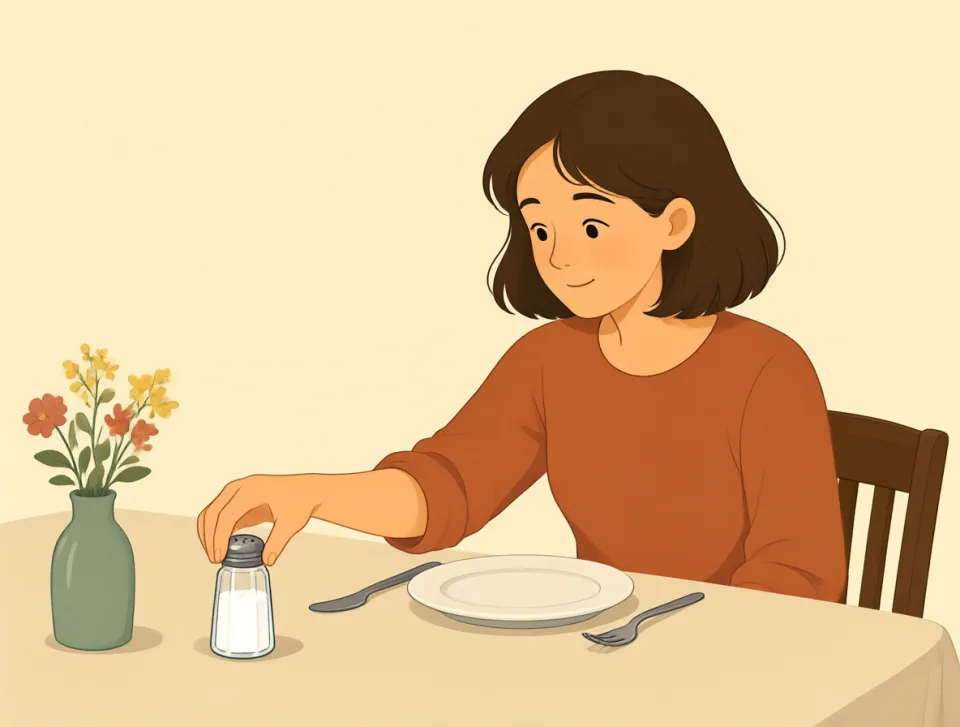
She reached for the salt at dinner.
그녀는 저녁 식사 중에 소금을 집으려고 손을 뻗었다.
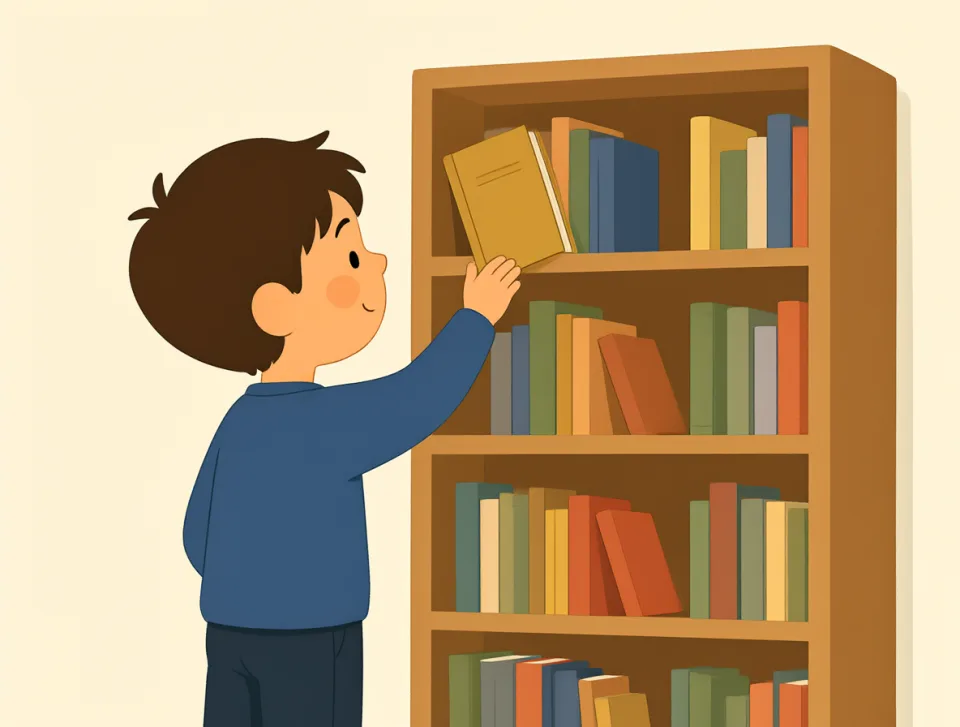
The boy reached the top shelf easily.
그 소년은 꼭대기 선반에 쉽게 손이 닿았다.
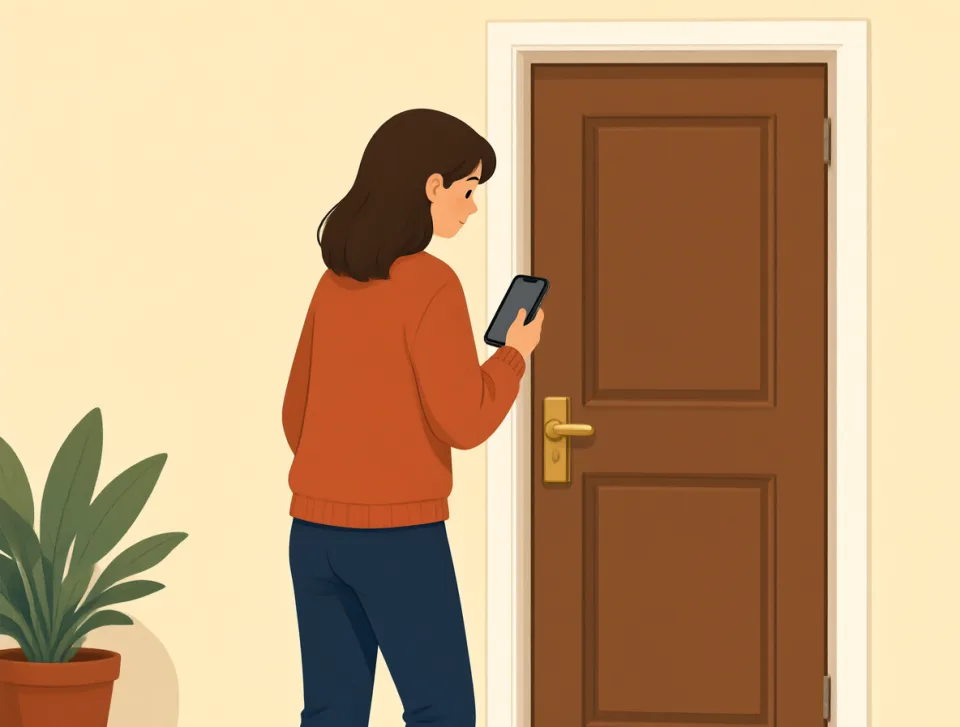
Please call me when you reach home.
집에 도착하면 전화해 줘.
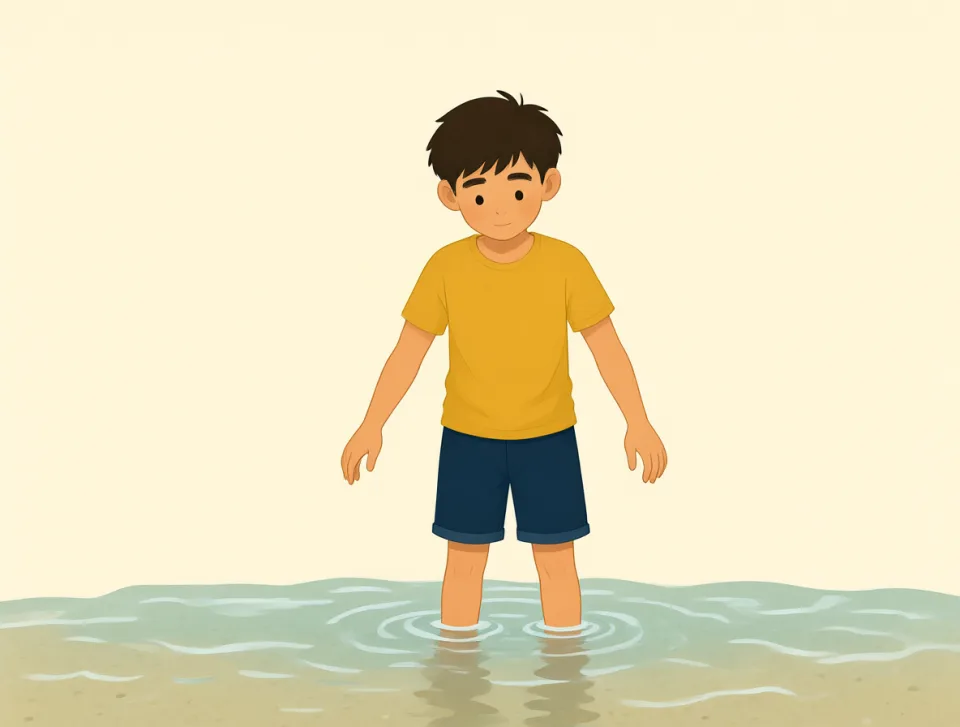
The water reached my knees.
물은 내 무릎까지 차올랐다.