หน่วย 12
คำที่ 221–240 · build, hold, service, against, believe, second
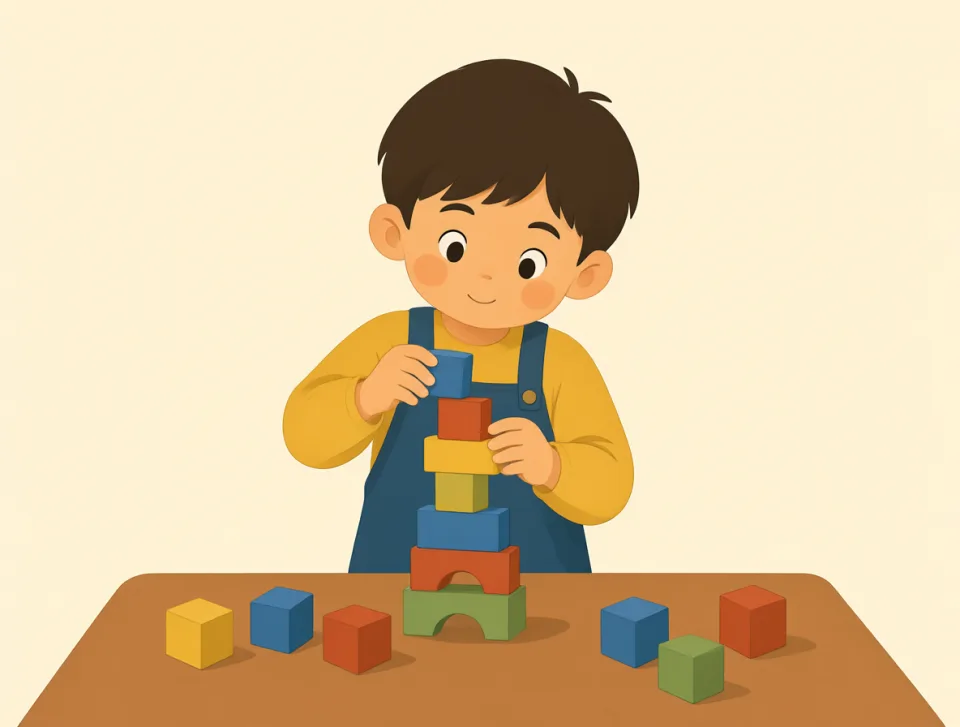
build
#221verb, noun
สร้าง
to make something by putting parts together, or to develop something over time
ทำสิ่งหนึ่งขึ้นโดยนำส่วนต่าง ๆ มาประกอบกัน หรือพัฒนาบางสิ่งขึ้นเมื่อเวลาผ่านไป

They are building a new house nearby.
พวกเขากำลังสร้างบ้านหลังใหม่อยู่แถวนี้

We built a fire in the garden.
เราก่อกองไฟในสวน
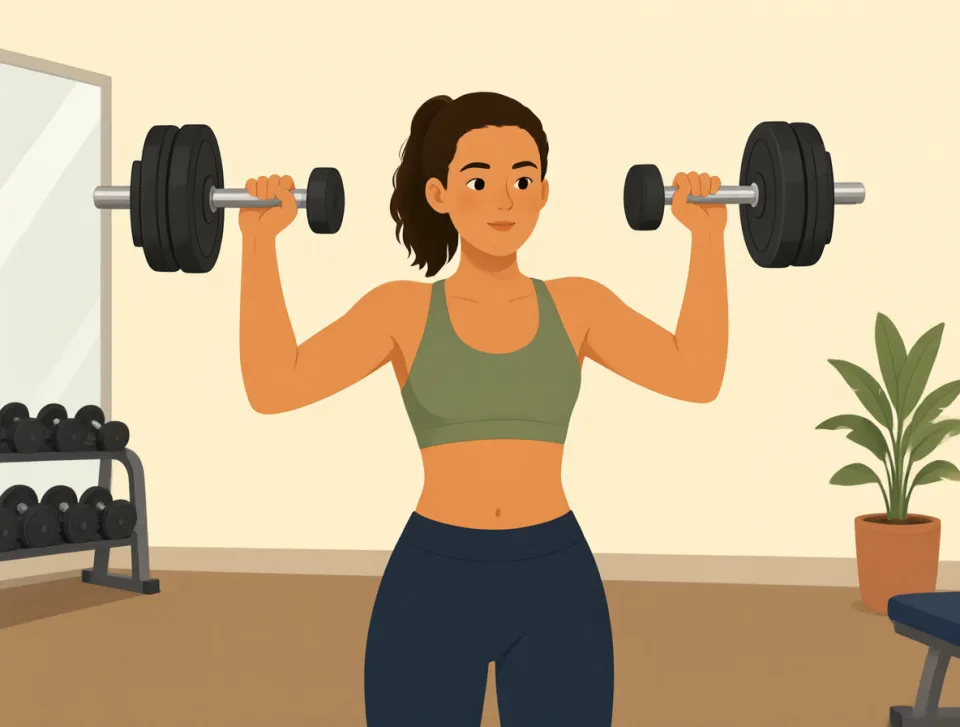
Exercise helps build strong muscles.
การออกกำลังกายช่วยสร้างกล้ามเนื้อให้แข็งแรง

The team built a good relationship.
ทีมสร้างความสัมพันธ์ที่ดีต่อกัน
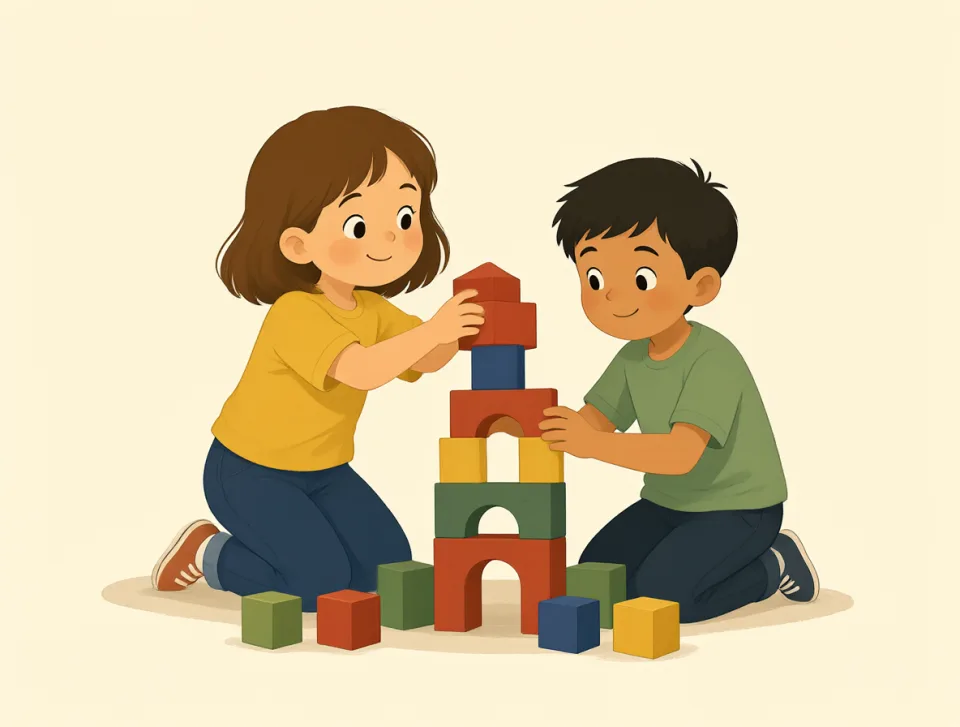
The children built a tower with blocks.
เด็ก ๆ ต่อหอคอยด้วยบล็อก

hold
#222verb, noun
ถือ
to keep something in your hands or arms; a place for people or things
ถือหรือประคองบางสิ่งไว้ในมือหรืออ้อมแขน; สถานที่สำหรับคนหรือสิ่งของ

Please hold my bag for a minute.
ช่วยถือกระเป๋าให้ฉันสักครู่นะ

This bottle holds one liter of water.
ขวดนี้จุน้ำได้หนึ่งลิตร

The teacher held a meeting after class.
ครูจัดประชุมหลังเลิกเรียน

Hold the door open for me, please.
ช่วยเปิดประตูค้างไว้ให้ฉันหน่อยนะ
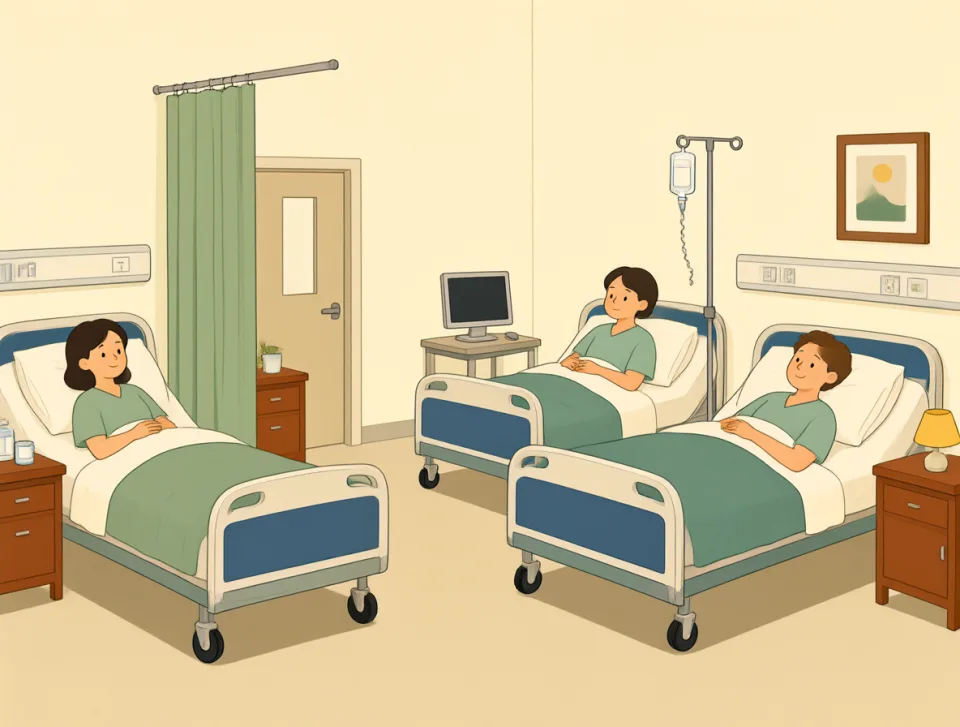
The hospital holds ten patients tonight.
คืนนี้โรงพยาบาลรองรับผู้ป่วยได้สิบคน

service
#223noun, verb
บริการ
work done to help customers, people, or organizations
งานที่ทำเพื่อช่วยเหลือลูกค้า ผู้คน หรือองค์กร

The hotel offers excellent service.
โรงแรมมีบริการที่ยอดเยี่ยม

We received good service at the restaurant.
เราได้รับบริการที่ดีที่ร้านอาหาร

The car needs service next week.
รถต้องเข้ารับการบำรุงรักษาสัปดาห์หน้า

She works in the customer service department.
เธอทำงานอยู่ในแผนกลูกค้าสัมพันธ์

The bus service stops at ten o'clock.
รถโดยสารให้บริการถึงสี่ทุ่ม
against
#224preposition
ต่อต้าน; พิง
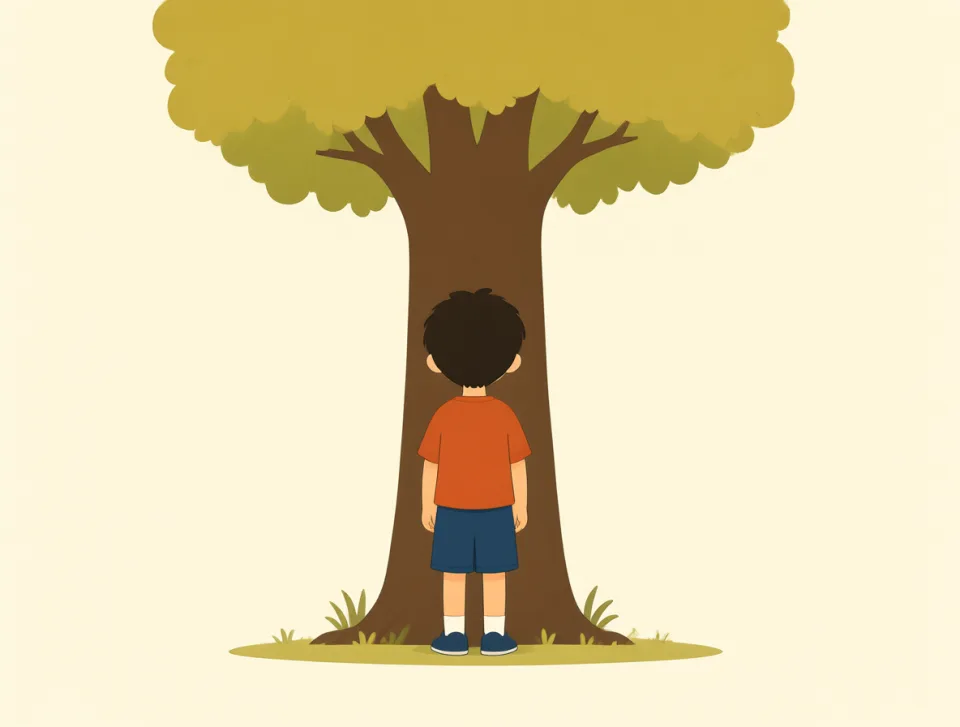
opposing or touching something for support or protection
มีจุดยืนคัดค้าน หรือสัมผัสกับบางสิ่งเพื่อพยุงหรือป้องกัน
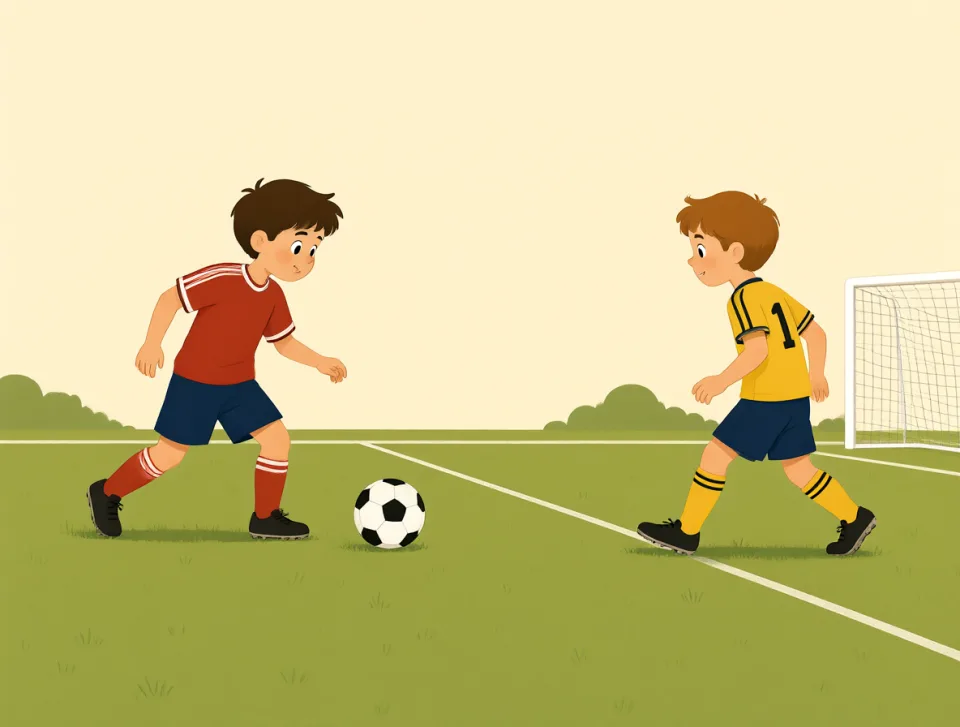
Our team played against the school champions.
ทีมของเราแข่งกับแชมป์ของโรงเรียน
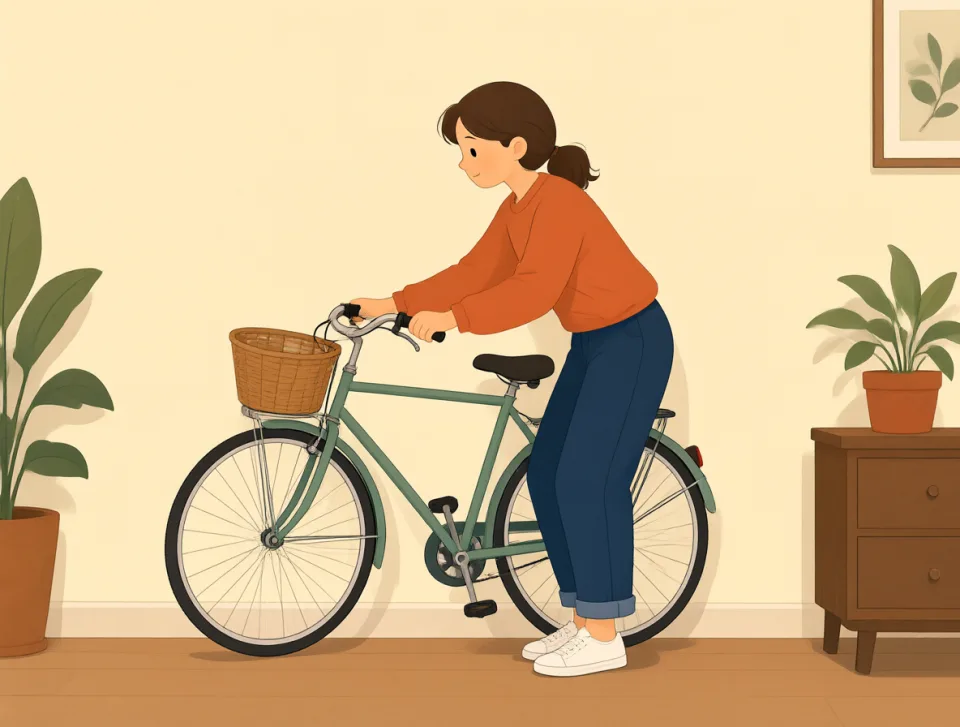
She leaned her bike against the wall.
เธอเอนจักรยานพิงกำแพง

Wear a jacket against the cold wind.
สวมเสื้อแจ็กเก็ตเพื่อป้องกันลมหนาว

The doctor gave me medicine against the infection.
หมอให้ยาฉันเพื่อรักษาการติดเชื้อ

They voted against the new school rule.
พวกเขาลงคะแนนคัดค้านกฎใหม่ของโรงเรียน

believe
#225verb
เชื่อ
To think that something is true or to trust that someone is telling the truth.
คิดว่าบางสิ่งเป็นความจริง หรือไว้ใจว่ามีคนพูดความจริง
I believe you.
ฉันเชื่อคุณ
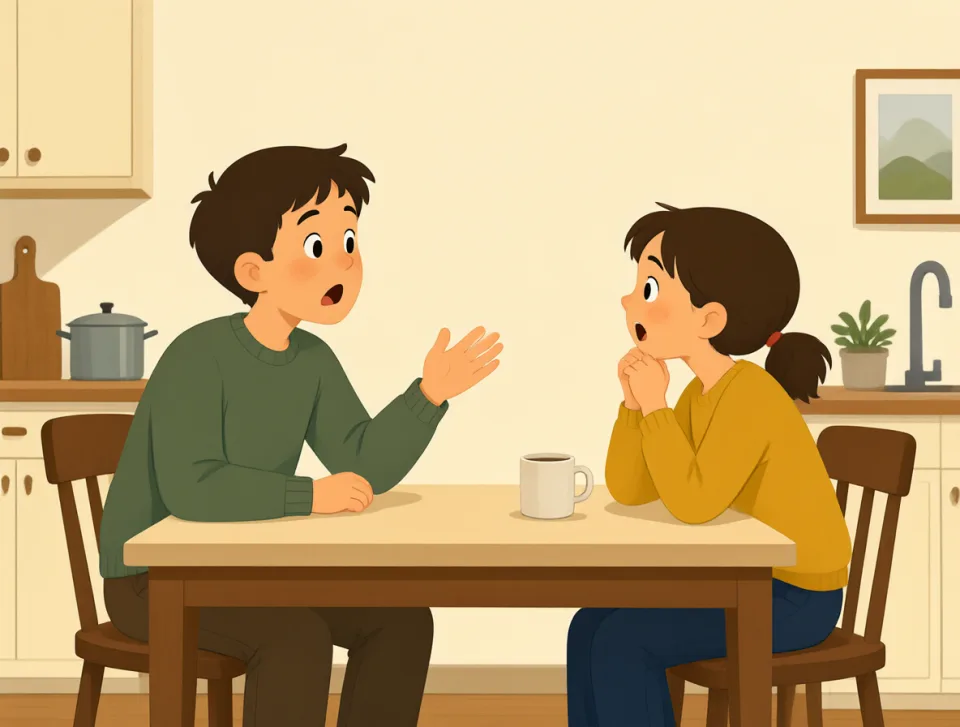
Do you believe this story?
คุณเชื่อเรื่องนี้ไหม

She believes in her team.
เธอเชื่อมั่นในทีมของเธอ

We believe the bus is late.
เราเชื่อว่ารถเมล์มาสาย

He could not believe his good luck.
เขาแทบไม่อยากเชื่อว่าโชคดีขนาดนี้

second
#226noun, adjective, verb
วินาที; ที่สอง
A unit of time equal to one sixtieth of a minute; also one of two similar things.
หน่วยเวลาเท่ากับหนึ่งในหกสิบของหนึ่งนาที หรือสิ่งหนึ่งในสองสิ่งที่คล้ายกัน

Wait a second, please.
รอสักครู่นะครับ/คะ

She finished second in the race.
เธอเข้าเส้นชัยเป็นอันดับสองในการแข่งขัน

This is my second cup of coffee.
นี่เป็นกาแฟแก้วที่สองของฉัน

He checked the answer a second time.
เขาตรวจคำตอบเป็นครั้งที่สอง
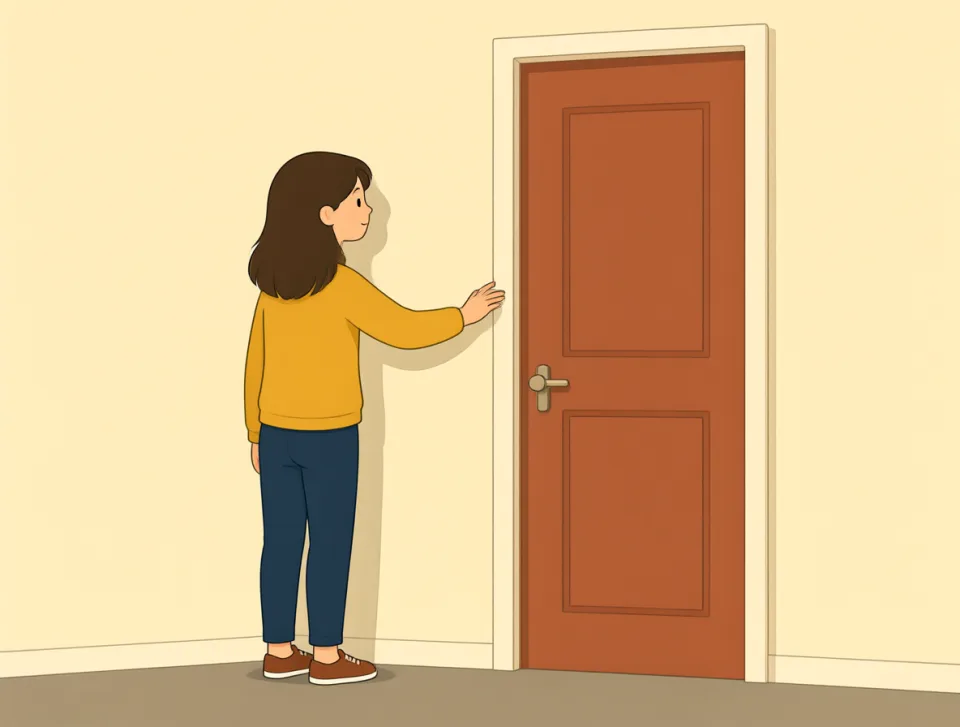
The second door leads to the kitchen.
ประตูบานที่สองนำไปสู่ห้องครัว

though
#227adverb, conjunction
แม้ว่า; แต่ถึงอย่างนั้น
used to say that something is surprising or different from what you expected
ใช้พูดถึงสิ่งที่น่าประหลาดใจหรือแตกต่างจากที่คุณคาดไว้
It was raining, though we went outside.
ฝนตกอยู่ แต่เราก็ออกไปข้างนอก

Though tired, she finished her homework.
ถึงจะเหนื่อย เธอก็ทำการบ้านเสร็จ

I like this shirt, though it is expensive.
ฉันชอบเสื้อตัวนี้นะ ถึงจะแพงก็เถอะ

He smiled, though he felt sick.
เขายิ้ม ทั้งที่รู้สึกไม่สบาย

The bus was late, though we arrived on time.
รถเมล์มาช้า แต่เราก็มาถึงตรงเวลา
yes
#228adverb, noun
ใช่
A word used to agree or to answer a question positively.
คำที่ใช้แสดงความเห็นด้วยหรือตอบคำถามในเชิงยืนยัน
“Are you ready?” “Yes, I am.”
“พร้อมหรือยัง” “พร้อมแล้ว”

She said yes to the job.
เธอตอบตกลงรับงานนั้น

“Yes, please. I’d like some tea.”
“เอาค่ะ/ครับ อยากดื่มชาสักหน่อย”

He nodded yes when I asked.
พอฉันถาม เขาก็พยักหน้าเป็นเชิงตอบตกลง

The answer is yes.
คำตอบคือใช่

love
#229noun, verb
รัก; ชอบมาก
To like someone or something very much, or to feel strong affection for them.
ชอบใครหรือสิ่งใดมาก หรือรู้สึกรักใครอย่างลึกซึ้ง

I love spending time with my family.
ฉันชอบใช้เวลากับครอบครัวมาก

She loves chocolate ice cream.
เธอชอบไอศกรีมช็อกโกแลตมาก

They fell in love at school.
พวกเขาตกหลุมรักกันตอนเรียนอยู่ที่โรงเรียน

My parents love each other very much.
พ่อแม่ของฉันรักกันมาก

He loves his new job.
เขารักงานใหม่ของเขามาก
increase
#230noun, verb
เพิ่มขึ้น; การเพิ่มขึ้น
to become larger in amount, number, or size; a rise in amount, number, or size
มีจำนวน ปริมาณ หรือขนาดมากขึ้น หรือการเพิ่มขึ้นของจำนวน ปริมาณ หรือขนาด

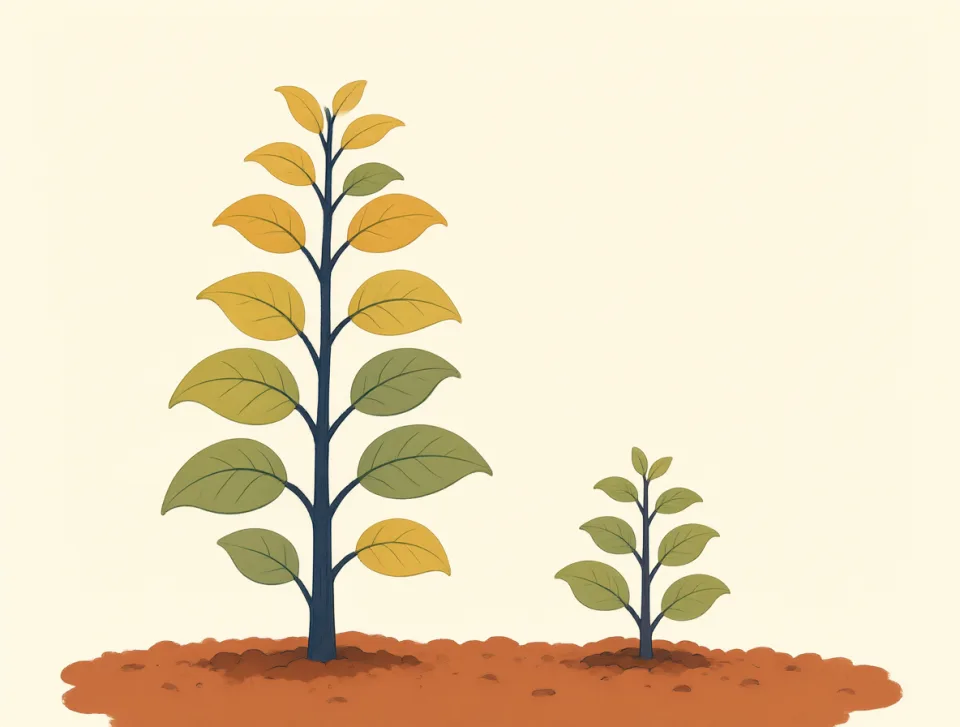
Prices increase when supplies become limited.
ราคาสินค้าสูงขึ้นเมื่อของมีจำกัด

The company increased its prices last month.
บริษัทขึ้นราคาเมื่อเดือนที่แล้ว

Regular exercise can increase your energy.
การออกกำลังกายเป็นประจำช่วยเพิ่มพลังงานได้

We saw an increase in hotel bookings.
เราพบว่าการจองโรงแรมเพิ่มขึ้น
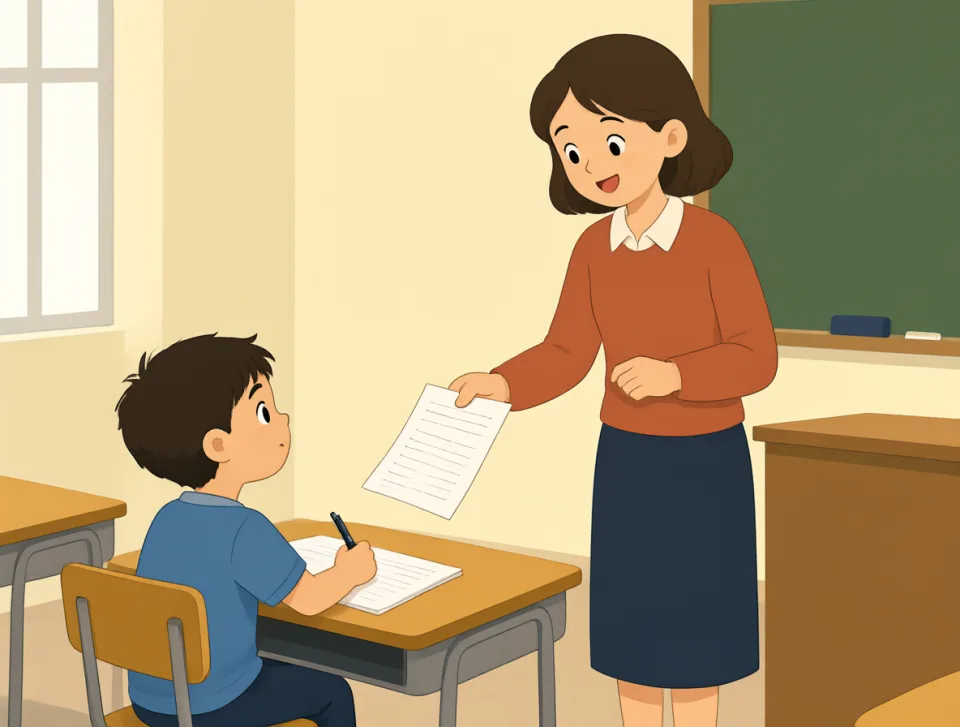
The teacher increased the homework after the test.
ครูเพิ่มการบ้านหลังจากการสอบ
job
#231noun, verb
งาน
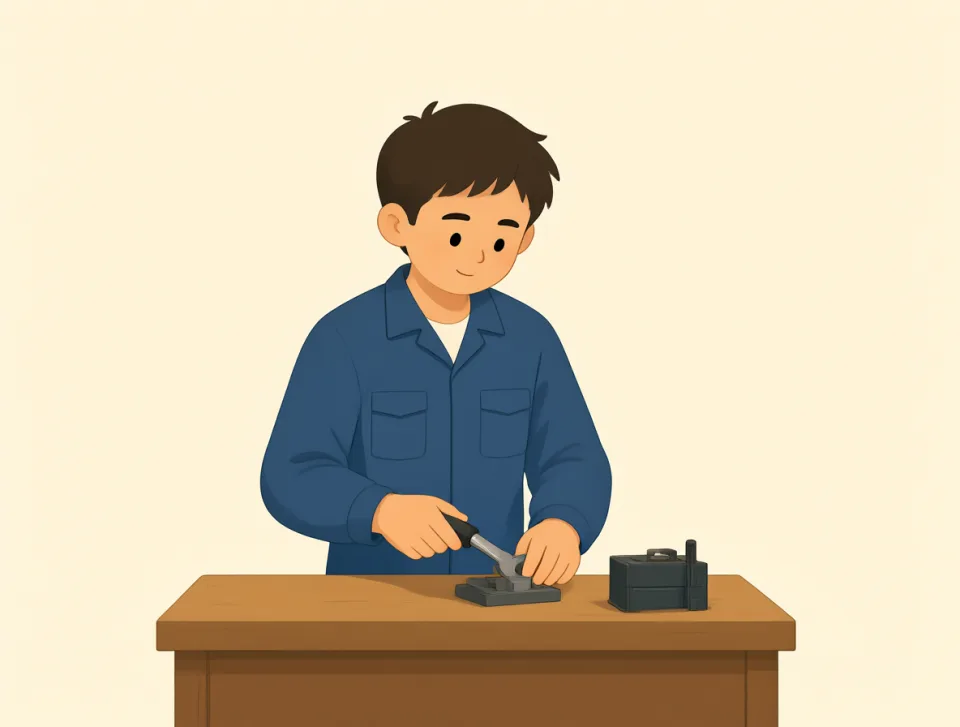
A job is work that you do to earn money, or a task that needs doing.
Job หมายถึงงานที่คุณทำเพื่อหารายได้ หรืองานที่ต้องทำให้เสร็จ

She has a new job at the hospital.
เธอได้งานใหม่ที่โรงพยาบาล

My father goes to work every morning.
พ่อของฉันไปทำงานทุกเช้า
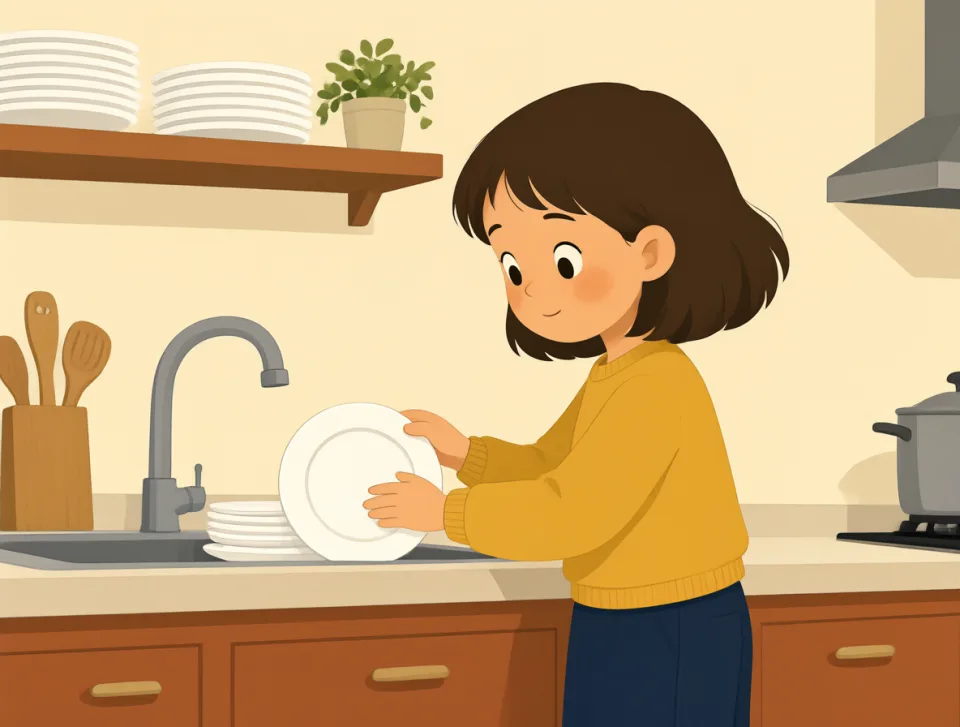
Please do this job before dinner.
ช่วยทำงานนี้ให้เสร็จก่อนมื้อเย็นด้วยนะ
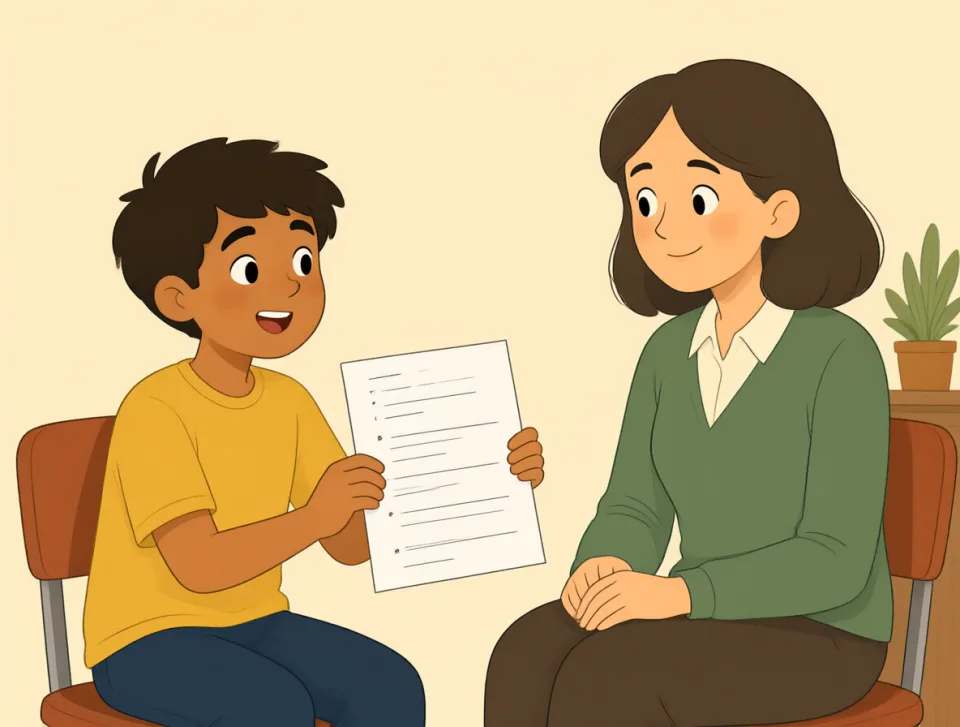
He did a good job on the test.
เขาทำข้อสอบได้ดีมาก

The plumber is doing a difficult job.
ช่างประปากำลังทำงานที่ยากอยู่
plan
#232noun, verb
แผน
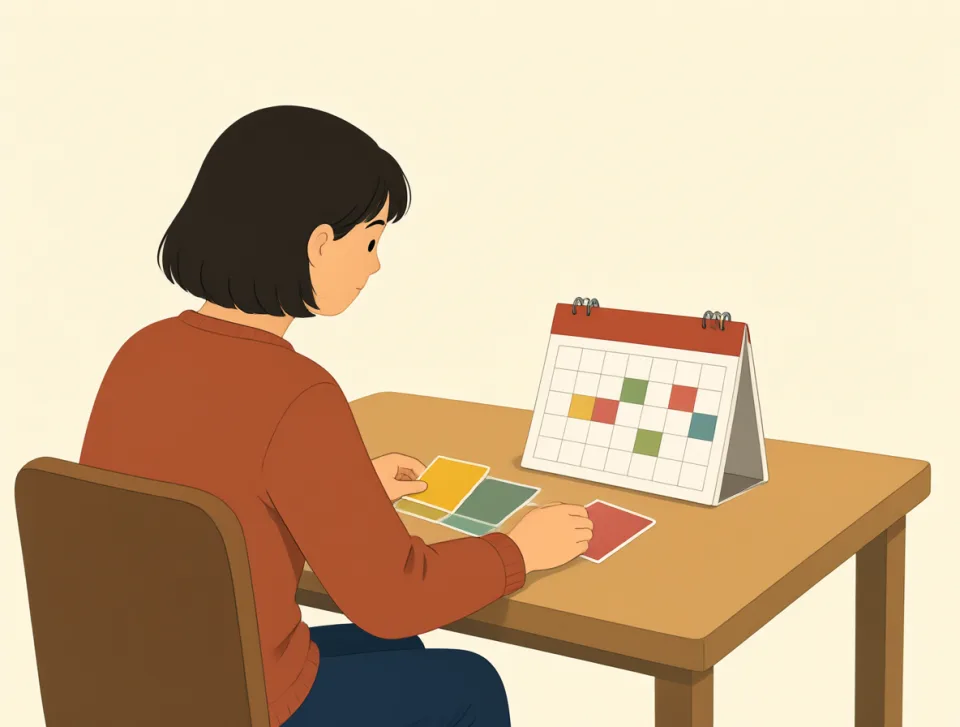
An idea of what you will do, or to decide what you will do.
Plan หมายถึงแนวคิดเกี่ยวกับสิ่งที่คุณจะทำ หรือการตัดสินใจว่าจะทำอะไร

We made a plan for the weekend.
เราวางแผนสำหรับสุดสัปดาห์ไว้แล้ว
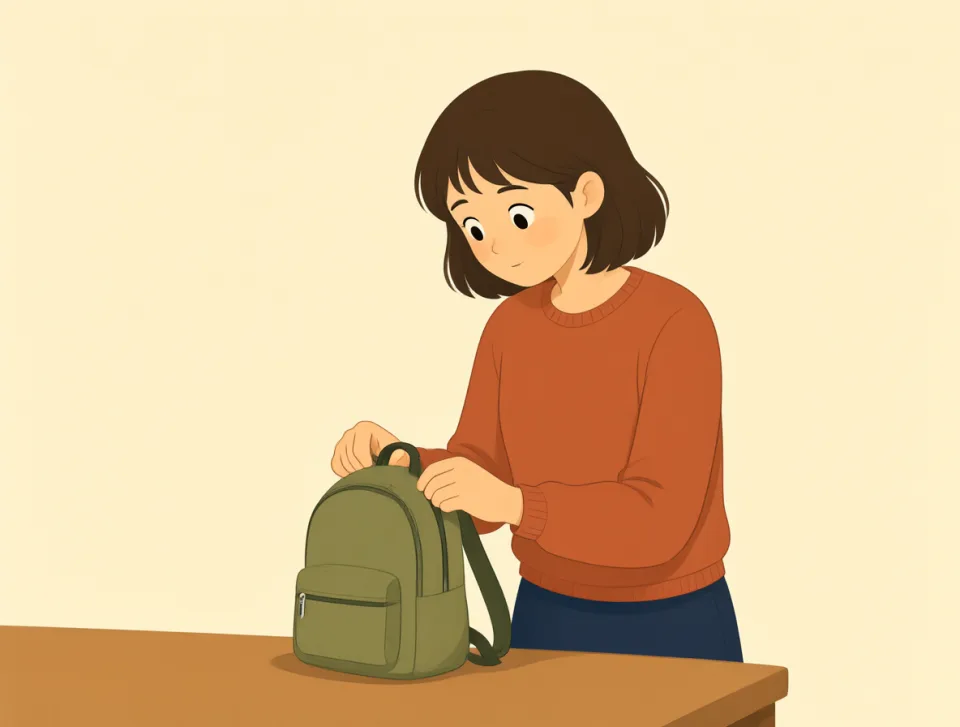
She plans to visit her grandmother tomorrow.
พรุ่งนี้เธอวางแผนจะไปเยี่ยมคุณยาย
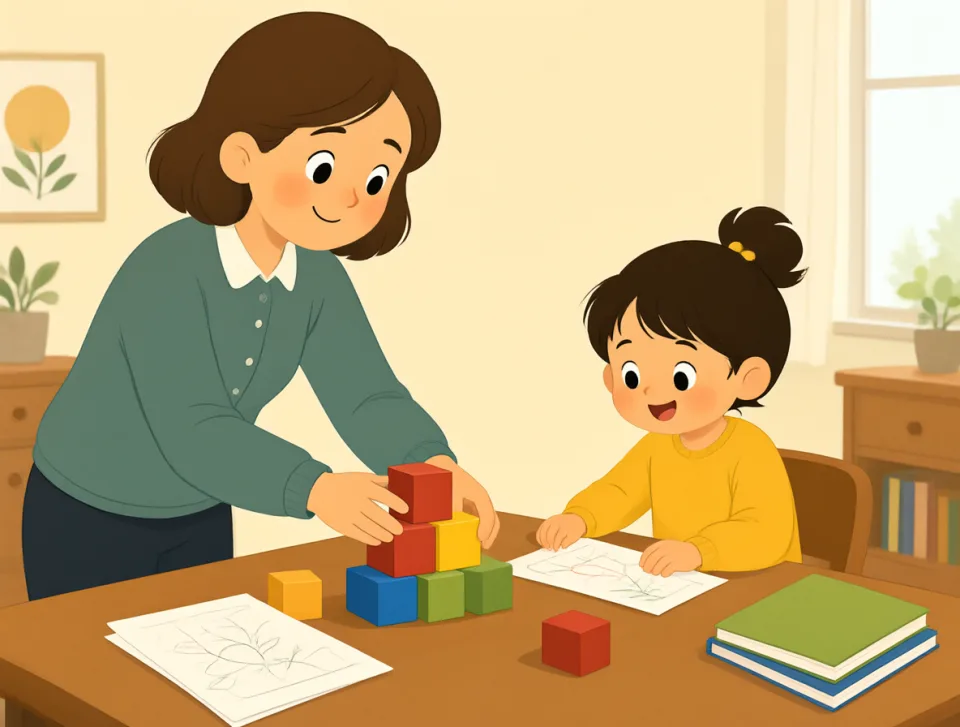
The teacher planned a fun class activity.
ครูวางแผนกิจกรรมสนุก ๆ ในชั้นเรียนไว้

They changed their travel plans because of rain.
พวกเขาเปลี่ยนแผนการเดินทางเพราะฝนตก

I am planning a healthy dinner tonight.
คืนนี้ฉันวางแผนจะทำอาหารเย็นเพื่อสุขภาพ

result
#233noun, verb
ผลลัพธ์
Something that happens because of an action or event.
Result หมายถึงสิ่งที่เกิดขึ้นจากการกระทำหรือเหตุการณ์อย่างหนึ่ง
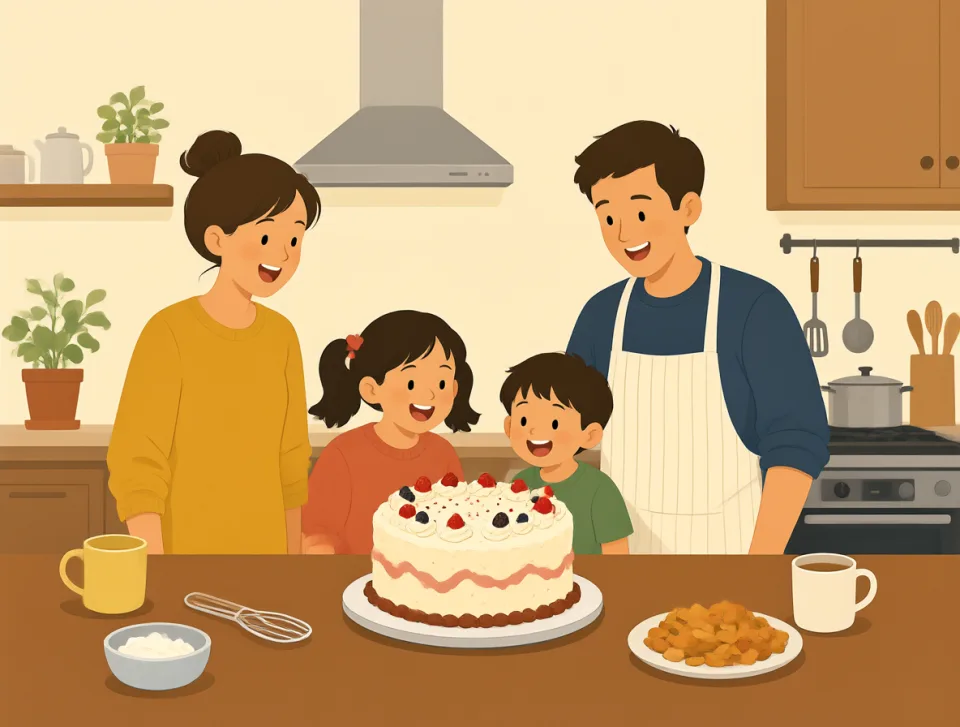
The result was better than we expected.
ผลลัพธ์ออกมาดีกว่าที่เราคาดไว้

Hard work often results in success.
ความพยายามมักนำไปสู่ความสำเร็จ
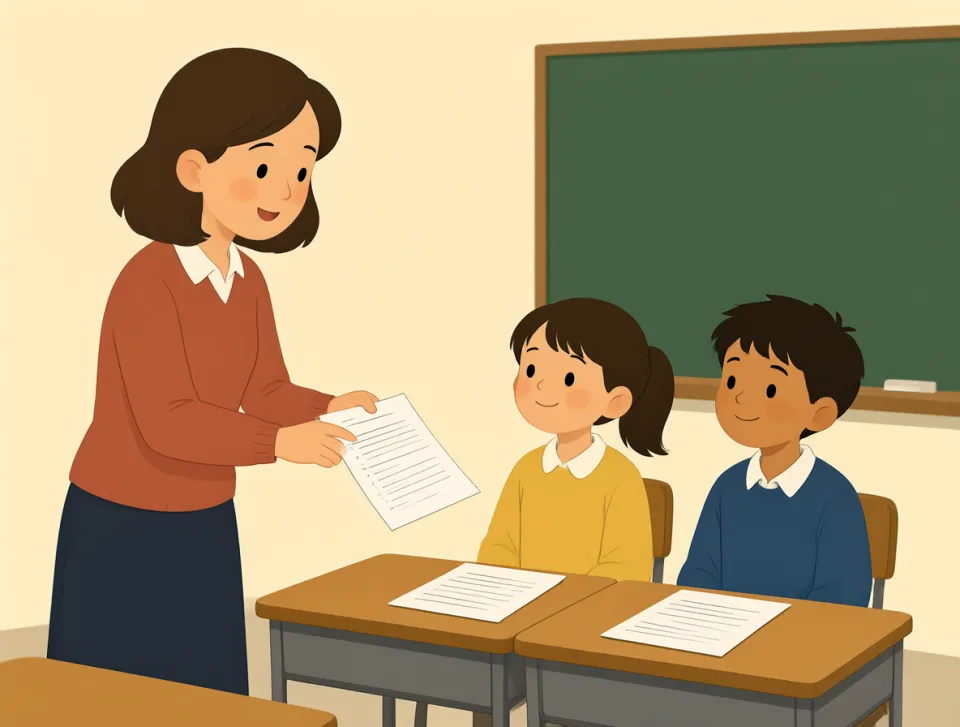
The test results came out yesterday.
ผลสอบออกมาเมื่อวานนี้
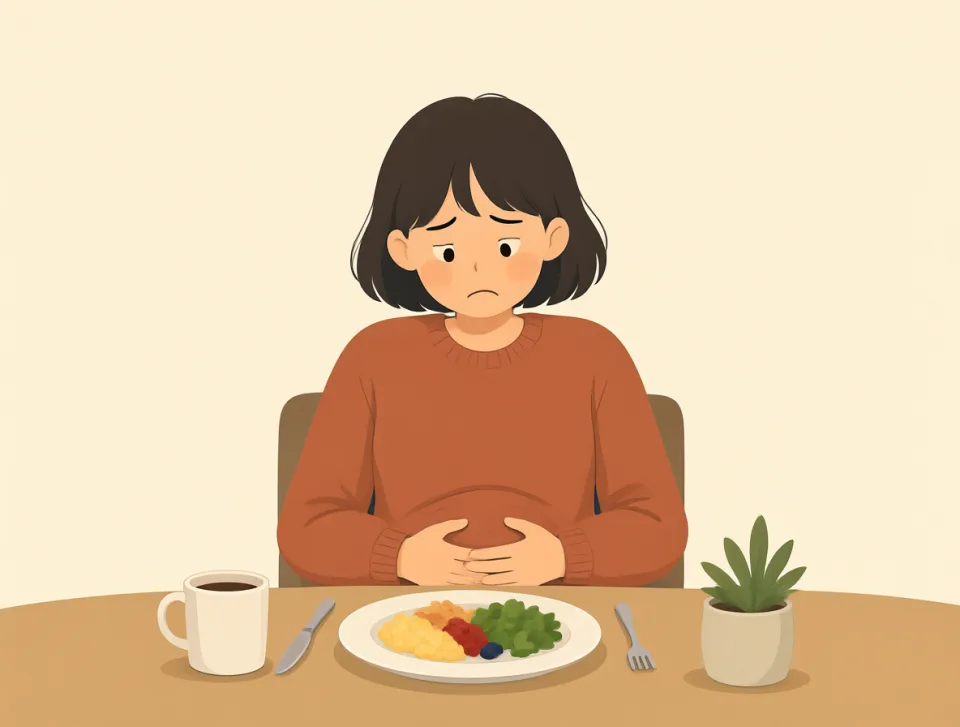
The meal resulted in stomach pain.
อาหารมื้อนั้นทำให้ปวดท้อง

The accident resulted in a long delay.
อุบัติเหตุทำให้เกิดความล่าช้าเป็นเวลานาน

away
#234adverb, adjective
ห่างออกไป
At or to a place that is far from here or from someone.
Away หมายถึงอยู่หรือไปยังสถานที่ที่อยู่ไกลจากที่นี่หรือจากใครบางคน

Please put your toys away after playing.
เล่นเสร็จแล้วช่วยเก็บของเล่นด้วยนะ

The bus drove away before I arrived.
รถบัสขับออกไปก่อนที่ฉันจะมาถึง

She is away on a business trip.
เธอไม่อยู่ เพราะไปทำงานต่างเมือง
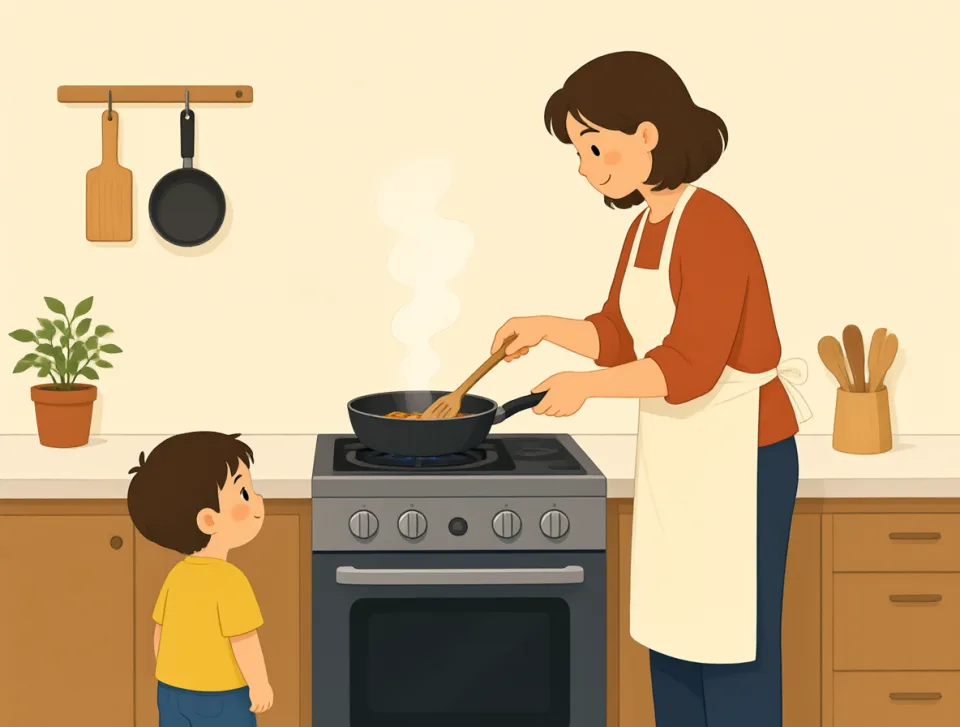
Keep away from the hot stove.
อยู่ให้ห่างจากเตาร้อน ๆ นะ

The pain went away after some rest.
หลังจากพักสักหน่อย อาการปวดก็หายไป

example
#235noun
ตัวอย่าง
Something that shows what a person or thing is like.
Example หมายถึงสิ่งที่แสดงให้เห็นว่าคนหรือสิ่งของเป็นอย่างไร
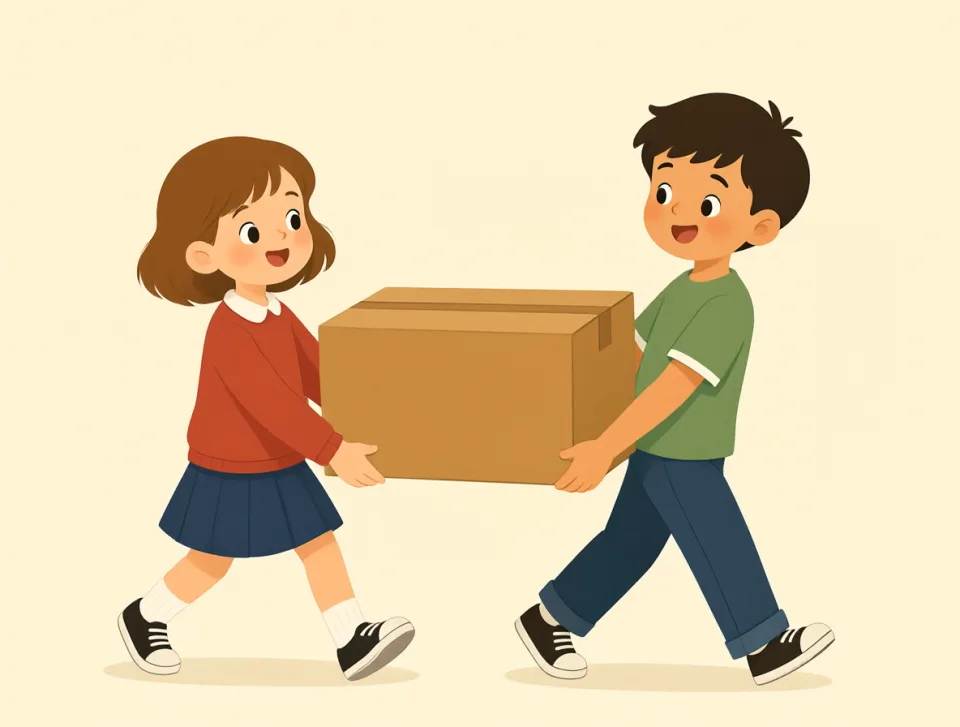
This picture is a good example of teamwork.
ภาพนี้เป็นตัวอย่างที่ดีของการทำงานเป็นทีม

Can you give me an example, please?
ช่วยยกตัวอย่างให้ฉันฟังหน่อยได้ไหม
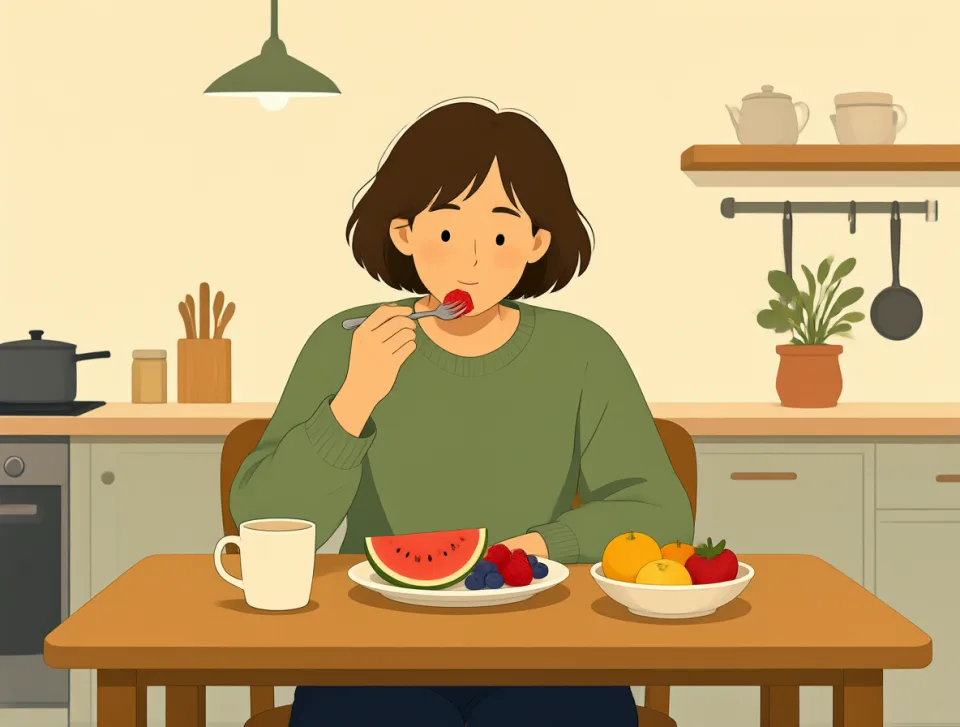
For example, I eat fruit every morning.
ตัวอย่างเช่น ฉันกินผลไม้ทุกเช้า
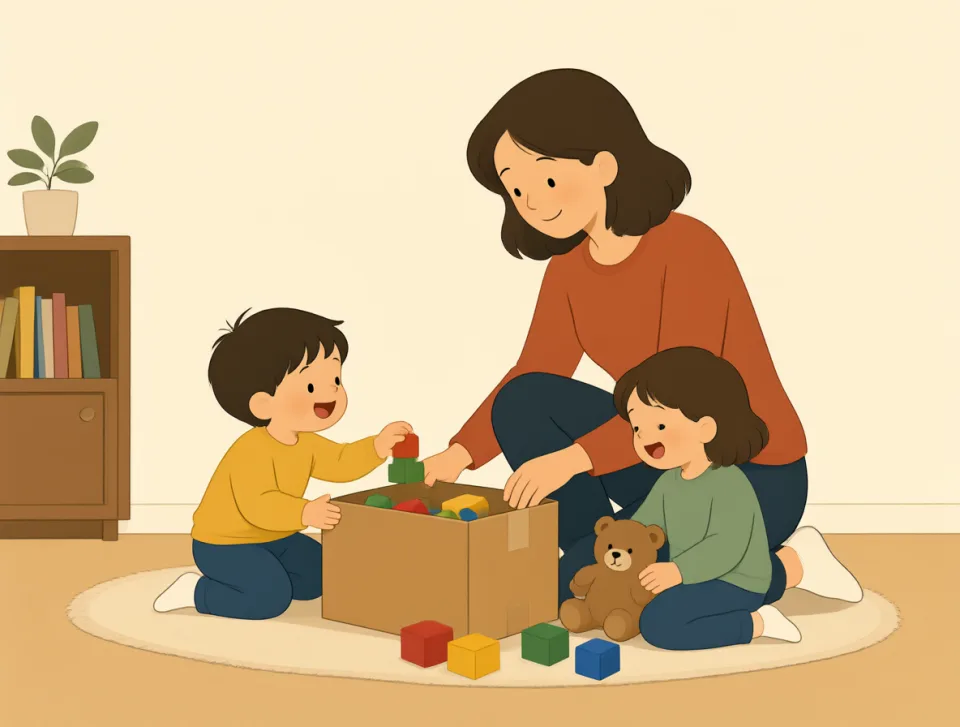
She is a good example for her children.
เธอเป็นแบบอย่างที่ดีให้กับลูก ๆ
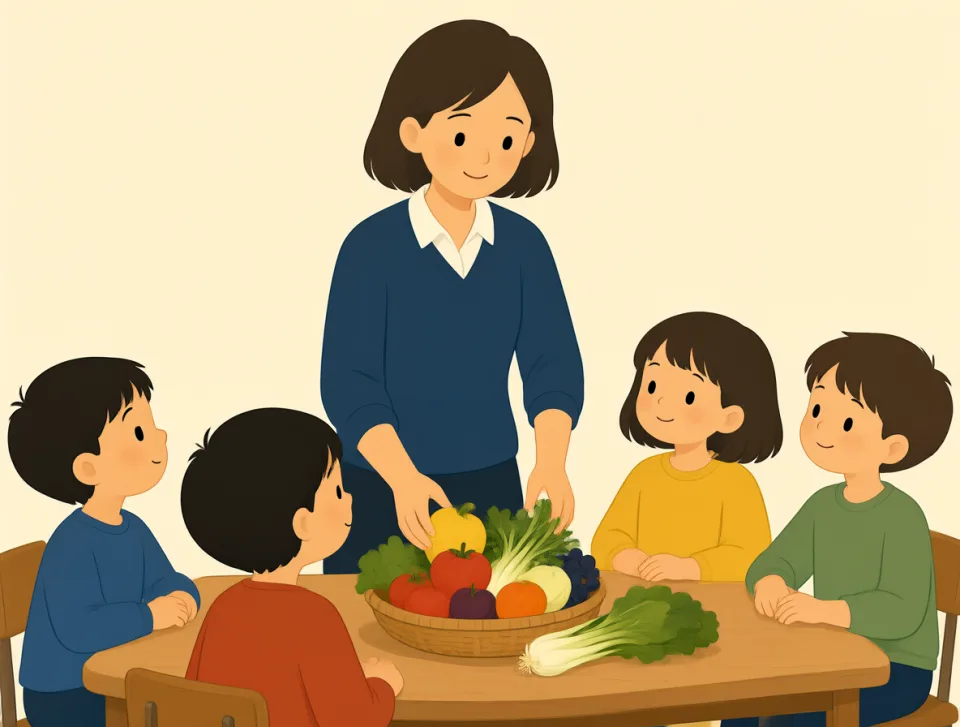
The teacher showed examples of healthy food.
ครูยกตัวอย่างอาหารเพื่อสุขภาพให้ดู
happen
#236verb
เกิดขึ้น
To take place, especially unexpectedly or by chance.
เกิดขึ้น โดยเฉพาะอย่างยิ่งโดยไม่คาดคิดหรือโดยบังเอิญ

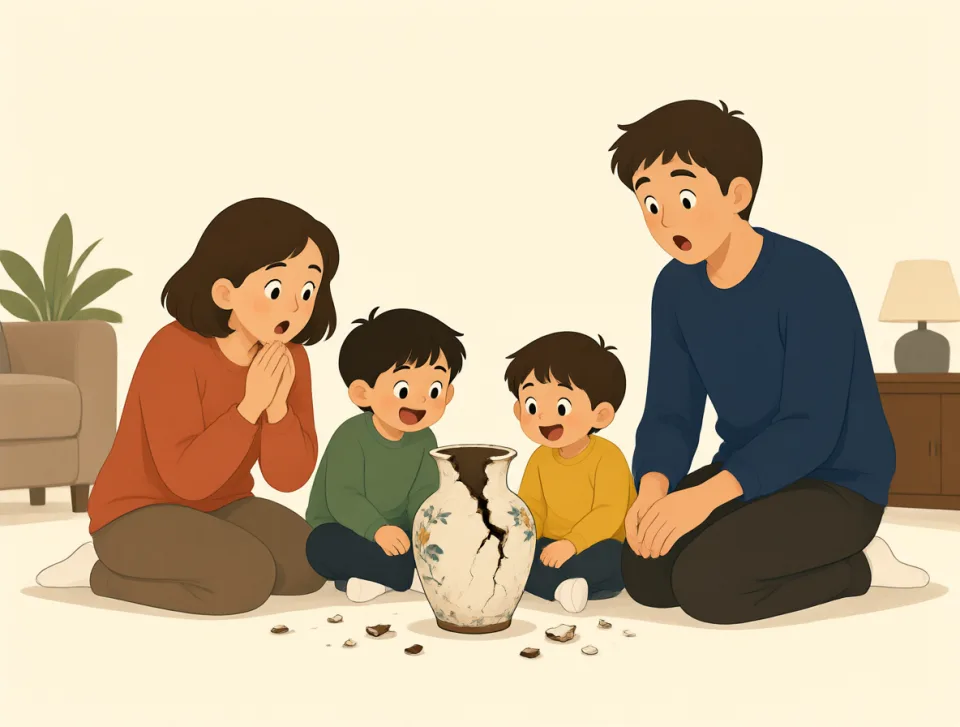
What happened at school today?
วันนี้เกิดอะไรขึ้นที่โรงเรียนเหรอ
Accidents can happen when people hurry.
อุบัติเหตุอาจเกิดขึ้นได้เมื่อคนเร่งรีบ

It happened again on my way home.
มันเกิดขึ้นอีกแล้วระหว่างทางกลับบ้าน

What will happen if we miss the train?
จะเกิดอะไรขึ้นถ้าเราพลาดรถไฟ

Good things happen when friends help each other.
สิ่งดี ๆ เกิดขึ้นเมื่อเพื่อนช่วยเหลือกัน

offer
#237verb, noun
เสนอ
to say you will give or do something; a thing someone is willing to give
พูดว่าจะให้หรือทำบางสิ่งบางอย่าง หรือสิ่งที่ใครบางคนเต็มใจจะให้

She offered me some tea.
เธอเสนอชาให้ฉัน

The hotel offers free breakfast.
โรงแรมมีอาหารเช้าฟรีให้บริการ

He offered to help with my bags.
เขาเสนอตัวช่วยถือกระเป๋าให้ฉัน

The shop offered a big discount.
ร้านลดราคาให้มากเป็นพิเศษ

They made me a job offer.
พวกเขาเสนองานให้ฉัน

young
#238adjective, noun
อายุน้อย
having lived for only a short time; not old
มีอายุได้ไม่นาน ยังไม่แก่

She has two young children at home.
เธอมีลูกเล็กสองคนอยู่ที่บ้าน

He is a young teacher at our school.
เขาเป็นครูหนุ่มที่โรงเรียนของเรา

Young people often meet friends after work.
คนหนุ่มสาวมักนัดพบเพื่อนหลังเลิกงาน

My doctor says I am too young for this test.
หมอบอกว่าฉันยังเด็กเกินกว่าจะตรวจนี้

The young waiter brought our food quickly.
พนักงานเสิร์ฟหนุ่มนำอาหารมาให้เราอย่างรวดเร็ว
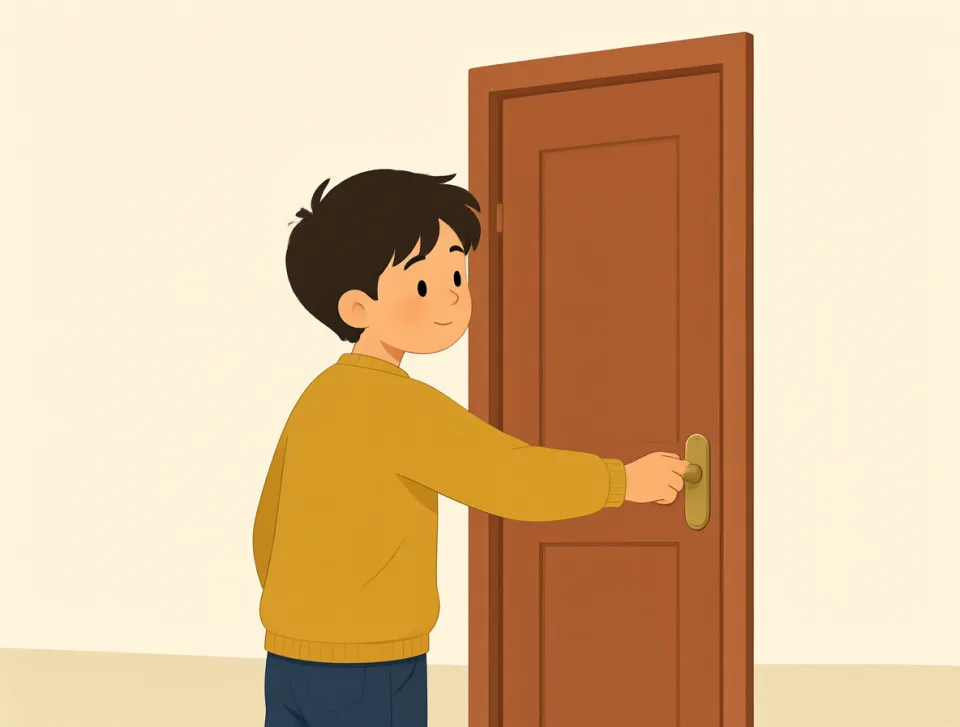
close
#239verb, adjective, adverb, noun
ปิด; ใกล้
To shut something; near in distance or relationship; with little space between.
ปิดบางสิ่ง อยู่ใกล้กันในแง่ระยะทางหรือความสัมพันธ์ หรือมีพื้นที่ว่างระหว่างกันเพียงเล็กน้อย

Please close the door behind you.
กรุณาปิดประตูตามหลังด้วย

The shop closes at six today.
วันนี้ร้านปิดหกโมงเย็น

My school is close to my house.
โรงเรียนของฉันอยู่ใกล้บ้าน

We sat close together on the bus.
เรานั่งชิดกันบนรถบัส

She is a close friend of mine.
เธอเป็นเพื่อนสนิทของฉัน
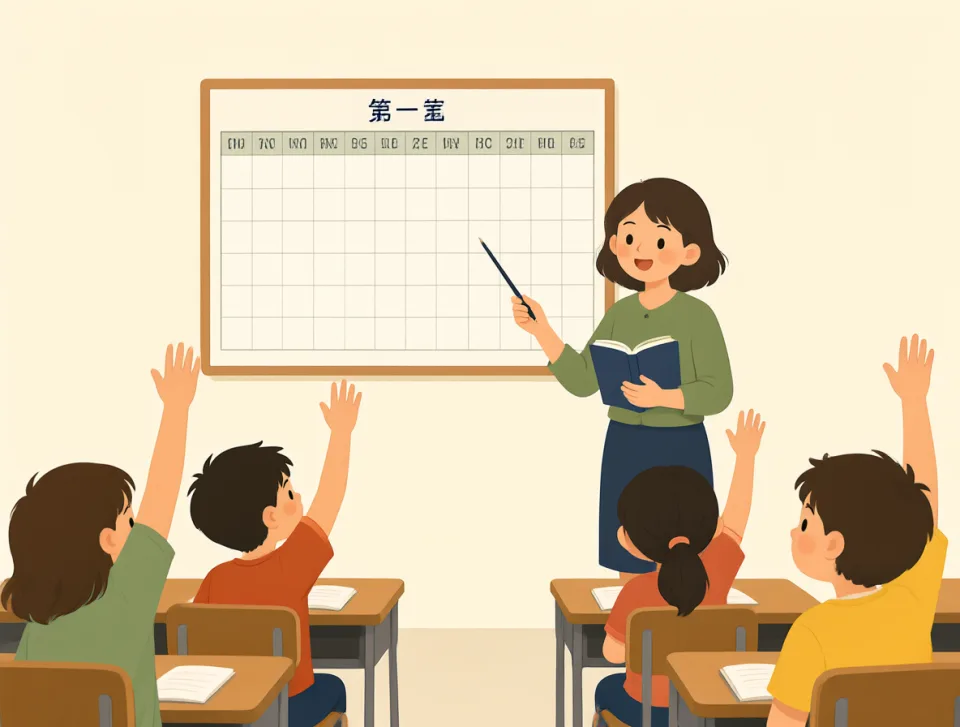
program
#240noun, verb
รายการ; โปรแกรม
A planned set of activities, or to plan and provide activities for a purpose.
ชุดกิจกรรมที่วางแผนไว้ หรือการวางแผนและจัดกิจกรรมเพื่อจุดประสงค์ใดจุดประสงค์หนึ่ง

We watched a funny program after dinner.
เราดูรายการตลกหลังอาหารเย็น
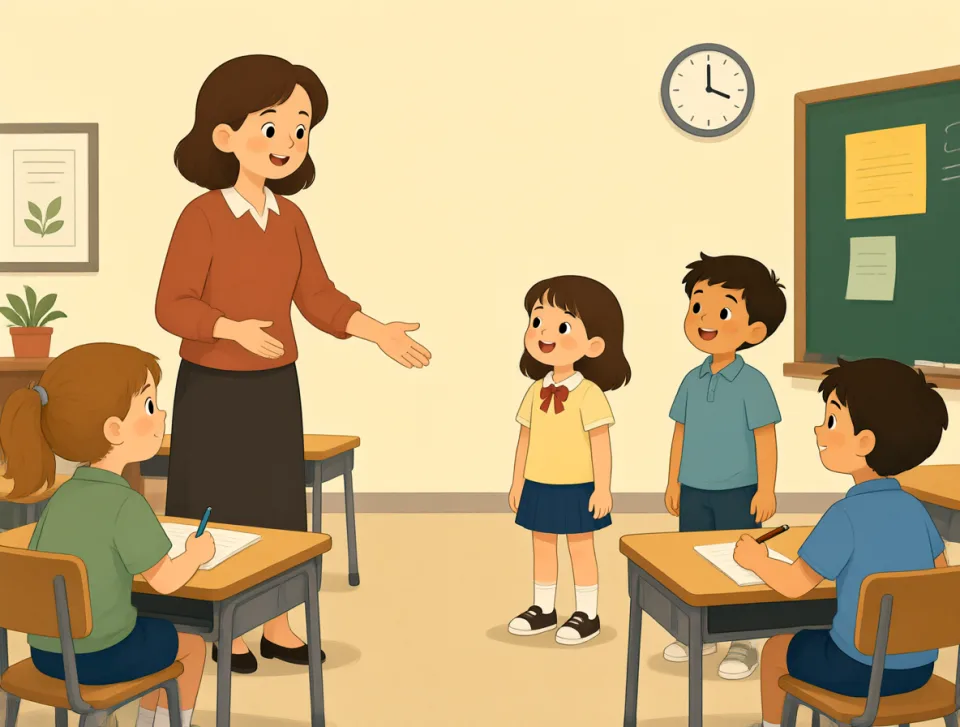
The school program starts next Monday.
รายการของโรงเรียนเริ่มวันจันทร์หน้า

She joined a health program at work.
เธอเข้าร่วมโครงการส่งเสริมสุขภาพที่ทำงาน

The travel program includes three cities.
โปรแกรมท่องเที่ยวนี้รวมสามเมือง

They programmed the machine to stop safely.
พวกเขาตั้งโปรแกรมให้เครื่องหยุดทำงานอย่างปลอดภัย