單元 12
單字 221–240 · build, hold, service, against, believe, second
build
#221verb, noun
建造;建立;培養;鍛鍊
to make something by putting parts together, or to develop something over time
透過組合各個部分來製作某物,或隨著時間的推移發展某事物
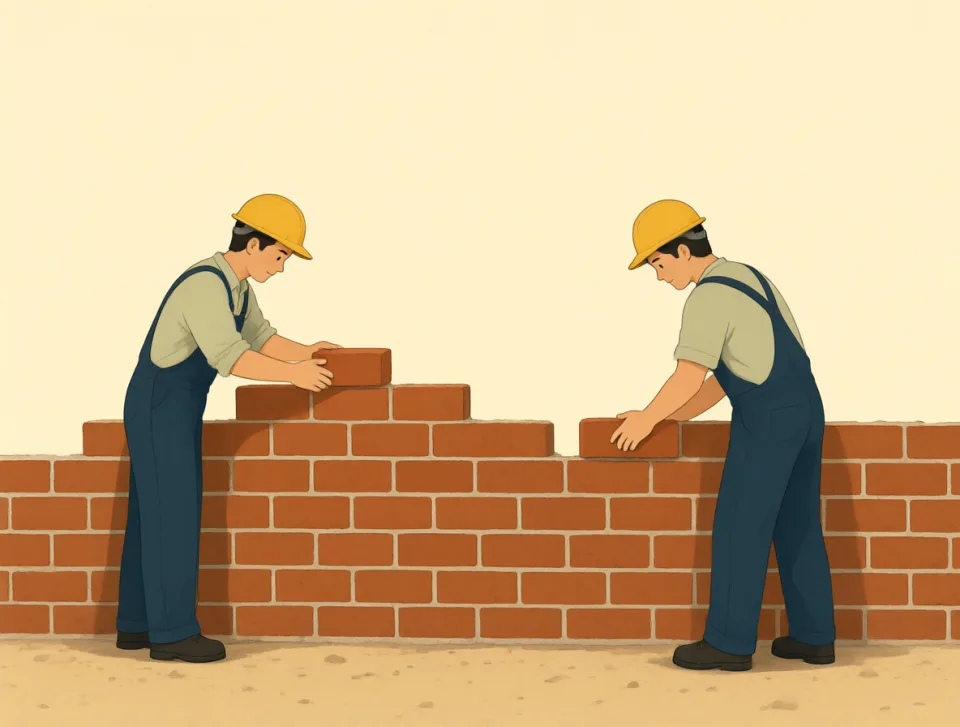
They are building a new house nearby.
他們正在附近建造一座新房子。
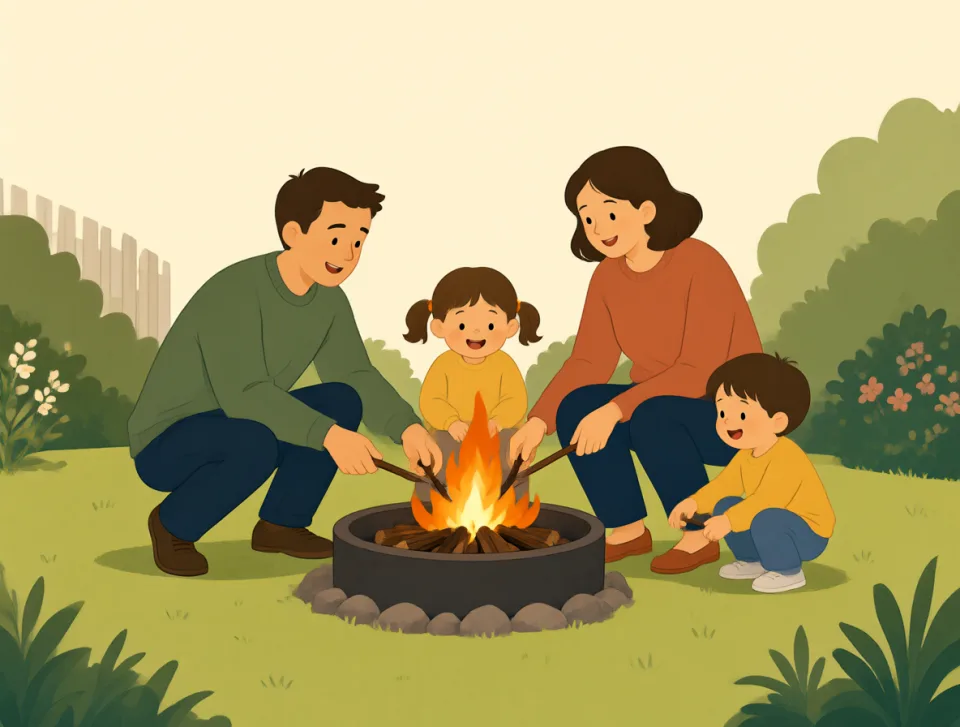
We built a fire in the garden.
我們在花園裡生了火。
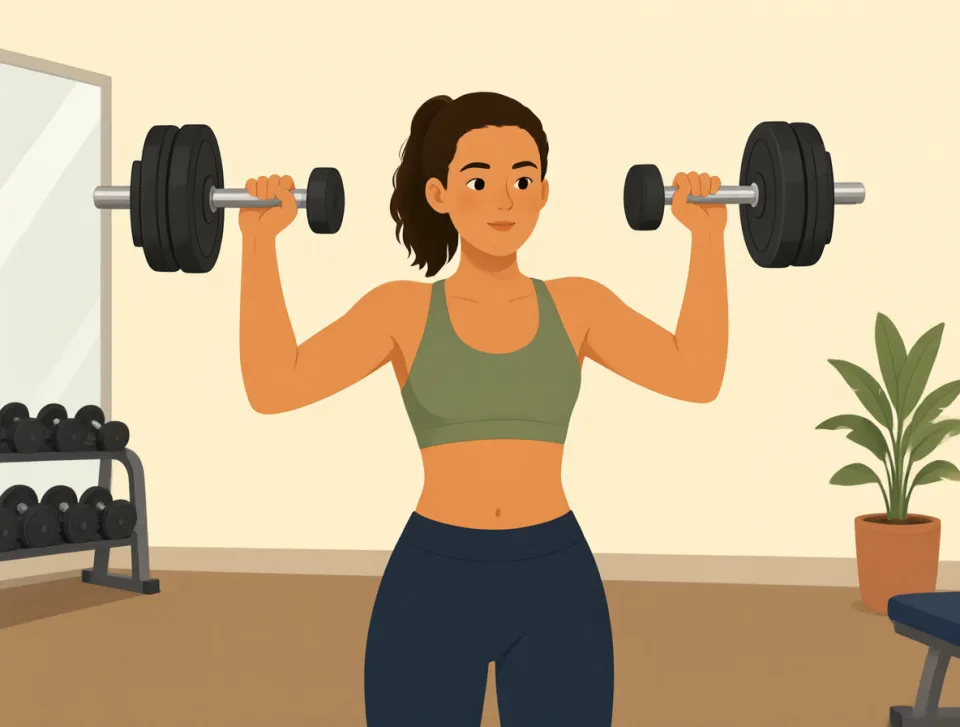
Exercise helps build strong muscles.
鍛鍊有助於增強肌肉。

The team built a good relationship.
這個團隊建立了良好的關係。
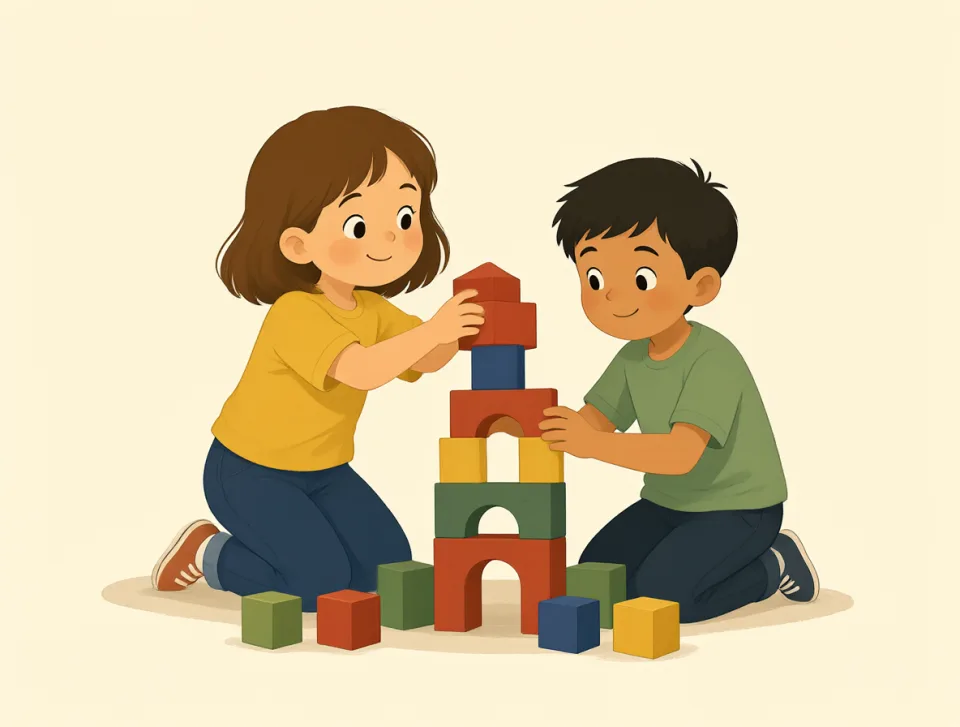
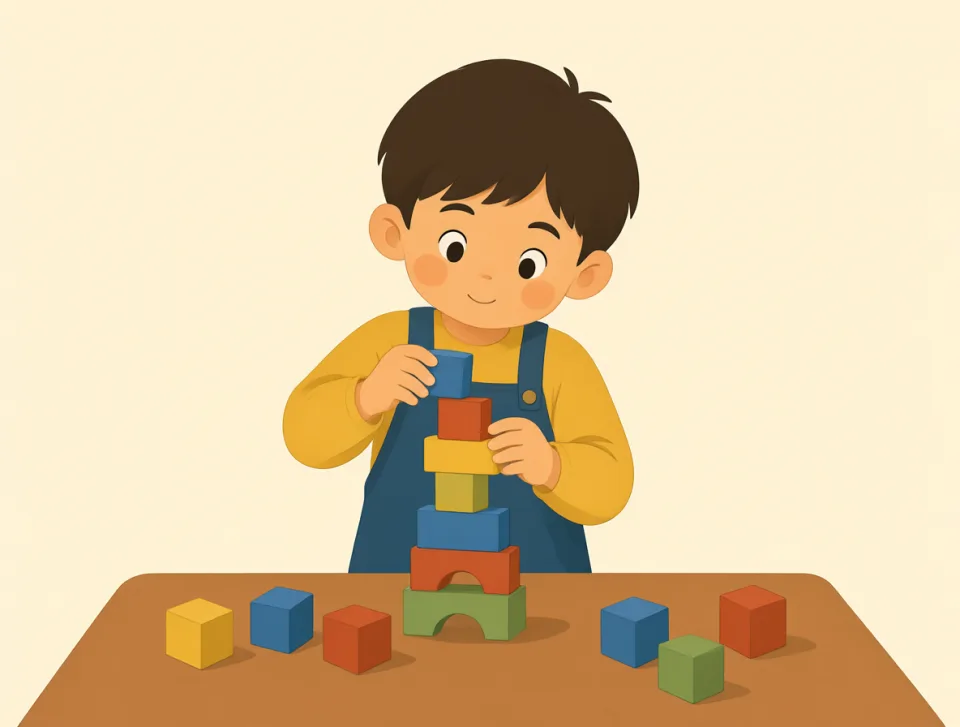
The children built a tower with blocks.
孩子們用積木搭了一座塔。

hold
#222verb, noun
拿著;容納;舉行;容納空間
to keep something in your hands or arms; a place for people or things
用手或手臂拿著某物;容納人或物的地方

Please hold my bag for a minute.
請幫我拿一分鐘包。
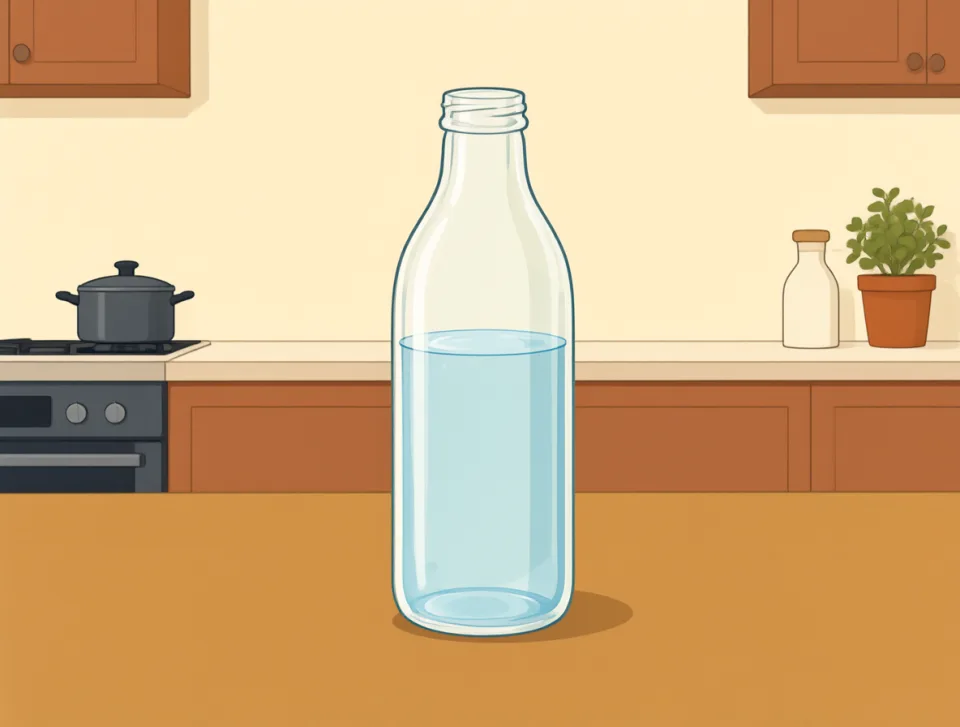
This bottle holds one liter of water.
這個瓶子能裝一升水。

The teacher held a meeting after class.
老師課後開了一個會。
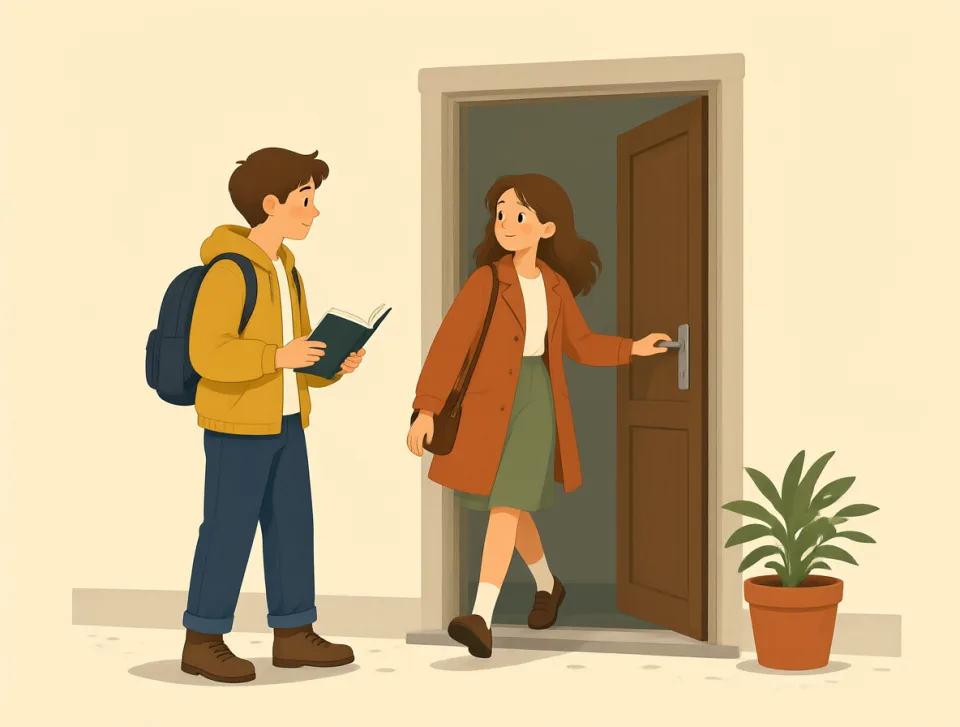
Hold the door open for me, please.
請幫我把門開著。
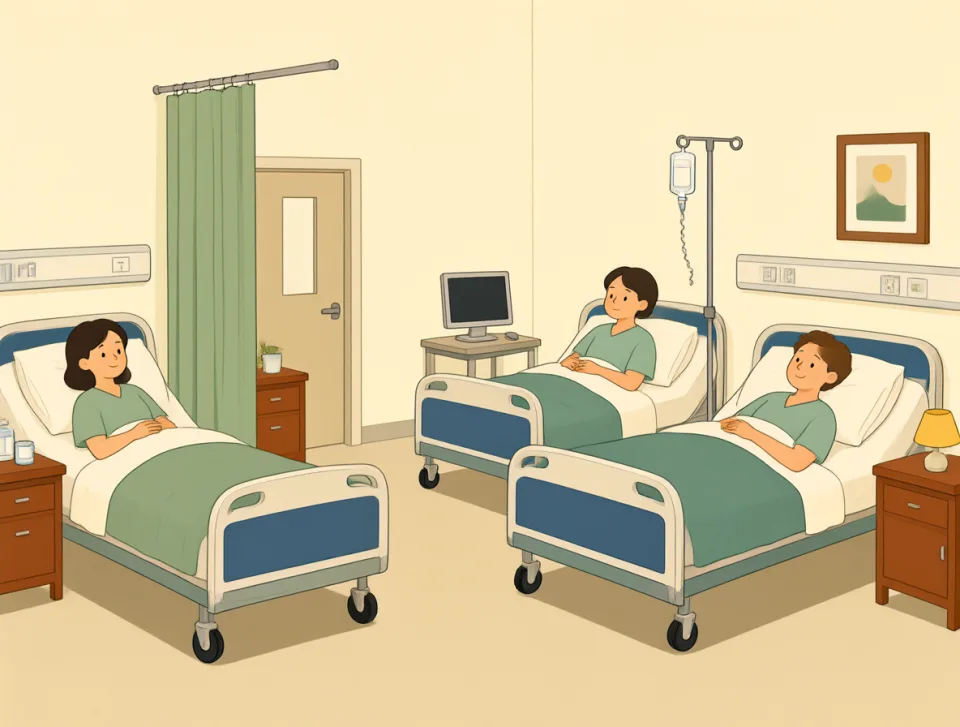
The hospital holds ten patients tonight.
這家醫院今晚能接收十名病人。

service
#223noun, verb
服務;維修
work done to help customers, people, or organizations
為幫助顧客、他人或組織而提供的工作

The hotel offers excellent service.
這家酒店的服務很出色。

We received good service at the restaurant.
我們在這家餐廳享受到了很好的服務。
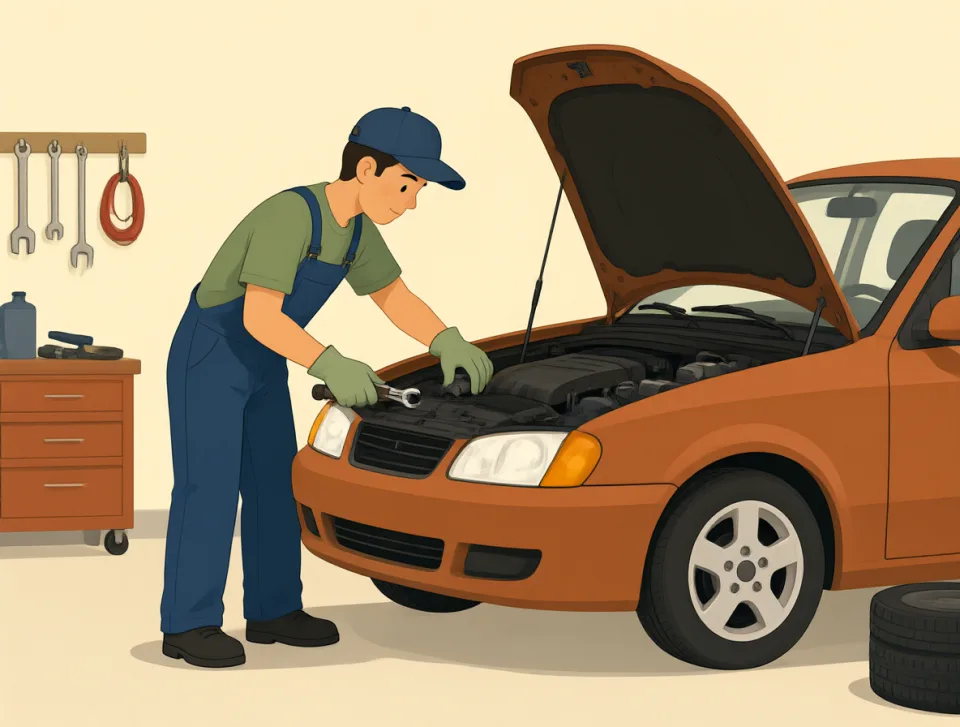
The car needs service next week.
這輛車下週需要保養。

She works in the customer service department.
她在客戶服務部工作。
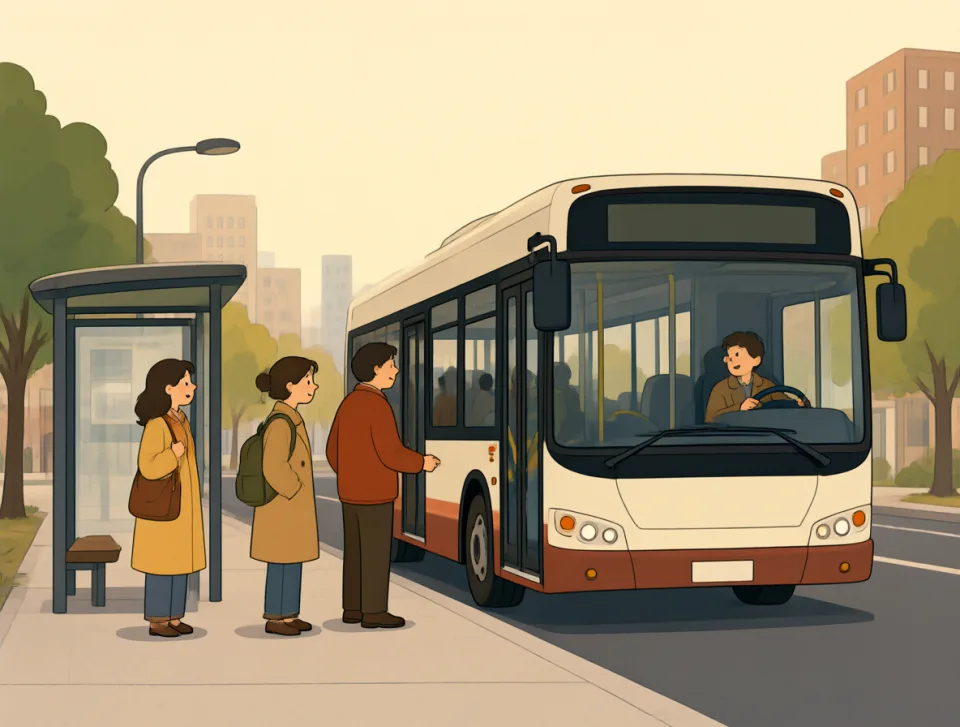
The bus service stops at ten o'clock.
這條公交線路晚上十點停運。
against
#224preposition
對抗;靠著;抵禦;反對
opposing or touching something for support or protection
反對某人或某事,或靠在某物上以獲得支撐或保護
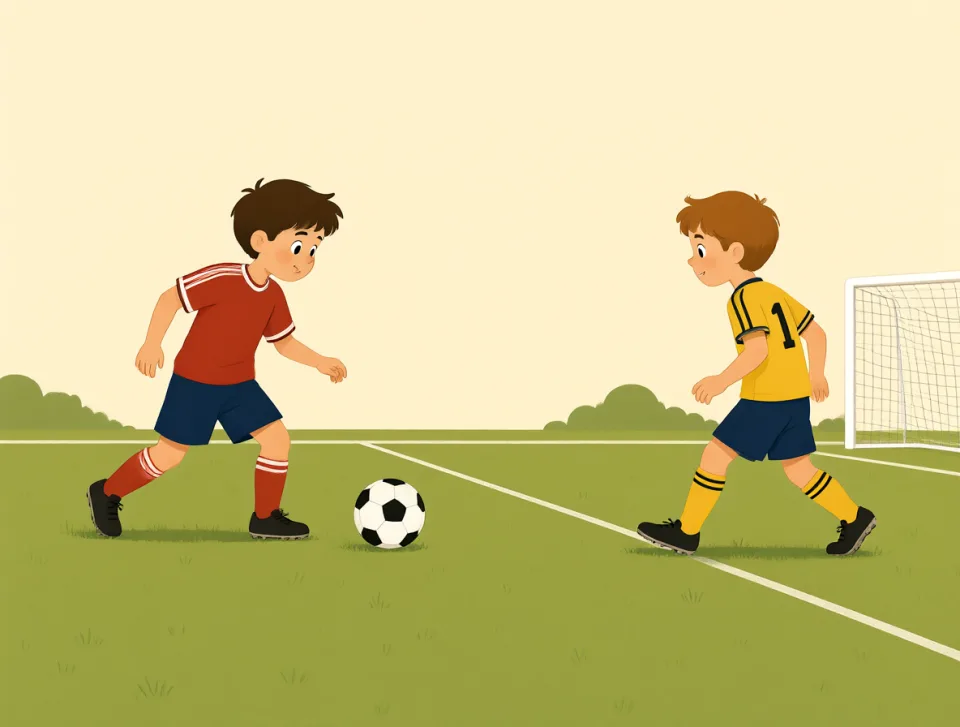
Our team played against the school champions.
我們隊和學校冠軍隊進行了比賽。
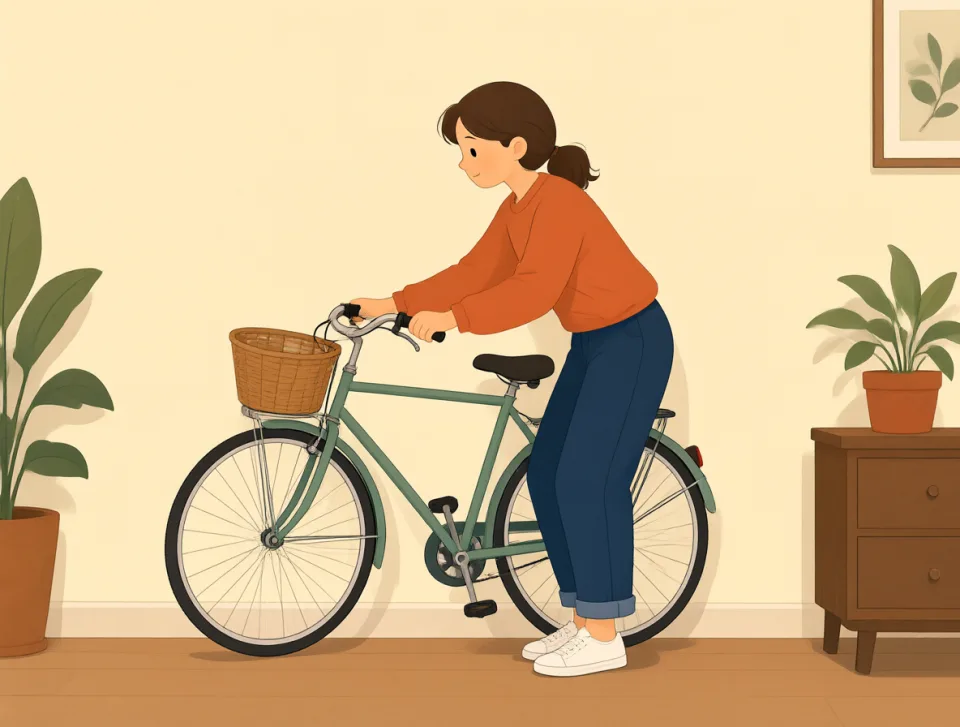
She leaned her bike against the wall.
她把腳踏車靠在牆上。

Wear a jacket against the cold wind.
穿件夾克,擋擋冷風。
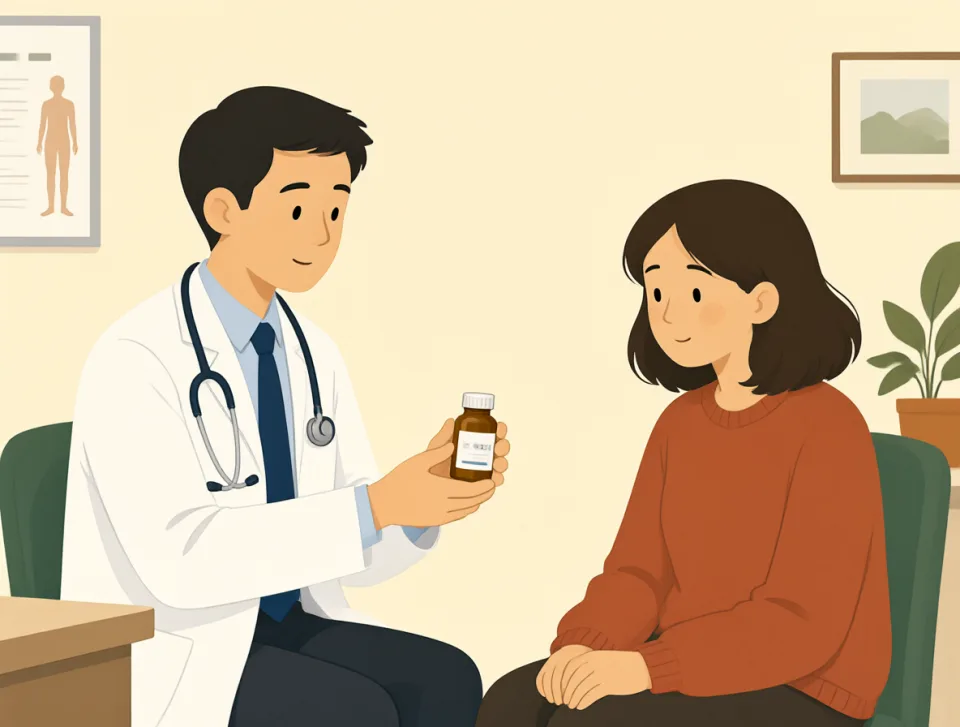
The doctor gave me medicine against the infection.
醫生給了我治療感染的藥。

They voted against the new school rule.
他們投票反對這條新的校規。

believe
#225verb
相信;認為
To think that something is true or to trust that someone is telling the truth.
認為某事是真的,或相信某人說的是真話。
I believe you.
我相信你。
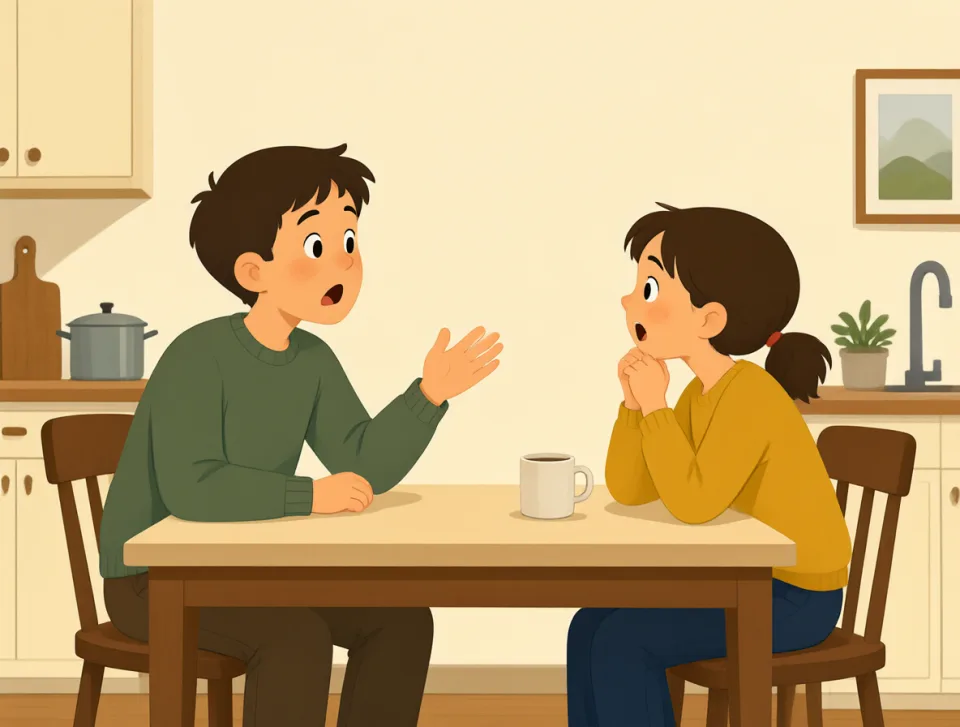
Do you believe this story?
你相信這個故事嗎?

She believes in her team.
她相信自己的團隊。
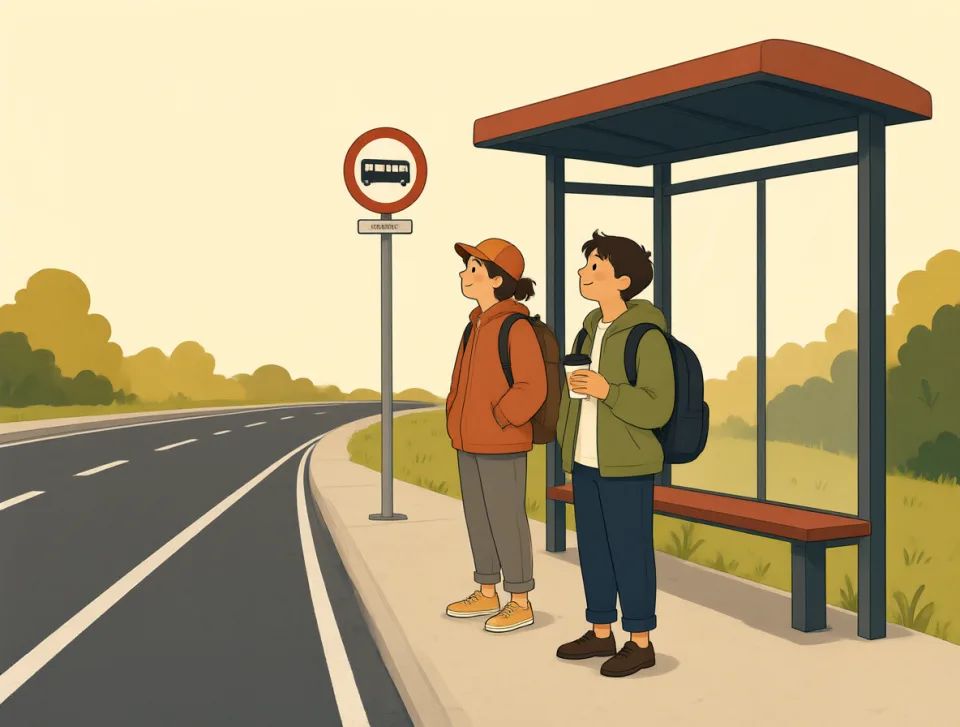
We believe the bus is late.
我們認為公交車晚點了。

He could not believe his good luck.
他簡直不敢相信自己運氣這麼好。
second
#226noun, adjective, verb
秒;第二;次要的;支援
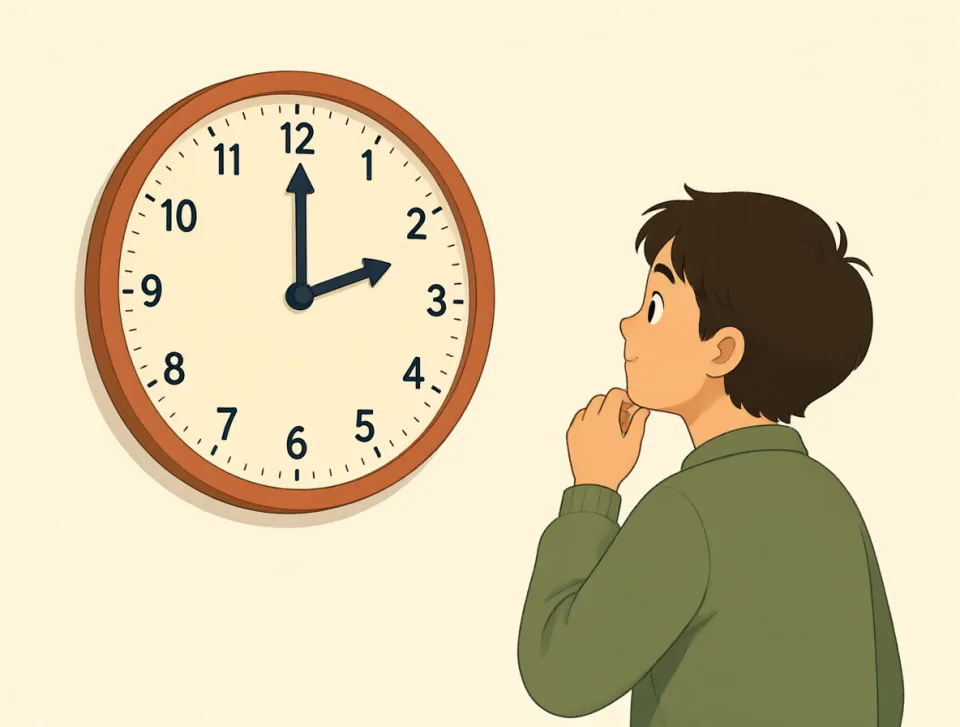
A unit of time equal to one sixtieth of a minute; also one of two similar things.
等於一分鐘六十分之一的時間單位;也指兩個相似事物中的一個

Wait a second, please.
請等一下。

She finished second in the race.
她在比賽中獲得了第二名。

This is my second cup of coffee.
這是我的第二杯咖啡。
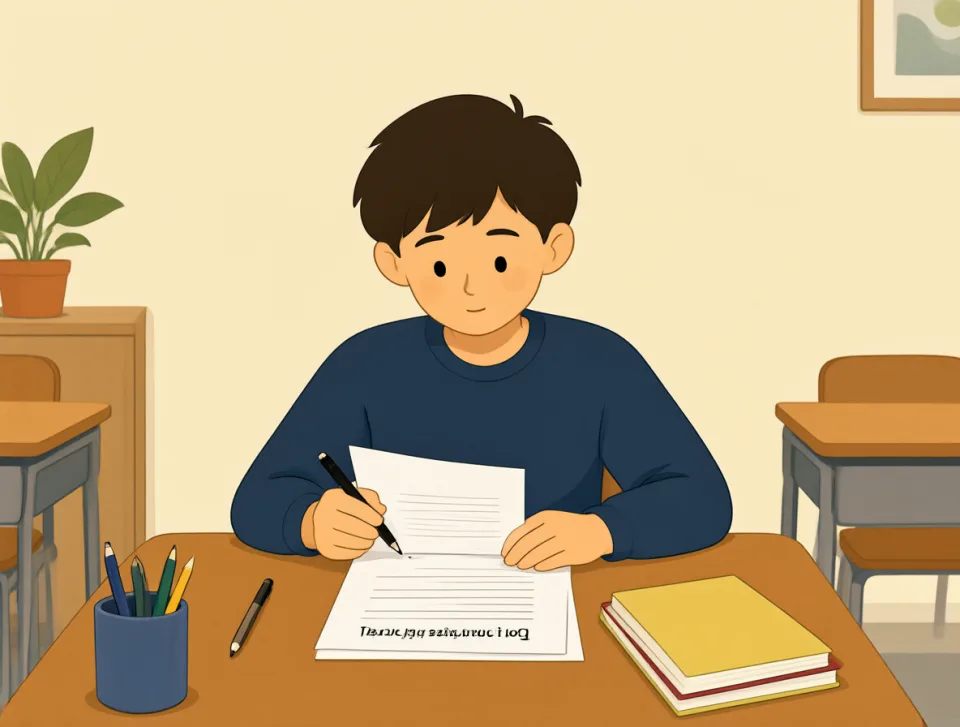
He checked the answer a second time.
他又檢查了一遍答案。
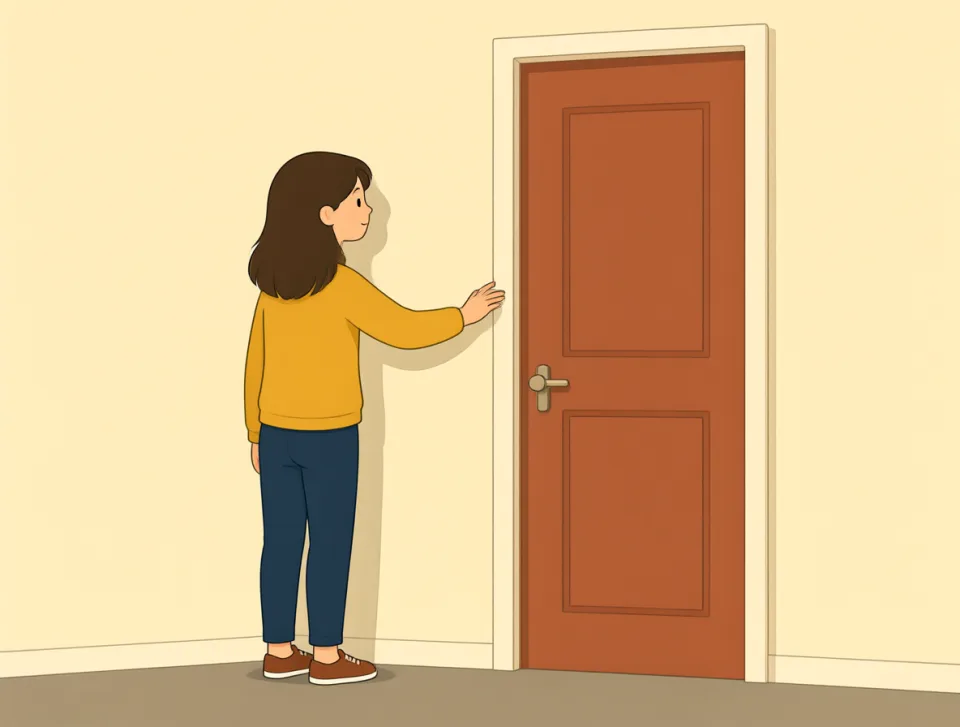
The second door leads to the kitchen.
第二扇門通往廚房。
though
#227adverb, conjunction
不過;儘管
used to say that something is surprising or different from what you expected
用於表示某事出乎意料,或與預期不同
It was raining, though we went outside.
雖然下著雨,我們還是出去了。

Though tired, she finished her homework.
雖然很累,她還是做完了作業。

I like this shirt, though it is expensive.
我喜歡這件襯衫,不過它很貴。

He smiled, though he felt sick.
他雖然覺得不舒服,還是笑了。
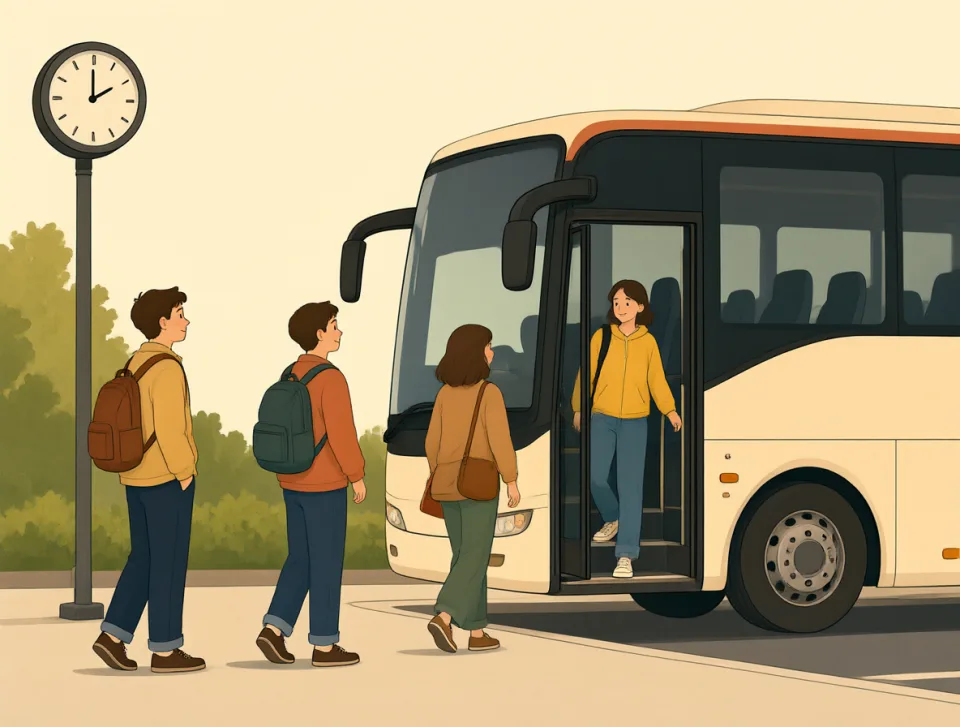
The bus was late, though we arrived on time.
公交車雖然晚點了,我們還是準時到了。
yes
#228adverb, noun
是;同意;肯定答覆
A word used to agree or to answer a question positively.
用於表示同意或對問題作肯定回答的詞。
“Are you ready?” “Yes, I am.”
“你準備好了嗎?”“準備好了。”

She said yes to the job.
她答應了這份工作。

“Yes, please. I’d like some tea.”
“好的,請來一杯茶。”

He nodded yes when I asked.
我問他時,他點頭表示同意。
The answer is yes.
答案是肯定的。

love
#229noun, verb
愛;喜歡;喜愛
To like someone or something very much, or to feel strong affection for them.
非常喜歡某人或某物,或對他們懷有深厚的感情。

I love spending time with my family.
我喜歡和家人共度時光。

She loves chocolate ice cream.
她喜歡巧克力冰淇淋。

They fell in love at school.
他們在學校相愛了。
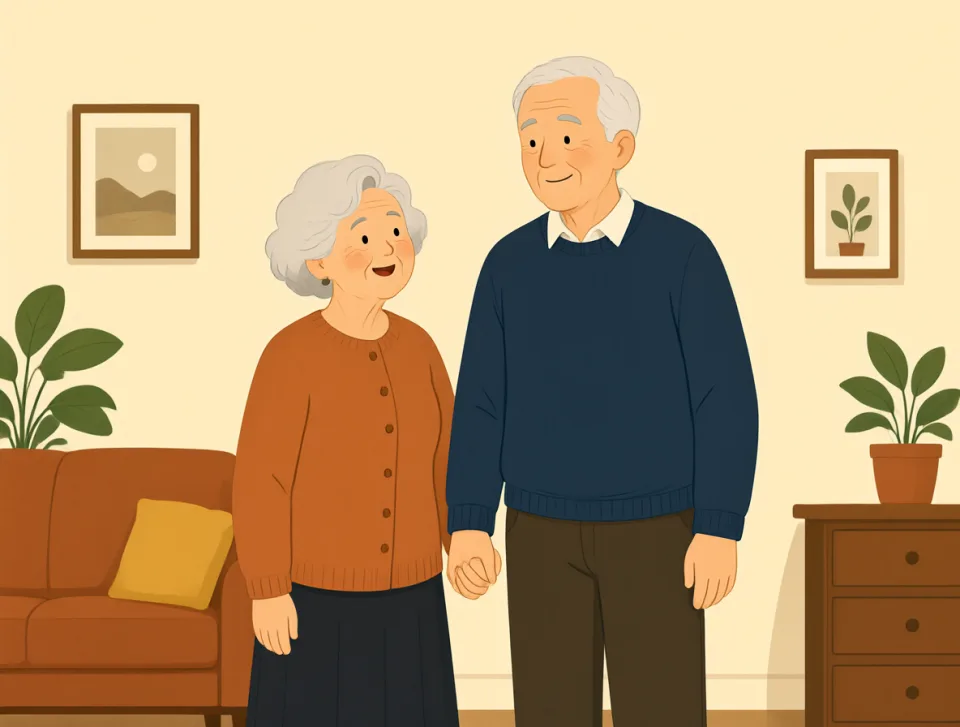
My parents love each other very much.
我的父母非常相愛。

He loves his new job.
他很喜歡自己的新工作。
increase
#230noun, verb
增加;增長;提高
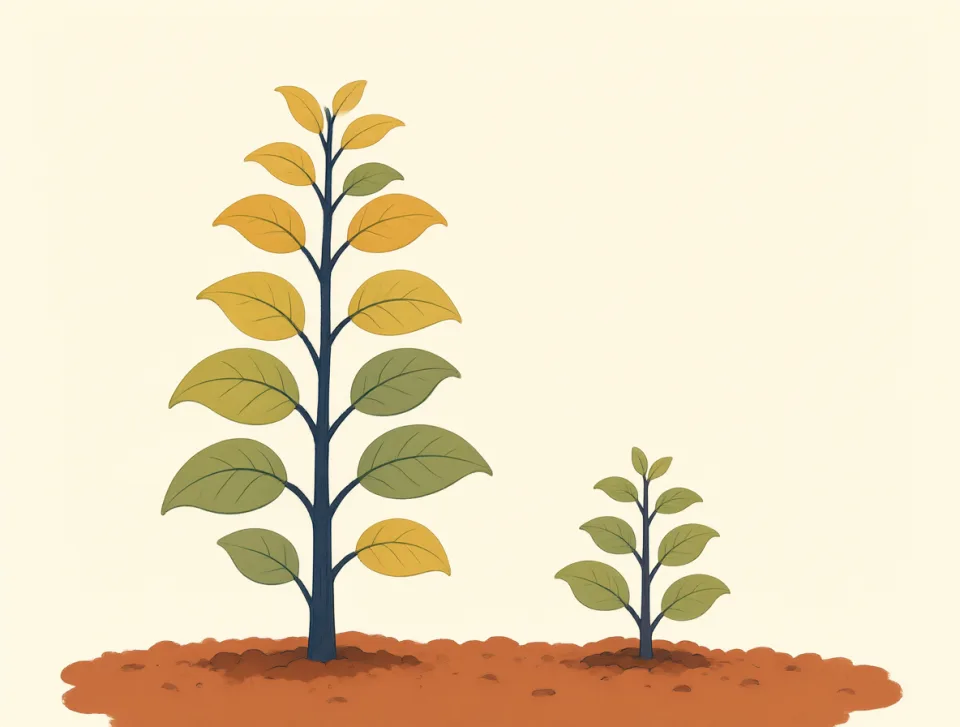
to become larger in amount, number, or size; a rise in amount, number, or size
在數量、數目或規模上變得更大;數量、數目或規模的上升

Prices increase when supplies become limited.
供應有限時,價格會上漲。
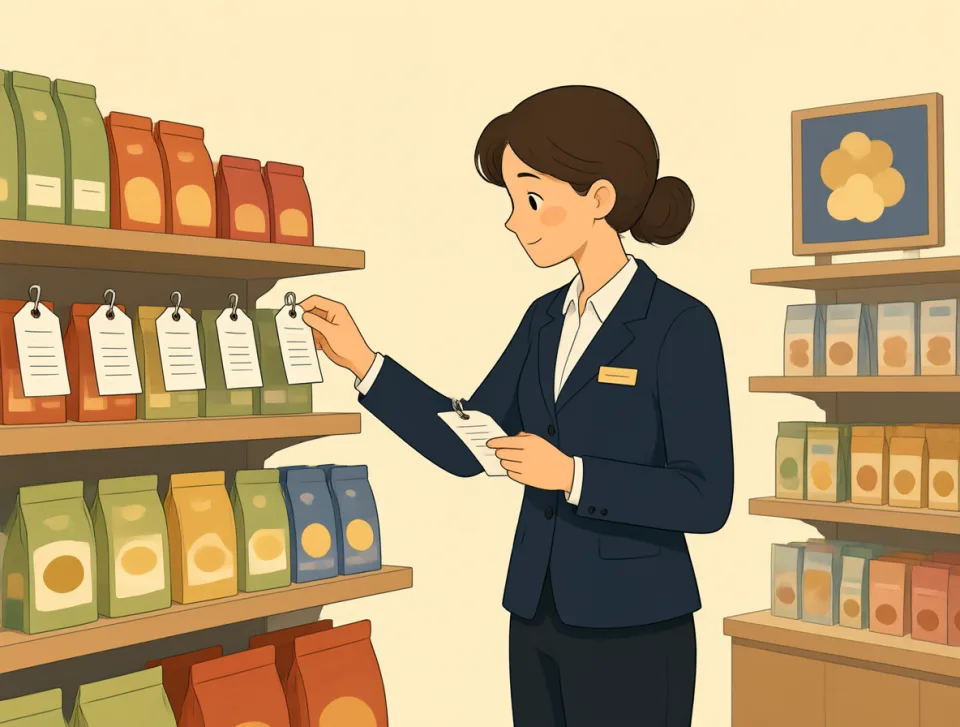
The company increased its prices last month.
這家公司上個月漲價了。

Regular exercise can increase your energy.
經常鍛鍊可以增強你的精力。

We saw an increase in hotel bookings.
我們發現酒店預訂量有所增加。
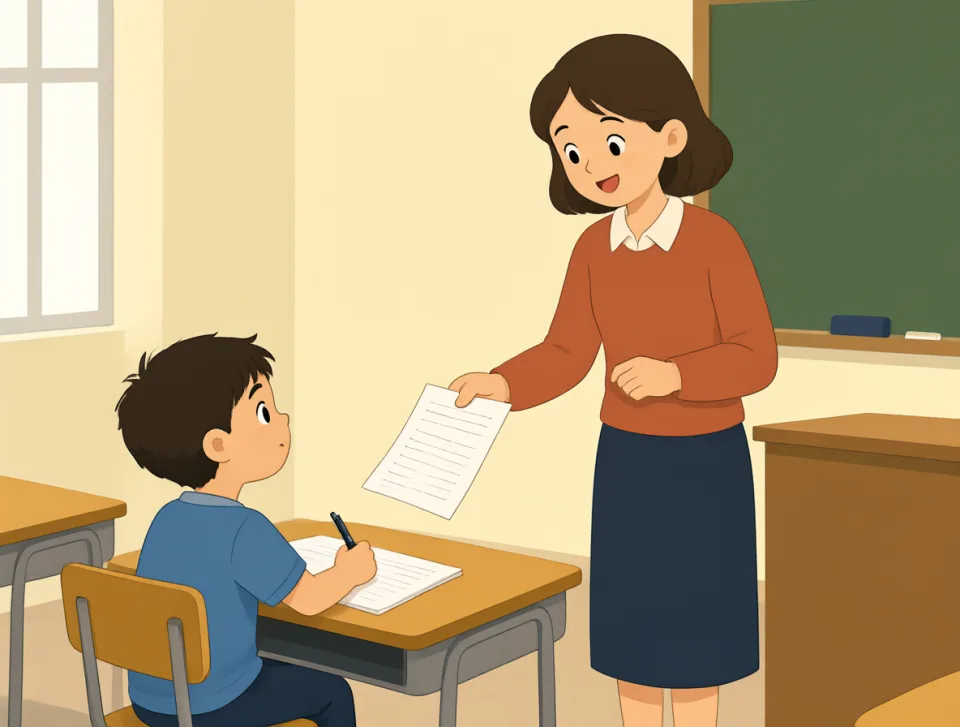
The teacher increased the homework after the test.
考試後,老師增加了作業量。
job
#231noun, verb
工作;工作任務;活兒
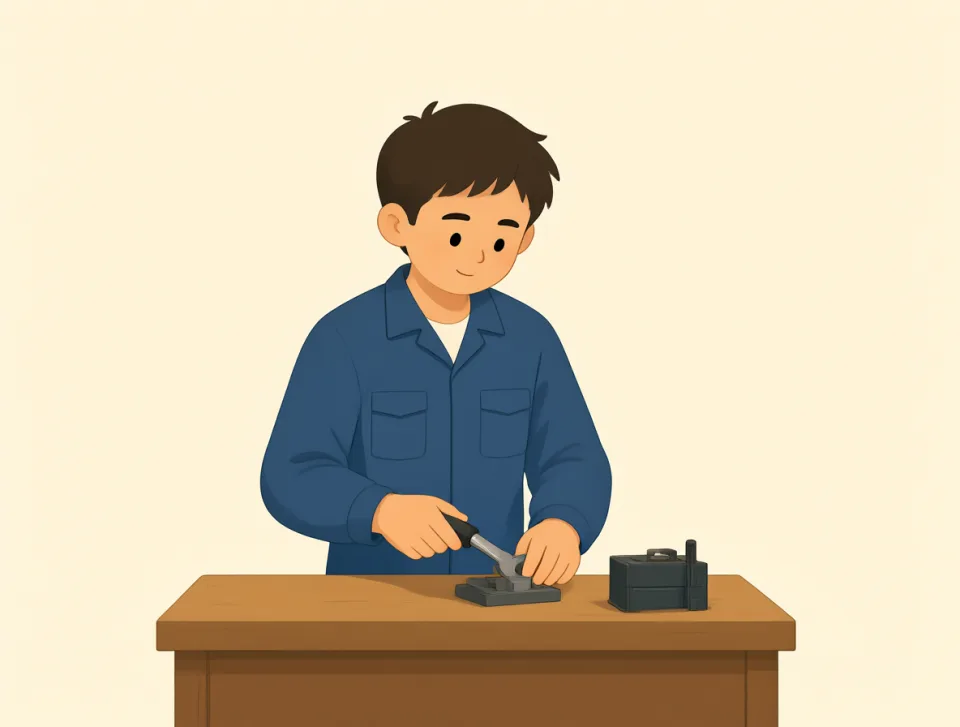
A job is work that you do to earn money, or a task that needs doing.
工作是指你為了賺錢而做的事,也可以是需要完成的一項任務。
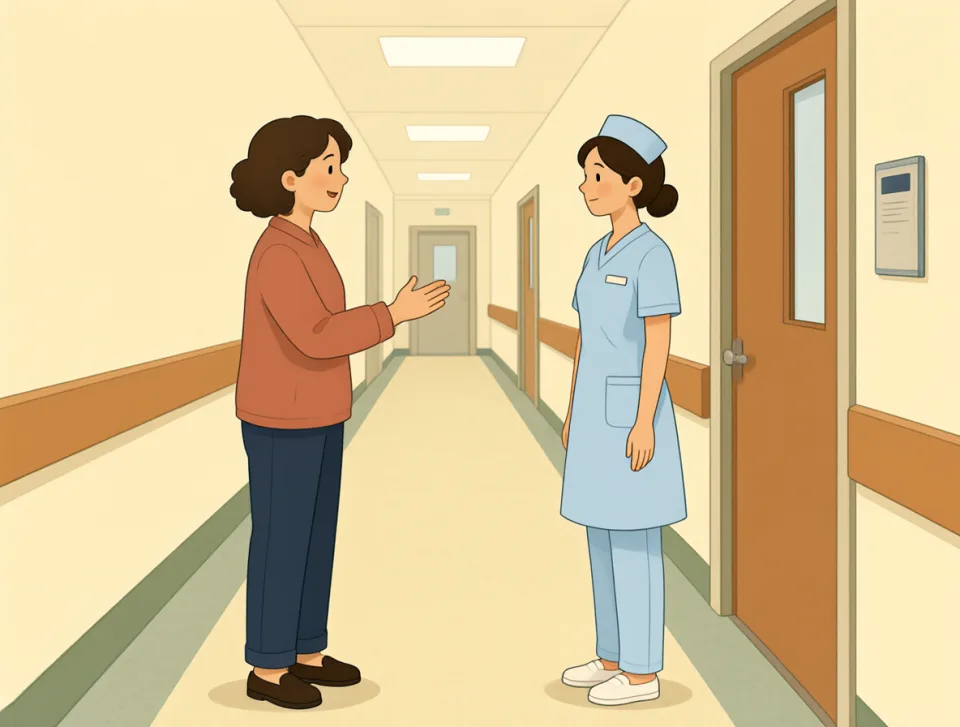
She has a new job at the hospital.
她在醫院找到了一份新工作。

My father goes to work every morning.
我父親每天早上都去上班。
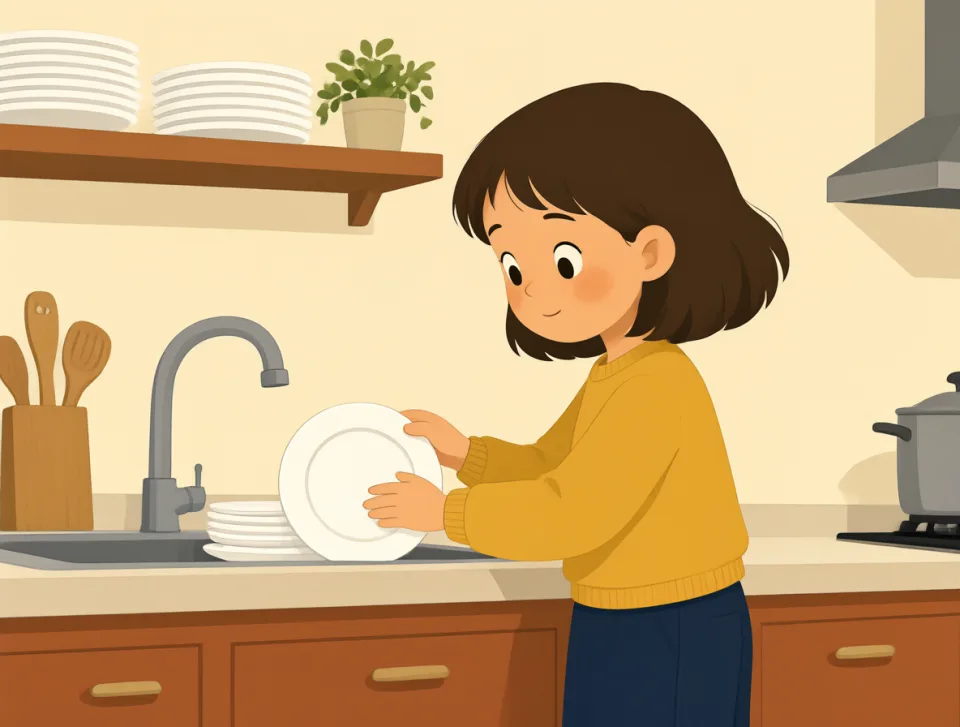
Please do this job before dinner.
請在晚飯前把這件事做完。
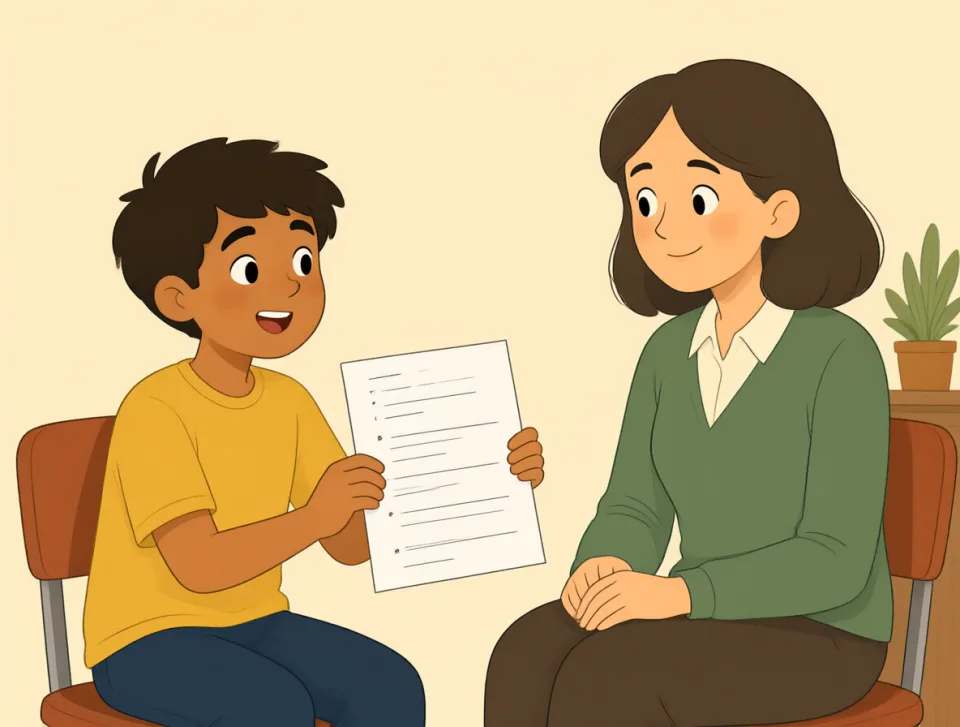
He did a good job on the test.
他這次考試考得很好。

The plumber is doing a difficult job.
水管工正在做一項很棘手的工作。
plan
#232noun, verb
計劃;打算
An idea of what you will do, or to decide what you will do.
你打算做什麼,或決定要做什麼。

We made a plan for the weekend.
我們為週末做了個計劃。
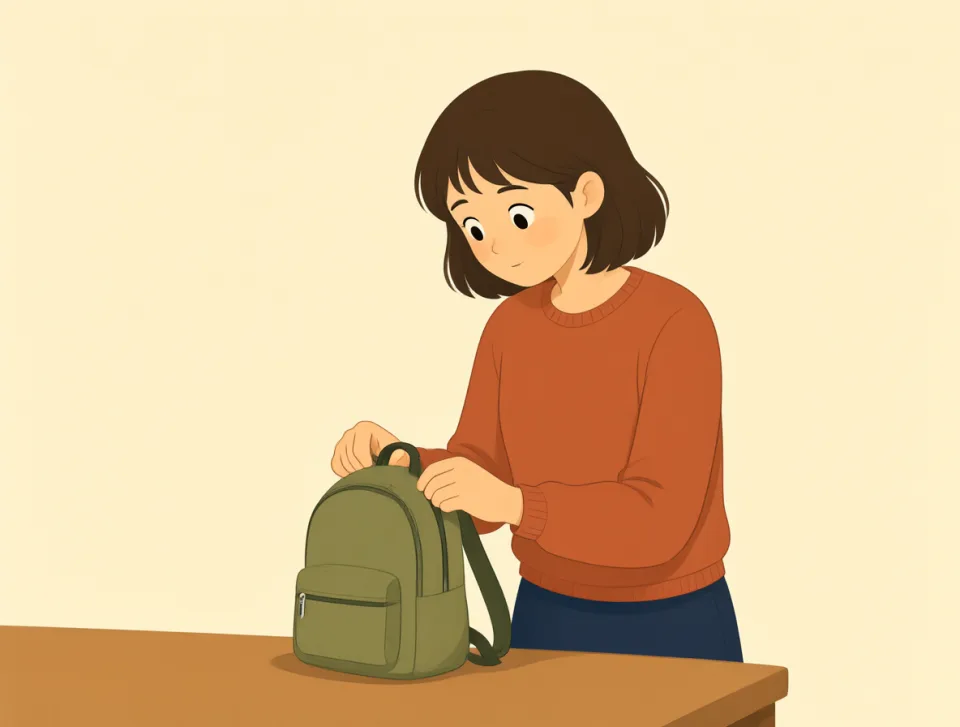
She plans to visit her grandmother tomorrow.
她計劃明天去看望奶奶。
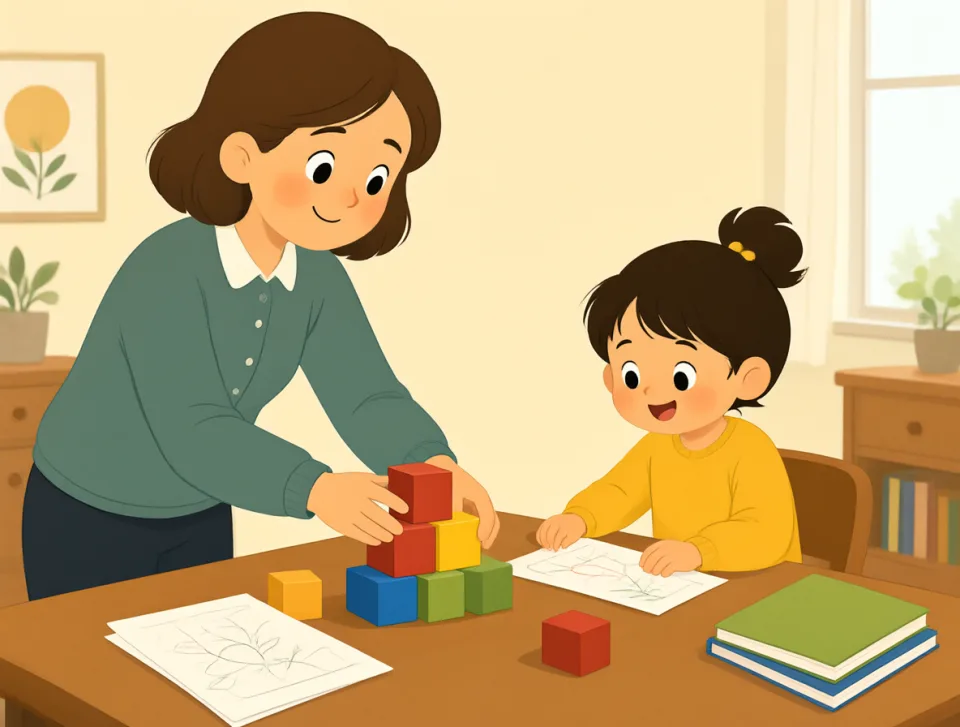
The teacher planned a fun class activity.
老師安排了一項有趣的課堂活動。

They changed their travel plans because of rain.
因為下雨,他們改變了旅行計劃。

I am planning a healthy dinner tonight.
我今晚打算做一頓健康的晚餐。

result
#233noun, verb
結果;導致
Something that happens because of an action or event.
因某個行動或事件而發生的事情。
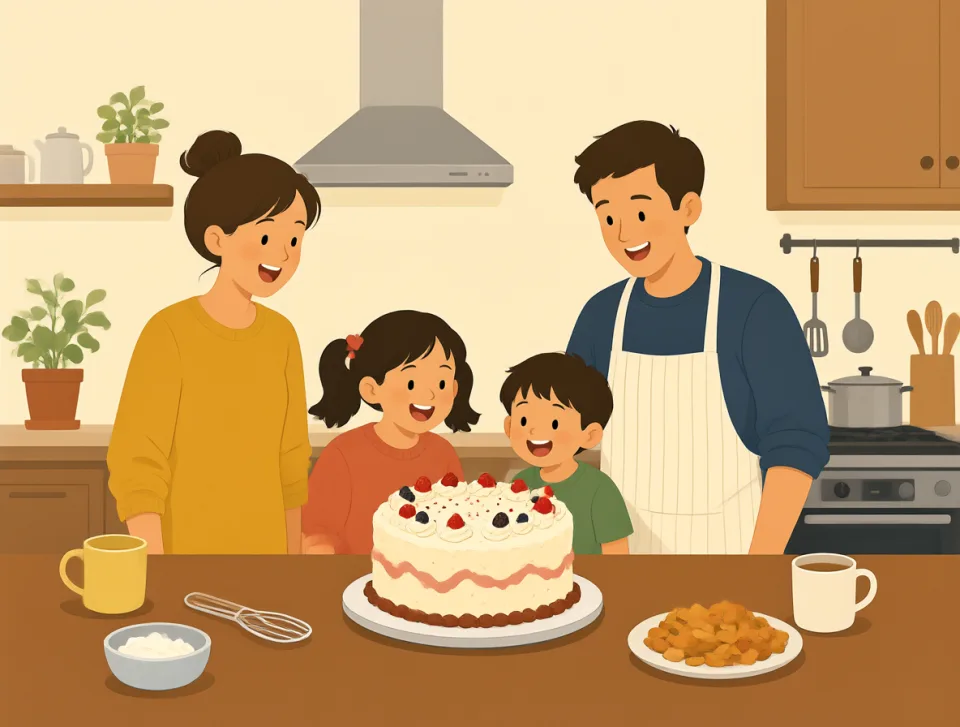
The result was better than we expected.
結果比我們預想的要好。

Hard work often results in success.
努力學習往往會帶來成功。
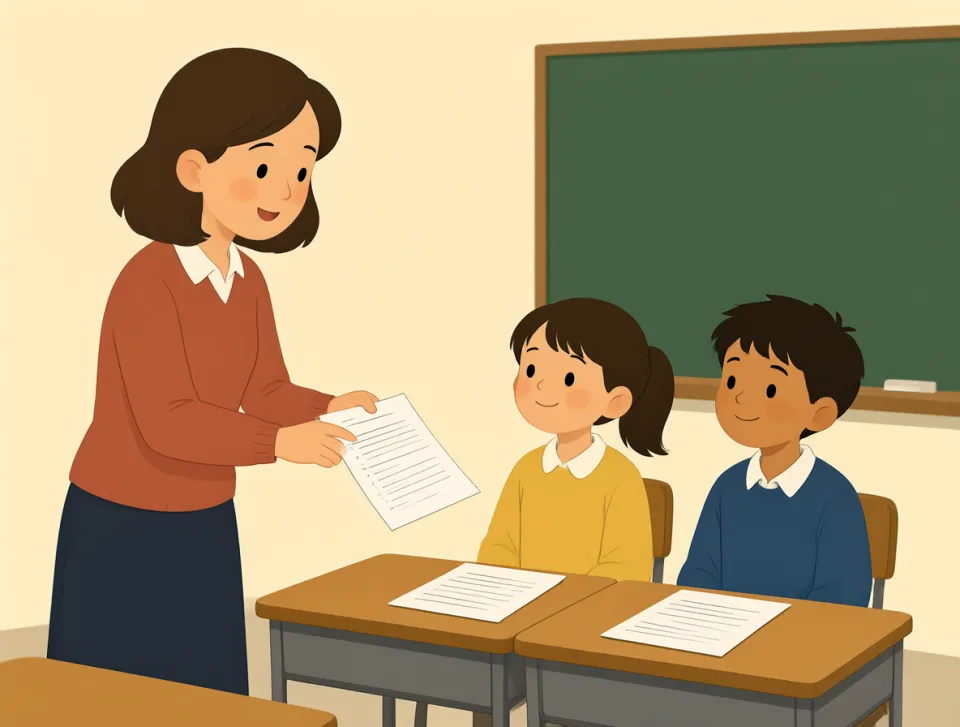
The test results came out yesterday.
考試結果昨天出來了。
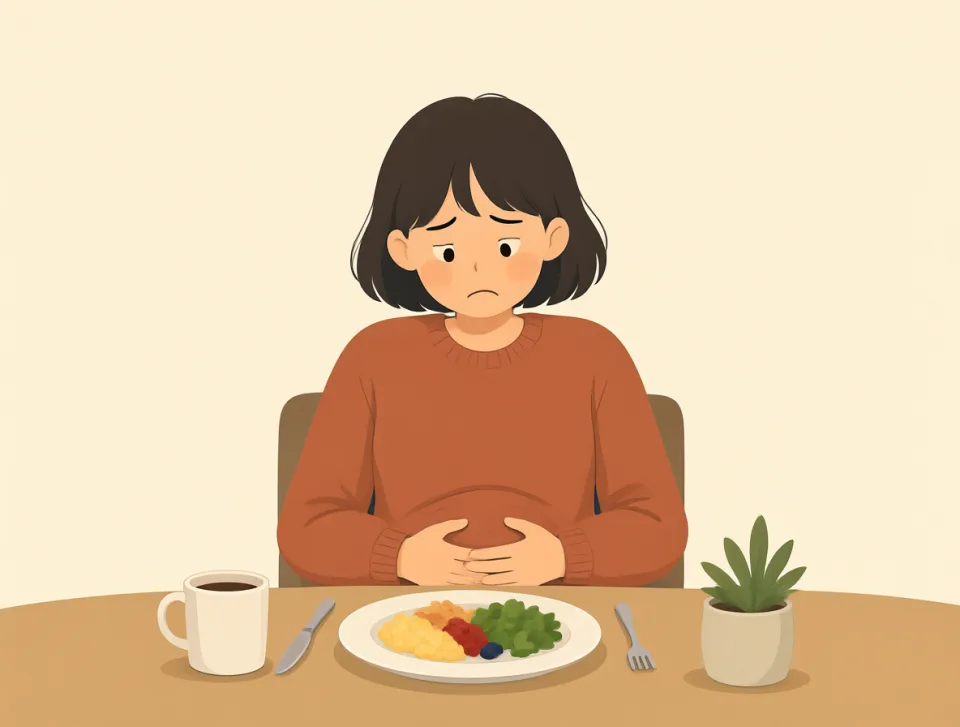
The meal resulted in stomach pain.
這頓飯導致了胃痛。

The accident resulted in a long delay.
這起事故導致了長時間的延誤。
away
#234adverb, adjective
離開; 遠離; 不在; 收起來
At or to a place that is far from here or from someone.
在離這裡或某人很遠的地方,或向遠離這裡或某人的地方。

Please put your toys away after playing.
玩完後請把你的玩具收起來。
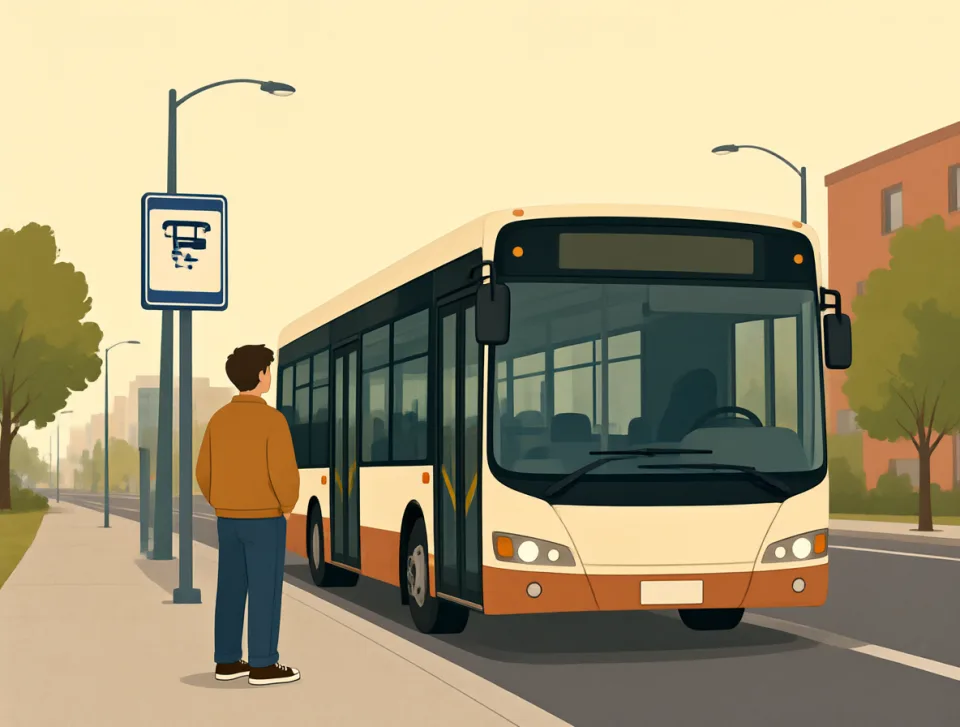
The bus drove away before I arrived.
我到之前,公交車就開走了。

She is away on a business trip.
她出差去了。
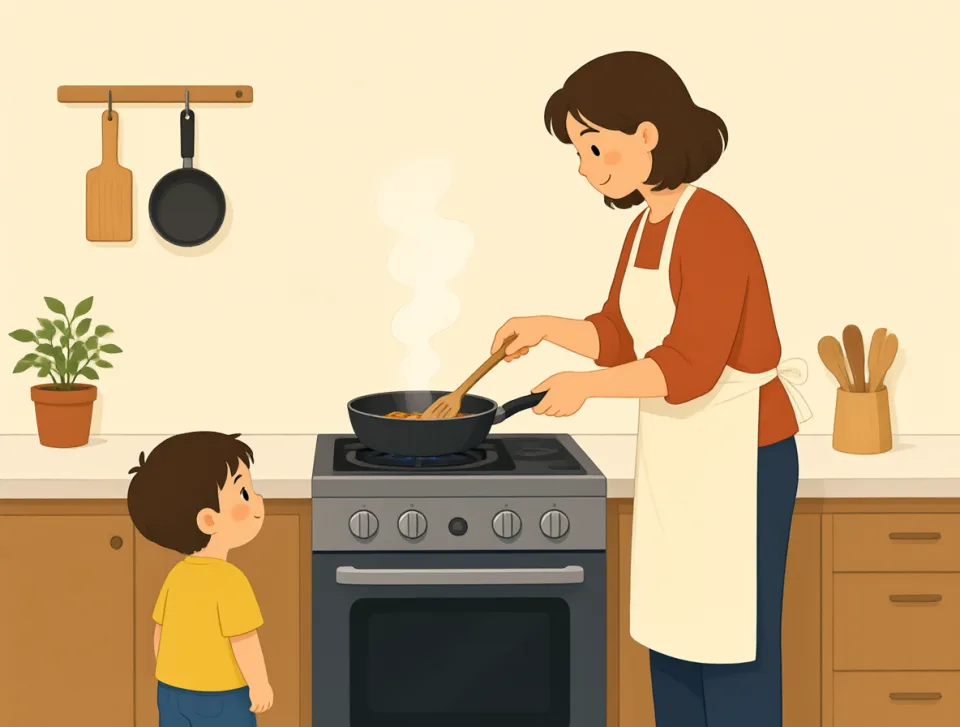
Keep away from the hot stove.
離熱爐遠一點。
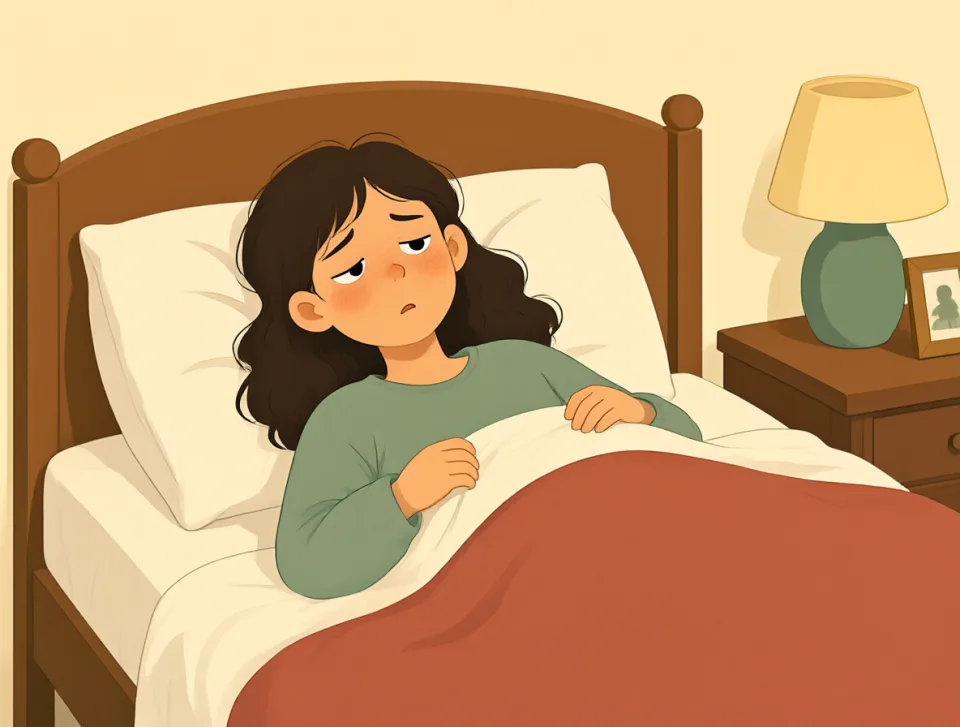
The pain went away after some rest.
休息了一會兒後,疼痛消失了。
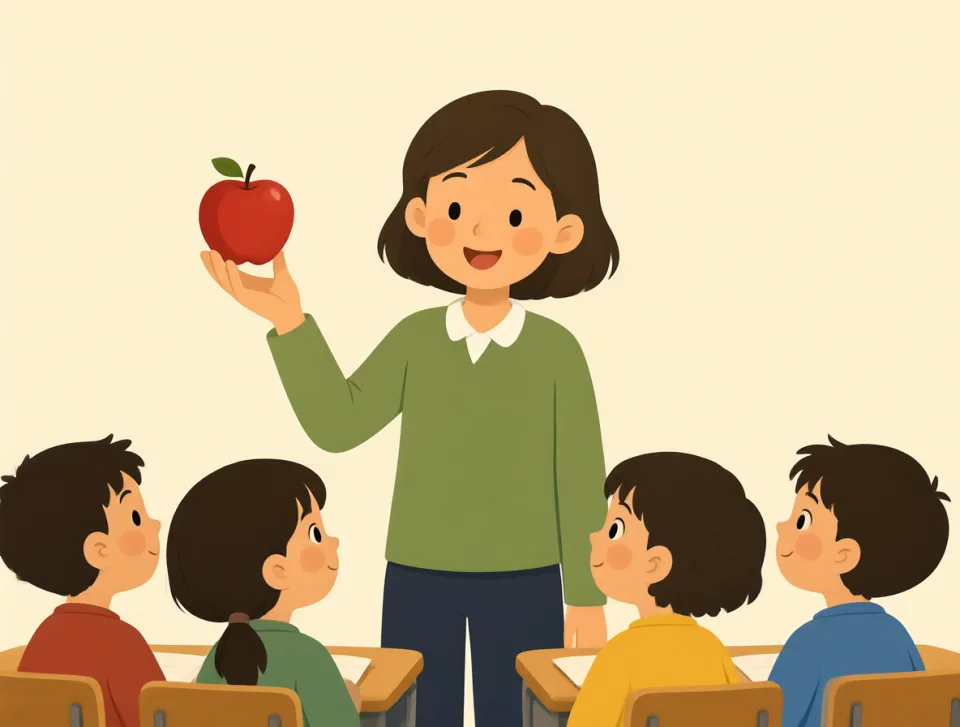
example
#235noun
例子;例項;榜樣
Something that shows what a person or thing is like.
能夠展示某人或某物是什麼樣子的事物。
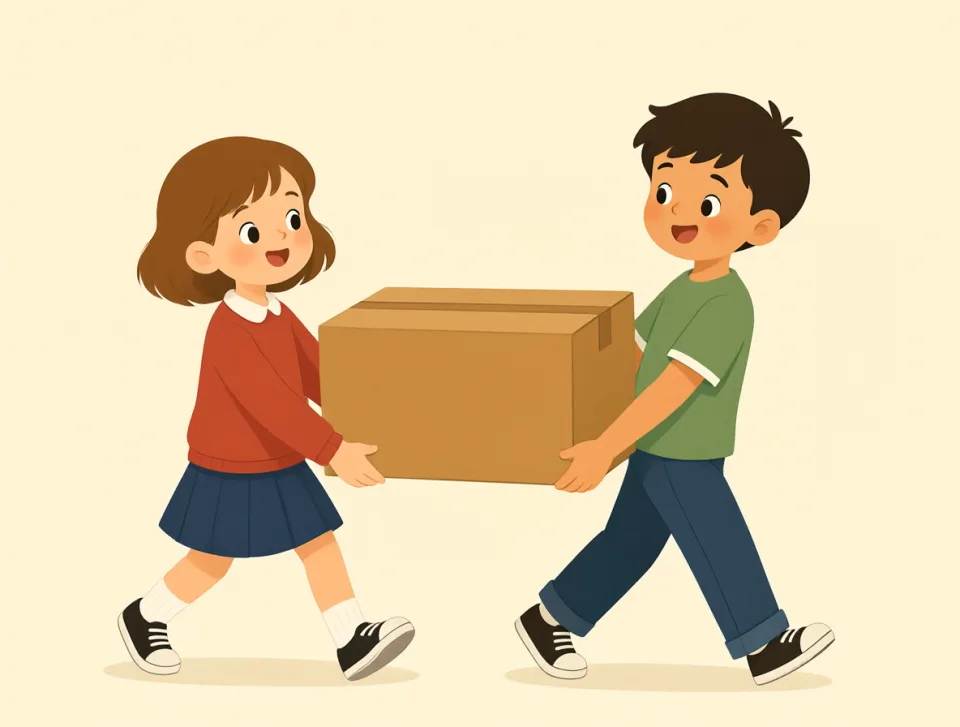
This picture is a good example of teamwork.
這張圖片很好地展現了團隊合作。

Can you give me an example, please?
請給我舉個例子,好嗎?
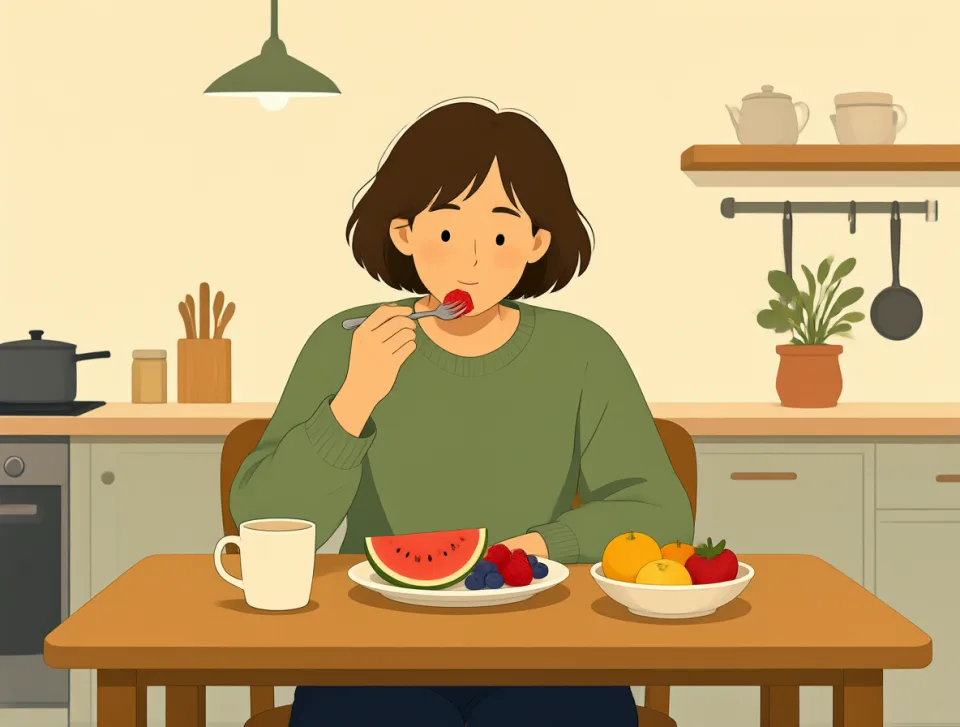
For example, I eat fruit every morning.
比如,我每天早上都吃水果。
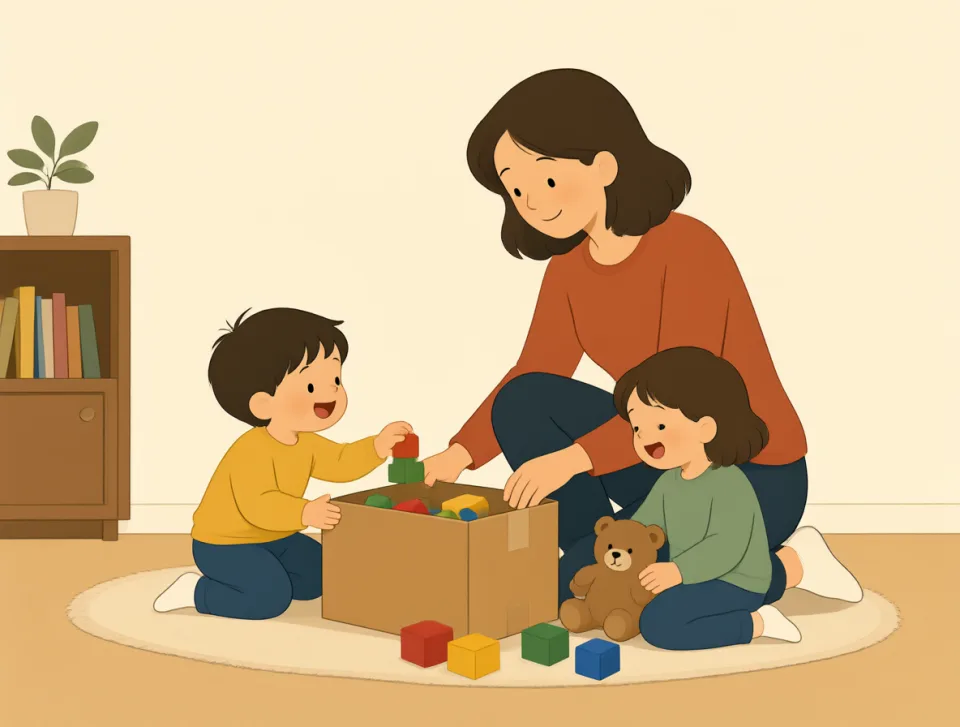
She is a good example for her children.
她是孩子們的好榜樣。
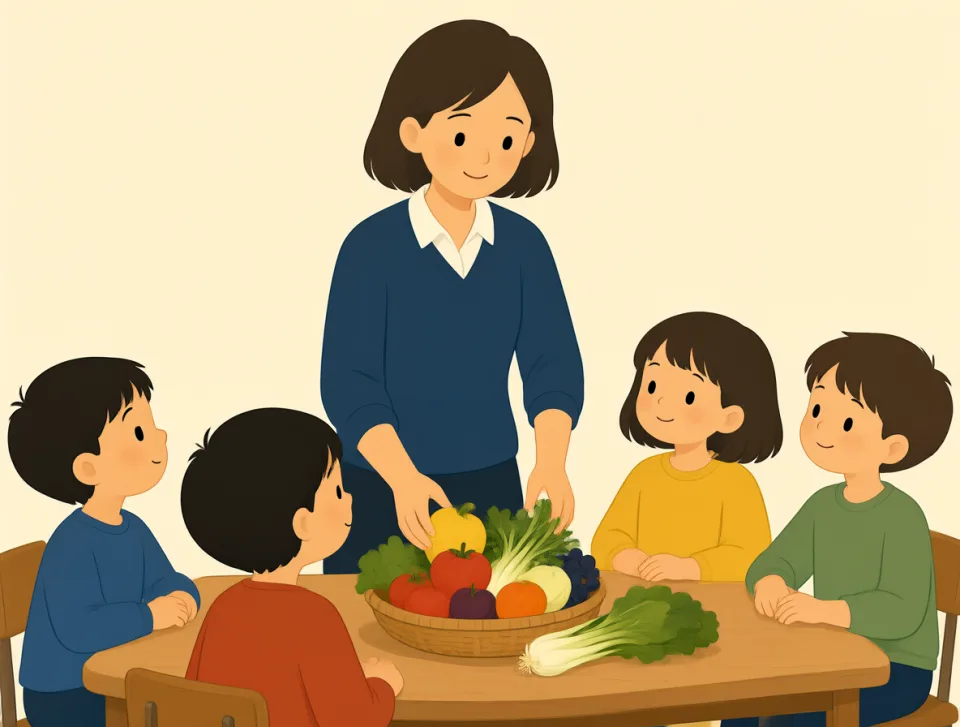
The teacher showed examples of healthy food.
老師展示了幾種健康食品的例子。
happen
#236verb
發生;出現
To take place, especially unexpectedly or by chance.
發生,尤指出乎意料或偶然發生。

What happened at school today?
今天學校發生了什麼事?
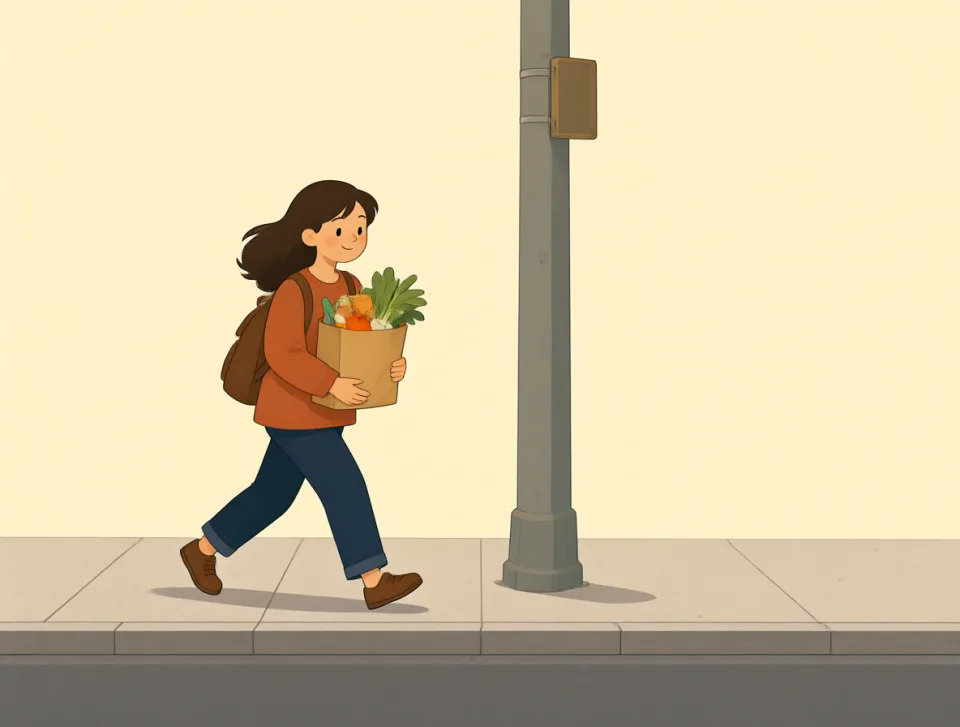
Accidents can happen when people hurry.
人們匆忙趕路時可能會發生事故。
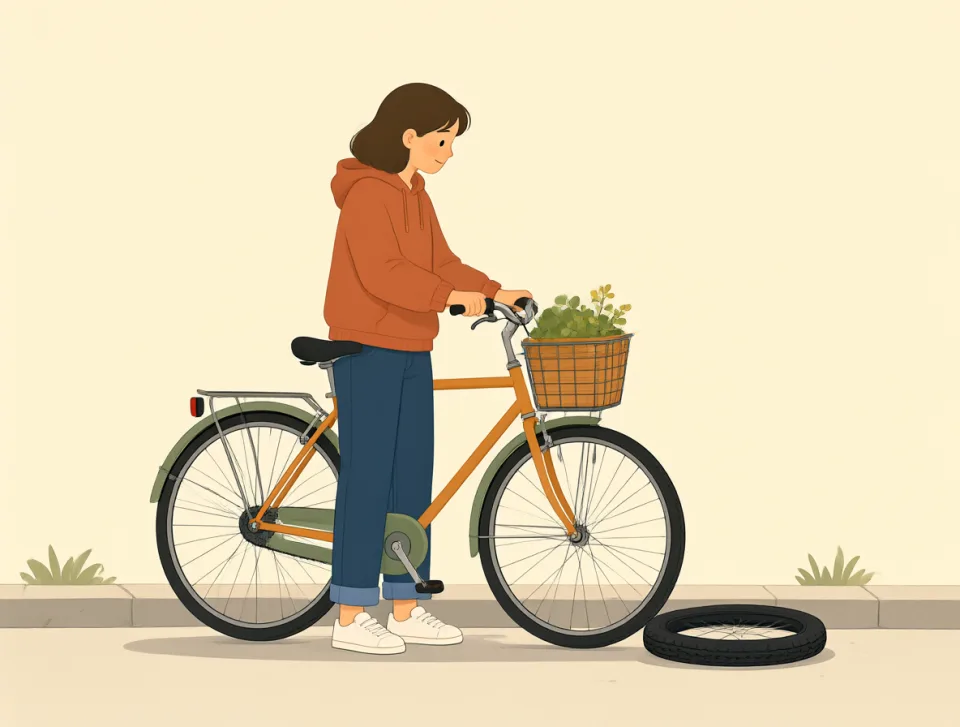
It happened again on my way home.
我回家的路上又發生了同樣的事。

What will happen if we miss the train?
如果我們錯過火車,會發生什麼?

Good things happen when friends help each other.
朋友互相幫助時,好事就會發生。

offer
#237verb, noun
提供;主動提出;提議;報價
to say you will give or do something; a thing someone is willing to give
表示願意給予或做某事;某人願意給予的東西

She offered me some tea.
她給我倒了些茶。

The hotel offers free breakfast.
這家酒店提供免費早餐。
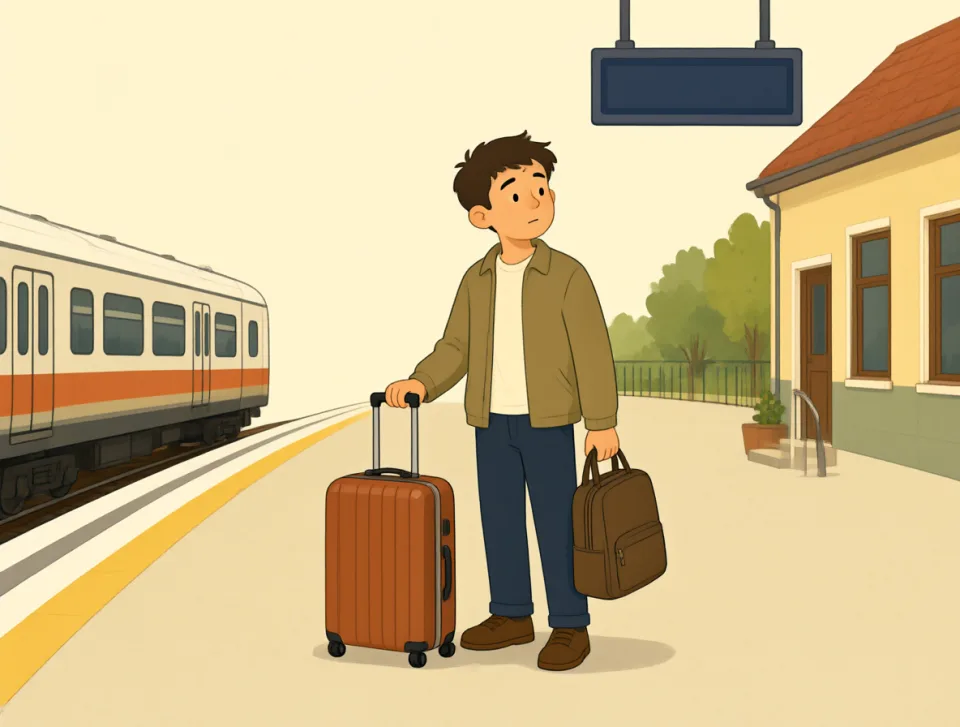
He offered to help with my bags.
他主動提出幫我拿行李。

The shop offered a big discount.
這家商店提供大幅折扣。

They made me a job offer.
他們給了我一份工作邀請。
young
#238adjective, noun
年輕的;年輕人
having lived for only a short time; not old
只生活了很短時間的;不老的

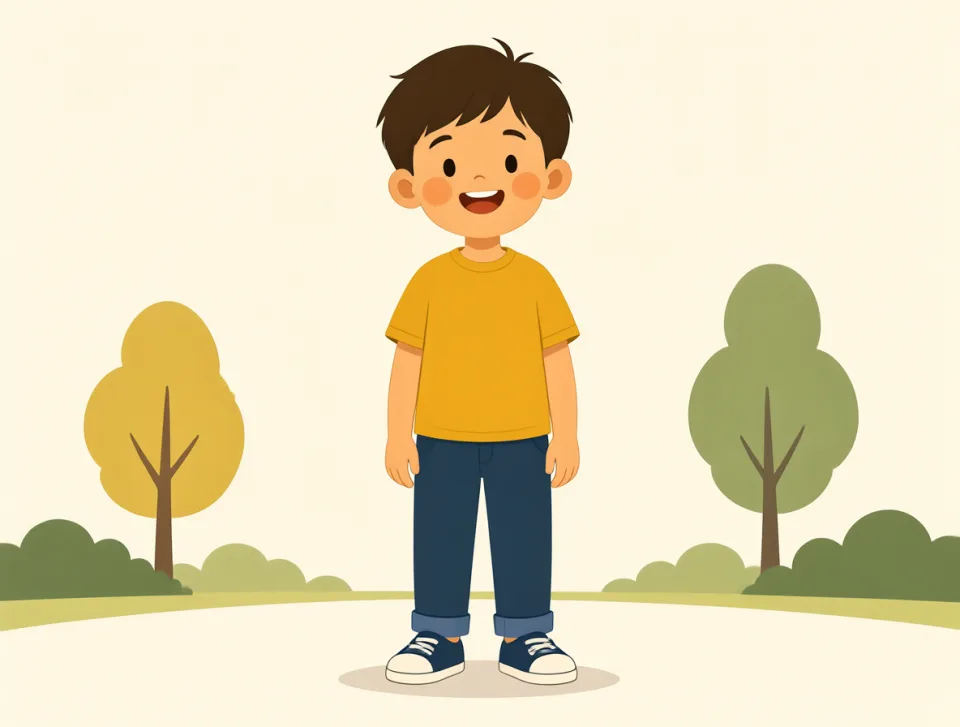
She has two young children at home.
她家裡有兩個年幼的孩子。

He is a young teacher at our school.
他是我們學校的一名年輕教師。

Young people often meet friends after work.
年輕人下班後經常和朋友見面。

My doctor says I am too young for this test.
我的醫生說我還太年輕,不適合做這個檢查。

The young waiter brought our food quickly.
那位年輕的服務員很快就把我們的食物送來了。
close
#239verb, adjective, adverb, noun
關上;關閉;近的;親密的
To shut something; near in distance or relationship; with little space between.
關上某物;在距離或關係上接近;之間的空間很小。
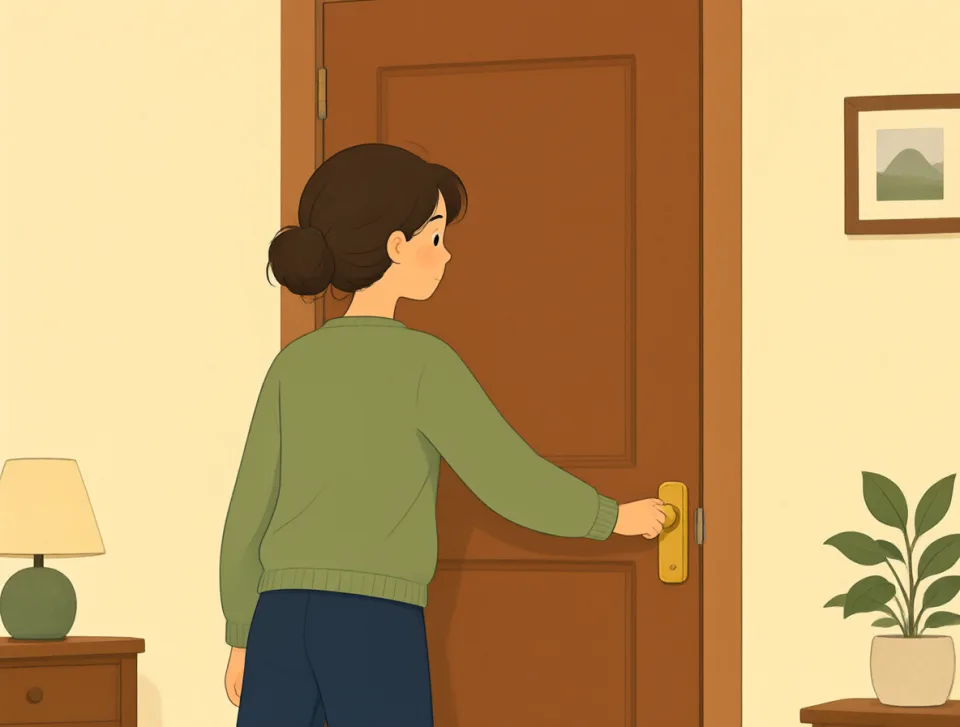
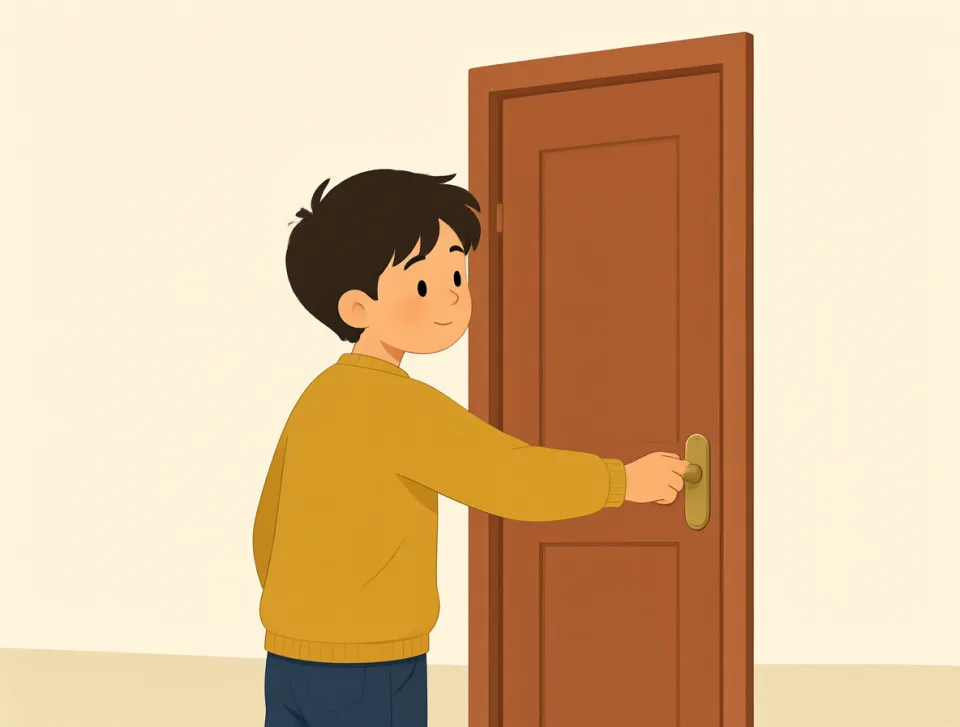
Please close the door behind you.
請把你身後的門關上。

The shop closes at six today.
這家商店今天六點關門。

My school is close to my house.
我的學校離我家很近。

We sat close together on the bus.
我們在公交車上緊挨著坐在一起。

She is a close friend of mine.
她是我的一位親密朋友。
program
#240noun, verb
節目;計劃;專案
A planned set of activities, or to plan and provide activities for a purpose.
一組為某個目的而安排的活動;或為某個目的安排並提供活動。

We watched a funny program after dinner.
晚飯後我們看了一個有趣的節目。
The school program starts next Monday.
學校的活動安排下週一開始。

She joined a health program at work.
她參加了公司的一項健康計劃。

The travel program includes three cities.
這趟旅行的行程安排包含三個城市。

They programmed the machine to stop safely.
他們給機器編寫了程式,讓它能安全停機。