Блок 12
Слова 221–240 · build, hold, service, against, believe, second
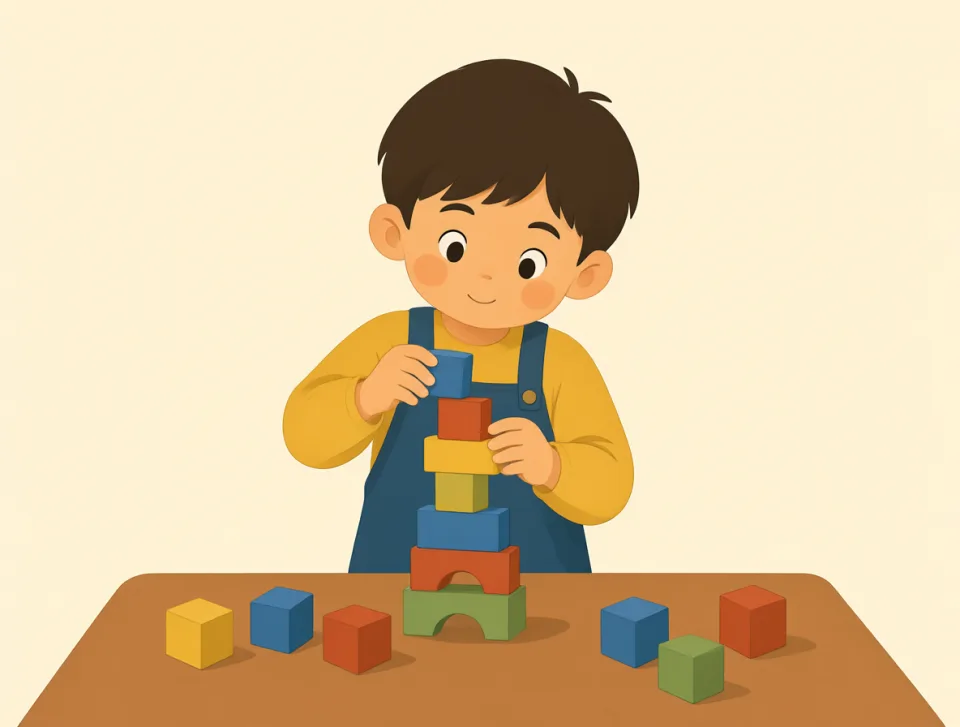
build
#221verb, noun
строить; создавать
to make something by putting parts together, or to develop something over time
делать что-либо, соединяя части, или развивать что-либо с течением времени
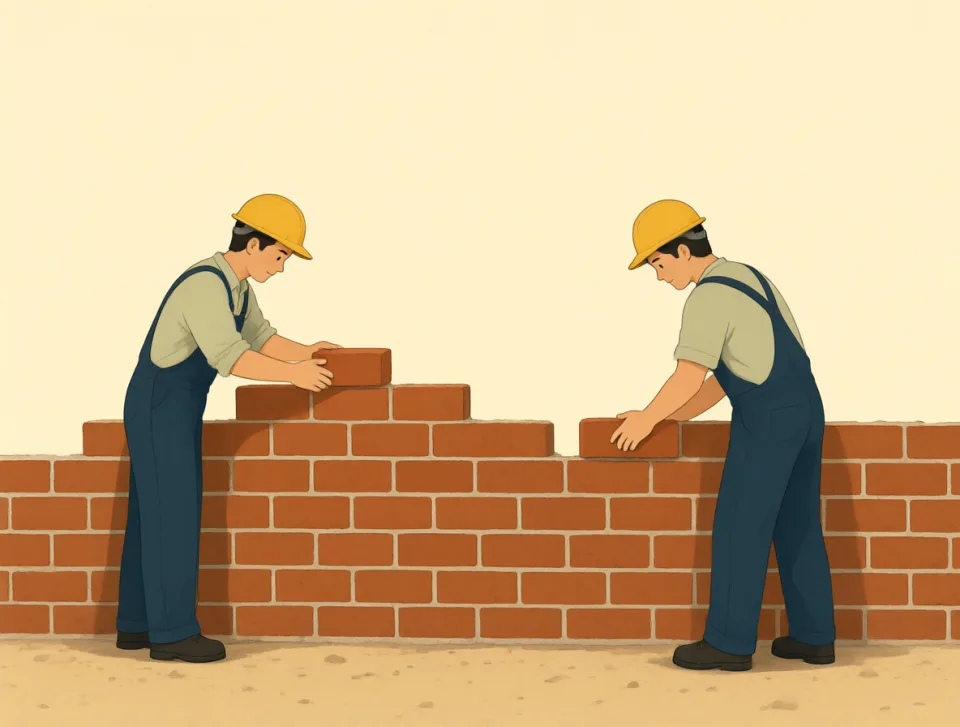
They are building a new house nearby.
Они строят новый дом неподалёку.
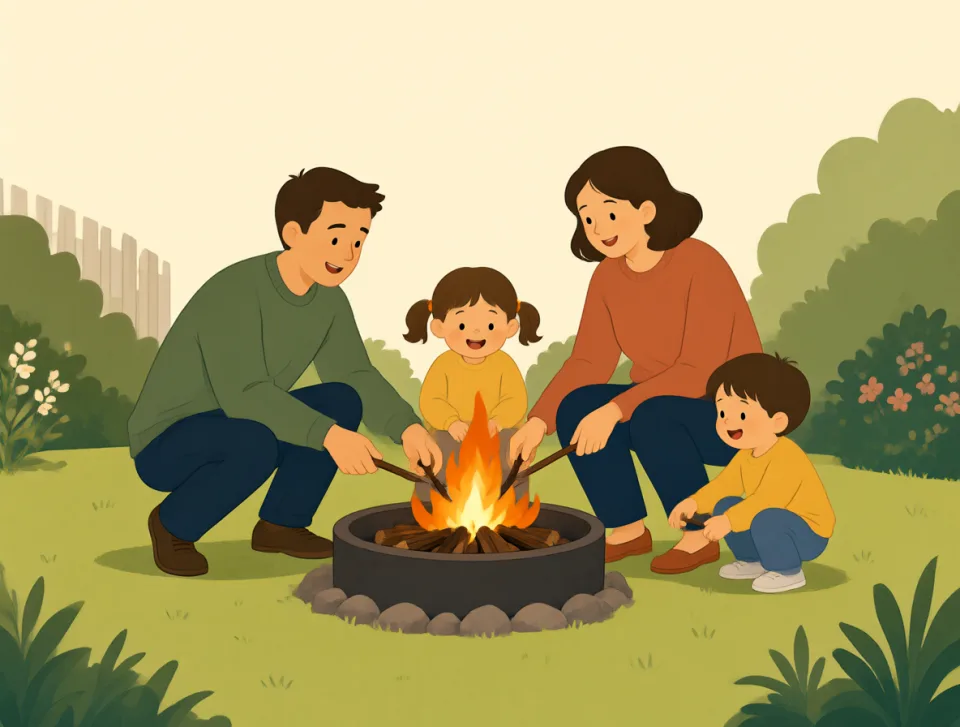
We built a fire in the garden.
Мы развели костёр в саду.
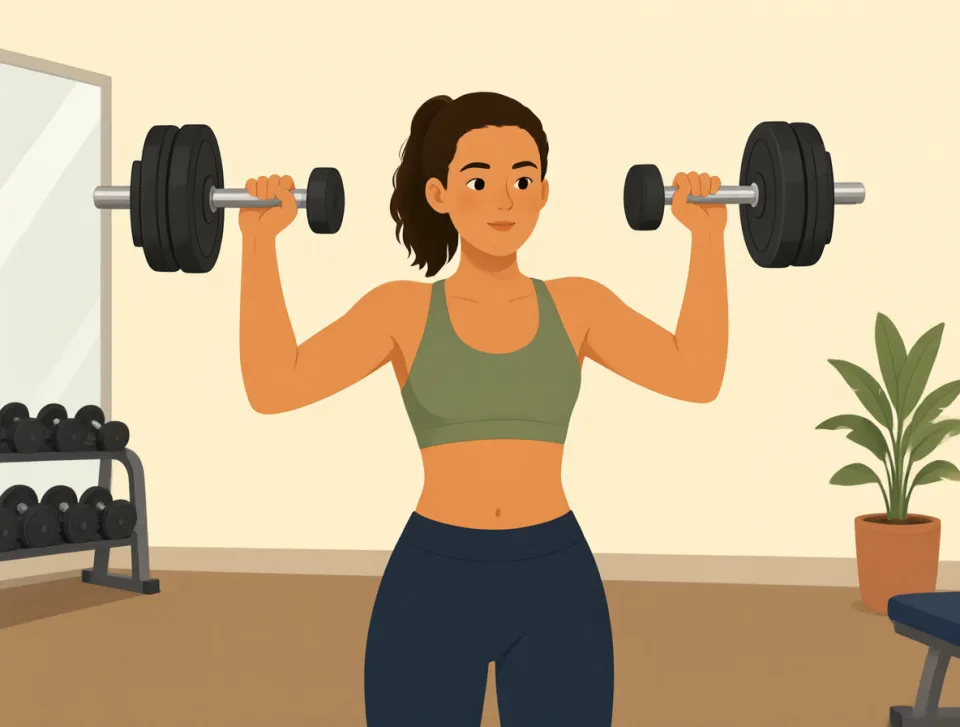
Exercise helps build strong muscles.
Физические упражнения помогают нарастить сильные мышцы.

The team built a good relationship.
Команда выстроила хорошие отношения.
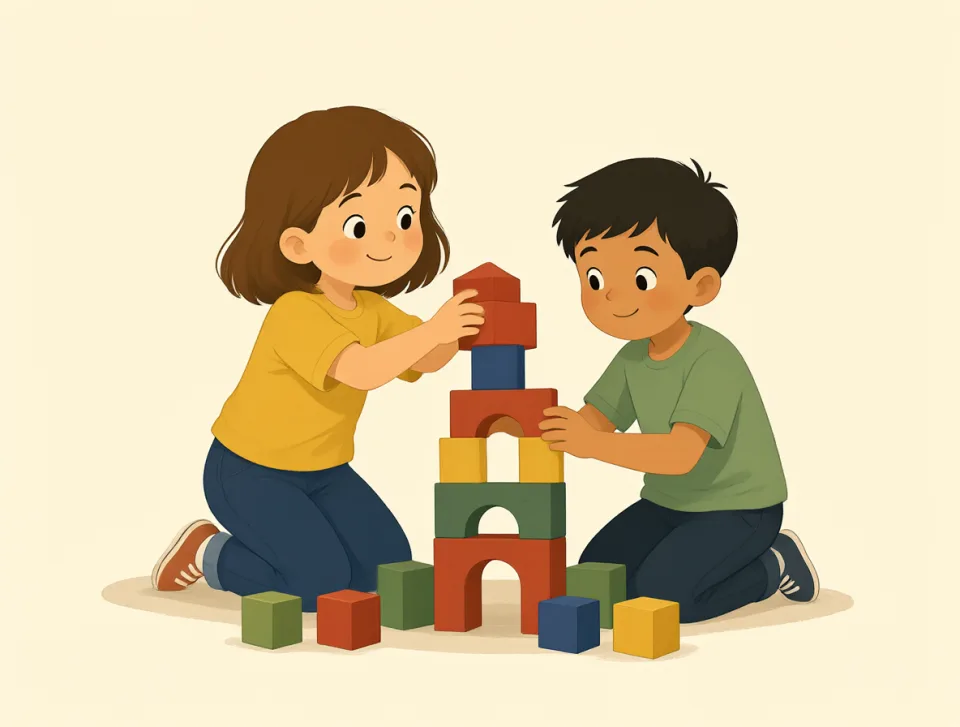
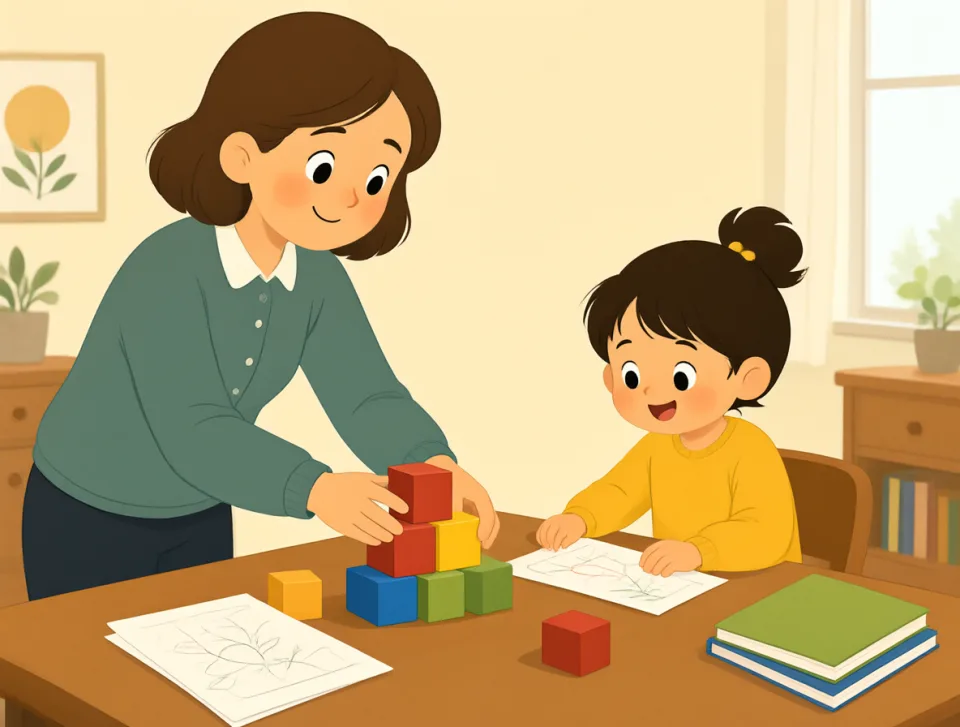
The children built a tower with blocks.
Дети построили башню из кубиков.

hold
#222verb, noun
держать; вмещать
to keep something in your hands or arms; a place for people or things
держать что-либо в руках или на руках; место для людей или вещей

Please hold my bag for a minute.
Подержи мою сумку минутку, пожалуйста.

This bottle holds one liter of water.
В эту бутылку помещается один литр воды.

The teacher held a meeting after class.
После урока учитель провёл собрание.
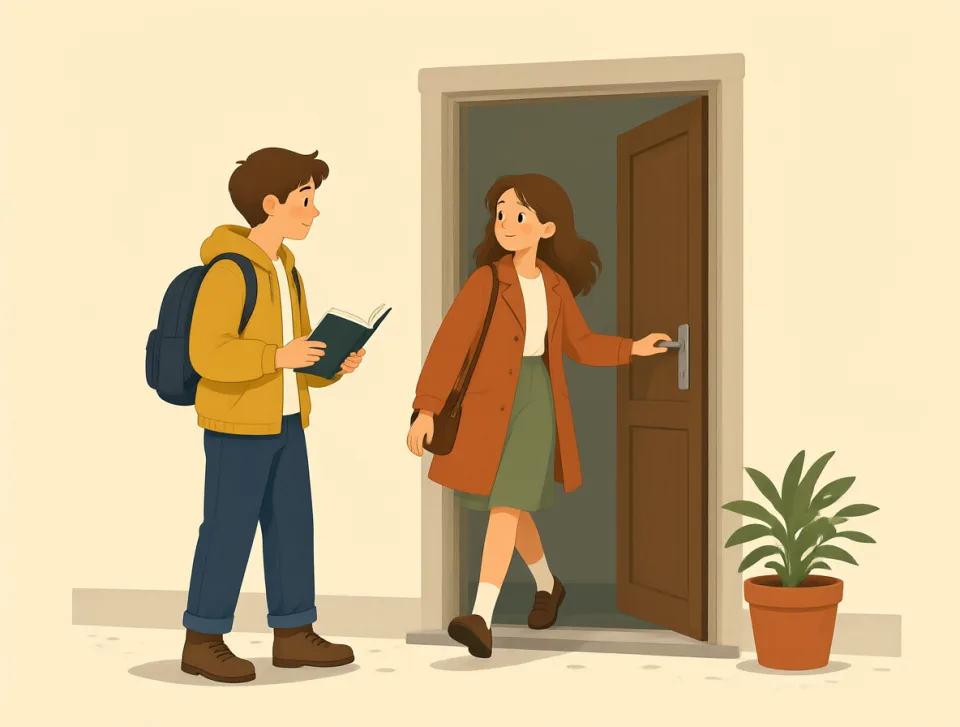
Hold the door open for me, please.
Подержи дверь открытой, пожалуйста.
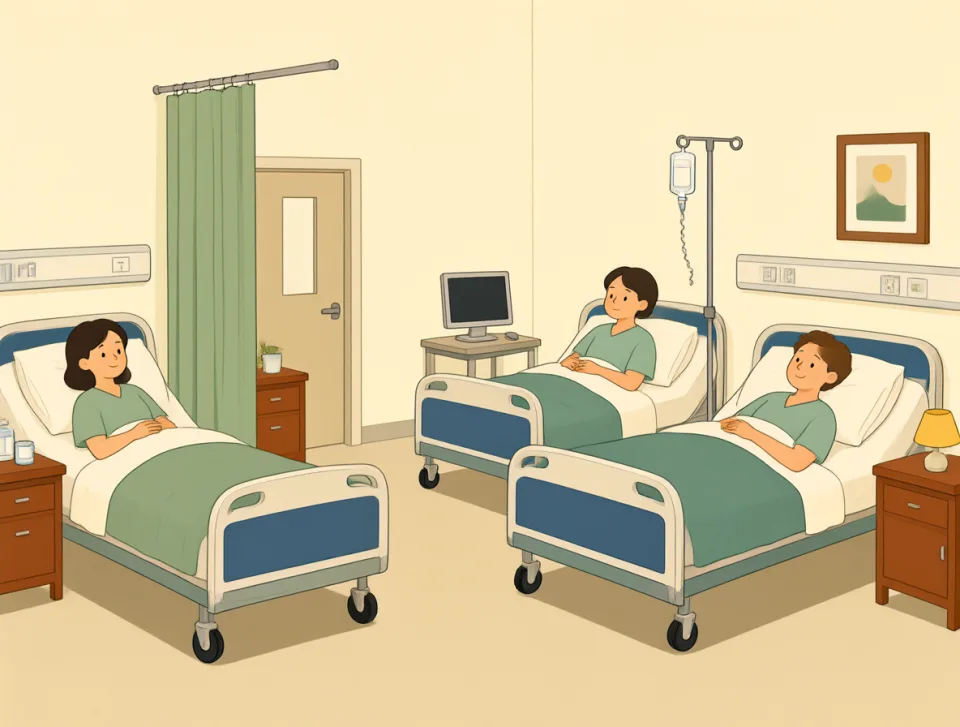
The hospital holds ten patients tonight.
Сегодня ночью в больнице могут разместиться десять пациентов.

service
#223noun, verb
обслуживание; услуга
work done to help customers, people, or organizations
работа, выполняемая для помощи клиентам, людям или организациям

The hotel offers excellent service.
В отеле превосходное обслуживание.

We received good service at the restaurant.
В ресторане нас хорошо обслужили.

The car needs service next week.
На следующей неделе автомобилю требуется техобслуживание.

She works in the customer service department.
Она работает в отделе обслуживания клиентов.
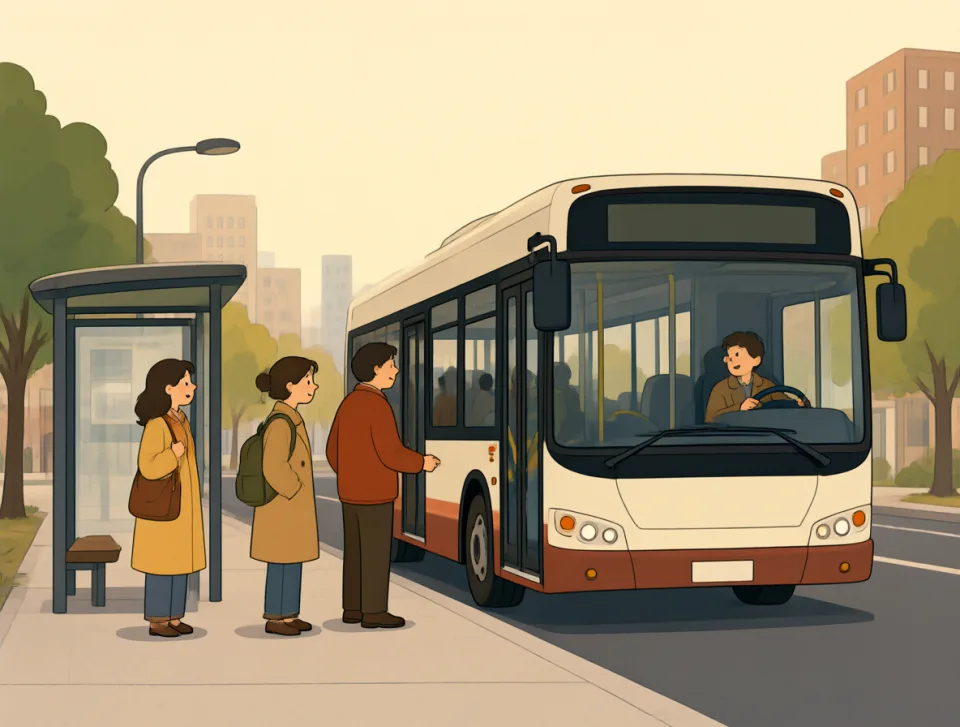
The bus service stops at ten o'clock.
Автобусное сообщение прекращается в десять часов.
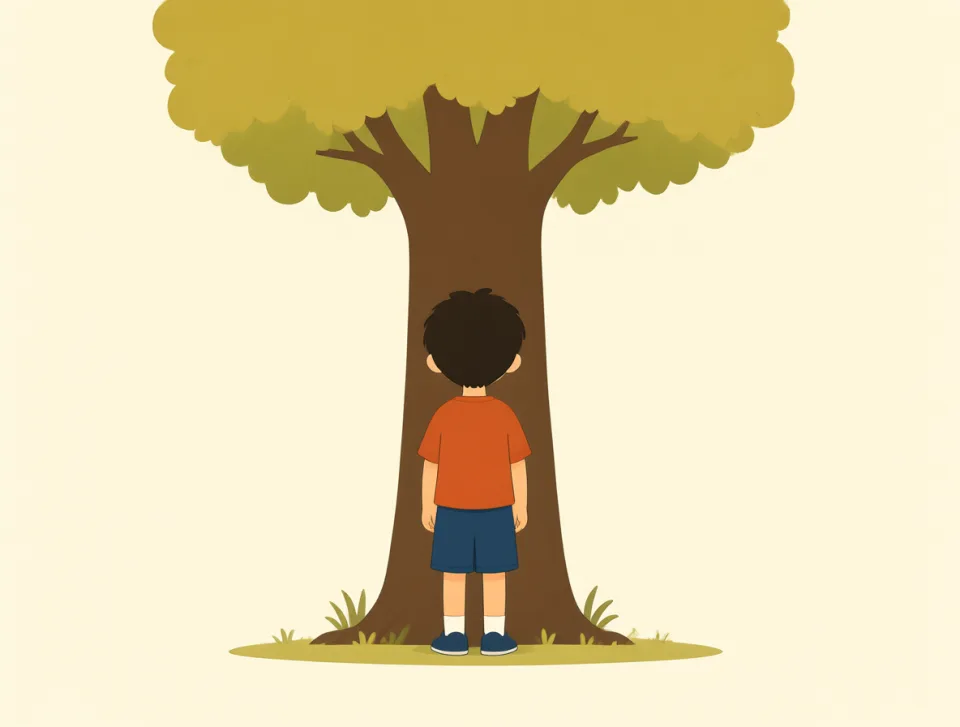
against
#224preposition
против; к
opposing or touching something for support or protection
выражающий противоположность чему-либо или соприкосновение с чем-либо для опоры или защиты
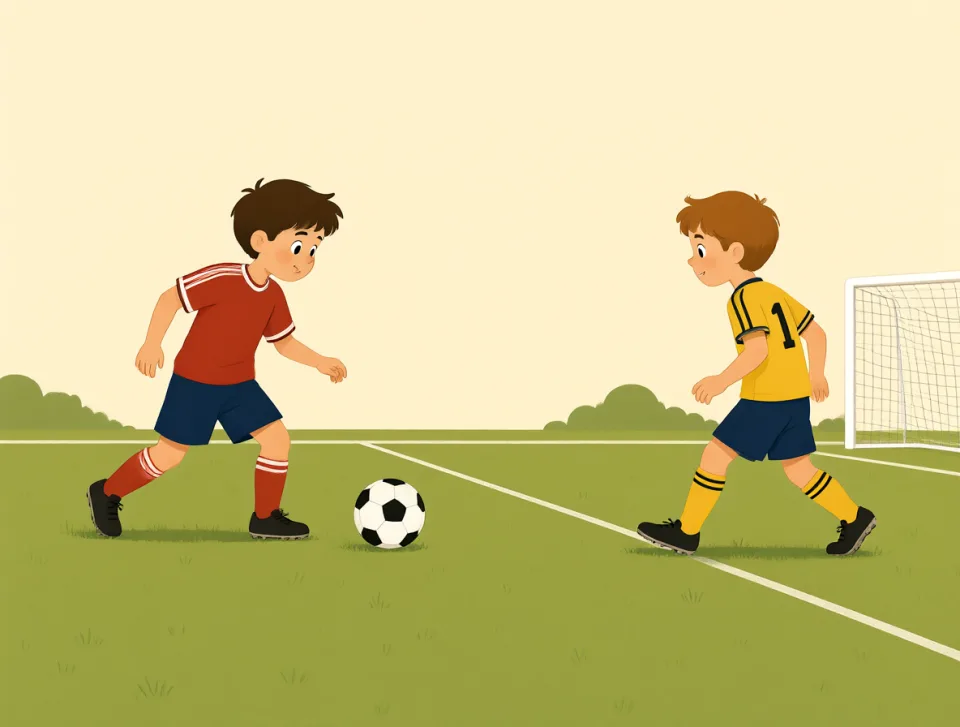
Our team played against the school champions.
Наша команда играла против школьных чемпионов.
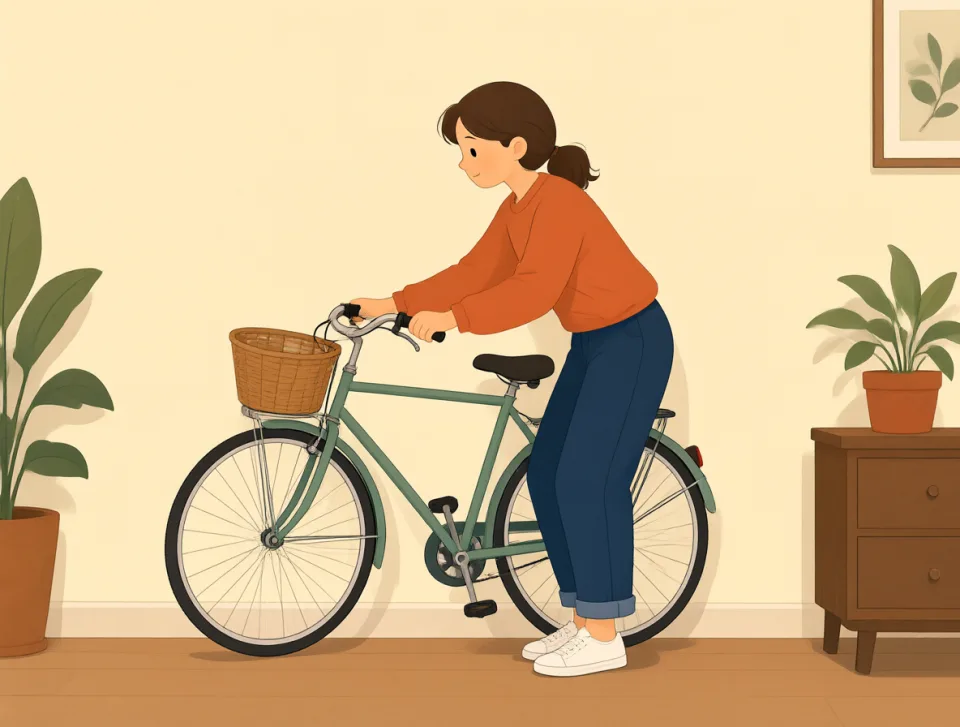
She leaned her bike against the wall.
Она прислонила велосипед к стене.

Wear a jacket against the cold wind.
Надень куртку, чтобы защититься от холодного ветра.

The doctor gave me medicine against the infection.
Врач выписал мне лекарство от инфекции.

They voted against the new school rule.
Они проголосовали против нового школьного правила.

believe
#225verb
верить; полагать
To think that something is true or to trust that someone is telling the truth.
считать что-либо правдой или доверять тому, что кто-то говорит правду
I believe you.
Я тебе верю.
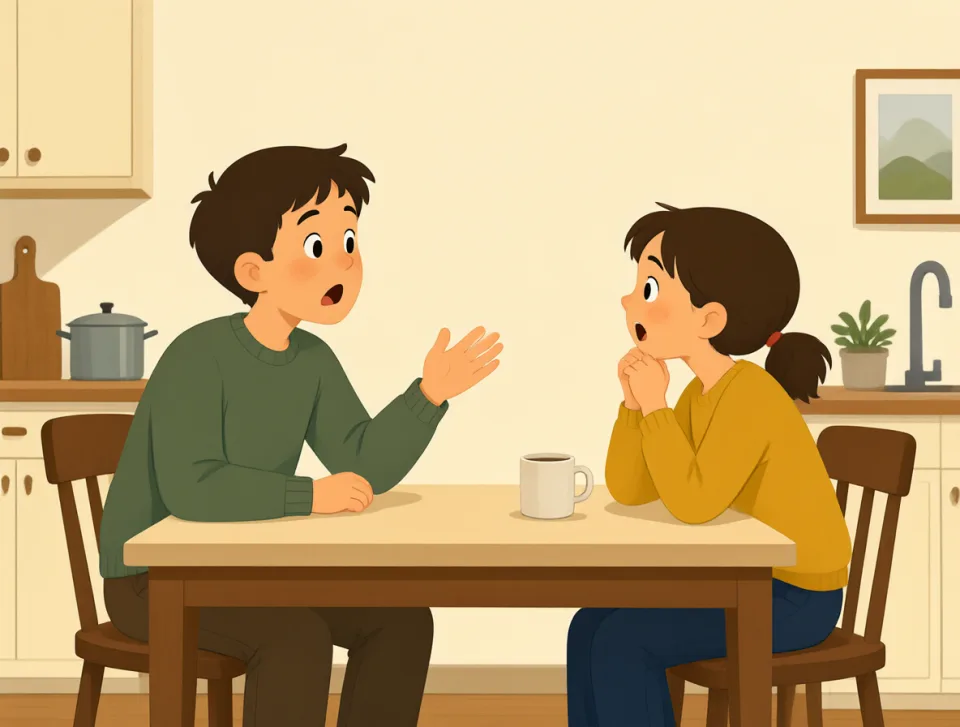
Do you believe this story?
Ты веришь этой истории?

She believes in her team.
Она верит в свою команду.
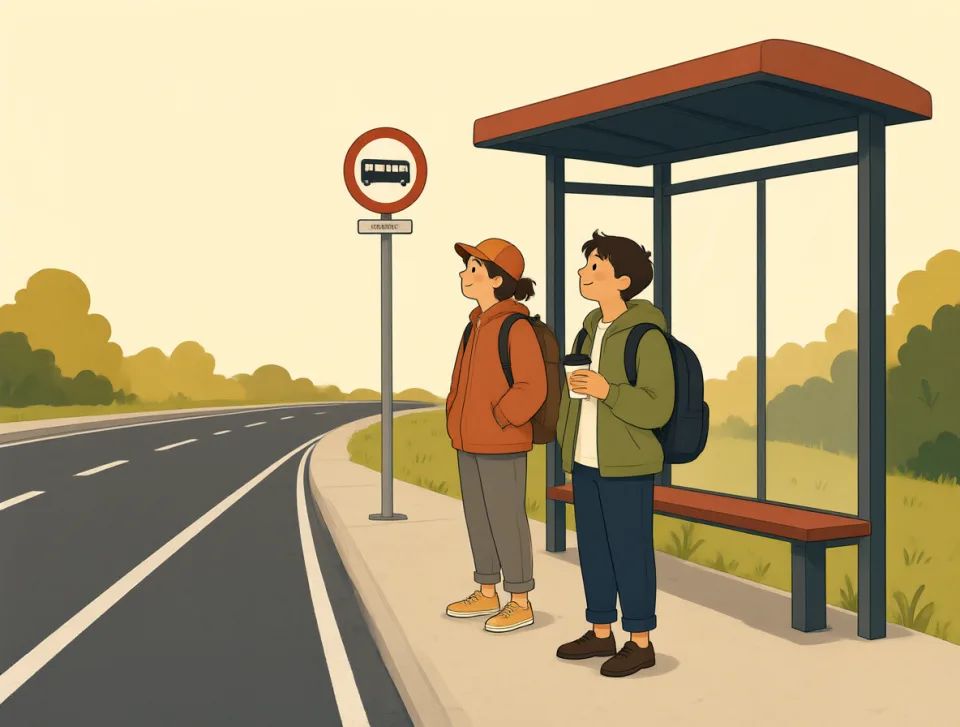
We believe the bus is late.
Мы думаем, что автобус опаздывает.

He could not believe his good luck.
Он не мог поверить своему везению.
second
#226noun, adjective, verb
секунда; второй
A unit of time equal to one sixtieth of a minute; also one of two similar things.
Единица времени, равная одной шестидесятой минуты; также один из двух похожих предметов.

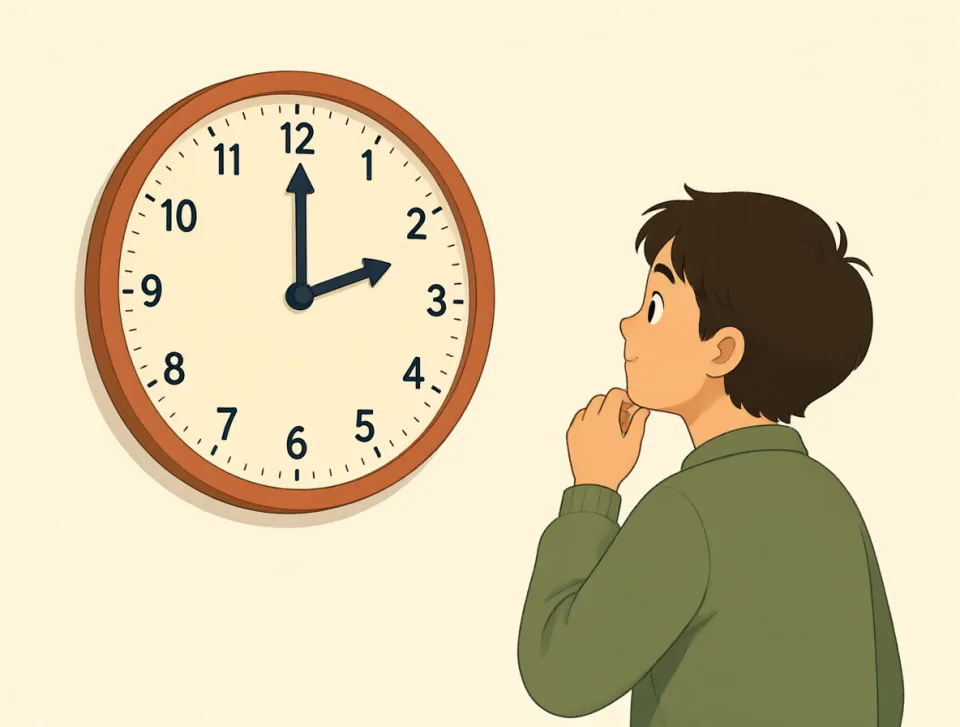
Wait a second, please.
Подождите секунду, пожалуйста.

She finished second in the race.
Она заняла второе место в забеге.

This is my second cup of coffee.
Это моя вторая чашка кофе.

He checked the answer a second time.
Он проверил ответ во второй раз.
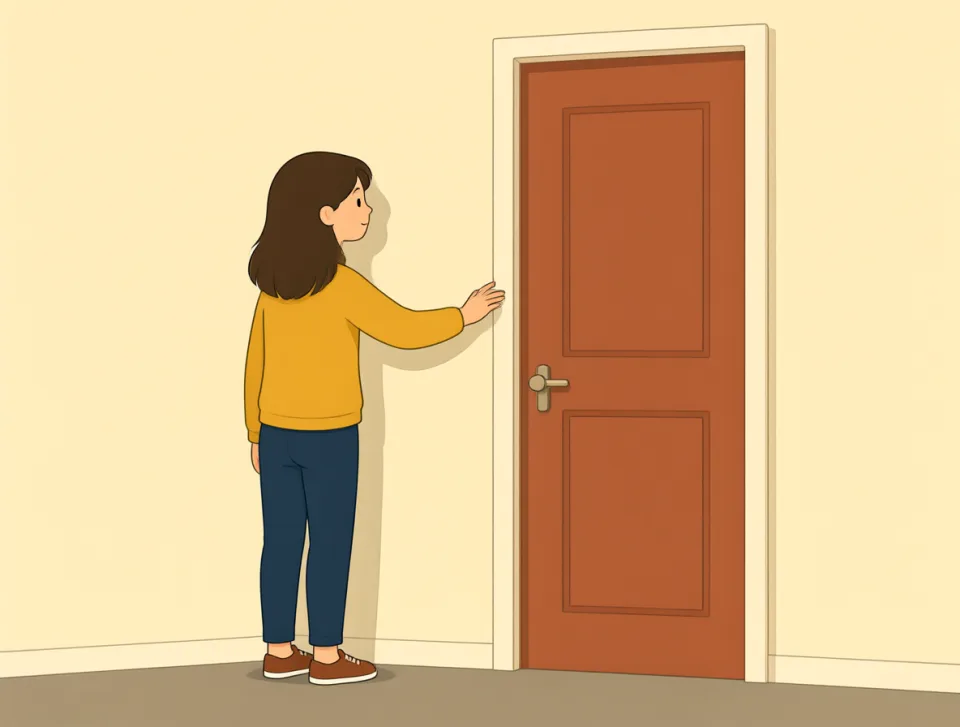
The second door leads to the kitchen.
Вторая дверь ведёт на кухню.
though
#227adverb, conjunction
хотя
used to say that something is surprising or different from what you expected
Используется, чтобы сказать, что что-то удивительно или отличается от ожидаемого.
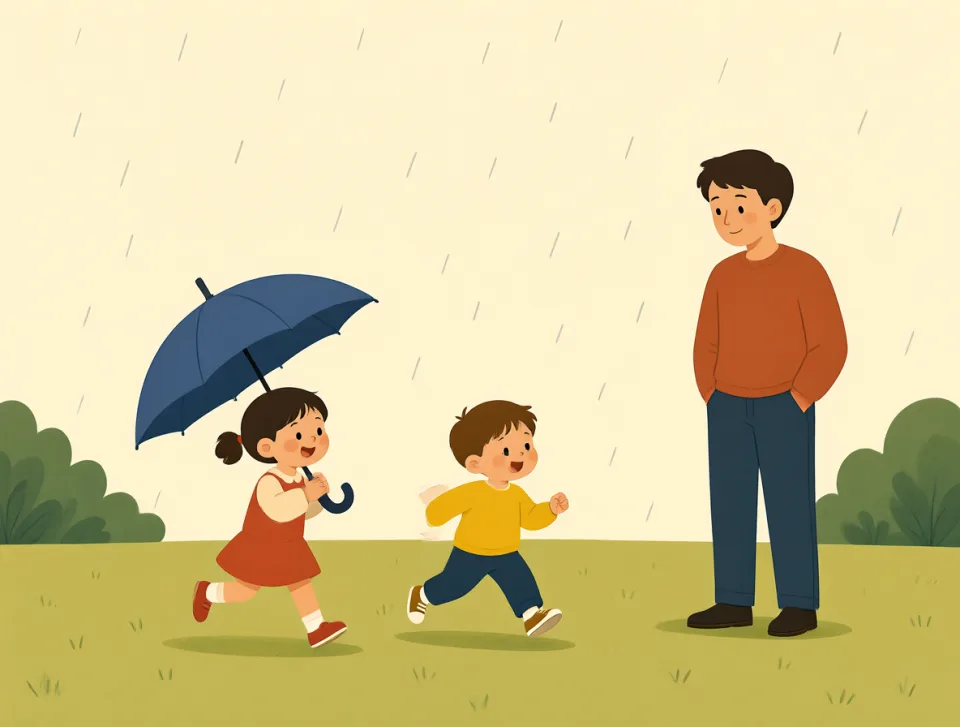
It was raining, though we went outside.
Шёл дождь, но мы всё равно вышли на улицу.

Though tired, she finished her homework.
Хотя она устала, она закончила домашнее задание.

I like this shirt, though it is expensive.
Мне нравится эта рубашка, хотя она дорогая.

He smiled, though he felt sick.
Он улыбнулся, хотя плохо себя чувствовал.
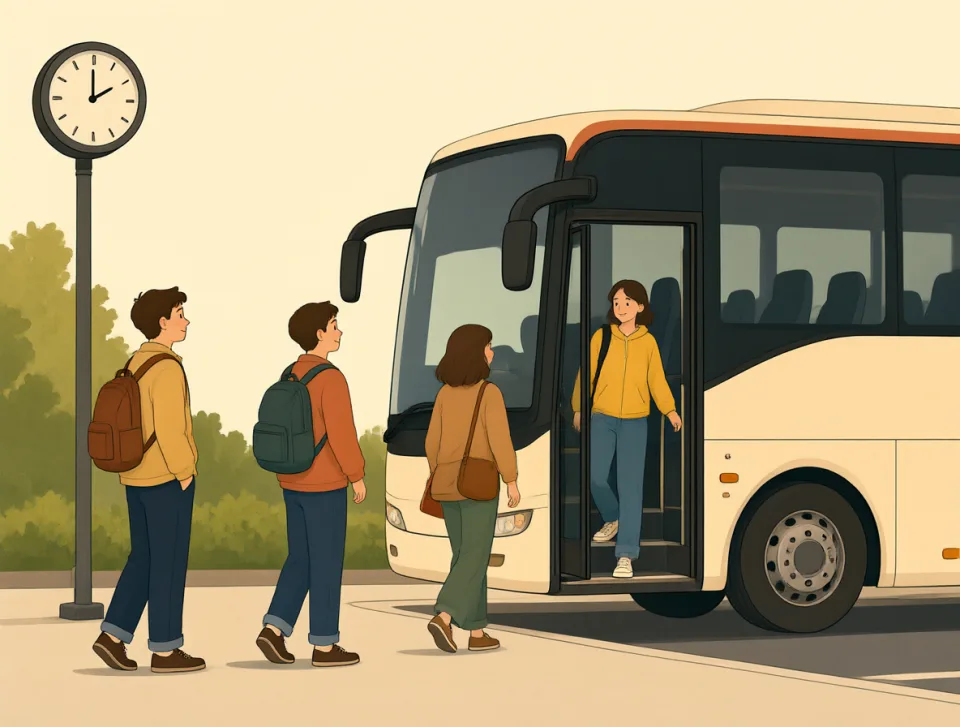
The bus was late, though we arrived on time.
Автобус опоздал, но мы всё равно приехали вовремя.
yes
#228adverb, noun
да
A word used to agree or to answer a question positively.
Слово, которым выражают согласие или дают утвердительный ответ на вопрос.
“Are you ready?” “Yes, I am.”
«Ты готов?» «Да, готов».

She said yes to the job.
Она согласилась на эту работу.

“Yes, please. I’d like some tea.”
«Да, пожалуйста. Я бы выпил чаю».

He nodded yes when I asked.
Когда я спросил, он утвердительно кивнул.
The answer is yes.
Ответ — да.

love
#229noun, verb
любить
To like someone or something very much, or to feel strong affection for them.
Очень сильно любить кого-либо или что-либо либо испытывать к ним сильную привязанность.

I love spending time with my family.
Я люблю проводить время с семьёй.

She loves chocolate ice cream.
Она обожает шоколадное мороженое.

They fell in love at school.
Они влюбились друг в друга в школе.
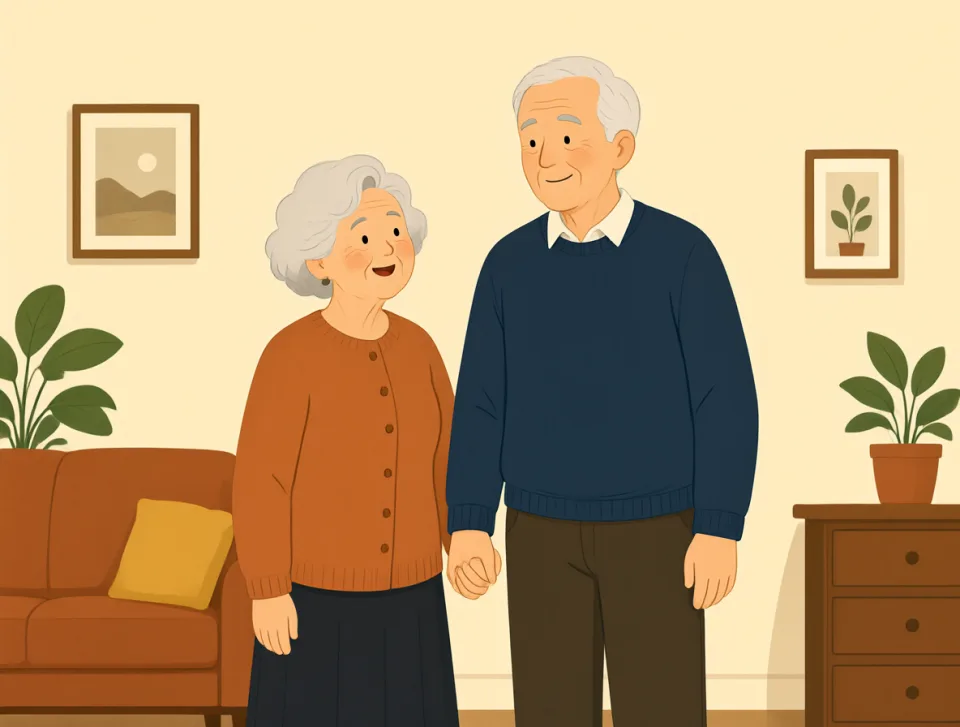
My parents love each other very much.
Мои родители очень любят друг друга.

He loves his new job.
Он обожает свою новую работу.

increase
#230noun, verb
увеличиваться; увеличение
to become larger in amount, number, or size; a rise in amount, number, or size
Становиться больше по количеству, числу или размеру; рост количества, числа или размера.

Prices increase when supplies become limited.
Когда запасы становятся ограниченными, цены растут.

The company increased its prices last month.
В прошлом месяце компания повысила цены.

Regular exercise can increase your energy.
Регулярные физические упражнения могут повысить ваш уровень энергии.

We saw an increase in hotel bookings.
Мы заметили, что число бронирований в отелях выросло.
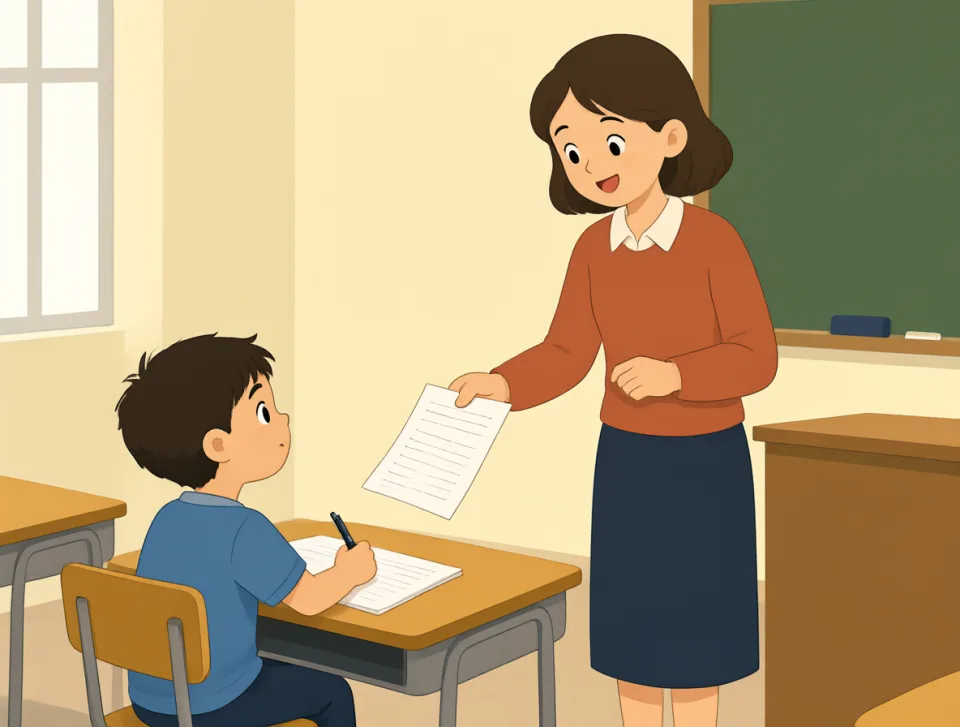
The teacher increased the homework after the test.
После теста учитель увеличил объём домашнего задания.
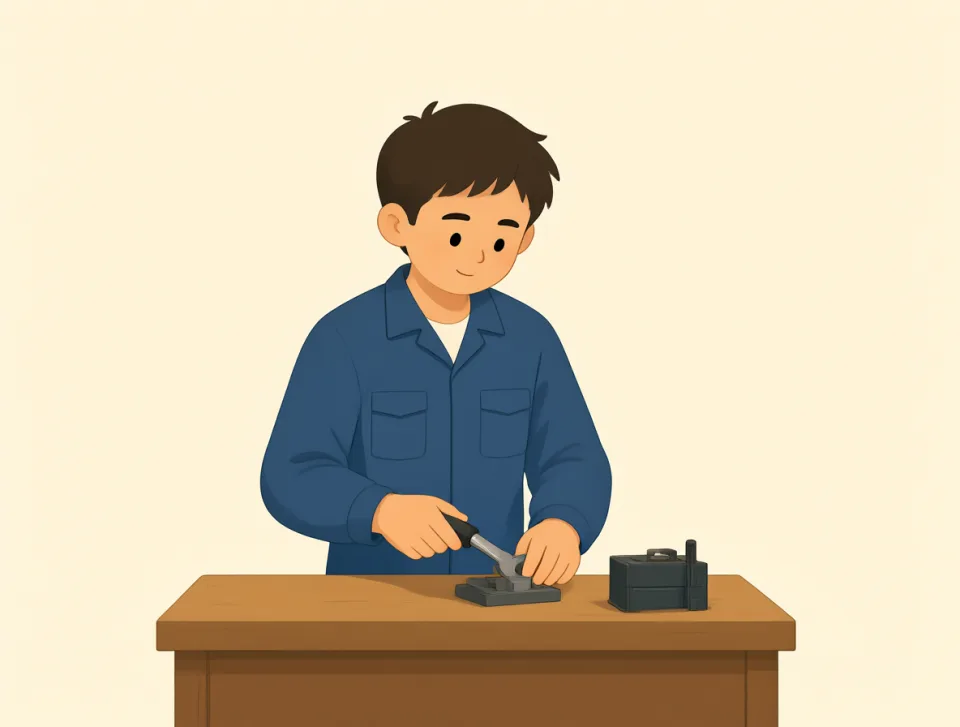
job
#231noun, verb
работа
A job is work that you do to earn money, or a task that needs doing.
Работа — это то, чем вы занимаетесь, чтобы зарабатывать деньги, или дело, которое нужно выполнить.

She has a new job at the hospital.
Она устроилась на новую работу в больницу.

My father goes to work every morning.
Мой отец каждое утро ходит на работу.
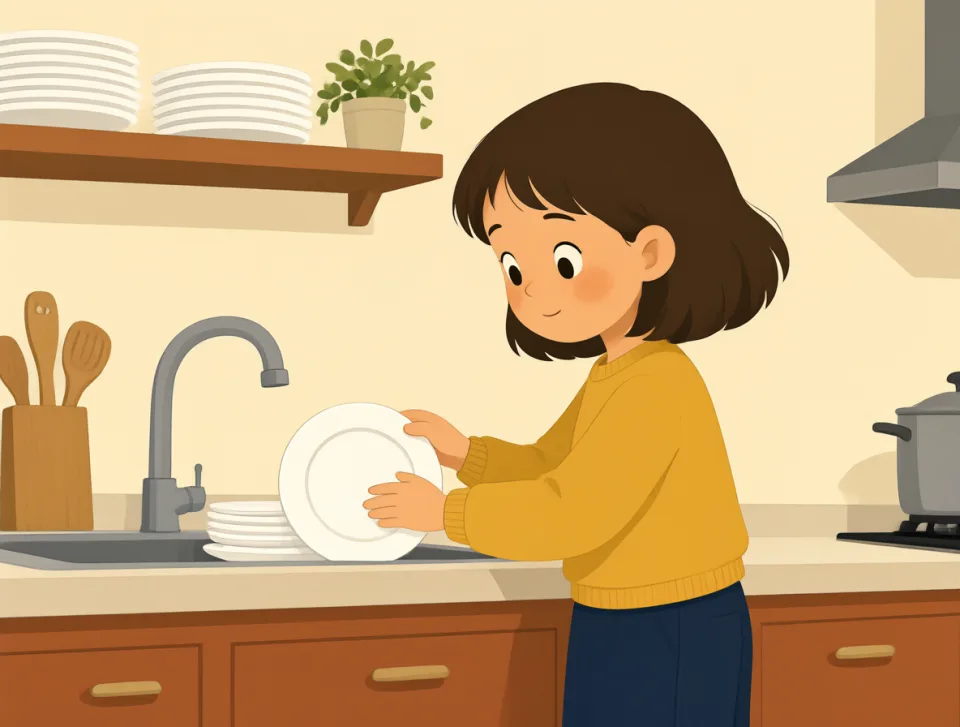
Please do this job before dinner.
Пожалуйста, сделай эту работу до ужина.
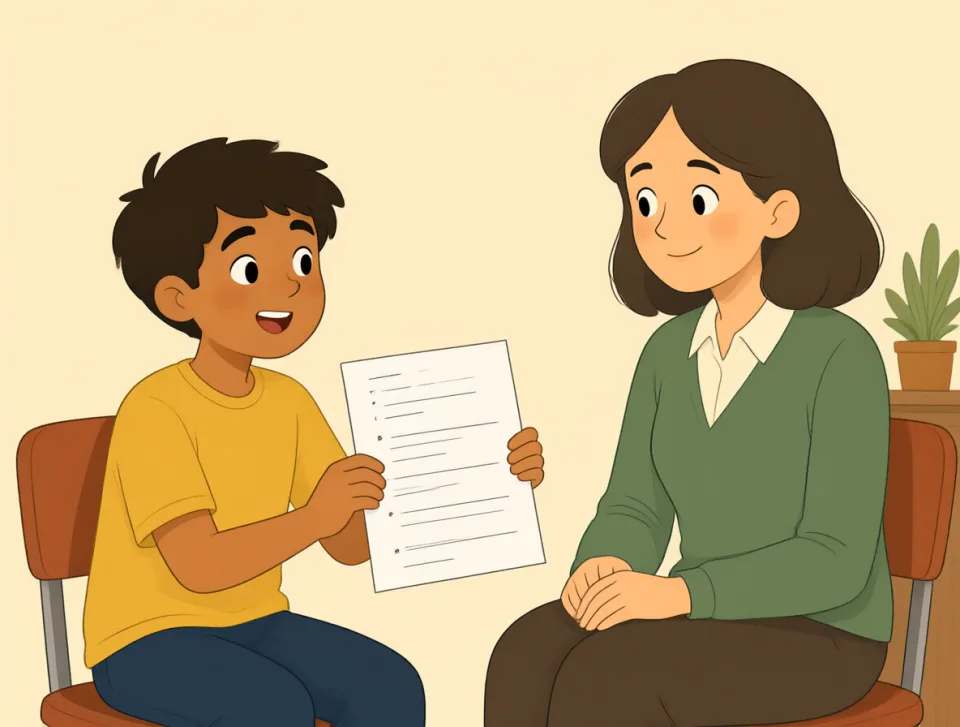
He did a good job on the test.
Он хорошо справился с контрольной.

The plumber is doing a difficult job.
Сантехник выполняет сложную работу.
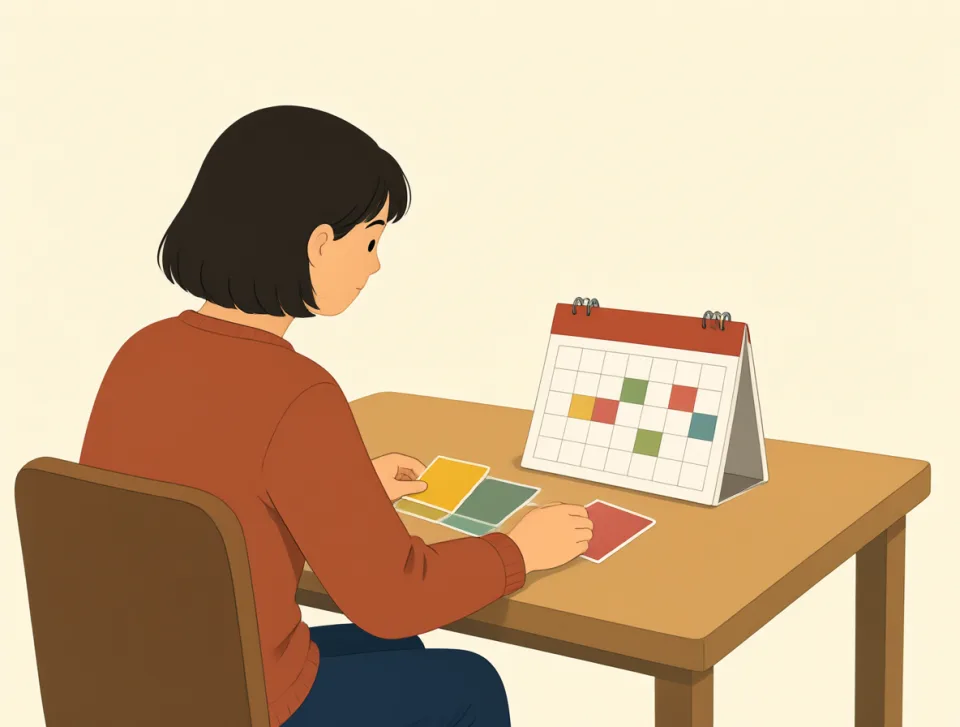
plan
#232noun, verb
план
An idea of what you will do, or to decide what you will do.
План — это идея о том, что вы собираетесь делать, или решение о том, что вы будете делать.

We made a plan for the weekend.
Мы составили план на выходные.
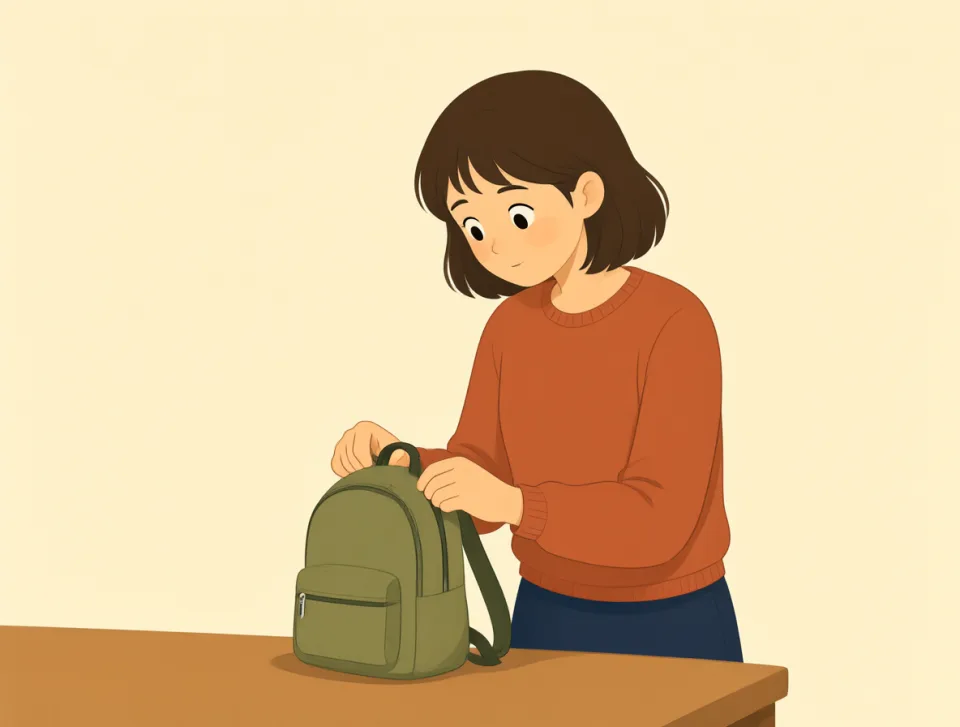
She plans to visit her grandmother tomorrow.
Завтра она собирается навестить бабушку.
The teacher planned a fun class activity.
Учитель придумал интересное занятие для класса.

They changed their travel plans because of rain.
Они изменили планы на поездку из-за дождя.

I am planning a healthy dinner tonight.
Сегодня вечером я собираюсь приготовить полезный ужин.

result
#233noun, verb
результат
Something that happens because of an action or event.
Результат — это то, что происходит вследствие какого-либо действия или события.

The result was better than we expected.
Результат оказался лучше, чем мы ожидали.

Hard work often results in success.
Упорный труд часто приводит к успеху.
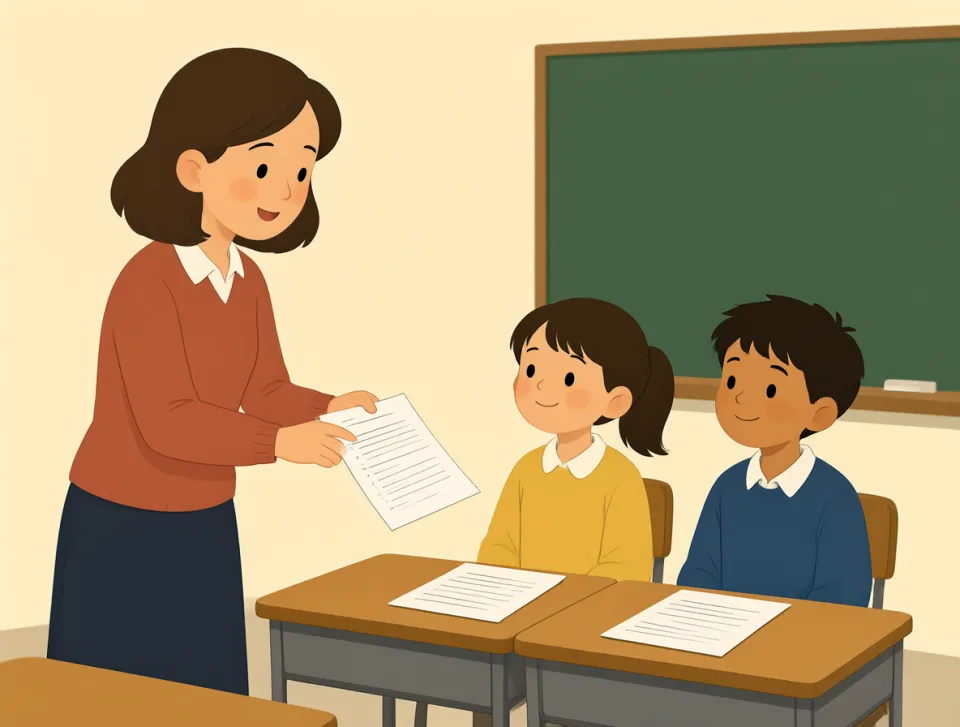
The test results came out yesterday.
Результаты теста появились вчера.
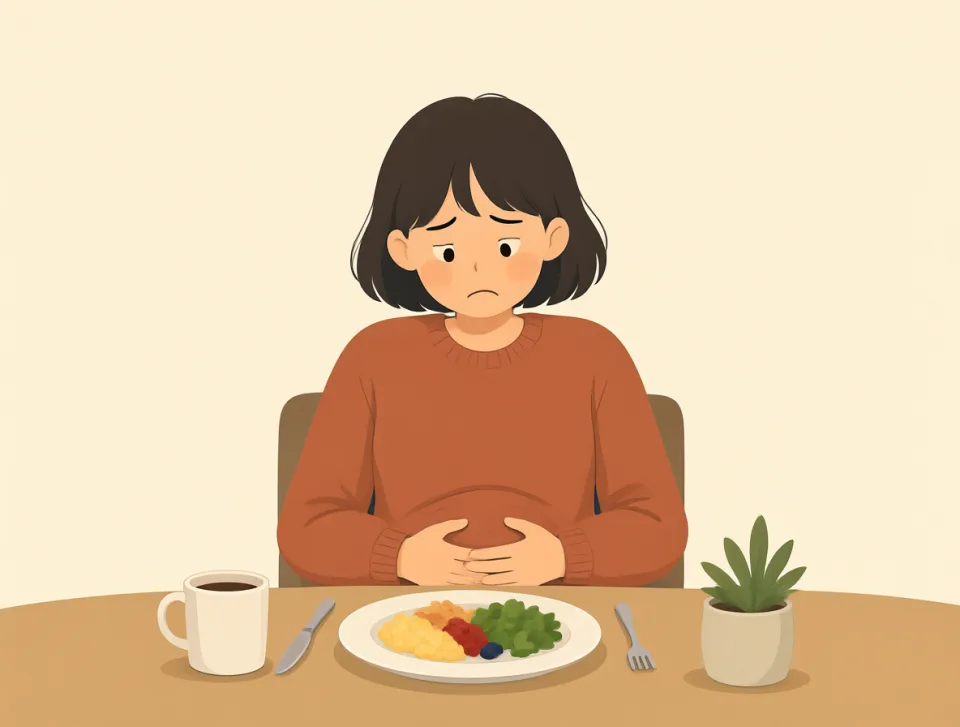
The meal resulted in stomach pain.
После этой еды у меня заболел живот.
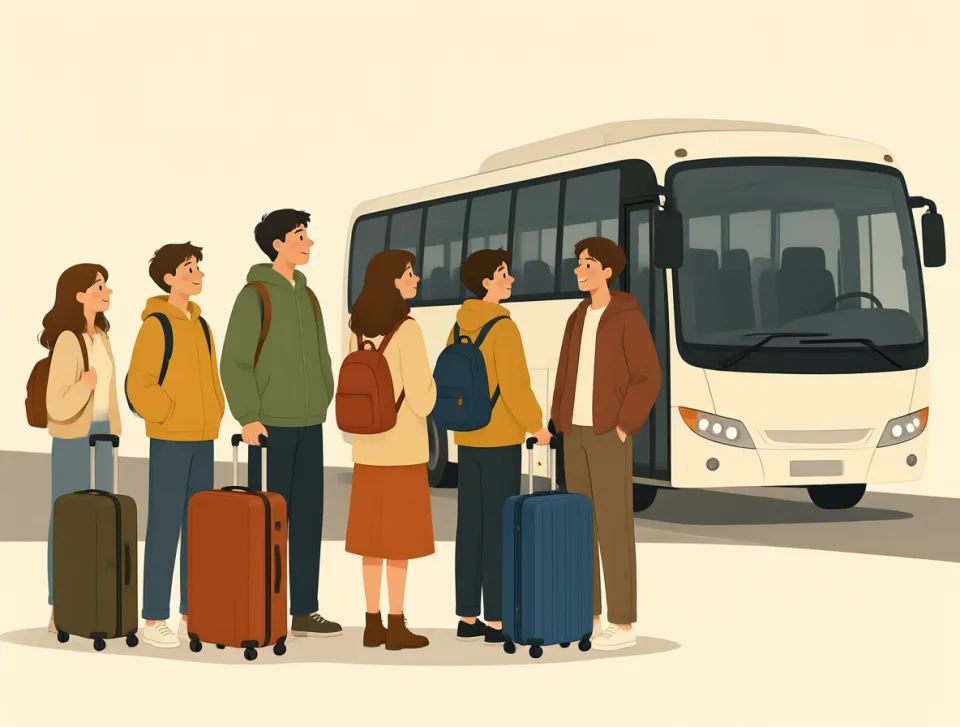
The accident resulted in a long delay.
Из-за аварии возникла длительная задержка.
away
#234adverb, adjective
далеко
At or to a place that is far from here or from someone.
Вдали от этого места или от кого-либо либо в направлении такого места.

Please put your toys away after playing.
Пожалуйста, убери игрушки после игры.
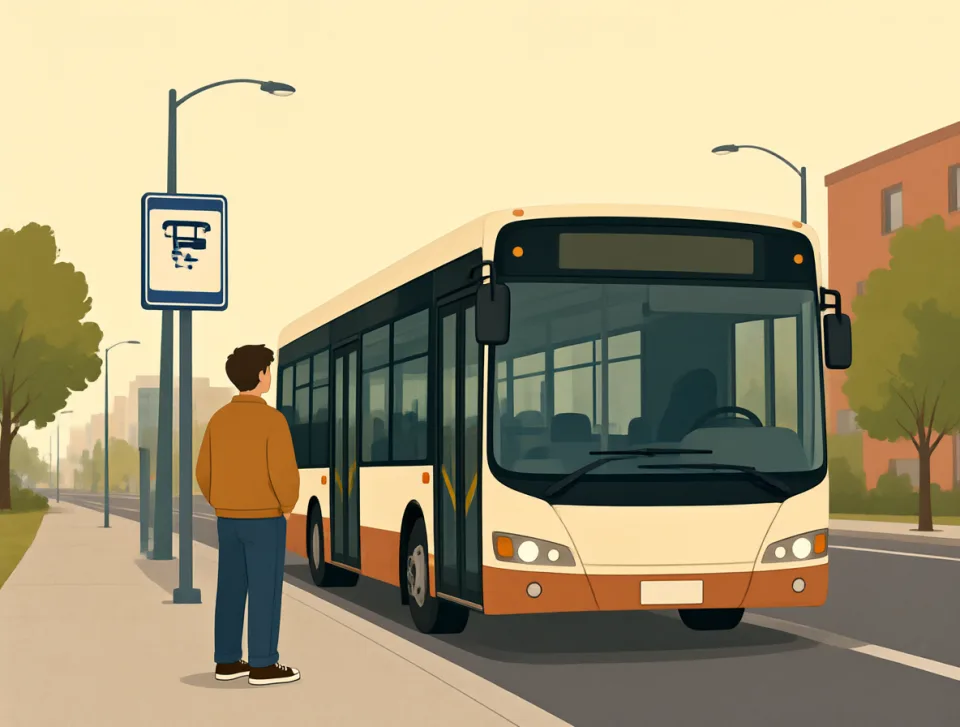
The bus drove away before I arrived.
Автобус уехал до того, как я приехал.

She is away on a business trip.
Она уехала в командировку.
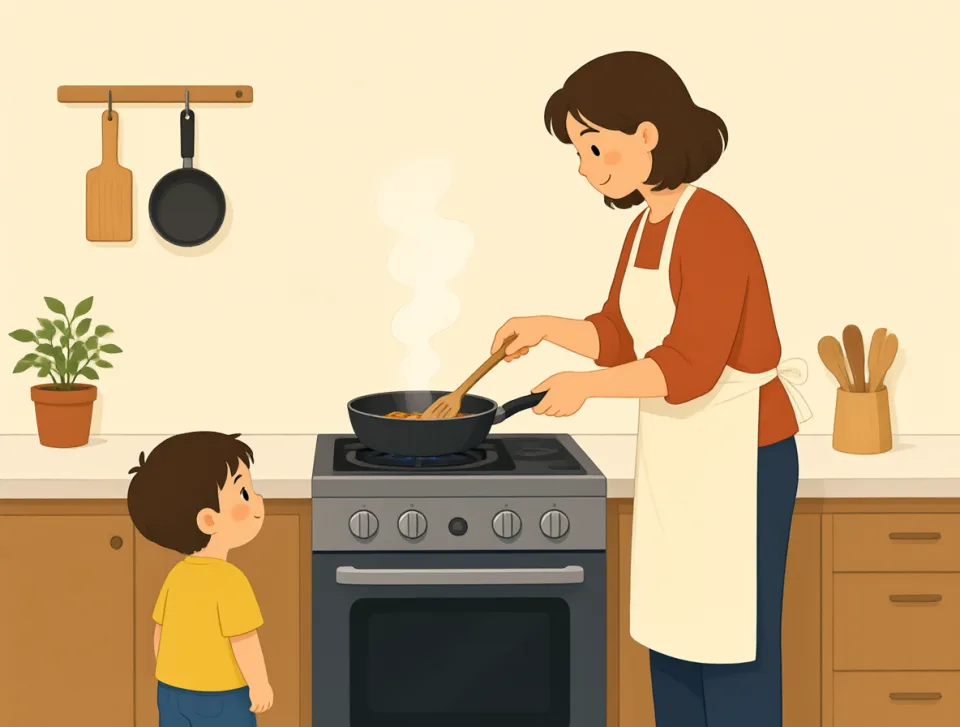
Keep away from the hot stove.
Держись подальше от горячей плиты.

The pain went away after some rest.
После небольшого отдыха боль прошла.
example
#235noun
пример
Something that shows what a person or thing is like.
Что-то, что показывает, каким бывает человек или предмет.
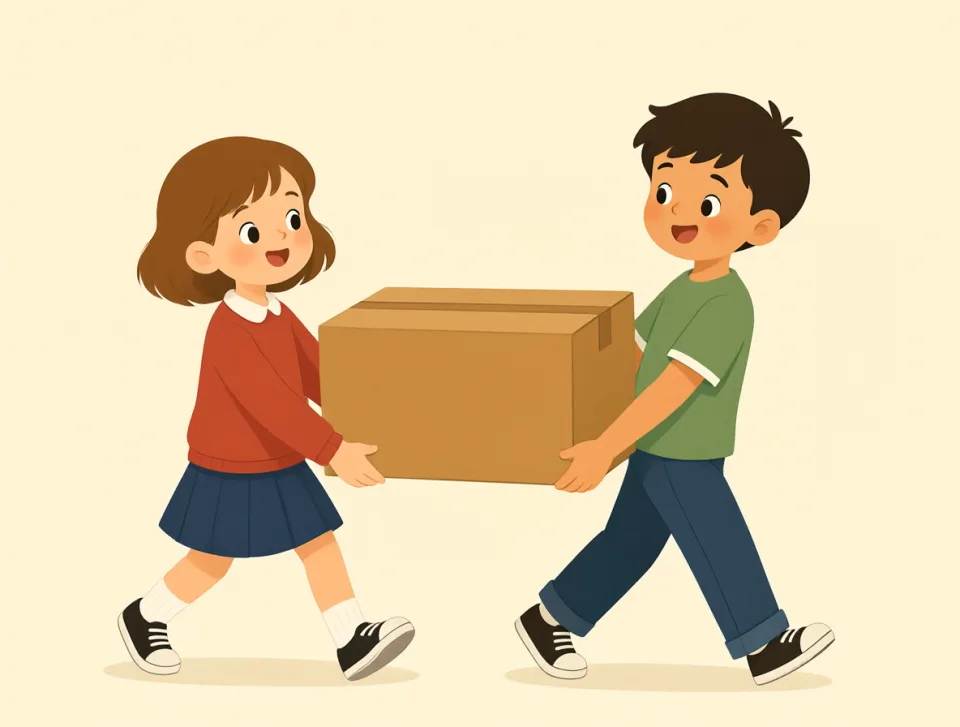
This picture is a good example of teamwork.
Эта фотография — хороший пример командной работы.

Can you give me an example, please?
Не могли бы вы привести пример, пожалуйста?
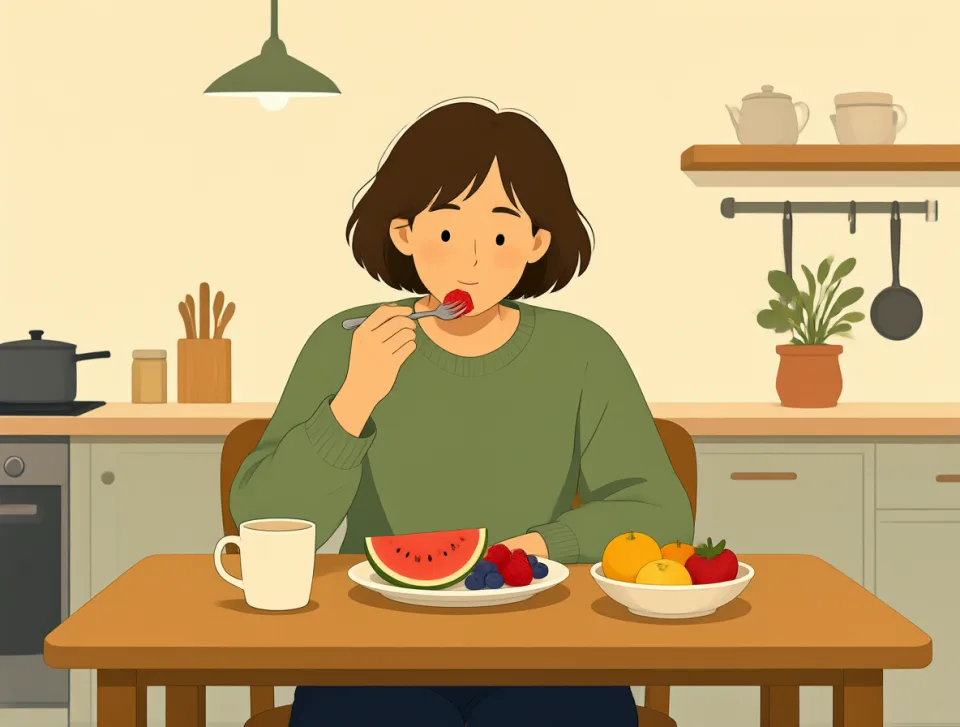
For example, I eat fruit every morning.
Например, я ем фрукты каждое утро.
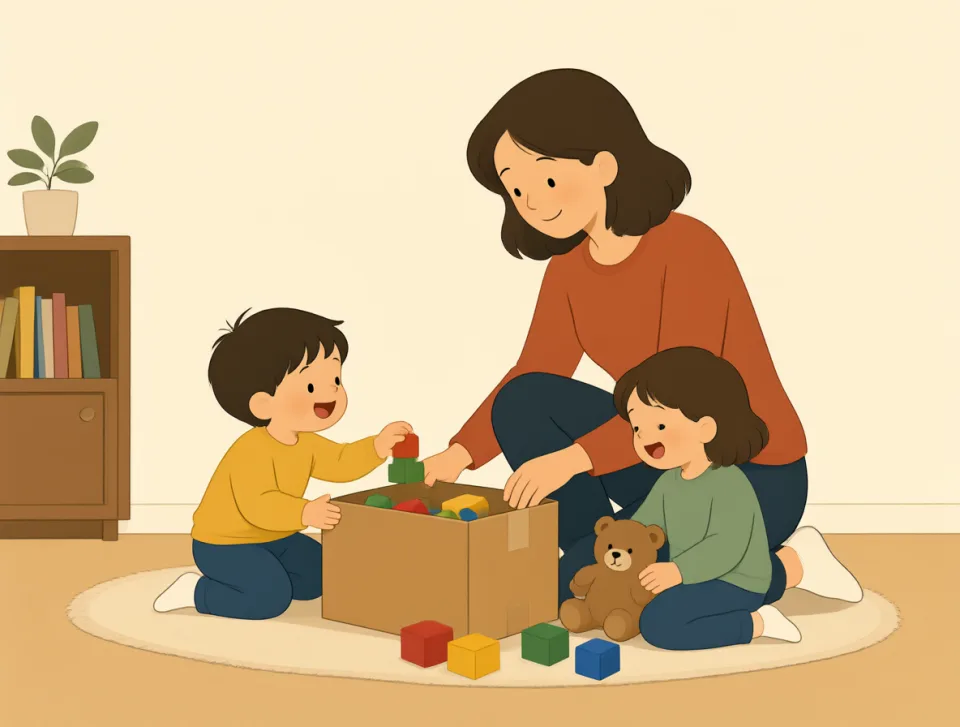
She is a good example for her children.
Она служит хорошим примером для своих детей.
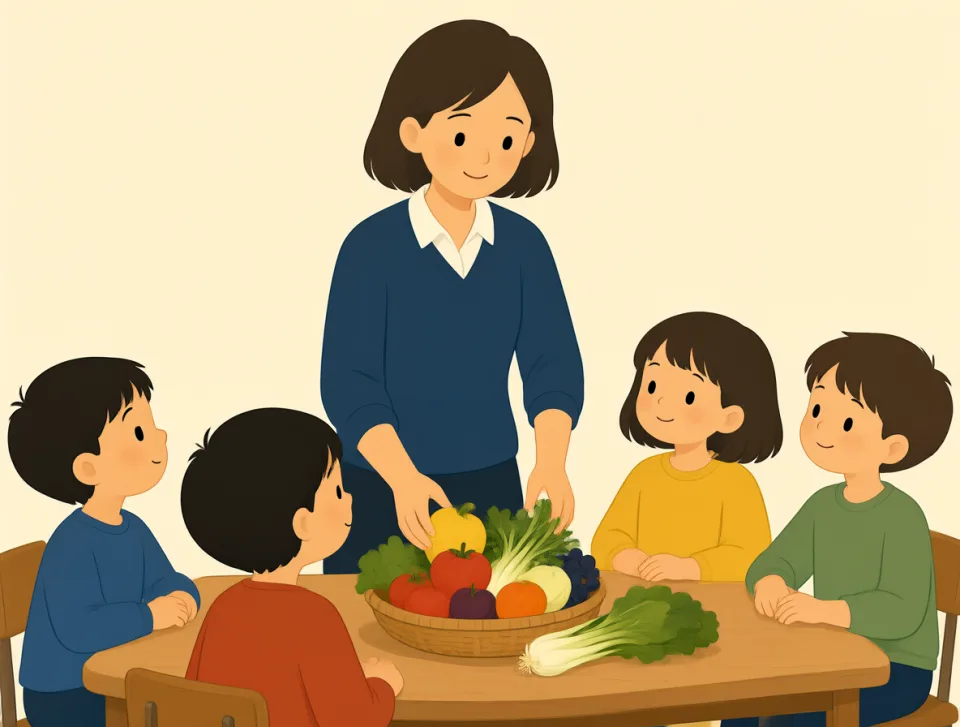
The teacher showed examples of healthy food.
Учитель показал примеры полезной еды.

happen
#236verb
случаться
To take place, especially unexpectedly or by chance.
Происходить, особенно неожиданно или случайно.

What happened at school today?
Что сегодня случилось в школе?
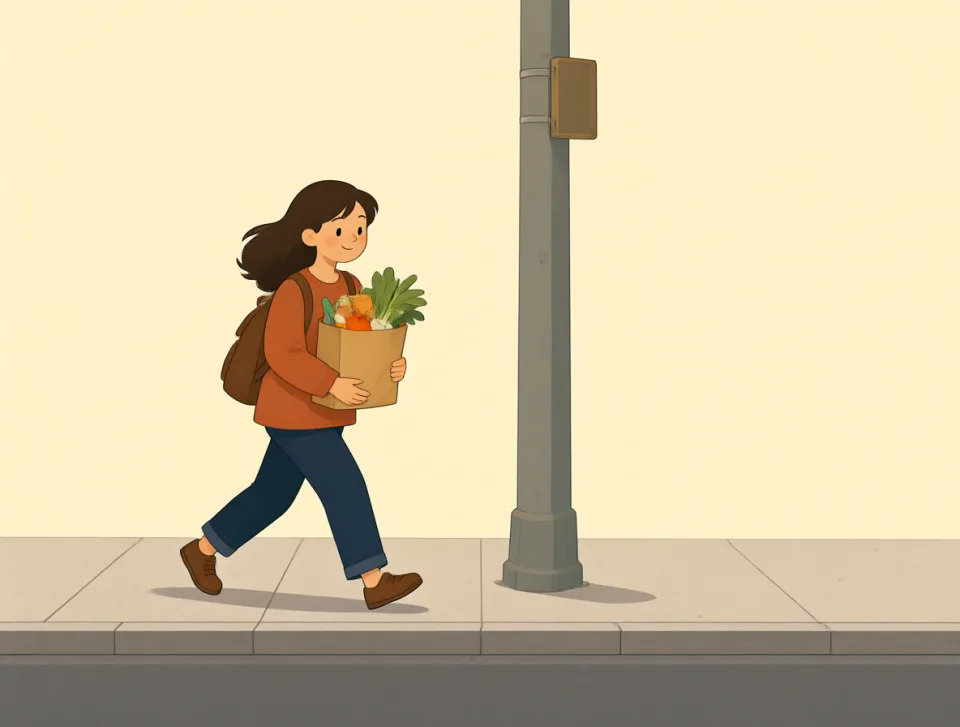
Accidents can happen when people hurry.
Когда люди спешат, могут случаться несчастные случаи.
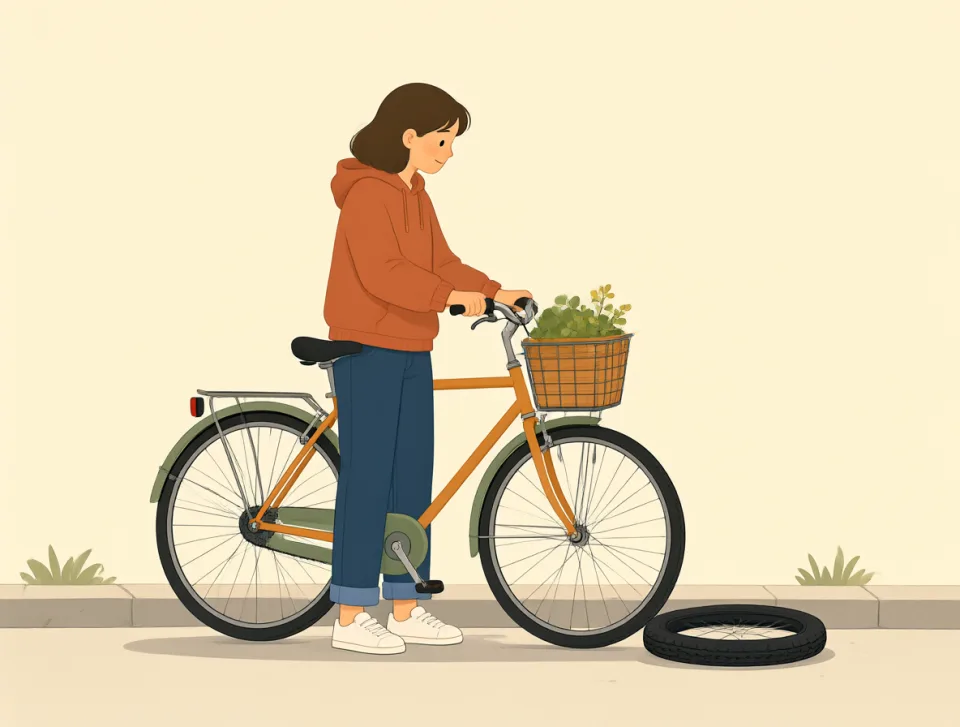
It happened again on my way home.
Это снова случилось по дороге домой.

What will happen if we miss the train?
Что будет, если мы опоздаем на поезд?

Good things happen when friends help each other.
Когда друзья помогают друг другу, происходят хорошие вещи.

offer
#237verb, noun
предлагать; предложение
to say you will give or do something; a thing someone is willing to give
Сказать, что готов что-либо дать или сделать; то, что кто-то готов дать.

She offered me some tea.
Она предложила мне чаю.

The hotel offers free breakfast.
В отеле бесплатно подают завтрак.
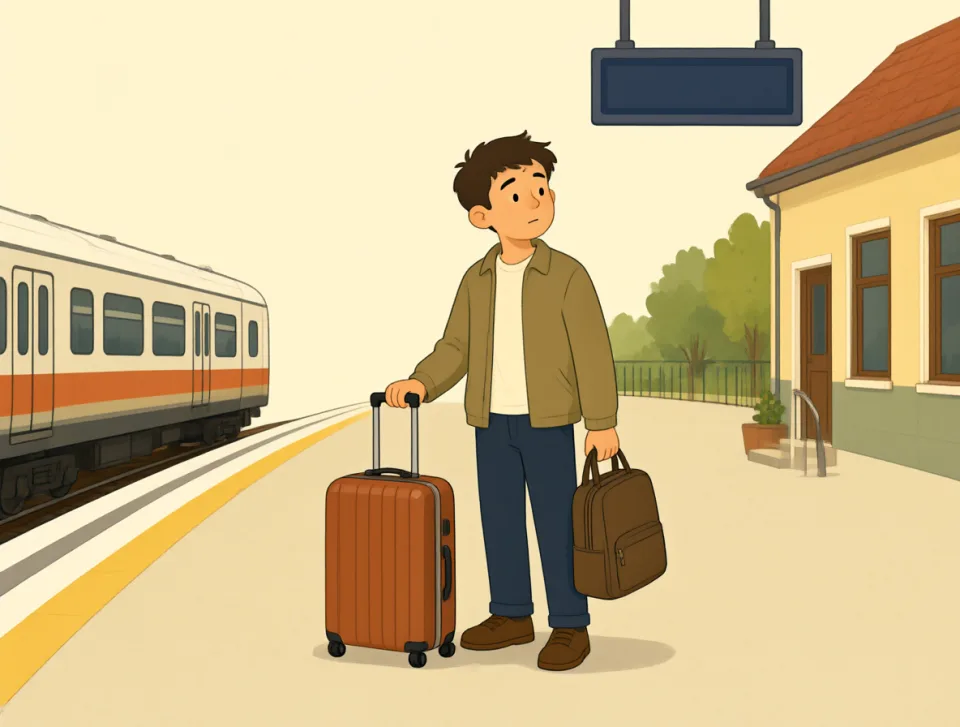
He offered to help with my bags.
Он предложил помочь мне с сумками.

The shop offered a big discount.
Магазин предложил большую скидку.

They made me a job offer.
Мне предложили работу.
young
#238adjective, noun
молодой
having lived for only a short time; not old
Проживший лишь короткое время; не старый.

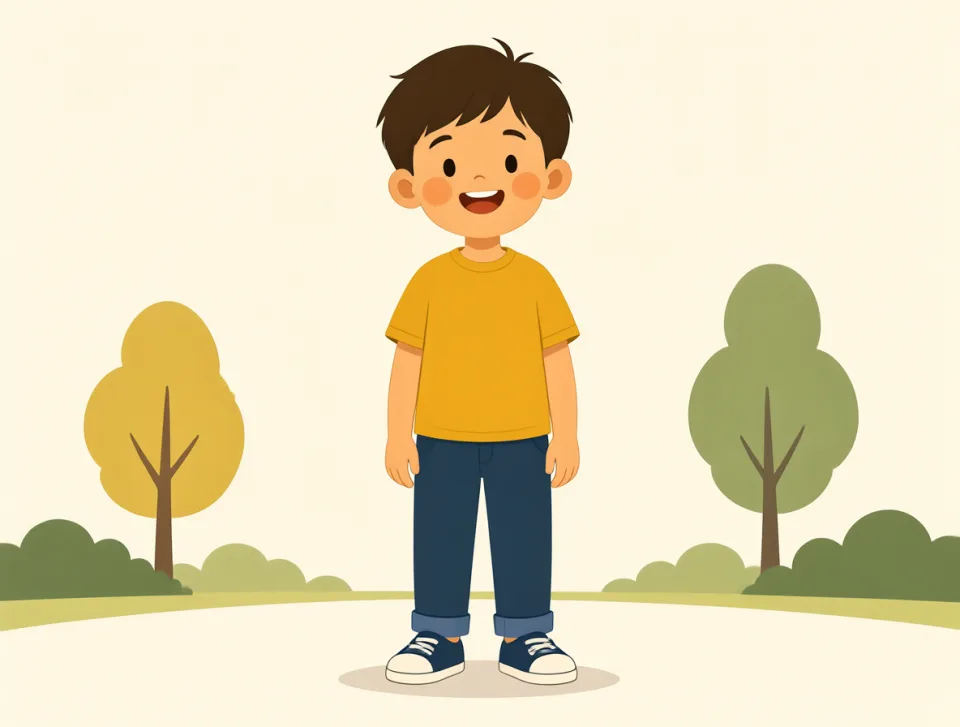
She has two young children at home.
У неё дома двое маленьких детей.

He is a young teacher at our school.
Он молодой учитель в нашей школе.

Young people often meet friends after work.
Молодые люди часто встречаются с друзьями после работы.

My doctor says I am too young for this test.
Мой врач говорит, что я слишком молод для этого обследования.

The young waiter brought our food quickly.
Молодой официант быстро принёс нашу еду.
close
#239verb, adjective, adverb, noun
закрывать; близкий
To shut something; near in distance or relationship; with little space between.
Закрыть что-либо; находящийся на небольшом расстоянии или близкий по отношениям; расположенный близко.

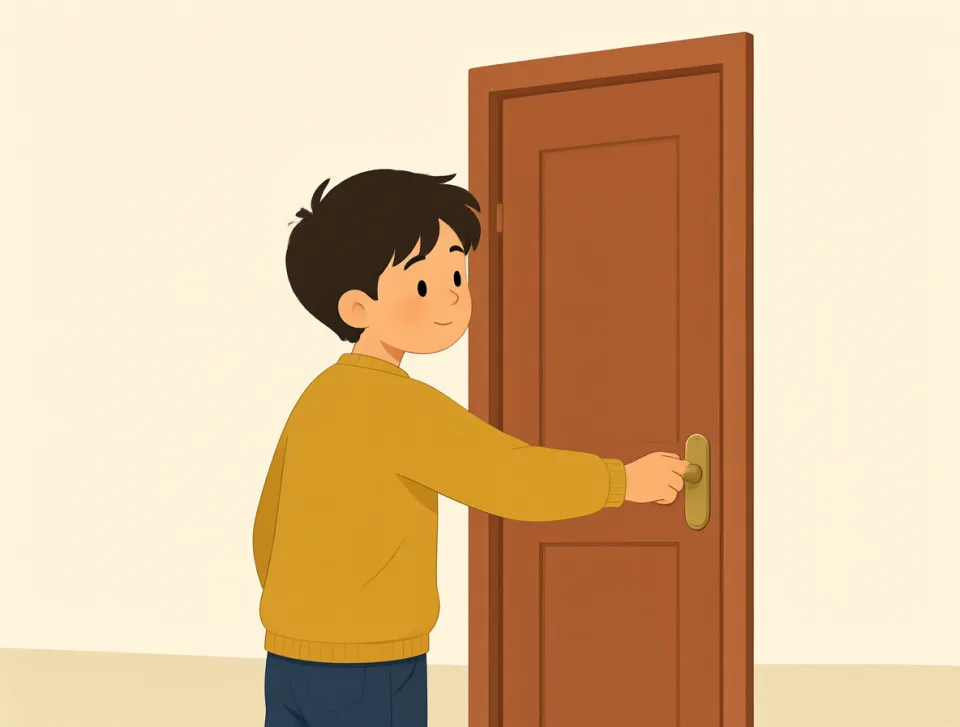
Please close the door behind you.
Пожалуйста, закройте за собой дверь.

The shop closes at six today.
Сегодня магазин закрывается в шесть.
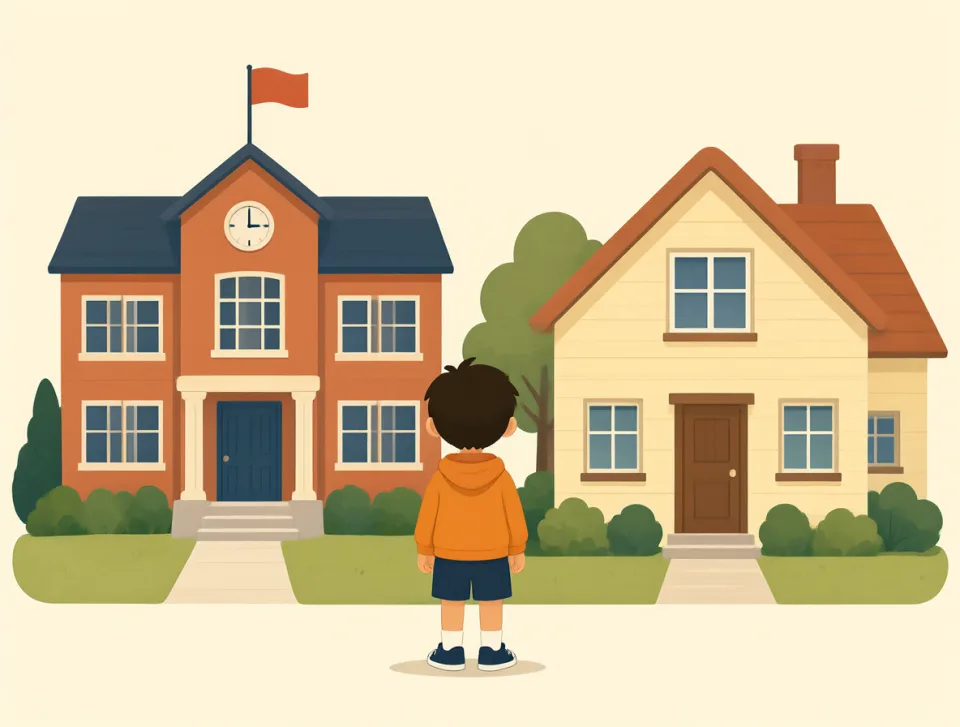
My school is close to my house.
Моя школа находится недалеко от дома.

We sat close together on the bus.
В автобусе мы сидели тесно друг к другу.

She is a close friend of mine.
Она моя близкая подруга.
program
#240noun, verb
программа
A planned set of activities, or to plan and provide activities for a purpose.
Запланированный набор мероприятий или планировать и организовывать мероприятия с определённой целью.

We watched a funny program after dinner.
После ужина мы посмотрели смешную передачу.
The school program starts next Monday.
Школьная программа начнётся в следующий понедельник.

She joined a health program at work.
Она присоединилась к оздоровительной программе на работе.

The travel program includes three cities.
В туристическую программу входят три города.

They programmed the machine to stop safely.
Они запрограммировали машину на безопасную остановку.