12단원
221–240번 단어 · build, hold, service, against, believe, second
build
#221verb, noun
짓다; 만들다; 기르다; 쌓다
to make something by putting parts together, or to develop something over time
부분들을 결합해 무언가를 만들거나, 시간이 지나면서 무언가를 발전시키다
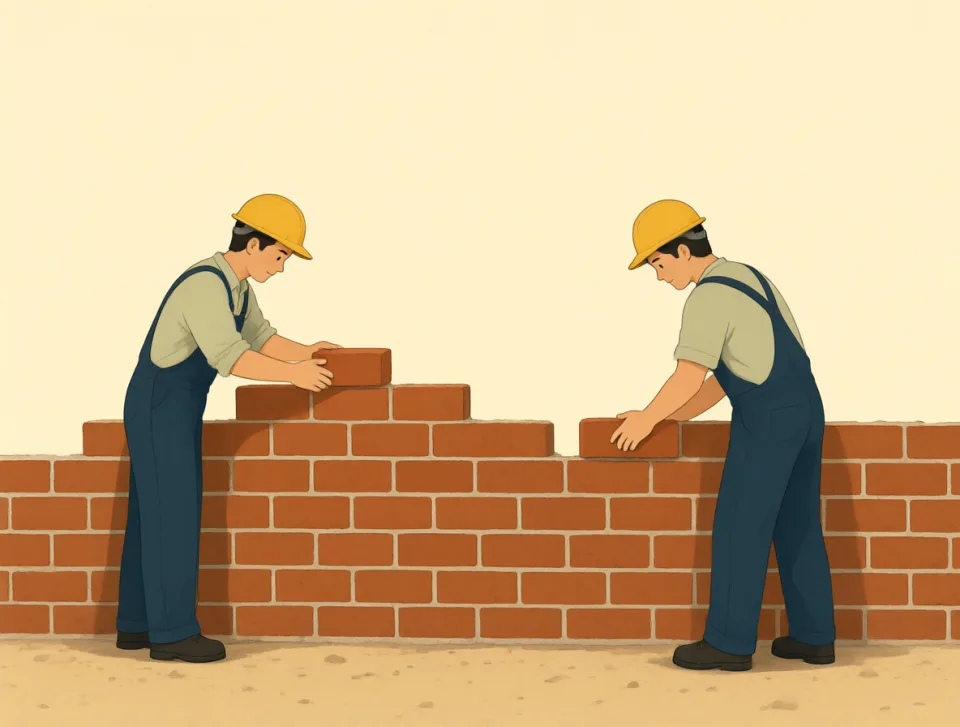
They are building a new house nearby.
그들은 근처에 새 집을 짓고 있다.
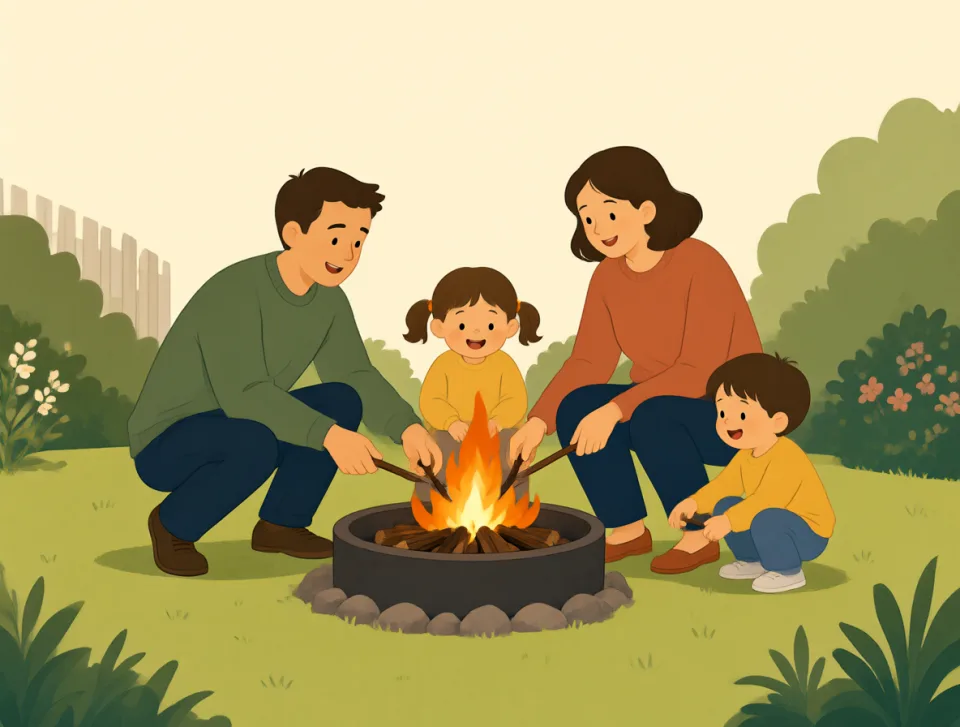
We built a fire in the garden.
우리는 정원에 불을 피웠다.
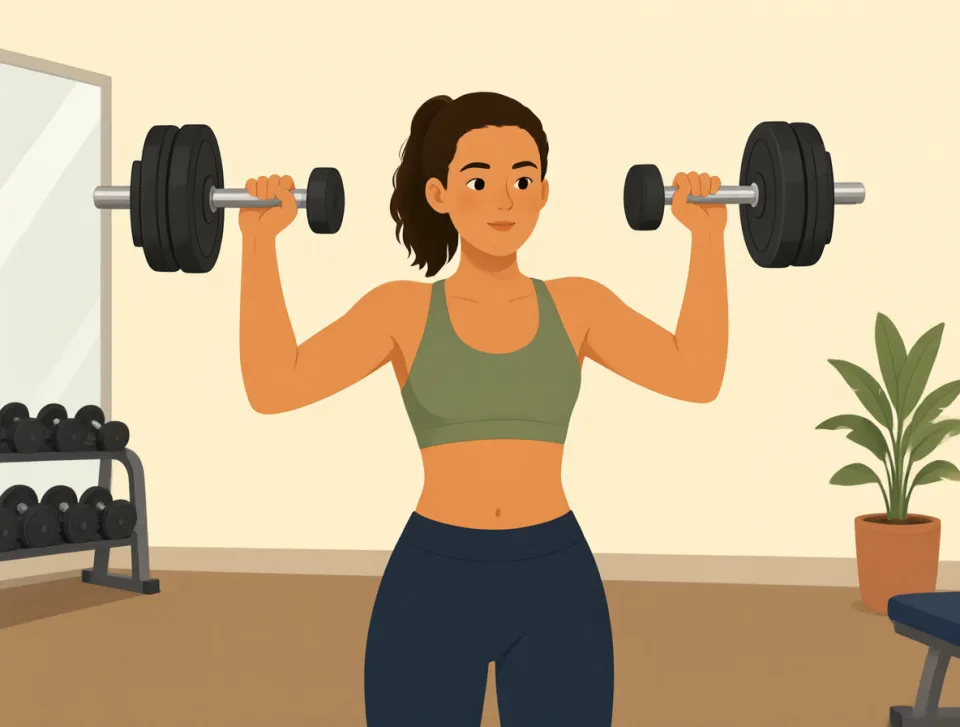
Exercise helps build strong muscles.
운동은 튼튼한 근육을 기르는 데 도움이 된다.

The team built a good relationship.
그 팀은 좋은 관계를 쌓았다.
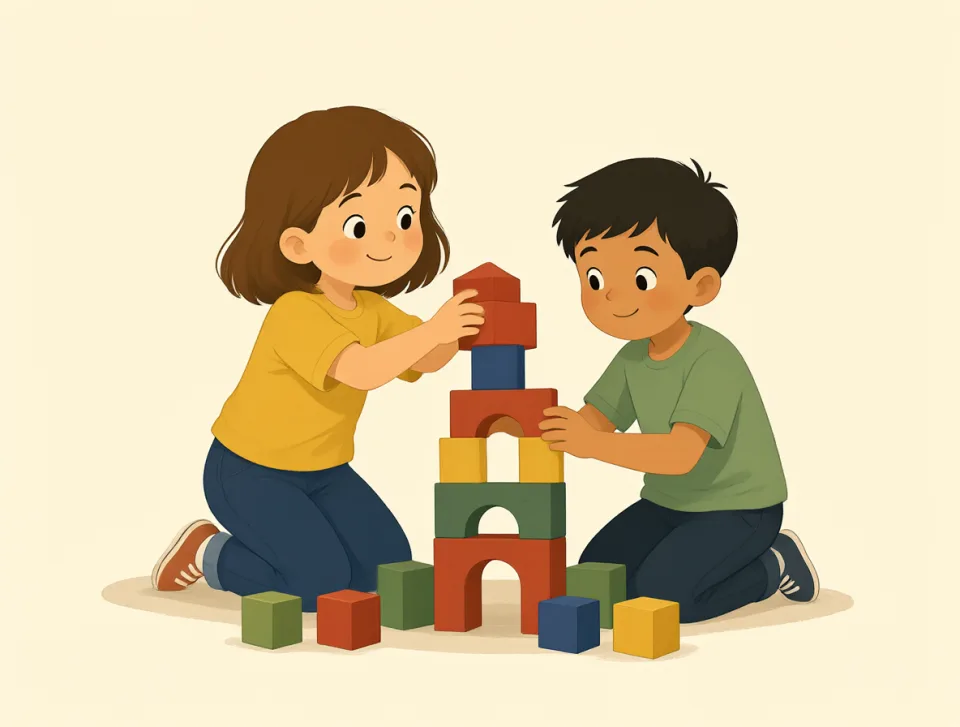
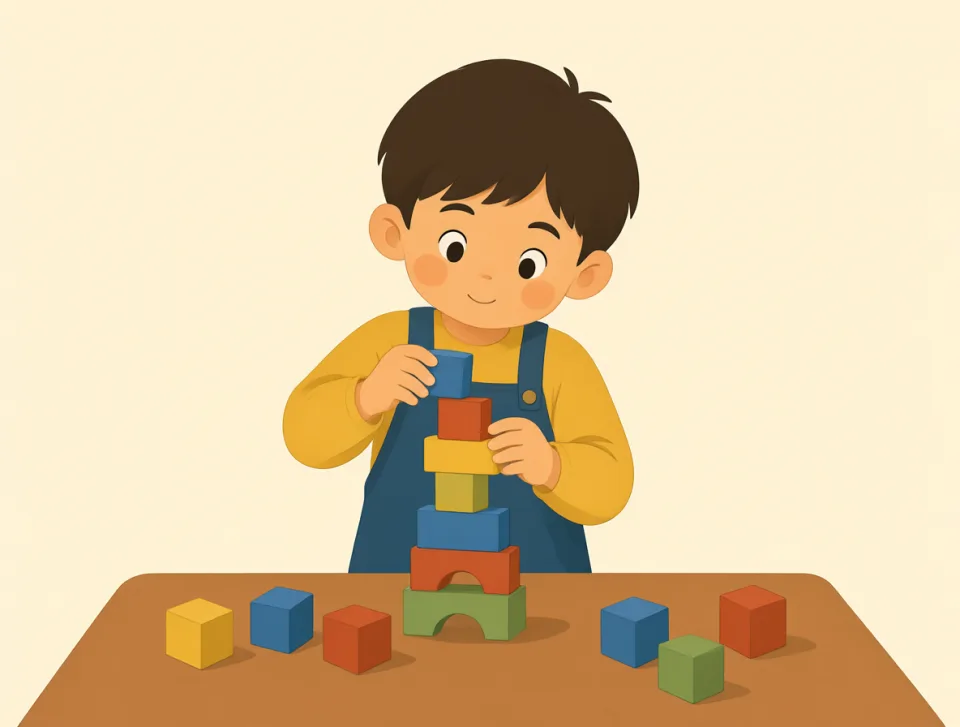
The children built a tower with blocks.
아이들은 블록으로 탑을 쌓았다.

hold
#222verb, noun
잡다; 들다; 수용하다; 개최하다
to keep something in your hands or arms; a place for people or things
무언가를 손이나 팔로 잡고 있다; 사람이나 물건을 수용하는 곳

Please hold my bag for a minute.
잠깐 제 가방 좀 들어 주세요.
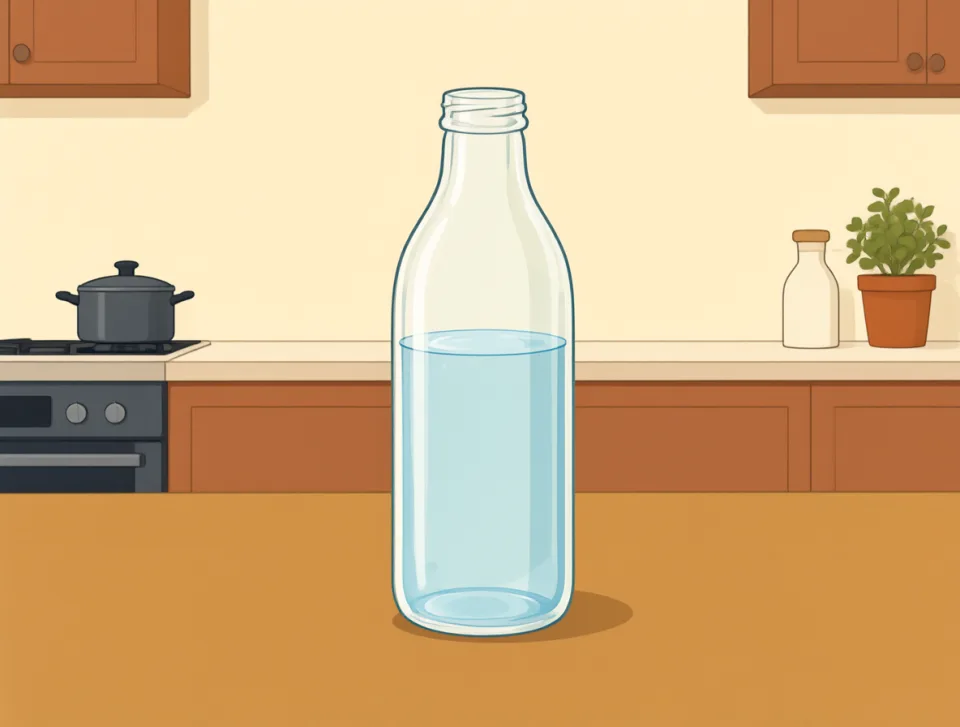
This bottle holds one liter of water.
이 병에는 물이 1리터 들어갑니다.
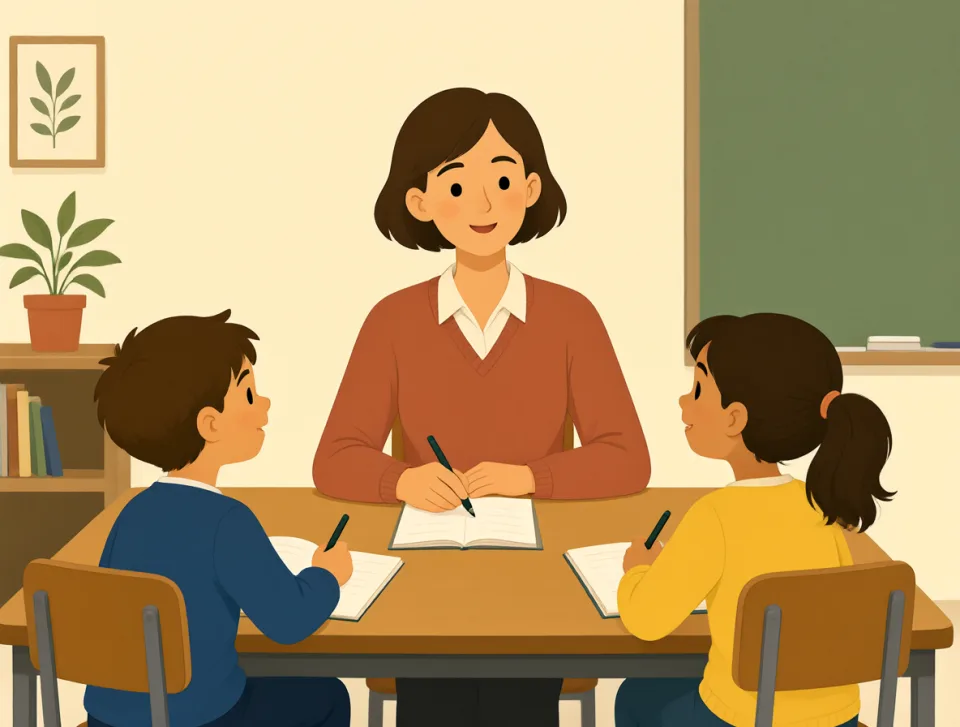
The teacher held a meeting after class.
선생님은 수업이 끝난 후에 회의를 열었습니다.
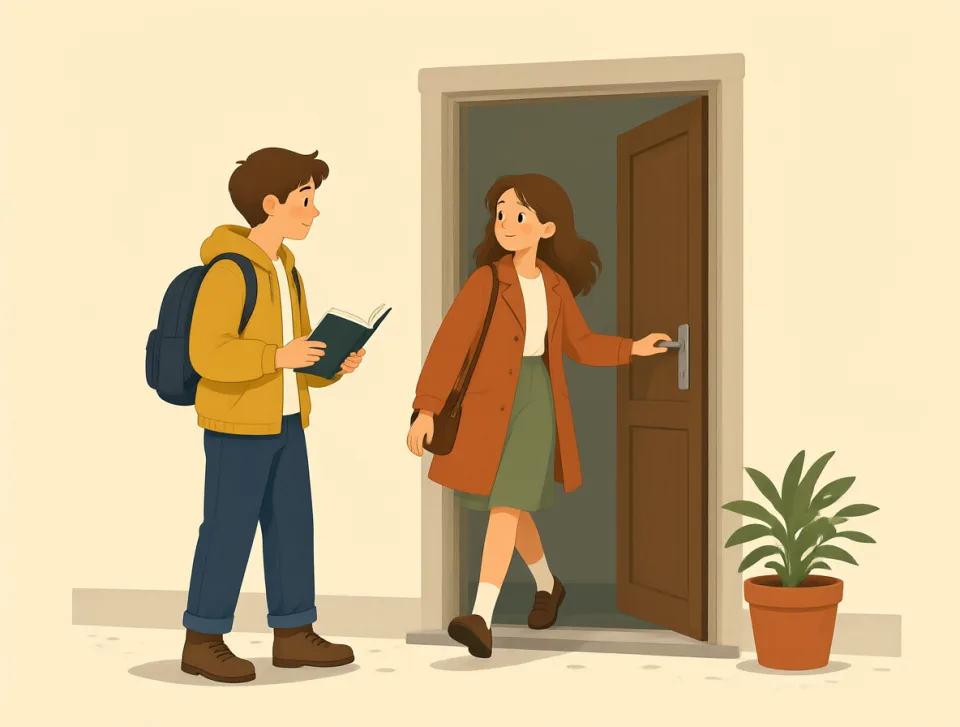
Hold the door open for me, please.
제가 들어갈 수 있게 문을 열어 두세요.
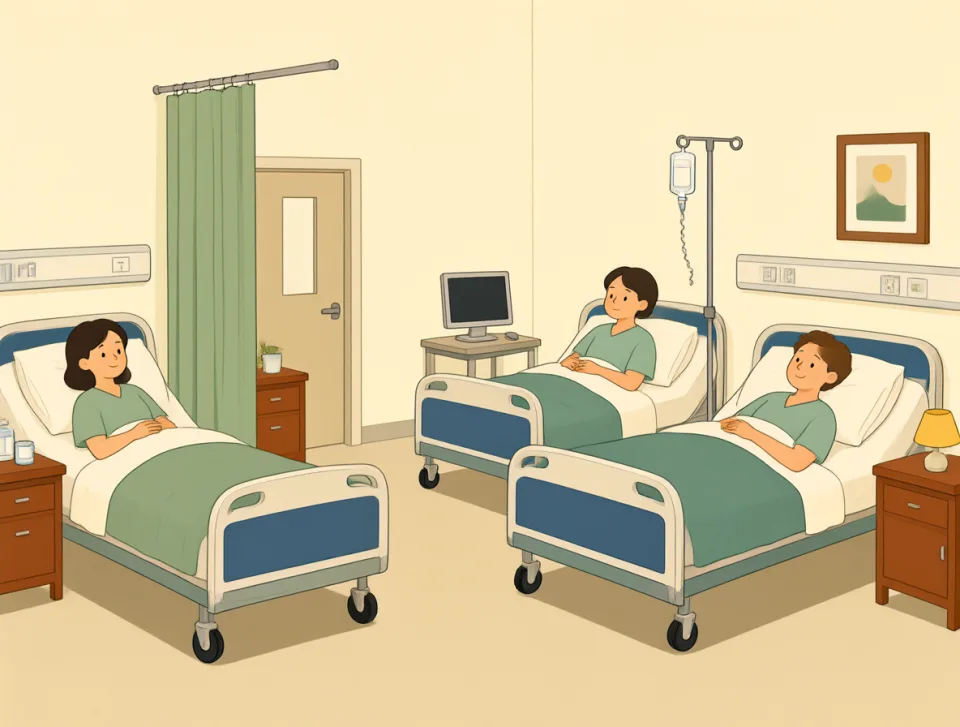
The hospital holds ten patients tonight.
그 병원은 오늘 밤 환자 열 명을 수용할 수 있습니다.

service
#223noun, verb
서비스; 업무; 운행
work done to help customers, people, or organizations
고객이나 사람, 단체를 돕기 위해 하는 일

The hotel offers excellent service.
그 호텔은 서비스가 훌륭해요.
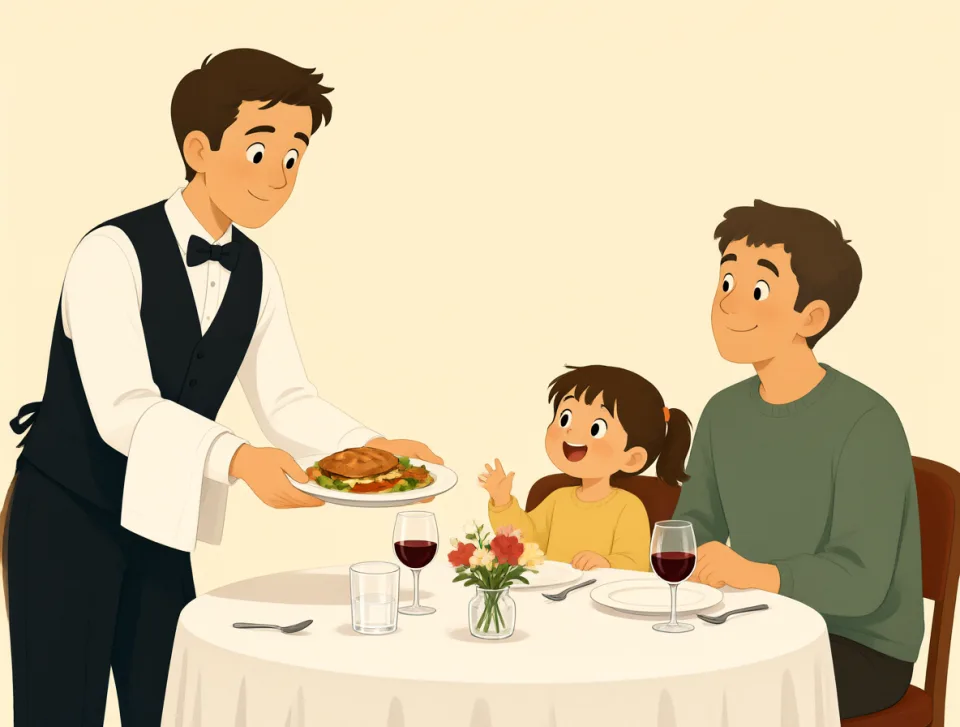
We received good service at the restaurant.
그 식당에서 좋은 서비스를 받았어요.
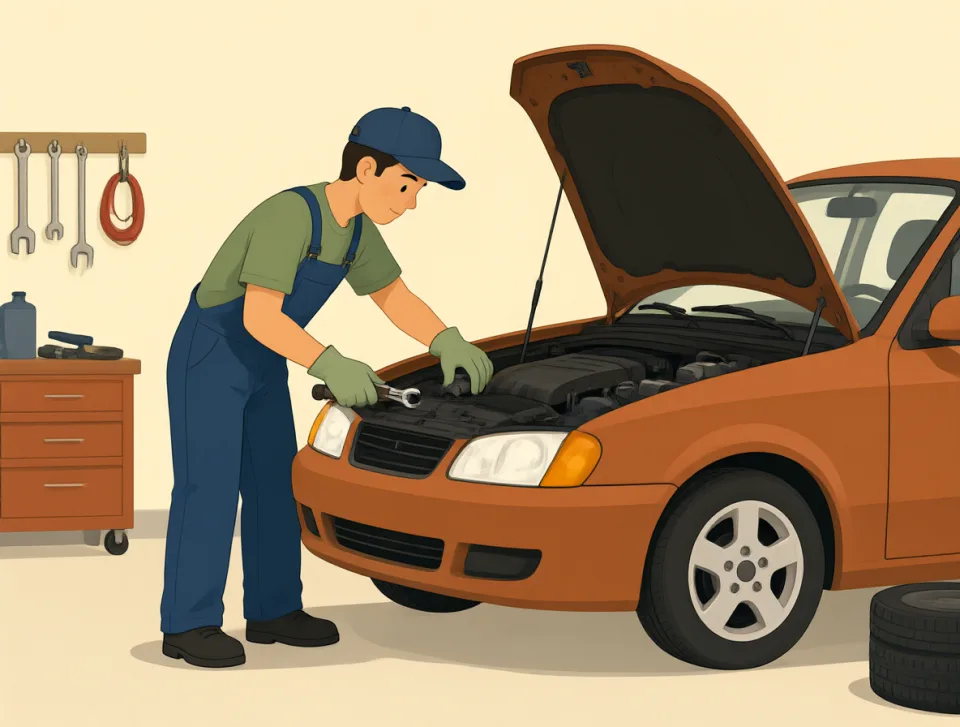
The car needs service next week.
다음 주에 자동차 정비를 받아야 해요.

She works in the customer service department.
그녀는 고객 서비스 부서에서 일해요.
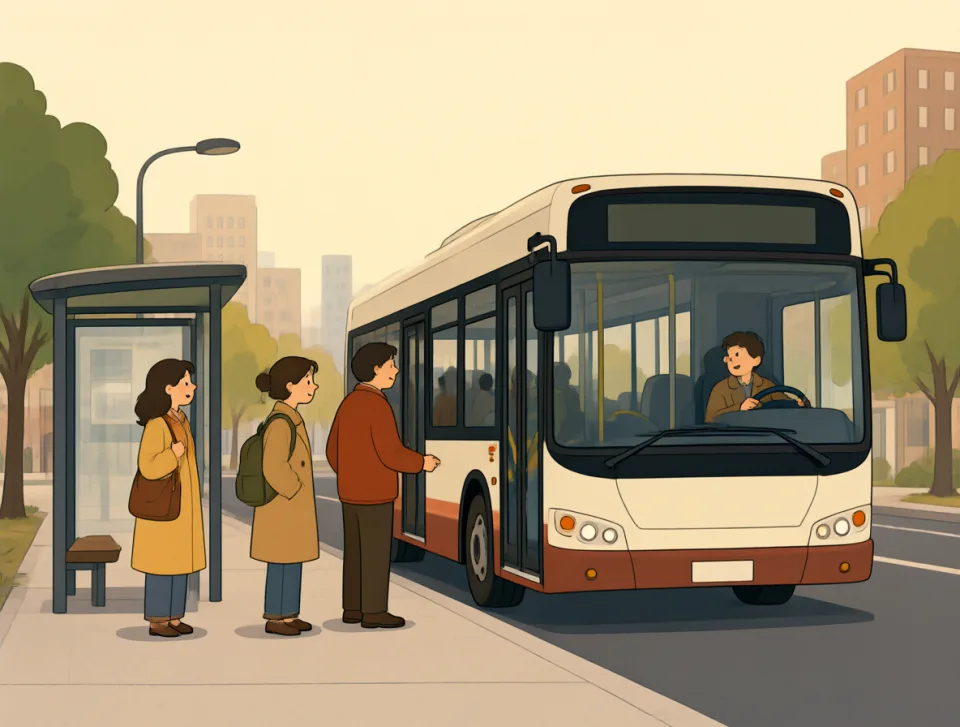
The bus service stops at ten o'clock.
버스 운행은 10시에 끝나요.
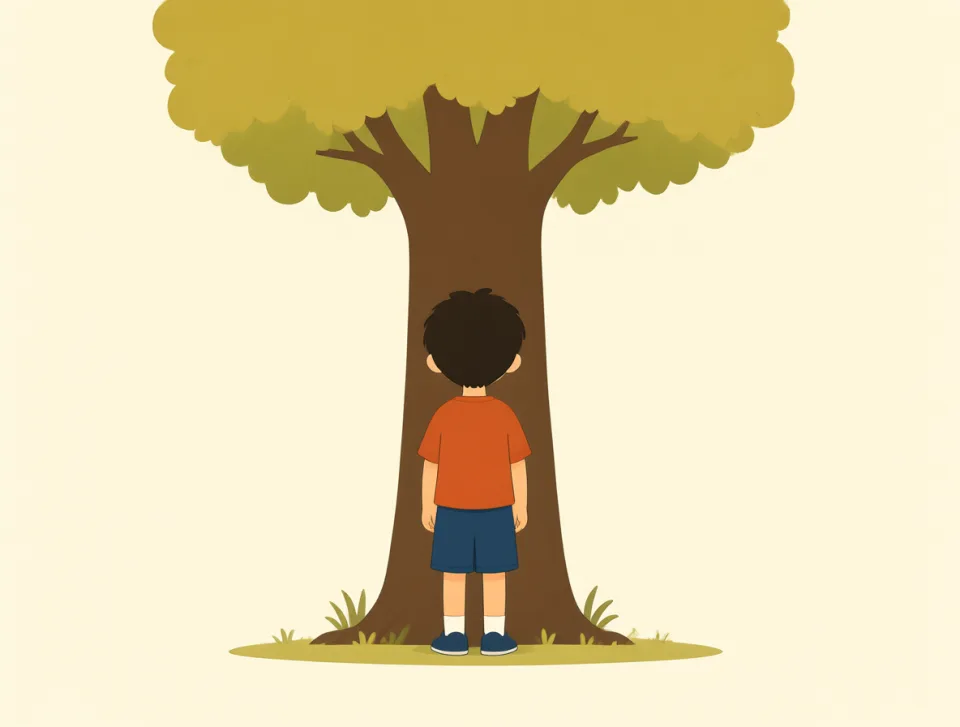
against
#224preposition
~에 맞서; ~에 기대어; ~을 막아; ~에 반대하여
opposing or touching something for support or protection
무언가에 반대하거나, 지지 또는 보호를 위해 무언가에 닿아 있는
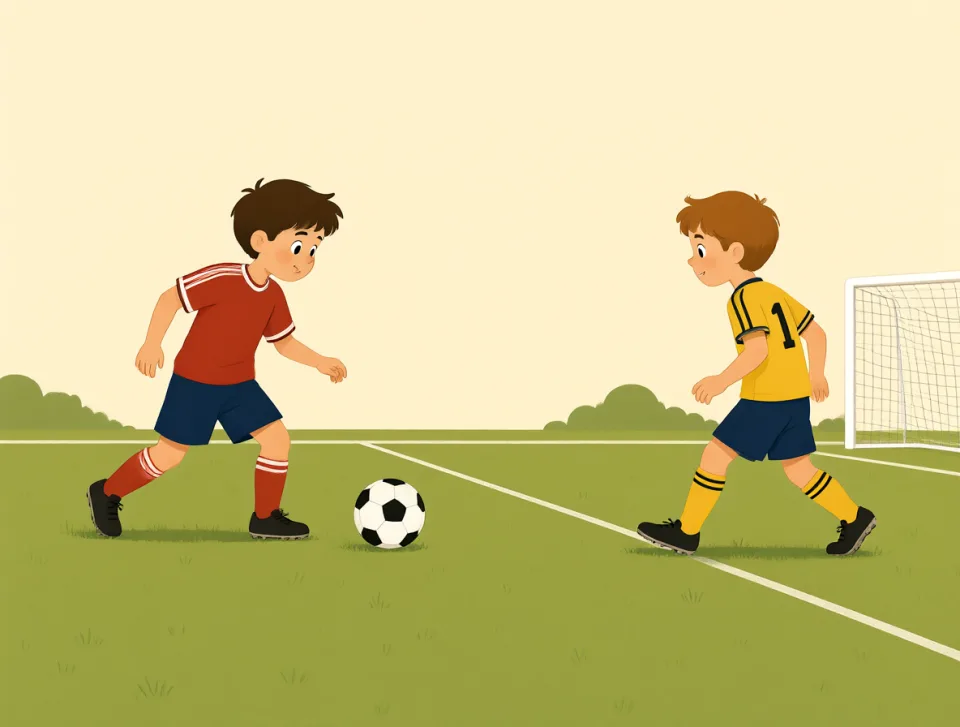
Our team played against the school champions.
우리 팀은 그 학교의 챔피언 팀과 맞붙었다.
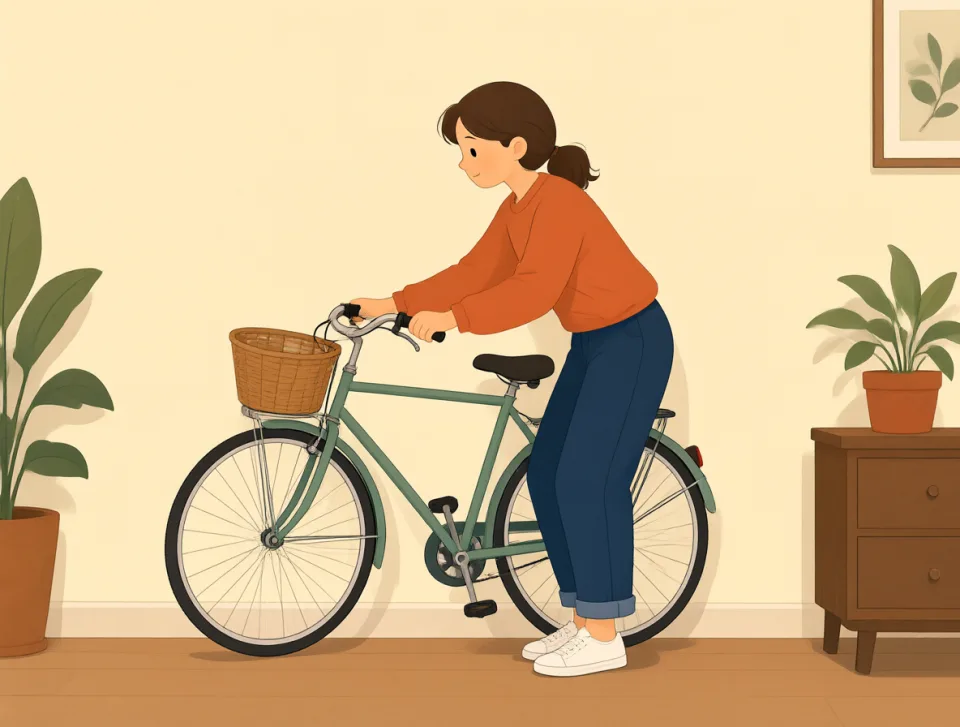
She leaned her bike against the wall.
그녀는 자전거를 벽에 기대어 놓았다.

Wear a jacket against the cold wind.
차가운 바람을 막을 수 있도록 재킷을 입어라.
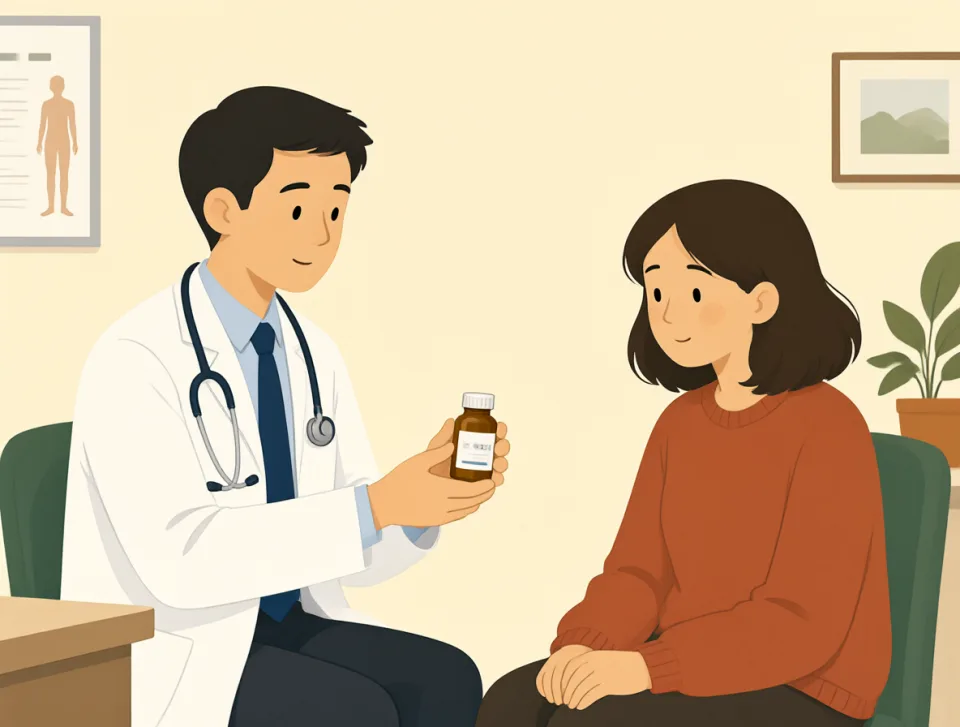
The doctor gave me medicine against the infection.
의사는 감염을 치료할 약을 처방해 주었다.

They voted against the new school rule.
그들은 새로운 학교 규정에 반대표를 던졌다.

believe
#225verb
믿다; 생각하다
To think that something is true or to trust that someone is telling the truth.
어떤 것이 사실이라고 생각하거나, 누군가가 진실을 말하고 있다고 믿다.
I believe you.
네 말을 믿어.
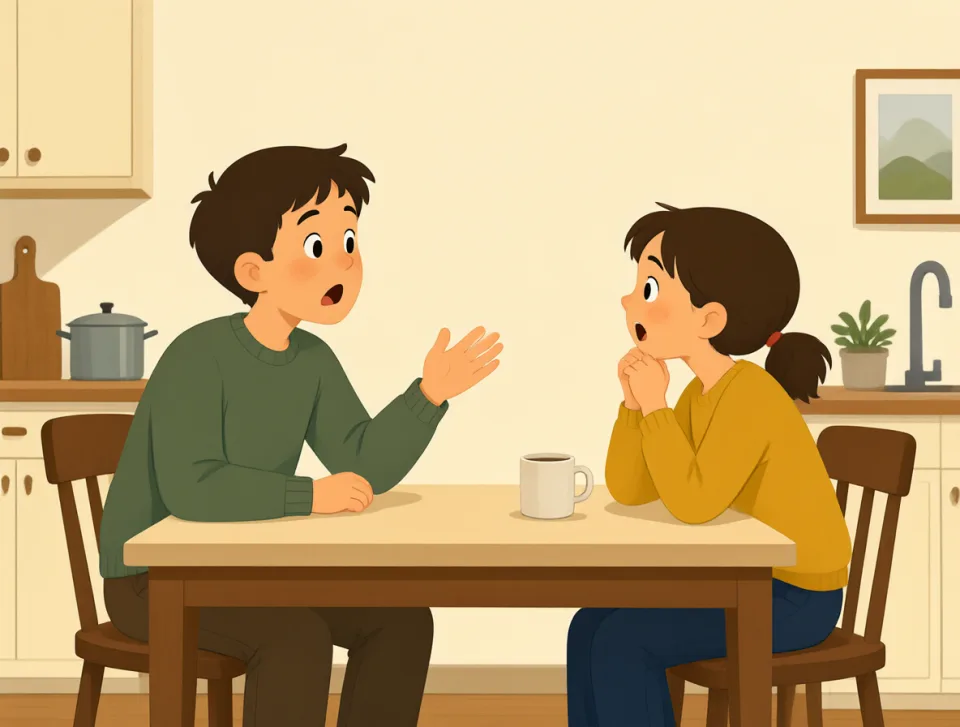
Do you believe this story?
이 이야기를 믿어?

She believes in her team.
그녀는 자기 팀을 믿어.
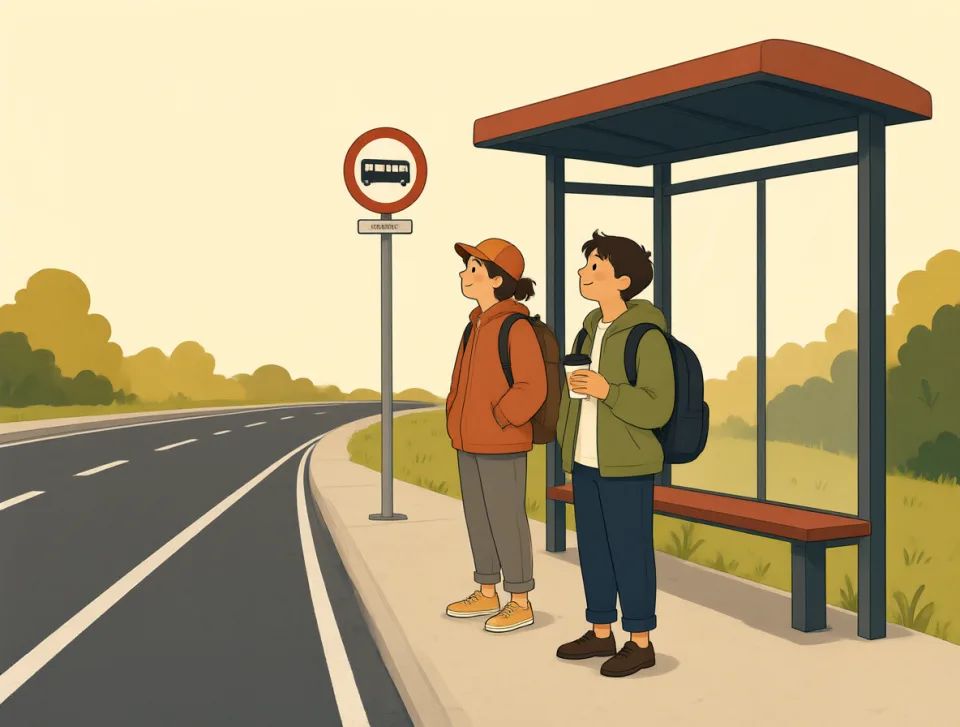
We believe the bus is late.
우리는 버스가 늦는 것 같아.

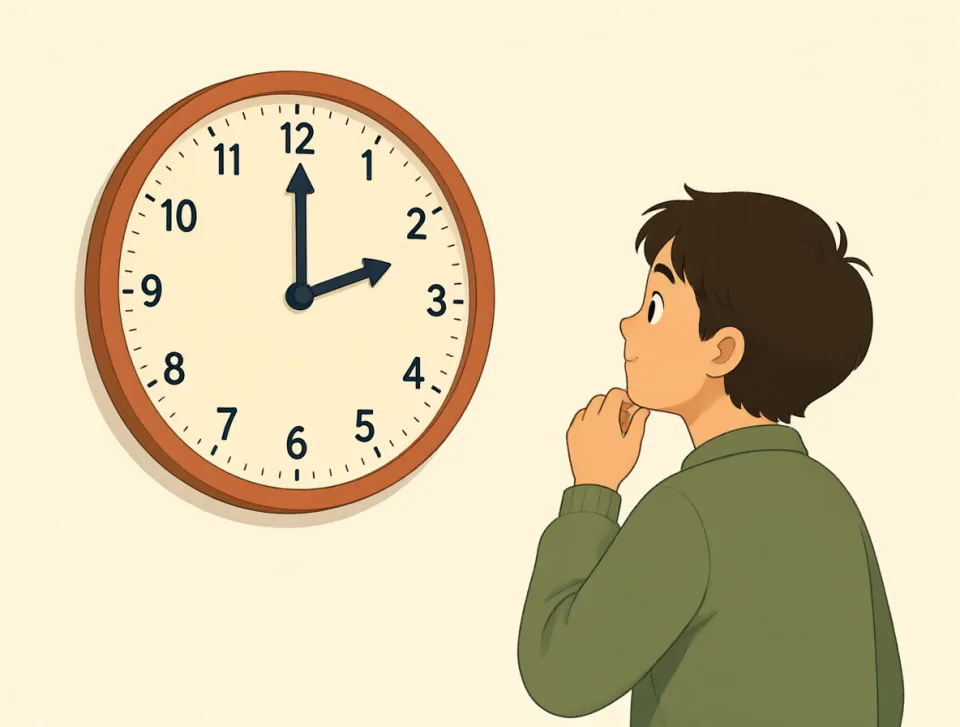
He could not believe his good luck.
그는 자신의 행운이 믿기지 않았다.
second
#226noun, adjective, verb
초; 둘째; 두 번째
A unit of time equal to one sixtieth of a minute; also one of two similar things.
1분의 60에 해당하는 시간 단위; 또는 비슷한 두 가지 중 하나.
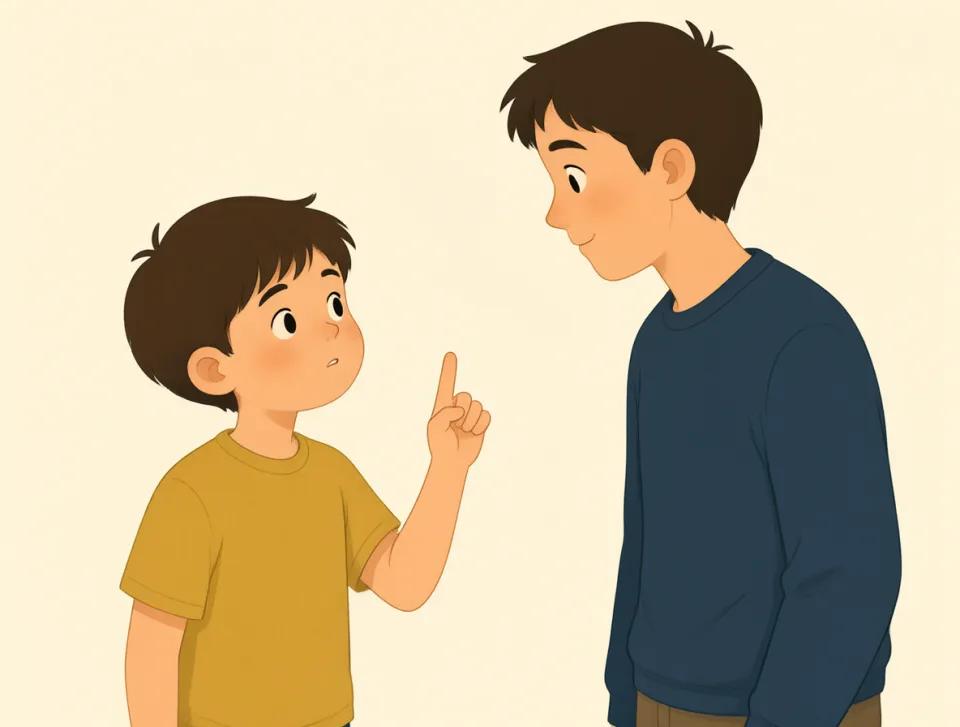
Wait a second, please.
잠깐만 기다려 주세요.
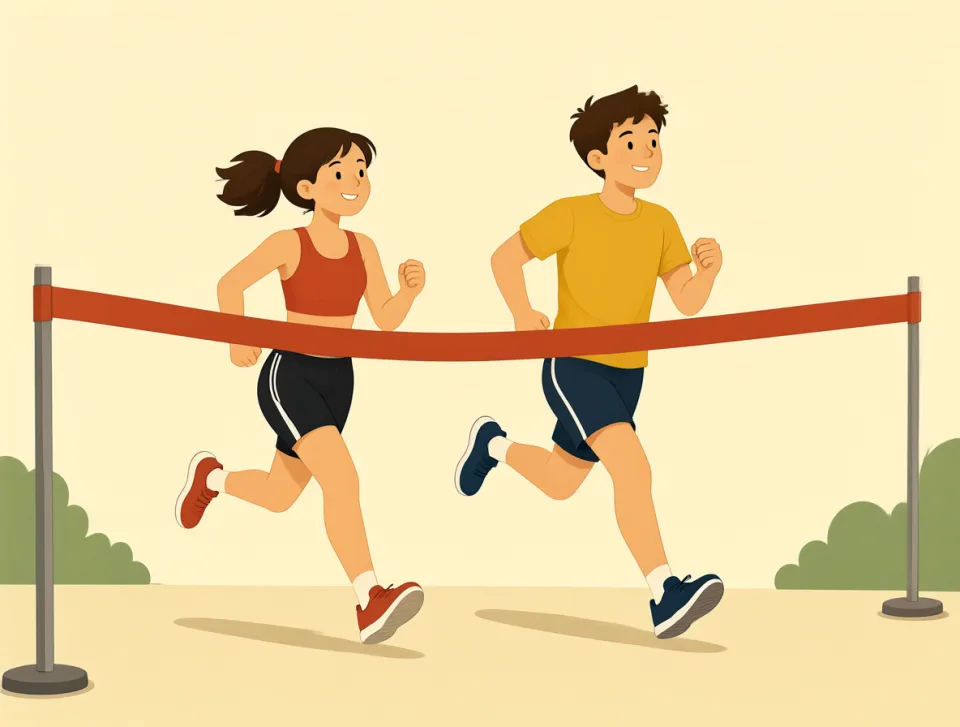
She finished second in the race.
그녀는 경주에서 2등으로 들어왔다.

This is my second cup of coffee.
이건 내가 마시는 두 번째 커피야.
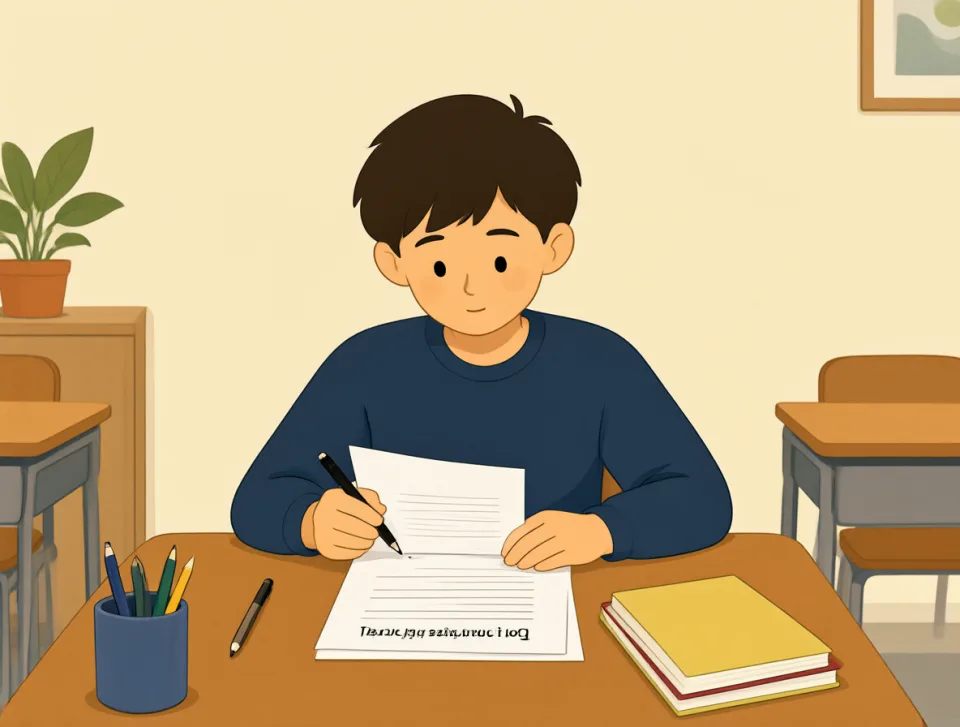
He checked the answer a second time.
그는 답을 두 번째로 확인했다.
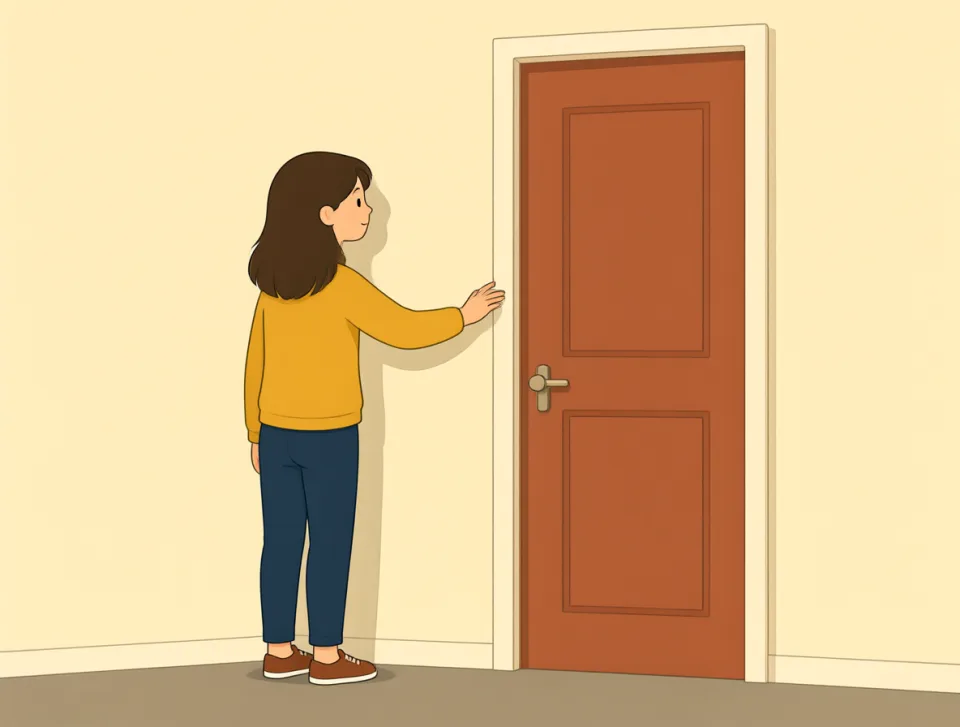
The second door leads to the kitchen.
두 번째 문으로 들어가면 부엌이 나와요.
though
#227adverb, conjunction
그래도; 비록 ~이지만
used to say that something is surprising or different from what you expected
예상과 달라 놀랍거나, 예상과는 다른 점을 말할 때 사용한다
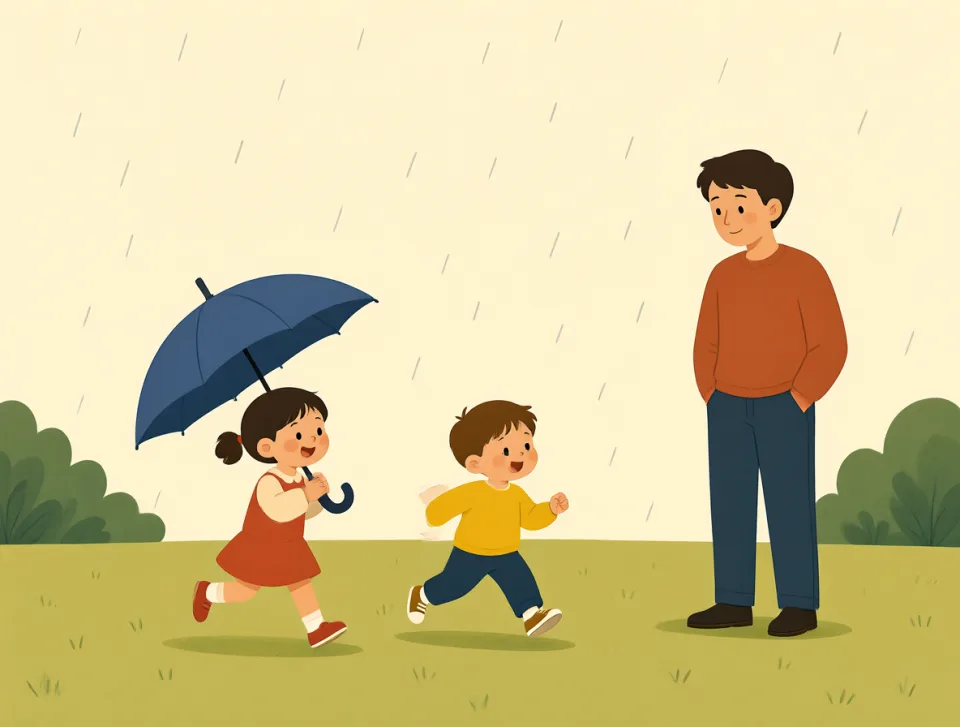
It was raining, though we went outside.
비가 오고 있었지만 우리는 밖에 나갔다.

Though tired, she finished her homework.
피곤했지만 그녀는 숙제를 끝냈다.

I like this shirt, though it is expensive.
이 셔츠가 마음에 들긴 하지만 비싸다.

He smiled, though he felt sick.
그는 몸이 아팠지만 미소를 지었다.
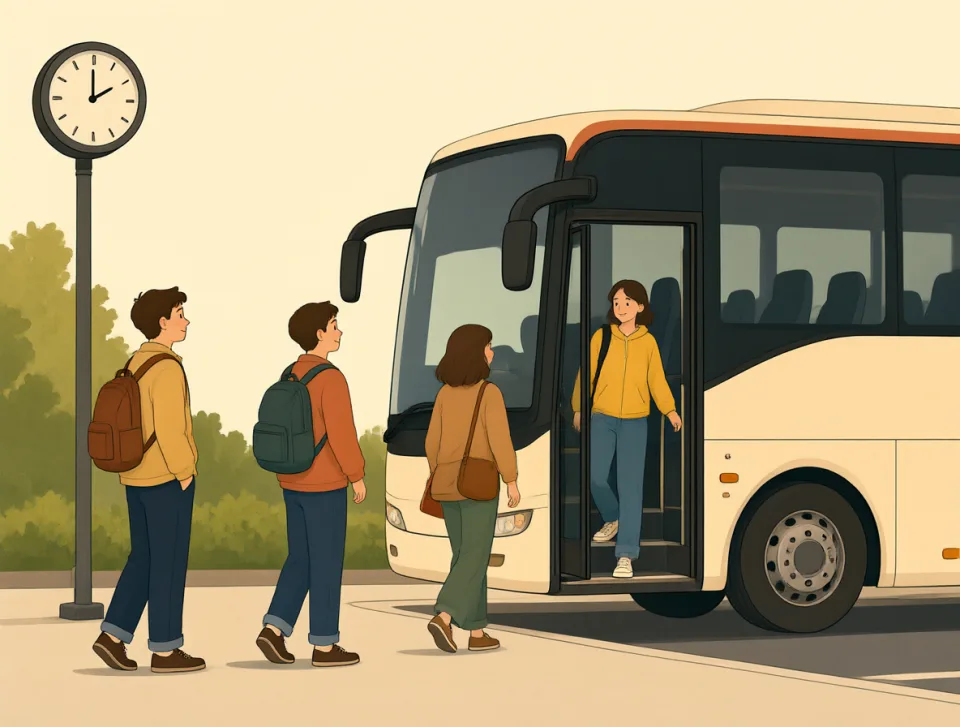
The bus was late, though we arrived on time.
버스가 늦었지만 우리는 제시간에 도착했다.
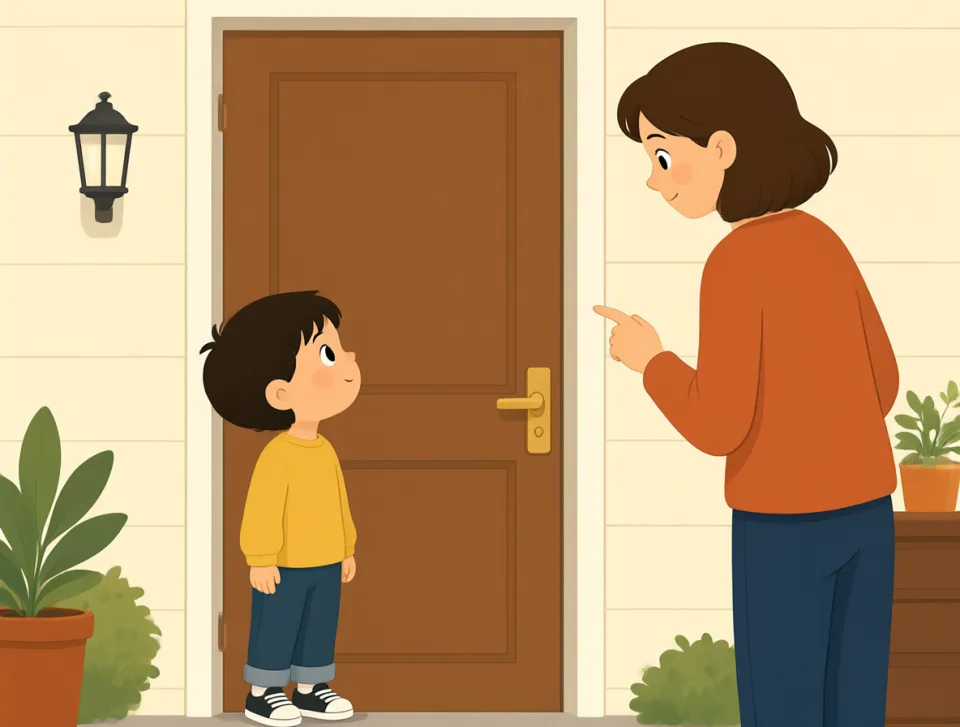
yes
#228adverb, noun
네; 예; 찬성
A word used to agree or to answer a question positively.
동의하거나 질문에 긍정적으로 답할 때 쓰는 말.
“Are you ready?” “Yes, I am.”
“준비됐어?” “응, 됐어.”

She said yes to the job.
그녀는 그 일자리를 수락했다.
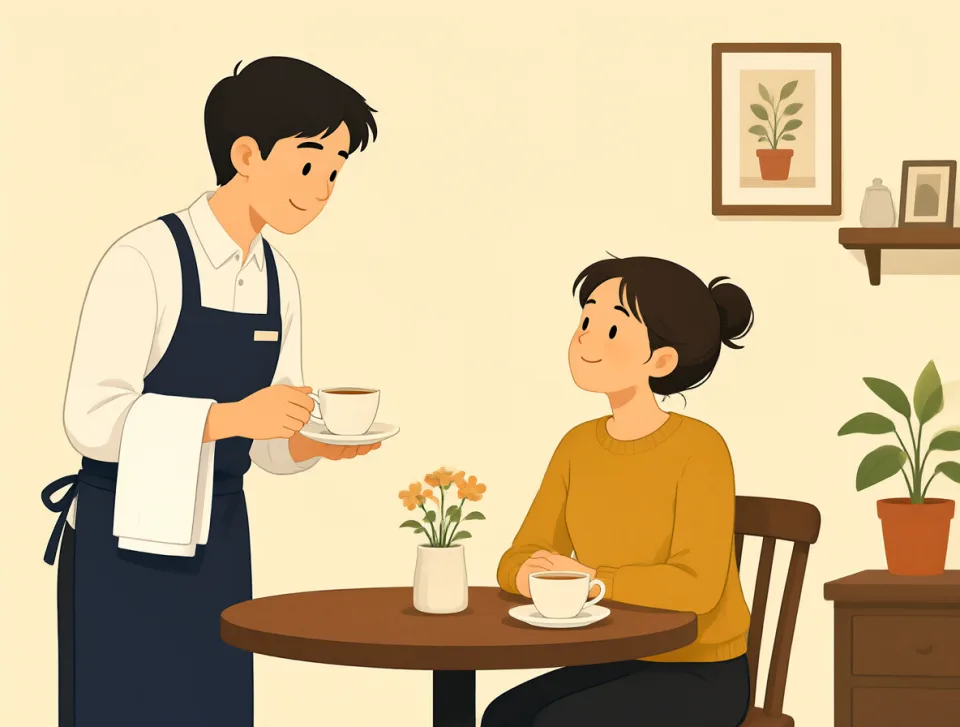
“Yes, please. I’d like some tea.”
“네, 부탁해요. 차 좀 주세요.”
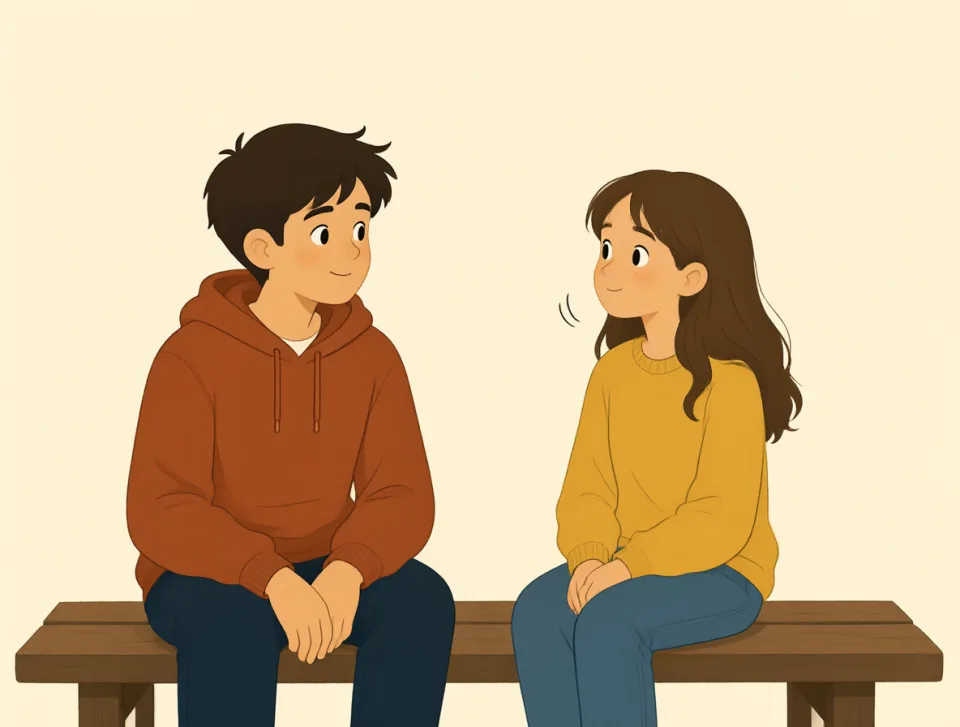
He nodded yes when I asked.
내가 물었을 때 그는 그렇다고 고개를 끄덕였다.
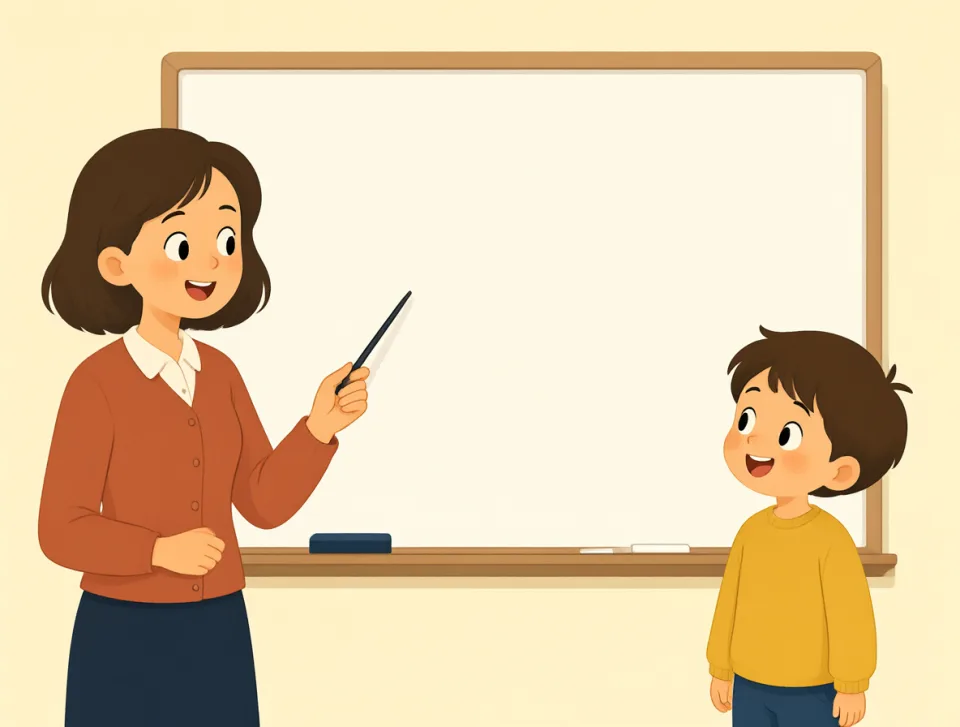
The answer is yes.
답은 ‘예’다.

love
#229noun, verb
사랑; 좋아하다
To like someone or something very much, or to feel strong affection for them.
누군가나 무언가를 매우 좋아하거나, 그 대상에게 깊은 애정을 느끼다.
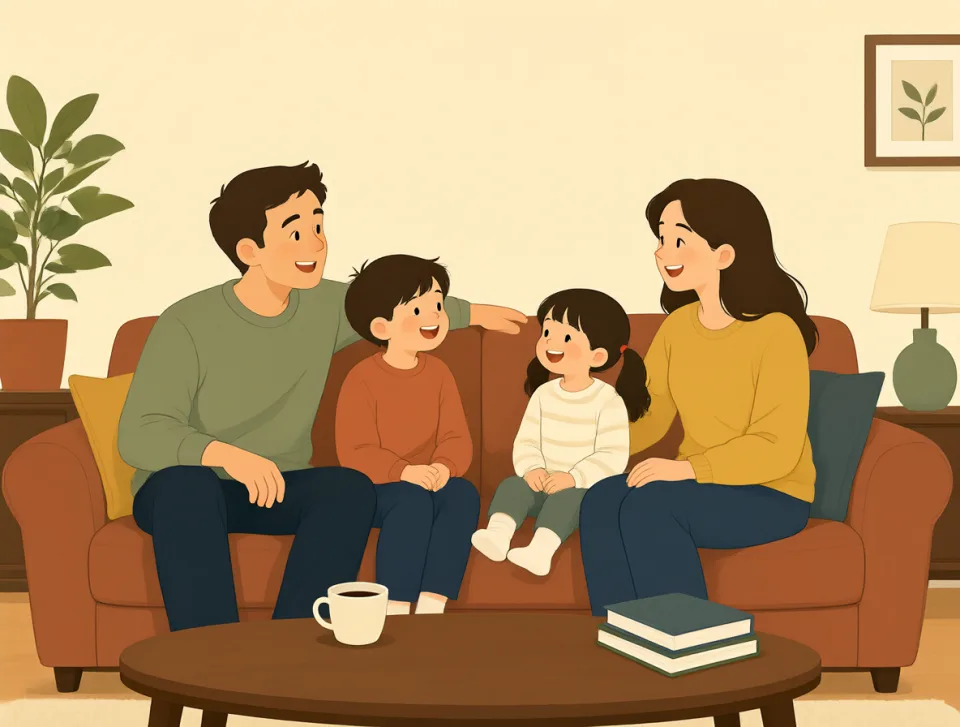
I love spending time with my family.
나는 가족과 함께 시간을 보내는 걸 정말 좋아해.

She loves chocolate ice cream.
그녀는 초콜릿 아이스크림을 아주 좋아해.

They fell in love at school.
그들은 학교에서 사랑에 빠졌어.
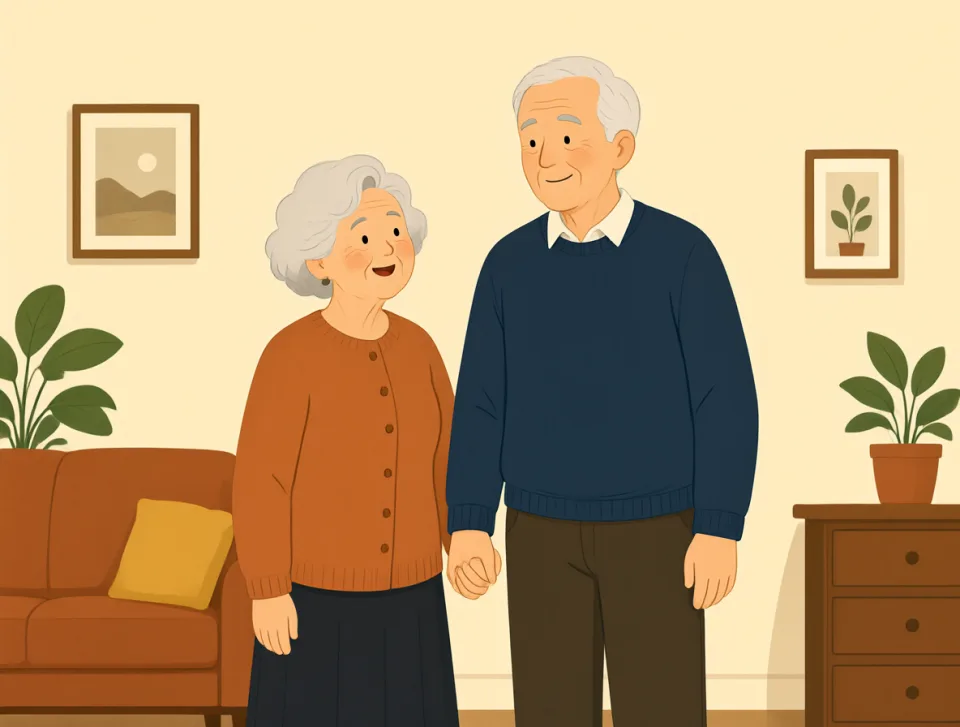
My parents love each other very much.
우리 부모님은 서로를 정말 사랑하셔.

He loves his new job.
그는 새 직장을 정말 좋아해.
increase
#230noun, verb
증가; 늘다; 증가하다
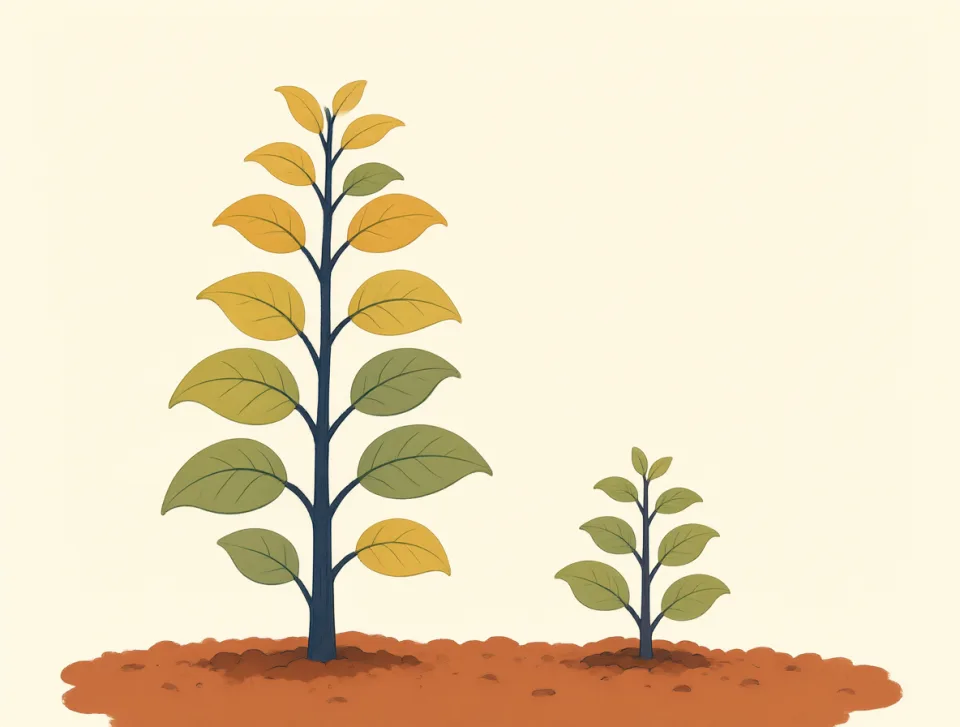
to become larger in amount, number, or size; a rise in amount, number, or size
양, 수 또는 크기가 더 커지다; 양, 수 또는 크기가 늘어남
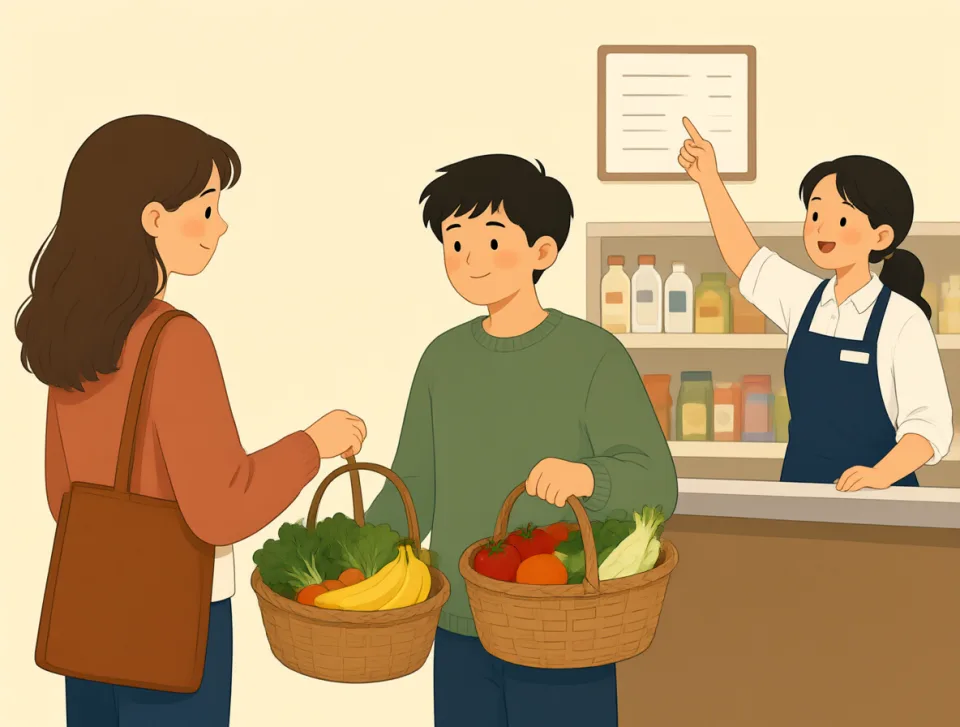
Prices increase when supplies become limited.
물자가 부족해지면 물가가 오른다.
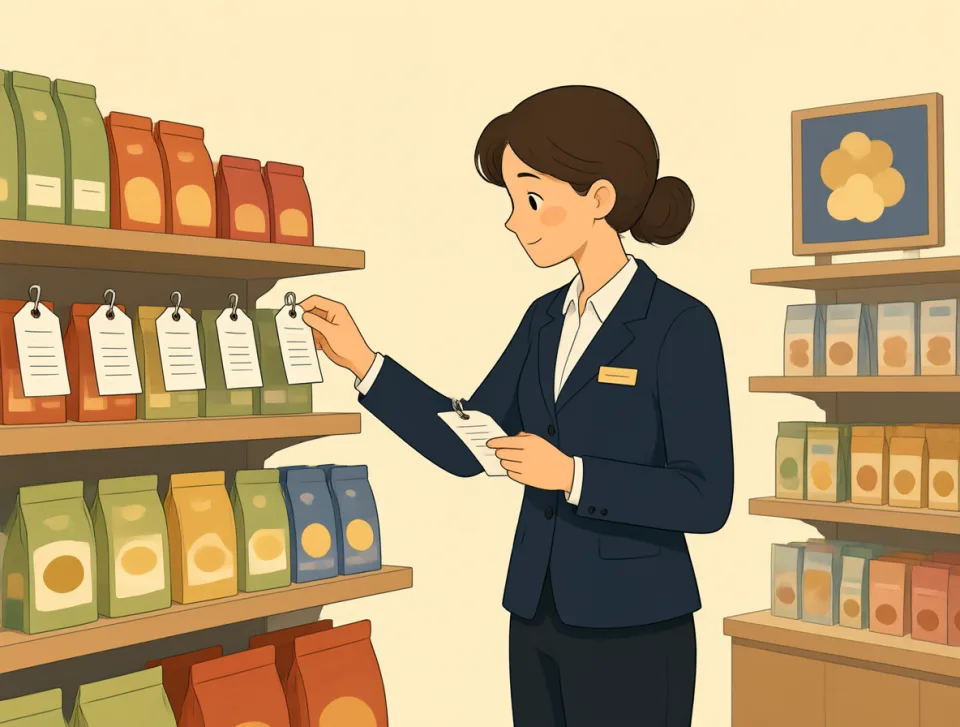
The company increased its prices last month.
그 회사는 지난달에 가격을 올렸다.
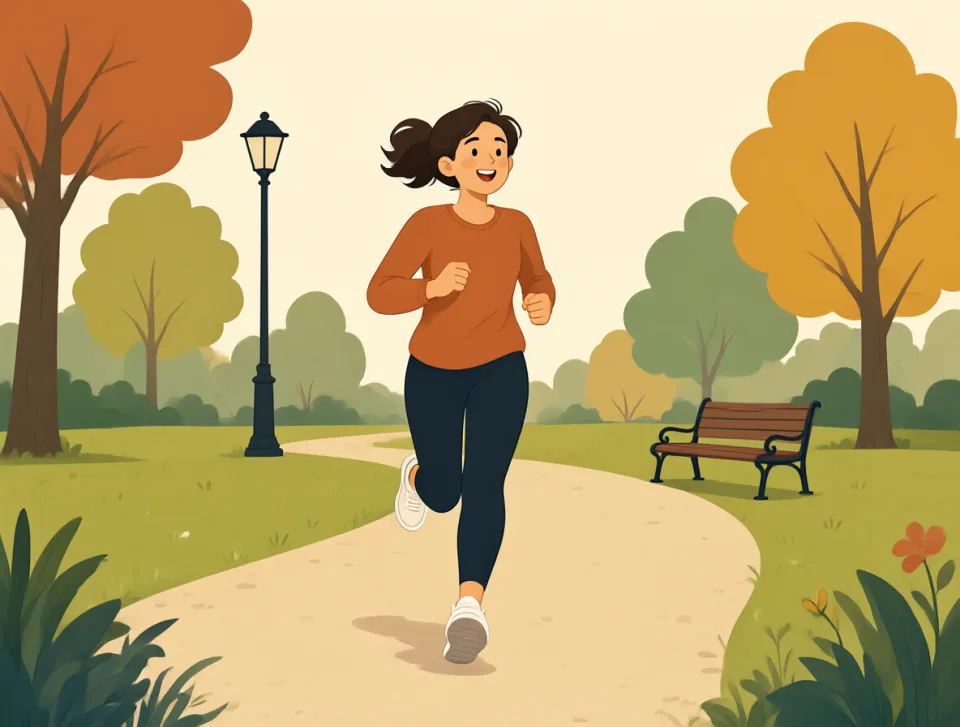
Regular exercise can increase your energy.
규칙적인 운동은 활력을 높여 줄 수 있다.

We saw an increase in hotel bookings.
호텔 예약이 증가한 것을 확인했다.
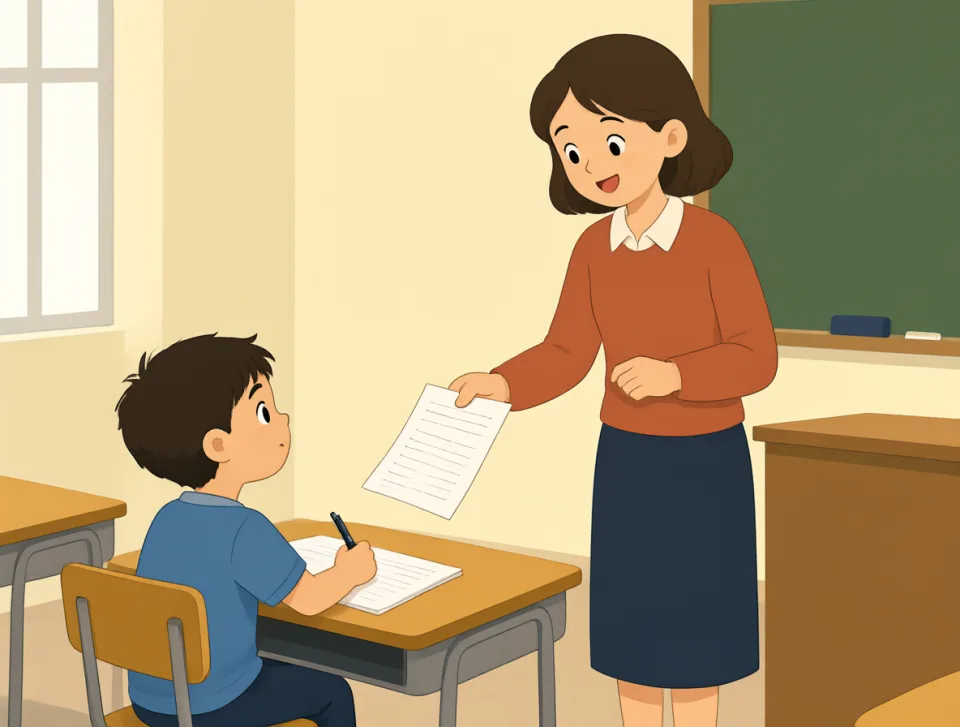
The teacher increased the homework after the test.
선생님은 시험이 끝난 후 숙제의 양을 늘렸다.
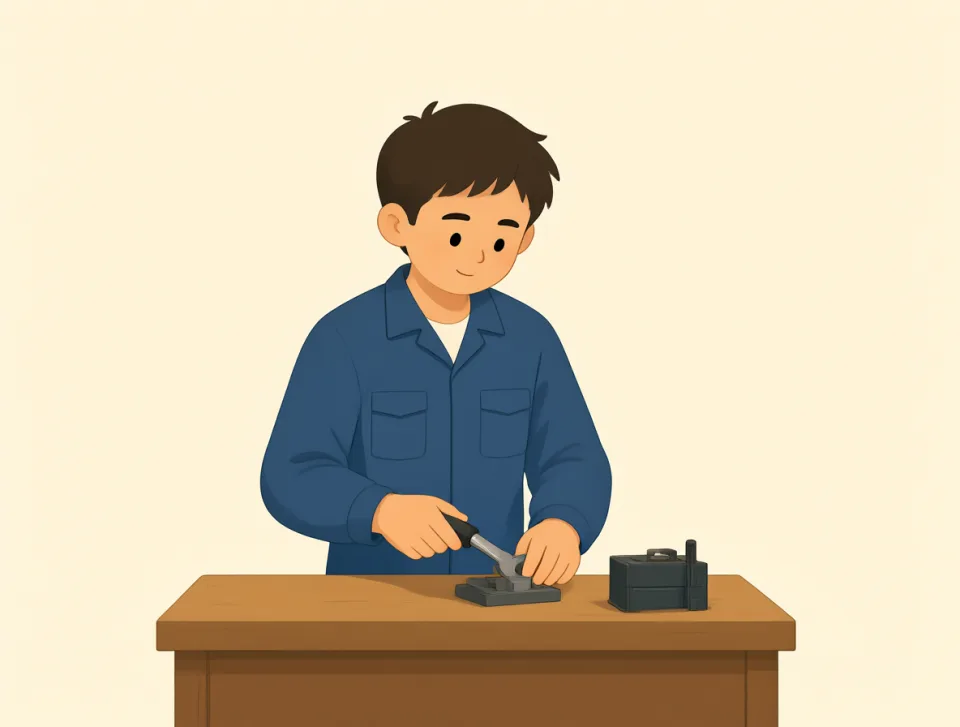
job
#231noun, verb
직업; 일; 업무
A job is work that you do to earn money, or a task that needs doing.
돈을 벌기 위해 하는 일이나 해야 하는 과업을 뜻합니다.
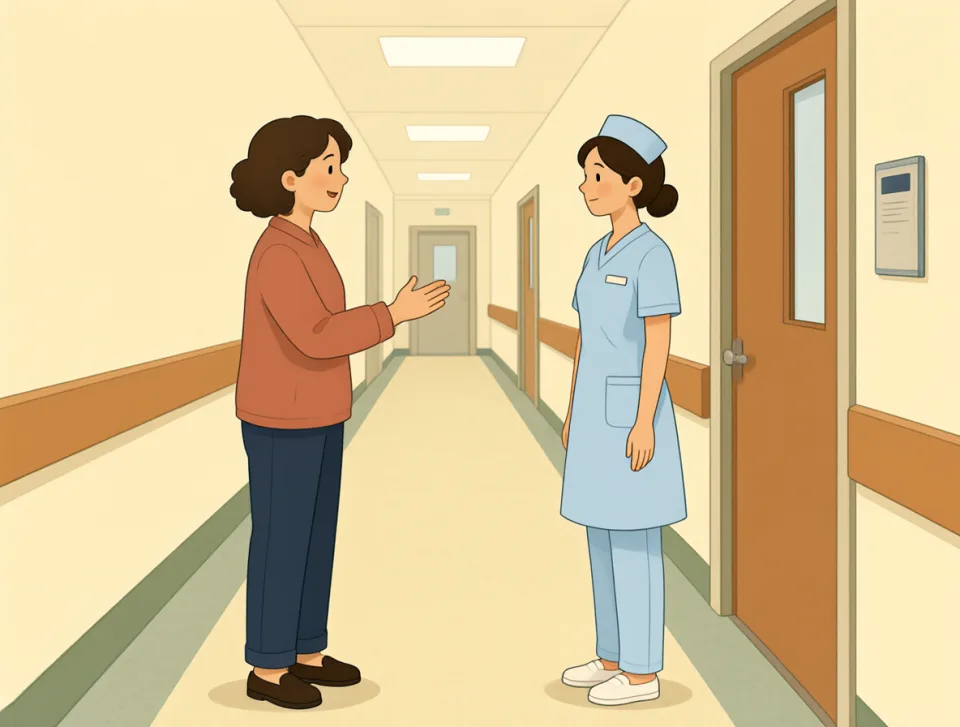
She has a new job at the hospital.
그녀는 병원에서 새 직장을 다니고 있다.

My father goes to work every morning.
아버지는 매일 아침 출근하신다.
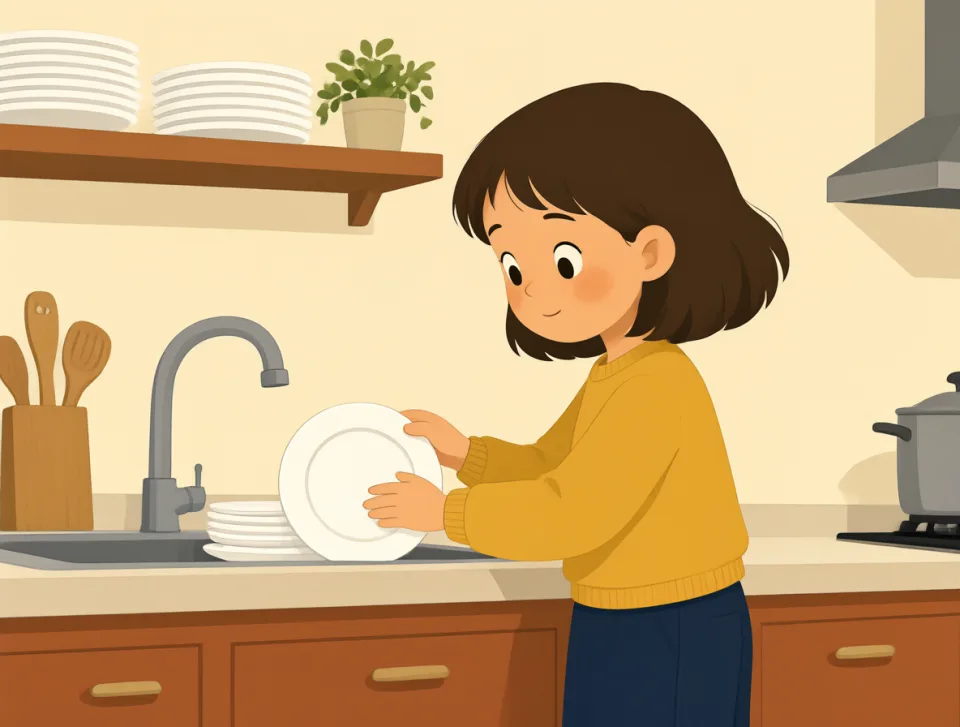
Please do this job before dinner.
저녁 식사 전에 이 일을 해 주세요.
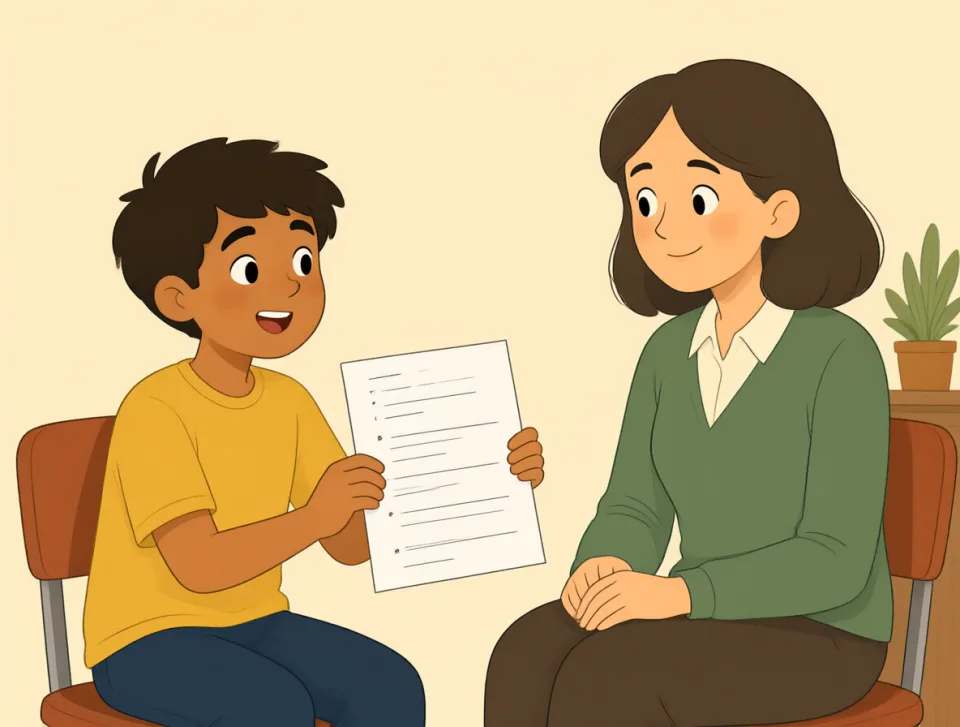
He did a good job on the test.
그는 시험을 잘 봤다.
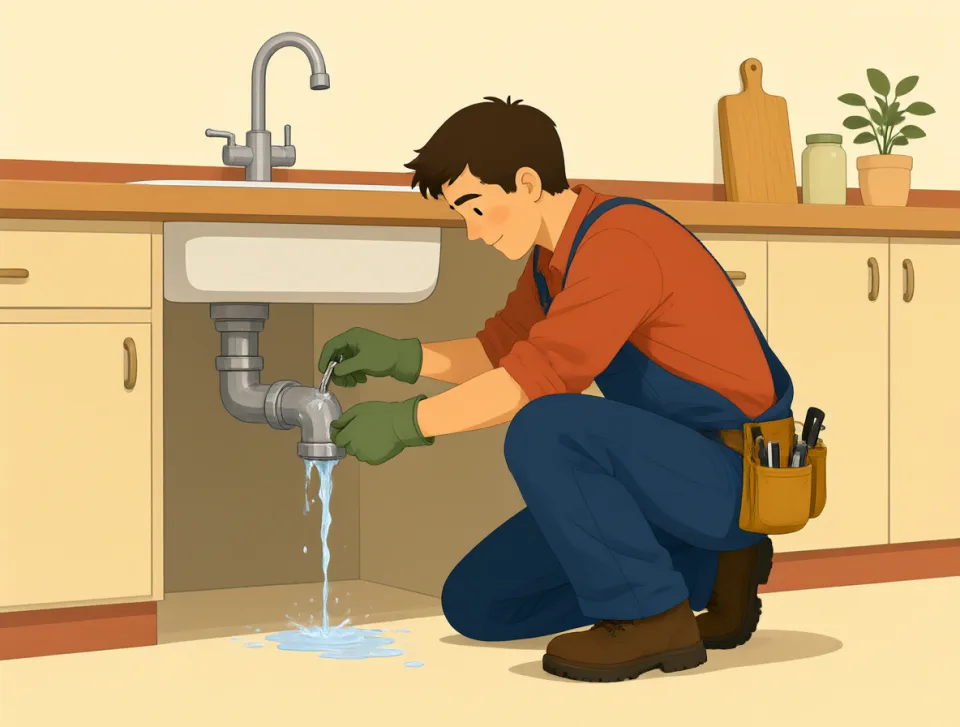
The plumber is doing a difficult job.
배관공은 어려운 일을 하고 있다.
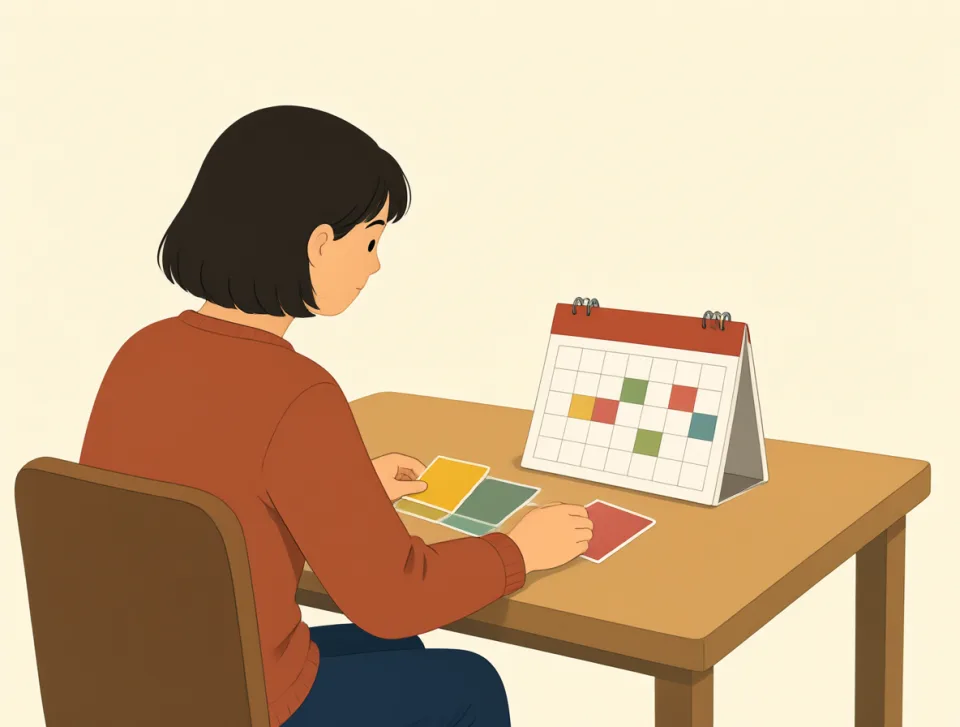
plan
#232noun, verb
계획; 계획하다
An idea of what you will do, or to decide what you will do.
할 일에 대한 생각, 또는 할 일을 결정하는 것.
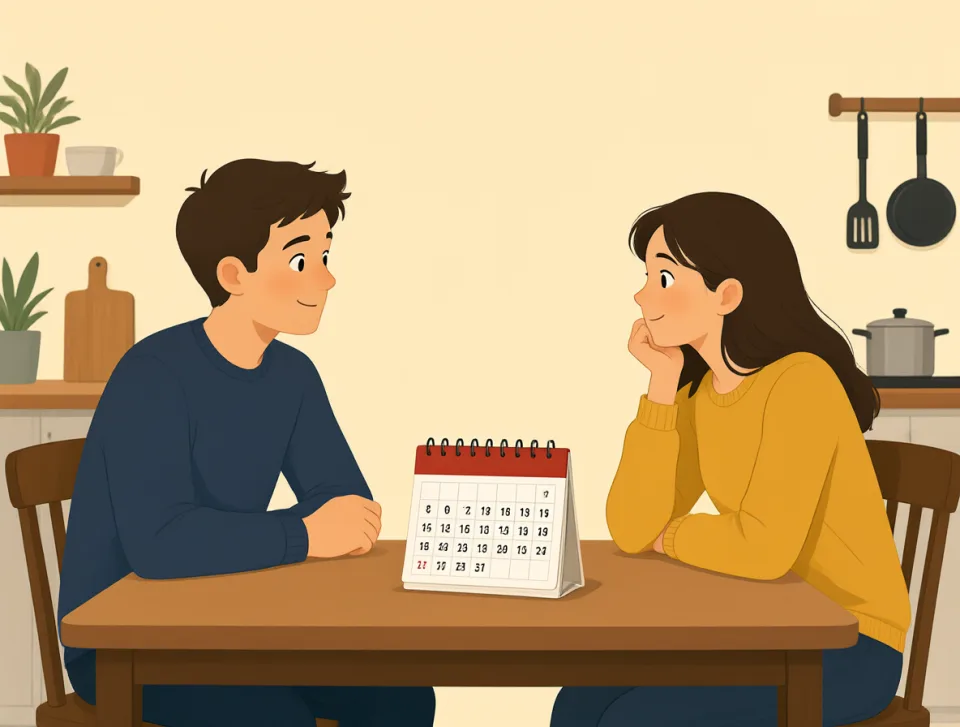
We made a plan for the weekend.
우리는 주말 계획을 세웠다.
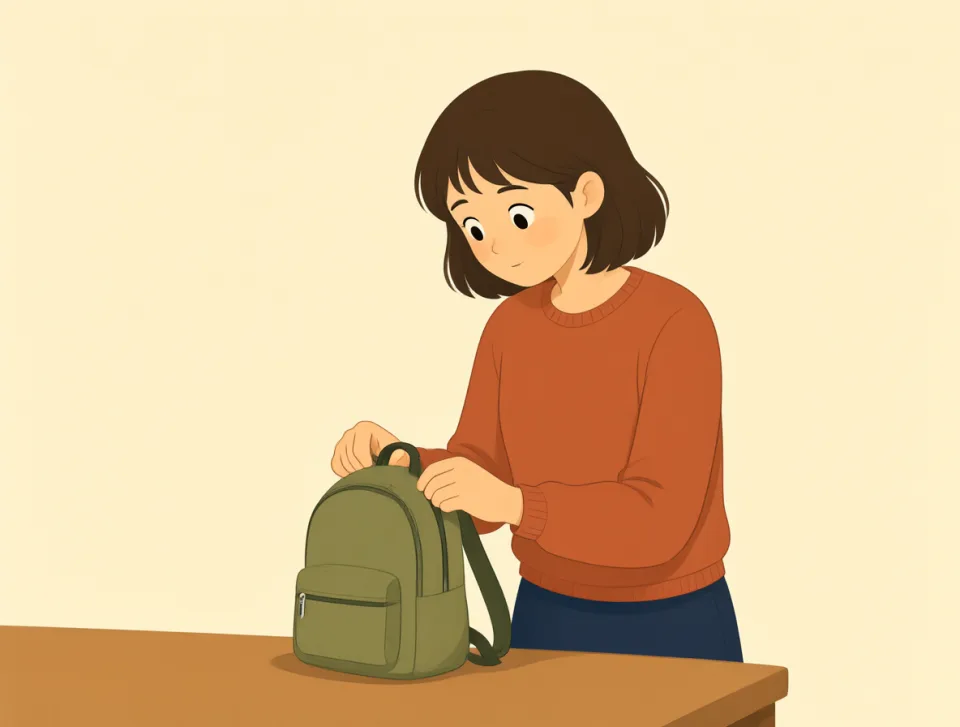
She plans to visit her grandmother tomorrow.
그녀는 내일 할머니를 방문할 계획이다.
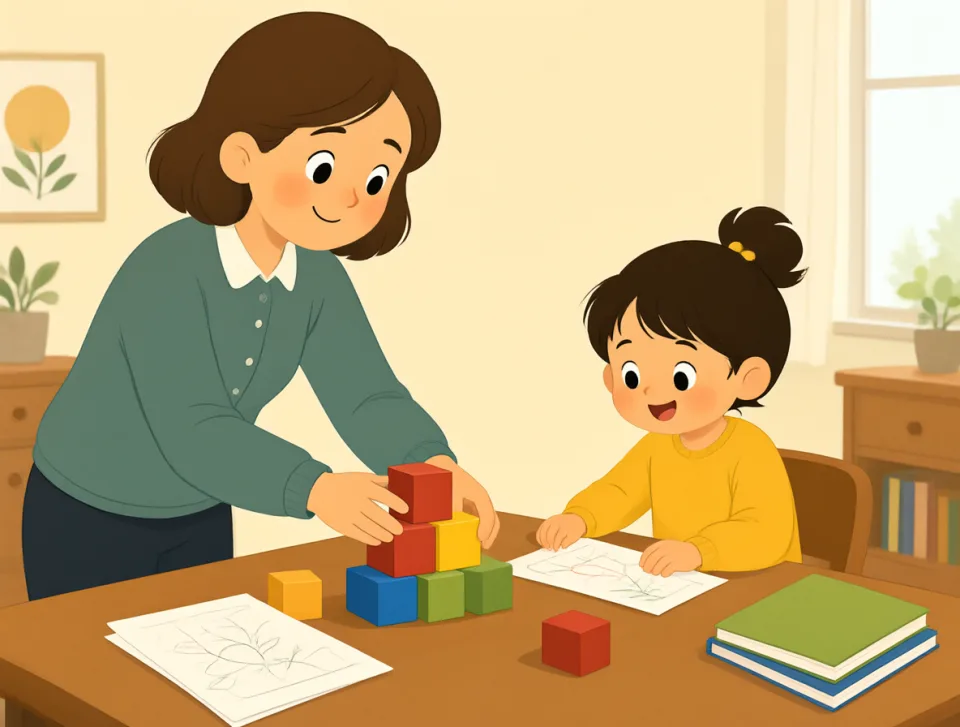
The teacher planned a fun class activity.
선생님은 재미있는 수업 활동을 계획했다.

They changed their travel plans because of rain.
그들은 비 때문에 여행 계획을 바꿨다.

I am planning a healthy dinner tonight.
나는 오늘 저녁으로 건강한 식사를 계획하고 있다.
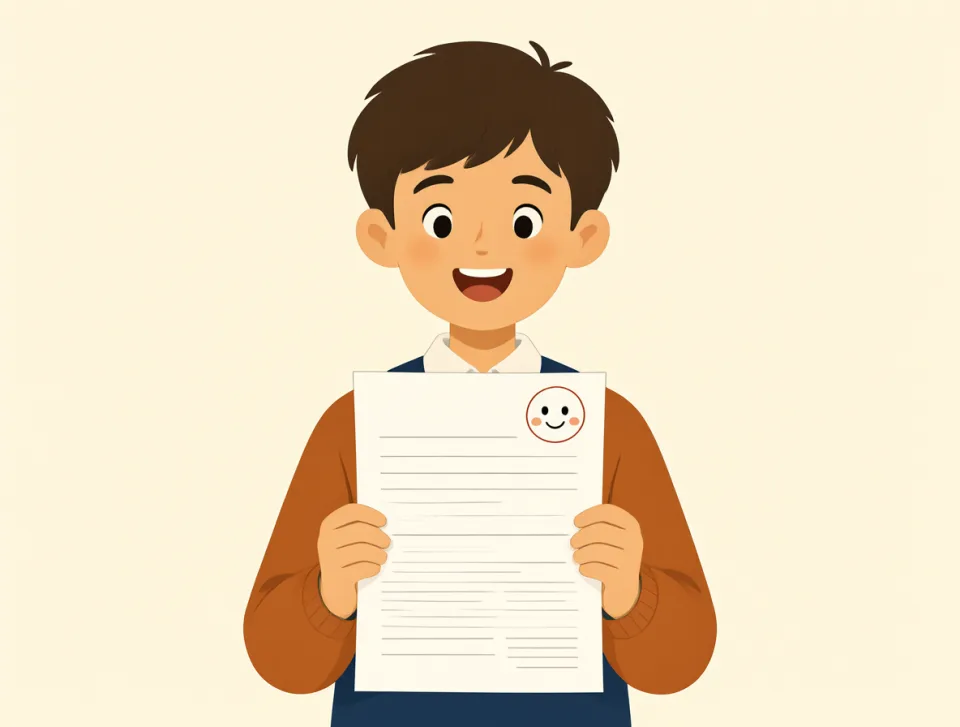
result
#233noun, verb
결과; 성과
Something that happens because of an action or event.
어떤 행동이나 사건 때문에 일어나는 일
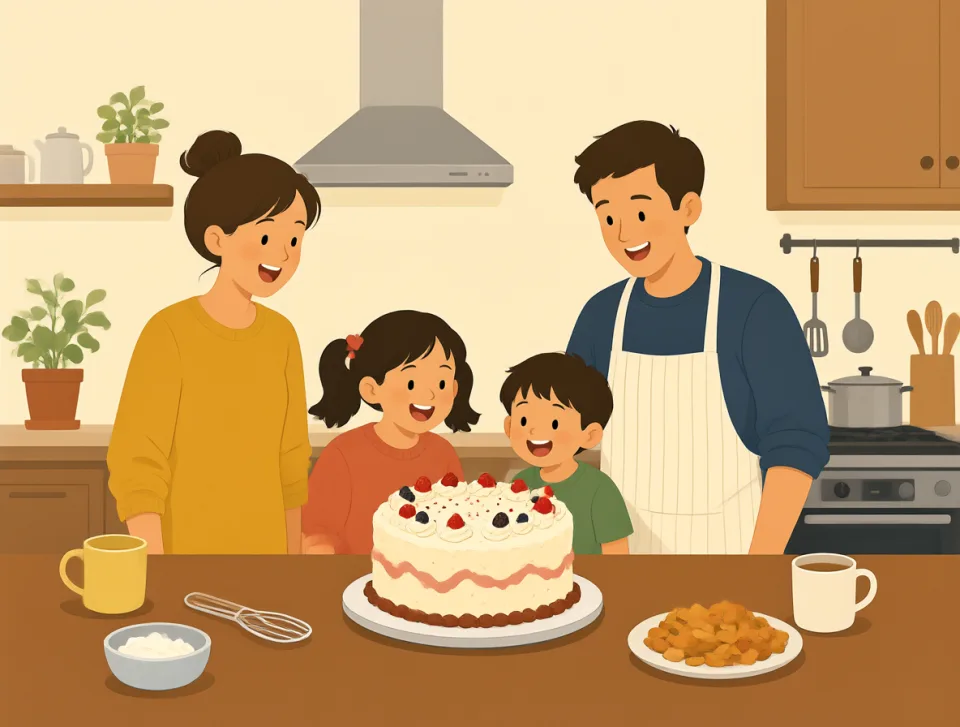
The result was better than we expected.
그 결과는 우리가 예상했던 것보다 좋았다.
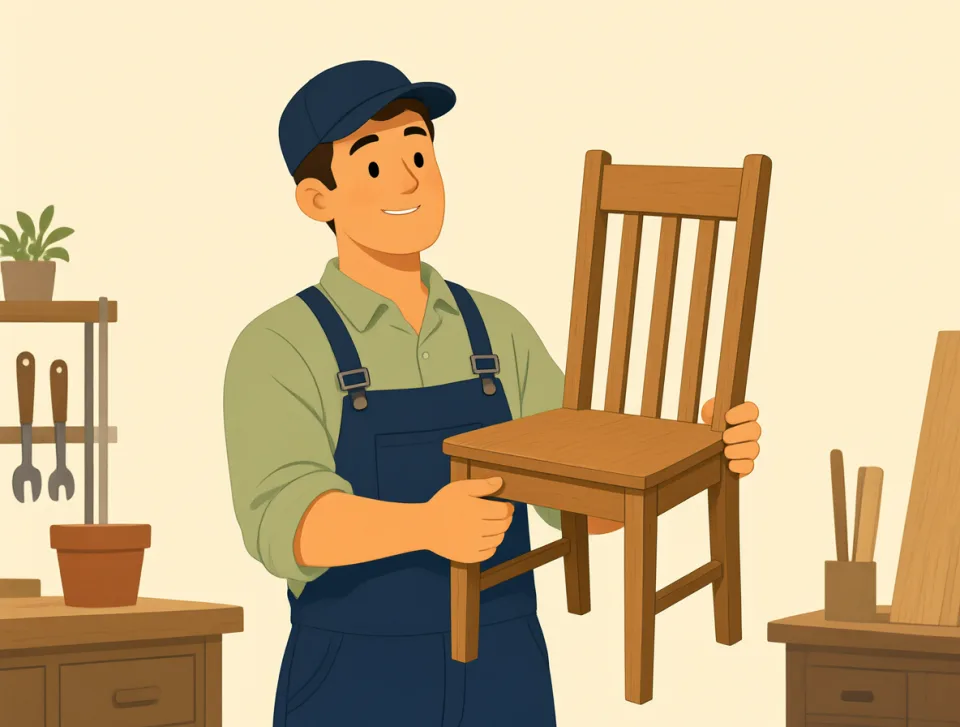
Hard work often results in success.
열심히 노력하면 흔히 성공으로 이어진다.
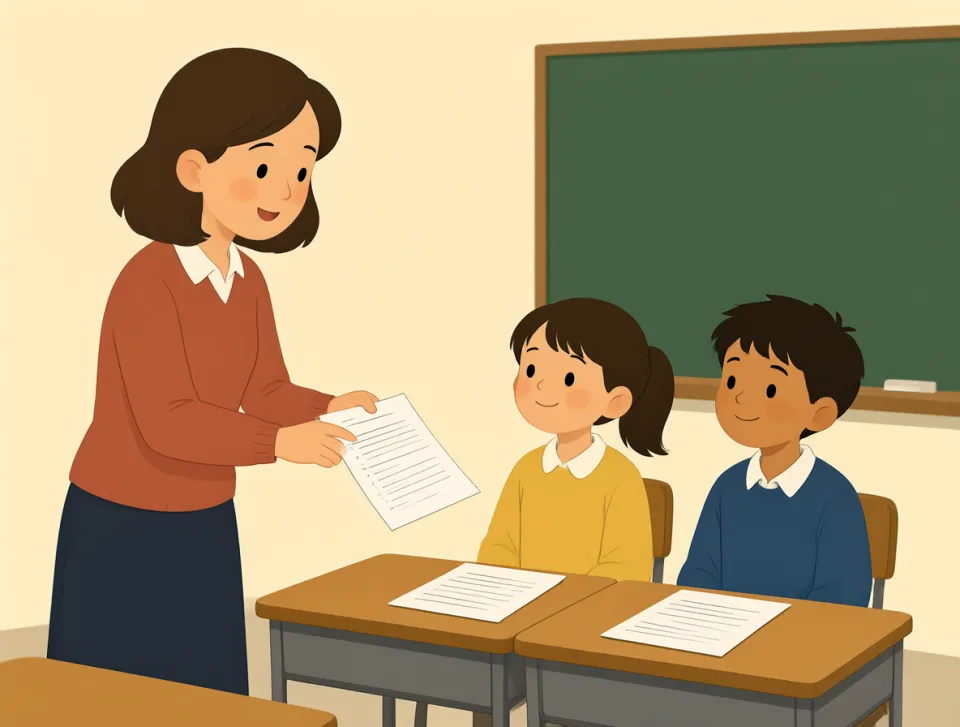
The test results came out yesterday.
시험 결과가 어제 나왔다.
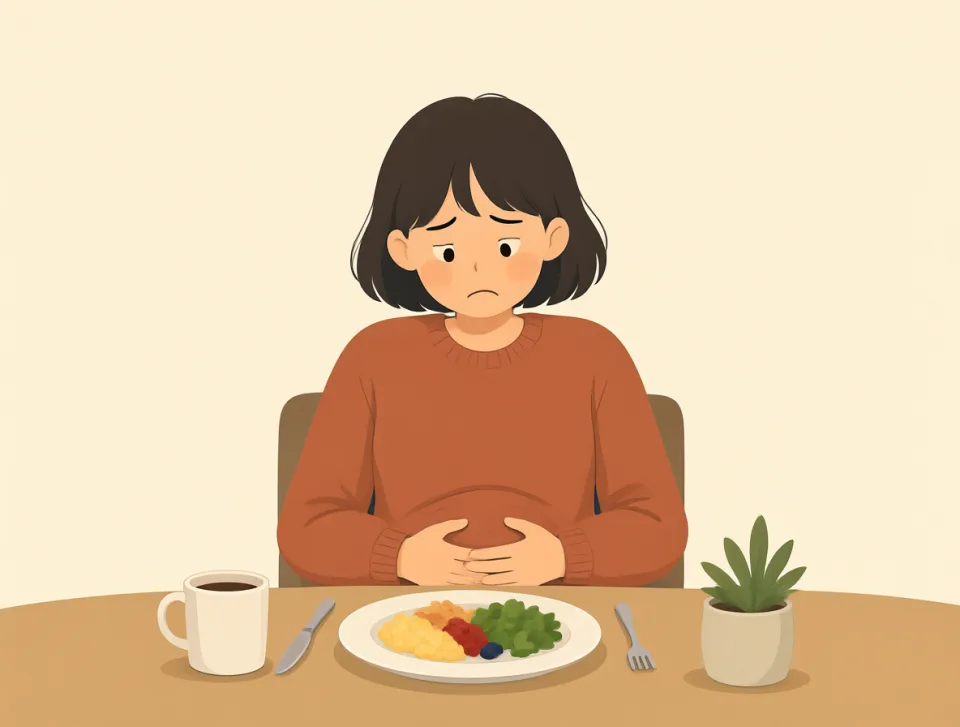
The meal resulted in stomach pain.
그 식사 때문에 배가 아팠다.
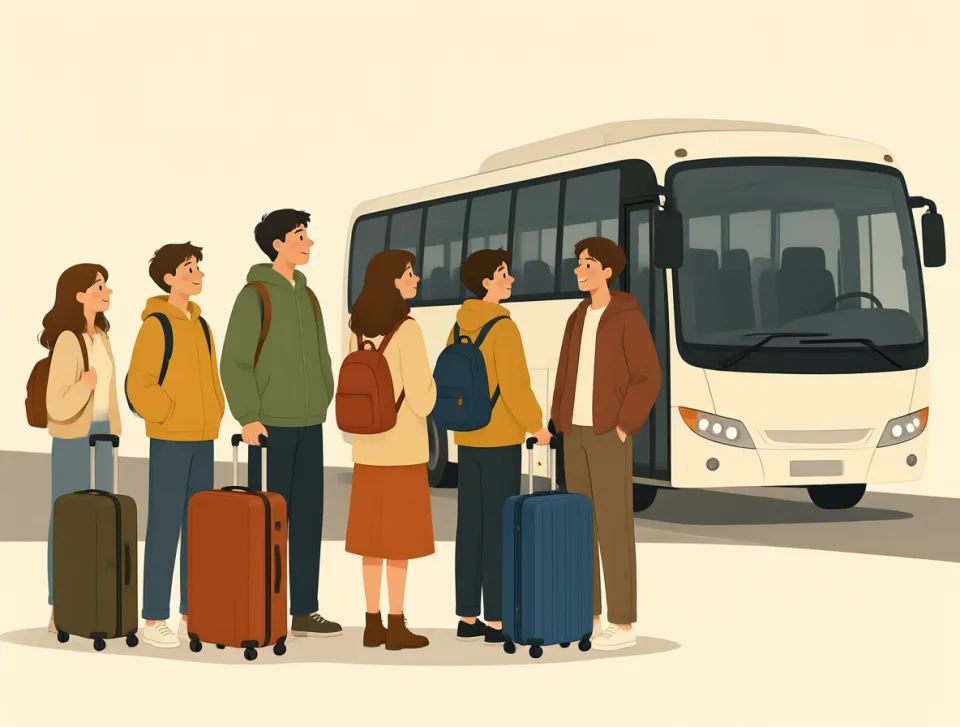
The accident resulted in a long delay.
그 사고로 인해 오랫동안 지연되었다.
away
#234adverb, adjective
떨어져; 치워 둔; 부재중인
At or to a place that is far from here or from someone.
여기나 누군가로부터 멀리 떨어진 곳에 있거나 그곳으로
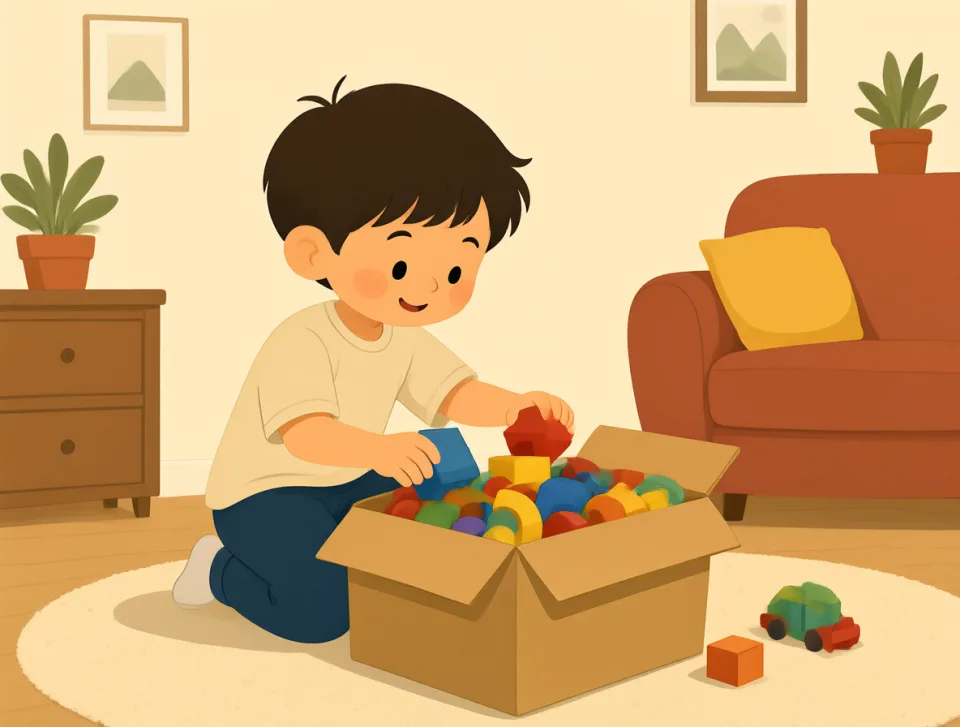
Please put your toys away after playing.
놀고 나면 장난감을 치워 주세요.
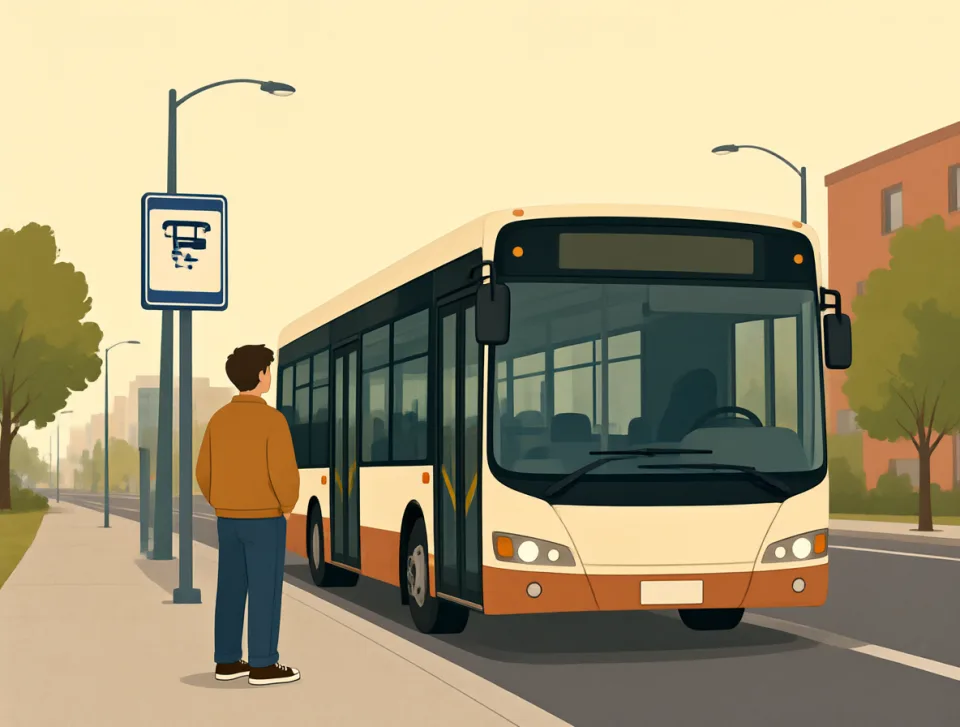
The bus drove away before I arrived.
내가 도착하기도 전에 버스가 떠나 버렸다.

She is away on a business trip.
그녀는 출장 중이다.
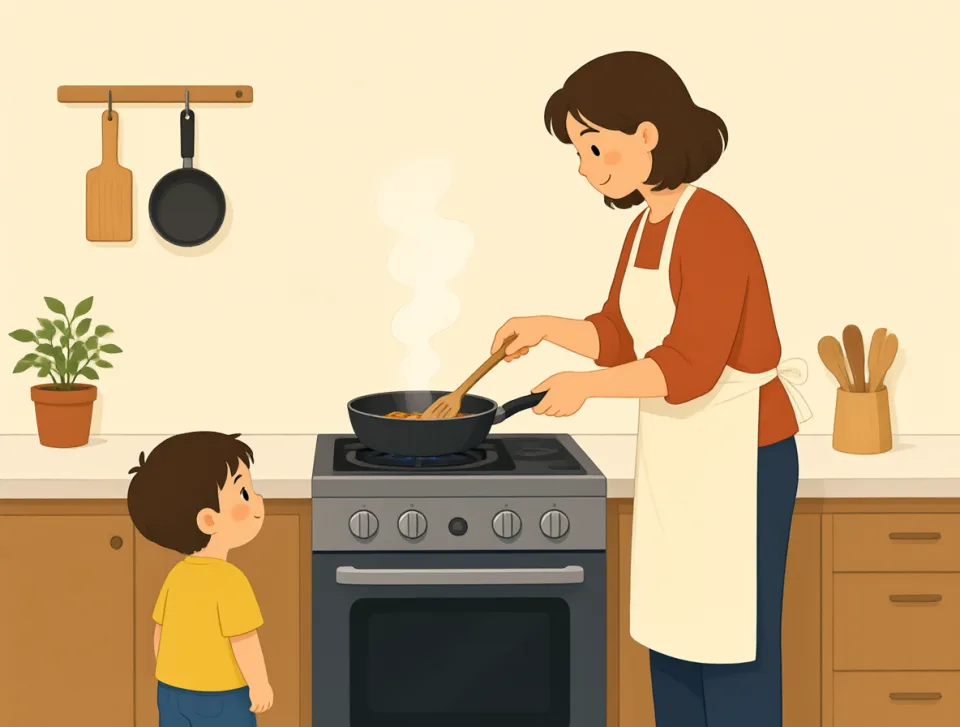
Keep away from the hot stove.
뜨거운 난로에서 떨어져 있어.
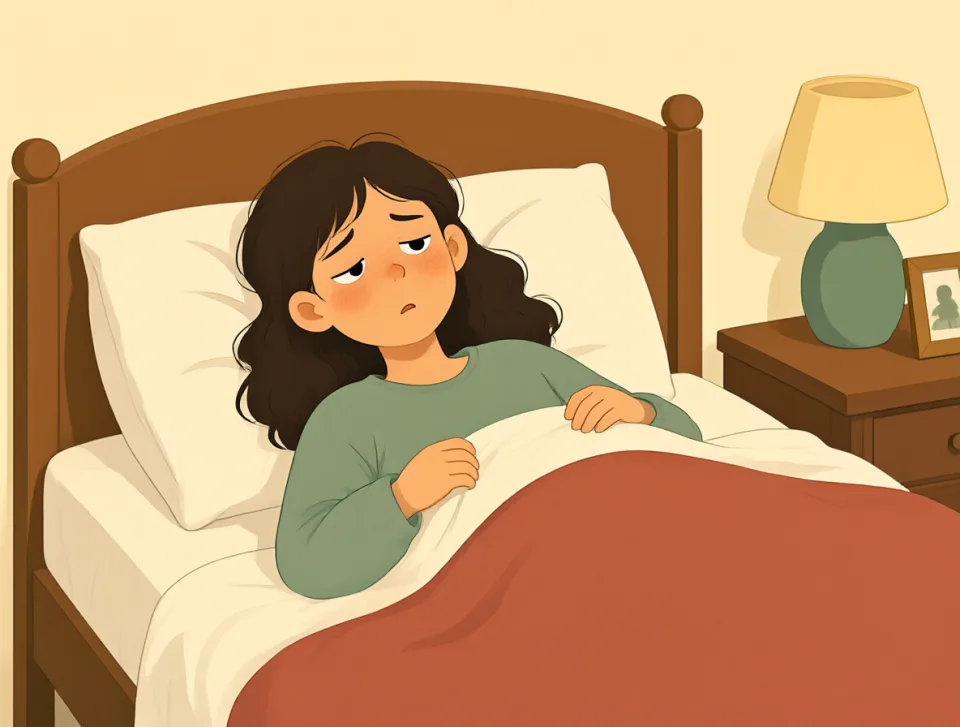
The pain went away after some rest.
좀 쉬고 나니 통증이 사라졌다.
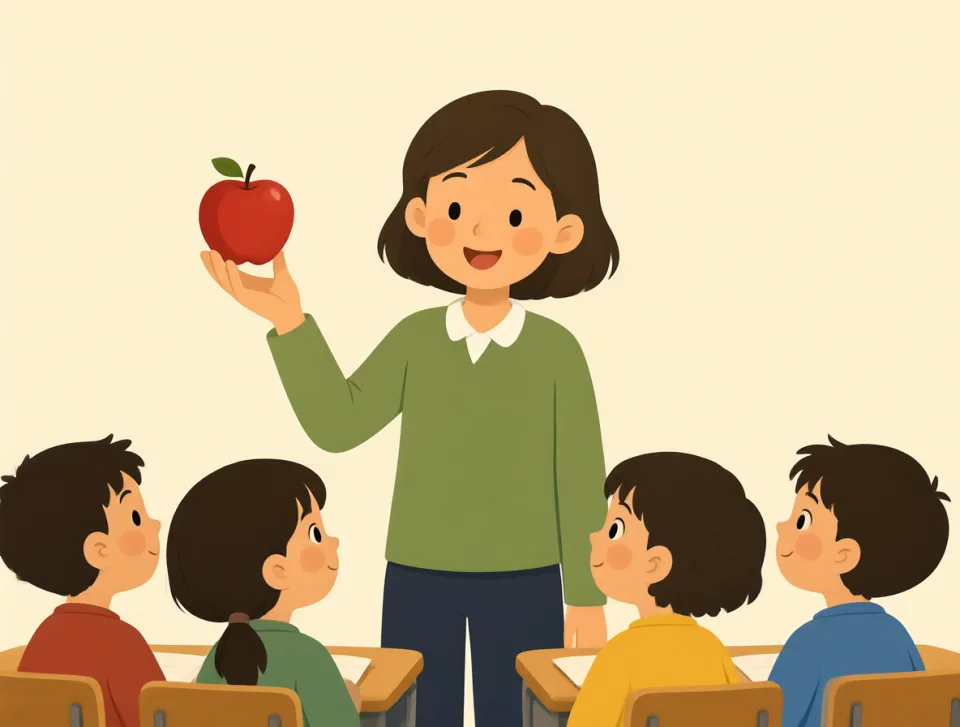
example
#235noun
예; 본보기
Something that shows what a person or thing is like.
사람이나 사물이 어떤지 보여 주는 것
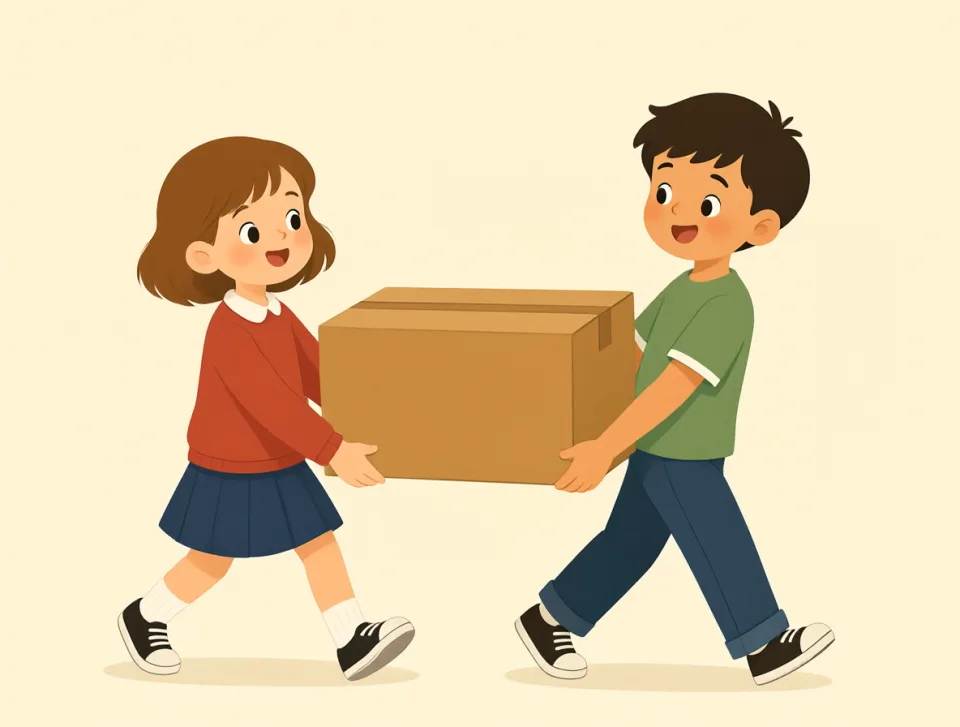
This picture is a good example of teamwork.
이 사진은 협동의 좋은 예예요.
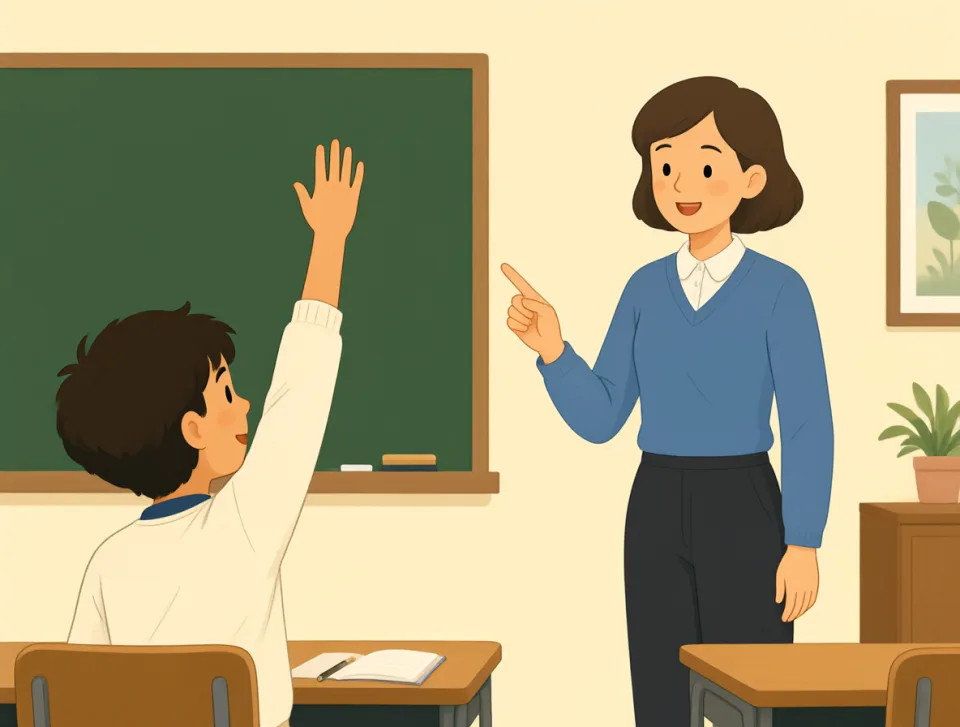
Can you give me an example, please?
예를 하나 들어 주시겠어요?
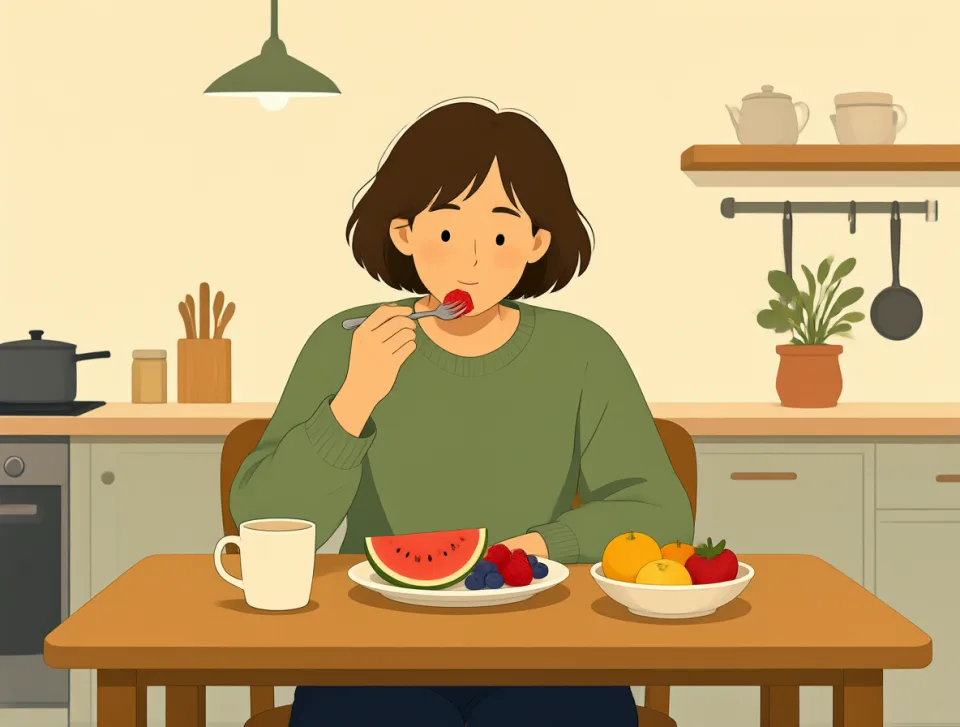
For example, I eat fruit every morning.
예를 들어, 저는 매일 아침 과일을 먹어요.
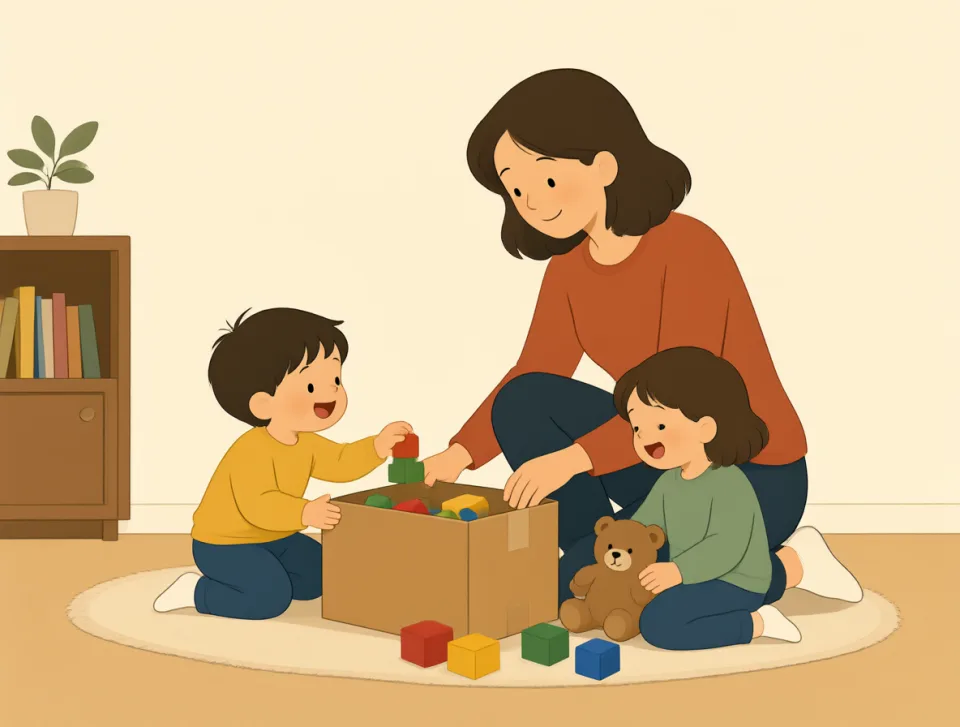
She is a good example for her children.
그녀는 아이들에게 좋은 본보기예요.
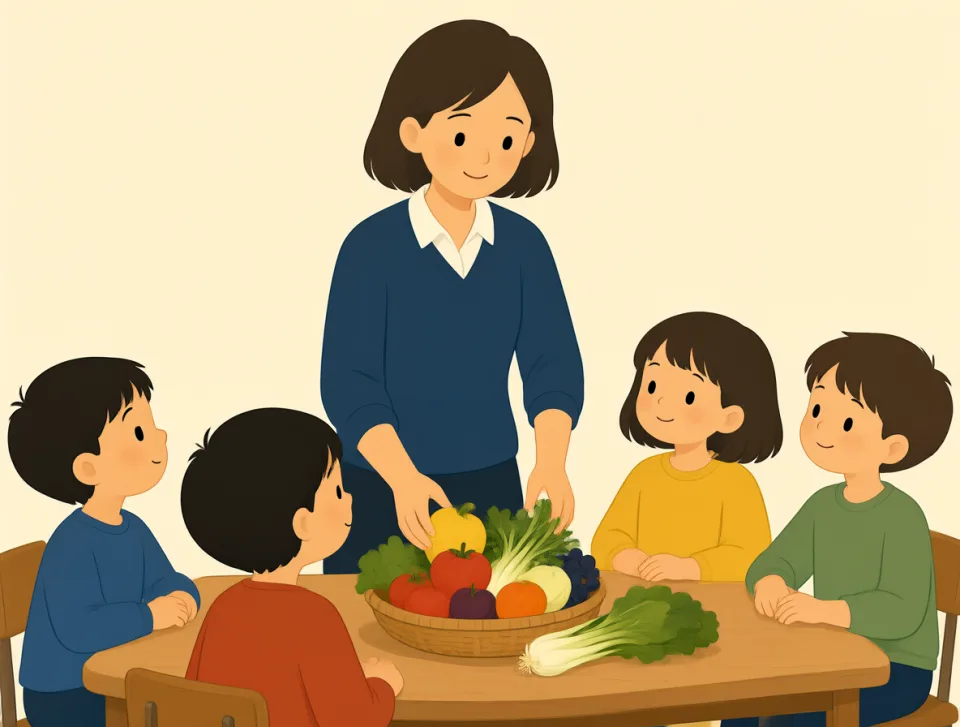
The teacher showed examples of healthy food.
선생님은 건강에 좋은 음식의 예를 보여 주셨어요.
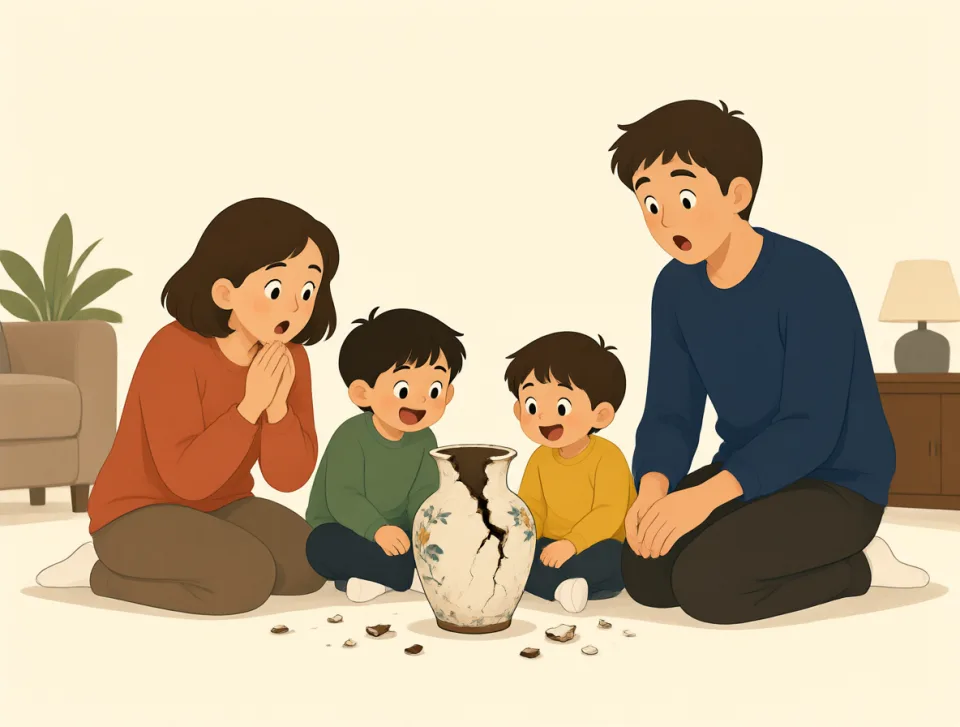
happen
#236verb
일어나다; 발생하다
To take place, especially unexpectedly or by chance.
특히 예상하지 못했거나 우연히 일어나다.

What happened at school today?
오늘 학교에서 무슨 일이 있었어?
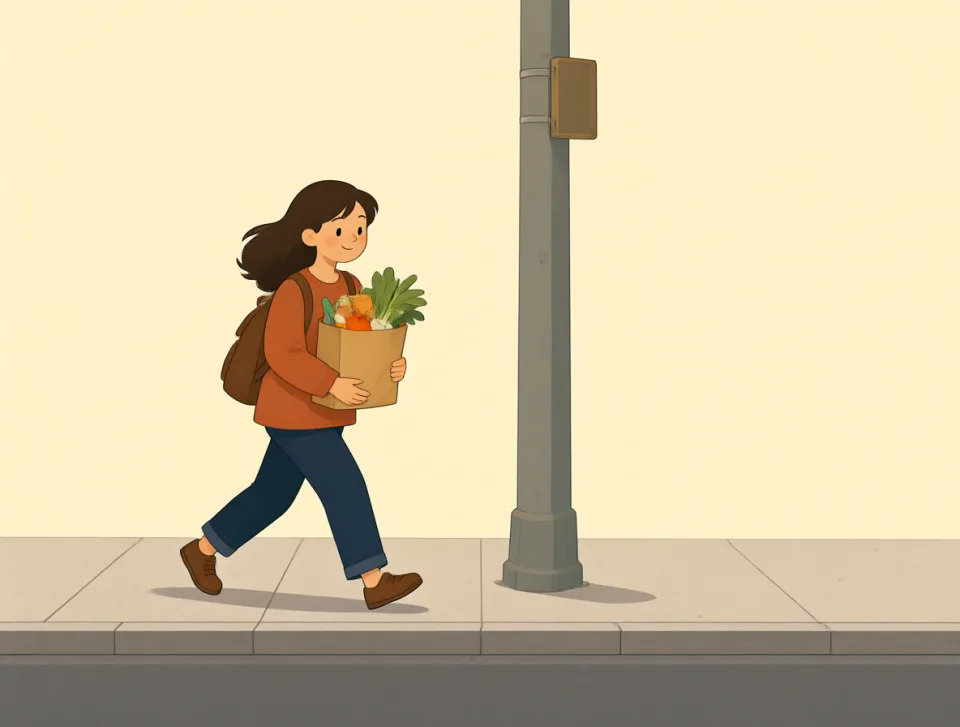
Accidents can happen when people hurry.
사람들이 서두르면 사고가 날 수 있어.
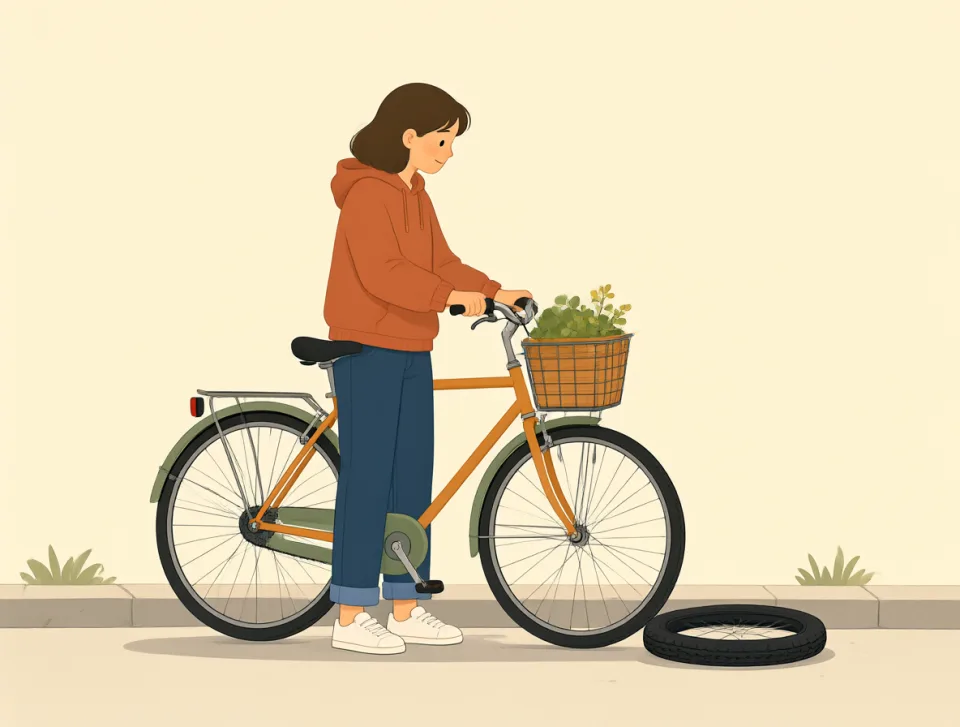
It happened again on my way home.
집에 오는 길에 또 그런 일이 일어났어.

What will happen if we miss the train?
기차를 놓치면 어떻게 될까?

Good things happen when friends help each other.
친구들이 서로 도우면 좋은 일이 생겨.
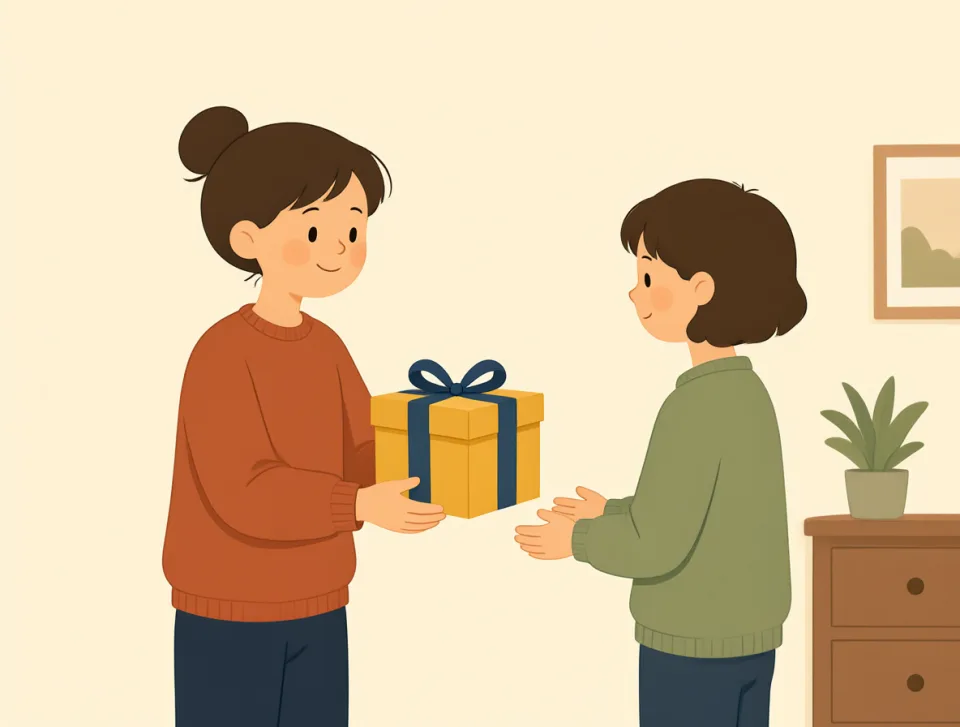
offer
#237verb, noun
제공하다; 제안하다; 제의하다; 제안
to say you will give or do something; a thing someone is willing to give
무언가를 주거나 하겠다고 말하다; 누군가가 기꺼이 주려고 하는 것
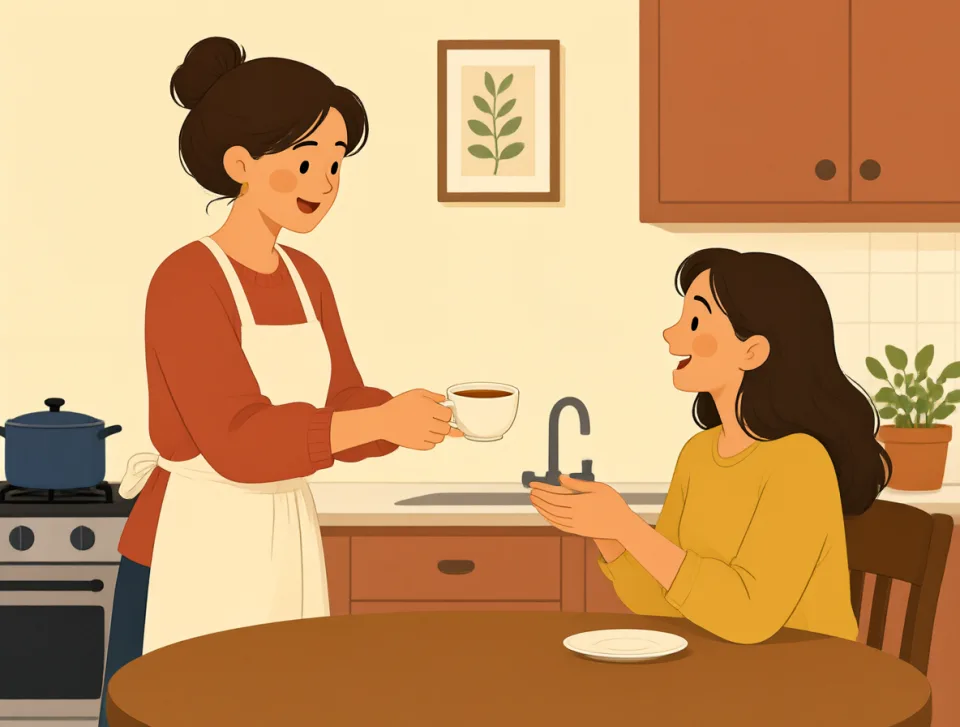
She offered me some tea.
그녀는 나에게 차를 좀 권했다.
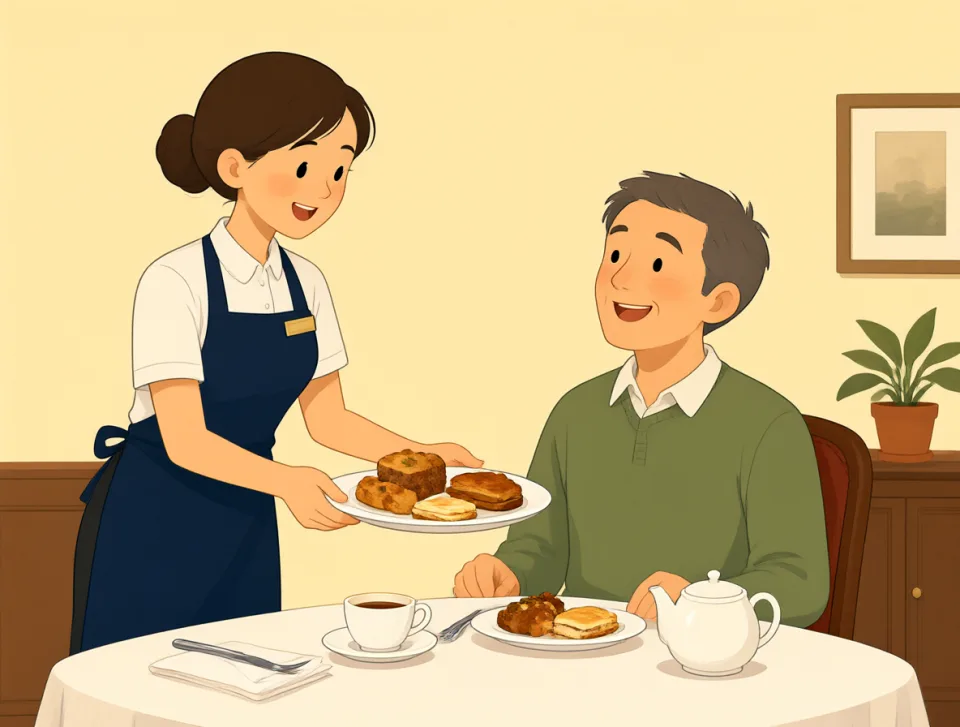
The hotel offers free breakfast.
그 호텔은 무료 조식을 제공한다.
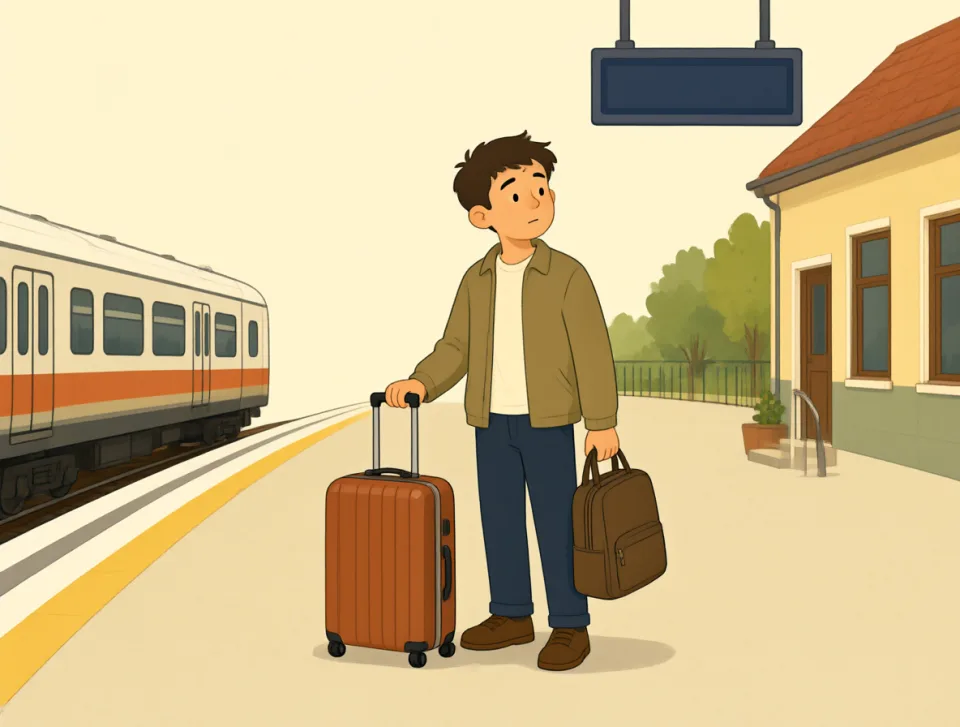
He offered to help with my bags.
그는 내 가방을 들어 주겠다고 했다.
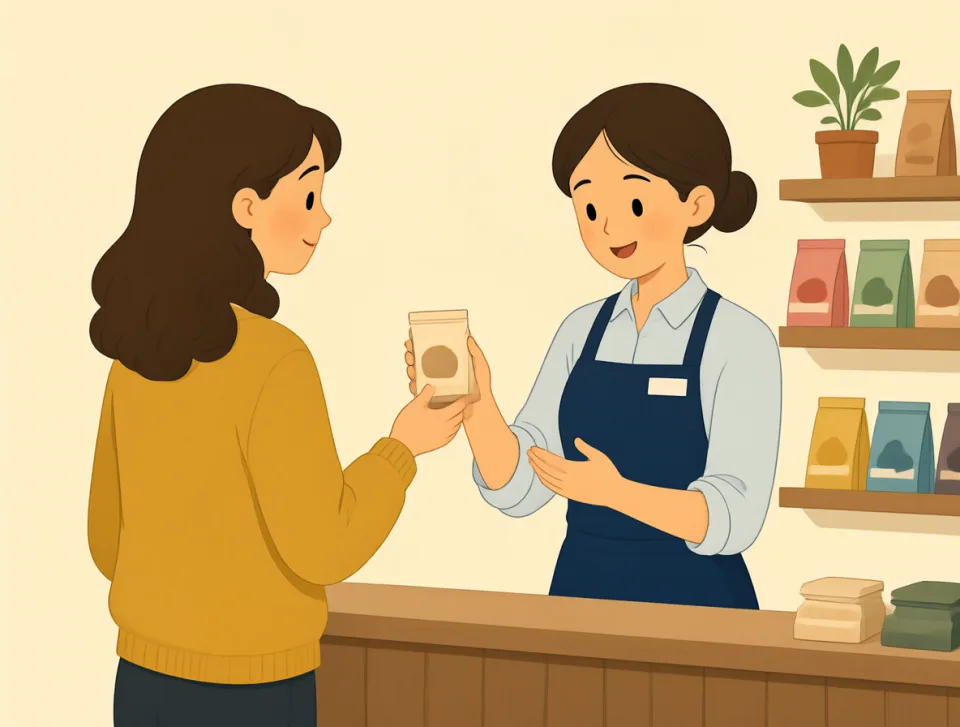
The shop offered a big discount.
그 가게는 큰 할인 혜택을 제공했다.

They made me a job offer.
그들은 나에게 일자리를 제안했다.
young
#238adjective, noun
어린; 젊은
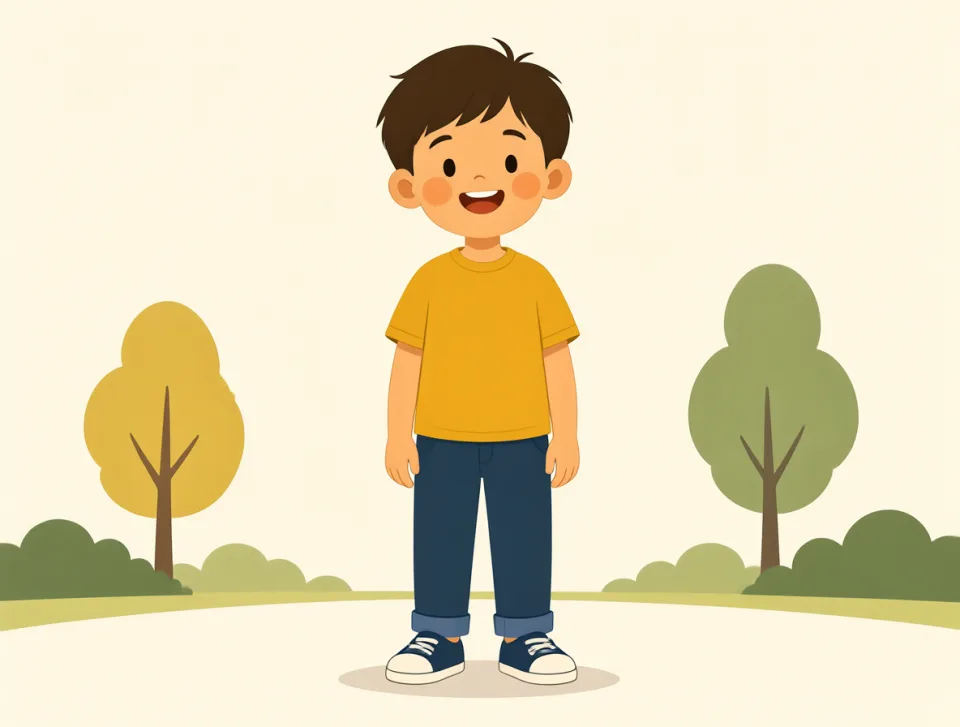
having lived for only a short time; not old
살아온 기간이 짧은; 나이가 많지 않은
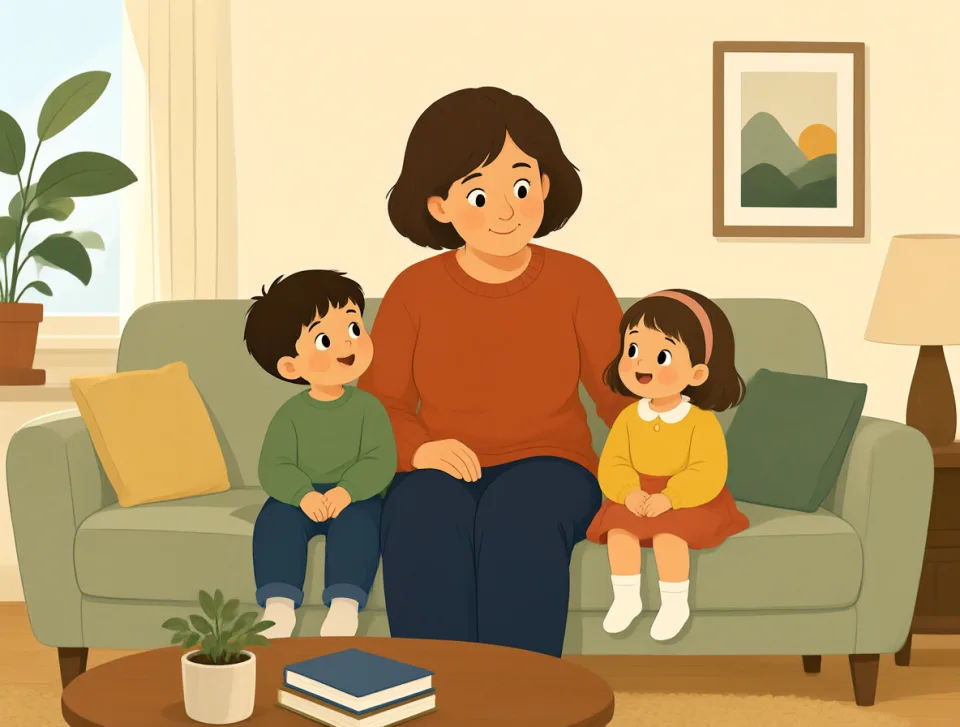
She has two young children at home.
그녀는 집에 어린 자녀가 둘 있다.
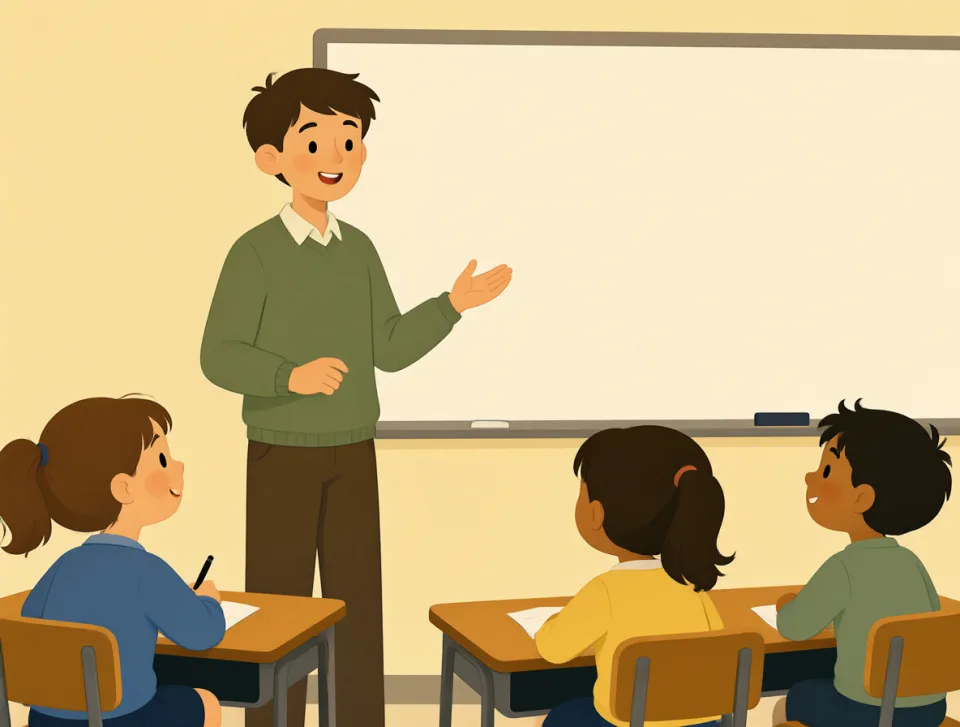
He is a young teacher at our school.
그는 우리 학교의 젊은 교사이다.

Young people often meet friends after work.
젊은 사람들은 퇴근 후에 친구들을 자주 만난다.
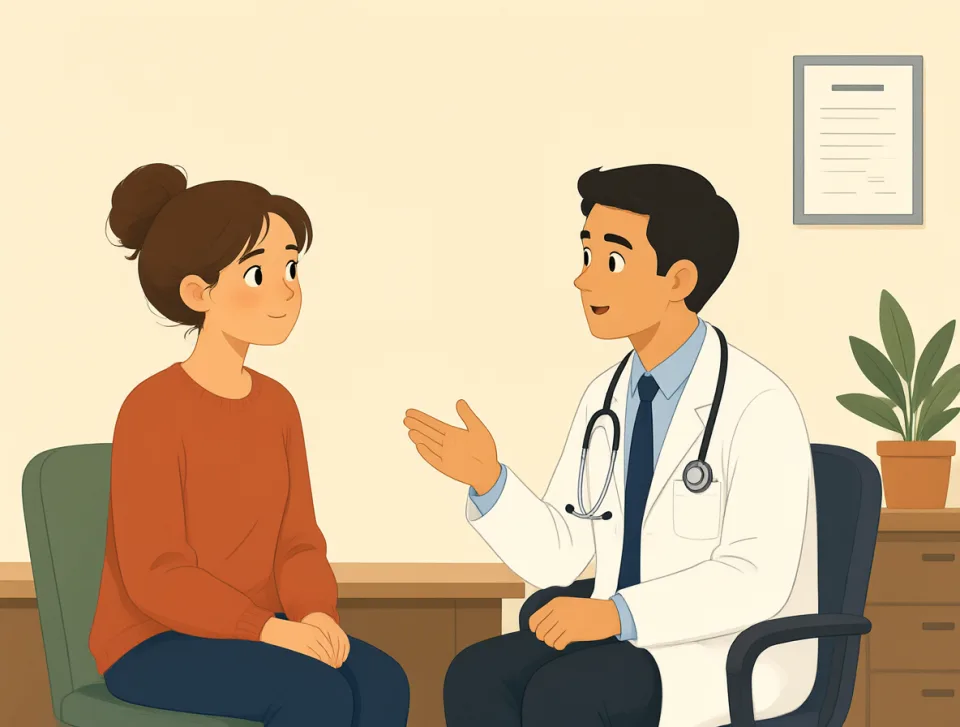
My doctor says I am too young for this test.
의사 선생님은 내가 이 검사를 받기에는 너무 어리다고 하신다.

The young waiter brought our food quickly.
젊은 웨이터가 우리 음식을 재빨리 가져다주었다.
close
#239verb, adjective, adverb, noun
닫다; 가까운; 가까이; 친한
To shut something; near in distance or relationship; with little space between.
무언가를 닫다; 거리나 관계가 가깝다; 공간이 거의 없이
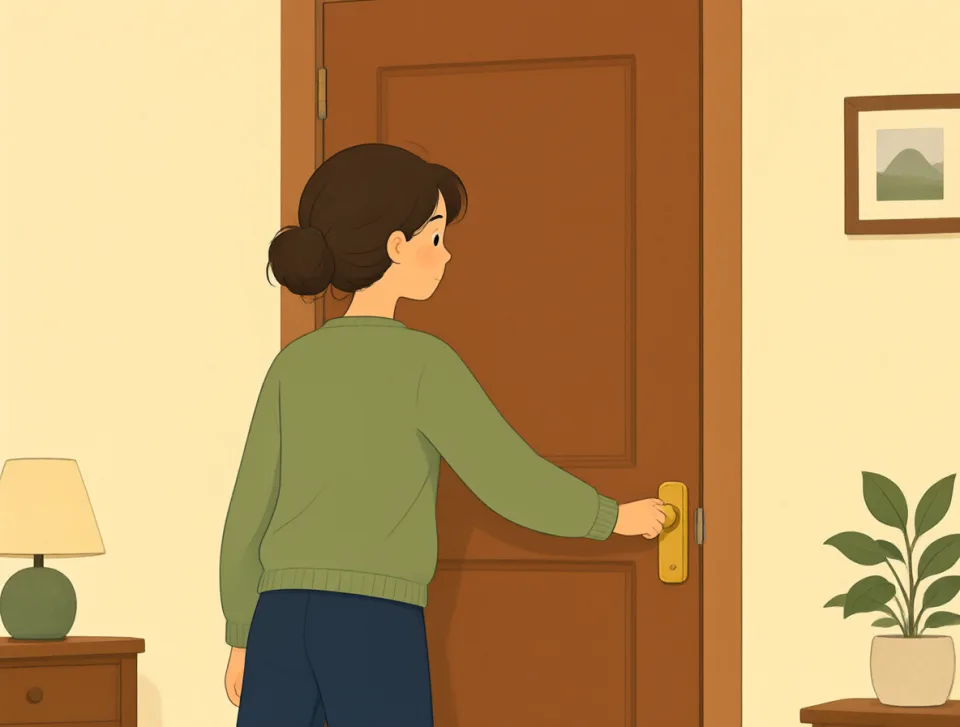
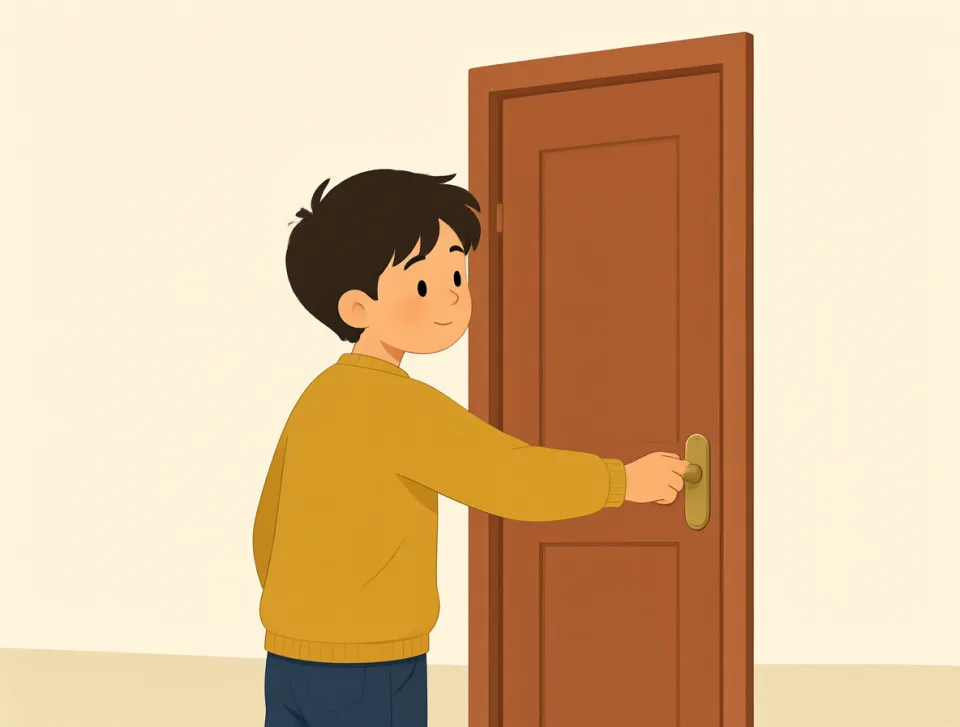
Please close the door behind you.
뒤에서 문을 닫아 주세요.
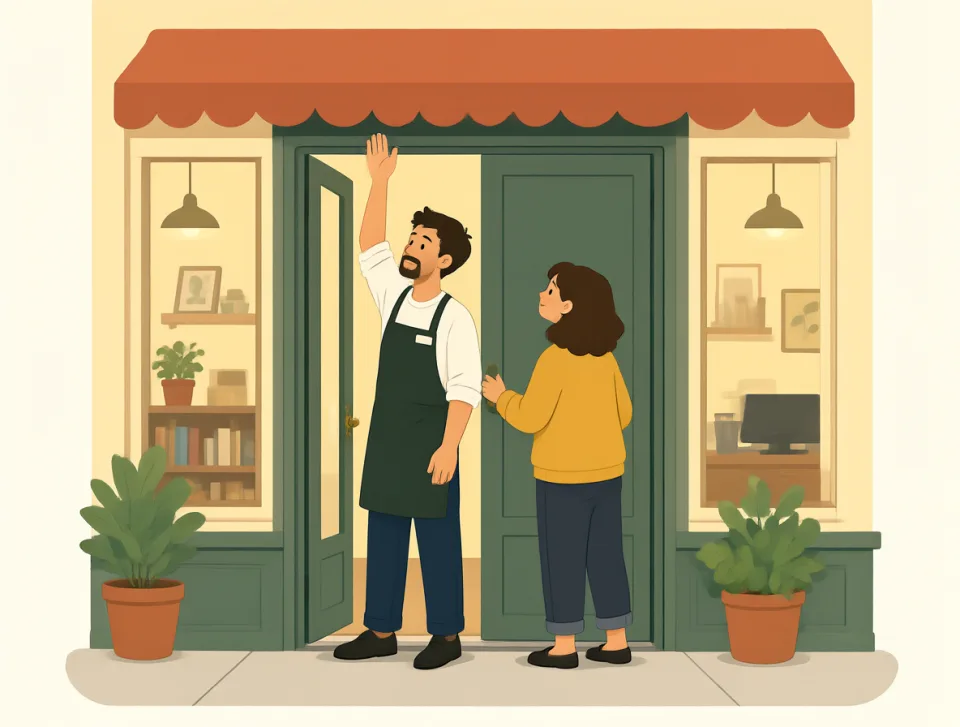
The shop closes at six today.
그 가게는 오늘 6시에 문을 닫아요.
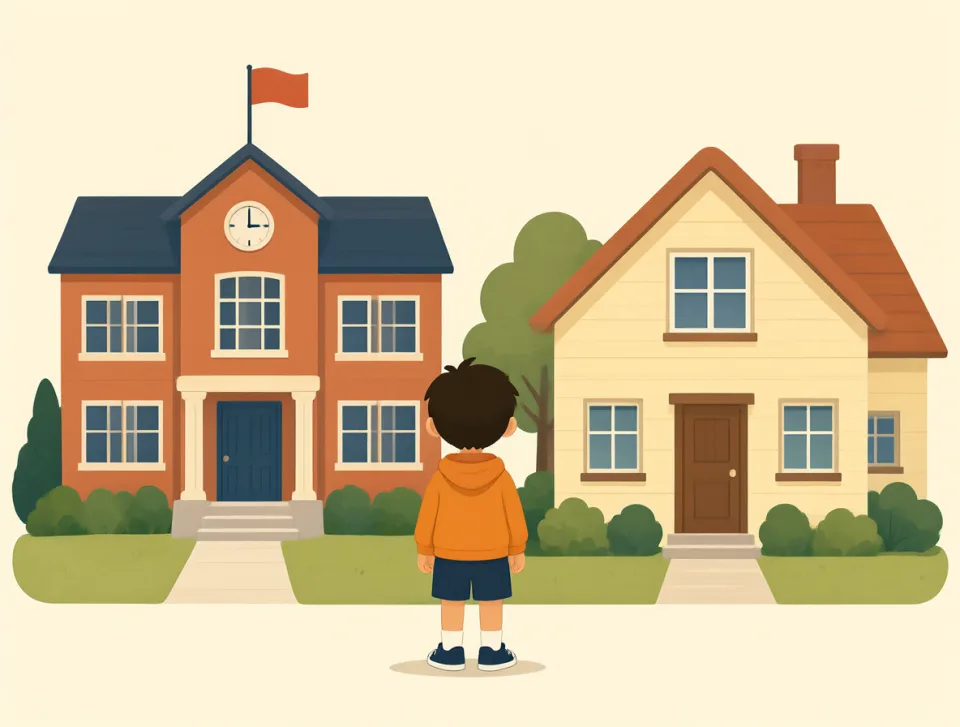
My school is close to my house.
우리 학교는 우리 집에서 가까워요.

We sat close together on the bus.
우리는 버스에서 서로 바짝 붙어 앉았어요.

She is a close friend of mine.
그녀는 제 친한 친구 중 한 명이에요.
program
#240noun, verb
프로그램; 계획하다
A planned set of activities, or to plan and provide activities for a purpose.
어떤 목적을 위해 마련된 활동의 계획이나, 그러한 활동을 계획하고 제공하다.
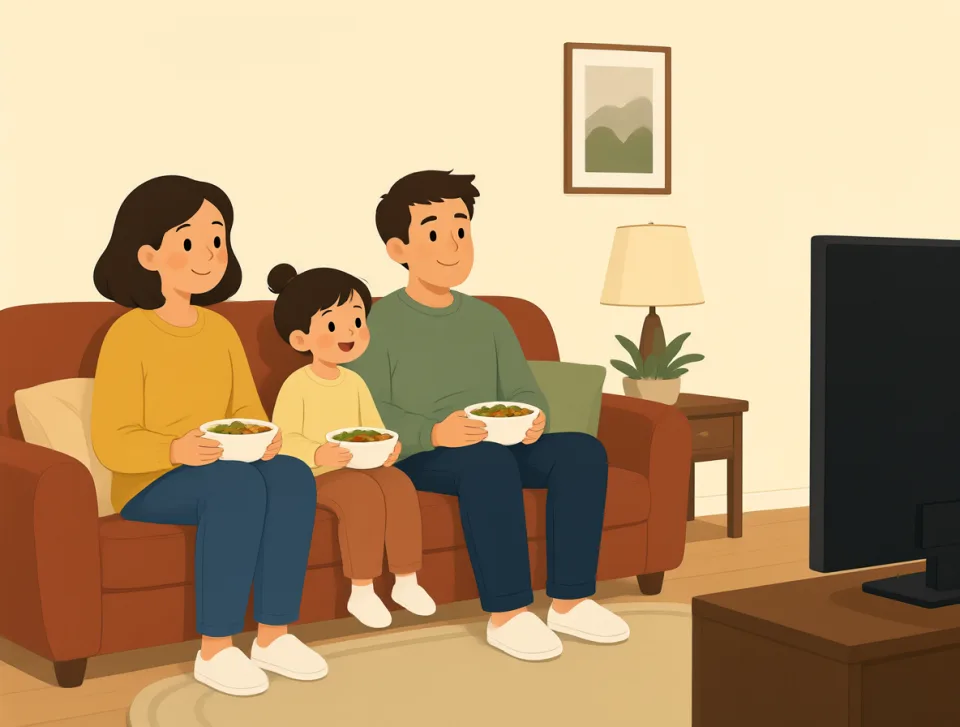
We watched a funny program after dinner.
저녁을 먹고 나서 재미있는 프로그램을 봤어요.
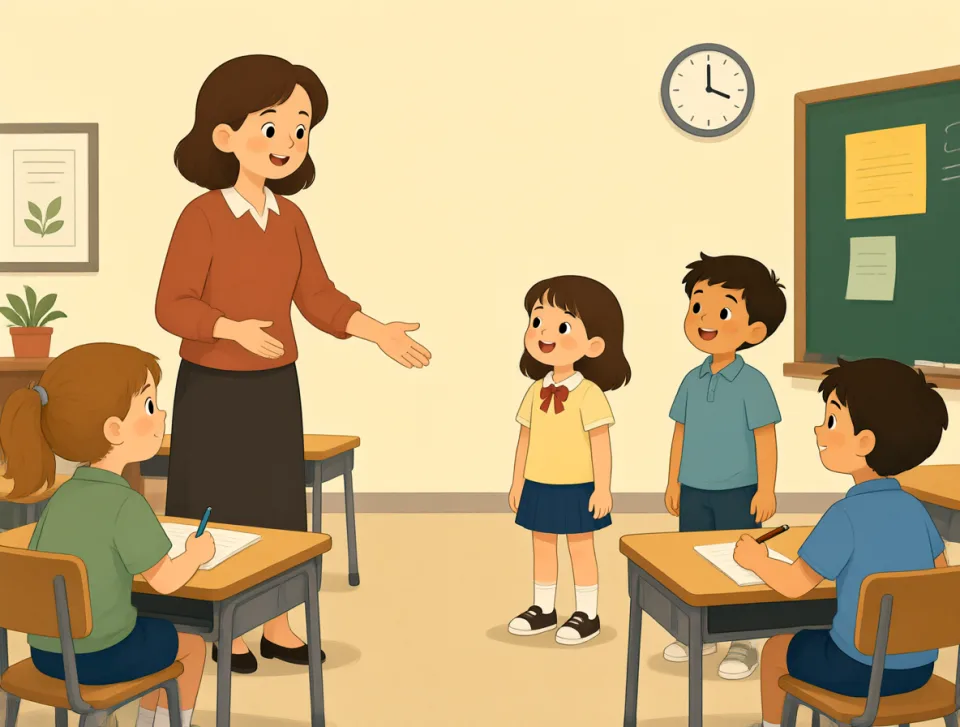
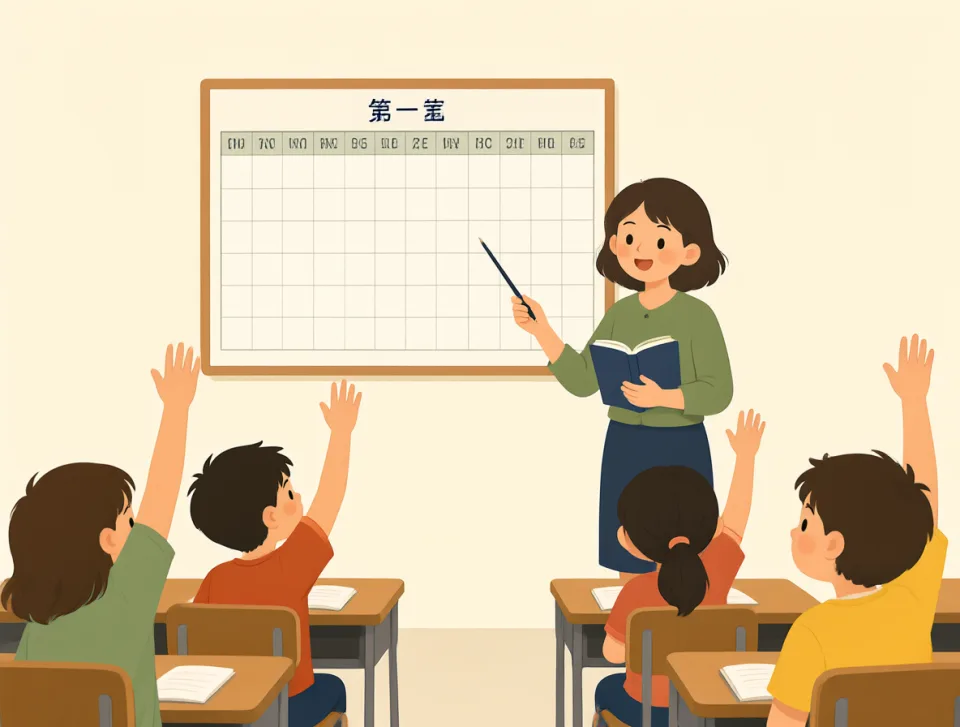
The school program starts next Monday.
학교 프로그램은 다음 주 월요일에 시작해요.
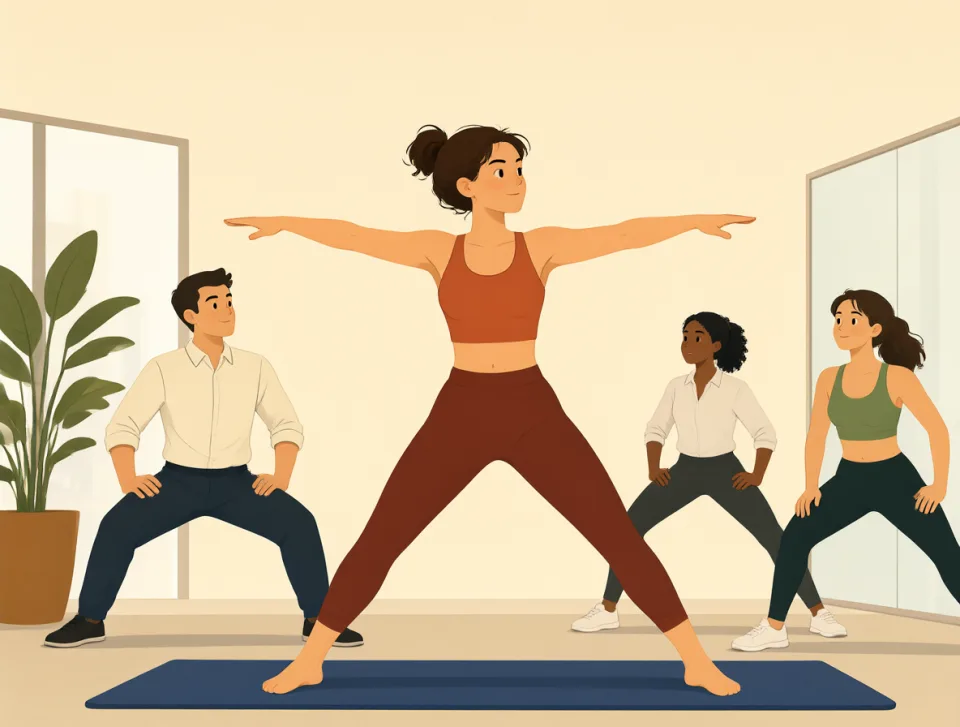
She joined a health program at work.
그녀는 직장에서 건강 관리 프로그램에 참여했어요.

The travel program includes three cities.
여행 프로그램에는 세 도시가 포함돼 있어요.
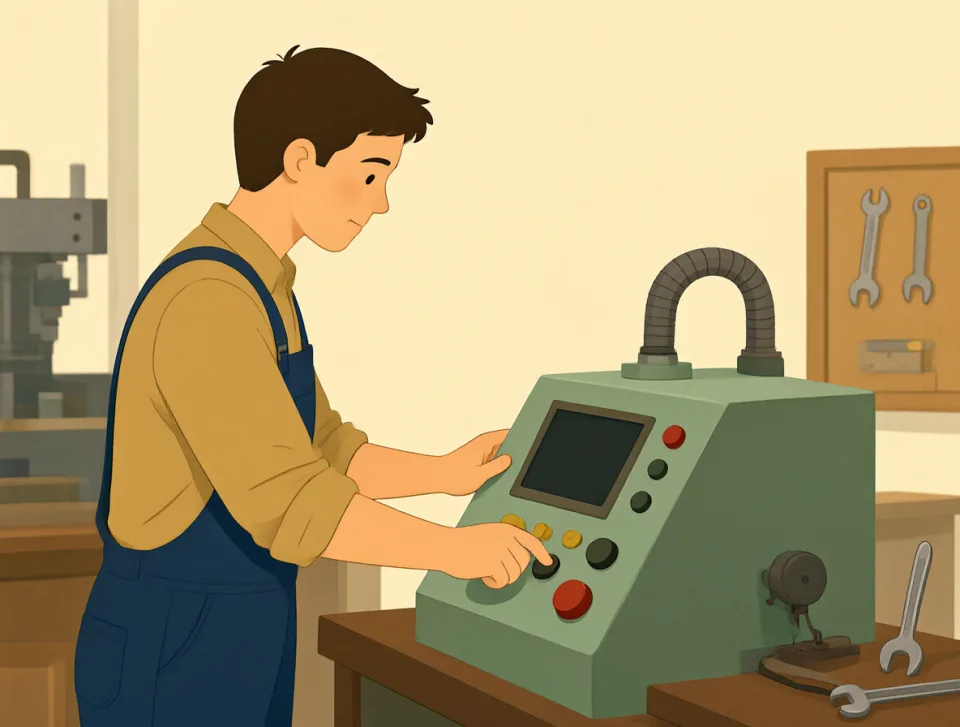
They programmed the machine to stop safely.
그들은 기계가 안전하게 멈추도록 프로그램을 설정했어요.