Đơn vị 94
Từ 1861–1880 · negotiation, mechanism, coat, democracy, pocket, lucky

negotiation
#1861noun
sự đàm phán
A discussion to reach an agreement, especially about price, plans, or conditions.
Cuộc thảo luận nhằm đạt được thỏa thuận, đặc biệt là về giá cả, kế hoạch hoặc điều kiện.

The two sides reached an agreement after several hours of negotiation.
Hai bên đã đạt được thỏa thuận sau nhiều giờ đàm phán.

The union began negotiations with the company about higher wages.
Công đoàn bắt đầu đàm phán với công ty về việc tăng lương.
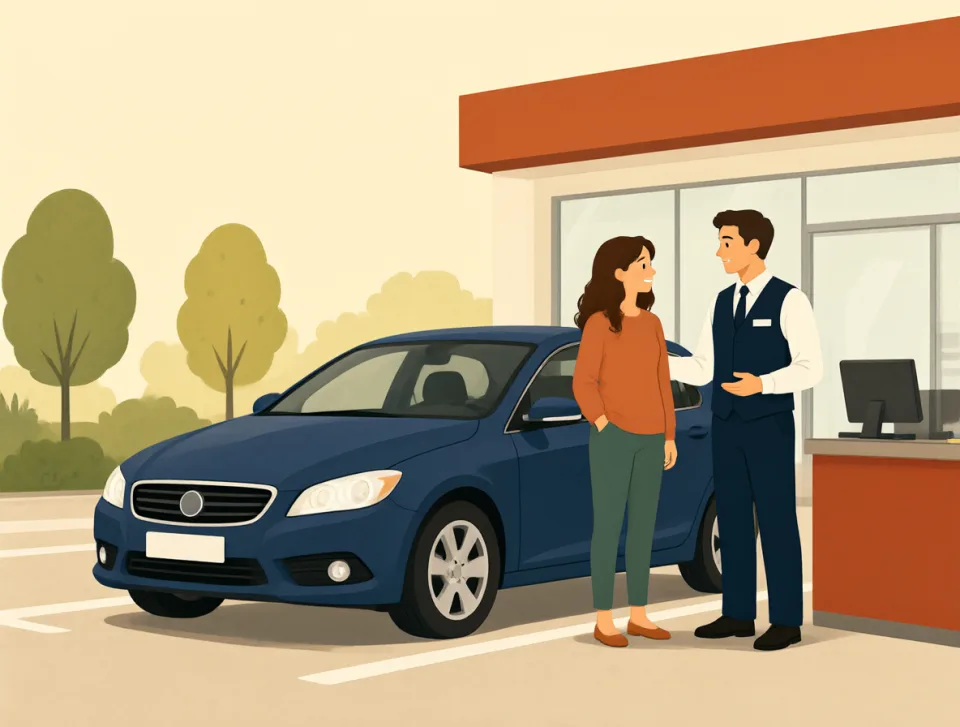
Good negotiation helped us get a lower price for the car.
Đàm phán khéo léo giúp chúng tôi mua được chiếc xe với giá thấp hơn.

The peace negotiations continued after both countries stopped fighting.
Các cuộc đàm phán hòa bình vẫn tiếp diễn sau khi hai nước ngừng giao tranh.

Buying a house usually involves negotiation over the final price.
Mua nhà thường phải đàm phán về giá cuối cùng.
mechanism
#1862noun
cơ chế
A part or process that makes something work or happen.
Bộ phận hoặc quy trình giúp một thứ hoạt động hoặc diễn ra.
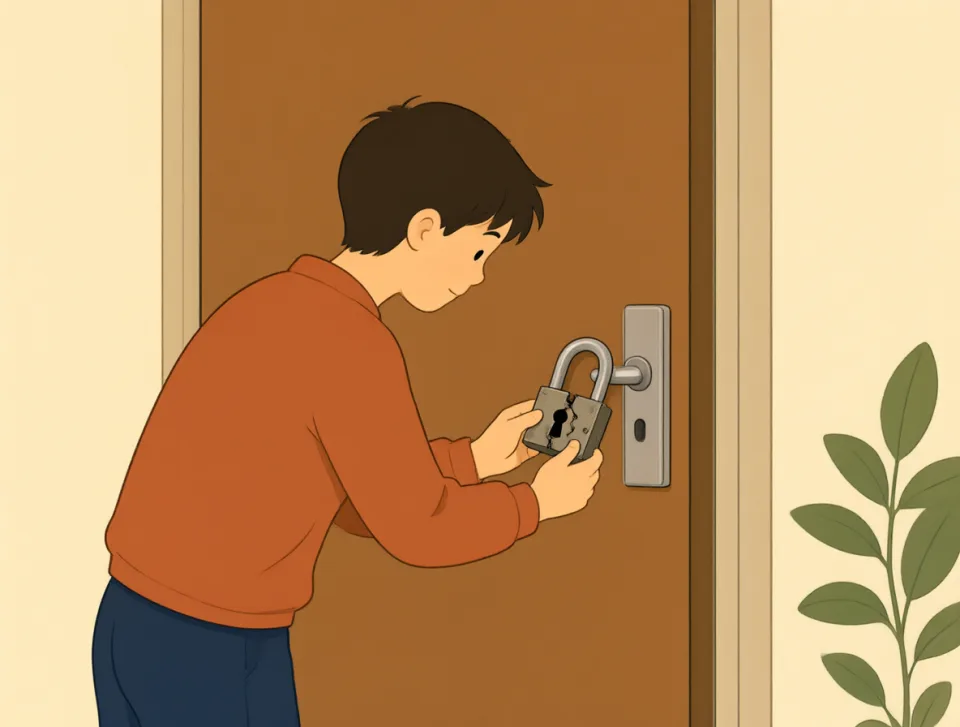
The locking mechanism on this door is broken.
Cơ chế khóa của cánh cửa này bị hỏng.

The camera has a simple mechanism for changing the lens.
Máy ảnh có cơ chế đơn giản để thay ống kính.

Scientists studied the mechanism behind the disease.
Các nhà khoa học đã nghiên cứu cơ chế gây ra căn bệnh.
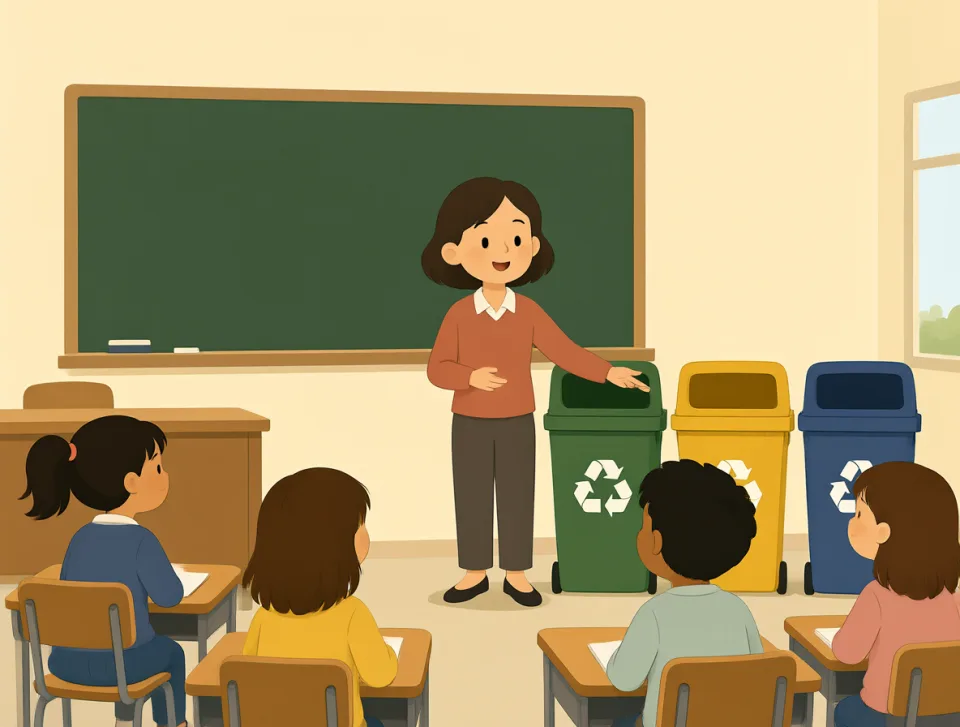
The teacher explained the mechanism of the new recycling system.
Giáo viên giải thích cơ chế hoạt động của hệ thống tái chế mới.
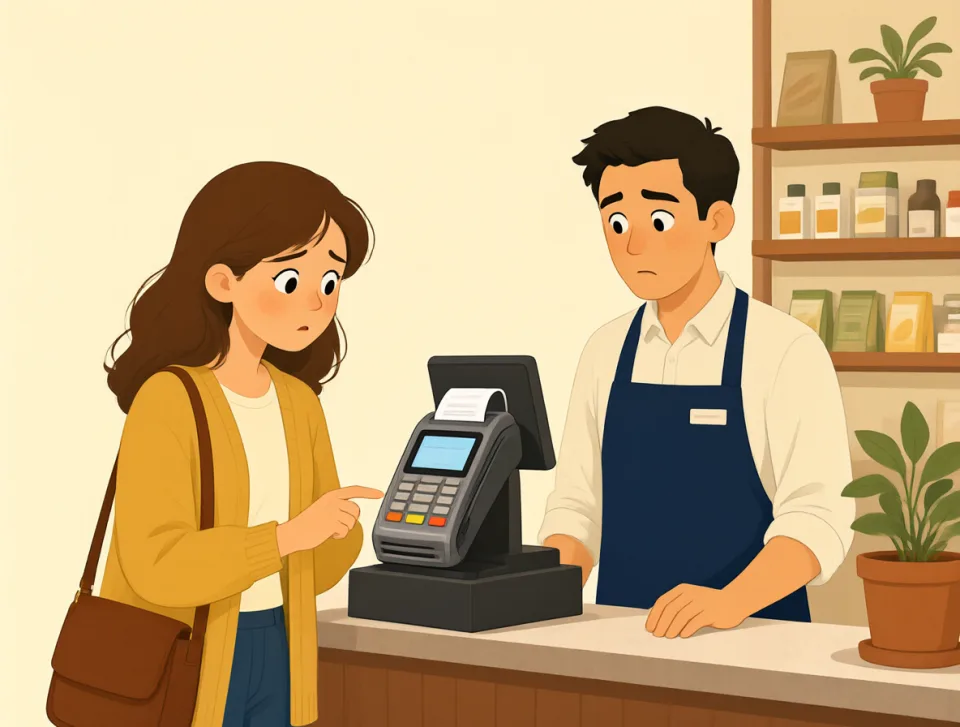
The shop's payment mechanism stopped working during checkout.
Cơ chế thanh toán của cửa hàng ngừng hoạt động khi khách đang thanh toán.

coat
#1863noun, verb
áo khoác
Clothing worn over other clothes; to cover something with a layer.
Áo mặc bên ngoài quần áo khác; phủ một lớp lên thứ gì đó.
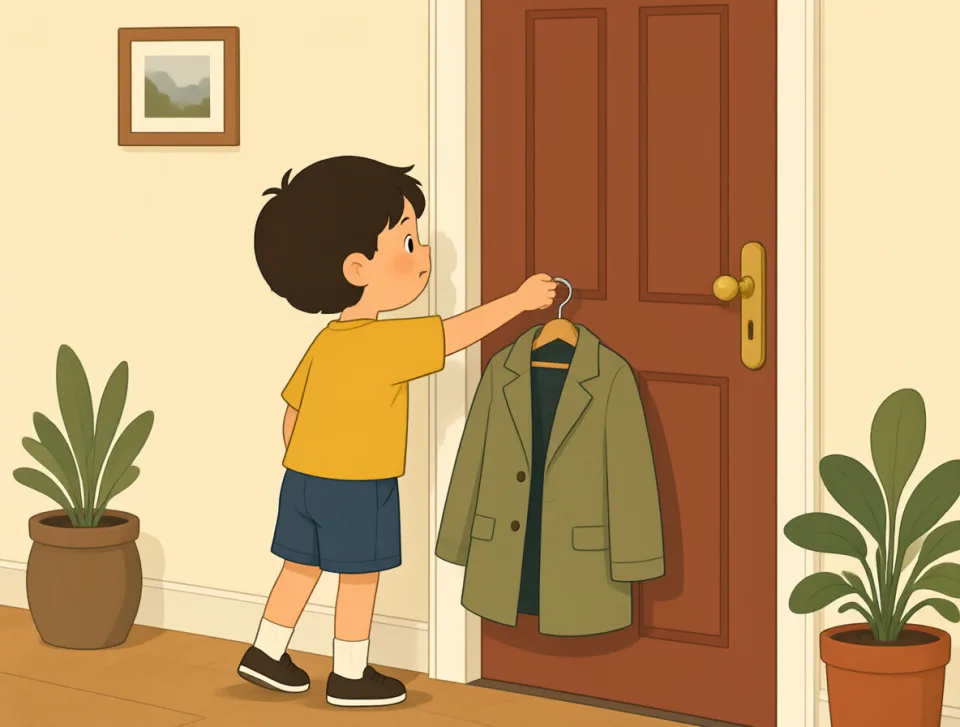
Take your coat; it is cold outside.
Mang áo khoác theo nhé, ngoài trời lạnh đấy.
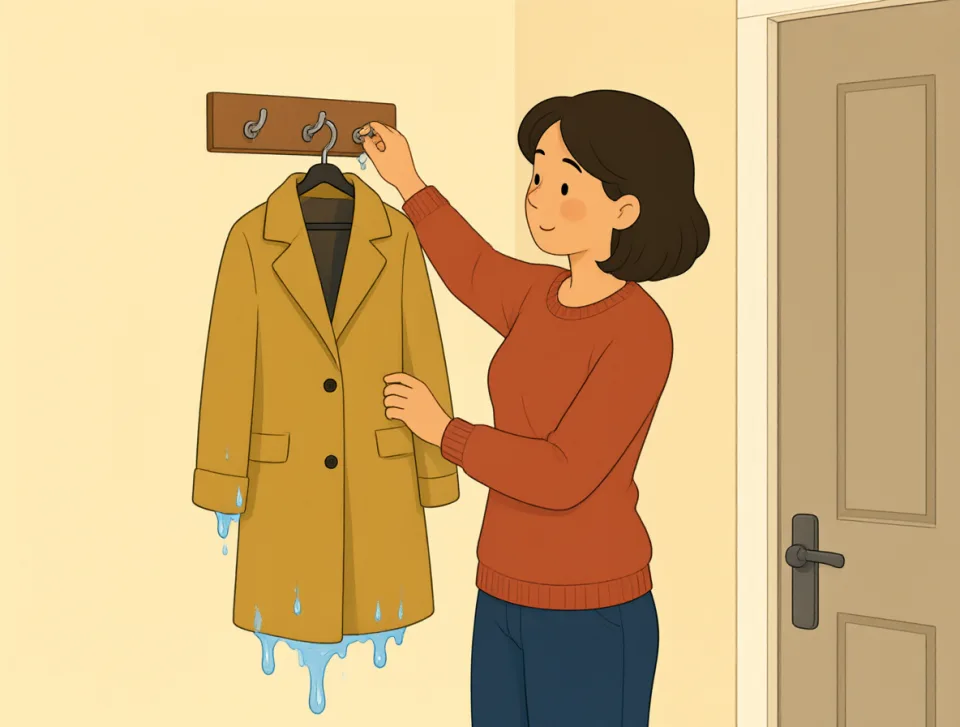
She hung her wet coat by the front door.
Cô ấy treo chiếc áo khoác ướt cạnh cửa trước.
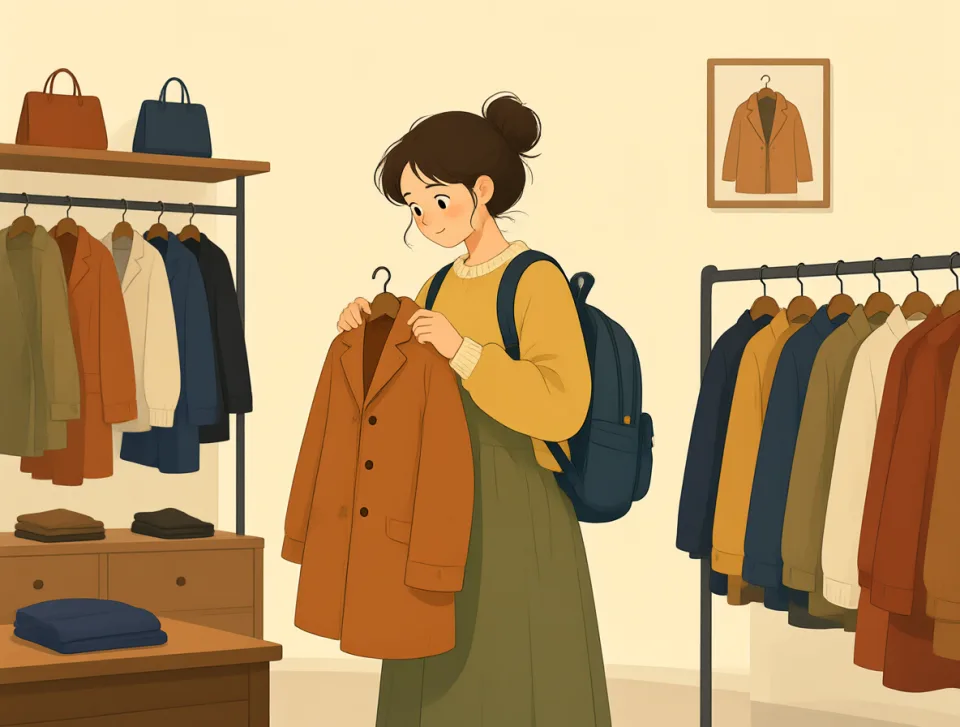
I bought a warm coat before our trip to Canada.
Tôi đã mua một chiếc áo khoác ấm trước chuyến đi Canada.
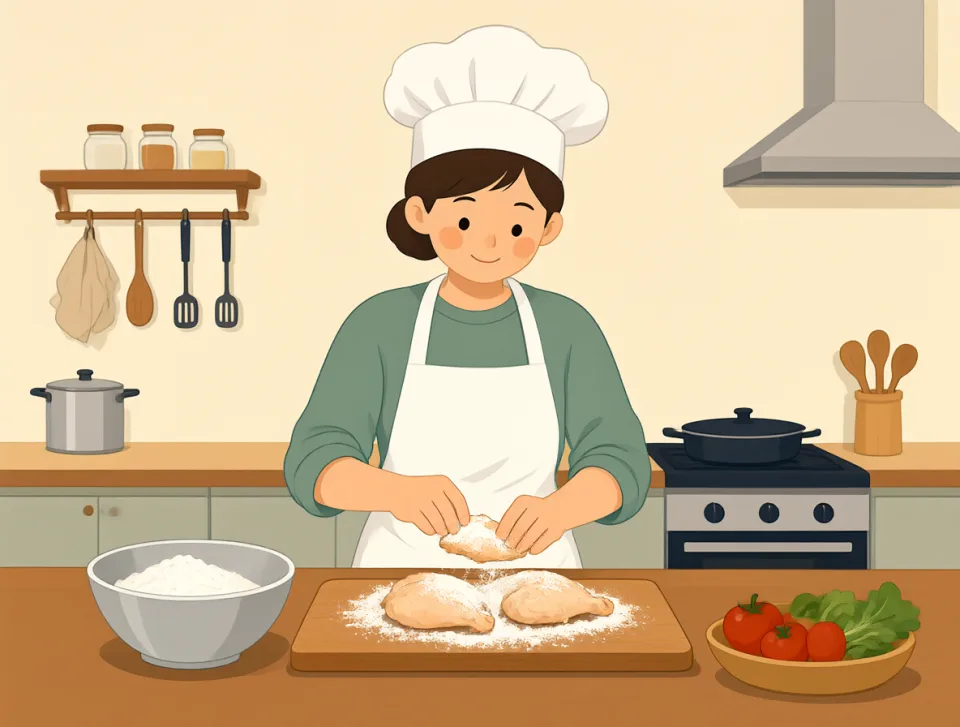
Coat the chicken with flour before frying it.
Lăn thịt gà qua bột mì trước khi chiên.
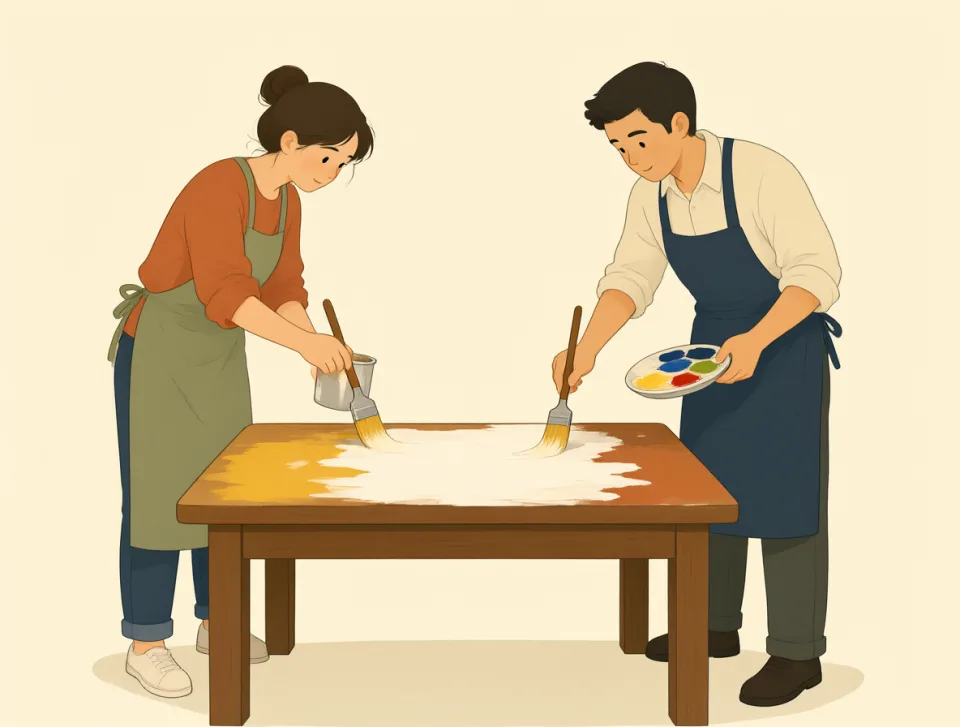
We gave the old table a fresh coat of paint.
Chúng tôi sơn một lớp sơn mới lên chiếc bàn cũ.
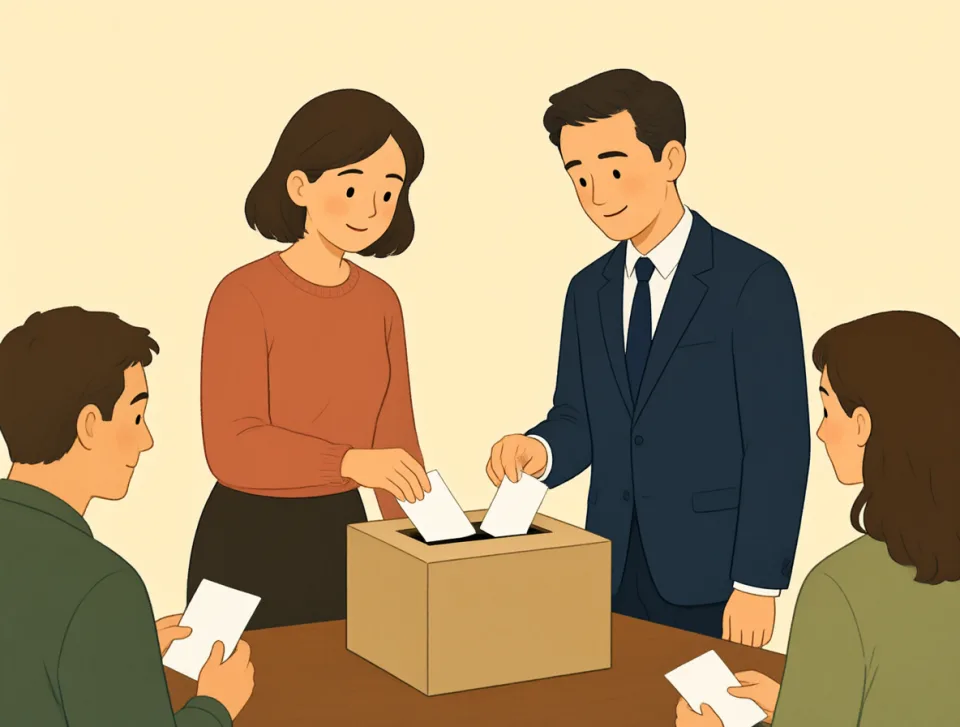
democracy
#1864noun
nền dân chủ
a system of government in which people choose their leaders
Hệ thống chính quyền trong đó người dân chọn ra những người lãnh đạo.
In a democracy, people can vote for their leaders.
Trong nền dân chủ, người dân có thể bỏ phiếu chọn lãnh đạo.

Democracy gives ordinary people a voice in government.
Nền dân chủ giúp người dân bình thường có tiếng nói trong chính quyền.
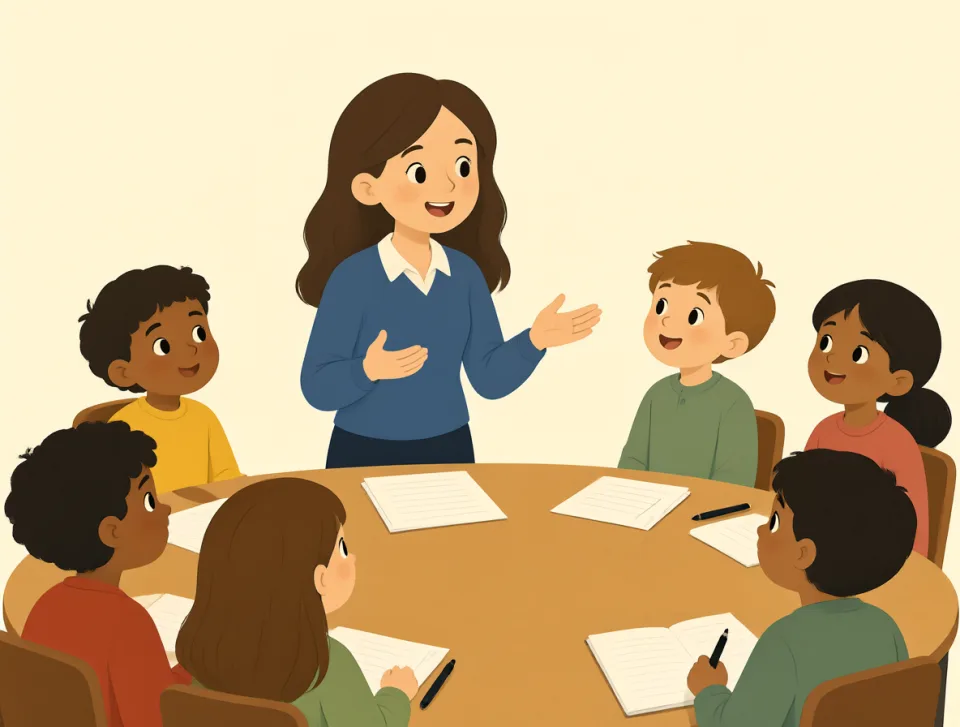
Our teacher explained democracy during social studies class.
Giáo viên đã giải thích về nền dân chủ trong tiết học xã hội.
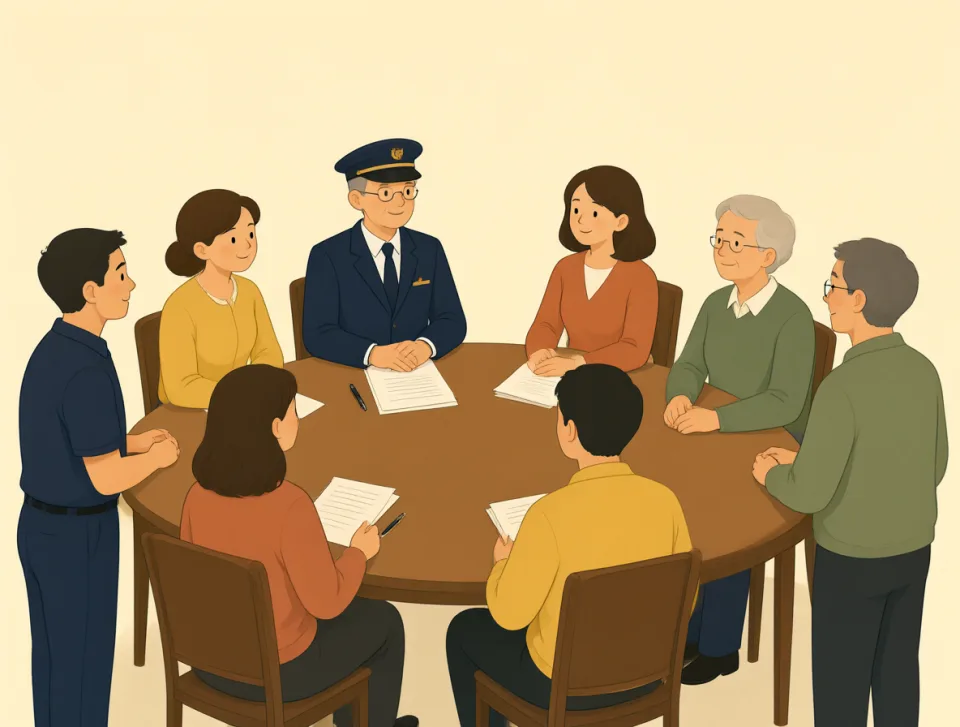
The country is working to build a strong democracy.
Đất nước đang nỗ lực xây dựng một nền dân chủ vững mạnh.

Many citizens joined the peaceful march to protect democracy.
Nhiều người dân đã tham gia cuộc tuần hành ôn hòa để bảo vệ nền dân chủ.
pocket
#1865noun, verb
túi
A small bag sewn into clothing for carrying things; to put something in it.
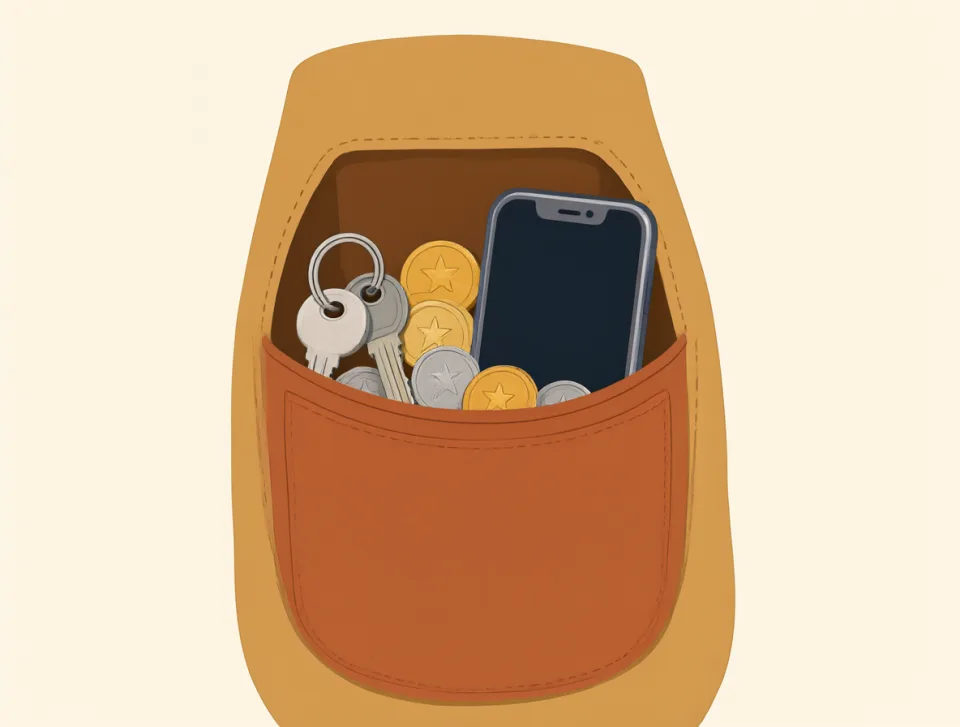
Túi nhỏ được may vào quần áo để đựng đồ; cho thứ gì đó vào túi.

She put her keys in her pocket before leaving home.
Cô ấy bỏ chìa khóa vào túi trước khi rời khỏi nhà.
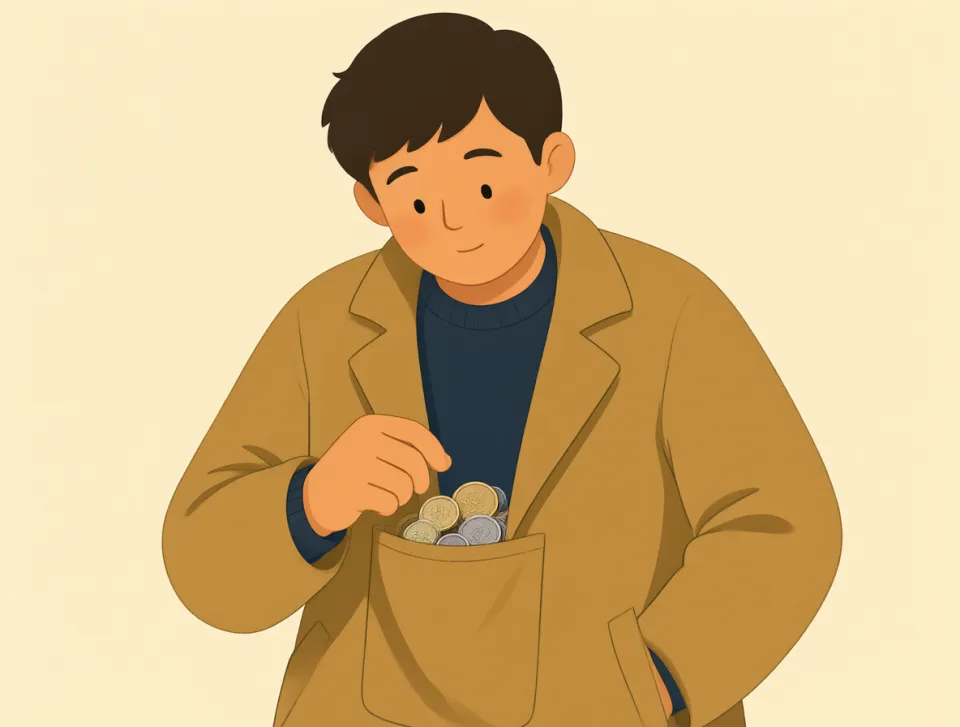
I found some coins in my coat pocket.
Tôi tìm thấy vài đồng xu trong túi áo khoác.
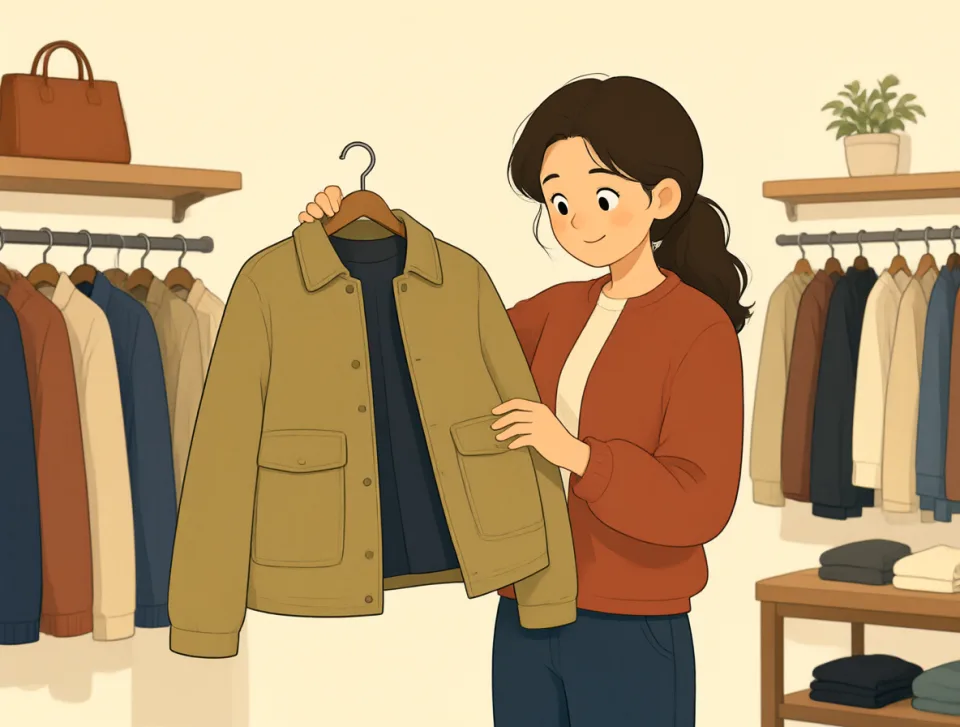
This jacket has deep pockets for carrying your phone.
Chiếc áo khoác này có túi sâu để đựng điện thoại.

He kept the train ticket in his pocket during the journey.
Anh ấy giữ vé tàu trong túi suốt chuyến đi.
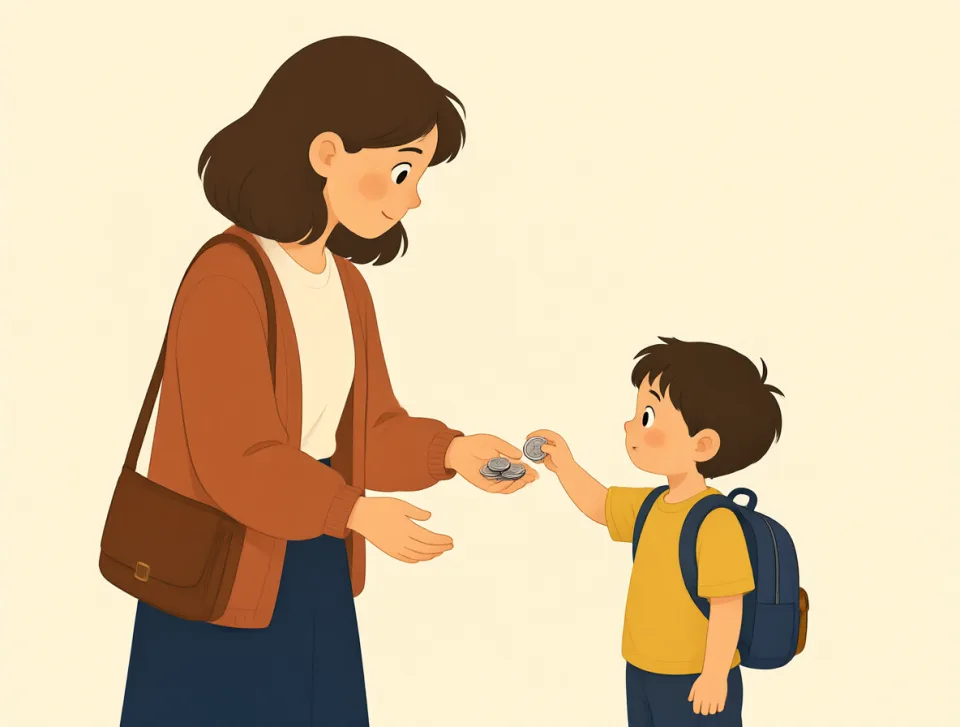
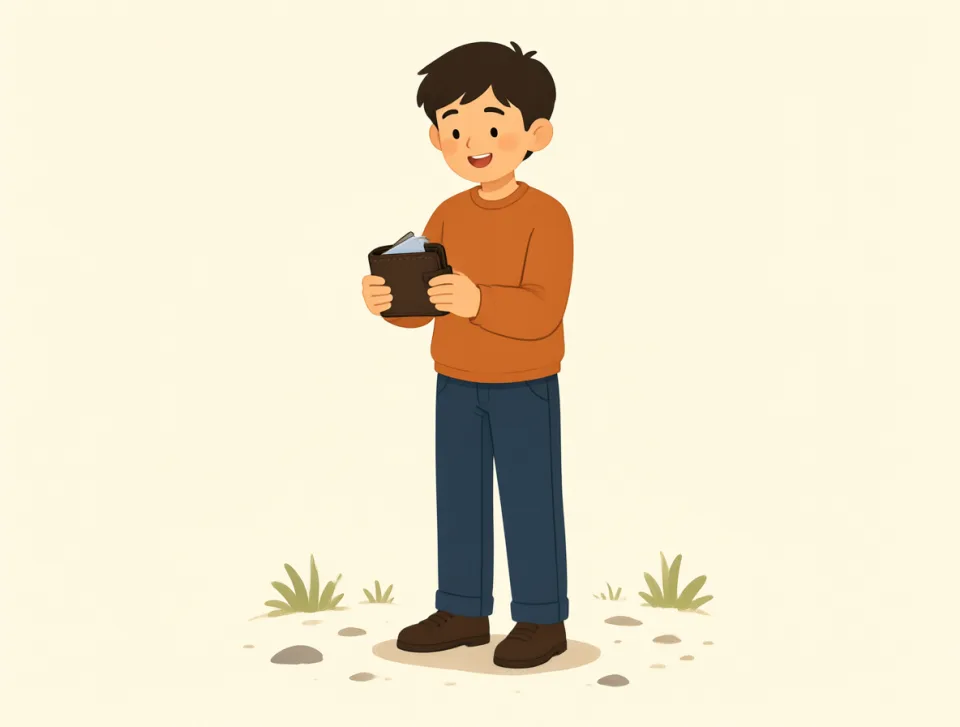
The doctor gave her some pocket money for lunch.
Bác sĩ đưa cho cô ấy một ít tiền tiêu vặt để mua bữa trưa.
lucky
#1866adjective
may mắn
Having good things happen by chance.
Gặp được những điều tốt đẹp một cách tình cờ.
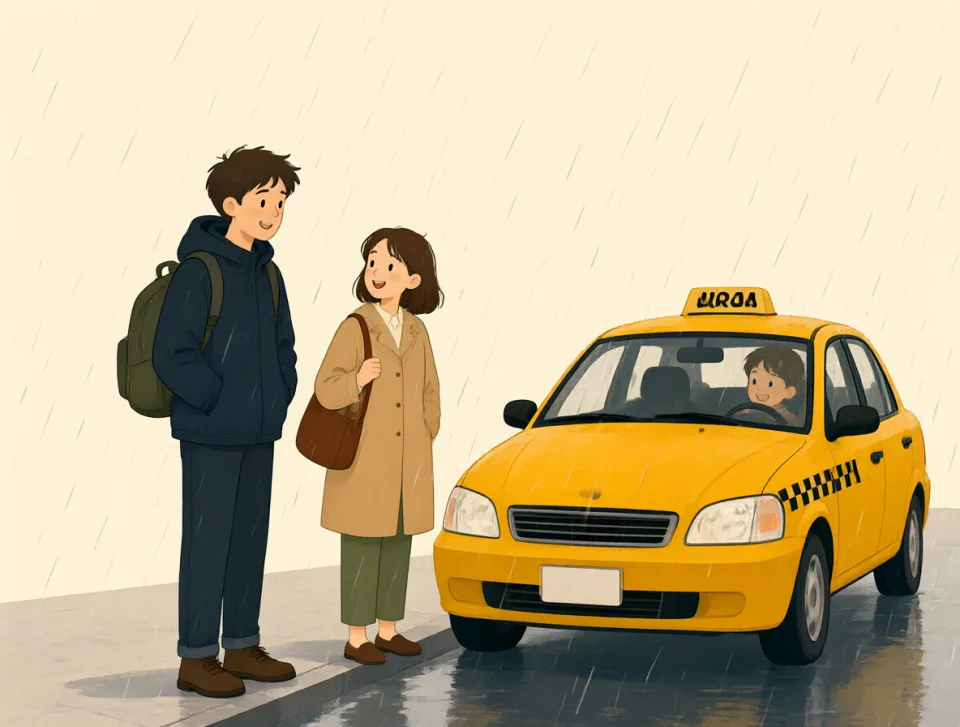
We were lucky to find a taxi in the rain.
Chúng tôi thật may mắn vì tìm được taxi giữa trời mưa.
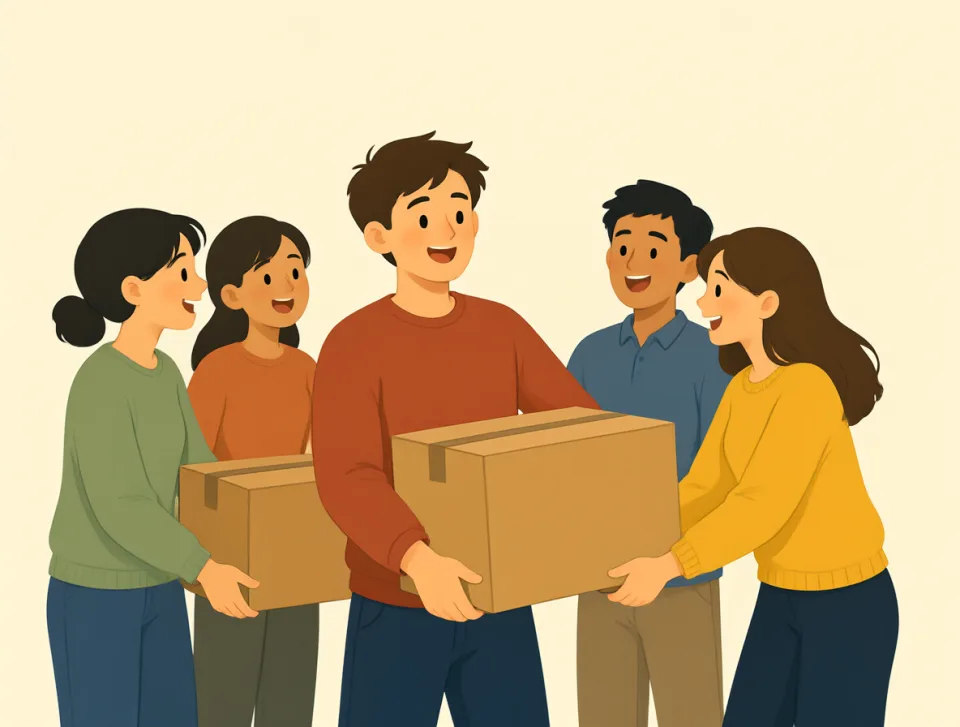
You are lucky to have such kind friends.
Bạn thật may mắn khi có những người bạn tốt bụng như vậy.

I felt lucky when my lost dog came home.
Tôi cảm thấy mình thật may mắn khi chú chó đi lạc trở về nhà.
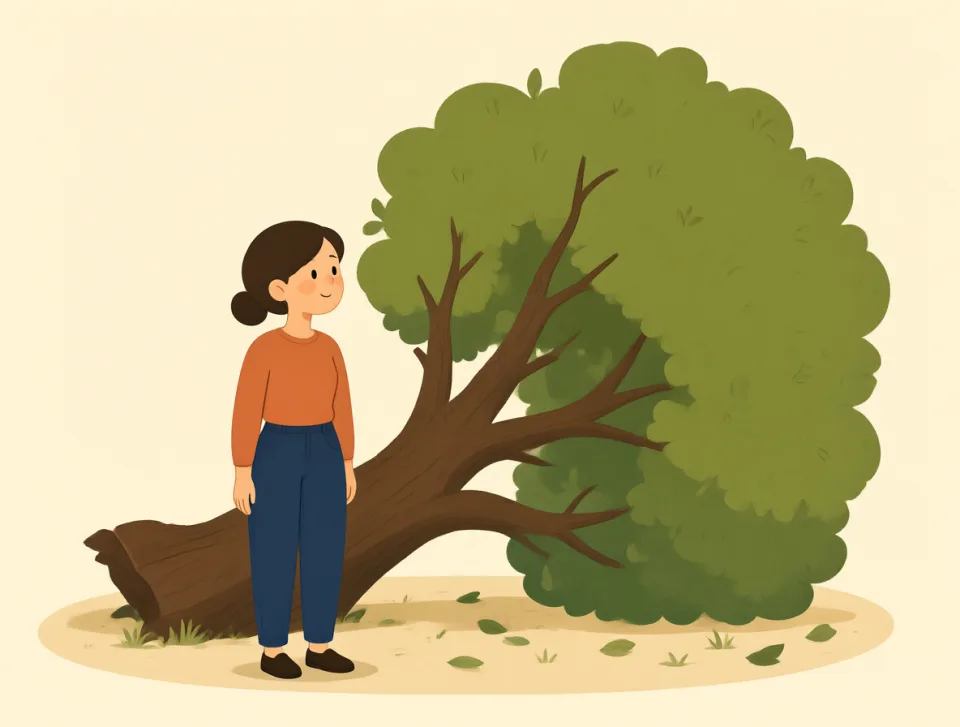
She had a lucky escape from the falling tree.
Cô ấy may mắn thoát nạn khi cây đổ xuống.

He chose a lucky number and won the prize.
Anh ấy chọn một con số may mắn và trúng giải.
crash
#1867noun, verb
va chạm; gặp sự cố
A hard collision, or to hit something, stop working, or sleep somewhere unexpectedly.
Một vụ va chạm mạnh; hoặc đâm vào thứ gì đó, ngừng hoạt động hay bất ngờ ngủ nhờ ở đâu đó.
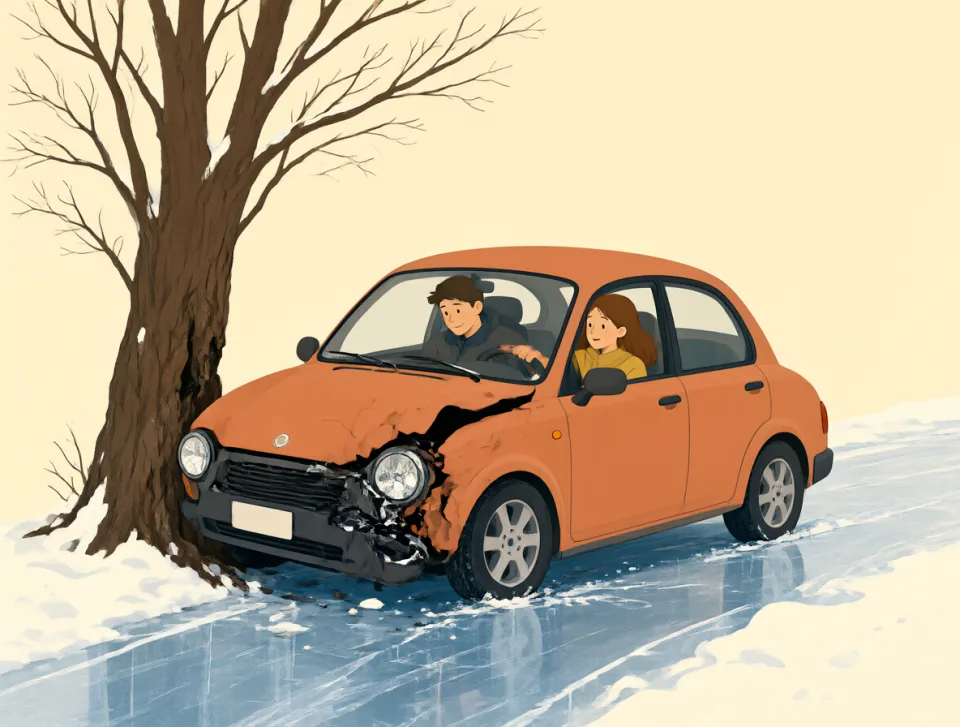
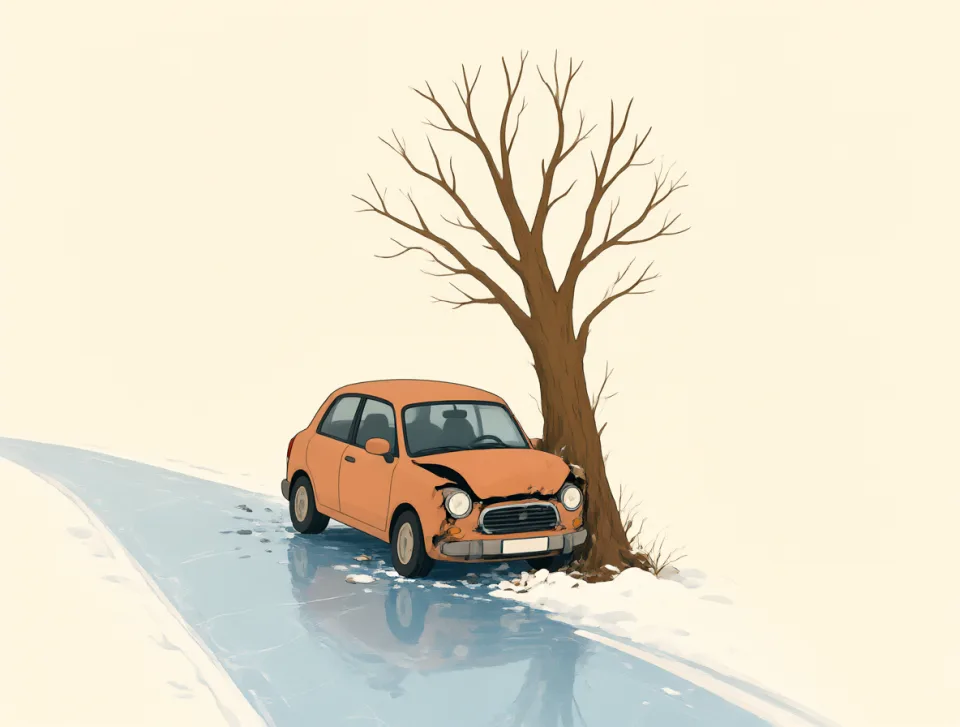
The car crashed into a tree on the icy road.
Chiếc xe đâm vào một cái cây trên con đường đóng băng.
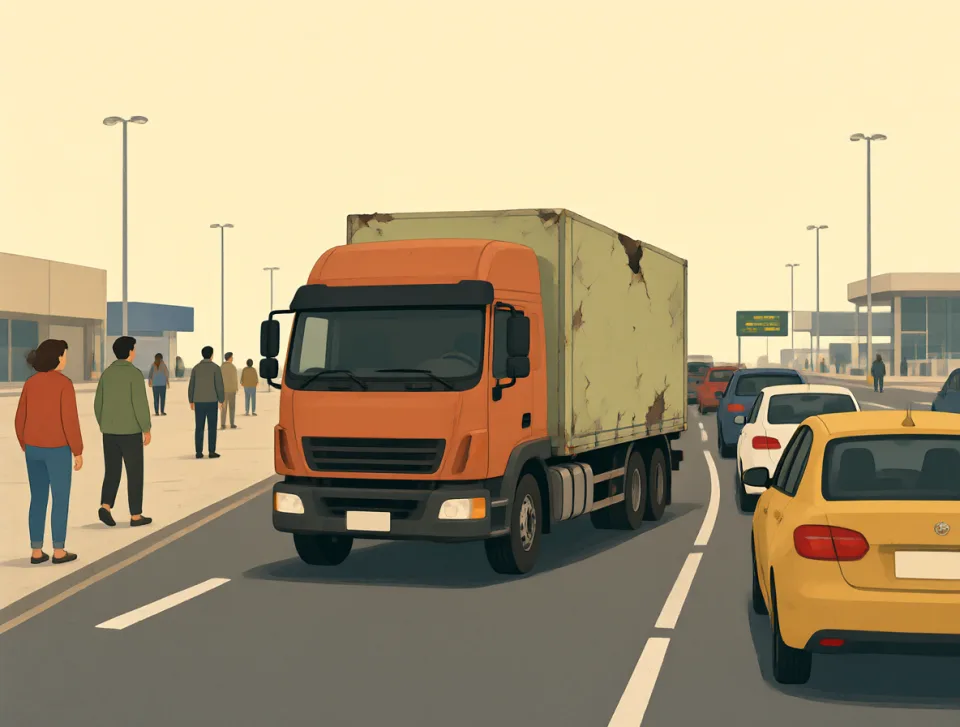
A truck crash blocked traffic near the airport this morning.
Một vụ tai nạn xe tải khiến giao thông gần sân bay bị ùn tắc sáng nay.

My computer crashed while I was finishing my homework.
Máy tính của tôi bị treo khi tôi đang làm nốt bài tập về nhà.

She crashed the party without knowing anyone there.
Cô ấy tự ý đến dự tiệc dù chẳng quen ai ở đó.

Can I crash at your place tonight?
Tối nay mình ngủ nhờ nhà bạn được không?

observation
#1868noun
nhận xét; sự quan sát
something you notice, or a comment about what you have noticed
Điều bạn nhận thấy, hoặc lời nhận xét về điều bạn đã quan sát được.
The doctor kept the patient under observation overnight.
Bác sĩ tiếp tục theo dõi bệnh nhân qua đêm.
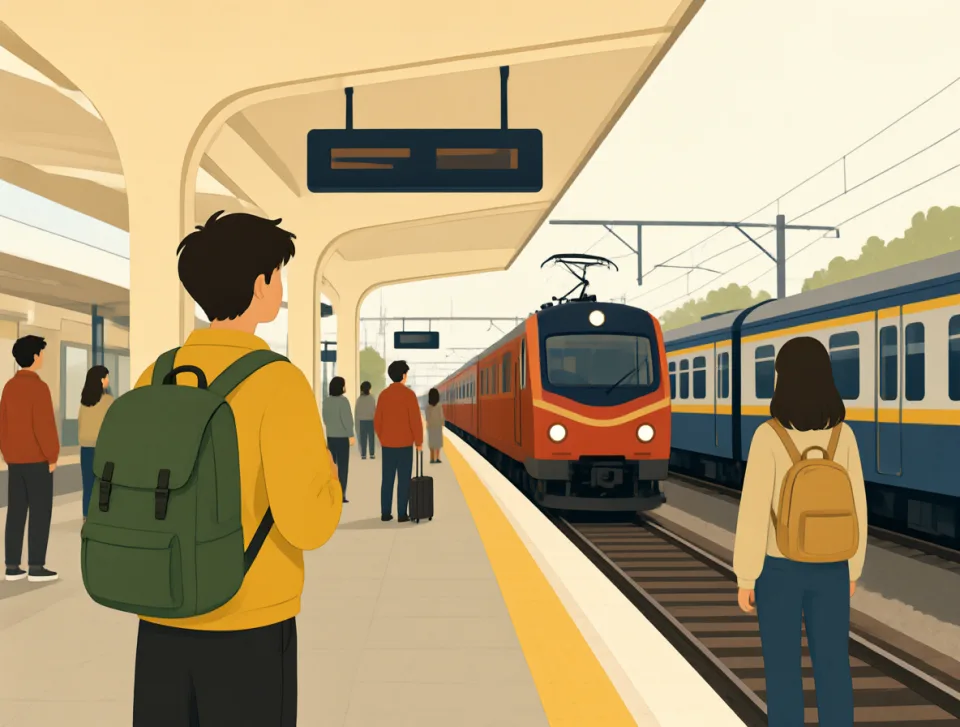
I made an interesting observation while waiting for the train.
Tôi có một nhận xét thú vị trong lúc chờ tàu.

The teacher praised her careful observation of the bird.
Giáo viên khen cô ấy quan sát chú chim rất kỹ.
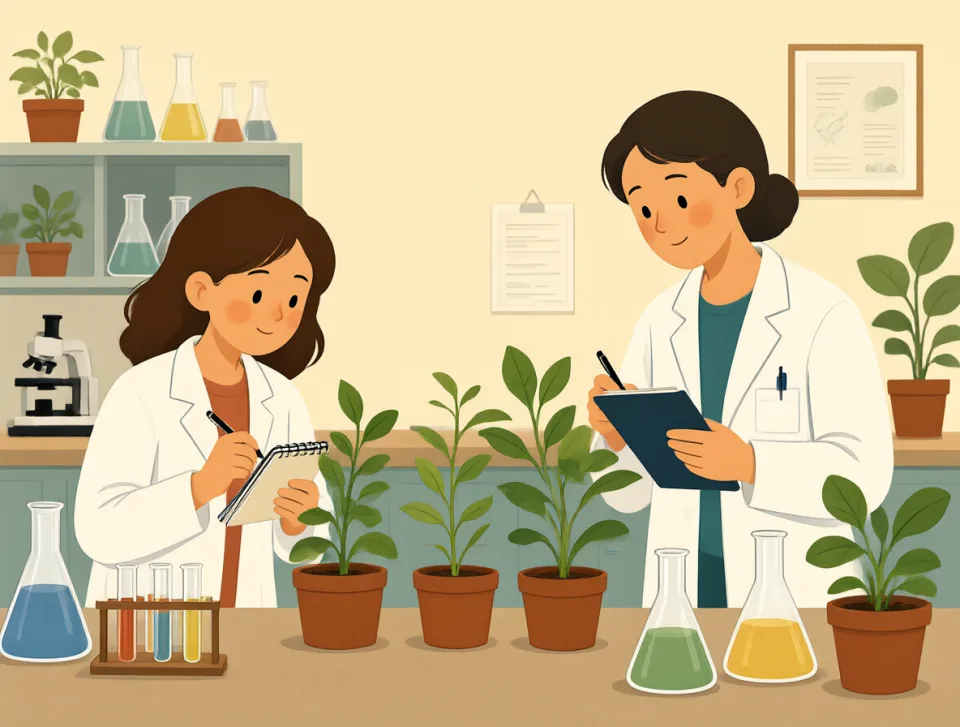
Scientists recorded their observations of the plants every morning.
Các nhà khoa học ghi lại những quan sát về cây cối mỗi sáng.
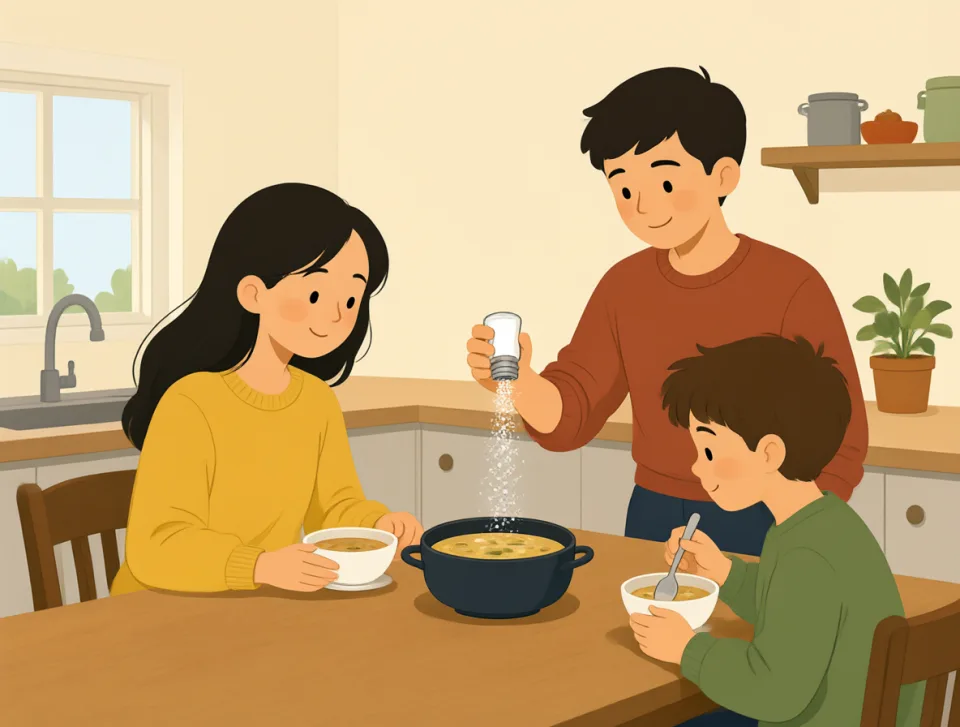
His observation that the soup needed salt was exactly right.
Nhận xét của anh ấy rằng món súp cần thêm muối hoàn toàn chính xác.
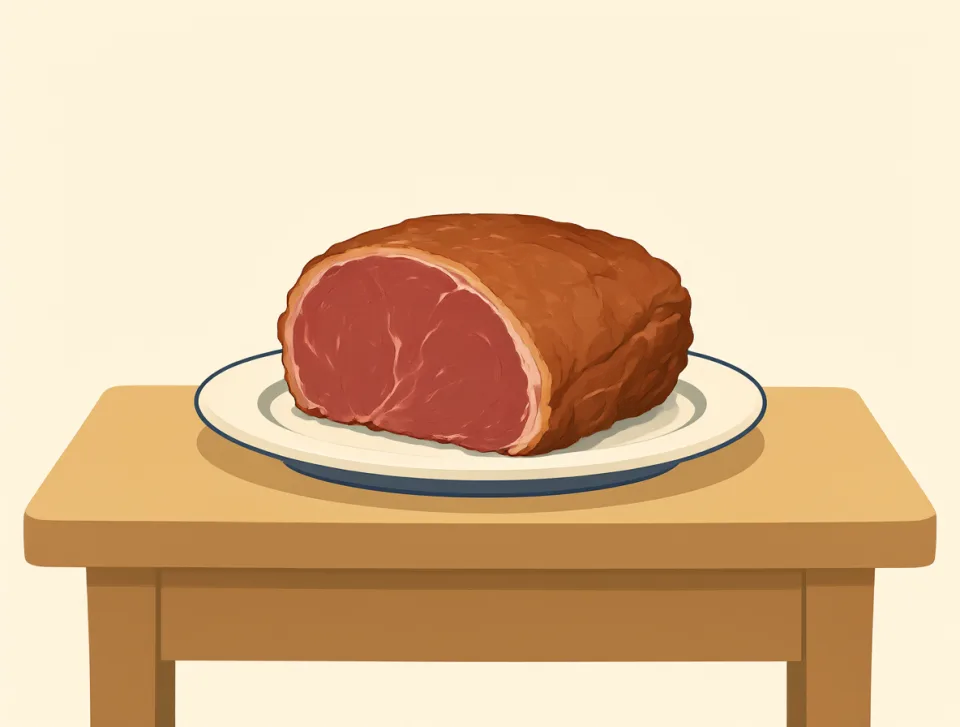
meat
#1869noun
thịt
The flesh of animals used as food.
Thịt động vật được dùng làm thức ăn.
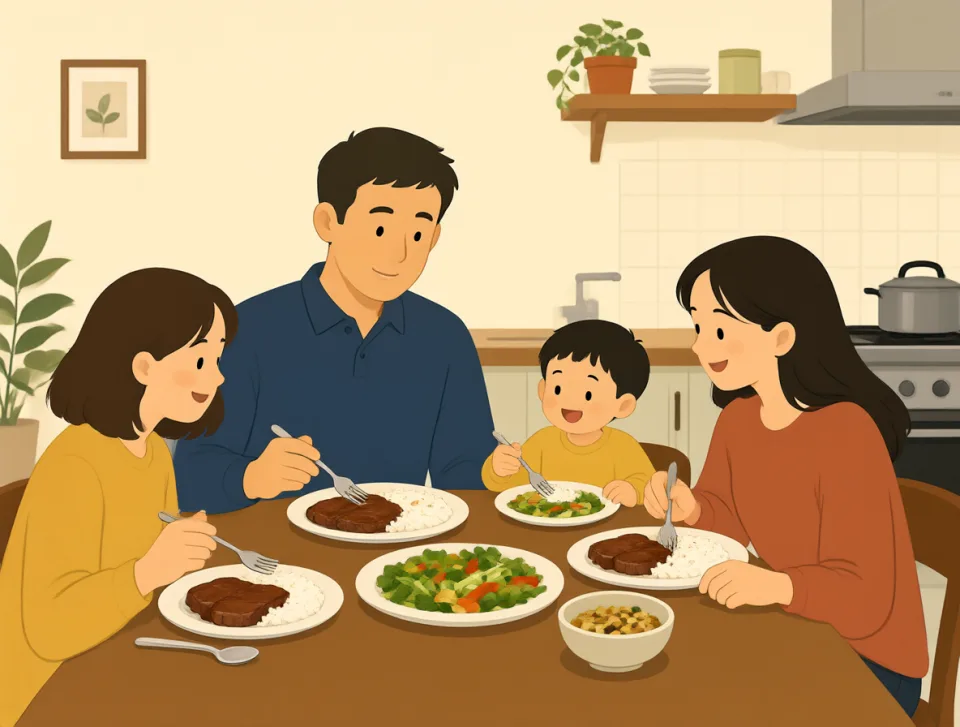
We usually eat meat with rice and vegetables.
Chúng tôi thường ăn thịt với cơm và rau.
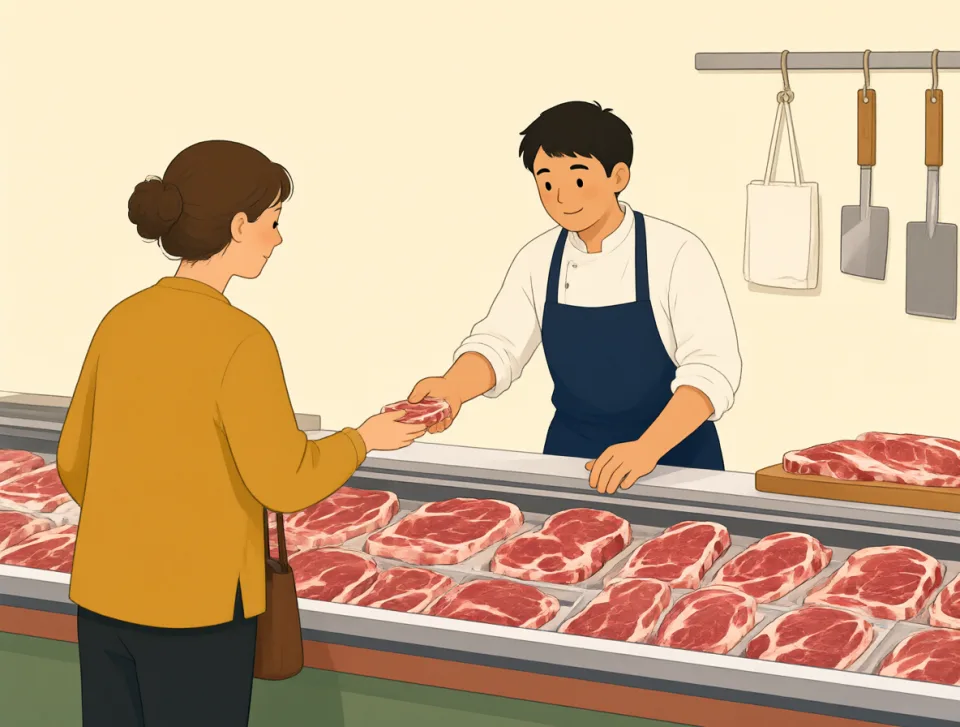
This shop sells fresh meat every morning.
Cửa hàng này bán thịt tươi mỗi sáng.
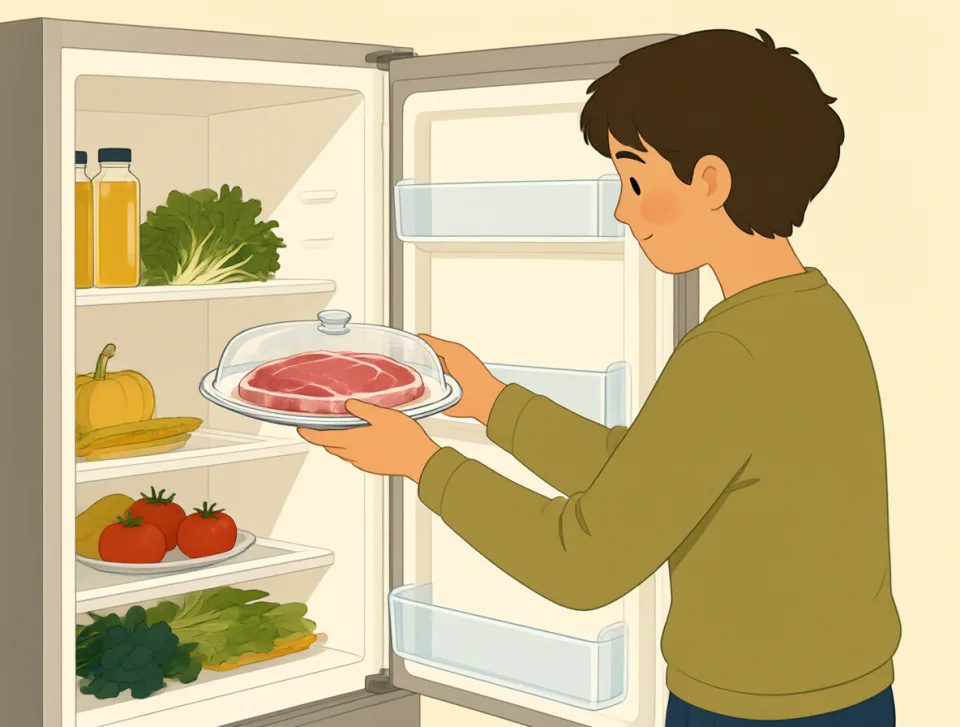
Please keep the raw meat in the fridge.
Vui lòng bảo quản thịt sống trong tủ lạnh.
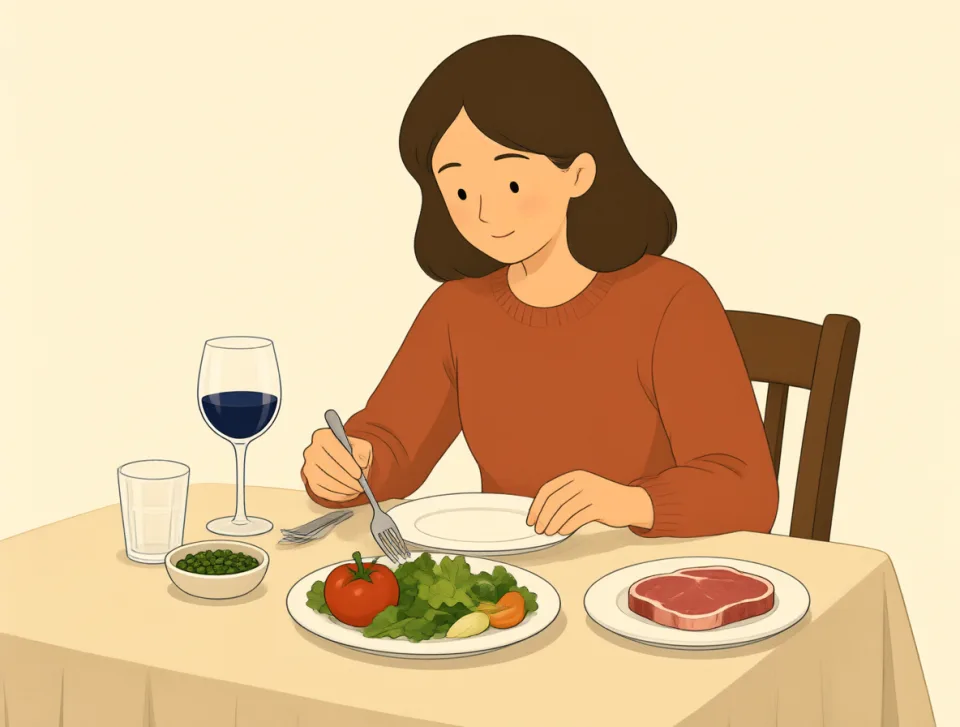
She does not eat meat because she is vegetarian.
Cô ấy không ăn thịt vì là người ăn chay.
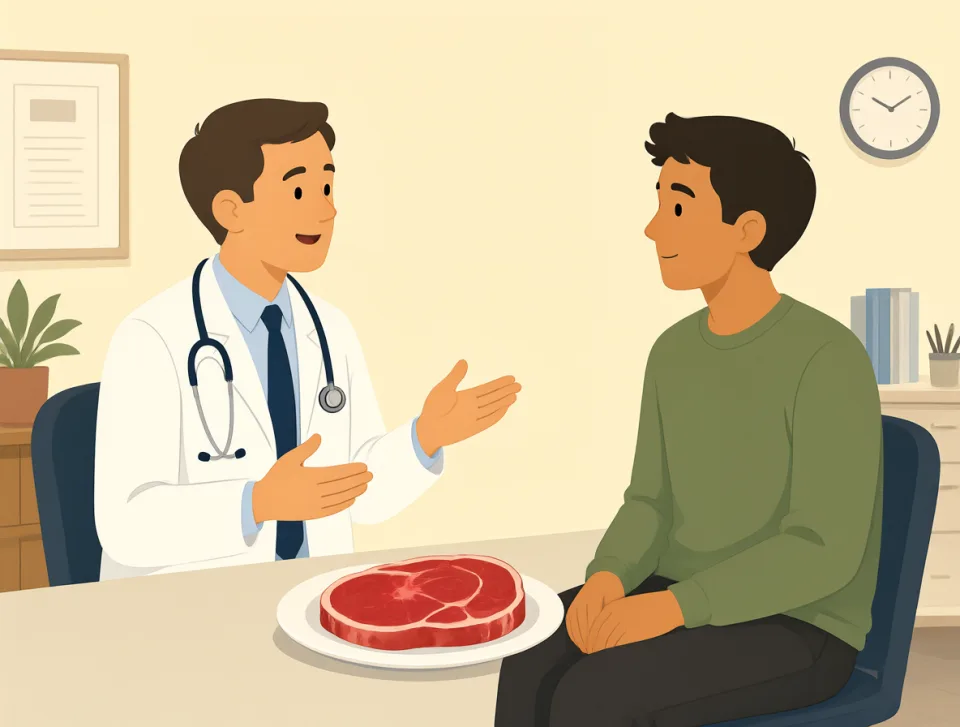
The doctor told him to eat less red meat.
Bác sĩ bảo anh ấy ăn ít thịt đỏ hơn.
concentration
#1870noun
sự tập trung
The ability to think carefully without being distracted.
Khả năng suy nghĩ kỹ mà không bị xao nhãng.

I need complete concentration to finish this difficult report.
Tôi cần tập trung hoàn toàn để hoàn thành bản báo cáo khó này.
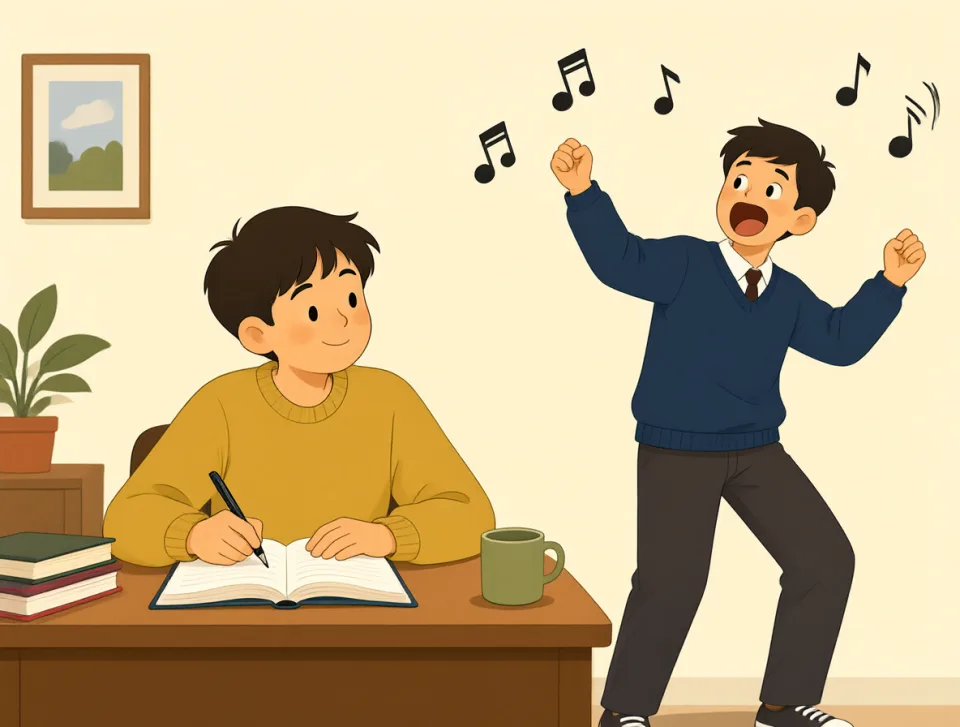
The loud music made concentration difficult during my homework.
Tiếng nhạc lớn khiến tôi khó tập trung làm bài tập về nhà.
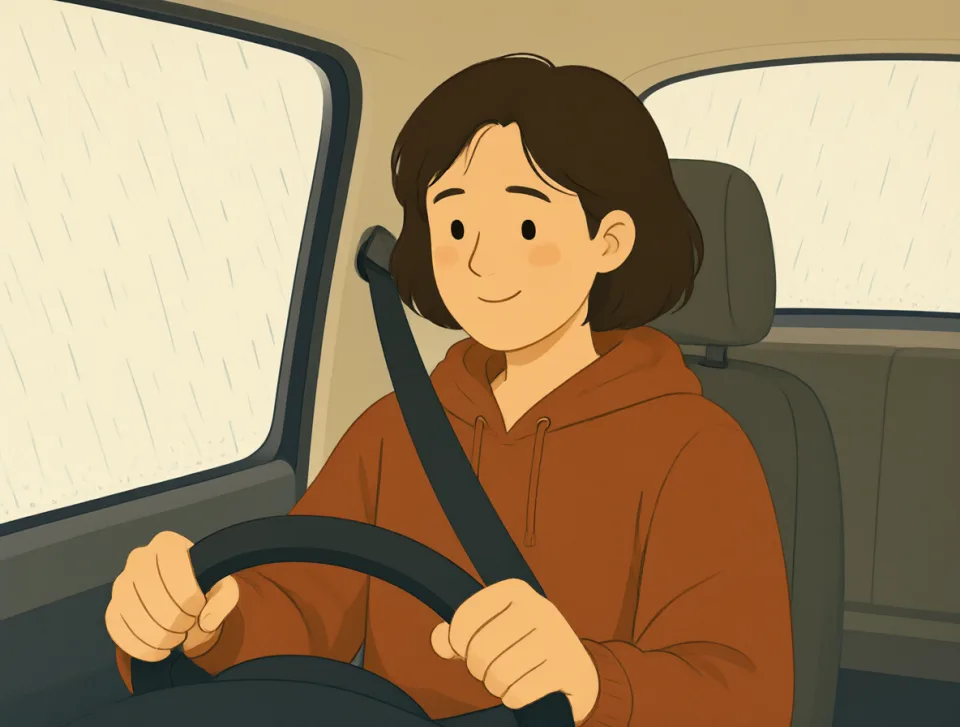
Please drive slowly because the heavy rain requires extra concentration.
Vui lòng lái xe chậm vì mưa lớn đòi hỏi phải tập trung hơn.
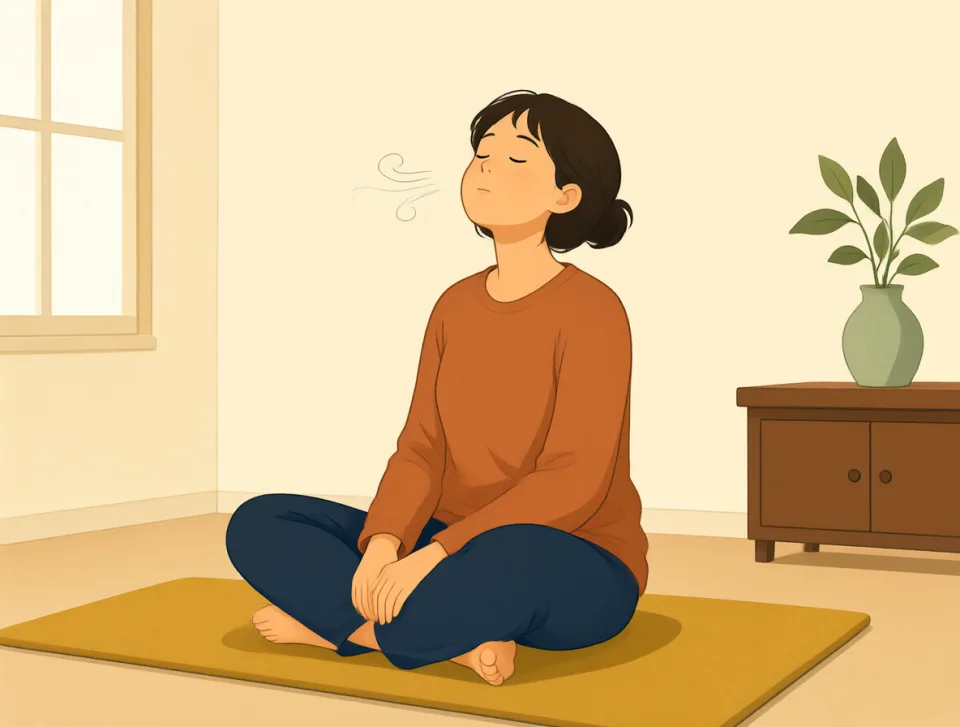
Yoga and deep breathing can improve your concentration.
Yoga và hít thở sâu có thể cải thiện khả năng tập trung của bạn.
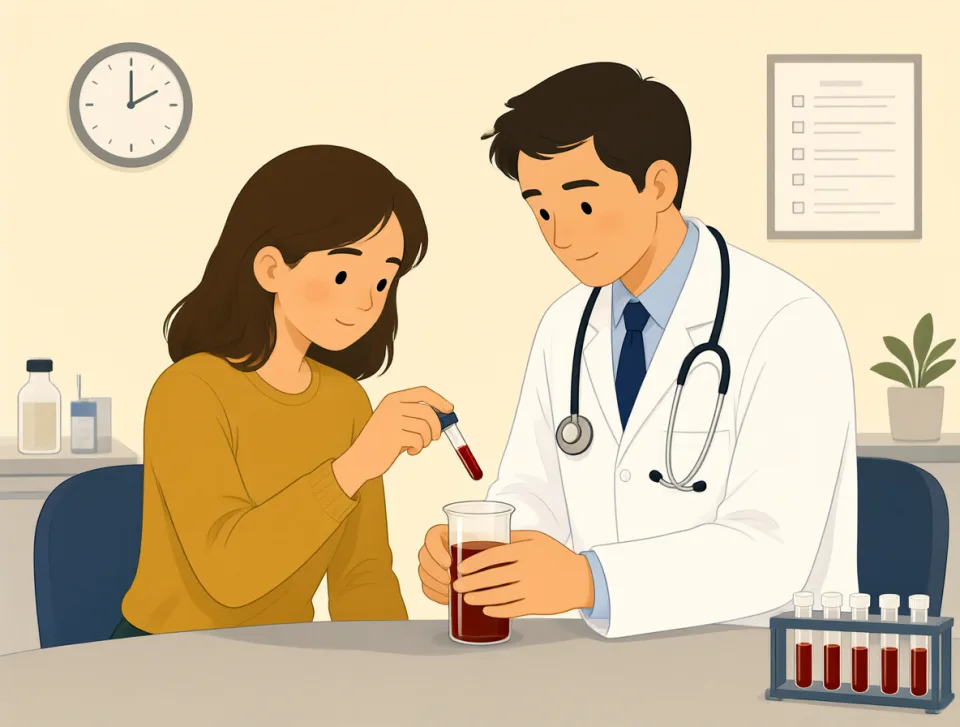
The doctor measured the concentration of sugar in his blood.
Bác sĩ đo nồng độ đường trong máu của anh ấy.
implication
#1871noun
hệ quả
a possible effect or meaning that follows from an action or situation
một tác động hoặc ý nghĩa có thể xảy ra do một hành động hay tình huống dẫn đến
The price increase has serious implications for families.
Việc tăng giá gây ra những hệ quả nghiêm trọng đối với các gia đình.

She understood the implication of his silence.
Cô ấy hiểu được ý nghĩa từ sự im lặng của anh ấy.

The doctor explained the health implications of eating too much salt.
Bác sĩ giải thích những ảnh hưởng đến sức khỏe của việc ăn quá nhiều muối.
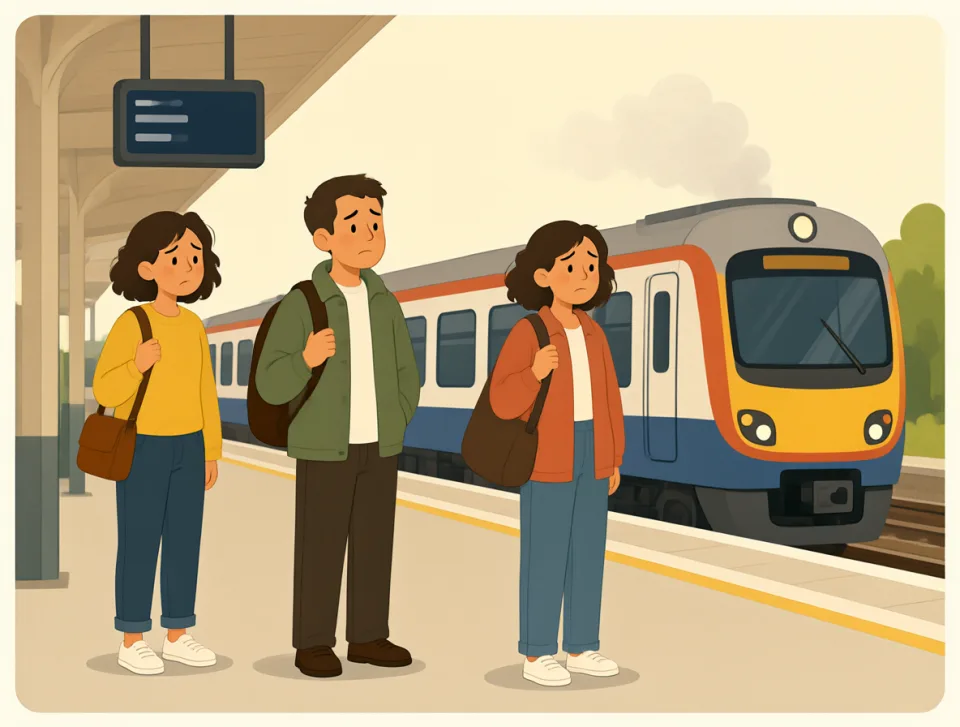
Missing the train had unexpected implications for our travel plans.
Việc lỡ chuyến tàu khiến kế hoạch đi lại của chúng tôi phát sinh những hệ quả không ngờ.

The teacher discussed the implications of cheating on the exam.
Giáo viên thảo luận về những hệ quả của việc gian lận trong kỳ thi.

deserve
#1872verb
xứng đáng
to have earned something because of your actions or qualities
đáng được nhận điều gì đó nhờ những hành động hoặc phẩm chất của mình
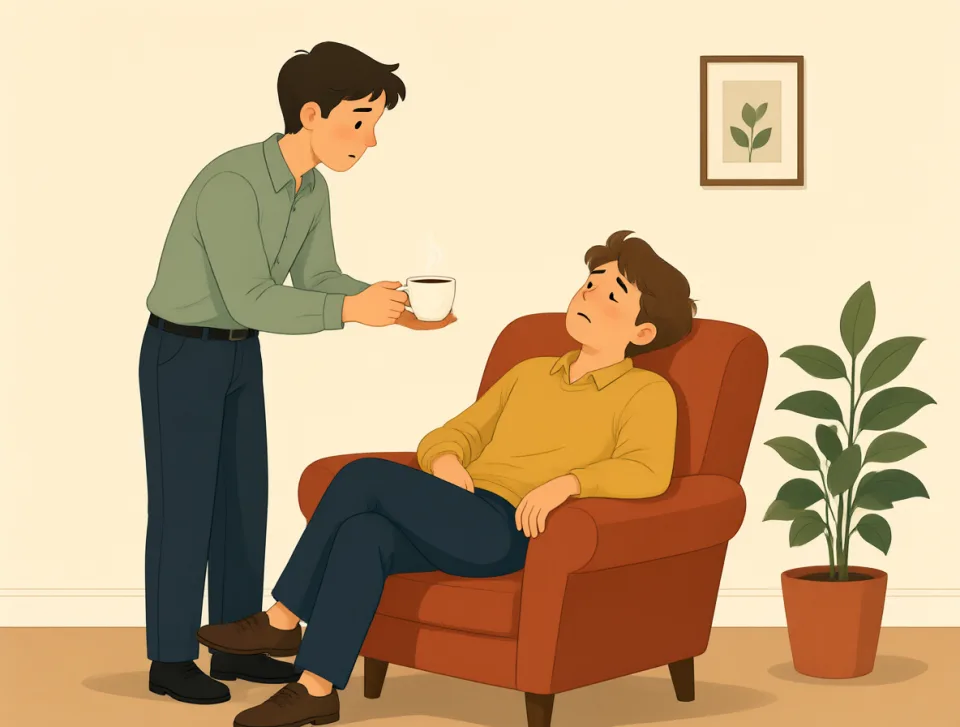
You deserve a break after working so hard all day.
Cậu xứng đáng được nghỉ ngơi sau khi làm việc vất vả cả ngày.

She deserved the award because she helped the whole team.
Cô ấy xứng đáng nhận giải thưởng vì đã giúp đỡ cả đội.
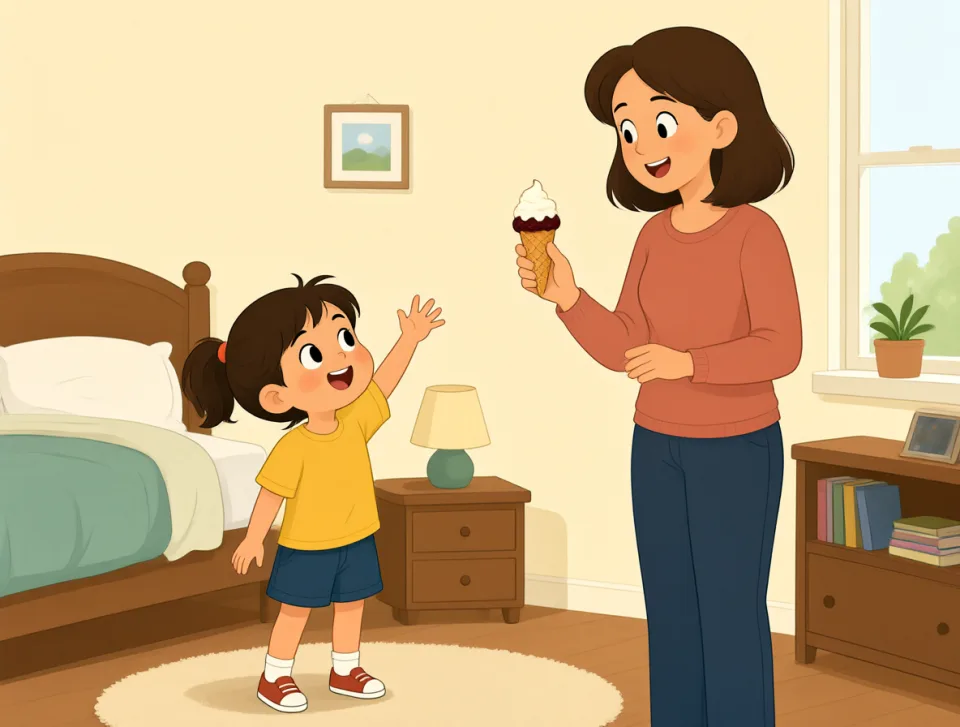
The children deserve a special treat for cleaning their rooms.
Bọn trẻ xứng đáng được thưởng một món đặc biệt vì đã dọn phòng.

Everyone deserves to be treated with respect at work.
Ai cũng xứng đáng được đối xử tôn trọng ở nơi làm việc.

He deserves to feel better after following the doctor's advice.
Anh ấy xứng đáng cảm thấy khỏe hơn sau khi làm theo lời khuyên của bác sĩ.

unusual
#1873adjective
khác thường
Different from what is usual, expected, or common.
Khác với điều thường thấy, được mong đợi hoặc phổ biến.

She wore an unusual hat to the garden party.
Cô ấy đội một chiếc mũ khác thường đến bữa tiệc ngoài vườn.

We had unusual weather for this time of year.
Thời tiết vào thời điểm này trong năm thật khác thường.
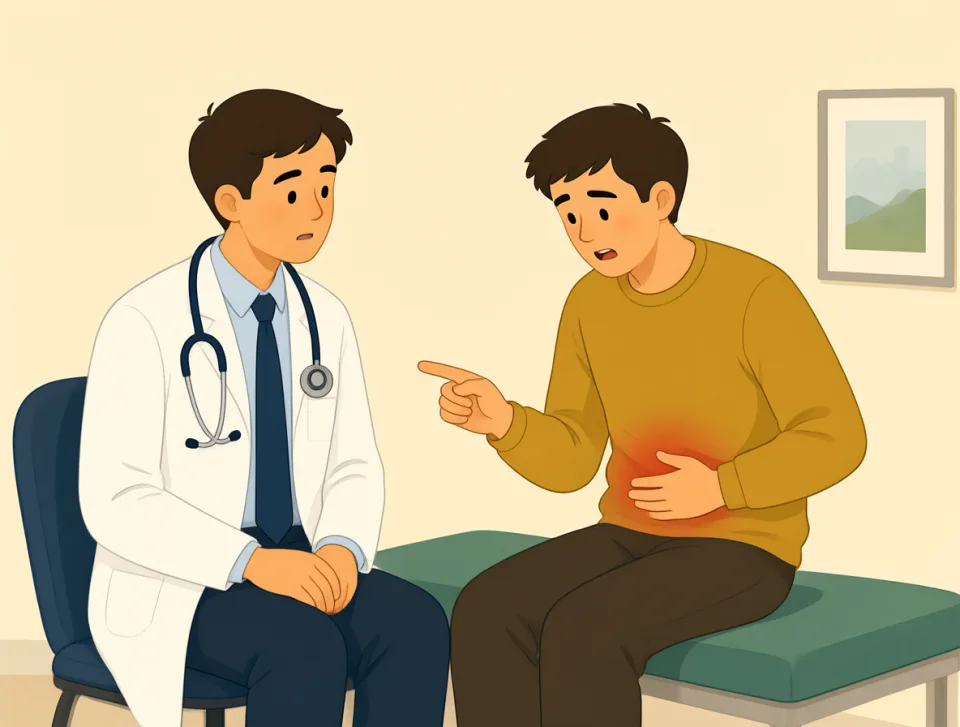
The doctor asked about his unusual pain.
Bác sĩ hỏi về cơn đau khác thường của anh ấy.
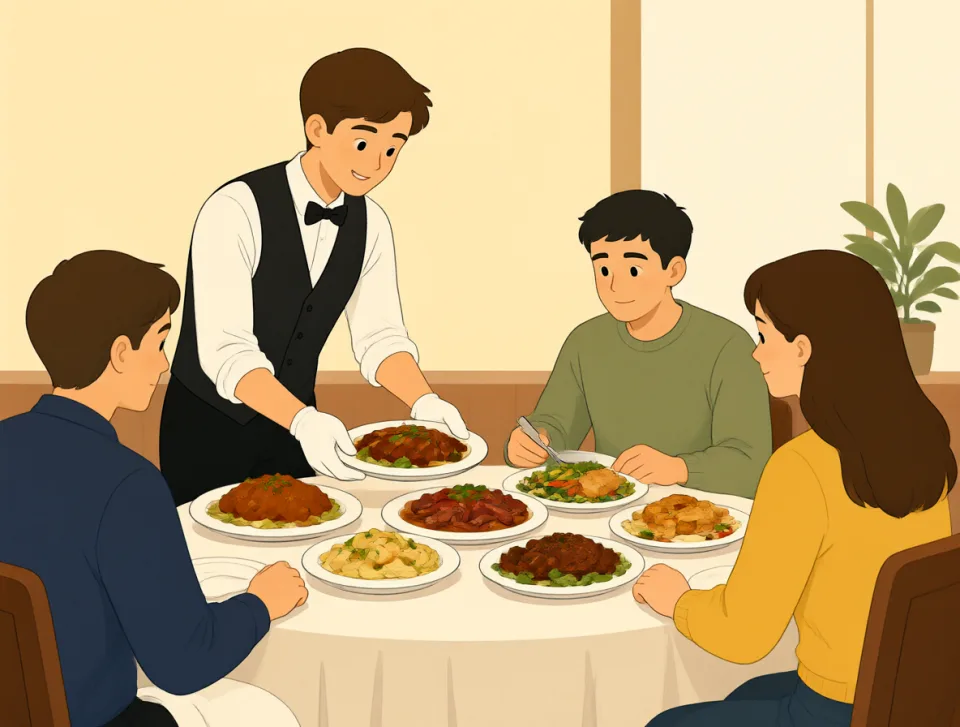
This restaurant serves unusual dishes from around the world.
Nhà hàng này phục vụ những món ăn khác lạ từ khắp nơi trên thế giới.

It was unusual to see the classroom empty.
Thật khác thường khi thấy lớp học trống không.
defend
#1874verb
bảo vệ
to protect someone or something from attack, harm, or criticism
bảo vệ ai đó hoặc điều gì đó khỏi sự tấn công, tổn hại hay chỉ trích
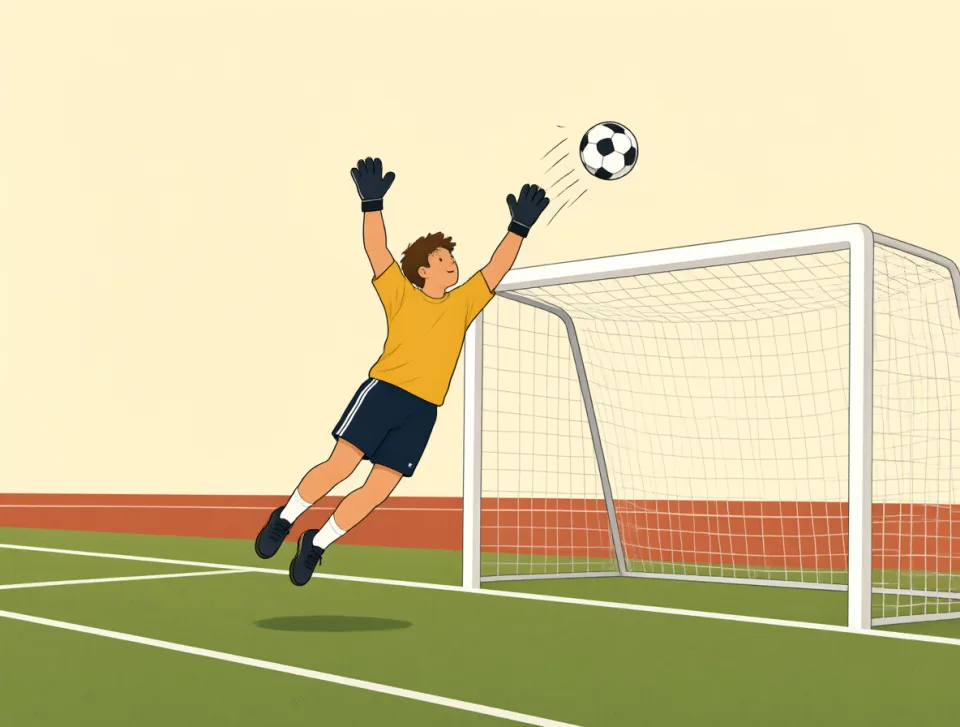
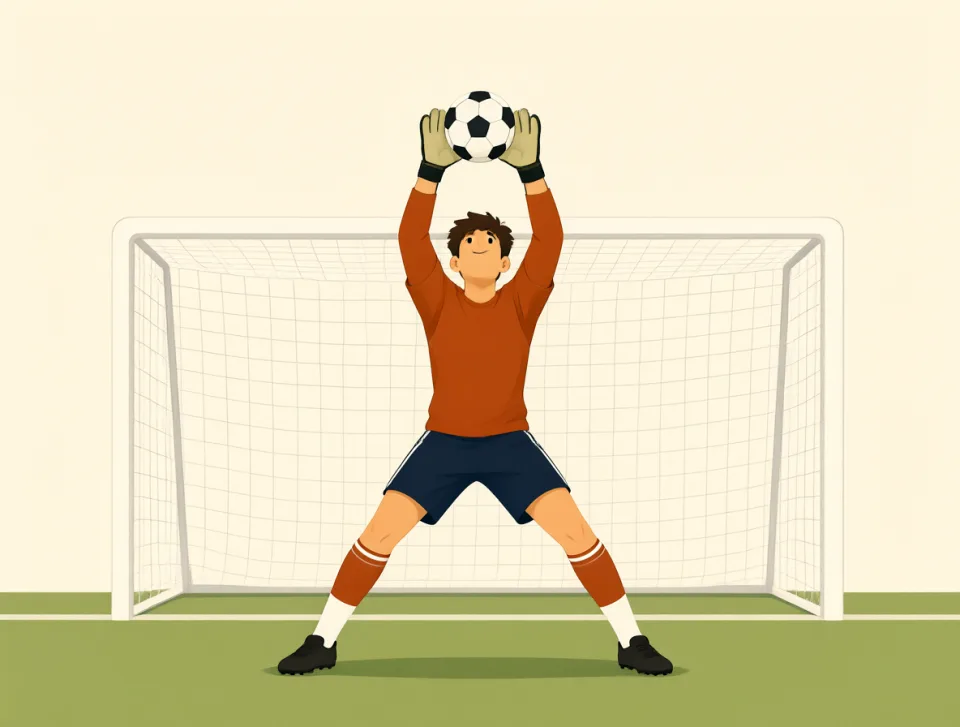
The goalkeeper defended the goal during the final minutes.
Thủ môn bảo vệ khung thành trong những phút cuối trận.
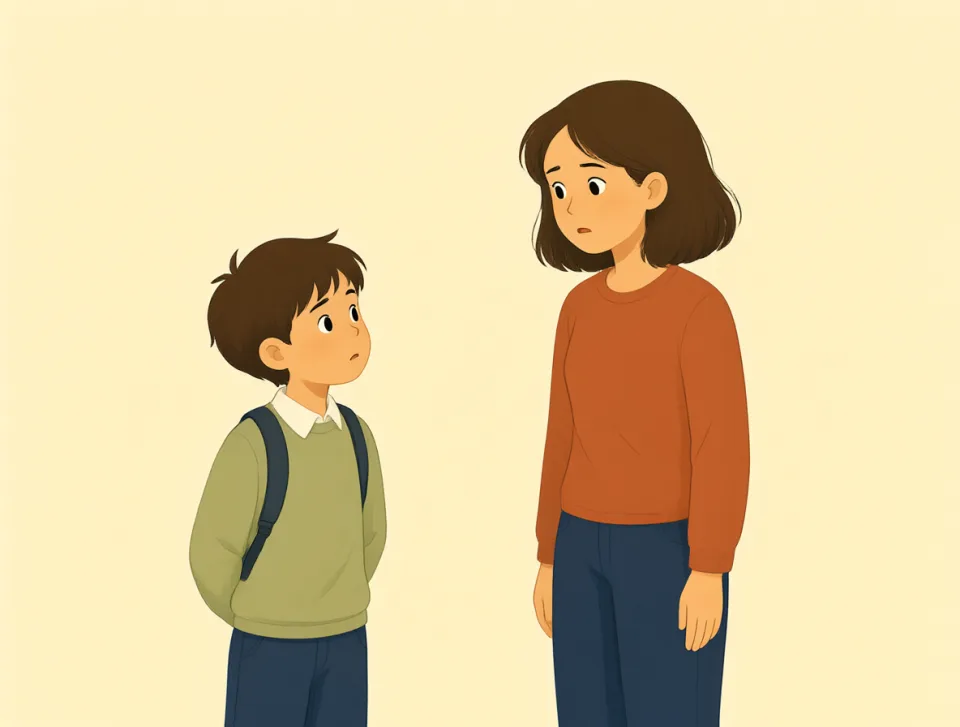
She defended her friend when others blamed him.
Cô ấy bênh vực bạn mình khi những người khác đổ lỗi cho cậu ấy.
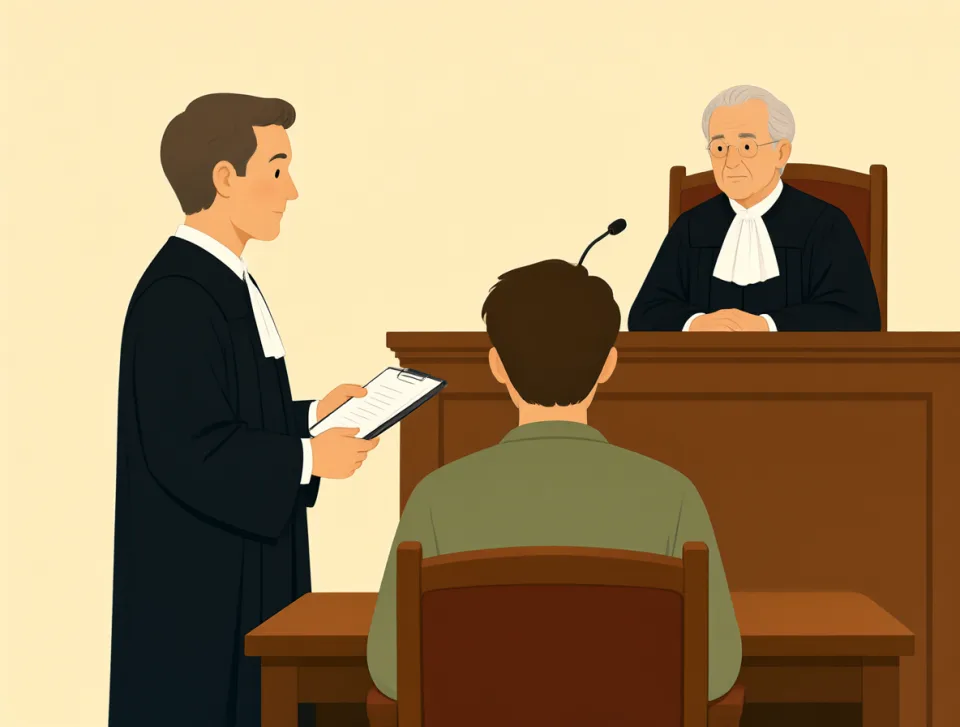
The lawyer defended the man in court.
Luật sư bào chữa cho người đàn ông tại tòa.

This cream helps defend your skin from the cold.
Loại kem này giúp bảo vệ da khỏi cái lạnh.

He defended his decision to leave the meeting early.
Anh ấy bảo vệ quyết định rời cuộc họp sớm của mình.
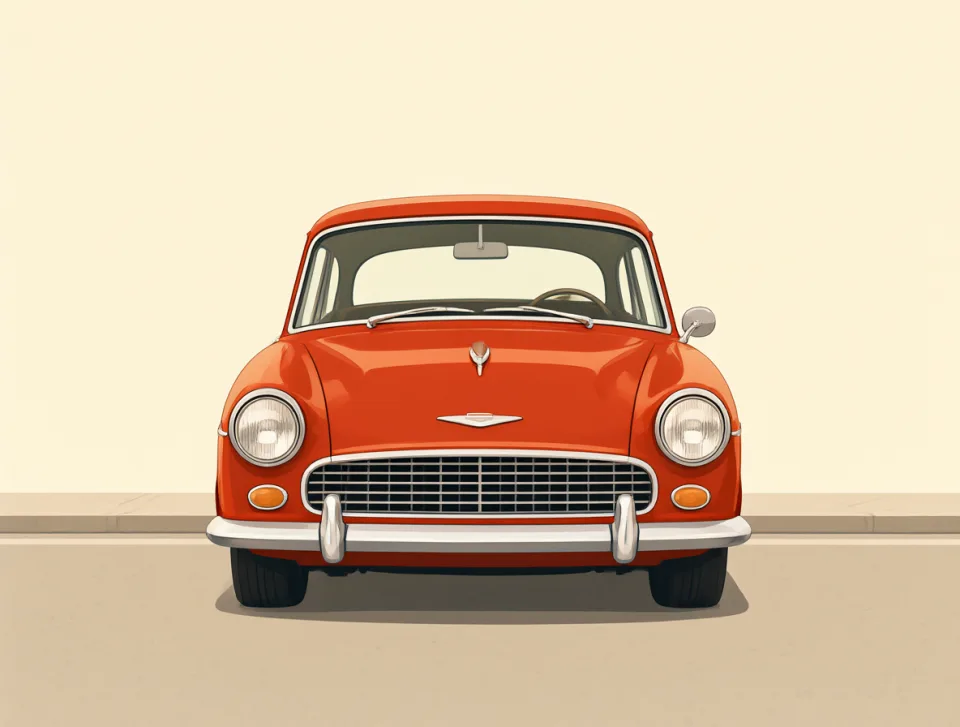
classic
#1875adjective, noun
kinh điển
Very typical of its kind, or a famous work from the past that people still enjoy.
Rất tiêu biểu cho thể loại của nó, hoặc là một tác phẩm nổi tiếng từ quá khứ mà mọi người vẫn yêu thích.

We watched a classic movie together after dinner.
Chúng tôi cùng xem một bộ phim kinh điển sau bữa tối.
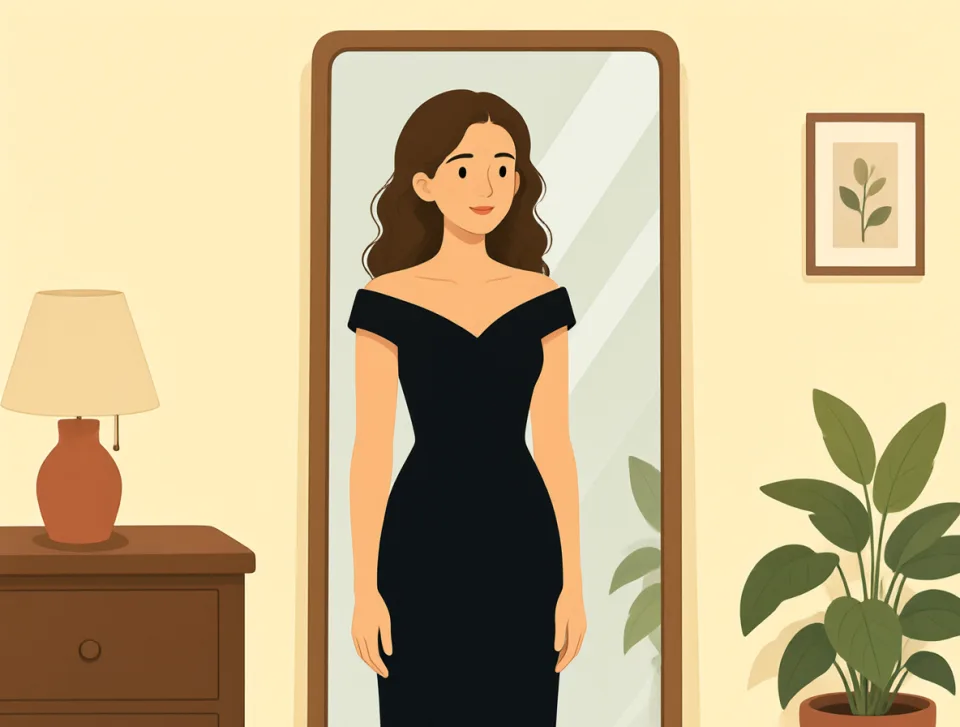
She wore a classic black dress to the wedding.
Cô ấy mặc một chiếc váy đen kiểu cổ điển đến dự đám cưới.
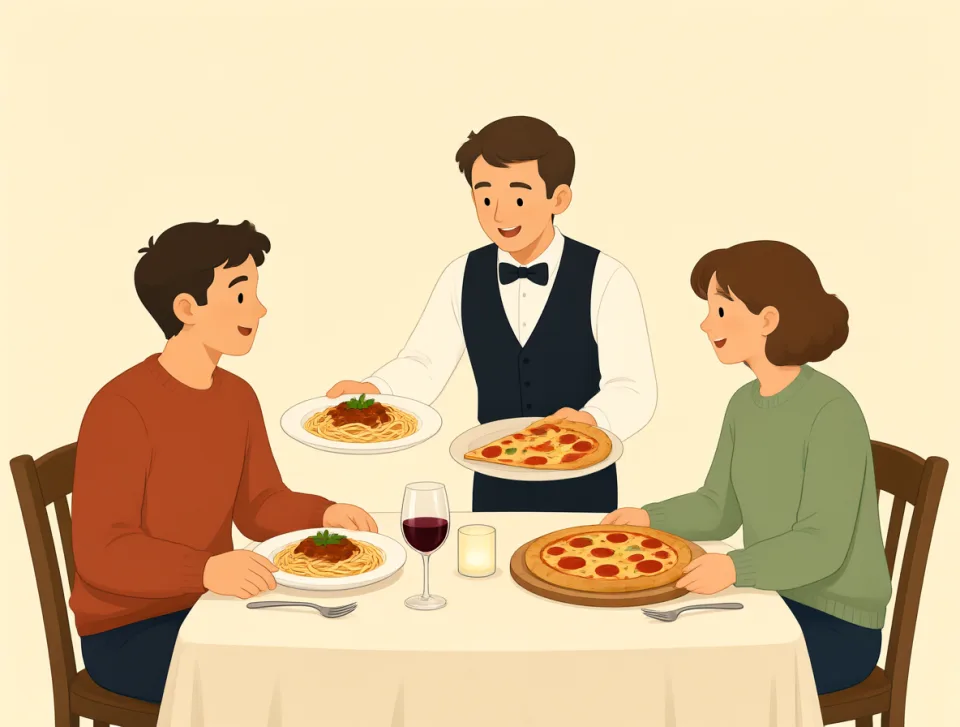
This restaurant serves classic Italian dishes like pasta and pizza.
Nhà hàng này phục vụ các món Ý kinh điển như mì pasta và pizza.
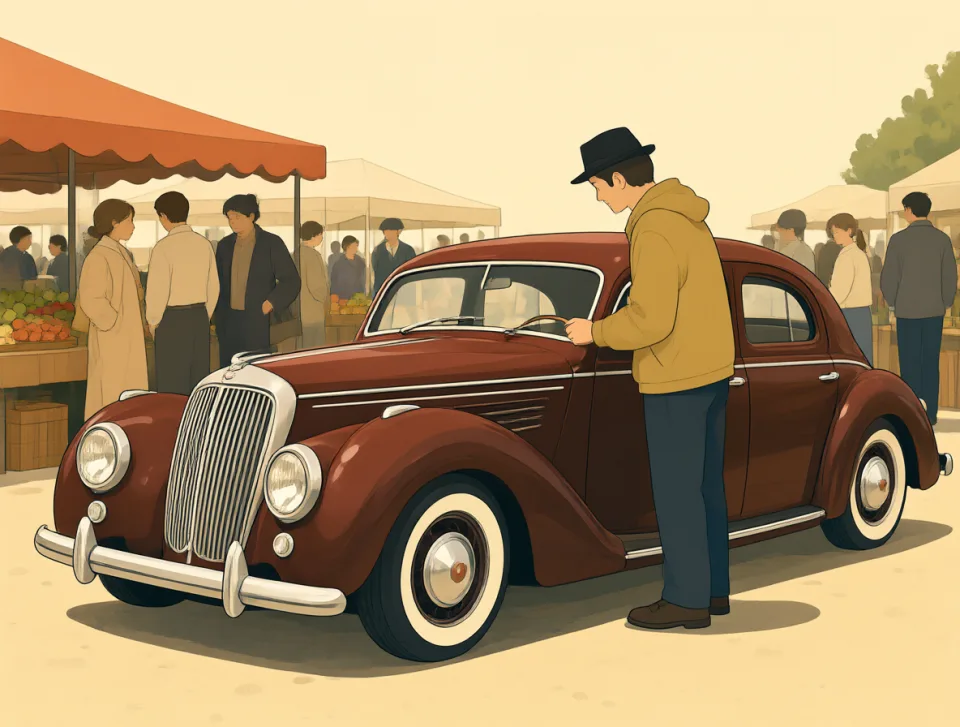
He bought a classic car at the weekend market.
Anh ấy mua một chiếc xe cổ tại khu chợ cuối tuần.

The teacher asked us to read a classic novel this term.
Giáo viên yêu cầu chúng tôi đọc một cuốn tiểu thuyết kinh điển trong học kỳ này.
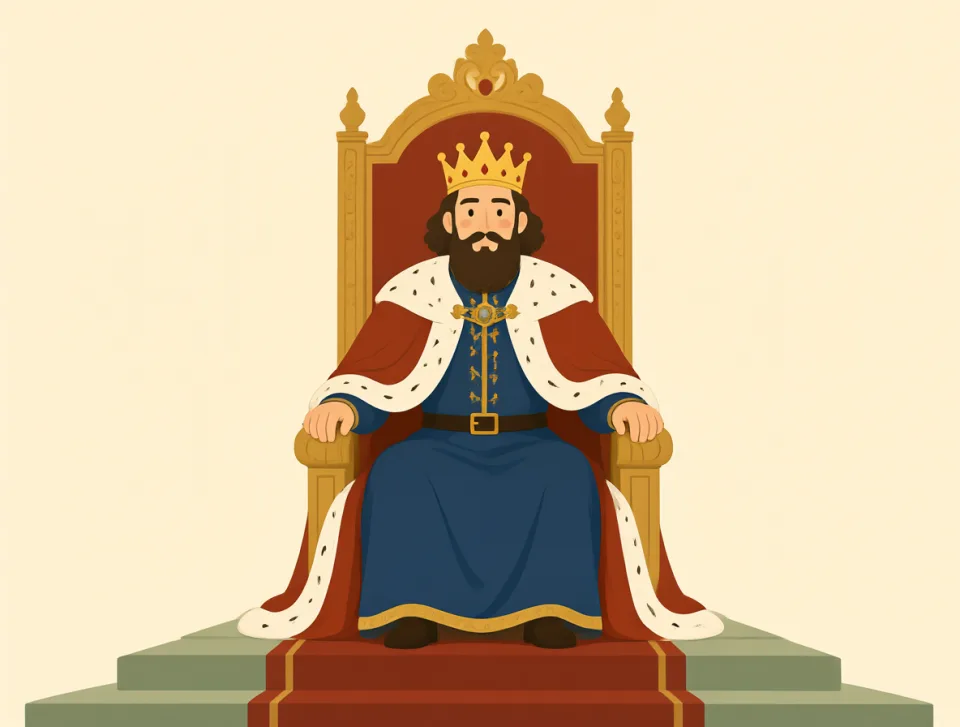
king
#1876noun
vua
a male ruler of a country whose family usually inherits the position
một người cai trị nam của một quốc gia, thường thừa kế vị trí này từ gia đình

The king waved to the crowd from the palace balcony.
Nhà vua vẫy tay chào đám đông từ ban công cung điện.

The young king ruled the country for many years.
Vị vua trẻ đã cai trị đất nước trong nhiều năm.

In the story, the king lost his crown in the forest.
Trong câu chuyện, nhà vua đã đánh mất vương miện trong rừng.

Our team became the kings of the school basketball league.
Đội của chúng tôi đã trở thành những vị vua của giải bóng rổ trường.
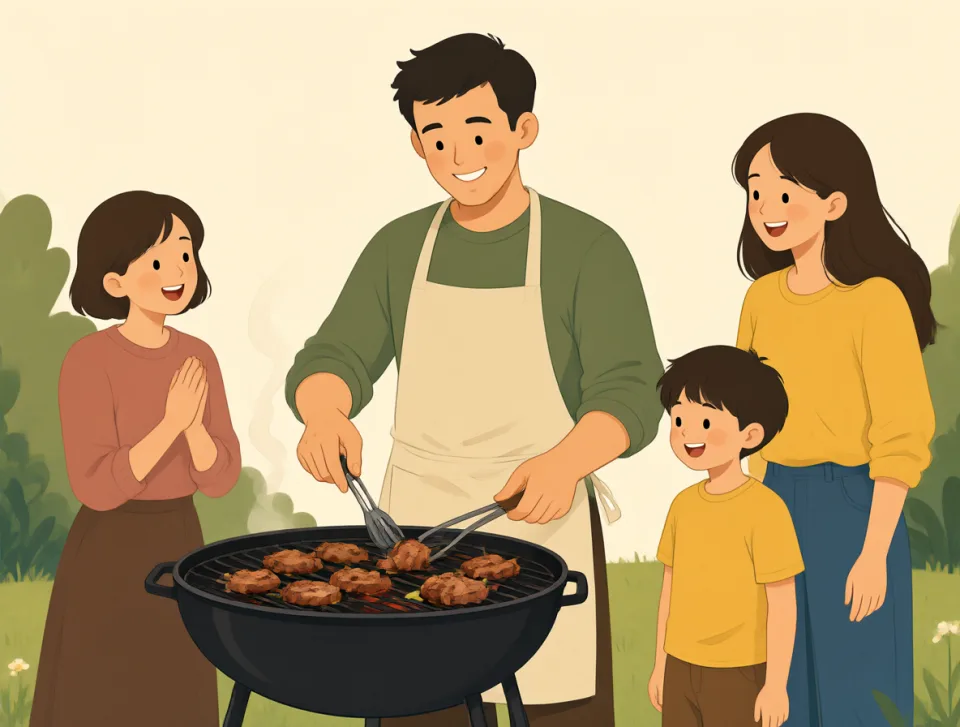
He is the king of the grill at every family party.
Trong mọi bữa tiệc gia đình, anh ấy là vua nướng đồ ăn.

interaction
#1877noun
sự tương tác
communication or activity between people or groups who affect each other
sự giao tiếp hoặc hoạt động giữa những người hoặc nhóm người có ảnh hưởng lẫn nhau
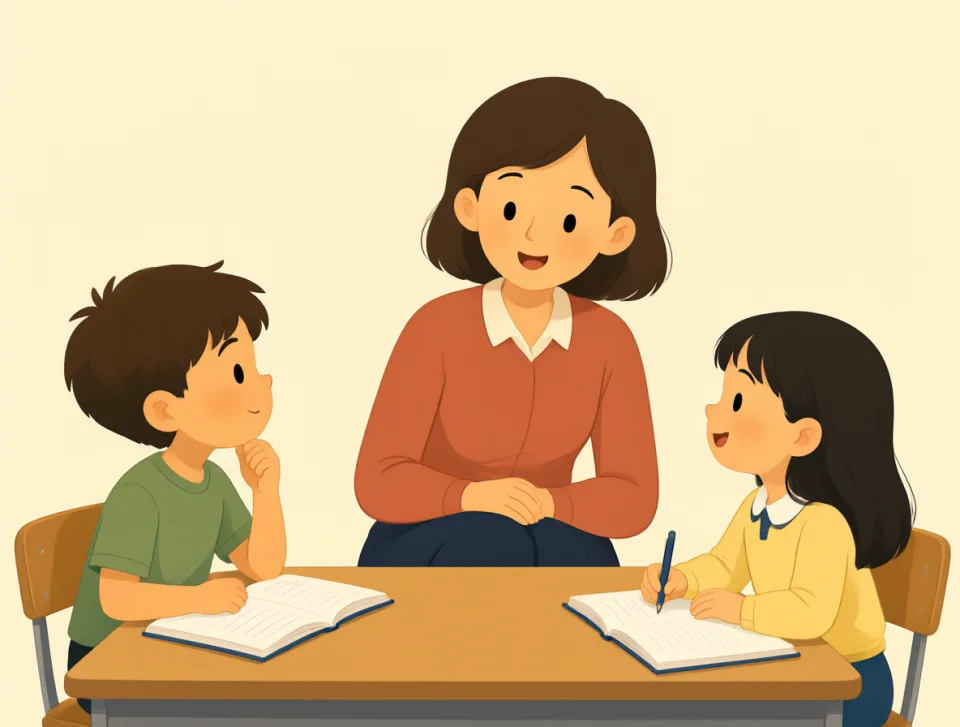
Good interaction between teachers and students helps everyone learn.
Sự tương tác tốt giữa giáo viên và học sinh giúp mọi người học tập hiệu quả hơn.

The job involves daily interaction with customers and coworkers.
Công việc này bao gồm việc tương tác hằng ngày với khách hàng và đồng nghiệp.
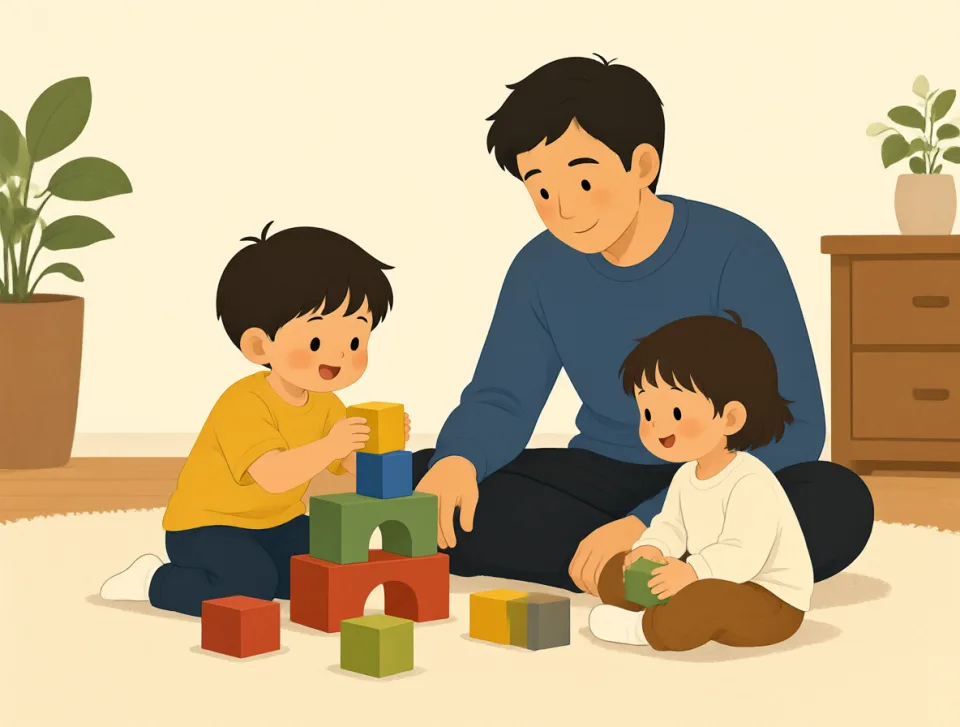
Children learn through interaction with their parents and friends.
Trẻ em học hỏi thông qua sự tương tác với cha mẹ và bạn bè.

The doctor encouraged more interaction with other patients during group therapy.
Bác sĩ khuyến khích bệnh nhân tương tác nhiều hơn với những bệnh nhân khác trong quá trình trị liệu nhóm.

Our first interaction with the local people made the trip more enjoyable.
Lần đầu tương tác với người dân địa phương khiến chuyến đi của chúng tôi thú vị hơn.
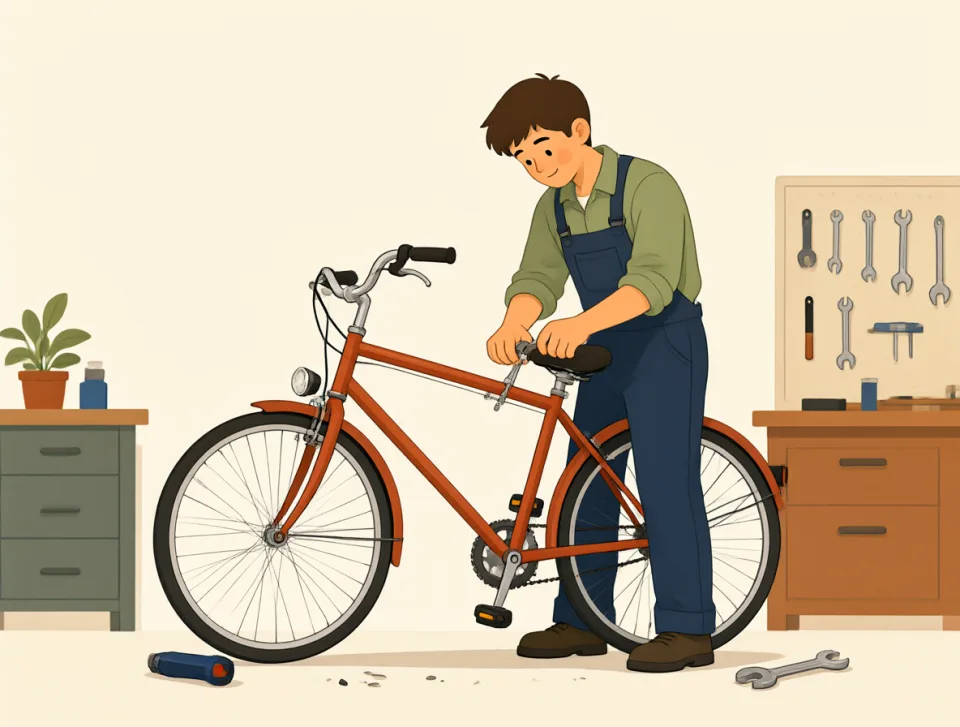
repair
#1878noun, verb
sửa chữa
To fix something that is broken or damaged.
Sửa một thứ gì đó bị hỏng hoặc bị hư hại.
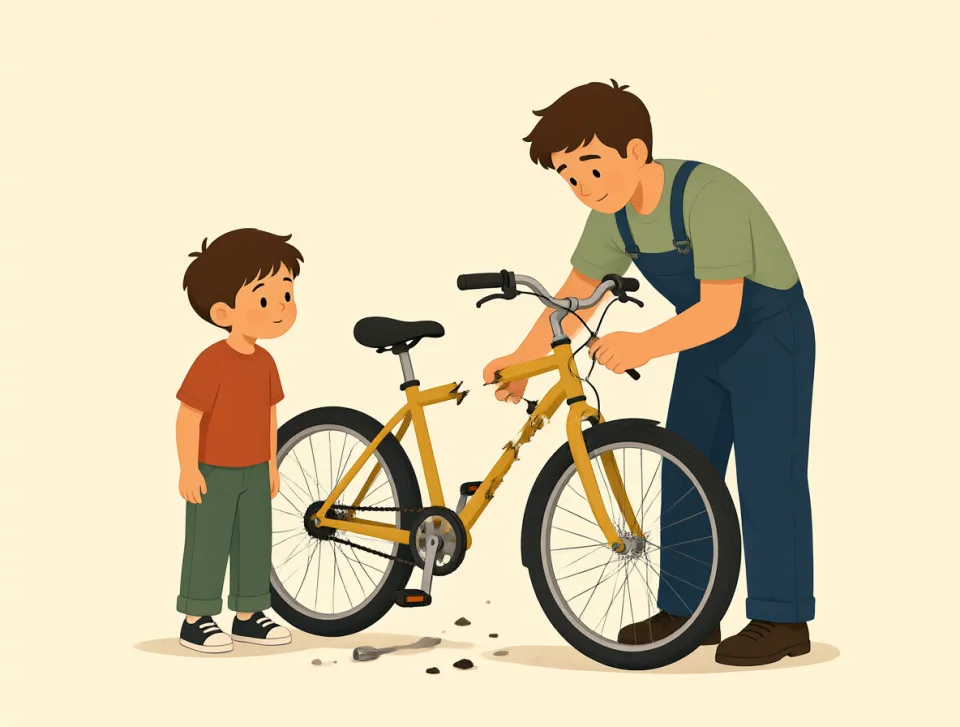
I need to repair my bicycle before the weekend.
Tôi cần sửa xe đạp trước cuối tuần.
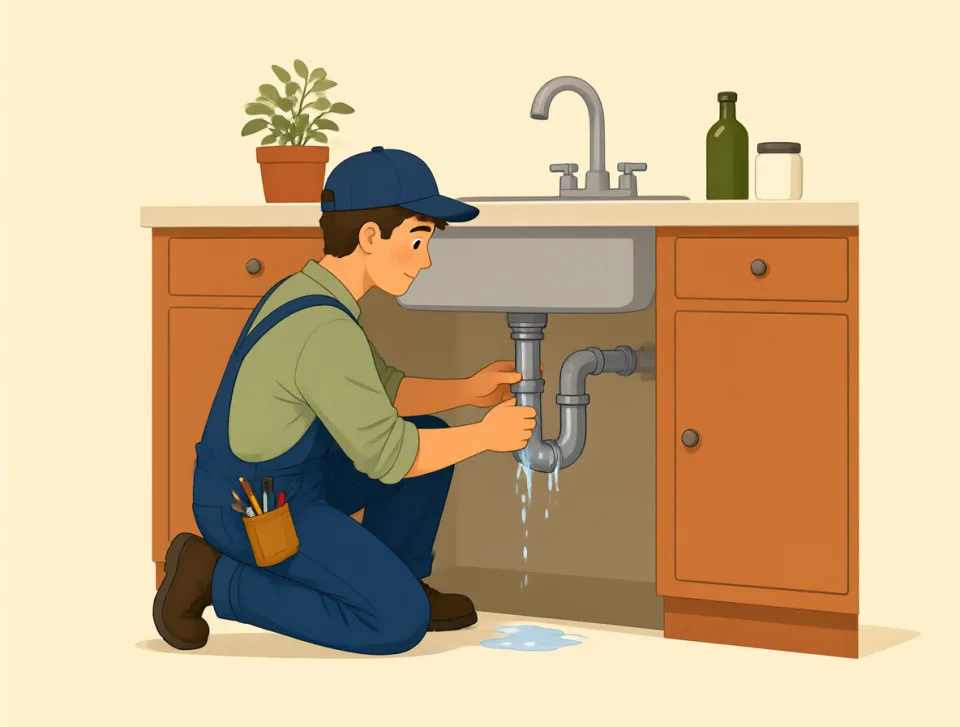
The plumber repaired the leaking pipe under our kitchen sink.
Thợ sửa ống nước đã sửa đường ống bị rò rỉ dưới bồn rửa trong bếp nhà chúng tôi.
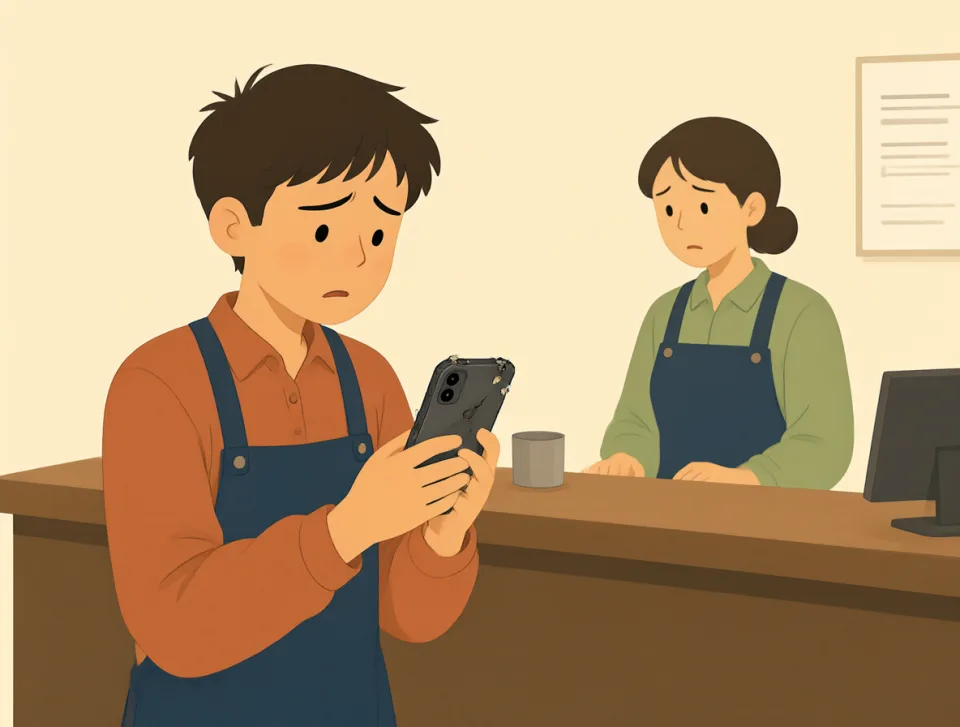
This phone is too expensive to repair.
Chiếc điện thoại này đắt đến mức không đáng để sửa.
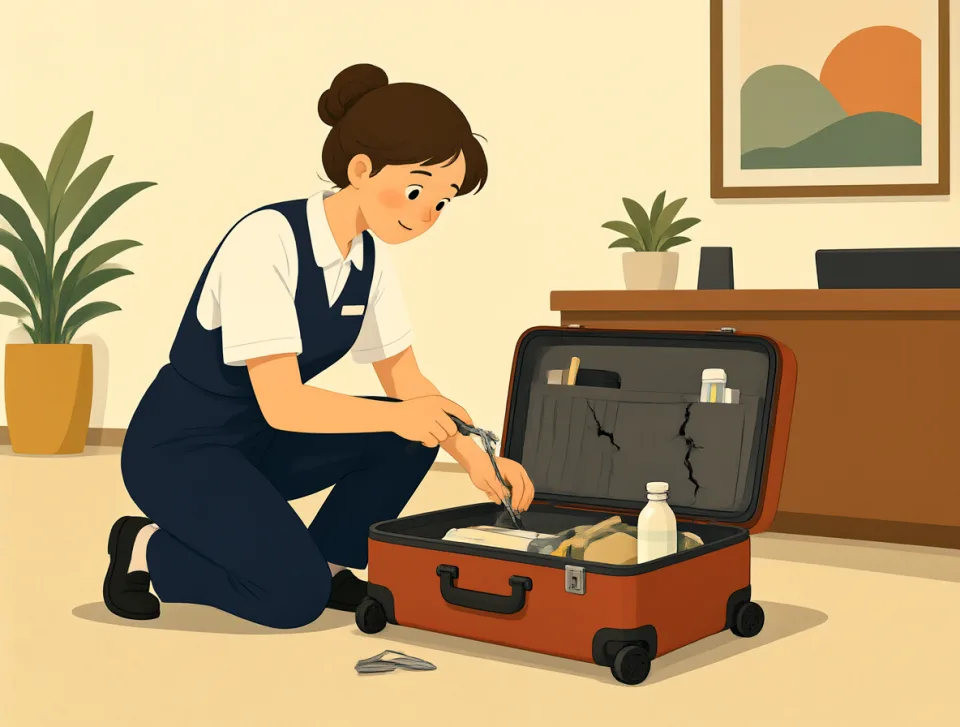
The hotel offers free repairs for broken suitcases.
Khách sạn cung cấp dịch vụ sửa chữa miễn phí cho những chiếc va li bị hỏng.
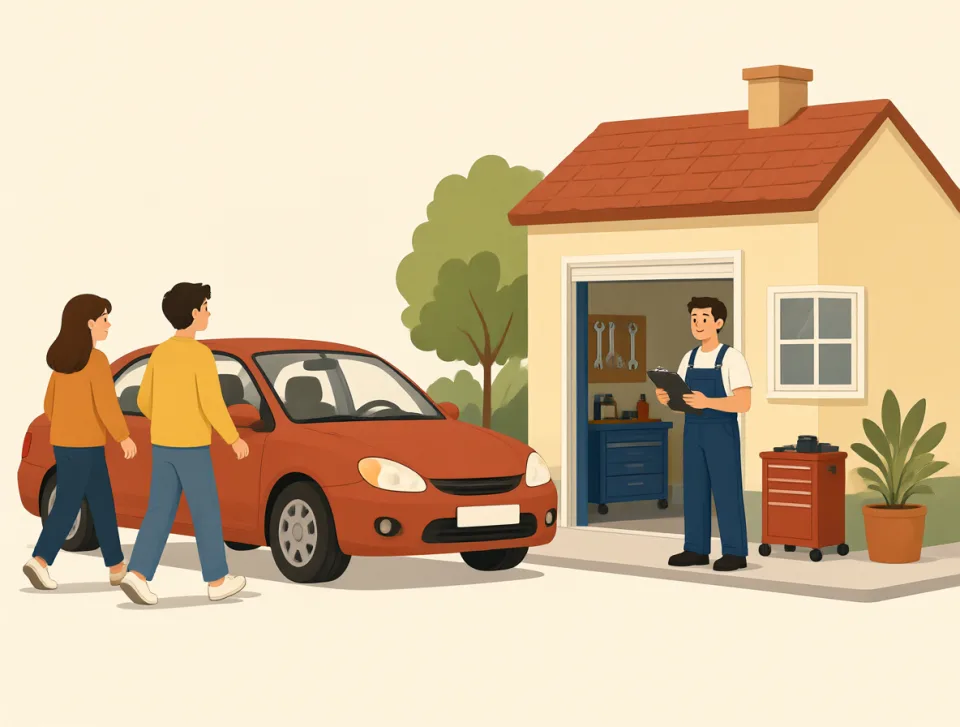
We took the car to a repair shop yesterday.
Hôm qua chúng tôi đã đưa xe đến một cửa hàng sửa chữa.
collapse
#1879verb, noun
sụp đổ; ngã quỵ
to fall down suddenly, or to fail completely; a sudden fall or failure
đổ xuống đột ngột hoặc thất bại hoàn toàn; sự sụp đổ hoặc thất bại đột ngột

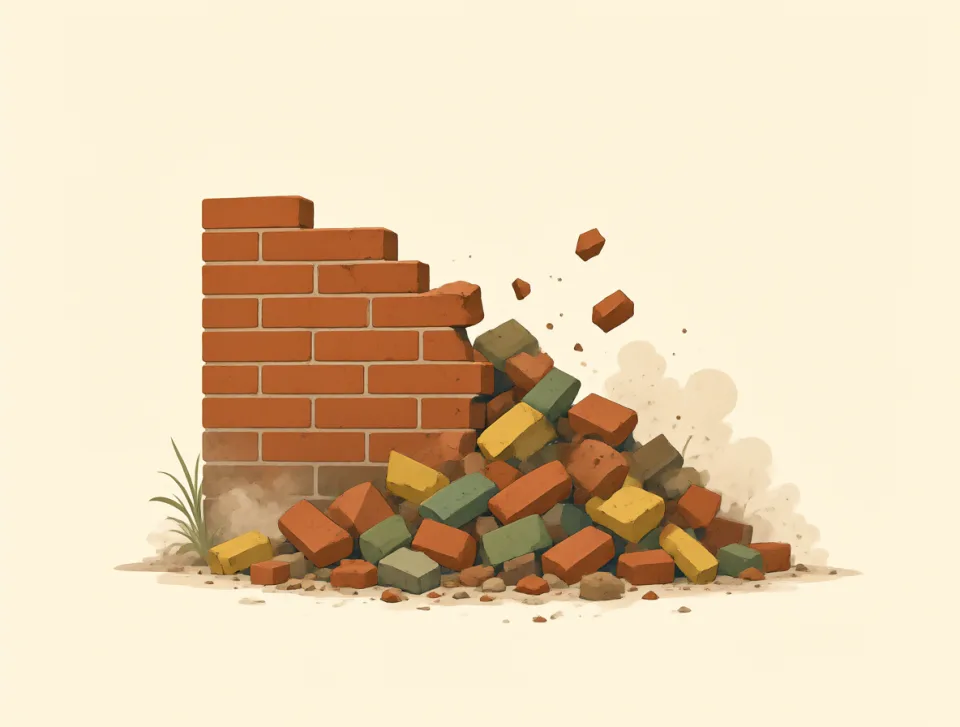
The old bridge collapsed during the heavy rain.
Cây cầu cũ đã sụp đổ trong trận mưa lớn.

She collapsed on the sofa after a long day.
Cô ấy ngã quỵ xuống ghế sofa sau một ngày dài.
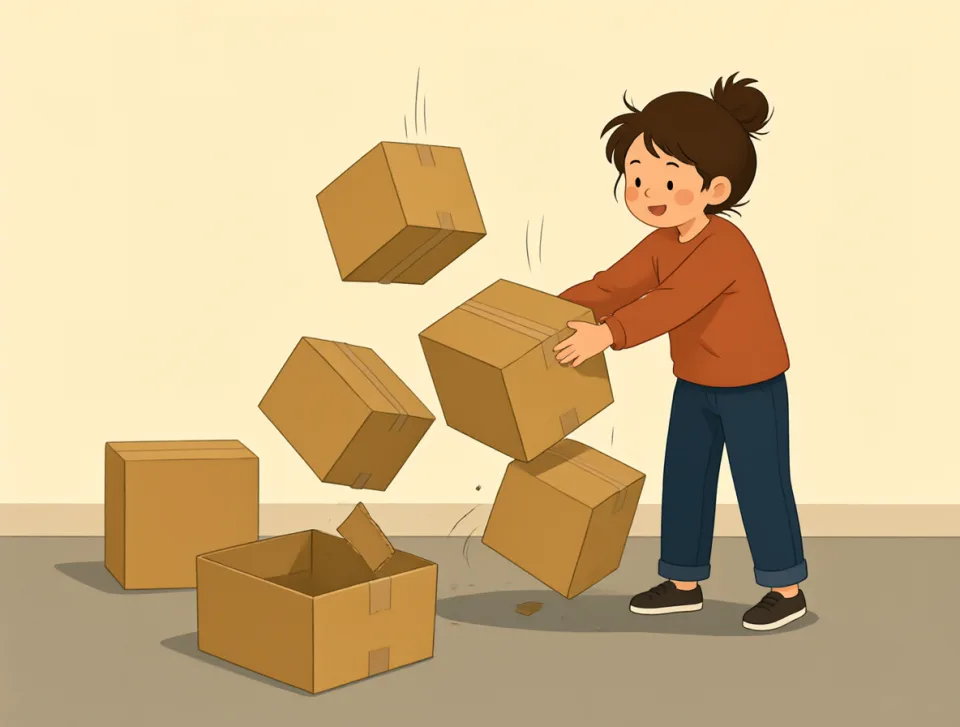
The boxes collapsed when I removed the bottom one.
Các thùng hàng đổ sập khi tôi lấy chiếc ở dưới cùng ra.

Talks between the two companies collapsed after the disagreement.
Cuộc đàm phán giữa hai công ty đã đổ vỡ sau bất đồng.
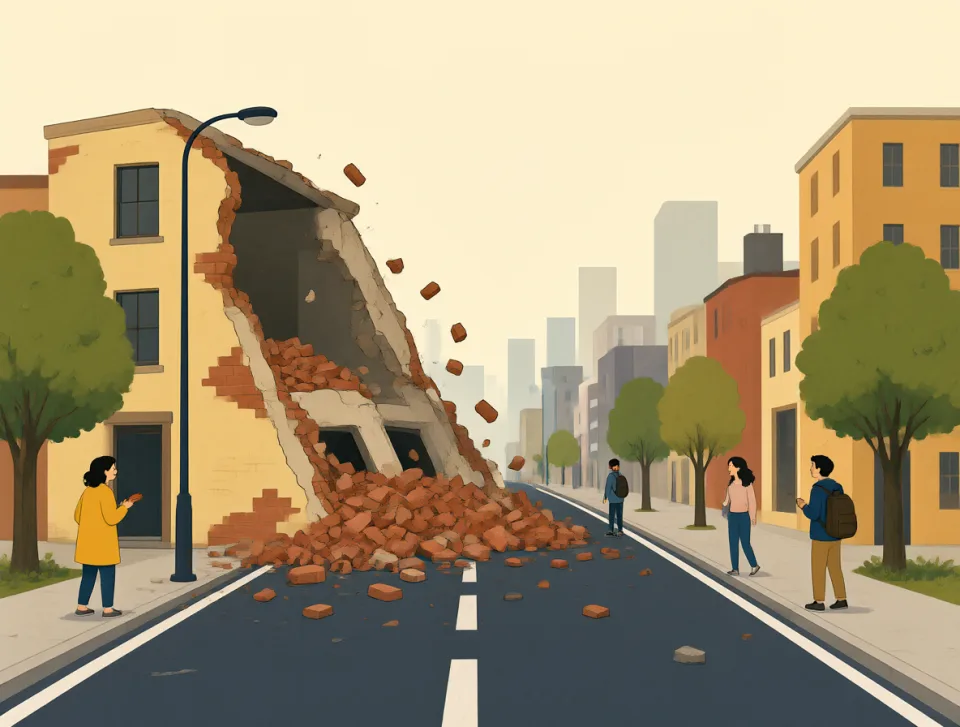
The building’s sudden collapse blocked the road for hours.
Vụ sụp đổ đột ngột của tòa nhà đã khiến con đường bị tắc trong nhiều giờ.
borrow
#1880verb
mượn
to use something that belongs to someone else and return it later
dùng thứ thuộc về người khác rồi trả lại sau
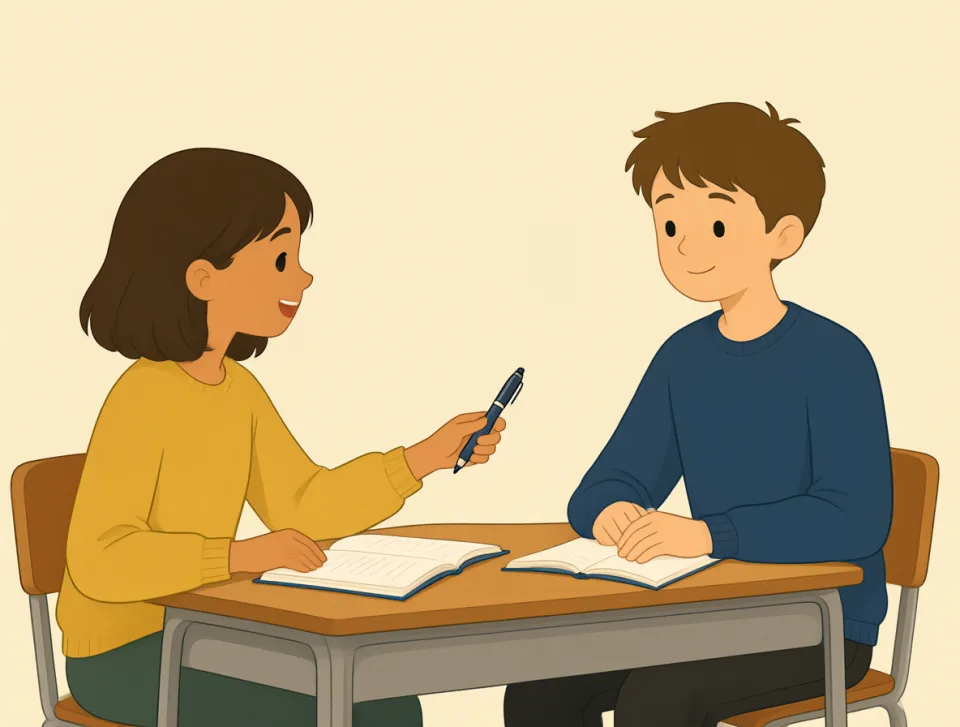
Can I borrow your pen for a minute?
Tôi có thể mượn bút của bạn một phút được không?

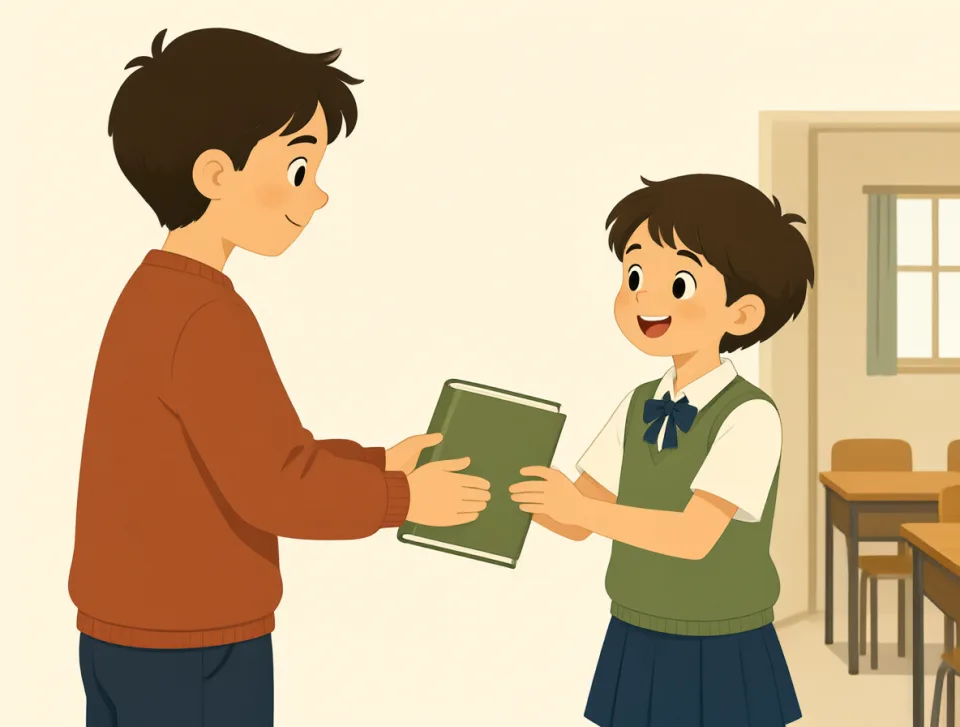
I borrowed a book from the library yesterday.
Hôm qua tôi đã mượn một quyển sách từ thư viện.

She borrowed some money from her brother for rent.
Cô ấy đã mượn anh trai một ít tiền để trả tiền thuê nhà.
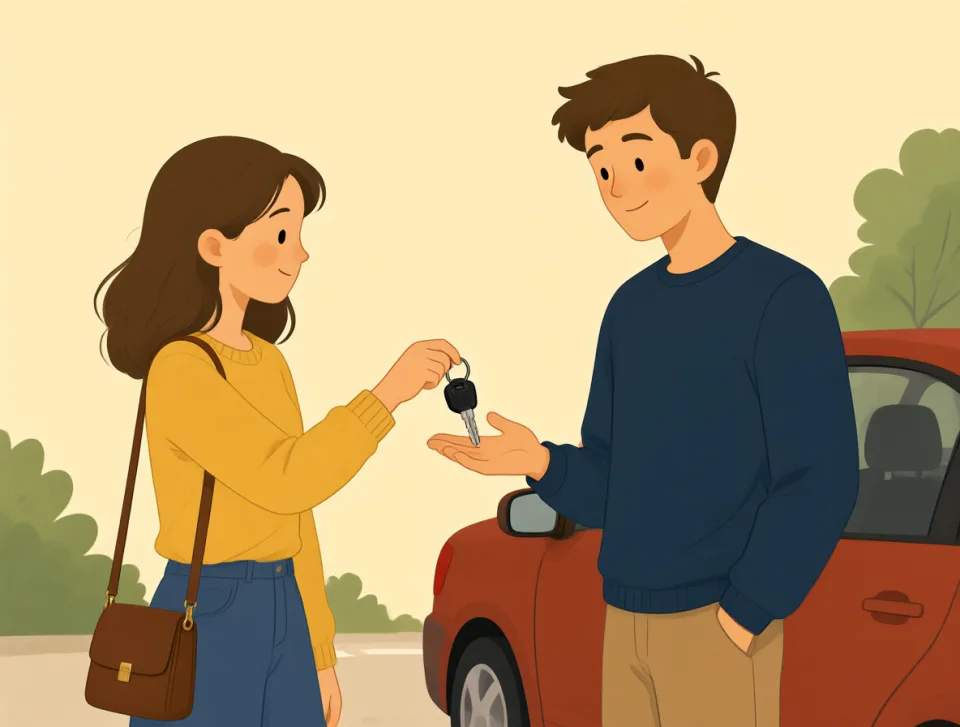
We borrowed our friends' car for the weekend.
Chúng tôi đã mượn xe của bạn bè để dùng vào cuối tuần.

May I borrow your phone to call a taxi?
Tôi có thể mượn điện thoại của bạn để gọi taxi được không?