इकाई 94
शब्द 1861–1880 · negotiation, mechanism, coat, democracy, pocket, lucky

negotiation
#1861noun
मोल-भाव
A discussion to reach an agreement, especially about price, plans, or conditions.
किसी समझौते पर पहुँचने के लिए की जाने वाली चर्चा, विशेषकर कीमत, योजनाओं या शर्तों के बारे में।

The two sides reached an agreement after several hours of negotiation.
कई घंटों की बातचीत के बाद दोनों पक्ष किसी समझौते पर पहुँचे।

The union began negotiations with the company about higher wages.
संघ ने अधिक वेतन के बारे में कंपनी से बातचीत शुरू की।
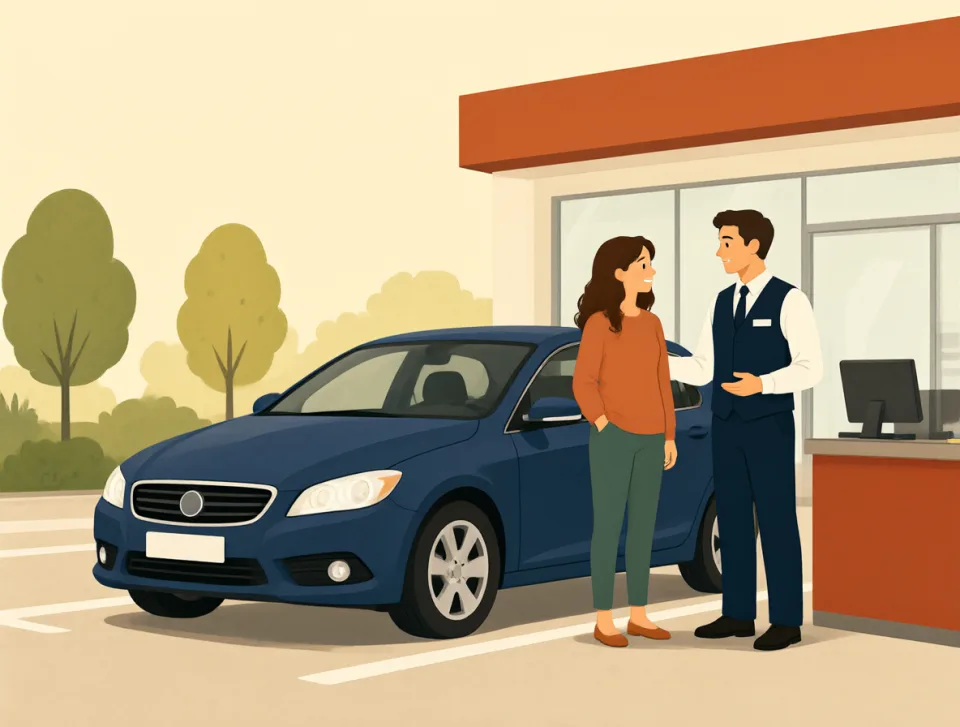
Good negotiation helped us get a lower price for the car.
अच्छे मोल-भाव की वजह से हमें कार कम कीमत पर मिल गई।

The peace negotiations continued after both countries stopped fighting.
दोनों देशों के बीच लड़ाई बंद होने के बाद भी शांति वार्ता जारी रही।

Buying a house usually involves negotiation over the final price.
घर खरीदने में आमतौर पर अंतिम कीमत को लेकर मोल-भाव शामिल होता है।
mechanism
#1862noun
तंत्र
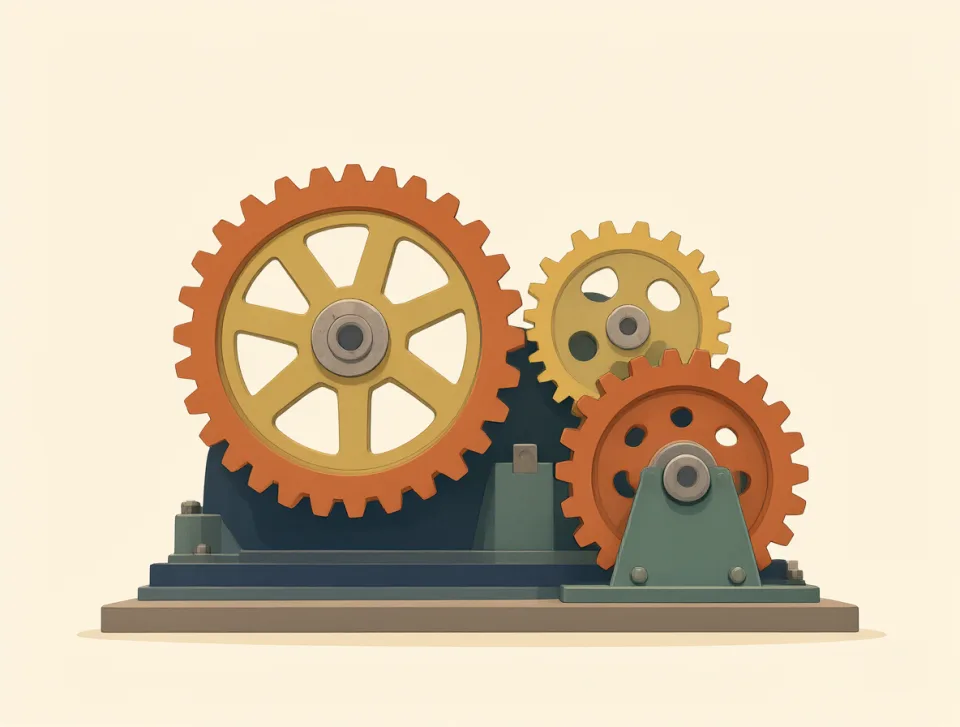
A part or process that makes something work or happen.
वह हिस्सा या प्रक्रिया जो किसी चीज़ को काम करने या घटित होने में मदद करती है।
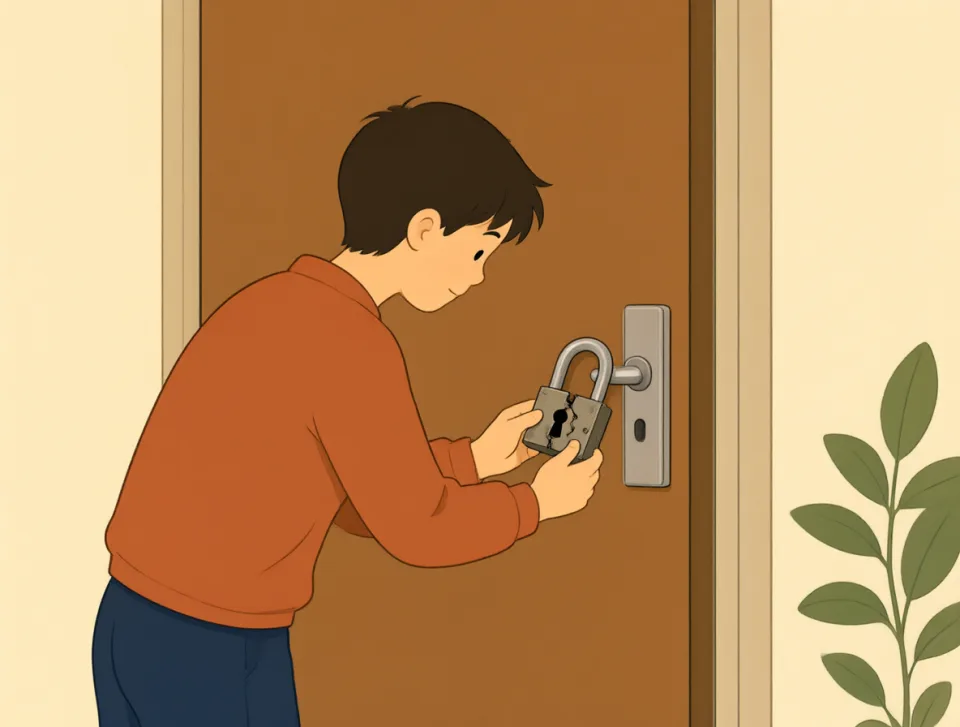
The locking mechanism on this door is broken.
इस दरवाज़े का ताला लगाने वाला तंत्र खराब है।

The camera has a simple mechanism for changing the lens.
इस कैमरे में लेंस बदलने का एक सरल तंत्र है।
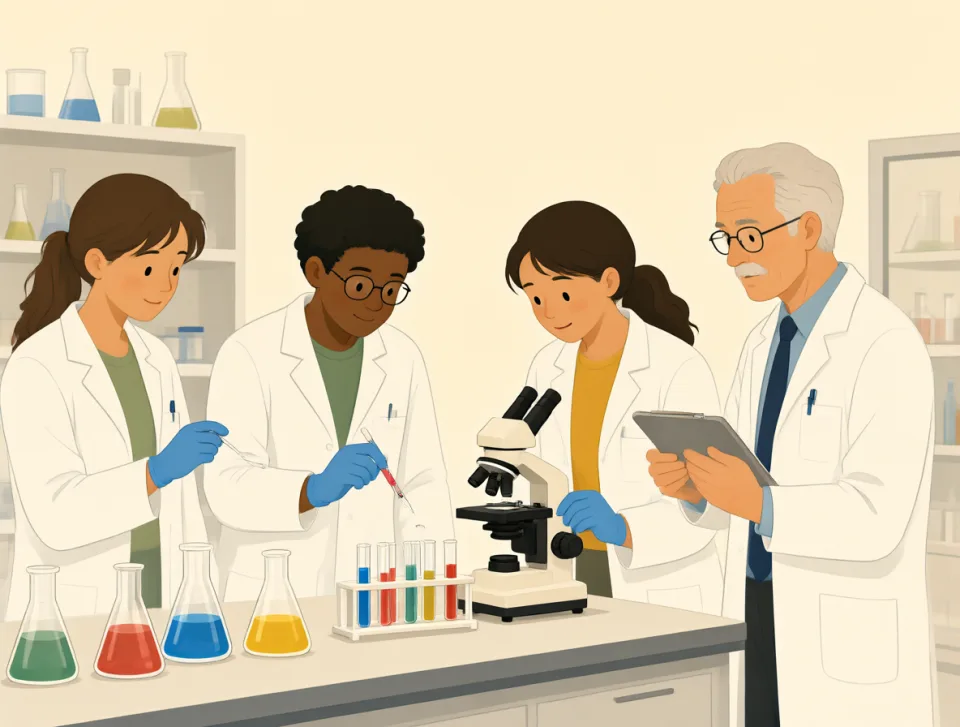
Scientists studied the mechanism behind the disease.
वैज्ञानिकों ने इस बीमारी के पीछे के तंत्र का अध्ययन किया।
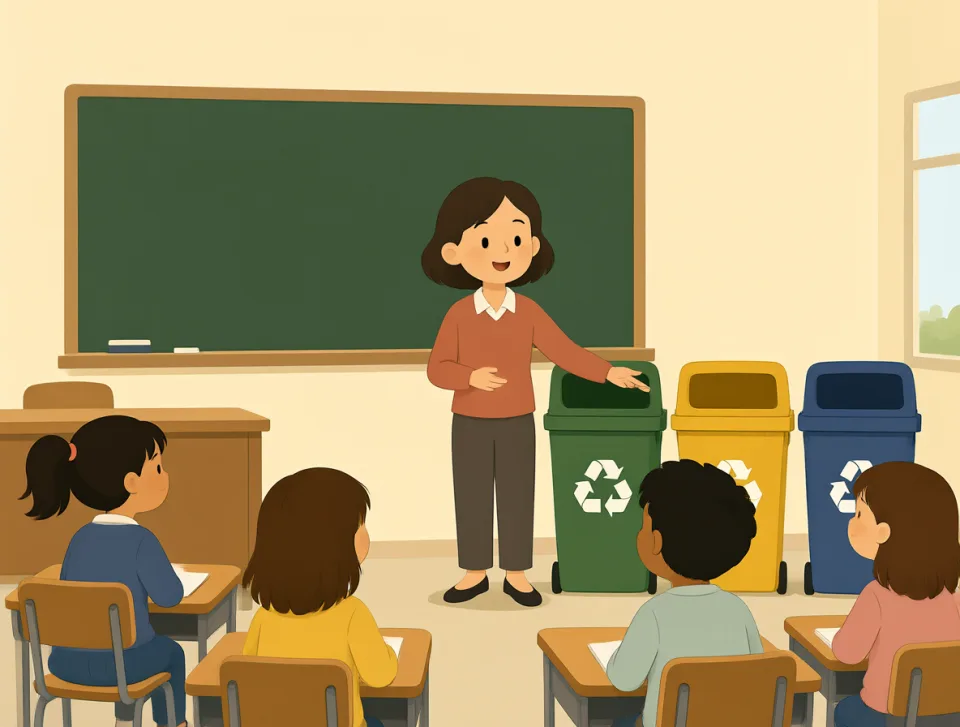
The teacher explained the mechanism of the new recycling system.
शिक्षक ने नई पुनर्चक्रण प्रणाली का तंत्र समझाया।
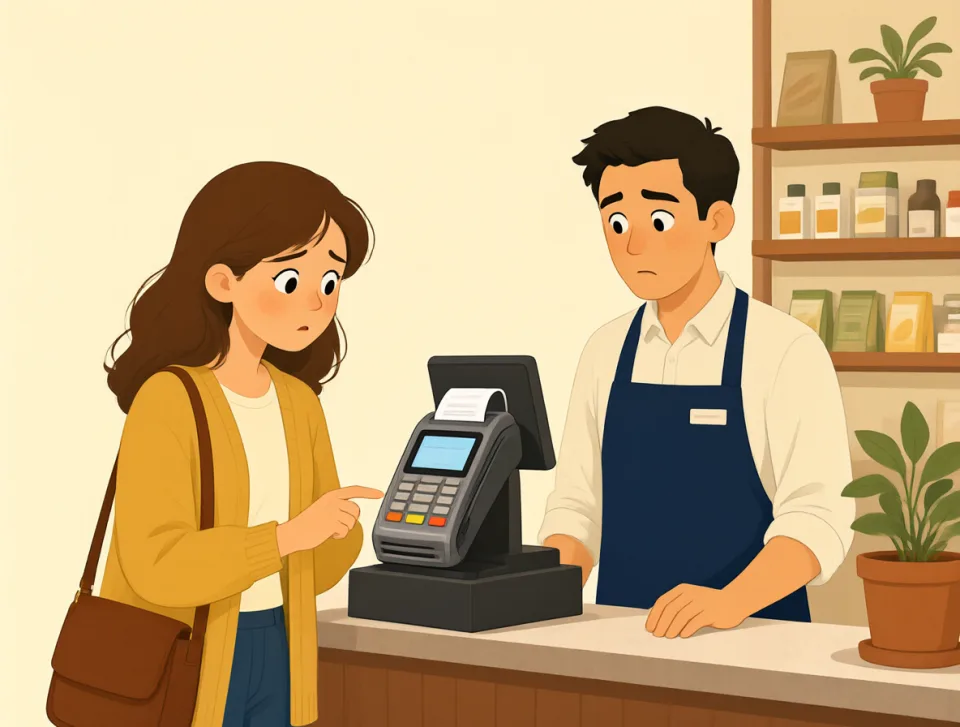
The shop's payment mechanism stopped working during checkout.
दुकान का भुगतान तंत्र बिल चुकाते समय काम करना बंद कर गया।
coat
#1863noun, verb
कोट
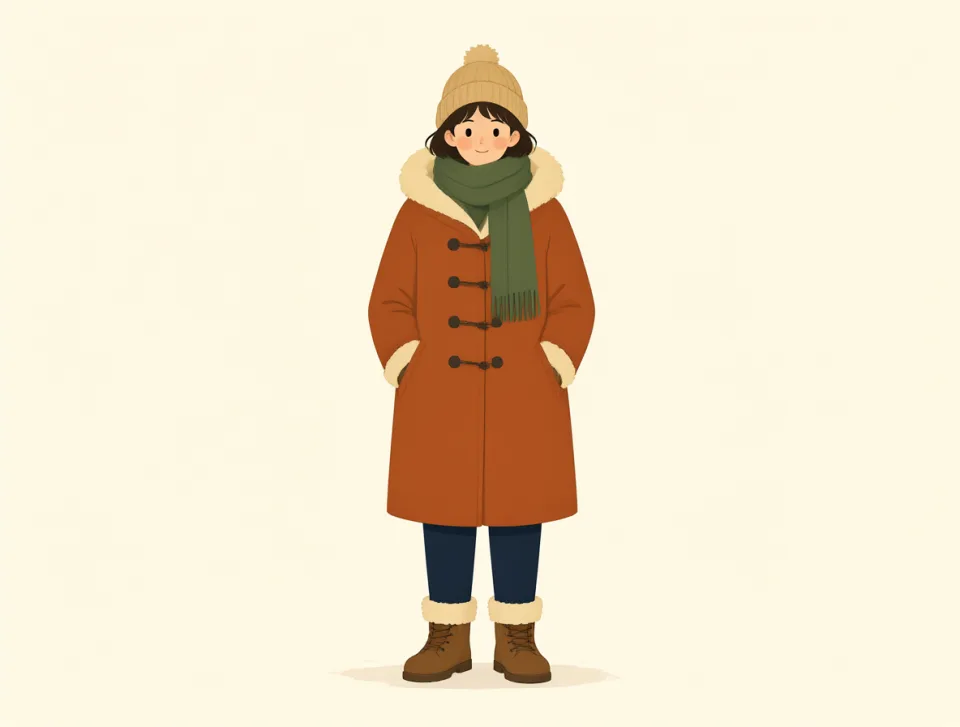
Clothing worn over other clothes; to cover something with a layer.
अन्य कपड़ों के ऊपर पहना जाने वाला वस्त्र; किसी चीज़ पर एक परत चढ़ाना।
Take your coat; it is cold outside.
अपना कोट ले लो; बाहर ठंड है।
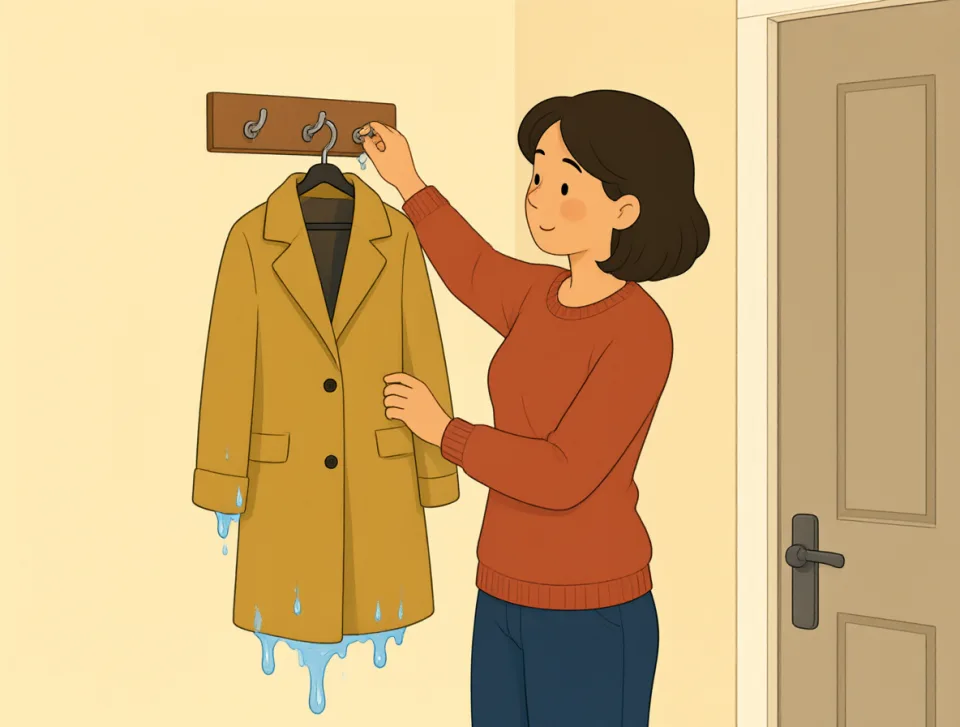
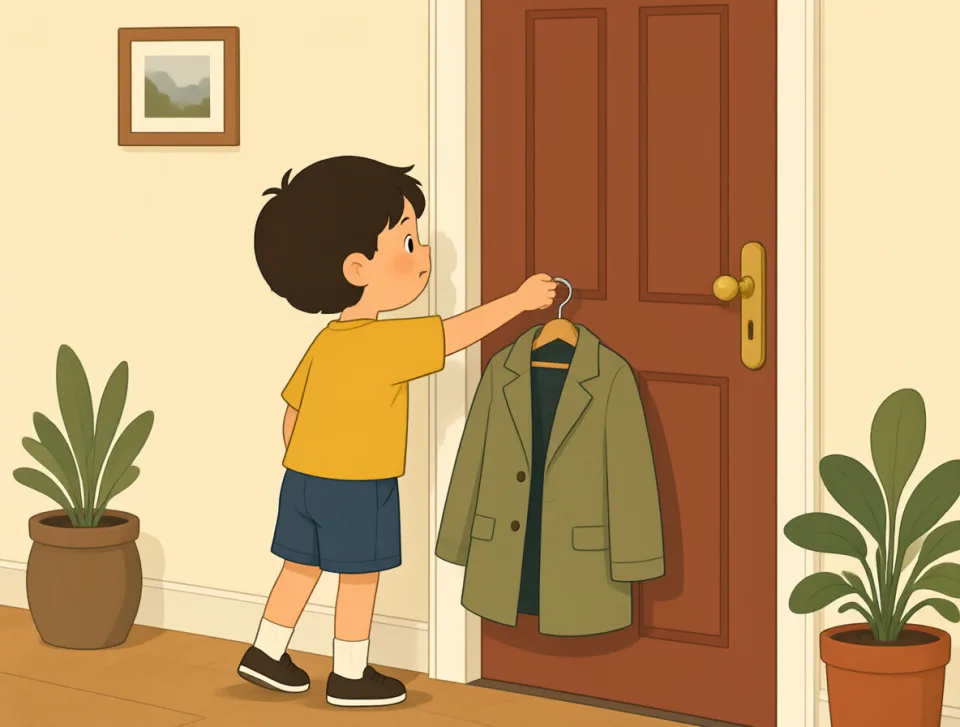
She hung her wet coat by the front door.
उसने अपना गीला कोट सामने वाले दरवाज़े के पास टाँग दिया।
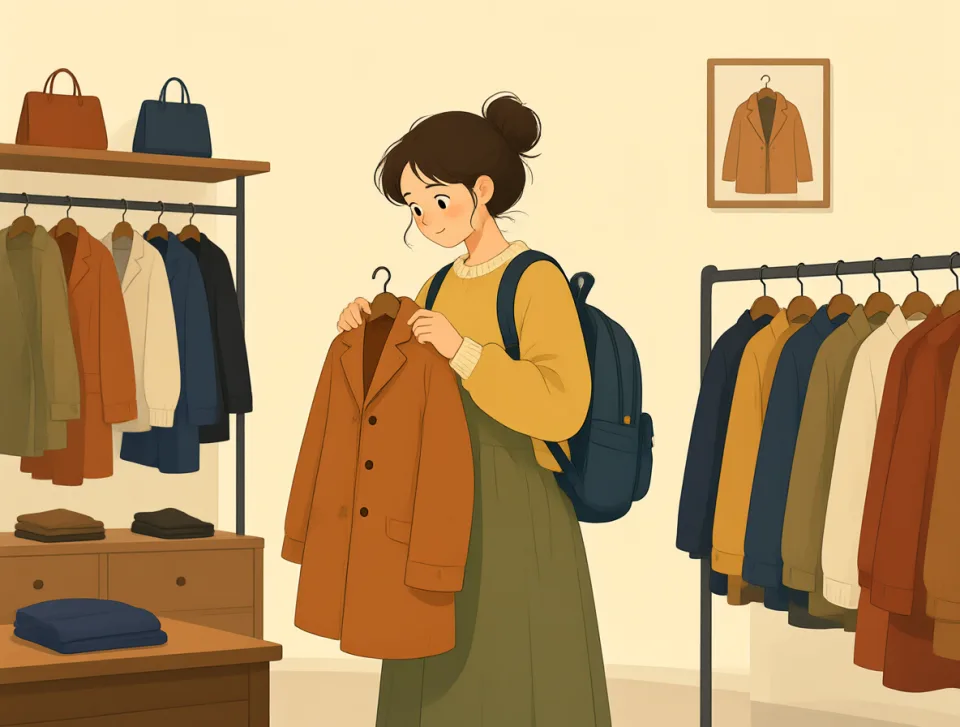
I bought a warm coat before our trip to Canada.
कनाडा की हमारी यात्रा से पहले मैंने एक गर्म कोट खरीदा।
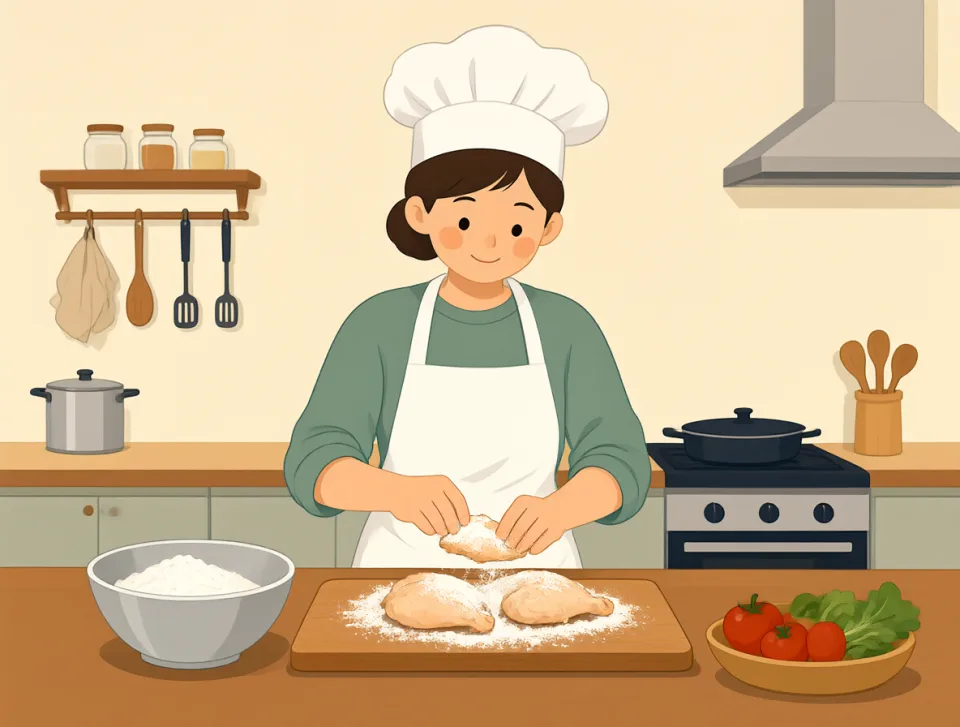
Coat the chicken with flour before frying it.
चिकन को तलने से पहले उस पर आटा लपेट दो।
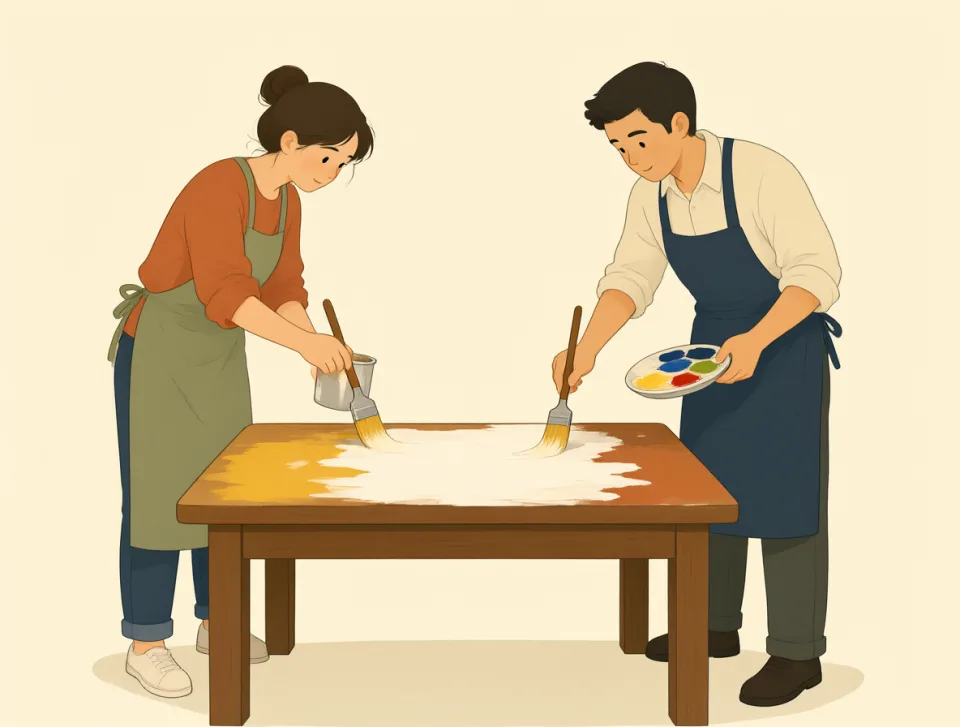
We gave the old table a fresh coat of paint.
हमने पुरानी मेज़ पर नए रंग की एक परत चढ़ाई।
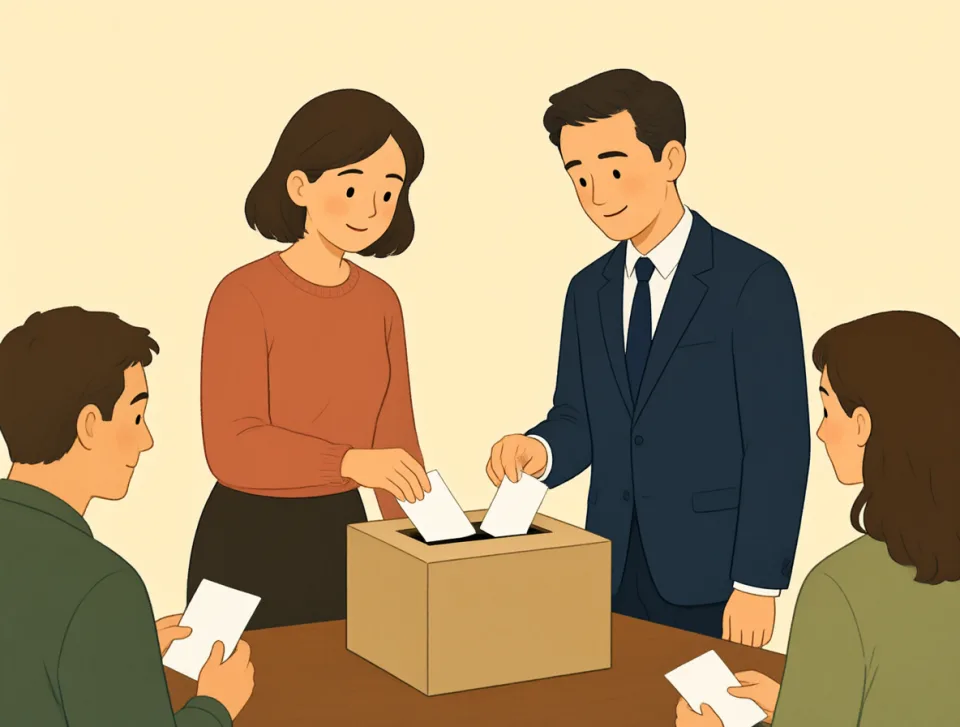
democracy
#1864noun
लोकतंत्र
a system of government in which people choose their leaders
शासन की वह व्यवस्था जिसमें लोग अपने नेताओं को चुनते हैं।
In a democracy, people can vote for their leaders.
लोकतंत्र में लोग अपने नेताओं के लिए मतदान कर सकते हैं।
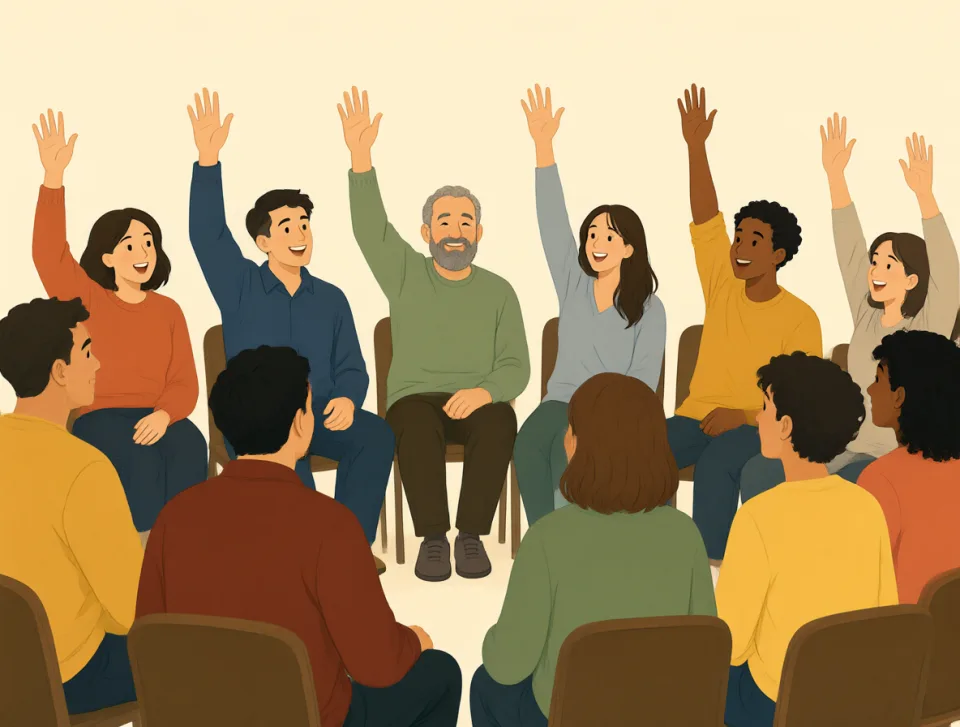
Democracy gives ordinary people a voice in government.
लोकतंत्र आम लोगों को सरकार में अपनी आवाज़ रखने का अवसर देता है।
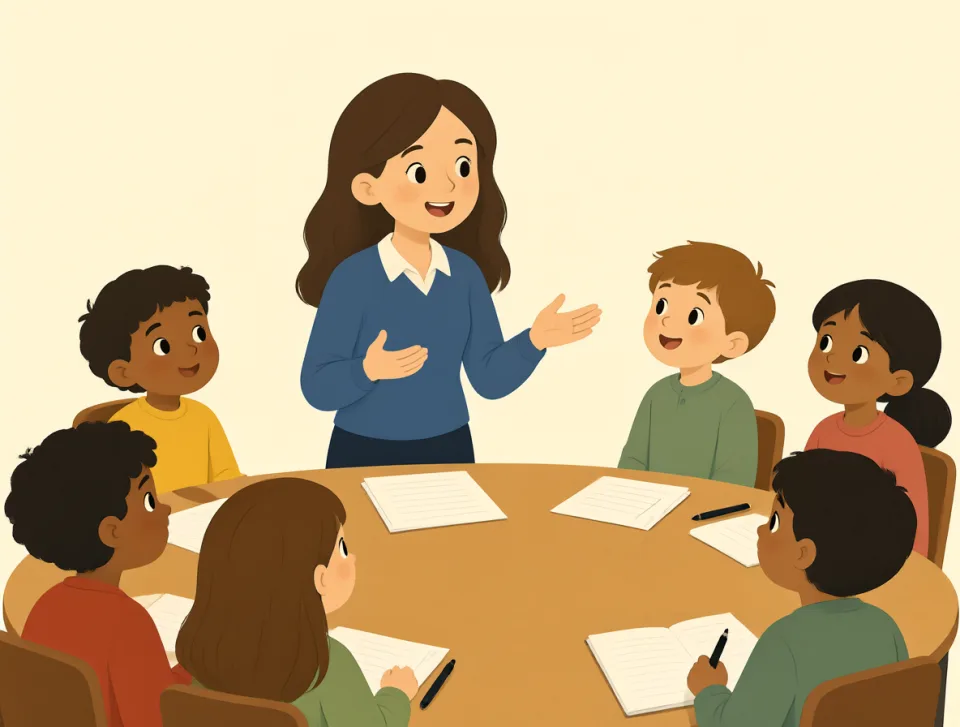
Our teacher explained democracy during social studies class.
हमारे शिक्षक ने सामाजिक अध्ययन की कक्षा में लोकतंत्र समझाया।
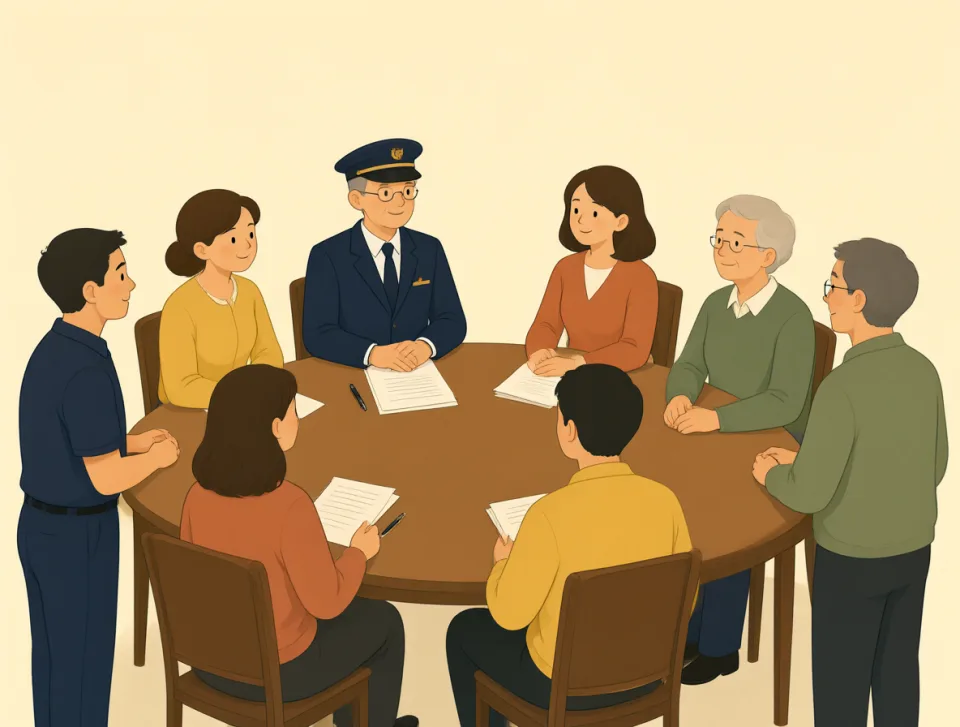
The country is working to build a strong democracy.
देश एक मज़बूत लोकतंत्र बनाने के लिए काम कर रहा है।
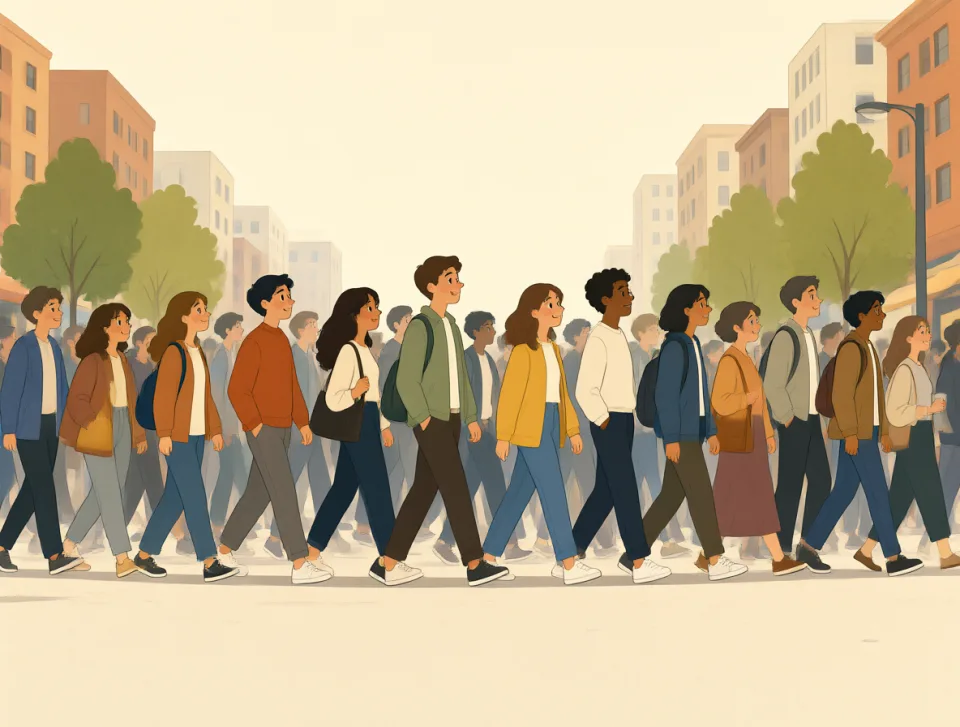
Many citizens joined the peaceful march to protect democracy.
लोकतंत्र की रक्षा के लिए कई नागरिक शांतिपूर्ण मार्च में शामिल हुए।
pocket
#1865noun, verb
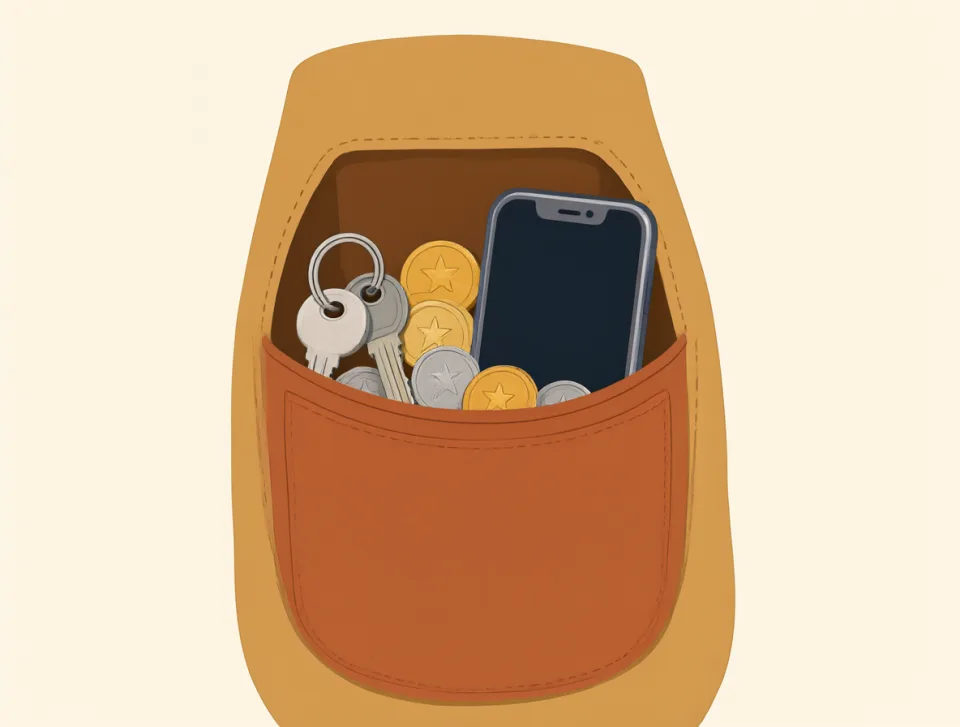
जेब
A small bag sewn into clothing for carrying things; to put something in it.
चीज़ें रखने के लिए कपड़ों में सिली हुई छोटी थैली; किसी चीज़ को उसमें रखना।
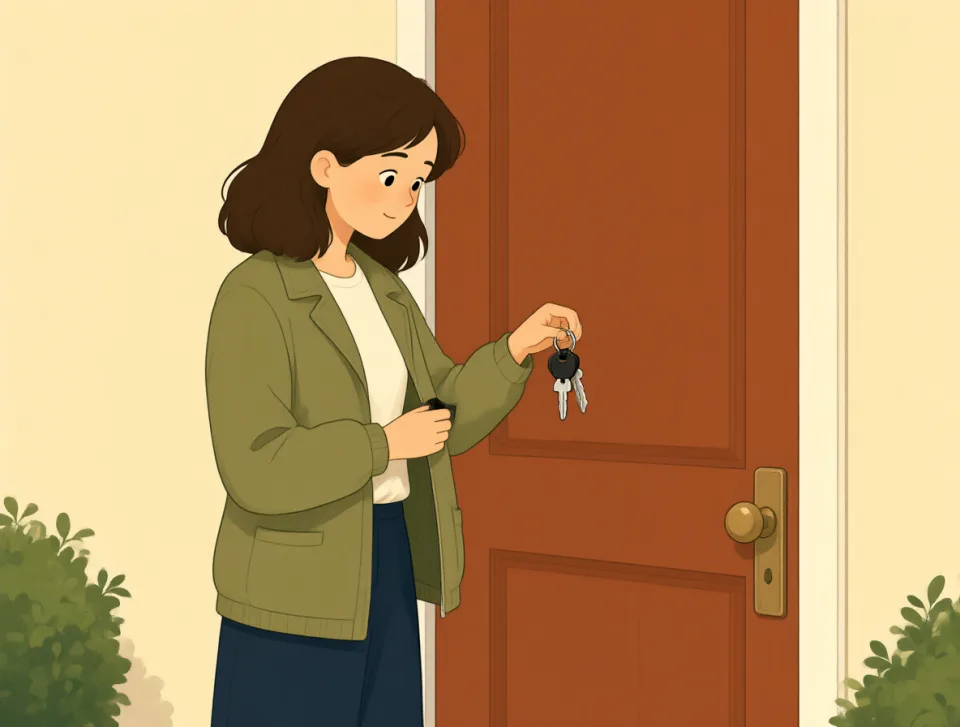
She put her keys in her pocket before leaving home.
घर से निकलने से पहले उसने अपनी चाबियाँ जेब में रख लीं।
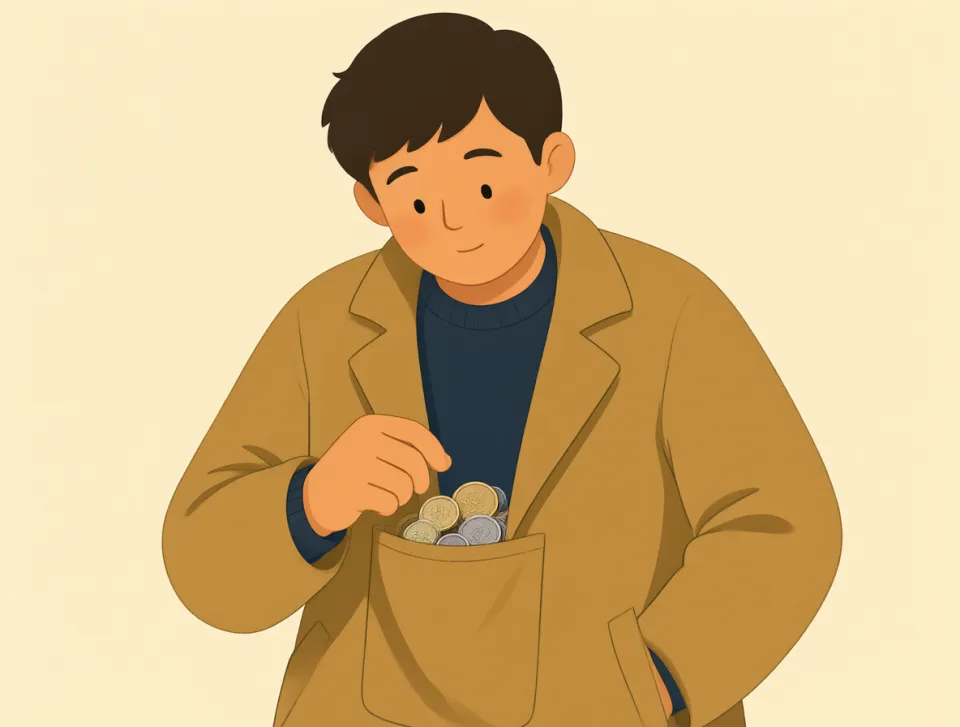
I found some coins in my coat pocket.
मुझे अपने कोट की जेब में कुछ सिक्के मिले।
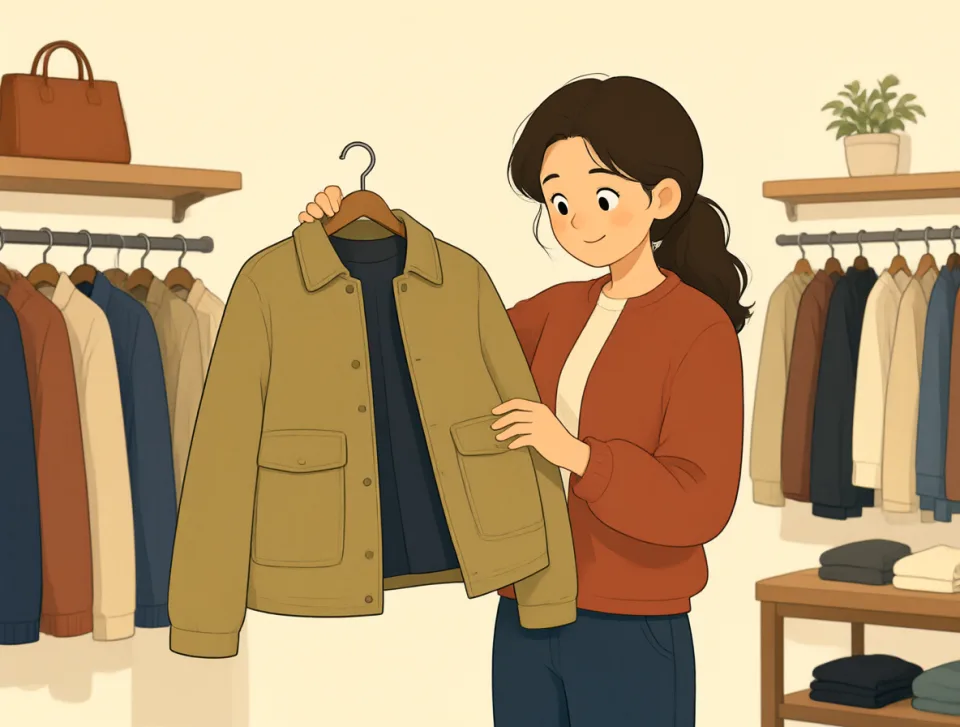
This jacket has deep pockets for carrying your phone.
इस जैकेट में आपका फ़ोन रखने के लिए गहरी जेबें हैं।
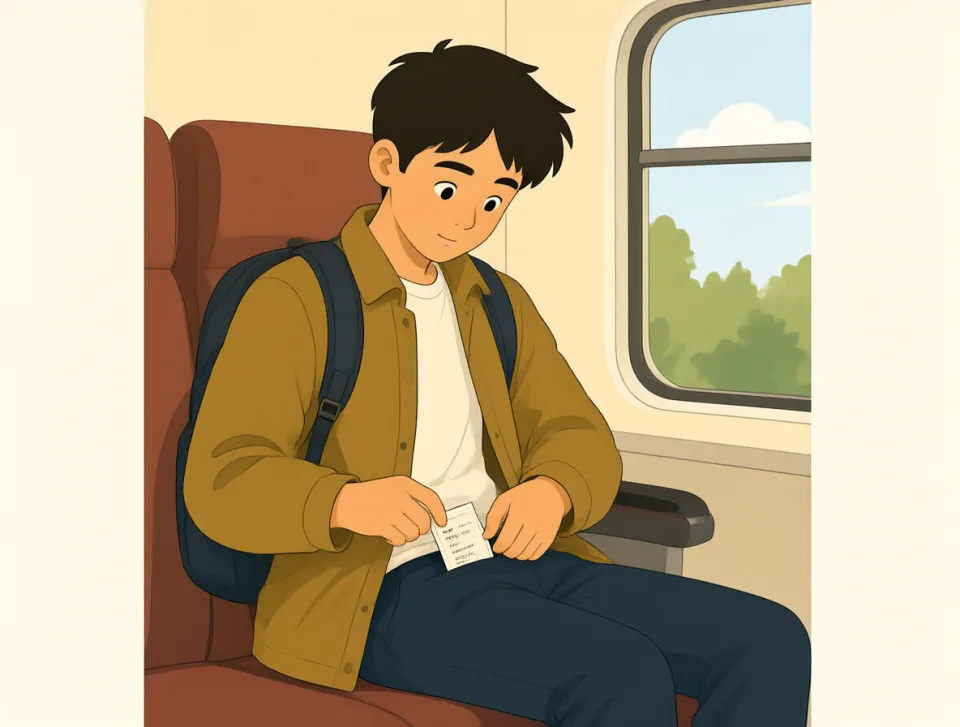
He kept the train ticket in his pocket during the journey.
यात्रा के दौरान उसने ट्रेन का टिकट अपनी जेब में रखा।
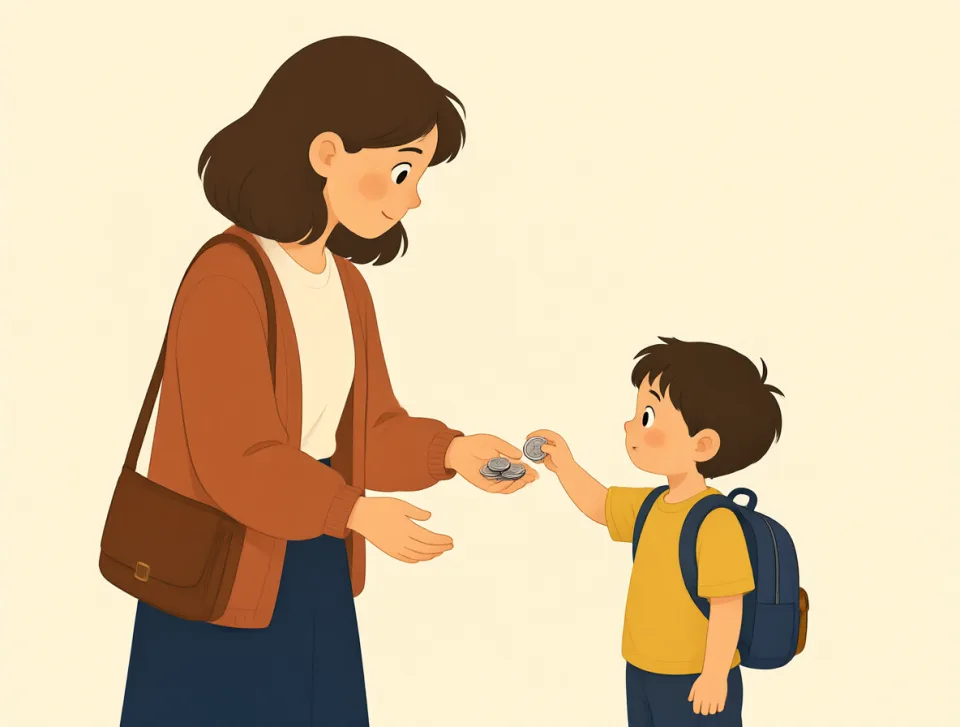
The doctor gave her some pocket money for lunch.
डॉक्टर ने उसे दोपहर के भोजन के लिए कुछ जेब-खर्च दिया।
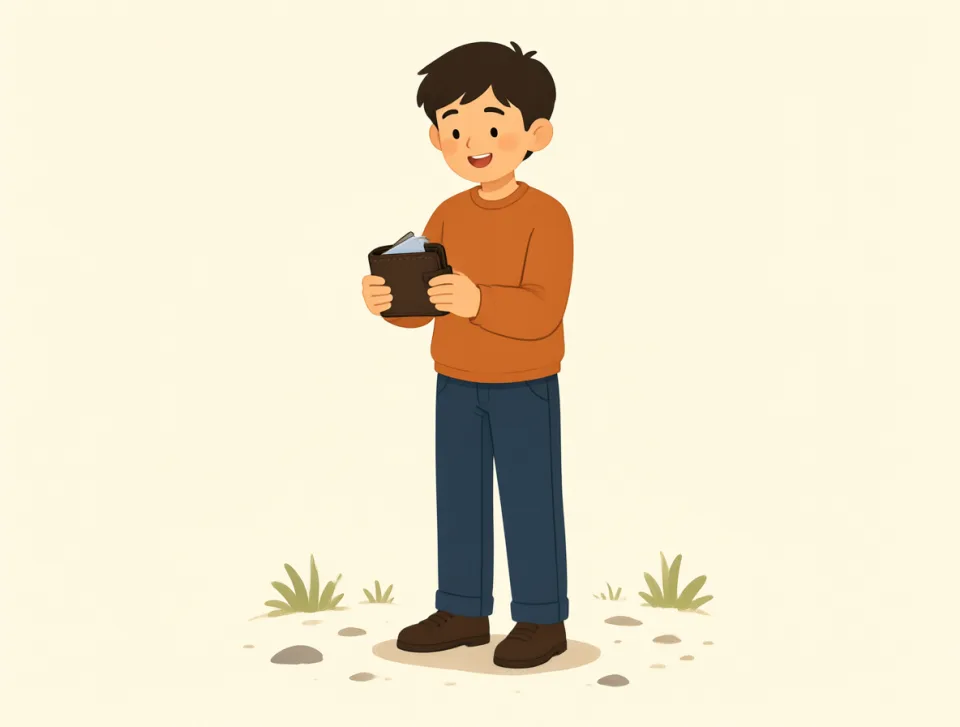
lucky
#1866adjective
भाग्यशाली
Having good things happen by chance.
जिसके साथ संयोग से अच्छी बातें होती हैं।
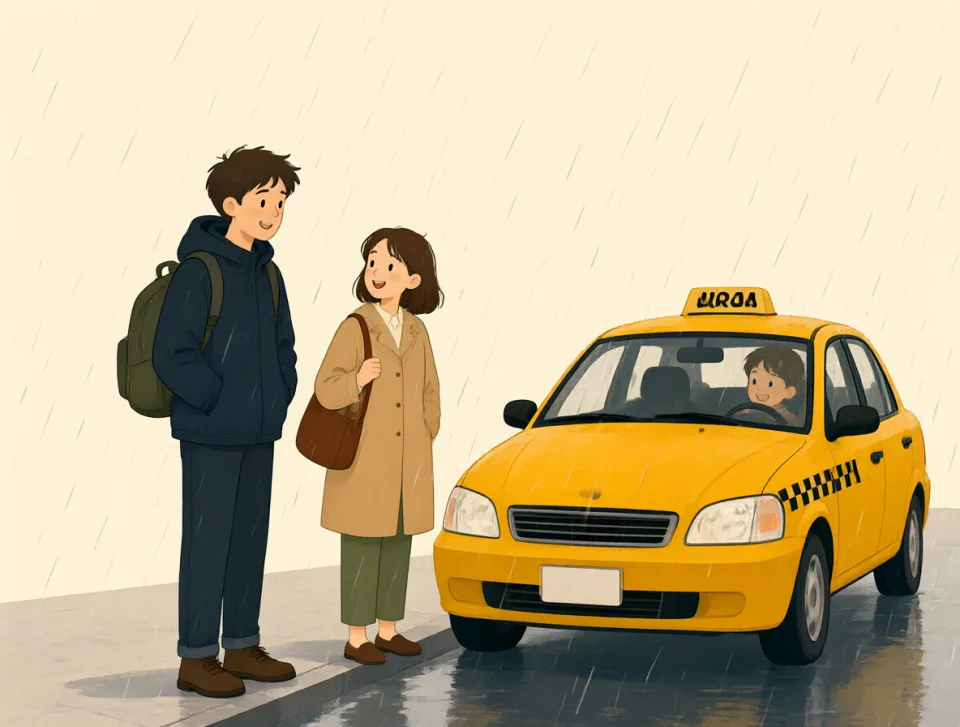
We were lucky to find a taxi in the rain.
बारिश में हमें टैक्सी मिल गई, यह हमारी किस्मत थी।
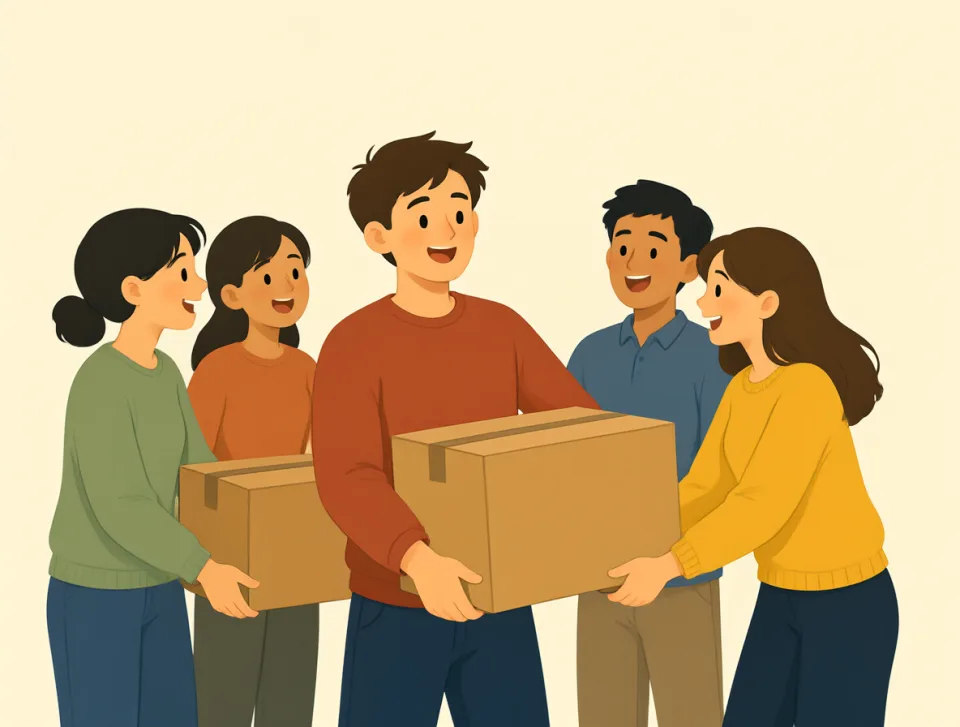
You are lucky to have such kind friends.
तुम खुशनसीब हो कि तुम्हारे इतने दयालु दोस्त हैं।
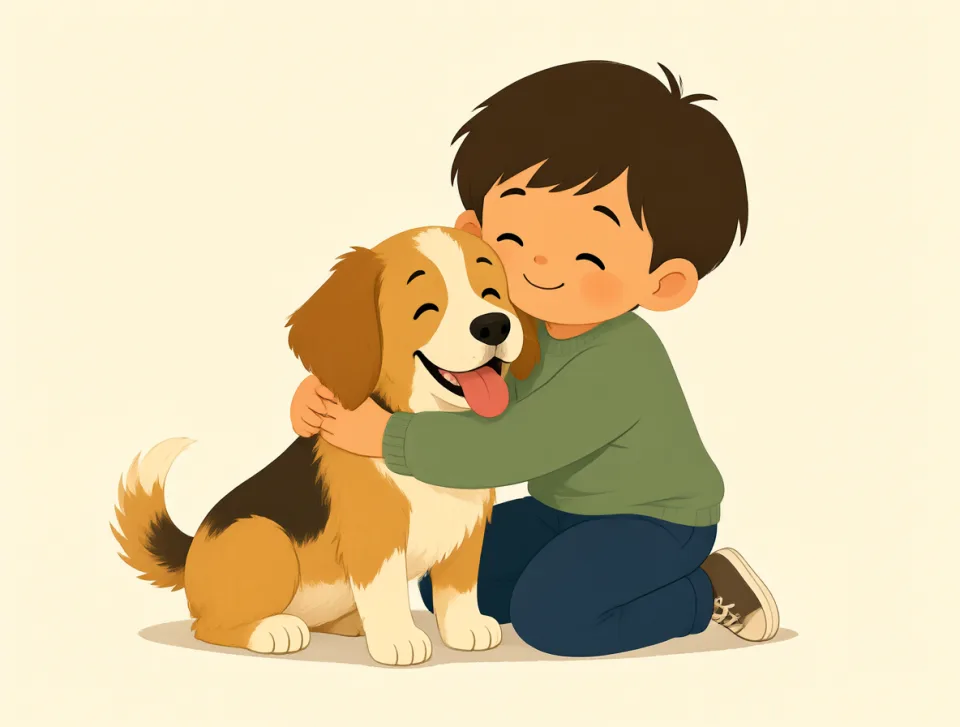
I felt lucky when my lost dog came home.
जब मेरा खोया हुआ कुत्ता घर लौट आया, तो मुझे लगा कि मैं बहुत भाग्यशाली हूँ।
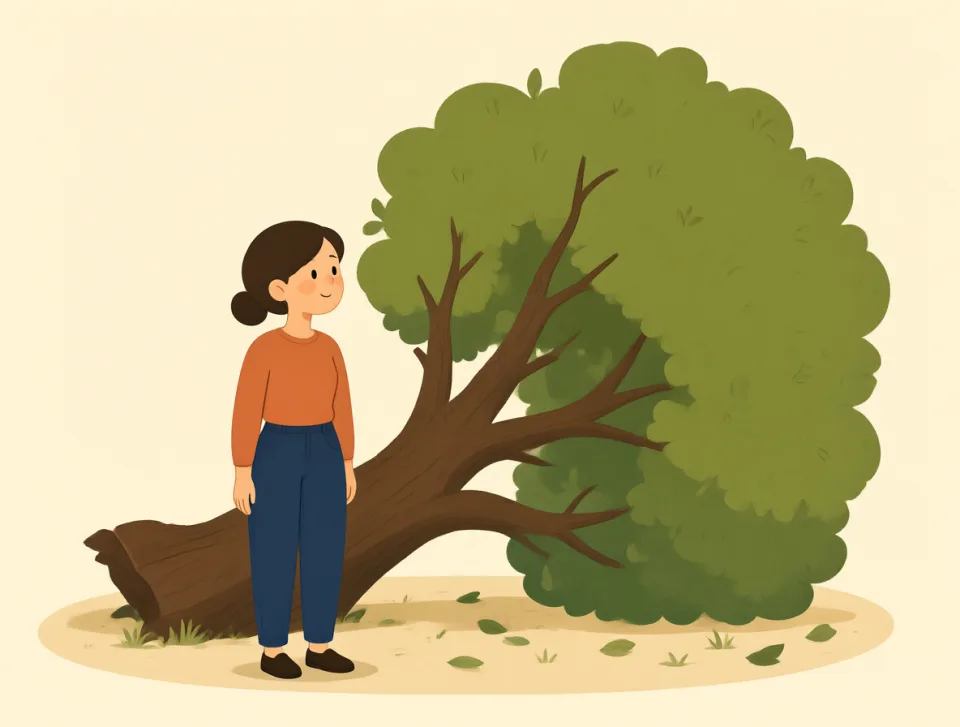
She had a lucky escape from the falling tree.
गिरते हुए पेड़ से वह बाल-बाल बच गई।

He chose a lucky number and won the prize.
उसने एक शुभ अंक चुना और इनाम जीत लिया।
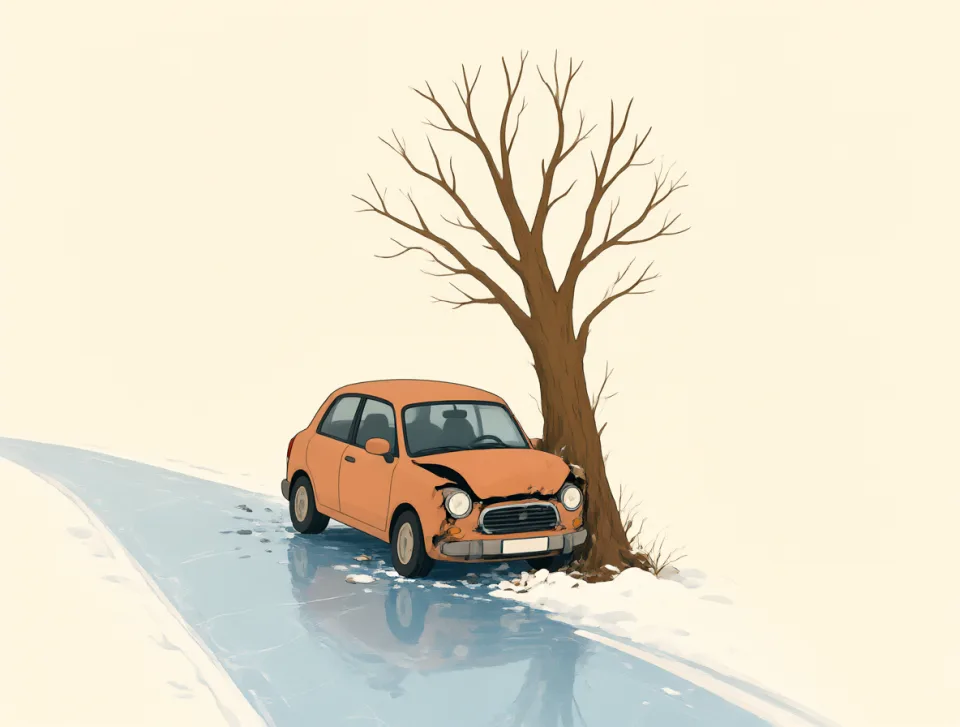
crash
#1867noun, verb
टक्कर
A hard collision, or to hit something, stop working, or sleep somewhere unexpectedly.
ज़ोरदार टक्कर; किसी चीज़ से टकराना, काम करना बंद कर देना या अचानक कहीं सो जाना।
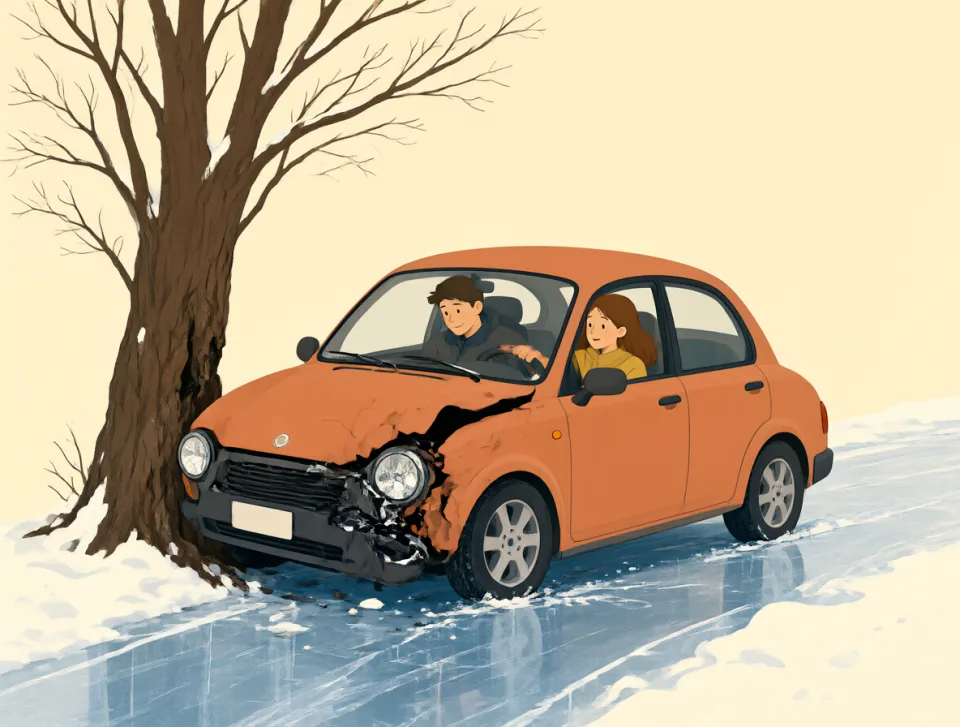
The car crashed into a tree on the icy road.
बर्फ़ीली सड़क पर कार एक पेड़ से टकरा गई।
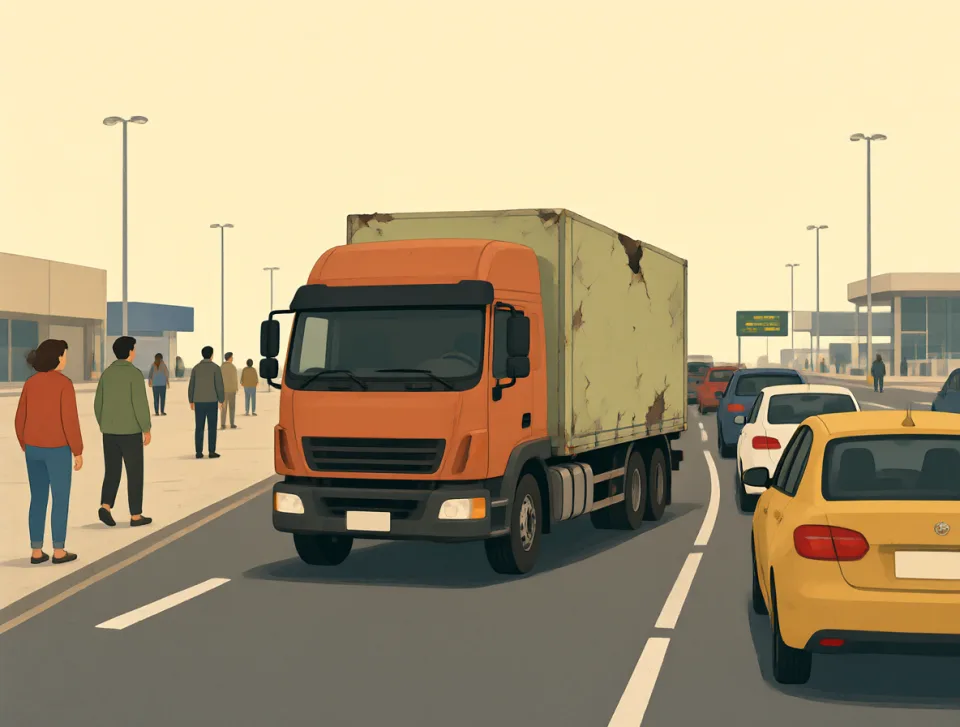
A truck crash blocked traffic near the airport this morning.
आज सुबह ट्रक की टक्कर से हवाई अड्डे के पास यातायात रुक गया।
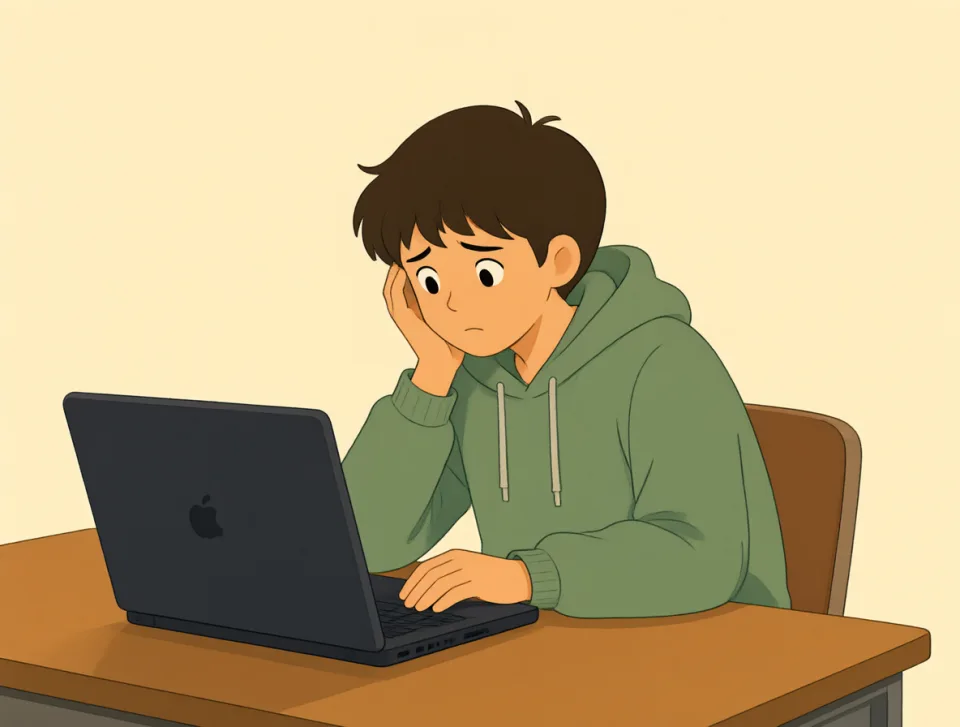
My computer crashed while I was finishing my homework.
जब मैं अपना होमवर्क पूरा कर रहा था, तभी मेरा कंप्यूटर क्रैश हो गया।
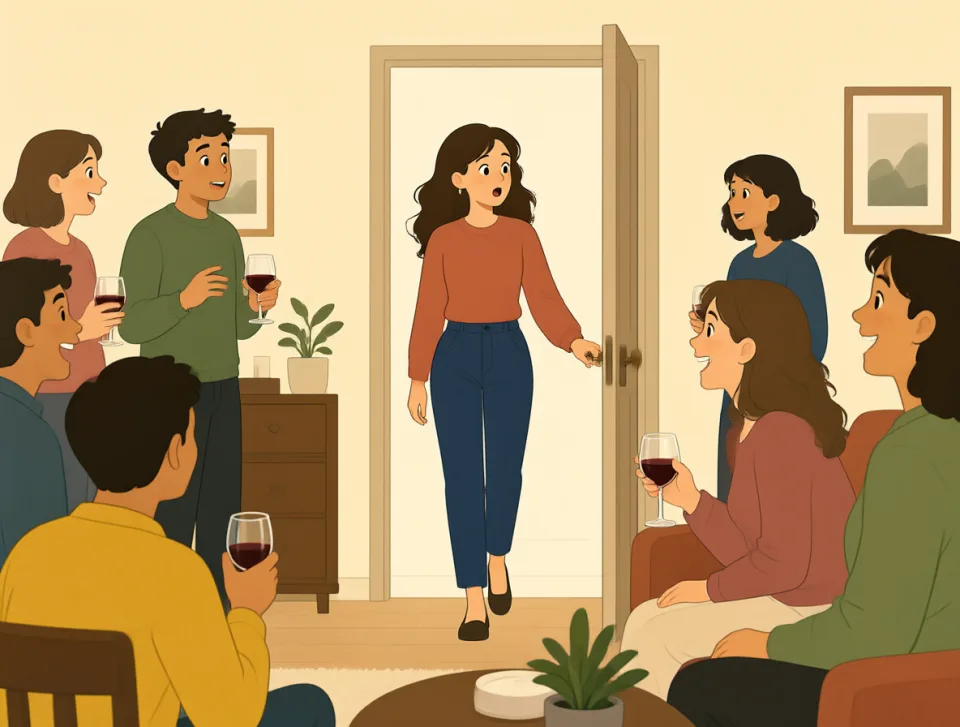
She crashed the party without knowing anyone there.
वह वहाँ किसी को जाने बिना ही पार्टी में आ धमकी।
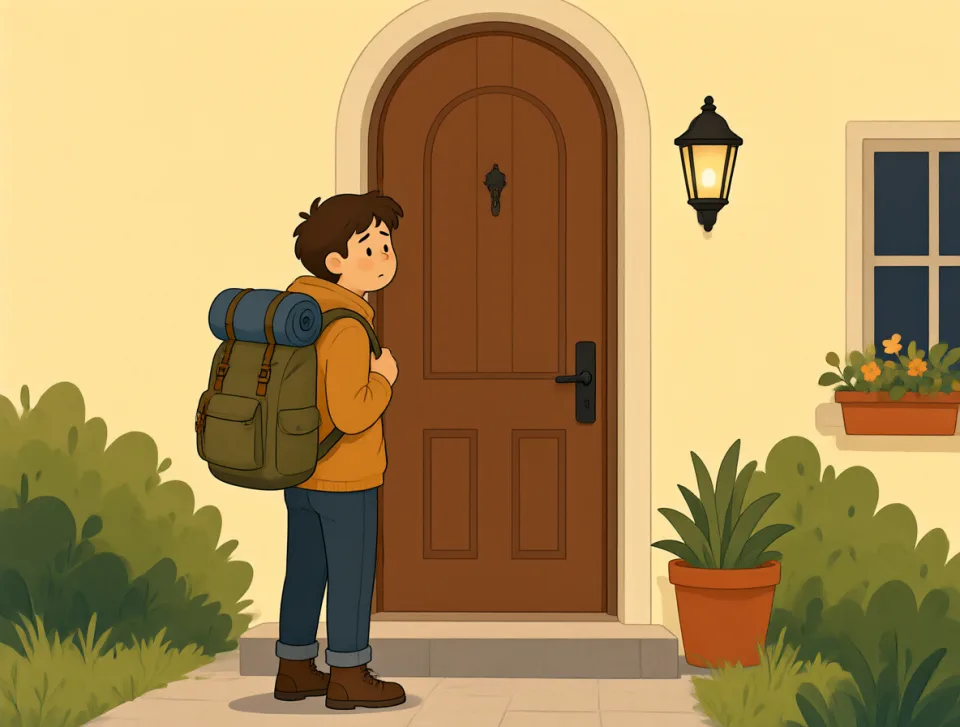
Can I crash at your place tonight?
क्या मैं आज रात तुम्हारे यहाँ रुक सकता हूँ?
observation
#1868noun
अवलोकन
something you notice, or a comment about what you have noticed
कोई बात जिस पर आपका ध्यान जाए, या उस बारे में की गई टिप्पणी।
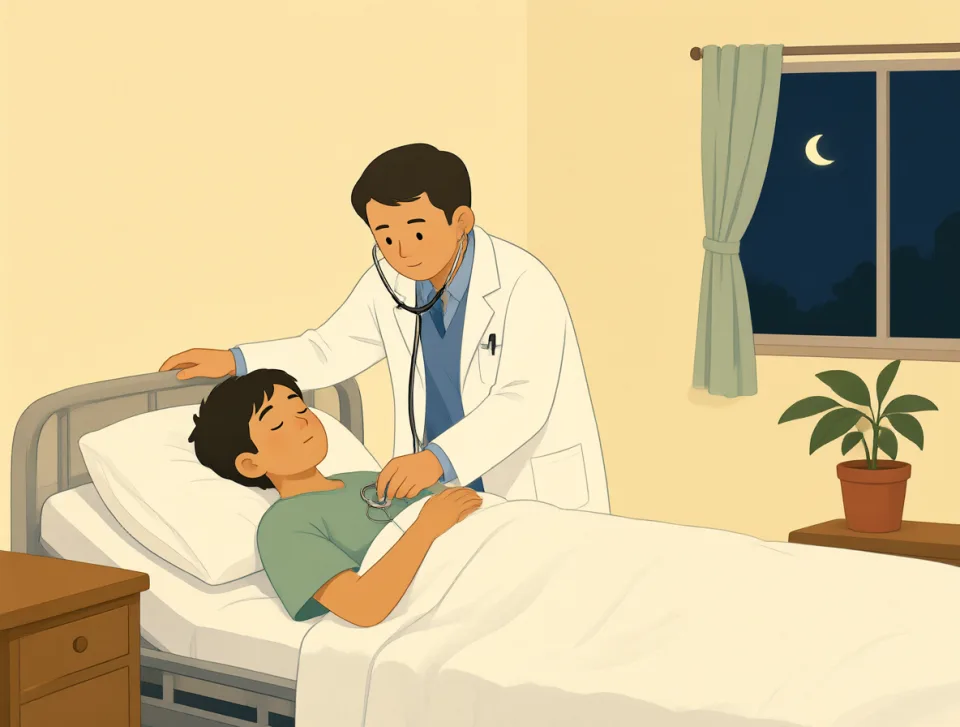
The doctor kept the patient under observation overnight.
डॉक्टर ने मरीज को रात भर निगरानी में रखा।
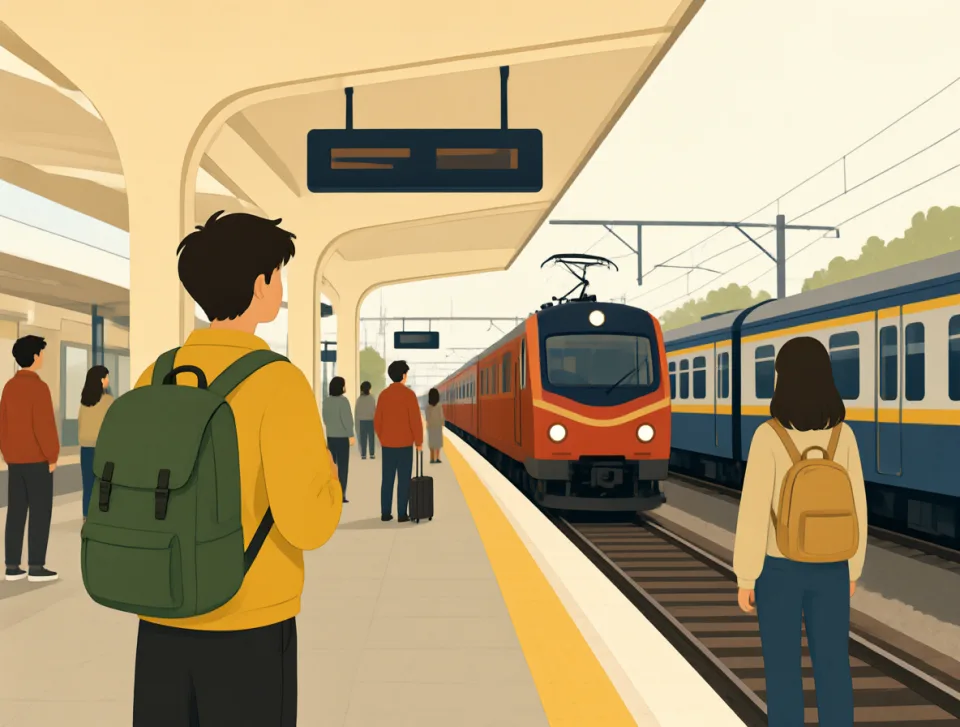
I made an interesting observation while waiting for the train.
ट्रेन का इंतज़ार करते हुए मैंने एक दिलचस्प बात देखी।
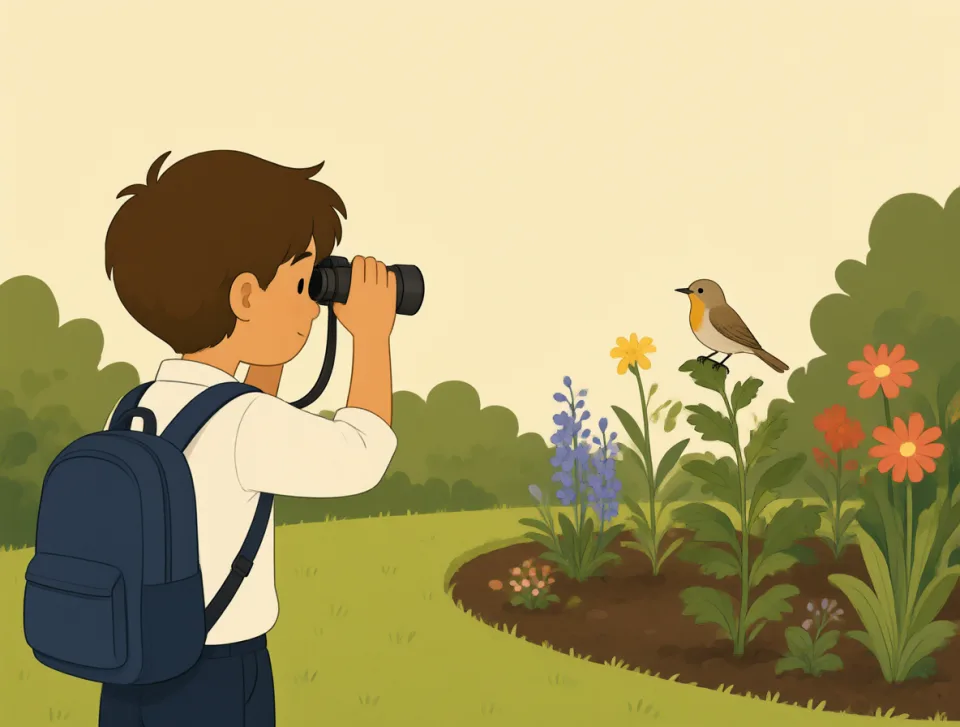
The teacher praised her careful observation of the bird.
शिक्षक ने पक्षी का ध्यान से अवलोकन करने के लिए उसकी तारीफ़ की।
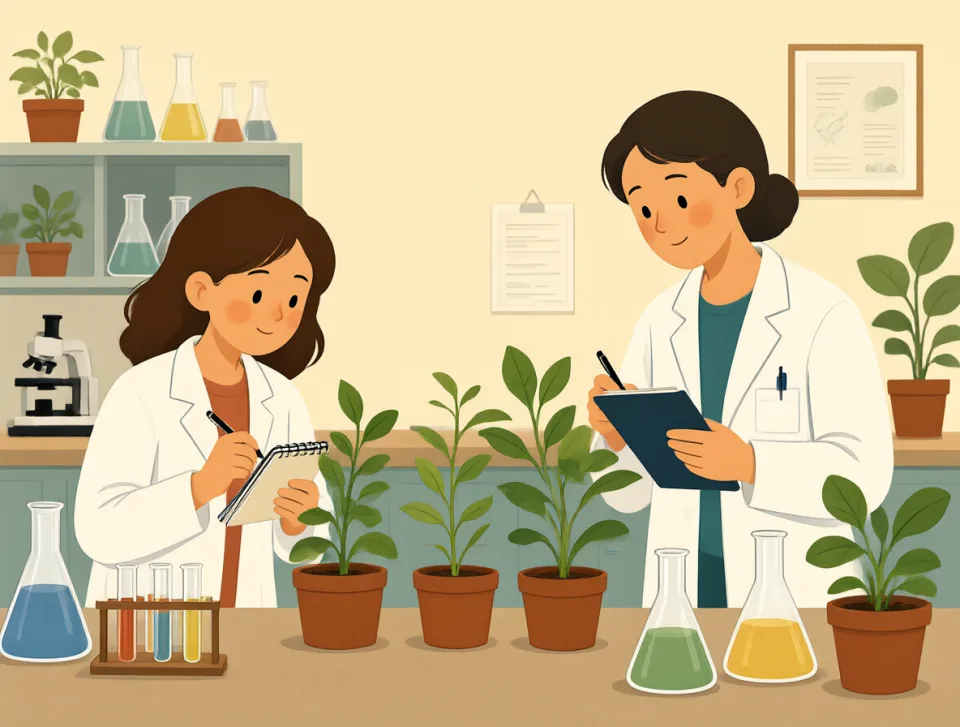
Scientists recorded their observations of the plants every morning.
वैज्ञानिकों ने हर सुबह पौधों के बारे में अपने अवलोकन दर्ज किए।
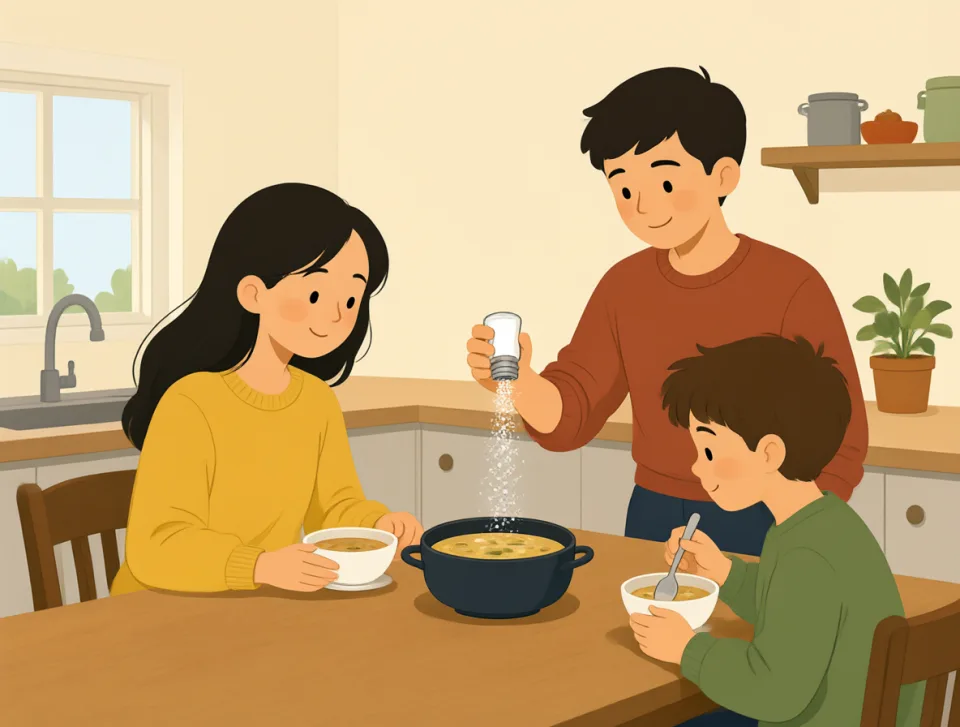
His observation that the soup needed salt was exactly right.
उसकी यह बात बिल्कुल सही थी कि सूप में नमक कम था।
meat
#1869noun
मांस
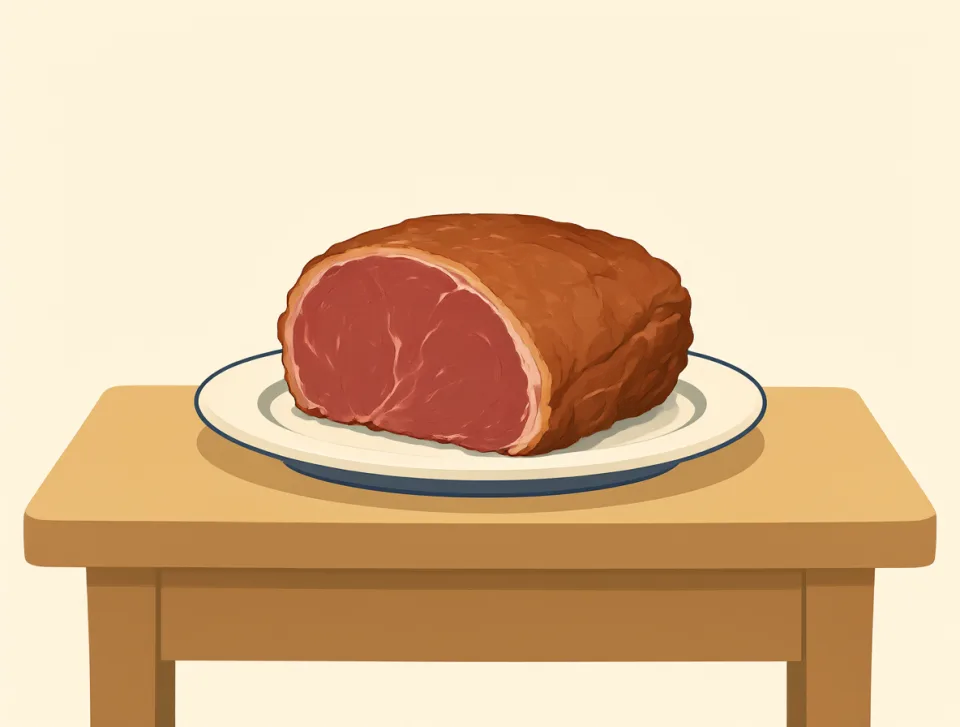
The flesh of animals used as food.
खाने के लिए इस्तेमाल किया जाने वाला जानवरों का मांस।
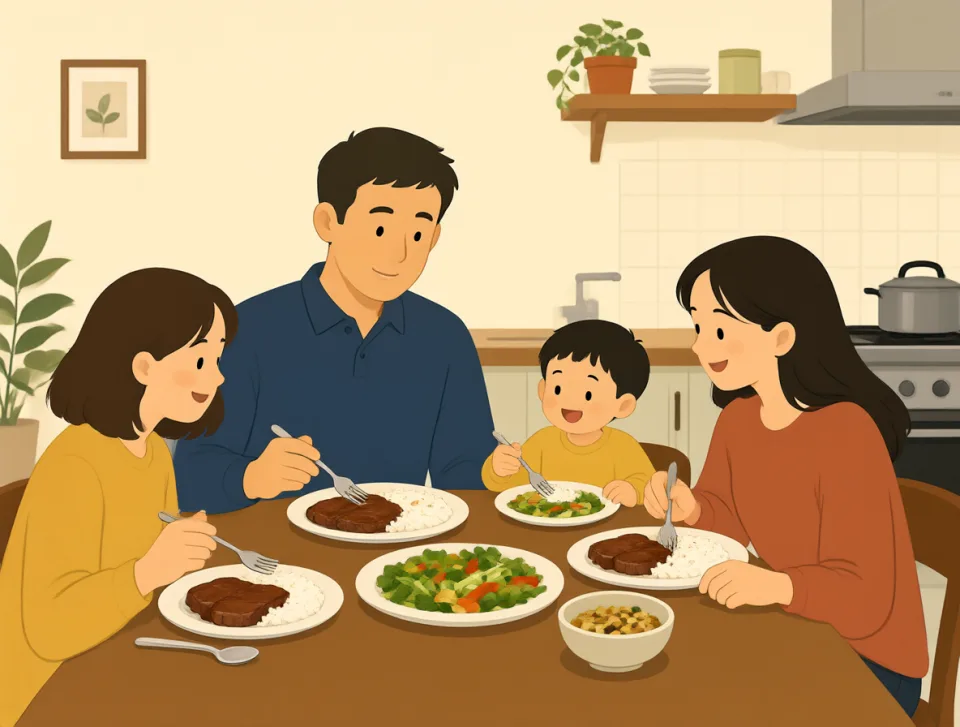
We usually eat meat with rice and vegetables.
हम आम तौर पर चावल और सब्ज़ियों के साथ मांस खाते हैं।
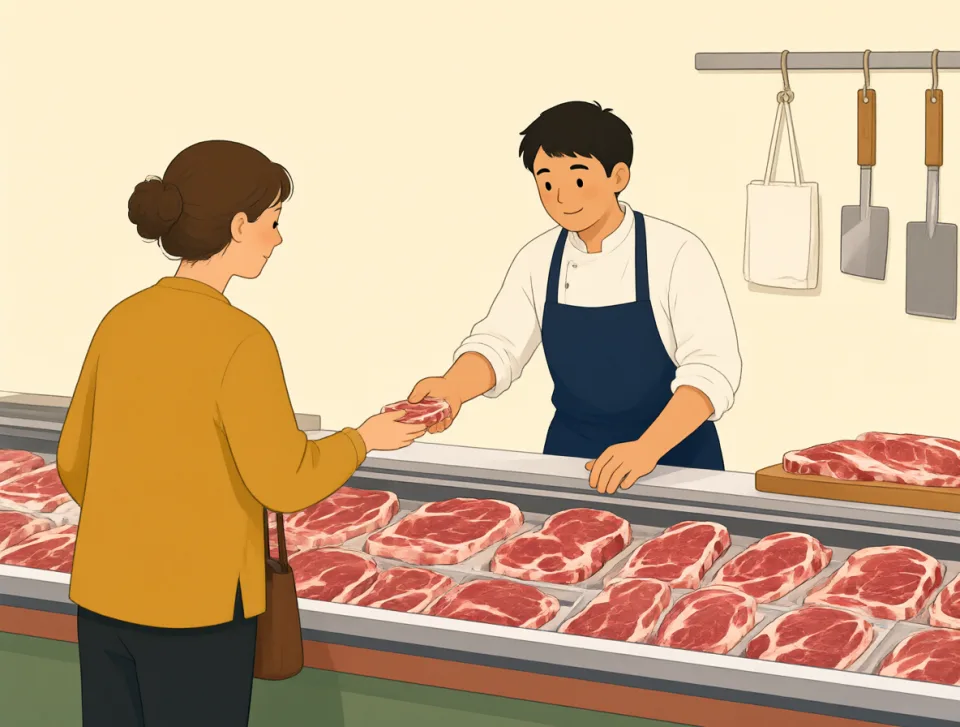
This shop sells fresh meat every morning.
यह दुकान हर सुबह ताज़ा मांस बेचती है।
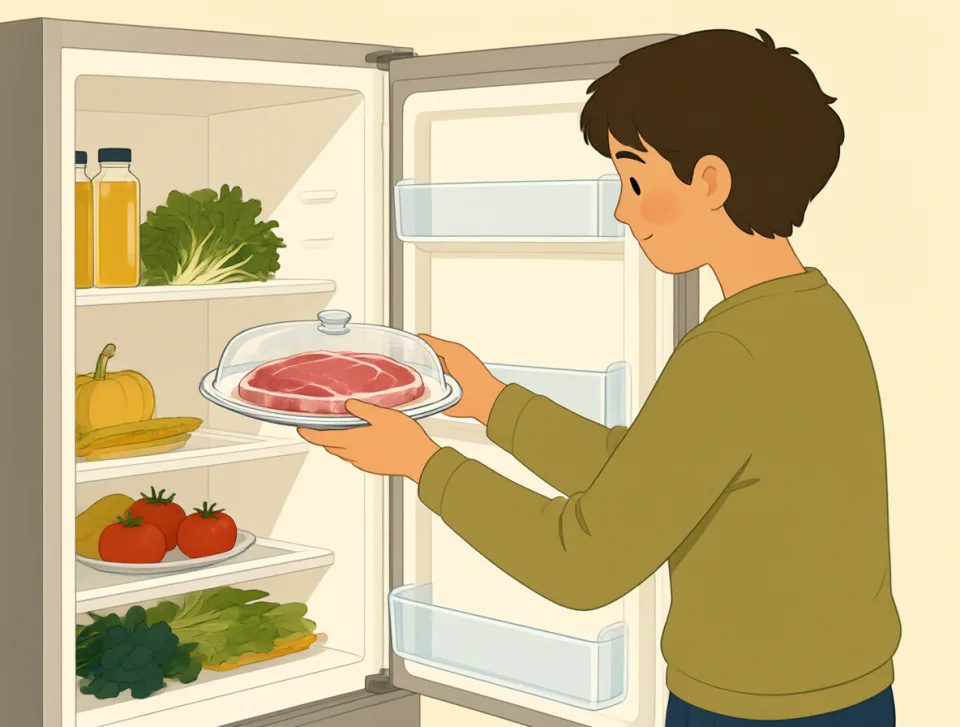
Please keep the raw meat in the fridge.
कृपया कच्चा मांस फ्रिज में रखें।
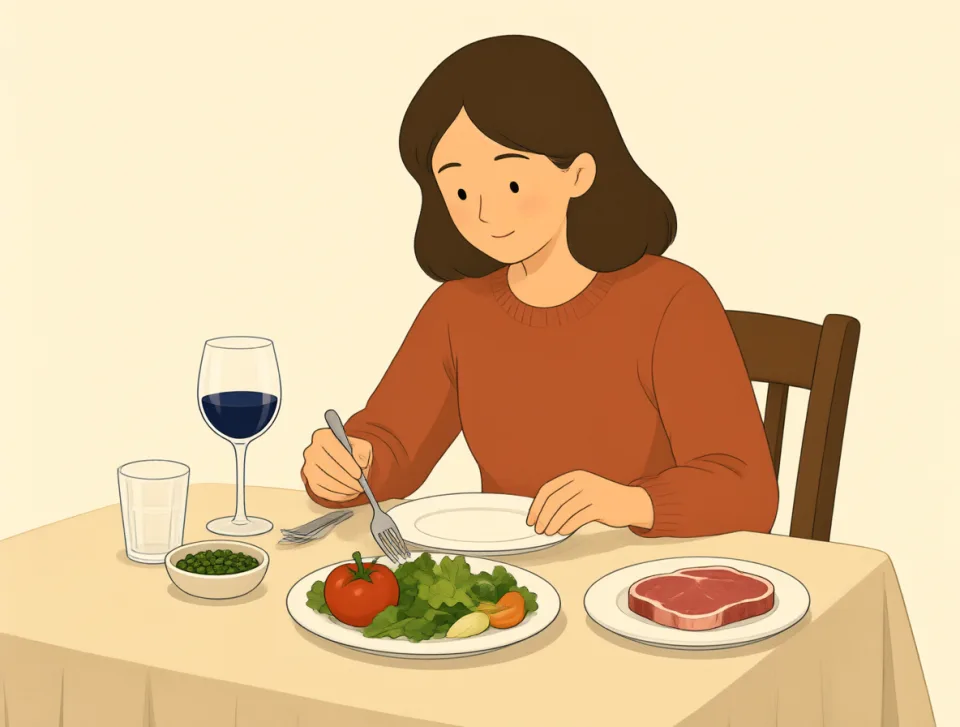
She does not eat meat because she is vegetarian.
वह मांस नहीं खाती, क्योंकि वह शाकाहारी है।
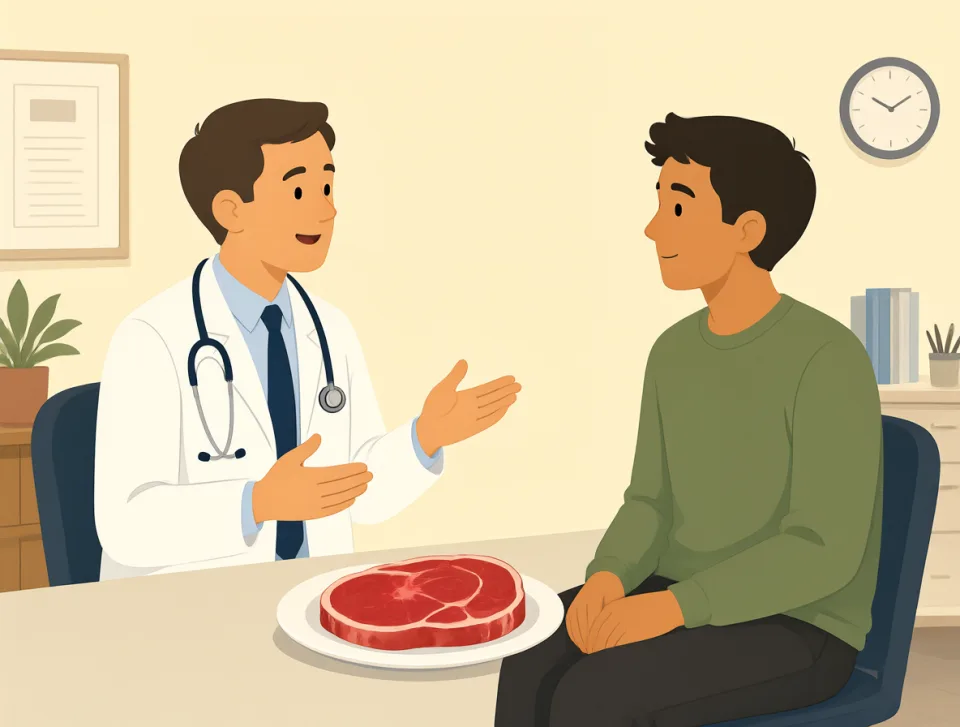
The doctor told him to eat less red meat.
डॉक्टर ने उसे कम लाल मांस खाने की सलाह दी।
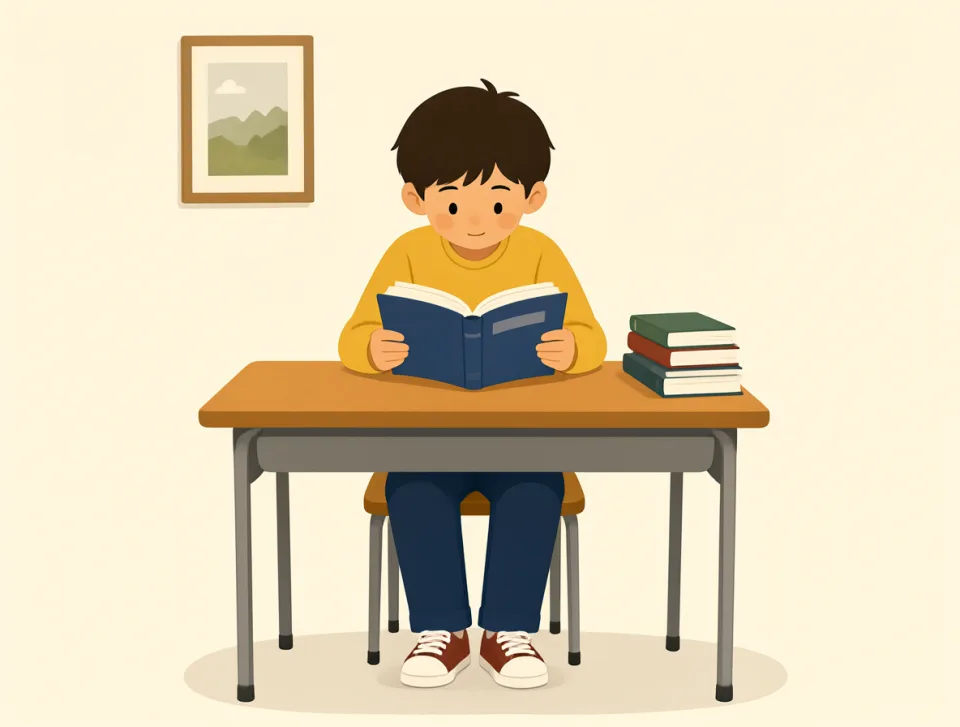
concentration
#1870noun
एकाग्रता
The ability to think carefully without being distracted.
ध्यान भटके बिना ध्यान से सोचने की क्षमता।
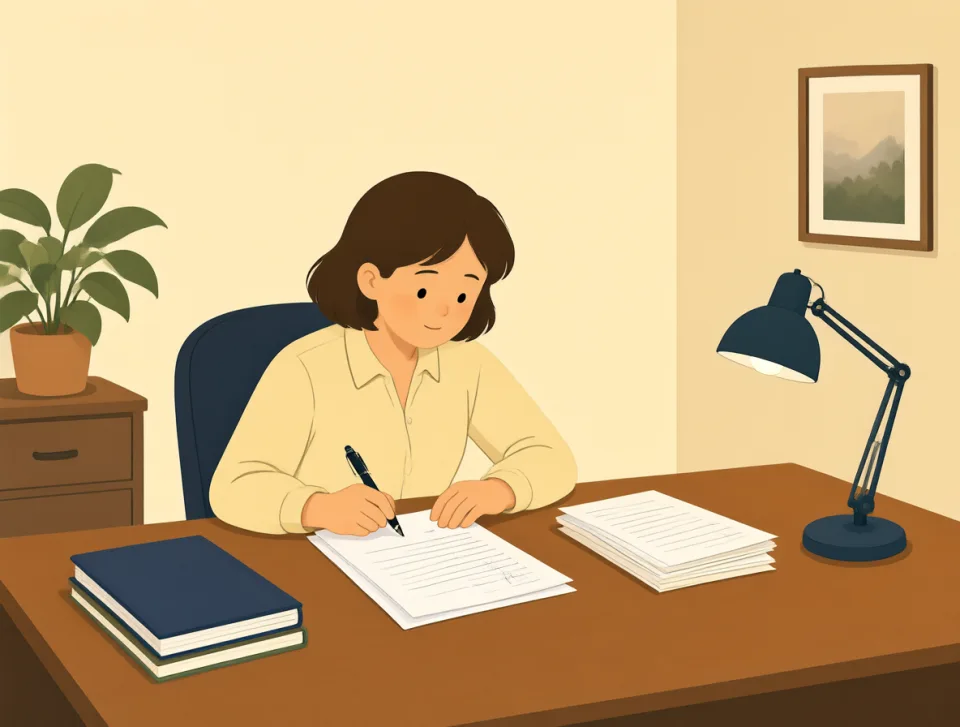
I need complete concentration to finish this difficult report.
इस मुश्किल रिपोर्ट को पूरा करने के लिए मुझे पूरी एकाग्रता चाहिए।
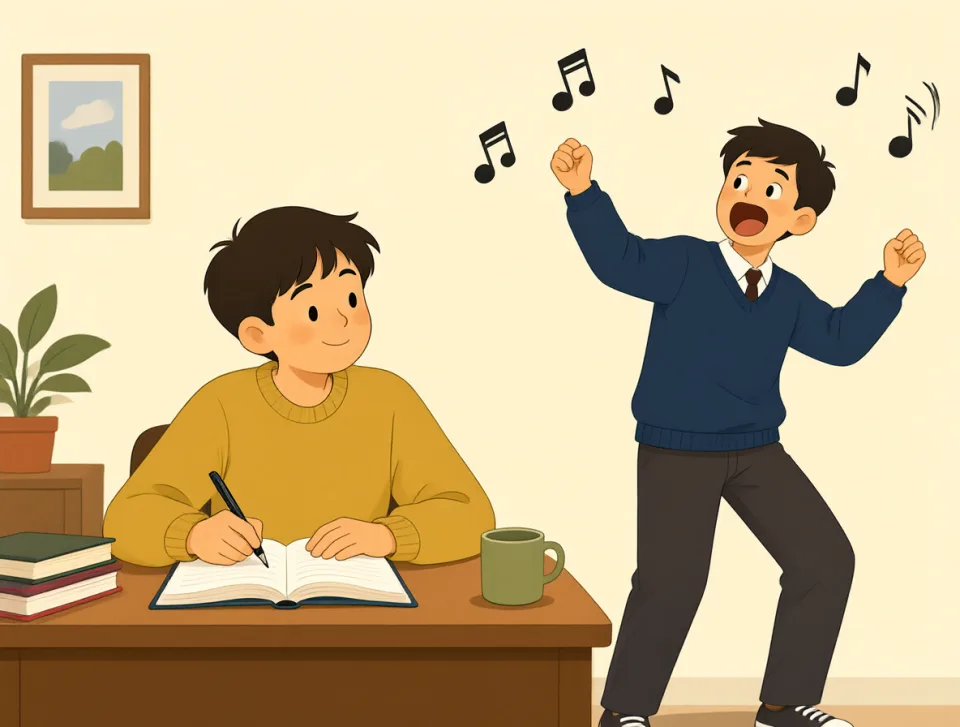
The loud music made concentration difficult during my homework.
तेज़ संगीत के कारण होमवर्क करते समय ध्यान लगाना मुश्किल हो गया।
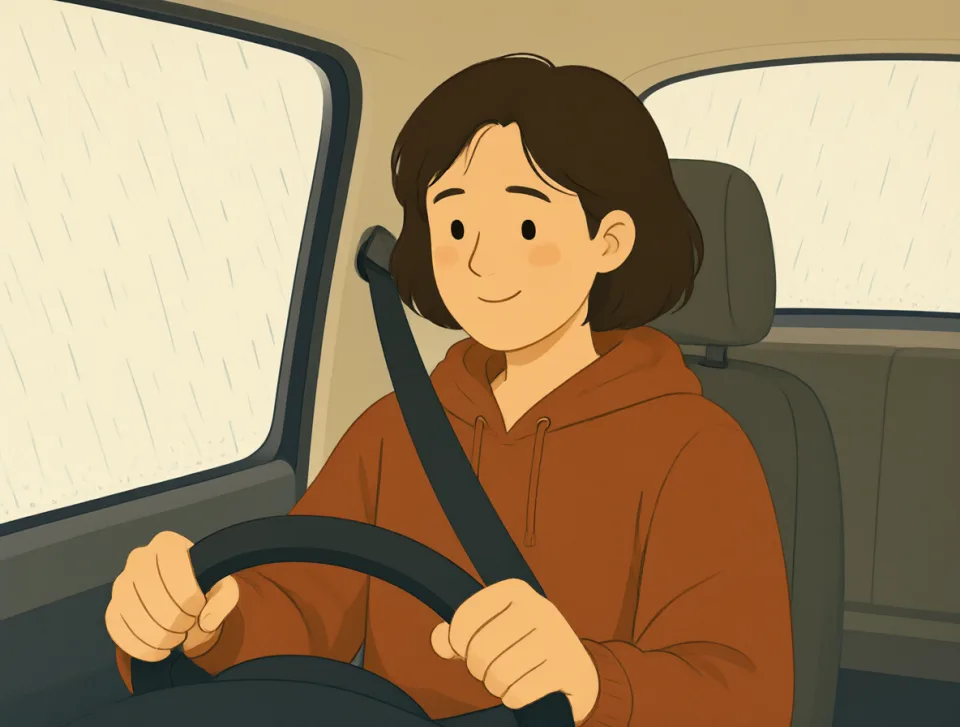
Please drive slowly because the heavy rain requires extra concentration.
कृपया धीरे गाड़ी चलाएँ, क्योंकि तेज़ बारिश में अतिरिक्त एकाग्रता की ज़रूरत होती है।
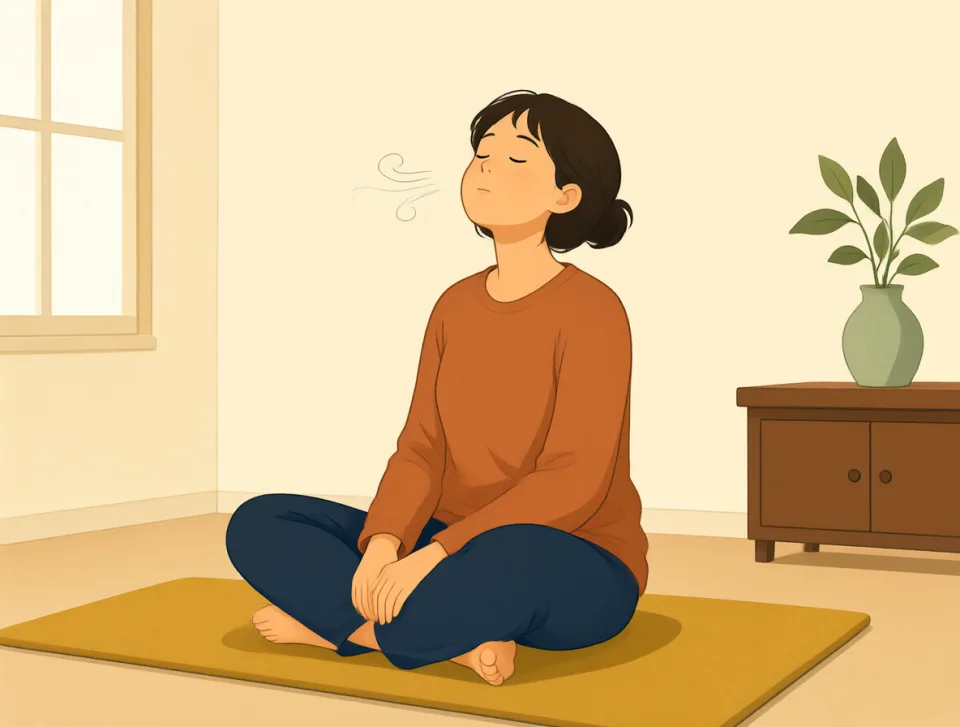
Yoga and deep breathing can improve your concentration.
योग और गहरी साँस लेने से आपकी एकाग्रता बेहतर हो सकती है।
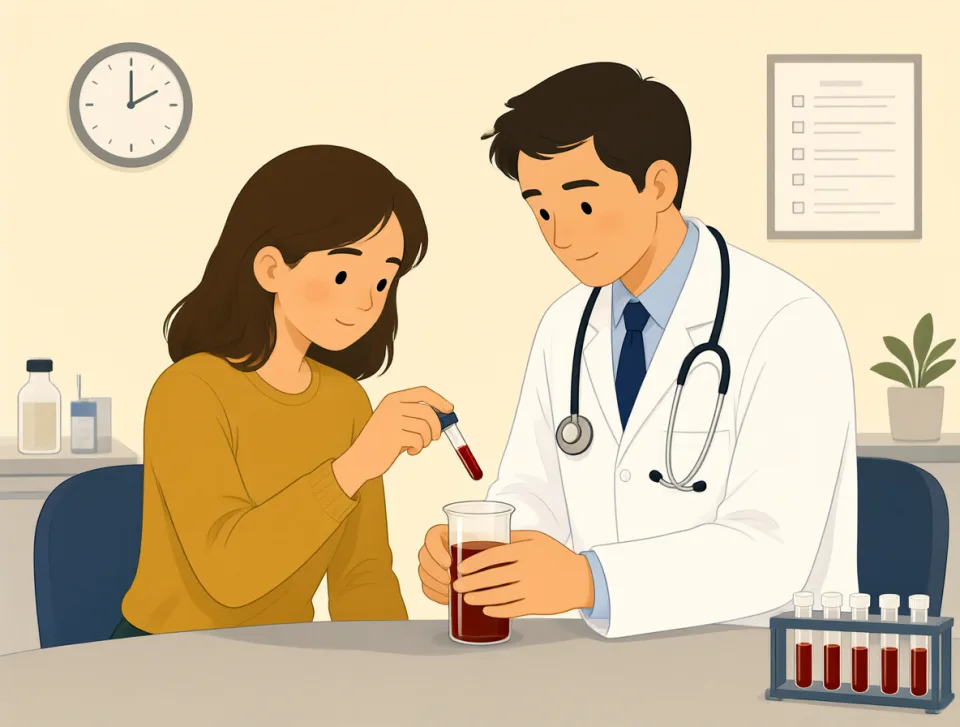
The doctor measured the concentration of sugar in his blood.
डॉक्टर ने उसके खून में शर्करा की मात्रा मापी।
implication
#1871noun
निहितार्थ
a possible effect or meaning that follows from an action or situation
किसी कार्रवाई या परिस्थिति से होने वाला संभावित प्रभाव या उससे निकलने वाला अर्थ
The price increase has serious implications for families.
कीमतों में बढ़ोतरी का परिवारों पर गंभीर असर पड़ता है।
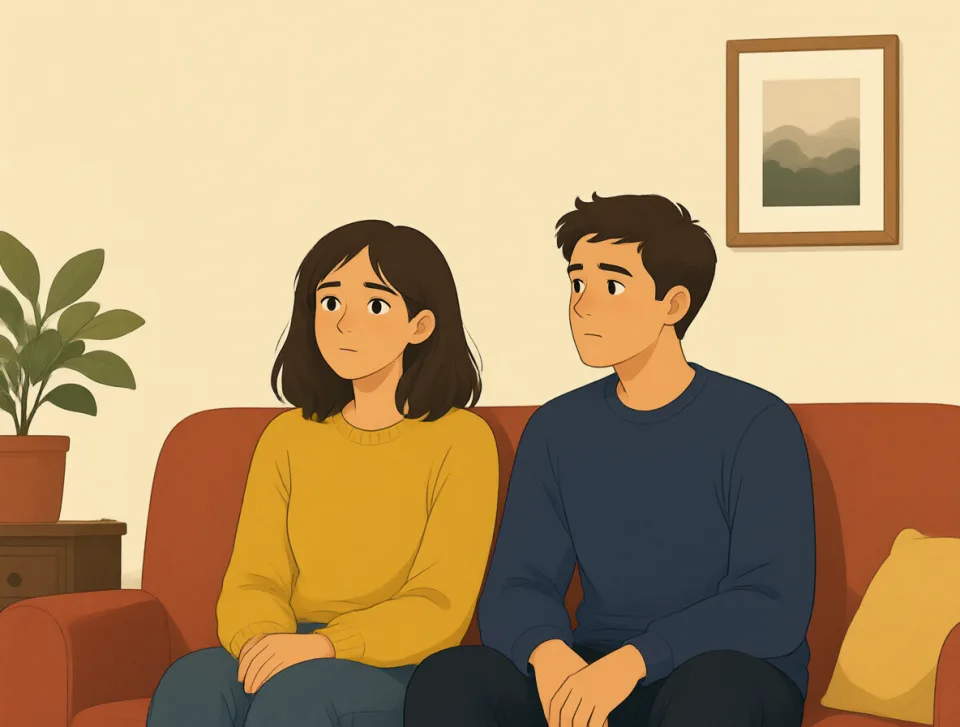
She understood the implication of his silence.
वह उसकी चुप्पी का मतलब समझ गई।
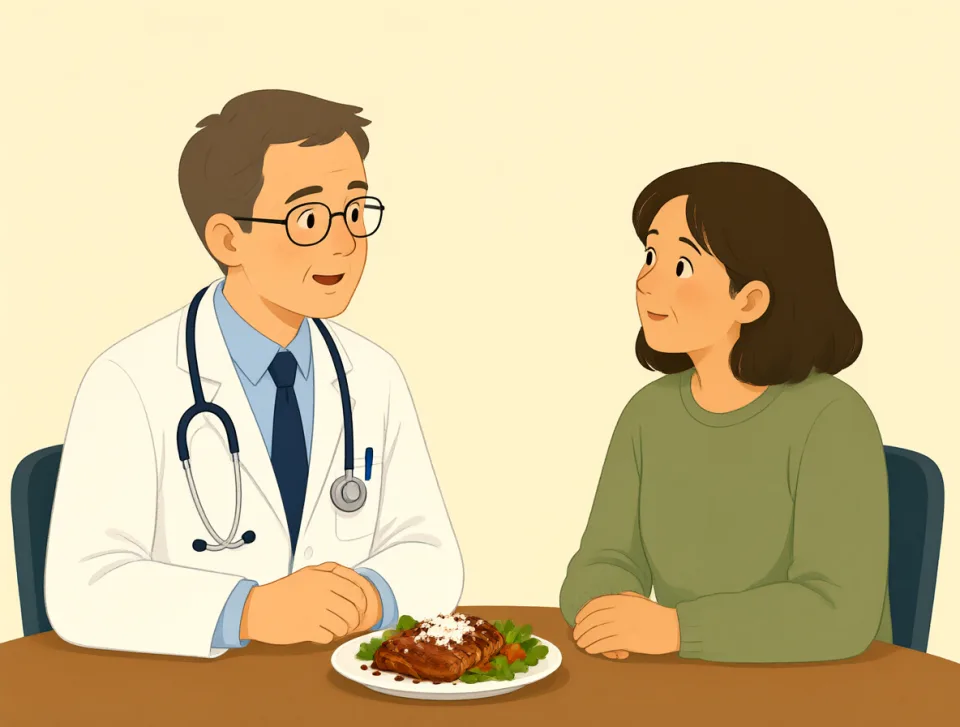
The doctor explained the health implications of eating too much salt.
डॉक्टर ने बहुत ज़्यादा नमक खाने के स्वास्थ्य पर पड़ने वाले असर बताए।
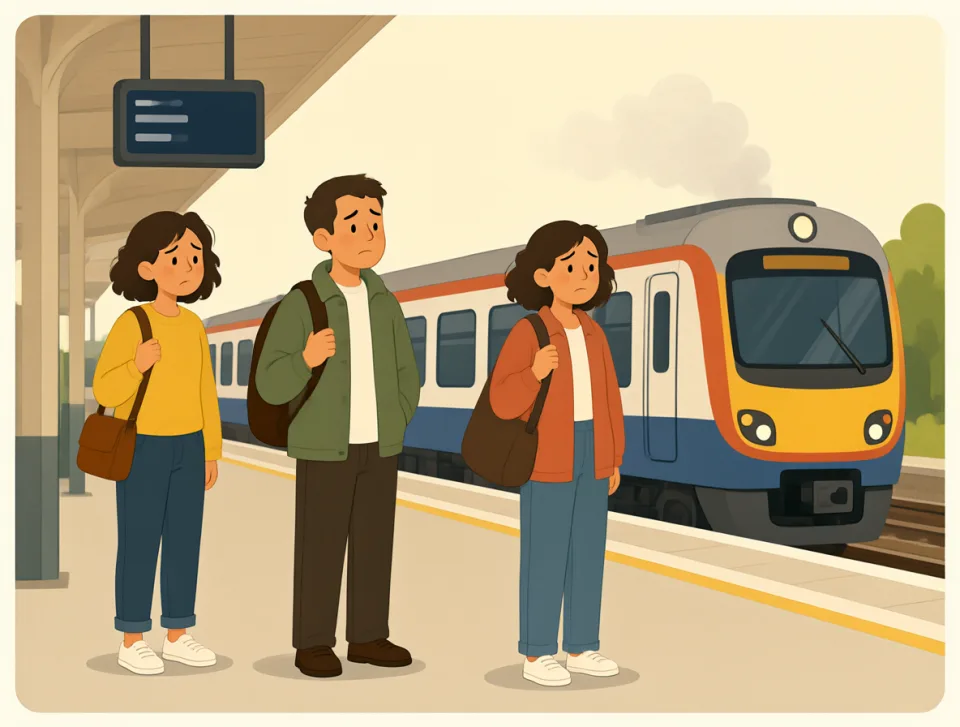
Missing the train had unexpected implications for our travel plans.
ट्रेन छूटने से हमारी यात्रा की योजनाओं पर अप्रत्याशित असर पड़ा।
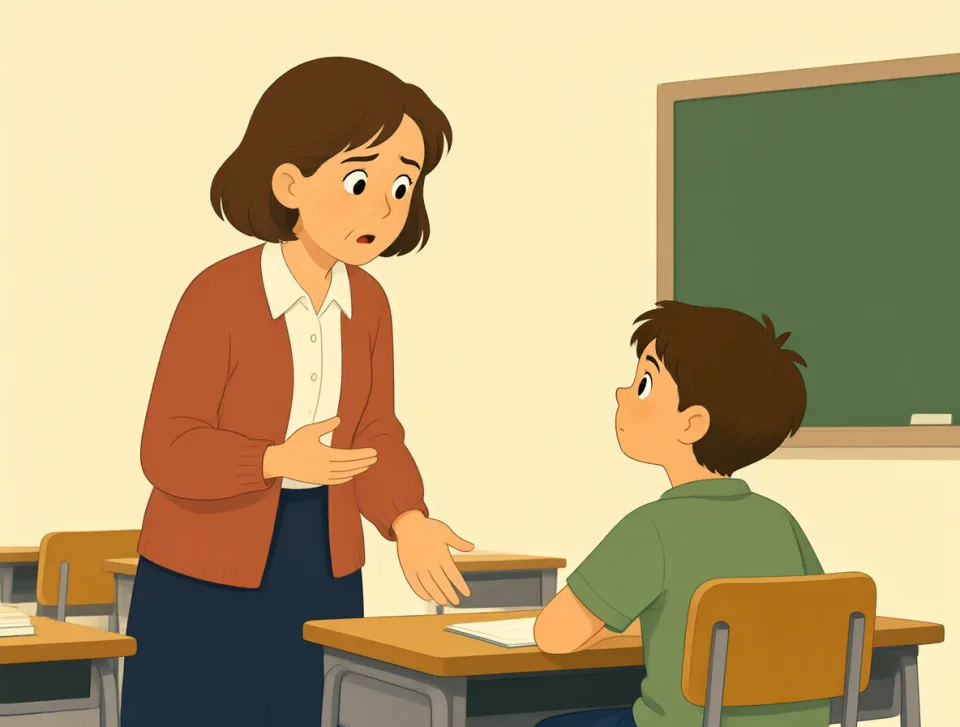
The teacher discussed the implications of cheating on the exam.
शिक्षक ने परीक्षा में नकल करने के नतीजों पर चर्चा की।
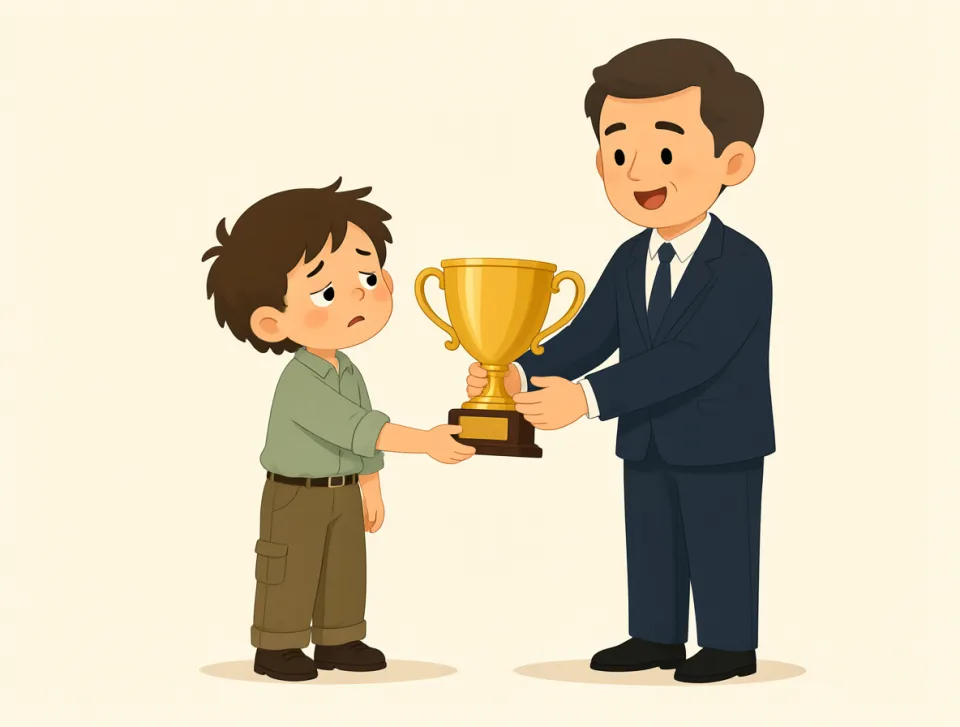
deserve
#1872verb
हक़दार होना
to have earned something because of your actions or qualities
अपने काम या गुणों के कारण किसी चीज़ को पाने का हक़दार होना
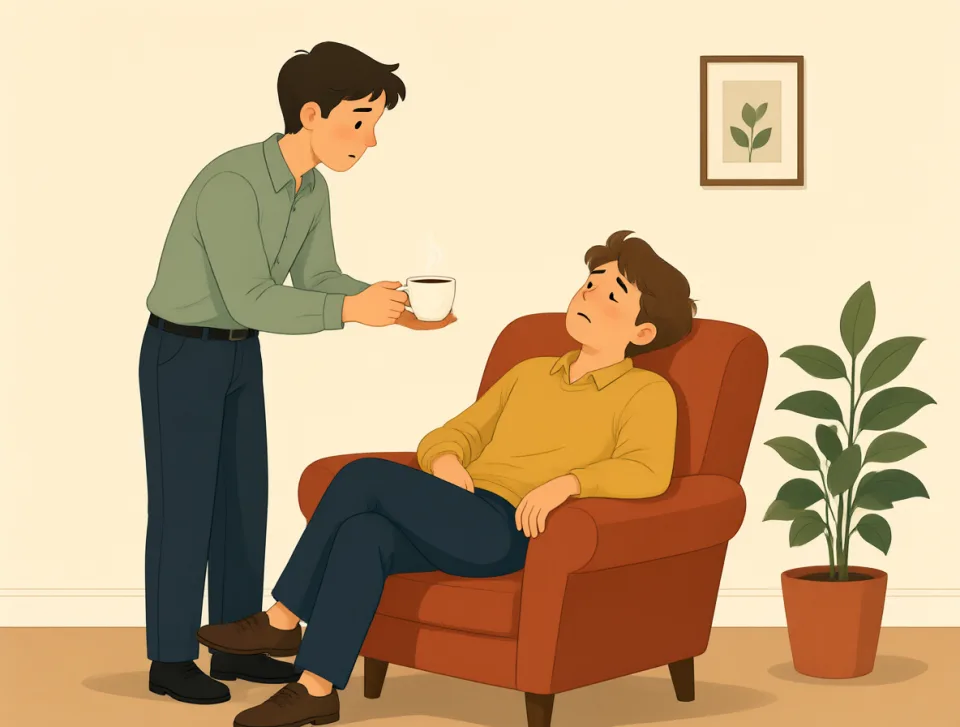
You deserve a break after working so hard all day.
दिन भर इतनी मेहनत करने के बाद तुम आराम के हक़दार हो।

She deserved the award because she helped the whole team.
उसे पुरस्कार मिलना चाहिए था, क्योंकि उसने पूरी टीम की मदद की थी।
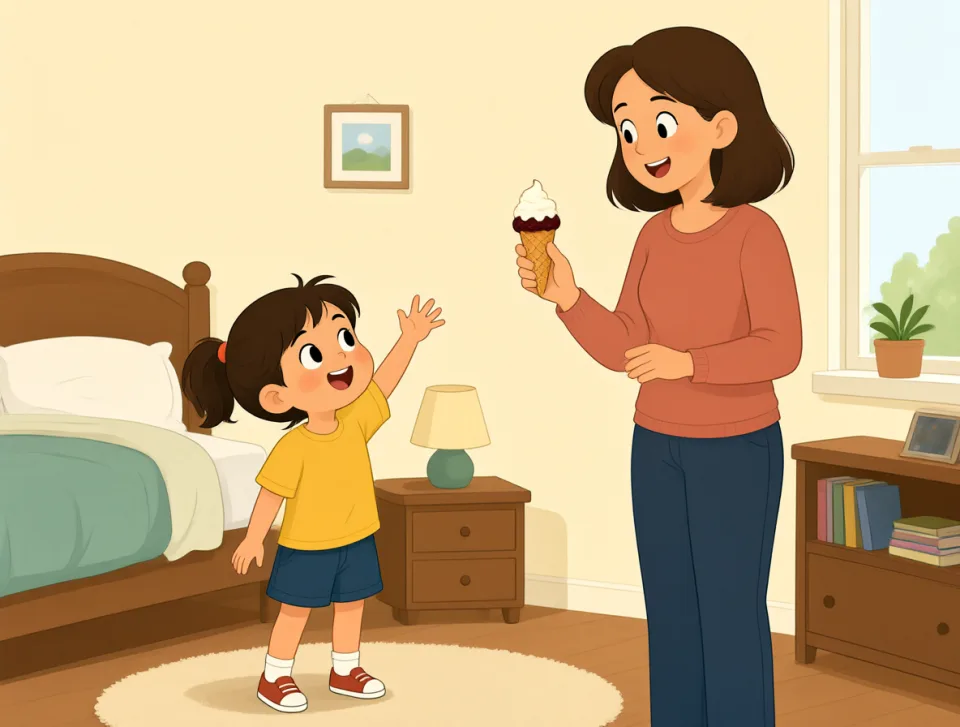
The children deserve a special treat for cleaning their rooms.
अपने कमरे साफ़ करने के लिए बच्चों को कुछ ख़ास इनाम मिलना चाहिए।

Everyone deserves to be treated with respect at work.
काम पर हर किसी के साथ सम्मान से पेश आना चाहिए।

He deserves to feel better after following the doctor's advice.
डॉक्टर की सलाह मानने के बाद वह बेहतर महसूस करने का हक़दार है।

unusual
#1873adjective
असामान्य
Different from what is usual, expected, or common.
जो सामान्य, अपेक्षित या आम से अलग हो।

She wore an unusual hat to the garden party.
उसने बगीचे की पार्टी में एक अनोखी टोपी पहनी।
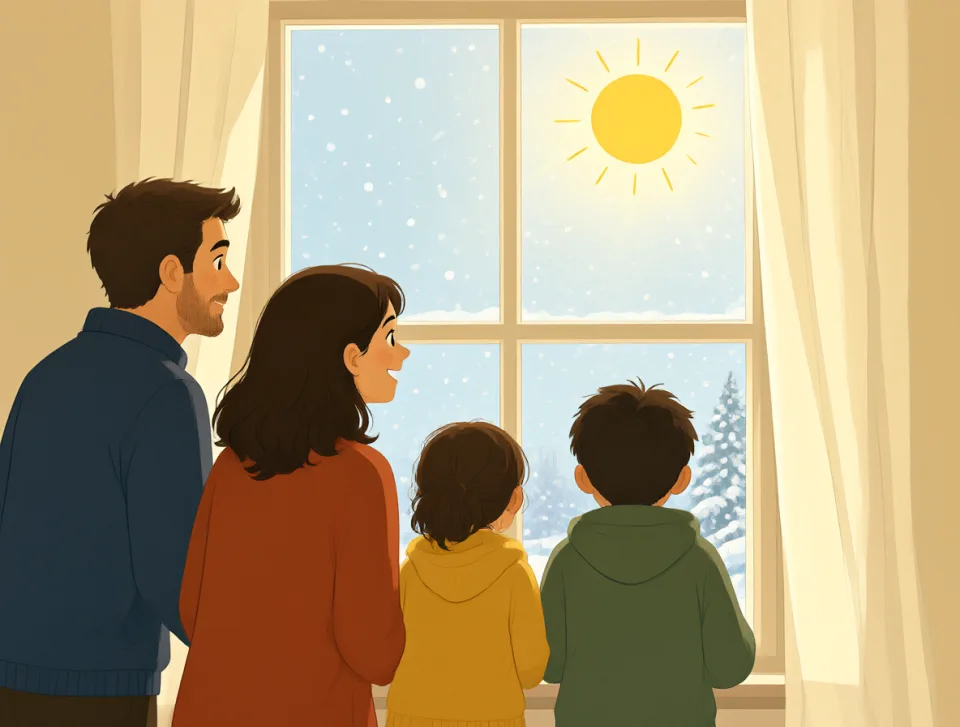
We had unusual weather for this time of year.
साल के इस समय के हिसाब से मौसम असामान्य था।
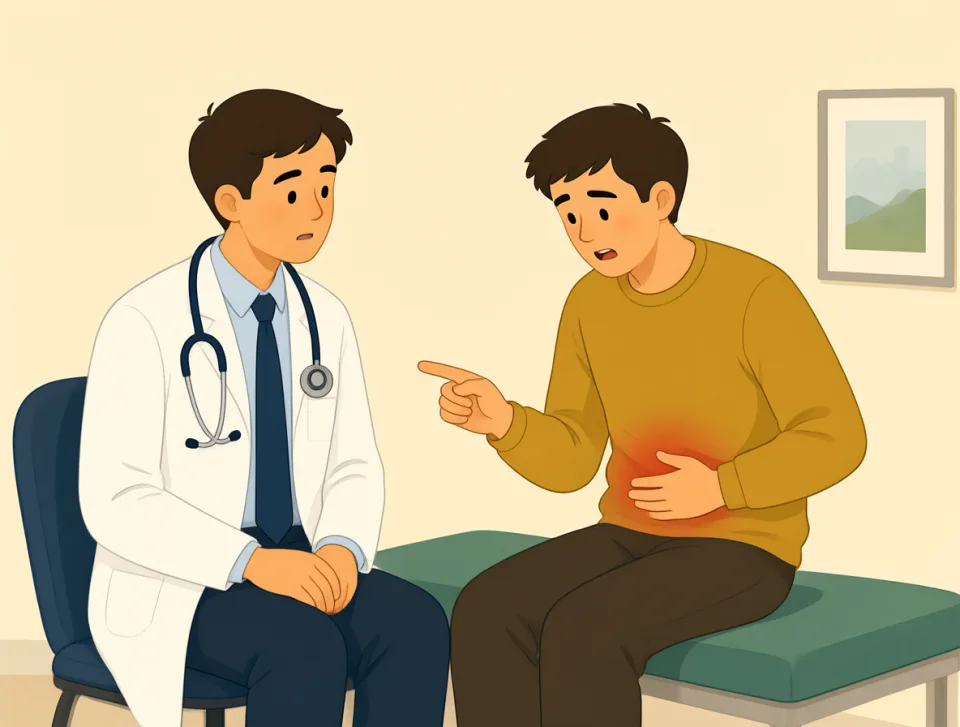
The doctor asked about his unusual pain.
डॉक्टर ने उसके असामान्य दर्द के बारे में पूछा।
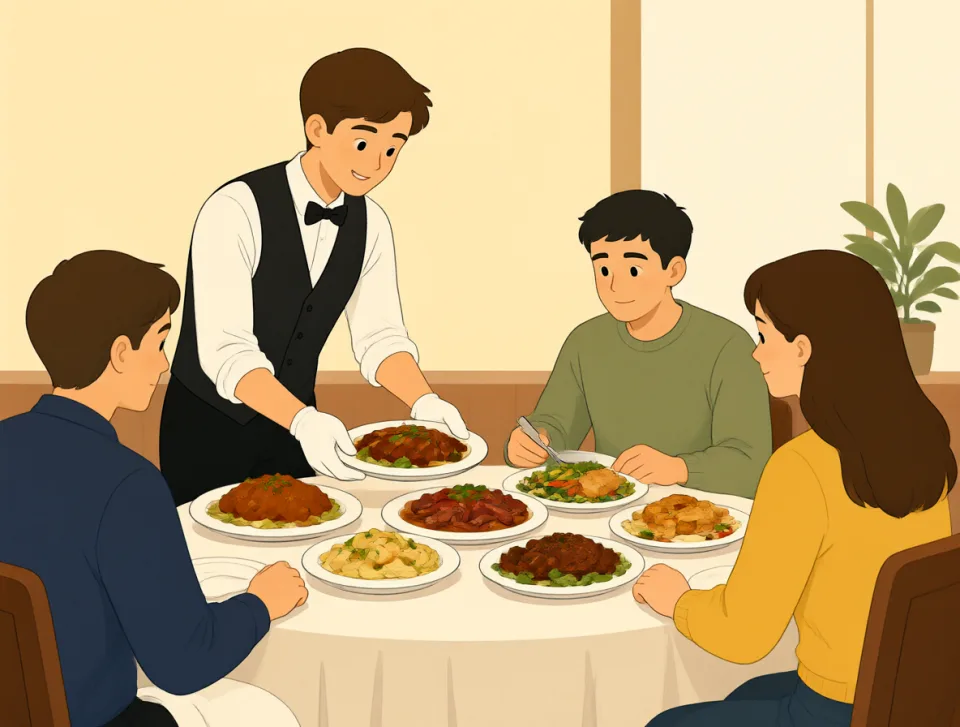
This restaurant serves unusual dishes from around the world.
यह रेस्तराँ दुनिया भर के अनोखे व्यंजन परोसता है।
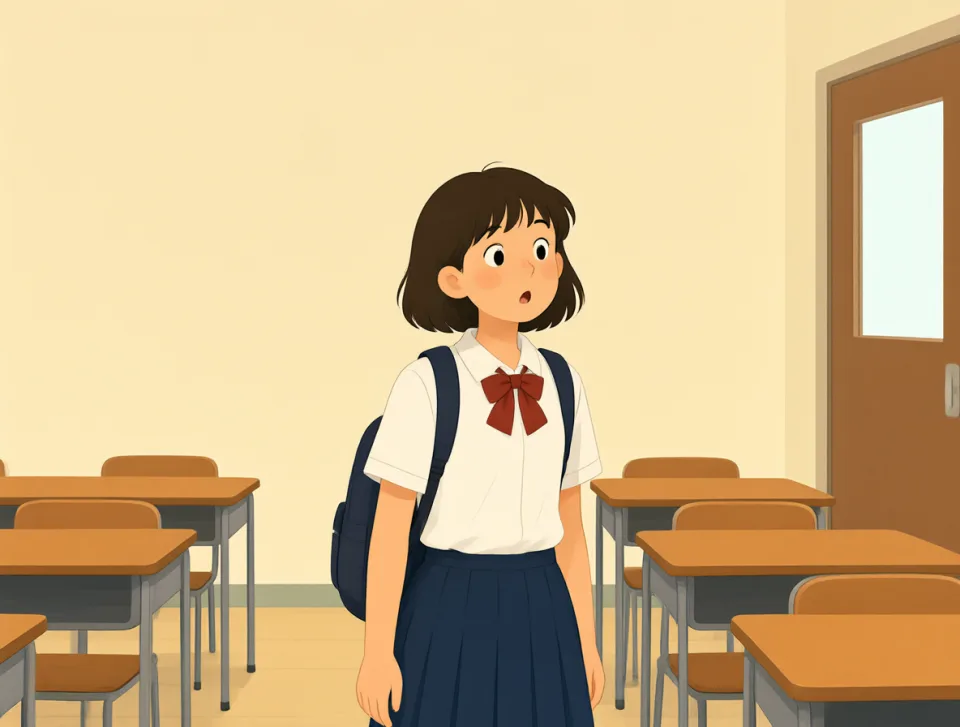
It was unusual to see the classroom empty.
कक्षा का खाली दिखना असामान्य था।
defend
#1874verb
बचाव करना
to protect someone or something from attack, harm, or criticism
किसी व्यक्ति या चीज़ को हमले, नुकसान या आलोचना से बचाना
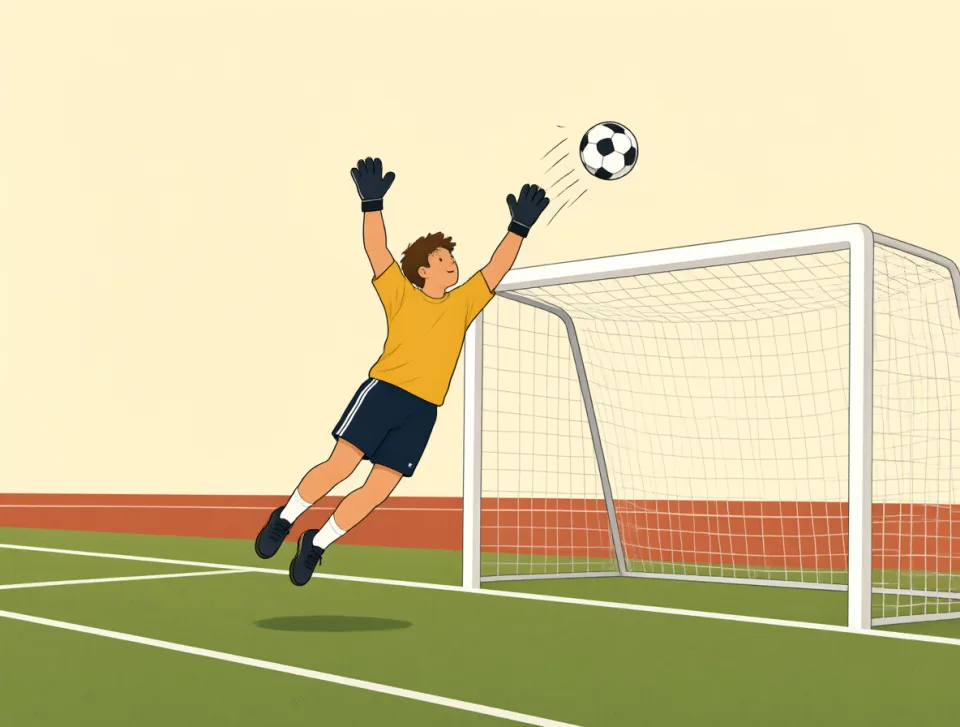
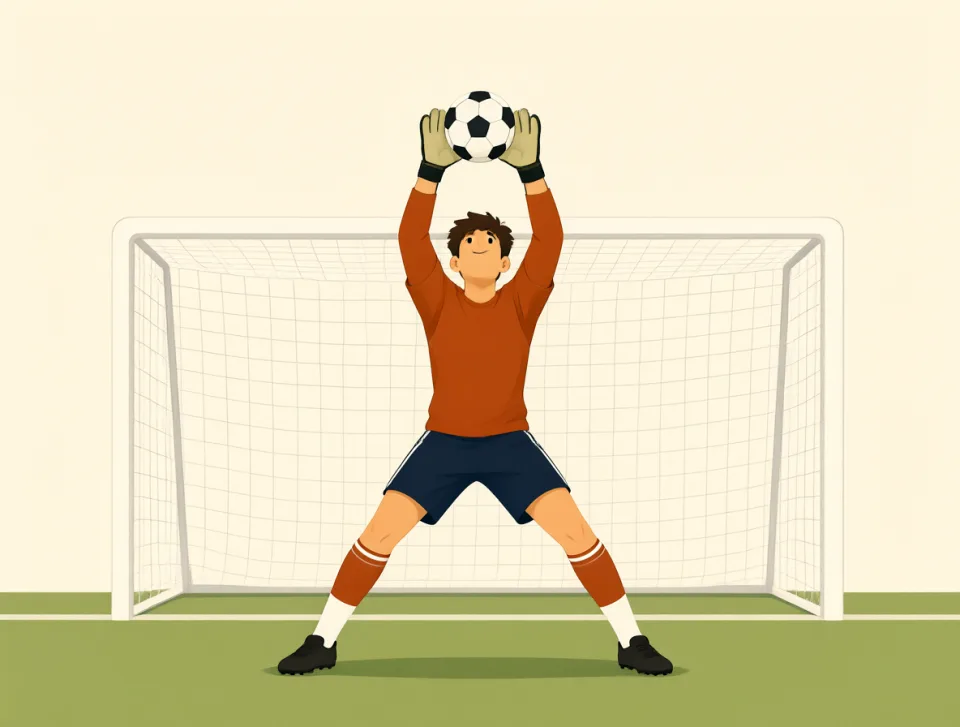
The goalkeeper defended the goal during the final minutes.
गोलकीपर ने आख़िरी मिनटों में गोल का बचाव किया।
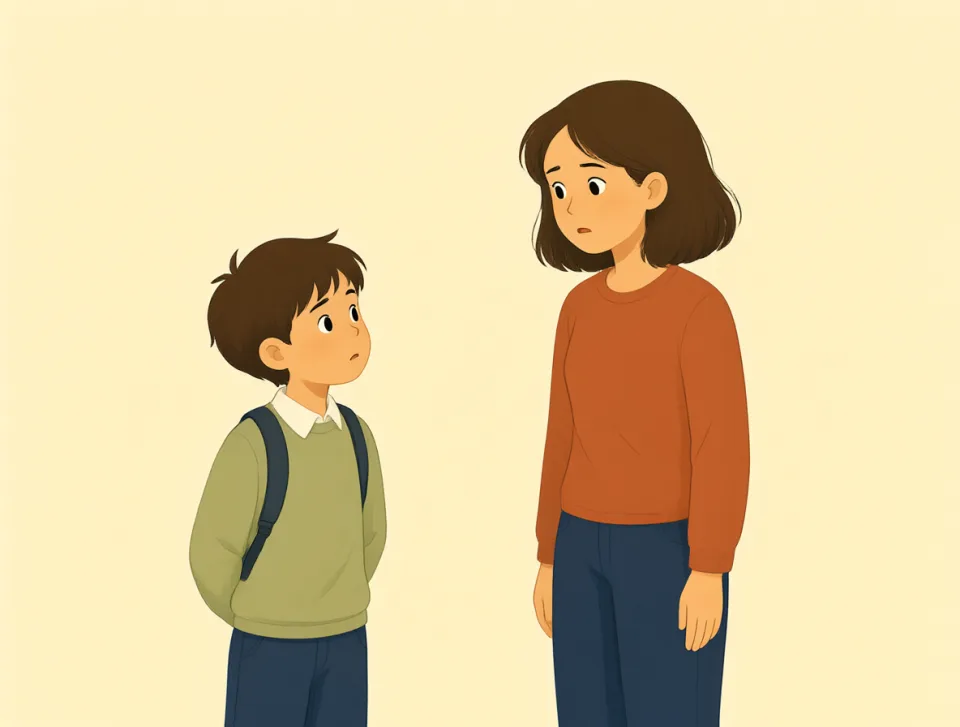
She defended her friend when others blamed him.
जब दूसरों ने उसके दोस्त को दोषी ठहराया, तो उसने उसका बचाव किया।
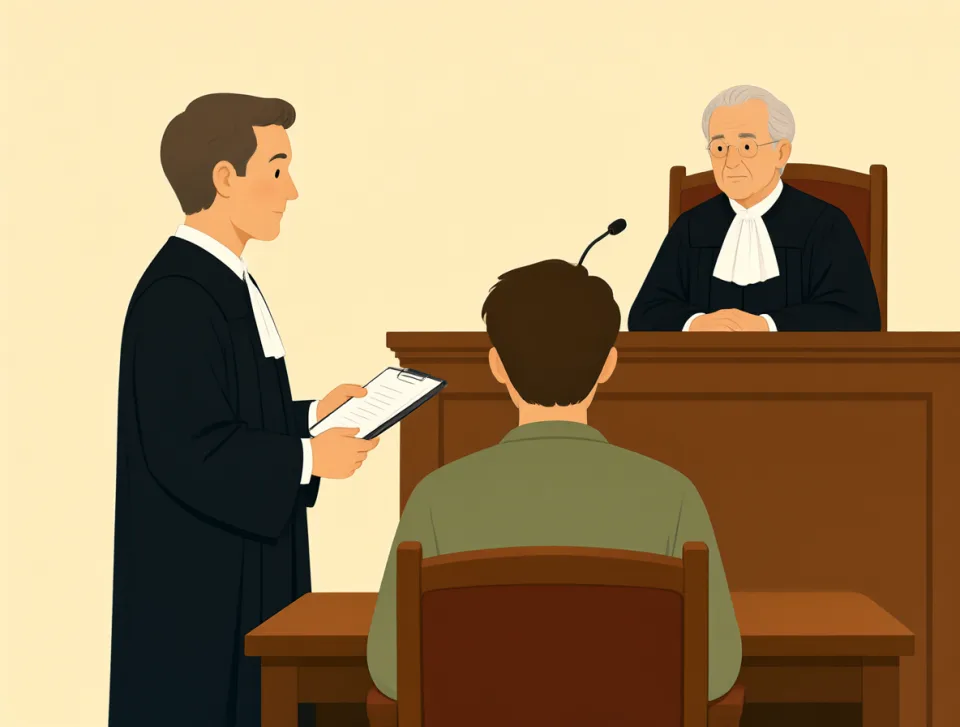
The lawyer defended the man in court.
वकील ने अदालत में उस आदमी का बचाव किया।
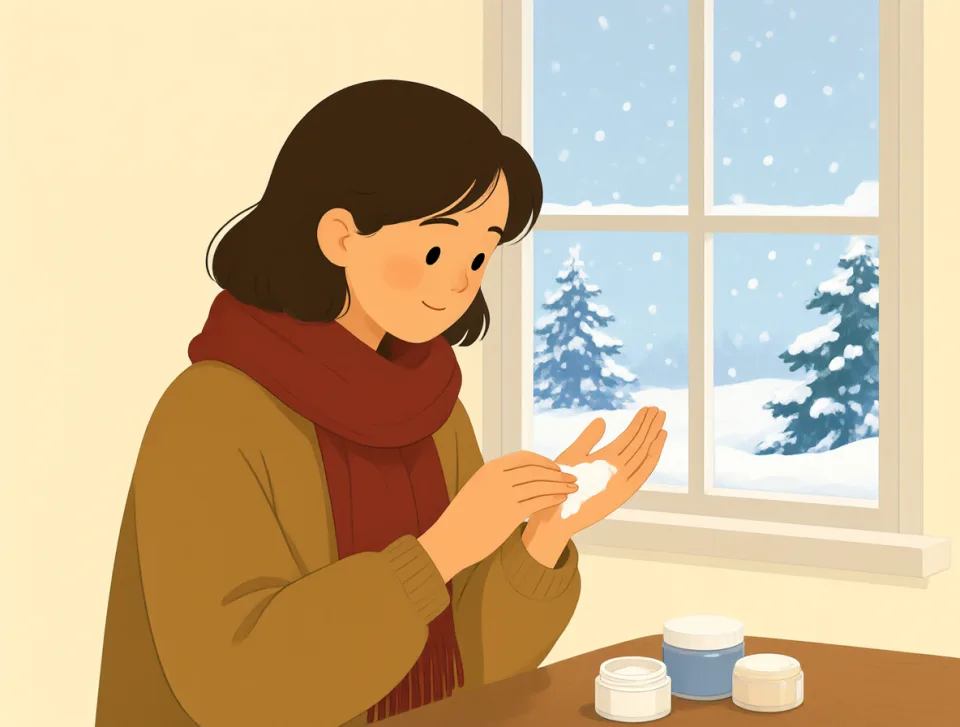
This cream helps defend your skin from the cold.
यह क्रीम आपकी त्वचा को ठंड से बचाने में मदद करती है।

He defended his decision to leave the meeting early.
उसने बैठक से जल्दी जाने के अपने फ़ैसले का बचाव किया।
classic
#1875adjective, noun
क्लासिक
Very typical of its kind, or a famous work from the past that people still enjoy.
जो अपनी तरह का बहुत विशिष्ट हो, या अतीत की ऐसी मशहूर रचना जिसका लोग आज भी आनंद लेते हों।
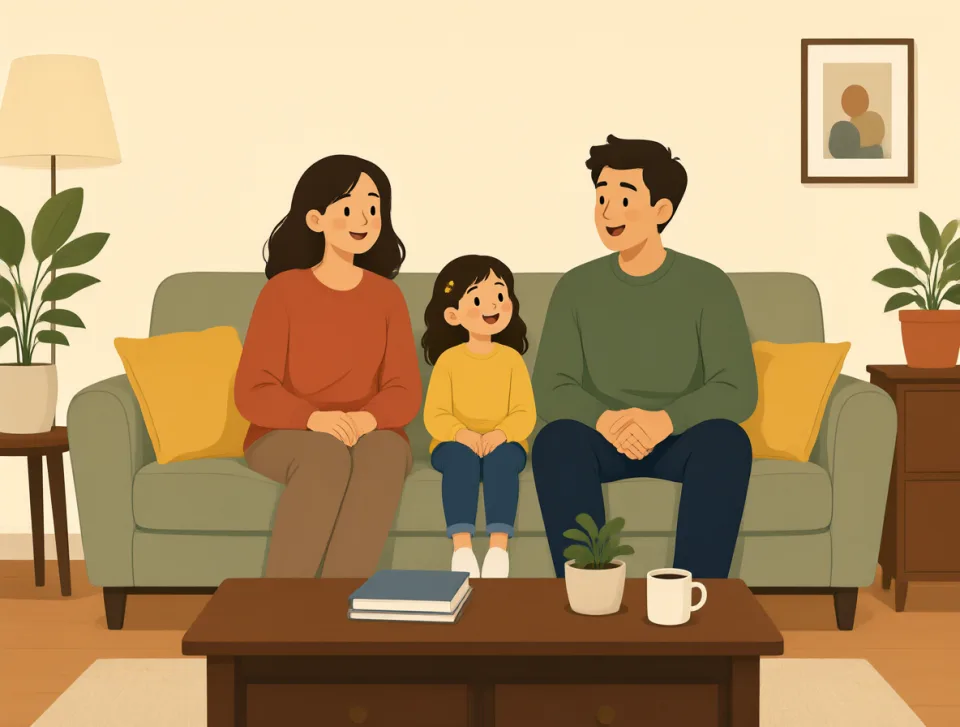
We watched a classic movie together after dinner.
रात के खाने के बाद हमने साथ में एक क्लासिक फ़िल्म देखी।
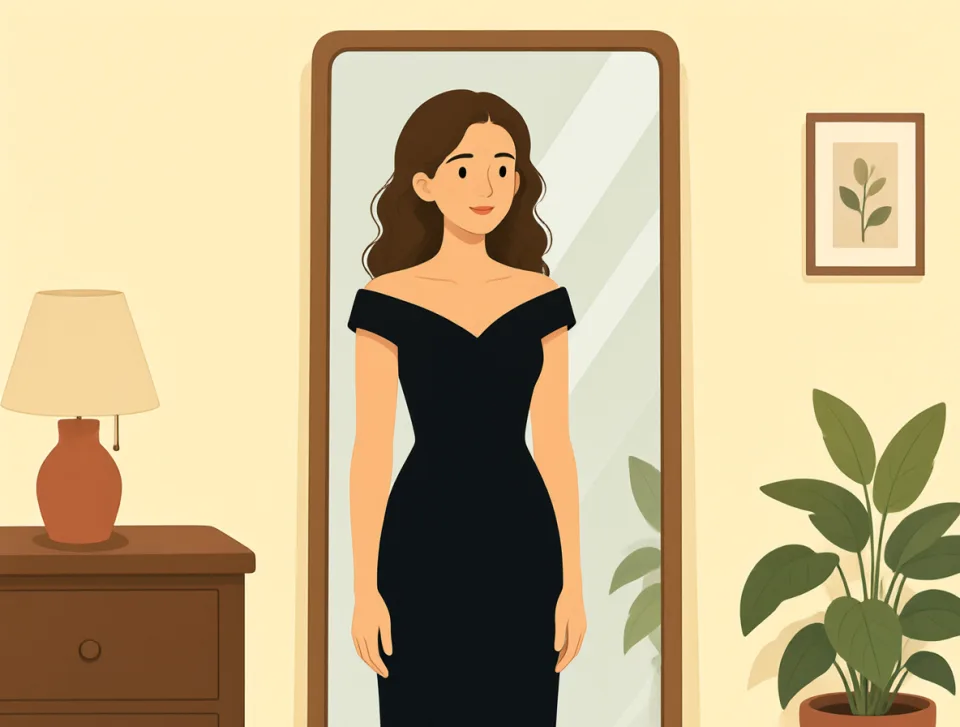
She wore a classic black dress to the wedding.
उसने शादी में एक क्लासिक काली पोशाक पहनी।
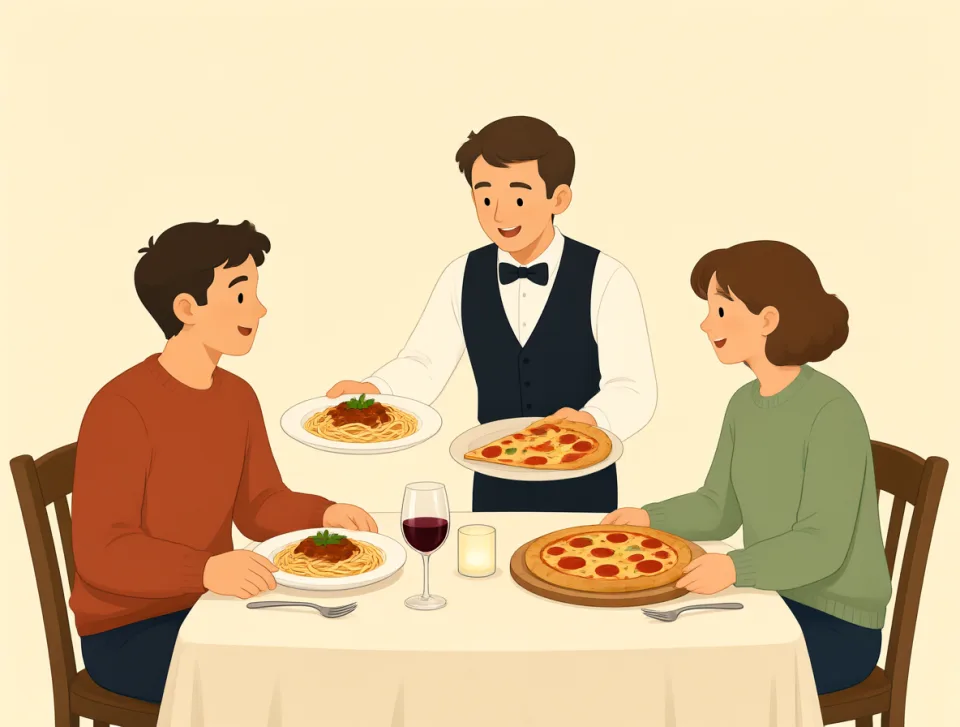
This restaurant serves classic Italian dishes like pasta and pizza.
यह रेस्तराँ पास्ता और पिज़्ज़ा जैसे पारंपरिक इतालवी व्यंजन परोसता है।
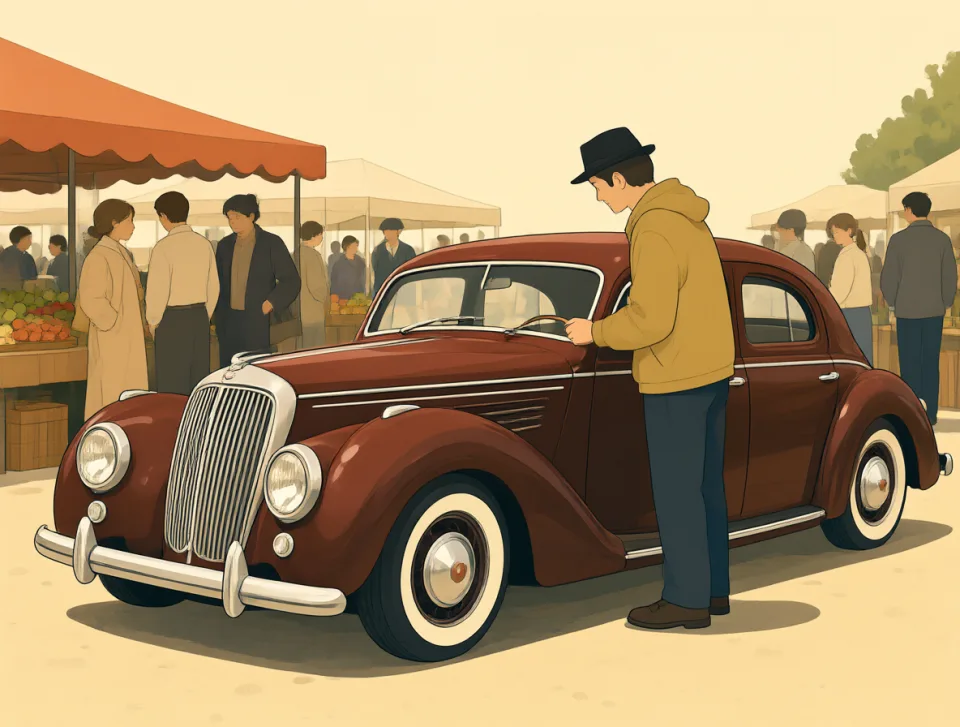
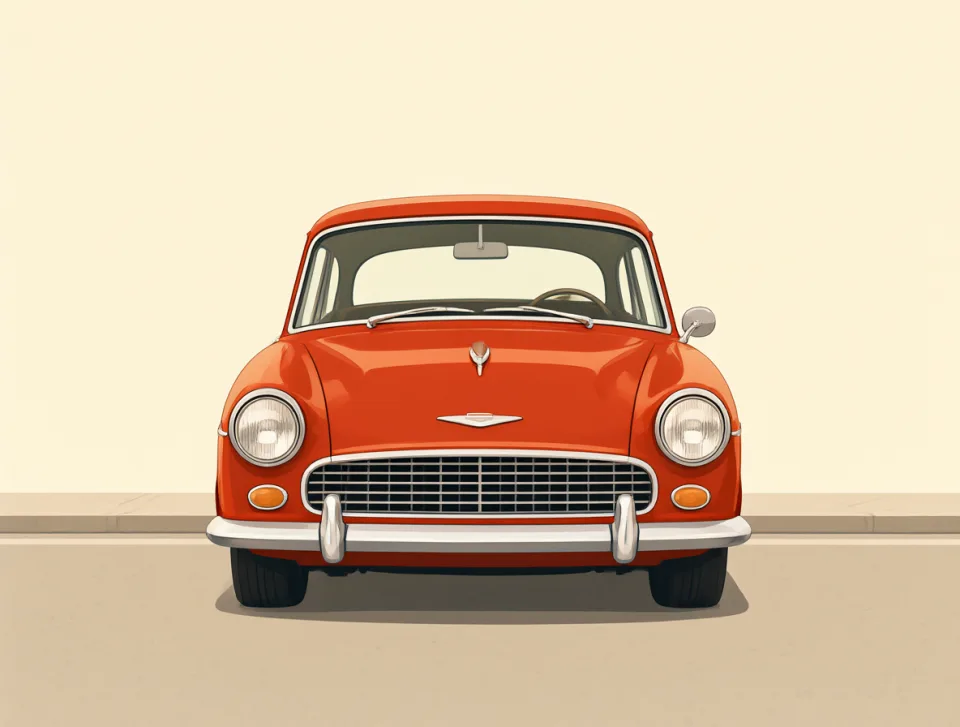
He bought a classic car at the weekend market.
उसने सप्ताहांत के बाज़ार से एक क्लासिक कार खरीदी।
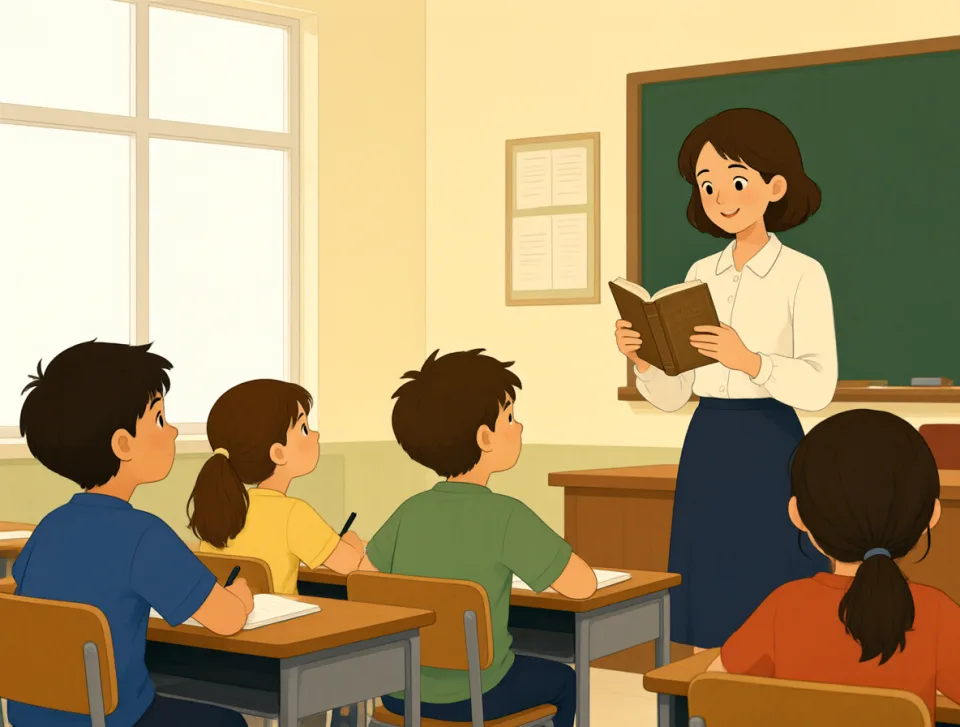
The teacher asked us to read a classic novel this term.
शिक्षक ने इस सत्र में हमें एक क्लासिक उपन्यास पढ़ने को कहा।
king
#1876noun
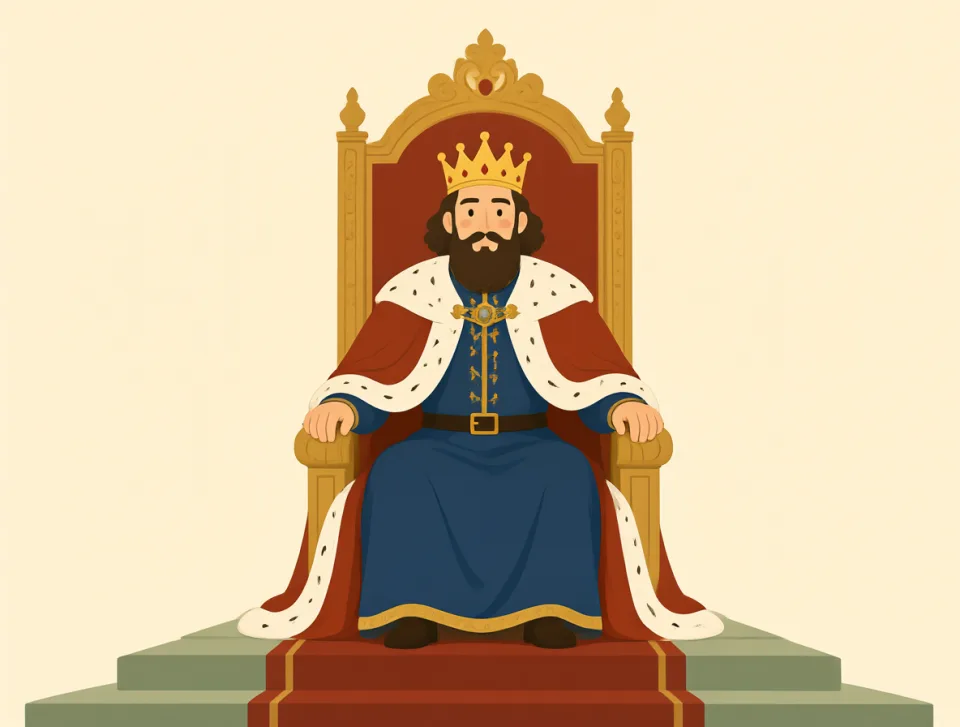
राजा
a male ruler of a country whose family usually inherits the position
किसी देश का पुरुष शासक, जिसे यह पद आम तौर पर अपने परिवार से विरासत में मिलता है
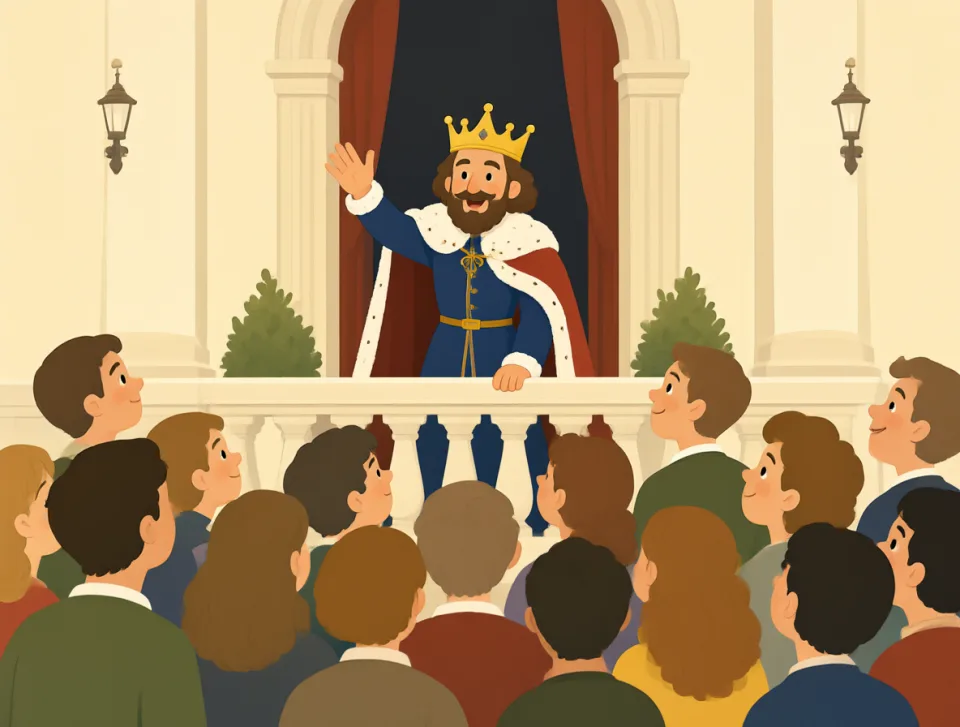
The king waved to the crowd from the palace balcony.
राजा ने महल की बालकनी से भीड़ की ओर हाथ हिलाया।

The young king ruled the country for many years.
युवा राजा ने कई सालों तक देश पर शासन किया।
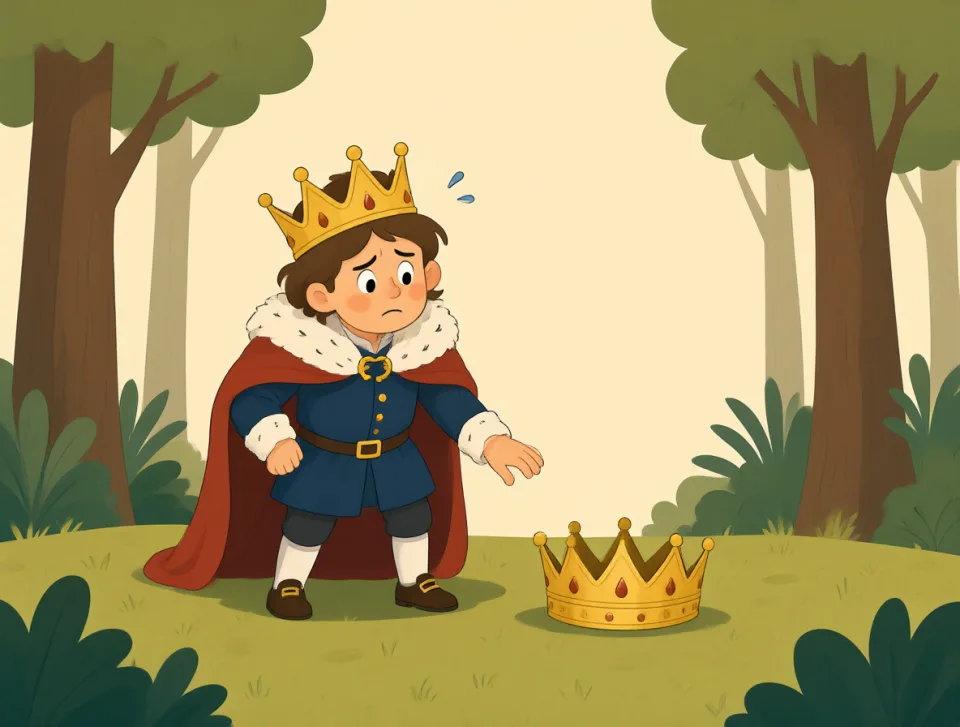
In the story, the king lost his crown in the forest.
कहानी में राजा ने जंगल में अपना मुकुट खो दिया।
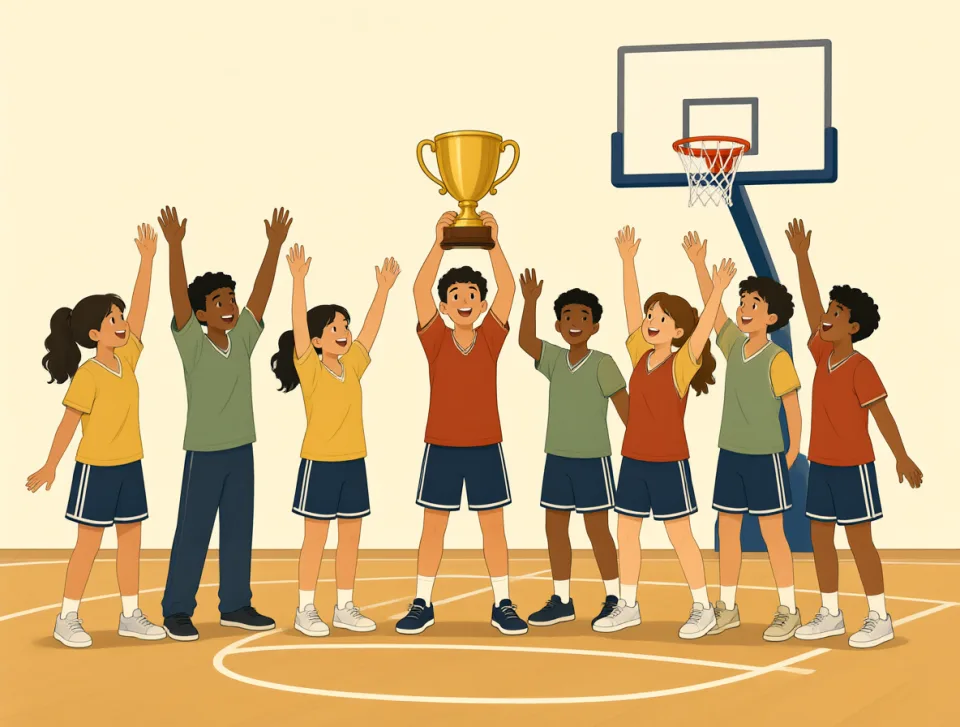
Our team became the kings of the school basketball league.
हमारी टीम स्कूल की बास्केटबॉल लीग की चैंपियन बन गई।
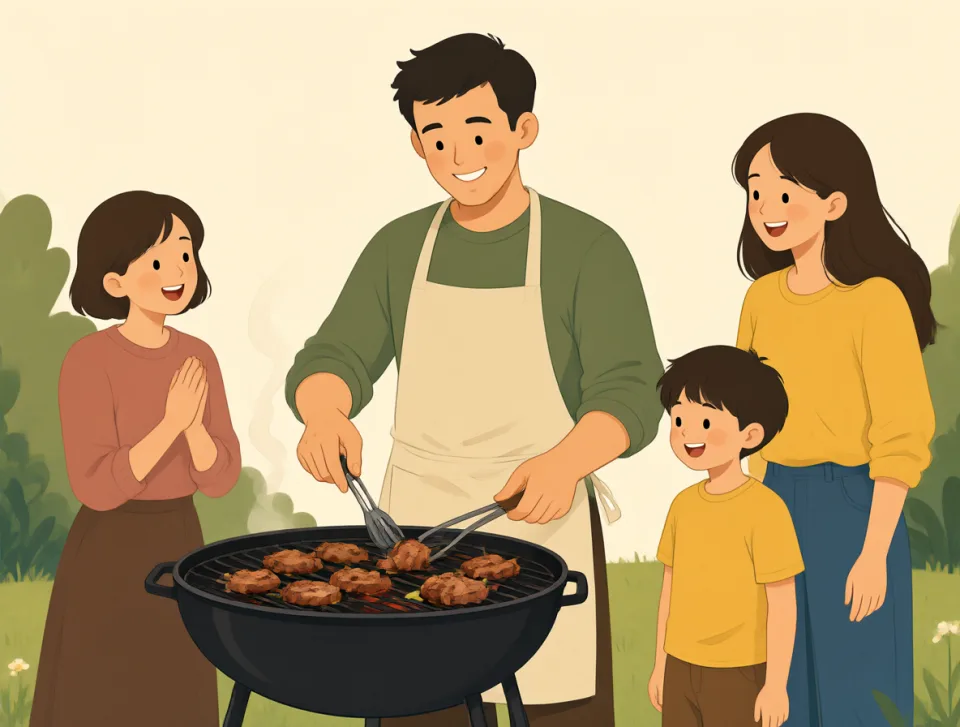
He is the king of the grill at every family party.
हर पारिवारिक पार्टी में ग्रिल पर उसका ही राज चलता है।
interaction
#1877noun
आपसी संवाद
communication or activity between people or groups who affect each other
लोगों या समूहों के बीच संवाद या गतिविधि, जिसमें वे एक-दूसरे को प्रभावित करते हैं
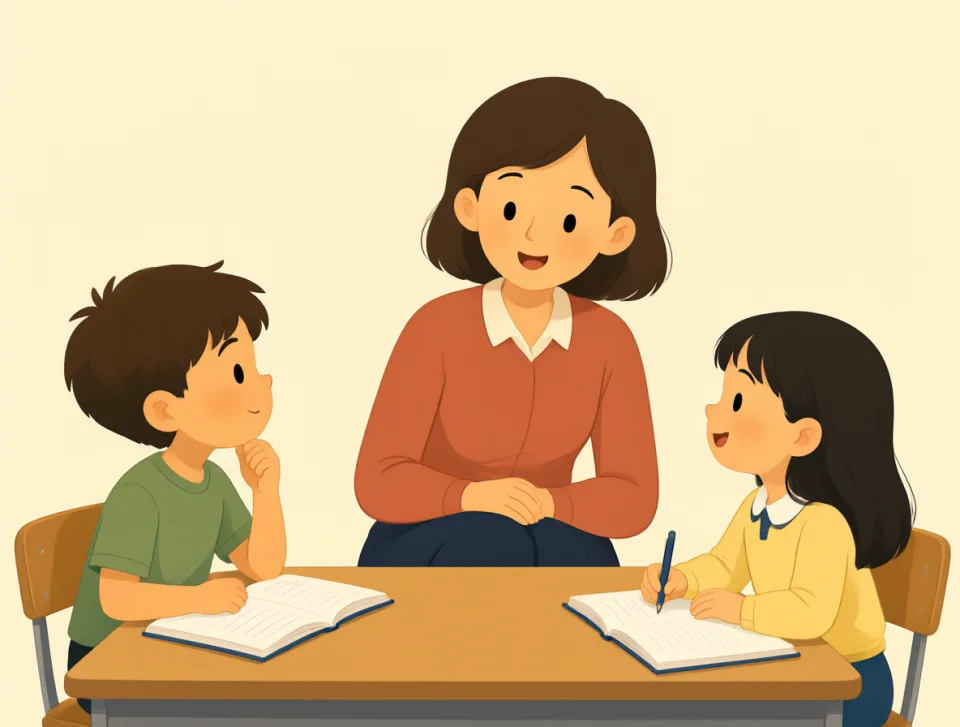
Good interaction between teachers and students helps everyone learn.
शिक्षकों और छात्रों के बीच अच्छा संवाद सभी को सीखने में मदद करता है।

The job involves daily interaction with customers and coworkers.
इस नौकरी में ग्राहकों और सहकर्मियों से रोज़ बातचीत करनी पड़ती है।
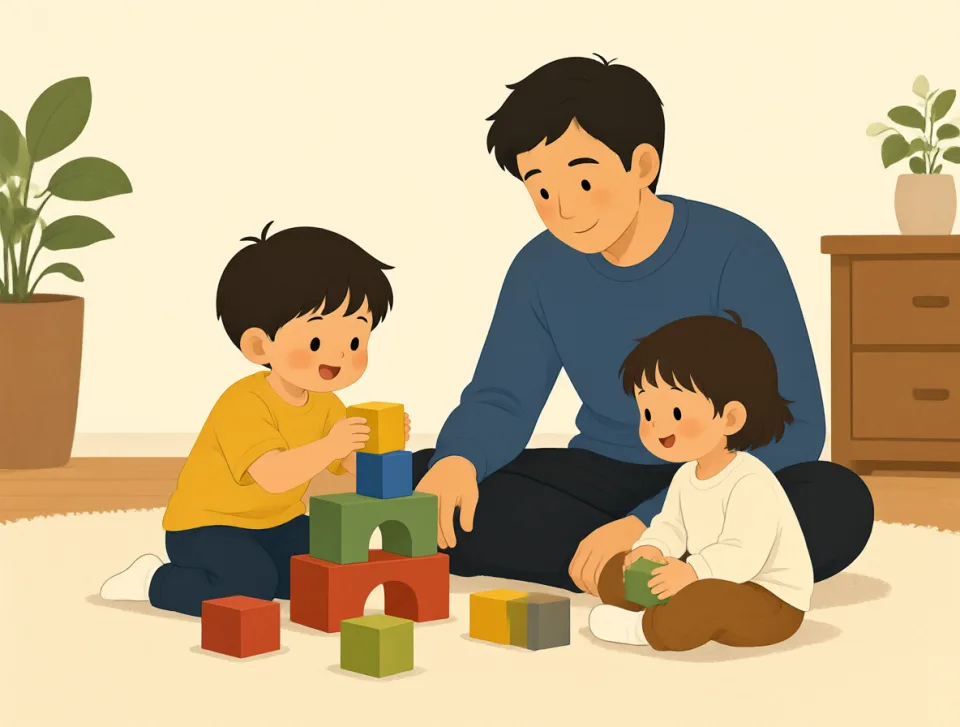
Children learn through interaction with their parents and friends.
बच्चे अपने माता-पिता और दोस्तों के साथ बातचीत करके सीखते हैं।
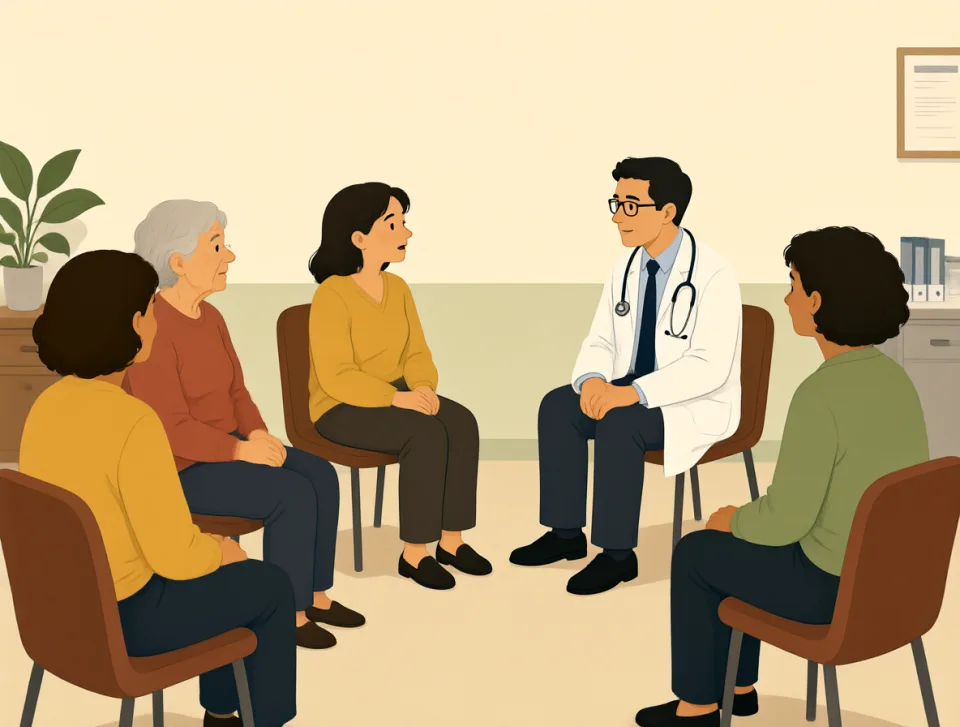
The doctor encouraged more interaction with other patients during group therapy.
डॉक्टर ने समूह चिकित्सा के दौरान दूसरे मरीज़ों के साथ अधिक बातचीत करने के लिए प्रोत्साहित किया।

Our first interaction with the local people made the trip more enjoyable.
स्थानीय लोगों से हमारी पहली मुलाकात ने यात्रा को और आनंददायक बना दिया।
repair
#1878noun, verb
मरम्मत करना
To fix something that is broken or damaged.
टूटी या क्षतिग्रस्त चीज़ को ठीक करना।
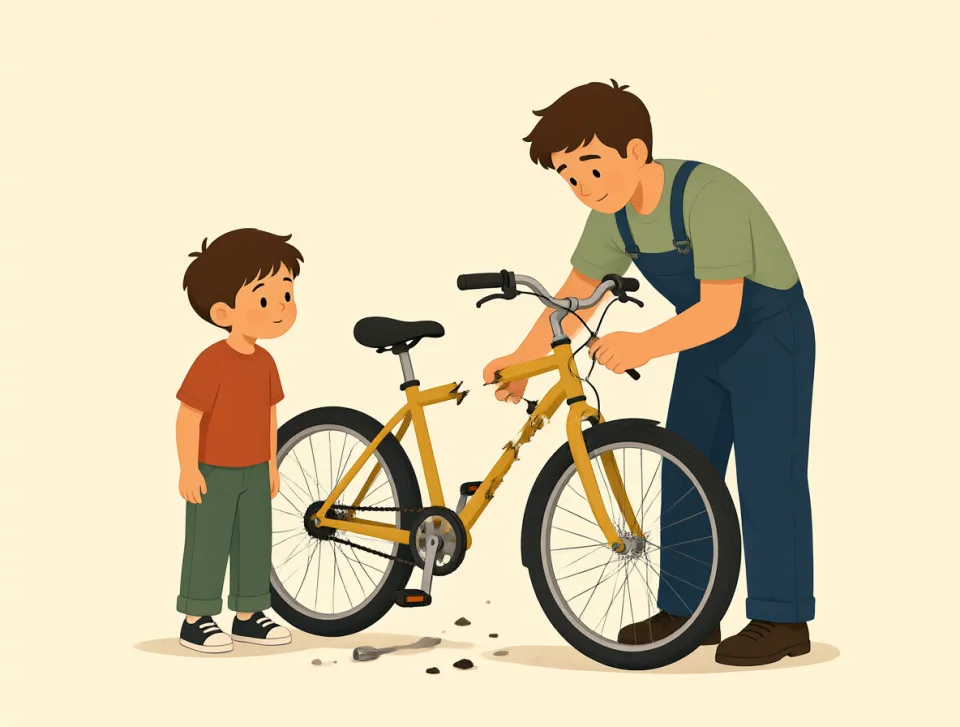
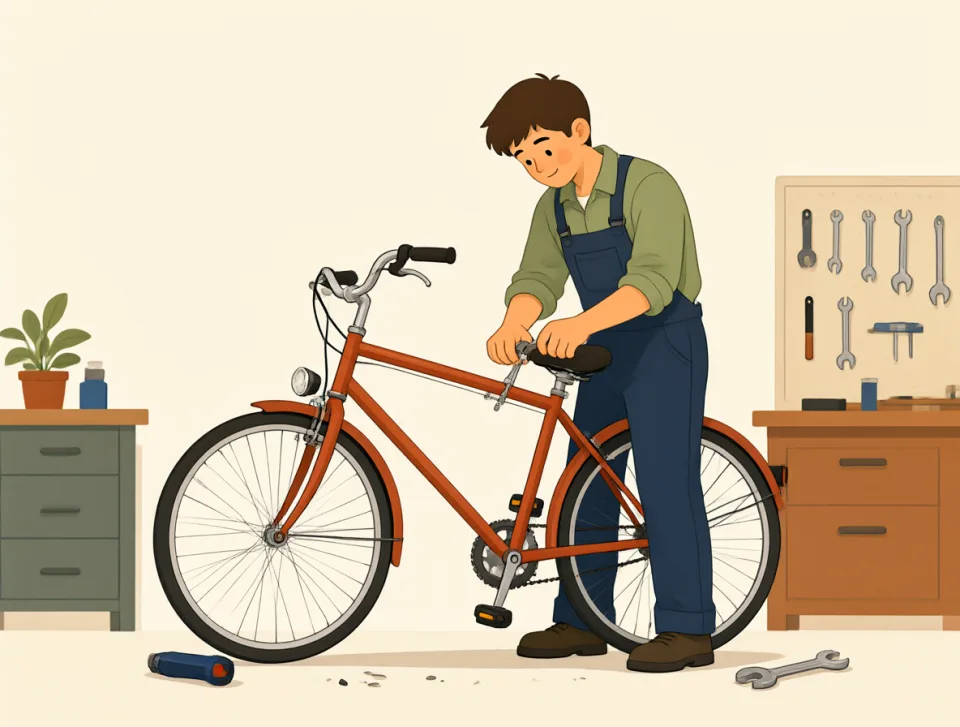
I need to repair my bicycle before the weekend.
मुझे सप्ताहांत से पहले अपनी साइकिल ठीक करनी है।
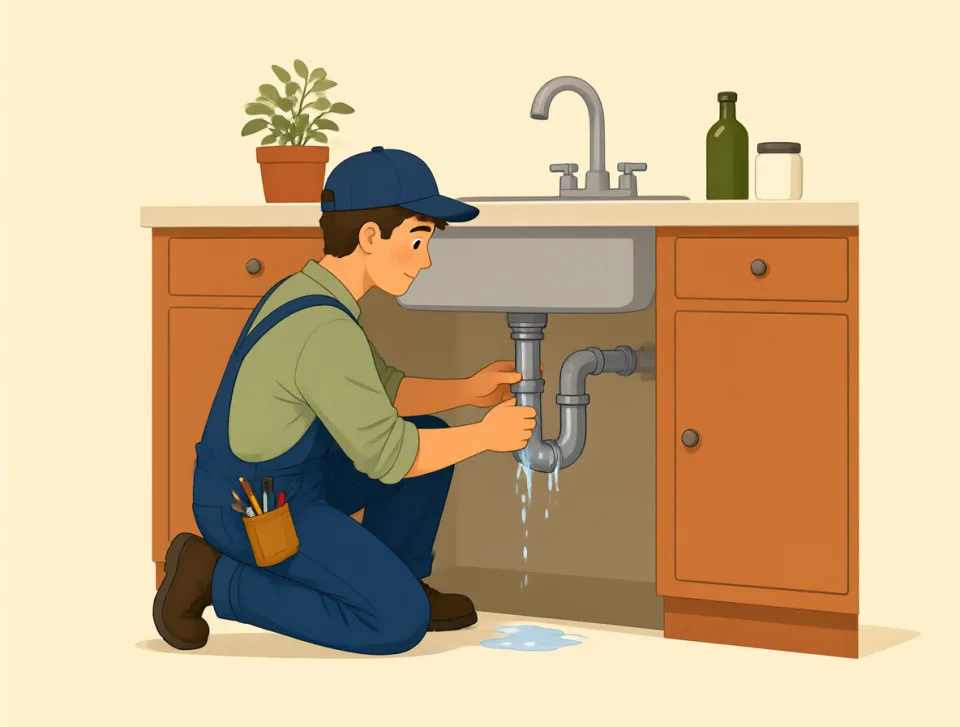
The plumber repaired the leaking pipe under our kitchen sink.
प्लंबर ने हमारे रसोईघर के सिंक के नीचे से टपक रहे पाइप की मरम्मत की।
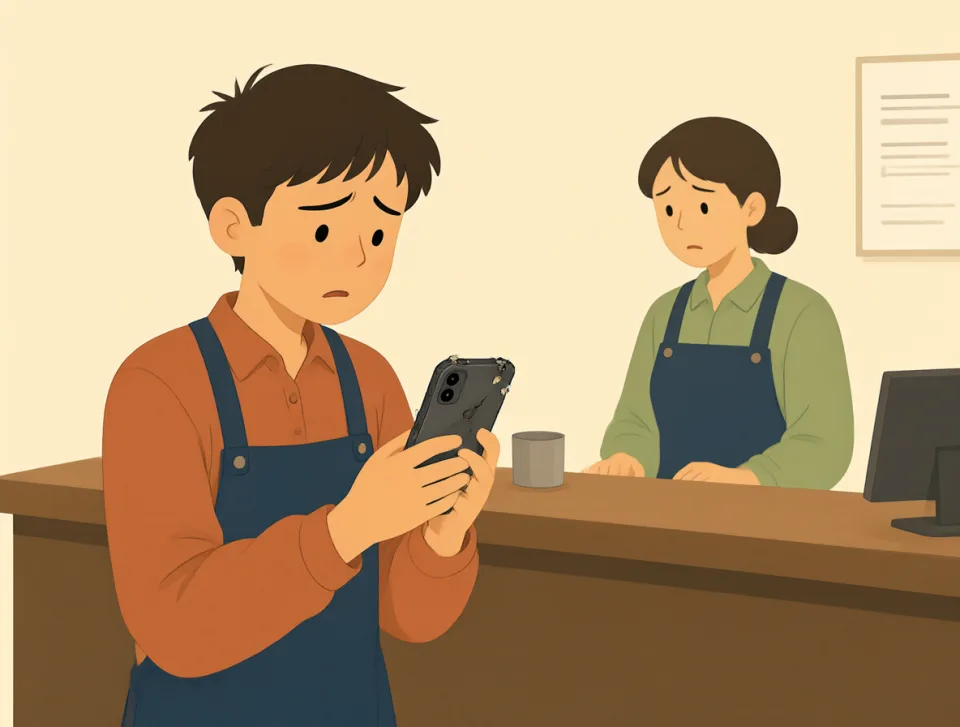
This phone is too expensive to repair.
इस फ़ोन की मरम्मत करवाना बहुत महँगा है।
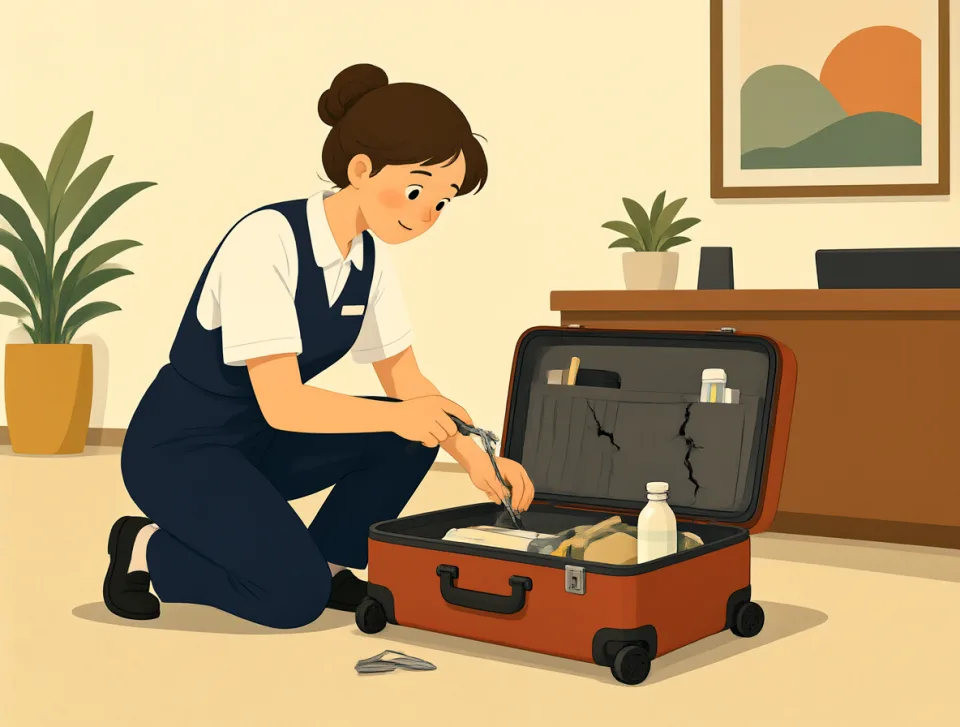
The hotel offers free repairs for broken suitcases.
होटल खराब सूटकेसों की मुफ़्त मरम्मत की सुविधा देता है।
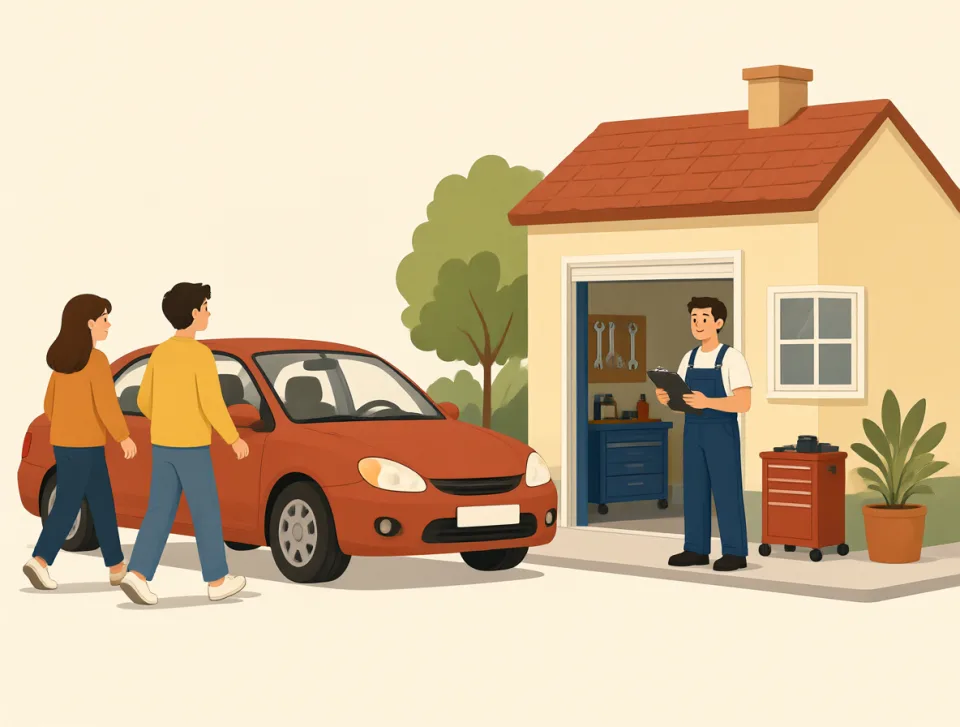
We took the car to a repair shop yesterday.
हम कल कार को मरम्मत की दुकान पर ले गए।
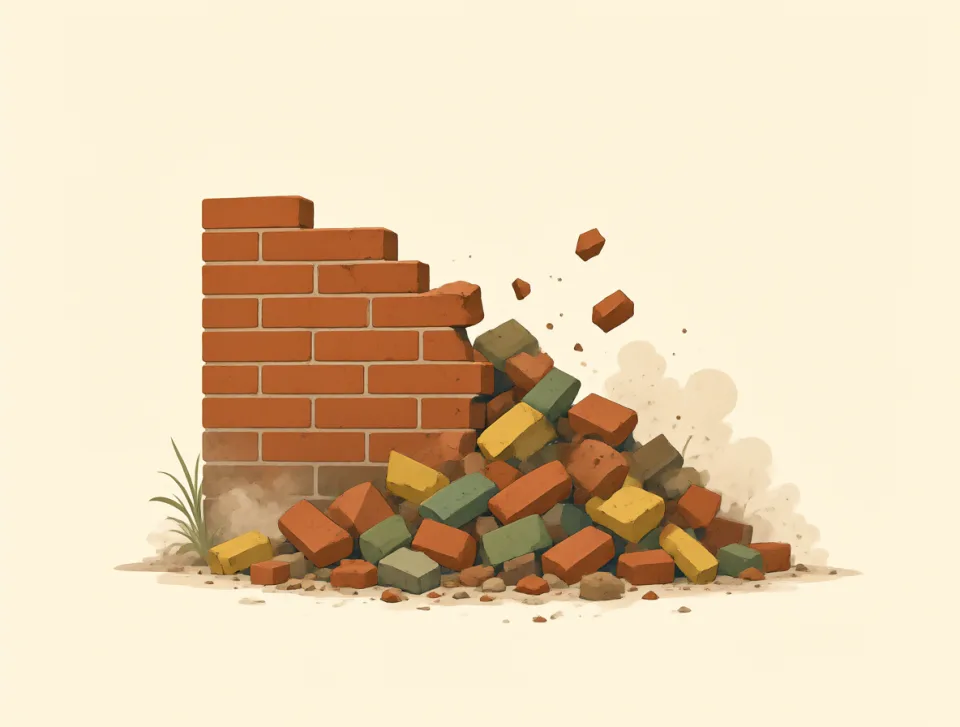
collapse
#1879verb, noun
ढहना
to fall down suddenly, or to fail completely; a sudden fall or failure
अचानक गिर जाना या पूरी तरह विफल हो जाना; अचानक गिरना या विफलता
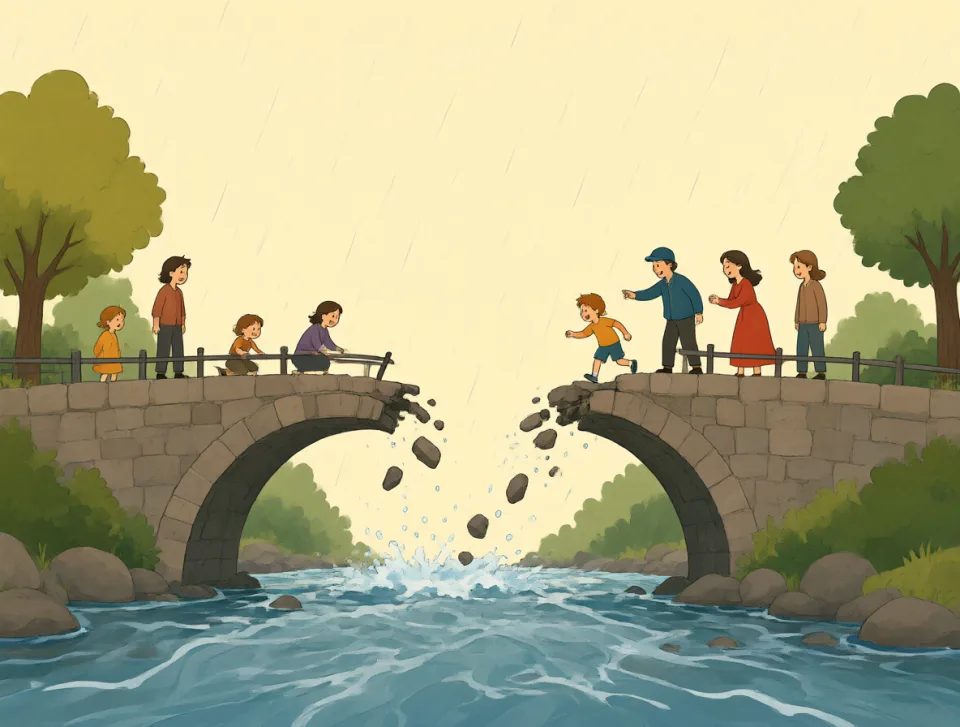
The old bridge collapsed during the heavy rain.
भारी बारिश के दौरान पुराना पुल ढह गया।
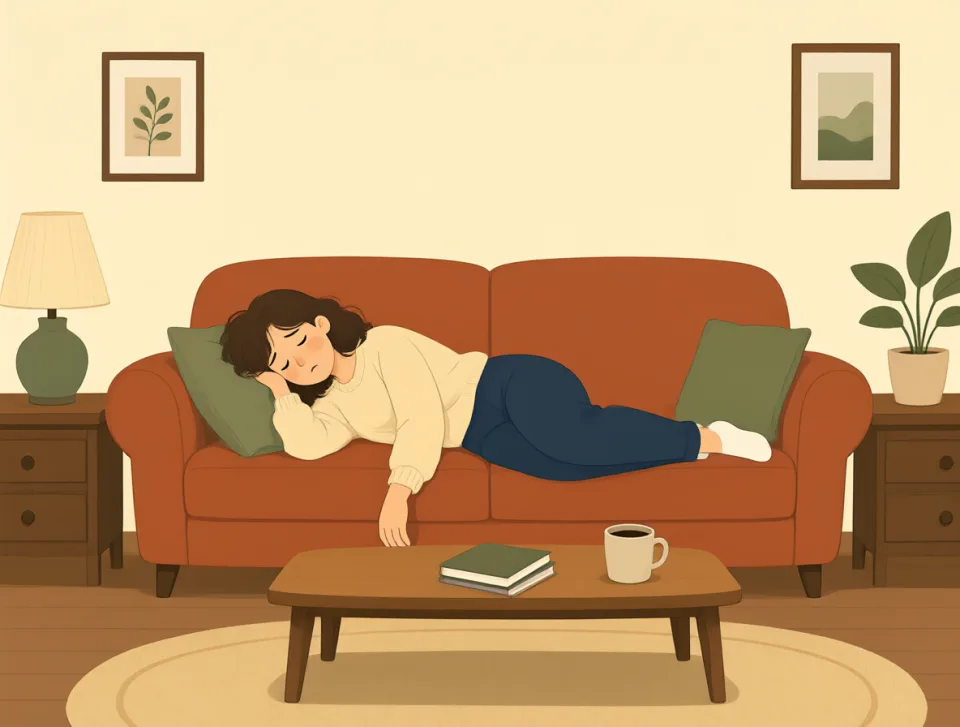
She collapsed on the sofa after a long day.
लंबे दिन के बाद वह सोफ़े पर निढाल होकर गिर पड़ी।
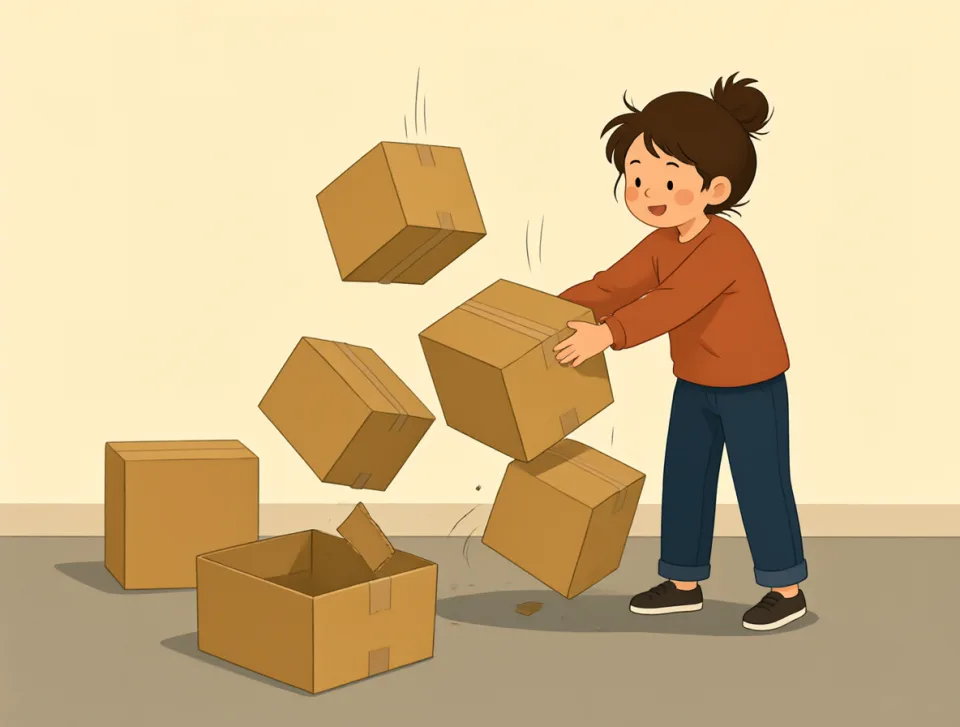
The boxes collapsed when I removed the bottom one.
जब मैंने नीचे वाला डिब्बा हटाया, तो डिब्बों का ढेर गिर पड़ा।

Talks between the two companies collapsed after the disagreement.
असहमति के बाद दोनों कंपनियों के बीच बातचीत विफल हो गई।
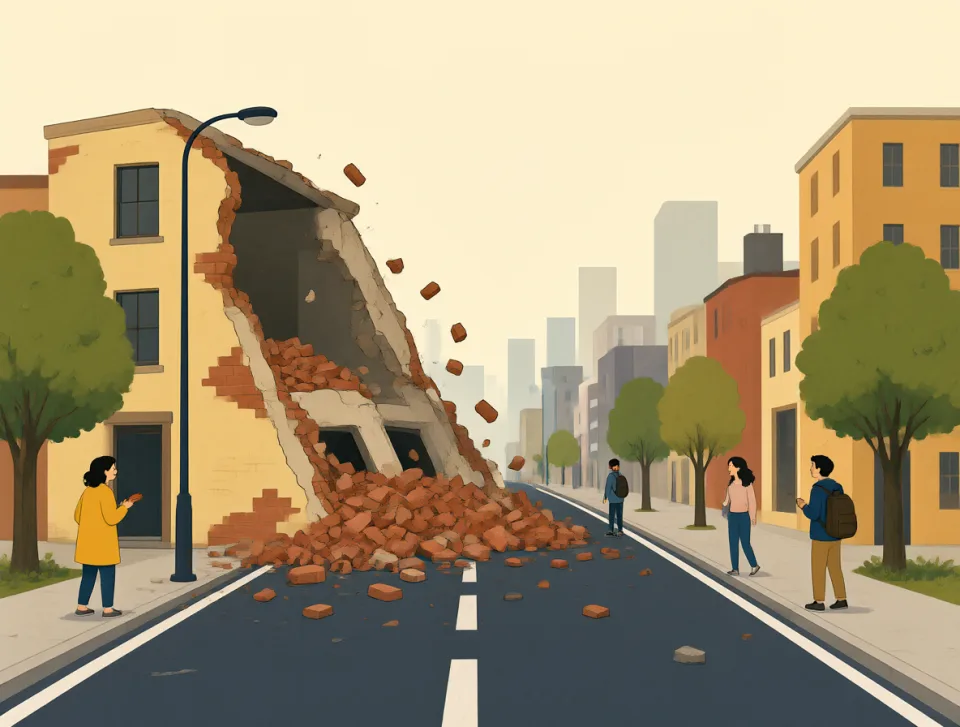
The building’s sudden collapse blocked the road for hours.
इमारत के अचानक ढहने से सड़क घंटों तक बंद रही।
borrow
#1880verb
उधार लेना
to use something that belongs to someone else and return it later
किसी और की चीज़ का इस्तेमाल करना और बाद में उसे लौटा देना
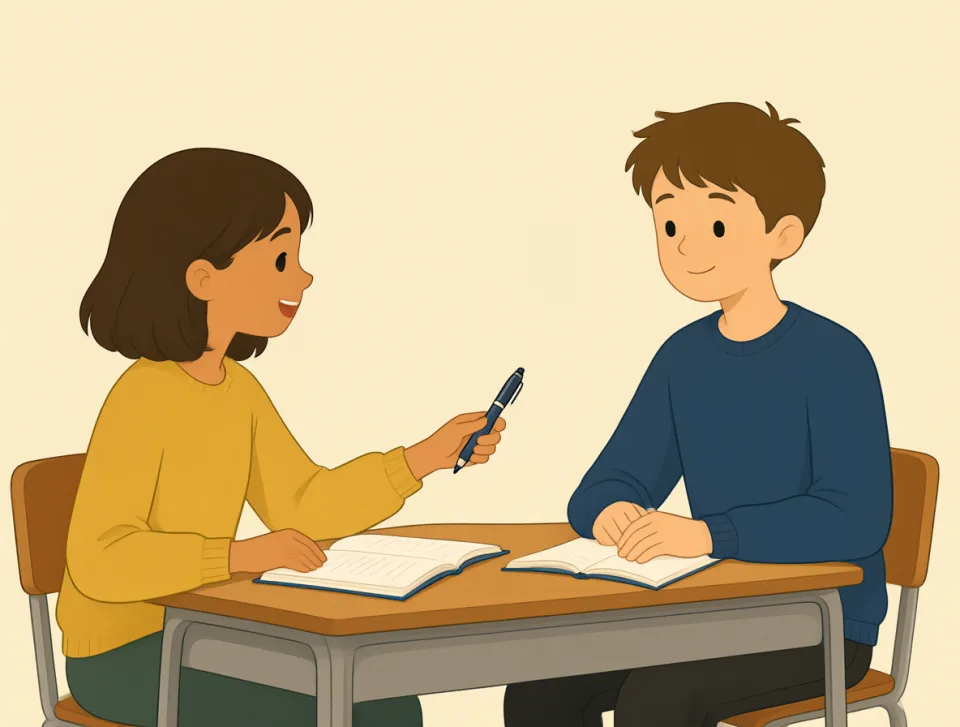
Can I borrow your pen for a minute?
क्या मैं एक मिनट के लिए तुम्हारा पेन उधार ले सकता हूँ?

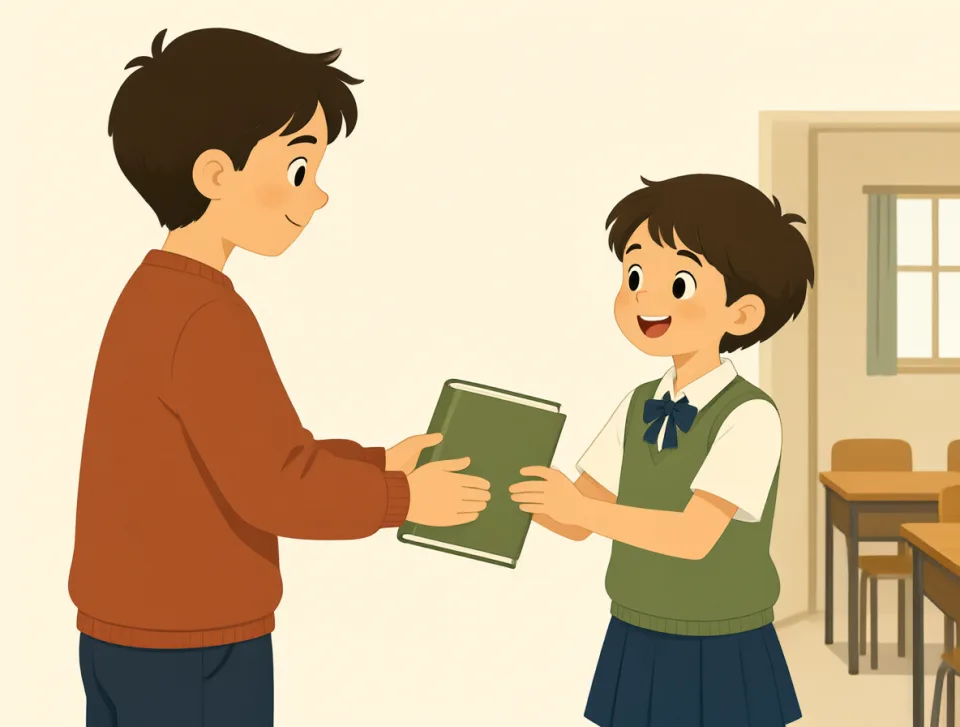
I borrowed a book from the library yesterday.
मैंने कल पुस्तकालय से एक किताब उधार ली।

She borrowed some money from her brother for rent.
उसने किराए के लिए अपने भाई से कुछ पैसे उधार लिए।
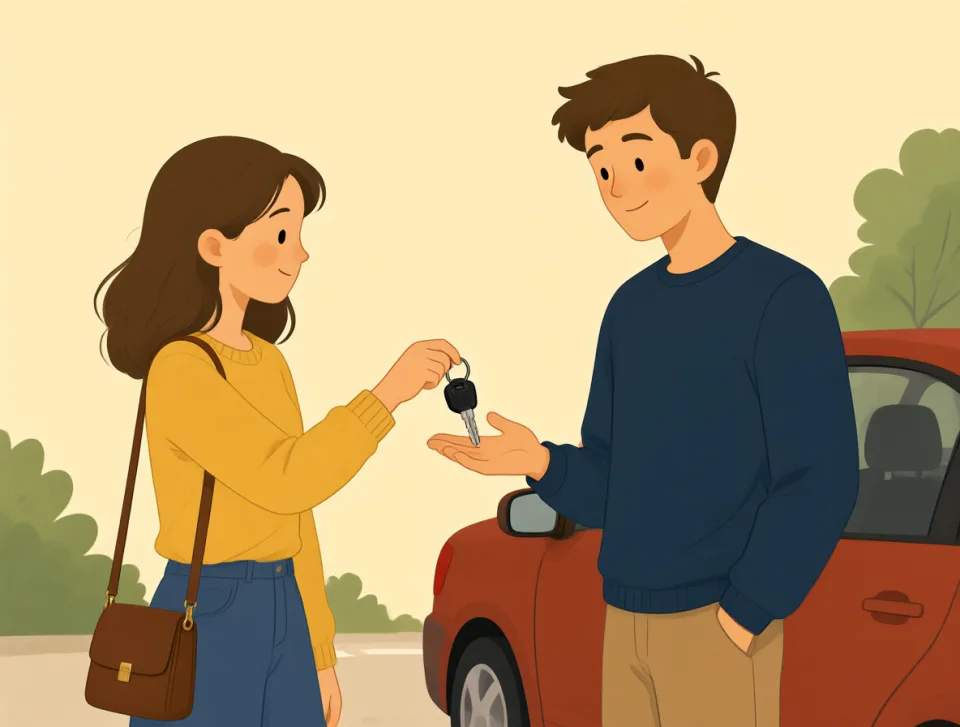
We borrowed our friends' car for the weekend.
हमने सप्ताहांत के लिए अपने दोस्तों की कार उधार ली।

May I borrow your phone to call a taxi?
क्या मैं टैक्सी बुलाने के लिए आपका फ़ोन उधार ले सकता हूँ?