單元 94
單字 1861–1880 · negotiation, mechanism, coat, democracy, pocket, lucky

negotiation
#1861noun
談判;協商
A discussion to reach an agreement, especially about price, plans, or conditions.
為達成協議而進行的討論,尤其是圍繞價格、計劃或條件展開的討論。

The two sides reached an agreement after several hours of negotiation.
經過幾個小時的談判,雙方達成了協議。

The union began negotiations with the company about higher wages.
工會開始與公司就提高工資進行談判。

Good negotiation helped us get a lower price for the car.
我們透過談判,成功把車價談低了。

The peace negotiations continued after both countries stopped fighting.
兩國停止交戰後,和平談判仍在繼續。

Buying a house usually involves negotiation over the final price.
買房通常需要就最終價格進行協商。
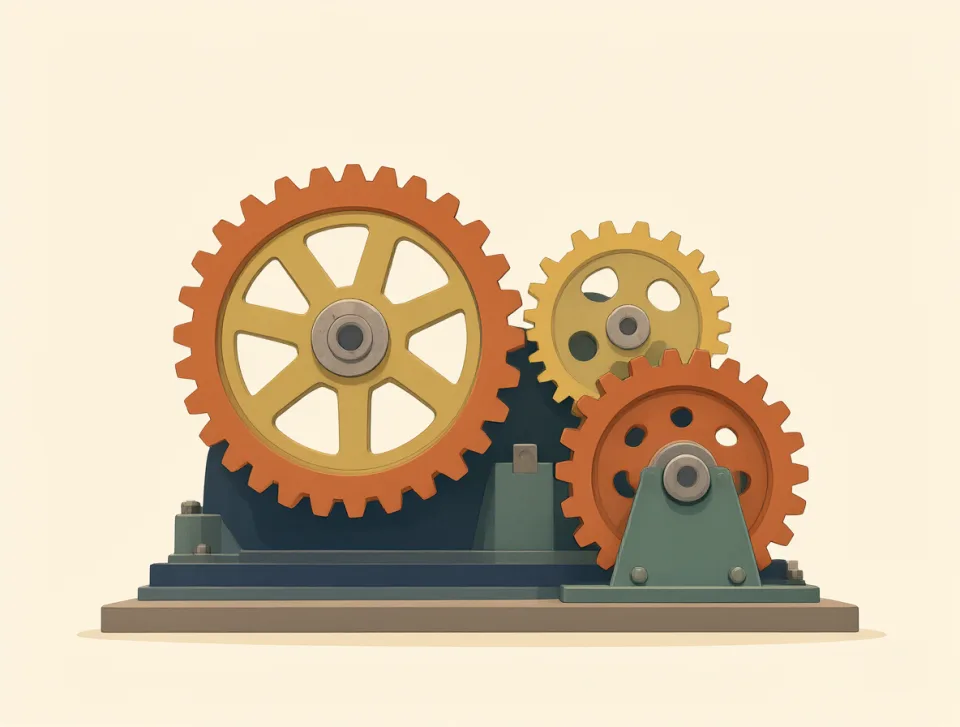
mechanism
#1862noun
機制;裝置
A part or process that makes something work or happen.
使某件事得以運作或發生的部件或過程。
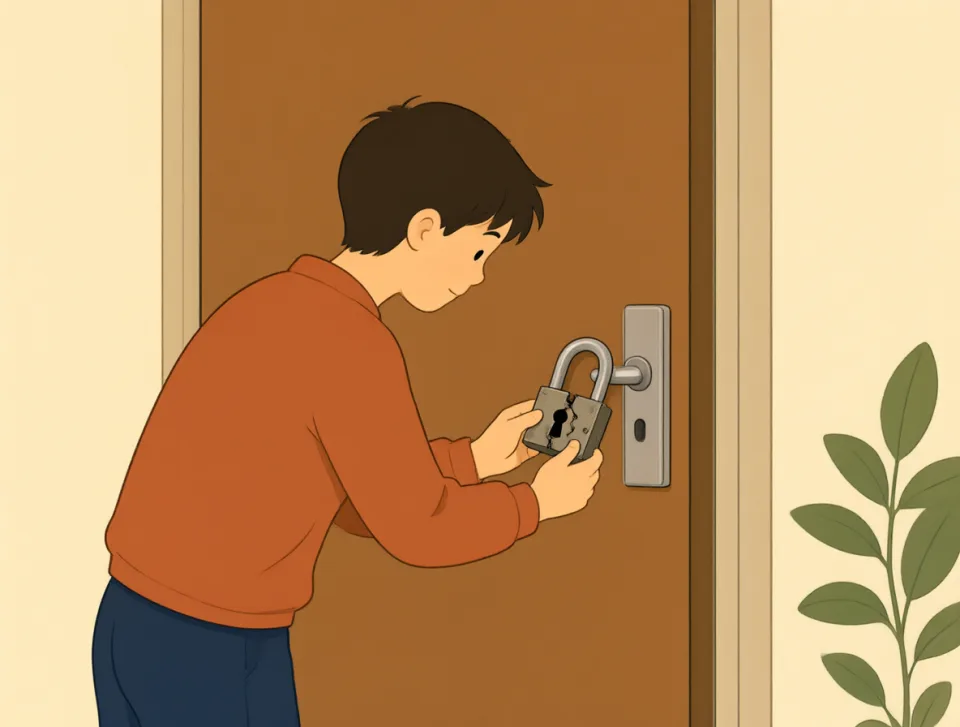
The locking mechanism on this door is broken.
這扇門的鎖閉裝置壞了。

The camera has a simple mechanism for changing the lens.
這臺相機有一個簡單的換鏡頭裝置。

Scientists studied the mechanism behind the disease.
科學家研究了這種疾病背後的機制。
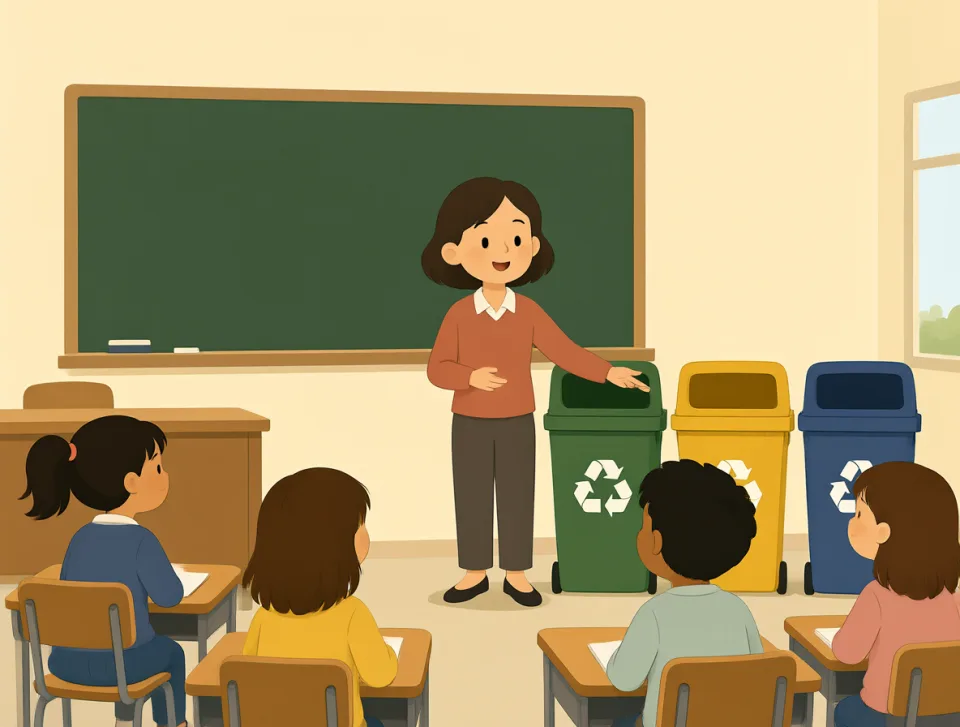
The teacher explained the mechanism of the new recycling system.
老師講解了新回收系統的執行機制。
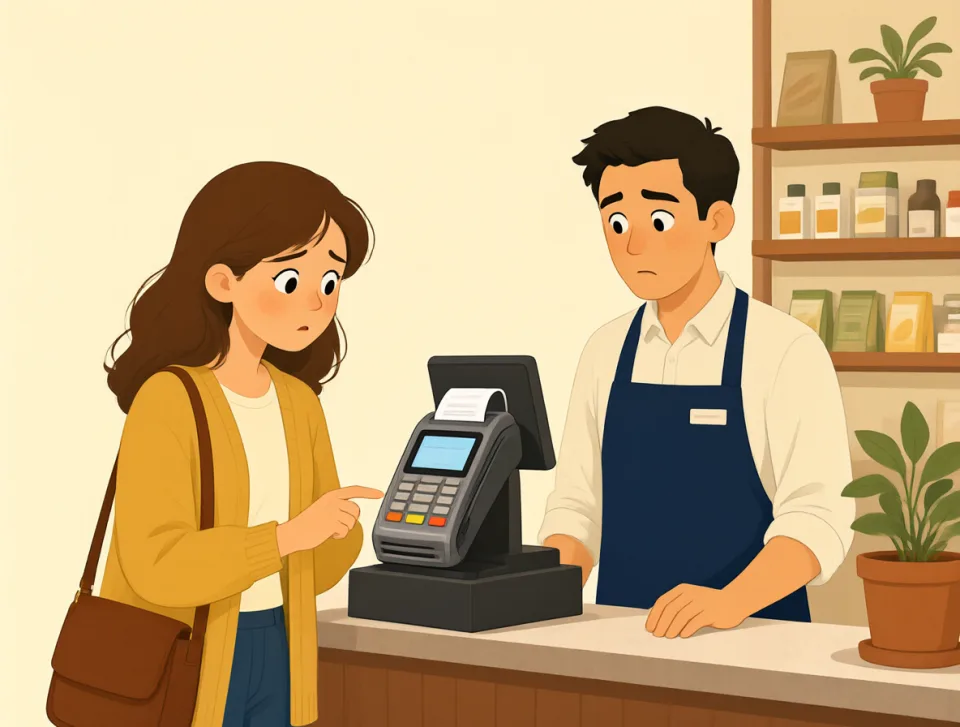
The shop's payment mechanism stopped working during checkout.
結賬時,商店的支付系統停止工作了。

coat
#1863noun, verb
外套;給……塗上
Clothing worn over other clothes; to cover something with a layer.
穿在其他衣服外面的衣物;在某物表面覆蓋一層東西。
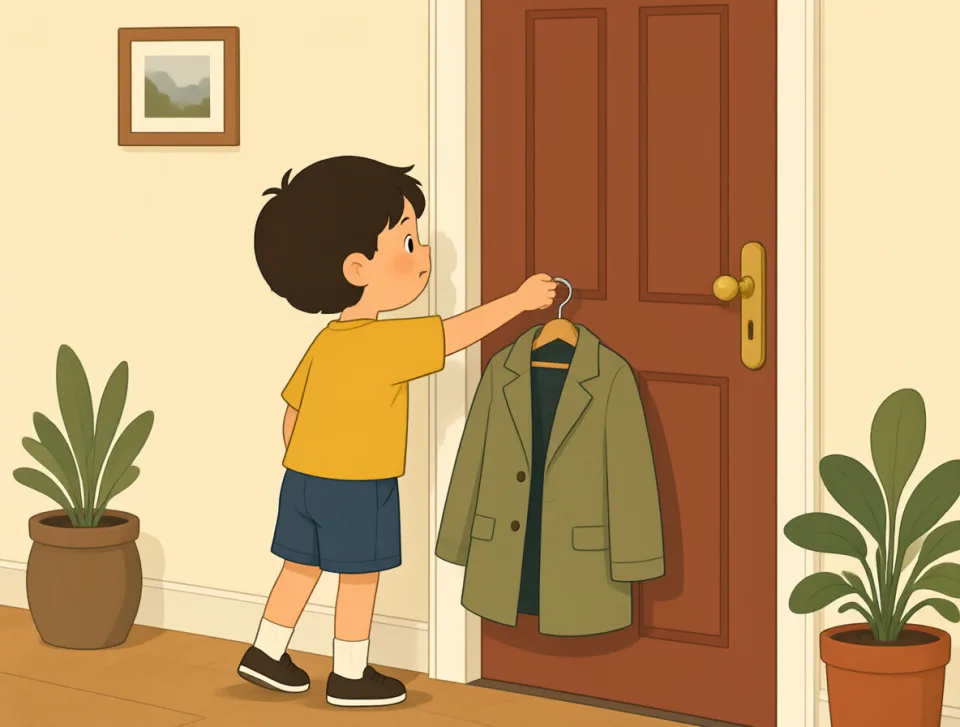
Take your coat; it is cold outside.
帶上你的外套吧,外面很冷。

She hung her wet coat by the front door.
她把溼外套掛在前門旁。

I bought a warm coat before our trip to Canada.
去加拿大旅行前,我買了一件暖和的外套。
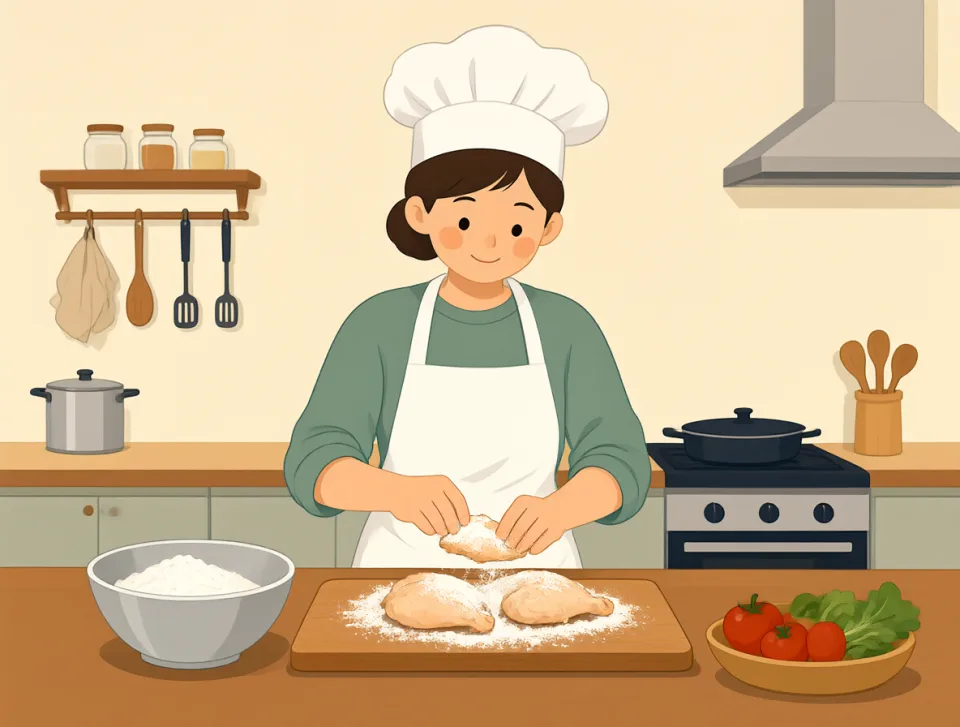
Coat the chicken with flour before frying it.
炸雞之前,先把雞肉裹上面粉。
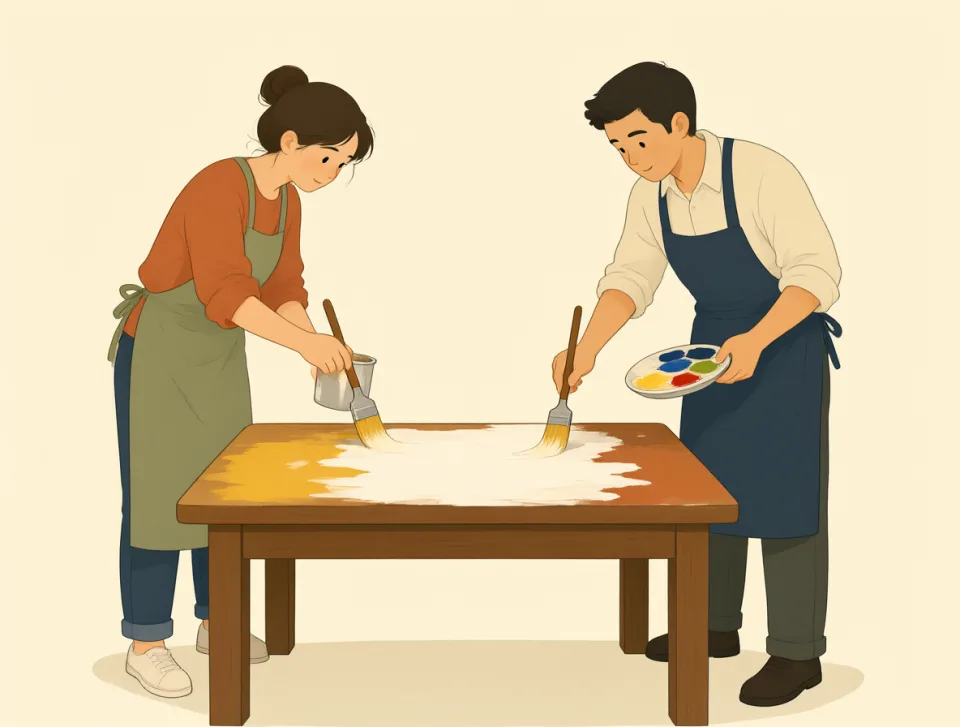
We gave the old table a fresh coat of paint.
我們給那張舊桌子重新刷了一層漆。
democracy
#1864noun
民主;民主制度
a system of government in which people choose their leaders
一種由人民選擇領導人的政府制度
In a democracy, people can vote for their leaders.
在民主制度下,人們可以投票選舉自己的領導人。

Democracy gives ordinary people a voice in government.
民主讓普通民眾在政府事務中擁有發言權。
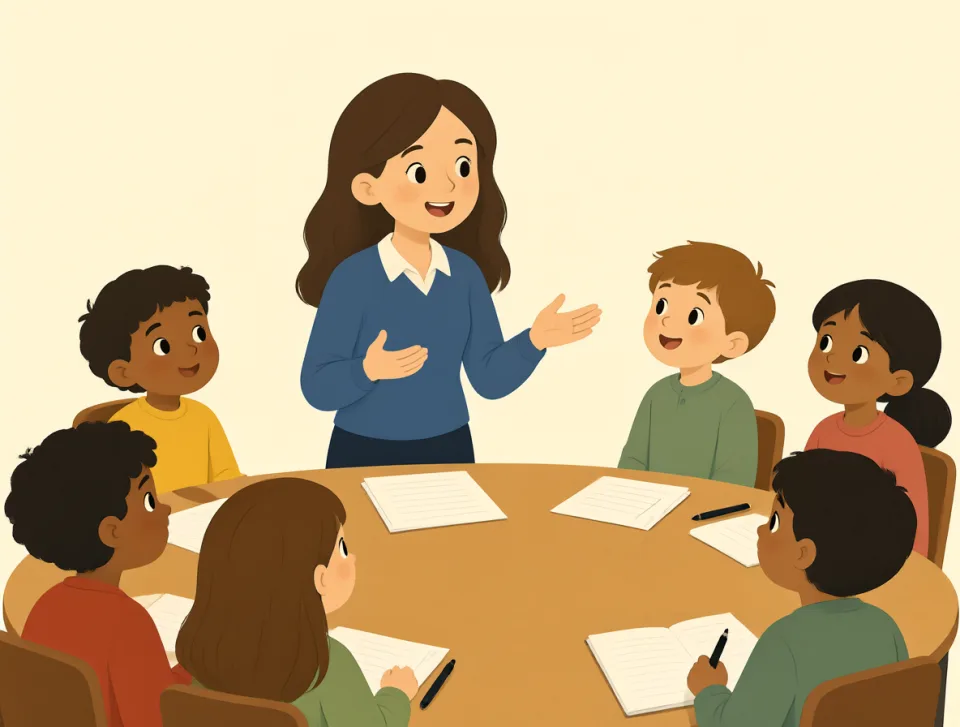
Our teacher explained democracy during social studies class.
我們的老師在社會學課上講解了民主。
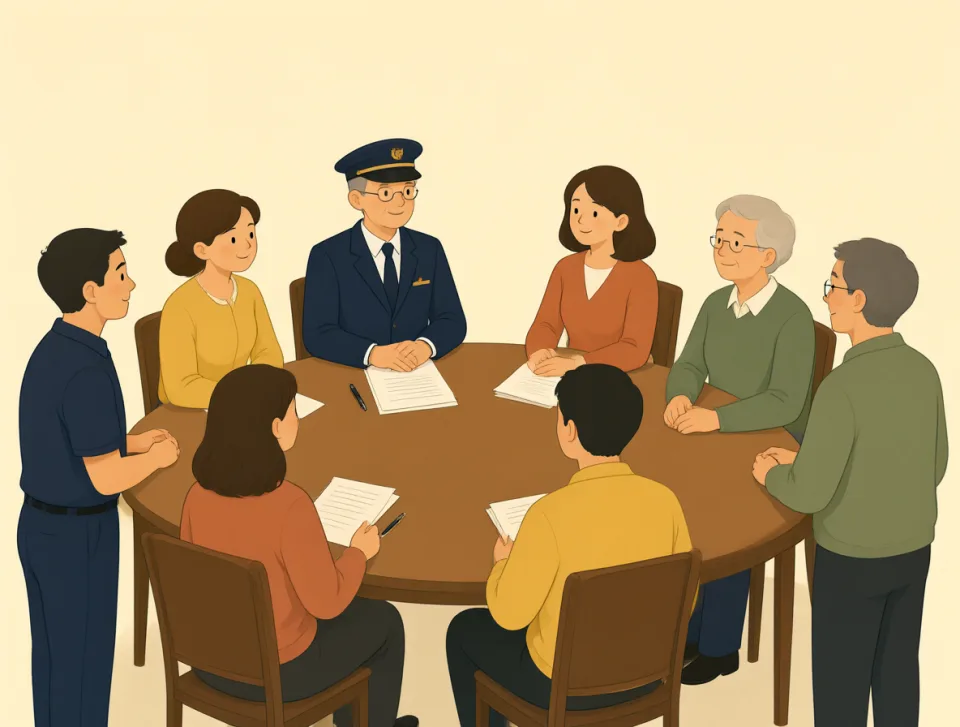
The country is working to build a strong democracy.
這個國家正在努力建立一個強大的民主制度。

Many citizens joined the peaceful march to protect democracy.
許多公民參加了和平遊行,以捍衛民主。
pocket
#1865noun, verb
口袋
A small bag sewn into clothing for carrying things; to put something in it.
縫在衣服上的小袋子,用來裝東西;把東西放進去。

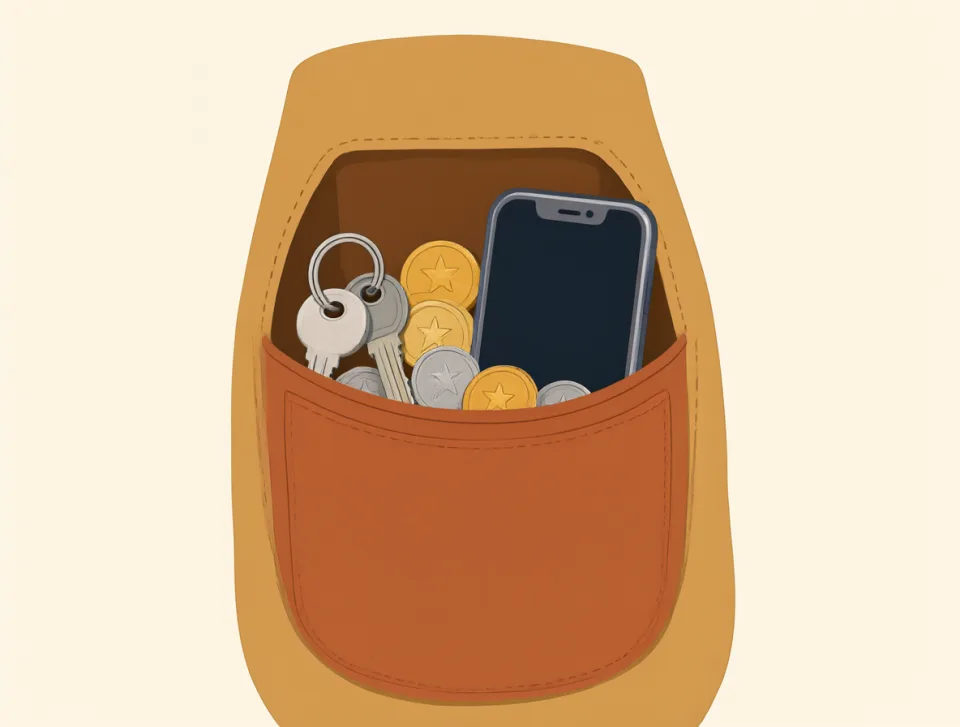
She put her keys in her pocket before leaving home.
出門前,她把鑰匙放進了口袋裡。
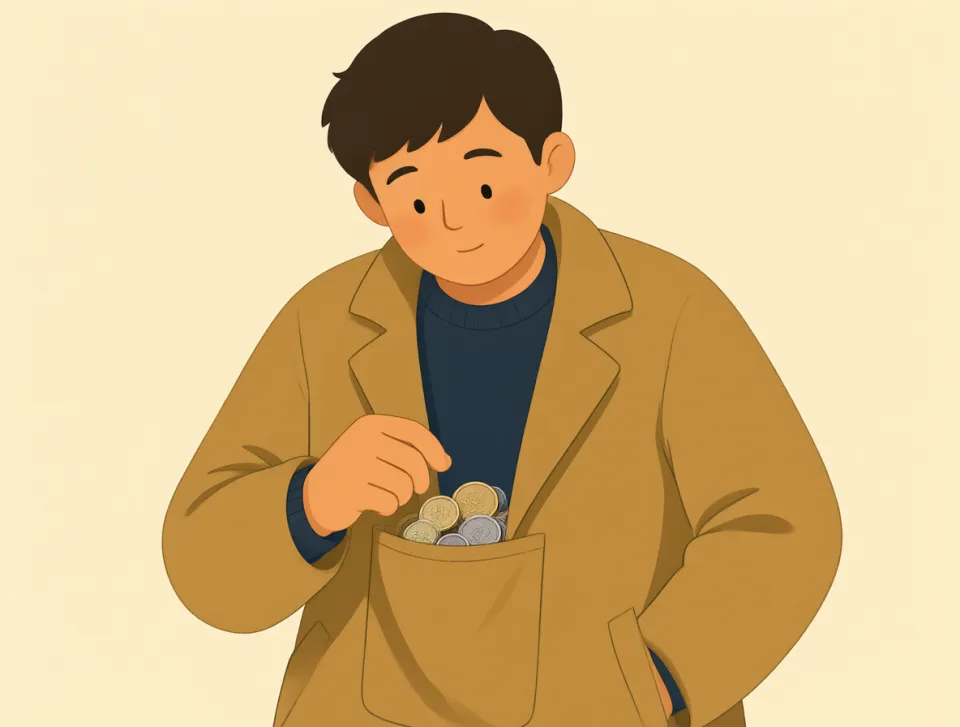
I found some coins in my coat pocket.
我在外套口袋裡發現了幾枚硬幣。

This jacket has deep pockets for carrying your phone.
這件夾克有很深的口袋,可以裝手機。

He kept the train ticket in his pocket during the journey.
旅途中,他一直把火車票放在口袋裡。
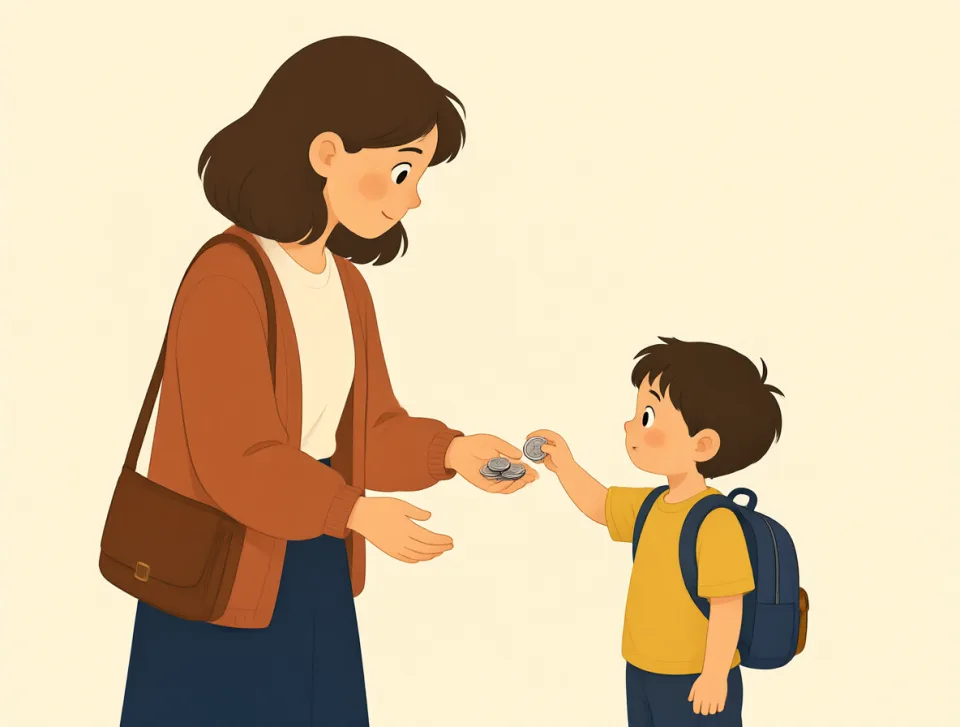
The doctor gave her some pocket money for lunch.
醫生給了她一些零花錢買午餐。
lucky
#1866adjective
幸運的;走運的
Having good things happen by chance.
碰巧遇到好事的。
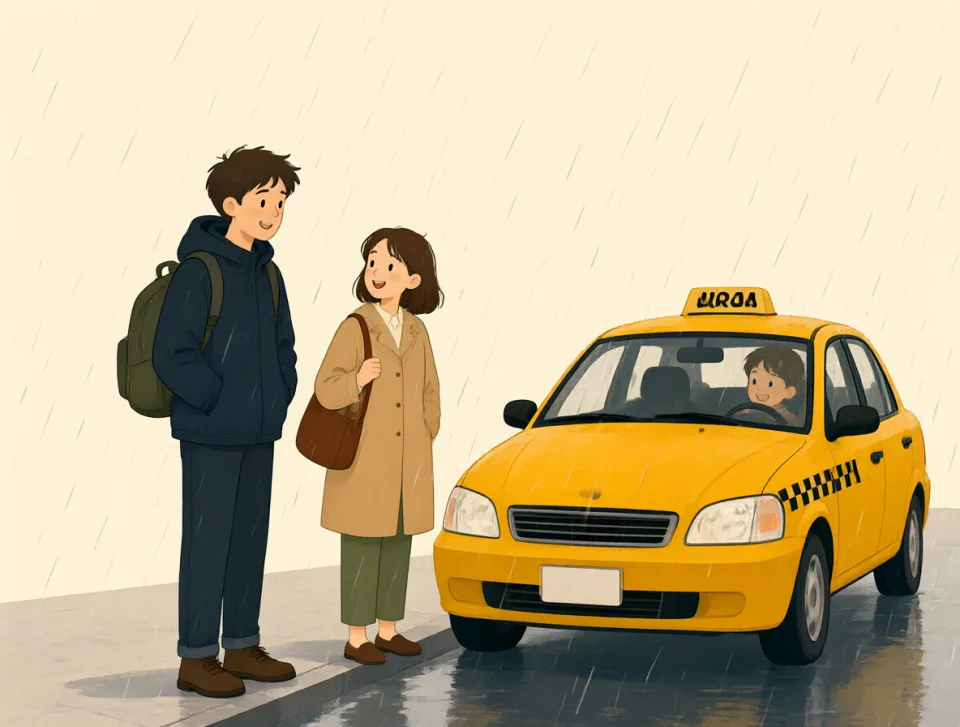
We were lucky to find a taxi in the rain.
下著雨,我們能打到一輛計程車真是太幸運了。

You are lucky to have such kind friends.
你真幸運,有這麼好的朋友。

I felt lucky when my lost dog came home.
我走失的狗回家時,我覺得自己真幸運。
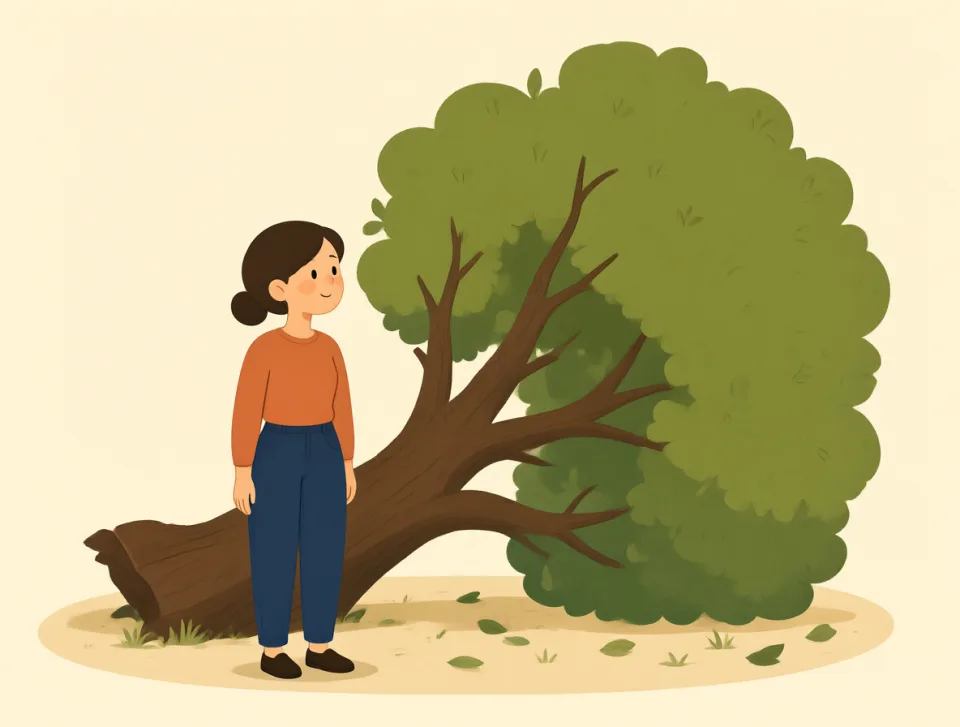
She had a lucky escape from the falling tree.
她從倒下的樹下逃過一劫,真是幸運。

He chose a lucky number and won the prize.
他選了一個幸運數字,結果贏得了獎品。
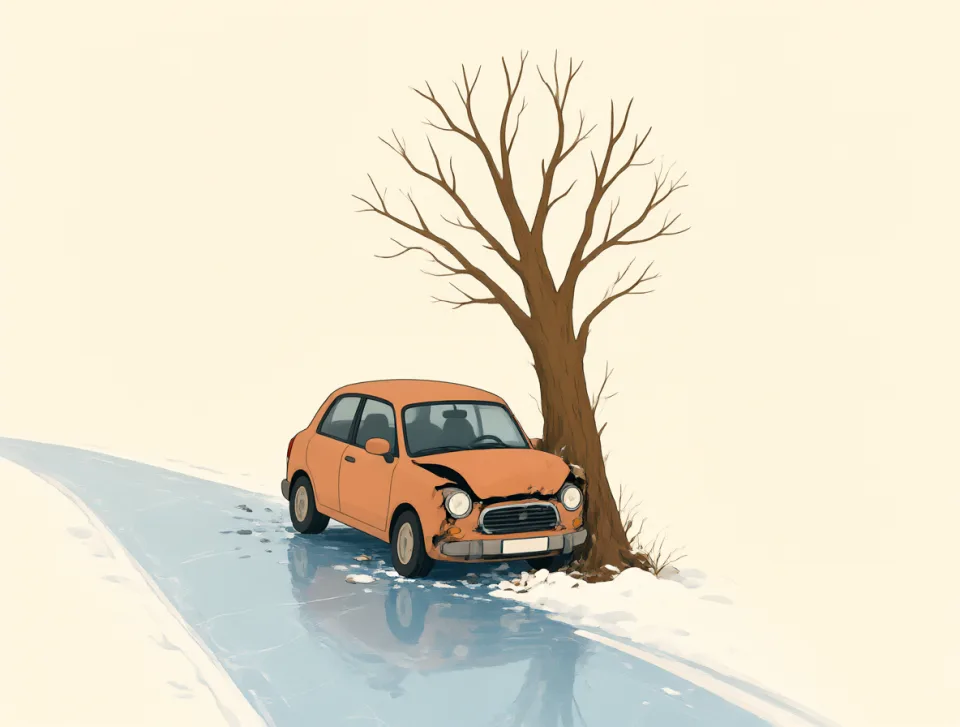
crash
#1867noun, verb
撞擊;撞毀;崩潰;借宿
A hard collision, or to hit something, stop working, or sleep somewhere unexpectedly.
猛烈碰撞;撞上某物、停止執行,或意外地在某處過夜。
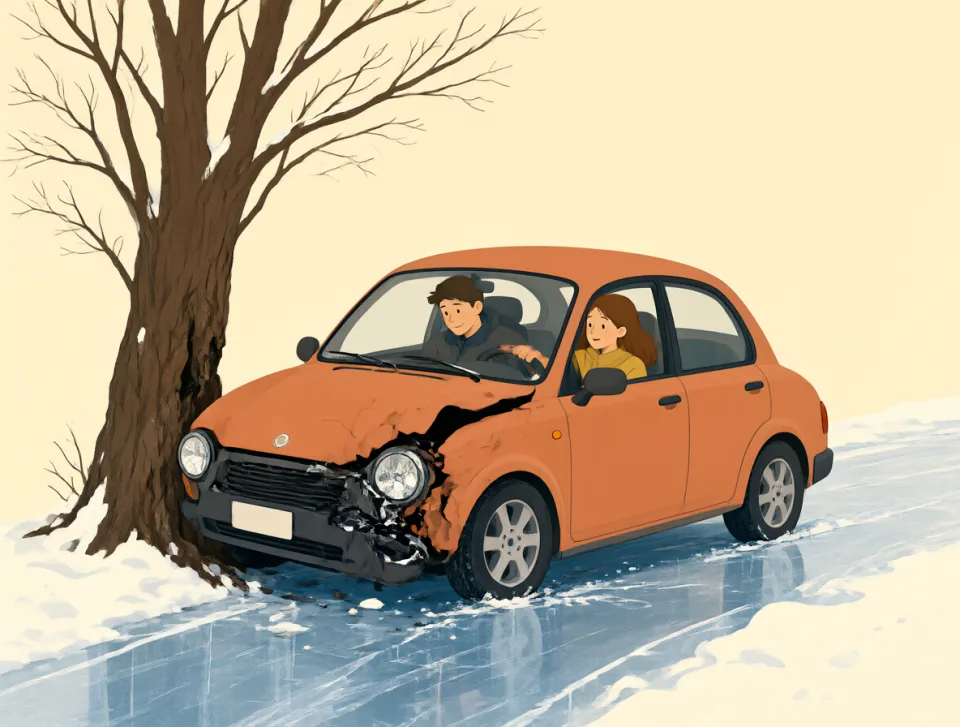
The car crashed into a tree on the icy road.
車在結冰的路上撞上了一棵樹。
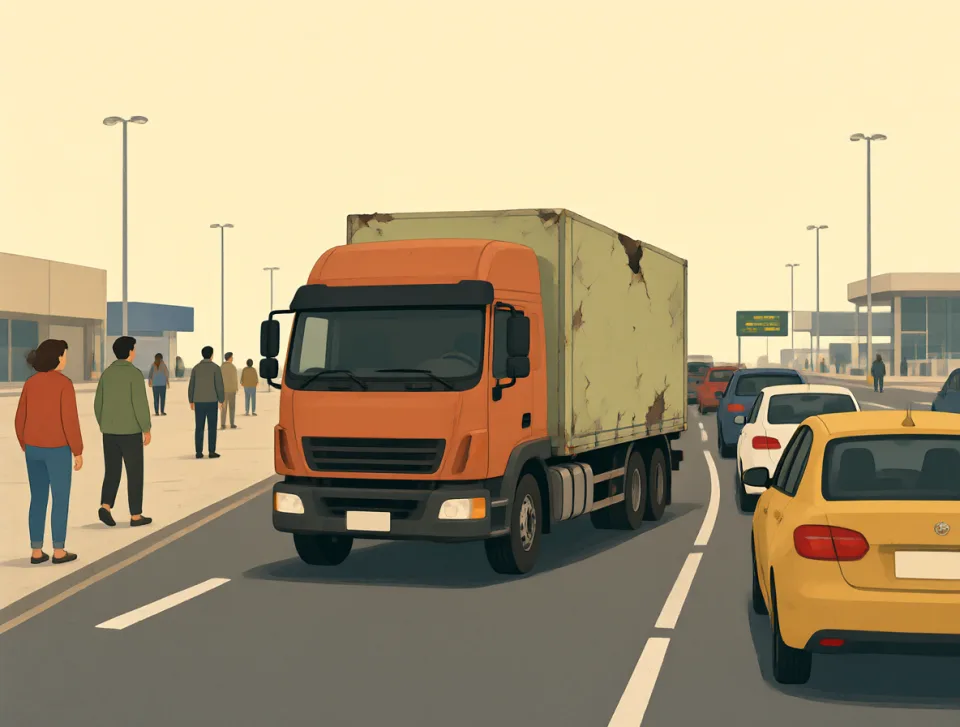
A truck crash blocked traffic near the airport this morning.
今天早上,一輛卡車發生事故,導致機場附近的交通受阻。

My computer crashed while I was finishing my homework.
我快做完作業時,電腦宕機了。

She crashed the party without knowing anyone there.
她不認識在場的任何人,卻不請自來闖進了派對。

Can I crash at your place tonight?
我今晚能在你家借宿嗎?
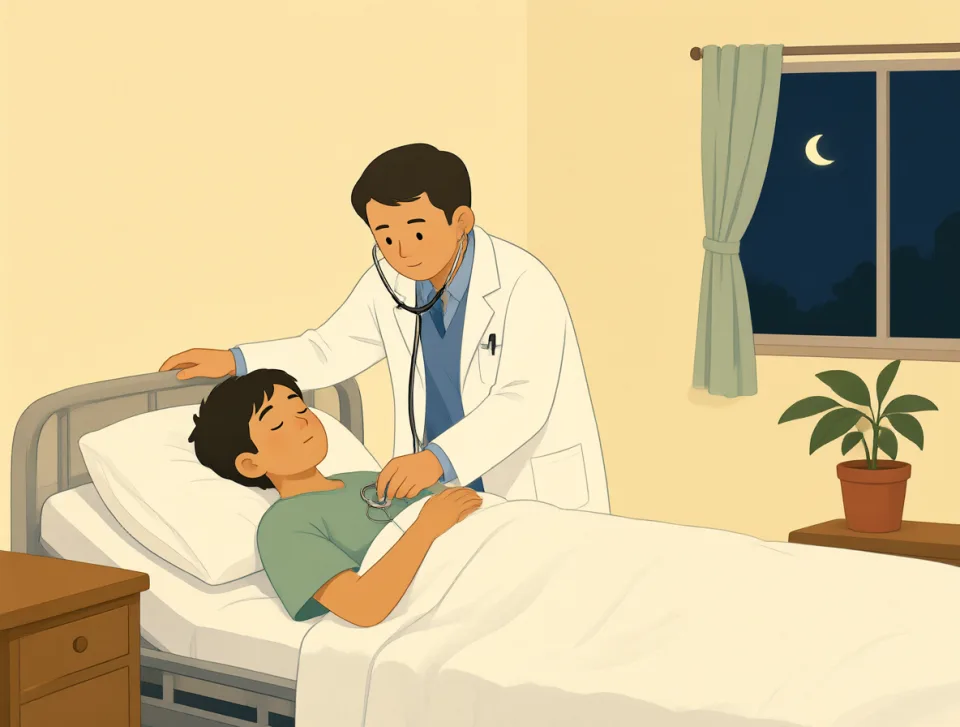
observation
#1868noun
觀察;觀察結果;評論
something you notice, or a comment about what you have noticed
你注意到的事情,或對所注意到的事情所作的評論
The doctor kept the patient under observation overnight.
醫生讓病人留院觀察了一夜。

I made an interesting observation while waiting for the train.
等火車的時候,我注意到一件有意思的事。

The teacher praised her careful observation of the bird.
老師稱讚她細緻地觀察了那隻鳥。

Scientists recorded their observations of the plants every morning.
科學家每天早上都會記錄對這些植物的觀察結果。
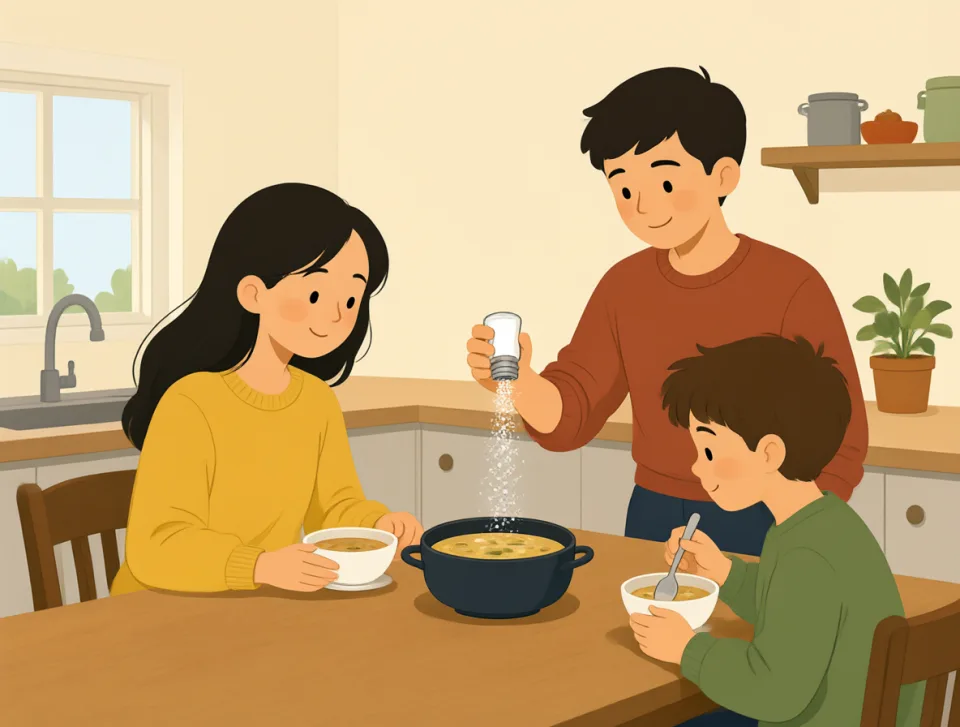
His observation that the soup needed salt was exactly right.
他提出湯裡需要加鹽,這個判斷完全正確。
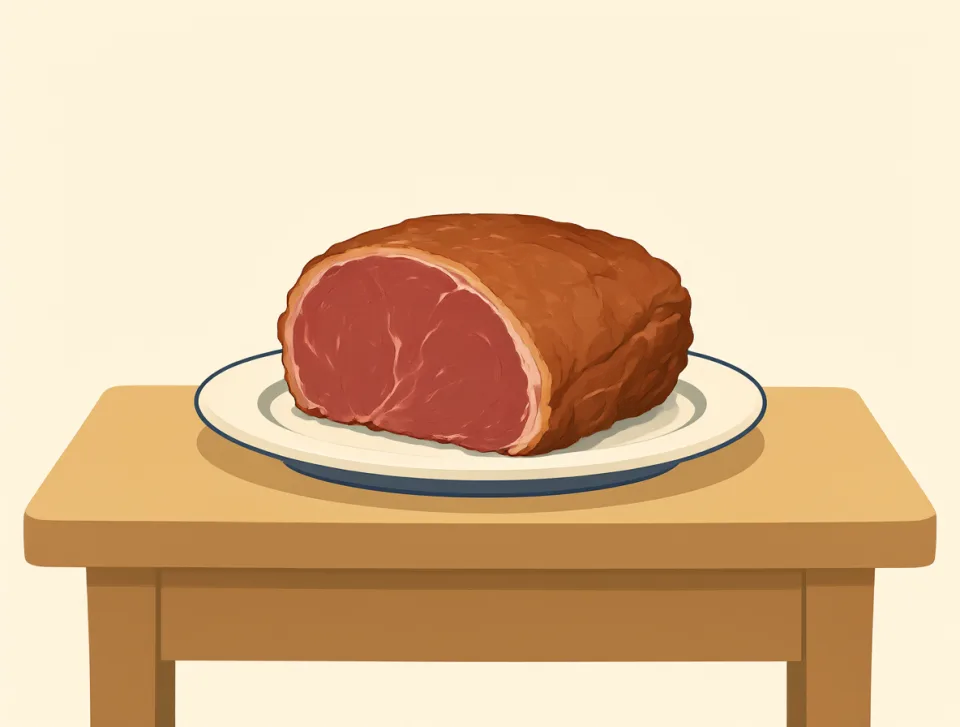
meat
#1869noun
肉;肉類
The flesh of animals used as food.
供人食用的動物肉。
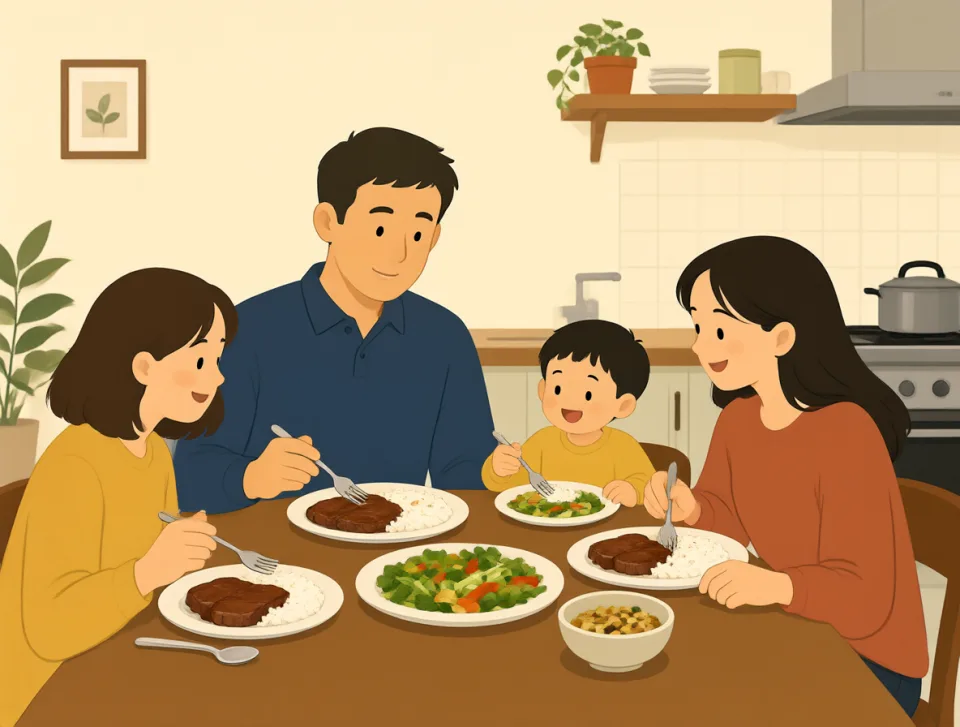
We usually eat meat with rice and vegetables.
我們通常吃米飯和蔬菜時也會吃肉。
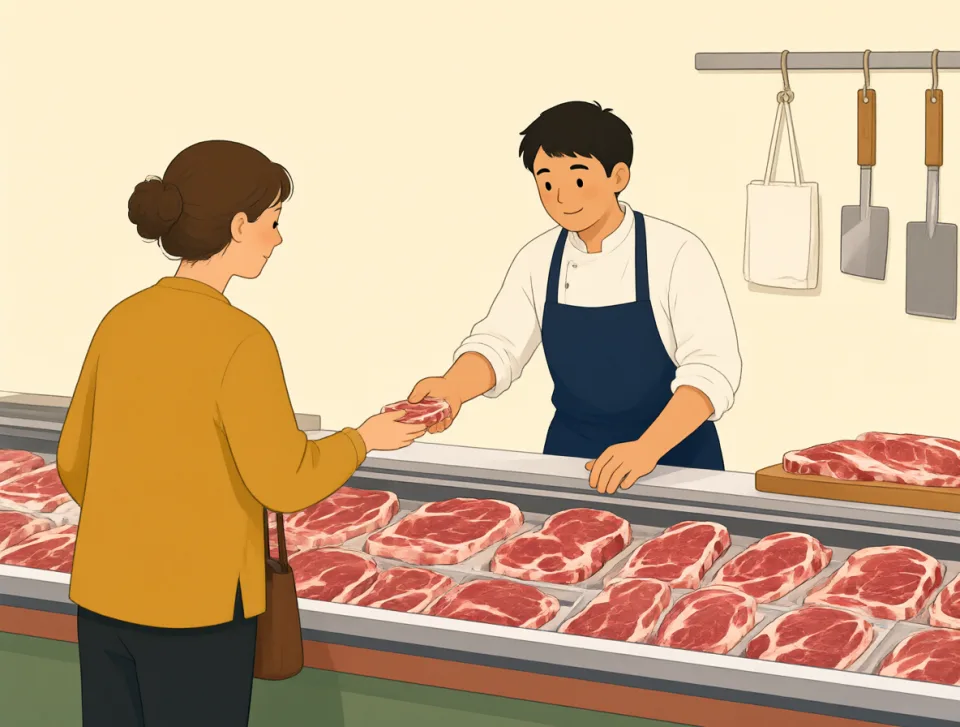
This shop sells fresh meat every morning.
這家店每天早上都賣新鮮肉類。
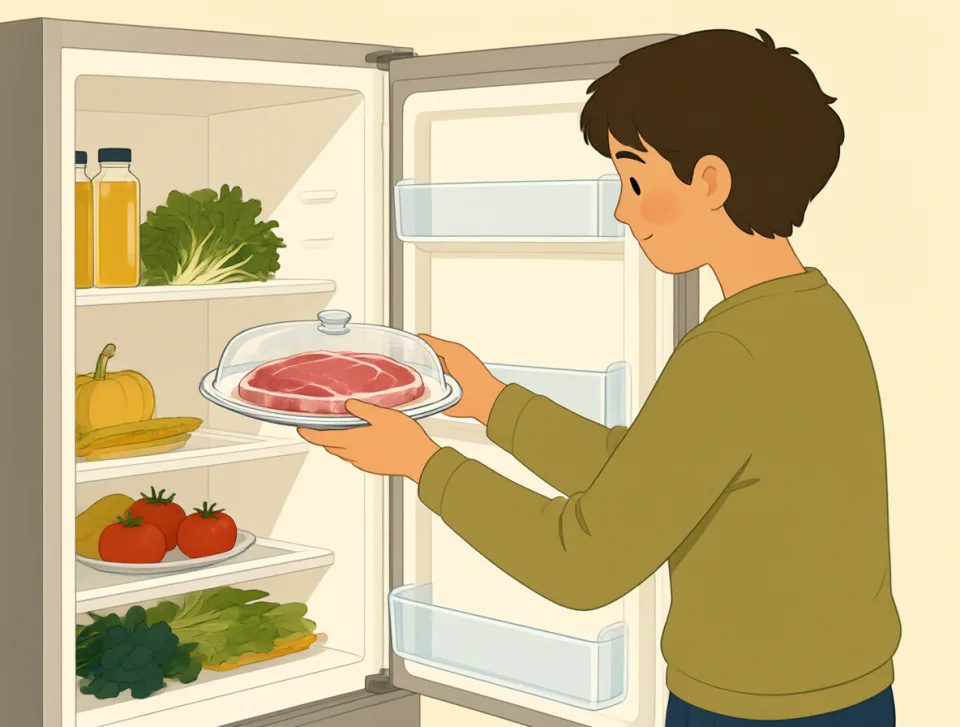
Please keep the raw meat in the fridge.
請把生肉放在冰箱裡。
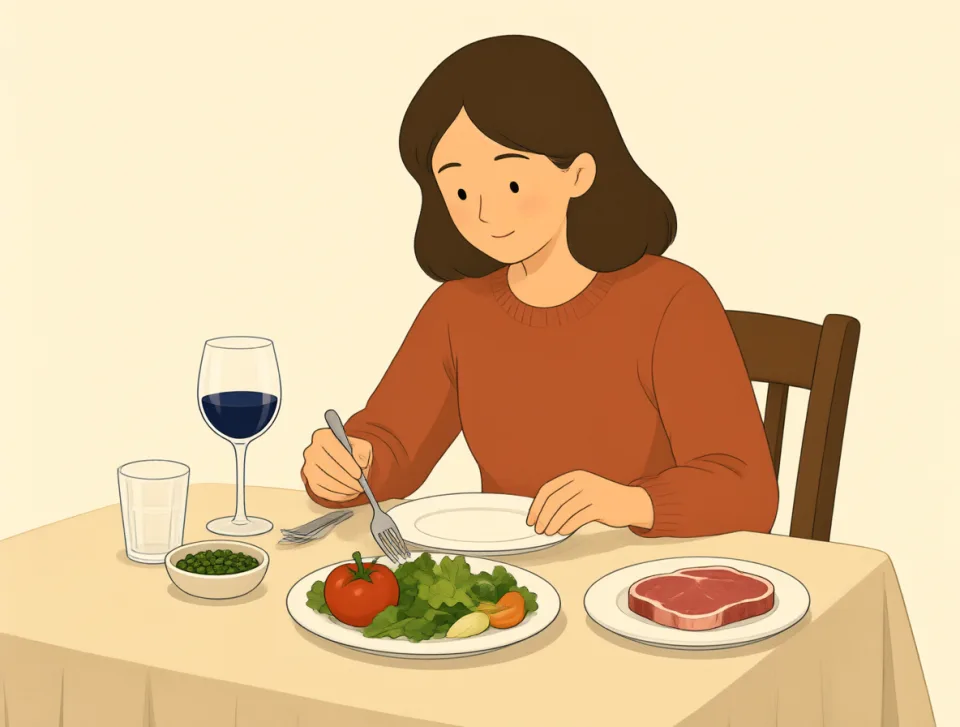
She does not eat meat because she is vegetarian.
她是素食主義者,不吃肉。
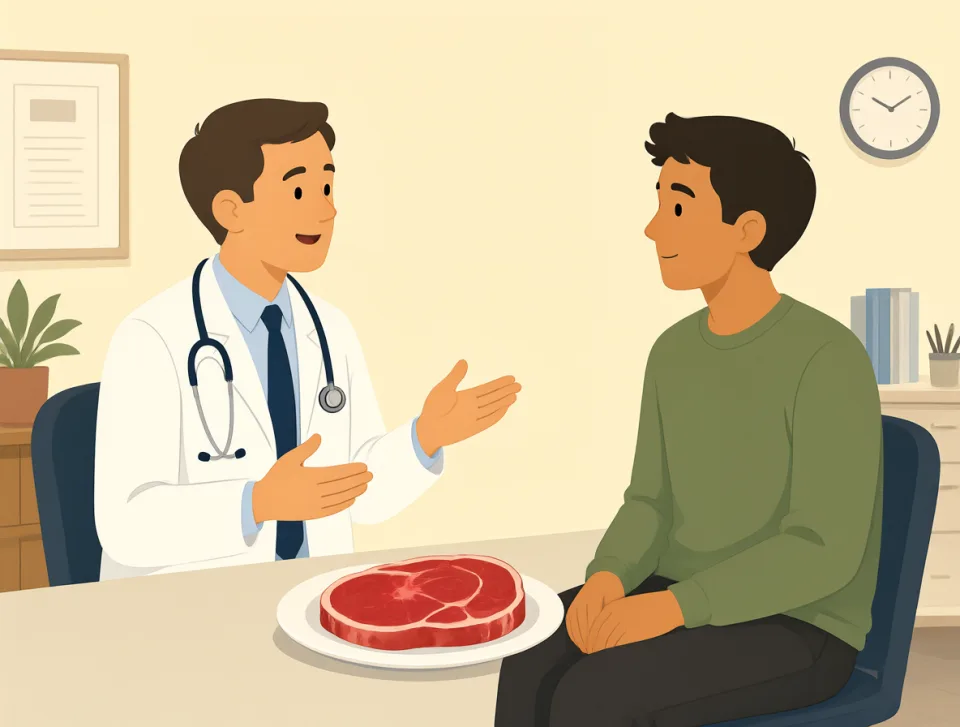
The doctor told him to eat less red meat.
醫生告訴他少吃紅肉。
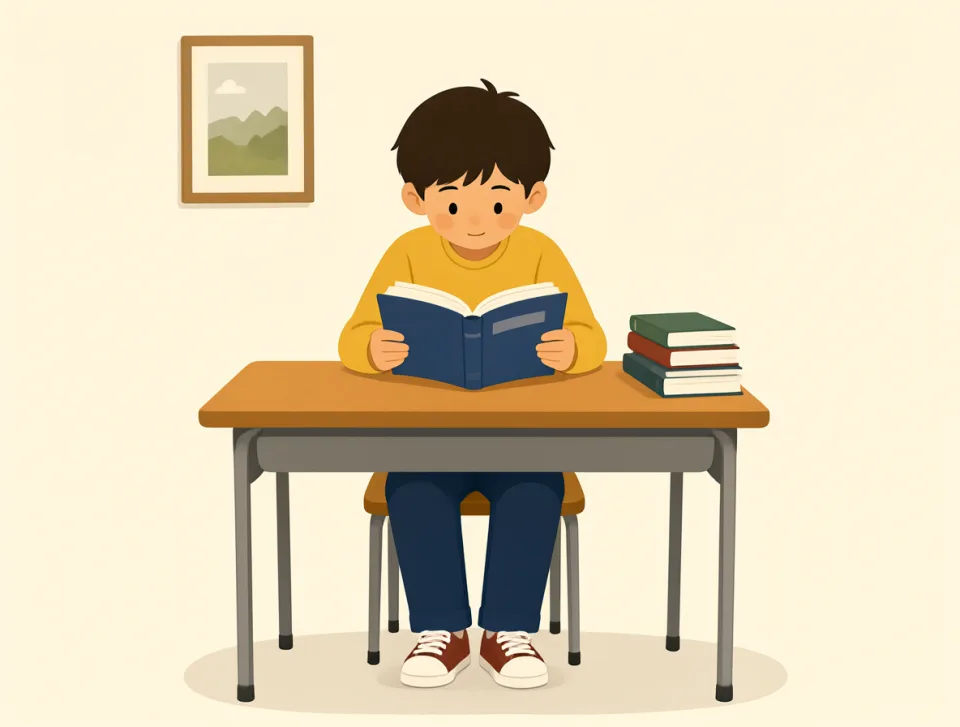
concentration
#1870noun
專注;集中;濃度
The ability to think carefully without being distracted.
不受干擾、認真思考的能力。

I need complete concentration to finish this difficult report.
要完成這份困難的報告,我需要全神貫注。
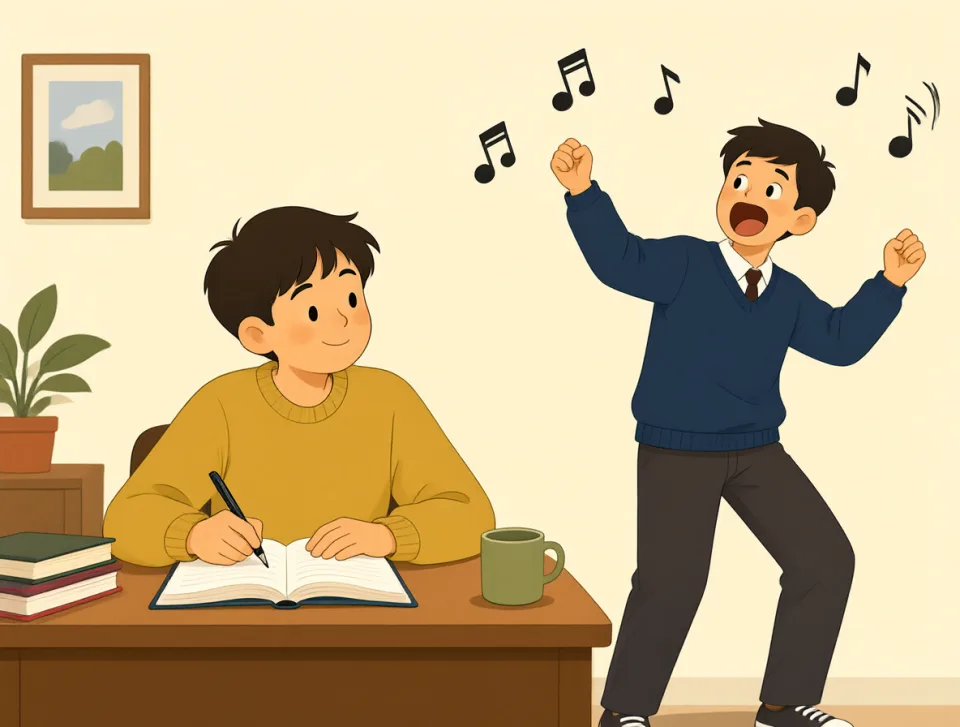
The loud music made concentration difficult during my homework.
嘈雜的音樂讓人在做作業時很難集中注意力。
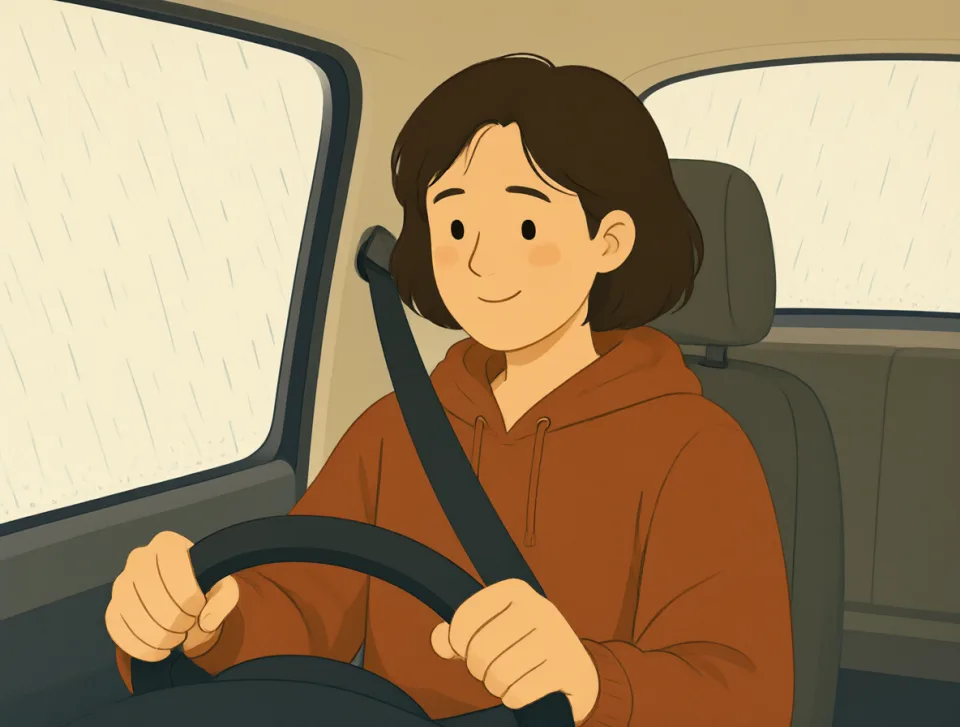
Please drive slowly because the heavy rain requires extra concentration.
請慢點開車,因為大雨需要你更加集中注意力。

Yoga and deep breathing can improve your concentration.
瑜伽和深呼吸可以提高你的專注力。
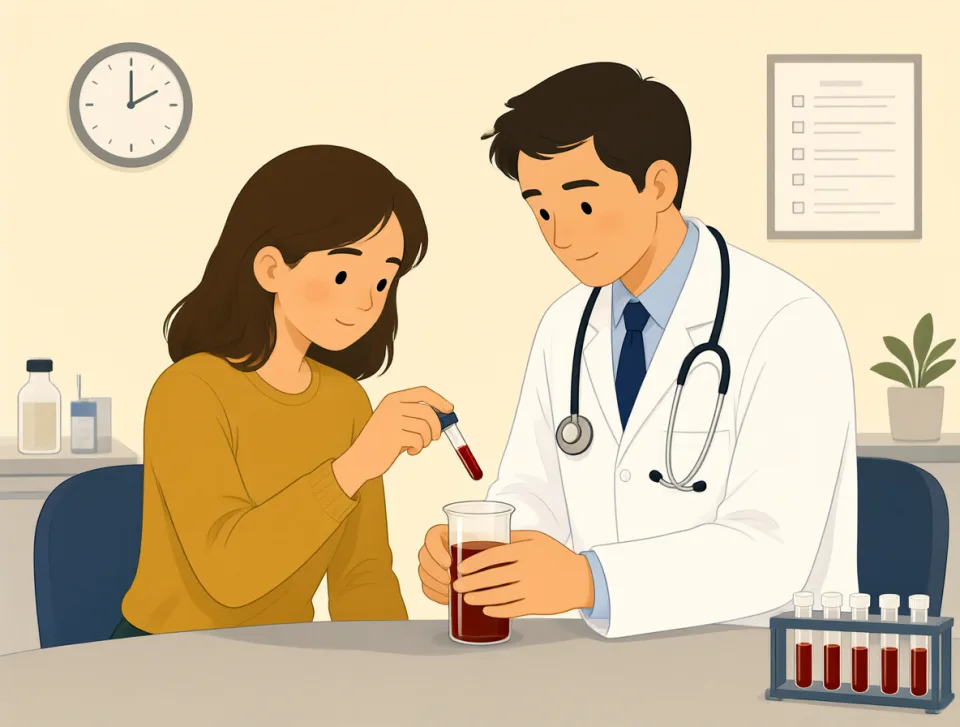
The doctor measured the concentration of sugar in his blood.
醫生測量了他血液中的糖濃度。
implication
#1871noun
影響;含義
a possible effect or meaning that follows from an action or situation
由某個行為或情況產生的可能影響或含義
The price increase has serious implications for families.
漲價會對家庭造成嚴重影響。

She understood the implication of his silence.
她明白了他的沉默意味著什麼。

The doctor explained the health implications of eating too much salt.
醫生解釋了吃鹽過多對健康的影響。
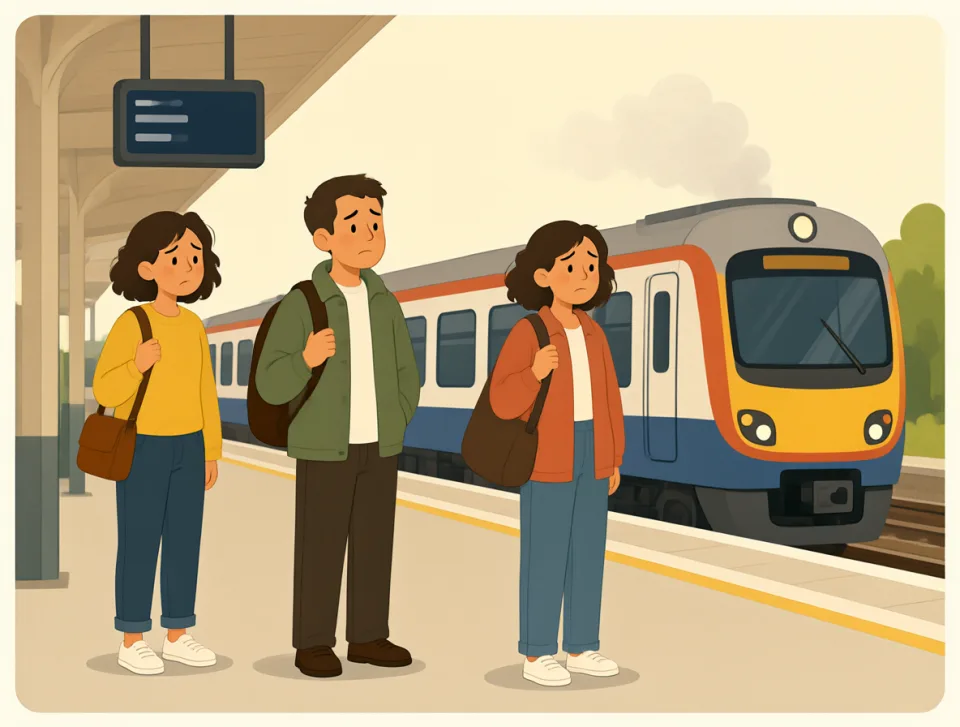
Missing the train had unexpected implications for our travel plans.
錯過火車給我們的旅行計劃帶來了意想不到的影響。

The teacher discussed the implications of cheating on the exam.
老師討論了考試作弊會帶來的後果。

deserve
#1872verb
應得;值得
to have earned something because of your actions or qualities
因為你的行為或品質而應該得到某樣東西
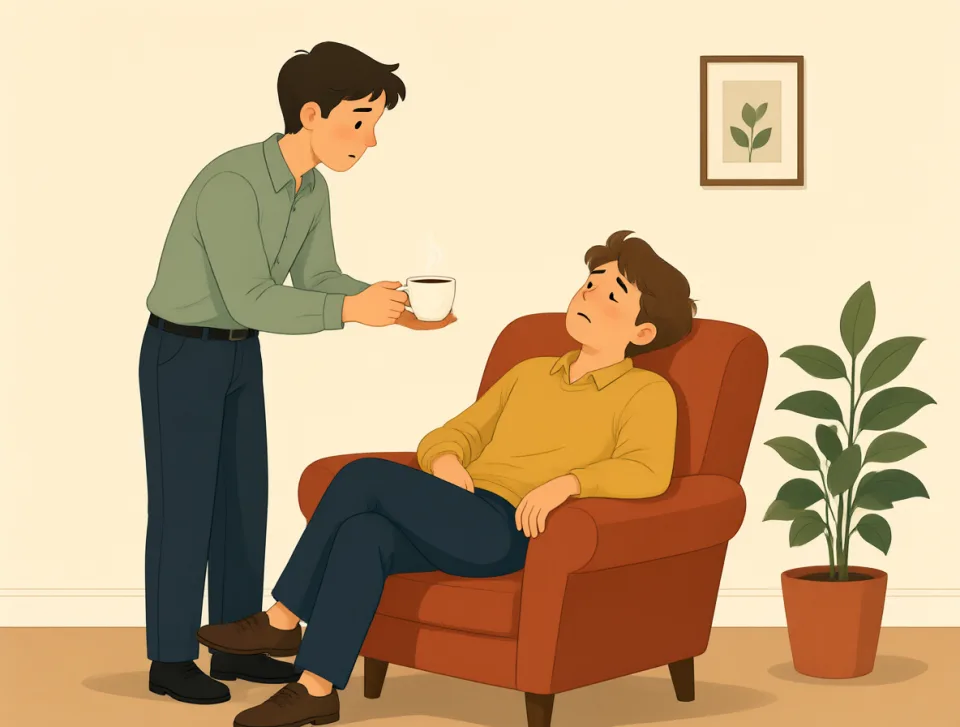
You deserve a break after working so hard all day.
你辛苦工作了一整天,應該好好休息一下。

She deserved the award because she helped the whole team.
她應該獲得這個獎,因為她幫助了整個團隊。

The children deserve a special treat for cleaning their rooms.
孩子們打掃了自己的房間,應該得到特別的獎勵。

Everyone deserves to be treated with respect at work.
每個人在工作中都應該受到尊重。

He deserves to feel better after following the doctor's advice.
他聽從了醫生的建議,應該會感覺好些。

unusual
#1873adjective
不尋常的;不平常的;罕見的
Different from what is usual, expected, or common.
與平常、預期或常見的情況不同。

She wore an unusual hat to the garden party.
她戴了一頂不尋常的帽子去參加花園派對。

We had unusual weather for this time of year.
每年這個時候出現這樣的天氣很不尋常。
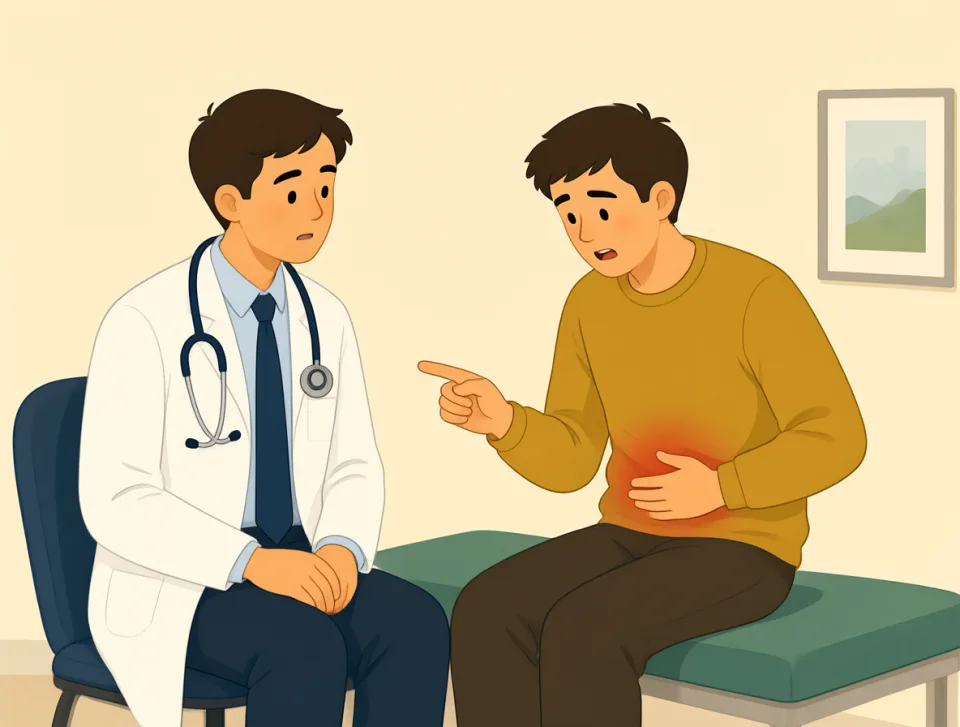
The doctor asked about his unusual pain.
醫生詢問了他的異常疼痛。
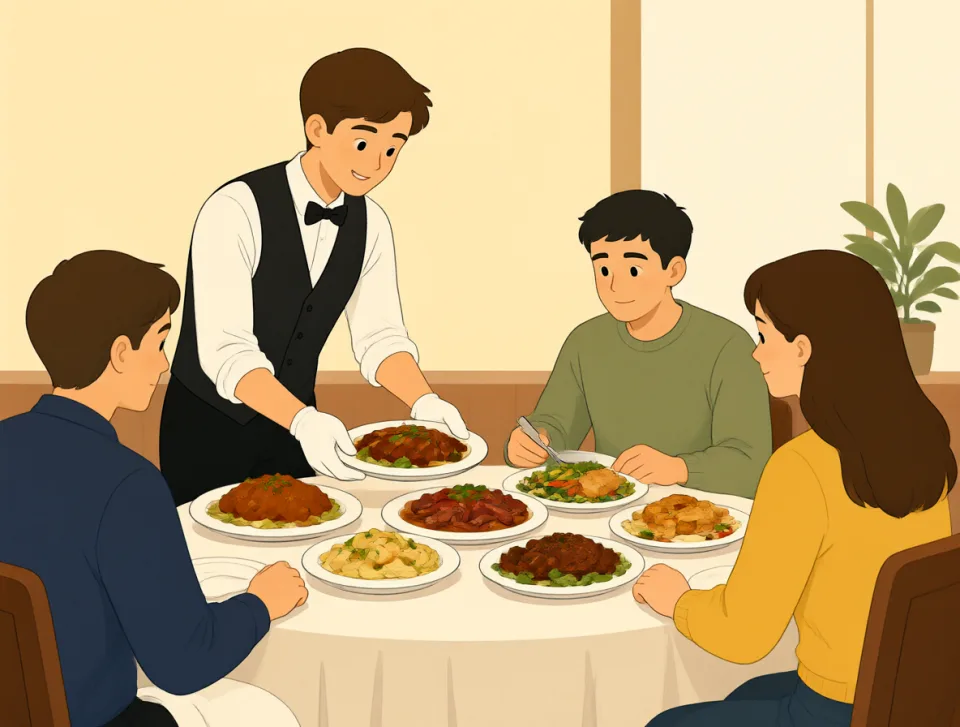
This restaurant serves unusual dishes from around the world.
這家餐廳供應來自世界各地的特色菜。

It was unusual to see the classroom empty.
看到教室裡空無一人真是很不尋常。
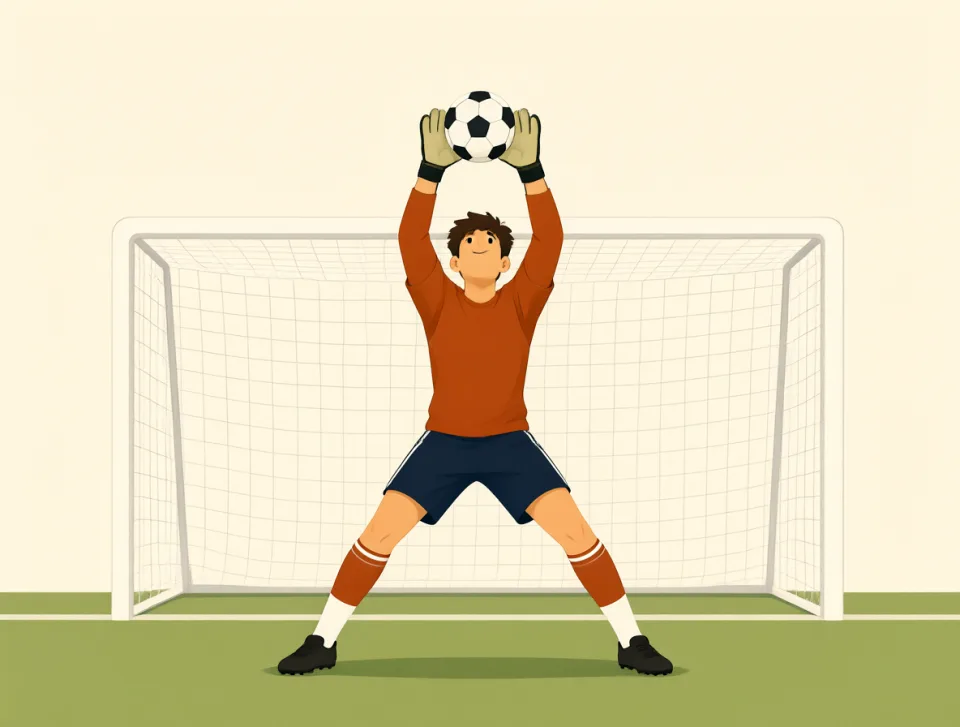
defend
#1874verb
保護;保衛;辯護
to protect someone or something from attack, harm, or criticism
保護某人或某物免受攻擊、傷害或批評
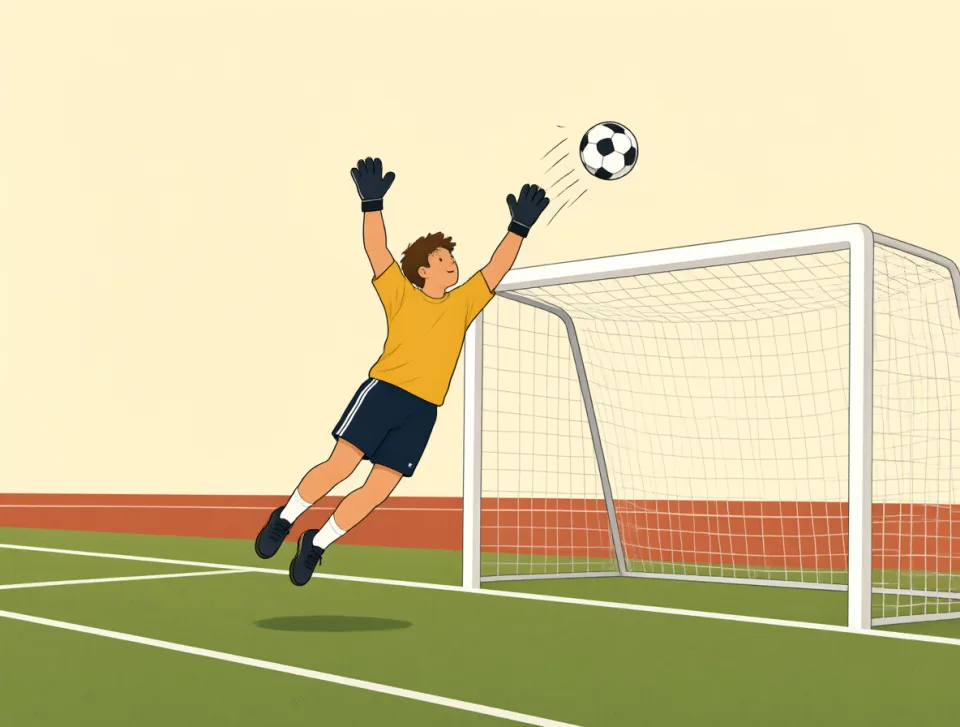
The goalkeeper defended the goal during the final minutes.
在比賽最後幾分鐘裡,守門員守住了球門。
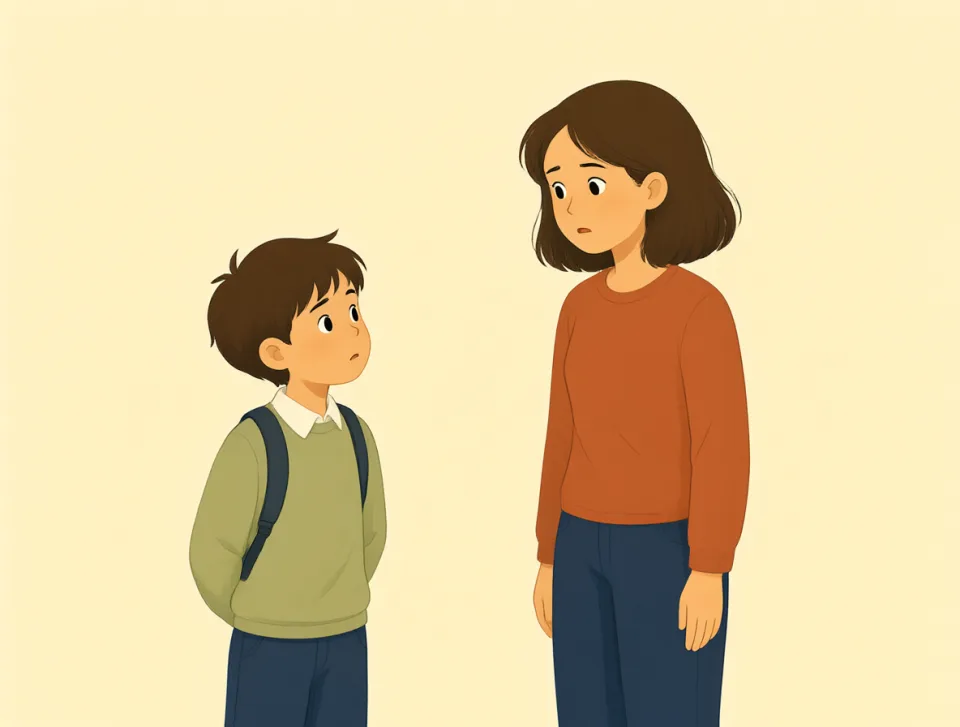
She defended her friend when others blamed him.
別人都責怪他時,她替朋友辯護。

The lawyer defended the man in court.
這名律師在法庭上為那名男子辯護。

This cream helps defend your skin from the cold.
這款面霜有助於保護皮膚免受寒冷侵襲。

He defended his decision to leave the meeting early.
他為自己提前離開會議的決定辯護。

classic
#1875adjective, noun
經典的;經典作品
Very typical of its kind, or a famous work from the past that people still enjoy.
某類事物中非常典型的,或過去創作的、至今仍受人喜愛的著名作品。

We watched a classic movie together after dinner.
晚飯後,我們一起看了一部經典電影。

She wore a classic black dress to the wedding.
她穿著一條經典的黑色連衣裙參加婚禮。

This restaurant serves classic Italian dishes like pasta and pizza.
這家餐廳供應義大利經典菜餚,比如義大利麵和披薩。
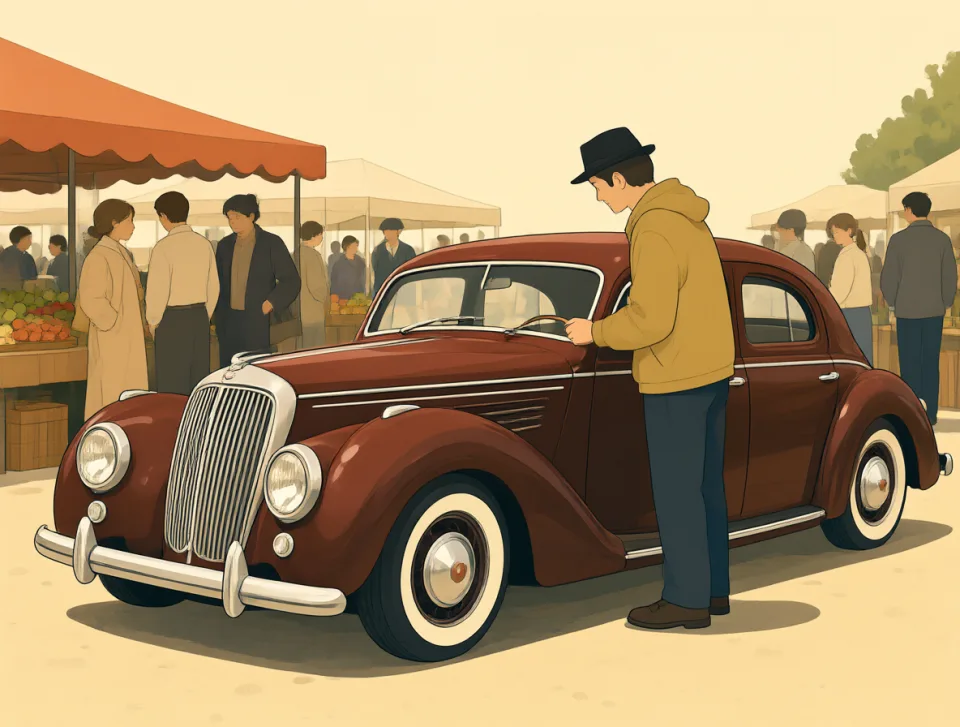
He bought a classic car at the weekend market.
他週末在集市上買了一輛老爺車。

The teacher asked us to read a classic novel this term.
老師要求我們這學期讀一本經典小說。

king
#1876noun
國王;王者;高手
a male ruler of a country whose family usually inherits the position
其家族通常會世襲王位的男性國家統治者

The king waved to the crowd from the palace balcony.
國王在宮殿陽臺上向人群揮手致意。

The young king ruled the country for many years.
這位年輕的國王統治這個國家多年。

In the story, the king lost his crown in the forest.
故事裡,國王在森林裡弄丟了王冠。

Our team became the kings of the school basketball league.
我們隊成了學校籃球聯賽的王者。
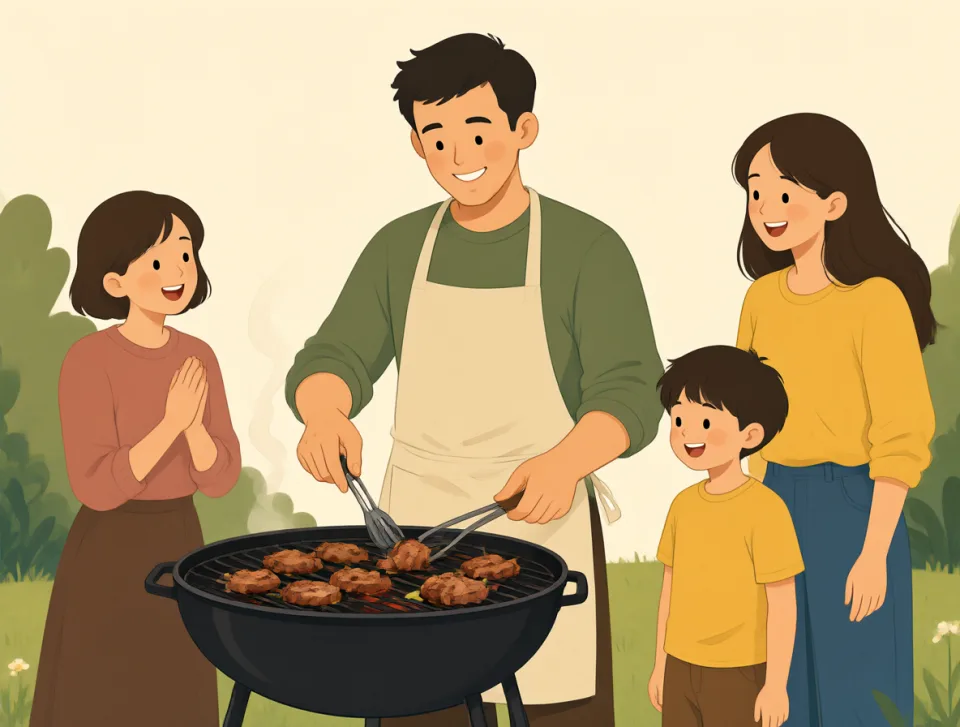
He is the king of the grill at every family party.
每次家庭聚會,他都是燒烤高手。

interaction
#1877noun
互動;交流
communication or activity between people or groups who affect each other
彼此影響的人或群體之間的交流或活動
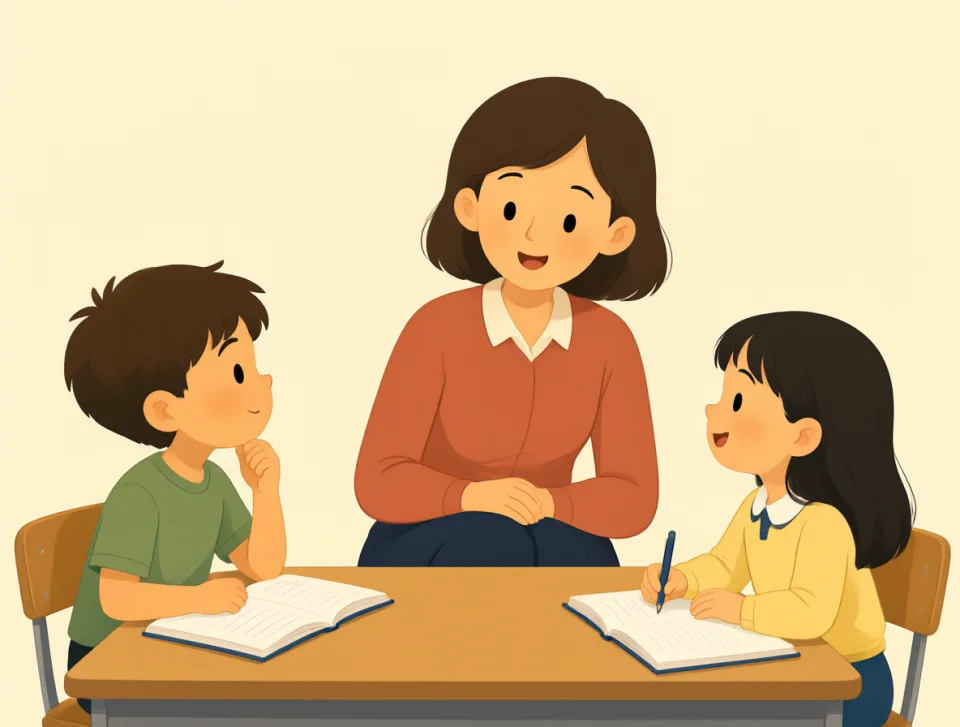
Good interaction between teachers and students helps everyone learn.
教師和學生之間良好的互動有助於大家學習。

The job involves daily interaction with customers and coworkers.
這份工作需要每天與客戶和同事打交道。
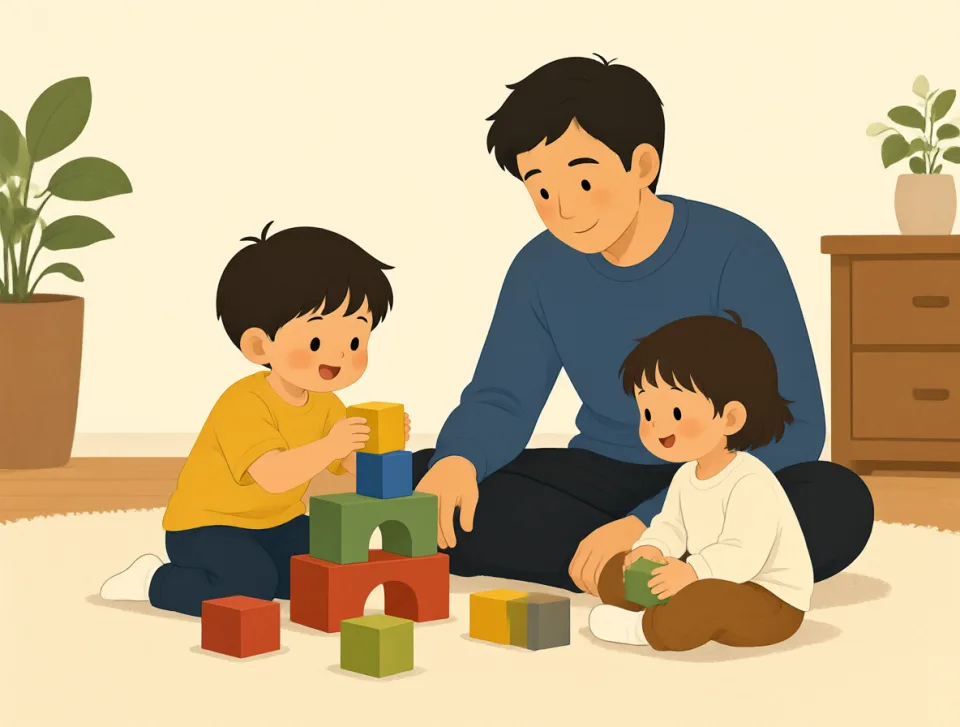
Children learn through interaction with their parents and friends.
孩子透過與父母和朋友互動來學習。

The doctor encouraged more interaction with other patients during group therapy.
醫生鼓勵患者在團體治療期間多與其他患者交流。

Our first interaction with the local people made the trip more enjoyable.
我們第一次與當地人接觸,就讓這次旅行變得更加愉快。
repair
#1878noun, verb
修理;維修
To fix something that is broken or damaged.
修理損壞或出故障的東西。
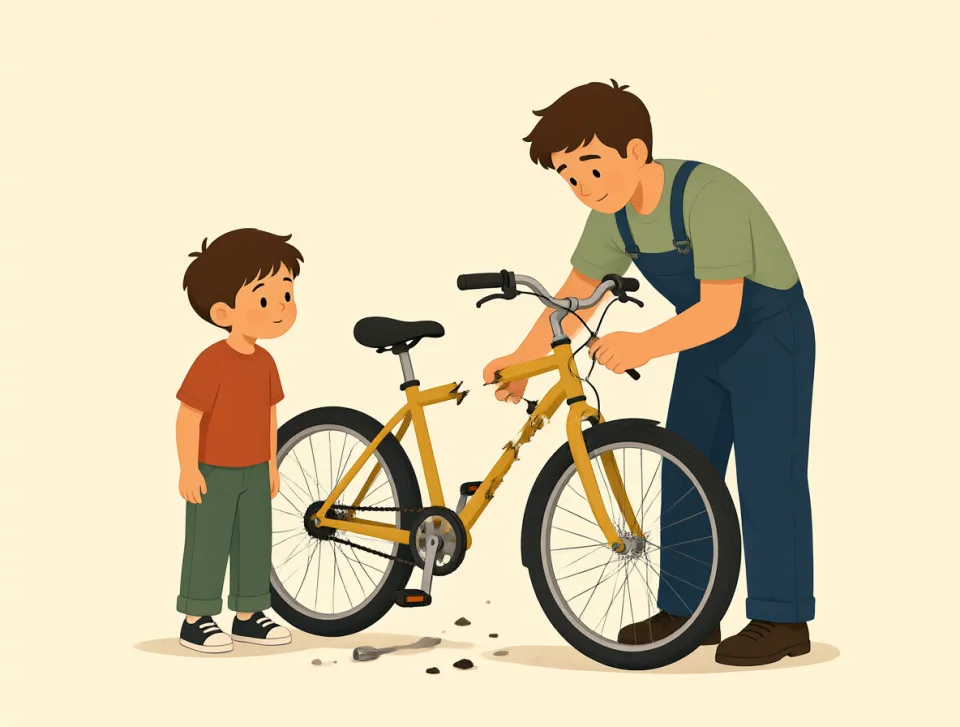
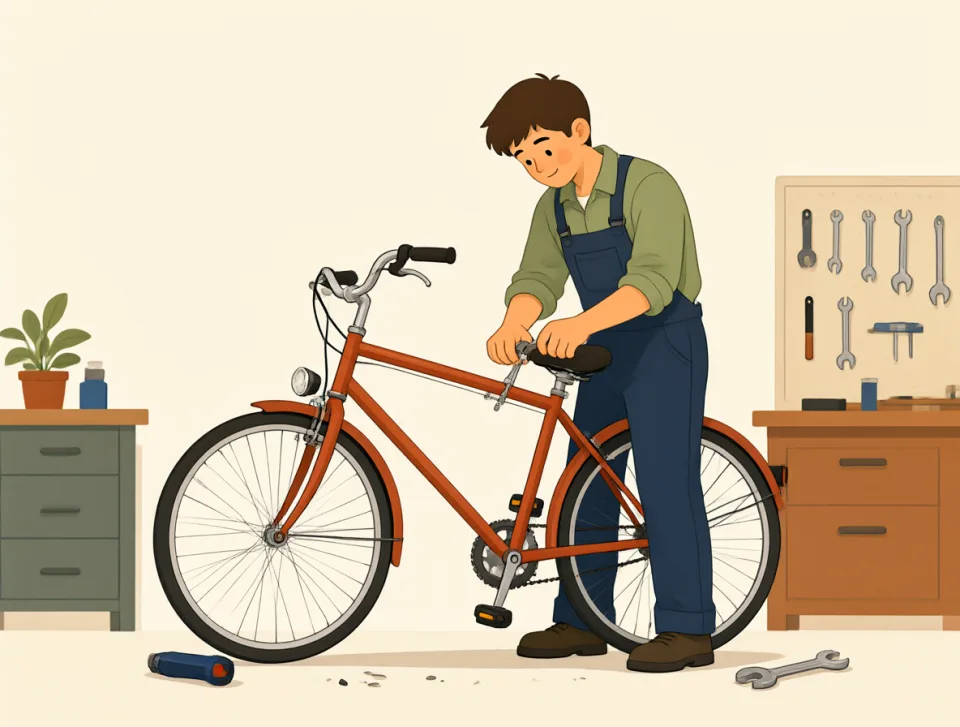
I need to repair my bicycle before the weekend.
我需要在週末之前把腳踏車修好。
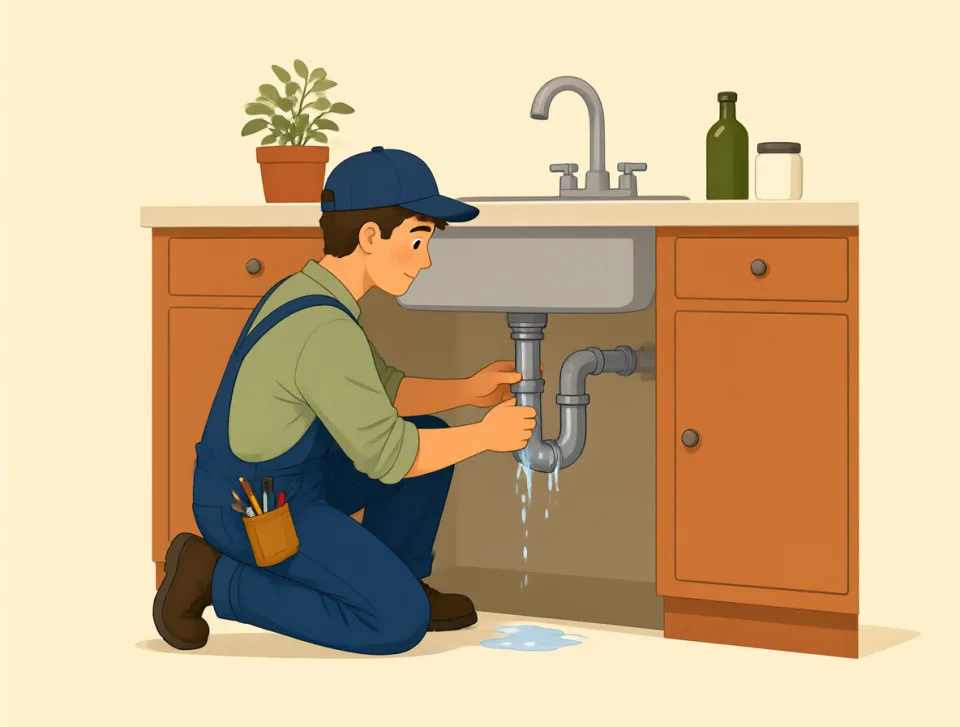
The plumber repaired the leaking pipe under our kitchen sink.
水管工修好了我們廚房水槽下面漏水的管道。
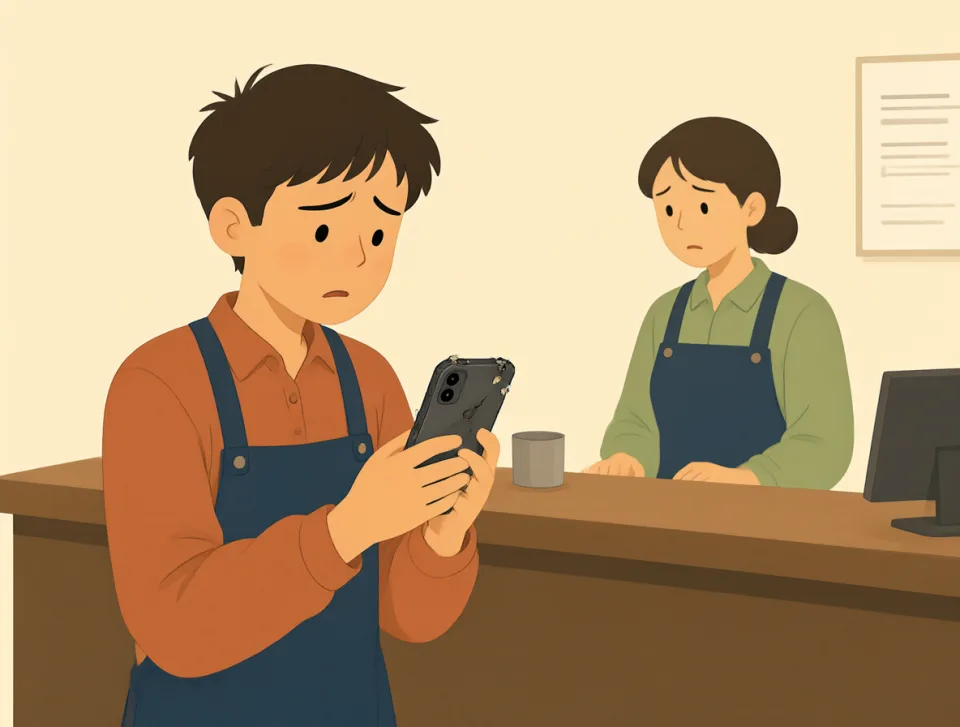
This phone is too expensive to repair.
修這部手機太貴了。
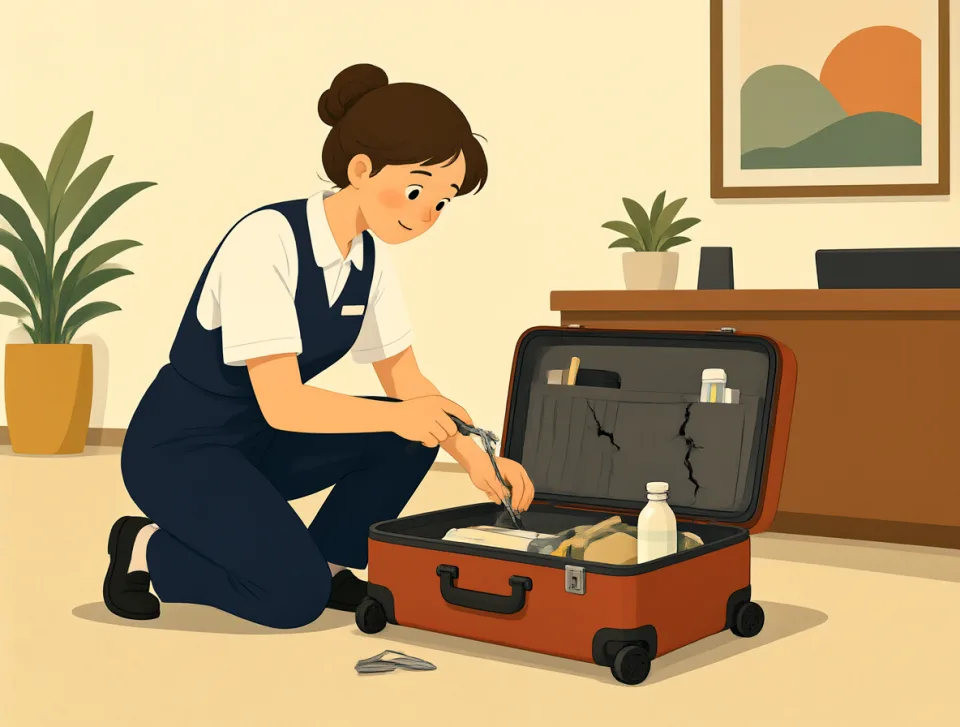
The hotel offers free repairs for broken suitcases.
這家酒店為損壞的行李箱提供免費維修服務。
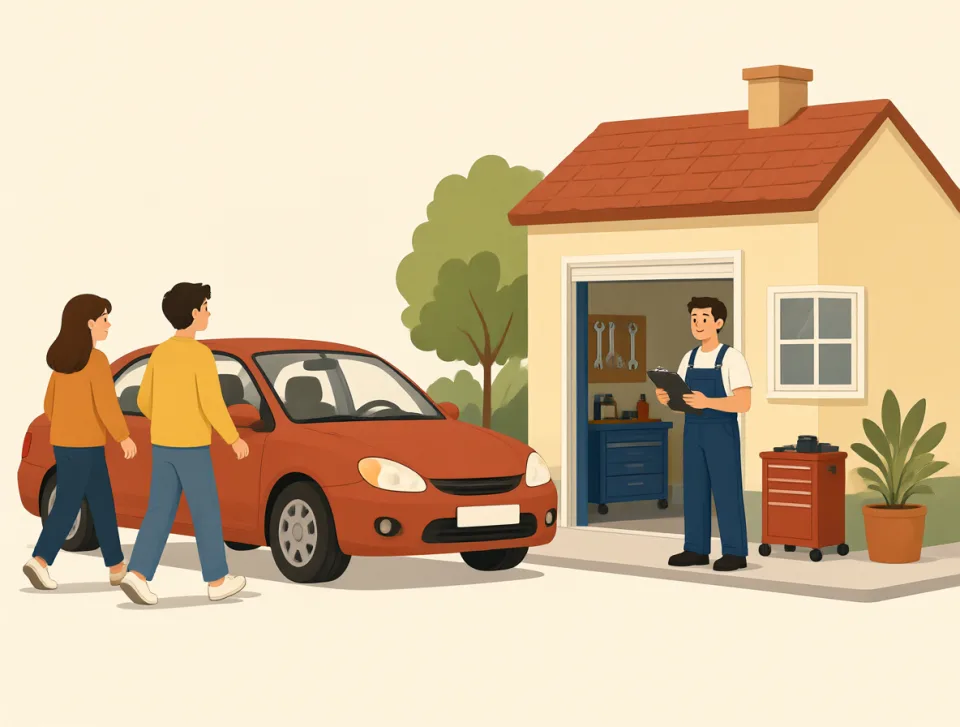
We took the car to a repair shop yesterday.
我們昨天把車送到修理店了。
collapse
#1879verb, noun
倒塌;崩潰;垮掉
to fall down suddenly, or to fail completely; a sudden fall or failure
突然倒下,或徹底失敗;突然倒塌或失敗

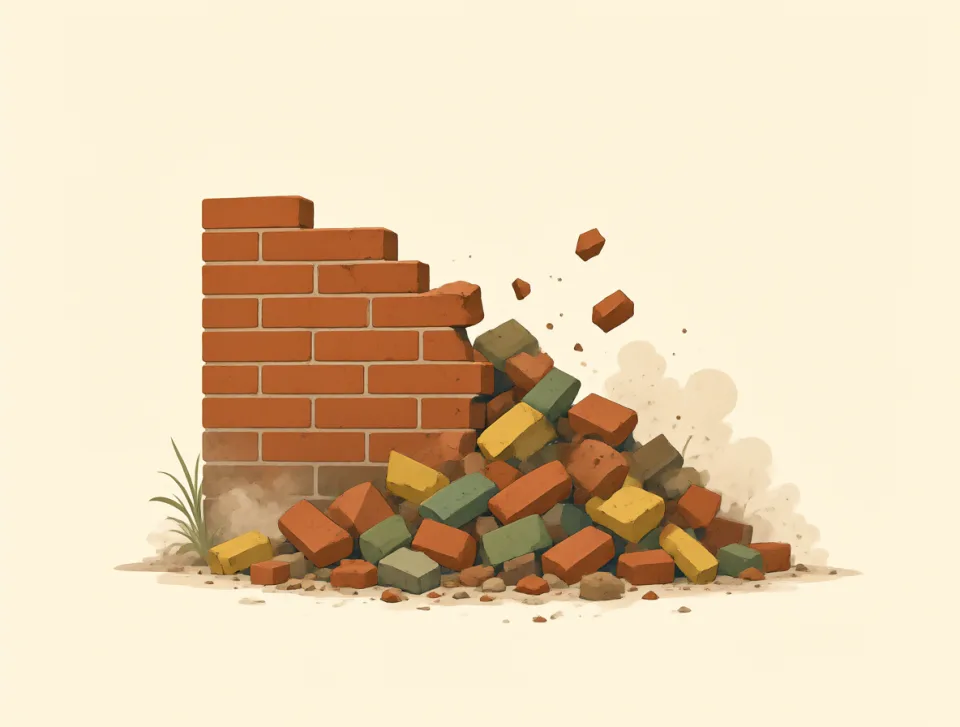
The old bridge collapsed during the heavy rain.
那座老橋在暴雨中倒塌了。

She collapsed on the sofa after a long day.
忙了一整天后,她癱倒在沙發上。
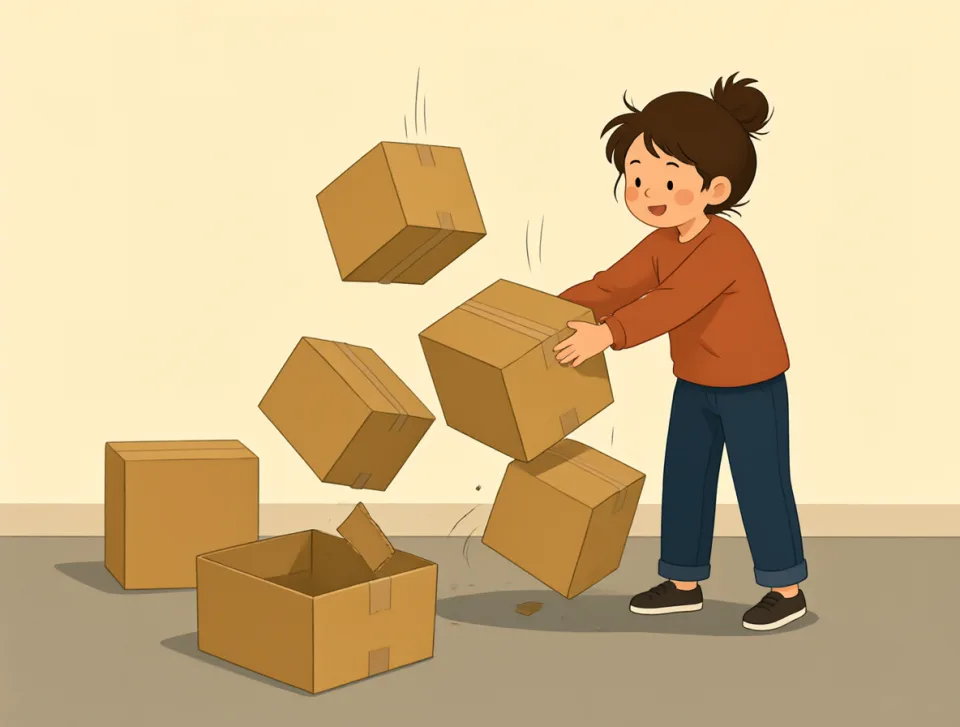
The boxes collapsed when I removed the bottom one.
我把最底下的箱子拿走後,其他箱子就塌了下來。

Talks between the two companies collapsed after the disagreement.
兩家公司意見不合,談判最終破裂了。
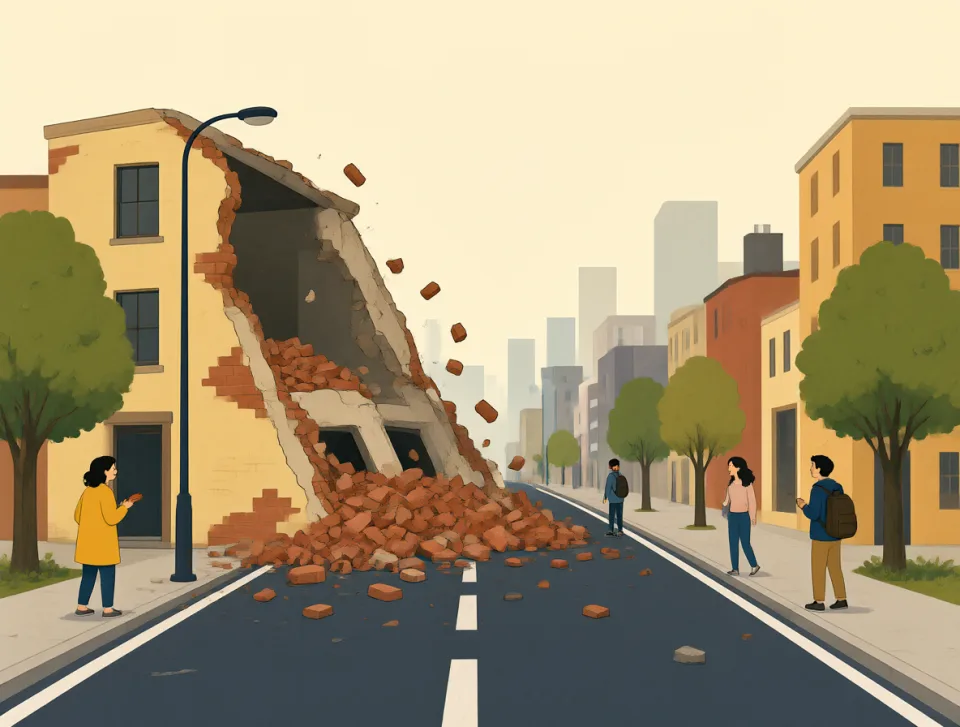
The building’s sudden collapse blocked the road for hours.
建築物突然倒塌,導致道路堵了好幾個小時。
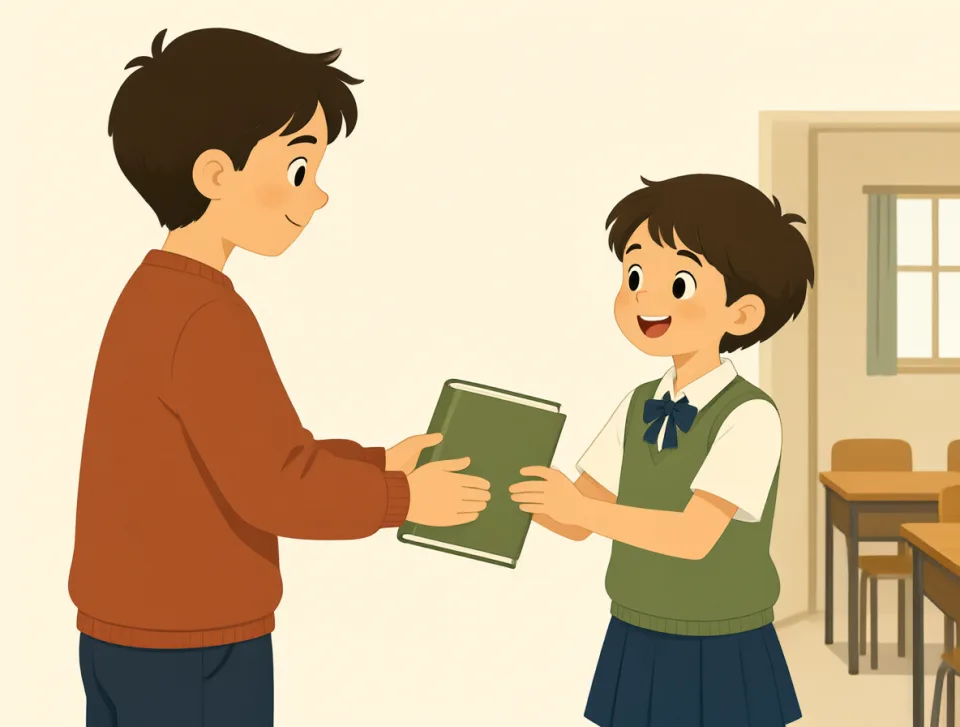
borrow
#1880verb
借;借用
to use something that belongs to someone else and return it later
使用屬於別人的東西,之後再歸還

Can I borrow your pen for a minute?
我可以借你的筆用一分鐘嗎?

I borrowed a book from the library yesterday.
我昨天從圖書館借了一本書。

She borrowed some money from her brother for rent.
她向哥哥借了些錢交房租。

We borrowed our friends' car for the weekend.
我們借了朋友的車用了一整個週末。

May I borrow your phone to call a taxi?
我可以借你的手機打個車嗎?