Đơn vị 24
Từ 461–480 · strong, rise, girl, maybe, community, else

strong
#461adjective, adverb, noun
mạnh
having great physical power or force
có sức mạnh thể chất hoặc lực lớn

She is strong enough to carry the box.
Cô ấy đủ khỏe để xách chiếc hộp.

This coffee is too strong for me.
Cà phê này quá đậm đối với tôi.

He has a strong stomach and eats spicy food.
Anh ấy có dạ dày khỏe và ăn được đồ cay.

The strong wind blew my hat away.
Cơn gió mạnh thổi bay chiếc mũ của tôi.

They built a strong team at work.
Họ đã xây dựng được một đội ngũ vững mạnh ở chỗ làm.

rise
#462verb, noun
tăng lên
To move upward, or an increase in amount, level, or number.
Di chuyển lên trên hoặc sự gia tăng về số lượng, mức độ hay con số.
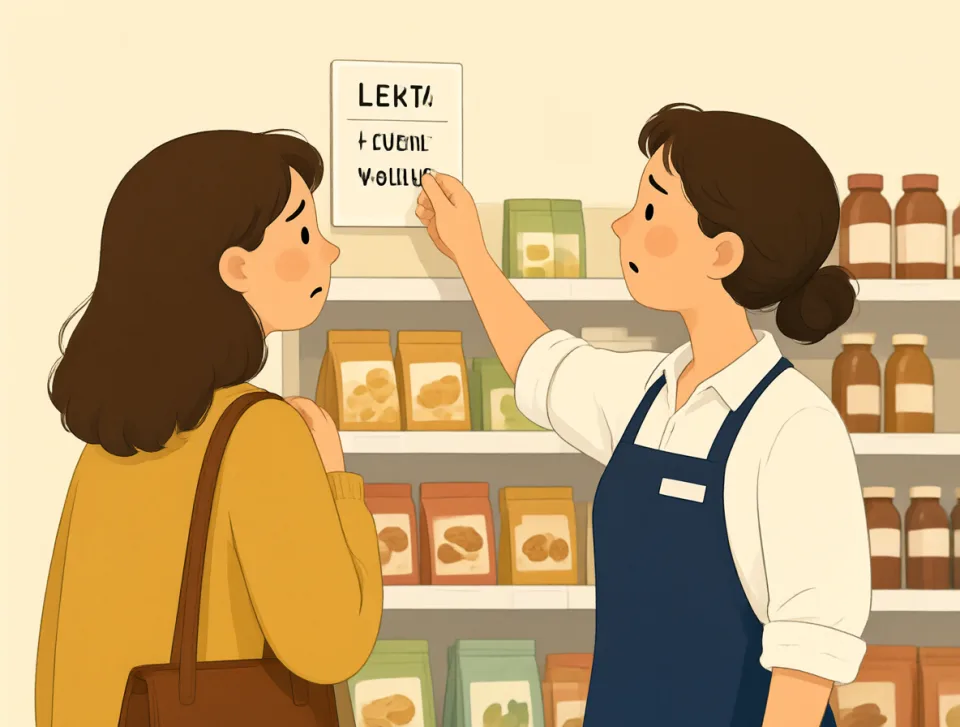
Prices rise when food is hard to find.
Giá cả tăng khi thực phẩm khan hiếm.

The sun rises early in summer.
Mặt trời mọc sớm vào mùa hè.
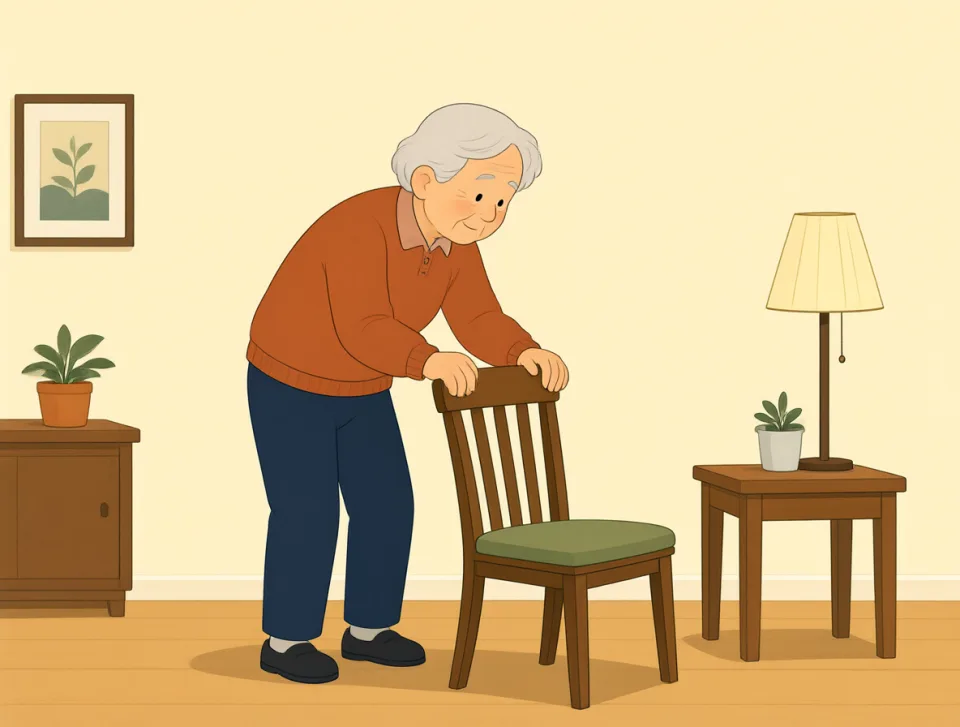
Please rise from your chair slowly.
Vui lòng từ từ đứng dậy khỏi ghế.
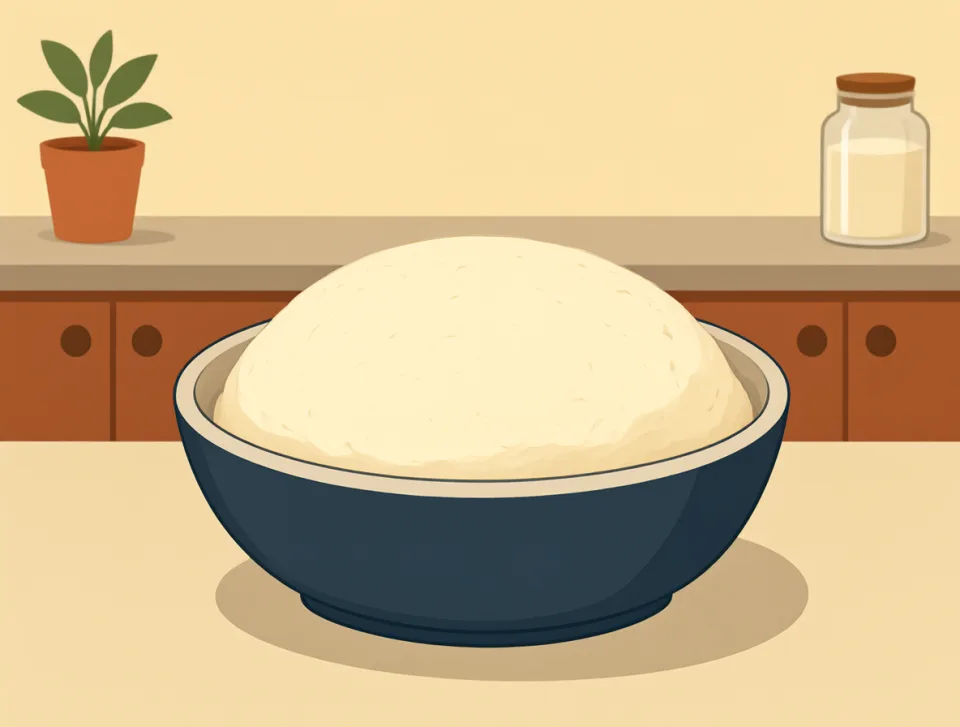
The bread dough rose in the warm kitchen.
Bột bánh mì đã nở trong căn bếp ấm áp.

Her temperature rose during the night.
Nhiệt độ của cô ấy tăng lên trong đêm.
girl
#463noun
bé gái
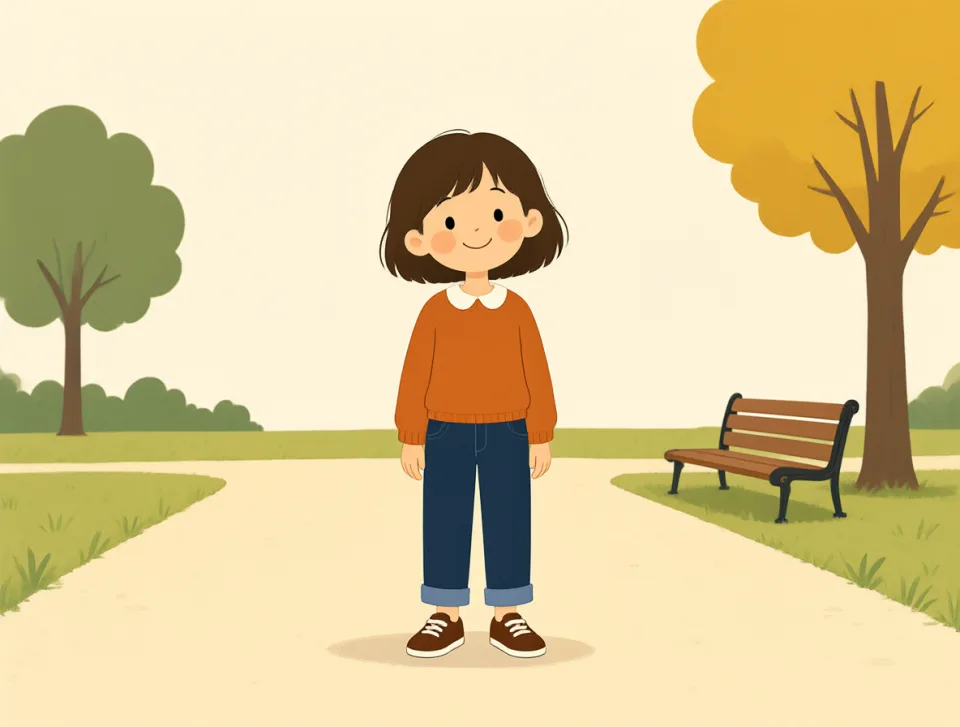
A female child or young woman.
Trẻ em hoặc người trẻ tuổi thuộc giới nữ.
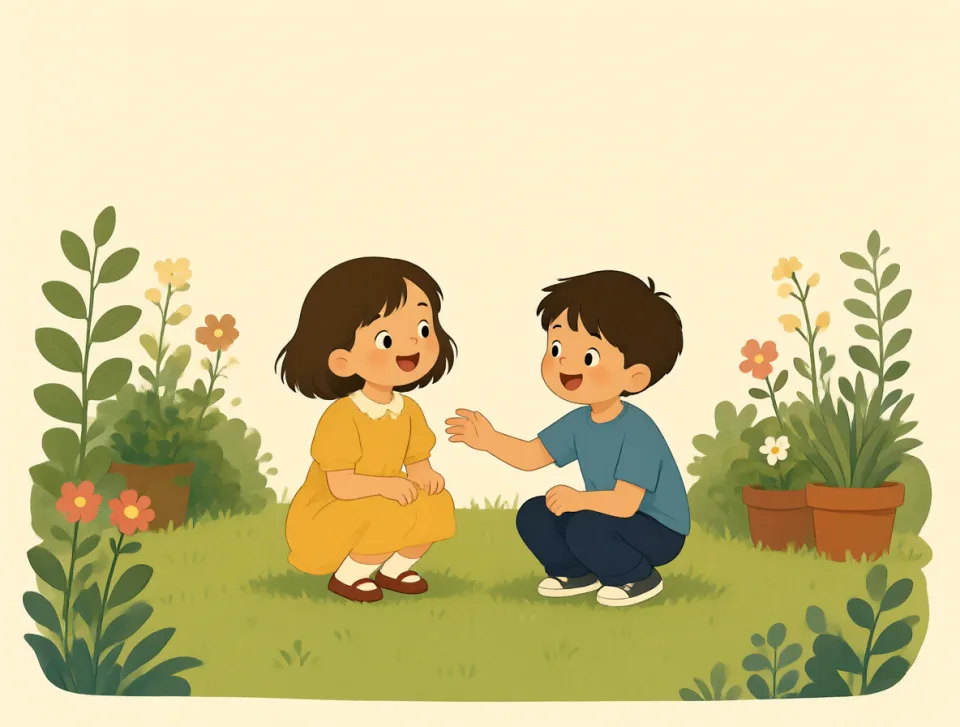
The girl is playing with her brother.
Cô bé đang chơi với anh trai mình.

That girl is my best friend.
Cô bé đó là bạn thân nhất của tôi.
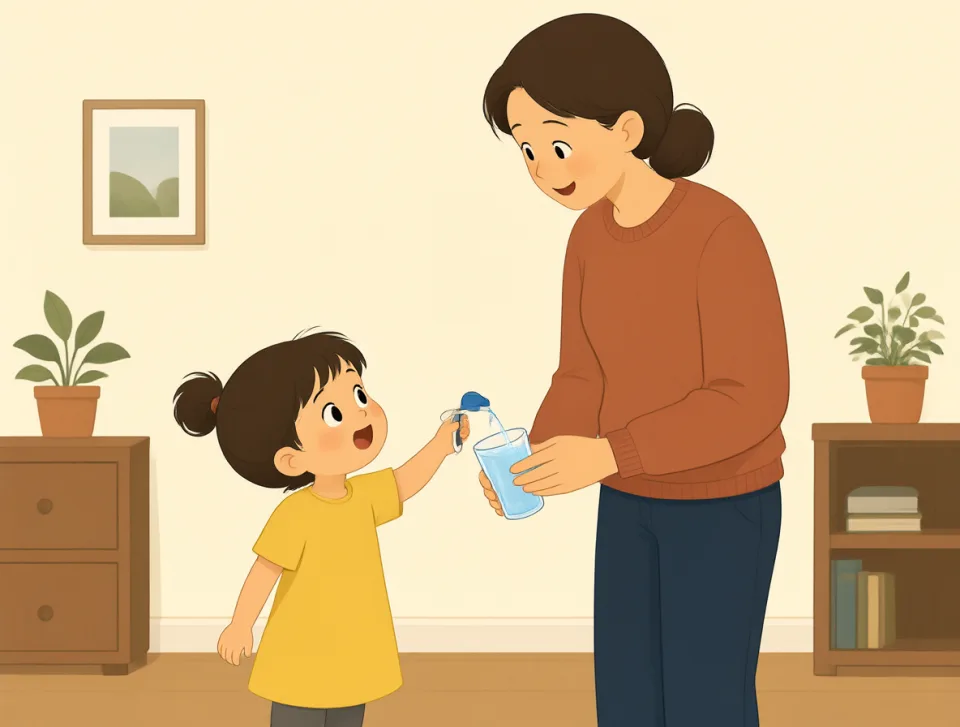
A little girl asked for some water.
Một bé gái hỏi xin ít nước.

The girls bought ice cream after school.
Các cô bé mua kem sau giờ học.
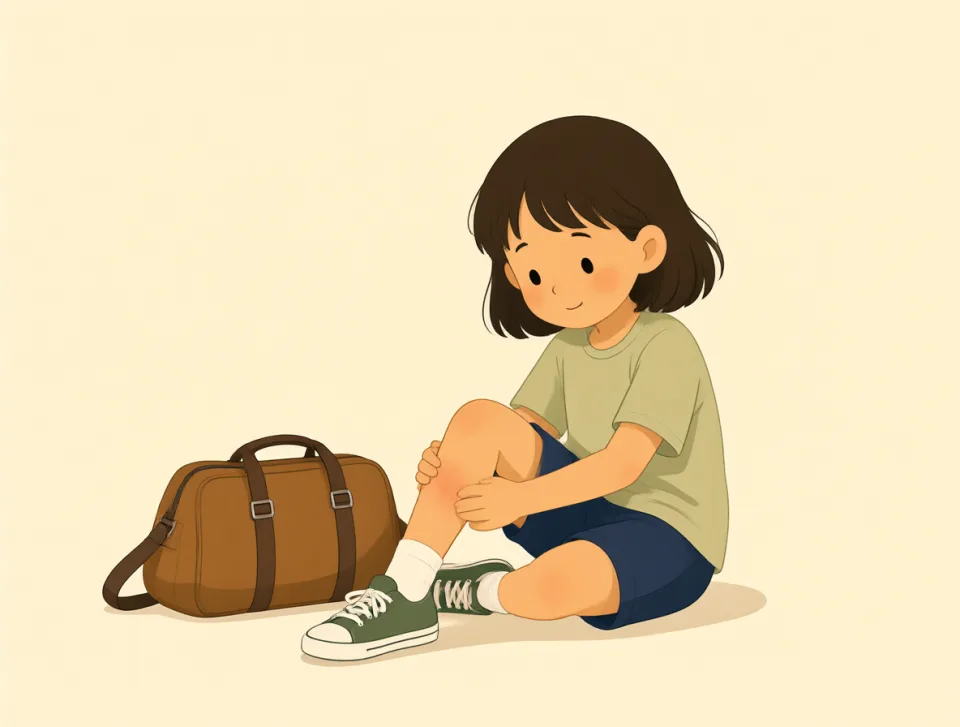
The girl hurt her leg on the trip.
Cô bé bị thương ở chân trong chuyến đi.

maybe
#464adverb
có lẽ
Used to say that something is possible but not certain.
Dùng để nói rằng điều gì đó có thể xảy ra nhưng chưa chắc chắn.
Maybe we can meet after work.
Có lẽ chúng ta có thể gặp nhau sau giờ làm.

Maybe it will rain this afternoon.
Có lẽ chiều nay trời sẽ mưa.

Maybe she left her keys at home.
Có lẽ cô ấy để quên chìa khóa ở nhà.

Maybe I should see a doctor.
Có lẽ tôi nên đi khám bác sĩ.

Maybe this soup needs more salt.
Có lẽ món súp này cần thêm muối.
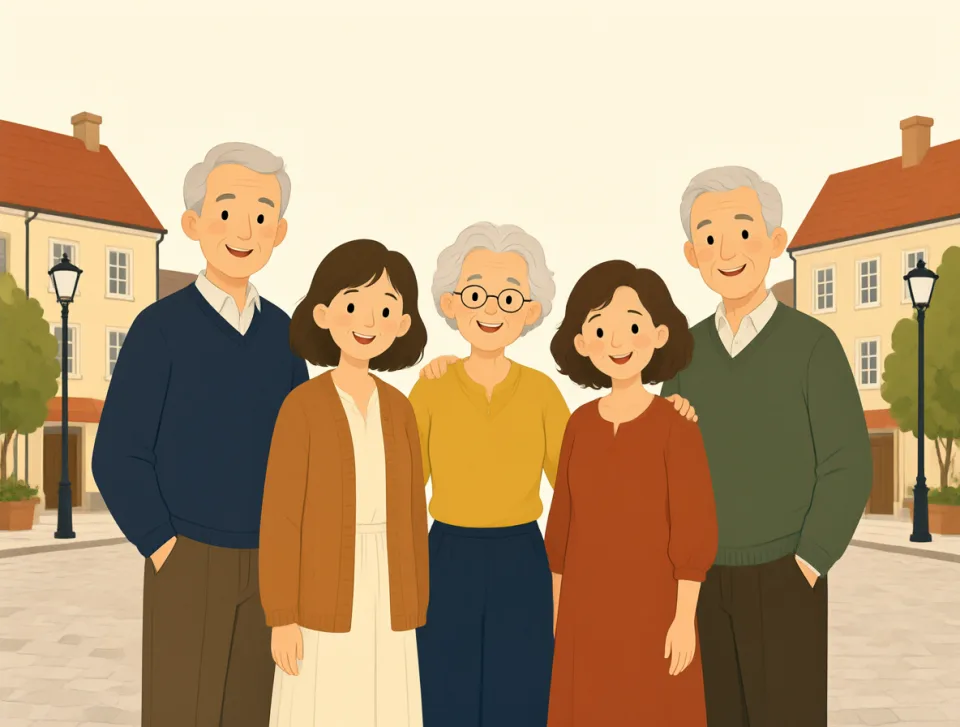
community
#465noun
cộng đồng
A group of people who live in the same place or share an interest.
Một nhóm người sống cùng một nơi hoặc có chung mối quan tâm.
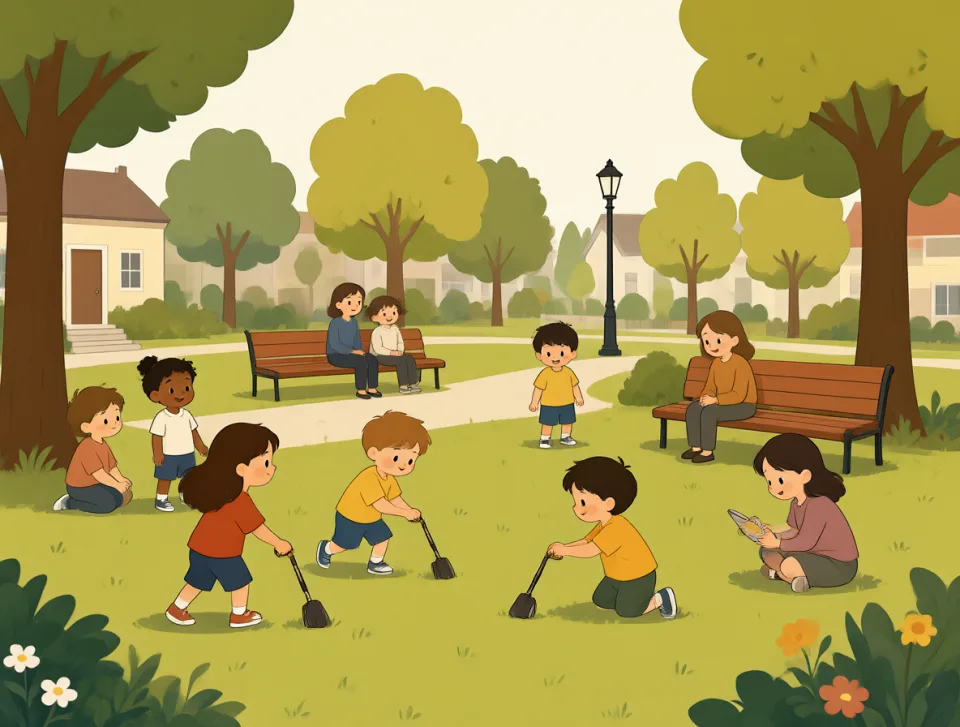
Our community has a small park.
Cộng đồng chúng tôi có một công viên nhỏ.
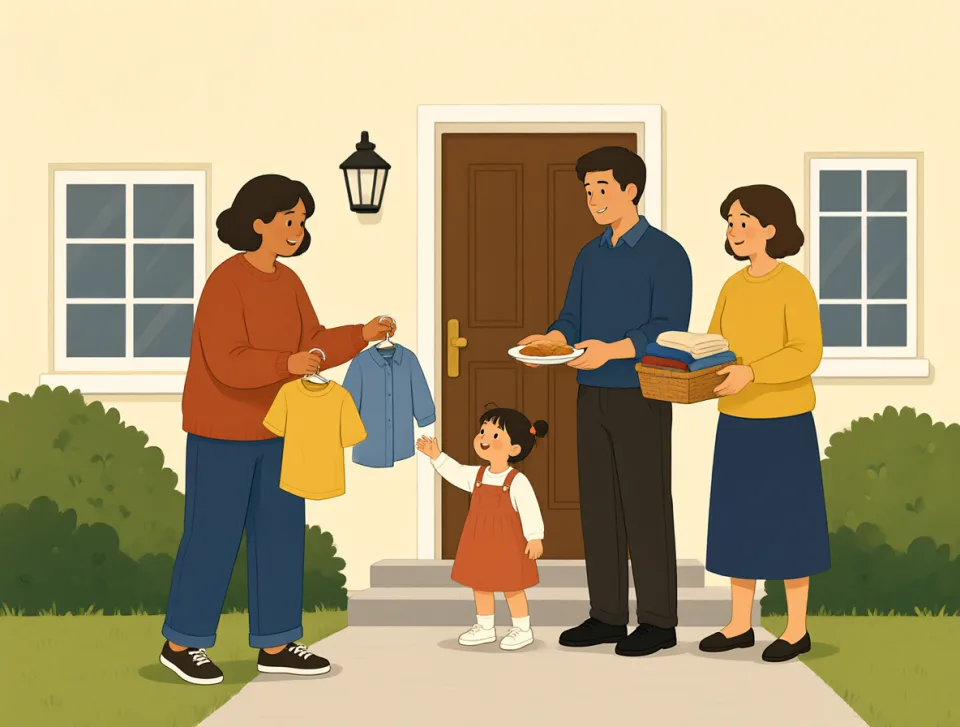
The community helped the family after the fire.
Cộng đồng đã giúp đỡ gia đình sau vụ hỏa hoạn.
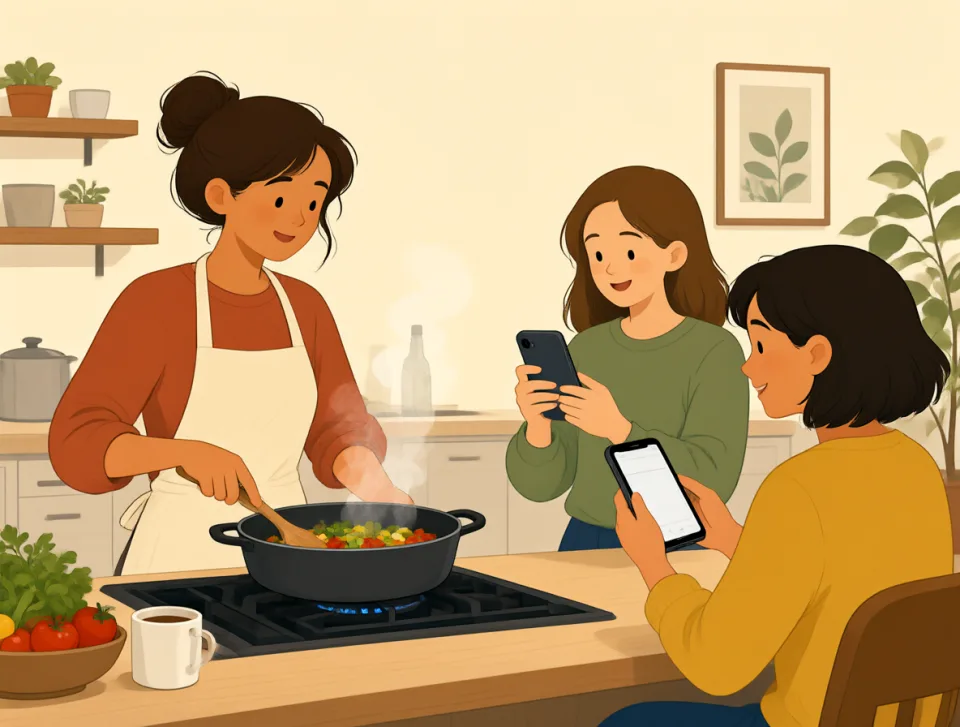
She joined a cooking community online.
Cô ấy tham gia một cộng đồng nấu ăn trên mạng.
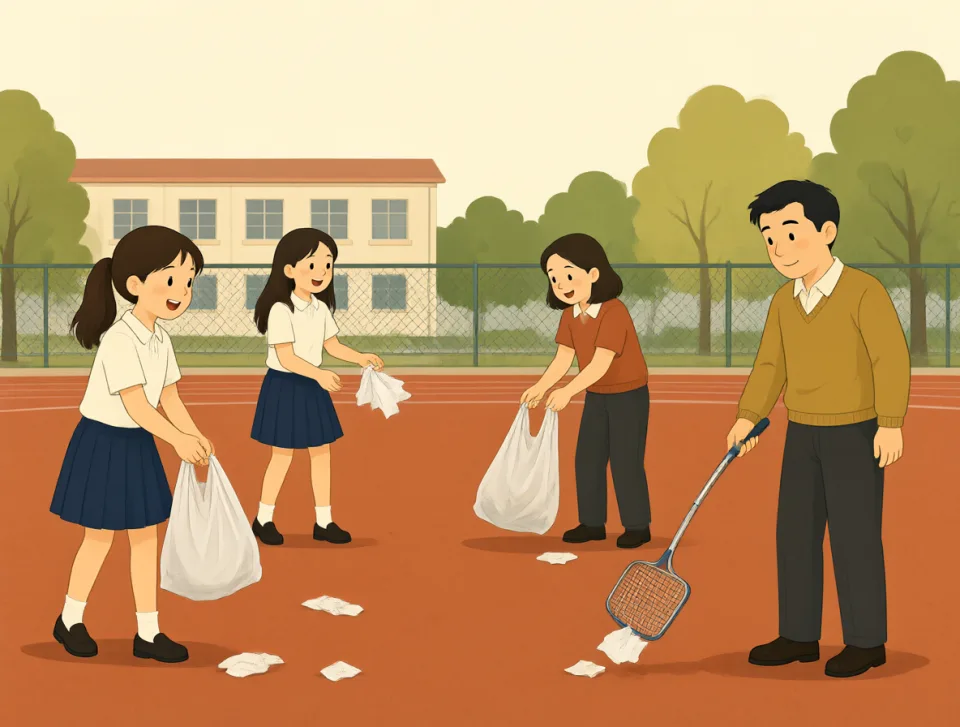
Our school community cleaned the playground.
Cộng đồng trường chúng tôi đã dọn dẹp sân chơi.
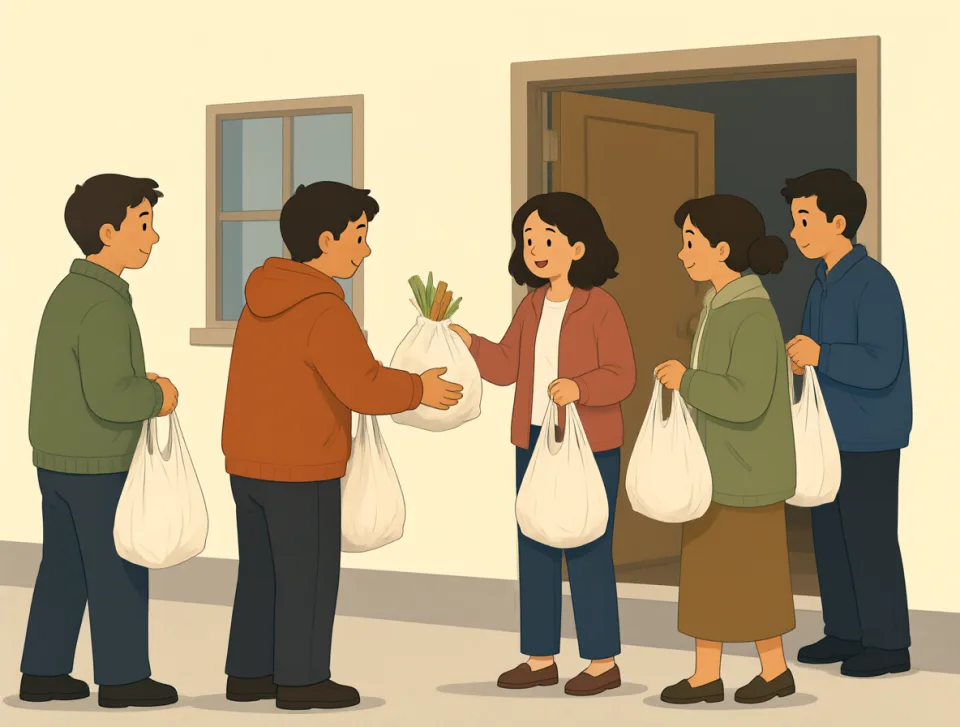
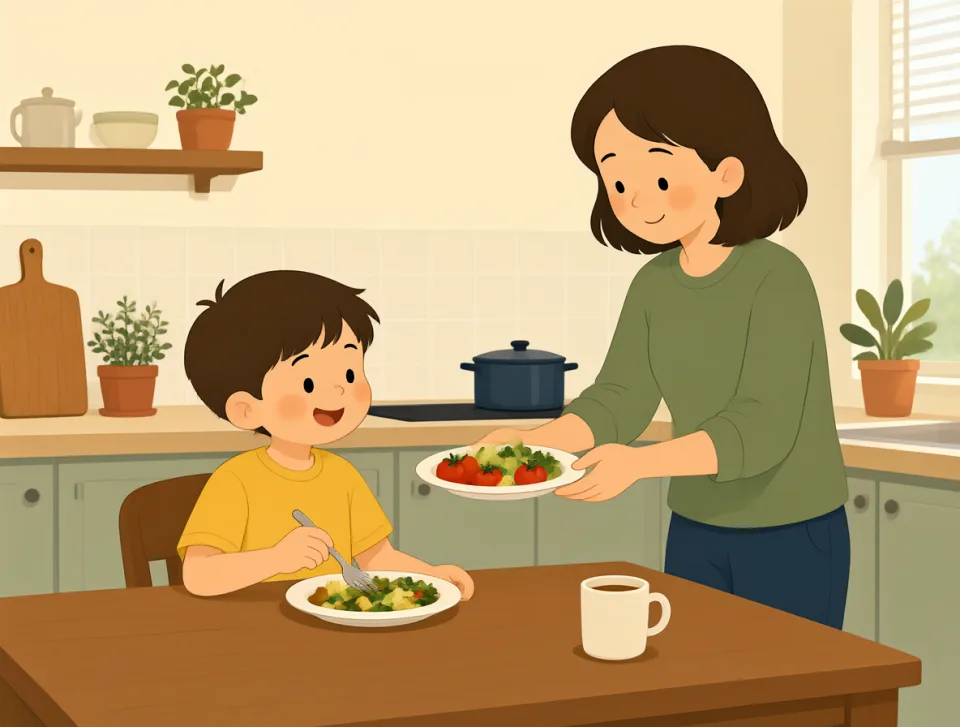
The local community opened a food bank.
Cộng đồng địa phương đã mở một ngân hàng thực phẩm.
else
#466adverb, pronoun, determiner
khác
Different or additional from the person, thing, or place already mentioned.
Khác hoặc thêm vào so với người, vật hay địa điểm đã được nhắc đến.
Would you like anything else to eat?
Bạn có muốn ăn thêm gì nữa không?

Is there anything else I can help with?
Còn việc gì khác tôi có thể giúp không?

Where else can we go today?
Hôm nay chúng ta còn có thể đi đâu nữa?

Someone else took my seat on the bus.
Có người khác đã ngồi vào chỗ của tôi trên xe buýt.

What else did you learn at school?
Ở trường con còn học được điều gì nữa?
particular
#467adjective
cụ thể
Specific or exact, rather than general or ordinary.
Cụ thể hoặc chính xác, chứ không chung chung hay thông thường.

Is there a particular color you want?
Bạn muốn màu nào cụ thể không?
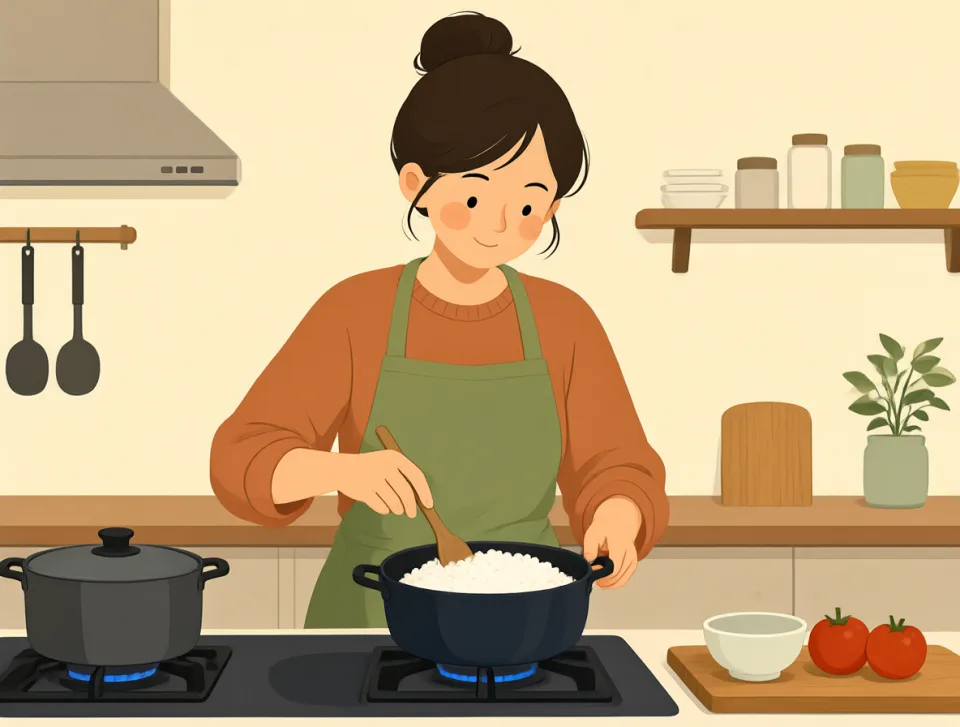
She has a particular way of cooking rice.
Cô ấy có cách nấu cơm rất riêng.

I need a particular book for class.
Tôi cần một quyển sách cụ thể cho lớp học.

He is very particular about his coffee.
Anh ấy rất kỹ tính về cà phê.

The doctor asked about a particular pain.
Bác sĩ hỏi về một cơn đau cụ thể.

role
#468noun
vai trò
The job or purpose someone or something has in a situation.
Công việc hoặc mục đích của một người hay vật trong một tình huống.

She plays the main role in the school play.
Cô ấy đóng vai chính trong vở kịch của trường.
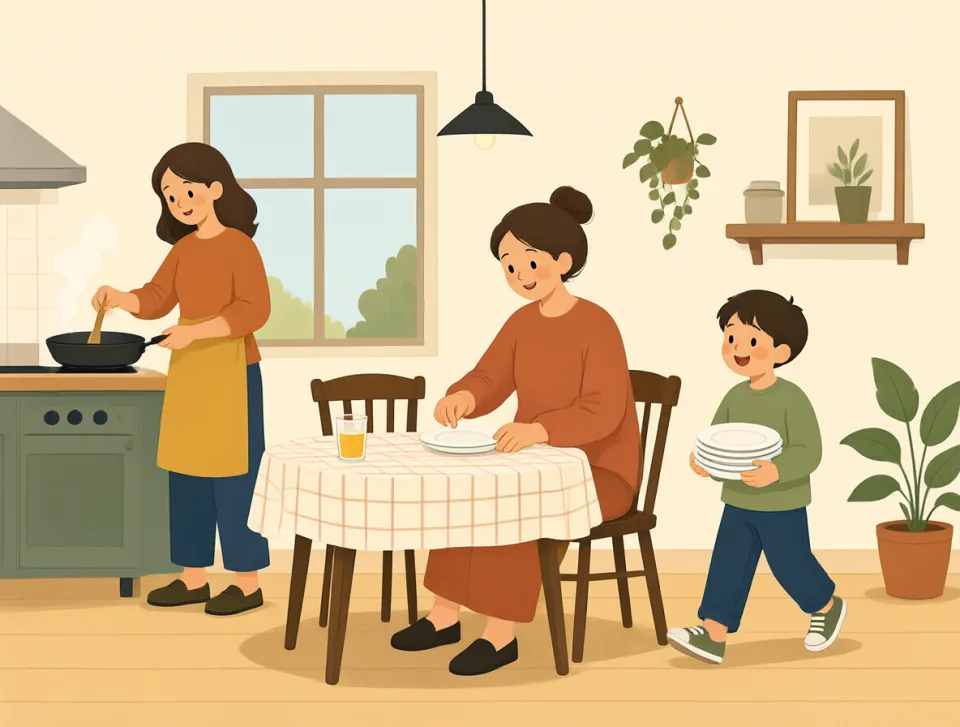
Everyone has a role in our family.
Ai cũng có vai trò trong gia đình chúng ta.

He got a new role at the company.
Anh ấy nhận một vai trò mới ở công ty.

The teacher gave me a role in the project.
Giáo viên giao cho tôi một vai trò trong dự án.

The nurse played an important role in her recovery.
Y tá đóng vai trò quan trọng trong quá trình hồi phục của cô ấy.

join
#469verb
tham gia
to become a member of a group or take part in an activity
Trở thành thành viên của một nhóm hoặc tham gia vào một hoạt động.

Can I join you for lunch?
Tôi ăn trưa cùng bạn được không?

She joined the school football team.
Cô ấy tham gia đội bóng đá của trường.

Please join us for dinner tonight.
Tối nay mời bạn đến ăn tối cùng chúng tôi nhé.

He joined the line at the store.
Anh ấy xếp hàng ở cửa hàng.

We joined a tour of the old city.
Chúng tôi tham gia một chuyến tham quan khu phố cổ.
difficult
#470adjective
khó
Not easy to do, understand, or deal with.
Không dễ thực hiện, hiểu hoặc xử lý.

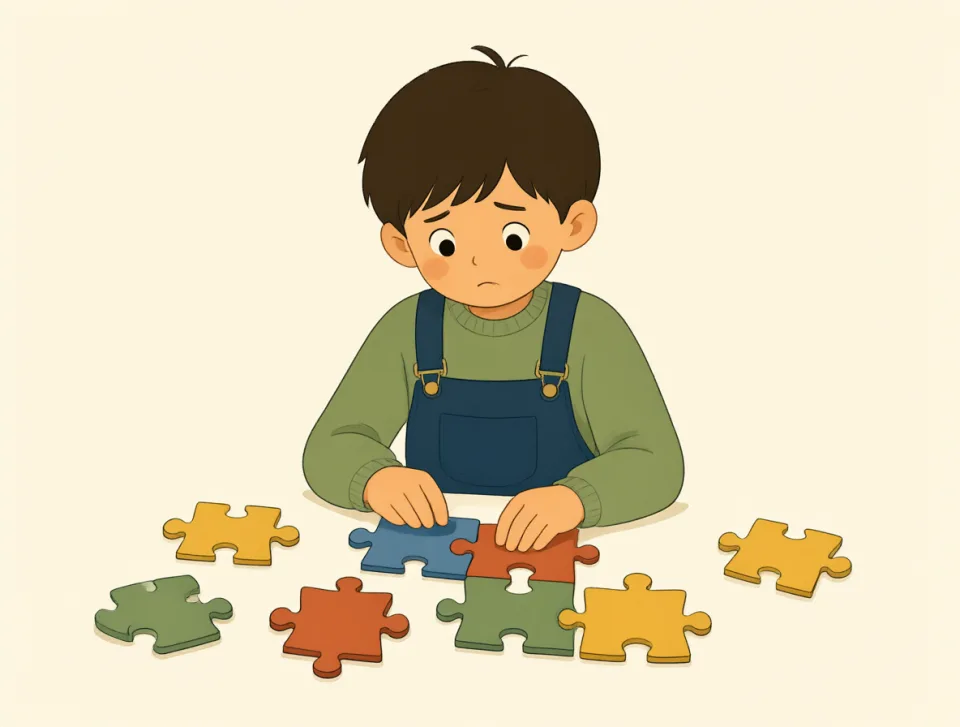
This math problem is difficult for me.
Bài toán này khó với tôi.

It is difficult to sleep with this noise.
Tiếng ồn này khiến tôi khó ngủ.

We had a difficult day at work.
Chúng tôi đã có một ngày làm việc vất vả.

The difficult journey took two days.
Chuyến đi khó khăn kéo dài hai ngày.

She finds it difficult to speak in class.
Cô ấy thấy khó nói trước lớp.
please
#471adverb, verb
làm ơn; vui lòng
Used to ask politely, or to make someone happy or satisfied.
Dùng để nhờ vả một cách lịch sự hoặc để nói về việc làm ai đó vui lòng, hài lòng.
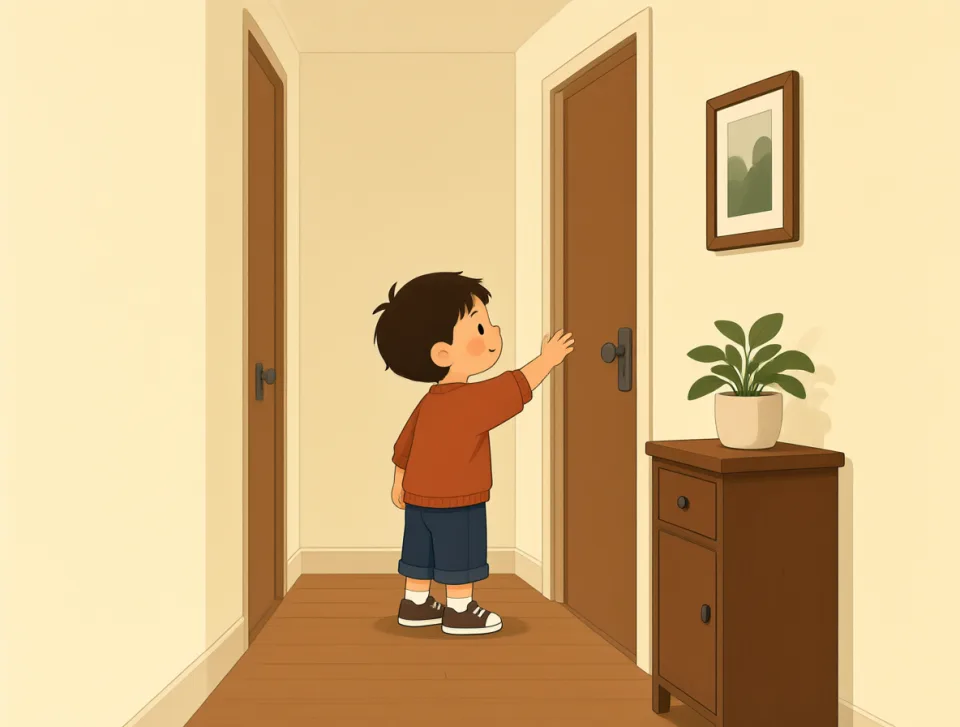
Please close the door before you leave.
Vui lòng đóng cửa trước khi bạn rời đi.

Could you help me, please?
Bạn có thể giúp tôi được không?

The waiter pleased everyone with the delicious food.
Người phục vụ đã làm mọi người hài lòng với những món ăn ngon.

Please yourself and choose a comfortable seat.
Cứ tự nhiên và chọn một chỗ ngồi thoải mái nhé.

The doctor was pleased with my progress.
Bác sĩ hài lòng với tiến triển của tôi.

detail
#472noun, verb
chi tiết
A small piece of information, or to give information about something carefully.
Một thông tin nhỏ, hoặc hành động cung cấp thông tin về điều gì đó một cách cẩn thận, cụ thể.
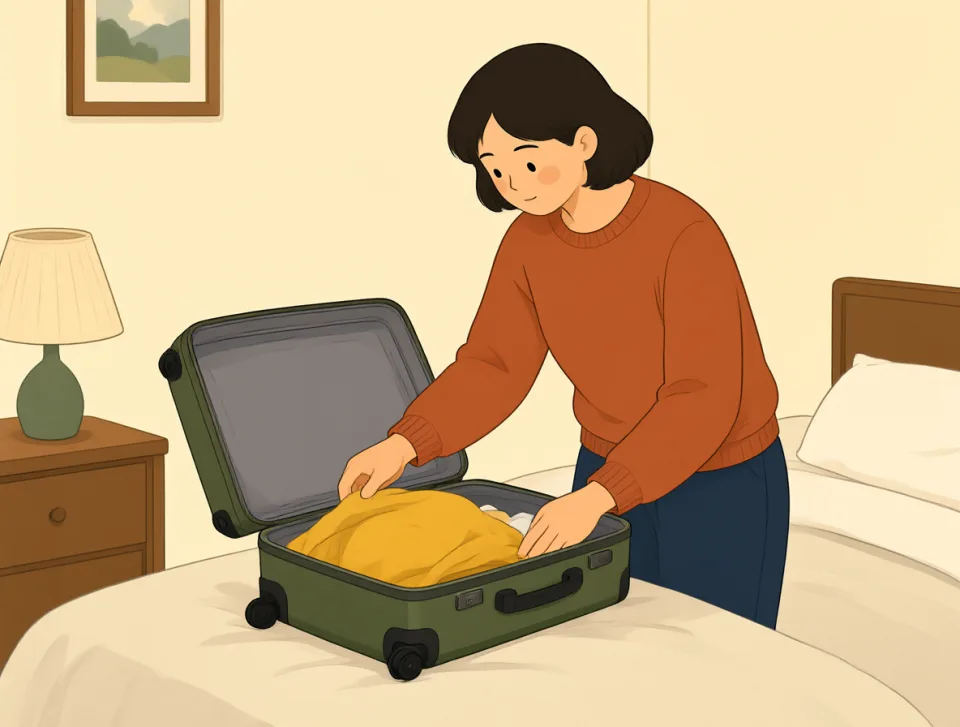
Please check every detail before you leave.
Vui lòng kiểm tra từng chi tiết trước khi bạn rời đi.

She told me every detail about her trip.
Cô ấy kể cho tôi nghe mọi chi tiết về chuyến đi của mình.

The teacher explained the details of the science project.
Giáo viên giải thích các chi tiết của dự án khoa học.

The hotel room had beautiful details.
Phòng khách sạn có những chi tiết trang trí rất đẹp.

He detailed the problem for the doctor.
Anh ấy mô tả chi tiết vấn đề với bác sĩ.

difference
#473noun
sự khác biệt
A way in which two people or things are not the same.
Điểm khiến hai người hoặc hai vật không giống nhau.

Can you see the difference between these two bags?
Bạn có thấy sự khác biệt giữa hai chiếc túi này không?
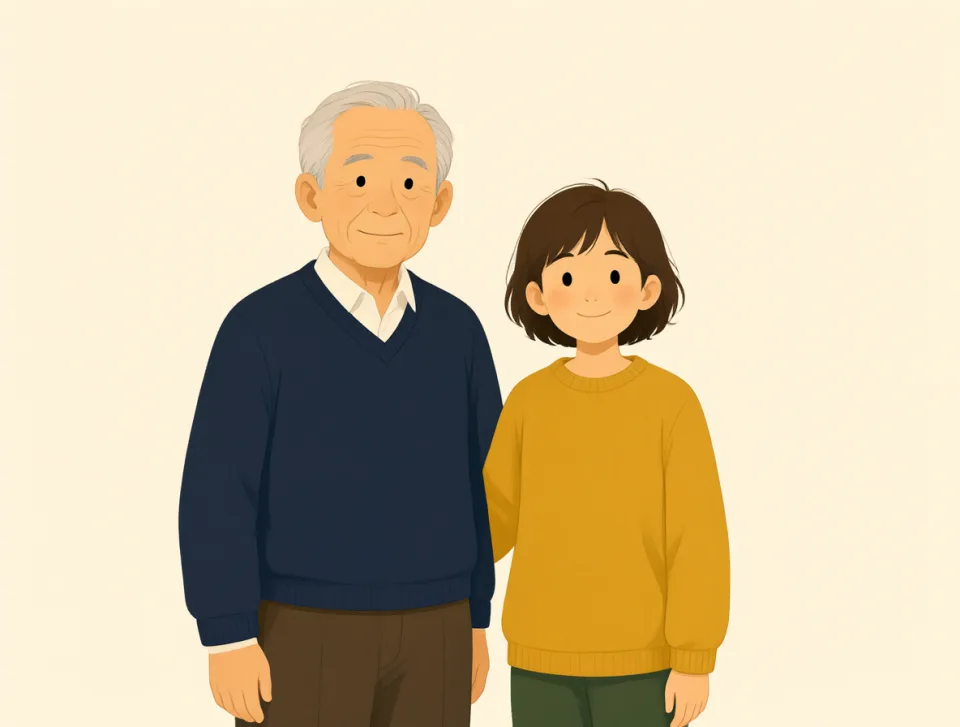
There is a big difference in their ages.
Tuổi của họ chênh lệch rất nhiều.
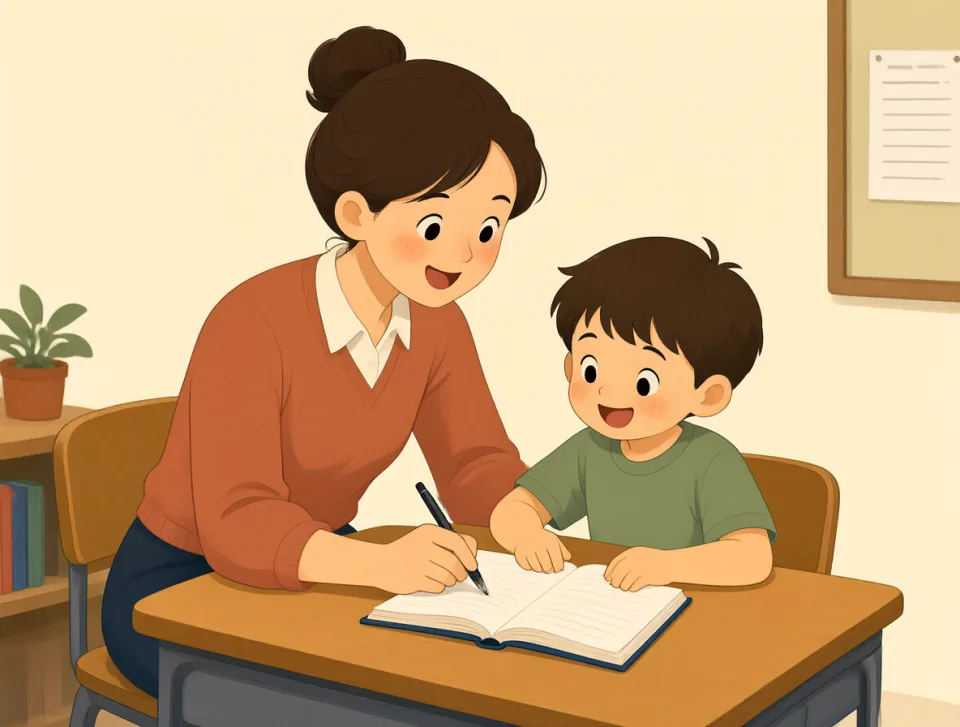
The new teacher makes a difference at school.
Giáo viên mới tạo nên sự khác biệt ở trường.

I cannot taste the difference between them.
Tôi không thể nếm ra sự khác biệt giữa chúng.

We noticed differences between the two hotels.
Chúng tôi nhận thấy những điểm khác biệt giữa hai khách sạn.
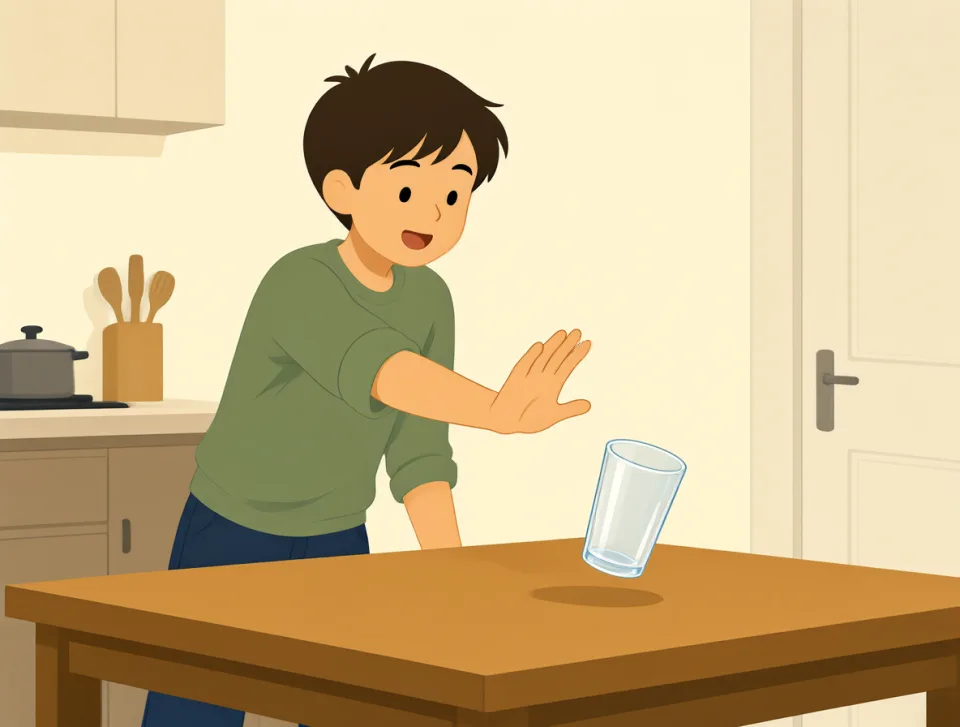
action
#474noun
hành động
Something someone does, especially to solve a problem or achieve a result.
Việc ai đó làm, đặc biệt là để giải quyết vấn đề hoặc đạt được kết quả.

The police took action after the accident.
Cảnh sát đã hành động sau vụ tai nạn.

We need action to fix this problem.
Chúng ta cần hành động để khắc phục vấn đề này.

The teacher praised her action in class.
Giáo viên khen hành động của cô ấy trong lớp.

The medicine started working after a few hours.
Thuốc bắt đầu có tác dụng sau vài giờ.

The movie has lots of exciting action.
Bộ phim có rất nhiều cảnh hành động hấp dẫn.

health
#475noun
sức khỏe
The condition of your body and mind, especially when you are free from illness.
Tình trạng thể chất và tinh thần của bạn, đặc biệt là khi bạn không mắc bệnh.

Walking every day is good for your health.
Đi bộ mỗi ngày rất tốt cho sức khỏe.

She worries about her father's health.
Cô ấy lo lắng về sức khỏe của cha mình.

Good health helps children learn at school.
Sức khỏe tốt giúp trẻ học tập ở trường.

The doctor asked about my health.
Bác sĩ hỏi về tình trạng sức khỏe của tôi.
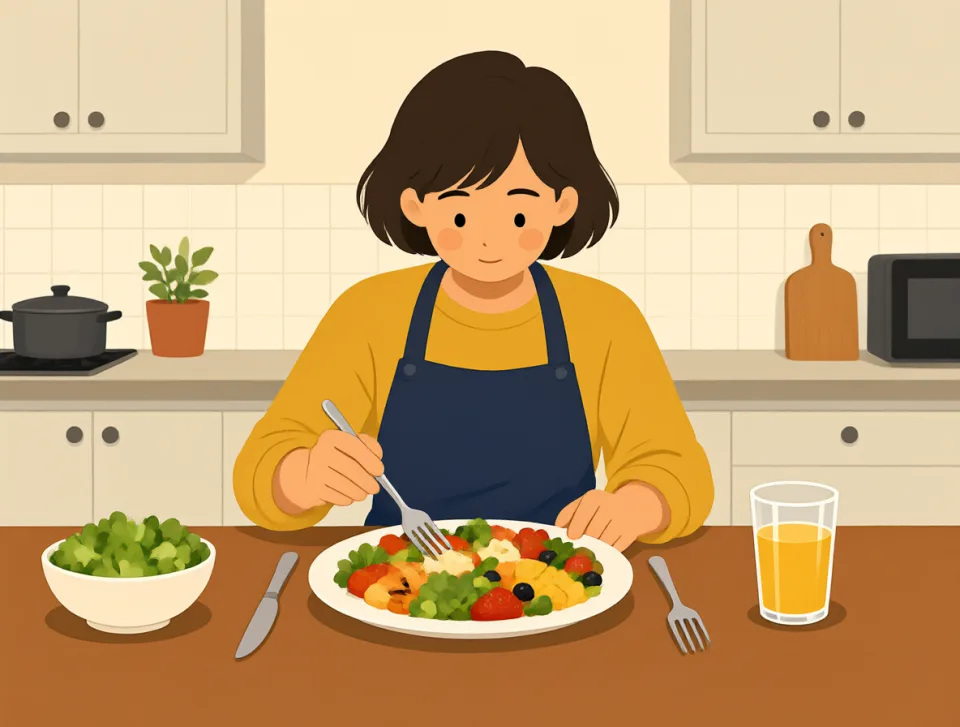
This food is healthy and supports heart health.
Món ăn này tốt cho sức khỏe và có lợi cho tim mạch.
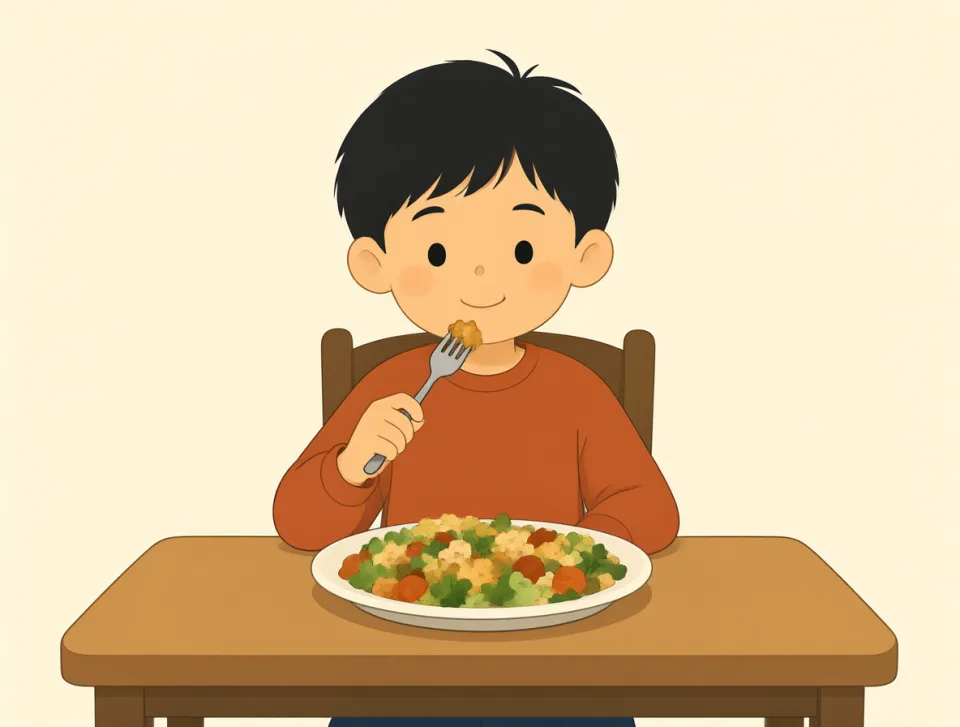
eat
#476verb
ăn
to put food in your mouth, chew it, and swallow it
đưa thức ăn vào miệng, nhai rồi nuốt
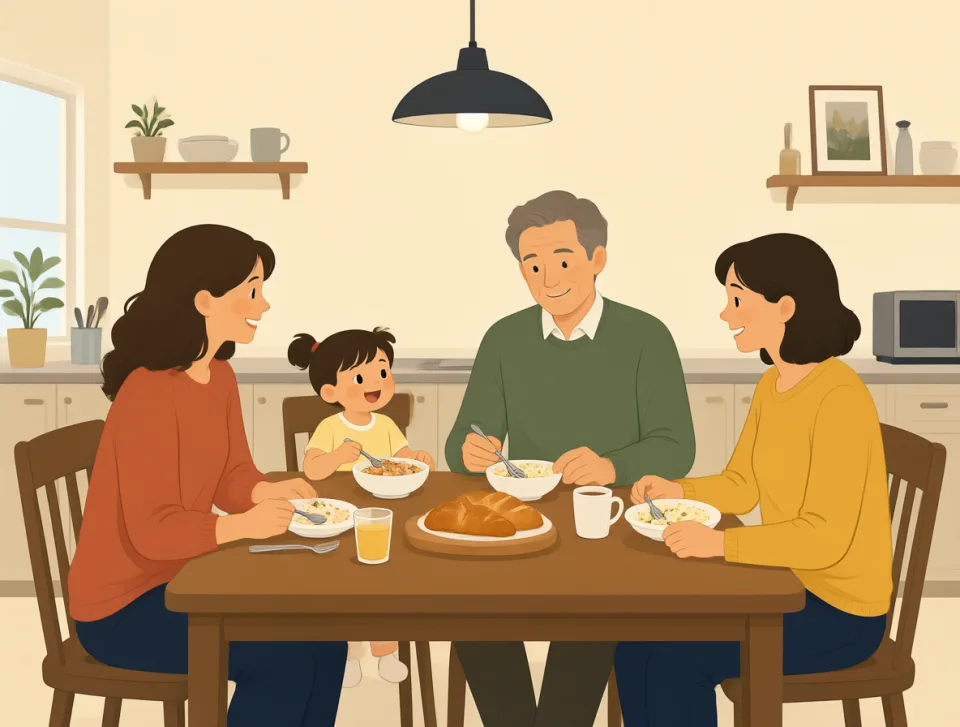
We eat breakfast together every morning.
Sáng nào chúng tôi cũng ăn sáng cùng nhau.

The children ate all the cake.
Bọn trẻ đã ăn hết chiếc bánh.
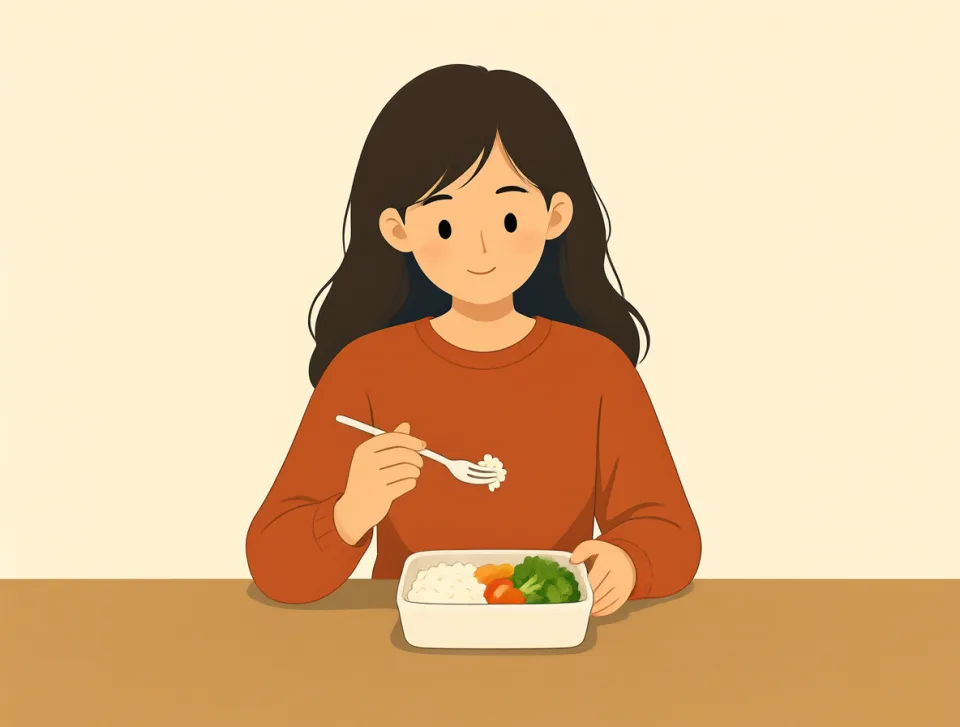
She is eating lunch at work.
Cô ấy đang ăn trưa ở chỗ làm.

Did you eat at the new restaurant?
Bạn đã ăn ở nhà hàng mới chưa?
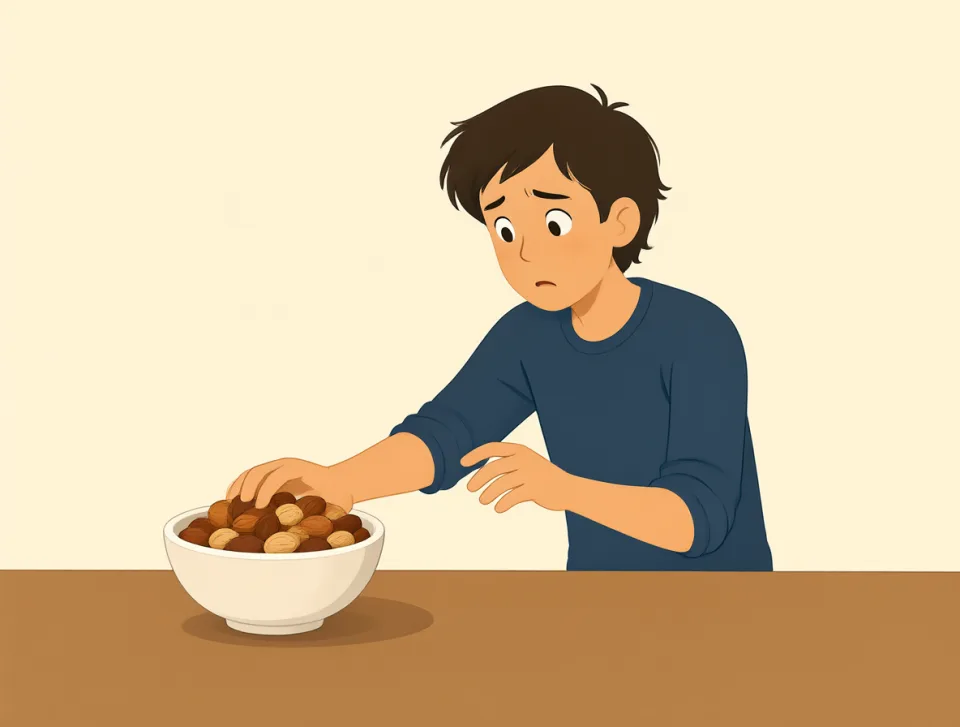
I cannot eat nuts because I am allergic.
Tôi không thể ăn các loại hạt vì bị dị ứng.

step
#477noun, verb
bước chân
A movement made by lifting one foot and putting it down somewhere else.
Động tác nhấc một chân lên rồi đặt xuống ở một vị trí khác.
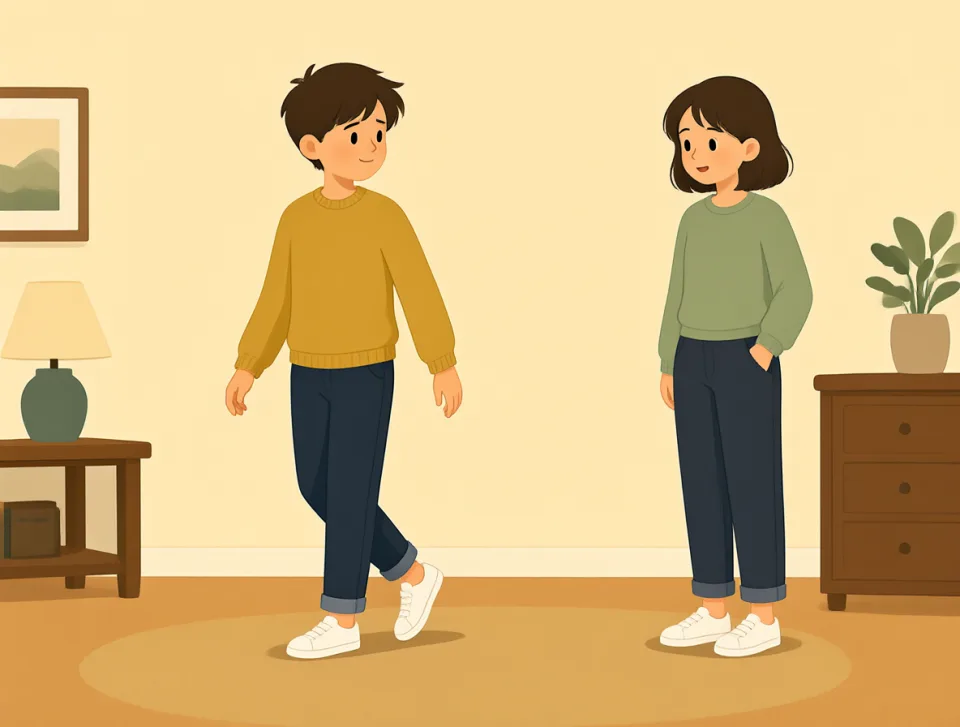
Please take one step back.
Xin hãy lùi lại một bước.

She climbed the steps to the front door.
Cô ấy bước lên những bậc thềm dẫn đến cửa trước.

He stepped off the bus carefully.
Anh ấy cẩn thận bước xuống xe buýt.
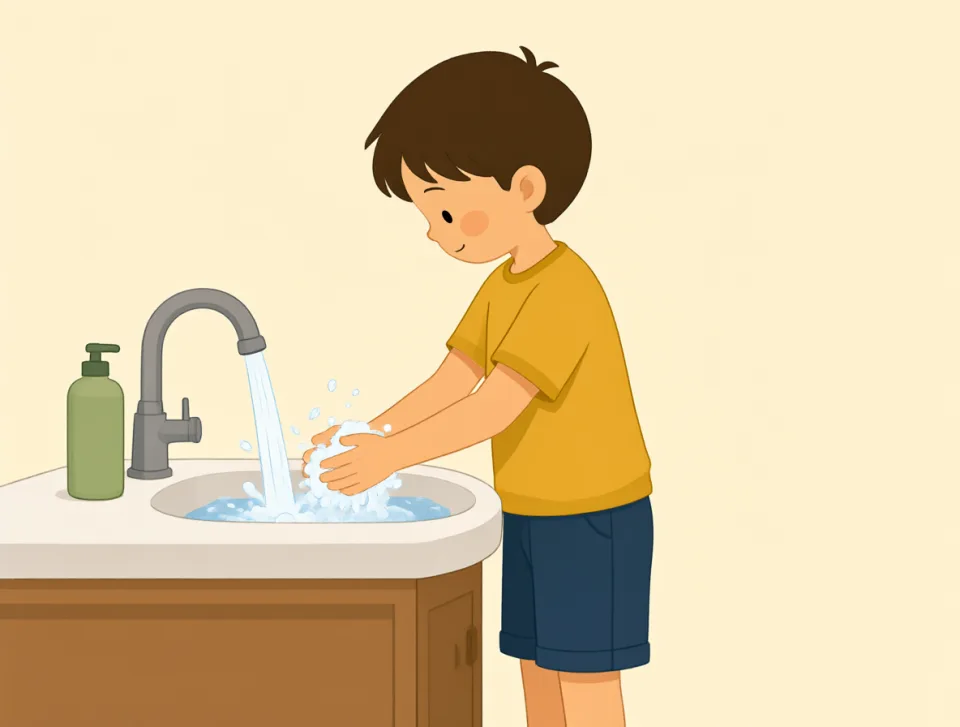
The first step is to wash your hands.
Bước đầu tiên là rửa tay.

We are taking steps to save money.
Chúng tôi đang thực hiện các biện pháp để tiết kiệm tiền.

TRUE
#478adjective, adverb, noun
đúng
Based on facts, real, or agreeing with what is correct.
Dựa trên sự thật, có thật hoặc phù hợp với điều chính xác.
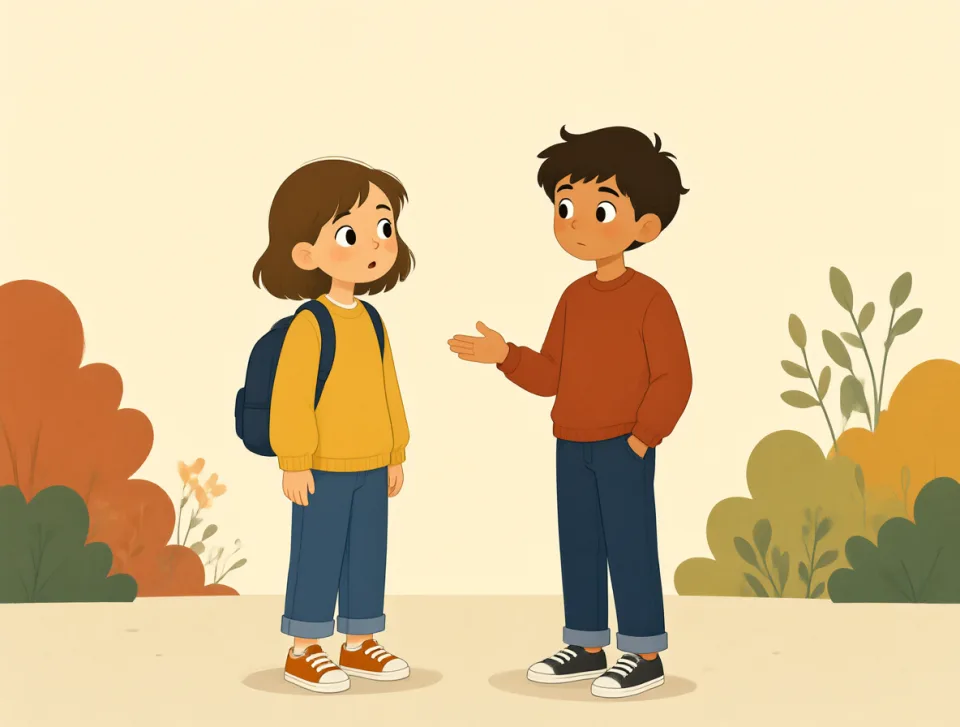
Is it true that you saw him?
Có đúng là bạn đã nhìn thấy anh ấy không?

This story is true, and it really happened.
Câu chuyện này là có thật và thực sự đã xảy ra.

She is a true friend who always helps me.
Cô ấy là một người bạn chân thành, luôn giúp đỡ tôi.

The movie was based on a true story.
Bộ phim dựa trên một câu chuyện có thật.

Stay true to yourself at school and work.
Hãy luôn sống đúng với con người mình ở trường và nơi làm việc.

phone
#479noun, verb
điện thoại
A device for talking to people over a distance.
Thiết bị dùng để nói chuyện với người ở cách xa mình.
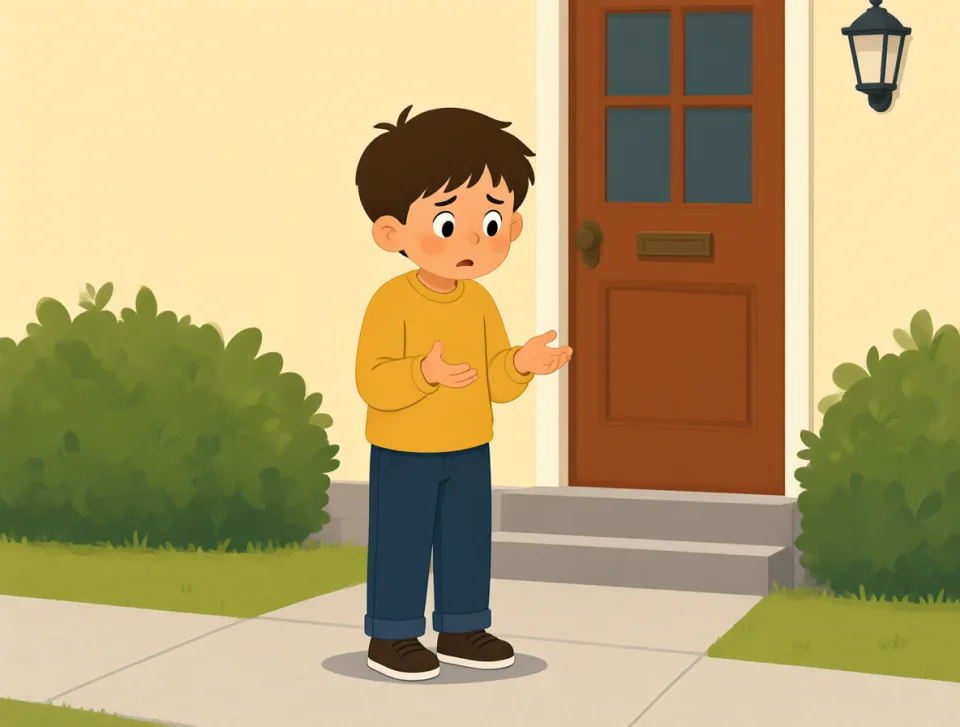
I left my phone at home.
Tôi để quên điện thoại ở nhà.

She is talking on the phone.
Cô ấy đang nói chuyện điện thoại.

He bought a new phone yesterday.
Hôm qua anh ấy mua một chiếc điện thoại mới.

Please phone me after work.
Làm ơn gọi điện cho tôi sau giờ làm nhé.

The doctor phoned my mother yesterday.
Hôm qua bác sĩ đã gọi điện cho mẹ tôi.
themselves
#480pronoun
chính họ
Used to refer to two or more people or animals already mentioned.
Dùng để chỉ hai người hoặc nhiều người hay con vật đã được nhắc đến trước đó.
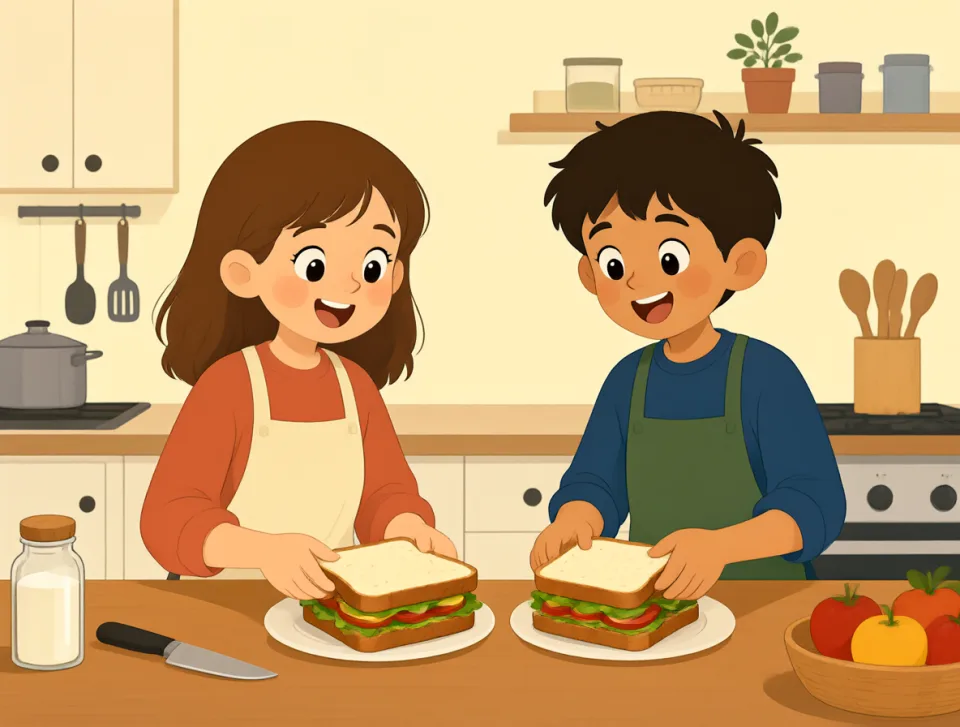
The children made the sandwiches themselves.
Bọn trẻ tự làm bánh mì kẹp.
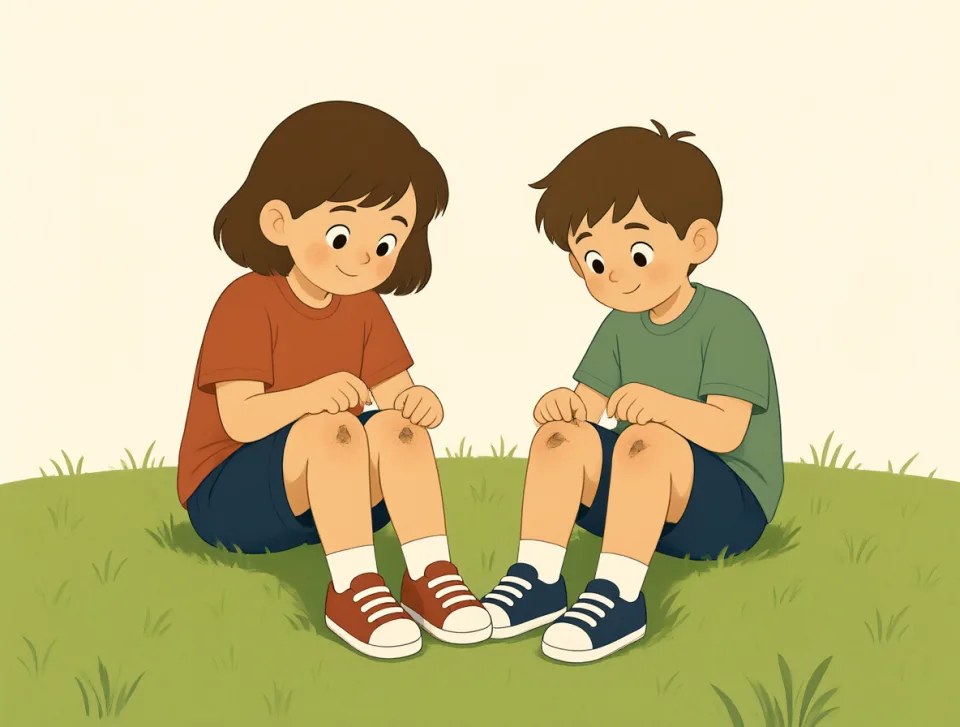
They hurt themselves while playing outside.
Họ bị thương khi chơi bên ngoài.
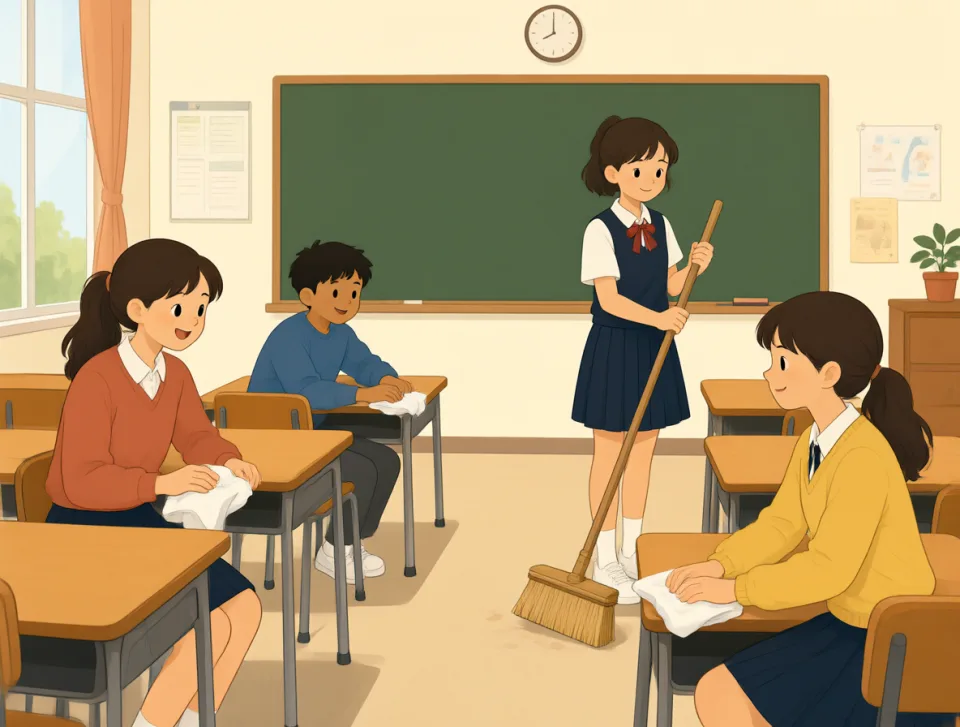
The students cleaned the classroom themselves.
Các học sinh tự dọn dẹp lớp học.

Please help yourselves to some cake.
Mời mọi người tự lấy bánh nhé.

They introduced themselves to the new teacher.
Họ tự giới thiệu mình với giáo viên mới.