หน่วย 24
คำที่ 461–480 · strong, rise, girl, maybe, community, else

strong
#461adjective, adverb, noun
แข็งแรง
having great physical power or force
มีพละกำลังหรือแรงทางกายมาก

She is strong enough to carry the box.
เธอแข็งแรงพอที่จะยกกล่องได้

This coffee is too strong for me.
กาแฟนี้เข้มเกินไปสำหรับฉัน

He has a strong stomach and eats spicy food.
เขามีกระเพาะที่แข็งแรงและกินอาหารรสเผ็ดได้

The strong wind blew my hat away.
ลมแรงพัดหมวกของฉันปลิวไป

They built a strong team at work.
พวกเขาสร้างทีมที่แข็งแกร่งในที่ทำงาน

rise
#462verb, noun
เพิ่มขึ้น; ลอยขึ้น
To move upward, or an increase in amount, level, or number.
เคลื่อนขึ้นด้านบน หรือการเพิ่มขึ้นของปริมาณ ระดับ หรือจำนวน
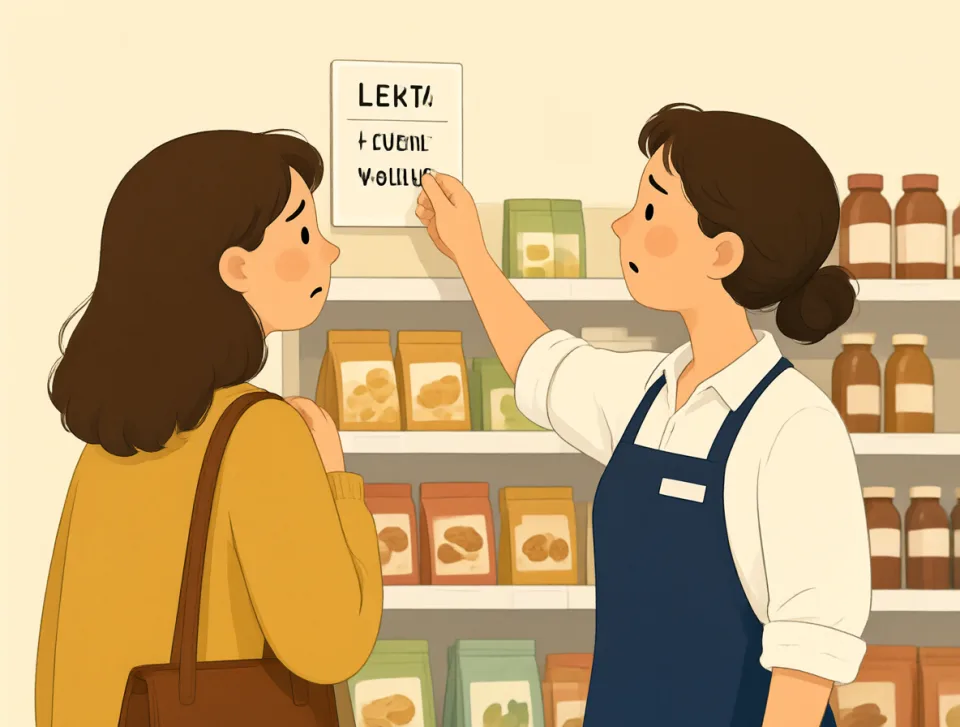
Prices rise when food is hard to find.
ราคาสินค้าจะสูงขึ้นเมื่อหาอาหารได้ยาก

The sun rises early in summer.
ดวงอาทิตย์ขึ้นเร็วในฤดูร้อน
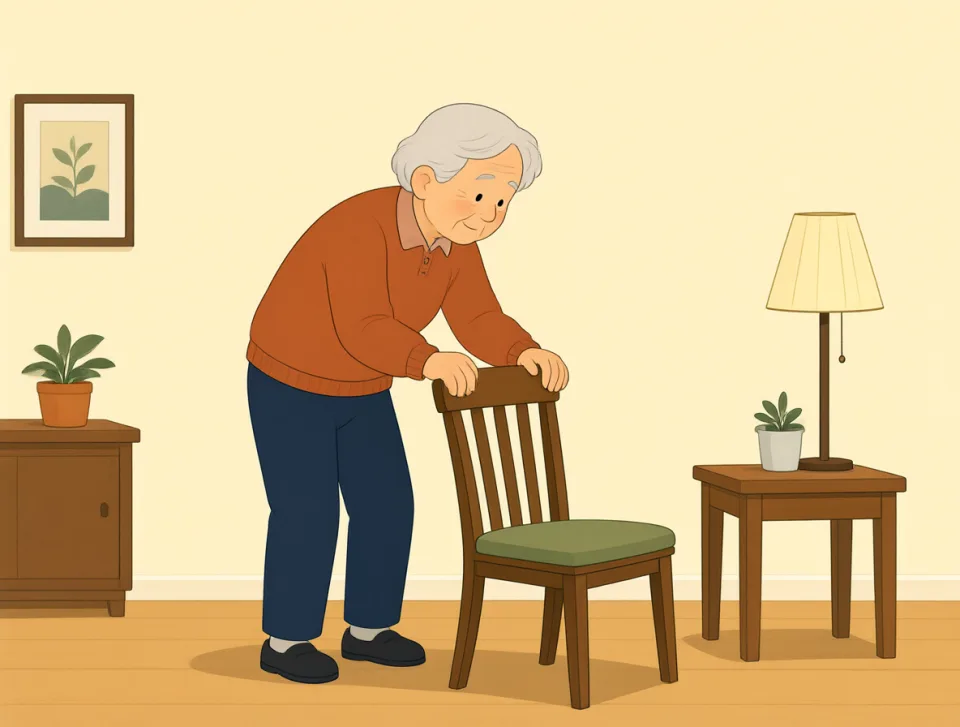
Please rise from your chair slowly.
กรุณาลุกขึ้นจากเก้าอี้ช้า ๆ
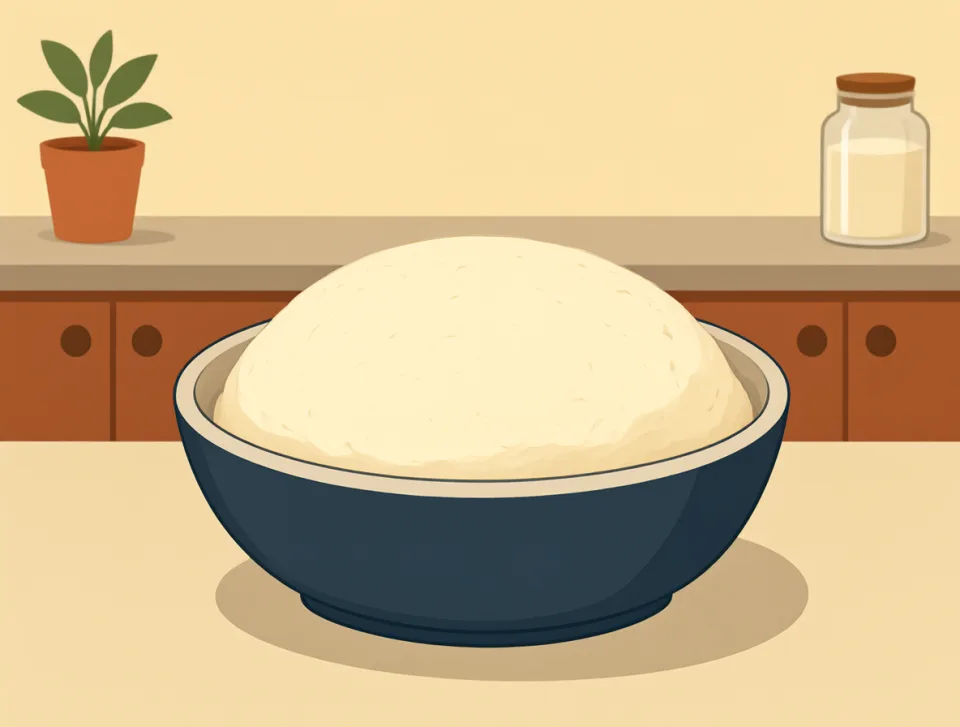
The bread dough rose in the warm kitchen.
แป้งขนมปังฟูขึ้นในครัวที่อบอุ่น

Her temperature rose during the night.
อุณหภูมิของเธอสูงขึ้นในตอนกลางคืน
girl
#463noun
เด็กผู้หญิง; หญิงสาว
A female child or young woman.
เด็กเพศหญิงหรือหญิงสาว
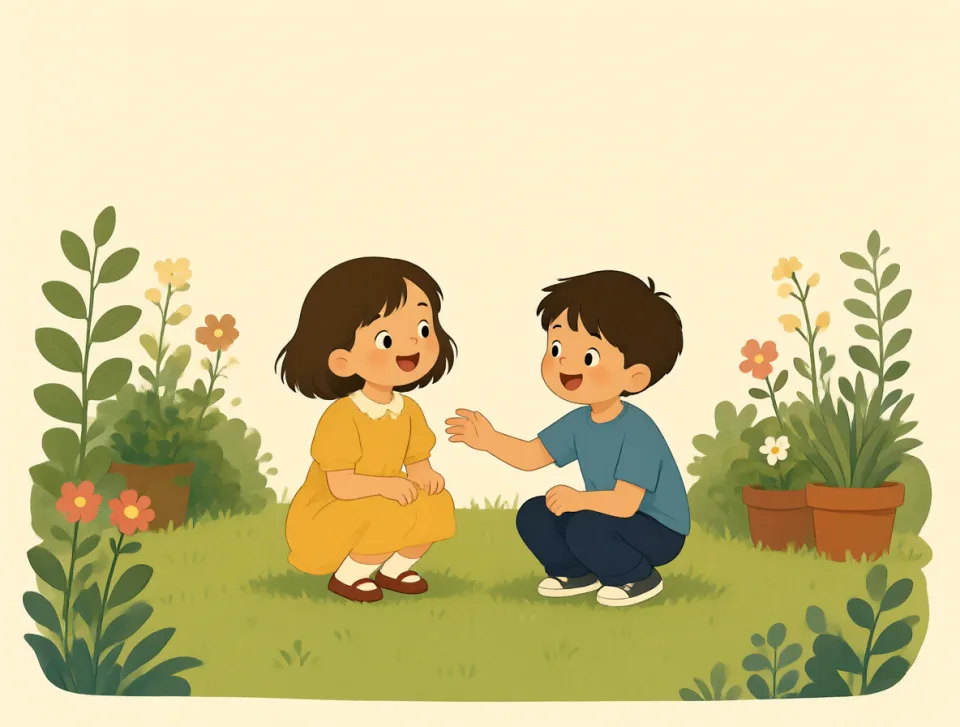
The girl is playing with her brother.
เด็กผู้หญิงกำลังเล่นกับพี่ชายหรือน้องชายของเธอ

That girl is my best friend.
เด็กผู้หญิงคนนั้นเป็นเพื่อนสนิทที่สุดของฉัน
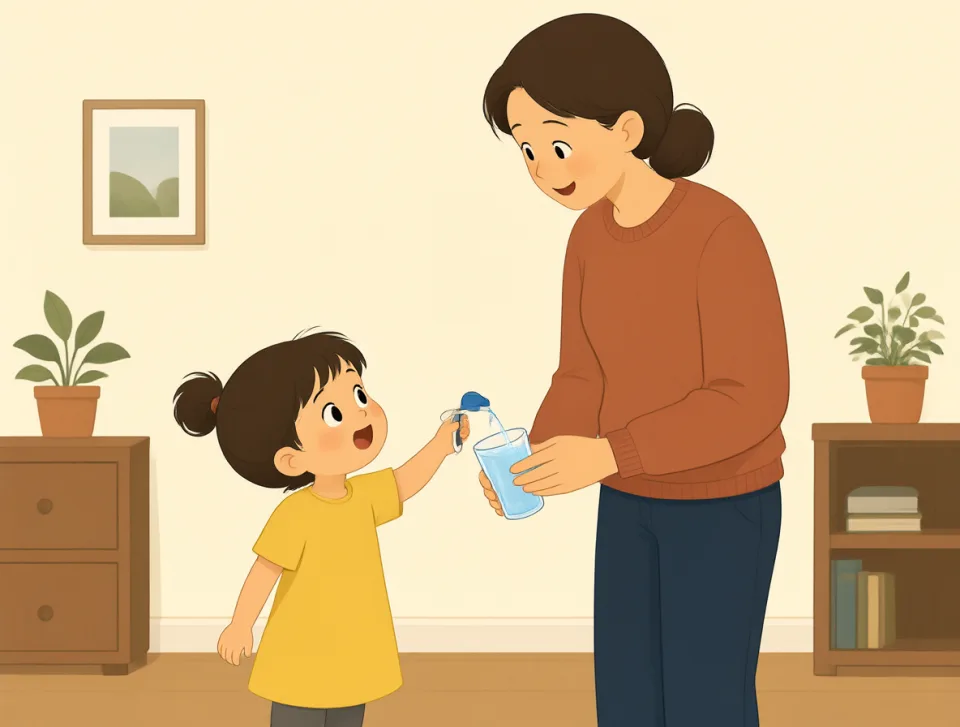
A little girl asked for some water.
เด็กผู้หญิงตัวเล็ก ๆ คนหนึ่งขอน้ำดื่ม

The girls bought ice cream after school.
เด็กผู้หญิงเหล่านั้นซื้อไอศกรีมหลังเลิกเรียน
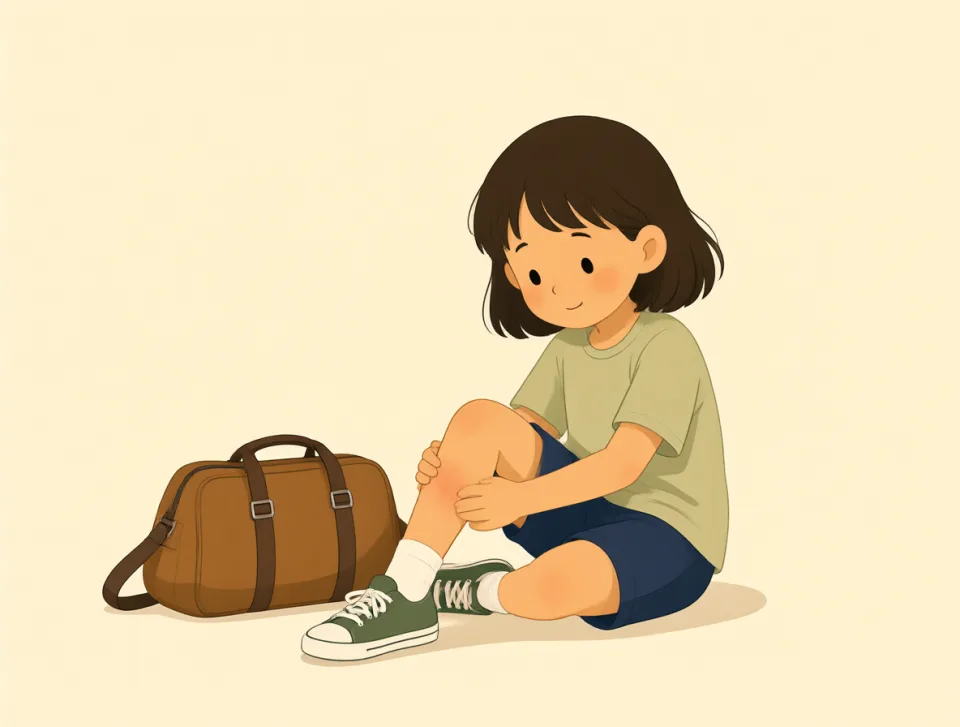
The girl hurt her leg on the trip.
เด็กผู้หญิงคนนั้นเจ็บขาระหว่างการเดินทาง

maybe
#464adverb
อาจจะ; บางที
Used to say that something is possible but not certain.
ใช้เพื่อบอกว่าสิ่งหนึ่งอาจเกิดขึ้นได้ แต่ยังไม่แน่นอน
Maybe we can meet after work.
บางทีเราอาจเจอกันหลังเลิกงาน

Maybe it will rain this afternoon.
บ่ายนี้ฝนอาจจะตก

Maybe she left her keys at home.
บางทีเธออาจลืมกุญแจไว้ที่บ้าน

Maybe I should see a doctor.
บางทีฉันควรไปหาหมอ

Maybe this soup needs more salt.
บางทีซุปนี้อาจต้องเติมเกลืออีกหน่อย

community
#465noun
ชุมชน
A group of people who live in the same place or share an interest.
กลุ่มคนที่อาศัยอยู่ในสถานที่เดียวกันหรือมีความสนใจร่วมกัน
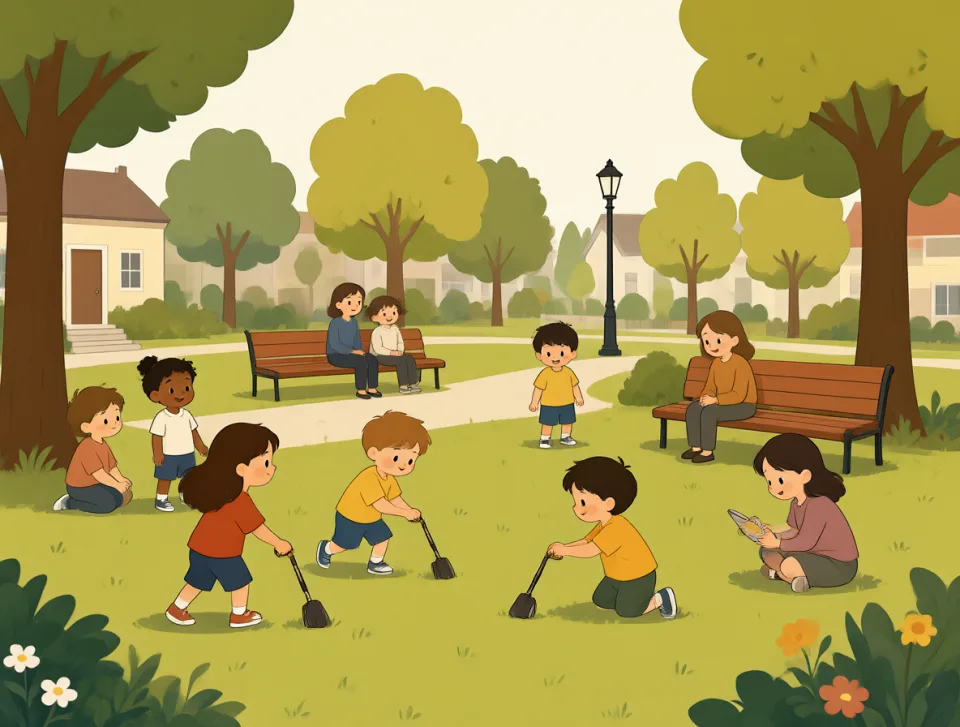
Our community has a small park.
ชุมชนของเรามีสวนสาธารณะเล็ก ๆ แห่งหนึ่ง
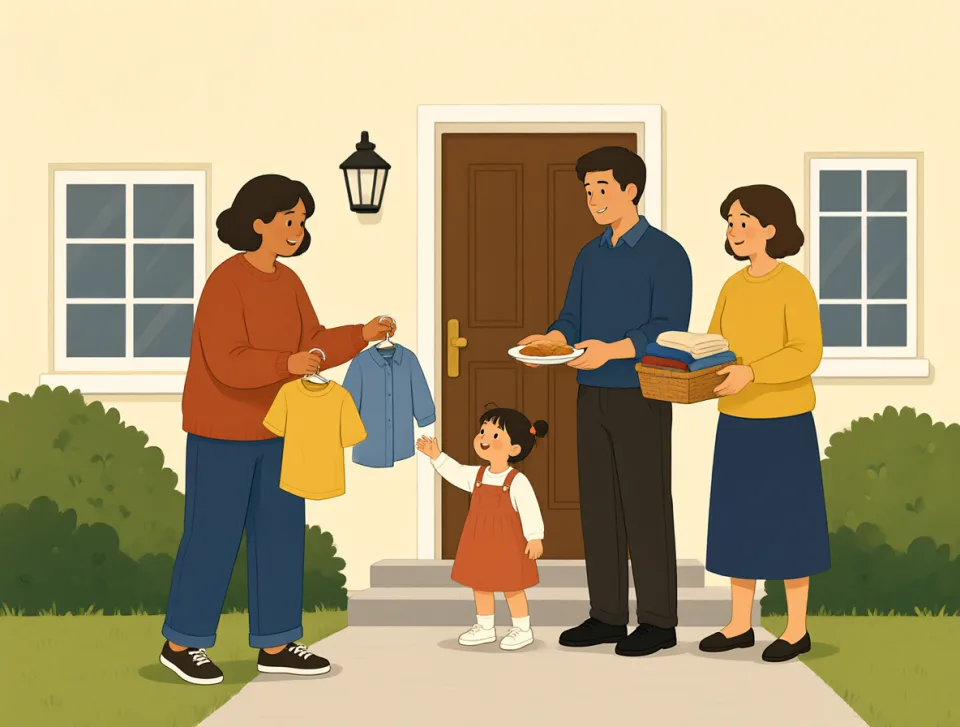
The community helped the family after the fire.
ชุมชนช่วยเหลือครอบครัวนั้นหลังเกิดไฟไหม้
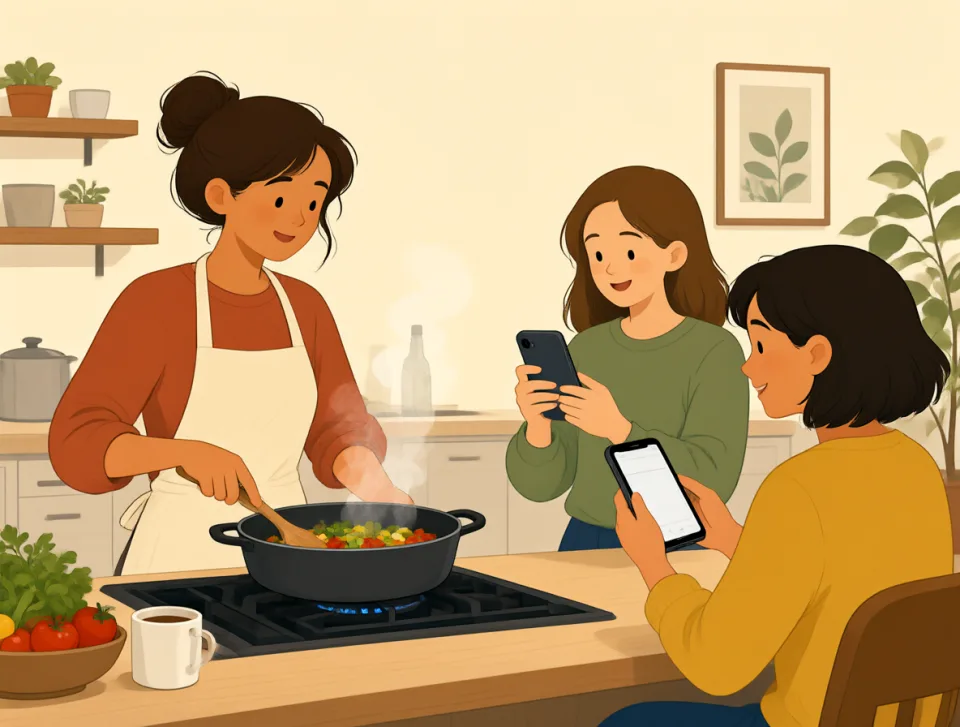
She joined a cooking community online.
เธอเข้าร่วมชุมชนทำอาหารออนไลน์
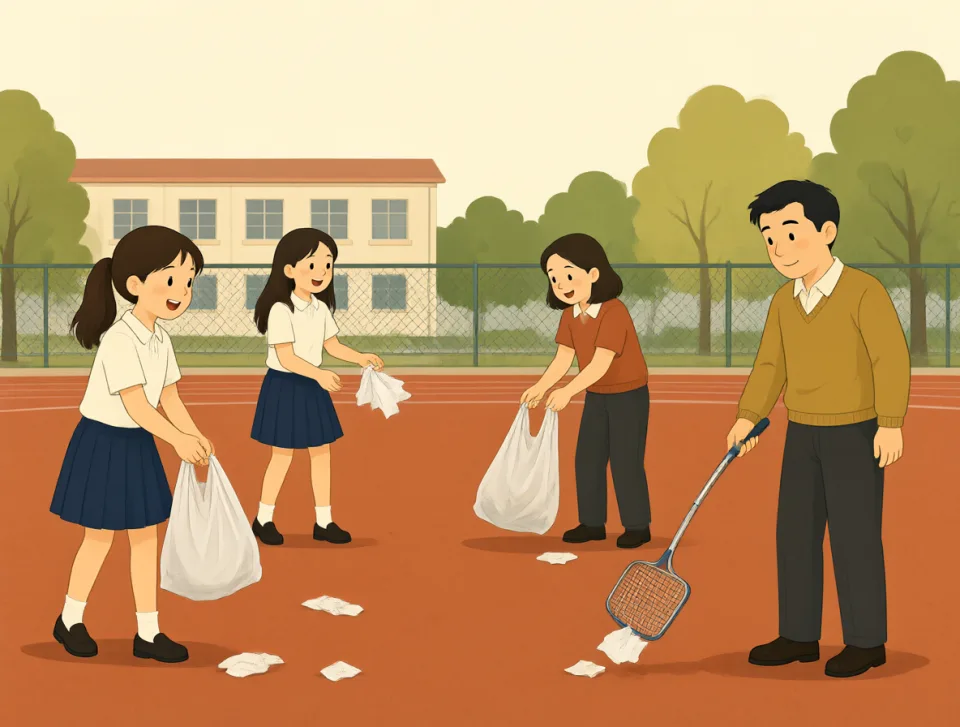
Our school community cleaned the playground.
ชุมชนโรงเรียนของเราช่วยกันทำความสะอาดสนามเด็กเล่น
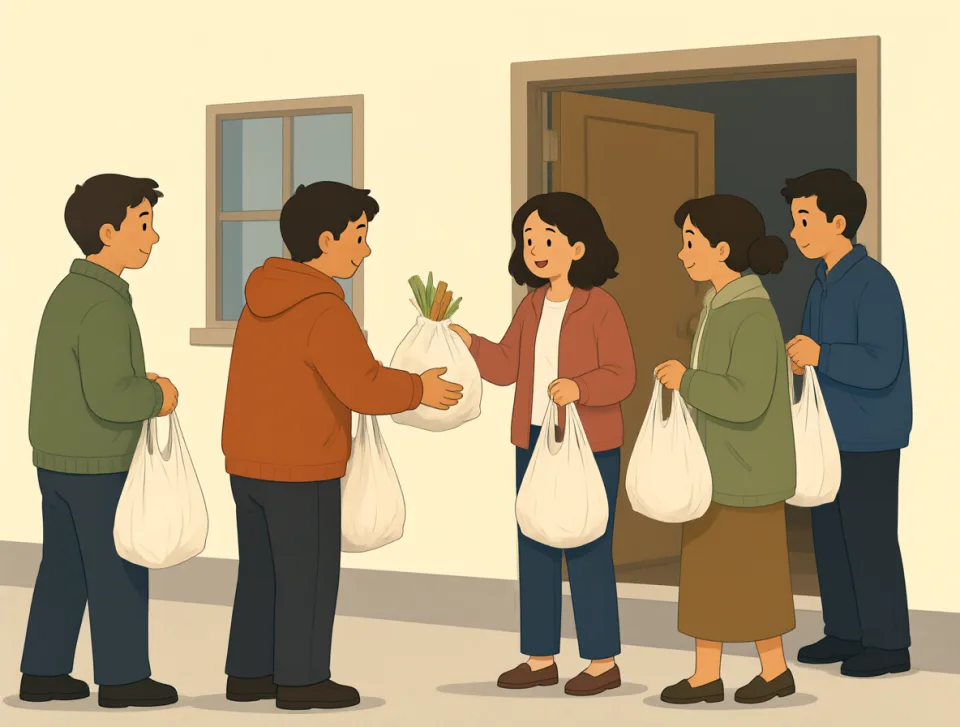
The local community opened a food bank.
ชุมชนในท้องถิ่นเปิดธนาคารอาหาร
else
#466adverb, pronoun, determiner
อื่น
Different or additional from the person, thing, or place already mentioned.
แตกต่างจากหรือเพิ่มเติมจากบุคคล สิ่งของ หรือสถานที่ที่กล่าวถึงไปแล้ว
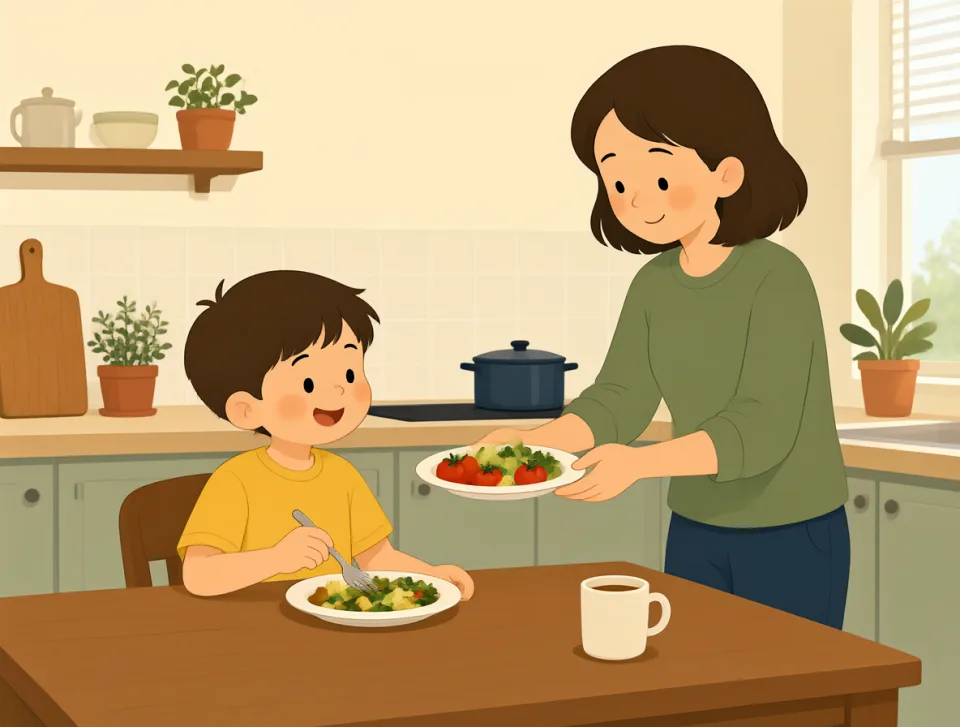
Would you like anything else to eat?
อยากรับอะไรเพิ่มอีกไหมคะ

Is there anything else I can help with?
มีอะไรอีกไหมคะที่ฉันช่วยได้

Where else can we go today?
วันนี้เราจะไปที่ไหนกันได้อีกบ้าง

Someone else took my seat on the bus.
มีคนอื่นมานั่งที่ของฉันบนรถเมล์

What else did you learn at school?
ที่โรงเรียนเธอเรียนรู้อะไรอีกบ้าง
particular
#467adjective
เฉพาะเจาะจง
Specific or exact, rather than general or ordinary.
เฉพาะหรือแน่นอน ไม่ใช่แบบทั่วไปหรือธรรมดา

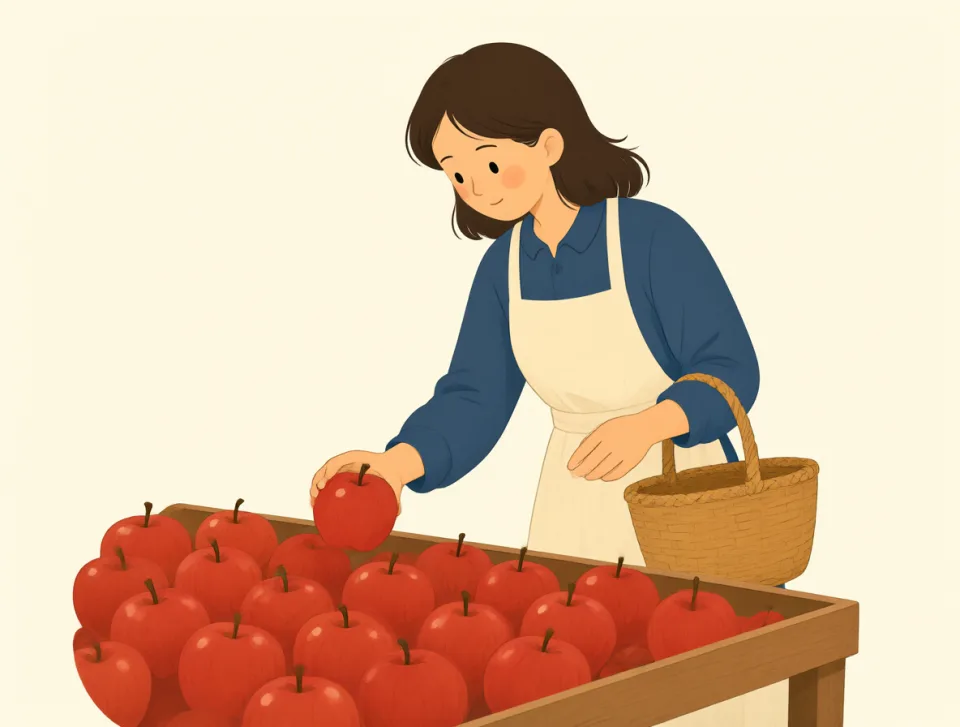
Is there a particular color you want?
คุณอยากได้สีเฉพาะสีไหนไหมคะ
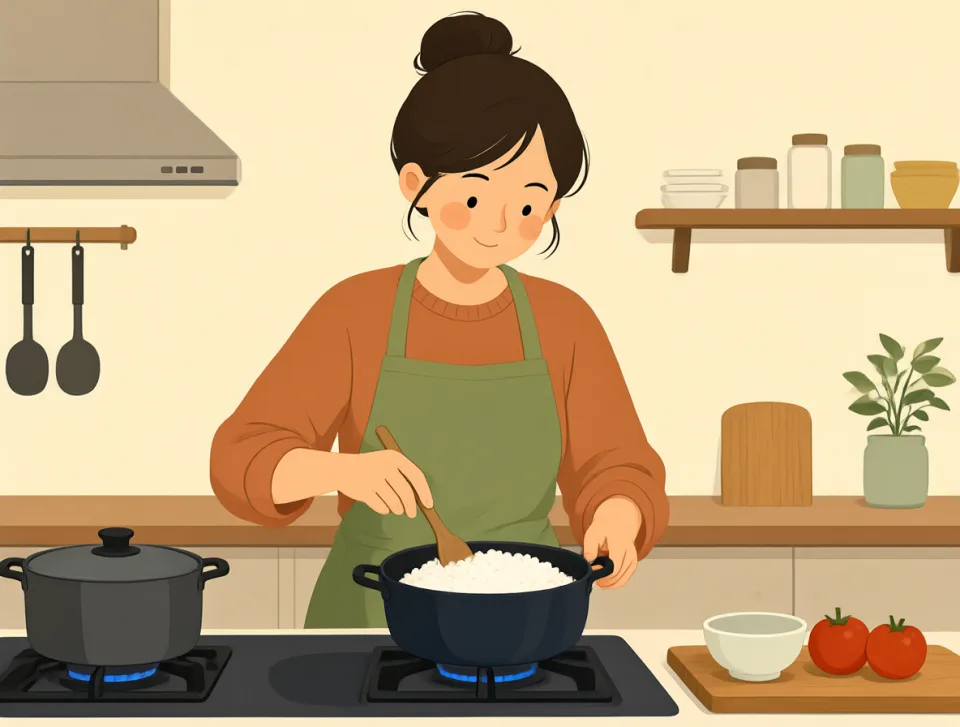
She has a particular way of cooking rice.
เธอมีวิธีหุงข้าวแบบเฉพาะตัว

I need a particular book for class.
ฉันต้องใช้หนังสือเล่มหนึ่งโดยเฉพาะสำหรับวิชานี้

He is very particular about his coffee.
เขาพิถีพิถันเรื่องกาแฟมาก

The doctor asked about a particular pain.
คุณหมอถามถึงอาการปวดเฉพาะจุด

role
#468noun
บทบาท
The job or purpose someone or something has in a situation.
งานหรือหน้าที่ที่บุคคลหรือสิ่งใดสิ่งหนึ่งมีในสถานการณ์หนึ่ง

She plays the main role in the school play.
เธอรับบทนำในการแสดงของโรงเรียน
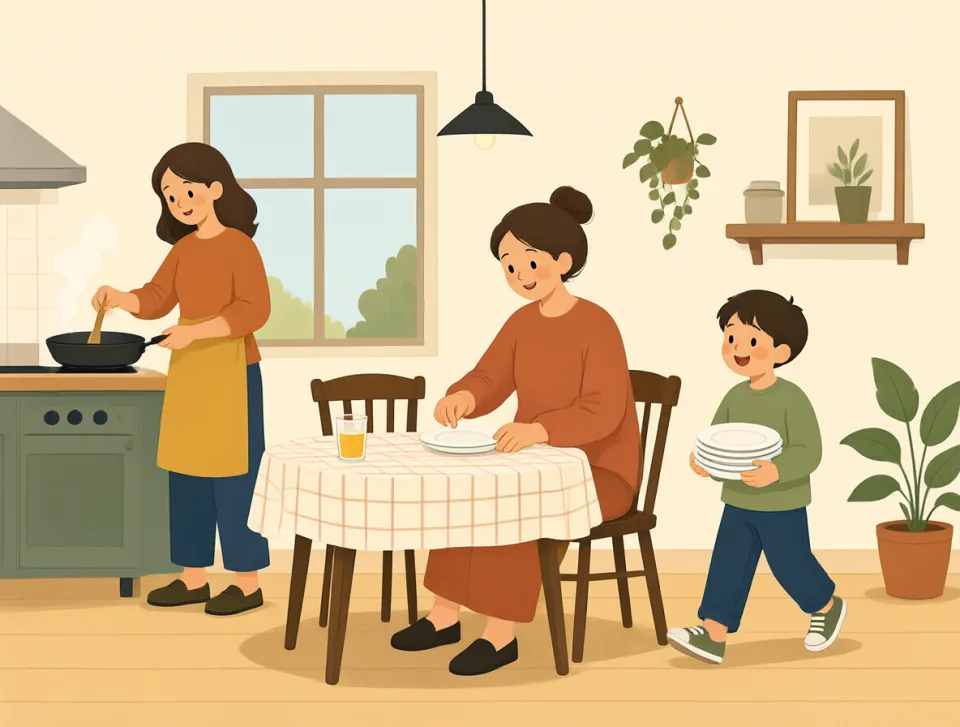
Everyone has a role in our family.
ทุกคนมีบทบาทในครอบครัวของเรา

He got a new role at the company.
เขาได้ตำแหน่งใหม่ที่บริษัท

The teacher gave me a role in the project.
ครูมอบหมายบทบาทหนึ่งในโครงการให้ฉัน

The nurse played an important role in her recovery.
พยาบาลมีบทบาทสำคัญในการฟื้นตัวของเธอ

join
#469verb
เข้าร่วม
to become a member of a group or take part in an activity
เข้าเป็นสมาชิกของกลุ่มหรือเข้าร่วมกิจกรรม

Can I join you for lunch?
ฉันขอไปกินมื้อกลางวันกับคุณได้ไหมคะ

She joined the school football team.
เธอเข้าร่วมทีมฟุตบอลของโรงเรียน

Please join us for dinner tonight.
คืนนี้เชิญมาร่วมรับประทานอาหารเย็นกับพวกเรานะคะ

He joined the line at the store.
เขาไปต่อแถวที่ร้าน

We joined a tour of the old city.
พวกเราเข้าร่วมทัวร์ชมเมืองเก่า
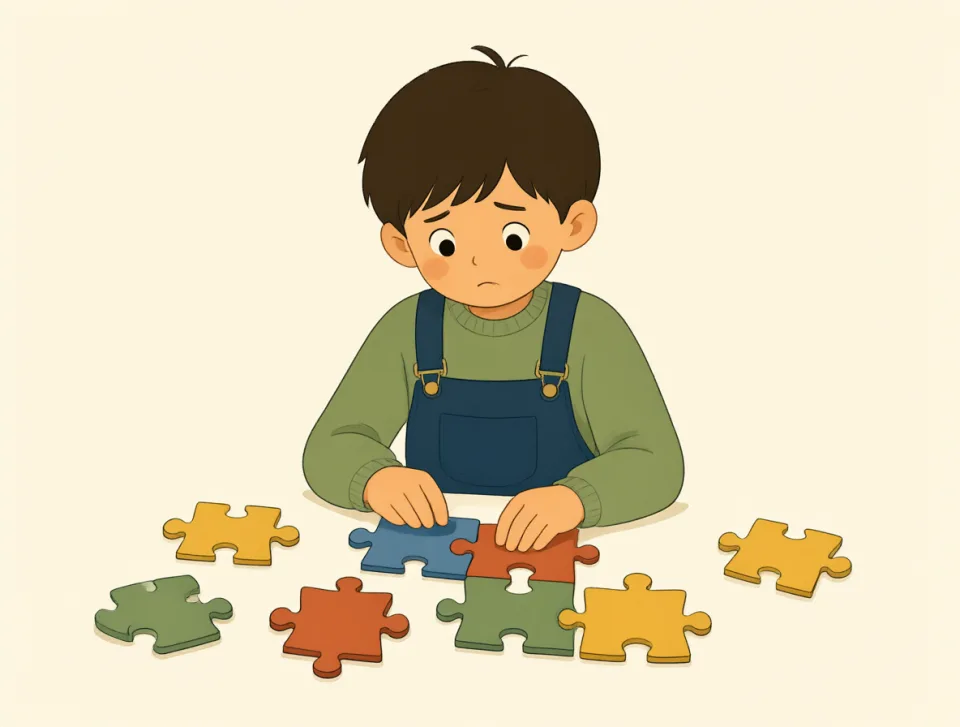
difficult
#470adjective
ยาก
Not easy to do, understand, or deal with.
ทำ เข้าใจ หรือรับมือได้ไม่ง่าย

This math problem is difficult for me.
โจทย์คณิตข้อนี้ยากสำหรับฉัน

It is difficult to sleep with this noise.
เสียงดังขนาดนี้ทำให้นอนหลับยาก

We had a difficult day at work.
เรามีวันที่ยากลำบากที่ทำงาน

The difficult journey took two days.
การเดินทางที่ยากลำบากใช้เวลาสองวัน

She finds it difficult to speak in class.
เธอรู้สึกว่าการพูดในชั้นเรียนเป็นเรื่องยาก

please
#471adverb, verb
กรุณา
Used to ask politely, or to make someone happy or satisfied.
ใช้เพื่อขอร้องอย่างสุภาพ หรือทำให้ใครบางคนพอใจ
Please close the door before you leave.
กรุณาปิดประตูก่อนออกไป

Could you help me, please?
ช่วยฉันหน่อยได้ไหม

The waiter pleased everyone with the delicious food.
พนักงานเสิร์ฟทำให้ทุกคนพอใจด้วยอาหารแสนอร่อย

Please yourself and choose a comfortable seat.
ตามสบายเลย เลือกที่นั่งที่นั่งสบายได้เลย

The doctor was pleased with my progress.
คุณหมอพอใจกับความก้าวหน้าของฉัน

detail
#472noun, verb
รายละเอียด
A small piece of information, or to give information about something carefully.
ข้อมูลเล็ก ๆ น้อย ๆ หรือการให้ข้อมูลเกี่ยวกับบางสิ่งอย่างละเอียด
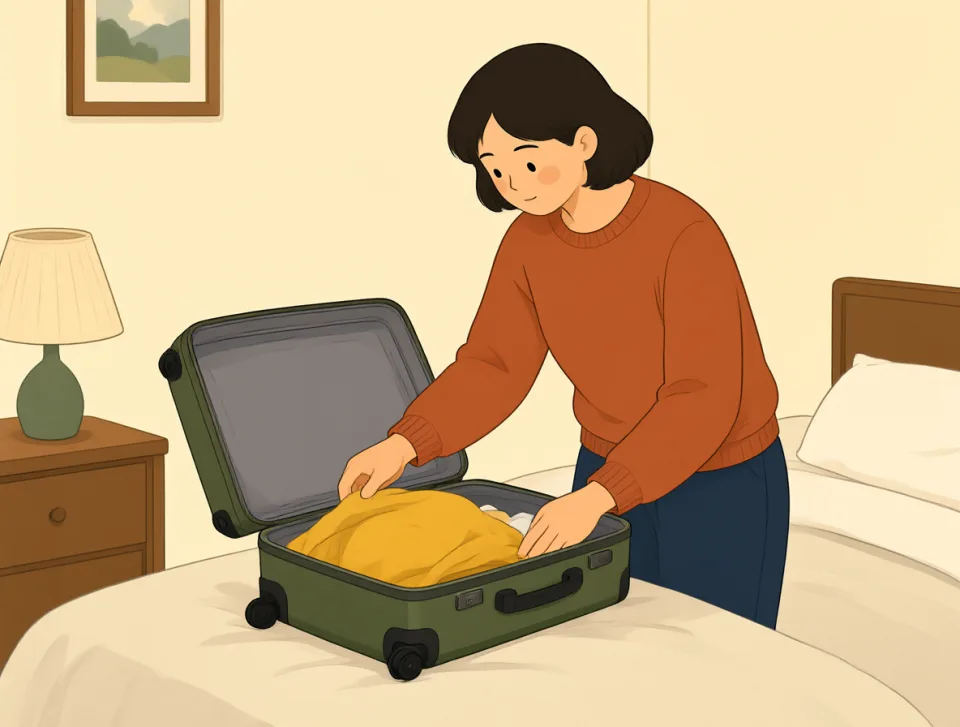
Please check every detail before you leave.
กรุณาตรวจสอบรายละเอียดทุกอย่างก่อนออกไป

She told me every detail about her trip.
เธอเล่ารายละเอียดทุกอย่างเกี่ยวกับทริปของเธอให้ฉันฟัง
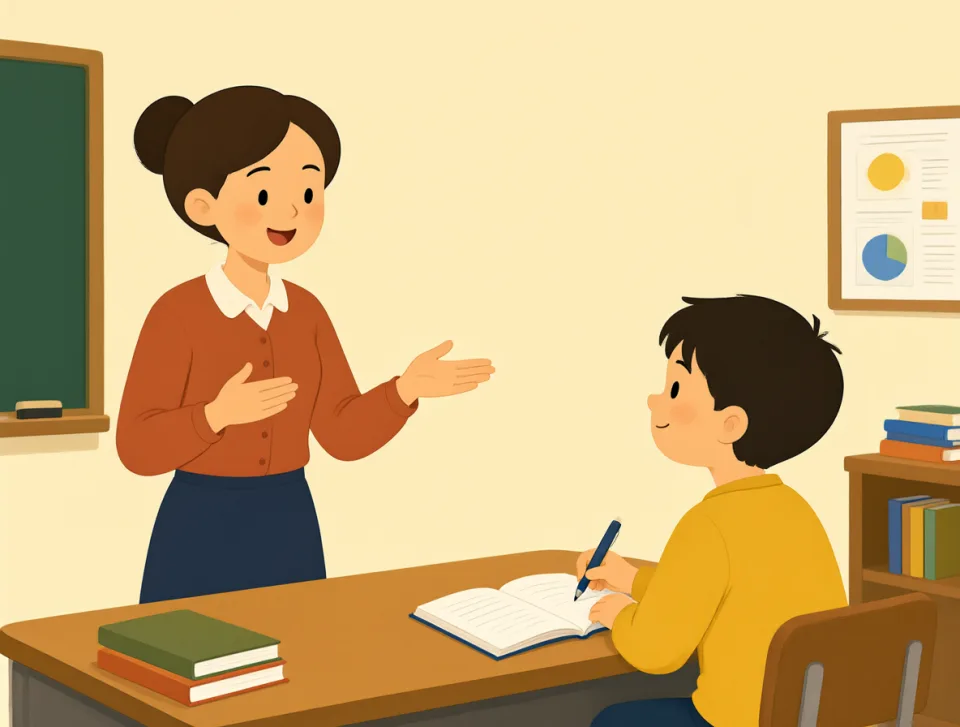
The teacher explained the details of the science project.
ครูอธิบายรายละเอียดของโครงงานวิทยาศาสตร์

The hotel room had beautiful details.
ห้องพักในโรงแรมมีรายละเอียดตกแต่งสวยงาม

He detailed the problem for the doctor.
เขาอธิบายปัญหาให้คุณหมอฟังอย่างละเอียด

difference
#473noun
ความแตกต่าง
A way in which two people or things are not the same.
ลักษณะที่ทำให้คนหรือสิ่งของสองอย่างไม่เหมือนกัน

Can you see the difference between these two bags?
เห็นความแตกต่างระหว่างกระเป๋าสองใบนี้ไหม
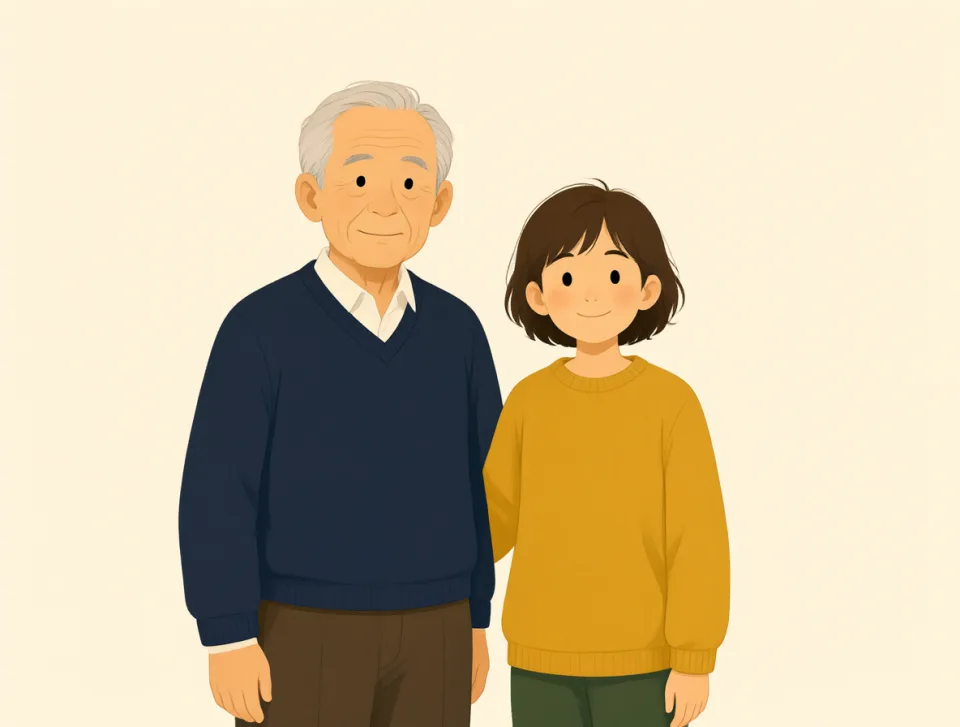
There is a big difference in their ages.
อายุของพวกเขาต่างกันมาก

The new teacher makes a difference at school.
ครูคนใหม่สร้างความเปลี่ยนแปลงที่ดีให้กับโรงเรียน
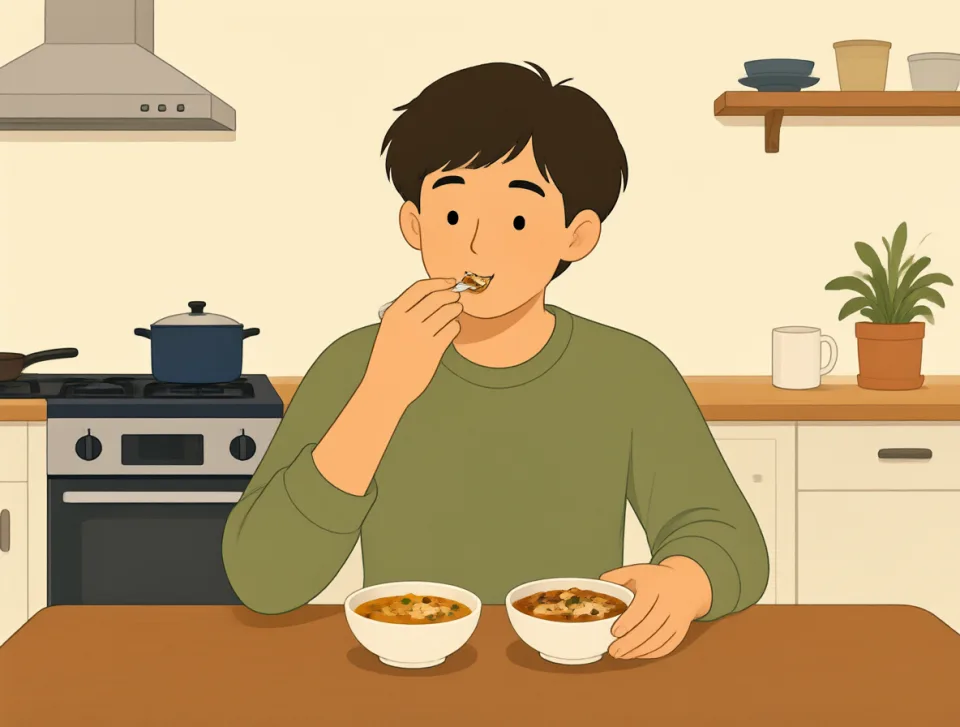
I cannot taste the difference between them.
ฉันแยกรสชาติของสองอย่างนี้ไม่ออก

We noticed differences between the two hotels.
เราสังเกตเห็นความแตกต่างระหว่างโรงแรมสองแห่ง

action
#474noun
การกระทำ
Something someone does, especially to solve a problem or achieve a result.
สิ่งที่ใครบางคนทำ โดยเฉพาะเพื่อแก้ปัญหาหรือทำให้ได้ผลลัพธ์ตามต้องการ

The police took action after the accident.
ตำรวจดำเนินการหลังเกิดอุบัติเหตุ

We need action to fix this problem.
เราต้องลงมือแก้ปัญหานี้

The teacher praised her action in class.
ครูชมการกระทำของเธอในชั้นเรียน

The medicine started working after a few hours.
ยาเริ่มออกฤทธิ์หลังจากผ่านไปไม่กี่ชั่วโมง

The movie has lots of exciting action.
หนังเรื่องนี้มีฉากแอ็กชันตื่นเต้นมากมาย

health
#475noun
สุขภาพ
The condition of your body and mind, especially when you are free from illness.
สภาพของร่างกายและจิตใจ โดยเฉพาะเมื่อไม่มีอาการเจ็บป่วย

Walking every day is good for your health.
การเดินทุกวันดีต่อสุขภาพ

She worries about her father's health.
เธอเป็นห่วงสุขภาพของพ่อ

Good health helps children learn at school.
สุขภาพที่ดีช่วยให้เด็ก ๆ เรียนรู้ที่โรงเรียนได้

The doctor asked about my health.
คุณหมอถามถึงสุขภาพของฉัน
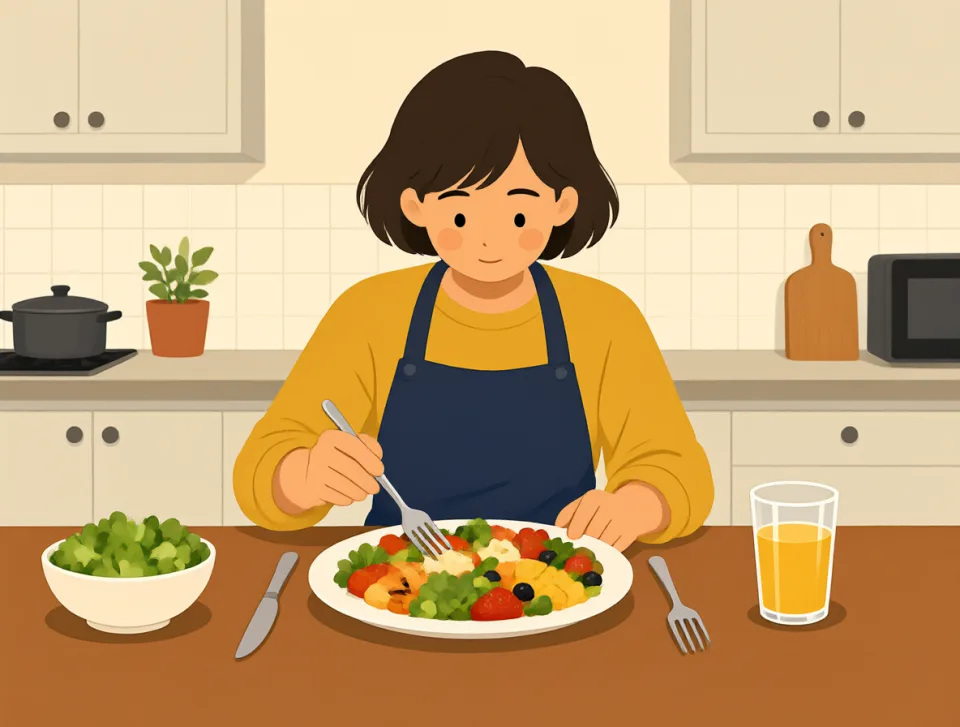
This food is healthy and supports heart health.
อาหารนี้มีประโยชน์ต่อสุขภาพและช่วยบำรุงหัวใจ
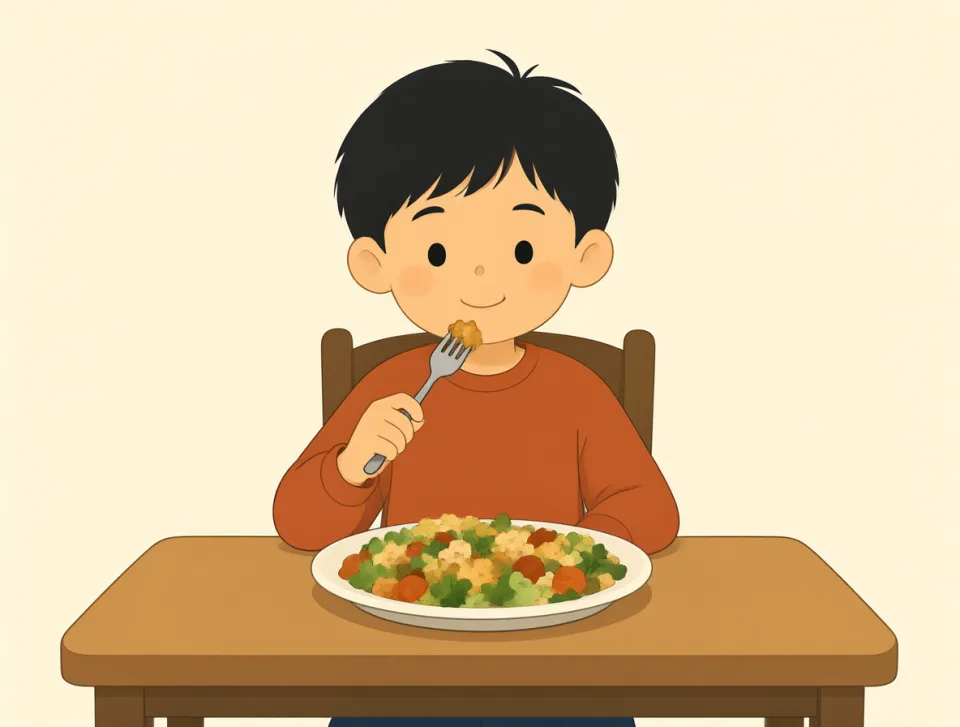
eat
#476verb
กิน
to put food in your mouth, chew it, and swallow it
นำอาหารเข้าปาก เคี้ยว แล้วกลืน
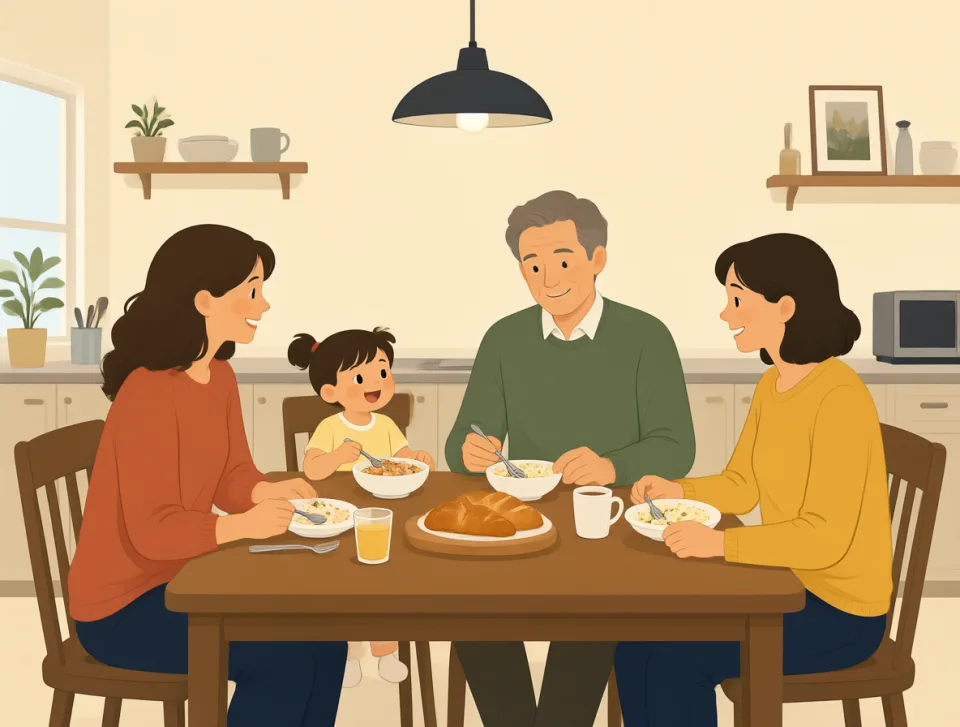
We eat breakfast together every morning.
พวกเรากินอาหารเช้าด้วยกันทุกเช้า

The children ate all the cake.
เด็ก ๆ กินเค้กหมดเลย
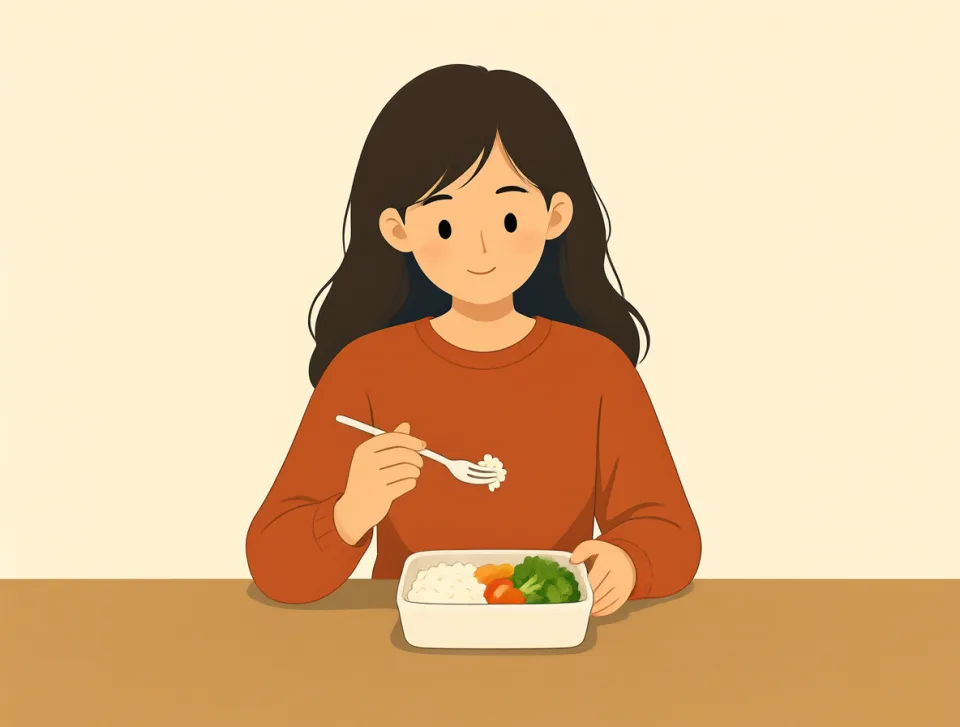
She is eating lunch at work.
เธอกำลังกินอาหารกลางวันที่ทำงาน

Did you eat at the new restaurant?
คุณได้ไปกินที่ร้านอาหารเปิดใหม่หรือยัง
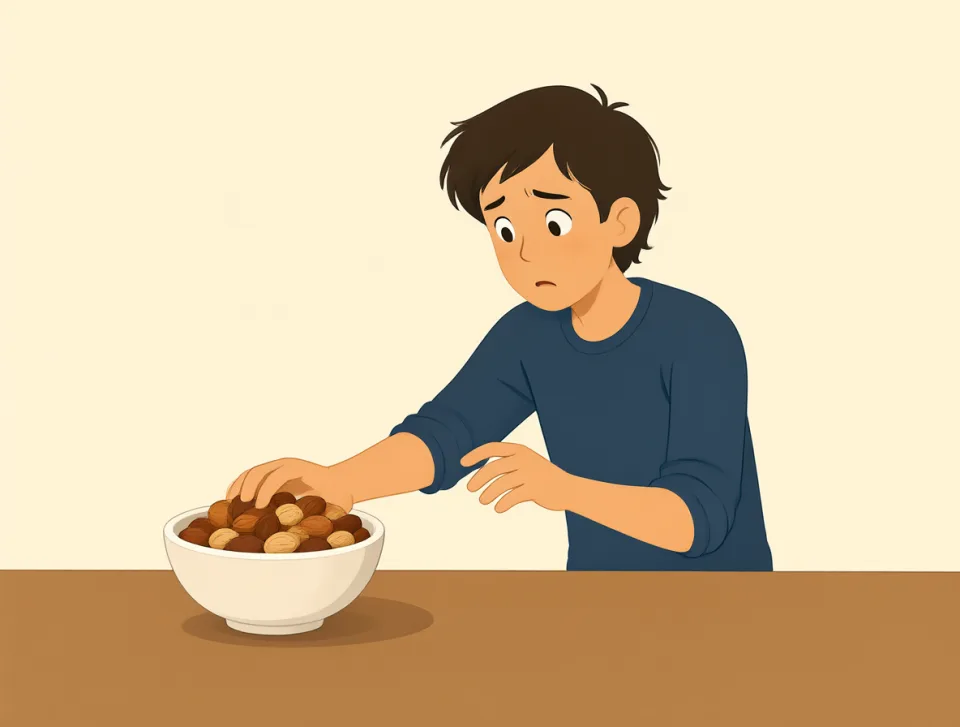
I cannot eat nuts because I am allergic.
ฉันกินถั่วไม่ได้เพราะแพ้

step
#477noun, verb
ก้าว
A movement made by lifting one foot and putting it down somewhere else.
การเคลื่อนไหวโดยยกเท้าข้างหนึ่งขึ้นแล้ววางลงในตำแหน่งอื่น
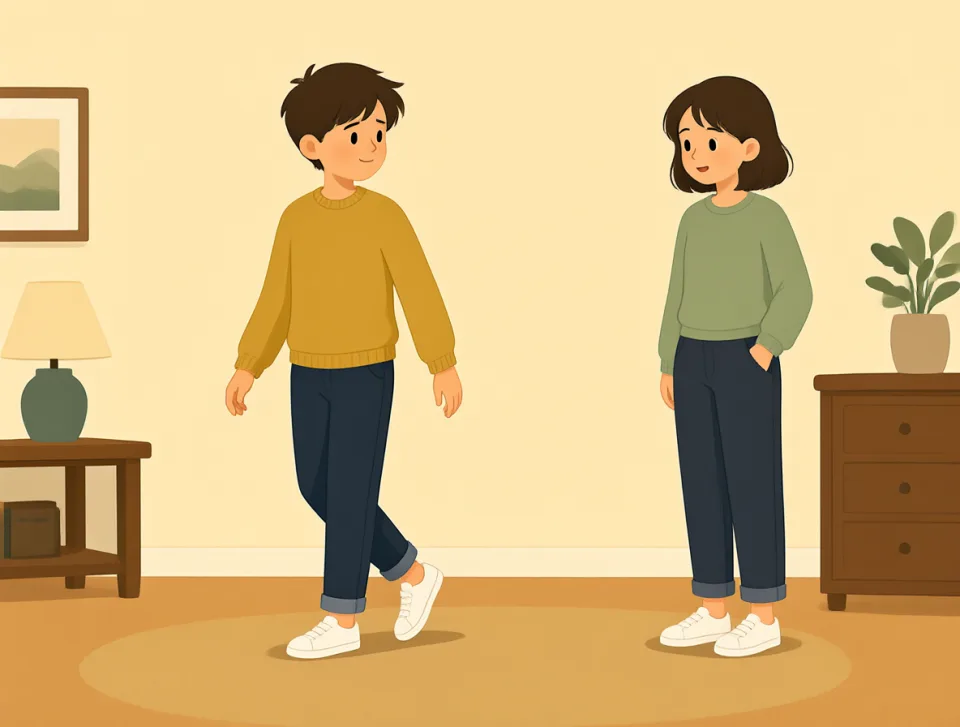
Please take one step back.
กรุณาถอยหลังหนึ่งก้าว

She climbed the steps to the front door.
เธอเดินขึ้นบันไดไปยังประตูหน้าบ้าน
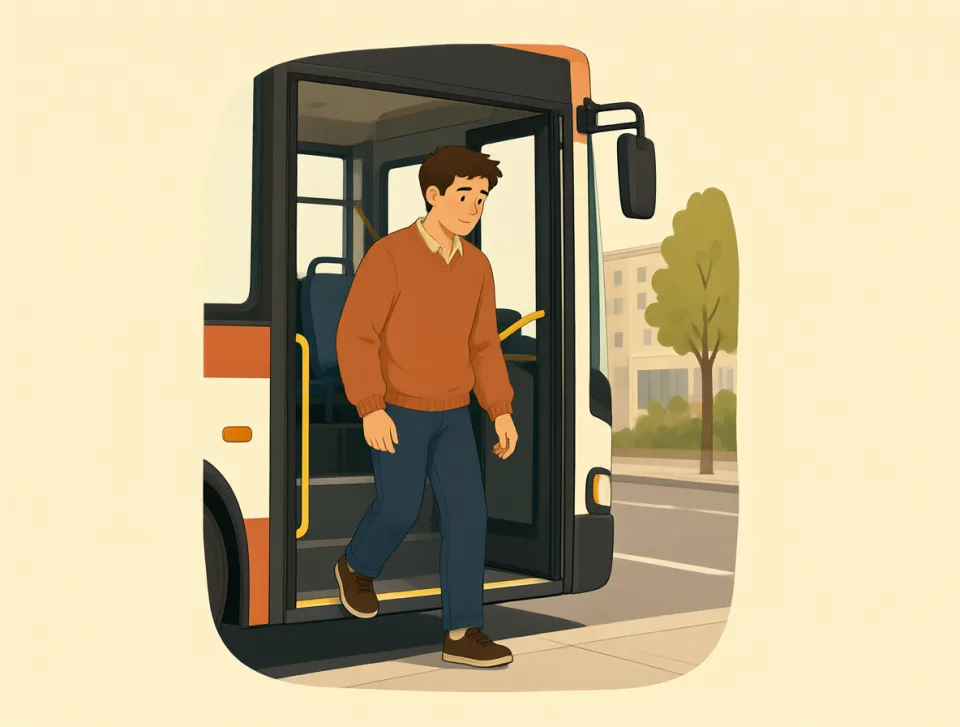
He stepped off the bus carefully.
เขาก้าวลงจากรถบัสอย่างระมัดระวัง
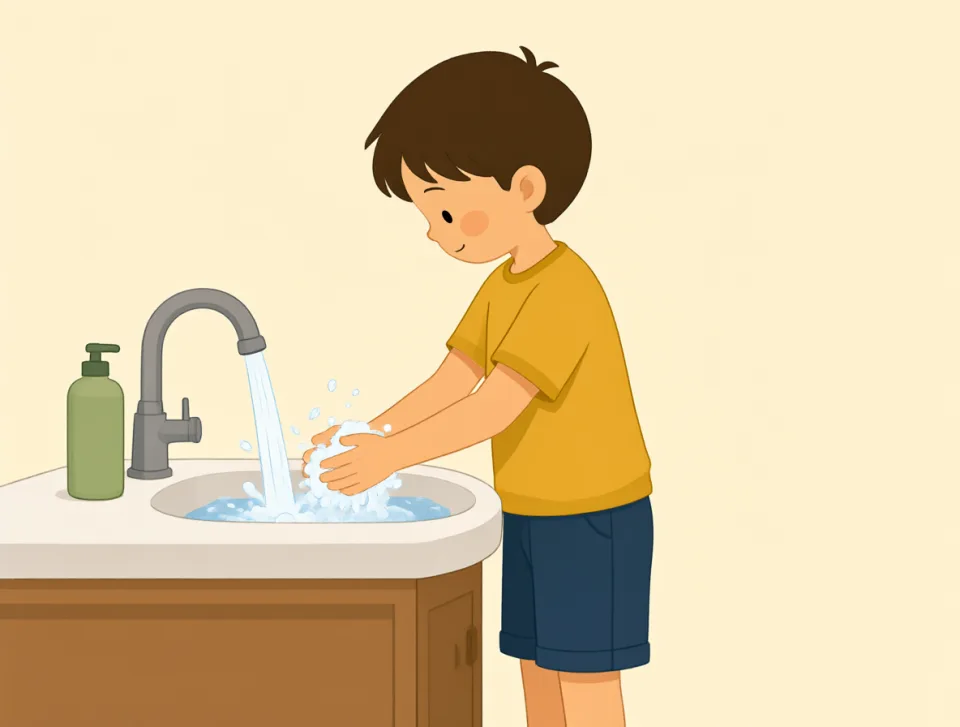
The first step is to wash your hands.
ขั้นตอนแรกคือการล้างมือ
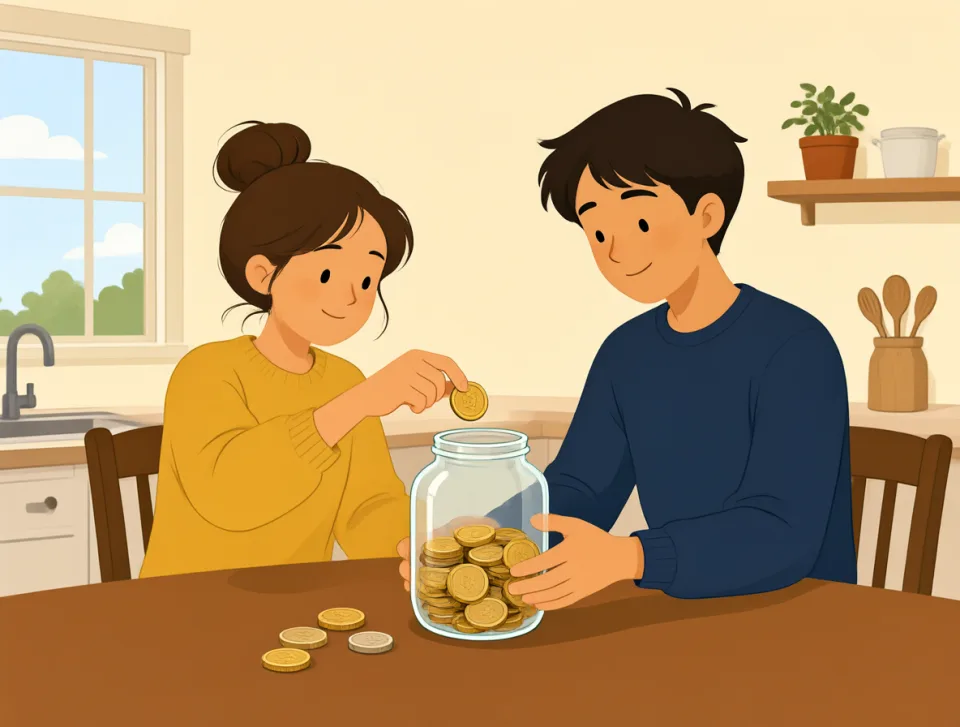
We are taking steps to save money.
พวกเรากำลังดำเนินมาตรการเพื่อประหยัดเงิน

TRUE
#478adjective, adverb, noun
จริง
Based on facts, real, or agreeing with what is correct.
อิงตามข้อเท็จจริง เป็นเรื่องจริง หรือถูกต้องตรงกับสิ่งที่เป็นจริง
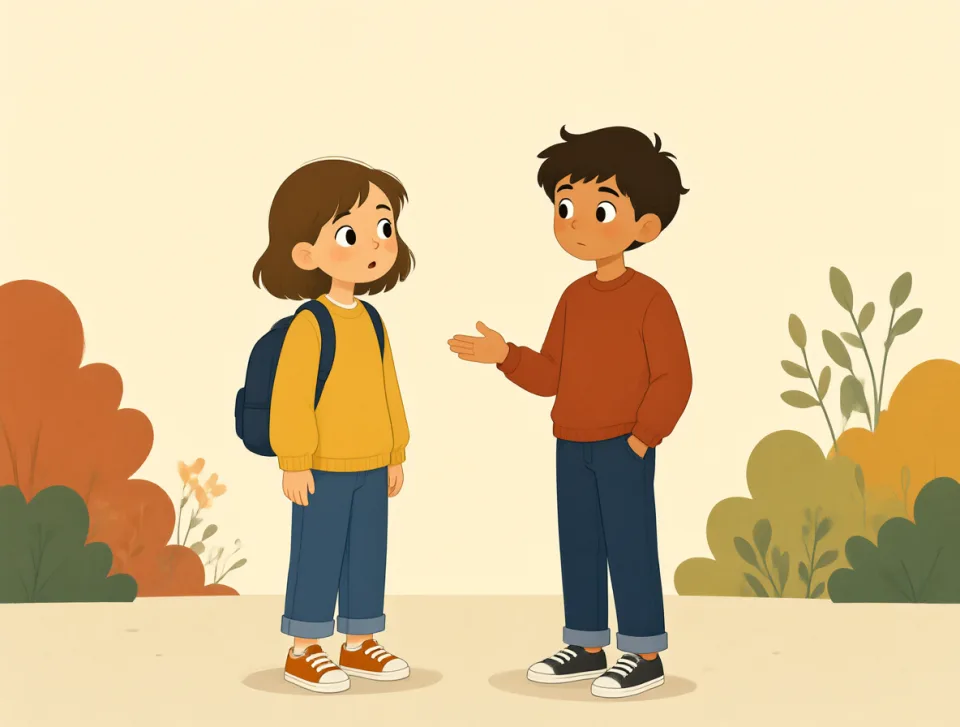
Is it true that you saw him?
จริงหรือที่คุณเห็นเขา

This story is true, and it really happened.
เรื่องนี้เป็นเรื่องจริง และเกิดขึ้นจริง ๆ

She is a true friend who always helps me.
เธอเป็นเพื่อนแท้ที่คอยช่วยเหลือฉันเสมอ

The movie was based on a true story.
ภาพยนตร์เรื่องนี้สร้างจากเรื่องจริง

Stay true to yourself at school and work.
จงเป็นตัวของตัวเองทั้งที่โรงเรียนและที่ทำงาน

phone
#479noun, verb
โทรศัพท์
A device for talking to people over a distance.
อุปกรณ์ที่ใช้พูดคุยกับผู้คนที่อยู่ห่างไกล

I left my phone at home.
ฉันทิ้งโทรศัพท์ไว้ที่บ้าน

She is talking on the phone.
เธอกำลังคุยโทรศัพท์อยู่

He bought a new phone yesterday.
เมื่อวานเขาซื้อโทรศัพท์เครื่องใหม่

Please phone me after work.
กรุณาโทรหาฉันหลังเลิกงาน

The doctor phoned my mother yesterday.
เมื่อวานคุณหมอโทรหาแม่ของฉัน
themselves
#480pronoun
ตัวพวกเขาเอง
Used to refer to two or more people or animals already mentioned.
ใช้กล่าวถึงคนหรือสัตว์ตั้งแต่สองคนหรือตัวขึ้นไปที่พูดถึงไปแล้ว
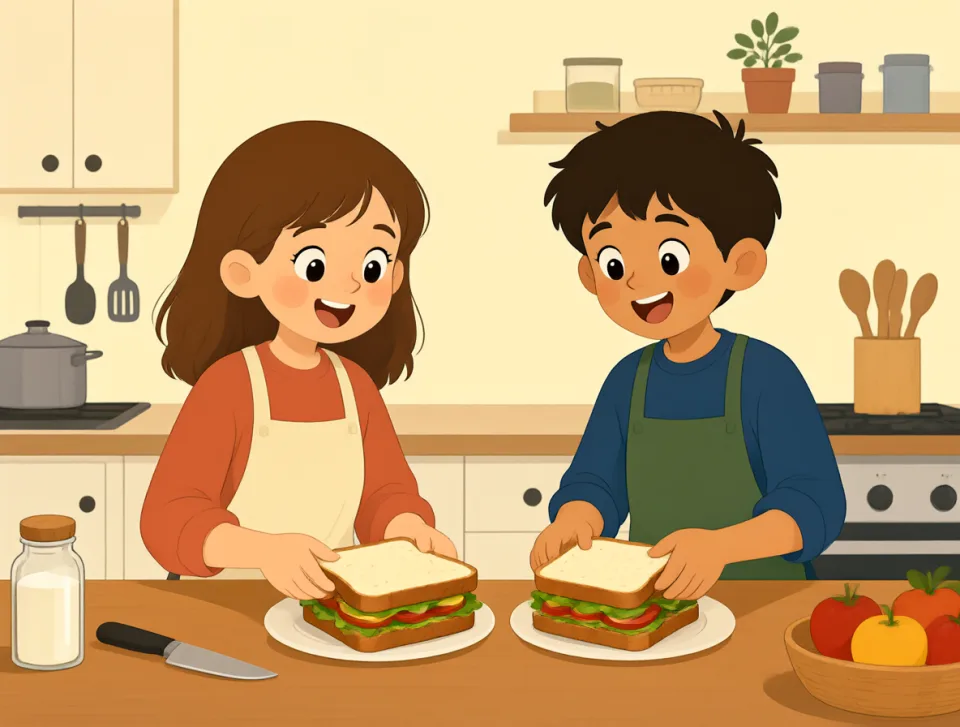
The children made the sandwiches themselves.
เด็ก ๆ ทำแซนด์วิชกันเอง

They hurt themselves while playing outside.
พวกเขาได้รับบาดเจ็บตอนเล่นอยู่ข้างนอก
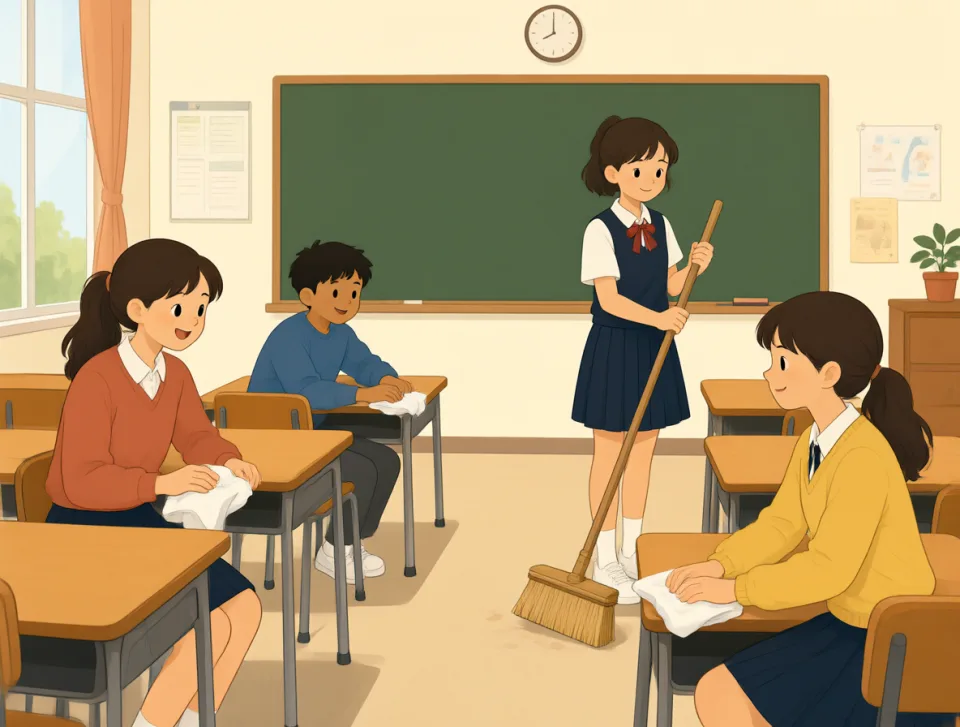
The students cleaned the classroom themselves.
นักเรียนทำความสะอาดห้องเรียนกันเอง

Please help yourselves to some cake.
เชิญตักเค้กกินกันได้เลย

They introduced themselves to the new teacher.
พวกเขาแนะนำตัวกับครูคนใหม่