Блок 24
Слова 461–480 · strong, rise, girl, maybe, community, else
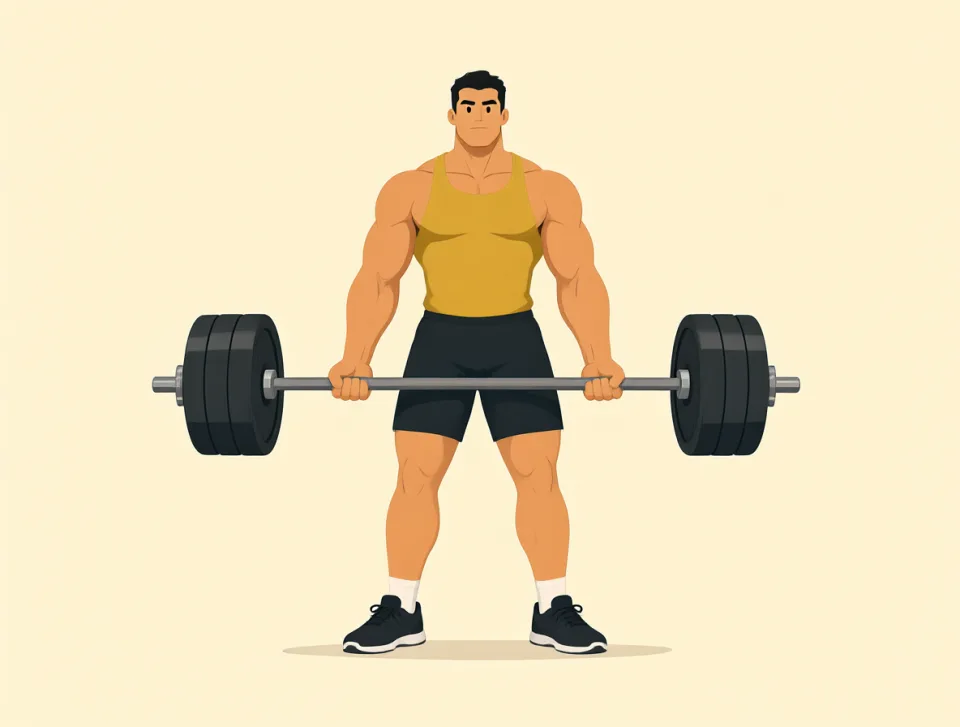
strong
#461adjective, adverb, noun
сильный
having great physical power or force
Обладающий большой физической силой или мощью.
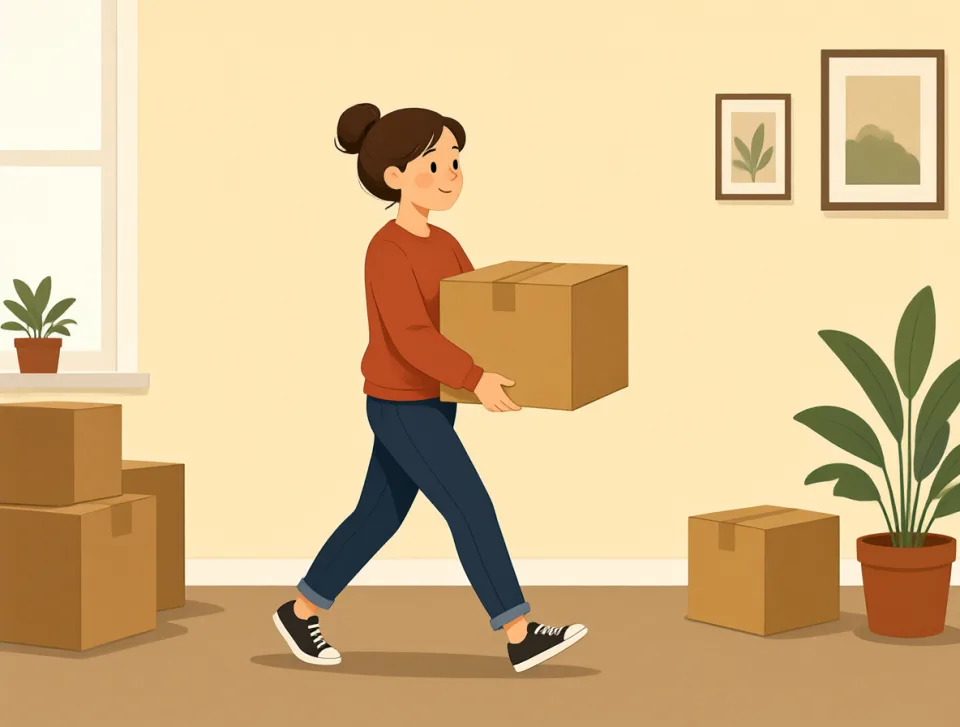
She is strong enough to carry the box.
Она достаточно сильная, чтобы нести коробку.

This coffee is too strong for me.
Этот кофе для меня слишком крепкий.

He has a strong stomach and eats spicy food.
У него крепкий желудок, и он ест острую еду.

The strong wind blew my hat away.
Сильный ветер унёс мою шляпу.

They built a strong team at work.
На работе они создали сильную команду.

rise
#462verb, noun
подниматься; повышаться
To move upward, or an increase in amount, level, or number.
Двигаться вверх; увеличиваться по количеству, уровню или числу.
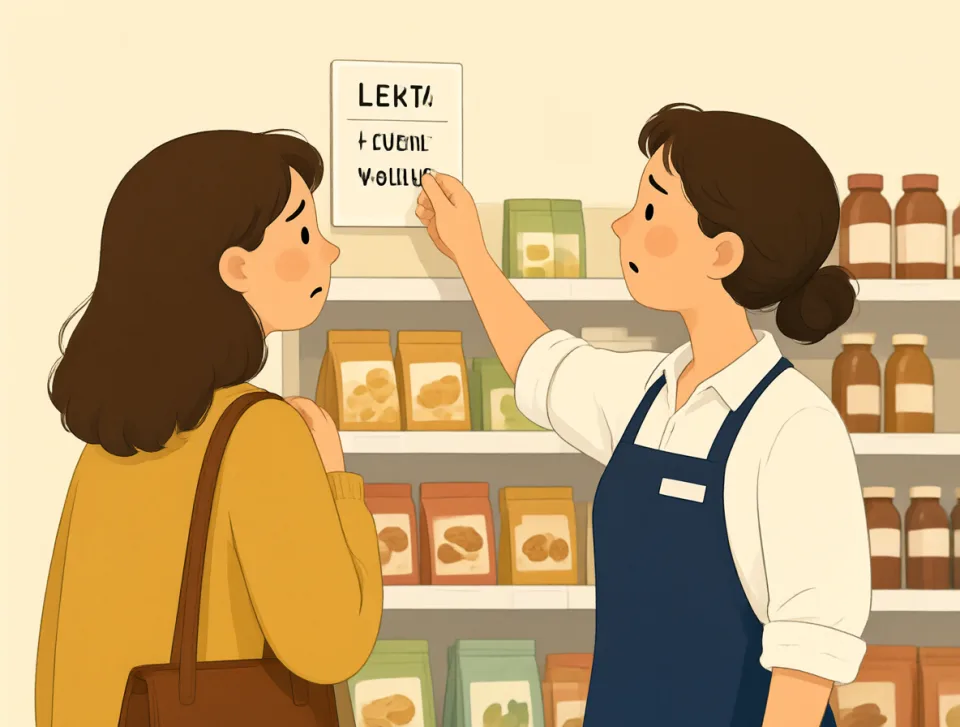
Prices rise when food is hard to find.
Цены растут, когда продукты трудно найти.

The sun rises early in summer.
Летом солнце встаёт рано.
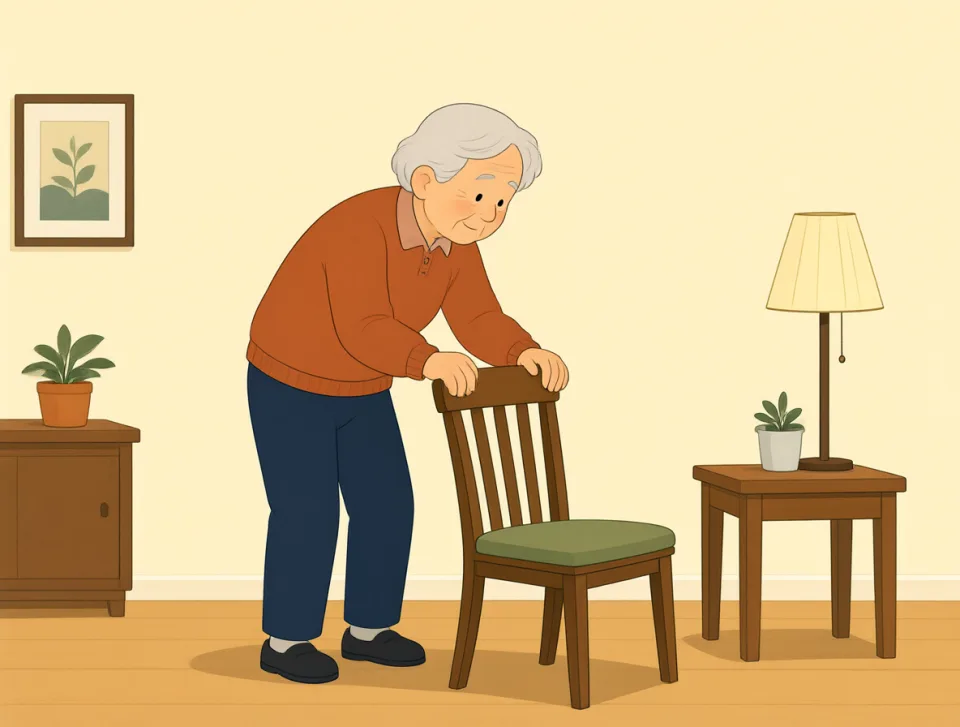
Please rise from your chair slowly.
Пожалуйста, медленно встаньте со стула.
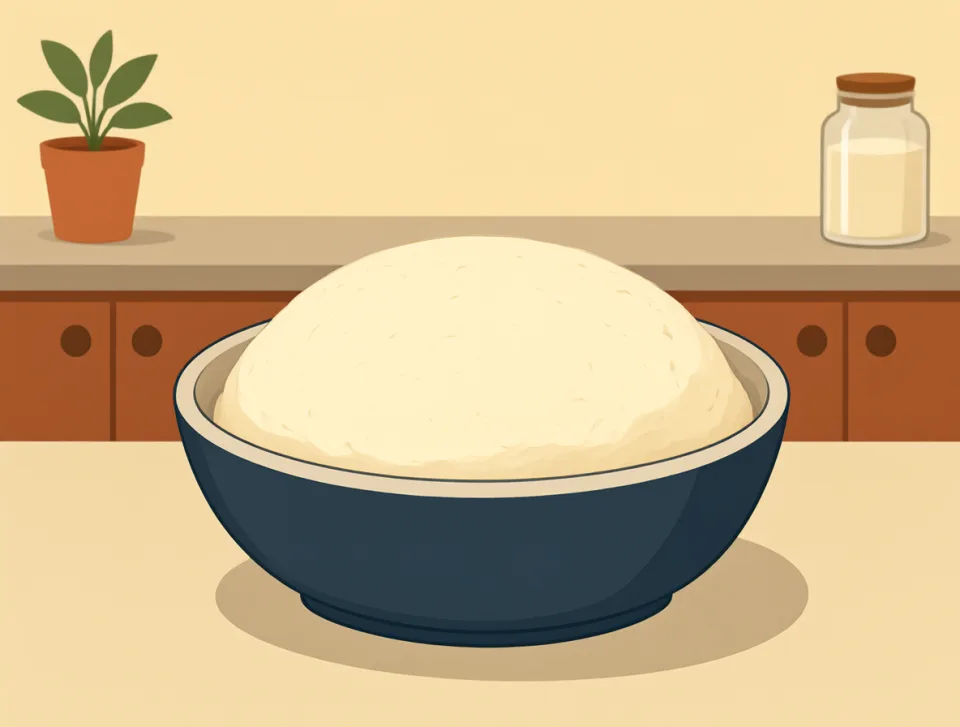
The bread dough rose in the warm kitchen.
Тесто поднялось в тёплой кухне.
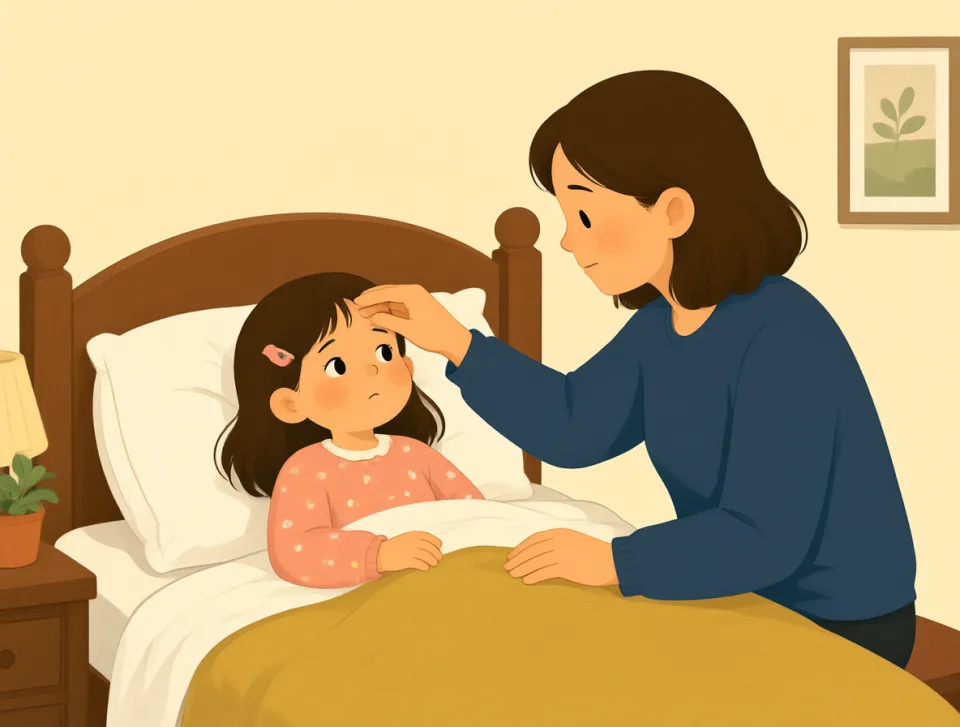
Her temperature rose during the night.
За ночь у неё поднялась температура.
girl
#463noun
девочка; девушка
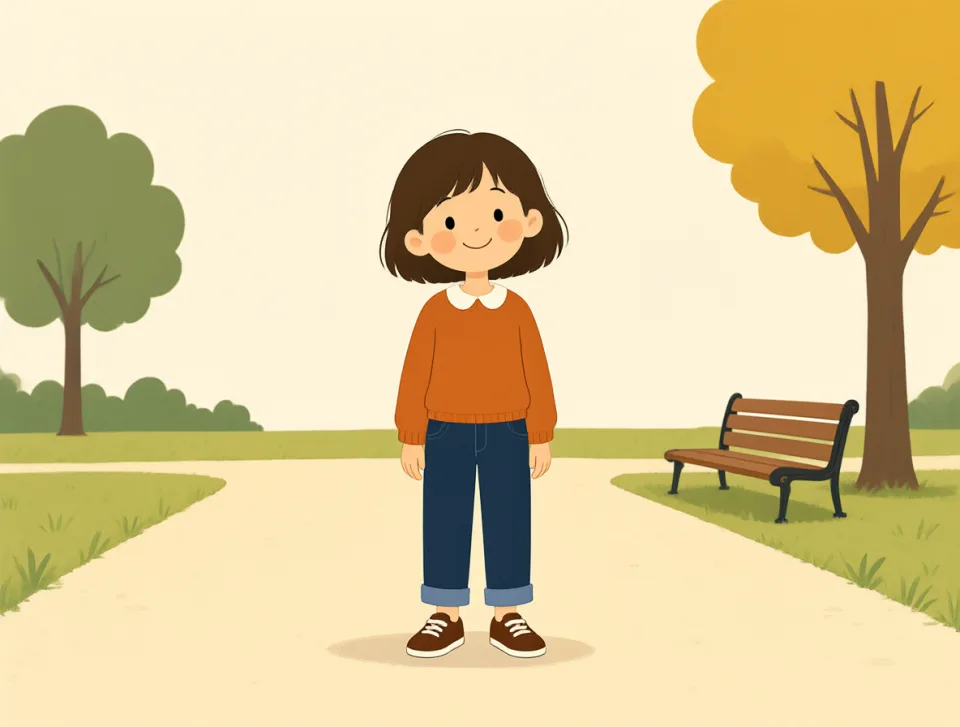
A female child or young woman.
Ребёнок женского пола или молодая женщина.
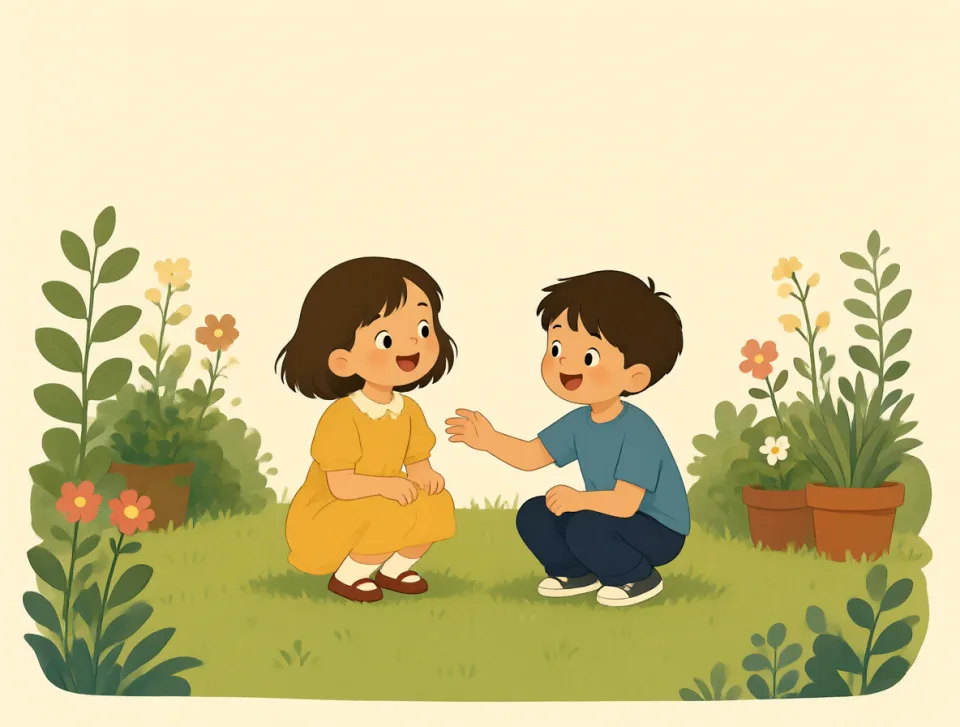
The girl is playing with her brother.
Девочка играет со своим братом.

That girl is my best friend.
Та девочка — моя лучшая подруга.
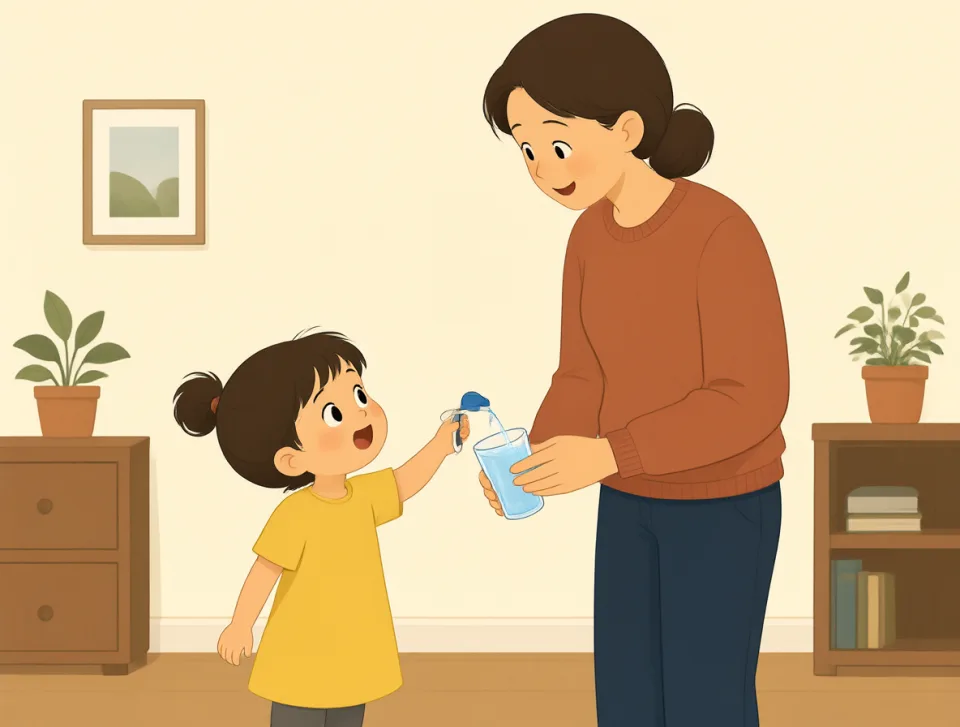
A little girl asked for some water.
Маленькая девочка попросила воды.

The girls bought ice cream after school.
После школы девочки купили мороженое.
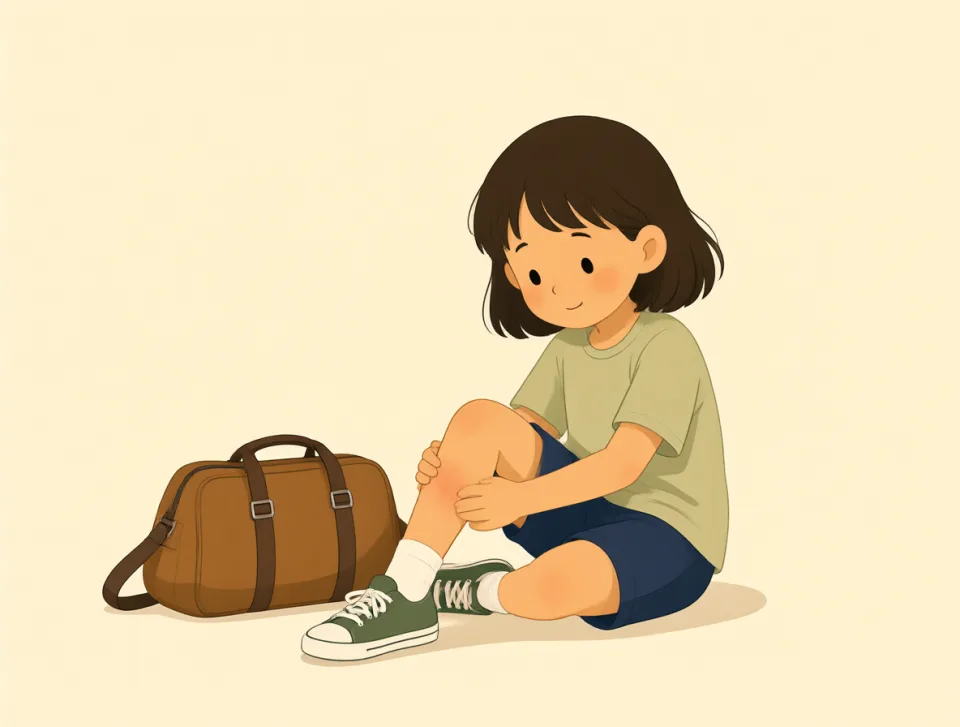
The girl hurt her leg on the trip.
Во время поездки девочка повредила ногу.

maybe
#464adverb
может быть
Used to say that something is possible but not certain.
Используется, чтобы сказать, что что-то возможно, но не точно.
Maybe we can meet after work.
Может быть, мы встретимся после работы.

Maybe it will rain this afternoon.
Может быть, сегодня днём пойдёт дождь.

Maybe she left her keys at home.
Может быть, она оставила ключи дома.

Maybe I should see a doctor.
Может быть, мне стоит сходить к врачу.
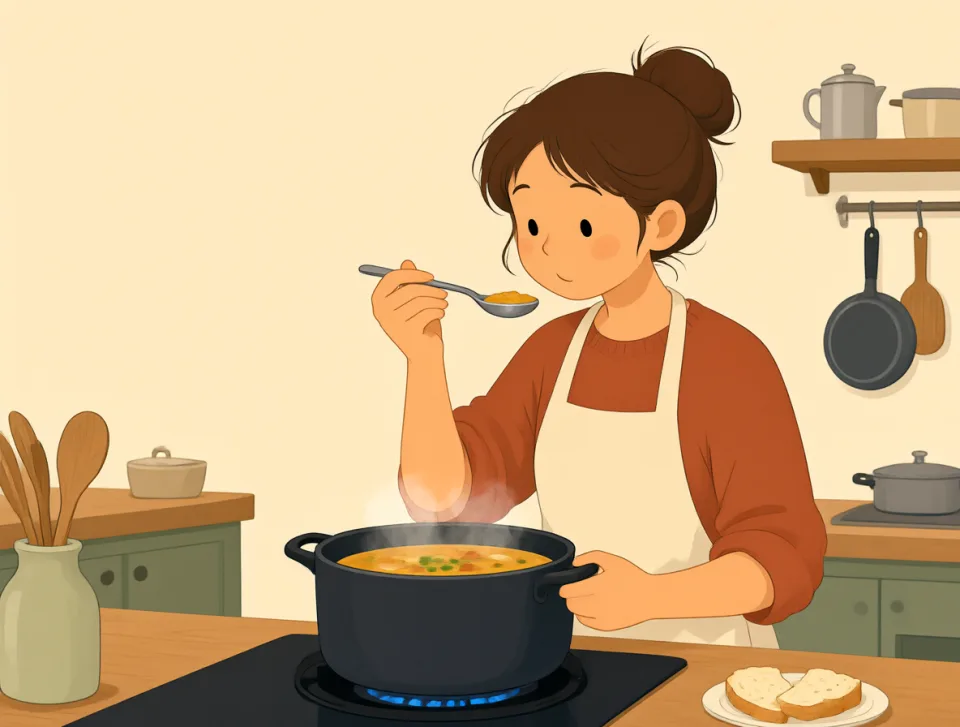
Maybe this soup needs more salt.
Может быть, в этот суп нужно добавить ещё соли.
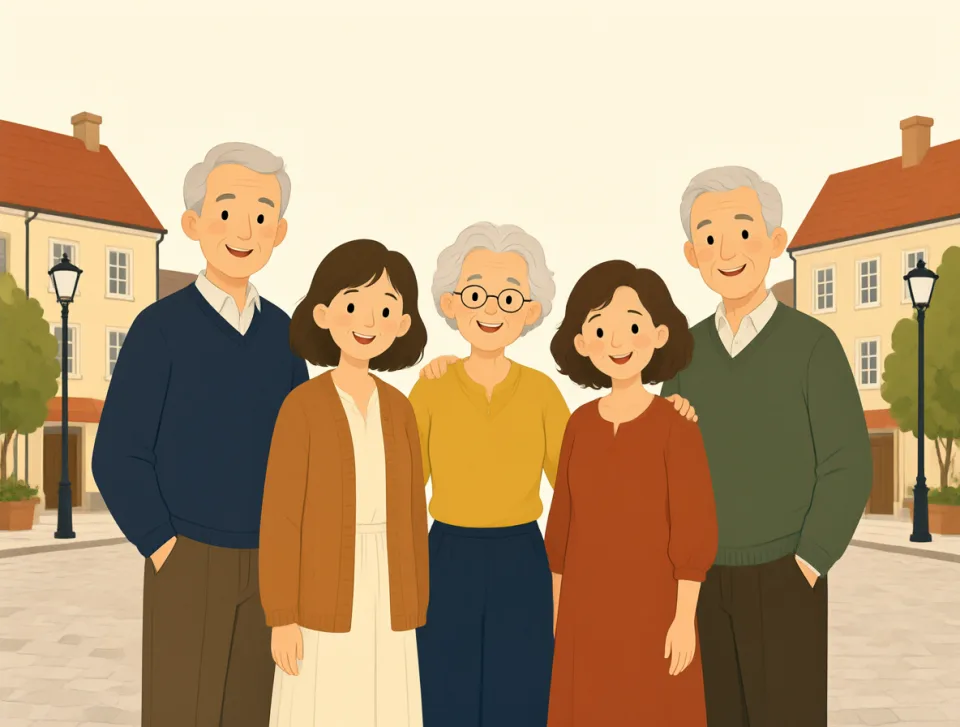
community
#465noun
сообщество
A group of people who live in the same place or share an interest.
Группа людей, которые живут в одном месте или разделяют общий интерес.
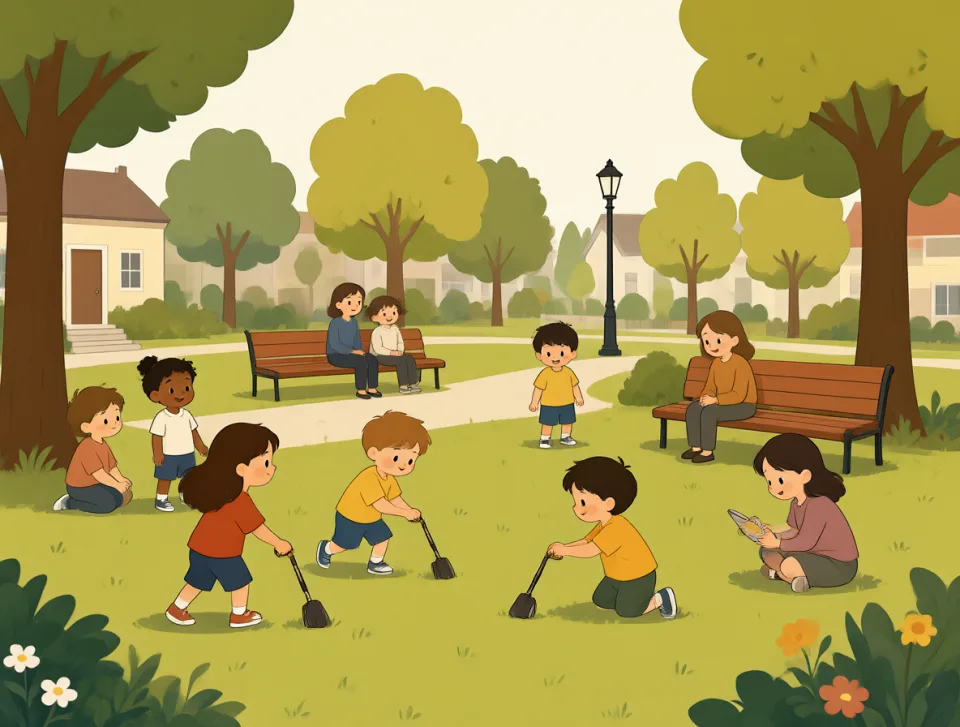
Our community has a small park.
В нашем сообществе есть небольшой парк.
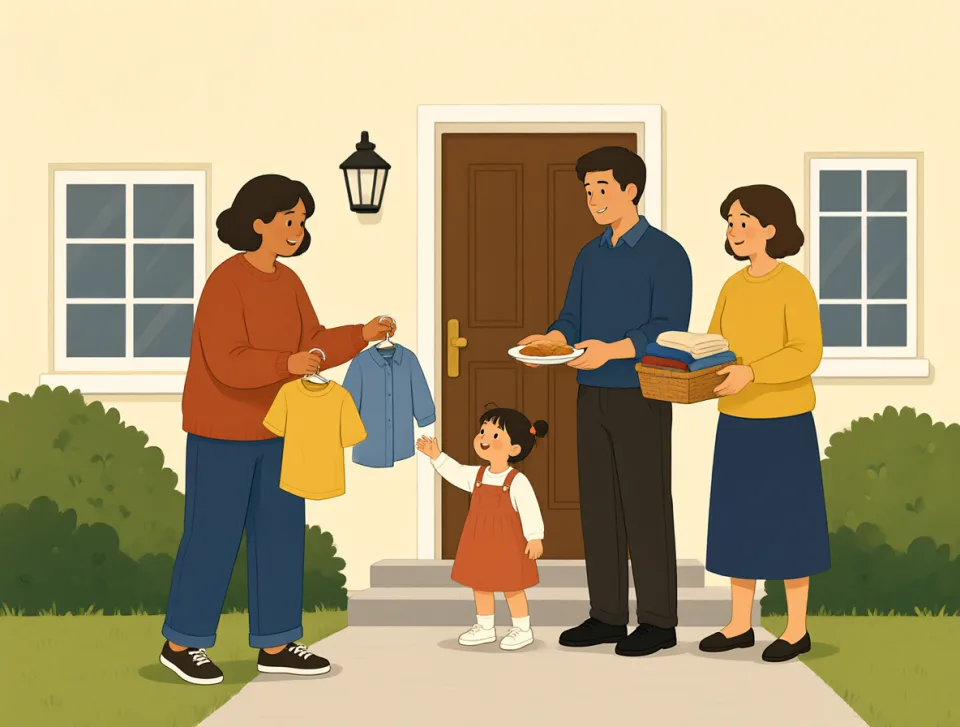
The community helped the family after the fire.
После пожара сообщество помогло семье.
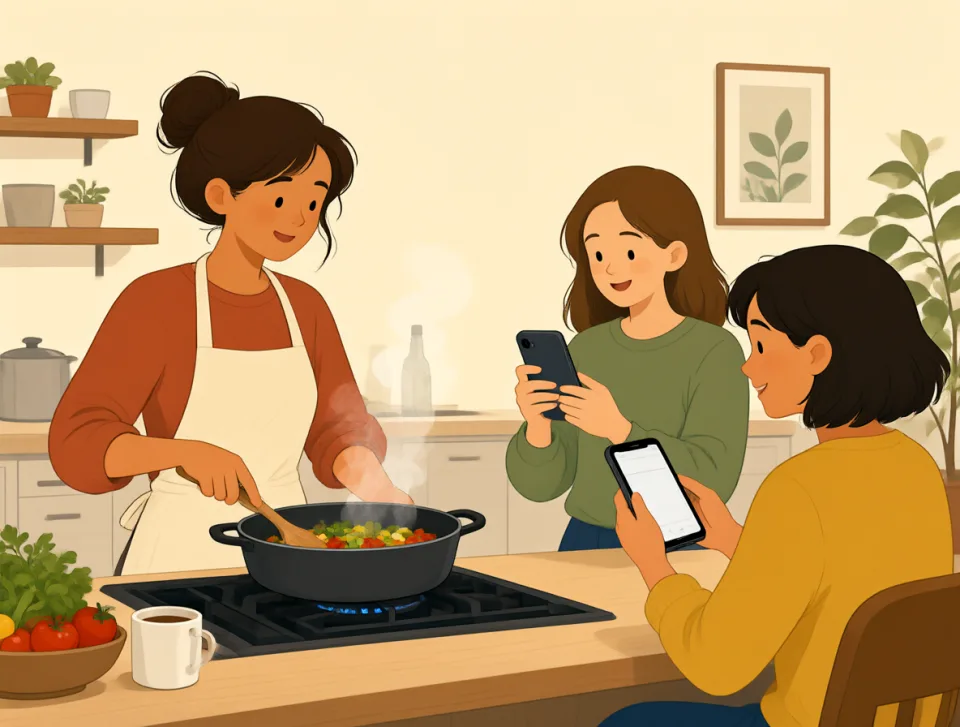
She joined a cooking community online.
Она вступила в онлайн-сообщество любителей готовить.
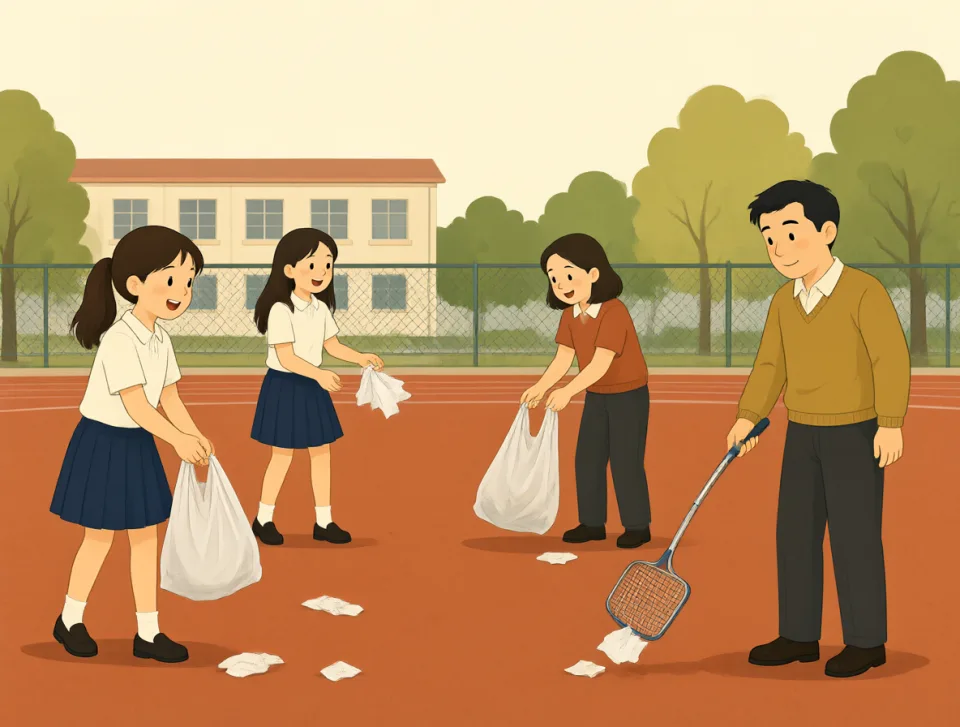
Our school community cleaned the playground.
Наше школьное сообщество убрало игровую площадку.
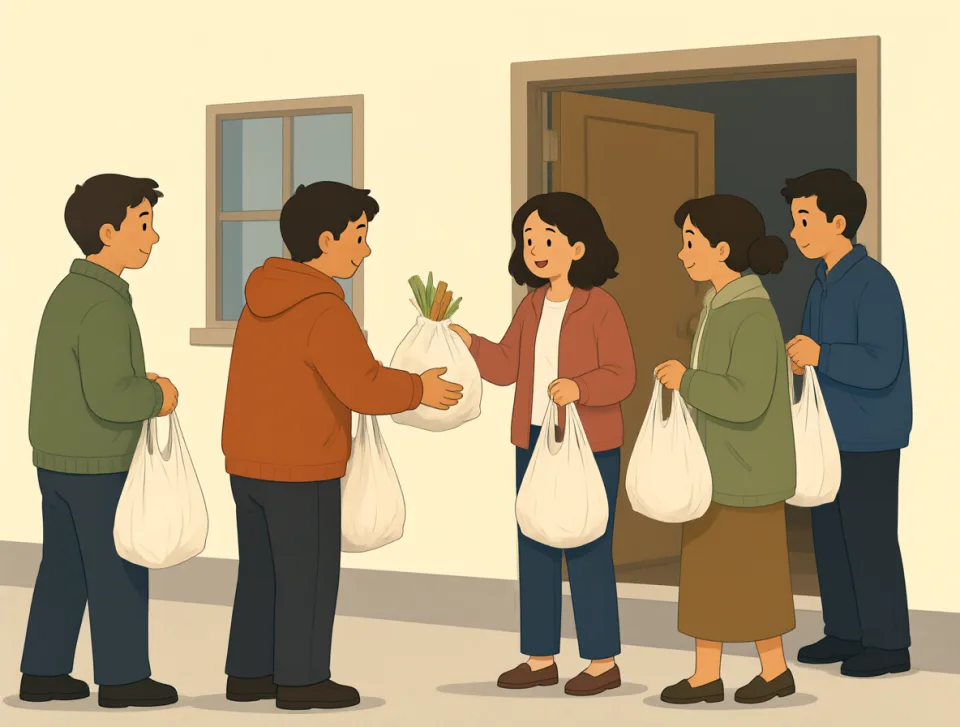
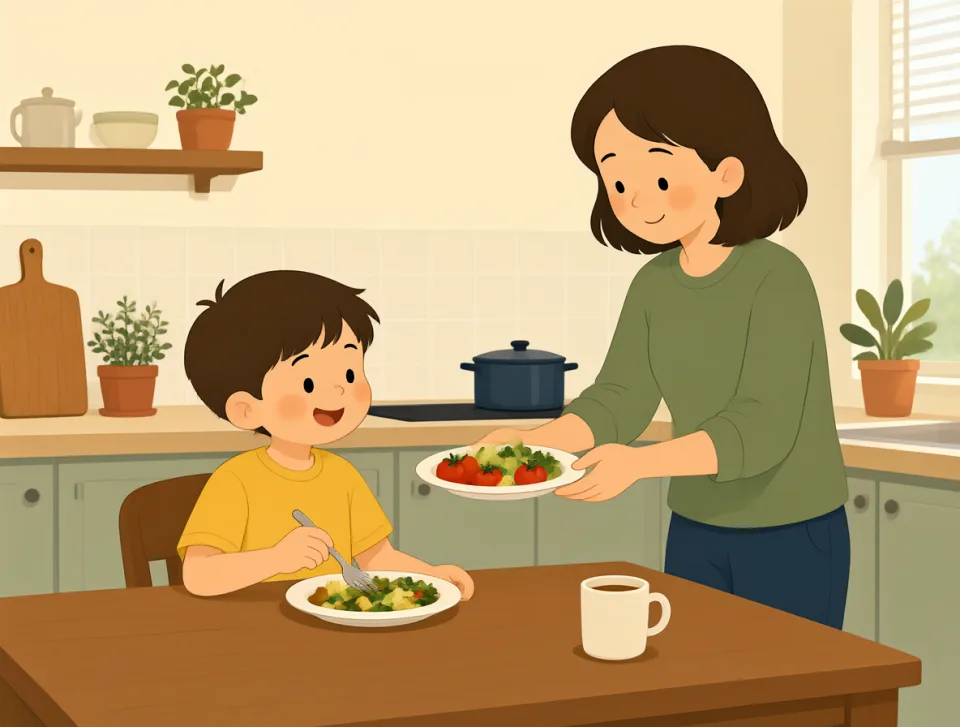
The local community opened a food bank.
Местное сообщество открыло пункт раздачи продуктов.
else
#466adverb, pronoun, determiner
ещё
Different or additional from the person, thing, or place already mentioned.
Другой или дополнительный человек, предмет или место, помимо уже упомянутого.
Would you like anything else to eat?
Хотите ещё что-нибудь поесть?

Is there anything else I can help with?
Я могу ещё чем-нибудь помочь?

Where else can we go today?
Куда ещё мы можем сегодня сходить?
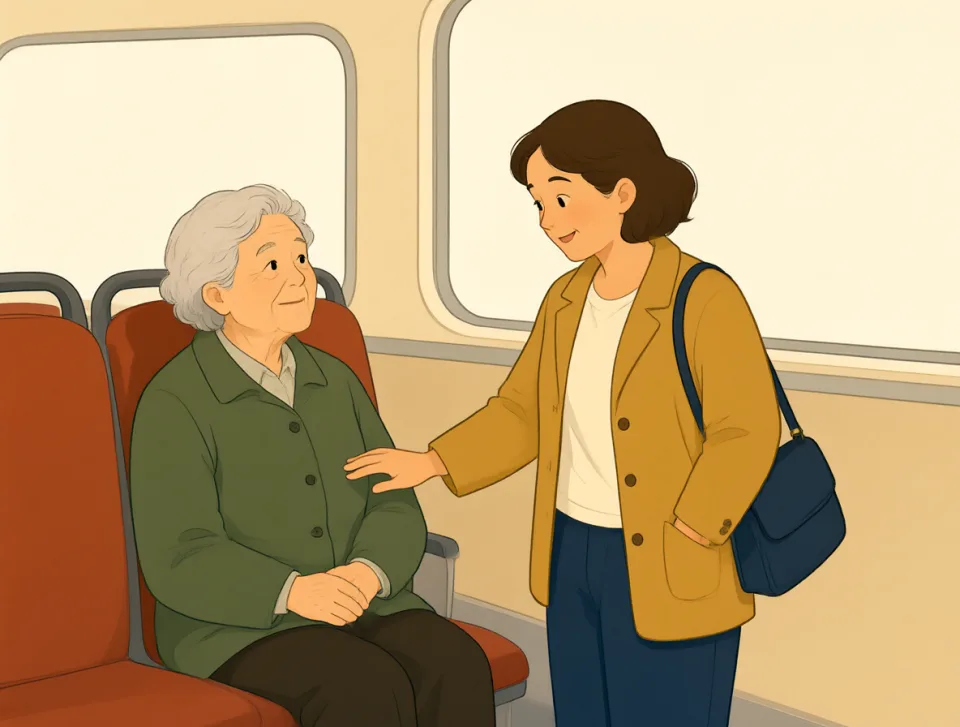
Someone else took my seat on the bus.
Кто-то другой занял моё место в автобусе.

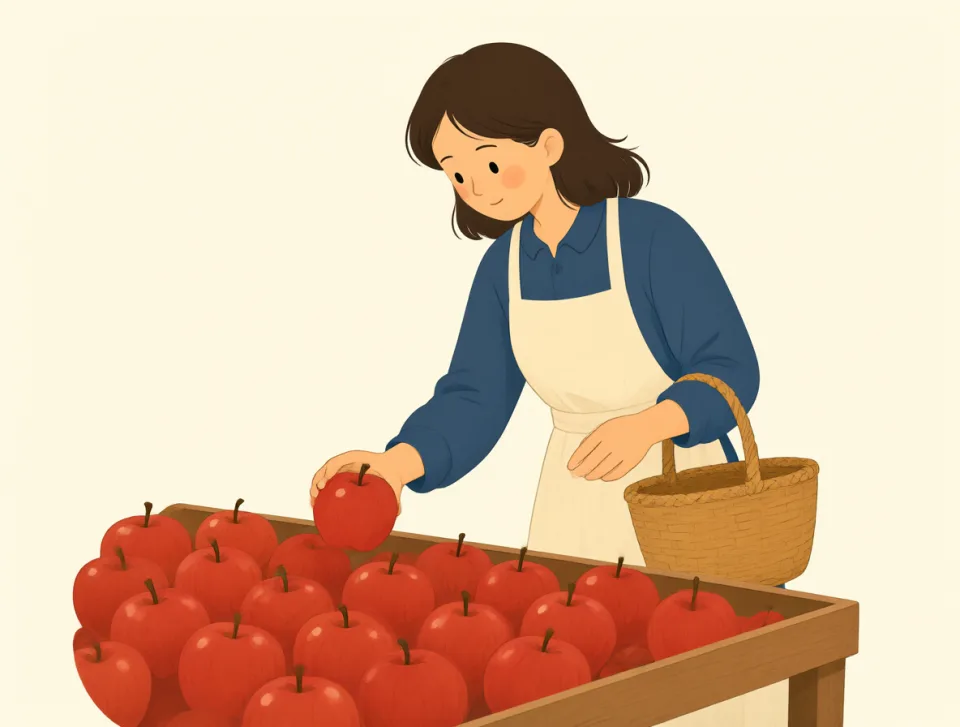
What else did you learn at school?
Что ещё ты узнал в школе?
particular
#467adjective
определённый
Specific or exact, rather than general or ordinary.
Конкретный или точный, а не общий или обычный.
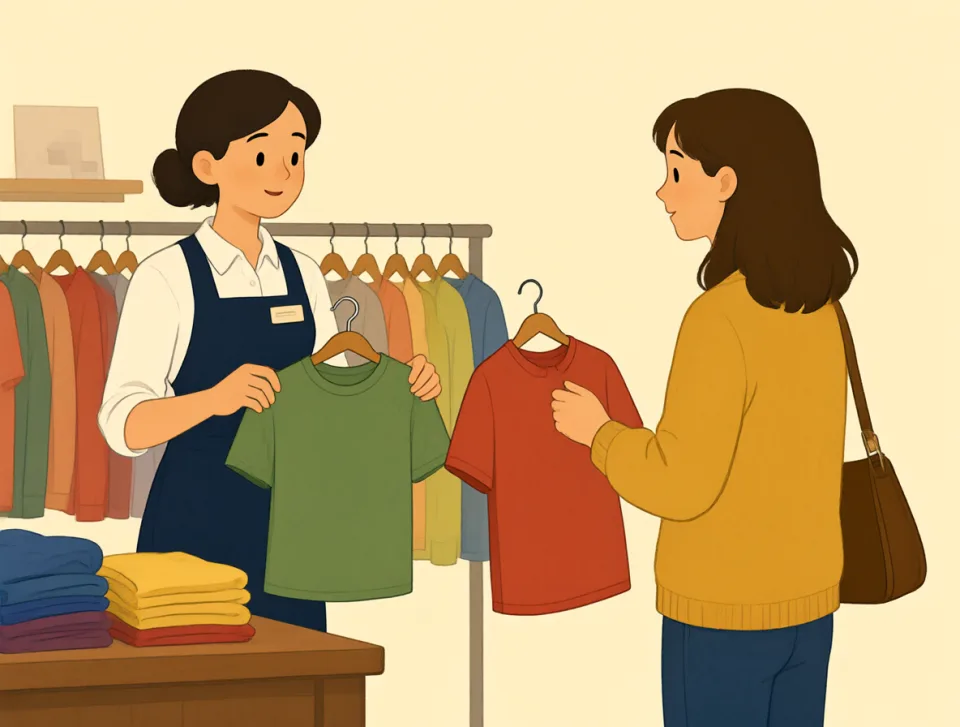
Is there a particular color you want?
Вы хотите какой-нибудь определённый цвет?
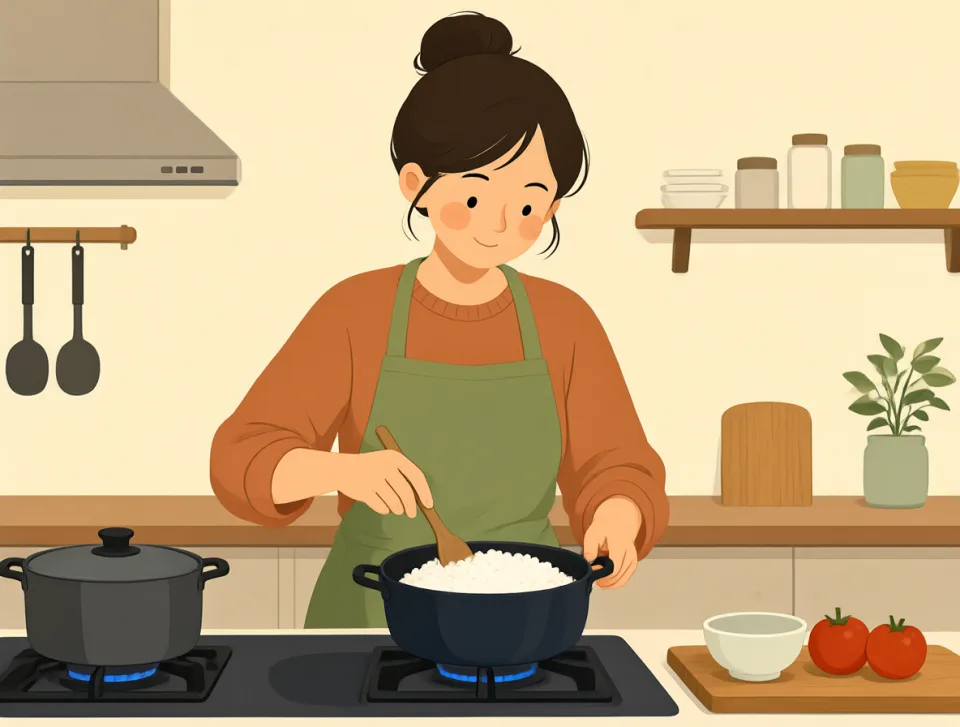
She has a particular way of cooking rice.
У неё особый способ готовить рис.

I need a particular book for class.
Мне нужна одна конкретная книга для занятий.

He is very particular about his coffee.
Он очень разборчив в отношении кофе.

The doctor asked about a particular pain.
Врач спросил об определённой боли.

role
#468noun
роль
The job or purpose someone or something has in a situation.
Работа или задача, которую человек или предмет выполняет в определённой ситуации.
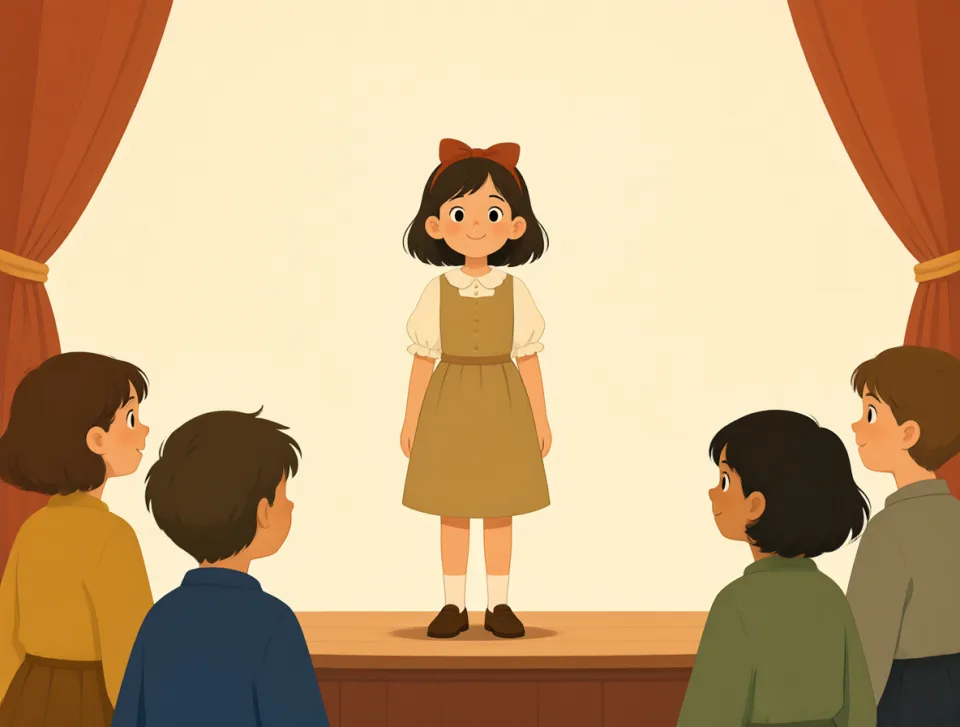
She plays the main role in the school play.
Она играет главную роль в школьном спектакле.
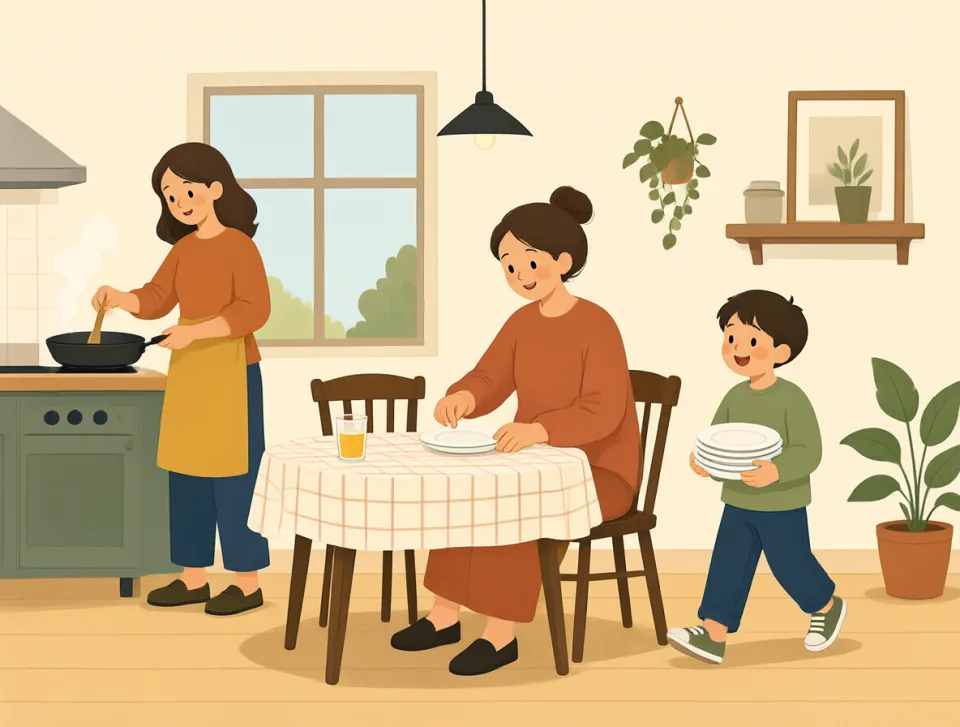
Everyone has a role in our family.
В нашей семье у каждого есть своя роль.

He got a new role at the company.
Он получил новую должность в компании.
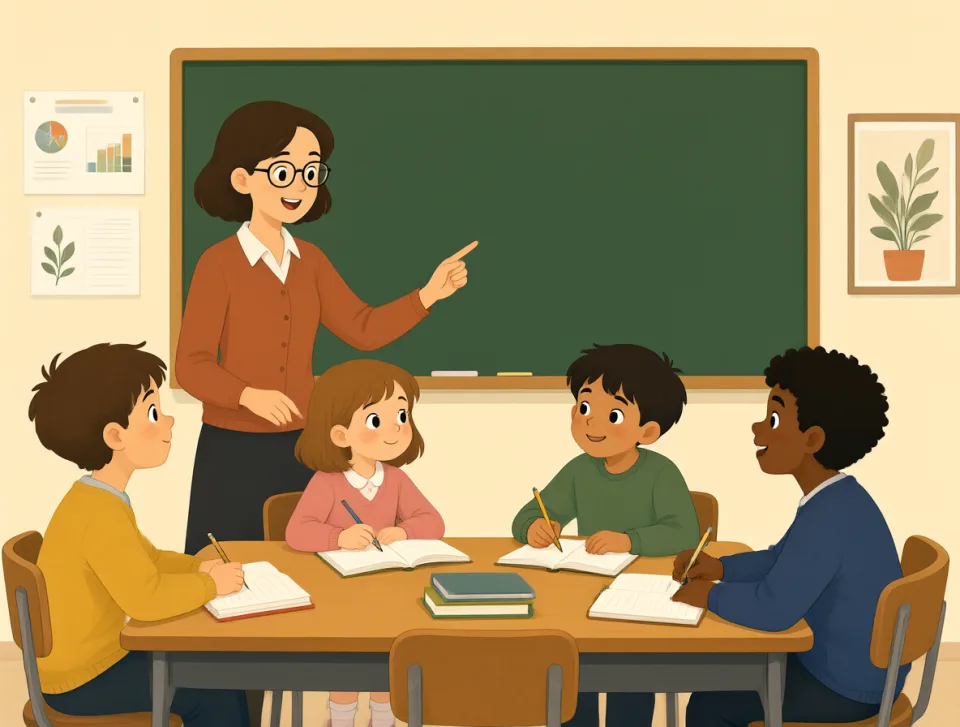
The teacher gave me a role in the project.
Учитель поручил мне роль в проекте.
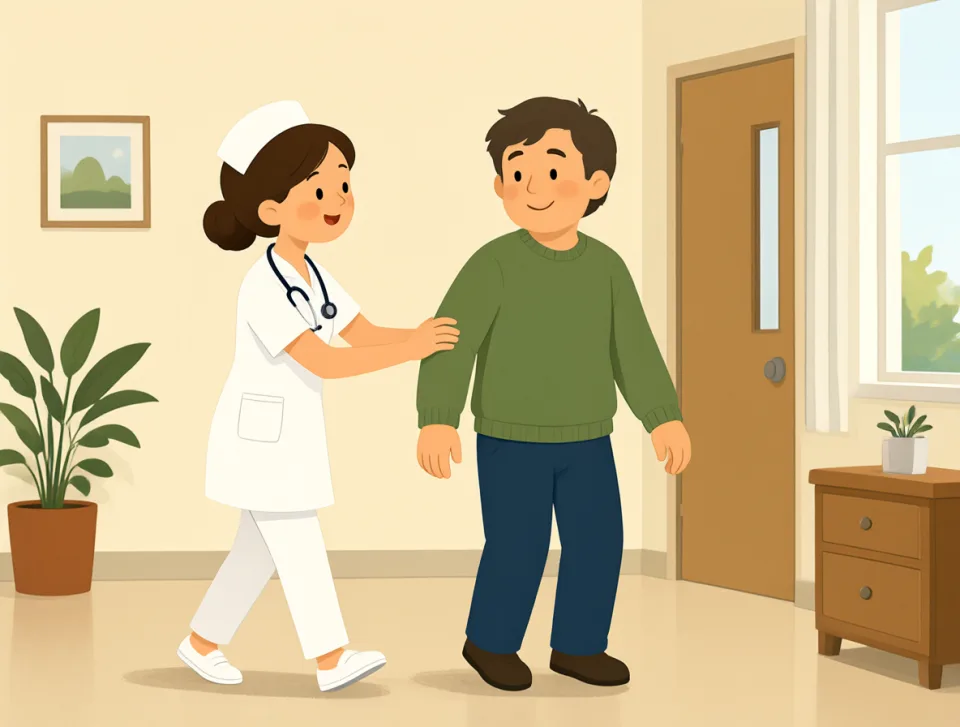
The nurse played an important role in her recovery.
Медсестра сыграла важную роль в её выздоровлении.

join
#469verb
присоединяться
to become a member of a group or take part in an activity
Становиться членом группы или принимать участие в какой-либо деятельности.
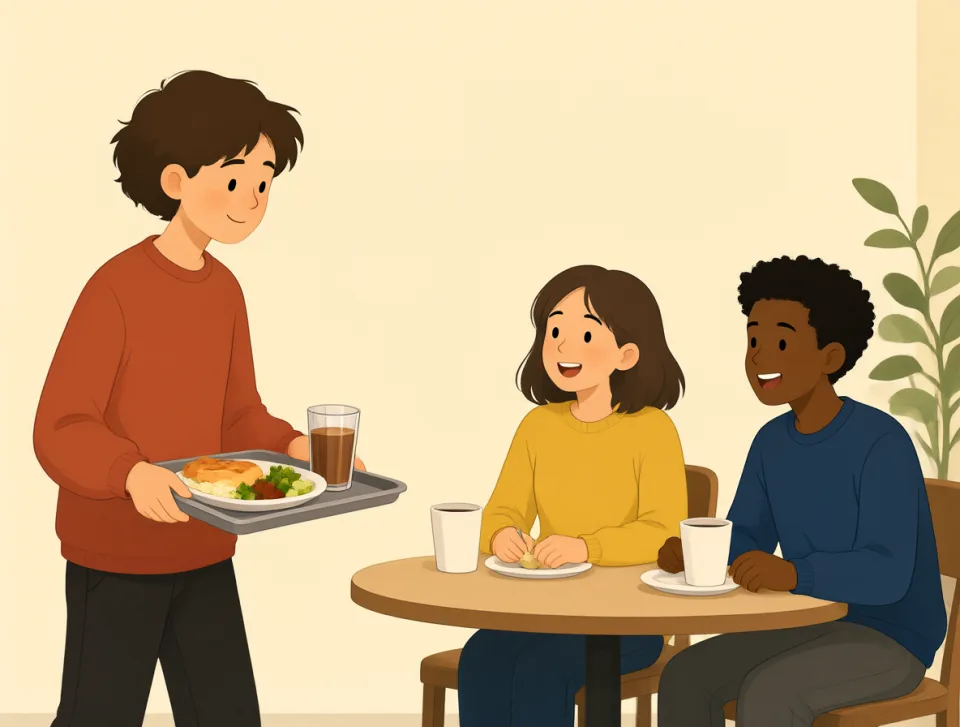
Can I join you for lunch?
Можно я присоединюсь к тебе за обедом?

She joined the school football team.
Она вступила в школьную футбольную команду.
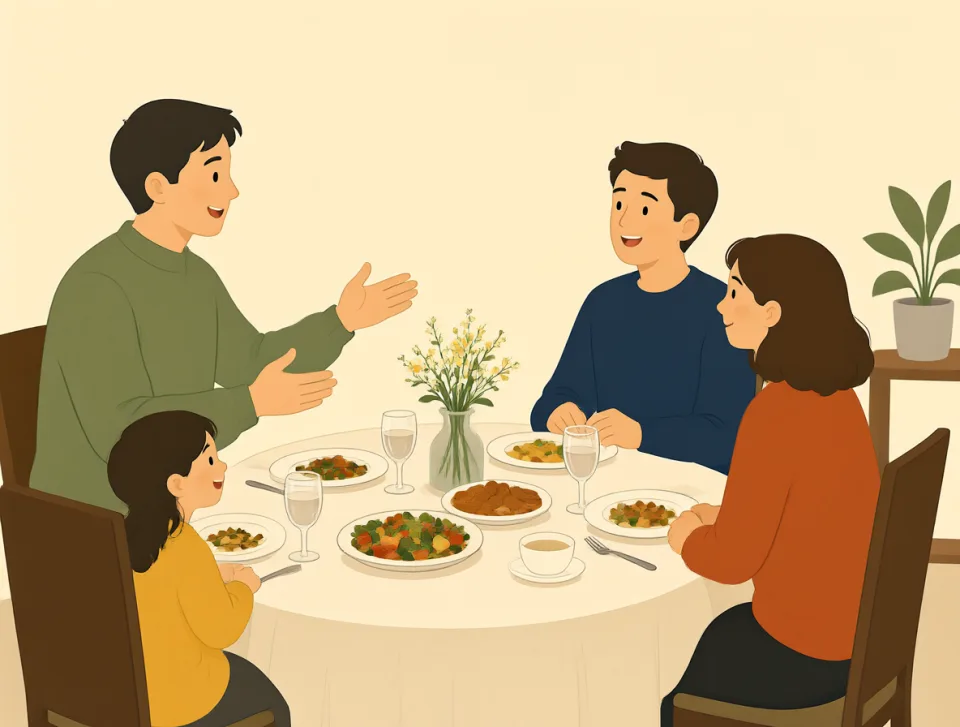
Please join us for dinner tonight.
Пожалуйста, присоединяйтесь к нам сегодня за ужином.

He joined the line at the store.
Он встал в очередь в магазине.

We joined a tour of the old city.
Мы присоединились к экскурсии по старому городу.
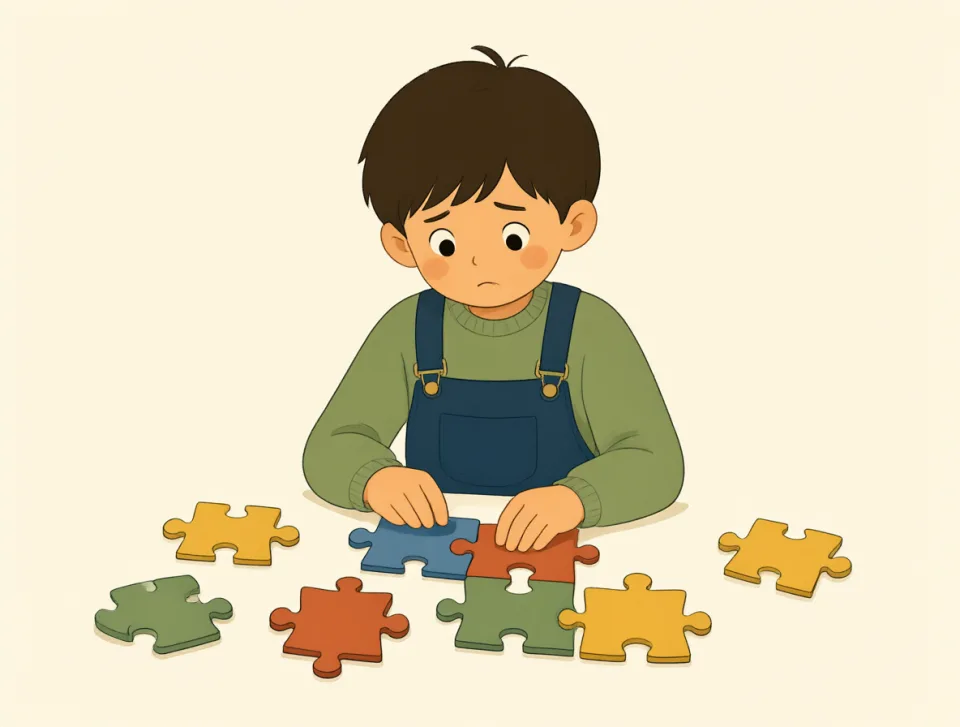
difficult
#470adjective
трудный
Not easy to do, understand, or deal with.
Такой, который нелегко сделать, понять или с которым нелегко справиться.

This math problem is difficult for me.
Эта математическая задача для меня трудная.

It is difficult to sleep with this noise.
Из-за этого шума трудно заснуть.

We had a difficult day at work.
У нас был трудный день на работе.

The difficult journey took two days.
Трудное путешествие заняло два дня.

She finds it difficult to speak in class.
Ей трудно говорить на уроке.
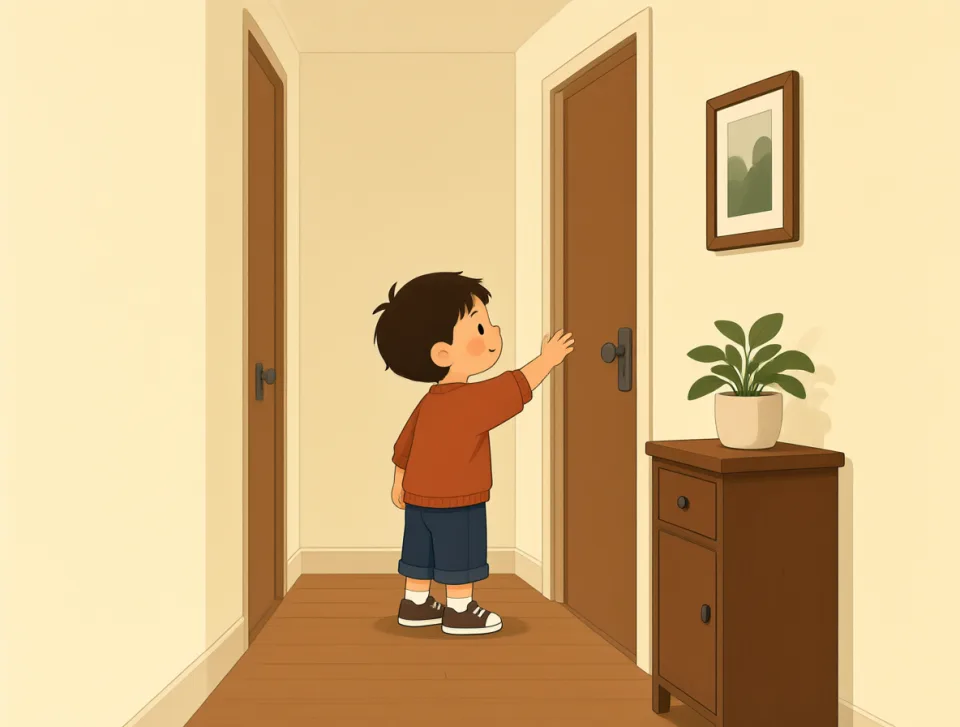
please
#471adverb, verb
пожалуйста
Used to ask politely, or to make someone happy or satisfied.
Используется, чтобы вежливо о чём-то попросить или доставить кому-то радость и удовольствие.
Please close the door before you leave.
Пожалуйста, закрой дверь перед уходом.
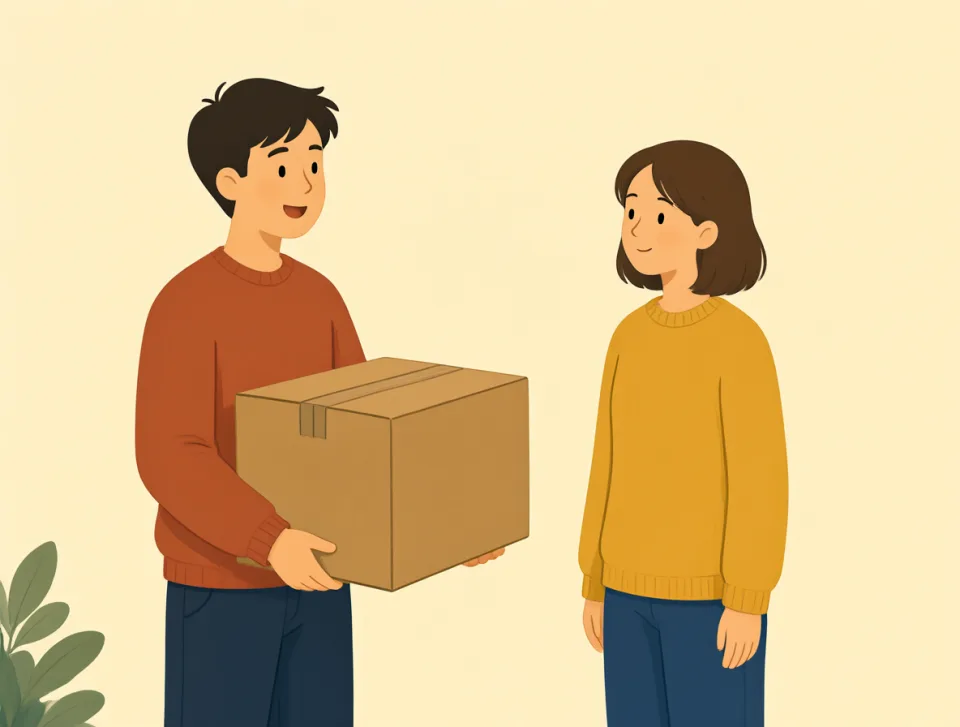
Could you help me, please?
Не могли бы вы мне помочь, пожалуйста?

The waiter pleased everyone with the delicious food.
Официант порадовал всех вкусной едой.

Please yourself and choose a comfortable seat.
Устраивайтесь поудобнее и выбирайте любое удобное место.

The doctor was pleased with my progress.
Врач остался доволен моими успехами.

detail
#472noun, verb
деталь; подробно описывать
A small piece of information, or to give information about something carefully.
Небольшая часть информации или действие по подробному описанию чего-либо.
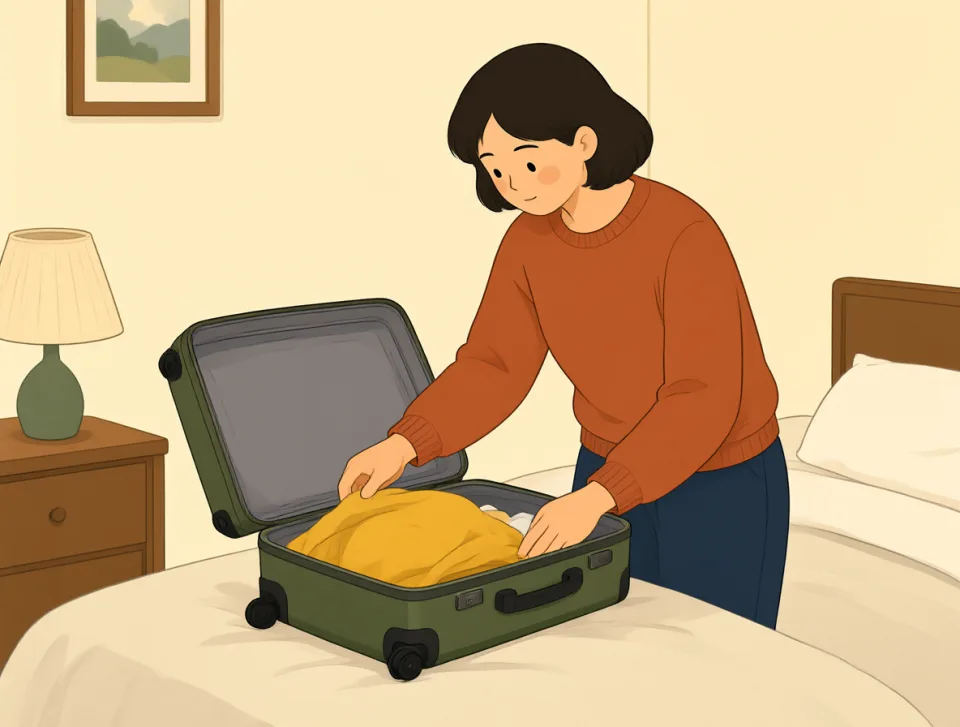
Please check every detail before you leave.
Пожалуйста, проверьте каждую деталь перед уходом.

She told me every detail about her trip.
Она рассказала мне обо всех подробностях своей поездки.
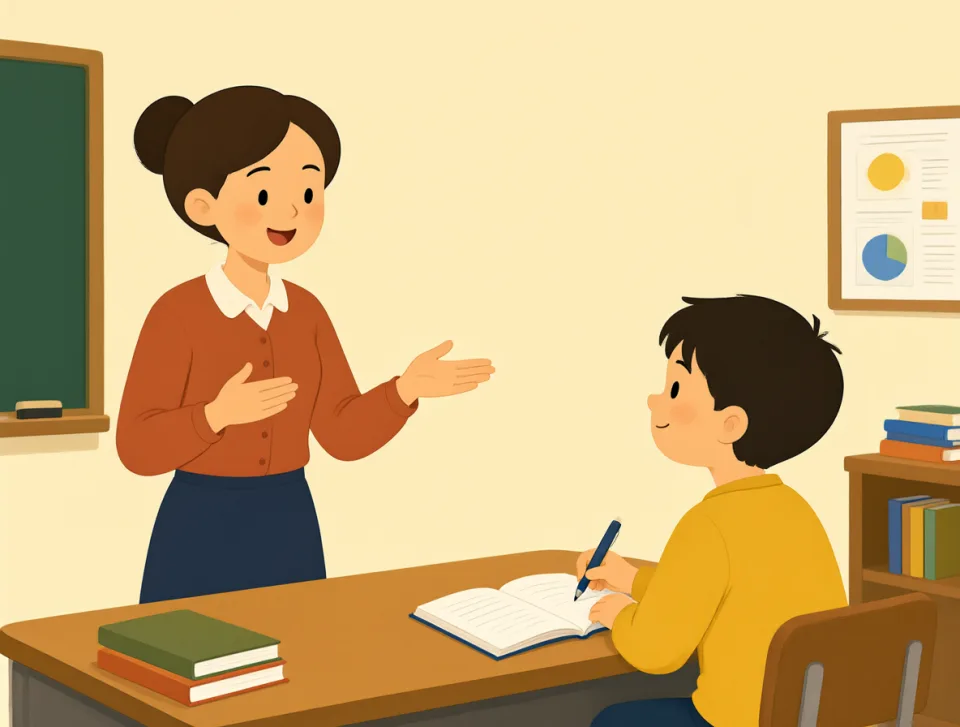
The teacher explained the details of the science project.
Учитель объяснил детали научного проекта.

The hotel room had beautiful details.
В гостиничном номере были красивые детали интерьера.

He detailed the problem for the doctor.
Он подробно описал проблему врачу.

difference
#473noun
разница; различие
A way in which two people or things are not the same.
Признак, по которому два человека или предмета отличаются друг от друга.

Can you see the difference between these two bags?
Ты видишь разницу между этими двумя сумками?
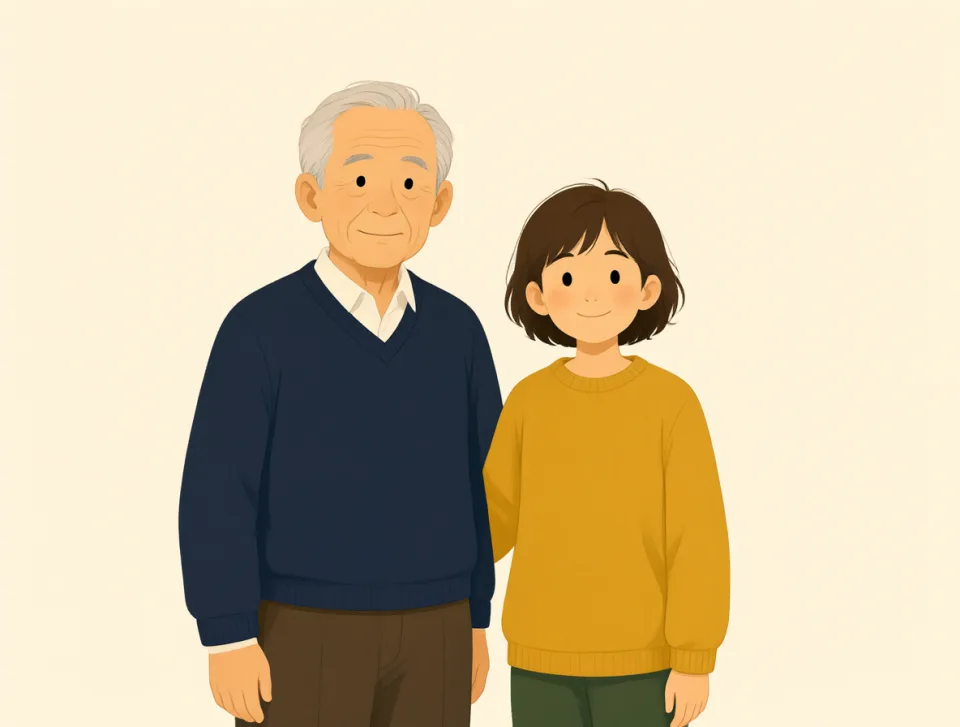
There is a big difference in their ages.
В их возрасте большая разница.
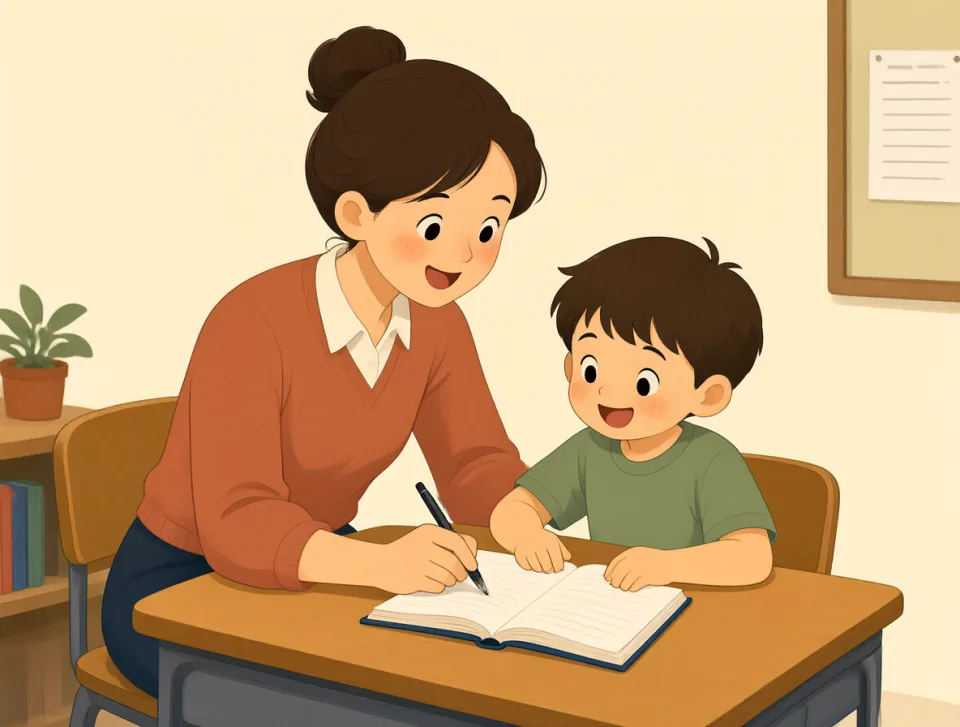
The new teacher makes a difference at school.
Новый учитель многое меняет в школе.

I cannot taste the difference between them.
Я не могу почувствовать разницу между ними на вкус.

We noticed differences between the two hotels.
Мы заметили различия между двумя отелями.
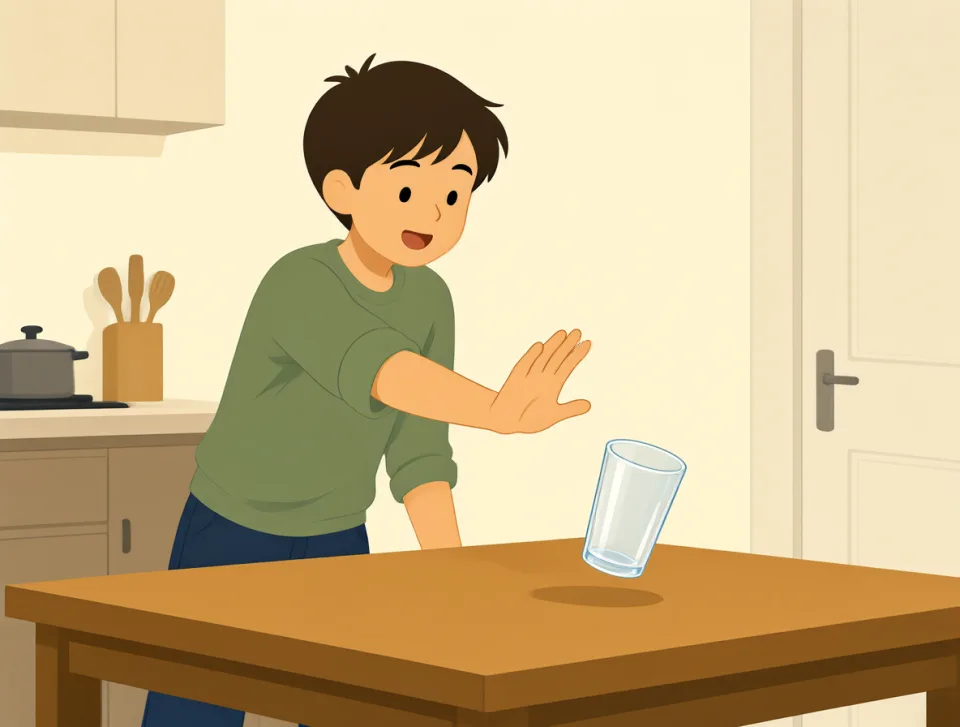
action
#474noun
действие; мера
Something someone does, especially to solve a problem or achieve a result.
То, что кто-то делает, особенно для решения проблемы или достижения результата.

The police took action after the accident.
После аварии полиция приняла меры.

We need action to fix this problem.
Нужно что-то сделать, чтобы решить эту проблему.

The teacher praised her action in class.
Учитель похвалил её поступок на уроке.
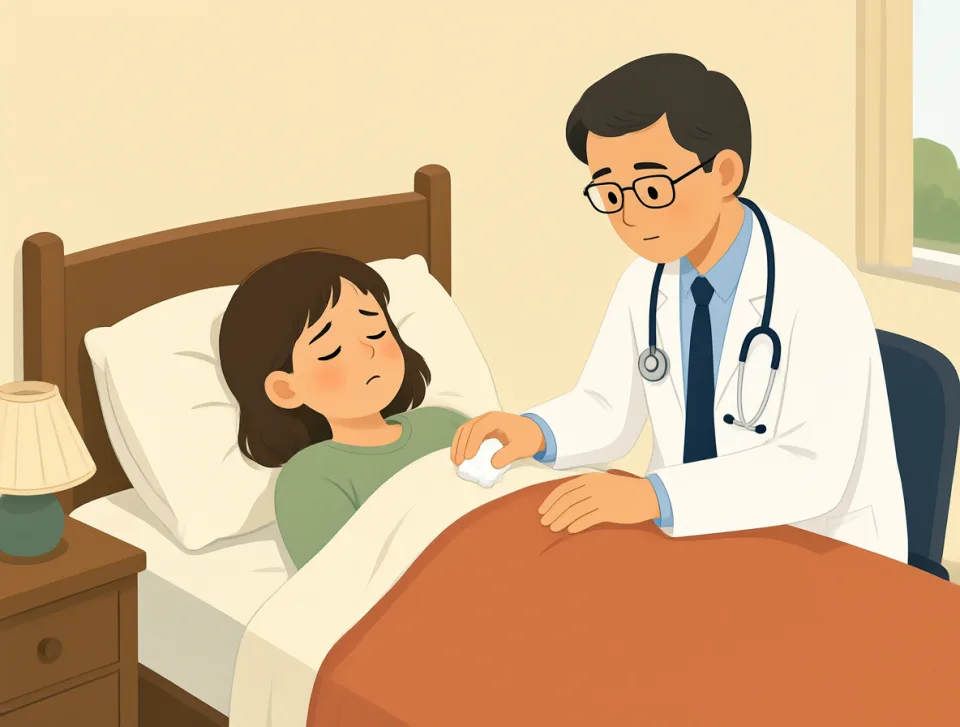
The medicine started working after a few hours.
Лекарство начало действовать через несколько часов.

The movie has lots of exciting action.
В фильме много захватывающих сцен действия.

health
#475noun
здоровье
The condition of your body and mind, especially when you are free from illness.
Состояние тела и разума, особенно когда человек не болеет.
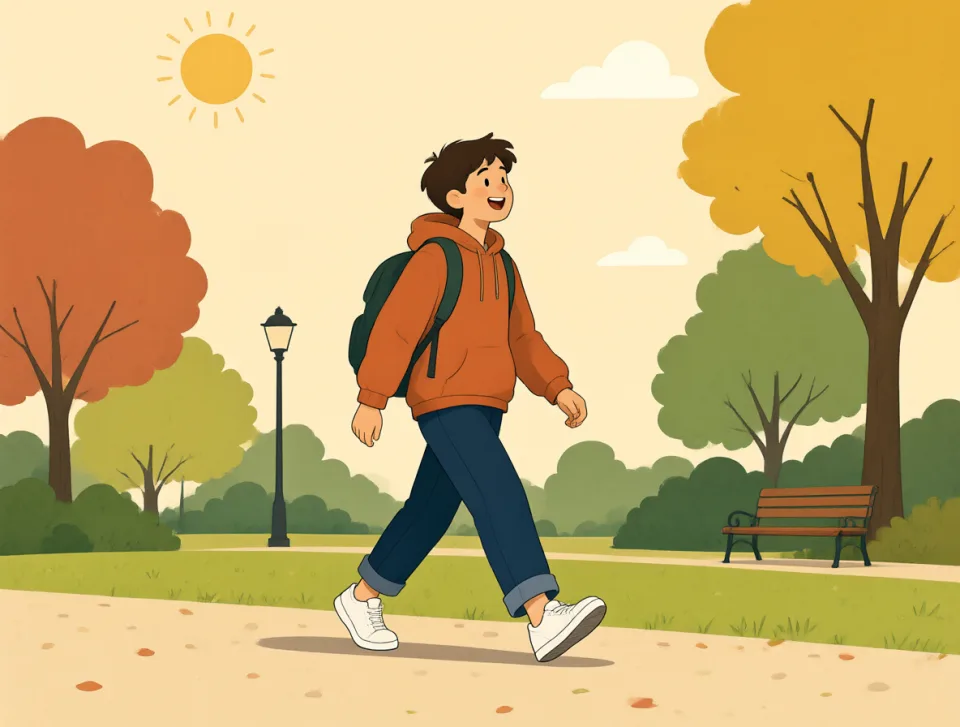
Walking every day is good for your health.
Ежедневная ходьба полезна для здоровья.
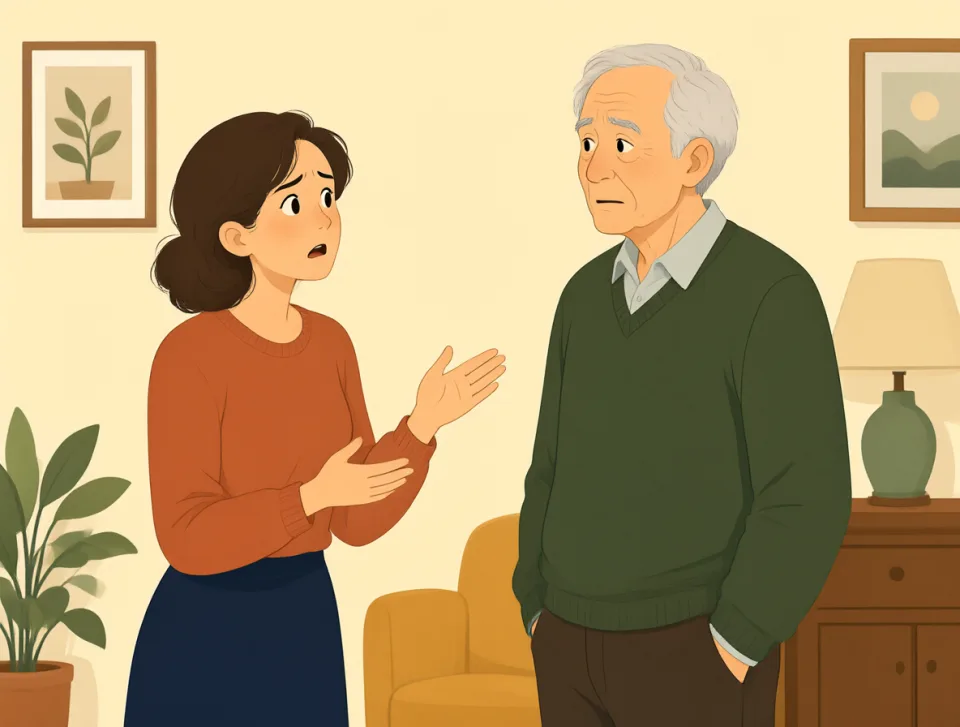
She worries about her father's health.
Она беспокоится о здоровье своего отца.
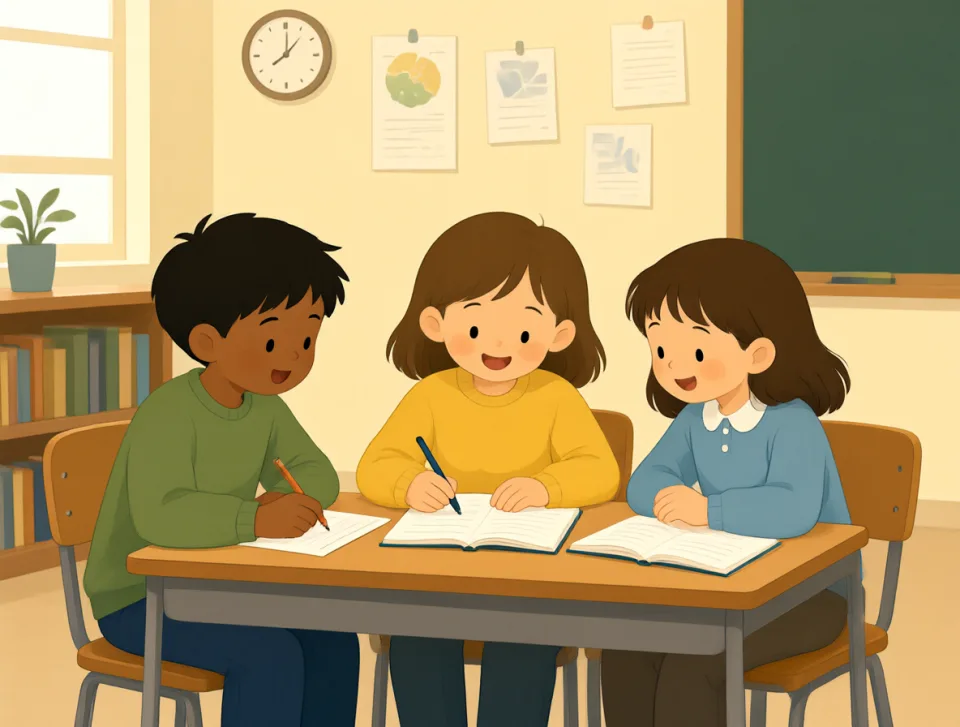
Good health helps children learn at school.
Крепкое здоровье помогает детям хорошо учиться в школе.

The doctor asked about my health.
Врач спросил о моём здоровье.
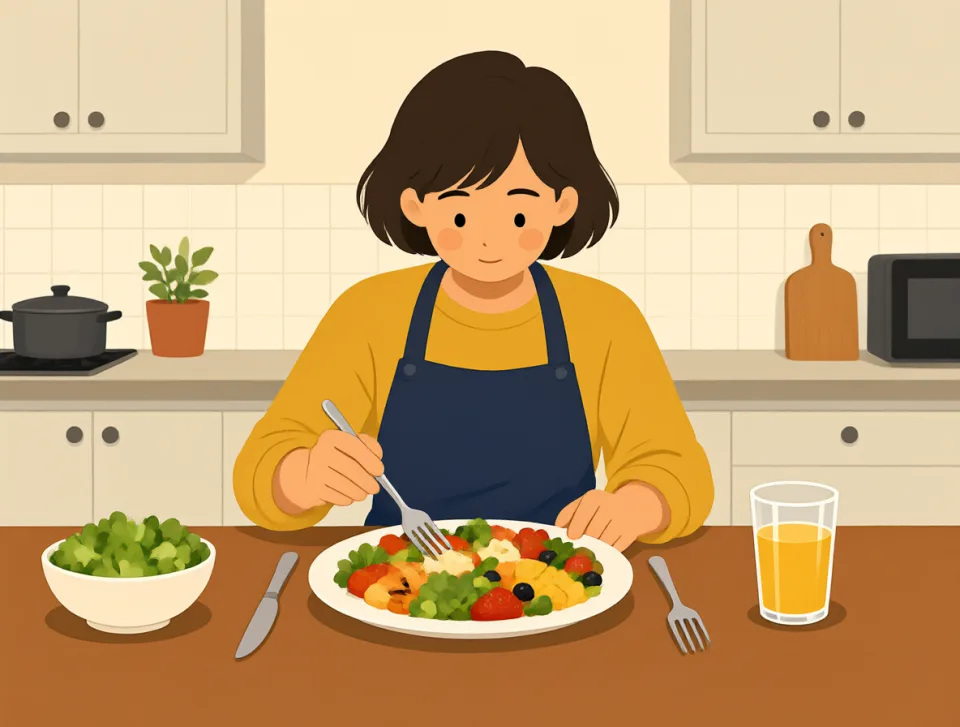
This food is healthy and supports heart health.
Эта еда полезна и поддерживает здоровье сердца.
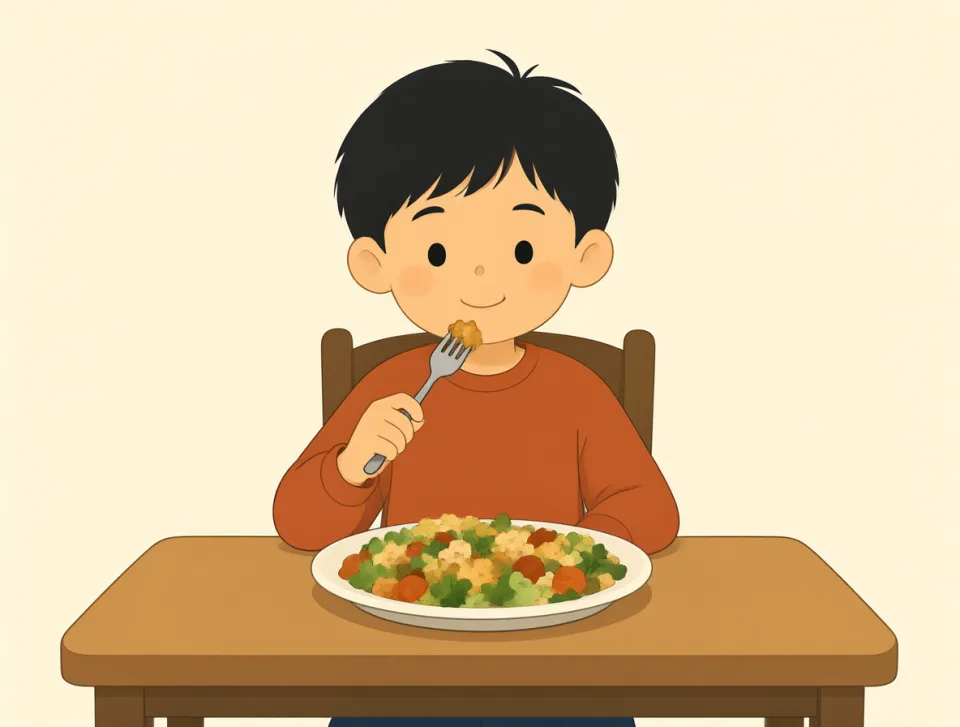
eat
#476verb
есть
to put food in your mouth, chew it, and swallow it
класть еду в рот, жевать и проглатывать её
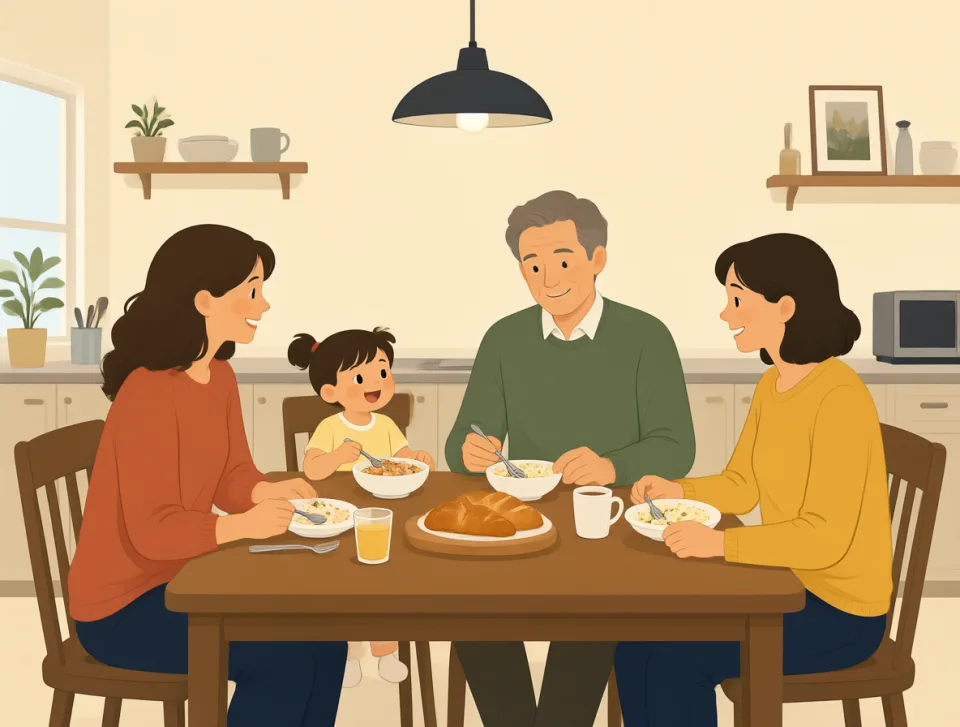
We eat breakfast together every morning.
Мы каждое утро завтракаем вместе.
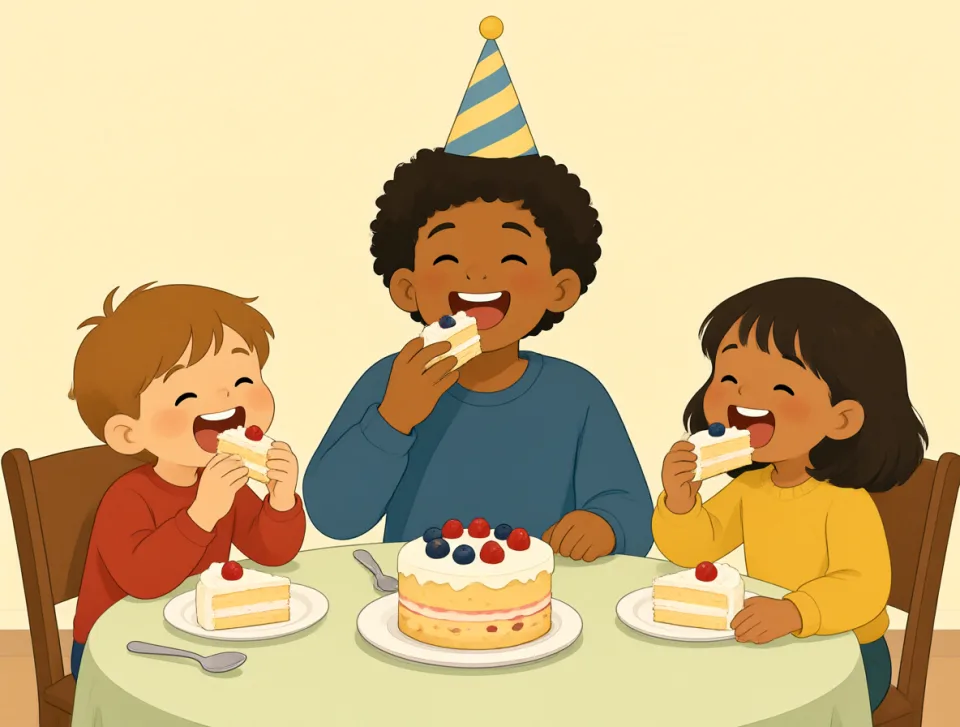
The children ate all the cake.
Дети съели весь торт.
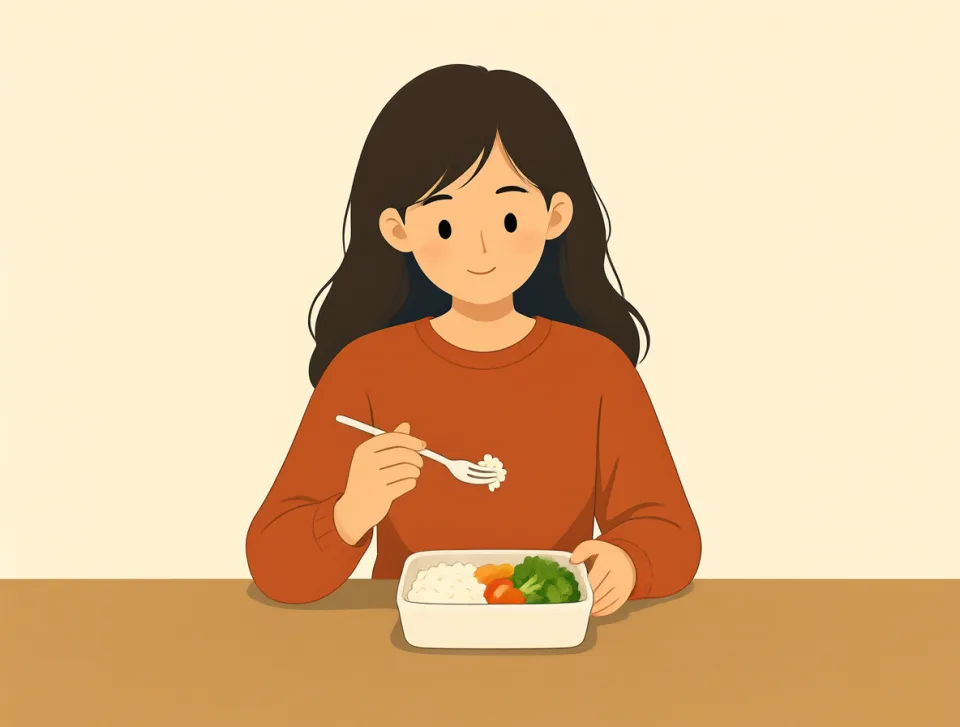
She is eating lunch at work.
Она обедает на работе.
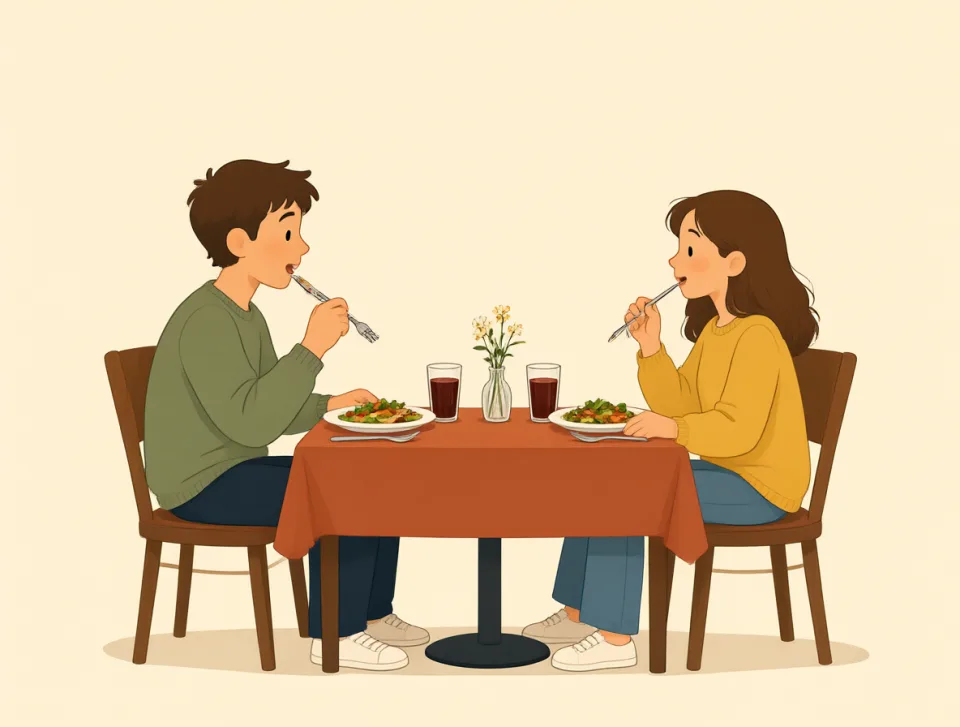
Did you eat at the new restaurant?
Ты ел в новом ресторане?
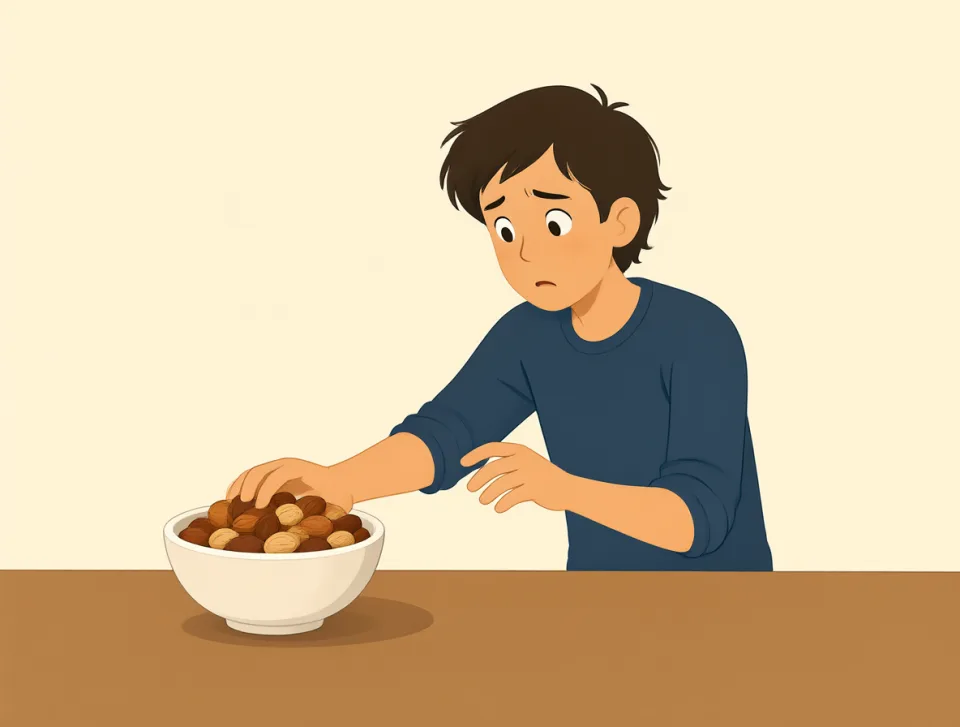
I cannot eat nuts because I am allergic.
Я не могу есть орехи, потому что у меня на них аллергия.

step
#477noun, verb
шаг
A movement made by lifting one foot and putting it down somewhere else.
Движение, при котором вы поднимаете одну ногу и ставите её в другом месте.
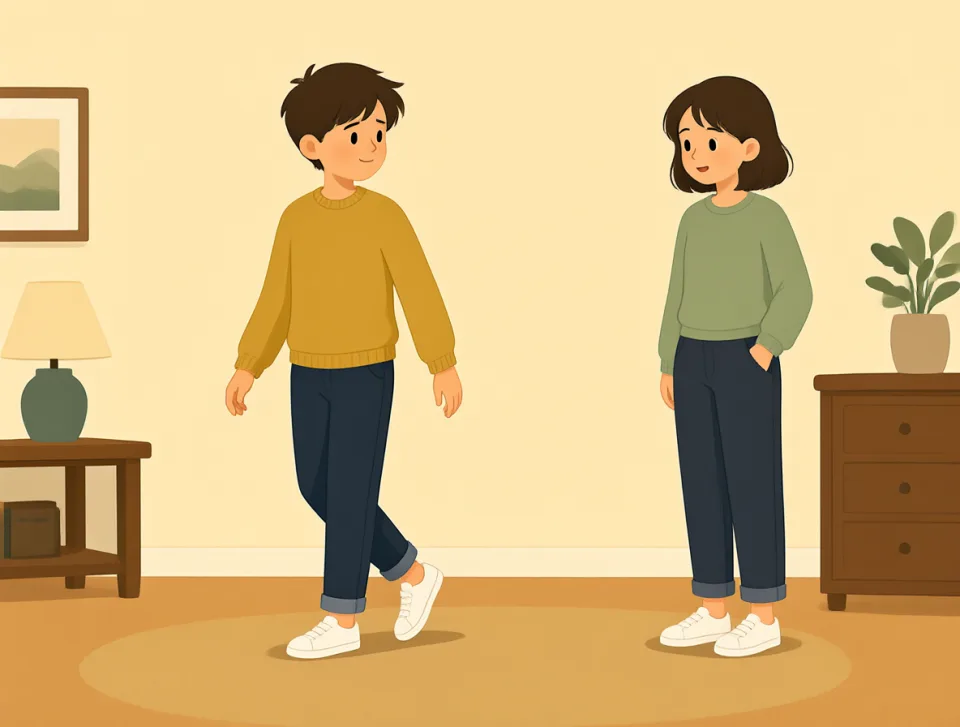
Please take one step back.
Пожалуйста, сделайте шаг назад.

She climbed the steps to the front door.
Она поднялась по ступенькам к входной двери.
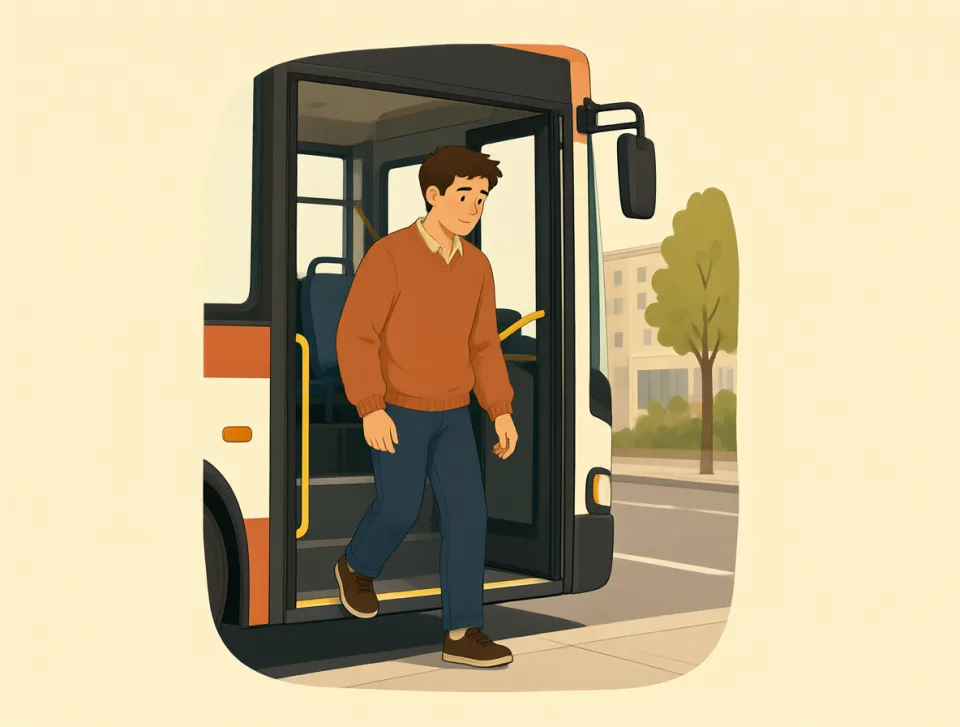
He stepped off the bus carefully.
Он осторожно сошёл с автобуса.
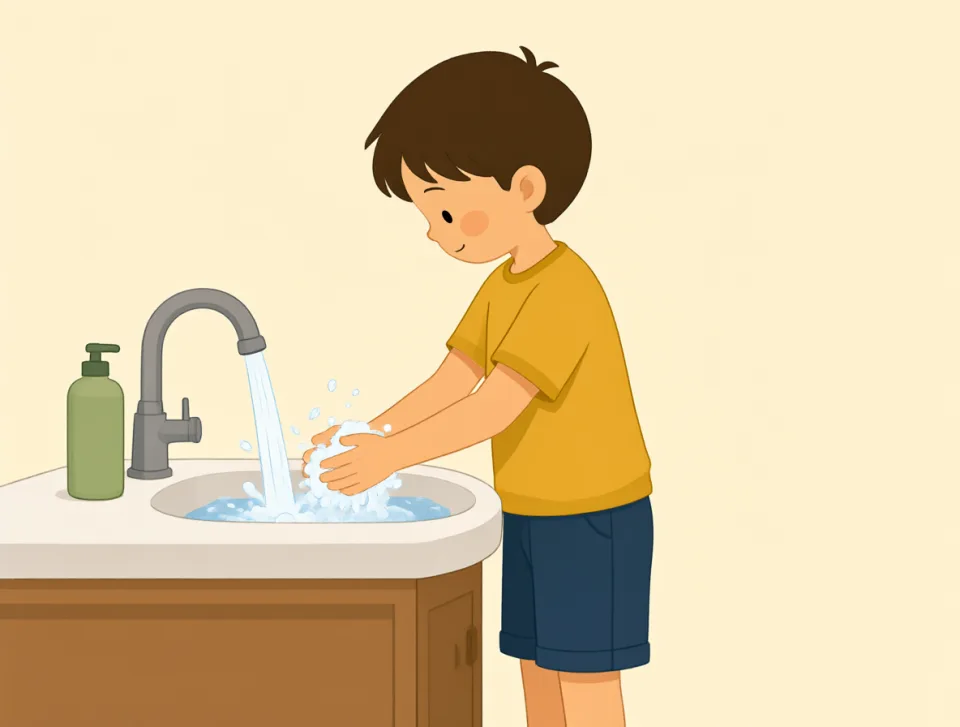
The first step is to wash your hands.
Первый шаг — вымыть руки.
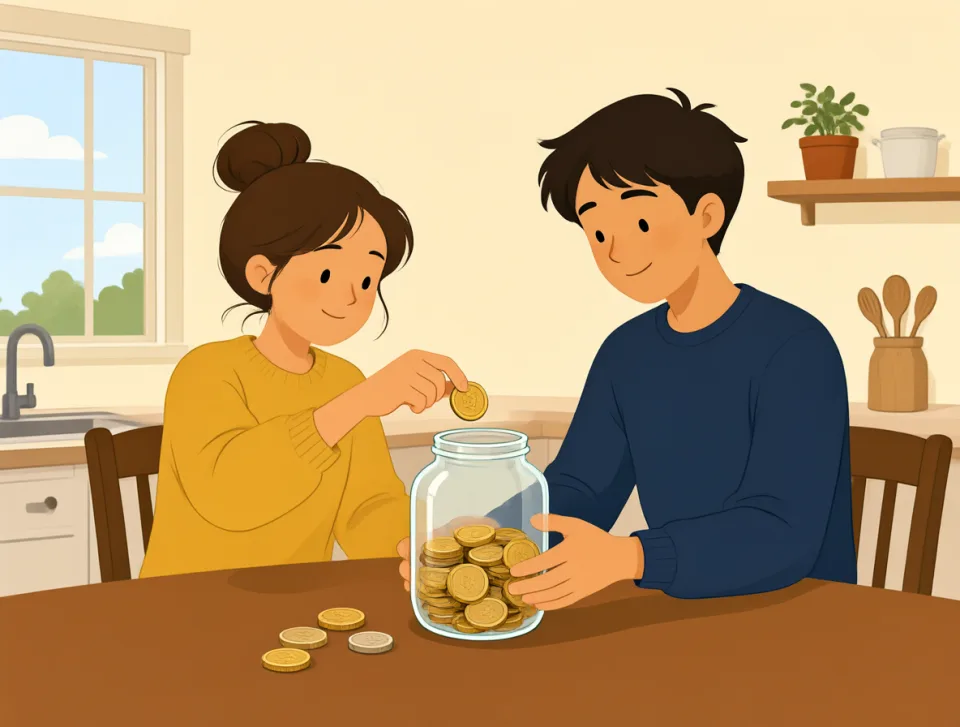
We are taking steps to save money.
Мы принимаем меры, чтобы сэкономить деньги.

TRUE
#478adjective, adverb, noun
истинный
Based on facts, real, or agreeing with what is correct.
Основанный на фактах, настоящий или соответствующий действительности.
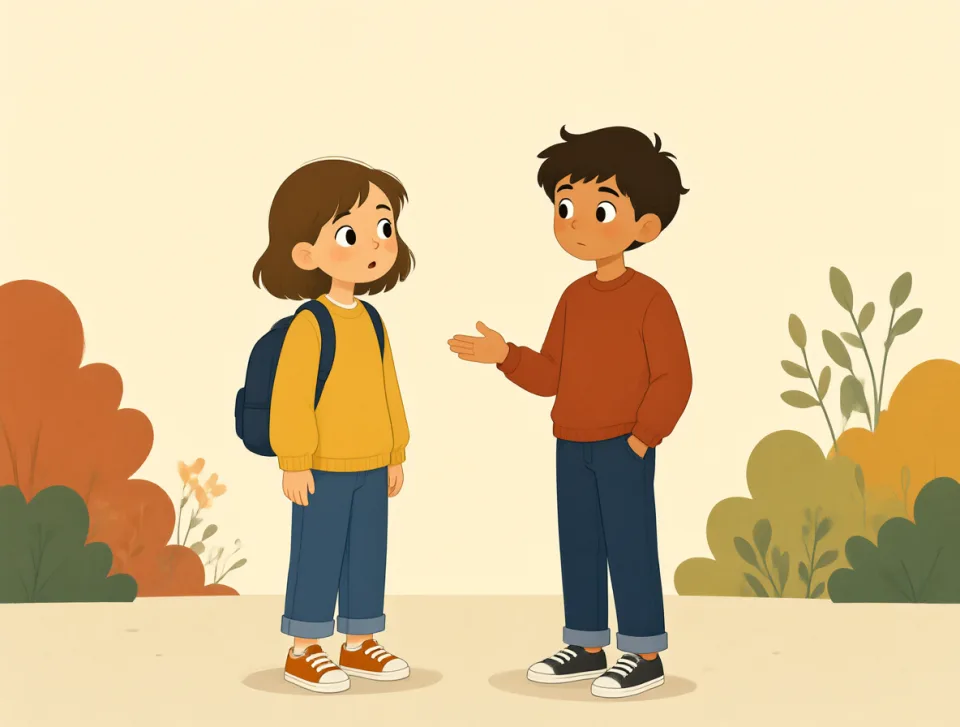
Is it true that you saw him?
Правда ли, что ты видел его?
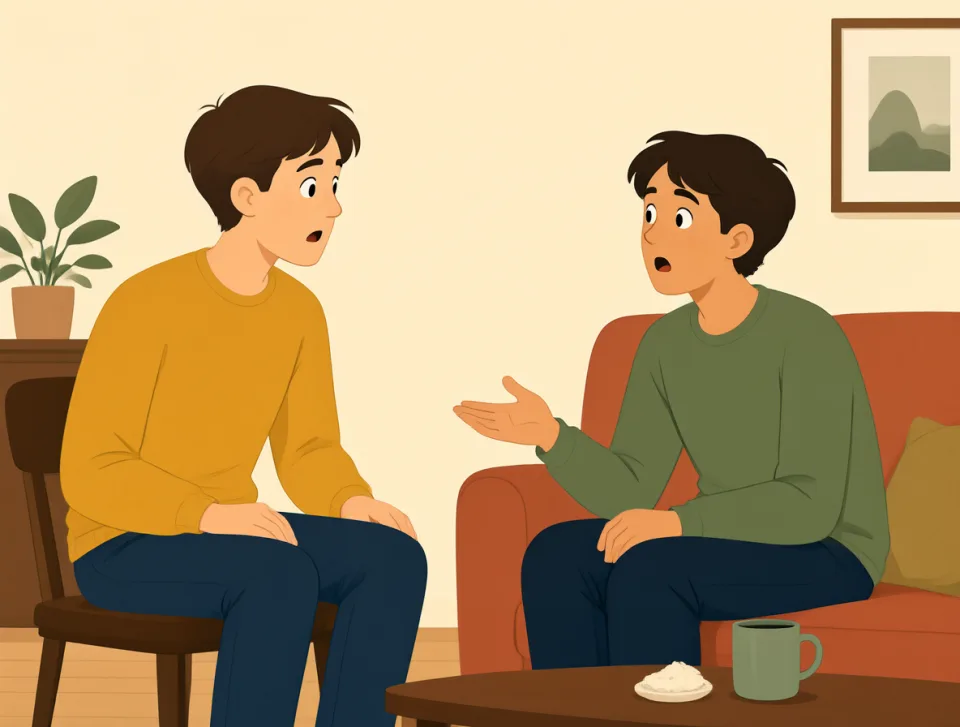
This story is true, and it really happened.
Эта история правдивая, и всё действительно произошло.

She is a true friend who always helps me.
Она настоящий друг и всегда мне помогает.
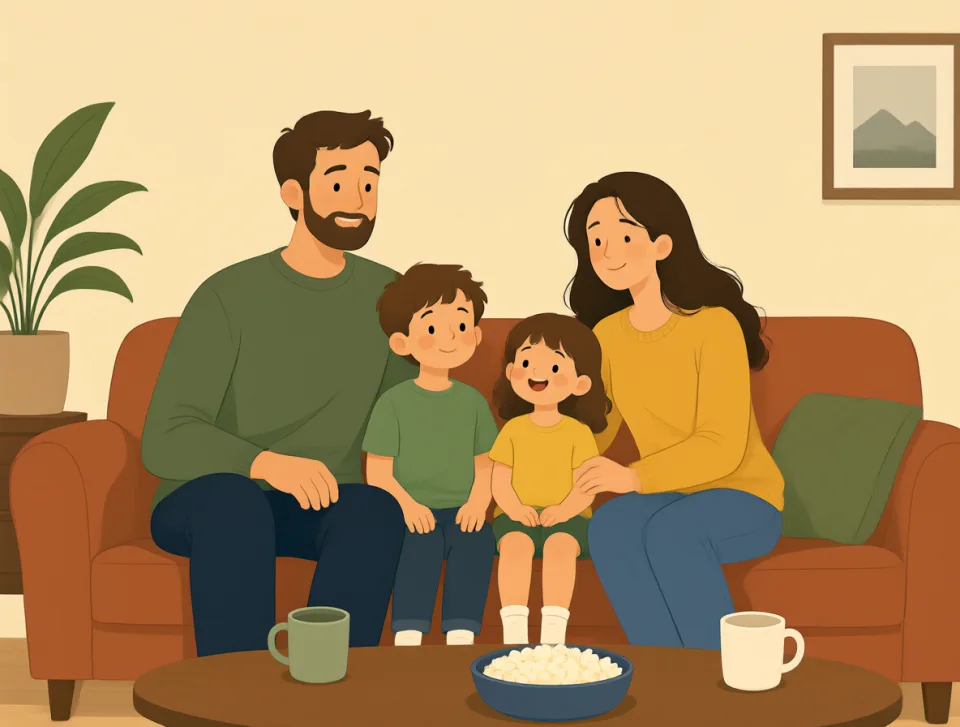
The movie was based on a true story.
Фильм основан на реальных событиях.

Stay true to yourself at school and work.
Оставайся верен себе в школе и на работе.

phone
#479noun, verb
телефон
A device for talking to people over a distance.
Устройство, с помощью которого можно разговаривать с людьми на расстоянии.
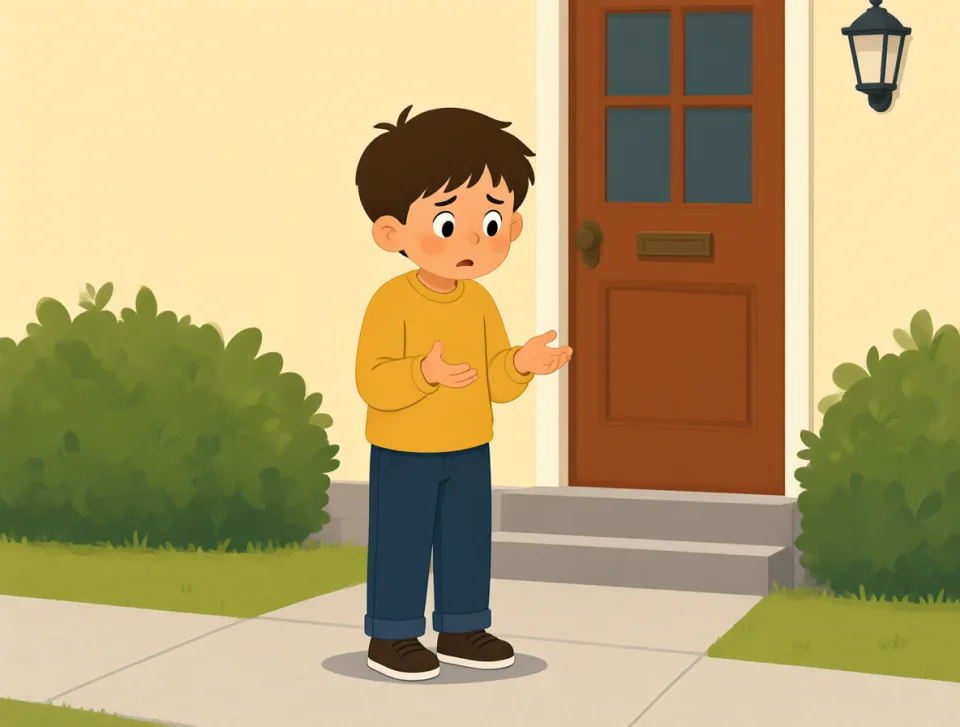
I left my phone at home.
Я оставил телефон дома.

She is talking on the phone.
Она разговаривает по телефону.

He bought a new phone yesterday.
Вчера он купил новый телефон.

Please phone me after work.
Пожалуйста, позвони мне после работы.

The doctor phoned my mother yesterday.
Вчера доктор позвонил моей маме.
themselves
#480pronoun
сами; себя
Used to refer to two or more people or animals already mentioned.
Используется, чтобы говорить о двух или более людях или животных, о которых уже упоминалось.
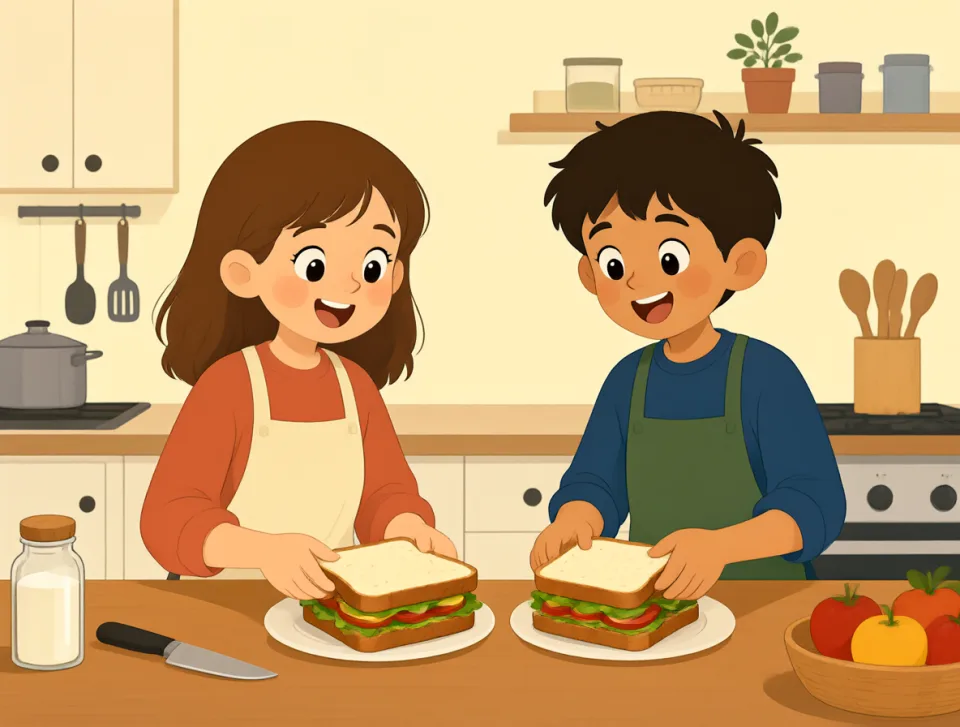
The children made the sandwiches themselves.
Дети сами приготовили бутерброды.
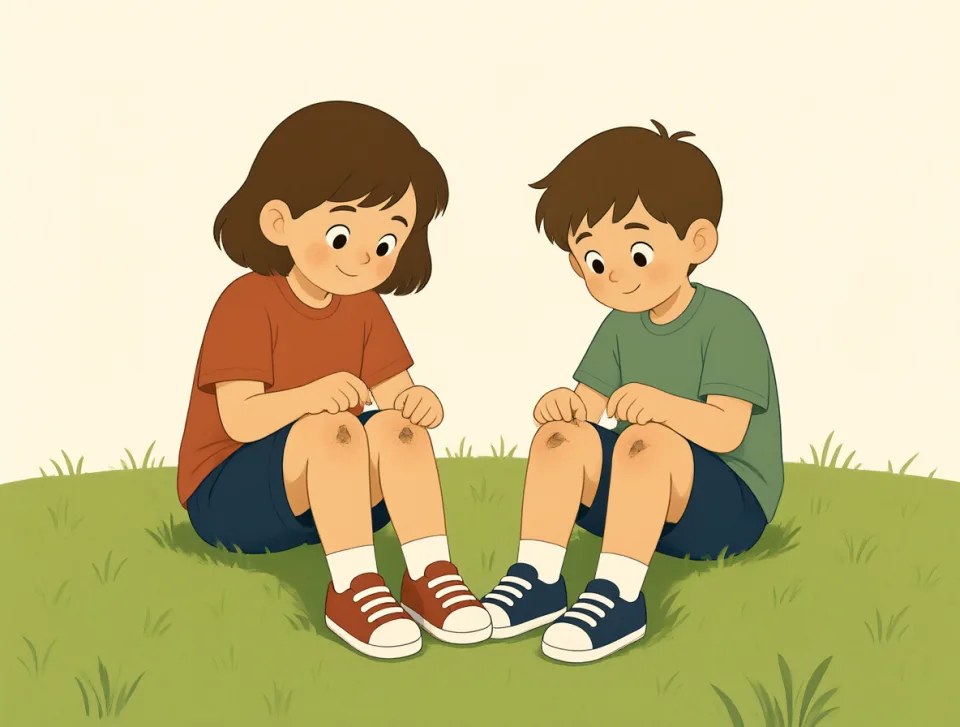
They hurt themselves while playing outside.
Они ушиблись, когда играли на улице.
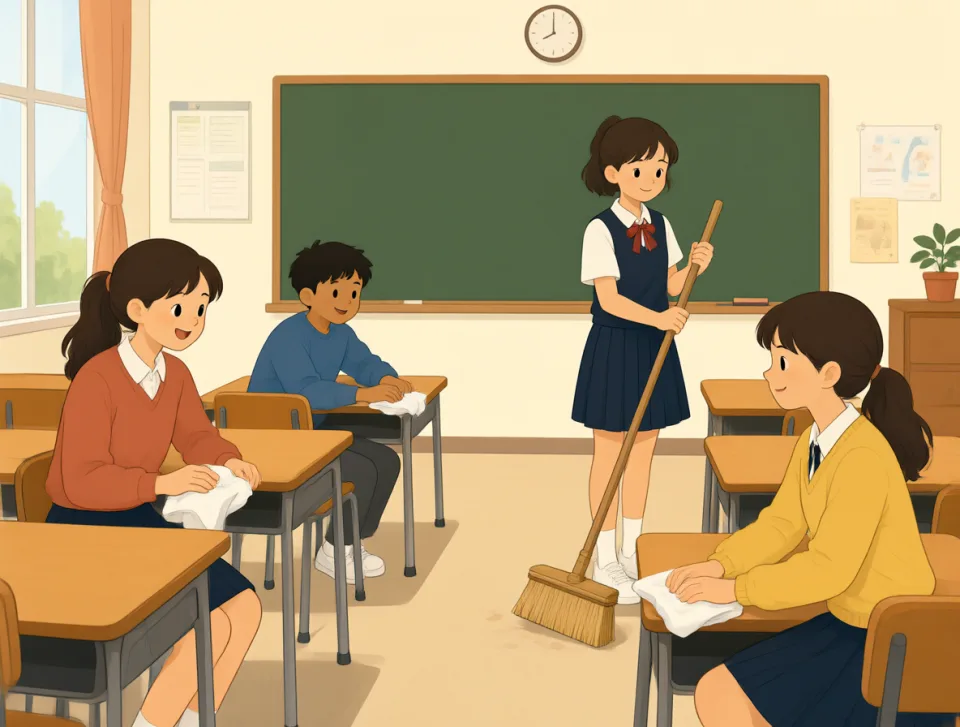
The students cleaned the classroom themselves.
Ученики сами убрали класс.

Please help yourselves to some cake.
Угощайтесь тортом.
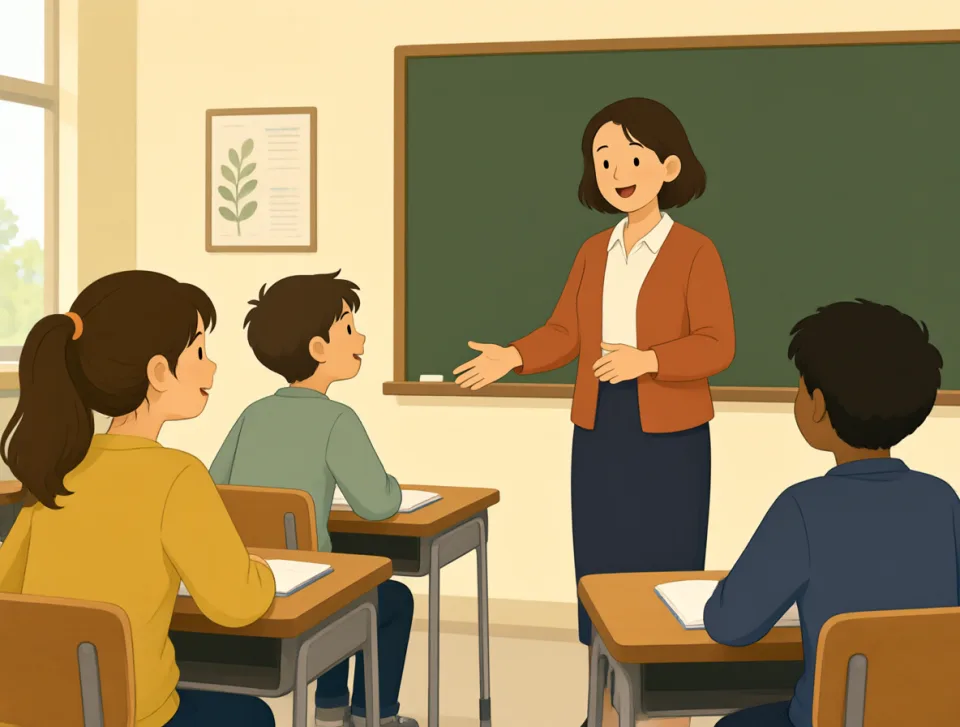
They introduced themselves to the new teacher.
Они представились новому учителю.