24. Ünite
461–480 arasındaki kelimeler · strong, rise, girl, maybe, community, else

strong
#461adjective, adverb, noun
güçlü
having great physical power or force
Büyük fiziksel güce veya kuvvete sahip olmak.
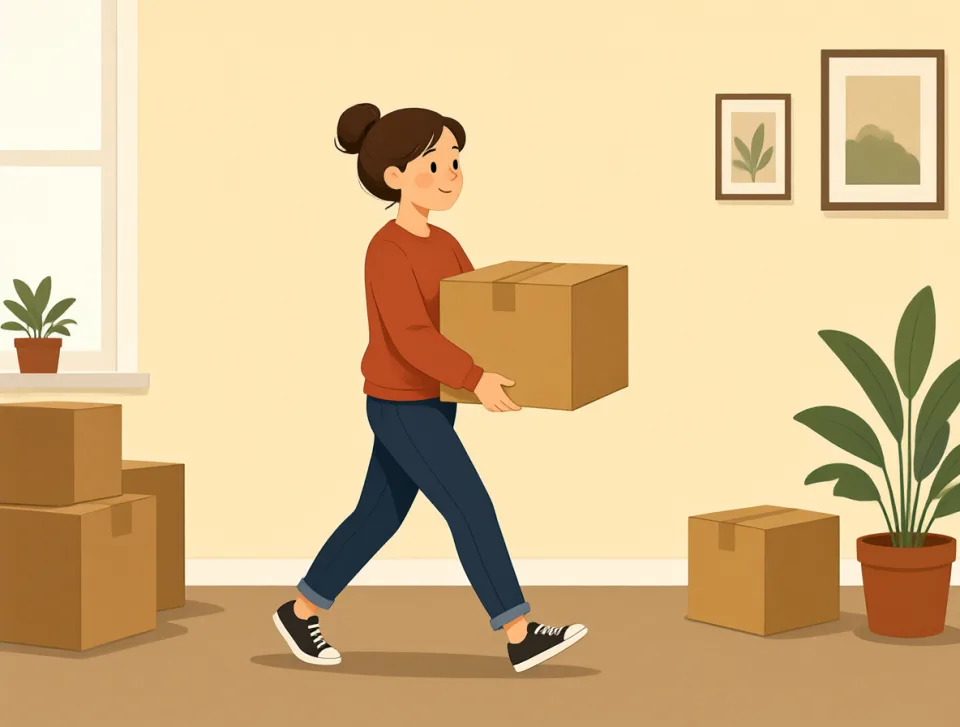
She is strong enough to carry the box.
Kutuyu taşıyabilecek kadar güçlü.

This coffee is too strong for me.
Bu kahve bana fazla sert geliyor.

He has a strong stomach and eats spicy food.
Midesi sağlamdır ve baharatlı yemekler yer.

The strong wind blew my hat away.
Şiddetli rüzgâr şapkamı uçurdu.

They built a strong team at work.
İş yerinde güçlü bir ekip kurdular.

rise
#462verb, noun
yükselmek
To move upward, or an increase in amount, level, or number.
Yukarı doğru hareket etmek ya da miktar, seviye veya sayıda artış.
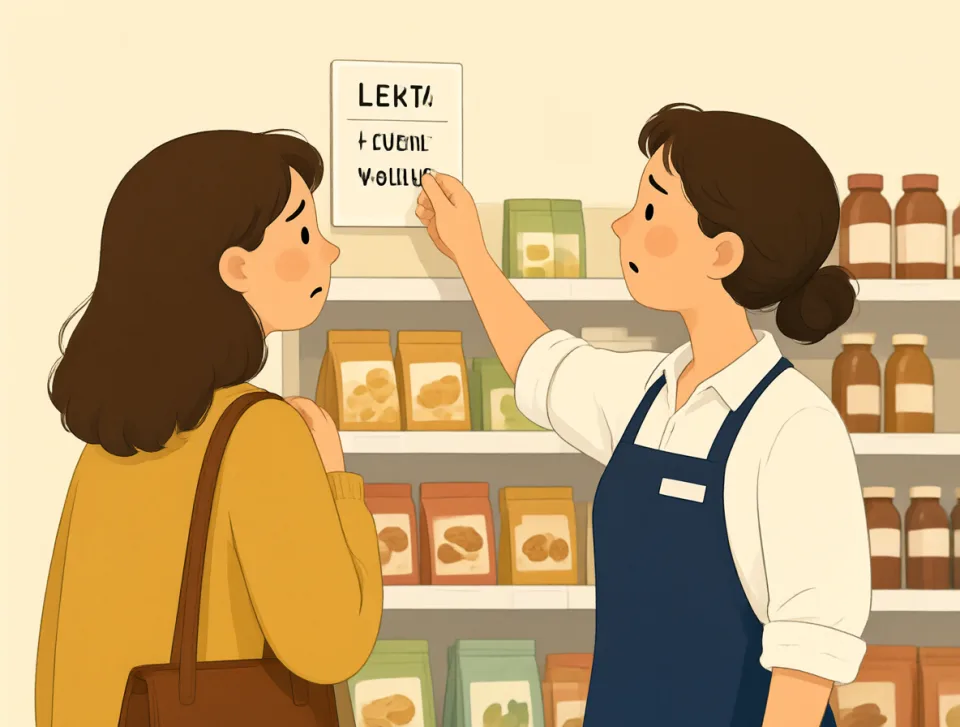
Prices rise when food is hard to find.
Yiyecek bulmak zorlaştığında fiyatlar yükselir.

The sun rises early in summer.
Yazın güneş erken doğar.
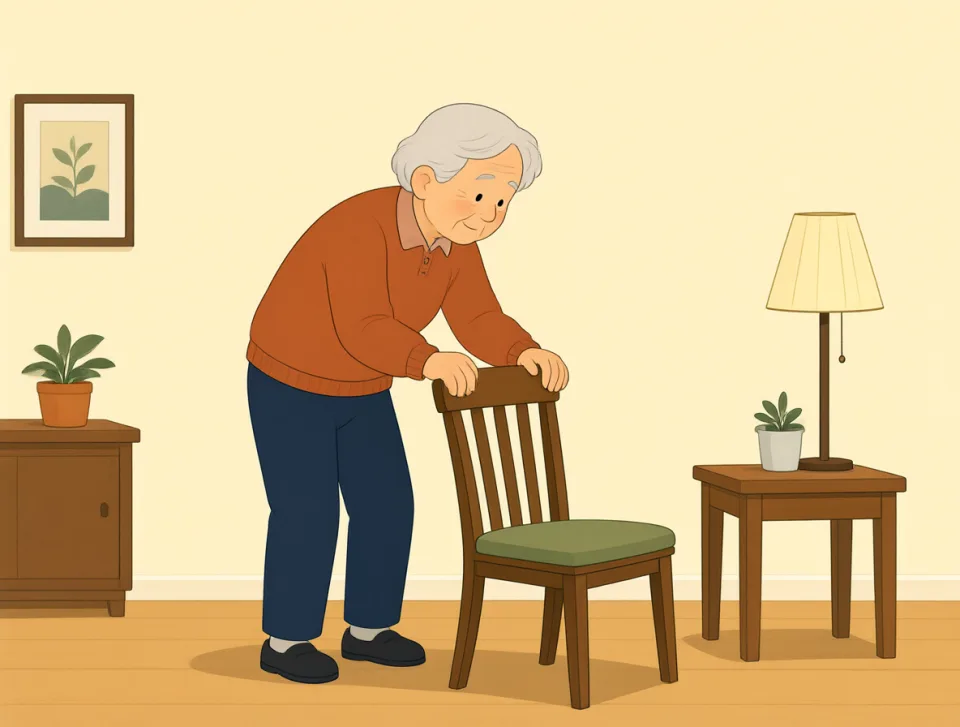
Please rise from your chair slowly.
Lütfen sandalyenizden yavaşça kalkın.
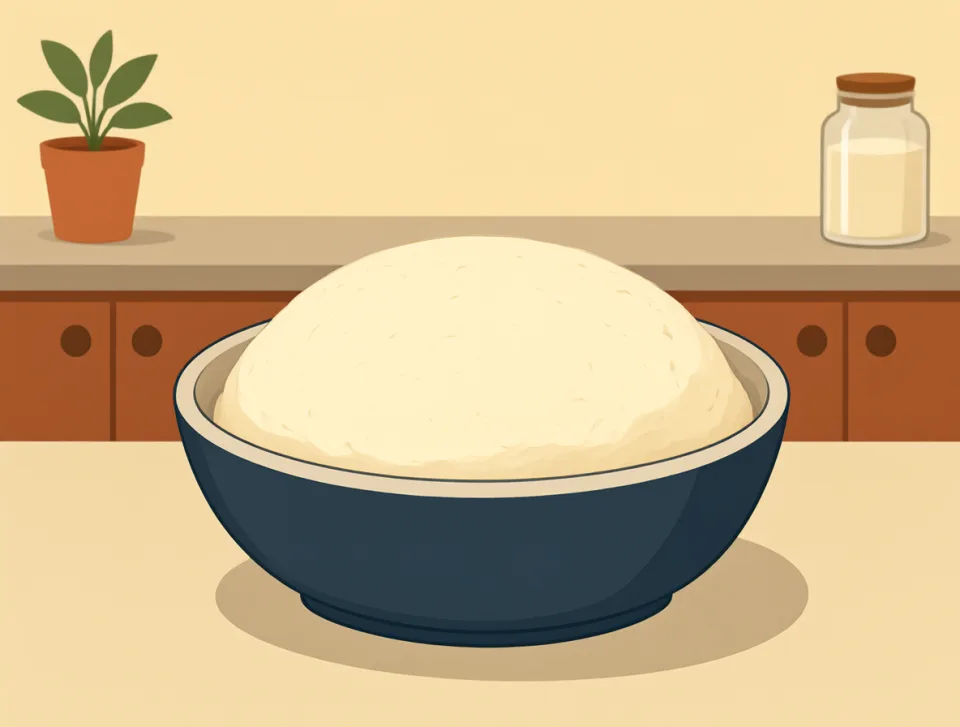
The bread dough rose in the warm kitchen.
Ekmek hamuru sıcak mutfakta kabardı.
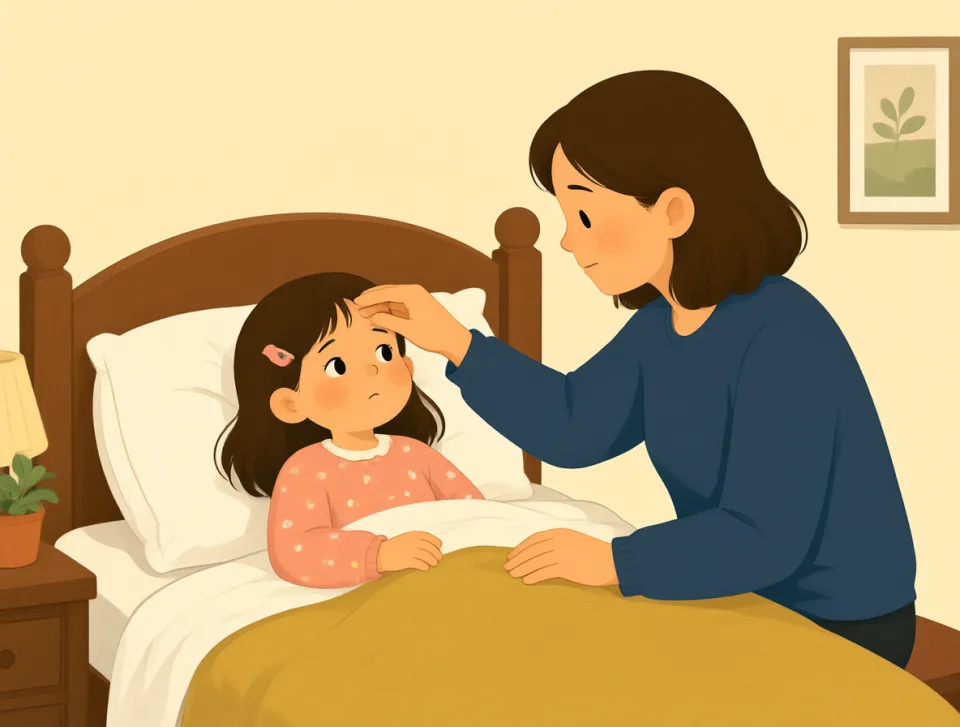
Her temperature rose during the night.
Gece boyunca ateşi yükseldi.
girl
#463noun
kız
A female child or young woman.
Kız çocuk veya genç kadın.
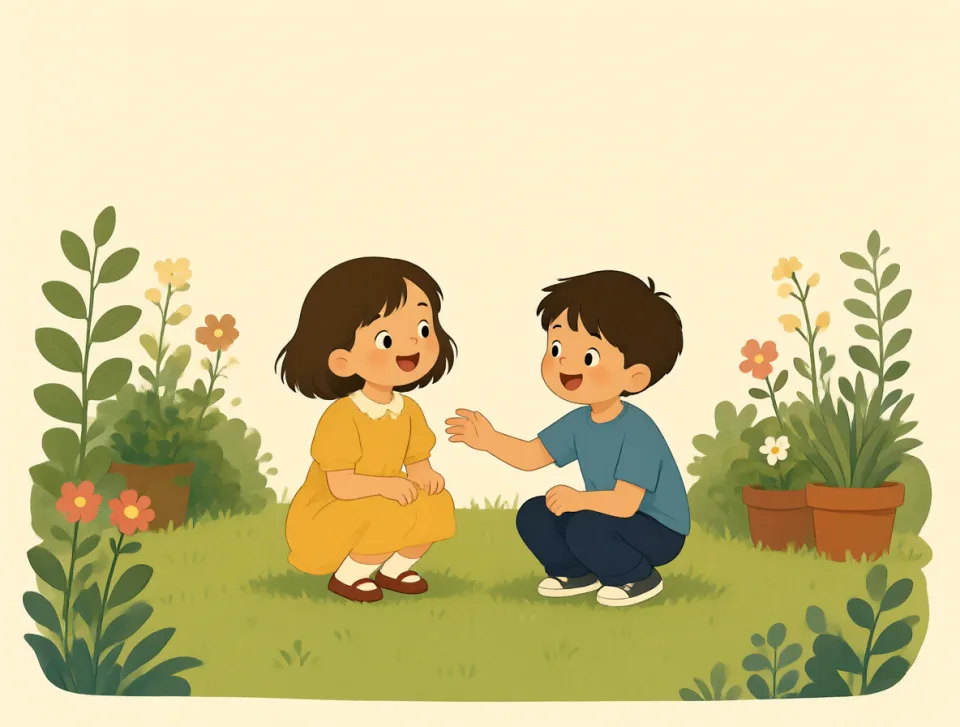
The girl is playing with her brother.
Kız erkek kardeşiyle oynuyor.

That girl is my best friend.
Şu kız benim en iyi arkadaşım.
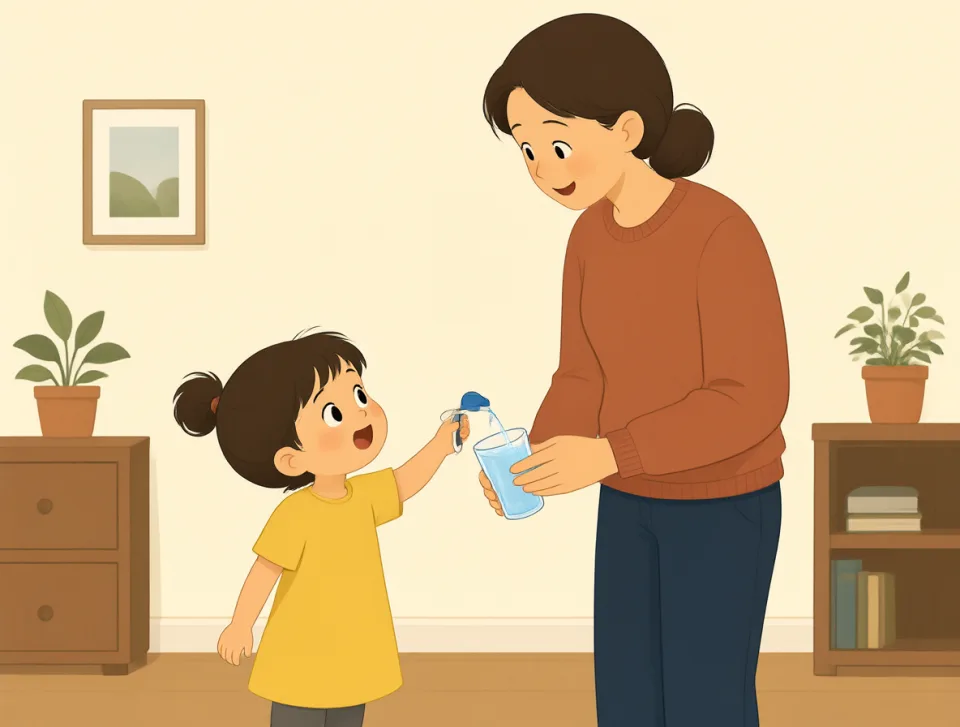
A little girl asked for some water.
Küçük bir kız biraz su istedi.

The girls bought ice cream after school.
Kızlar okuldan sonra dondurma aldı.
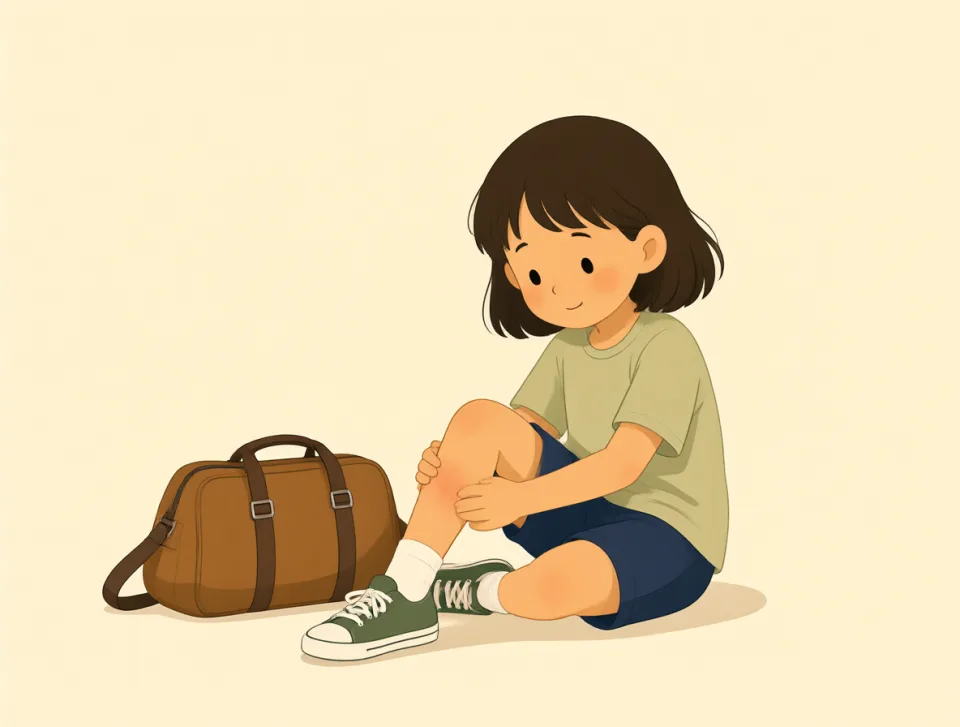
The girl hurt her leg on the trip.
Kız gezide bacağını incitti.

maybe
#464adverb
belki
Used to say that something is possible but not certain.
Bir şeyin mümkün olduğunu ama kesin olmadığını belirtmek için kullanılır.
Maybe we can meet after work.
Belki işten sonra buluşabiliriz.

Maybe it will rain this afternoon.
Belki bu öğleden sonra yağmur yağar.

Maybe she left her keys at home.
Belki anahtarlarını evde bırakmıştır.

Maybe I should see a doctor.
Belki bir doktora görünmeliyim.
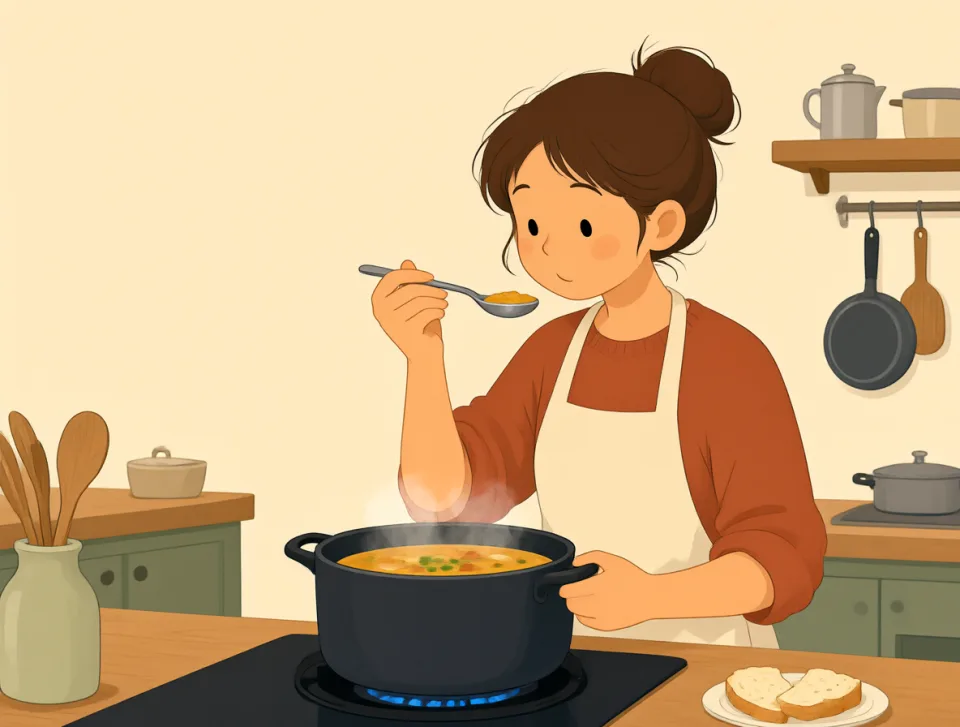
Maybe this soup needs more salt.
Belki bu çorbaya biraz daha tuz eklemek gerekir.
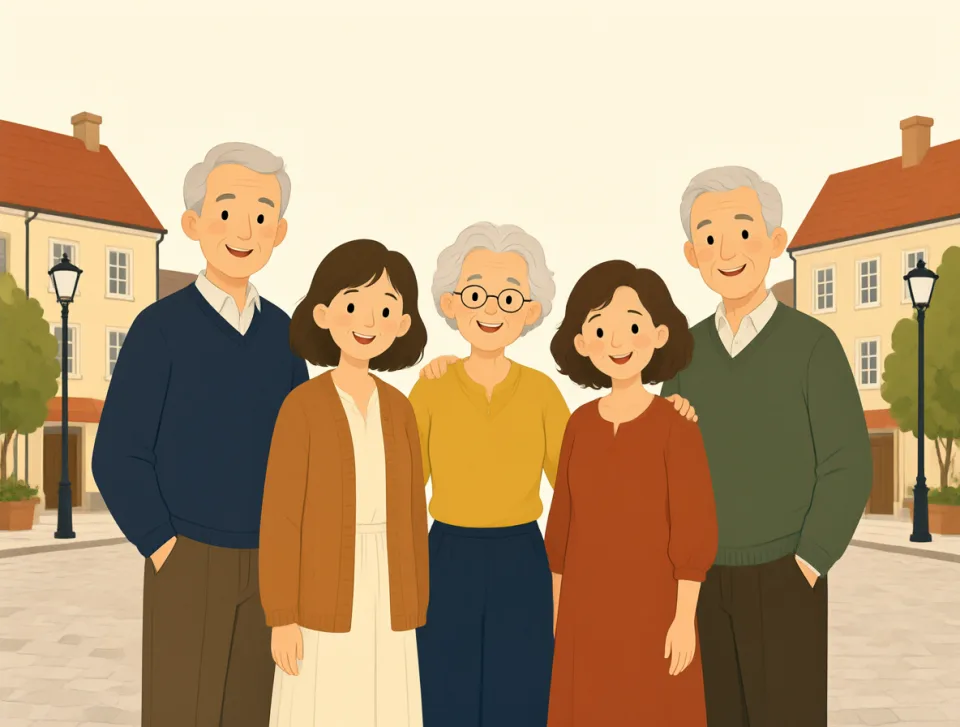
community
#465noun
topluluk
A group of people who live in the same place or share an interest.
Aynı yerde yaşayan veya ortak bir ilgi alanını paylaşan insanlardan oluşan grup.
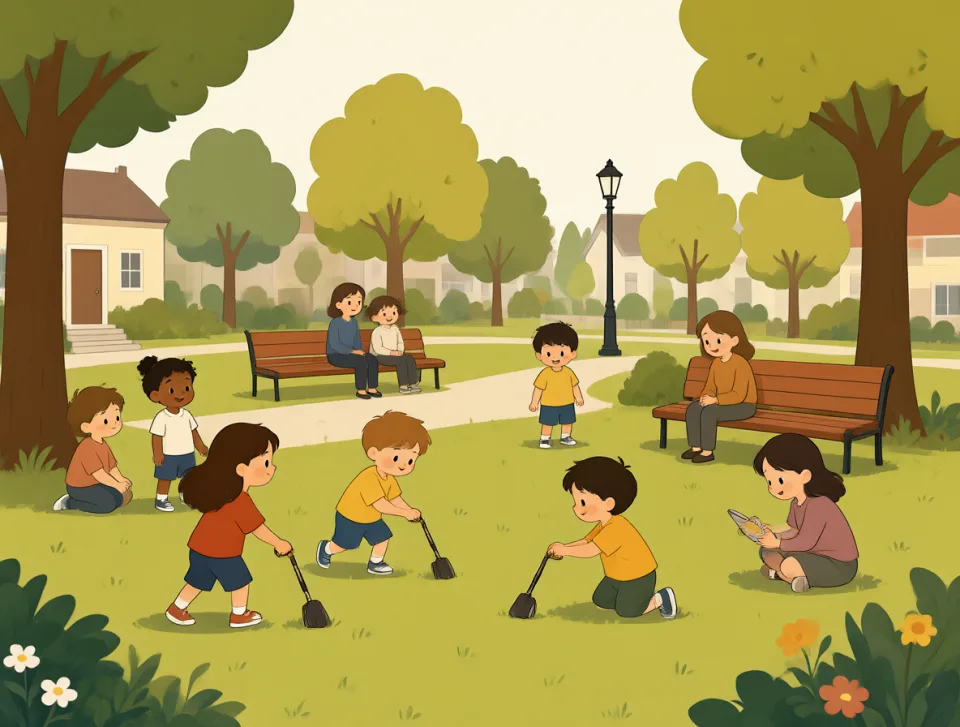
Our community has a small park.
Topluluğumuzun küçük bir parkı var.
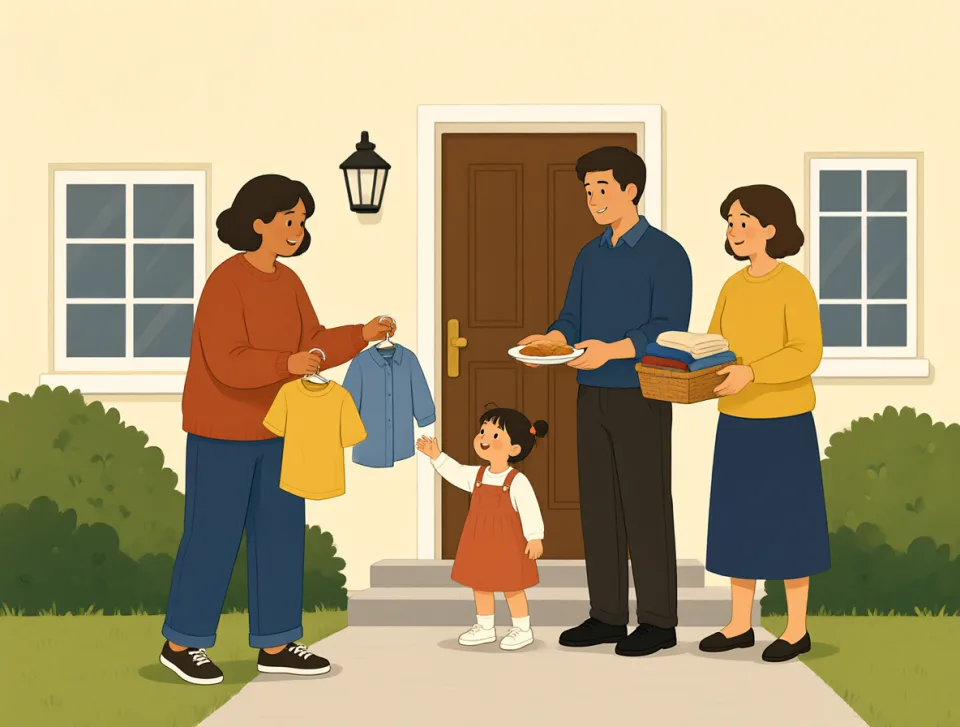
The community helped the family after the fire.
Yangından sonra topluluk aileye yardım etti.
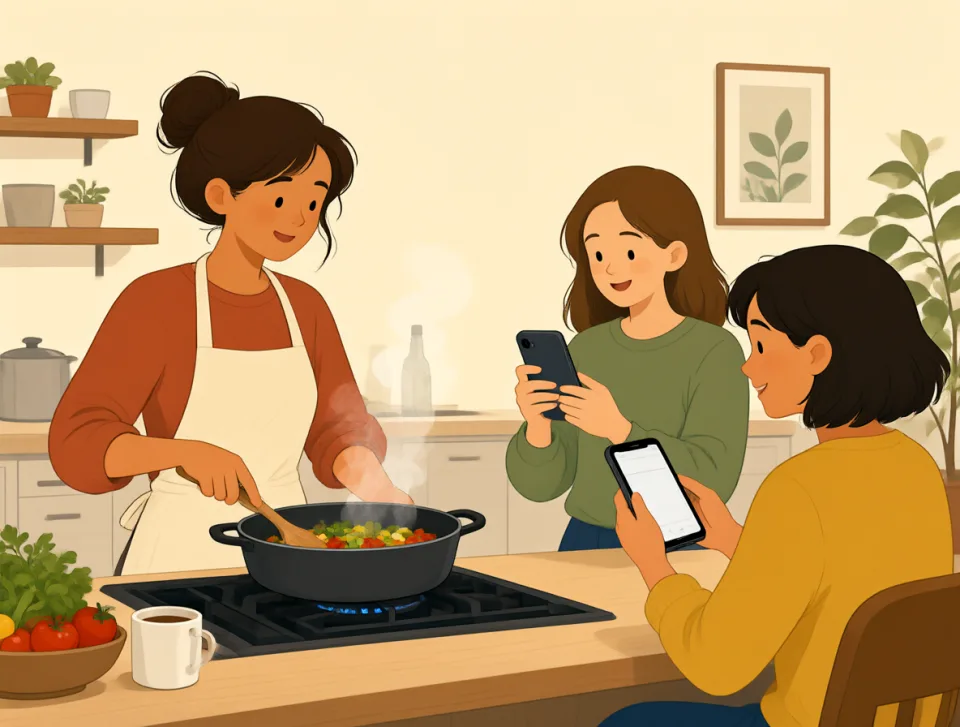
She joined a cooking community online.
İnternette bir yemek topluluğuna katıldı.
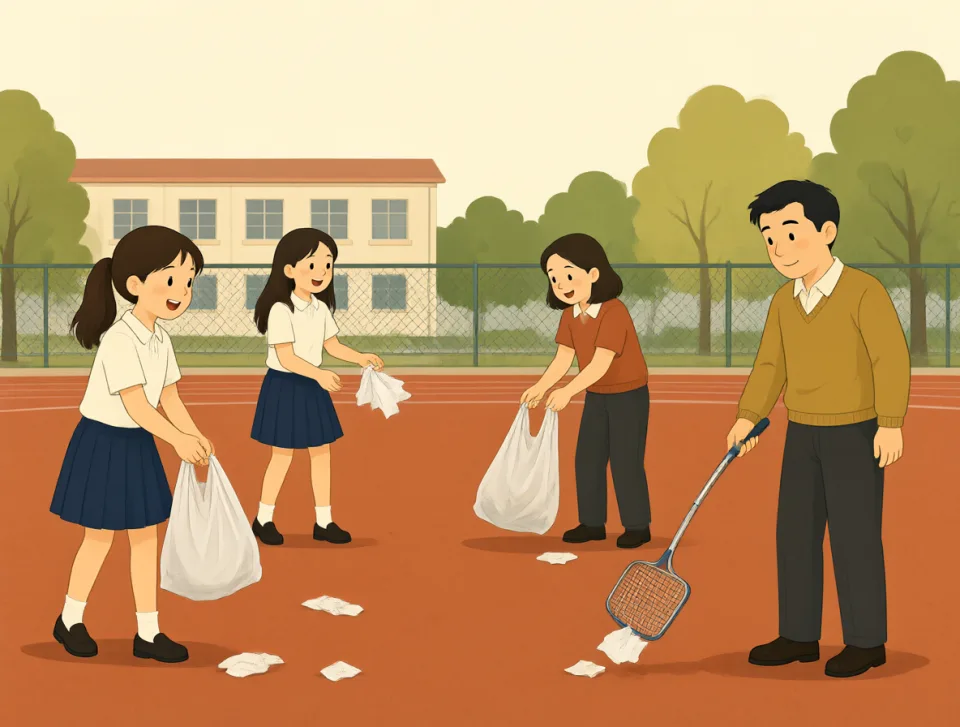
Our school community cleaned the playground.
Okul topluluğumuz oyun alanını temizledi.
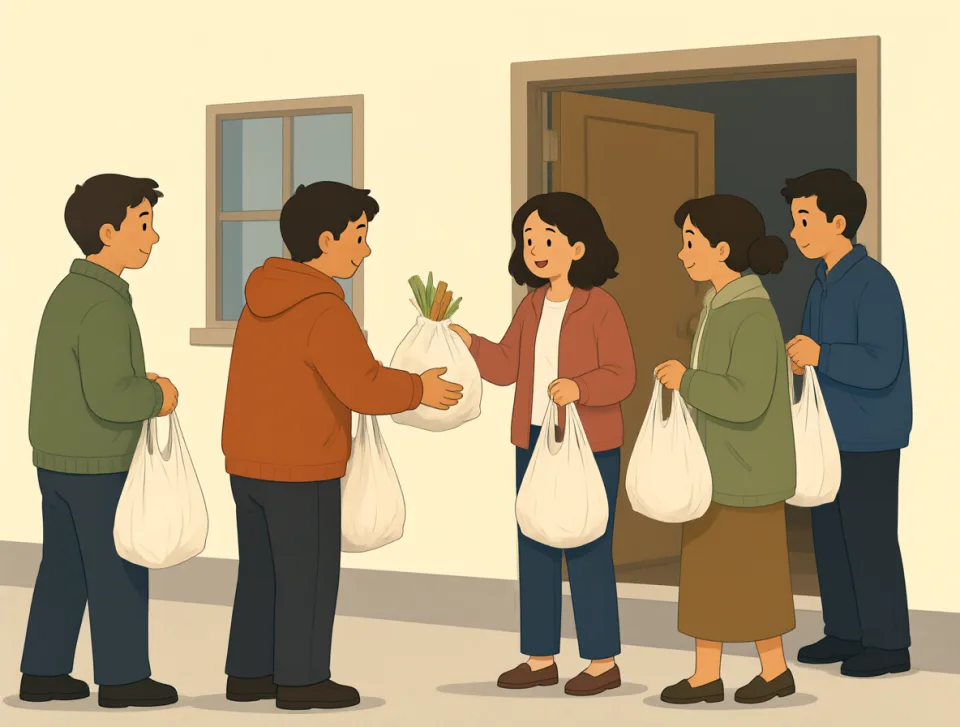
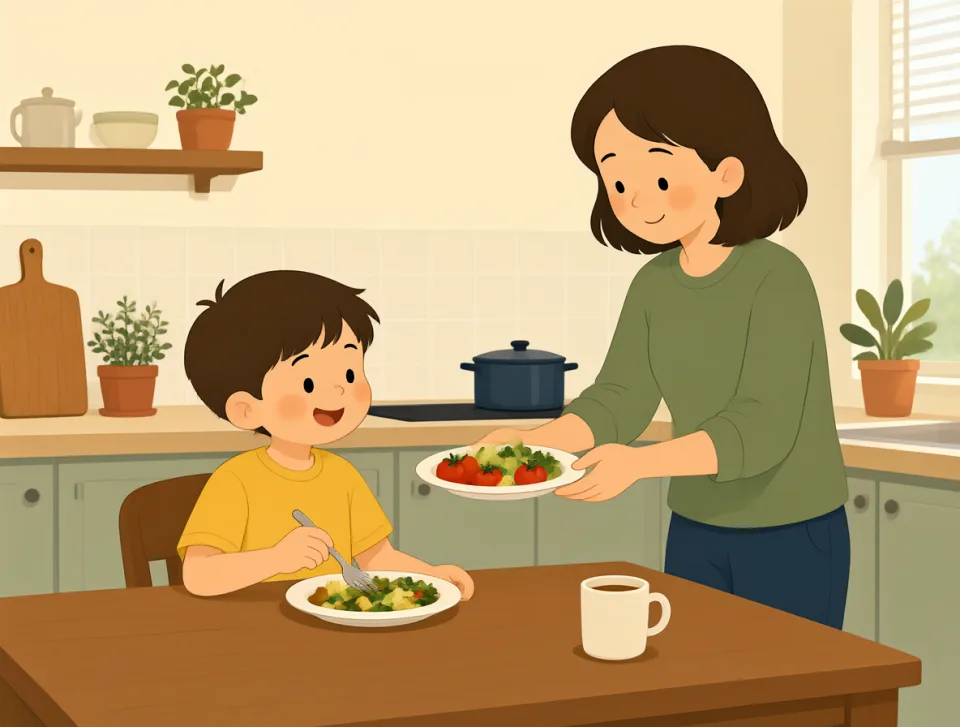
The local community opened a food bank.
Yerel topluluk bir gıda bankası açtı.
else
#466adverb, pronoun, determiner
başka
Different or additional from the person, thing, or place already mentioned.
Daha önce sözü edilen kişiden, şeyden veya yerden farklı ya da ona ek olan.
Would you like anything else to eat?
Yemek için başka bir şey ister misiniz?

Is there anything else I can help with?
Yardım edebileceğim başka bir şey var mı?

Where else can we go today?
Bugün başka nereye gidebiliriz?
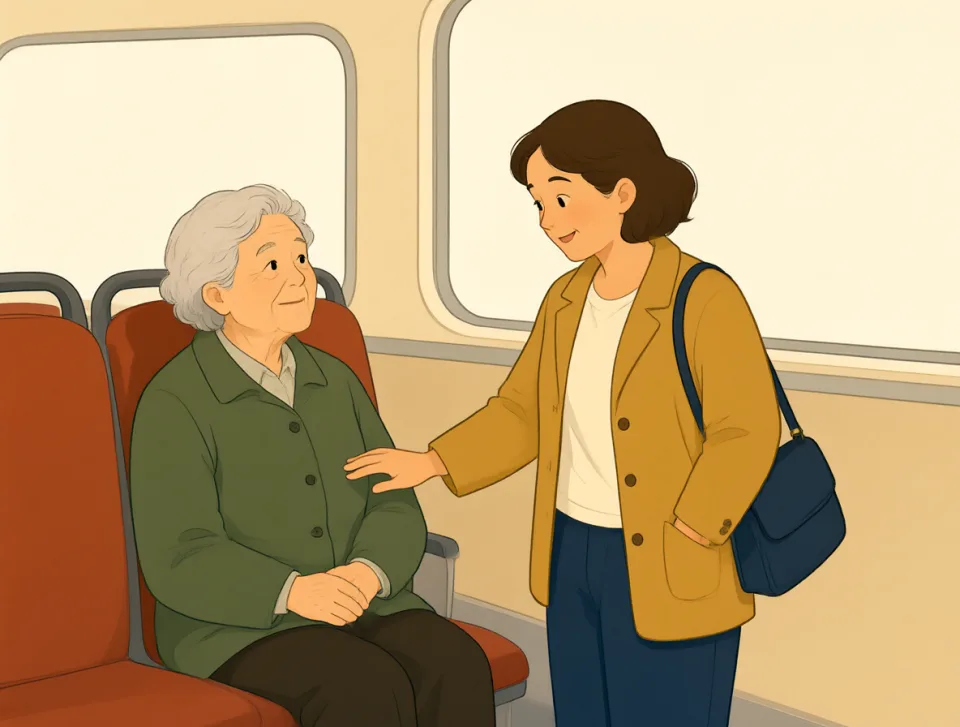
Someone else took my seat on the bus.
Otobüste yerime başka biri oturmuş.

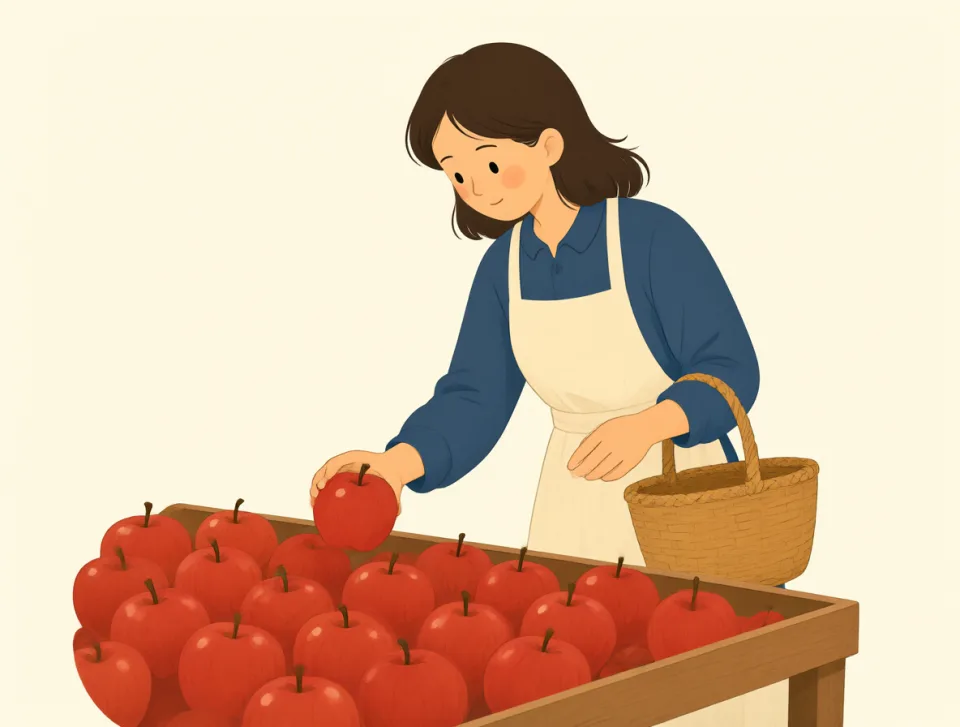
What else did you learn at school?
Okulda başka neler öğrendin?
particular
#467adjective
belirli
Specific or exact, rather than general or ordinary.
Genel ya da sıradan değil, belirli veya kesin olan.
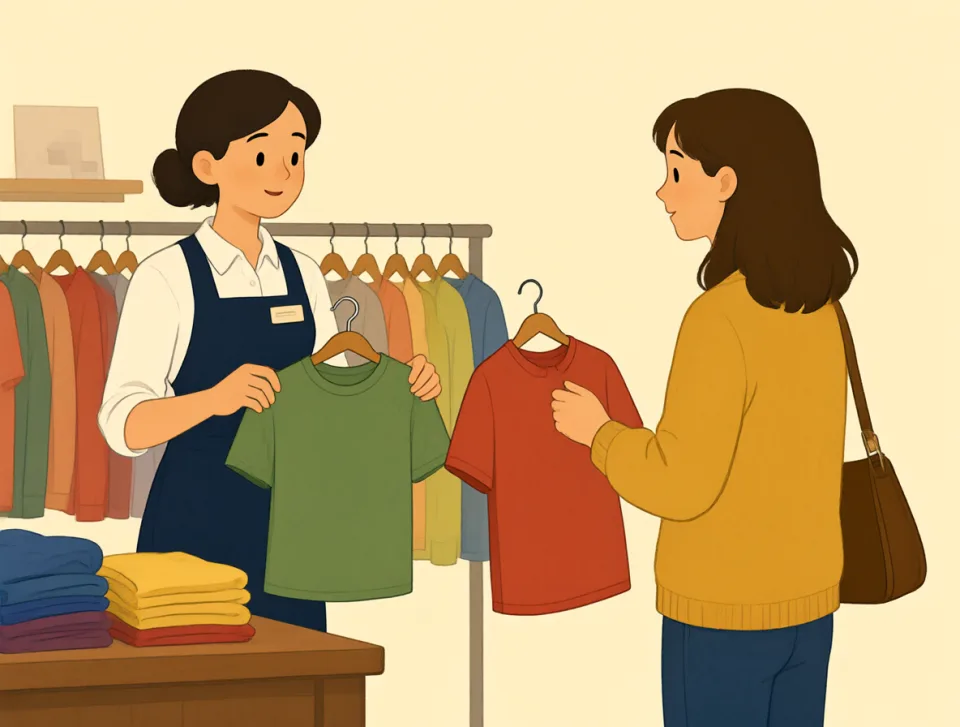
Is there a particular color you want?
İstediğiniz belirli bir renk var mı?
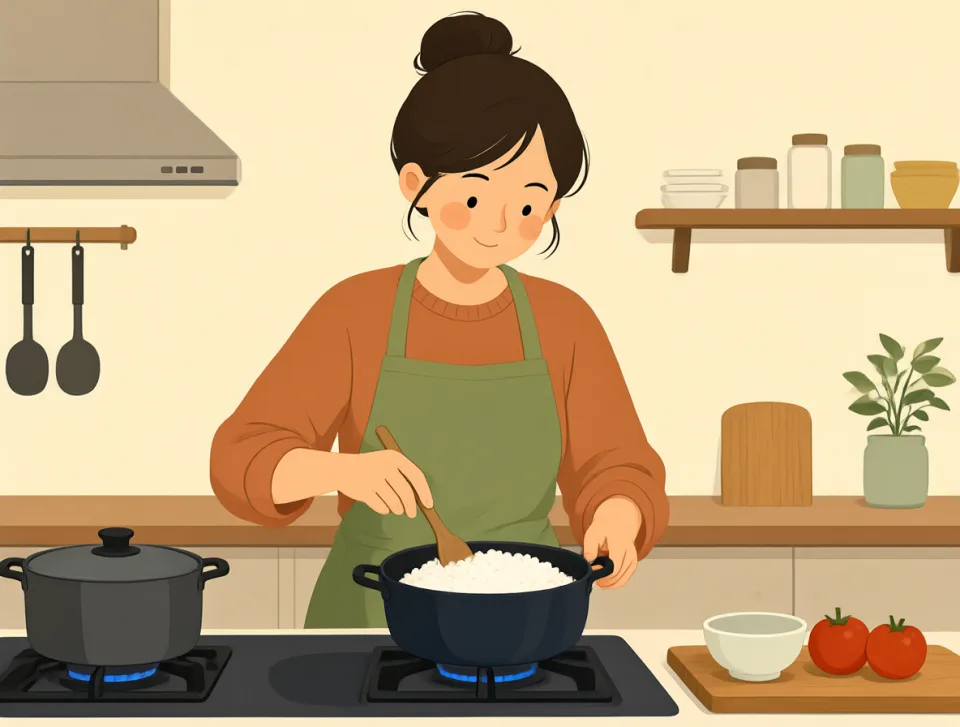
She has a particular way of cooking rice.
Onun pilav pişirmek için kendine özgü bir yöntemi var.

I need a particular book for class.
Ders için belirli bir kitaba ihtiyacım var.

He is very particular about his coffee.
Kahvesi konusunda çok seçicidir.

The doctor asked about a particular pain.
Doktor belirli bir ağrısı olup olmadığını sordu.
role
#468noun
rol
The job or purpose someone or something has in a situation.
Bir kişinin veya şeyin bir durumdaki görevi ya da amacı.
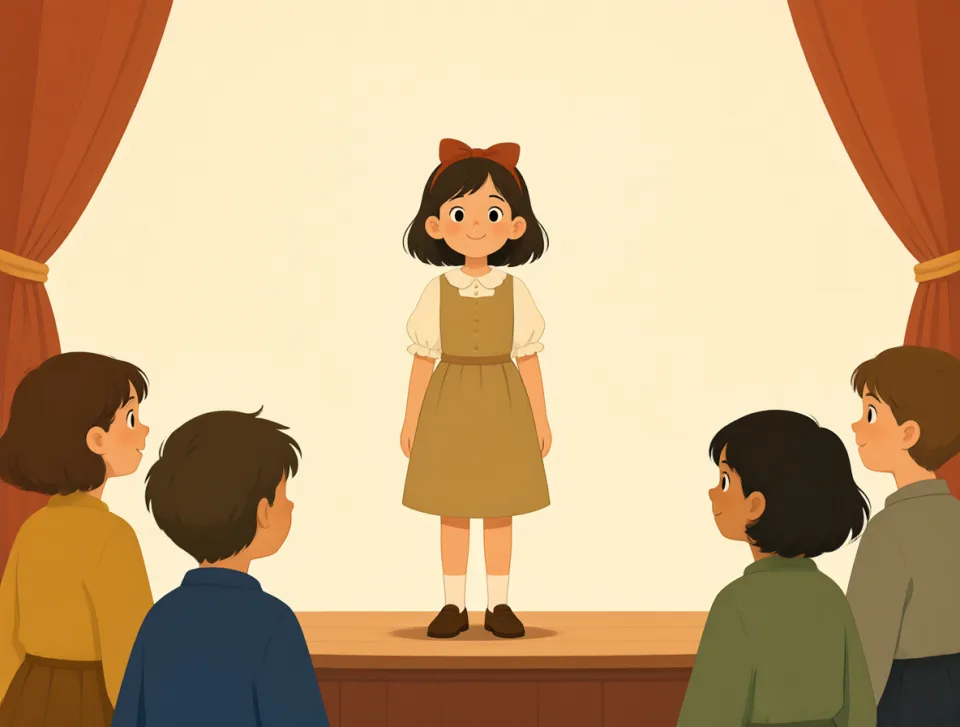
She plays the main role in the school play.
Okul oyununda başrolü oynuyor.
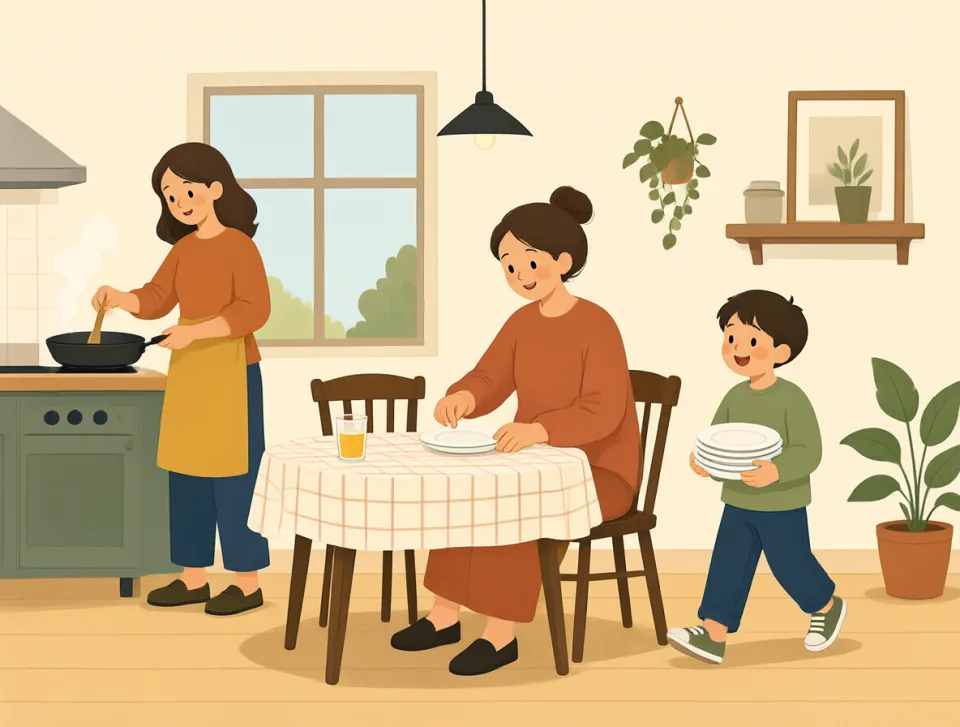
Everyone has a role in our family.
Ailemizde herkesin bir rolü var.

He got a new role at the company.
Şirkette yeni bir göreve başladı.
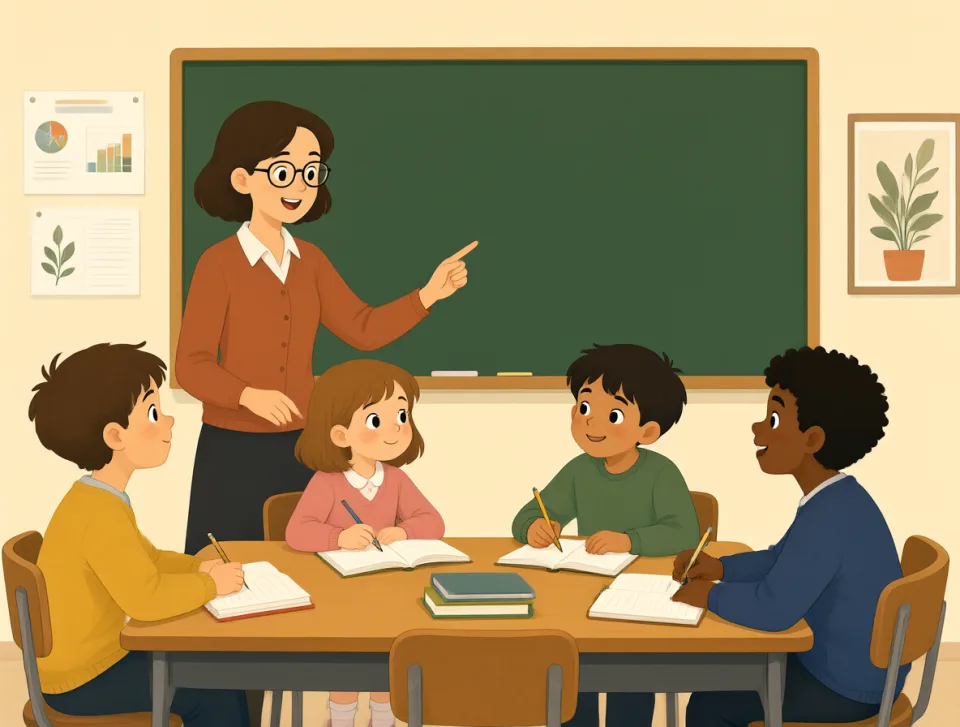
The teacher gave me a role in the project.
Öğretmen projede bana bir görev verdi.
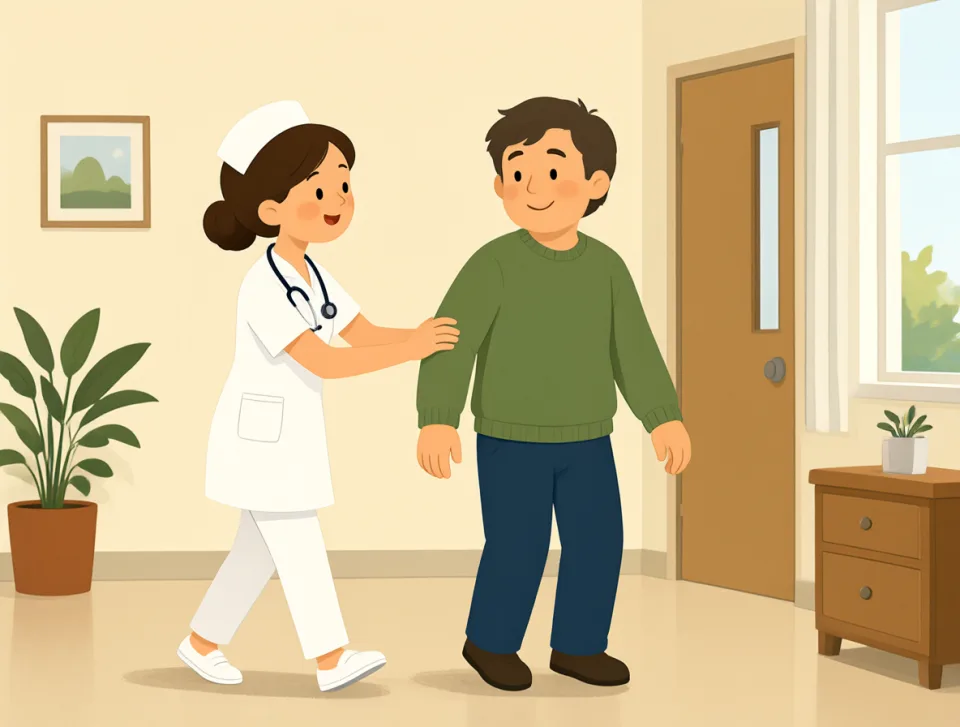
The nurse played an important role in her recovery.
Hemşire, onun iyileşmesinde önemli bir rol oynadı.

join
#469verb
katılmak
to become a member of a group or take part in an activity
Bir grubun üyesi olmak ya da bir etkinliğe katılmak.
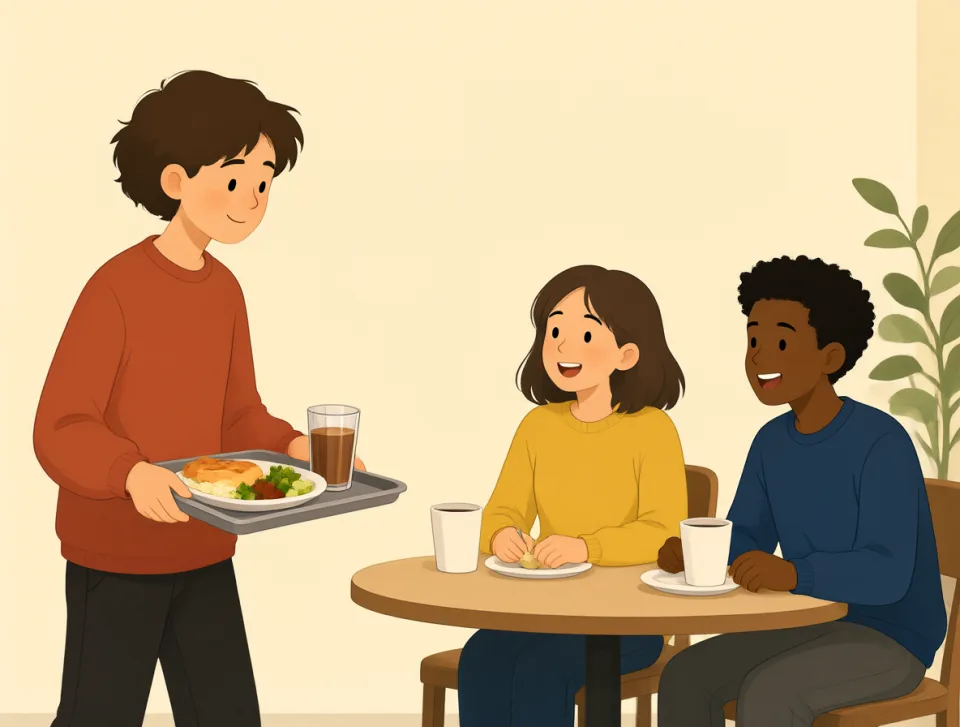
Can I join you for lunch?
Öğle yemeğinde size katılabilir miyim?

She joined the school football team.
Okulun futbol takımına katıldı.
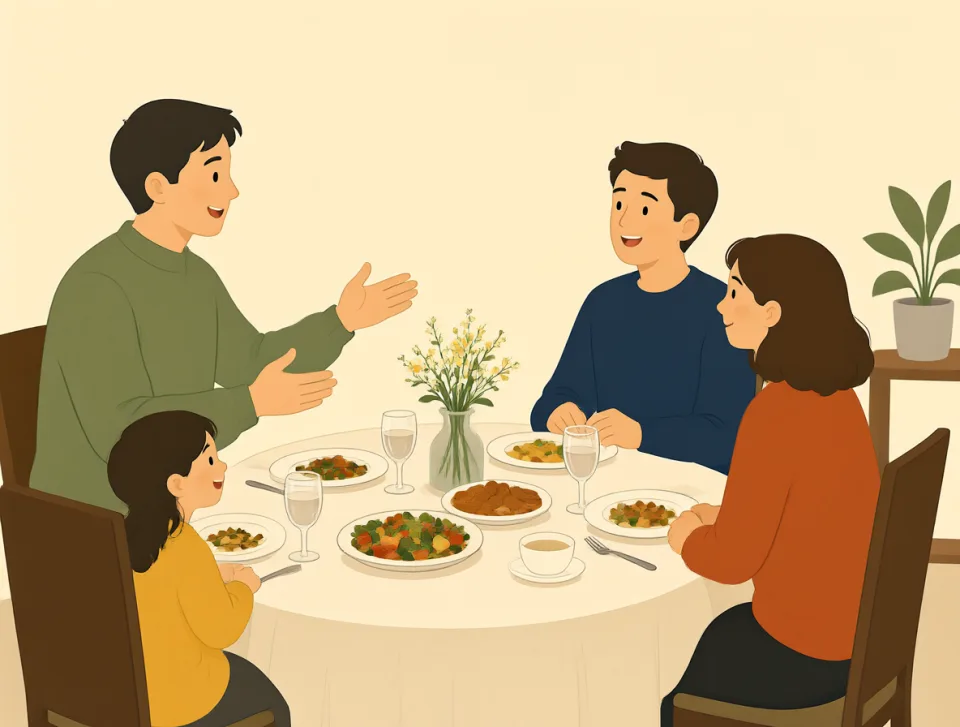
Please join us for dinner tonight.
Bu akşam yemeğinde lütfen bize katılın.

He joined the line at the store.
Mağazada sıraya girdi.
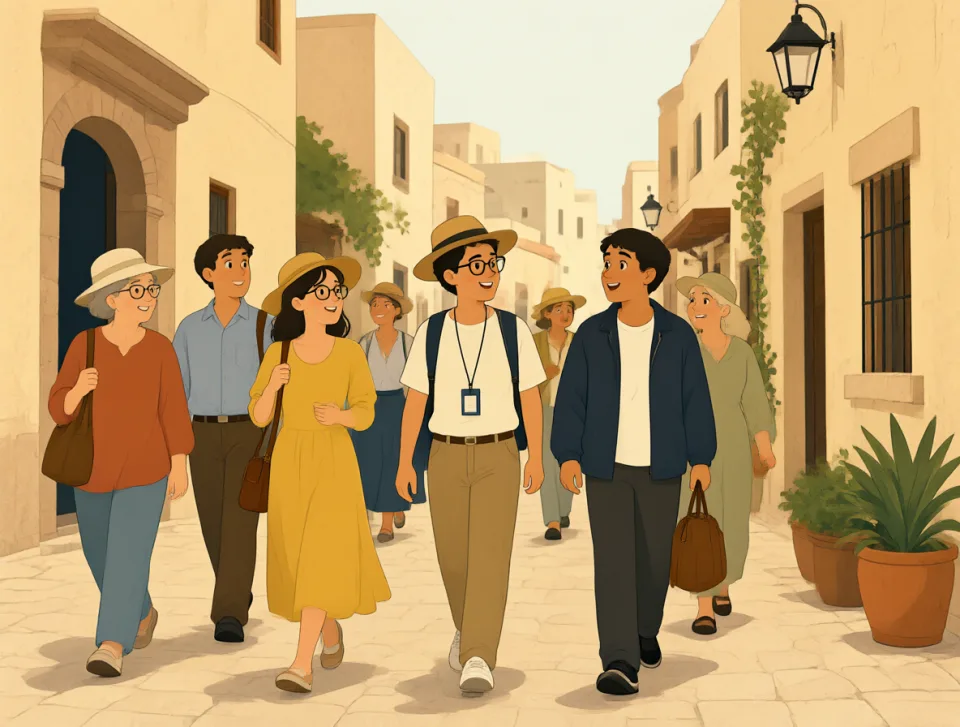
We joined a tour of the old city.
Eski şehir turuna katıldık.
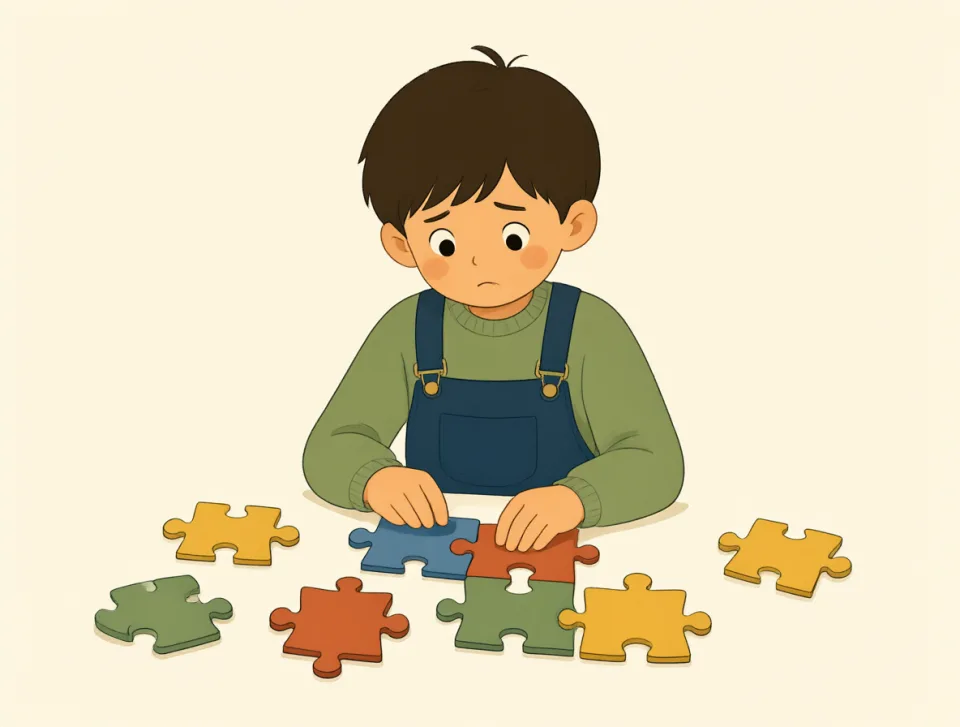
difficult
#470adjective
zor
Not easy to do, understand, or deal with.
Yapması, anlaması veya üstesinden gelmesi kolay olmayan.

This math problem is difficult for me.
Bu matematik problemi benim için zor.

It is difficult to sleep with this noise.
Bu gürültüde uyumak zor.

We had a difficult day at work.
İş yerinde zor bir gün geçirdik.

The difficult journey took two days.
Zorlu yolculuk iki gün sürdü.

She finds it difficult to speak in class.
Sınıfta konuşmak ona zor geliyor.

please
#471adverb, verb
lütfen
Used to ask politely, or to make someone happy or satisfied.
Kibarca bir şey istemek ya da birini mutlu veya memnun etmek için kullanılır.
Please close the door before you leave.
Lütfen gitmeden önce kapıyı kapat.
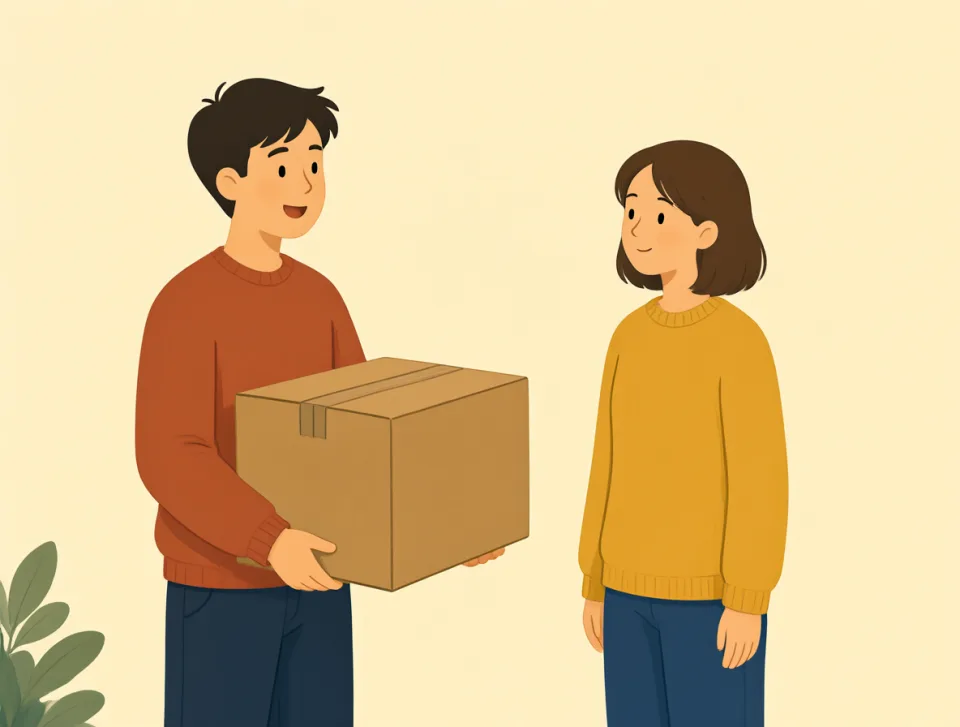
Could you help me, please?
Bana yardım eder misiniz, lütfen?
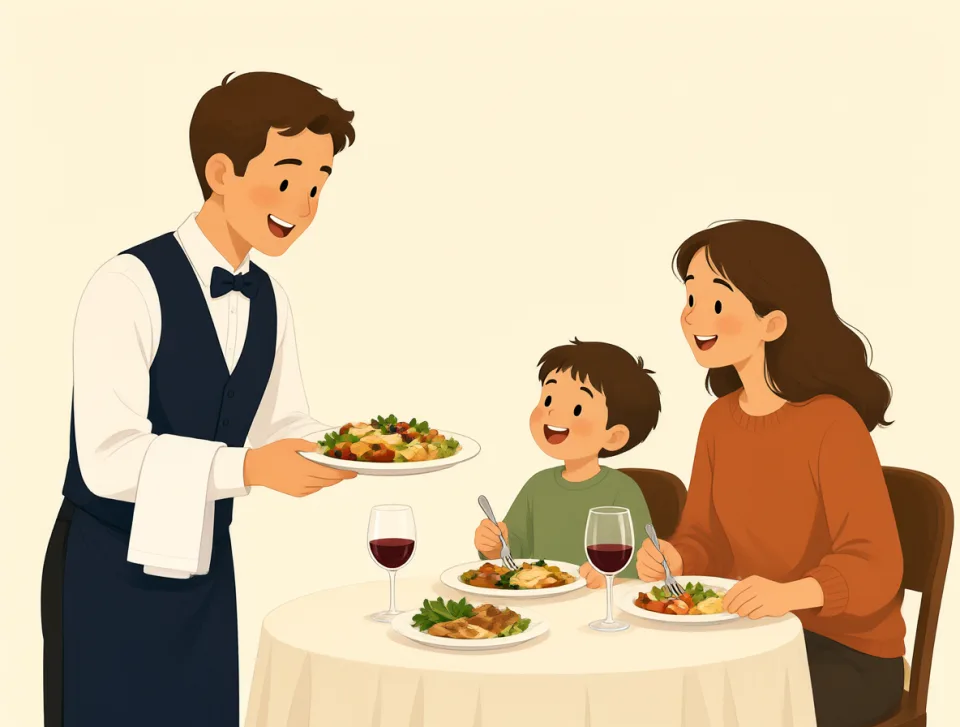
The waiter pleased everyone with the delicious food.
Garson, lezzetli yemekleriyle herkesi memnun etti.

Please yourself and choose a comfortable seat.
Keyfine bak ve rahat bir koltuk seç.

The doctor was pleased with my progress.
Doktor ilerlememden memnun kaldı.

detail
#472noun, verb
ayrıntı
A small piece of information, or to give information about something carefully.
Küçük bir bilgi parçası ya da bir şey hakkında dikkatlice bilgi verme.
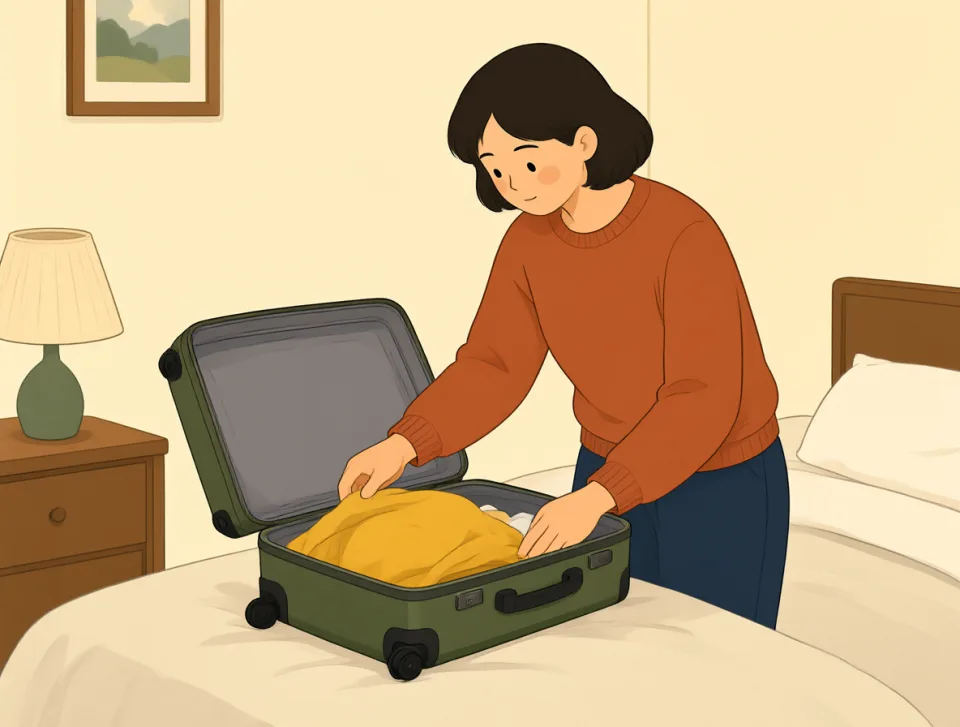
Please check every detail before you leave.
Lütfen gitmeden önce her ayrıntıyı kontrol edin.

She told me every detail about her trip.
Gezisiyle ilgili her ayrıntıyı bana anlattı.
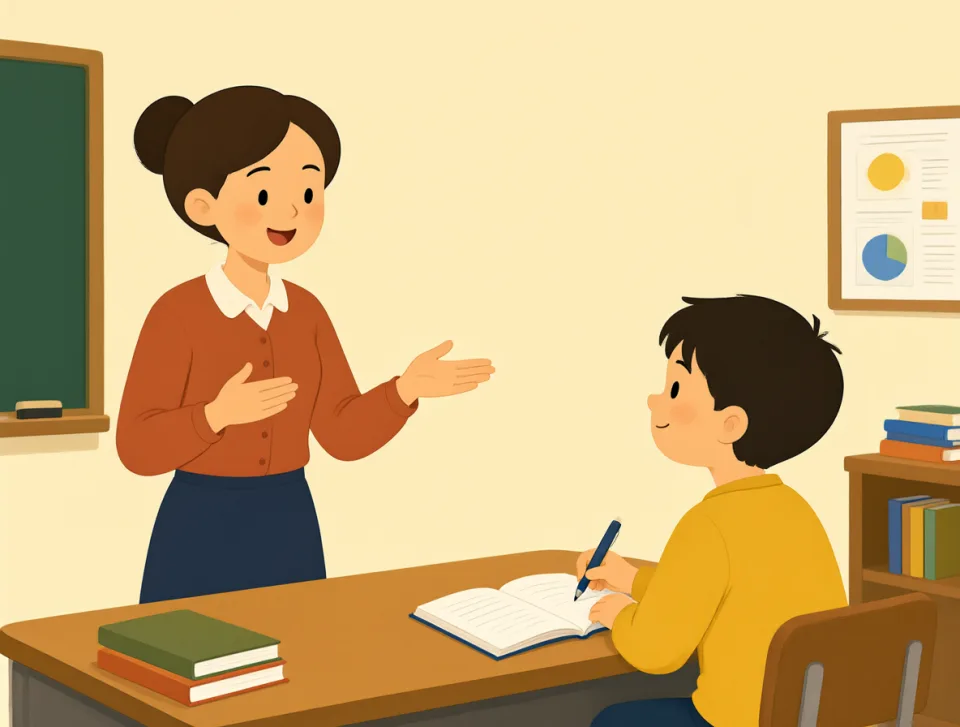
The teacher explained the details of the science project.
Öğretmen fen projesinin ayrıntılarını açıkladı.

The hotel room had beautiful details.
Otel odasında güzel ayrıntılar vardı.

He detailed the problem for the doctor.
Sorunu doktora ayrıntılı olarak anlattı.

difference
#473noun
fark
A way in which two people or things are not the same.
İki kişi ya da şeyin aynı olmadığı bir yön.

Can you see the difference between these two bags?
Bu iki çanta arasındaki farkı görebiliyor musun?
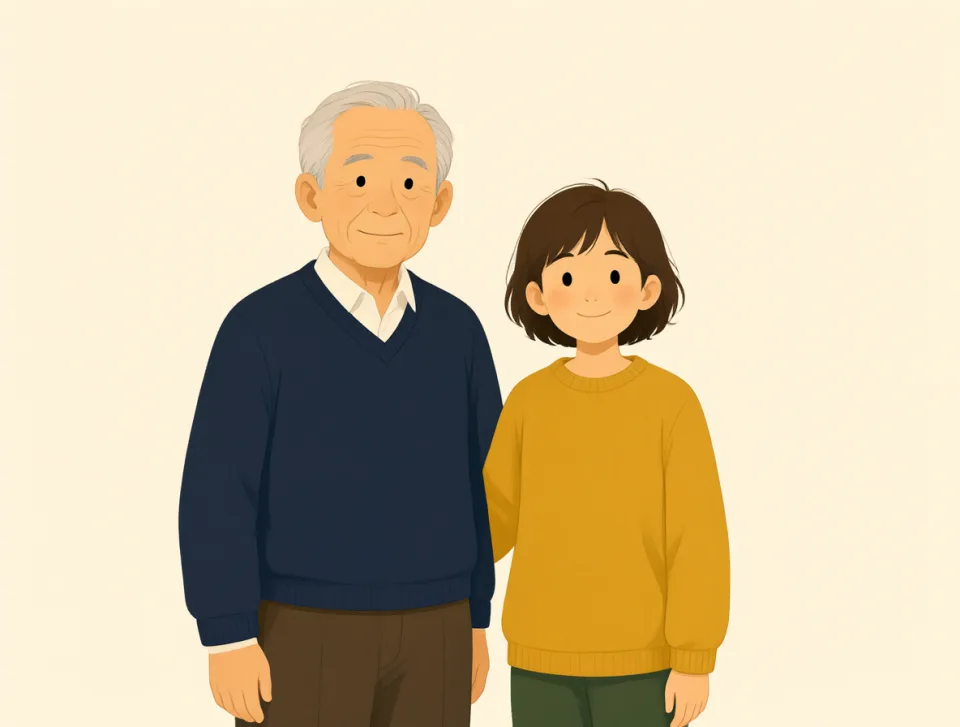
There is a big difference in their ages.
Yaşları arasında büyük bir fark var.

The new teacher makes a difference at school.
Yeni öğretmen okulda fark yaratıyor.
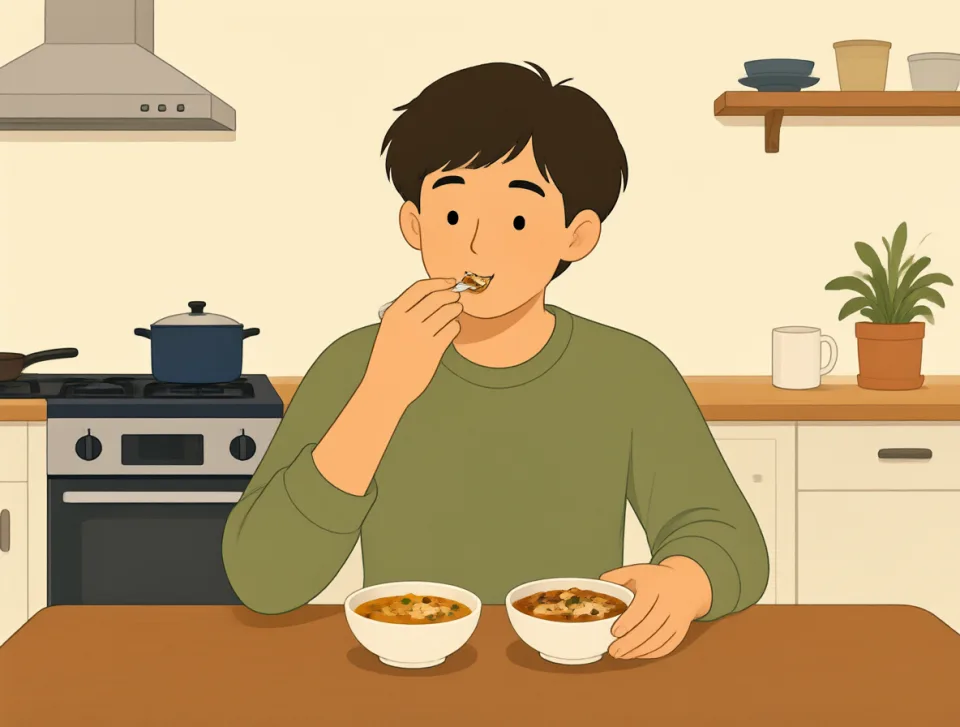
I cannot taste the difference between them.
Aralarındaki farkın tadını alamıyorum.

We noticed differences between the two hotels.
İki otel arasındaki farklılıkları fark ettik.
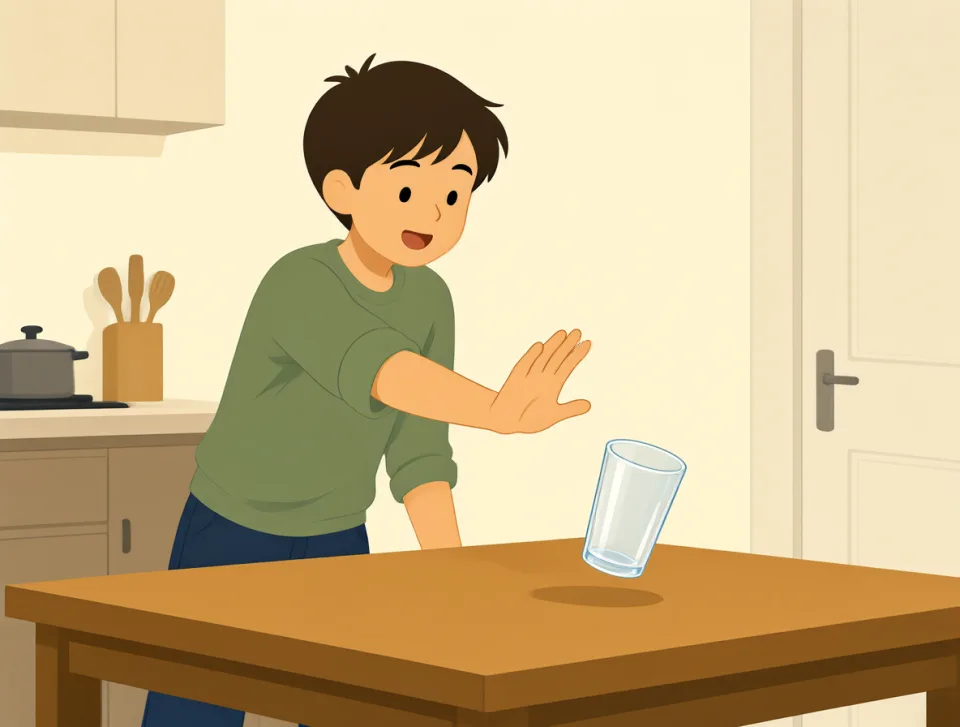
action
#474noun
eylem
Something someone does, especially to solve a problem or achieve a result.
Birinin yaptığı, özellikle bir sorunu çözmek ya da bir sonuca ulaşmak için yaptığı şey.
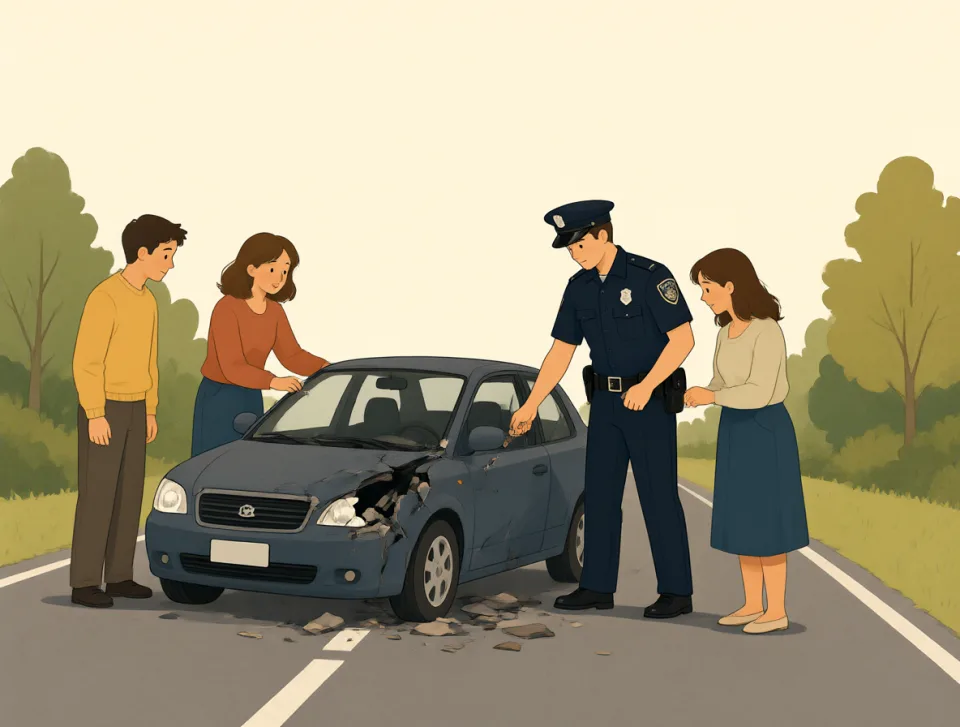
The police took action after the accident.
Polis kazadan sonra harekete geçti.

We need action to fix this problem.
Bu sorunu çözmek için harekete geçmemiz gerekiyor.

The teacher praised her action in class.
Öğretmen, onun sınıftaki davranışını övdü.
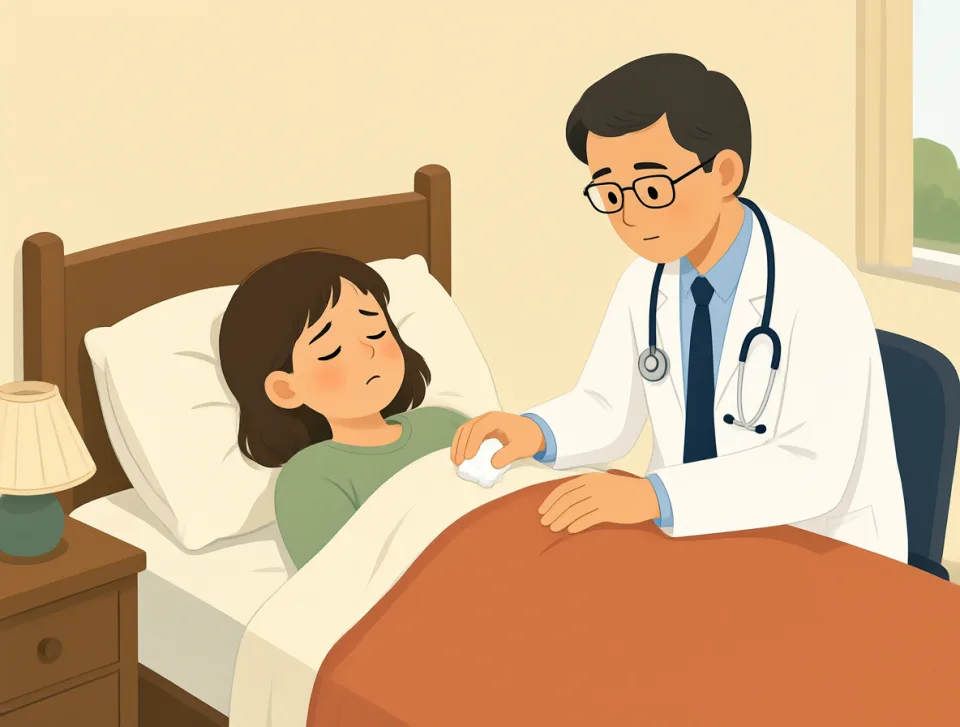
The medicine started working after a few hours.
İlaç birkaç saat sonra etkisini göstermeye başladı.

The movie has lots of exciting action.
Filmde bolca heyecanlı aksiyon var.
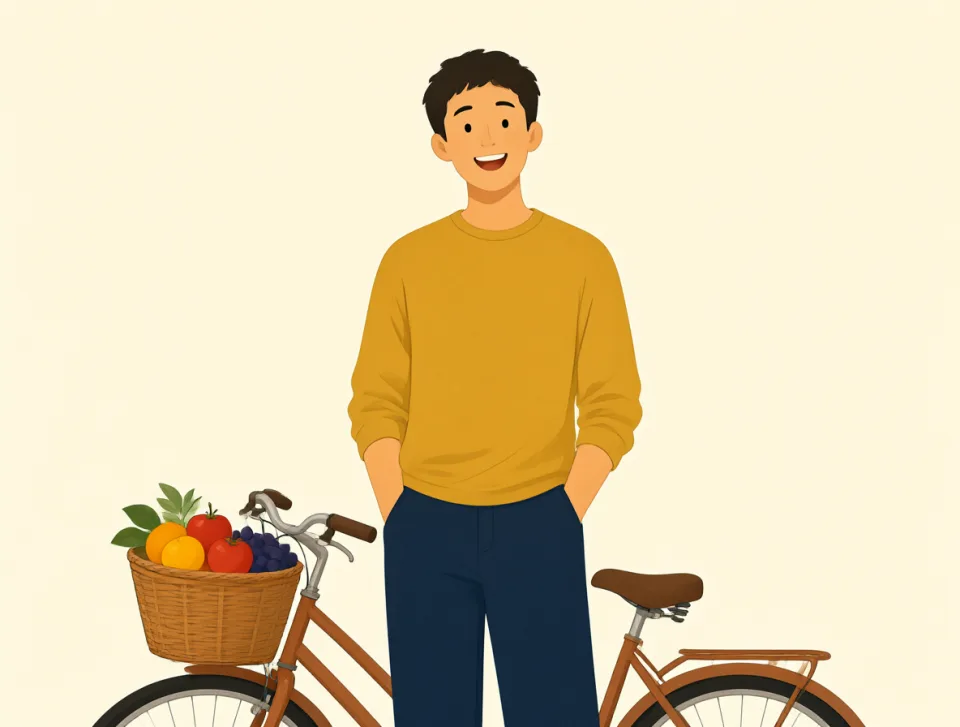
health
#475noun
sağlık
The condition of your body and mind, especially when you are free from illness.
Vücudunun ve zihninin durumu; özellikle hasta olmadığın durum.

Walking every day is good for your health.
Her gün yürümek sağlığın için iyidir.
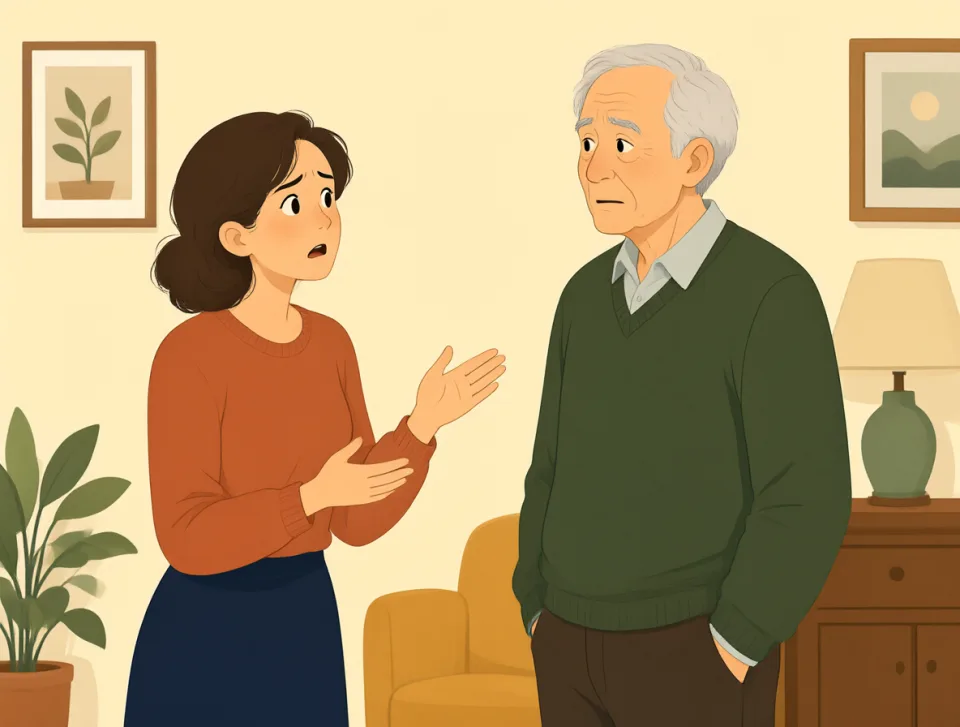
She worries about her father's health.
Babasının sağlığı için endişeleniyor.
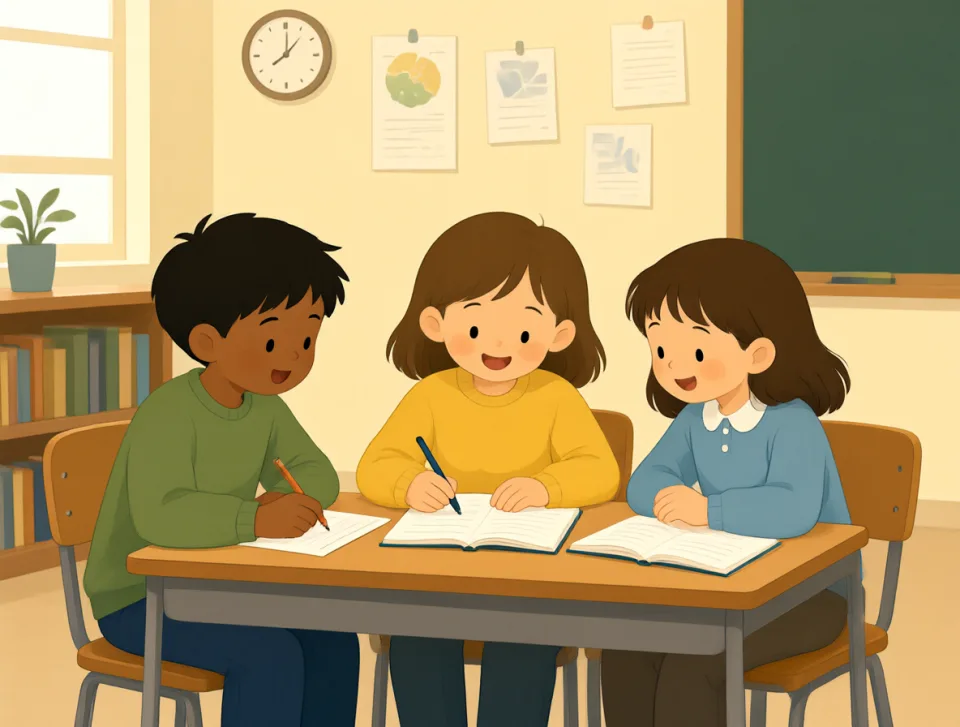
Good health helps children learn at school.
Sağlıklı olmak, çocukların okulda öğrenmesine yardımcı olur.

The doctor asked about my health.
Doktor sağlığımı sordu.
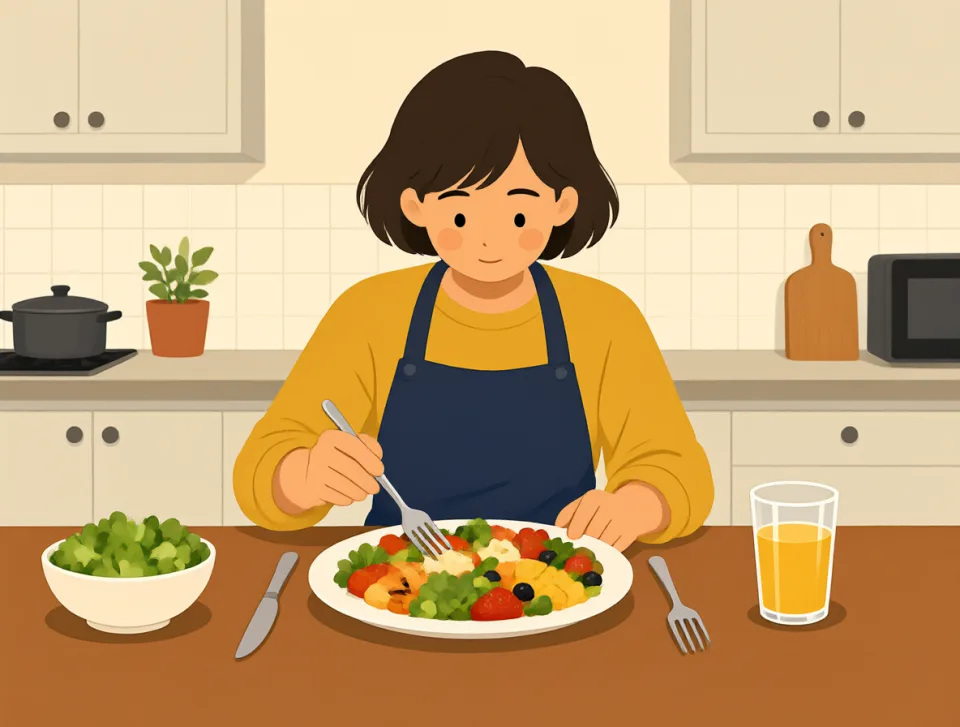
This food is healthy and supports heart health.
Bu yiyecek sağlıklıdır ve kalp sağlığını destekler.
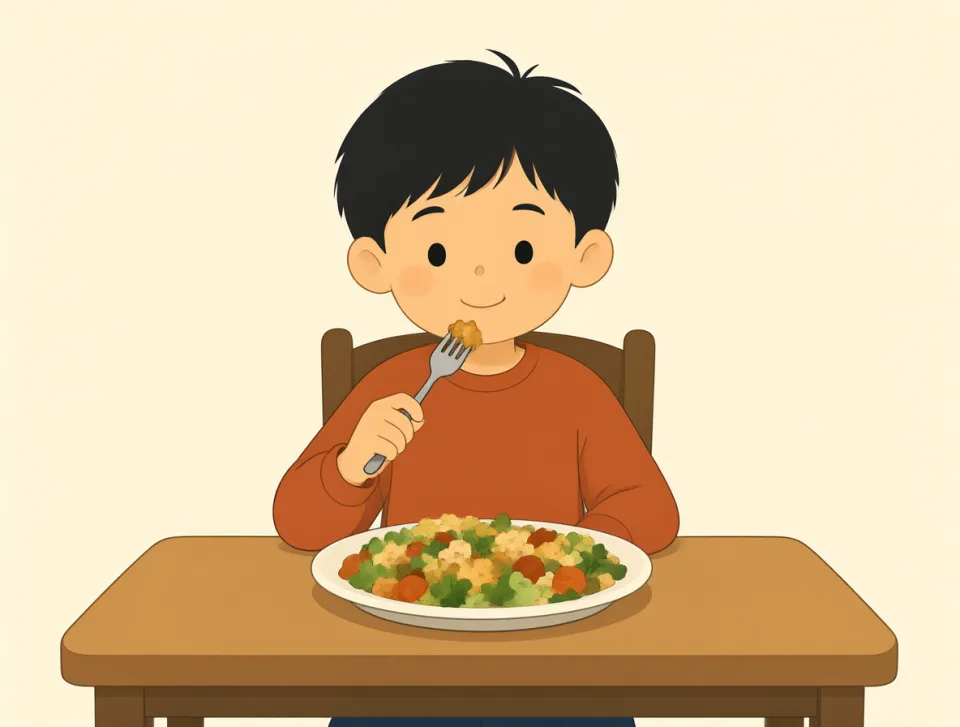
eat
#476verb
yemek
to put food in your mouth, chew it, and swallow it
Yiyeceği ağza alıp çiğnemek ve yutmak.
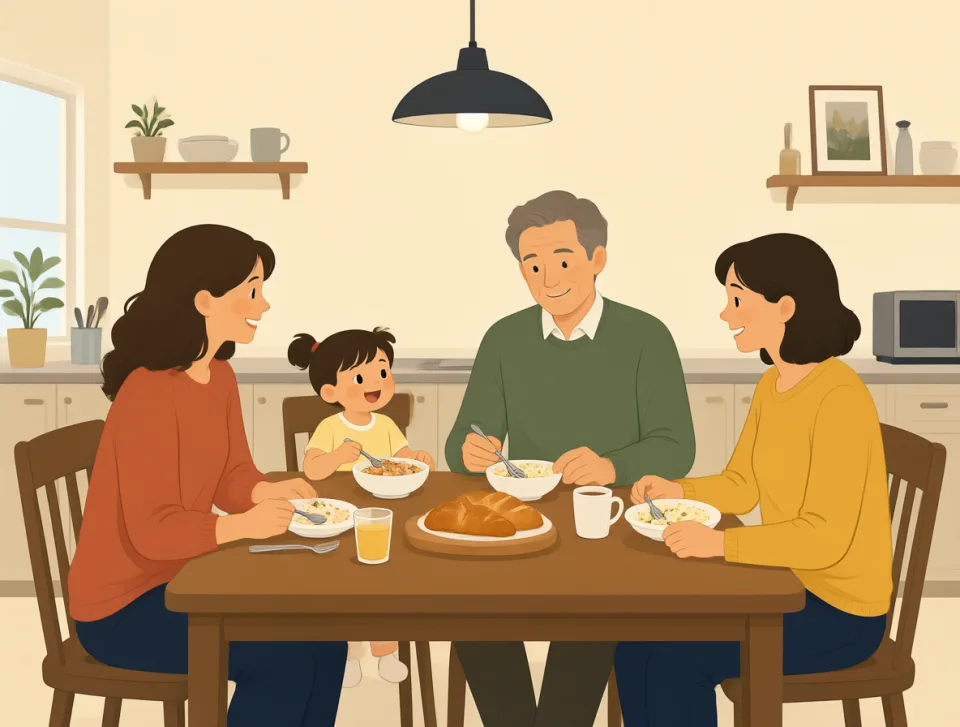
We eat breakfast together every morning.
Her sabah birlikte kahvaltı ederiz.
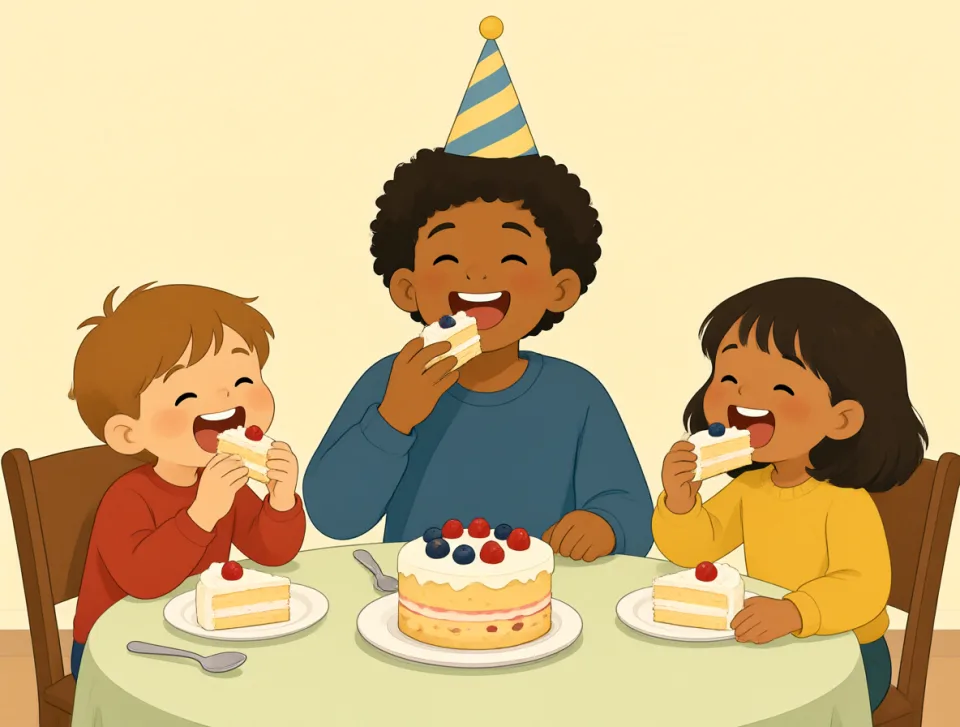
The children ate all the cake.
Çocuklar pastanın hepsini yedi.
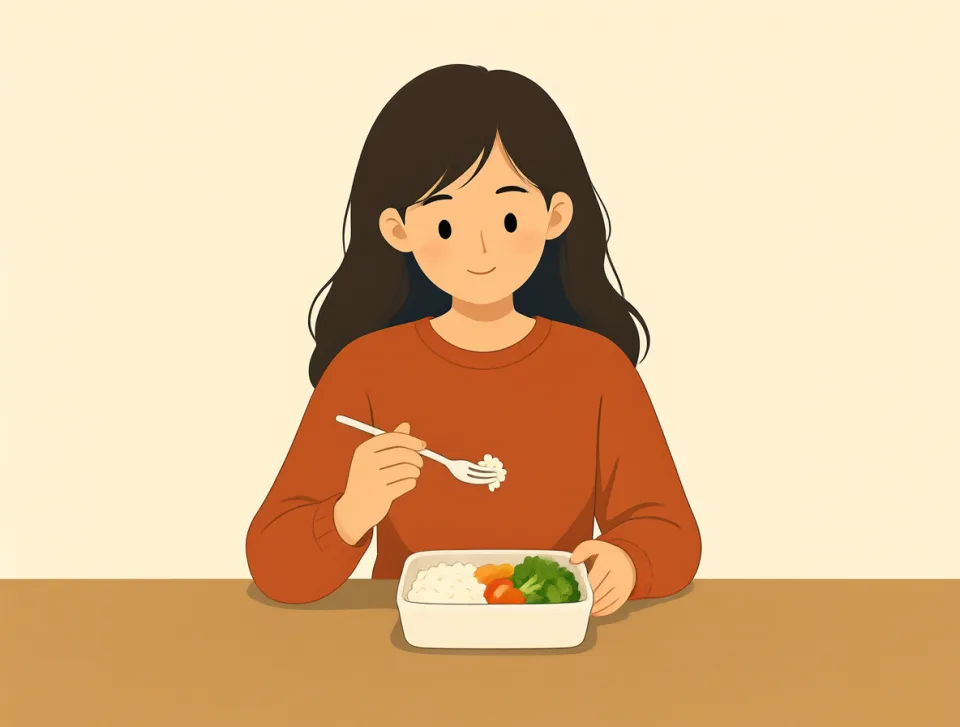
She is eating lunch at work.
İş yerinde öğle yemeği yiyor.
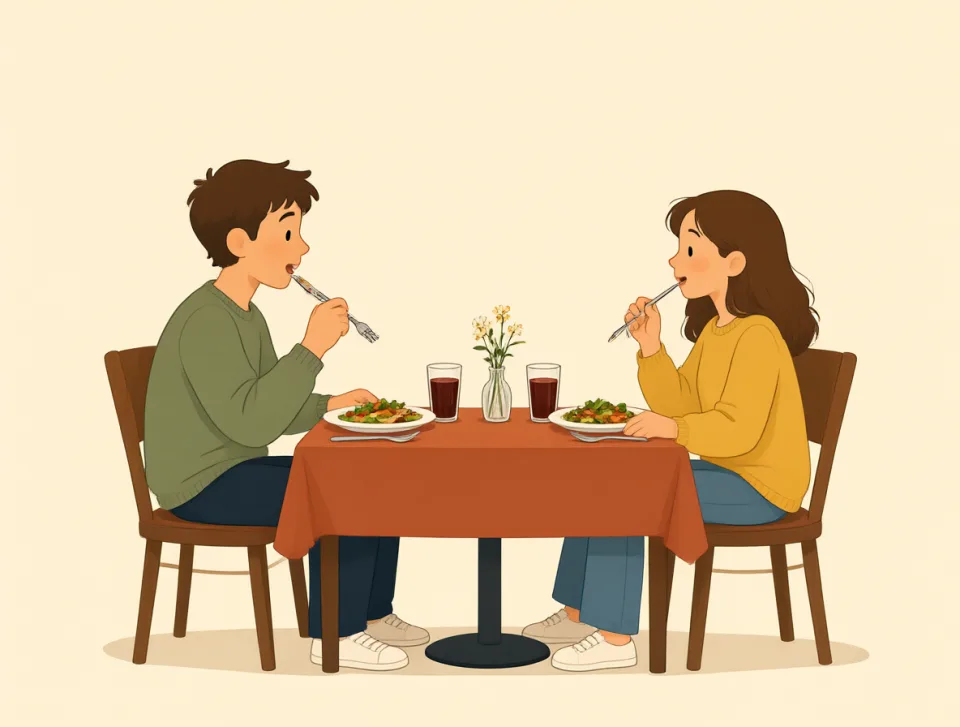
Did you eat at the new restaurant?
Yeni restoranda yemek yedin mi?
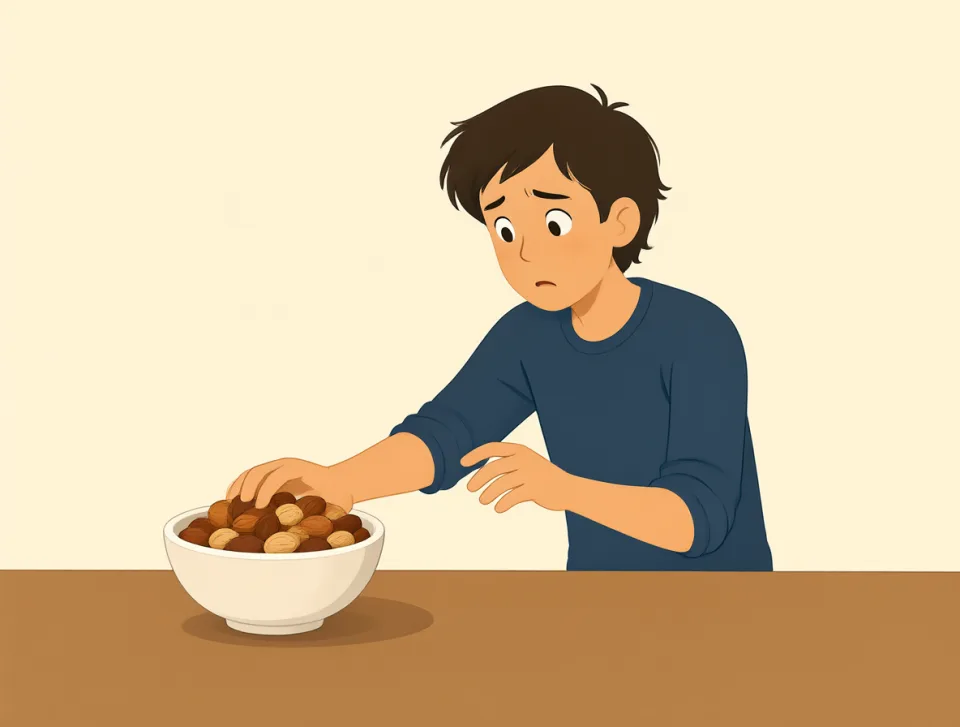
I cannot eat nuts because I am allergic.
Alerjim olduğu için kuruyemiş yiyemiyorum.

step
#477noun, verb
adım
A movement made by lifting one foot and putting it down somewhere else.
Bir ayağı kaldırıp başka bir yere koyarak yapılan hareket.
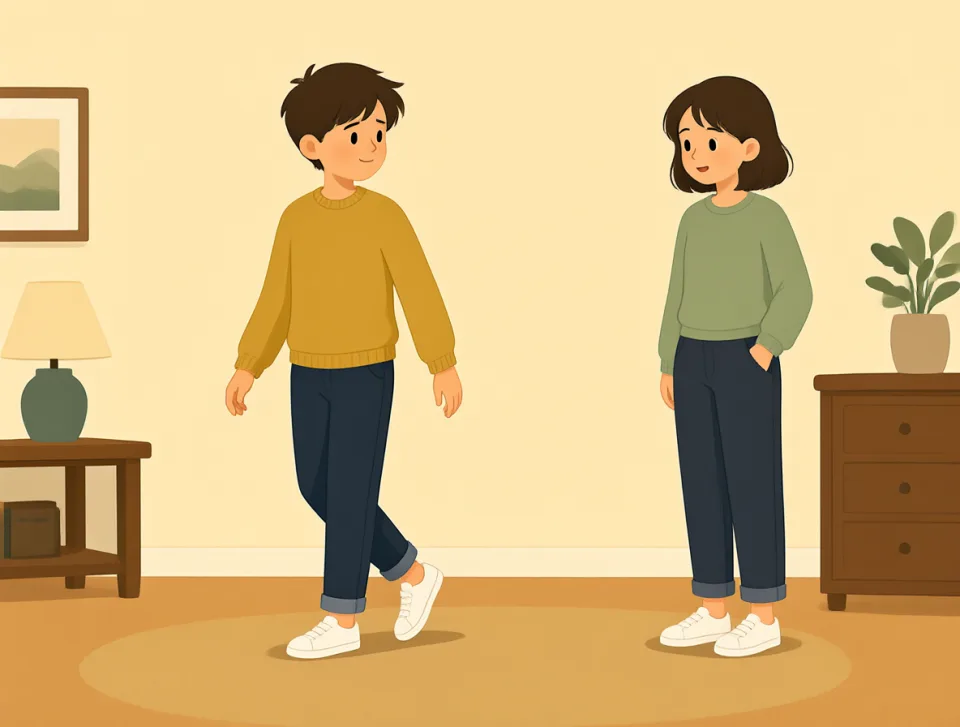
Please take one step back.
Lütfen bir adım geri çekilin.

She climbed the steps to the front door.
Ön kapıya çıkan basamakları tırmandı.
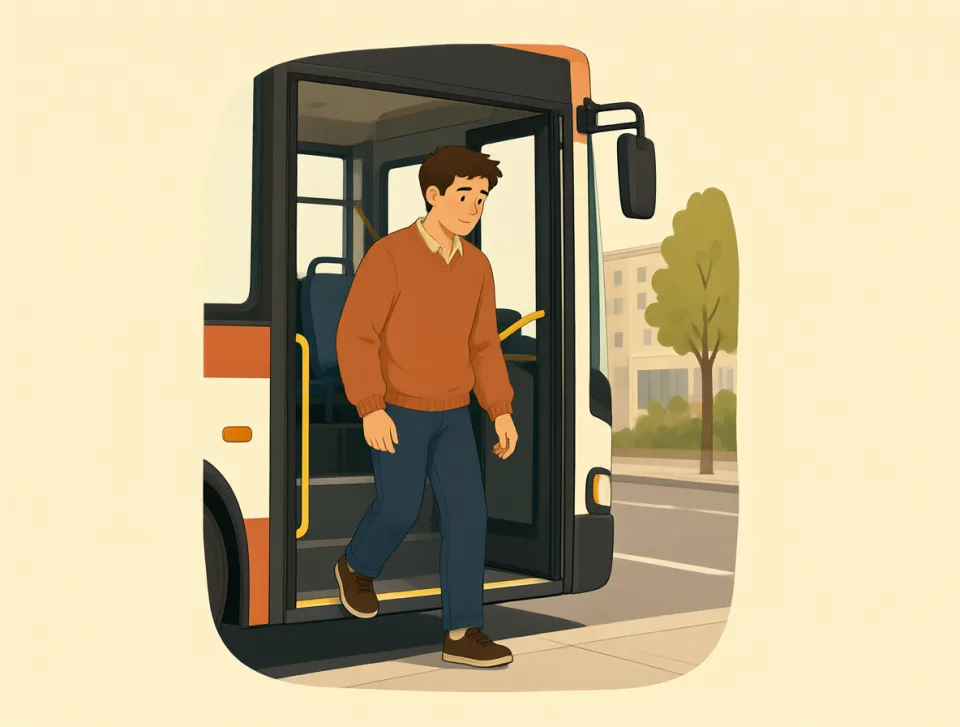
He stepped off the bus carefully.
Otobüsten dikkatlice indi.
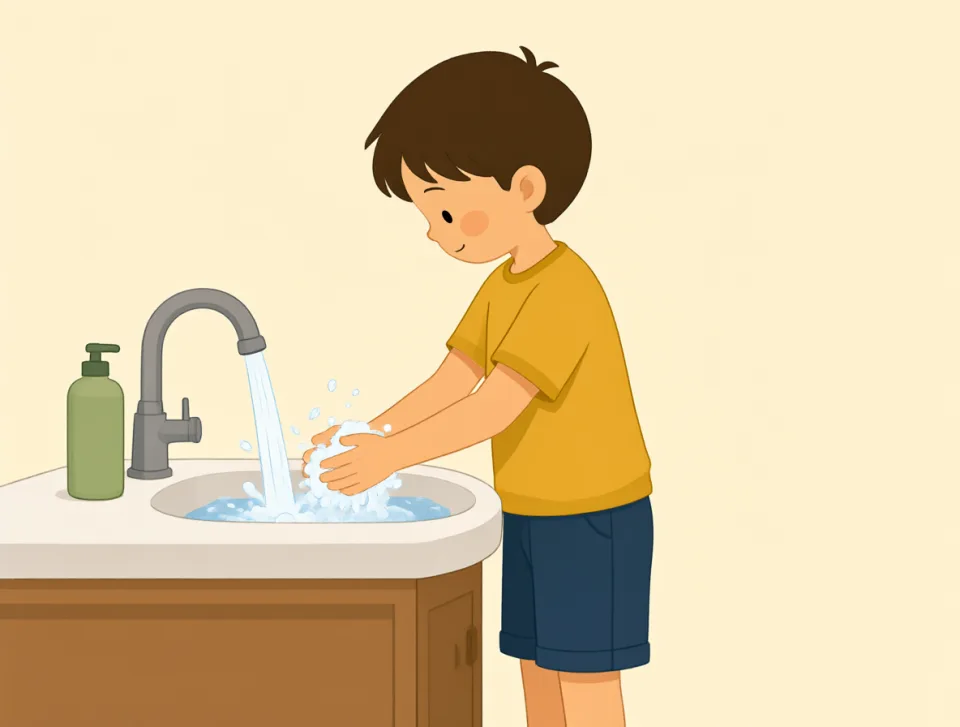
The first step is to wash your hands.
İlk adım ellerimizi yıkamak.
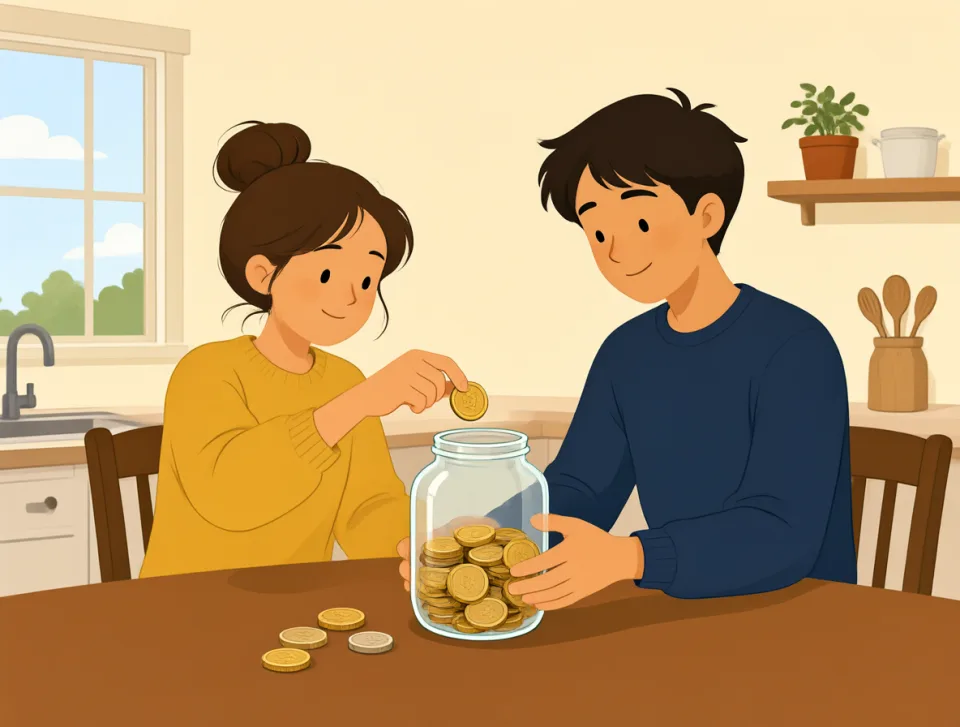
We are taking steps to save money.
Para biriktirmek için önlemler alıyoruz.

TRUE
#478adjective, adverb, noun
doğru
Based on facts, real, or agreeing with what is correct.
Gerçeklere dayanan, gerçek olan ya da doğru olanla örtüşen.
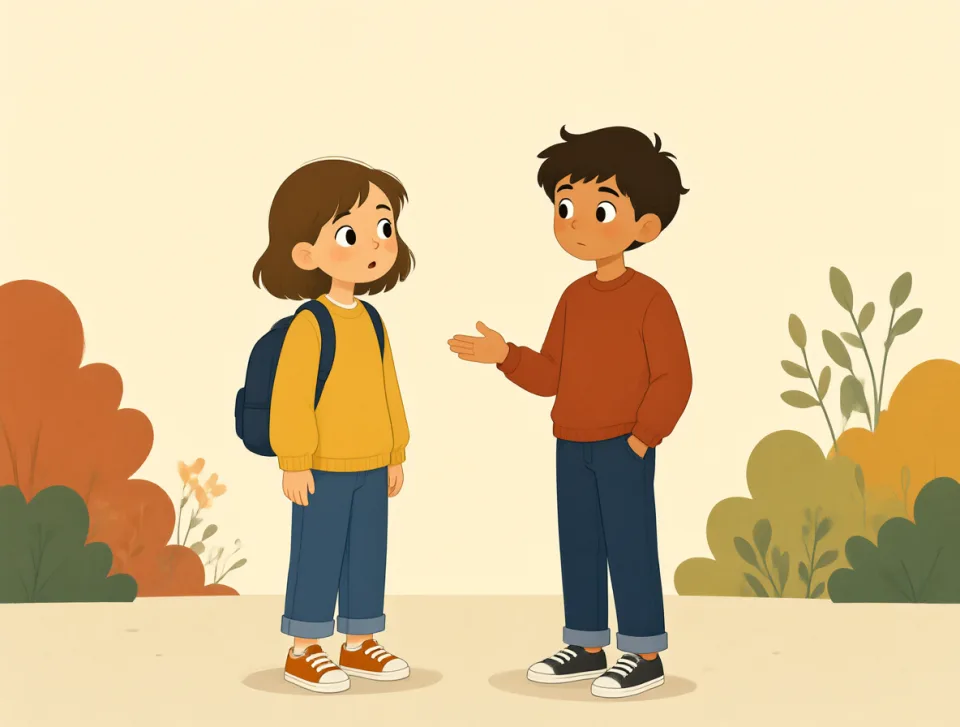
Is it true that you saw him?
Onu gördüğün doğru mu?
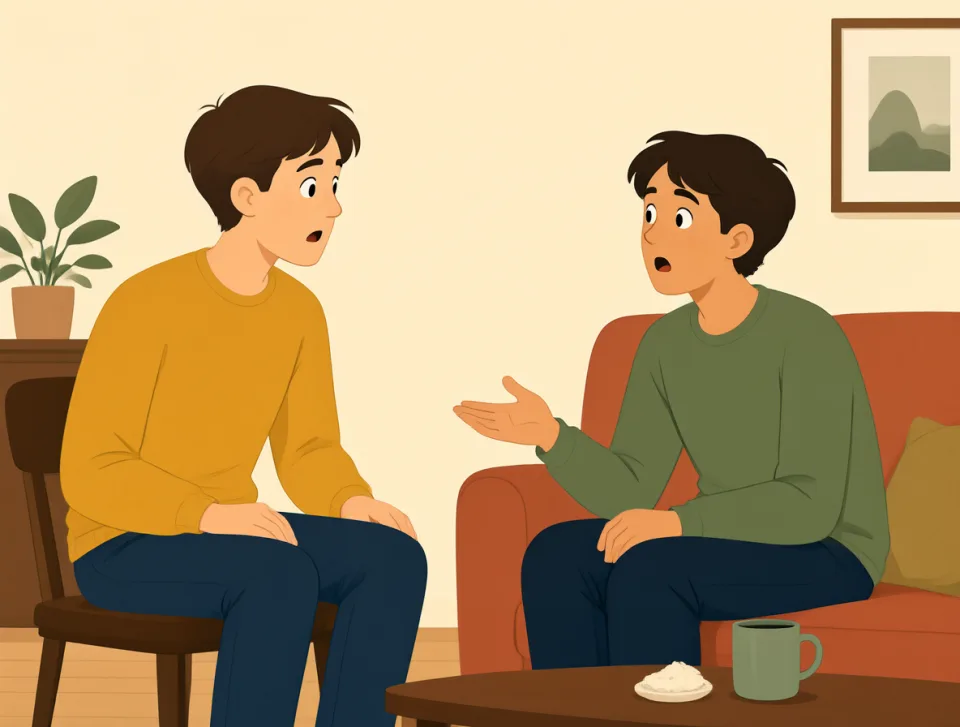
This story is true, and it really happened.
Bu hikâye doğru ve gerçekten yaşandı.
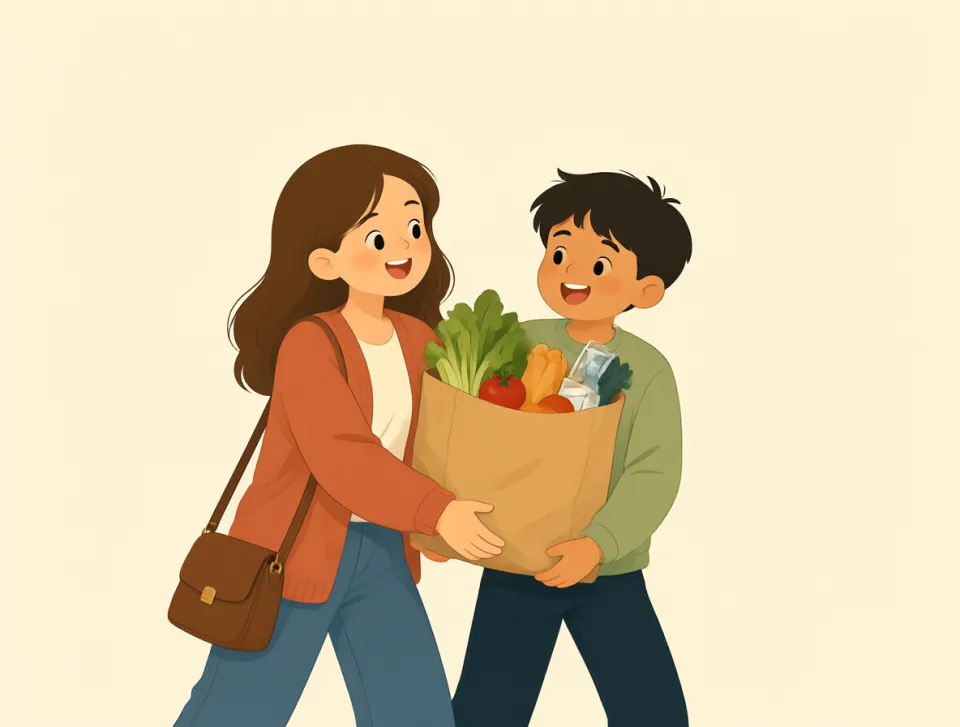
She is a true friend who always helps me.
O, bana her zaman yardım eden gerçek bir dost.
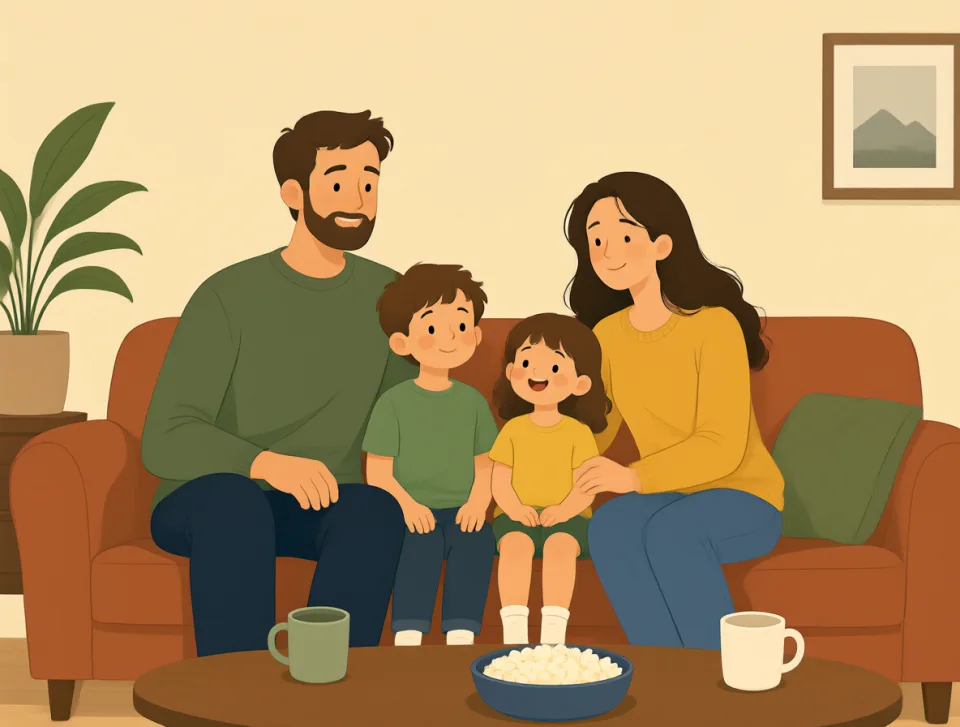
The movie was based on a true story.
Film gerçek bir hikâyeye dayanıyordu.

Stay true to yourself at school and work.
Okulda ve işte kendin olmaktan vazgeçme.

phone
#479noun, verb
telefon
A device for talking to people over a distance.
Uzak mesafedeki kişilerle konuşmayı sağlayan cihaz.
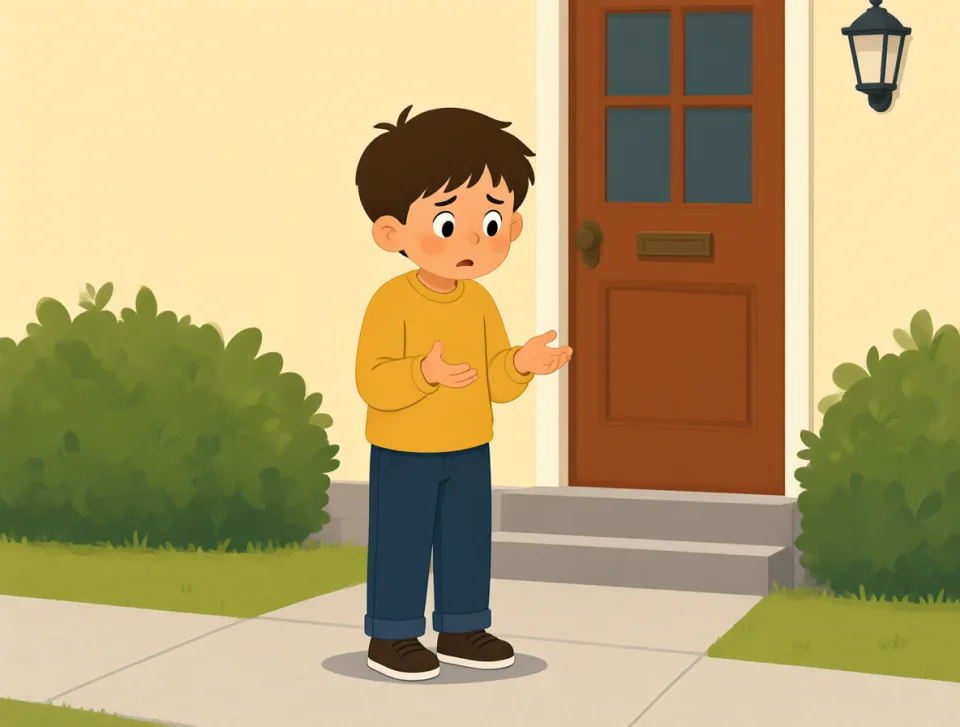
I left my phone at home.
Telefonumu evde unuttum.

She is talking on the phone.
Telefonda konuşuyor.

He bought a new phone yesterday.
Dün yeni bir telefon aldı.

Please phone me after work.
Lütfen işten sonra beni ara.

The doctor phoned my mother yesterday.
Doktor dün annemi aradı.
themselves
#480pronoun
kendileri
Used to refer to two or more people or animals already mentioned.
Daha önce sözü edilen iki ya da daha fazla kişiyi veya hayvanı ifade etmek için kullanılır.
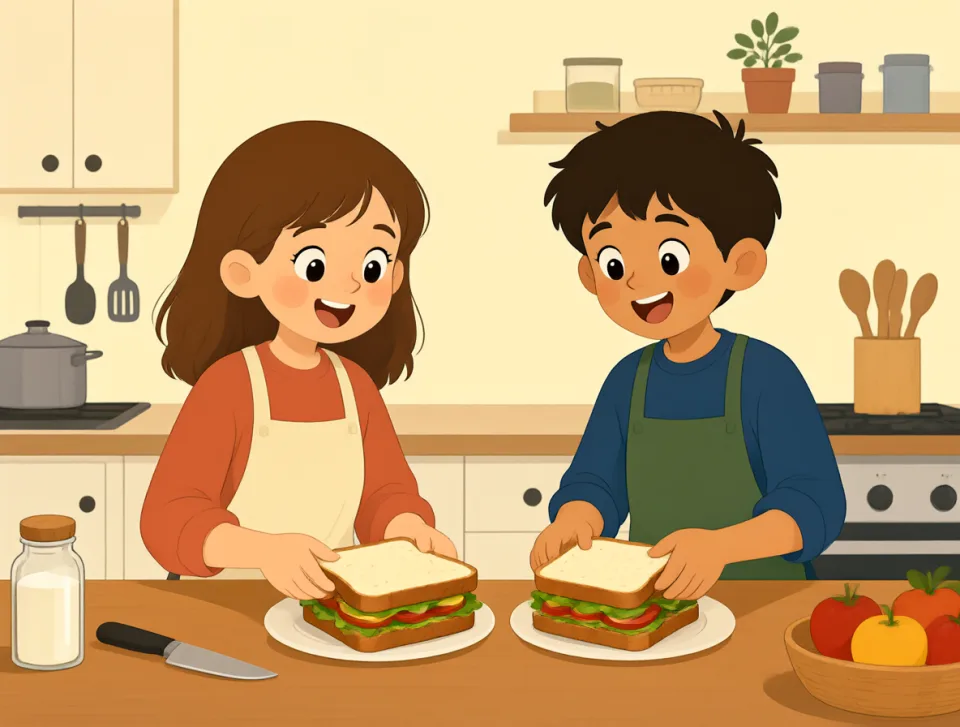
The children made the sandwiches themselves.
Çocuklar sandviçleri kendileri yaptı.
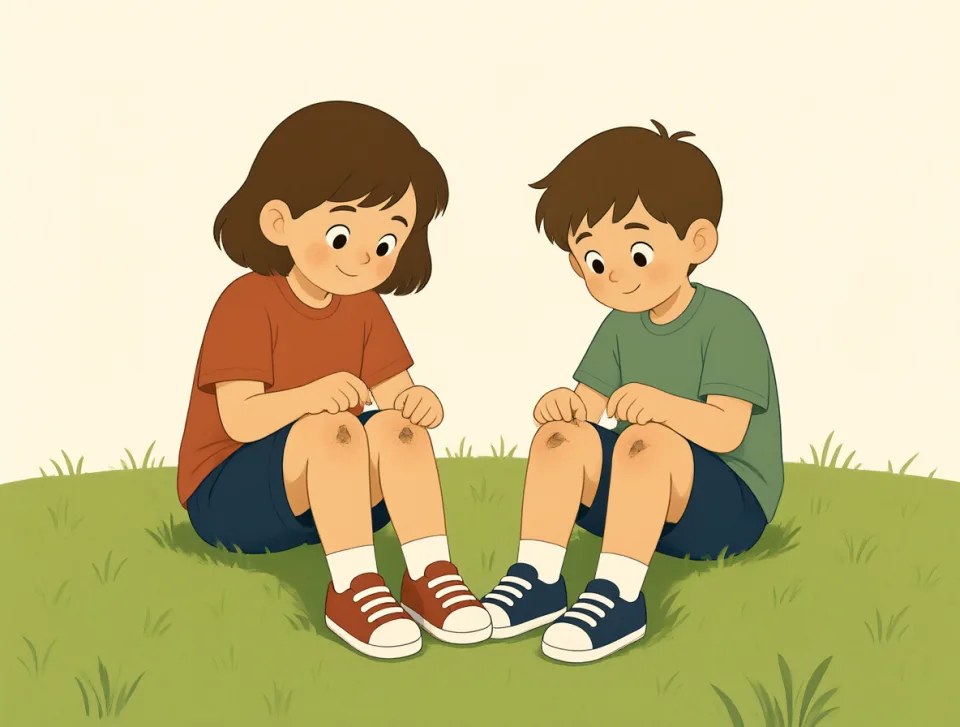
They hurt themselves while playing outside.
Dışarıda oynarken kendilerini yaraladılar.
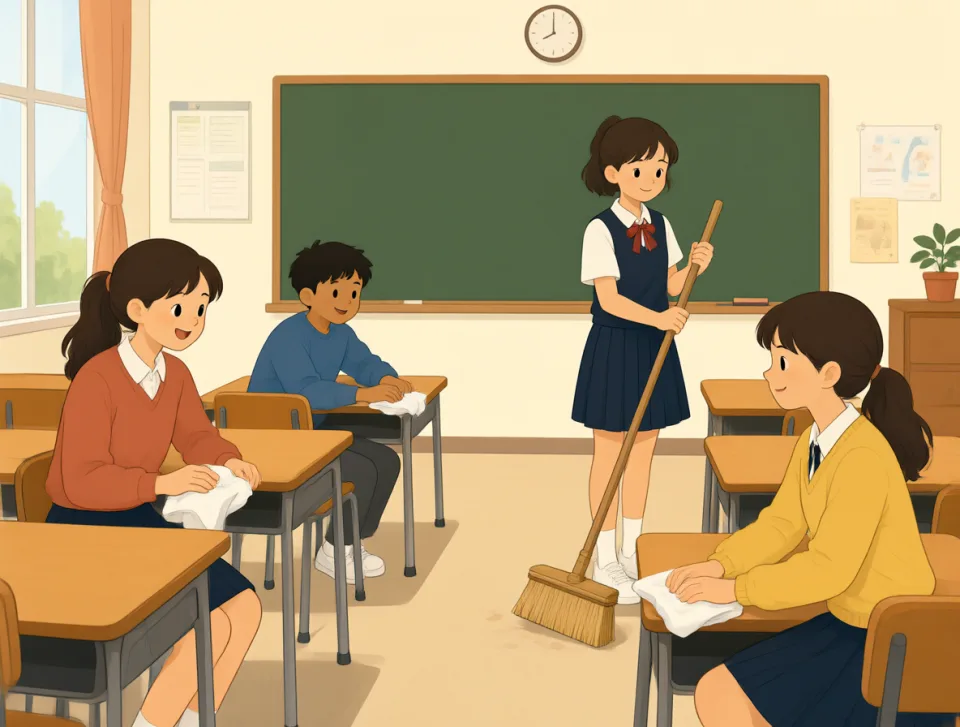
The students cleaned the classroom themselves.
Öğrenciler sınıfı kendileri temizledi.
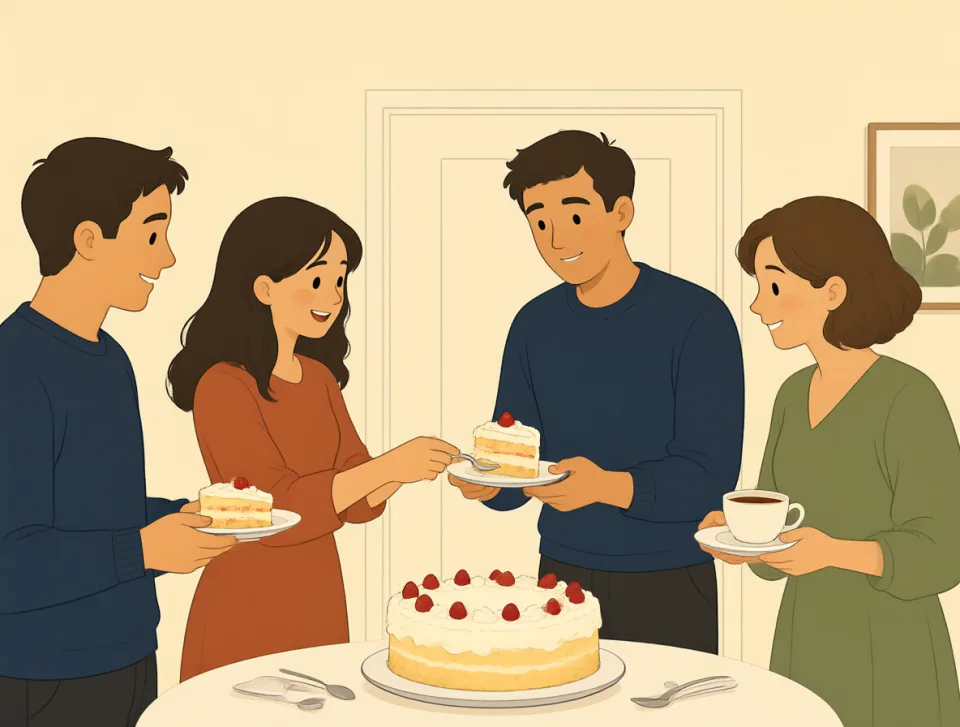
Please help yourselves to some cake.
Lütfen buyurun, kekten alın.
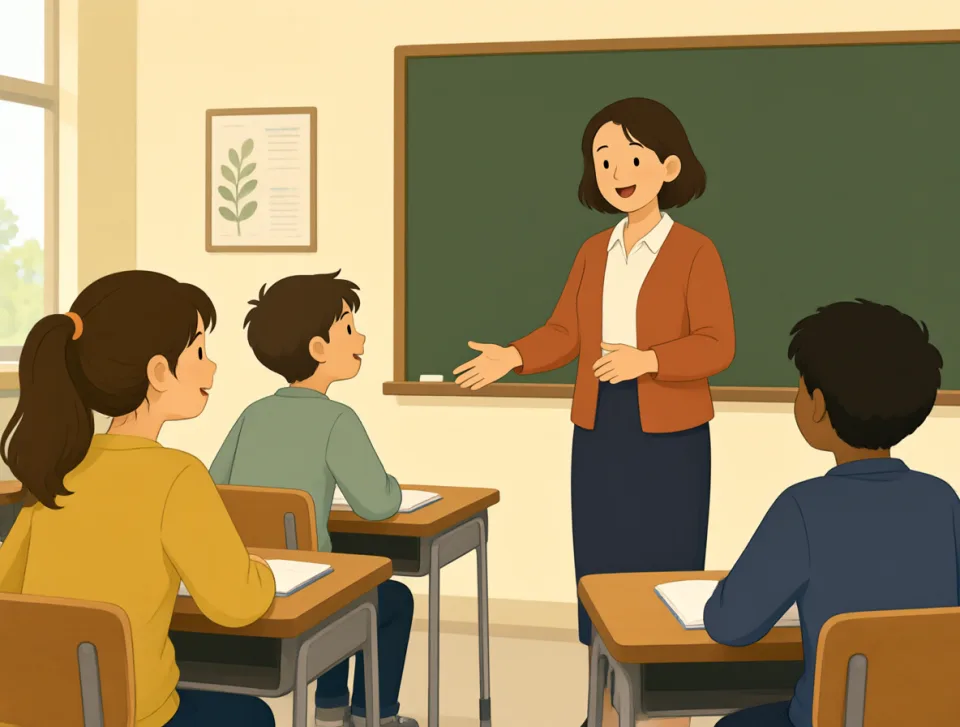
They introduced themselves to the new teacher.
Yeni öğretmene kendilerini tanıttılar.