24단원
461–480번 단어 · strong, rise, girl, maybe, community, else
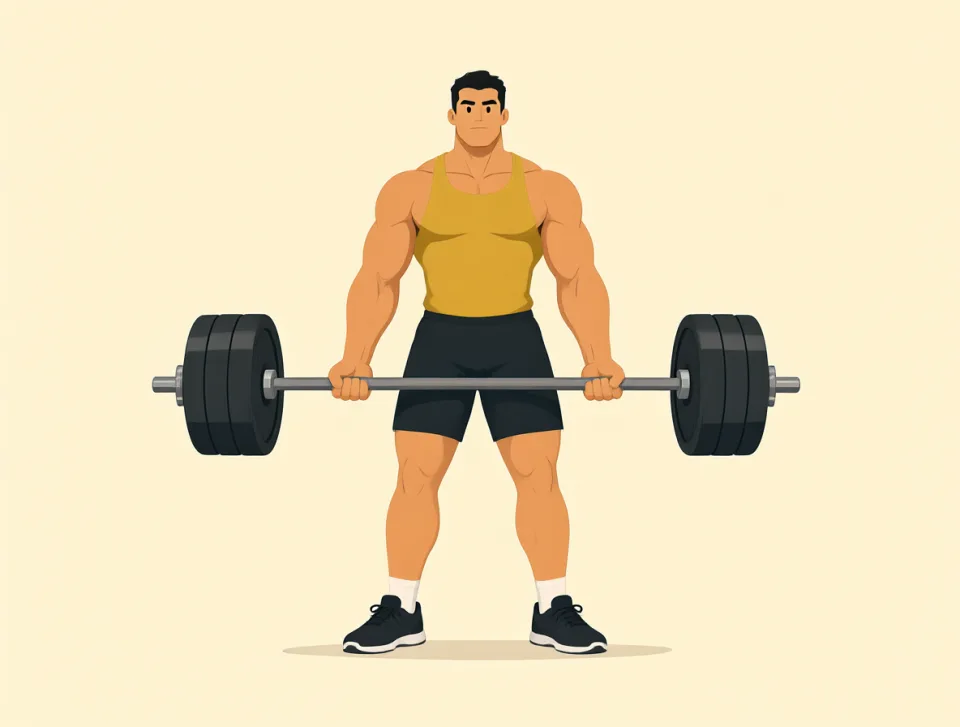
strong
#461adjective, adverb, noun
강한; 진한; 튼튼한; 힘센
having great physical power or force
큰 신체적 힘이나 강한 힘을 가진
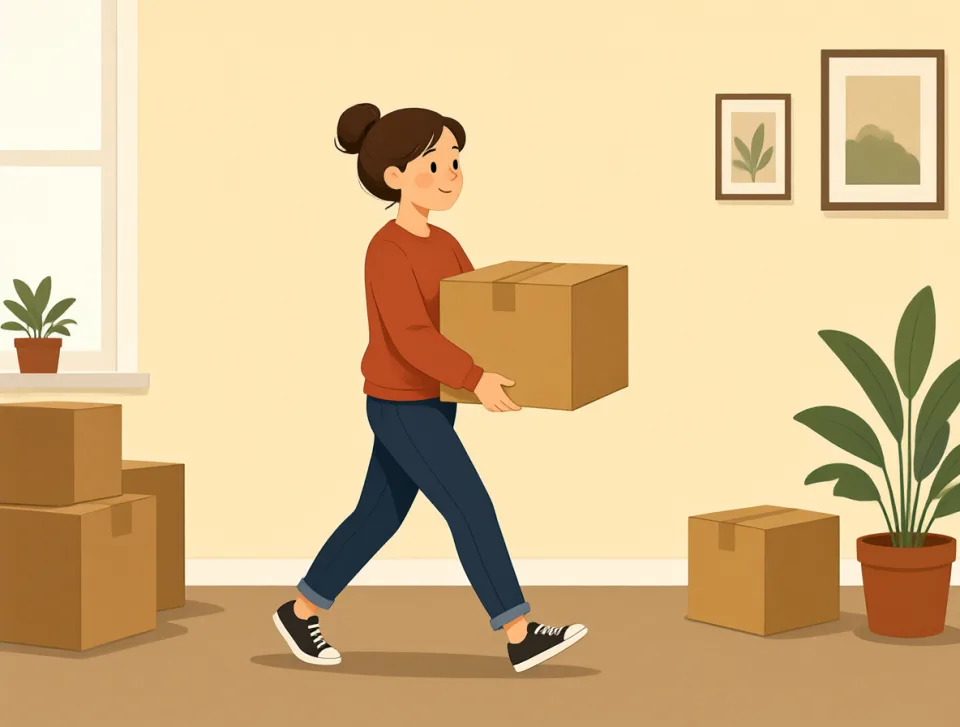
She is strong enough to carry the box.
그녀는 그 상자를 들 수 있을 만큼 힘이 세다.

This coffee is too strong for me.
이 커피는 나에게 너무 진하다.

He has a strong stomach and eats spicy food.
그는 위가 튼튼해서 매운 음식을 먹는다.

The strong wind blew my hat away.
강한 바람이 내 모자를 날려 버렸다.

They built a strong team at work.
그들은 직장에서 강한 팀을 만들었다.
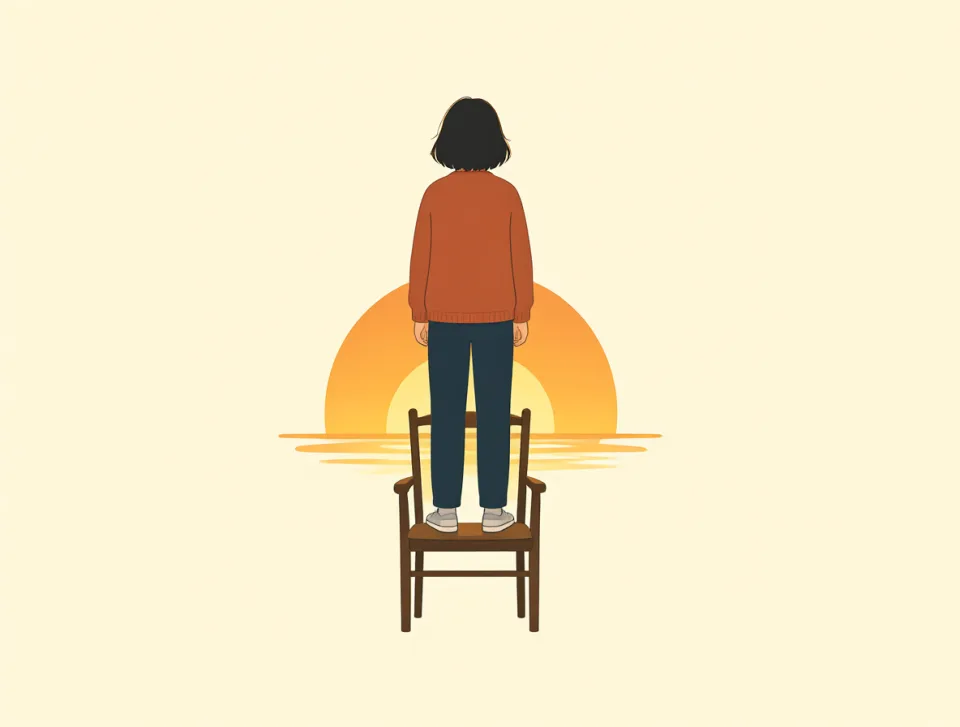
rise
#462verb, noun
오르다; 상승; 일어나다; 부풀다
To move upward, or an increase in amount, level, or number.
위로 움직이거나 양, 수준 또는 수가 증가하는 것
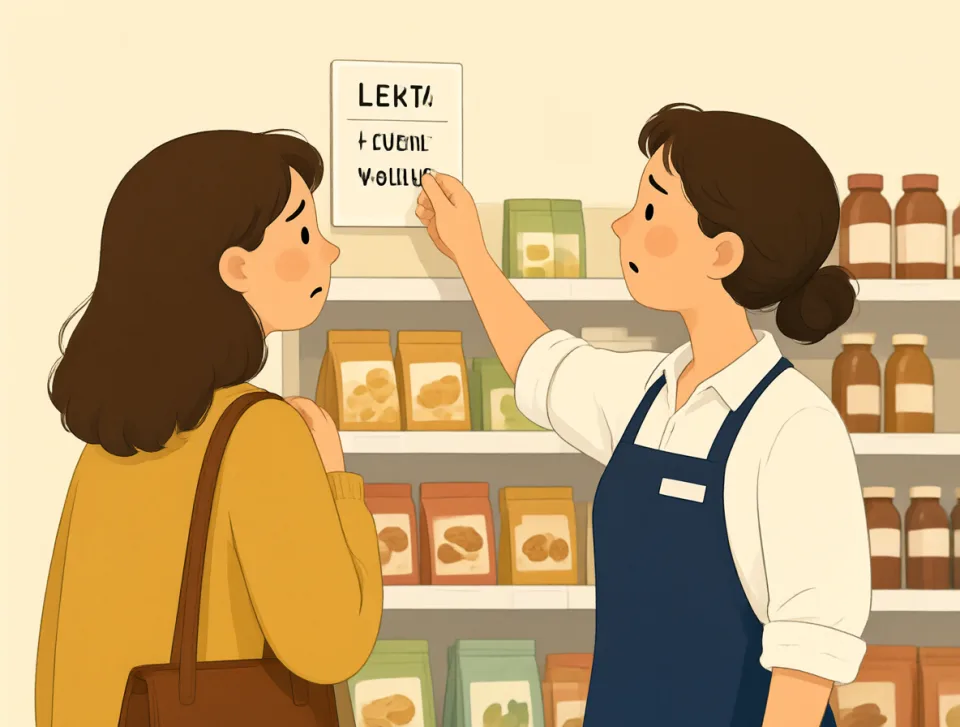
Prices rise when food is hard to find.
음식을 구하기 어려우면 물가가 오른다.

The sun rises early in summer.
여름에는 해가 일찍 뜬다.
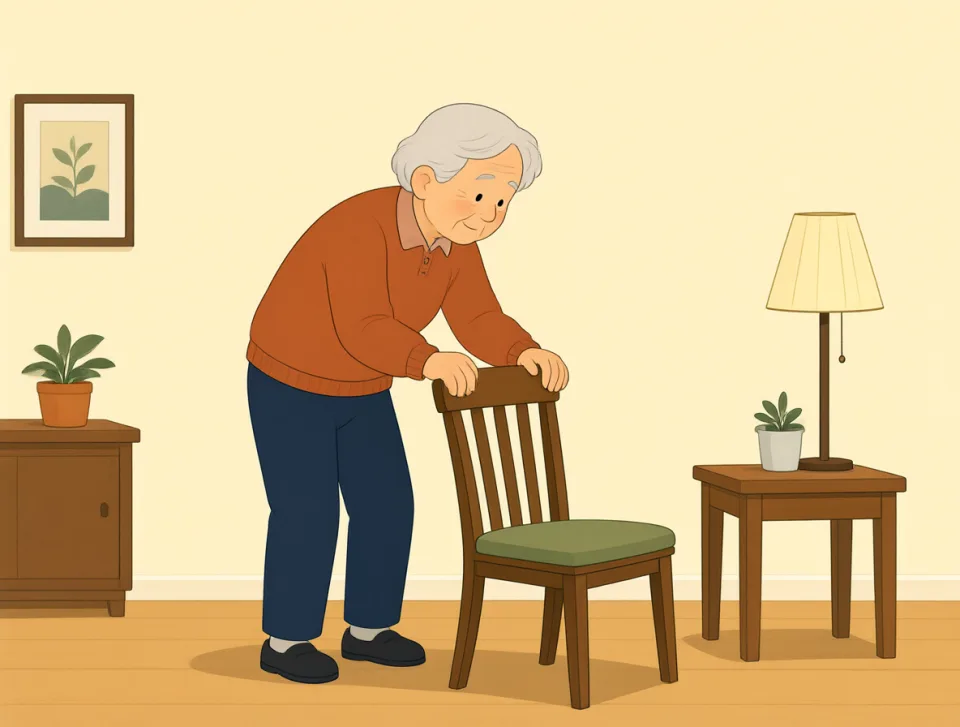
Please rise from your chair slowly.
의자에서 천천히 일어나세요.
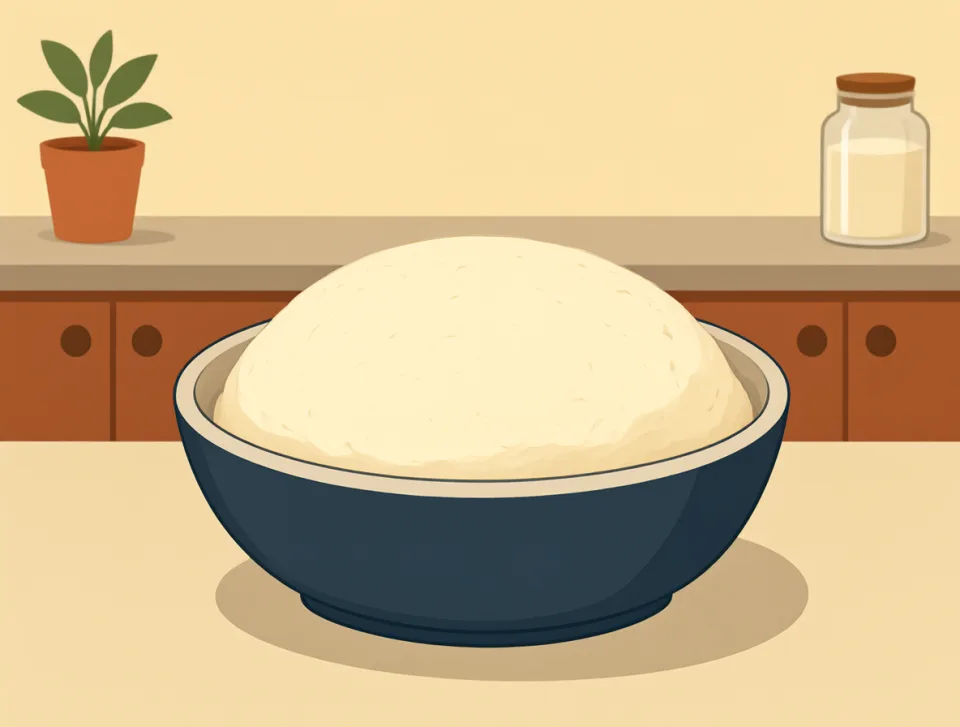
The bread dough rose in the warm kitchen.
따뜻한 부엌에서 빵 반죽이 부풀어 올랐다.
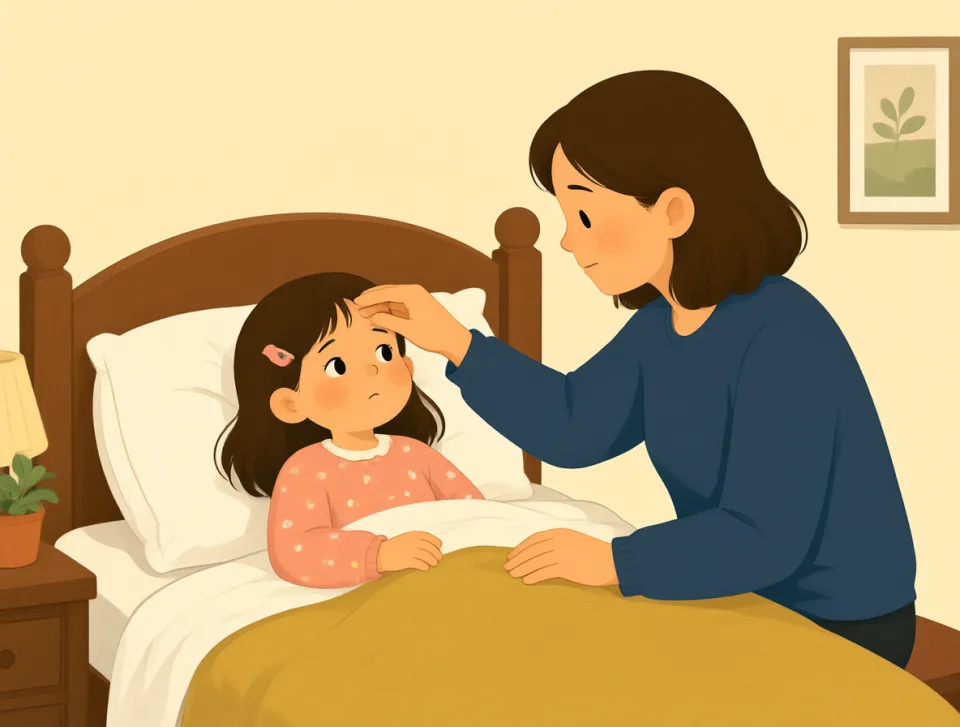
Her temperature rose during the night.
밤사이에 그녀의 체온이 올랐다.
girl
#463noun
여자아이; 소녀
A female child or young woman.
여자아이 또는 젊은 여성.
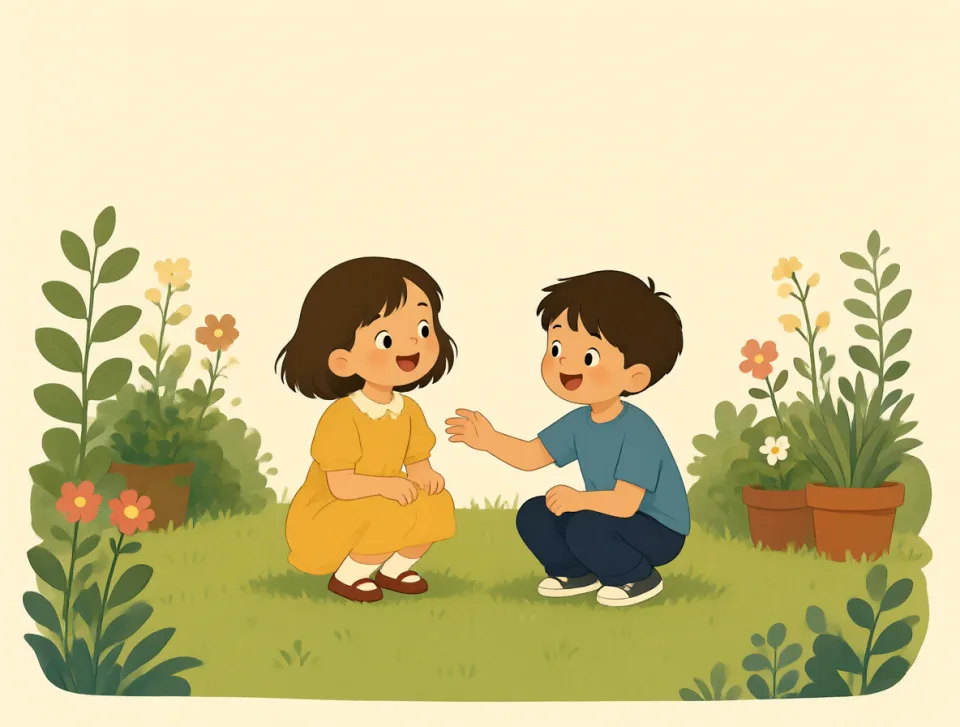
The girl is playing with her brother.
그 여자아이는 남자 형제와 놀고 있어요.
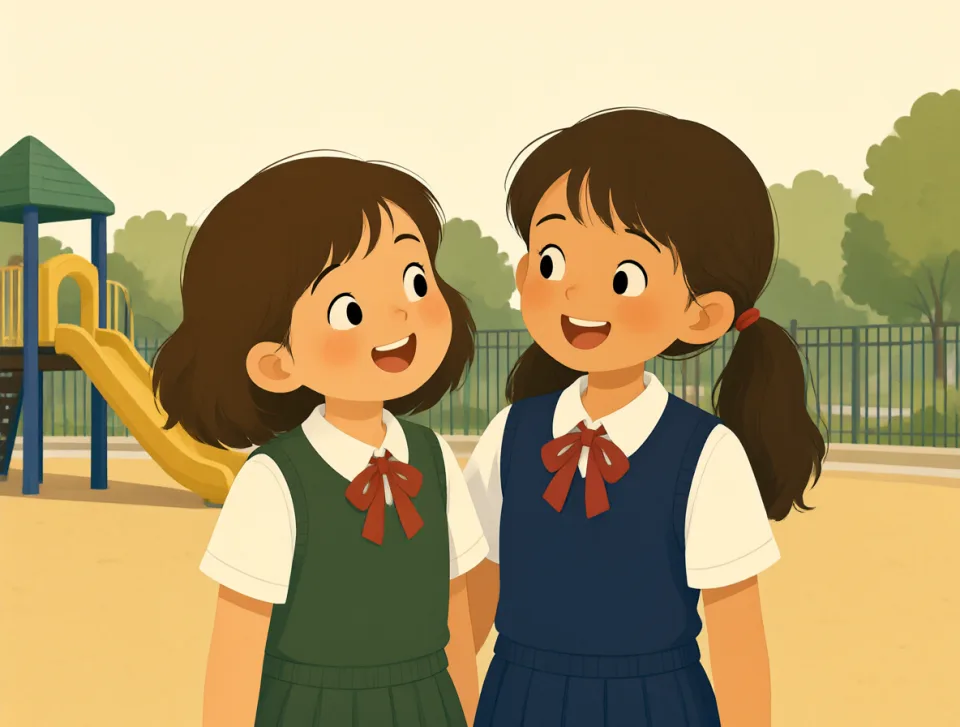
That girl is my best friend.
저 여자아이는 내 가장 친한 친구야.
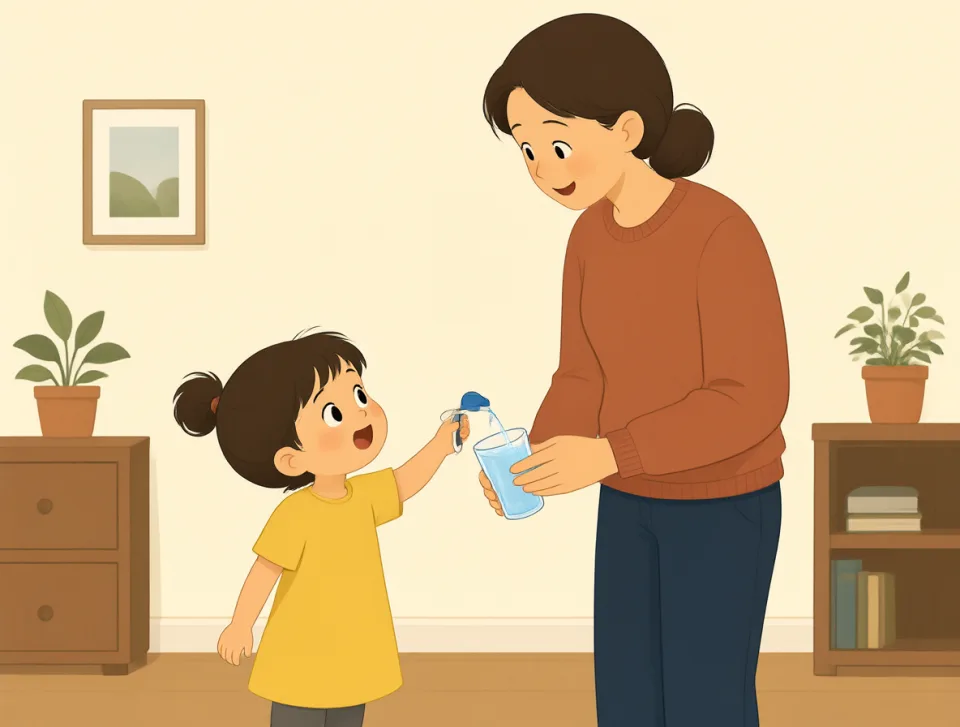
A little girl asked for some water.
어린 여자아이가 물을 좀 달라고 했어요.
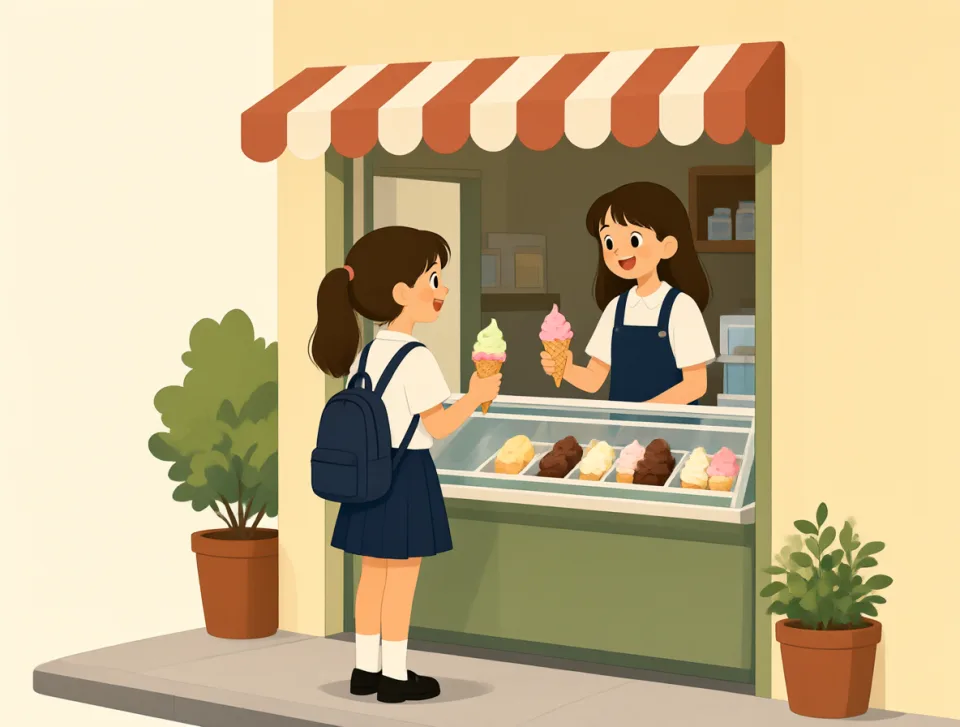
The girls bought ice cream after school.
여자아이들은 방과 후에 아이스크림을 샀어요.
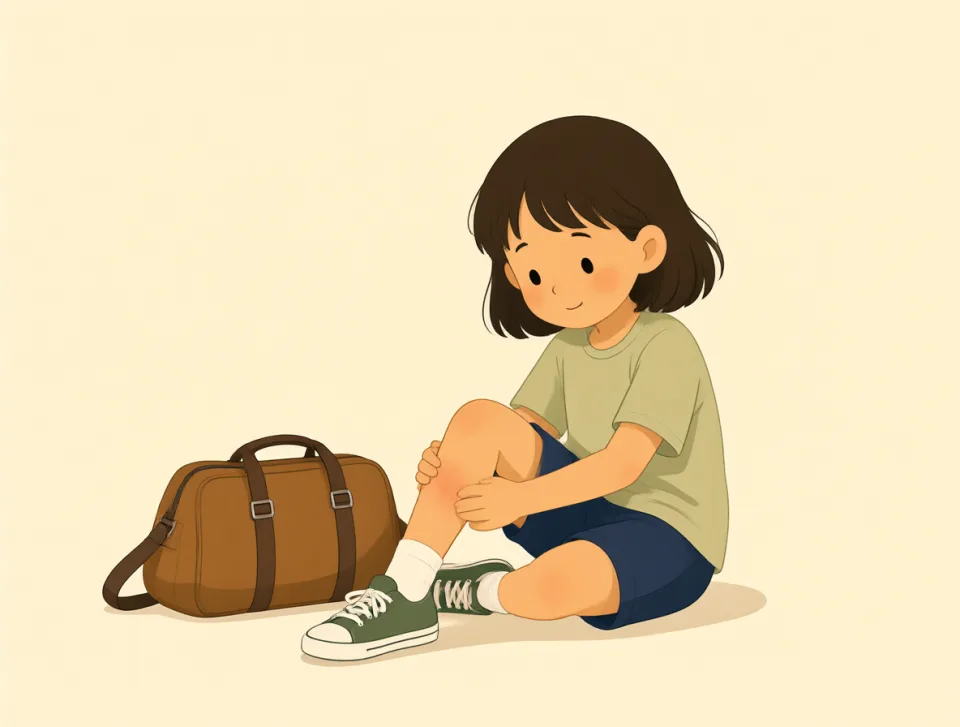
The girl hurt her leg on the trip.
그 여자아이는 여행 중에 다리를 다쳤어요.

maybe
#464adverb
아마; 어쩌면
Used to say that something is possible but not certain.
어떤 일이 가능하지만 확실하지 않다고 말할 때 사용한다.
Maybe we can meet after work.
아마 퇴근 후에 만날 수 있을 것 같아요.

Maybe it will rain this afternoon.
오늘 오후에 비가 올지도 몰라요.
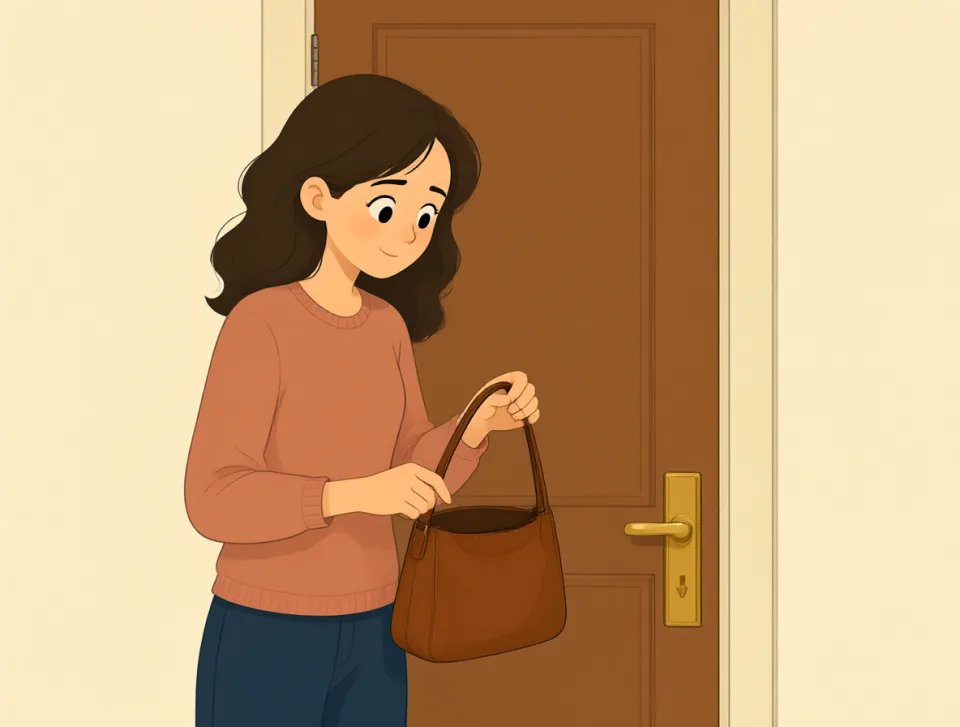
Maybe she left her keys at home.
아마 그녀는 집에 열쇠를 두고 왔을 거예요.
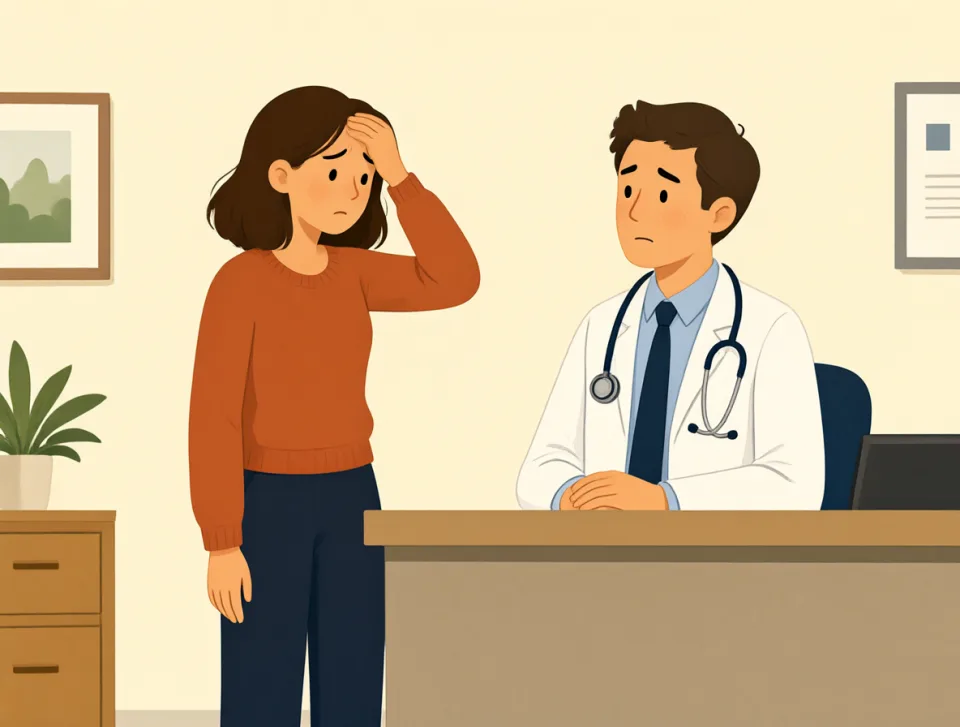
Maybe I should see a doctor.
아마 병원에 가 봐야 할 것 같아요.
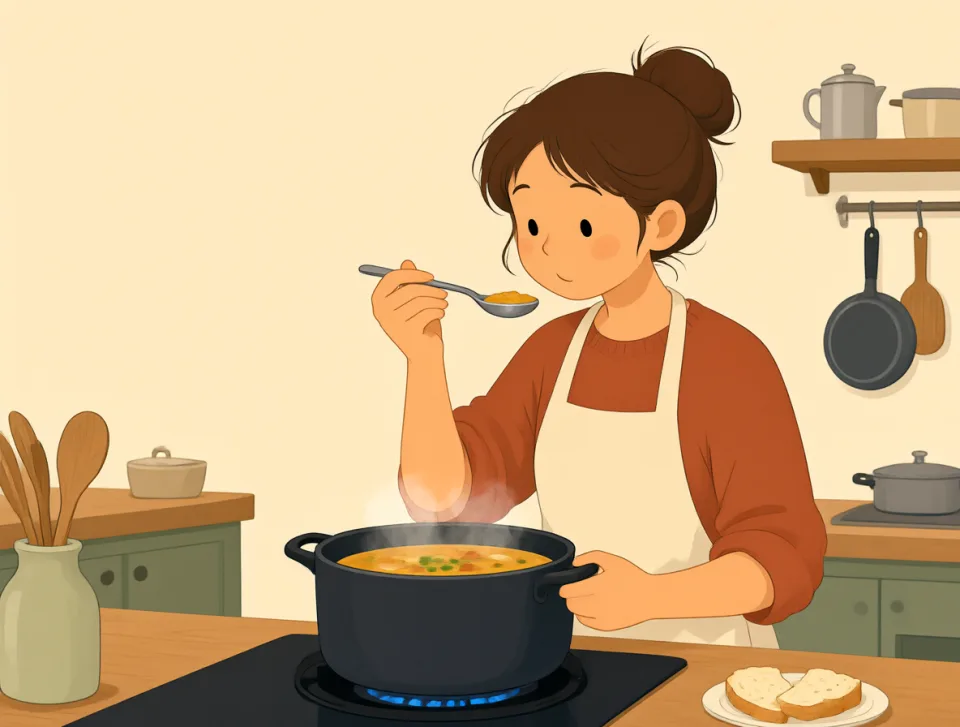
Maybe this soup needs more salt.
아마 이 수프에는 소금이 더 필요할 것 같아요.
community
#465noun
지역 사회; 공동체
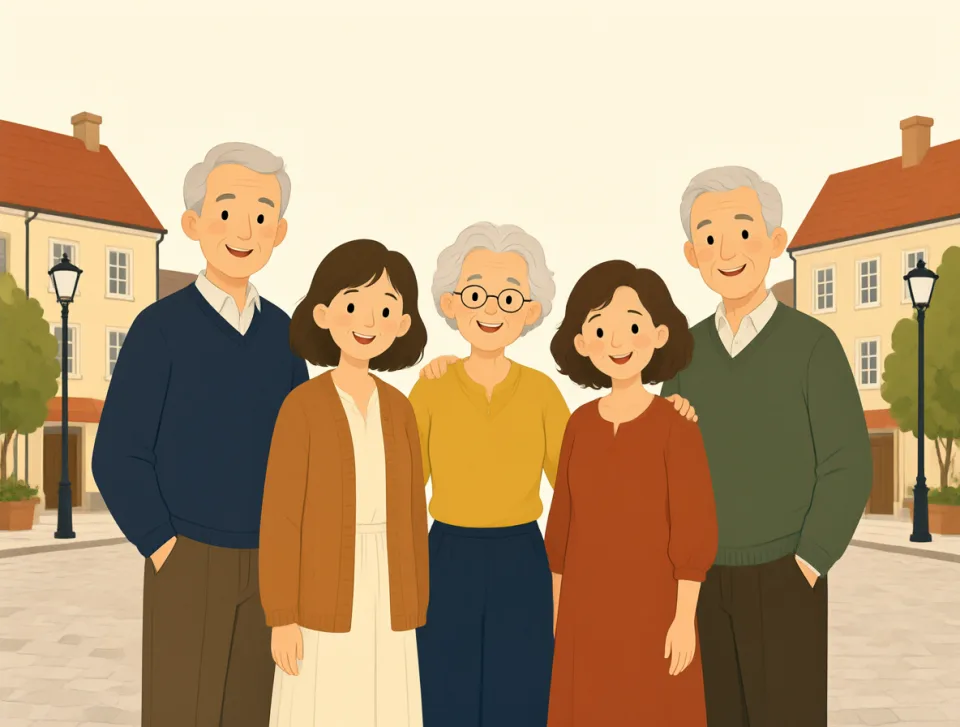
A group of people who live in the same place or share an interest.
같은 장소에 살거나 공통된 관심사를 가진 사람들의 집단
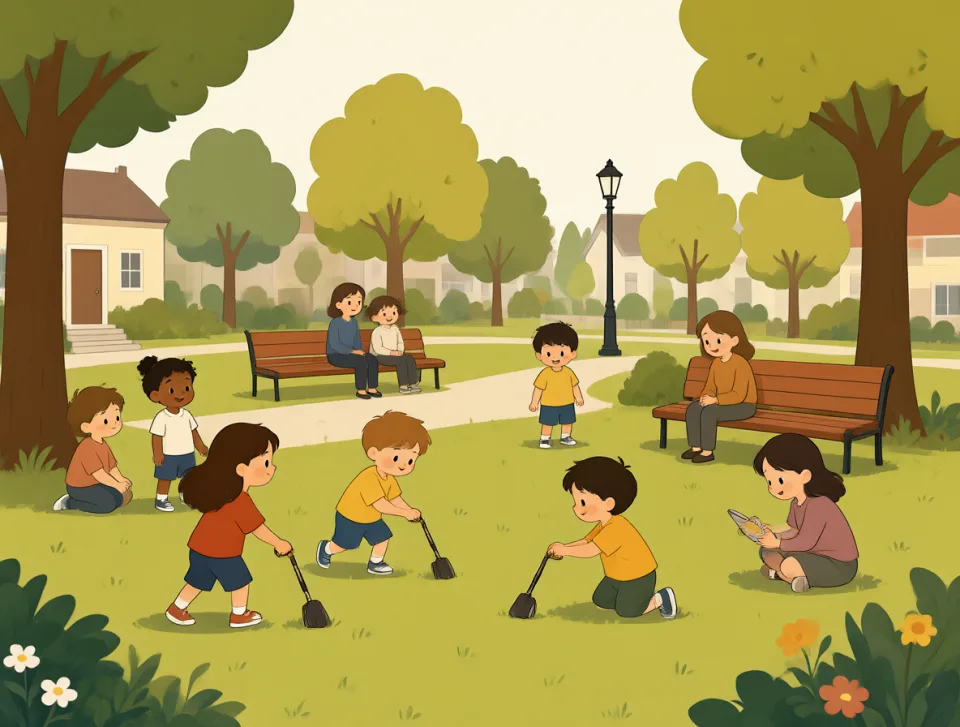
Our community has a small park.
우리 지역 사회에는 작은 공원이 있습니다.
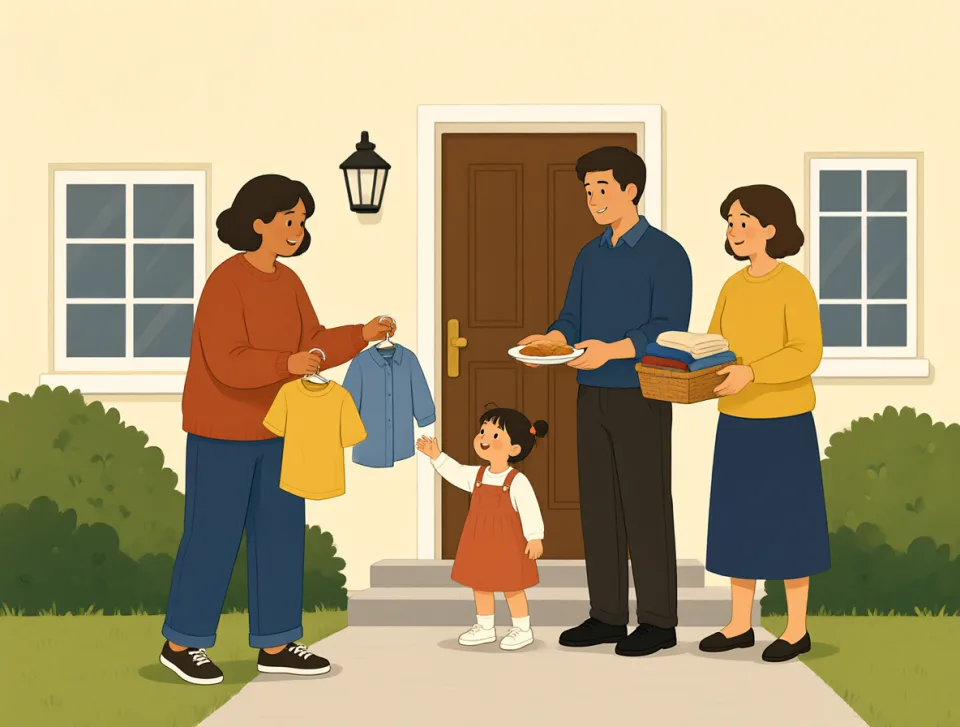
The community helped the family after the fire.
화재가 난 후 지역 사회 사람들이 그 가족을 도왔습니다.
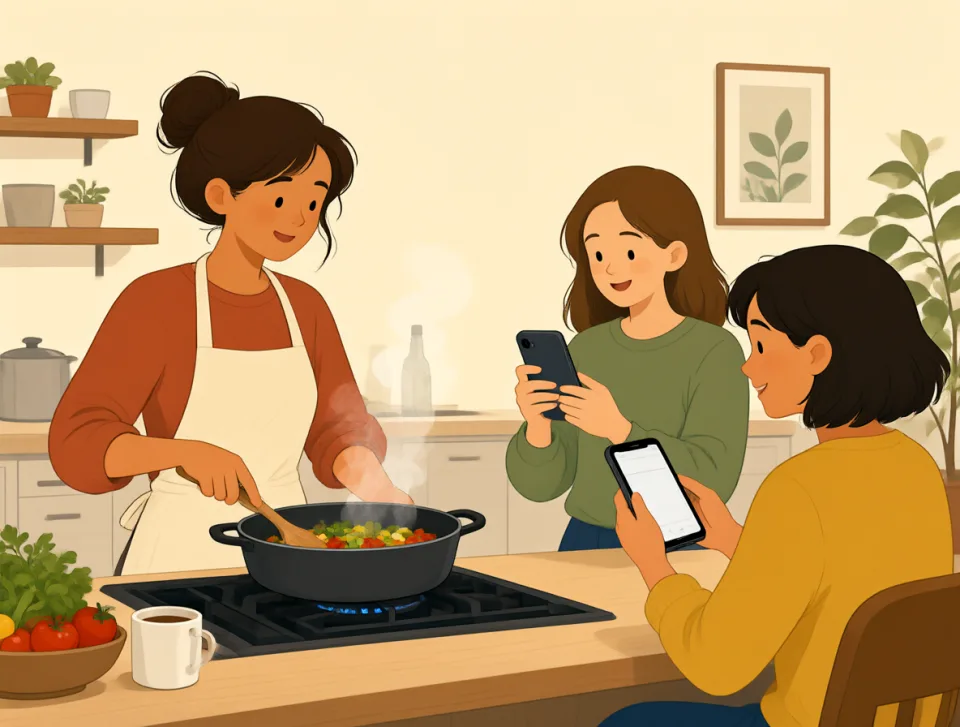
She joined a cooking community online.
그녀는 온라인 요리 커뮤니티에 가입했습니다.
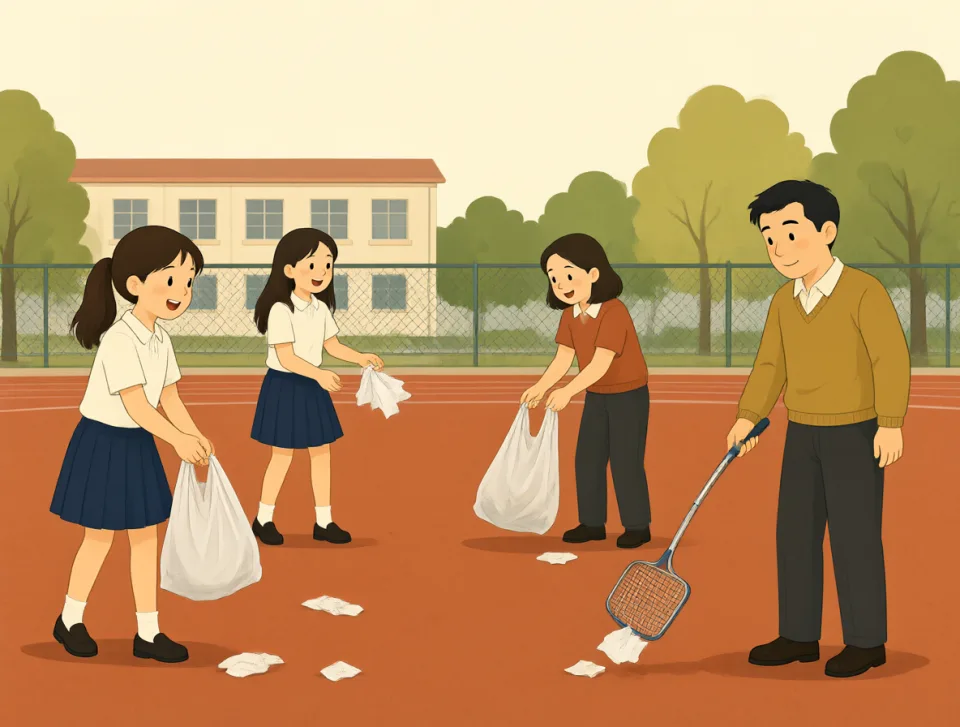
Our school community cleaned the playground.
우리 학교 공동체는 운동장을 청소했습니다.
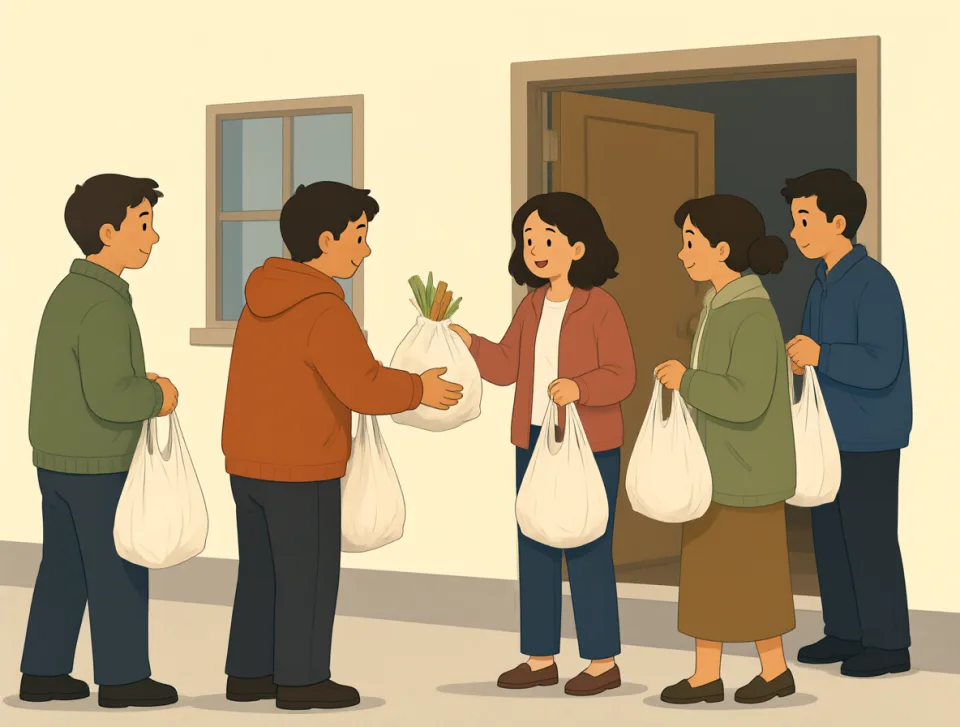
The local community opened a food bank.
지역 사회에서 푸드 뱅크를 열었습니다.
else
#466adverb, pronoun, determiner
그 밖에; 다른
Different or additional from the person, thing, or place already mentioned.
이미 언급한 사람이나 사물, 장소와 다른 또는 추가적인.
Would you like anything else to eat?
먹을 거 더 필요한 거 있어?
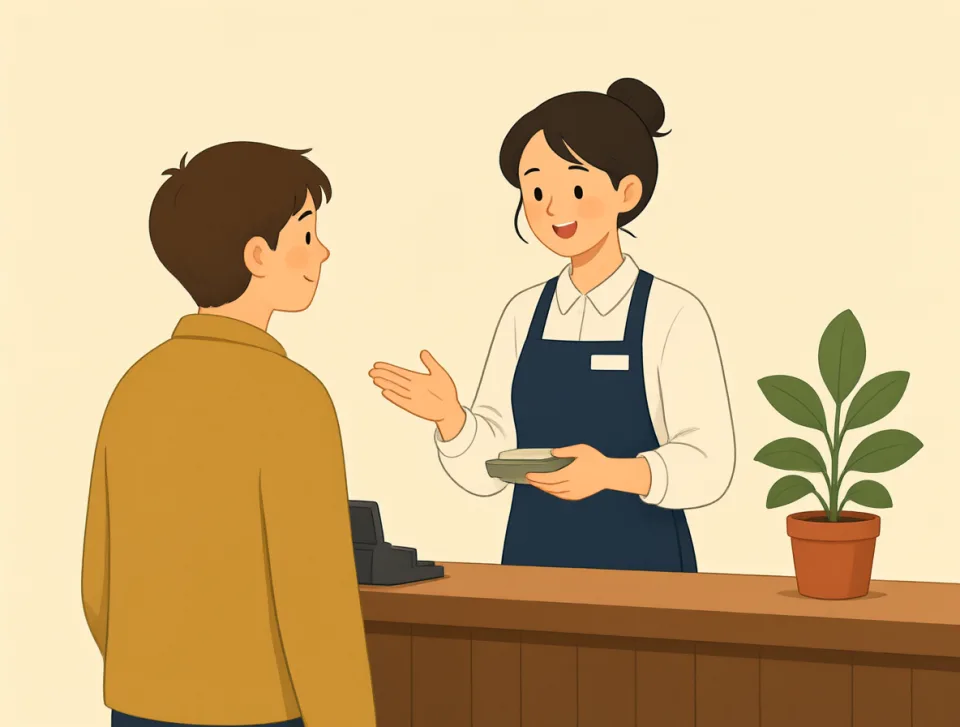
Is there anything else I can help with?
제가 더 도와드릴 일이 있을까요?
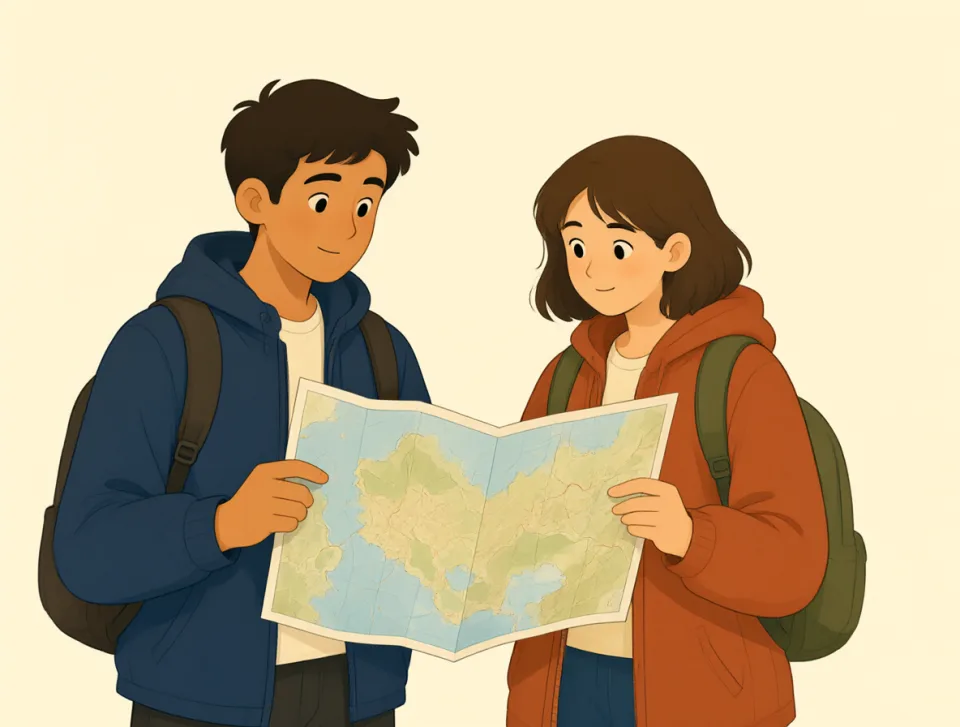
Where else can we go today?
오늘은 또 어디에 갈 수 있을까?
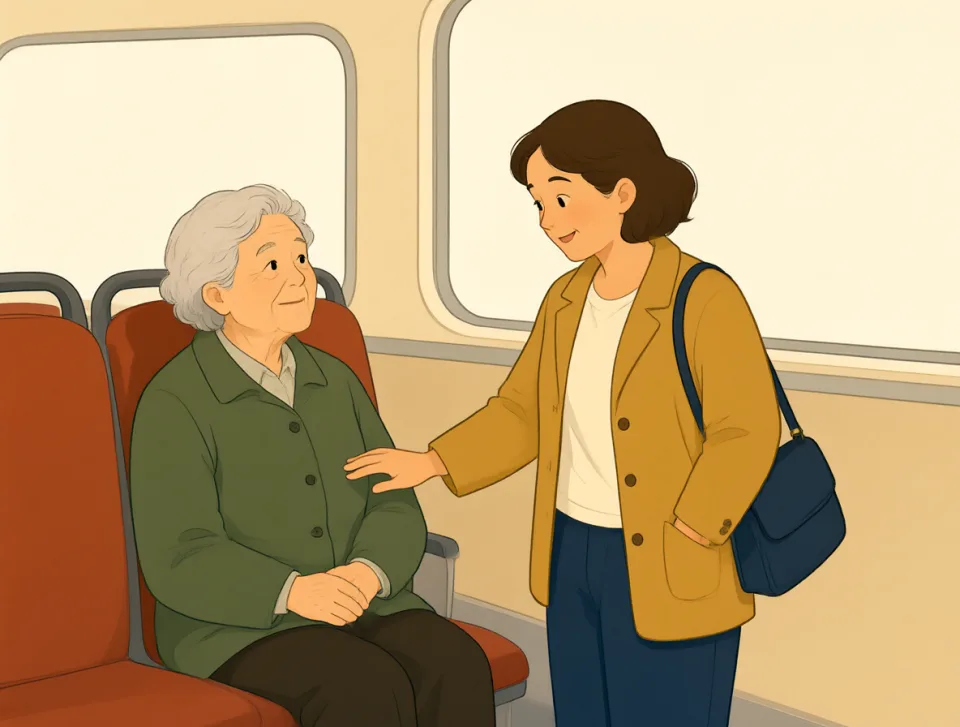
Someone else took my seat on the bus.
버스에서 다른 사람이 내 자리에 앉았어.

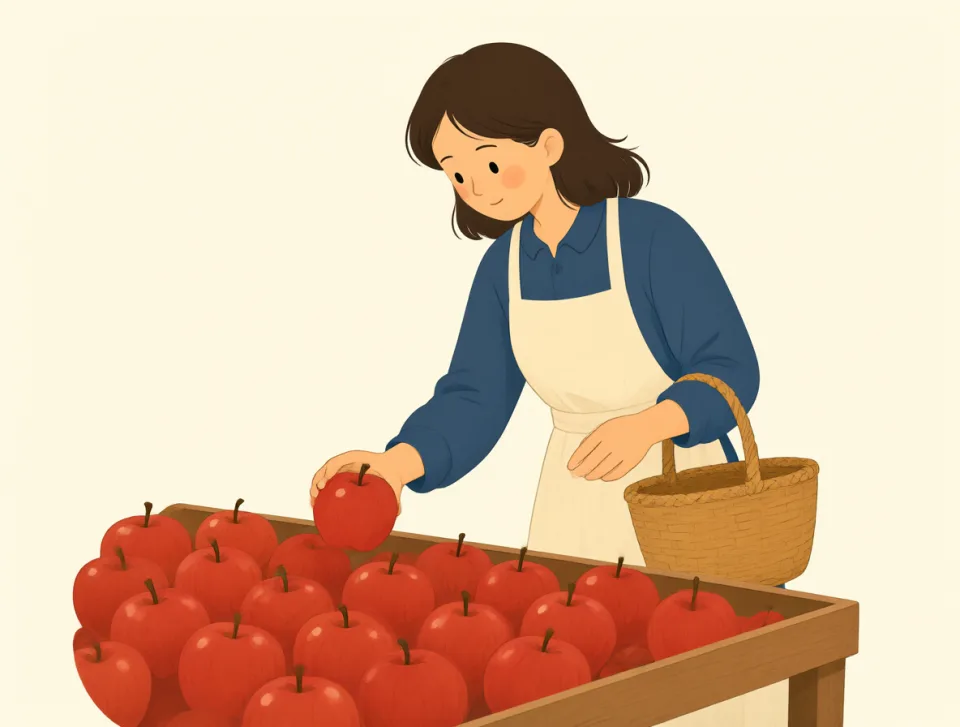
What else did you learn at school?
학교에서 또 뭘 배웠어?
particular
#467adjective
특정한; 각별히 까다로운
Specific or exact, rather than general or ordinary.
일반적이거나 평범한 것이 아니라 구체적이거나 정확한.
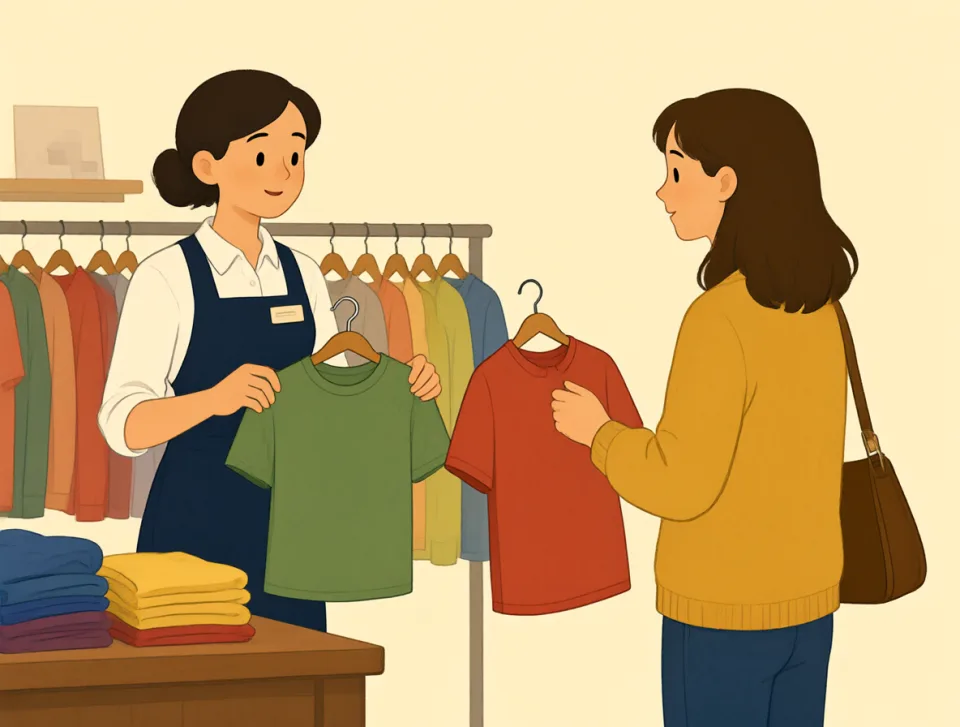
Is there a particular color you want?
원하는 특정 색이 있어요?
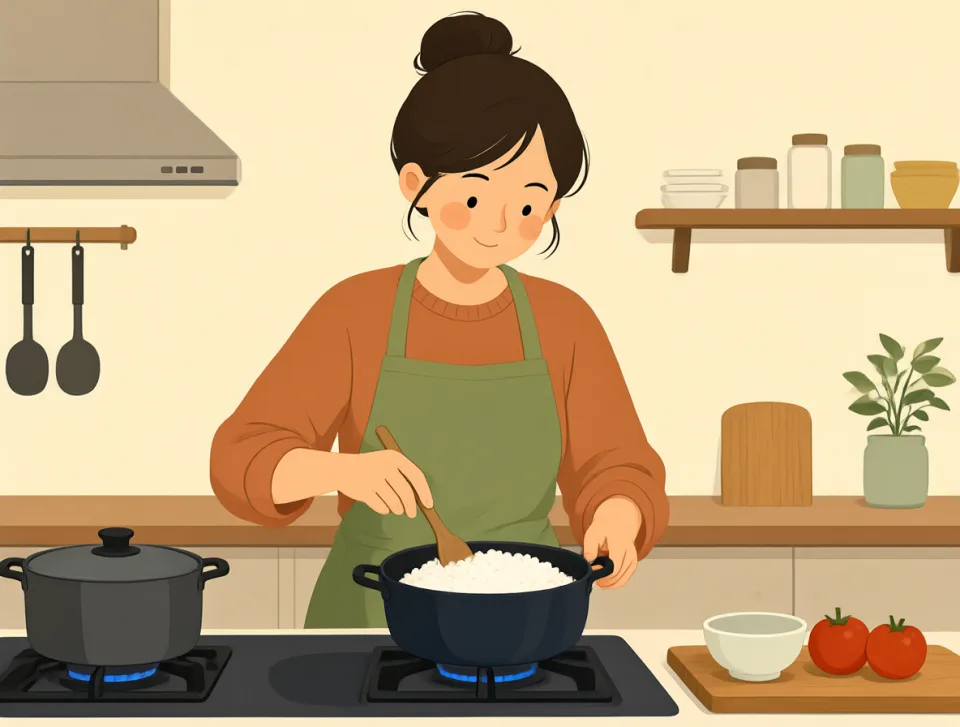
She has a particular way of cooking rice.
그녀는 쌀을 요리하는 특별한 방법이 있어요.

I need a particular book for class.
수업에 필요한 특정 책이 있어요.
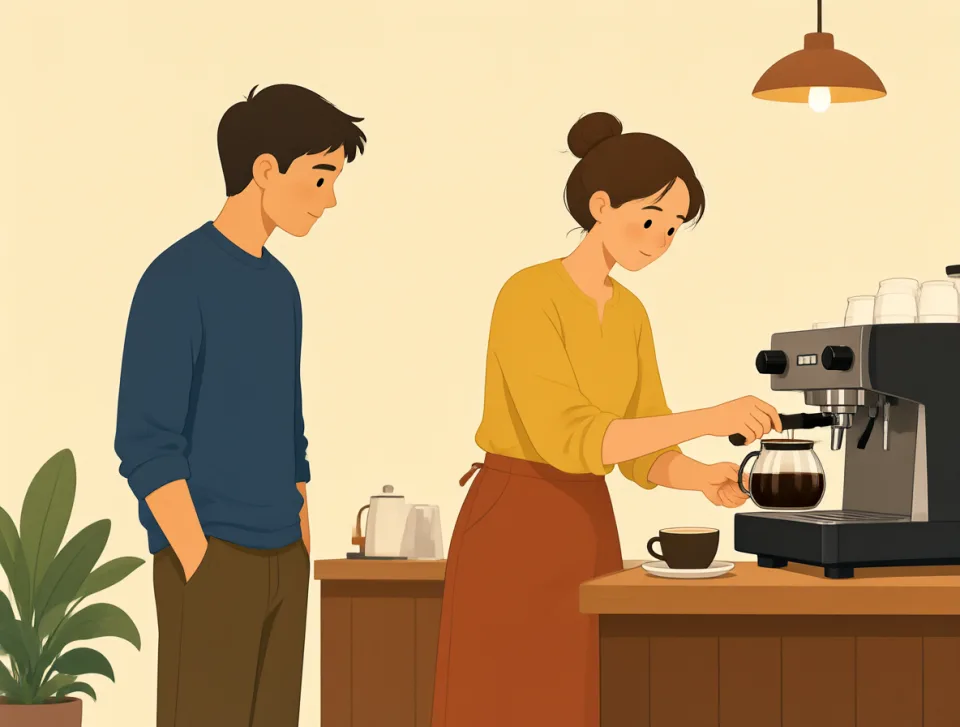
He is very particular about his coffee.
그는 커피에 대해 아주 까다로워요.
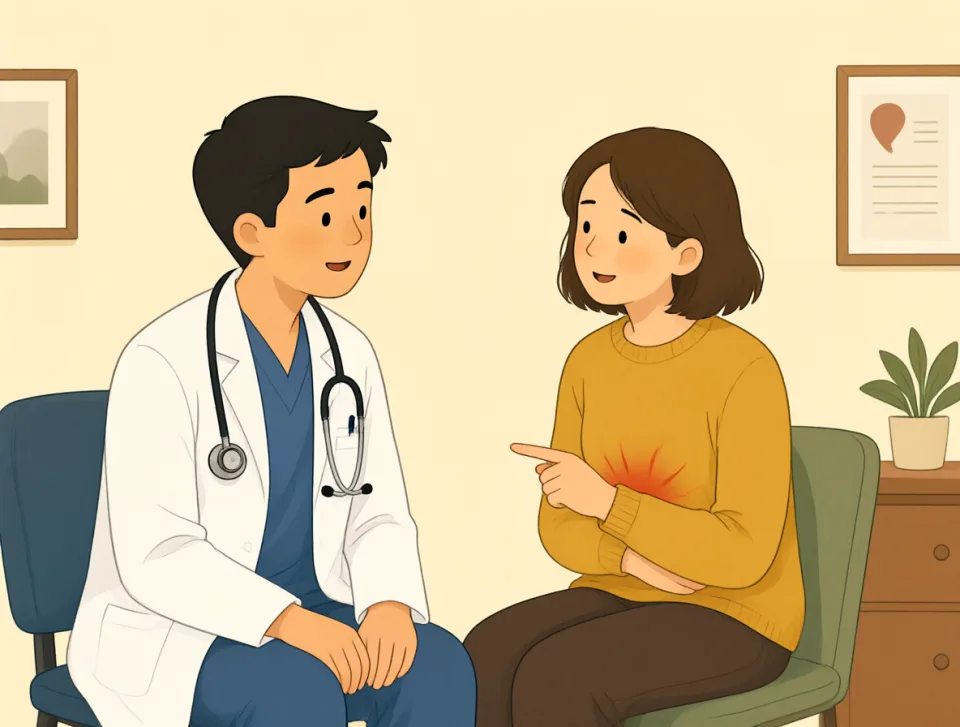
The doctor asked about a particular pain.
의사는 특정 부위의 통증에 대해 물었어요.
role
#468noun
역할; 임무
The job or purpose someone or something has in a situation.
어떤 상황에서 사람이나 사물이 맡은 일이나 목적
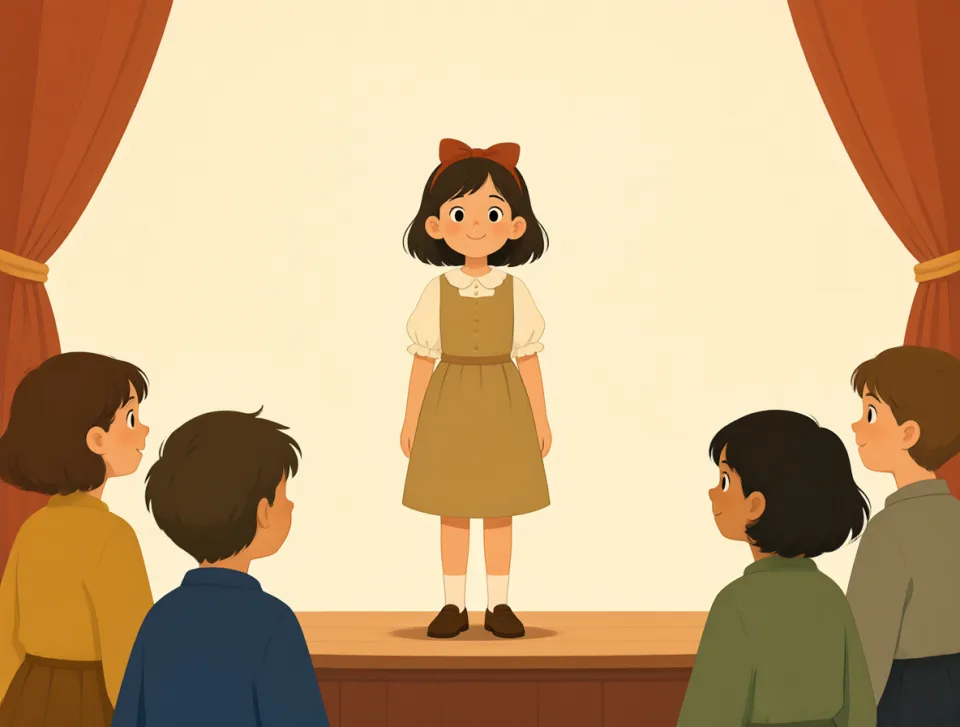
She plays the main role in the school play.
그녀는 학교 연극에서 주인공 역할을 맡는다.
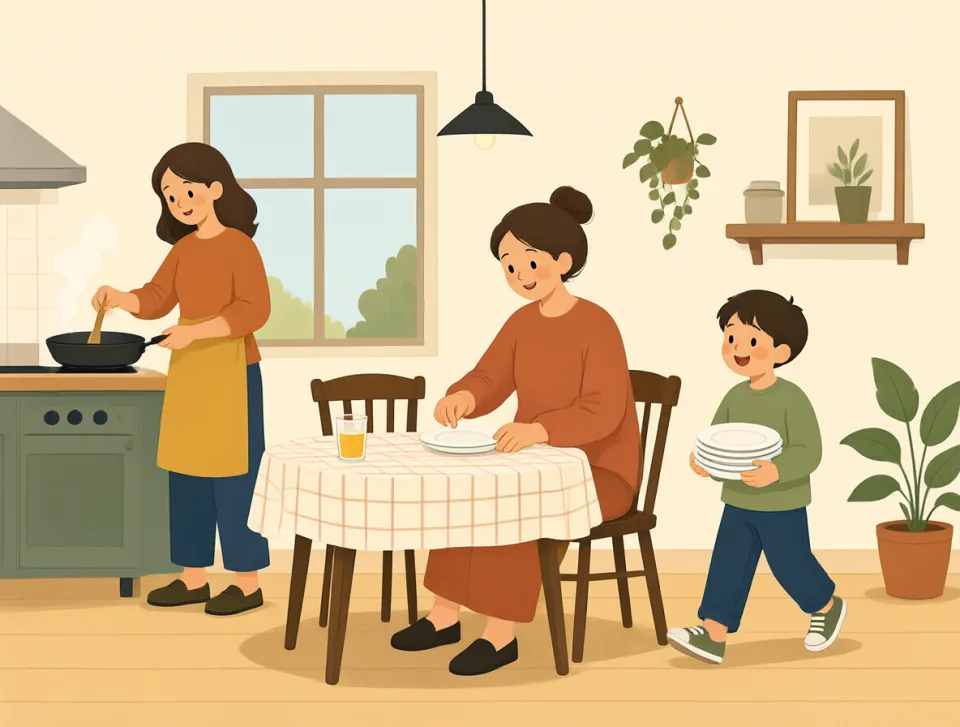
Everyone has a role in our family.
우리 가족 모두에게는 각자의 역할이 있다.

He got a new role at the company.
그는 회사에서 새로운 직책을 맡게 되었다.
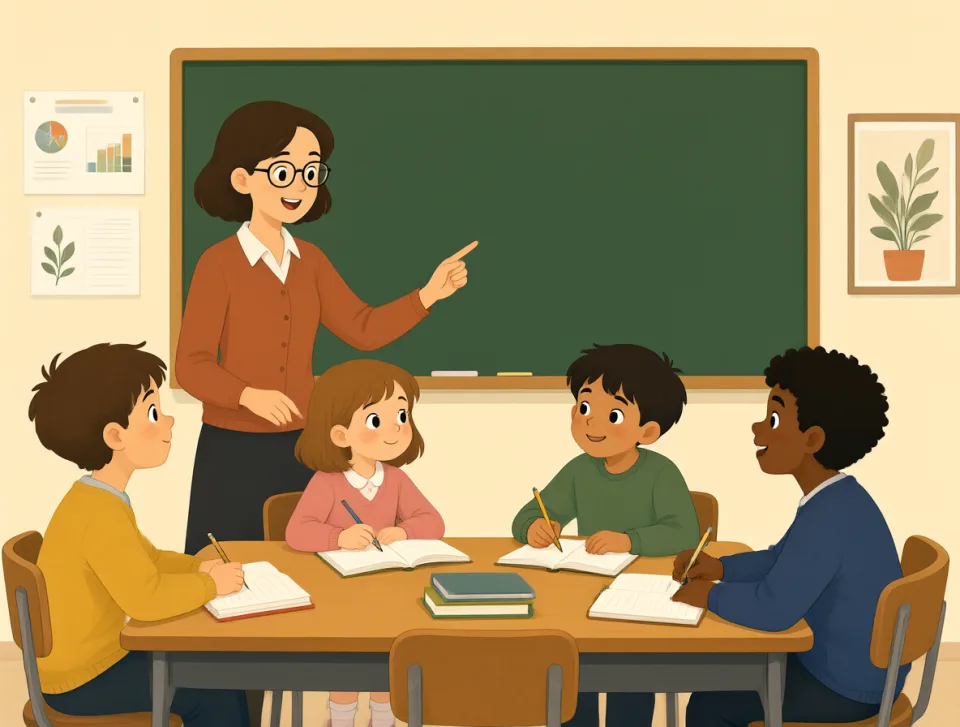
The teacher gave me a role in the project.
선생님은 나에게 그 프로젝트에서 역할을 맡겨 주셨다.
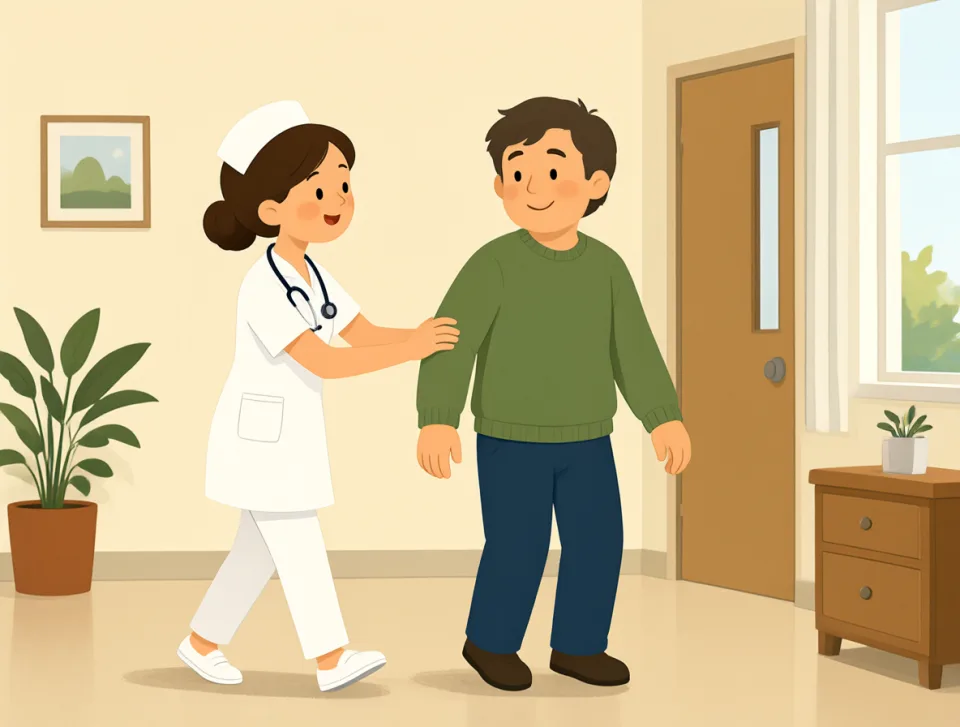
The nurse played an important role in her recovery.
그 간호사는 그녀의 회복에 중요한 역할을 했다.
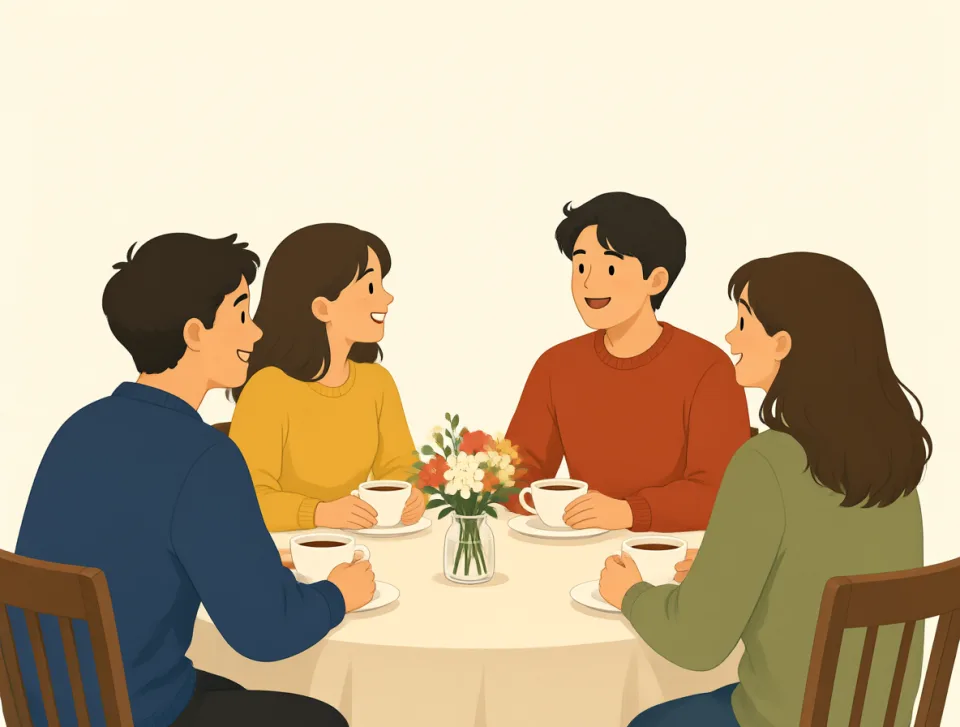
join
#469verb
참여하다; 가입하다; 합류하다
to become a member of a group or take part in an activity
그룹의 일원이 되거나 활동에 참여하다
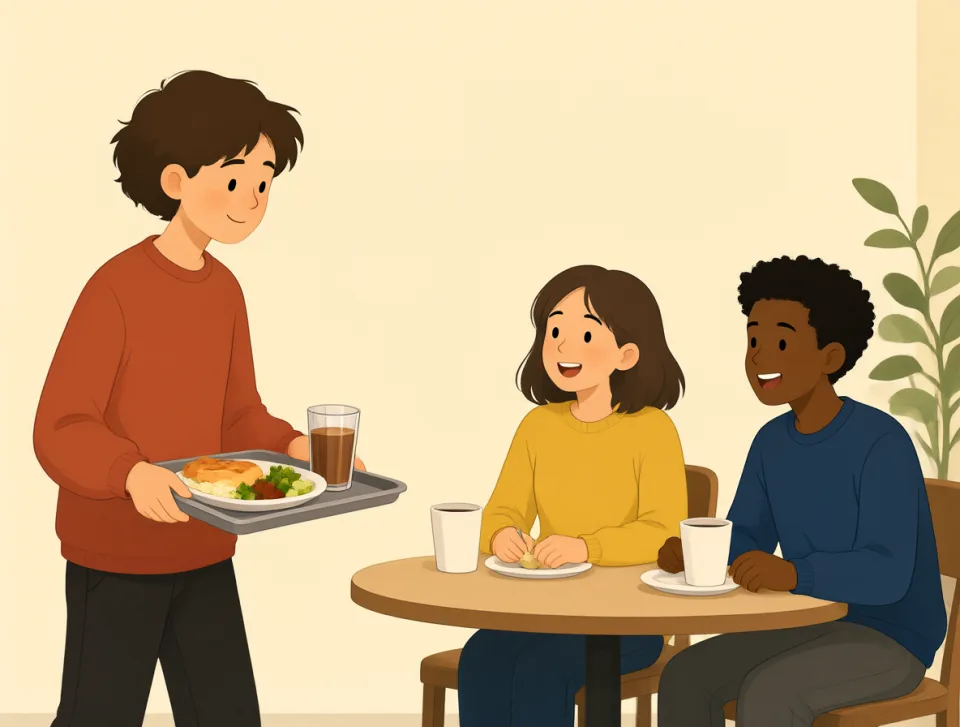
Can I join you for lunch?
점심 같이 먹어도 될까요?
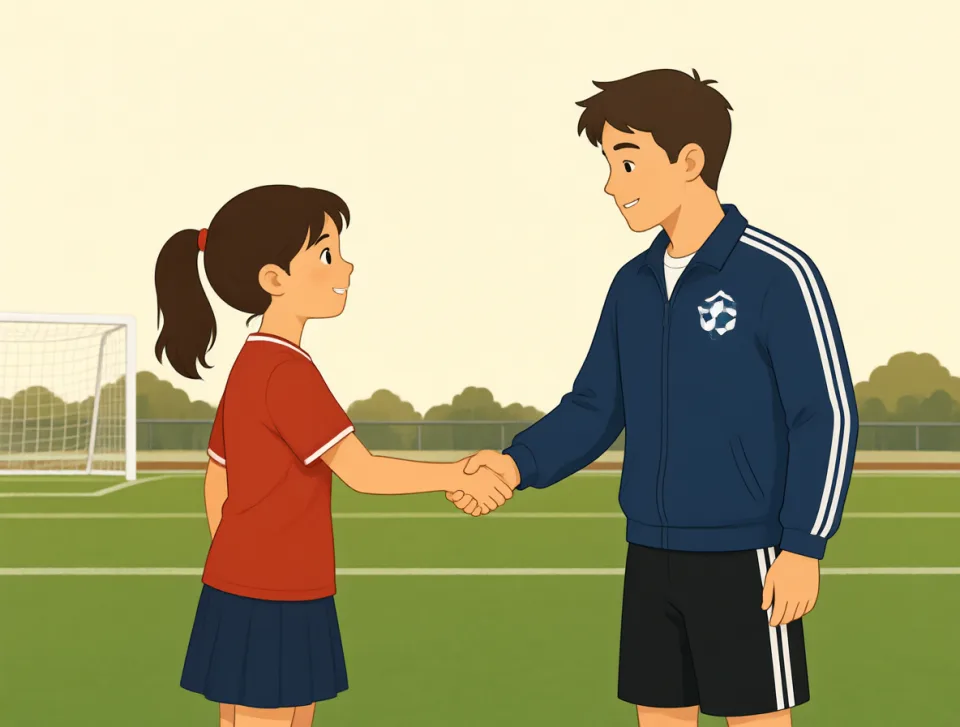
She joined the school football team.
그녀는 학교 축구팀에 가입했다.
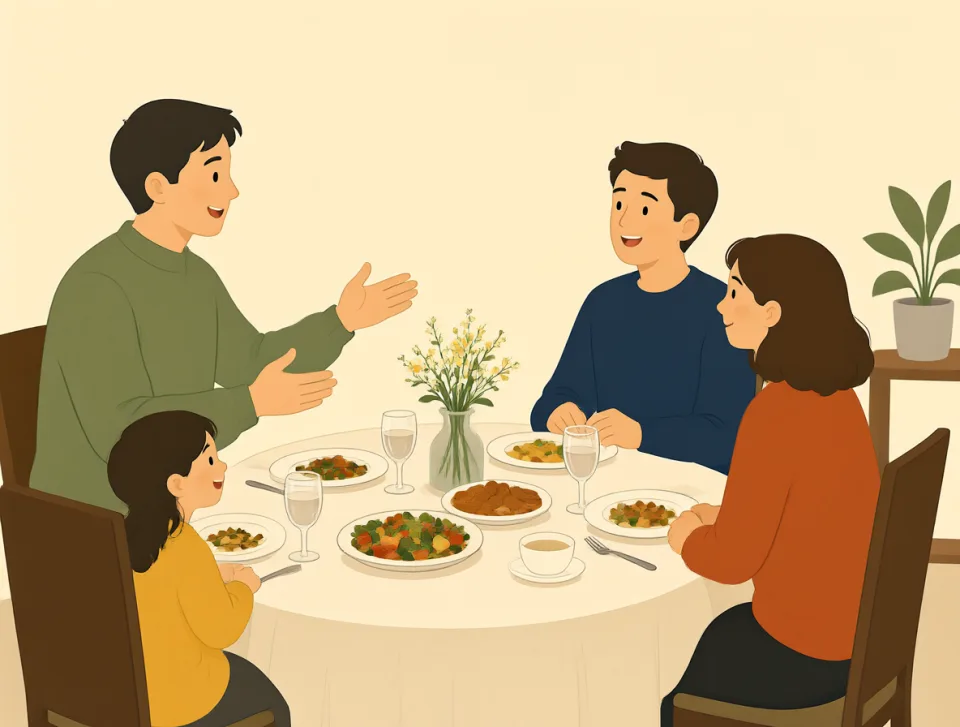
Please join us for dinner tonight.
오늘 저녁 식사에 꼭 함께해 주세요.

He joined the line at the store.
그는 가게에서 줄에 합류했다.
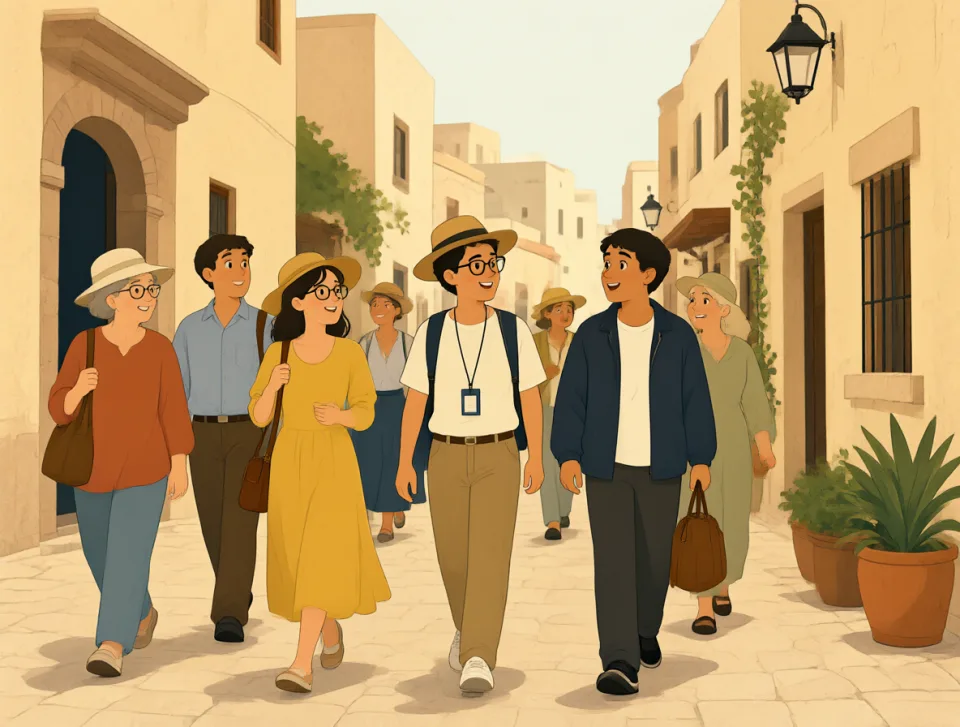
We joined a tour of the old city.
우리는 구시가지 투어에 참여했다.
difficult
#470adjective
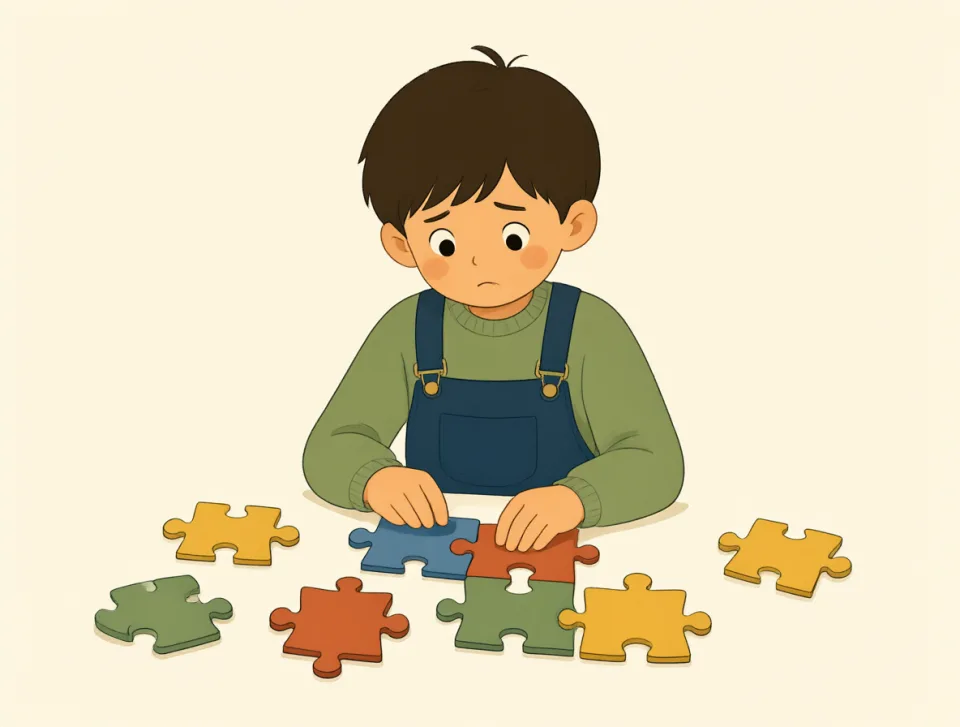
어려운; 힘든
Not easy to do, understand, or deal with.
하기 쉽지 않거나 이해하기 어렵거나 대처하기 힘든.
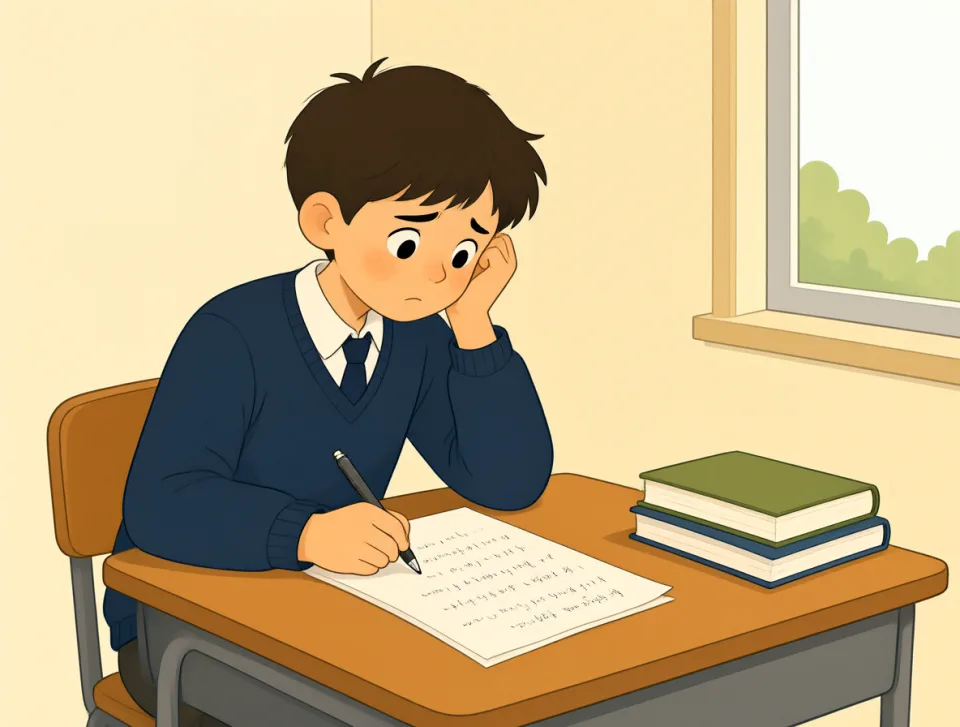
This math problem is difficult for me.
이 수학 문제는 나한테 어려워.

It is difficult to sleep with this noise.
이 소음 때문에 잠들기가 어려워.

We had a difficult day at work.
직장에서 힘든 하루를 보냈어.
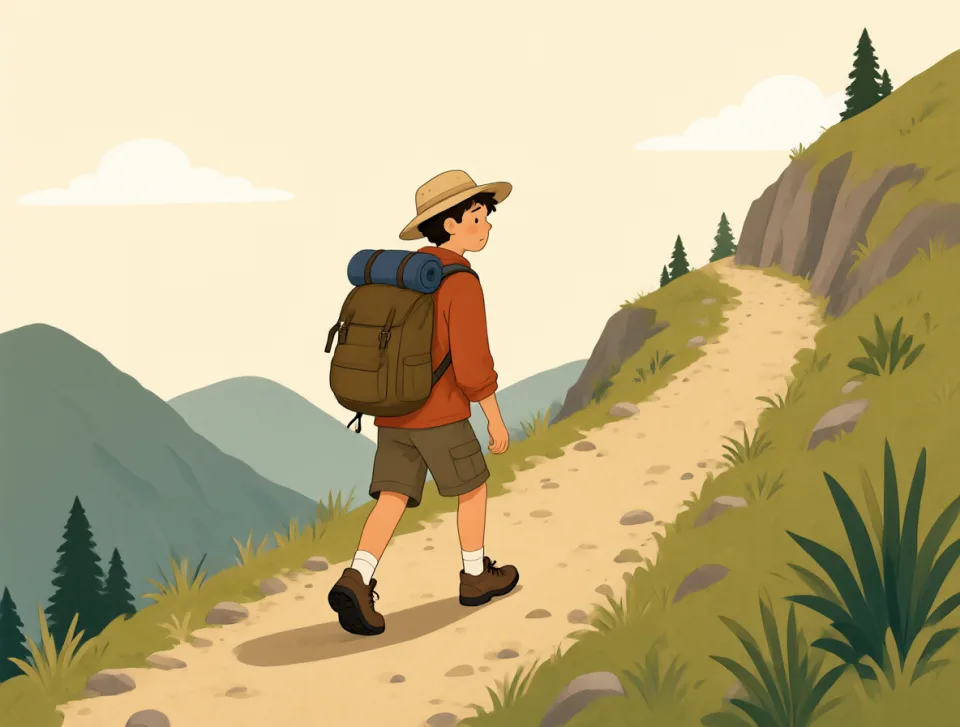
The difficult journey took two days.
힘든 여정은 이틀이나 걸렸어.
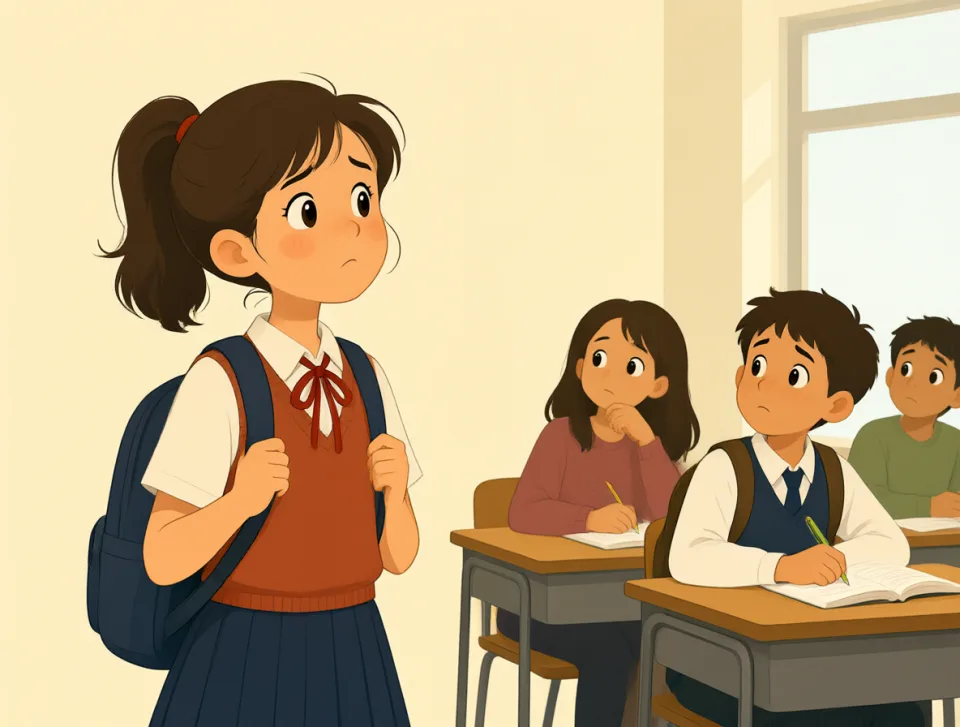
She finds it difficult to speak in class.
그녀는 수업 시간에 말하기가 어렵다고 느껴.
please
#471adverb, verb
부디; 기쁘게 하다; 만족시키다
Used to ask politely, or to make someone happy or satisfied.
정중하게 부탁하거나, 누군가를 기쁘게 하거나 만족시키기 위해 쓰는 말.
Please close the door before you leave.
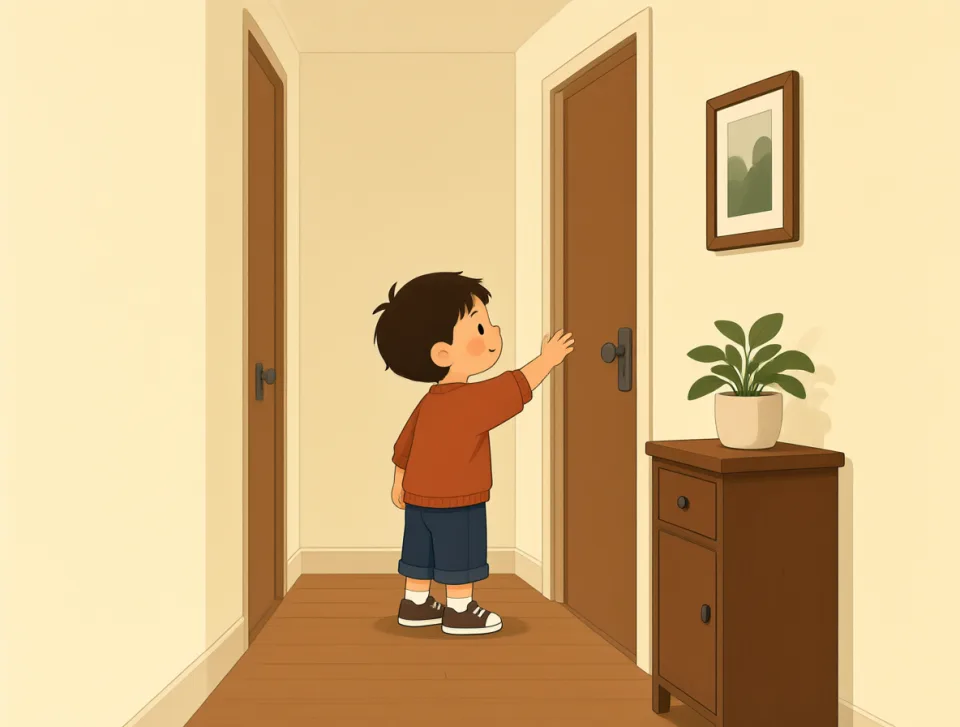
떠나기 전에 문 좀 닫아 주세요.
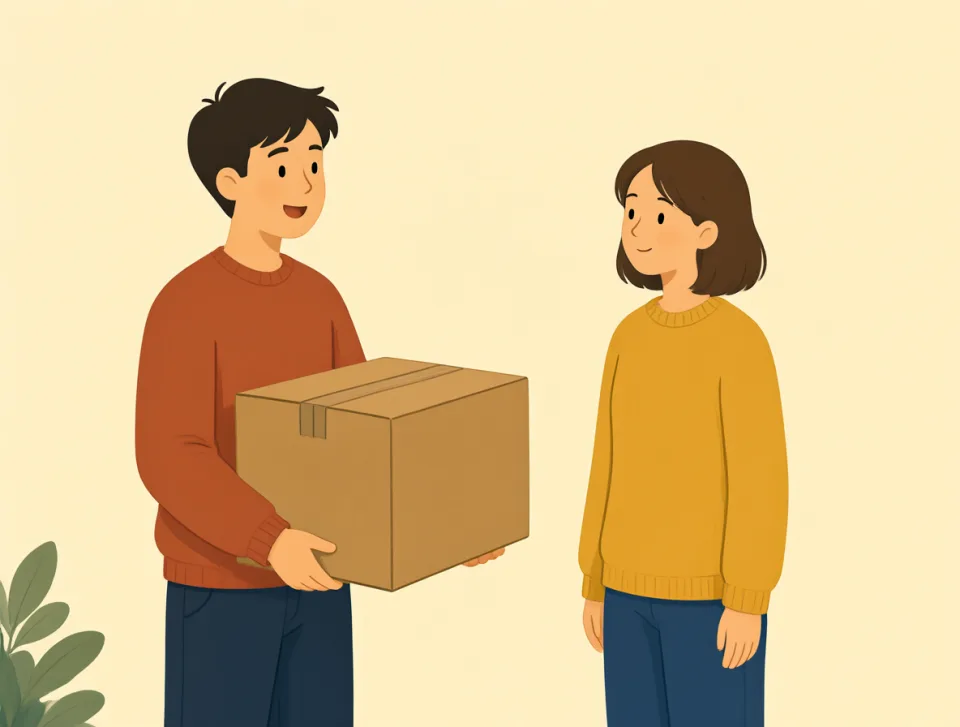
Could you help me, please?
저 좀 도와주시겠어요?

The waiter pleased everyone with the delicious food.
웨이터는 맛있는 음식으로 모두를 기쁘게 했다.
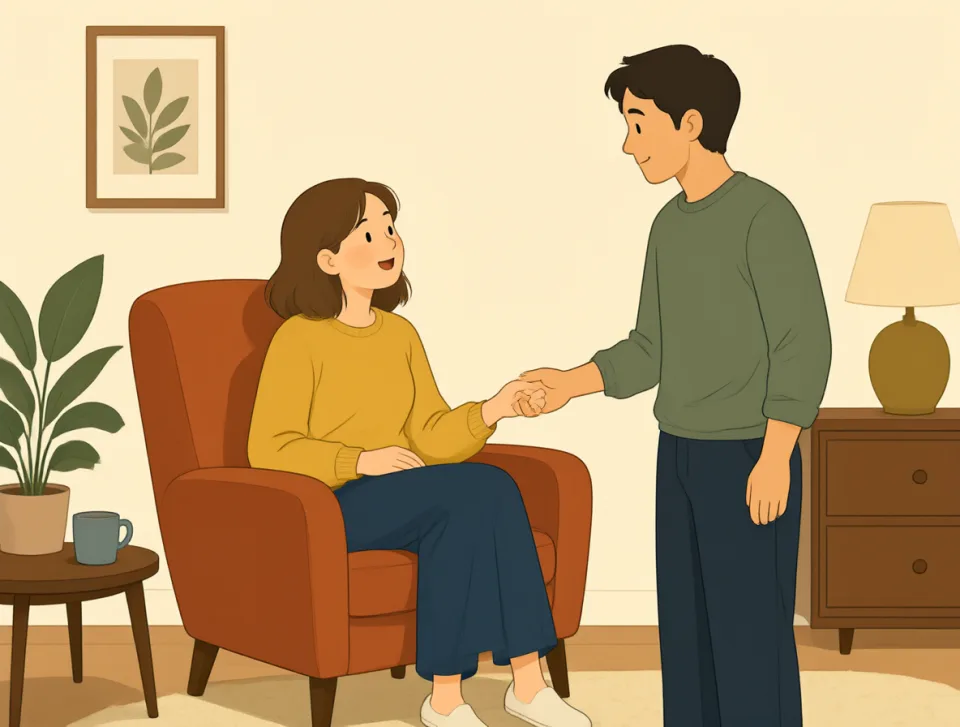
Please yourself and choose a comfortable seat.
편한 자리를 골라 마음껏 앉으세요.
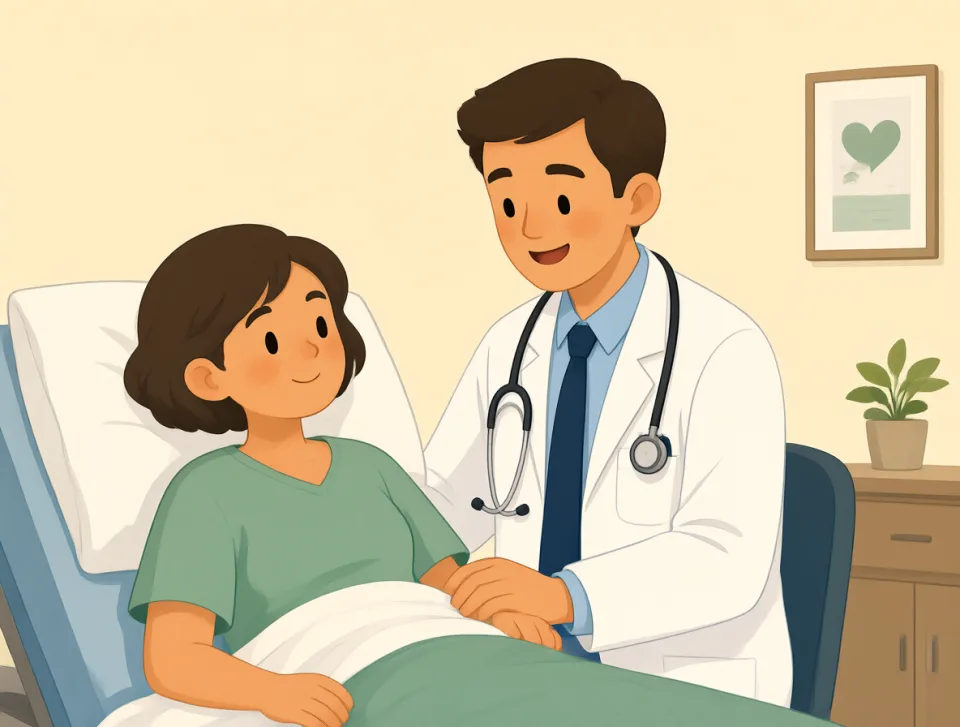
The doctor was pleased with my progress.
의사는 내 경과에 만족했다.

detail
#472noun, verb
세부 사항; 자세한 정보
A small piece of information, or to give information about something carefully.
작은 정보 하나, 또는 어떤 것에 대해 자세히 설명하는 것.
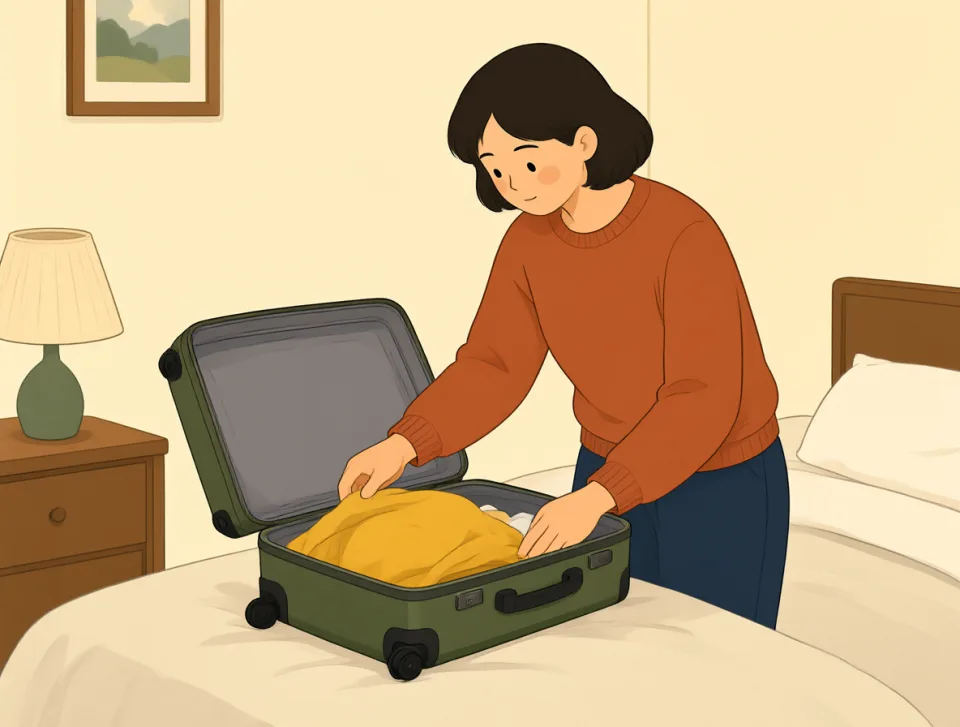
Please check every detail before you leave.
떠나기 전에 세부 사항을 하나하나 확인해 주세요.
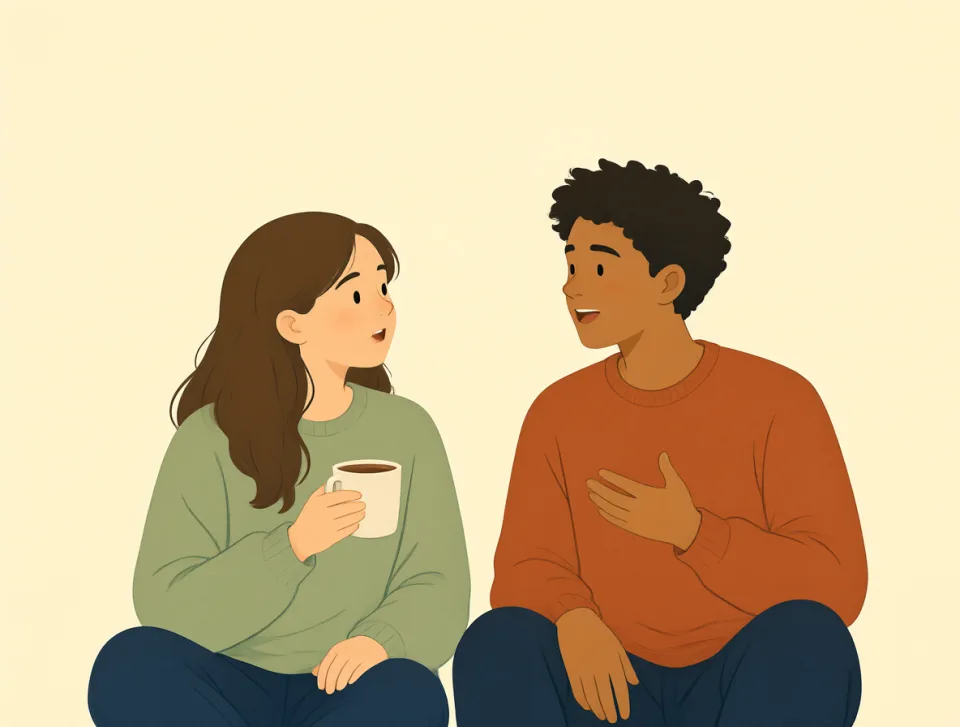
She told me every detail about her trip.
그녀는 여행에 대해 자세한 이야기를 하나하나 들려줬어요.
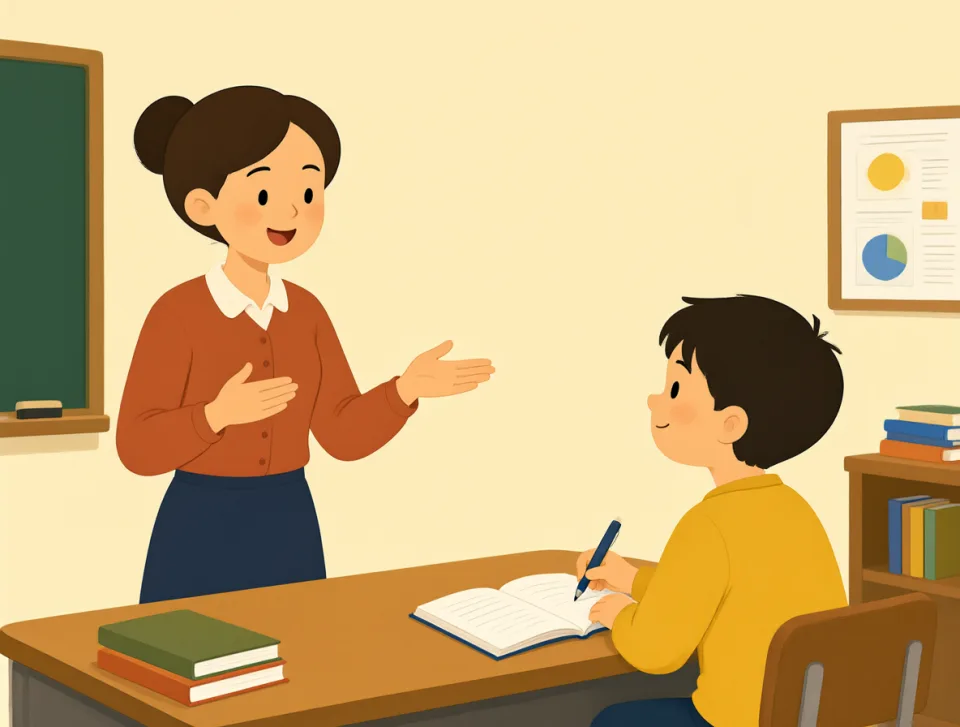
The teacher explained the details of the science project.
선생님은 과학 프로젝트의 세부 사항을 설명했어요.

The hotel room had beautiful details.
호텔 객실에는 아름다운 세부 장식이 있었어요.
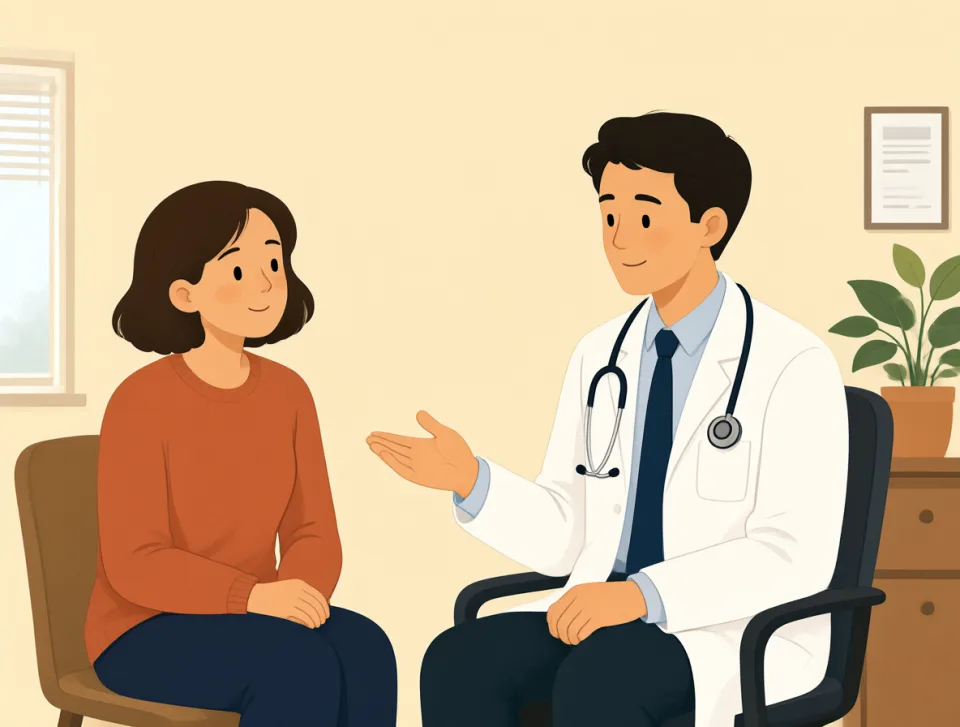
He detailed the problem for the doctor.
그는 의사에게 문제를 자세히 설명했어요.

difference
#473noun
차이; 다름
A way in which two people or things are not the same.
두 사람이나 사물이 서로 같지 않은 점

Can you see the difference between these two bags?
이 두 가방의 차이를 알 수 있나요?
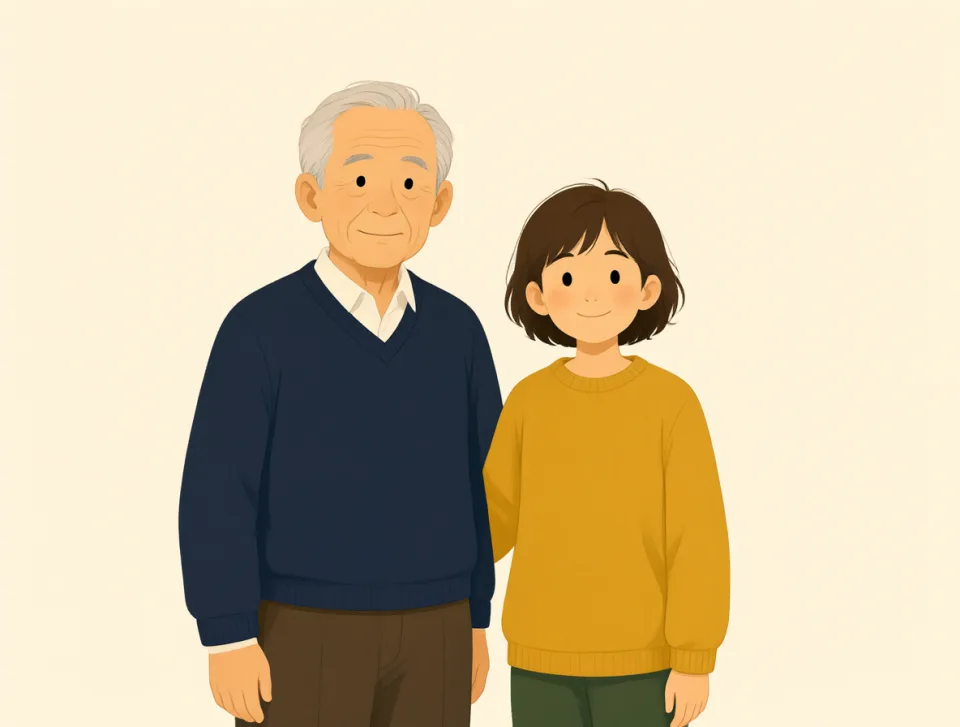
There is a big difference in their ages.
그들은 나이 차이가 많이 납니다.
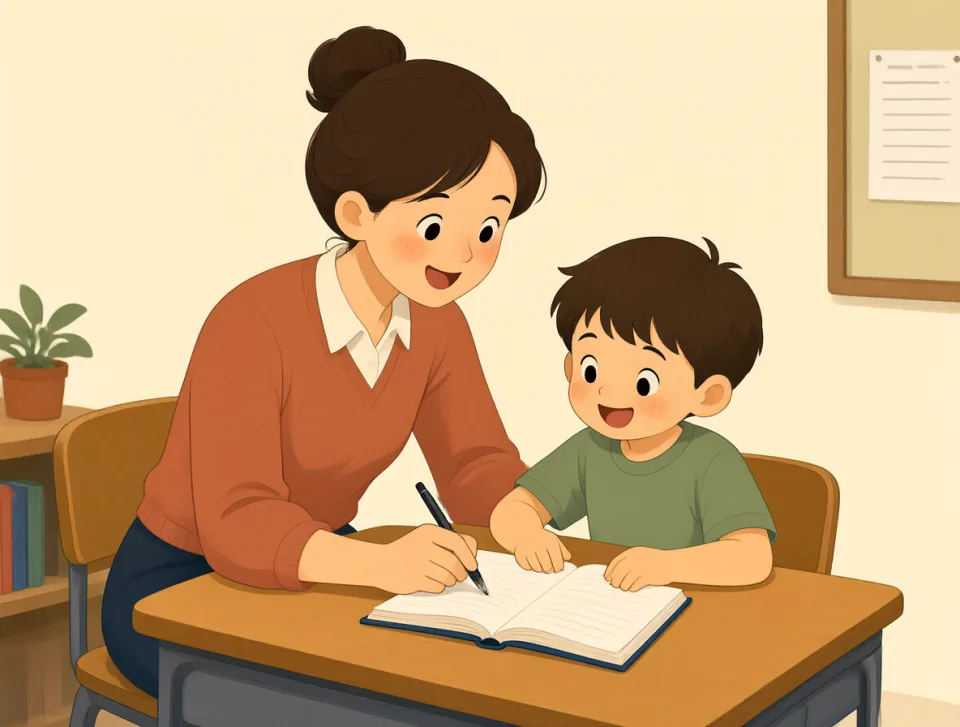
The new teacher makes a difference at school.
새 선생님은 학교에 변화를 가져옵니다.
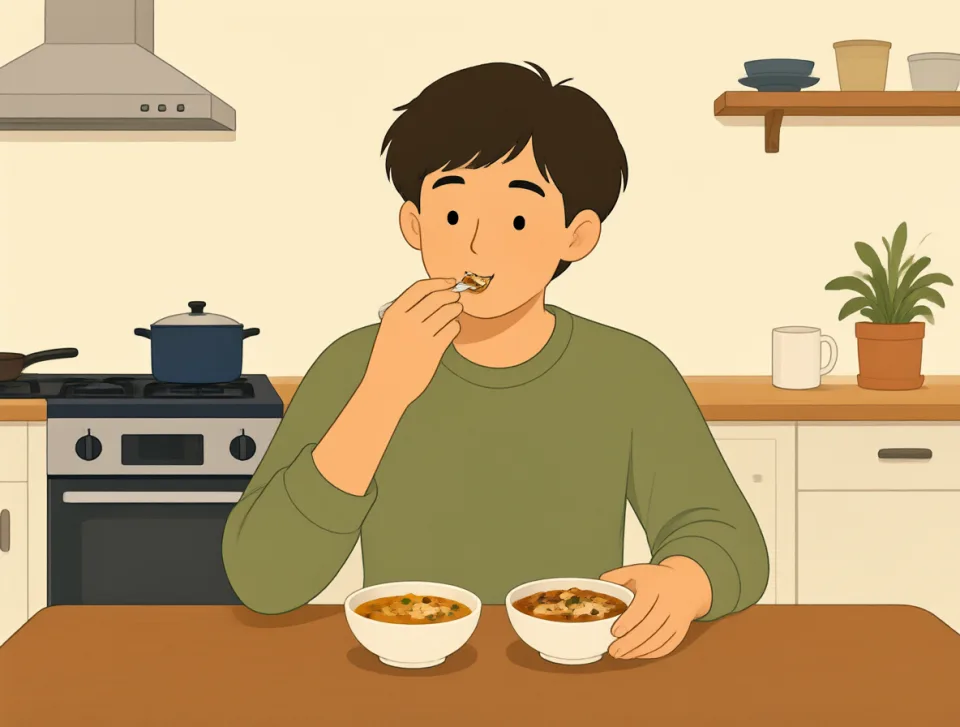
I cannot taste the difference between them.
저는 둘의 맛 차이를 느낄 수 없습니다.

We noticed differences between the two hotels.
우리는 두 호텔의 차이점을 알아차렸습니다.
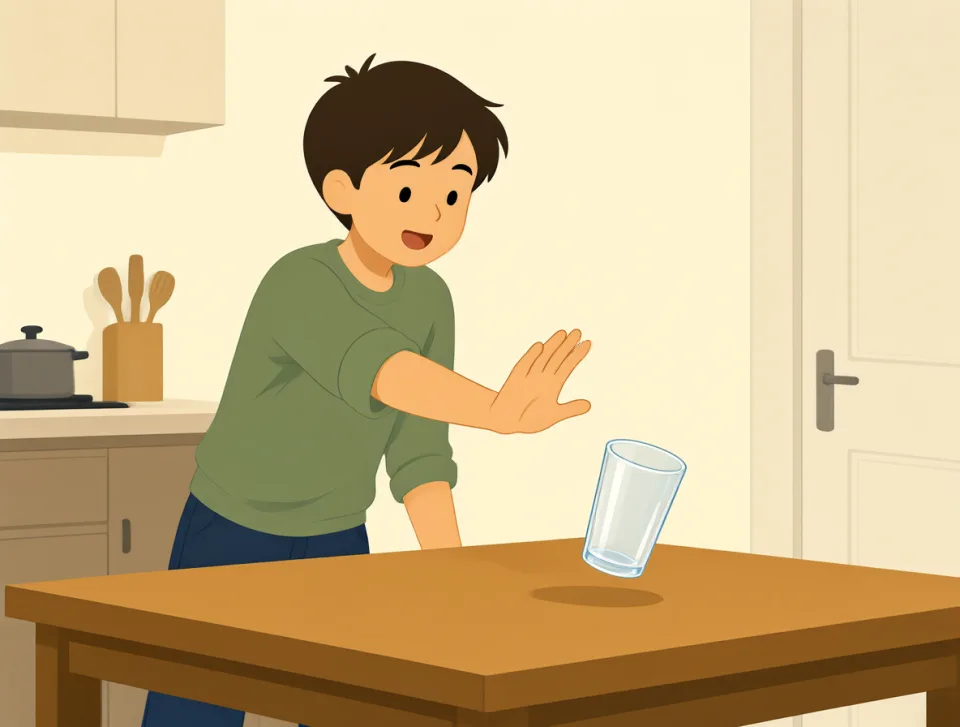
action
#474noun
조치; 행동; 작용; 액션
Something someone does, especially to solve a problem or achieve a result.
누군가가 문제를 해결하거나 원하는 결과를 얻기 위해 하는 일.

The police took action after the accident.
사고가 난 뒤 경찰이 조치를 취했다.
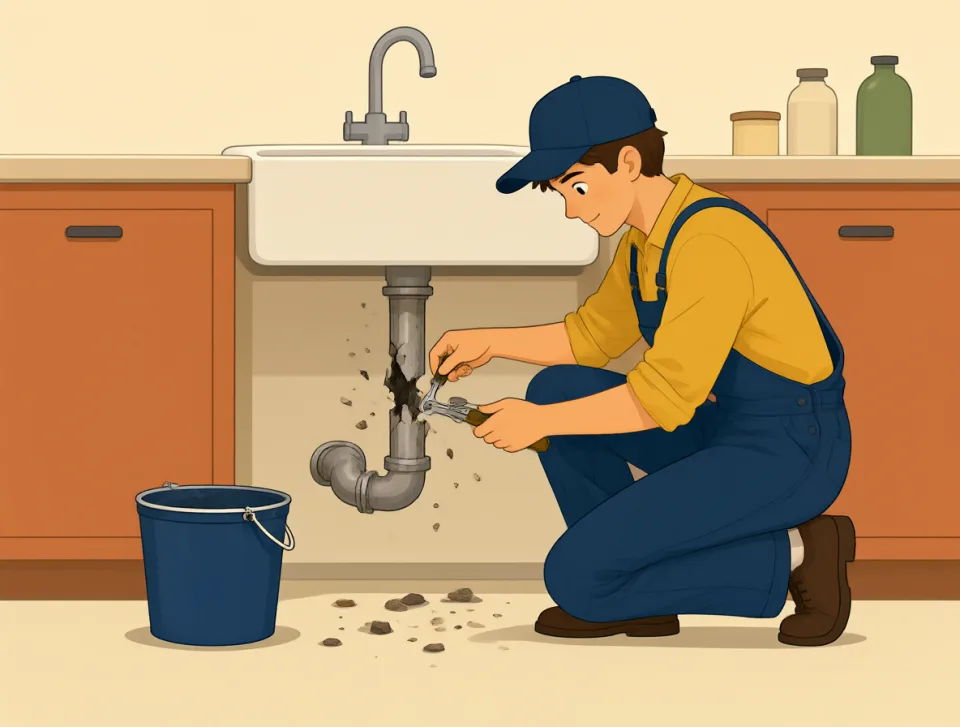
We need action to fix this problem.
이 문제를 해결하려면 조치가 필요해요.
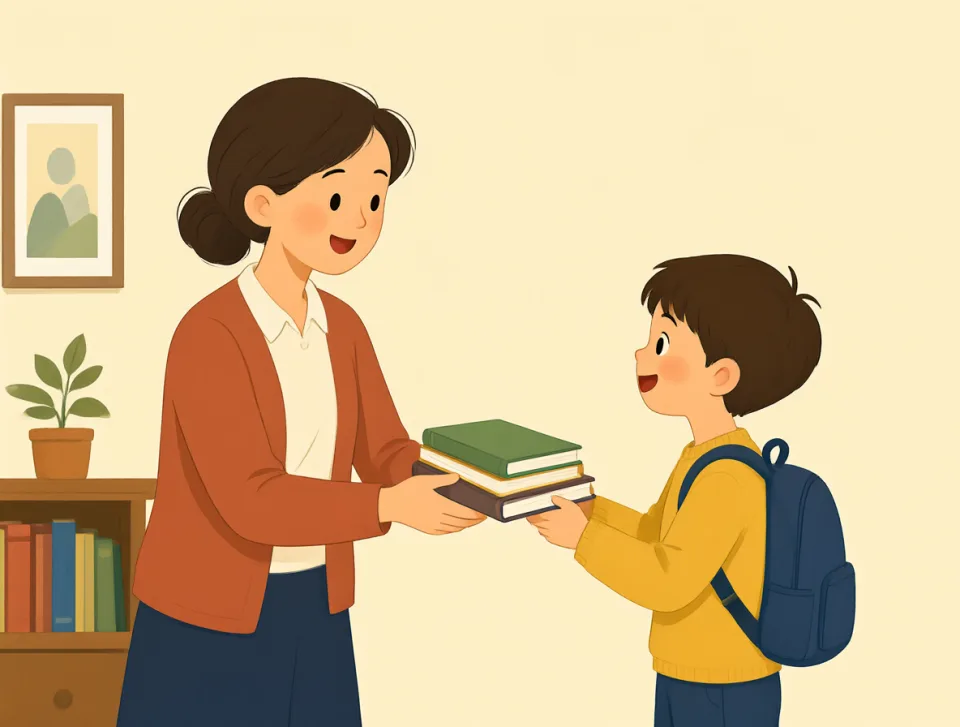
The teacher praised her action in class.
선생님은 수업 시간에 그녀의 행동을 칭찬했다.
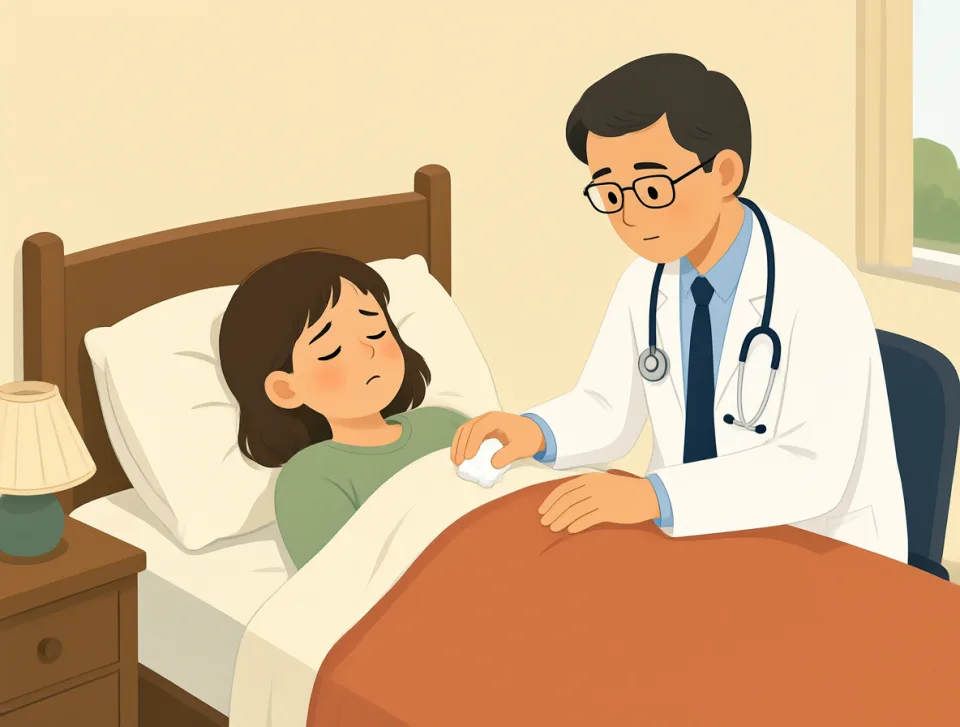
The medicine started working after a few hours.
약은 몇 시간 뒤부터 효과가 나타나기 시작했다.

The movie has lots of exciting action.
그 영화에는 흥미진진한 액션 장면이 많이 나온다.
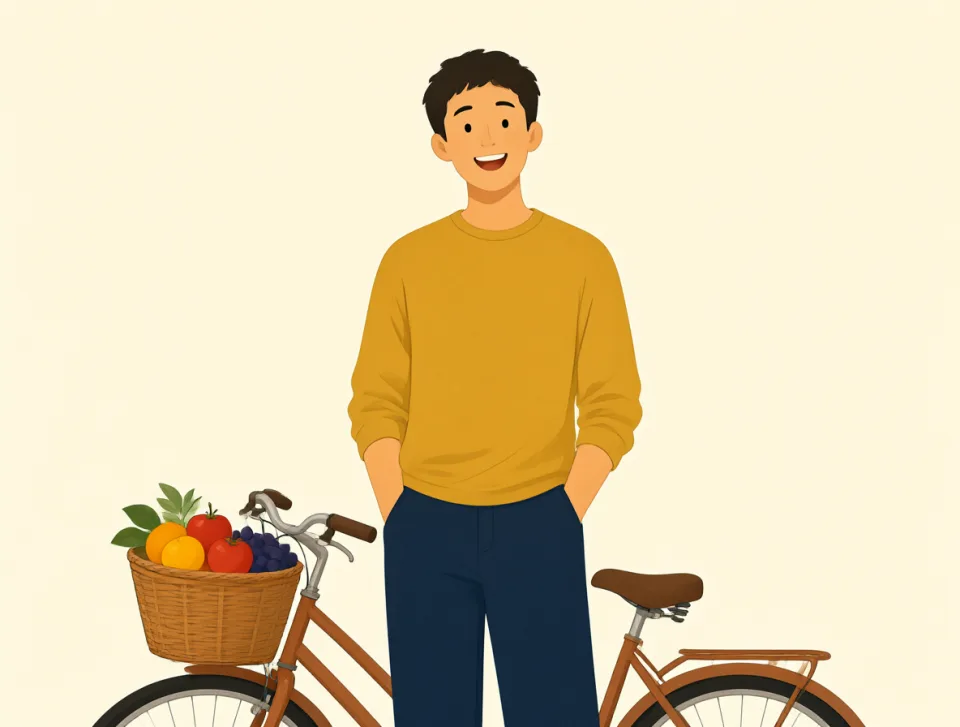
health
#475noun
건강
The condition of your body and mind, especially when you are free from illness.
질병이 없는 상태를 중심으로 한 몸과 마음의 상태.
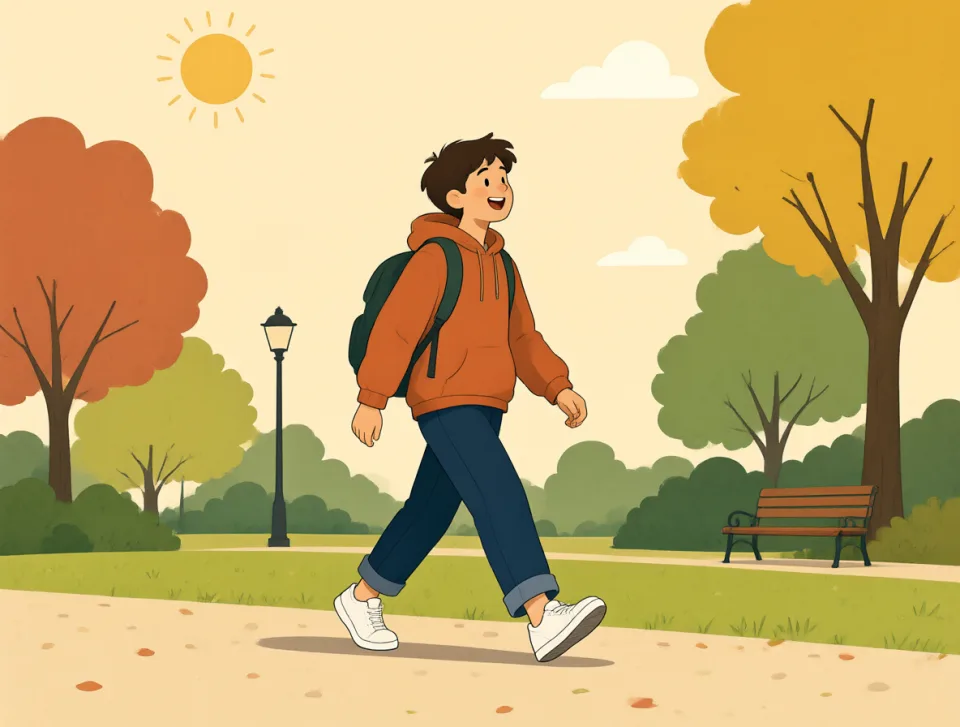
Walking every day is good for your health.
매일 걷는 것은 건강에 좋다.
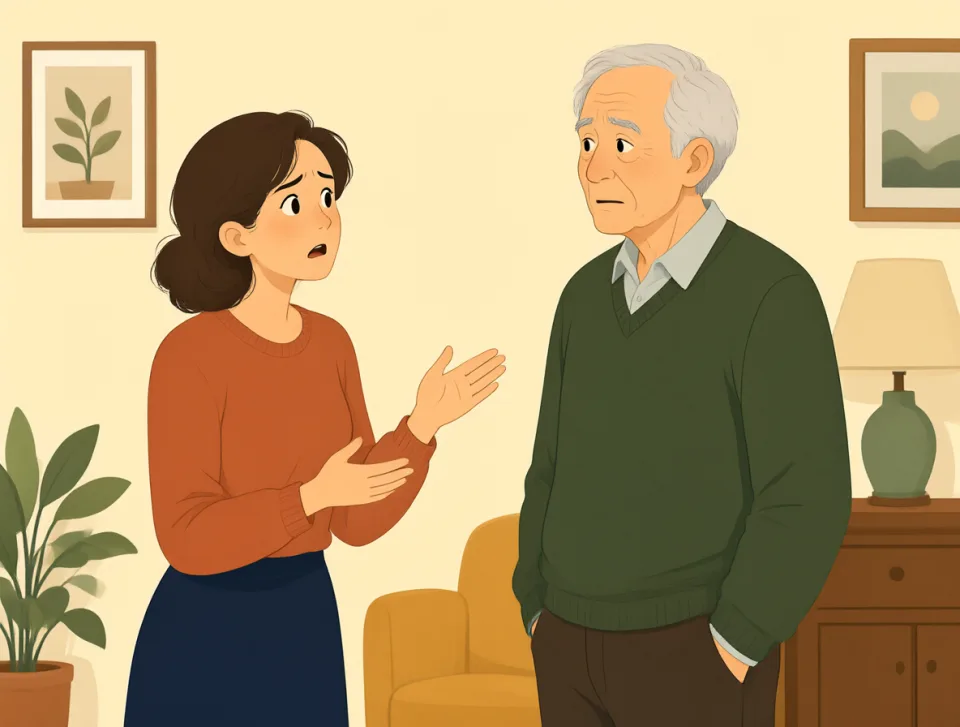
She worries about her father's health.
그녀는 아버지의 건강을 걱정한다.
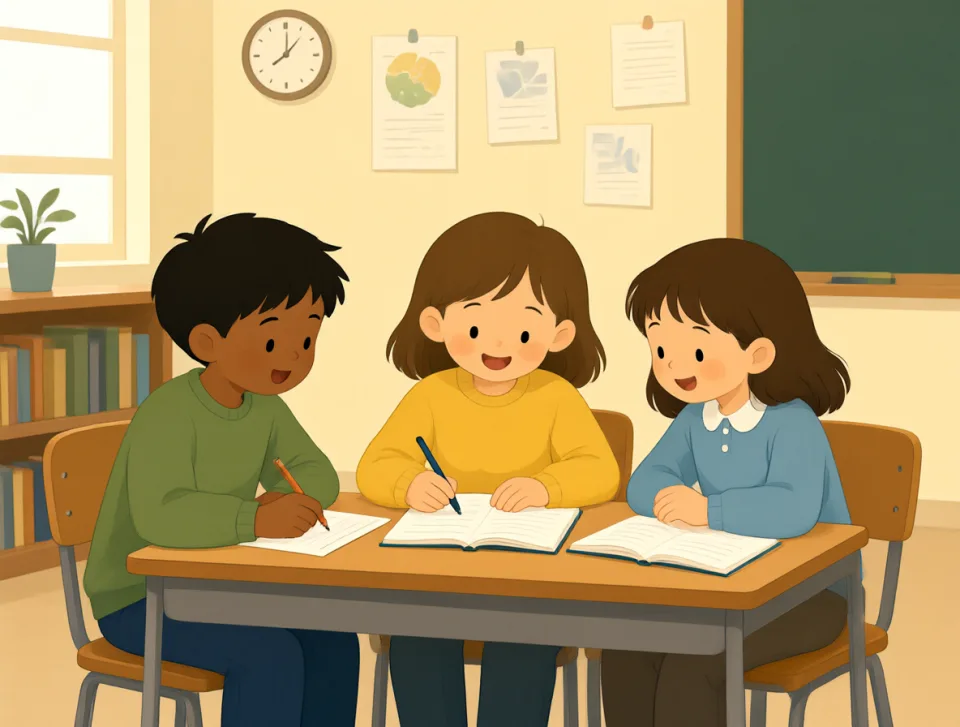
Good health helps children learn at school.
건강하면 아이들이 학교에서 공부하는 데 도움이 된다.
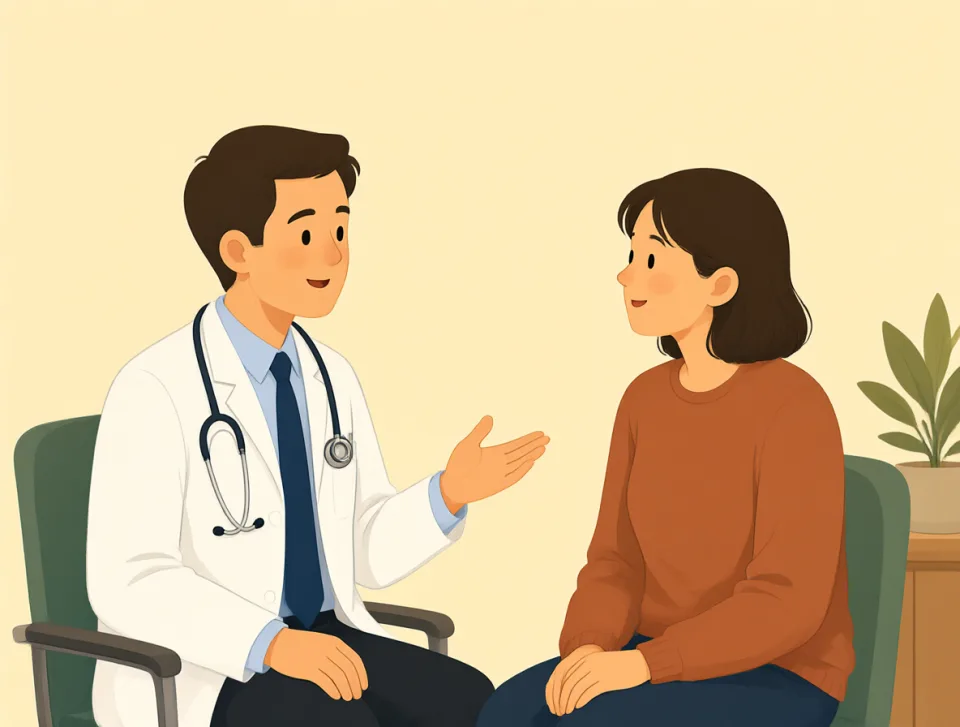
The doctor asked about my health.
의사는 내 건강 상태에 관해 물었다.
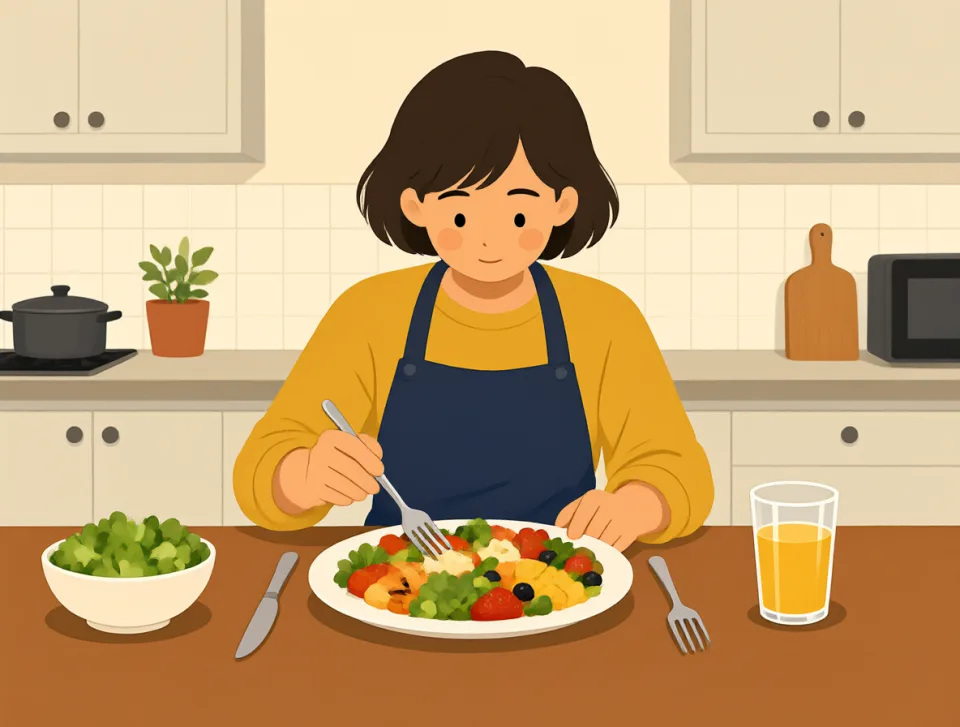
This food is healthy and supports heart health.
이 음식은 건강에 좋고 심장 건강에도 도움이 된다.
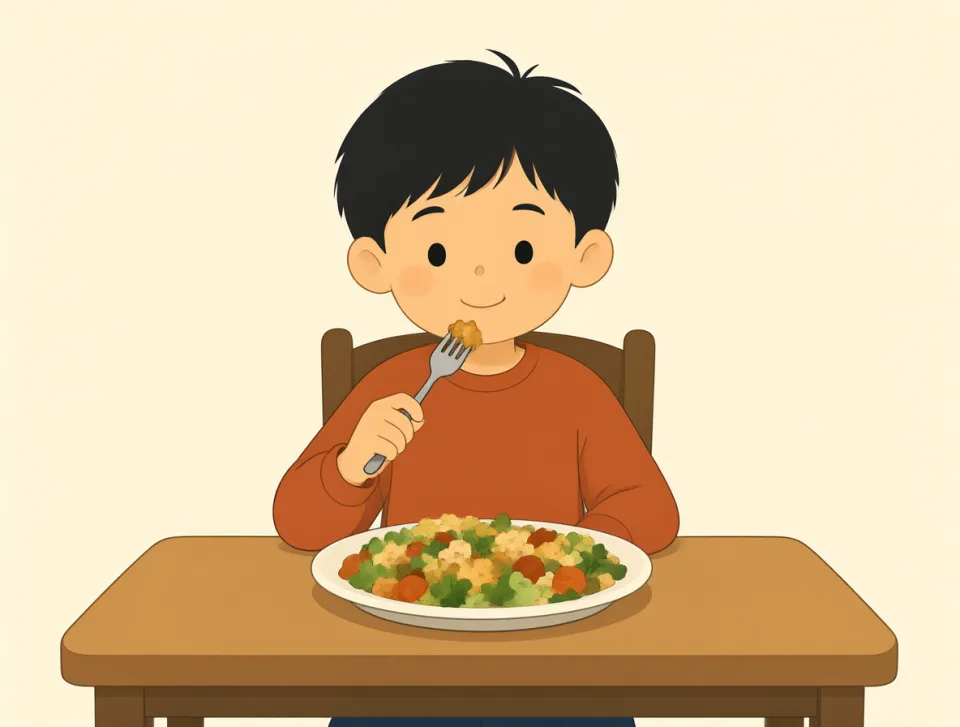
eat
#476verb
먹다
to put food in your mouth, chew it, and swallow it
음식을 입에 넣어 씹고 삼키다
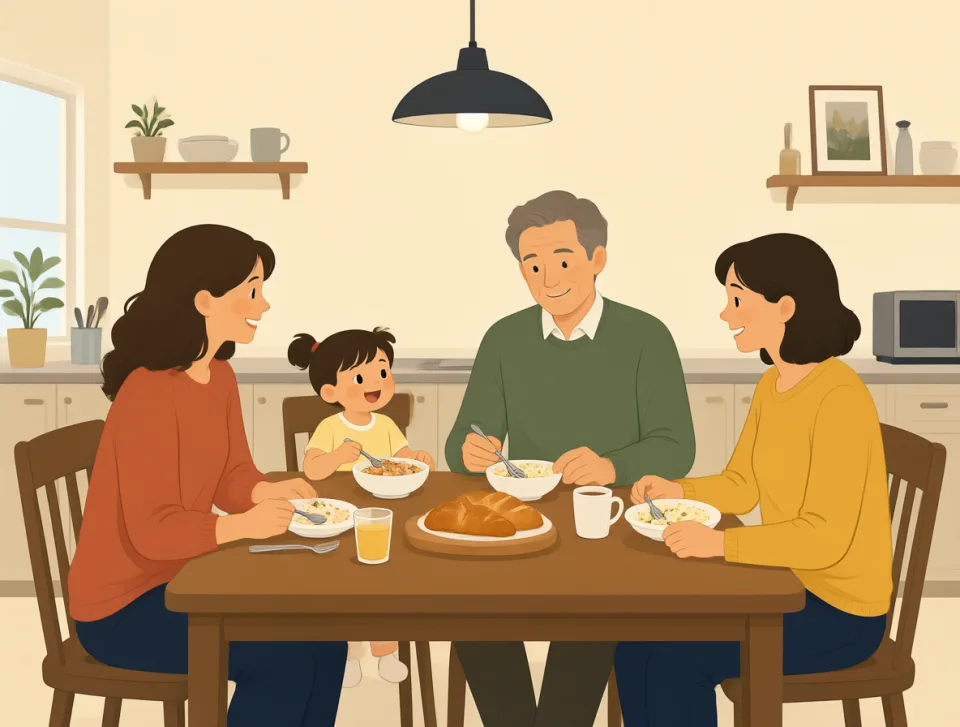
We eat breakfast together every morning.
우리는 매일 아침 함께 아침을 먹어요.
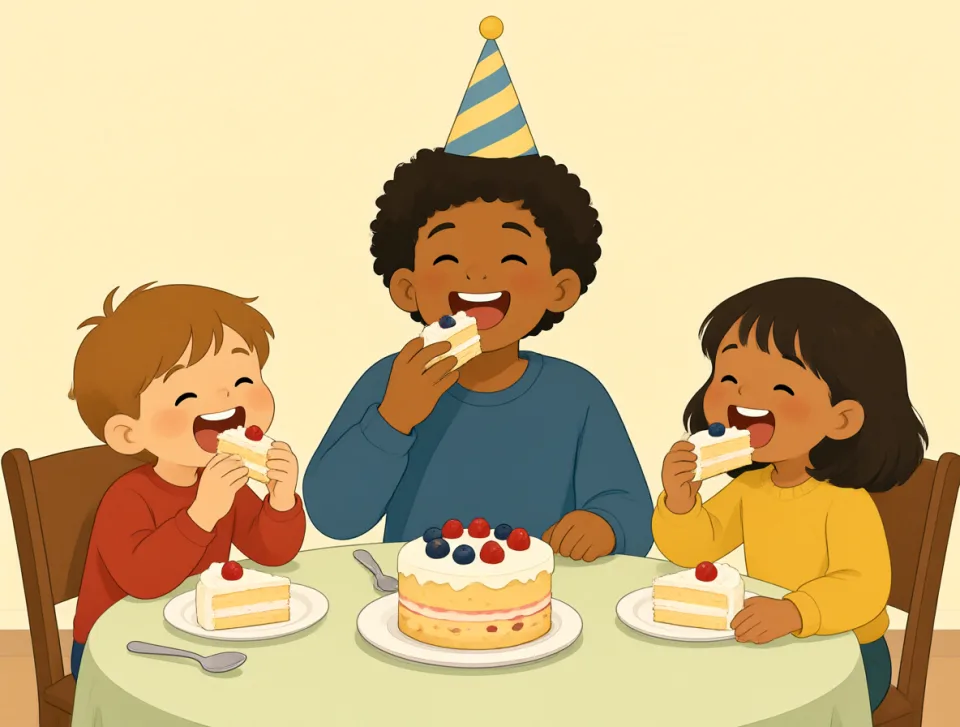
The children ate all the cake.
아이들이 케이크를 전부 먹었어요.
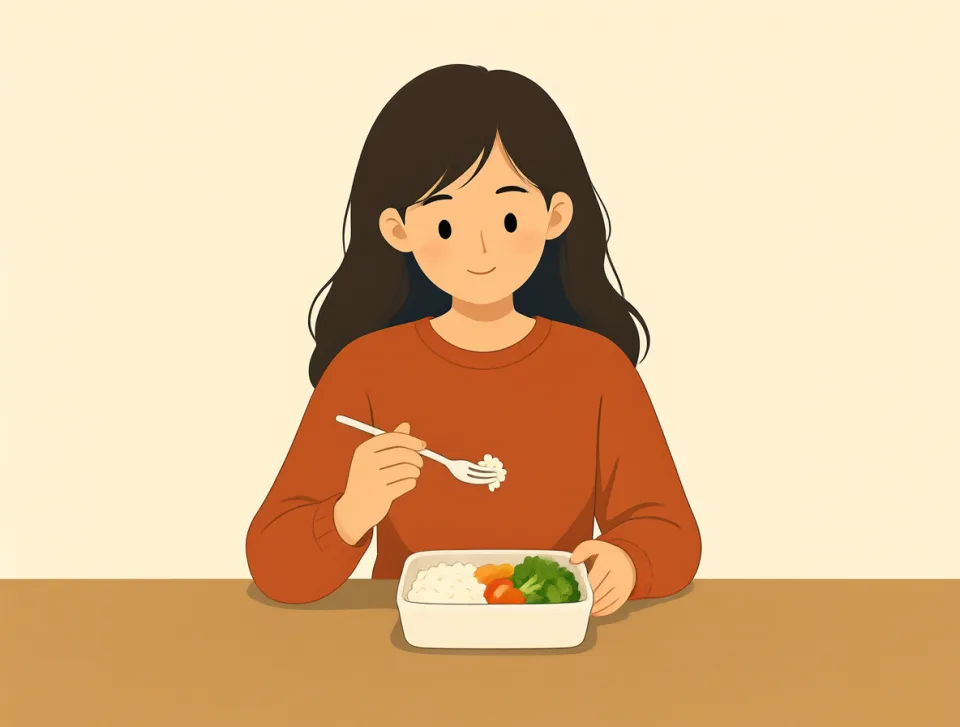
She is eating lunch at work.
그녀는 직장에서 점심을 먹고 있어요.
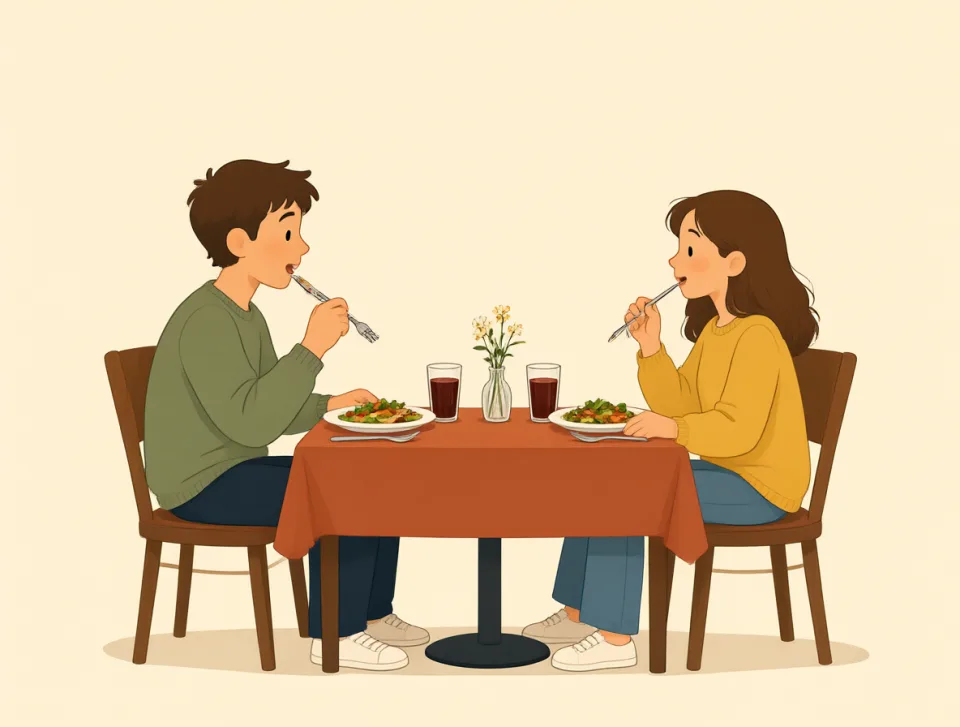
Did you eat at the new restaurant?
새로 생긴 식당에서 밥 먹었어요?
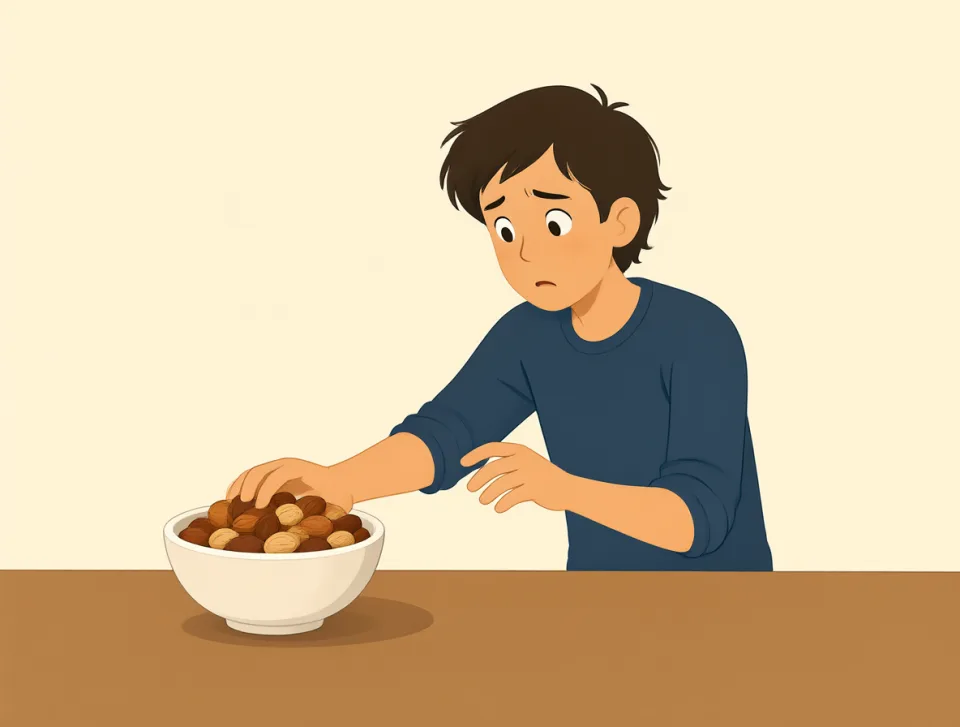
I cannot eat nuts because I am allergic.
견과류 알레르기가 있어서 먹을 수 없어요.
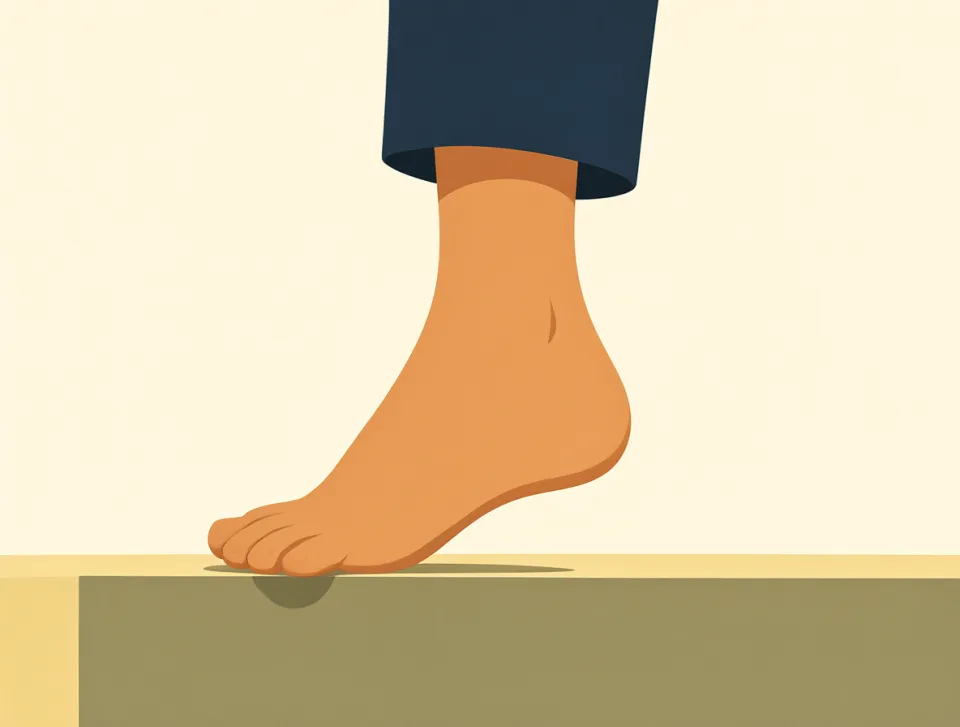
step
#477noun, verb
걸음; 계단; 단계; 조치
A movement made by lifting one foot and putting it down somewhere else.
한쪽 발을 들어 다른 곳에 내려놓는 동작.
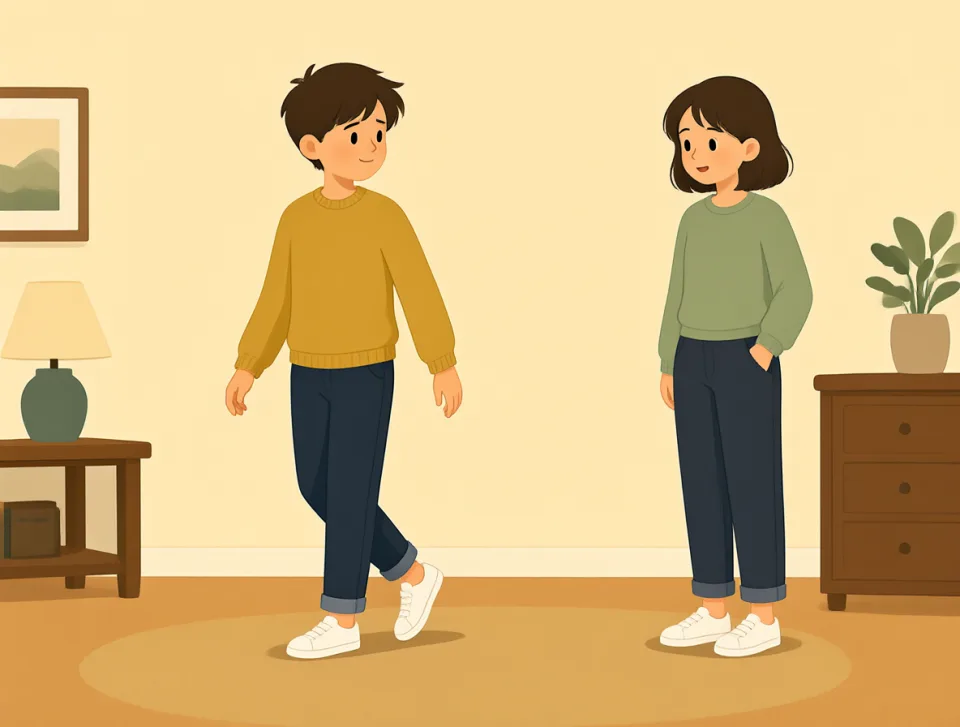
Please take one step back.
한 걸음 뒤로 물러나 주세요.

She climbed the steps to the front door.
그녀는 현관문까지 계단을 올라갔다.
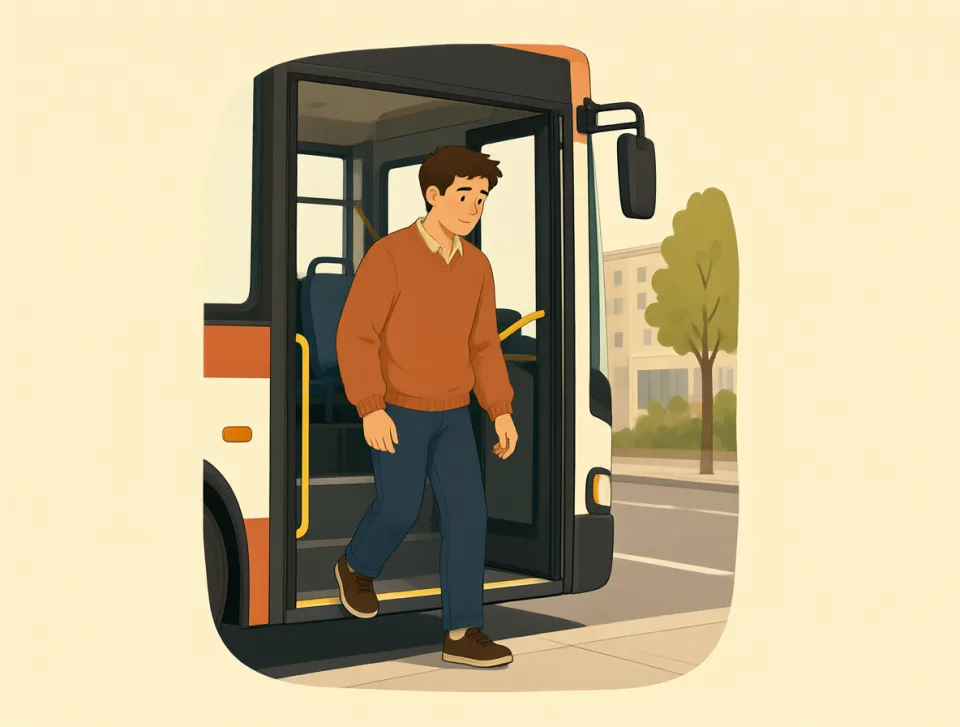
He stepped off the bus carefully.
그는 조심스럽게 버스에서 내렸다.
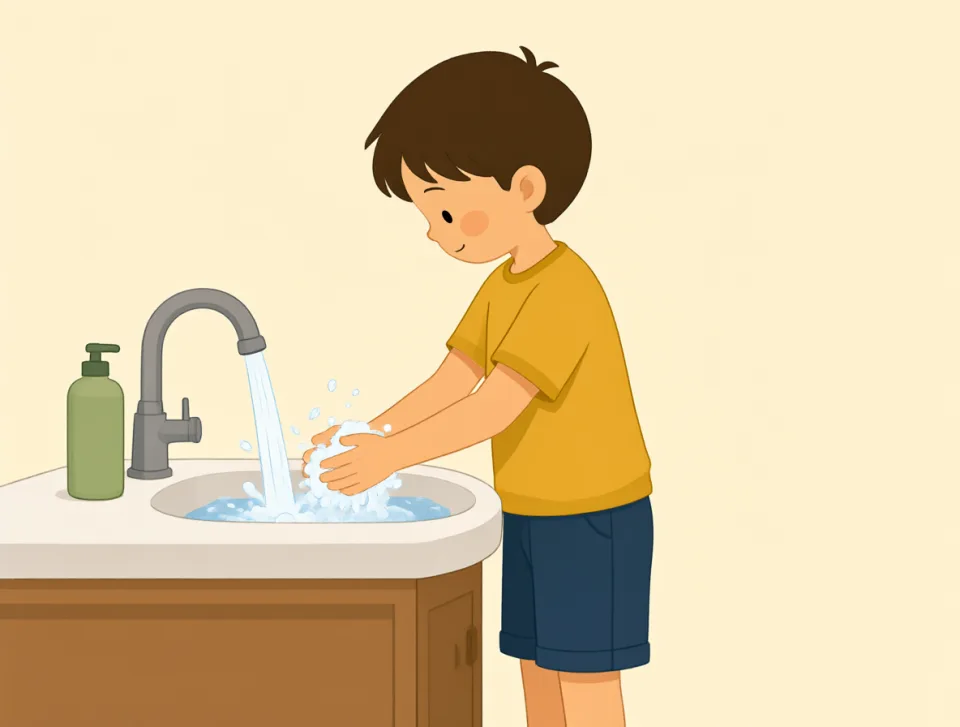
The first step is to wash your hands.
첫 번째 단계는 손을 씻는 것이다.
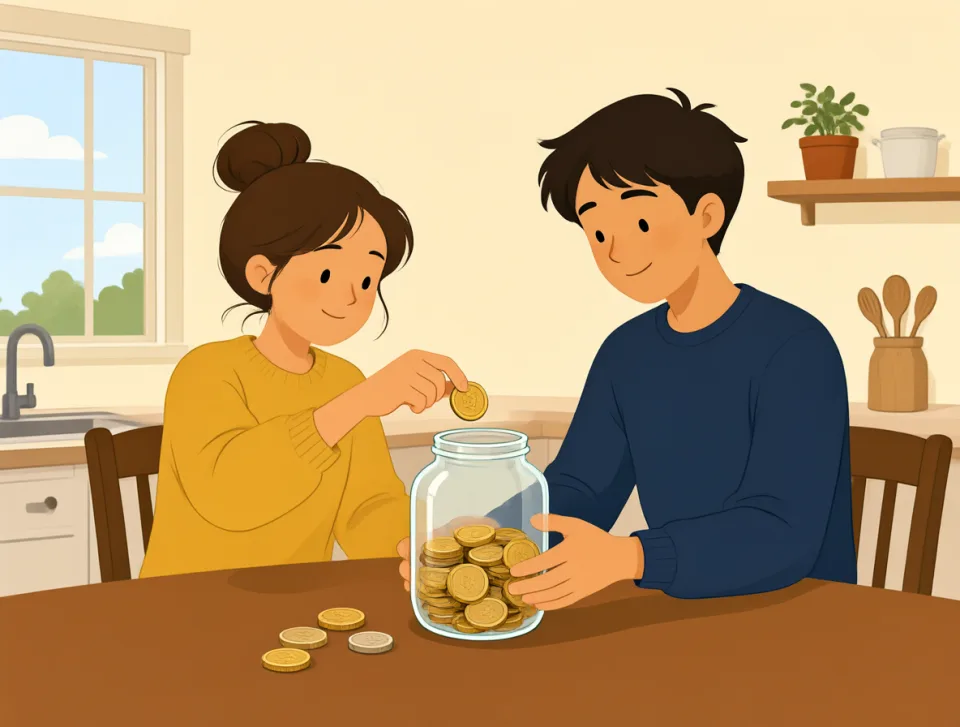
We are taking steps to save money.
우리는 돈을 아끼기 위해 여러 가지 조치를 취하고 있다.
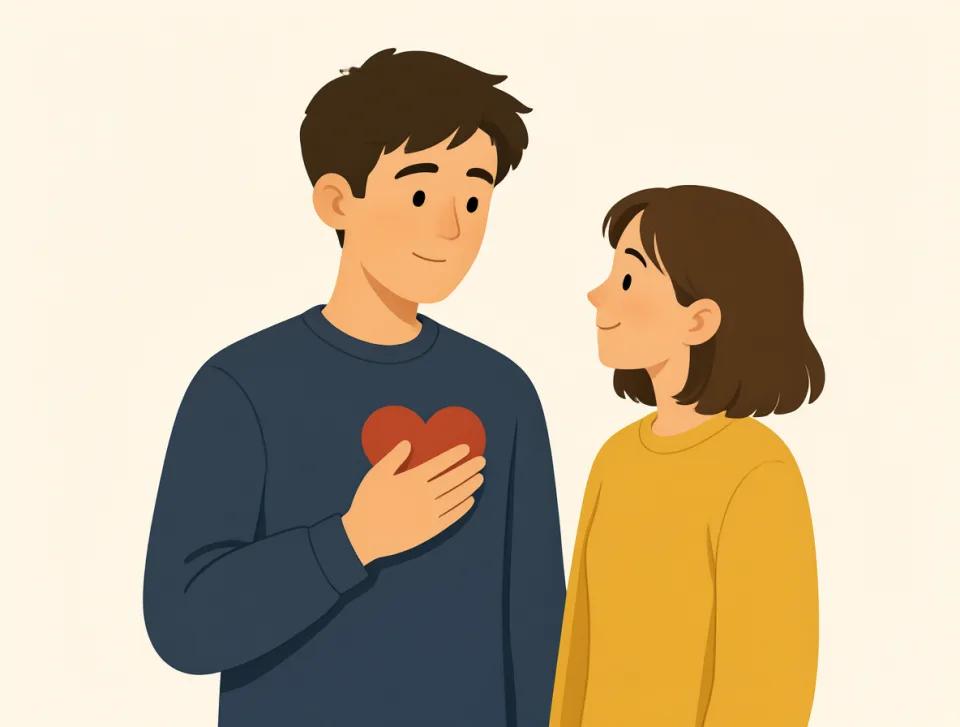
TRUE
#478adjective, adverb, noun
사실인; 진짜의; 진정한
Based on facts, real, or agreeing with what is correct.
사실에 근거하거나 실제이거나, 옳은 것과 일치하는.
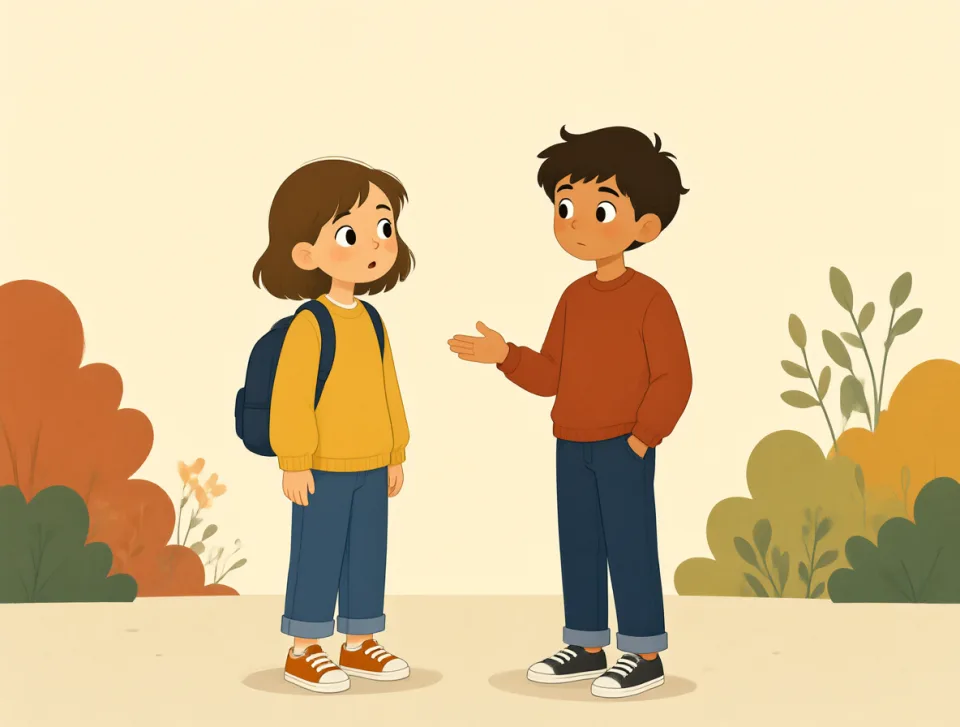
Is it true that you saw him?
네가 그를 봤다는 게 사실이야?
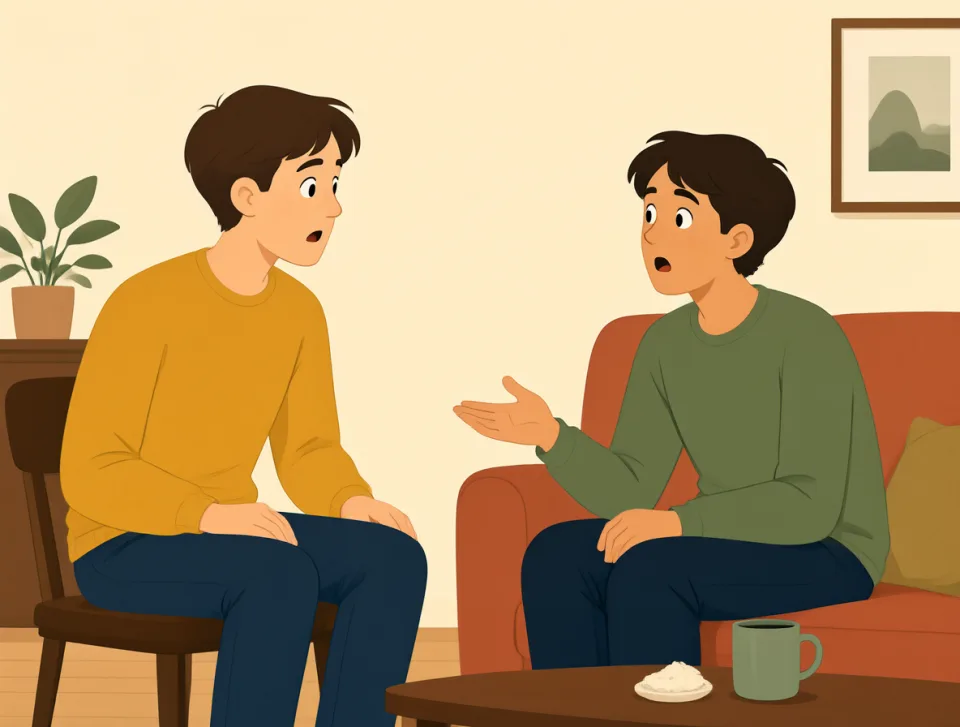
This story is true, and it really happened.
이 이야기는 사실이고, 실제로 일어난 일이야.
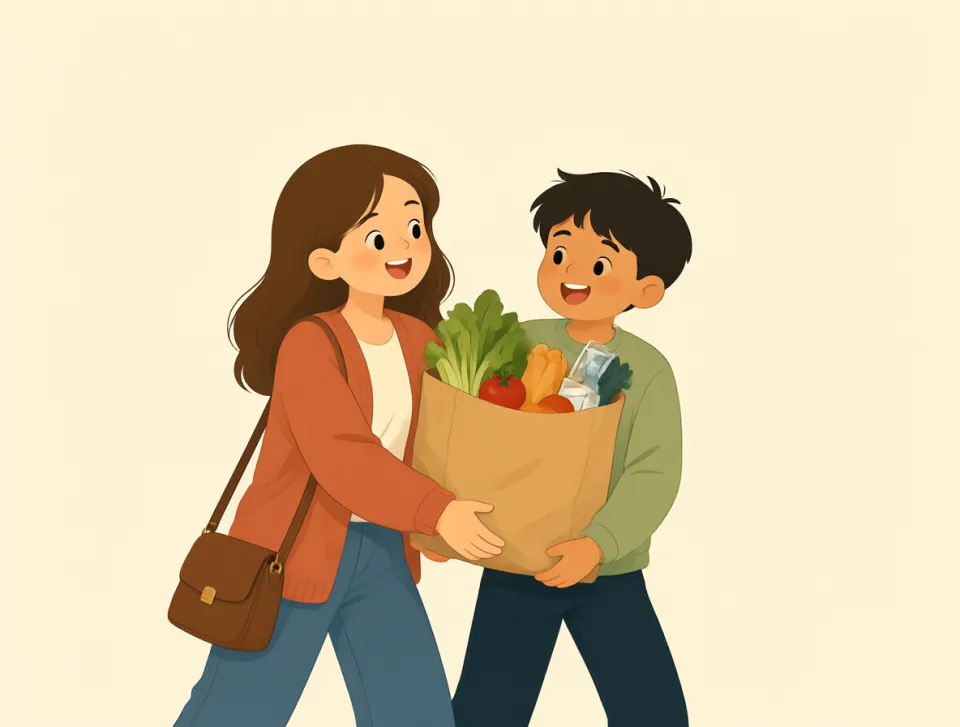
She is a true friend who always helps me.
그녀는 언제나 나를 도와주는 진정한 친구야.
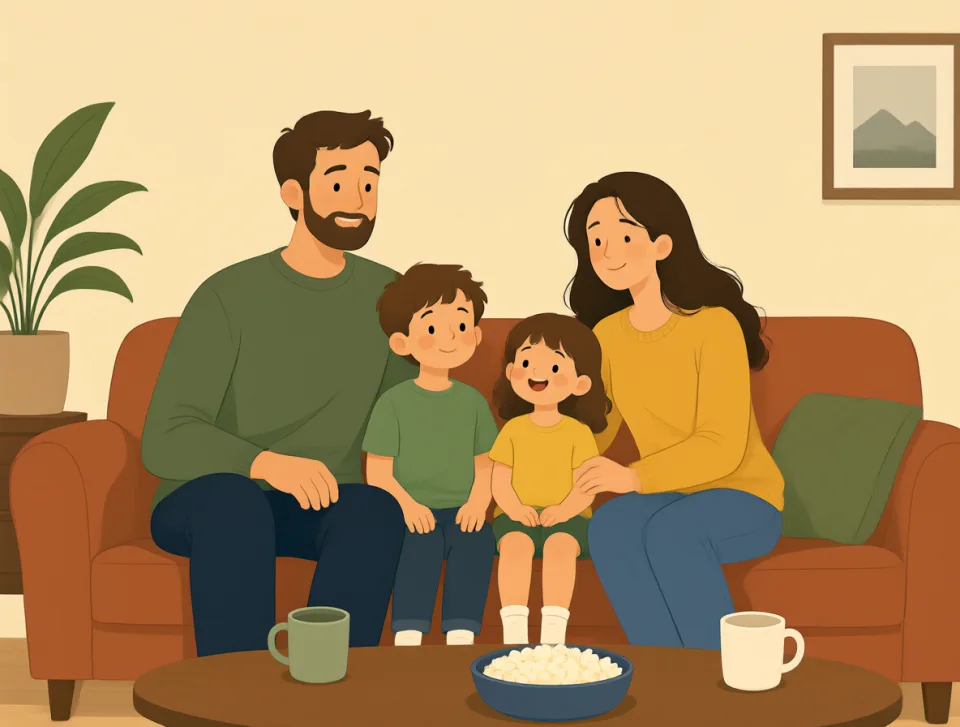
The movie was based on a true story.
그 영화는 실화를 바탕으로 했어.
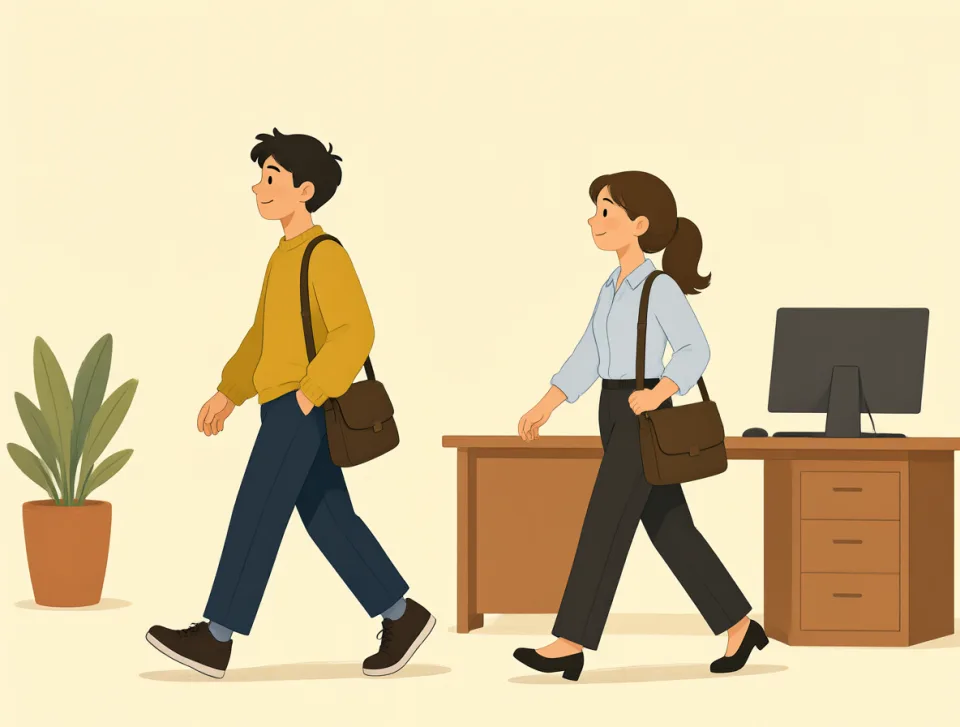
Stay true to yourself at school and work.
학교나 직장에서 자기 자신에게 솔직하게 행동해.
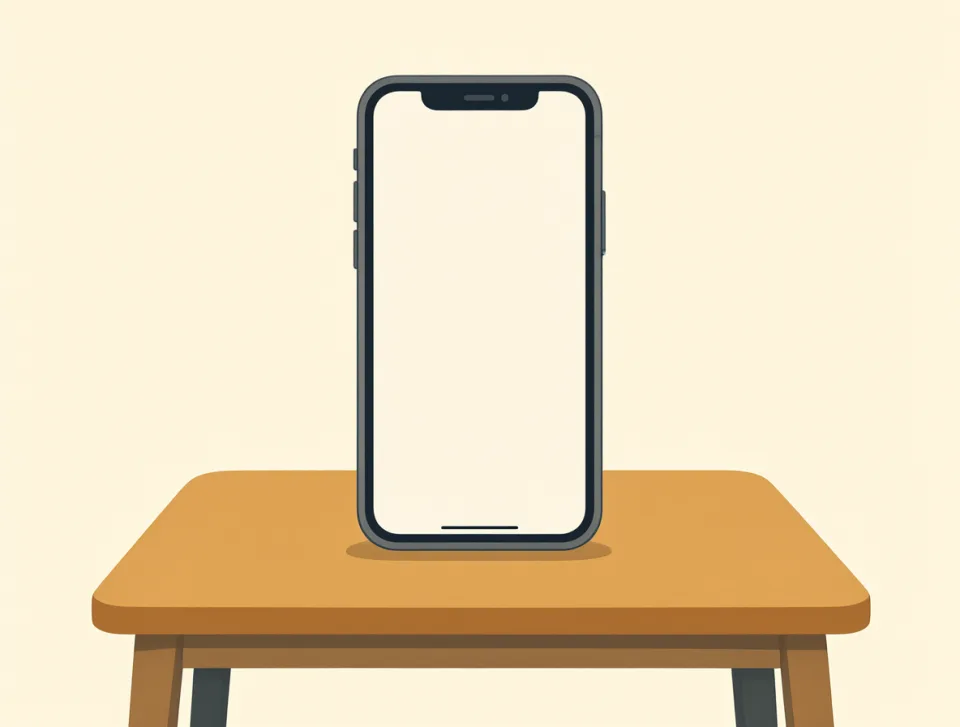
phone
#479noun, verb
전화; 전화기
A device for talking to people over a distance.
멀리 떨어져 있는 사람과 통화할 수 있는 기기
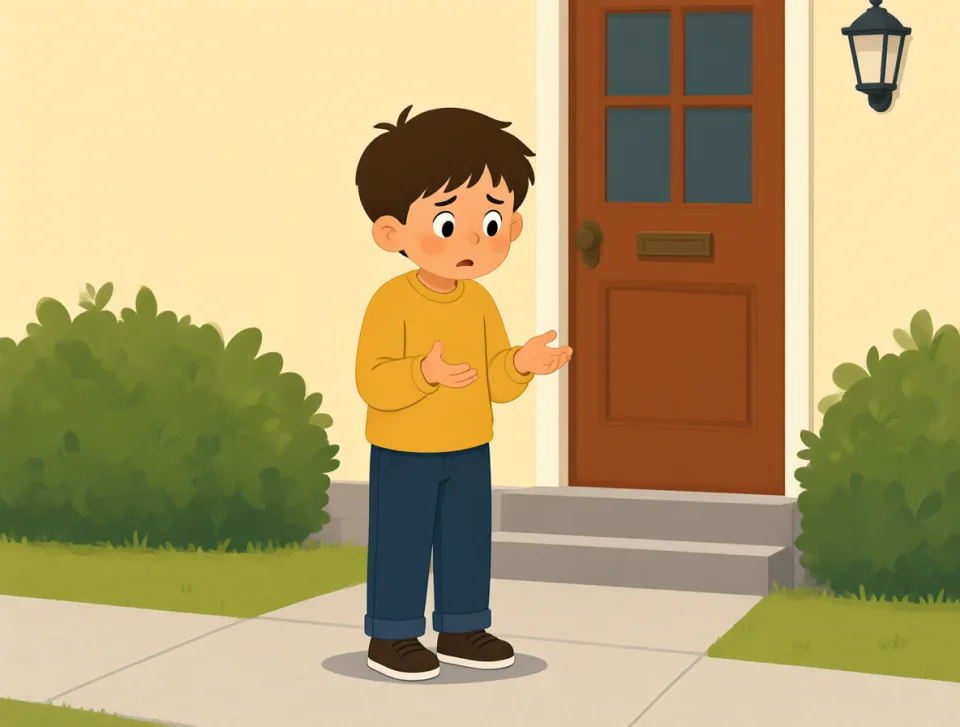
I left my phone at home.
휴대전화를 집에 두고 왔어요.

She is talking on the phone.
그녀는 전화 통화를 하고 있어요.

He bought a new phone yesterday.
그는 어제 새 휴대전화를 샀어요.

Please phone me after work.
퇴근 후에 저에게 전화해 주세요.
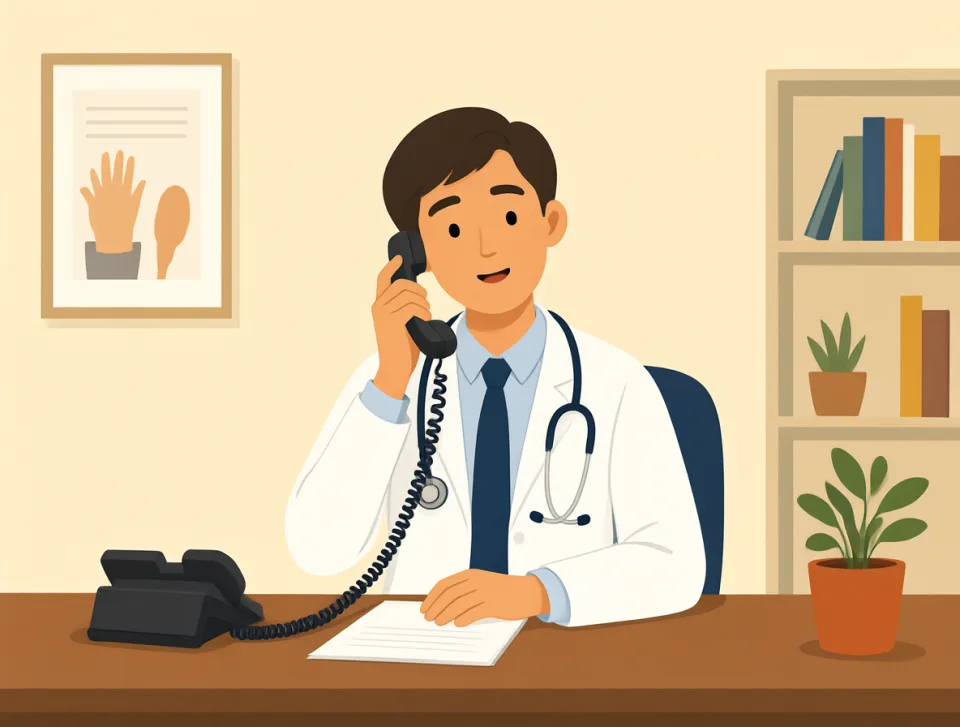
The doctor phoned my mother yesterday.
그 의사는 어제 제 어머니에게 전화했어요.
themselves
#480pronoun
그들 자신; 자기들
Used to refer to two or more people or animals already mentioned.
이미 언급한 둘 이상의 사람이나 동물을 가리킬 때 사용한다.
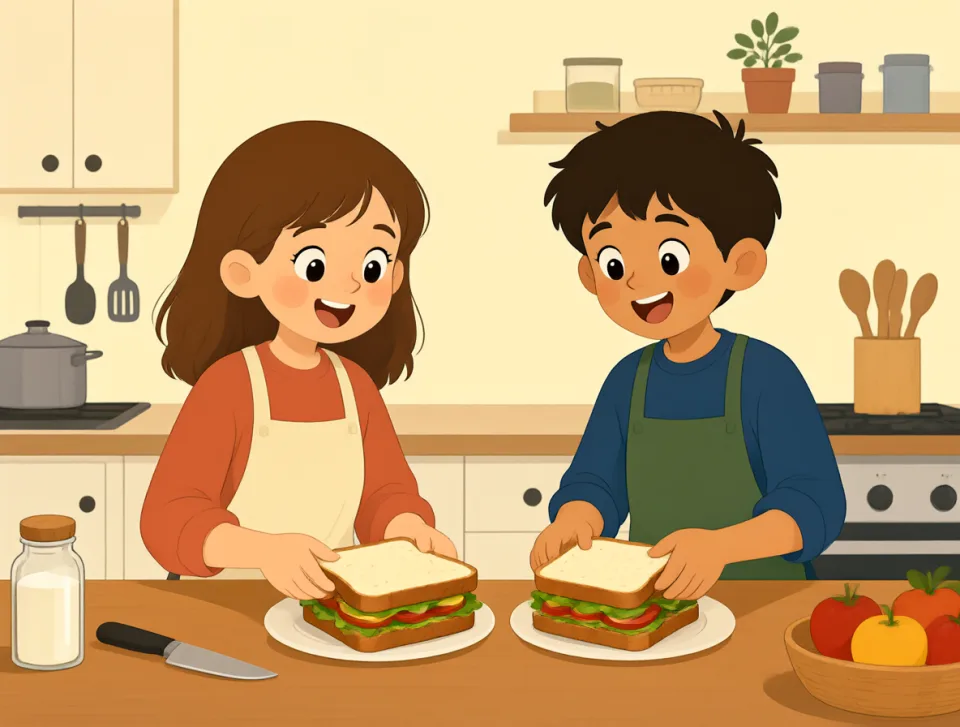
The children made the sandwiches themselves.
아이들은 샌드위치를 직접 만들었다.
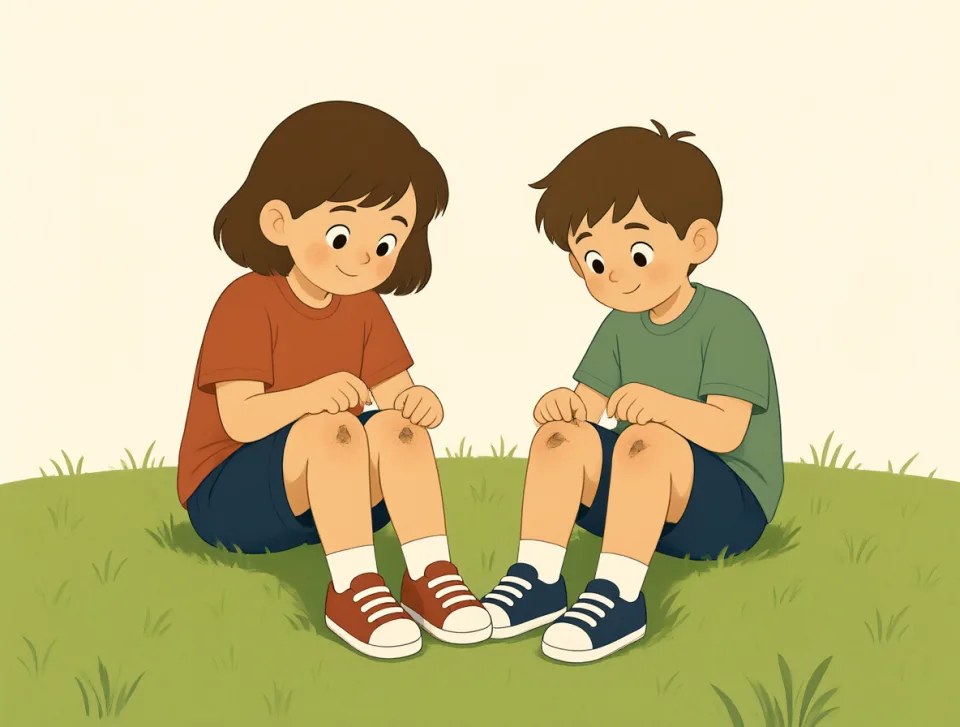
They hurt themselves while playing outside.
그들은 밖에서 놀다가 다쳤다.
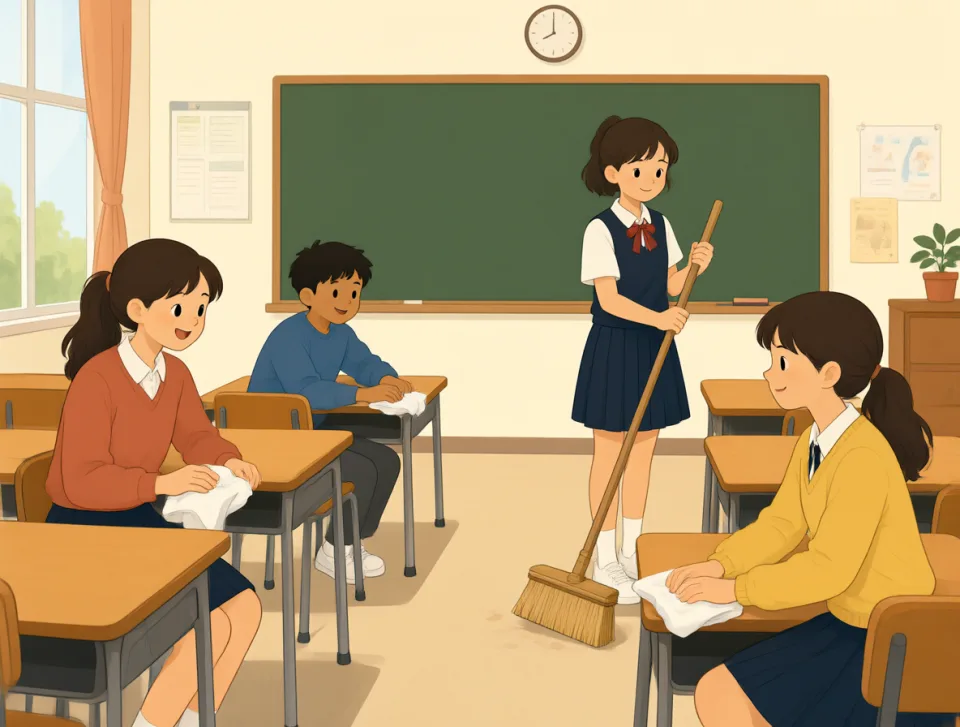
The students cleaned the classroom themselves.
학생들은 직접 교실을 청소했다.
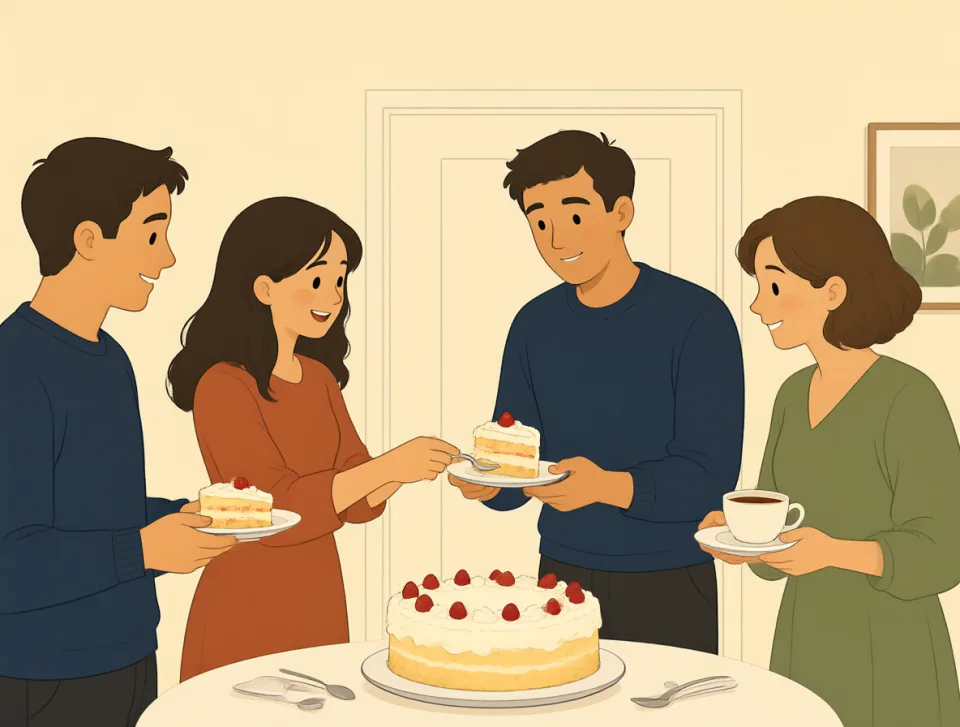
Please help yourselves to some cake.
케이크를 마음껏 드세요.
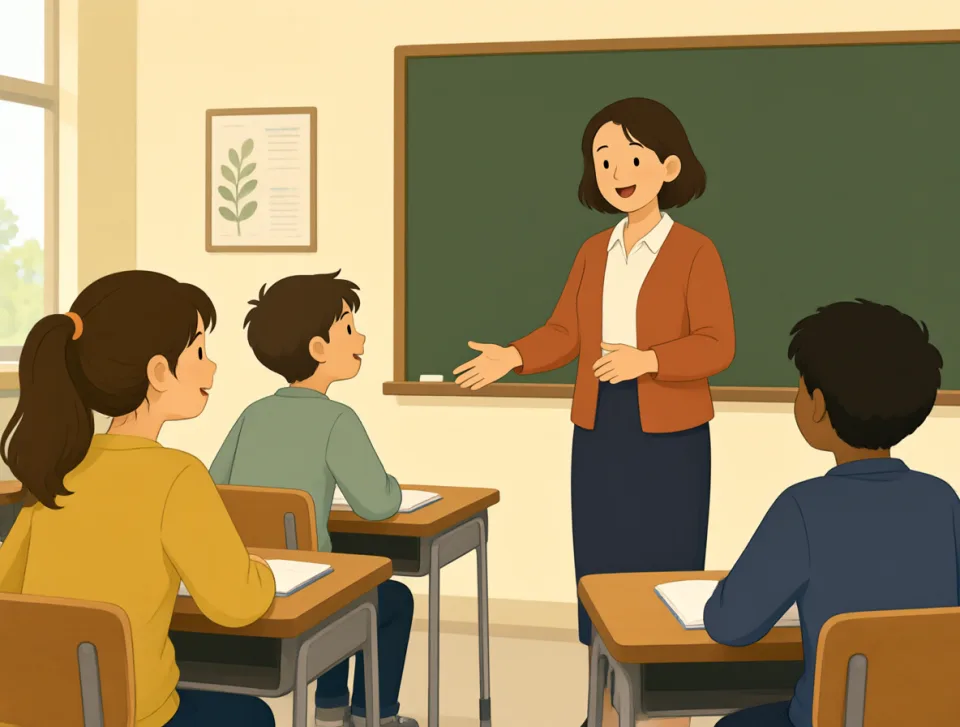
They introduced themselves to the new teacher.
그들은 새 선생님에게 자기들을 소개했다.