الوحدة 24
الكلمات من 461 إلى 480 · strong, rise, girl, maybe, community, else
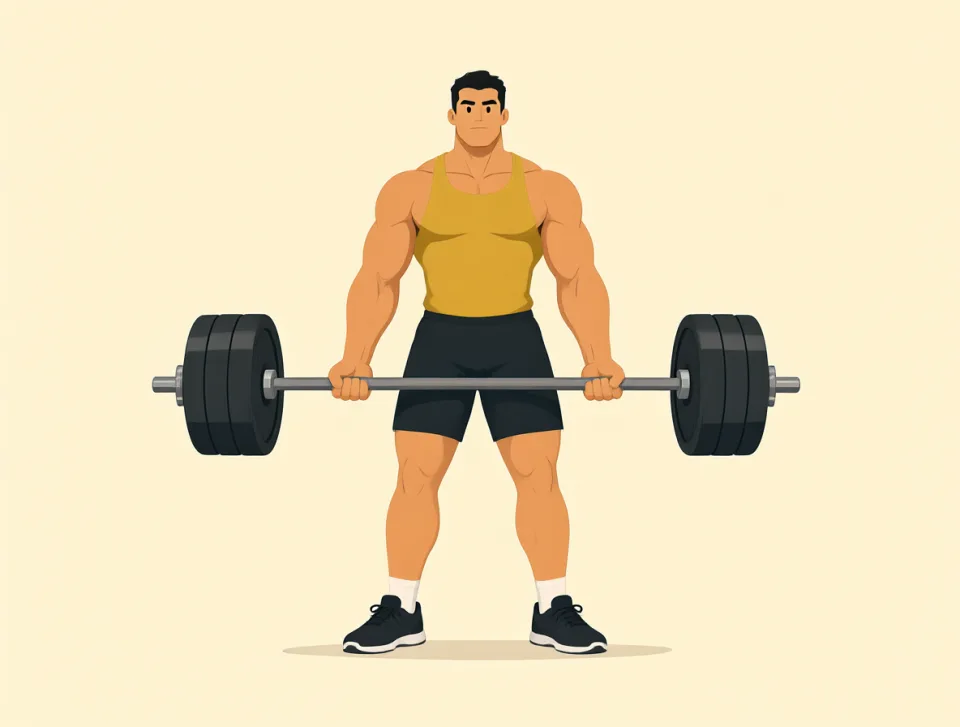
strong
#461adjective, adverb, noun
قوي
having great physical power or force
يتمتع بقوة بدنية كبيرة أو بقدرة كبيرة على بذل القوة.
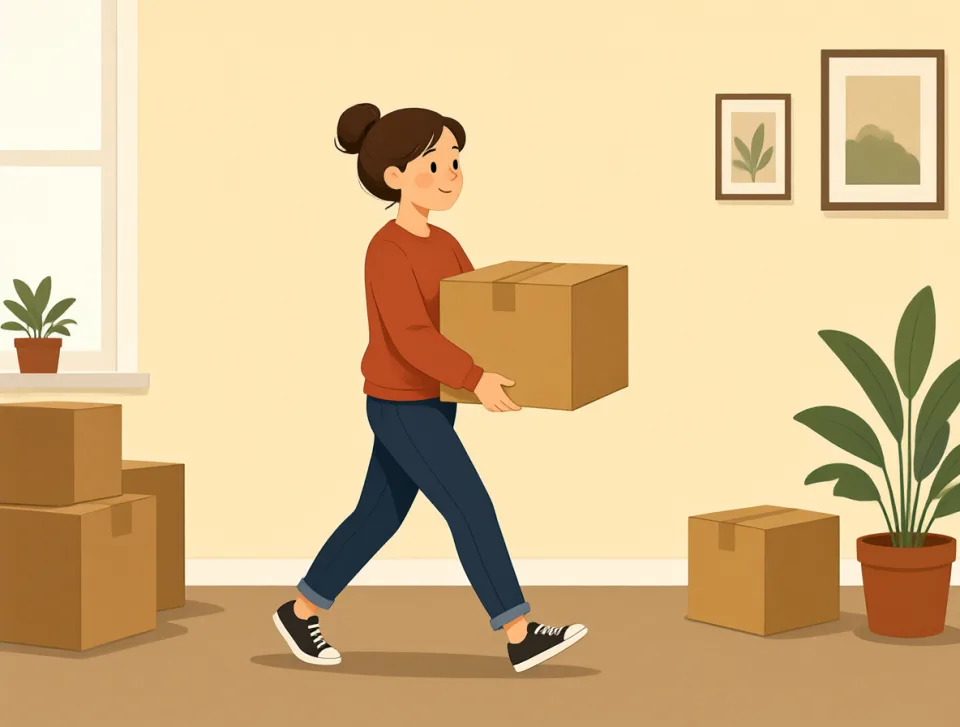
She is strong enough to carry the box.
إنها قوية بما يكفي لحمل الصندوق.

This coffee is too strong for me.
هذا القهوة قوية جدًا بالنسبة إليّ.

He has a strong stomach and eats spicy food.
معدته قوية، ويأكل طعامًا حارًا.

The strong wind blew my hat away.
هبت الرياح القوية فأطاحت بقبعتي.

They built a strong team at work.
شكّلوا فريقًا قويًا في العمل.
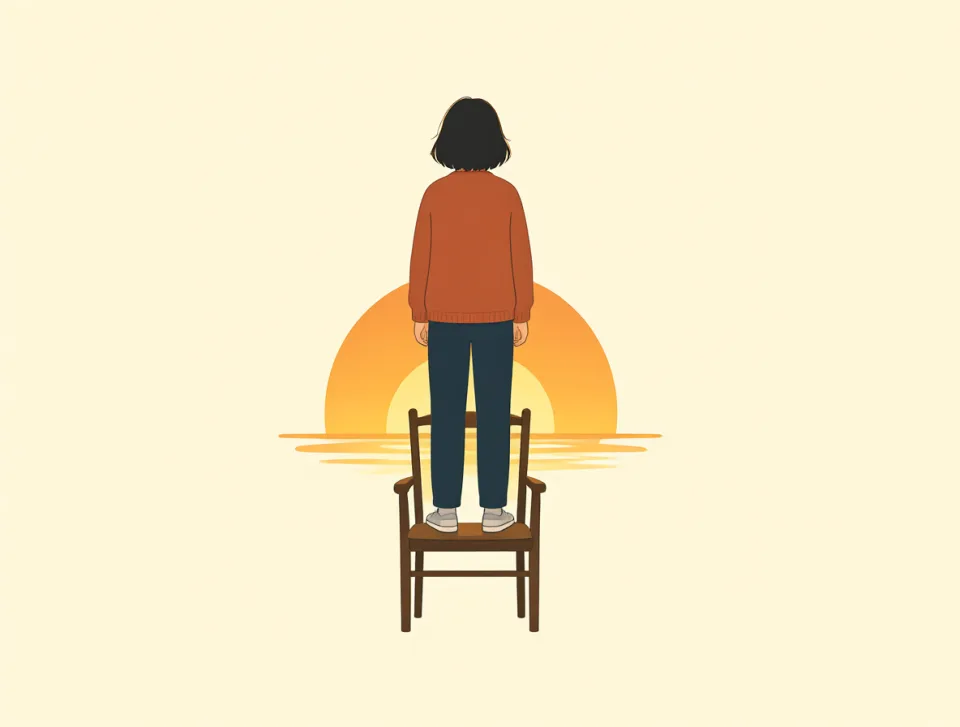
rise
#462verb, noun
يرتفع
To move upward, or an increase in amount, level, or number.
أن يتحرك إلى أعلى، أو أن تزداد الكمية أو المستوى أو العدد.
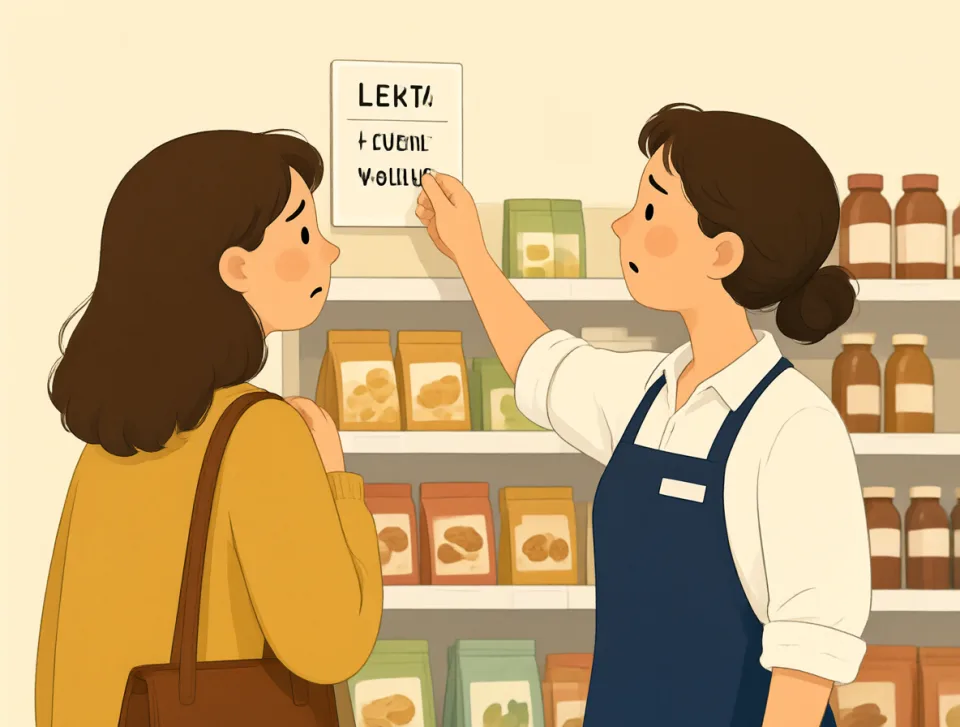
Prices rise when food is hard to find.
ترتفع الأسعار عندما يصعب العثور على الطعام.

The sun rises early in summer.
تشرق الشمس مبكرًا في الصيف.
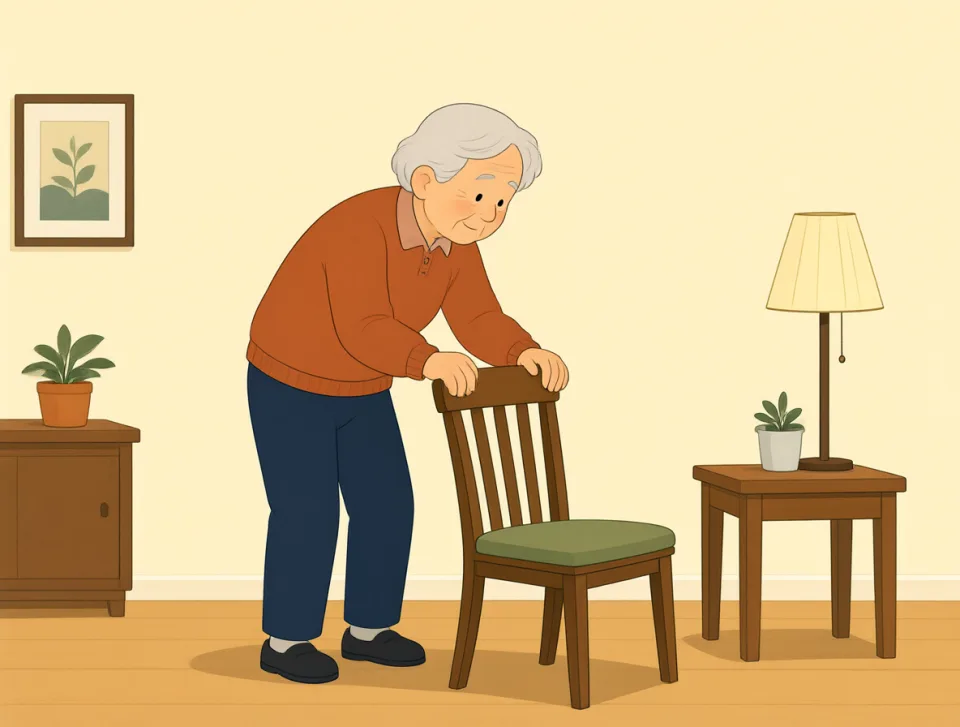
Please rise from your chair slowly.
يُرجى النهوض من كرسيك ببطء.
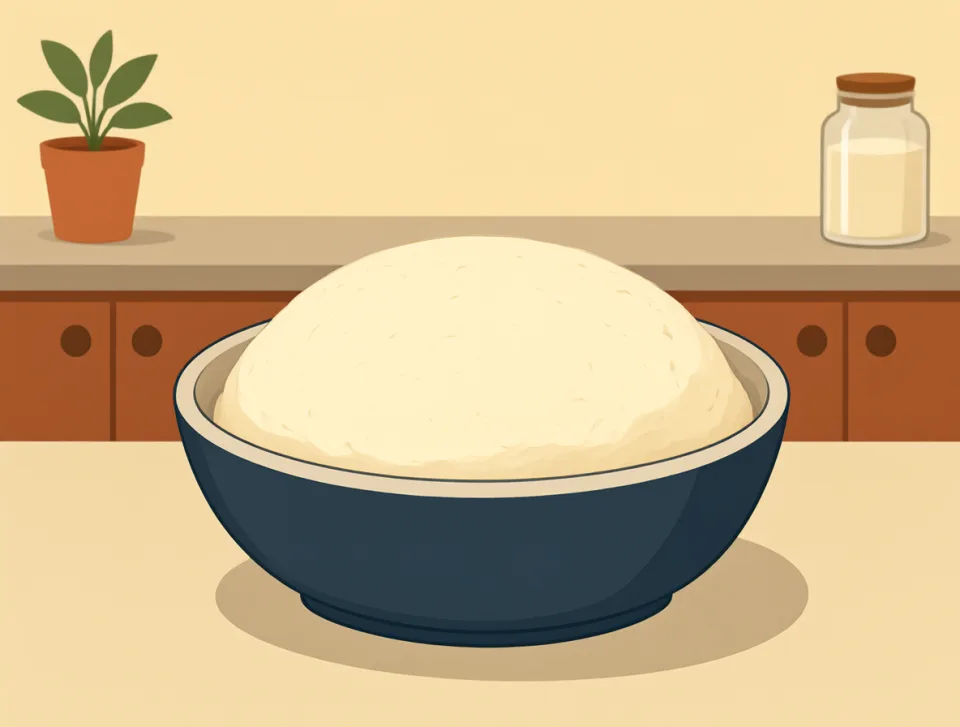
The bread dough rose in the warm kitchen.
اختمرت عجينة الخبز في المطبخ الدافئ.
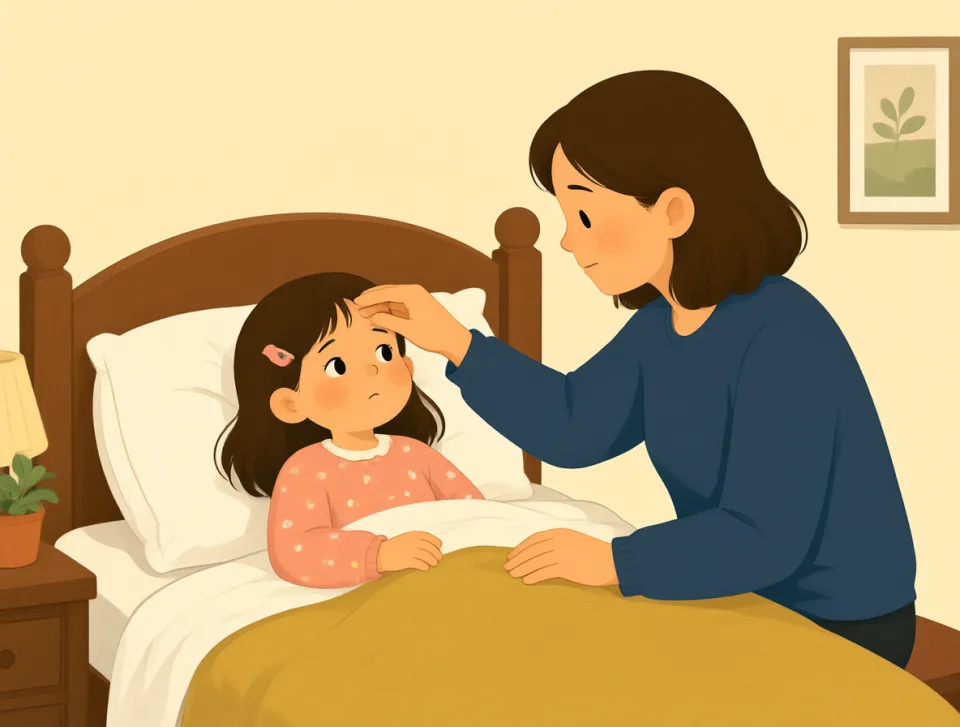
Her temperature rose during the night.
ارتفعت درجة حرارتها خلال الليل.
girl
#463noun
فتاة
A female child or young woman.
طفلة أو شابة.
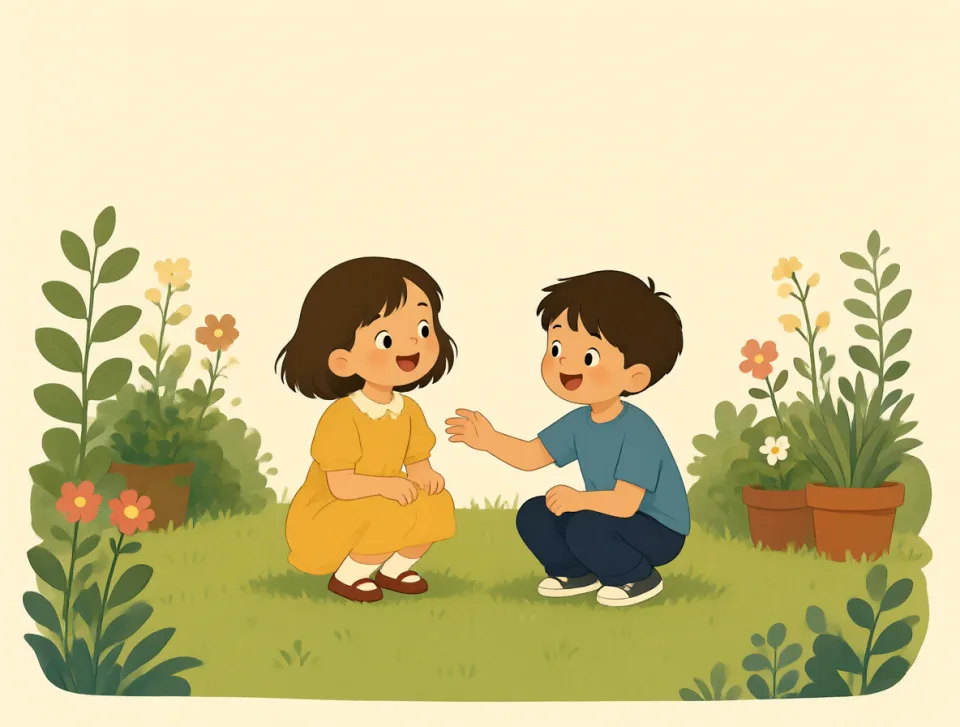
The girl is playing with her brother.
تلعب الفتاة مع أخيها.
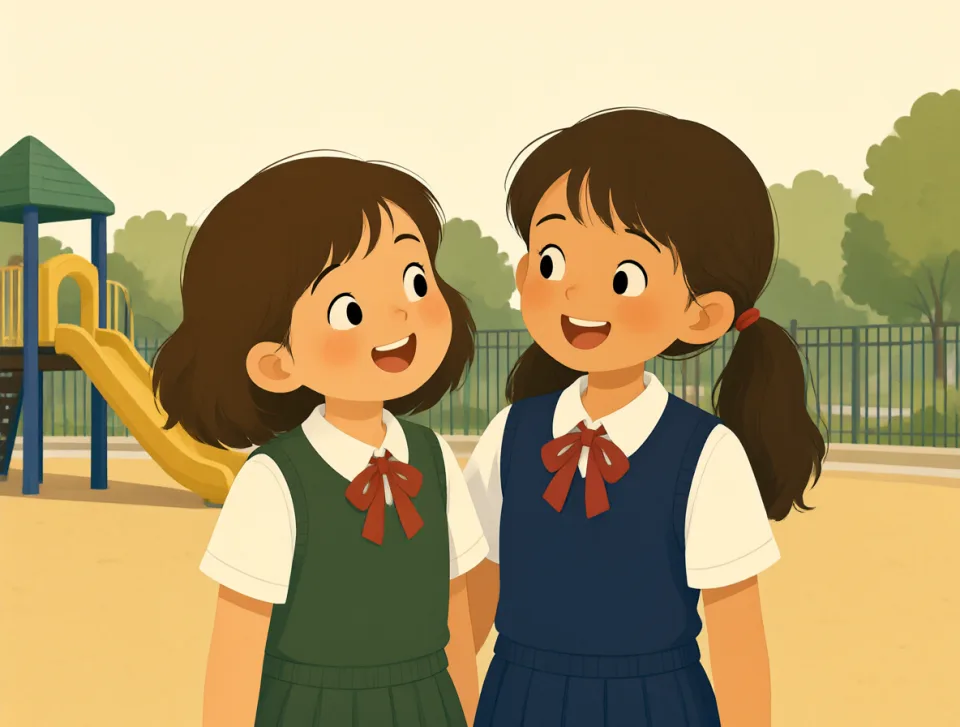
That girl is my best friend.
تلك الفتاة هي صديقتي المفضلة.
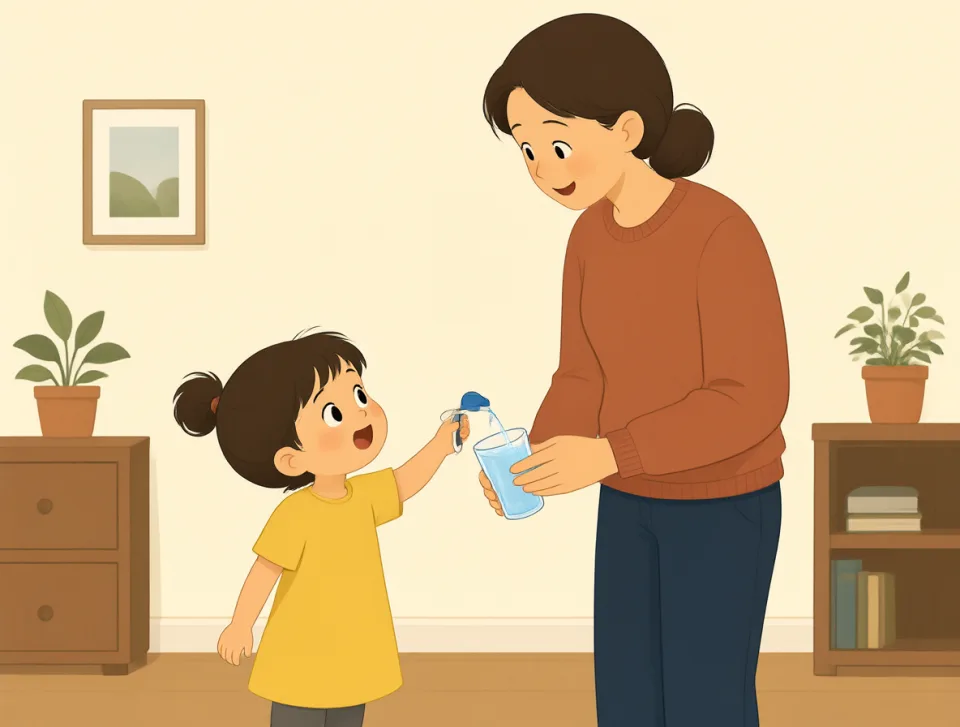
A little girl asked for some water.
طلبت فتاة صغيرة بعض الماء.

The girls bought ice cream after school.
اشترت الفتيات المثلجات بعد المدرسة.
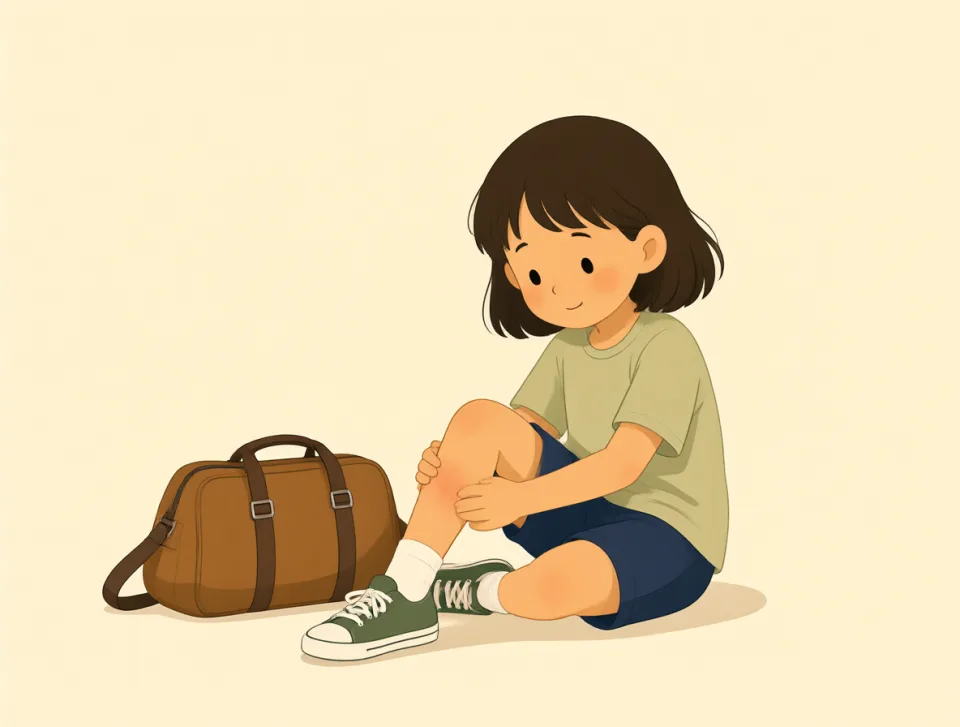
The girl hurt her leg on the trip.
أصيبت الفتاة في ساقها أثناء الرحلة.

maybe
#464adverb
ربما
Used to say that something is possible but not certain.
تُستخدم للقول إن شيئًا ما محتمل لكنه غير مؤكد.
Maybe we can meet after work.
ربما يمكننا أن نلتقي بعد العمل.

Maybe it will rain this afternoon.
ربما ستمطر بعد ظهر اليوم.
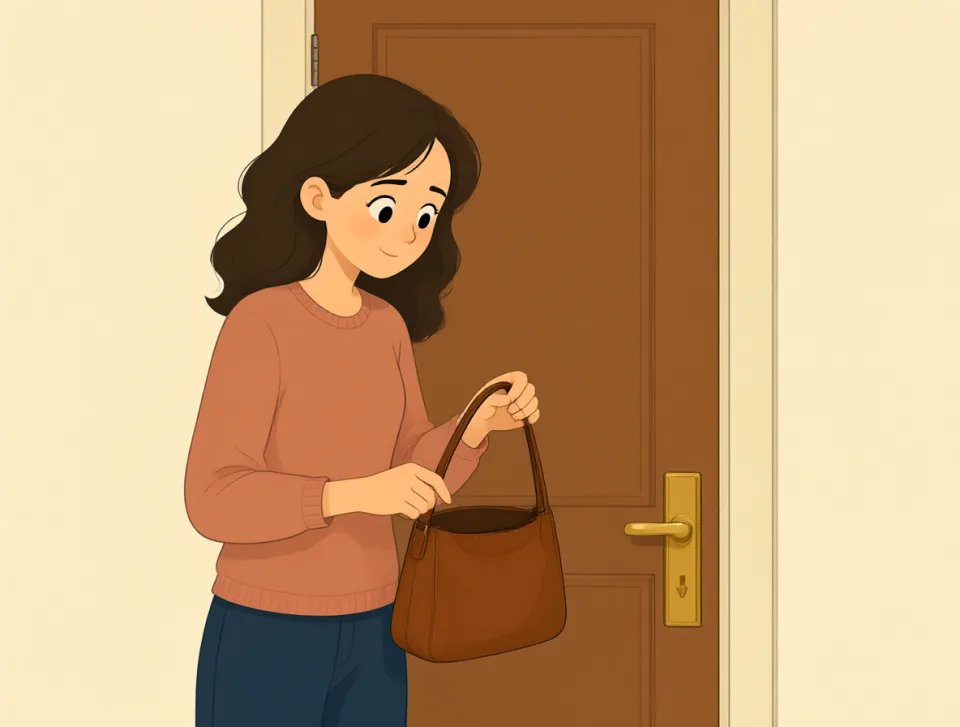
Maybe she left her keys at home.
ربما تركت مفاتيحها في المنزل.
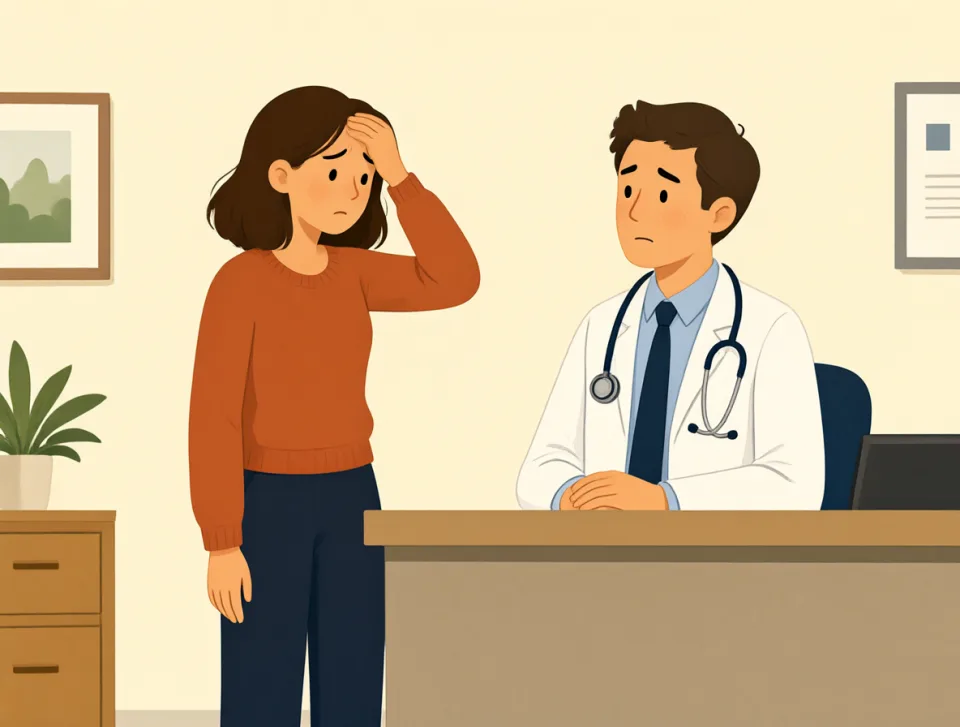
Maybe I should see a doctor.
ربما ينبغي لي زيارة الطبيب.
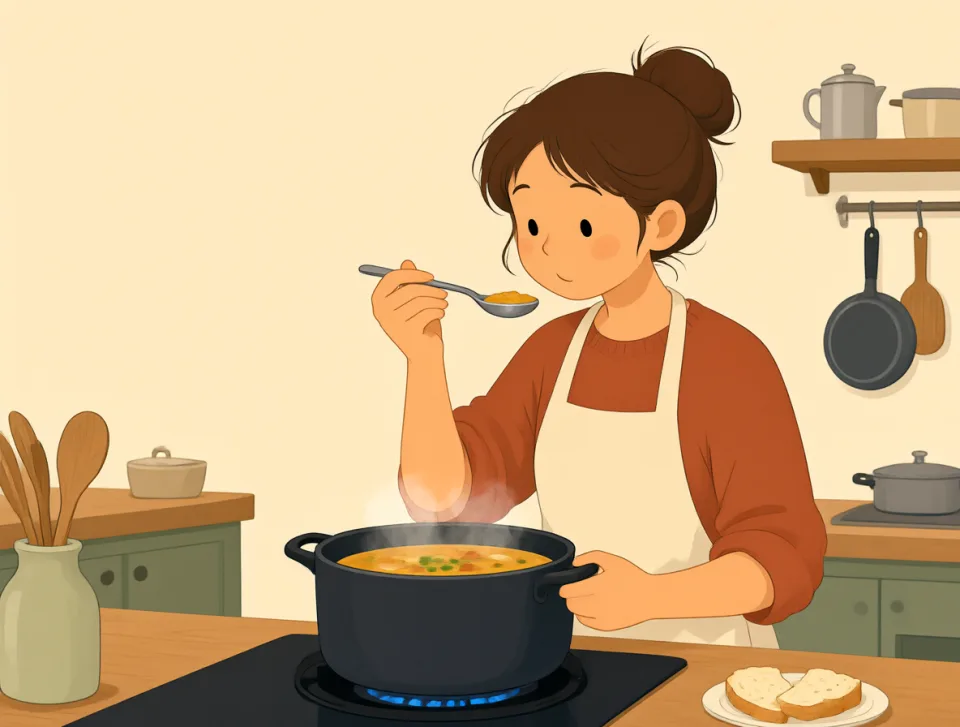
Maybe this soup needs more salt.
ربما يحتاج هذا الحساء إلى مزيد من الملح.
community
#465noun
مجتمع
A group of people who live in the same place or share an interest.
مجموعة من الأشخاص يعيشون في المكان نفسه أو يتشاركون اهتمامًا.
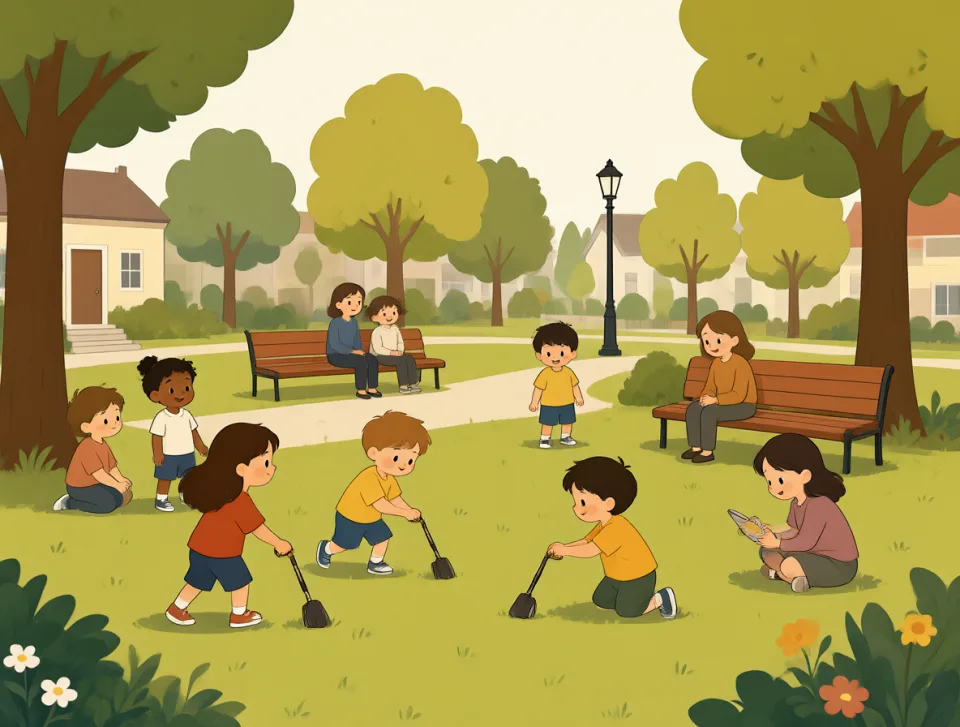
Our community has a small park.
يوجد في مجتمعنا متنزه صغير.
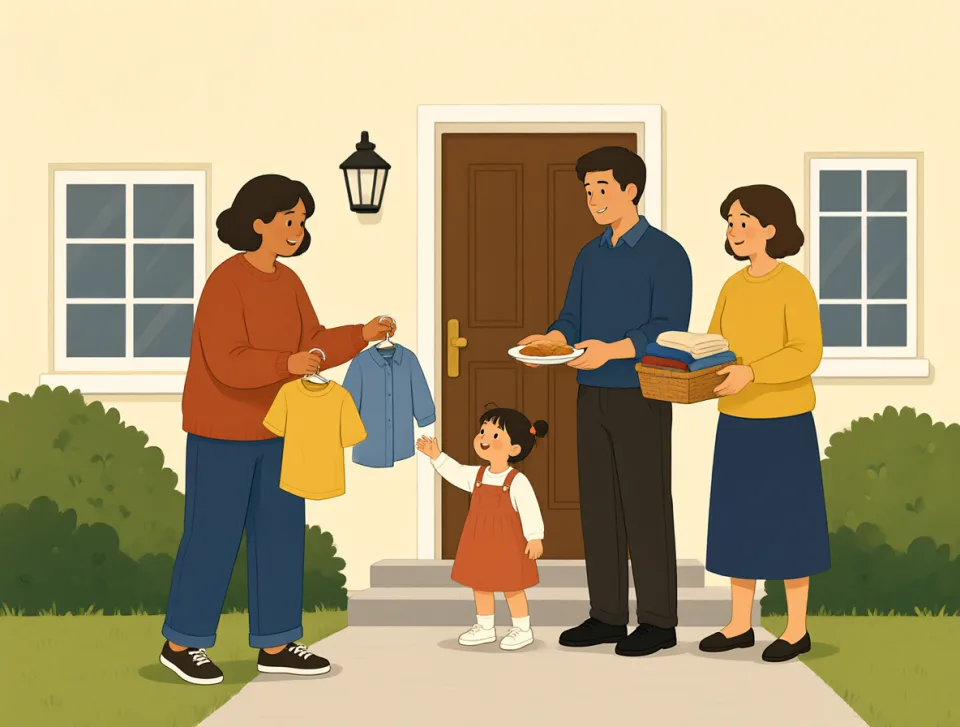
The community helped the family after the fire.
ساعد المجتمع الأسرة بعد الحريق.
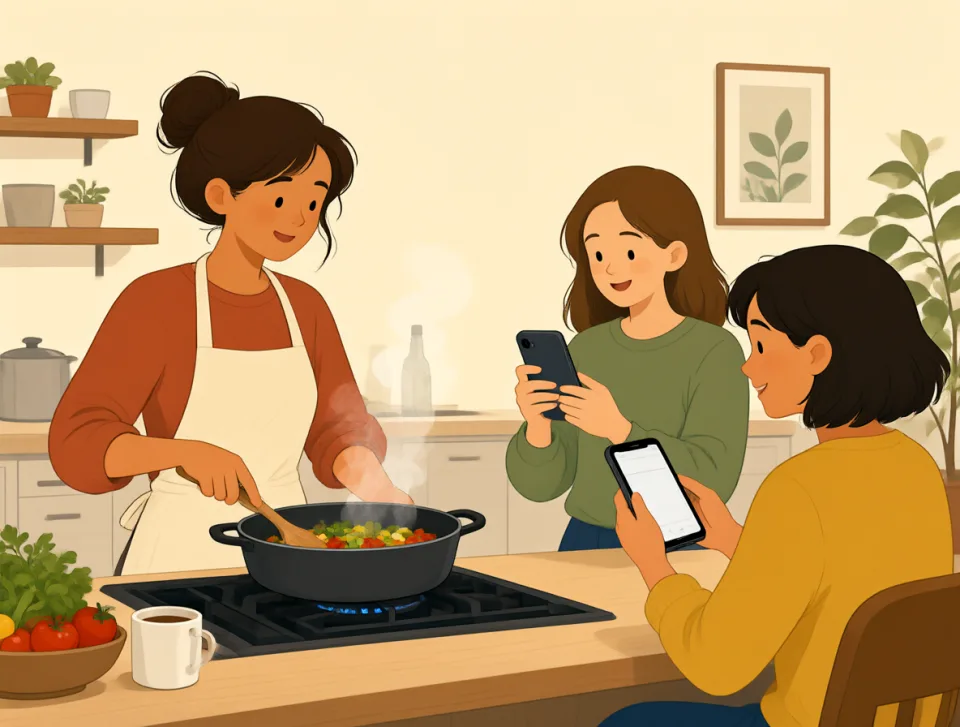
She joined a cooking community online.
انضمت إلى مجتمع للطهي عبر الإنترنت.
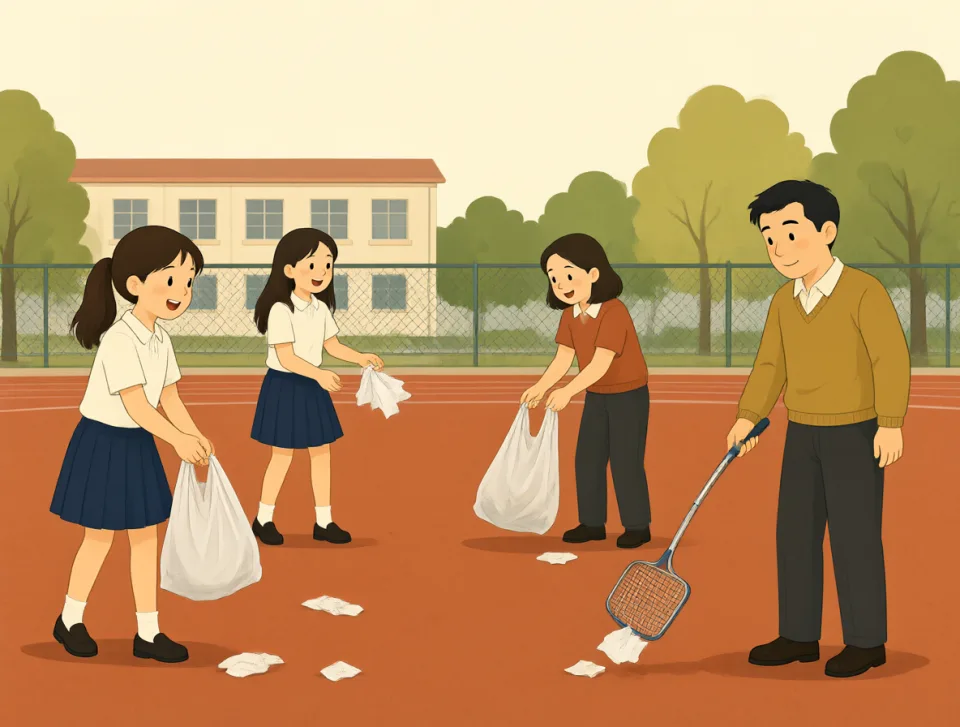
Our school community cleaned the playground.
نظّف مجتمع مدرستنا ساحة اللعب.
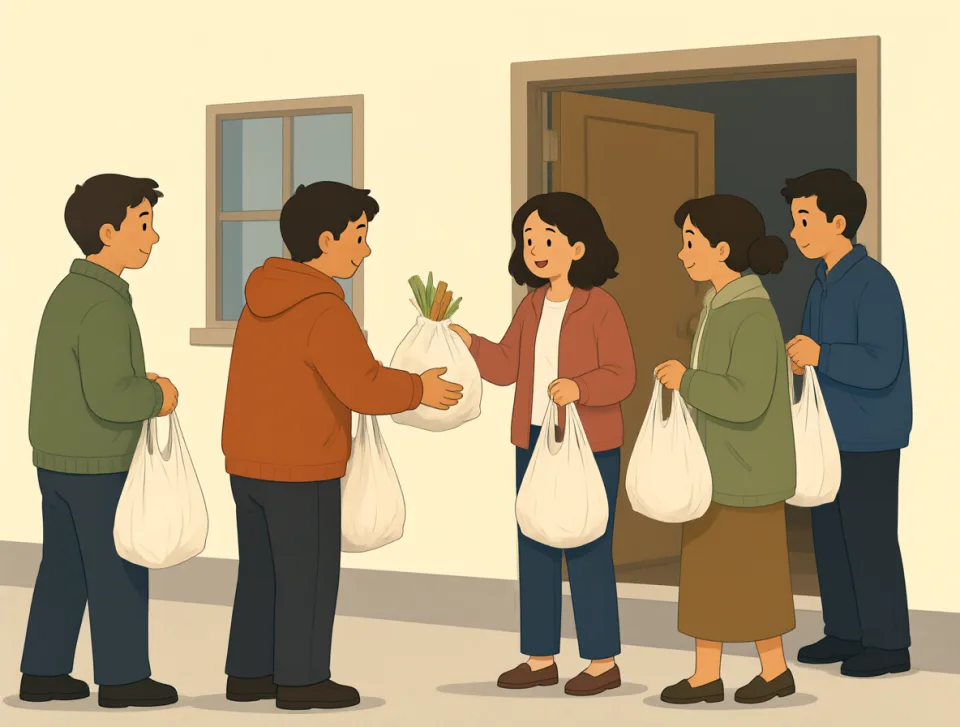
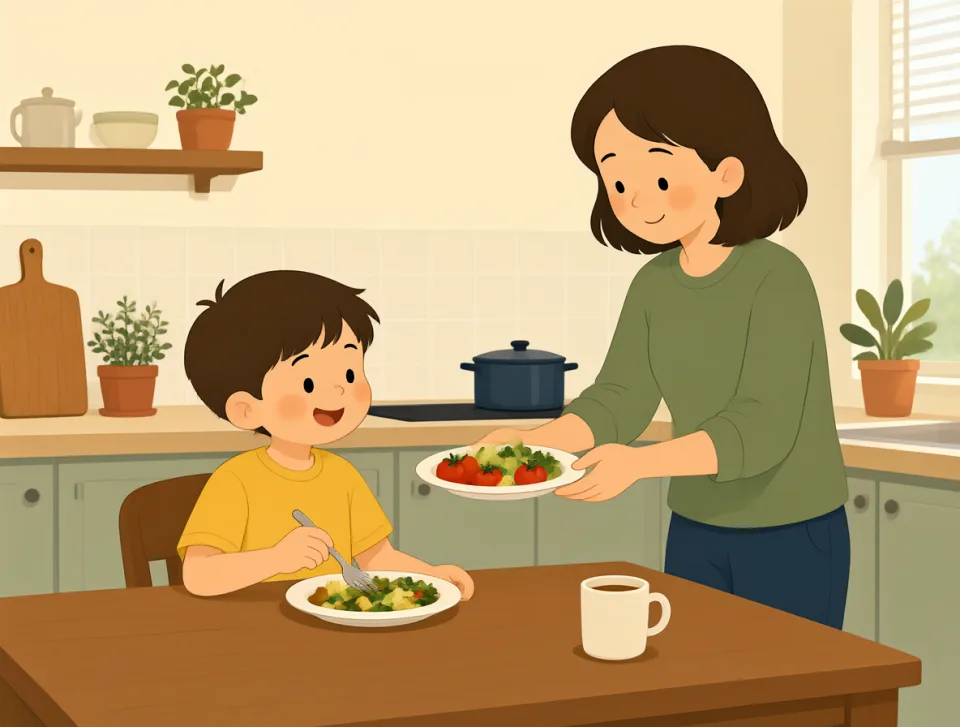
The local community opened a food bank.
افتتح المجتمع المحلي بنكًا للطعام.
else
#466adverb, pronoun, determiner
آخر
Different or additional from the person, thing, or place already mentioned.
مختلف أو إضافي عن الشخص أو الشيء أو المكان المذكور من قبل.
Would you like anything else to eat?
هل ترغب في تناول أي شيء آخر؟
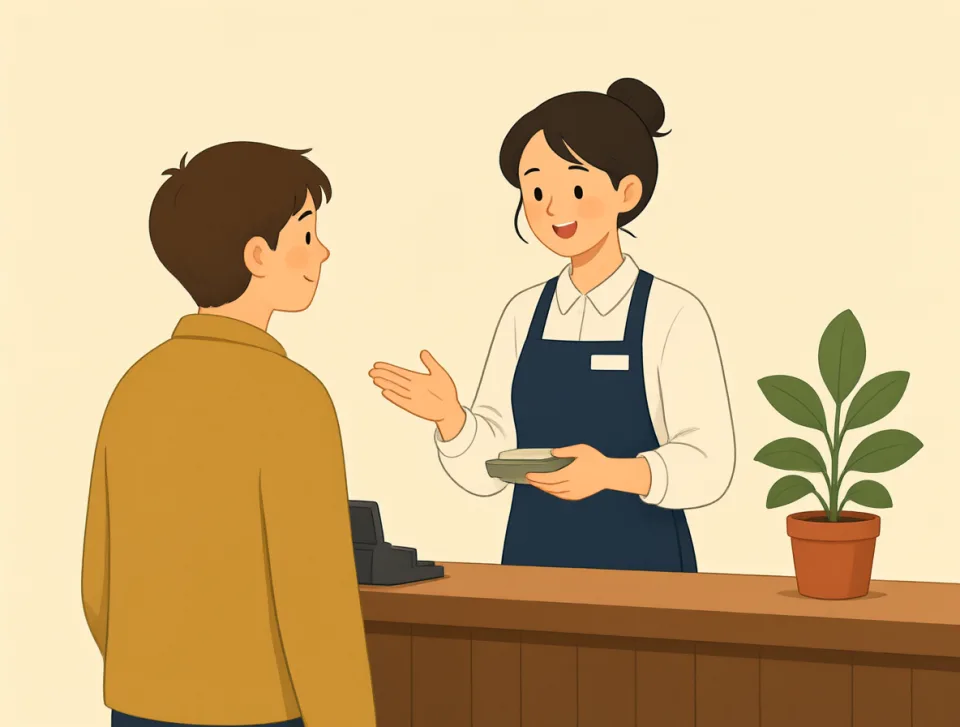
Is there anything else I can help with?
هل هناك أي شيء آخر يمكنني مساعدتك فيه؟
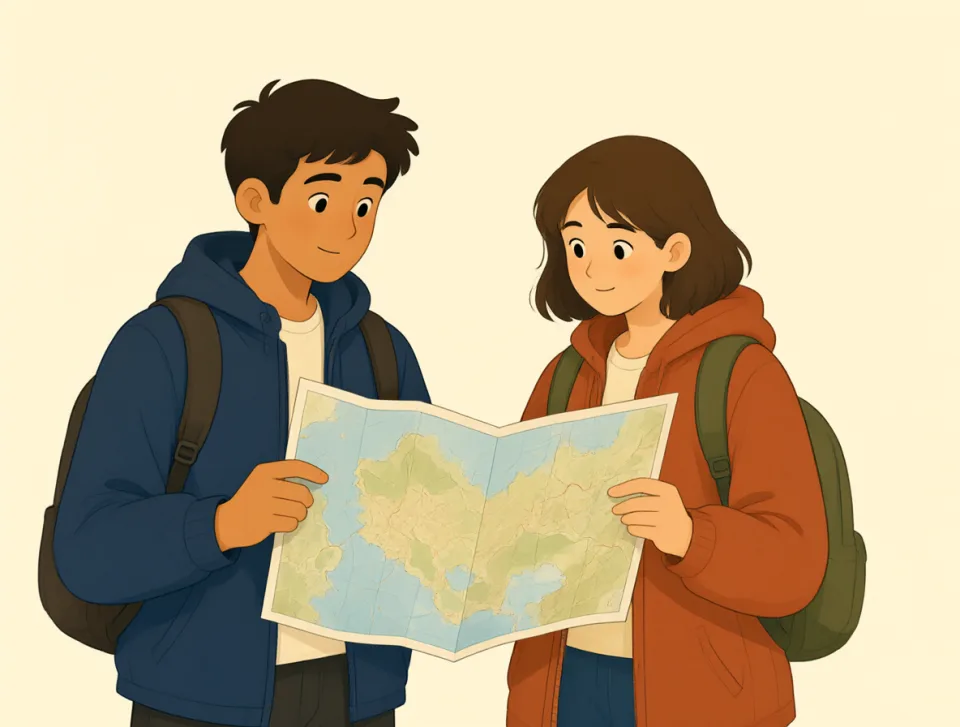
Where else can we go today?
إلى أين يمكننا الذهاب أيضًا اليوم؟
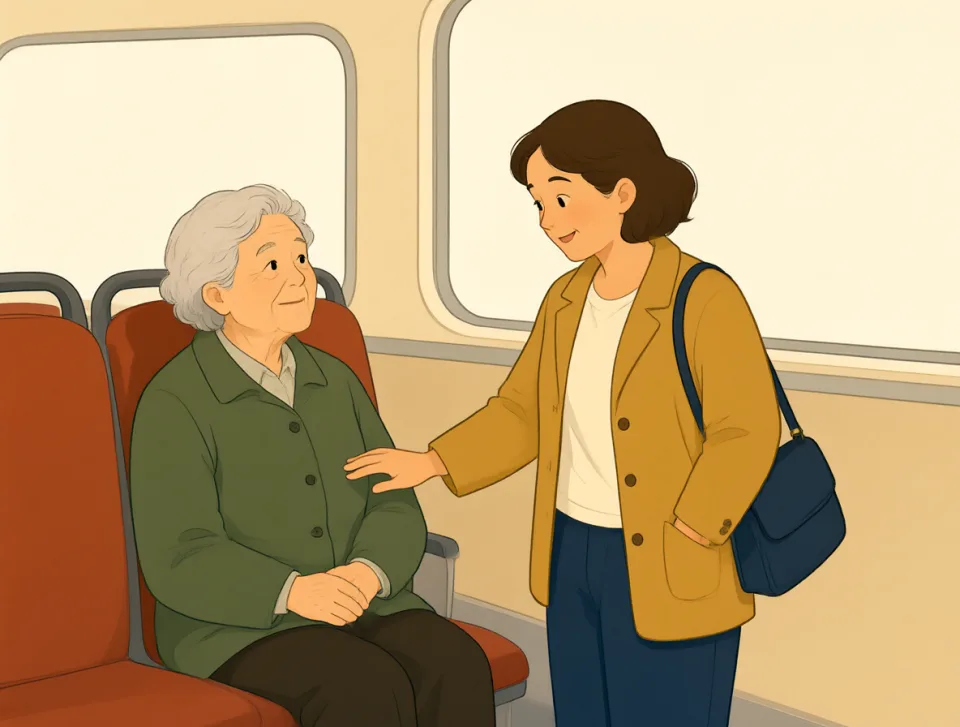
Someone else took my seat on the bus.
أخذ شخص آخر مقعدي في الحافلة.

What else did you learn at school?
ما الأشياء الأخرى التي تعلمتها في المدرسة؟
particular
#467adjective
محدّد
Specific or exact, rather than general or ordinary.
محدّد أو دقيق، وليس عامًا أو عاديًا.
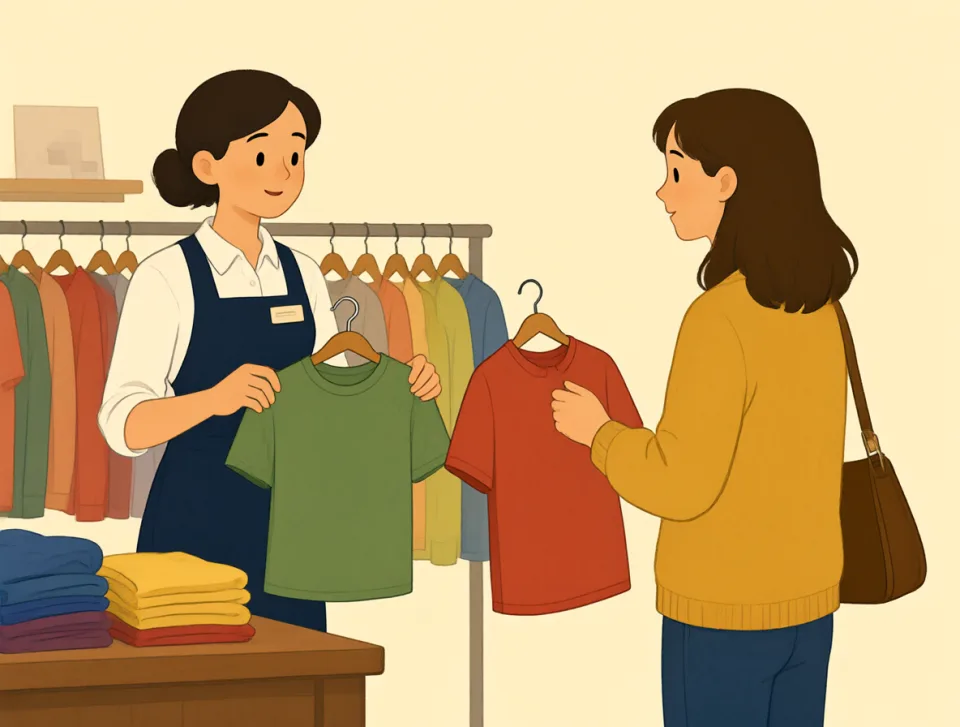
Is there a particular color you want?
هل تريد لونًا معيّنًا؟
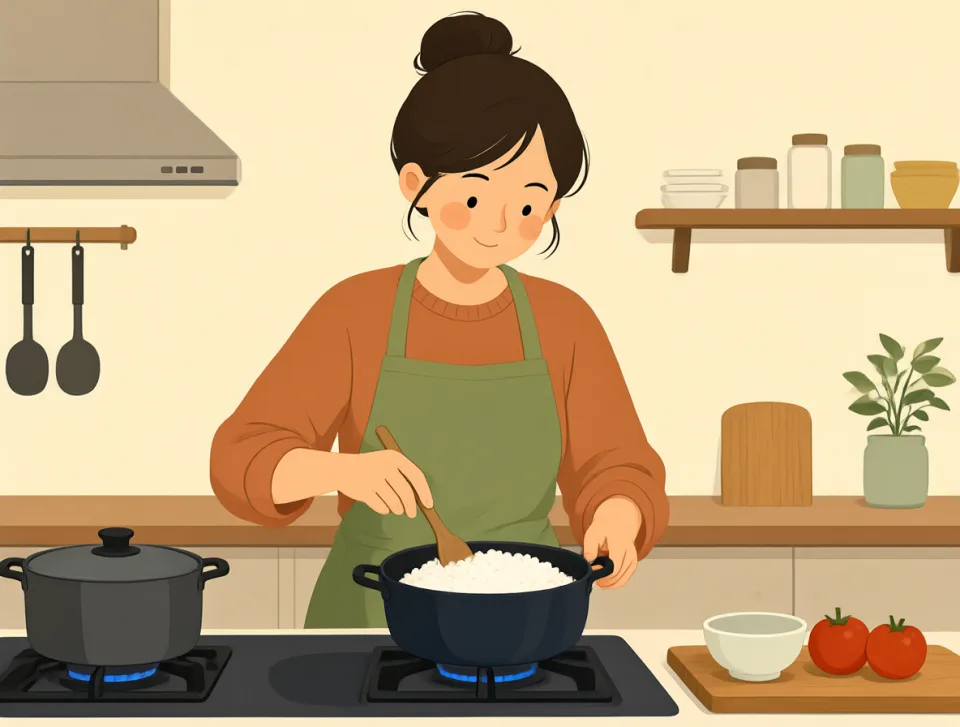
She has a particular way of cooking rice.
لديها طريقة معينة في طهي الأرز.

I need a particular book for class.
أحتاج إلى كتاب معيّن للحصة.
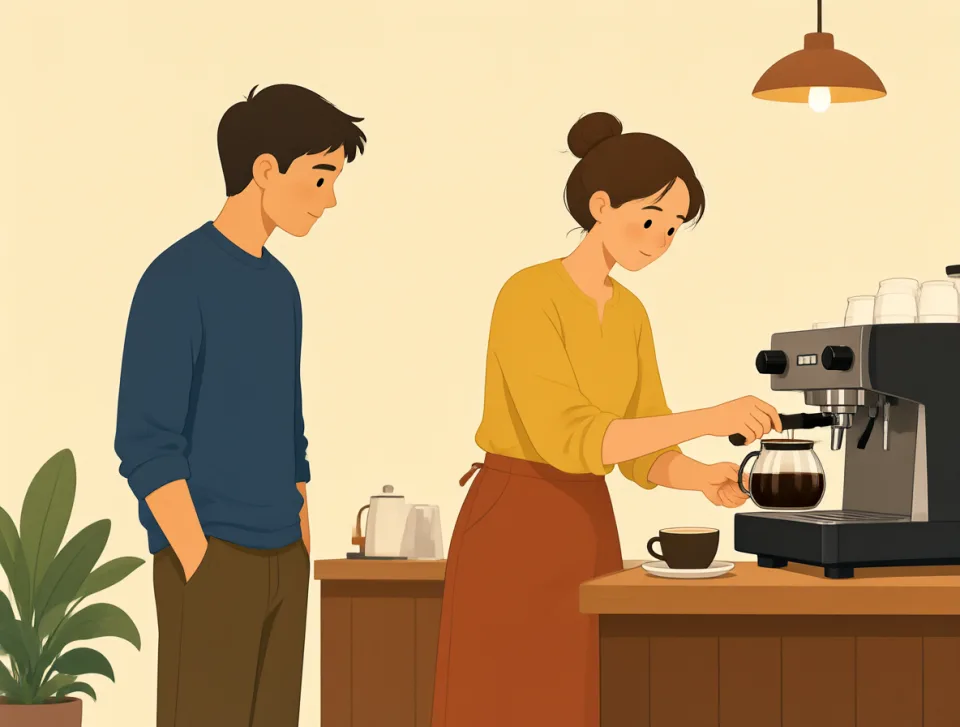
He is very particular about his coffee.
إنه دقيق جدًا في اختيار قهوته.
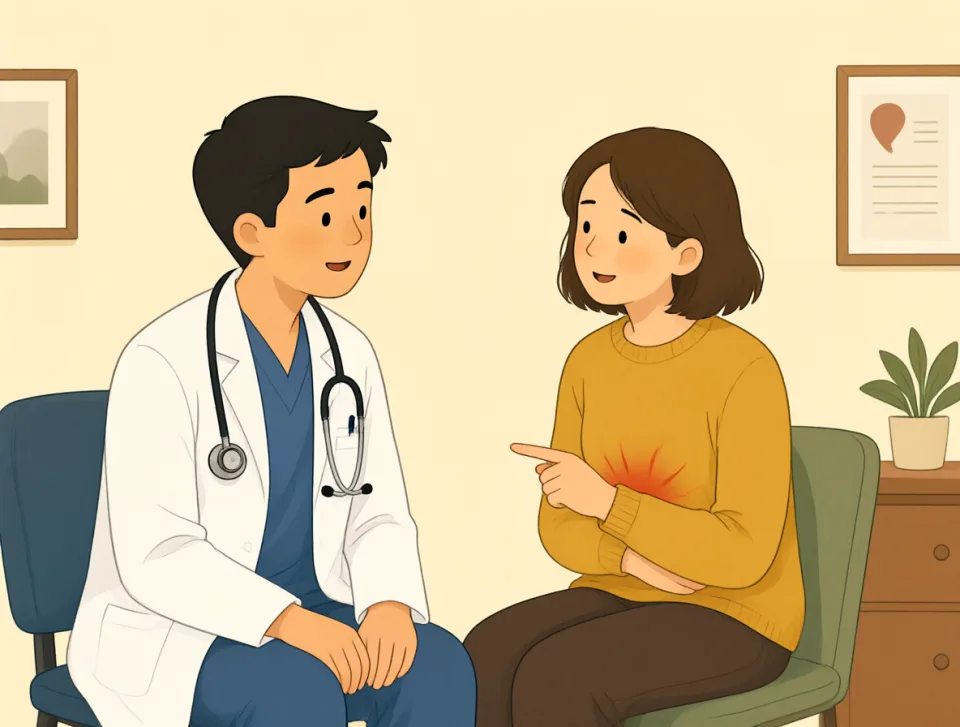
The doctor asked about a particular pain.
سأل الطبيب عن ألم معيّن.
role
#468noun
دور
The job or purpose someone or something has in a situation.
العمل أو الغرض الذي يؤديه شخص أو شيء في موقف ما.
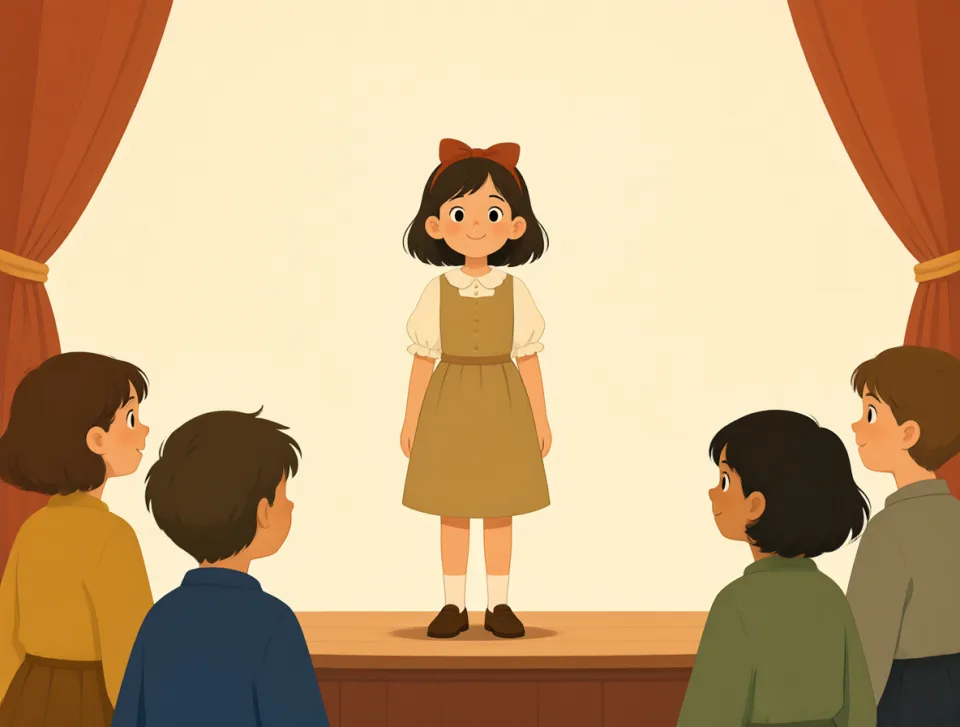
She plays the main role in the school play.
تؤدي الدور الرئيسي في المسرحية المدرسية.
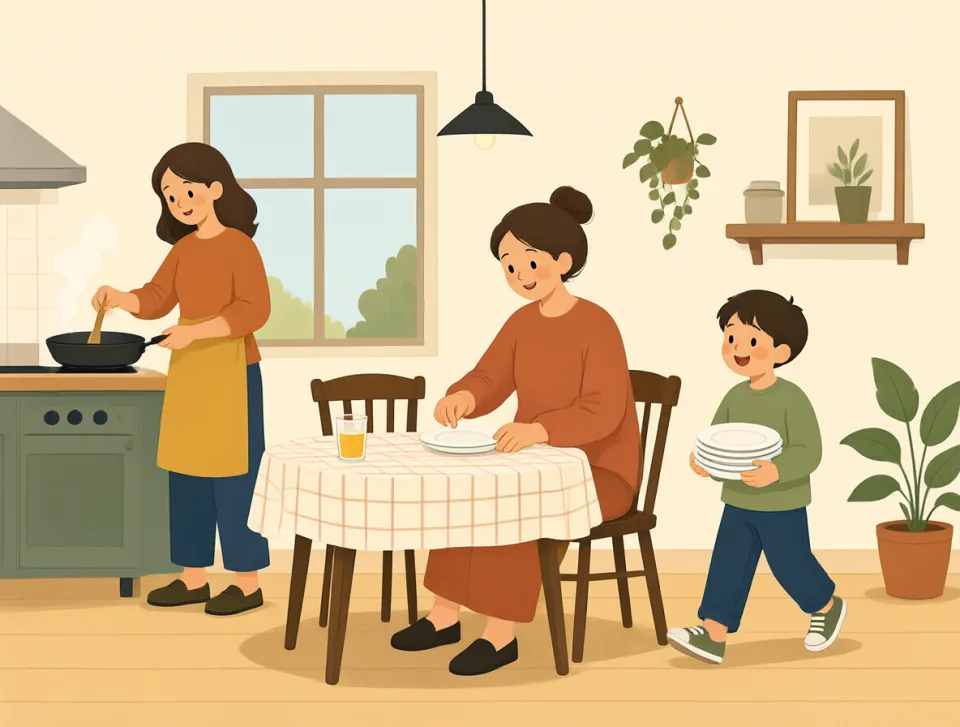
Everyone has a role in our family.
لكل فرد دور في عائلتنا.

He got a new role at the company.
حصل على منصب جديد في الشركة.
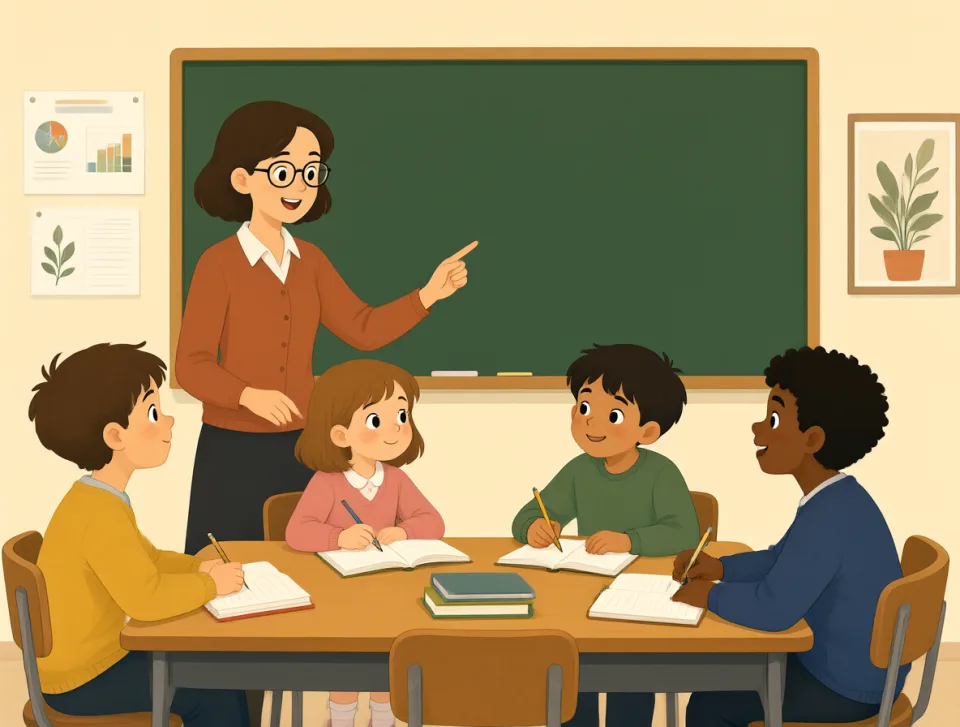
The teacher gave me a role in the project.
أعطاني المعلم دورًا في المشروع.
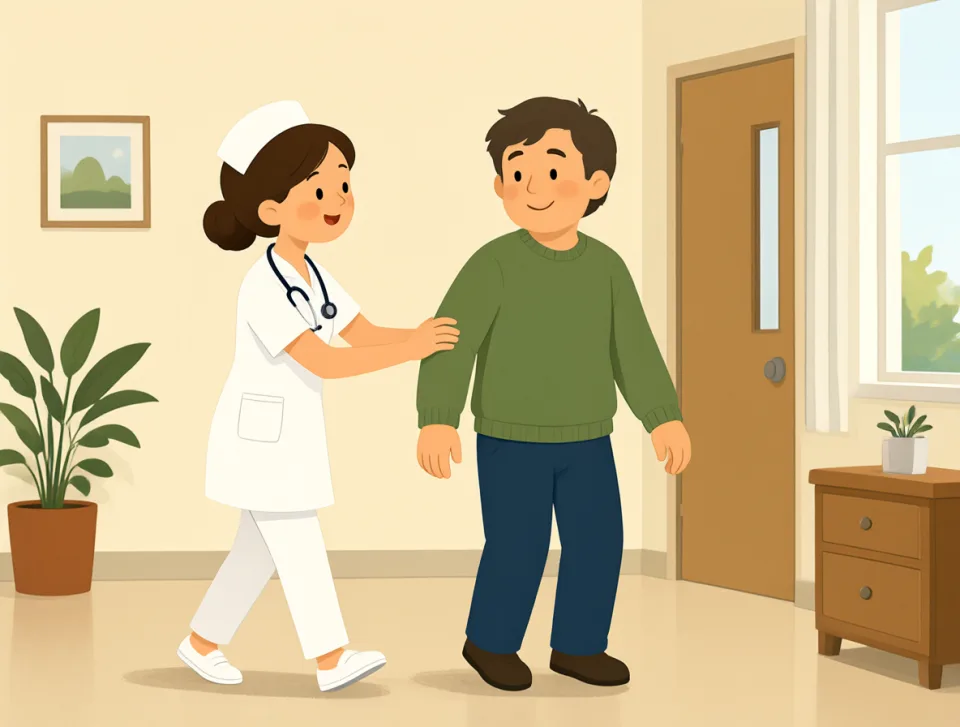
The nurse played an important role in her recovery.
أدّت الممرضة دورًا مهمًا في تعافيها.
join
#469verb
ينضمّ
to become a member of a group or take part in an activity
أن يصبح المرء عضوًا في مجموعة أو يشارك في نشاط.
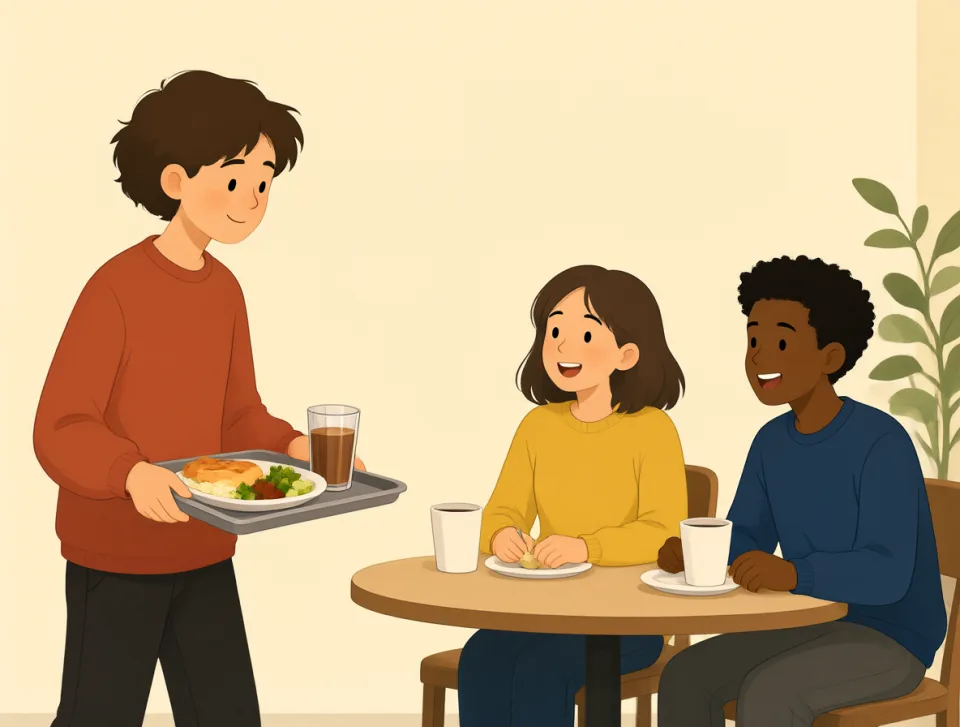
Can I join you for lunch?
هل يمكنني الانضمام إليكم لتناول الغداء؟
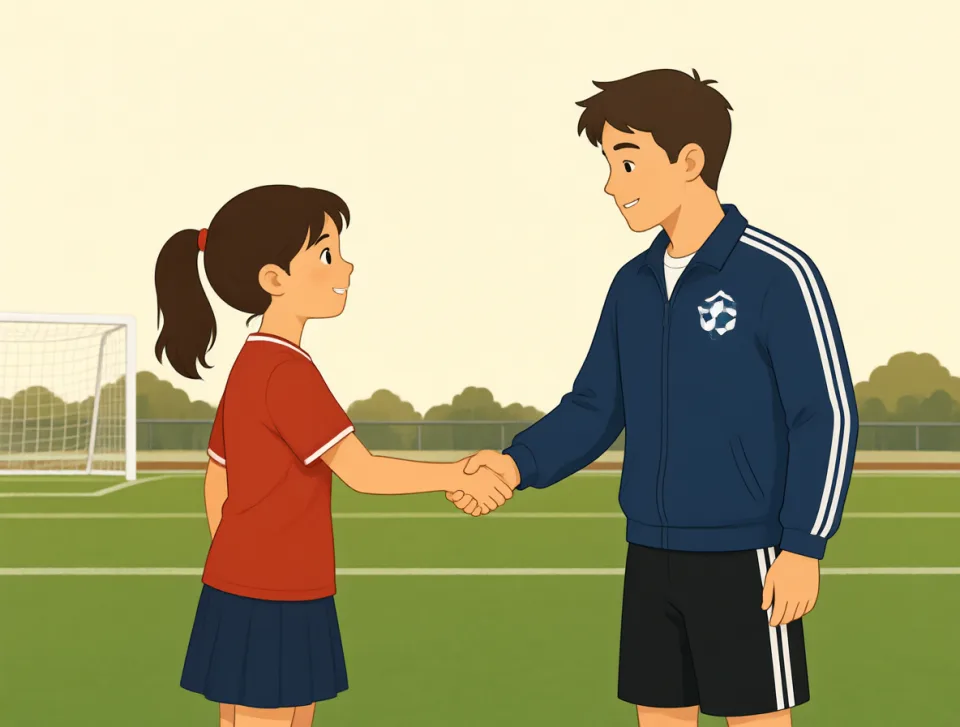
She joined the school football team.
انضمت إلى فريق كرة القدم المدرسي.
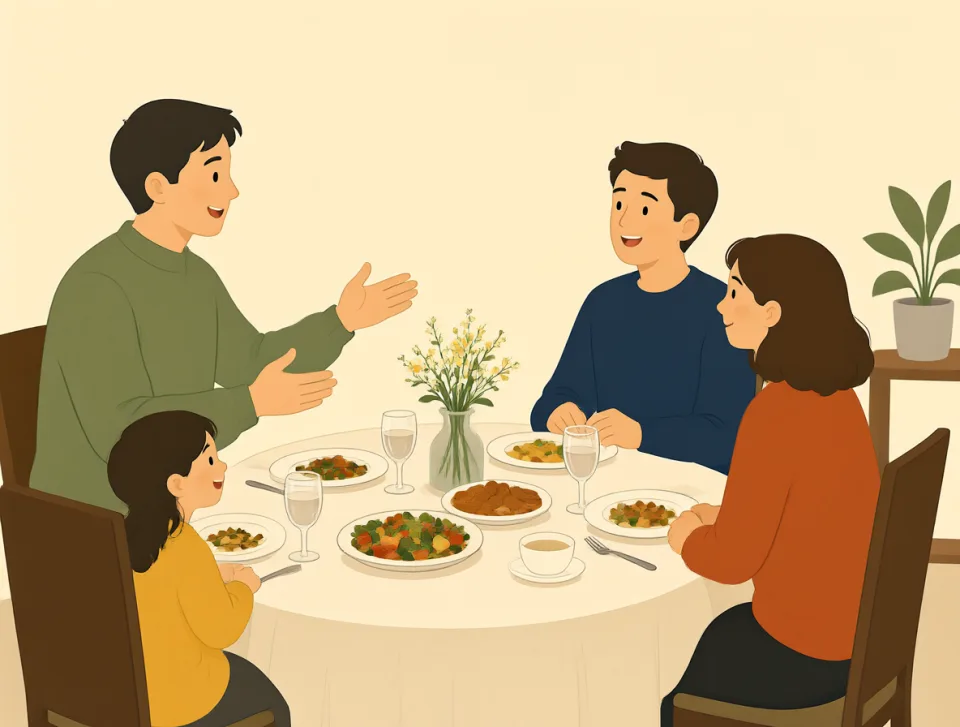
Please join us for dinner tonight.
تفضّلوا وانضموا إلينا على العشاء الليلة.
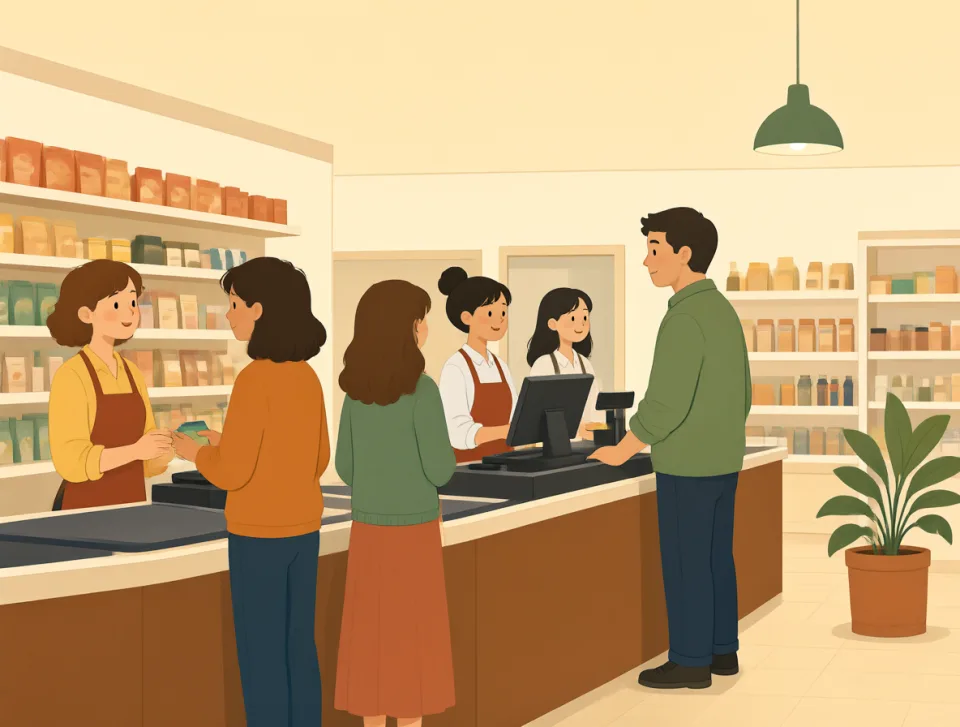
He joined the line at the store.
انضم إلى الطابور في المتجر.
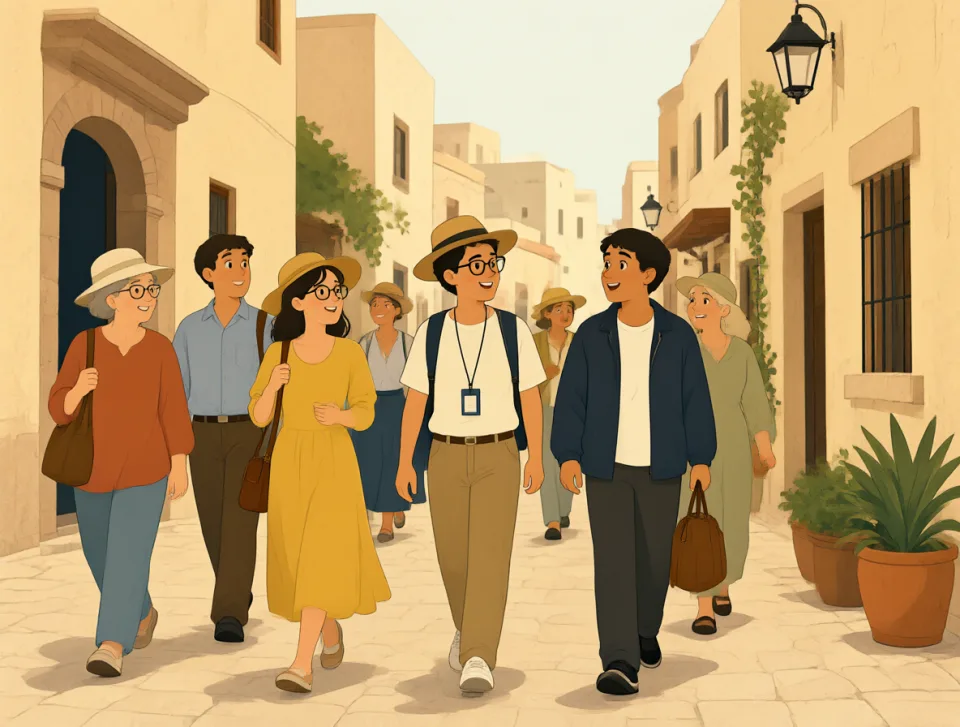
We joined a tour of the old city.
انضممنا إلى جولة في المدينة القديمة.
difficult
#470adjective
صعب
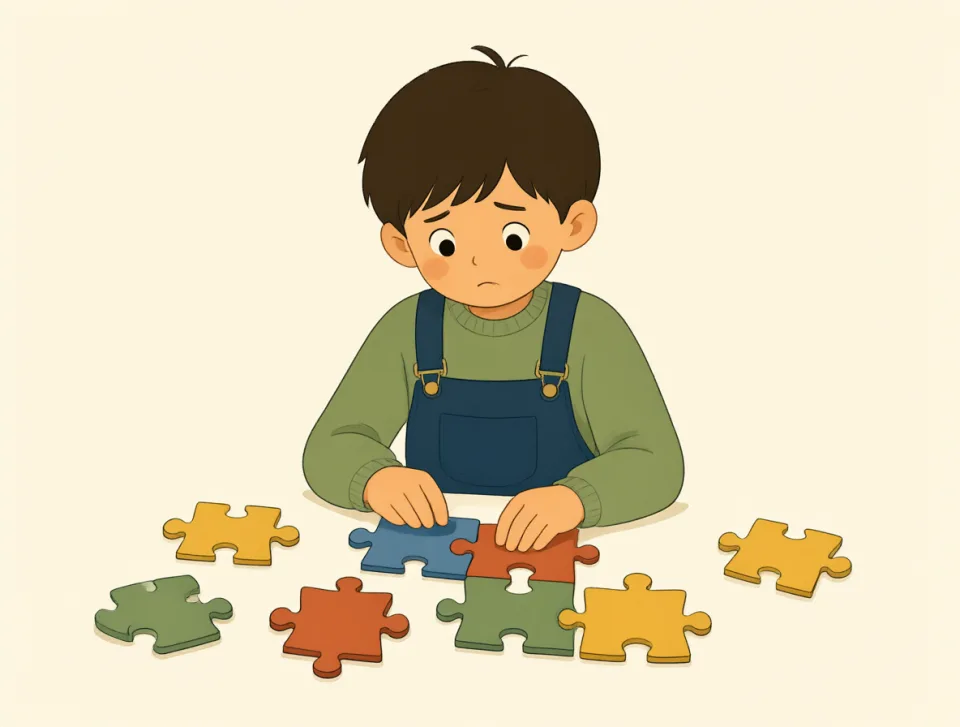
Not easy to do, understand, or deal with.
ليس من السهل القيام به أو فهمه أو التعامل معه.
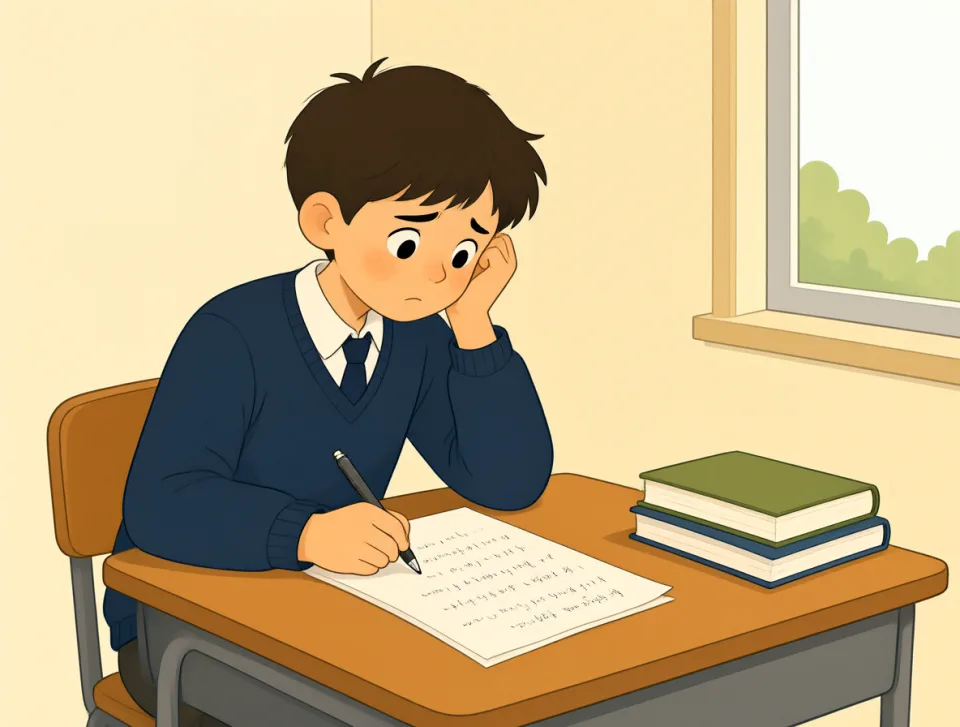
This math problem is difficult for me.
هذه المسألة الرياضية صعبة بالنسبة إليّ.

It is difficult to sleep with this noise.
من الصعب النوم مع هذه الضوضاء.

We had a difficult day at work.
كان يومنا صعبًا في العمل.
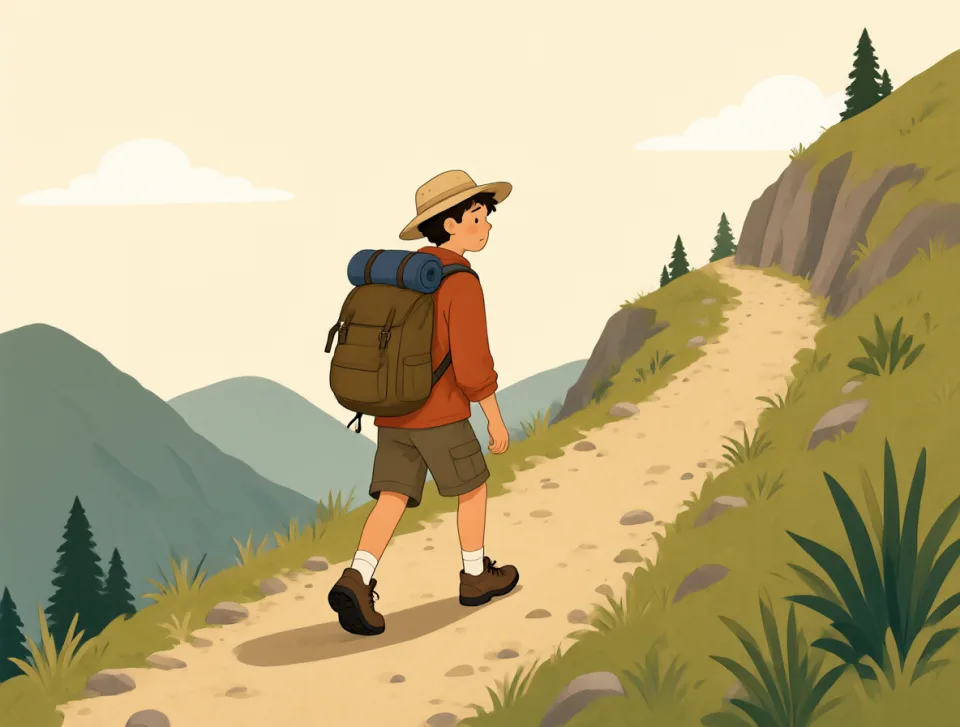
The difficult journey took two days.
استغرقت الرحلة الشاقة يومين.
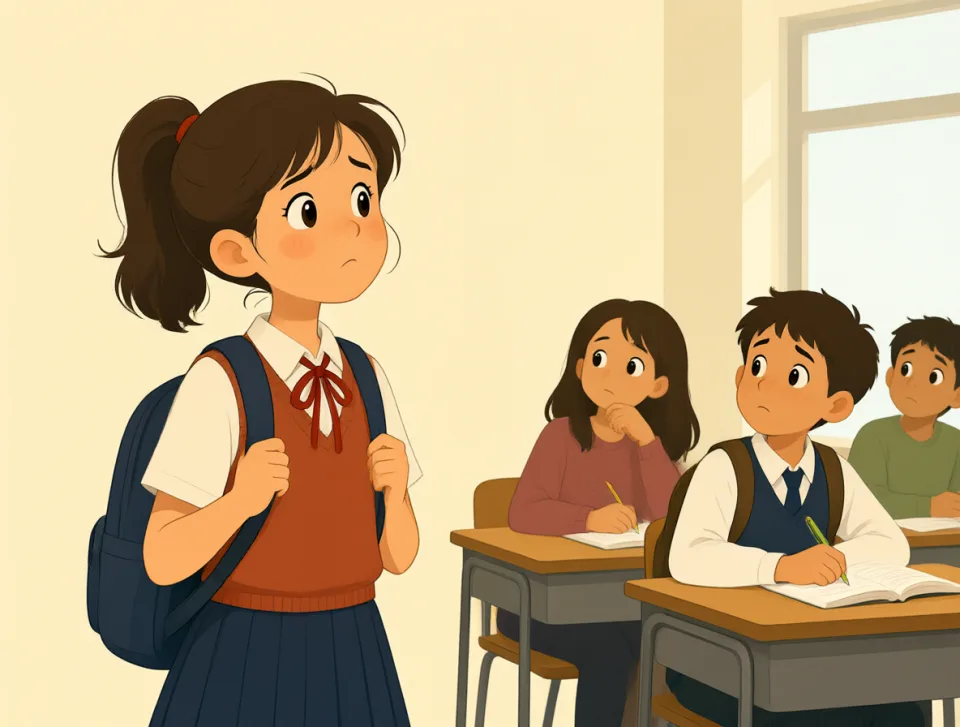
She finds it difficult to speak in class.
تجد صعوبة في التحدث في الصف.
please
#471adverb, verb
من فضلك
Used to ask politely, or to make someone happy or satisfied.
تُستخدم للطلب بأدب، أو للتعبير عن إسعاد شخص أو إرضائه.
Please close the door before you leave.
من فضلك أغلق الباب قبل أن تغادر.
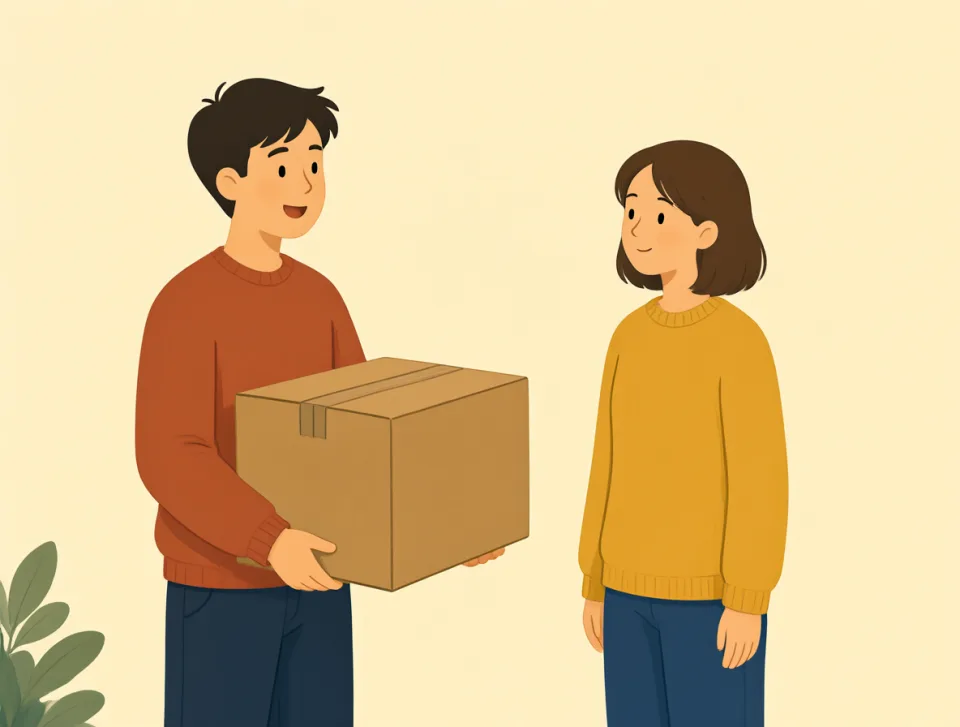
Could you help me, please?
هل يمكنك مساعدتي، من فضلك؟
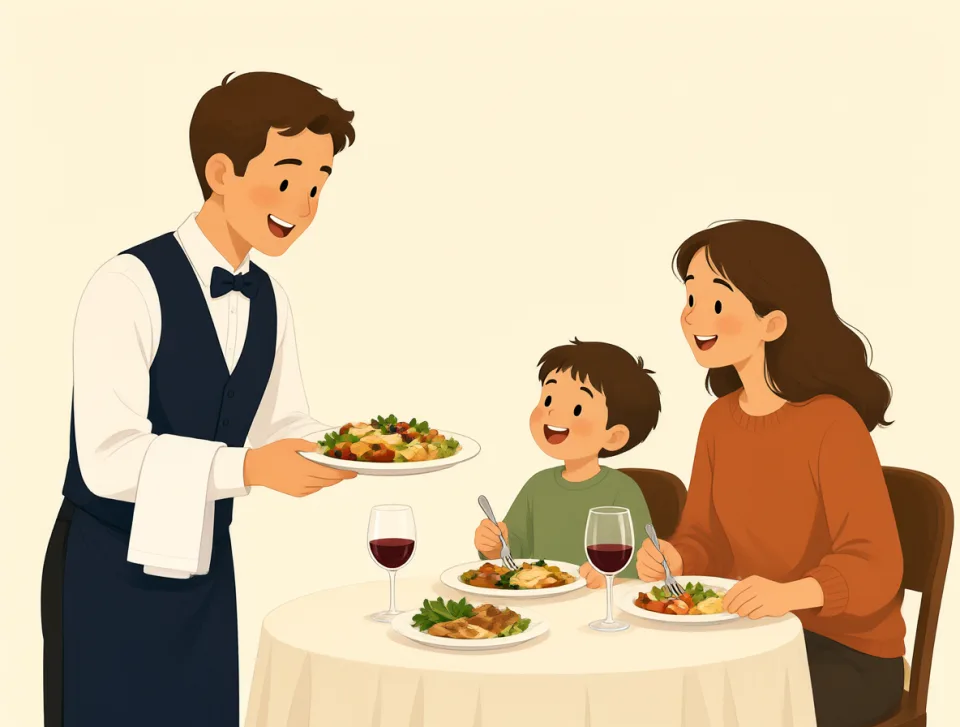
The waiter pleased everyone with the delicious food.
أرضى النادل الجميع بالطعام اللذيذ.

Please yourself and choose a comfortable seat.
اختر ما يريحك واجلس في المقعد المريح.

The doctor was pleased with my progress.
كان الطبيب راضيًا عن تقدمي.

detail
#472noun, verb
تفصيل
A small piece of information, or to give information about something carefully.
معلومة صغيرة، أو تقديم معلومات عن شيء ما بعناية.
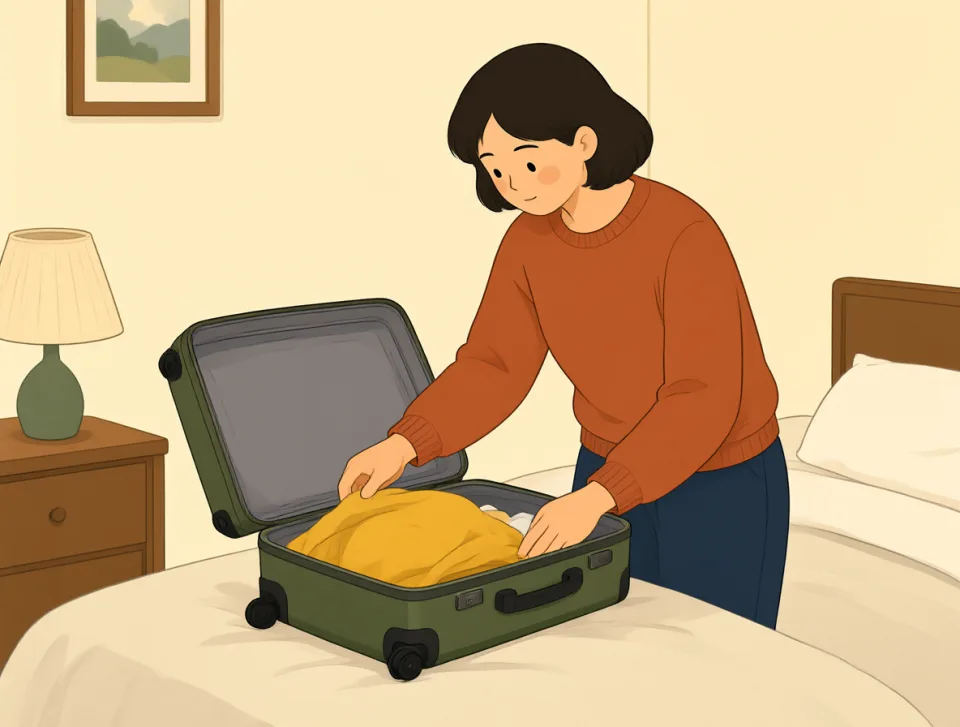
Please check every detail before you leave.
يرجى التحقق من كل تفصيل قبل أن تغادر.

She told me every detail about her trip.
أخبرتني بكل تفاصيل رحلتها.
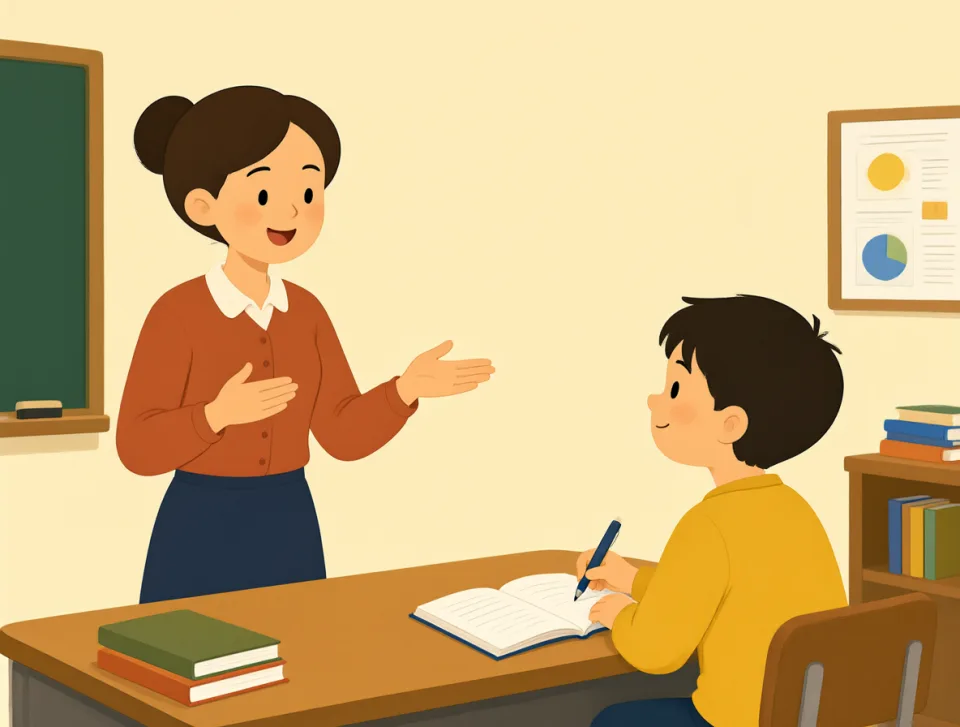
The teacher explained the details of the science project.
شرح المعلم تفاصيل المشروع العلمي.

The hotel room had beautiful details.
كانت في غرفة الفندق تفاصيل جميلة.
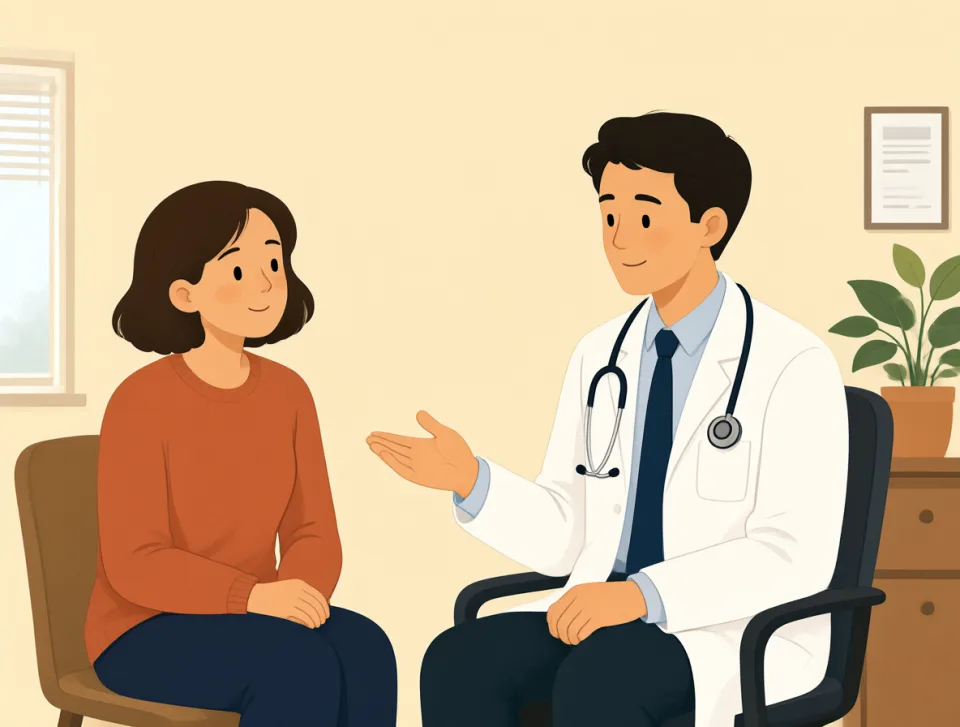
He detailed the problem for the doctor.
شرح للطبيب المشكلة بالتفصيل.

difference
#473noun
اختلاف
A way in which two people or things are not the same.
وجه من أوجه عدم التشابه بين شخصين أو شيئين.
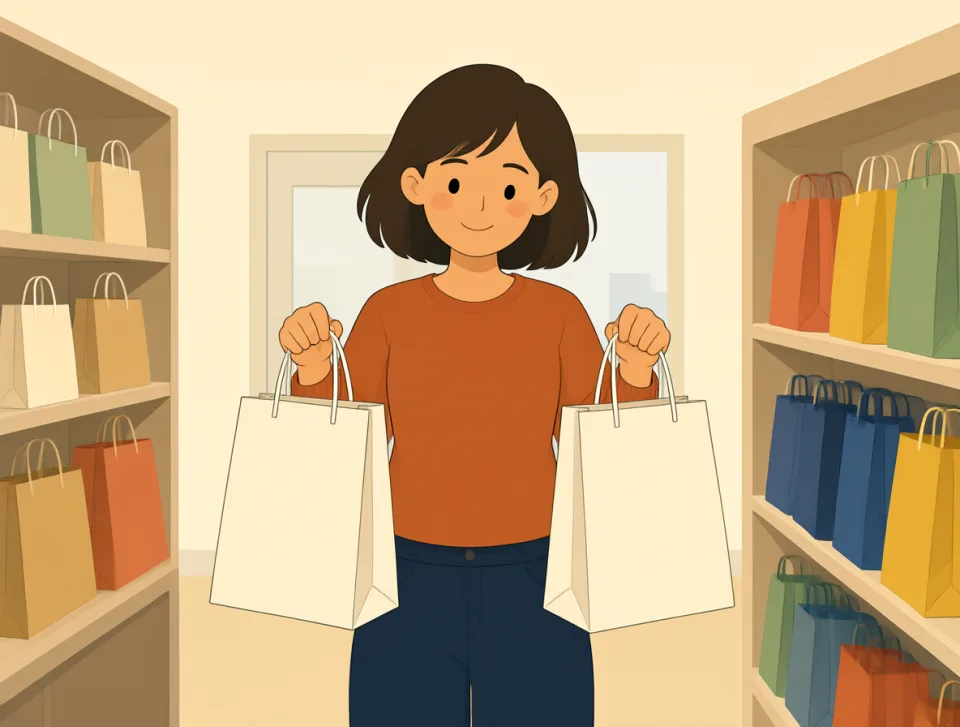
Can you see the difference between these two bags?
هل ترى الفرق بين هاتين الحقيبتين؟
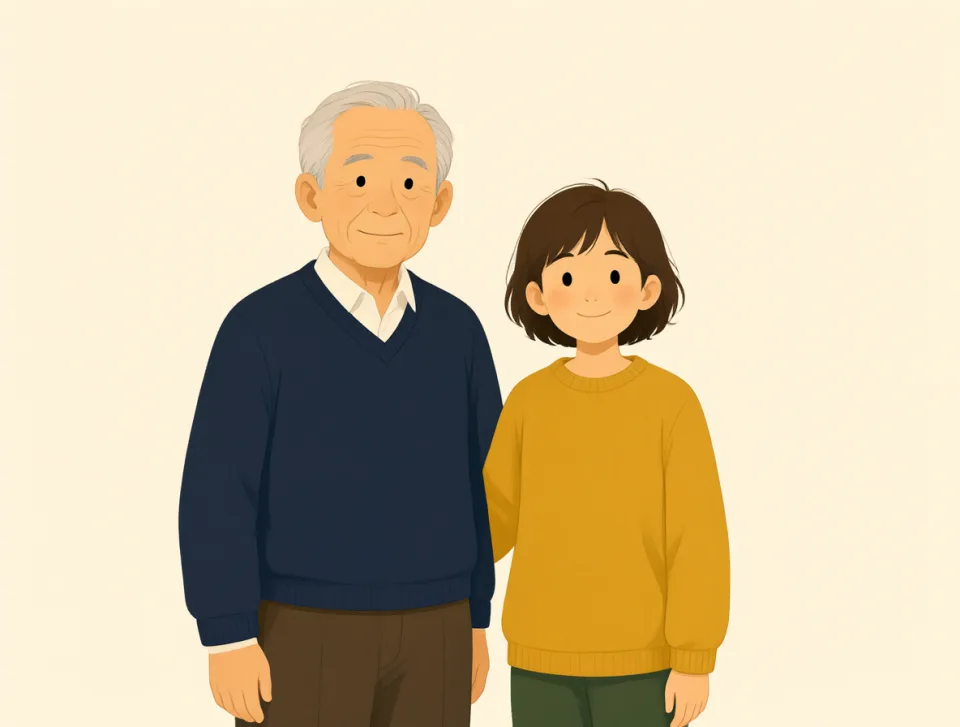
There is a big difference in their ages.
هناك فرق كبير بين عمريهما.
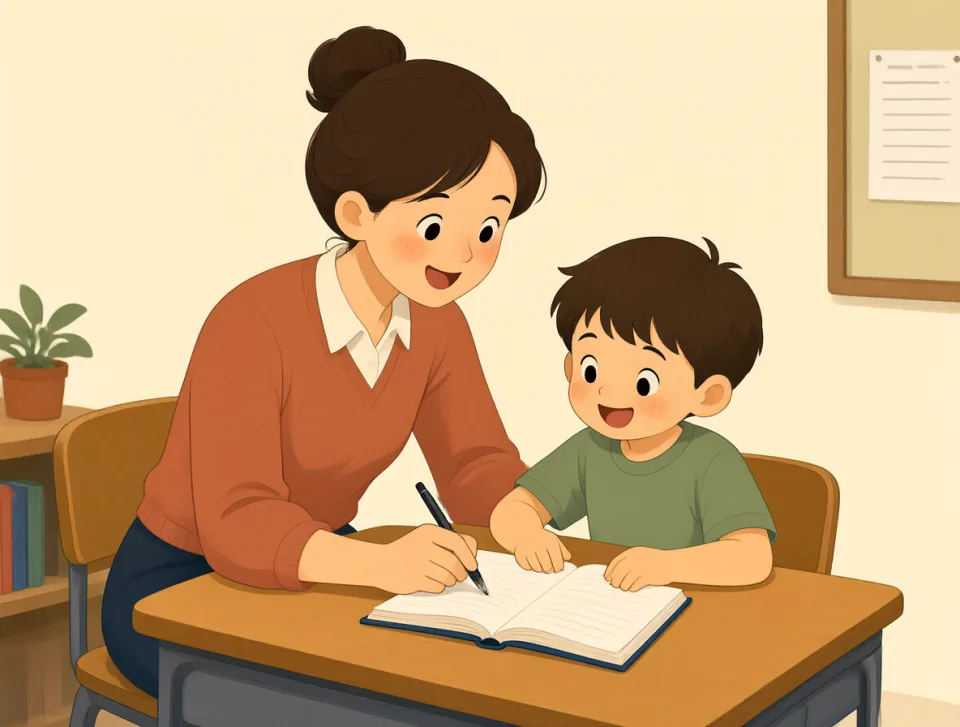
The new teacher makes a difference at school.
يُحدث المعلم الجديد فرقًا في المدرسة.
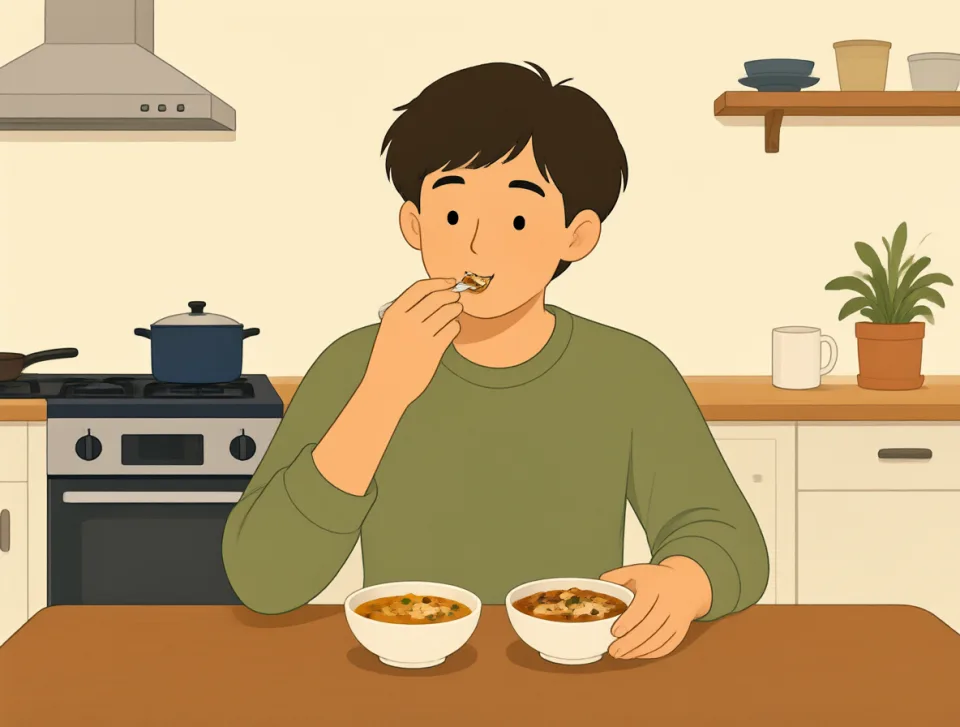
I cannot taste the difference between them.
لا أستطيع تمييز الفرق بينهما في الطعم.

We noticed differences between the two hotels.
لاحظنا اختلافات بين الفندقين.
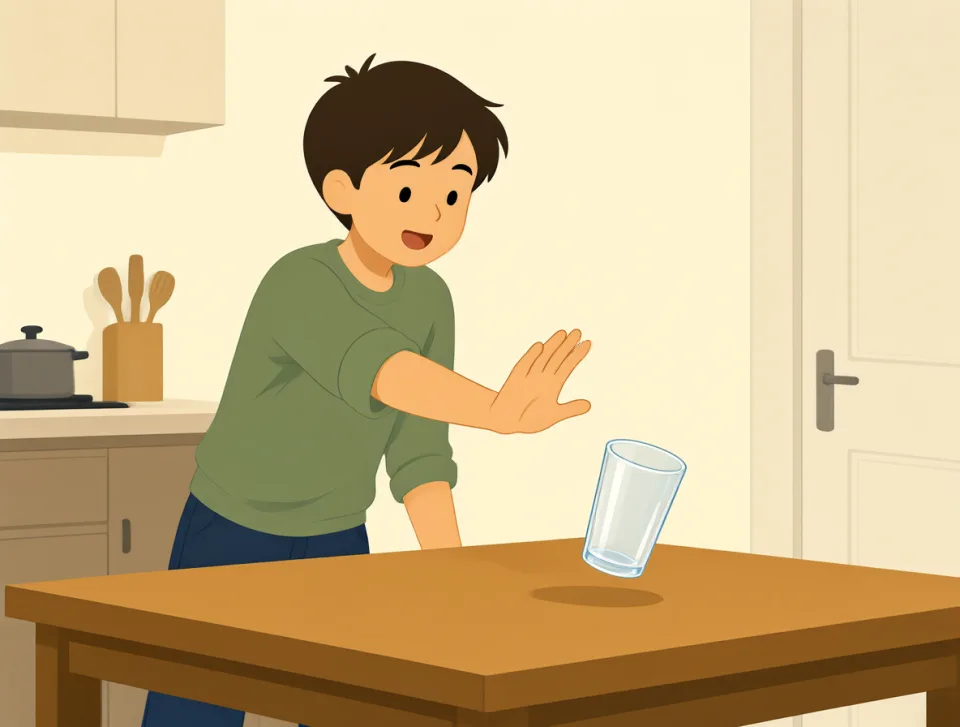
action
#474noun
إجراء
Something someone does, especially to solve a problem or achieve a result.
شيء يفعله شخص ما، ولا سيما لحل مشكلة أو تحقيق نتيجة.
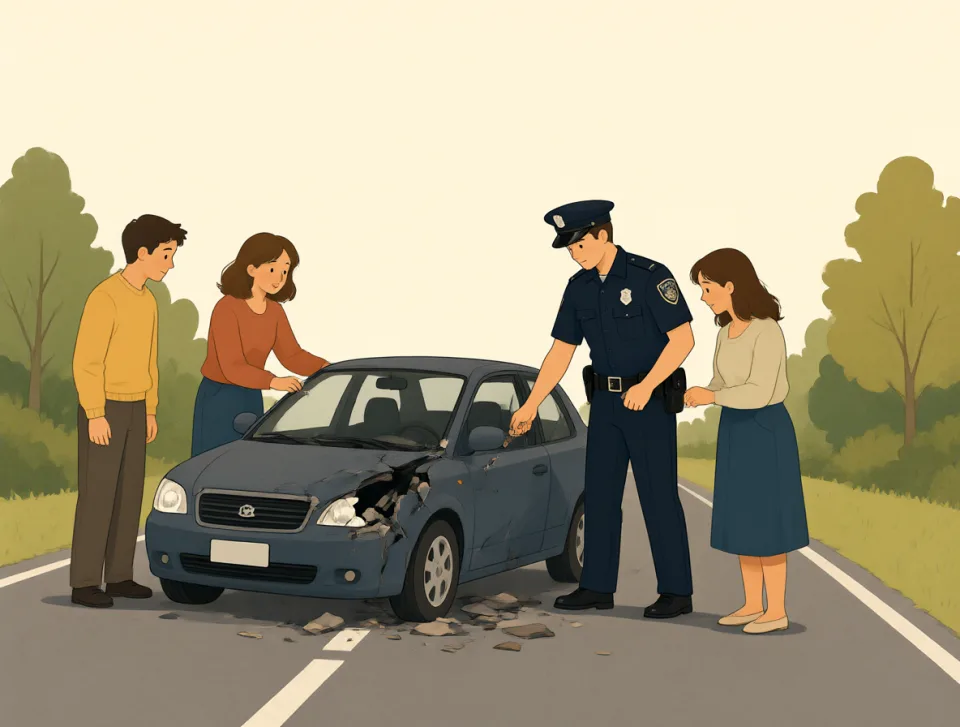
The police took action after the accident.
اتخذت الشرطة إجراءات بعد الحادث.
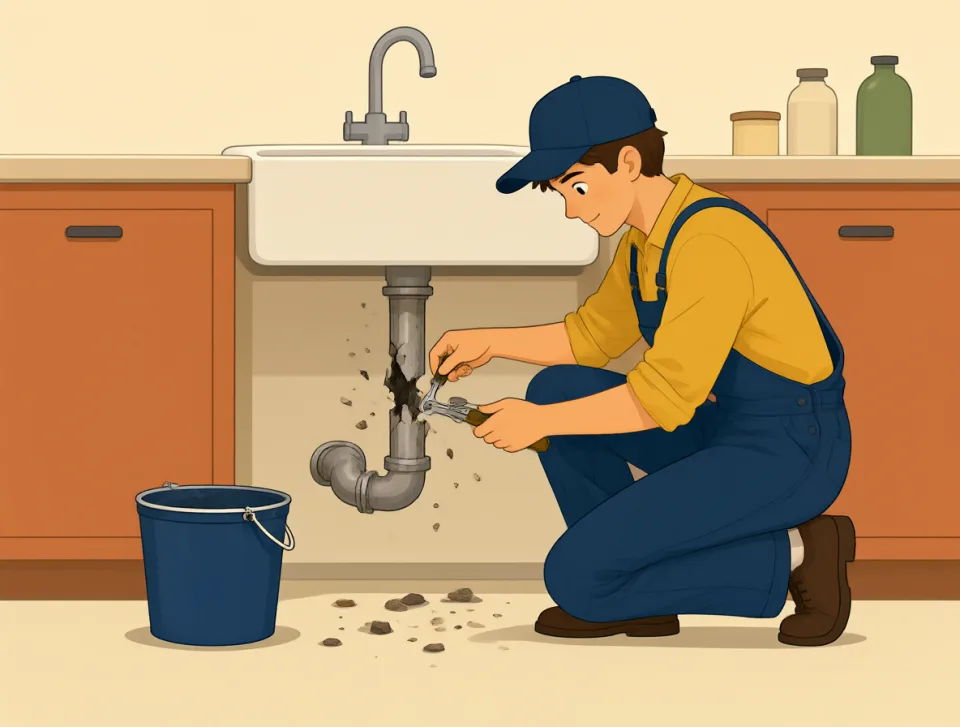
We need action to fix this problem.
نحتاج إلى اتخاذ إجراء لحل هذه المشكلة.
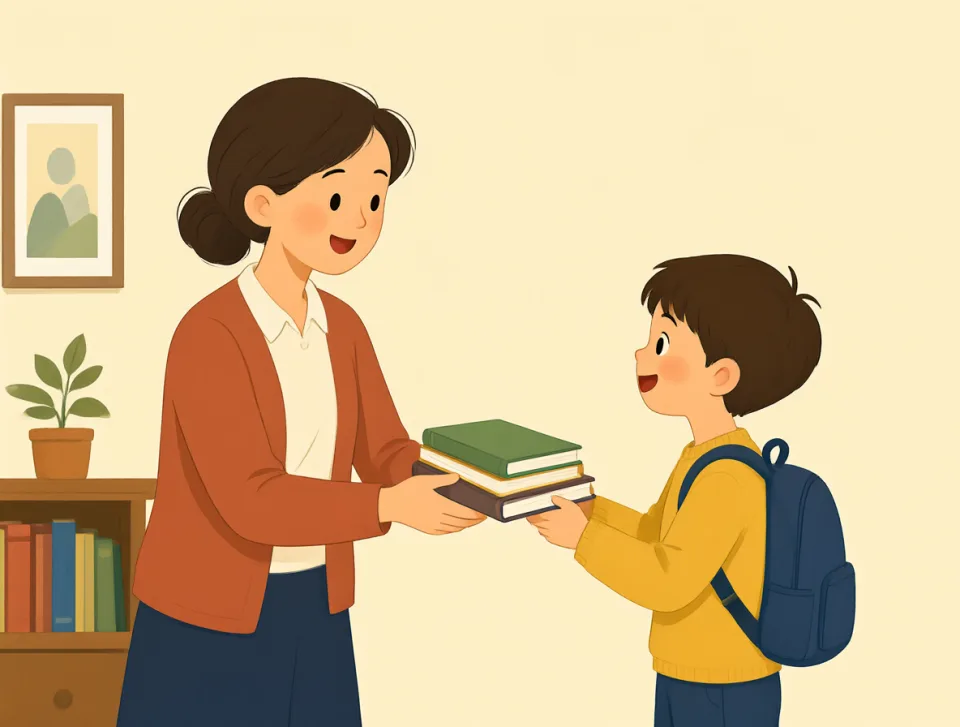
The teacher praised her action in class.
أثنى المعلم على تصرفها في الصف.
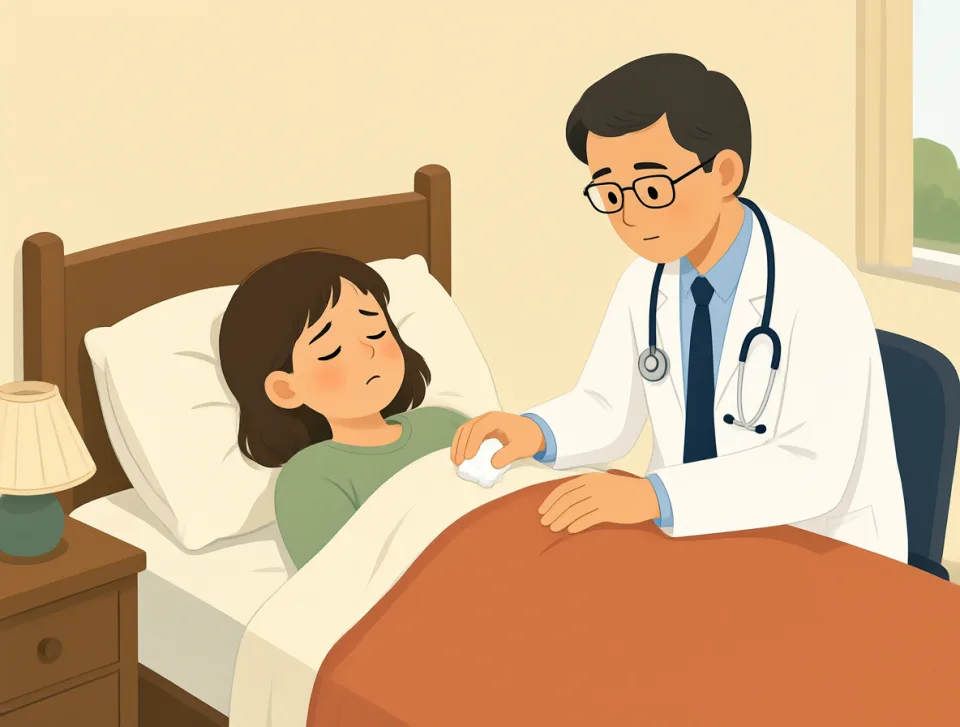
The medicine started working after a few hours.
بدأ الدواء مفعوله بعد بضع ساعات.

The movie has lots of exciting action.
يحتوي الفيلم على الكثير من مشاهد الحركة المشوقة.
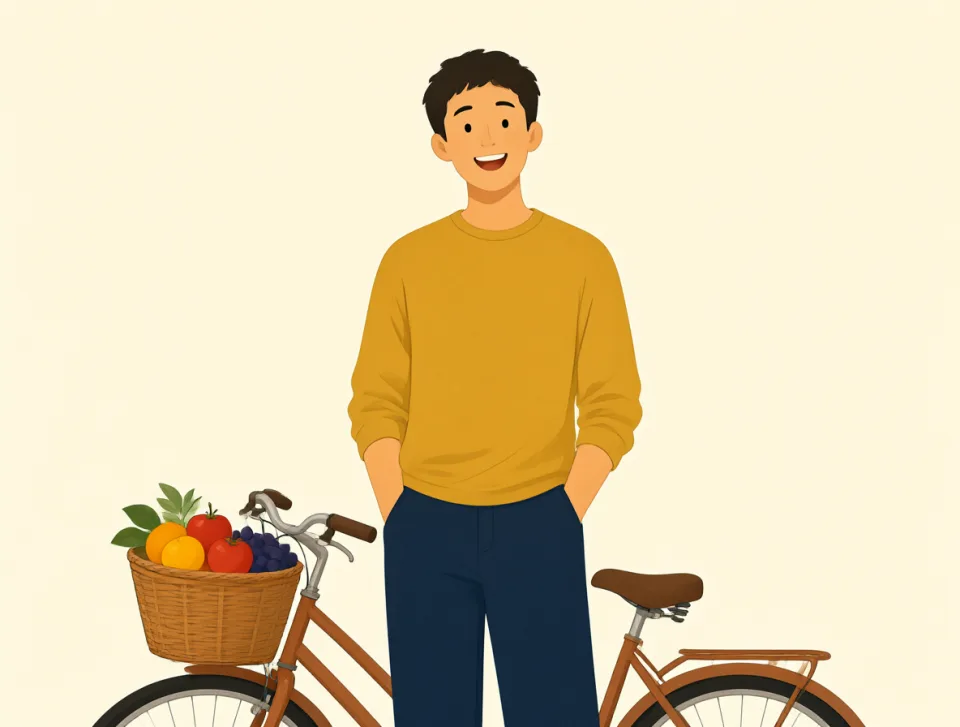
health
#475noun
الصحة
The condition of your body and mind, especially when you are free from illness.
حالة الجسم والعقل، ولا سيما عندما يكونان خاليين من المرض.
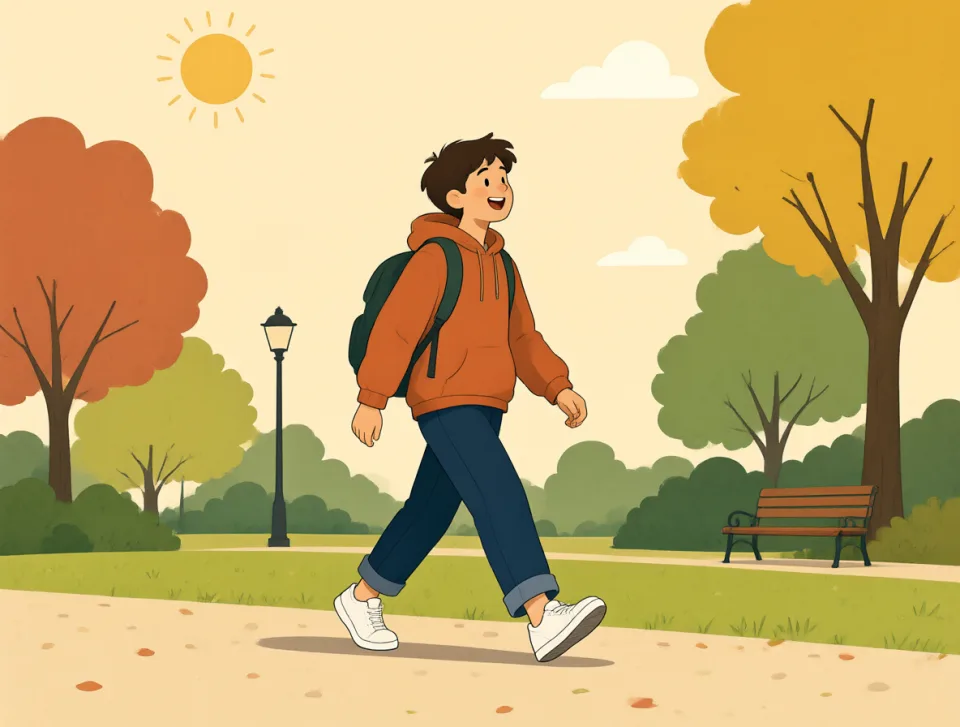
Walking every day is good for your health.
المشي يوميًا مفيد لصحتك.
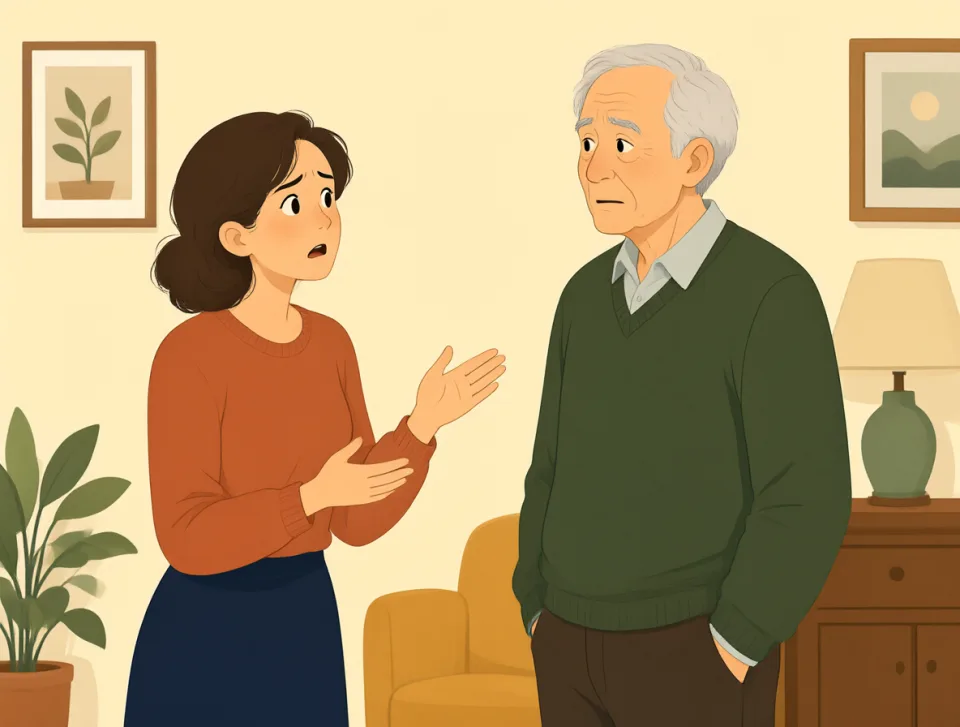
She worries about her father's health.
إنها قلقة على صحة والدها.
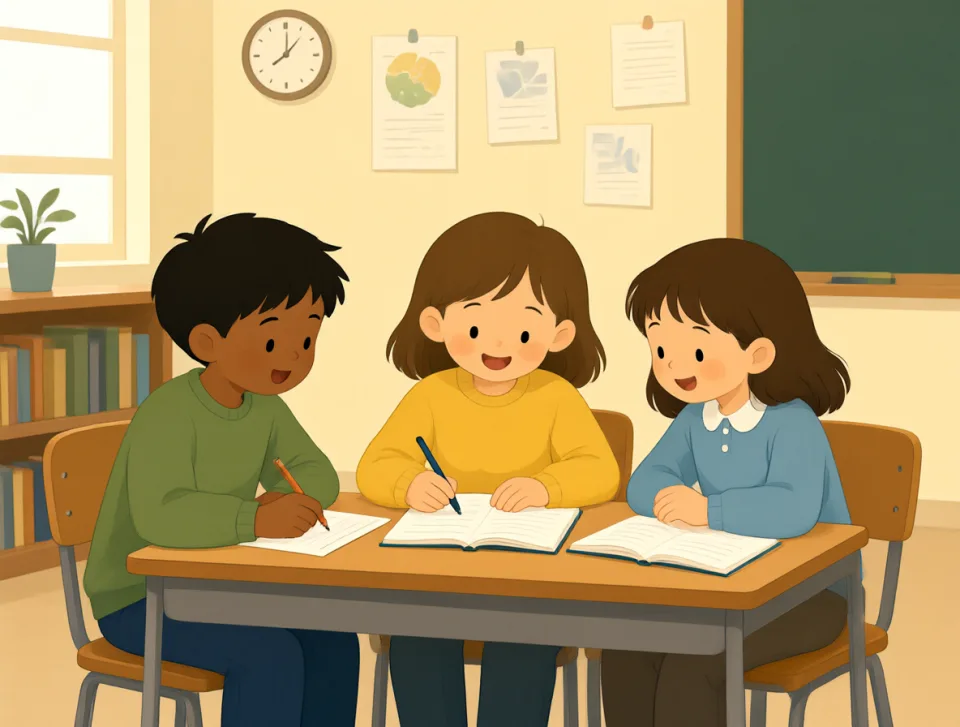
Good health helps children learn at school.
تساعد الصحة الجيدة الأطفال على التعلم في المدرسة.
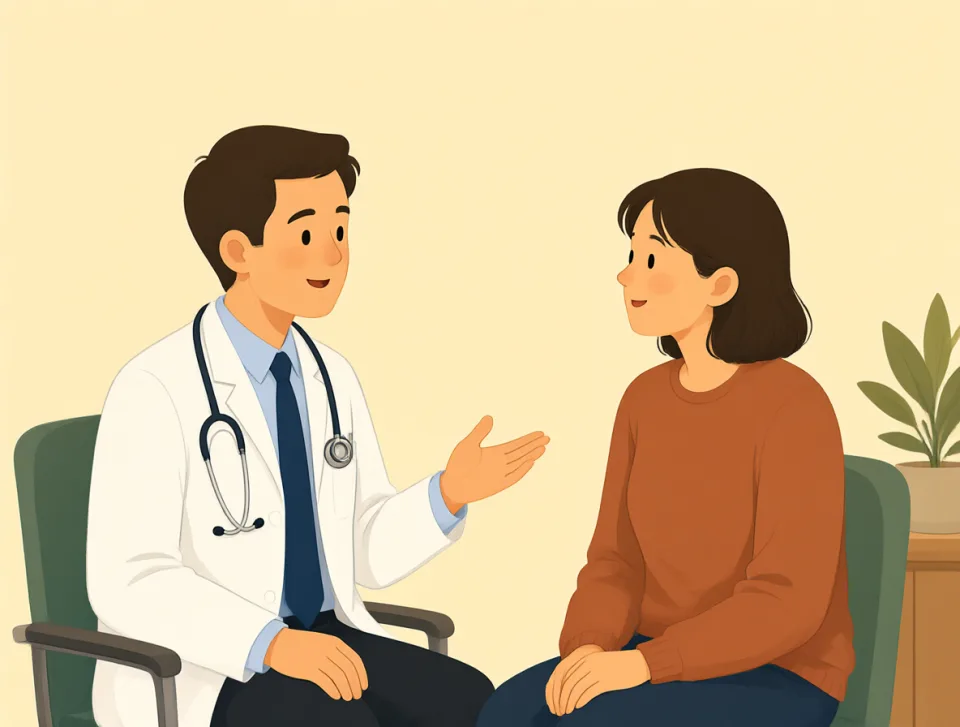
The doctor asked about my health.
سألني الطبيب عن صحتي.
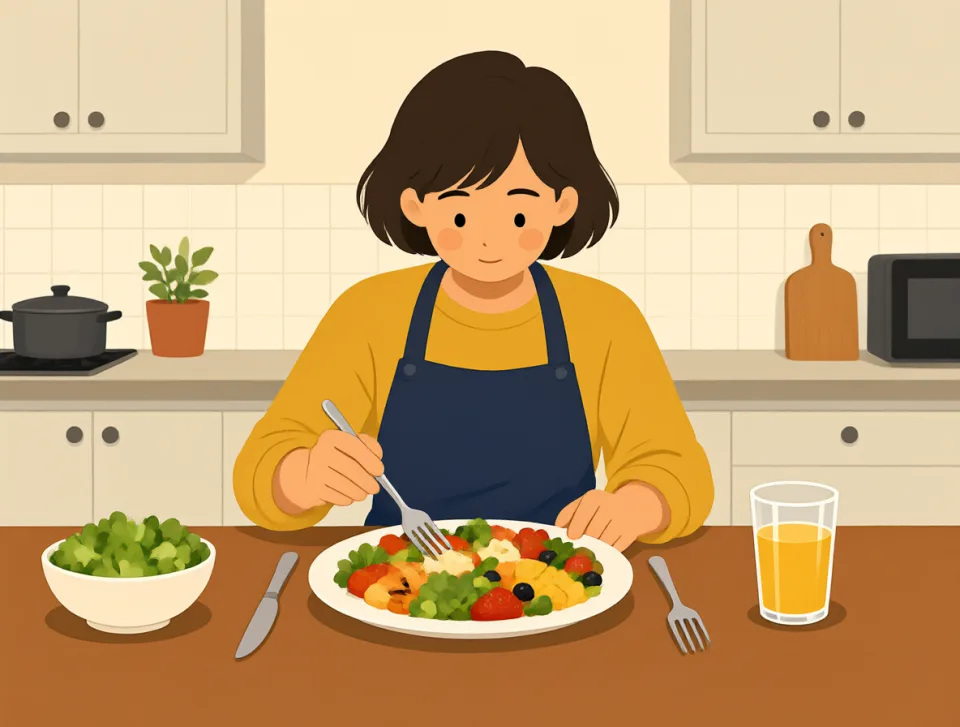
This food is healthy and supports heart health.
هذا الطعام صحي ويدعم صحة القلب.
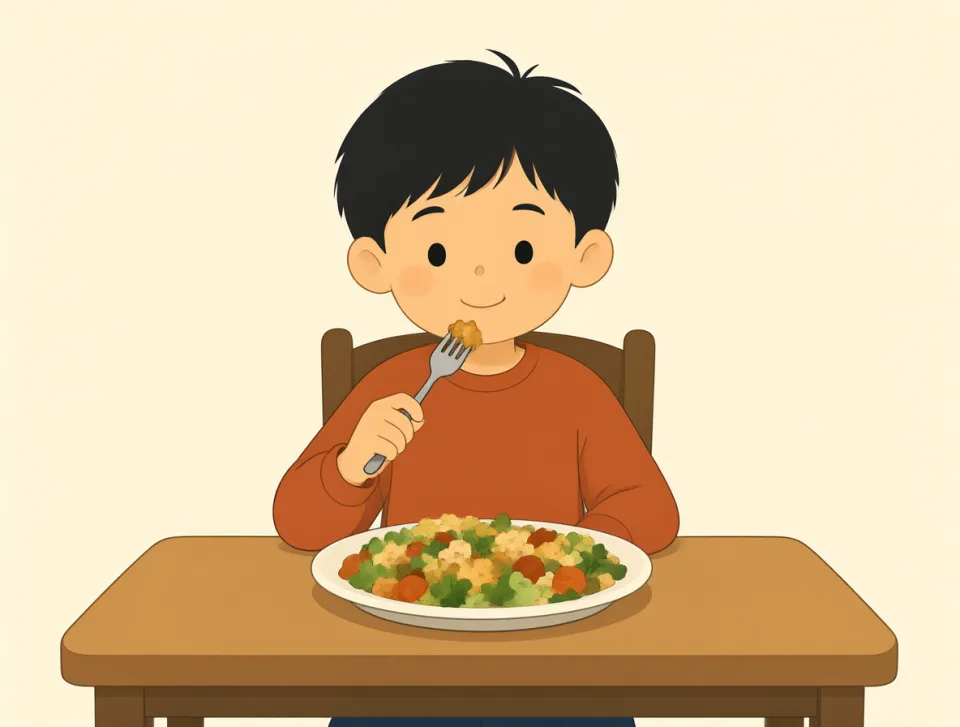
eat
#476verb
يأكل
to put food in your mouth, chew it, and swallow it
أن تضع الطعام في فمك وتمضغه ثم تبتلعه.
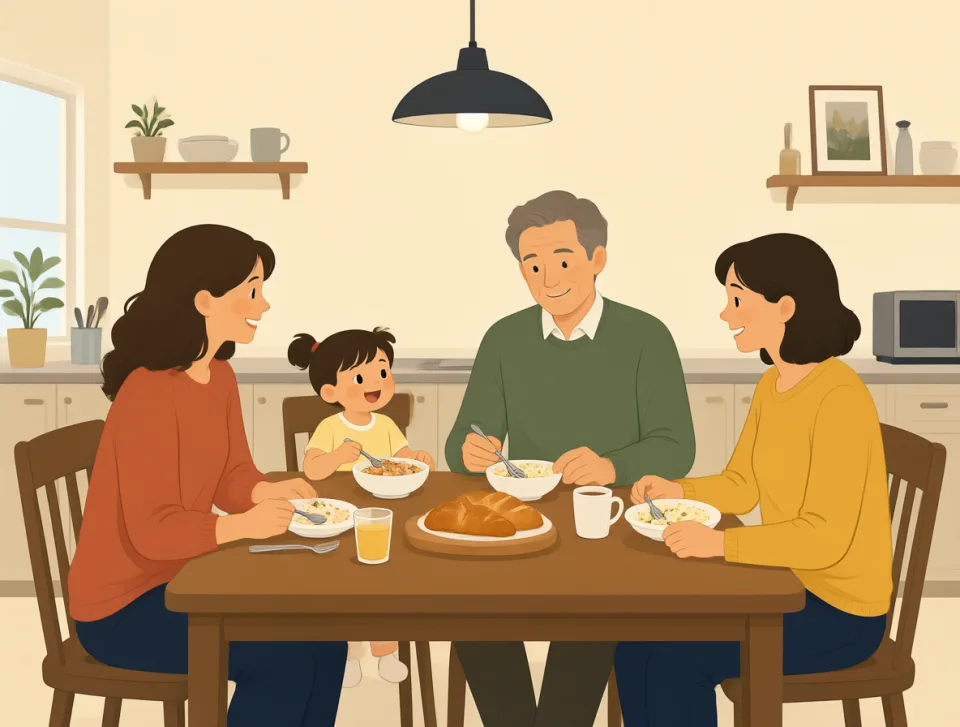
We eat breakfast together every morning.
نتناول الإفطار معًا كل صباح.
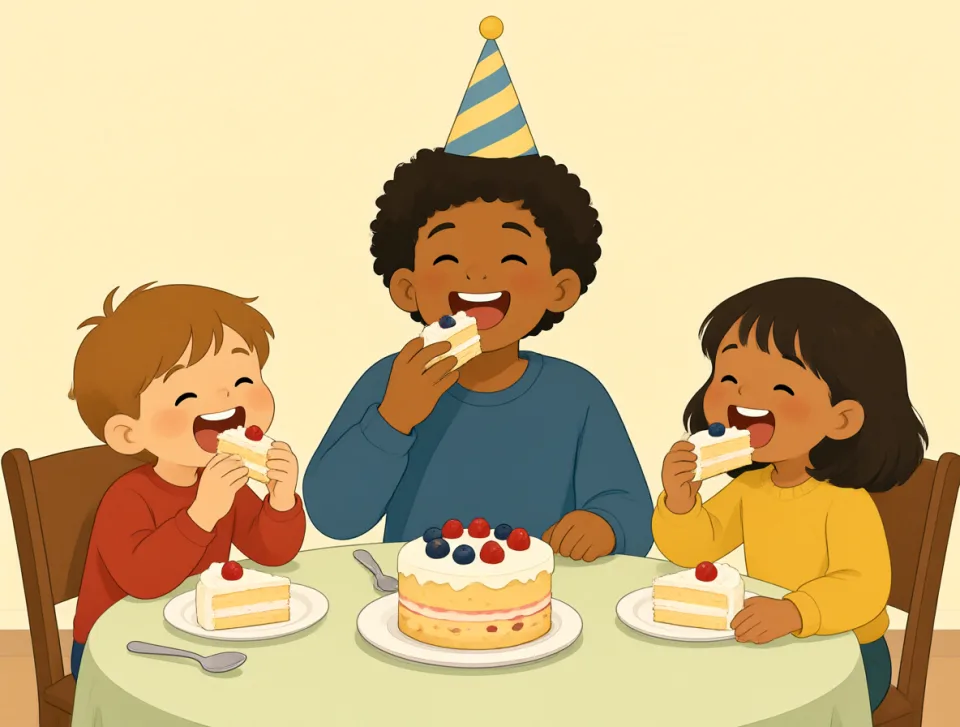
The children ate all the cake.
أكل الأطفال الكعكة كلها.
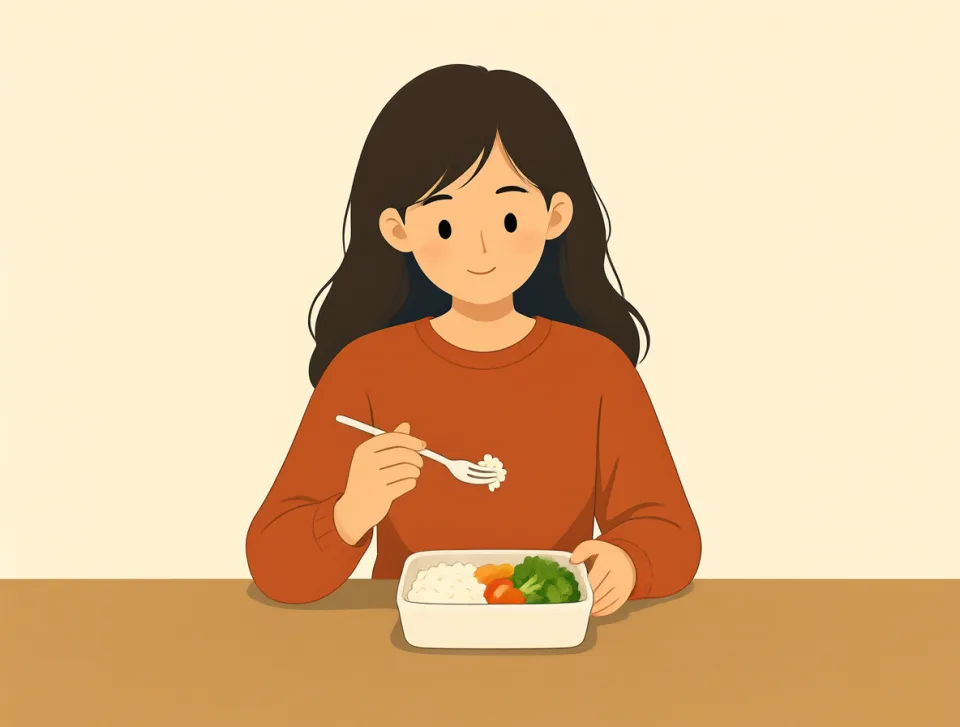
She is eating lunch at work.
إنها تتناول الغداء في العمل.
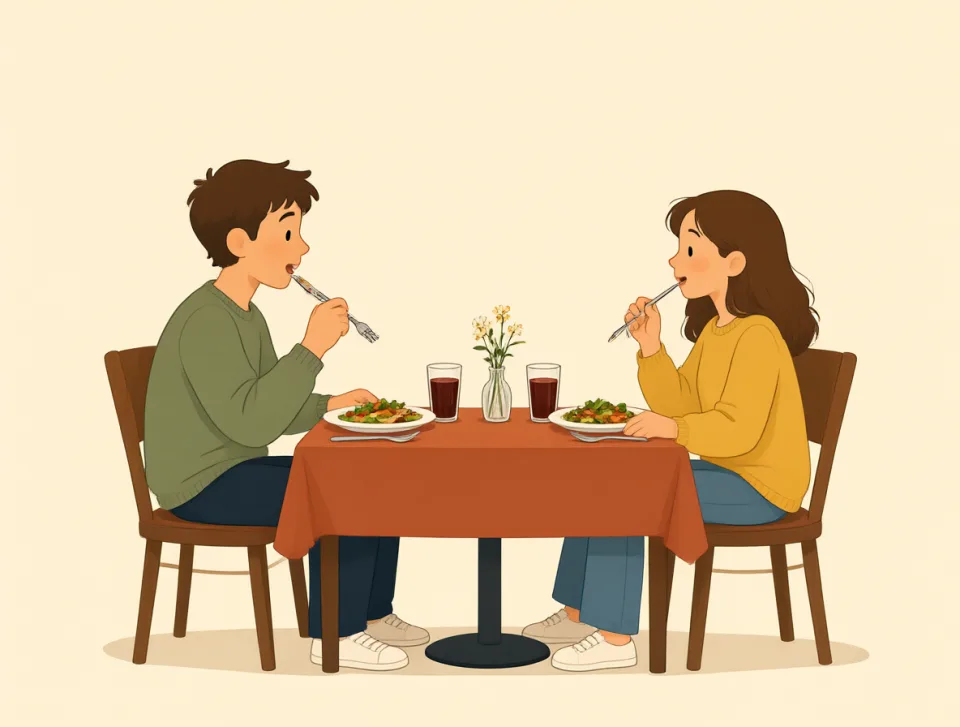
Did you eat at the new restaurant?
هل تناولت الطعام في المطعم الجديد؟
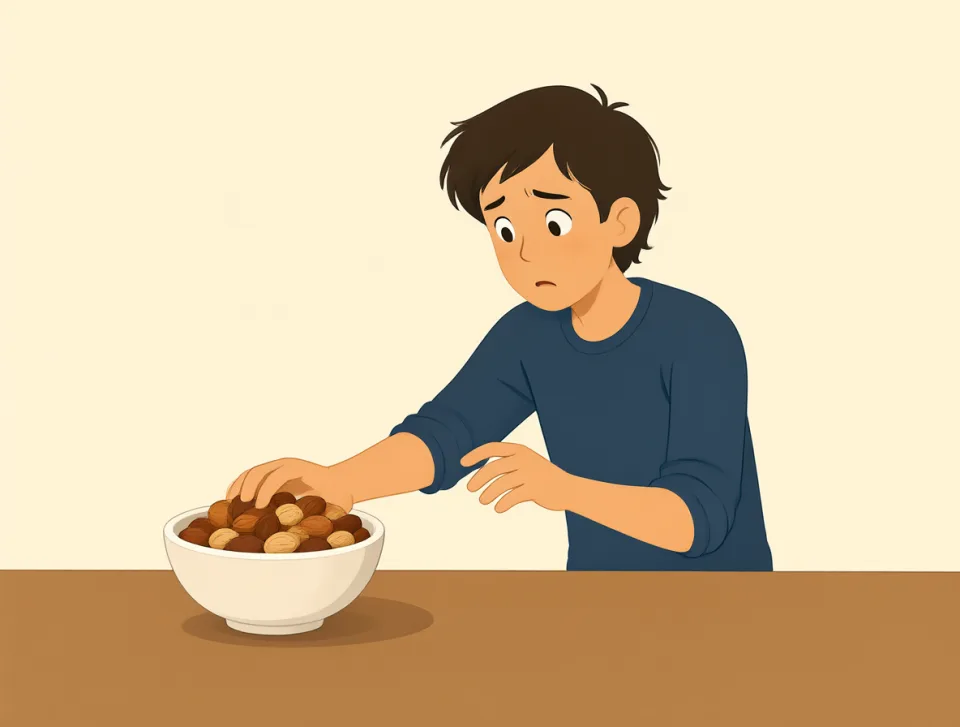
I cannot eat nuts because I am allergic.
لا أستطيع تناول المكسرات لأن لدي حساسية منها.

step
#477noun, verb
خطوة
A movement made by lifting one foot and putting it down somewhere else.
حركة ترفع فيها قدمًا وتضعها في مكان آخر.
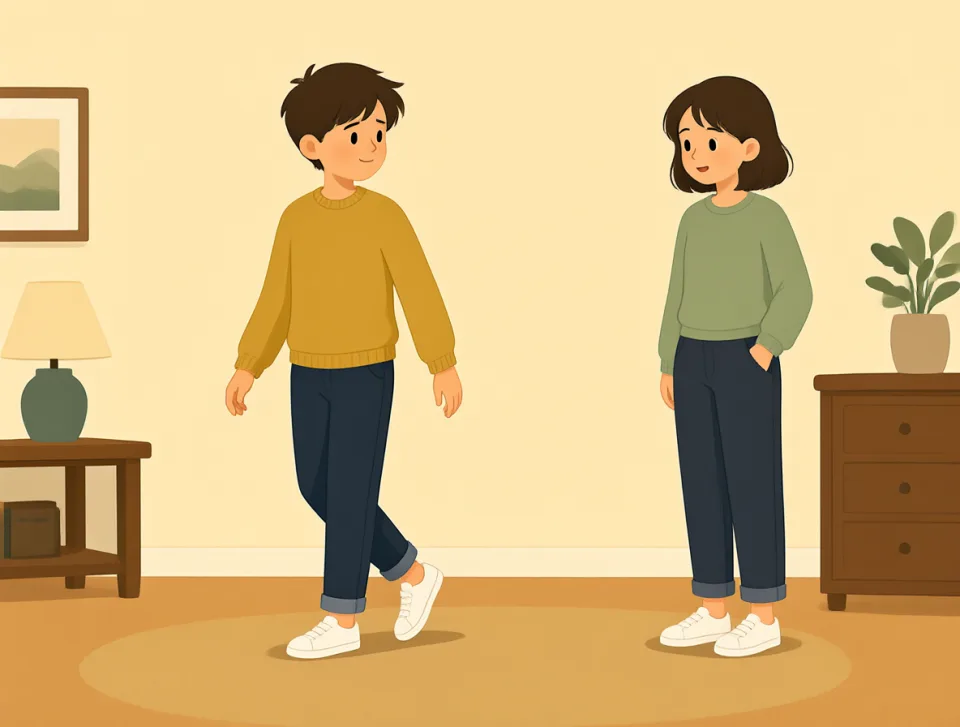
Please take one step back.
يُرجى الرجوع خطوة واحدة إلى الوراء.
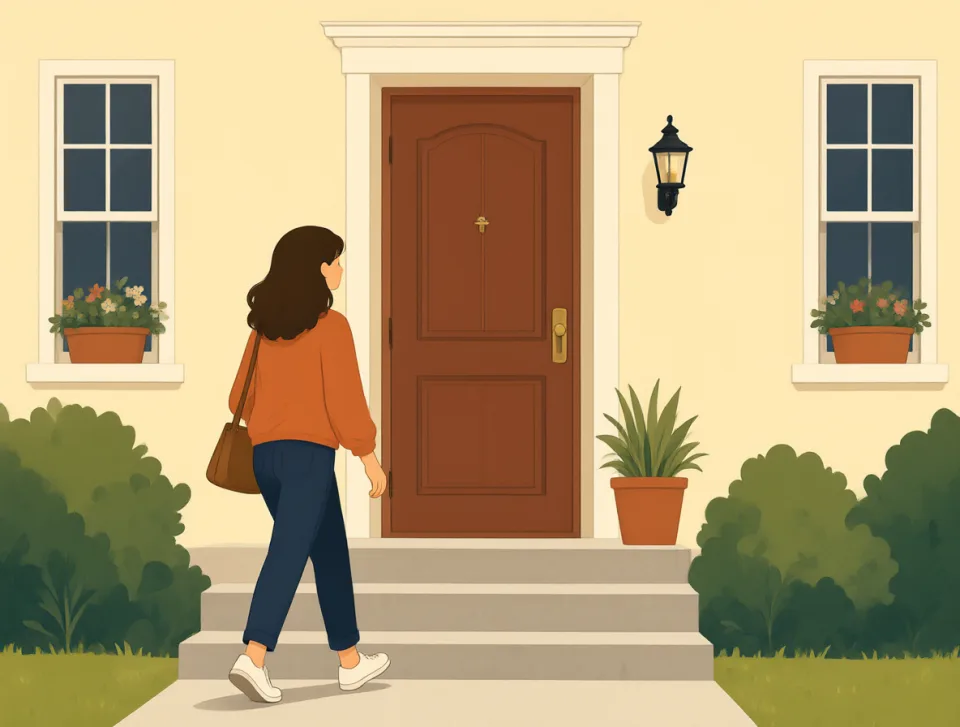
She climbed the steps to the front door.
صعدت الدرجات إلى الباب الأمامي.
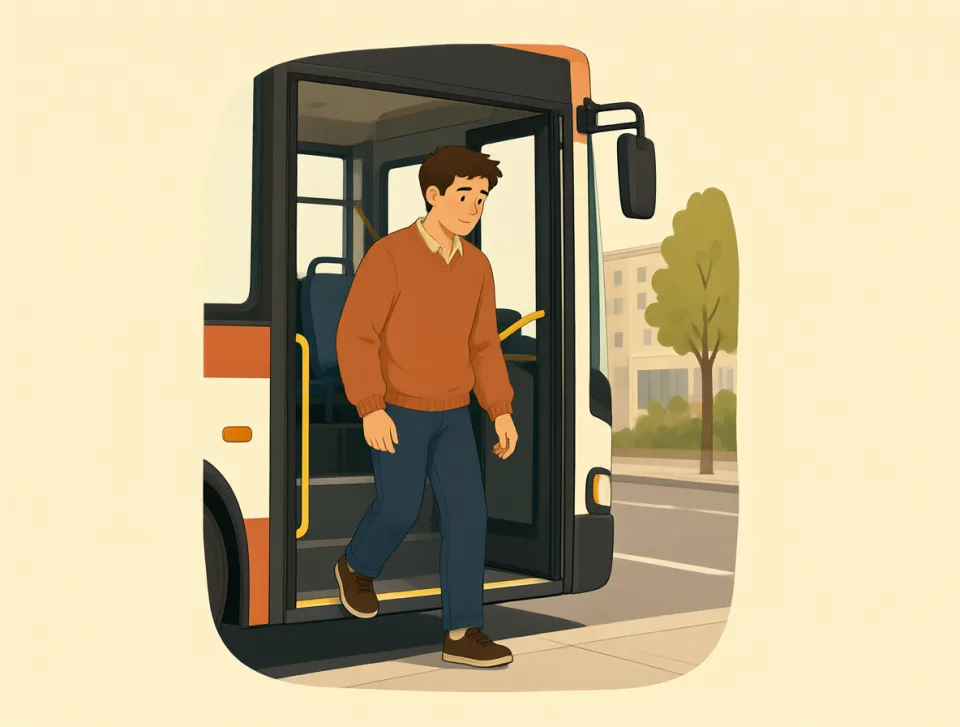
He stepped off the bus carefully.
نزل من الحافلة بحذر.
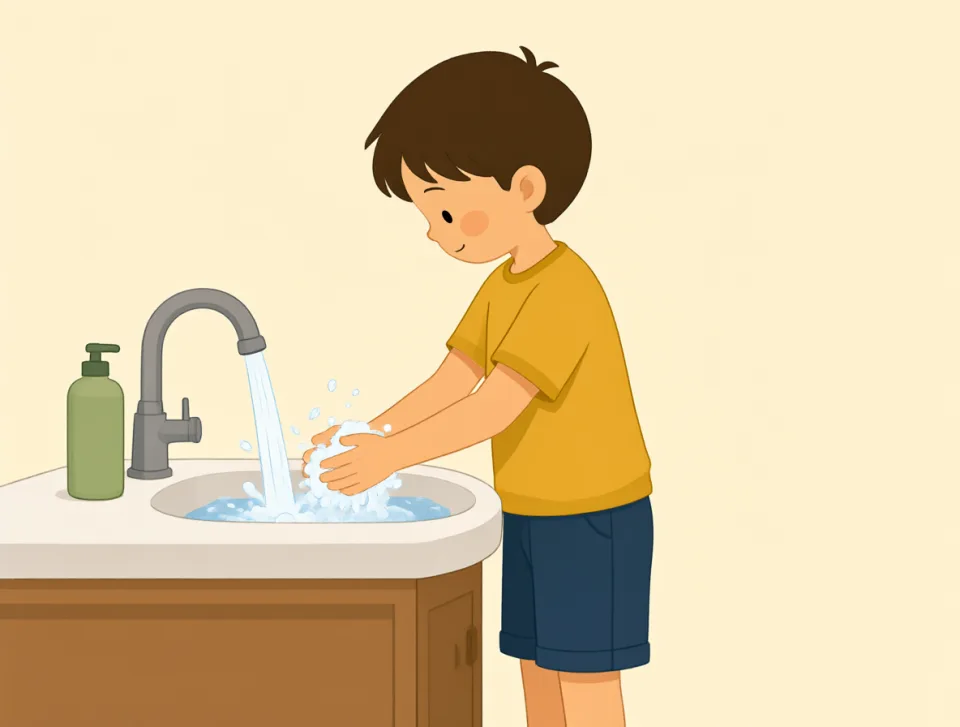
The first step is to wash your hands.
الخطوة الأولى هي غسل يديك.
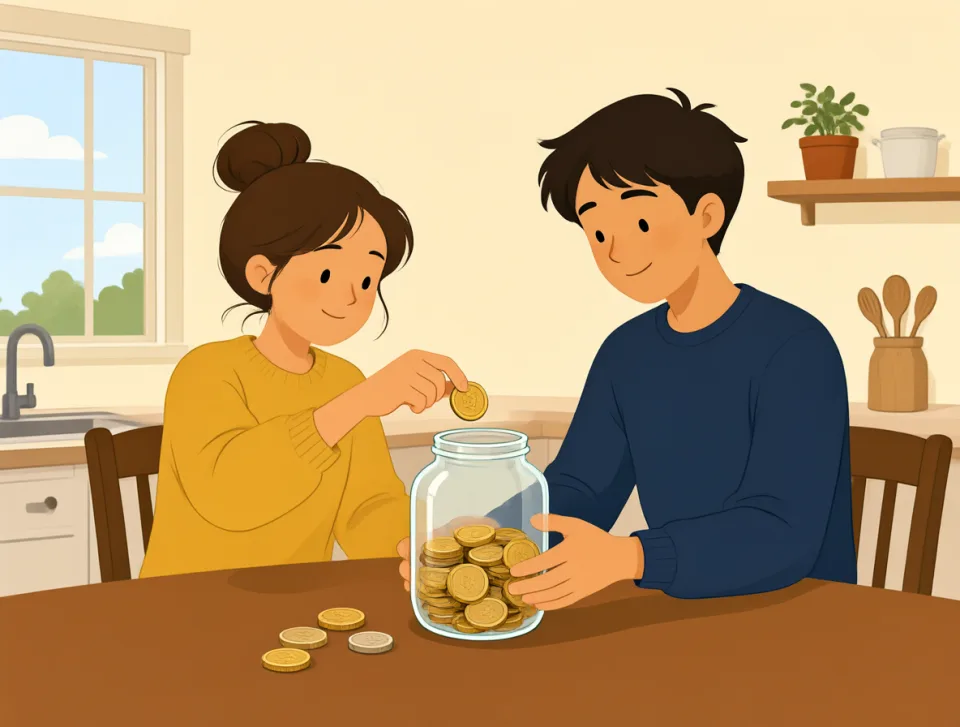
We are taking steps to save money.
نتخذ خطوات لتوفير المال.

TRUE
#478adjective, adverb, noun
صحيح
Based on facts, real, or agreeing with what is correct.
قائم على الحقائق، أو حقيقي، أو متوافق مع الصواب.
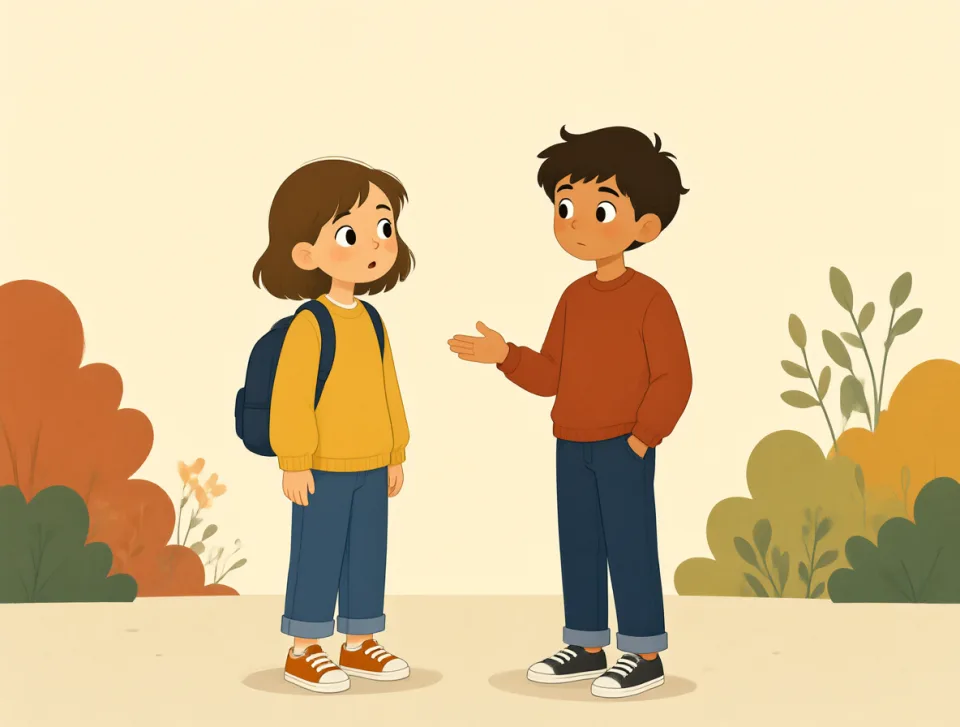
Is it true that you saw him?
هل صحيح أنك رأيته؟
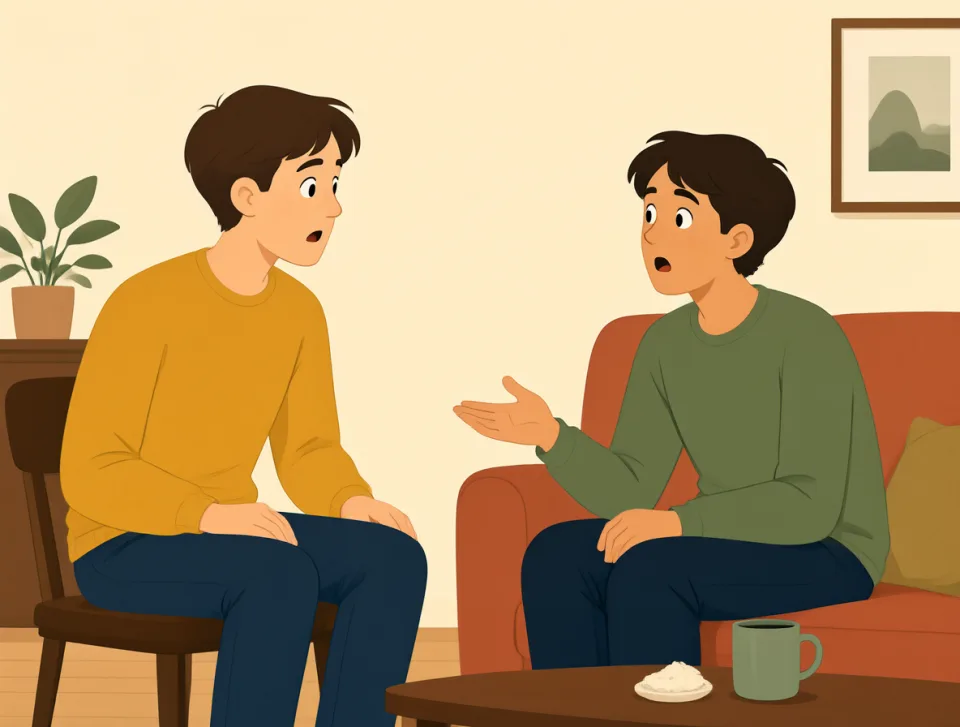
This story is true, and it really happened.
هذه القصة حقيقية، وقد حدثت فعلًا.
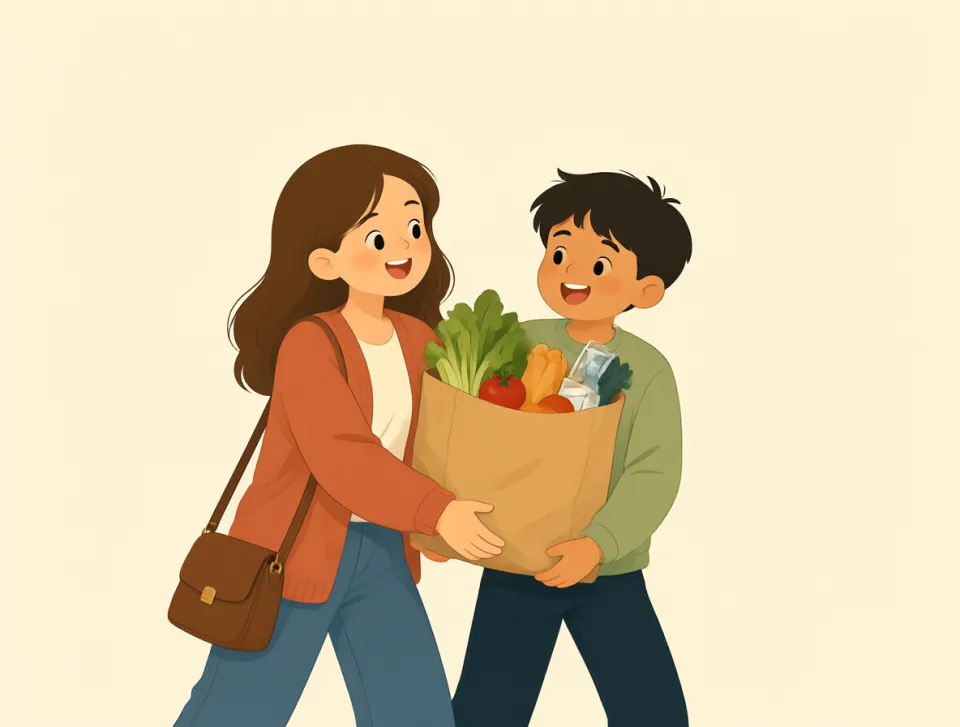
She is a true friend who always helps me.
إنها صديقة مخلصة تساعدني دائمًا.
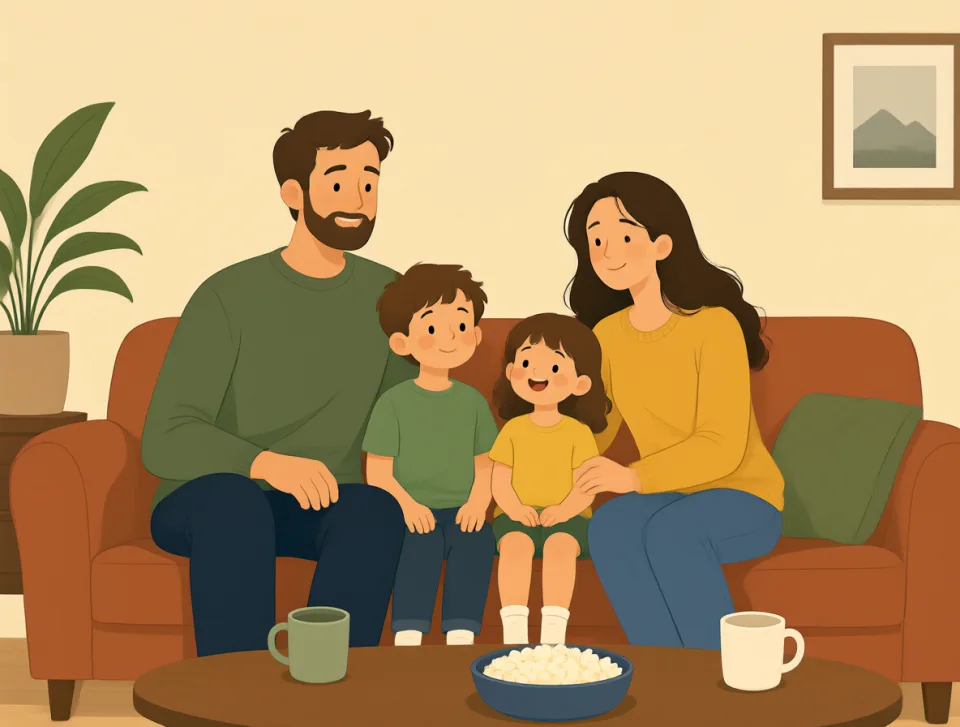
The movie was based on a true story.
استند الفيلم إلى قصة حقيقية.
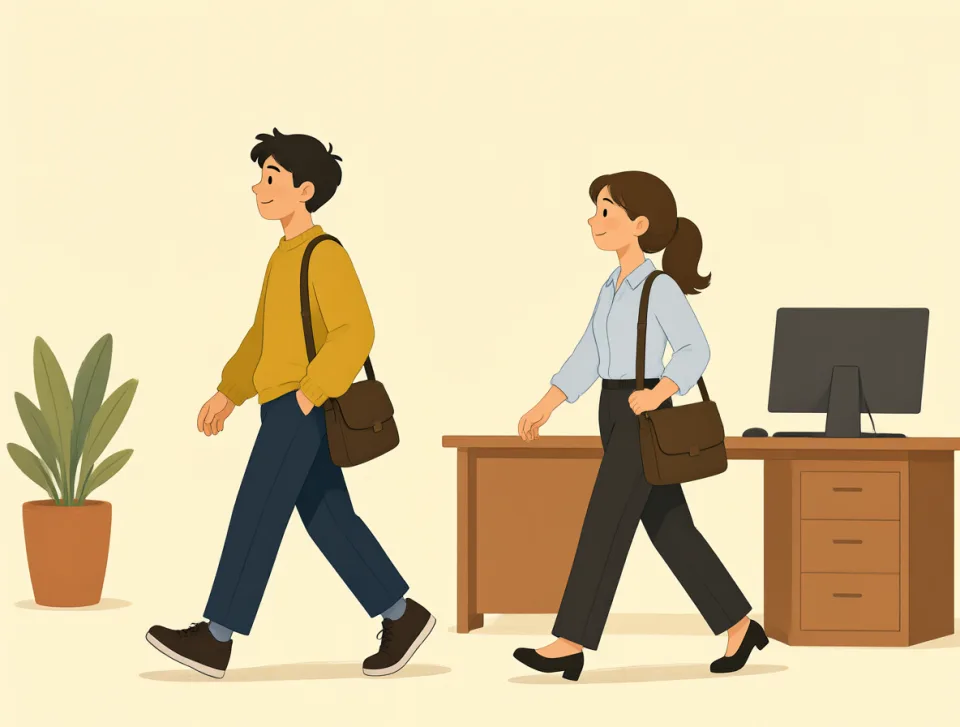
Stay true to yourself at school and work.
كن مخلصًا لنفسك في المدرسة والعمل.
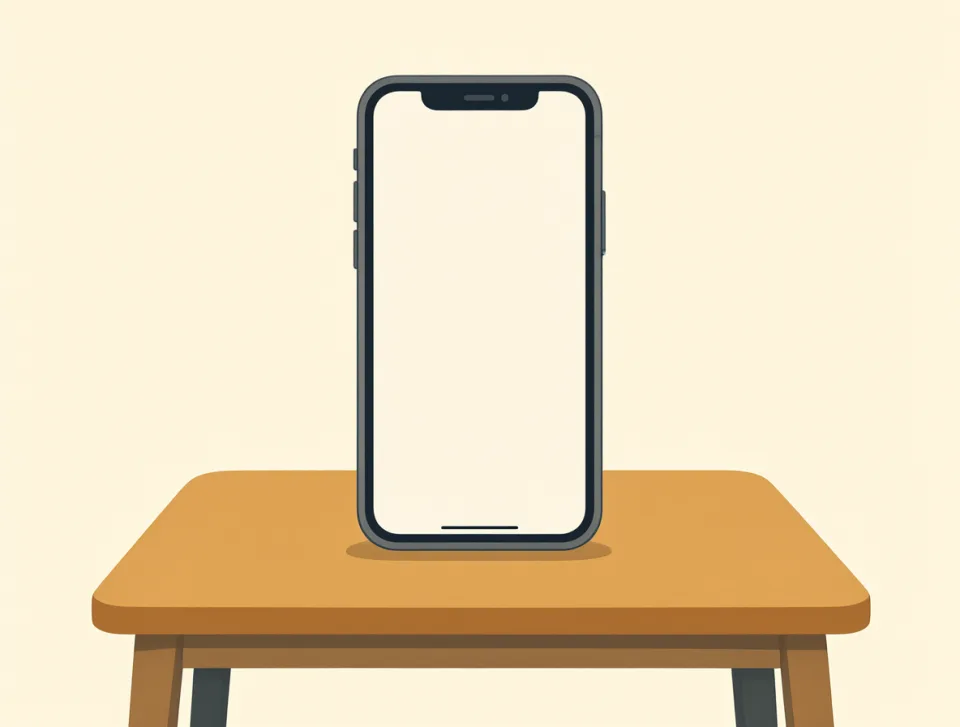
phone
#479noun, verb
هاتف
A device for talking to people over a distance.
جهاز للتحدث مع الناس عن بُعد.
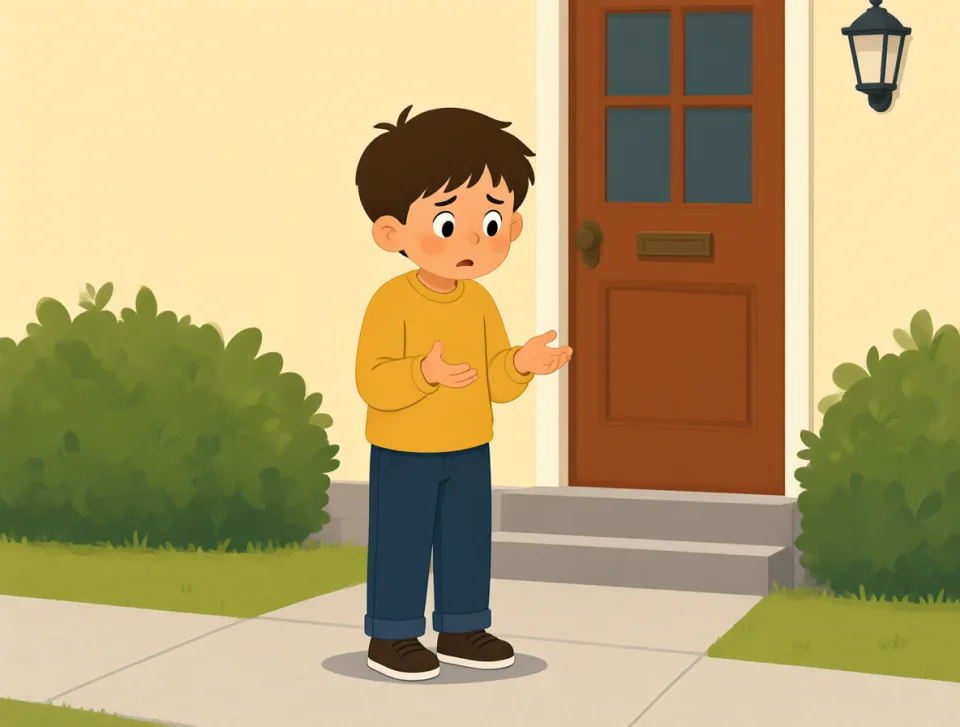
I left my phone at home.
تركت هاتفي في المنزل.

She is talking on the phone.
إنها تتحدث عبر الهاتف.

He bought a new phone yesterday.
اشترى هاتفًا جديدًا أمس.

Please phone me after work.
يُرجى الاتصال بي هاتفيًا بعد العمل.
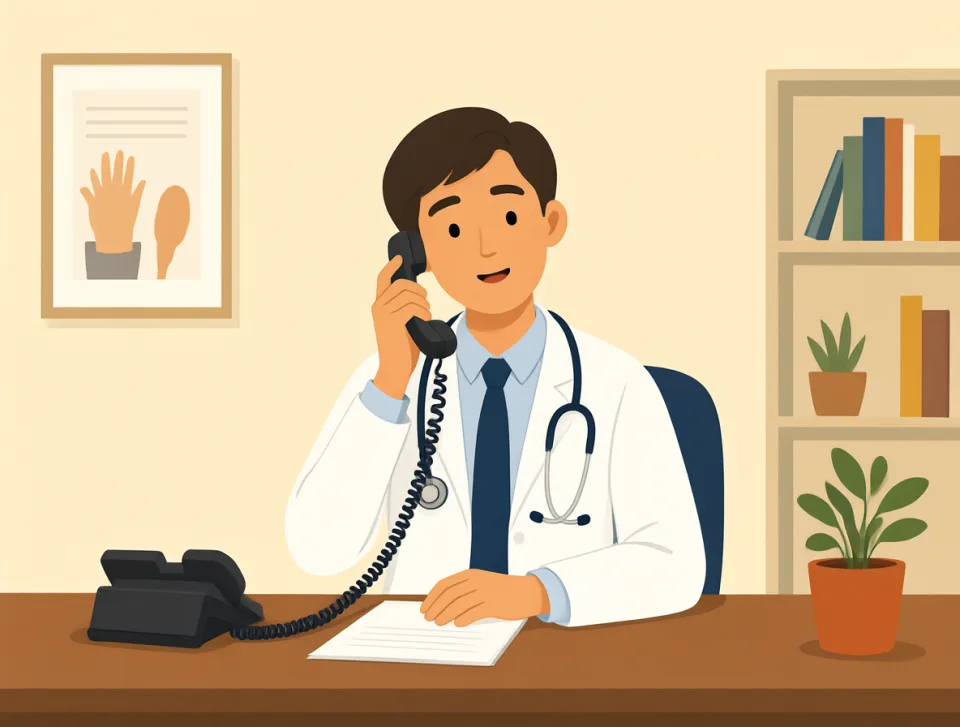
The doctor phoned my mother yesterday.
اتصل الطبيب بأمي هاتفيًا أمس.
themselves
#480pronoun
أنفسهم
Used to refer to two or more people or animals already mentioned.
تُستخدم للإشارة إلى شخصين أو أكثر أو إلى حيوانات سبق ذكرها.
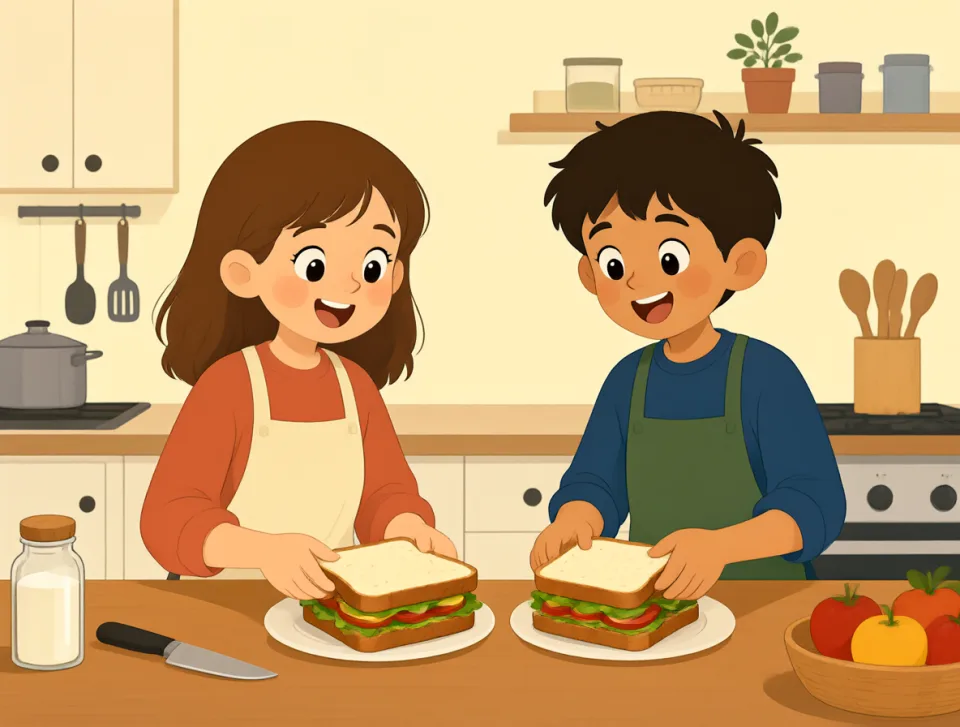
The children made the sandwiches themselves.
أعدّ الأطفال شطائرهم بأنفسهم.
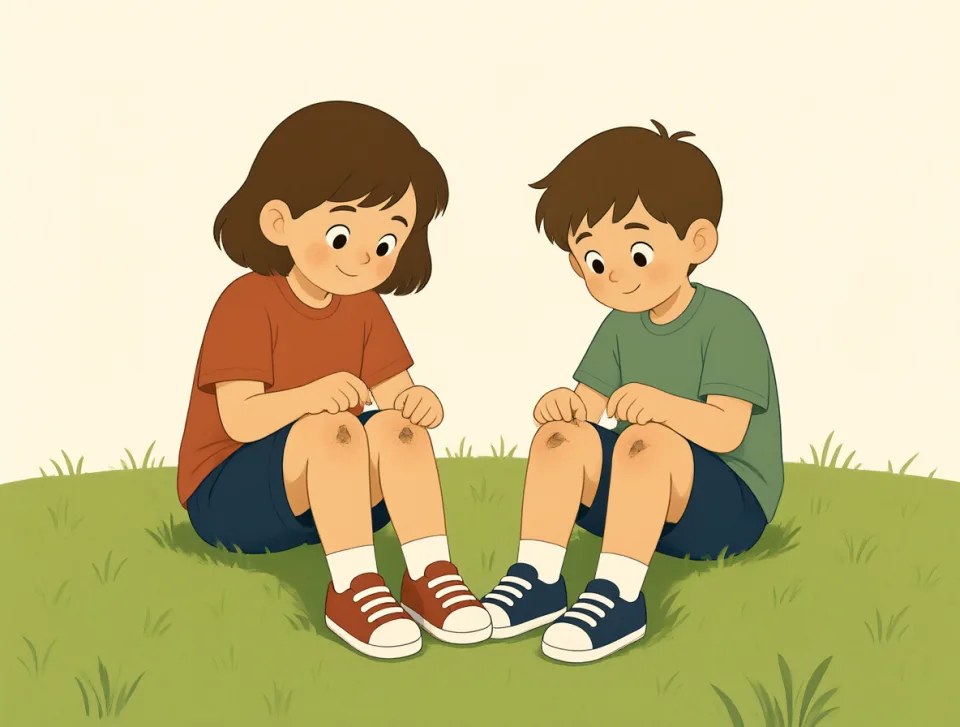
They hurt themselves while playing outside.
أصابوا أنفسهم أثناء اللعب في الخارج.
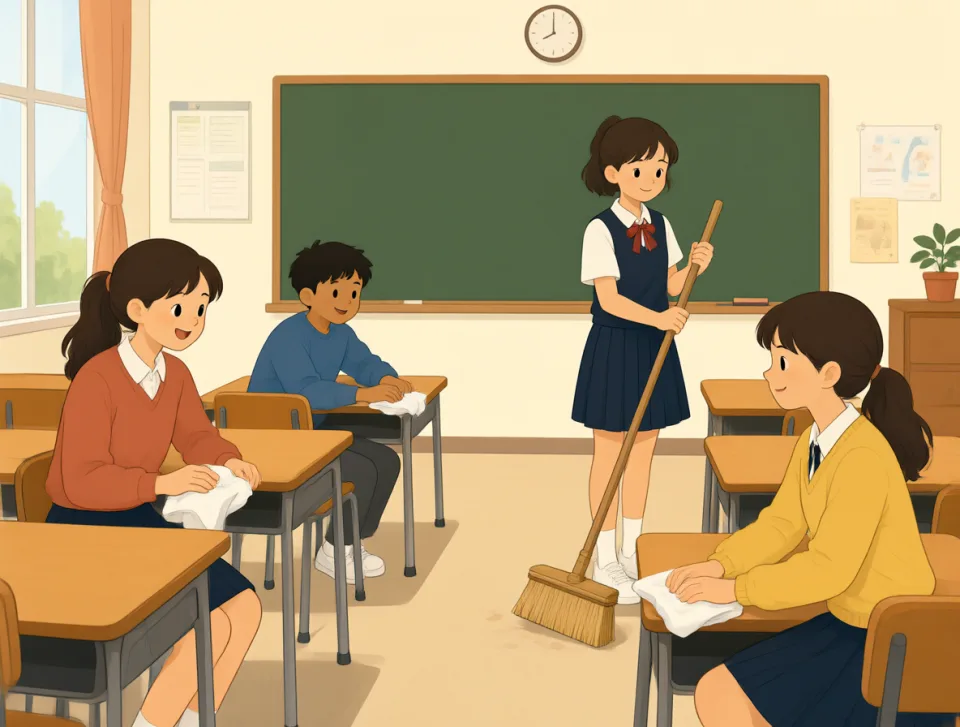
The students cleaned the classroom themselves.
نظّف الطلاب الفصل بأنفسهم.
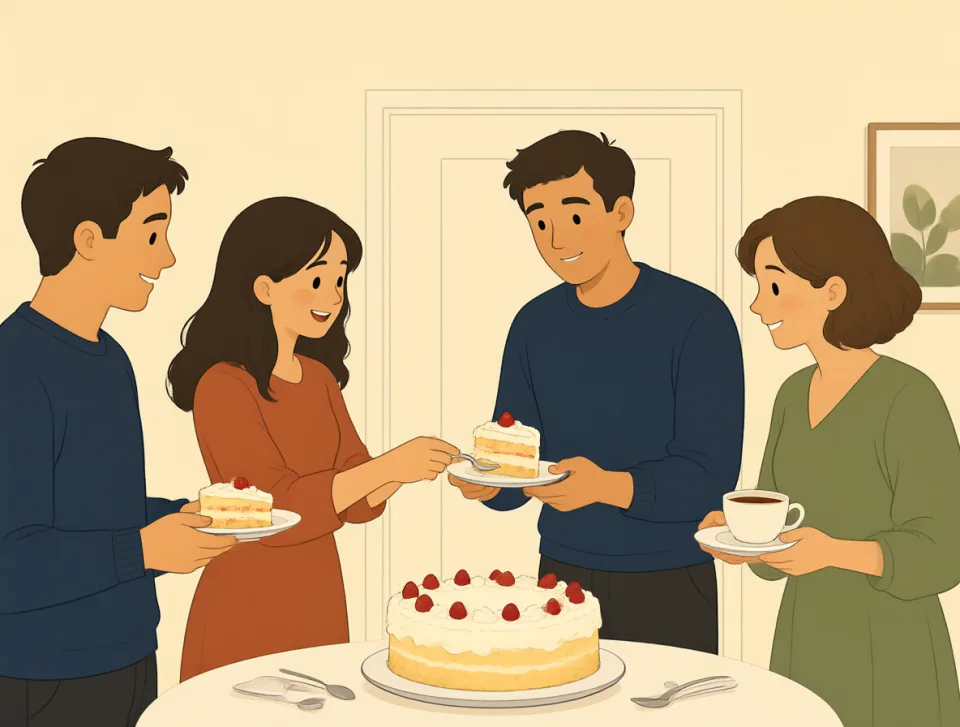
Please help yourselves to some cake.
تفضلوا بتناول بعض الكعك.
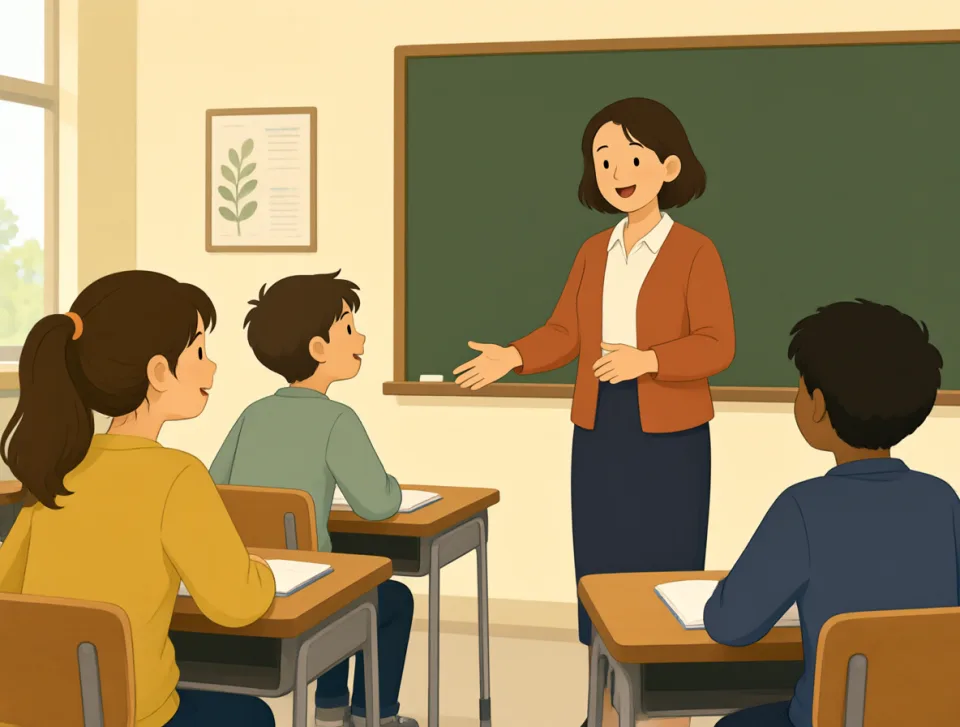
They introduced themselves to the new teacher.
عرّفوا أنفسهم إلى المعلم الجديد.