Блок 20
Слова 381–400 · social, period, across, note, history, create

social
#381adjective, noun
социальный; общительный
Relating to spending time with and meeting other people.
Связанный с общением и встречами с другими людьми.

She is very social and loves meeting new people.
Она очень общительная и любит знакомиться с новыми людьми.
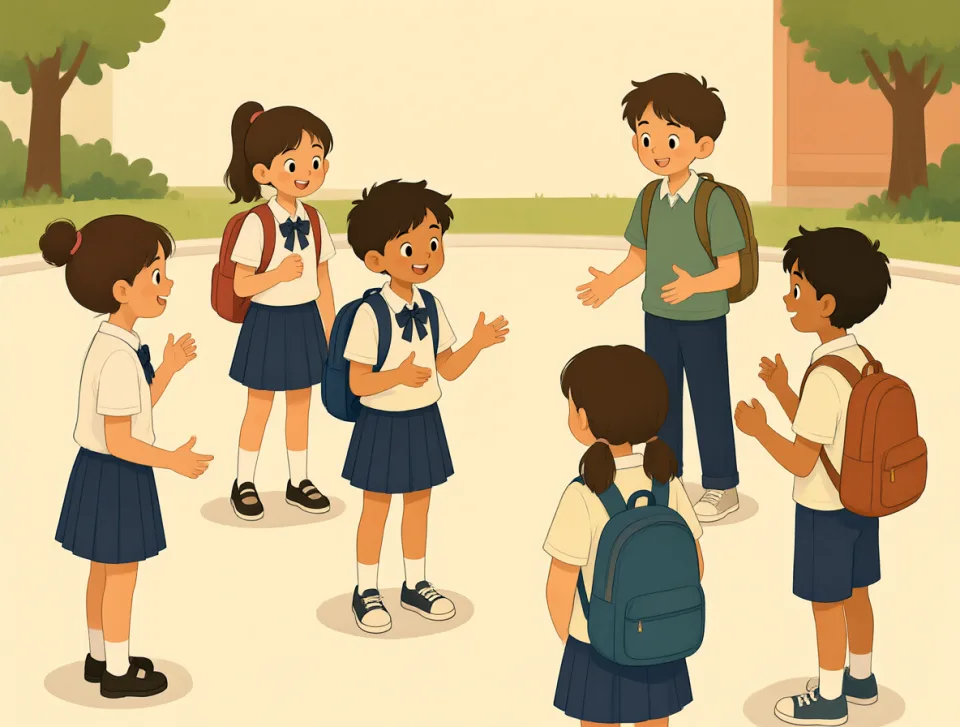
The school has many social activities after class.
После уроков в школе проводится много мероприятий для общения.
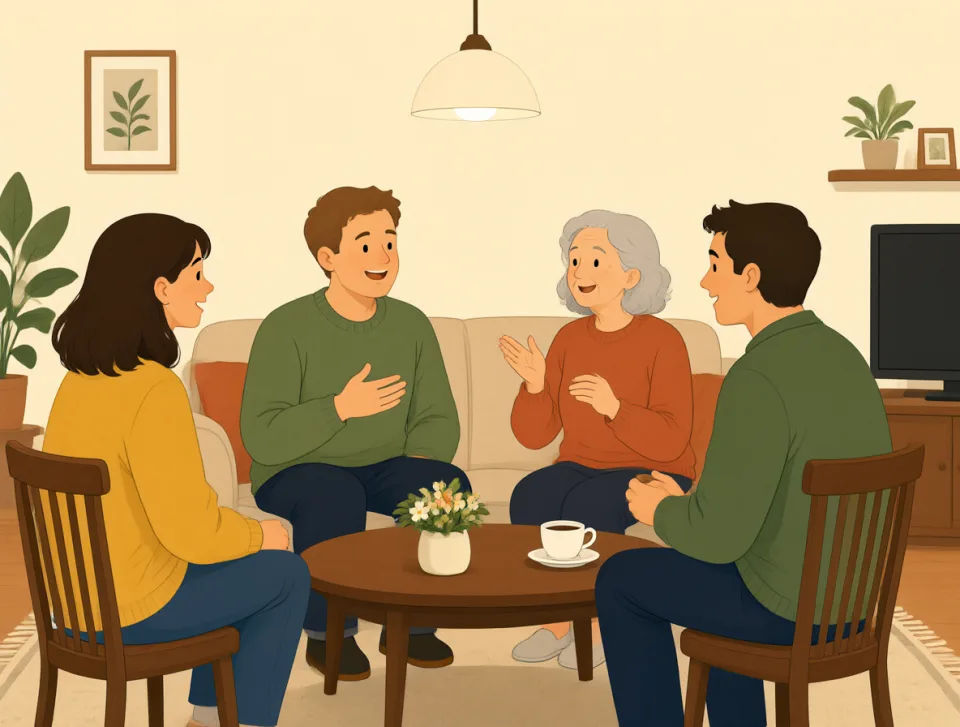
We had a social evening with our neighbors.
Мы провели вечер в компании соседей.

Social media helps friends stay in touch.
Социальные сети помогают друзьям оставаться на связи.

The doctor asked about his social life.
Врач спросил его о личной жизни и общении с людьми.
period
#382noun
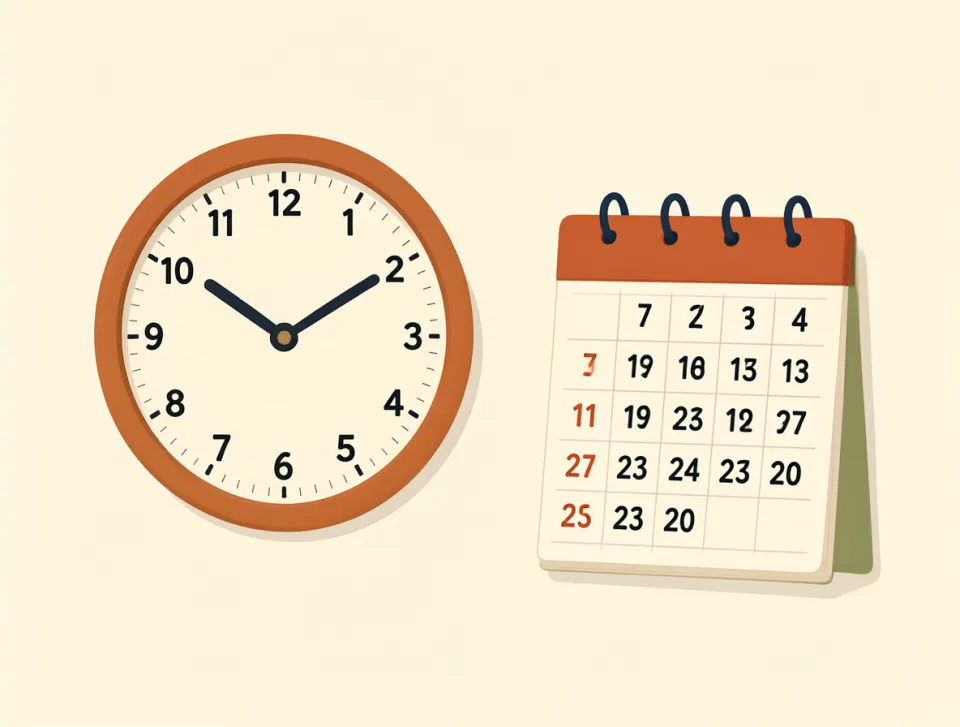
период; промежуток времени
a length of time when something happens or continues
Отрезок времени, в течение которого что-либо происходит или продолжается.
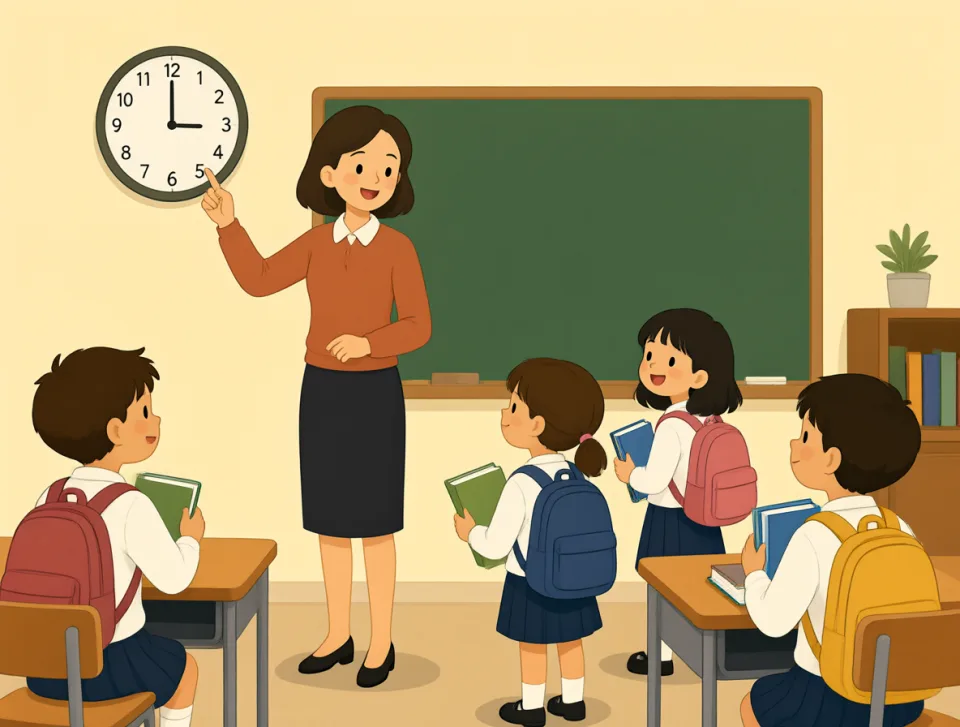
The school period ends at ten o'clock.
Урок заканчивается в десять часов.
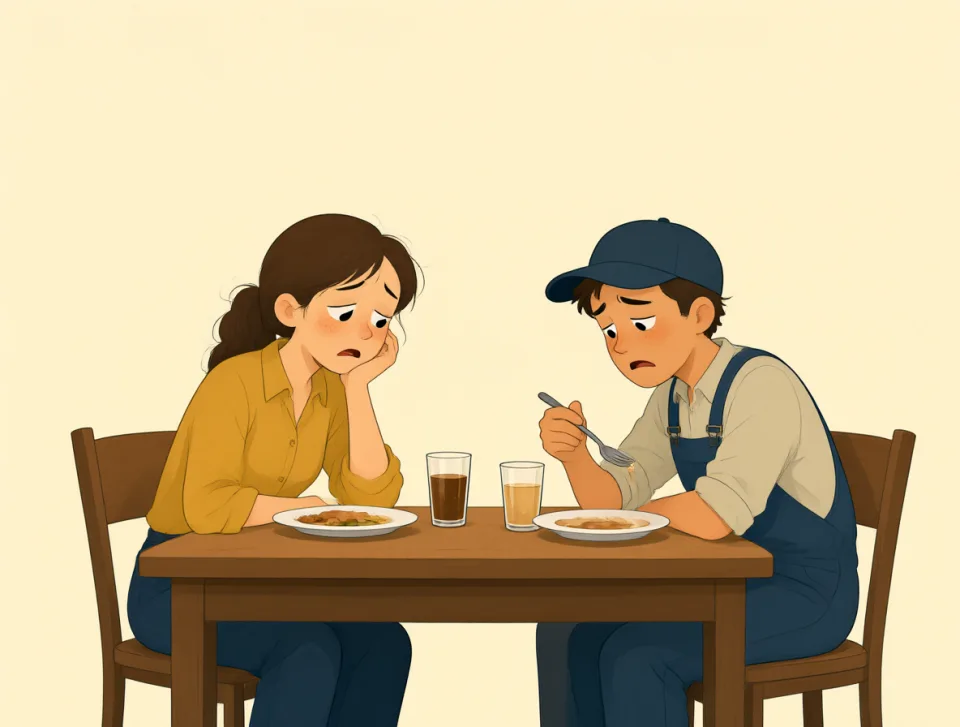
We had a short rest period after lunch.
После обеда у нас был короткий перерыв.
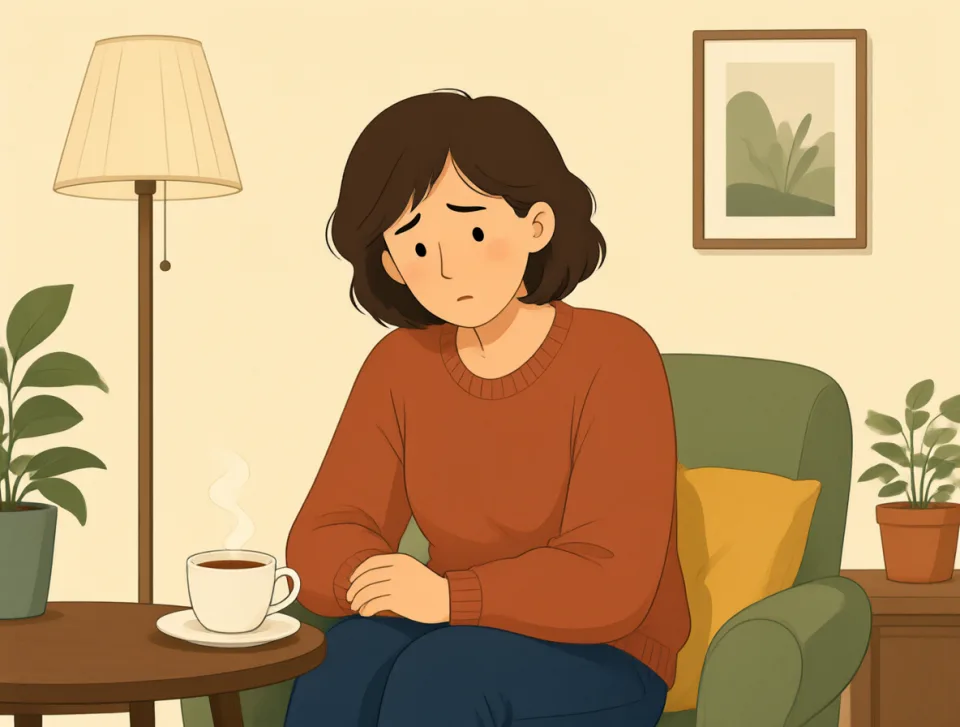
She had a difficult period last year.
В прошлом году у неё был трудный период.

The doctor asked about my menstrual period.
Врач спросил меня о менструации.
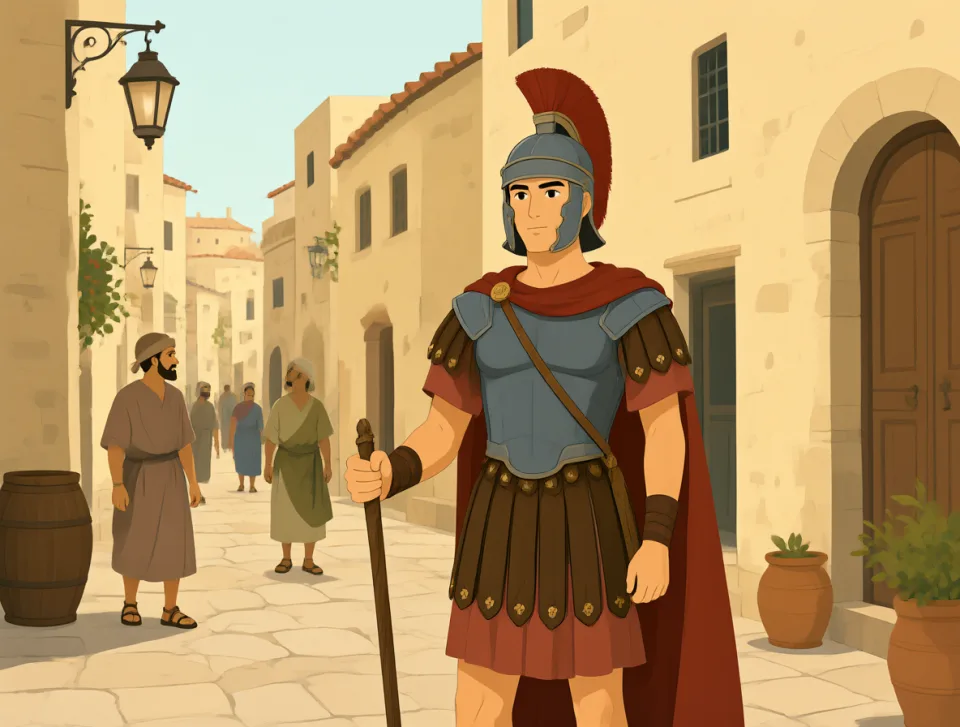
The Roman period lasted for many centuries.
Римская эпоха длилась много веков.
across
#383adverb, preposition
через; поперёк
from one side to the other side of a place or area
С одной стороны места или пространства на другую.
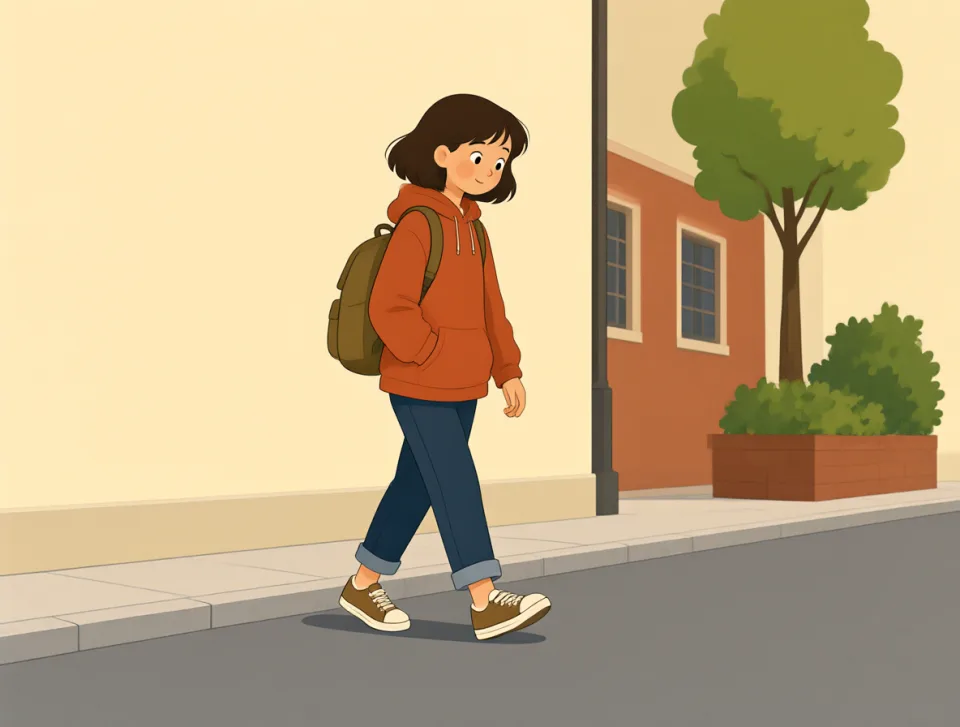
She walked across the street carefully.
Она осторожно перешла улицу.
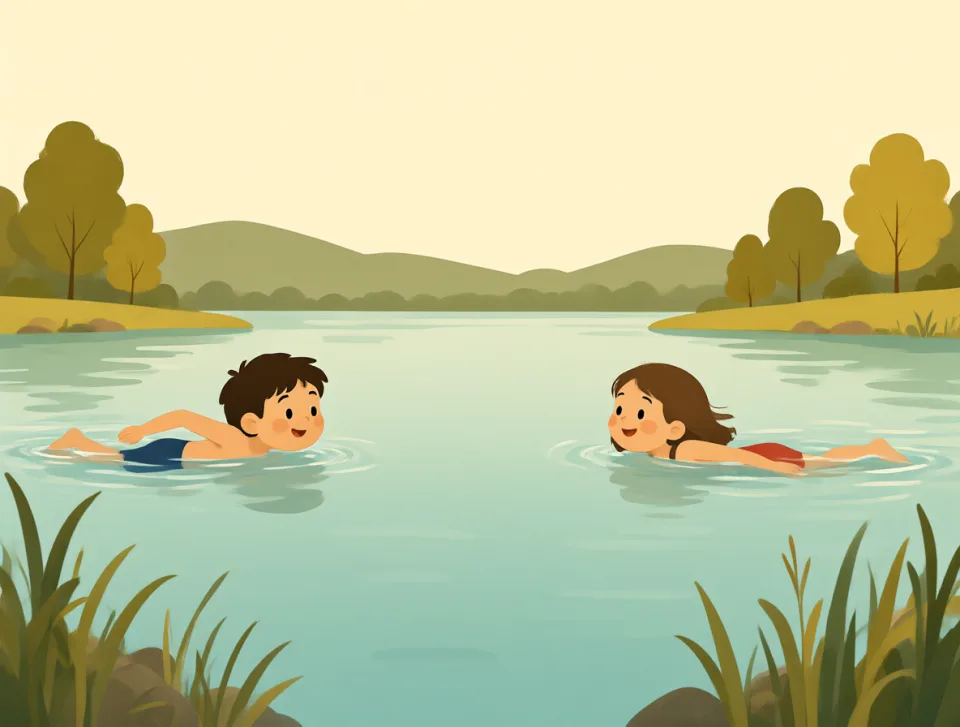
We swam across the lake yesterday.
Вчера мы переплыли озеро.
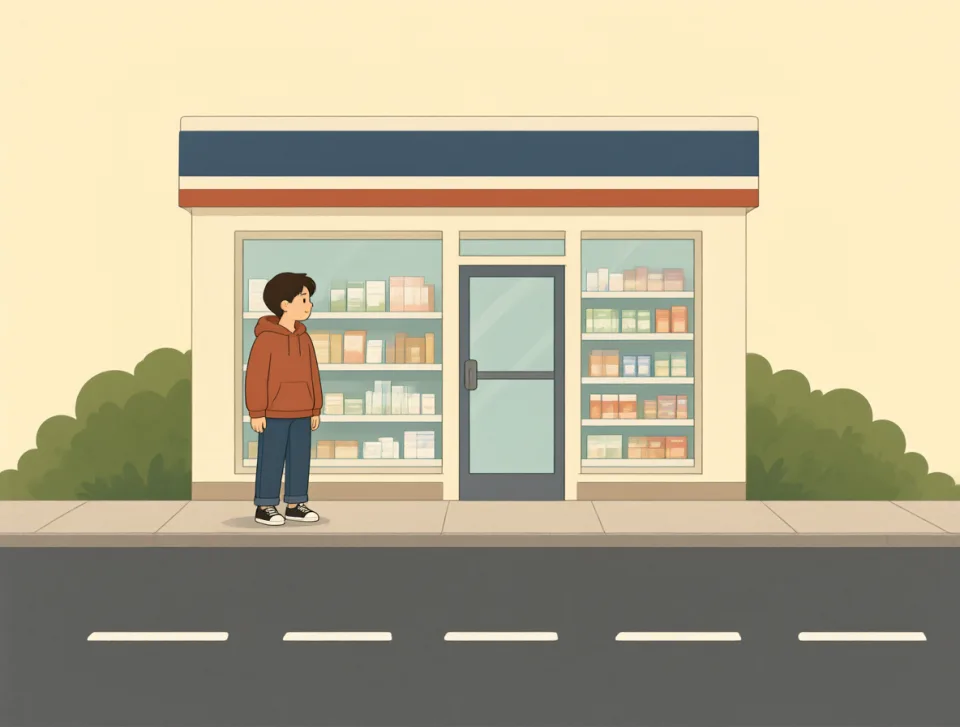
There is a pharmacy across the road.
На другой стороне дороги есть аптека.
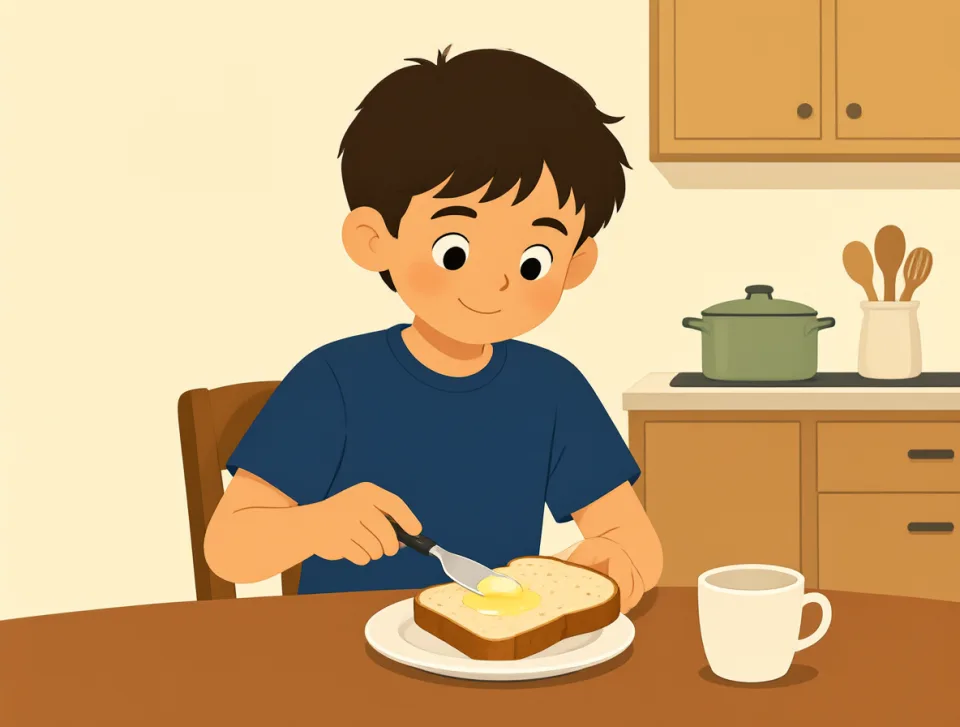
He spread butter across the bread.
Он намазал хлеб маслом.
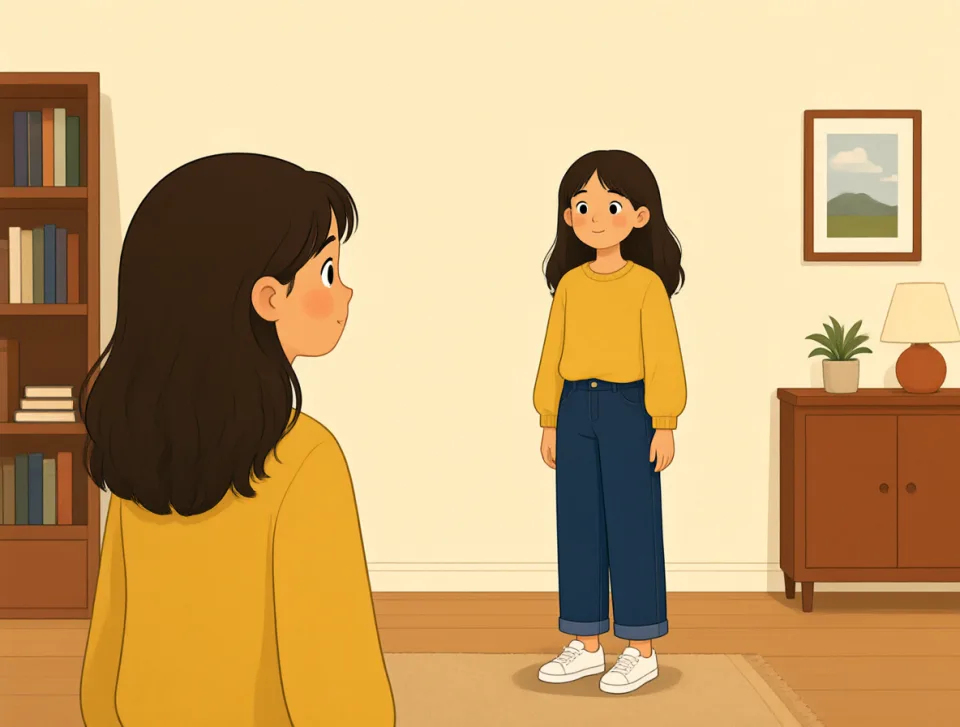
I saw my friend across the room.
Я увидел своего друга на другом конце комнаты.
note
#384noun, verb
записка; заметка; отмечать
A short written message or a brief record of information; to notice or remember something.
Короткое письменное сообщение или краткая запись информации; замечать или запоминать что-либо.
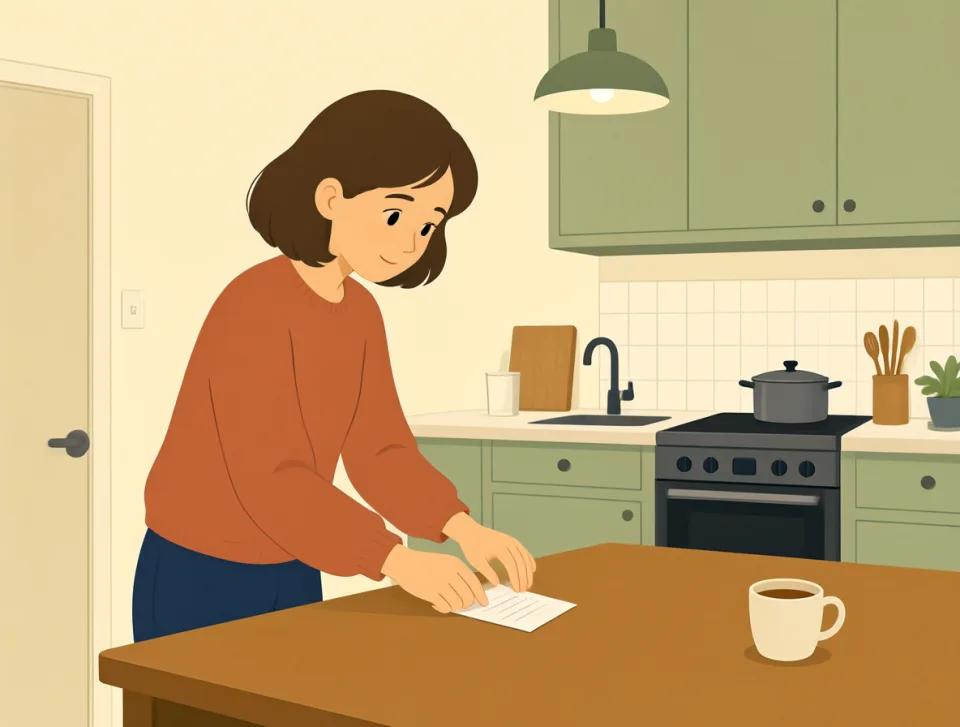
She left me a note on the table.
Она оставила мне записку на столе.

Please note the change in our meeting time.
Пожалуйста, обратите внимание на изменение времени нашей встречи.
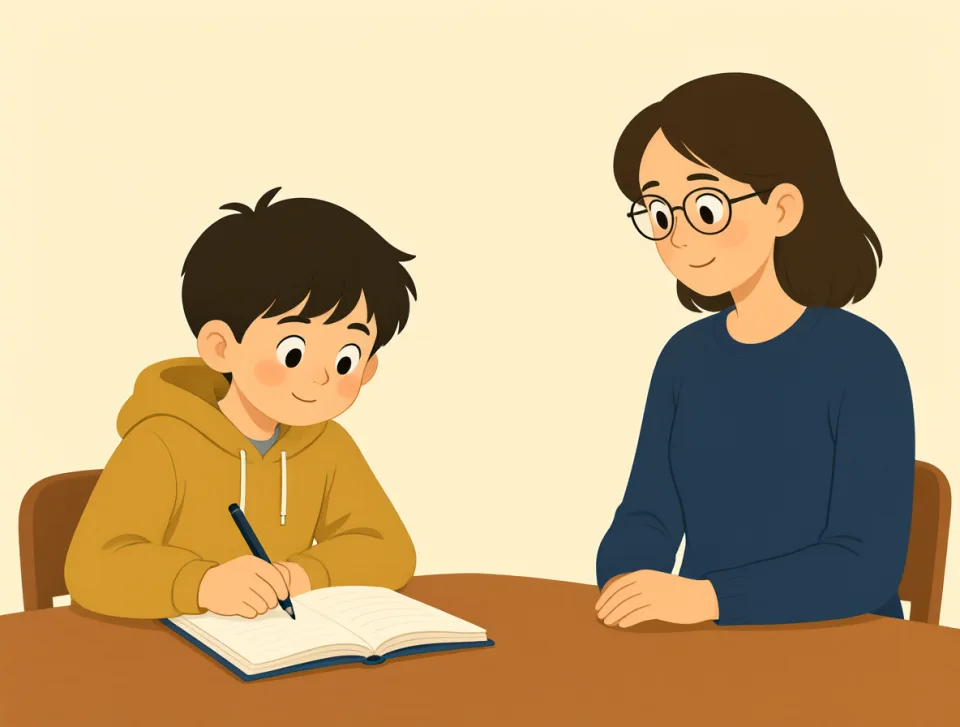
I took notes during the class.
Я делал записи во время занятия.

He noted the address in his notebook.
Он записал адрес в блокнот.
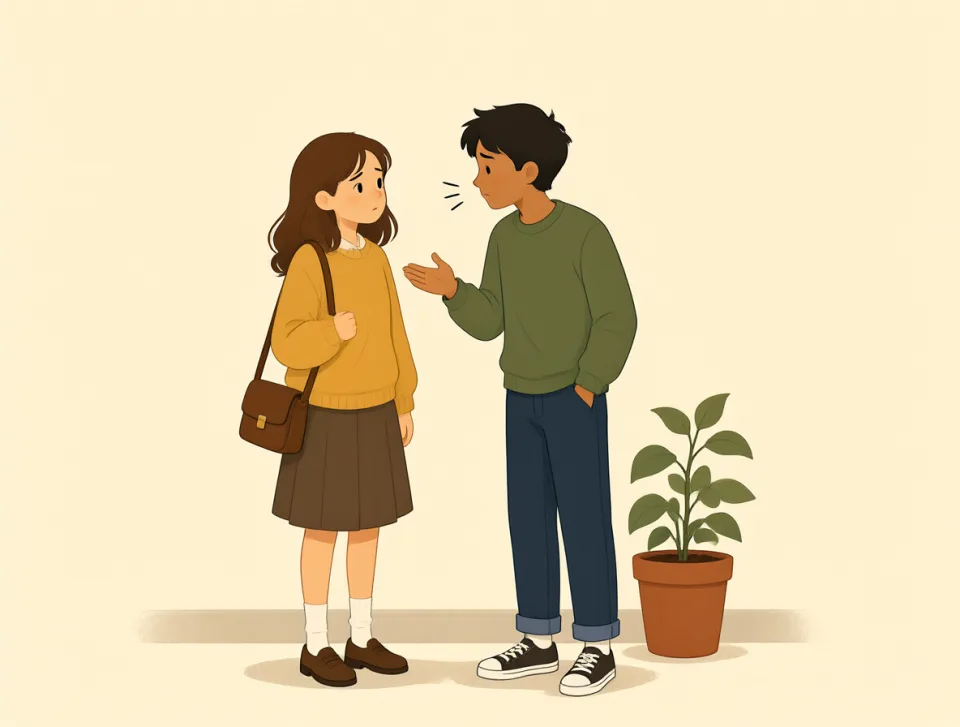
I noticed a strange note in her voice.
Я заметил странную нотку в её голосе.
history
#385noun
история
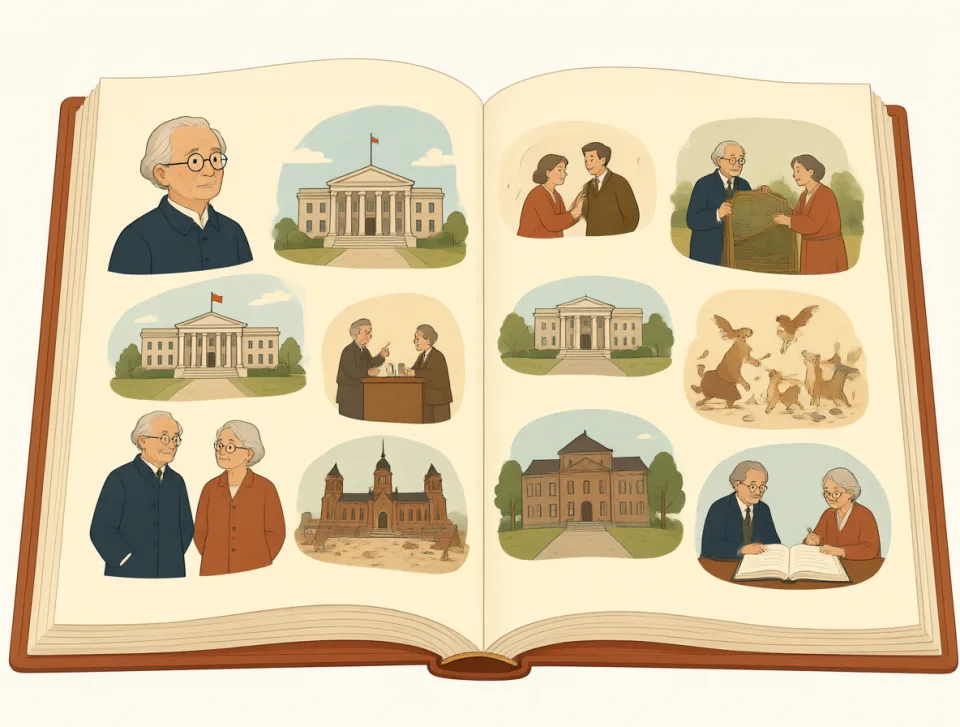
All the events that happened in the past, or the study of those events.
Все события, произошедшие в прошлом, или изучение этих событий.
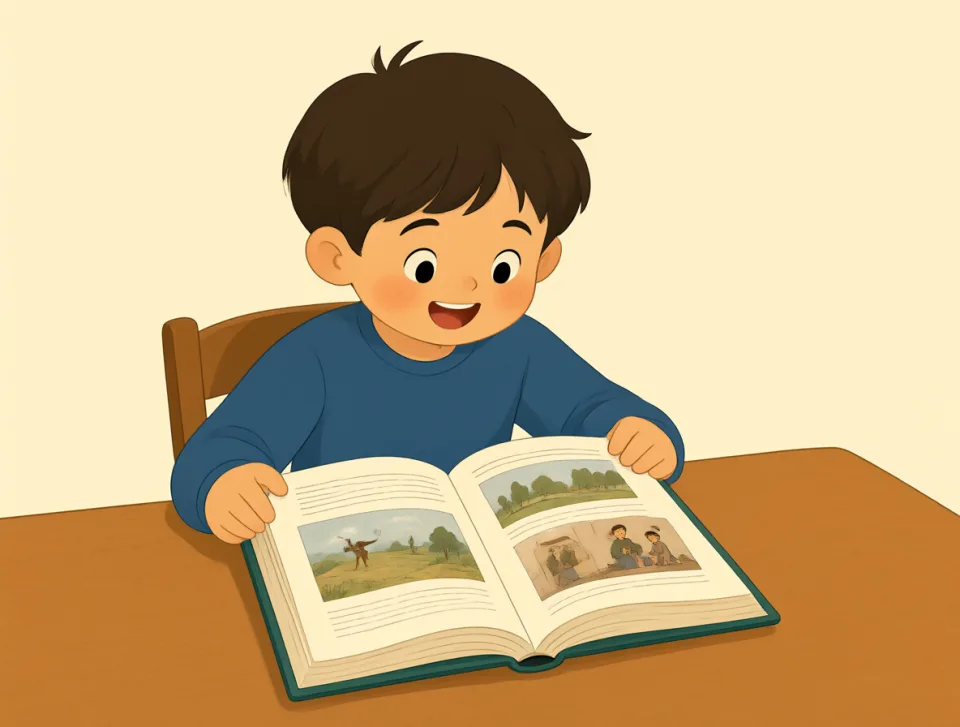
I love learning about world history.
Я люблю изучать всемирную историю.
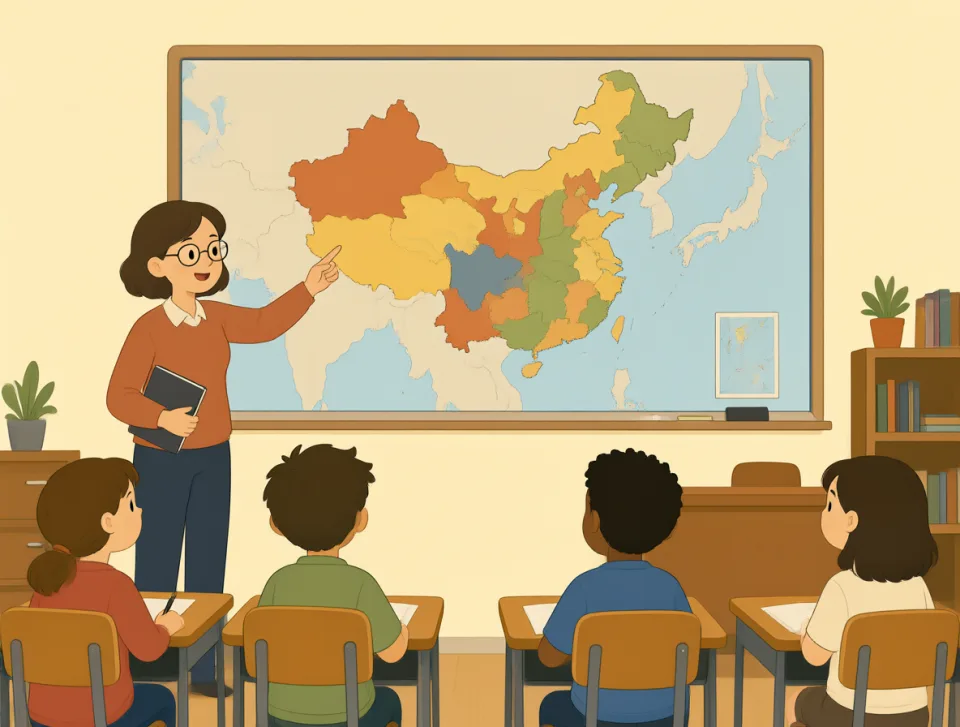
Our history teacher told us about ancient Egypt.
Наш учитель истории рассказал нам о Древнем Египте.
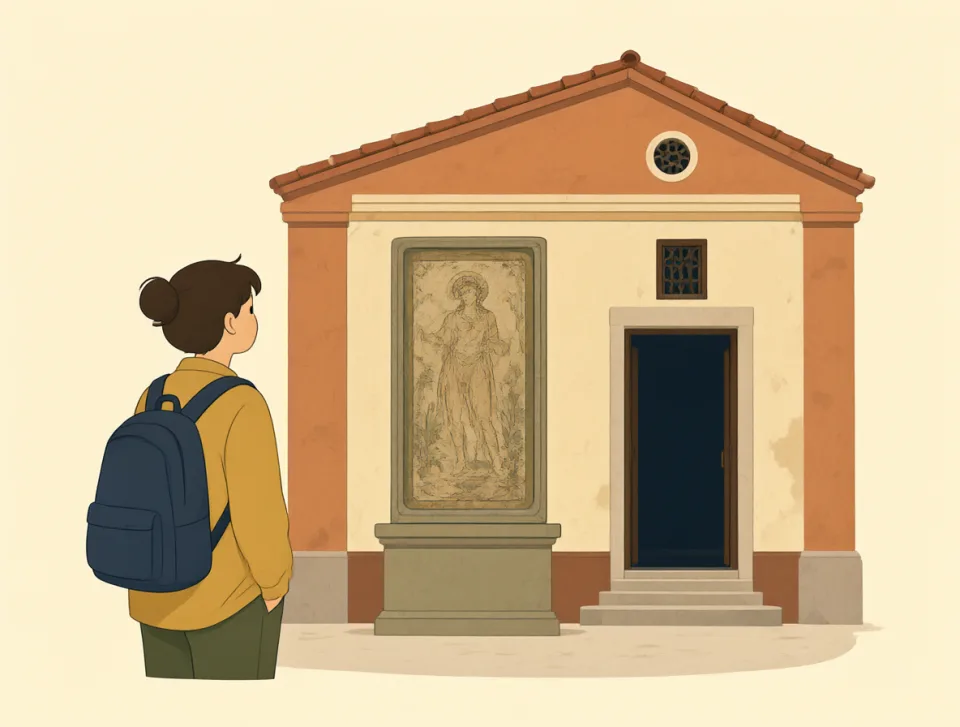
The museum has a long history.
У музея долгая история.
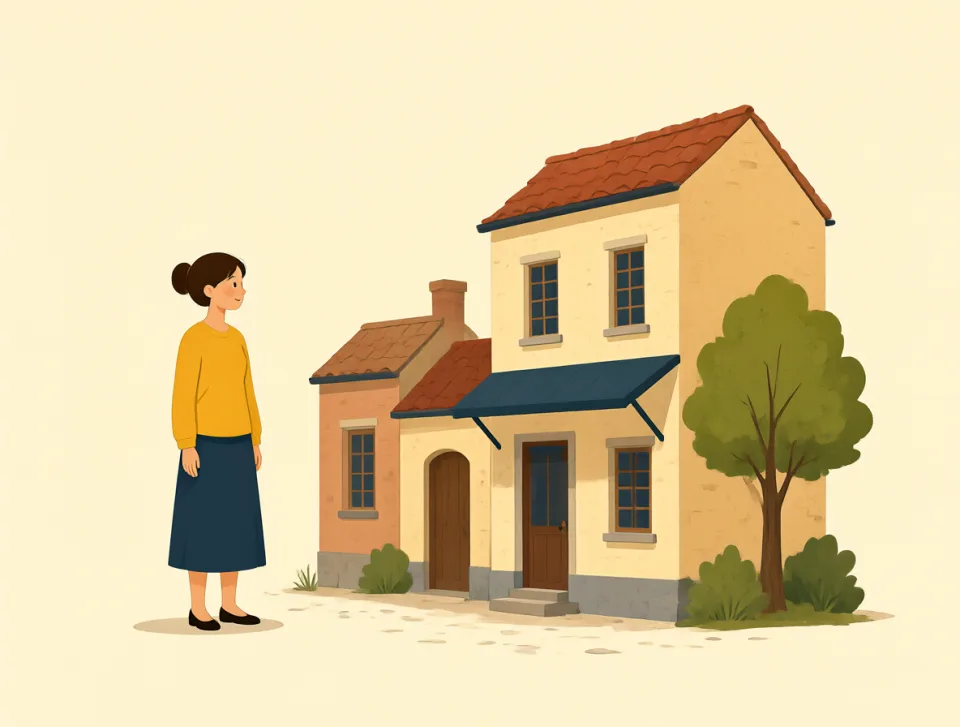
She knows the history of this town.
Она знает историю этого города.
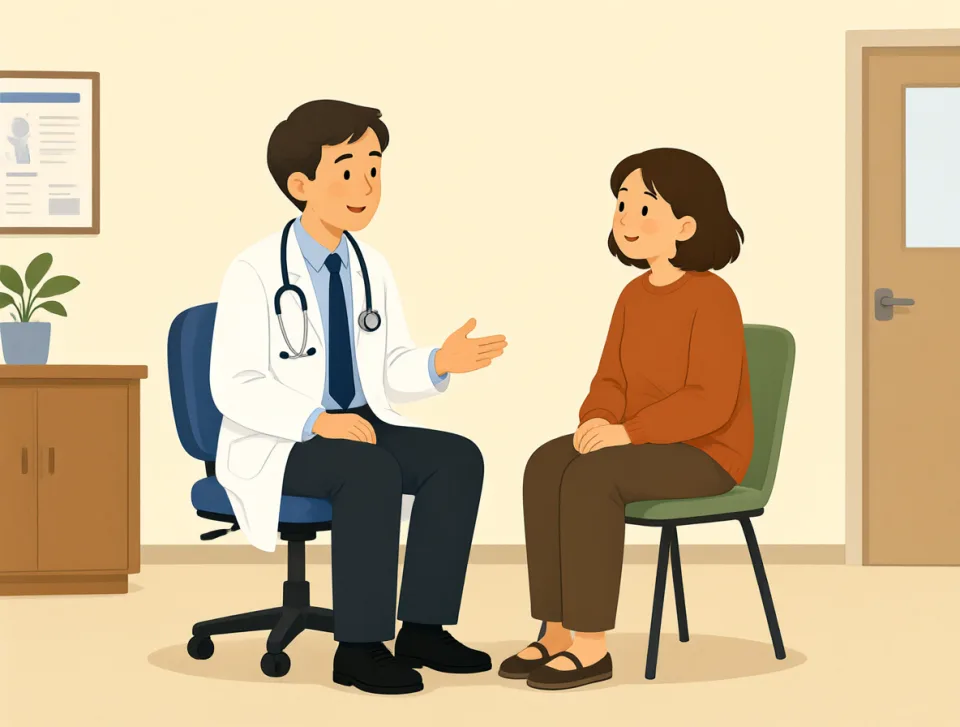
He asked about my medical history.
Он спросил о моей истории болезни.
create
#386verb
создавать
to make something new, such as an idea, picture, meal, or plan
создавать что-то новое, например идею, картину, блюдо или план
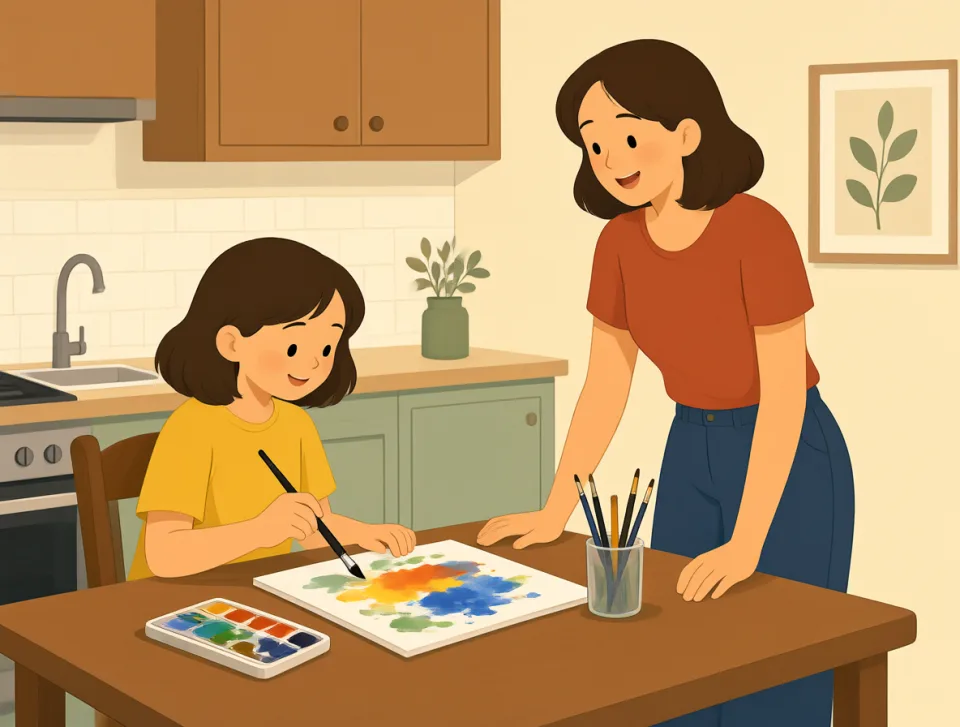
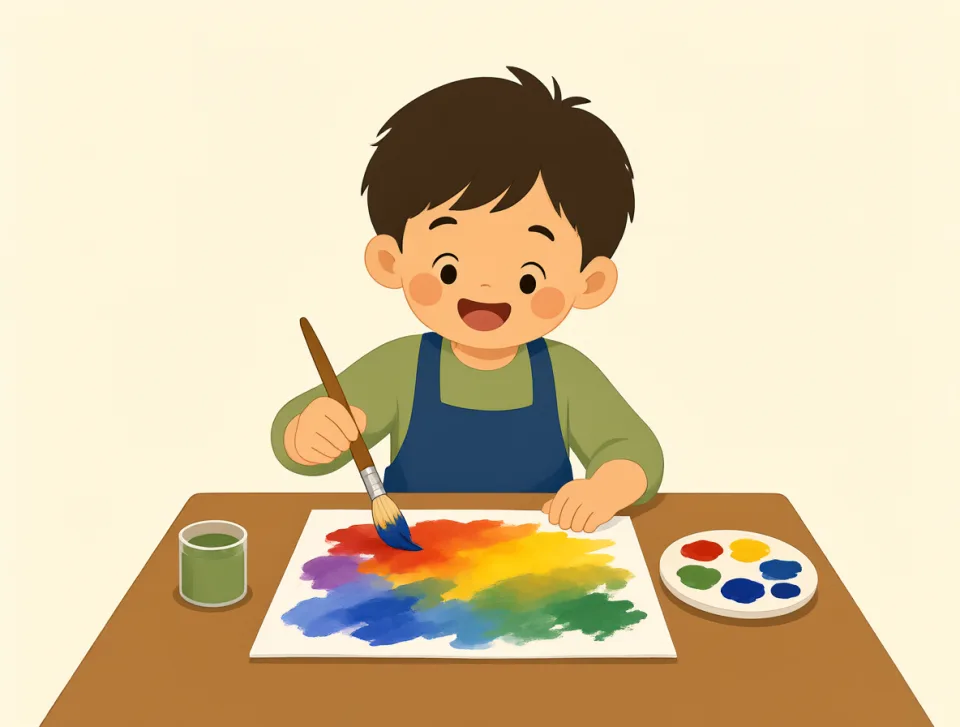
She created a beautiful picture for her mother.
Она создала красивую картину для своей мамы.

We created a shopping list before going to the store.
Перед походом в магазин мы составили список покупок.
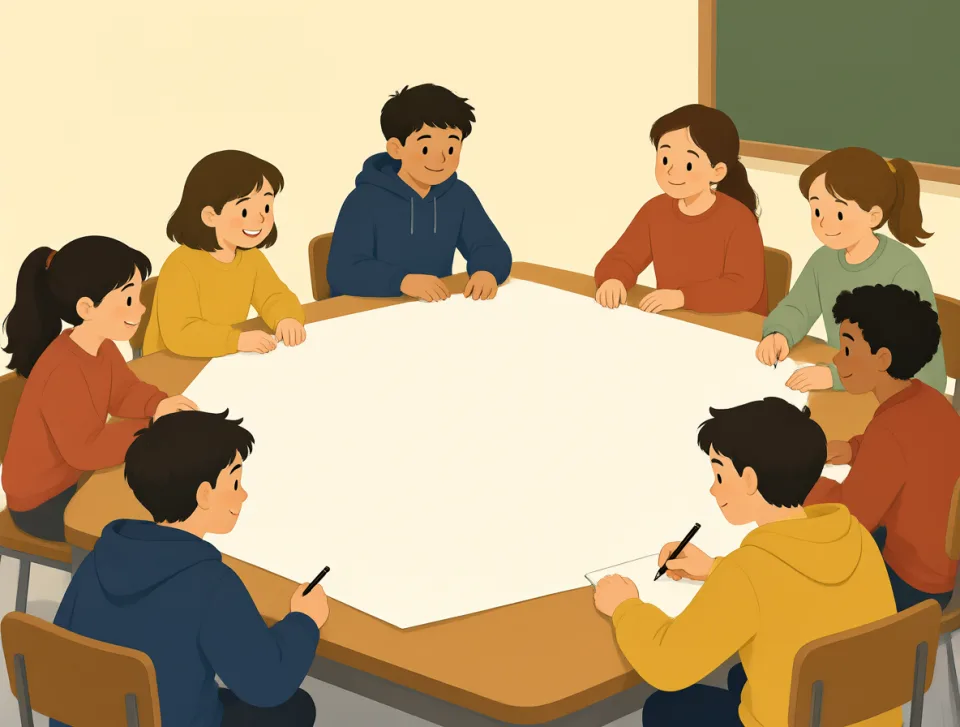
The students created a poster for their school project.
Ученики сделали плакат для школьного проекта.

The chef created a new dish with fresh vegetables.
Шеф-повар придумал новое блюдо из свежих овощей.

Good friends create happy memories together.
Хорошие друзья вместе создают счастливые воспоминания.
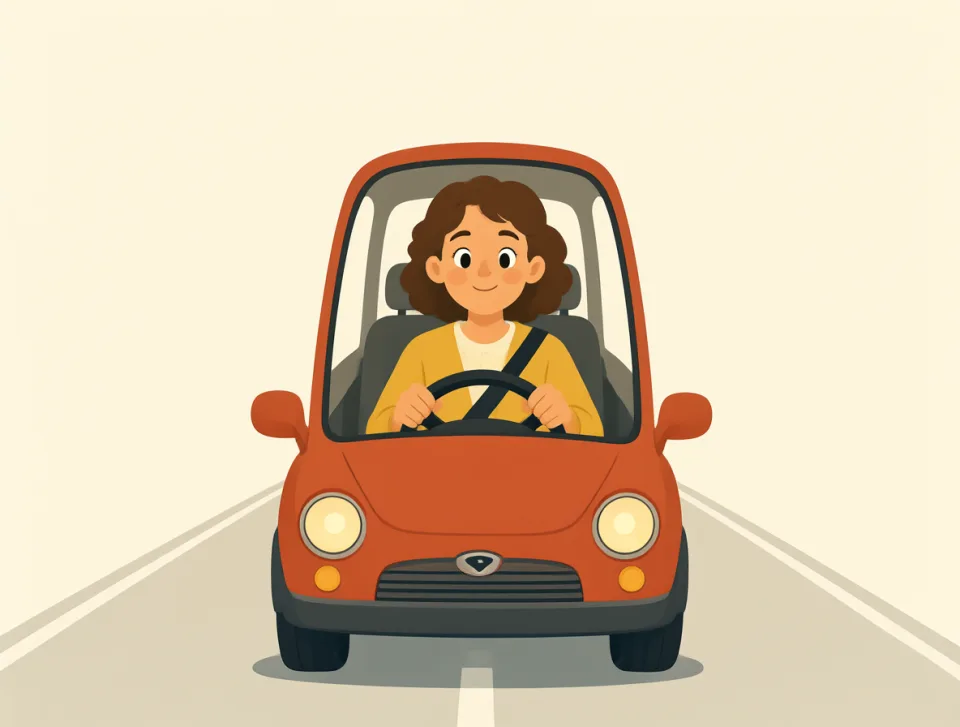
drive
#387verb, noun
водить; поездка на машине
To control a car and make it move; a trip in a car.
управлять автомобилем и приводить его в движение; поездка на автомобиле
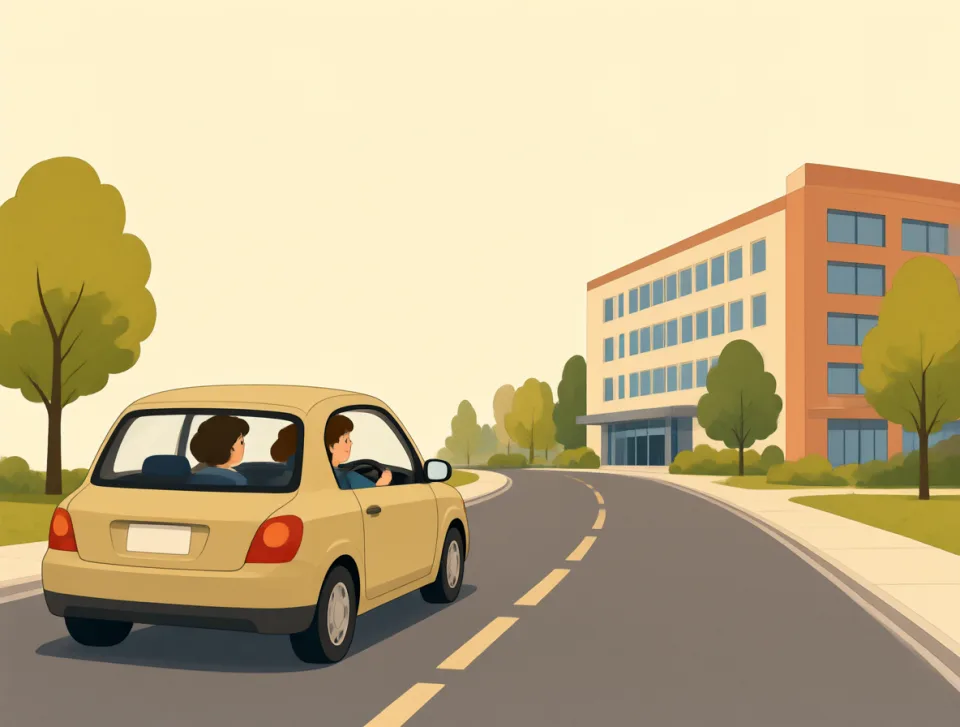
I drive to work every morning.
Я каждое утро езжу на машине на работу.
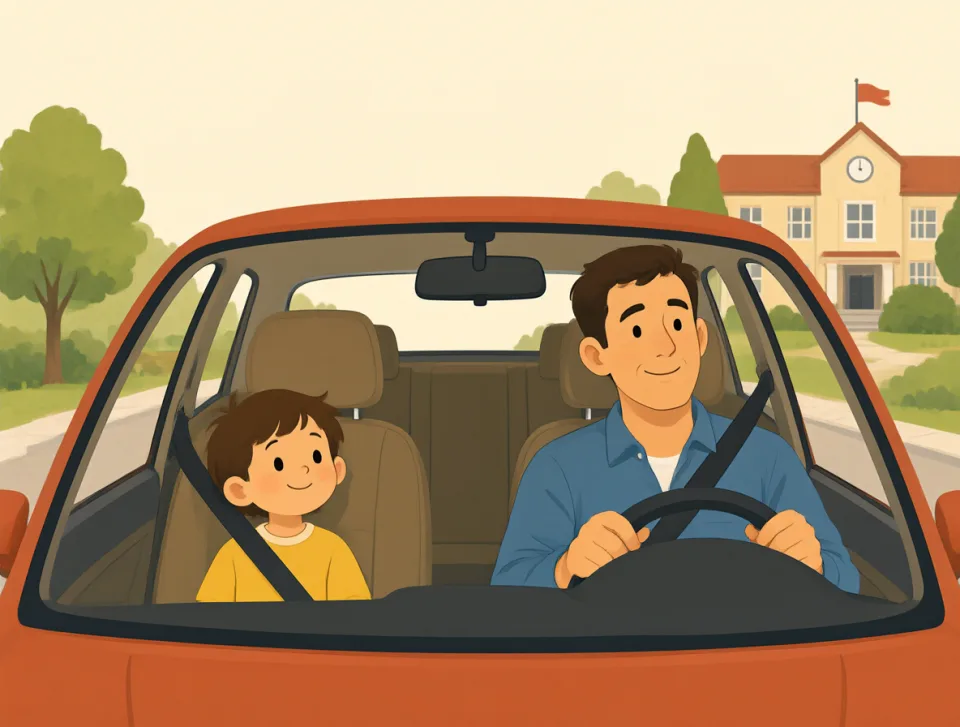
My father drives us to school.
Мой отец отвозит нас в школу.
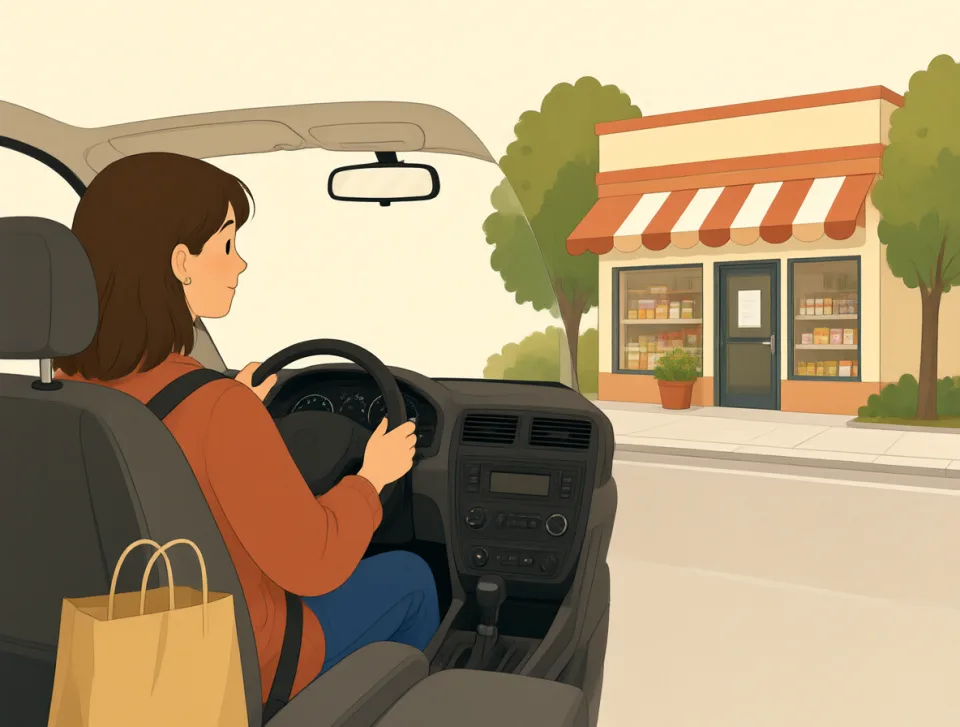
She drove to the store for milk.
Она съездила в магазин за молоком.

We took a long drive yesterday.
Вчера мы долго катались на машине.
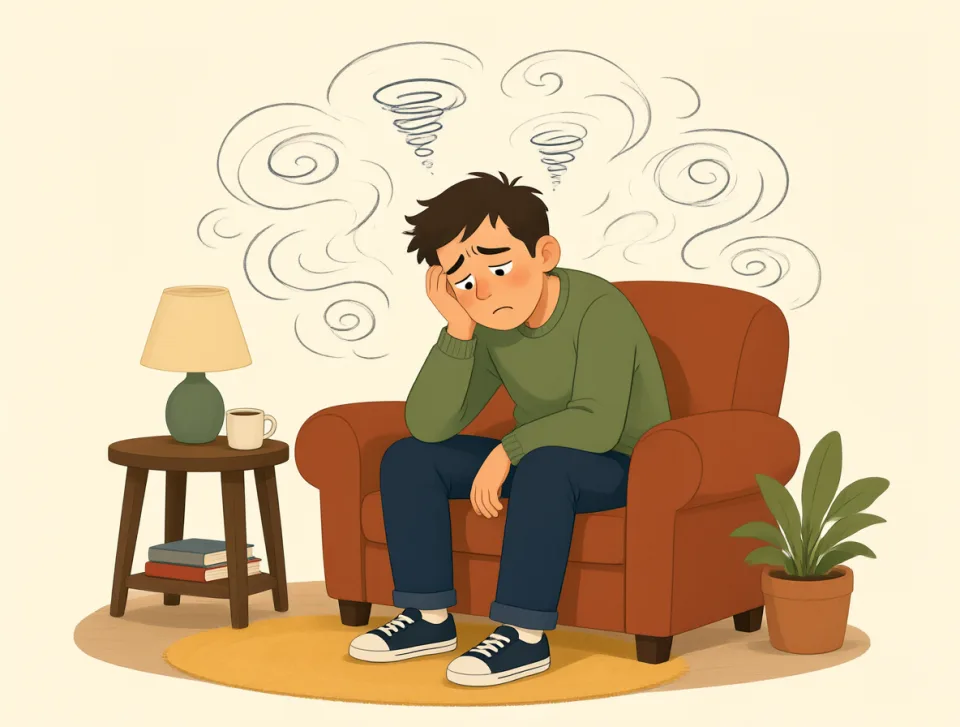
The doctor said stress drives him crazy.
Врач сказал, что стресс сводит его с ума.
along
#388adverb, preposition
вдоль
from one end of a place to the other, or beside and following its length
от одного конца места до другого или рядом с чем-либо, следуя вдоль него

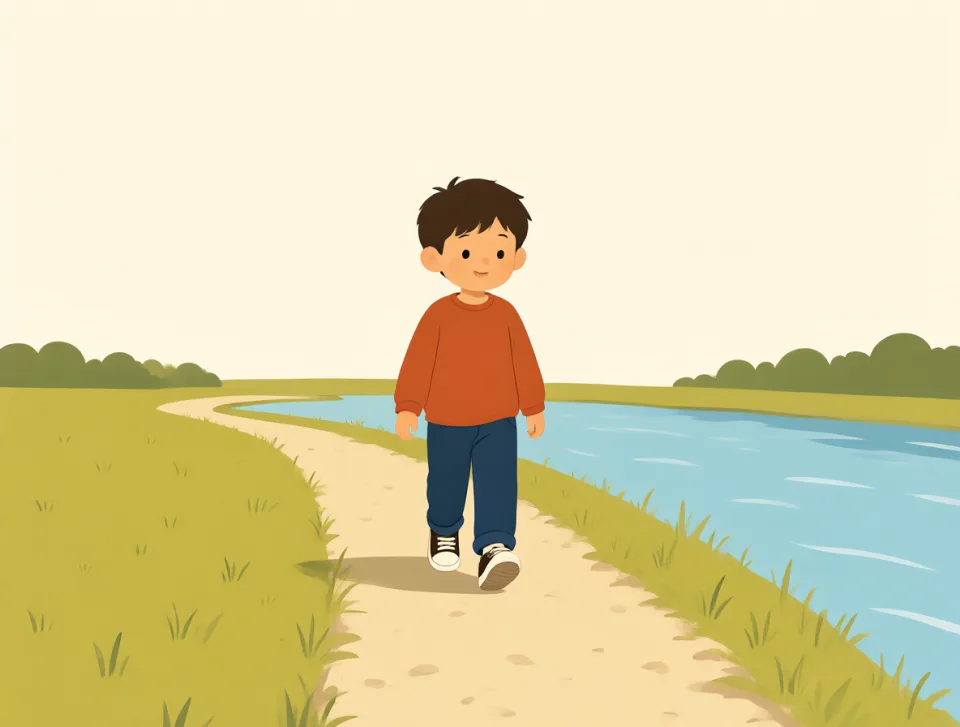
We walked along the beach after lunch.
После обеда мы гуляли вдоль пляжа.

A row of shops runs along the street.
Вдоль улицы тянется ряд магазинов.
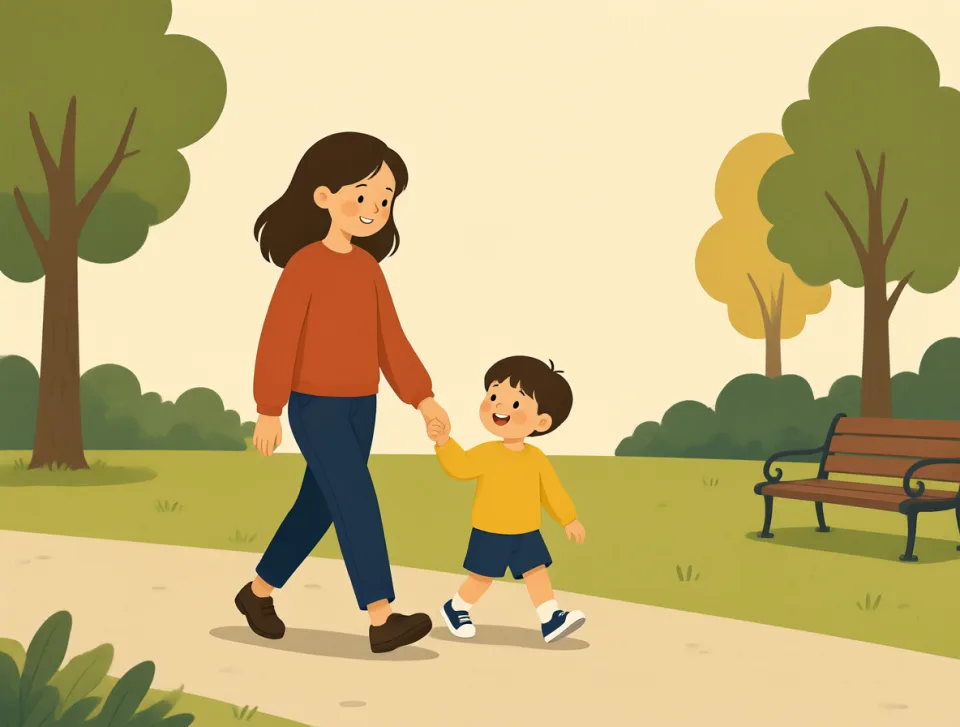
She brought her little brother along.
Она взяла с собой младшего брата.
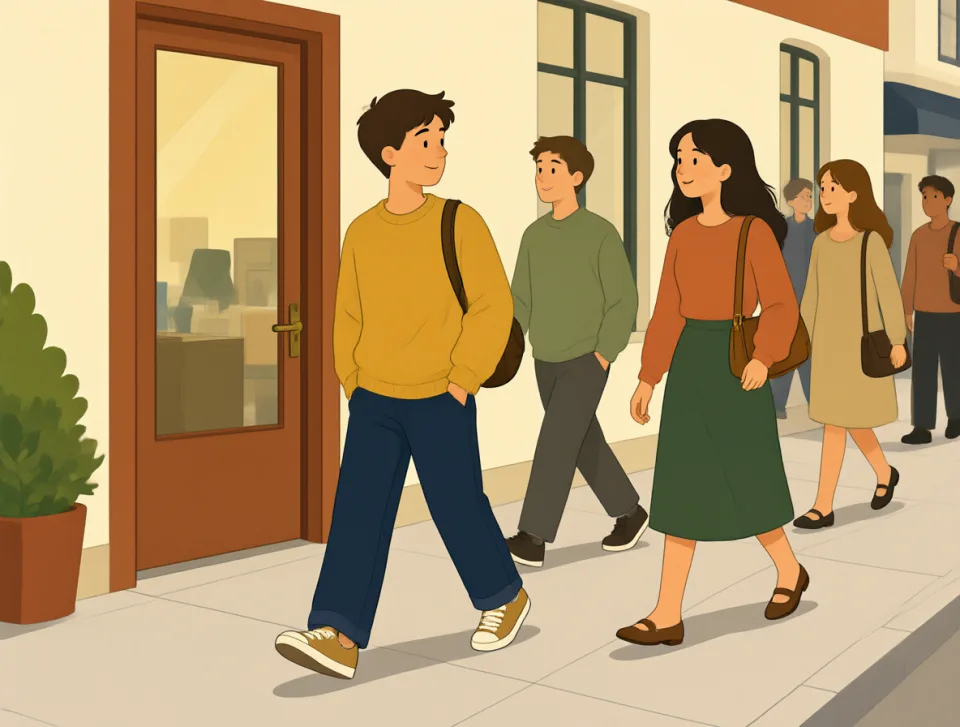
Please move along and let others pass.
Пожалуйста, проходите дальше, чтобы пропустить остальных.
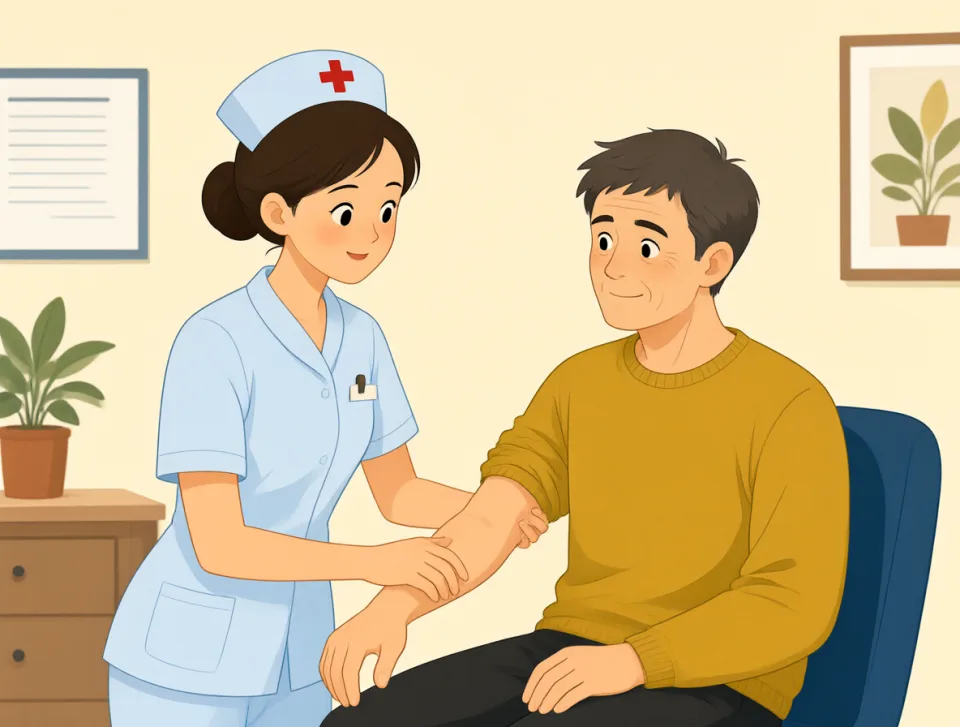
The nurse checked along his arm.
Медсестра осмотрела его руку по всей длине.
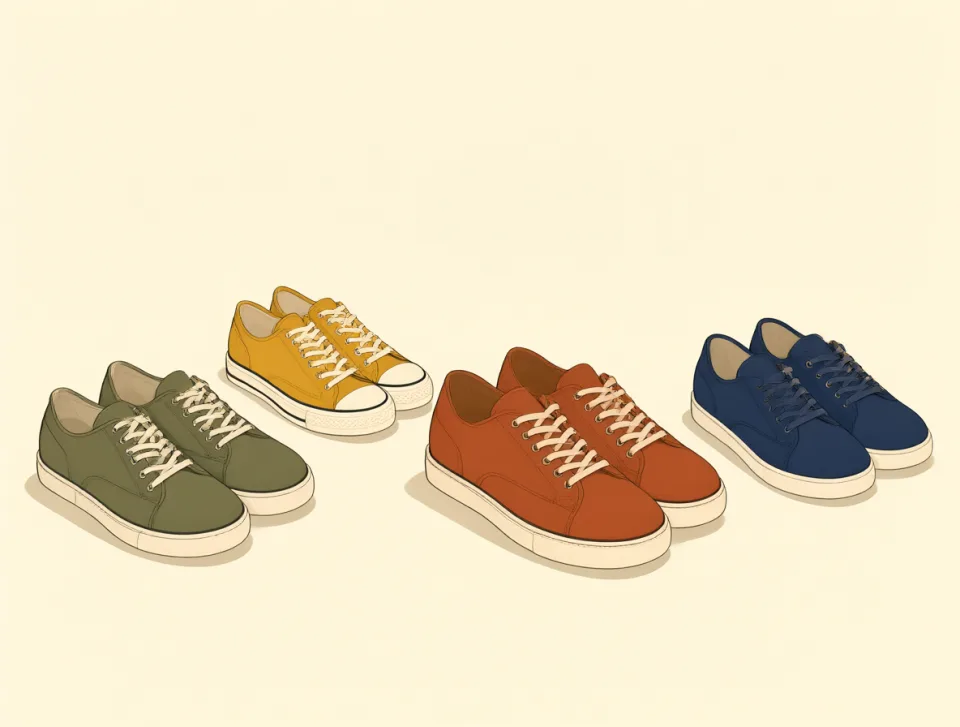
type
#389noun, verb
тип; печатать
A kind or group of people or things; to write using a keyboard.
вид или группа людей либо предметов; набирать текст на клавиатуре

What type of music do you like?
Какую музыку ты любишь?
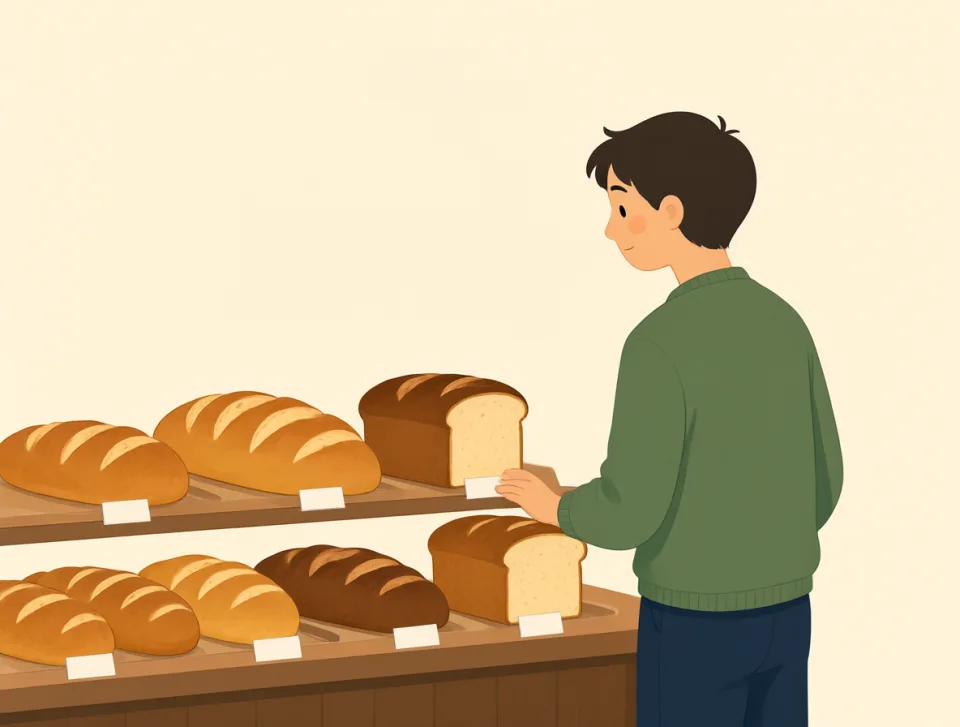
This shop sells many types of bread.
В этом магазине продают много видов хлеба.
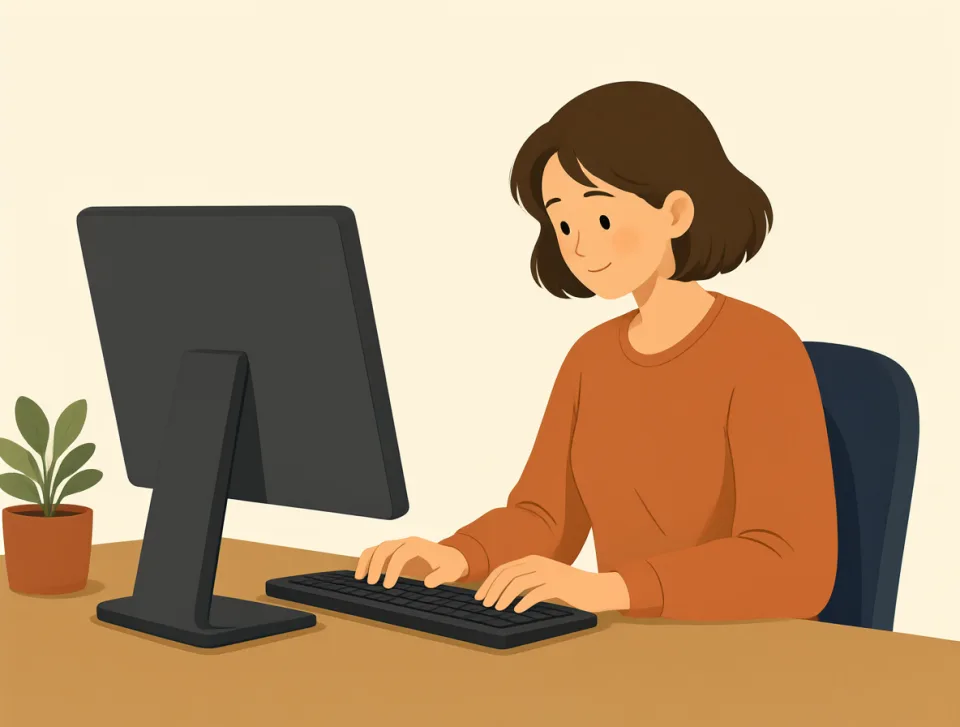
She typed a letter at work.
На работе она напечатала письмо.
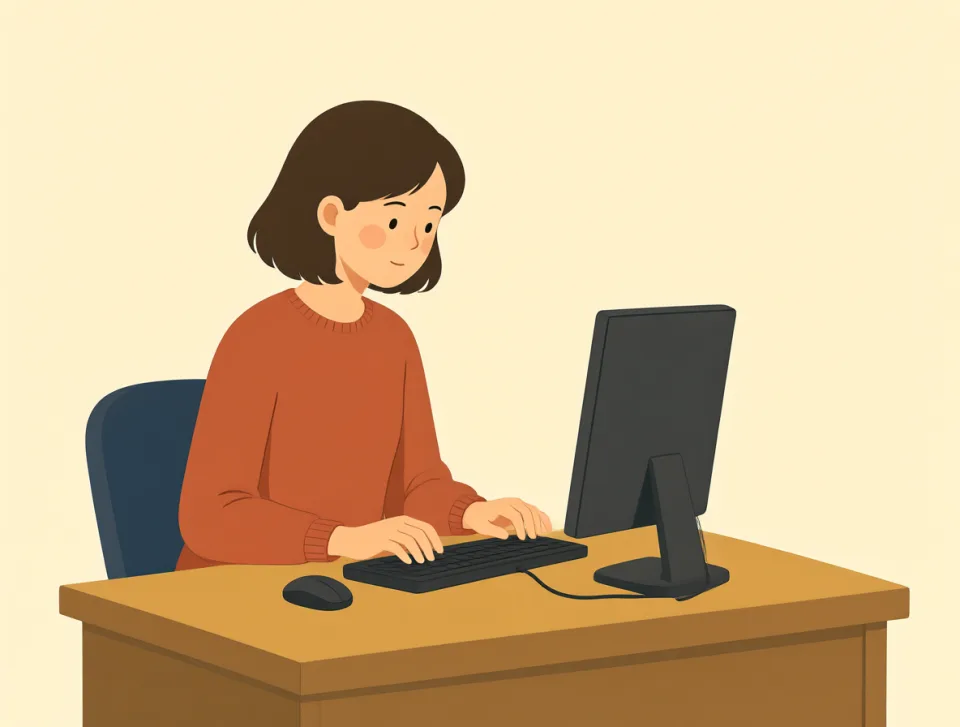
Please type your name here.
Пожалуйста, напечатайте здесь своё имя.
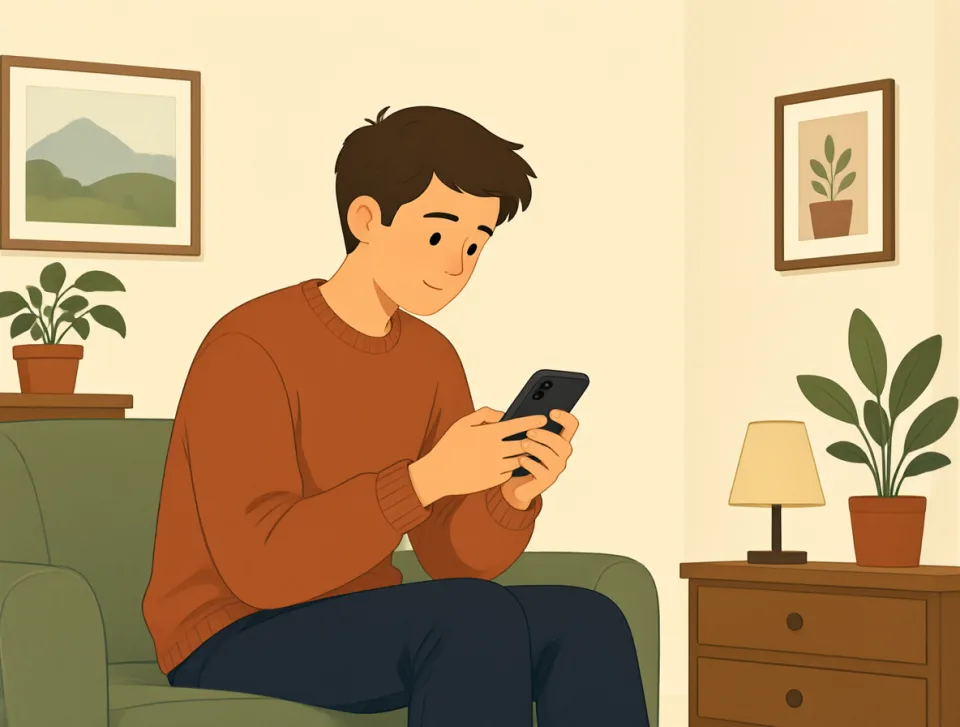
He typed the message very quickly.
Он очень быстро напечатал сообщение.
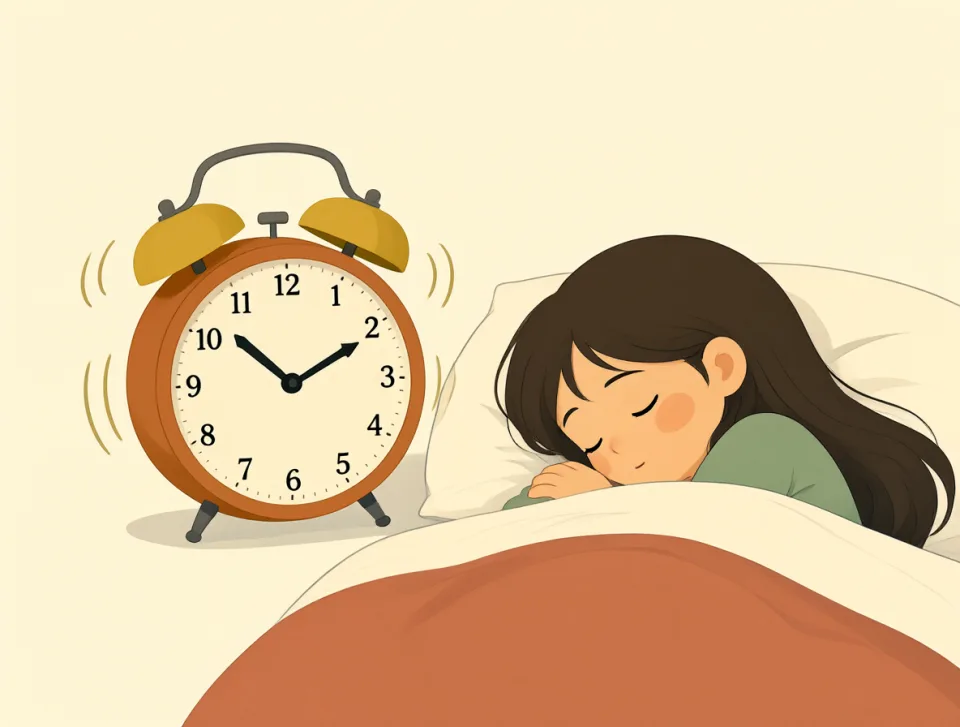
sound
#390noun, verb, adjective
звук; звучать
A noise, or the quality of a voice or noise; to seem or appear.
шум или качество голоса либо шума; казаться или производить впечатление
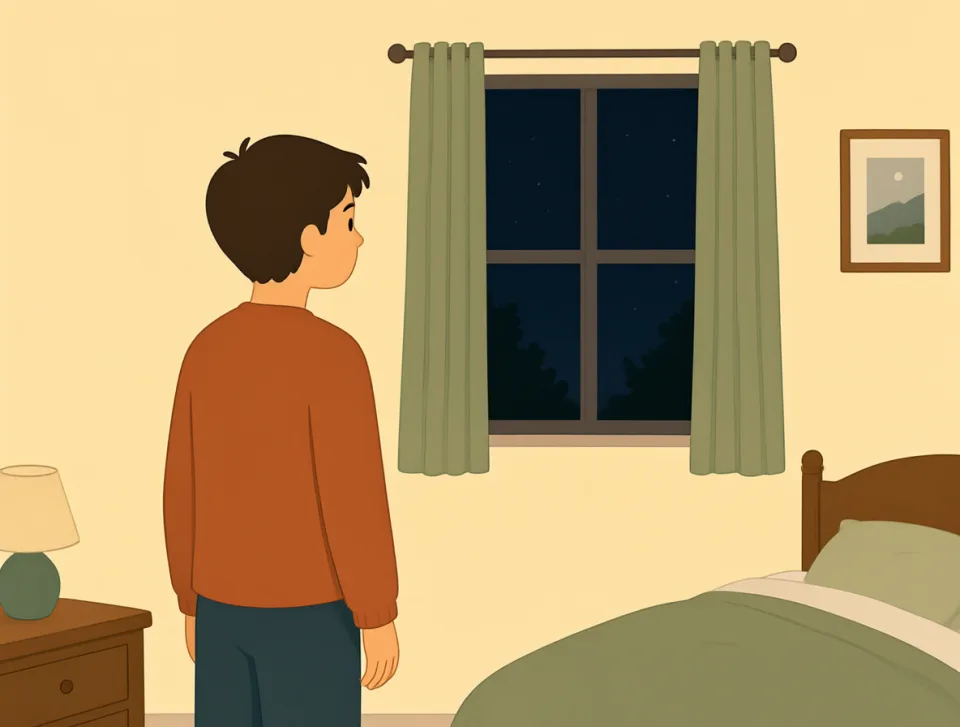
I heard a strange sound outside.
Я услышал снаружи странный звук.
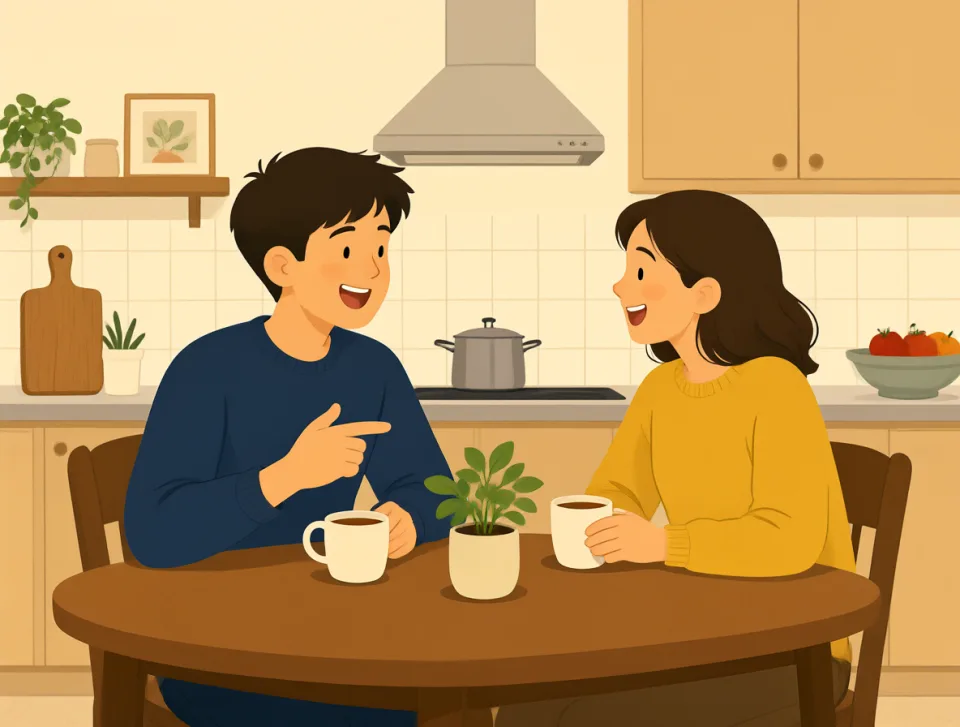
That sounds like a good idea.
Звучит как хорошая идея.
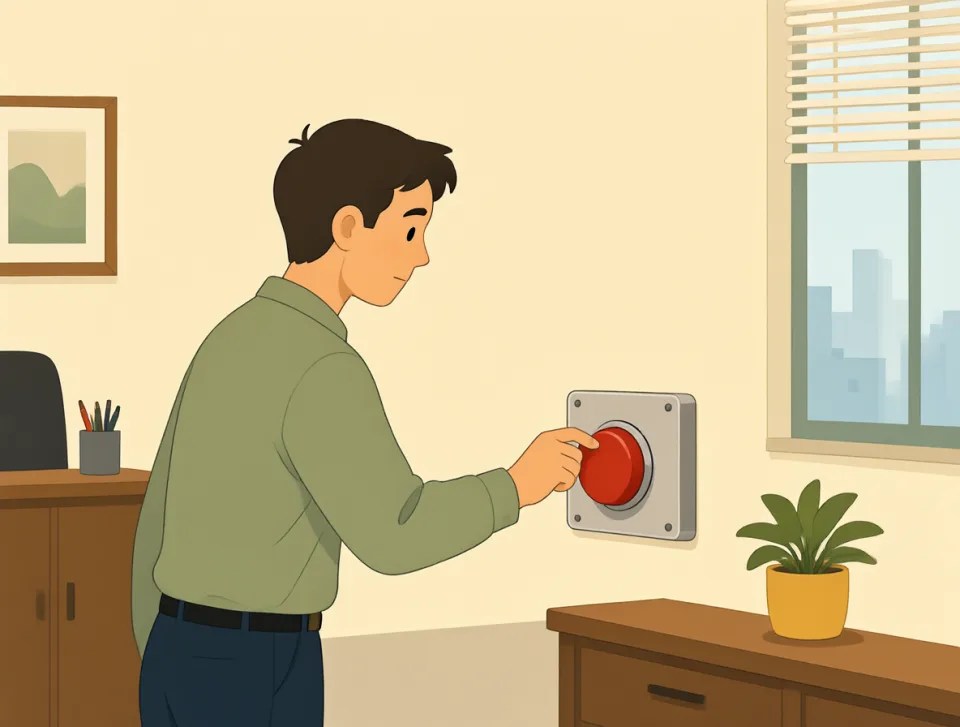
Please sound the alarm before you leave.
Пожалуйста, включите сигнал тревоги перед уходом.
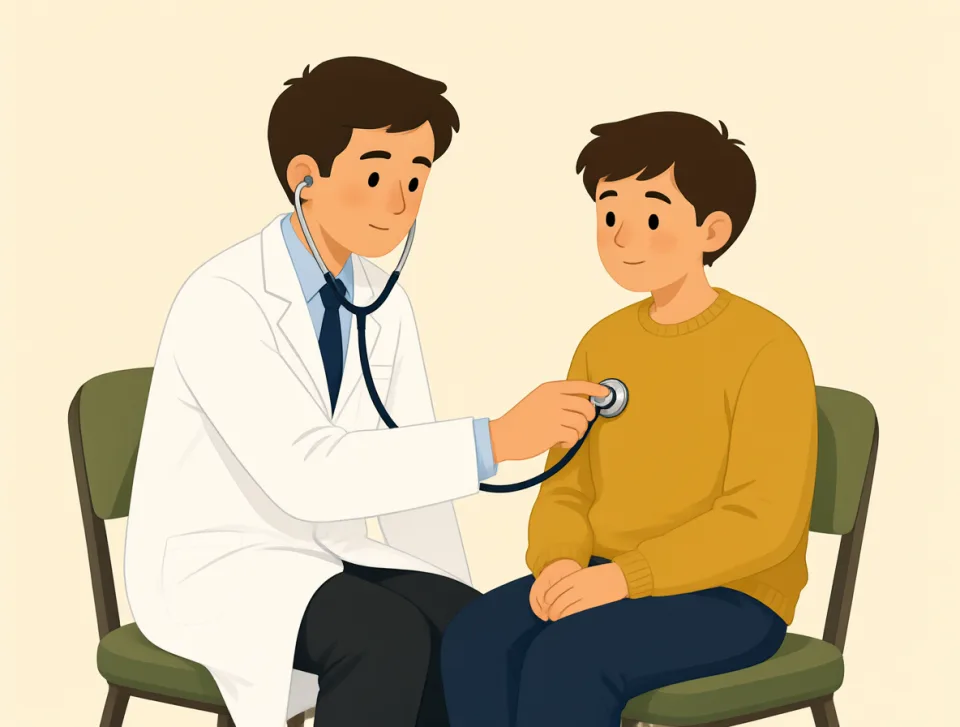
The doctor listened to my lungs' sounds.
Врач послушал, как звучат мои лёгкие.

The soup sounds strange, but tastes good.
Суп звучит странно, но на вкус он хороший.
eye
#391noun, verb
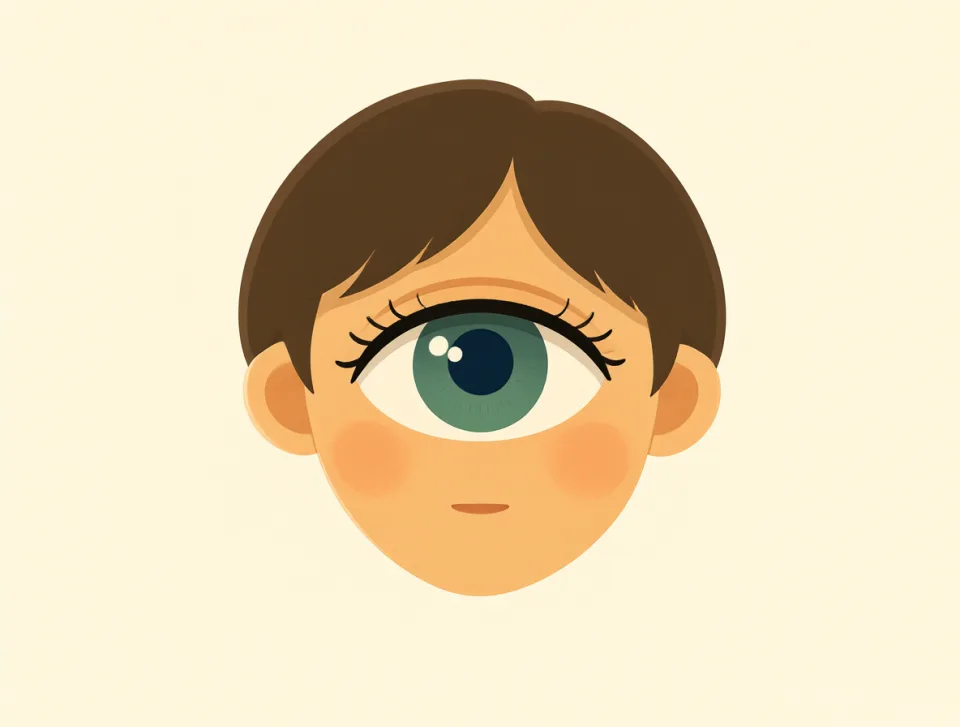
глаз
The part of your face that you use for seeing.
Часть лица, с помощью которой вы видите.

She has beautiful blue eyes.
У неё красивые голубые глаза.
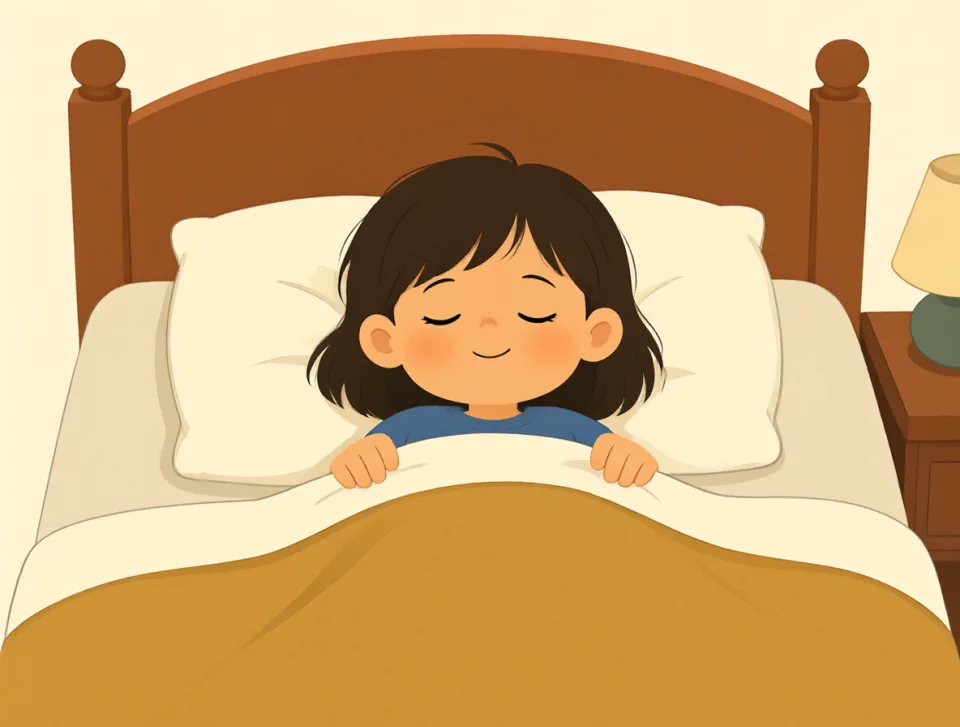
Close your eyes before you sleep.
Закрой глаза перед сном.
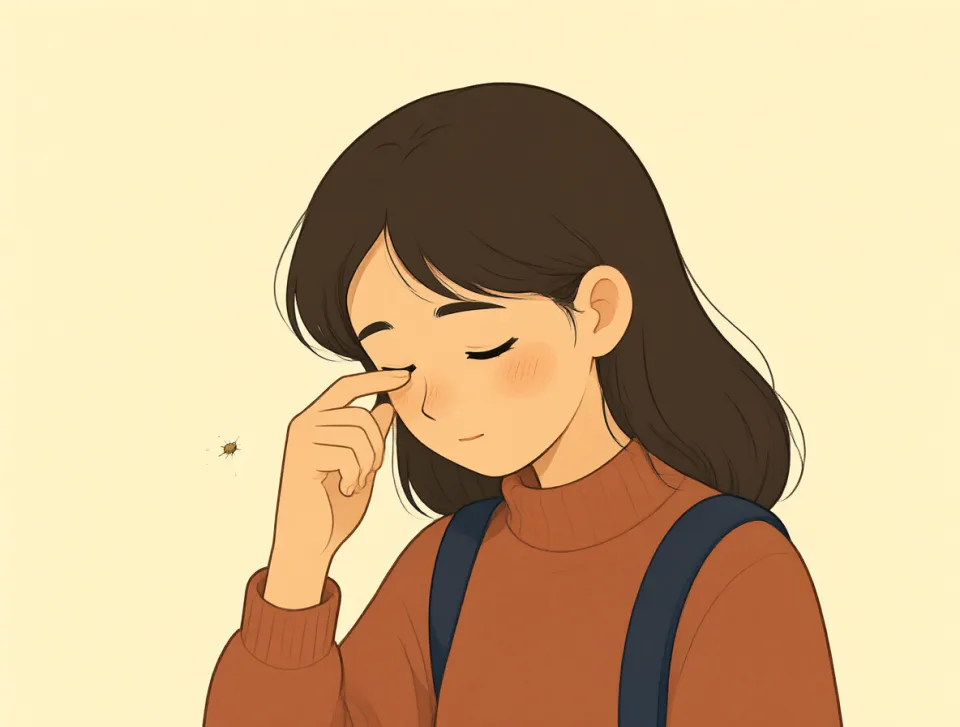
I got something in my eye.
Мне что-то попало в глаз.
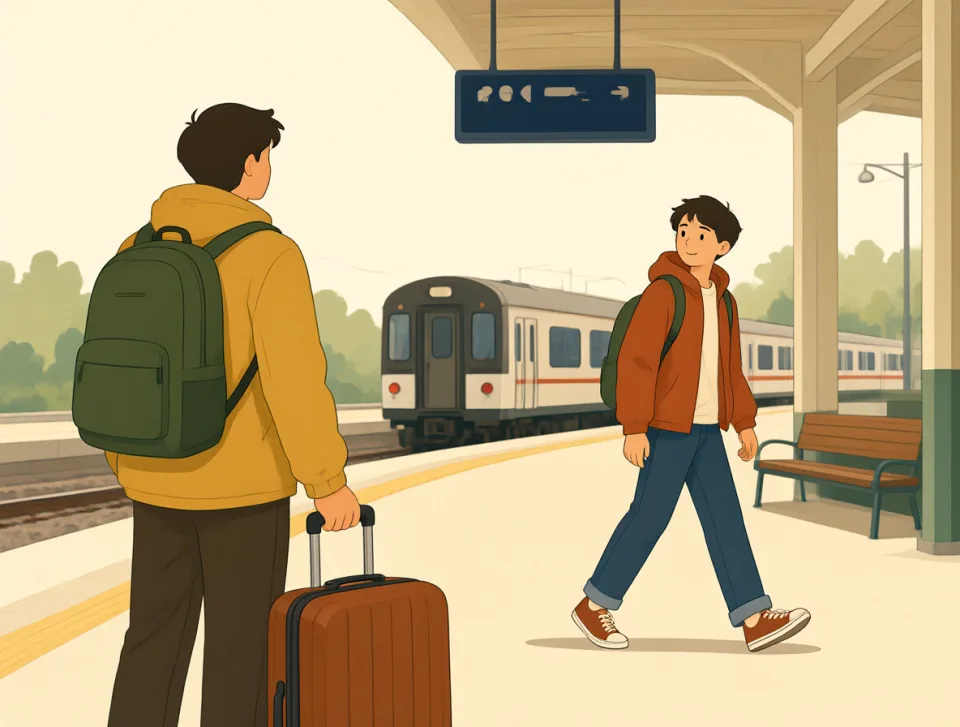
Keep an eye on my bag.
Присмотри за моей сумкой.
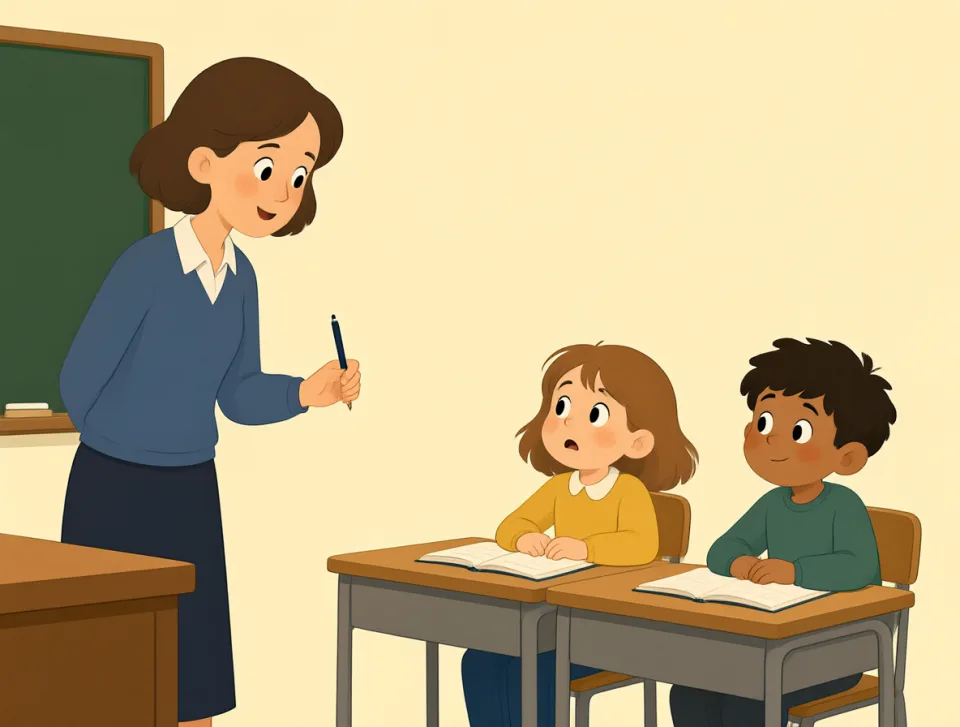
The teacher eyed the noisy students.
Учитель с подозрением посмотрел на шумных учеников.
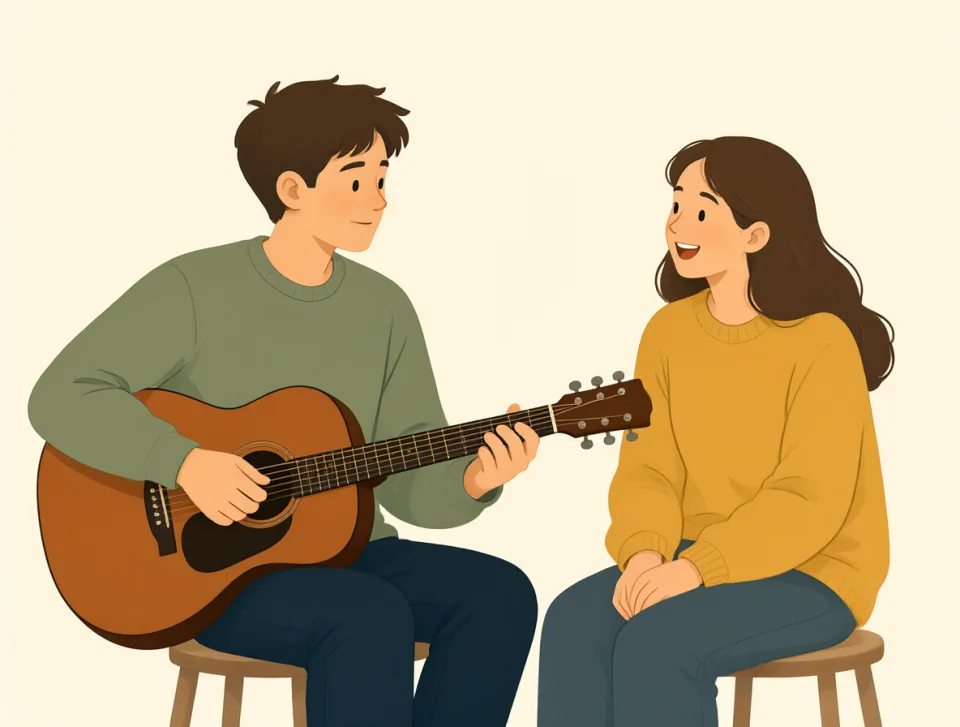
music
#392noun
музыка
Sounds made by instruments or voices that people listen to and enjoy.
Звуки, создаваемые инструментами или голосами, которые люди слушают и которыми наслаждаются.
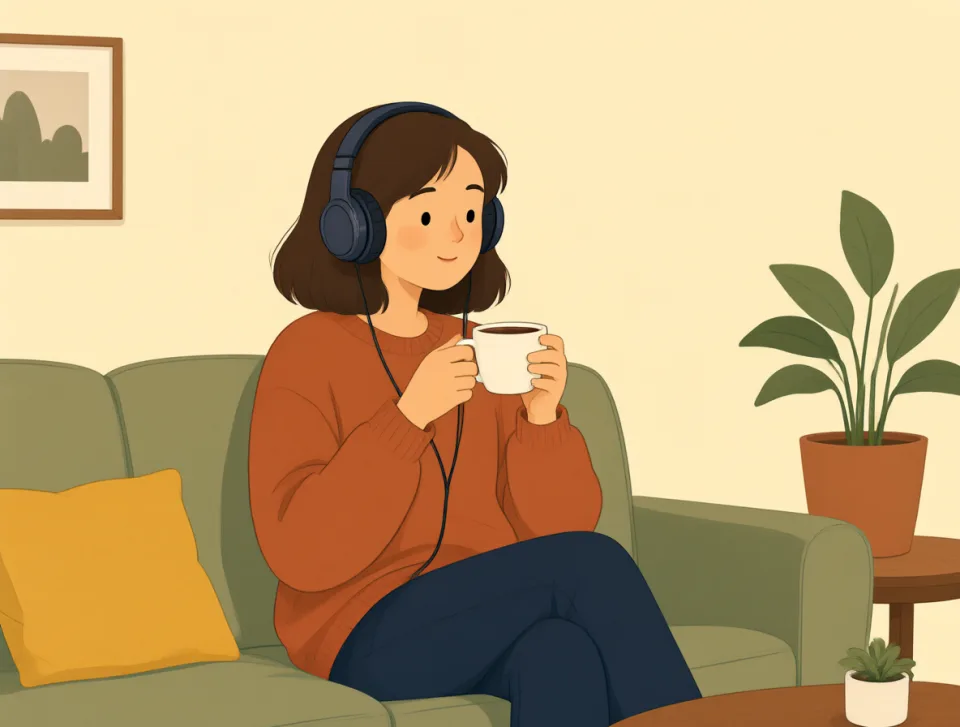
I listen to music every morning.
Я слушаю музыку каждое утро.
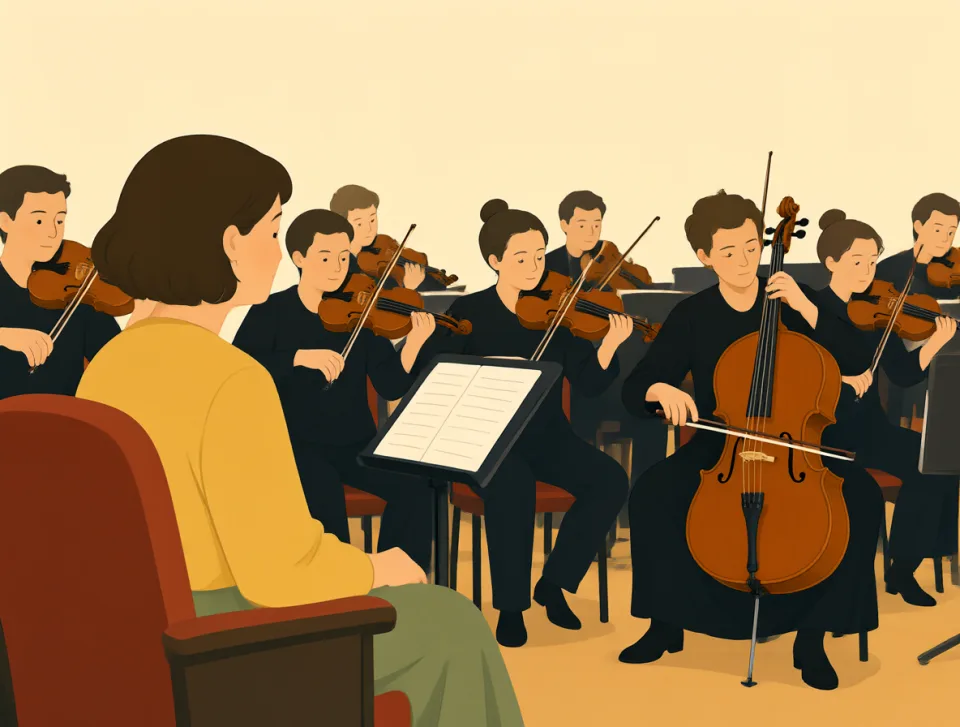
She likes classical music very much.
Она очень любит классическую музыку.
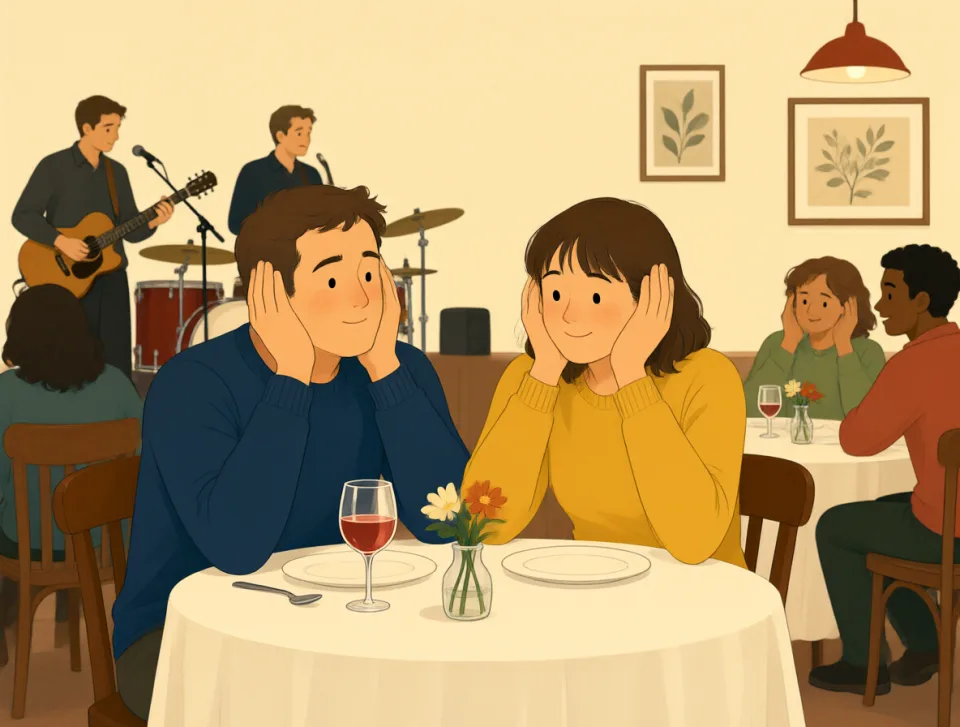
The music was too loud at dinner.
За ужином музыка была слишком громкой.
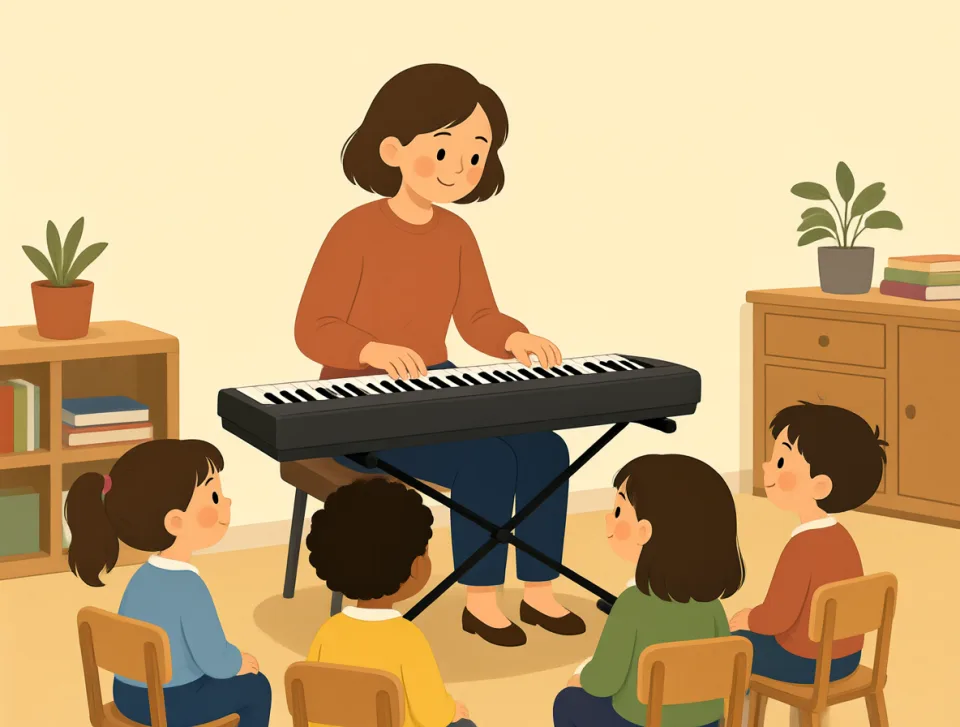
He teaches music at our school.
Он преподаёт музыку в нашей школе.
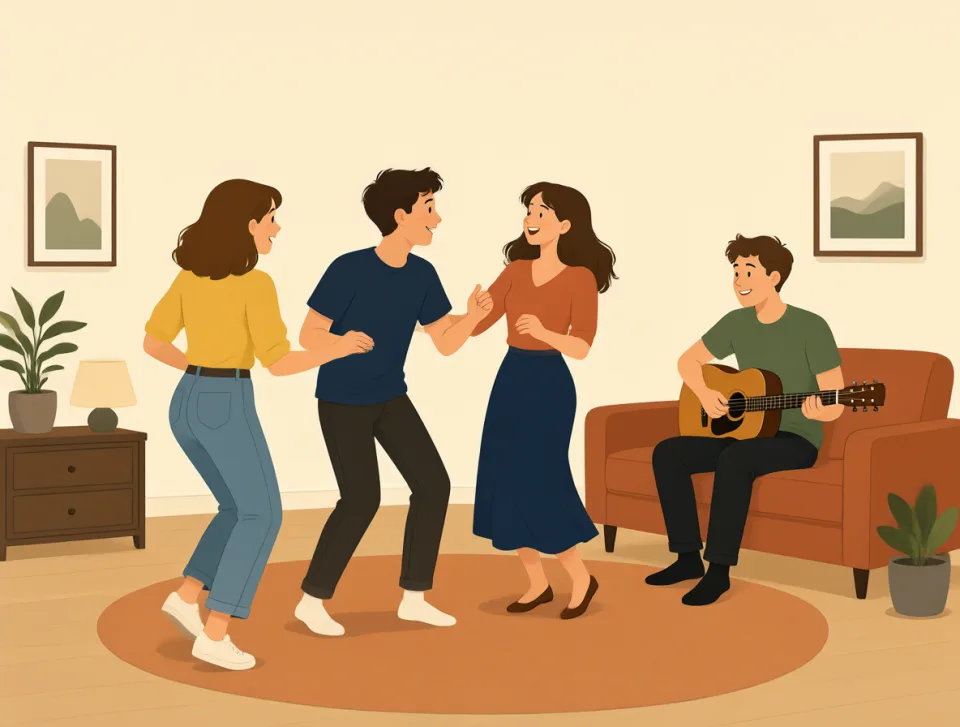
We danced to music at the party.
На вечеринке мы танцевали под музыку.
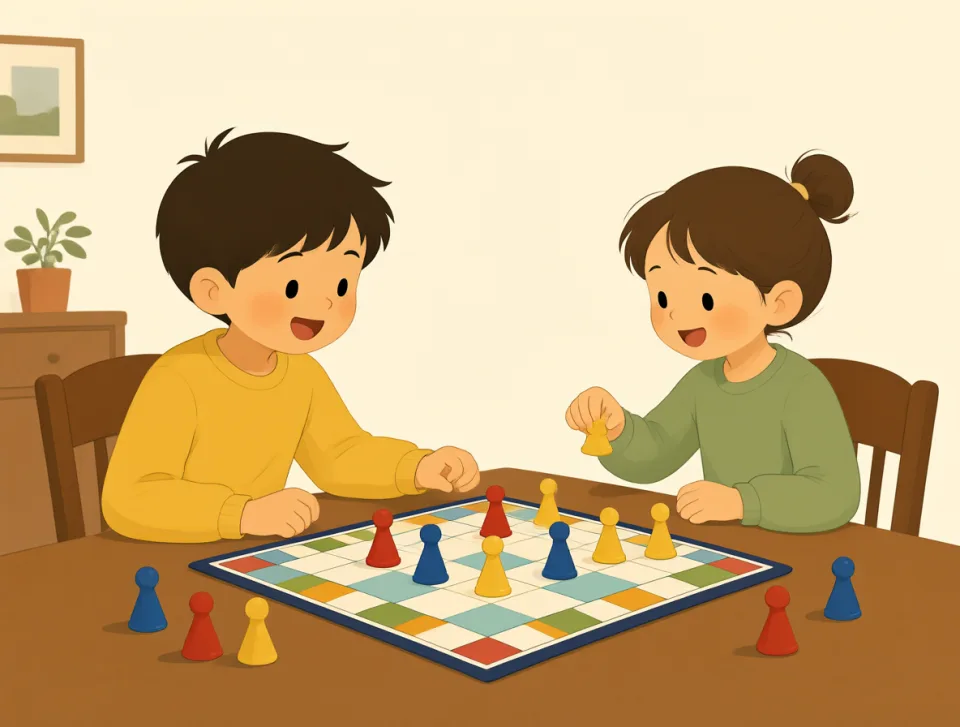
game
#393noun, verb
игра
An activity with rules that people play for fun, or to use a skill or plan.
Занятие с правилами, в которое люди играют ради удовольствия или чтобы применить навык или план.
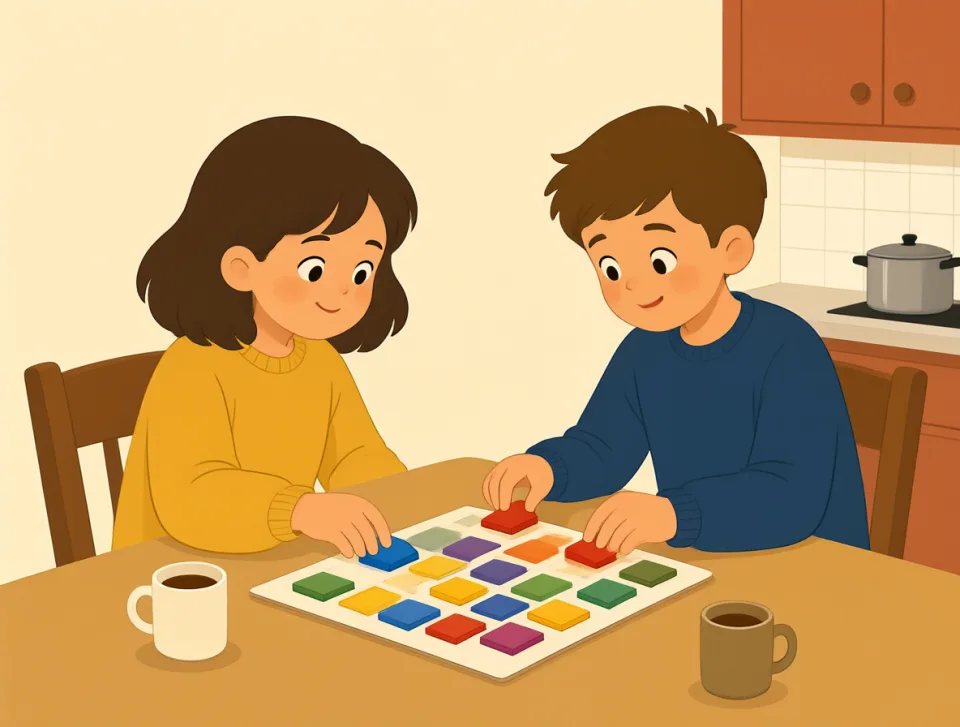
We played a game after dinner.
После ужина мы сыграли в игру.
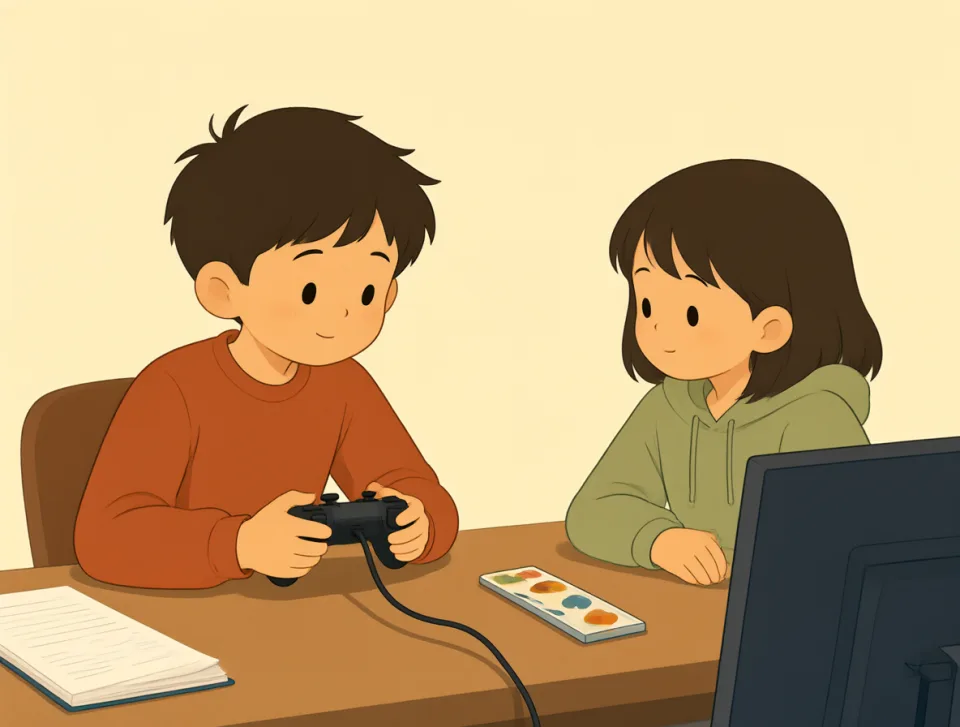
The children are playing a computer game.
Дети играют в компьютерную игру.

Our team won the game yesterday.
Вчера наша команда выиграла игру.
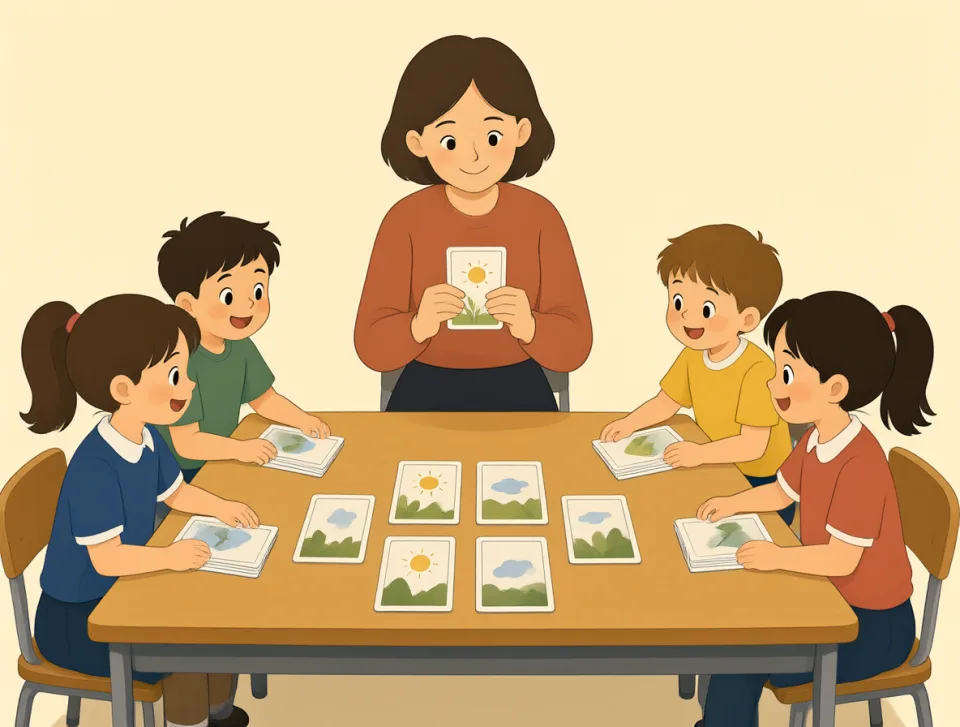
This game helps students learn English.
Эта игра помогает ученикам учить английский язык.
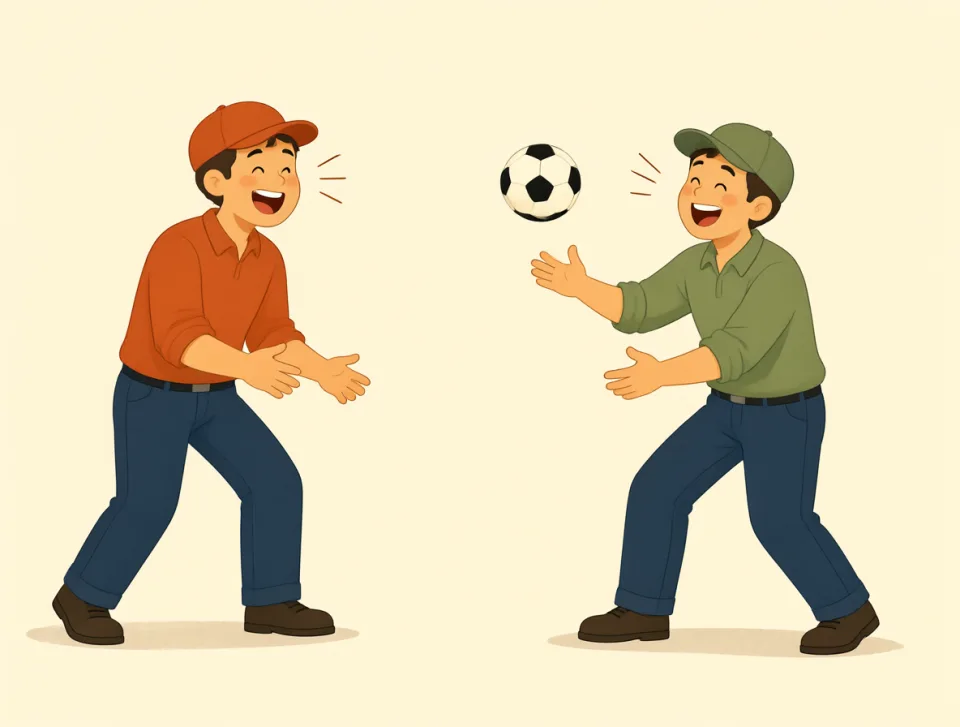
The workers played a game during lunch.
Рабочие играли в игру во время обеда.

political
#394adjective
политический
Related to government, public affairs, or the way a country is run.
Связанный с правительством, общественными делами или управлением страной.
They discussed political news over dinner.
За ужином они обсуждали политические новости.

She works for a political party.
Она работает на политическую партию.
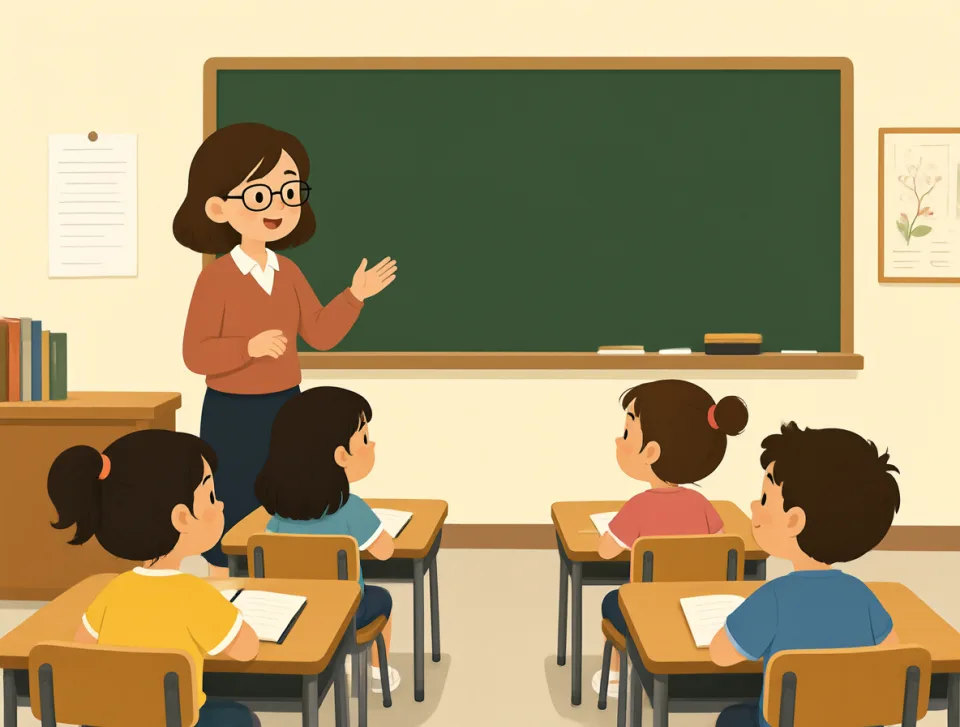
The teacher asked a political question.
Учитель задал политический вопрос.
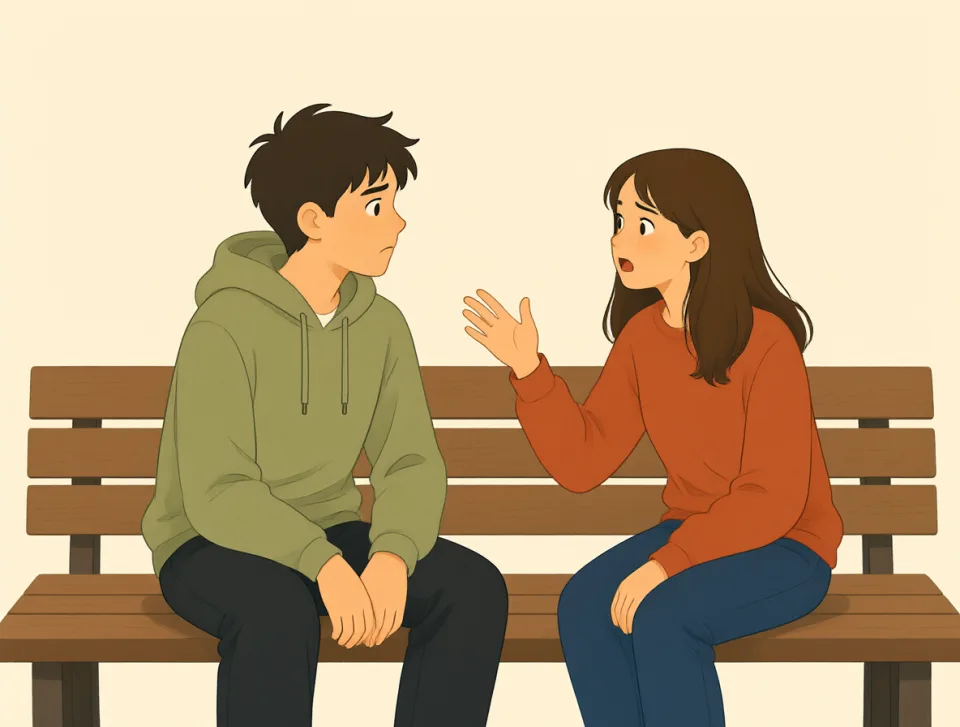
He avoids political arguments with friends.
Он избегает политических споров с друзьями.
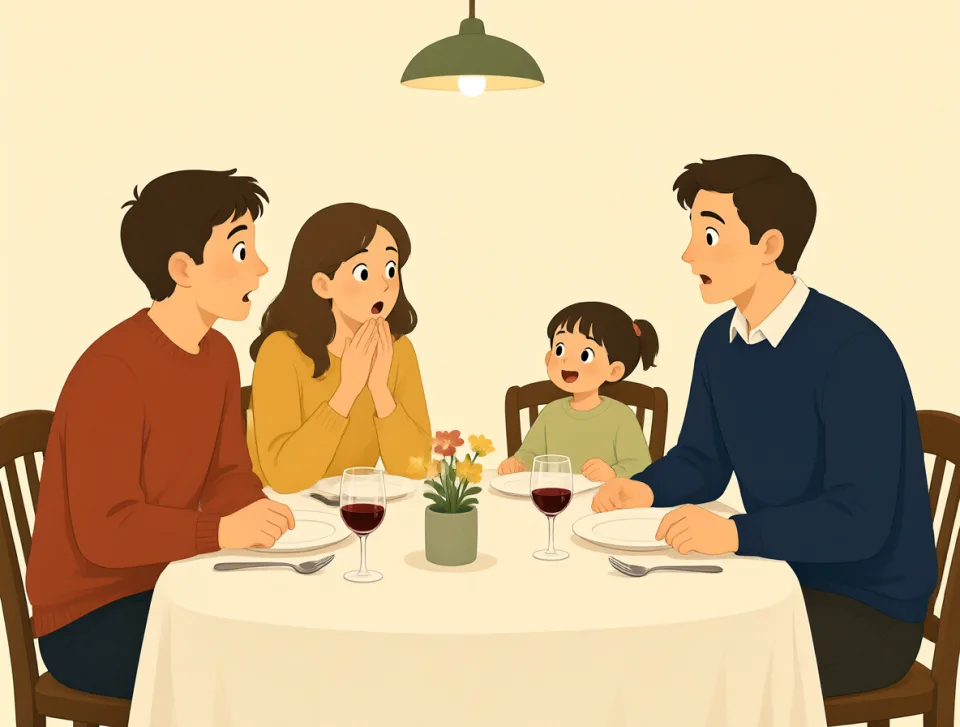
The trip became political after lunch.
После обеда поездка приобрела политический характер.
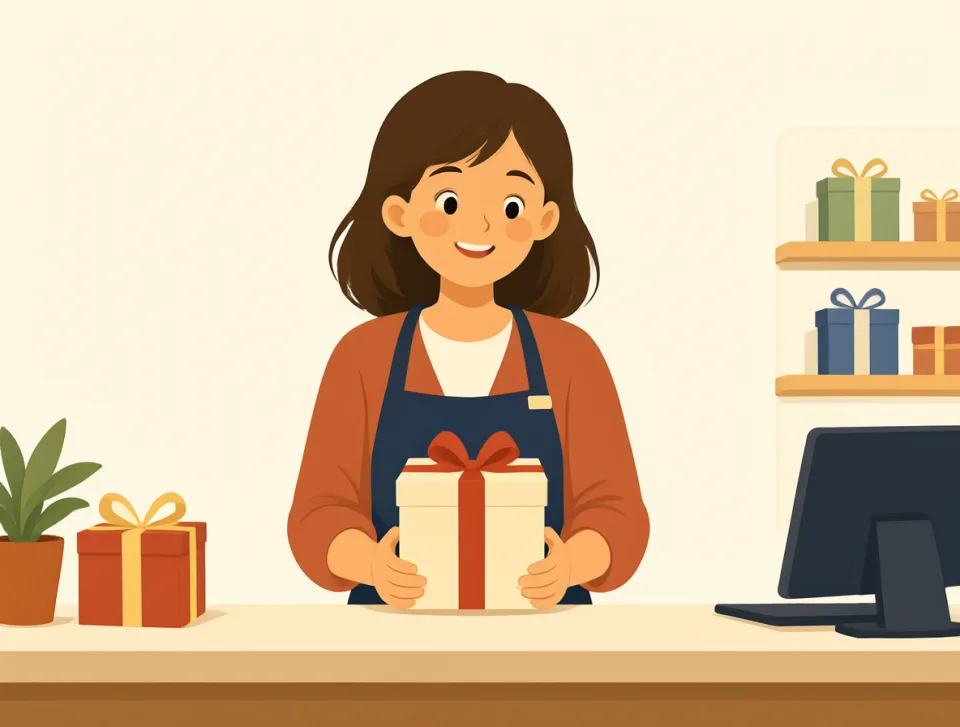
free
#395adjective, adverb, verb, noun
бесплатный; свободный
Not costing money, or available for anyone to use without payment.
Не требующий оплаты или доступный для использования кем угодно без оплаты.
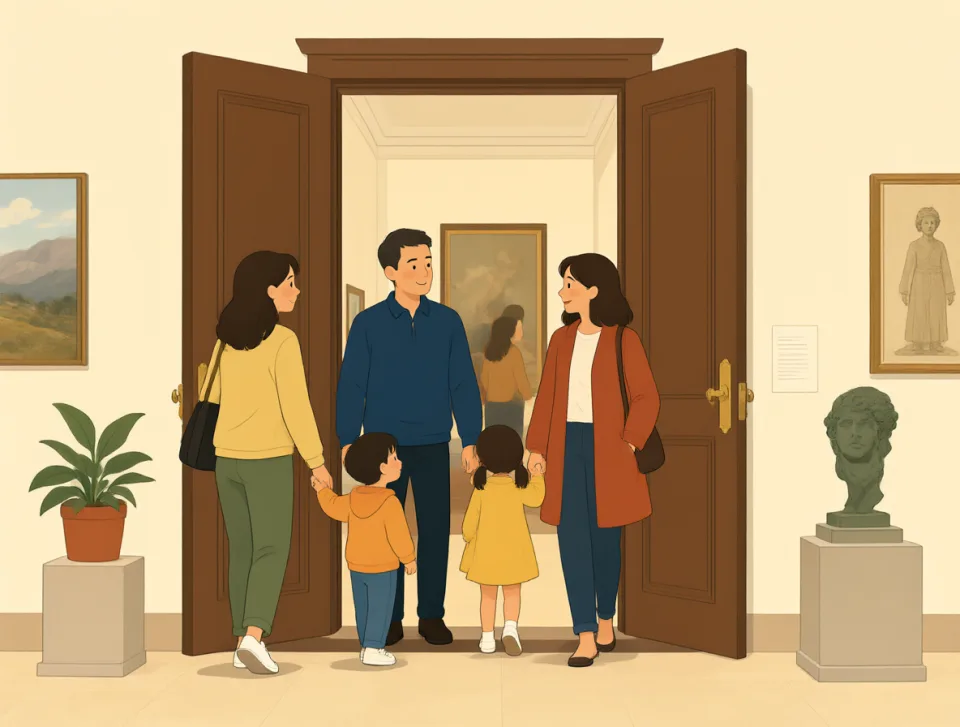
The museum is free on Sundays.
По воскресеньям вход в музей бесплатный.

Are you free for lunch today?
Ты сегодня свободен на обед?
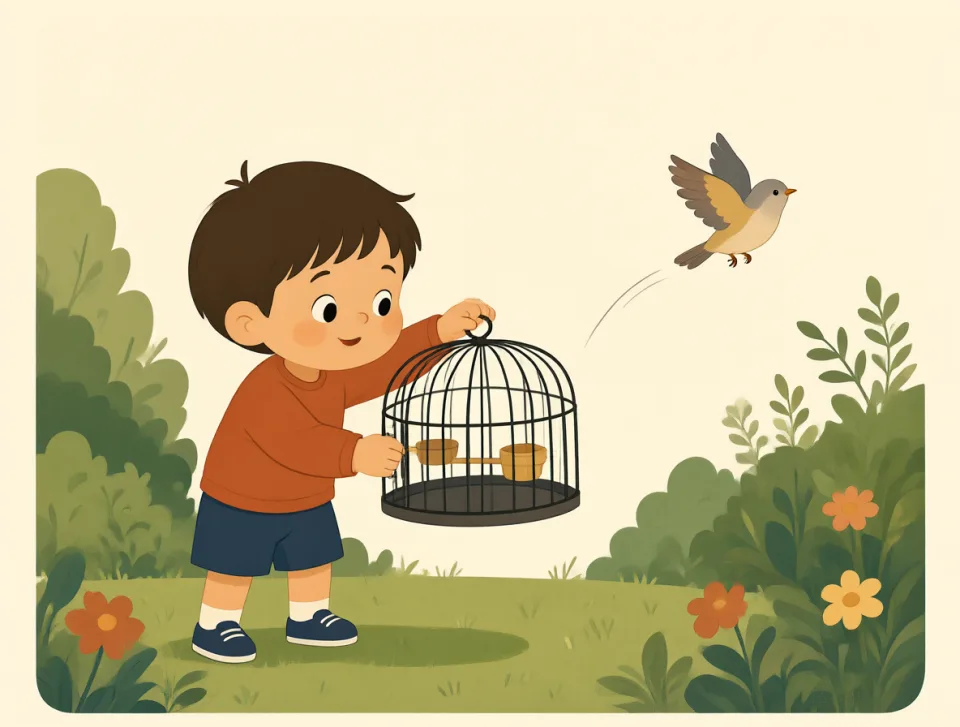
Please set the bird free.
Пожалуйста, выпусти птицу на свободу.

We got free drinks on the flight.
Во время полёта нам бесплатно дали напитки.
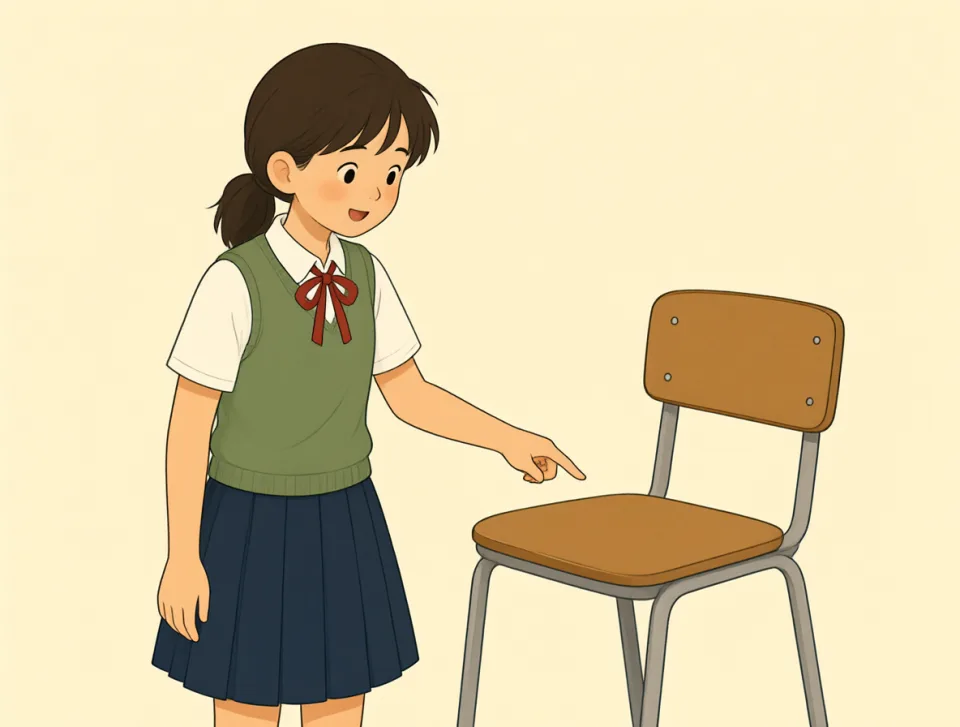
This seat is free, so sit here.
Это место свободно, садись сюда.

receive
#396verb
получать
to get or accept something that someone sends, gives, or offers
Получать или принимать что-то, что кто-то отправляет, даёт или предлагает.
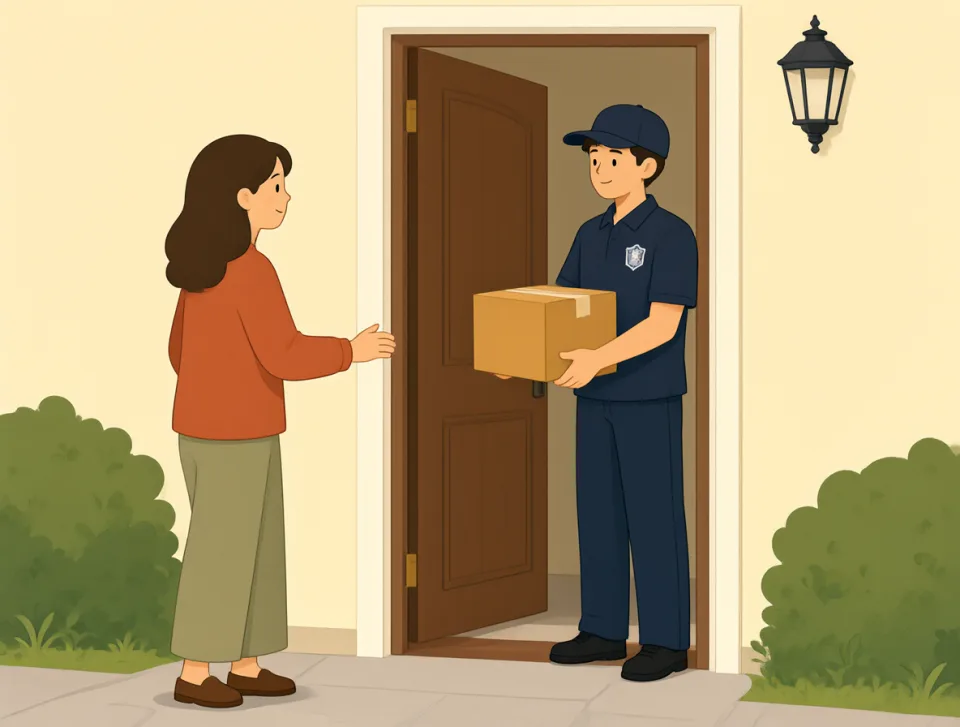
I received a package this morning.
Сегодня утром я получил посылку.
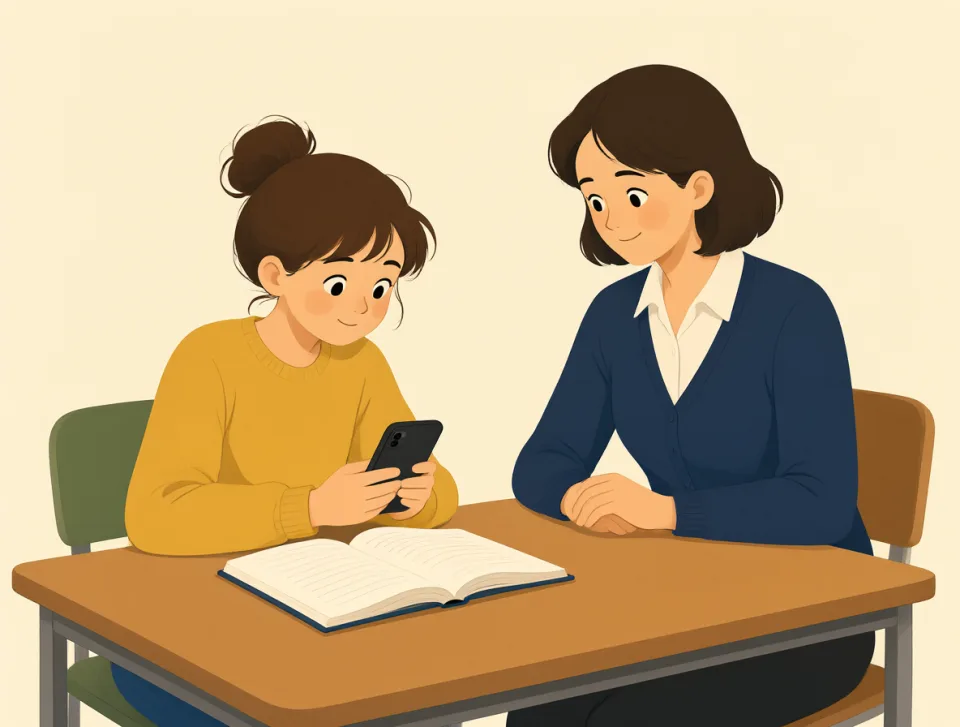
She received an email from her teacher.
Она получила электронное письмо от учителя.
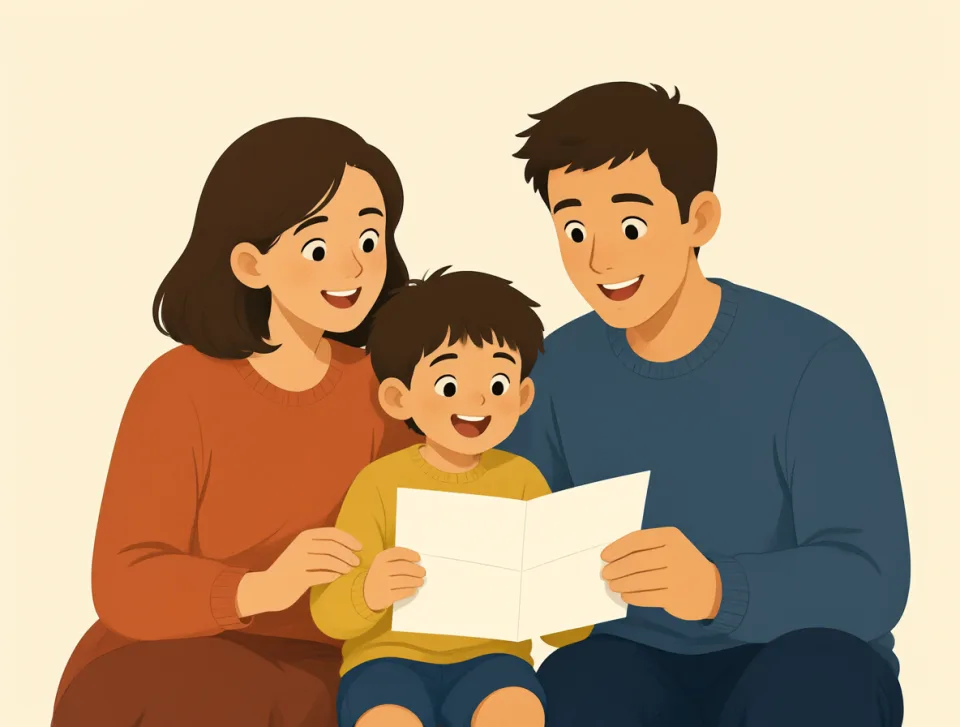
We received good news about our trip.
Мы получили хорошие новости о нашей поездке.
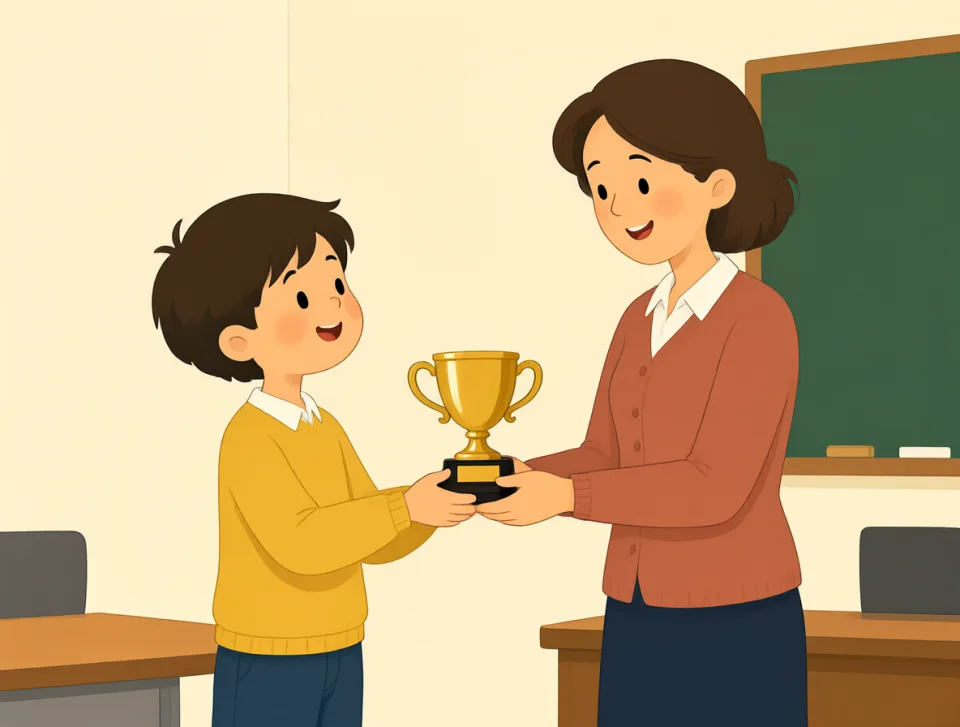
He received a prize at school.
Он получил награду в школе.
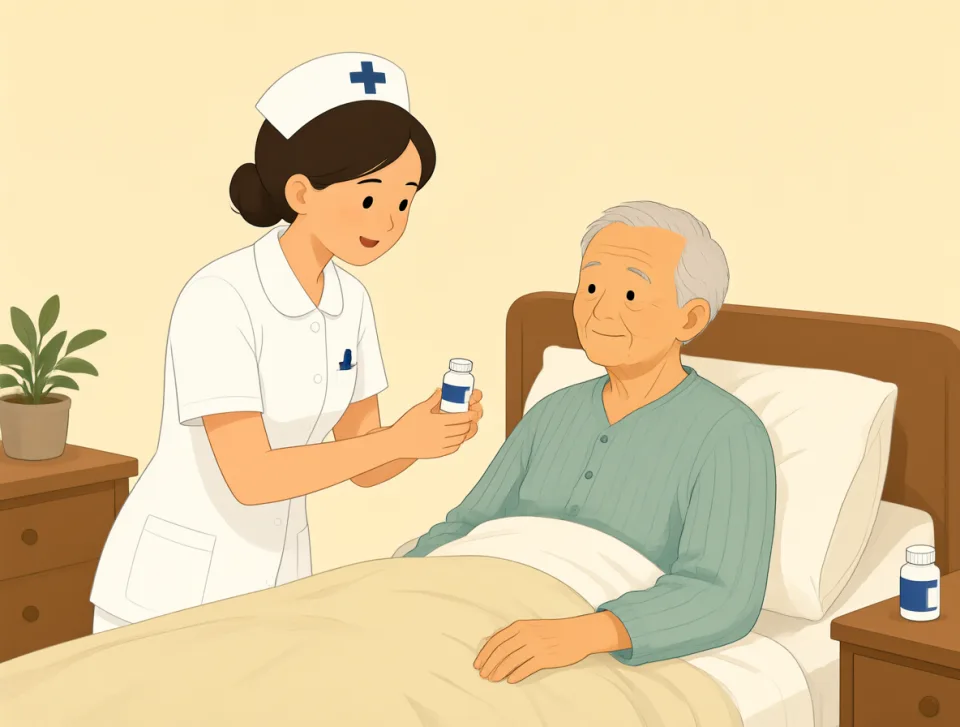
The patient received medicine after lunch.
Пациент получил лекарство после обеда.
moment
#397noun
момент
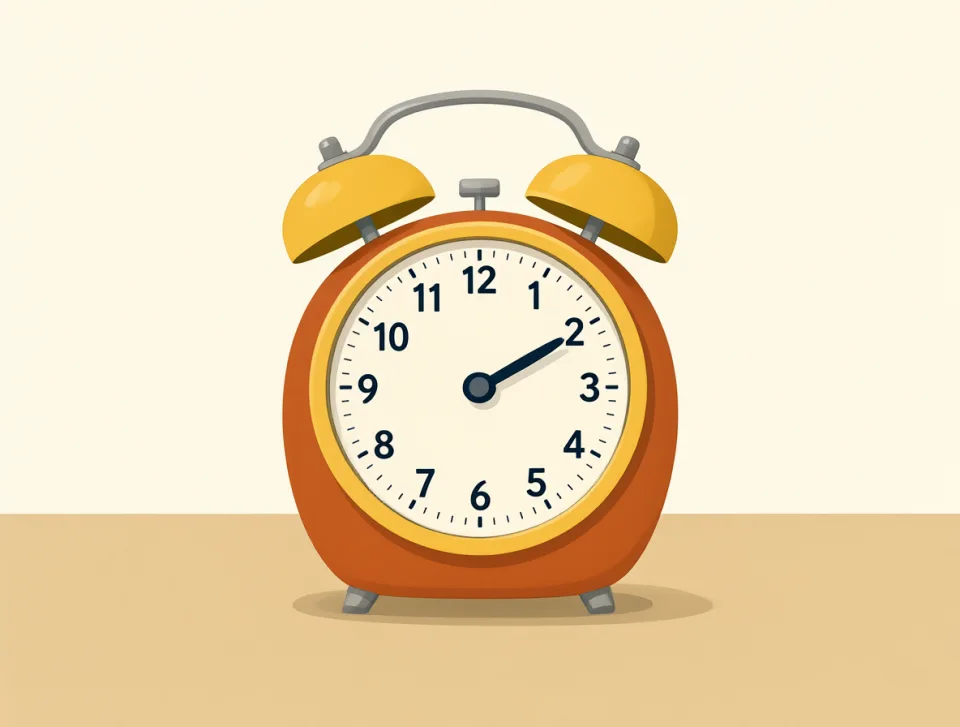
A very short period of time.
Очень короткий промежуток времени.
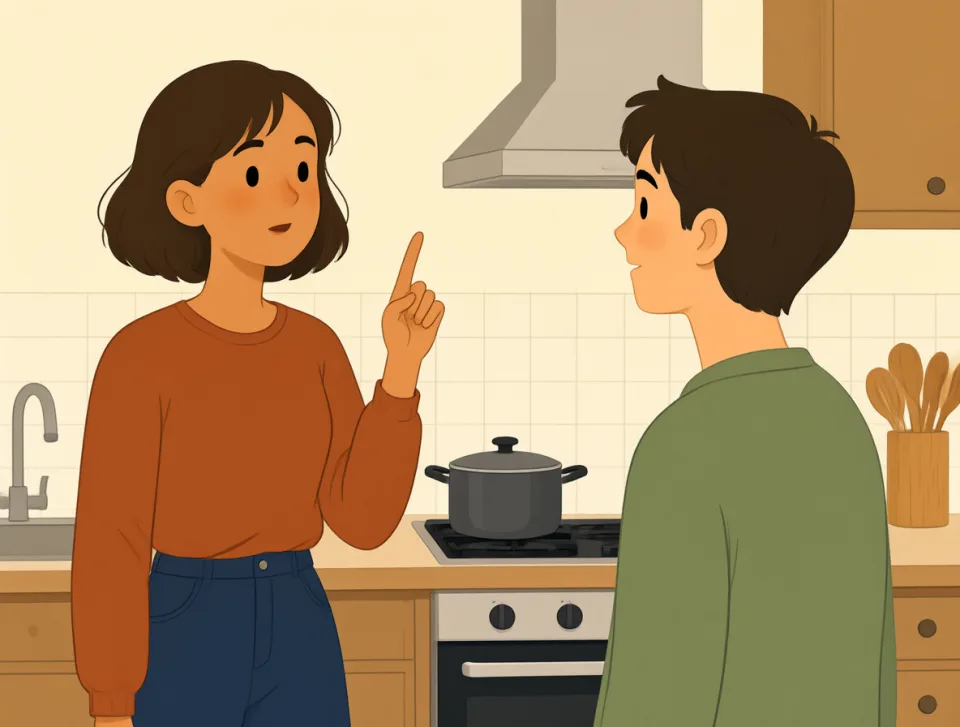
Wait a moment, please.
Подождите минутку, пожалуйста.
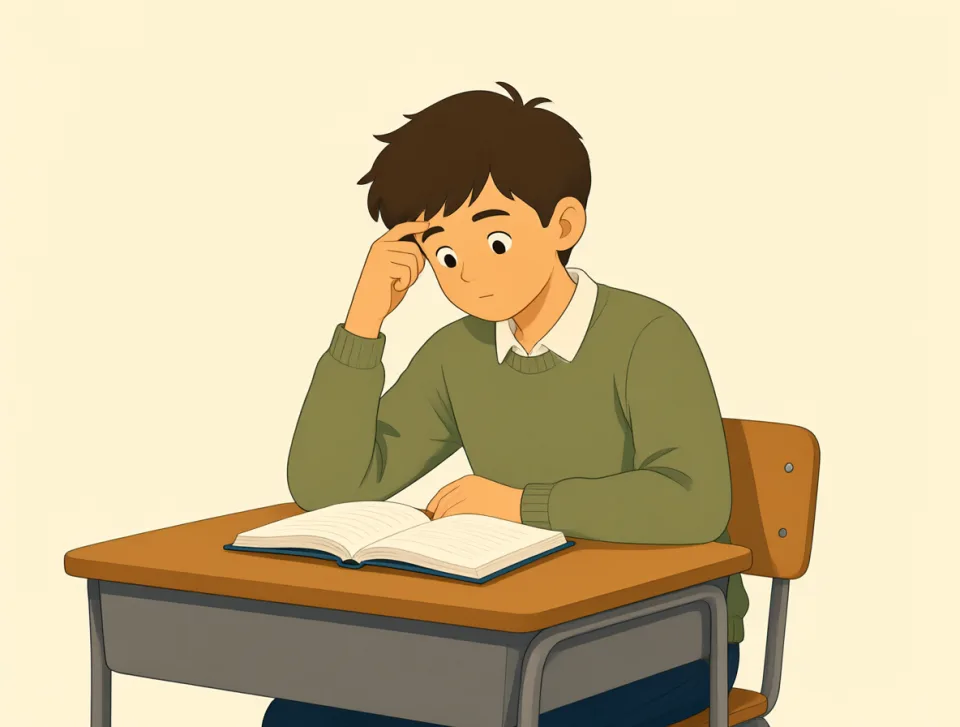
I need a moment to think.
Мне нужно немного времени, чтобы подумать.
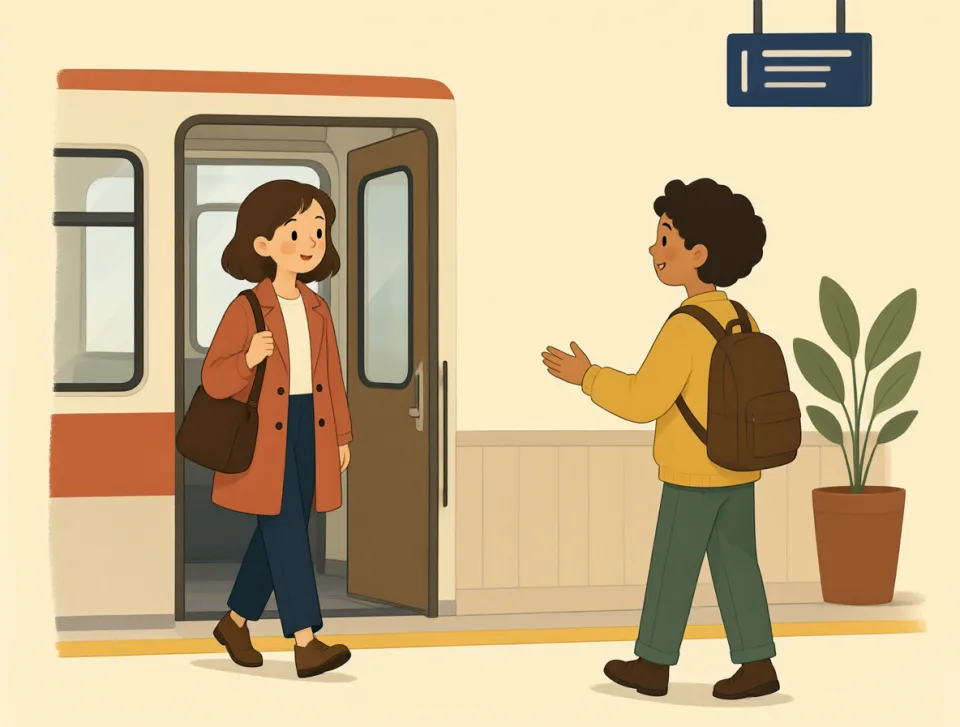
She arrived just moments ago.
Она пришла всего несколько минут назад.

We shared a happy moment together.
Мы вместе пережили счастливый момент.
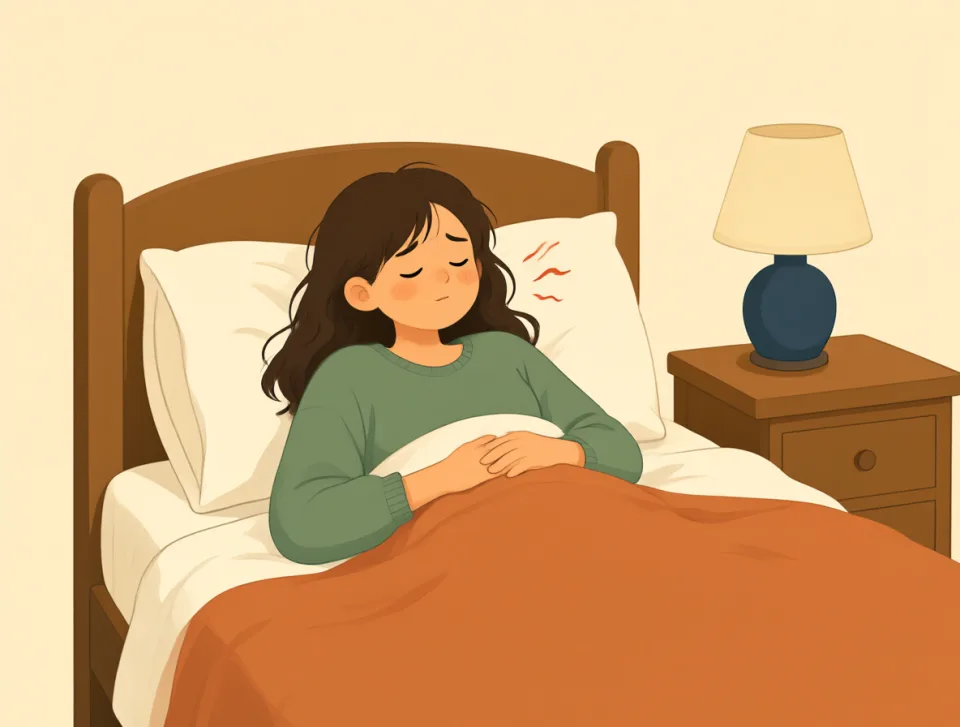
The pain stopped for a moment.
Боль на мгновение утихла.
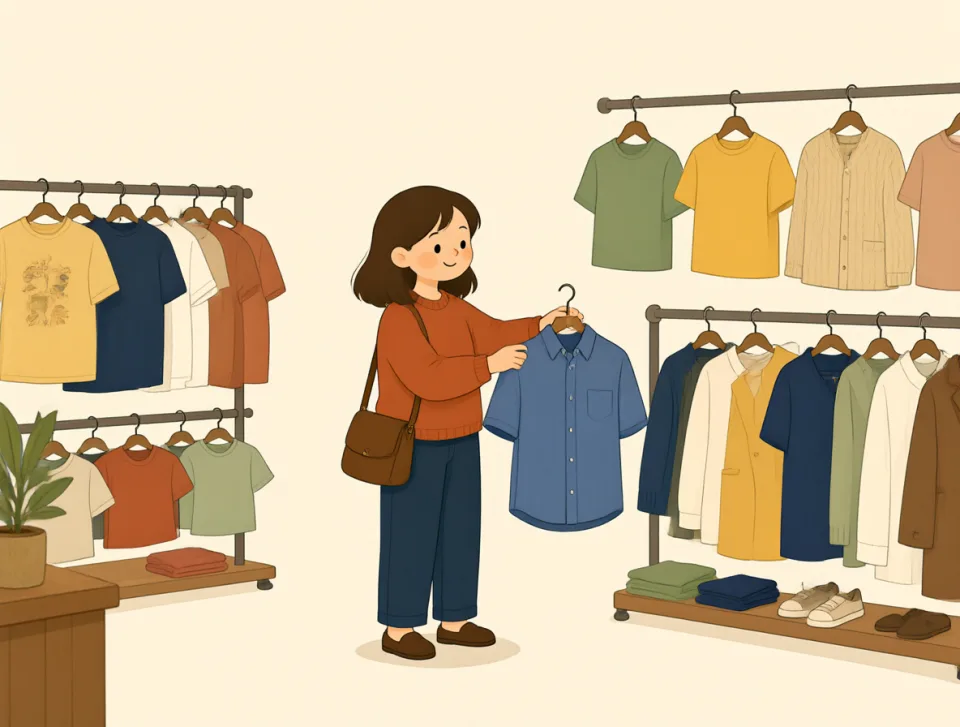
sale
#398noun
распродажа
An event when shops sell things at lower prices.
Мероприятие, во время которого магазины продают товары по сниженным ценам.

I bought these shoes in the sale.
Я купил эти туфли на распродаже.

The store has a big sale today.
Сегодня в магазине большая распродажа.

We found good sale prices on food.
Мы нашли продукты по хорошим ценам со скидкой.
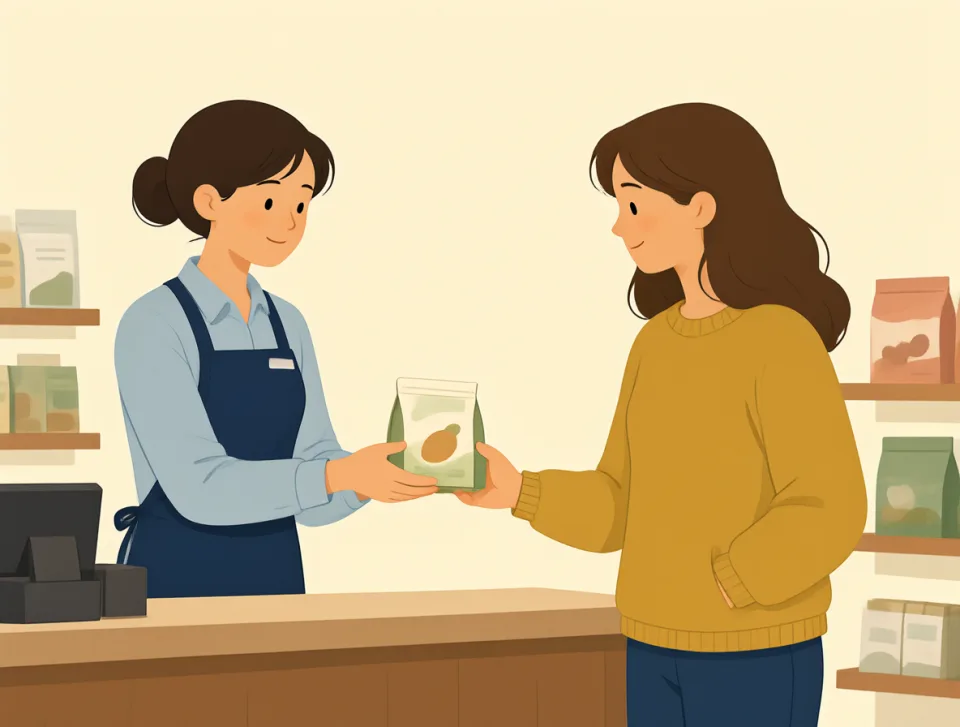
The company made a sale yesterday.
Вчера компания совершила продажу.
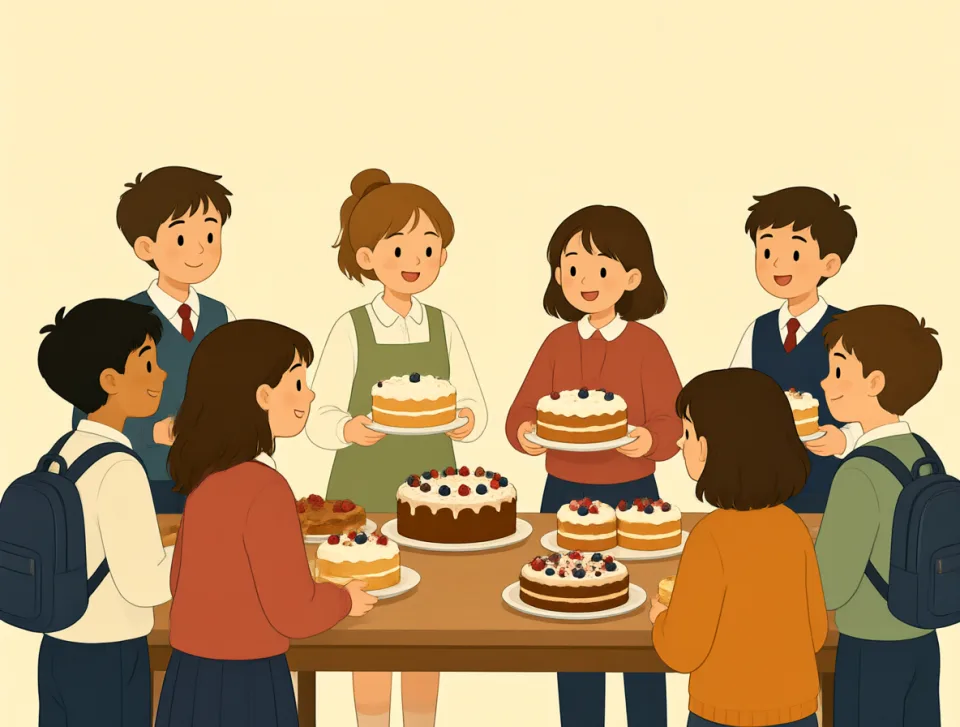
Our school held a cake sale.
В нашей школе устроили продажу выпечки.

policy
#399noun
правило
A set of rules or plans made by a person, group, or organization.
Набор правил или планов, установленных человеком, группой людей или организацией.
The company has a strict policy on safety.
В компании действуют строгие правила безопасности.
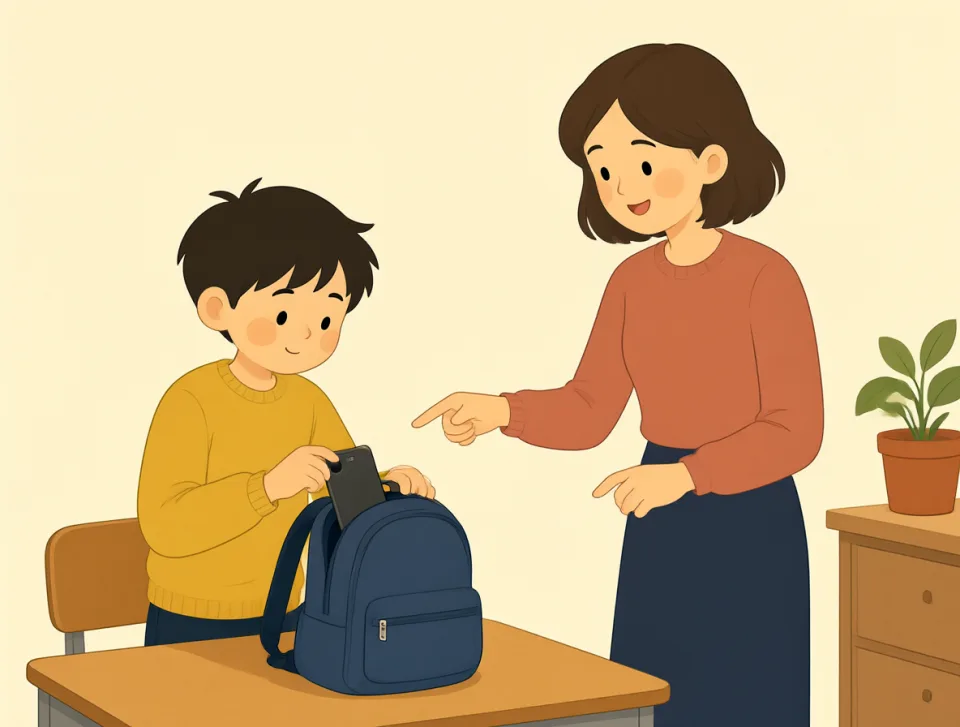
Our school policy says phones stay in bags.
По правилам нашей школы телефоны должны оставаться в сумках.
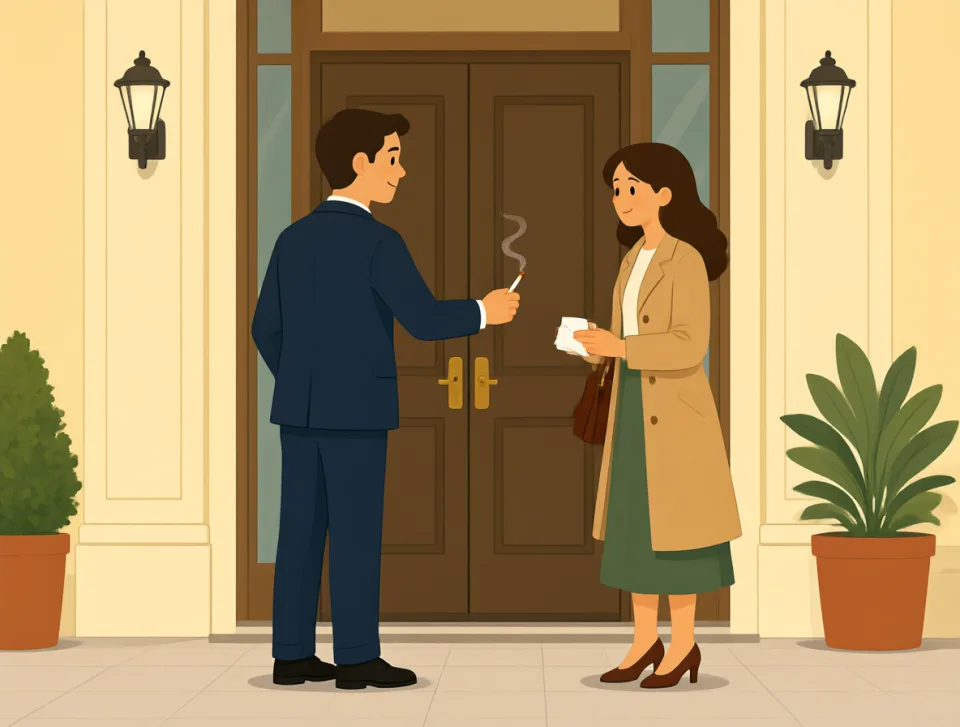
The hotel has a no smoking policy.
В отеле запрещено курить.
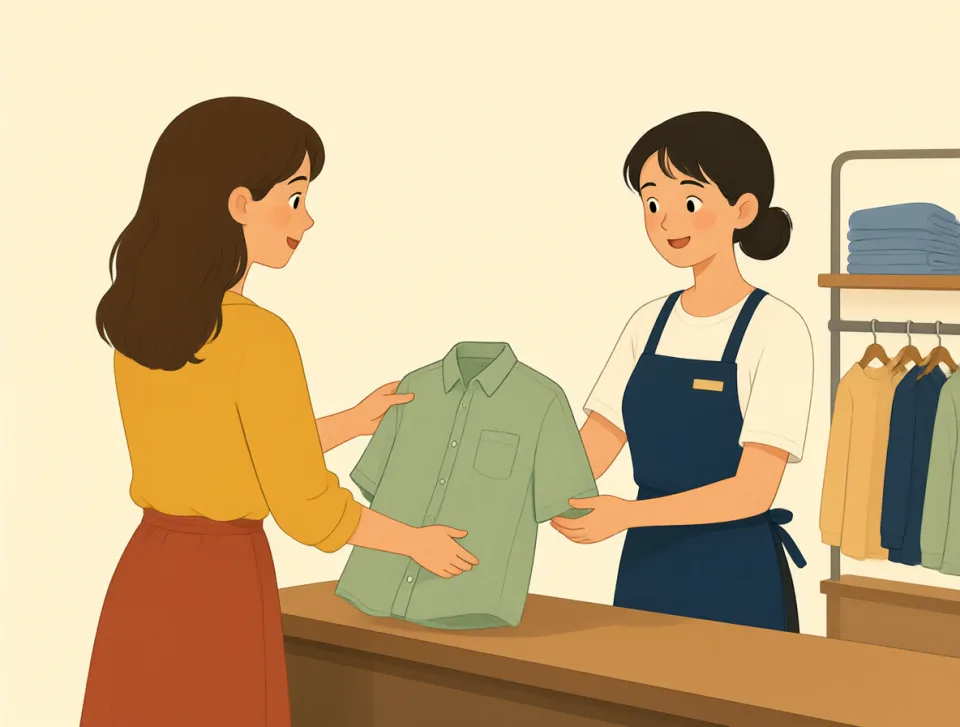
The store changed its return policy yesterday.
Вчера магазин изменил правила возврата товаров.
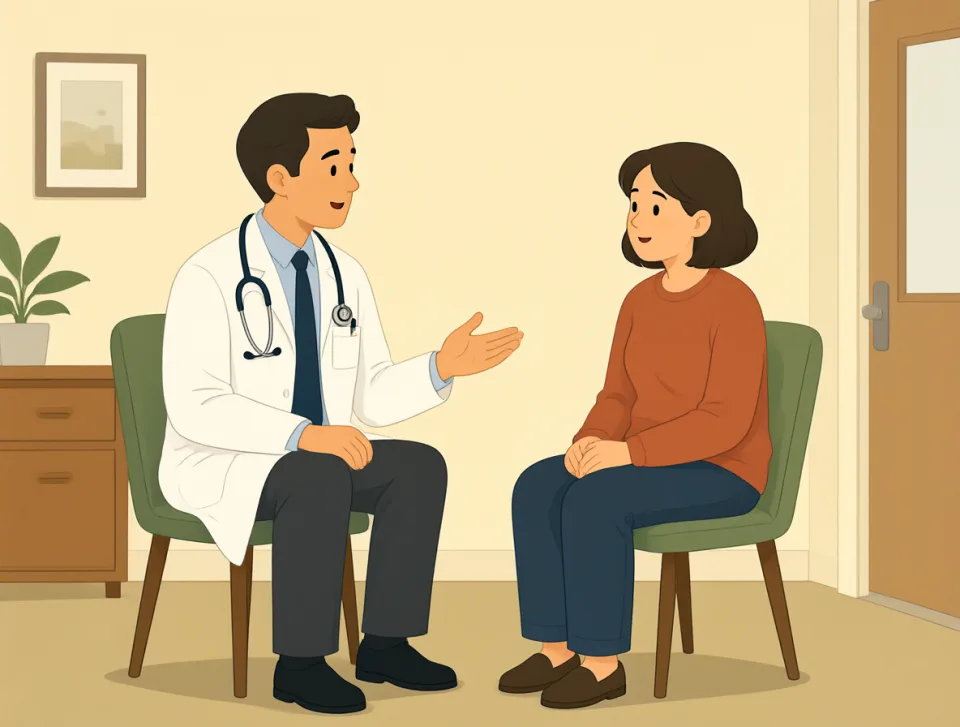
The doctor explained the hospital's privacy policy.
Врач объяснил политику больницы в отношении конфиденциальности.
further
#400adverb, adjective, verb
дальше
To a greater distance, time, or degree; or to help something develop more.
На большее расстояние, более позднее время или в большей степени; также — способствовать дальнейшему развитию чего-либо.
Please move further away from the door.
Пожалуйста, отойдите подальше от двери.

We need further information about the trip.
Нам нужна дополнительная информация о поездке.
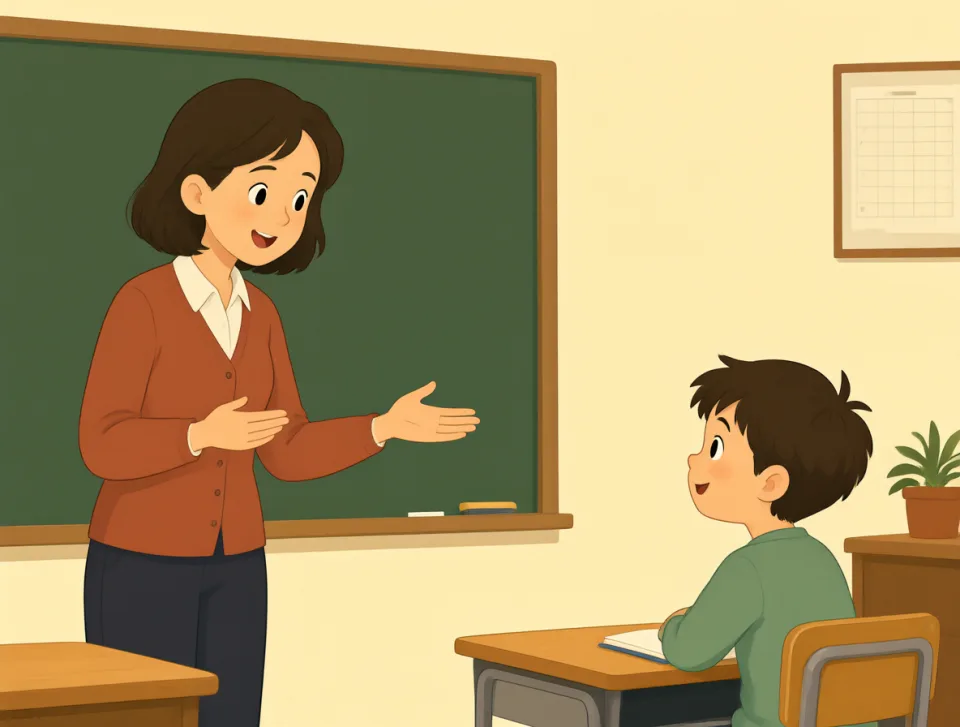
The teacher explained the lesson further.
Учитель подробнее объяснил урок.
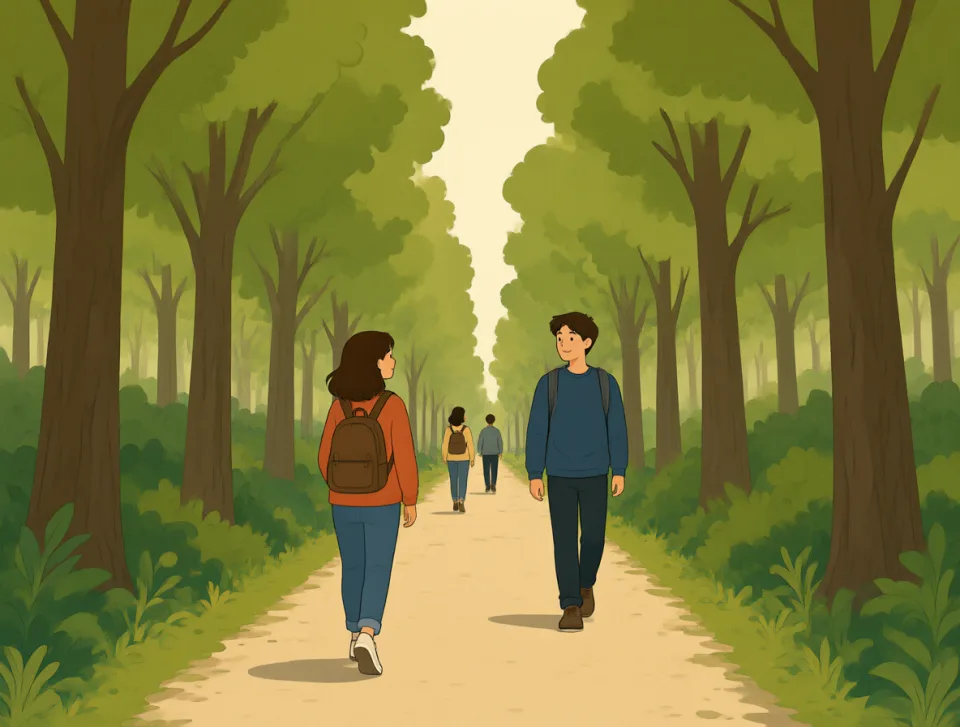
The road continues further into the forest.
Дорога продолжается дальше, вглубь леса.
This course will further your English skills.
Этот курс поможет вам улучшить знание английского.